Dehydroacetic Acid
No meaningful concern for most people; irritation is possible but rare.
Also written as: 3-Acetyl-6-methylpyran-2,4(3H)-dione · DHA (preservative)
What it is
Dehydroacetic acid is a synthetic pyranone that behaves like a stronger relative of sorbic acid. It is mainly antifungal, works best in mildly acidic formulas, and is frequently paired with benzyl alcohol in preservative blends marketed as 'natural-compatible'. Its sodium salt, sodium dehydroacetate, is the more water-soluble version and falls under the same EU entry.
What it does well
Good mould and yeast control in acidic and natural-positioned formulas
It is widely used as the antifungal half of preservative blends that avoid parabens and isothiazolinones, particularly in mask essences and gels.
Moderate evidence
Very low reported rate of skin reactions
Reports of allergy are sparse (a handful of case reports rather than population-level signals) despite widespread use in cosmetics and food.
Moderate evidence
Worth knowing
Occasional allergic contact dermatitis
Sodium dehydroacetate was described in Dermatitis in 2012 as an 'emerging allergen' on the basis of case reports. It remains uncommon, but it is documented.
Matters most toPeople with known preservative allergy or unexplained cosmetic dermatitis.
Not permitted in aerosol sprays
The EU restriction excludes aerosol dispensers because of concerns about inhalation exposure rather than skin contact. It has no bearing on face masks, which are not sprayed.
Matters most toNobody using face masks; the restriction applies to spray formats.
Where the EU stands
Approved preservative (Annex V)
Permitted preservative, maximum 0.6% expressed as the acid. Not permitted in aerosol dispensers (sprays).
Regulation (EC) No 1223/2009, Annex V entry 13 · source ↗
Sources (1)
Every link goes to the original: a journal, a PubMed record or an EU document.
- [1]Sodium dehydroacetate: an emerging allergen
Dermatitis · 2012 · doi:10.1097/DER.0b013e31826f5b86
A case-based report identifying sodium dehydroacetate as a newly recognised, though uncommon, cause of allergic contact dermatitis.
Masks that contain Dehydroacetic Acid
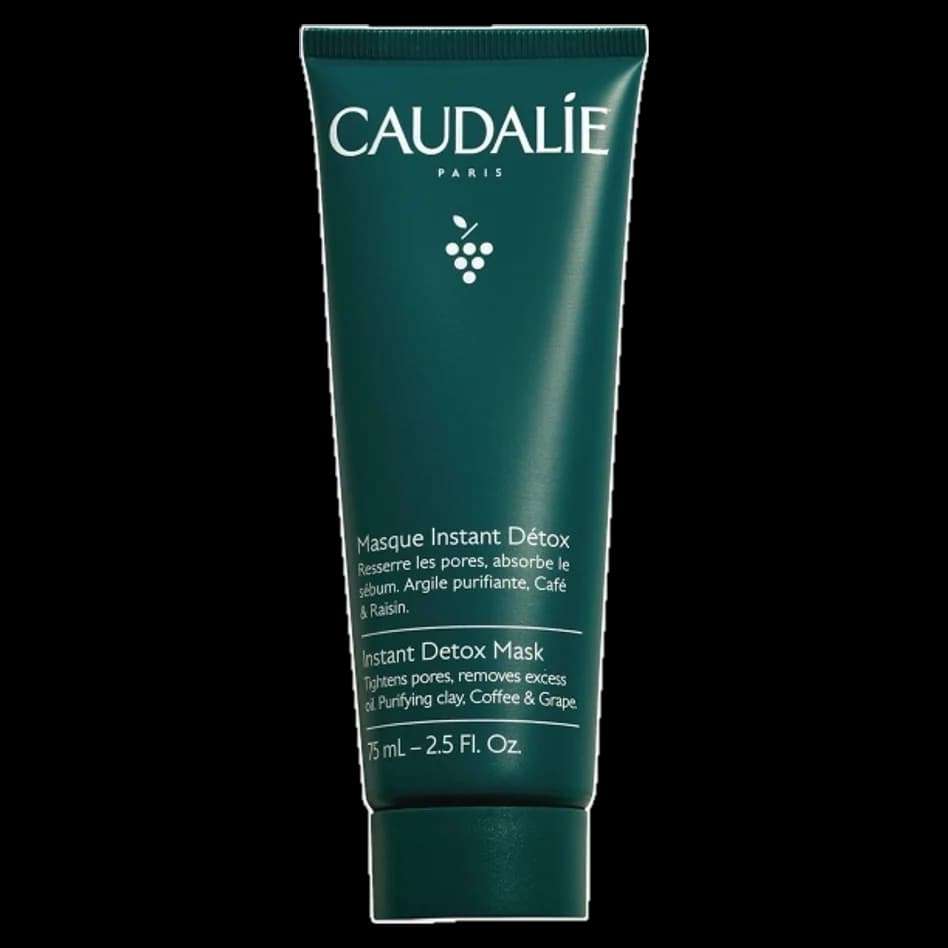
Caudalie
Vinergetic C+ Instant Detox Mask
17th of 33 on the label
below ≈1%
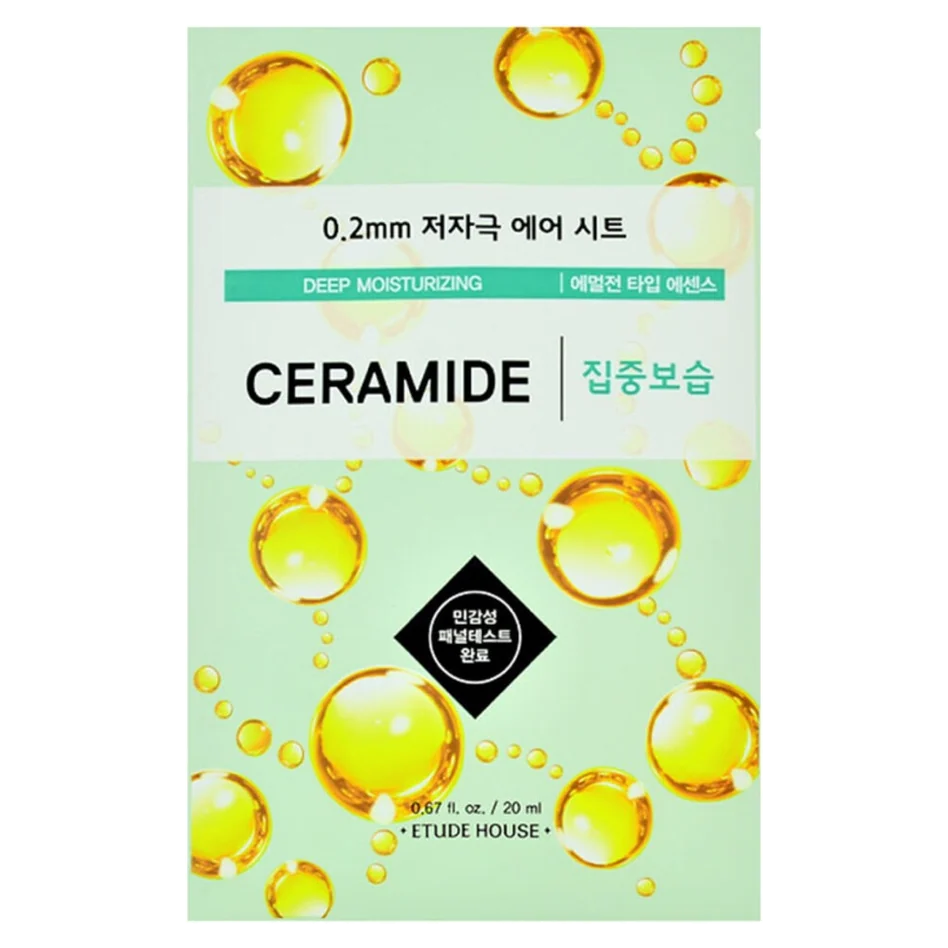
Etude House
0.2mm Therapy Air Mask Ceramide
18th of 33 on the label
below ≈1%
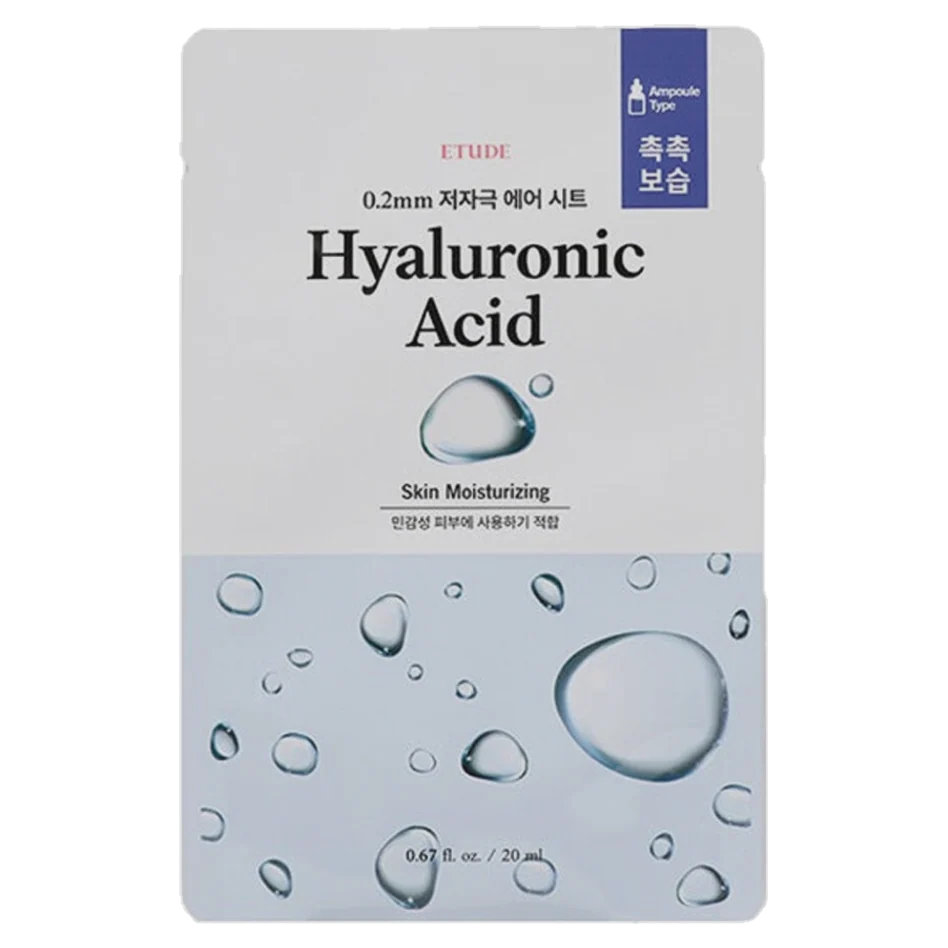
Etude House
0.2mm Therapy Air Mask Hyaluronic Acid
18th of 35 on the label
below ≈1%
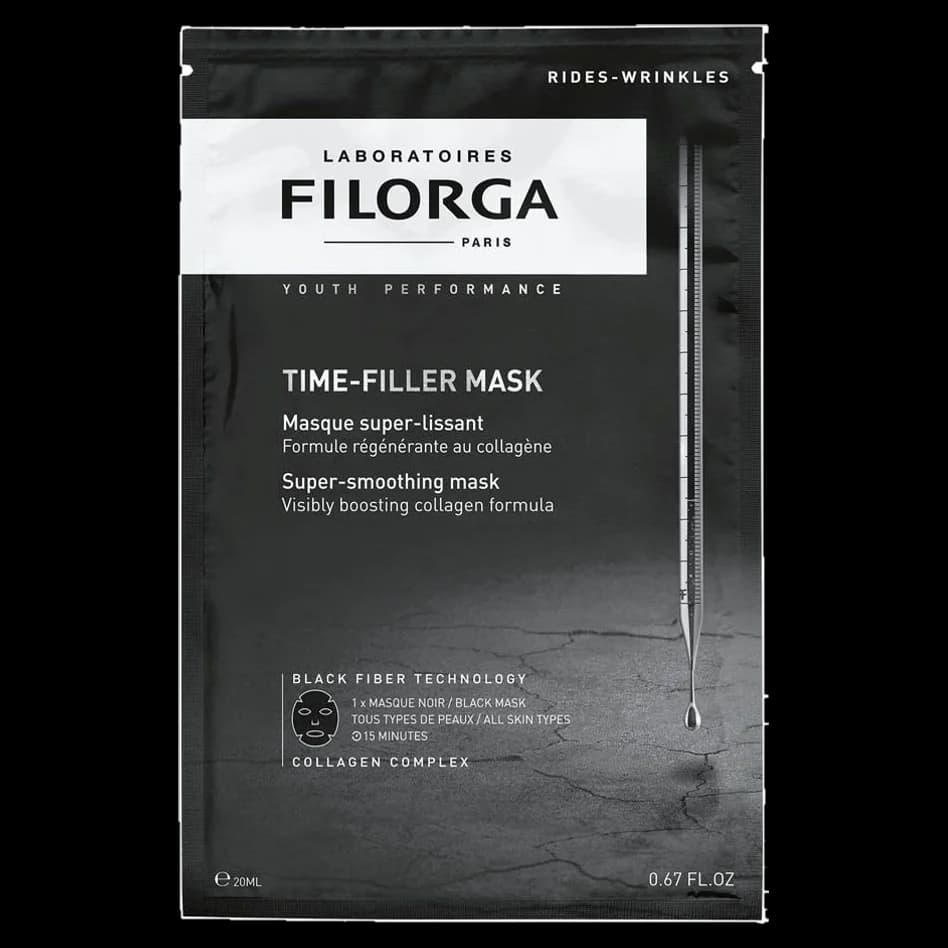
Filorga
Time-Filler Mask
18th of 20 on the label
below ≈1%
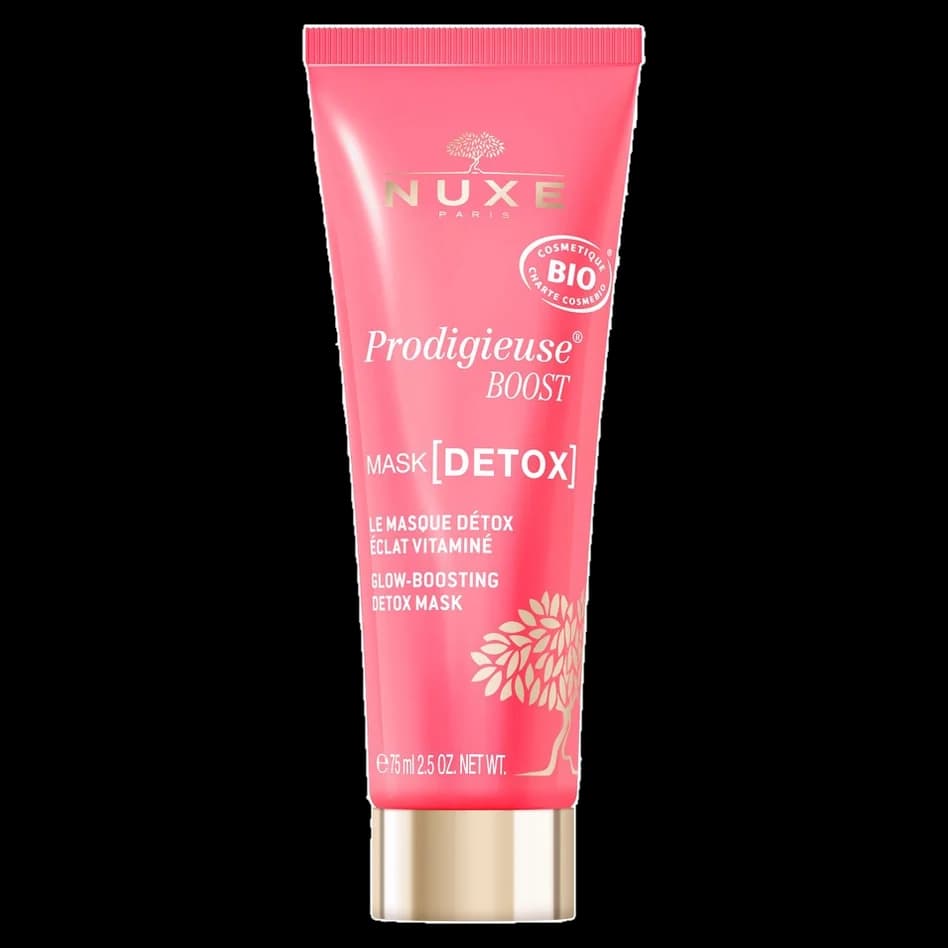
NUXE
Prodigieuse Boost Clarifying Detox Mask
9th of 14 on the label
below ≈1%
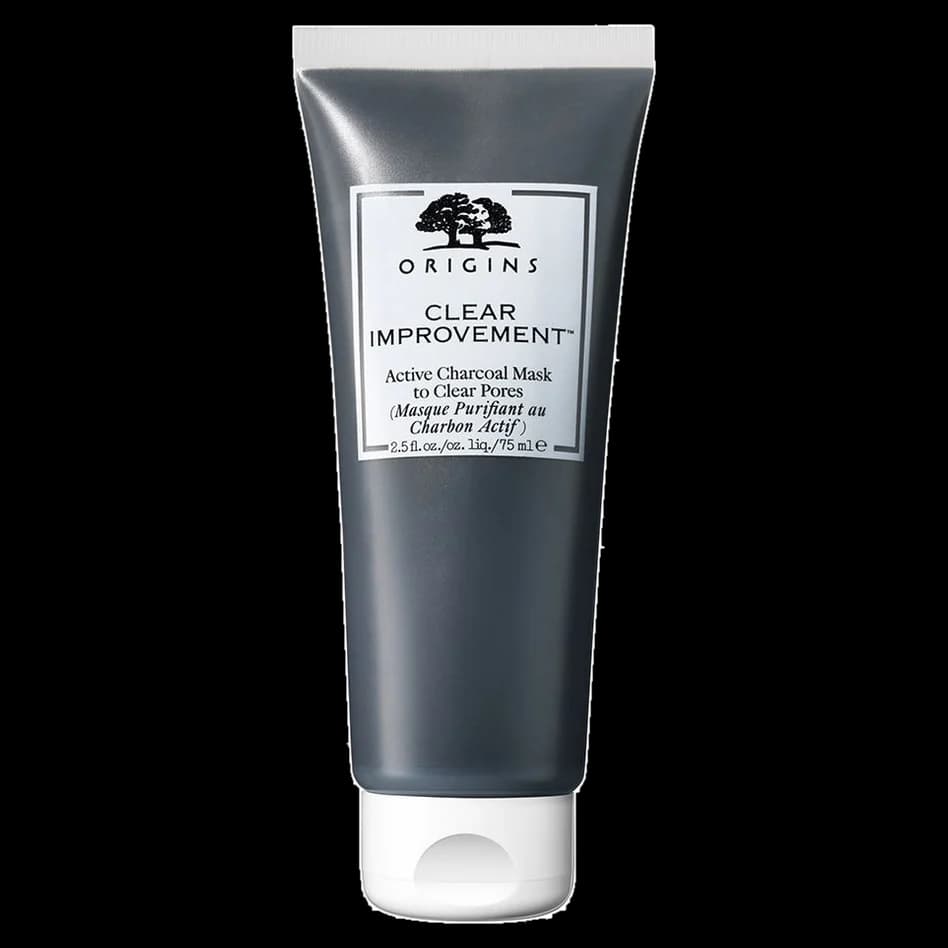
Origins
Clear Improvement Active Charcoal Mask to Clear Pores
22nd of 23 on the label
below ≈1%
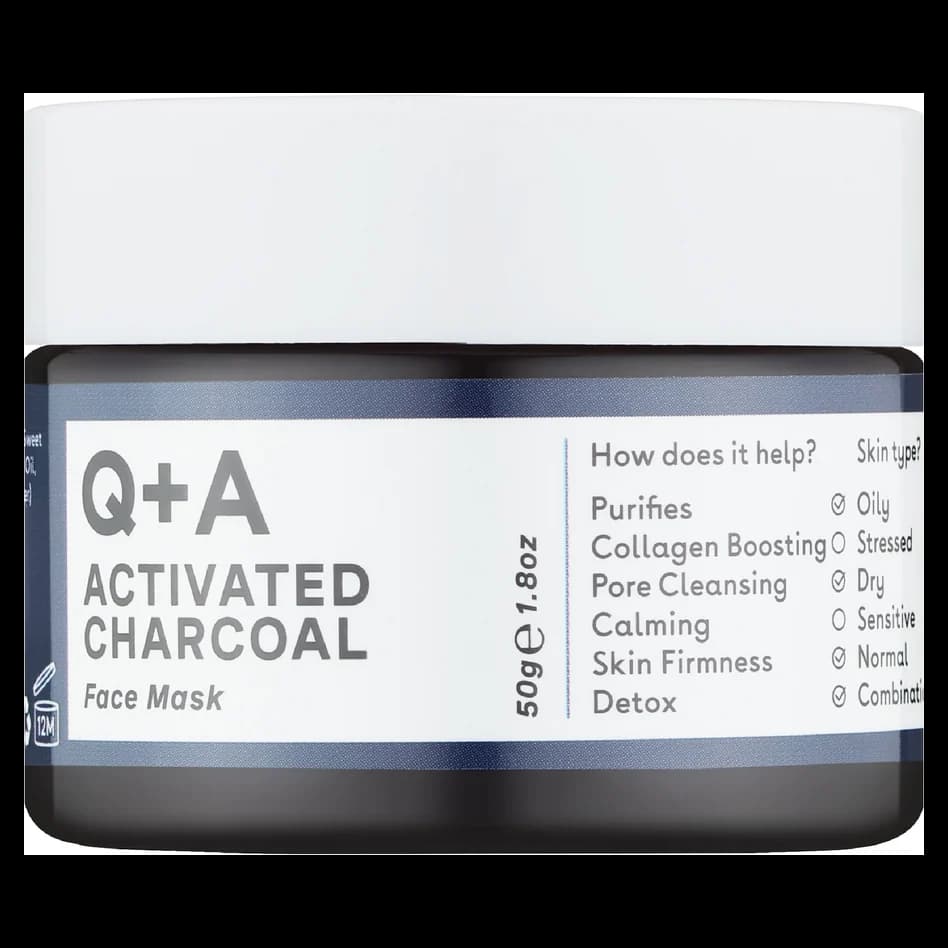
Q+A
Activated Charcoal Face Mask
14th of 18 on the label
below ≈1%
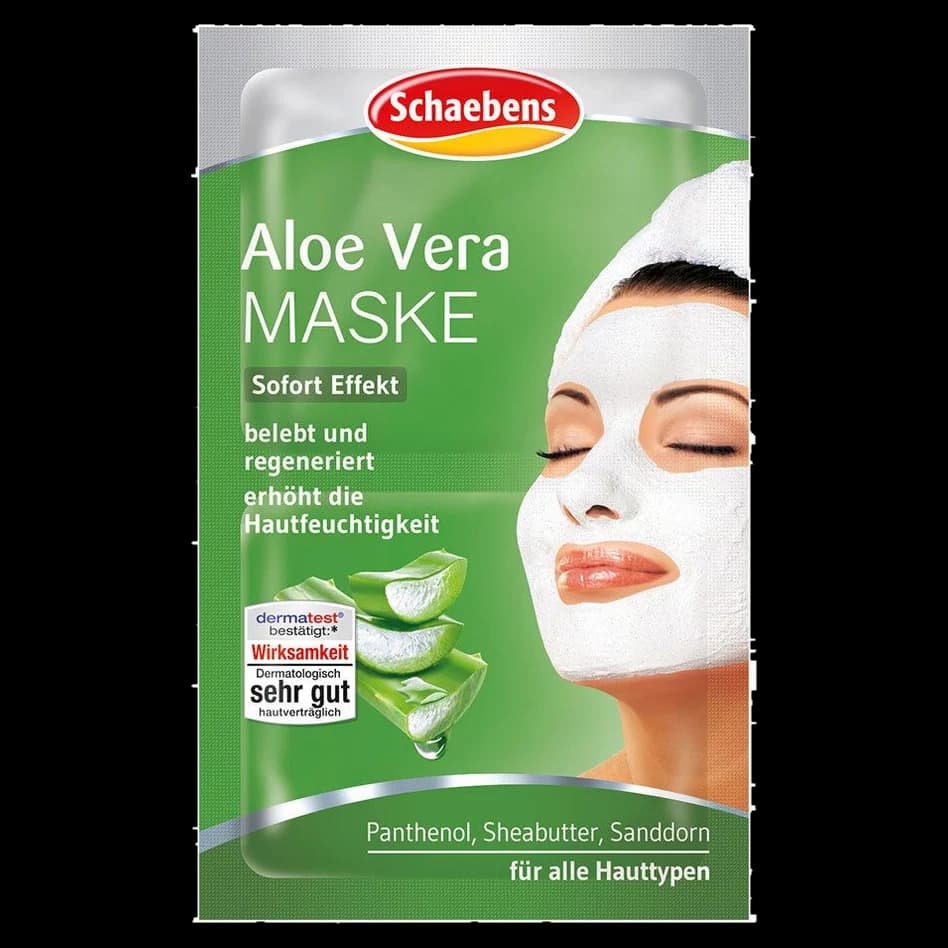
Schaebens
Aloe Vera Maske
20th of 34 on the label
below ≈1%