Benzyl Alcohol
No meaningful concern for most people; irritation is possible but rare.
Also written as: Phenylmethanol · Benzenemethanol · Phenylcarbinol
What it is
Benzyl alcohol occurs naturally in jasmine, ylang-ylang and balsams, and is also made synthetically. In cosmetics it does three jobs at once: it slows microbial growth, dissolves other ingredients, and adds a faint sweet-floral note. Because it is one of the EU's listed fragrance allergens, it has to be named on the label whenever it exceeds a low threshold, which is why it appears so often at the end of ingredient lists, even in products with no added perfume.
What it does well
Broad-spectrum preservation that works across a wide pH range
Unlike benzoates and sorbates it does not depend on an acidic pH, so it suits neutral gel masks and creams. It is often combined with dehydroacetic acid or benzoic acid.
Moderate evidence
Despite its allergen label, it very rarely causes contact allergy
In a study of 70,867 patch-tested patients, only 0.21% reacted, mostly weakly and mainly among people with stasis dermatitis. The authors concluded benzyl alcohol cannot be regarded as a significant contact allergen.
Strong evidence
Worth knowing
Must be declared as a fragrance allergen, which can be alarming out of context
EU rules require it to be listed once it exceeds 0.001% in a leave-on product or 0.01% in a rinse-off product. The declaration reflects a legal labelling rule, not evidence that the ingredient is a strong sensitiser.
Matters most toPeople with a diagnosed fragrance allergy who use the allergen list to screen products.
Can sting on broken or inflamed skin
As a solvent it can be mildly irritating on compromised skin barriers, particularly at the upper end of the permitted range.
Matters most toPeople with eczema, open cracks or a freshly exfoliated barrier.
Where the EU stands
Approved preservative (Annex V)
Permitted preservative up to 1.0%; other uses (solvent, perfume) are governed by Annex III entry 45, which also requires it to be named on the label above 0.001% in leave-on and 0.01% in rinse-off products.
Regulation (EC) No 1223/2009, Annex V entry 34 and Annex III entry 45 · source ↗
Sources (2)
Every link goes to the original: a journal, a PubMed record or an EU document.
- [1]Is benzyl alcohol a significant contact sensitizer?
Journal of the European Academy of Dermatology and Venereology · 2022 · doi:10.1111/jdv.17968
Among 70,867 patch-tested patients only 0.21% reacted to benzyl alcohol, leading the authors to conclude it is not a significant contact allergen.
- [2]Final report on the safety assessment of Benzyl Alcohol, Benzoic Acid, and Sodium Benzoate
International Journal of Toxicology (Cosmetic Ingredient Review) · 2001
The expert panel concluded benzyl alcohol is safe for use in cosmetic products at the concentrations reviewed.
Masks that contain Benzyl Alcohol
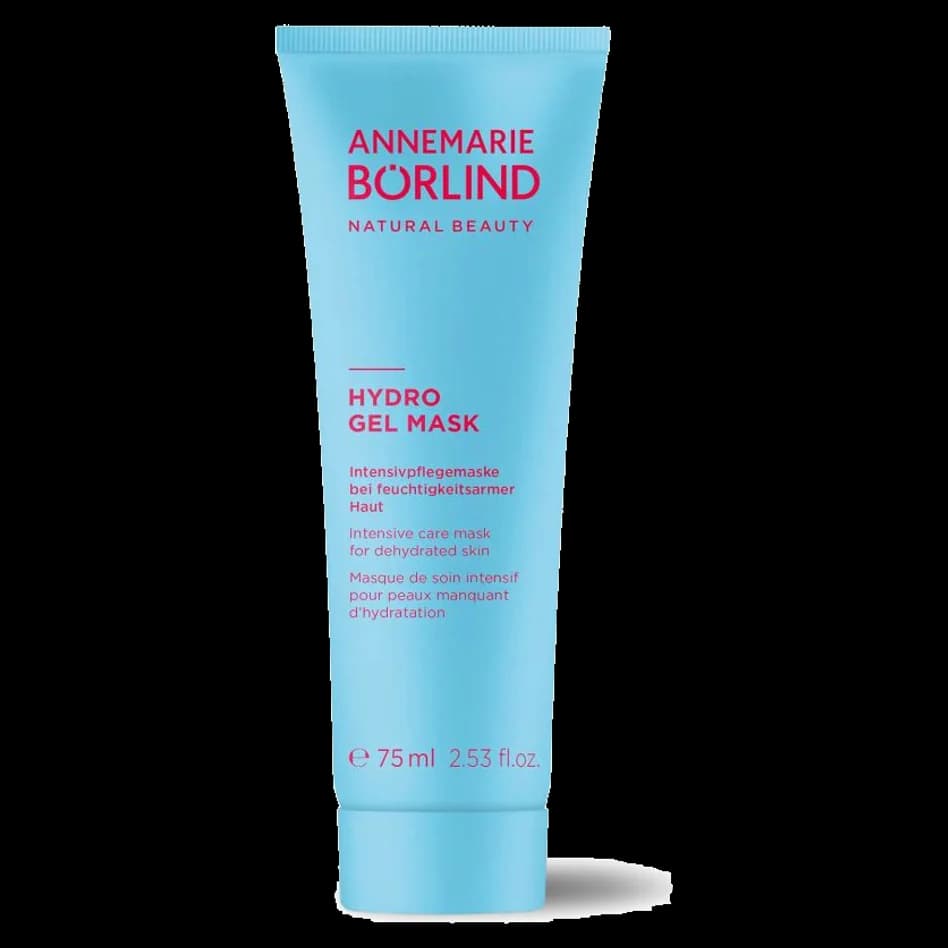
Annemarie Börlind
Hydro Gel Mask
9th of 33 on the label
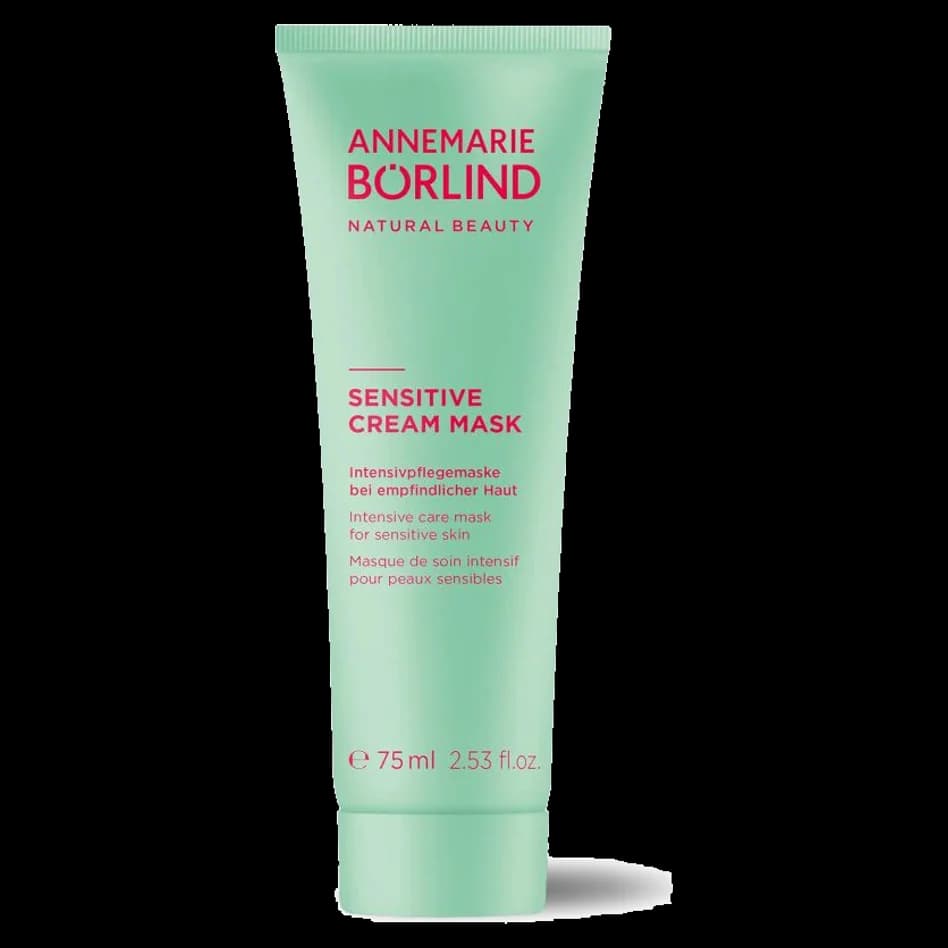
Annemarie Börlind
Sensitive Cream Mask
17th of 31 on the label
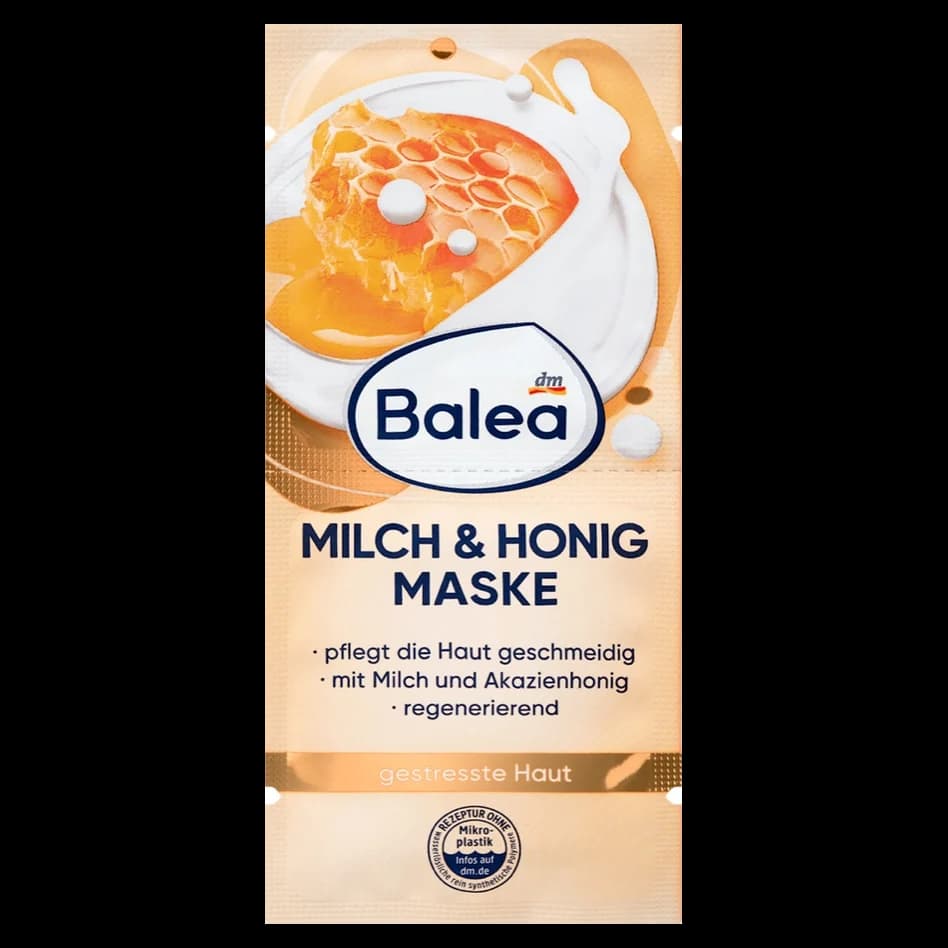
Balea
Gesichtsmaske Milch & Honig
36th of 36 on the label
below ≈1%
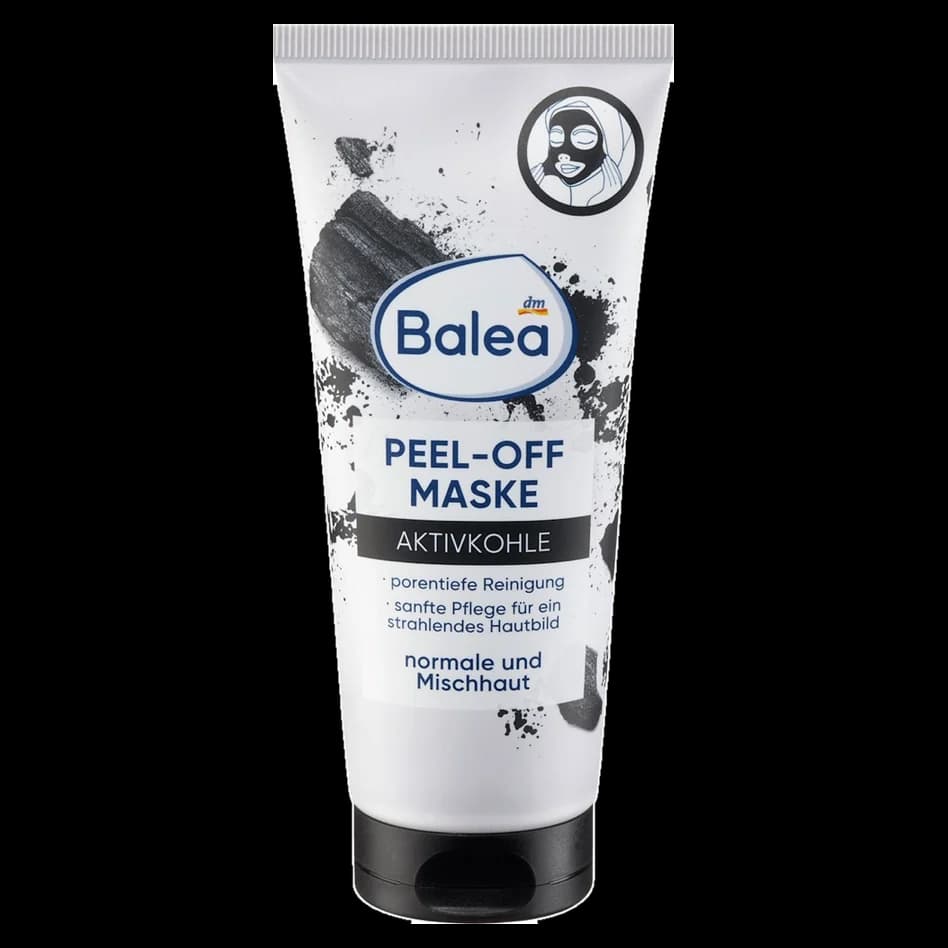
Balea
Gesichtsmaske Peel-Off Aktivkohle
16th of 18 on the label
below ≈1%
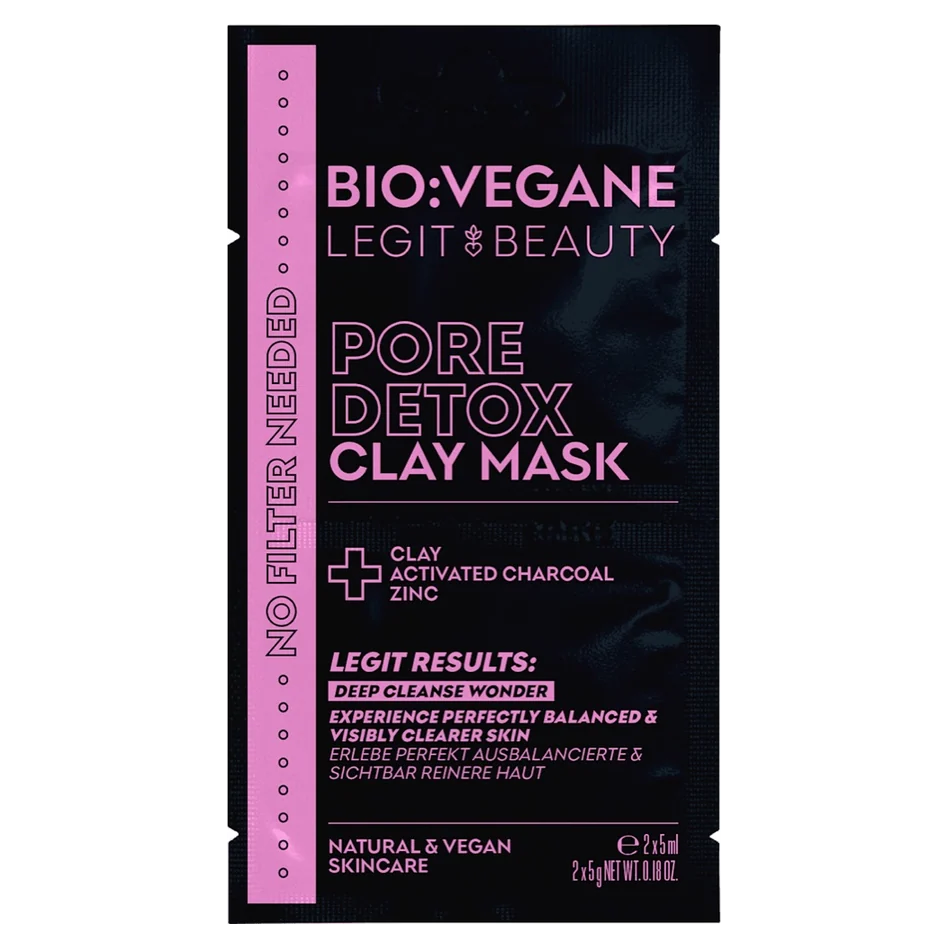
BIO:VEGANE
Gesichtsmaske Pore Detox Clay Mask
18th of 19 on the label
below ≈1%
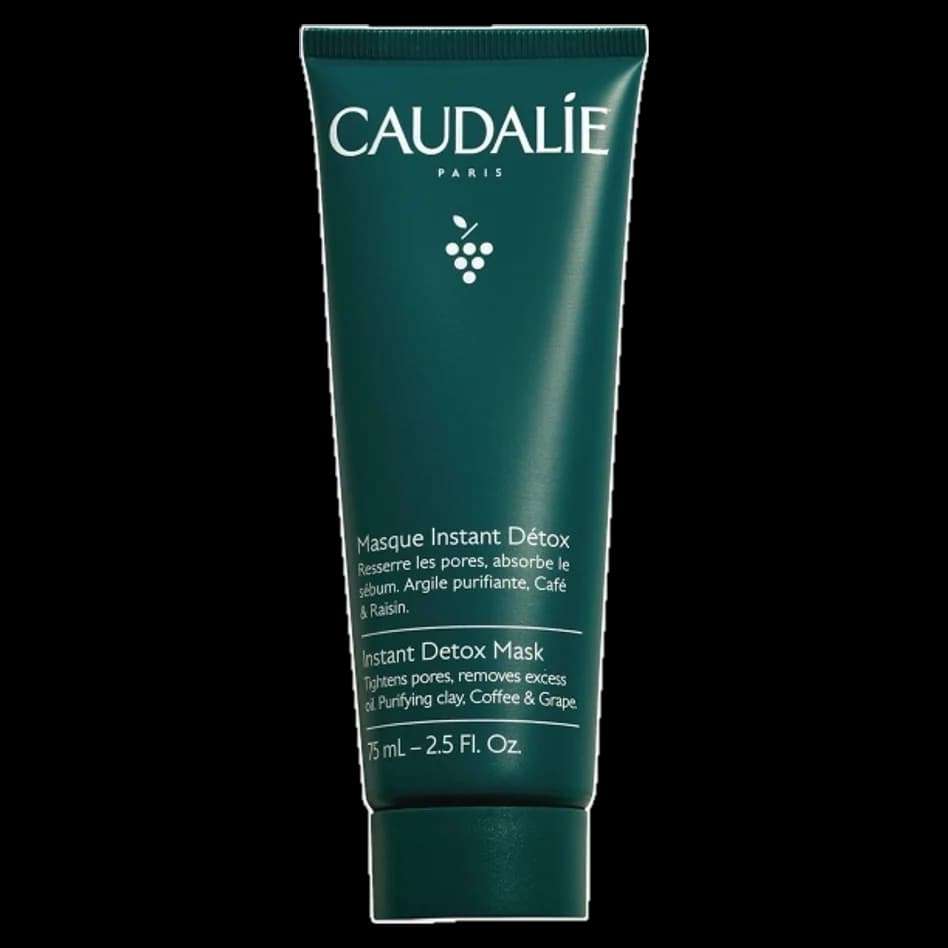
Caudalie
Vinergetic C+ Instant Detox Mask
7th of 33 on the label
below ≈1%
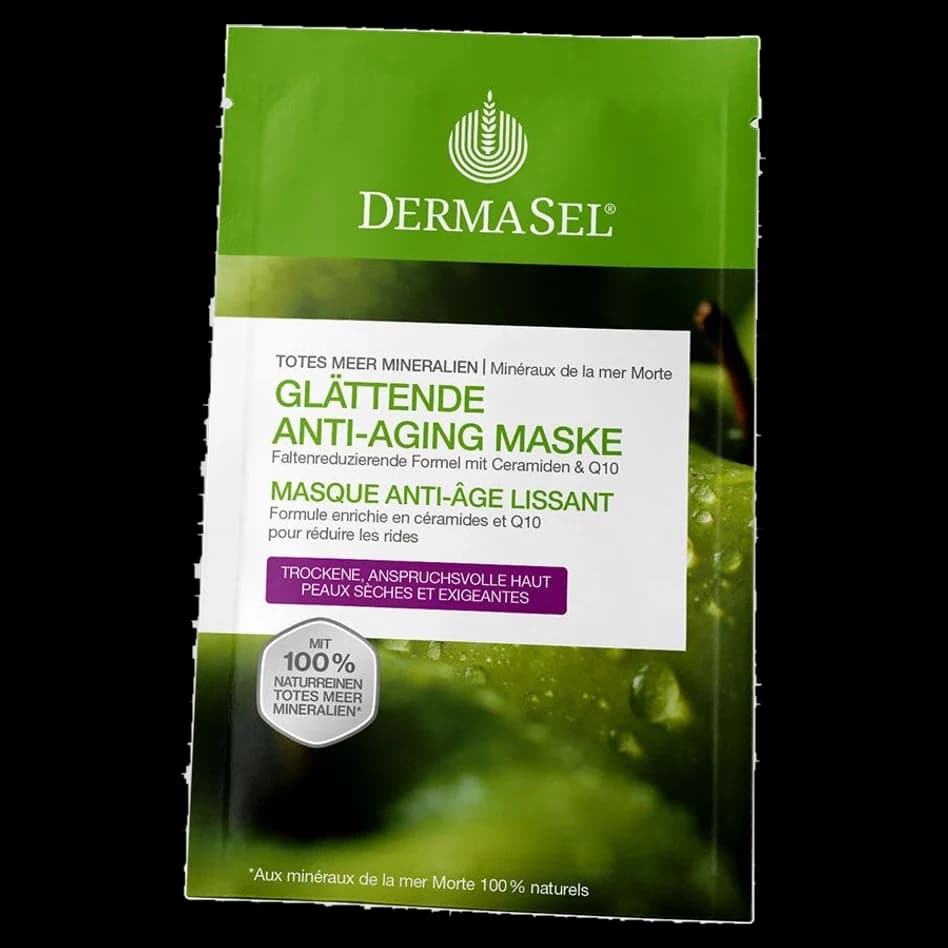
DERMASEL
EXKLUSIV Totes Meer Maske Anti Aging
21st of 26 on the label
below ≈1%
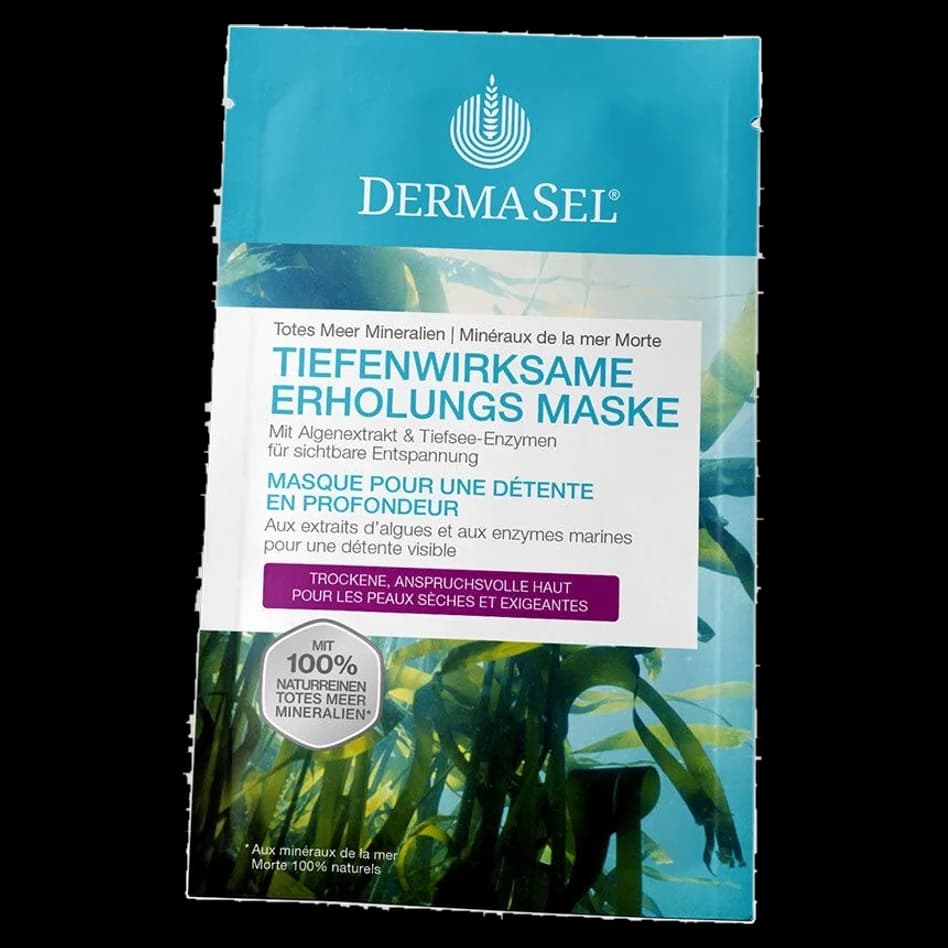
DERMASEL
SPA Totes Meer Maske Erholung
28th of 31 on the label
below ≈1%
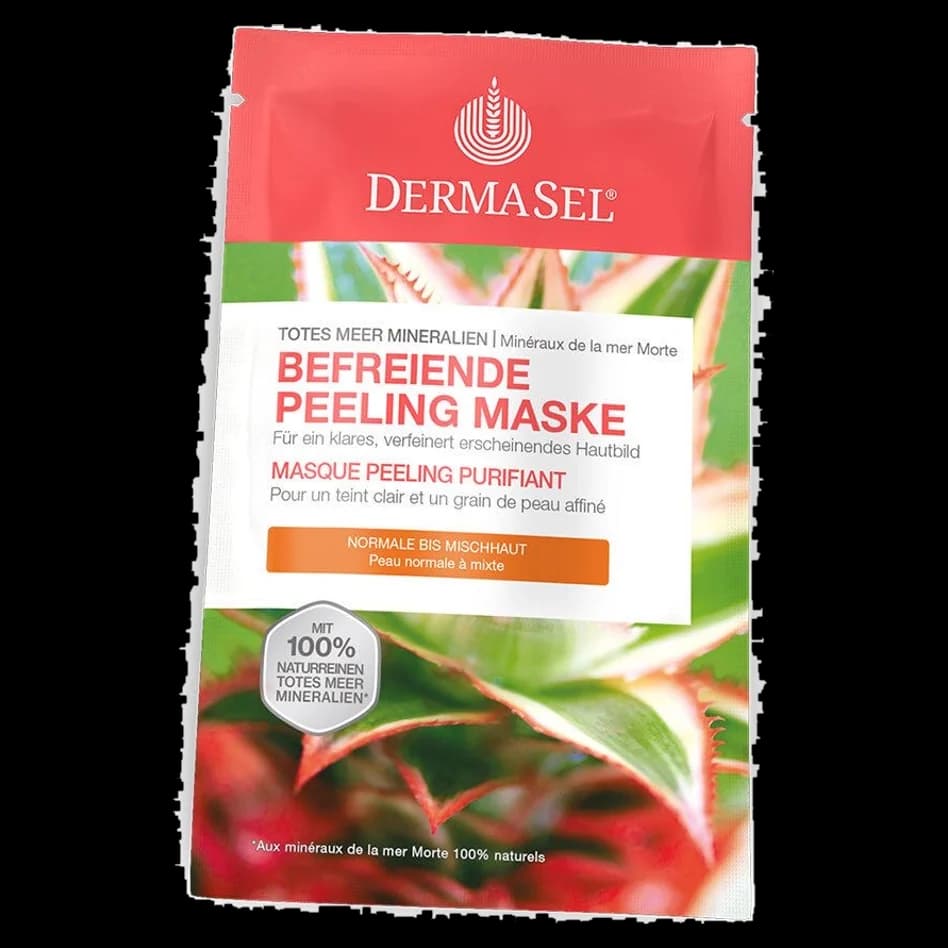
DERMASEL
SPA Totes Meer Maske Peeling
15th of 16 on the label
below ≈1%
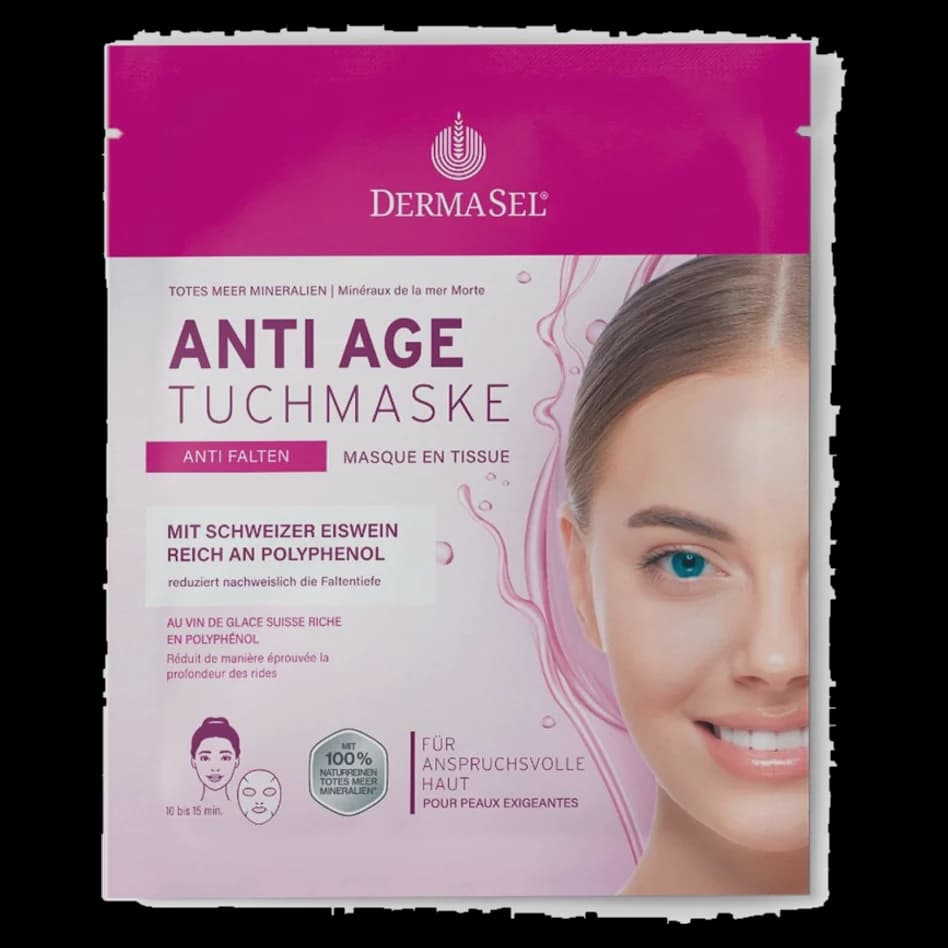
DERMASEL
Totes Meer Anti-Age Tuchmaske
21st of 23 on the label
below ≈1%
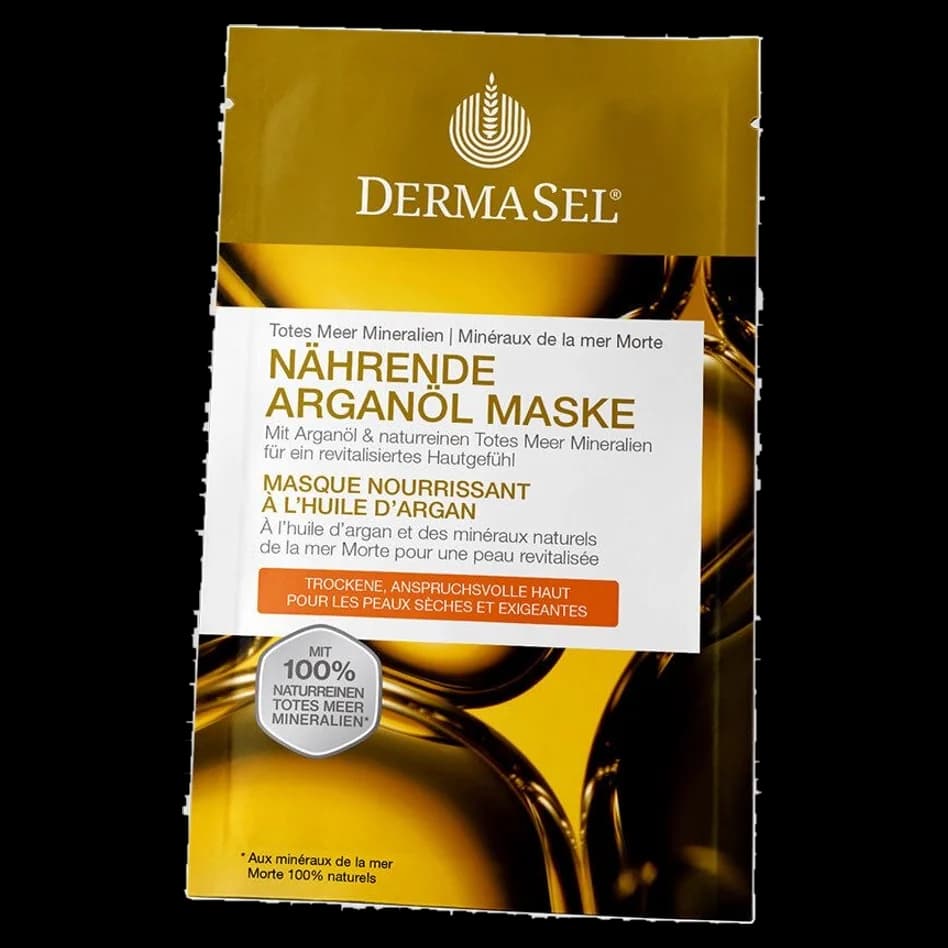
DERMASEL
Totes Meer Mineralien Nährende Arganöl Maske
26th of 29 on the label
below ≈1%
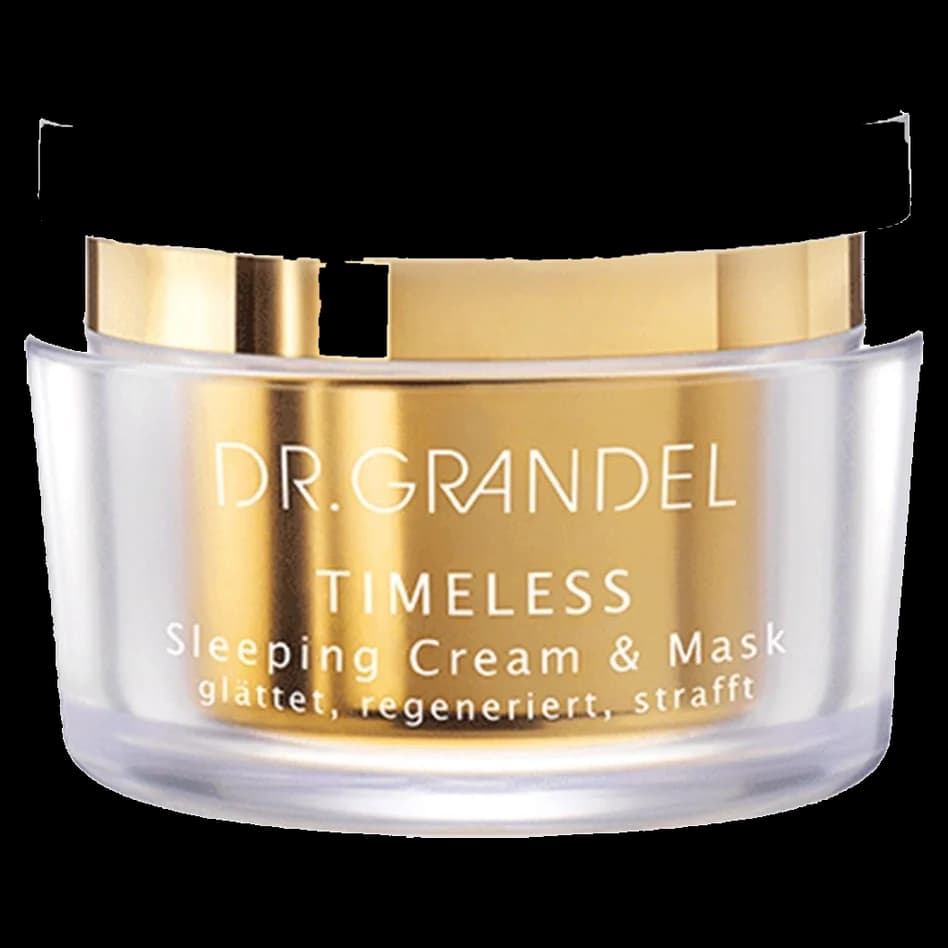
Dr. Grandel
Timeless Sleeping Cream & Mask
28th of 35 on the label
below ≈1%
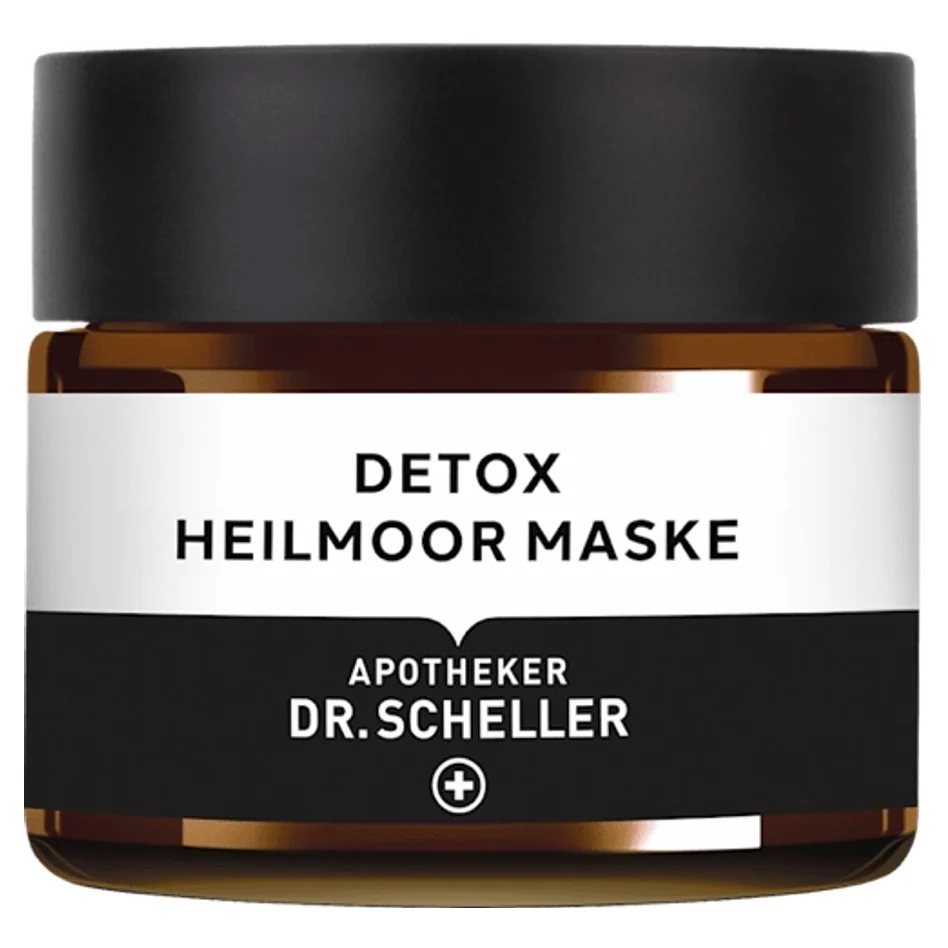
Dr. Scheller
Detox Heilmoor Maske
21st of 22 on the label
below ≈1%
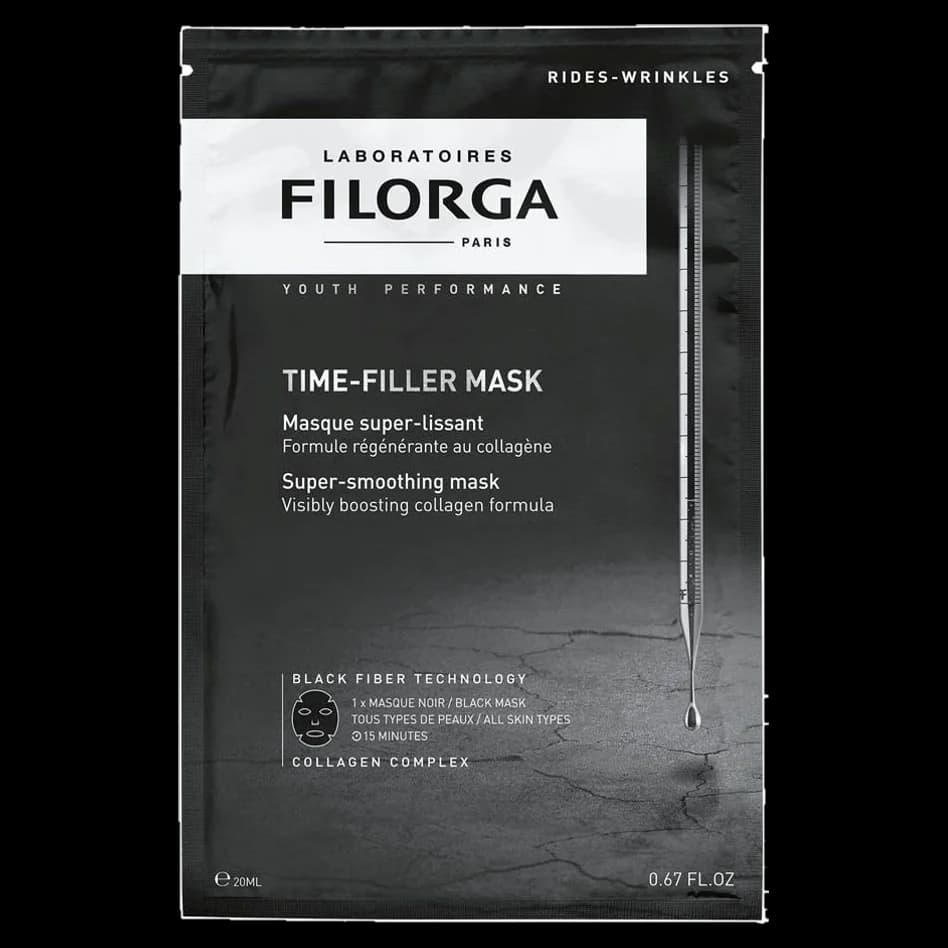
Filorga
Time-Filler Mask
16th of 20 on the label
below ≈1%
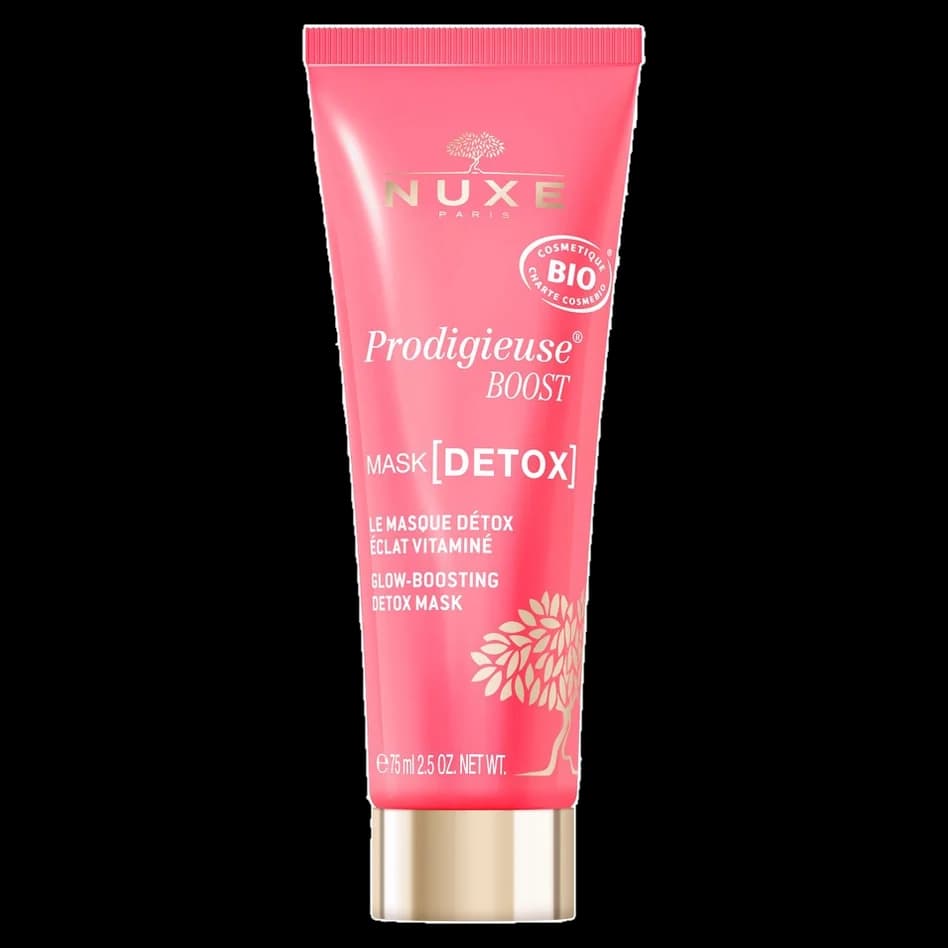
NUXE
Prodigieuse Boost Clarifying Detox Mask
8th of 14 on the label
below ≈1%
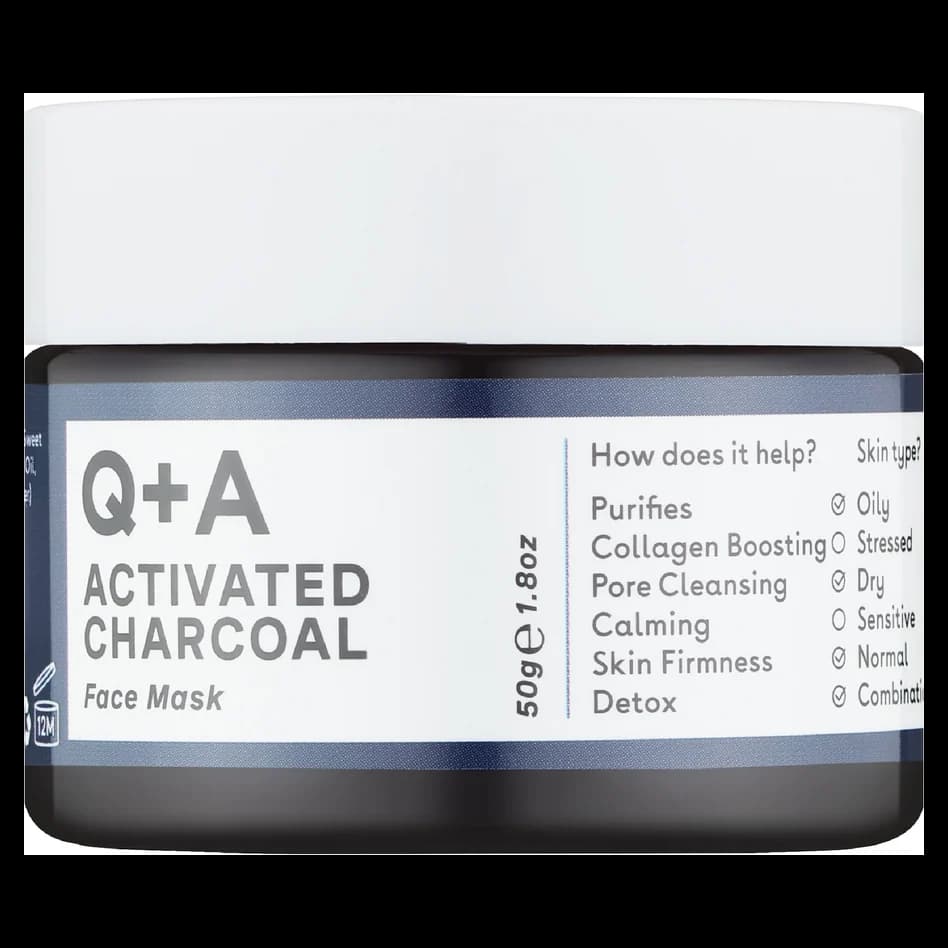
Q+A
Activated Charcoal Face Mask
15th of 18 on the label
below ≈1%
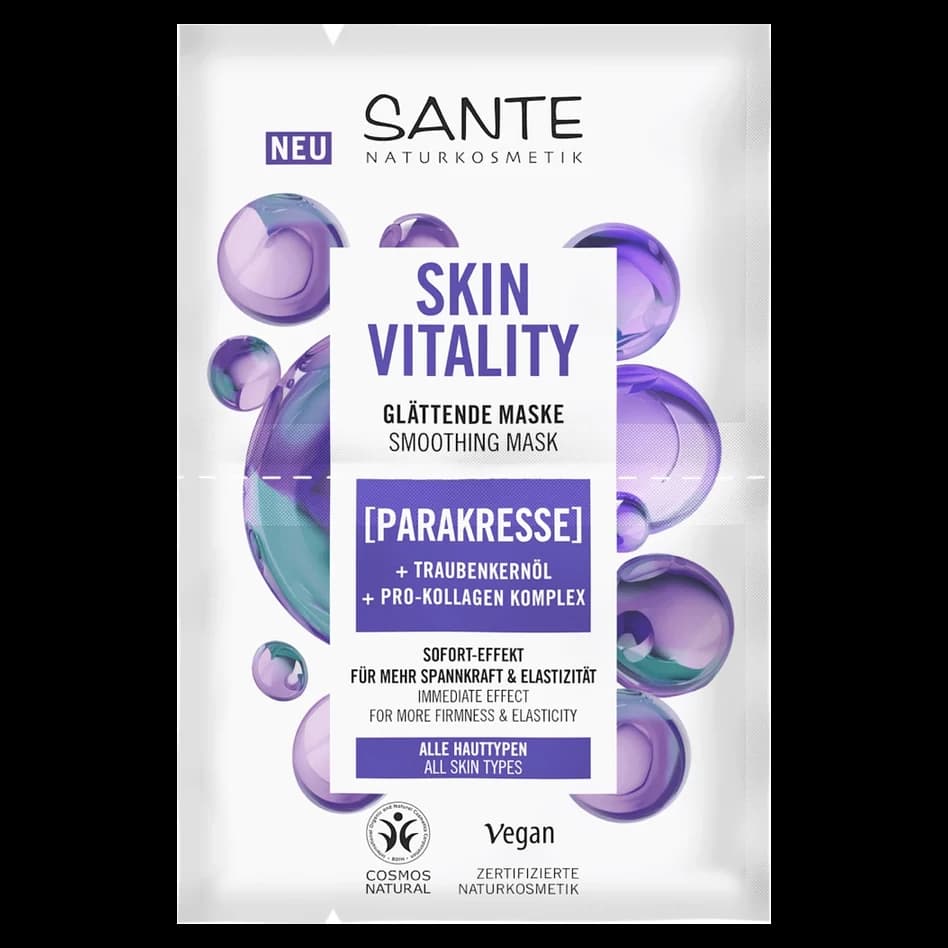
Santé Naturkosmetik
Skin Vitality Maske Parakresse
26th of 33 on the label
below ≈1%
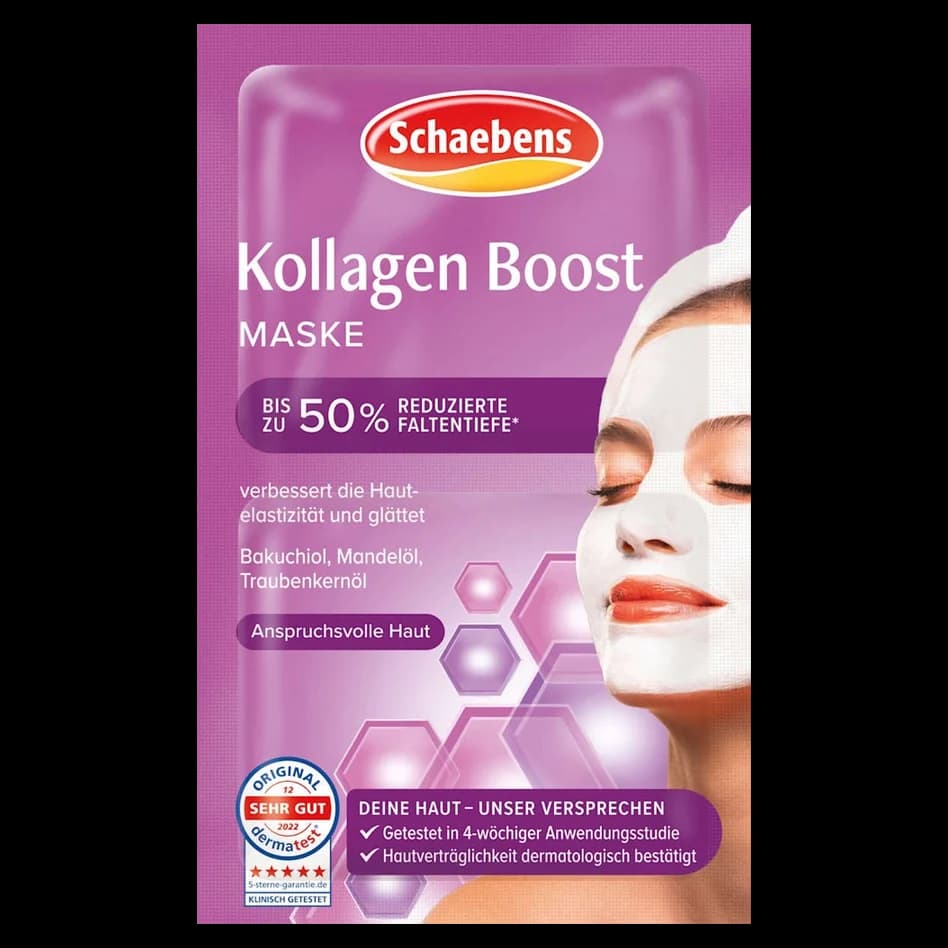
Schaebens
Gesichtsmaske Kollagen Boost
23rd of 27 on the label
below ≈1%
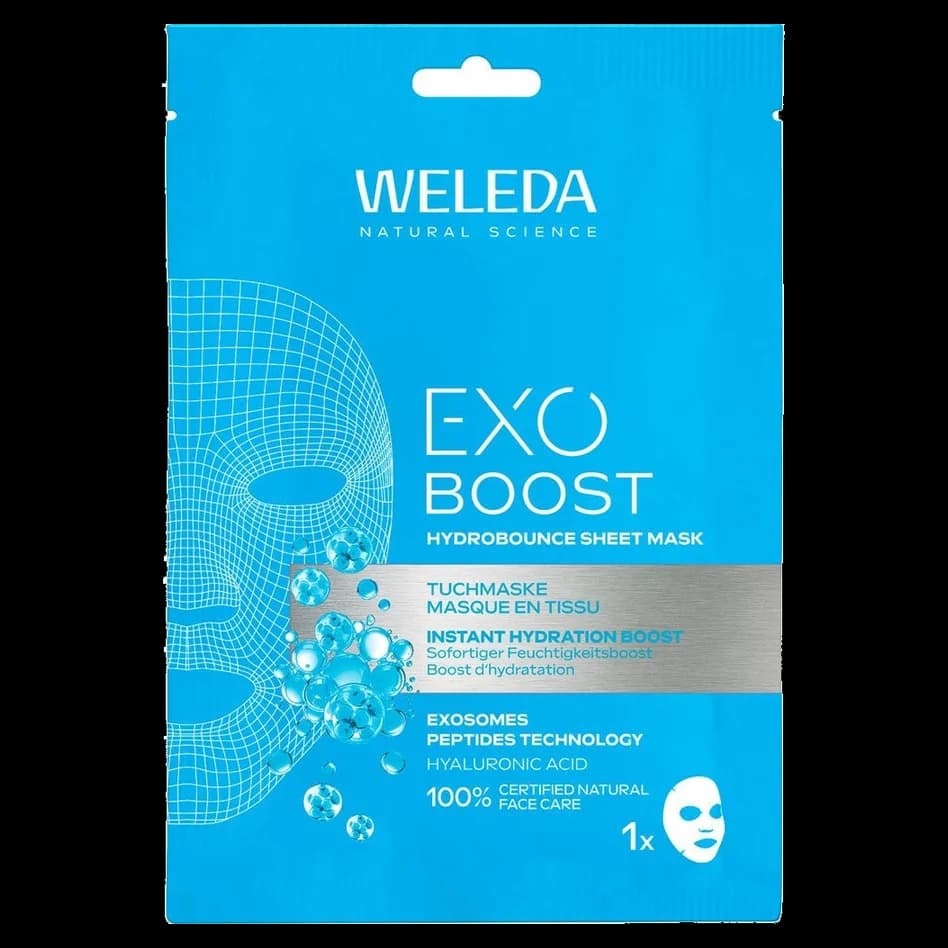
Weleda
Exo Boost Hydrobounce Tuchmaske
11th of 34 on the label
below ≈1%