Phenoxyethanol
No meaningful concern for most people; irritation is possible but rare.
Also written as: 2-Phenoxyethanol · Ethylene Glycol Monophenyl Ether · Phenoxetol
What it is
Phenoxyethanol is a colourless, faintly rose-scented liquid made industrially from phenol and ethylene oxide; it also occurs naturally in green tea and chicory. Formulators use it because it works across a wide pH range, is stable in water-based gels and sheet-mask essences, and kills or suppresses a broad range of bacteria, yeasts and moulds. It is usually paired with a booster such as ethylhexylglycerin or caprylyl glycol so that less of it is needed. In the EU it is a listed preservative with a hard ceiling of 1%.
How it shows up on a label
Usually appears near the end of the ingredient list, below the point where order stops indicating quantity.
What it does well
Reliably protects water-based masks from bacteria and mould
It is effective against Gram-negative bacteria such as Pseudomonas, which are the organisms most likely to spoil a wet sheet mask or gel. The SCCS reviewed the full toxicological dossier and confirmed 1% as a safe maximum.
Strong evidence
One of the least allergenic preservatives in routine use
In the North American Contact Dermatitis Group series of 50,799 patch-tested patients, phenoxyethanol produced positive reactions in only 0.2%, the lowest rate of any preservative tested.
Strong evidence
Worth knowing
Rare allergic contact dermatitis and contact urticaria
Genuine allergy exists but is uncommon; published cases describe hand dermatitis and site-limited hives. This is a real but small risk, not a general one.
Matters most toPeople with a confirmed patch-test allergy to phenoxyethanol.
The 'toxic for babies' claim is not supported by the EU review
France's ANSM proposed cutting the limit to 0.4% for children under three. The SCCS re-examined the data in 2016 and concluded 1% remains safe for all consumers, with the margin of safety also covering infants and babies.
Matters most toParents who have seen this claim online; the EU regulator considered it and did not change the limit.
Where the EU stands
Approved preservative (Annex V)
Permitted preservative, maximum 1.0% in all cosmetic products.
Regulation (EC) No 1223/2009, Annex V entry 29 · source ↗
Sources (3)
Every link goes to the original: a journal, a PubMed record or an EU document.
- [1]Opinion on Phenoxyethanol (SCCS/1575/16)
SCCS (Scientific Committee on Consumer Safety), European Commission · 2016
The SCCS considers 2-phenoxyethanol safe for use as a preservative at a maximum concentration of 1.0%, and states the margin of safety also covers infants and babies.
- [2]Contact dermatitis associated with preservatives: Retrospective analysis of North American Contact Dermatitis Group data, 1994 through 2016
Journal of the American Academy of Dermatology · 2021 · doi:10.1016/j.jaad.2020.07.059
Across 50,799 patch-tested patients, phenoxyethanol had the lowest positivity rate of any preservative tested at 0.2%, compared with 12.2% for methylisothiazolinone.
- [3]Allergic contact dermatitis to phenoxyethanol: A rare, but possible cause of hand dermatitis
Contact Dermatitis · 2022
Documents that true allergic contact dermatitis to phenoxyethanol does occur, but frames it as a rare cause of hand dermatitis.
Masks that contain Phenoxyethanol
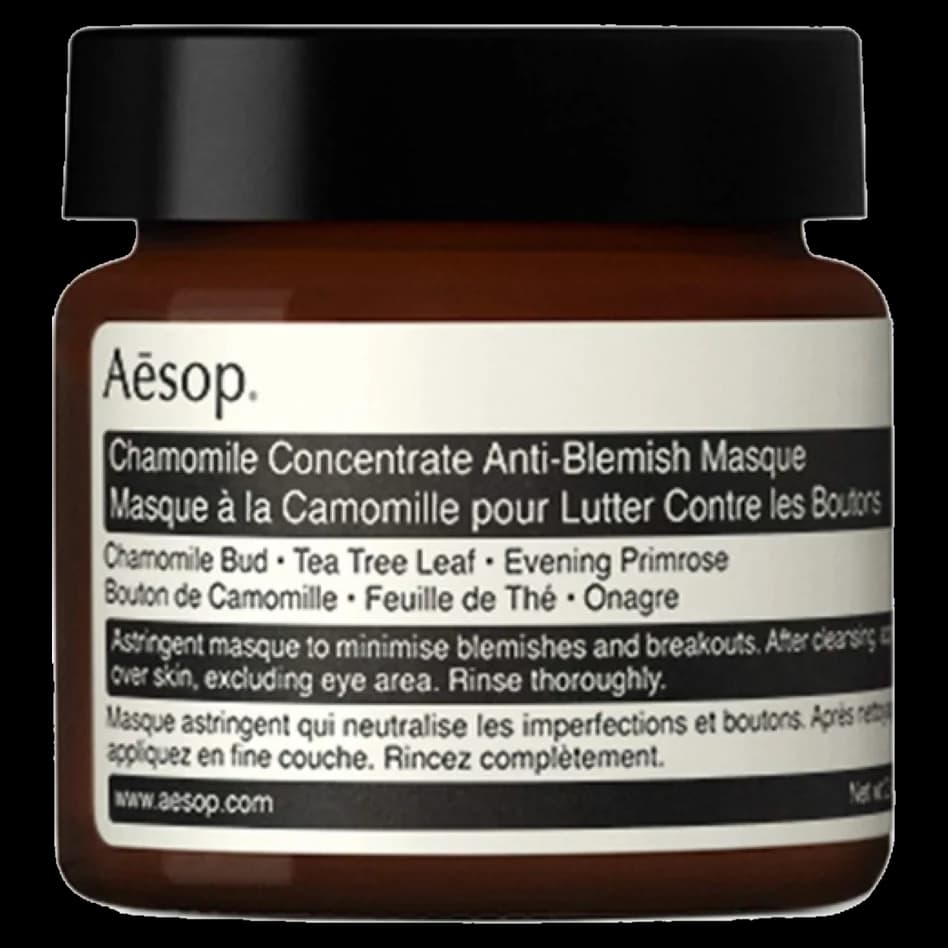
Aesop
Chamomile Concentrate Anti-Blemish Masque
6th of 16 on the label
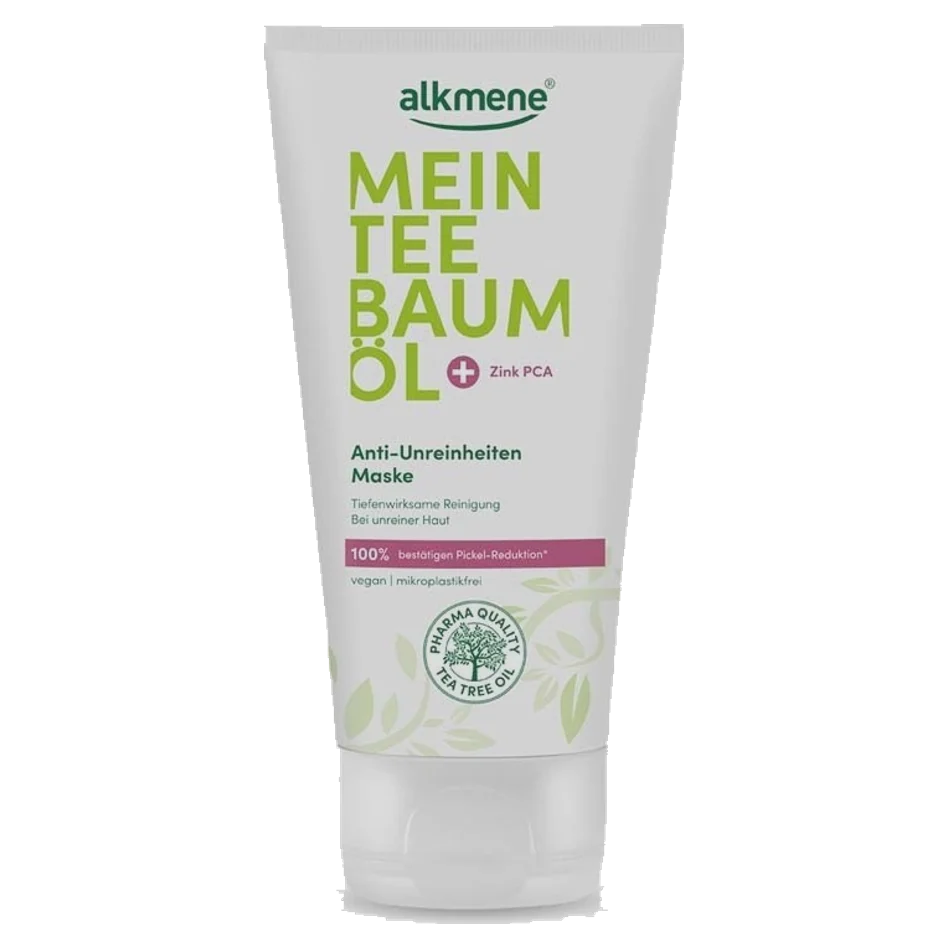
alkmene
Mein Teebaumöl Anti-Unreinheiten Maske
15th of 16 on the label
below ≈1%
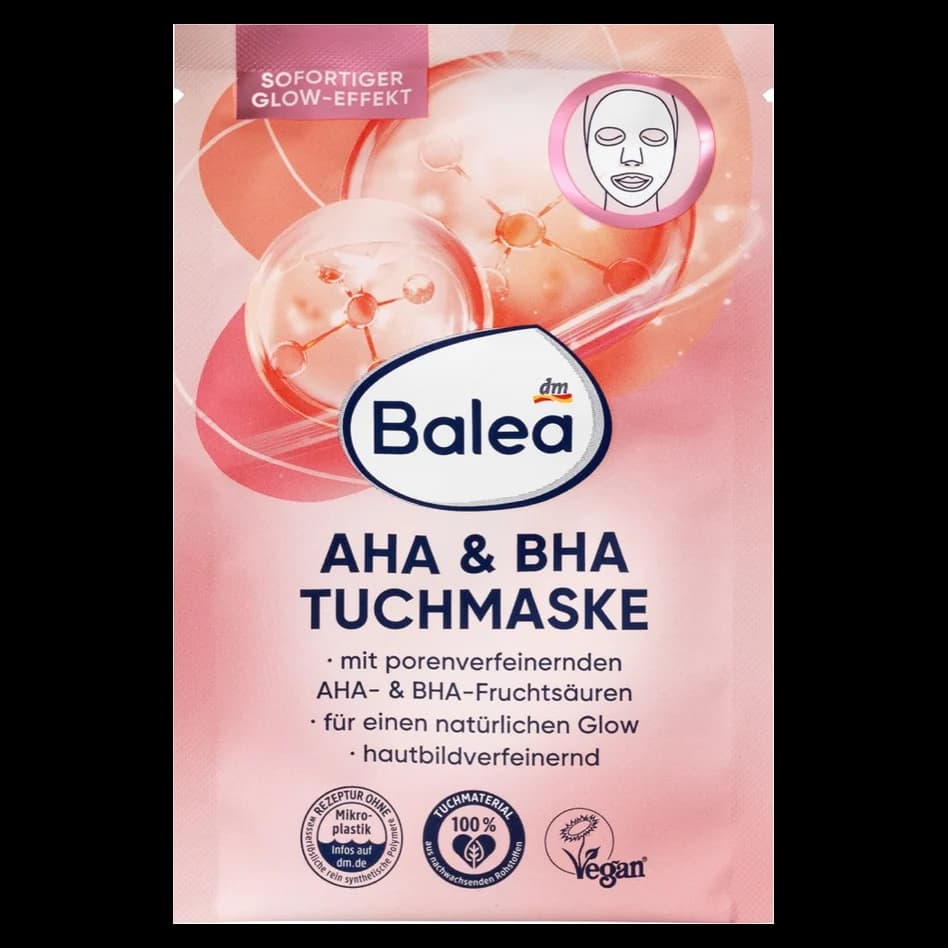
Balea
AHA & BHA Tuchmaske
8th of 16 on the label
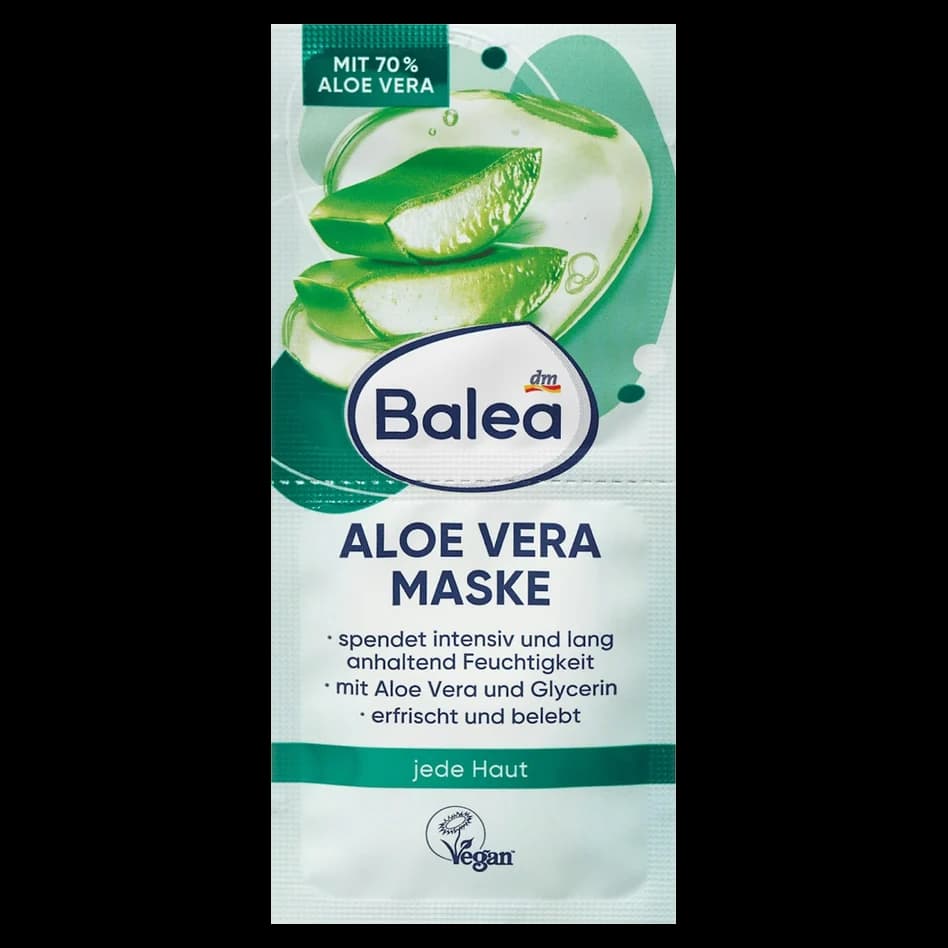
Balea
Gesichtsmaske Aloe Vera
18th of 21 on the label
below ≈1%
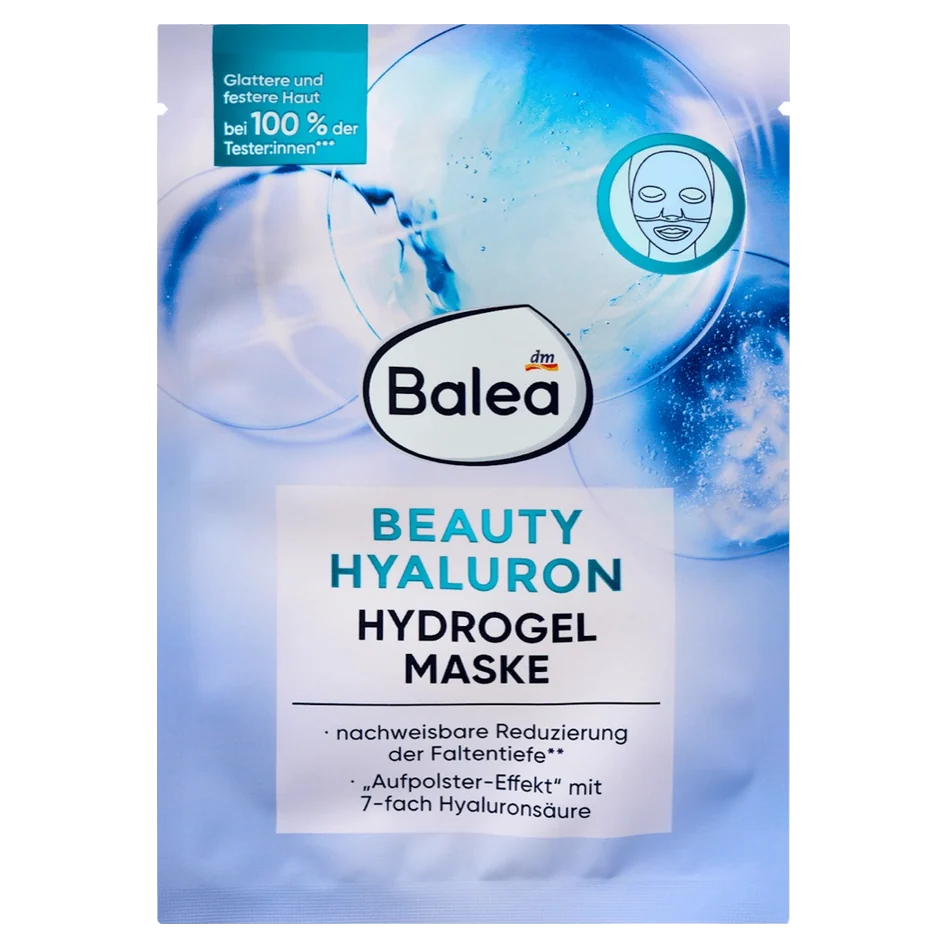
Balea
Gesichtsmaske Beauty Hyaluron Hydrogel
23rd of 28 on the label
below ≈1%
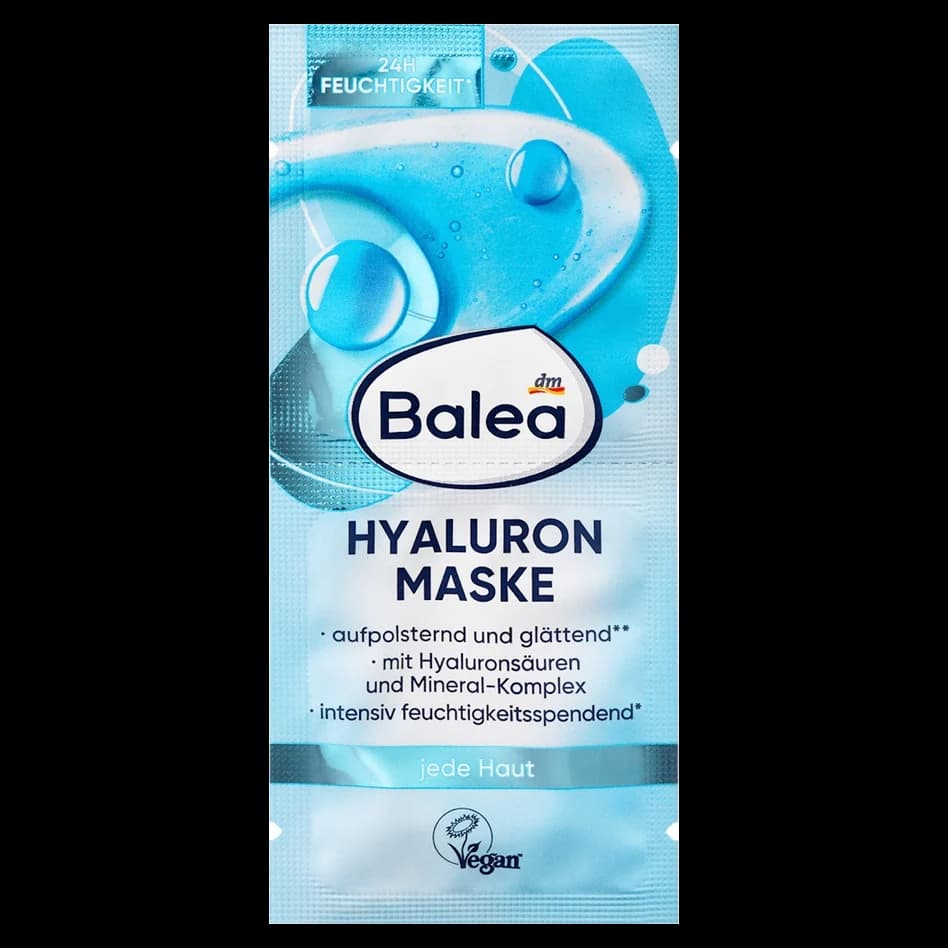
Balea
Gesichtsmaske Hyaluron
25th of 29 on the label
below ≈1%
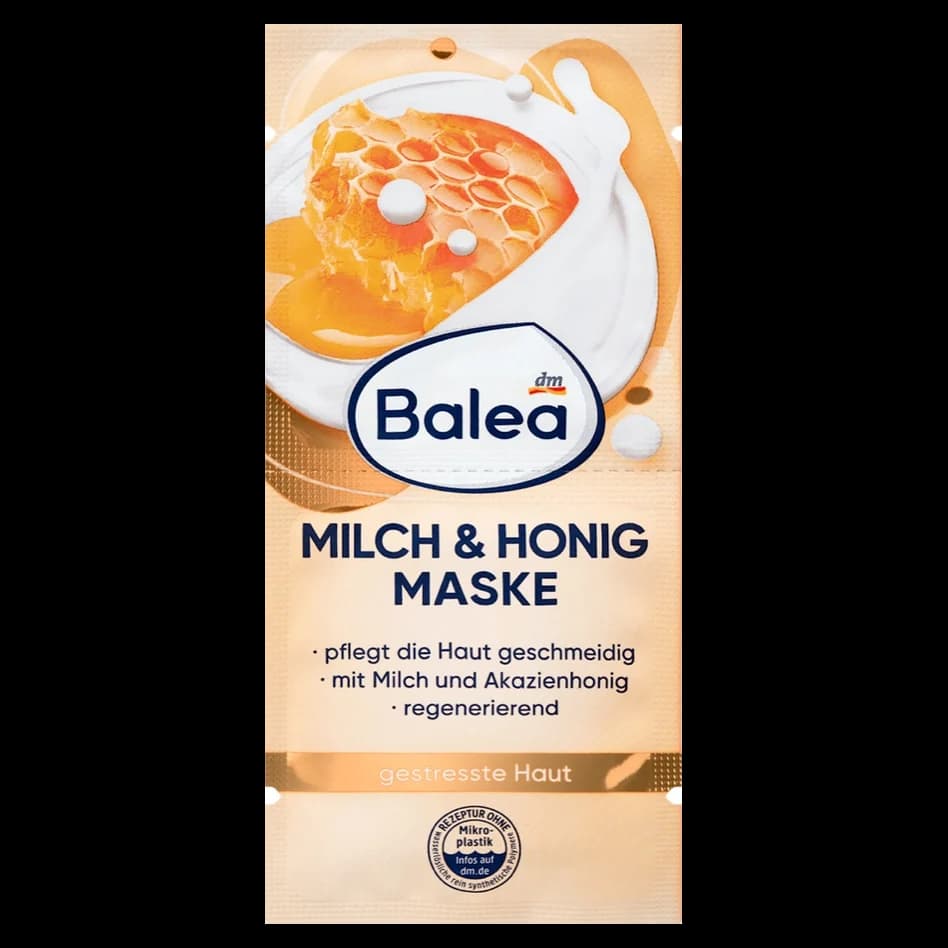
Balea
Gesichtsmaske Milch & Honig
32nd of 36 on the label
below ≈1%
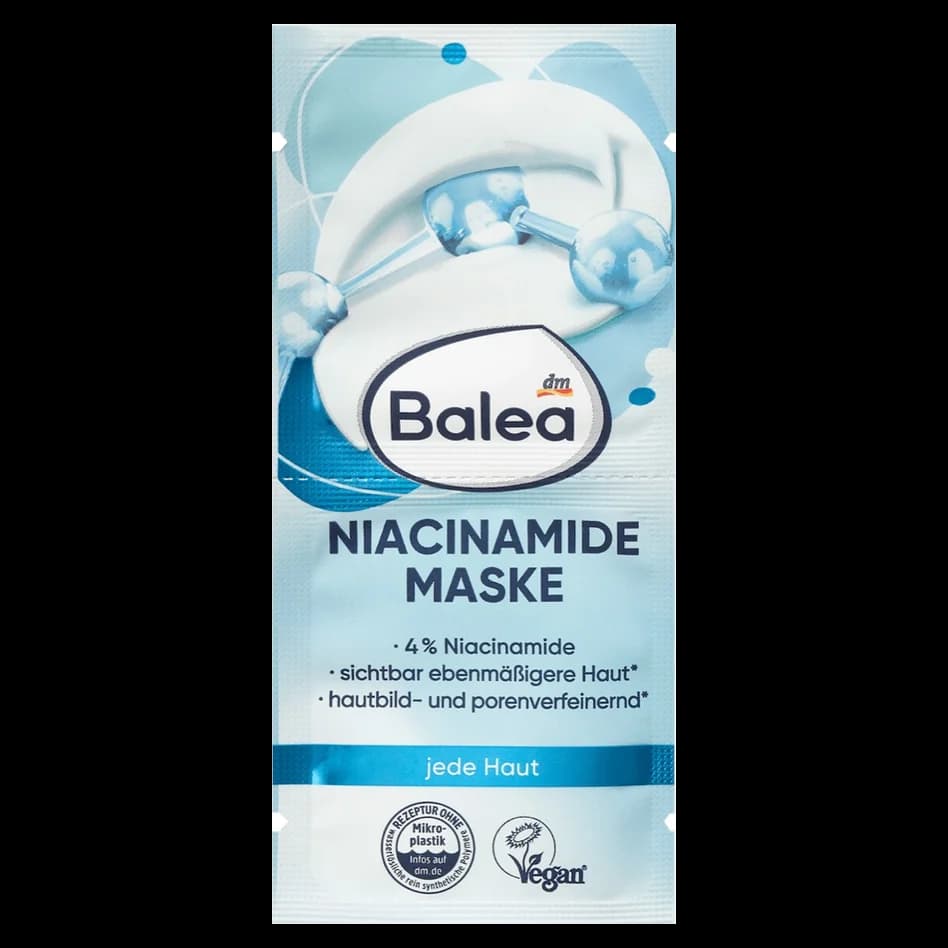
Balea
Gesichtsmaske Niacinamide
17th of 17 on the label
below ≈1%
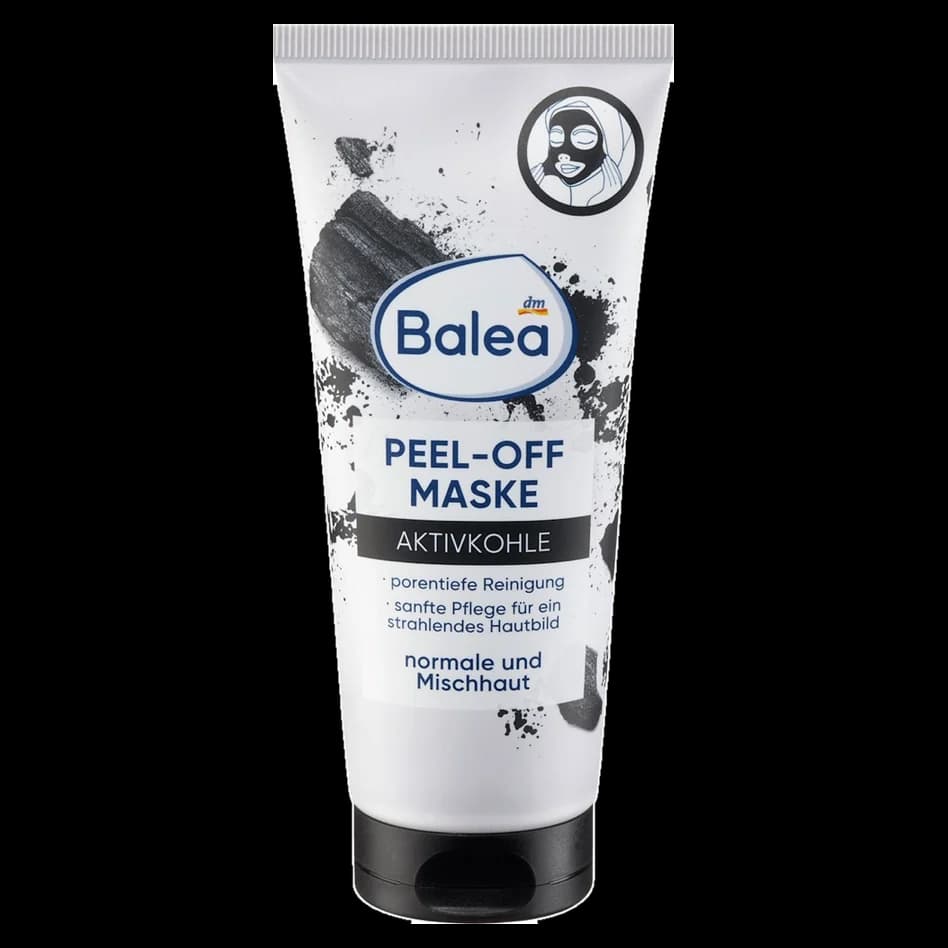
Balea
Gesichtsmaske Peel-Off Aktivkohle
6th of 18 on the label
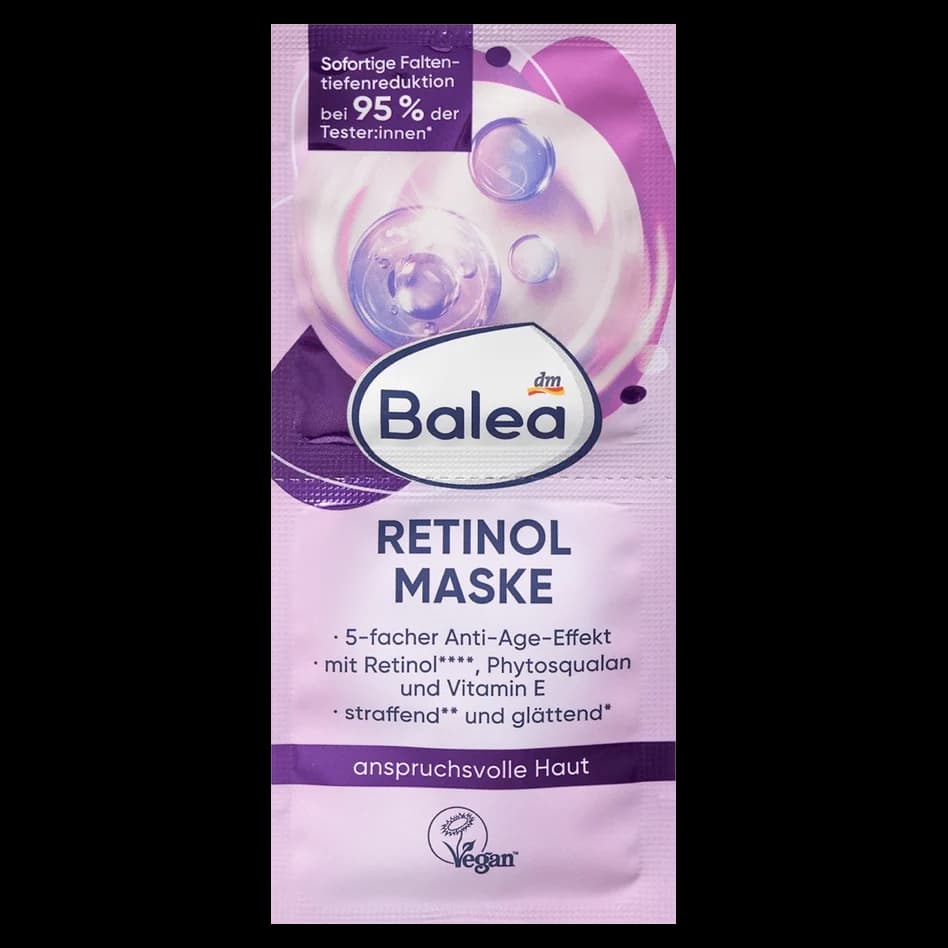
Balea
Gesichtsmaske Retinol
17th of 23 on the label
below ≈1%
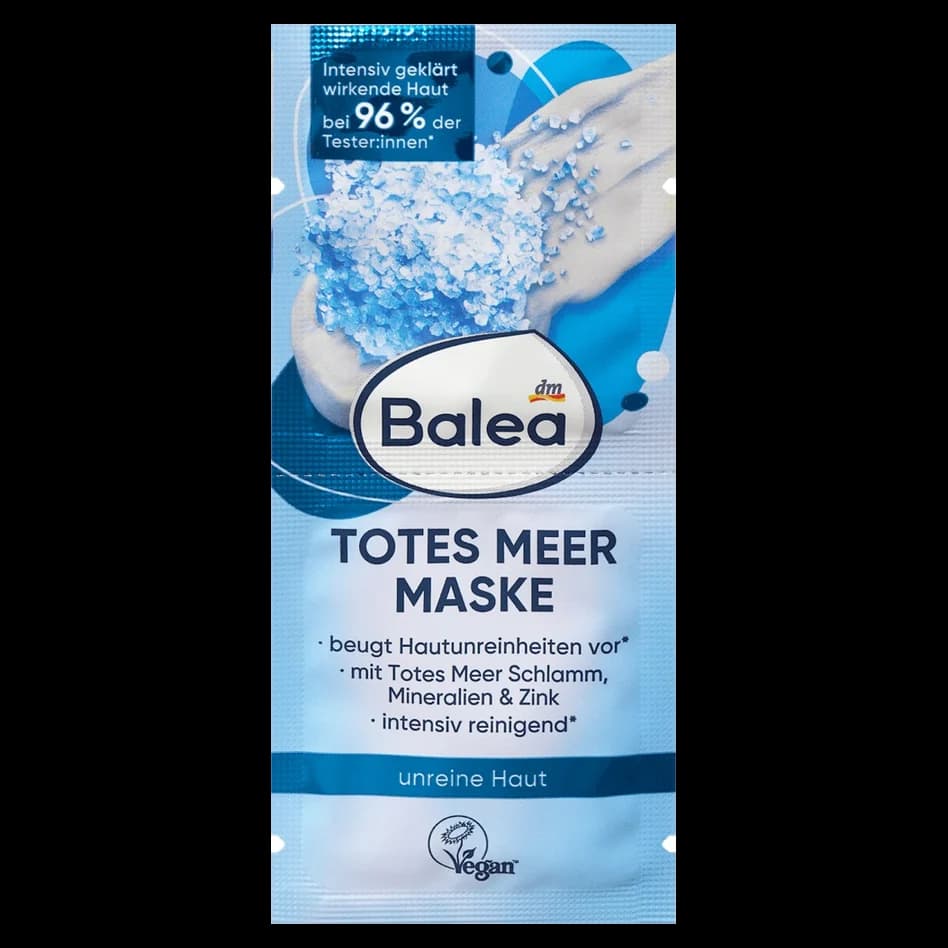
Balea
Gesichtsmaske Totes Meer
19th of 21 on the label
below ≈1%
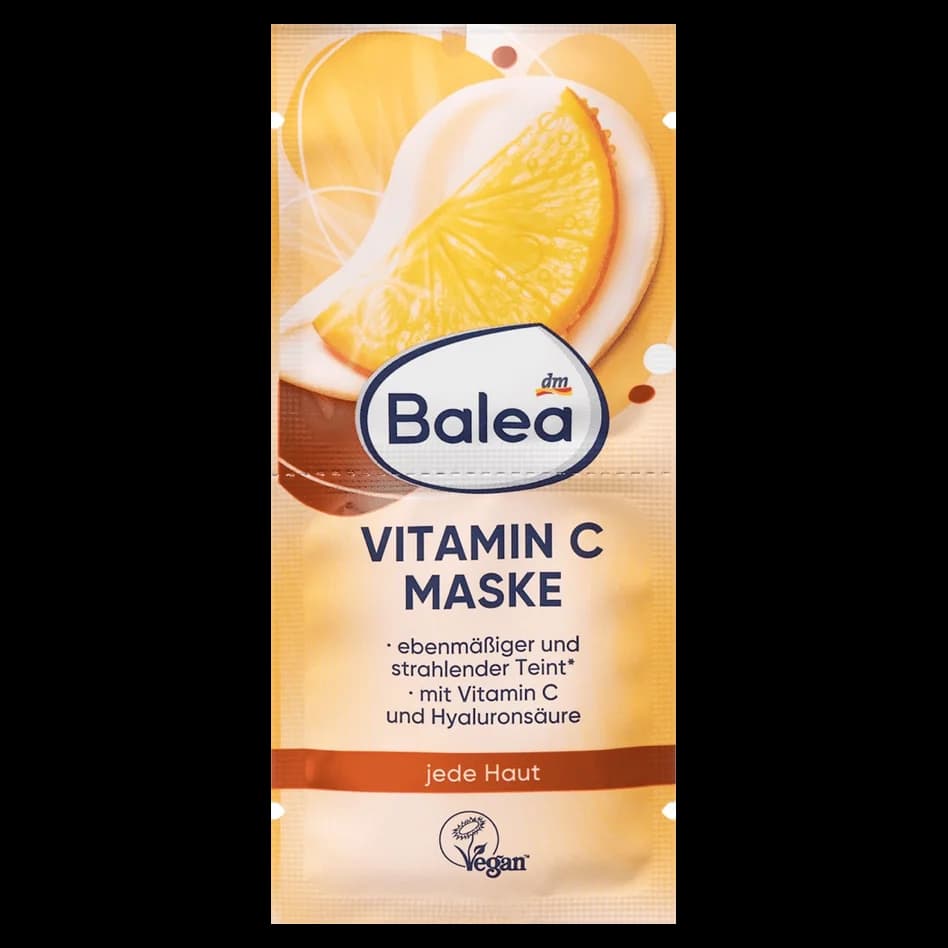
Balea
Gesichtsmaske Vitamin C
19th of 23 on the label
below ≈1%
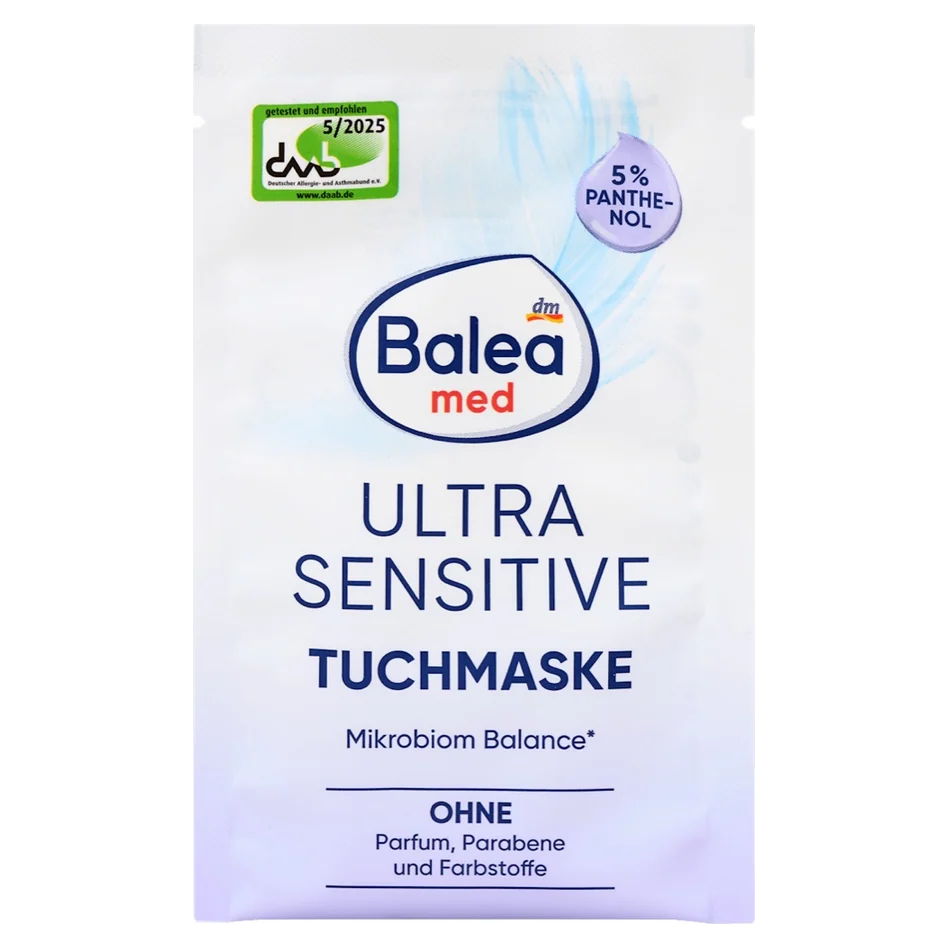
Balea med
Tuchmaske Panthenol Ultra Sensitive
9th of 16 on the label
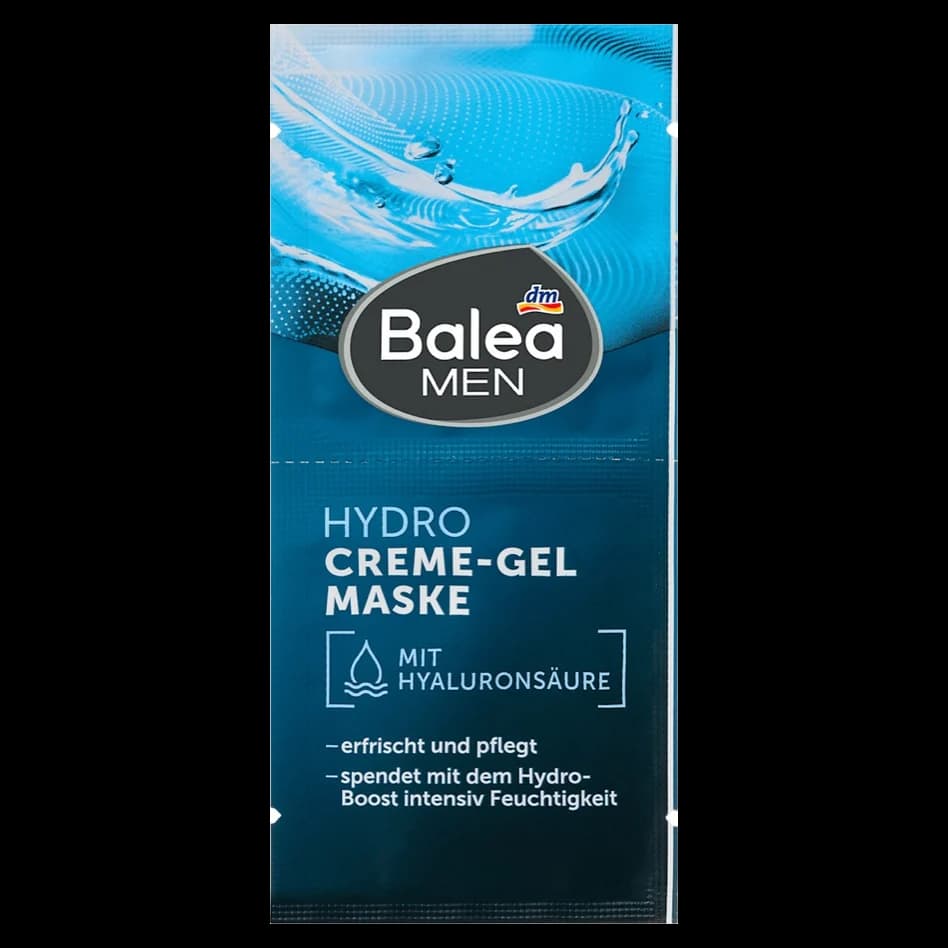
Balea MEN
Gesichtsmaske Creme-Gel Hydro
26th of 31 on the label
below ≈1%
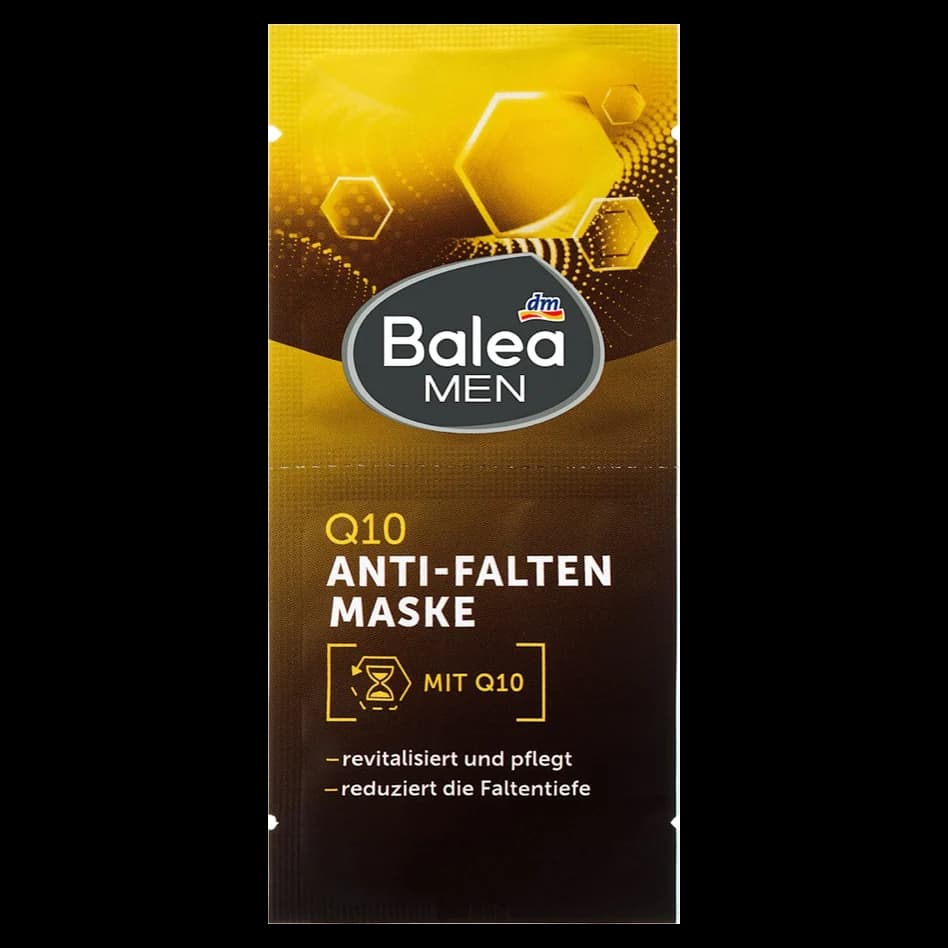
Balea MEN
Gesichtsmaske Q10 Anti-Falten
20th of 28 on the label
below ≈1%
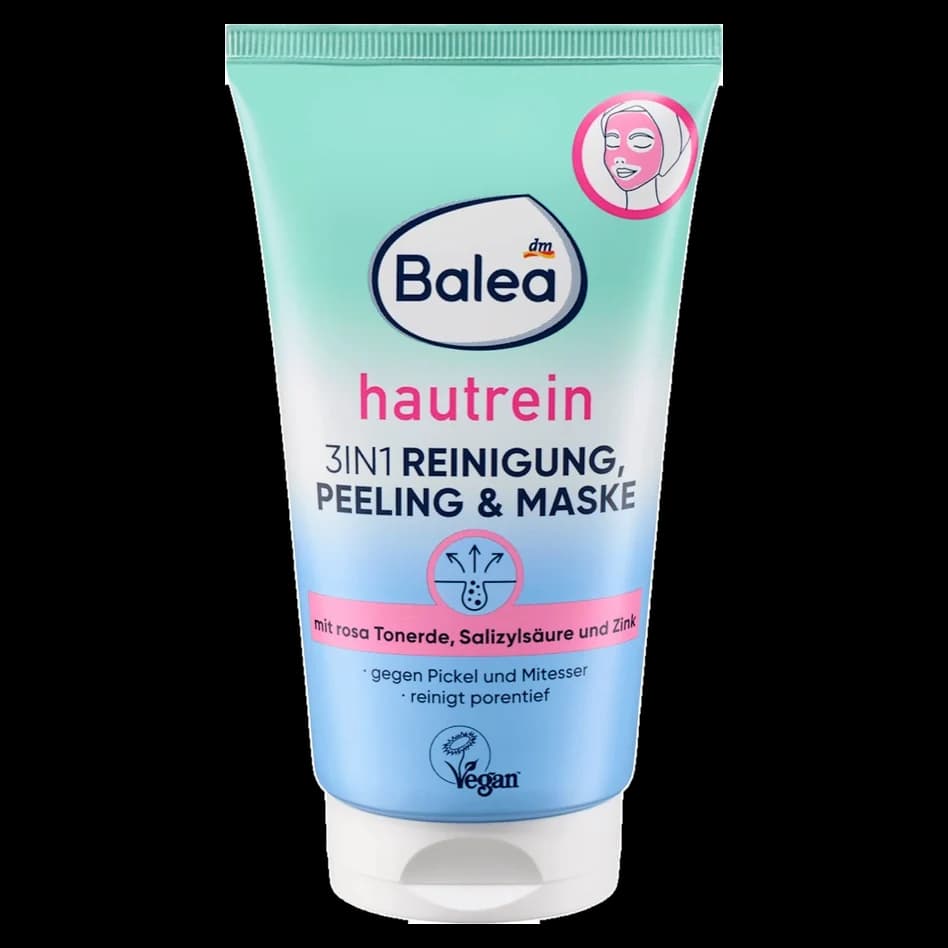
Balea
Reinigung, Peeling & Maske hautrein 3in1
13th of 18 on the label
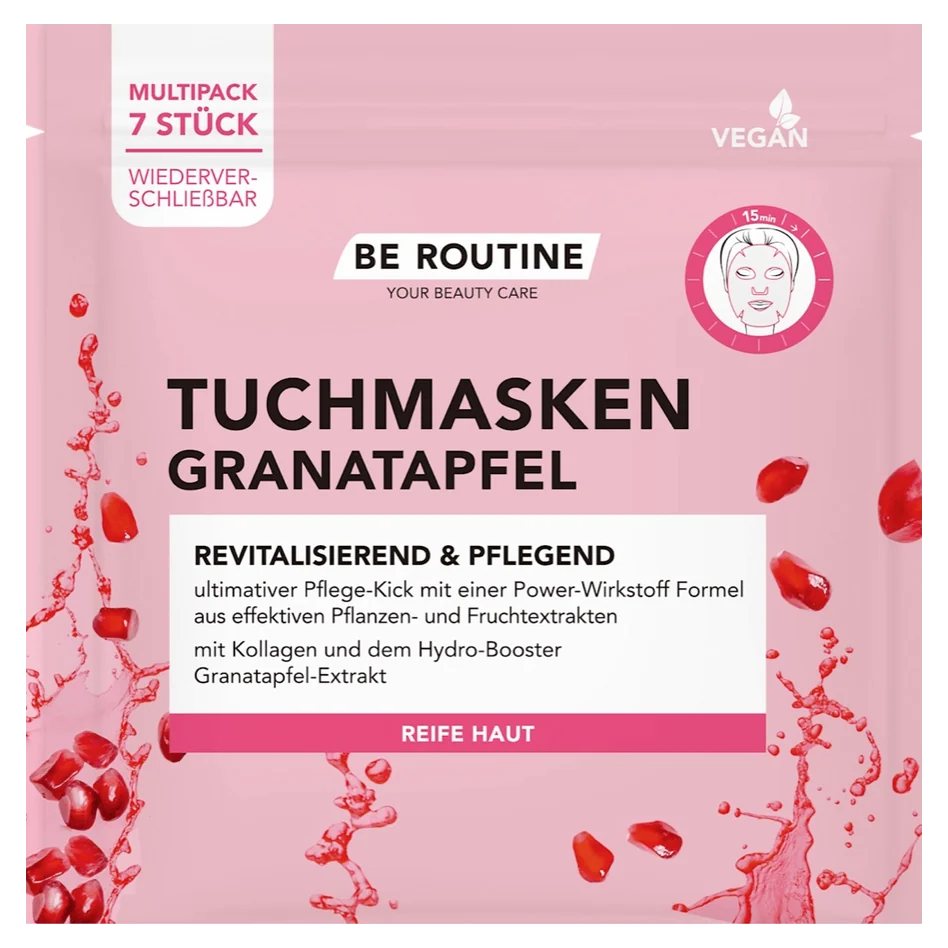
Be Routine
Tuchmasken Granatapfel Multipack
29th of 32 on the label
below ≈1%
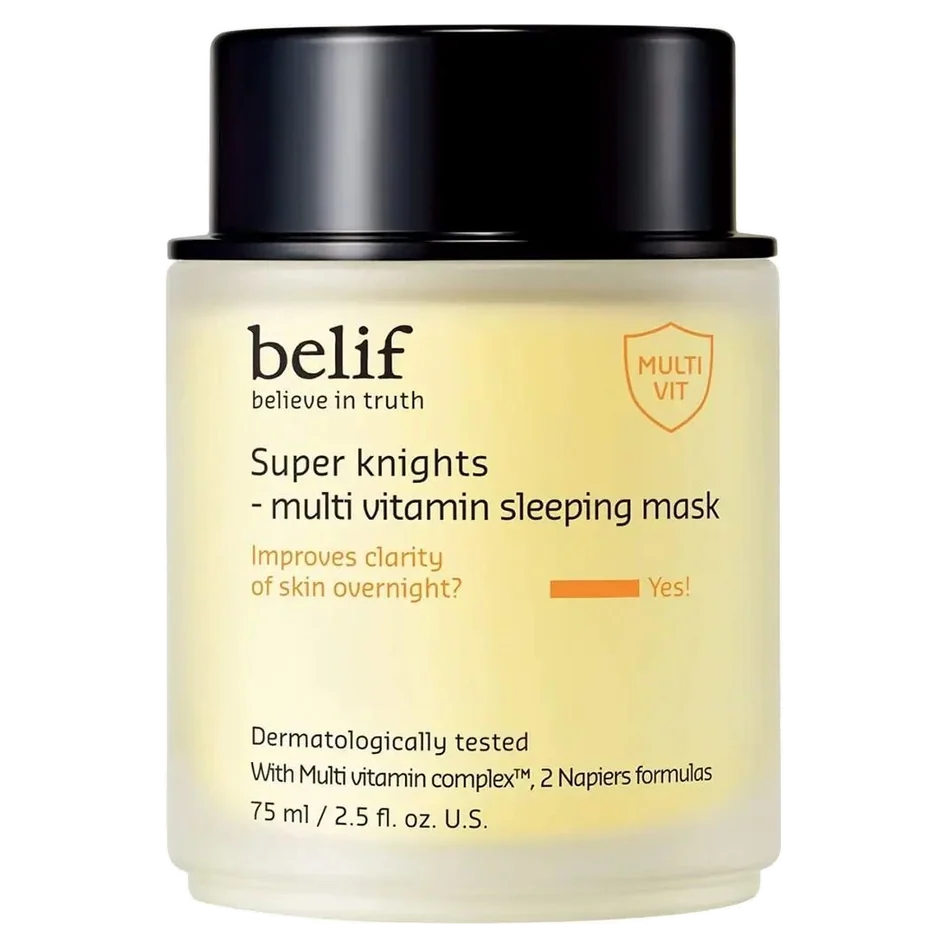
belif
Super Knights Vitamin Mask
25th of 26 on the label
below ≈1%
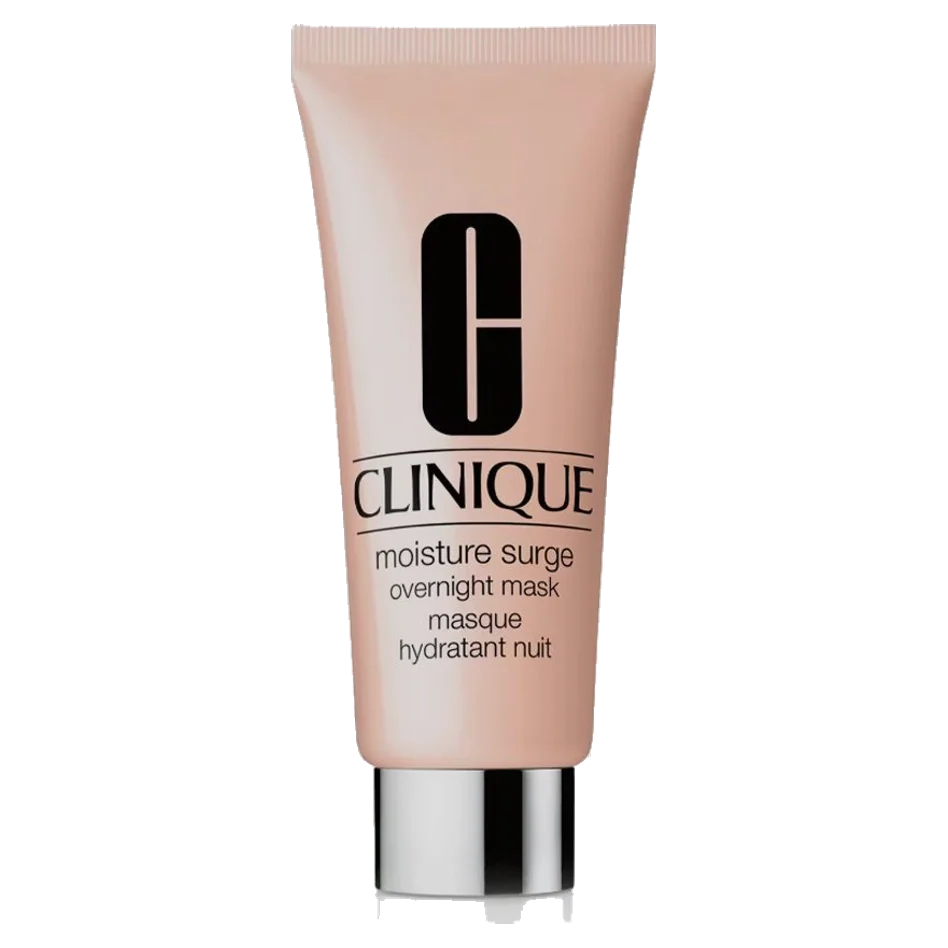
Clinique
Moisture Surge Overnight Mask
40th of 42 on the label
below ≈1%
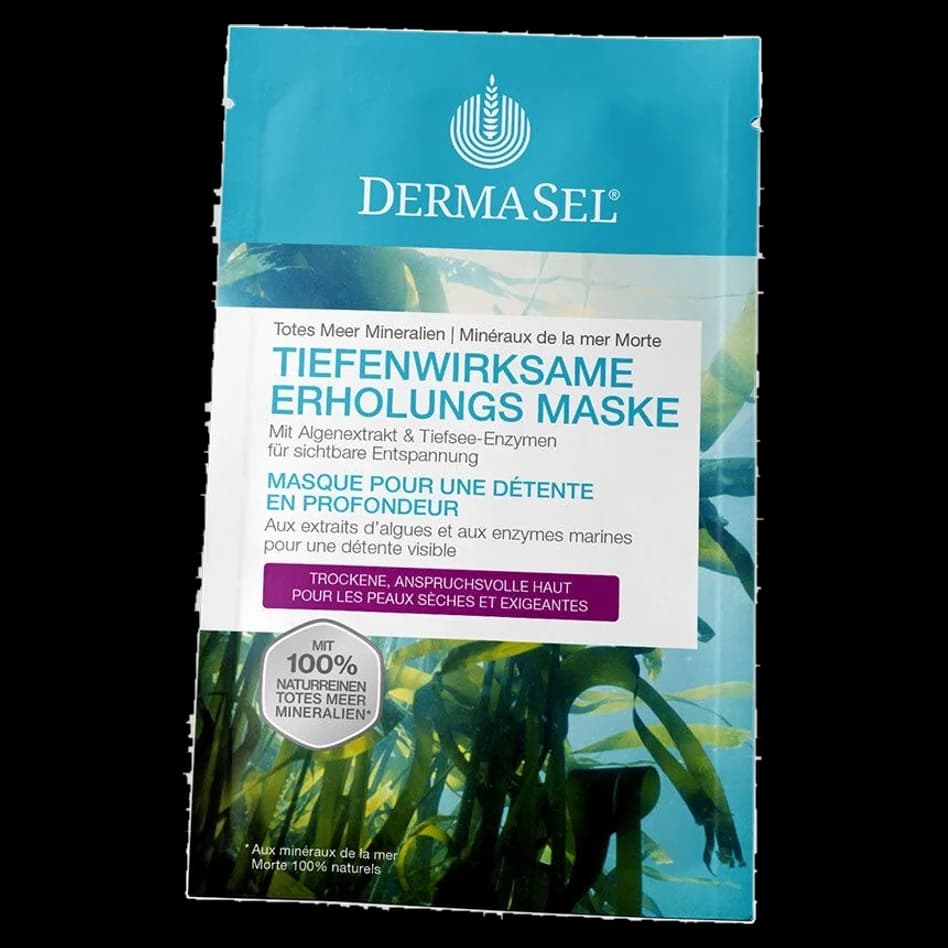
DERMASEL
SPA Totes Meer Maske Erholung
27th of 31 on the label
below ≈1%
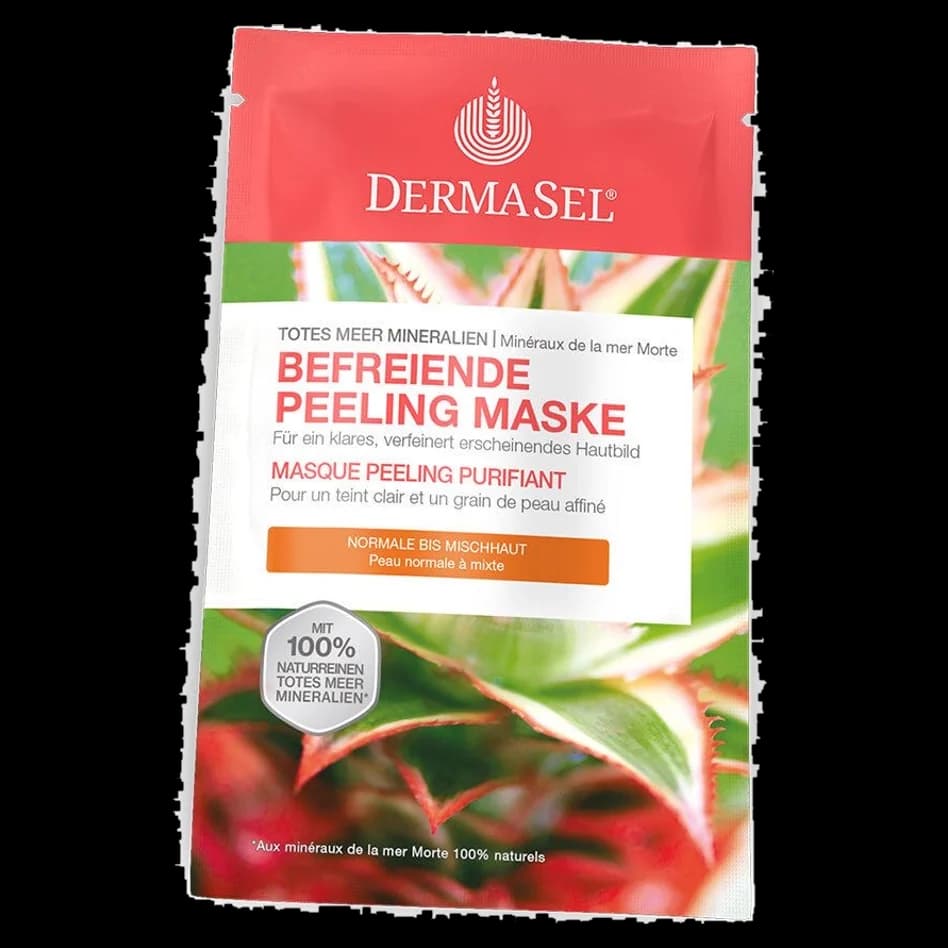
DERMASEL
SPA Totes Meer Maske Peeling
13th of 16 on the label
below ≈1%
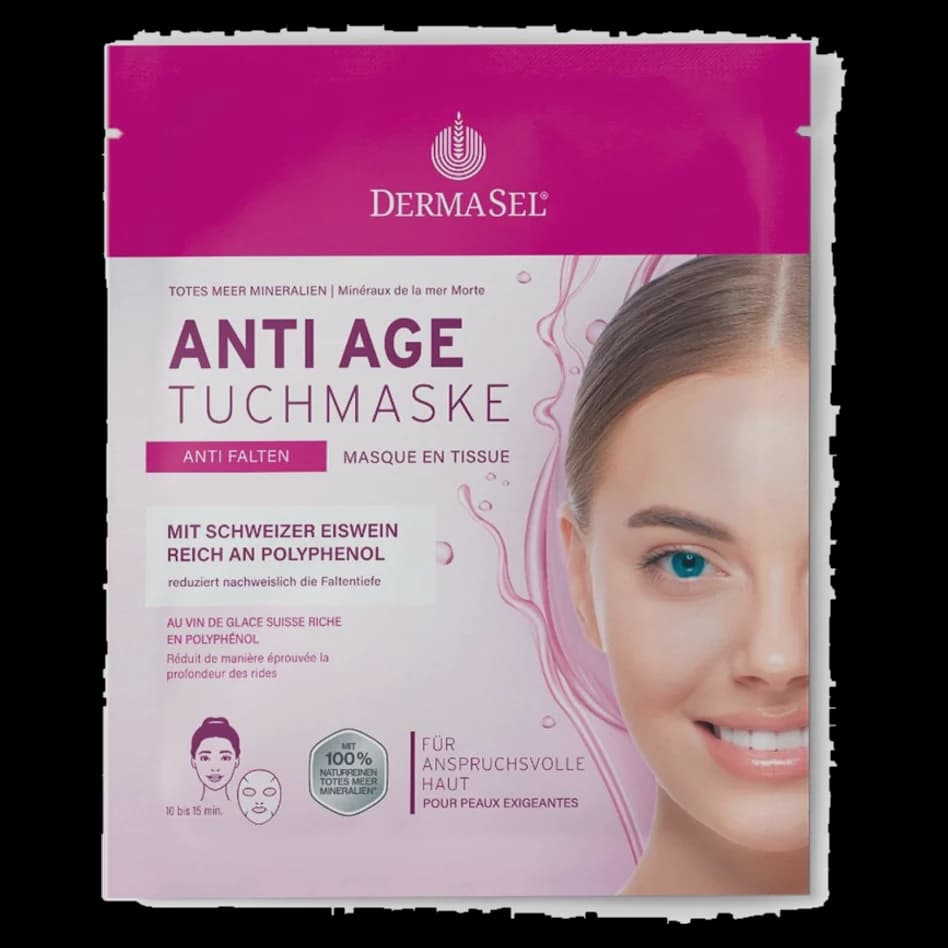
DERMASEL
Totes Meer Anti-Age Tuchmaske
8th of 23 on the label
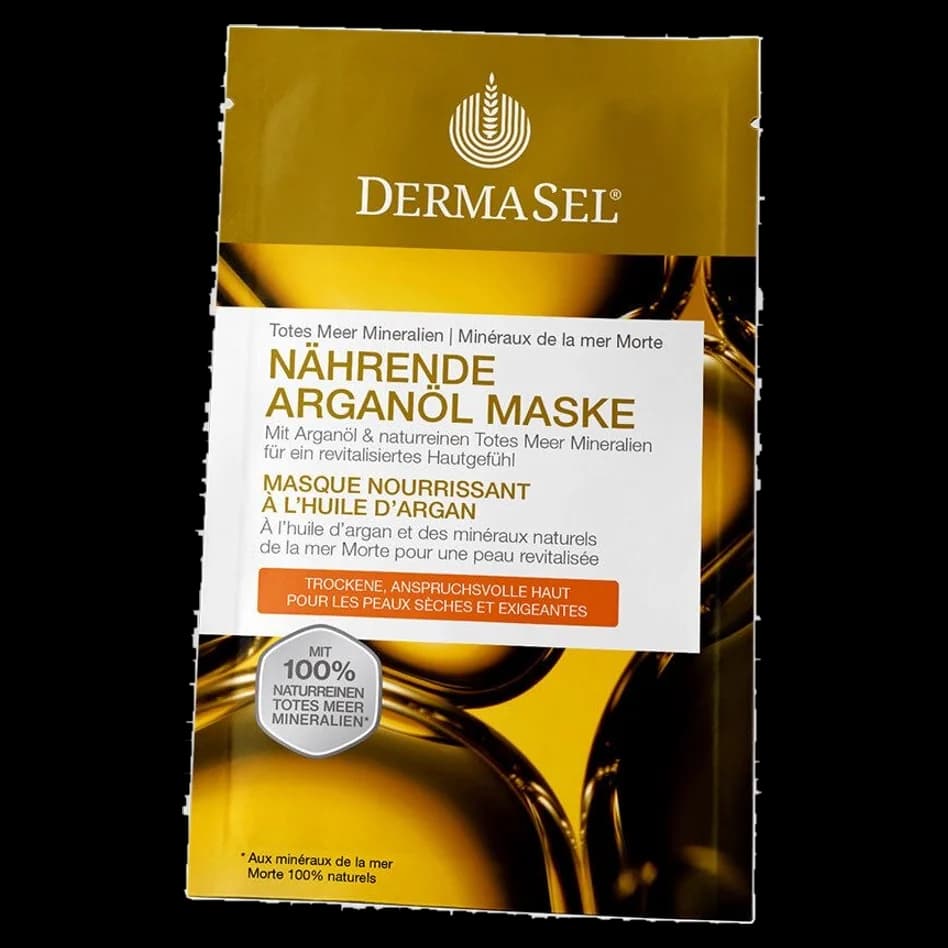
DERMASEL
Totes Meer Mineralien Nährende Arganöl Maske
24th of 29 on the label
below ≈1%
Dr. Barbara Sturm
Face Mask
18th of 18 on the label
below ≈1%
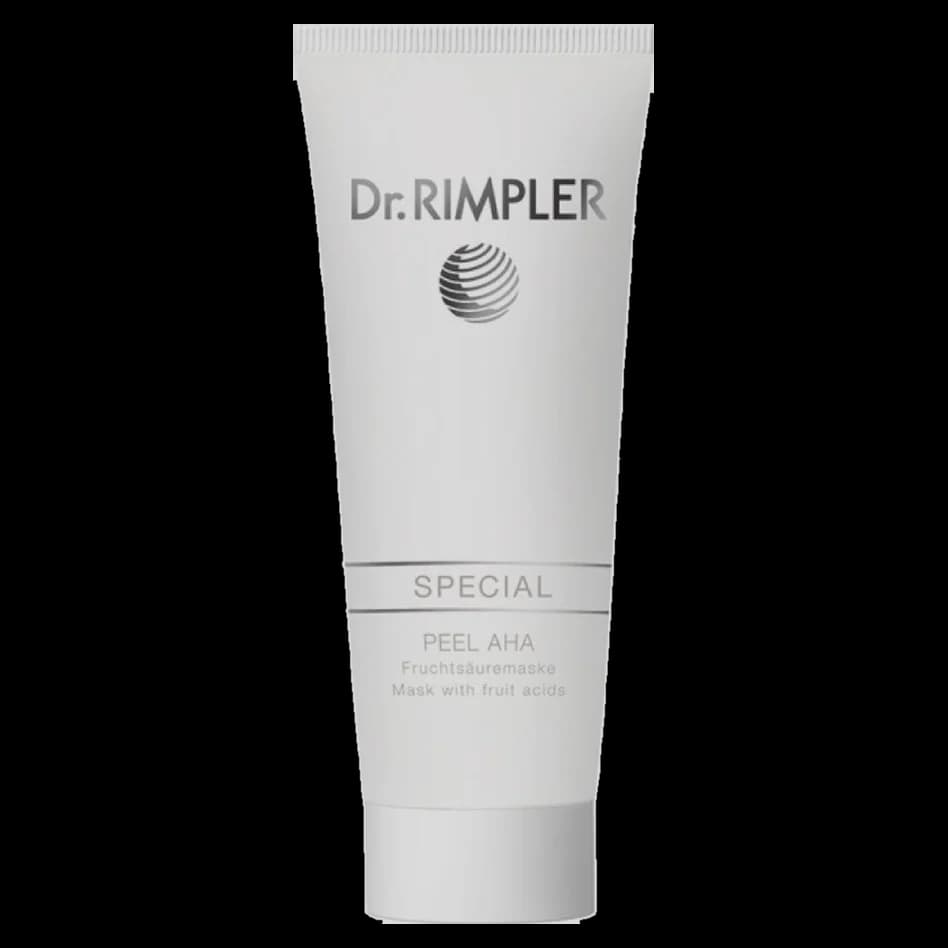
Dr. Rimpler
SPECIAL Peel AHA
15th of 16 on the label
below ≈1%
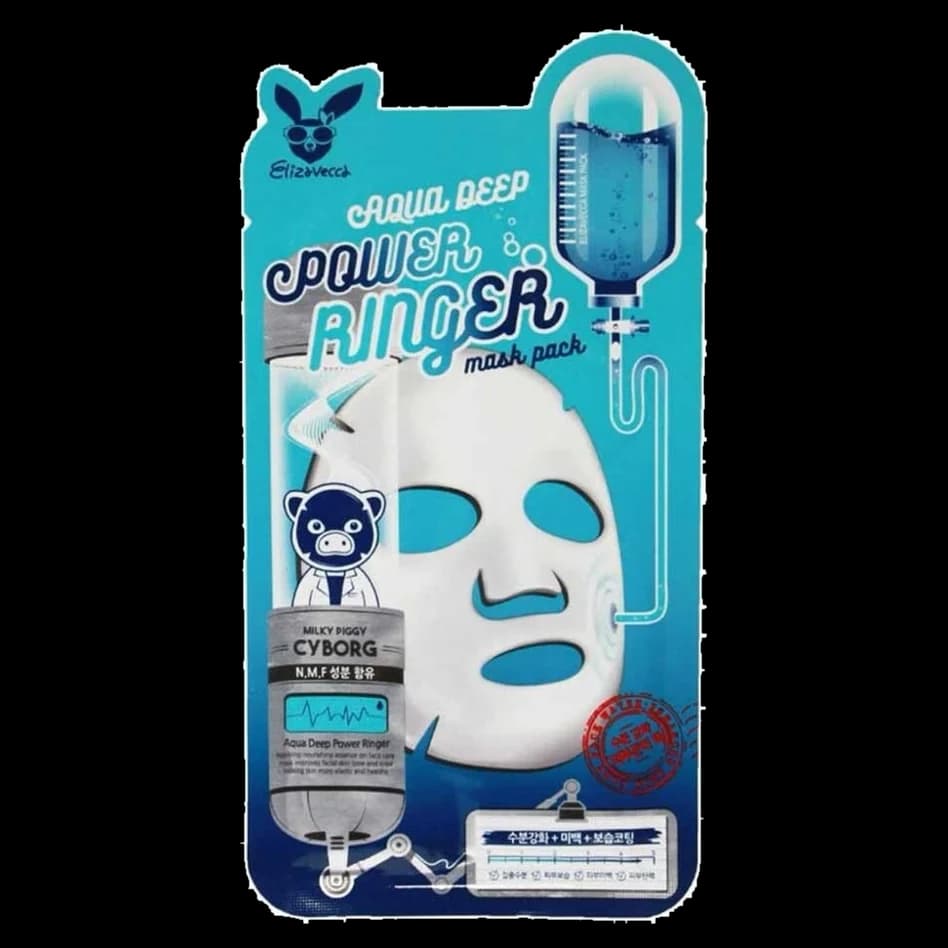
Elizavecca
Aqua Deep Power Ringer Mask Pack
8th of 28 on the label
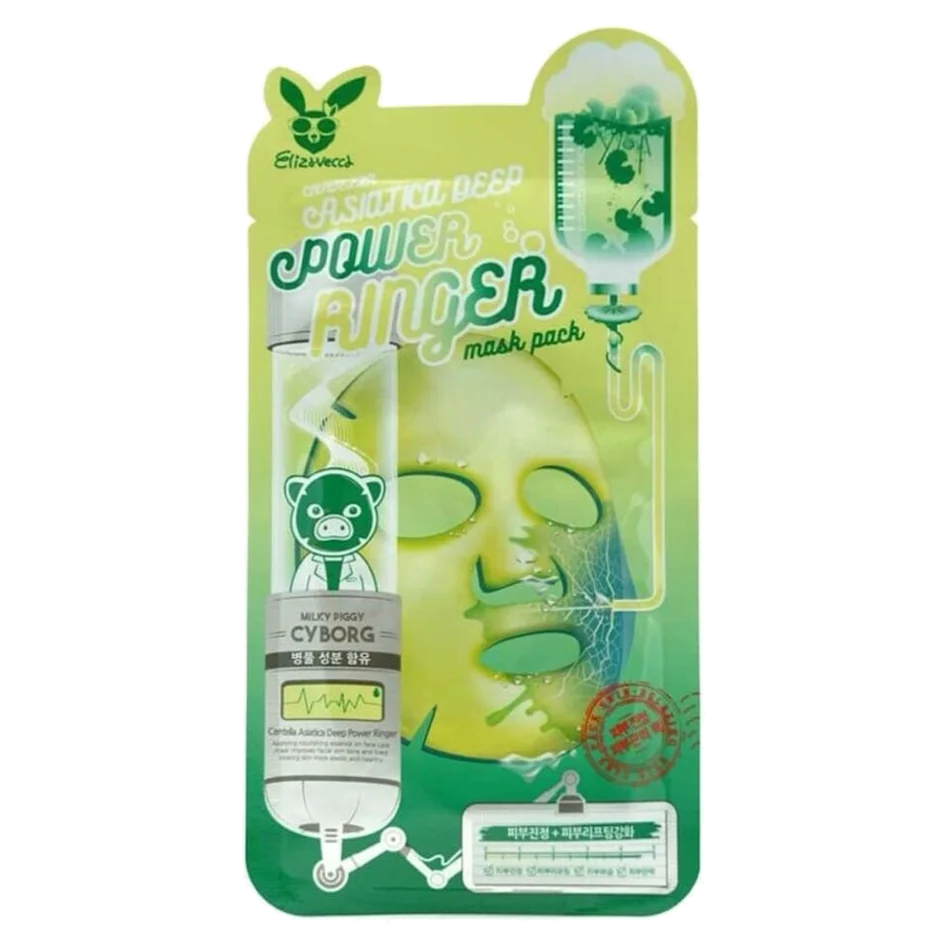
Elizavecca
Centella Deep Power Ringer Mask Pack
9th of 22 on the label
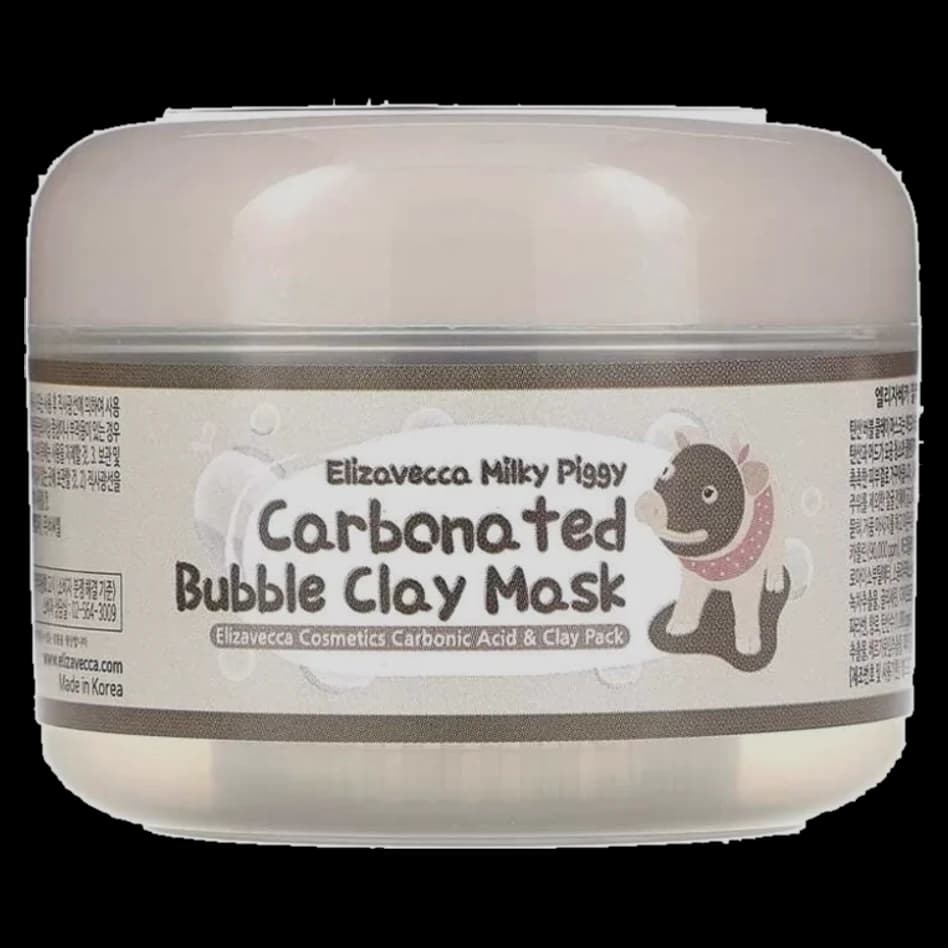
Elizavecca
Milky Piggy Carbonated Bubble Clay Mask
16th of 29 on the label
Elizavecca
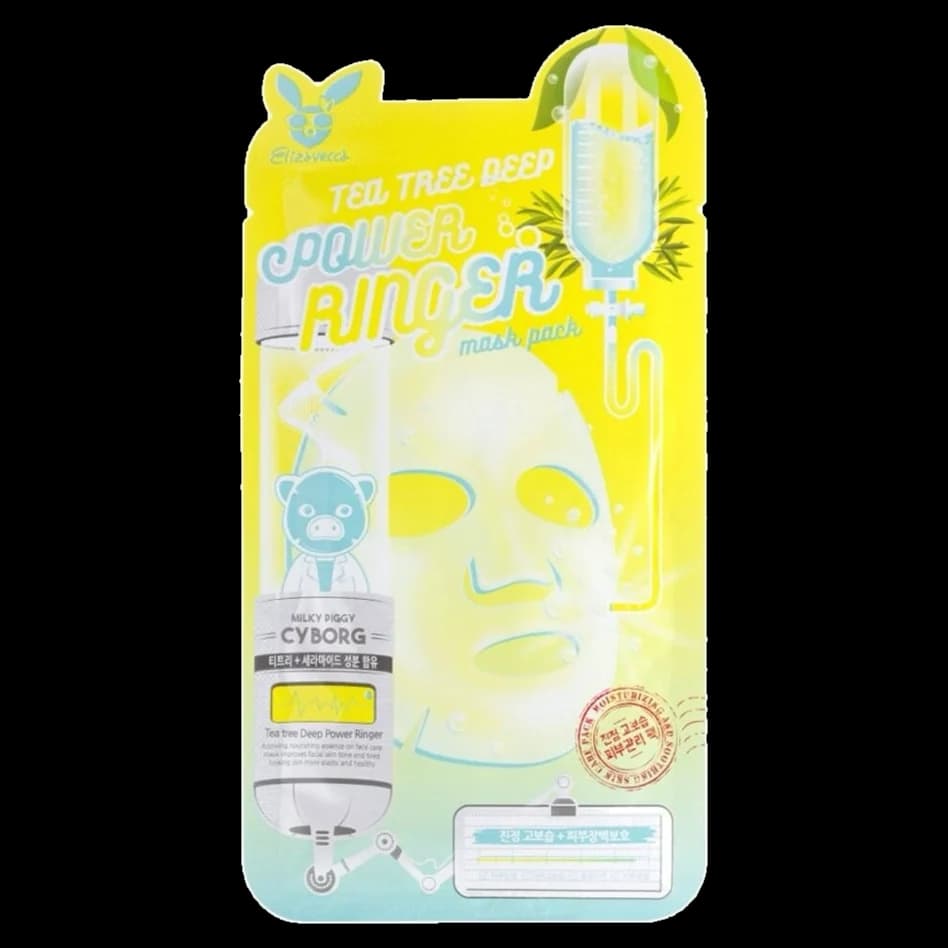
Tea Tree Deep Power Ringer Mask Pack
8th of 23 on the label
Erborian
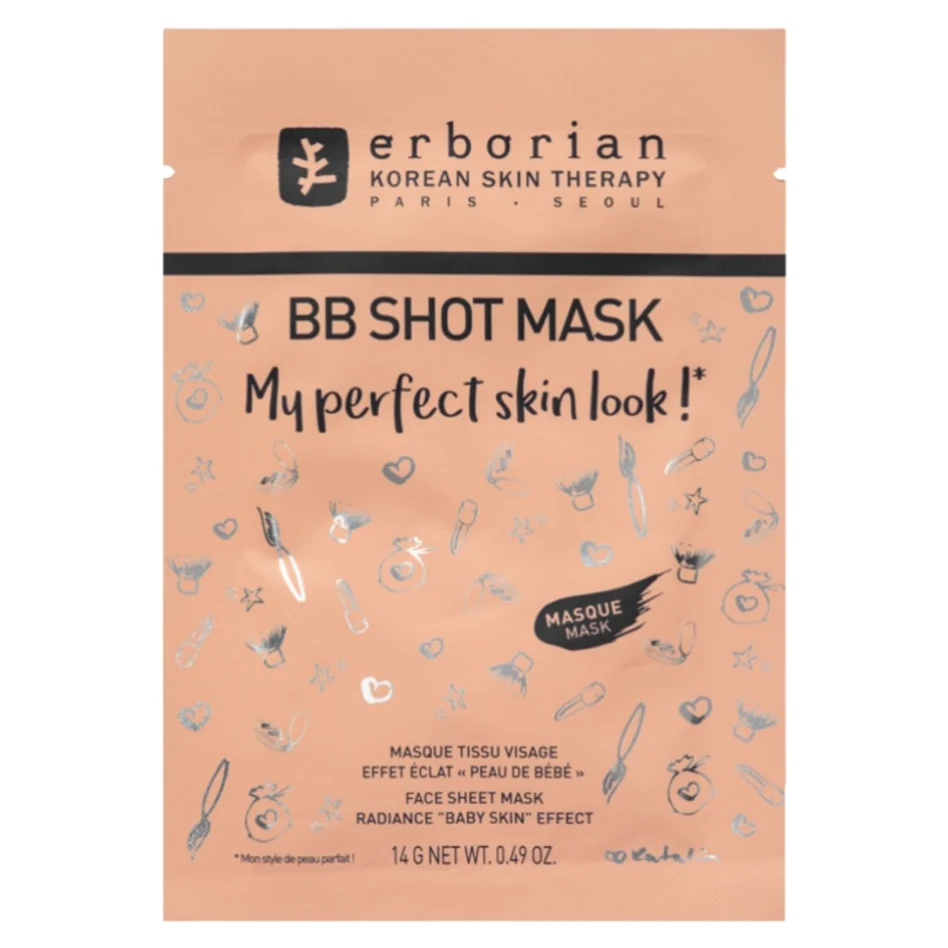
BB Shot Mask
16th of 34 on the label
Eucerin
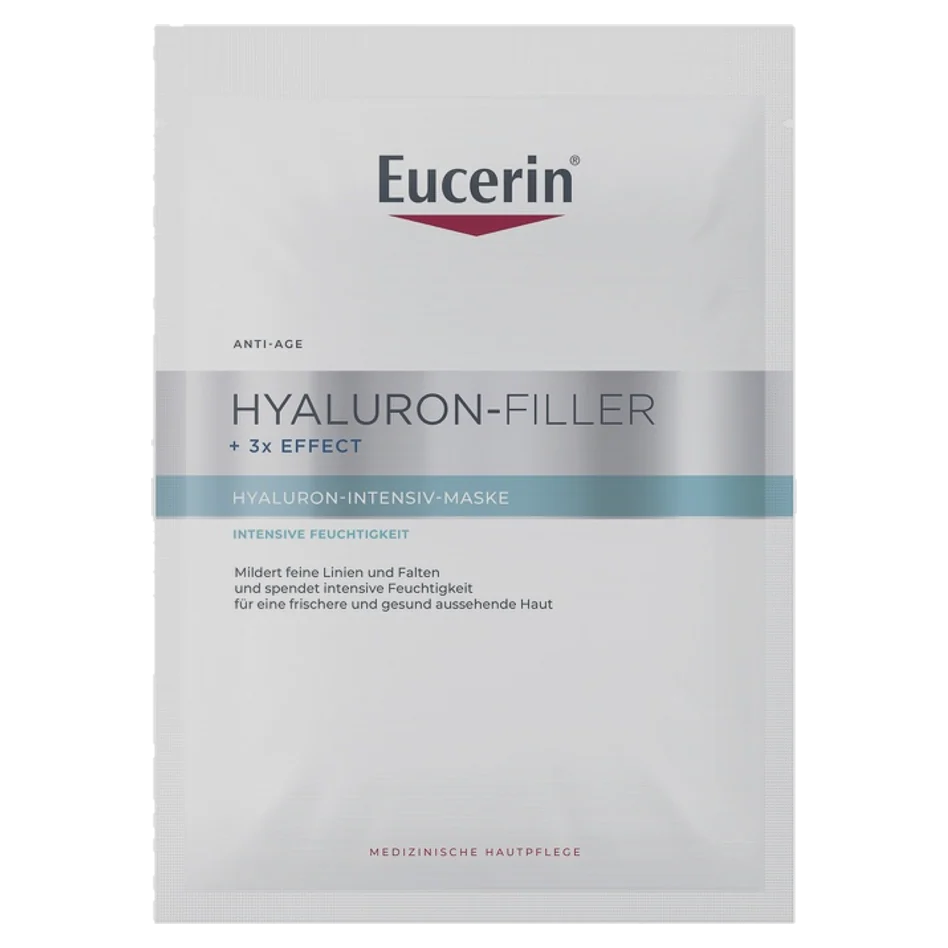
Hyaluron-Filler Hyaluron Intensive Mask
10th of 11 on the label
below ≈1%
Garnier
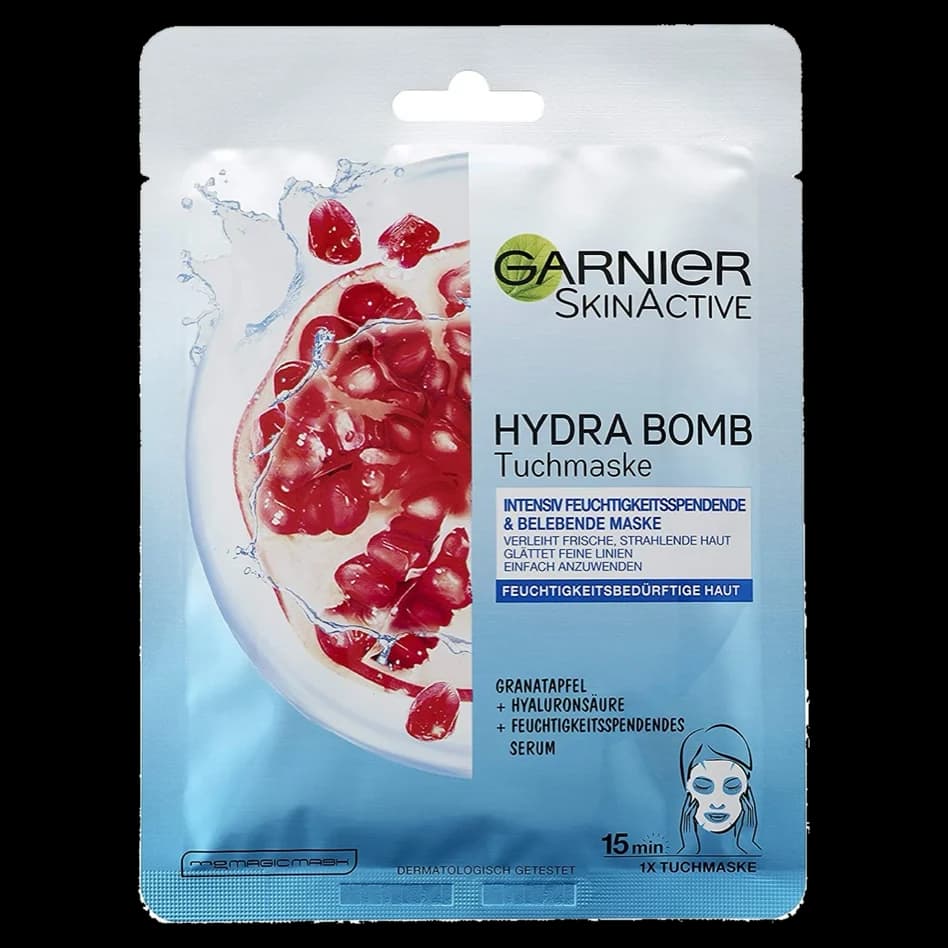
SkinActive Hydra Bomb Tissue Mask Pomegranate
8th of 29 on the label
below ≈1%
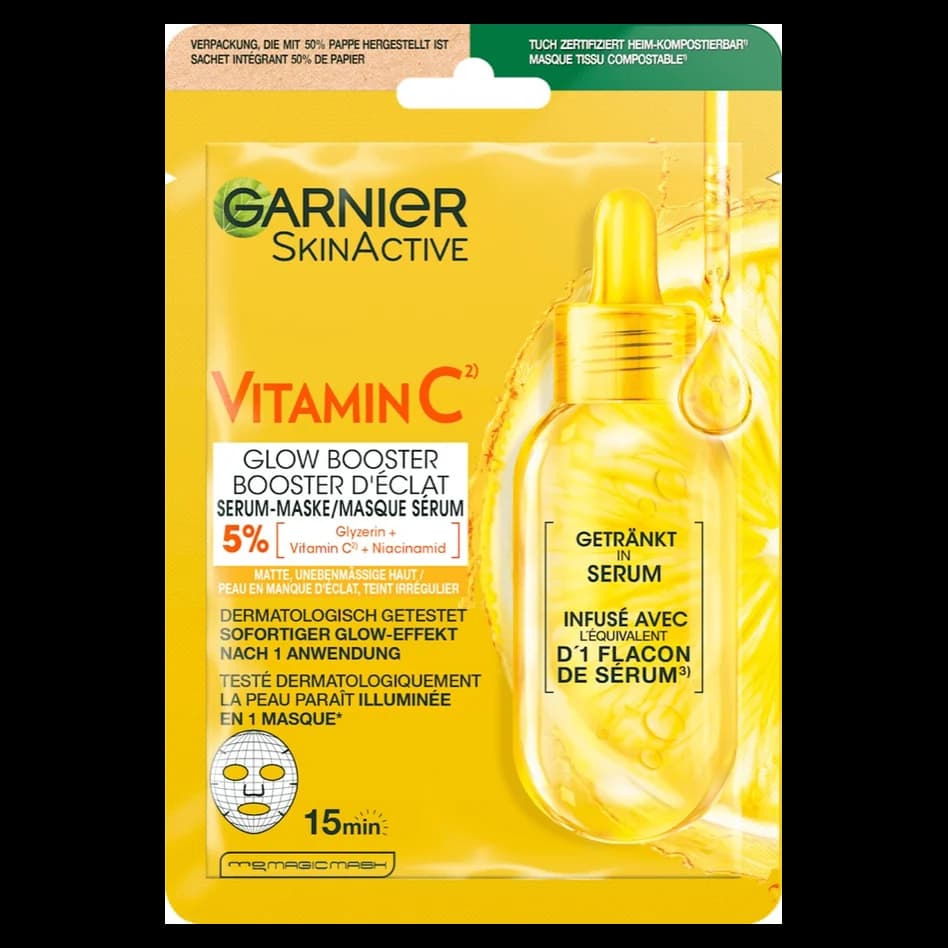
Garnier
SkinActive Vitamin C Tissue Mask
17th of 21 on the label
below ≈1%
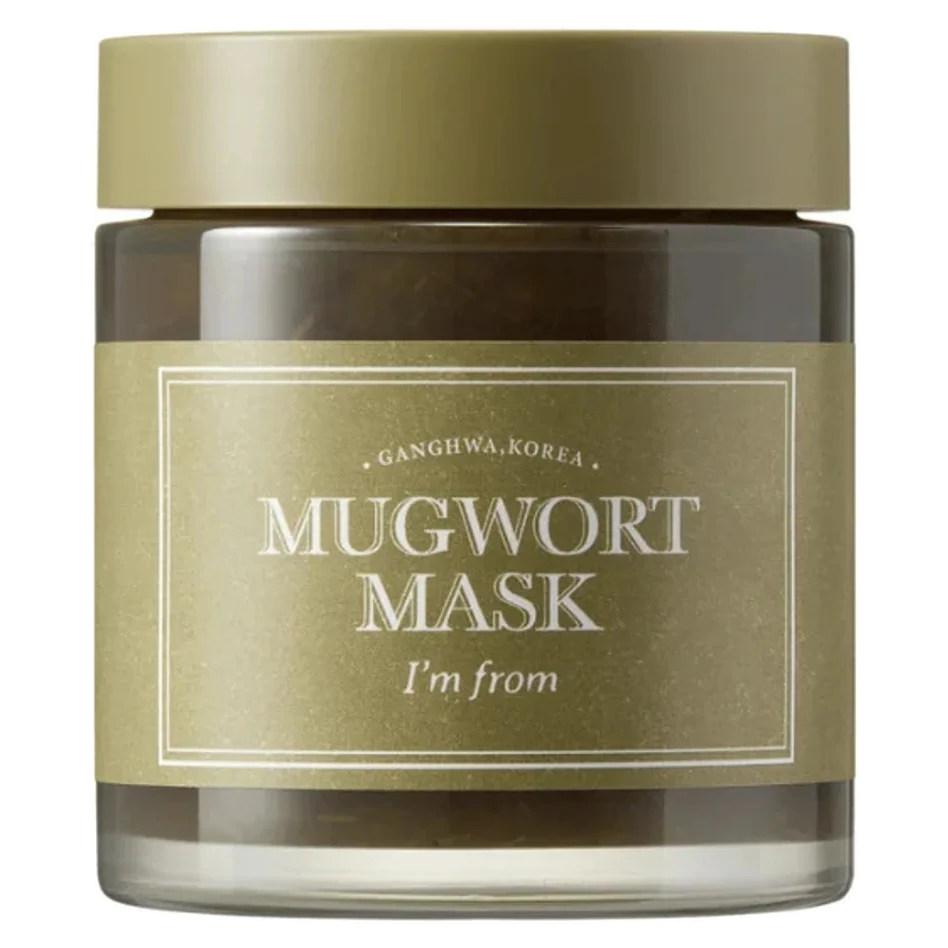
I'm From
Mugwort Mask
21st of 26 on the label
below ≈1%
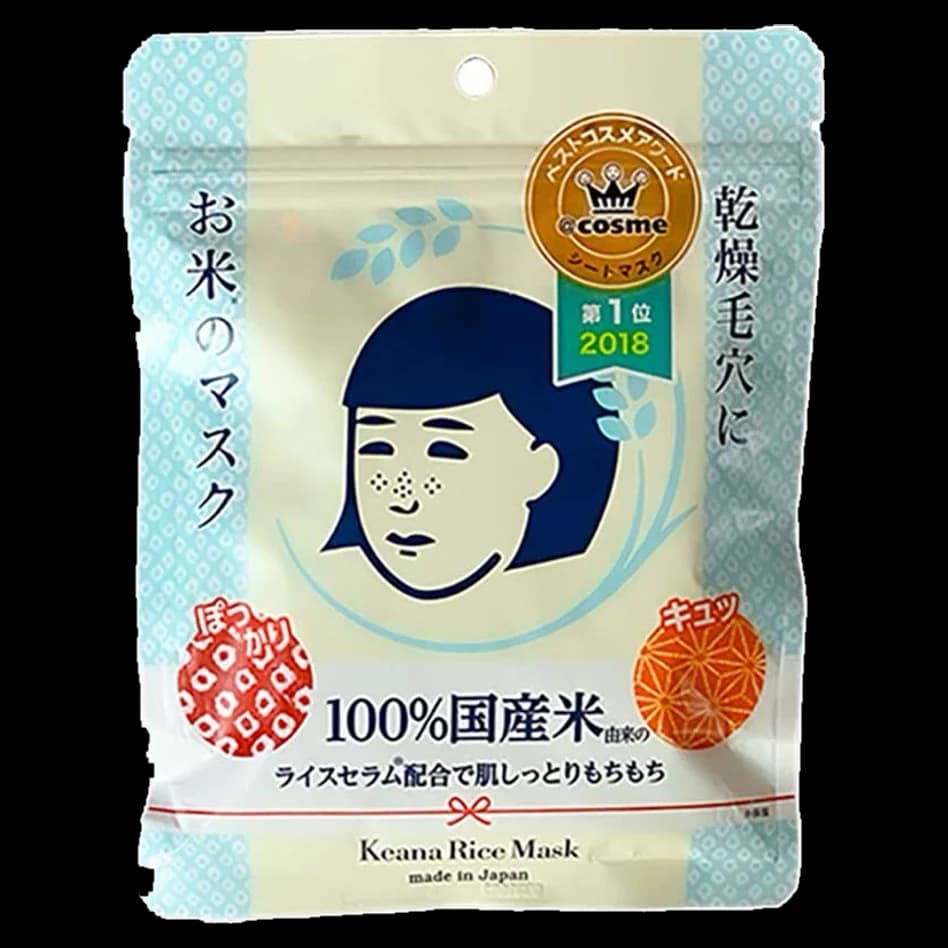
Ishizawa Lab
Keana Nadeshiko Rice Face Mask
14th of 15 on the label
below ≈1%
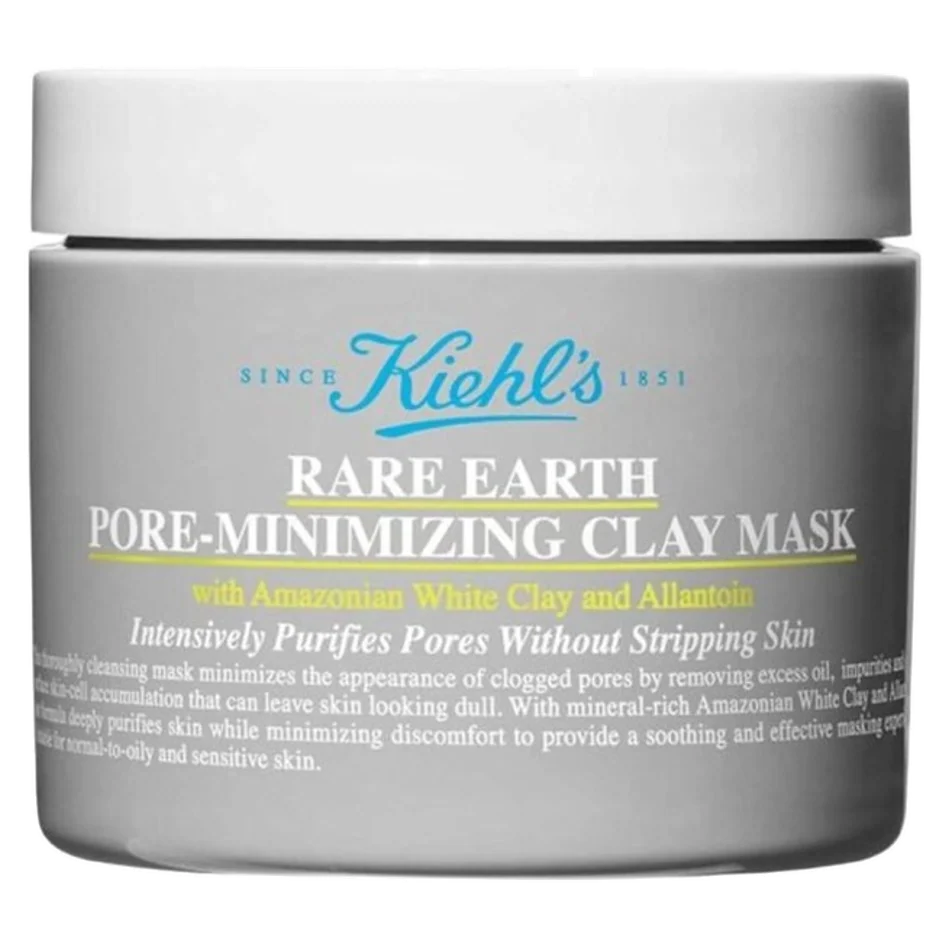
Kiehl's
Rare Earth Pore-Minimizing Clay Mask
10th of 19 on the label
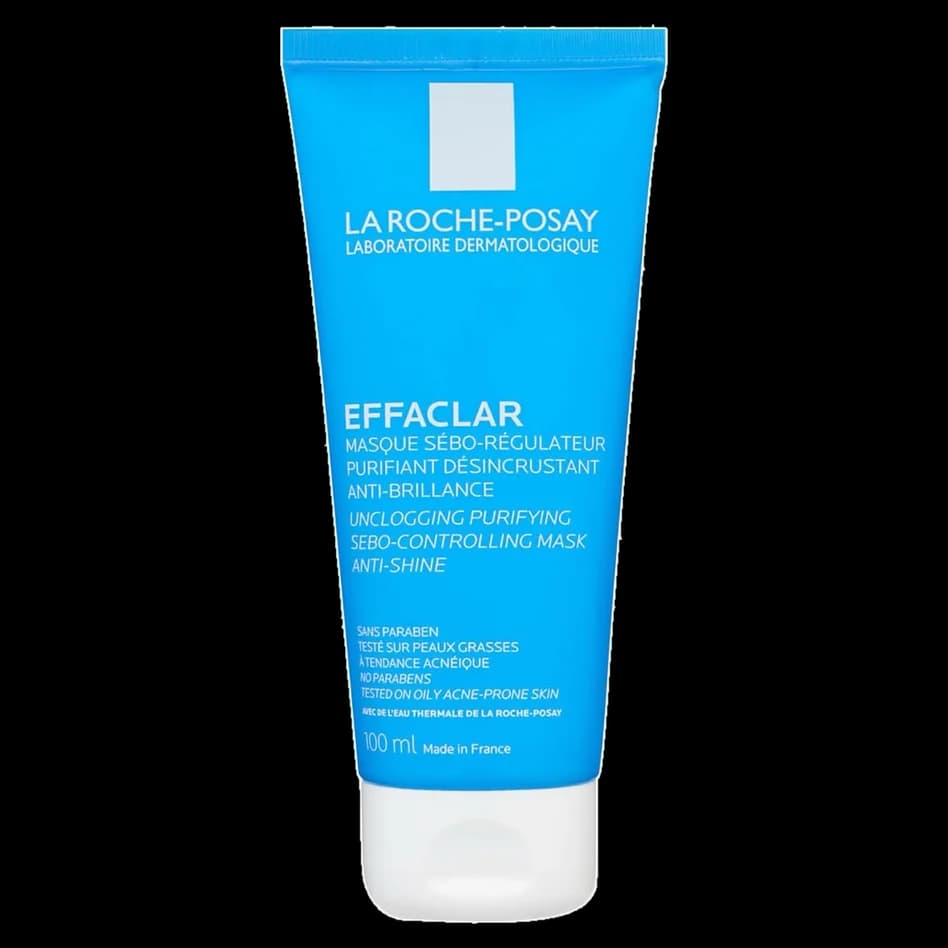
La Roche-Posay
Effaclar Purifying Clay Mask
19th of 20 on the label
below ≈1%
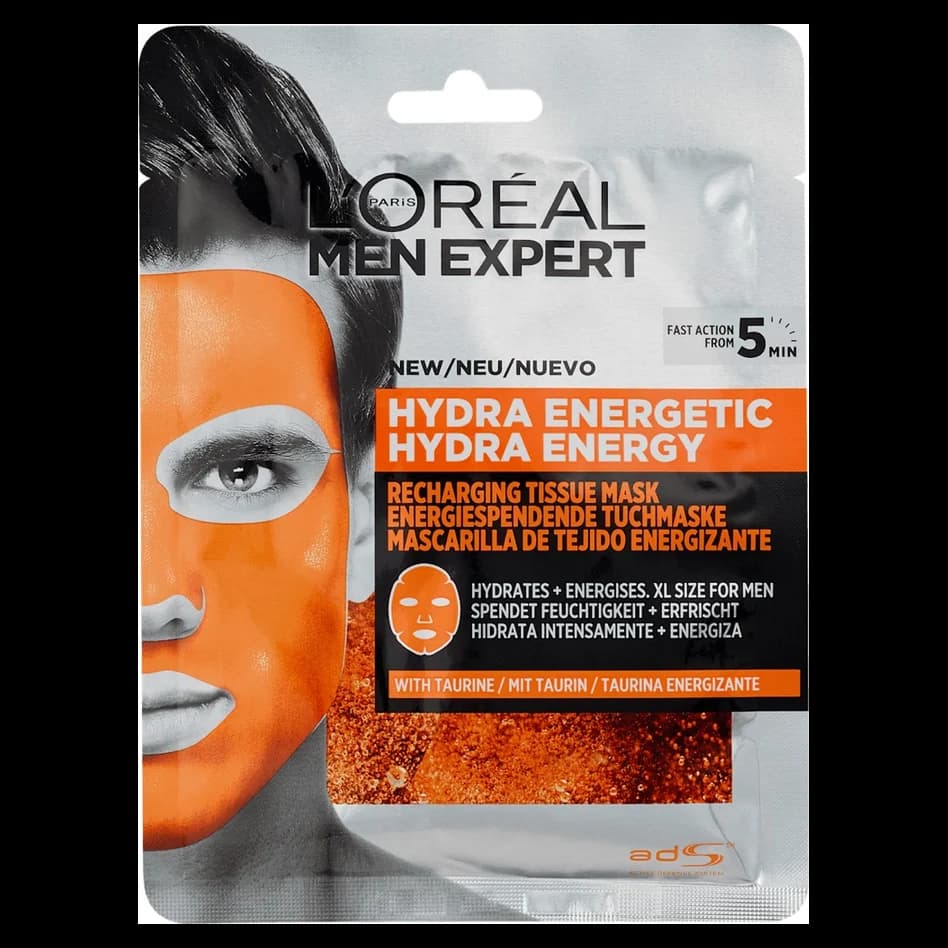
L'Oréal Paris
Men Expert Hydra Energetic Recharging Tissue Mask
20th of 21 on the label
below ≈1%
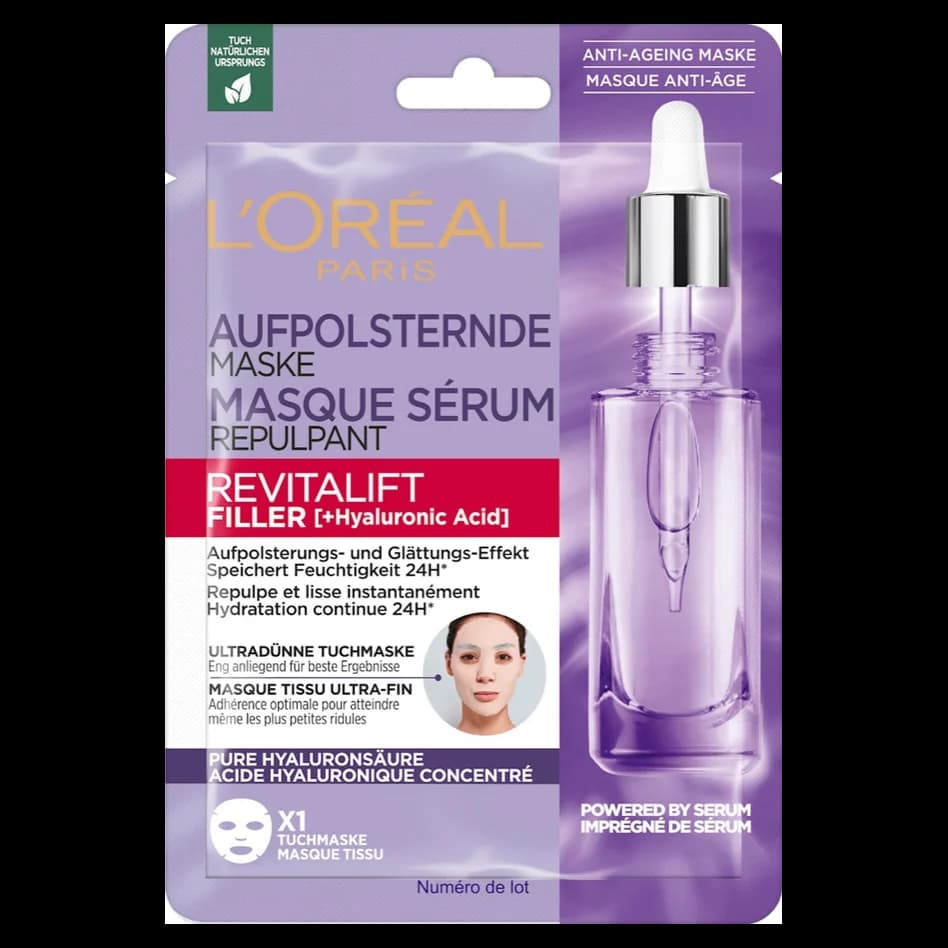
L'Oréal Paris
Revitalift Filler Hyaluronic Acid Tissue Mask
13th of 14 on the label
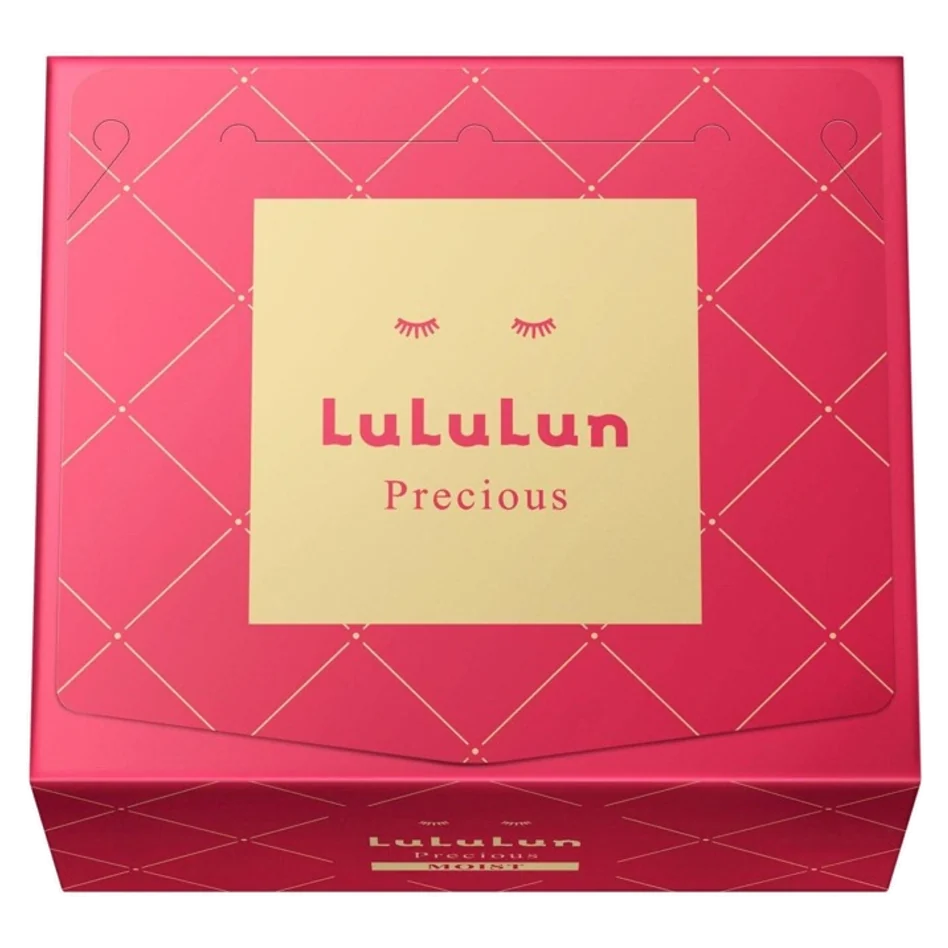
LuLuLun
Precious Face Mask Moist (Red)
25th of 26 on the label
below ≈1%
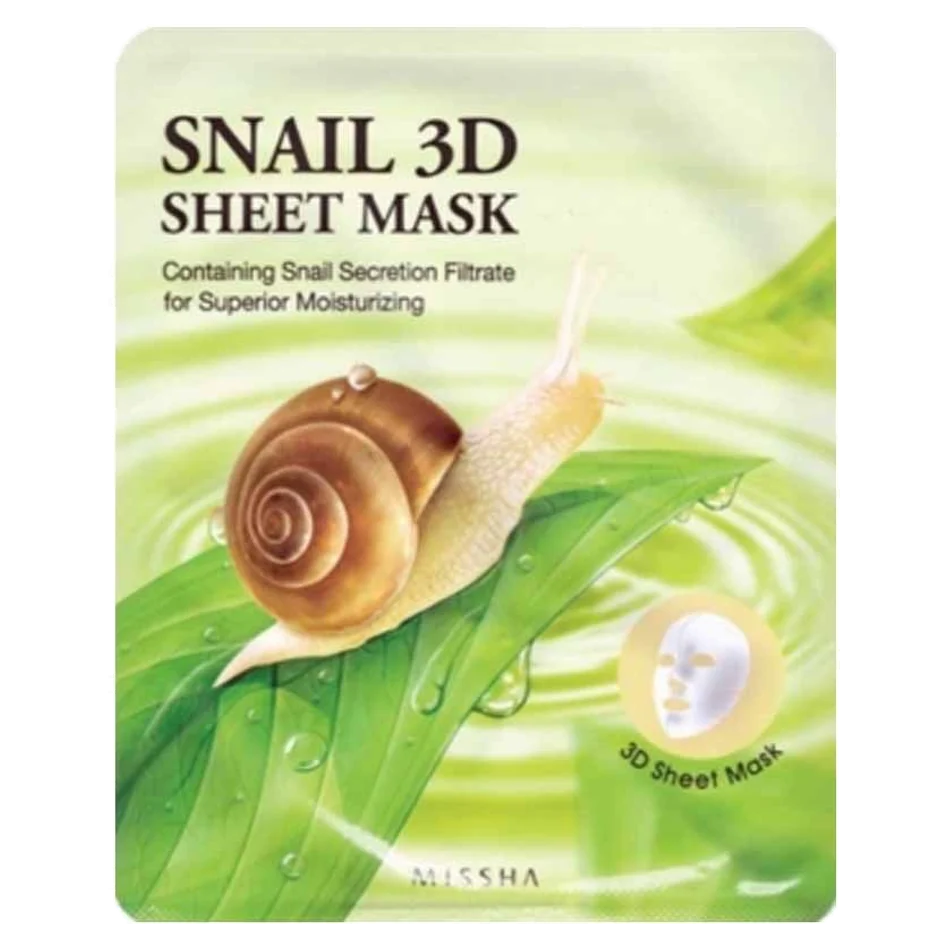
MISSHA
Snail 3D Sheet Mask
14th of 25 on the label
below ≈1%
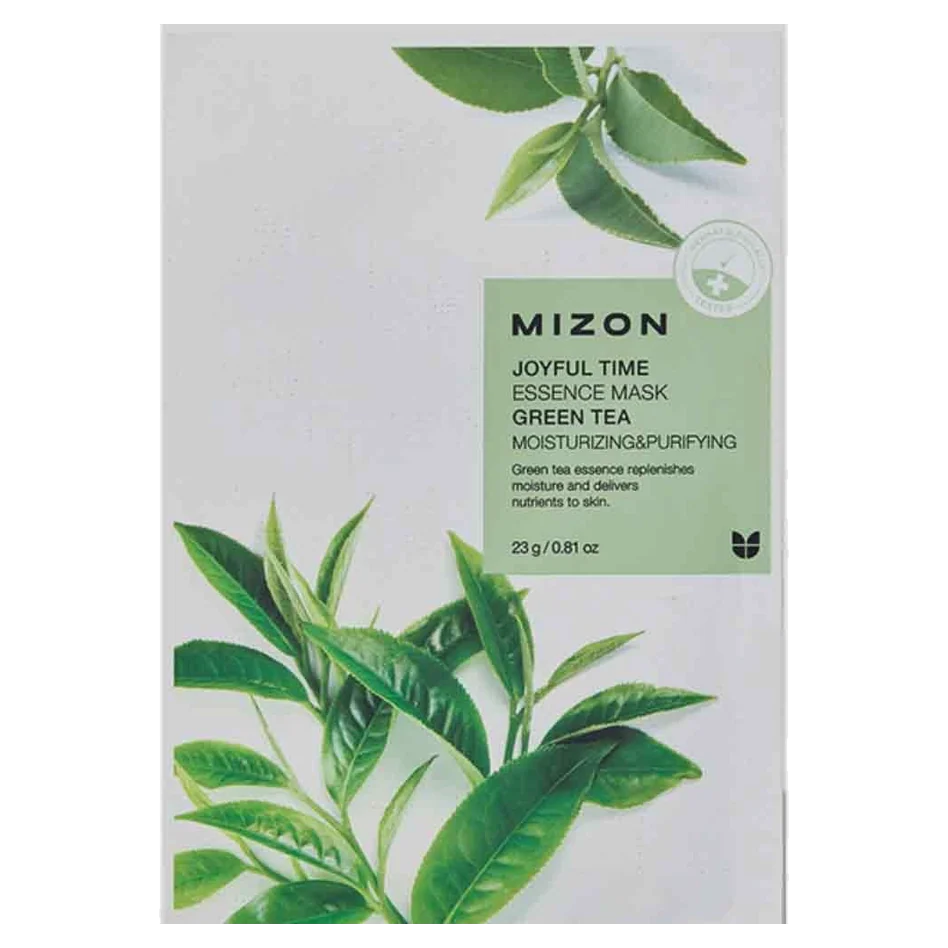
MIZON
Joyful Time Essence Mask Green Tea
25th of 26 on the label
below ≈1%
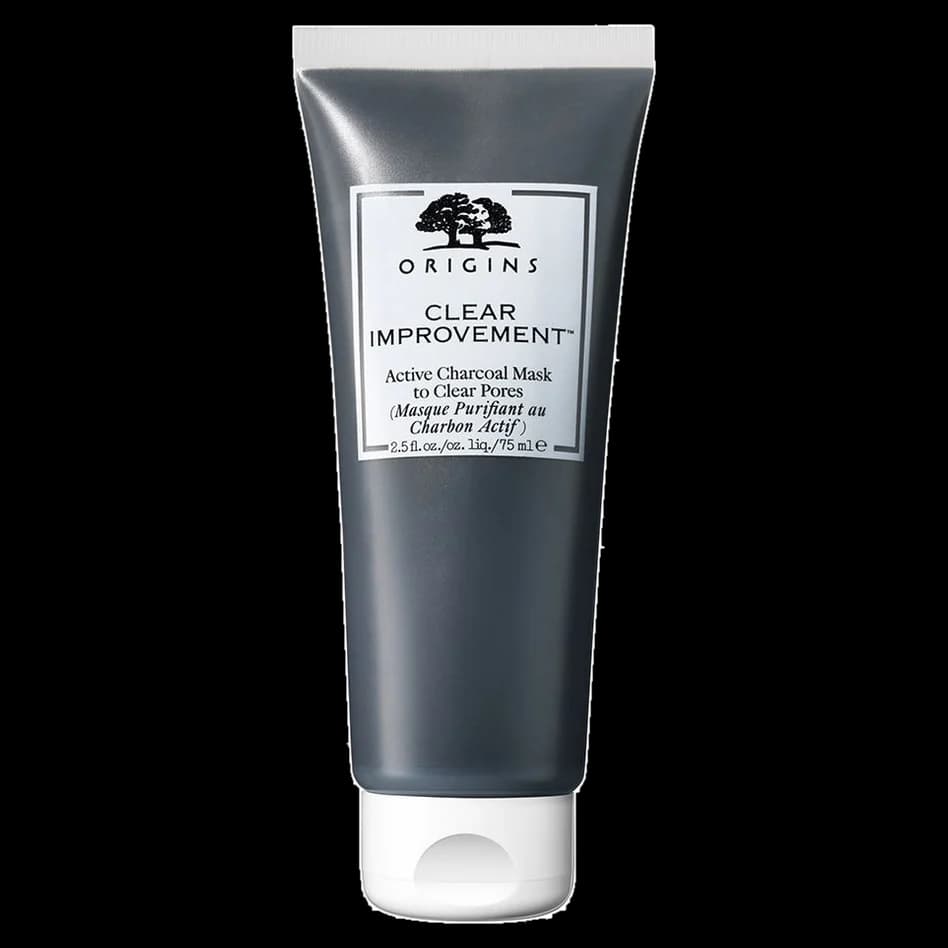
Origins
Clear Improvement Active Charcoal Mask to Clear Pores
23rd of 23 on the label
below ≈1%
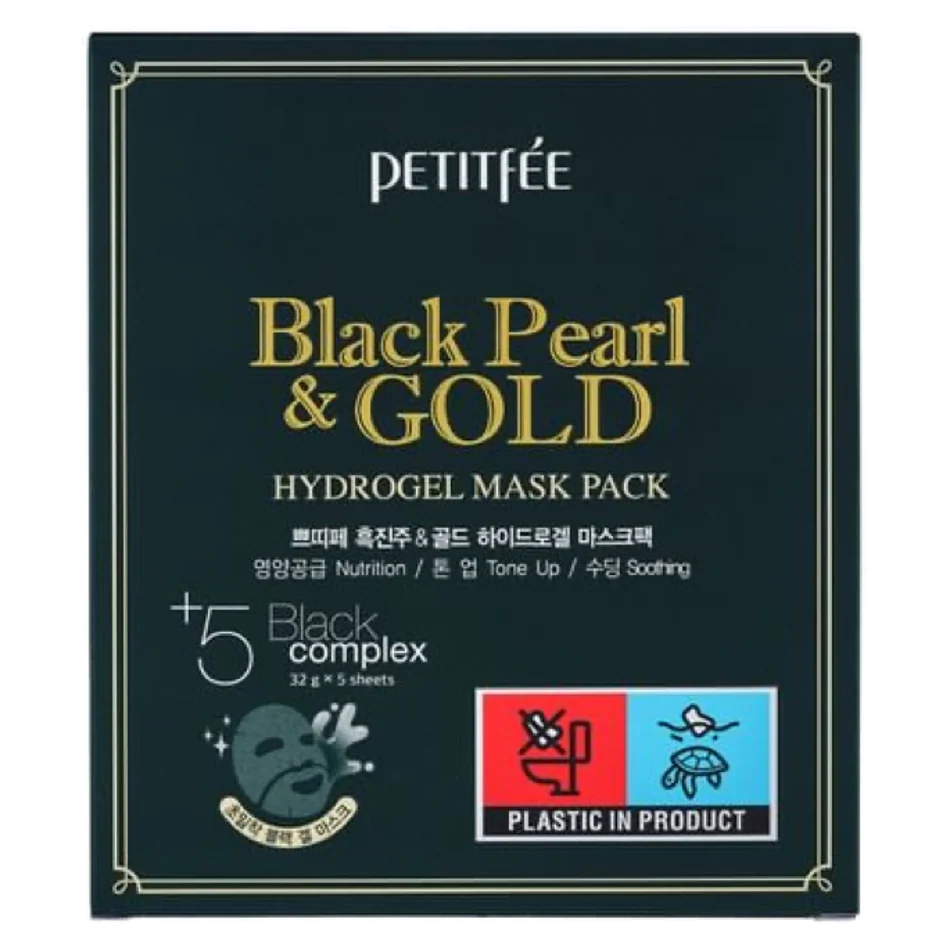
Petitfee
Black Pearl & Gold Hydrogel Mask Pack
31st of 33 on the label
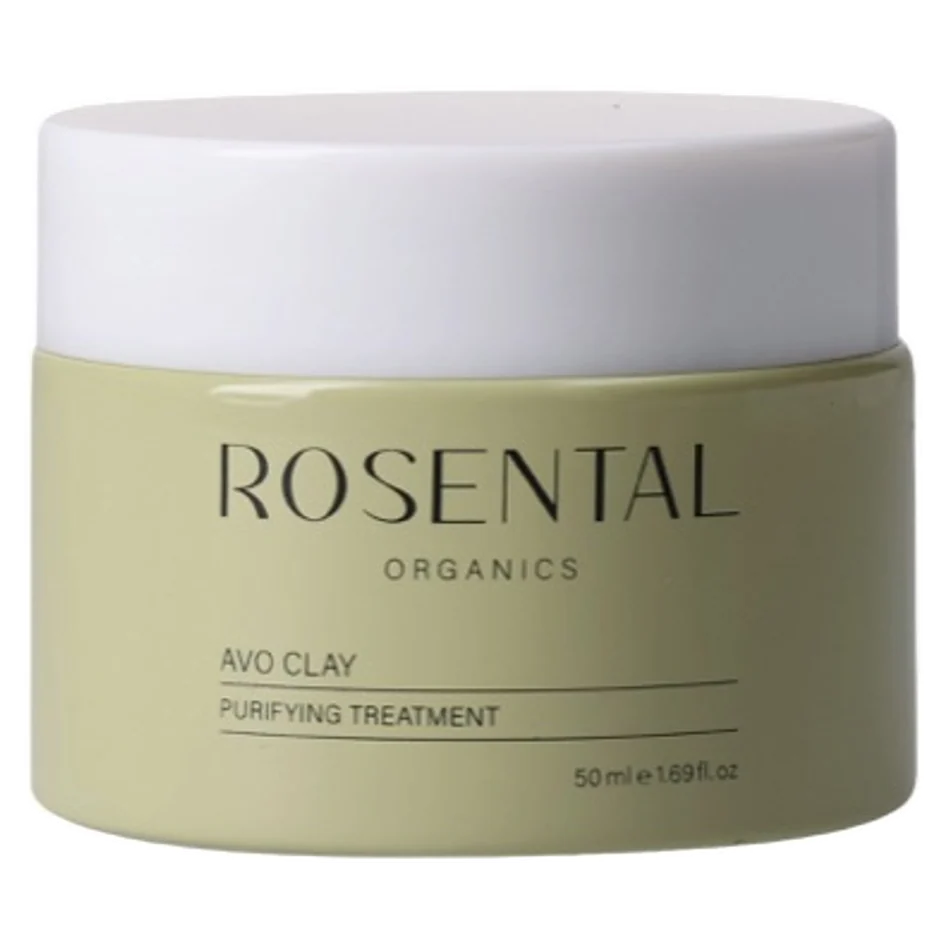
Rosental Organics
Avo Clay Mask
7th of 17 on the label
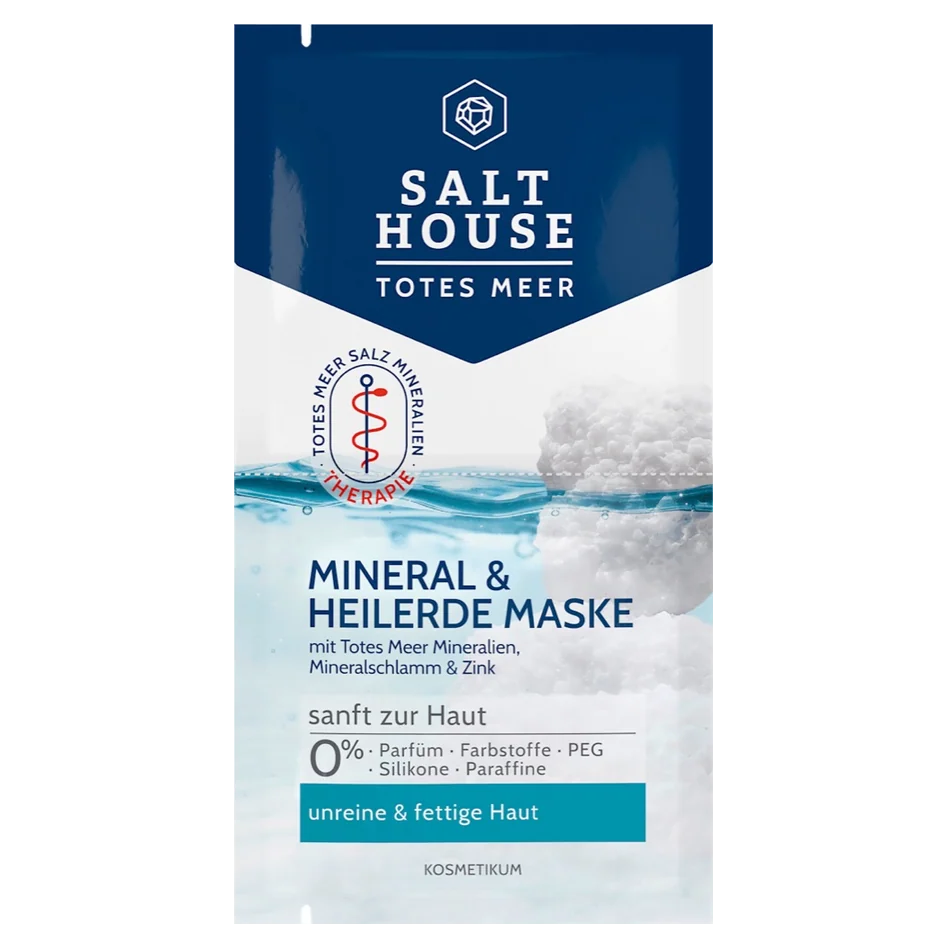
Salthouse
Totes Meer Therapie Gesichtsmaske Mineral & Heilerde
16th of 17 on the label
below ≈1%
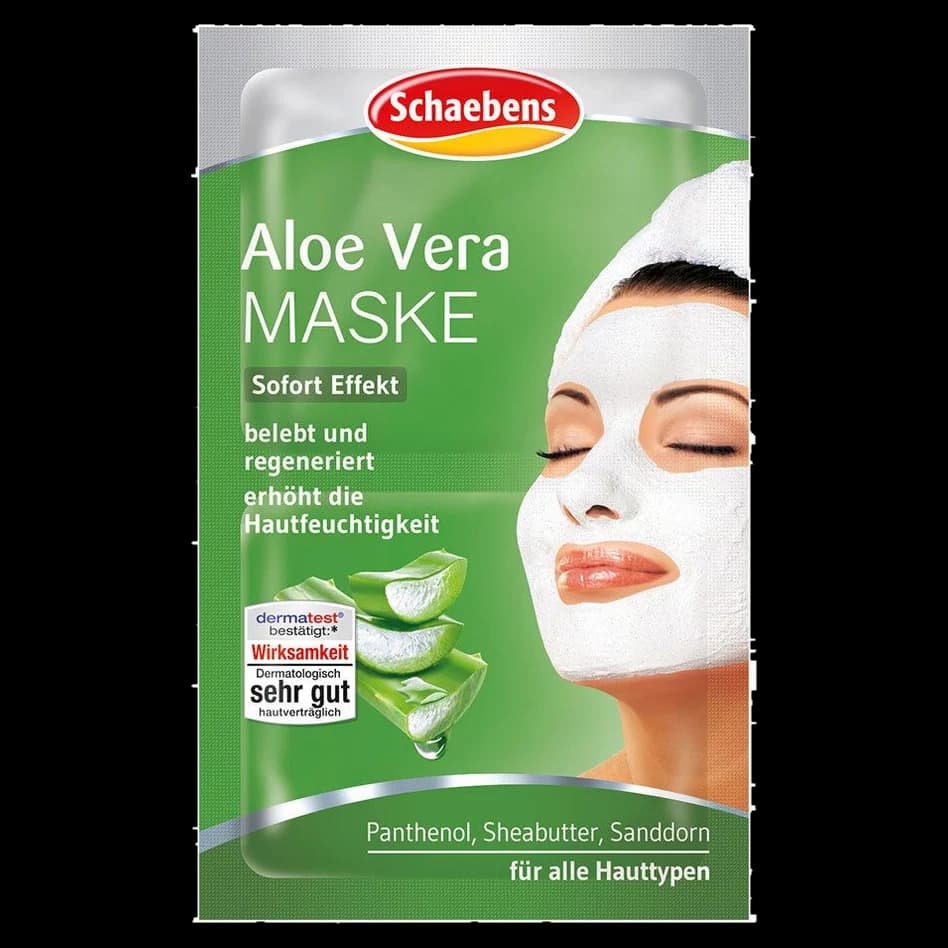
Schaebens
Aloe Vera Maske
23rd of 34 on the label
below ≈1%
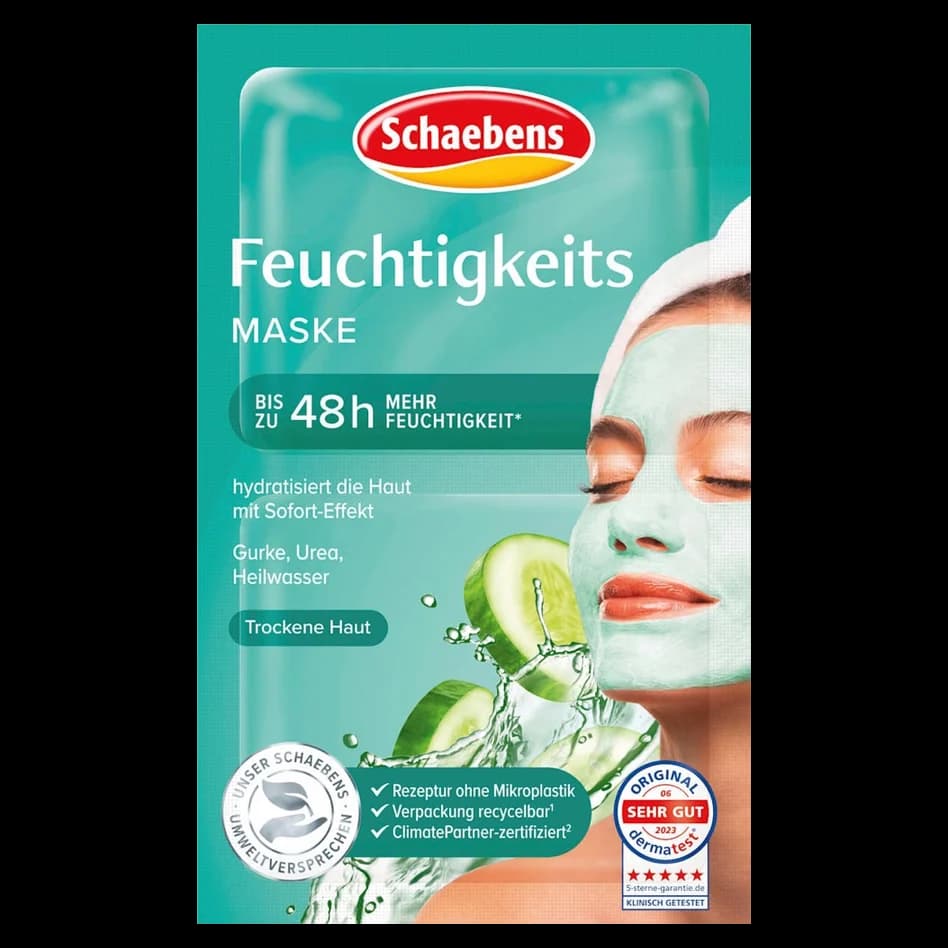
Schaebens
Gesichtsmaske Feuchtigkeit Sofort-Effekt
27th of 38 on the label
below ≈1%
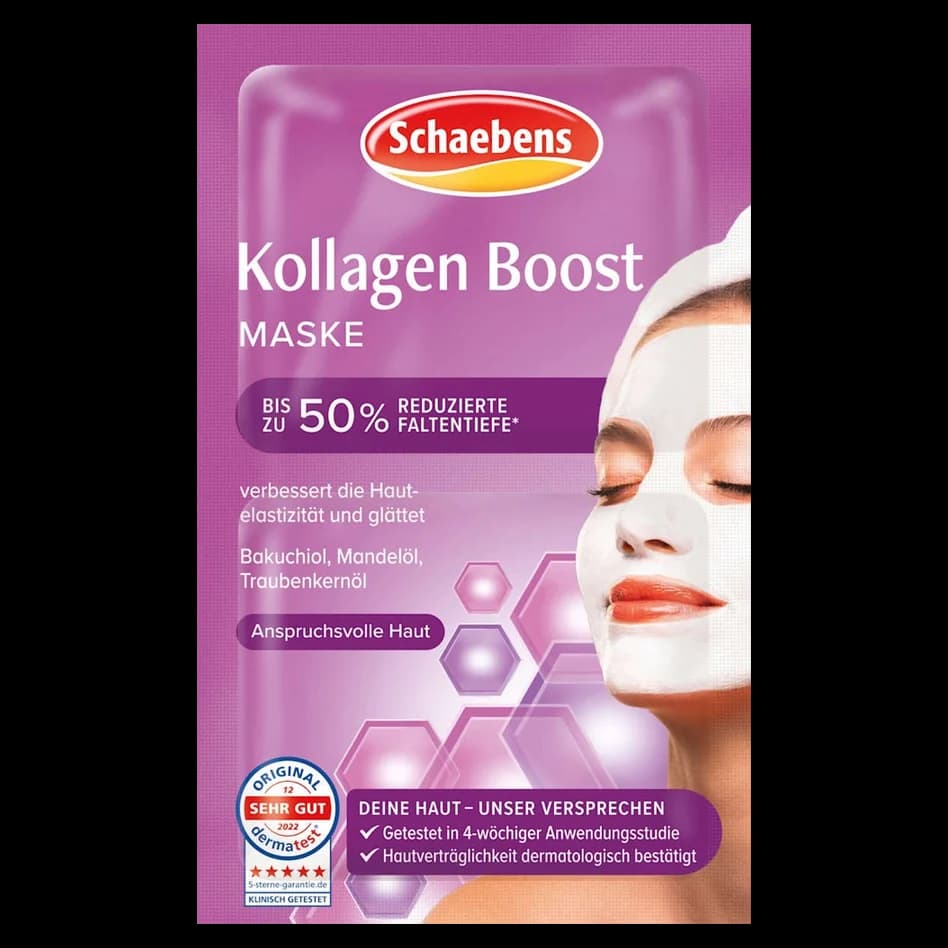
Schaebens
Gesichtsmaske Kollagen Boost
19th of 27 on the label
below ≈1%
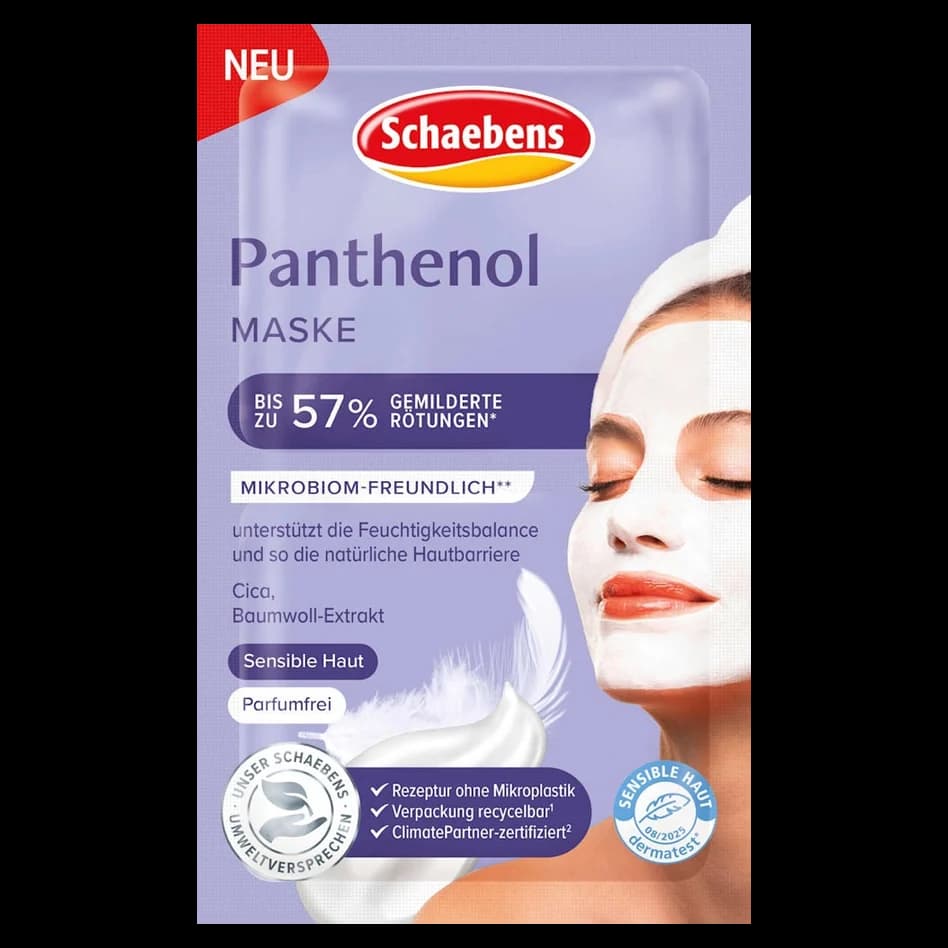
Schaebens
Gesichtsmaske Panthenol
19th of 22 on the label
below ≈1%
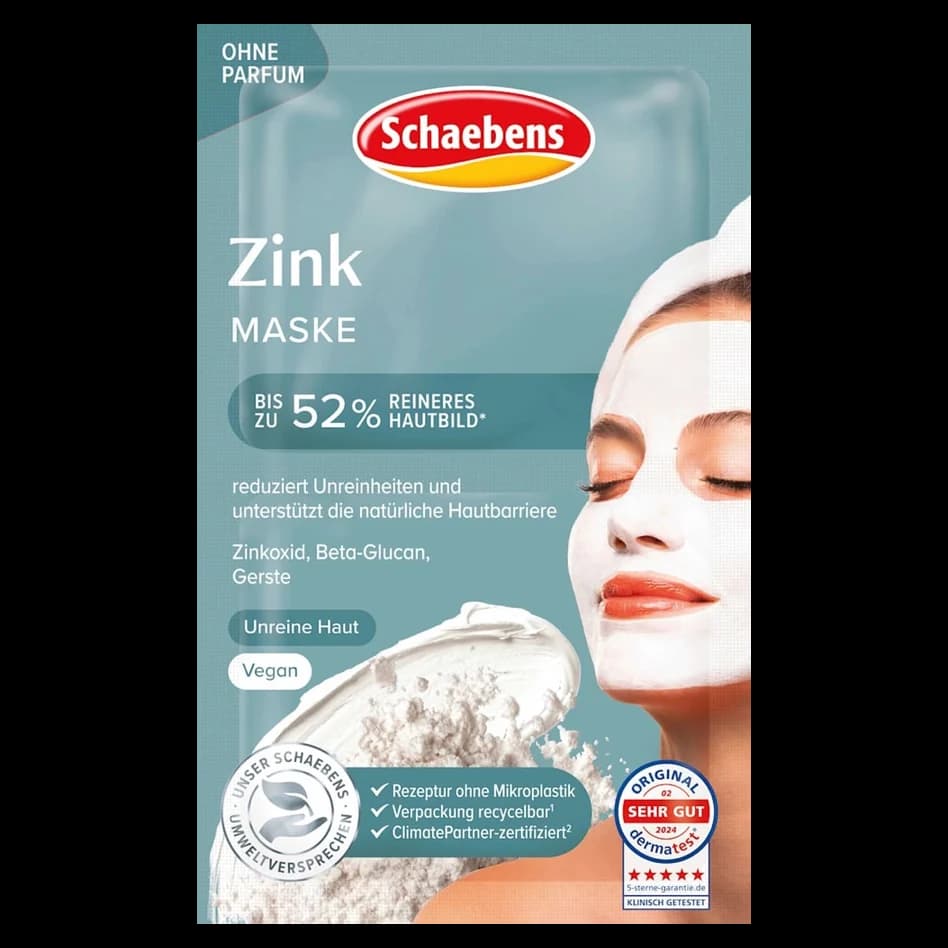
Schaebens
Gesichtsmaske Zink
21st of 27 on the label
below ≈1%
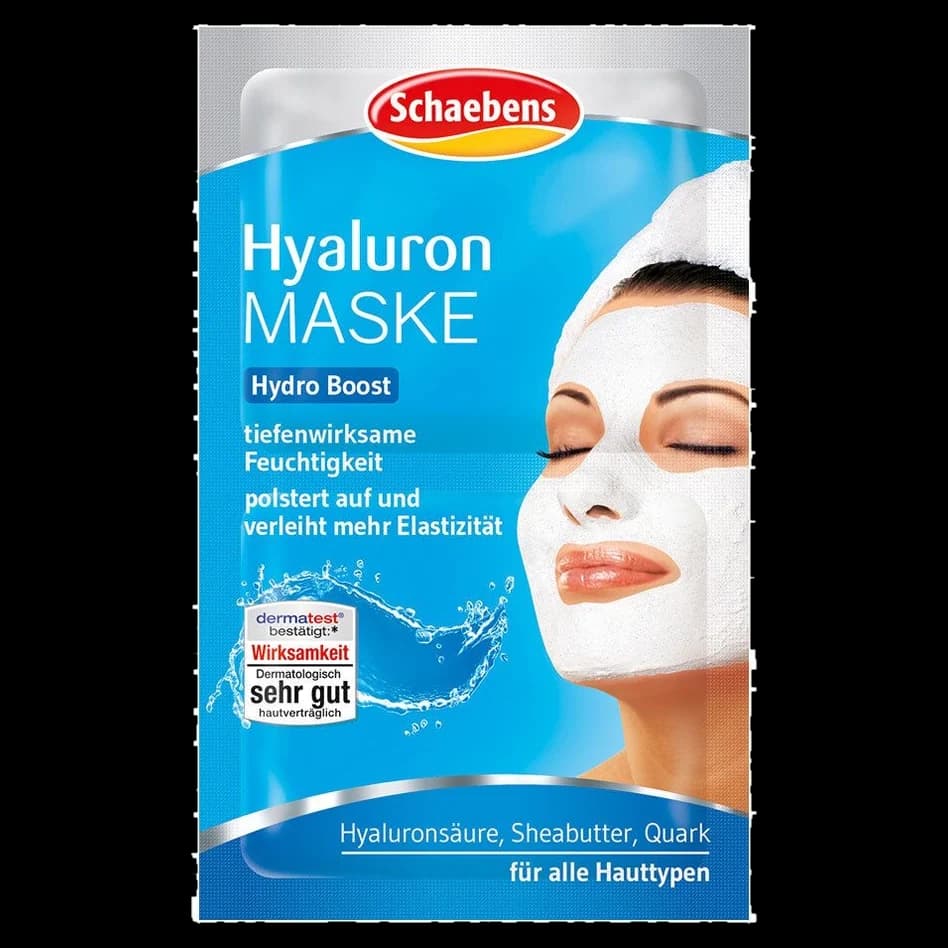
Schaebens
Hyaluron Maske
27th of 32 on the label
below ≈1%
Schaebens
Totes Meer Schlamm Maske
14th of 14 on the label
Schaebens
Tuchmaske Hyaluron
17th of 23 on the label
Schaebens
Tuchmaske Jelly Ceramide
25th of 29 on the label
Schaebens
Tuchmaske Kollagen Boost
24th of 27 on the label
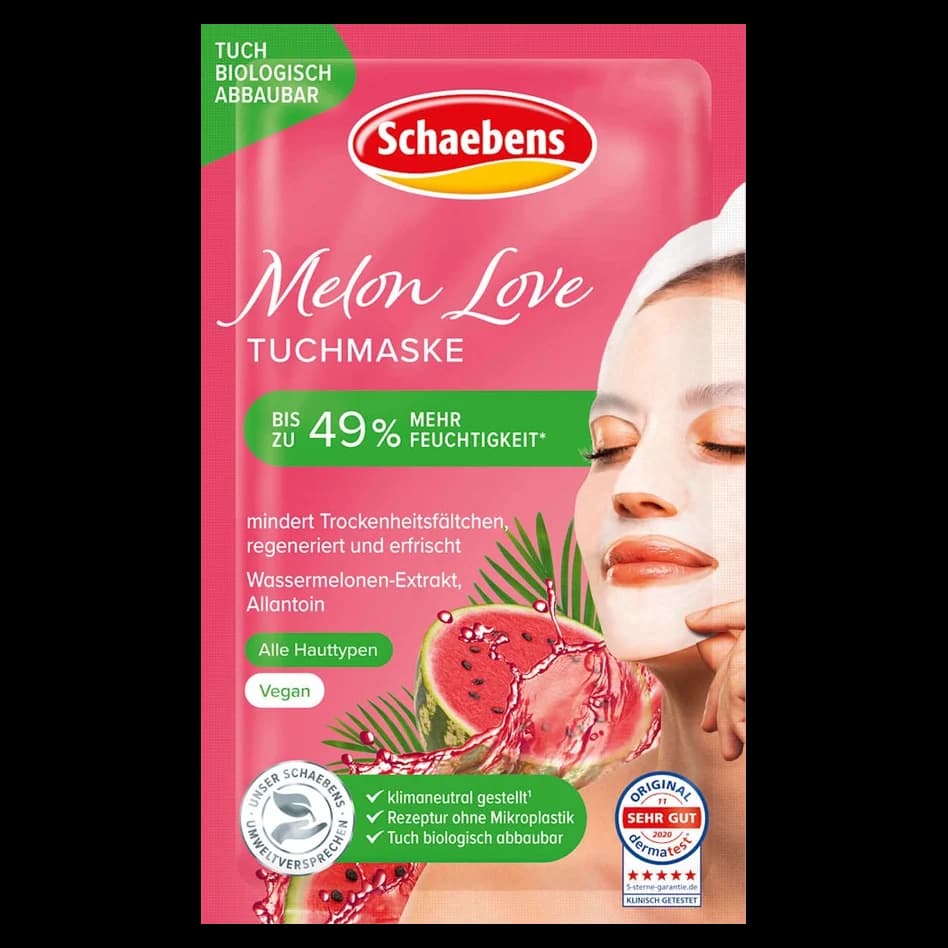
Schaebens
Tuchmaske Melon Love
36th of 45 on the label
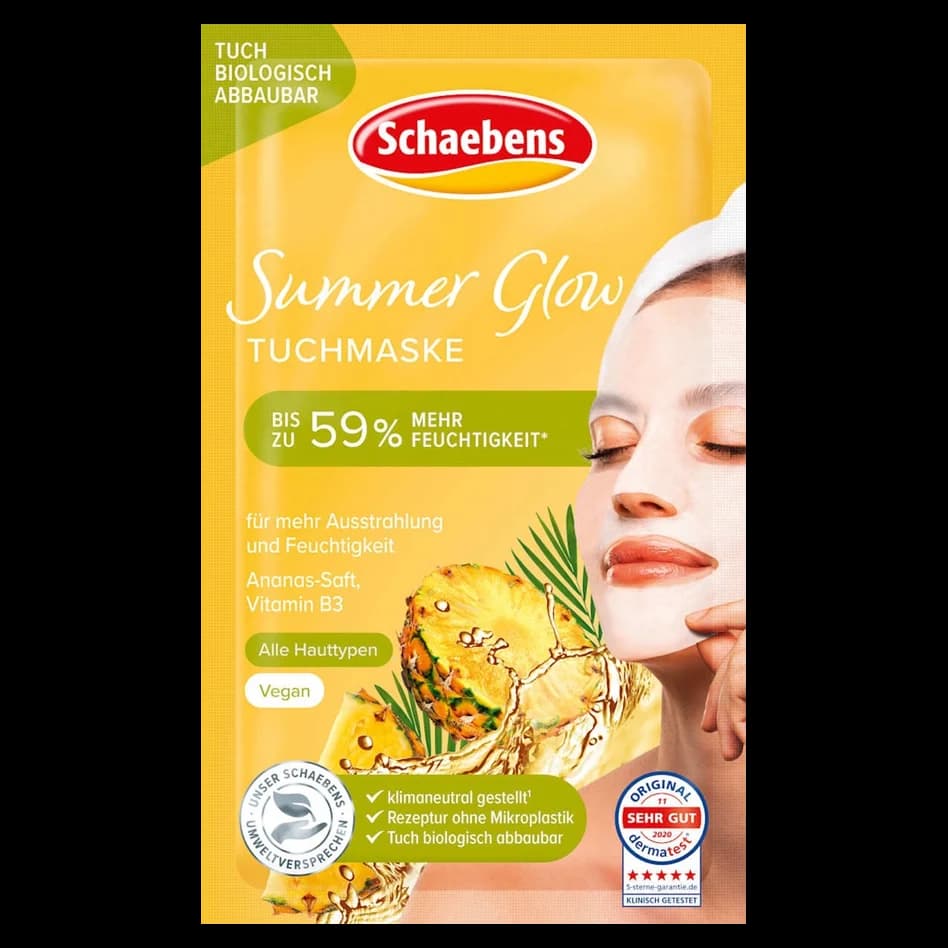
Schaebens
Tuchmaske Summer Glow
36th of 44 on the label
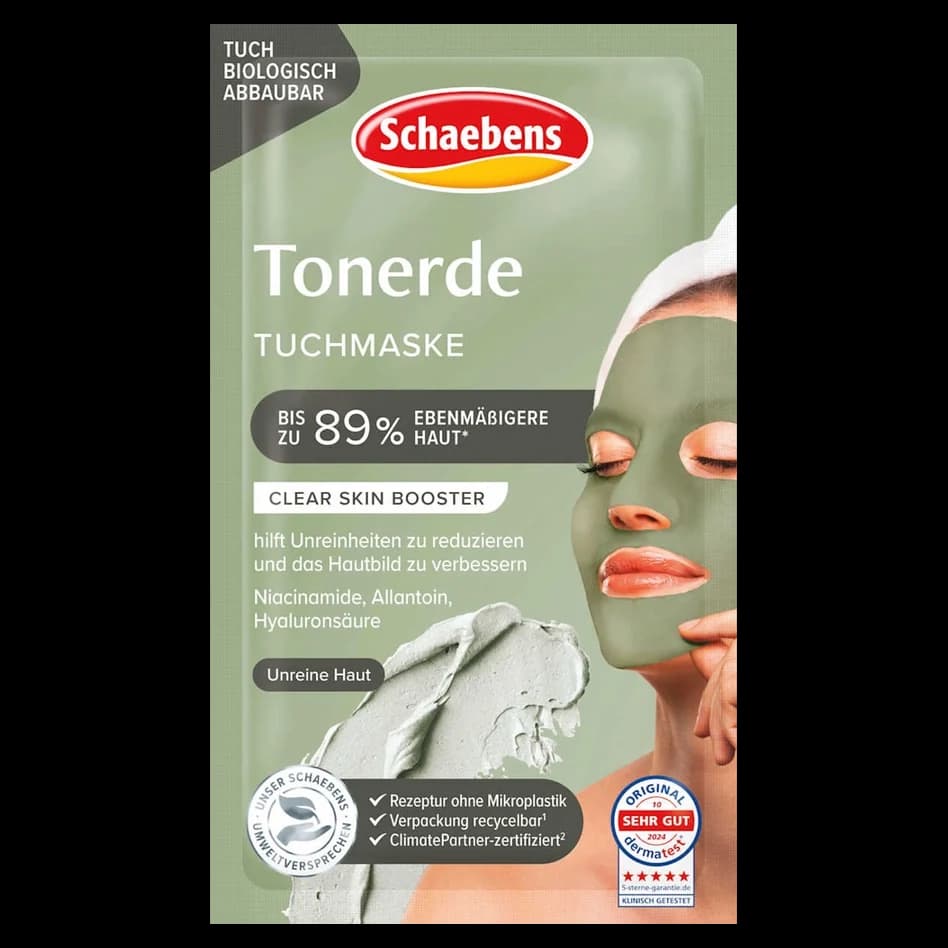
Schaebens
Tuchmaske Tonerde
27th of 35 on the label
below ≈1%
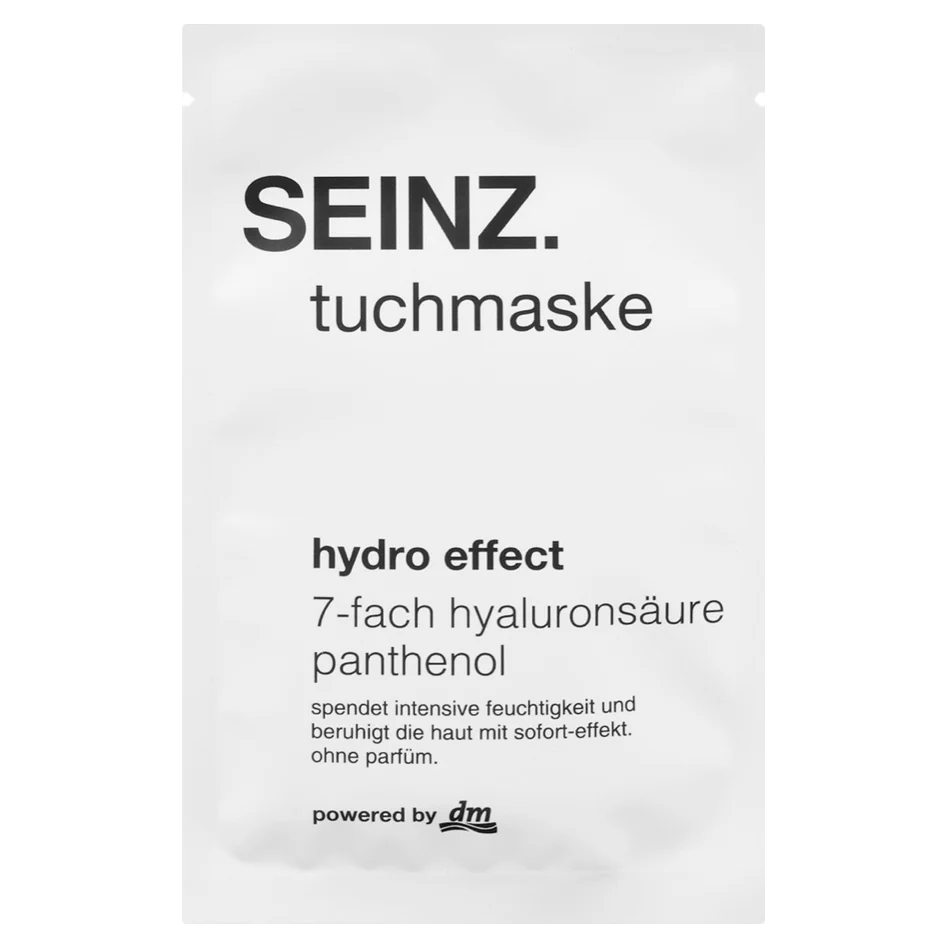
SEINZ.
Tuchmaske hydro effect
21st of 21 on the label
below ≈1%
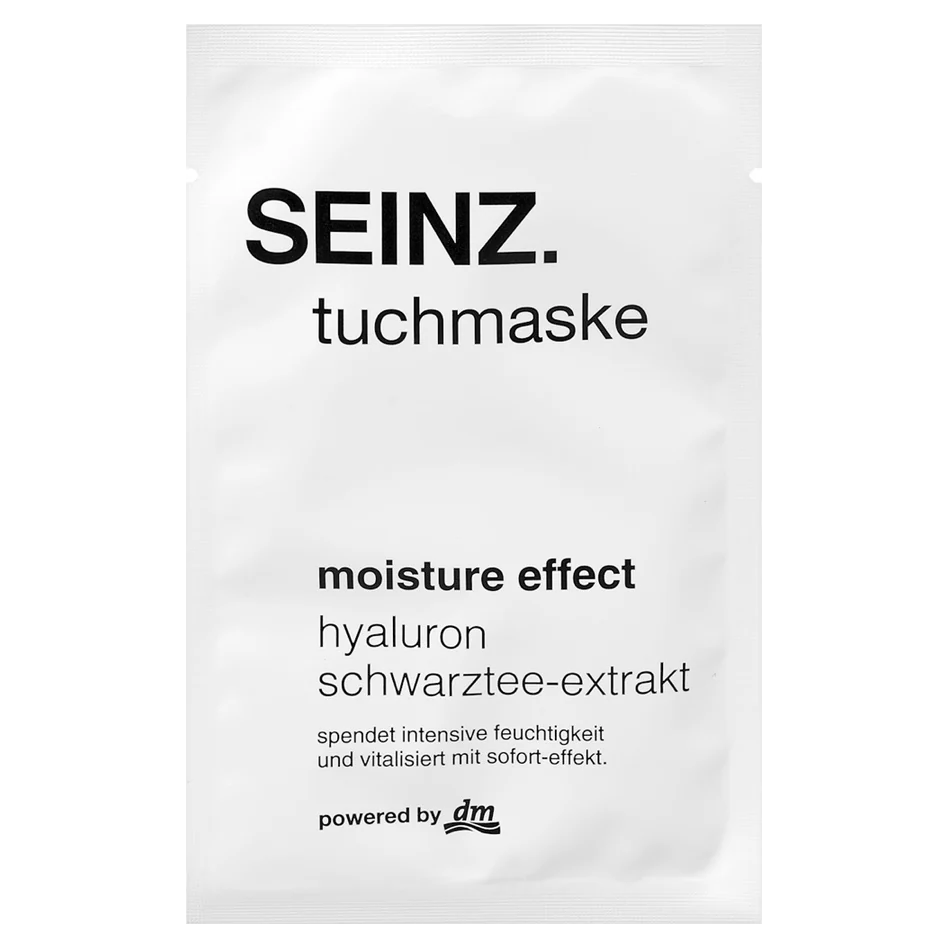
SEINZ.
Tuchmaske moisture effect
16th of 16 on the label
below ≈1%
Sensai
Cellular Performance Extra Intensive Mask
36th of 44 on the label
below ≈1%
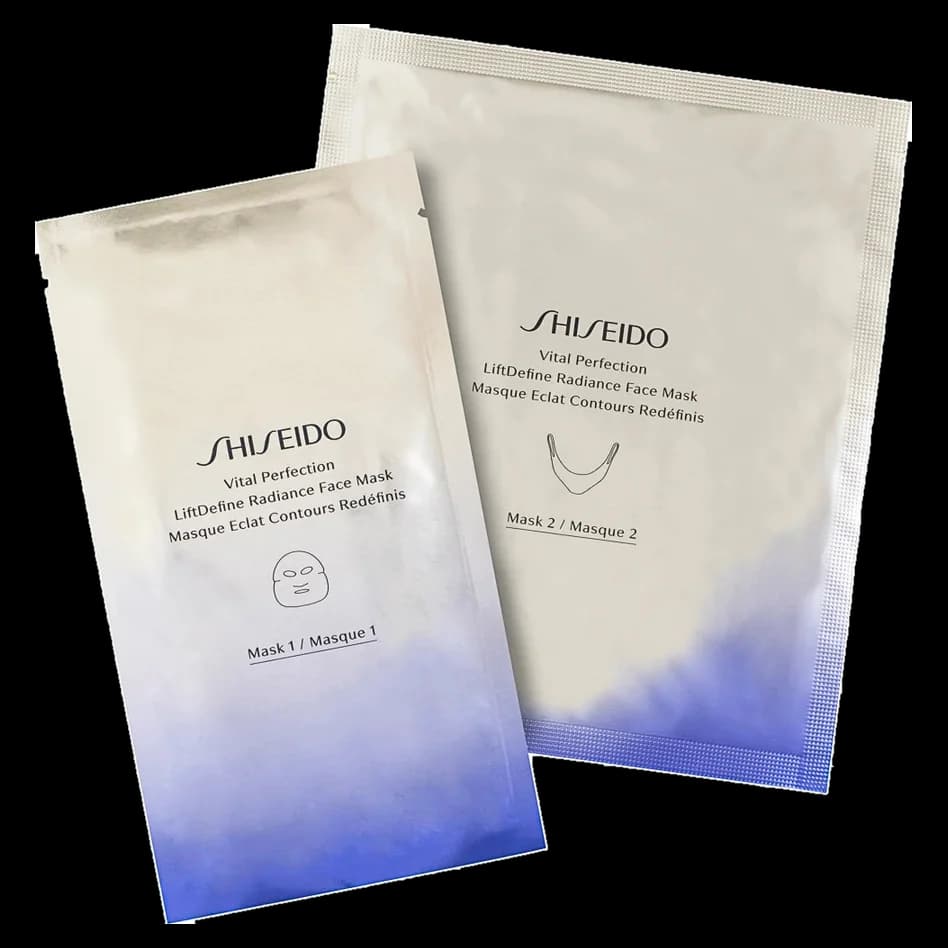
Shiseido
Vital Perfection LiftDefine Radiance Face Mask
39th of 81 on the label
below ≈1%
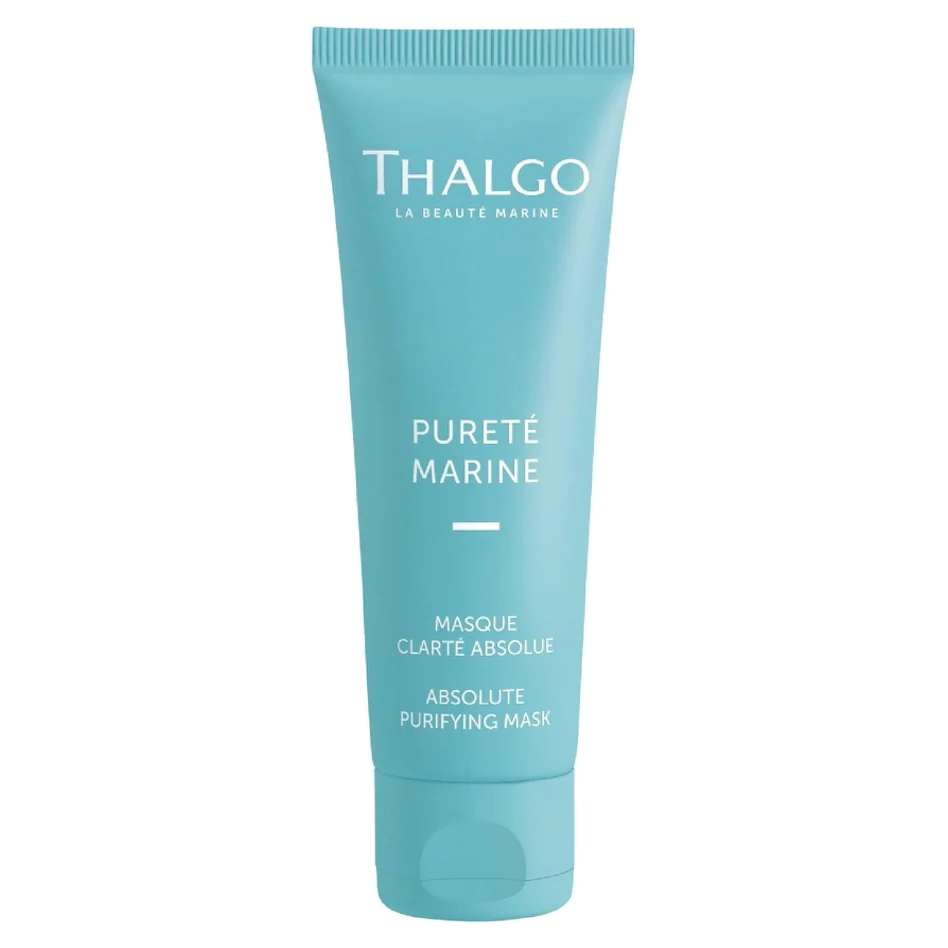
THALGO
Klärende Intensiv-Maske
13th of 32 on the label
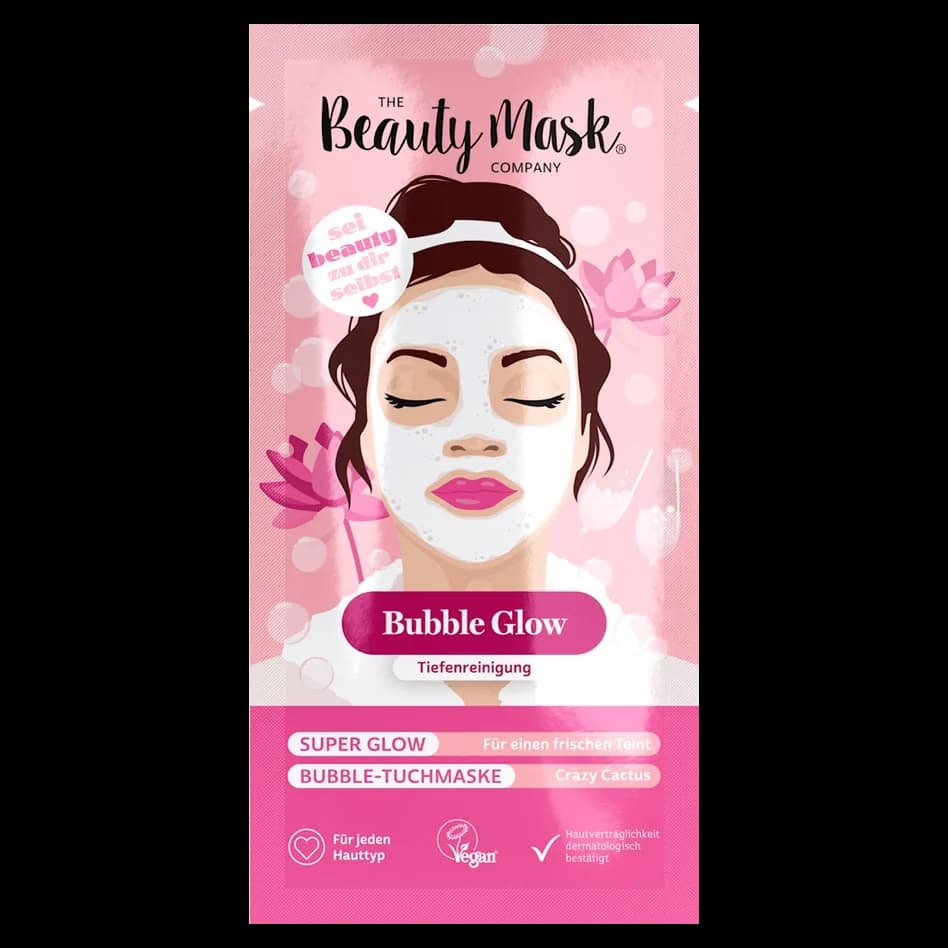
The Beauty Mask Company
Bubble Glow Tuchmaske Crazy Cactus
8th of 25 on the label
below ≈1%
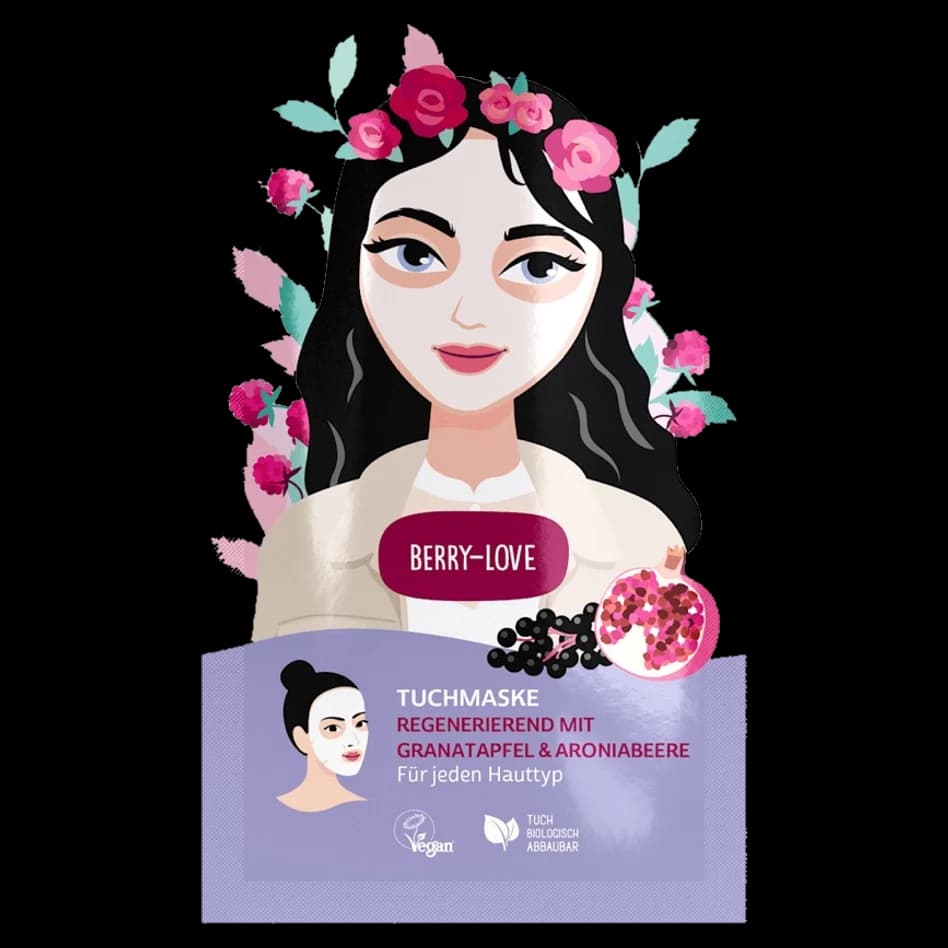
The Beauty Mask Company
Tuchmaske Berry Love
13th of 16 on the label
below ≈1%
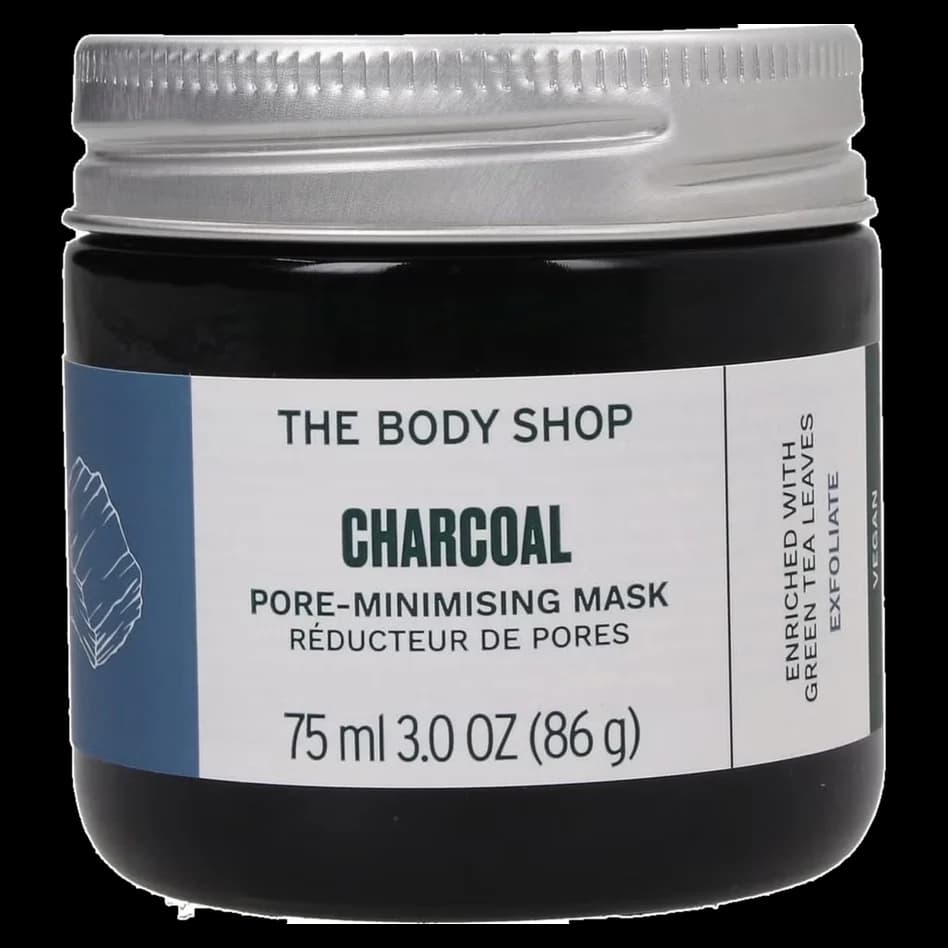
The Body Shop
Charcoal Pore Minimising Mask
11th of 37 on the label
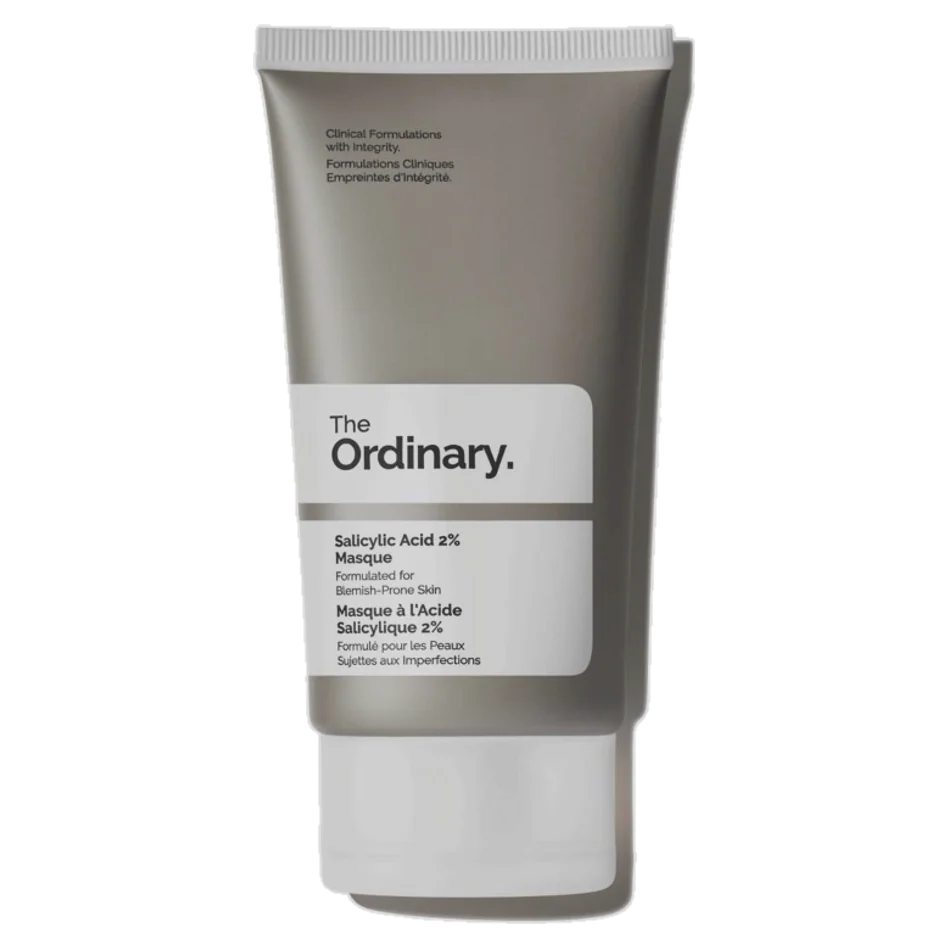
The Ordinary
Salicylic Acid 2% Masque
19th of 19 on the label
below ≈1%
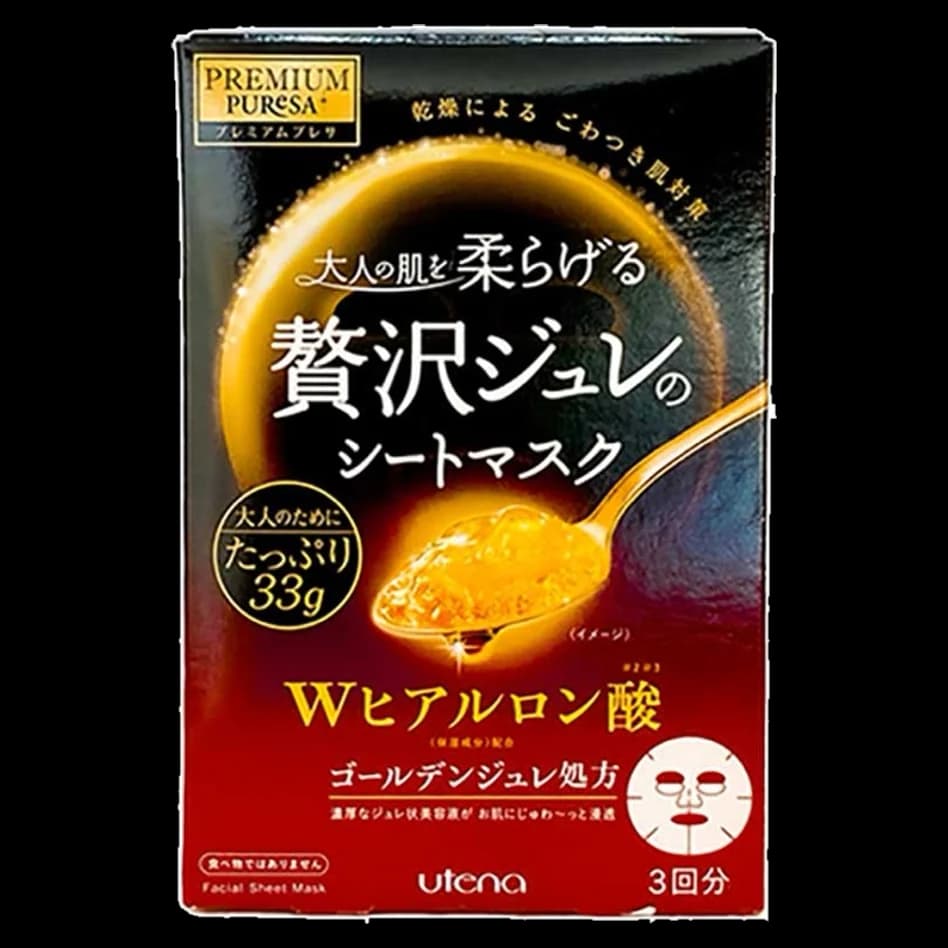
Utena
Premium Puresa Golden Jelly Mask (Hyaluronic Acid)
34th of 35 on the label
below ≈1%
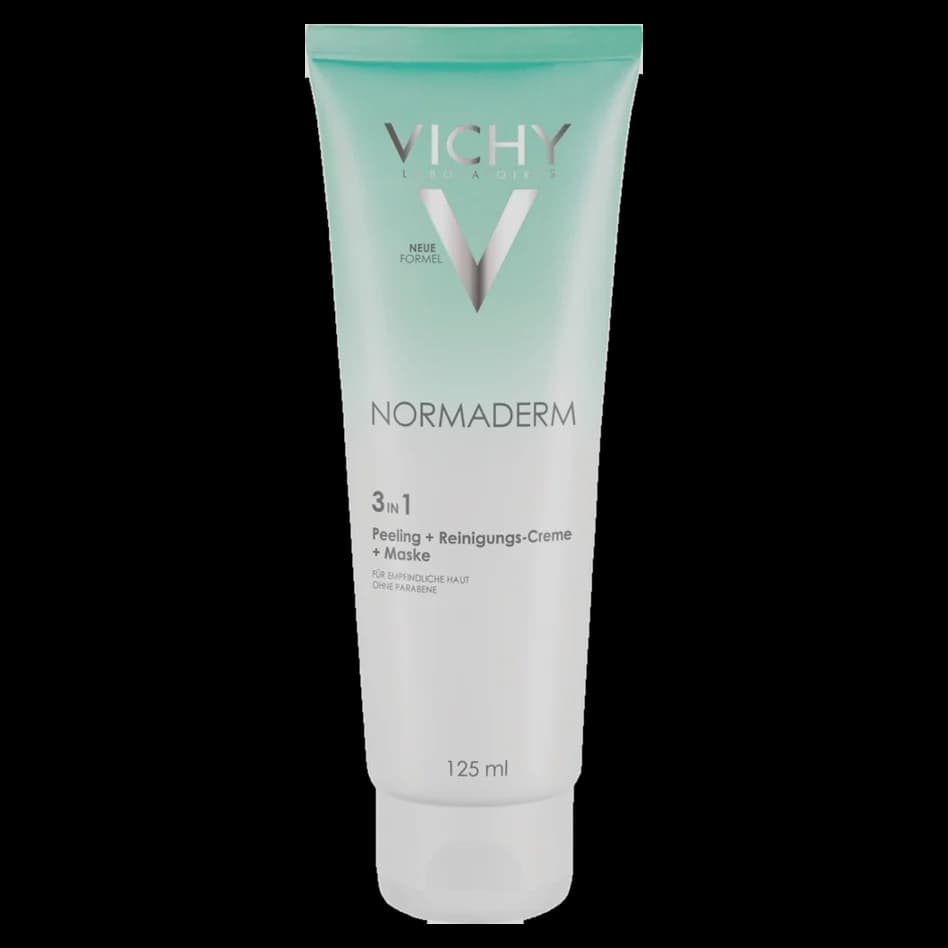
Vichy
Normaderm 3-in-1 Peeling + Reinigungs-Creme + Maske
18th of 23 on the label
below ≈1%
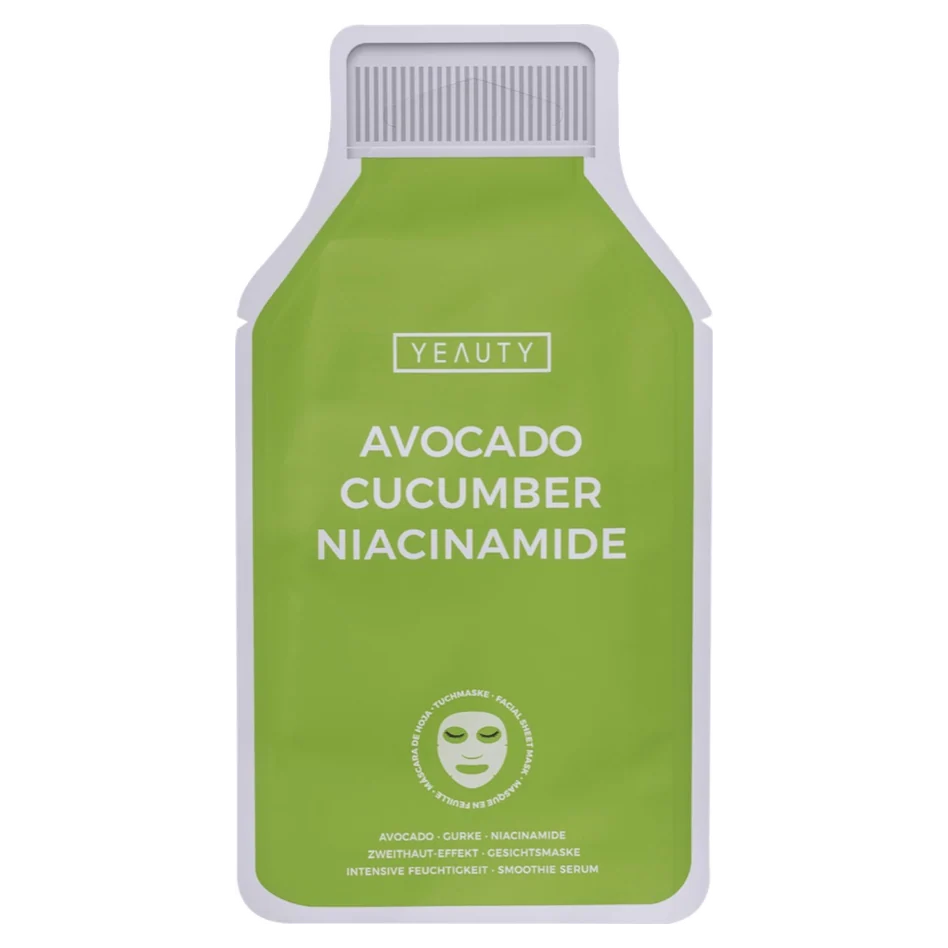
Yeauty
Tuchmaske Avocado Cucumber Niacinamide
13th of 29 on the label
below ≈1%