Ethylhexylglycerin
No meaningful concern for most people; irritation is possible but rare.
Also written as: Octoxyglycerin · 2-Ethylhexylglyceryl Ether
What it is
Ethylhexylglycerin is a glyceryl ether that is not itself a listed EU preservative, but it weakens microbial cell membranes so that a true preservative works harder. It is almost always seen immediately after phenoxyethanol on an ingredient list, and it doubles as a light emollient and deodorising agent.
What it does well
Reduces the amount of conventional preservative needed
By disrupting microbial cell membranes it improves the performance of phenoxyethanol and similar preservatives, which is why the pair is so common in European skincare.
Moderate evidence
Worth knowing
An uncommon but genuine contact allergen
The North American Contact Dermatitis Group found a 0.25% positivity rate, comparable to parabens and phenoxyethanol, but about 80% of those reactions were clinically relevant, usually from moisturisers.
Matters most toPeople with persistent dermatitis from moisturisers who have already ruled out the obvious culprits.
Where the EU stands
No specific restriction
Not listed as a preservative in Annex V and not otherwise restricted; used legally as a multifunctional skin-conditioning and preservative-boosting ingredient.
Regulation (EC) No 1223/2009 - no annex entry · source ↗
Sources (1)
Every link goes to the original: a journal, a PubMed record or an EU document.
- [1]Patch Testing to Ethylhexylglycerin: The North American Contact Dermatitis Group Experience, 2013-2018
Dermatitis · 2022 · doi:10.1097/DER.0000000000000709
Ethylhexylglycerin was an uncommon allergen with 0.25% positivity, but around 80% of positive reactions were clinically relevant, mostly from moisturisers.
Masks that contain Ethylhexylglycerin
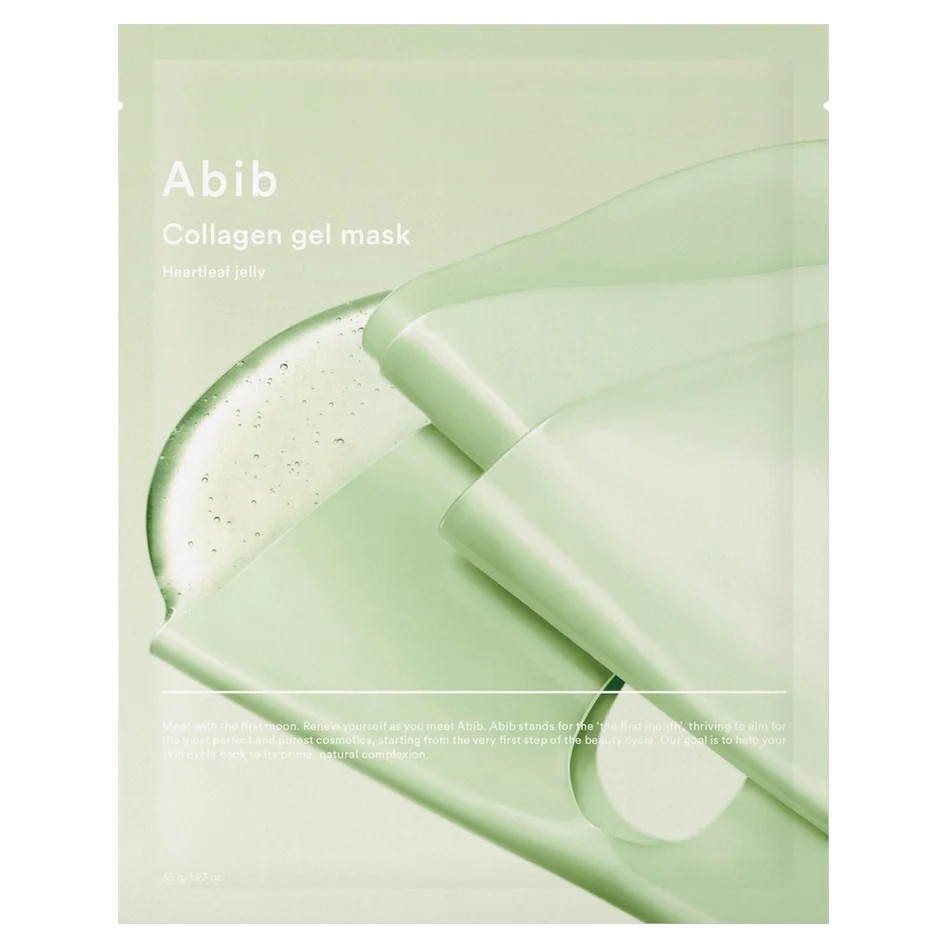
Abib
Collagen Gel Mask Heartleaf Jelly
31st of 43 on the label
below ≈1%
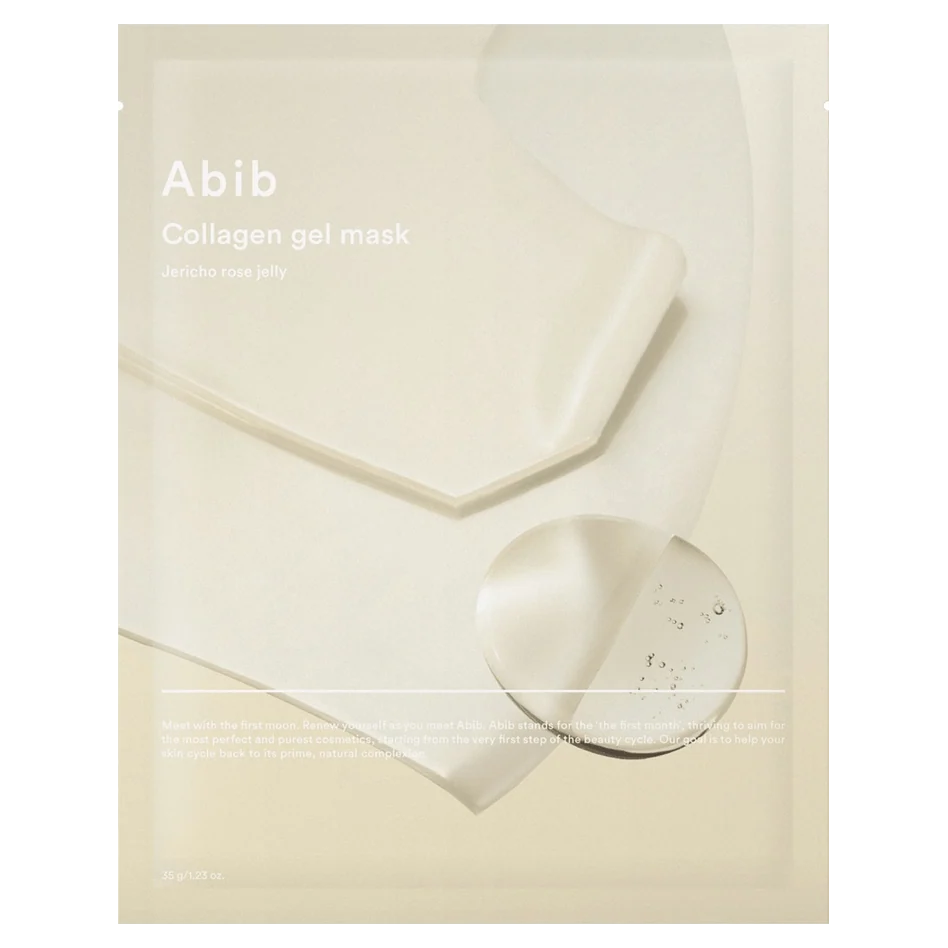
Abib
Collagen Gel Mask Jericho Rose Jelly
32nd of 43 on the label
below ≈1%
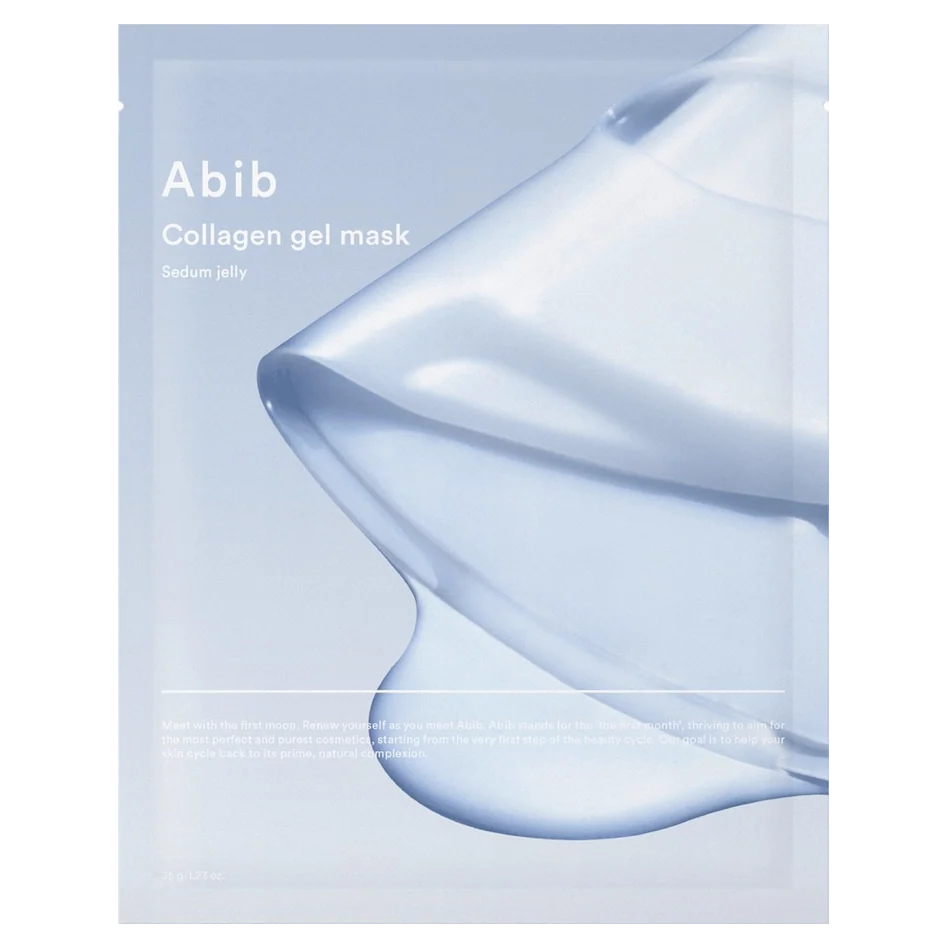
Abib
Collagen Gel Mask Sedum Jelly
27th of 41 on the label
below ≈1%
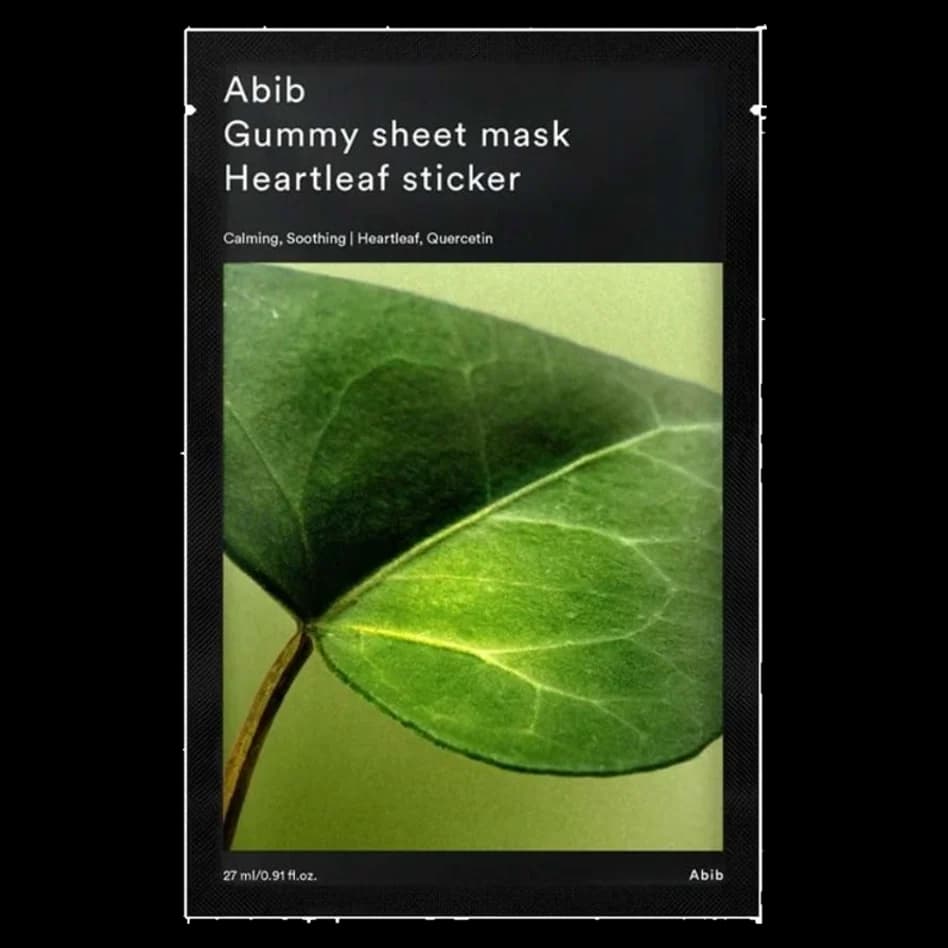
Abib
Gummy Sheet Mask Heartleaf Sticker
12th of 29 on the label
below ≈1%
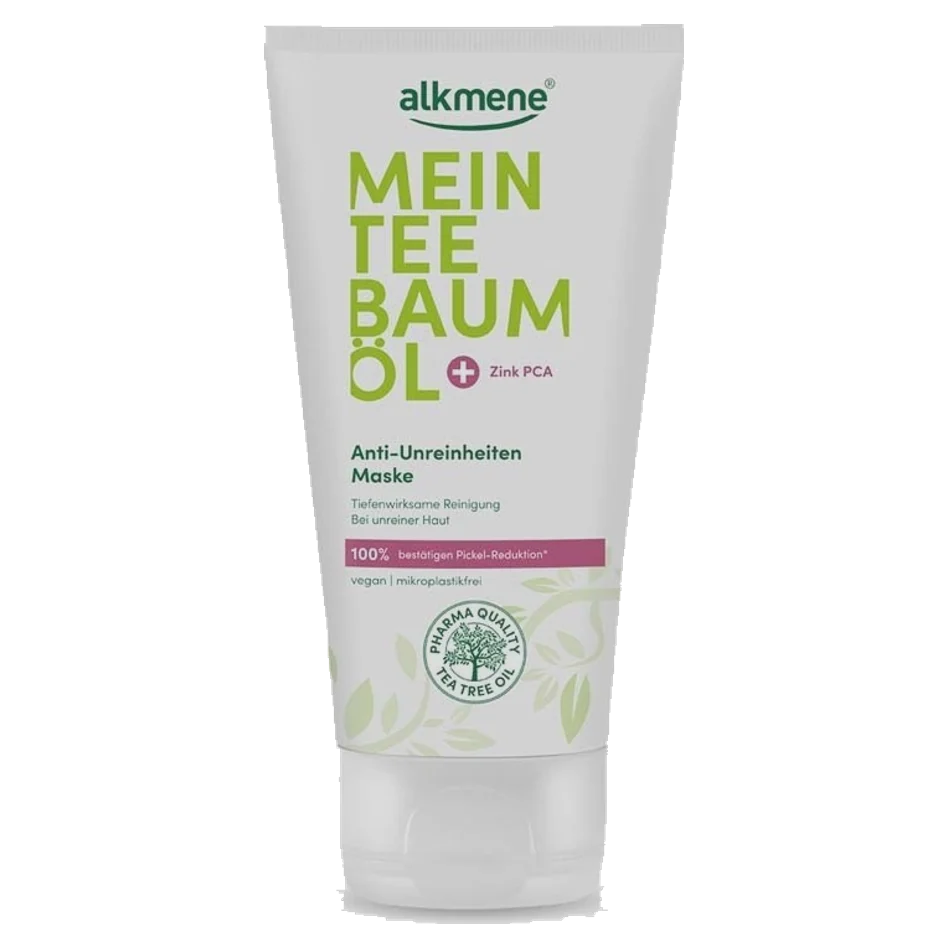
alkmene
Mein Teebaumöl Anti-Unreinheiten Maske
16th of 16 on the label
below ≈1%
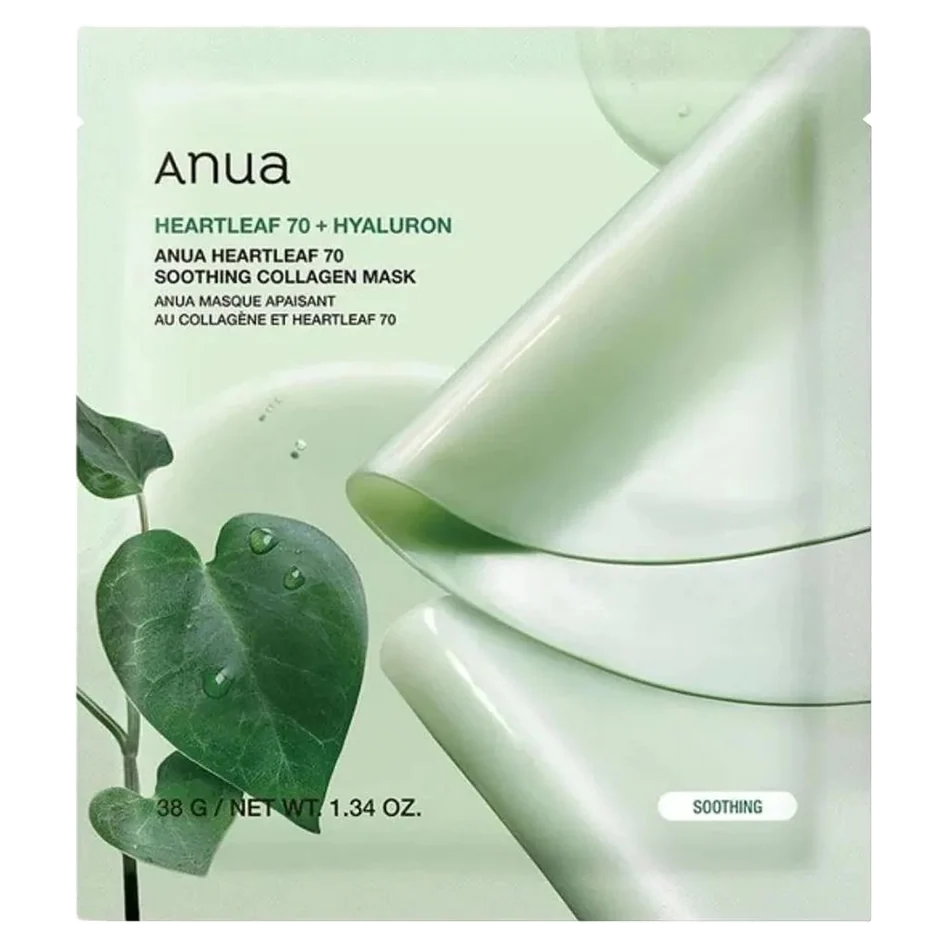
Anua
Heartleaf 70 Soothing Collagen Mask
23rd of 35 on the label
below ≈1%
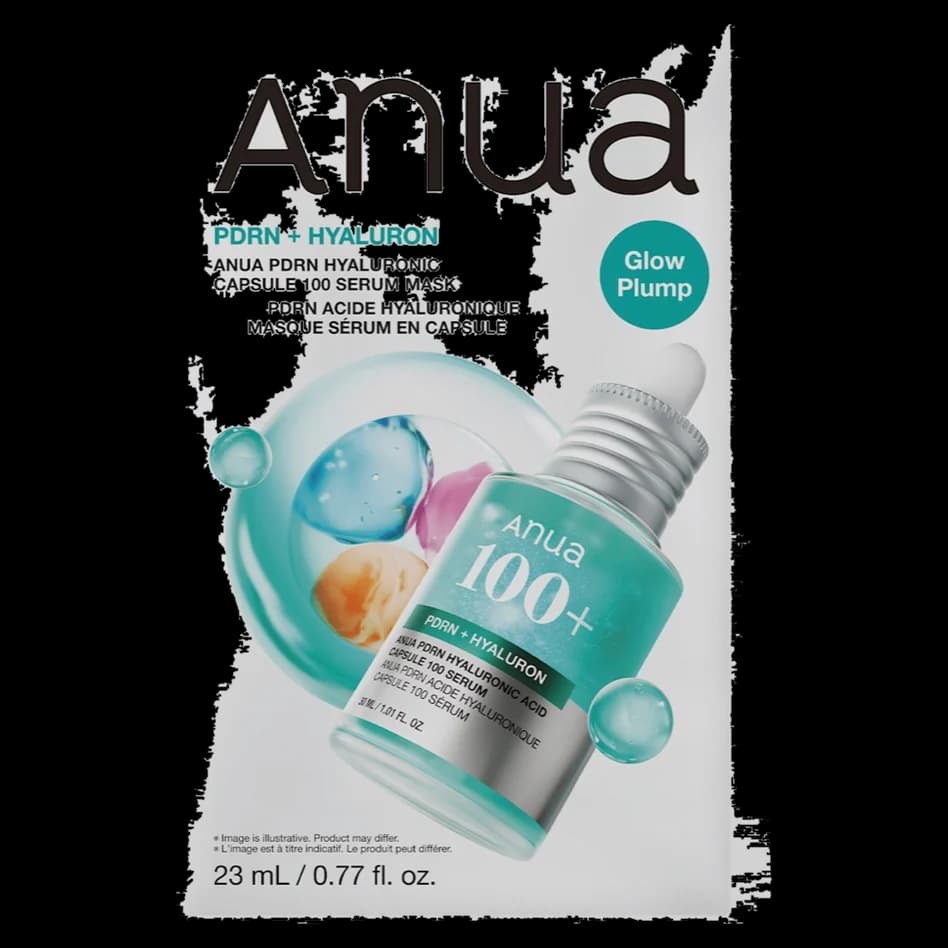
Anua
PDRN Serum Mask 100 Hyaluronic Acid Capsule
13th of 45 on the label
below ≈1%
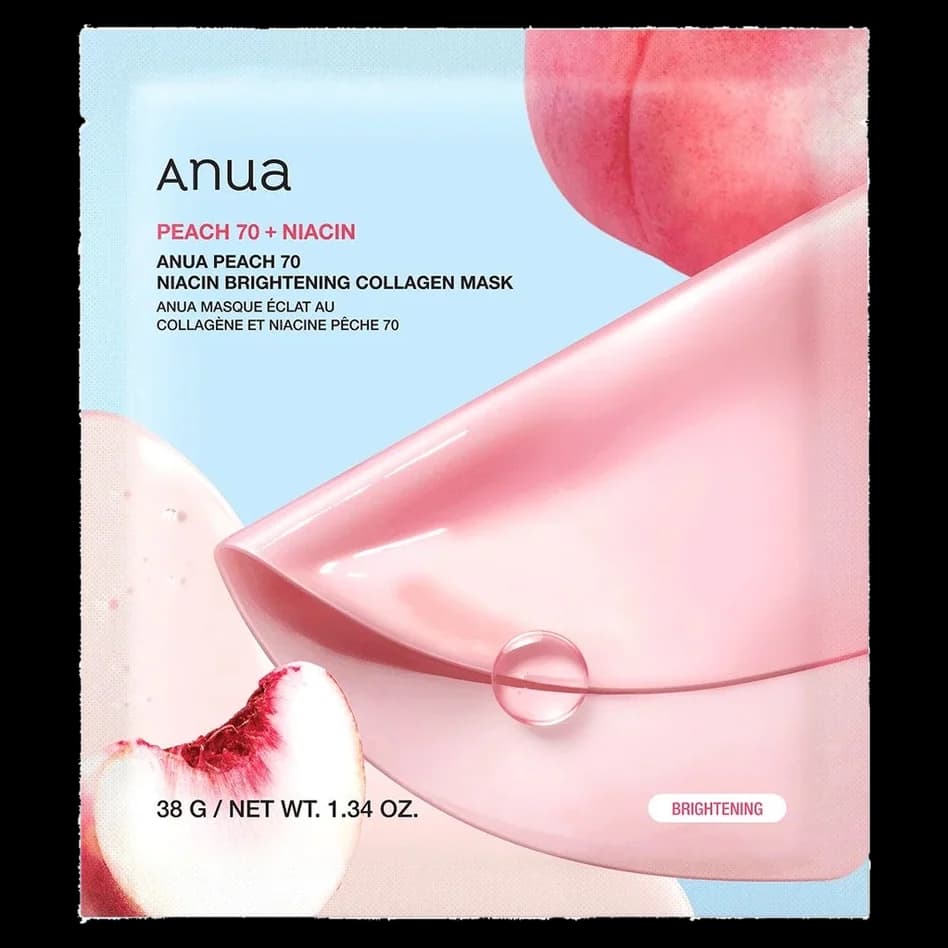
Anua
Peach 70 Niacin Brightening Collagen Mask
23rd of 44 on the label
below ≈1%
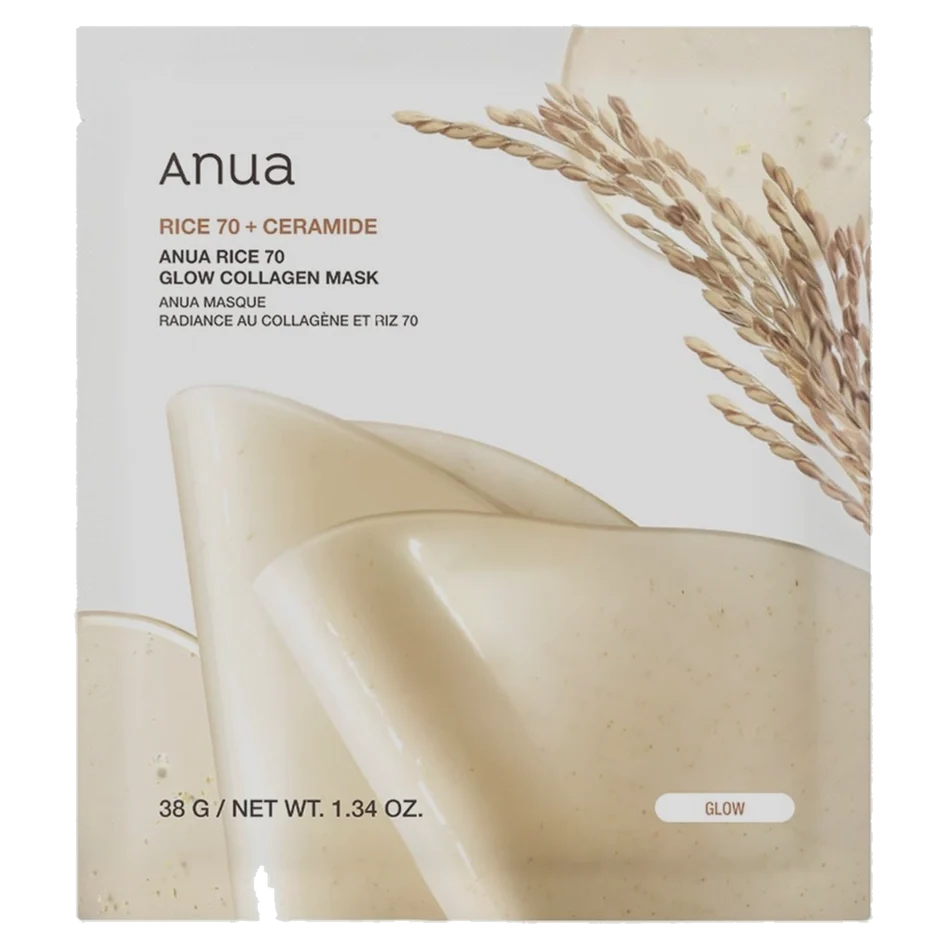
Anua
Rice 70 Glow Collagen Mask
26th of 42 on the label
below ≈1%
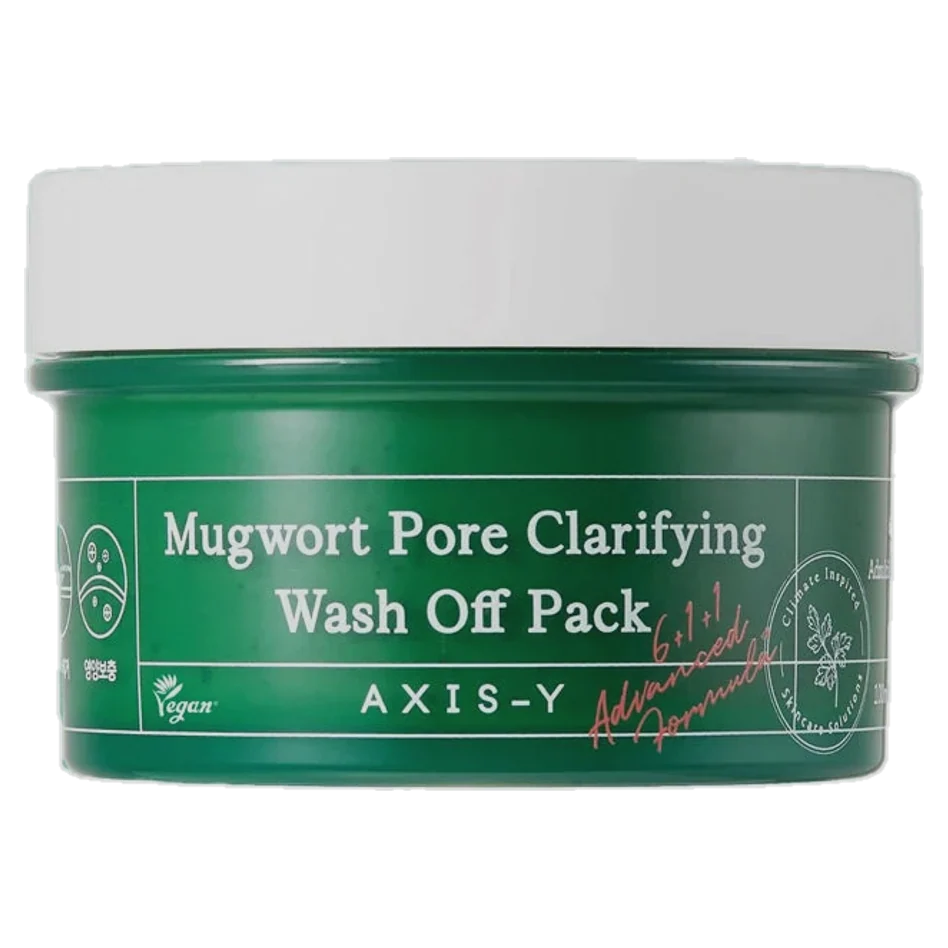
AXIS-Y
Mugwort Pore Clarifying Wash Off Pack
35th of 36 on the label
below ≈1%
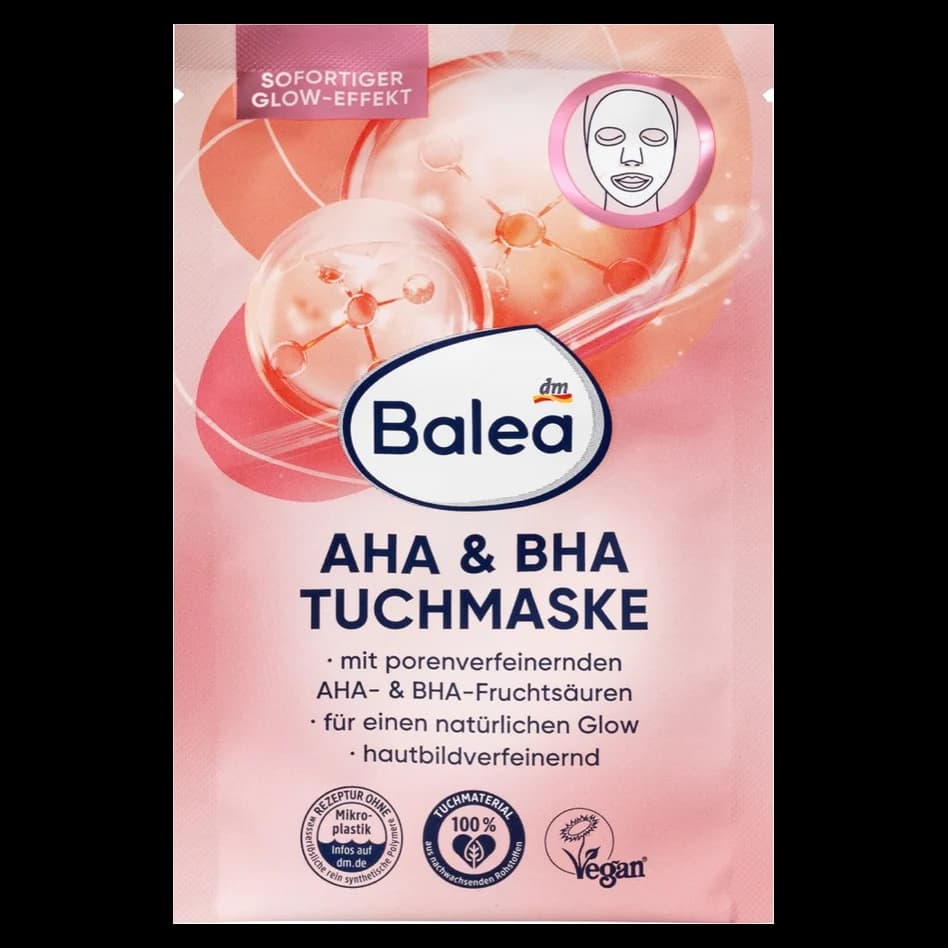
Balea
AHA & BHA Tuchmaske
14th of 16 on the label
below ≈1%
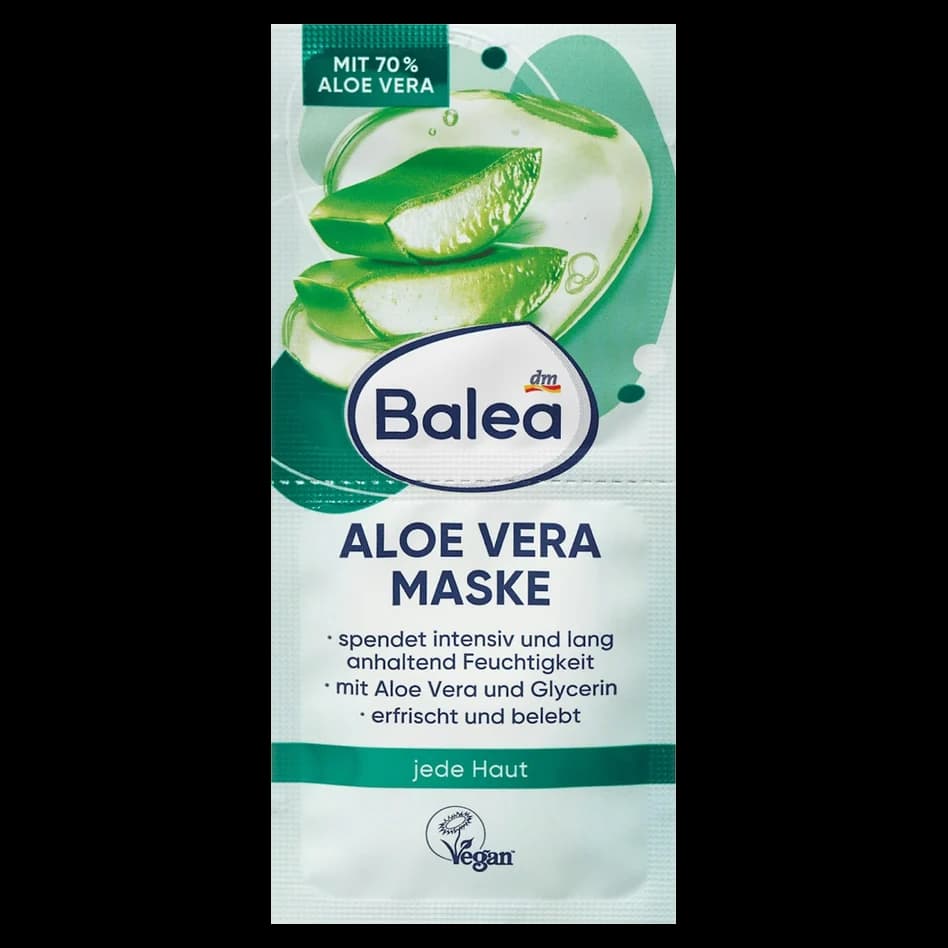
Balea
Gesichtsmaske Aloe Vera
14th of 21 on the label
below ≈1%
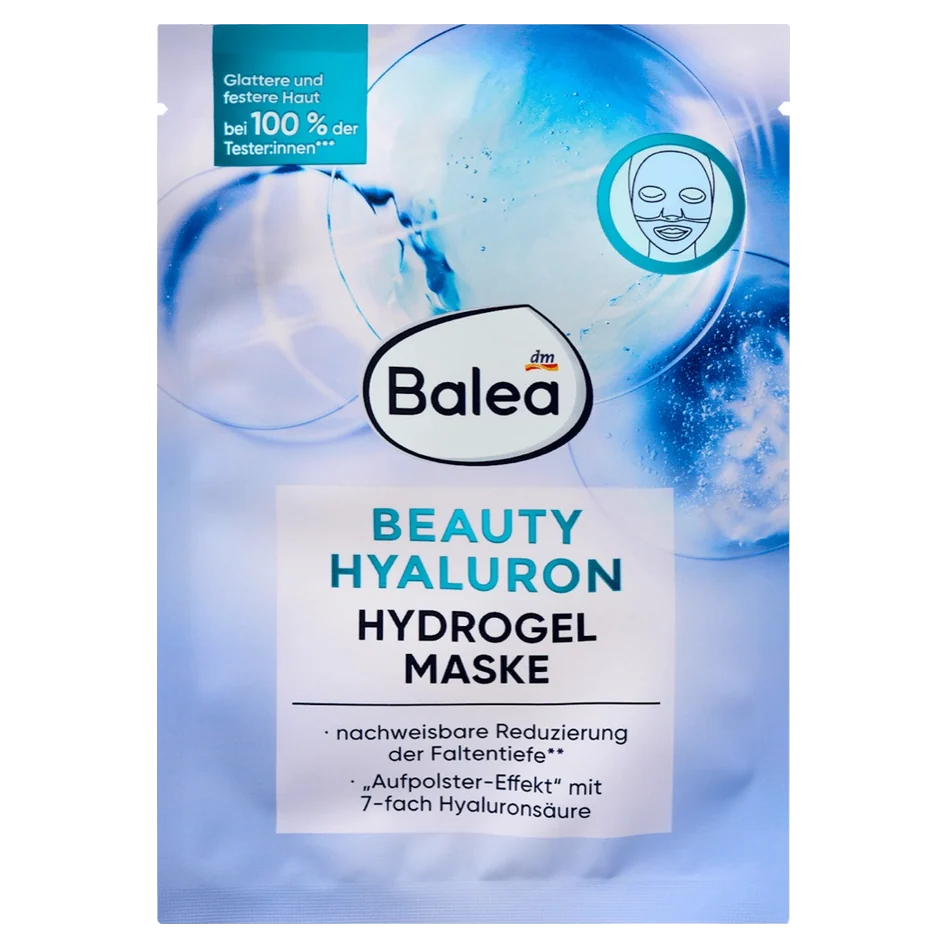
Balea
Gesichtsmaske Beauty Hyaluron Hydrogel
22nd of 28 on the label
below ≈1%
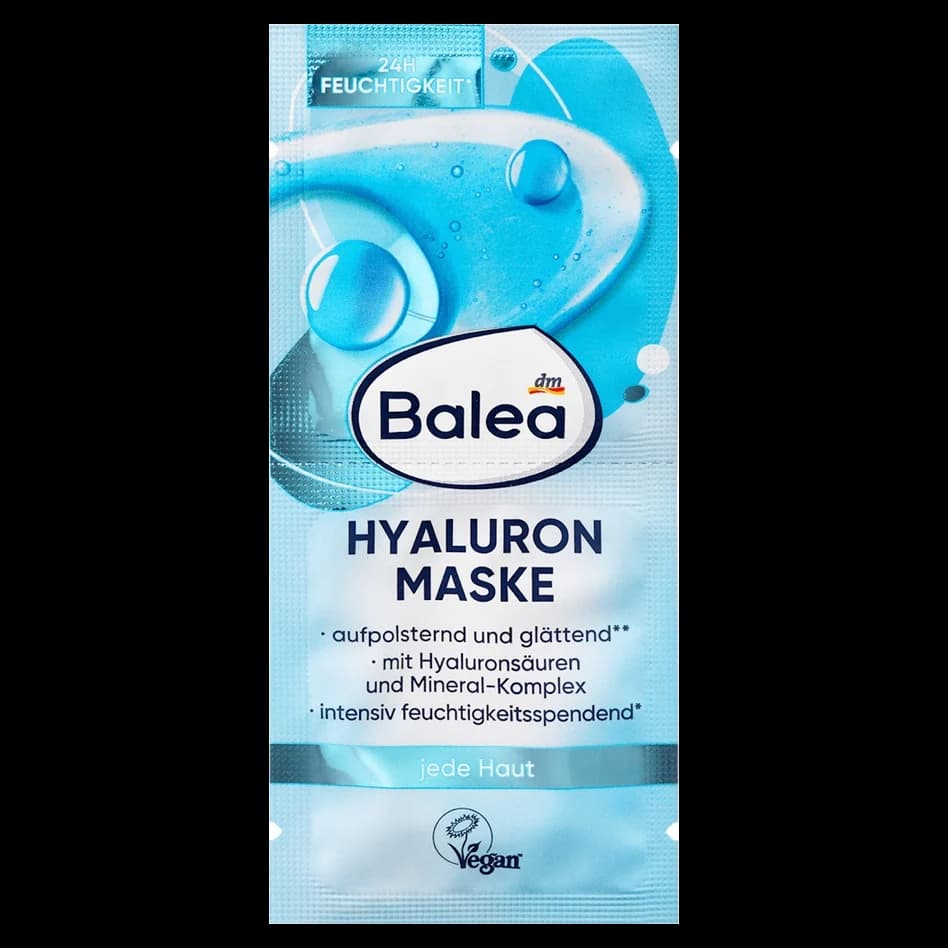
Balea
Gesichtsmaske Hyaluron
20th of 29 on the label
below ≈1%
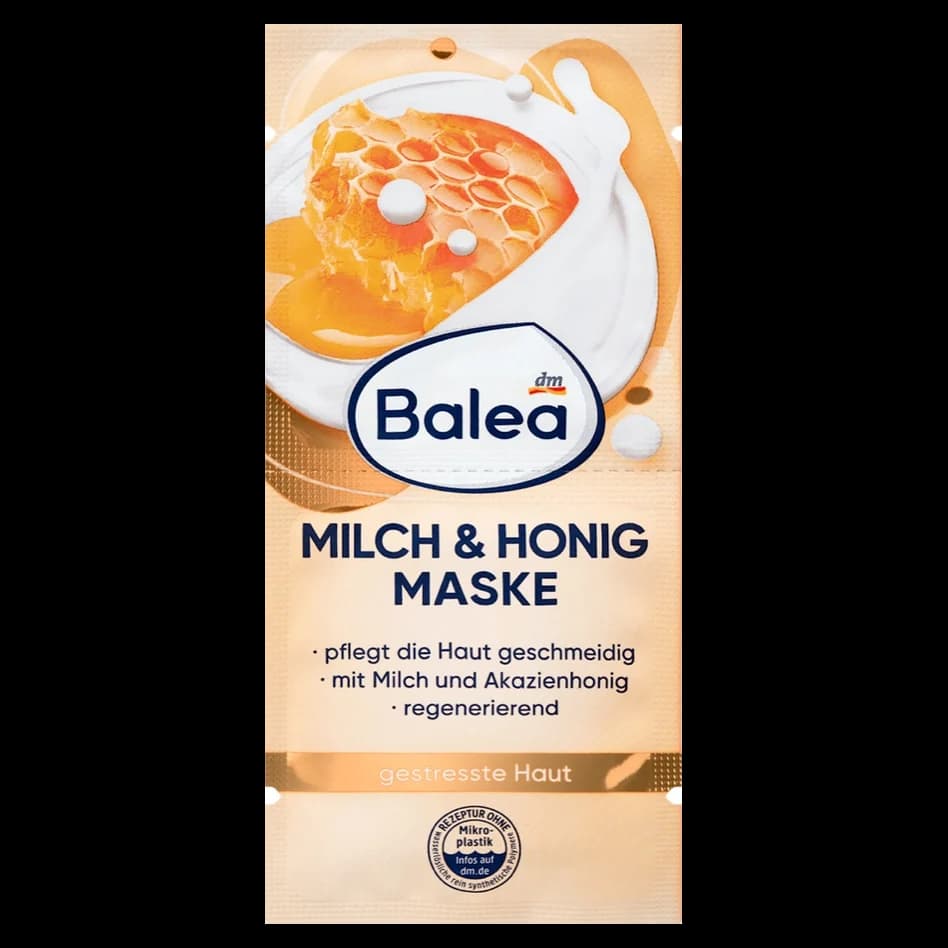
Balea
Gesichtsmaske Milch & Honig
28th of 36 on the label
below ≈1%
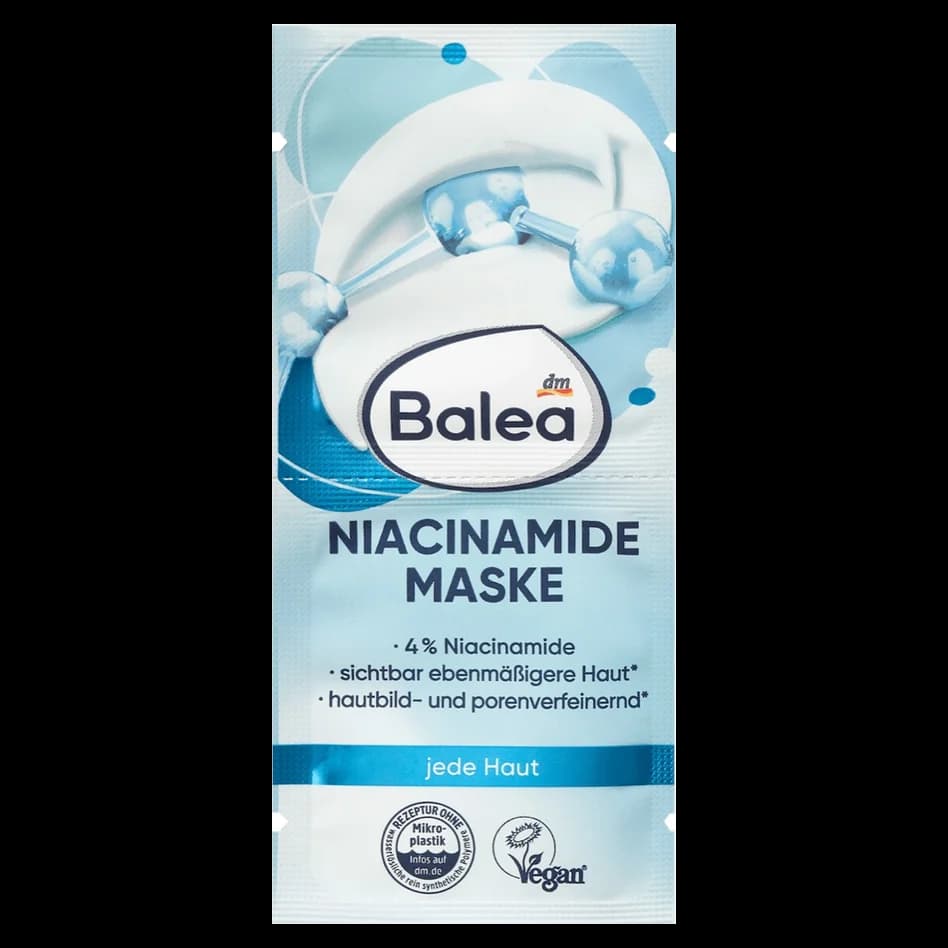
Balea
Gesichtsmaske Niacinamide
16th of 17 on the label
below ≈1%
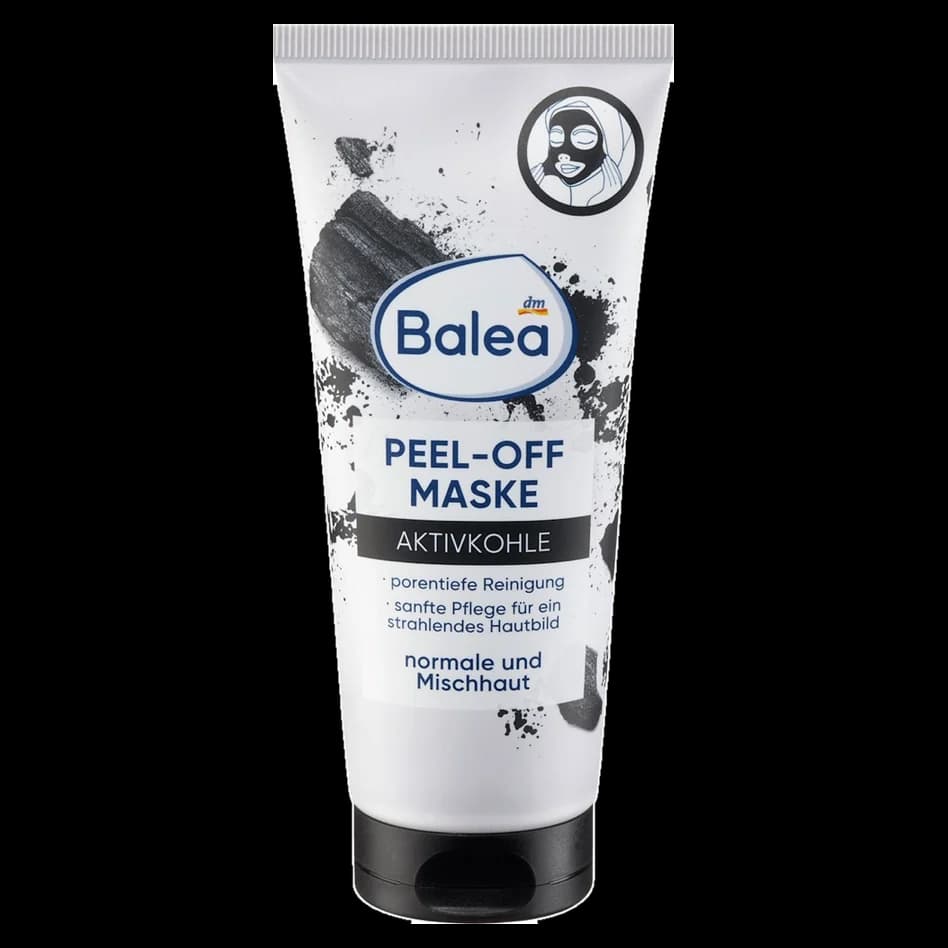
Balea
Gesichtsmaske Peel-Off Aktivkohle
14th of 18 on the label
below ≈1%
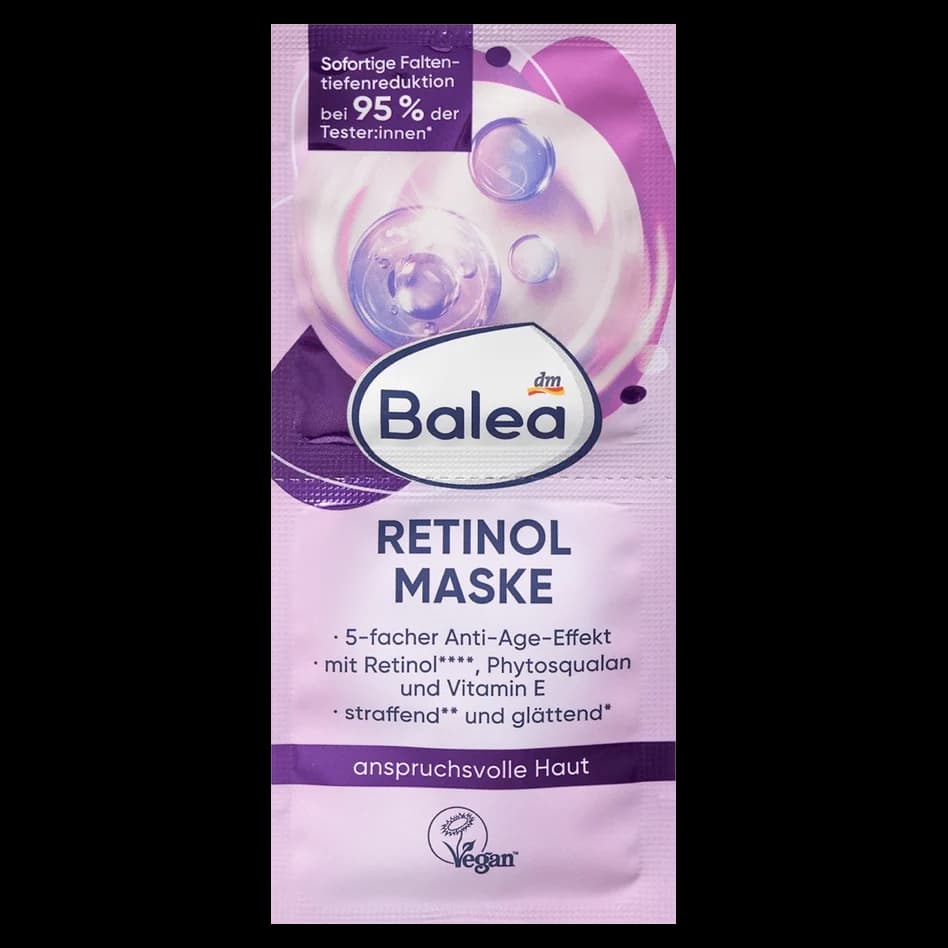
Balea
Gesichtsmaske Retinol
20th of 23 on the label
below ≈1%
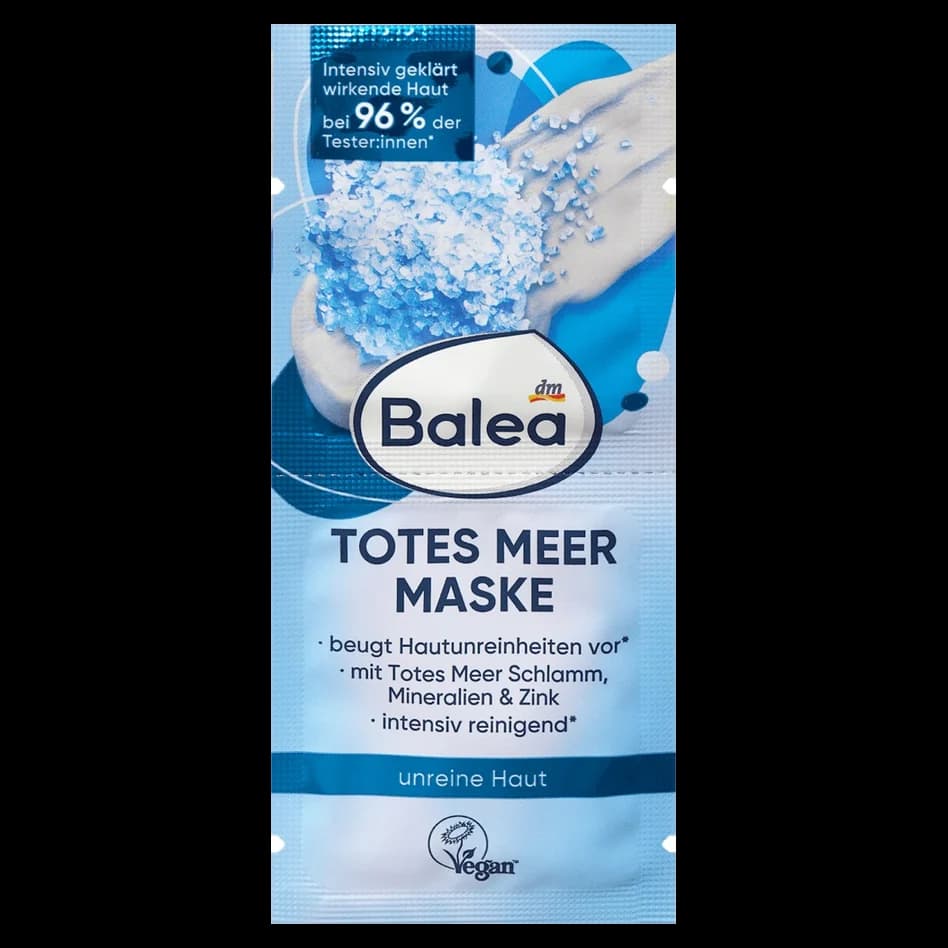
Balea
Gesichtsmaske Totes Meer
16th of 21 on the label
below ≈1%
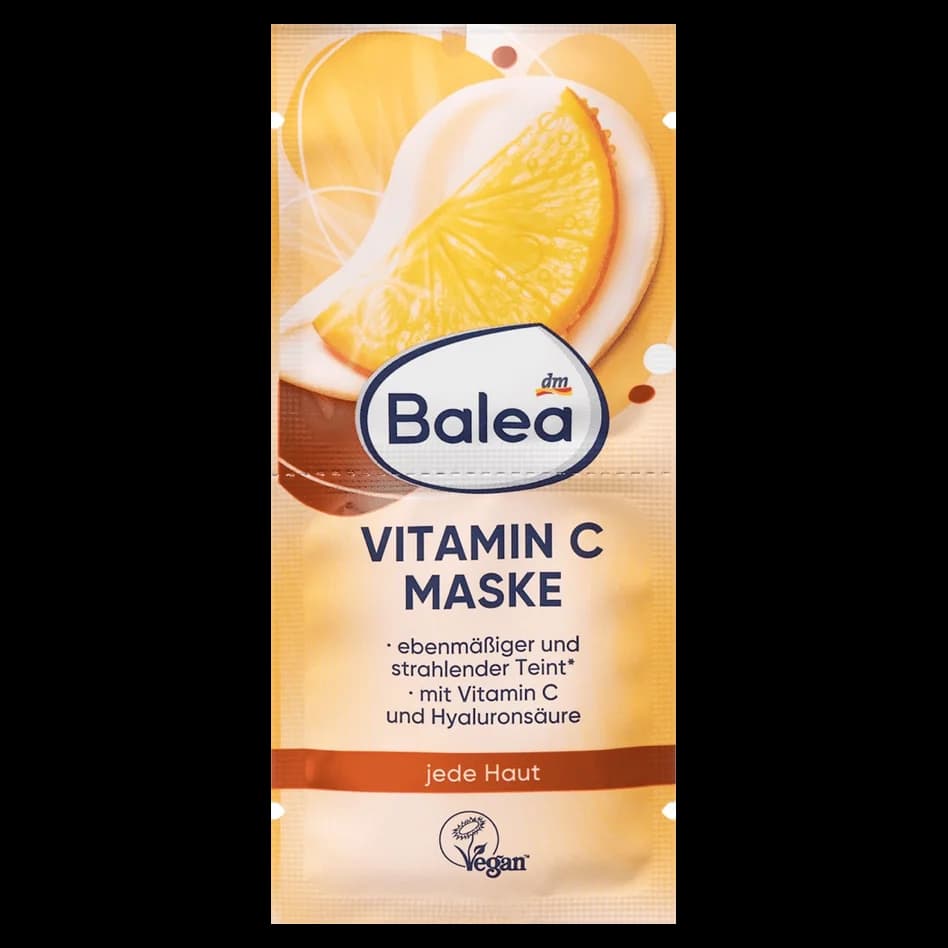
Balea
Gesichtsmaske Vitamin C
16th of 23 on the label
below ≈1%
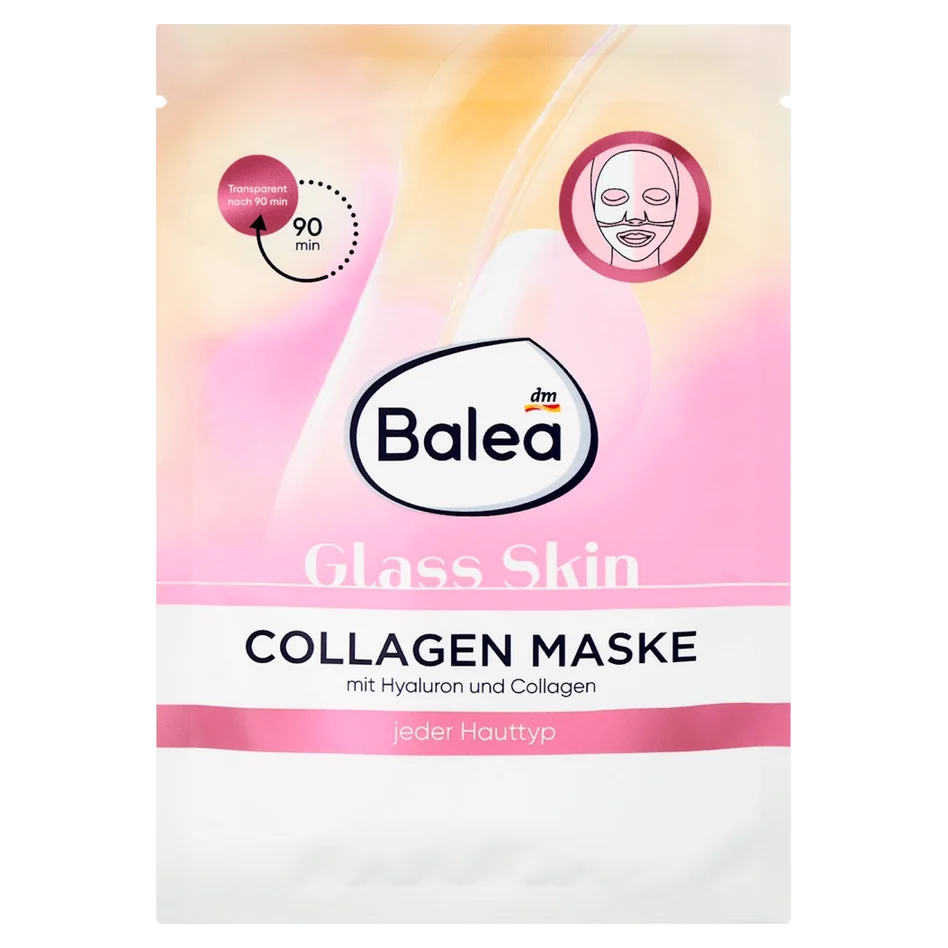
Balea
Glass Skin Collagen Maske
17th of 17 on the label
below ≈1%
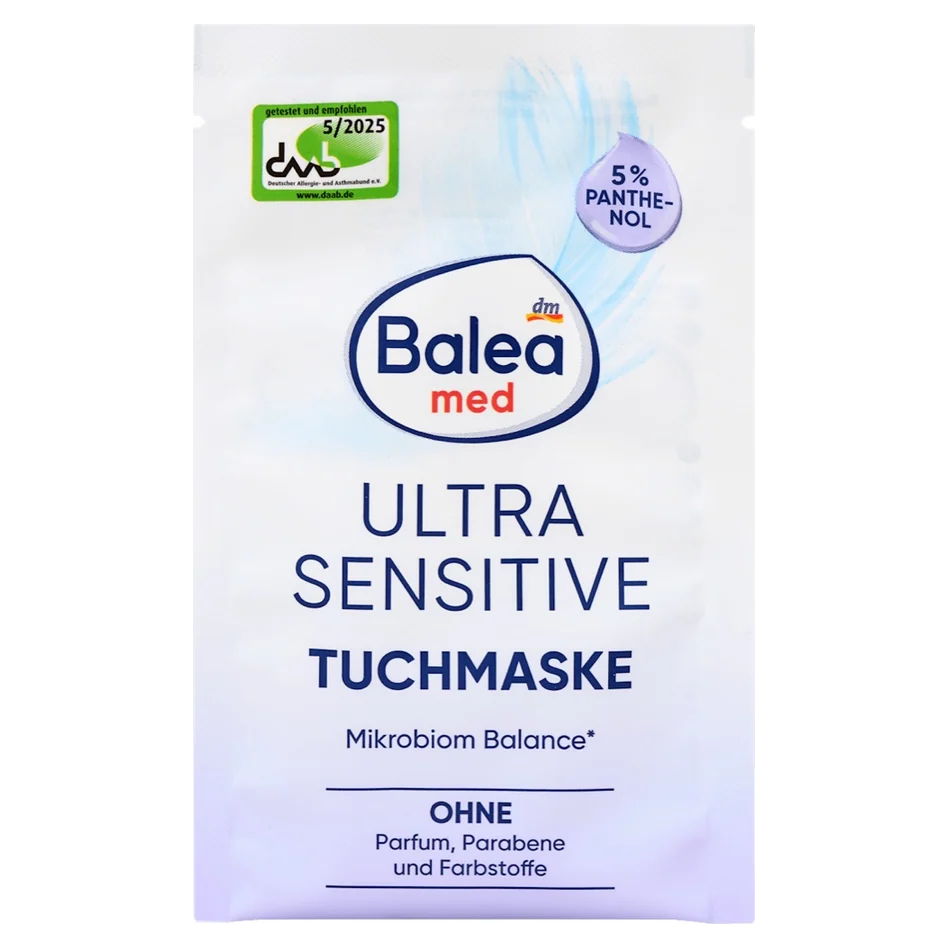
Balea med
Tuchmaske Panthenol Ultra Sensitive
12th of 16 on the label
below ≈1%
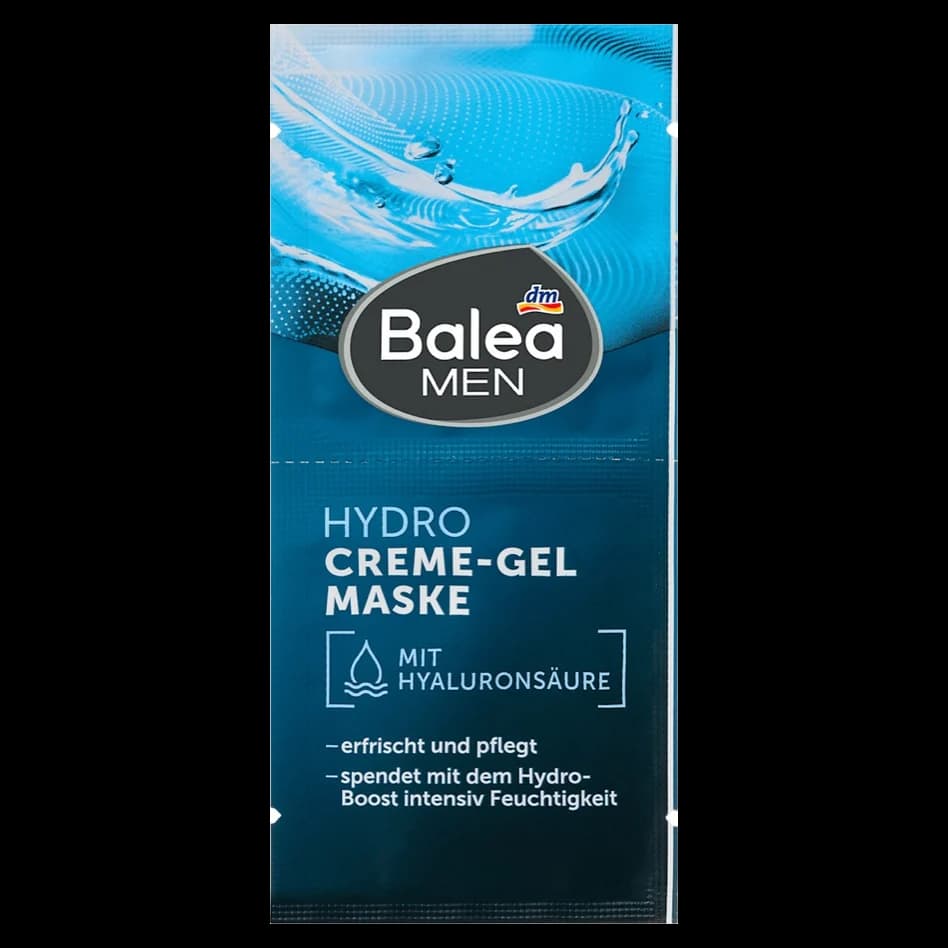
Balea MEN
Gesichtsmaske Creme-Gel Hydro
22nd of 31 on the label
below ≈1%
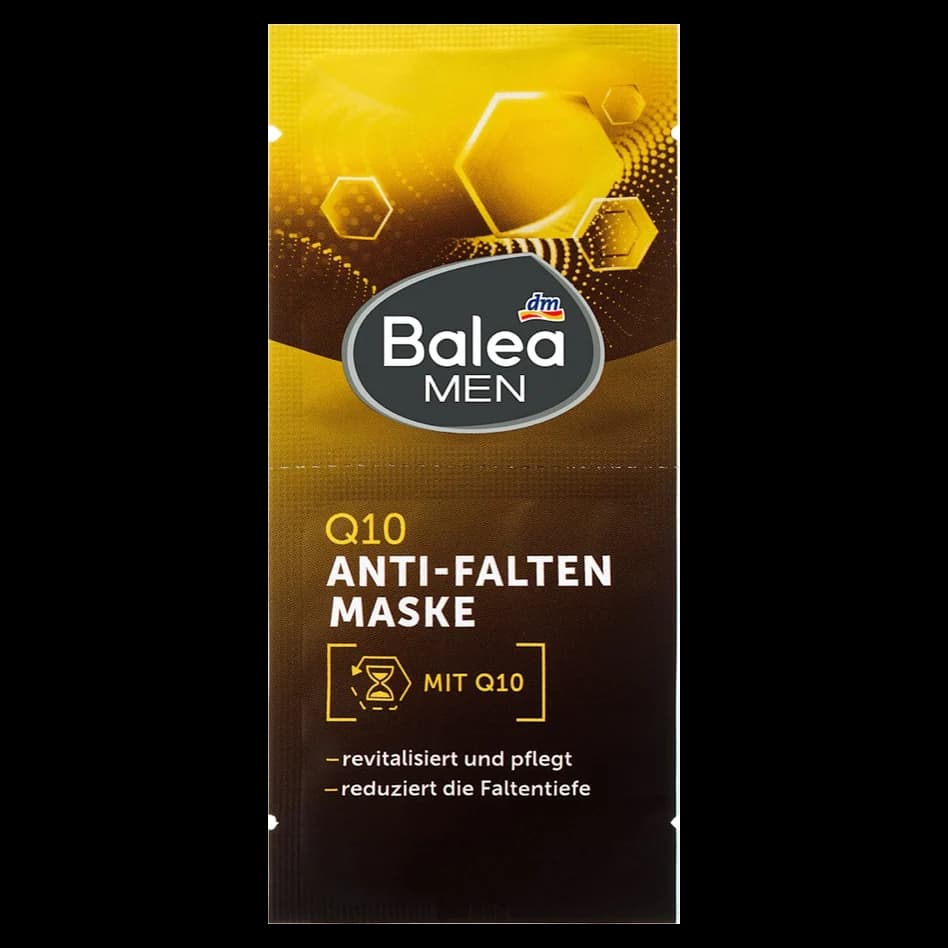
Balea MEN
Gesichtsmaske Q10 Anti-Falten
23rd of 28 on the label
below ≈1%
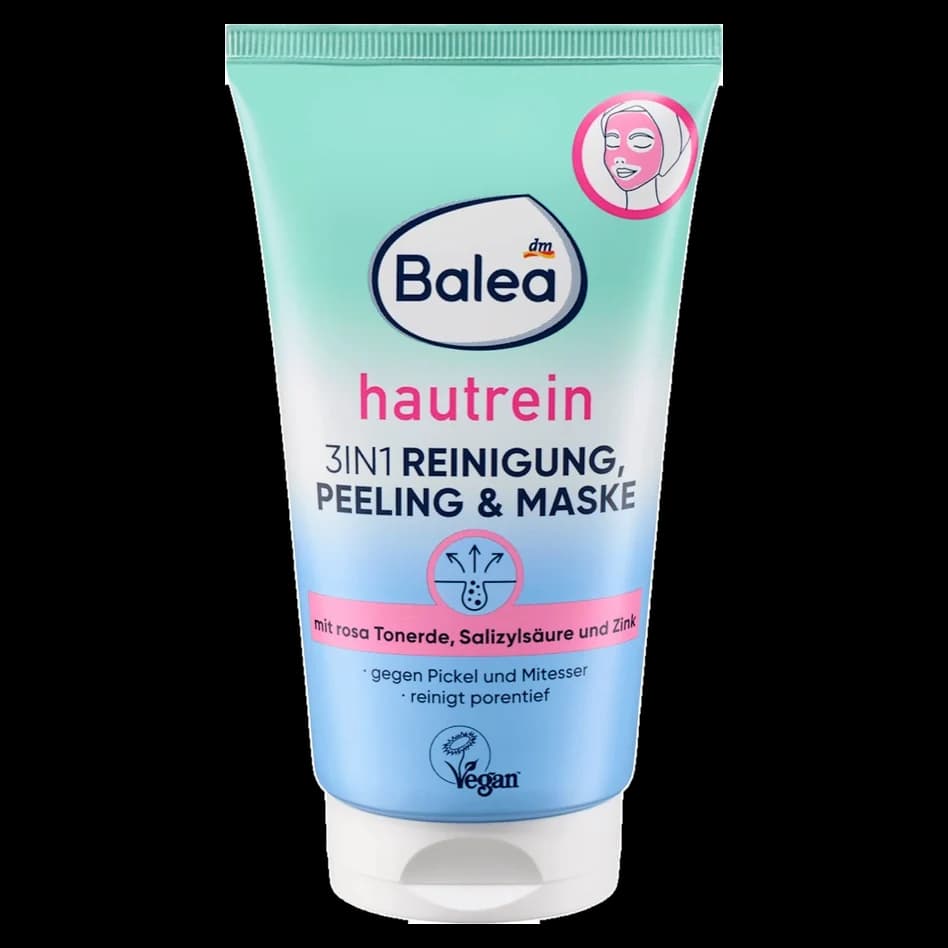
Balea
Reinigung, Peeling & Maske hautrein 3in1
16th of 18 on the label
below ≈1%
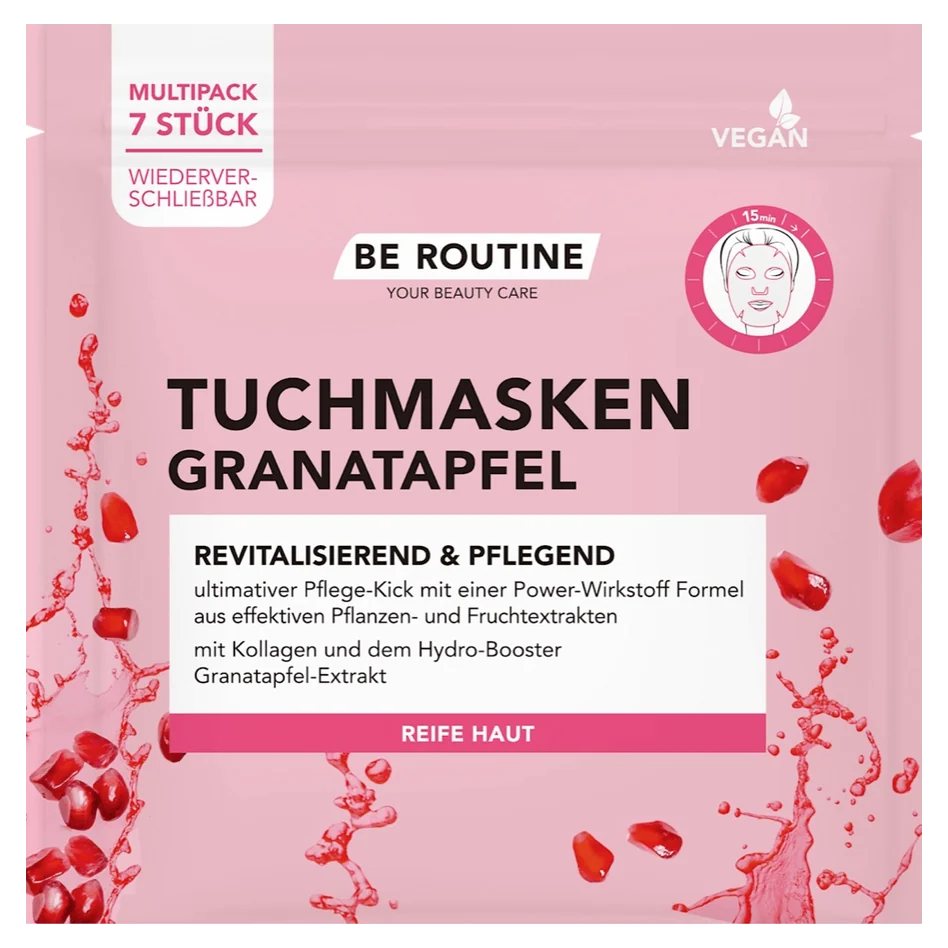
Be Routine
Tuchmasken Granatapfel Multipack
30th of 32 on the label
below ≈1%
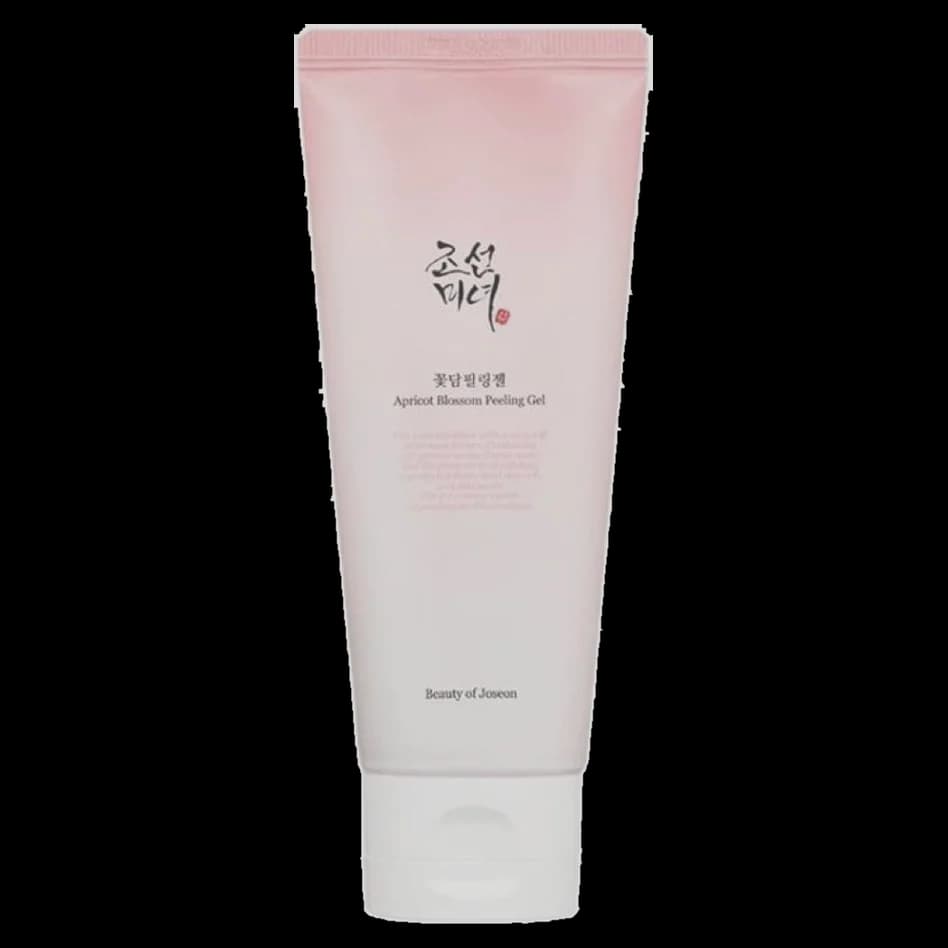
Beauty of Joseon
Apricot Blossom Peeling Gel
8th of 19 on the label
below ≈1%
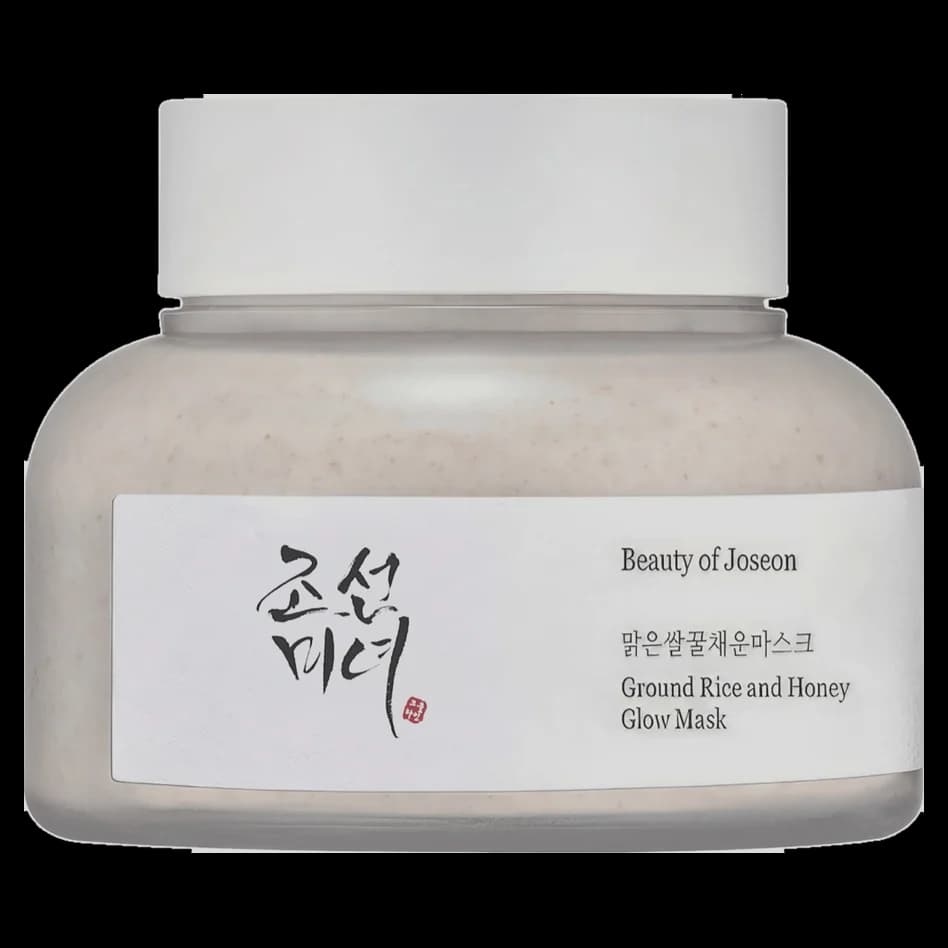
Beauty of Joseon
Ground Rice and Honey Glow Mask
28th of 35 on the label
below ≈1%
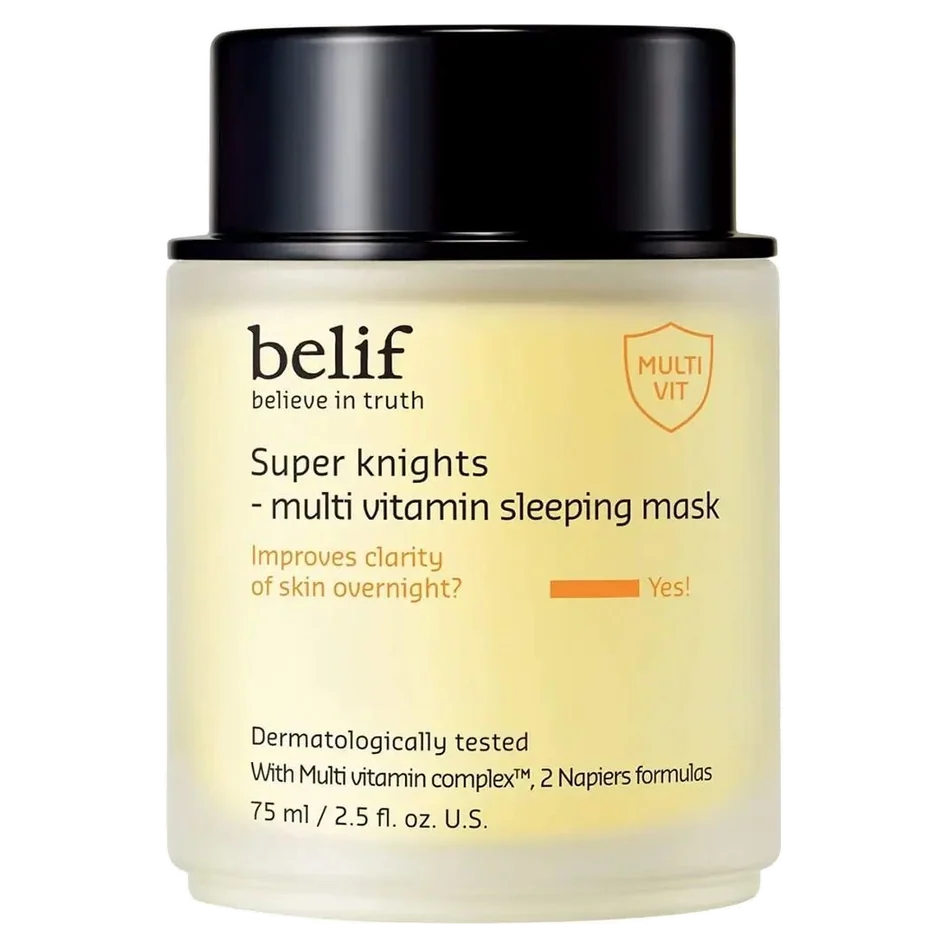
belif
Super Knights Vitamin Mask
26th of 26 on the label
below ≈1%
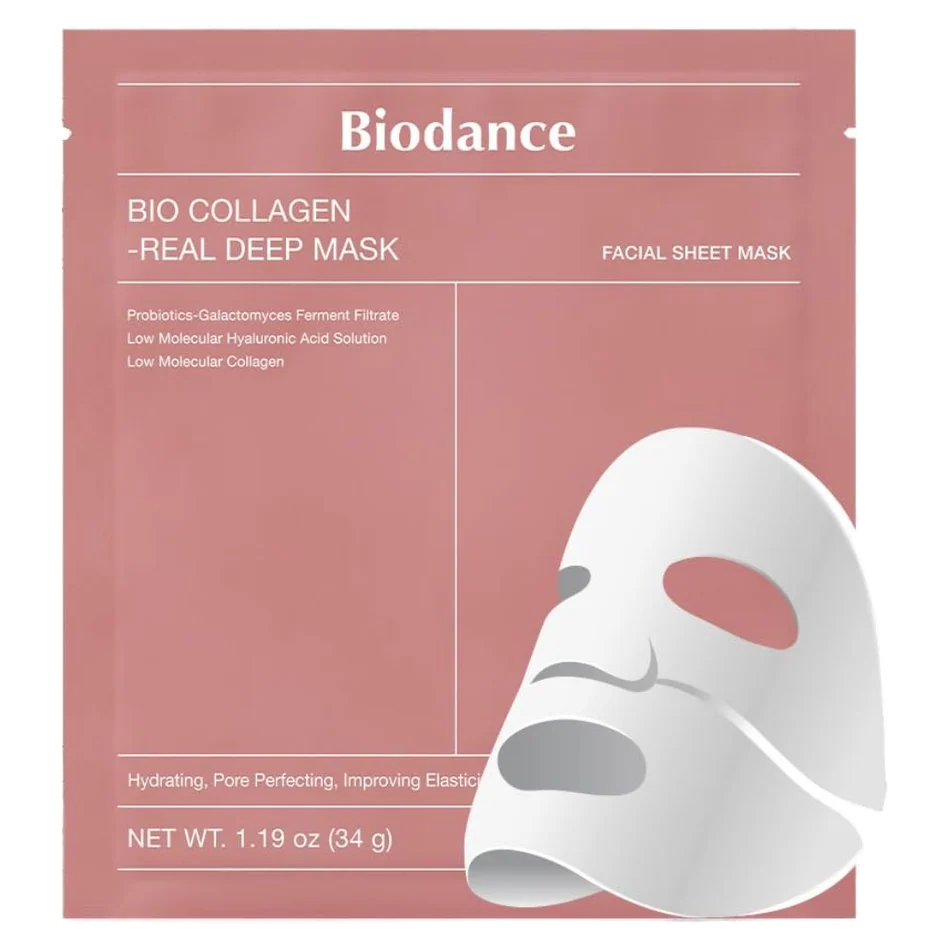
Biodance
Bio-Collagen Real Deep Mask
18th of 34 on the label
below ≈1%
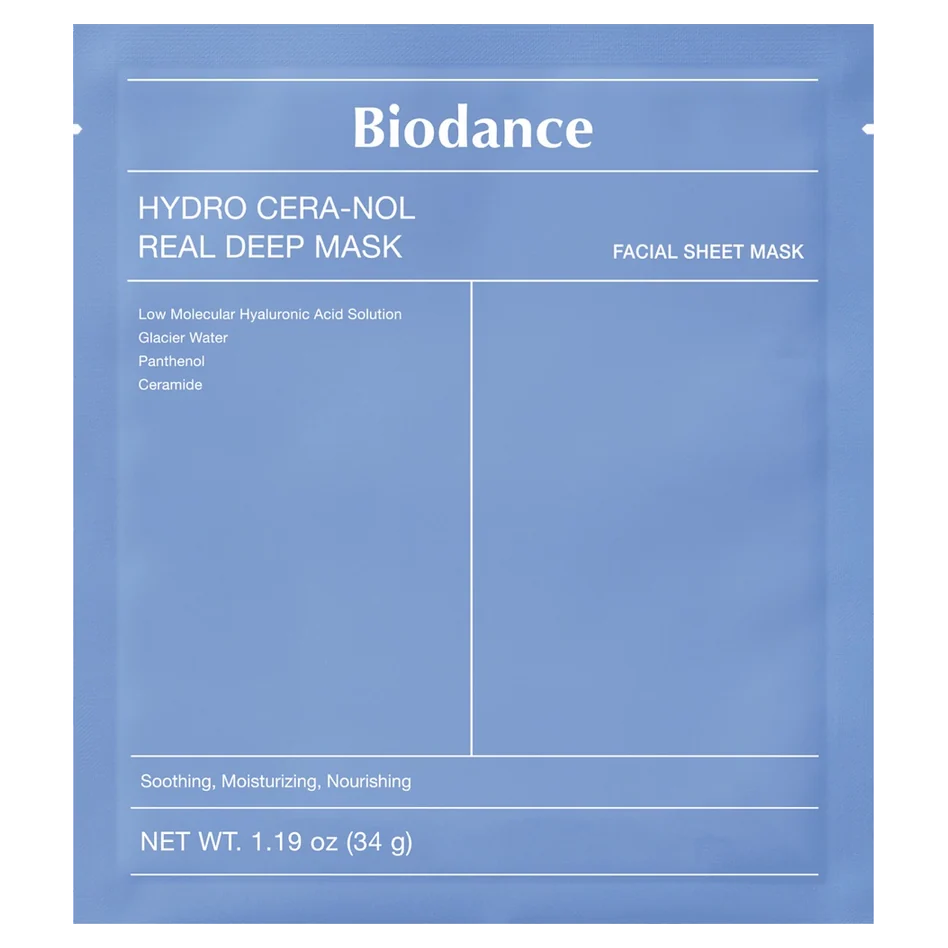
Biodance
Hydro Cera-nol Real Deep Mask
27th of 65 on the label
below ≈1%
Biodance
Refreshing Sea Kelp Real Deep Mask
21st of 43 on the label
below ≈1%
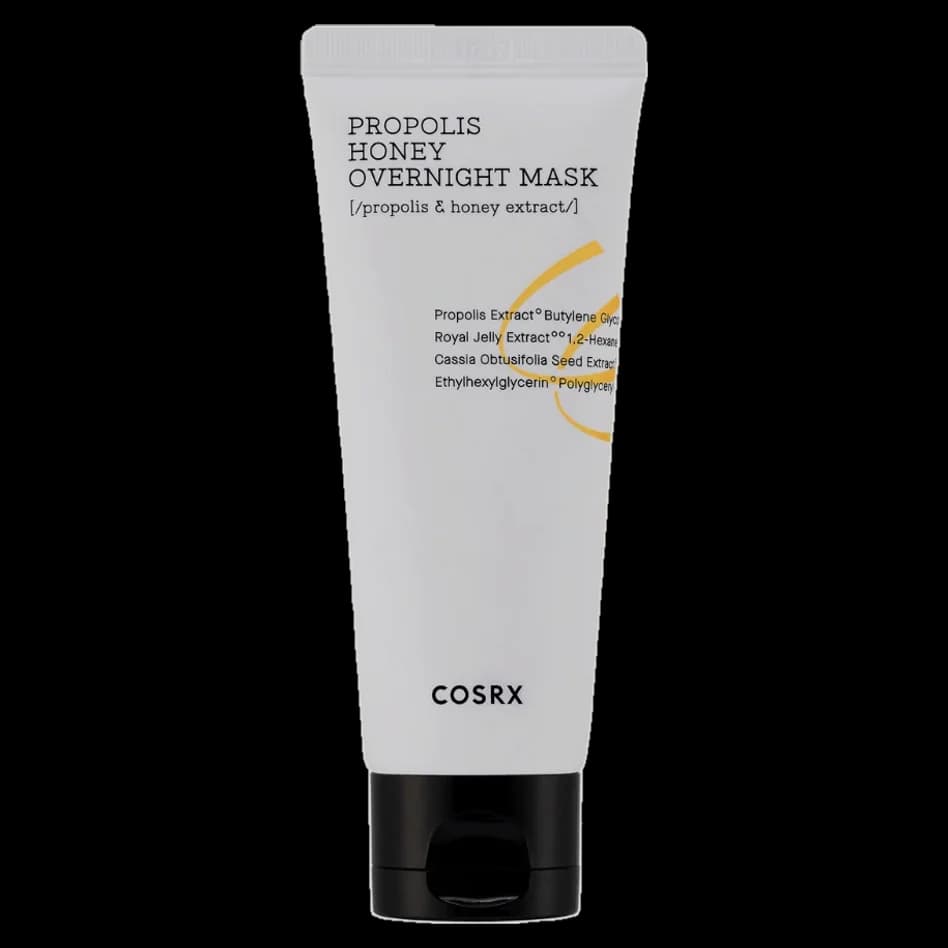
COSRX
Full Fit Propolis Honey Overnight Mask
12th of 22 on the label
below ≈1%
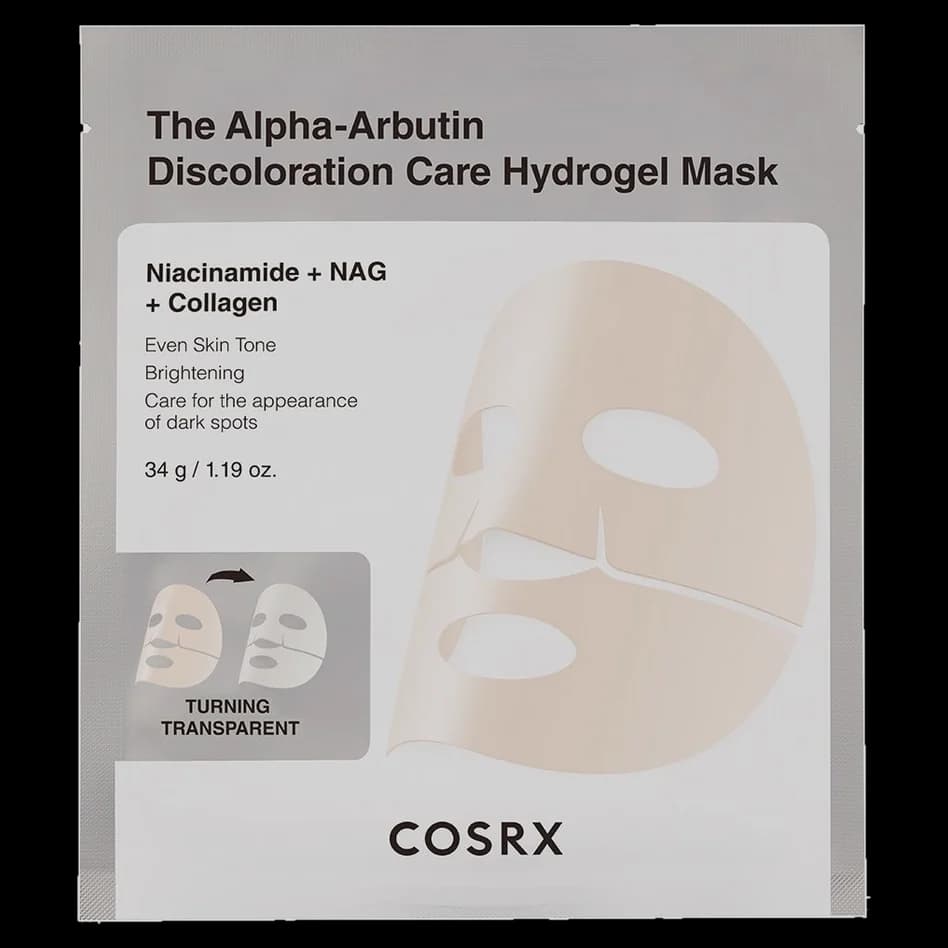
COSRX
The Alpha-Arbutin Discoloration Care Hydrogel Mask
21st of 44 on the label
below ≈1%
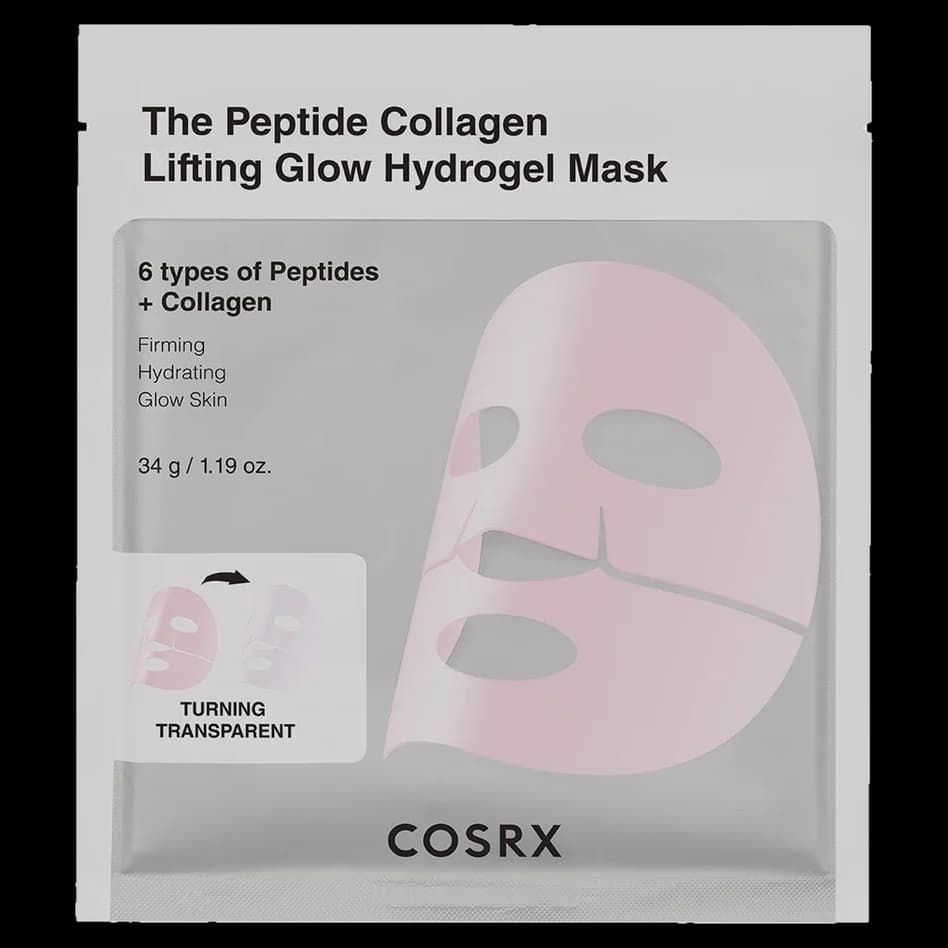
COSRX
The Peptide Collagen Lifting Glow Hydrogel Mask
16th of 49 on the label
below ≈1%
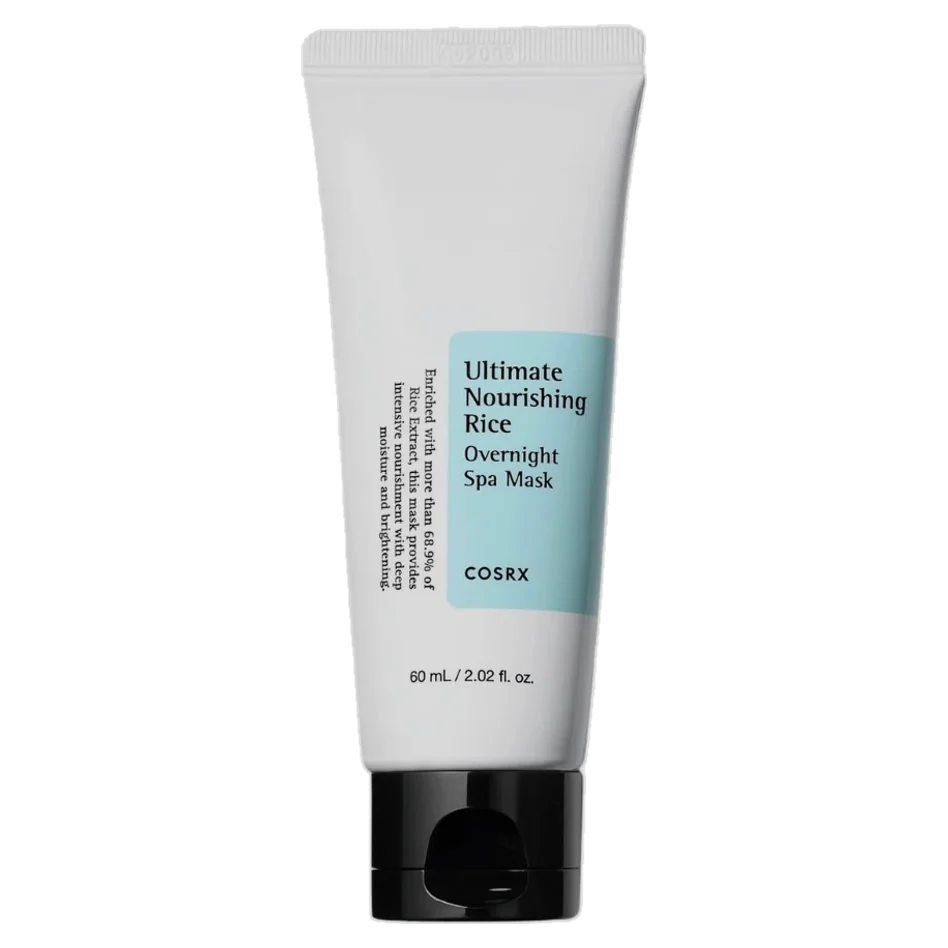
COSRX
Ultimate Nourishing Rice Overnight Spa Mask
15th of 19 on the label
below ≈1%
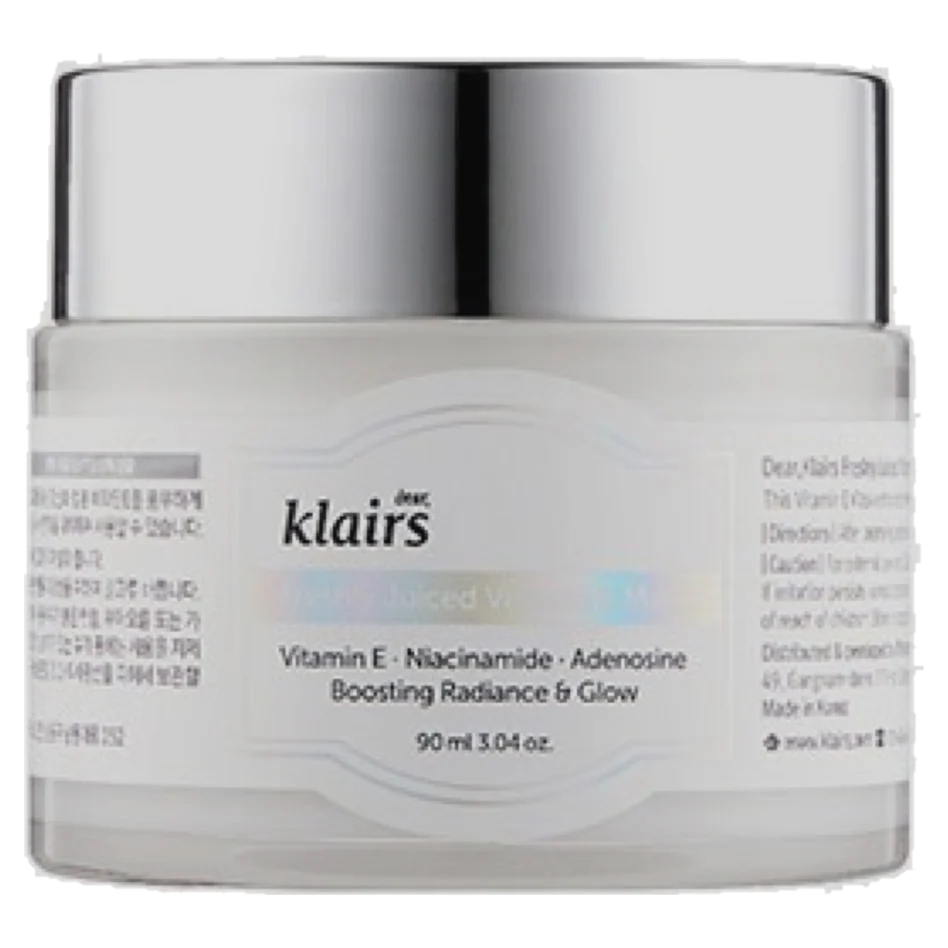
Dear, Klairs
Freshly Juiced Vitamin E Mask
17th of 30 on the label
below ≈1%
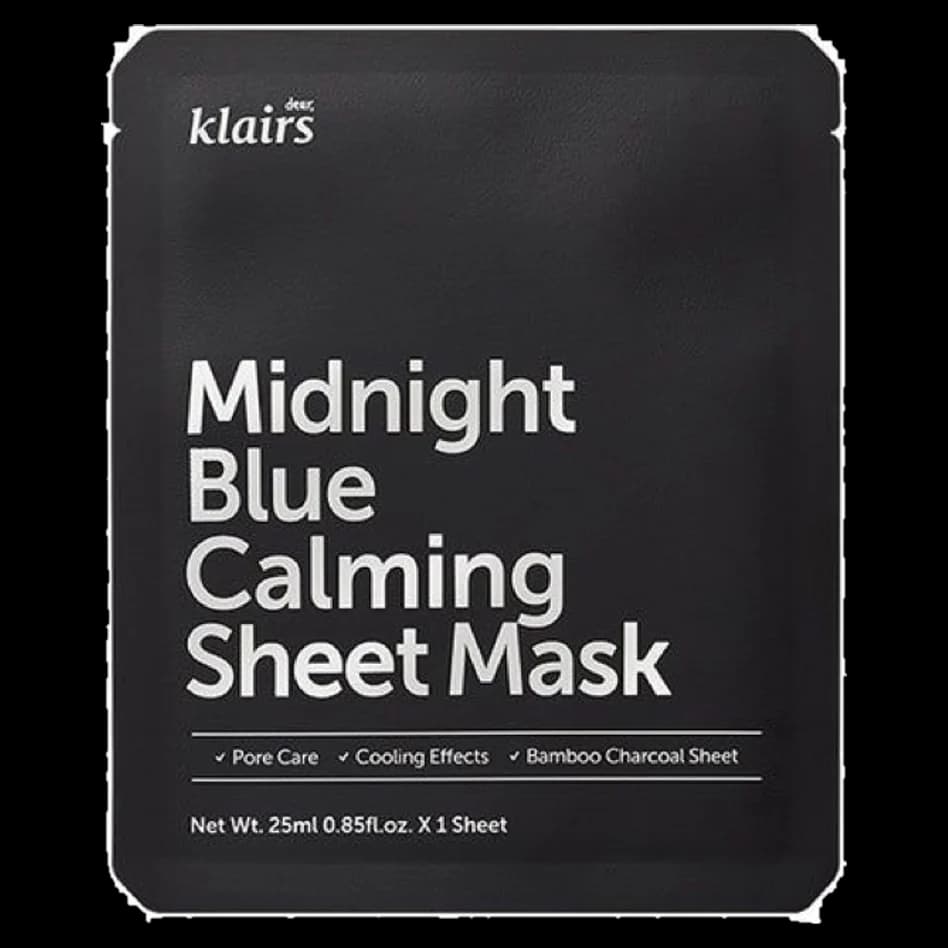
Dear, Klairs
Midnight Blue Calming Sheet Mask
13th of 21 on the label
below ≈1%
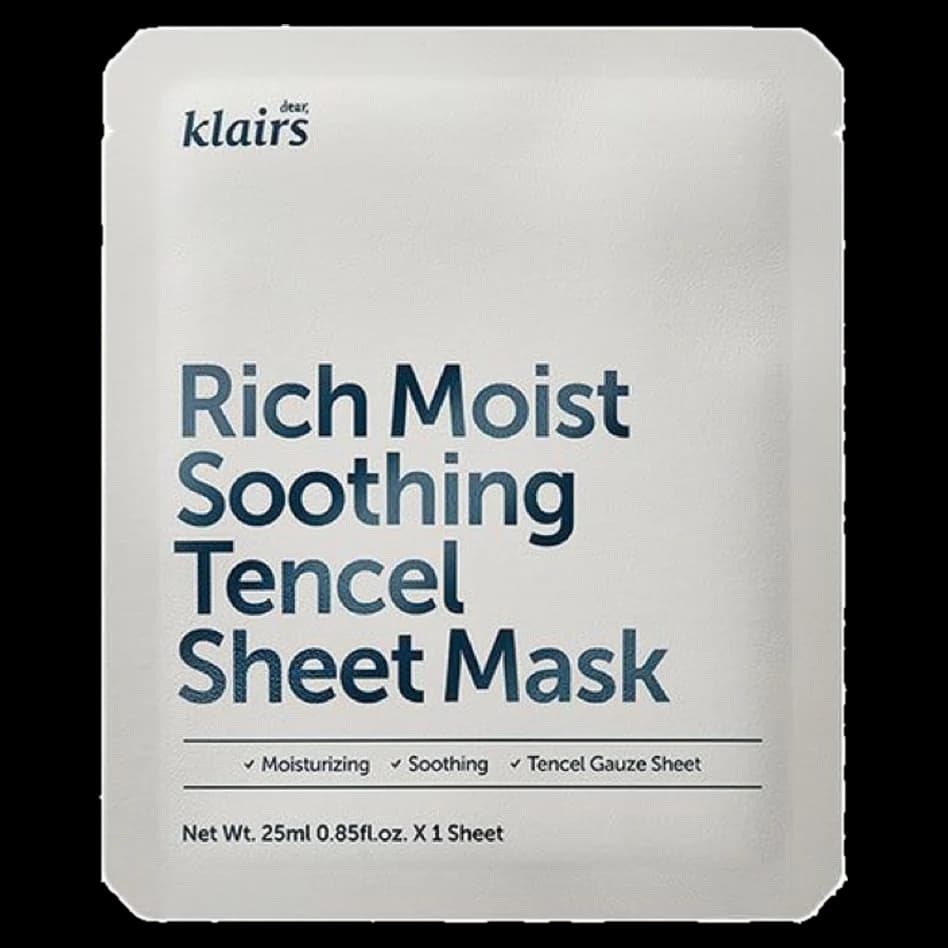
Dear, Klairs
Rich Moist Soothing Tencel Sheet Mask
33rd of 33 on the label
below ≈1%
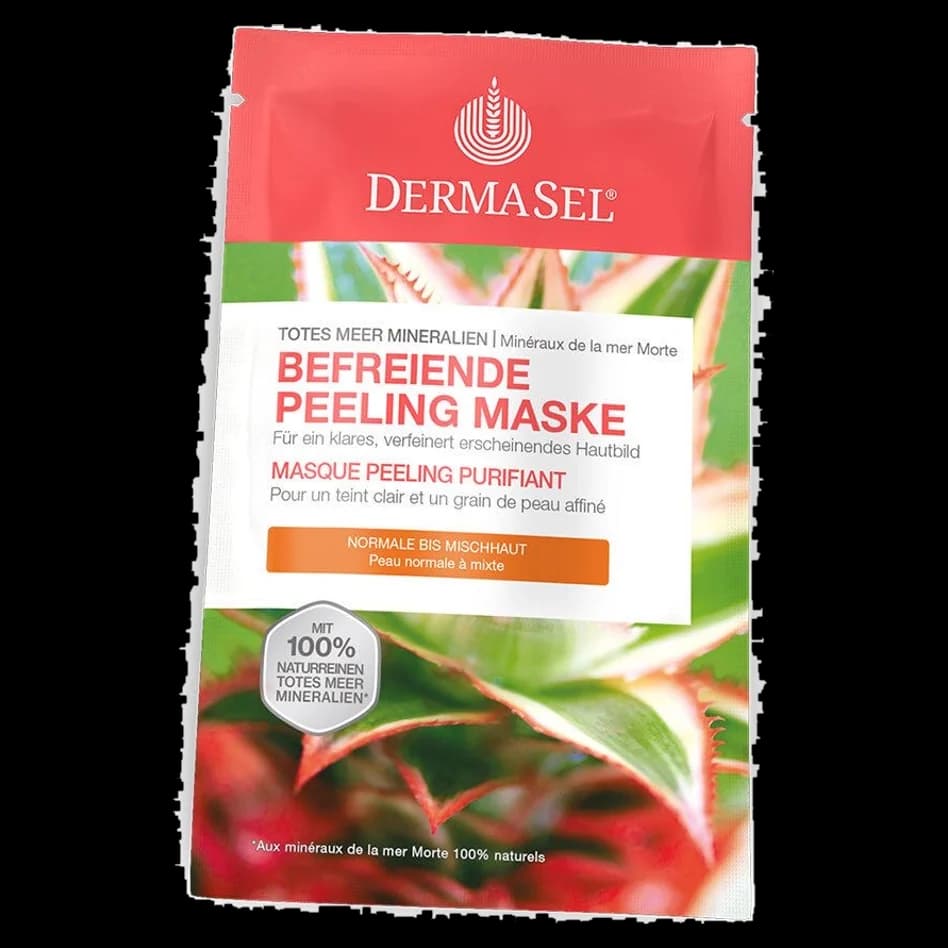
DERMASEL
SPA Totes Meer Maske Peeling
14th of 16 on the label
below ≈1%
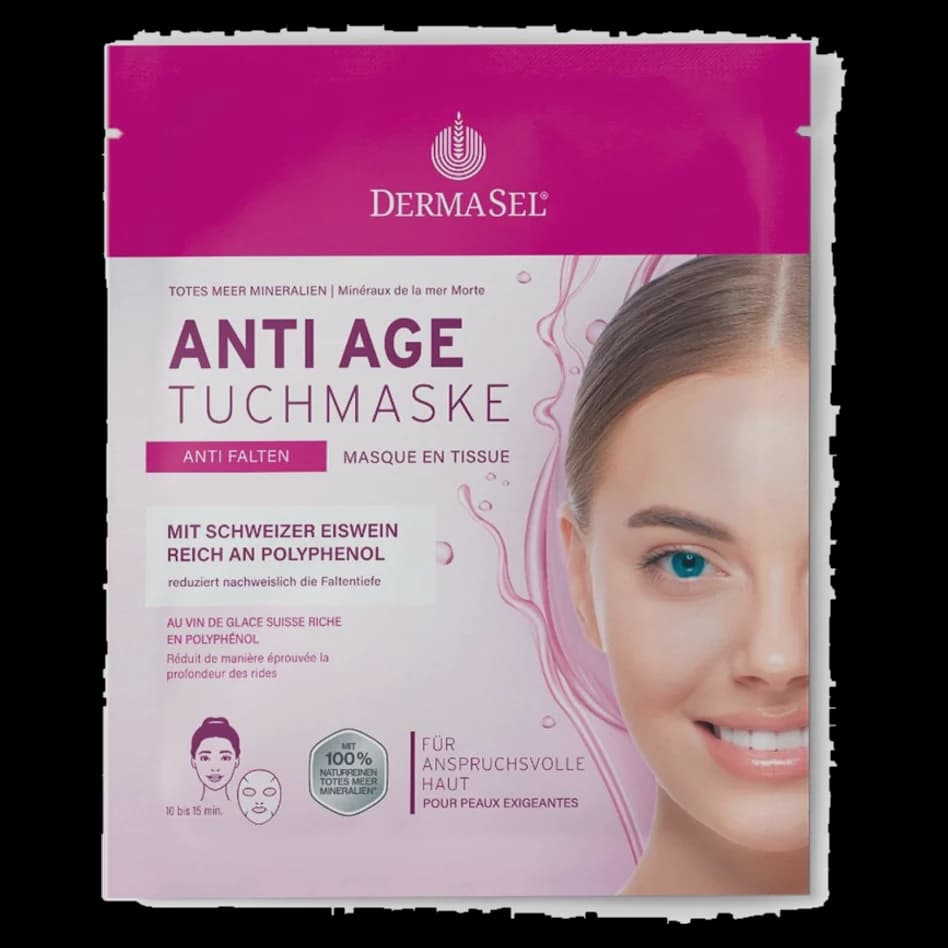
DERMASEL
Totes Meer Anti-Age Tuchmaske
13th of 23 on the label
below ≈1%
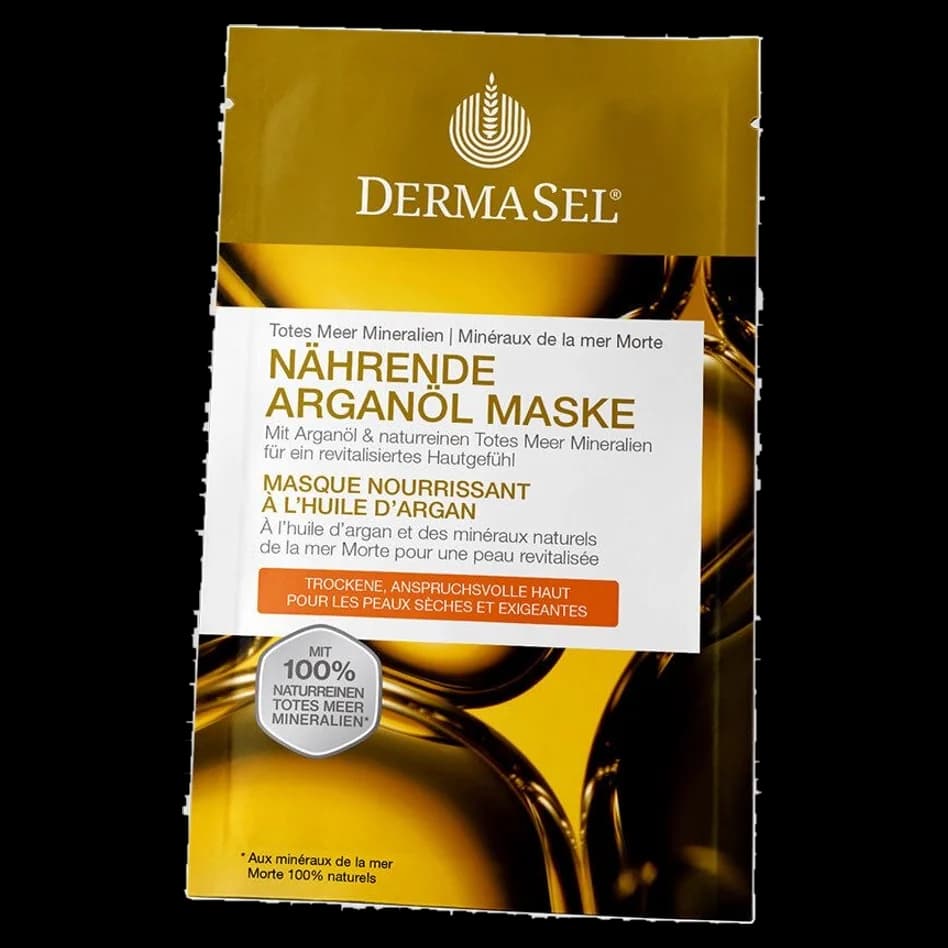
DERMASEL
Totes Meer Mineralien Nährende Arganöl Maske
25th of 29 on the label
below ≈1%
Dr. Barbara Sturm
Face Mask
17th of 18 on the label
below ≈1%
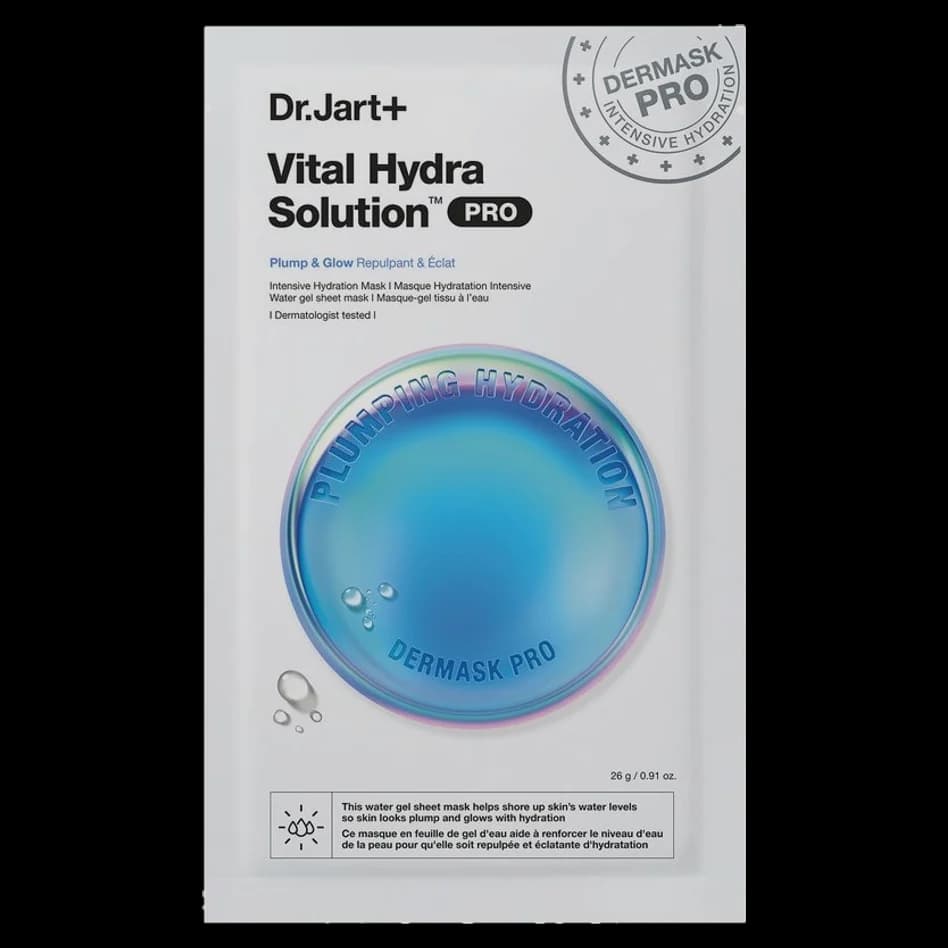
Dr.Jart+
Dermask Vital Hydra Solution Pro + Hyaluronic Acid
14th of 25 on the label
below ≈1%
Dr. Rimpler
SPECIAL Peel AHA
14th of 16 on the label
below ≈1%
Erborian
BB Shot Mask
20th of 34 on the label
below ≈1%
essence
Queen of Pink Face Sheet Mask 01 Keeping My Pink Poker Face
14th of 23 on the label
below ≈1%
hautsache
Gesichtsmaske Biozellulose Calming
12th of 27 on the label
below ≈1%
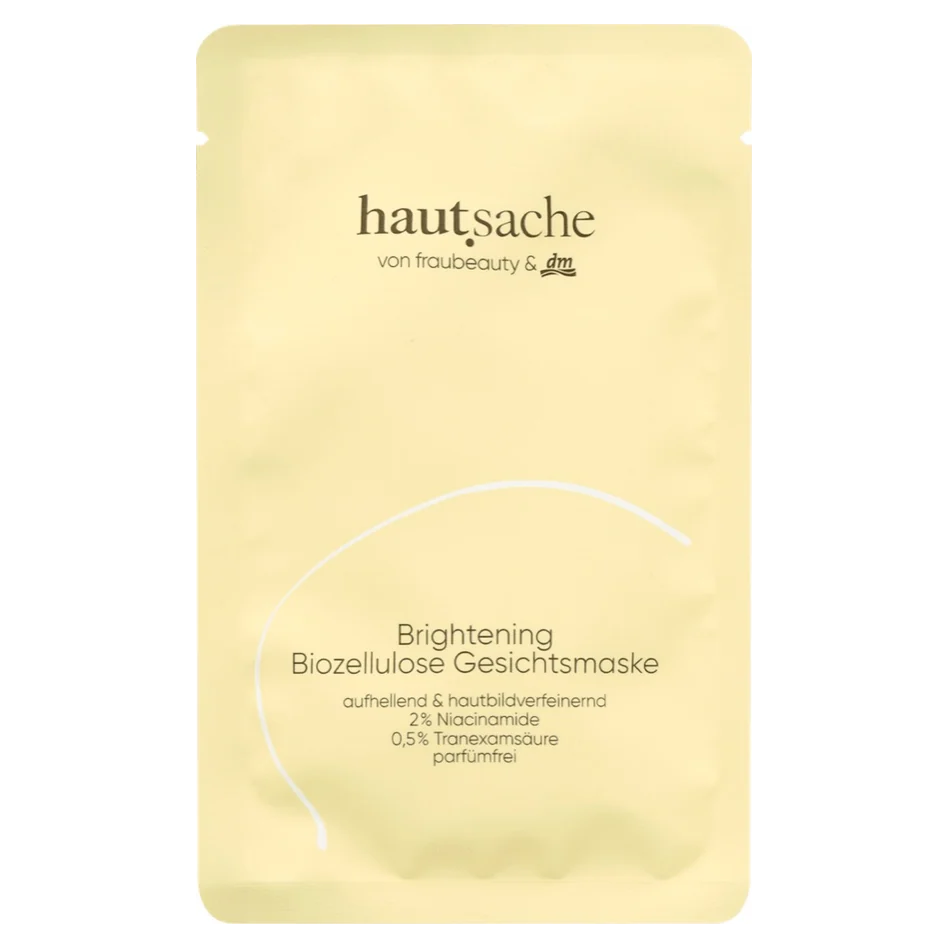
hautsache
Gesichtsmaske Brightening
23rd of 33 on the label
below ≈1%
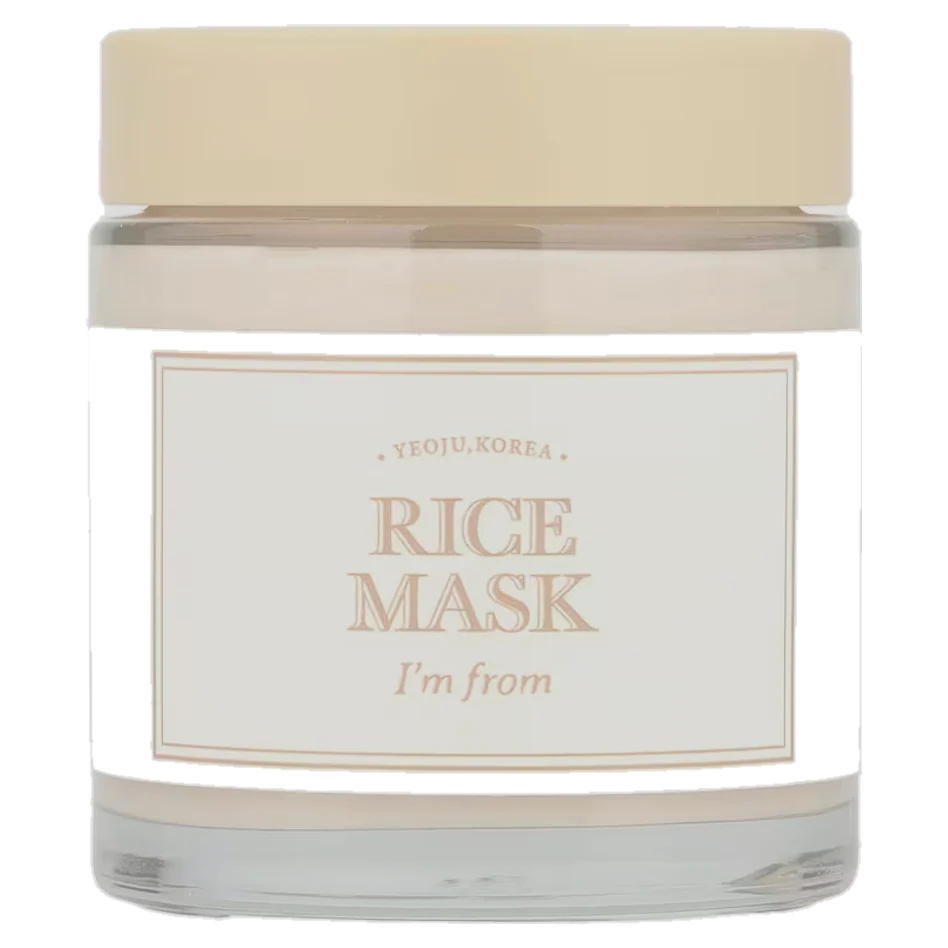
I'm From
Rice Mask
23rd of 43 on the label
below ≈1%
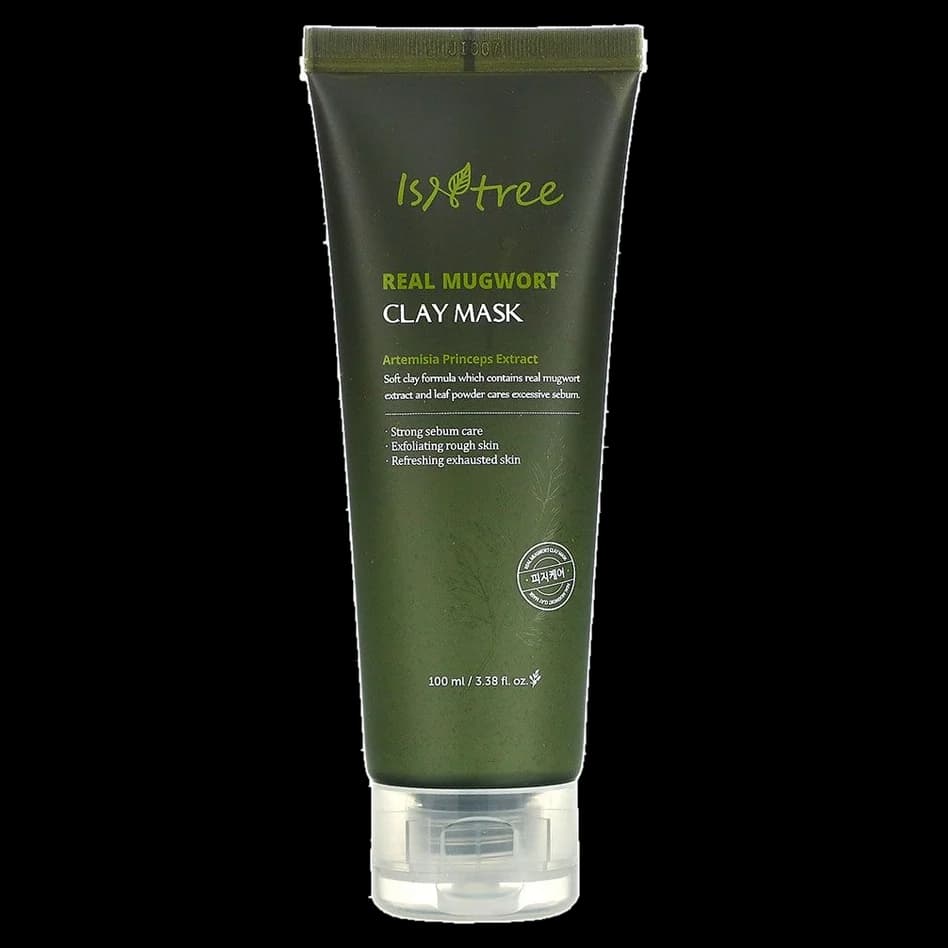
Isntree
Mugwort Calming Clay Mask
38th of 38 on the label
below ≈1%
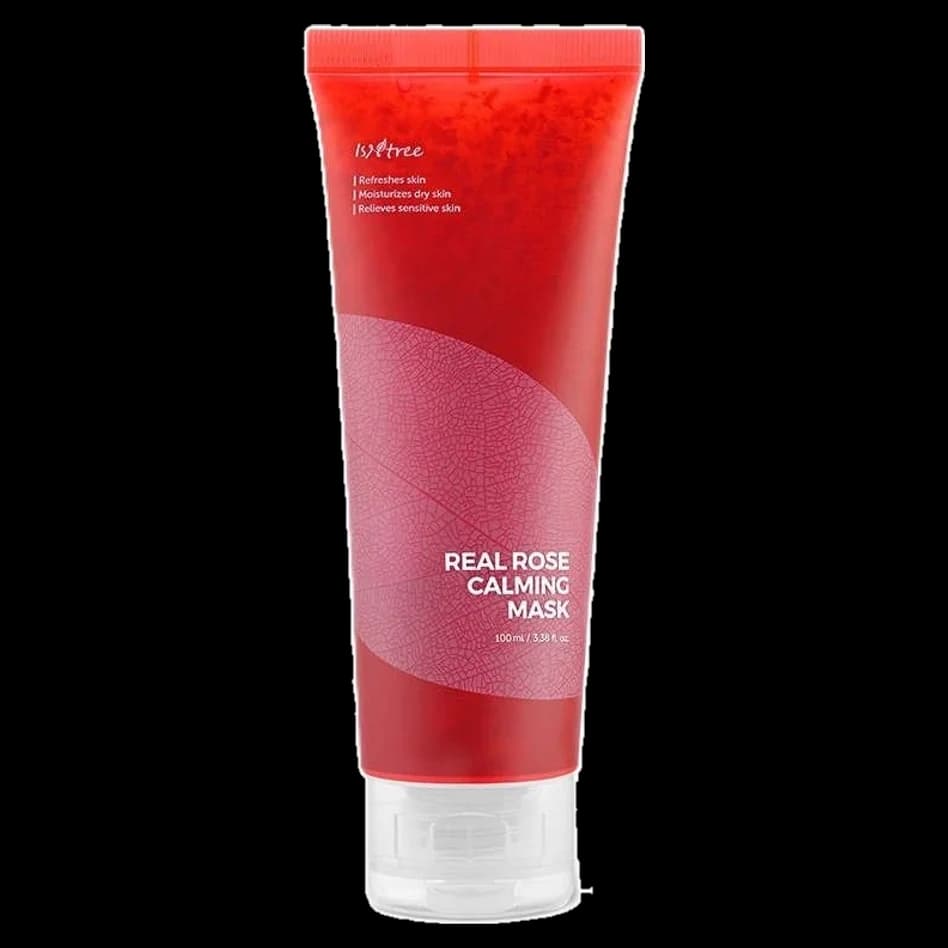
Isntree
Real Rose Calming Mask
30th of 31 on the label
below ≈1%
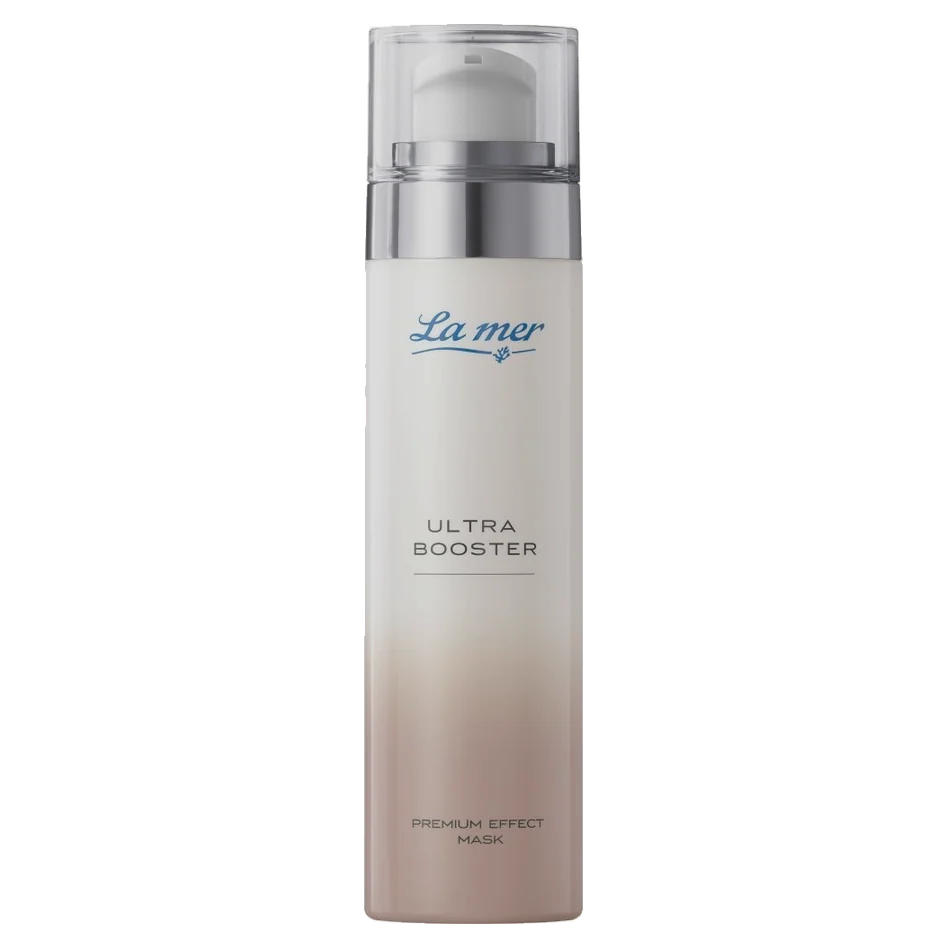
LA MER
Ultra Booster Premium Mask Effect
29th of 41 on the label
below ≈1%
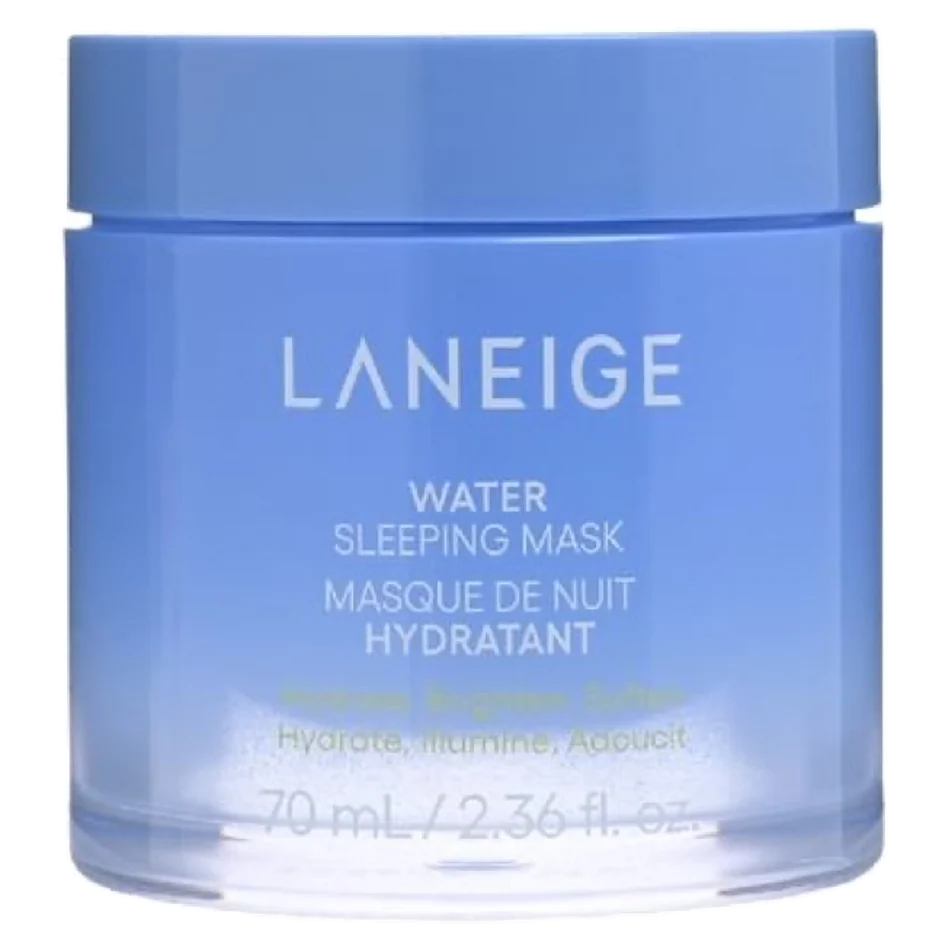
LANEIGE
Water Sleeping Mask
19th of 43 on the label
below ≈1%
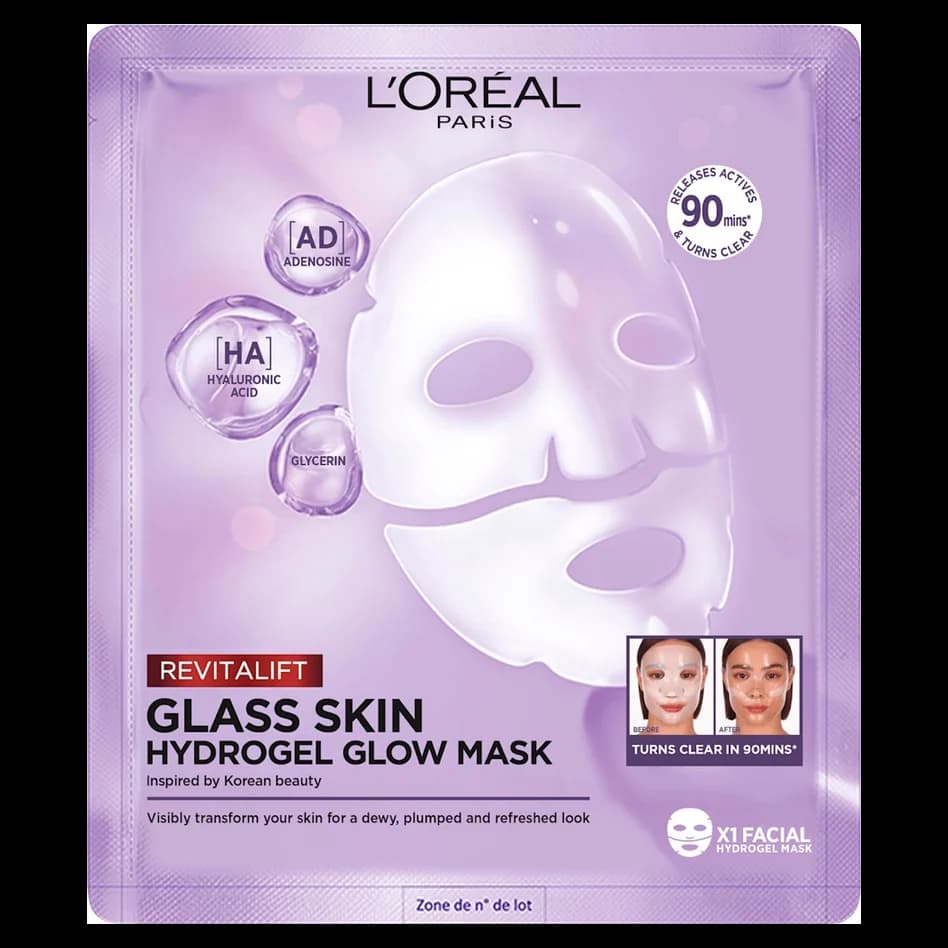
L'Oréal Paris
Revitalift Filler Glass Skin Hydrogel Glow Mask
23rd of 32 on the label
below ≈1%
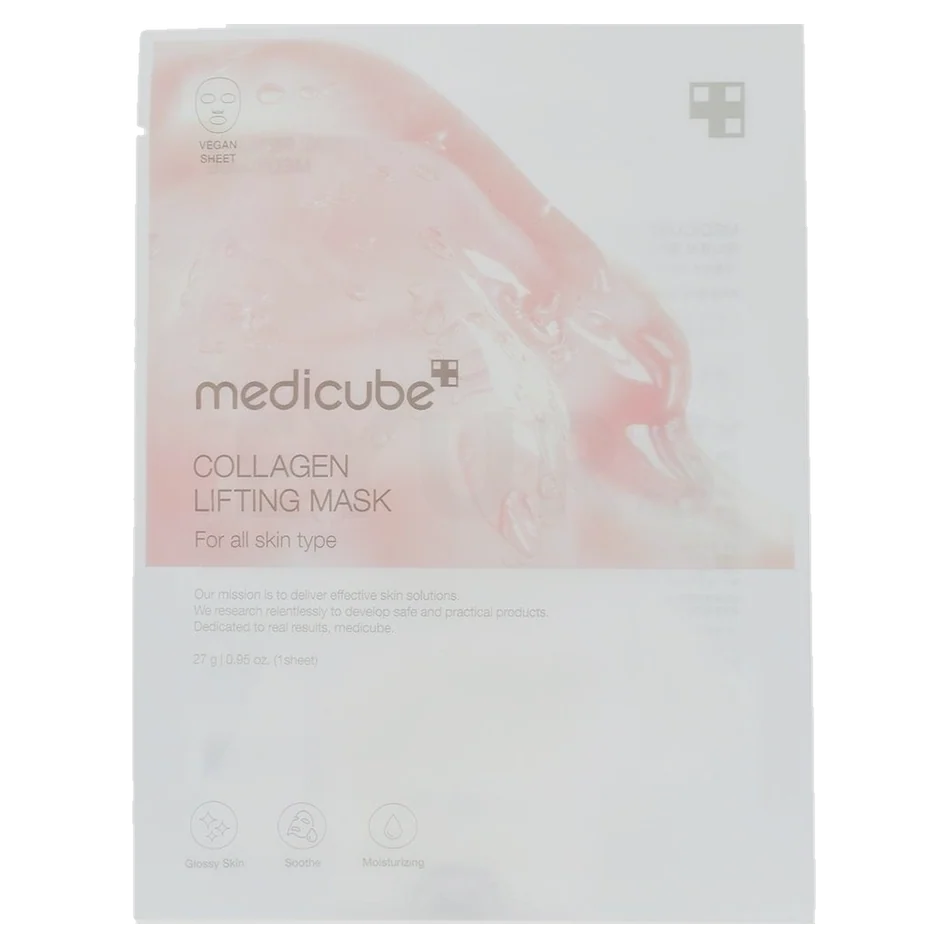
Medicube
Collagen Lifting Mask
11th of 39 on the label
below ≈1%
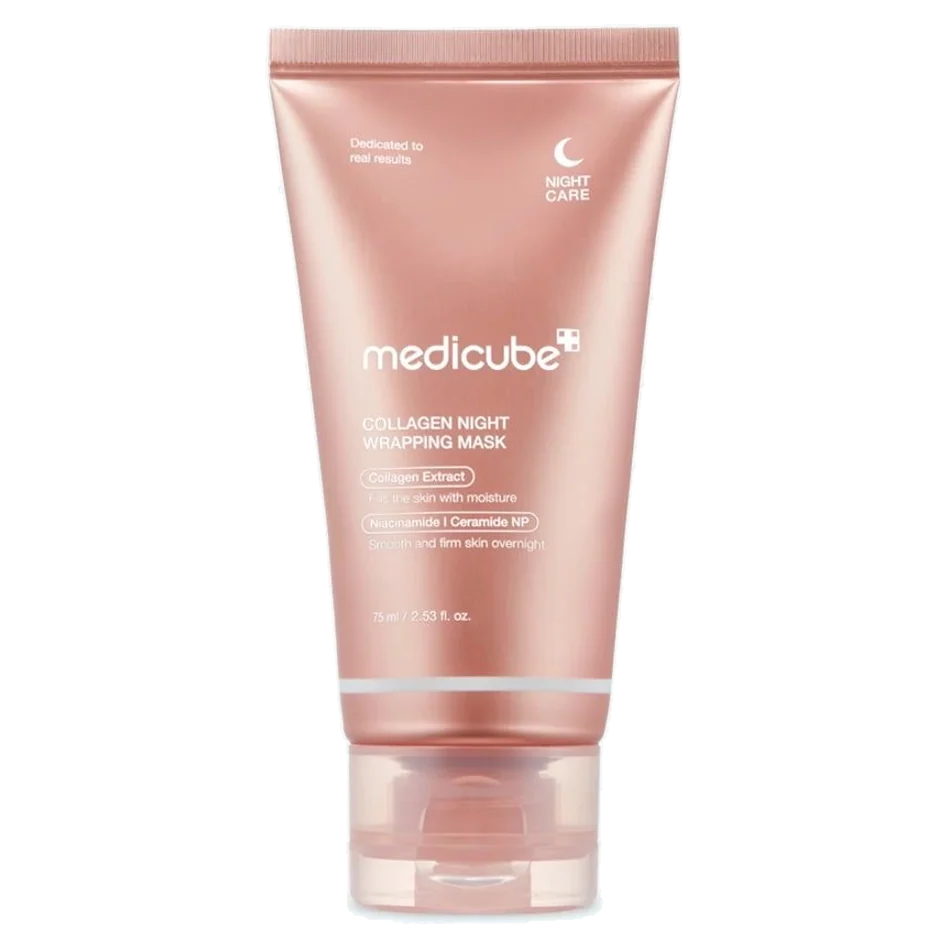
Medicube
Collagen Night Wrapping Mask
12th of 24 on the label
below ≈1%
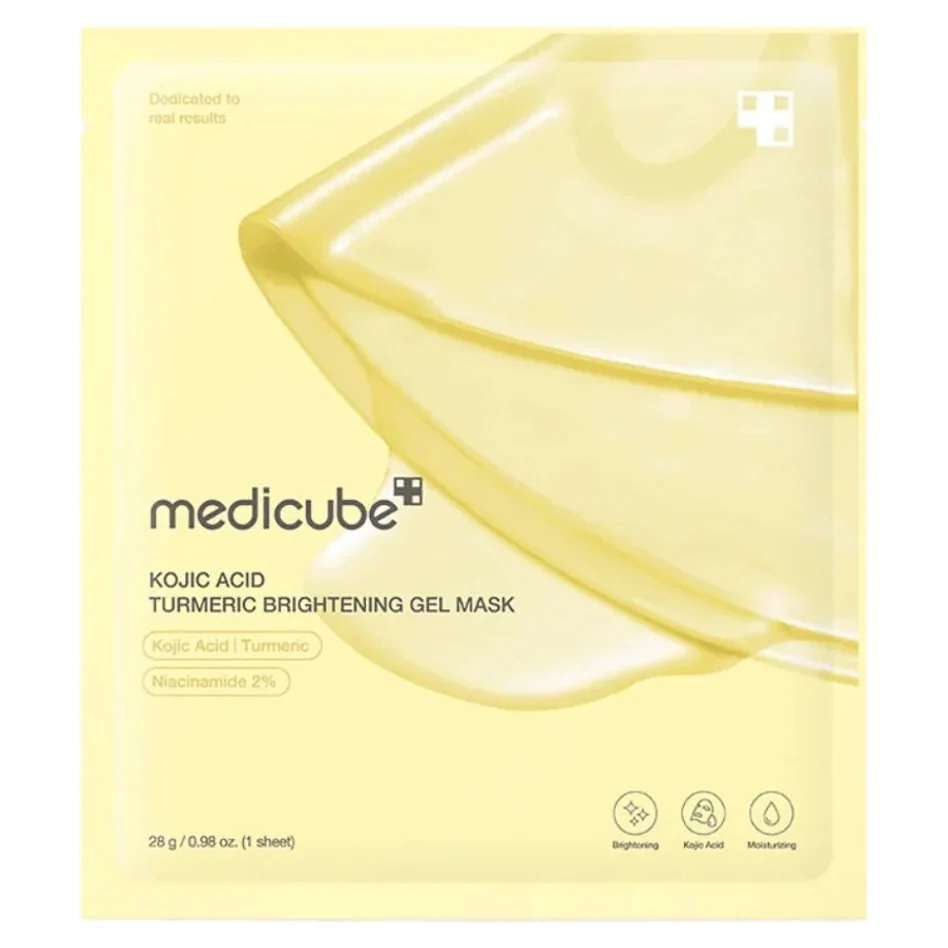
Medicube
Kojic Acid Turmeric Brightening Gel Mask
25th of 35 on the label
below ≈1%
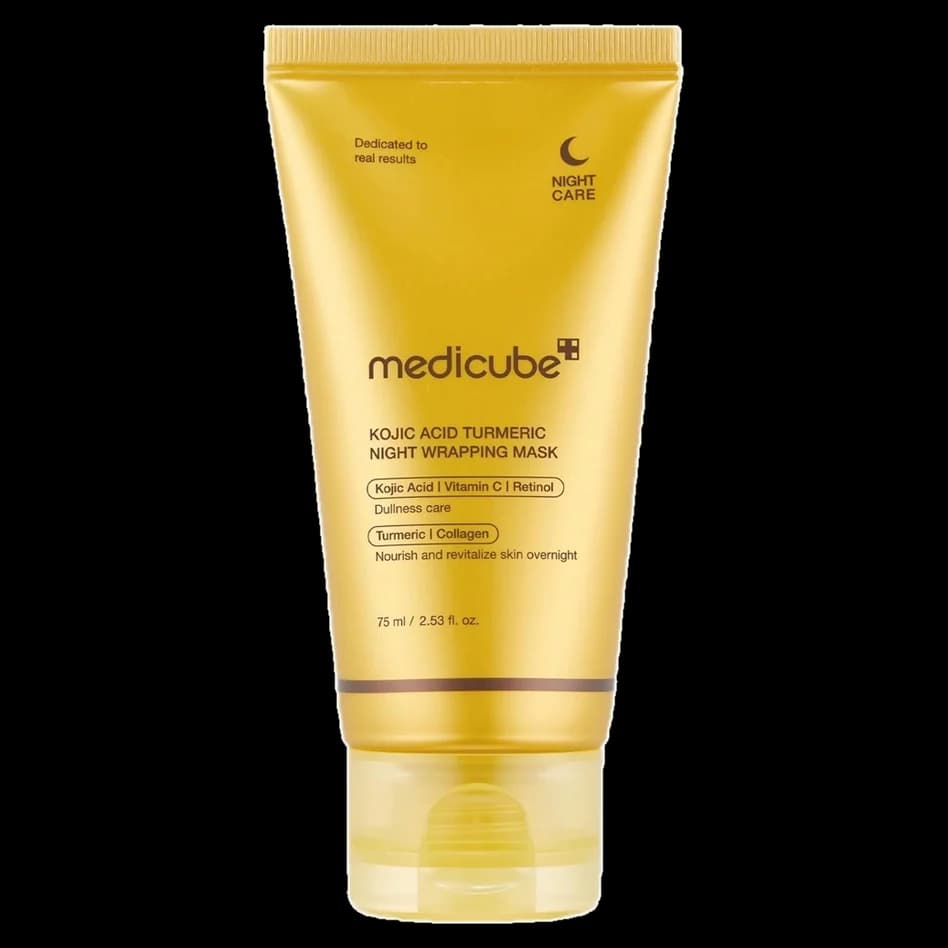
Medicube
Kojic Acid Turmeric Night Wrapping Mask
14th of 22 on the label
below ≈1%
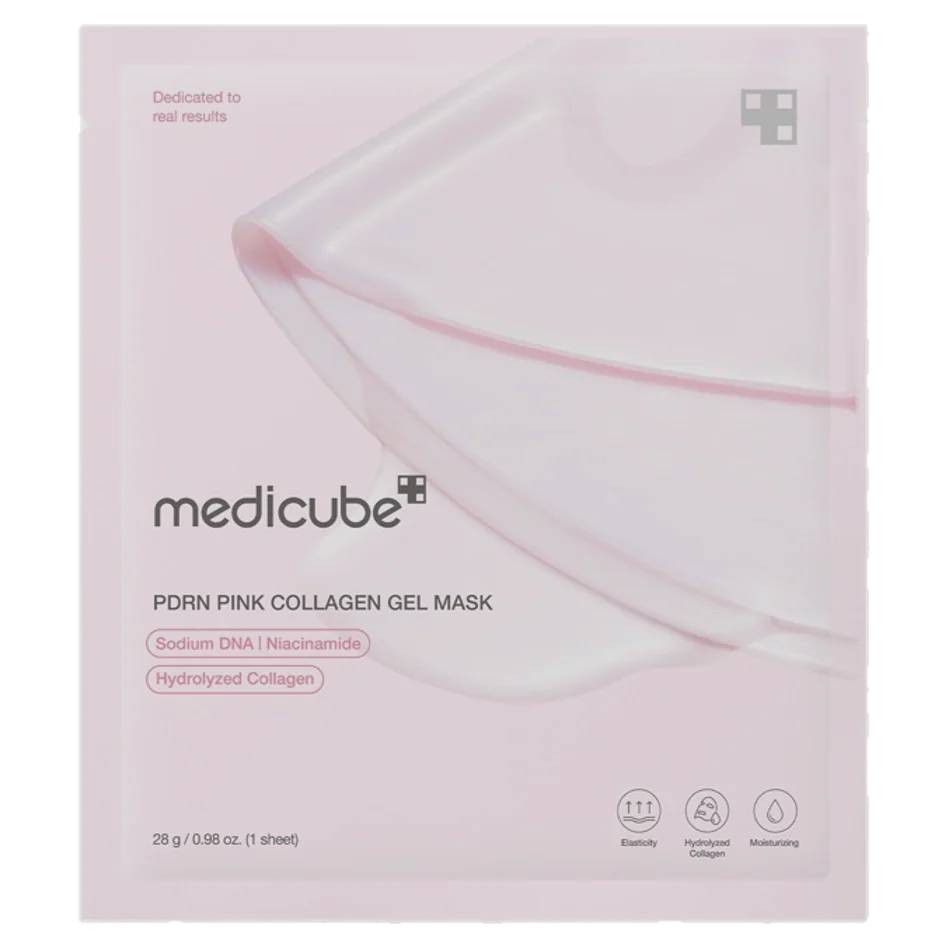
Medicube
PDRN Pink Collagen Gel Mask
25th of 43 on the label
below ≈1%
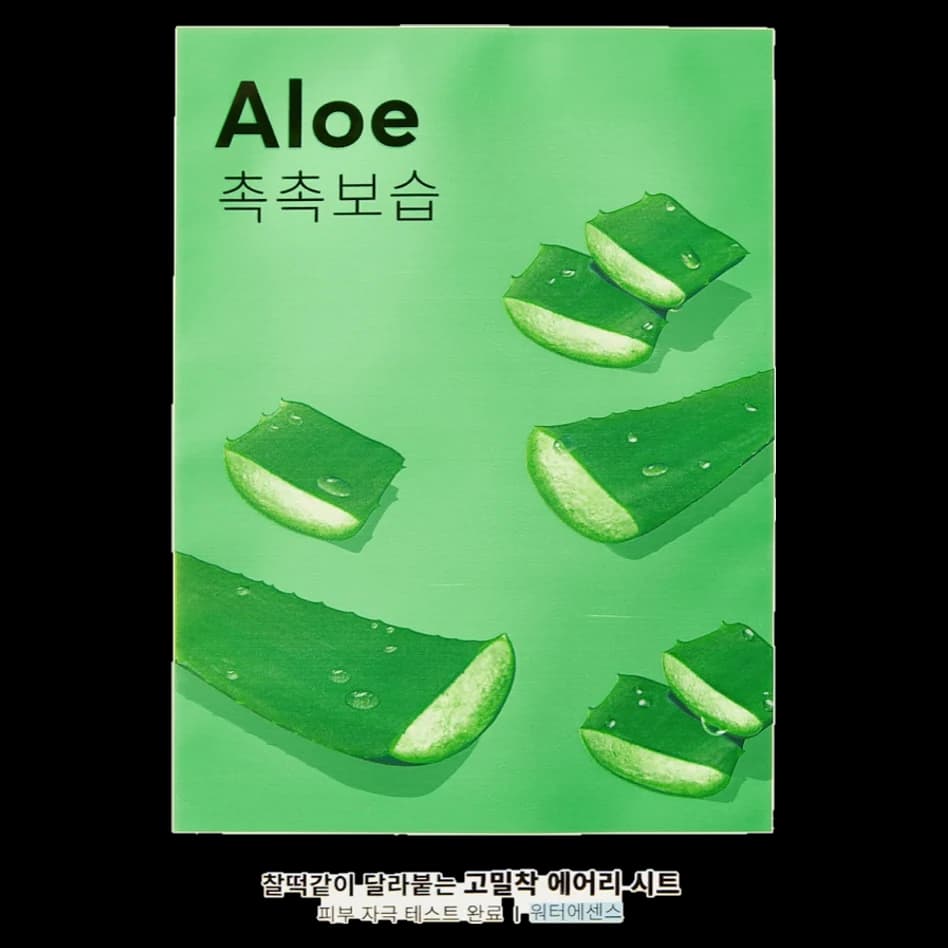
MISSHA
Airy Fit Sheet Mask Aloe
15th of 26 on the label
below ≈1%
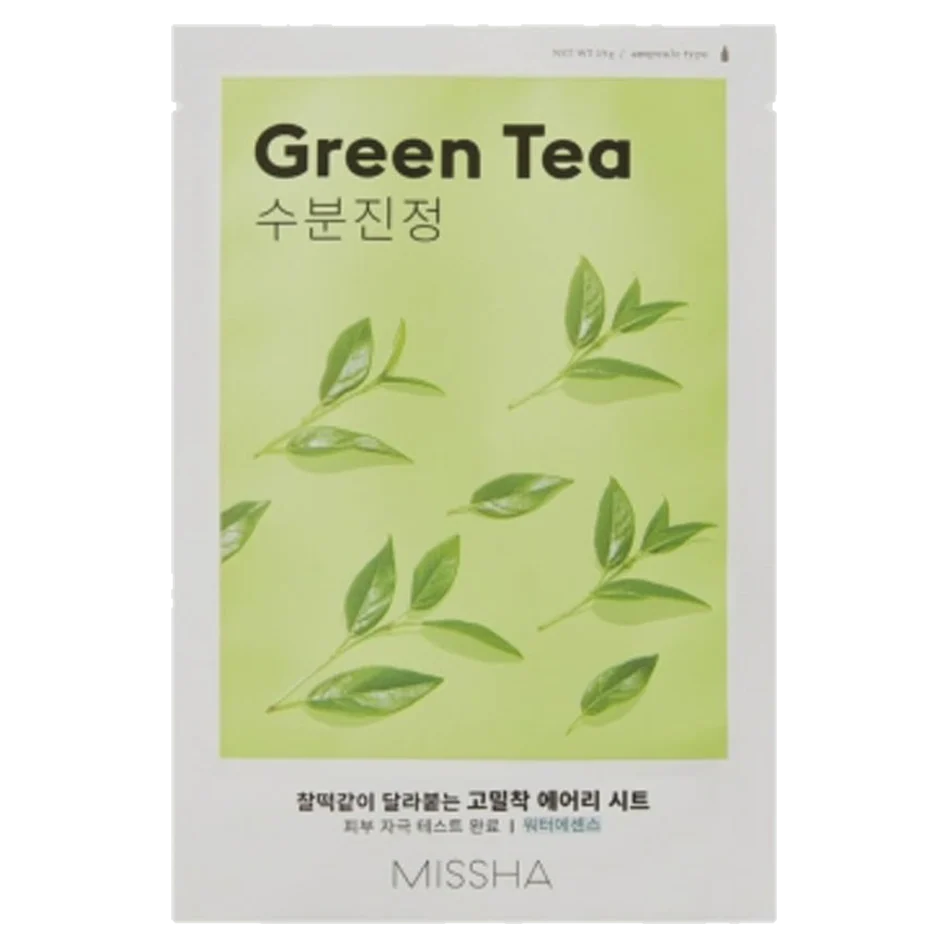
MISSHA
Airy Fit Sheet Mask Green Tea
23rd of 23 on the label
below ≈1%
MISSHA
Airy Fit Sheet Mask Pearl
20th of 31 on the label
below ≈1%
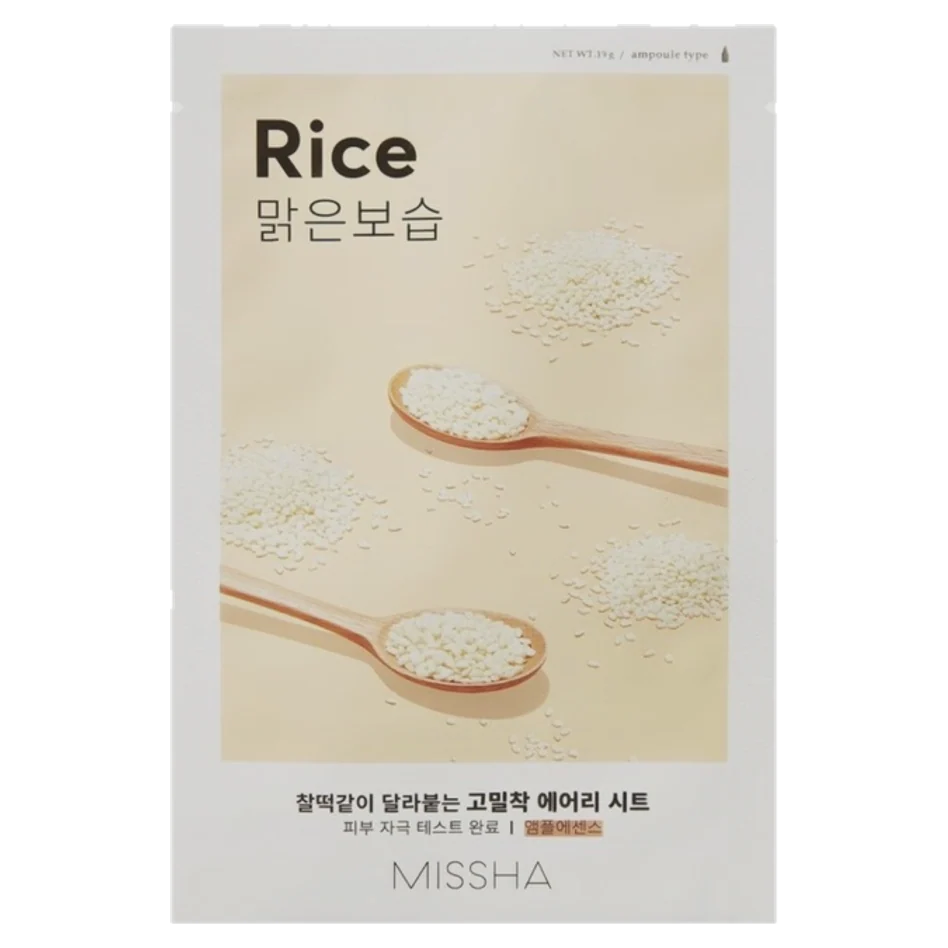
MISSHA
Airy Fit Sheet Mask Rice
13th of 27 on the label
below ≈1%
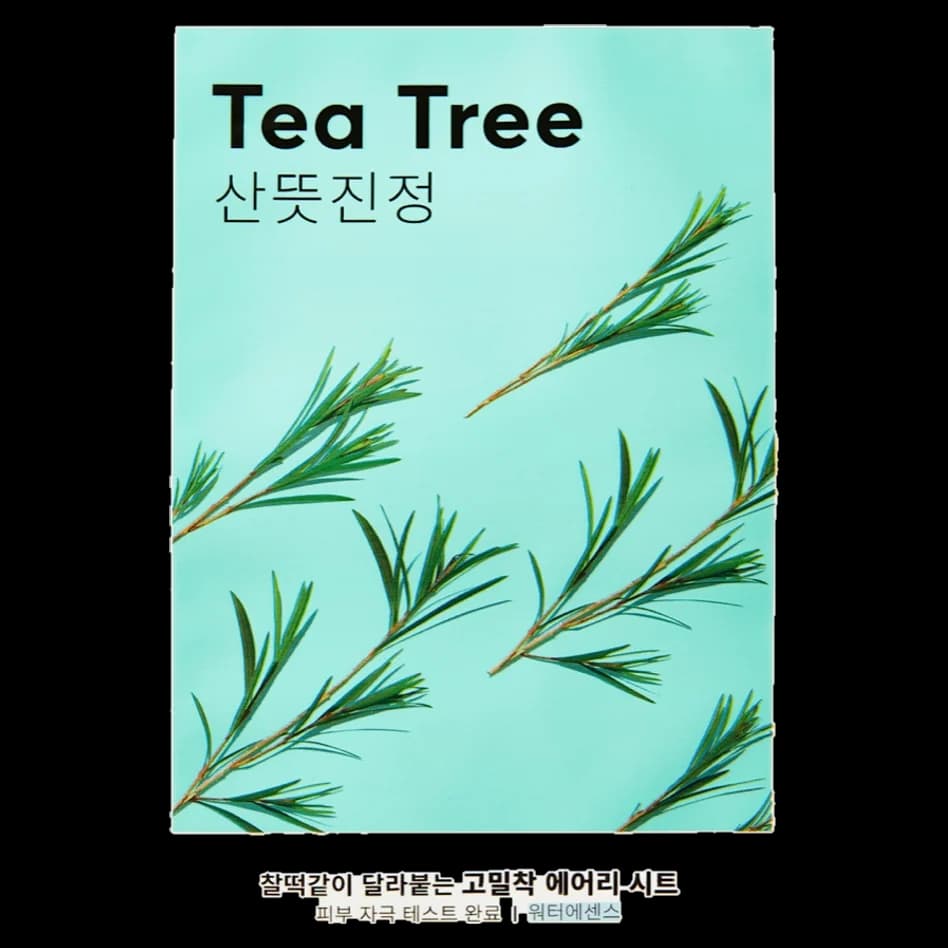
MISSHA
Airy Fit Sheet Mask Tea Tree
23rd of 23 on the label
below ≈1%
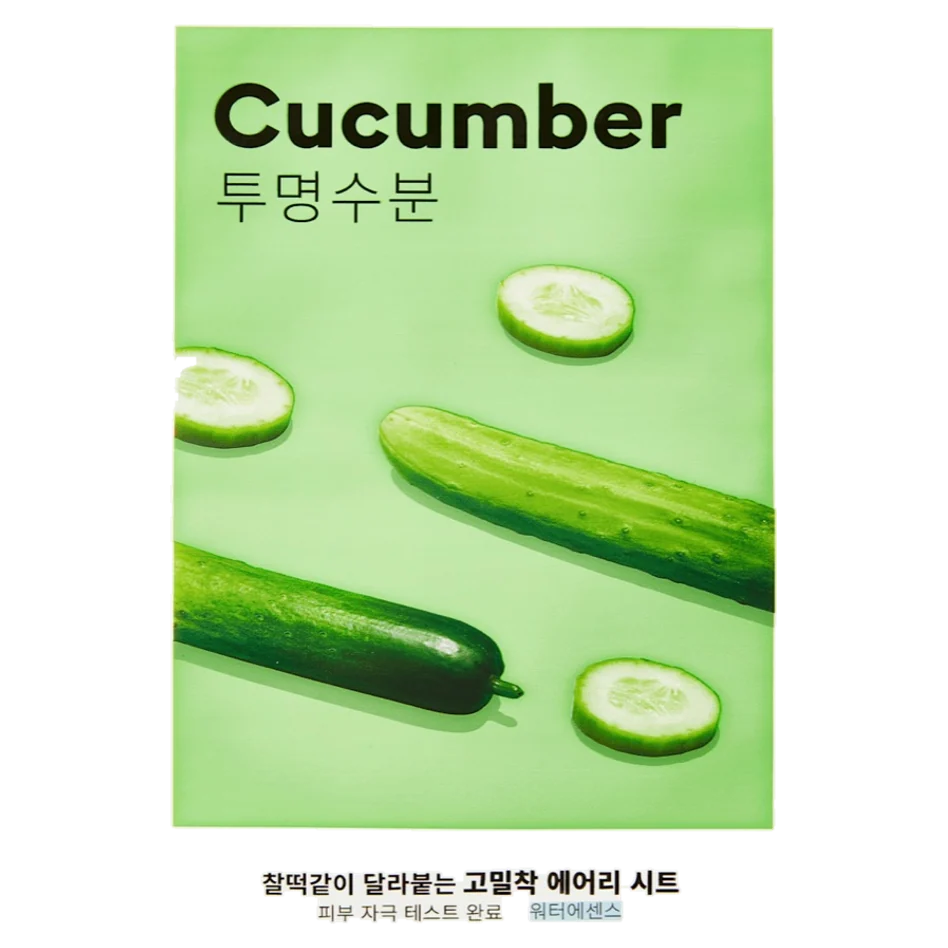
MISSHA
Sheet Mask Cucumber
15th of 25 on the label
below ≈1%
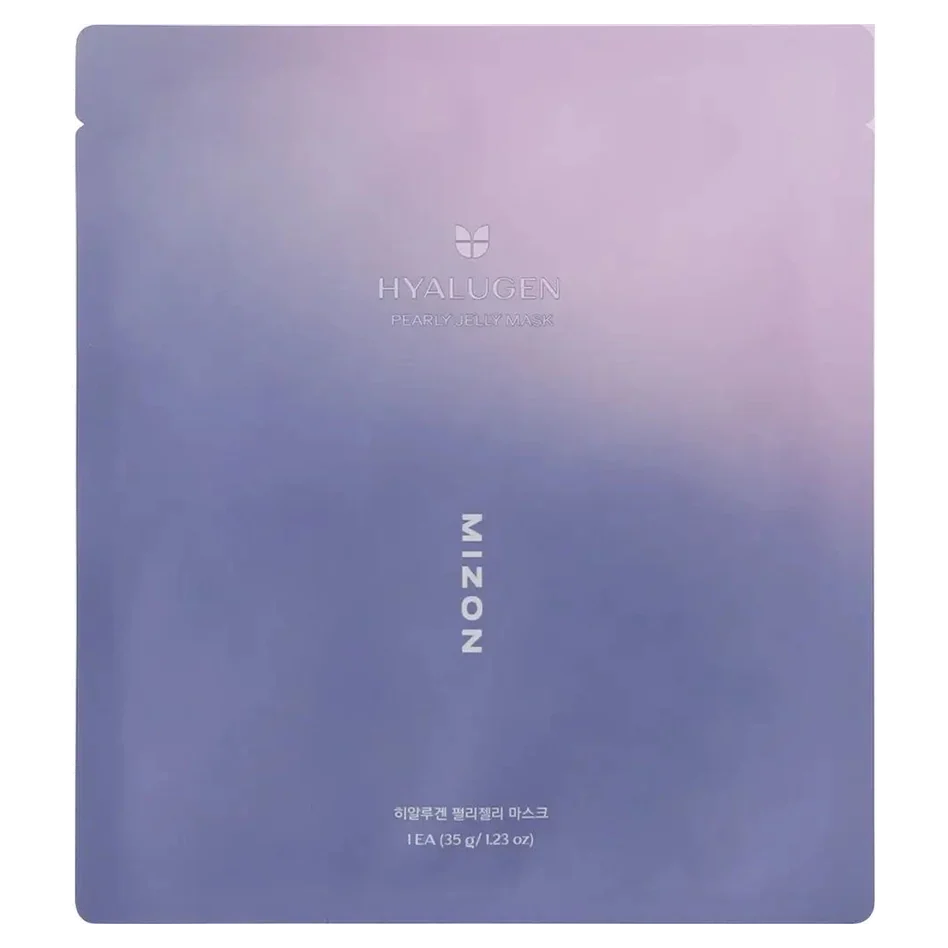
MIZON
Hyalugen Pearly Jelly Mask
18th of 19 on the label
below ≈1%
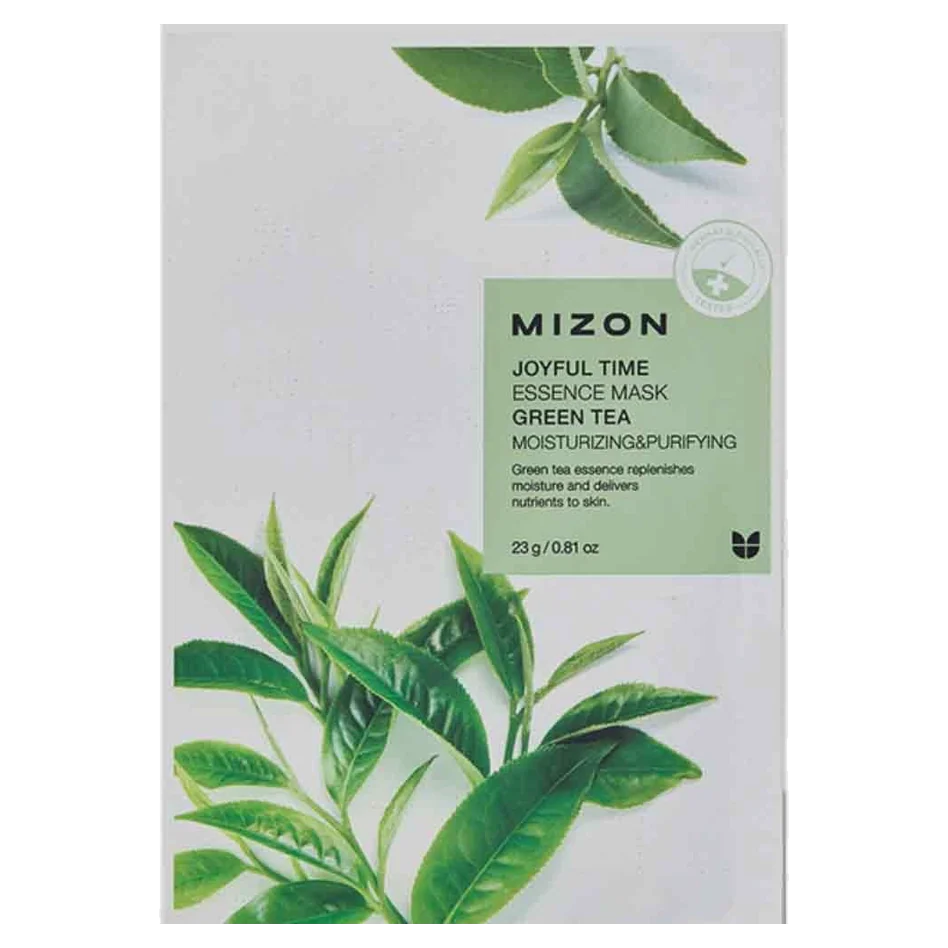
MIZON
Joyful Time Essence Mask Green Tea
14th of 26 on the label
below ≈1%
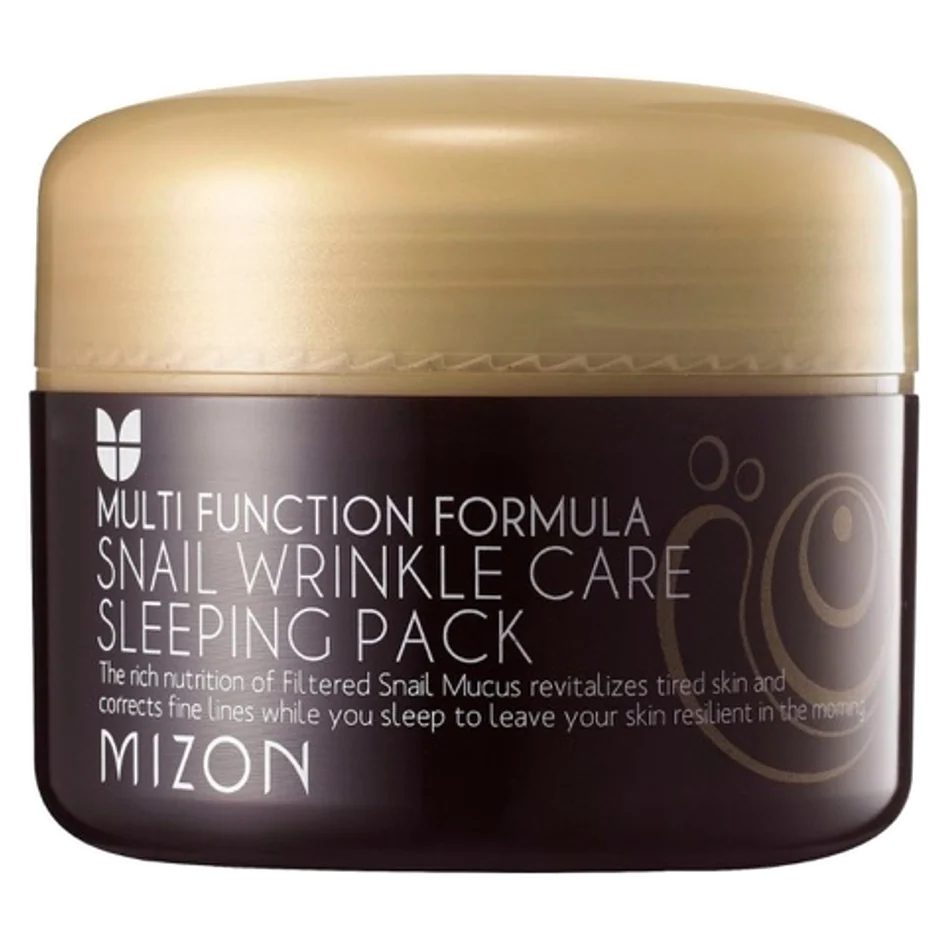
MIZON
Snail Wrinkle Care Sleeping Pack
23rd of 31 on the label
below ≈1%
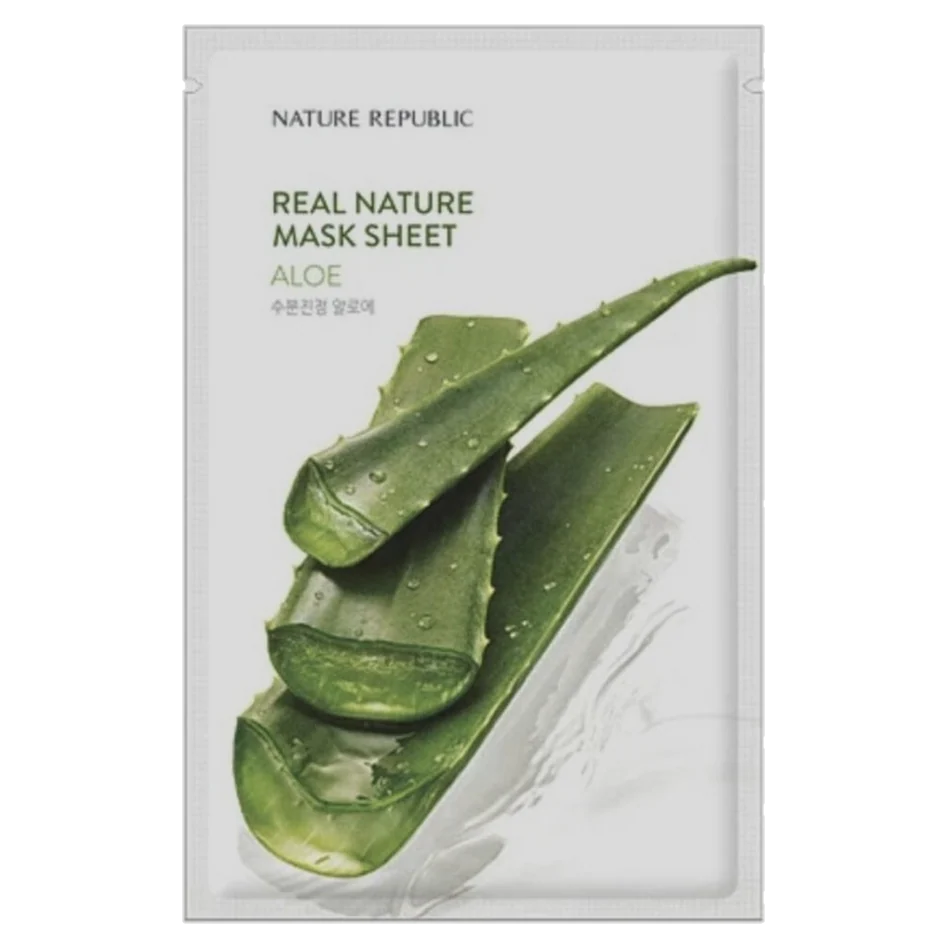
Nature Republic
Real Nature Aloe Sheet Mask
18th of 23 on the label
below ≈1%
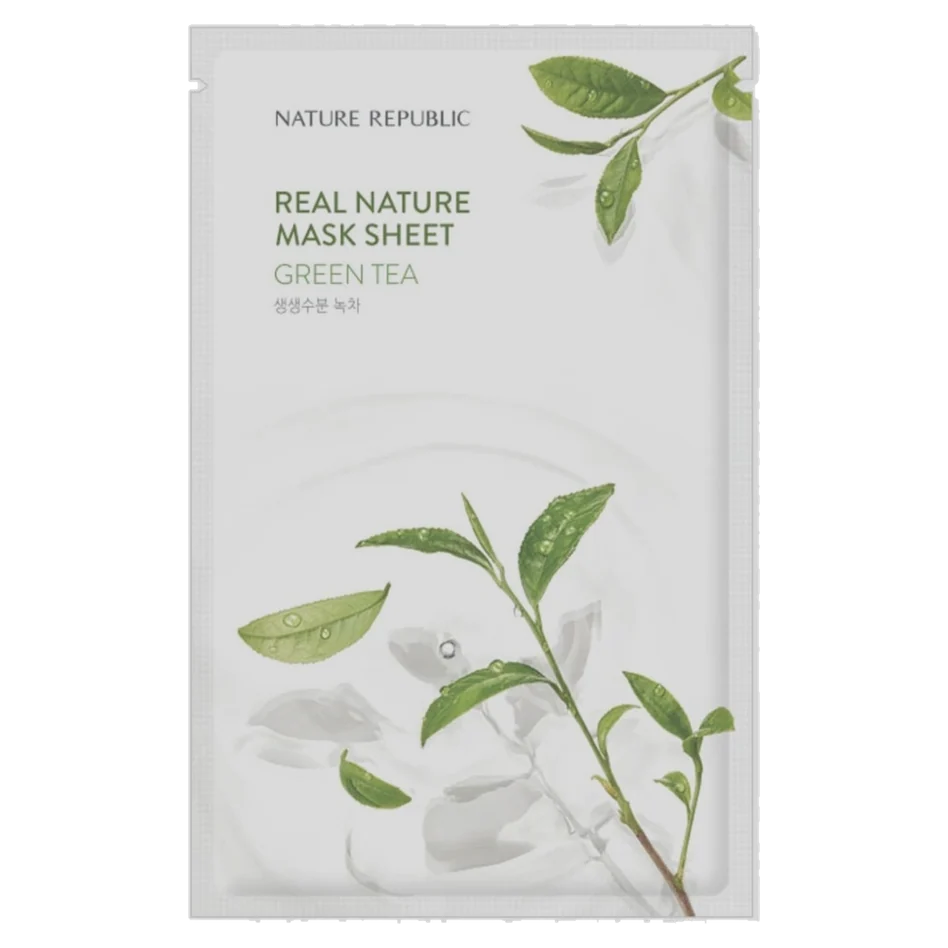
Nature Republic
Real Nature Green Tea Sheet Mask
17th of 23 on the label
below ≈1%
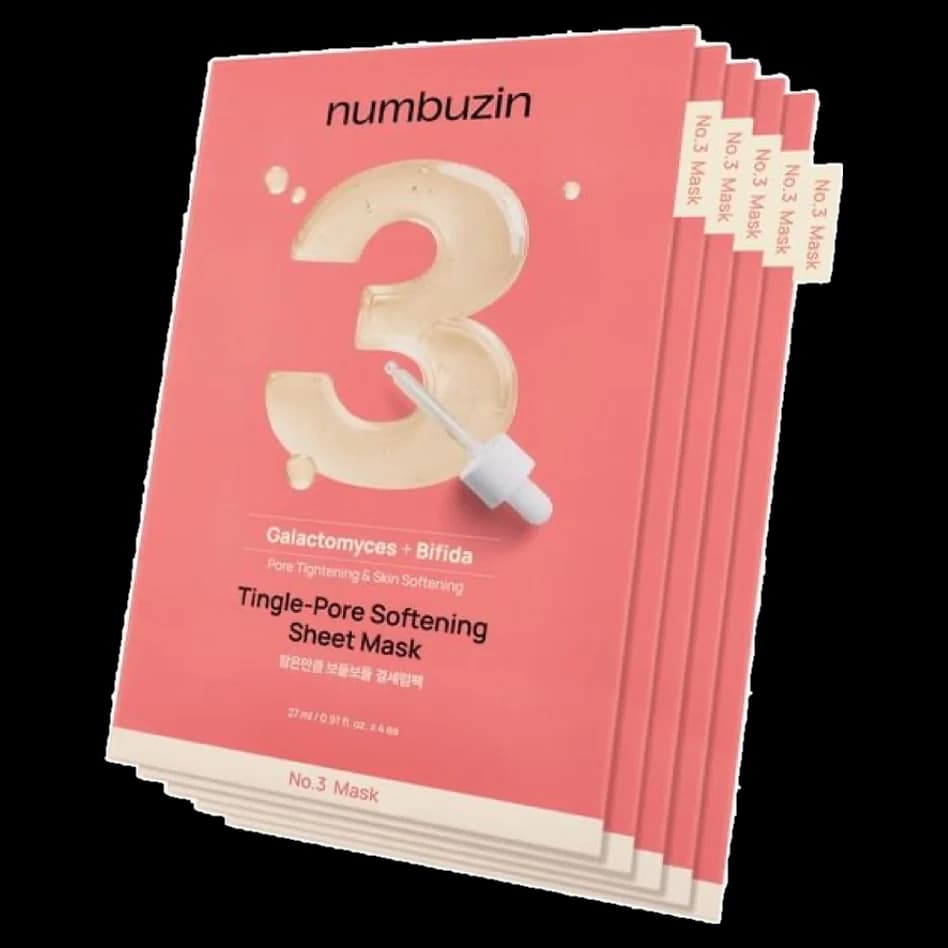
numbuzin
No.3 Tingle-Pore Softening Sheet Mask
37th of 42 on the label
below ≈1%
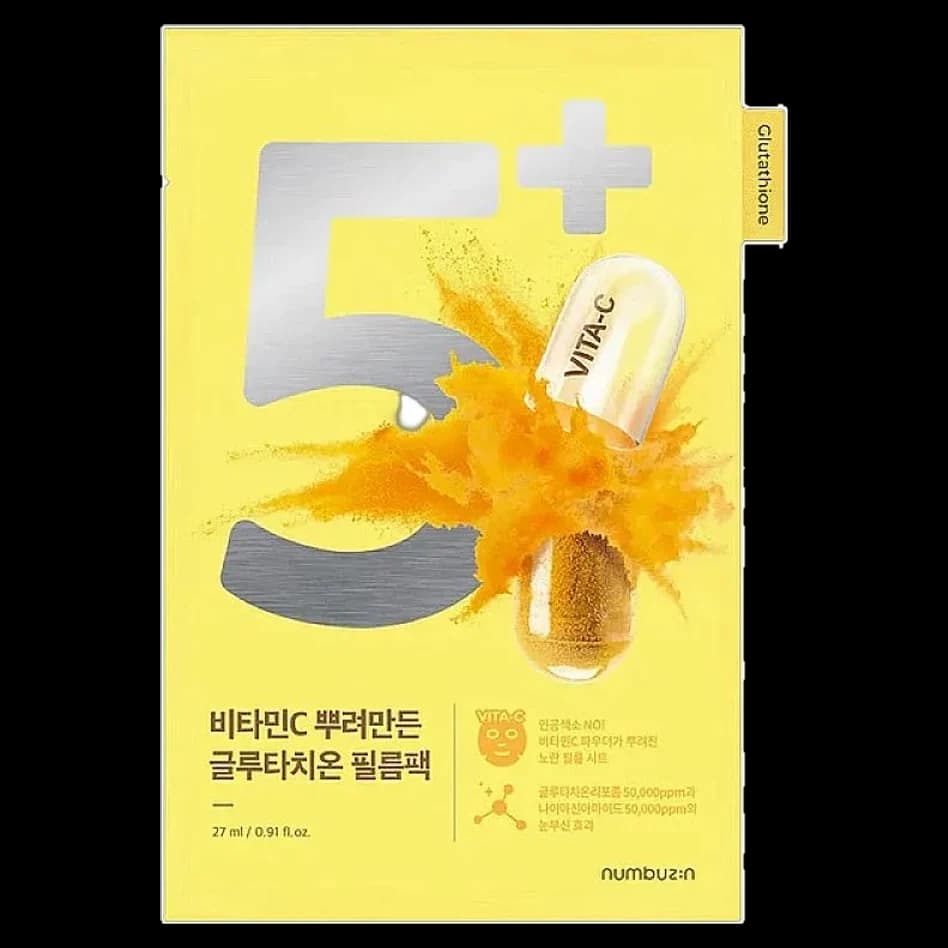
numbuzin
No.5 Vitamin Spotlight Sheet Mask
20th of 33 on the label
below ≈1%
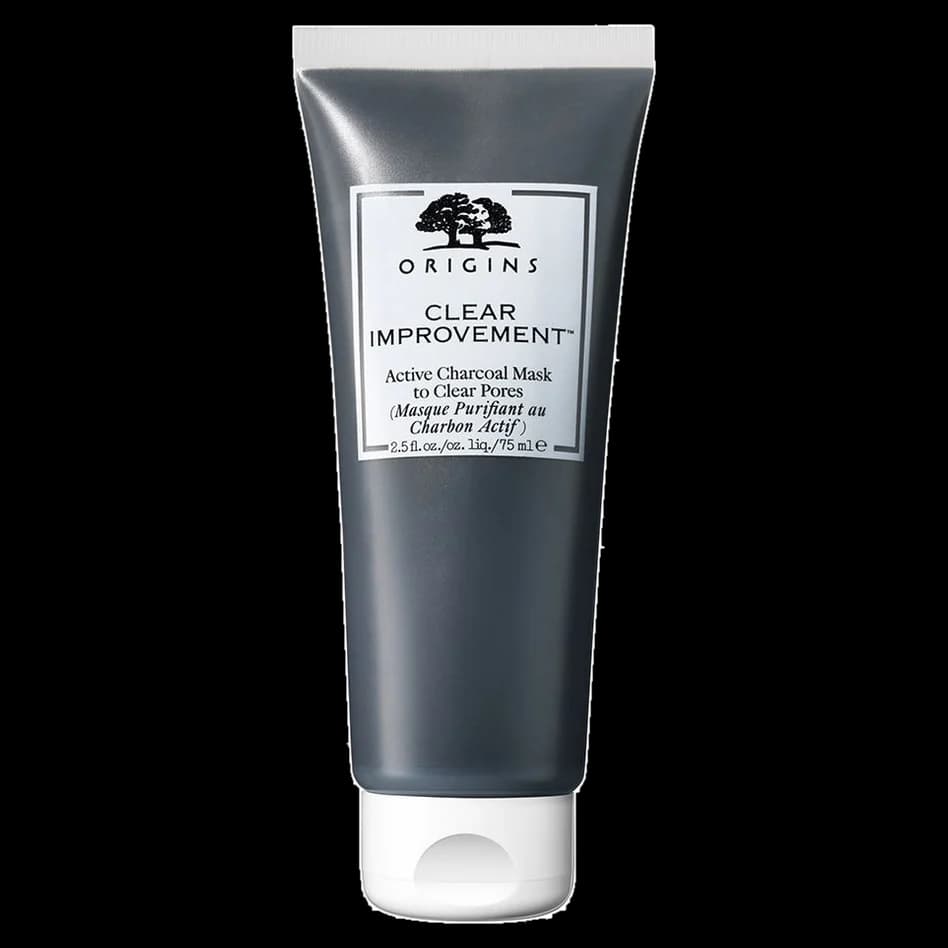
Origins
Clear Improvement Active Charcoal Mask to Clear Pores
19th of 23 on the label
below ≈1%
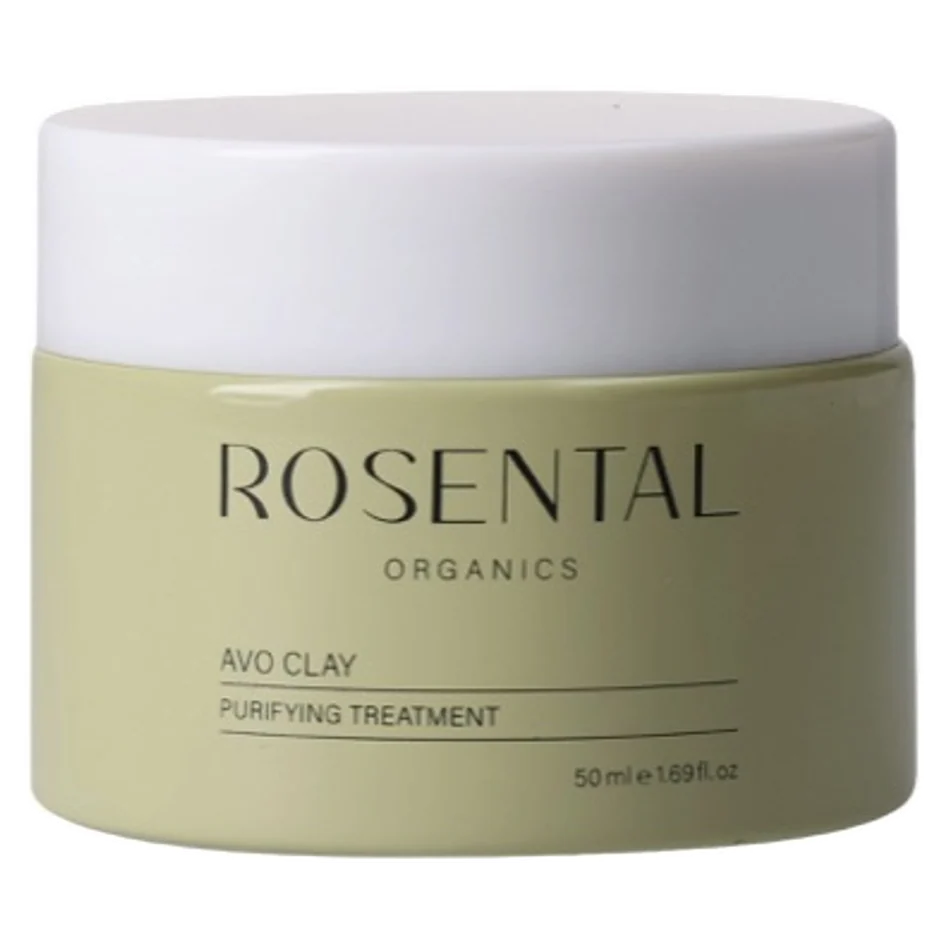
Rosental Organics
Avo Clay Mask
14th of 17 on the label
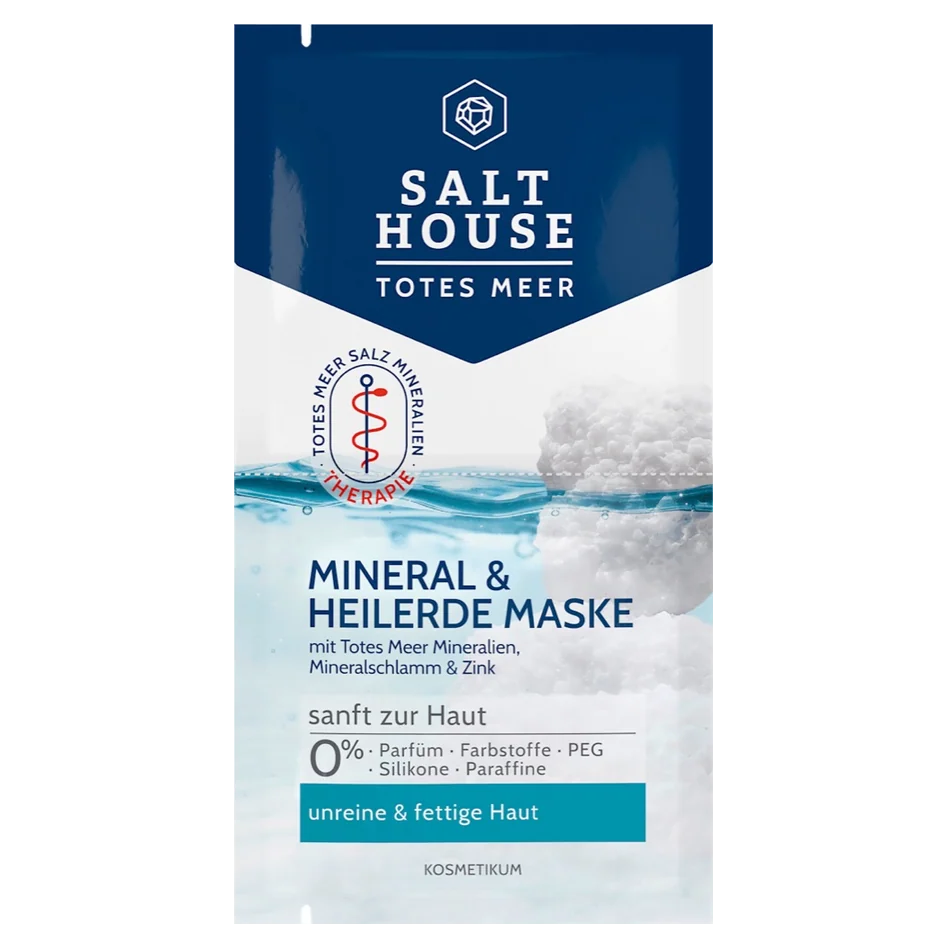
Salthouse
Totes Meer Therapie Gesichtsmaske Mineral & Heilerde
15th of 17 on the label
below ≈1%
Schaebens
Gesichtsmaske Feuchtigkeit Sofort-Effekt
22nd of 38 on the label
below ≈1%
Schaebens
Gesichtsmaske Kollagen Boost
17th of 27 on the label
below ≈1%
Schaebens
Gesichtsmaske Panthenol
16th of 22 on the label
below ≈1%
Schaebens
Hyaluron Maske
21st of 32 on the label
below ≈1%
Schaebens
Totes Meer Schlamm Maske
13th of 14 on the label
Schaebens
Tuchmaske Kollagen Boost
20th of 27 on the label
Schaebens
Tuchmaske Melon Love
31st of 45 on the label
Schaebens
Tuchmaske Summer Glow
31st of 44 on the label
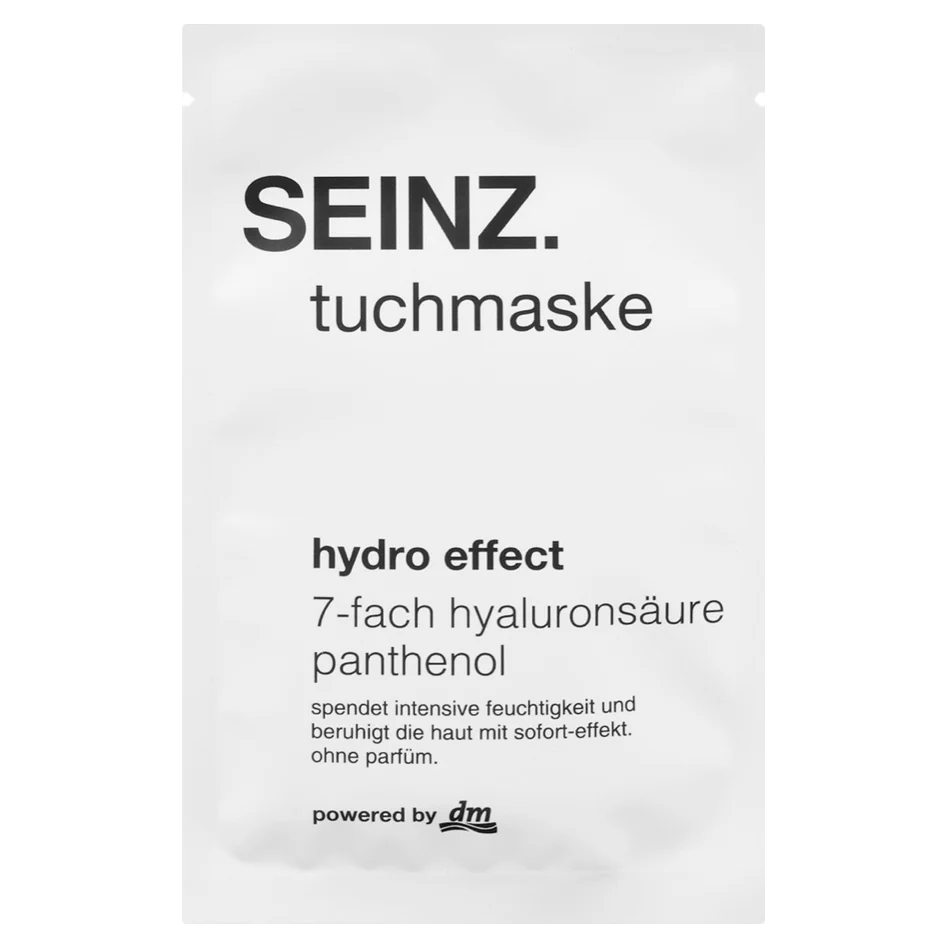
SEINZ.
Tuchmaske hydro effect
20th of 21 on the label
below ≈1%
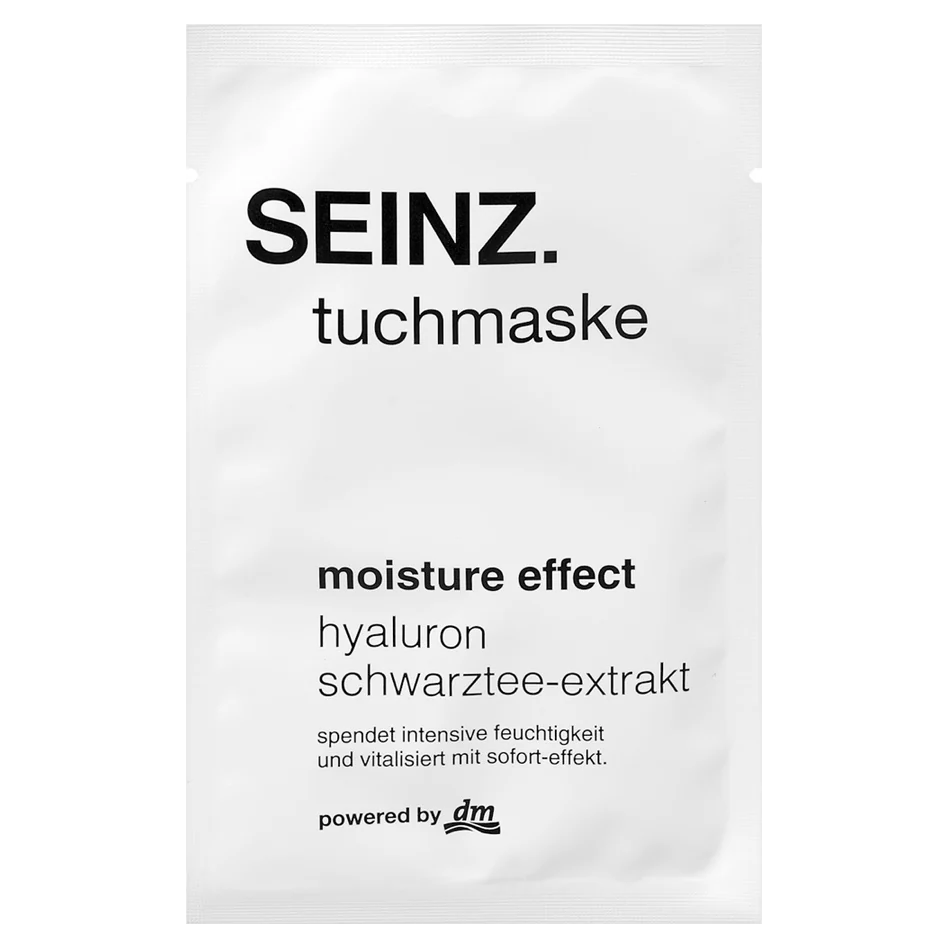
SEINZ.
Tuchmaske moisture effect
15th of 16 on the label
below ≈1%
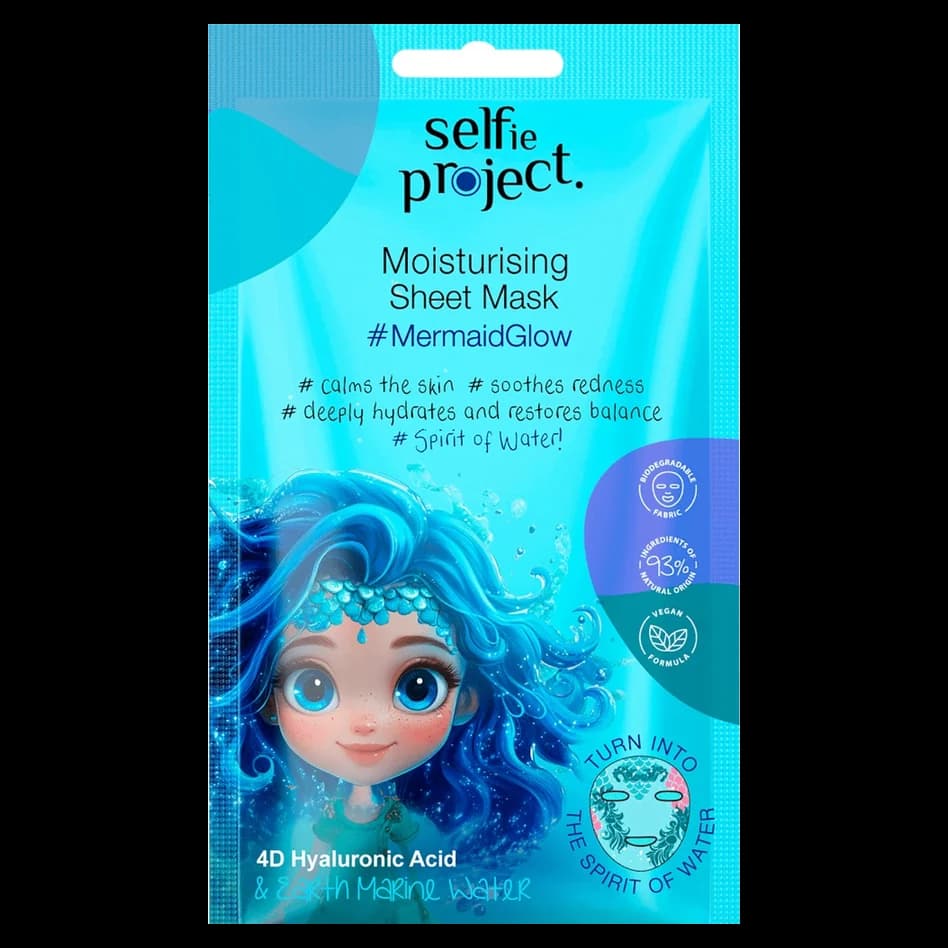
Selfie Project
Tuchmaske Moisturising #MermaidGlow
16th of 30 on the label
below ≈1%
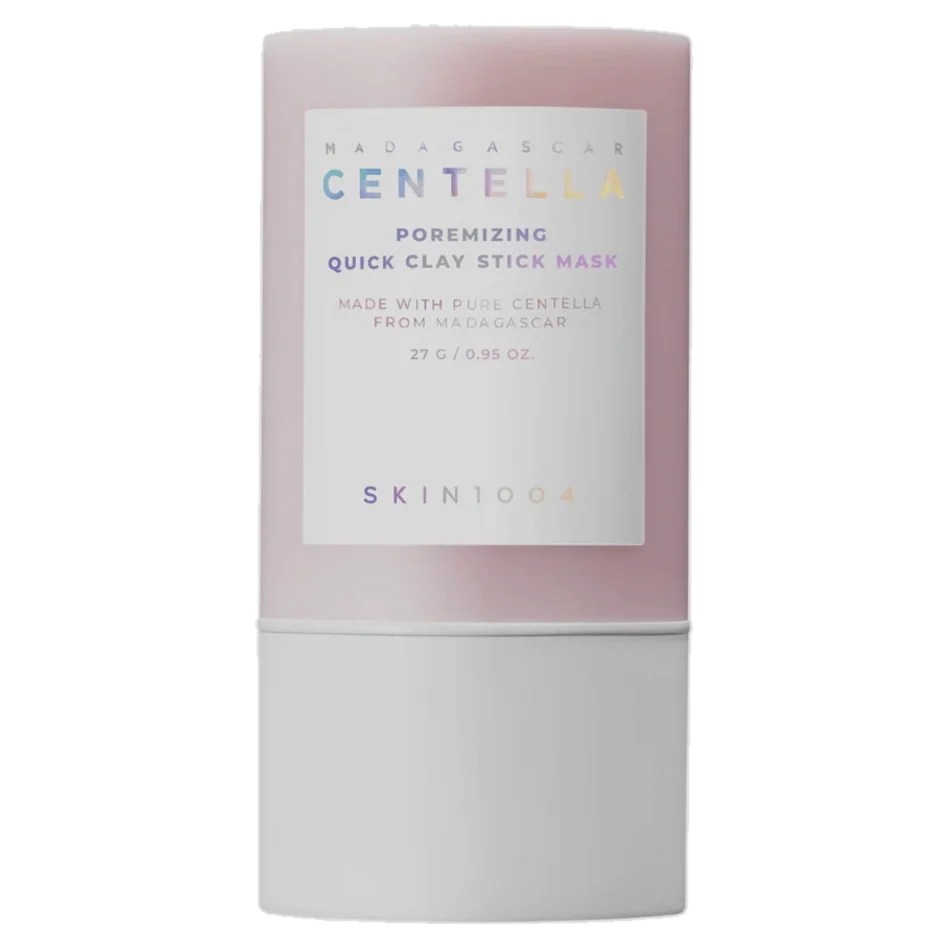
SKIN1004
Madagascar Centella Poremizing Quick Clay Stick Mask
17th of 23 on the label
below ≈1%
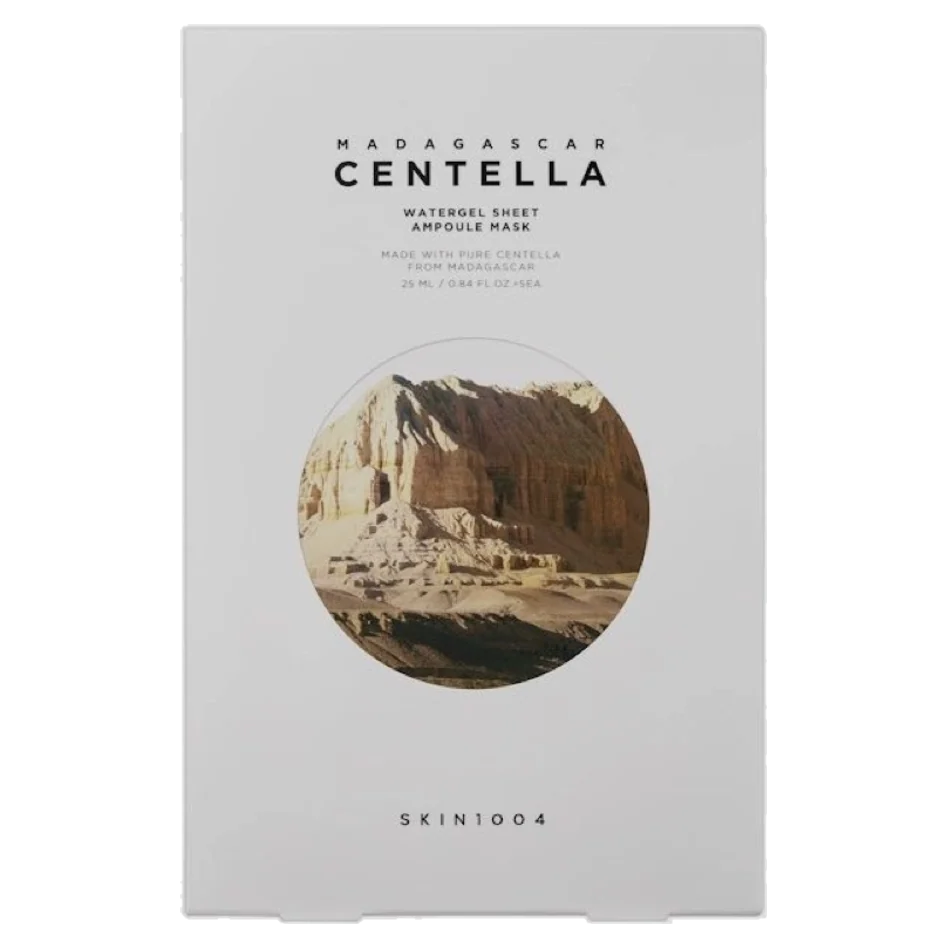
SKIN1004
Madagascar Centella Watergel Sheet Ampoule Mask
16th of 29 on the label
below ≈1%
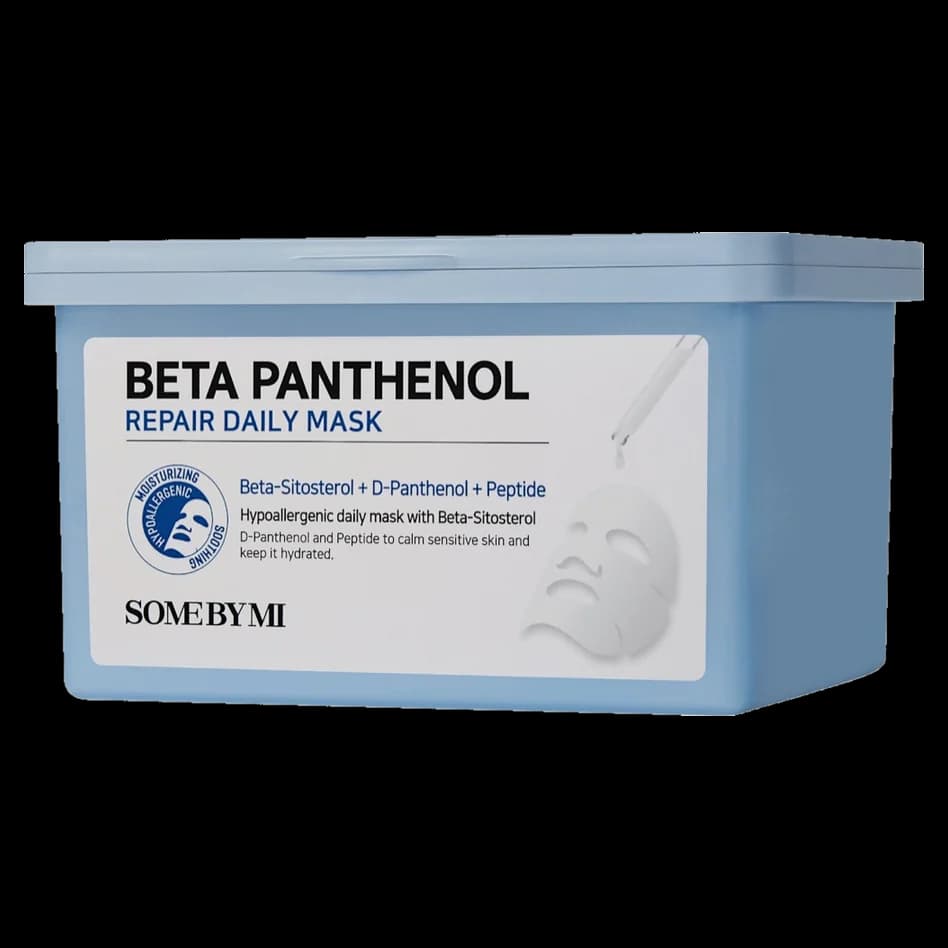
SOME BY MI
Daily Beta Panthenol Repair Mask
14th of 57 on the label
below ≈1%
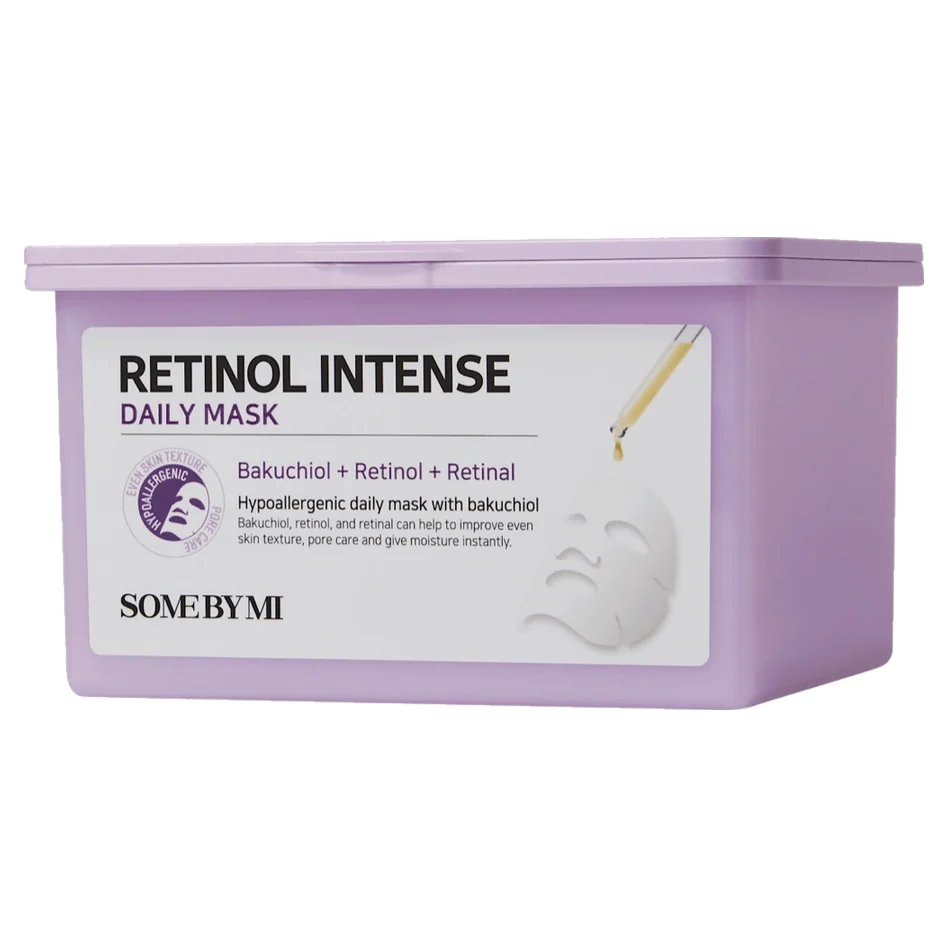
SOME BY MI
Daily Retinol Intense Mask
62nd of 62 on the label
below ≈1%
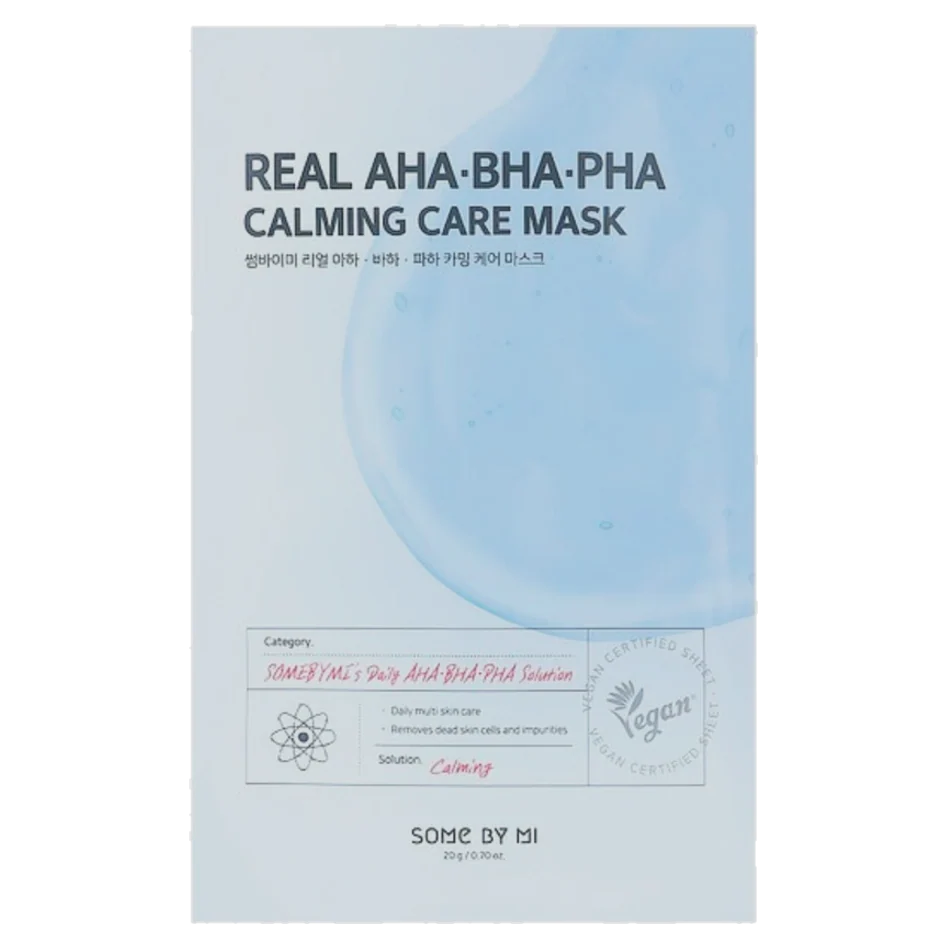
SOME BY MI
Real AHA-BHA-PHA Calming Care Mask
16th of 19 on the label
below ≈1%
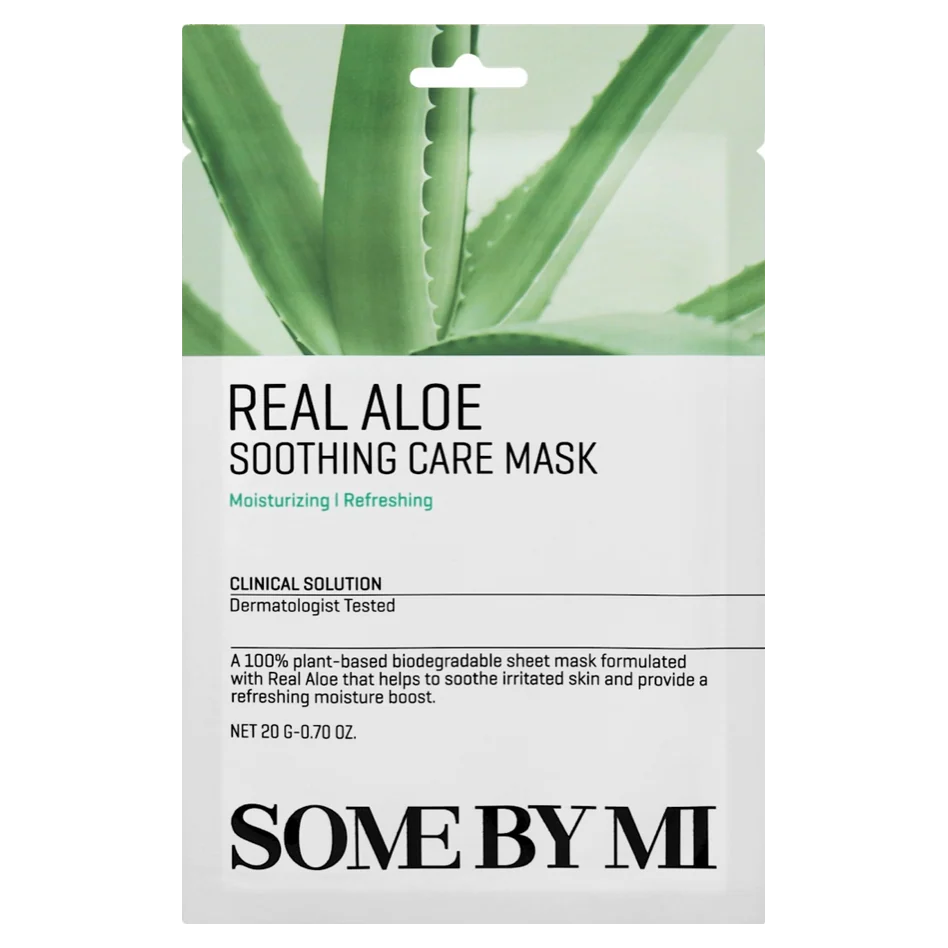
SOME BY MI
Real Aloe Soothing Care Mask
19th of 21 on the label
below ≈1%
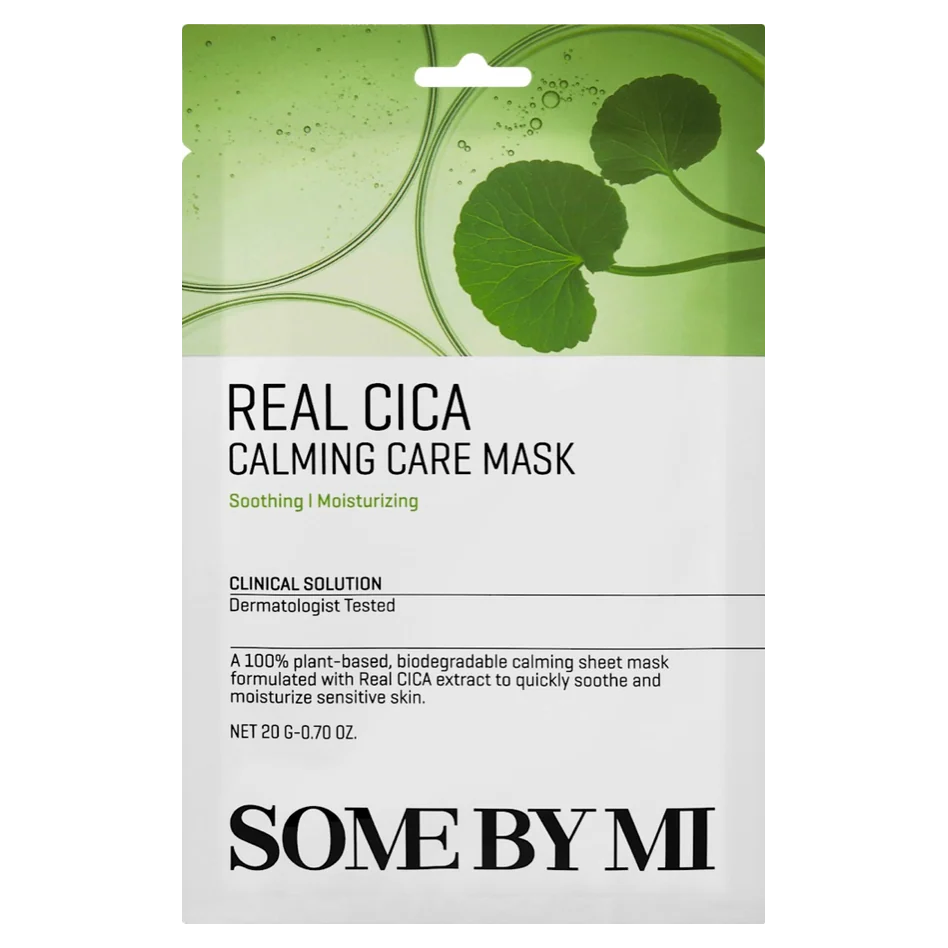
SOME BY MI
Real Cica Calming Care Mask
19th of 28 on the label
below ≈1%
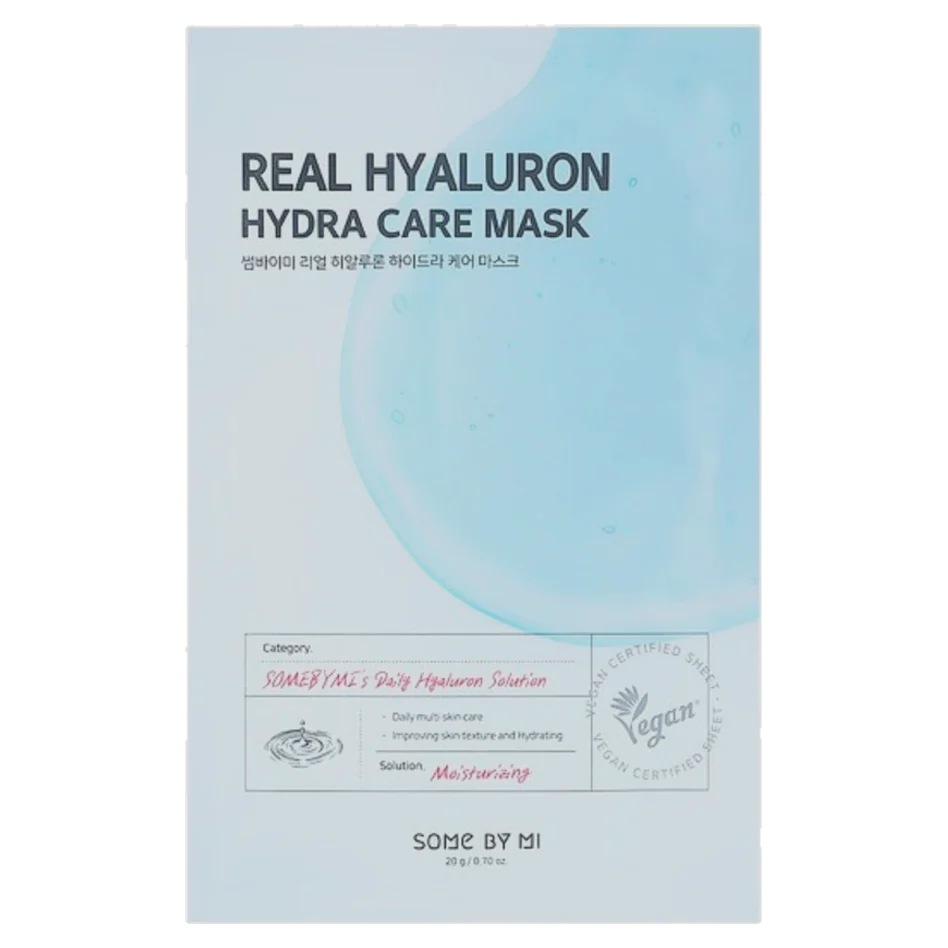
SOME BY MI
Real Hyaluron Hydra Care Mask
29th of 31 on the label
below ≈1%
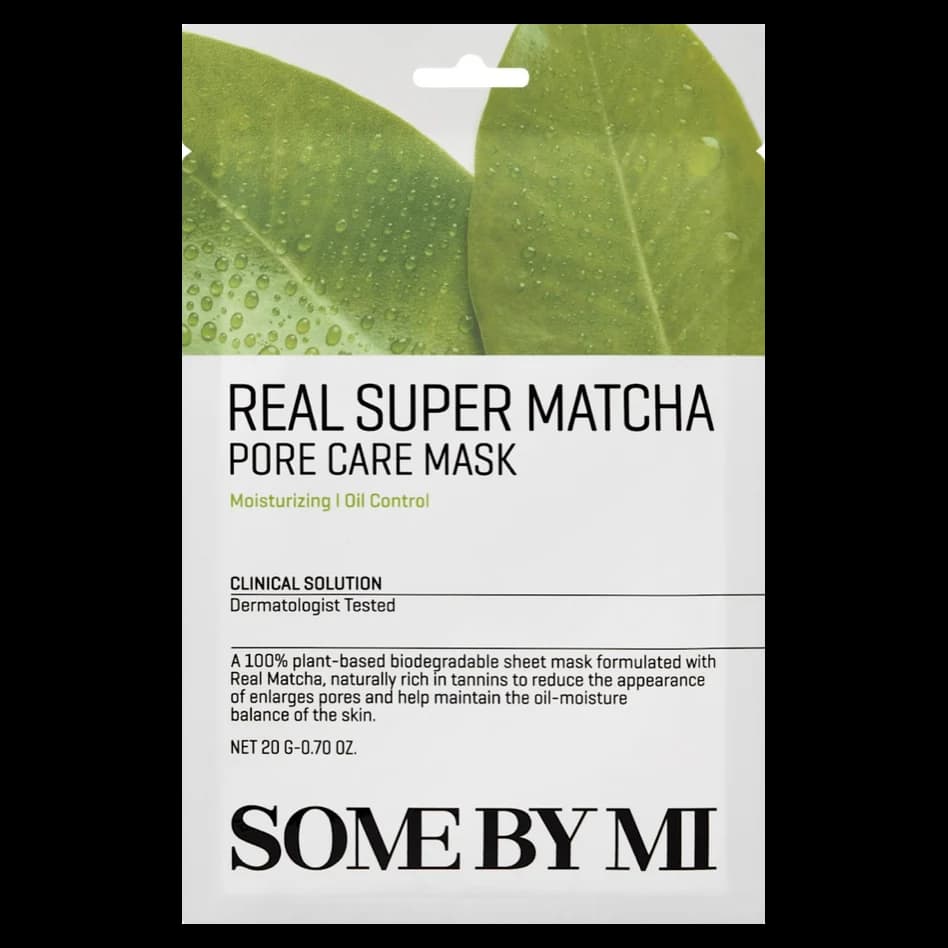
SOME BY MI
Real Super Matcha Pore Care Mask
19th of 22 on the label
below ≈1%
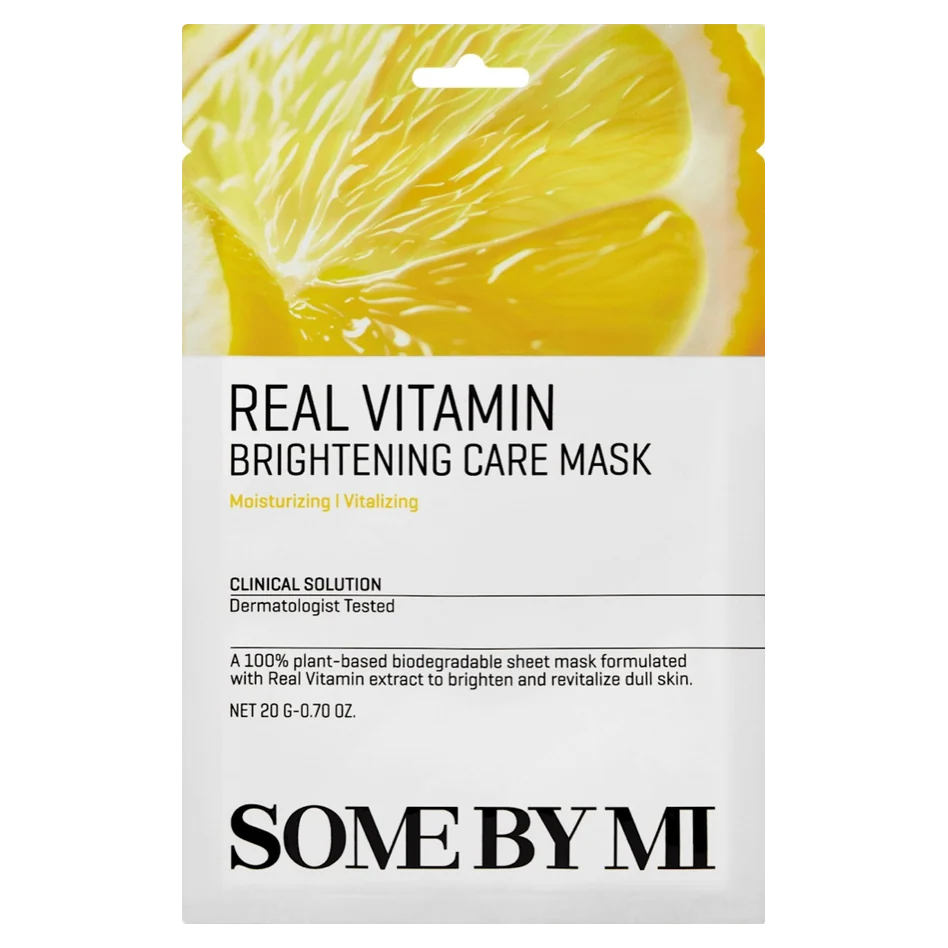
SOME BY MI
Real Vitamin Brightening Care Mask
16th of 19 on the label
below ≈1%
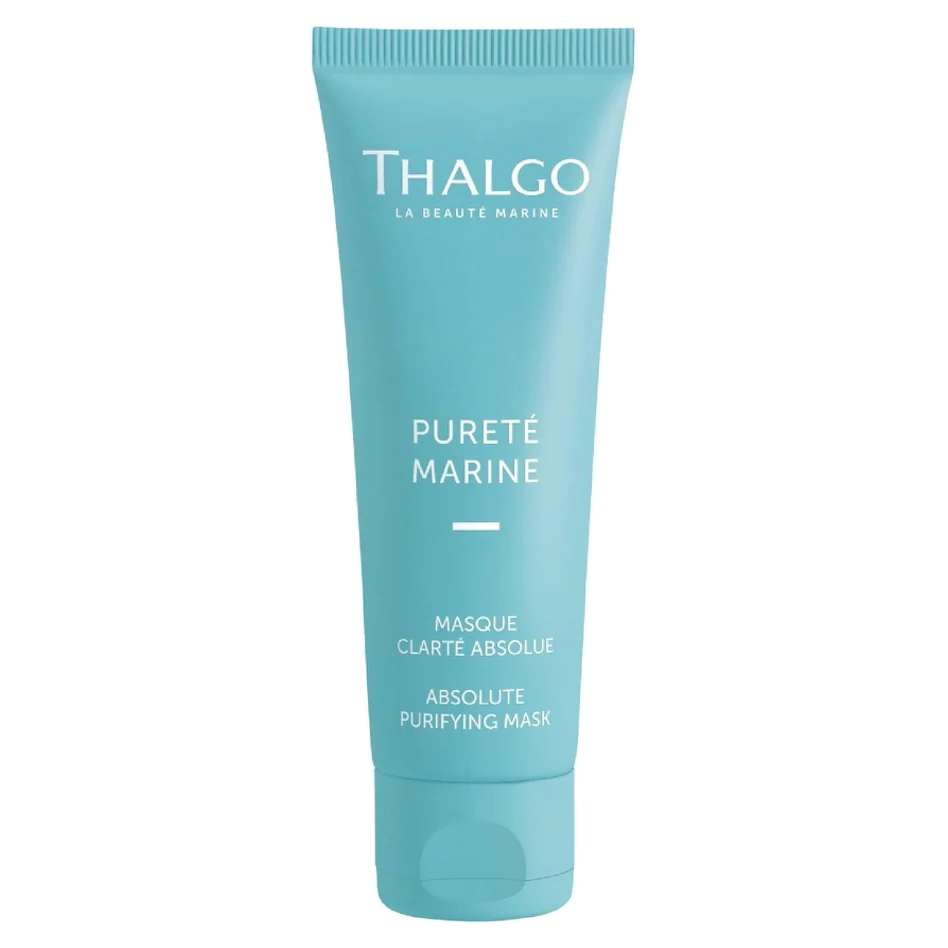
THALGO
Klärende Intensiv-Maske
24th of 32 on the label
below ≈1%
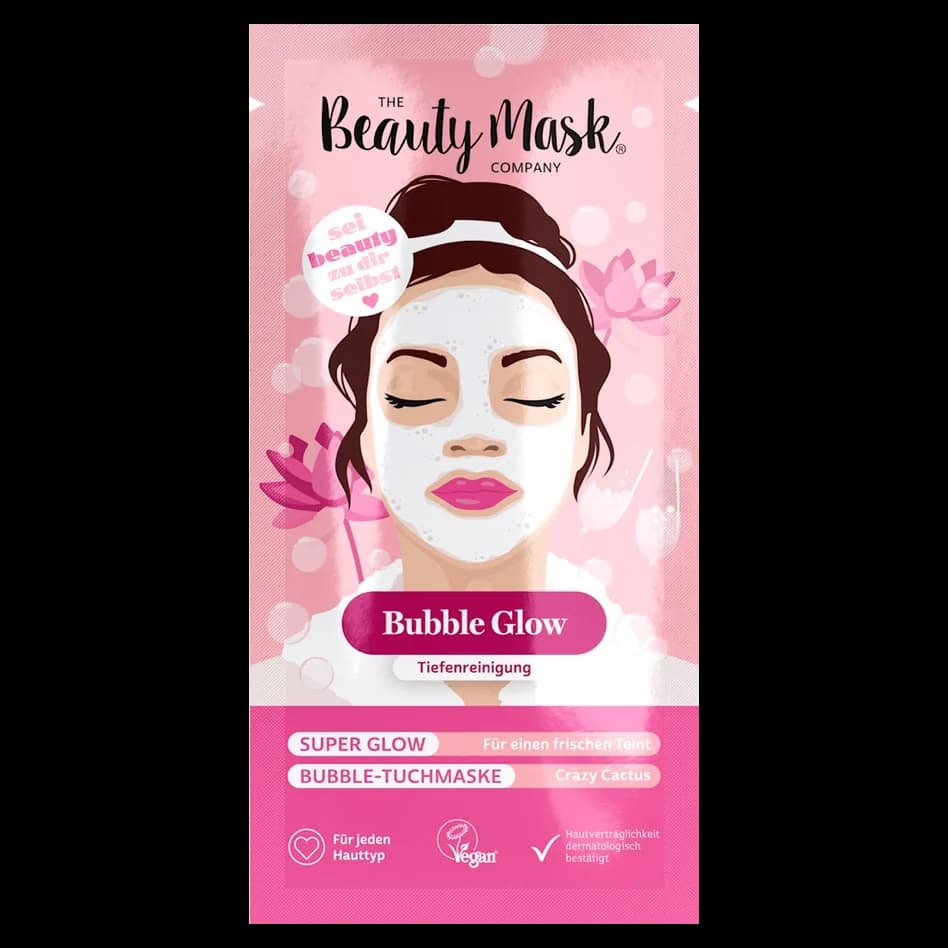
The Beauty Mask Company
Bubble Glow Tuchmaske Crazy Cactus
11th of 25 on the label
below ≈1%
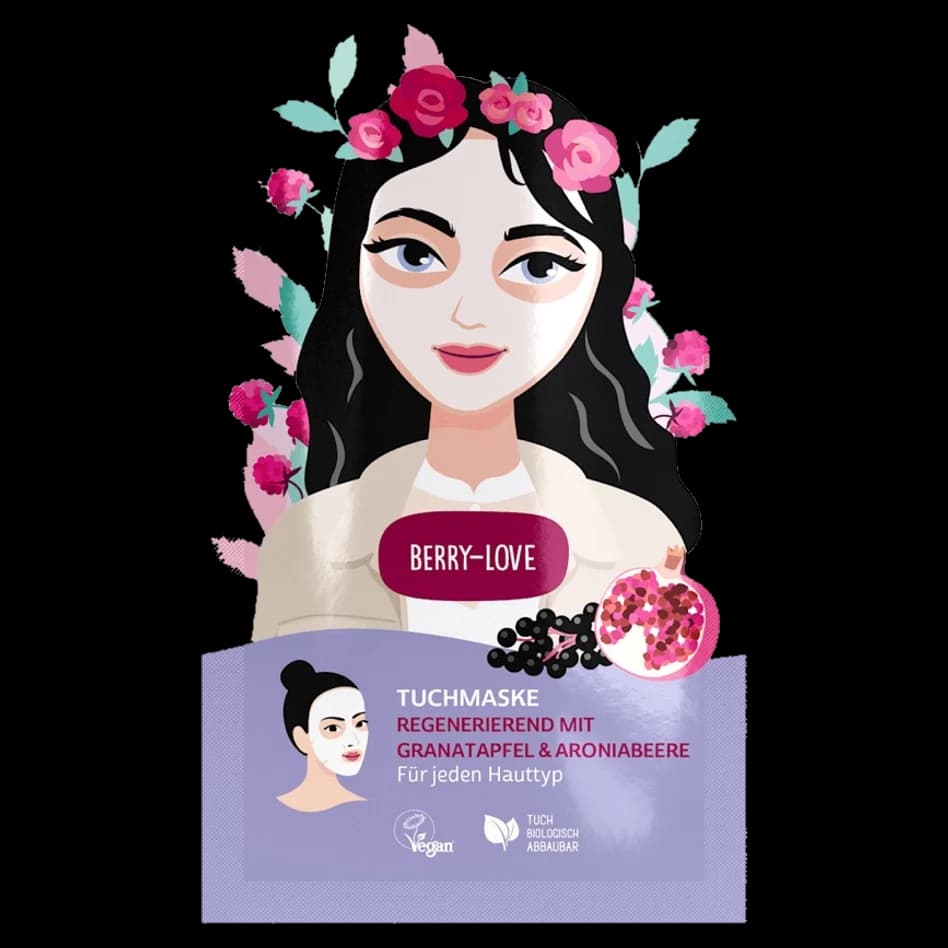
The Beauty Mask Company
Tuchmaske Berry Love
14th of 16 on the label
below ≈1%
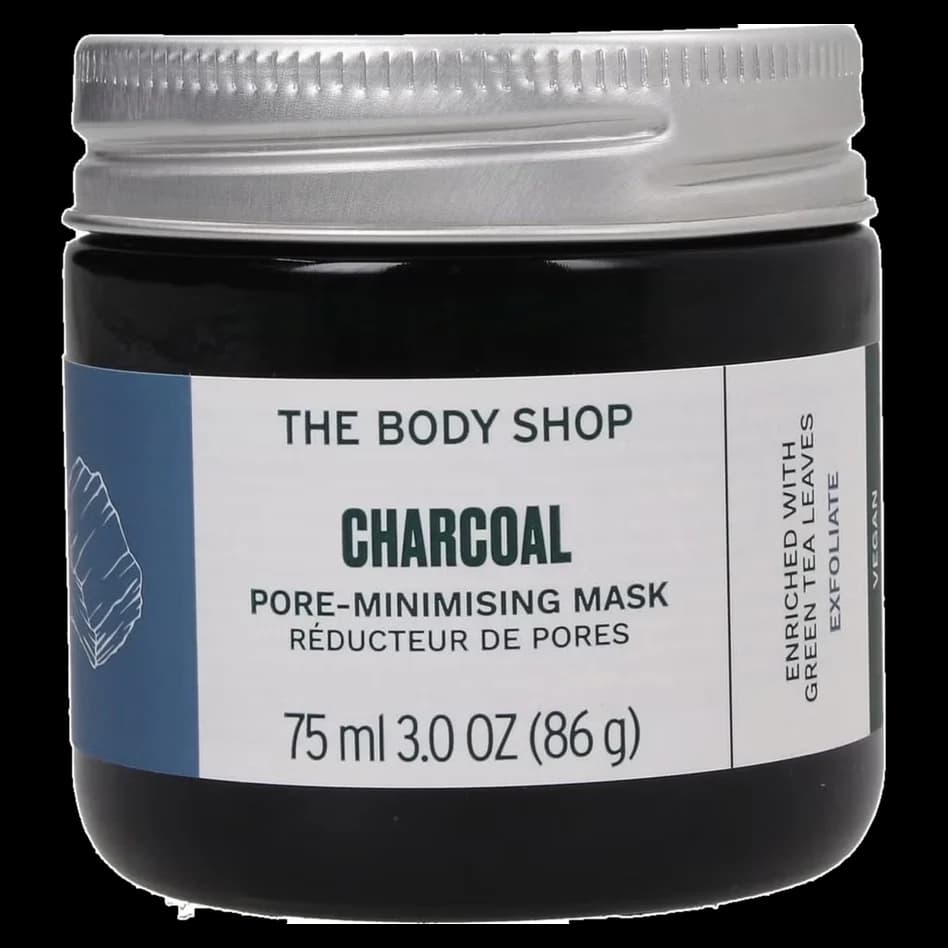
The Body Shop
Charcoal Pore Minimising Mask
16th of 37 on the label
below ≈1%
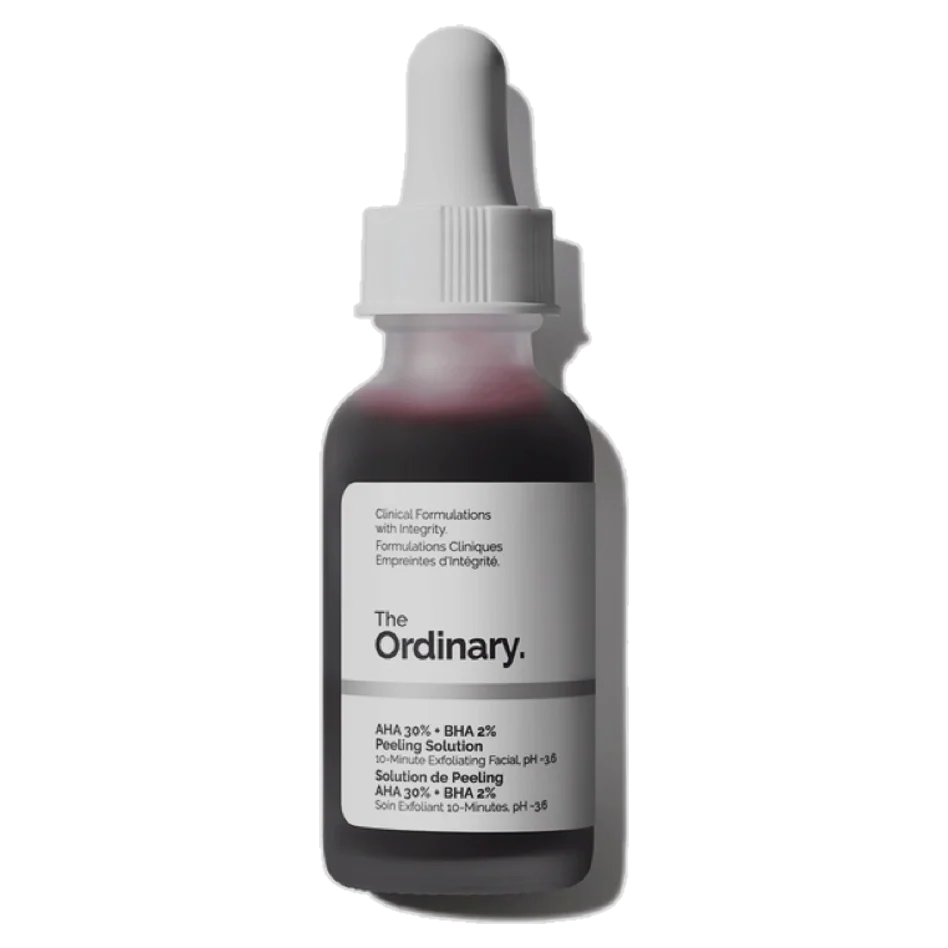
The Ordinary
AHA 30% + BHA 2% Peeling Solution
22nd of 24 on the label
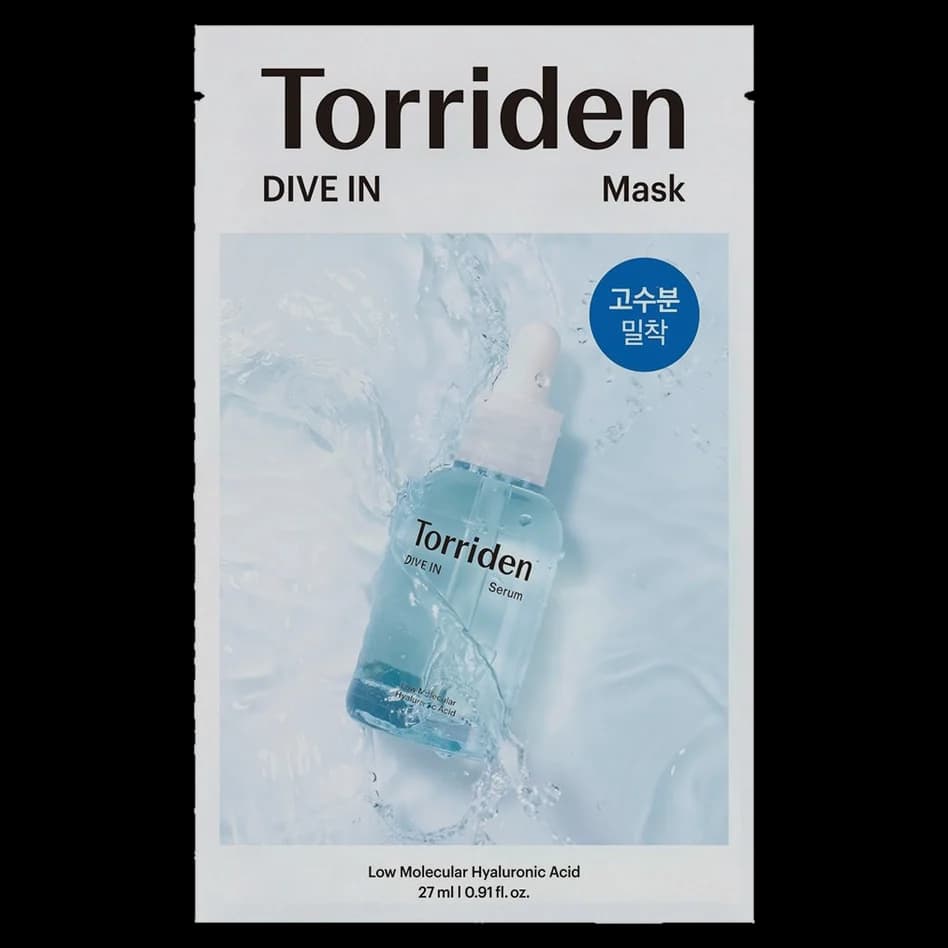
Torriden
DIVE-IN Low Molecular Hyaluronic Acid Mask
33rd of 33 on the label
below ≈1%