Sodium Benzoate
No meaningful concern for most people; irritation is possible but rare.
Also written as: Benzoic Acid, Sodium Salt · E211
What it is
Sodium benzoate is the sodium salt of benzoic acid, which occurs naturally in cranberries, prunes and cinnamon. In water it sits in equilibrium with free benzoic acid, and only the free acid is antimicrobial, which is why it is used almost exclusively in products with a pH below about 5. It is common in 'clean beauty' and natural-positioned masks because it is also a permitted food preservative.
How it shows up on a label
Common in natural-positioned and Korean sheet masks, usually paired with potassium sorbate.
What it does well
Well tolerated on skin, with a long food-safety record
The Cosmetic Ingredient Review panel assessed benzyl alcohol, benzoic acid and sodium benzoate together and found them safe for use in cosmetics at the concentrations then in use. Allergic contact dermatitis to it is rare.
Strong evidence
Works well alongside potassium sorbate in low-pH masks
Sodium benzoate is stronger against yeast and bacteria while sorbate is stronger against moulds, so the two are routinely combined in acidic gel and essence formulas.
Moderate evidence
Worth knowing
Can cause transient stinging, redness or hives on contact
Benzoates are classic causes of non-immunological contact urticaria: a short-lived flush or wheal, most often around the mouth, that is not a true allergy. It fades within an hour and does not indicate lasting harm.
Matters most toPeople with reactive or easily flushed skin, especially around the lips.
Only preserves acidic products
Above roughly pH 5 it loses most of its activity, so a formula relying on it alone must stay acidic. This is a formulation limitation rather than a safety issue.
Matters most toNobody in particular; it matters to formulators, not users.
Where the EU stands
Approved preservative (Annex V)
Permitted preservative, expressed as benzoic acid: max 0.5% in leave-on products, 1.7% in oral products and 2.5% in rinse-off products.
Regulation (EC) No 1223/2009, Annex V entry 1 · source ↗
Sources (2)
Every link goes to the original: a journal, a PubMed record or an EU document.
- [1]Final report on the safety assessment of Benzyl Alcohol, Benzoic Acid, and Sodium Benzoate
International Journal of Toxicology (Cosmetic Ingredient Review) · 2001
The expert panel concluded these three related preservatives are safe for use in cosmetic products at the concentrations described in the review.
- [2]Perioral contact urticaria from sodium benzoate in a toothpaste
Contact Dermatitis · 1996
A documented case of immediate, non-allergic contact urticaria around the mouth triggered by sodium benzoate in a personal-care product.
Masks that contain Sodium Benzoate
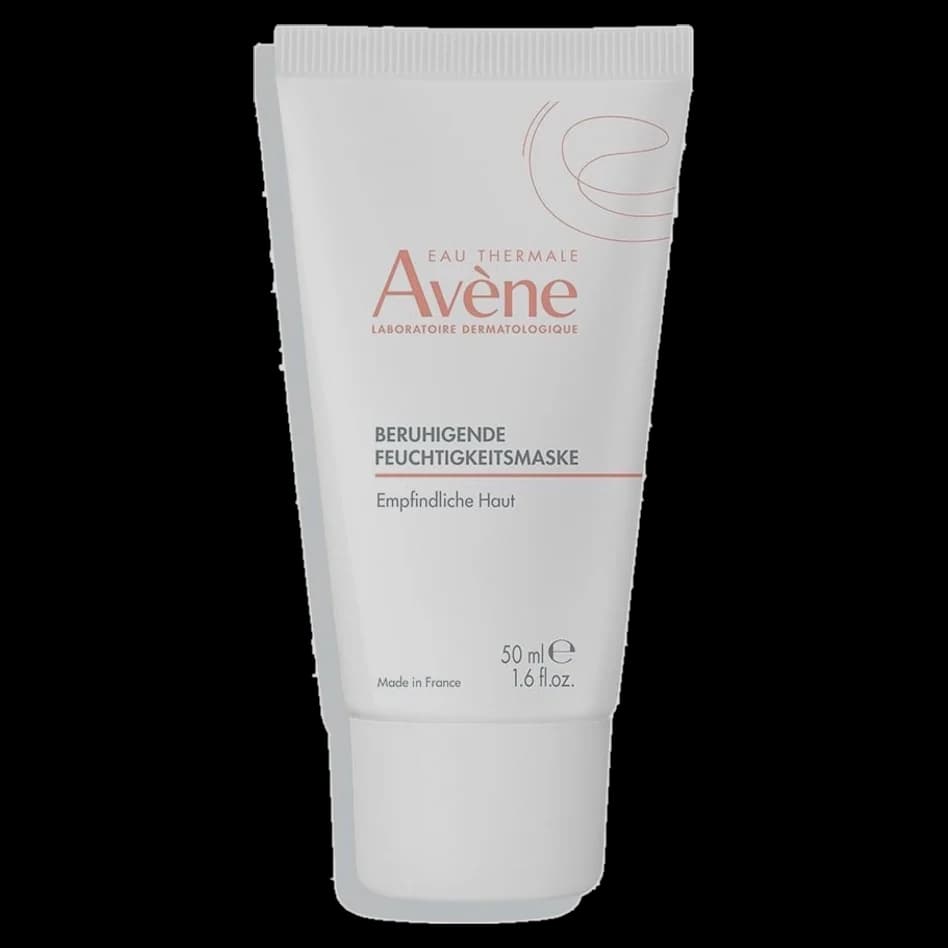
Avène
Soothing Moisture Mask
23rd of 26 on the label
below ≈1%
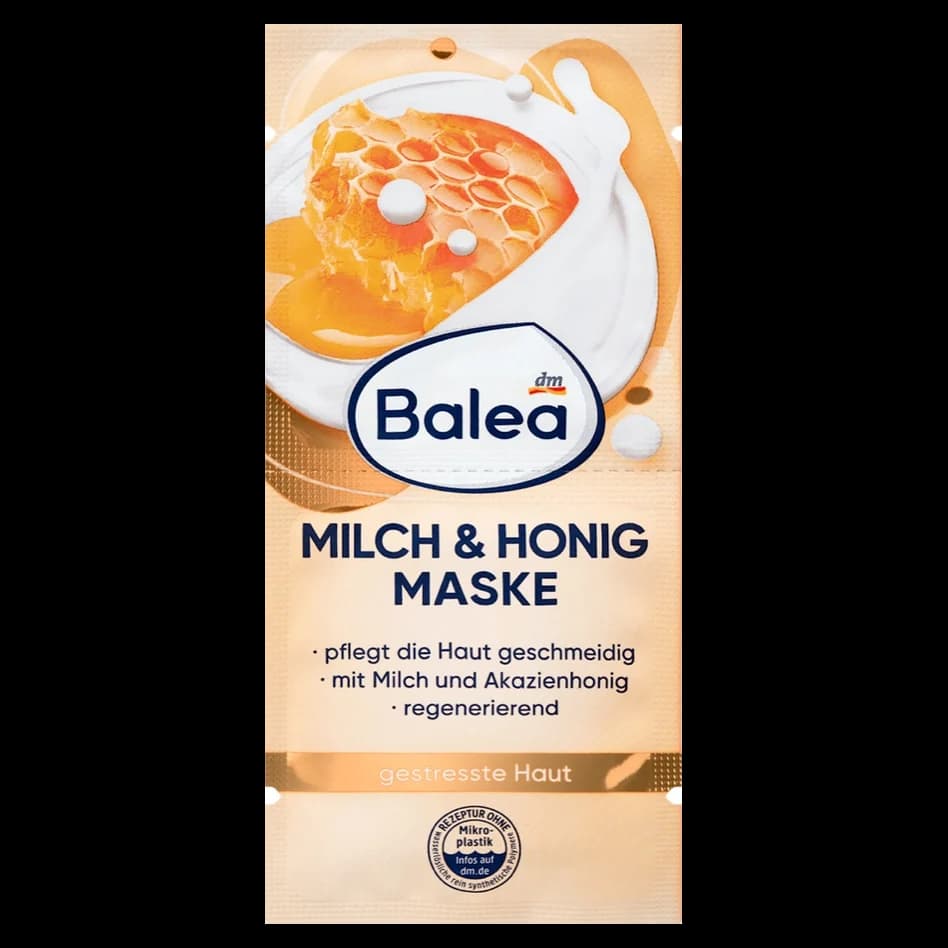
Balea
Gesichtsmaske Milch & Honig
33rd of 36 on the label
below ≈1%
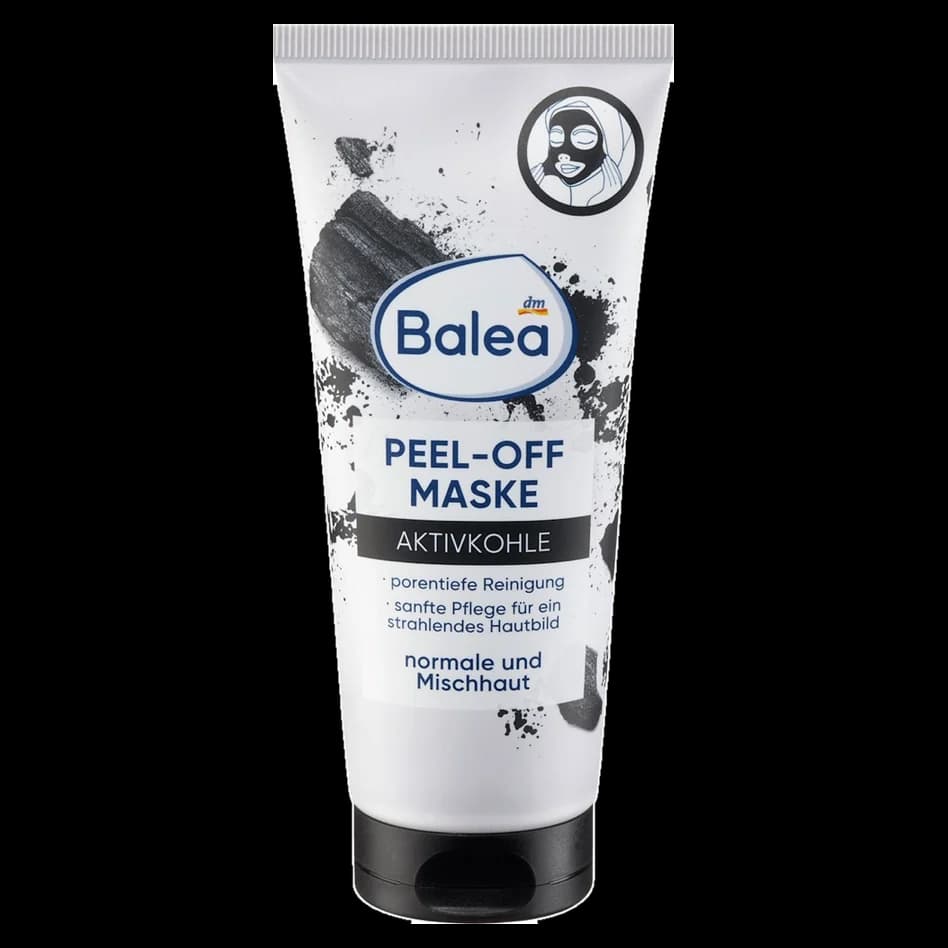
Balea
Gesichtsmaske Peel-Off Aktivkohle
17th of 18 on the label
below ≈1%
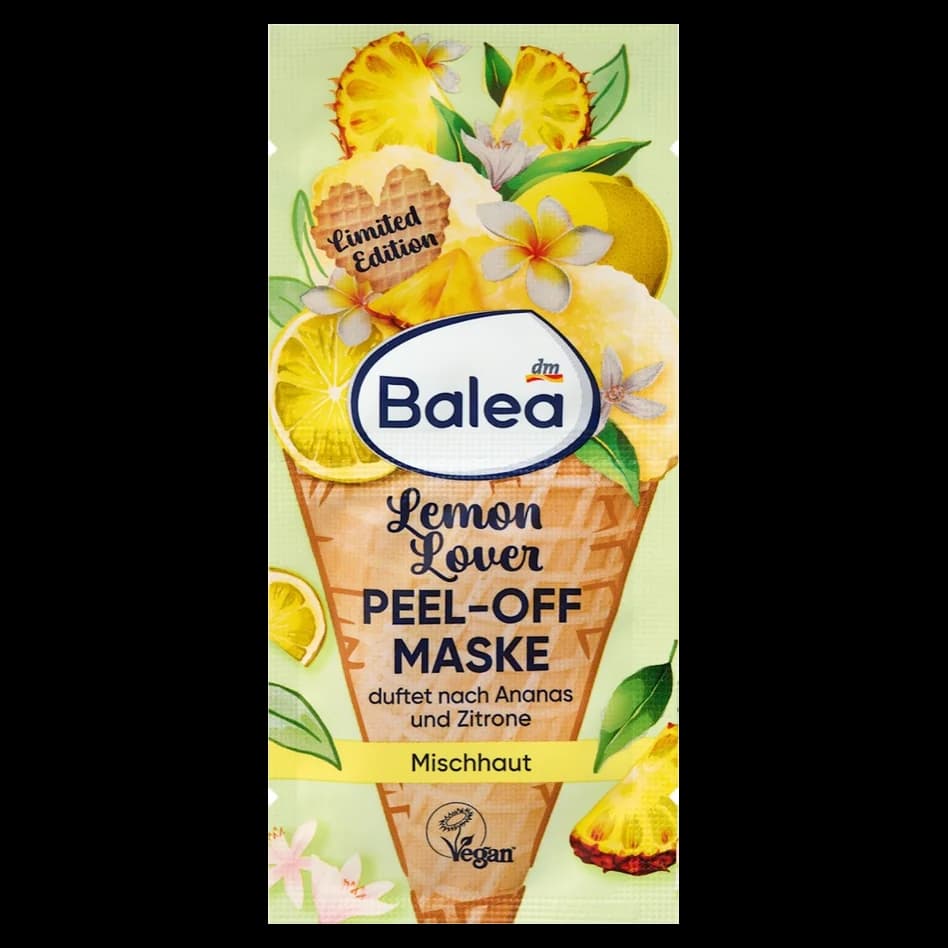
Balea
Gesichtsmaske Peel-Off Lemon Lover
19th of 23 on the label
below ≈1%
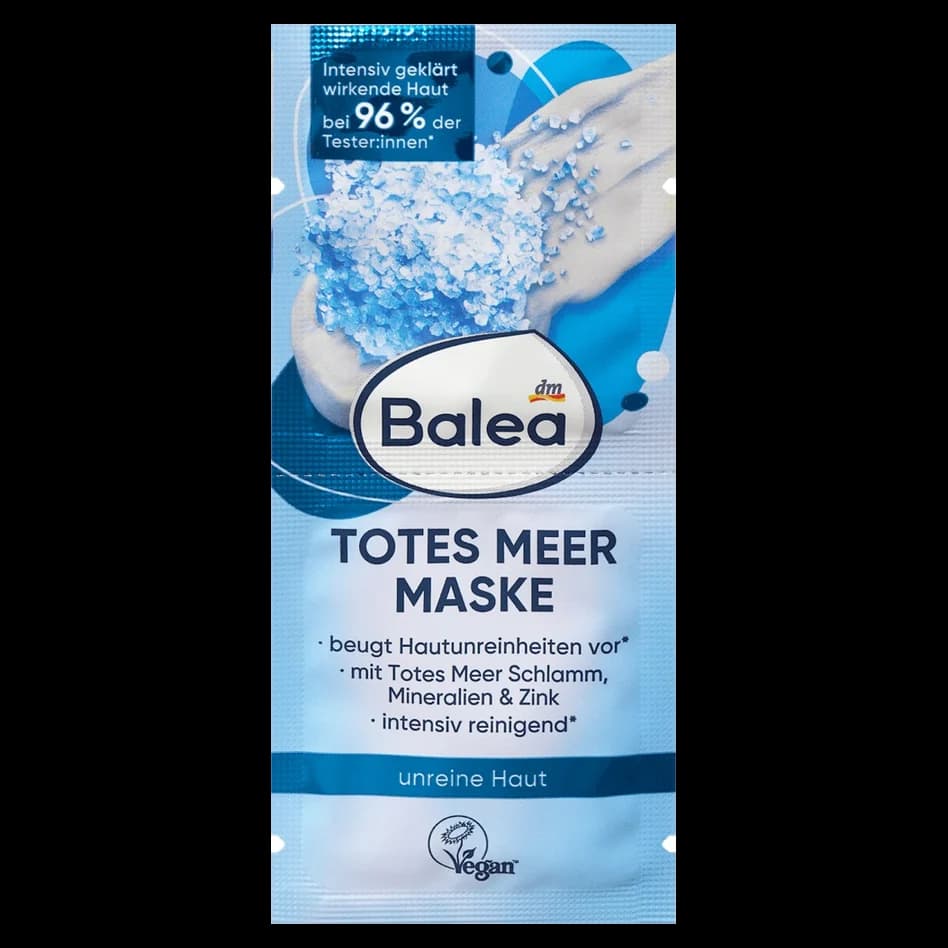
Balea
Gesichtsmaske Totes Meer
21st of 21 on the label
below ≈1%
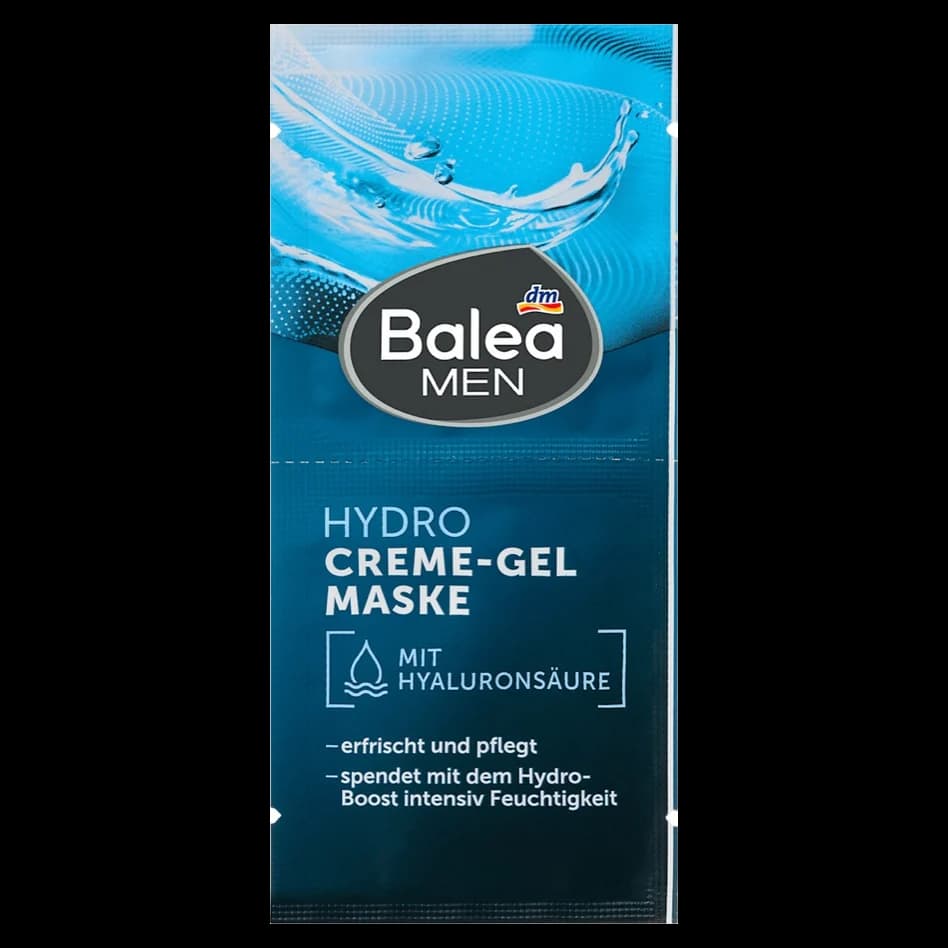
Balea MEN
Gesichtsmaske Creme-Gel Hydro
27th of 31 on the label
below ≈1%
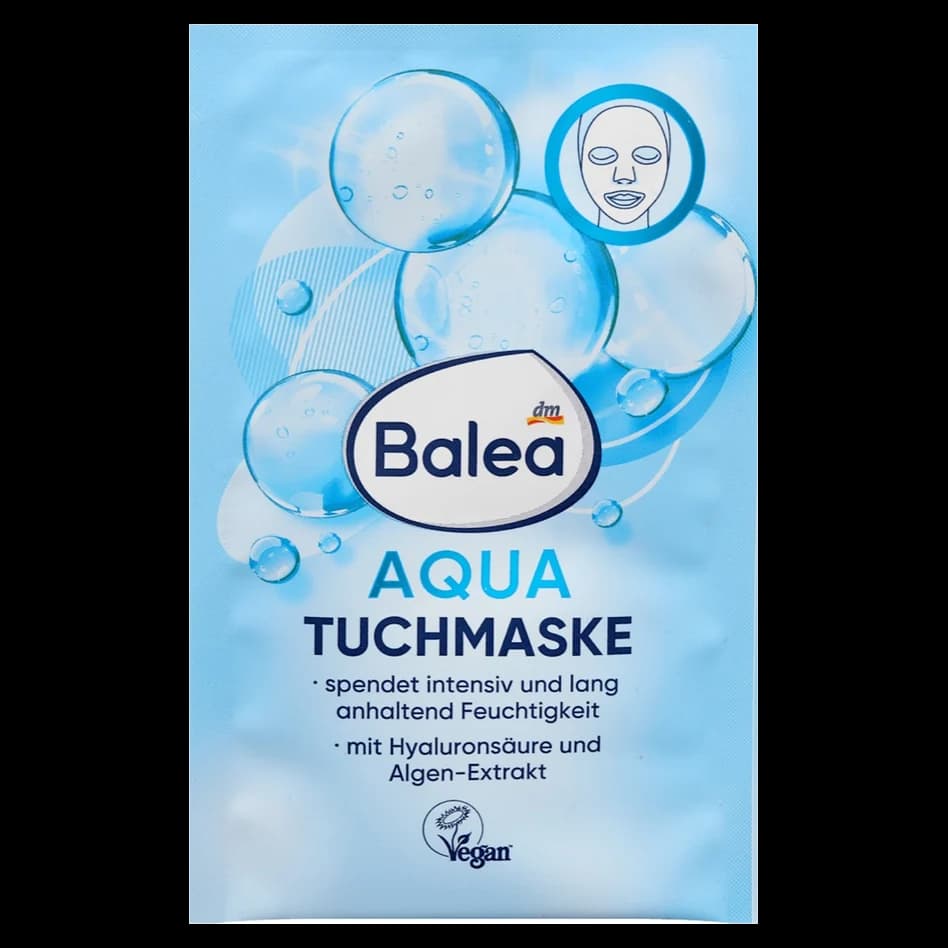
Balea
Tuchmaske Aqua
16th of 18 on the label
below ≈1%
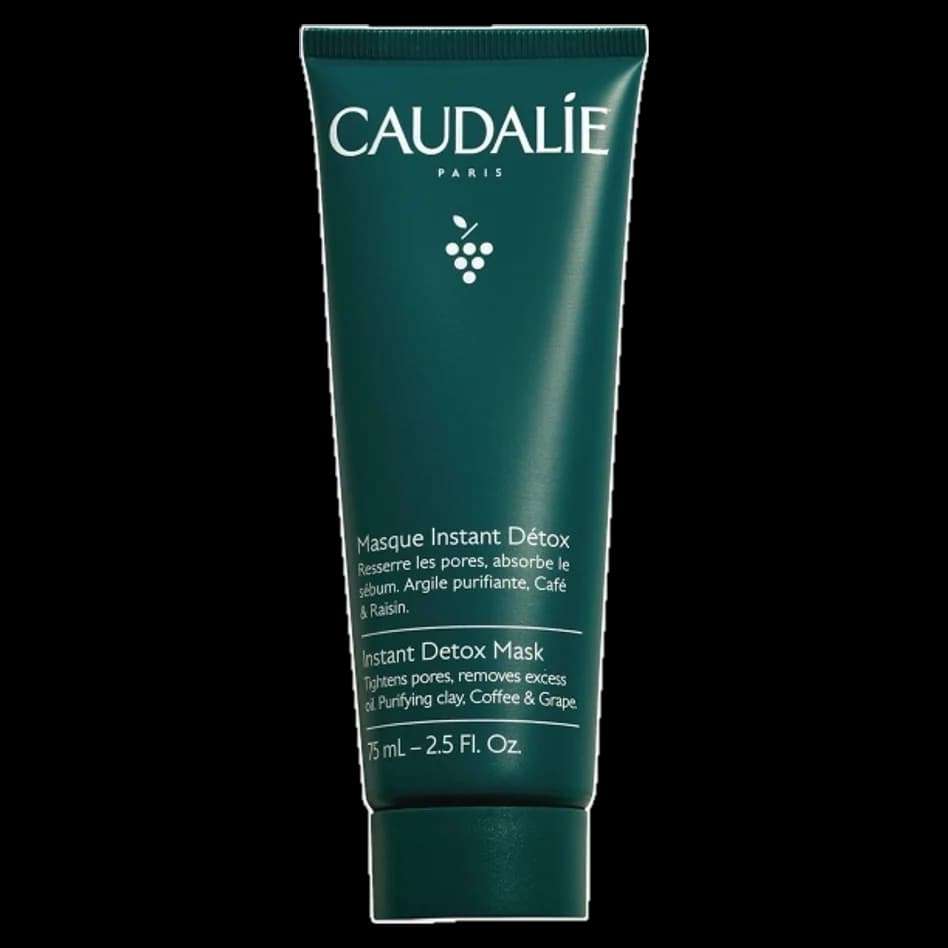
Caudalie
Vinergetic C+ Instant Detox Mask
30th of 33 on the label
below ≈1%
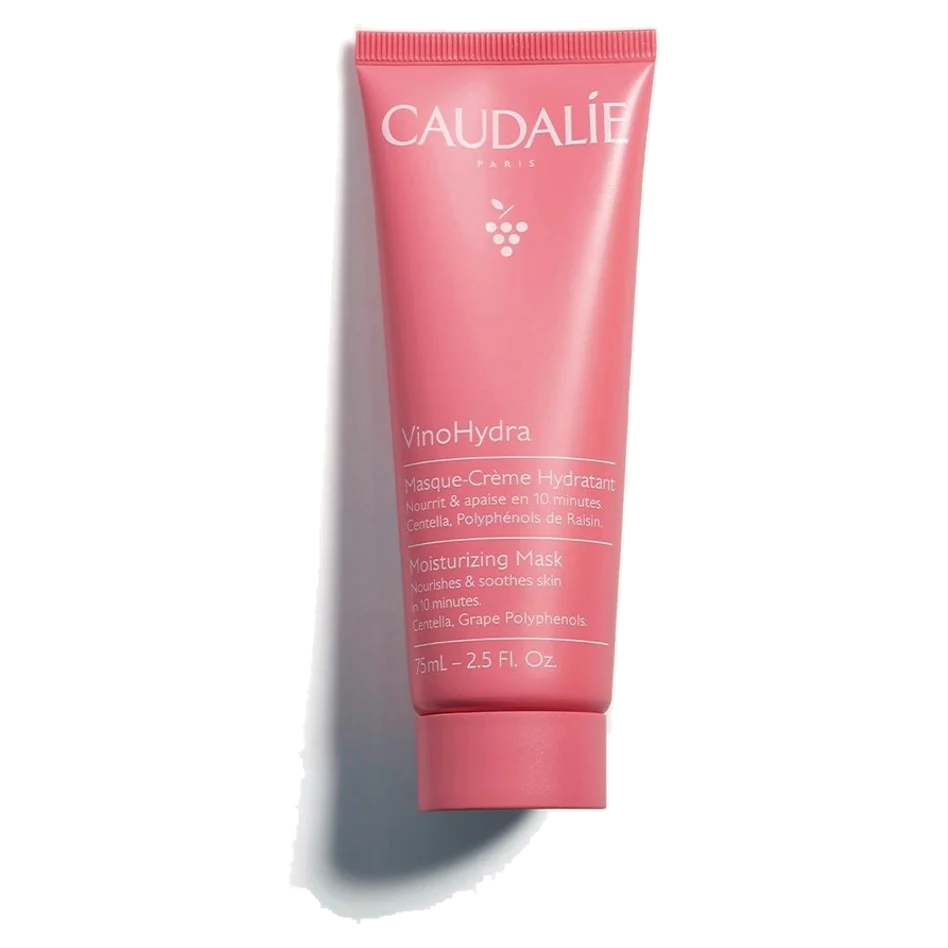
Caudalie
VinoHydra Moisturising Cream Mask (Masque-Creme Hydratant)
30th of 32 on the label
below ≈1%
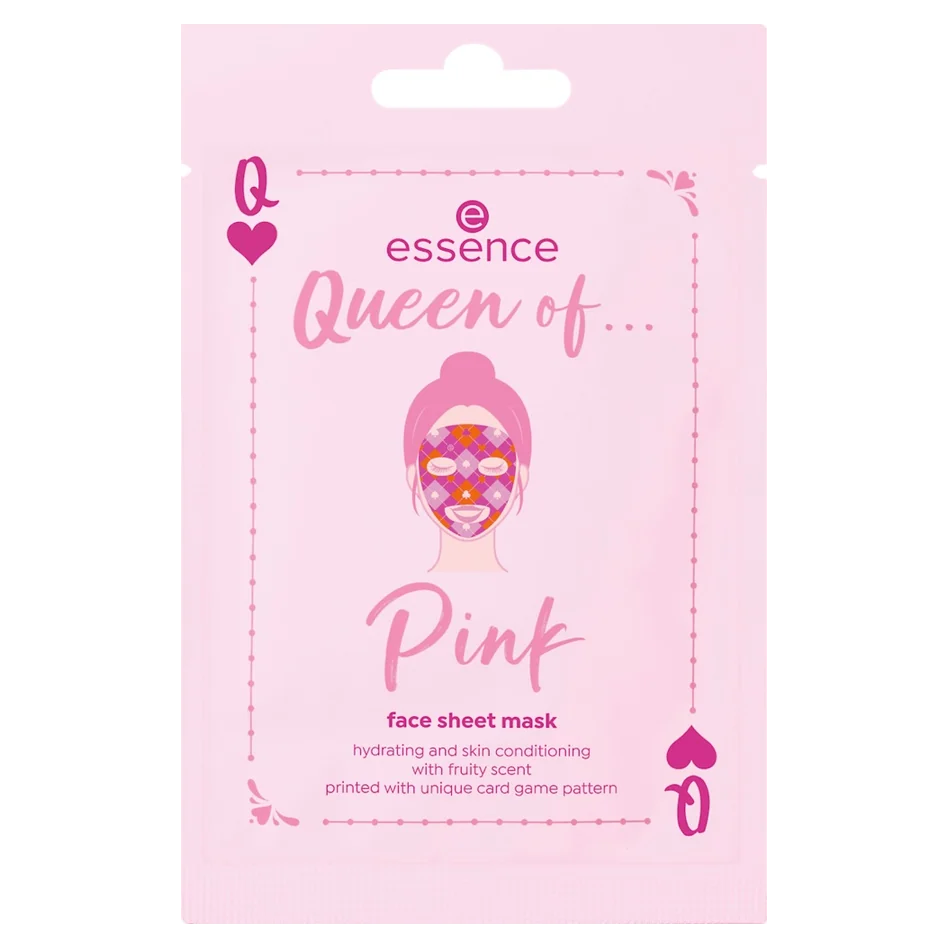
essence
Queen of Pink Face Sheet Mask 01 Keeping My Pink Poker Face
21st of 23 on the label
below ≈1%
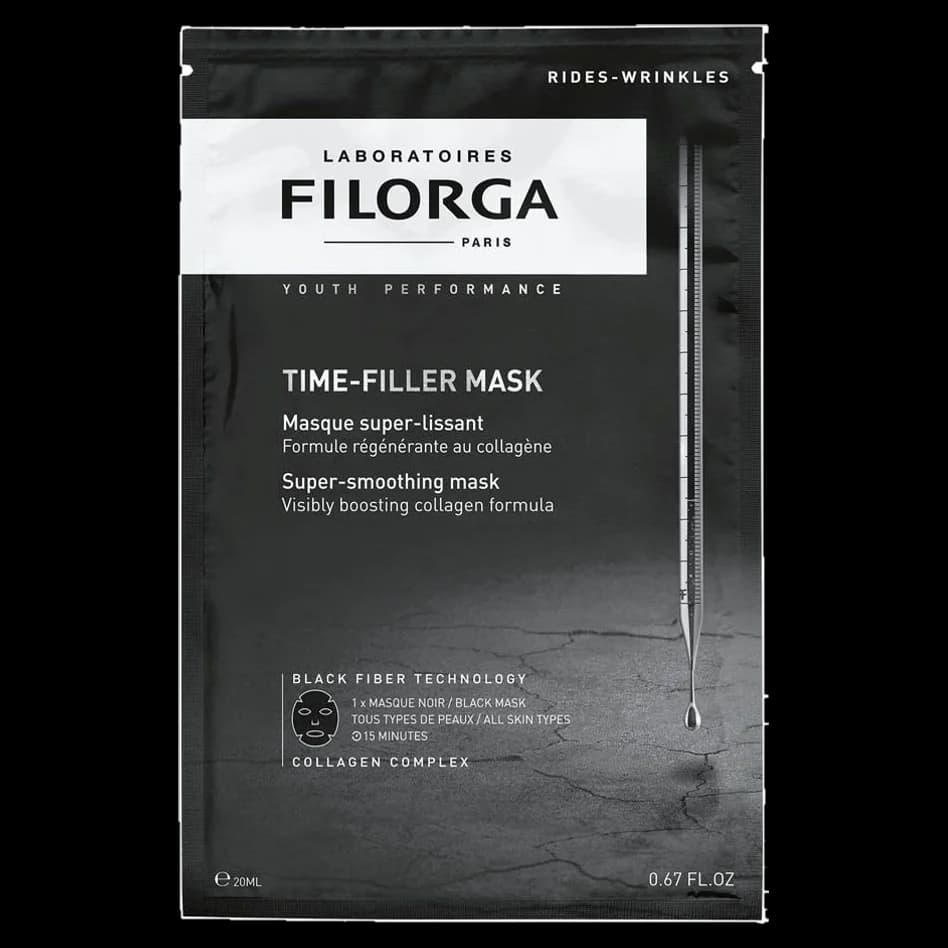
Filorga
Time-Filler Mask
15th of 20 on the label
below ≈1%
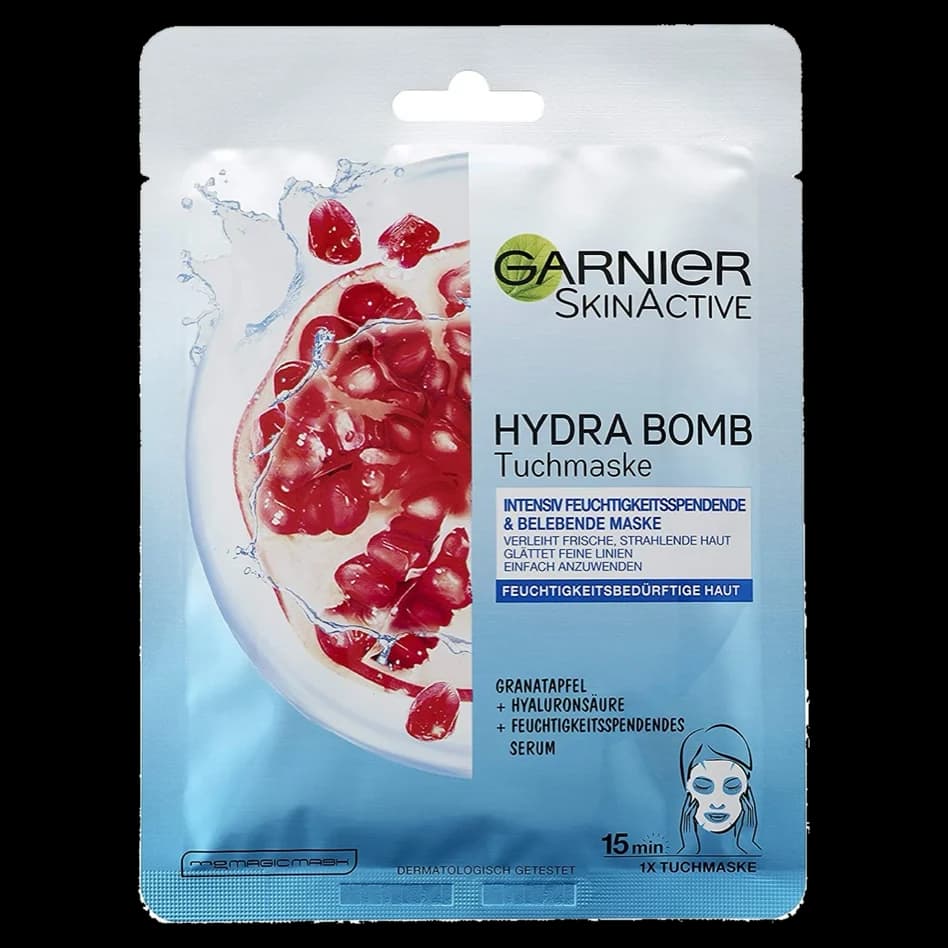
Garnier
SkinActive Hydra Bomb Tissue Mask Pomegranate
18th of 29 on the label
below ≈1%
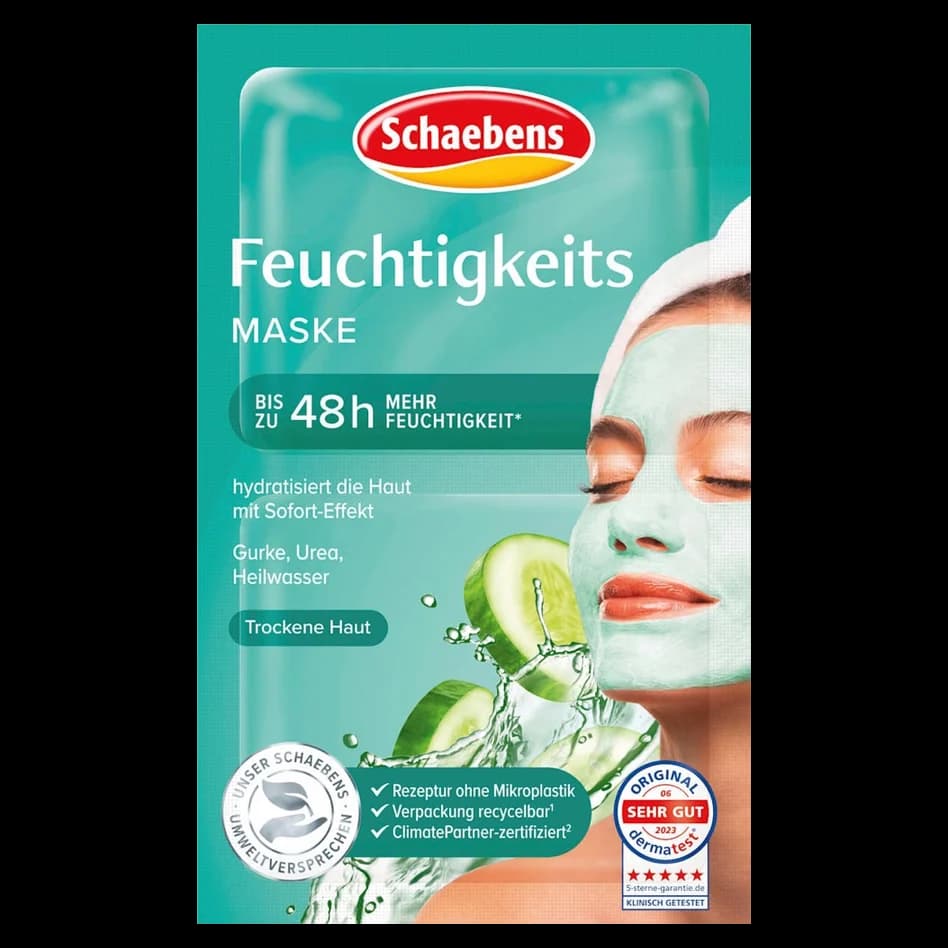
Schaebens
Gesichtsmaske Feuchtigkeit Sofort-Effekt
30th of 38 on the label
below ≈1%
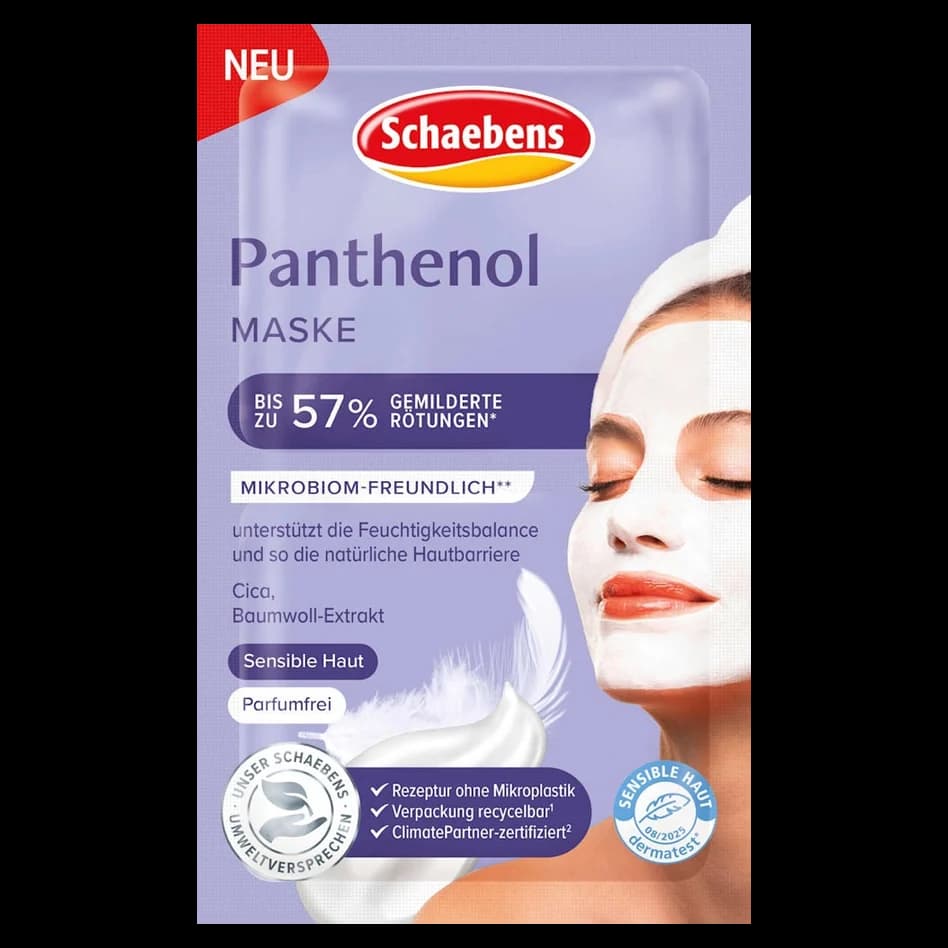
Schaebens
Gesichtsmaske Panthenol
21st of 22 on the label
below ≈1%
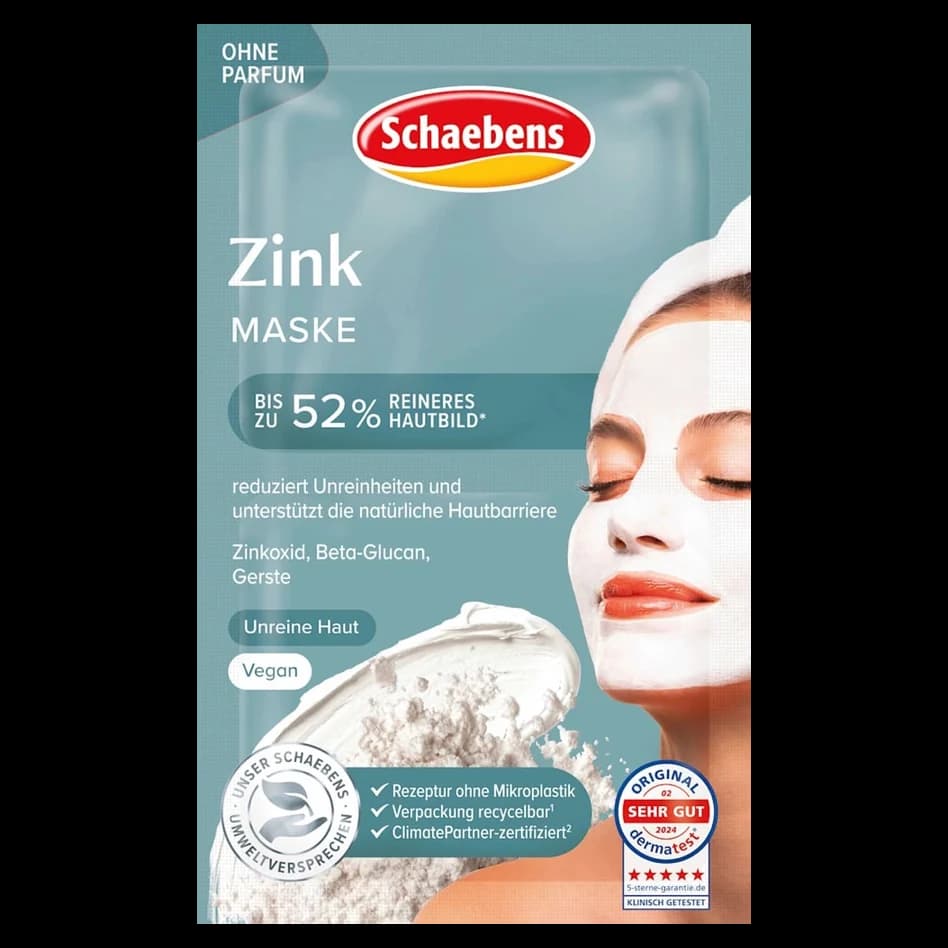
Schaebens
Gesichtsmaske Zink
23rd of 27 on the label
below ≈1%
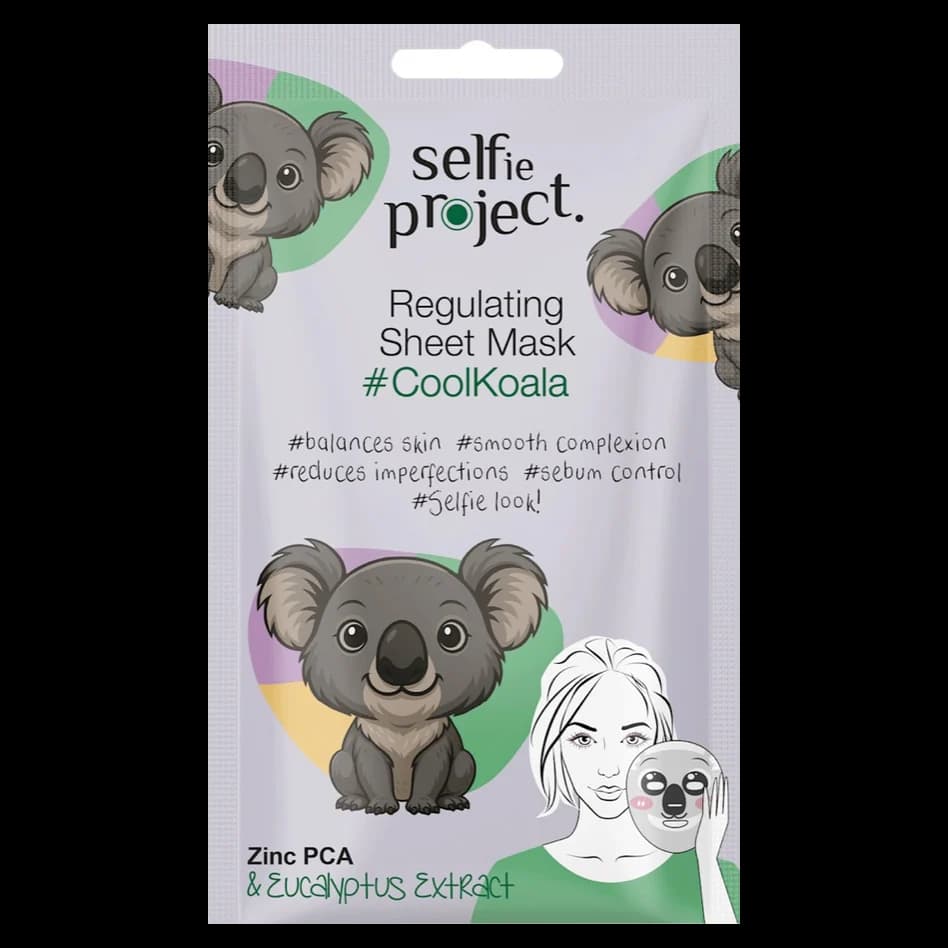
Selfie Project
Gesichtsmaske regulierend #CoolKoala
19th of 27 on the label
below ≈1%
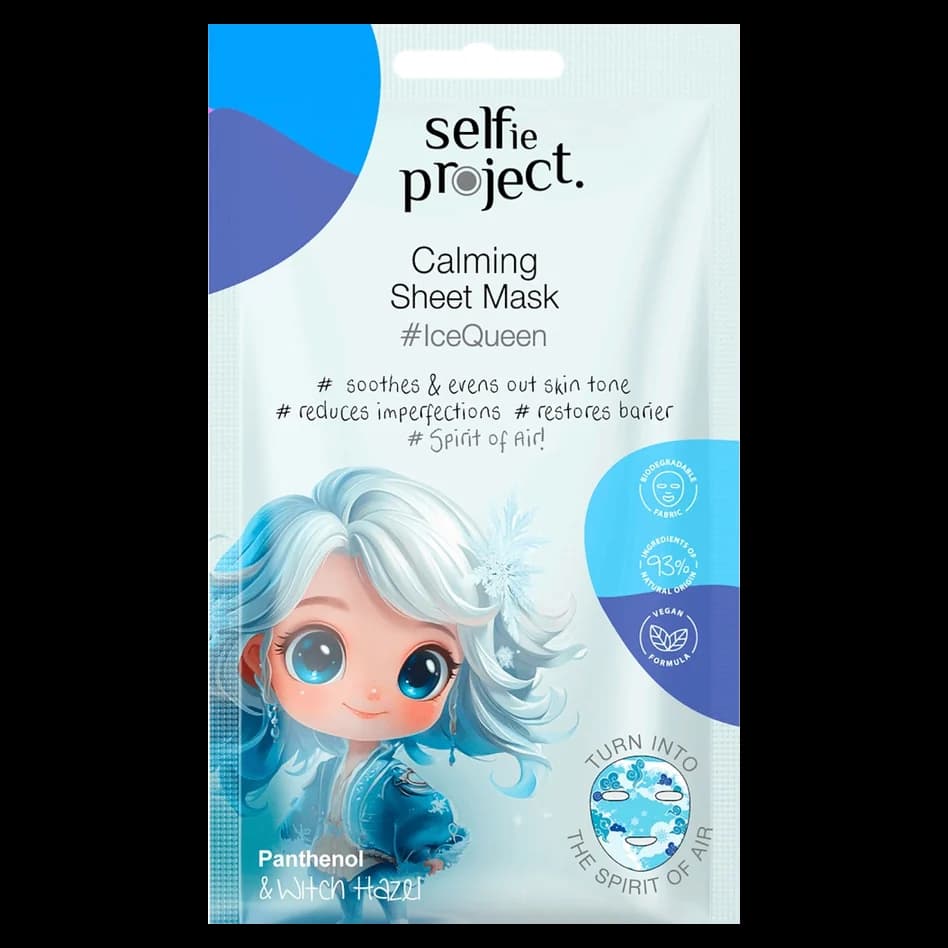
Selfie Project
Tuchmaske Calming #IceQueen
18th of 27 on the label
below ≈1%
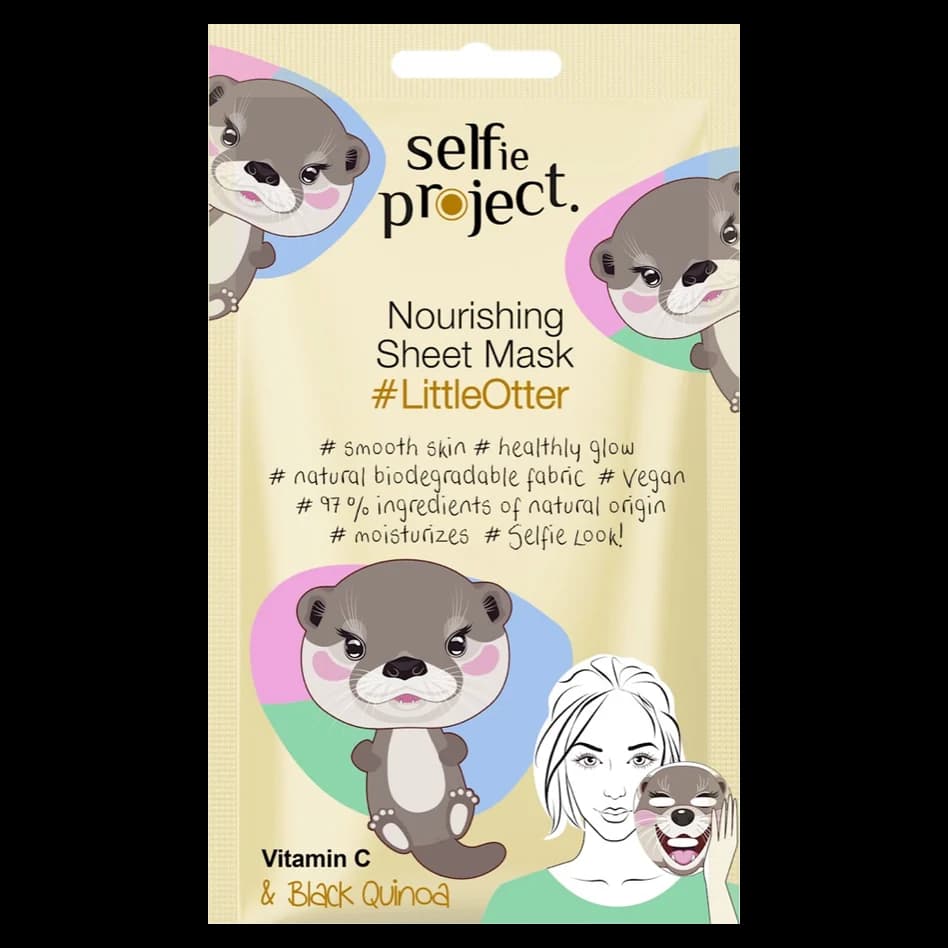
Selfie Project
Tuchmaske Nourishing #LittleOtter
19th of 21 on the label
below ≈1%
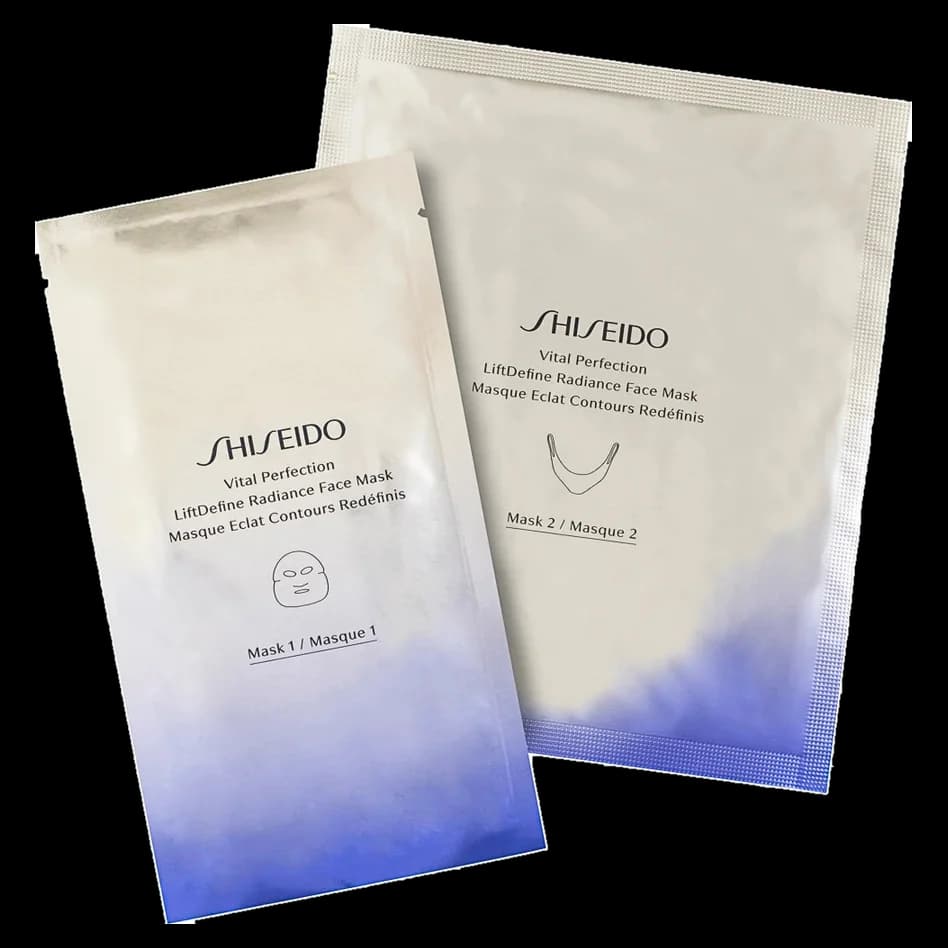
Shiseido
Vital Perfection LiftDefine Radiance Face Mask
40th of 81 on the label
below ≈1%
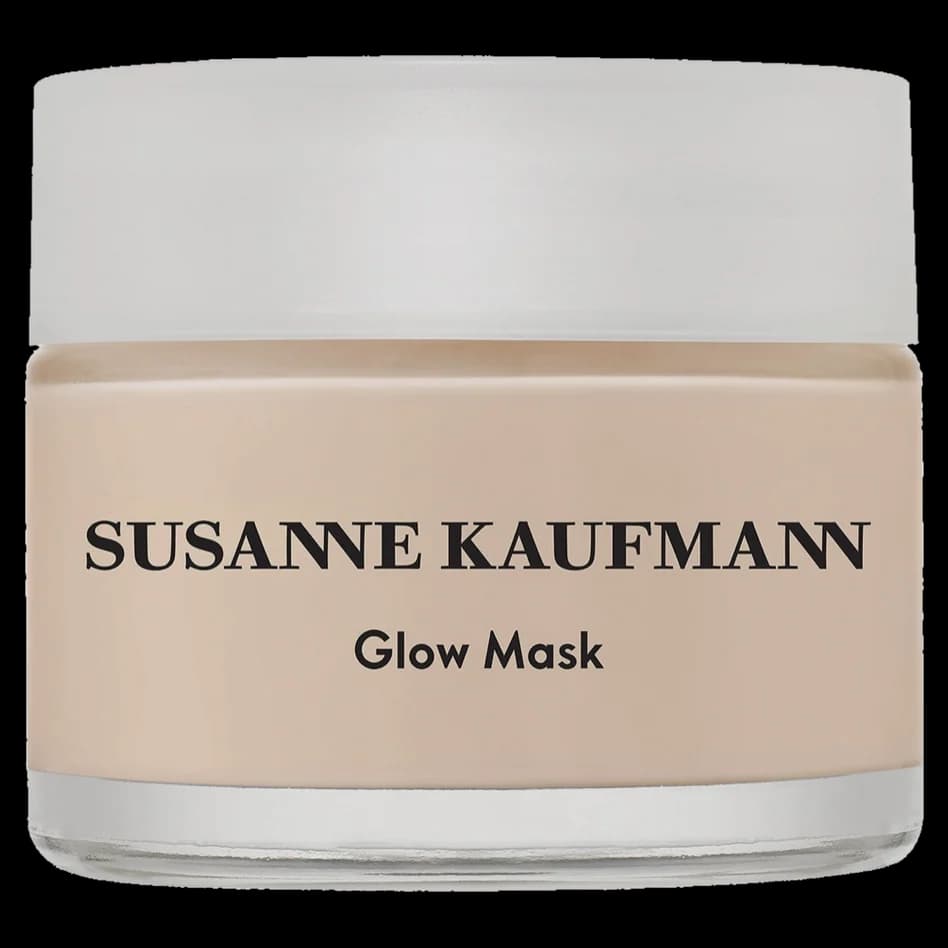
Susanne Kaufmann
Glow Mask
36th of 45 on the label
below ≈1%
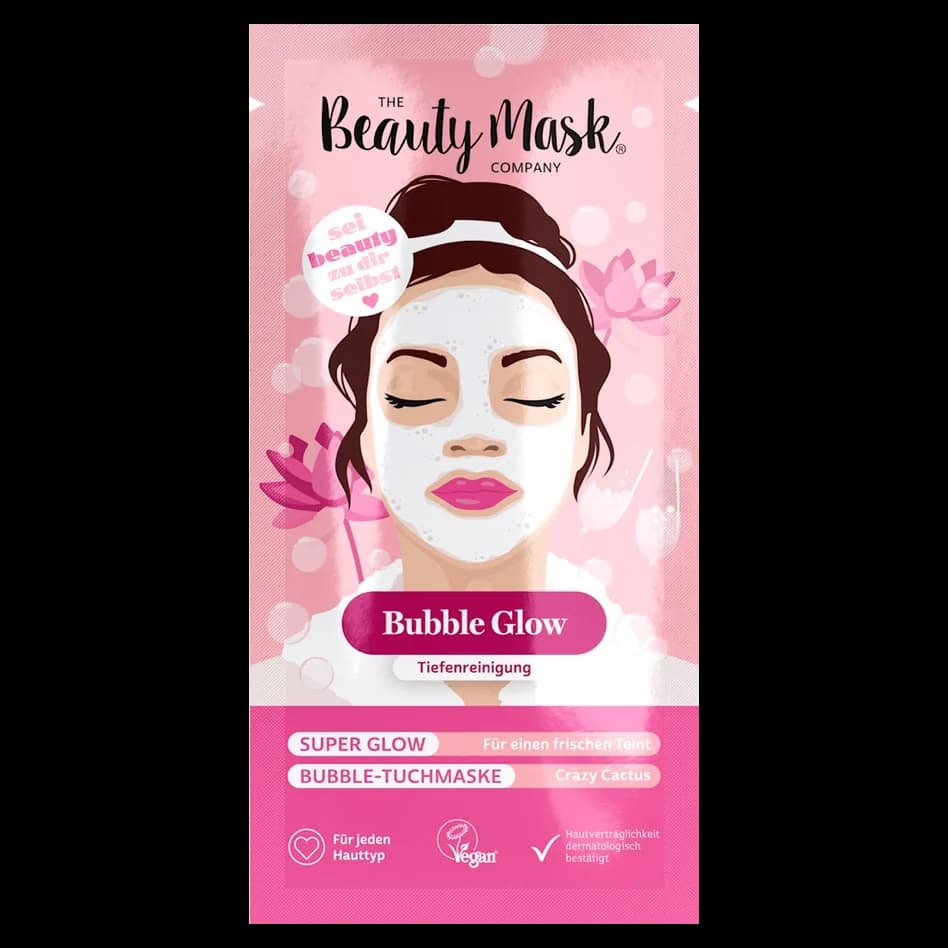
The Beauty Mask Company
Bubble Glow Tuchmaske Crazy Cactus
21st of 25 on the label
below ≈1%
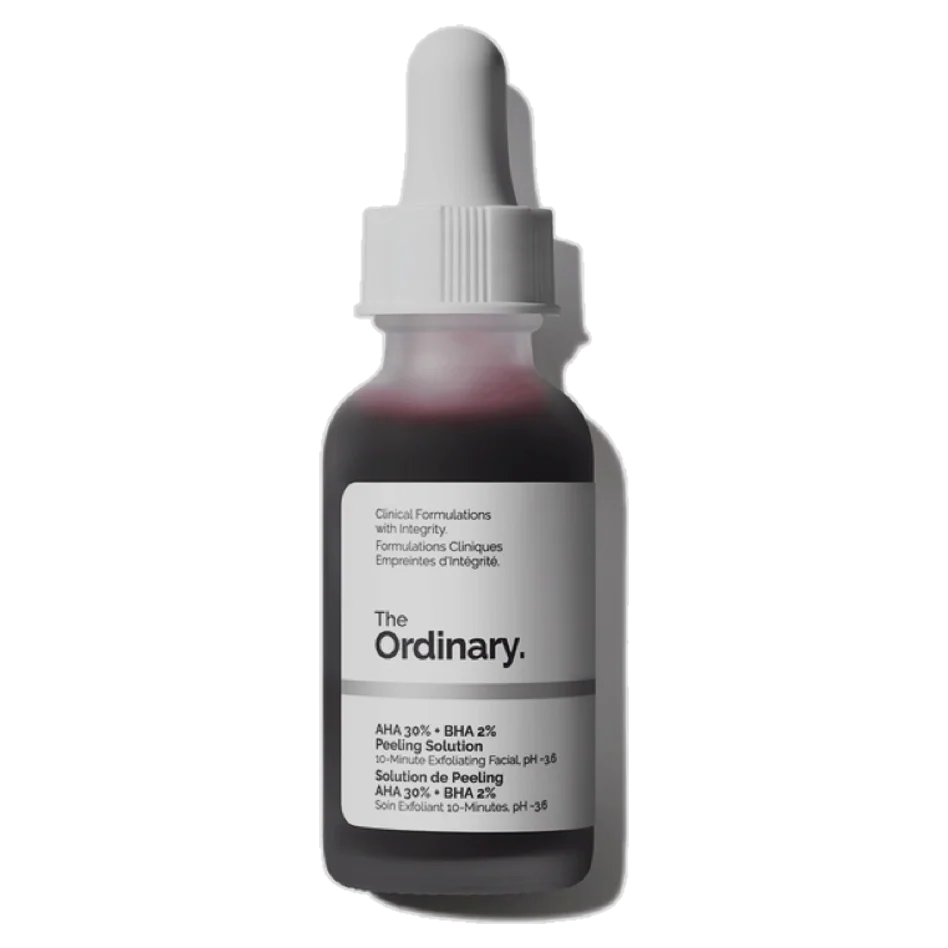
The Ordinary
AHA 30% + BHA 2% Peeling Solution
21st of 24 on the label