Glucose
No meaningful concern for most people; irritation is possible but rare.
Also written as: Dextrose · D-Glucose
What it is
Glucose is the simplest of the dietary sugars and the one the body runs on. The Cosmetic Ingredient Review's assessment of the sugars records skin conditioning and humectancy as the functions the cosmetics industry reports for this group, which is to say it is there to hold water in the formula. Glucose is also one of the small water-loving compounds the skin makes for itself, part of the natural moisturising factor in the outer layer.
How it shows up on a label
More often on sheet and sleeping masks than on any other format, and more often on a European list than a Korean one.
What it does well
Safe at the levels cosmetics use it
The Cosmetic Ingredient Review Expert Panel assessed 25 monosaccharides, disaccharides and related ingredients, glucose among them, and concluded they are safe in the present practices of use and concentration described in the assessment. Many of the group are common dietary sugars, and the panel was satisfied that the well-established oral safety of these compounds could be extrapolated to cosmetic use.
Strong evidence
Holds water, though the skin work is a model system
The closest thing to a skin measurement here is laboratory work on isolated stratum corneum, where mixtures of glucose and salt dissolved at a lower humidity than either compound alone and moved the tissue's lipids and proteins more than either did on its own. That was a mixture in a model system rather than glucose by itself, and not a trial on people.
Limited evidence
Worth knowing
Nothing here shows what glucose does on its own
The one piece of skin-adjacent evidence describes a glucose-and-salt mixture in isolated tissue. Read glucose as a modest humectant that is safe as used, not as an active ingredient.
Where the EU stands
No specific restriction
No specific EU restriction is recorded for this ingredient. Whatever it appears in must still pass the safety assessment that Regulation (EC) No 1223/2009 requires of every cosmetic sold in the EU.
Regulation (EC) No 1223/2009 - no annex entry · source ↗
Sources (2)
Every link goes to the original: a journal, a PubMed record or an EU document.
- [1]Safety Assessment of Monosaccharides, Disaccharides, and Related Ingredients as Used in Cosmetics
International Journal of Toxicology · 2019 · doi:10.1177/1091581818814189
The Expert Panel assessed 25 monosaccharides, disaccharides and related ingredients - glucose among them, per the CIR quick reference table - and concluded they are safe in the present practices of use and concentration described in the safety assessment. The most commonly reported cosmetic function is skin conditioning; other reported functions are humectant and flavouring agent. Checked 6 September 2026.
- [2]Beyond additivity: a mixture of glucose and NaCl can influence skin hydration more than the individual compounds
Journal of Colloid and Interface Science · 2022 · doi:10.1016/j.jcis.2021.12.166
In isolated stratum corneum, glucose-and-salt mixtures dissolved at lower relative humidity than either compound alone and increased the mobility of the tissue's lipids and proteins more than the individual compounds did. Both compounds occur in the skin's natural moisturising factor. A model system, and a finding about the mixture rather than glucose alone. Checked 6 September 2026.
Masks that contain Glucose
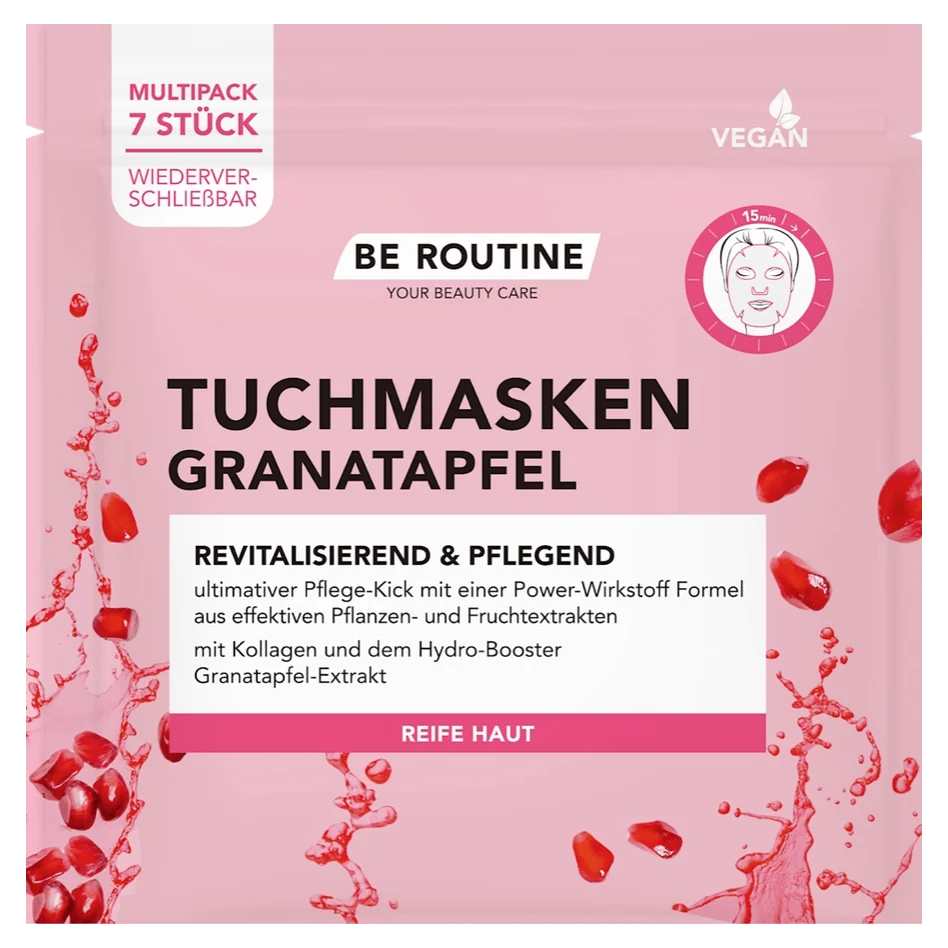
Be Routine
Tuchmasken Granatapfel Multipack
20th of 32 on the label
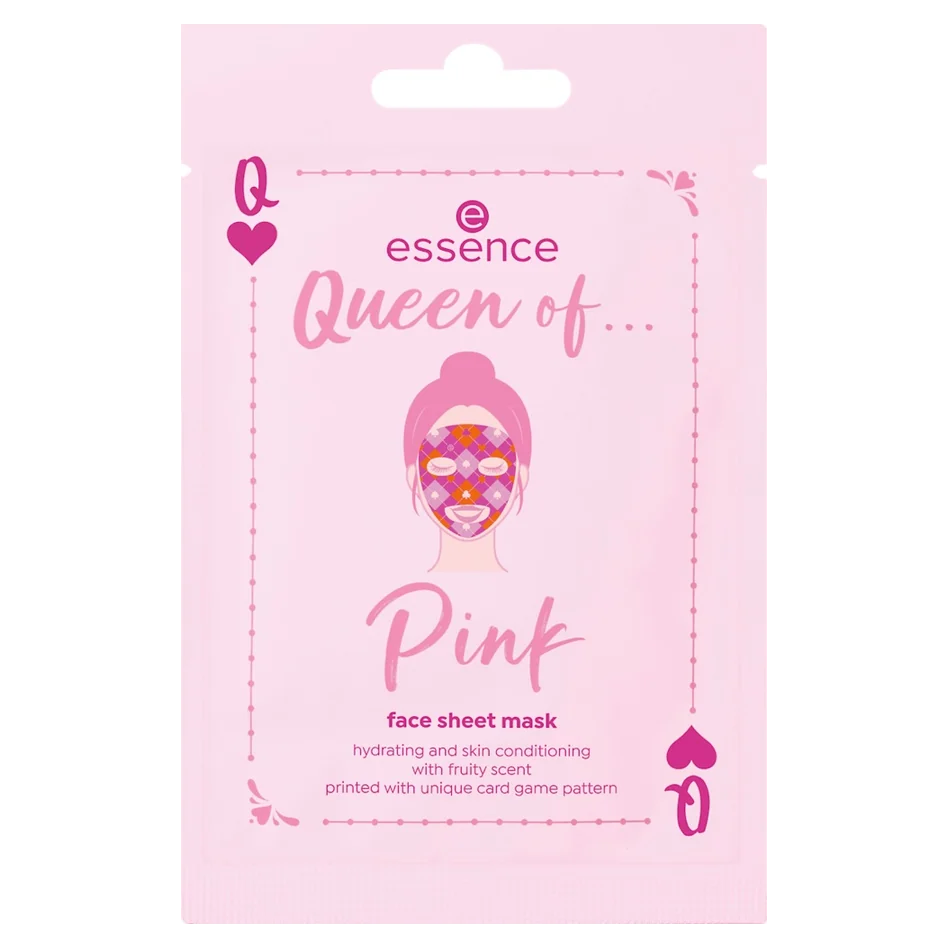
essence
Queen of Pink Face Sheet Mask 01 Keeping My Pink Poker Face
17th of 23 on the label
below ≈1%
hautsache
Gesichtsmaske Biozellulose Calming
25th of 27 on the label
below ≈1%
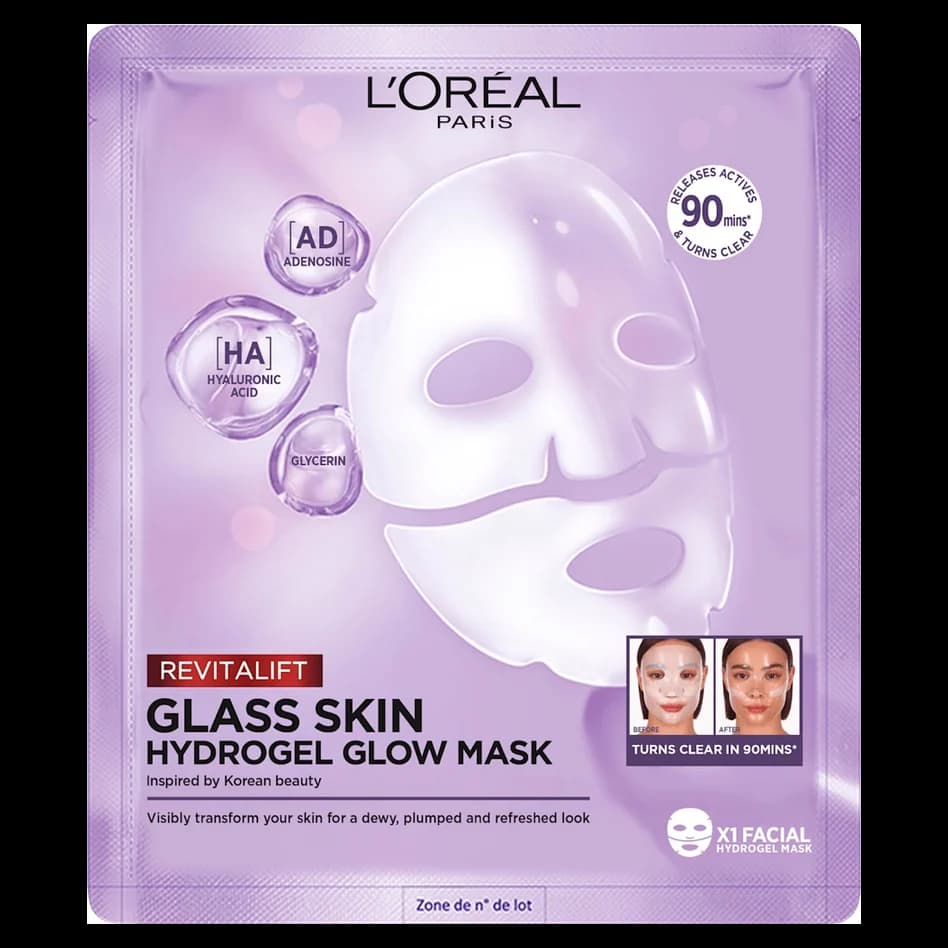
L'Oréal Paris
Revitalift Filler Glass Skin Hydrogel Glow Mask
24th of 32 on the label
below ≈1%
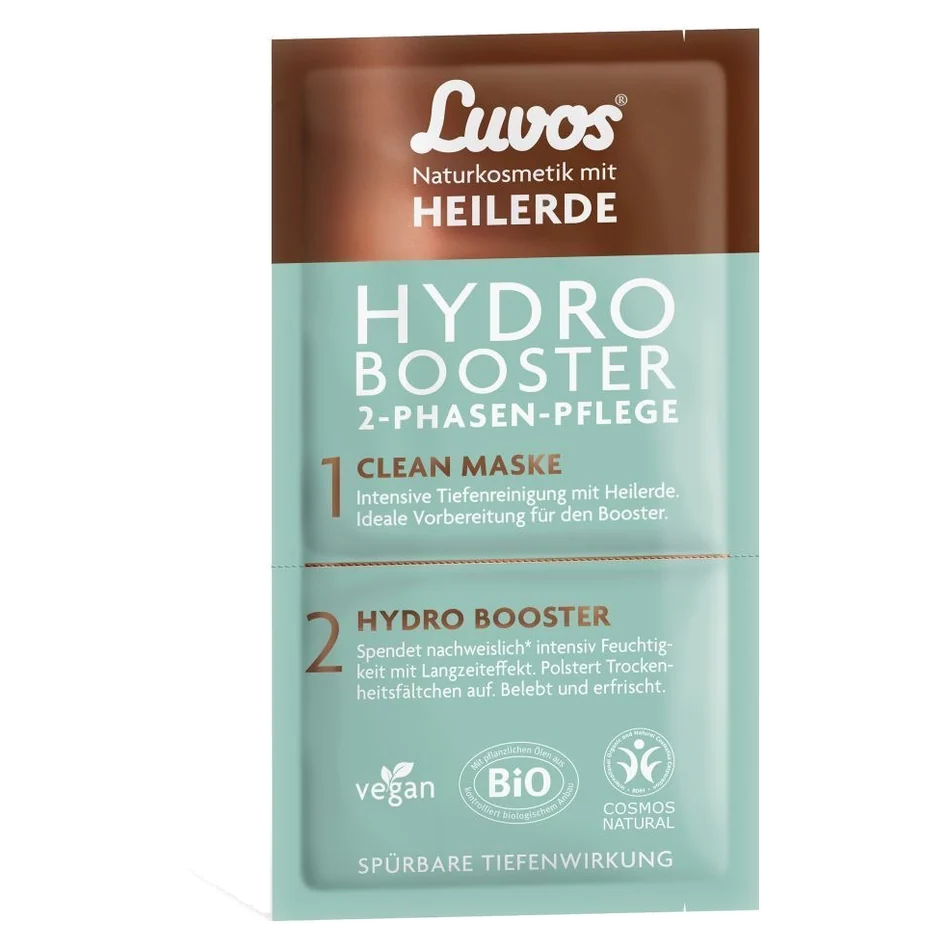
Luvos-Heilerde
Hydro Booster mit Clean Maske
46th of 63 on the label
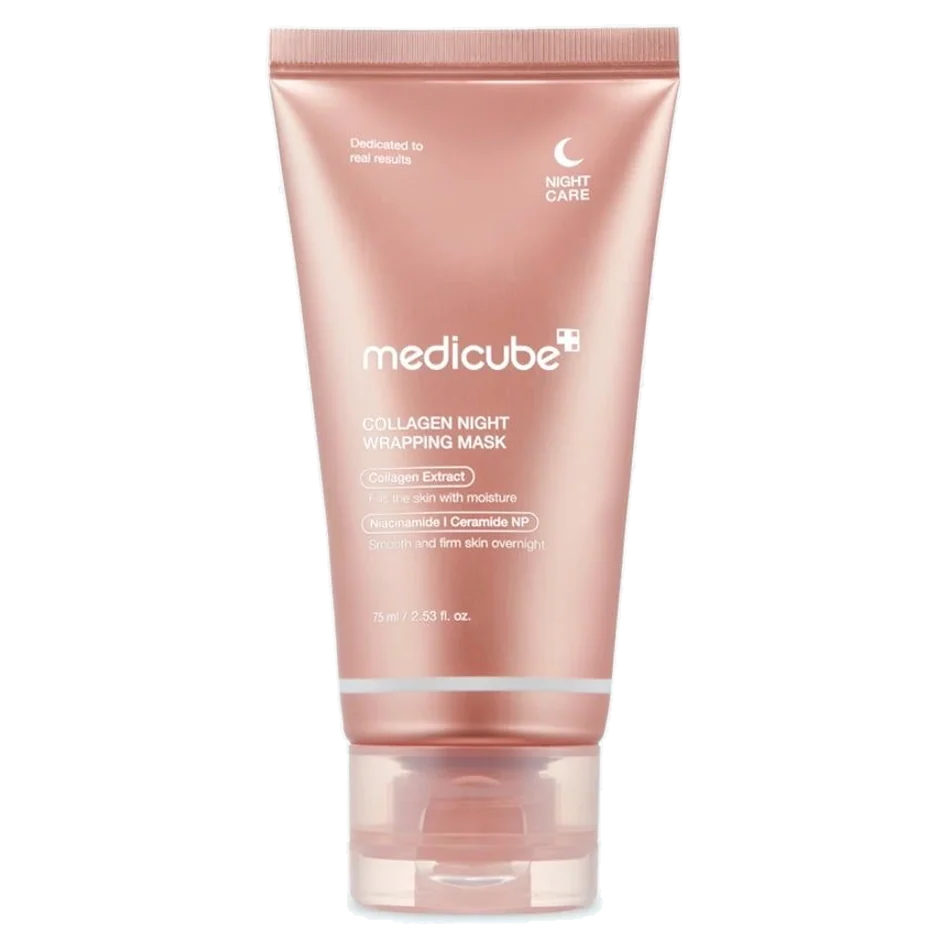
Medicube
Collagen Night Wrapping Mask
10th of 24 on the label
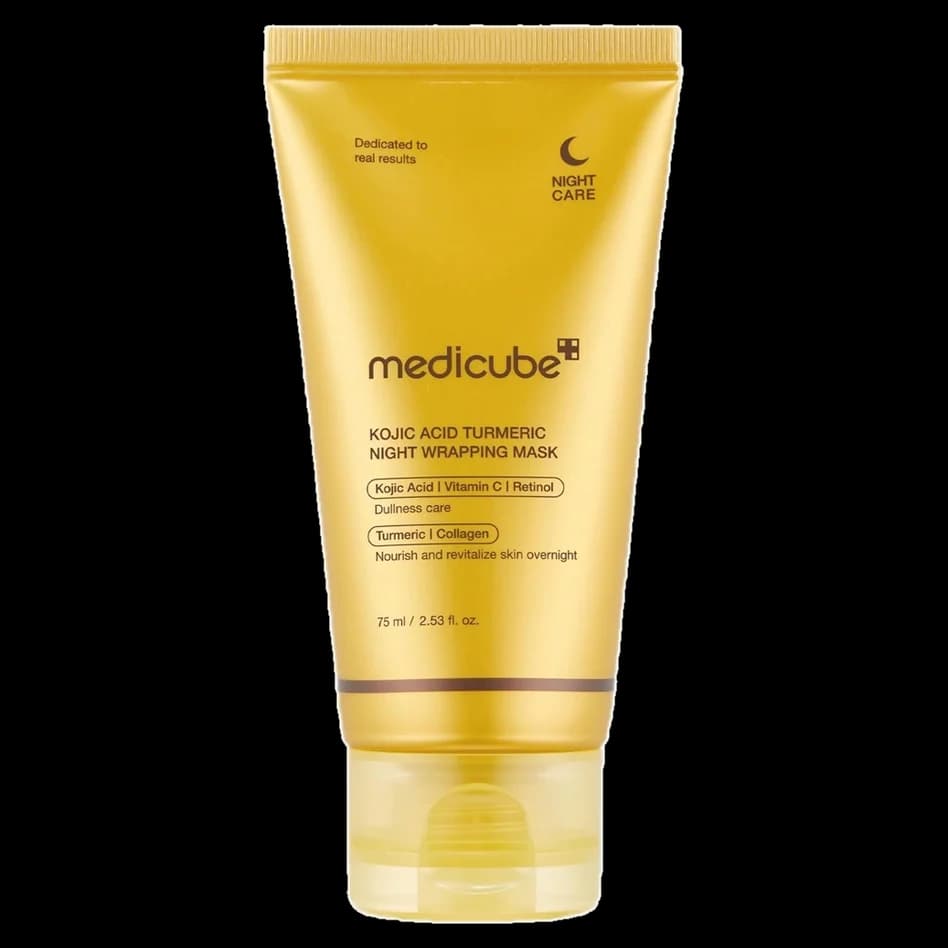
Medicube
Kojic Acid Turmeric Night Wrapping Mask
13th of 22 on the label
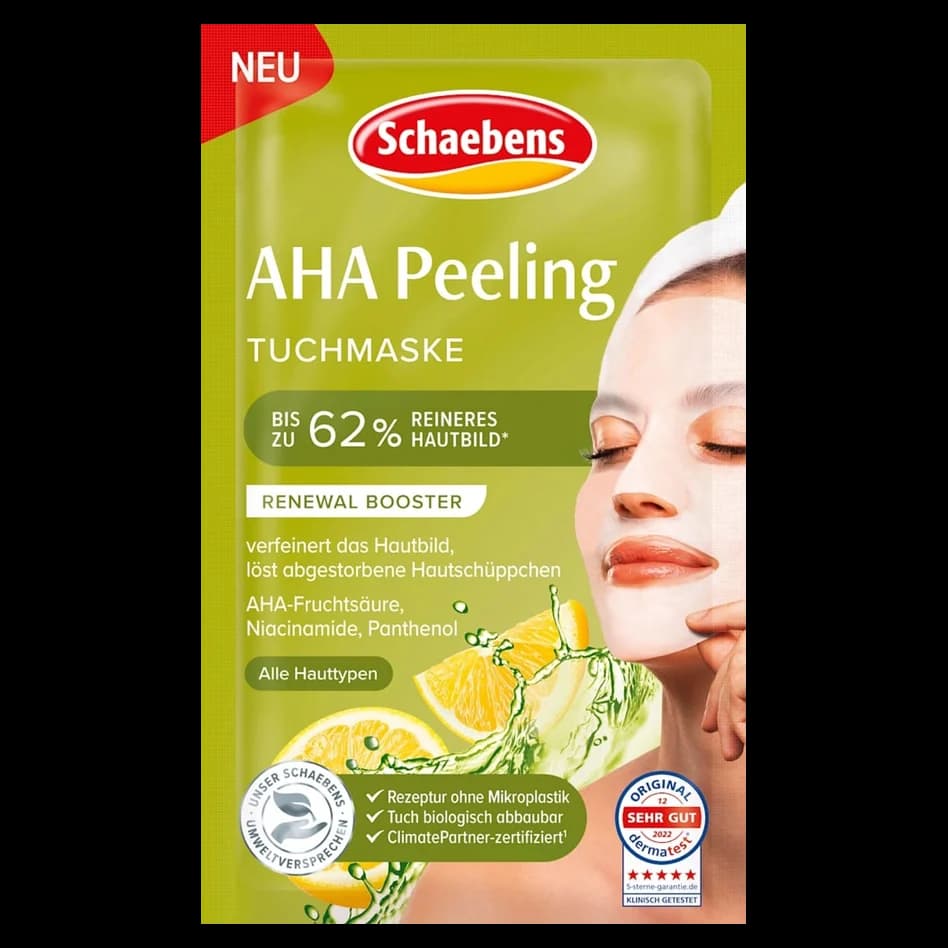
Schaebens
Tuchmaske AHA Peeling
6th of 17 on the label
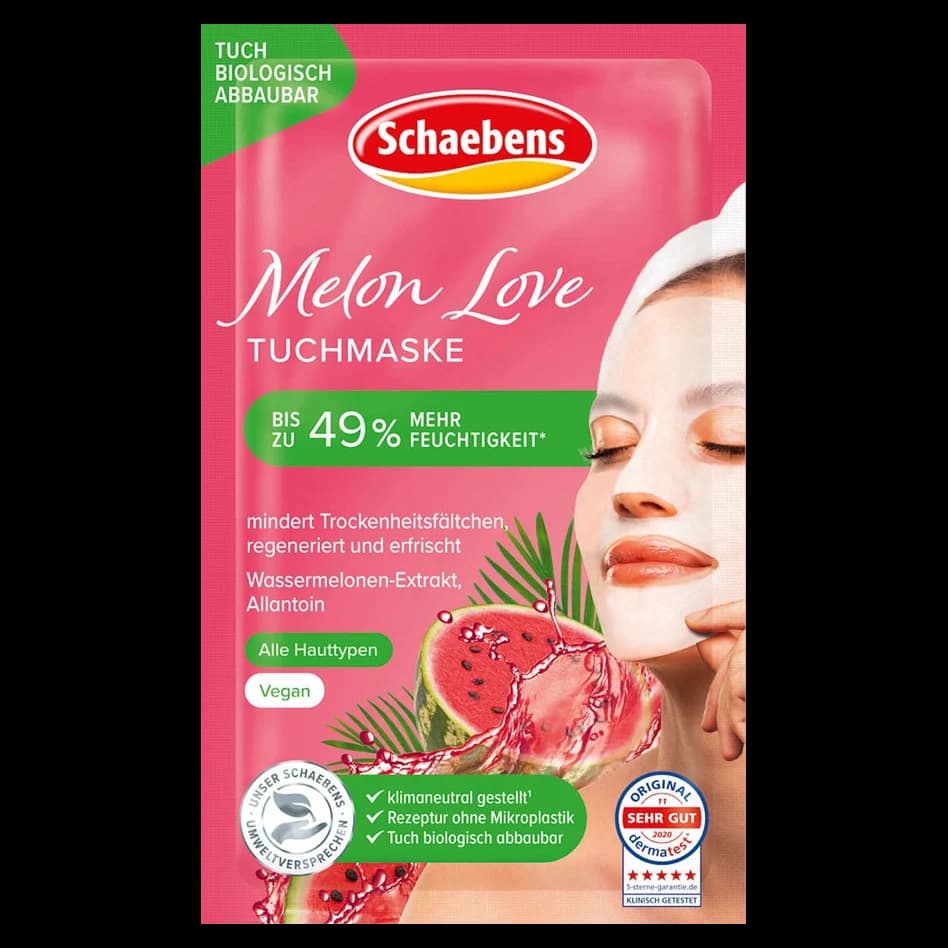
Schaebens
Tuchmaske Melon Love
12th of 45 on the label
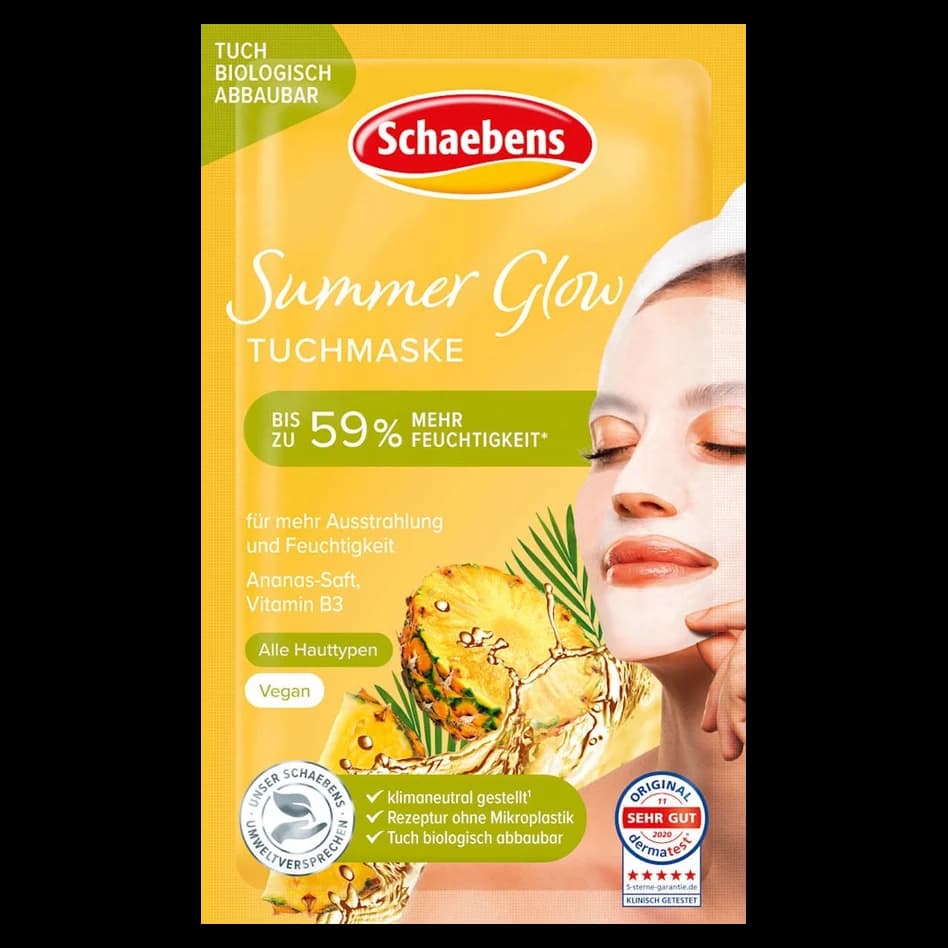
Schaebens
Tuchmaske Summer Glow
12th of 44 on the label
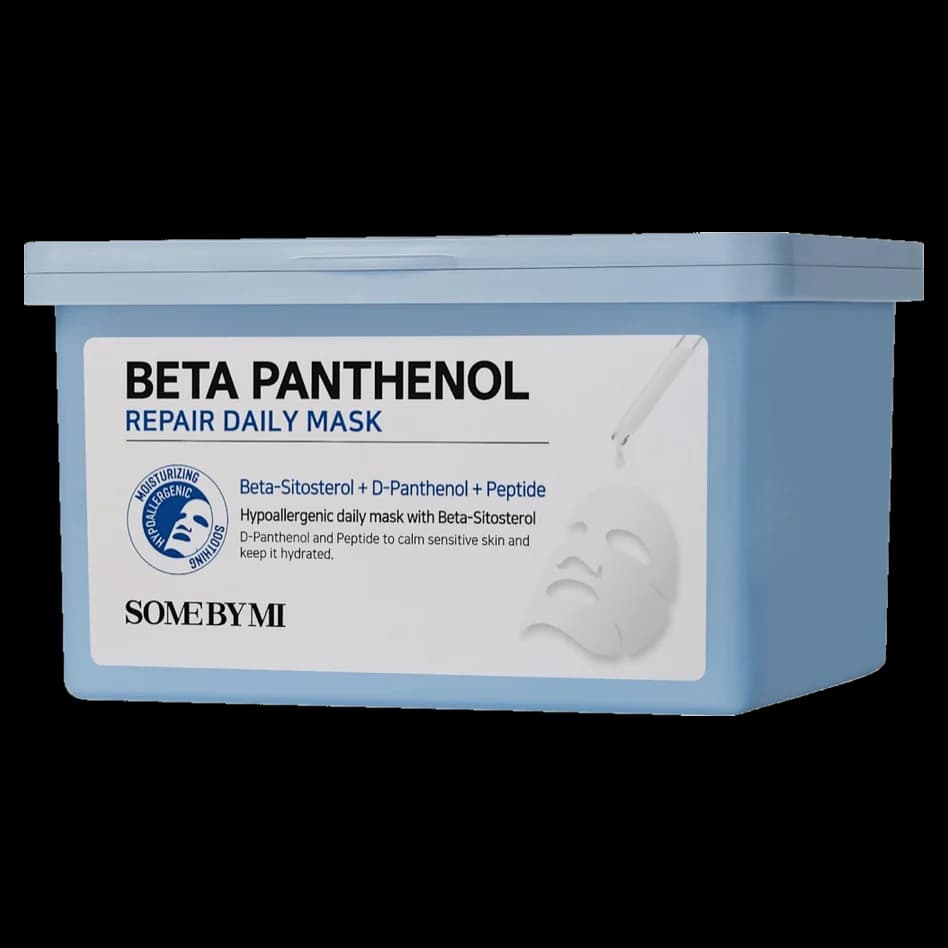
SOME BY MI
Daily Beta Panthenol Repair Mask
43rd of 57 on the label
below ≈1%
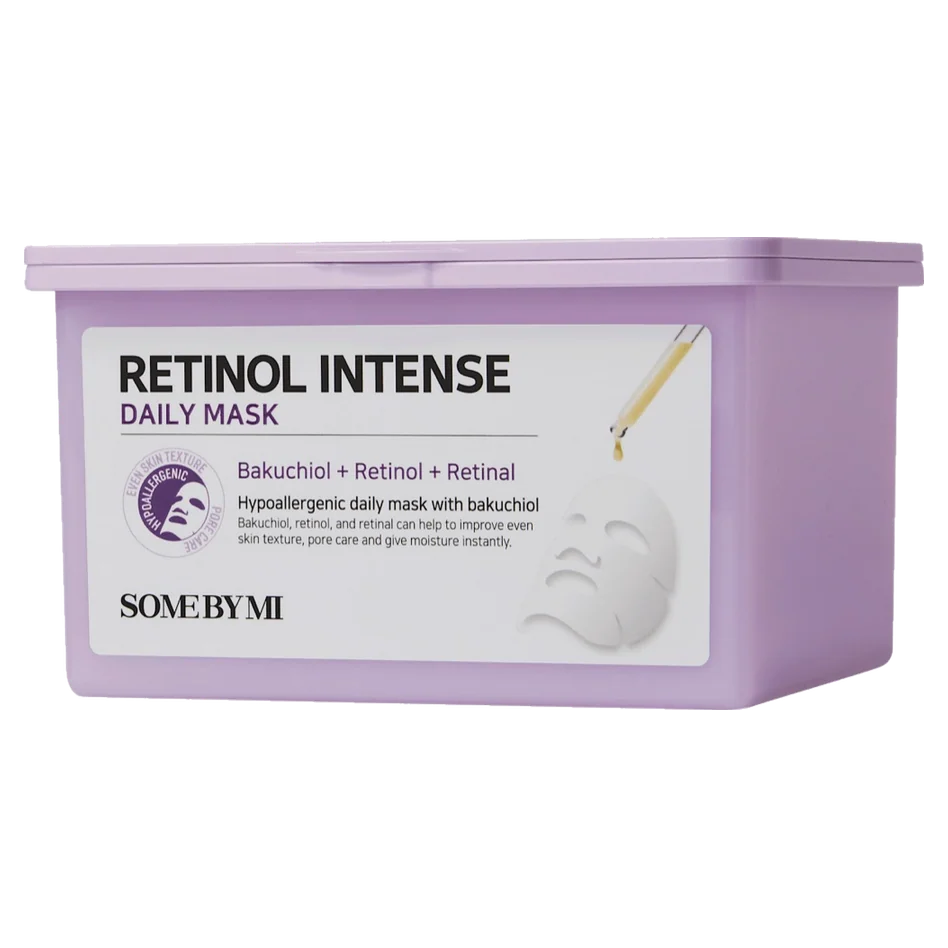
SOME BY MI
Daily Retinol Intense Mask
33rd of 62 on the label
below ≈1%
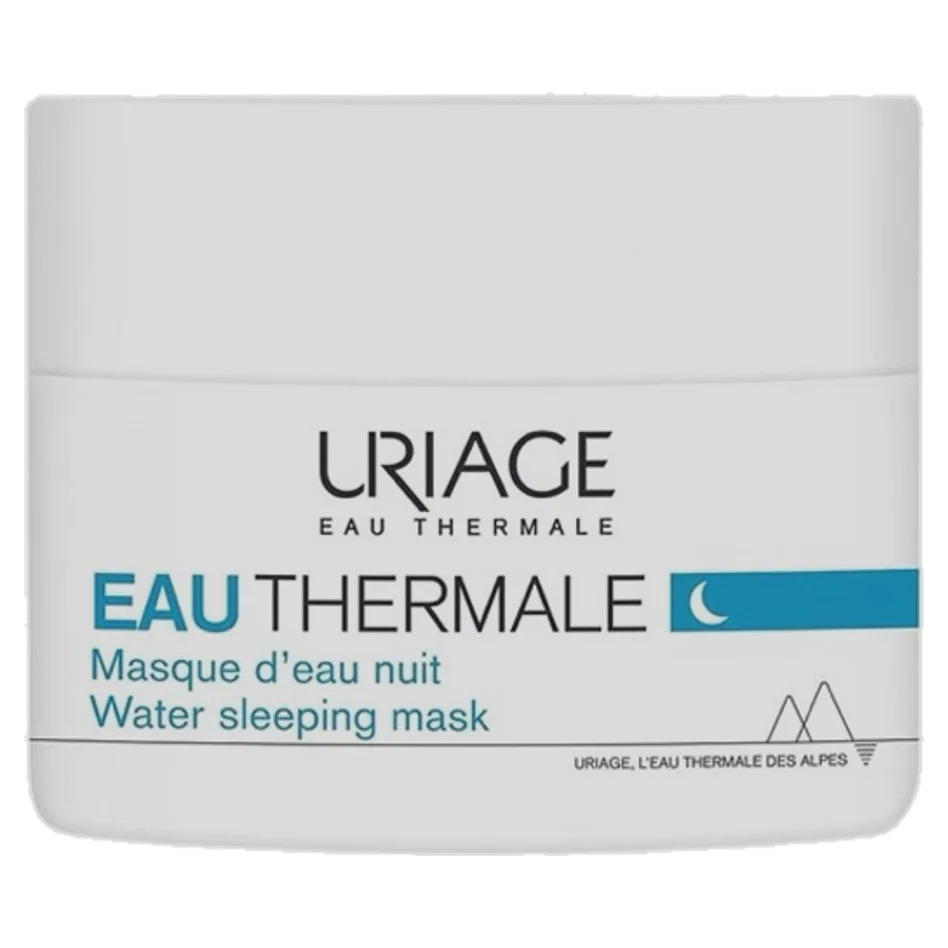
Uriage
Eau Thermale Water Sleeping Mask
19th of 29 on the label
below ≈1%