Hyaluronic Acid
HA
No meaningful concern for most people; irritation is possible but rare.
Also written as: Hyaluronan · HA · Hyaluronic Acid (free acid)
What it is
Hyaluronic acid is a very long chain of repeating sugar units found throughout human connective tissue, where it acts as the skin's main water-holding molecule. Cosmetic hyaluronic acid is produced by fermenting bacteria, so it is vegan and not sourced from rooster combs as older grades were. On an ingredient list the free acid is less common than its salt, sodium hyaluronate, and the two behave essentially the same on skin. Its whole job in a mask is to attract and hold water in the top layers of the skin.
How it shows up on a label
Marketing that lists three, five or seven molecular weights is not backed by head-to-head evidence that a blend outperforms one well-chosen grade in a good formula.
What it does well
Reliably raises water content in the outer skin layers
Multiple instrument-measured trials show increased stratum corneum hydration within hours and maintained over weeks. This is the claim the evidence best supports.
Strong evidence
Reduces measured wrinkle depth over weeks of use
A 60-day study of five molecular weights found significant reductions in surface roughness for the 50 and 130 kDa grades versus placebo. The study was small and industry-linked, and the mechanism is surface plumping rather than collagen change.
Moderate evidence
Suits essentially all skin types, including acne-prone and sensitive
It is oil-free, non-occlusive and has a very low reported rate of irritation or contact allergy, which is why it appears in products aimed at both oily and reactive skin.
Strong evidence
Worth knowing
"Low molecular weight penetrates deeper" is only partly true
Ex vivo Raman imaging does show 20-300 kDa hyaluronic acid crossing the stratum corneum while 1000-1400 kDa grades do not, so the direction of the claim is real. But "deeper" means a few micrometres into the upper epidermis; no topical study has demonstrated cosmetic hyaluronic acid reaching the dermis or replacing dermal hyaluronic acid, and a tape-stripping study could only detect it in the stratum corneum.
Matters most toAnyone paying a premium for a "multi-weight" or "nano" hyaluronic acid mask on the promise of deep dermal action.
Claimed to dehydrate skin in low humidity
The theory is that a humectant in dry air draws water from deeper skin to the surface where it evaporates. No published clinical study has shown this happening with topical hyaluronic acid at cosmetic concentrations, and the measured behaviour is that it stays in and hydrates the stratum corneum. The practical point that survives is that humectants perform better when followed by a moisturiser that slows evaporation.
Matters most toPeople using hyaluronic acid alone in arid climates or heavily heated rooms and finding it underwhelming.
Benefits stop when you stop
The effect is physical water-binding, not a lasting change to the skin. Hydration and the softened look of fine lines fade within days of discontinuing.
Matters most toAnyone expecting a durable anti-ageing result from hyaluronic acid alone.
Where the EU stands
No specific restriction
Not restricted under the EU Cosmetics Regulation. It appears in no annex of prohibited, restricted or otherwise limited substances and has no EU maximum concentration.
Regulation (EC) No 1223/2009 - no annex entry for hyaluronic acid; the only annex occurrence of the name is Gold Thioethylamino Hyaluronic Acid (nano), a prohibited gold nanomaterial at Annex II entry 1728 · source ↗
Sources (3)
Every link goes to the original: a journal, a PubMed record or an EU document.
- [1]Human skin penetration of hyaluronic acid of different molecular weights as probed by Raman spectroscopy
Skin Research and Technology · 2016 · doi:10.1111/srt.12228
Low molecular weight hyaluronic acid (20-300 kDa) passed through the stratum corneum in ex vivo human skin, while high molecular weight grades (1000-1400 kDa) did not penetrate at all.
- [2]Efficacy of cream-based novel formulations of hyaluronic acid of different molecular weights in anti-wrinkle treatment
Journal of Drugs in Dermatology · 2011
All 0.1% hyaluronic acid formulations improved hydration and elasticity, but only the 50 and 130 kDa grades significantly reduced measured wrinkle depth versus placebo after 60 days.
- [3]Hyaluronic acid skin penetration evaluated by tape stripping using ELISA kit assay
Journal of Pharmaceutical and Biomedical Analysis · 2023 · doi:10.1016/j.jpba.2022.115205
Repeated application produced measurable accumulation of hyaluronic acid in the stratum corneum; the method could not detect it in the epidermis or dermis, supporting a surface-layer mechanism.
Masks that contain Hyaluronic Acid
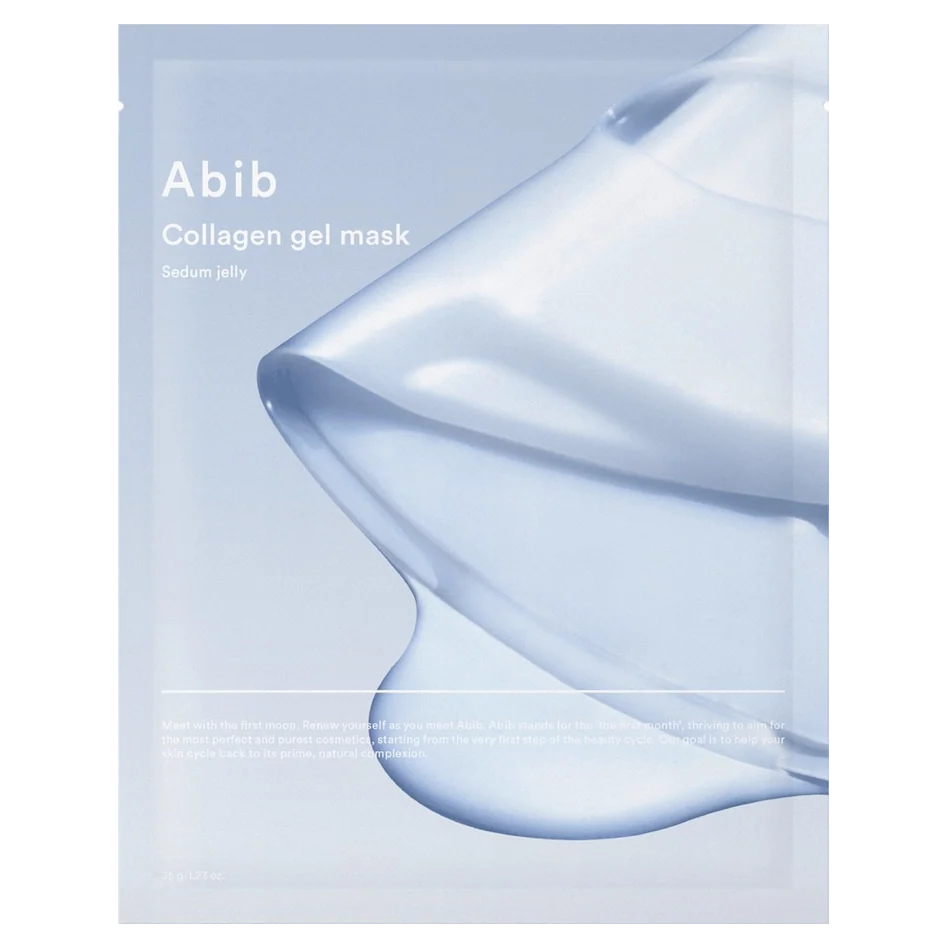
Abib
Collagen Gel Mask Sedum Jelly
16th of 41 on the label
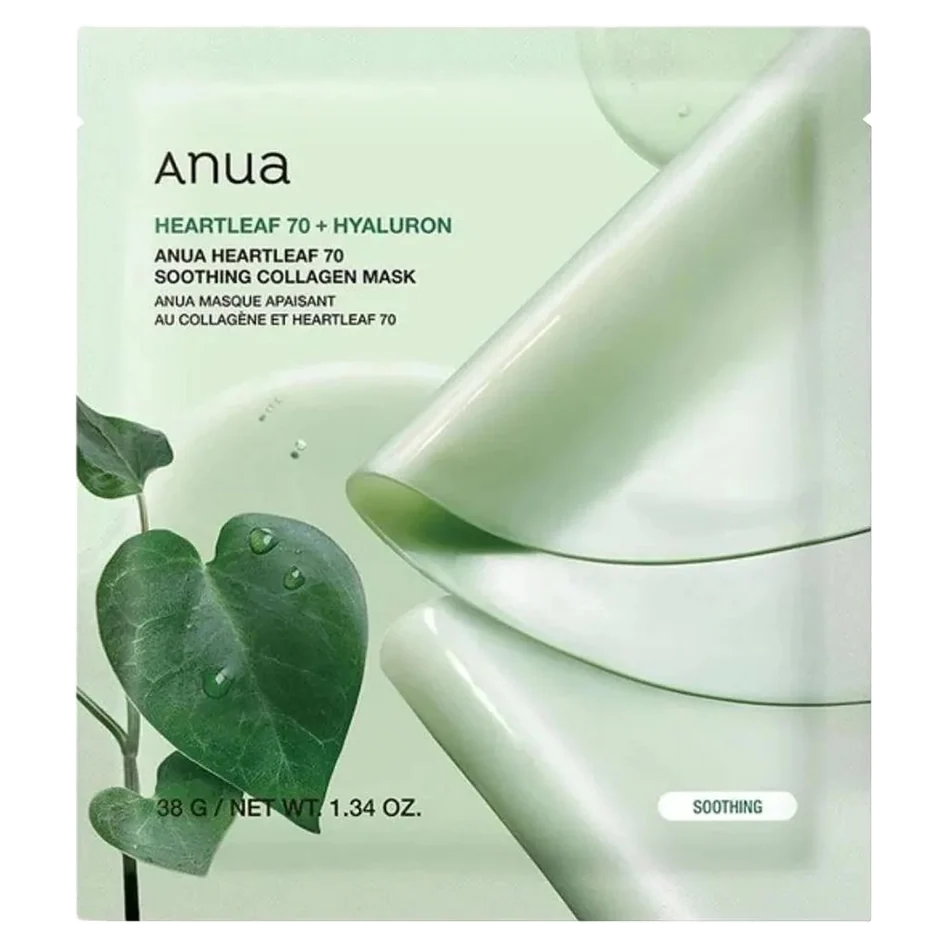
Anua
Heartleaf 70 Soothing Collagen Mask
33rd of 35 on the label
below ≈1%
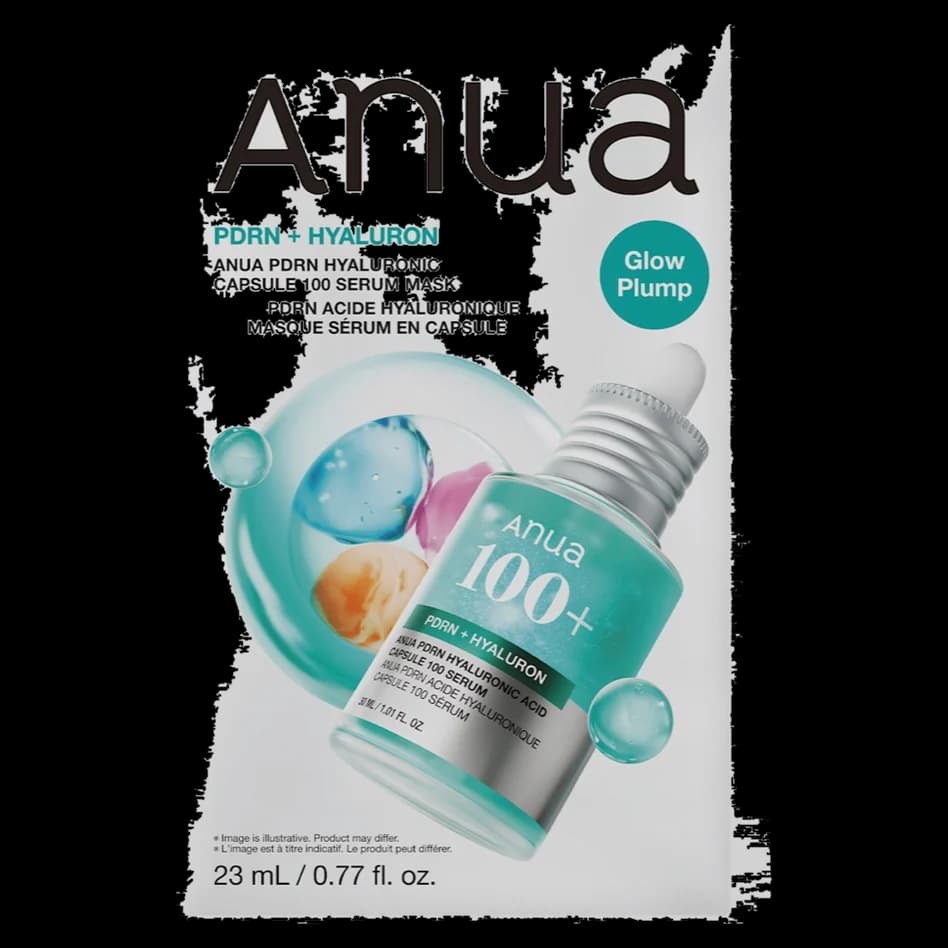
Anua
PDRN Serum Mask 100 Hyaluronic Acid Capsule
37th of 45 on the label
below ≈1%
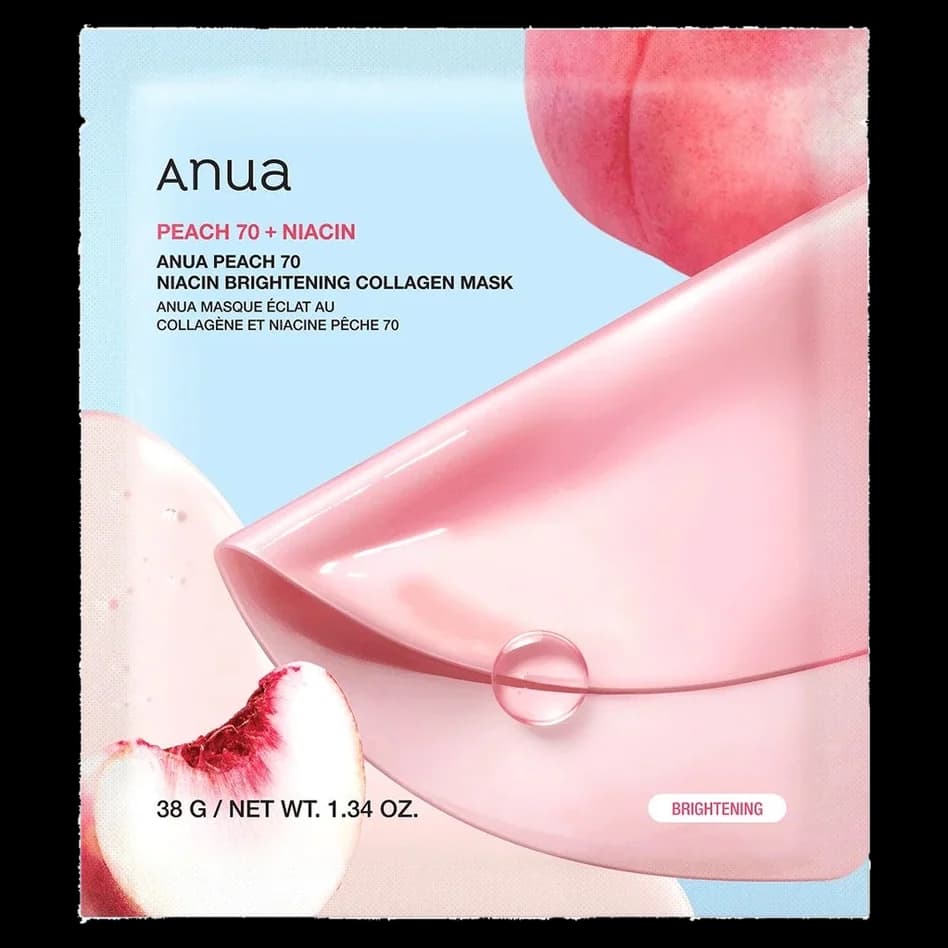
Anua
Peach 70 Niacin Brightening Collagen Mask
39th of 44 on the label
below ≈1%
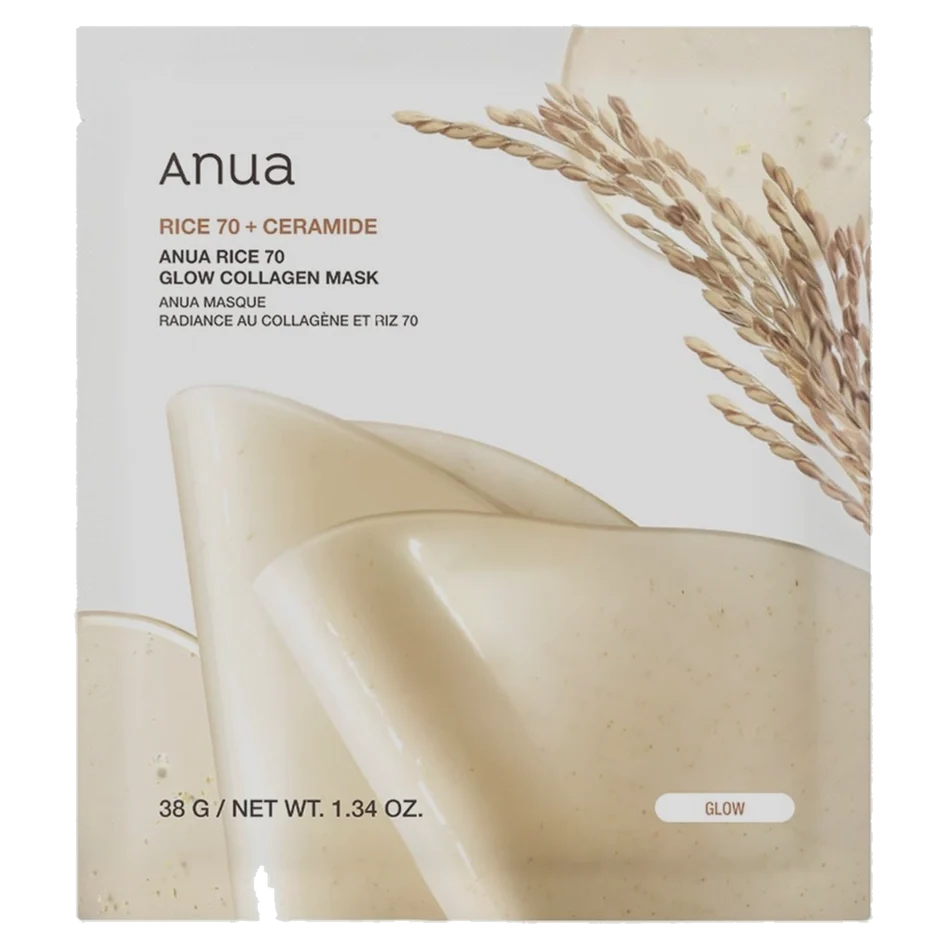
Anua
Rice 70 Glow Collagen Mask
37th of 42 on the label
below ≈1%
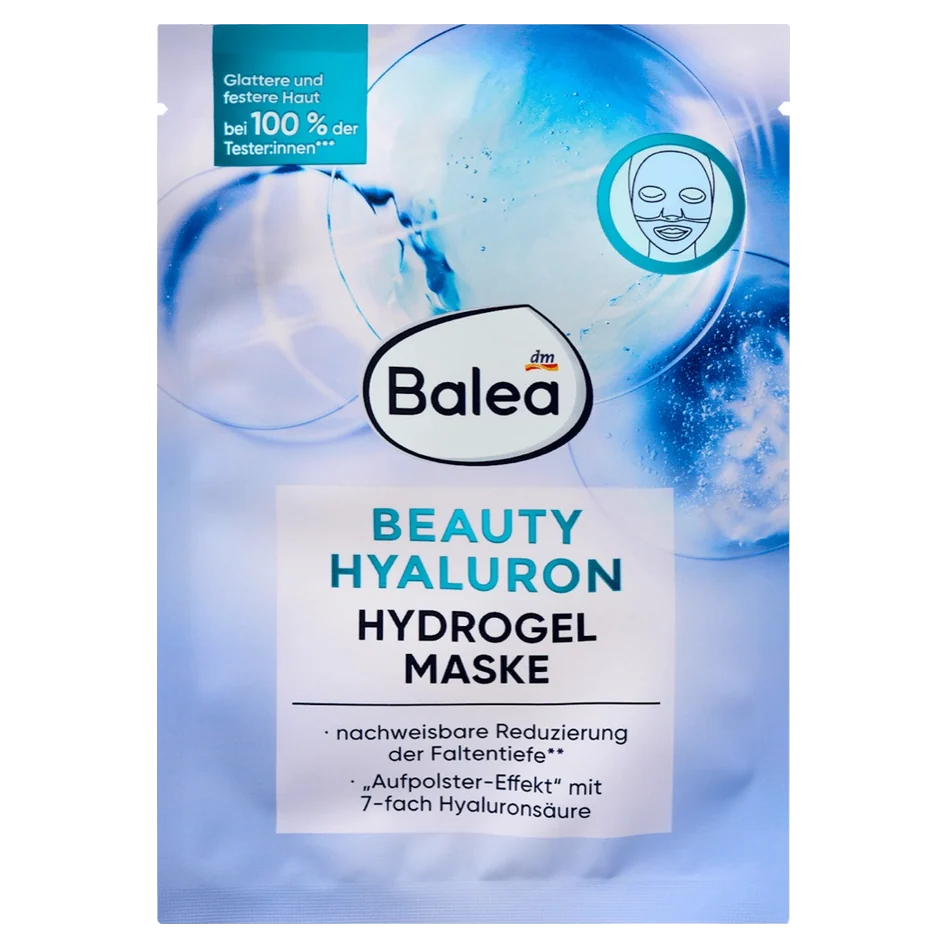
Balea
Gesichtsmaske Beauty Hyaluron Hydrogel
10th of 28 on the label
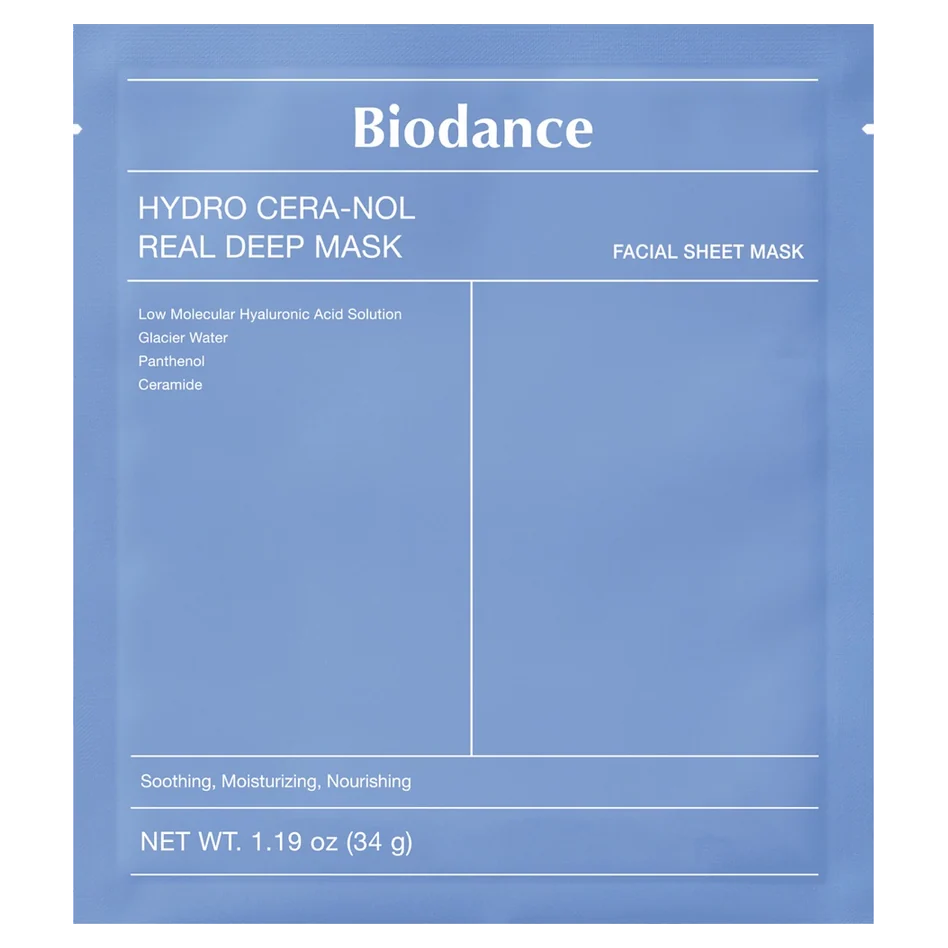
Biodance
Hydro Cera-nol Real Deep Mask
61st of 65 on the label
below ≈1%
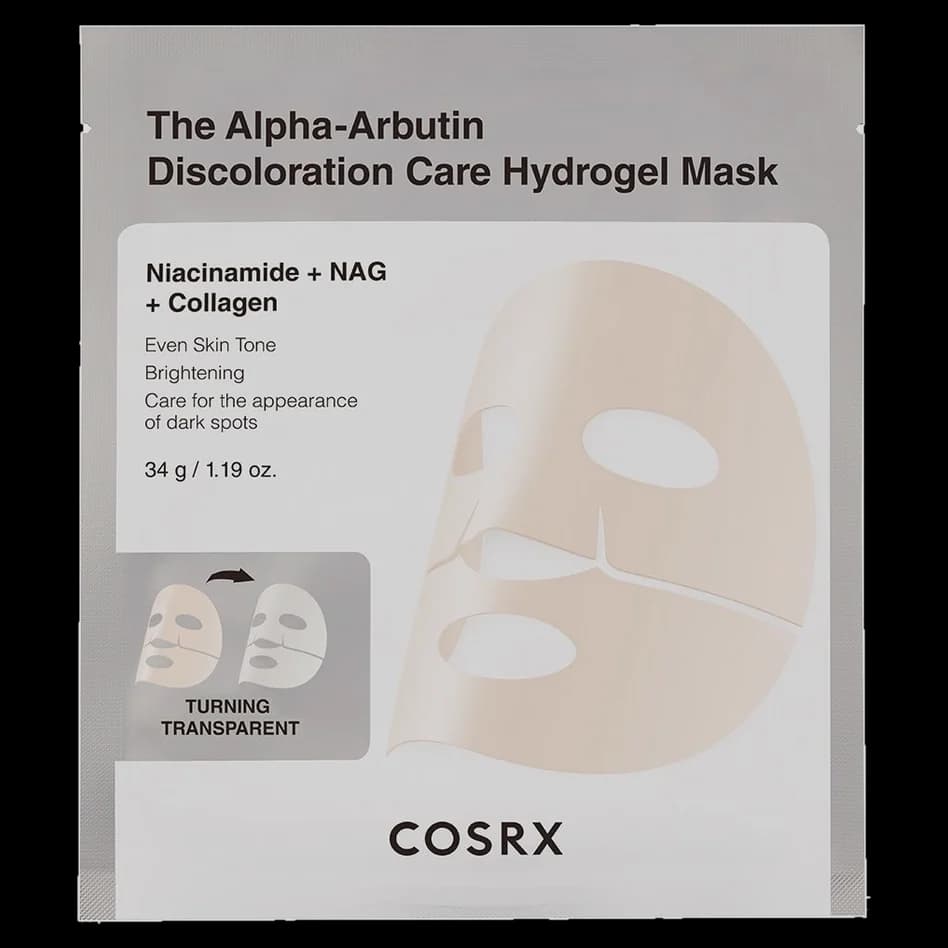
COSRX
The Alpha-Arbutin Discoloration Care Hydrogel Mask
39th of 44 on the label
below ≈1%
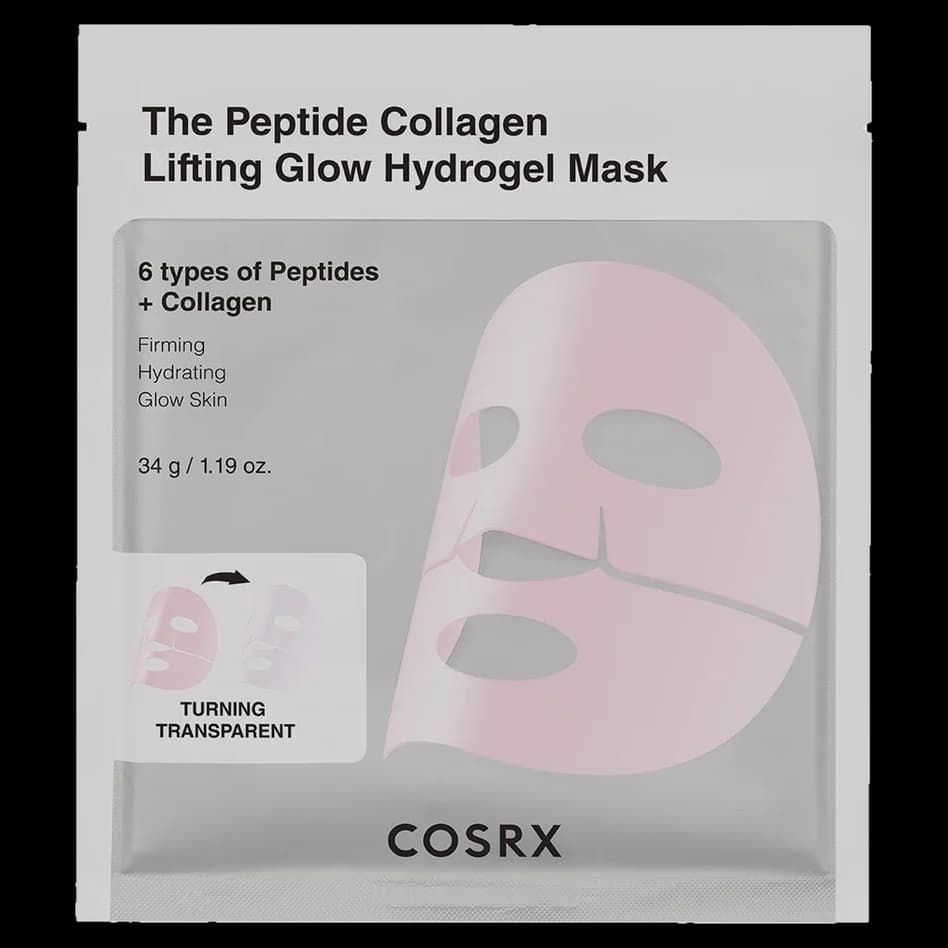
COSRX
The Peptide Collagen Lifting Glow Hydrogel Mask
39th of 49 on the label
below ≈1%
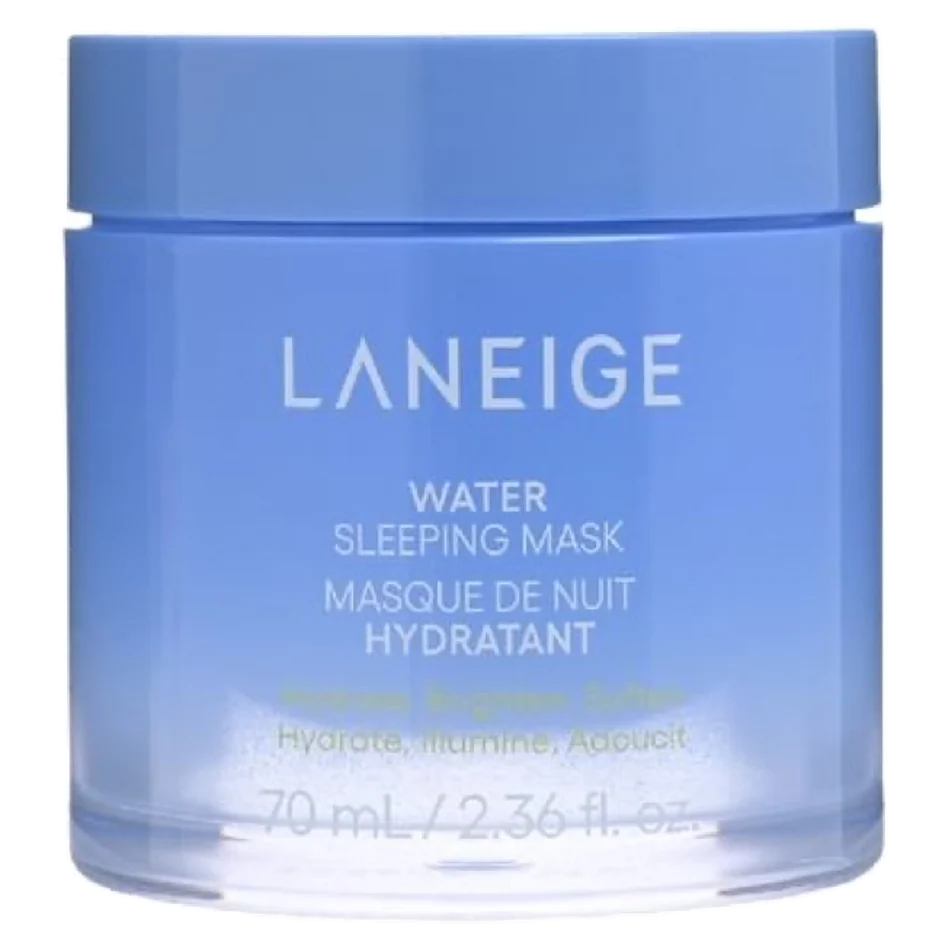
LANEIGE
Water Sleeping Mask
38th of 43 on the label
below ≈1%
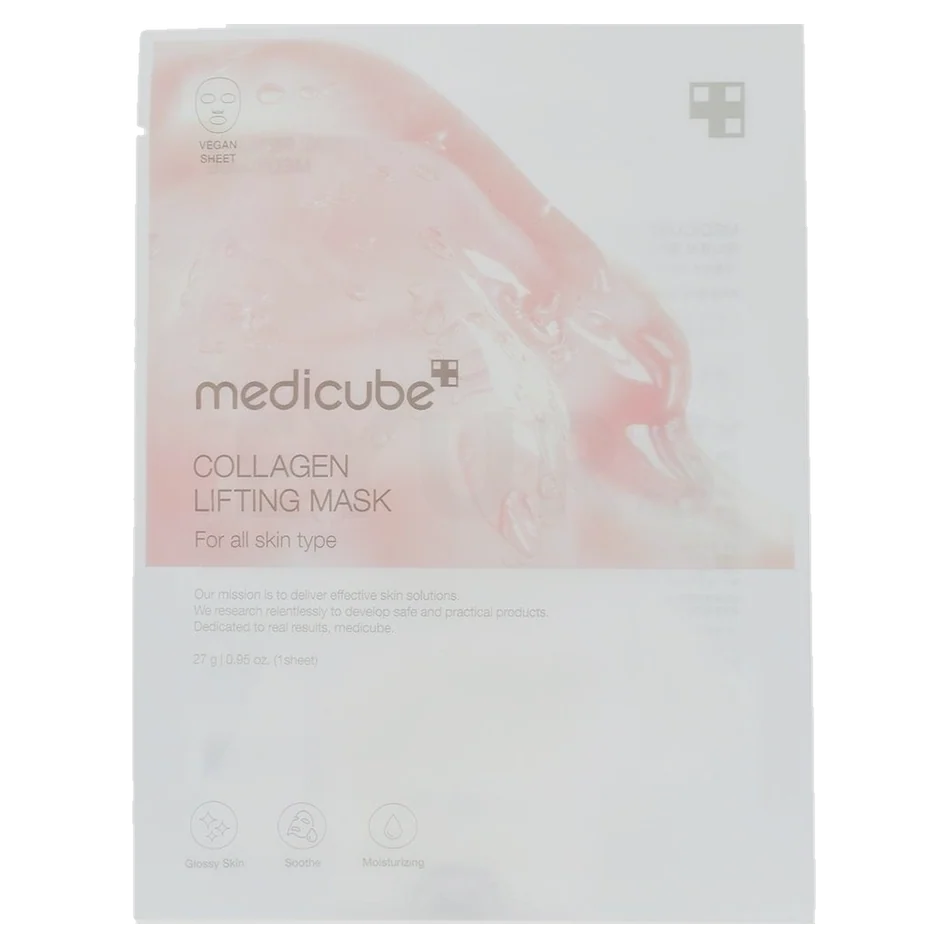
Medicube
Collagen Lifting Mask
36th of 39 on the label
below ≈1%
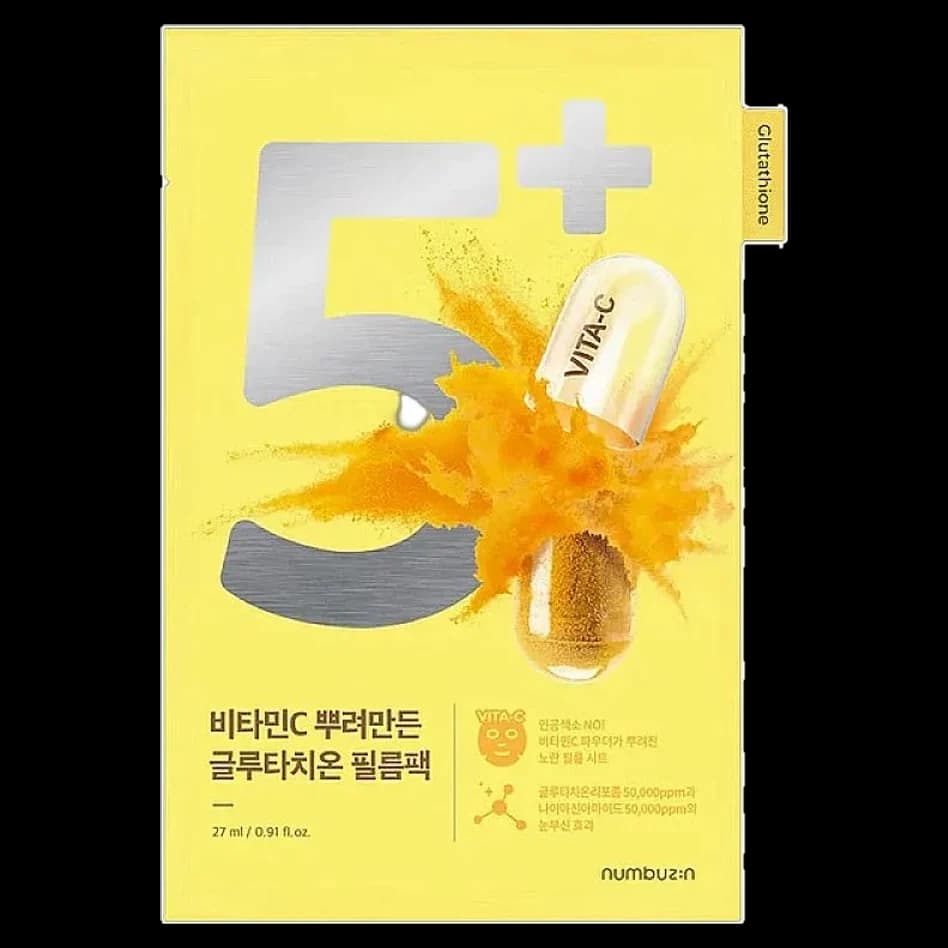
numbuzin
No.5 Vitamin Spotlight Sheet Mask
33rd of 33 on the label
below ≈1%
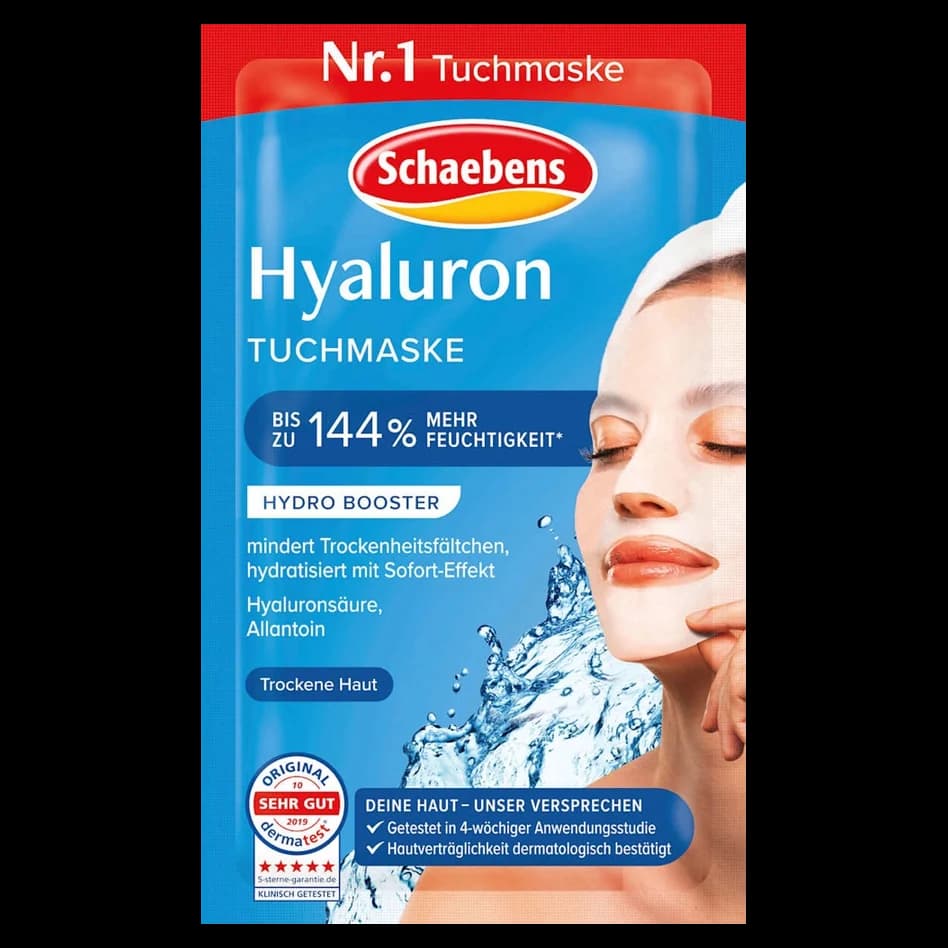
Schaebens
Tuchmaske Hyaluron
6th of 23 on the label
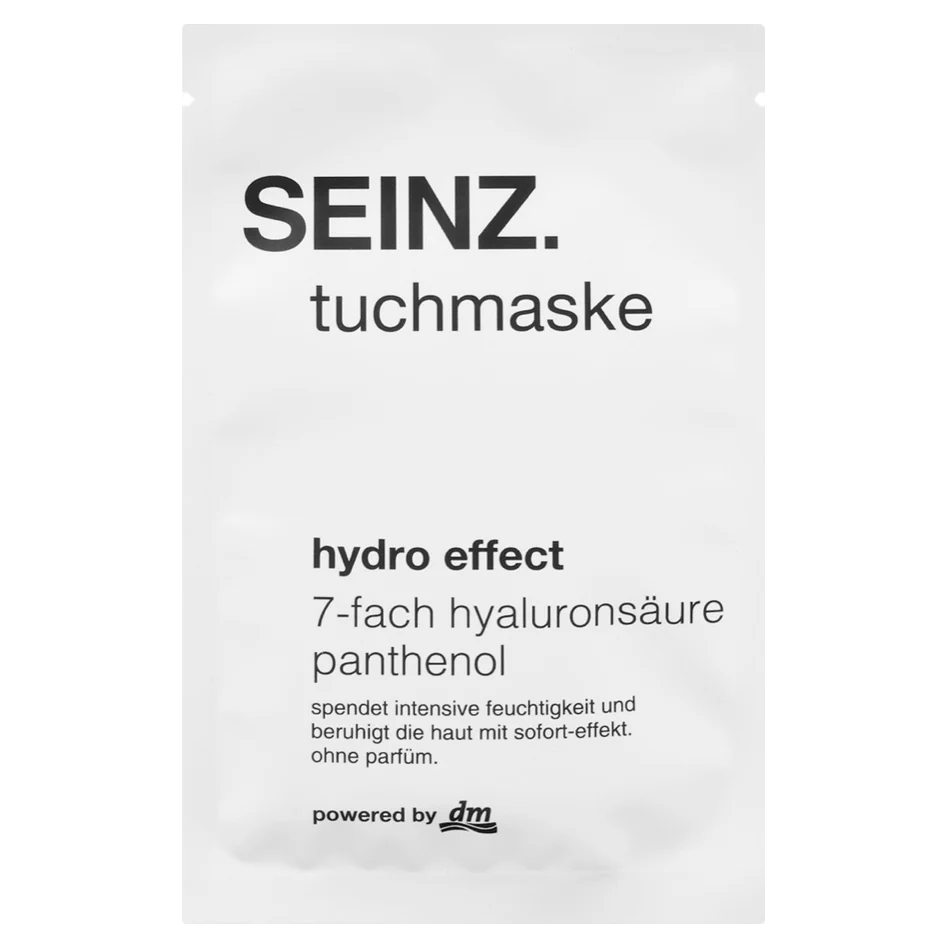
SEINZ.
Tuchmaske hydro effect
9th of 21 on the label
SKIN1004
Madagascar Centella Watergel Sheet Ampoule Mask
27th of 29 on the label
below ≈1%
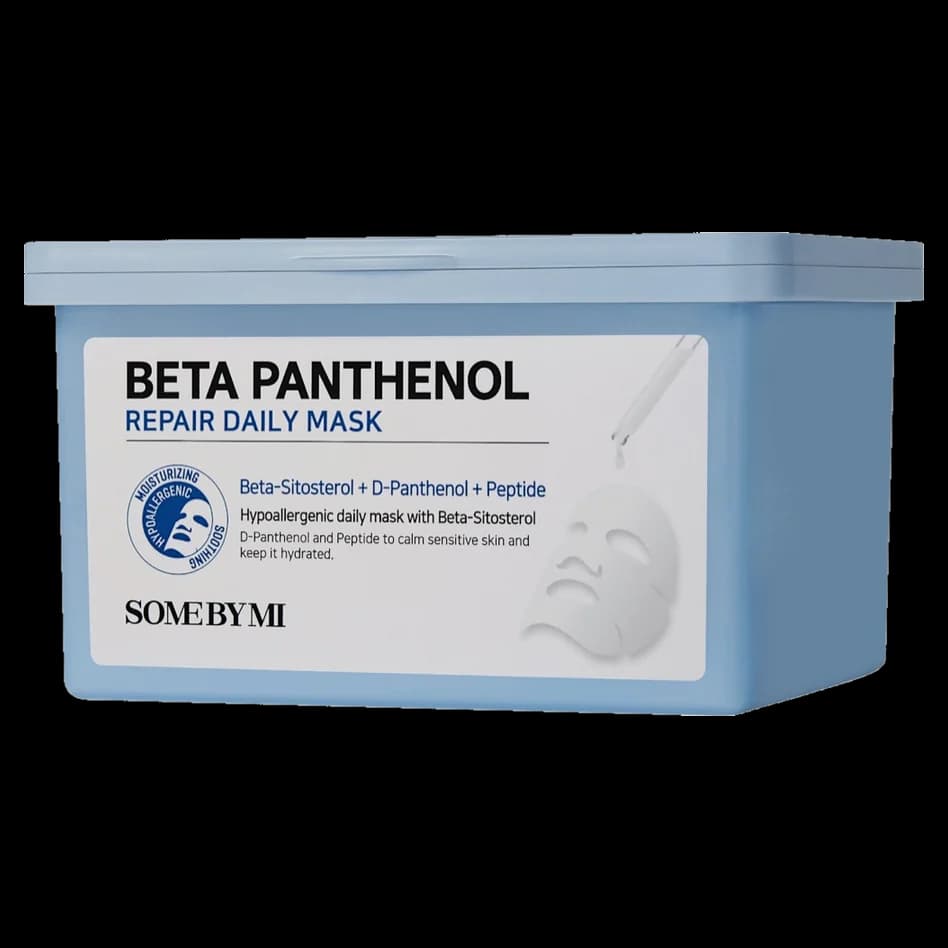
SOME BY MI
Daily Beta Panthenol Repair Mask
49th of 57 on the label
below ≈1%
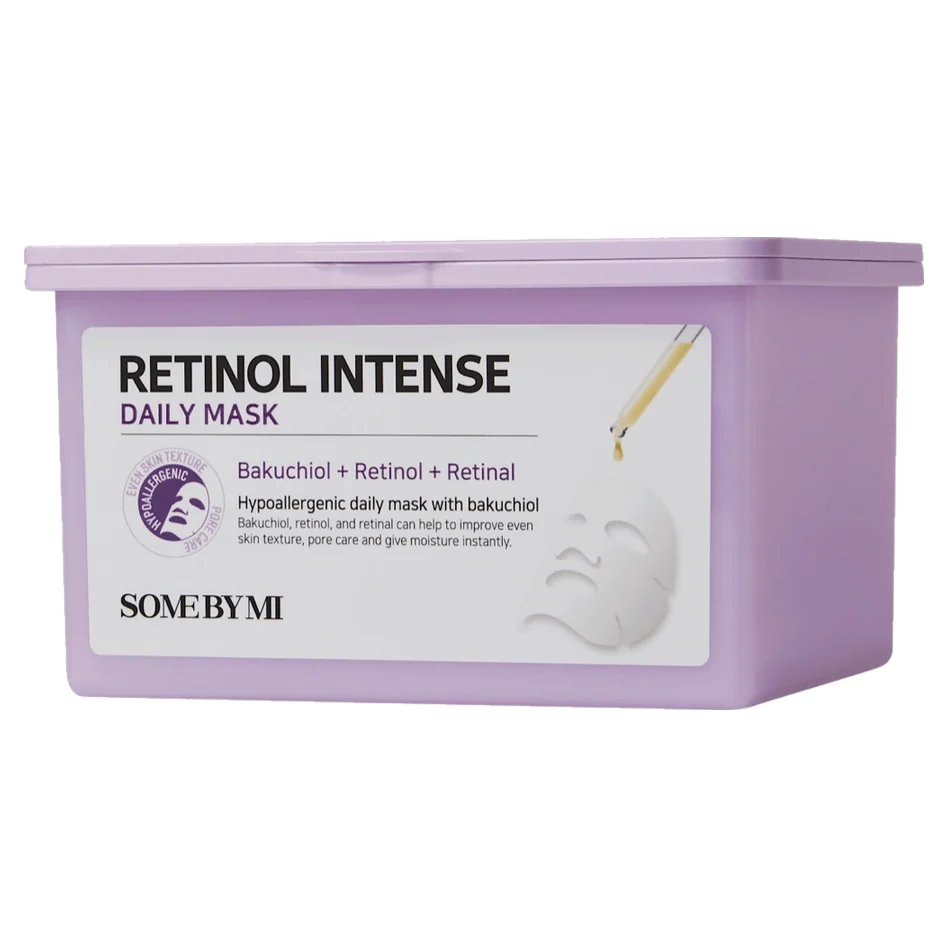
SOME BY MI
Daily Retinol Intense Mask
37th of 62 on the label
below ≈1%
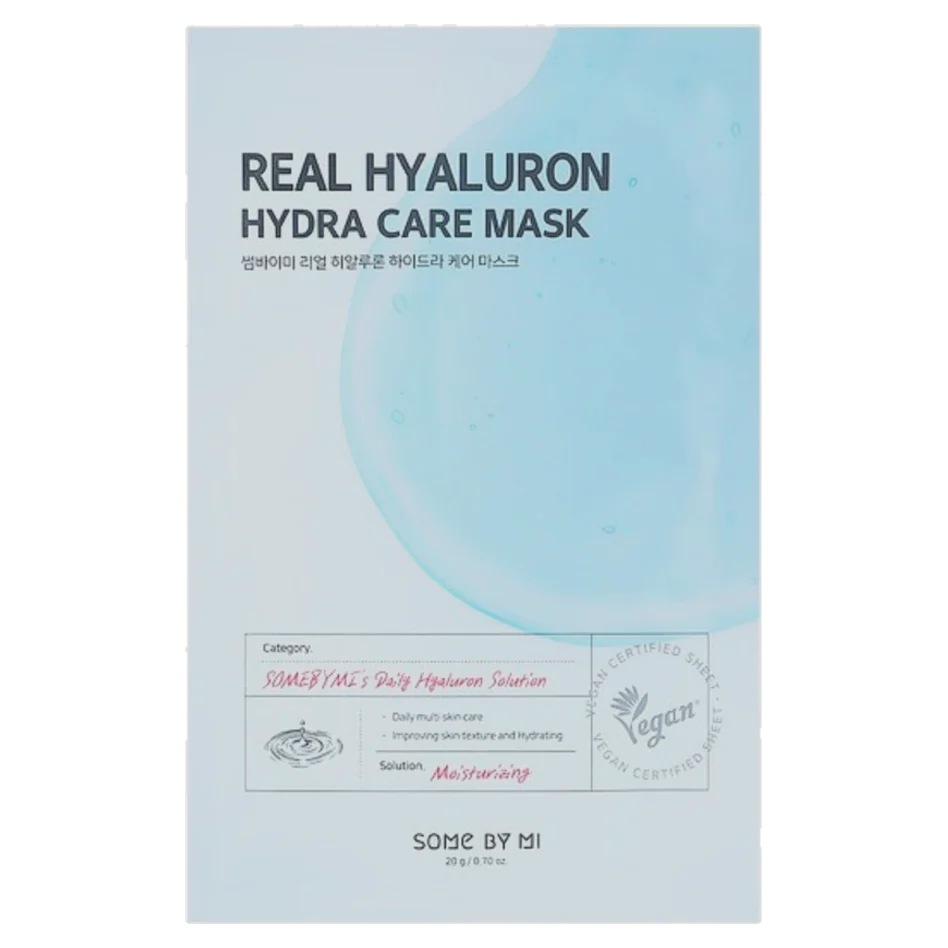
SOME BY MI
Real Hyaluron Hydra Care Mask
7th of 31 on the label