Hydrolyzed Hyaluronic Acid
Low-molecular-weight HA
No meaningful concern for most people; irritation is possible but rare.
Also written as: Hydrolysed Hyaluronic Acid · Low molecular weight hyaluronic acid · LMW HA · Nano hyaluronic acid
What it is
This is ordinary hyaluronic acid that has been broken down, usually by enzymes or controlled heat, into much shorter chains. The result is a thinner, less sticky liquid that sinks in quickly instead of sitting on the surface as a tacky film. Brands use it when they want a hydrating serum or essence that feels light, and it is the ingredient behind most "penetrating" or "nano" hyaluronic acid claims. Note that "hydrolyzed" on a label tells you the chains are short but not how short, and there is no standard definition.
How it shows up on a label
Often paired with standard sodium hyaluronate so the formula both sinks in and leaves a hydrating surface film. Labels almost never state the actual molecular weight.
What it does well
Crosses the stratum corneum better than high molecular weight hyaluronic acid
Ex vivo Raman imaging of human skin found 20-300 kDa hyaluronic acid passing through the stratum corneum while 1000-1400 kDa grades did not. This supports the penetration claim in principle, though the depth reached is measured in micrometres.
Moderate evidence
Gives a lighter, less sticky feel at the same hydration level
Shorter chains build far less viscosity, so a formula can carry more of them without becoming tacky. In a controlled trial in elderly dry skin the low molecular weight version also gave slightly higher measured hydration than the high molecular weight version.
Moderate evidence
Worth knowing
Marketing overstates how deep it goes
"Reaches the dermis", "replenishes your skin's own hyaluronic acid" and "works like a filler" are not supported by topical penetration data. A tape-stripping study could only detect applied hyaluronic acid in the stratum corneum.
Matters most toAnyone paying more for a product on the strength of deep-penetration claims.
Very short hyaluronan fragments are pro-inflammatory signals in laboratory models
In cell and tissue biology, hyaluronan fragment size determines the signal: very short fragments generated during injury act as danger signals, whereas long chains are anti-inflammatory. This is well established in the lab, but there is no evidence of it causing problems from cosmetic topical use, where amounts are small and stay in the dead outer layer.
Matters most toMostly of scientific interest; people with reactive or inflammatory skin conditions who want to introduce new products one at a time.
Where the EU stands
No specific restriction
Not restricted under the EU Cosmetics Regulation; it appears in no annex and carries no concentration limit.
Regulation (EC) No 1223/2009 - no annex entry · source ↗
Sources (3)
Every link goes to the original: a journal, a PubMed record or an EU document.
- [1]Human skin penetration of hyaluronic acid of different molecular weights as probed by Raman spectroscopy
Skin Research and Technology · 2016 · doi:10.1111/srt.12228
Confirmed that 20-300 kDa hyaluronic acid passes the stratum corneum while 1000-1400 kDa hyaluronic acid does not.
- [2]Size Matters: Molecular Weight Specificity of Hyaluronan Effects in Cell Biology
International Journal of Cell Biology · 2015 · doi:10.1155/2015/563818
Review establishing that the biological signal from hyaluronan depends on fragment size, with short injury-derived fragments acting pro-inflammatory and long chains acting anti-inflammatory.
- [3]Effectiveness of topical hyaluronic acid of different molecular weights in xerosis cutis treatment in elderly: a double-blind, randomized controlled trial
Archives of Dermatological Research · 2024 · doi:10.1007/s00403-024-03003-2
Low molecular weight hyaluronic acid gave higher measured skin capacitance than the high molecular weight version and vehicle, with no difference in water loss or symptom scores and equal safety.
Masks that contain Hydrolyzed Hyaluronic Acid
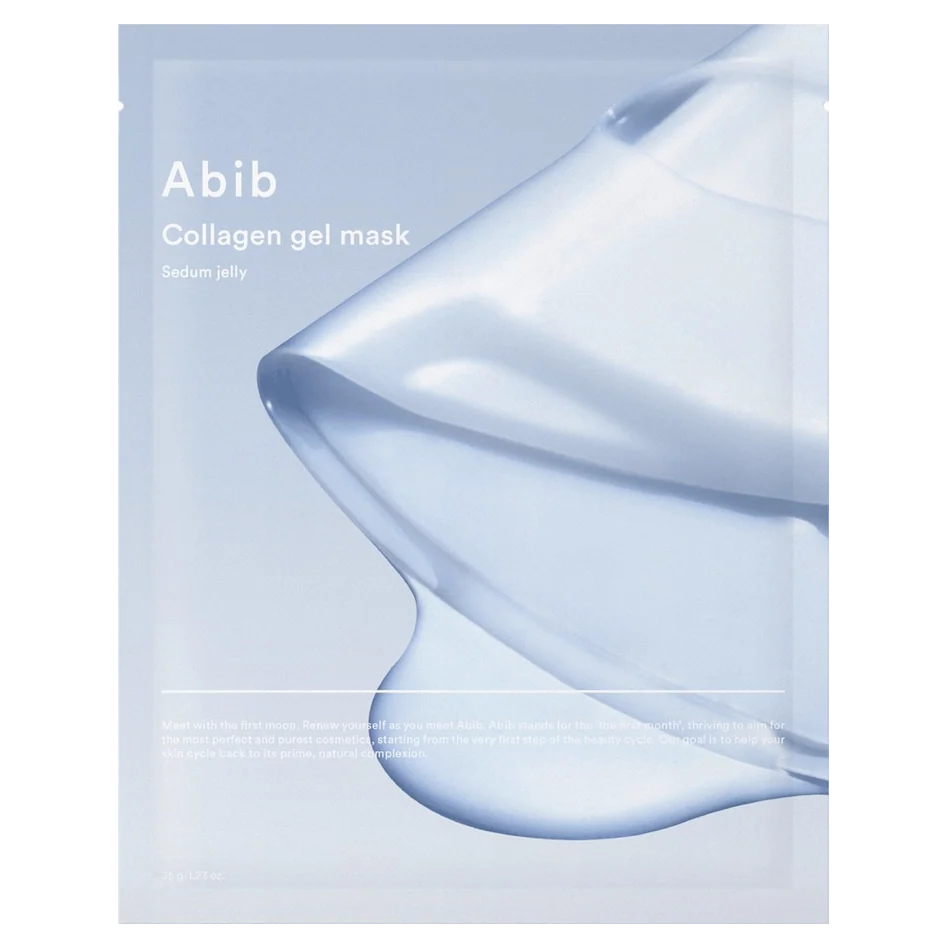
Abib
Collagen Gel Mask Sedum Jelly
15th of 41 on the label
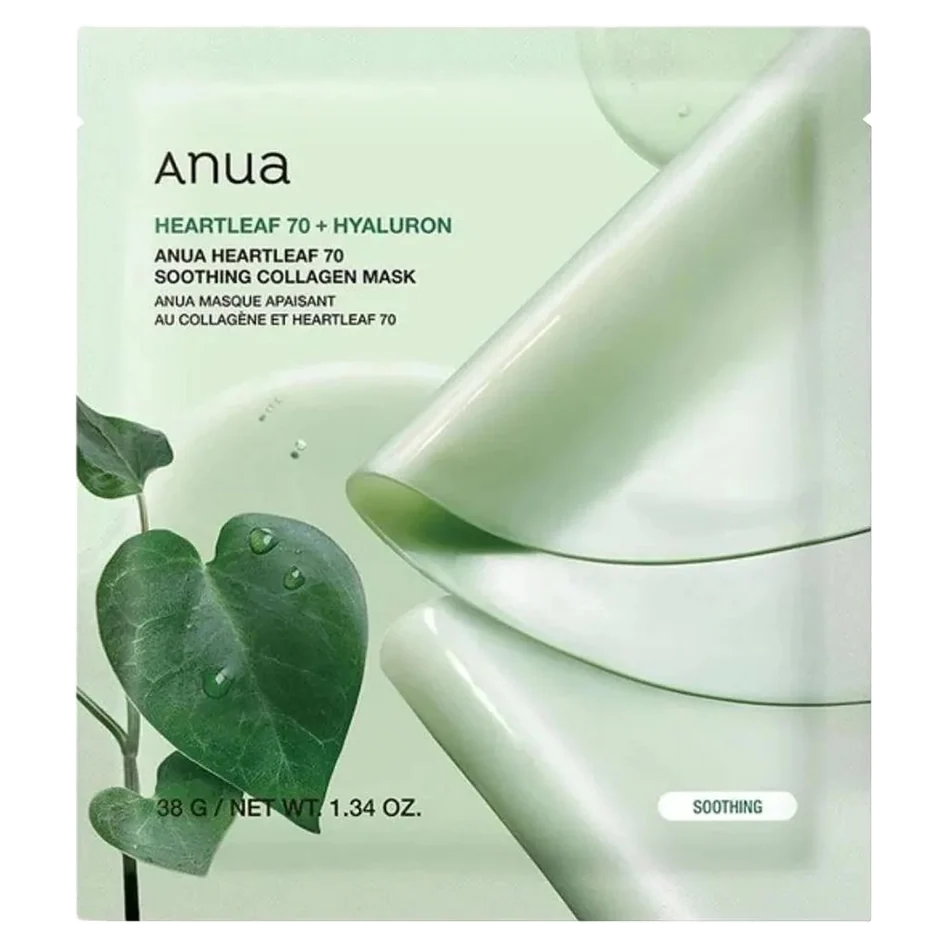
Anua
Heartleaf 70 Soothing Collagen Mask
34th of 35 on the label
below ≈1%
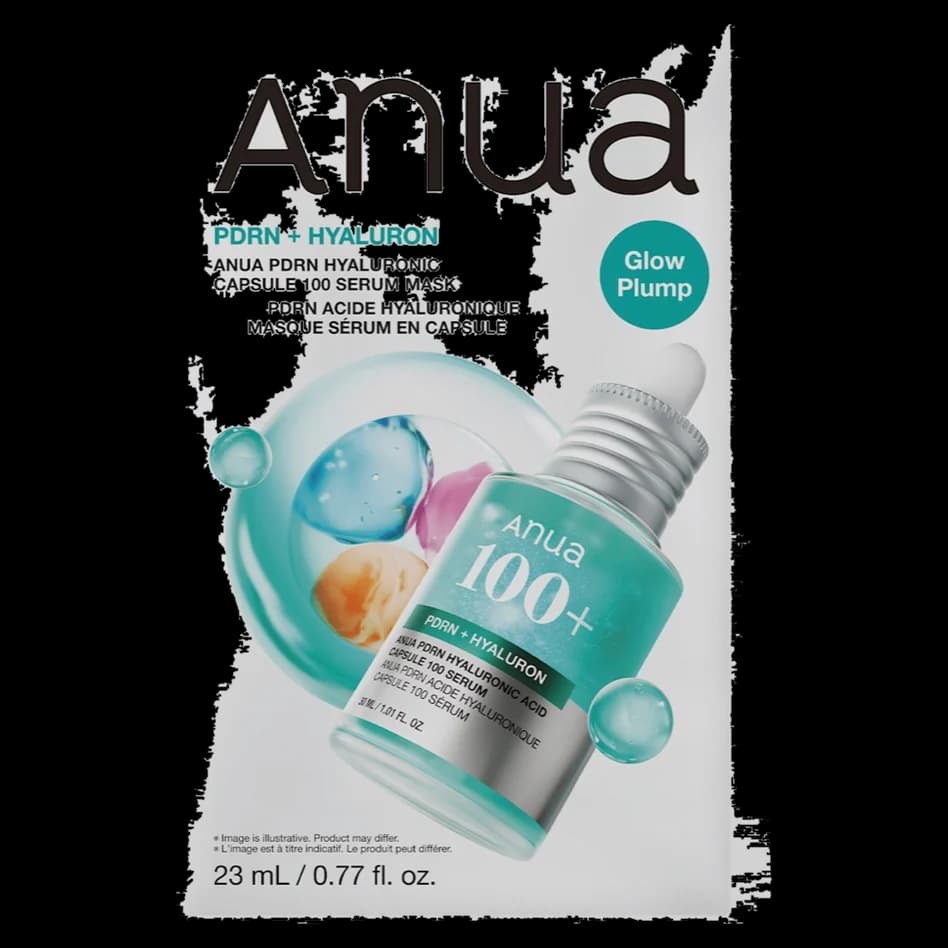
Anua
PDRN Serum Mask 100 Hyaluronic Acid Capsule
18th of 45 on the label
below ≈1%
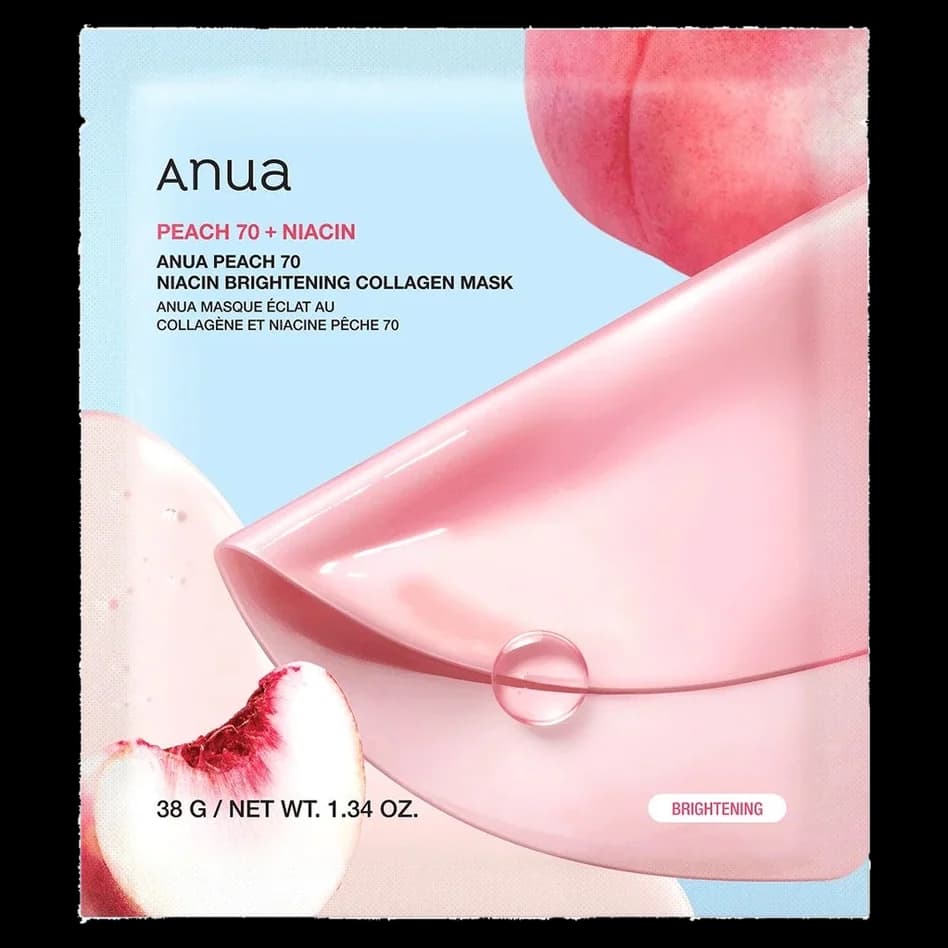
Anua
Peach 70 Niacin Brightening Collagen Mask
38th of 44 on the label
below ≈1%
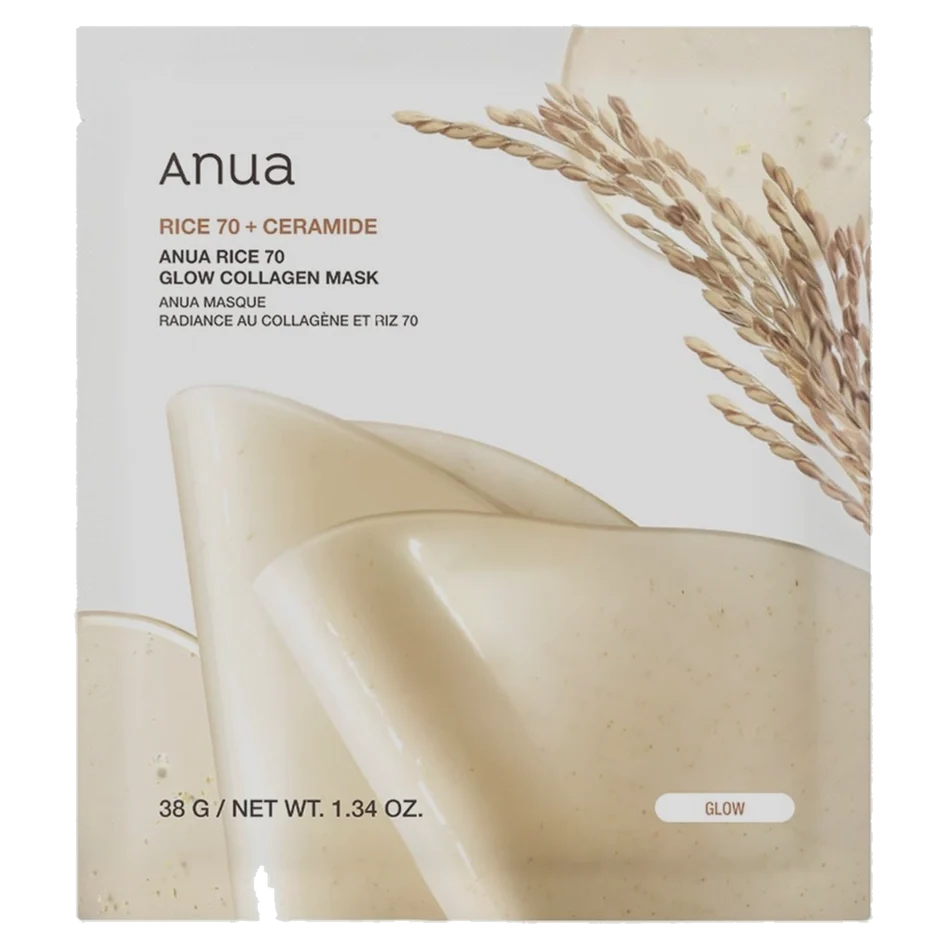
Anua
Rice 70 Glow Collagen Mask
36th of 42 on the label
below ≈1%
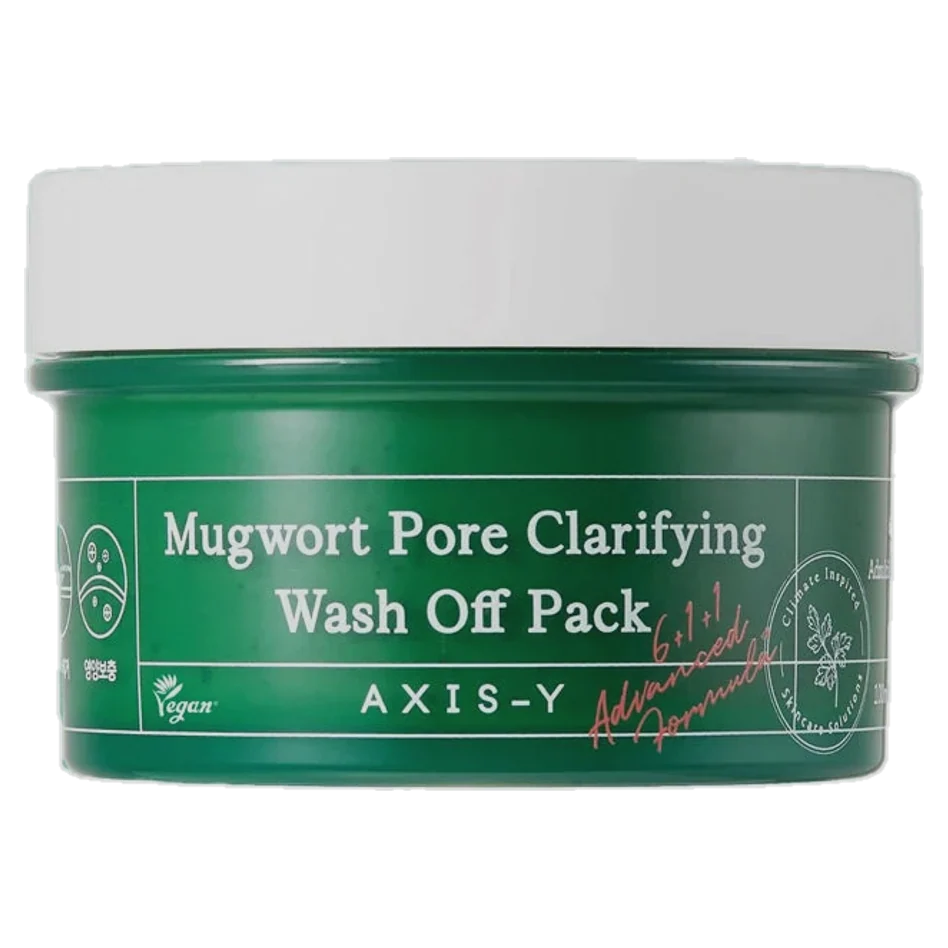
AXIS-Y
Mugwort Pore Clarifying Wash Off Pack
30th of 36 on the label
below ≈1%
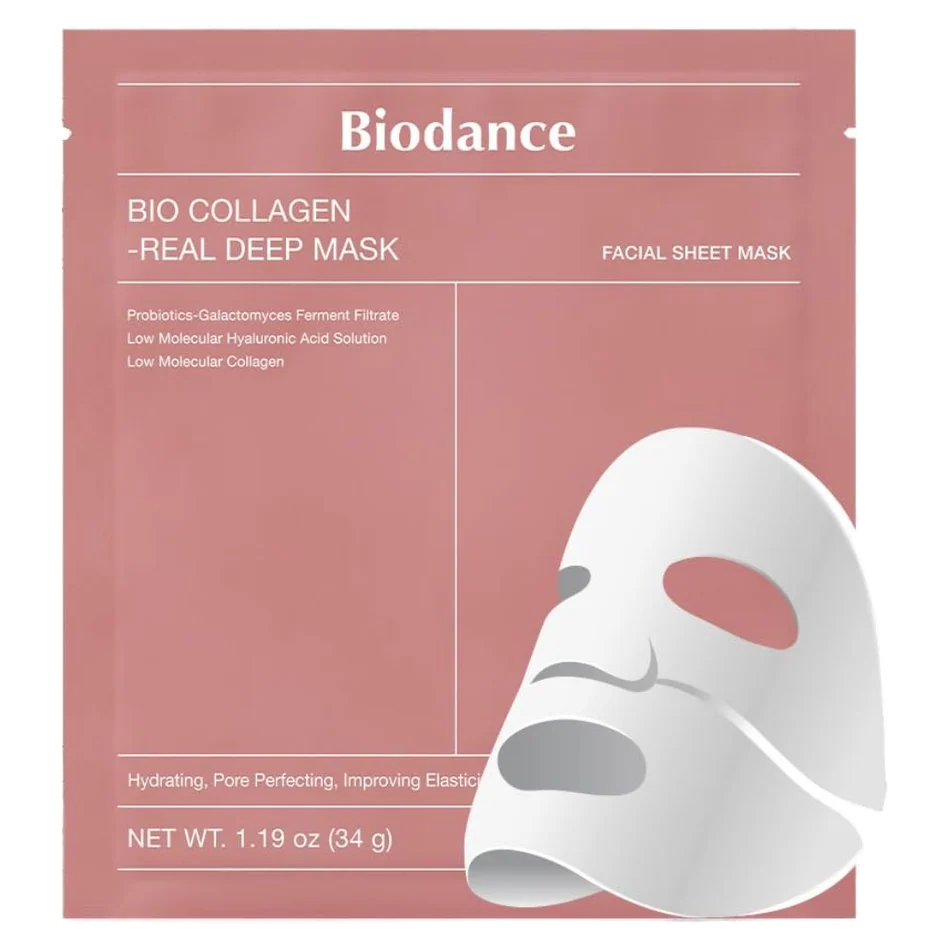
Biodance
Bio-Collagen Real Deep Mask
30th of 34 on the label
below ≈1%
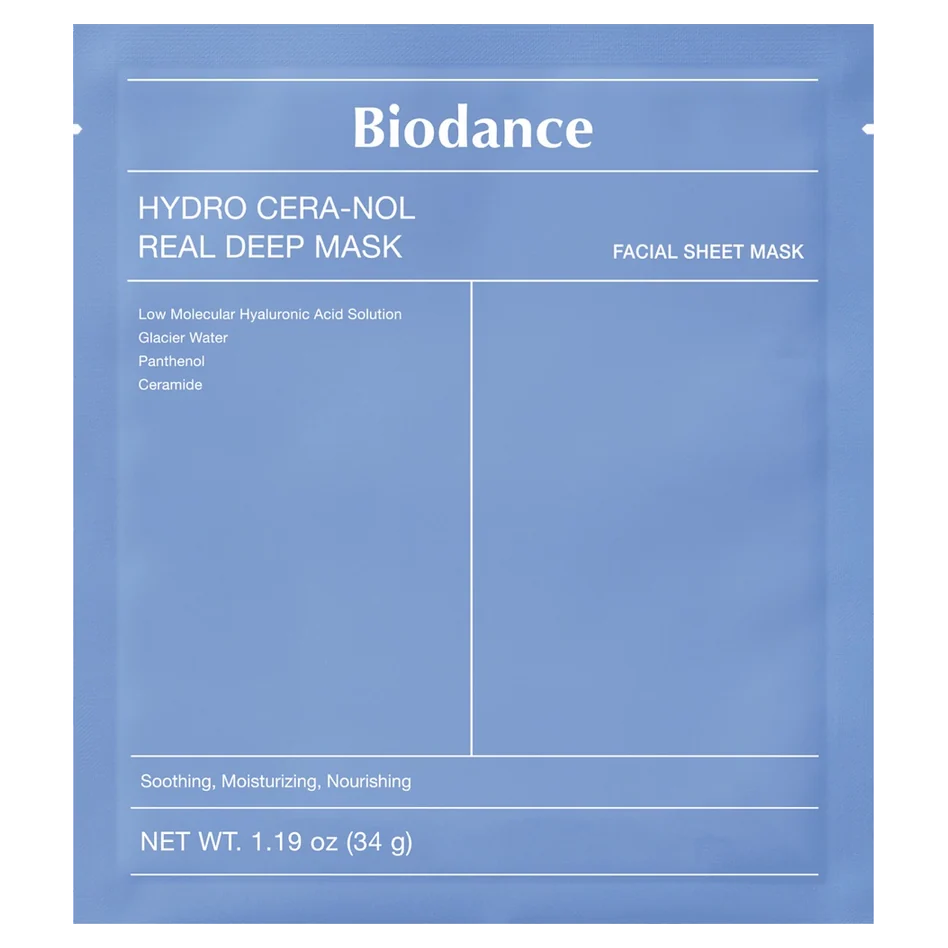
Biodance
Hydro Cera-nol Real Deep Mask
28th of 65 on the label
below ≈1%
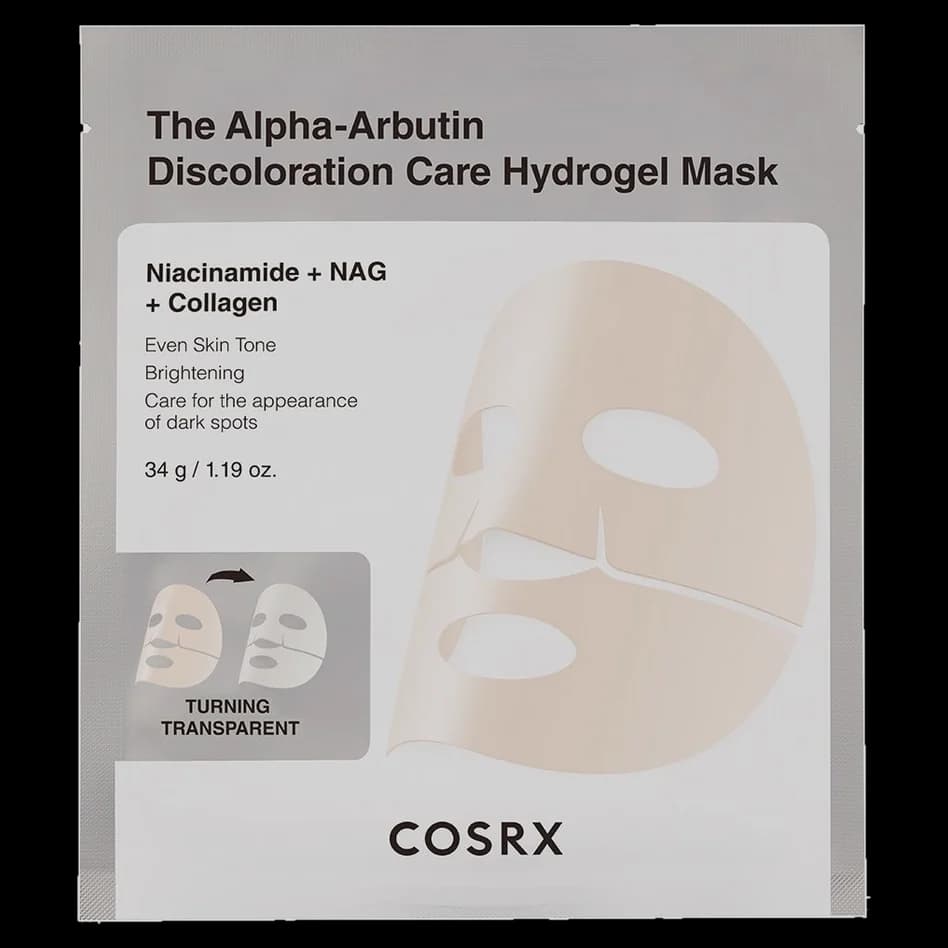
COSRX
The Alpha-Arbutin Discoloration Care Hydrogel Mask
35th of 44 on the label
below ≈1%
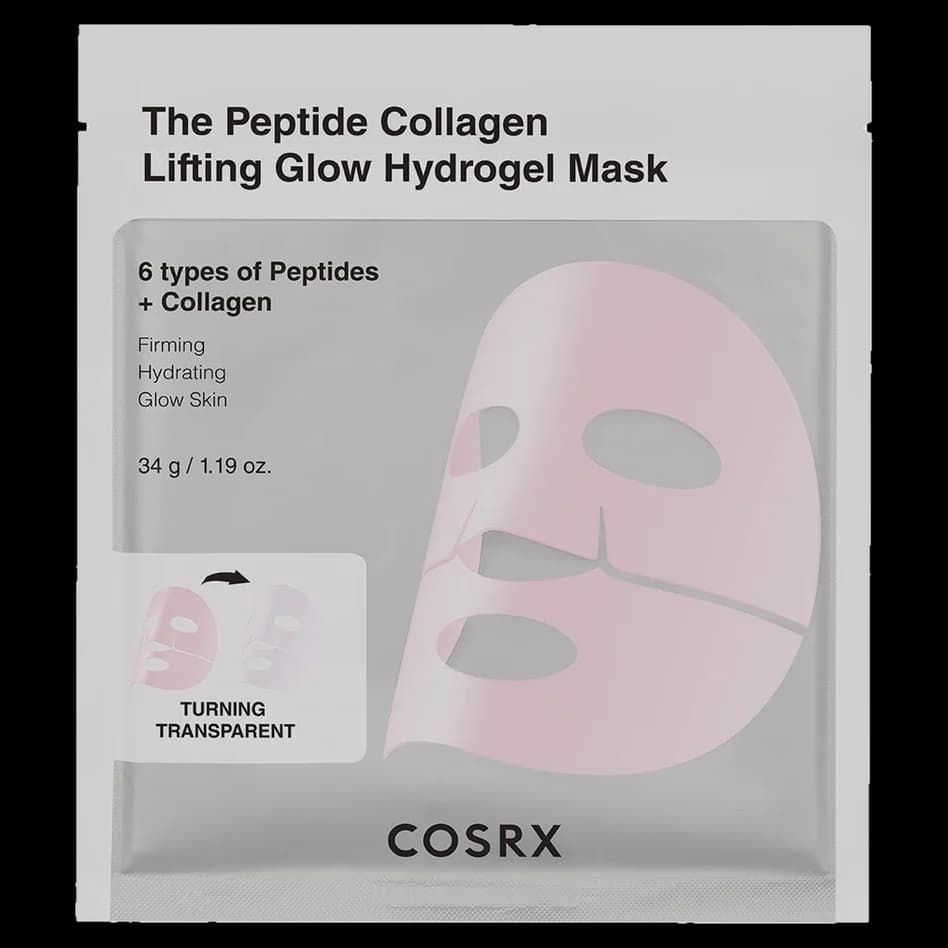
COSRX
The Peptide Collagen Lifting Glow Hydrogel Mask
34th of 49 on the label
below ≈1%
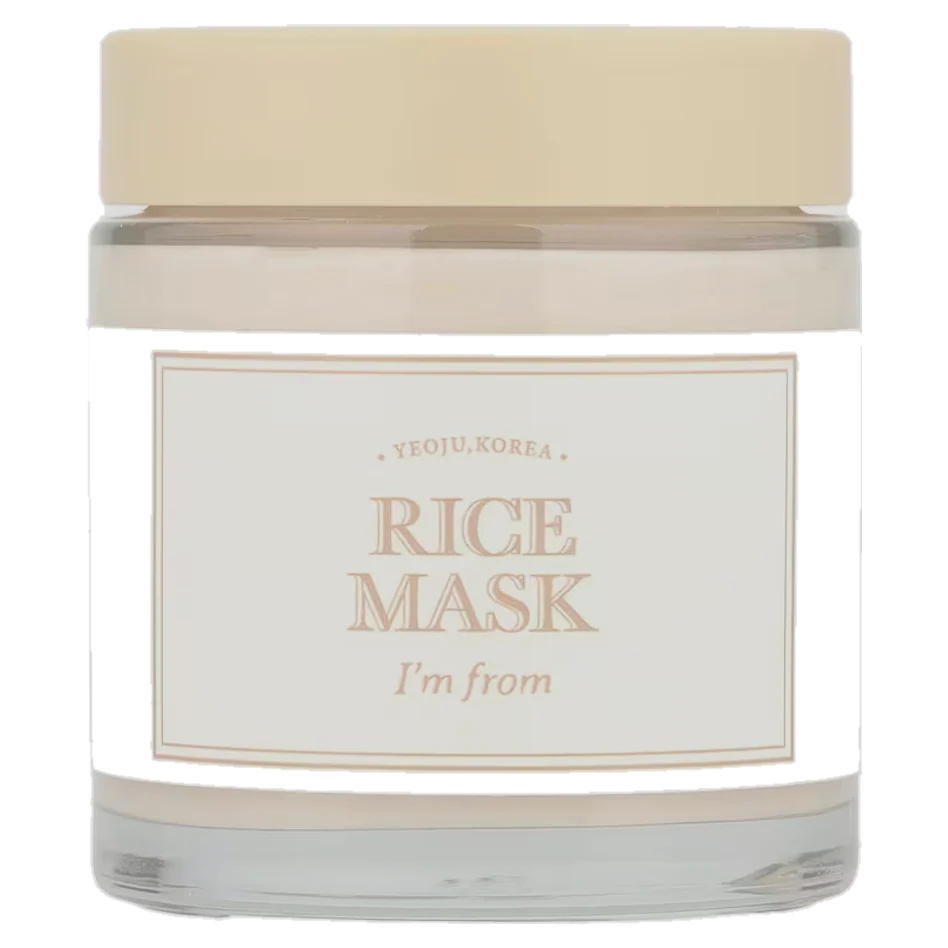
I'm From
Rice Mask
29th of 43 on the label
below ≈1%
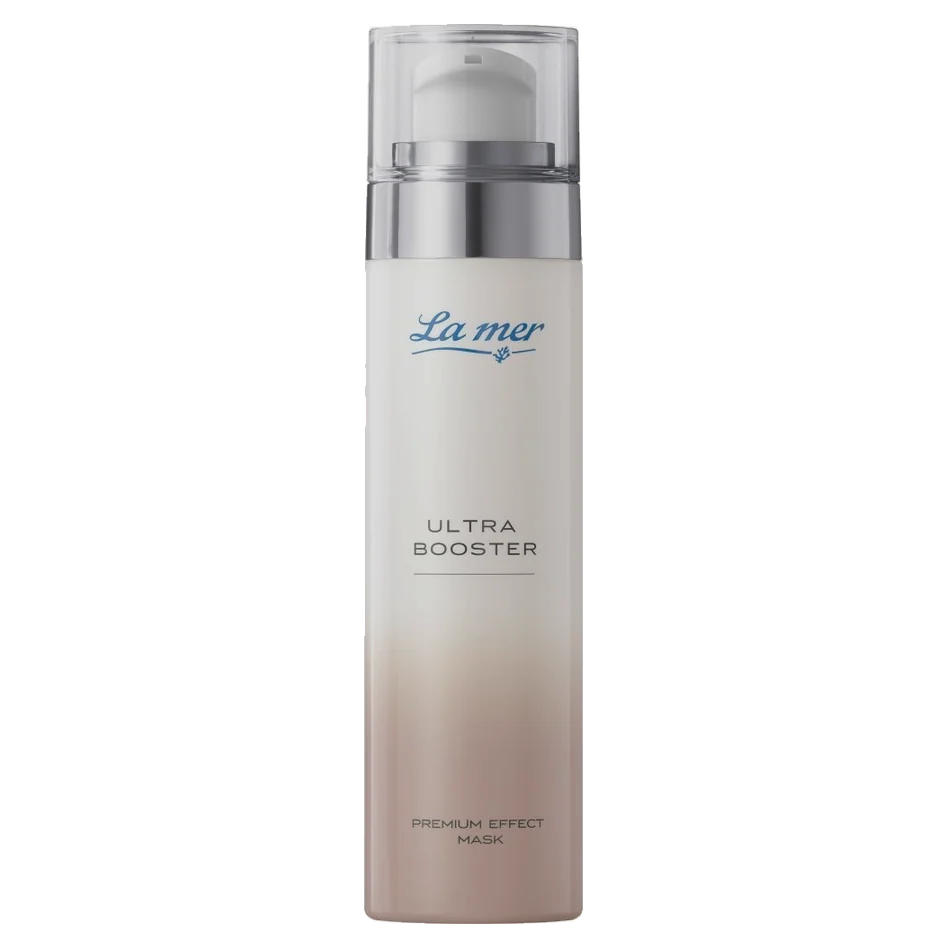
LA MER
Ultra Booster Premium Mask Effect
13th of 41 on the label
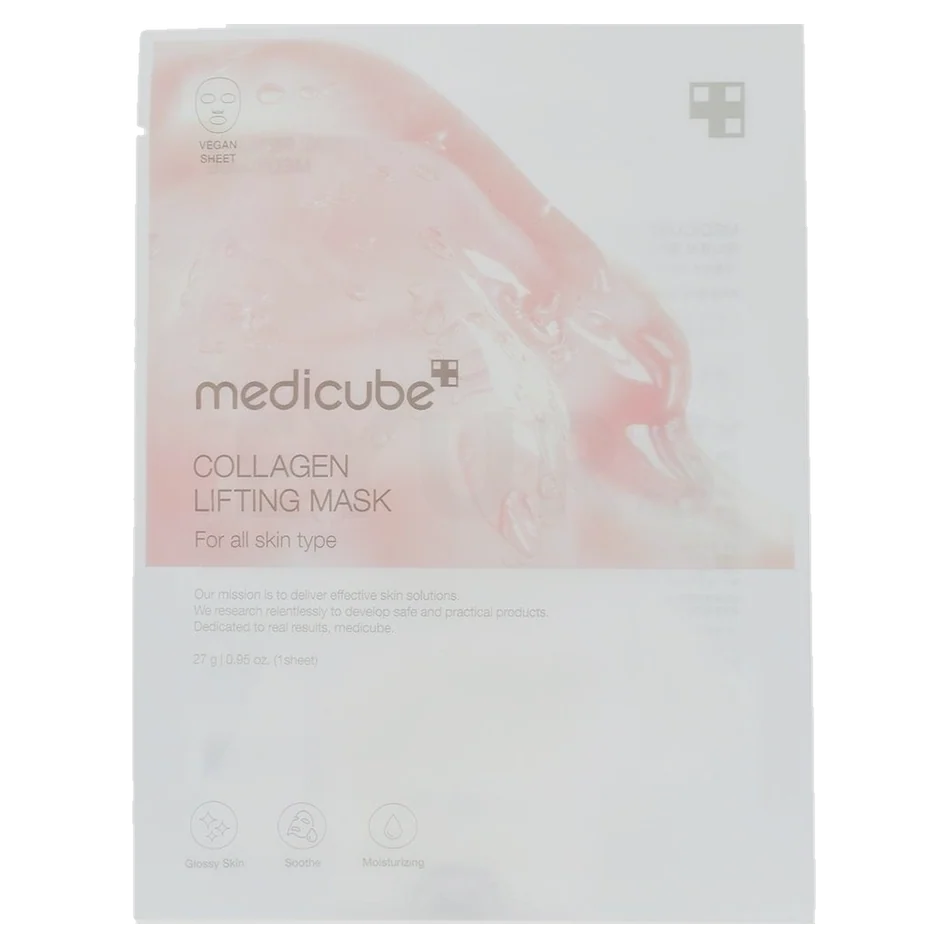
Medicube
Collagen Lifting Mask
33rd of 39 on the label
below ≈1%
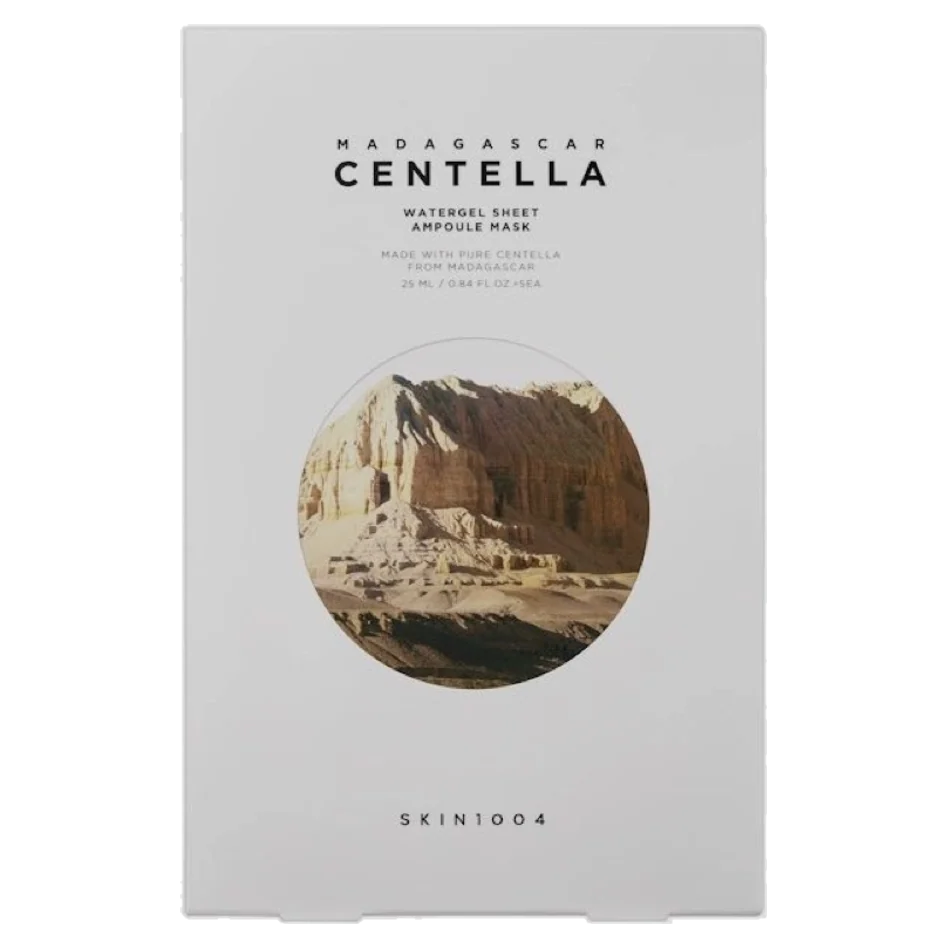
SKIN1004
Madagascar Centella Watergel Sheet Ampoule Mask
26th of 29 on the label
below ≈1%
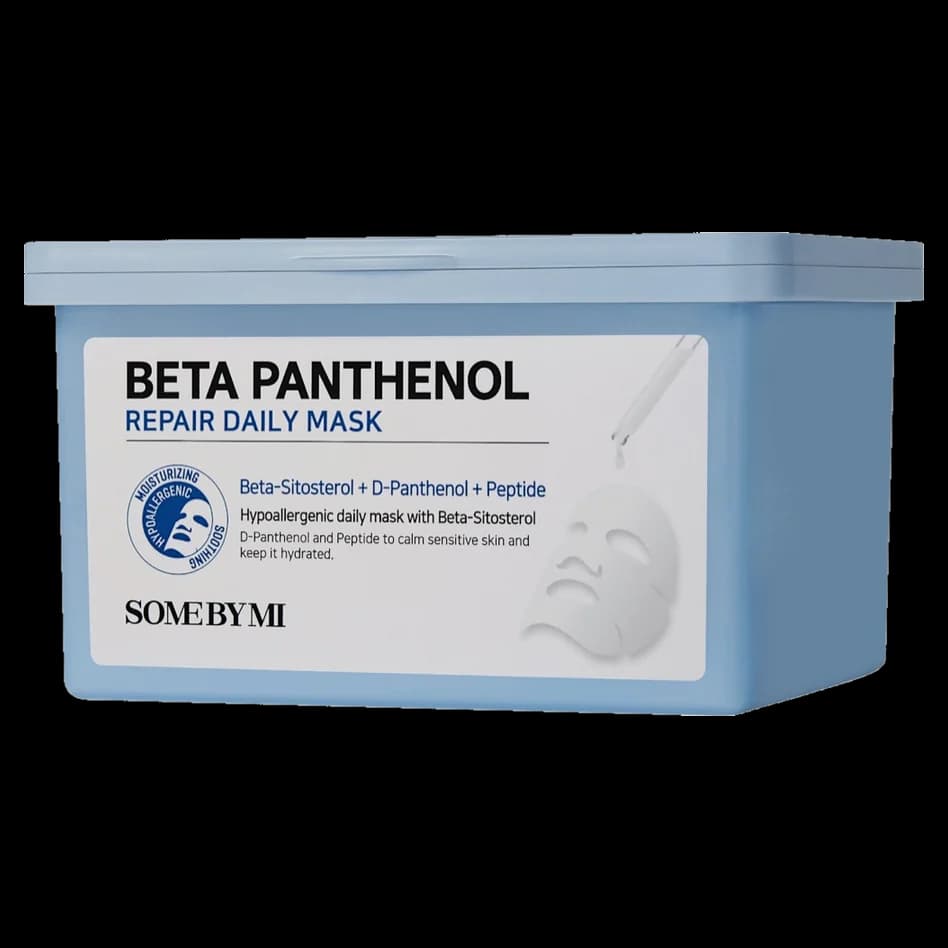
SOME BY MI
Daily Beta Panthenol Repair Mask
48th of 57 on the label
below ≈1%
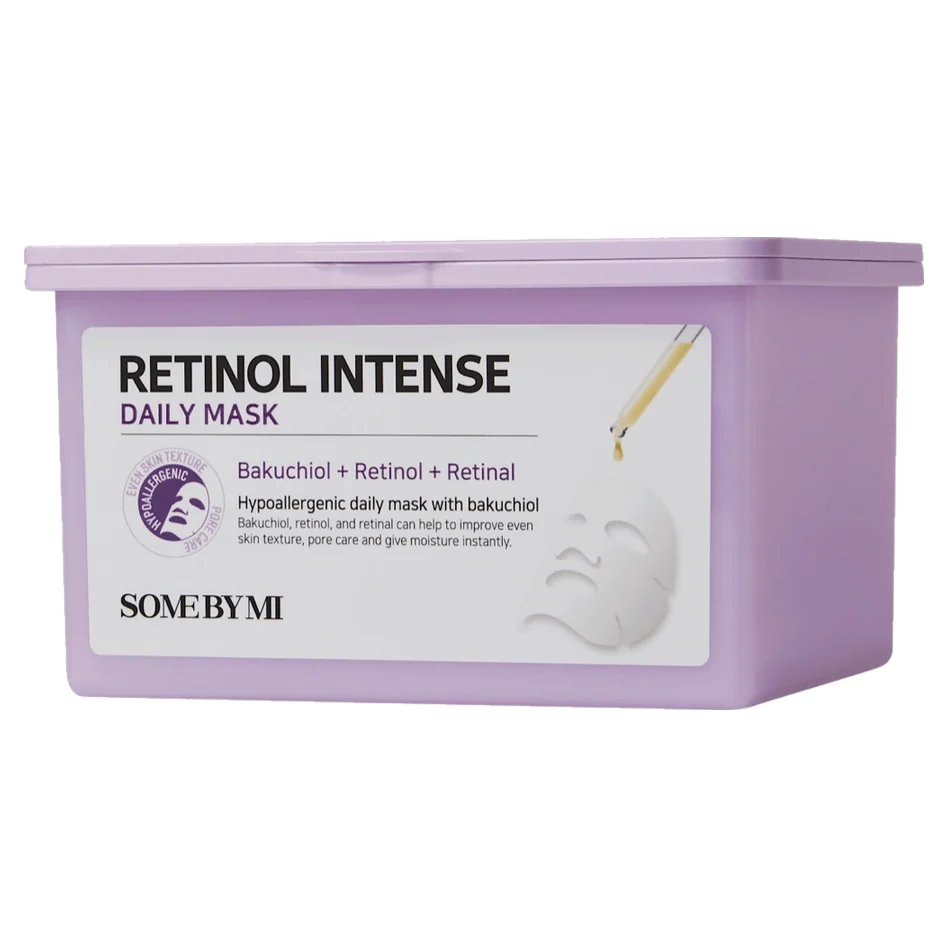
SOME BY MI
Daily Retinol Intense Mask
32nd of 62 on the label
below ≈1%
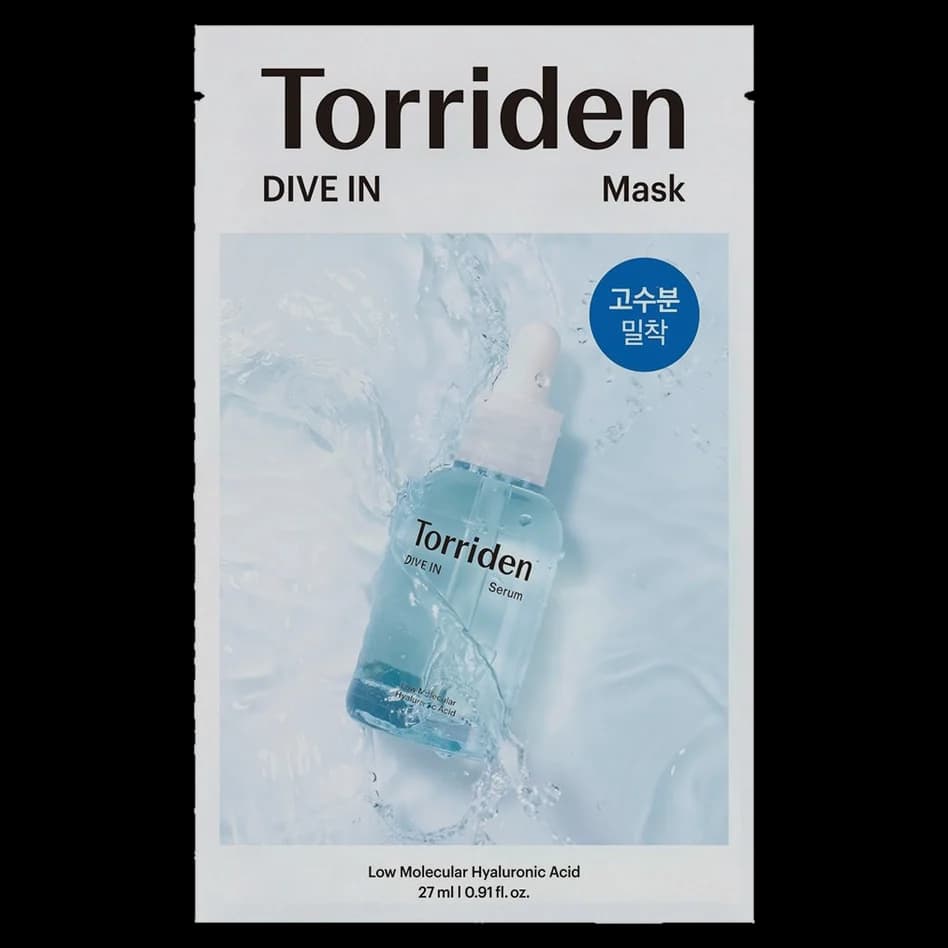
Torriden
DIVE-IN Low Molecular Hyaluronic Acid Mask
9th of 33 on the label
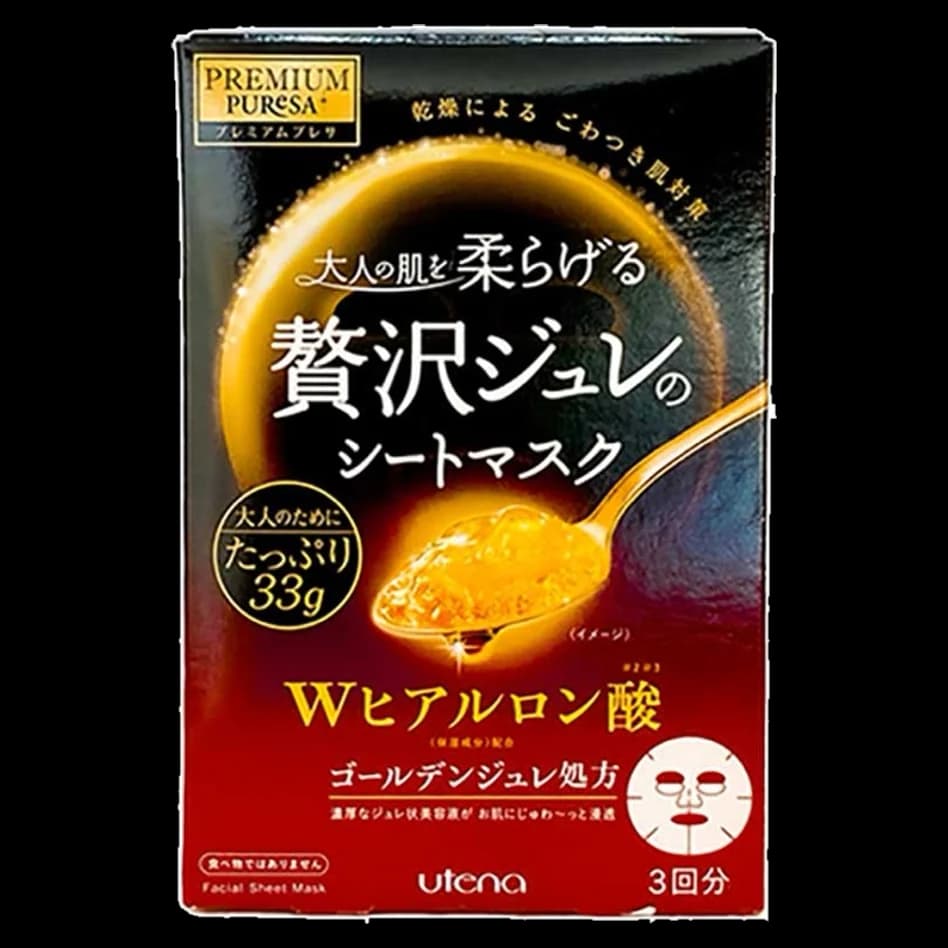
Utena
Premium Puresa Golden Jelly Mask (Hyaluronic Acid)
4th of 35 on the label