Hydroxypropyltrimonium Hyaluronate
Cationic hyaluronate
No meaningful concern for most people; irritation is possible but rare.
Also written as: Cationic hyaluronic acid · Quaternised hyaluronate
What it is
This is hyaluronic acid with hydroxypropyltrimonium groups attached - a quaternary ammonium compound, in the Cosmetic Ingredient Review's own description, in which the substituent is hydrogen or hydroxypropyl trimonium. The point of the modification is charge. Skin and hair carry a net negative surface charge, so a positively charged polymer is substantive to them in a way plain sodium hyaluronate is not, which is the argument for using it in a rinse-off or short-contact product where an unmodified humectant would simply leave with the water.
How it shows up on a label
The most-printed undecoded name in this catalogue until now: eleven masks, more than any other. It sits deep - a median of about three-quarters of the way down the list - and on nine of the eleven it falls below the point where ingredient order stops indicating quantity, which is the ordinary place for a polymer used at a fraction of a per cent.
What it does well
Stays on the surface better than uncharged hyaluronate
The mechanism - electrostatic attraction between a cationic polymer and a negatively charged skin surface - is sound and is the established reason cationic polymers are used in conditioning products. What is missing is independent published work on this particular derivative; the Cosmetic Ingredient Review lists its reported functions as film former and humectant but has not yet assessed it.
Limited evidence
Worth knowing
No completed safety assessment, and it is not covered by the hyaluronate one
The Cosmetic Ingredient Review's 2023 assessment of hyaluronates covered seven ingredients - hyaluronic acid, hydrolysed calcium hyaluronate, hydrolysed hyaluronic acid, hydrolysed sodium hyaluronate, potassium hyaluronate, sodium acetylated hyaluronate and sodium hyaluronate - and this quaternised derivative is not among them. It appears instead on the panel's 2026 draft priorities list as a newly proposed grouping, at a reported frequency of use of 1,379 formulations. That is an absence of review rather than a finding against it, and nothing in the record suggests a problem; it is simply not settled yet.
Matters most toAnyone who treats a published safety assessment as the bar an ingredient should clear.
Where the EU stands
No specific restriction
Not restricted under the EU Cosmetics Regulation; it appears in no annex and has no concentration limit. The only hyaluronic acid derivative named anywhere in the annexes is a nanomaterial entry for gold thioethylamino hyaluronic acid, which is a different substance.
Regulation (EC) No 1223/2009 - no annex entry · source ↗
Sources (2)
Every link goes to the original: a journal, a PubMed record or an EU document.
- [1]Safety Assessment of Hyaluronates as Used in Cosmetics
Cosmetic Ingredient Review, Final Report · 2023
The Expert Panel "assessed the safety of 7 hyaluronate ingredients" and "concluded that these 7 ingredients are safe in cosmetics in the present practices of use and concentration described in this safety assessment". The seven are listed as Hyaluronic Acid, Hydrolyzed Calcium Hyaluronate, Hydrolyzed Hyaluronic Acid, Hydrolyzed Sodium Hyaluronate, Potassium Hyaluronate, Sodium Acetylated Hyaluronate and Sodium Hyaluronate. Hydroxypropyltrimonium Hyaluronate is not among them, so this assessment does not cover it. Checked 26 September 2026.
- [2]2026 Draft Final Priorities List
Cosmetic Ingredient Review, Expert Panel meeting administrative papers · 2025
The priorities list carries Hydroxypropyltrimonium Hyaluronate at a frequency of use of 1,379 (2024 data year), defines it as "the quaternary ammonium compound" in which "R is hydrogen or hydroxypropyl trimonium", gives its reported functions as "Film Formers; Humectants", records its CAS number as unknown, and notes that the panel "should note newly proposed groupings herein for Hydroxypropyltrimonium Hyaluronate". The document is a draft circulated for comment, which is itself the point: the assessment has not been made. Checked 26 September 2026.
Masks that contain Hydroxypropyltrimonium Hyaluronate
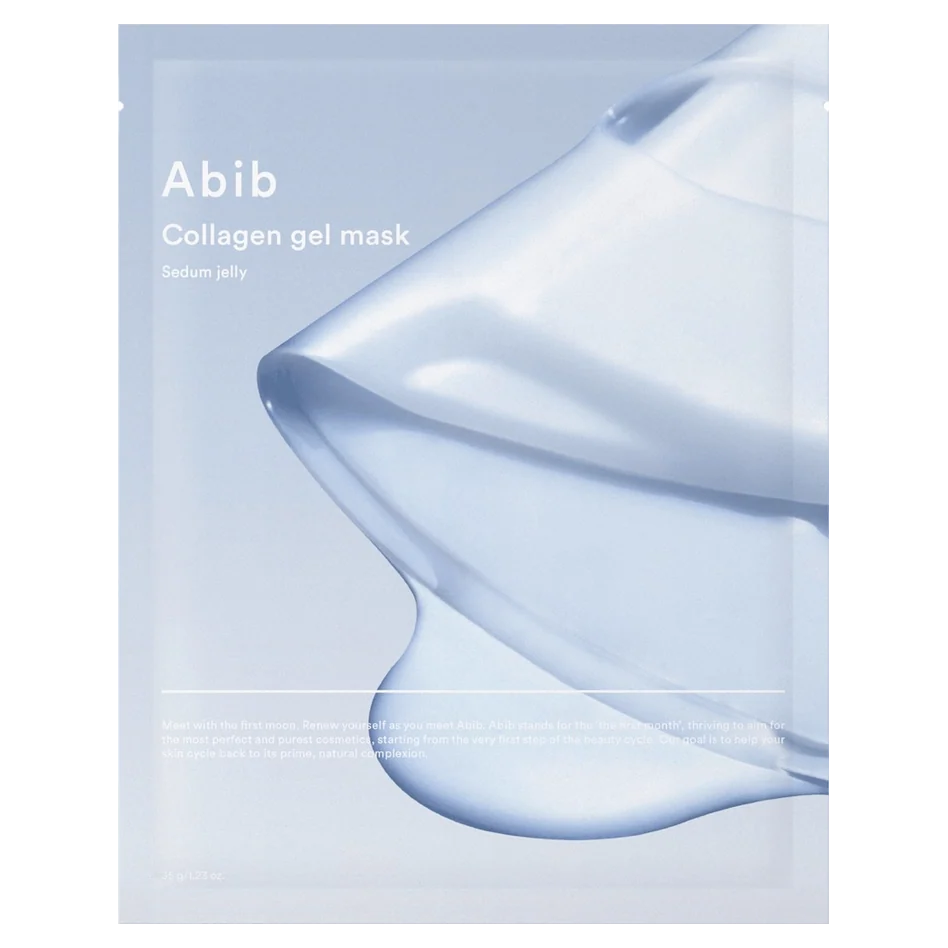
Abib
Collagen Gel Mask Sedum Jelly
35th of 41 on the label
below ≈1%
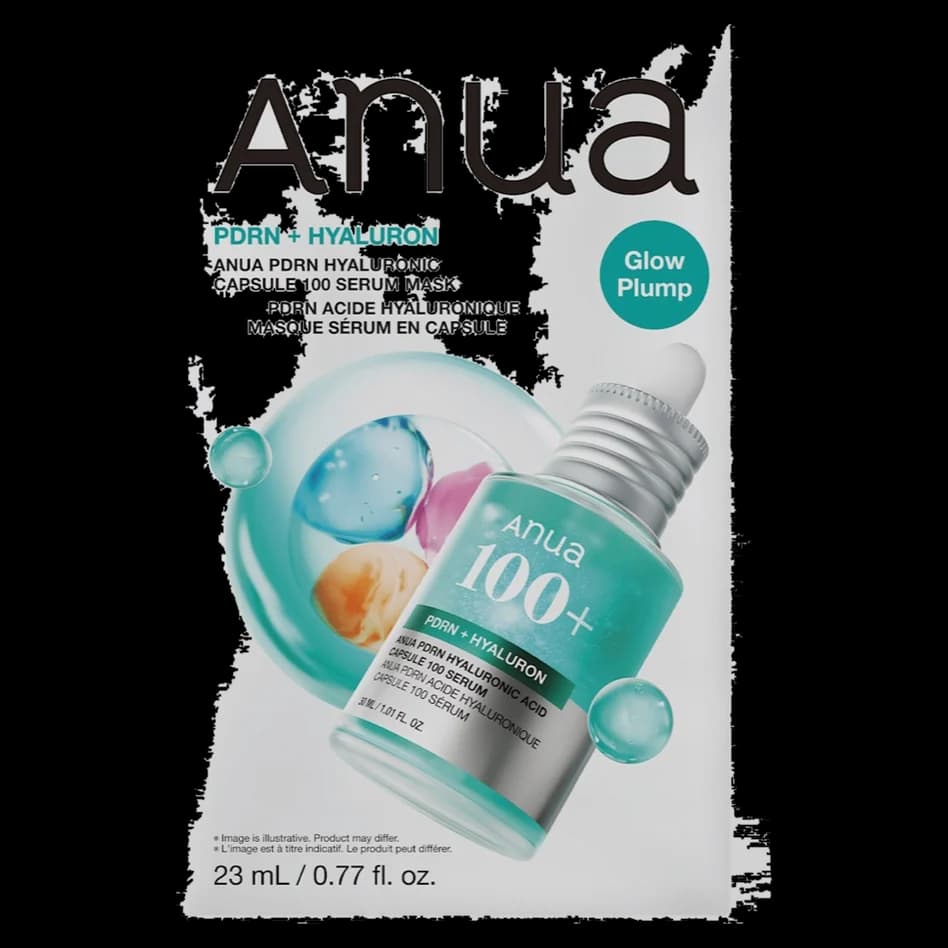
Anua
PDRN Serum Mask 100 Hyaluronic Acid Capsule
39th of 45 on the label
below ≈1%
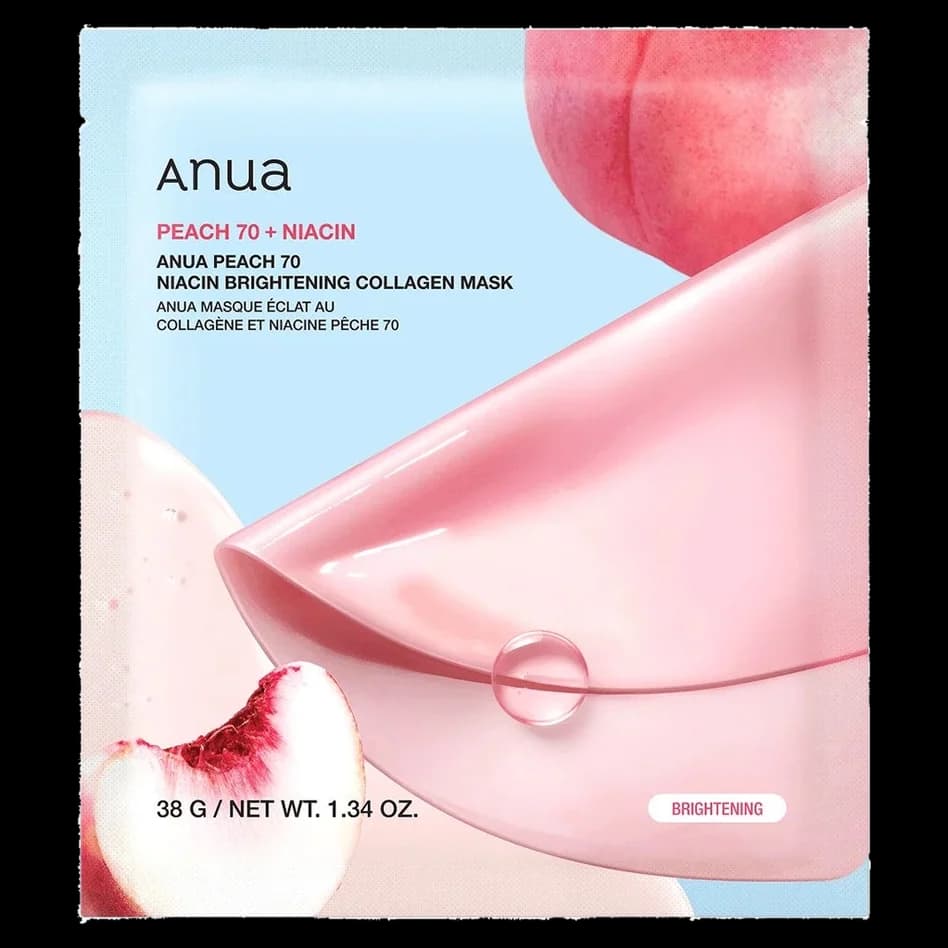
Anua
Peach 70 Niacin Brightening Collagen Mask
33rd of 44 on the label
below ≈1%
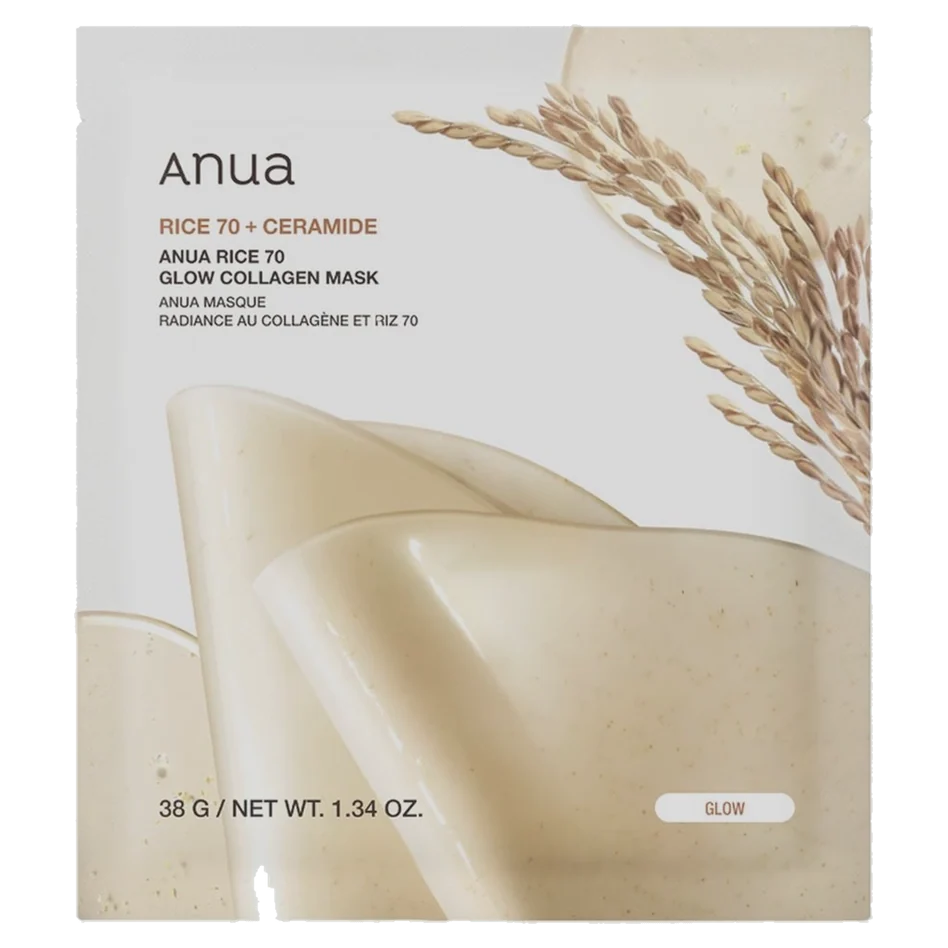
Anua
Rice 70 Glow Collagen Mask
30th of 42 on the label
below ≈1%
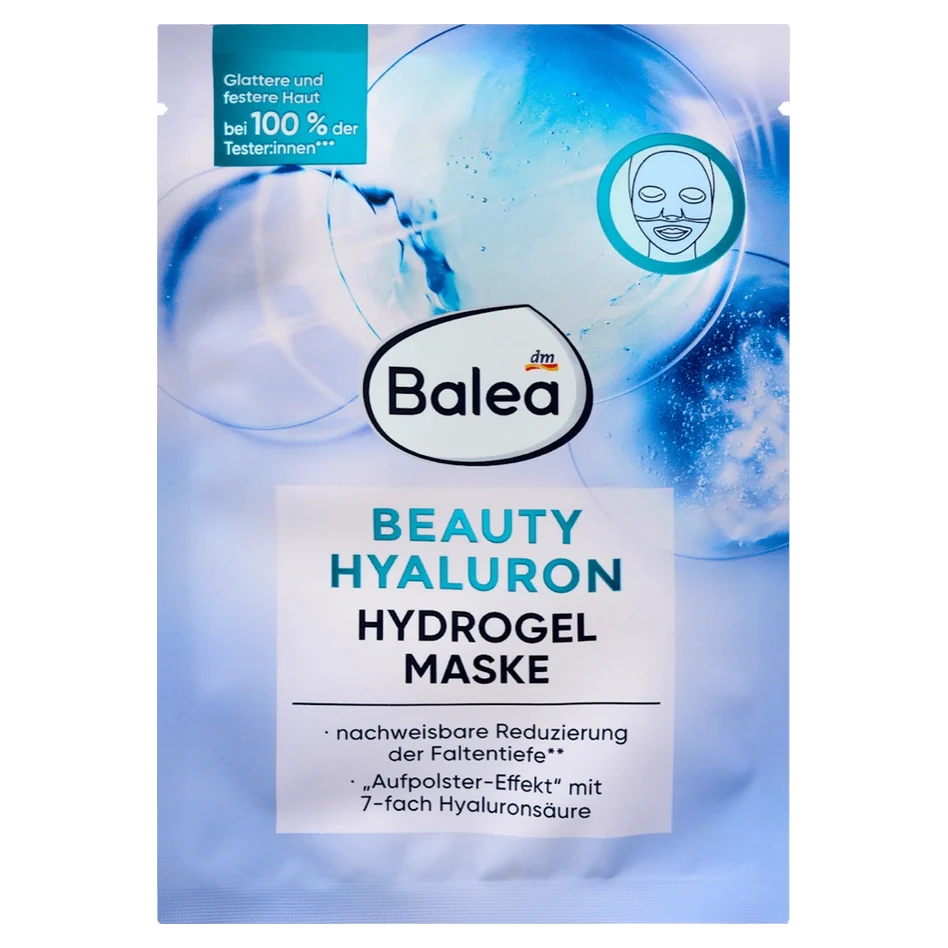
Balea
Gesichtsmaske Beauty Hyaluron Hydrogel
7th of 28 on the label
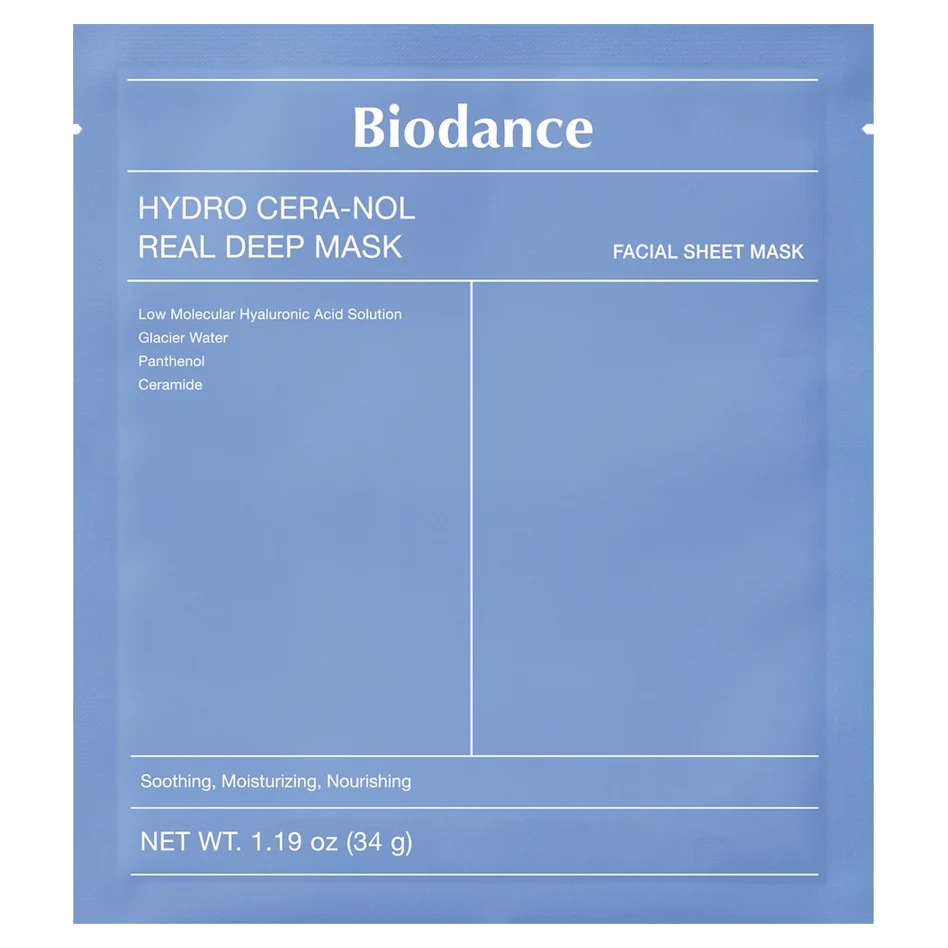
Biodance
Hydro Cera-nol Real Deep Mask
52nd of 65 on the label
below ≈1%
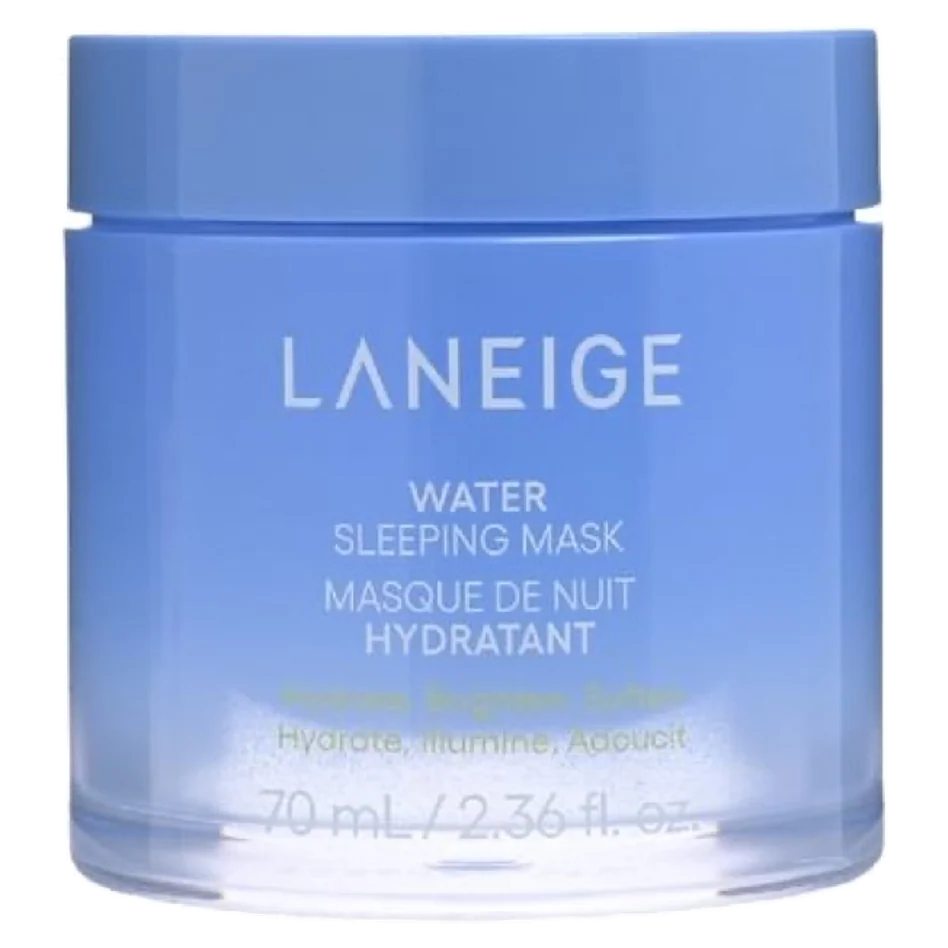
LANEIGE
Water Sleeping Mask
30th of 43 on the label
below ≈1%
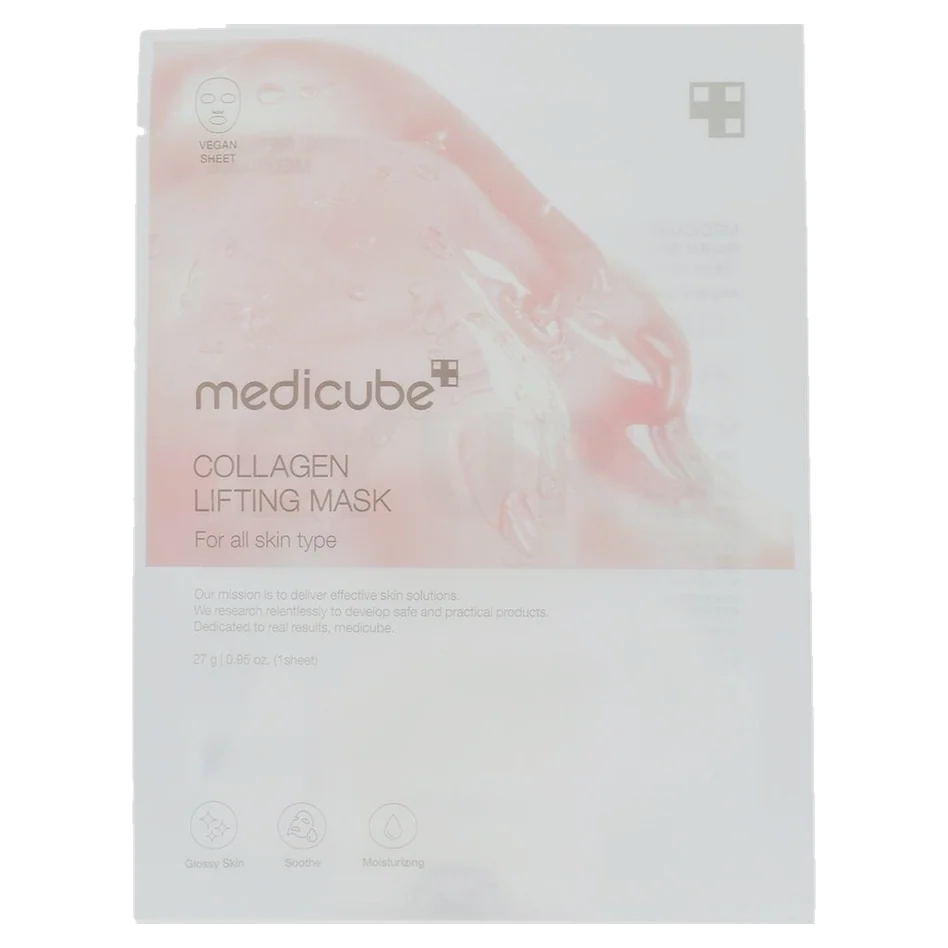
Medicube
Collagen Lifting Mask
31st of 39 on the label
below ≈1%
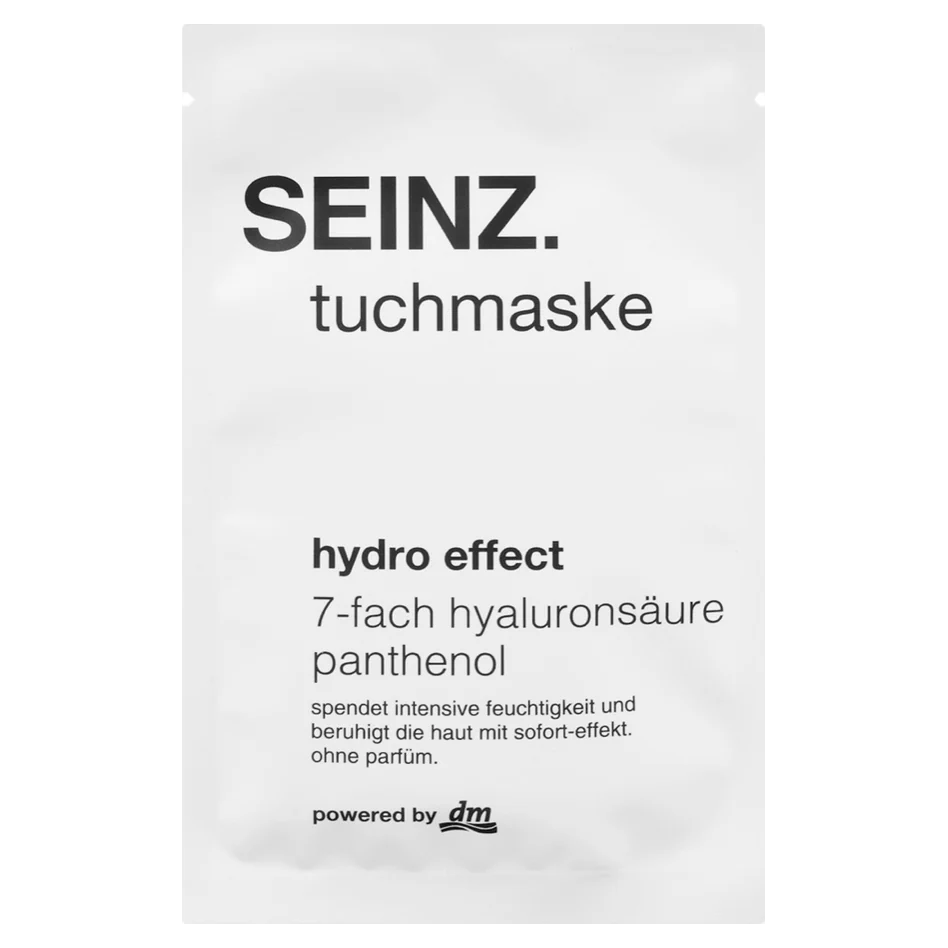
SEINZ.
Tuchmaske hydro effect
8th of 21 on the label
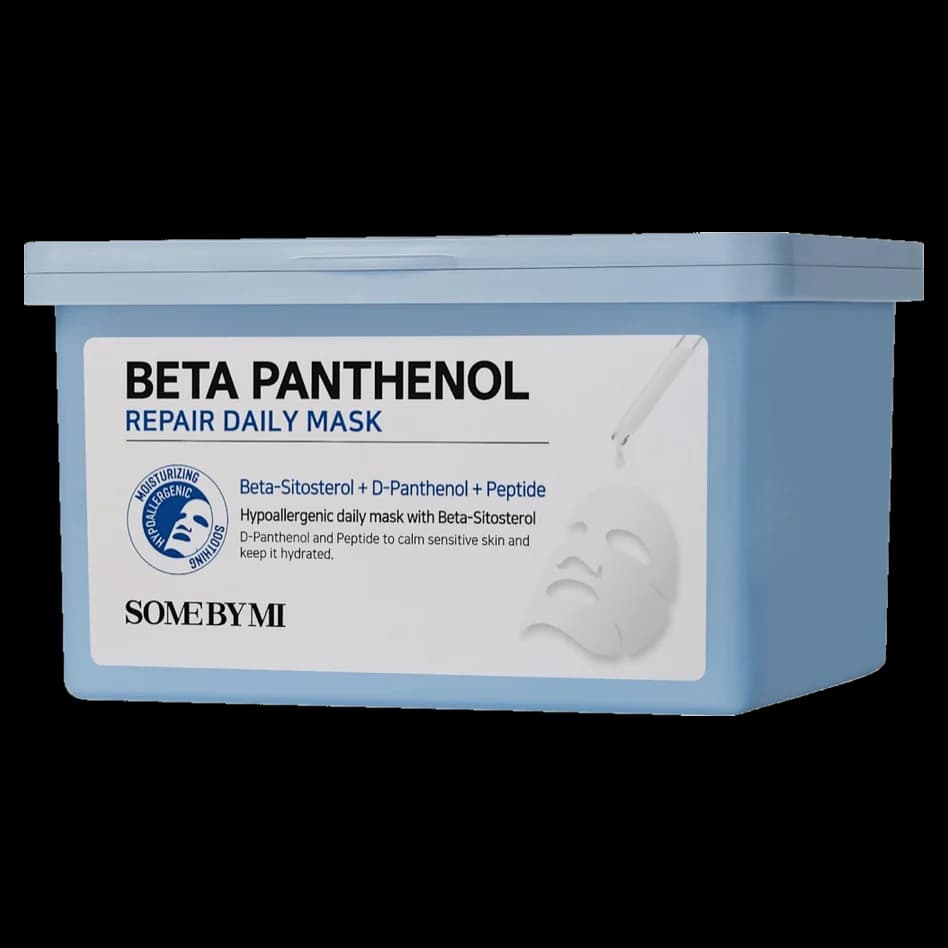
SOME BY MI
Daily Beta Panthenol Repair Mask
51st of 57 on the label
below ≈1%
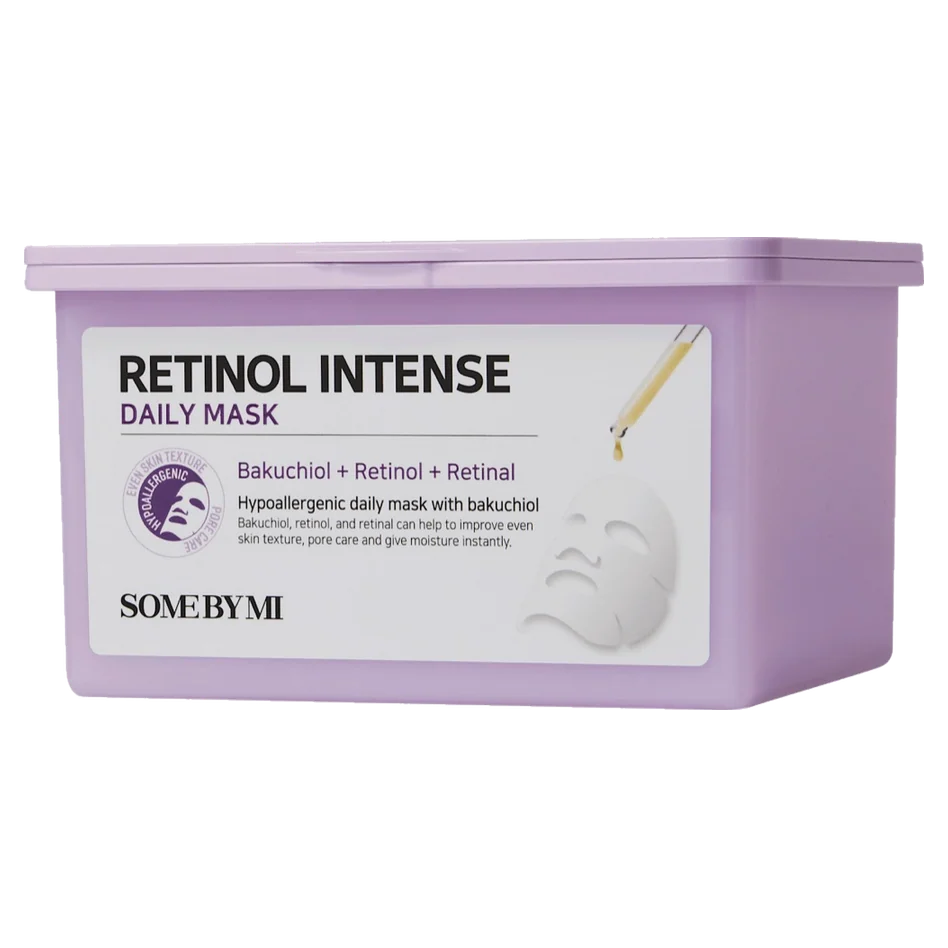
SOME BY MI
Daily Retinol Intense Mask
40th of 62 on the label
below ≈1%