Isopentyldiol
No meaningful concern for most people; irritation is possible but rare.
Also written as: 3-Methyl-1,3-Butanediol
What it is
Isopentyldiol is a five-carbon diol with a branched chain, which the Cosmetic Ingredient Review identifies as 3-methyl-1,3-butanediol. The review counts it among the branched diols it describes as very soluble in water, and it has been reported at 97% purity, and above 99% by a cosmetics industry supplier. The EU's CosIng database records a single function for it, solvent, and the review's own ingredient table lists the same. In the review's 2015 industry survey it was used at up to 10% in products applied to the skin and up to 15% in hair conditioners and shampoos; the US Food and Drug Administration's 2017 registrations counted 135 products containing it, 132 of them left on. In this catalogue it is printed on six Korean masks and one German peel-off, and on six of the seven it sits above the point where ingredient order stops indicating quantity.
How it shows up on a label
Third on Abib's Heartleaf and Jericho Rose collagen gel masks and fifth on the Sedum one, sixth on Anua's PDRN capsule sheet, eighth on Medicube's kojic acid night wrapping mask and fifth on Schaebens' charcoal peel-off Strong - above the point where ingredient order stops indicating quantity on all six. On numbuzin's No.5 sheet mask it is ninth, below that point.
What it does well
Keeps other ingredients dissolved in the formula
Solvent is the only function CosIng records for it, and the Cosmetic Ingredient Review lists the same. This is what the ingredient does in the product, not a claimed effect on skin.
Strong evidence
Reviewed as safe as used
The Cosmetic Ingredient Review's expert panel named isopentyldiol among seven alkane diols that are safe in the present practices of use and concentration, a conclusion published in 2024; three other diols in the same review were left without a conclusion for lack of data. Behind it: an oral LD50 above 5 g/kg in mice, negative results in an Ames test and a second bacterial assay, no sensitisation in a guinea pig maximisation test, no photo-irritation or photosensitisation in guinea pigs, and no eye irritation in rabbits. Australia's industrial chemicals regulator at the time, NICNAS, found it not to be an unacceptable risk to public health in cosmetics at up to 10%.
Moderate evidence
Worth knowing
Rated slightly irritating in a small human patch test
Thirty people had isopentyldiol at an unspecified concentration held against the upper arm under a Finn chamber for 48 hours, alongside 1,3-butanediol and water. Both diols were rated slightly irritating: slight redness was recorded in two people 30 minutes after the chambers came off, and it had gone within 24 hours. Undiluted, it was non-irritating to slightly irritating to rabbit skin. In the guinea pig sensitisation test, the induction doses caused moderate, confluent redness at the injection and application sites, but at challenge there were no reactions and it was classed as non-sensitising. The review weighed all of this and still concluded it is safe as used, which is why the risk level here is low.
Where the EU stands
No specific restriction
Not restricted for cosmetic use in the EU: isopentyldiol appears in no annex of the Cosmetics Regulation as consolidated on 18 May 2026, and CosIng records no restriction for it.
Regulation (EC) No 1223/2009 - no annex entry · source ↗
Sources (6)
Every link goes to the original: a journal, a PubMed record or an EU document.
- [1]Safety Assessment of Alkane Diols as Used in Cosmetics
International Journal of Toxicology (Cosmetic Ingredient Review) · 2024 · doi:10.1177/10915818231224234
The published final report, IJT 43(2_suppl):70S-131S. Abstract: the Panel "assessed the safety of 10 alkane diol ingredients", which "are structurally related to each other as small diols, and most are reported to function in cosmetics as solvents", and "concluded that seven alkane diols are safe in cosmetics in the present practices of use and concentration described in this safety assessment, but that the available data are insufficient to make a determination of safety for three ingredients, namely 1,4-Butanediol, 2,3-Butanediol, and Octanediol." Isopentyldiol is not among the three. Checked 10 October 2026.
- [2]Post-Meeting Announcement, 145th Meeting of the CIR Expert Panel, December 2017
Cosmetic Ingredient Review · 2017
Alkane Diols, 10 ingredients, split conclusion: "the following 7 (of 10 total) alkane diols are safe in cosmetics in the present practices of use and concentration described in the safety assessment", listing Butyl Ethyl Propanediol, 1,10-Decanediol, Hexanediol, Isopentyldiol, Methylpropanediol, 1,5-Pentanediol and Propanediol. Checked 10 October 2026.
- [3]Safety Assessment of Alkane Diols as Used in Cosmetics - tentative report for public comment
Cosmetic Ingredient Review · 2017
The April 2017 tentative report, the source for the data this entry quotes; the conclusion above supersedes its wording. Isopentyldiol (CAS 2568-33-4) has function "Solvent" in Table 1 and "has been reported to be 97% pure", and "> 99% pure as reported by a cosmetics industry supplier". 135 reported uses in 2017, 132 leave-on; 2015 maximum concentrations "15% Isopentyldiol (in hair conditioners, non-coloring shampoo, and other hair preparations, non-coloring)" and 0.33-10% for dermal contact. "In a NICNAS report, Isopentyldiol was determined not to be an unacceptable risk to public health in cosmetic products up to 10%." Oral LD50 "> 5 g/kg Isopentyldiol in mice"; negative "in an Ames test (up to 10,000 µg/plate) and in a liquid suspension assay". Undiluted it "was non-to-slightly irritating to rabbit skin"; "Isopentyldiol (concentration not specified) and 1,3-Butanediol (concentration not specified) were slightly irritating in a 48-hour Finn chamber skin test" on 13 men and 17 women, with slight erythema in two subjects 30 minutes after removal that "resolved within 24 h". In the guinea pig maximisation test it "was non-sensitizing. However, during intradermal injection at induction and topical induction, moderate and confluent erythema were observed." Undiluted, "neither a photo-irritant nor a photo-sensitizer", and non-irritating to rabbit eyes. "The branched alkane diols among these ingredients are very soluble in water". Checked 10 October 2026.
- [4]Quick Reference Table: CIR conclusions by ingredient
Cosmetic Ingredient Review · 2024
Lists Isopentyldiol with conclusion S (safe), citing IJT 43(Suppl. 2):70S-131S, 2024 - the same citation the table gives its alkane diol neighbours such as 1,10-Decanediol. Checked 10 October 2026.
- [5]CosIng entry: Isopentyldiol
European Commission, CosIng database
INCI name ISOPENTYLDIOL, status active, CAS 50468-22-9 / 2568-33-4. Function: solvent. No annex number, cosmetic restriction or maximum concentration is recorded. The chemical-name field reads "3-Methylbutane-1,2-diol", which matches the first CAS number; the Cosmetic Ingredient Review identifies the ingredient by the second, 2568-33-4, as 3-methyl-1,3-butanediol. Checked 10 October 2026.
- [6]Regulation (EC) No 1223/2009 on cosmetic products, consolidated text of 18 May 2026
Official Journal of the European Union · 2026
A sweep of the full consolidated text finds no occurrence of isopentyldiol, methylbutanediol in either numbering, or either CAS number 2568-33-4 or 50468-22-9. The two methylbutane entries in Annex II are unrelated substances, 2,3-dichloro-2-methylbutane and (R,S)-2-amino-3,3-dimethylbutane amide. Checked 10 October 2026.
Masks that contain Isopentyldiol
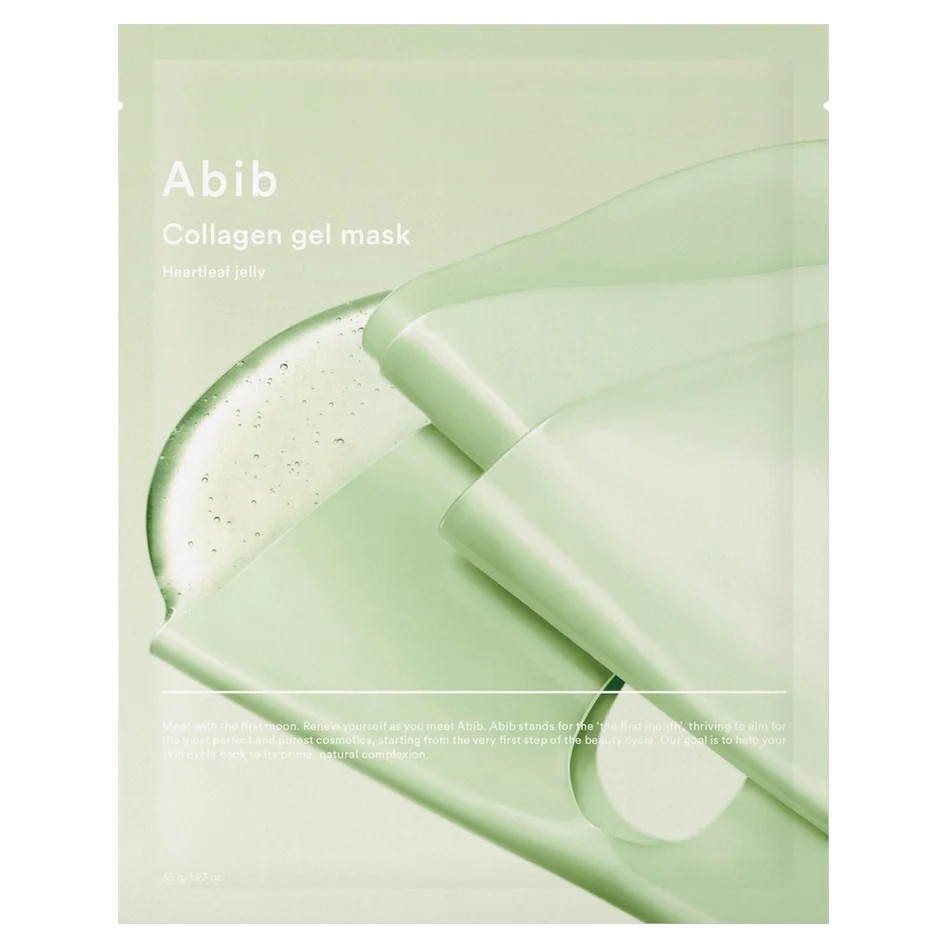
Abib
Collagen Gel Mask Heartleaf Jelly
3rd of 43 on the label
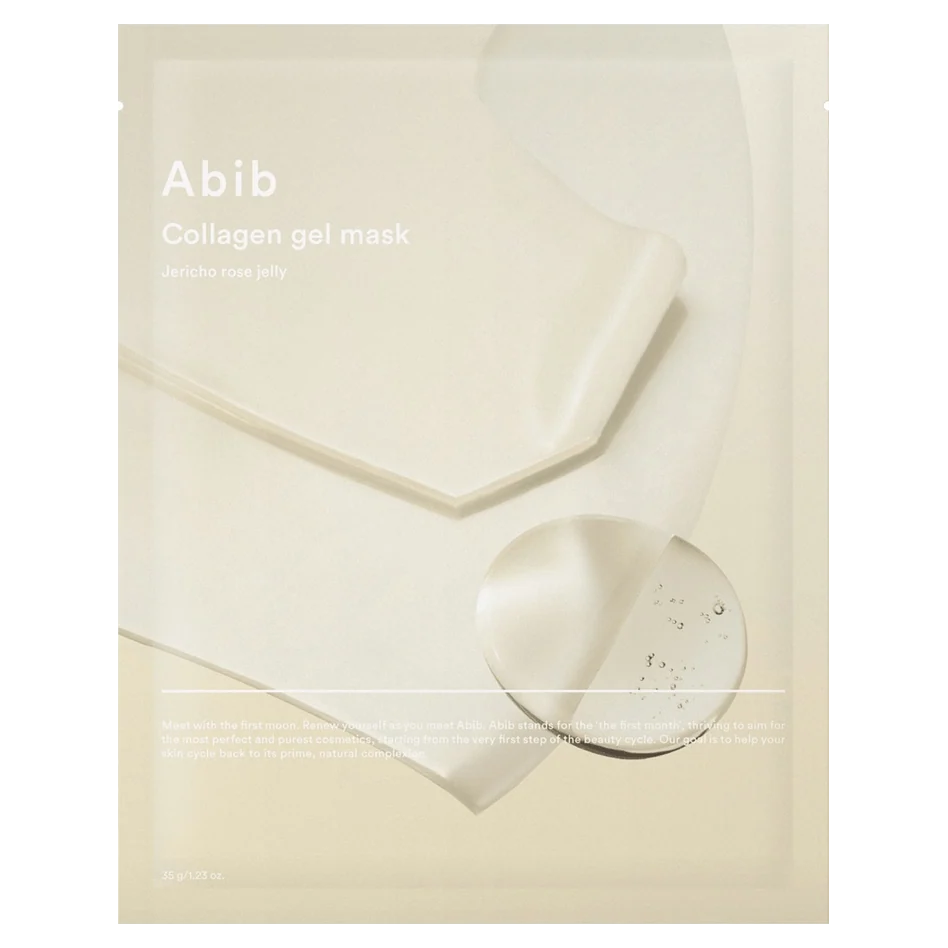
Abib
Collagen Gel Mask Jericho Rose Jelly
3rd of 43 on the label
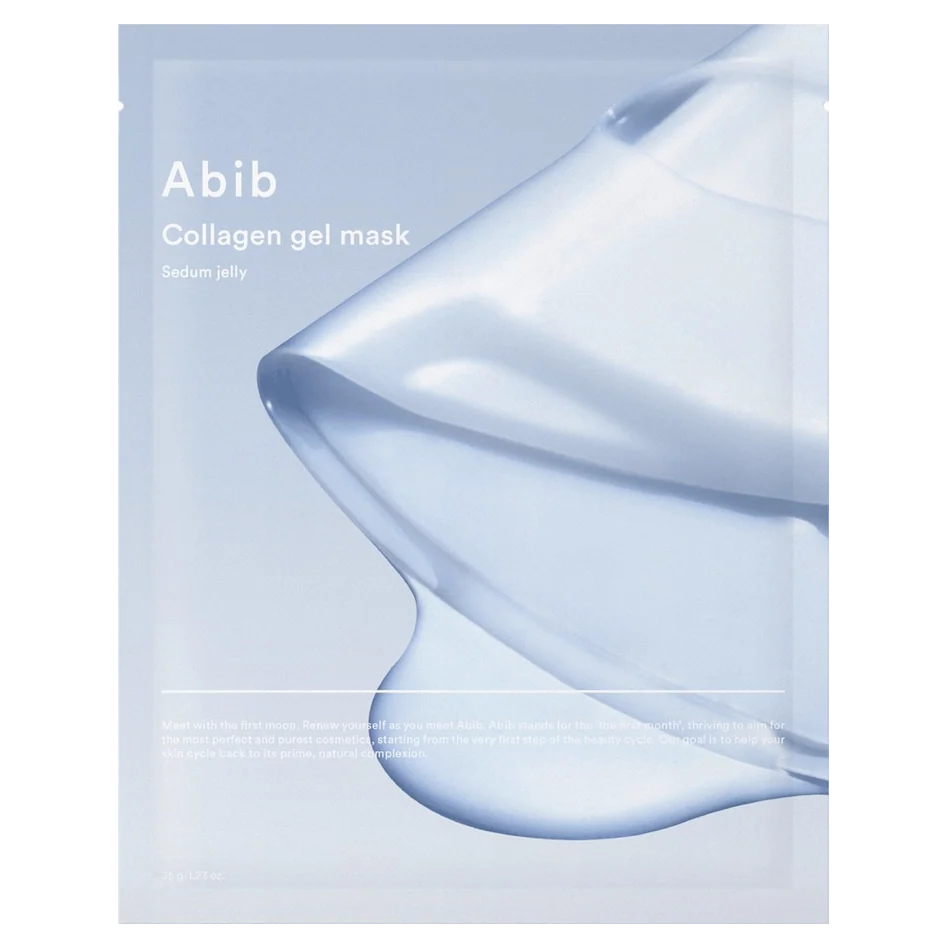
Abib
Collagen Gel Mask Sedum Jelly
5th of 41 on the label
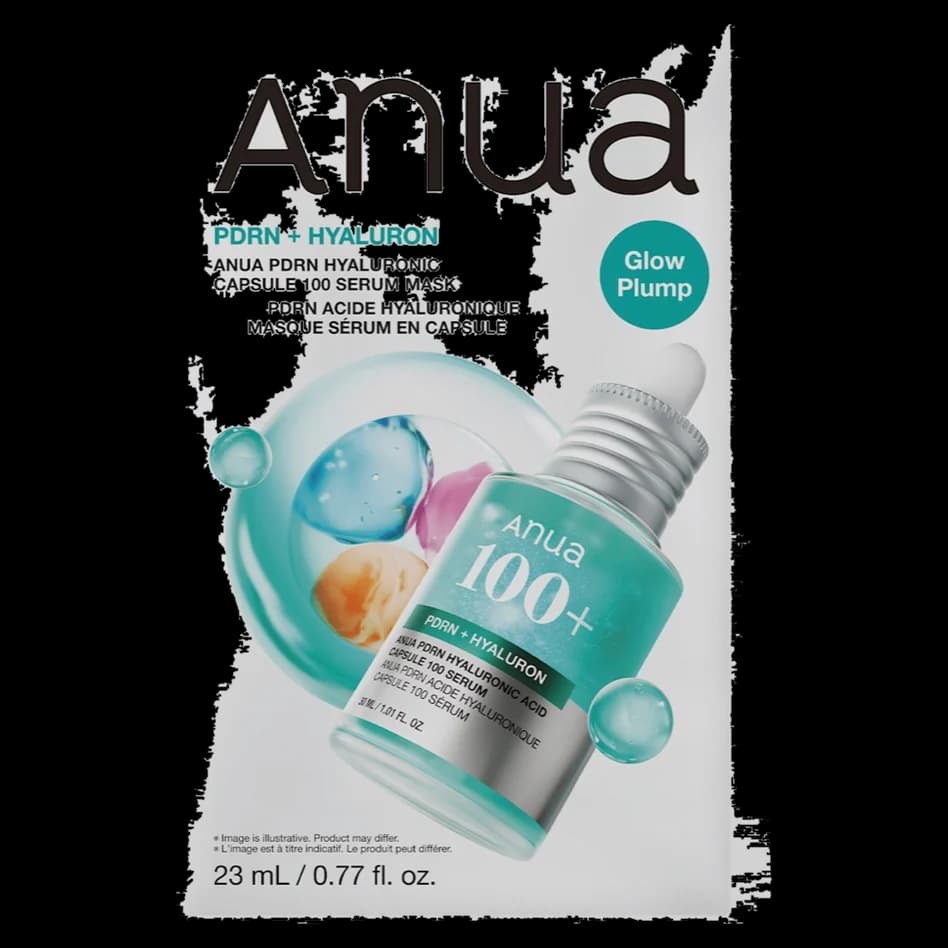
Anua
PDRN Serum Mask 100 Hyaluronic Acid Capsule
6th of 45 on the label
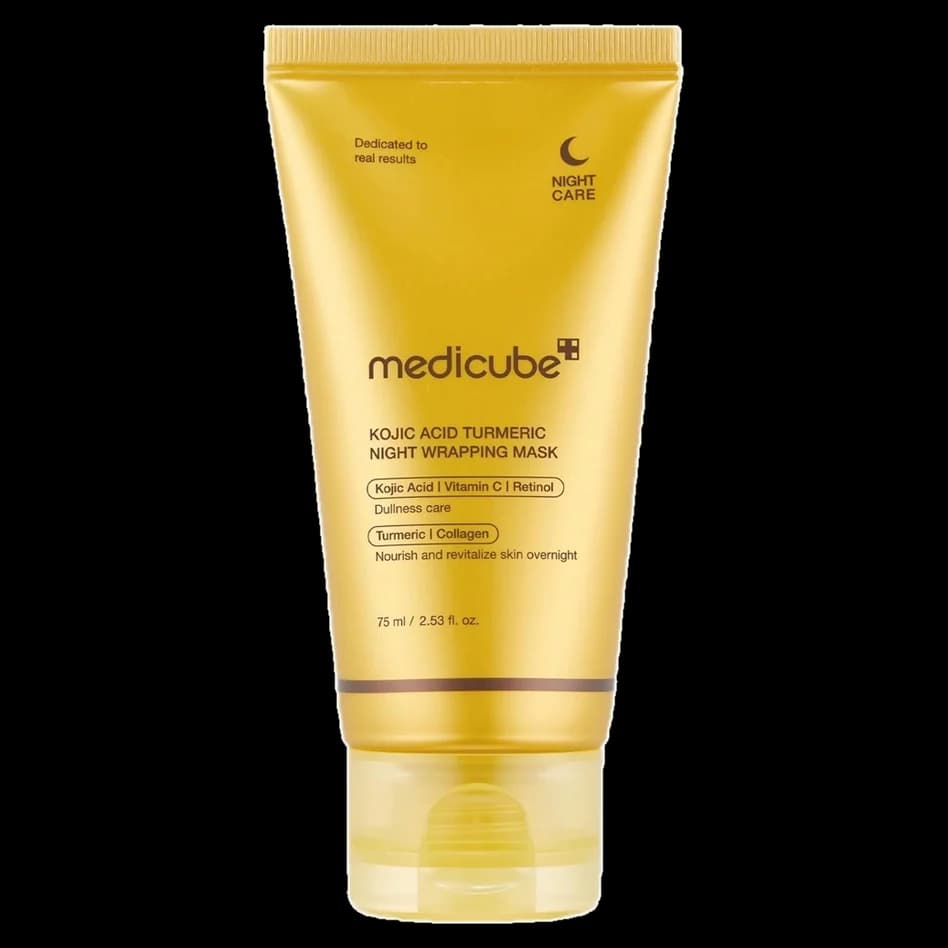
Medicube
Kojic Acid Turmeric Night Wrapping Mask
8th of 22 on the label
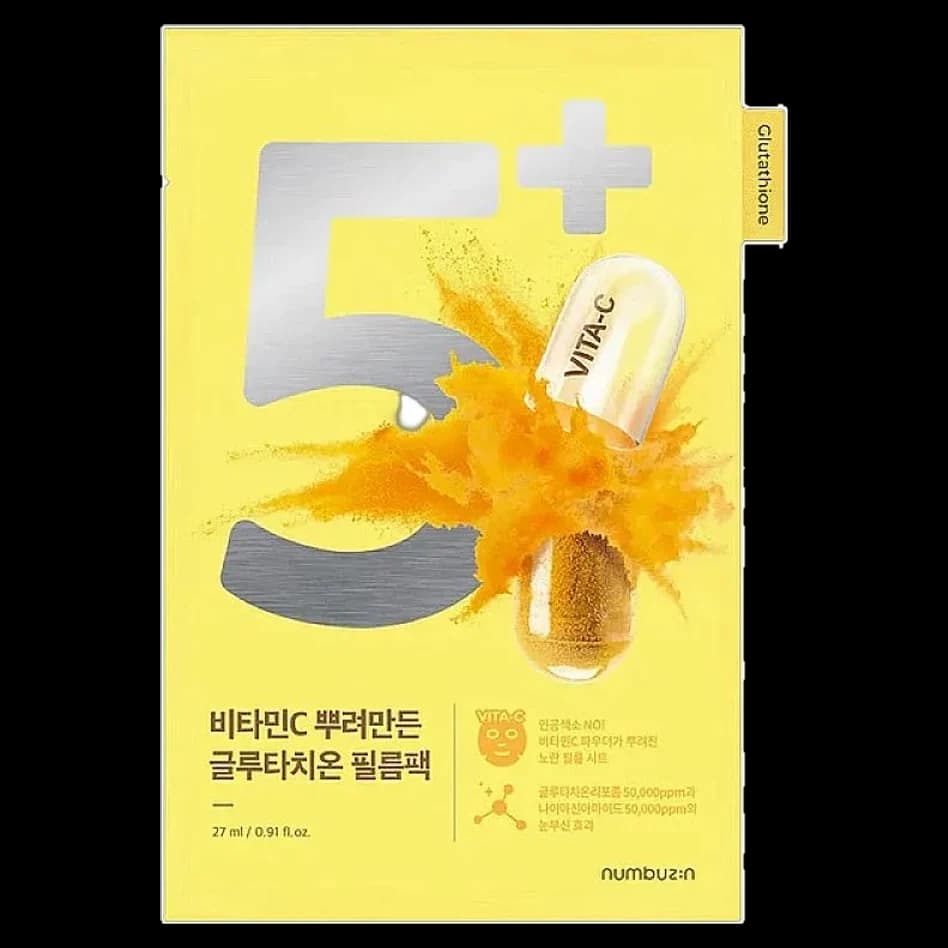
numbuzin
No.5 Vitamin Spotlight Sheet Mask
9th of 33 on the label
below ≈1%
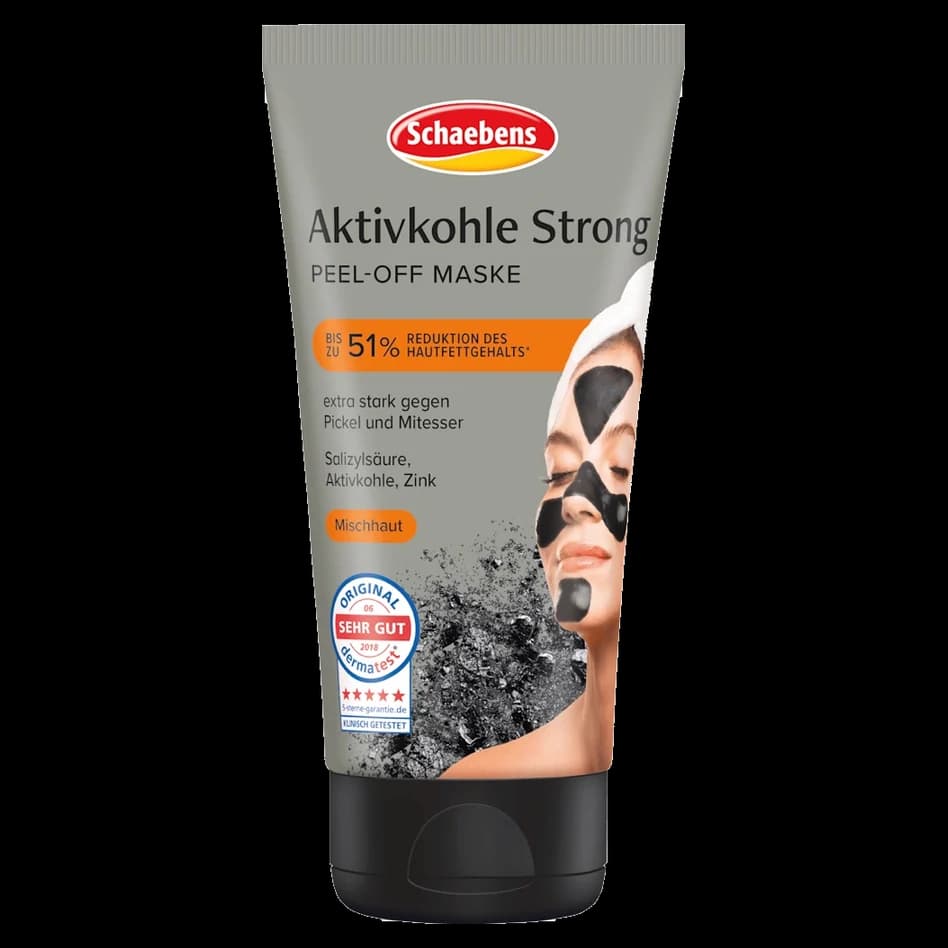
Schaebens
Gesichtsmaske peel off Aktivkohle Strong
5th of 20 on the label