Alcohol Denat.
Denatured alcohol
Genuinely relevant for some people, or depends on dose and pH.
Also written as: Denatured Alcohol · SD Alcohol 40-B · SD Alcohol 39-C · Alcohol Denat. (Ethanol)
What it is
Alcohol Denat. is ethanol to which a bittering or unpleasant-tasting substance has been added so that it cannot be consumed as a drink, which exempts it from beverage alcohol duty. Common denaturants include denatonium benzoate (Bitrex), tert-butyl alcohol and, historically, diethyl phthalate. Formulators use it to dissolve ingredients that will not go into water, to make a product dry quickly and feel weightless, to degrease oily skin, and to help some actives spread and penetrate. Its position in the ingredient list matters enormously: near the top it may be 20% or more of the product, near the bottom it is often under 1%.
How it shows up on a label
Read its position in the list. In the first three ingredients it is a major component; below the preservatives and fragrance it is usually a trace solvent carried in with an extract.
What it does well
Dissolves ingredients that water cannot carry
Many UV filters, fragrance materials, resins and some antioxidants are effectively insoluble in water. Ethanol is one of the few cosmetically acceptable solvents that handles them without an oily residue.
Strong evidence
Gives a fast-drying, light, non-tacky finish
Ethanol evaporates quickly, which is why alcohol-containing gels and essences feel refreshing and matte rather than heavy. This is a well-understood formulation property, not a marketing claim.
Strong evidence
In repeated real-world exposure studies, alcohol is less irritating than detergent washing
Controlled studies in healthy volunteers repeatedly applying alcohol-based hand disinfectant found less visible irritation and less increase in water loss through the skin than repeated washing with detergent. These studies used disinfectant-strength alcohol (around 60-85%), far above what a face mask contains.
Moderate evidence
Worth knowing
Laboratory studies show alcohol strips skin lipids and can damage cells
In a classic solvent-extraction experiment, ethanol was one of the solvents that pulled lipids out of intact human stratum corneum, which is the mechanism behind the popular 'alcohol destroys your barrier' argument. In a 2022 study on bioengineered human skin, repeated 70% ethanol reduced cell viability compared with milder antiseptics, though the same study found no significant difference in measured barrier function. These are in-vitro and high-concentration findings and should not be read straight across to a mask containing a few per cent.
Matters most toPeople weighing up the online claims about alcohol; the honest position is that the mechanism is real but the dose matters.
Stinging, tightness and dryness, especially high in the ingredient list
At the concentrations used to make a product feel light and fast-drying, alcohol can sting on freshly exfoliated, shaved or eczema-prone skin and can leave dry skin feeling tight. Skin that is already comfortable and oily often tolerates it well.
Matters most toPeople with dry, sensitive, eczema-prone or actively irritated skin, and anyone using acids or retinoids alongside.
The real-world evidence is weaker than either side claims
There is no good long-term human trial of cosmetic-level denatured alcohol on facial skin. The strong laboratory findings come from high concentrations, and the reassuring human data come from hand-hygiene research on a different body site. Treat confident claims in either direction with scepticism.
Matters most toAnyone trying to decide based on evidence rather than reputation.
Where the EU stands
No specific restriction
Ethanol itself carries no maximum concentration in EU cosmetics. The denaturants are controlled: methanol may only be used as a denaturant for ethanol and isopropyl alcohol up to 5%, calculated on the ethanol and isopropyl alcohol content.
Regulation (EC) No 1223/2009, Annex III entry 52 (Methanol, as denaturant for ethanol and isopropyl alcohol) · source ↗
Sources (3)
Every link goes to the original: a journal, a PubMed record or an EU document.
- [1]Safety evaluation of topical applications of ethanol on the skin and inside the oral cavity
Journal of Occupational Medicine and Toxicology · 2008 · doi:10.1186/1745-6673-3-26
A structured risk assessment found no evidence linking topical ethanol use to increased skin cancer risk, while noting that the oral-cavity evidence for mouthwashes is limited and conflicting.
- [2]Less skin irritation from alcohol-based disinfectant than from detergent used for hand disinfection
British Journal of Dermatology · 2005 · doi:10.1111/j.1365-2133.2005.06875.x
Over 10 days of repeated exposure in healthy volunteers, detergent caused more visible irritation than alcohol-based disinfectant applied alone.
- [3]The effect of solvent extraction on the lipids of the stratum corneum in relation to observed immediate whitening of the skin
Contact Dermatitis · 1988 · doi:10.1111/j.1600-0536.1988.tb02949.x
Ethanol was among the solvents that extracted lipids from intact human stratum corneum, unlike water or propylene glycol, which is the laboratory basis for the barrier-disruption argument.
Masks that contain Alcohol Denat.
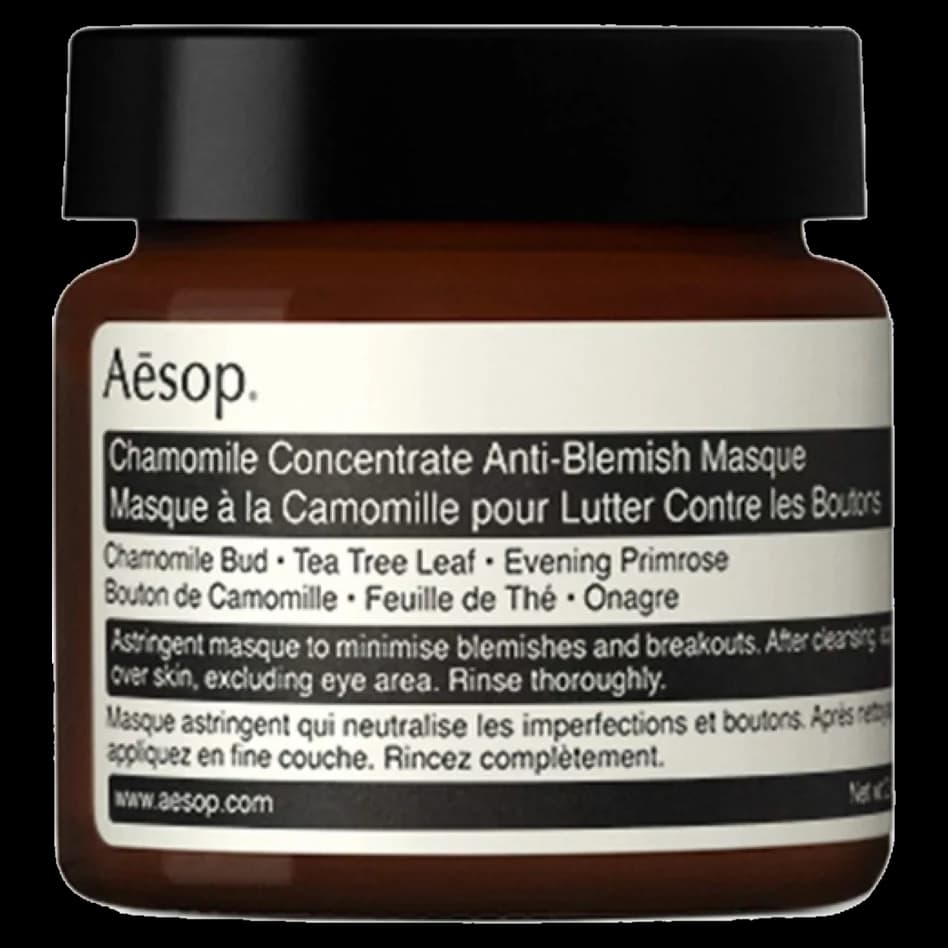
Aesop
Chamomile Concentrate Anti-Blemish Masque
4th of 16 on the label
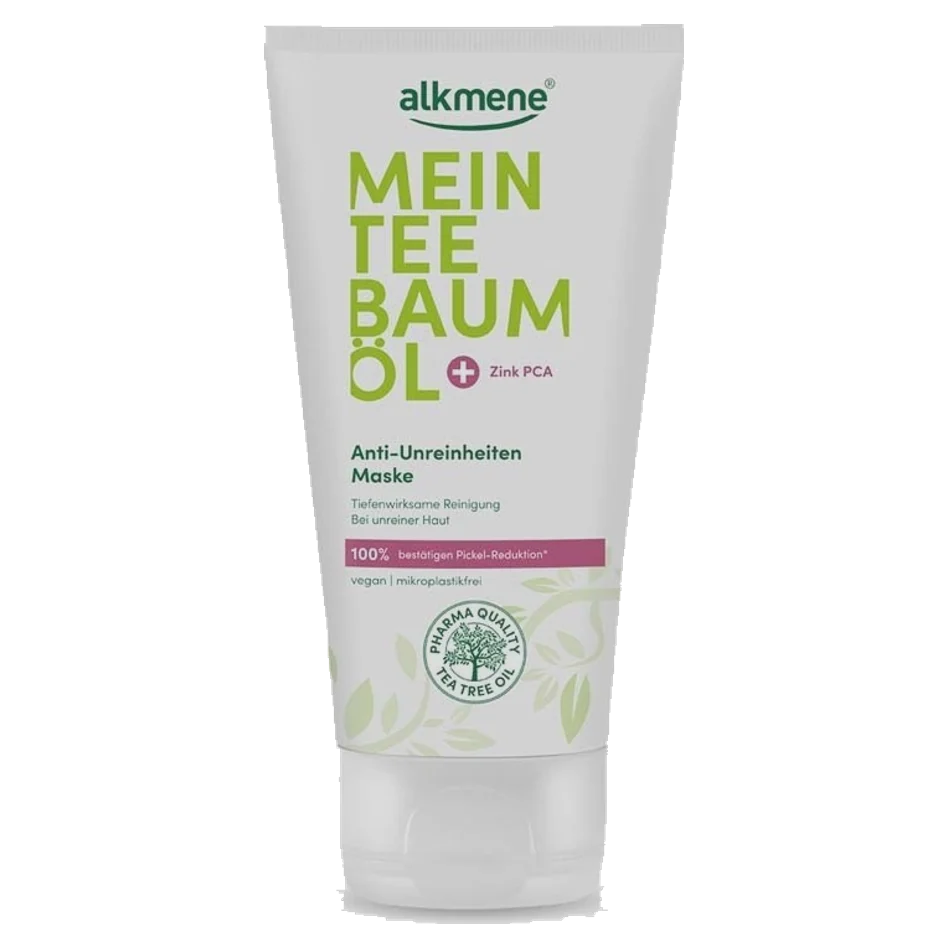
alkmene
Mein Teebaumöl Anti-Unreinheiten Maske
3rd of 16 on the label
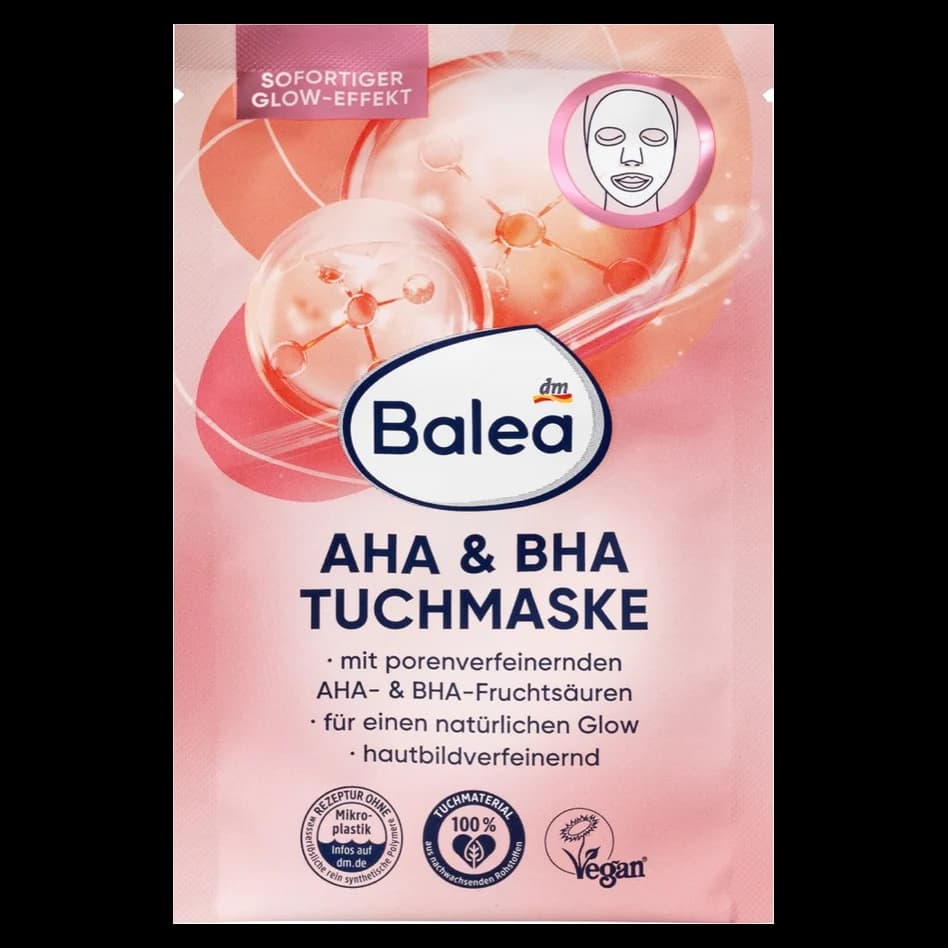
Balea
AHA & BHA Tuchmaske
4th of 16 on the label
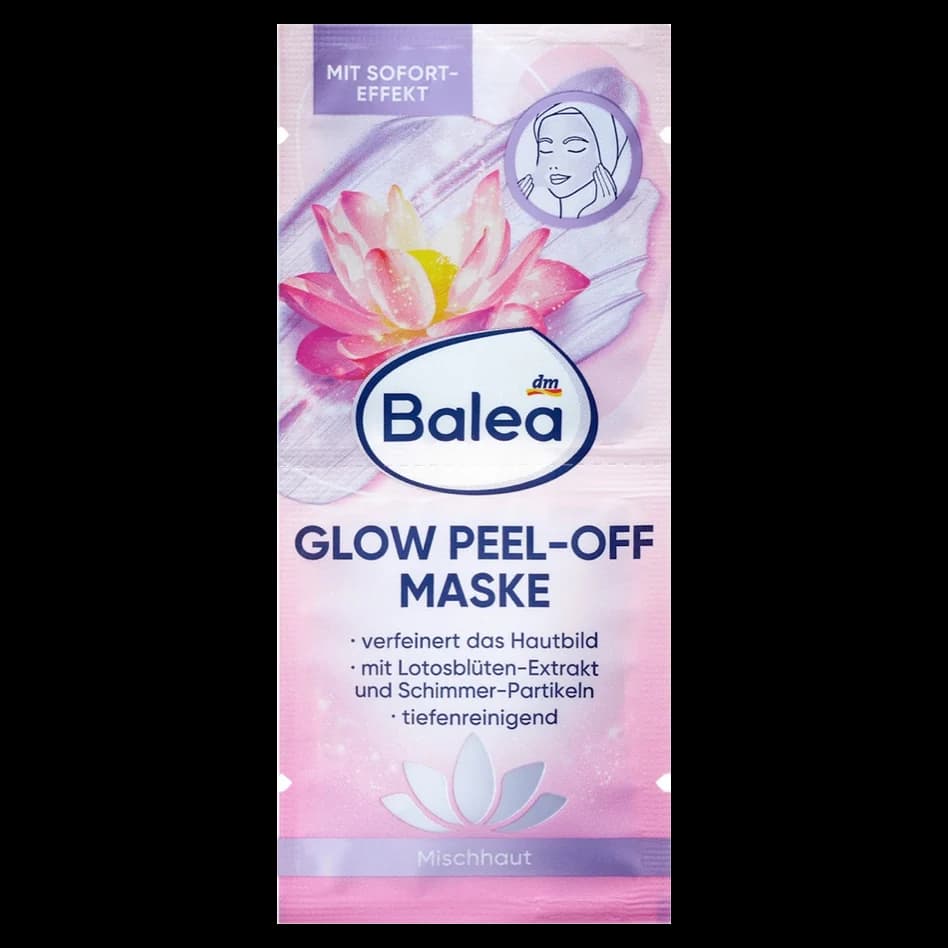
Balea
Gesichtsmaske Glow Peel-Off
2nd of 20 on the label
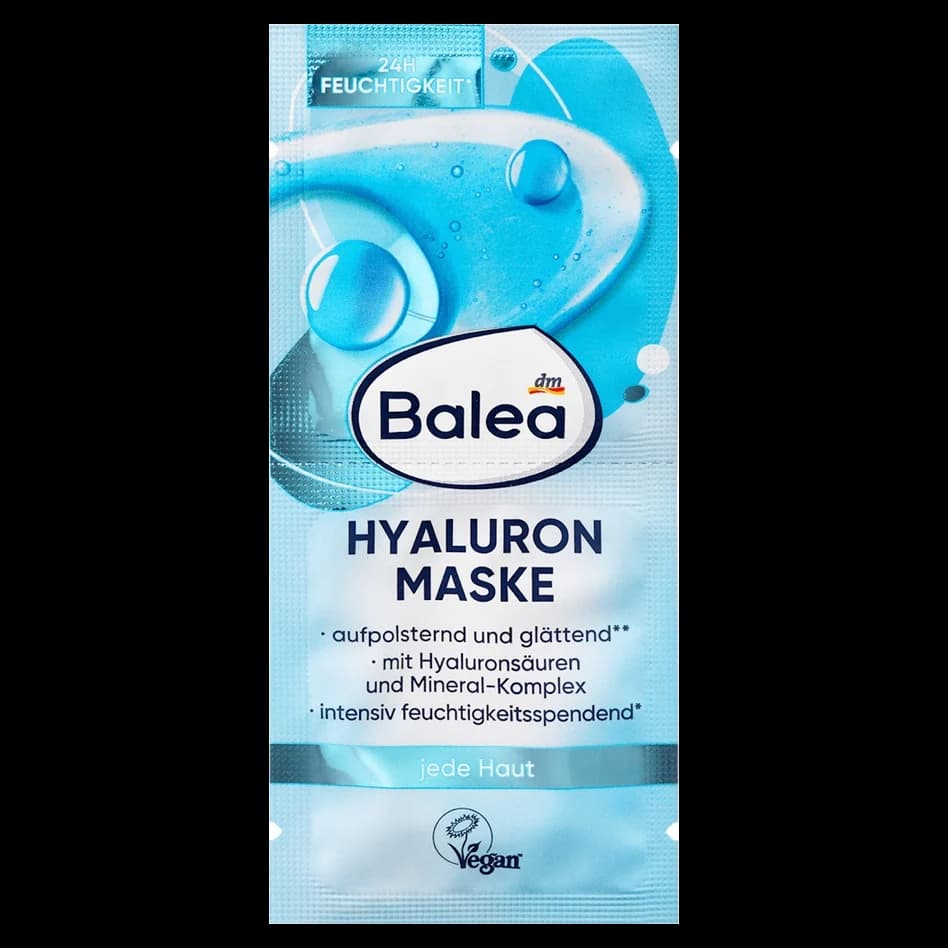
Balea
Gesichtsmaske Hyaluron
4th of 29 on the label
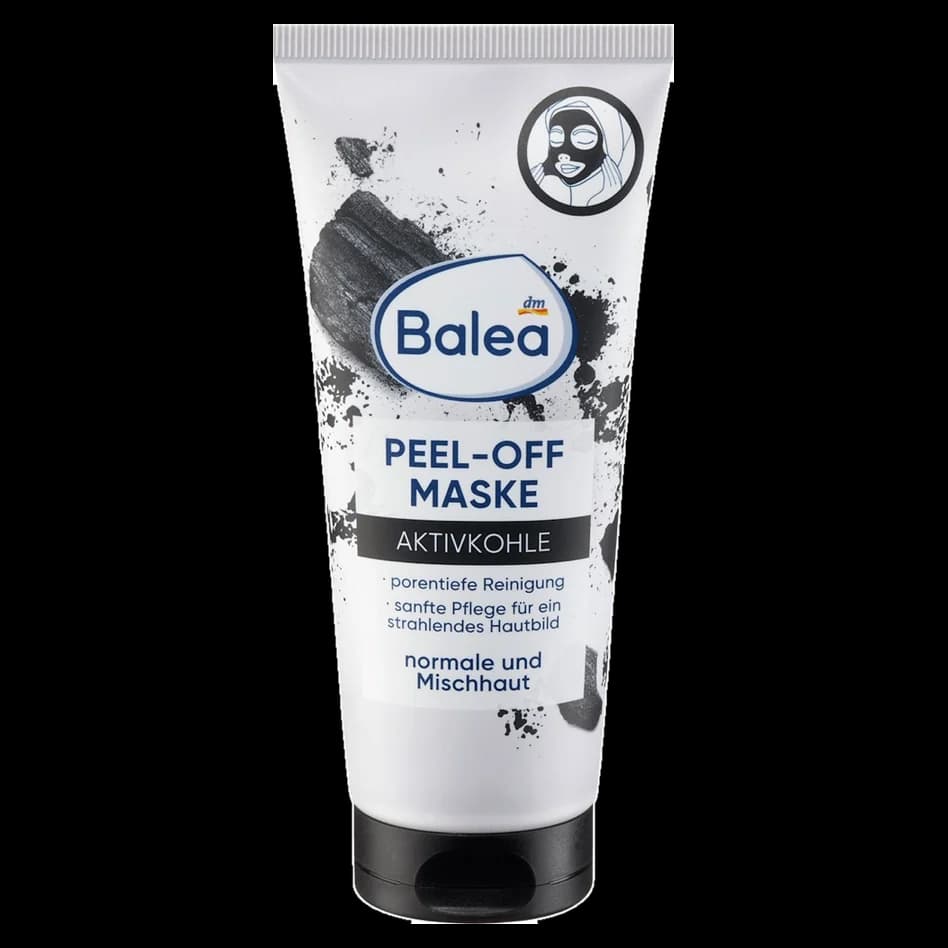
Balea
Gesichtsmaske Peel-Off Aktivkohle
2nd of 18 on the label
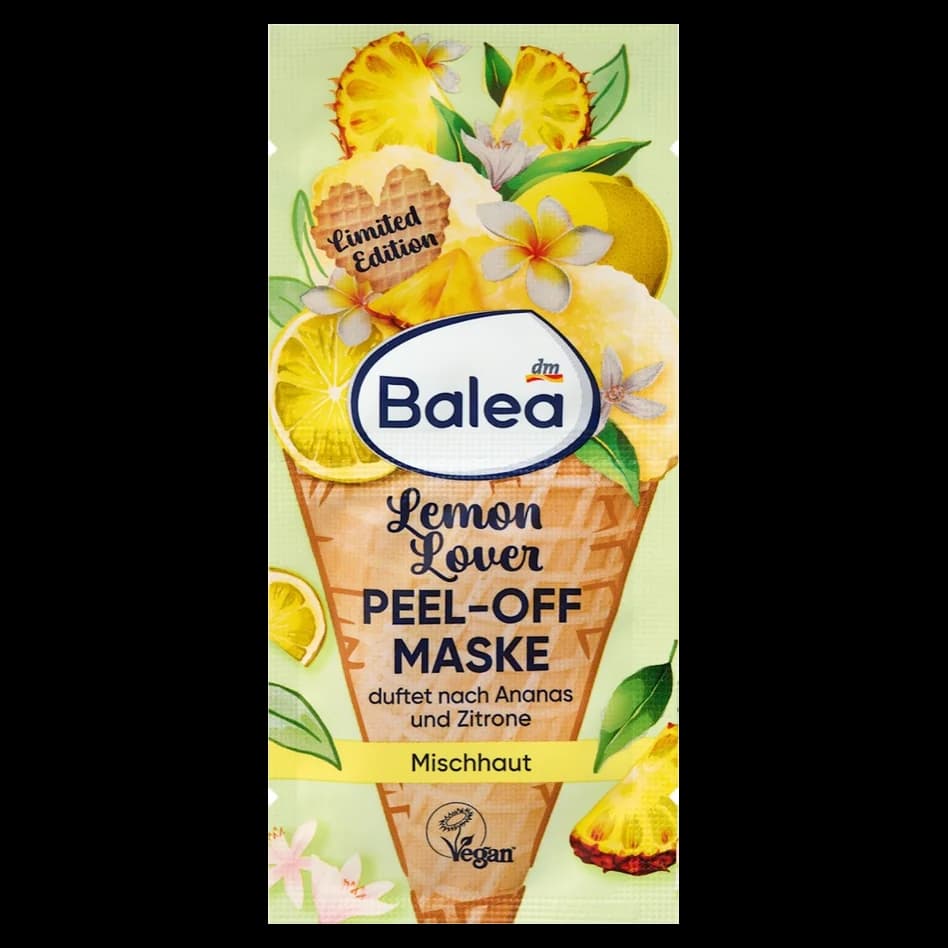
Balea
Gesichtsmaske Peel-Off Lemon Lover
2nd of 23 on the label
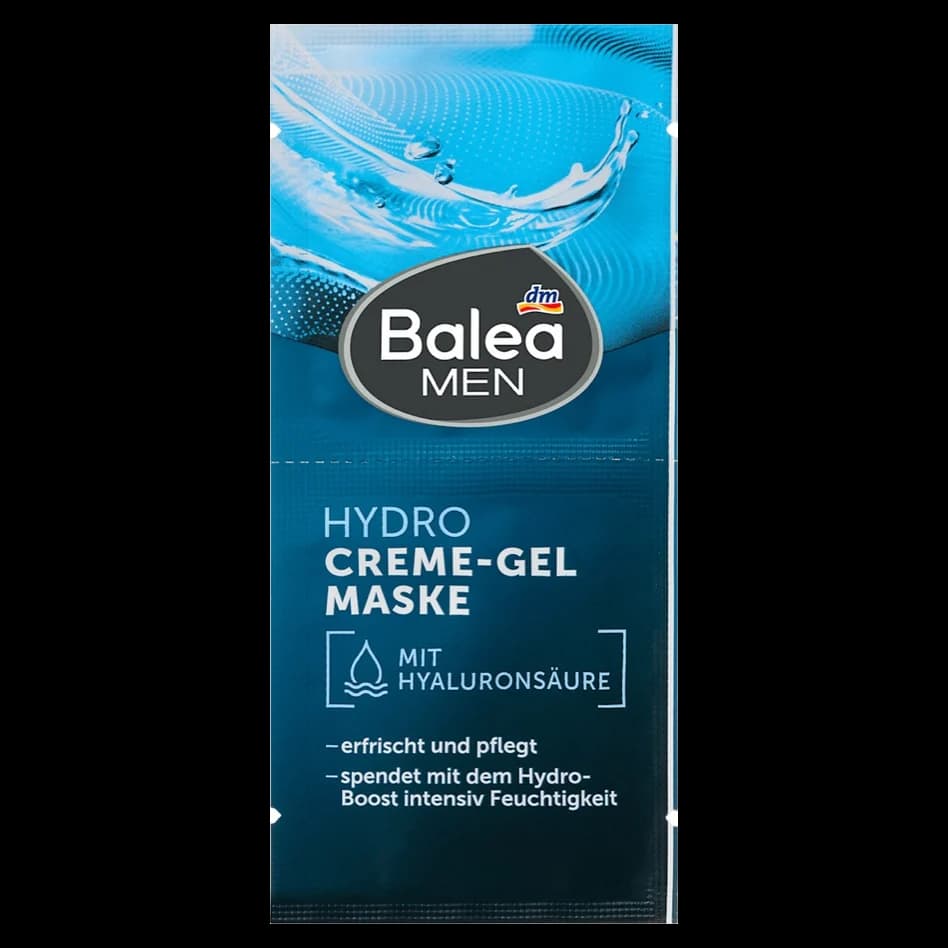
Balea MEN
Gesichtsmaske Creme-Gel Hydro
6th of 31 on the label
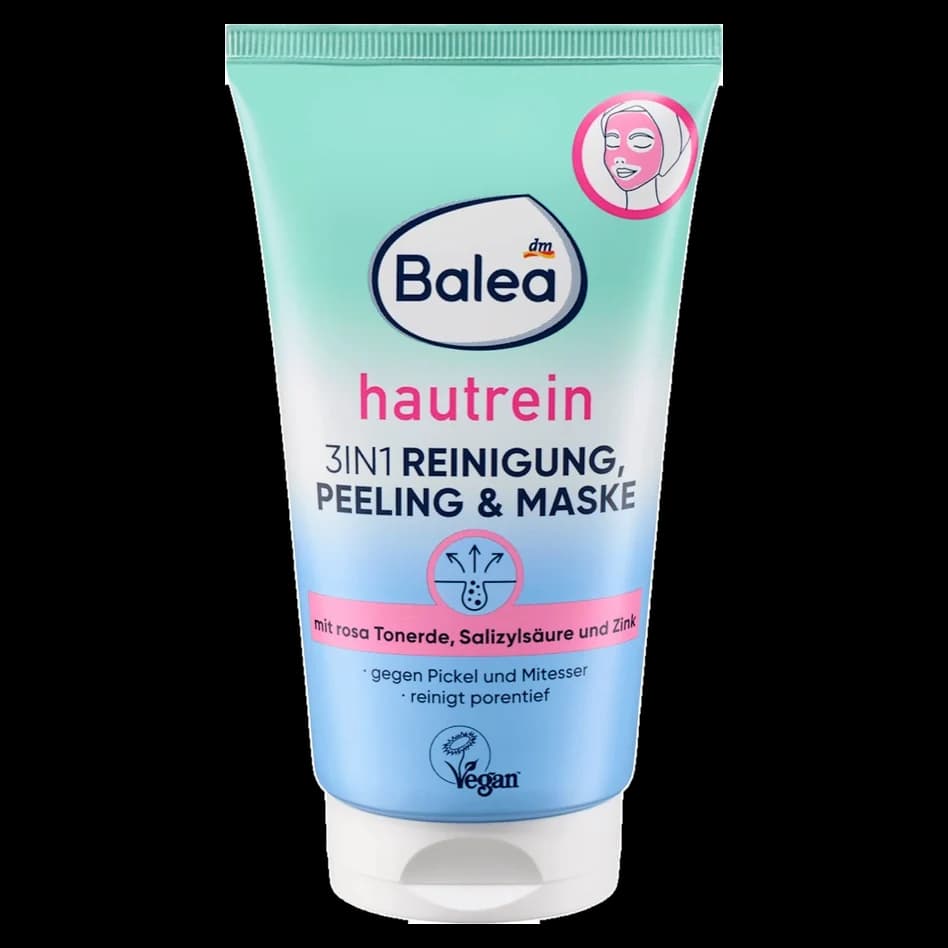
Balea
Reinigung, Peeling & Maske hautrein 3in1
12th of 18 on the label
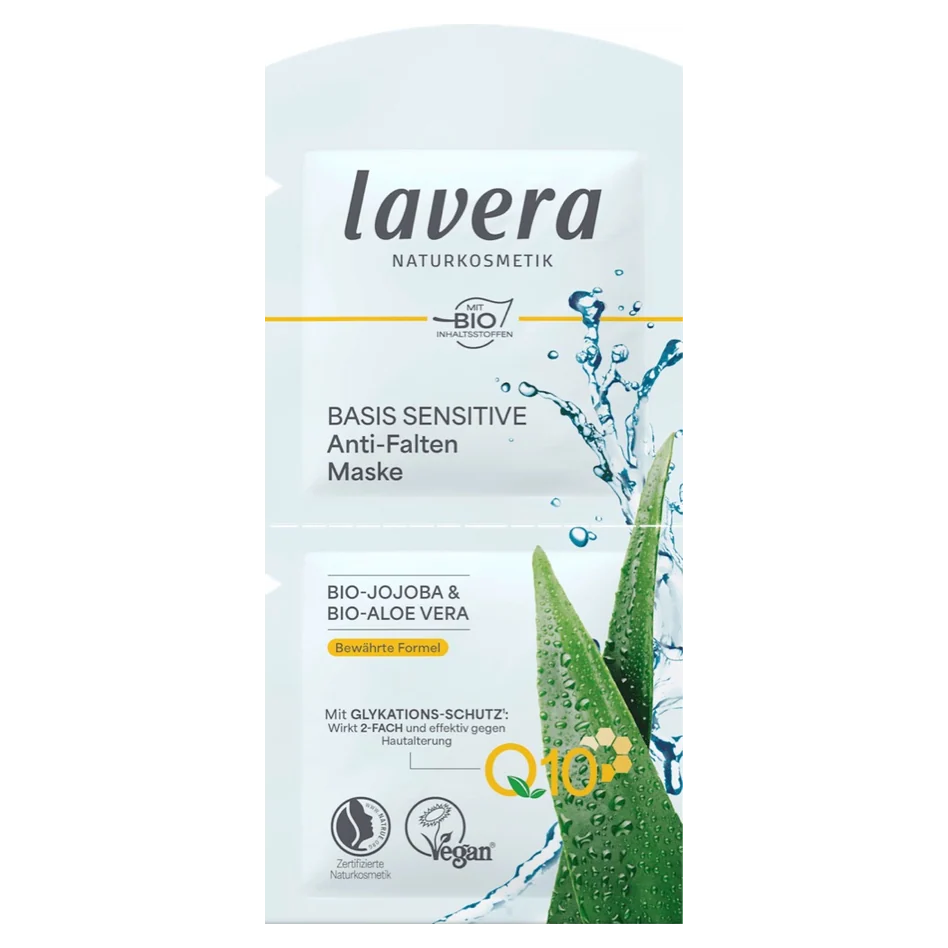
lavera
basis sensitiv Anti-Falten Gesichtsmaske
3rd of 42 on the label
MISSHA
Snail 3D Sheet Mask
23rd of 25 on the label
below ≈1%
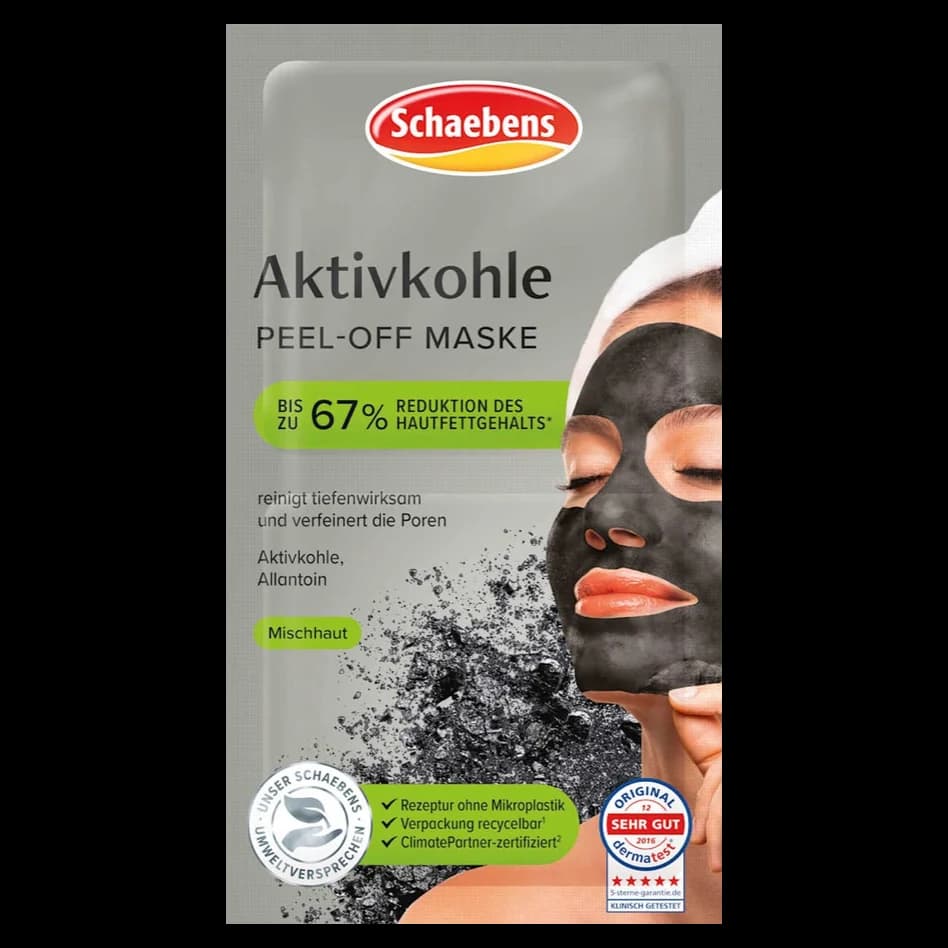
Schaebens
Gesichtsmaske peel off Aktivkohle
2nd of 8 on the label
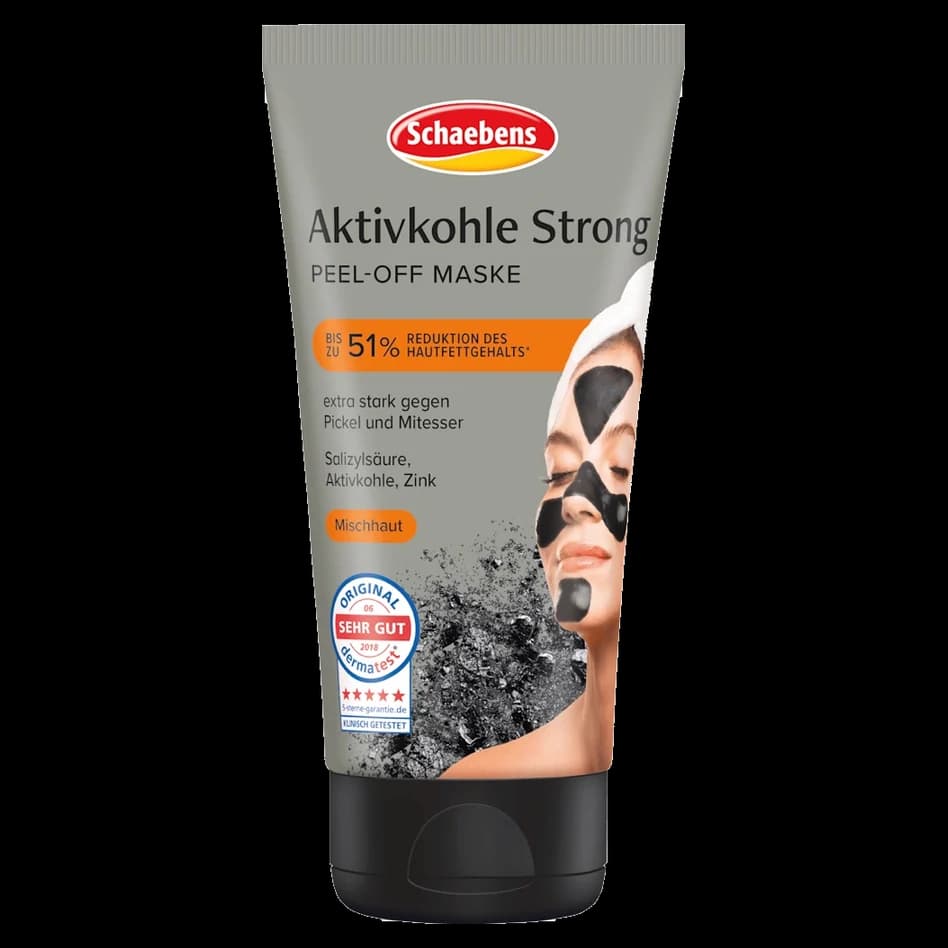
Schaebens
Gesichtsmaske peel off Aktivkohle Strong
2nd of 20 on the label
SEINZ.
Tuchmaske moisture effect
3rd of 16 on the label
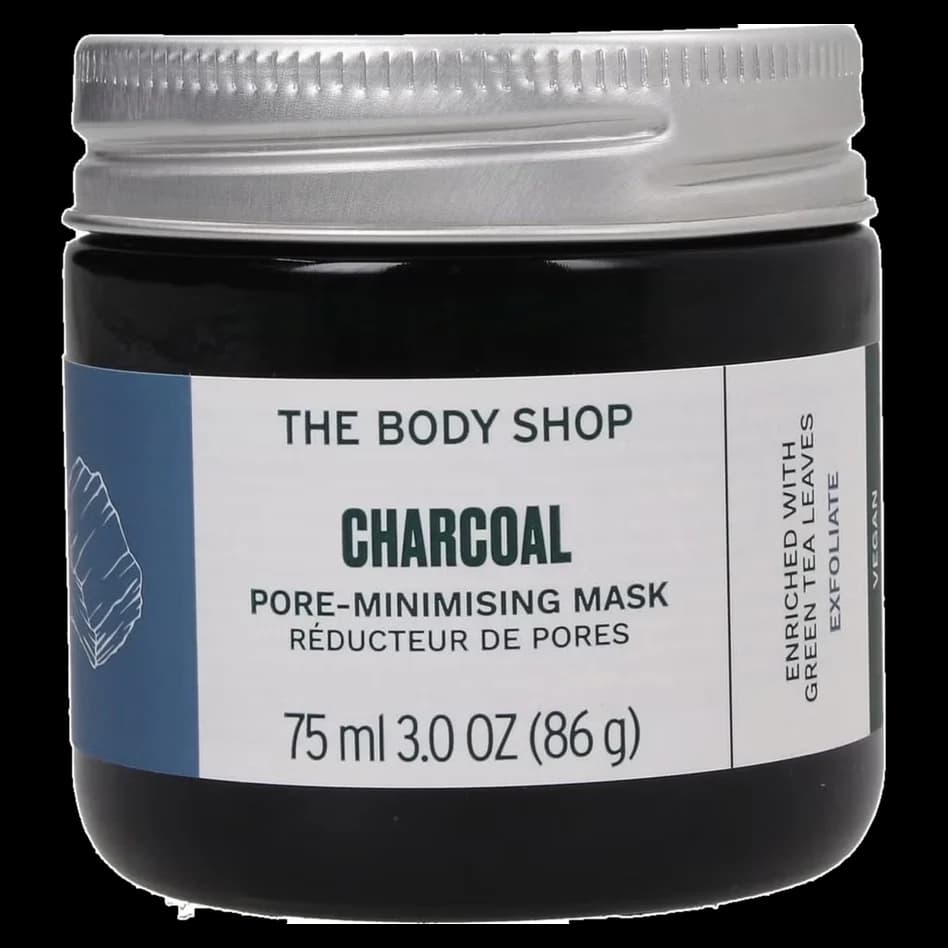
The Body Shop
Charcoal Pore Minimising Mask
5th of 37 on the label
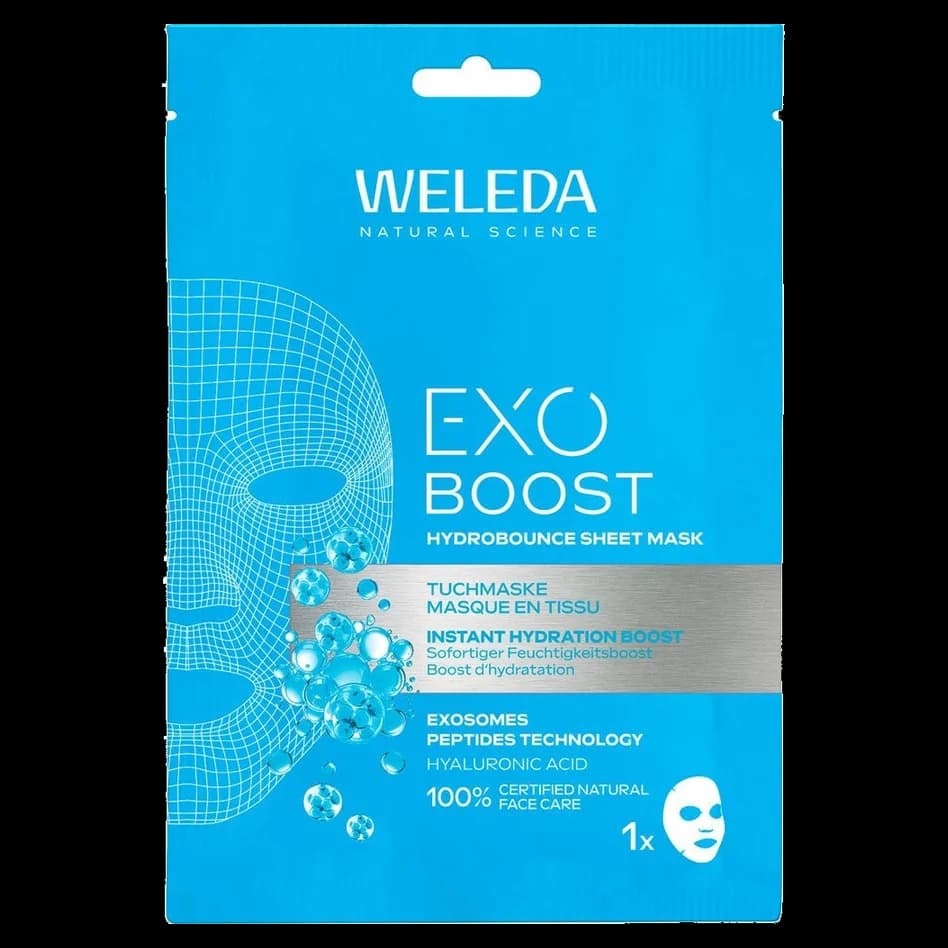
Weleda
Exo Boost Hydrobounce Tuchmaske
9th of 34 on the label
below ≈1%