Water
Water
No meaningful concern for most people; irritation is possible but rare.
Also written as: Aqua · Eau · Purified Water · Aqua/Water/Eau
What it is
Water is the liquid that most cosmetics are built on, and in a sheet mask it is usually the single largest ingredient by weight. Cosmetic manufacturers do not use tap water: it is purified (typically by reverse osmosis, deionisation or distillation) and tested for microbial contamination before use. Formulators need it because most humectants, salts, acids and many botanical extracts will only dissolve in water.
How it shows up on a label
Listed first on almost every mask because ingredients are declared in descending order of weight. A high position tells you nothing about quality.
What it does well
Dissolves and delivers the rest of the formula
Water is the solvent in which humectants, buffers, salts and water-soluble actives are dispersed. Without it, an essence or gel mask could not exist in that form.
Strong evidence
Supplies the water that a mask's occlusive layer then holds against the skin
The short-term plumping effect of a sheet mask comes largely from hydrating the outer skin layer under an occlusive backing. The effect is real but temporary unless the formula also contains humectants and a barrier-supporting lipid or film.
Moderate evidence
Worth knowing
Water alone does not moisturise for long
Water applied without humectants or occlusives evaporates within minutes and can leave skin feeling tighter than before. This is a limitation of very simple, watery formulas rather than a safety problem.
Matters most toPeople with dry skin choosing a mask that is essentially water plus a preservative.
Water-based products need effective preservation
Any product containing water can support bacterial and mould growth, which is why water-based masks always contain a preservative system. This is a normal and necessary part of the formula, not a flaw.
Matters most toAnyone tempted by 'preservative-free' water-based products, or by decanting masks into other containers.
Hard tap water and eczema
Living in a hard-water area is associated with a higher risk of atopic dermatitis, and laboratory work shows hard water increases how much surfactant is left on the skin after washing. However, a large randomised trial found that installing a domestic water softener produced no meaningful improvement in children's eczema, so the practical importance is limited. This concerns the water you wash in, not the purified water inside a mask.
Matters most toPeople with eczema in hard-water areas, mainly regarding washing habits.
Where the EU stands
No specific restriction
Water is not listed in any restrictive annex of the EU Cosmetics Regulation. Its quality is instead controlled through the general safety obligation and good manufacturing practice, which require finished products to be microbiologically safe.
Regulation (EC) No 1223/2009 - no annex entry · source ↗
Sources (2)
Every link goes to the original: a journal, a PubMed record or an EU document.
- [1]The Effect of Water Hardness on Surfactant Deposition after Washing and Subsequent Skin Irritation in Atopic Dermatitis Patients and Healthy Control Subjects
Journal of Investigative Dermatology · 2018 · doi:10.1016/j.jid.2017.08.037
Hard water left more surfactant on the skin after washing and increased barrier disruption, giving a plausible mechanism for the observed link between hard water and eczema.
- [2]A randomised controlled trial of ion-exchange water softeners for the treatment of eczema in children
PLoS Medicine · 2011 · doi:10.1371/journal.pmed.1000395
Installing a domestic water softener produced no clinically meaningful benefit over usual care for childhood eczema, tempering the practical significance of the hard-water association.
Masks that contain Water
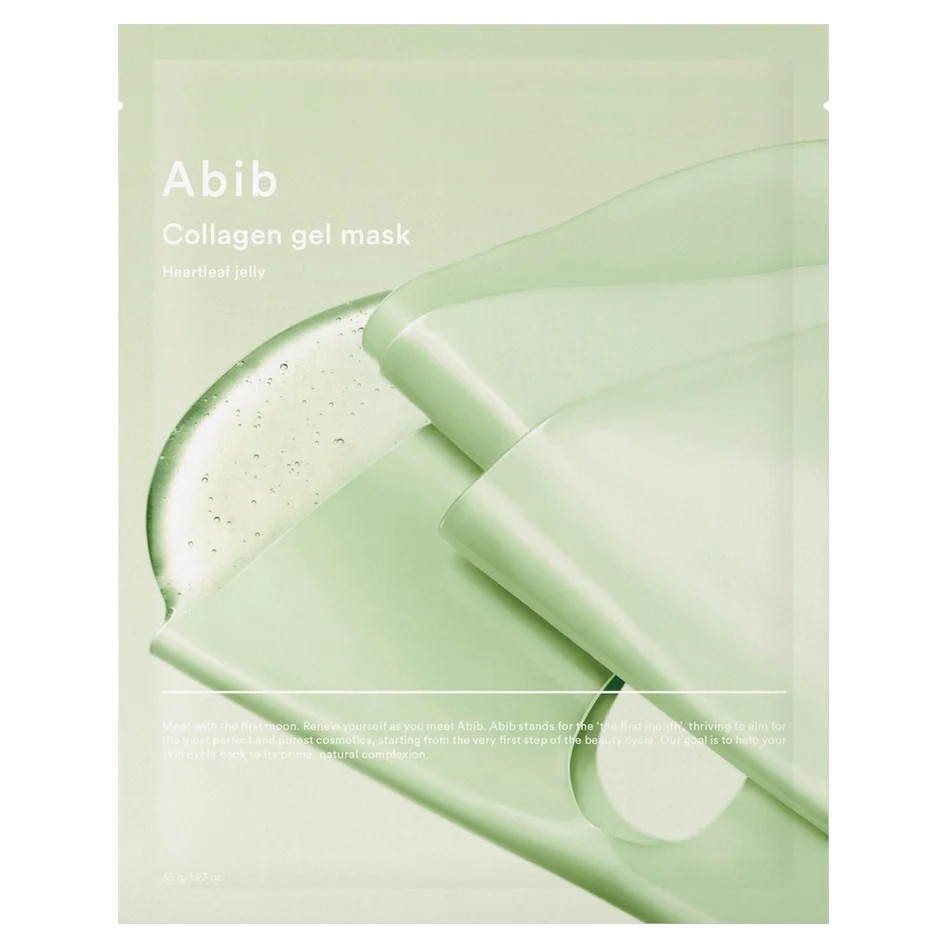
Abib
Collagen Gel Mask Heartleaf Jelly
1st of 43 on the label
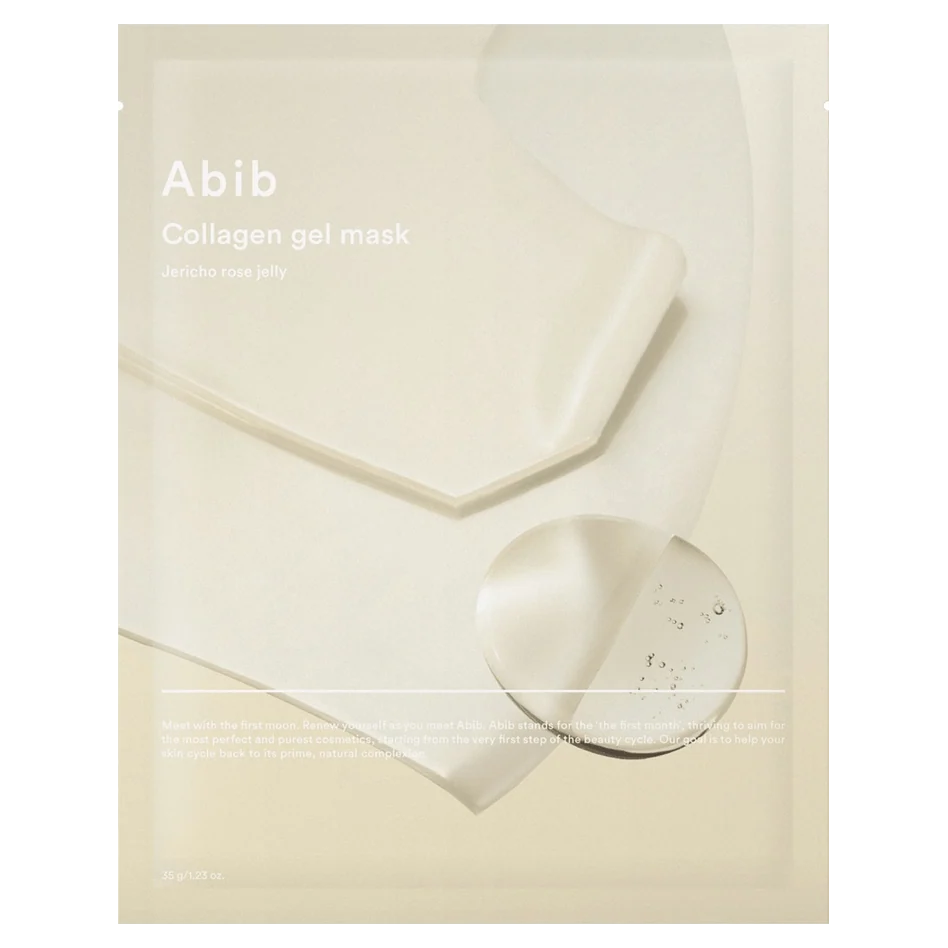
Abib
Collagen Gel Mask Jericho Rose Jelly
1st of 43 on the label
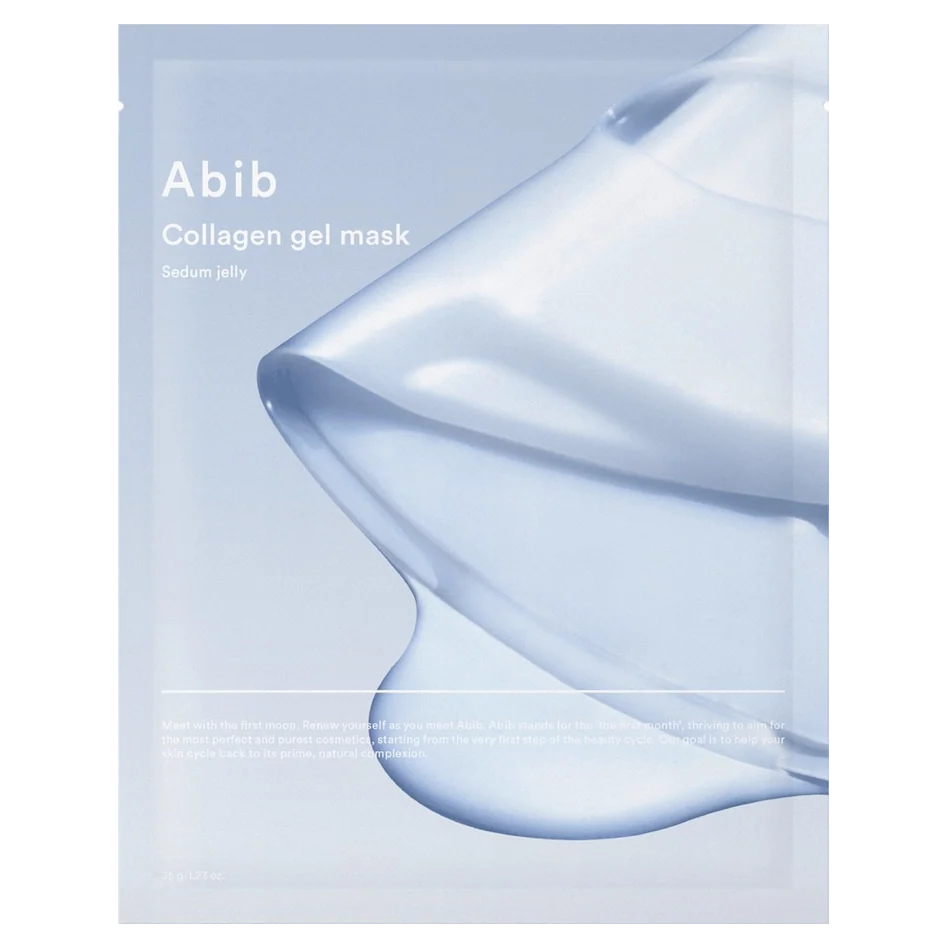
Abib
Collagen Gel Mask Sedum Jelly
1st of 41 on the label
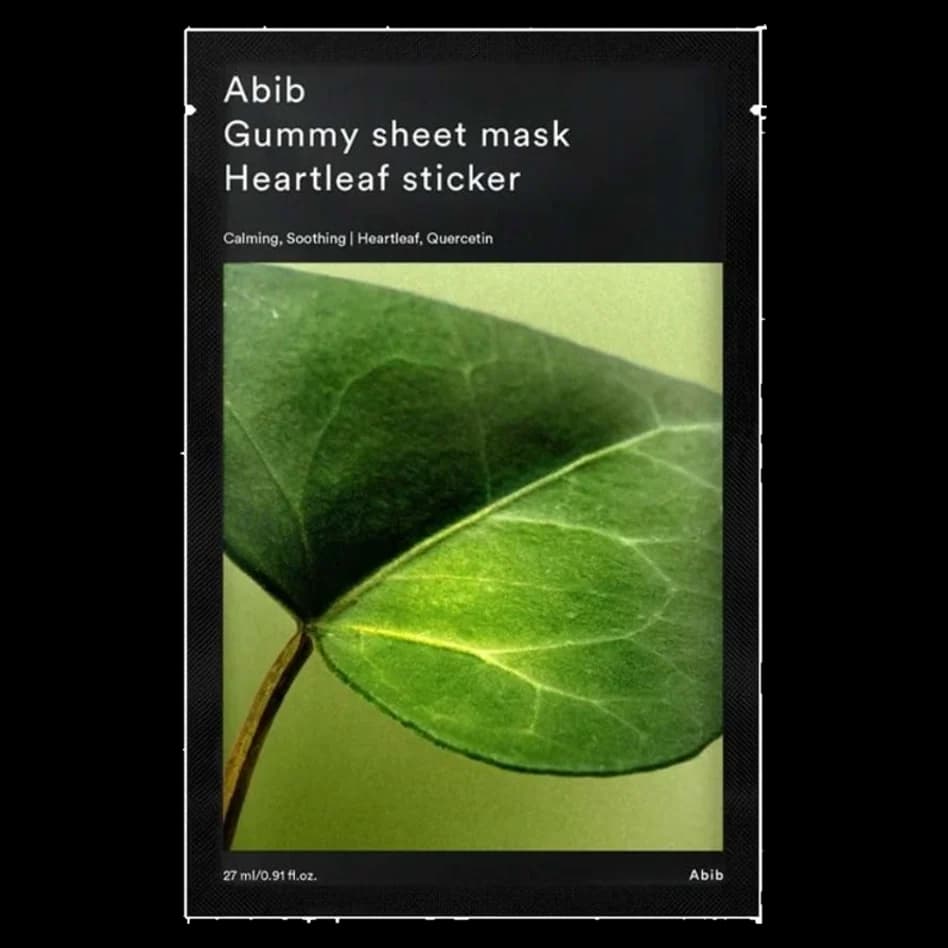
Abib
Gummy Sheet Mask Heartleaf Sticker
1st of 29 on the label
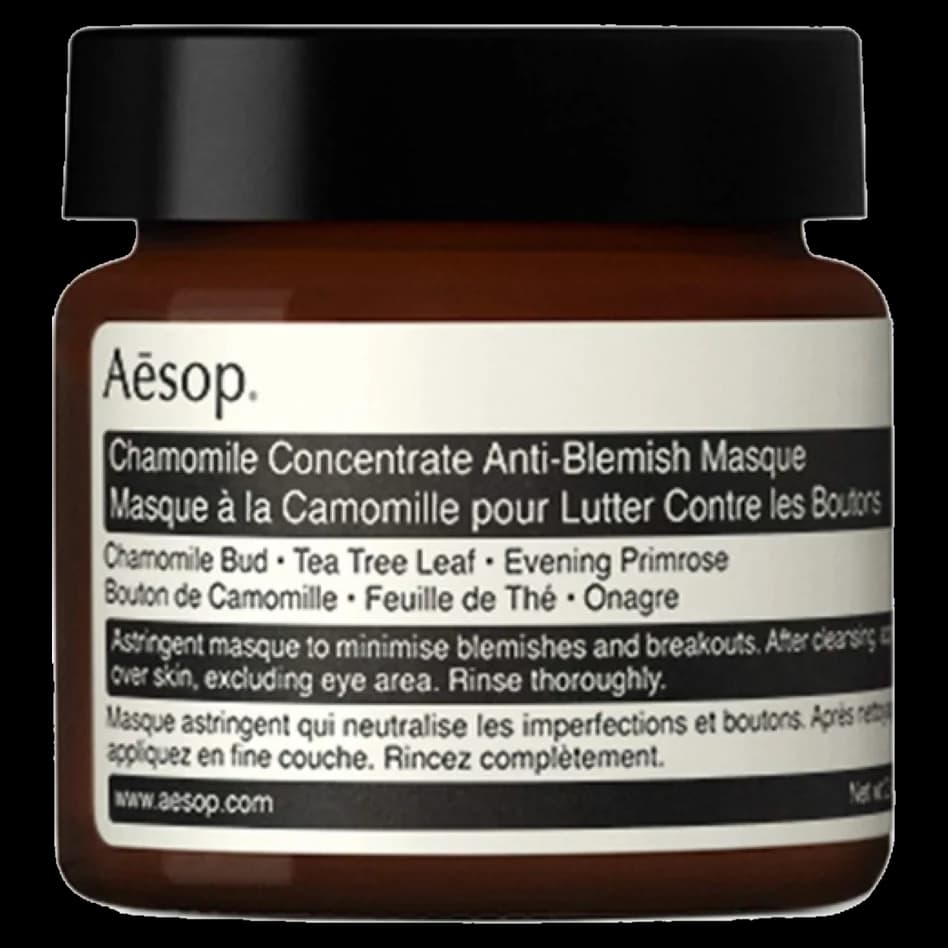
Aesop
Chamomile Concentrate Anti-Blemish Masque
1st of 16 on the label
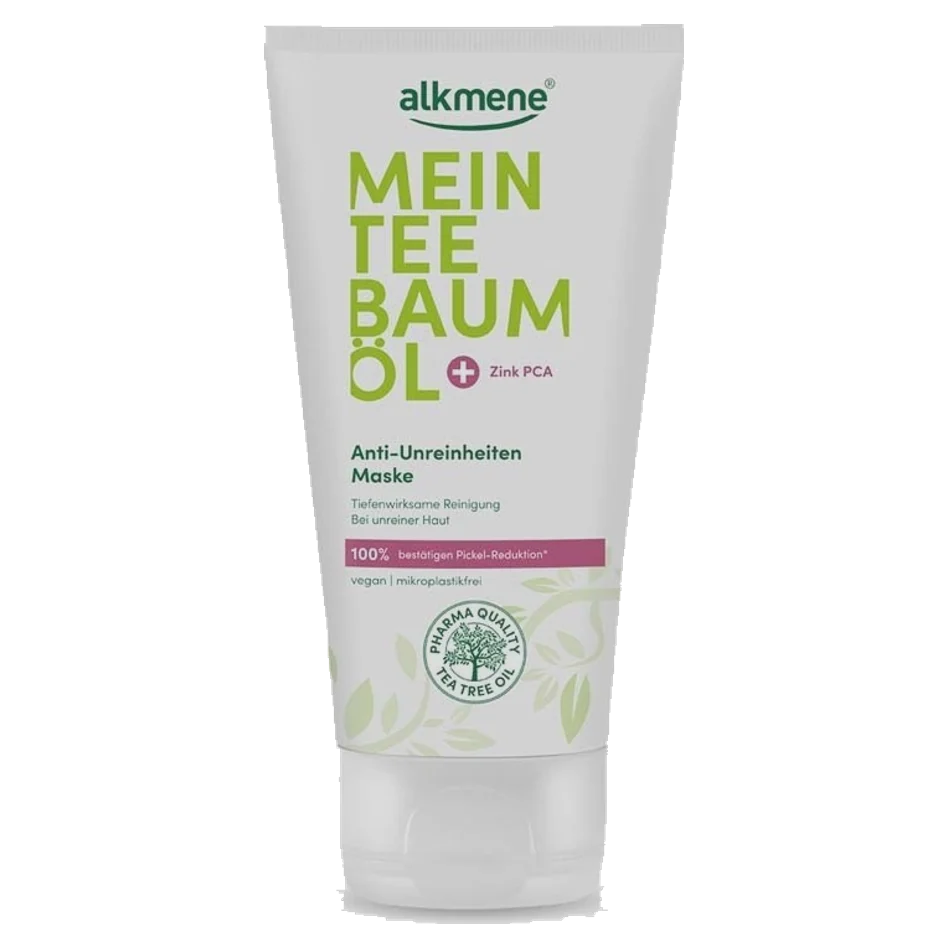
alkmene
Mein Teebaumöl Anti-Unreinheiten Maske
1st of 16 on the label
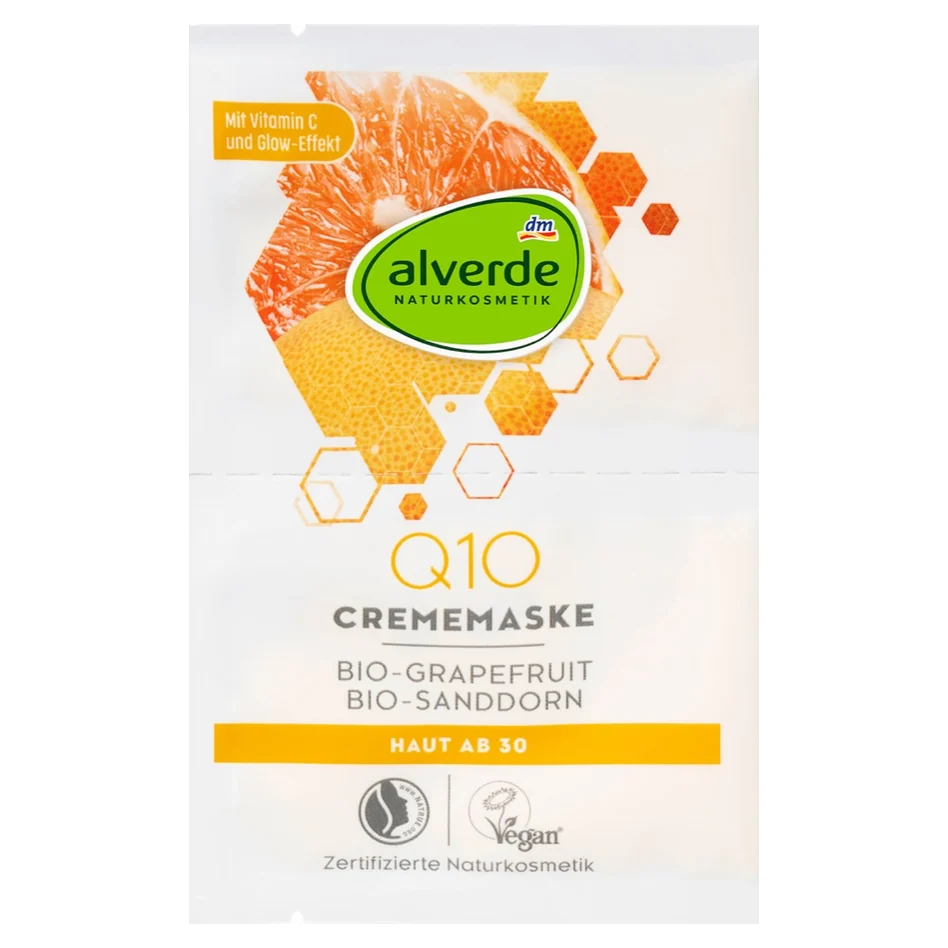
alverde Naturkosmetik
Gesichtsmaske Q10 mit Vitamin C
1st of 40 on the label
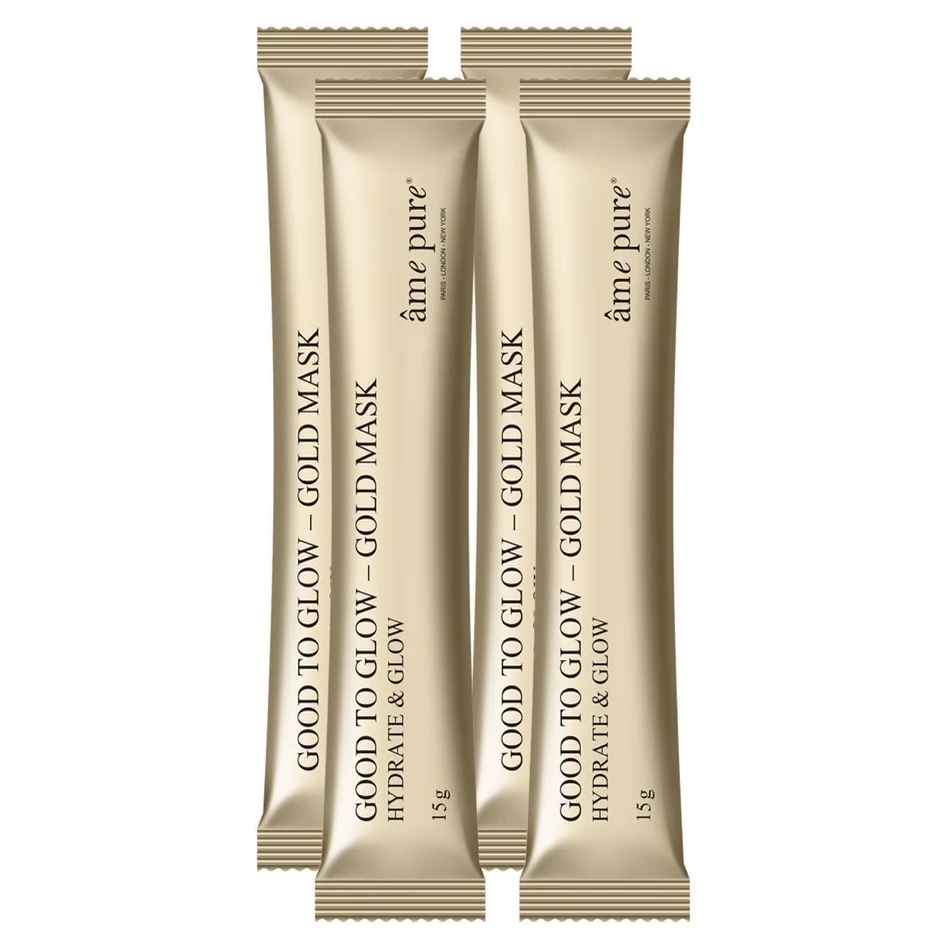
âme pure
Jelly Glow Rubber Mask - Gold Routine Set
16th of 26 on the label
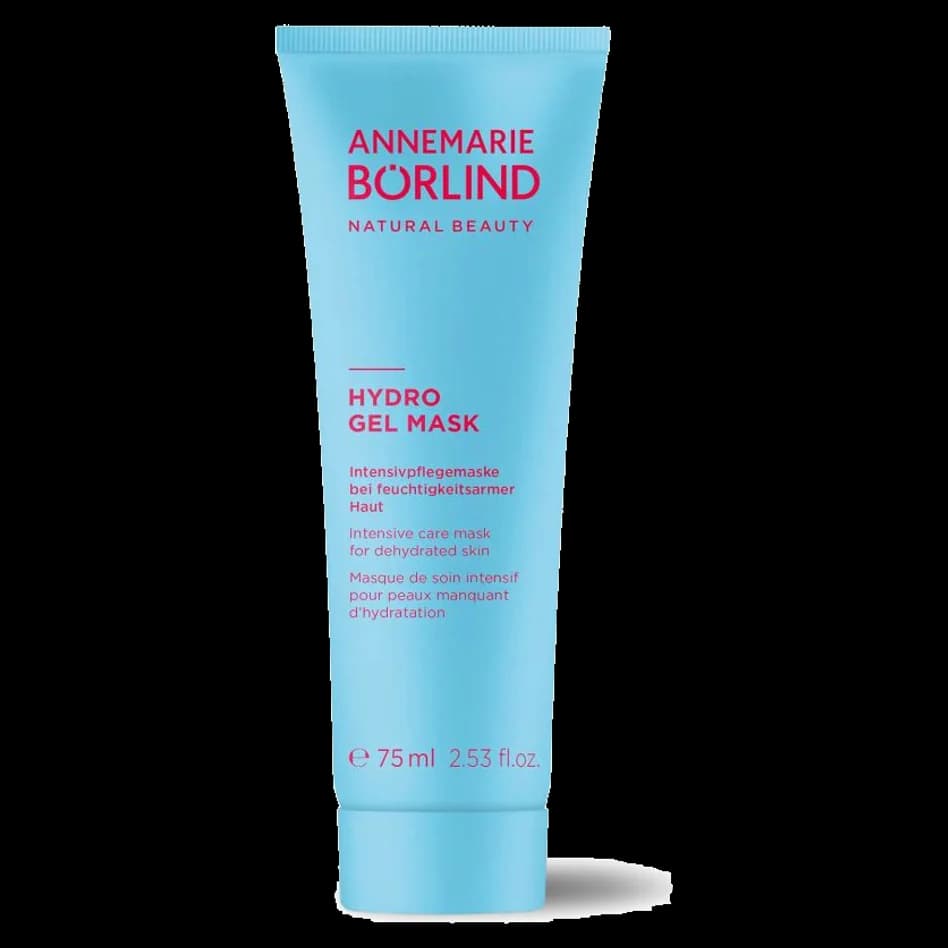
Annemarie Börlind
Hydro Gel Mask
1st of 33 on the label
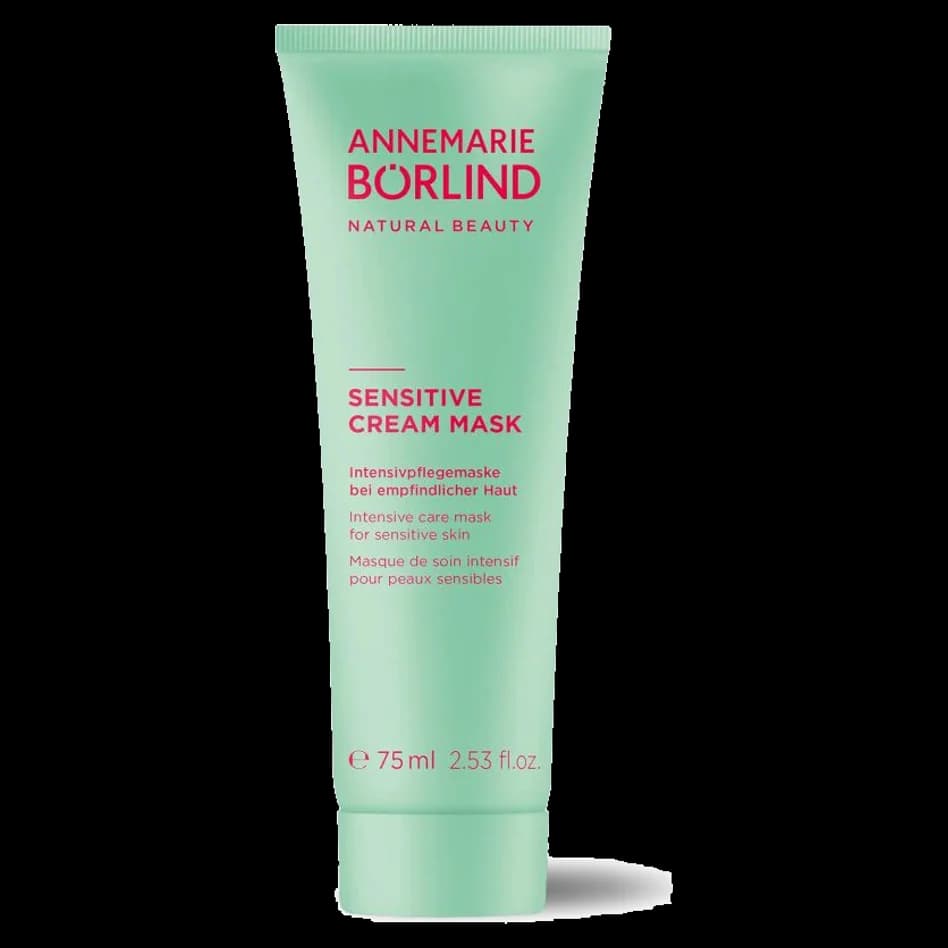
Annemarie Börlind
Sensitive Cream Mask
1st of 31 on the label
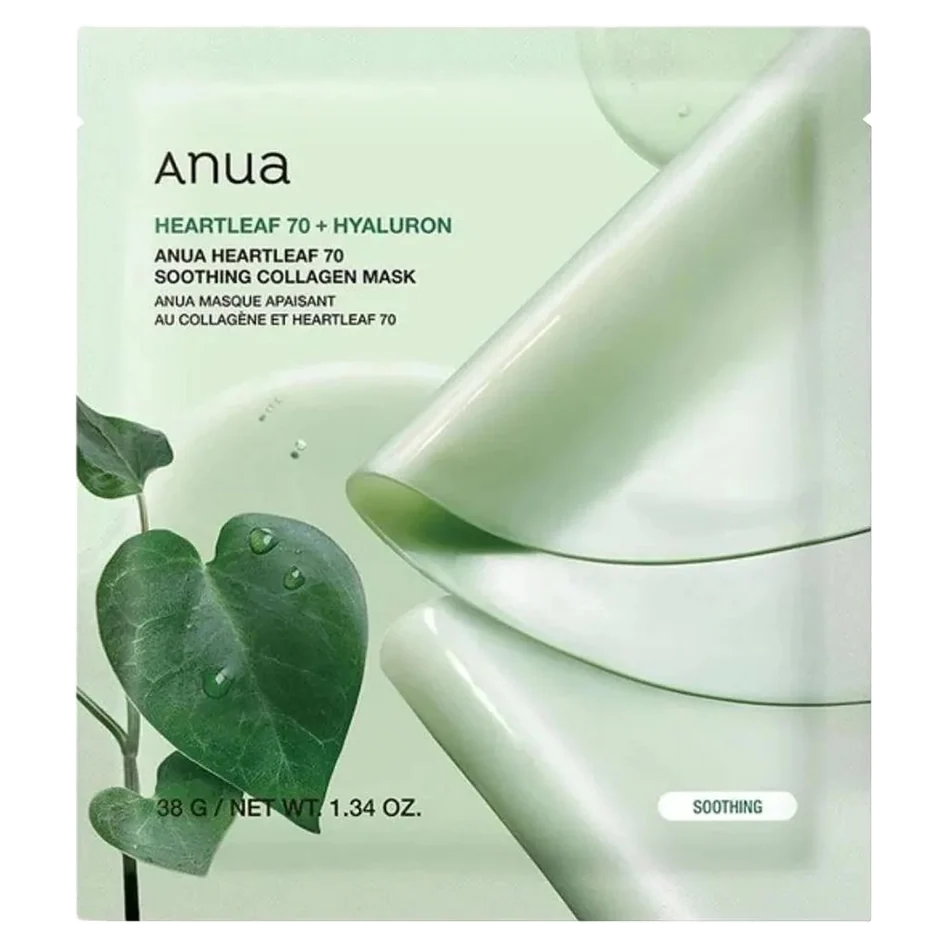
Anua
Heartleaf 70 Soothing Collagen Mask
2nd of 35 on the label
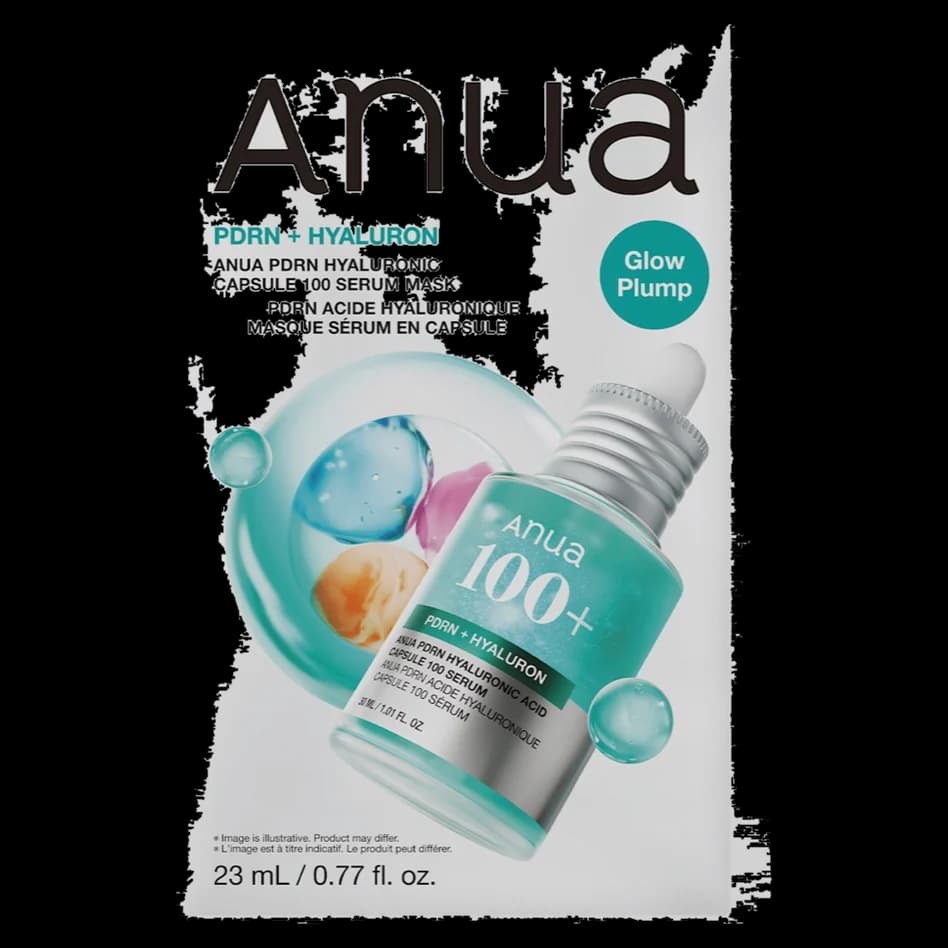
Anua
PDRN Serum Mask 100 Hyaluronic Acid Capsule
1st of 45 on the label
Anua
Peach 70 Niacin Brightening Collagen Mask
2nd of 44 on the label
Anua
Retinol Niacin Night Care Mask
1st of 44 on the label
Anua
Rice 70 Glow Collagen Mask
2nd of 42 on the label
Avène
Soothing Moisture Mask
4th of 26 on the label
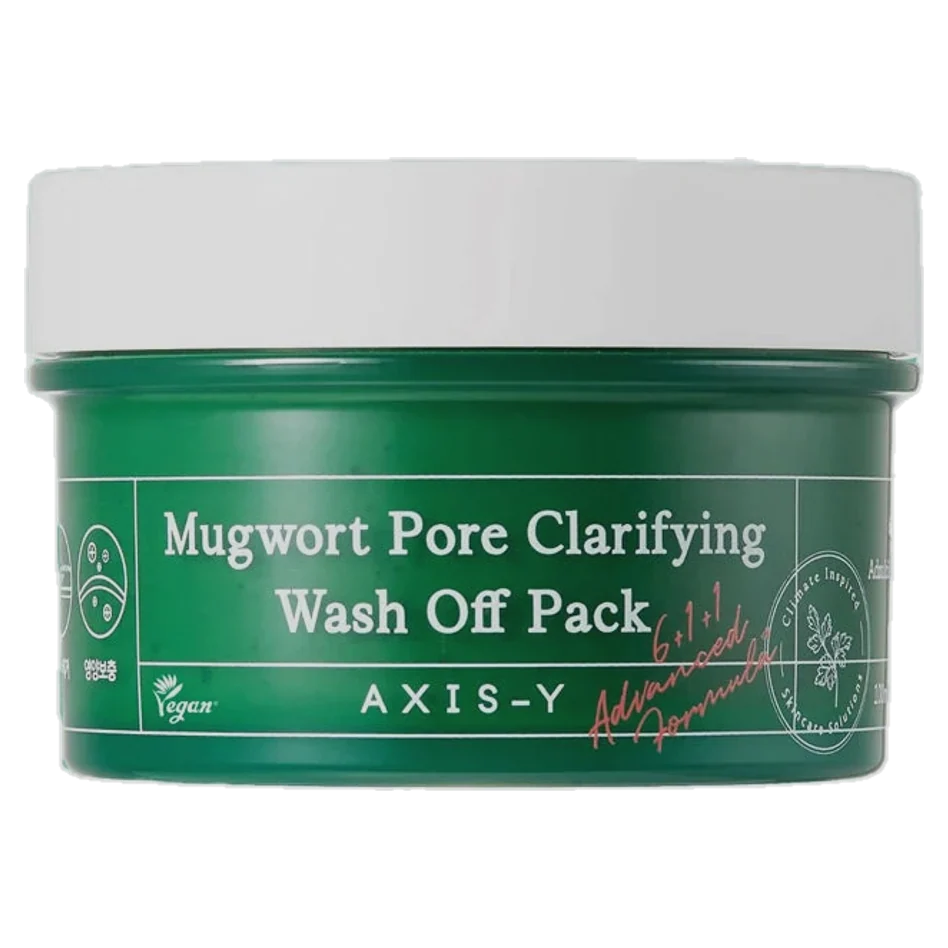
AXIS-Y
Mugwort Pore Clarifying Wash Off Pack
25th of 36 on the label
below ≈1%
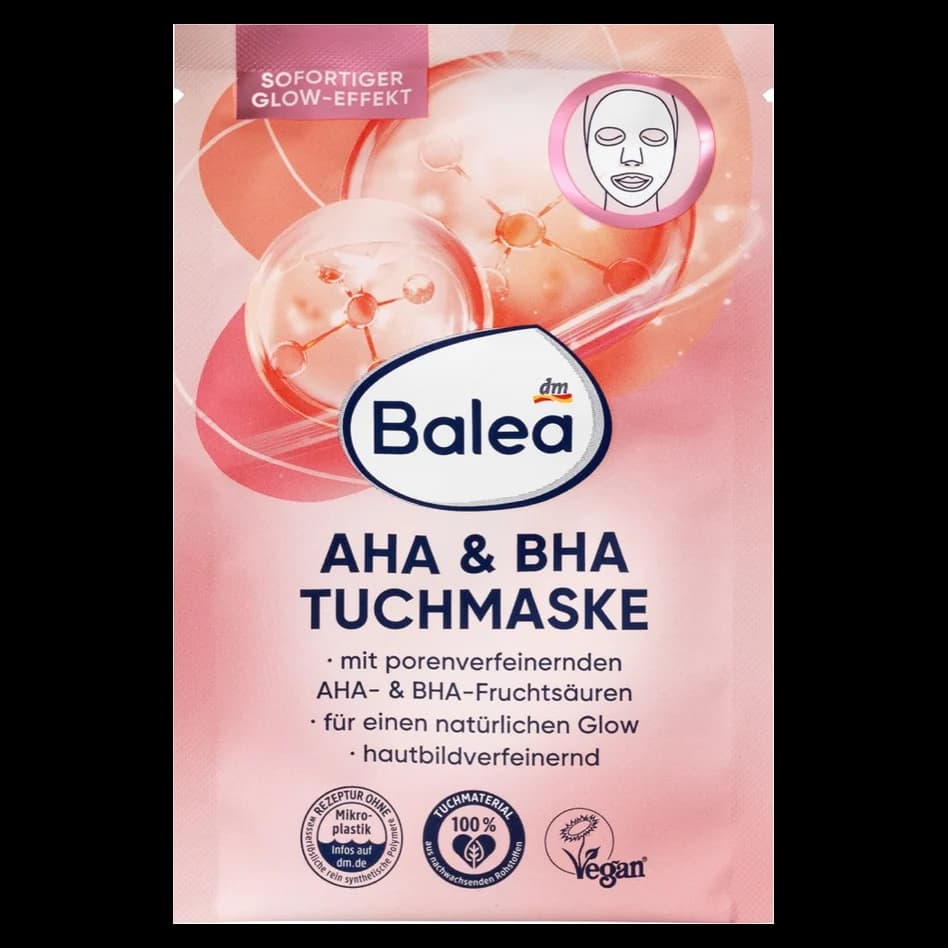
Balea
AHA & BHA Tuchmaske
1st of 16 on the label
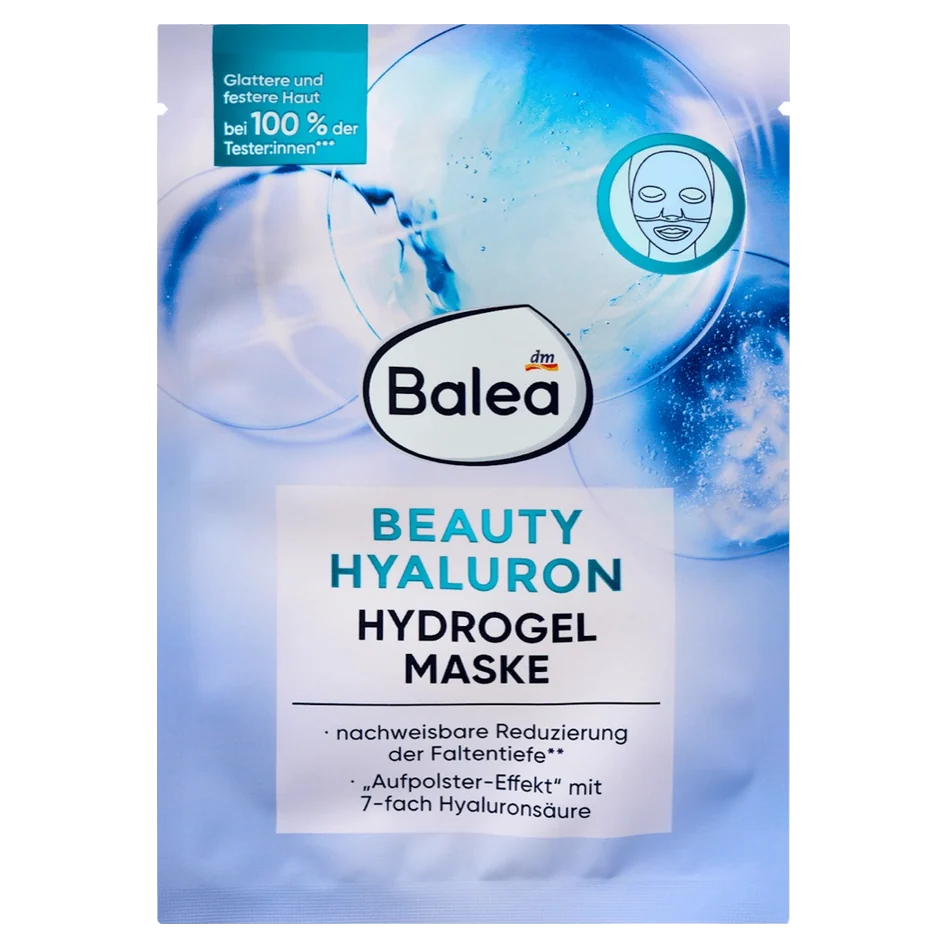
Balea
Gesichtsmaske Beauty Hyaluron Hydrogel
1st of 28 on the label
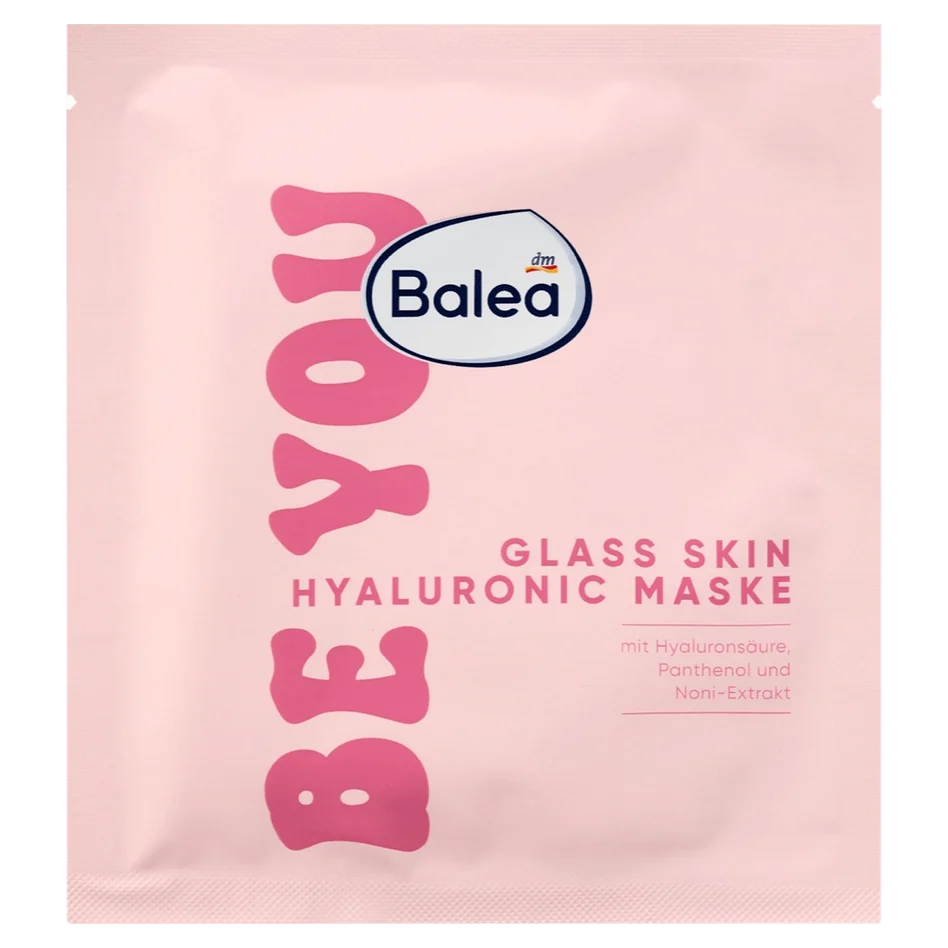
Balea
Gesichtsmaske Glass Skin Hyaluronic Be You
1st of 30 on the label
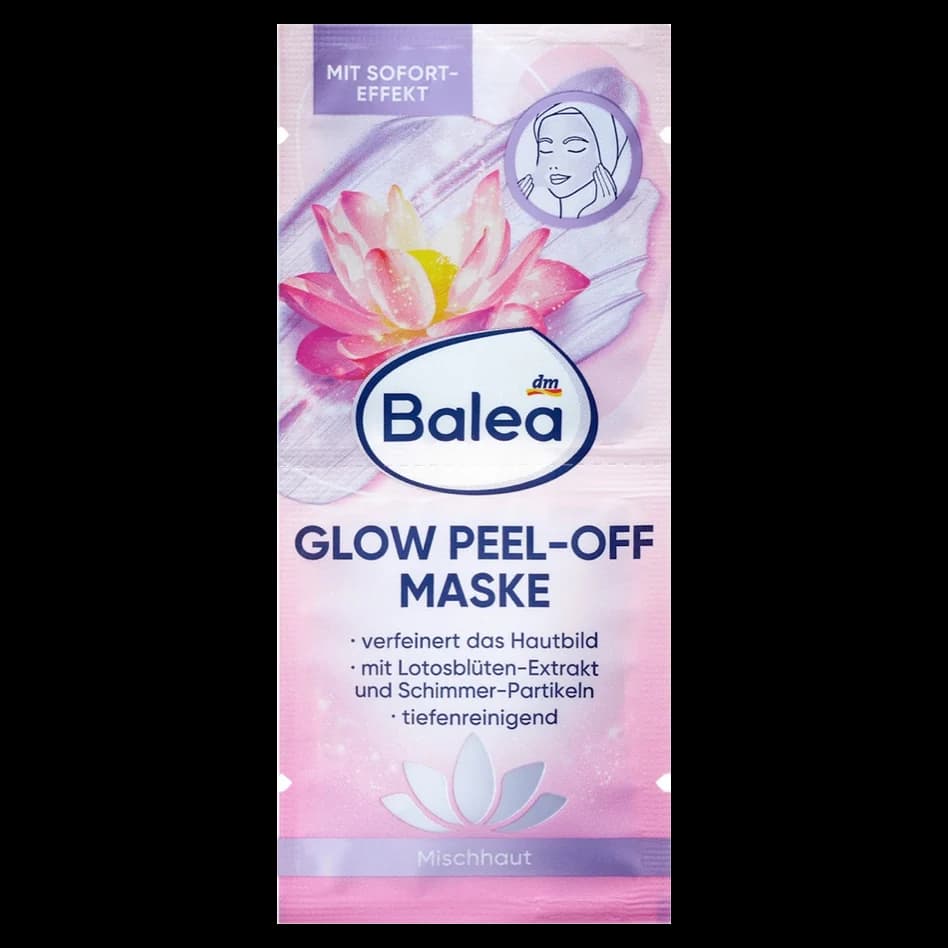
Balea
Gesichtsmaske Glow Peel-Off
1st of 20 on the label
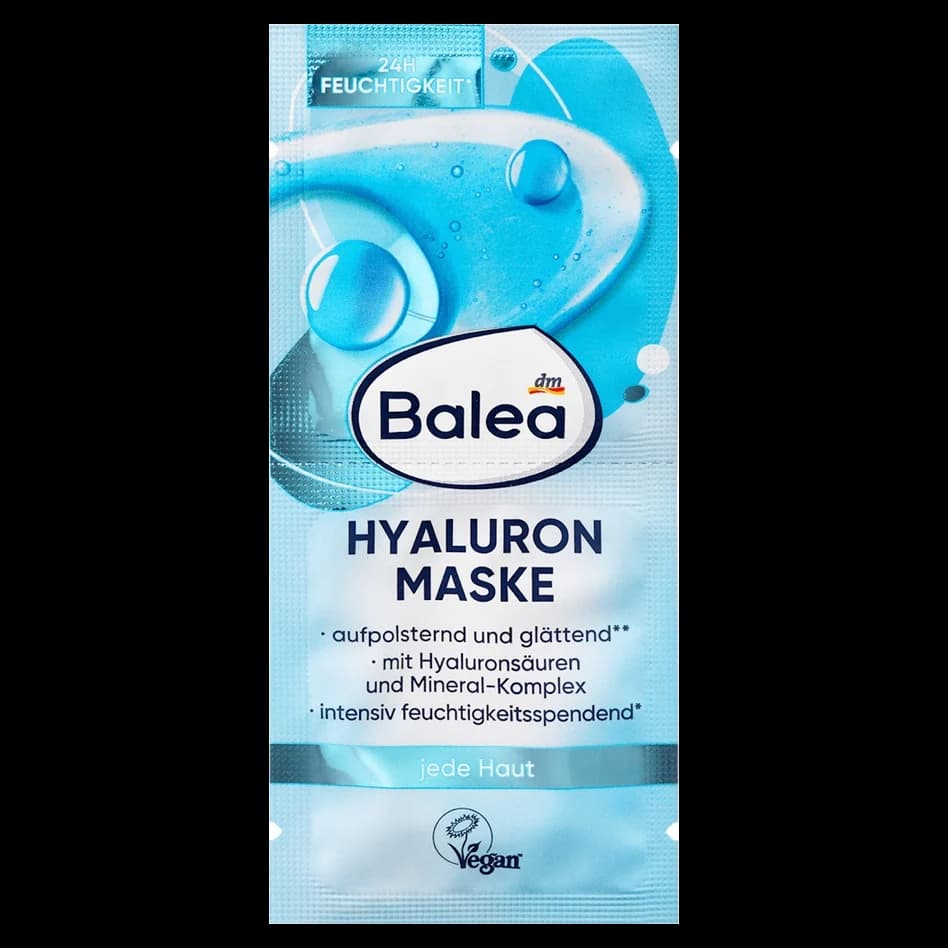
Balea
Gesichtsmaske Hyaluron
1st of 29 on the label
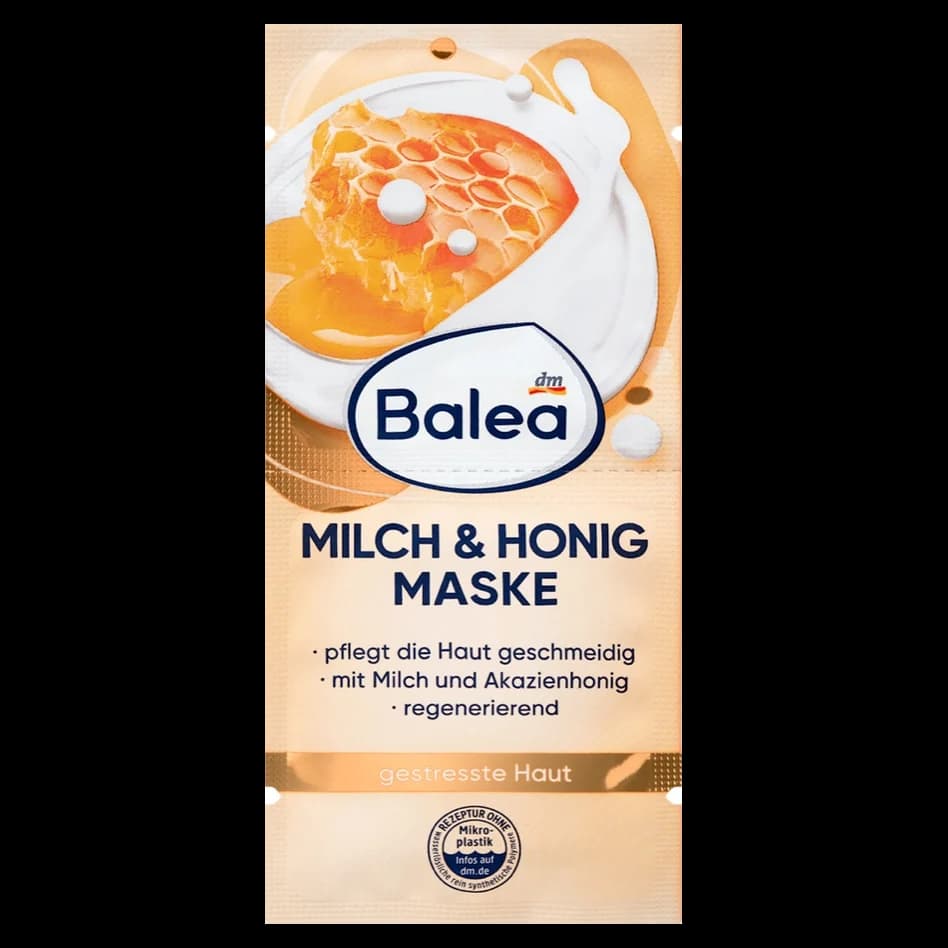
Balea
Gesichtsmaske Milch & Honig
1st of 36 on the label
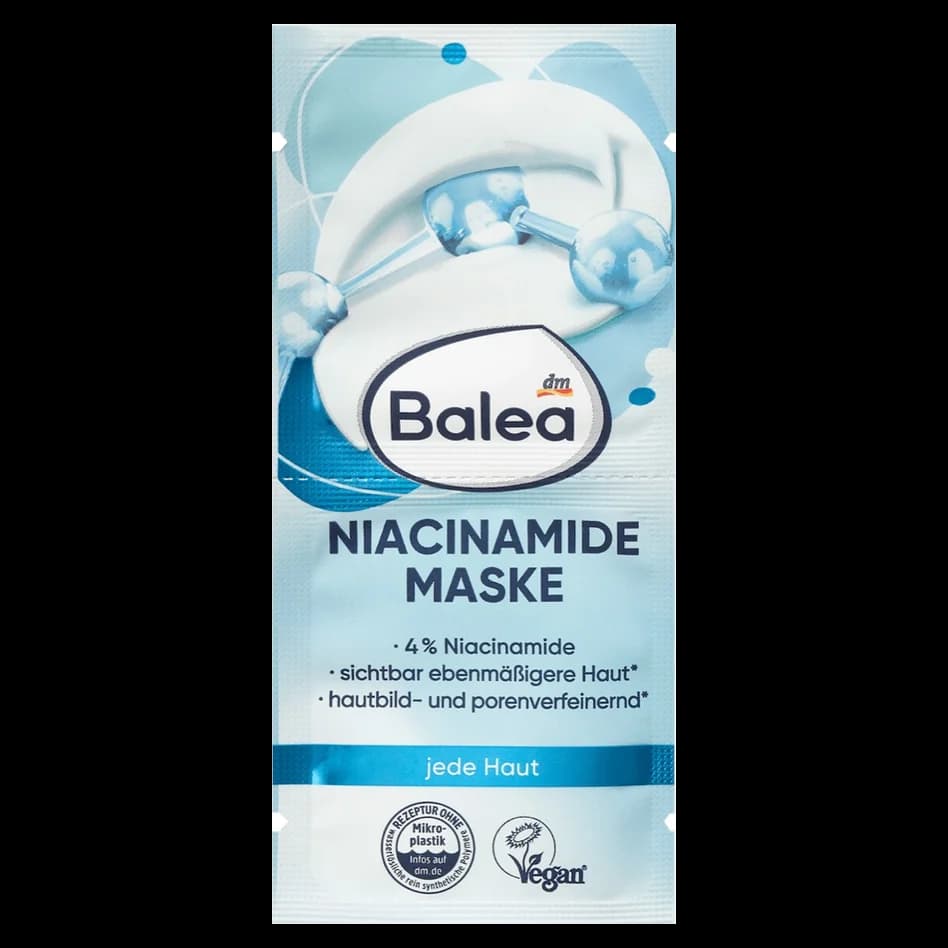
Balea
Gesichtsmaske Niacinamide
1st of 17 on the label
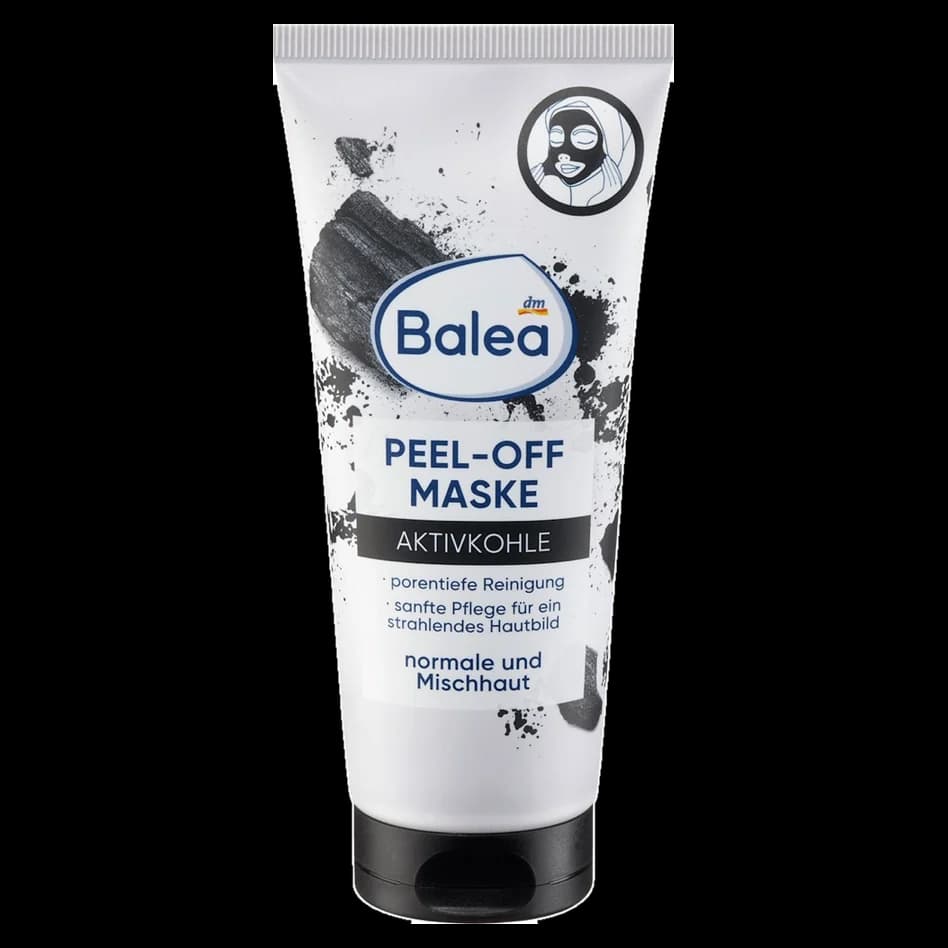
Balea
Gesichtsmaske Peel-Off Aktivkohle
1st of 18 on the label
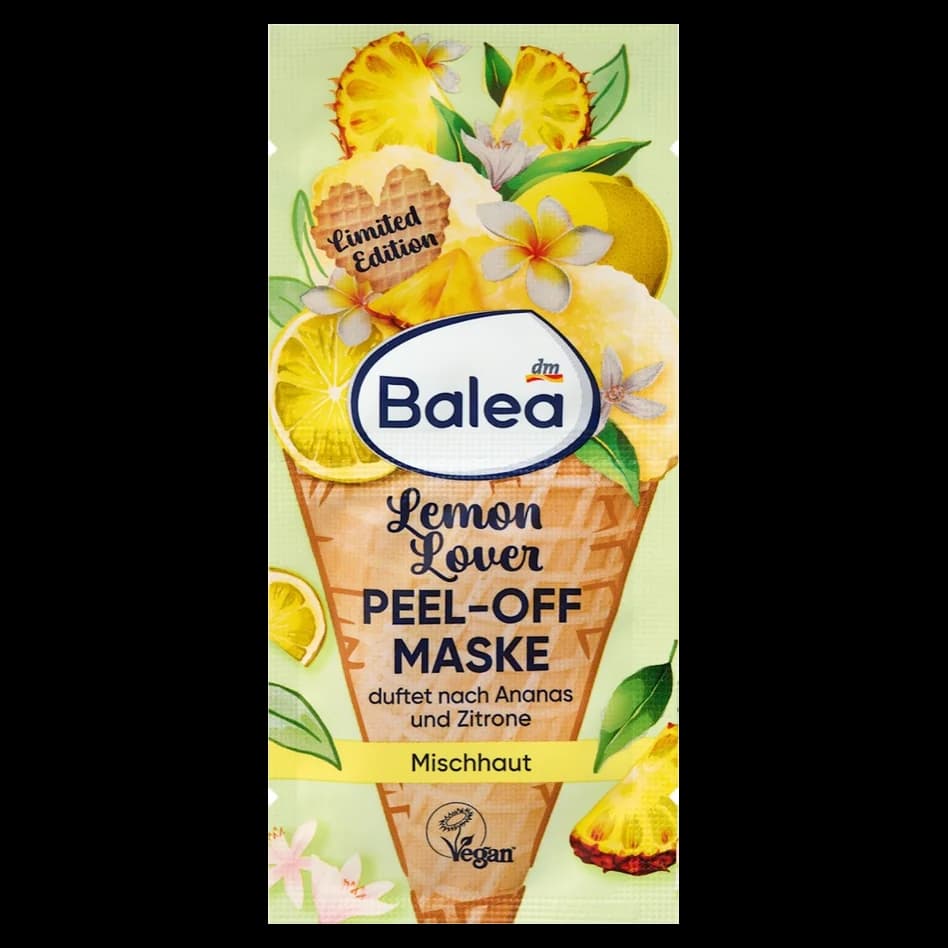
Balea
Gesichtsmaske Peel-Off Lemon Lover
1st of 23 on the label
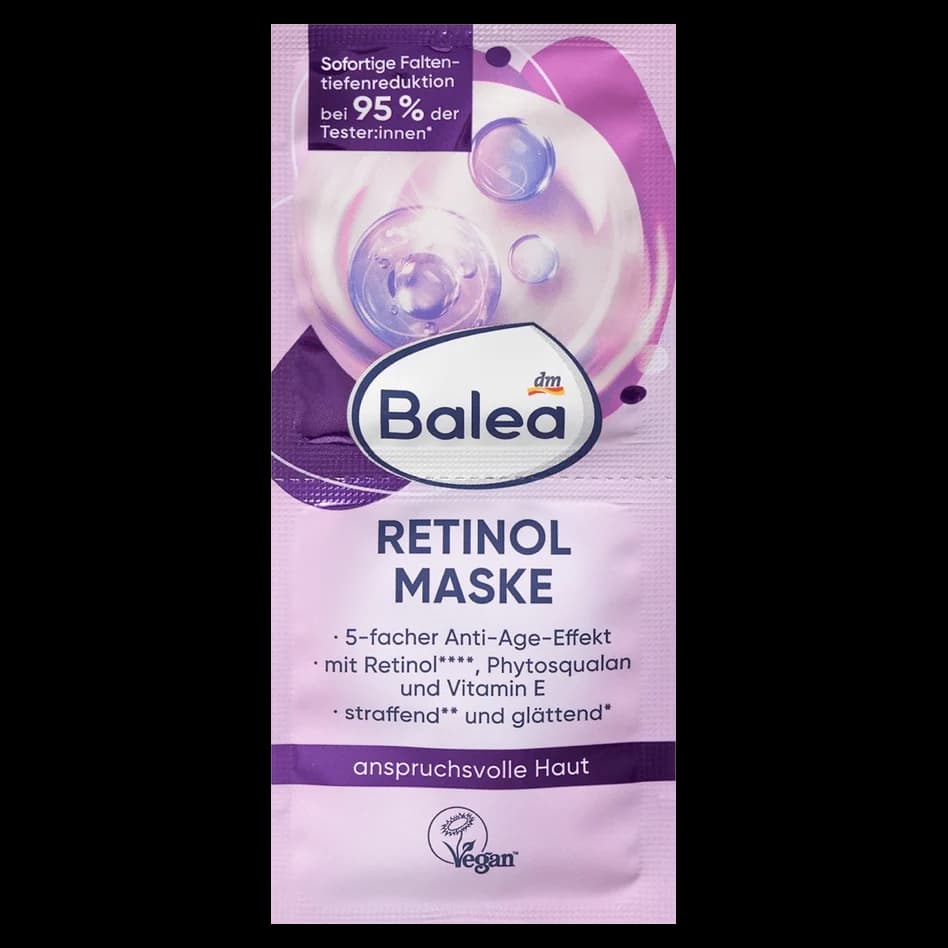
Balea
Gesichtsmaske Retinol
1st of 23 on the label
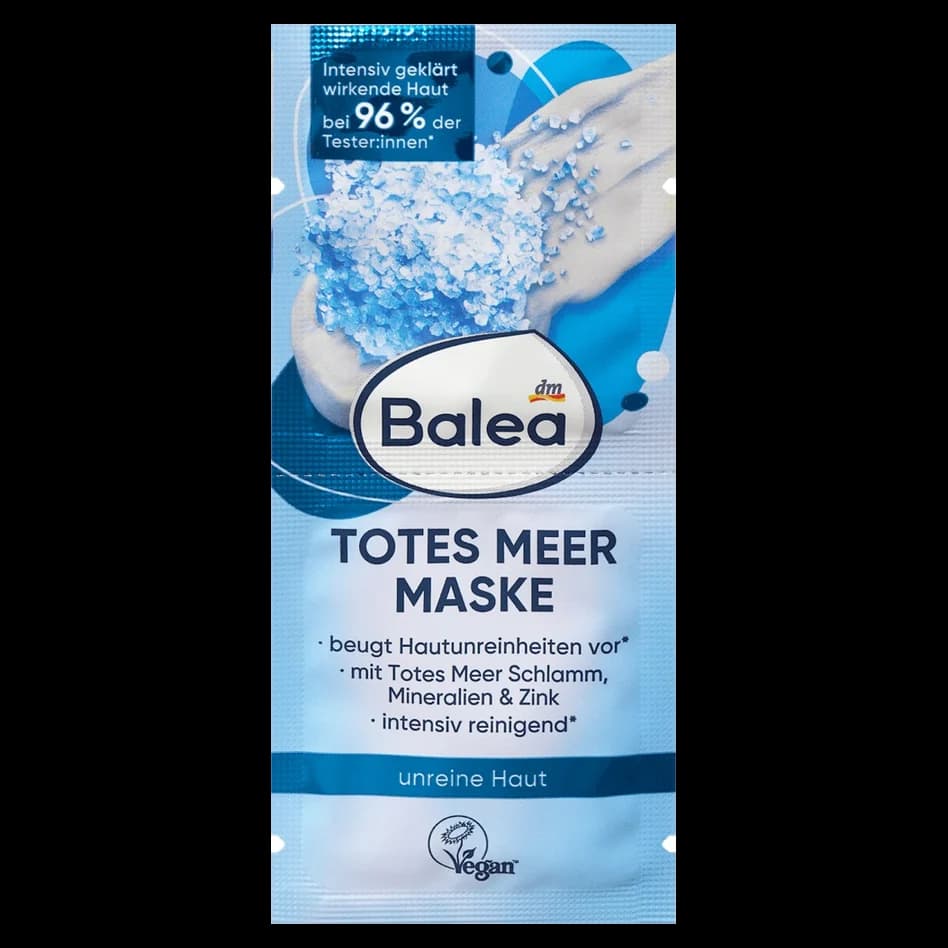
Balea
Gesichtsmaske Totes Meer
1st of 21 on the label
Balea
Gesichtsmaske Vitamin C
1st of 23 on the label
Balea
Glass Skin Collagen Maske
1st of 17 on the label
Balea med
Gesichtsmaske kühlend ultra sensitive
1st of 13 on the label
Balea med
Tuchmaske Panthenol Ultra Sensitive
1st of 16 on the label
Balea MEN
Gesichtsmaske Creme-Gel Hydro
1st of 31 on the label
Balea MEN
Gesichtsmaske Q10 Anti-Falten
1st of 28 on the label
Balea
Reinigung, Peeling & Maske hautrein 3in1
1st of 18 on the label
Balea
Tuchmaske Aqua
1st of 18 on the label
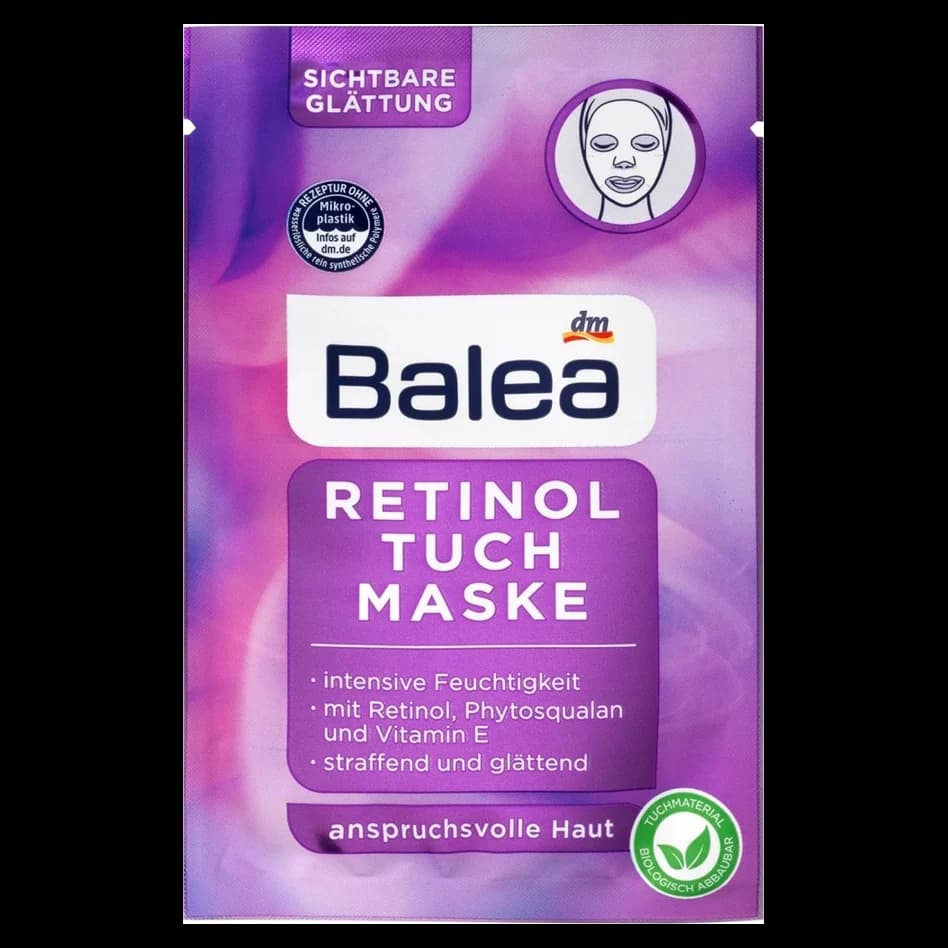
Balea
Tuchmaske Retinol
1st of 16 on the label
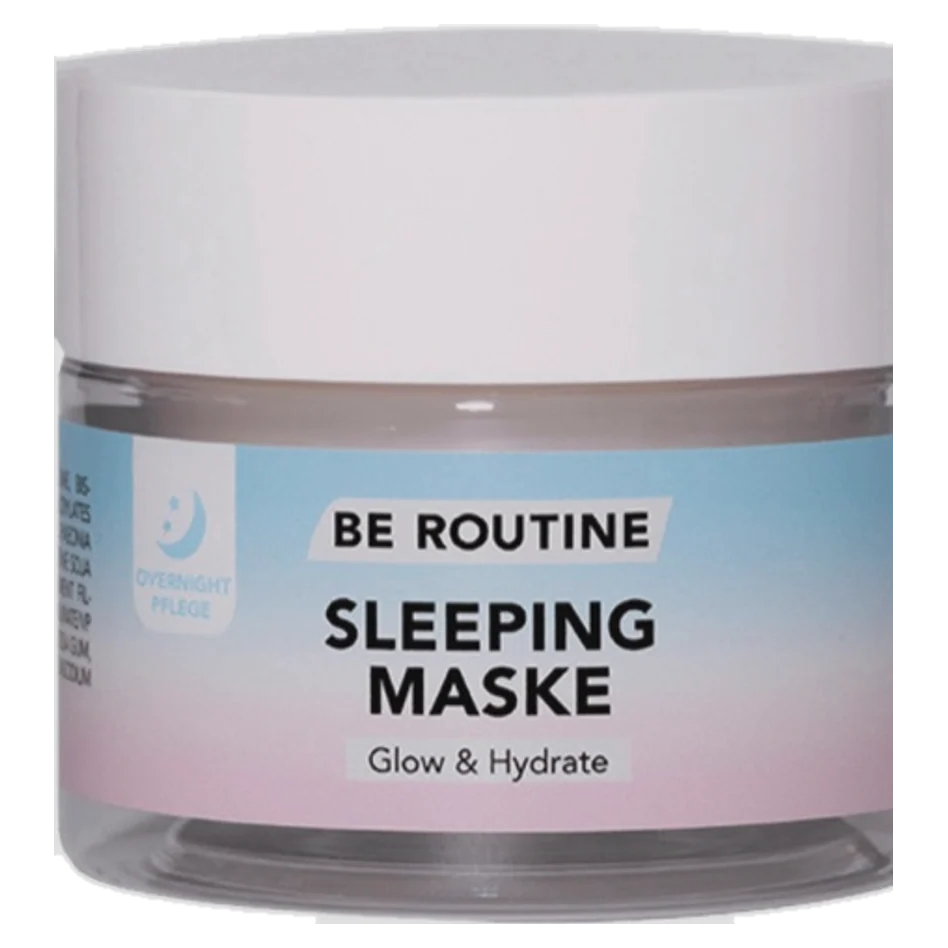
Be Routine
Schlafmaske Glow & Hydrate
1st of 27 on the label
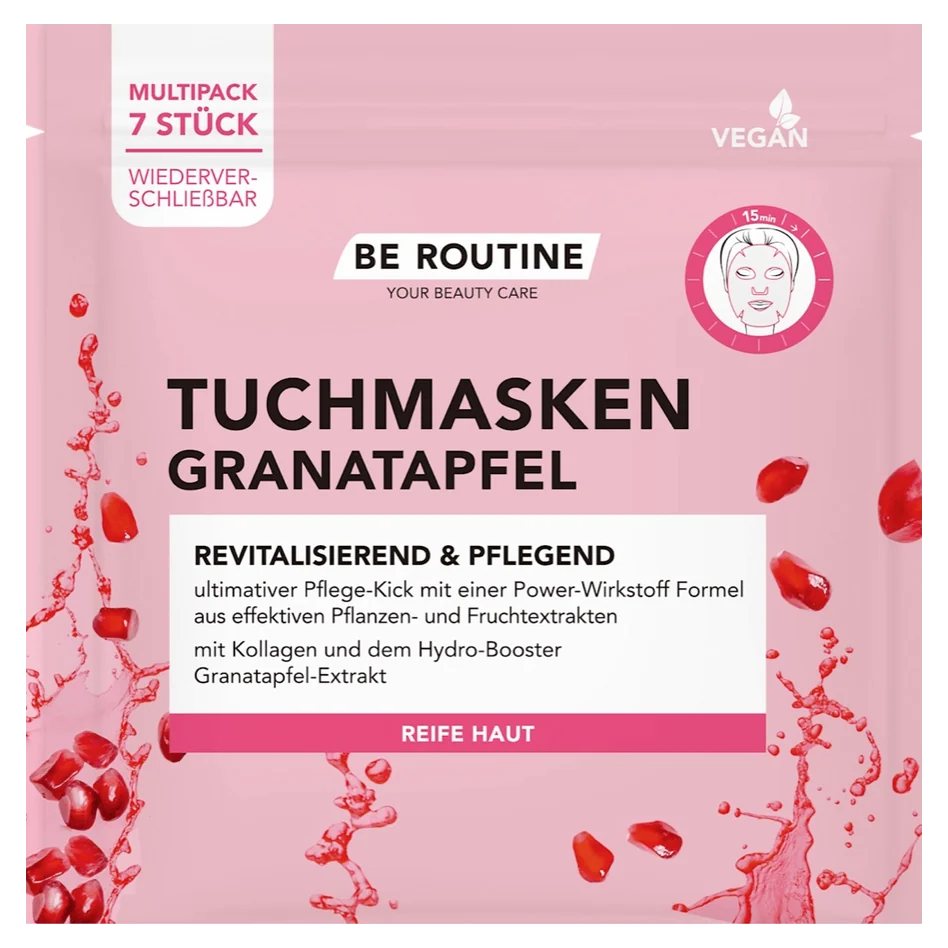
Be Routine
Tuchmasken Granatapfel Multipack
1st of 32 on the label
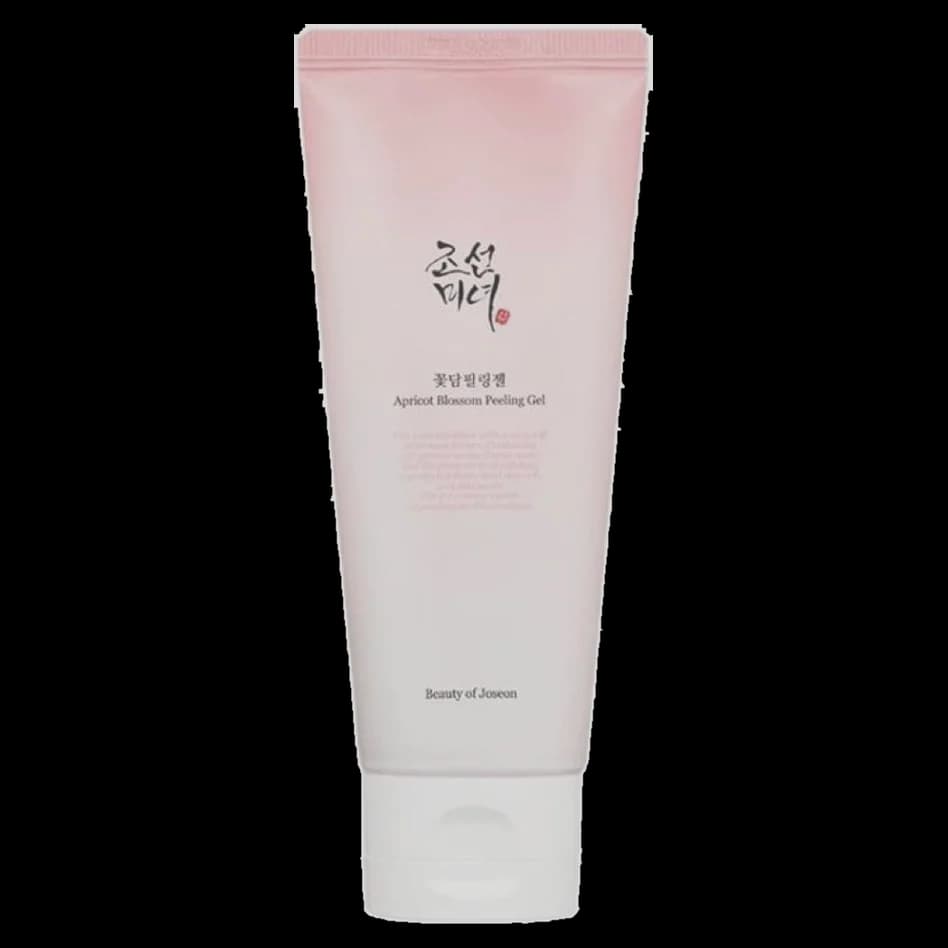
Beauty of Joseon
Apricot Blossom Peeling Gel
1st of 19 on the label
Beauty of Joseon
Ground Rice and Honey Glow Mask
1st of 35 on the label
belif
Super Knights Vitamin Mask
1st of 26 on the label
Benton
Aloe Soothing Mask Pack
2nd of 19 on the label
Benton
Fermentation Mask Pack
2nd of 25 on the label
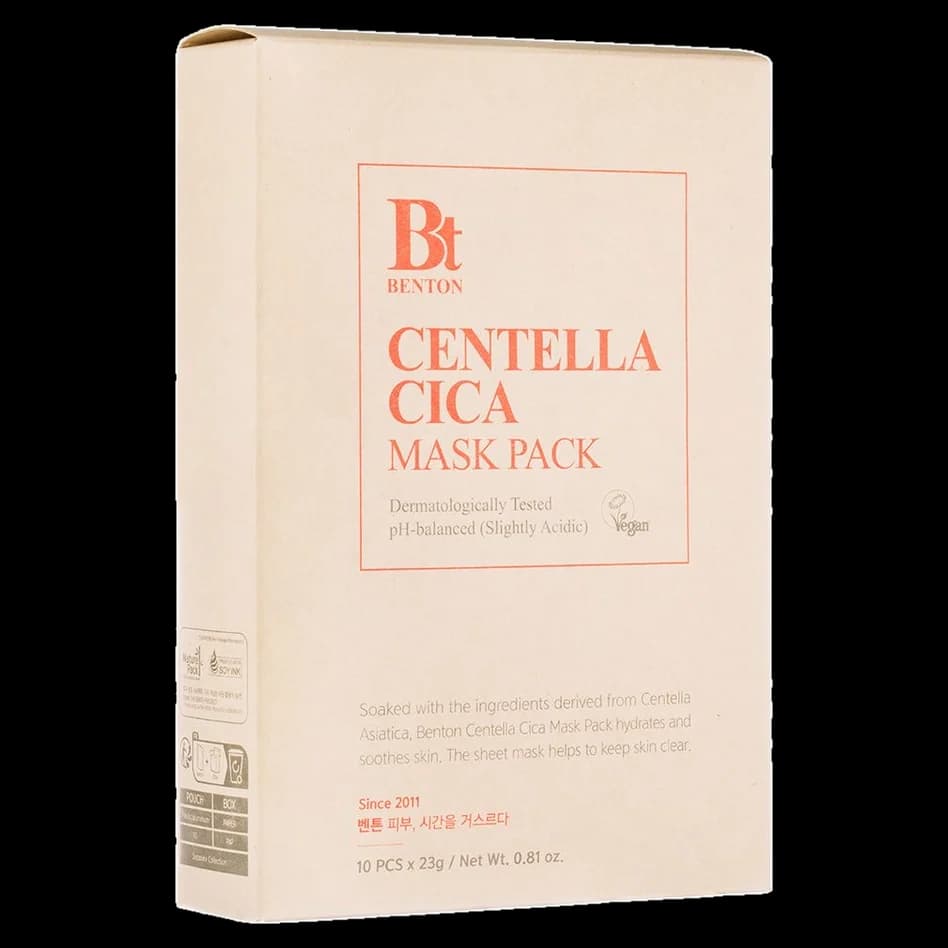
Benton
Goodbye Redness Centella Cica Mask Pack
2nd of 23 on the label
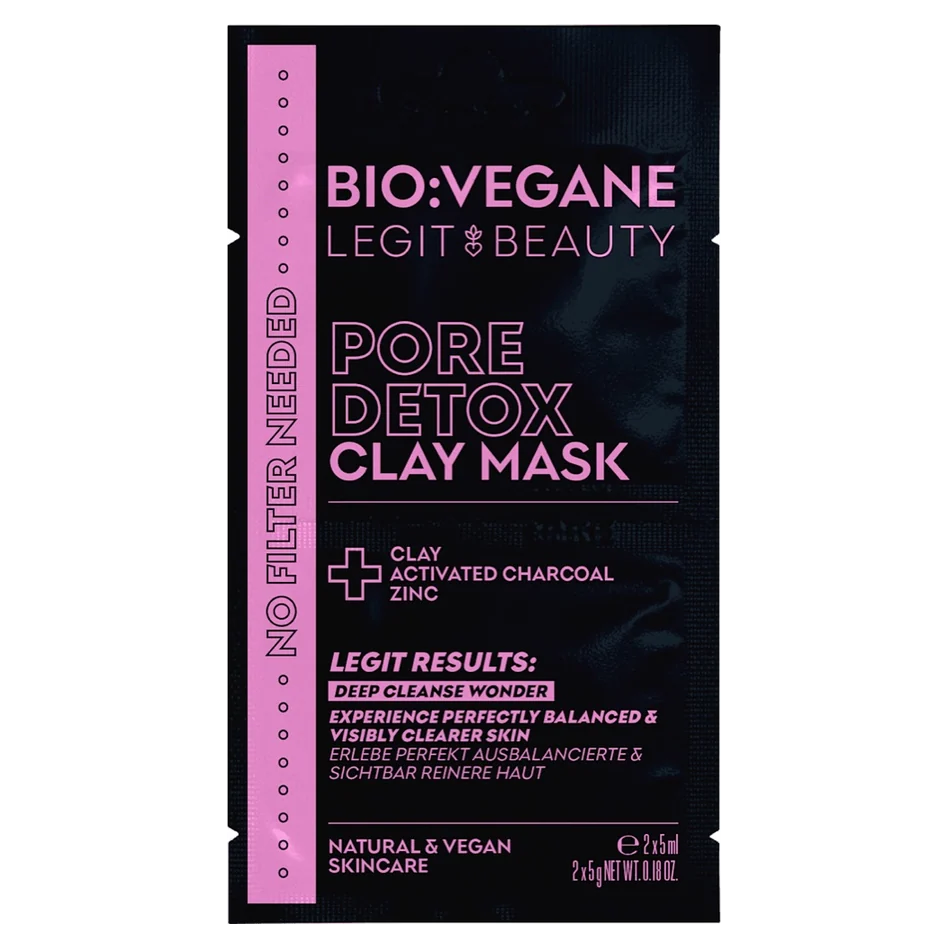
BIO:VEGANE
Gesichtsmaske Pore Detox Clay Mask
1st of 19 on the label
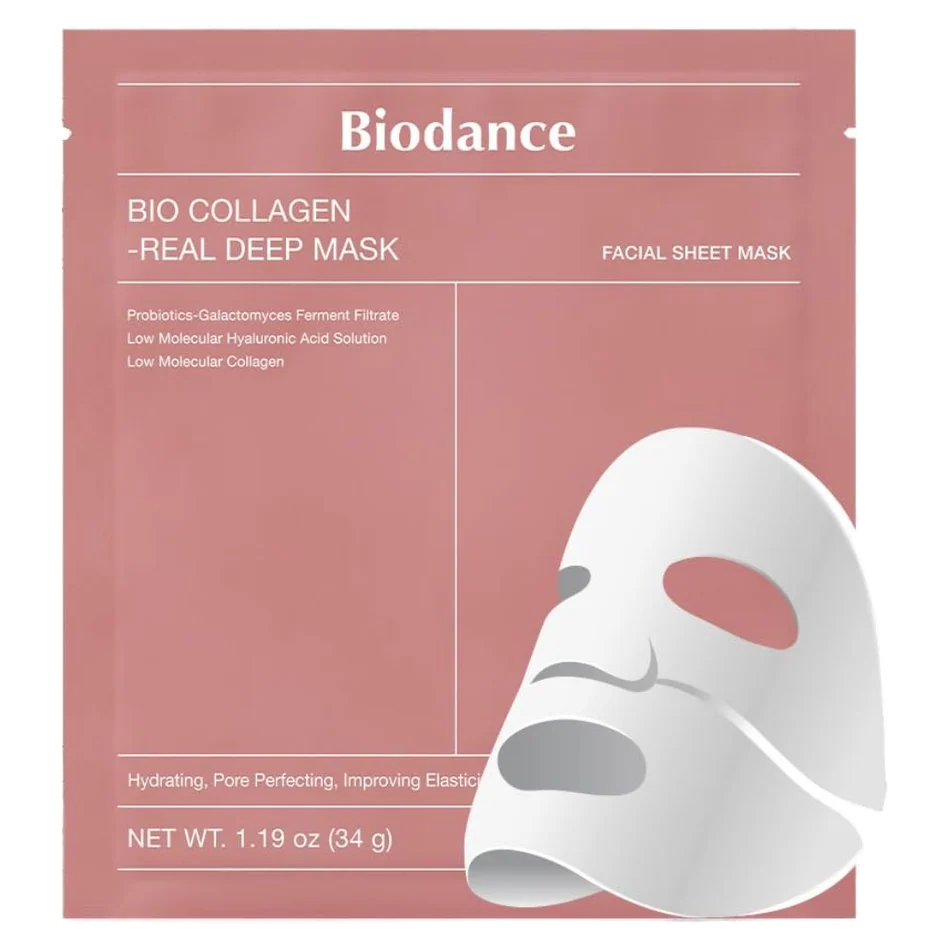
Biodance
Bio-Collagen Real Deep Mask
1st of 34 on the label
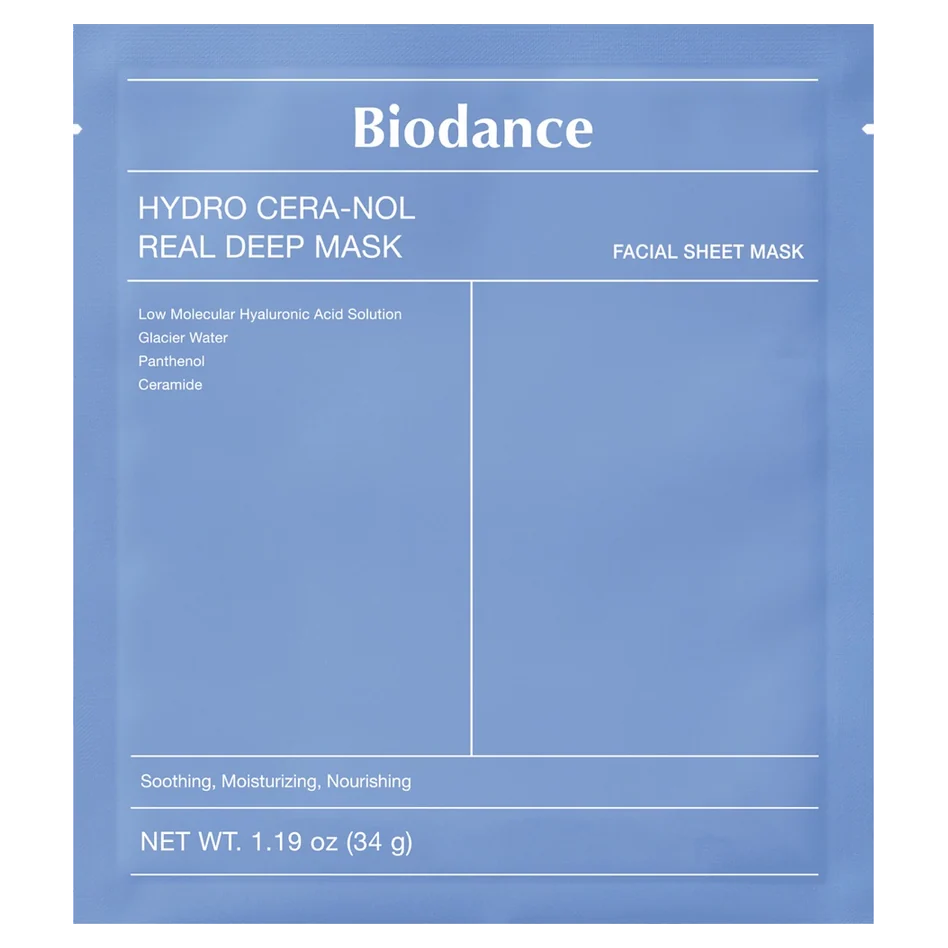
Biodance
Hydro Cera-nol Real Deep Mask
1st of 65 on the label
Biodance
Refreshing Sea Kelp Real Deep Mask
1st of 43 on the label
Bullrich
Tuchmaske Heilerde+Zink
1st of 19 on the label
BULLRICH
Tuchmaske Vitamin C + Retinol
1st of 11 on the label
Caudalie
Vinergetic C+ Instant Detox Mask
1st of 33 on the label
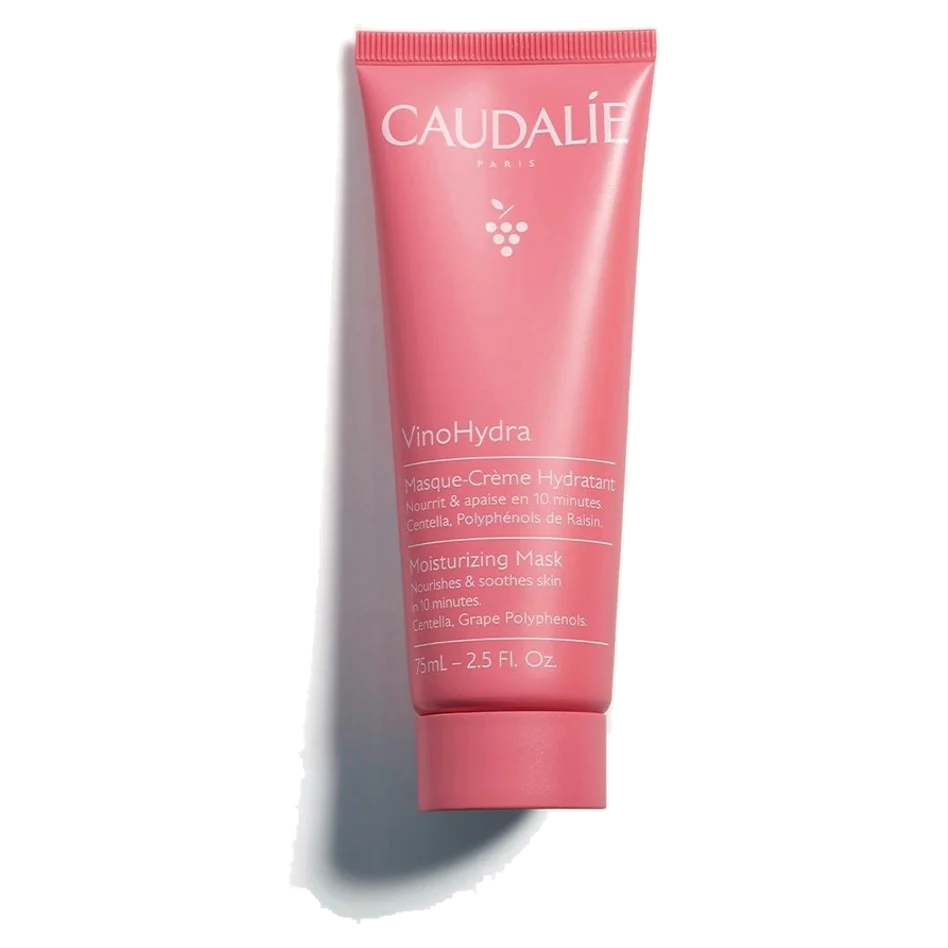
Caudalie
VinoHydra Moisturising Cream Mask (Masque-Creme Hydratant)
1st of 32 on the label
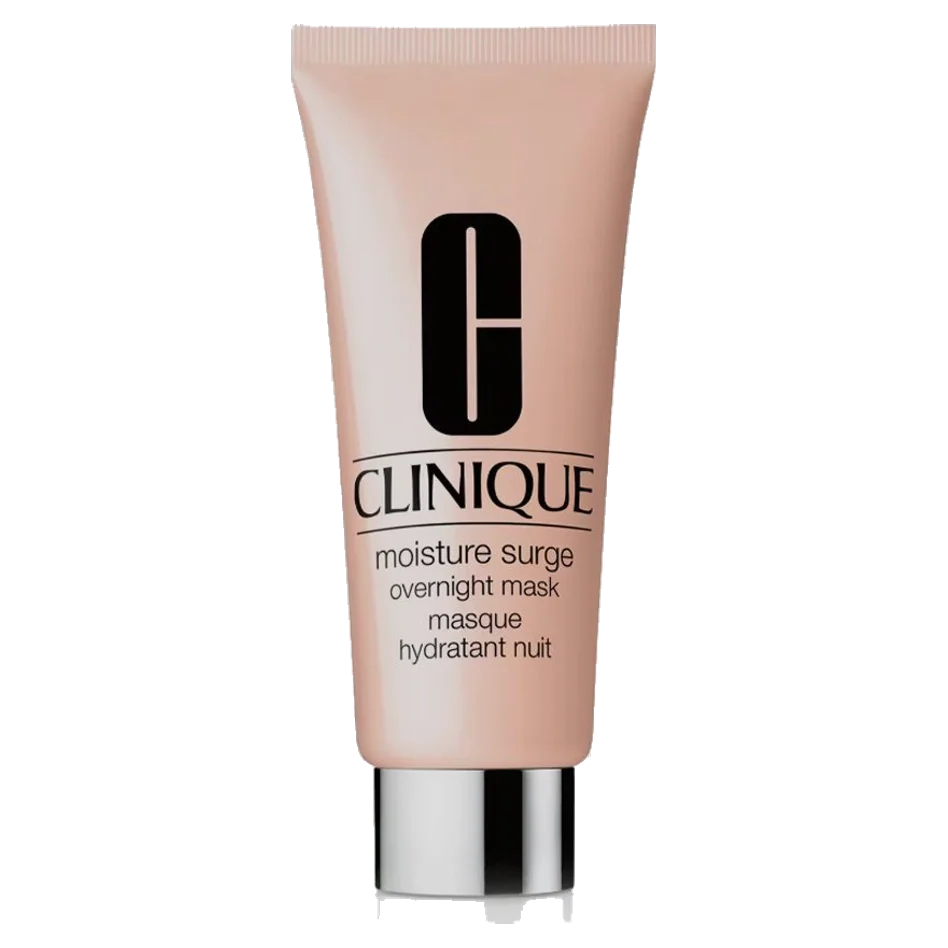
Clinique
Moisture Surge Overnight Mask
1st of 42 on the label
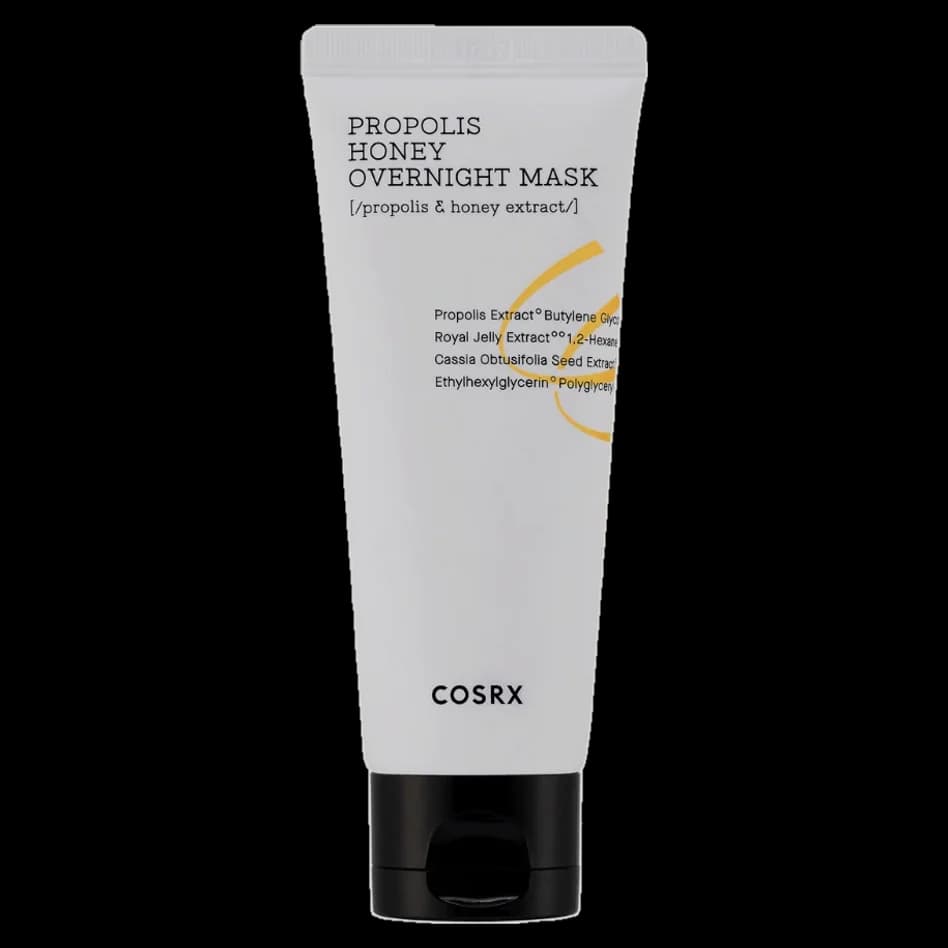
COSRX
Full Fit Propolis Honey Overnight Mask
7th of 22 on the label
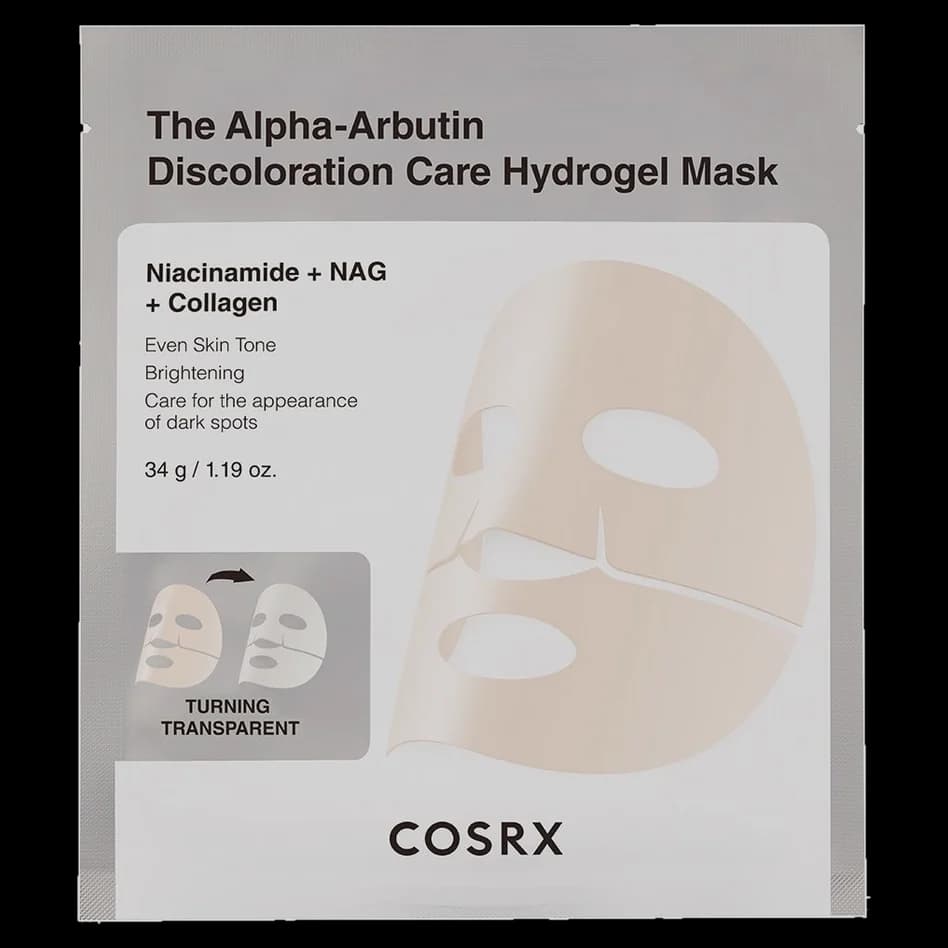
COSRX
The Alpha-Arbutin Discoloration Care Hydrogel Mask
1st of 44 on the label
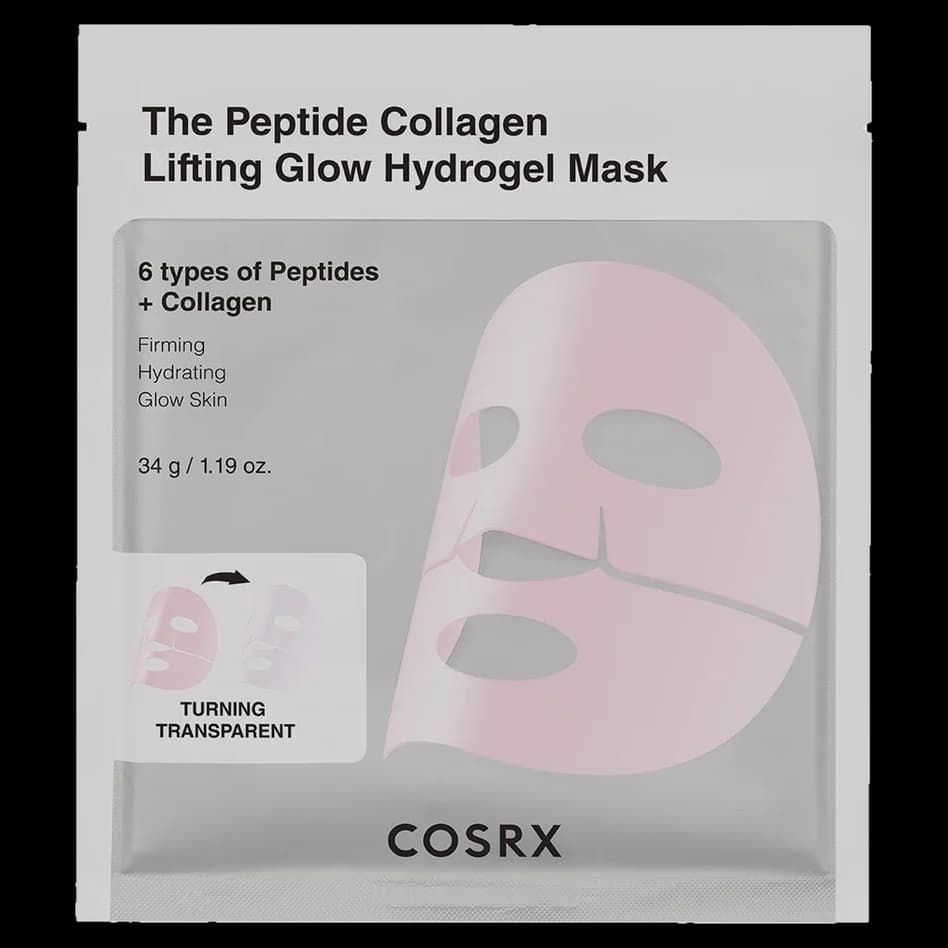
COSRX
The Peptide Collagen Lifting Glow Hydrogel Mask
1st of 49 on the label
Dear, Klairs
Freshly Juiced Vitamin E Mask
1st of 30 on the label
Dear, Klairs
Midnight Blue Calming Sheet Mask
1st of 21 on the label
Dear, Klairs
Rich Moist Soothing Tencel Sheet Mask
1st of 33 on the label
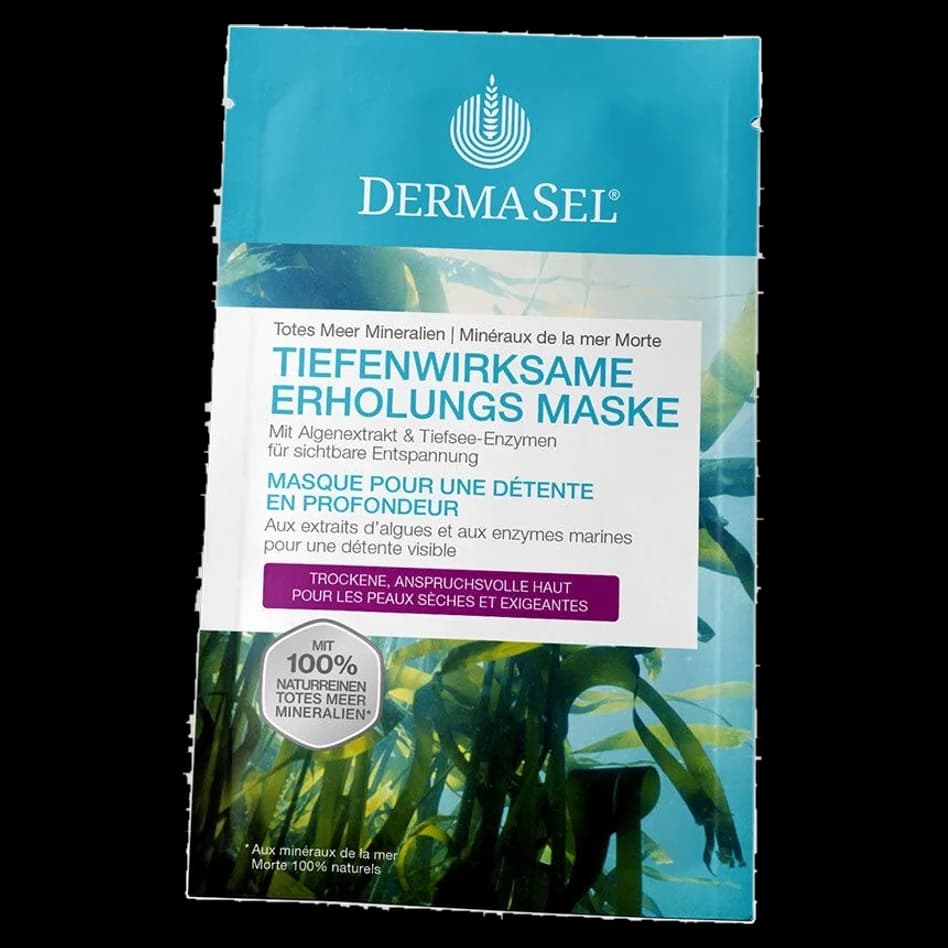
DERMASEL
SPA Totes Meer Maske Erholung
1st of 31 on the label
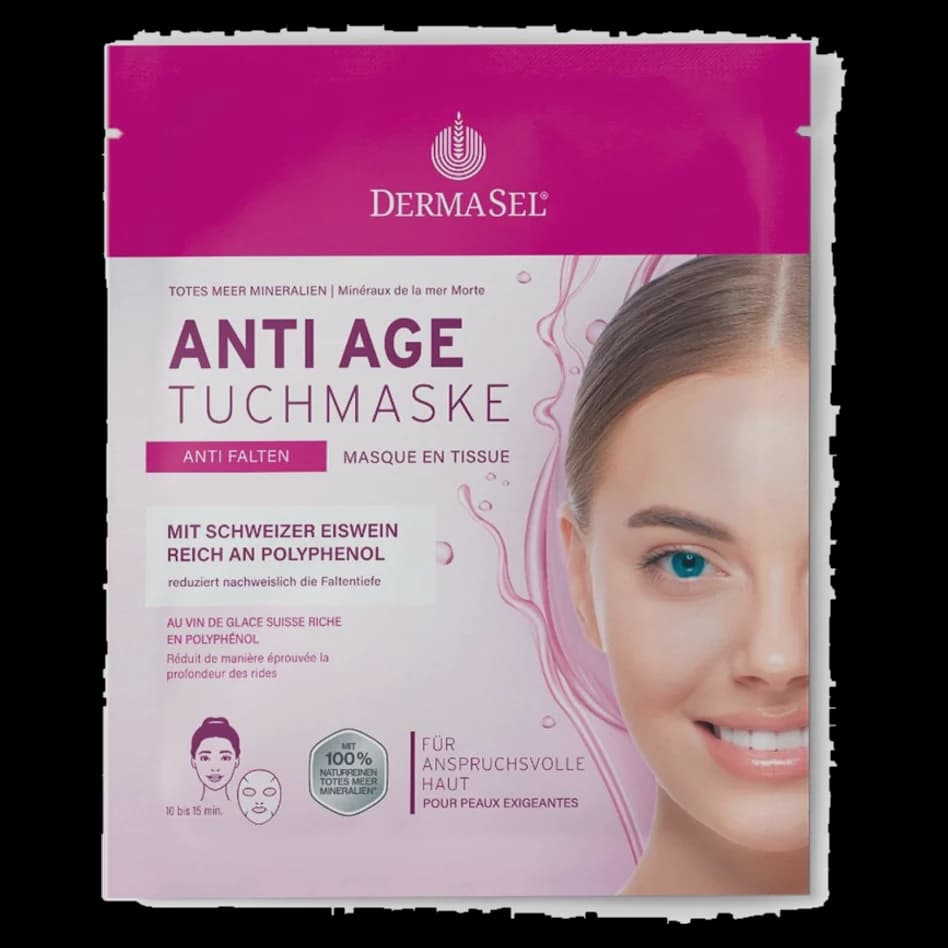
DERMASEL
Totes Meer Anti-Age Tuchmaske
1st of 23 on the label
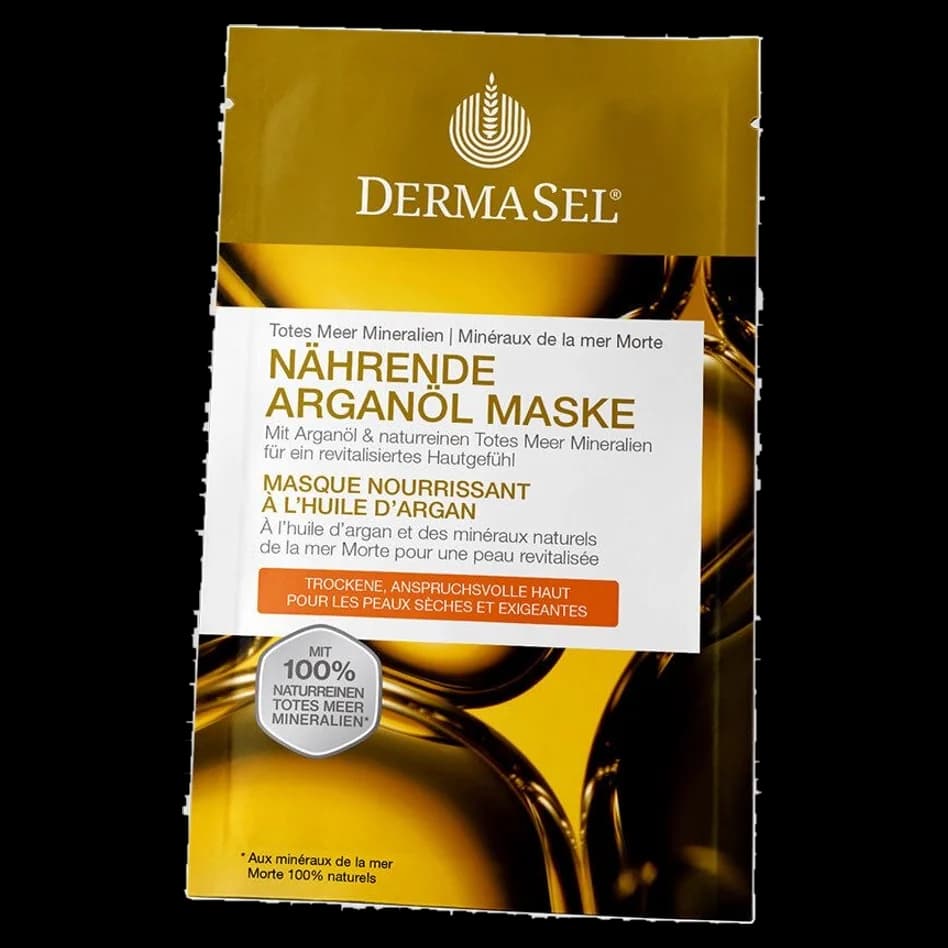
DERMASEL
Totes Meer Mineralien Nährende Arganöl Maske
1st of 29 on the label
Dr. Barbara Sturm
Face Mask
1st of 18 on the label
Dr. Grandel
Timeless Sleeping Cream & Mask
1st of 35 on the label
Dr.Jart+
Dermask Vital Hydra Solution Pro + Hyaluronic Acid
1st of 25 on the label
Dr. Rimpler
SPECIAL Peel AHA
1st of 16 on the label
Dr. Scheller
Detox Heilmoor Maske
1st of 22 on the label
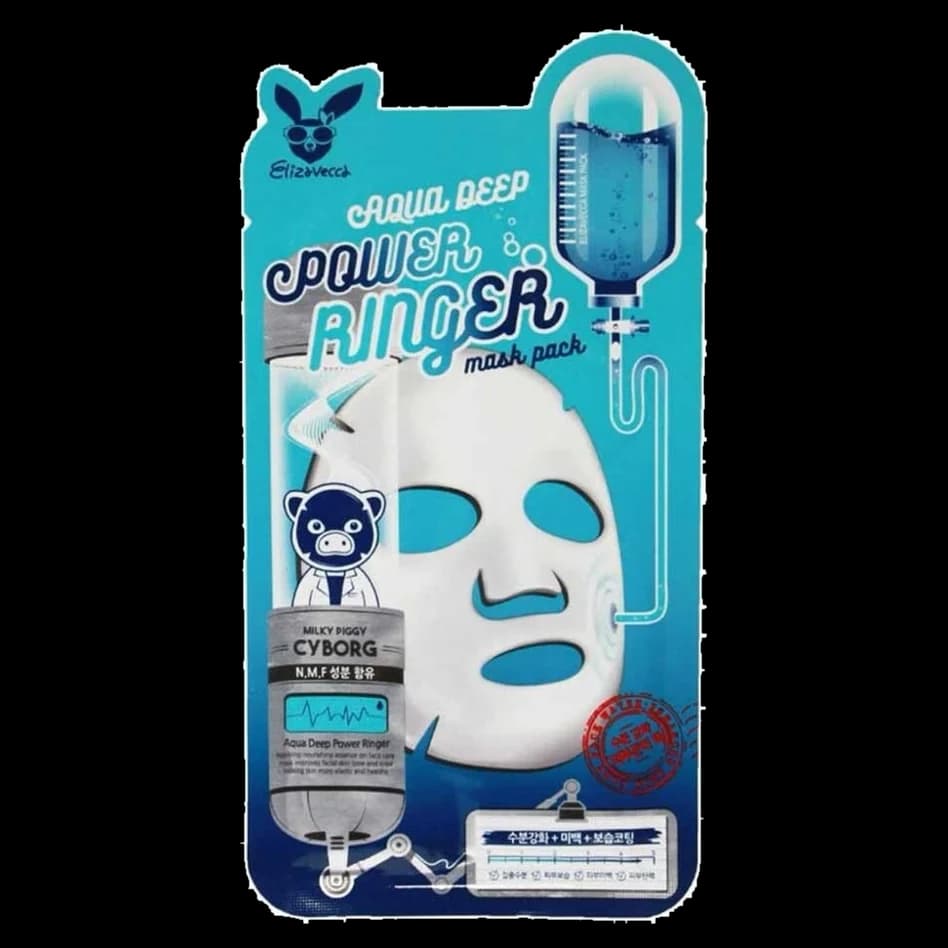
Elizavecca
Aqua Deep Power Ringer Mask Pack
1st of 28 on the label
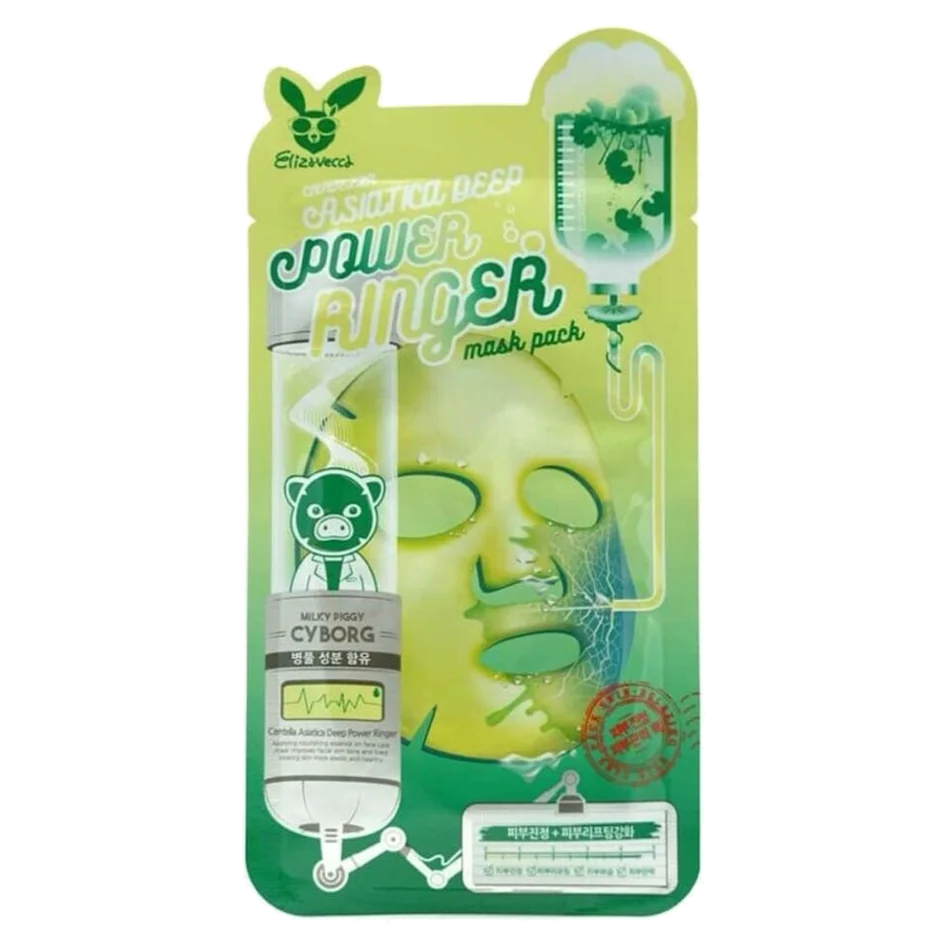
Elizavecca
Centella Deep Power Ringer Mask Pack
1st of 22 on the label
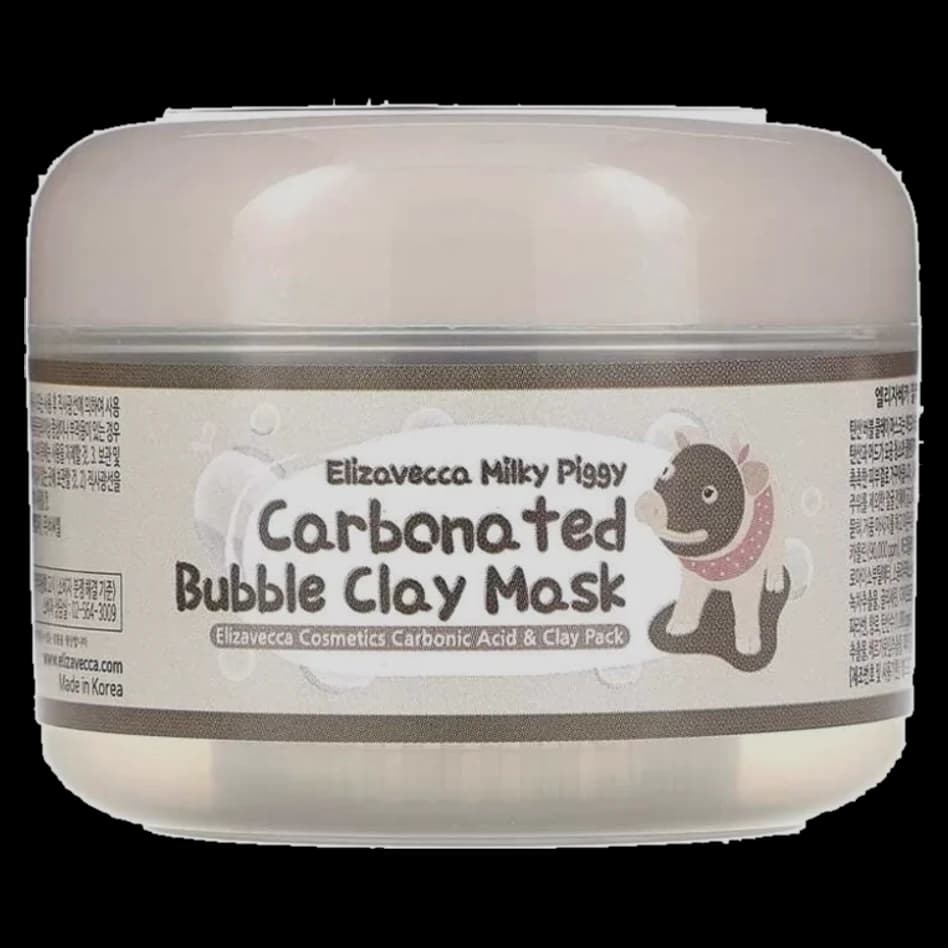
Elizavecca
Milky Piggy Carbonated Bubble Clay Mask
1st of 29 on the label
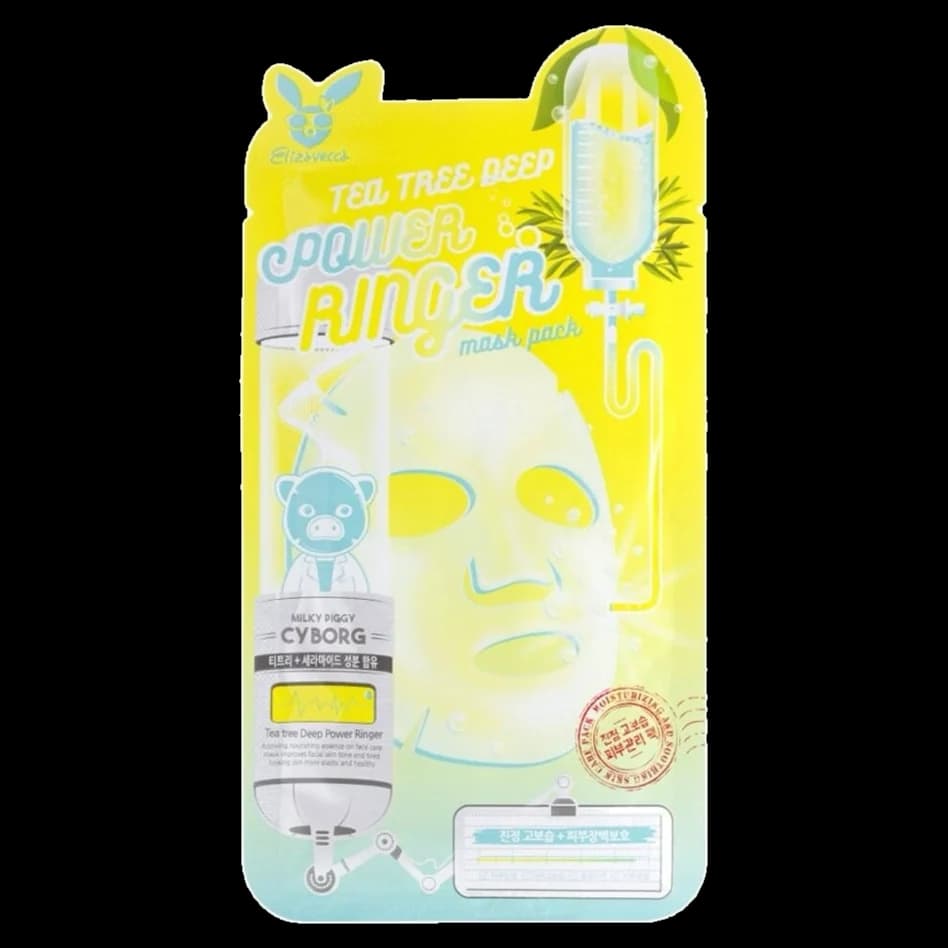
Elizavecca
Tea Tree Deep Power Ringer Mask Pack
1st of 23 on the label
Erborian
BB Shot Mask
1st of 34 on the label
essence
Queen of Pink Face Sheet Mask 01 Keeping My Pink Poker Face
1st of 23 on the label
Etude House
0.2mm Therapy Air Mask Ceramide
1st of 33 on the label
Etude House
0.2mm Therapy Air Mask Hyaluronic Acid
1st of 35 on the label
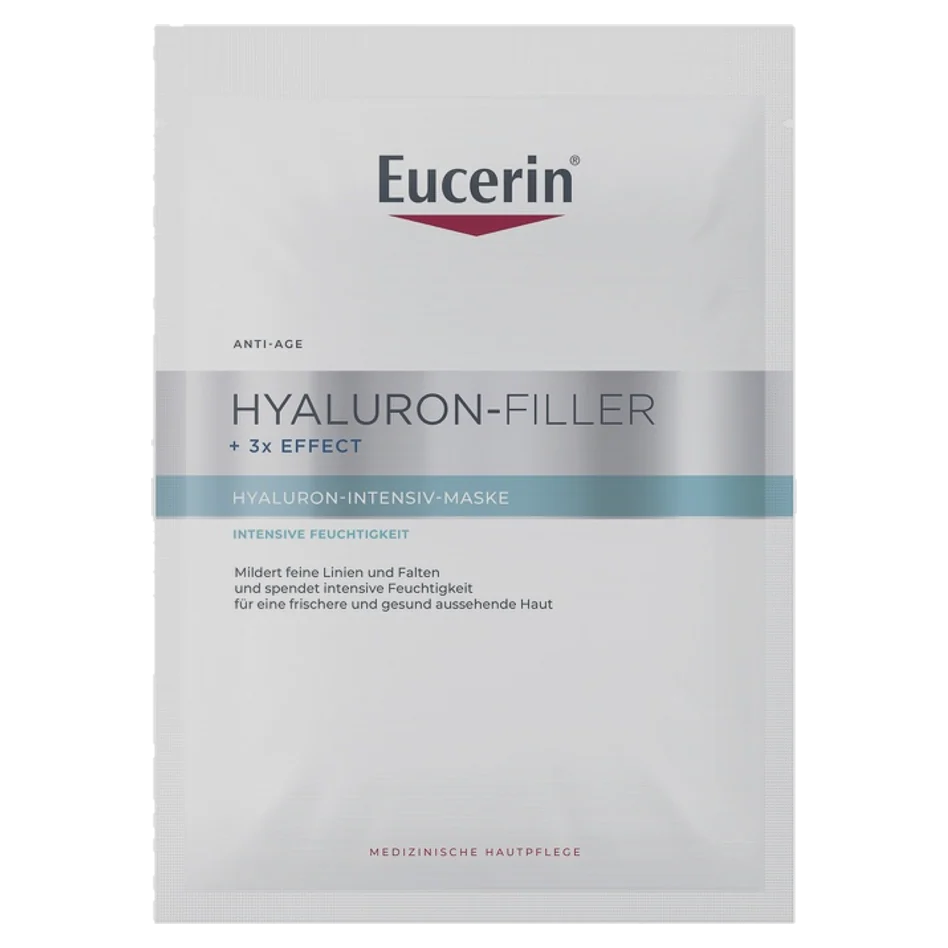
Eucerin
Hyaluron-Filler Hyaluron Intensive Mask
1st of 11 on the label
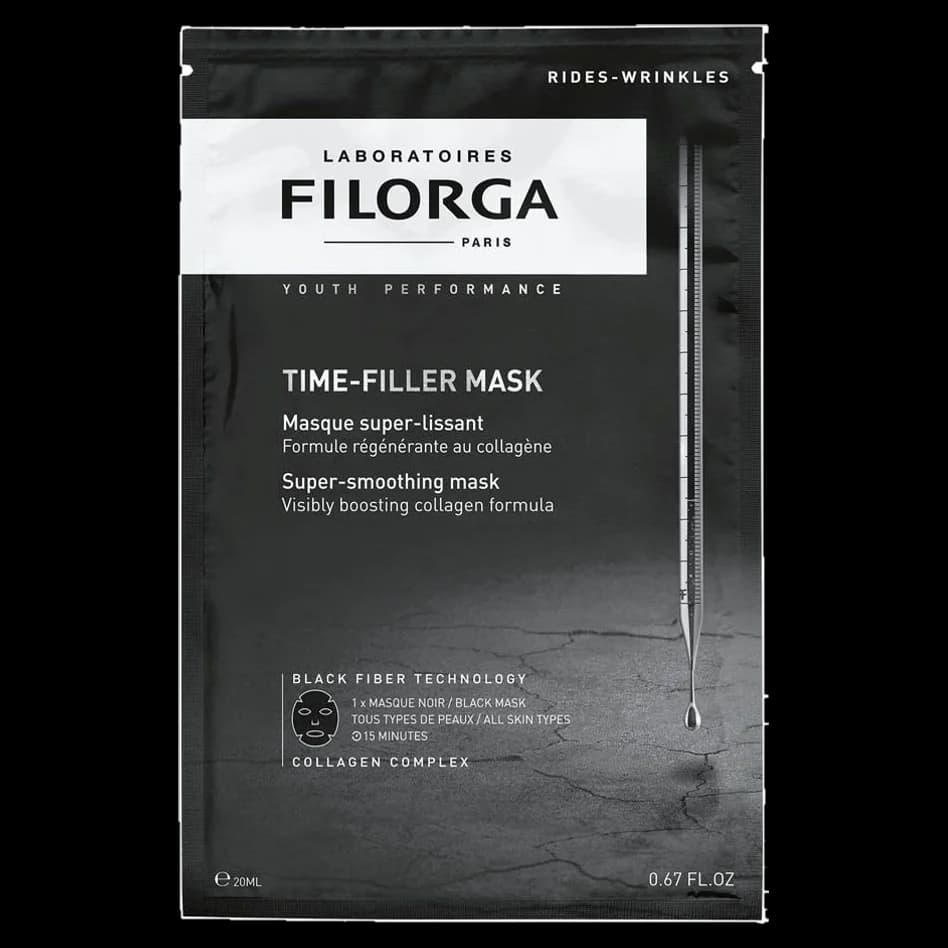
Filorga
Time-Filler Mask
1st of 20 on the label
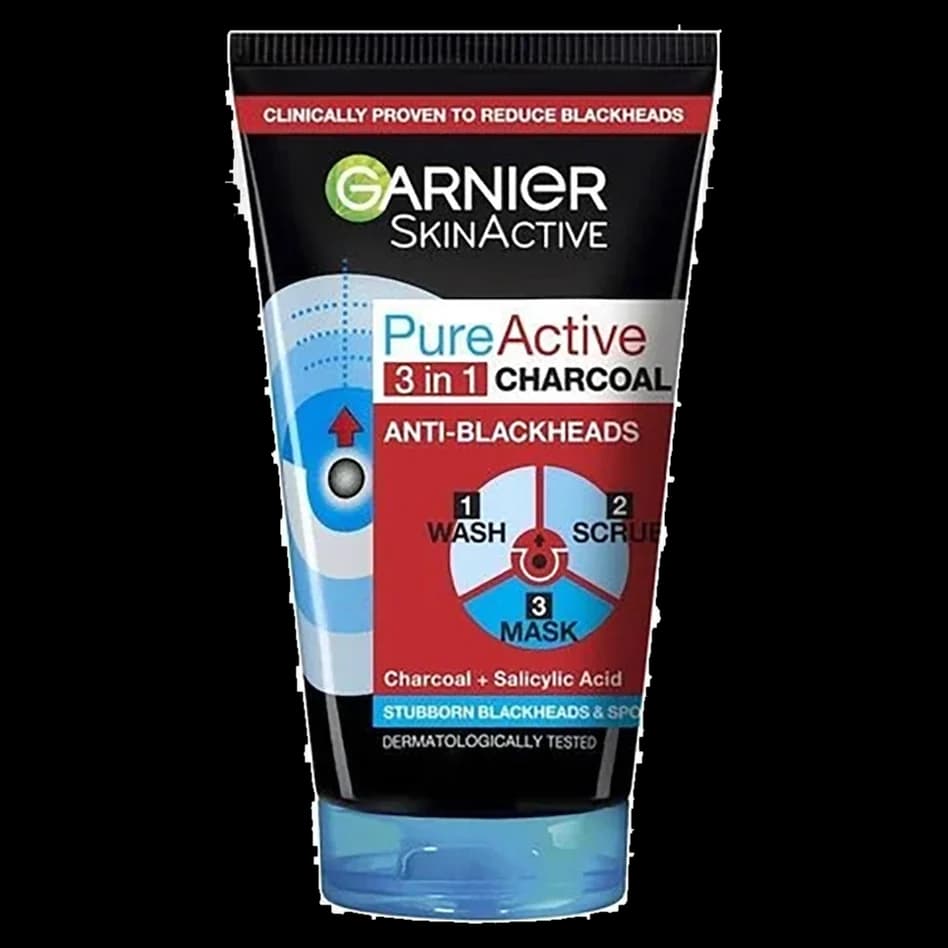
Garnier
Pure Active 3-in-1 Charcoal Wash, Scrub & Mask
1st of 25 on the label
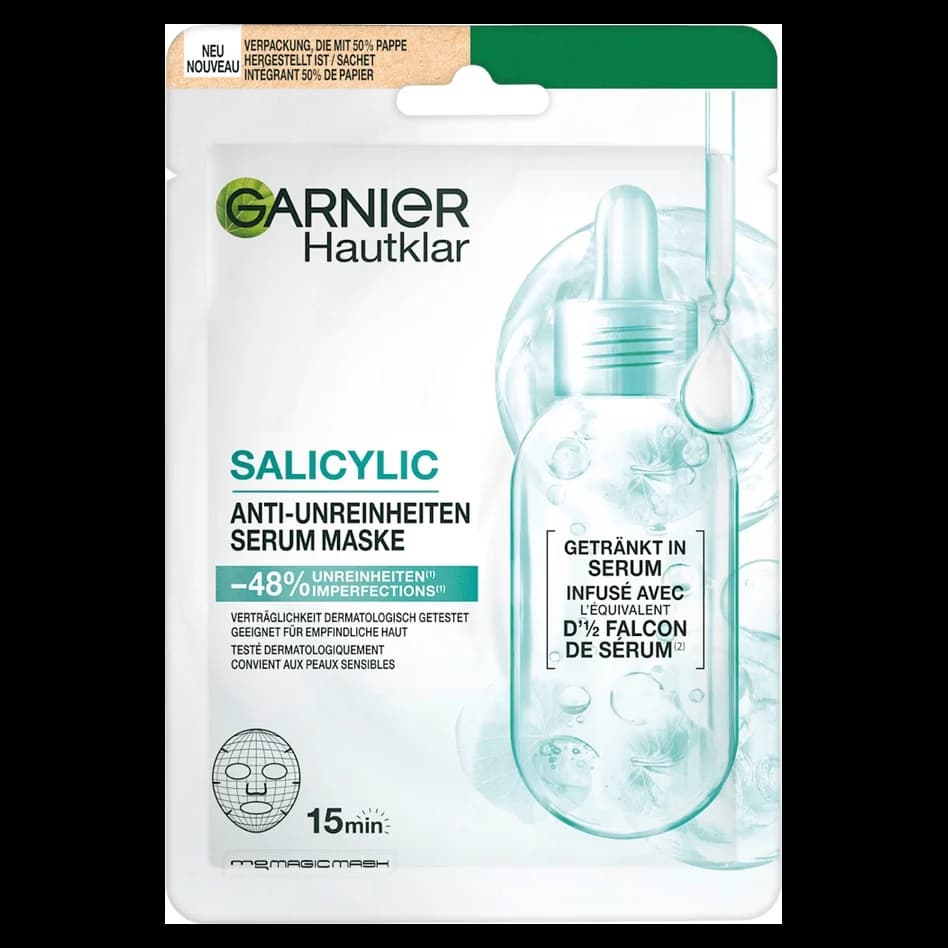
Garnier
Salicylic Tissue Mask
1st of 26 on the label
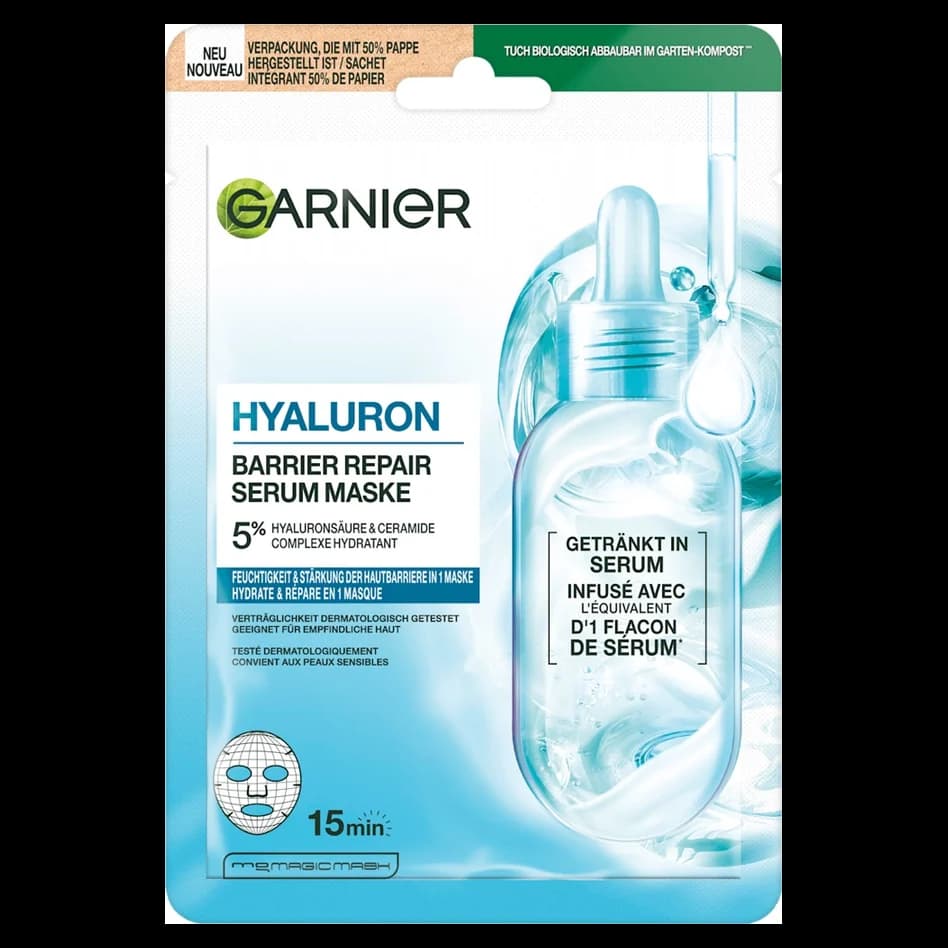
Garnier
SkinActive Hyaluronic Acid Barrier Repair Serum Tissue Mask
1st of 25 on the label
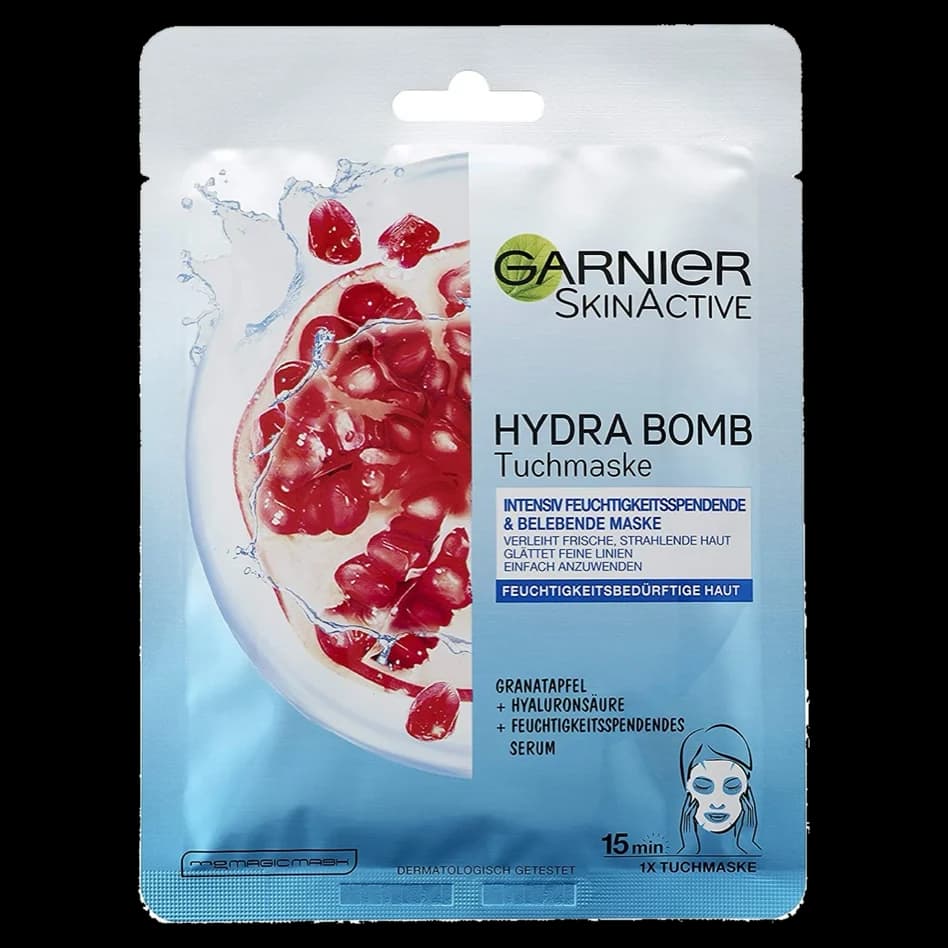
Garnier
SkinActive Hydra Bomb Tissue Mask Pomegranate
1st of 29 on the label
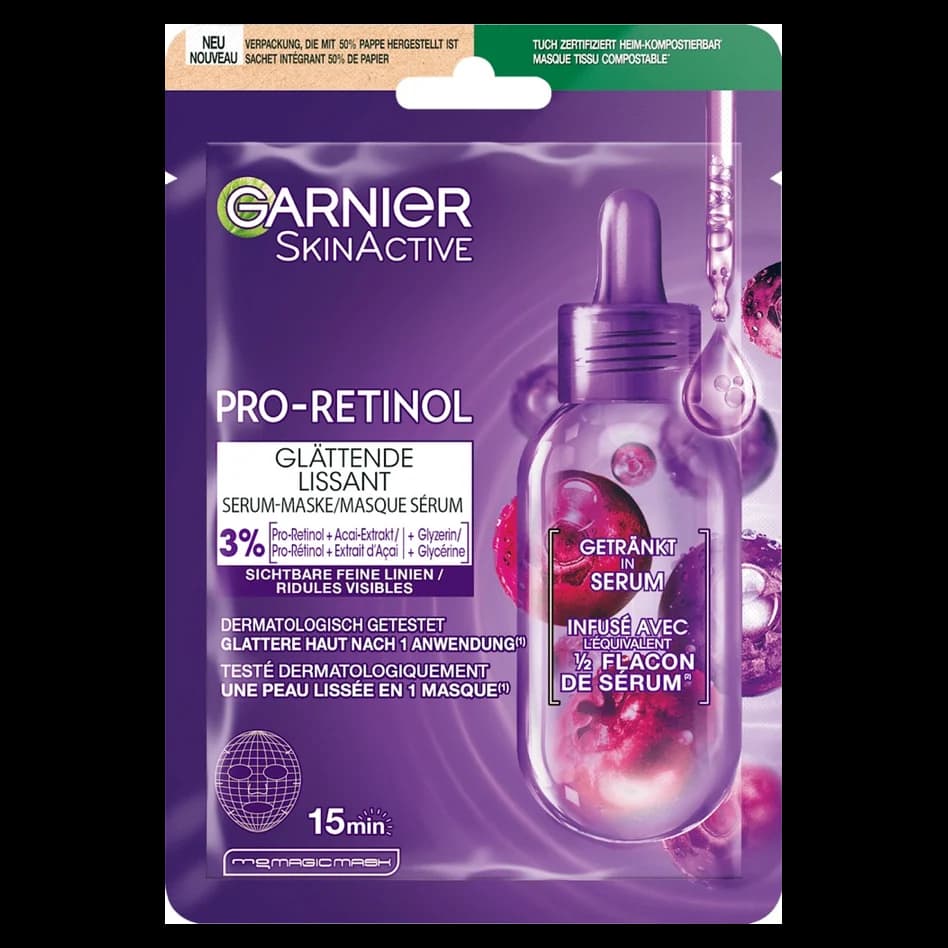
Garnier
SkinActive Pro-Retinol Tissue Mask
1st of 24 on the label
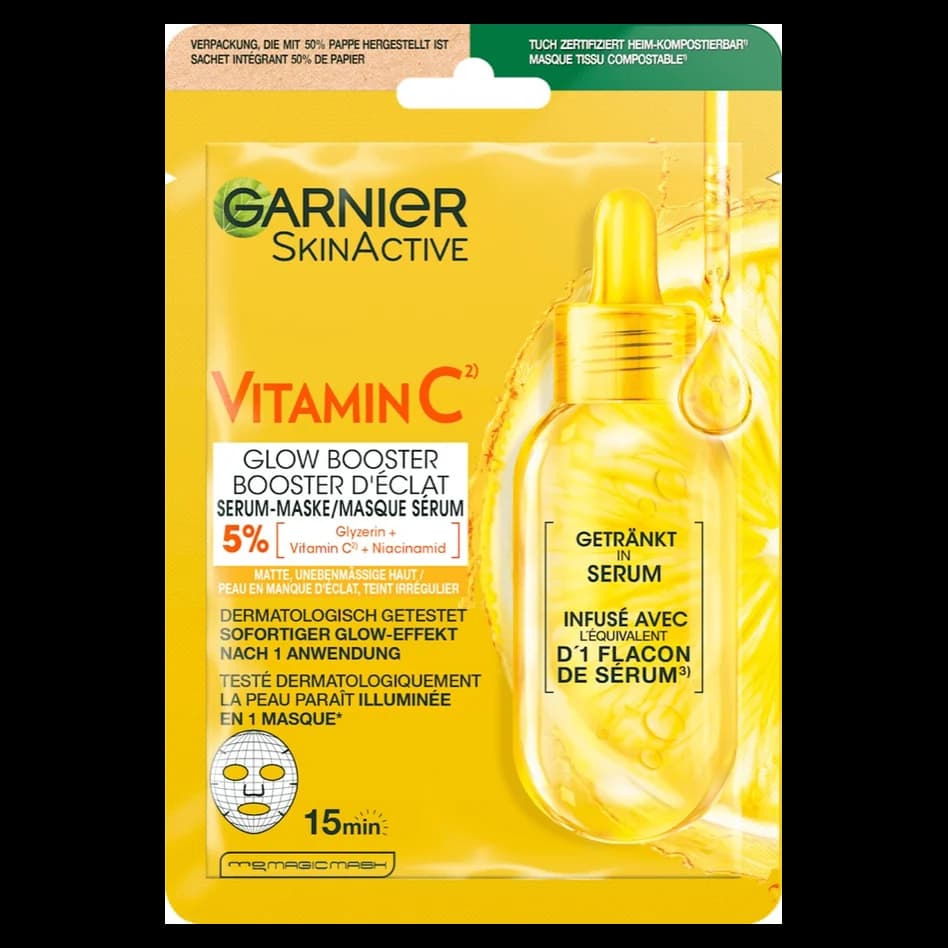
Garnier
SkinActive Vitamin C Tissue Mask
1st of 21 on the label
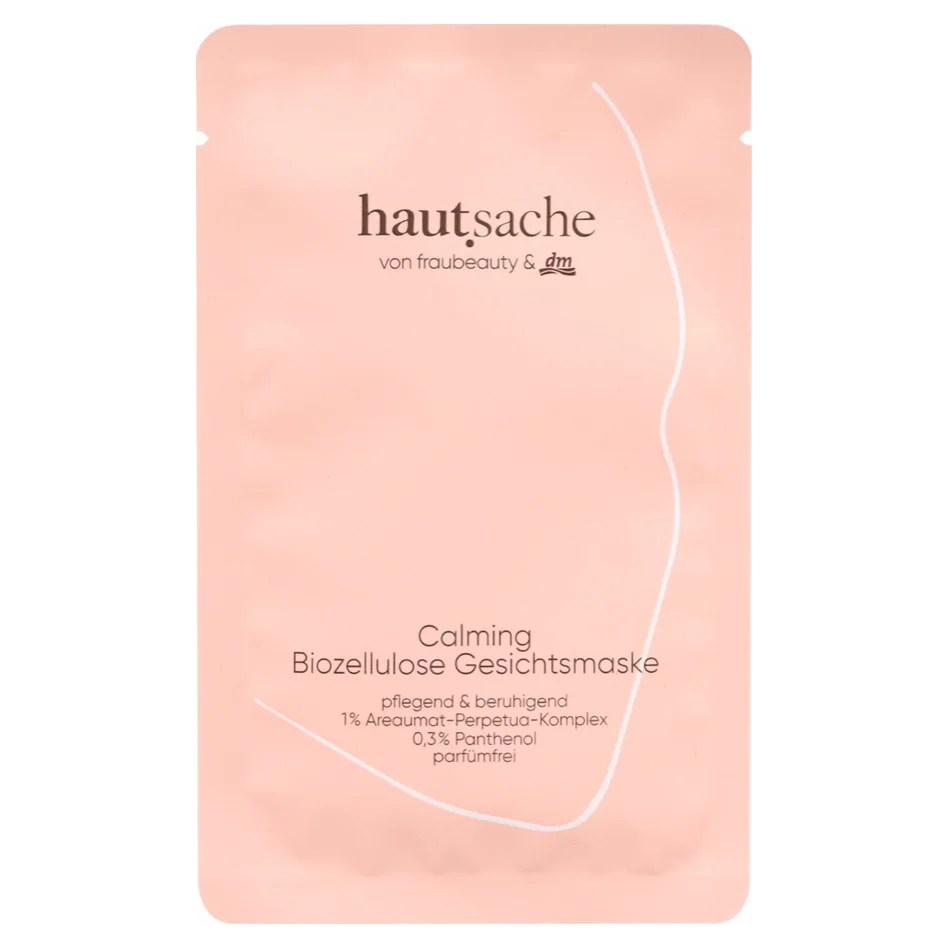
hautsache
Gesichtsmaske Biozellulose Calming
1st of 27 on the label
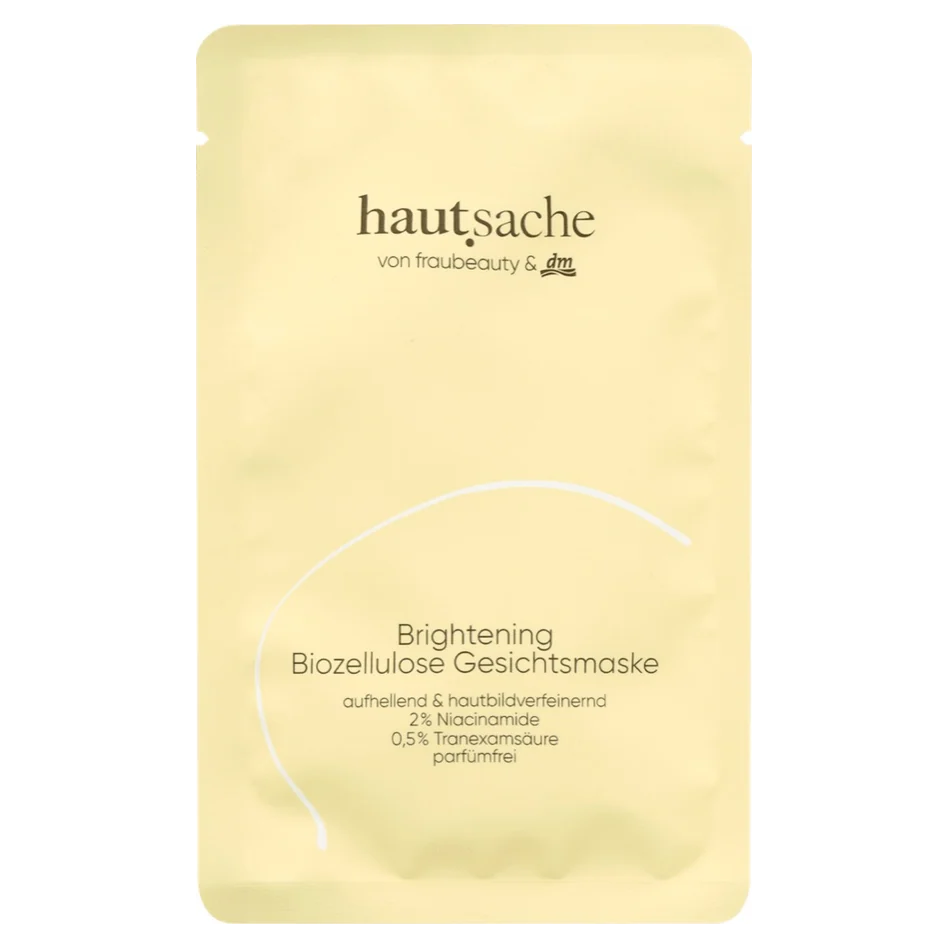
hautsache
Gesichtsmaske Brightening
1st of 33 on the label
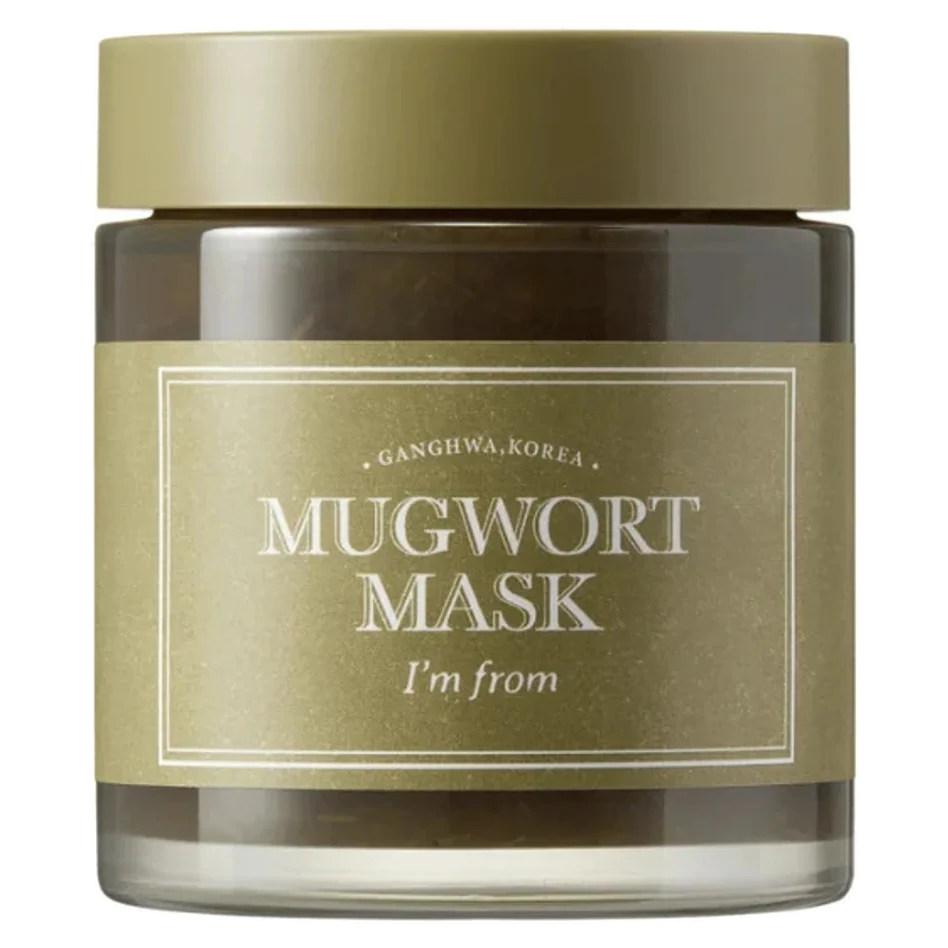
I'm From
Mugwort Mask
1st of 26 on the label
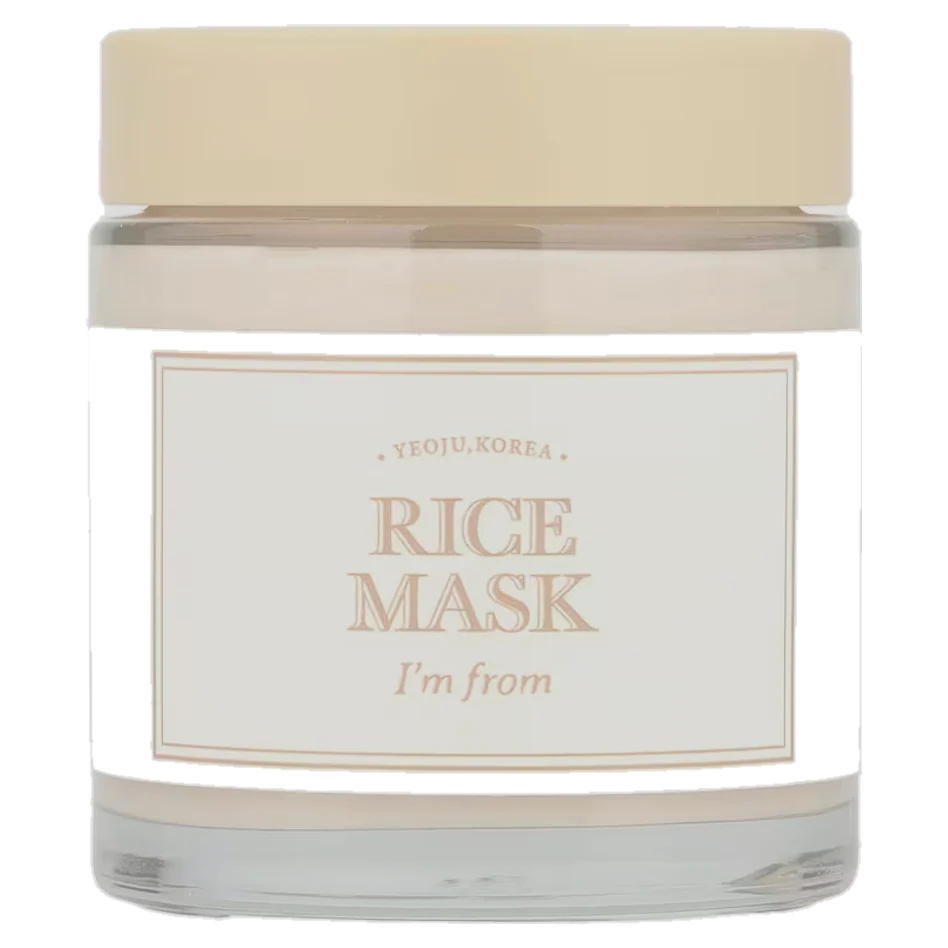
I'm From
Rice Mask
1st of 43 on the label
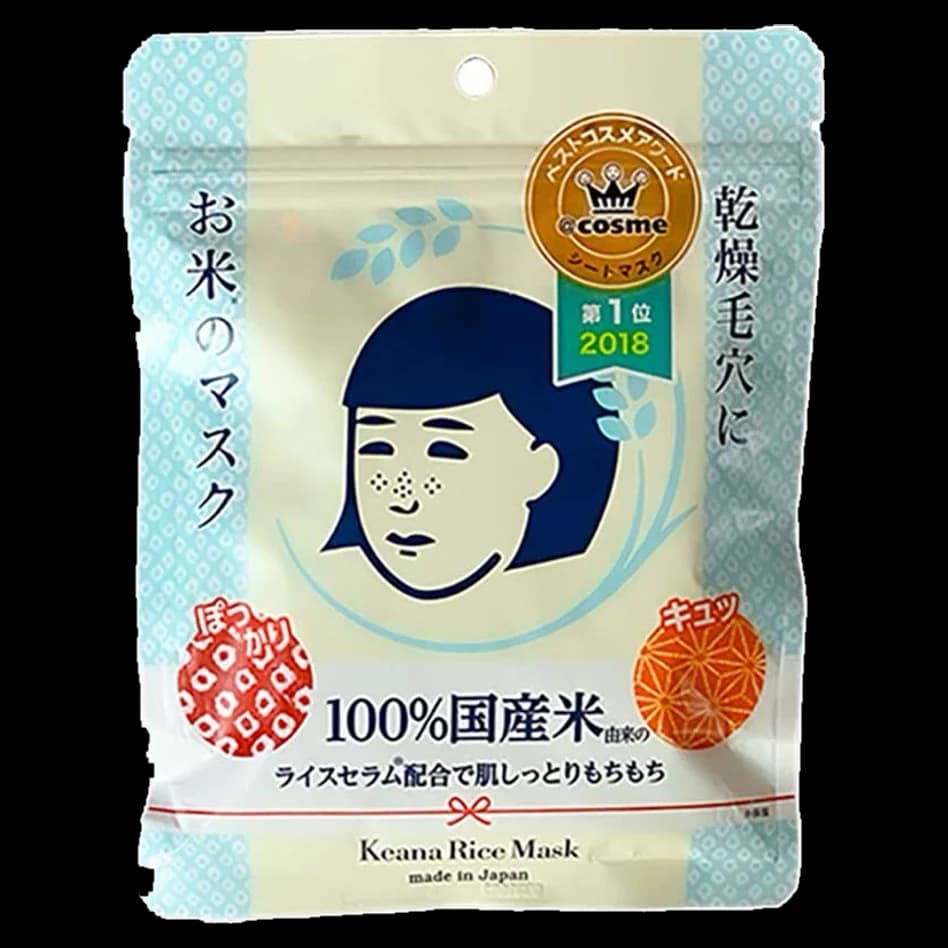
Ishizawa Lab
Keana Nadeshiko Rice Face Mask
1st of 15 on the label
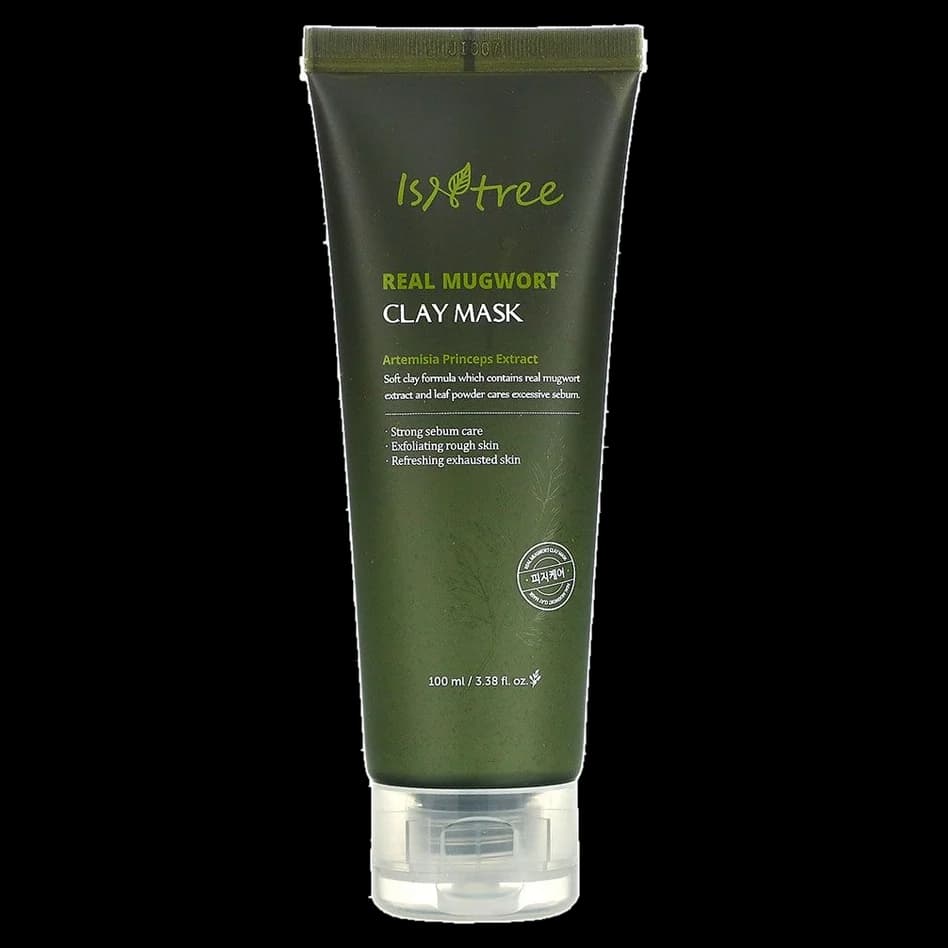
Isntree
Mugwort Calming Clay Mask
1st of 38 on the label
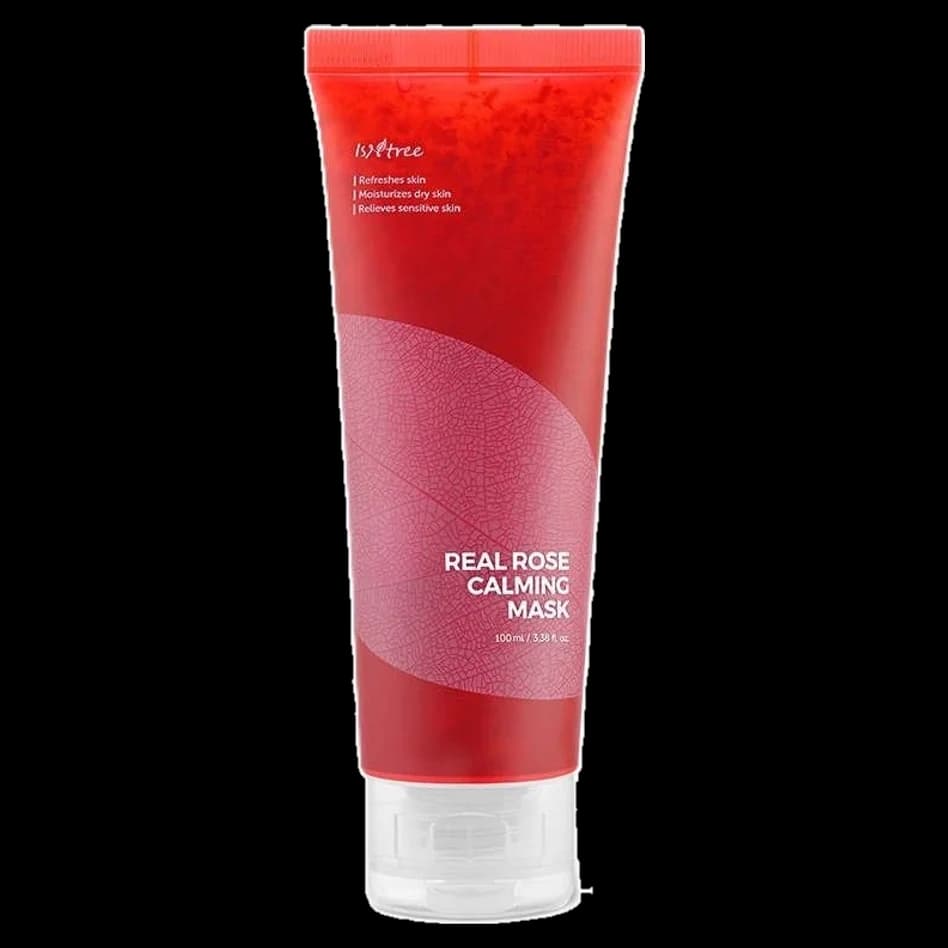
Isntree
Real Rose Calming Mask
3rd of 31 on the label
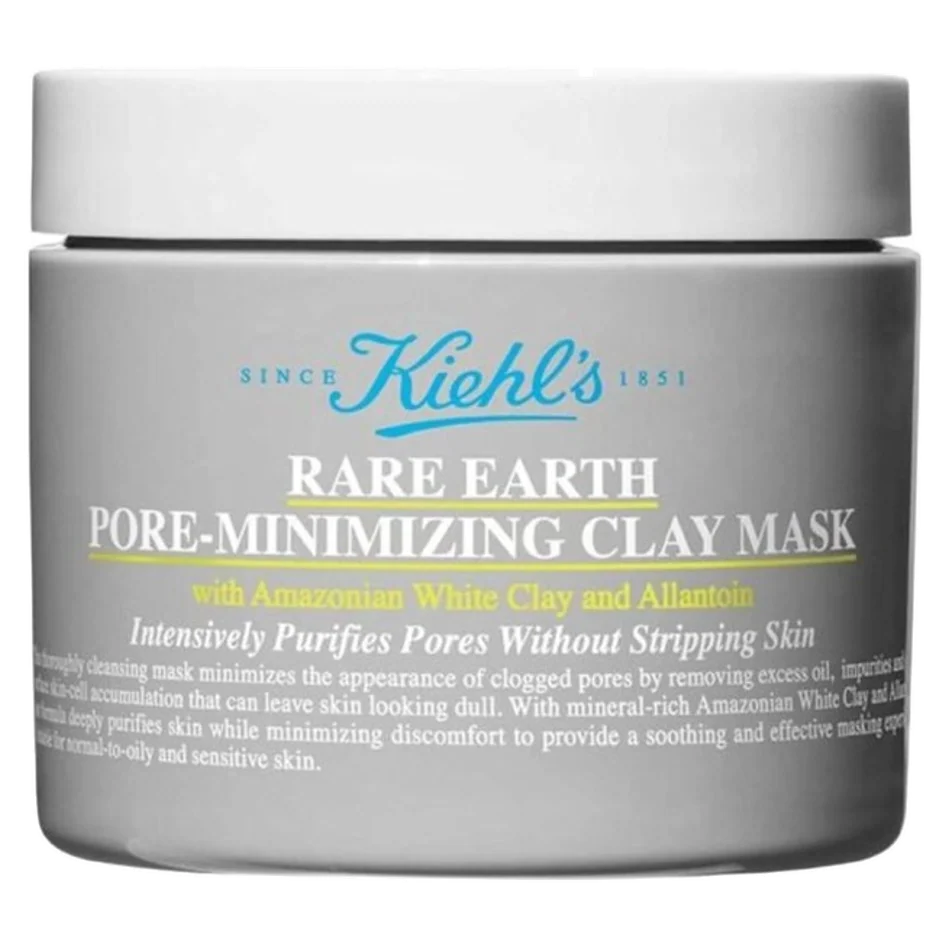
Kiehl's
Rare Earth Pore-Minimizing Clay Mask
1st of 19 on the label
LA MER
Ultra Booster Premium Mask Effect
1st of 41 on the label
La Roche-Posay
Effaclar Purifying Clay Mask
1st of 20 on the label
LANEIGE
Water Sleeping Mask
1st of 43 on the label
lavera
basis sensitiv Anti-Falten Gesichtsmaske
1st of 42 on the label
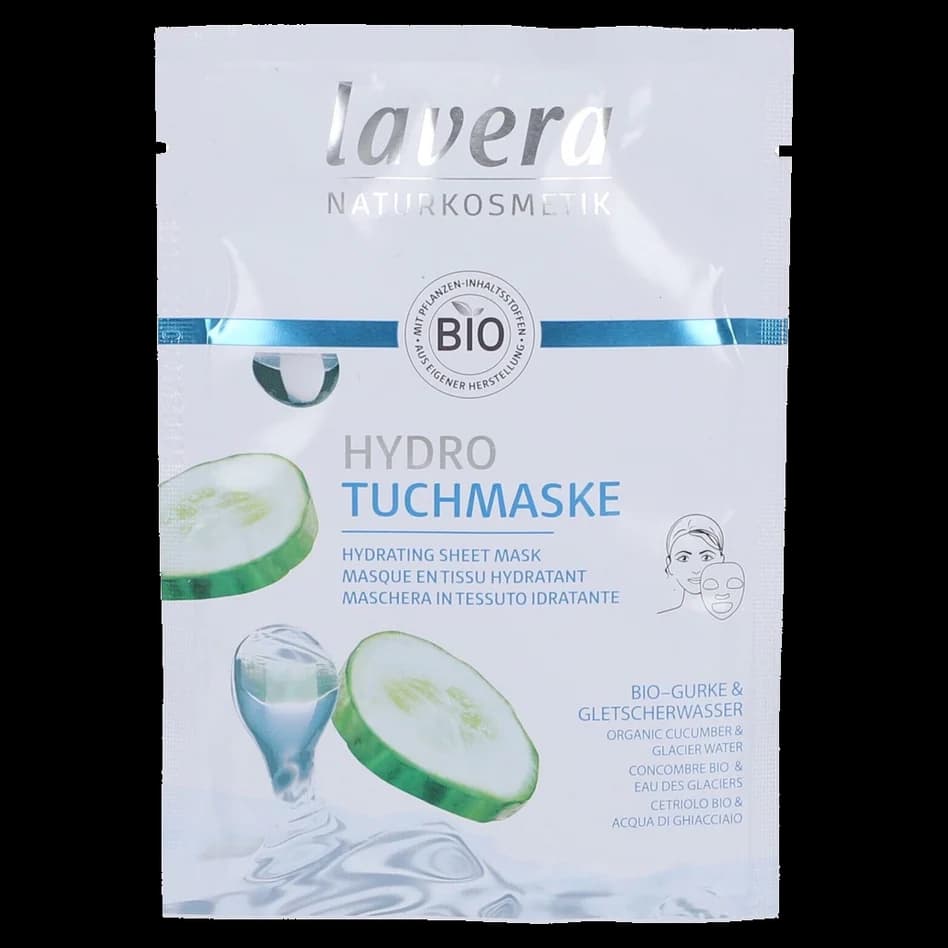
lavera
Hydro Tuchmaske
1st of 22 on the label
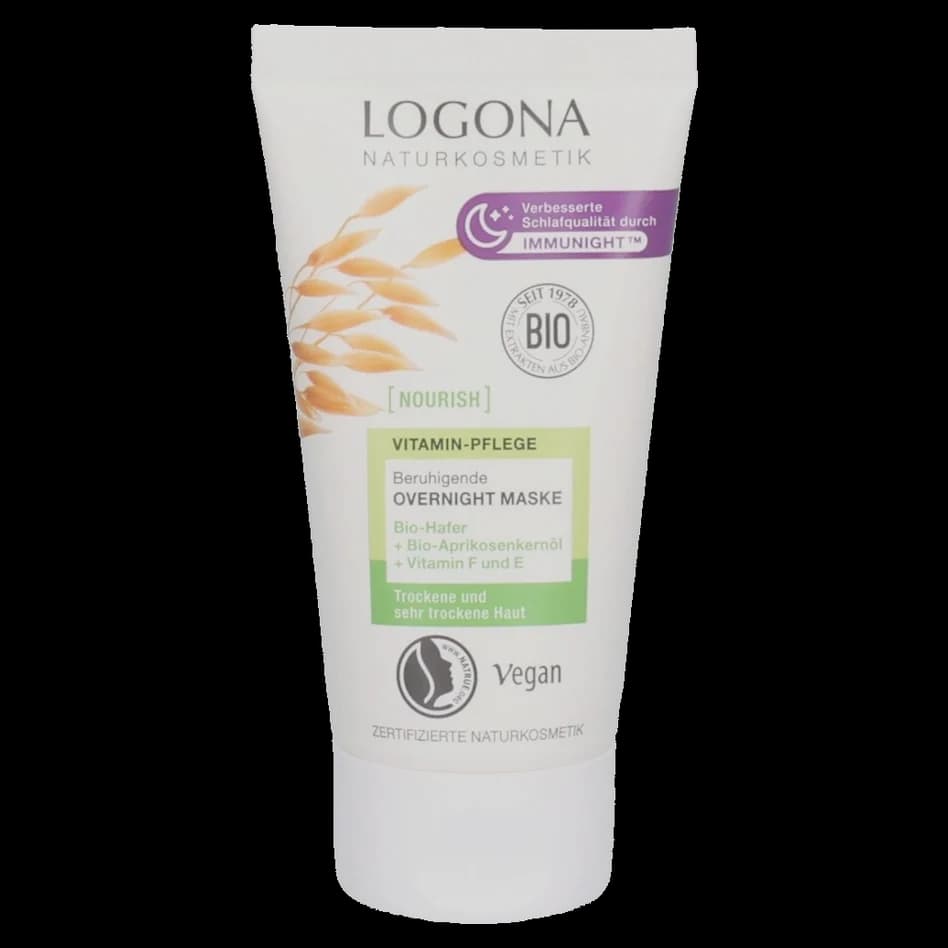
LOGONA
Nourish Beruhigende Overnight Maske
1st of 53 on the label
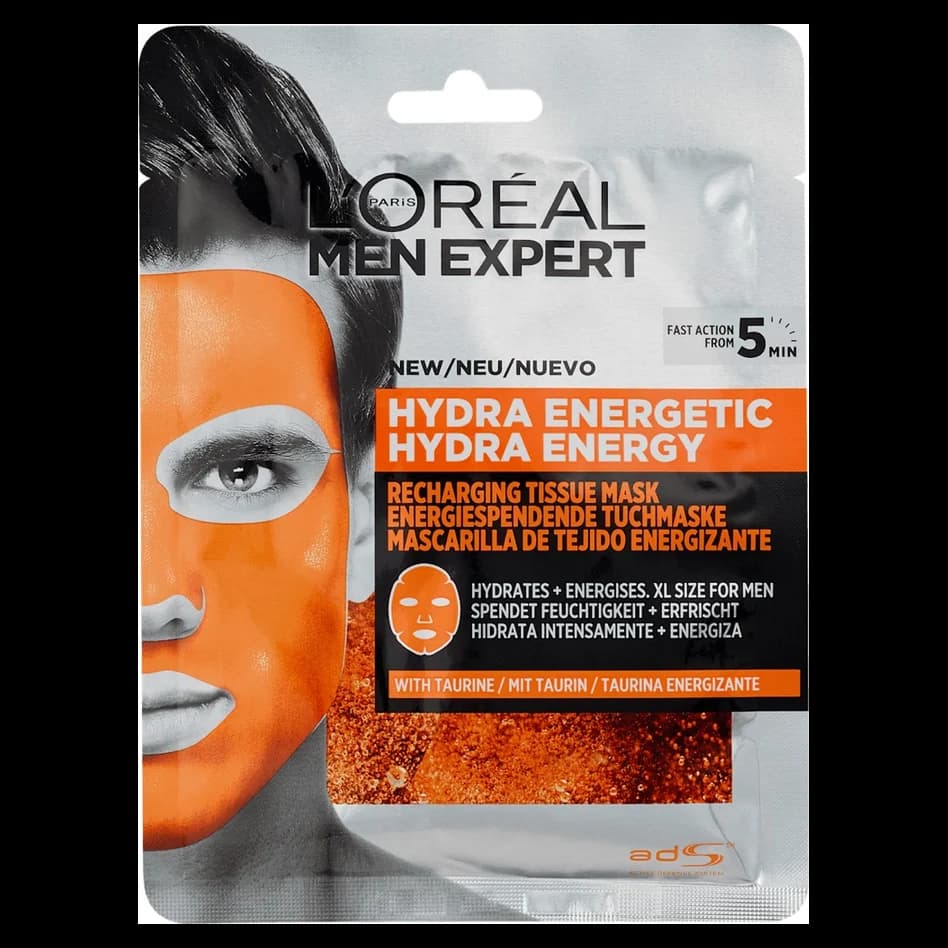
L'Oréal Paris
Men Expert Hydra Energetic Recharging Tissue Mask
1st of 21 on the label
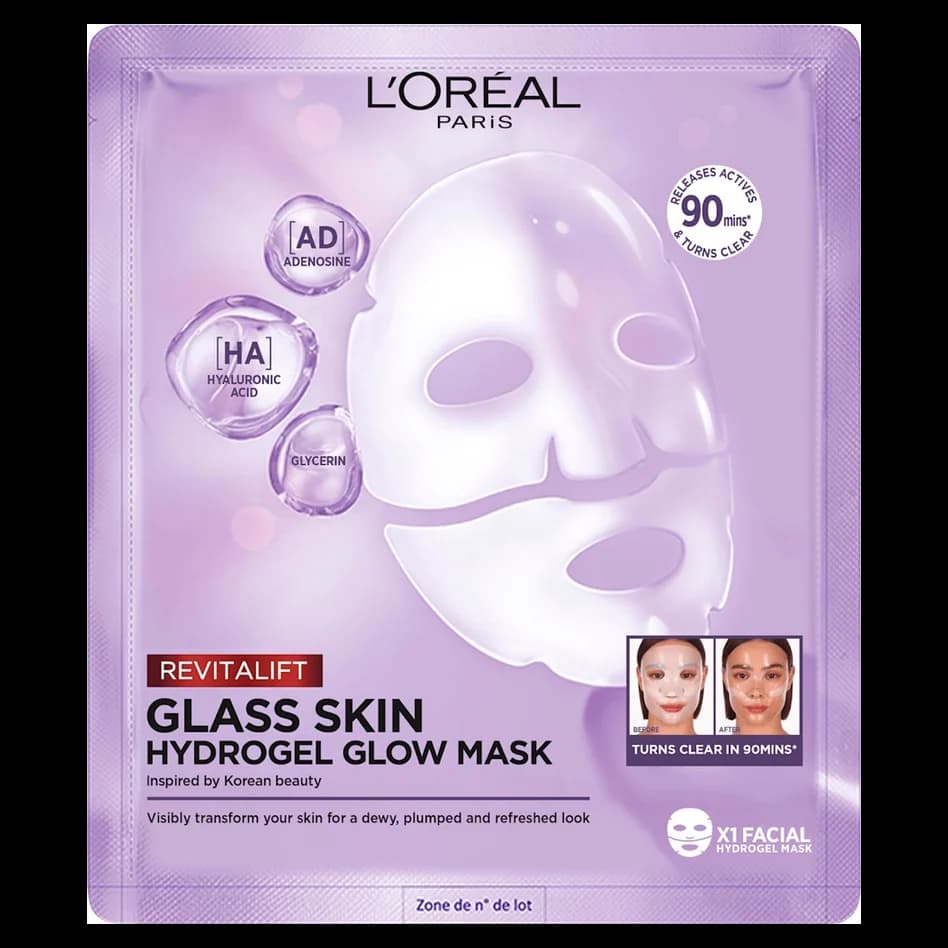
L'Oréal Paris
Revitalift Filler Glass Skin Hydrogel Glow Mask
1st of 32 on the label
L'Oréal Paris
Revitalift Filler Hyaluronic Acid Tissue Mask
1st of 14 on the label
LuLuLun
Precious Face Mask Moist (Red)
1st of 26 on the label
Luvos-Heilerde
Anti-Aging-Maske
1st of 27 on the label
Luvos-Heilerde
Anti-Stress-Maske
1st of 33 on the label
Luvos-Heilerde
Clean-Peel-Maske
1st of 29 on the label
Luvos-Heilerde
Hydro Booster mit Clean Maske
1st of 63 on the label
Luvos-Heilerde
Hydro-Maske
1st of 33 on the label
Luvos-Heilerde
Peeling-Maske
1st of 29 on the label
Luvos-Heilerde
Reinigungs-Maske
1st of 28 on the label
Luvos-Heilerde
Vital-Maske
1st of 30 on the label
Medicube
Collagen Lifting Mask
1st of 39 on the label
Medicube
Collagen Night Wrapping Mask
1st of 24 on the label
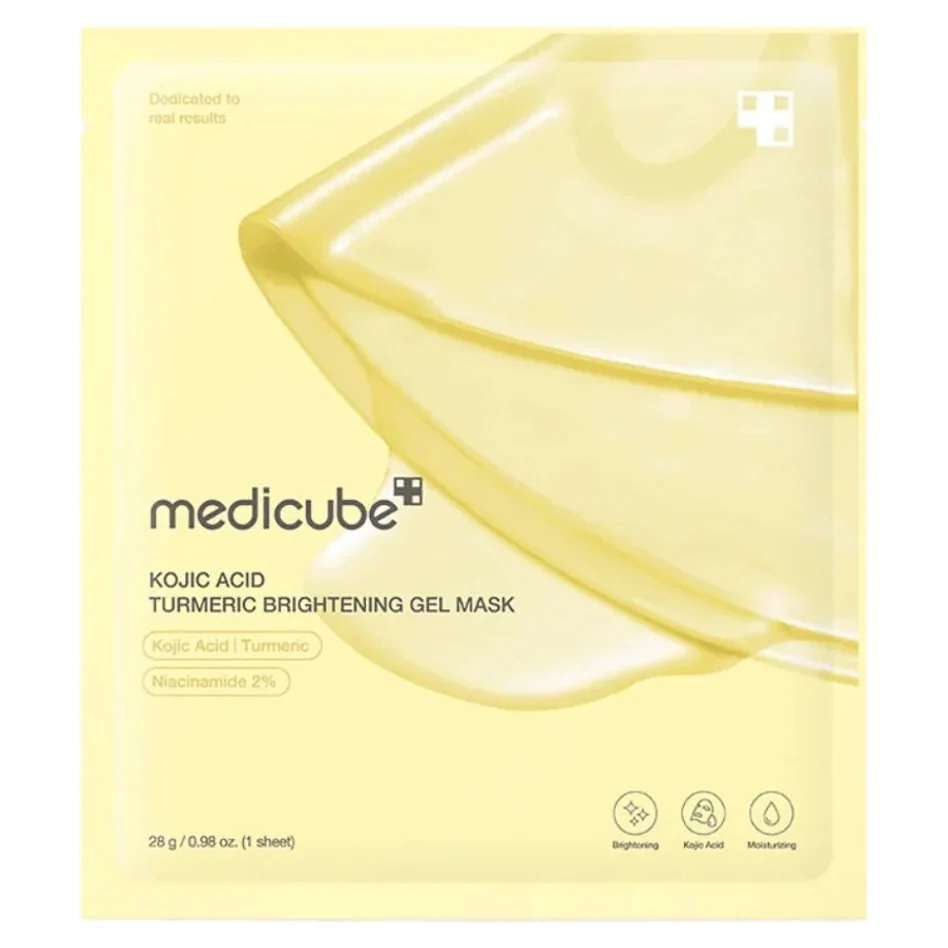
Medicube
Kojic Acid Turmeric Brightening Gel Mask
1st of 35 on the label
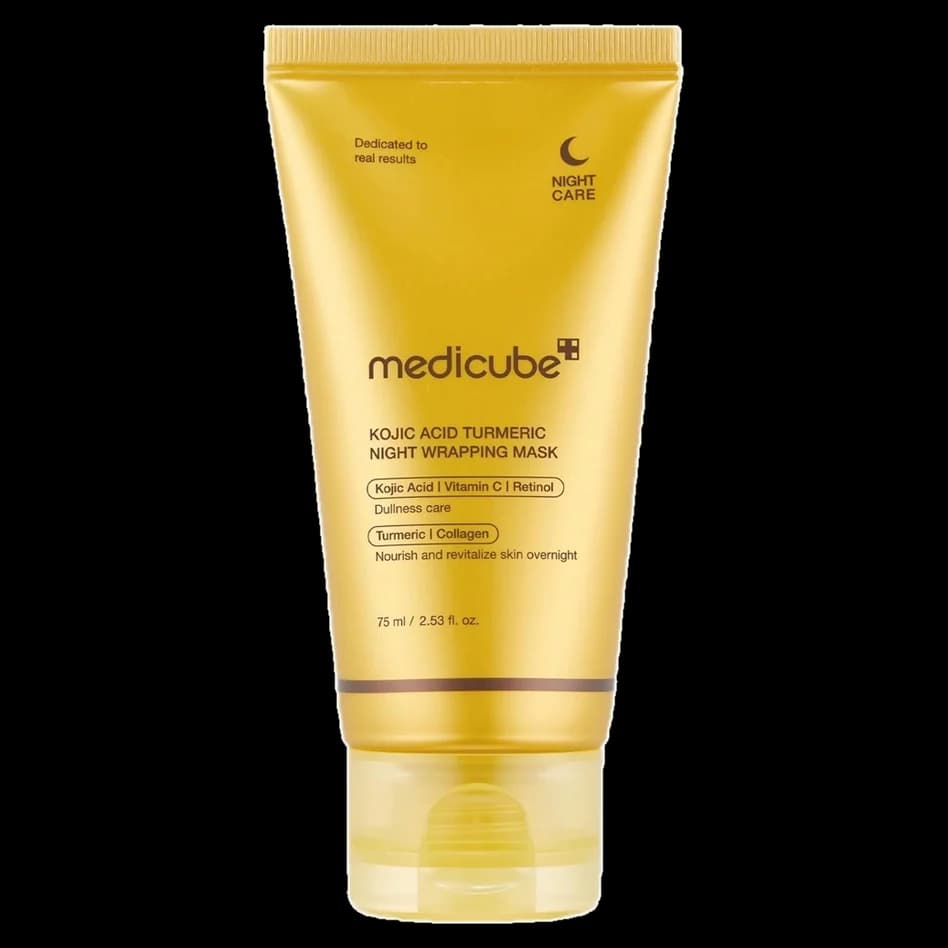
Medicube
Kojic Acid Turmeric Night Wrapping Mask
1st of 22 on the label
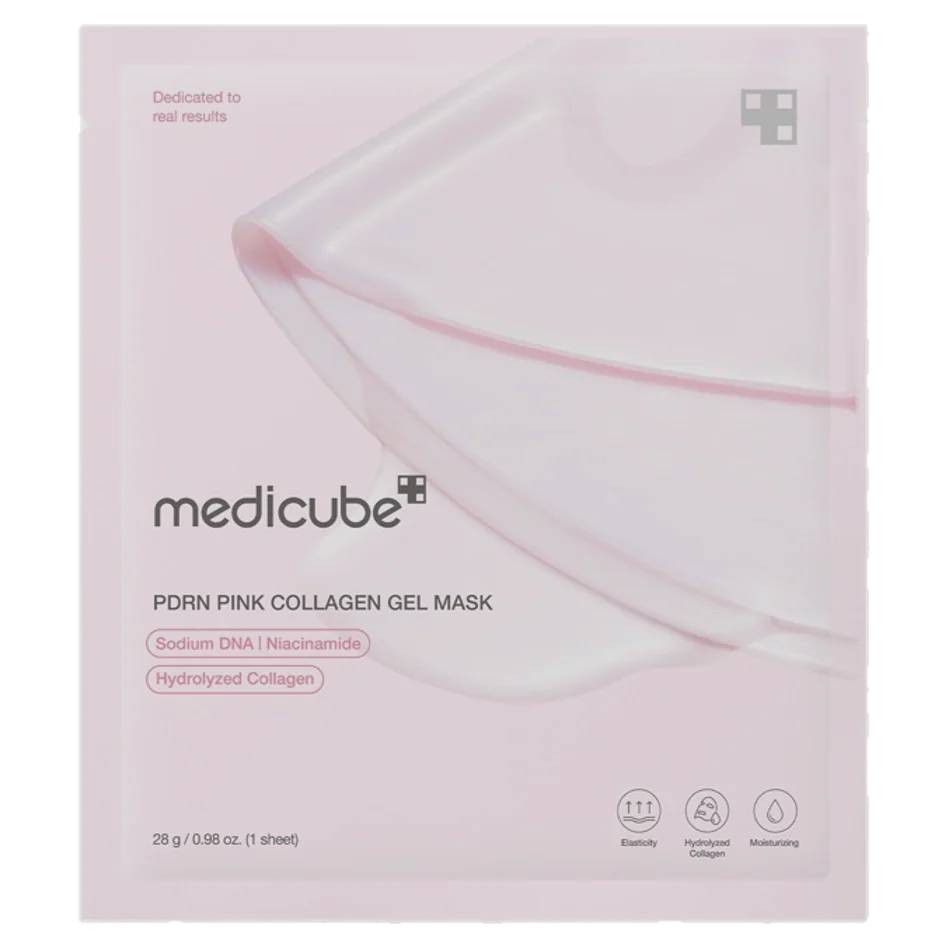
Medicube
PDRN Pink Collagen Gel Mask
1st of 43 on the label
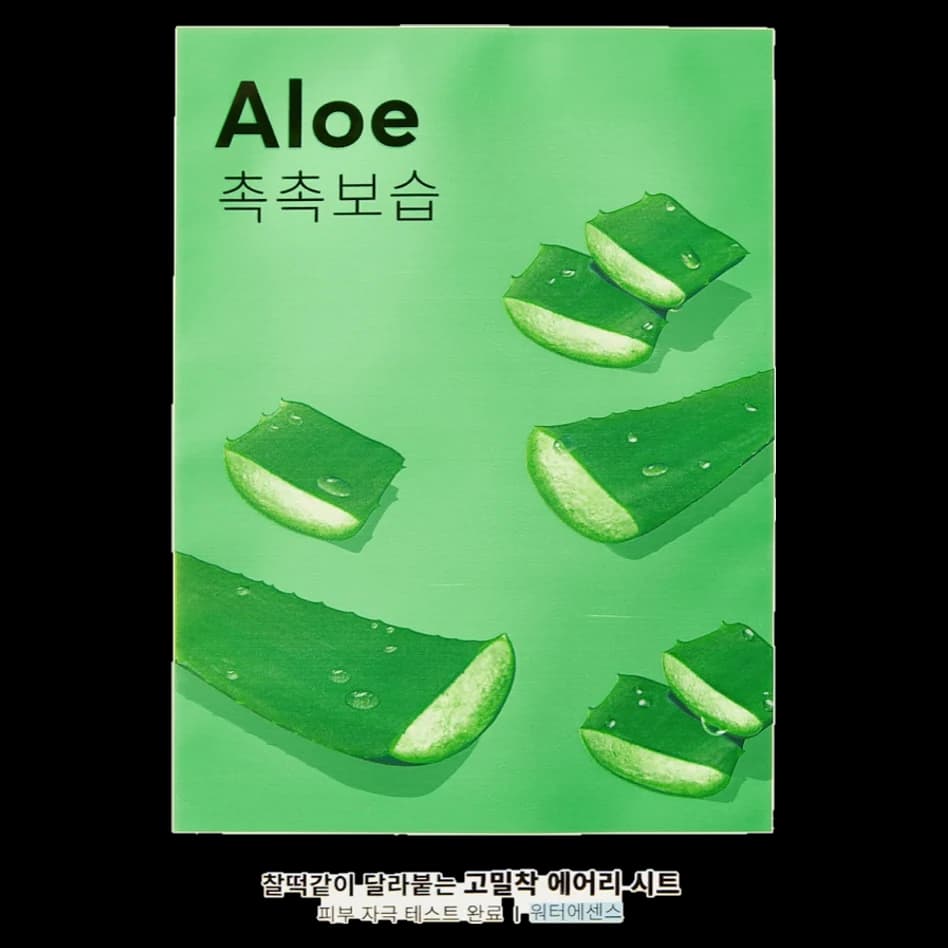
MISSHA
Airy Fit Sheet Mask Aloe
1st of 26 on the label
MISSHA
Airy Fit Sheet Mask Green Tea
1st of 23 on the label
MISSHA
Airy Fit Sheet Mask Pearl
1st of 31 on the label
MISSHA
Airy Fit Sheet Mask Rice
1st of 27 on the label

MISSHA
Airy Fit Sheet Mask Tea Tree
1st of 23 on the label

MISSHA
Sheet Mask Cucumber
1st of 25 on the label
MISSHA
Snail 3D Sheet Mask
1st of 25 on the label
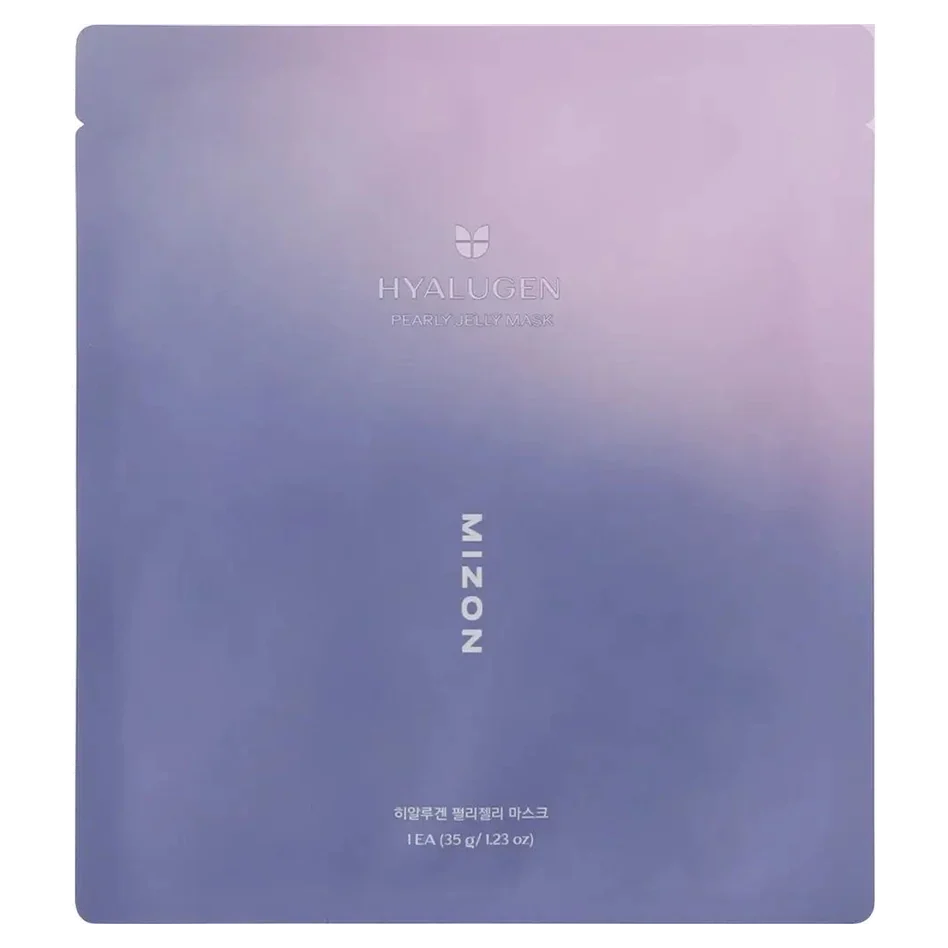
MIZON
Hyalugen Pearly Jelly Mask
1st of 19 on the label
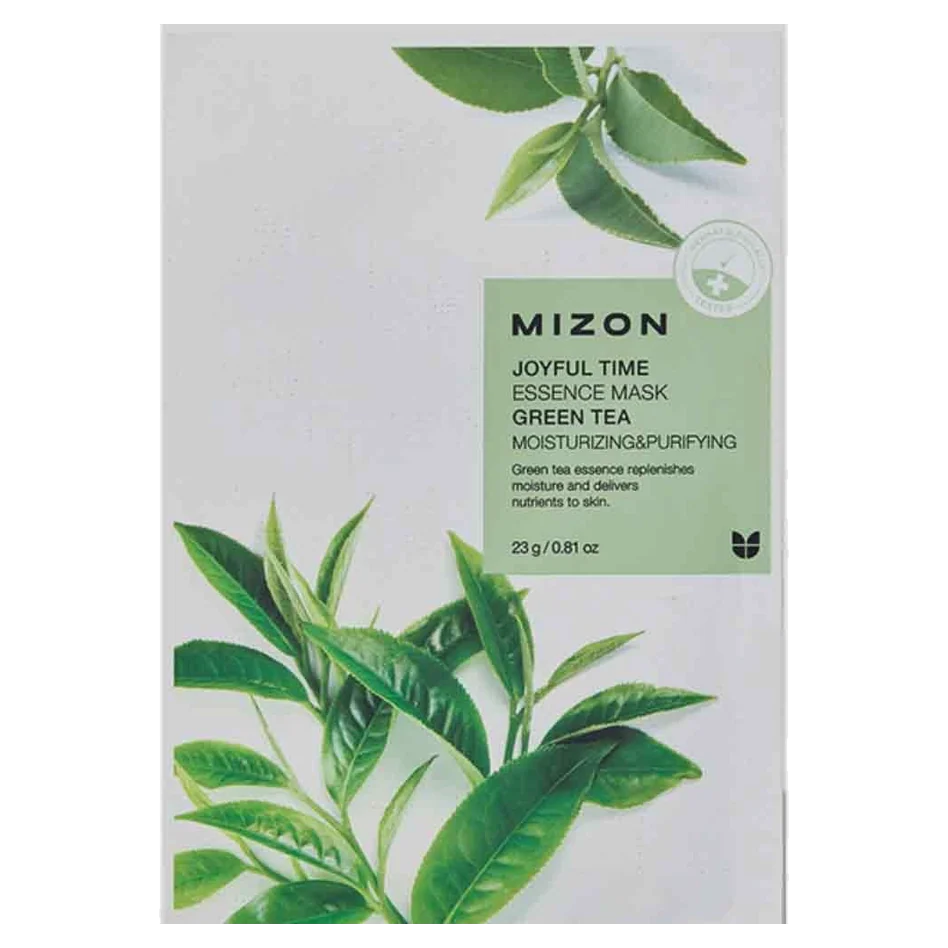
MIZON
Joyful Time Essence Mask Green Tea
1st of 26 on the label
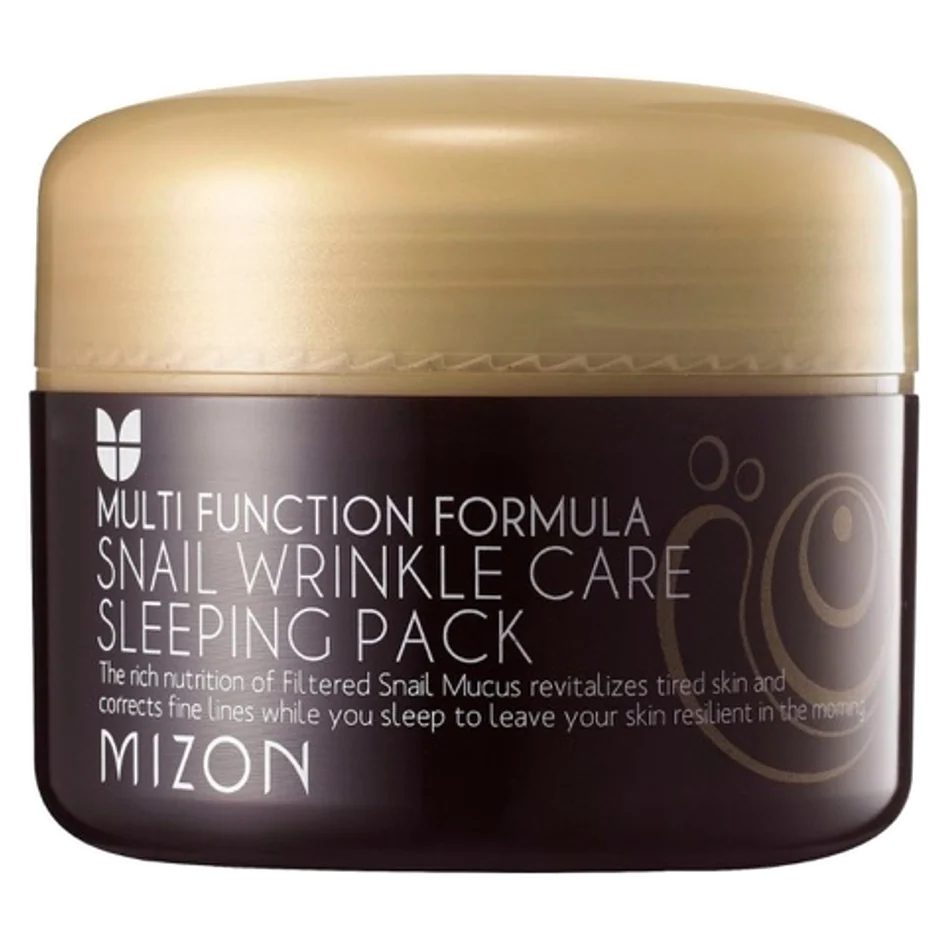
MIZON
Snail Wrinkle Care Sleeping Pack
1st of 31 on the label
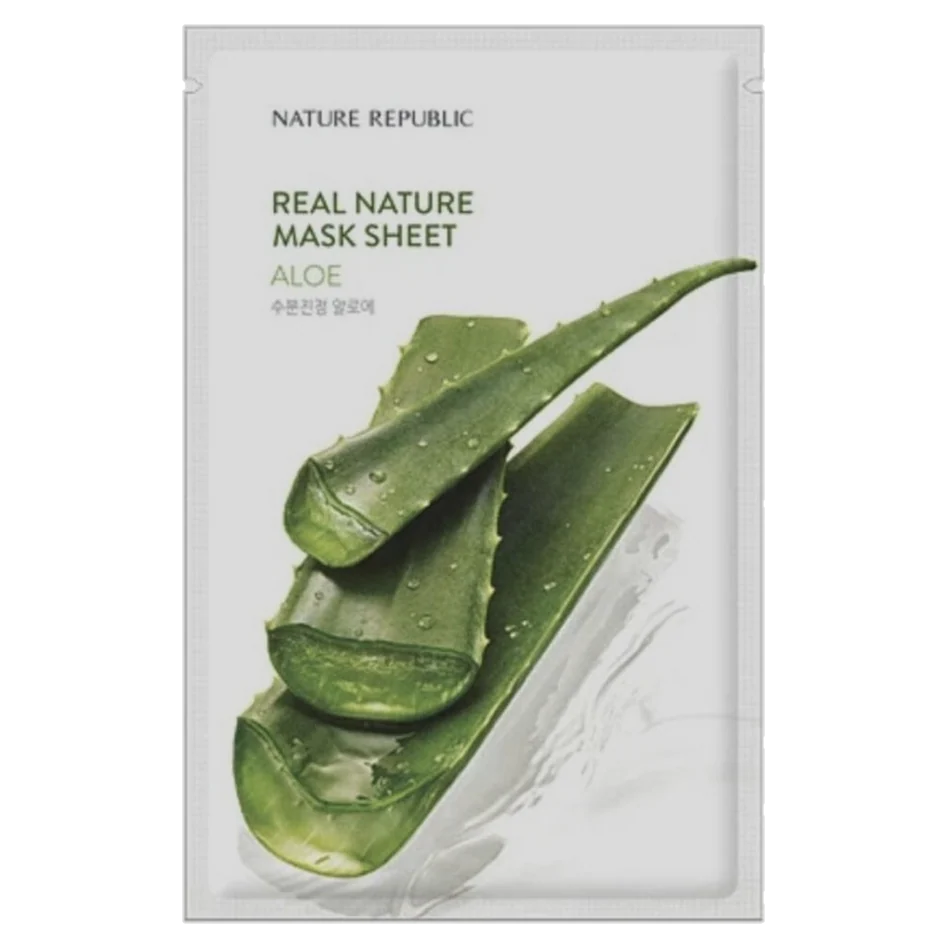
Nature Republic
Real Nature Aloe Sheet Mask
1st of 23 on the label
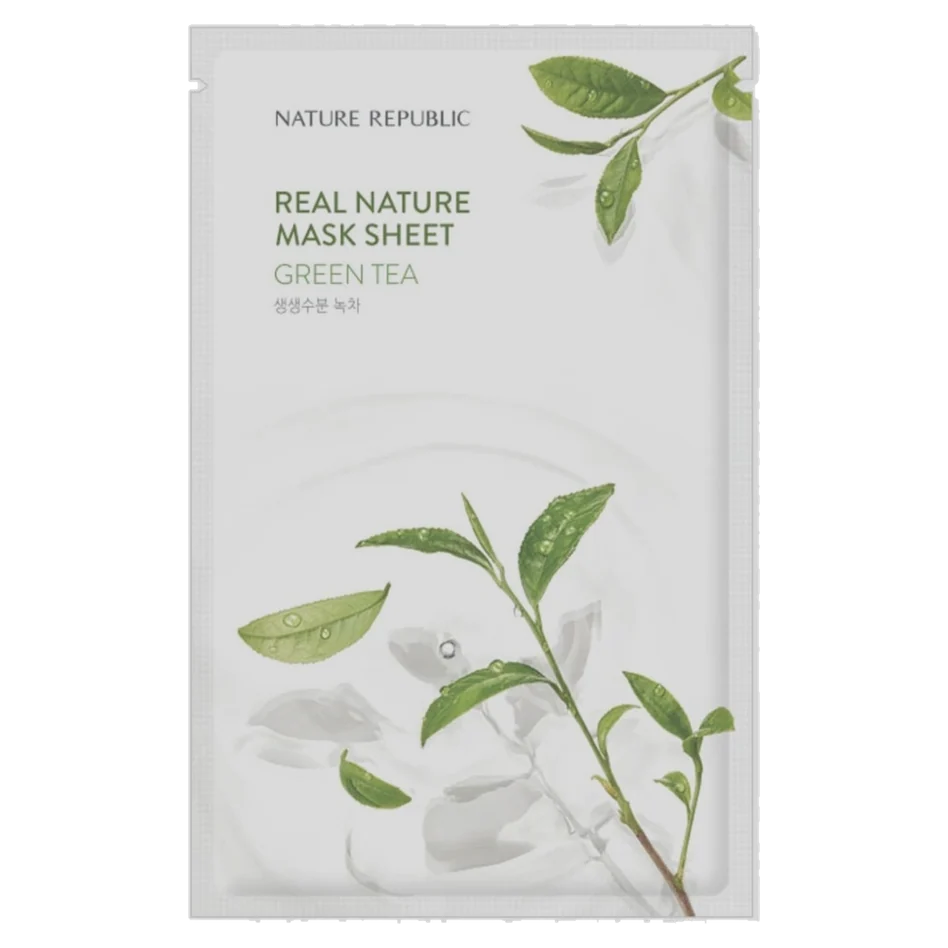
Nature Republic
Real Nature Green Tea Sheet Mask
1st of 23 on the label
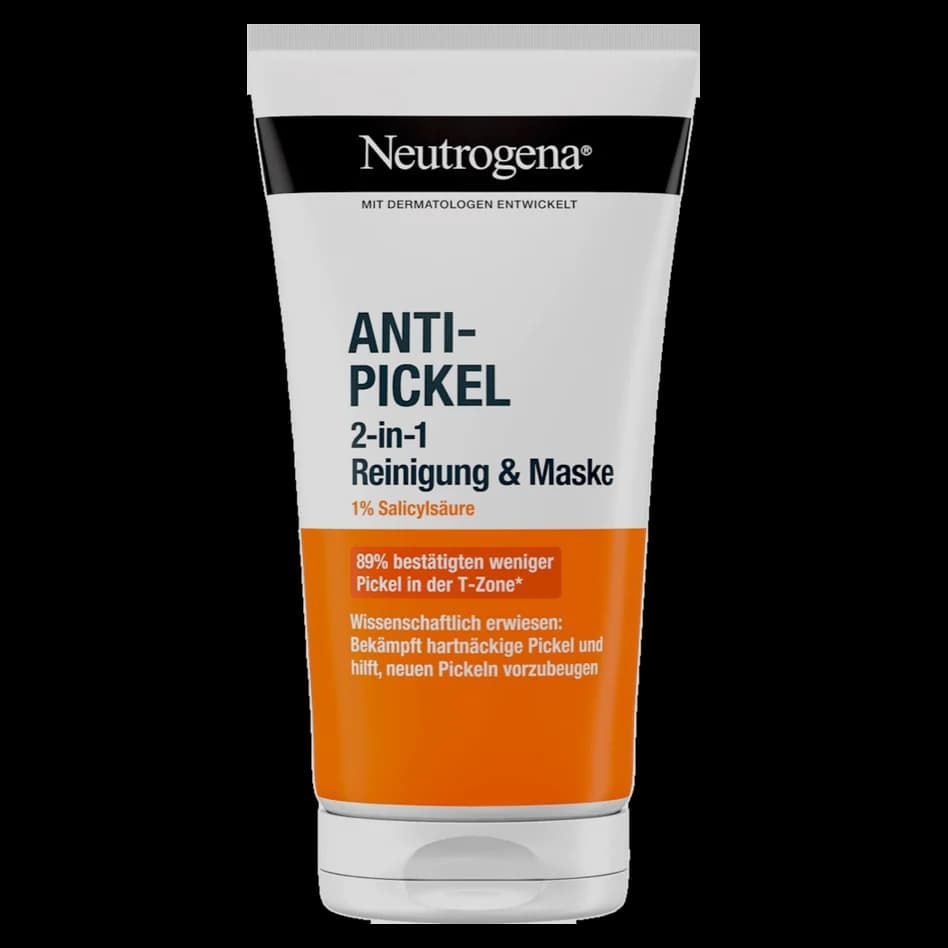
Neutrogena
Anti Pickel Gesichtsmaske 2in1
1st of 23 on the label
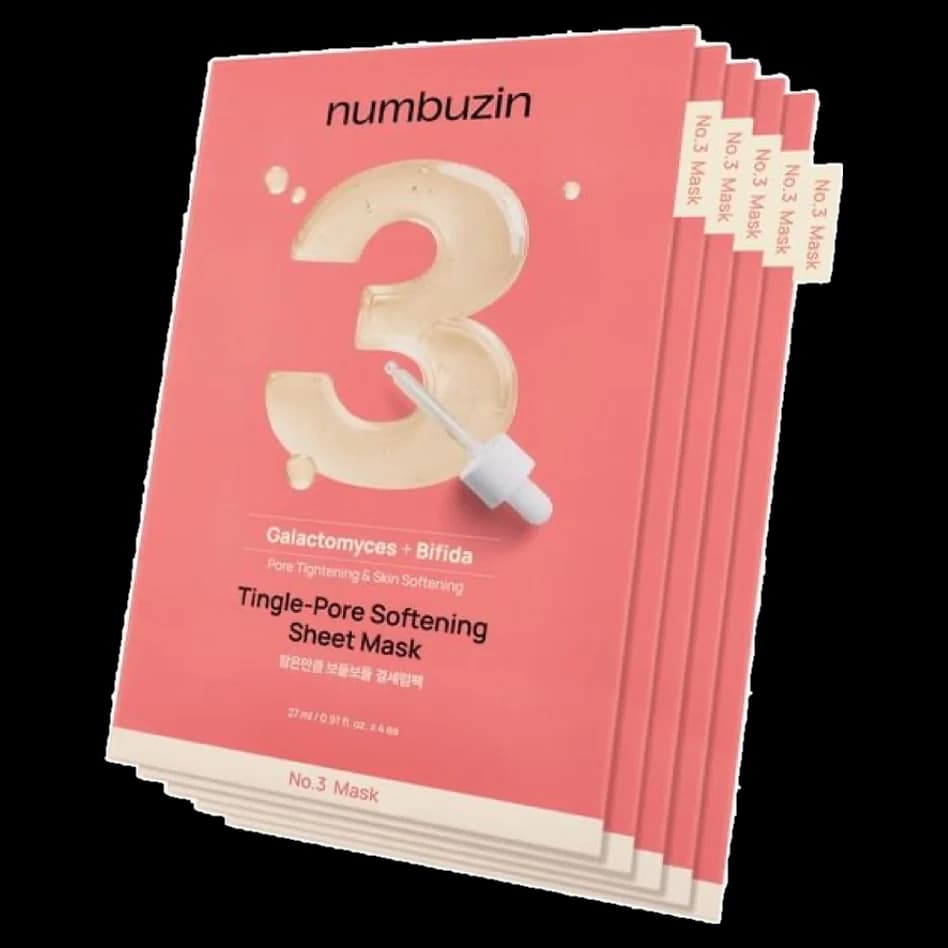
numbuzin
No.3 Tingle-Pore Softening Sheet Mask
1st of 42 on the label
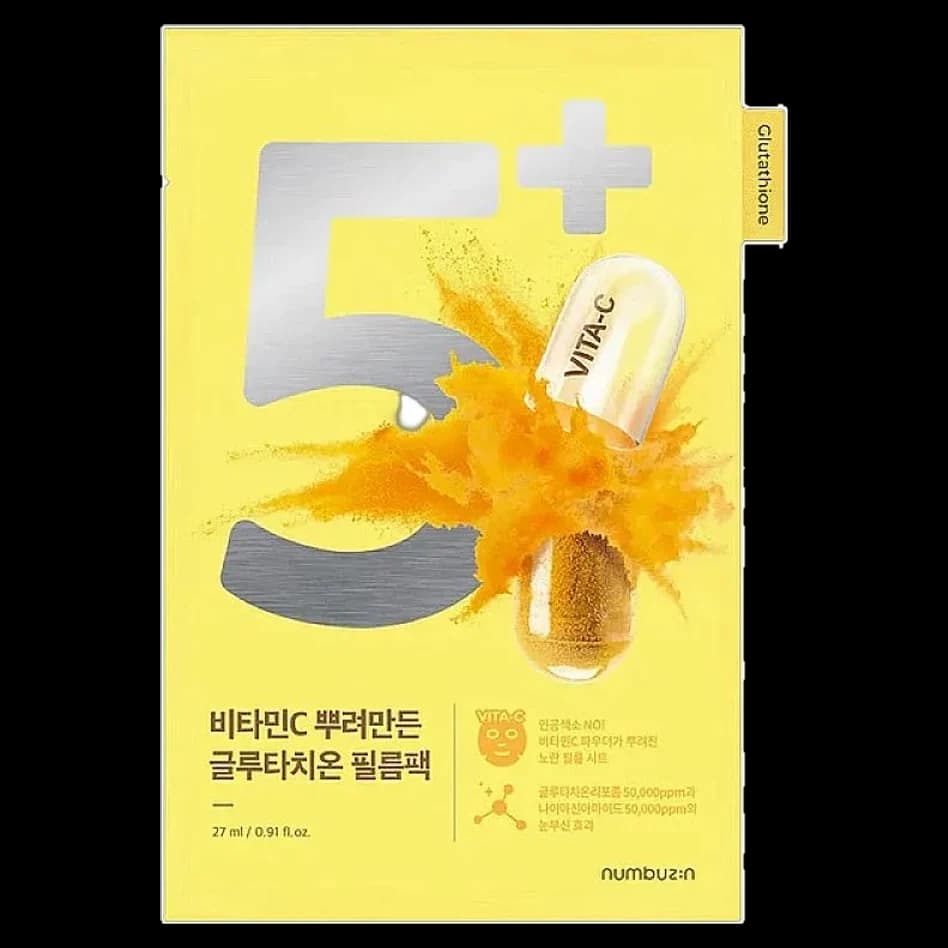
numbuzin
No.5 Vitamin Spotlight Sheet Mask
1st of 33 on the label
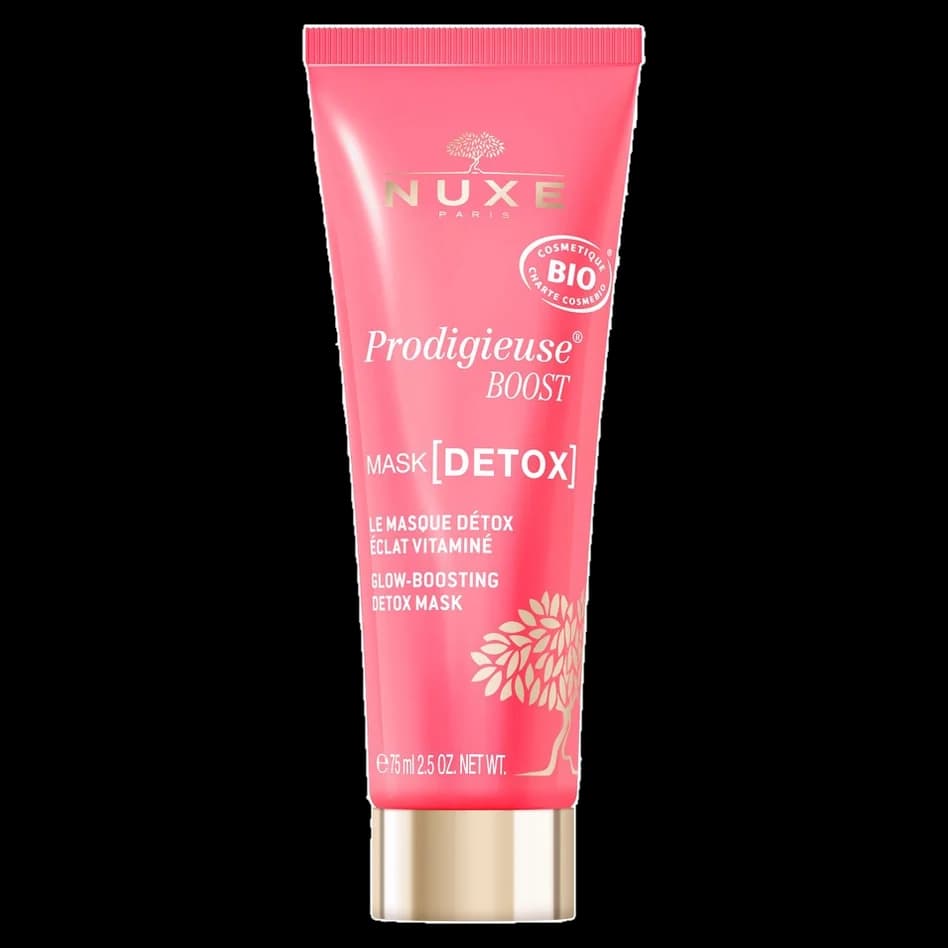
NUXE
Prodigieuse Boost Clarifying Detox Mask
12th of 14 on the label
below ≈1%
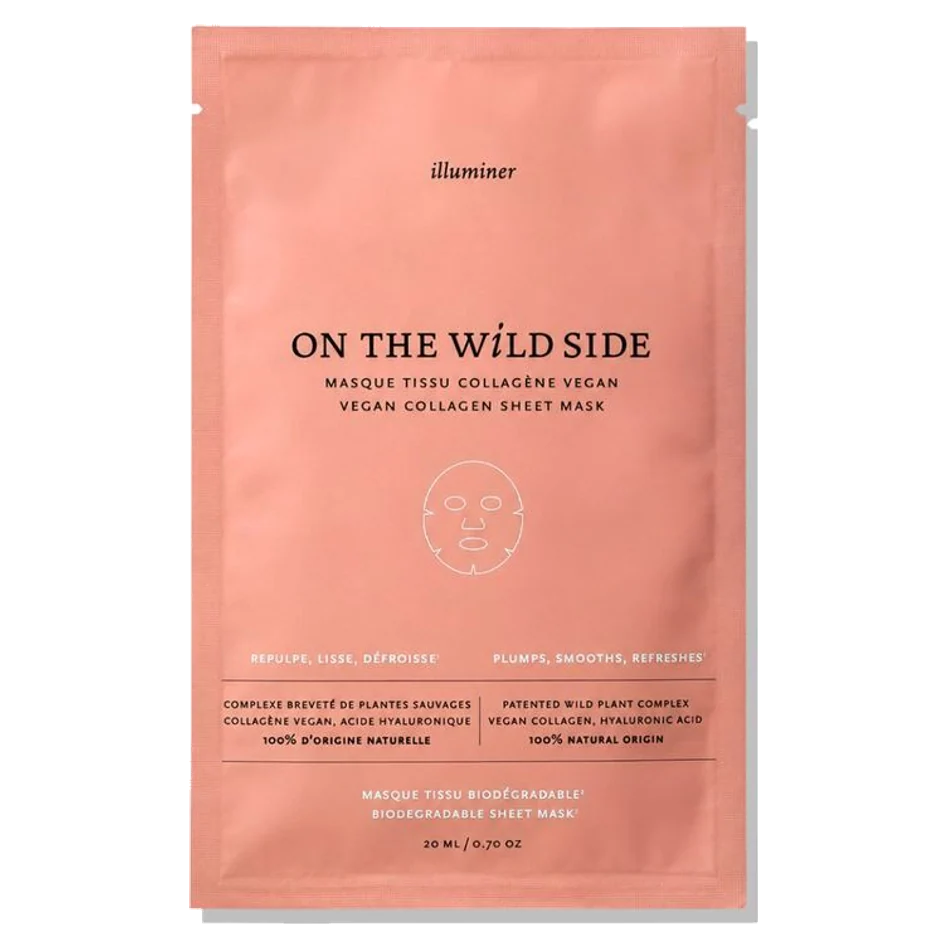
On The Wild Side
Sheet Mask Bio Cellulose Collagène Vegan
1st of 24 on the label
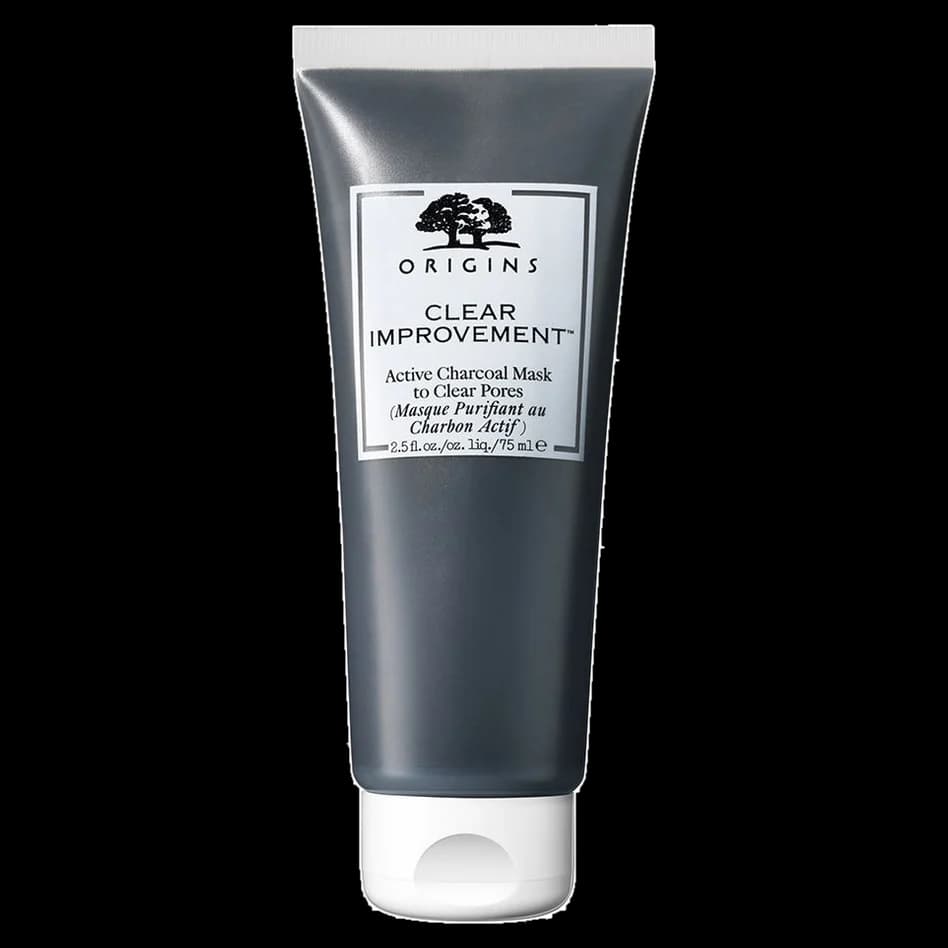
Origins
Clear Improvement Active Charcoal Mask to Clear Pores
1st of 23 on the label
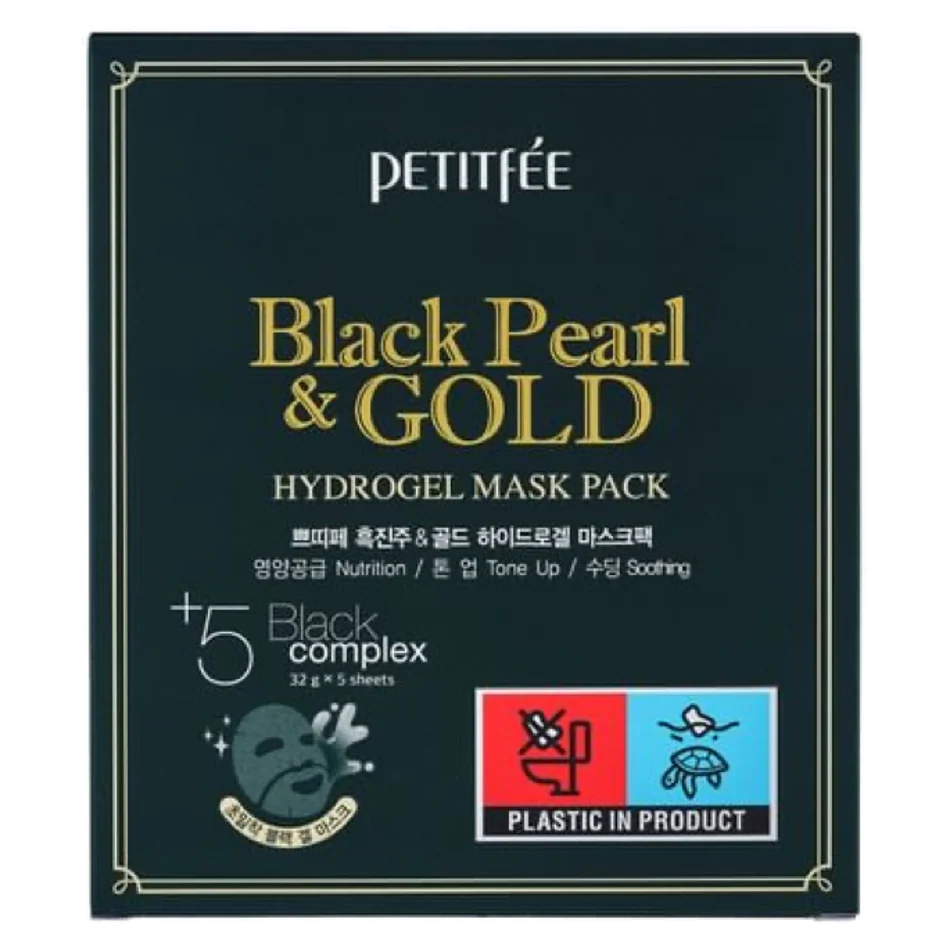
Petitfee
Black Pearl & Gold Hydrogel Mask Pack
1st of 33 on the label
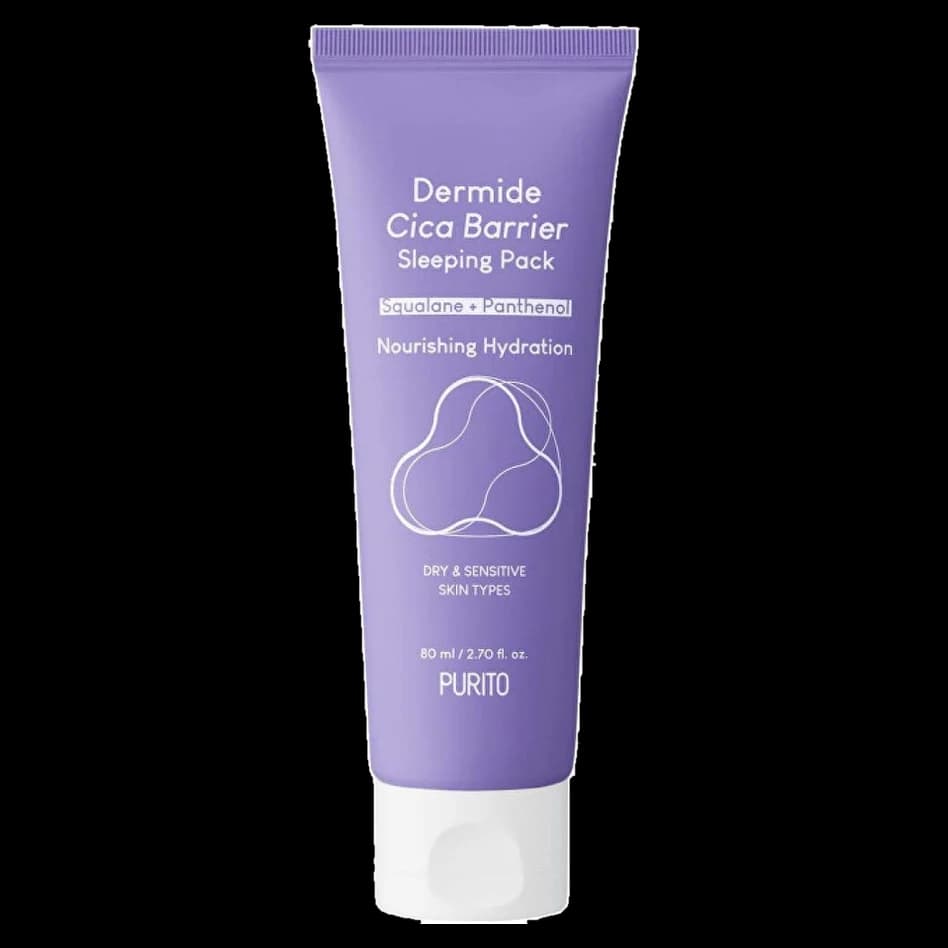
PURITO
Dermide Cica Barrier Sleeping Pack
1st of 15 on the label
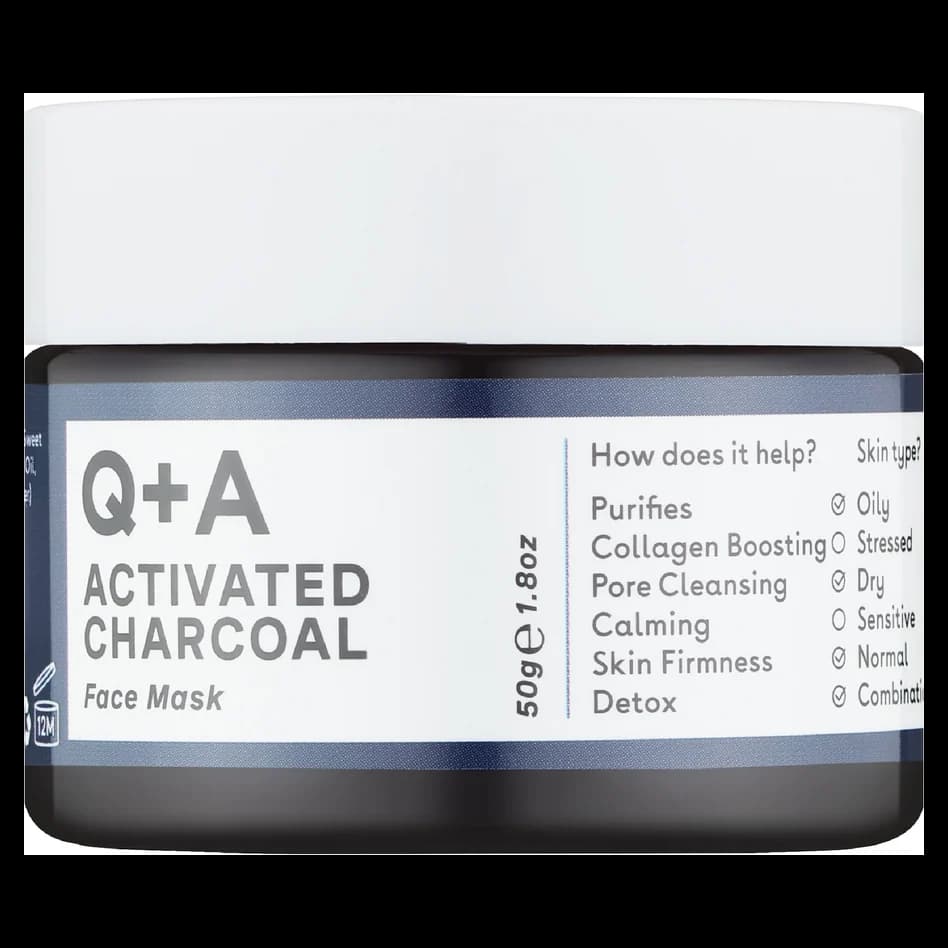
Q+A
Activated Charcoal Face Mask
1st of 18 on the label
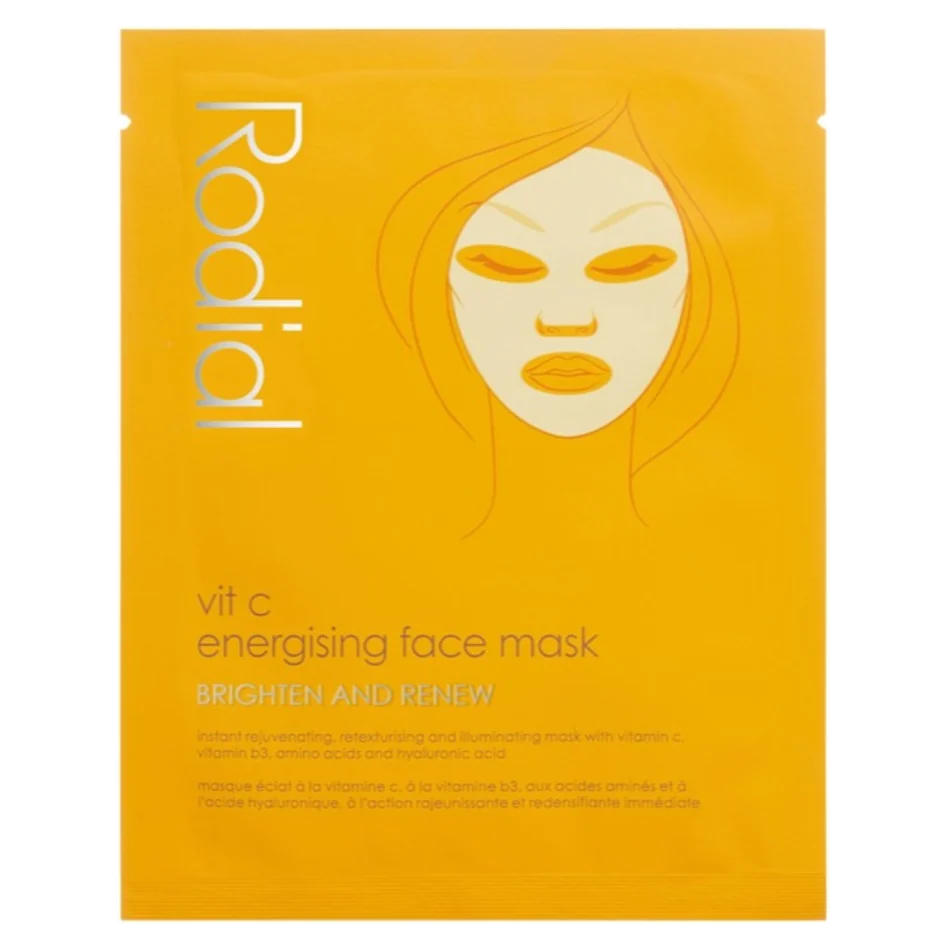
Rodial
Vit C Energising Face Mask
1st of 30 on the label
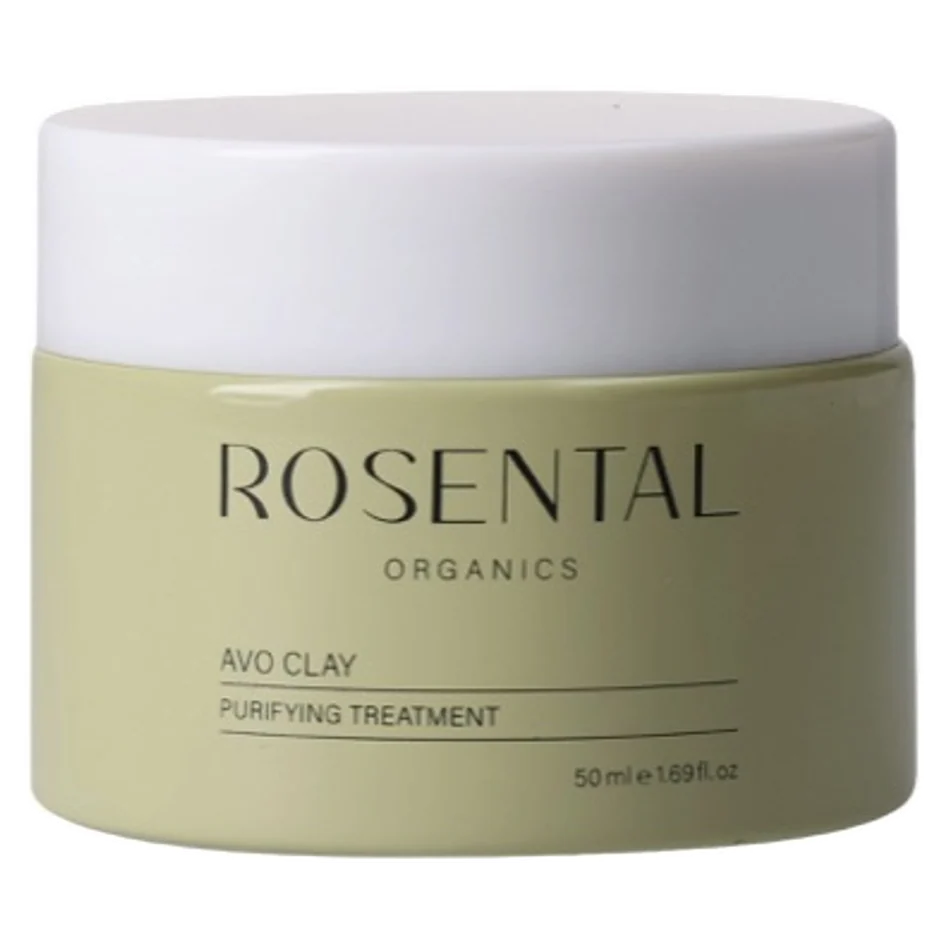
Rosental Organics
Avo Clay Mask
1st of 17 on the label
Rosental Organics
Botanical Lifting Effect Mask
1st of 28 on the label
Rosental Organics
Regenerating Night Mask
1st of 44 on the label
Rosental Organics
Slow-Aging Sheet Mask
1st of 13 on the label
Salthouse
Totes Meer Therapie Gesichtsmaske Mineral & Heilerde
1st of 17 on the label
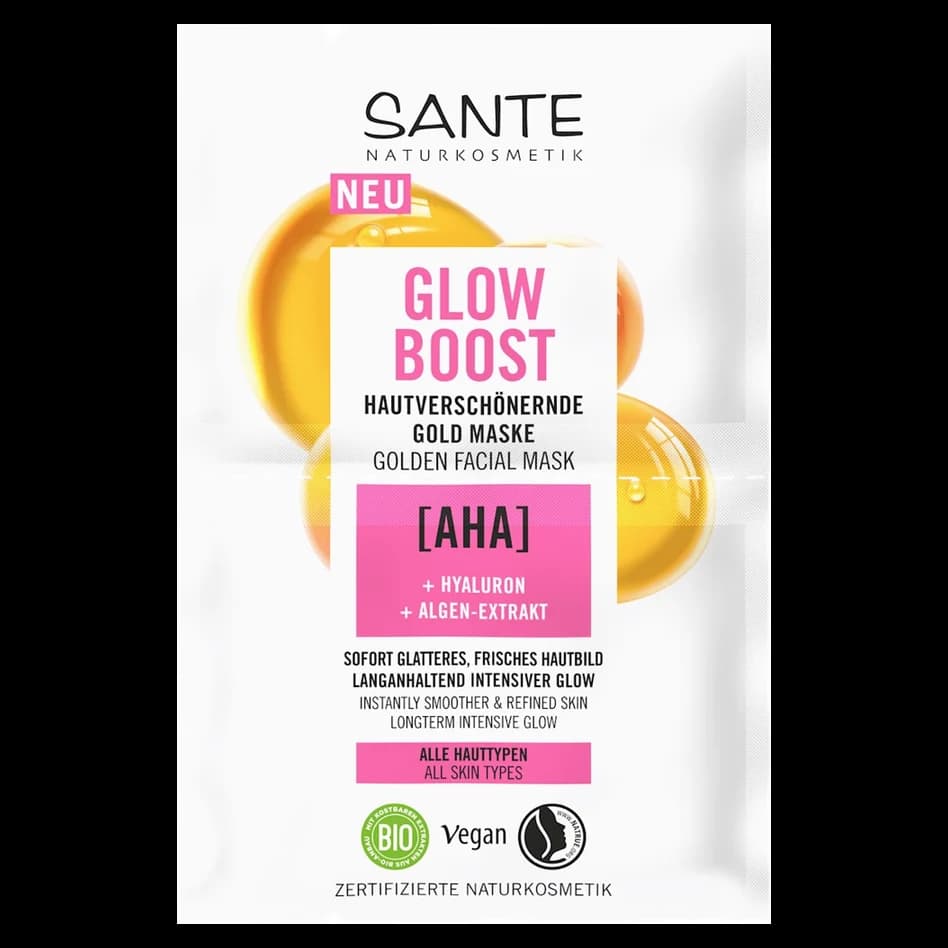
Santé Naturkosmetik
Glow Boost Maske AHA
1st of 29 on the label
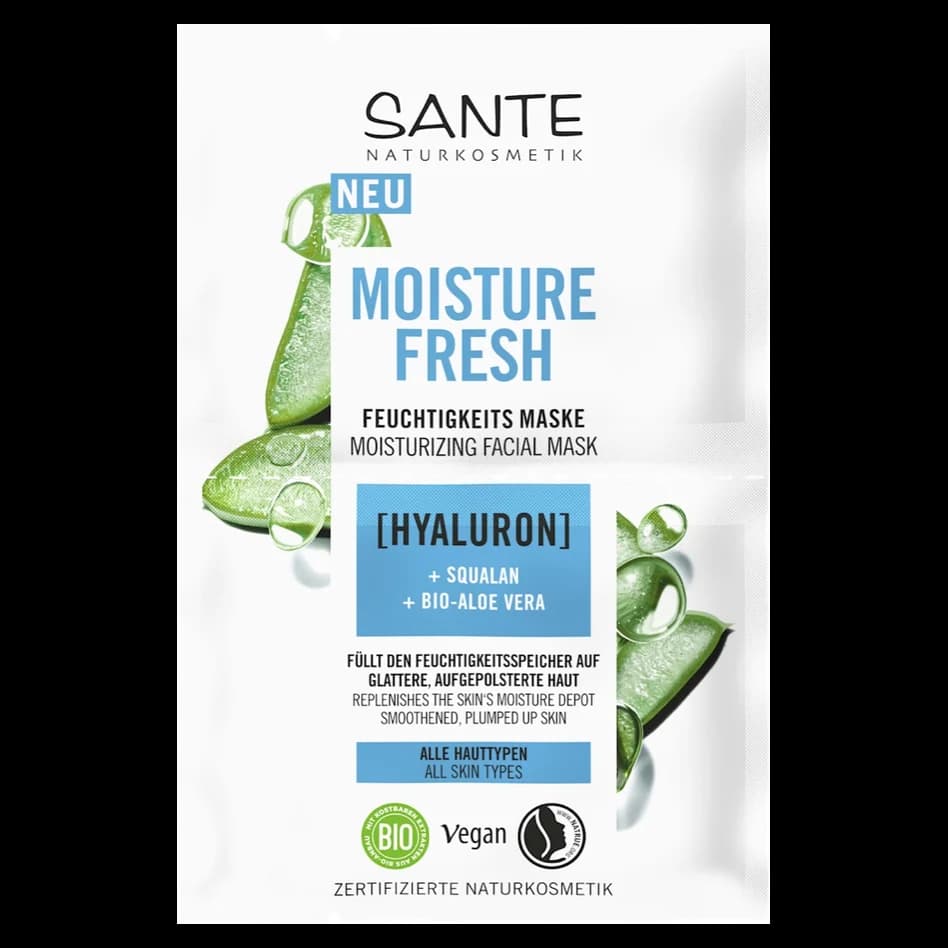
Santé Naturkosmetik
Moisture Fresh Maske Hyaluron
1st of 24 on the label
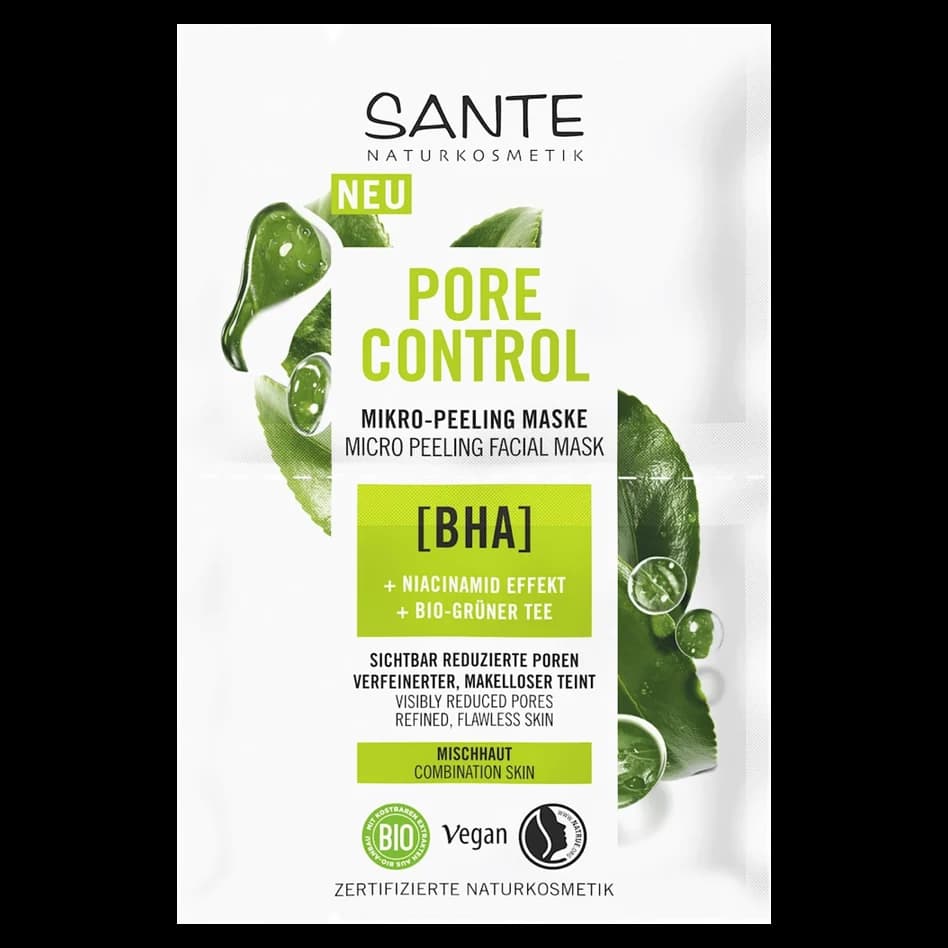
Santé Naturkosmetik
Pore Control Maske BHA
1st of 29 on the label
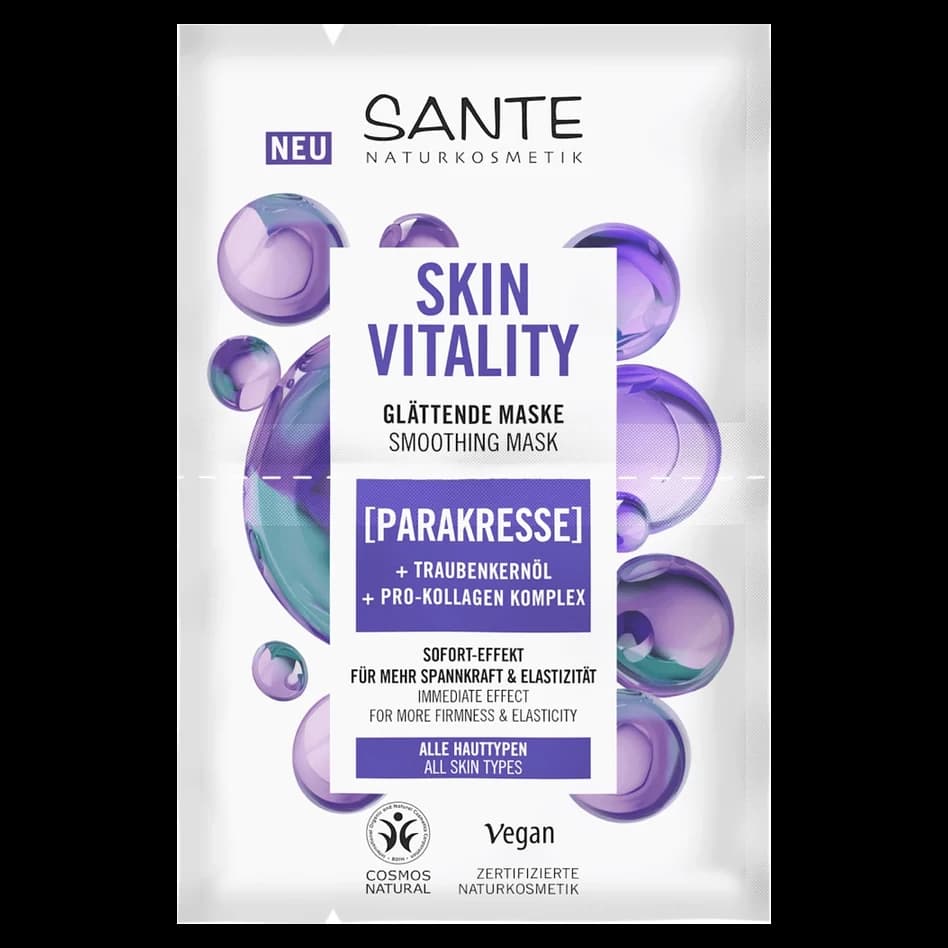
Santé Naturkosmetik
Skin Vitality Maske Parakresse
1st of 33 on the label
Schaebens
Aloe Vera Maske
1st of 34 on the label
Schaebens
Gesichtscrememaske Gel to Milk
9th of 21 on the label
below ≈1%
Schaebens
Gesichtsmaske Feuchtigkeit Sofort-Effekt
1st of 38 on the label
Schaebens
Gesichtsmaske Hyaluron Hydrogel
1st of 19 on the label
Schaebens
Gesichtsmaske Kollagen Boost
1st of 27 on the label
Schaebens
Gesichtsmaske Panthenol
1st of 22 on the label
Schaebens
Gesichtsmaske peel off Aktivkohle
1st of 8 on the label
Schaebens
Gesichtsmaske peel off Aktivkohle Strong
1st of 20 on the label
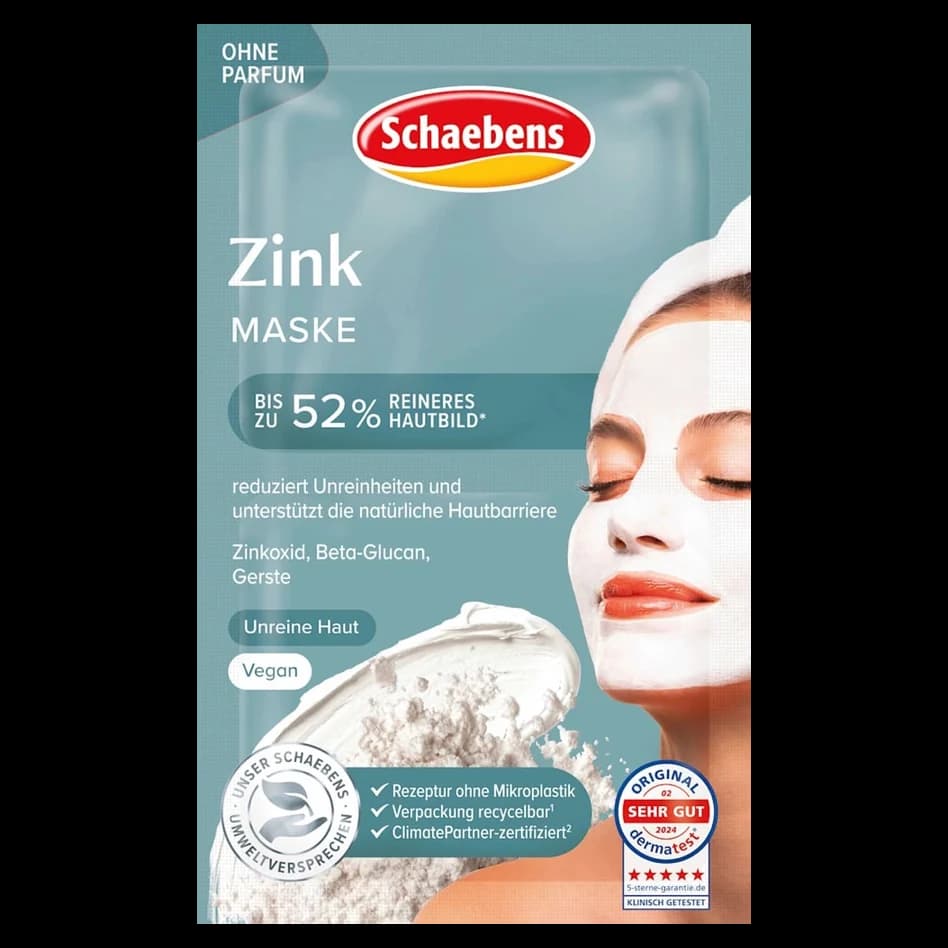
Schaebens
Gesichtsmaske Zink
1st of 27 on the label
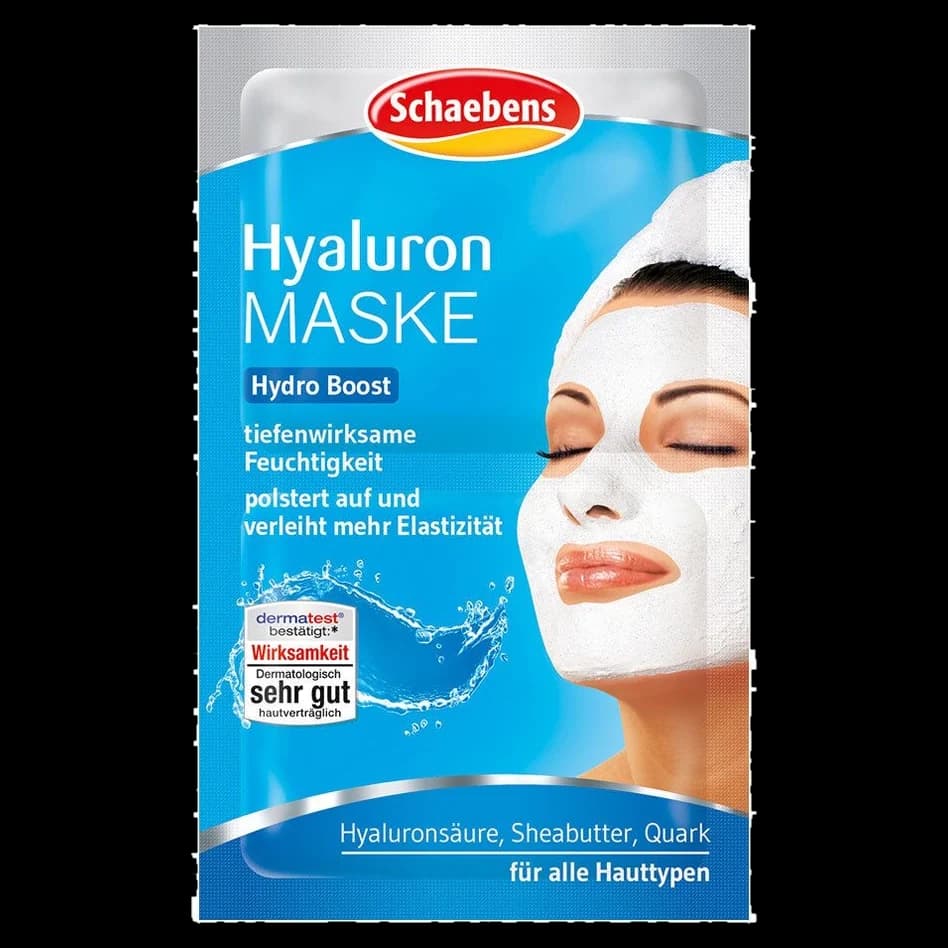
Schaebens
Hyaluron Maske
1st of 32 on the label
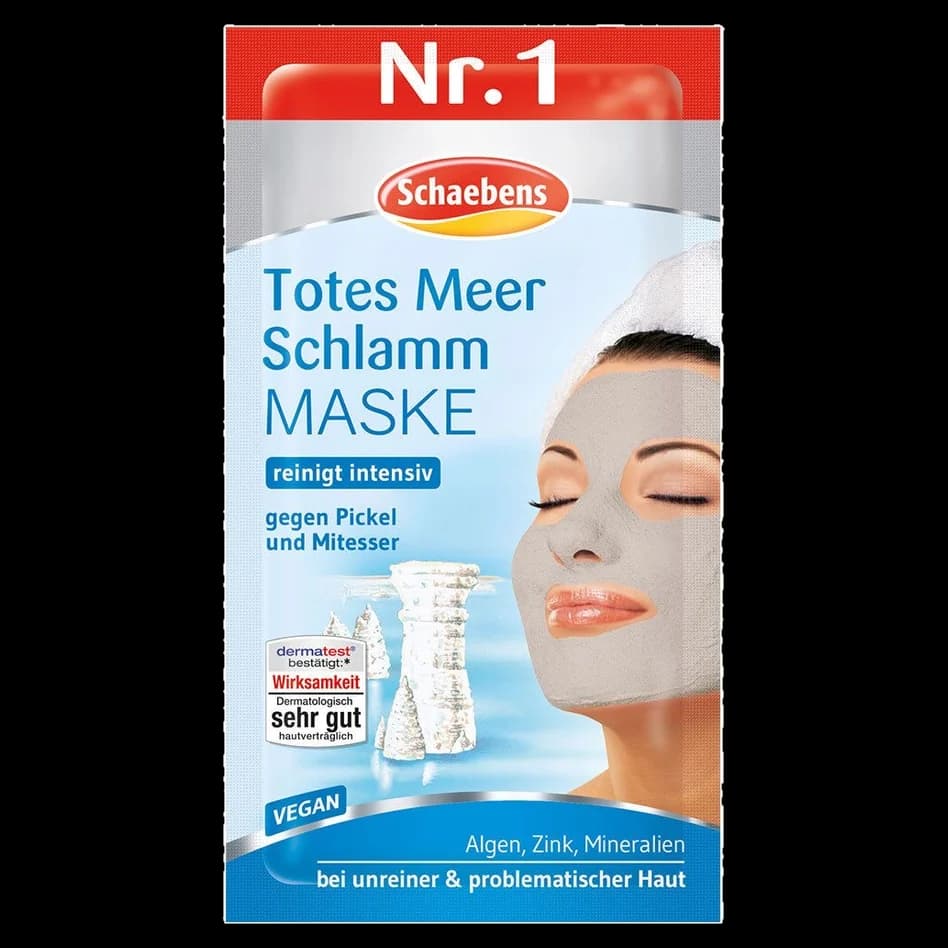
Schaebens
Totes Meer Schlamm Maske
1st of 14 on the label
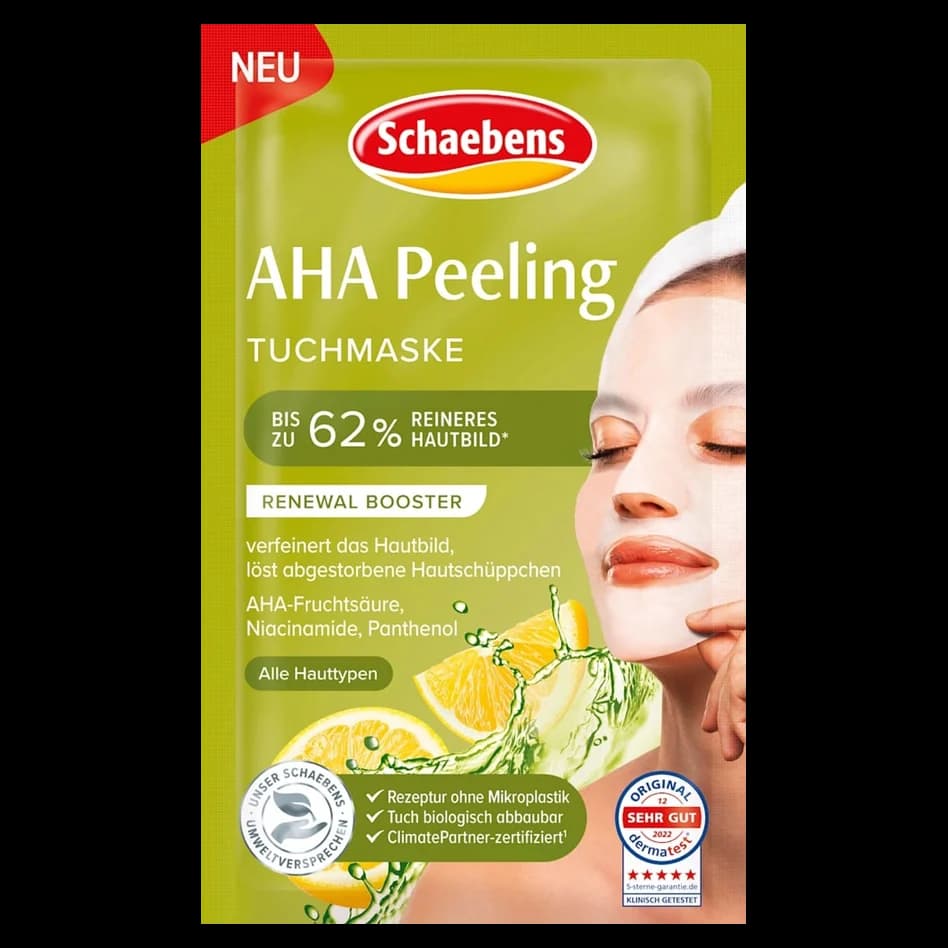
Schaebens
Tuchmaske AHA Peeling
1st of 17 on the label
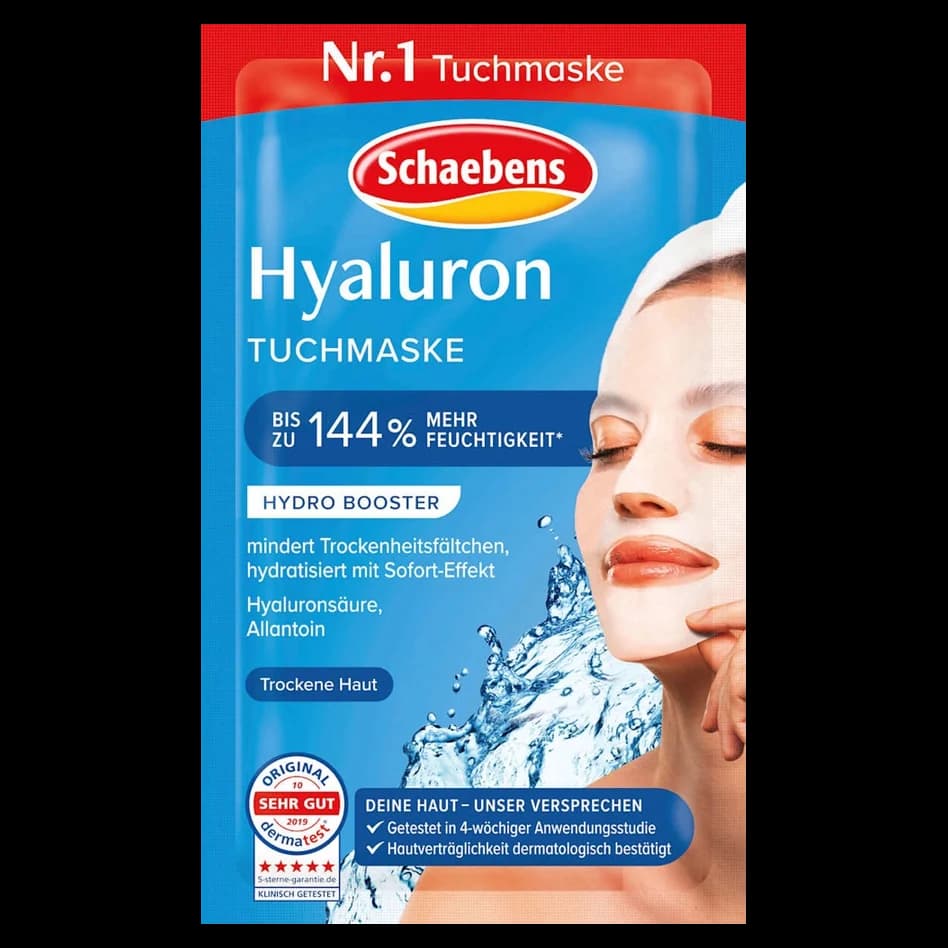
Schaebens
Tuchmaske Hyaluron
1st of 23 on the label
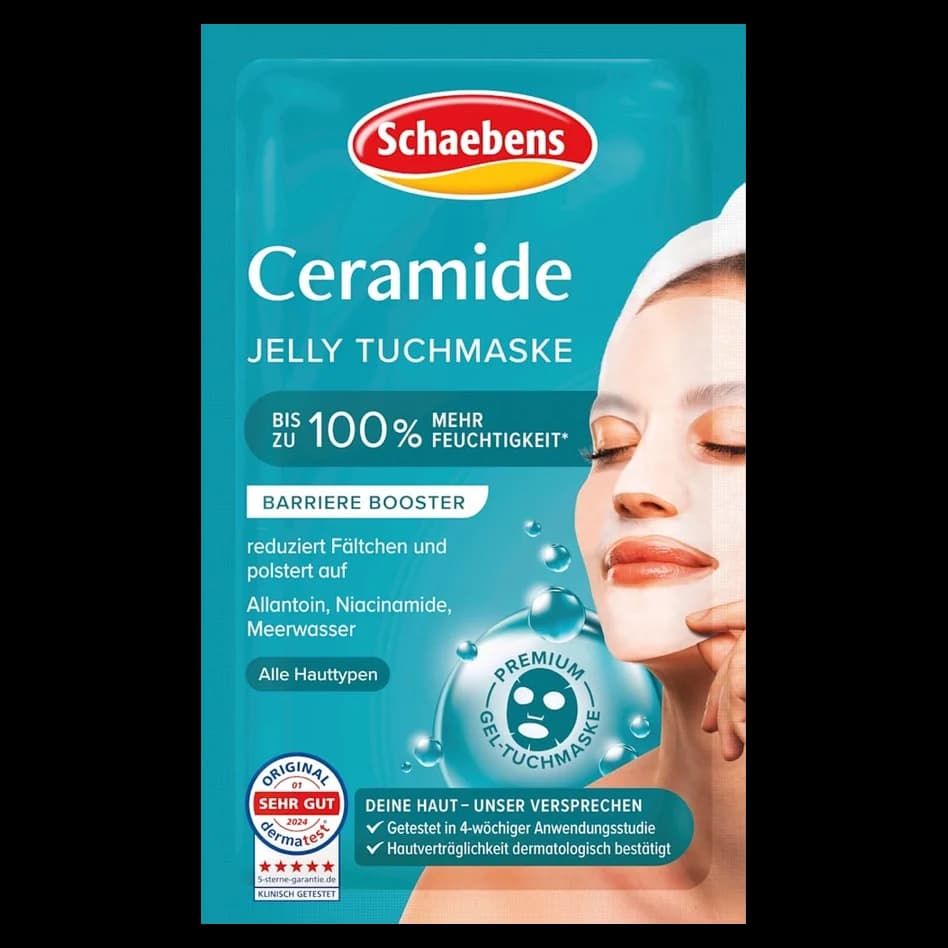
Schaebens
Tuchmaske Jelly Ceramide
1st of 29 on the label
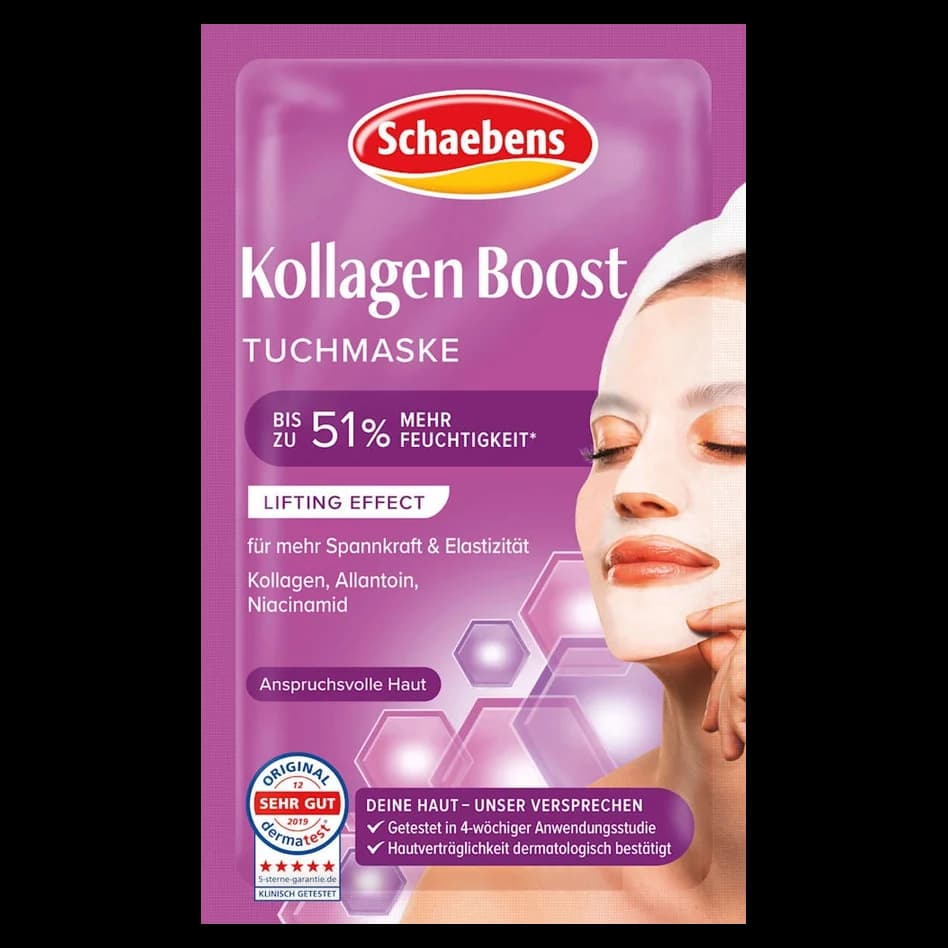
Schaebens
Tuchmaske Kollagen Boost
1st of 27 on the label
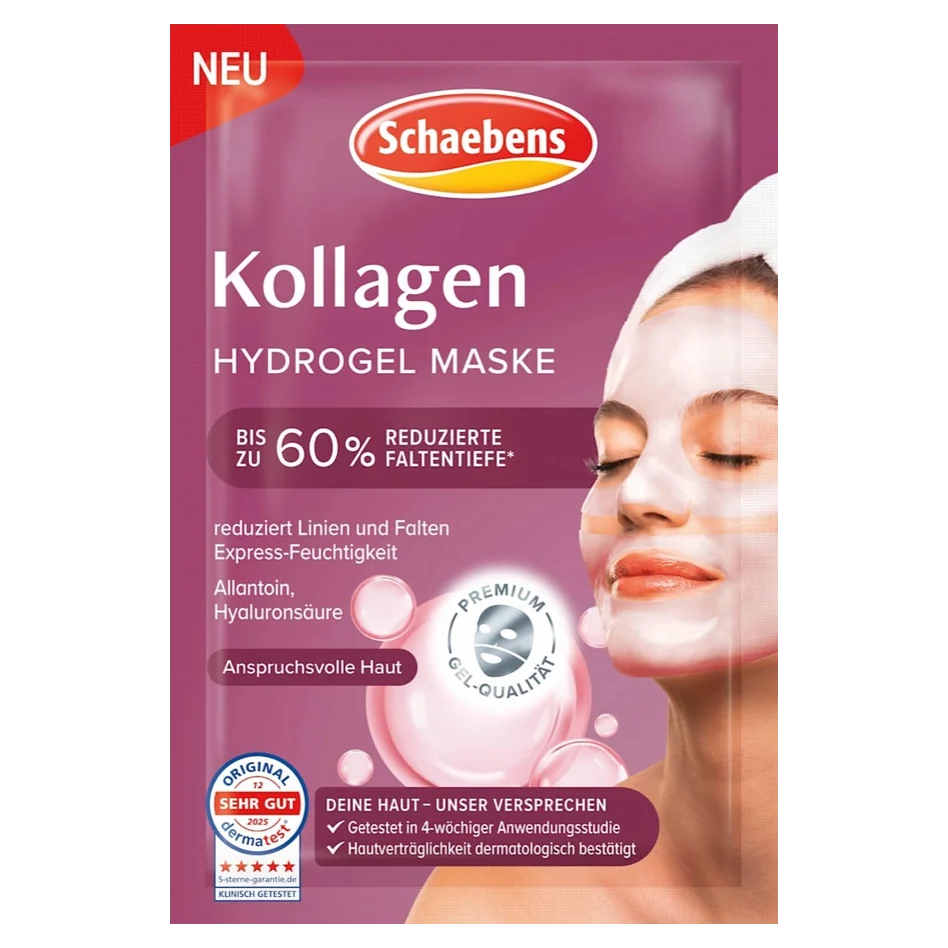
Schaebens
Tuchmaske Kollagen Hydrogel
1st of 27 on the label
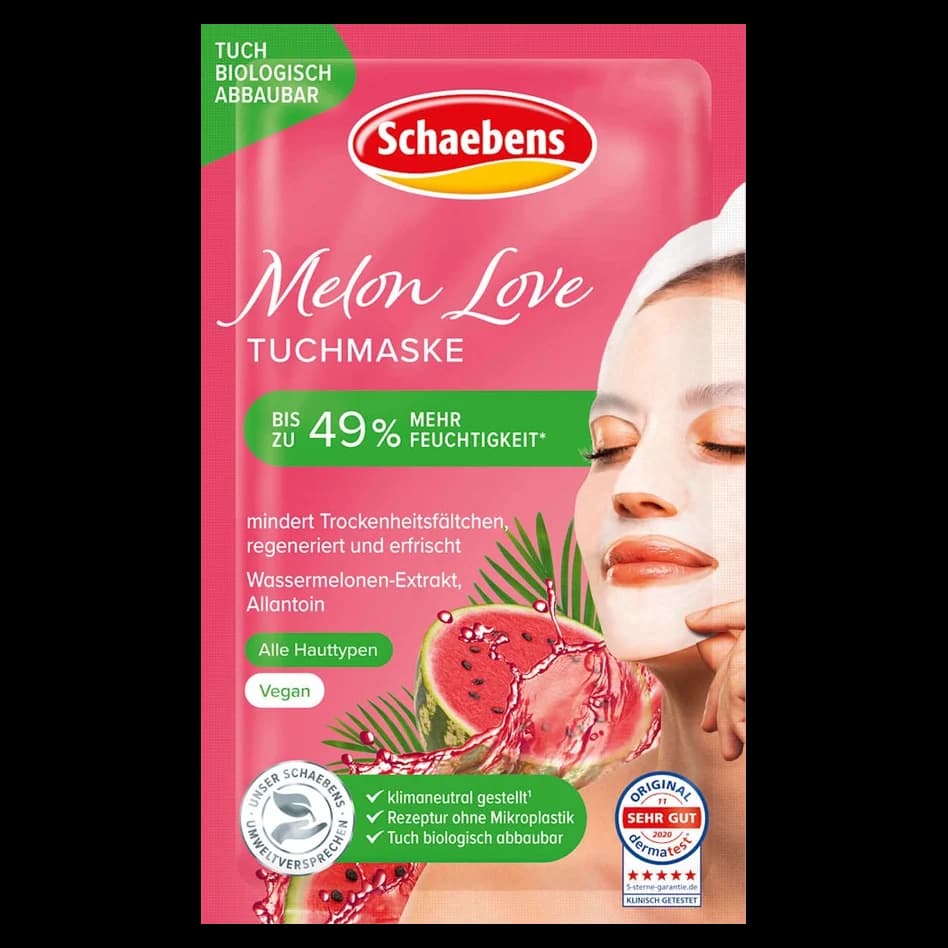
Schaebens
Tuchmaske Melon Love
1st of 45 on the label
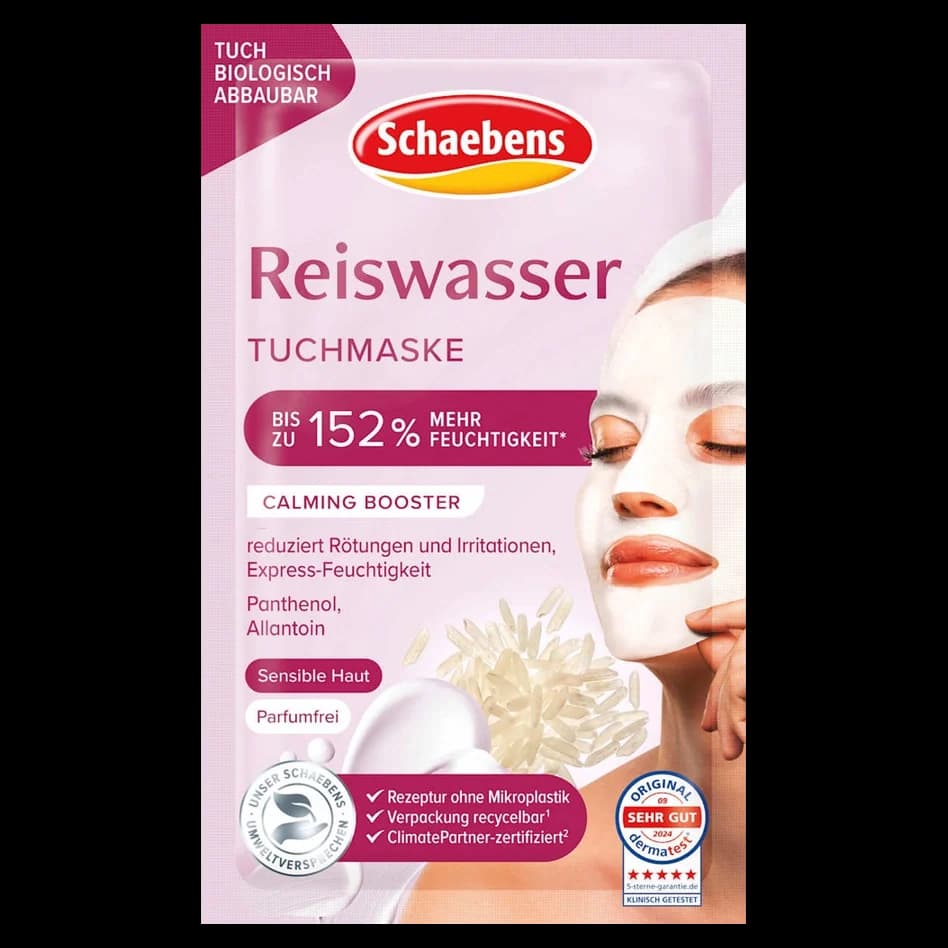
Schaebens
Tuchmaske Reiswasser
1st of 23 on the label
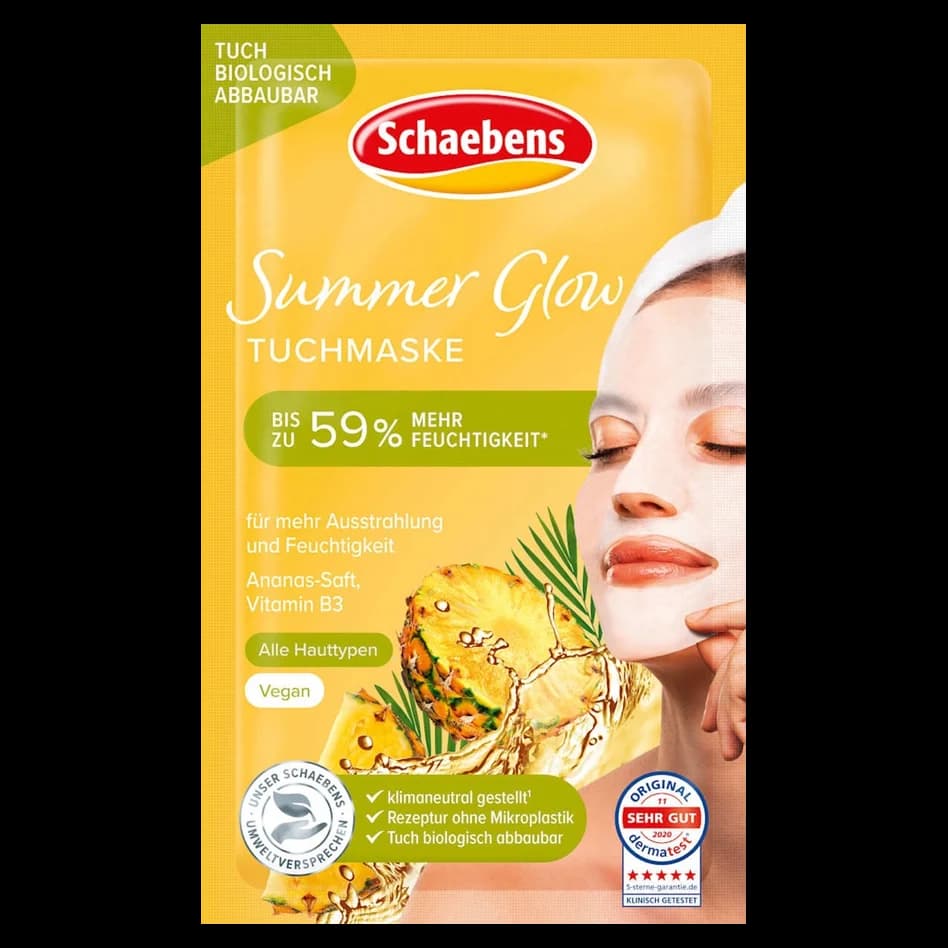
Schaebens
Tuchmaske Summer Glow
1st of 44 on the label
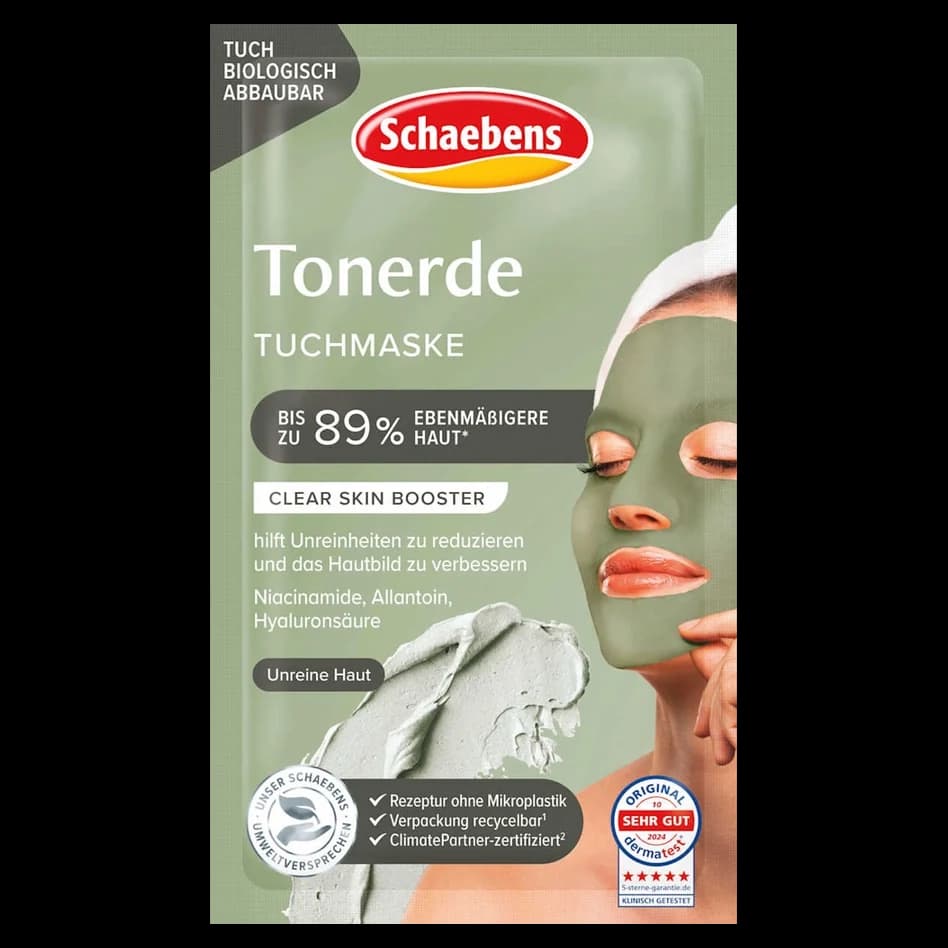
Schaebens
Tuchmaske Tonerde
1st of 35 on the label
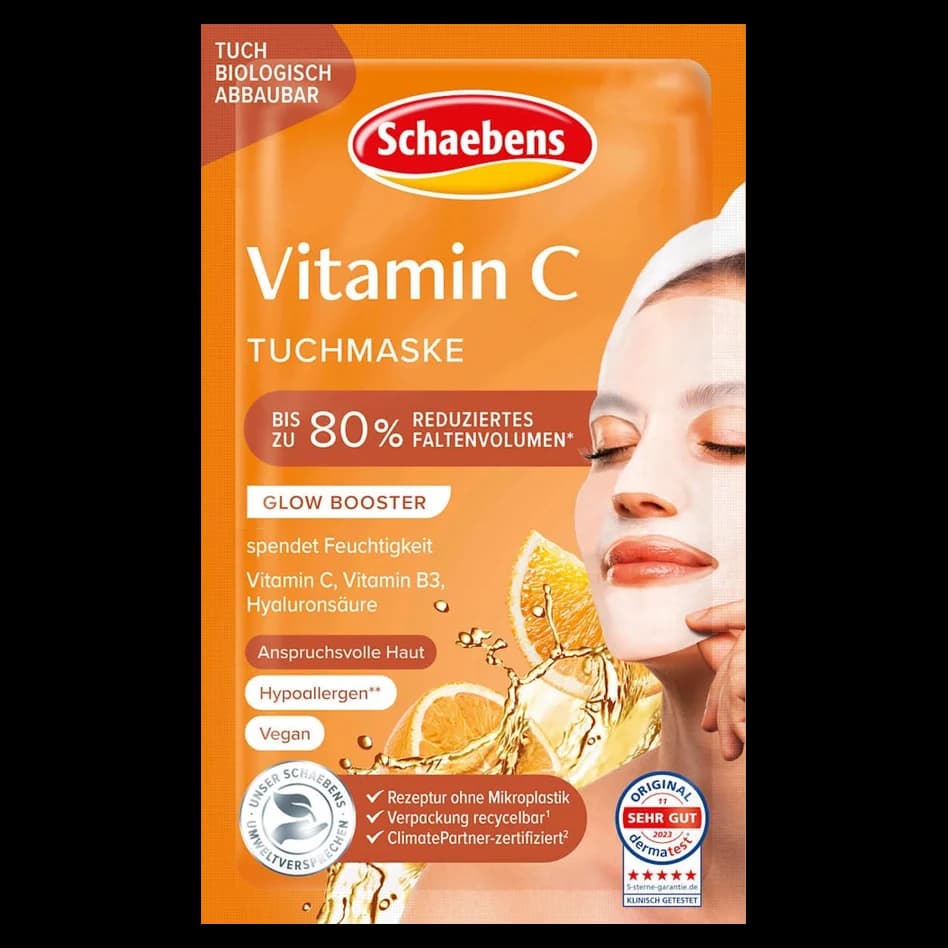
Schaebens
Tuchmaske Vitamin C
1st of 19 on the label
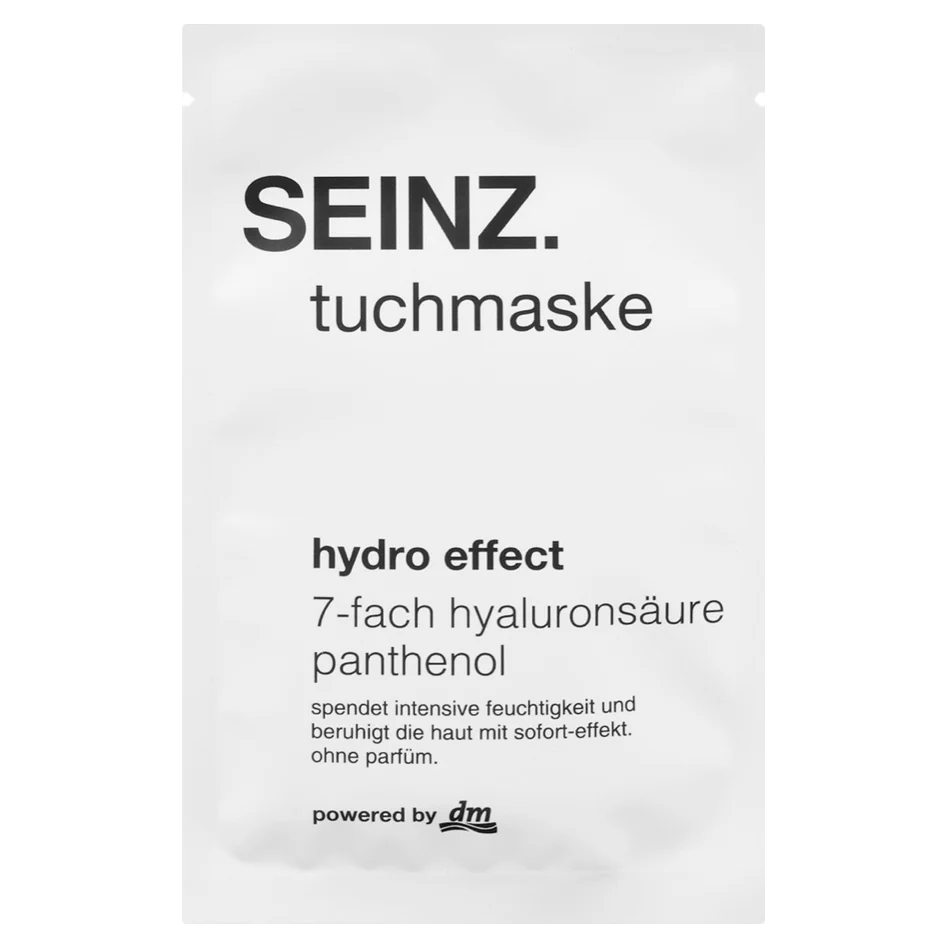
SEINZ.
Tuchmaske hydro effect
1st of 21 on the label
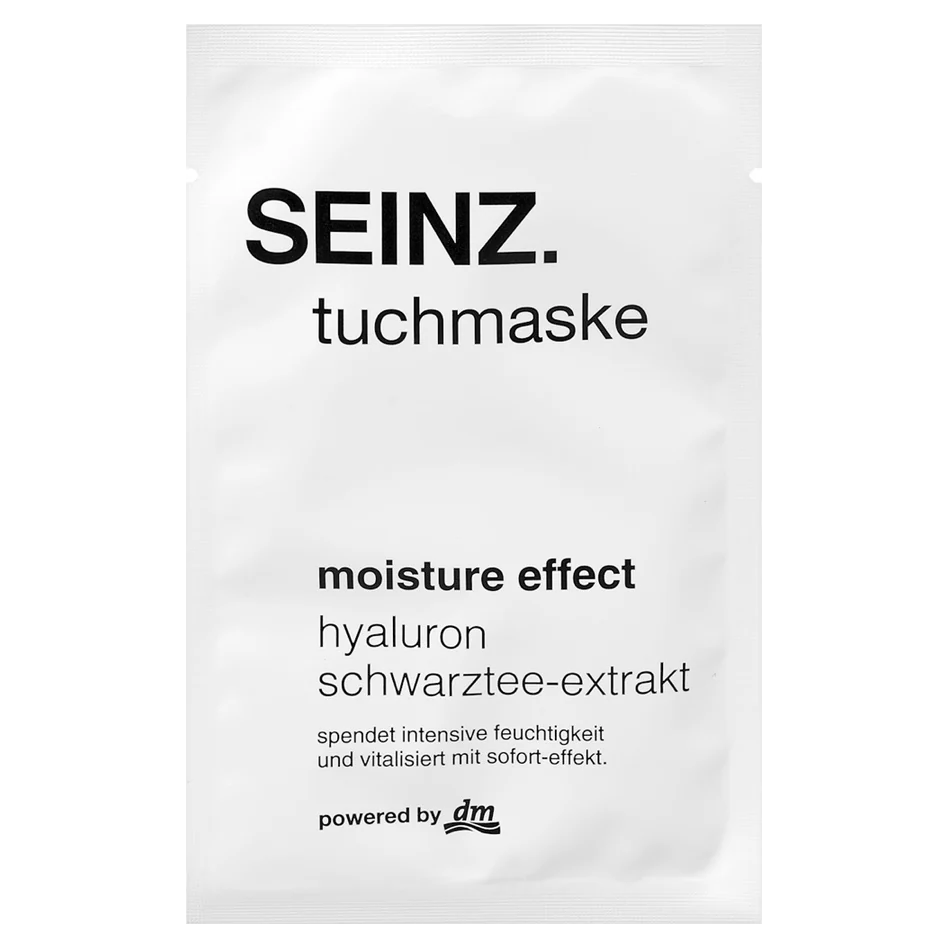
SEINZ.
Tuchmaske moisture effect
1st of 16 on the label
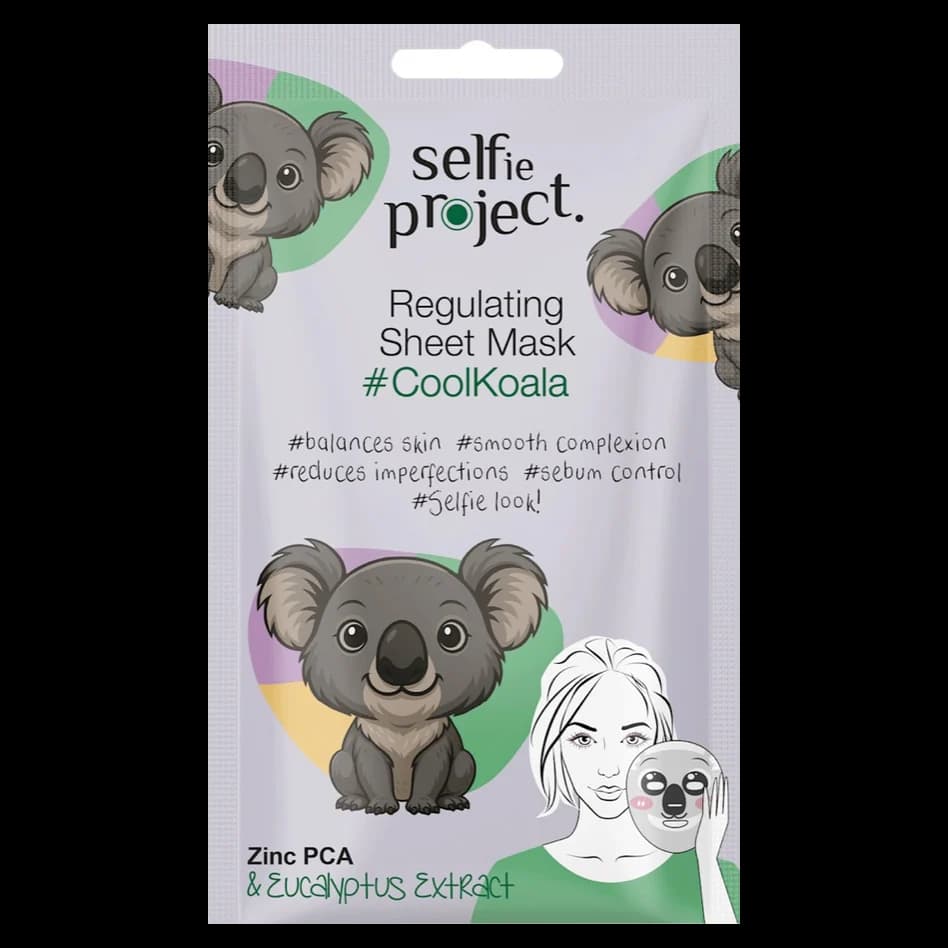
Selfie Project
Gesichtsmaske regulierend #CoolKoala
1st of 27 on the label
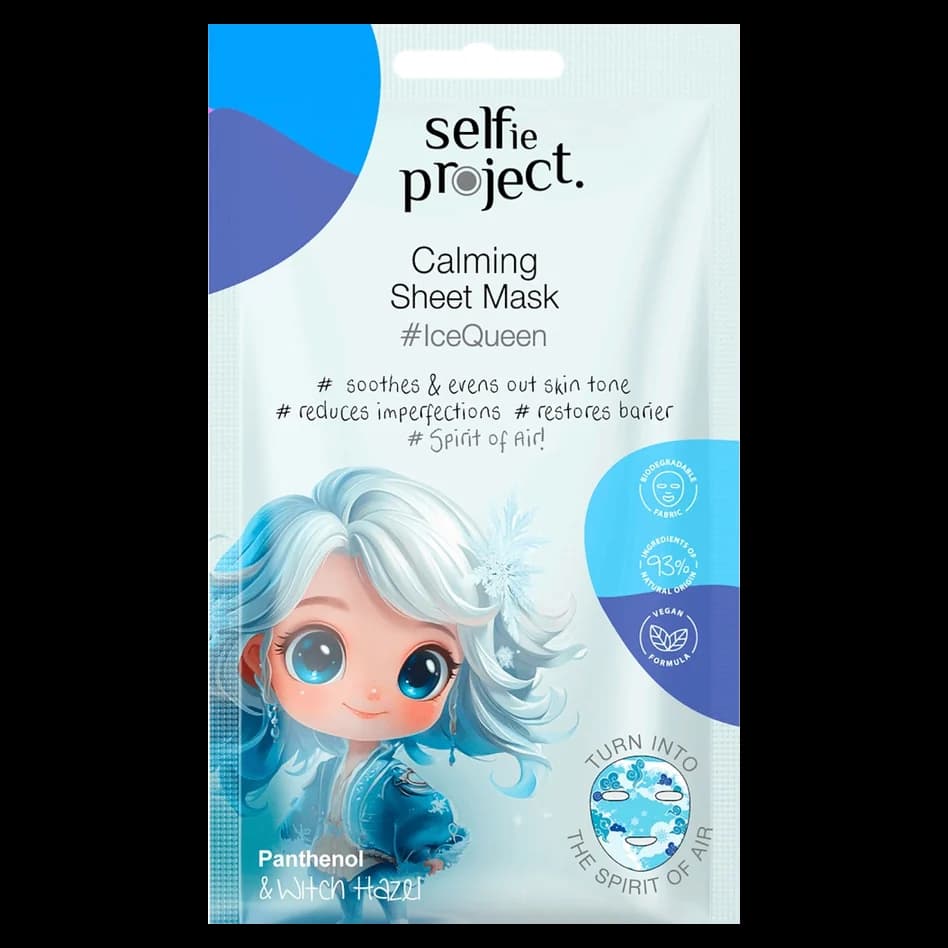
Selfie Project
Tuchmaske Calming #IceQueen
1st of 27 on the label
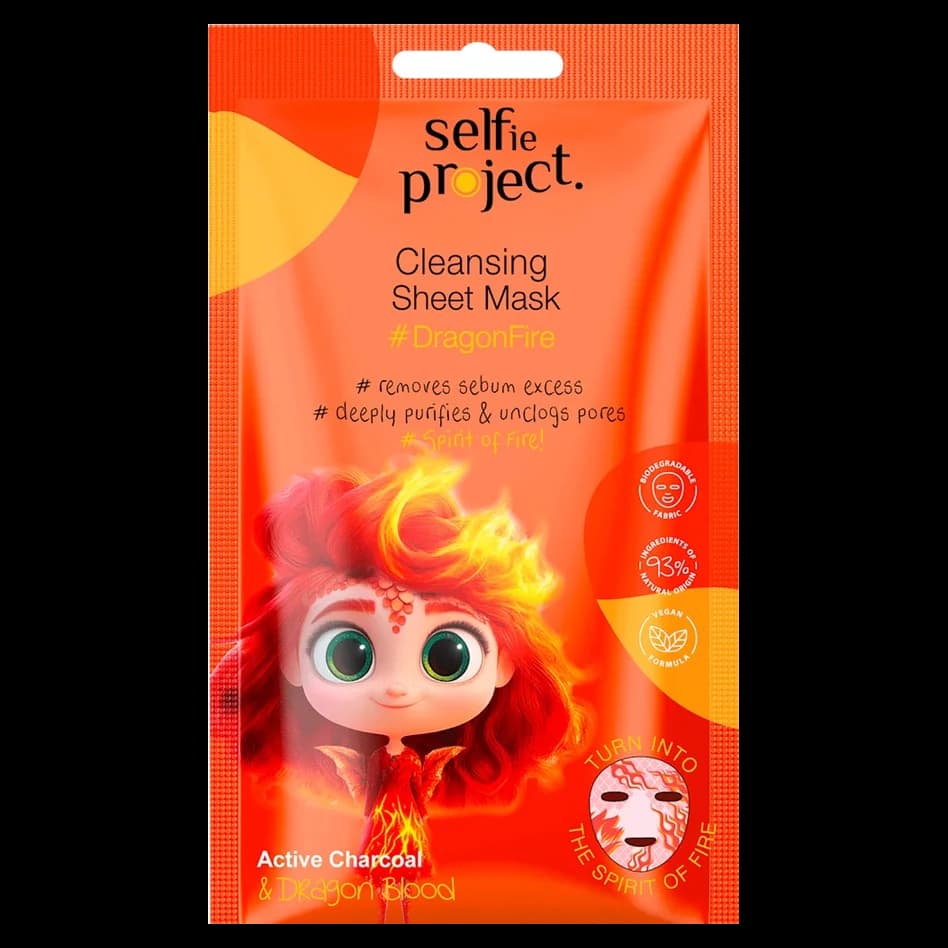
Selfie Project
Tuchmaske Cleansing #DragonFire
1st of 22 on the label
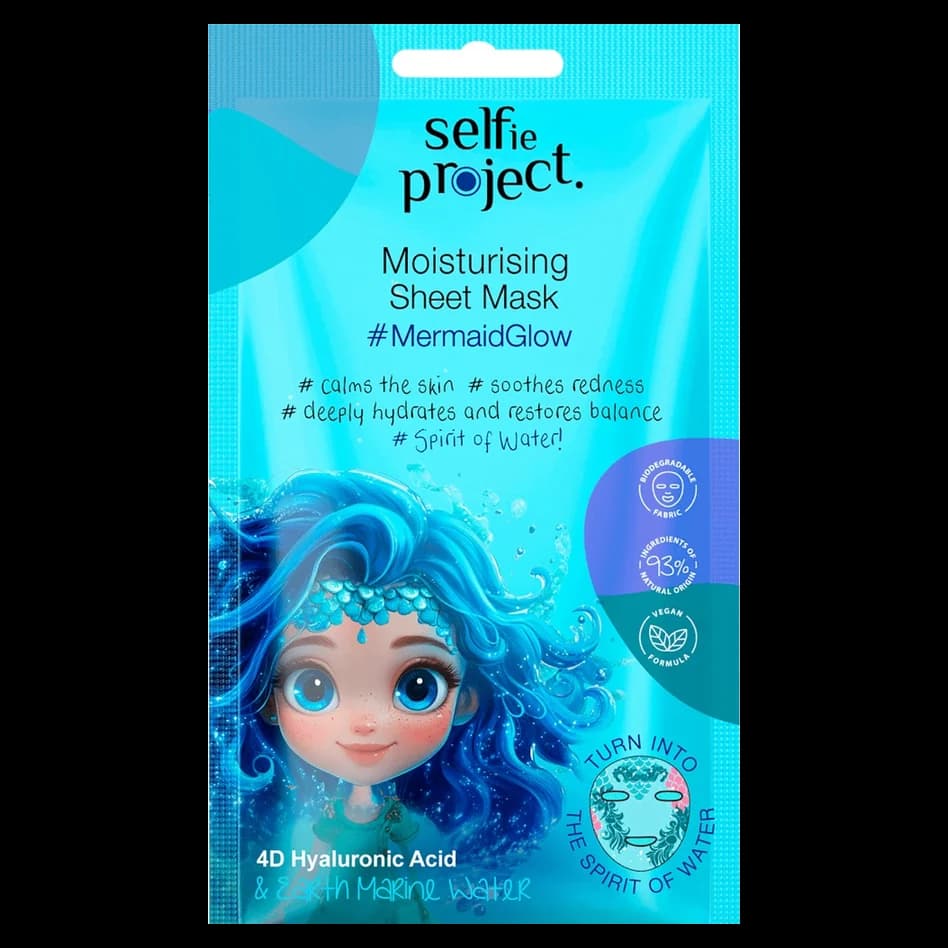
Selfie Project
Tuchmaske Moisturising #MermaidGlow
1st of 30 on the label
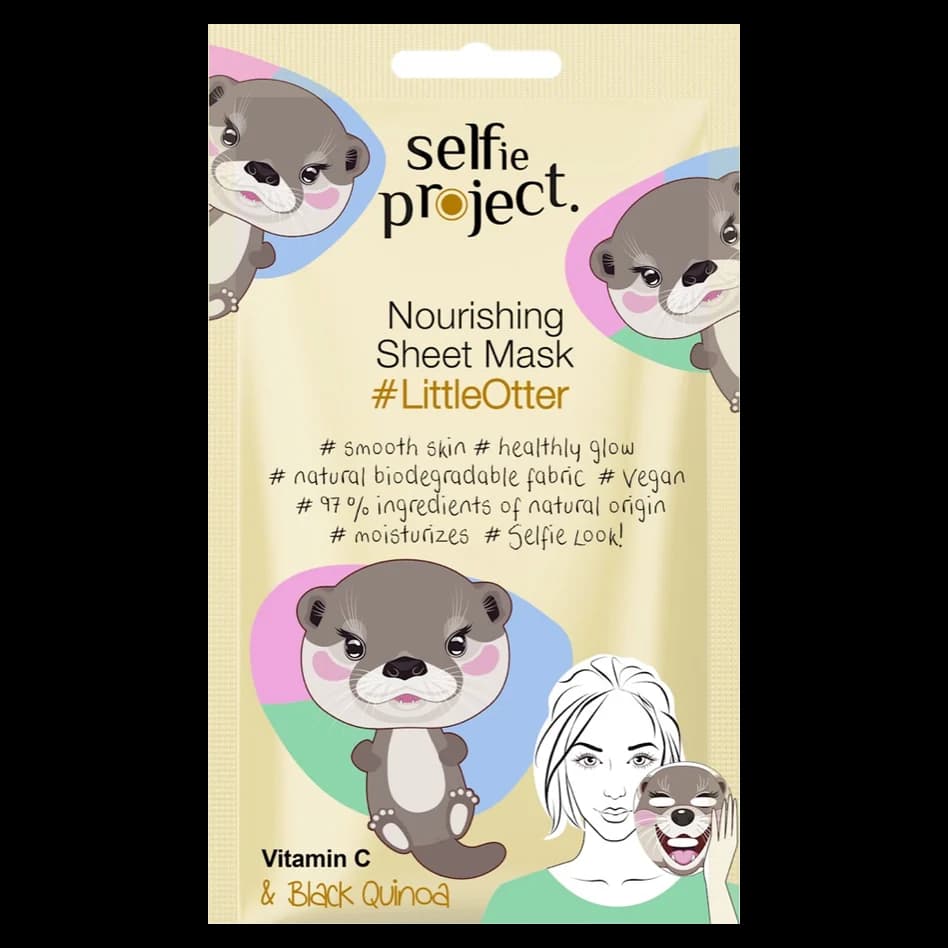
Selfie Project
Tuchmaske Nourishing #LittleOtter
1st of 21 on the label
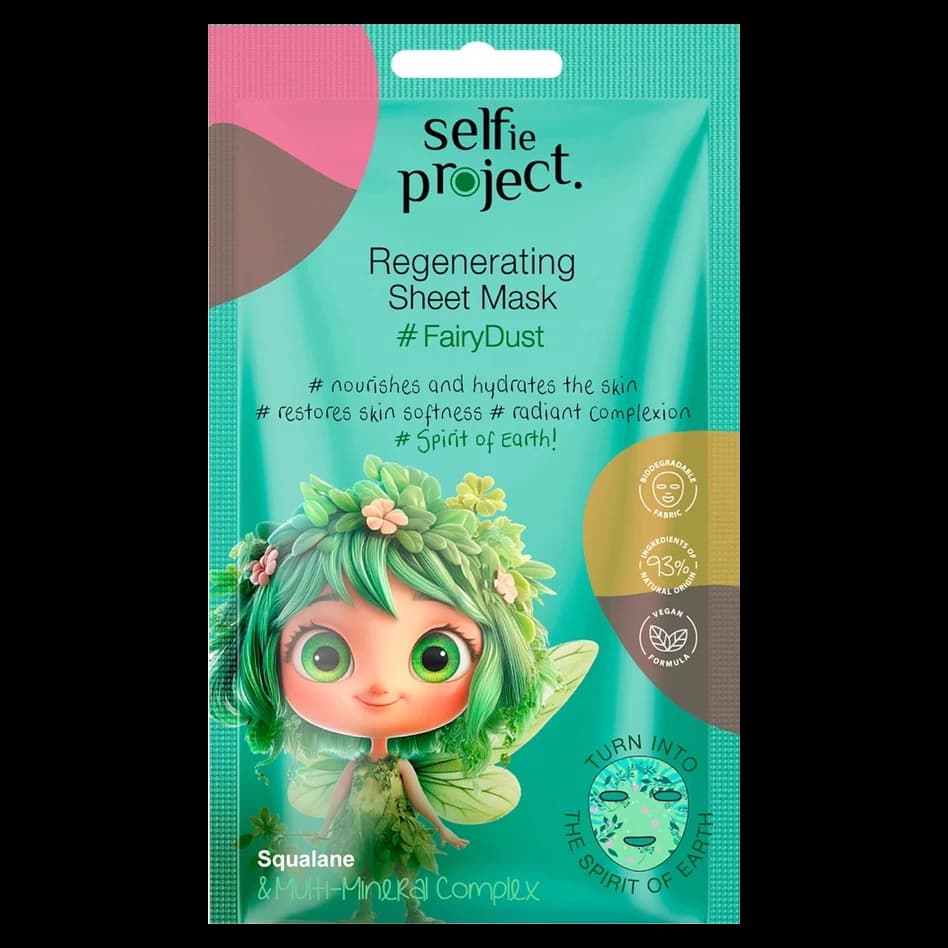
Selfie Project
Tuchmaske Regenerating #FairyDust
1st of 33 on the label
Sensai
Cellular Performance Extra Intensive Mask
1st of 44 on the label
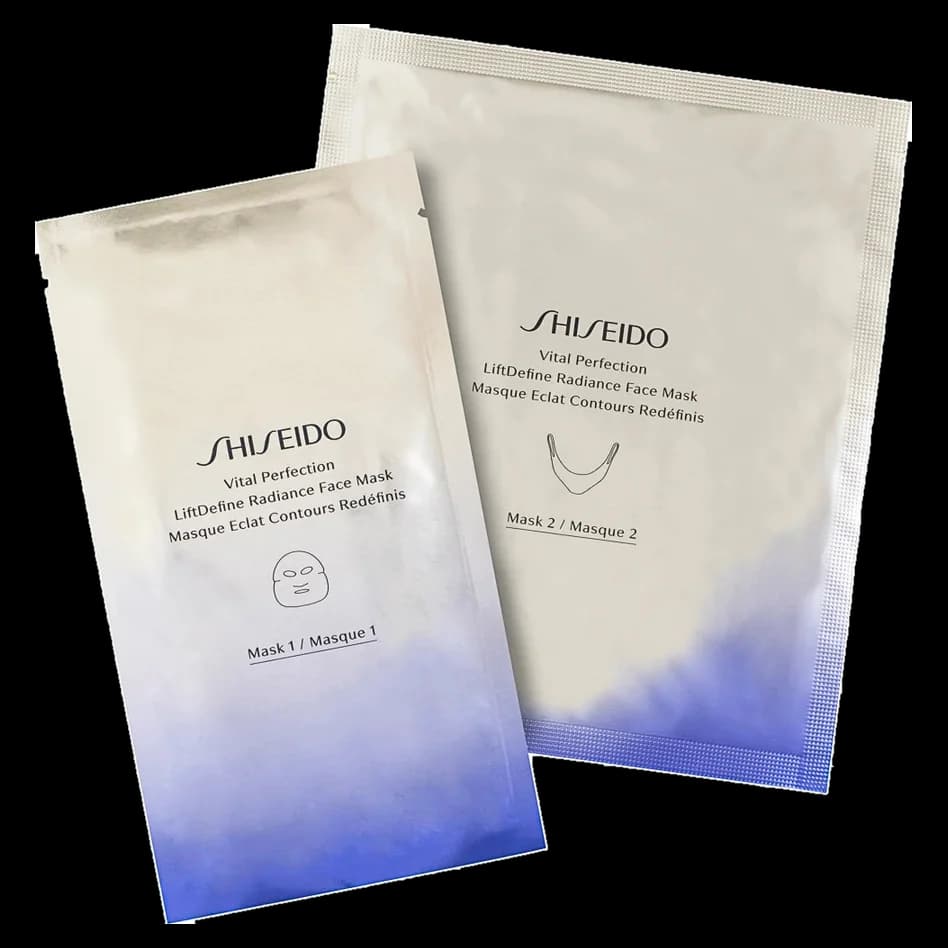
Shiseido
Vital Perfection LiftDefine Radiance Face Mask
1st of 81 on the label
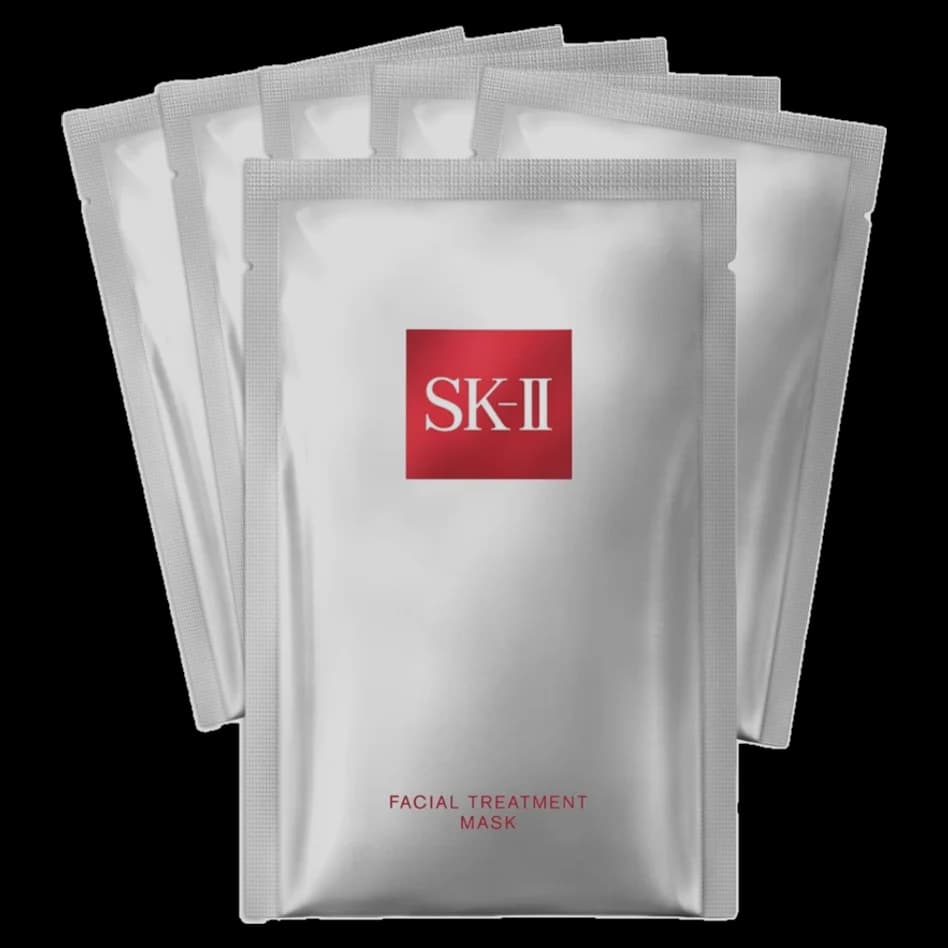
SK-II
Facial Treatment Mask
1st of 7 on the label
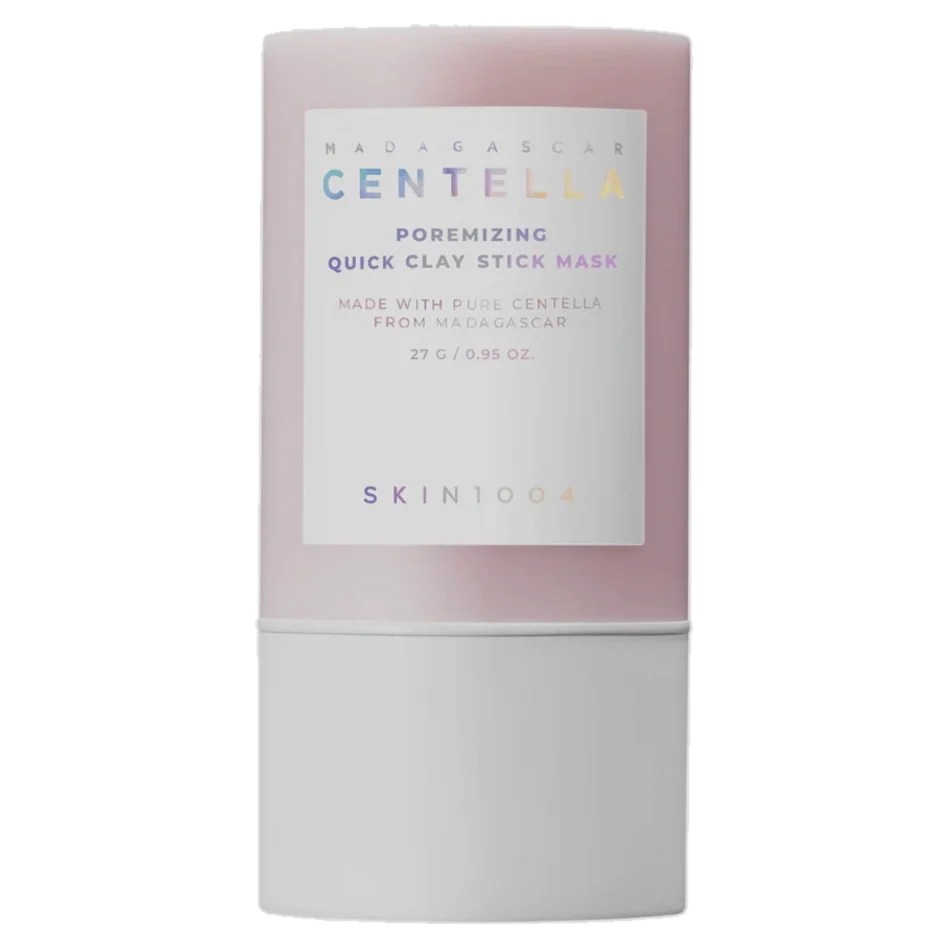
SKIN1004
Madagascar Centella Poremizing Quick Clay Stick Mask
1st of 23 on the label

SKIN1004
Madagascar Centella Watergel Sheet Ampoule Mask
2nd of 29 on the label
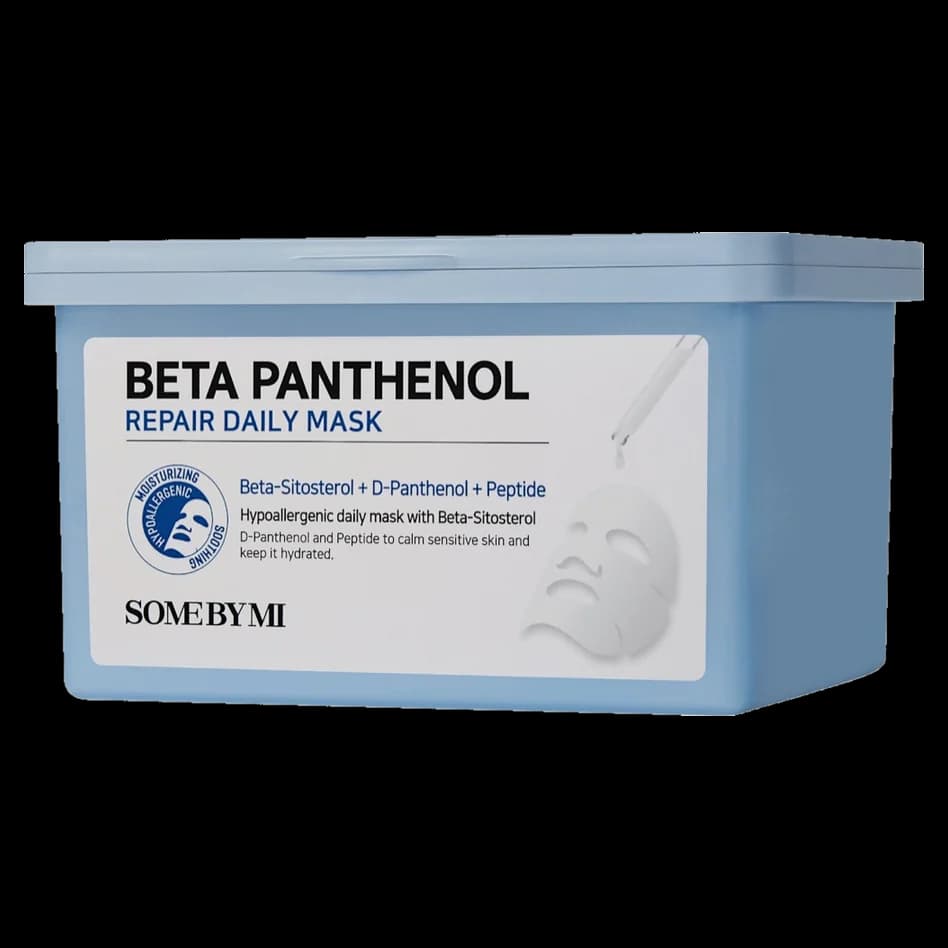
SOME BY MI
Daily Beta Panthenol Repair Mask
1st of 57 on the label
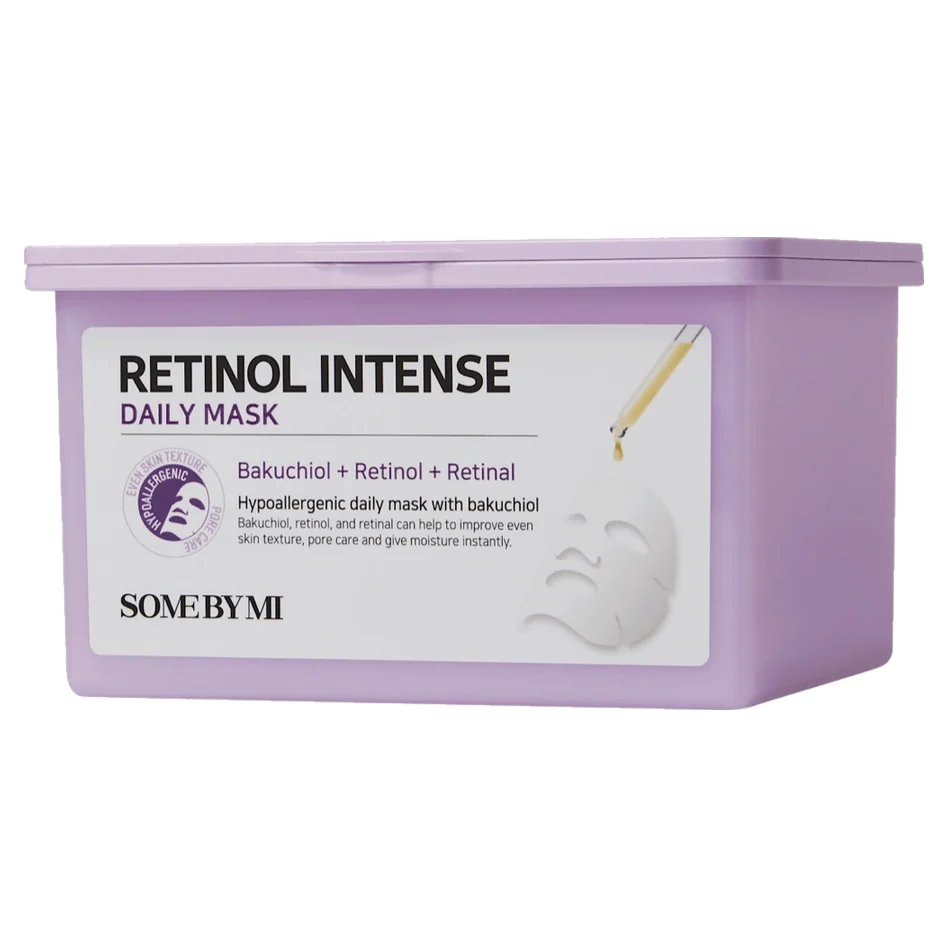
SOME BY MI
Daily Retinol Intense Mask
1st of 62 on the label
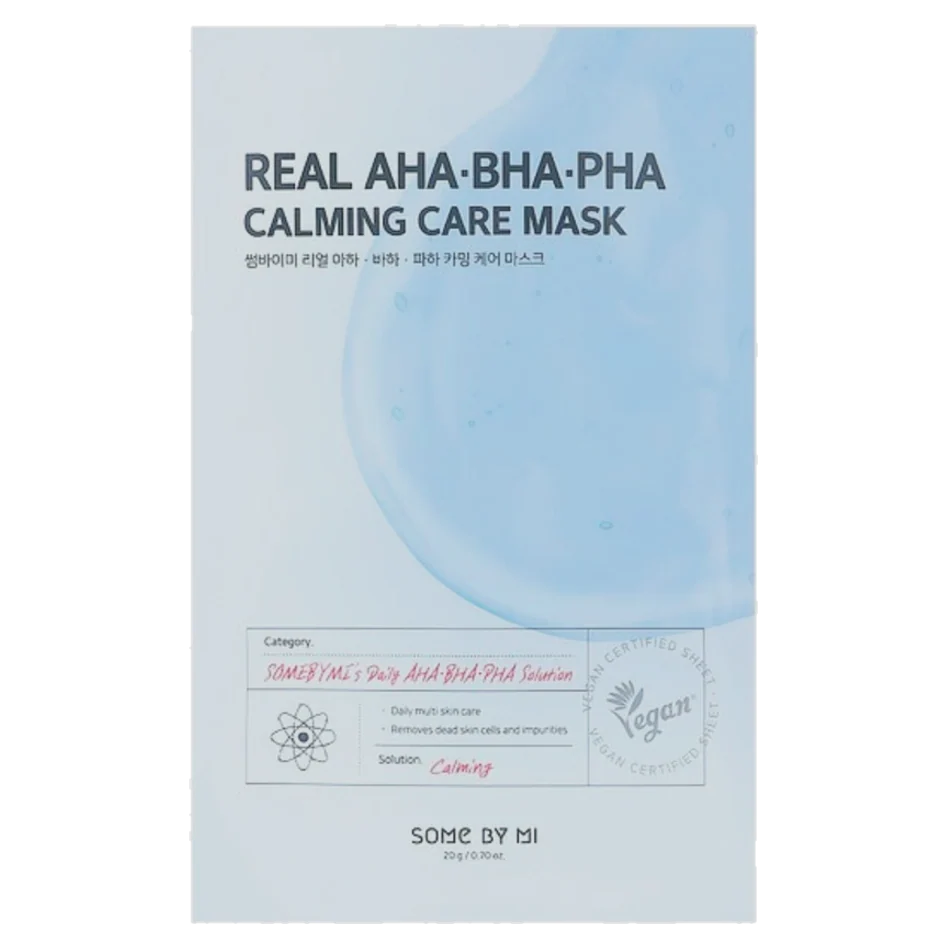
SOME BY MI
Real AHA-BHA-PHA Calming Care Mask
1st of 19 on the label
SOME BY MI
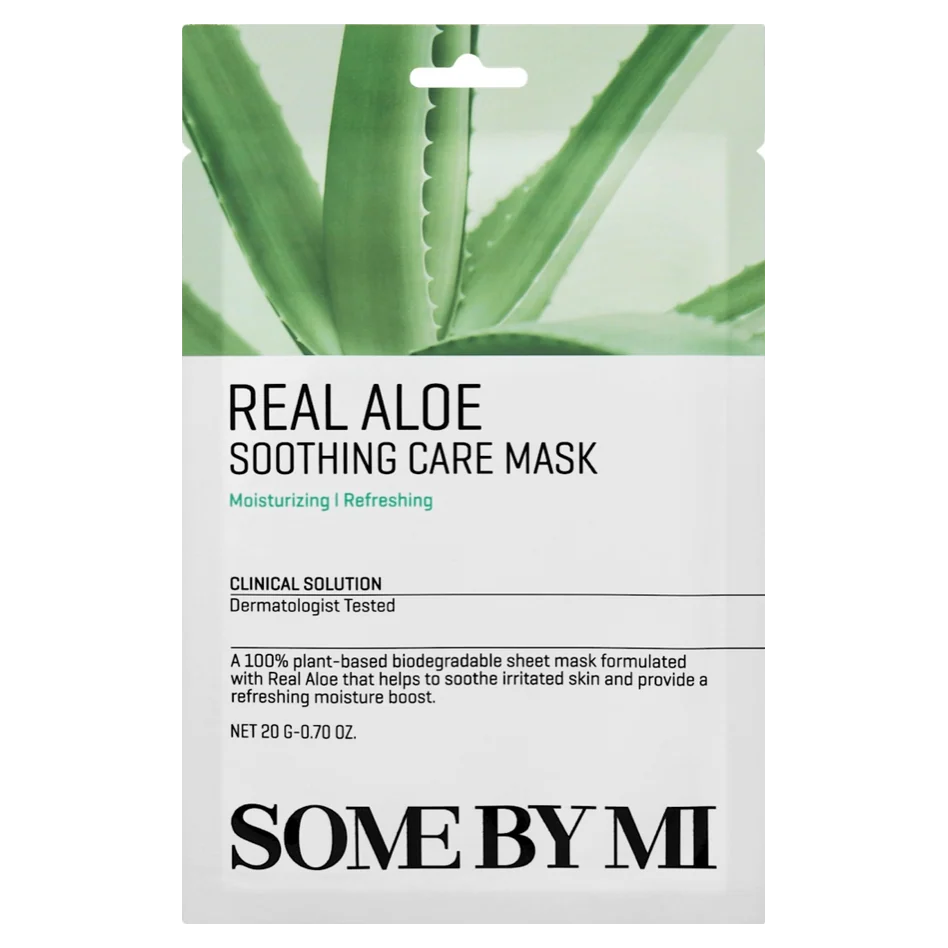
Real Aloe Soothing Care Mask
1st of 21 on the label
SOME BY MI
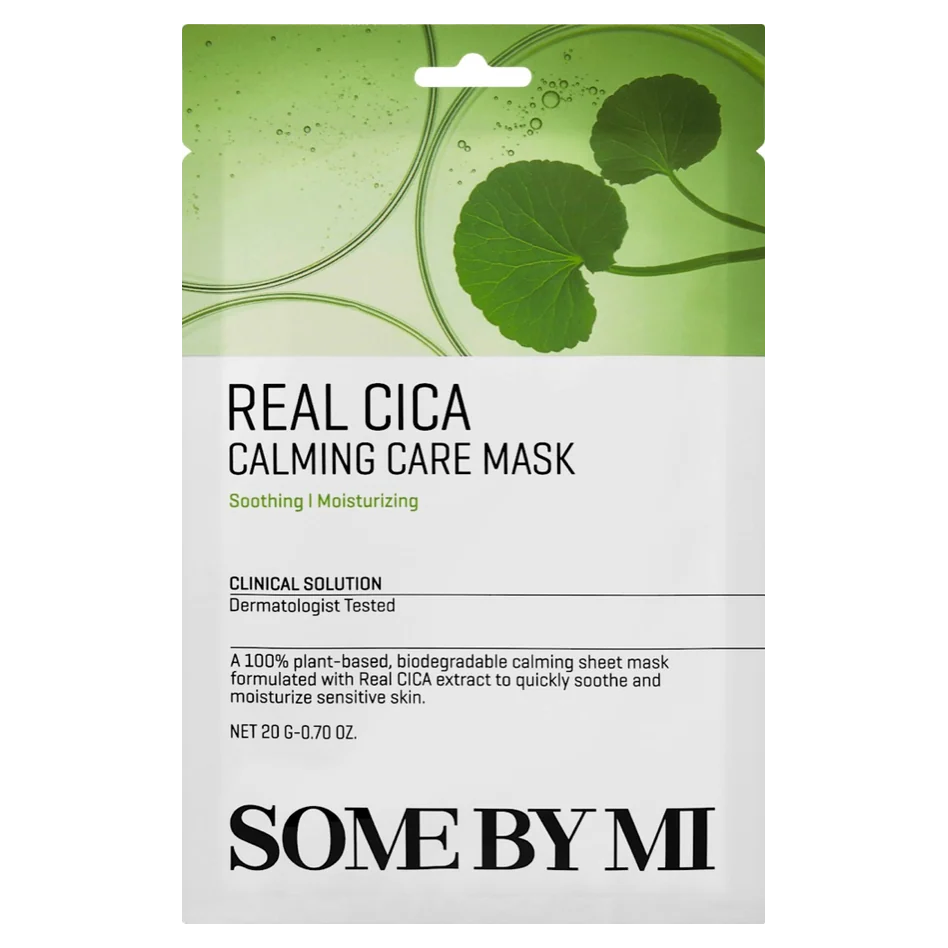
Real Cica Calming Care Mask
1st of 28 on the label
SOME BY MI
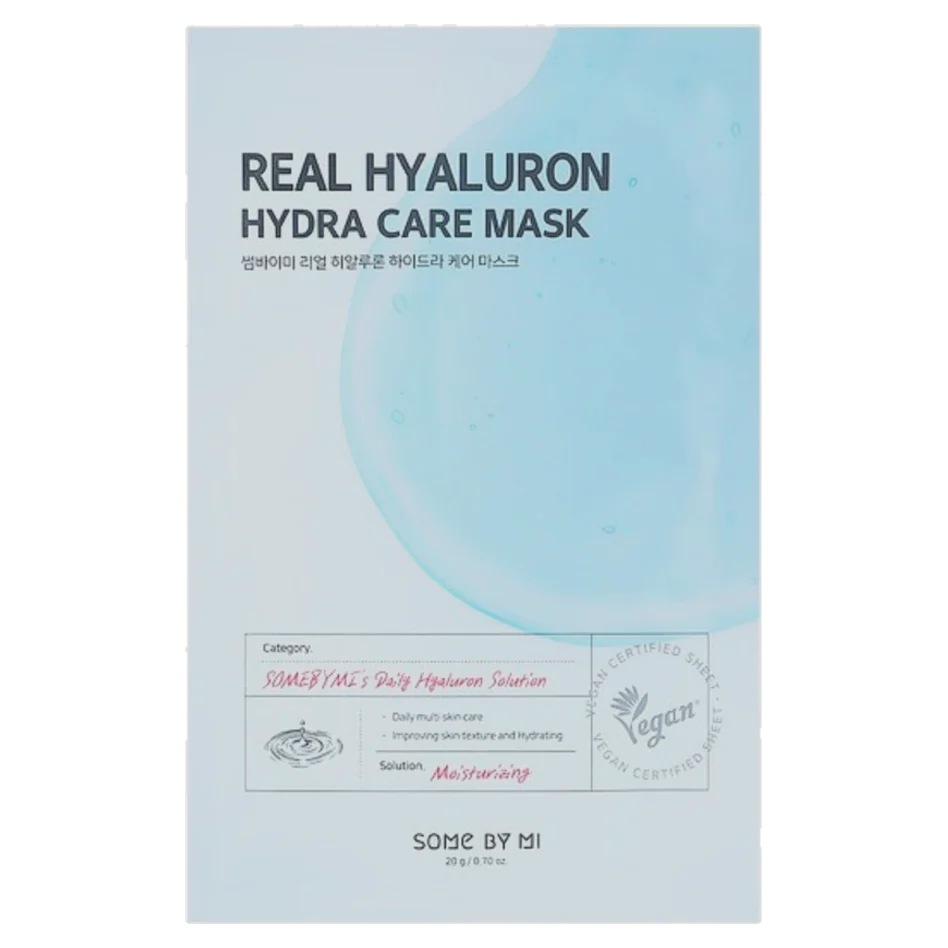
Real Hyaluron Hydra Care Mask
1st of 31 on the label
SOME BY MI
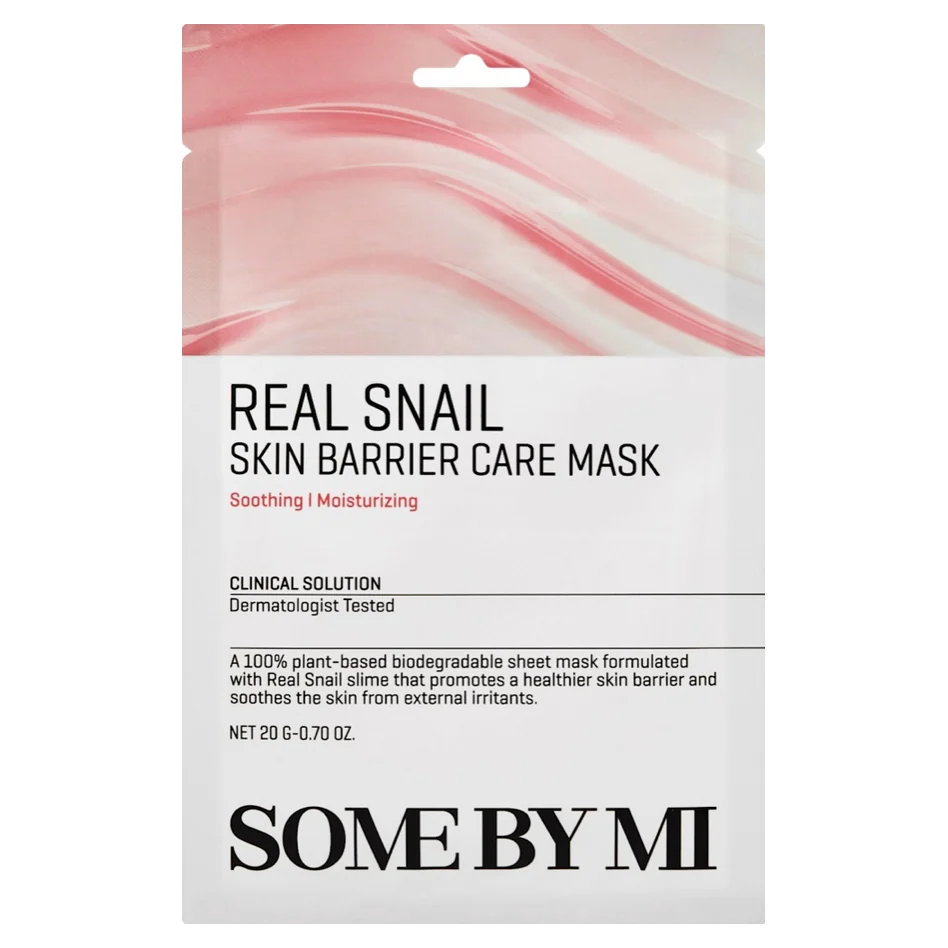
Real Snail Skin Barrier Care Mask
1st of 21 on the label
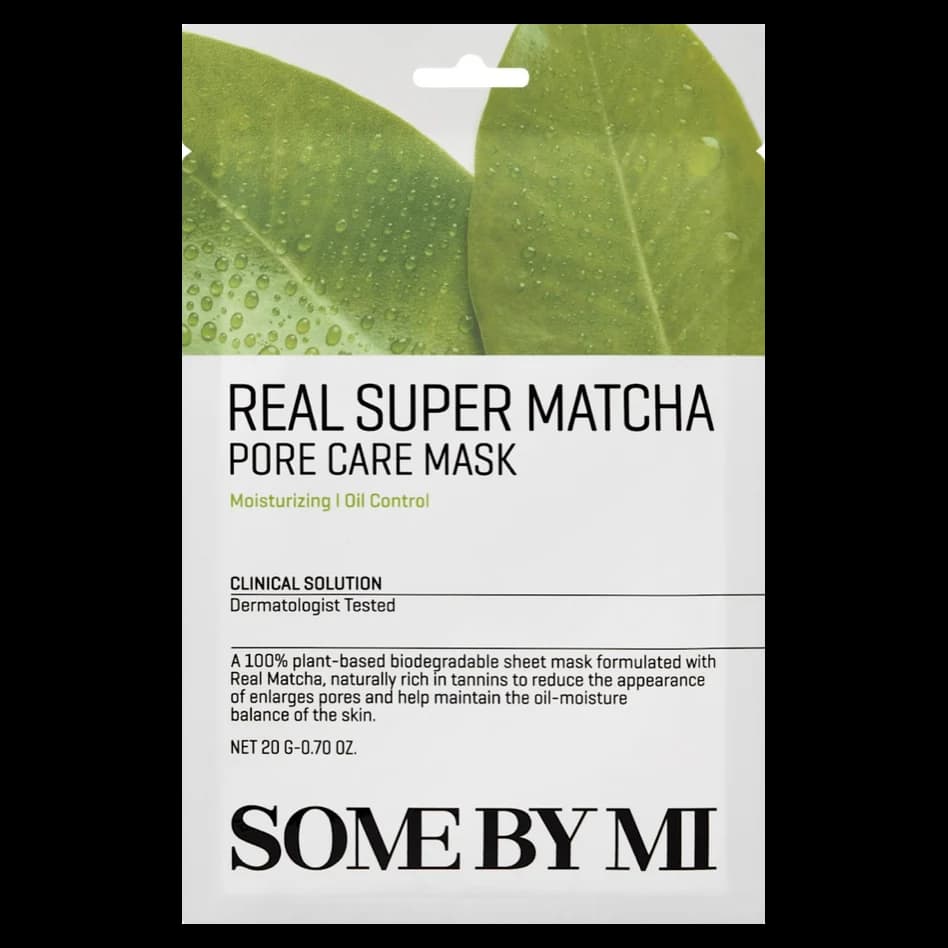
SOME BY MI
Real Super Matcha Pore Care Mask
1st of 22 on the label
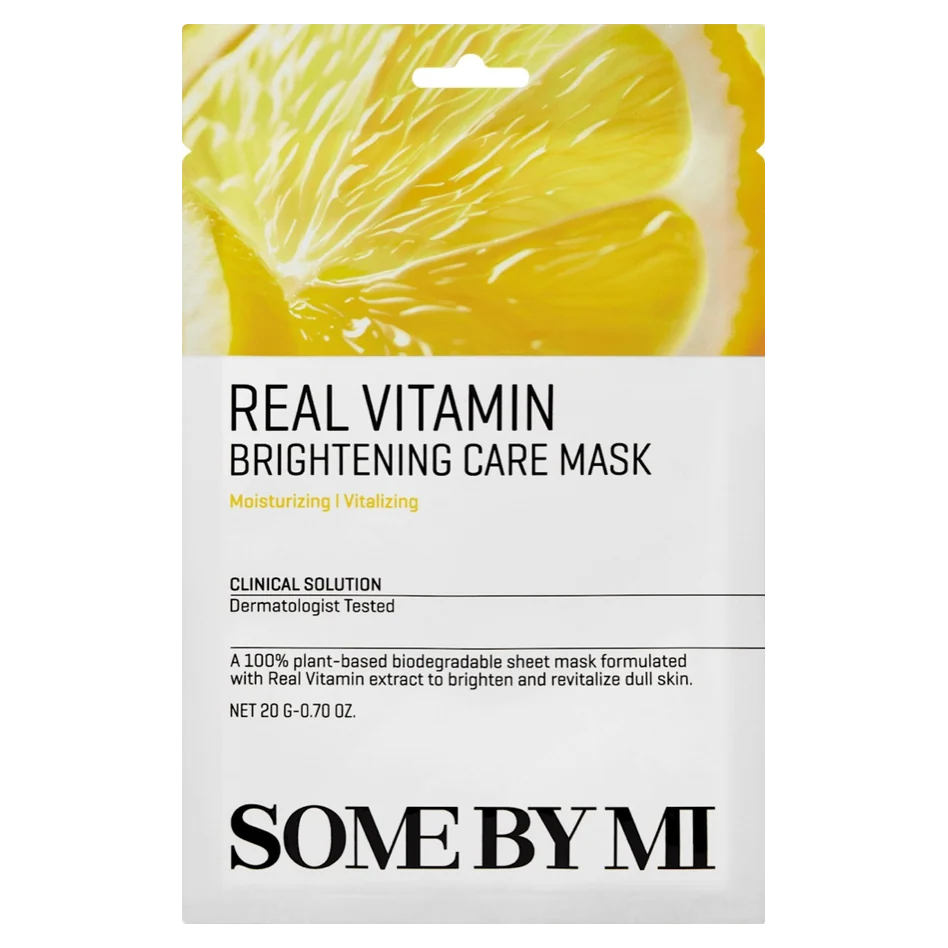
SOME BY MI
Real Vitamin Brightening Care Mask
1st of 19 on the label
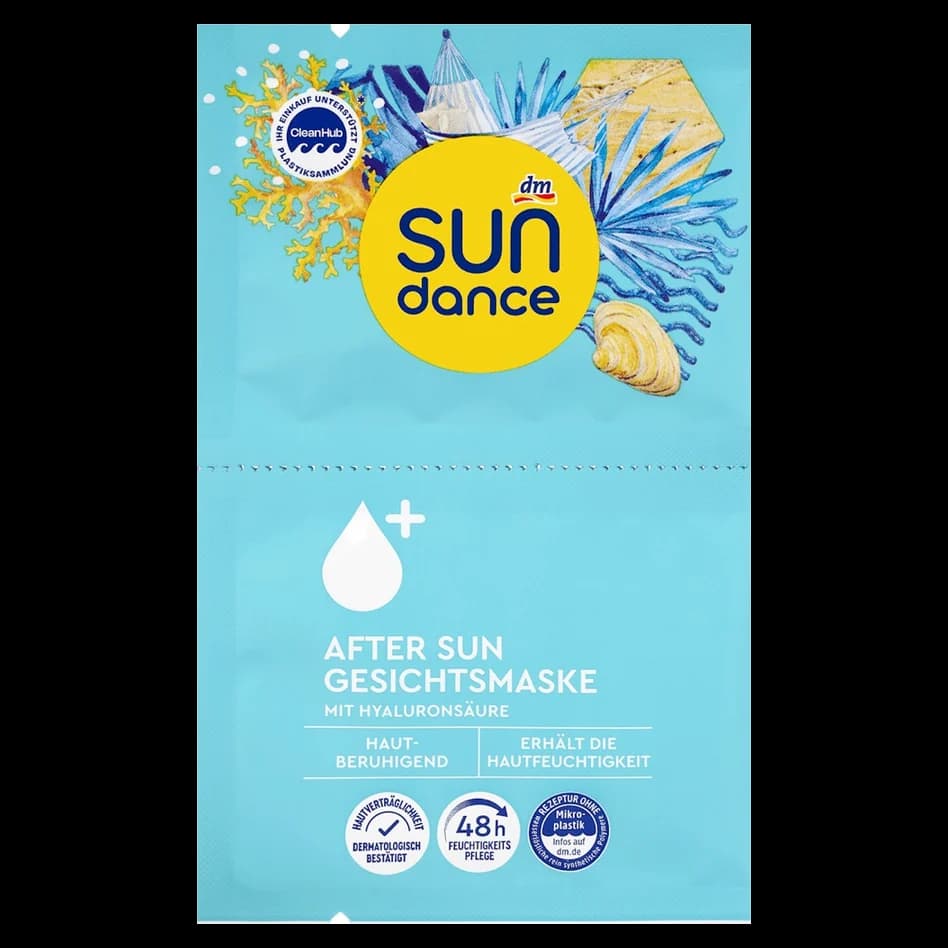
SUNDANCE
After Sun Gesichtsmaske
1st of 25 on the label
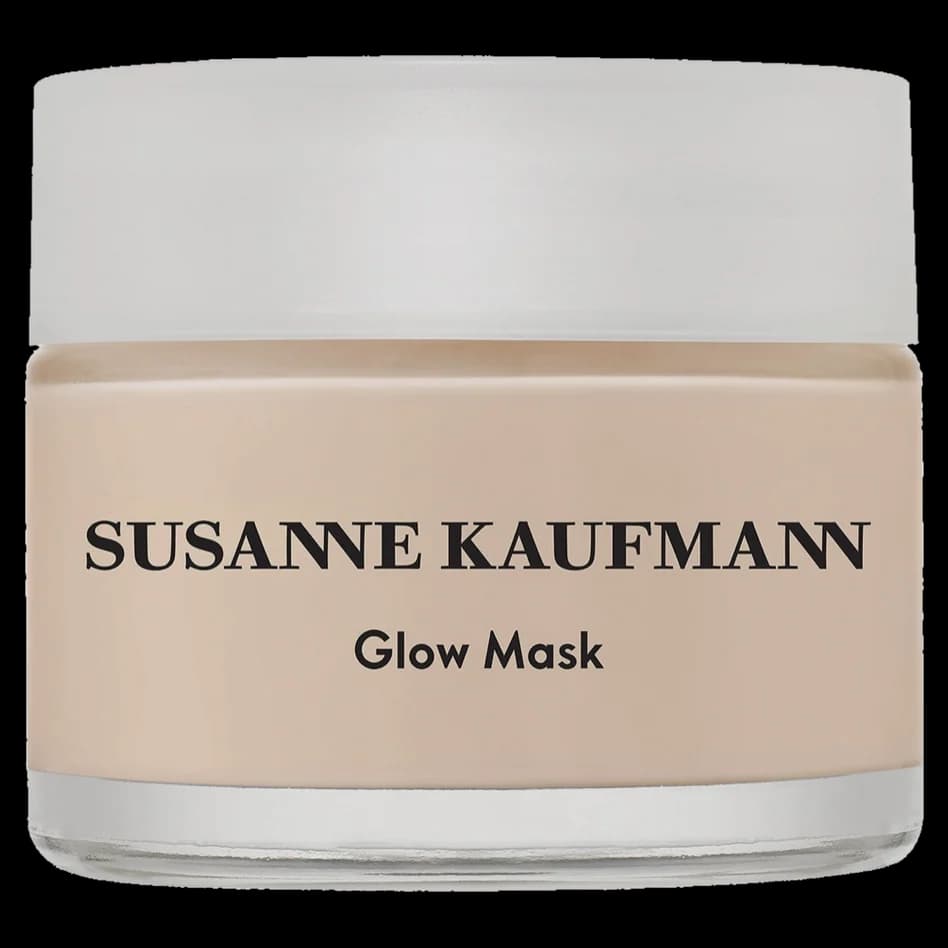
Susanne Kaufmann
Glow Mask
1st of 45 on the label
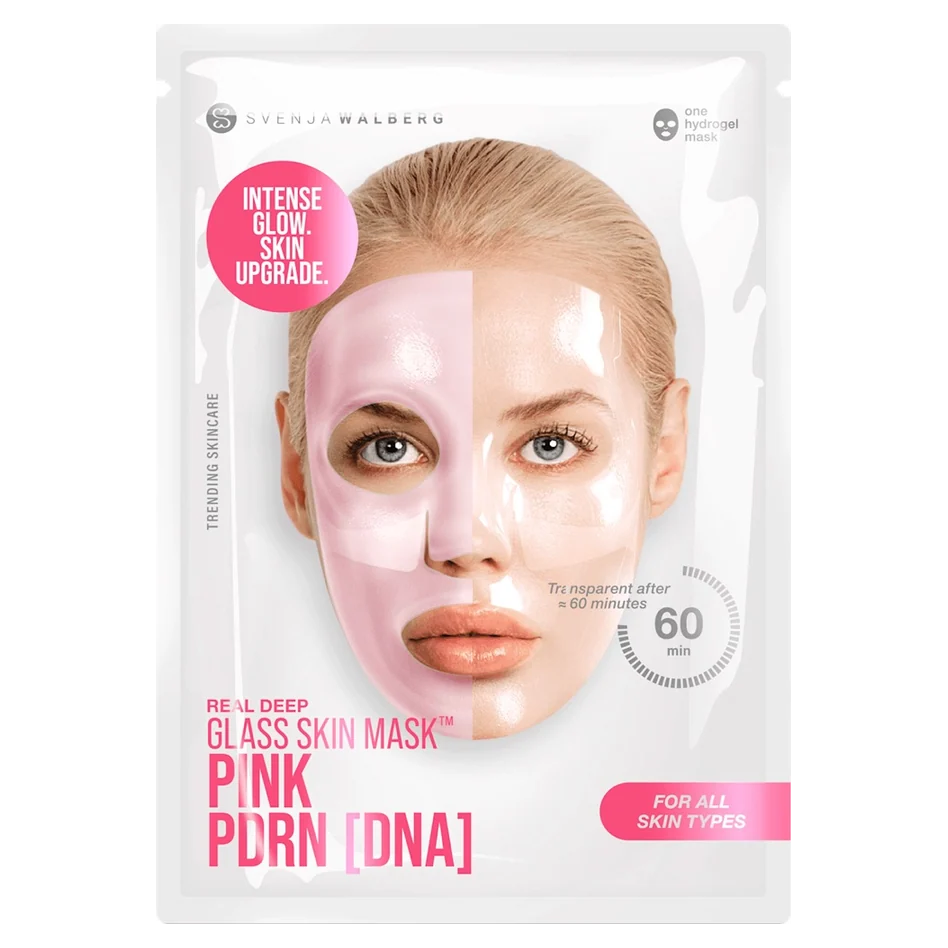
Svenja Walberg
Glass Skin Mask Pink PDRN [DNA]
1st of 26 on the label
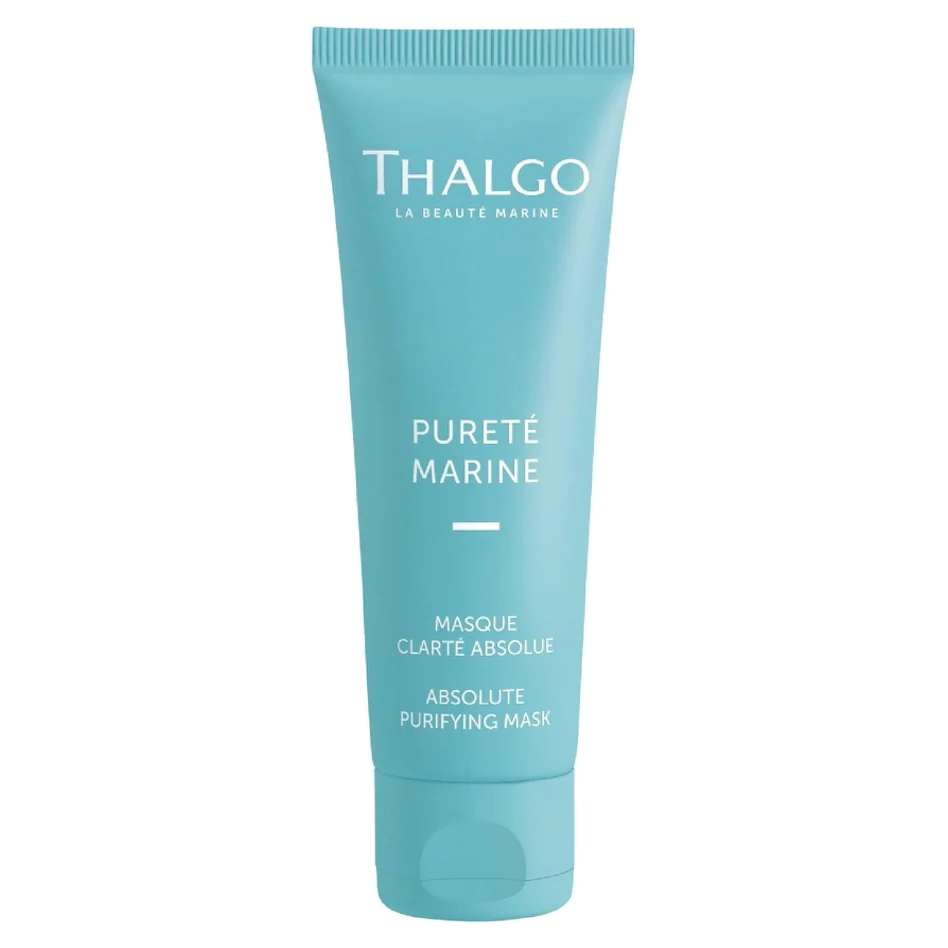
THALGO
Klärende Intensiv-Maske
1st of 32 on the label
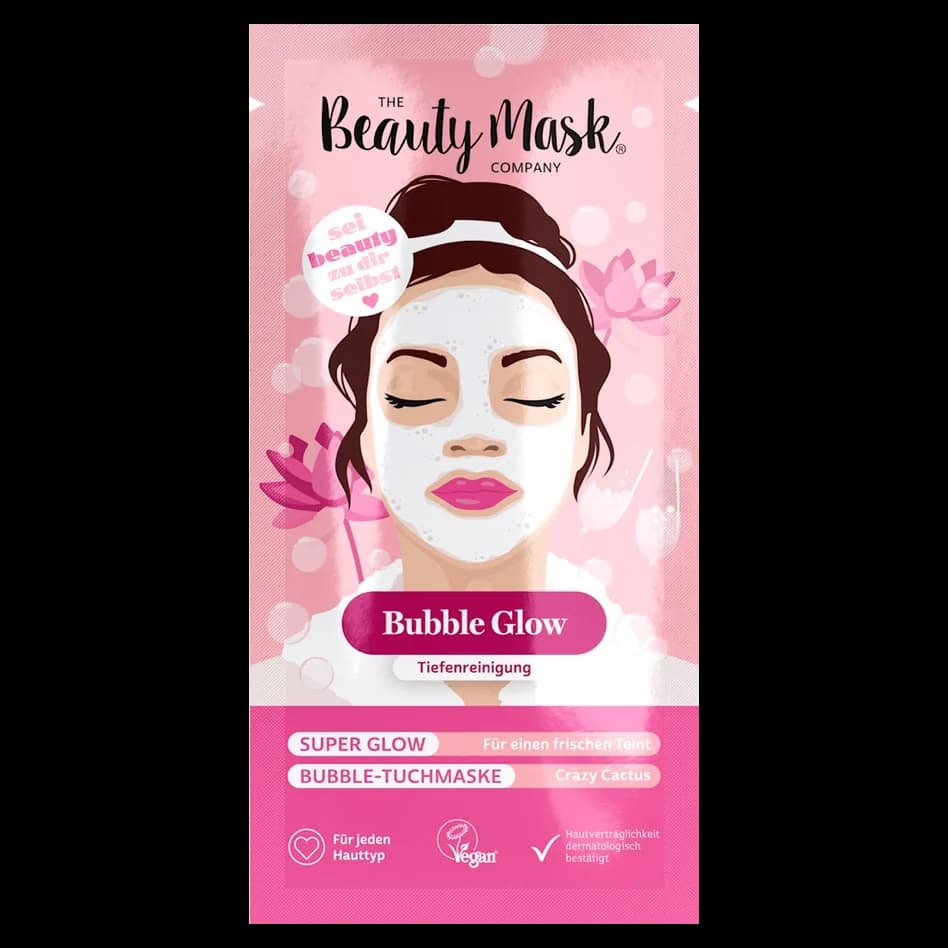
The Beauty Mask Company
Bubble Glow Tuchmaske Crazy Cactus
1st of 25 on the label
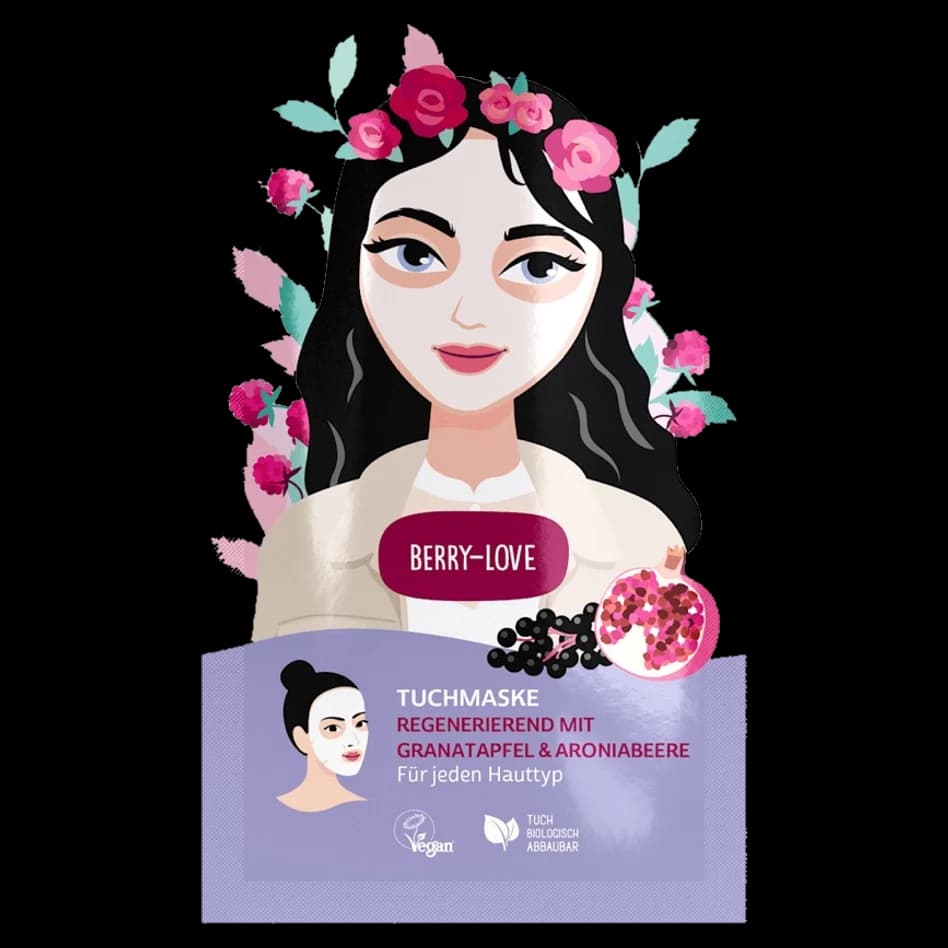
The Beauty Mask Company
Tuchmaske Berry Love
1st of 16 on the label
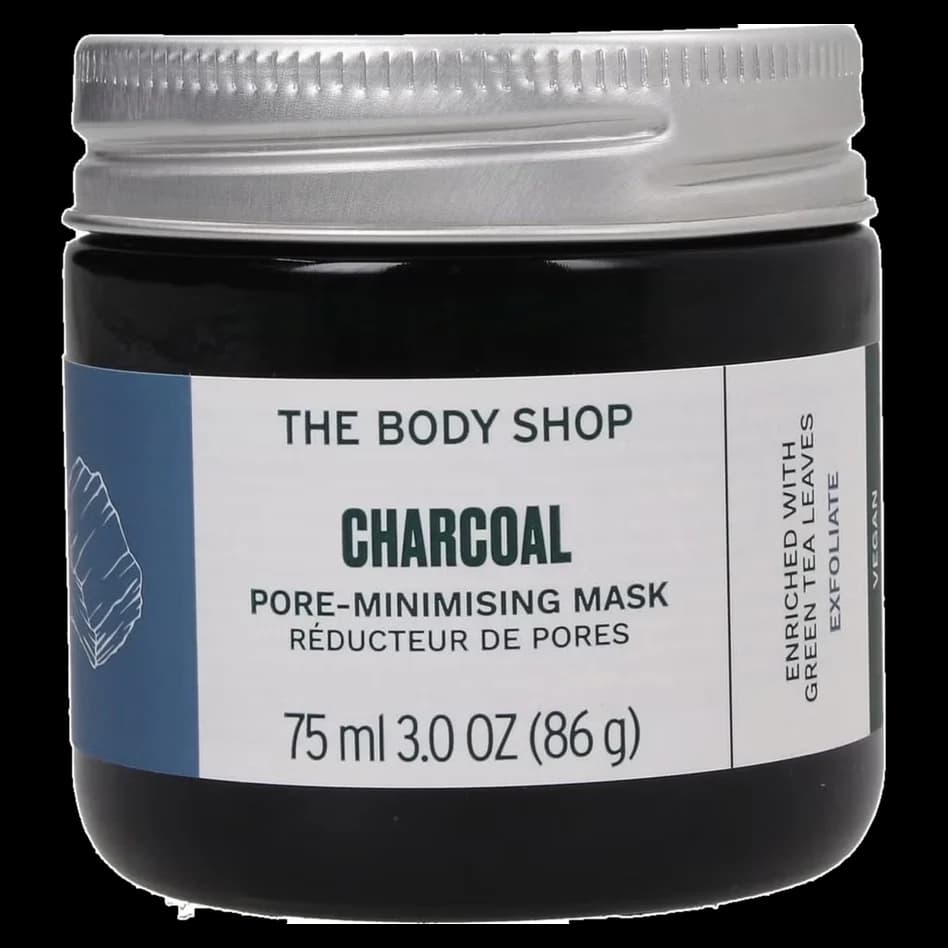
The Body Shop
Charcoal Pore Minimising Mask
1st of 37 on the label
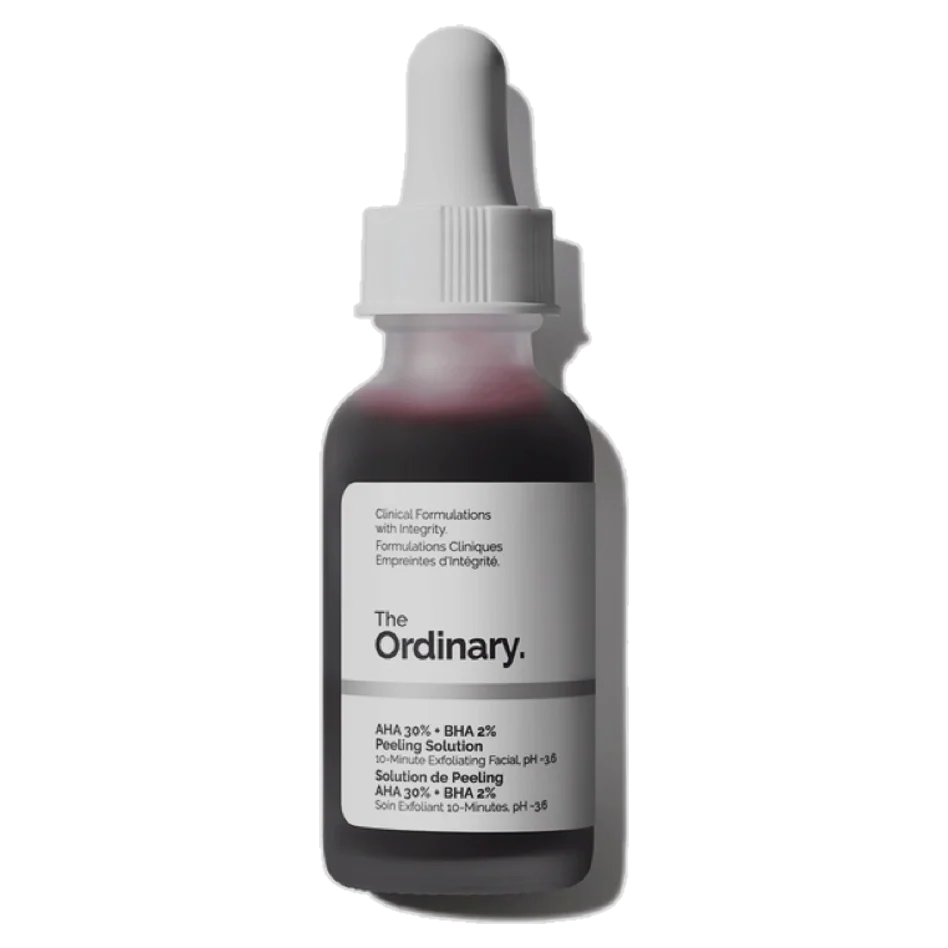
The Ordinary
AHA 30% + BHA 2% Peeling Solution
2nd of 24 on the label
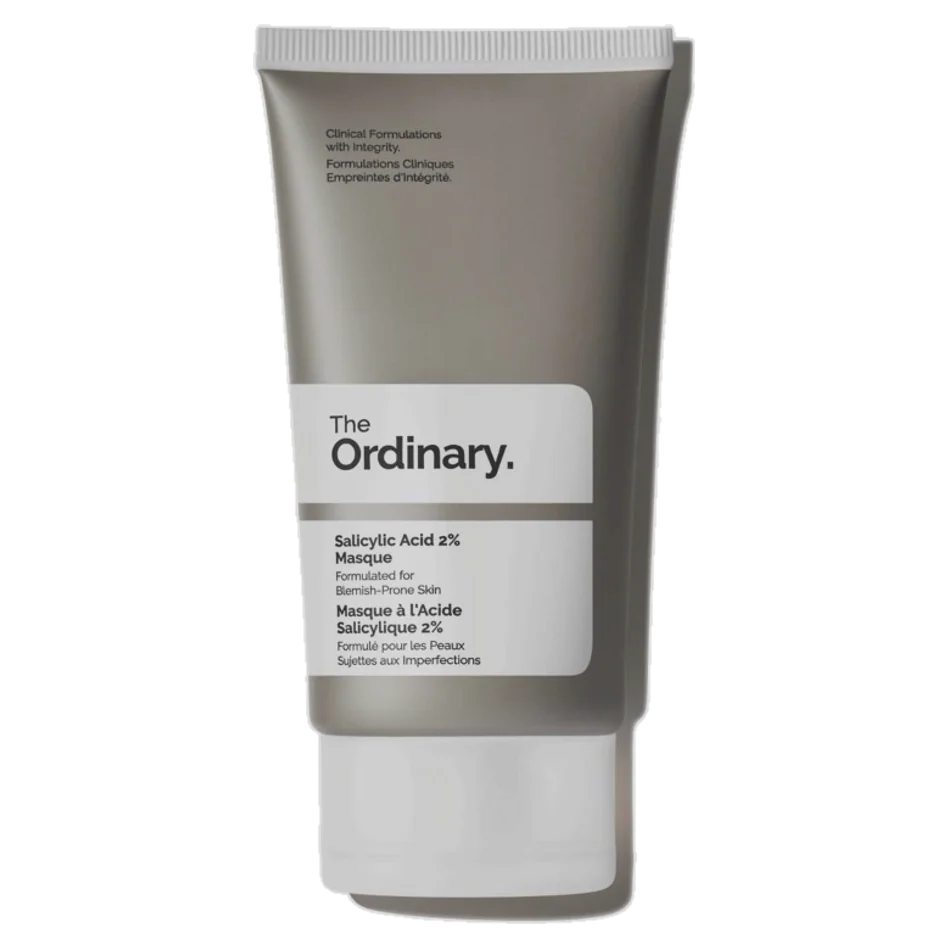
The Ordinary
Salicylic Acid 2% Masque
1st of 19 on the label
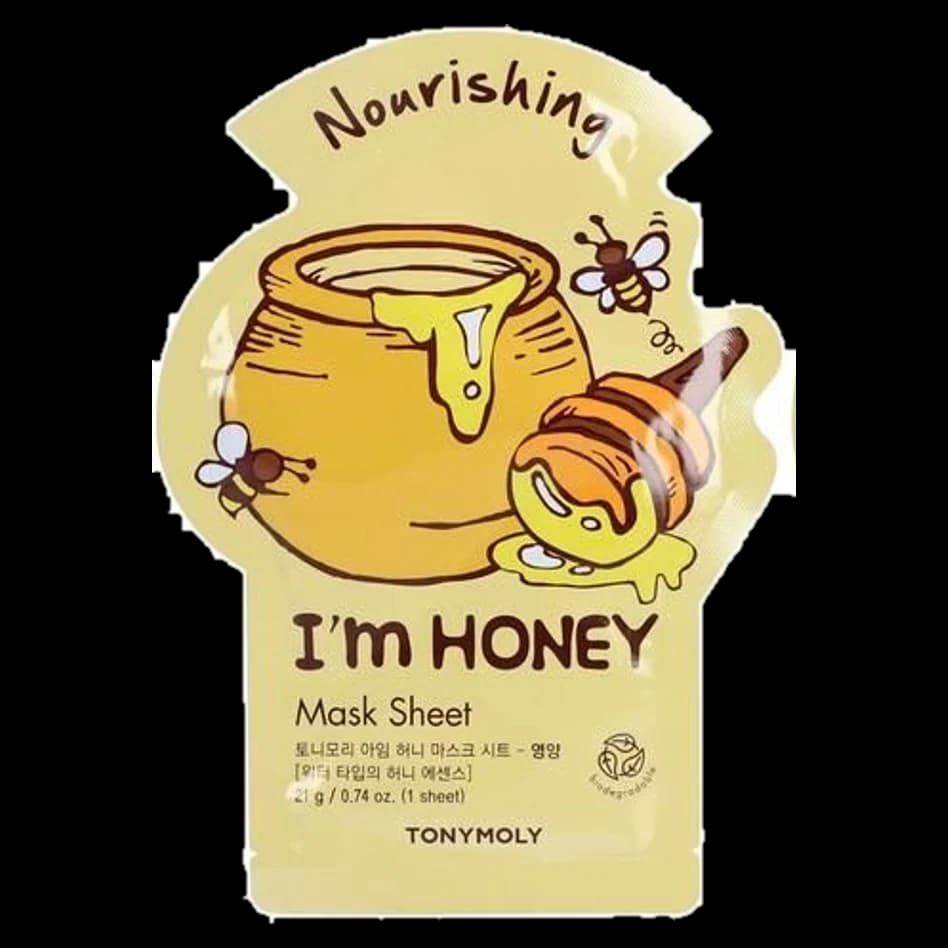
TONYMOLY
I'm Honey Mask Sheet
1st of 18 on the label
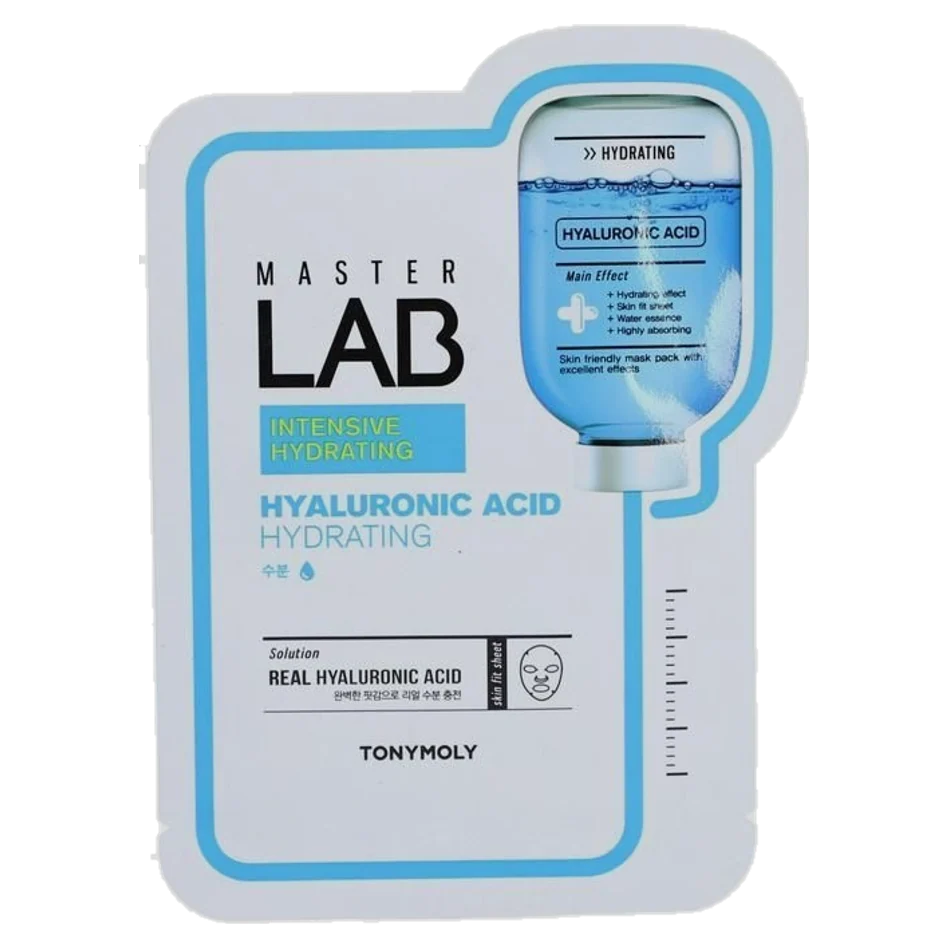
TONYMOLY
Master Lab Sheet Mask Hyaluronic Acid
1st of 31 on the label
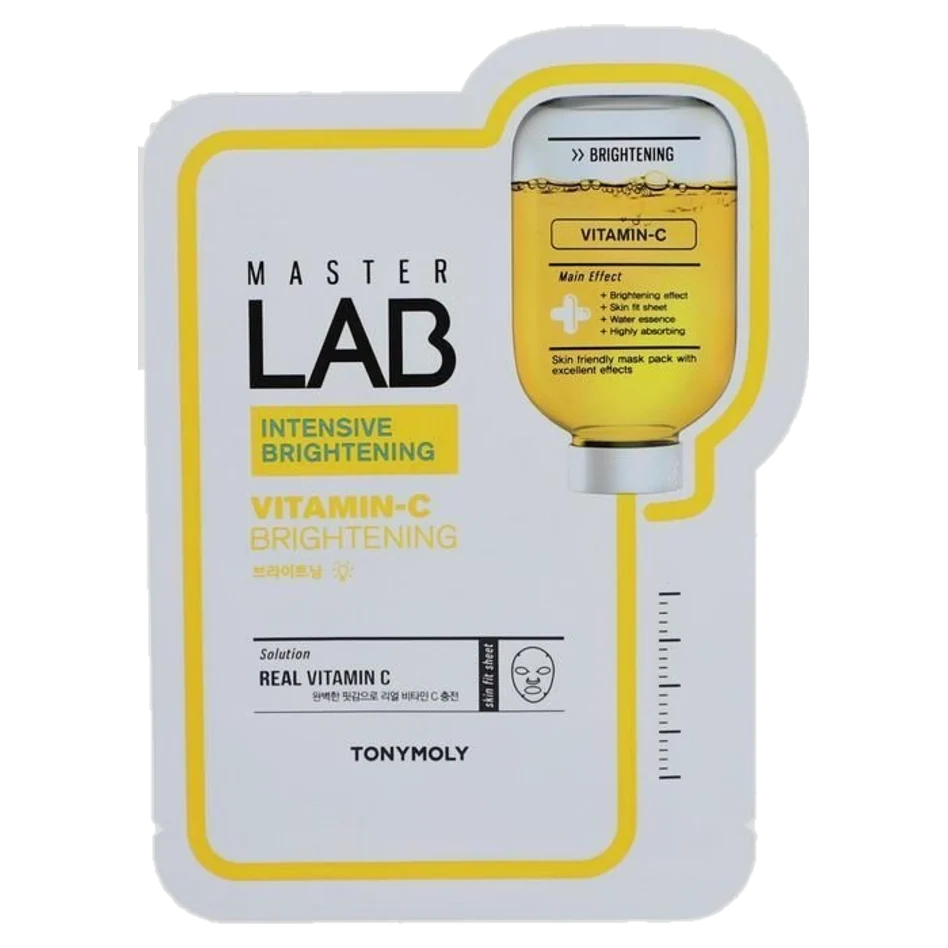
TONYMOLY
Master Lab Sheet Mask Vitamin C
1st of 33 on the label
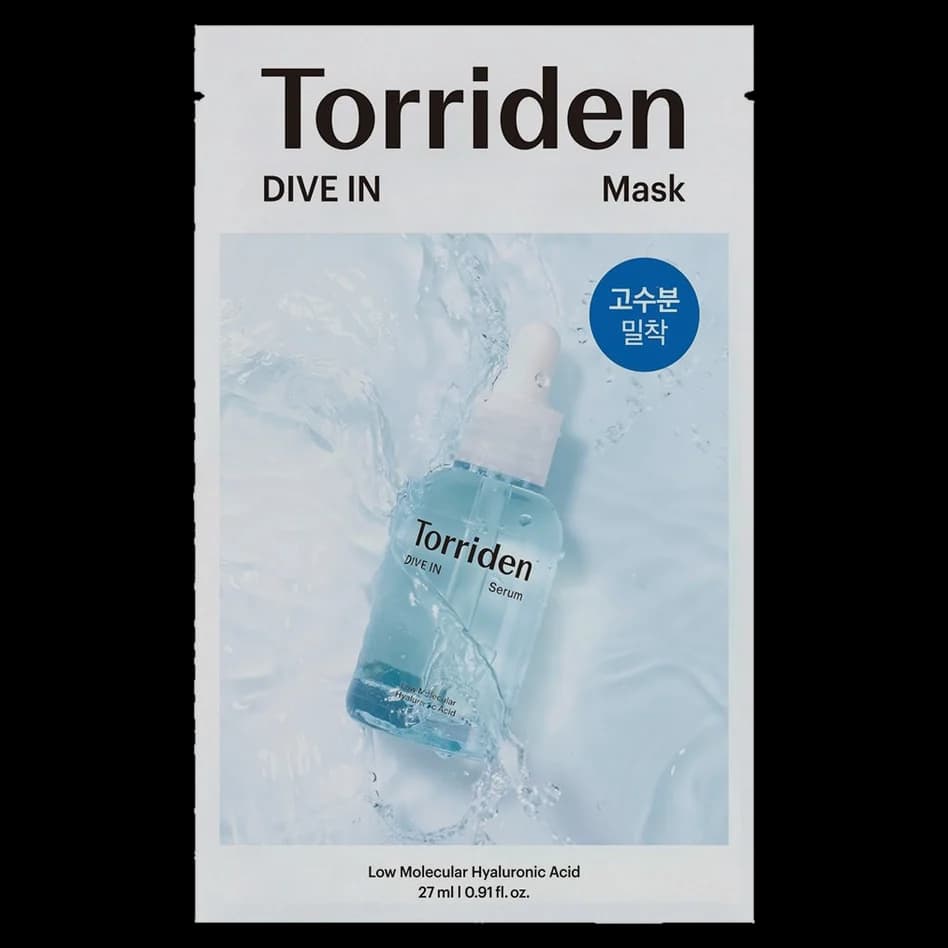
Torriden
DIVE-IN Low Molecular Hyaluronic Acid Mask
1st of 33 on the label
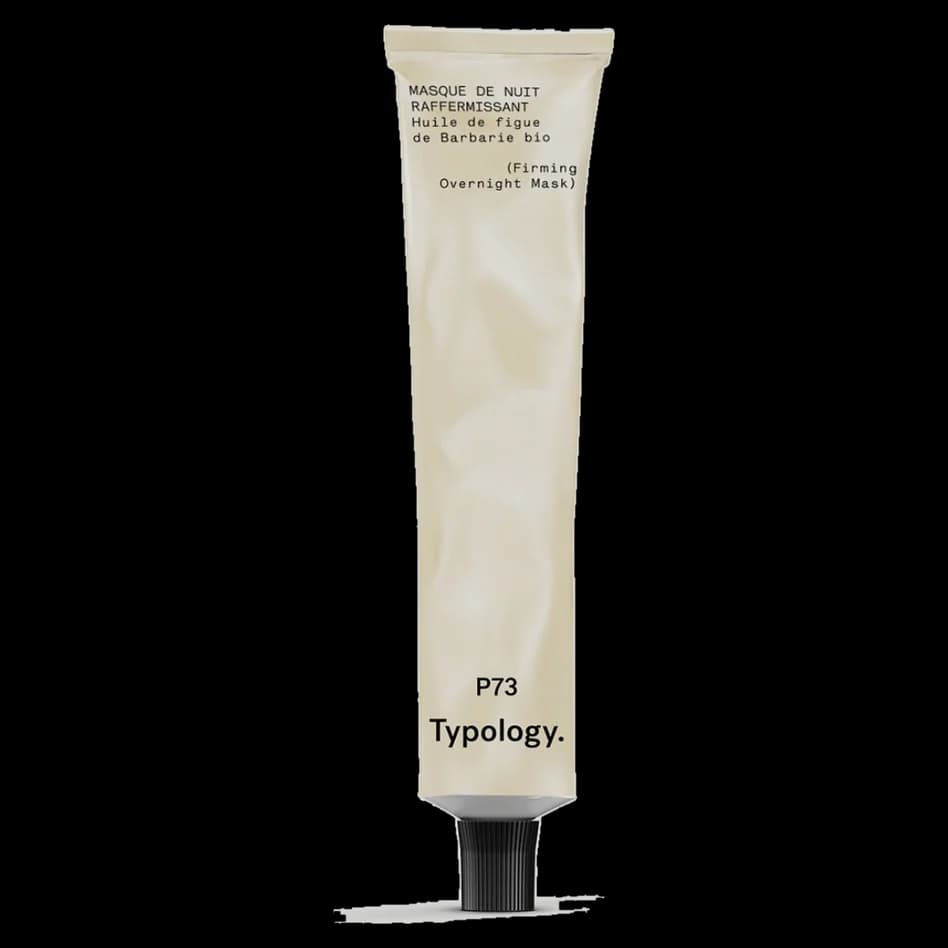
Typology
Masque de Nuit Raffermissant P73 (Firming Night Mask)
1st of 24 on the label
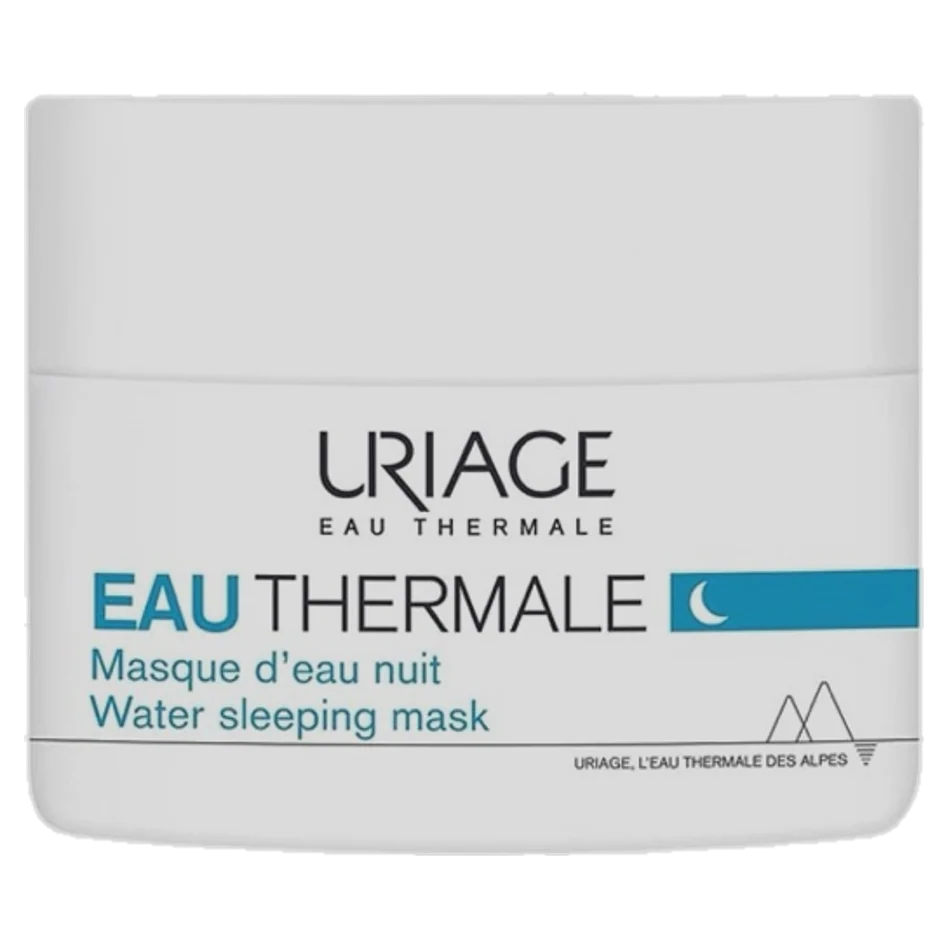
Uriage
Eau Thermale Water Sleeping Mask
1st of 29 on the label
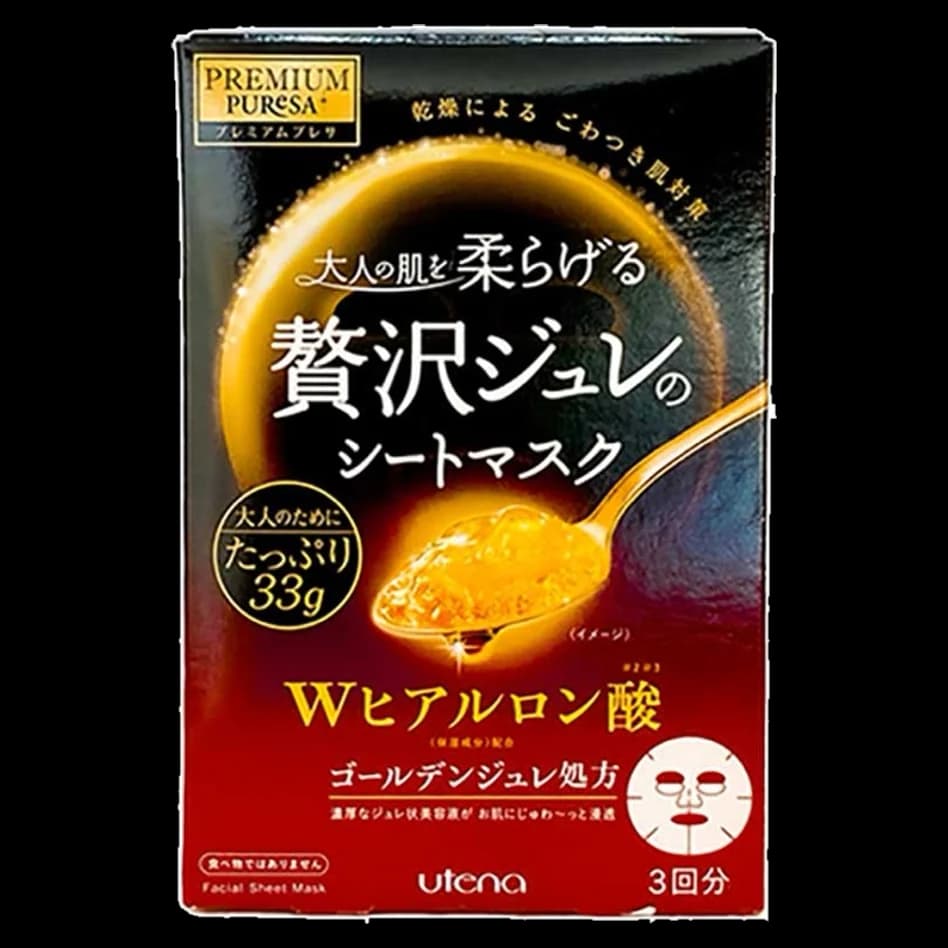
Utena
Premium Puresa Golden Jelly Mask (Hyaluronic Acid)
1st of 35 on the label
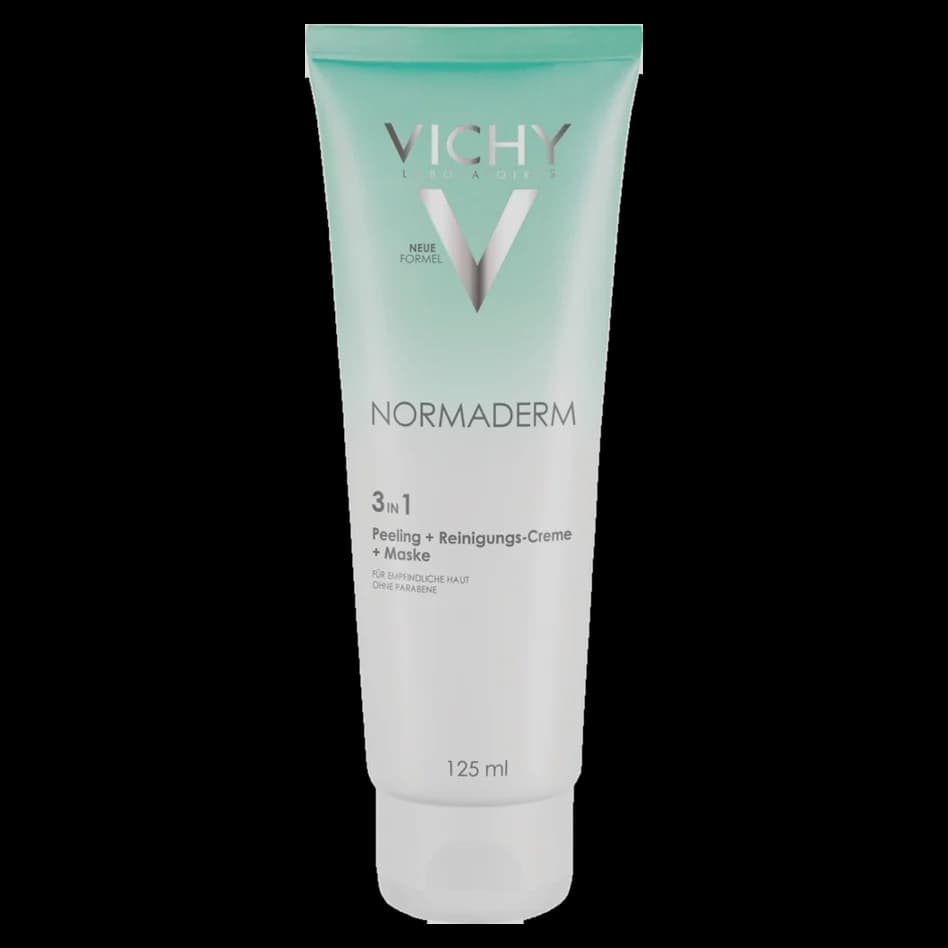
Vichy
Normaderm 3-in-1 Peeling + Reinigungs-Creme + Maske
1st of 23 on the label
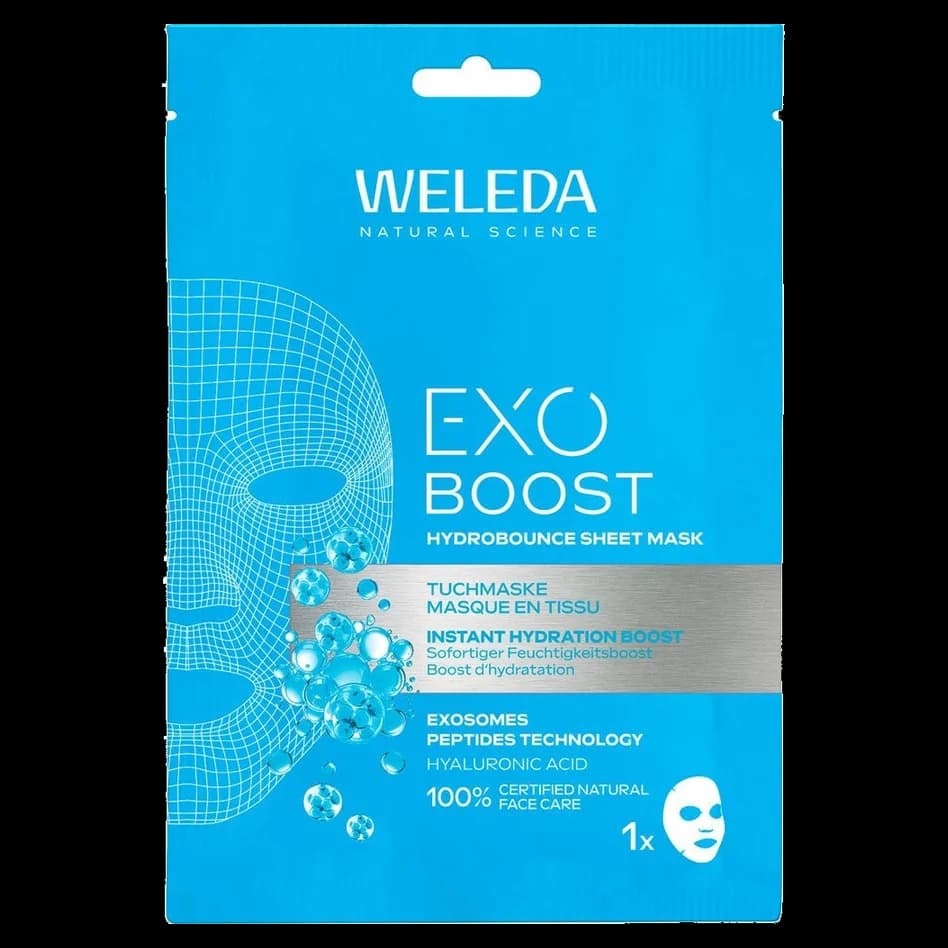
Weleda
Exo Boost Hydrobounce Tuchmaske
1st of 34 on the label
Yeauty
Glass-Skin Hydrogel Maske Kollagen & NAD+
1st of 15 on the label
Yeauty
Glass-Skin Hydrogel Maske Kollagen & PDRN
1st of 16 on the label
Yeauty
Tuchmaske Aloe Vera Olive Oil Vitamin E
1st of 29 on the label
Yeauty
Tuchmaske Avocado Cucumber Niacinamide
1st of 29 on the label