1,2-Hexanediol
No meaningful concern for most people; irritation is possible but rare.
Also written as: Hexane-1,2-diol · Hexanediol
What it is
1,2-Hexanediol is a short-chain diol that acts as a solvent and humectant while also lowering the water activity a formula offers to bacteria and fungi. Because its main declared purpose is not preservation, it sits outside the EU's Annex V preservative list, and it is popular in Korean sheet masks where a light, non-tacky feel matters.
What it does well
Lets a formula use less conventional preservative while feeling lighter
It boosts the activity of phenoxyethanol and caprylyl glycol and simultaneously improves slip and hydration, which is why it is common in high-water sheet-mask essences.
Moderate evidence
Worth knowing
Stinging on compromised skin, and rare reported reactions
The CIR panel reviewed 1,2-hexanediol at reported use levels of 0.00005 to 10% and concluded it is safe in those practices of use and concentration. Tested head-to-head against four other 1,2-alkanediols it showed the lowest objective irritation of the group, although the sensory stinging the same series measured rose as the carbon chain got longer. True allergy is not established for it, but one case of facial contact urticaria traced to a 1,2-hexanediol moisturiser is on record.
Matters most toPeople with a damaged or very reactive skin barrier.
Where the EU stands
No specific restriction
Not listed in Annex V and not otherwise restricted in EU cosmetics.
Regulation (EC) No 1223/2009 - no annex entry · source ↗
Sources (4)
Every link goes to the original: a journal, a PubMed record or an EU document.
- [1]Safety assessment of 1,2-glycols as used in cosmetics
International Journal of Toxicology (Cosmetic Ingredient Review Expert Panel) · 2012 · doi:10.1177/1091581812460409
The CIR Expert Panel concluded that the 1,2-glycols reviewed, 1,2-hexanediol among them, are safe in the present practices of use and concentration described in the assessment, noting that the glycols are dermally absorbed but that longer chains are predicted to penetrate skin less.
- [2]Quick Reference Table, September 2017
Cosmetic Ingredient Review · 2017
Lists 1,2-hexanediol as safe in the present practices of use and concentration, at a reported use range of 0.00005 to 10%.
- [3]The influence of alkane chain length on the skin irritation potential of 1,2-alkanediols
International Journal of Cosmetic Science · 2011 · doi:10.1111/j.1468-2494.2011.00646.x
Across five 1,2-alkanediols, 1,2-hexanediol showed the lowest objective skin irritation potential, while sensory irritation rose with alkane chain length. The work was done by a cosmetics manufacturer's research institute and published peer-reviewed.
- [4]Facial contact urticaria caused by a moisturizer containing 1,2-hexanediol
Dermatitis · 2023 · doi:10.1089/derm.2022.0091
A single published case of facial contact urticaria attributed to a moisturiser containing 1,2-hexanediol.
Masks that contain 1,2-Hexanediol
Abib
Collagen Gel Mask Heartleaf Jelly
10th of 43 on the label
Abib
Collagen Gel Mask Jericho Rose Jelly
10th of 43 on the label
Abib
Collagen Gel Mask Sedum Jelly
8th of 41 on the label
Abib
Gummy Sheet Mask Heartleaf Sticker
13th of 29 on the label
below ≈1%
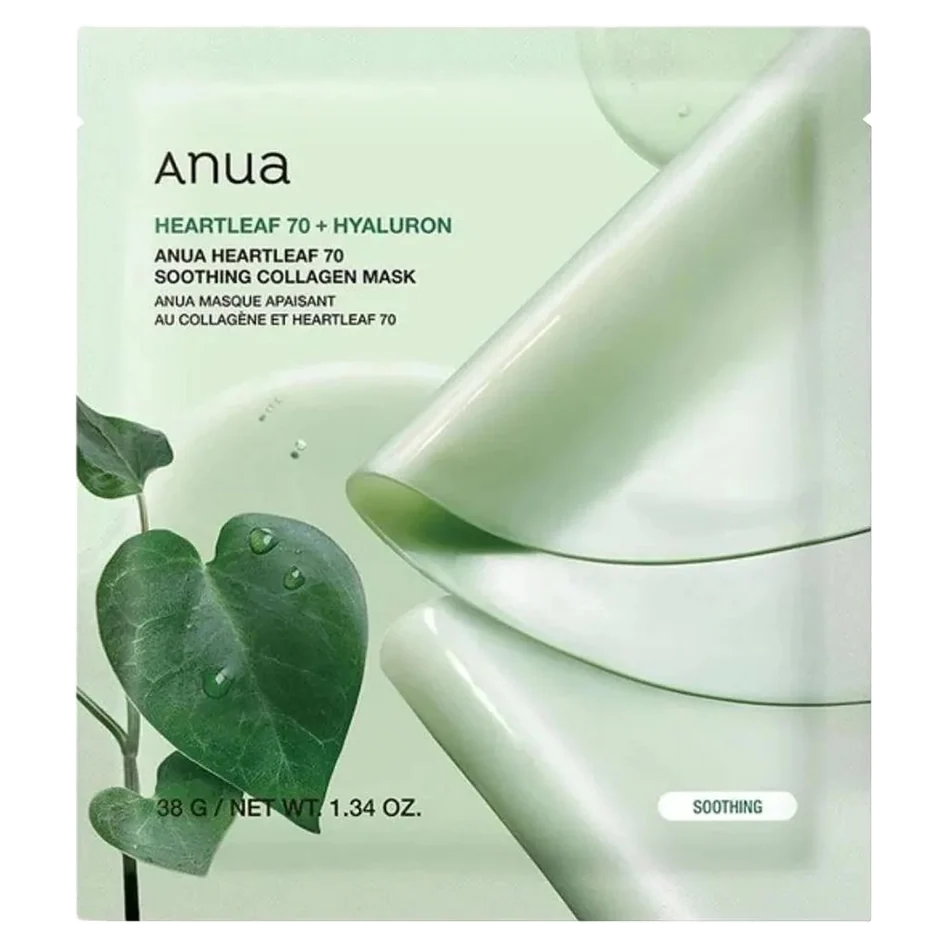
Anua
Heartleaf 70 Soothing Collagen Mask
6th of 35 on the label
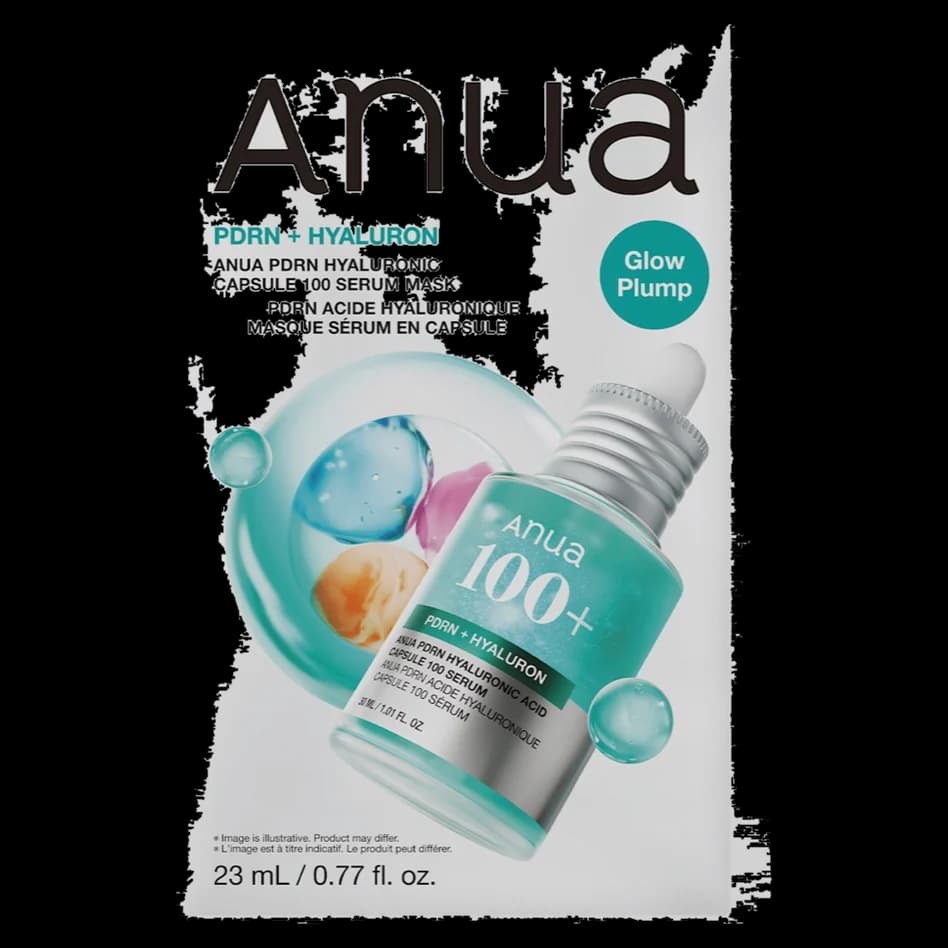
Anua
PDRN Serum Mask 100 Hyaluronic Acid Capsule
5th of 45 on the label
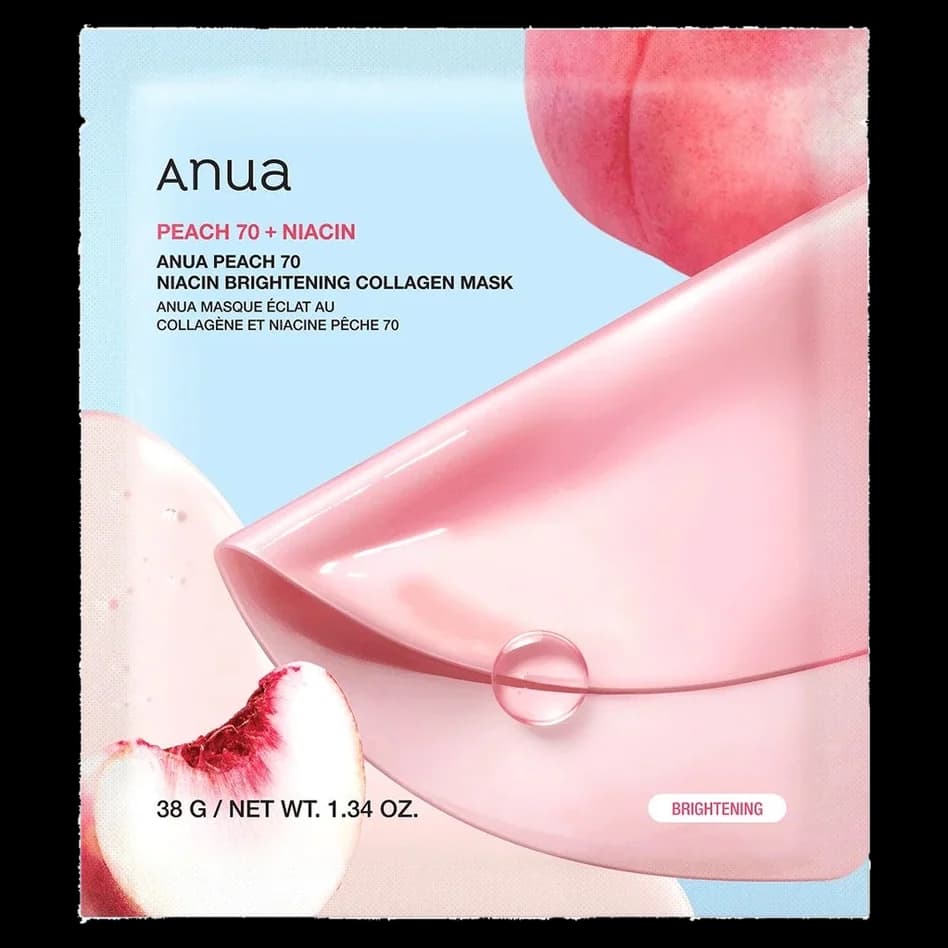
Anua
Peach 70 Niacin Brightening Collagen Mask
5th of 44 on the label
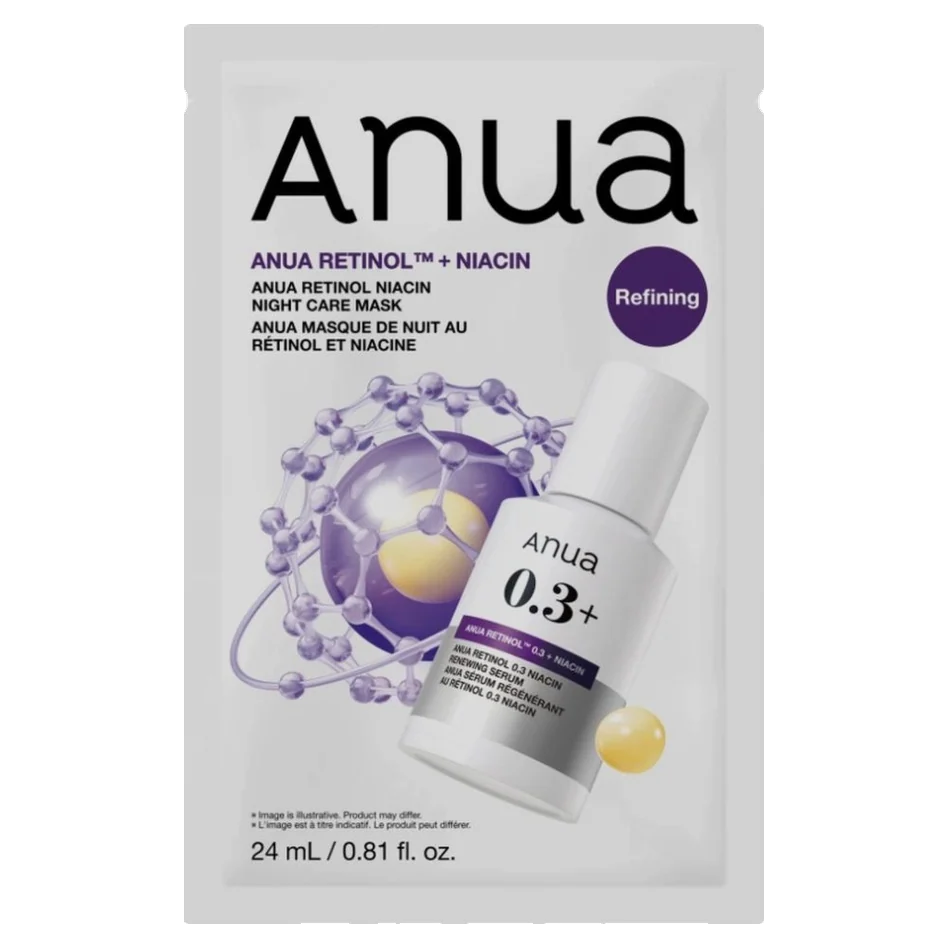
Anua
Retinol Niacin Night Care Mask
10th of 44 on the label
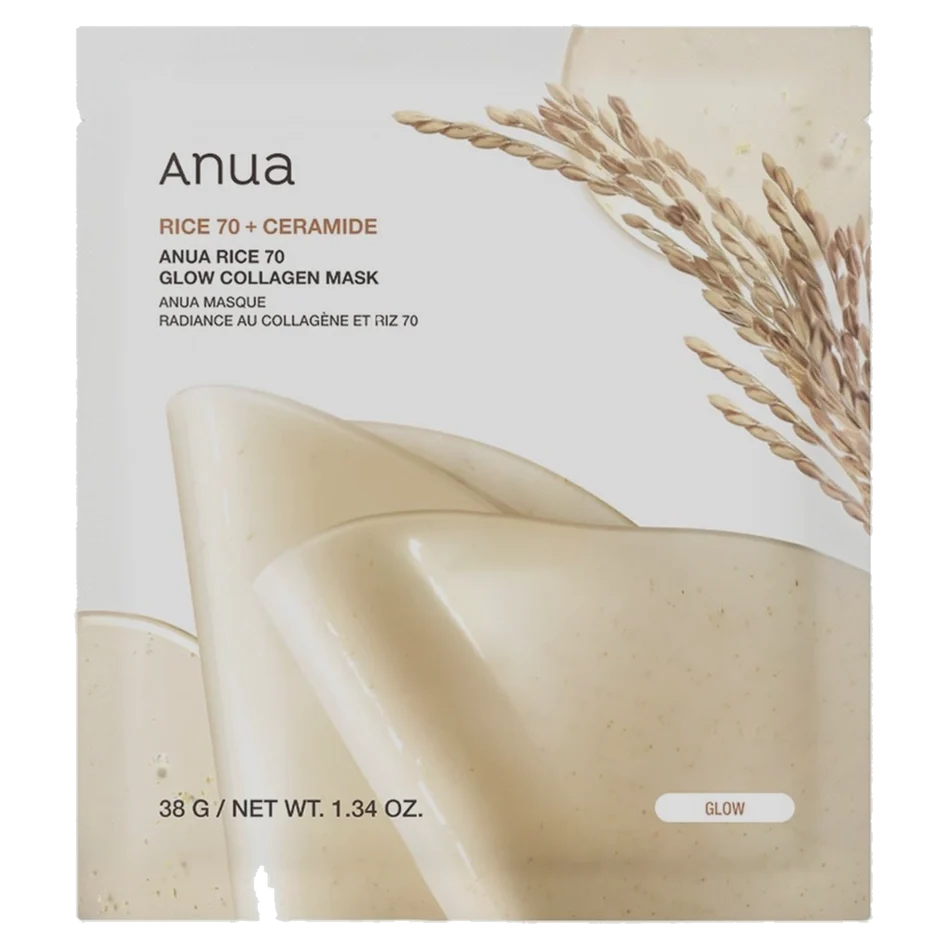
Anua
Rice 70 Glow Collagen Mask
5th of 42 on the label
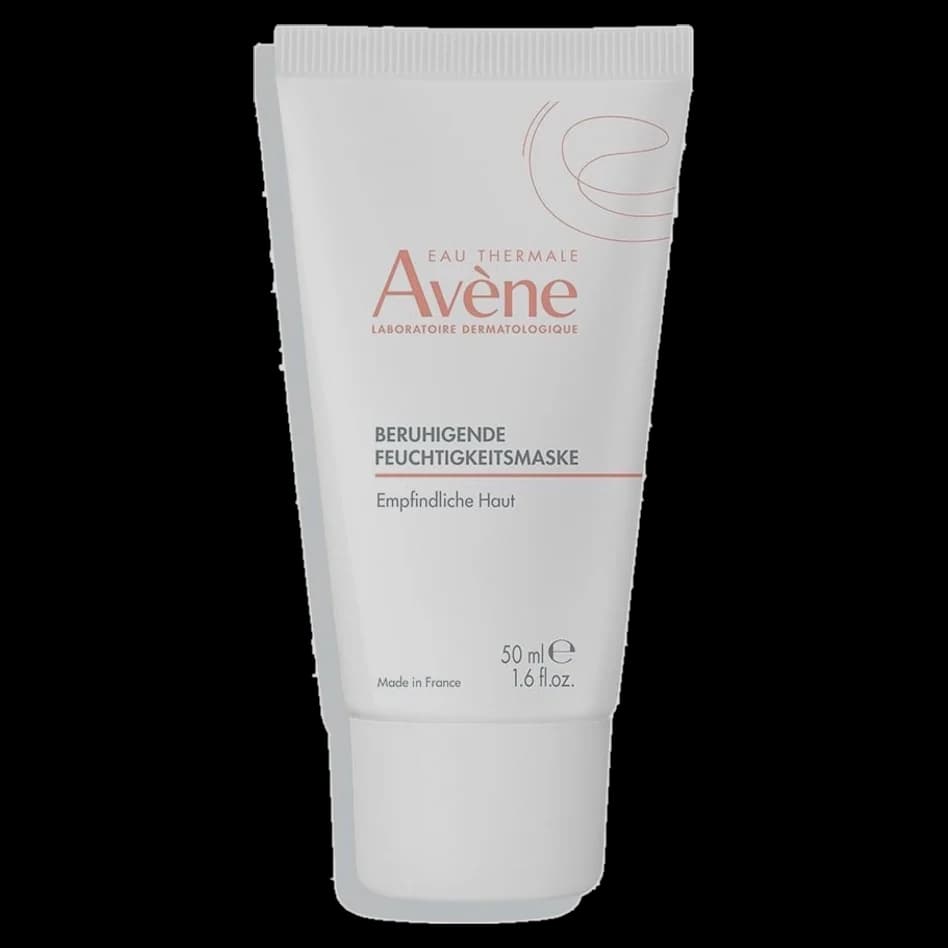
Avène
Soothing Moisture Mask
13th of 26 on the label
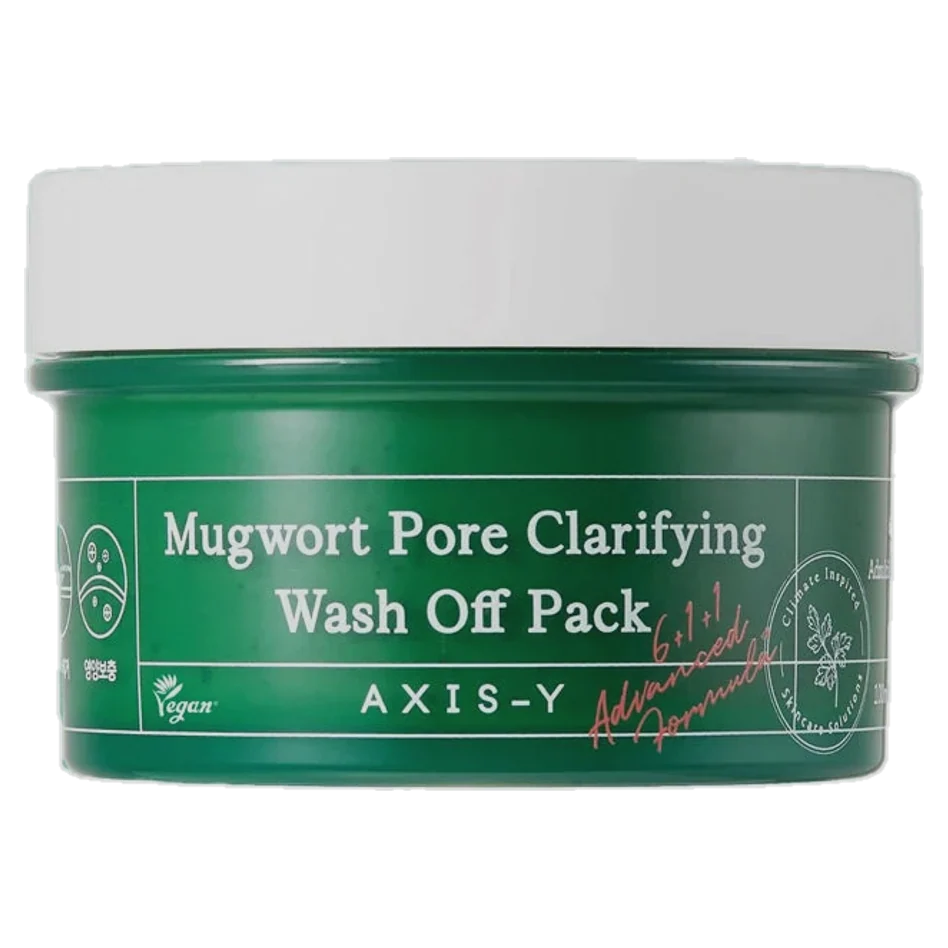
AXIS-Y
Mugwort Pore Clarifying Wash Off Pack
19th of 36 on the label
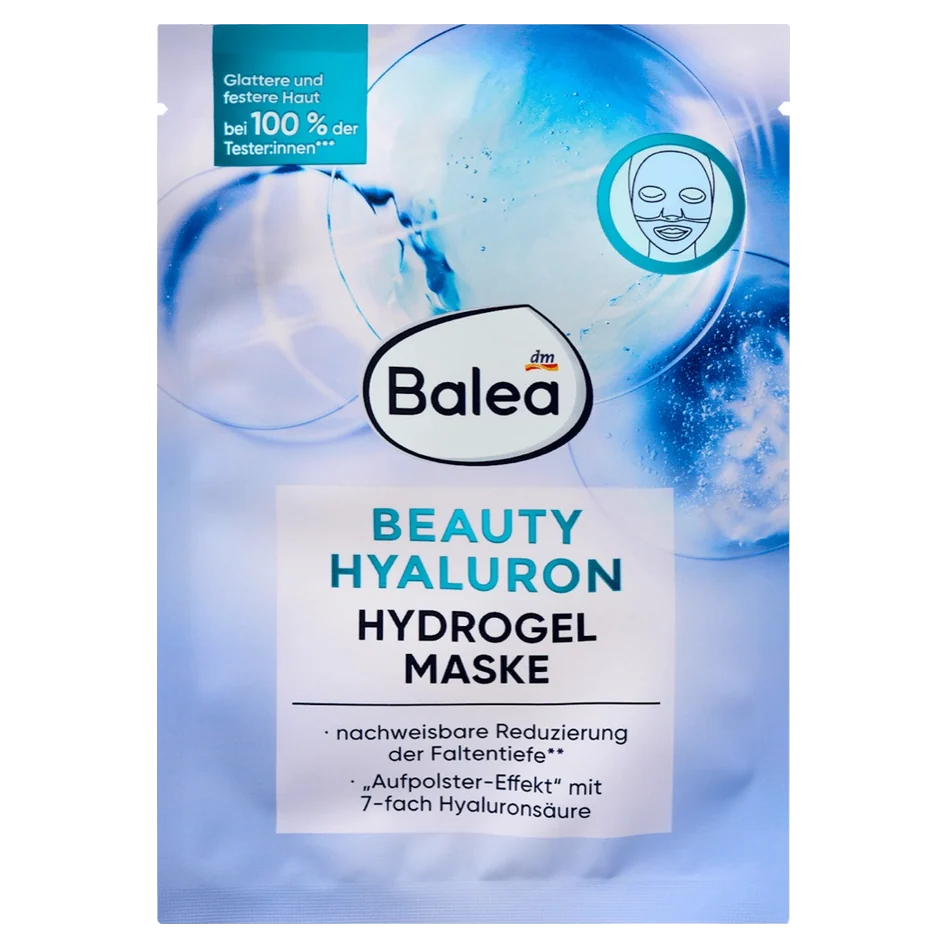
Balea
Gesichtsmaske Beauty Hyaluron Hydrogel
17th of 28 on the label
below ≈1%
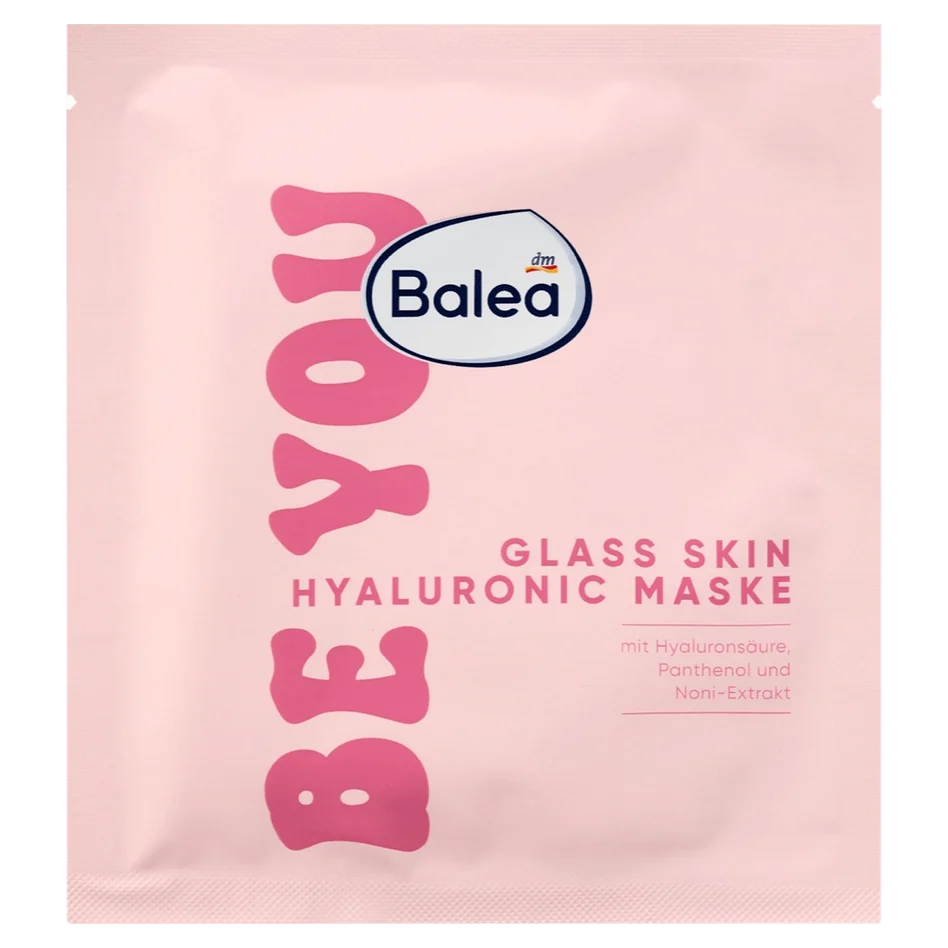
Balea
Gesichtsmaske Glass Skin Hyaluronic Be You
18th of 30 on the label
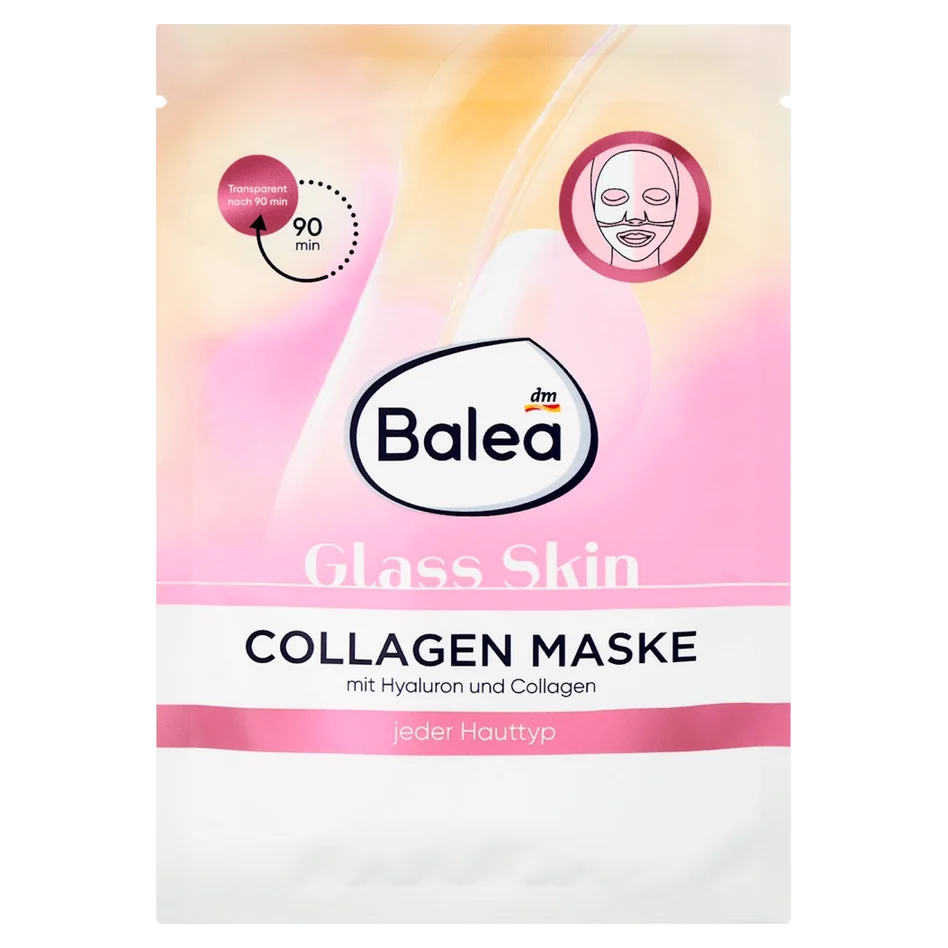
Balea
Glass Skin Collagen Maske
13th of 17 on the label
below ≈1%
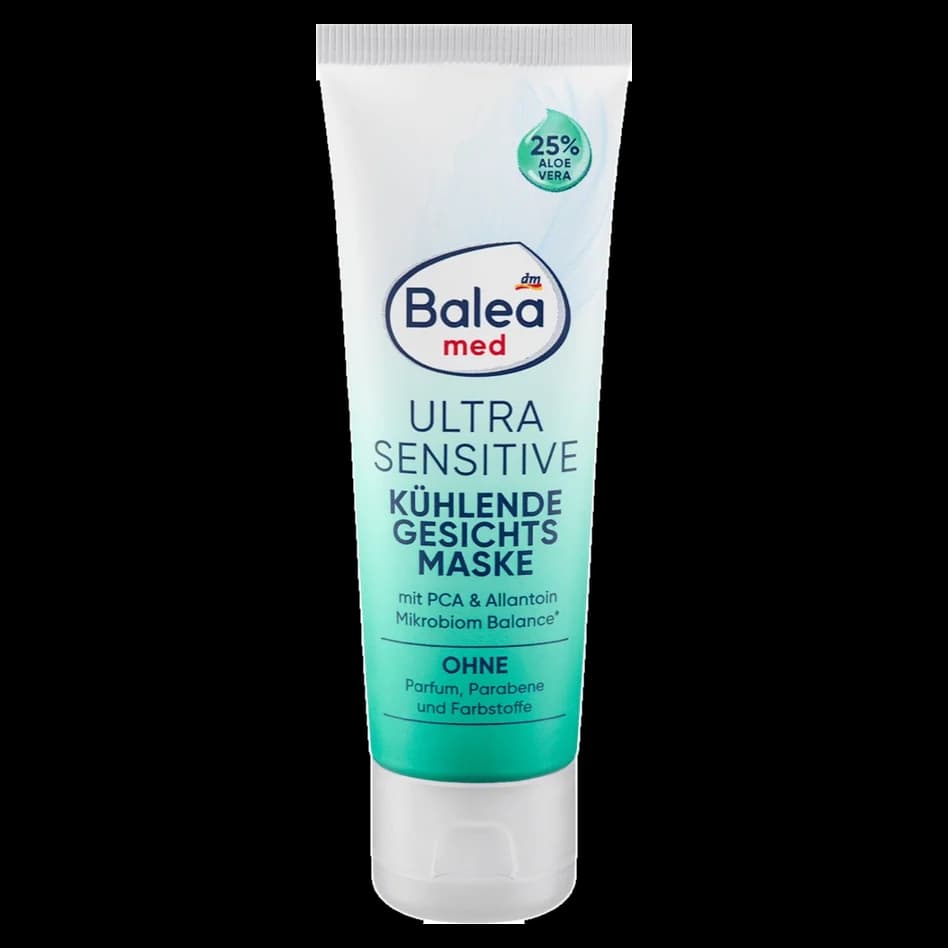
Balea med
Gesichtsmaske kühlend ultra sensitive
9th of 13 on the label
below ≈1%
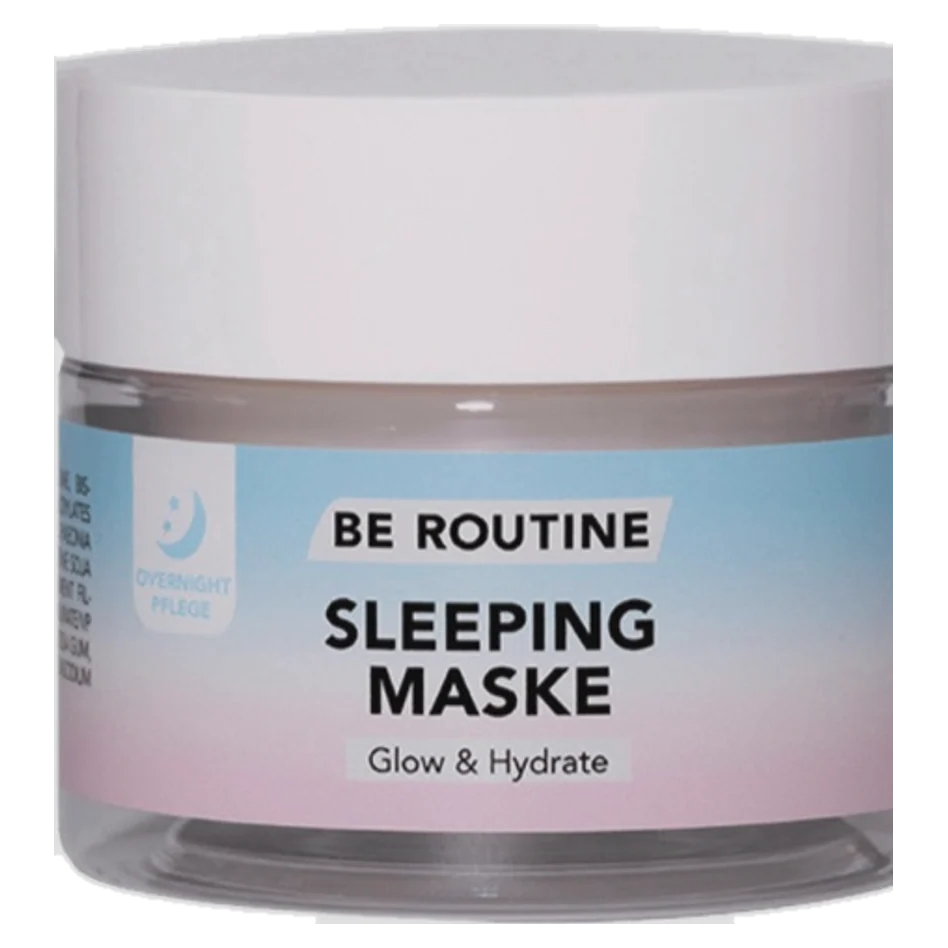
Be Routine
Schlafmaske Glow & Hydrate
20th of 27 on the label
below ≈1%
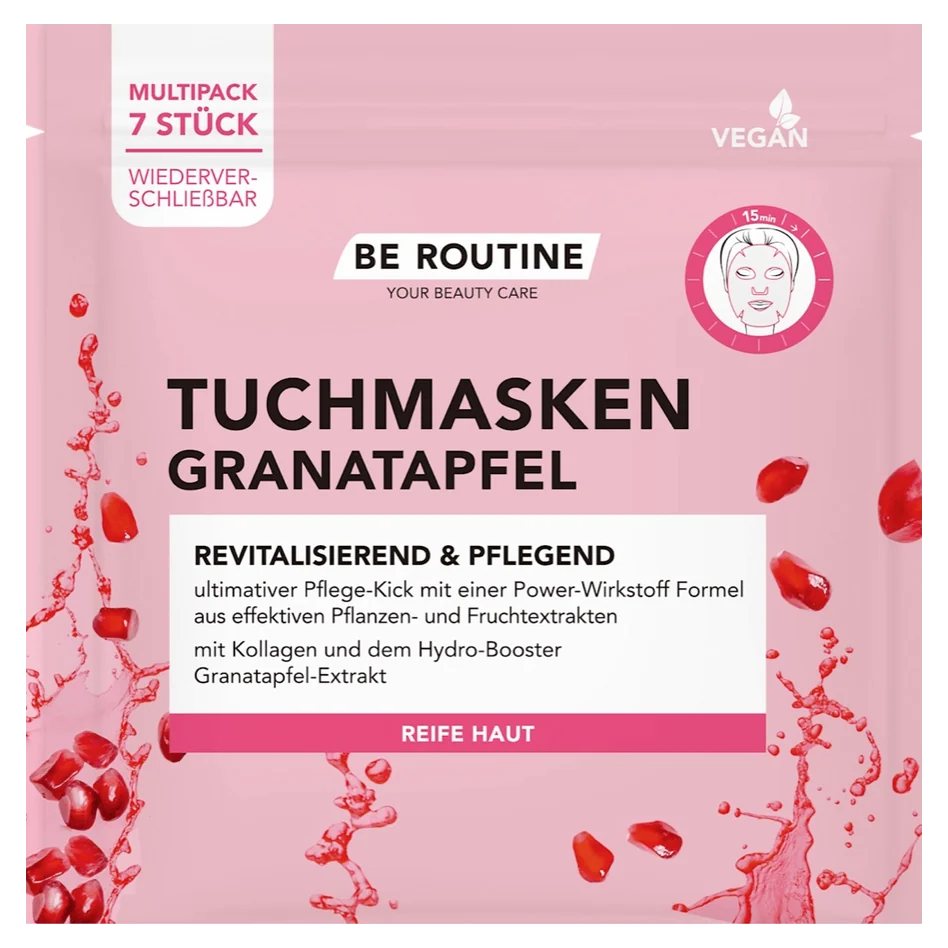
Be Routine
Tuchmasken Granatapfel Multipack
27th of 32 on the label
below ≈1%
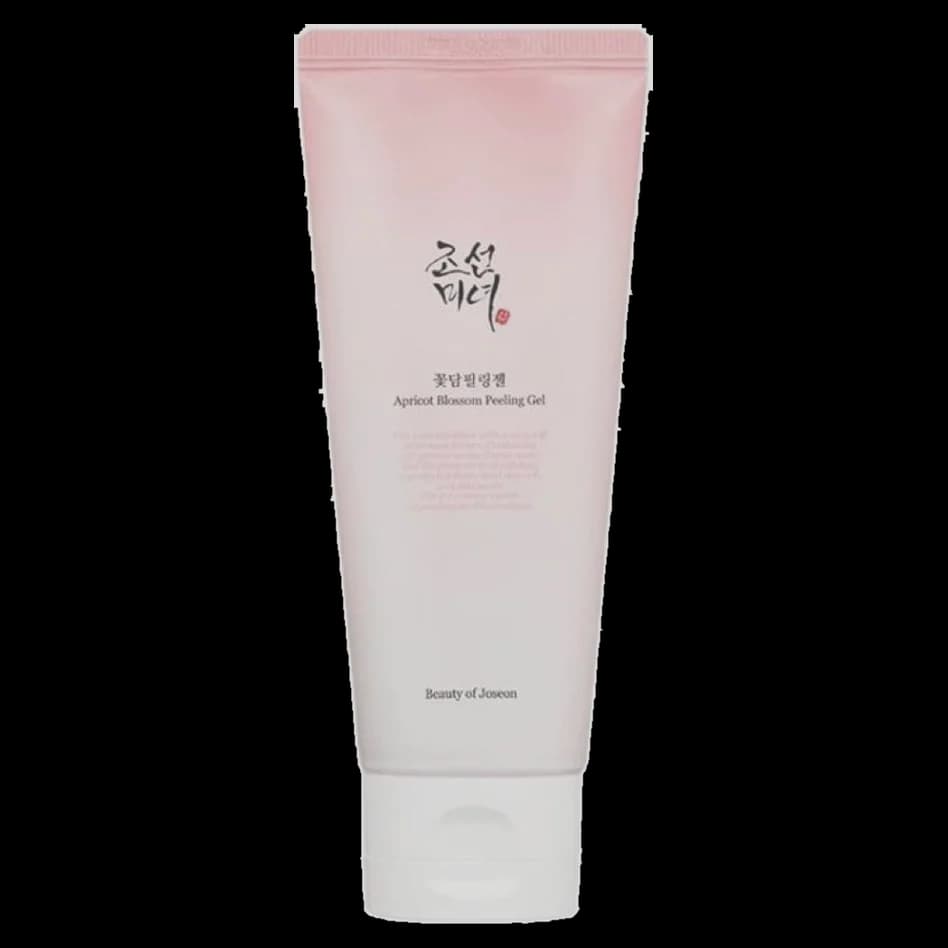
Beauty of Joseon
Apricot Blossom Peeling Gel
5th of 19 on the label
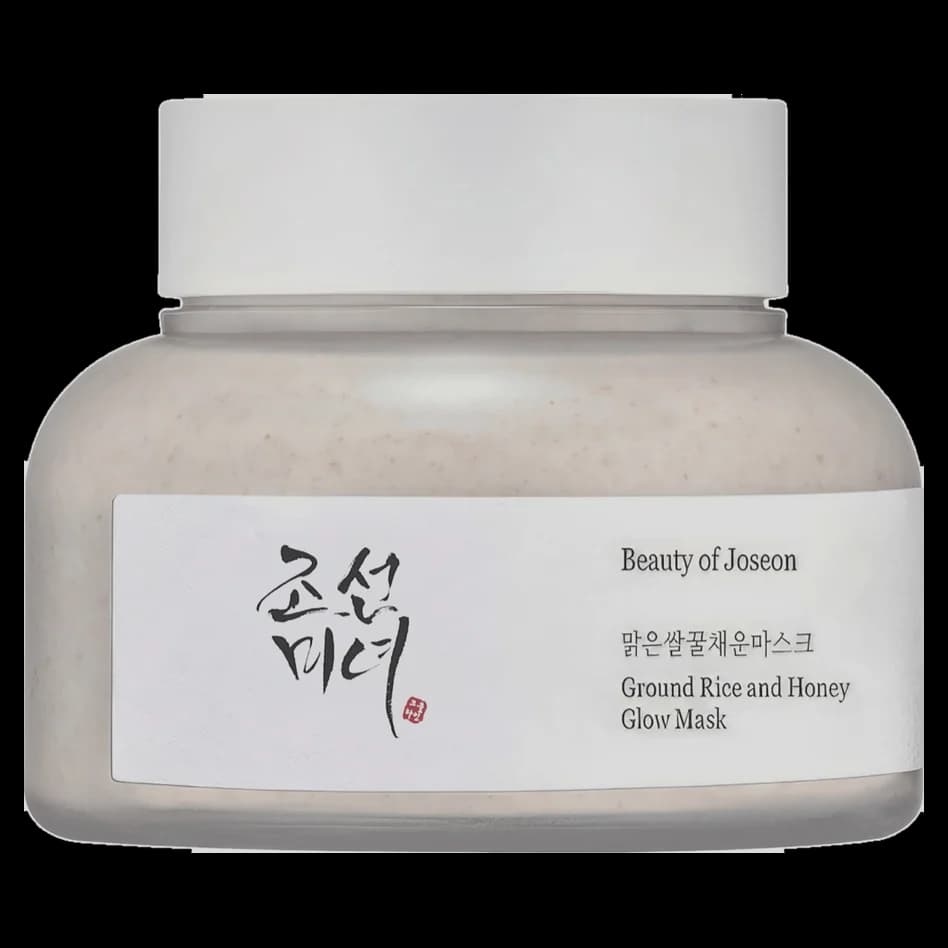
Beauty of Joseon
Ground Rice and Honey Glow Mask
9th of 35 on the label
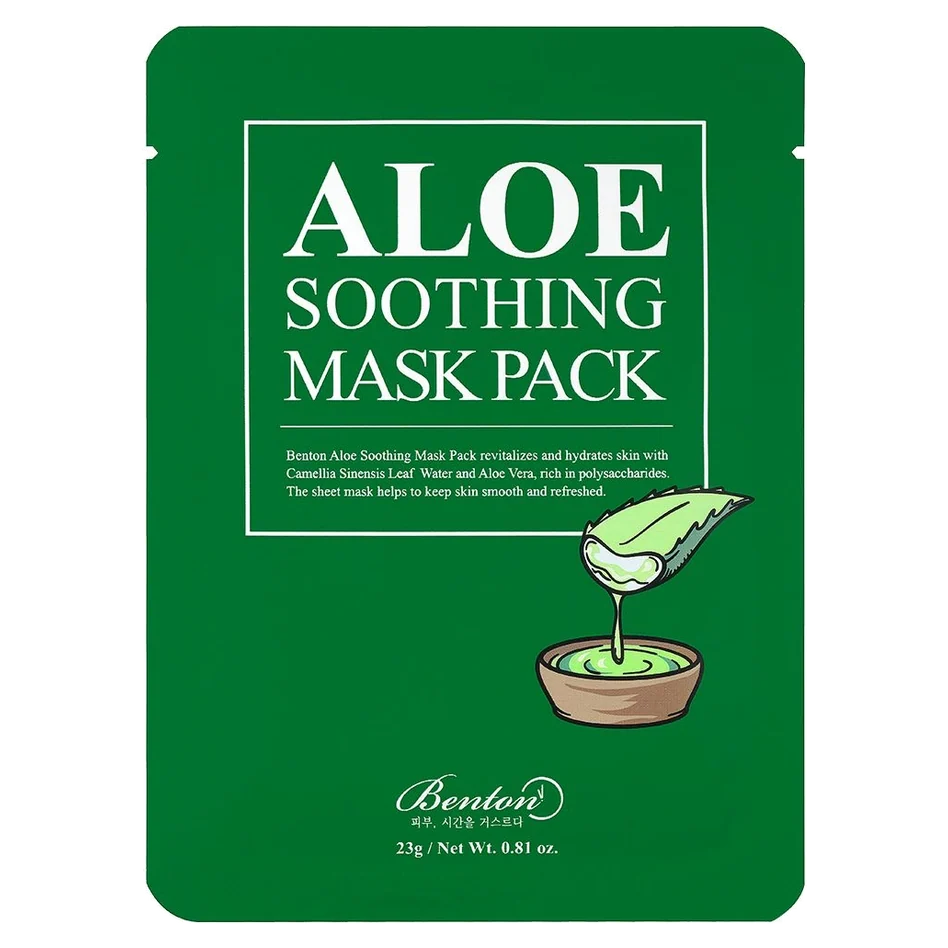
Benton
Aloe Soothing Mask Pack
16th of 19 on the label
below ≈1%
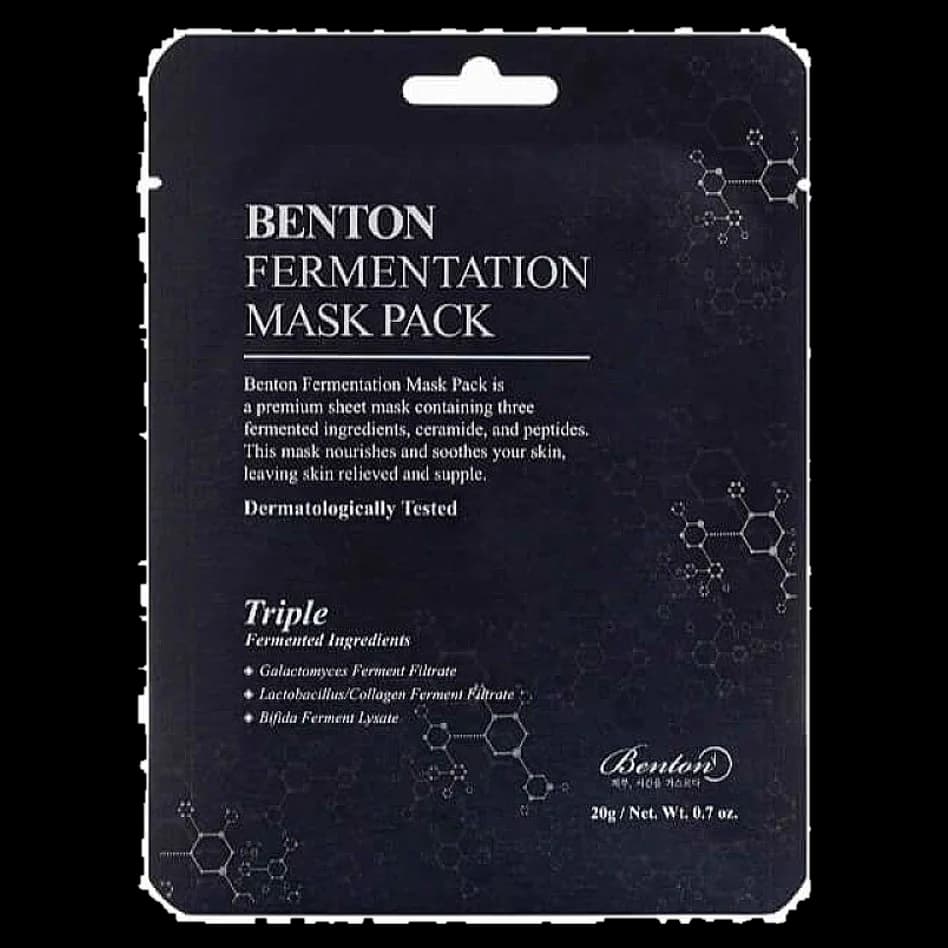
Benton
Fermentation Mask Pack
9th of 25 on the label
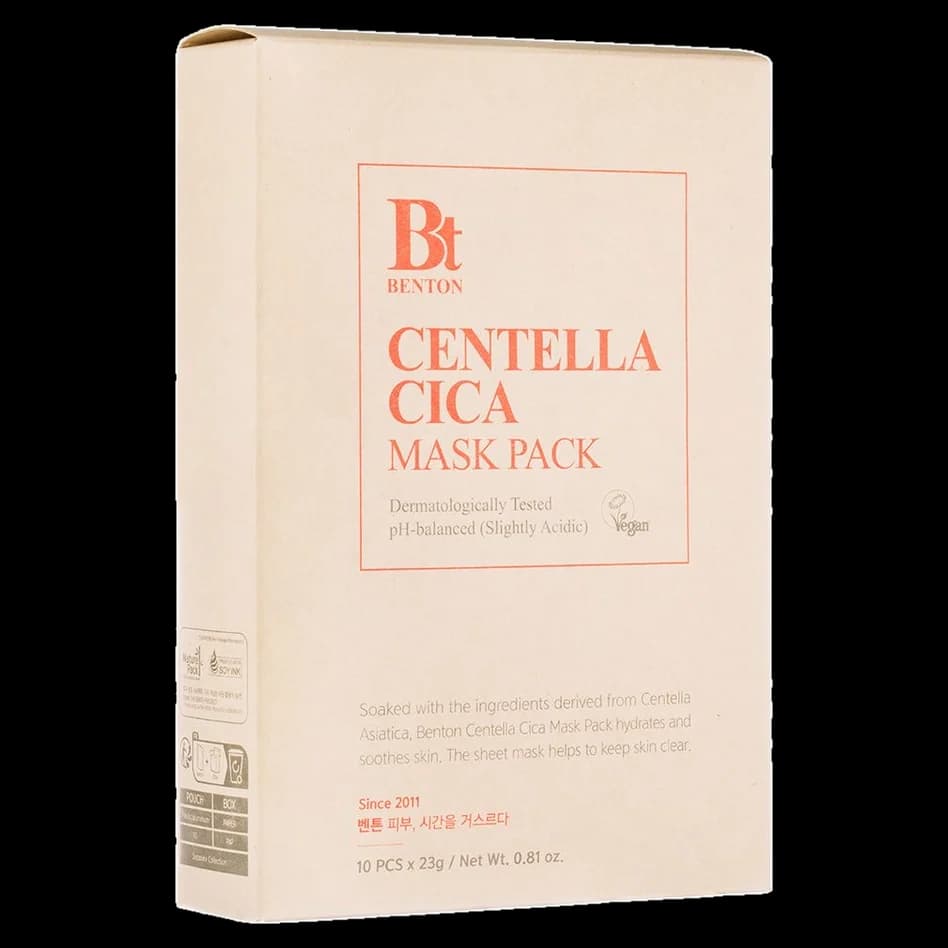
Benton
Goodbye Redness Centella Cica Mask Pack
21st of 23 on the label
below ≈1%
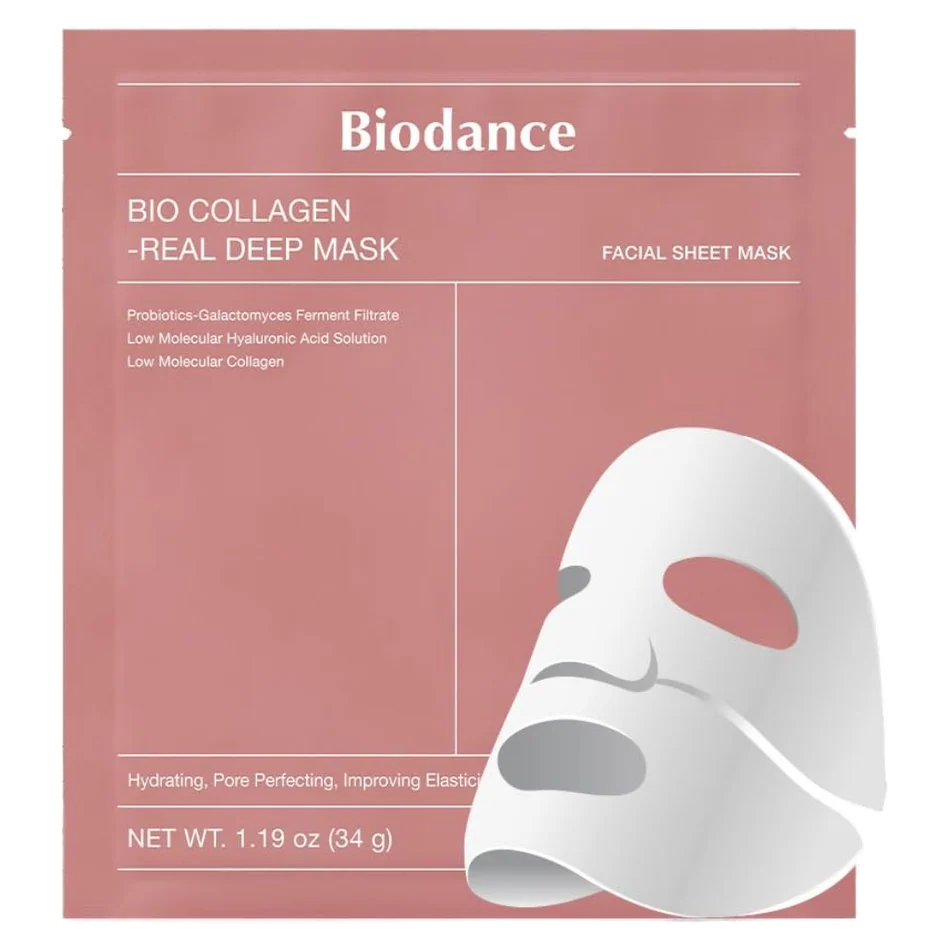
Biodance
Bio-Collagen Real Deep Mask
12th of 34 on the label
below ≈1%
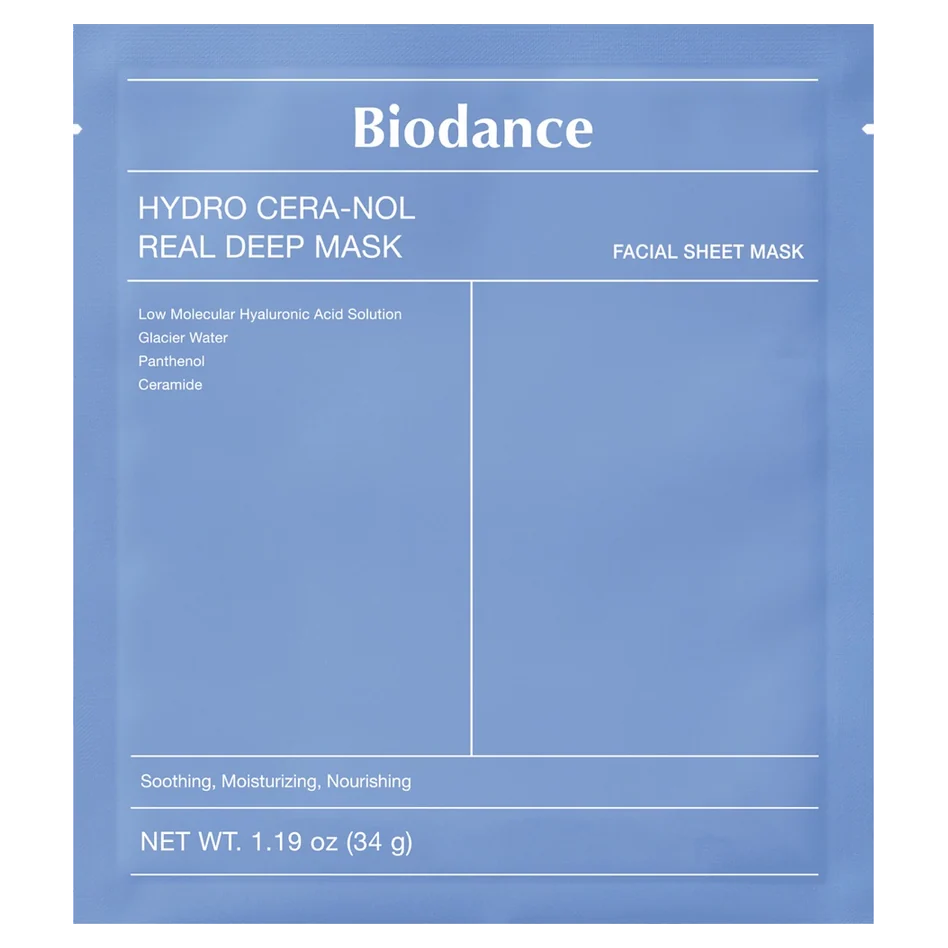
Biodance
Hydro Cera-nol Real Deep Mask
18th of 65 on the label
below ≈1%
Biodance
Refreshing Sea Kelp Real Deep Mask
13th of 43 on the label
below ≈1%
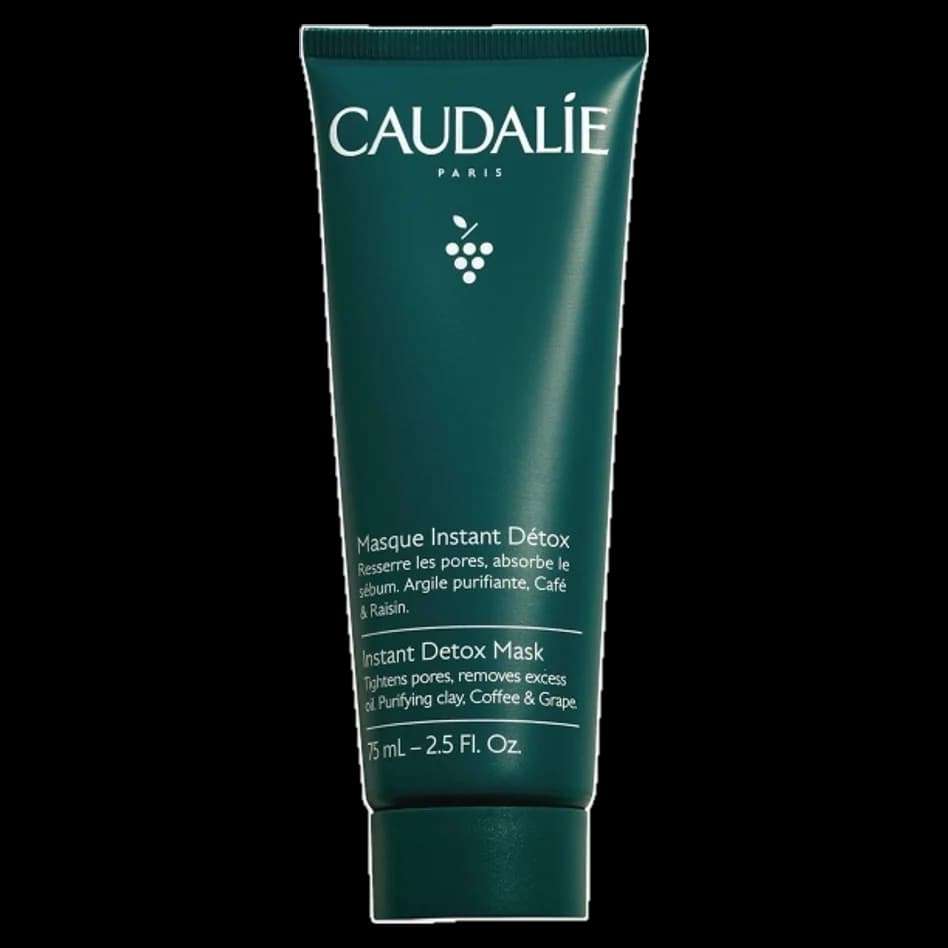
Caudalie
Vinergetic C+ Instant Detox Mask
27th of 33 on the label
below ≈1%
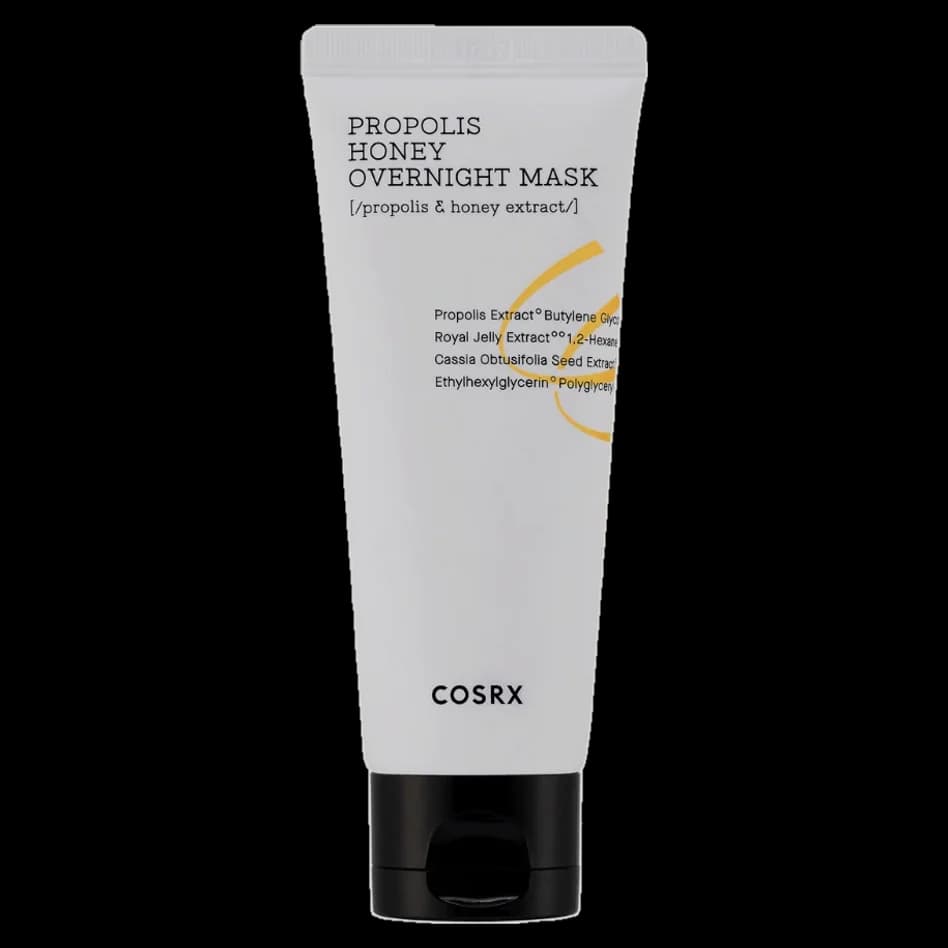
COSRX
Full Fit Propolis Honey Overnight Mask
6th of 22 on the label
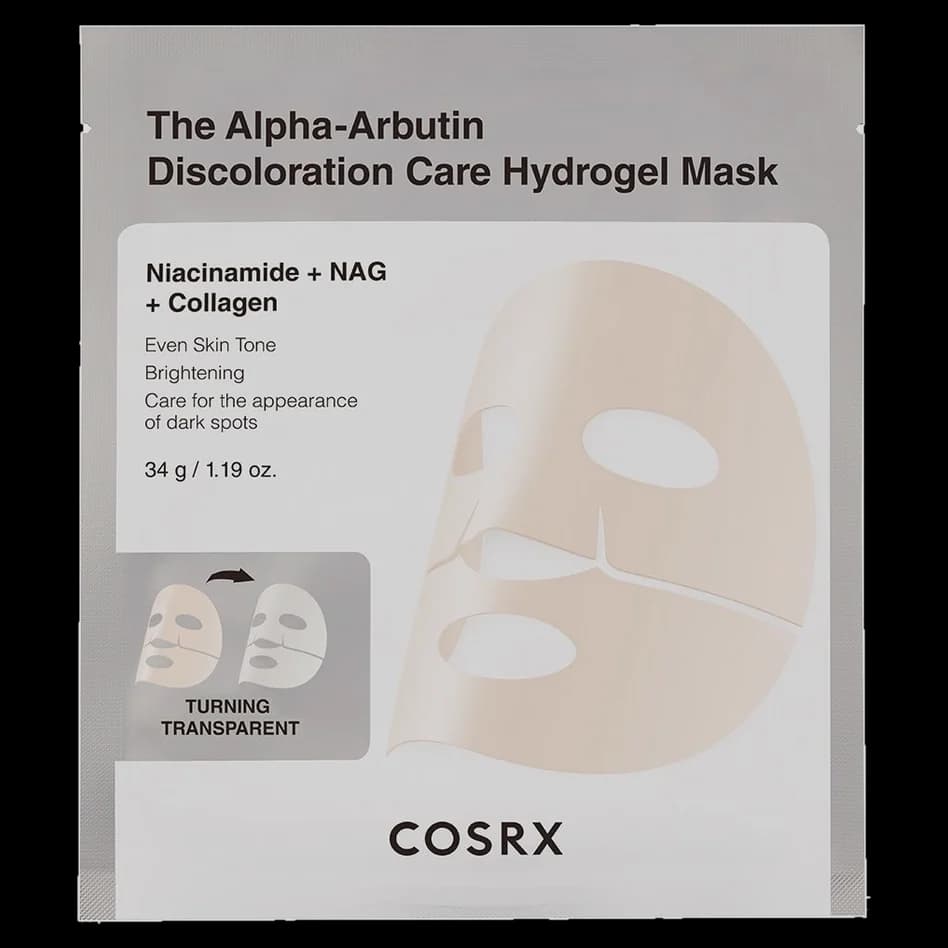
COSRX
The Alpha-Arbutin Discoloration Care Hydrogel Mask
5th of 44 on the label
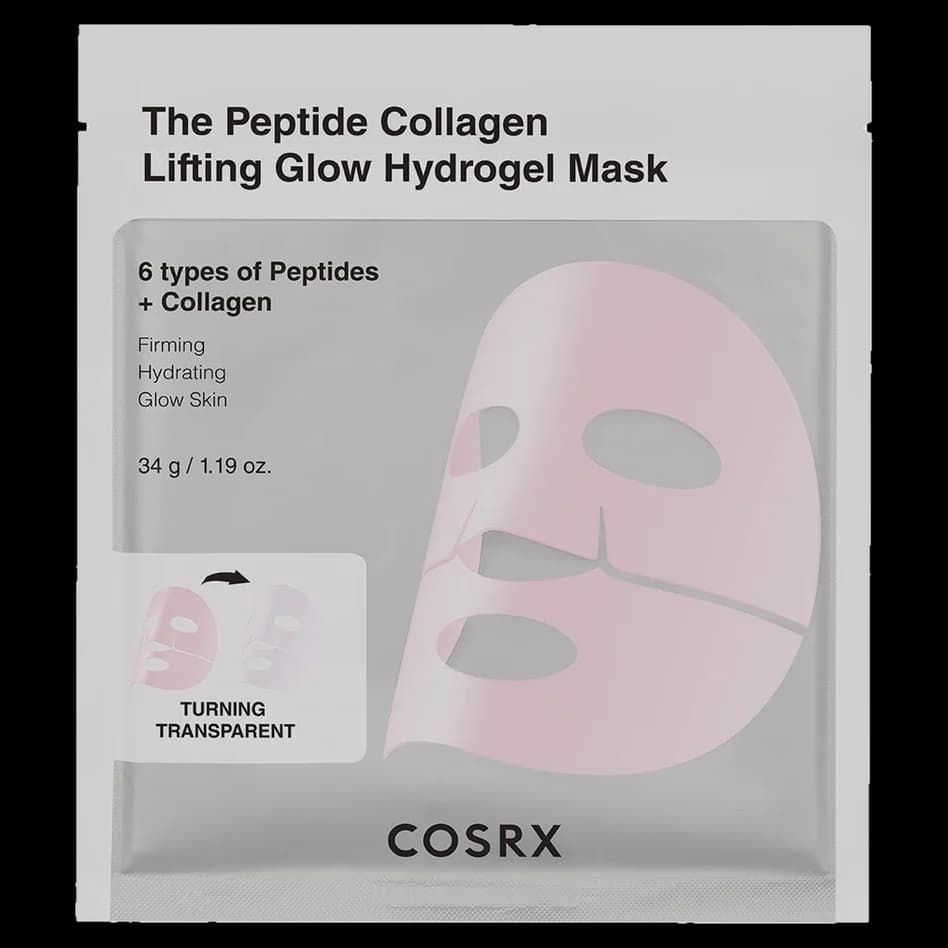
COSRX
The Peptide Collagen Lifting Glow Hydrogel Mask
5th of 49 on the label
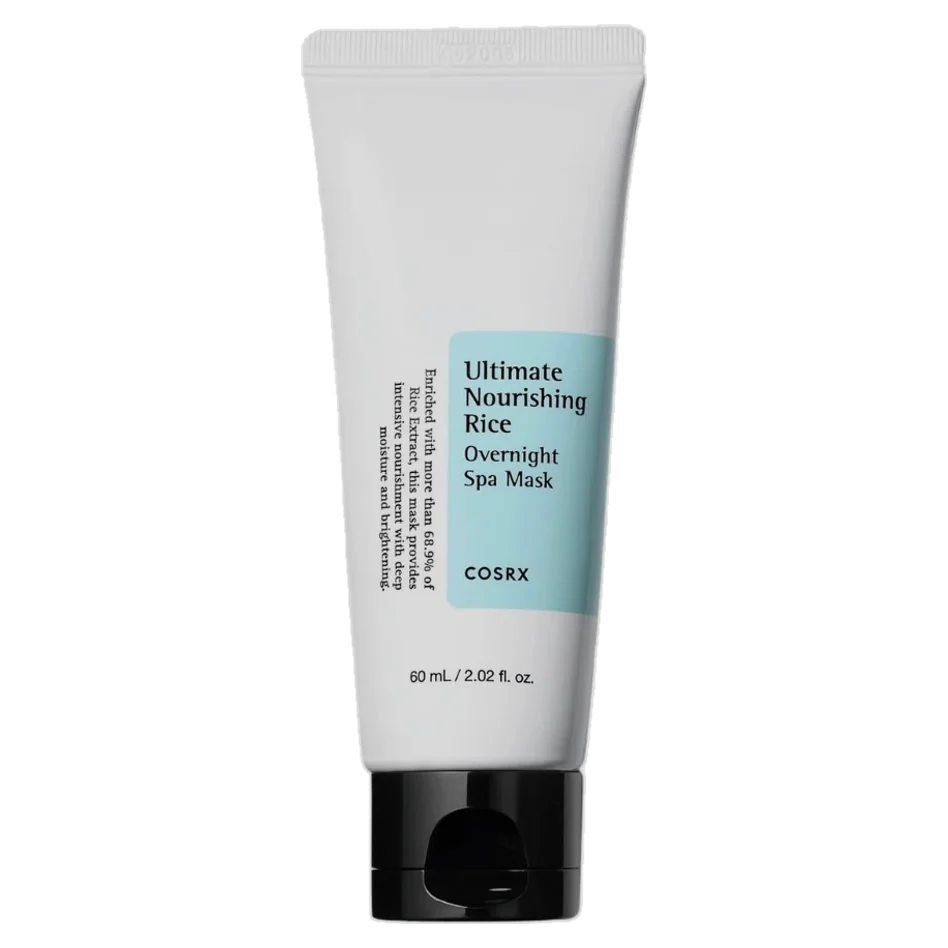
COSRX
Ultimate Nourishing Rice Overnight Spa Mask
8th of 19 on the label
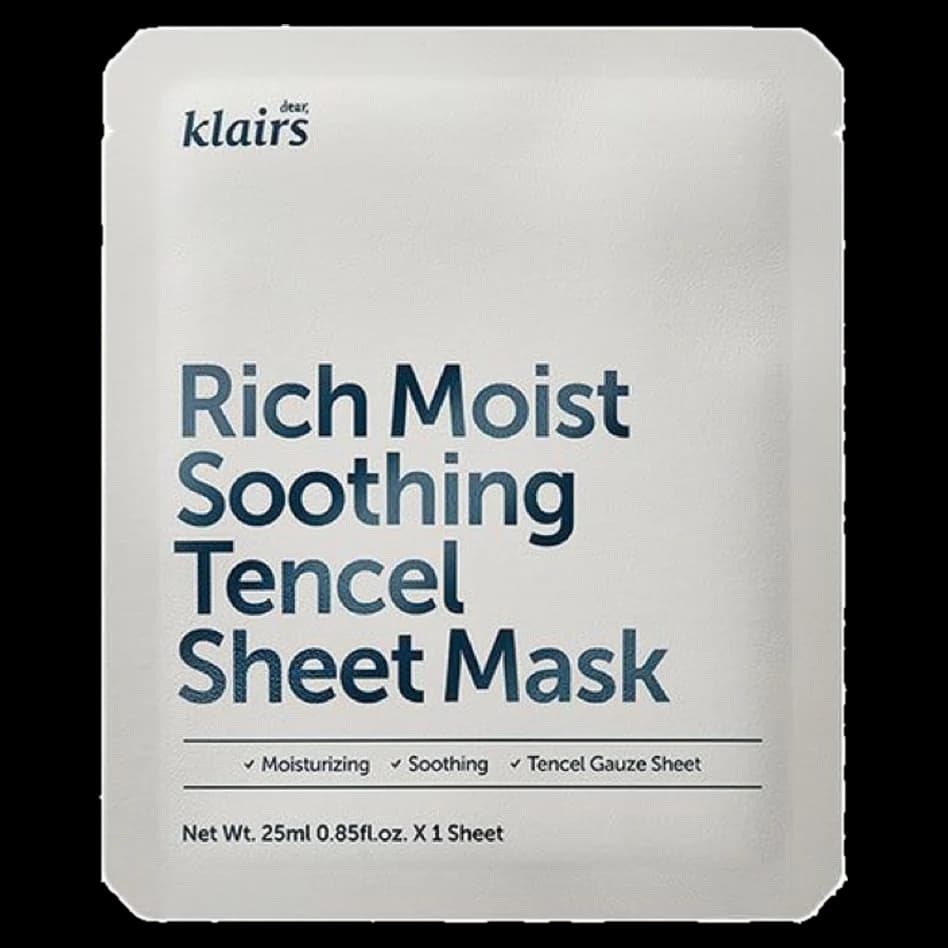
Dear, Klairs
Rich Moist Soothing Tencel Sheet Mask
4th of 33 on the label
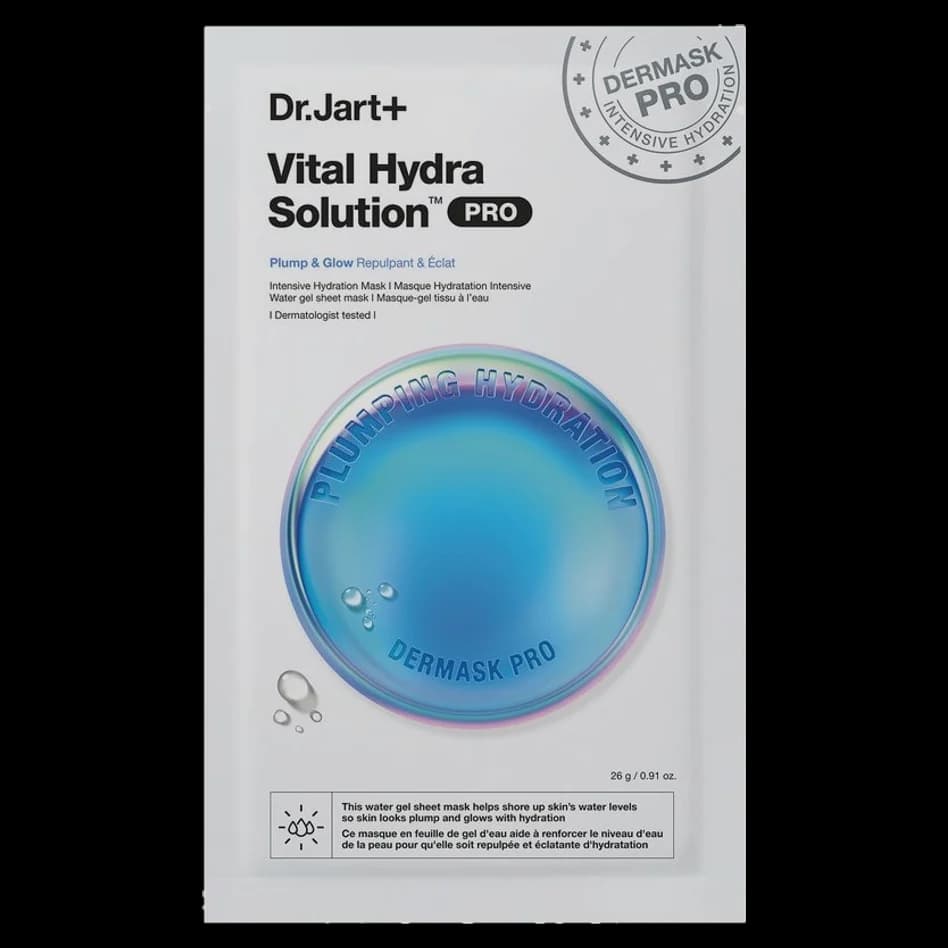
Dr.Jart+
Dermask Vital Hydra Solution Pro + Hyaluronic Acid
15th of 25 on the label
below ≈1%
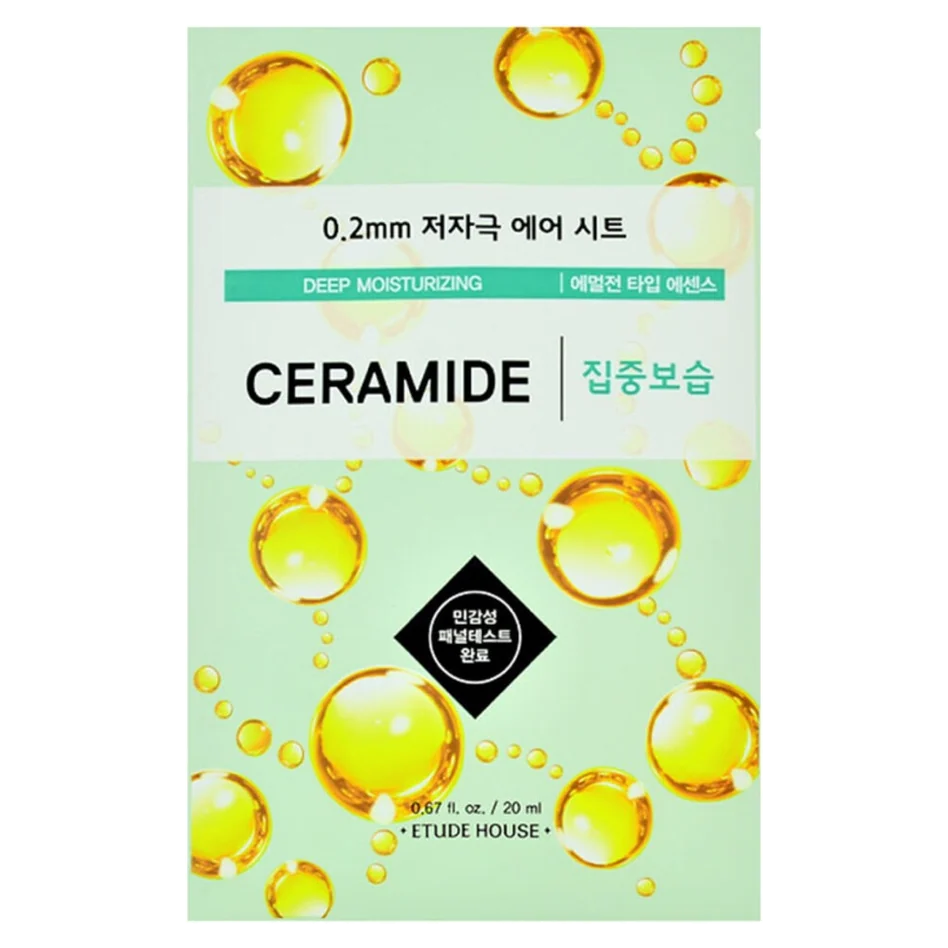
Etude House
0.2mm Therapy Air Mask Ceramide
8th of 33 on the label
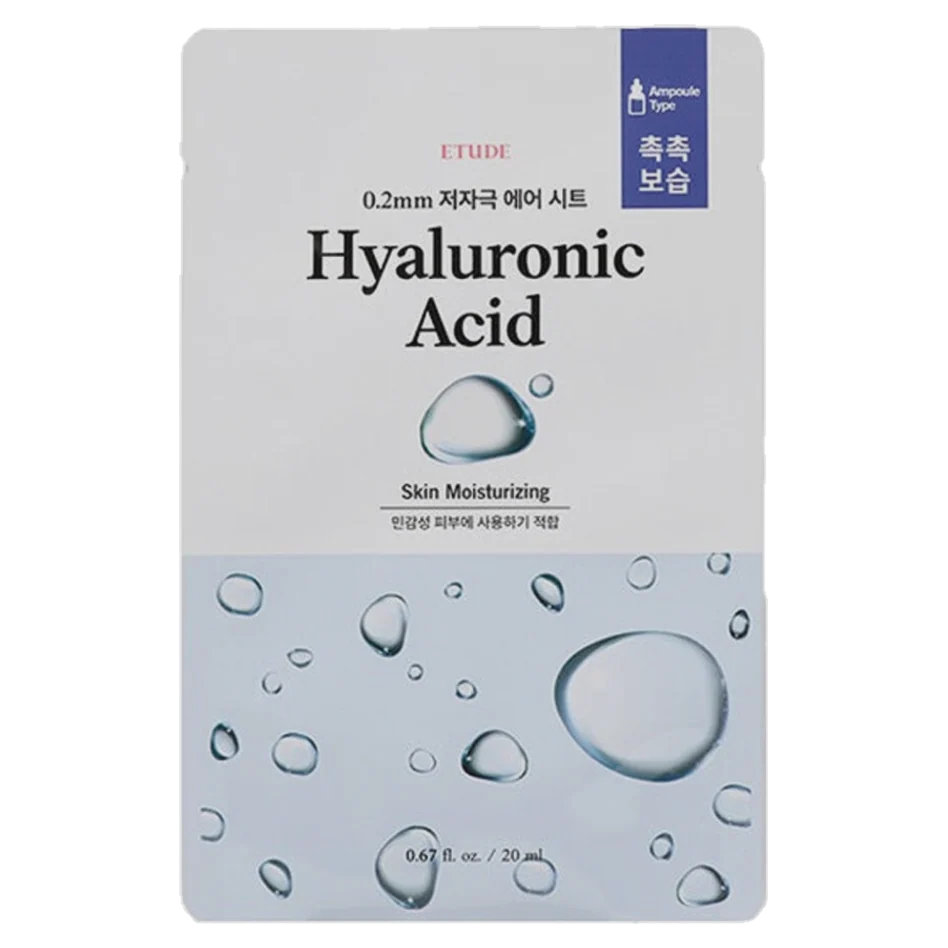
Etude House
0.2mm Therapy Air Mask Hyaluronic Acid
9th of 35 on the label
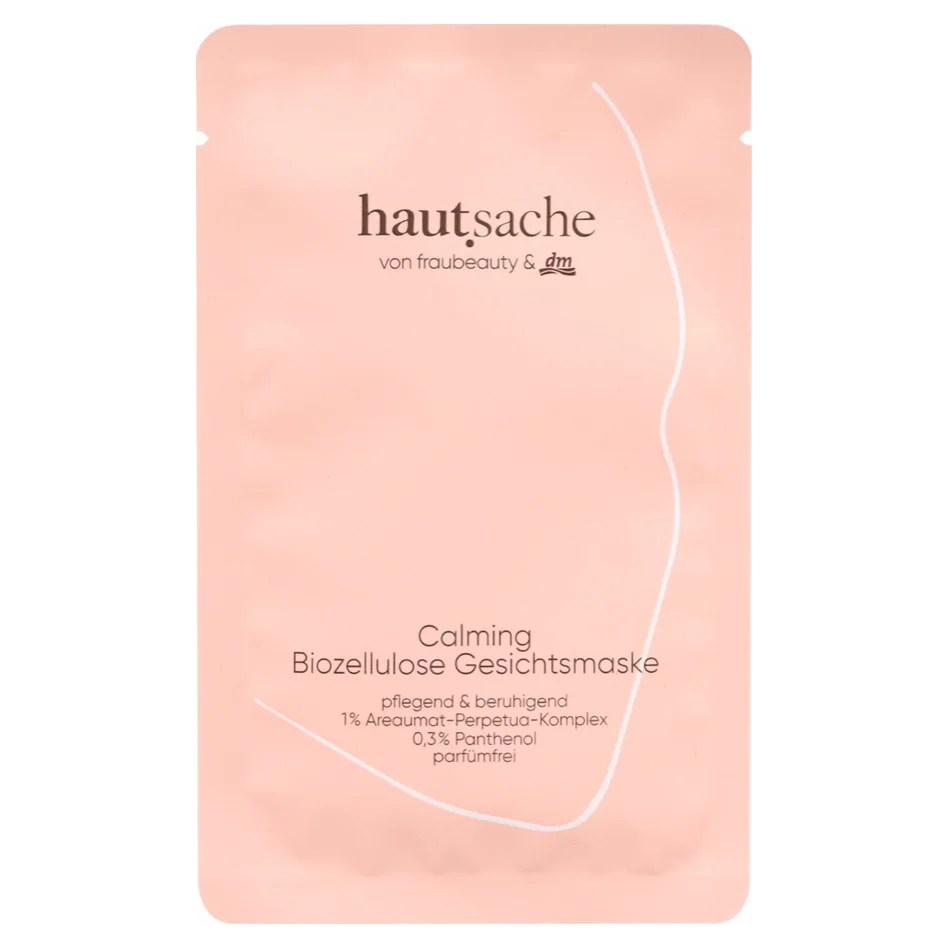
hautsache
Gesichtsmaske Biozellulose Calming
3rd of 27 on the label
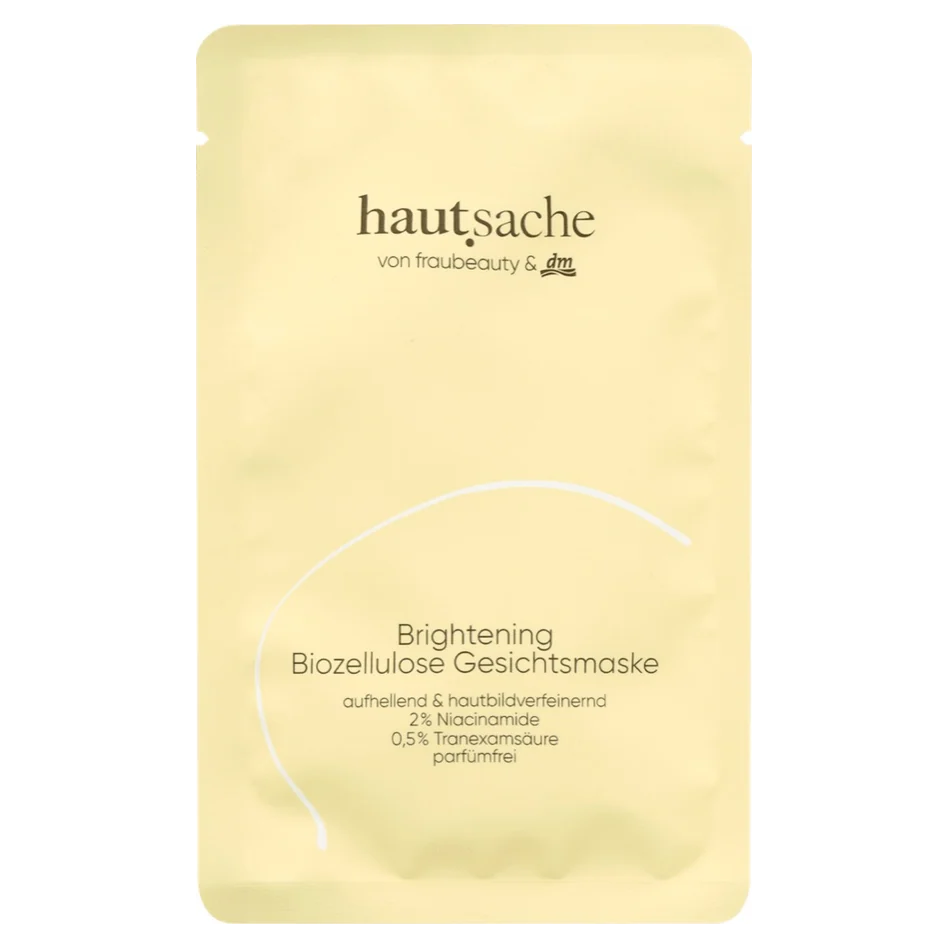
hautsache
Gesichtsmaske Brightening
9th of 33 on the label
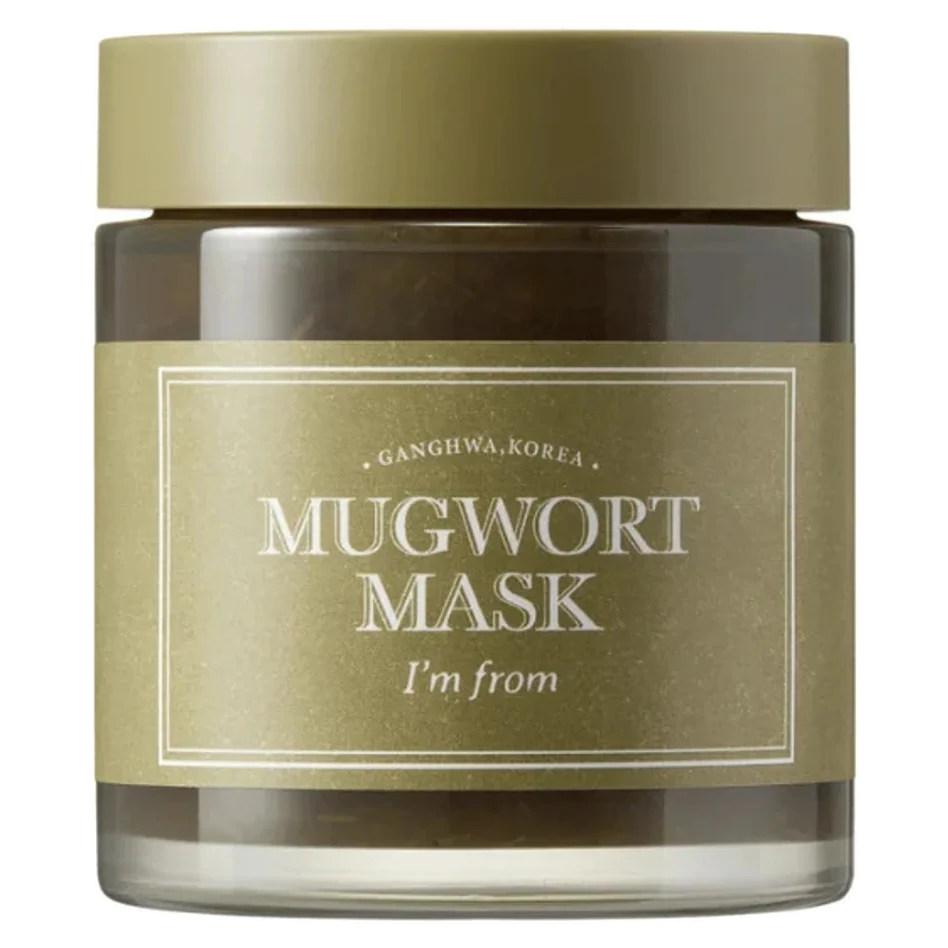
I'm From
Mugwort Mask
5th of 26 on the label
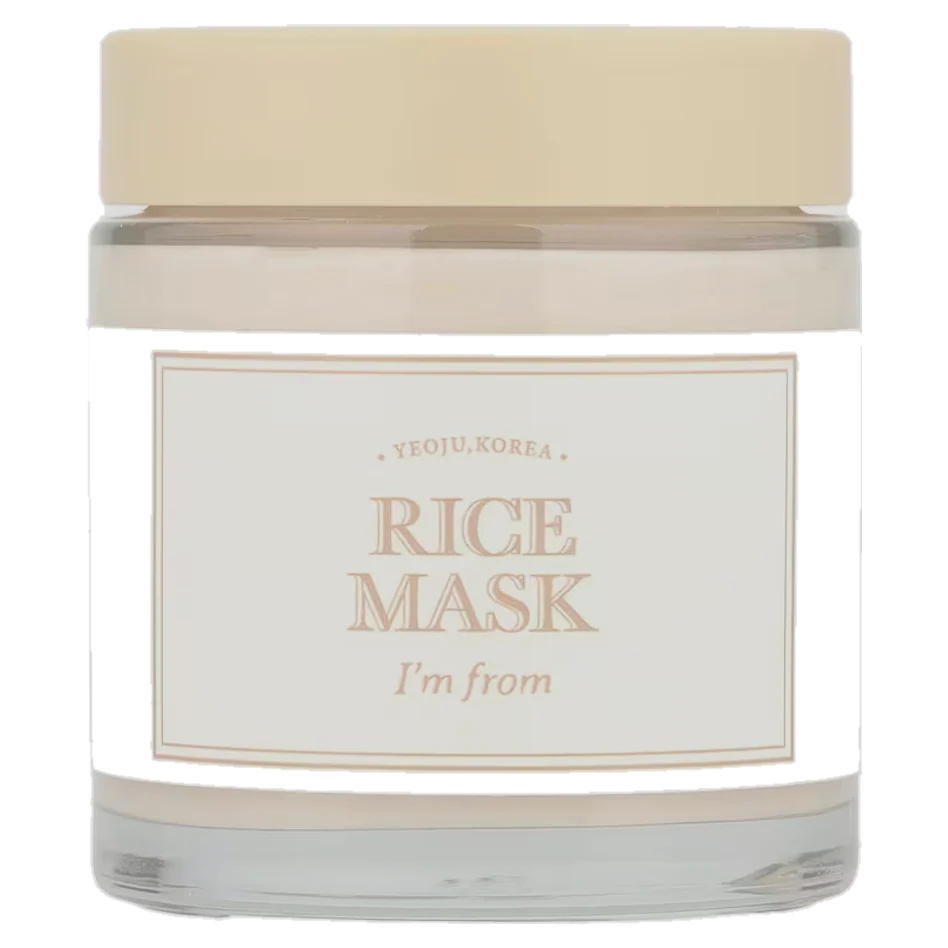
I'm From
Rice Mask
7th of 43 on the label
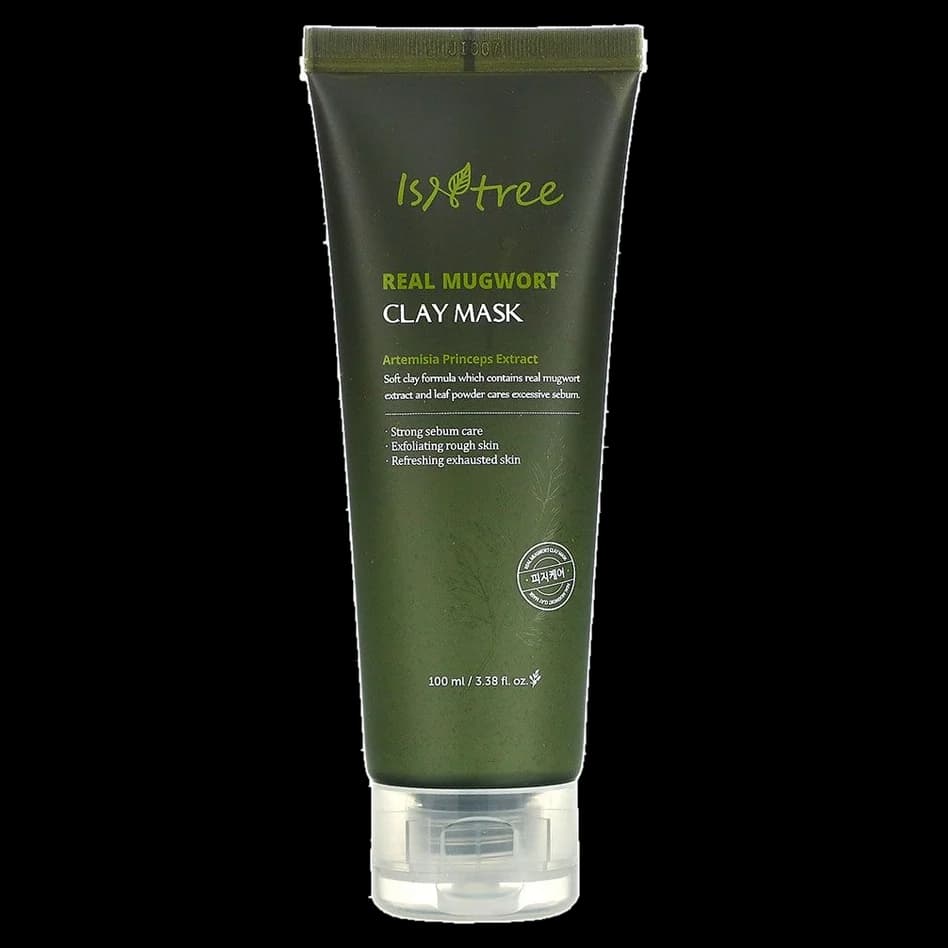
Isntree
Mugwort Calming Clay Mask
9th of 38 on the label
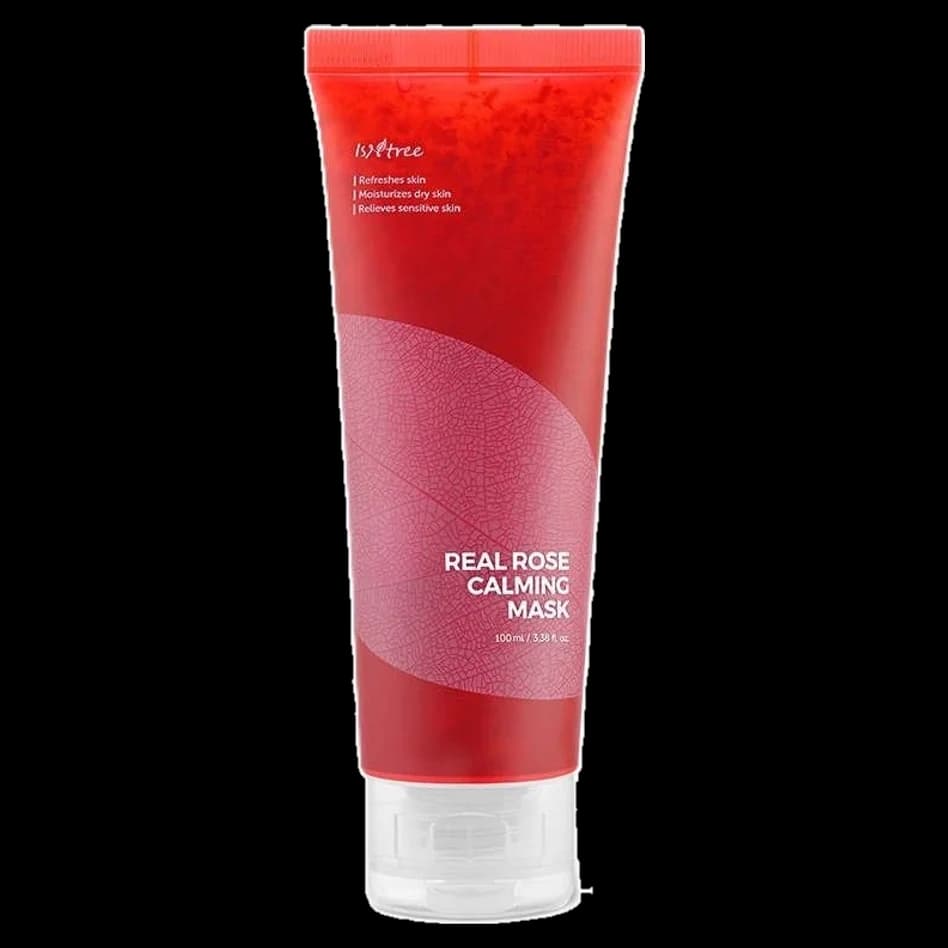
Isntree
Real Rose Calming Mask
6th of 31 on the label
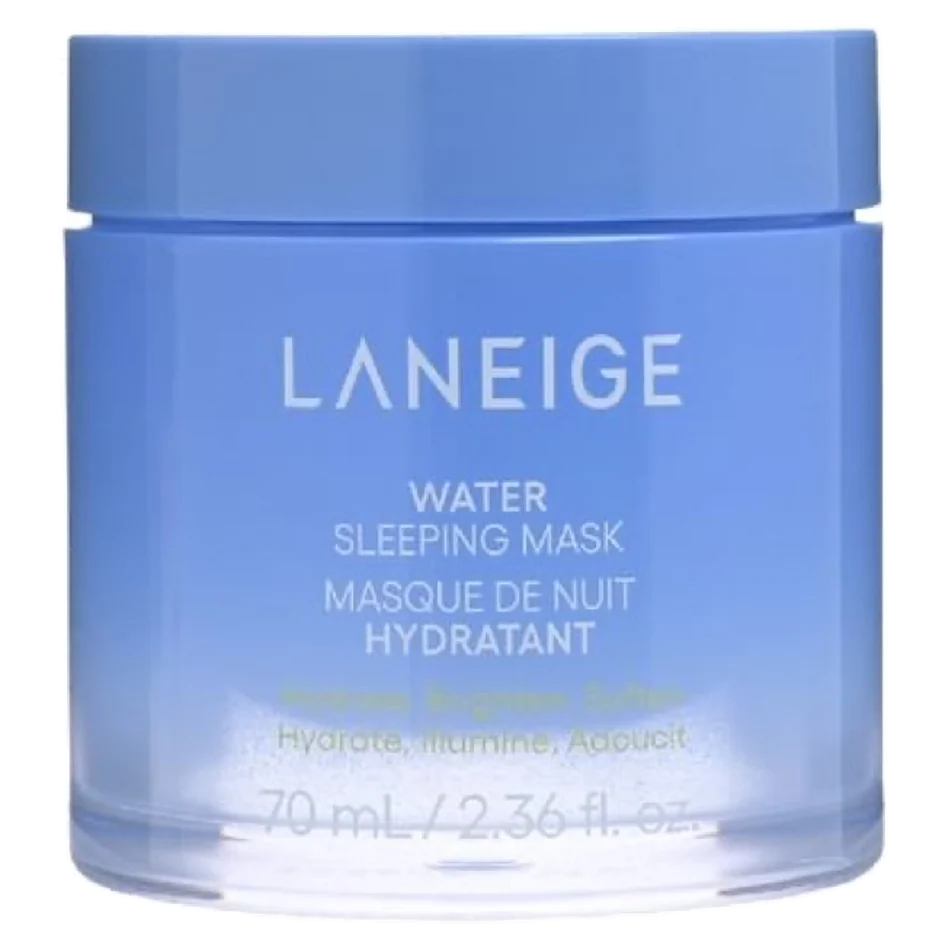
LANEIGE
Water Sleeping Mask
6th of 43 on the label
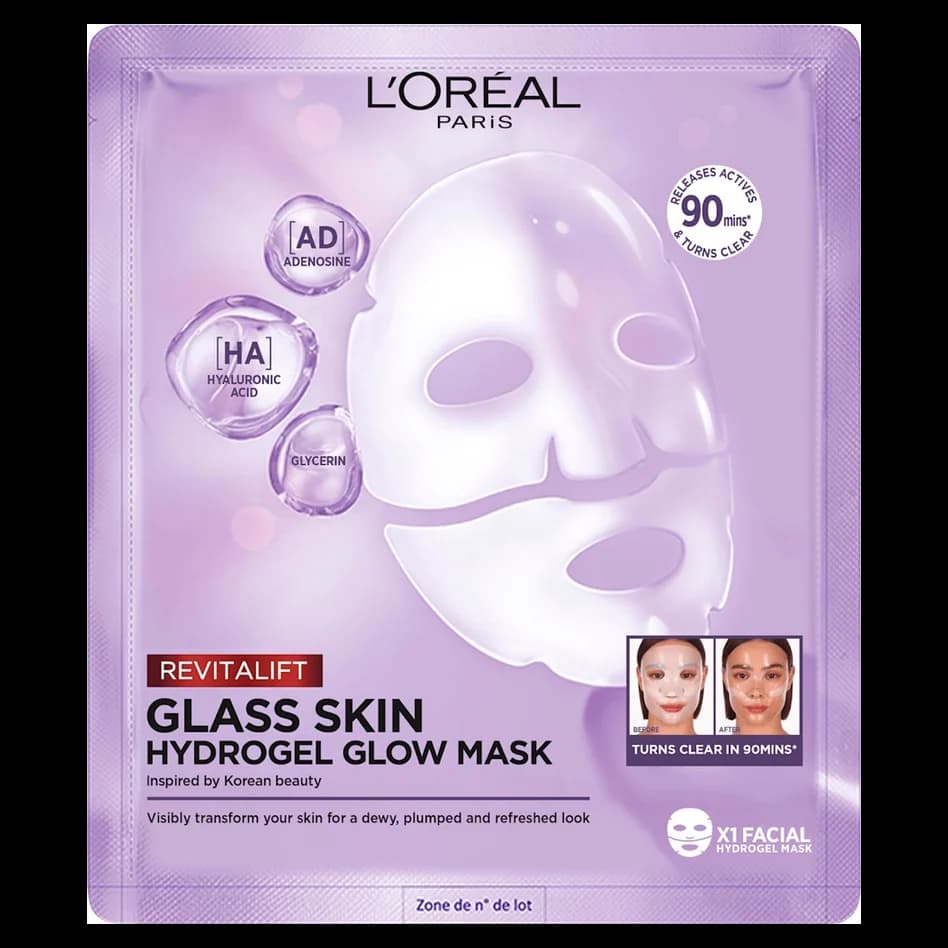
L'Oréal Paris
Revitalift Filler Glass Skin Hydrogel Glow Mask
32nd of 32 on the label
below ≈1%
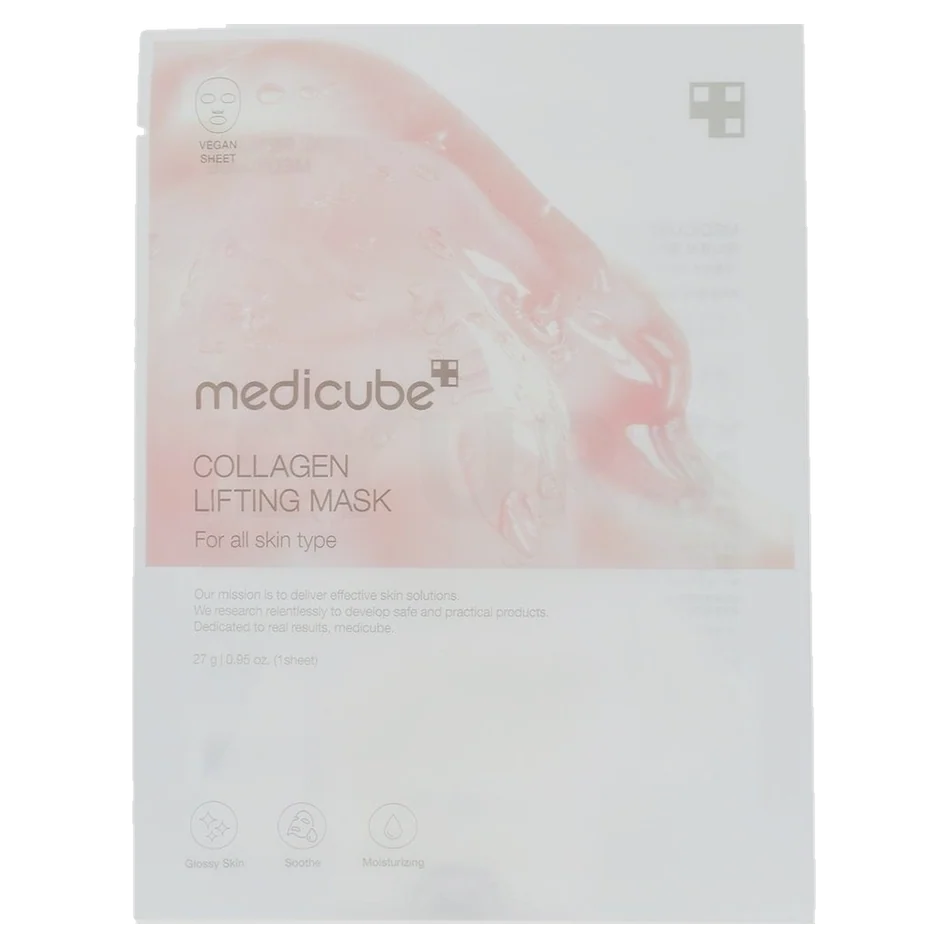
Medicube
Collagen Lifting Mask
4th of 39 on the label
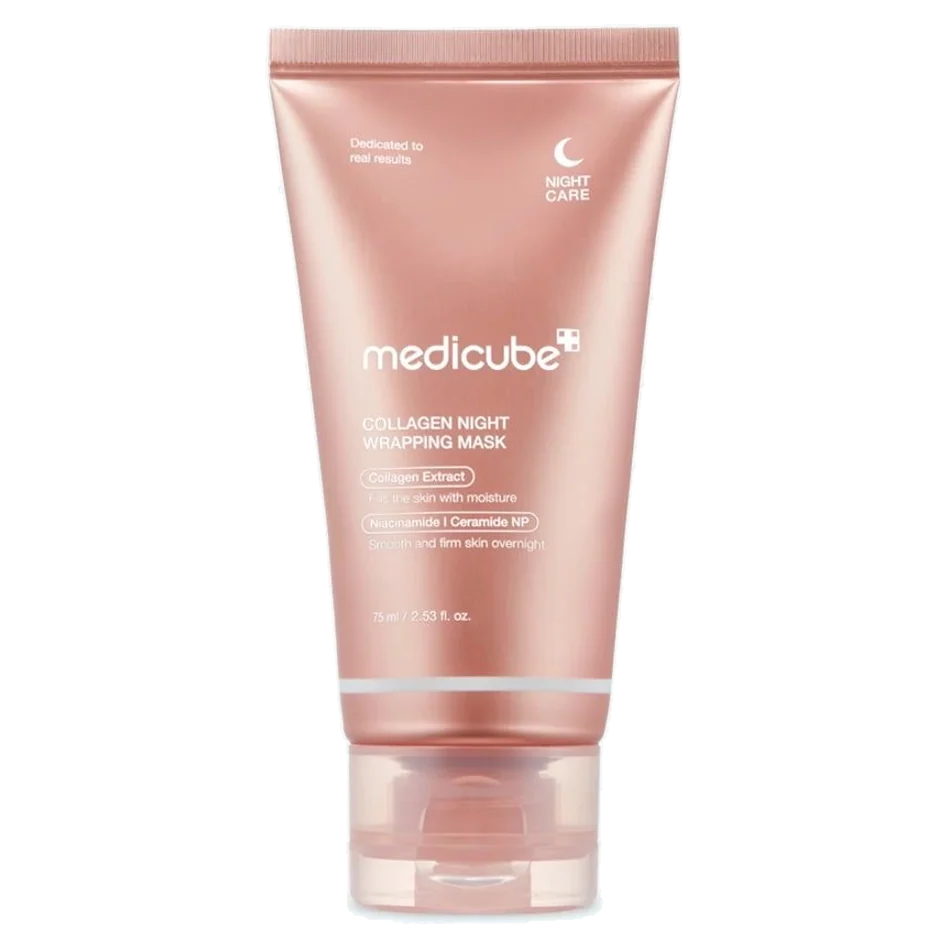
Medicube
Collagen Night Wrapping Mask
6th of 24 on the label
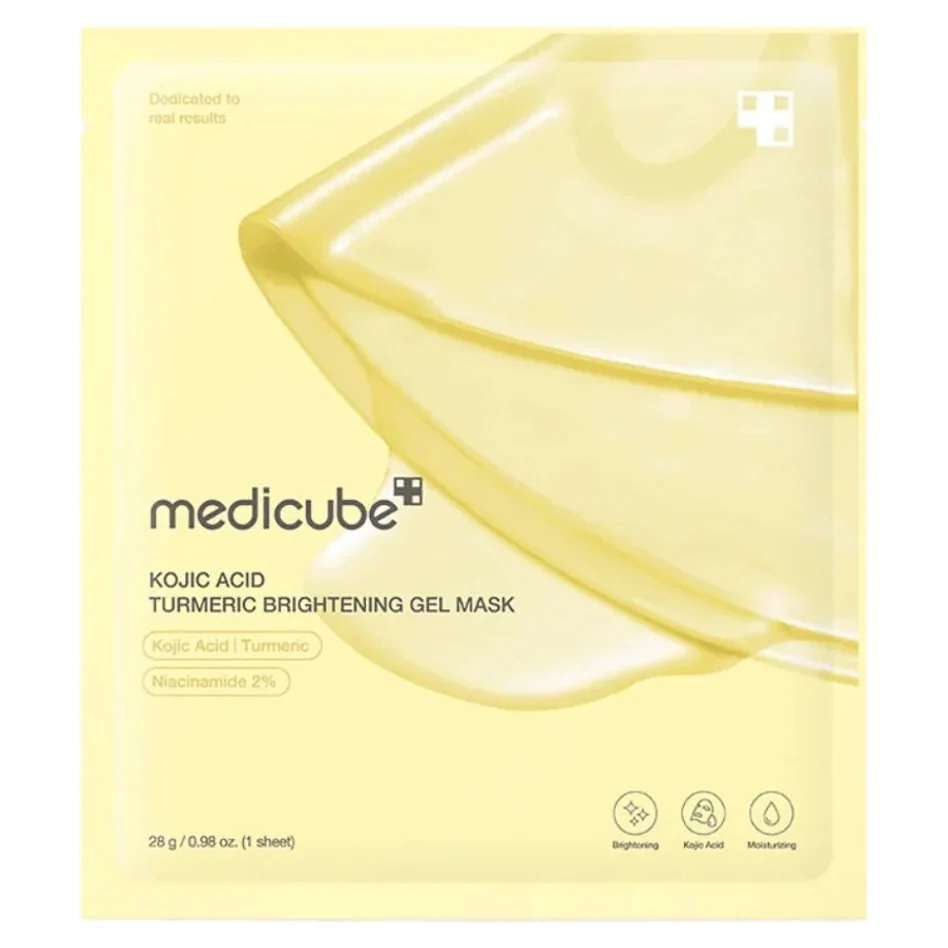
Medicube
Kojic Acid Turmeric Brightening Gel Mask
7th of 35 on the label
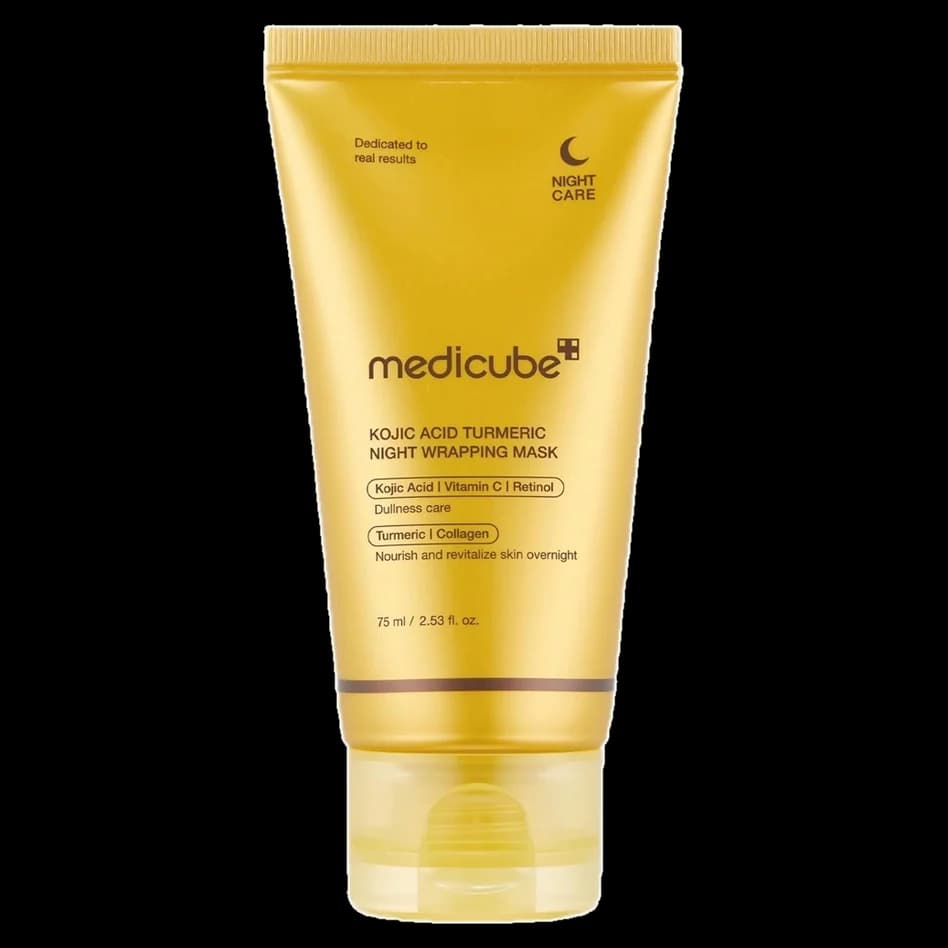
Medicube
Kojic Acid Turmeric Night Wrapping Mask
7th of 22 on the label
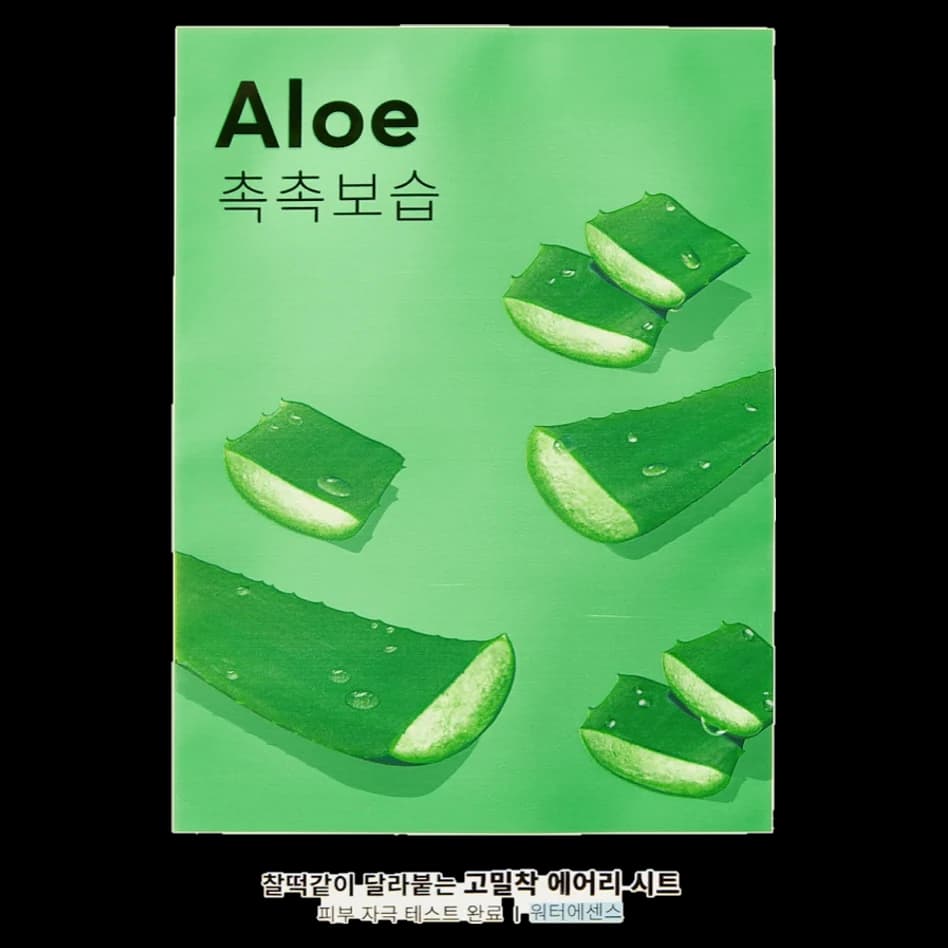
MISSHA
Airy Fit Sheet Mask Aloe
6th of 26 on the label
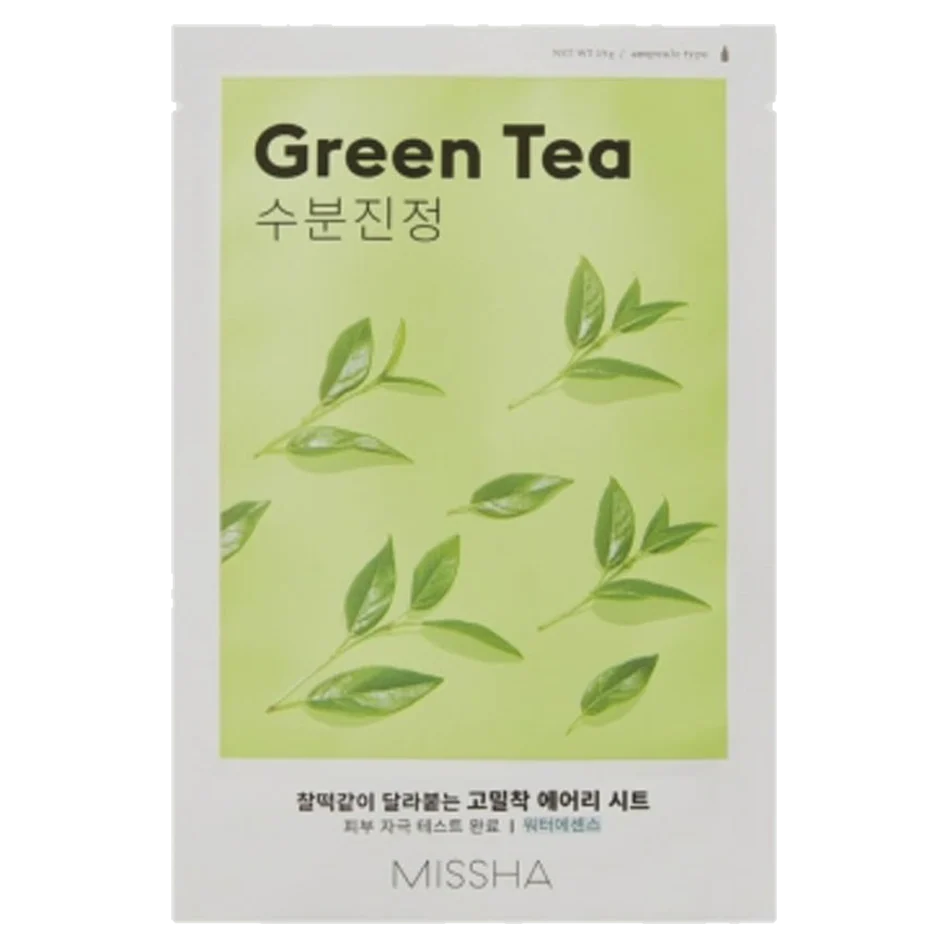
MISSHA
Airy Fit Sheet Mask Green Tea
6th of 23 on the label
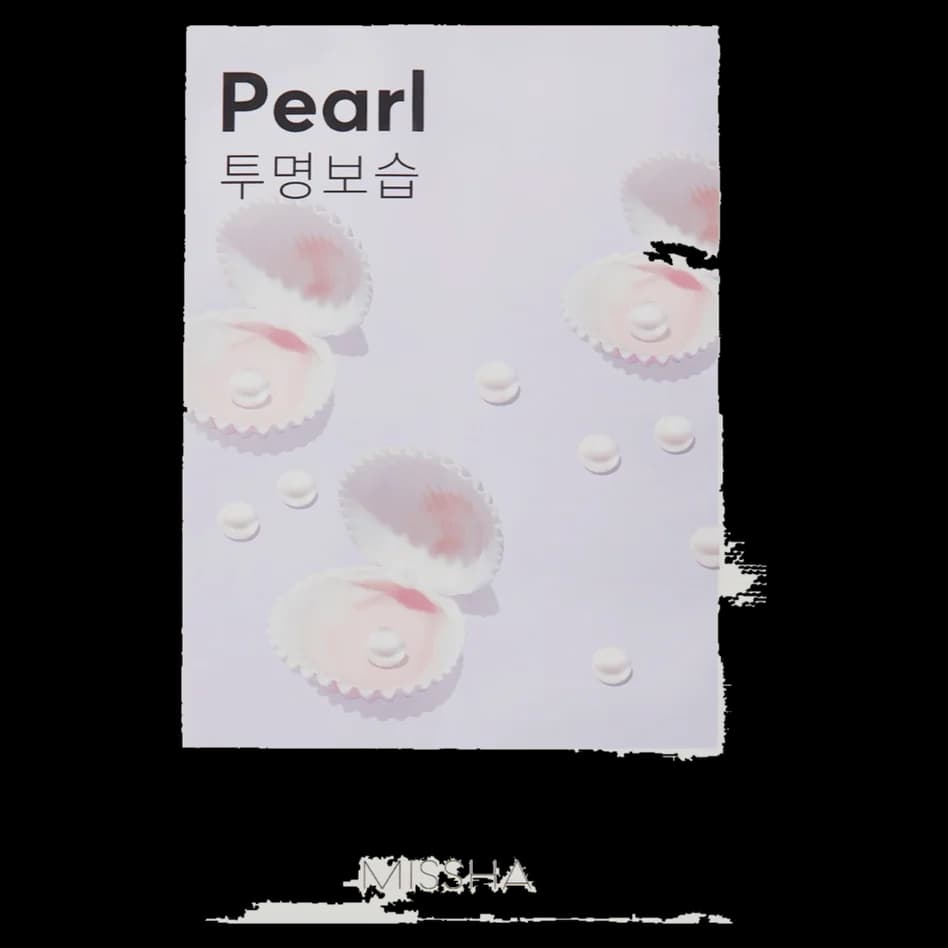
MISSHA
Airy Fit Sheet Mask Pearl
5th of 31 on the label
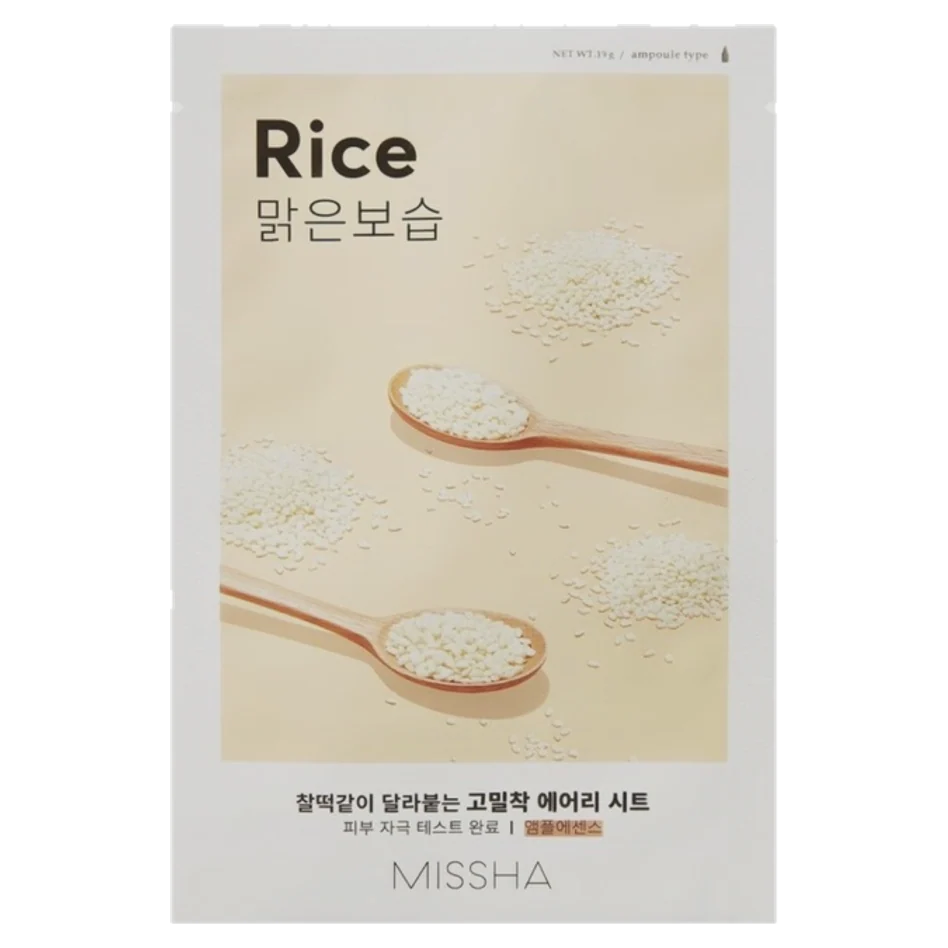
MISSHA
Airy Fit Sheet Mask Rice
4th of 27 on the label
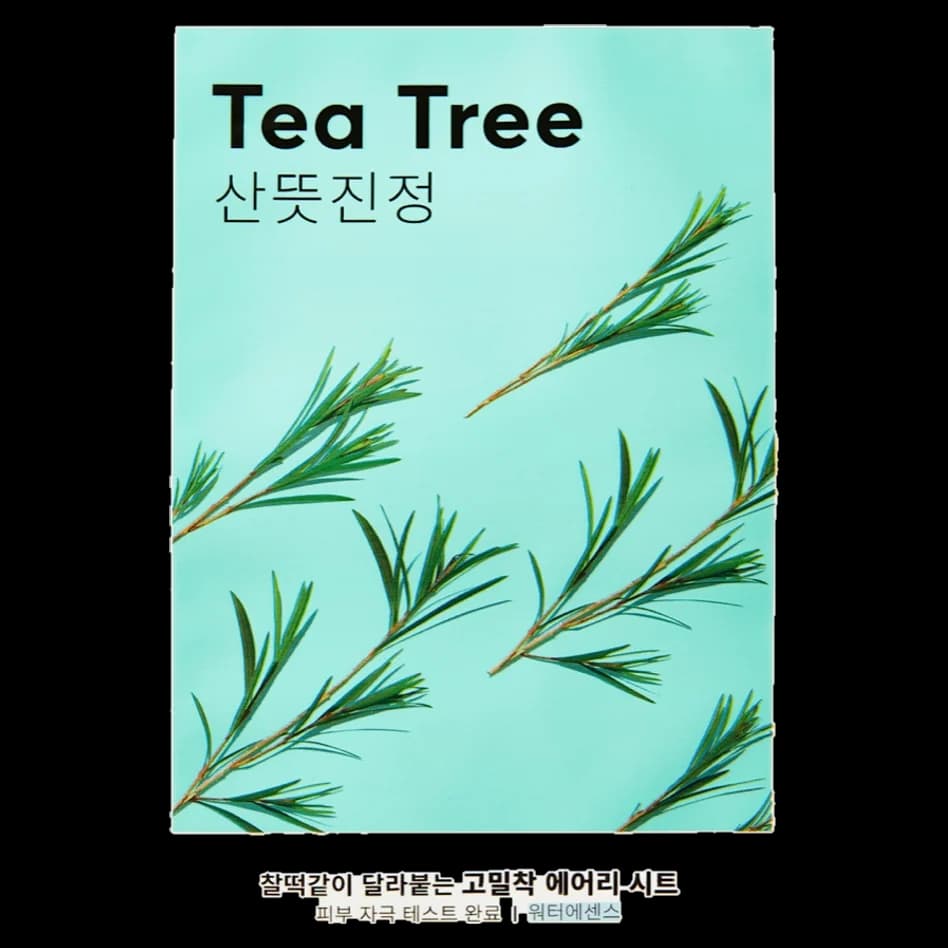
MISSHA
Airy Fit Sheet Mask Tea Tree
6th of 23 on the label
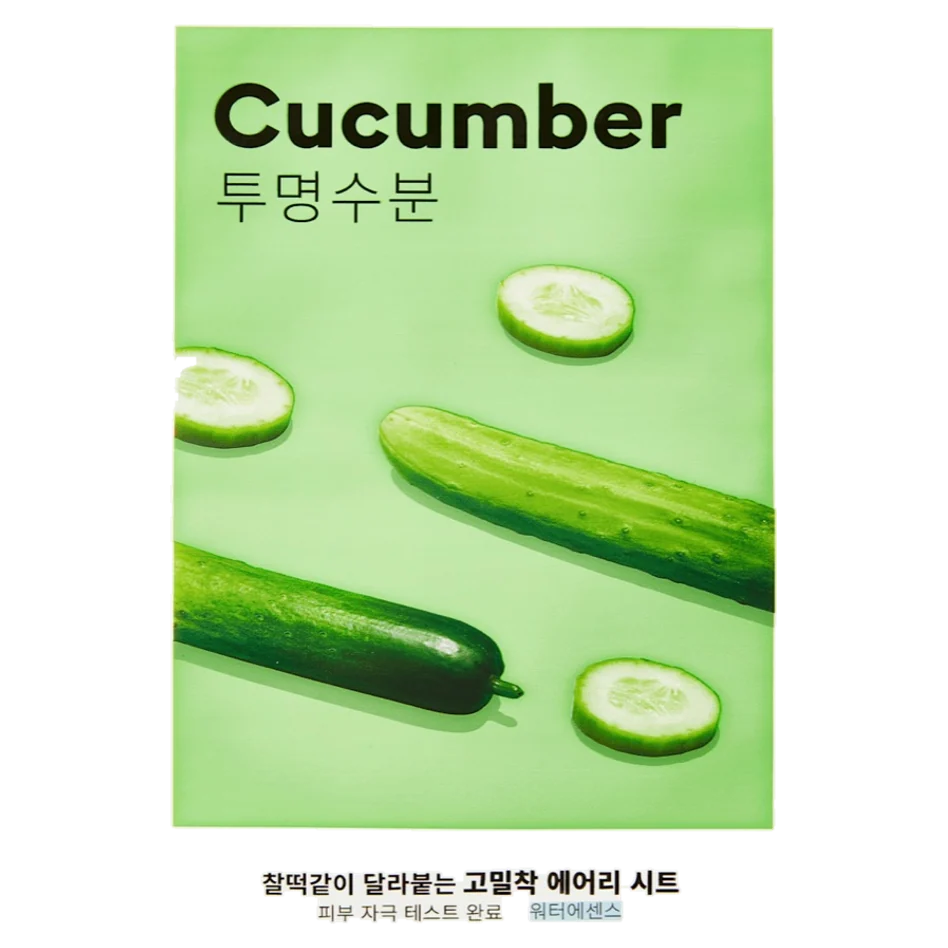
MISSHA
Sheet Mask Cucumber
6th of 25 on the label
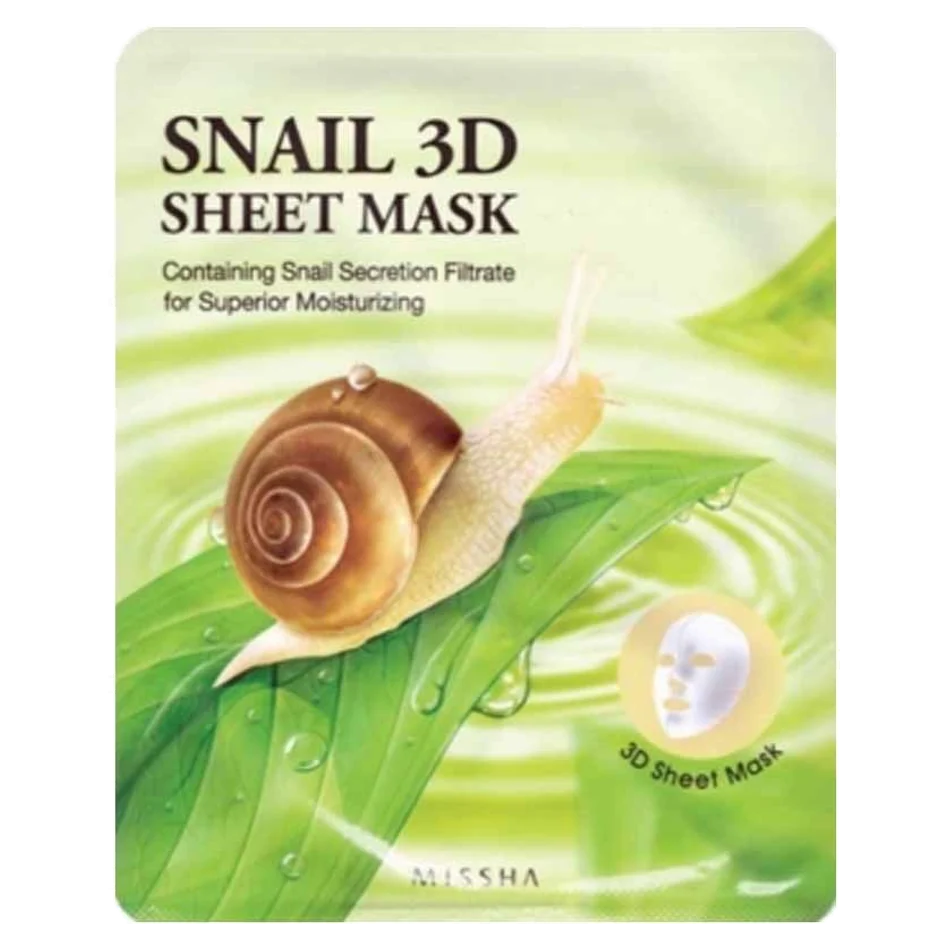
MISSHA
Snail 3D Sheet Mask
20th of 25 on the label
below ≈1%
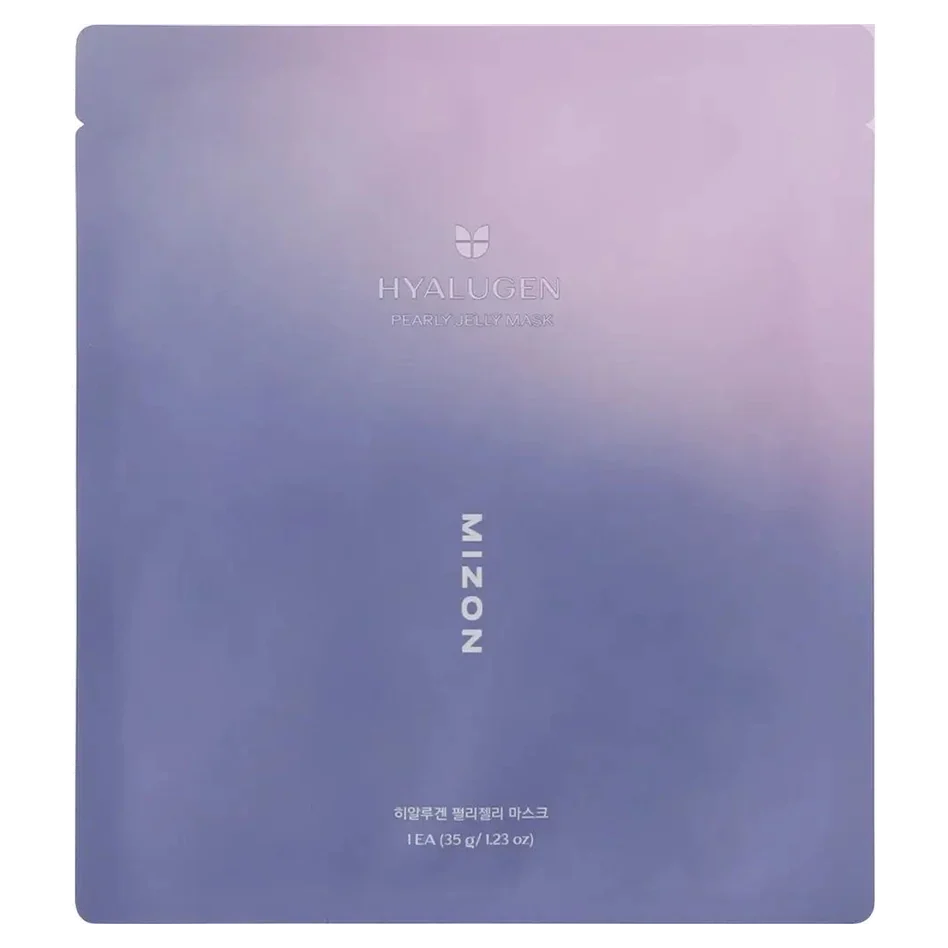
MIZON
Hyalugen Pearly Jelly Mask
17th of 19 on the label
below ≈1%
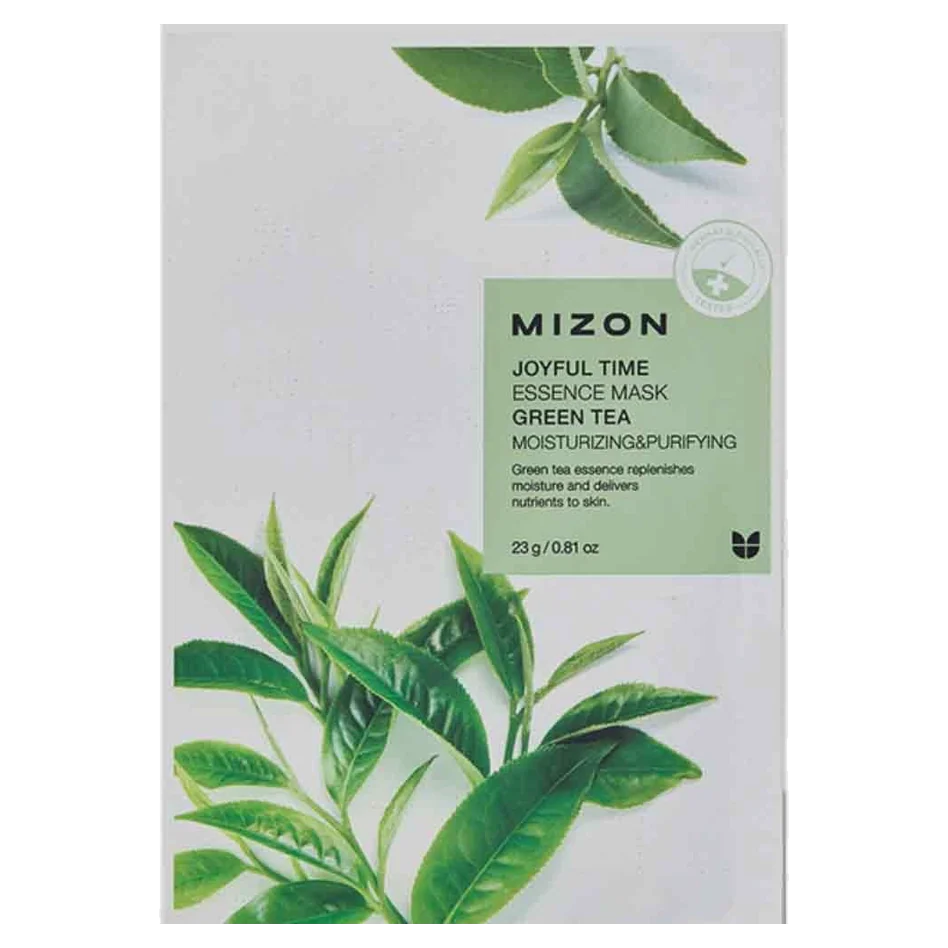
MIZON
Joyful Time Essence Mask Green Tea
6th of 26 on the label
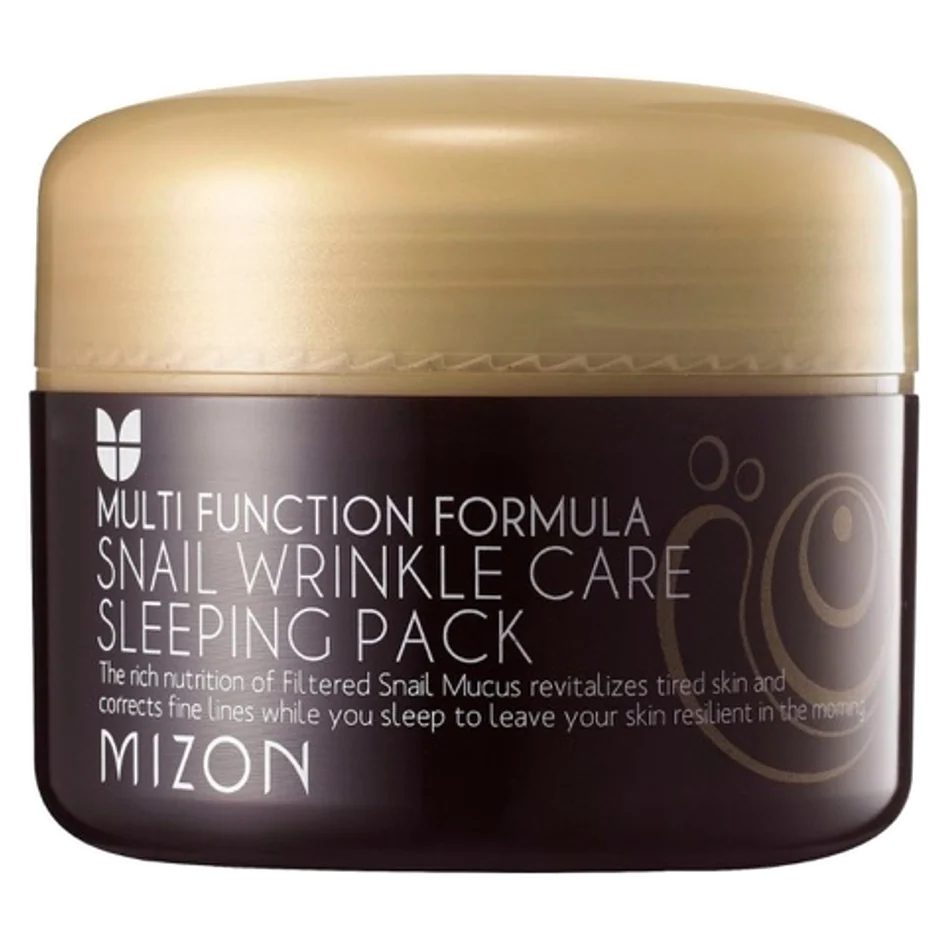
MIZON
Snail Wrinkle Care Sleeping Pack
10th of 31 on the label
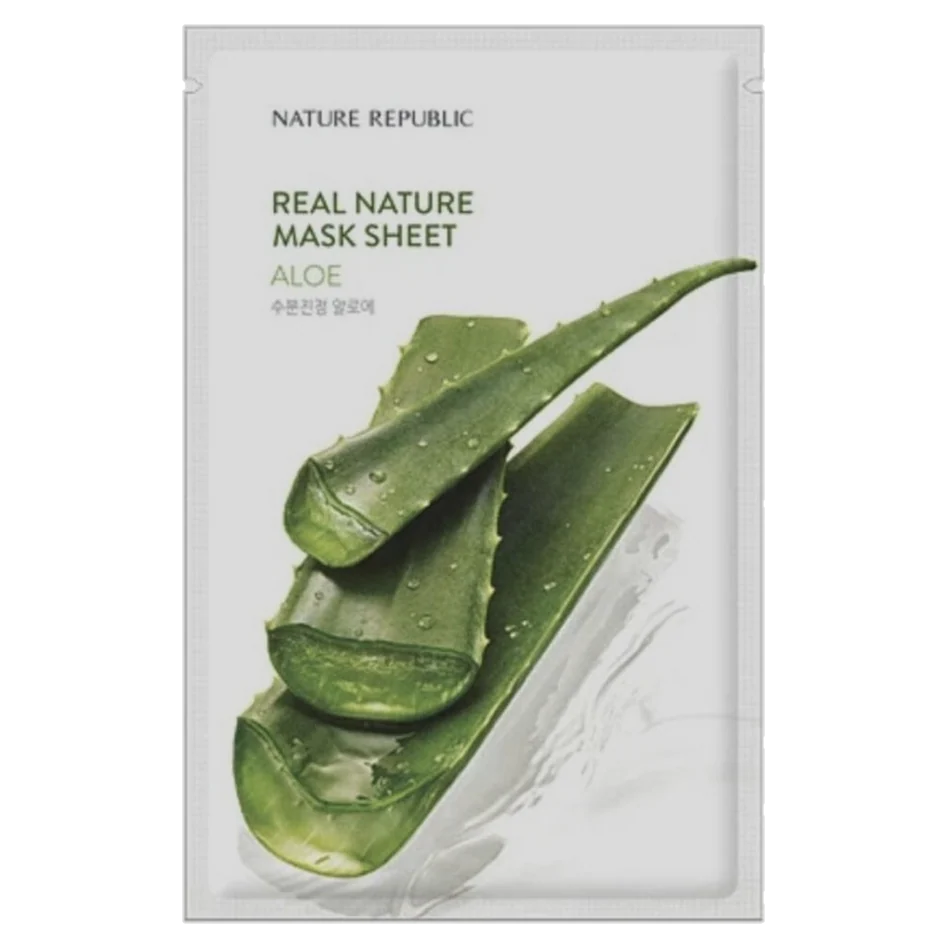
Nature Republic
Real Nature Aloe Sheet Mask
7th of 23 on the label
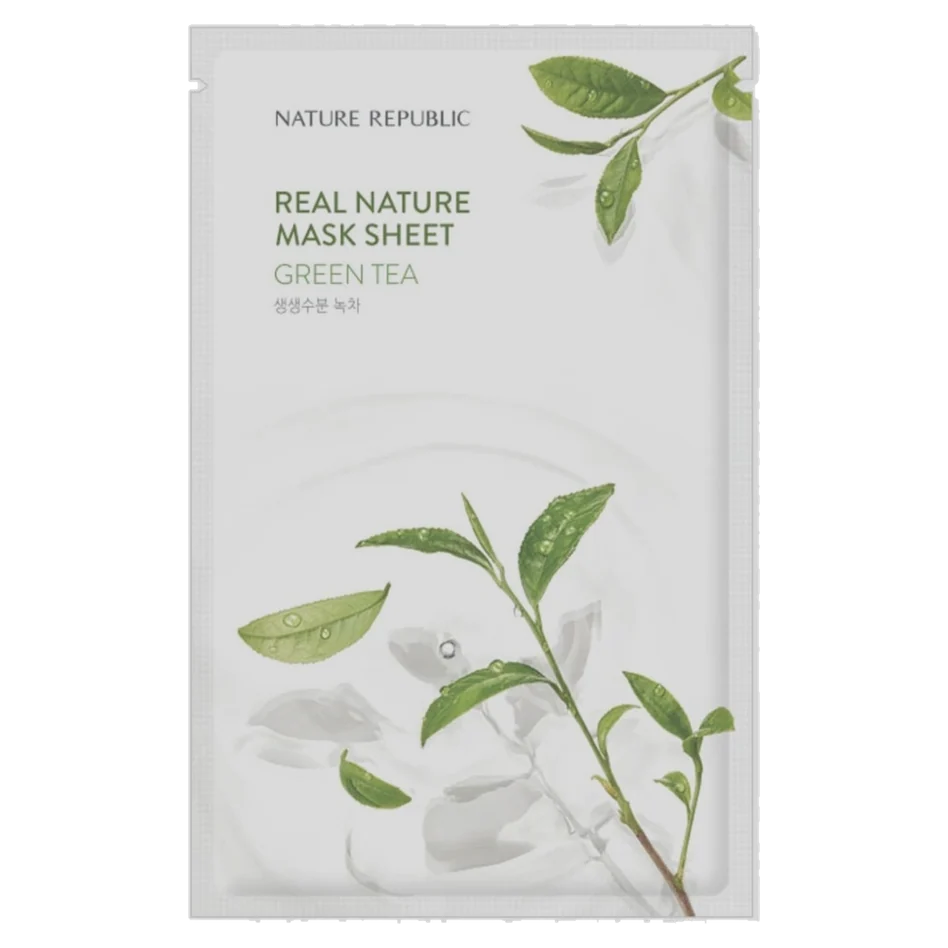
Nature Republic
Real Nature Green Tea Sheet Mask
7th of 23 on the label
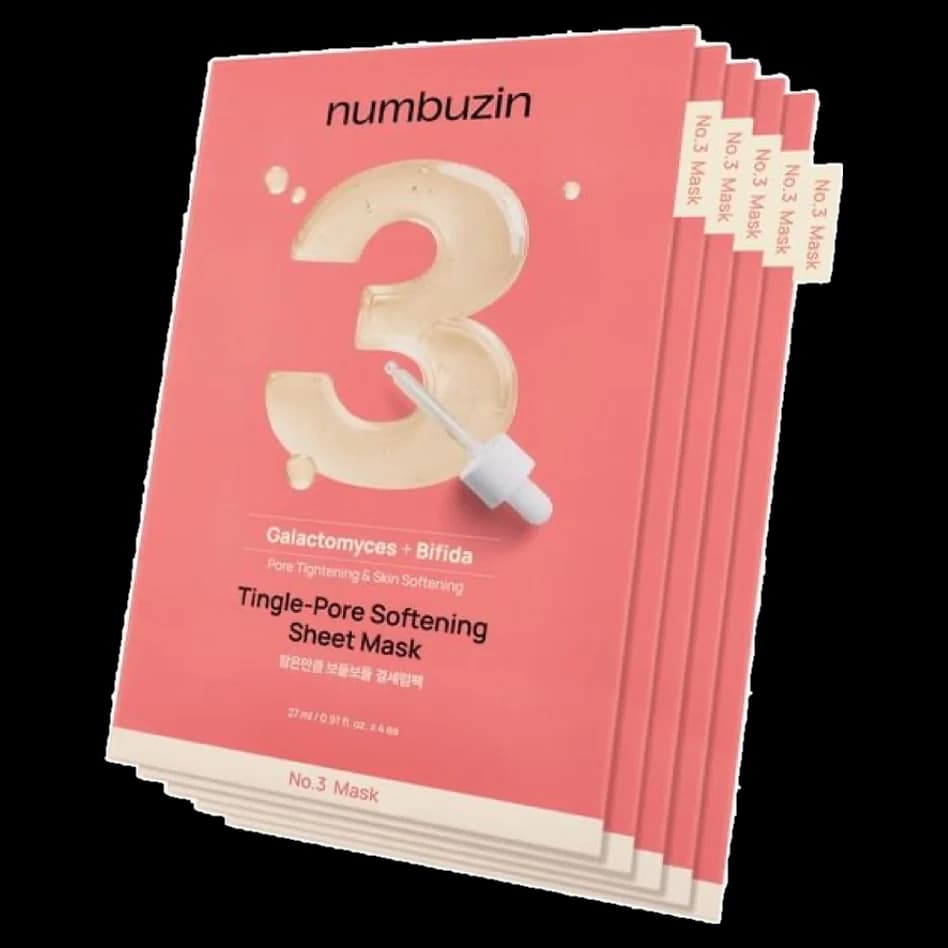
numbuzin
No.3 Tingle-Pore Softening Sheet Mask
9th of 42 on the label
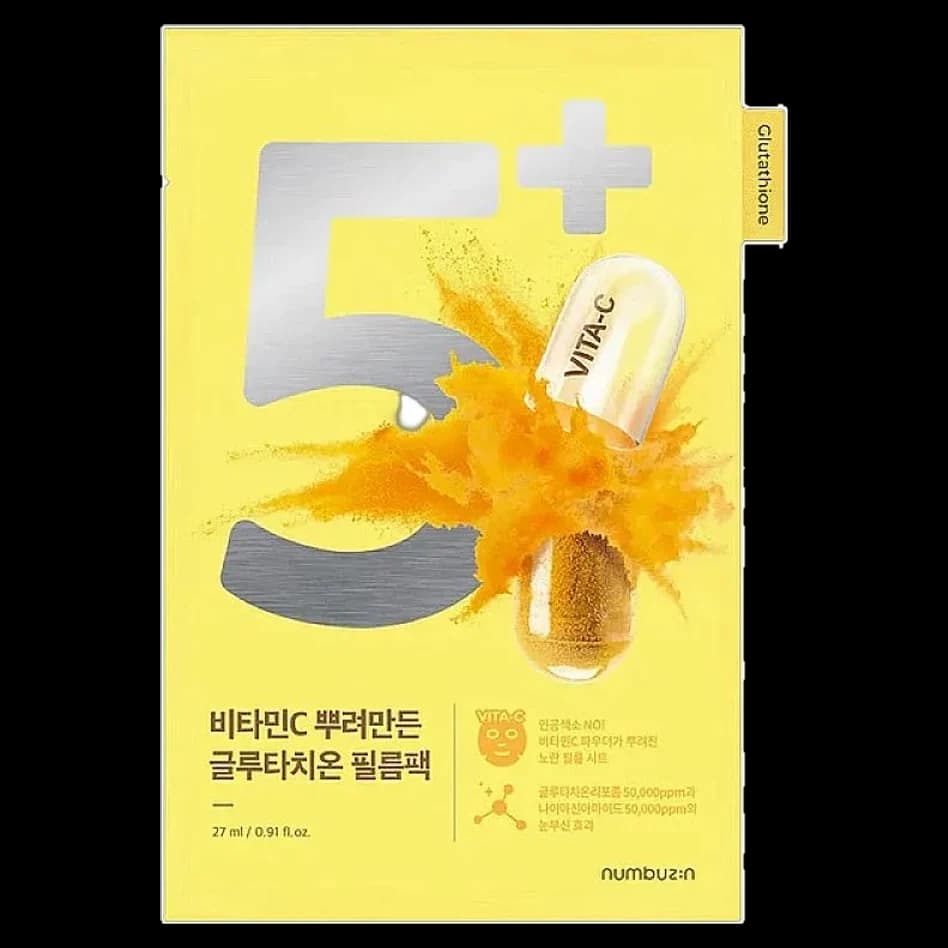
numbuzin
No.5 Vitamin Spotlight Sheet Mask
6th of 33 on the label
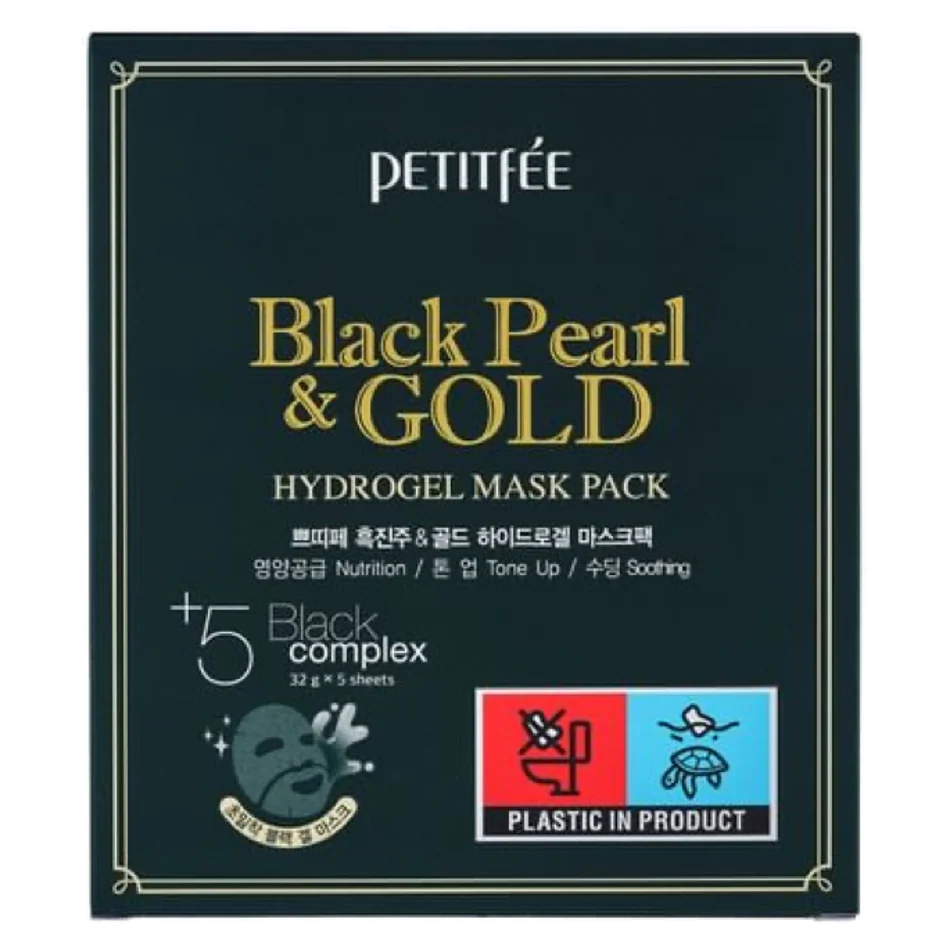
Petitfee
Black Pearl & Gold Hydrogel Mask Pack
18th of 33 on the label
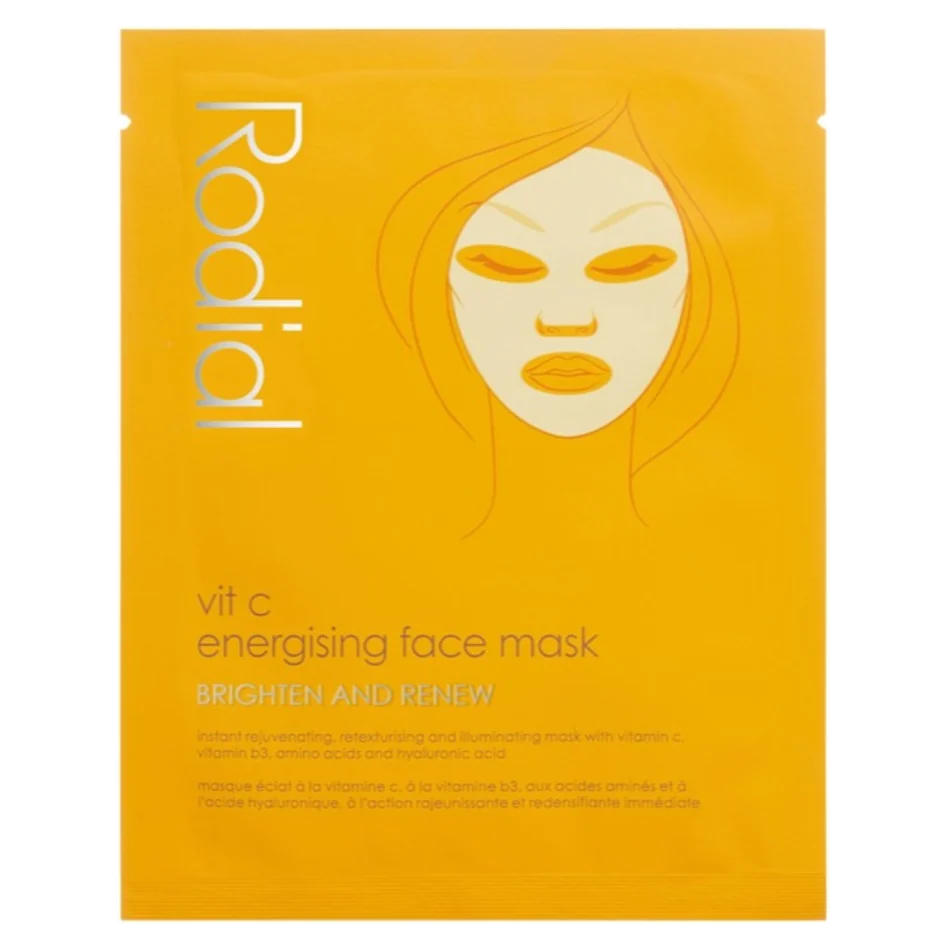
Rodial
Vit C Energising Face Mask
8th of 30 on the label
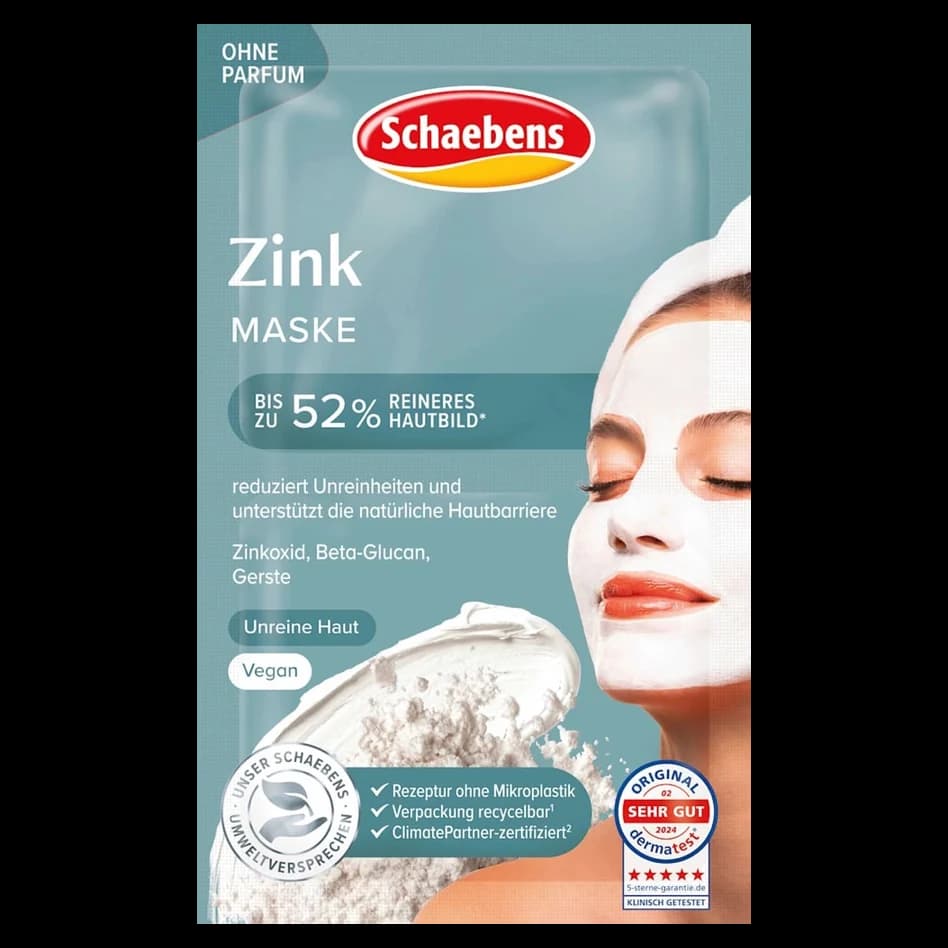
Schaebens
Gesichtsmaske Zink
13th of 27 on the label
below ≈1%
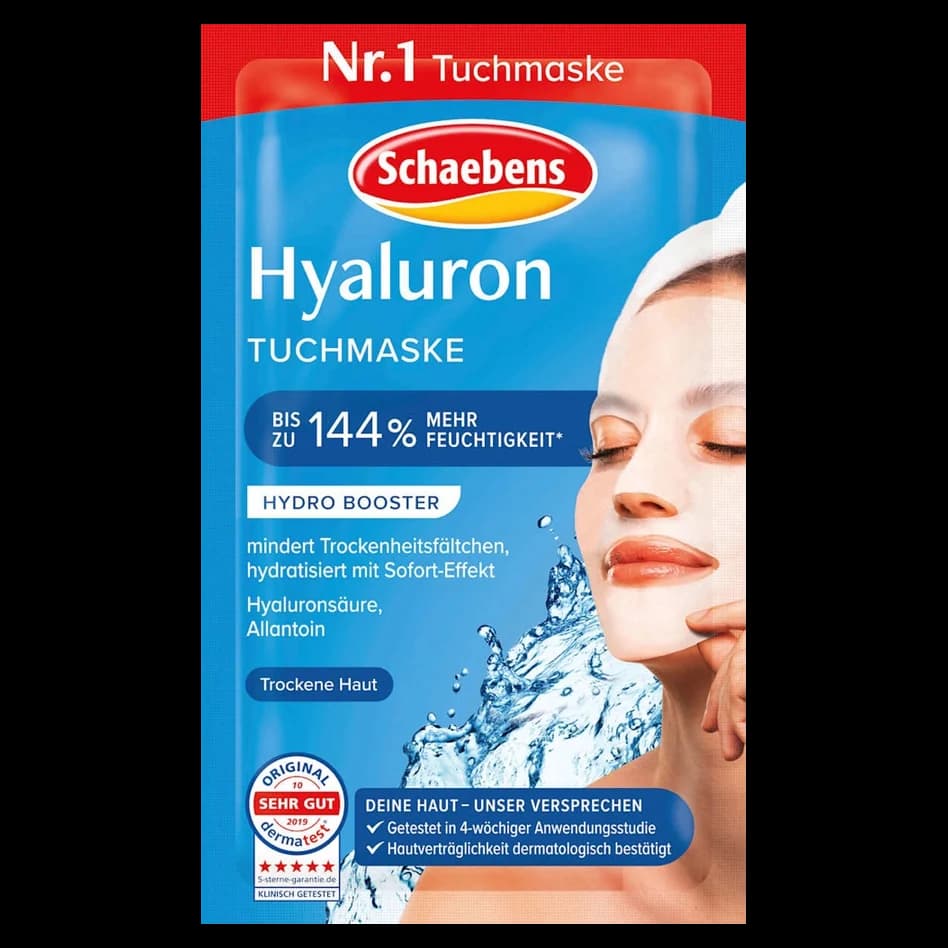
Schaebens
Tuchmaske Hyaluron
12th of 23 on the label
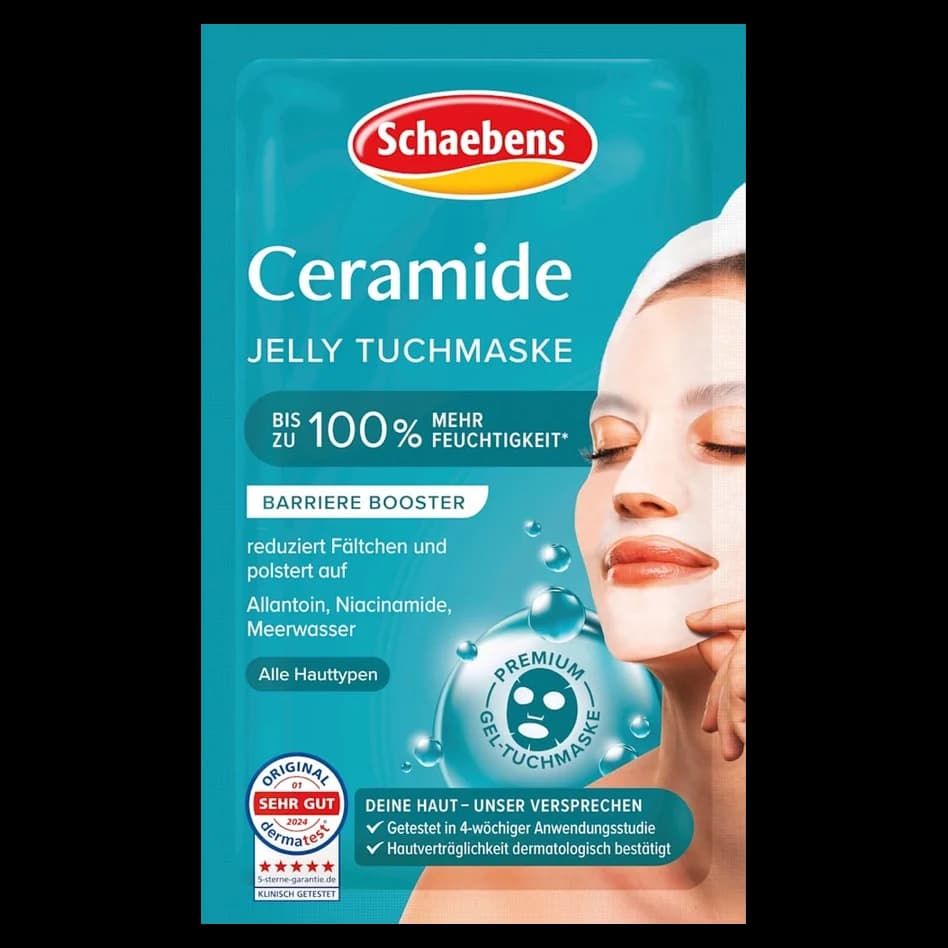
Schaebens
Tuchmaske Jelly Ceramide
18th of 29 on the label
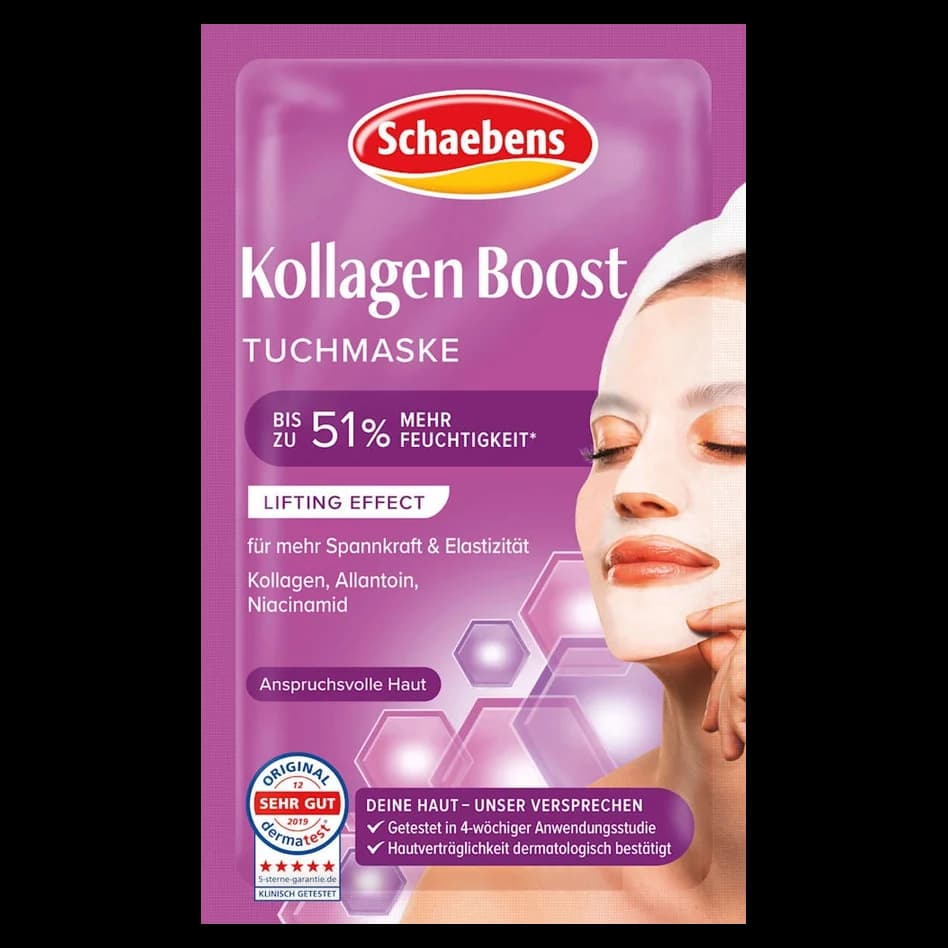
Schaebens
Tuchmaske Kollagen Boost
3rd of 27 on the label
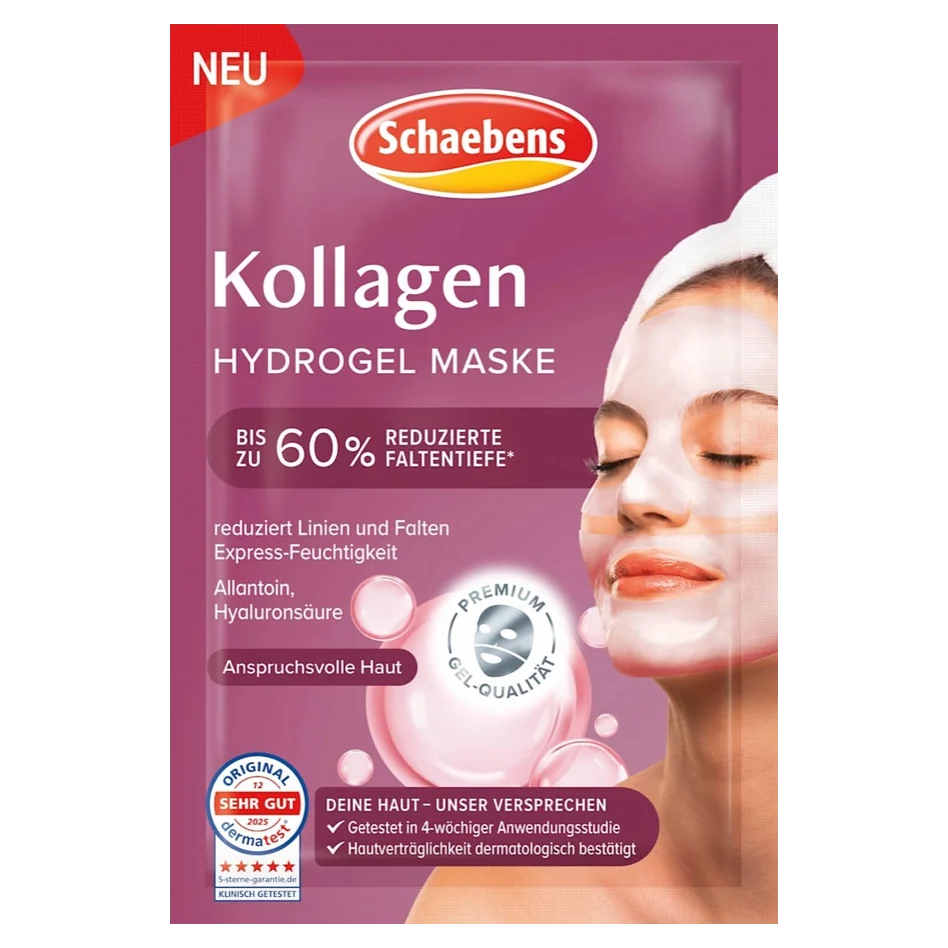
Schaebens
Tuchmaske Kollagen Hydrogel
10th of 27 on the label
below ≈1%
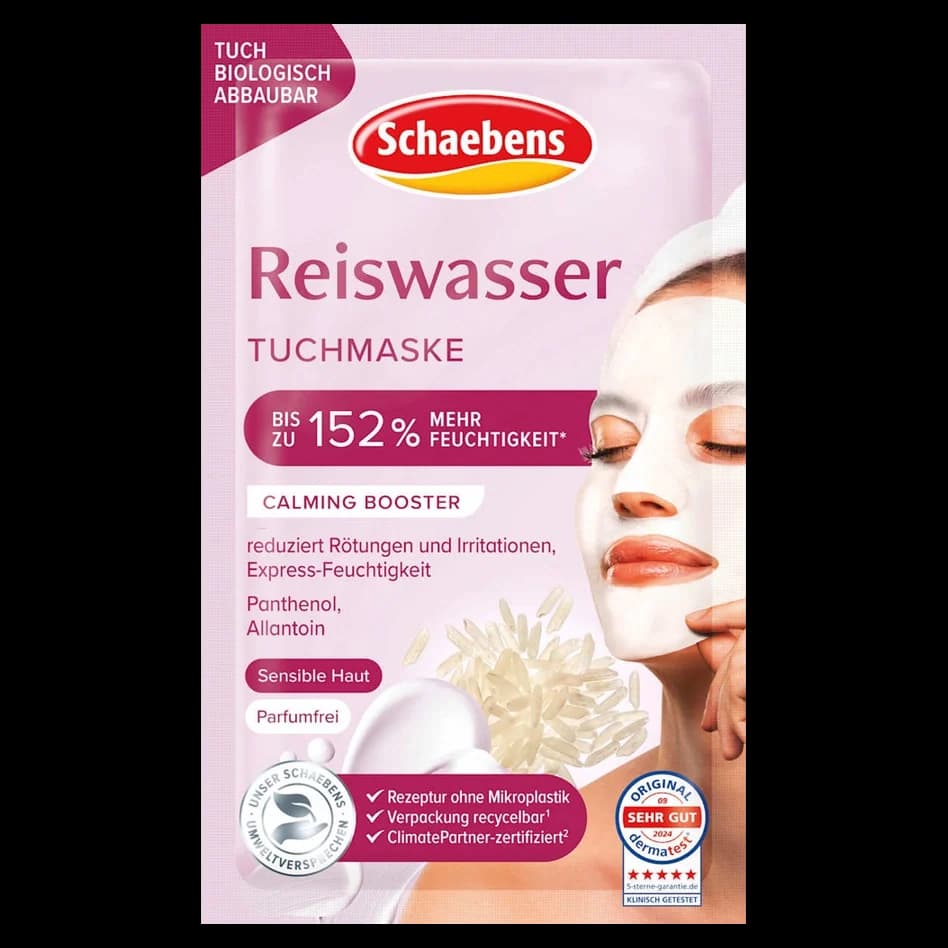
Schaebens
Tuchmaske Reiswasser
13th of 23 on the label
below ≈1%
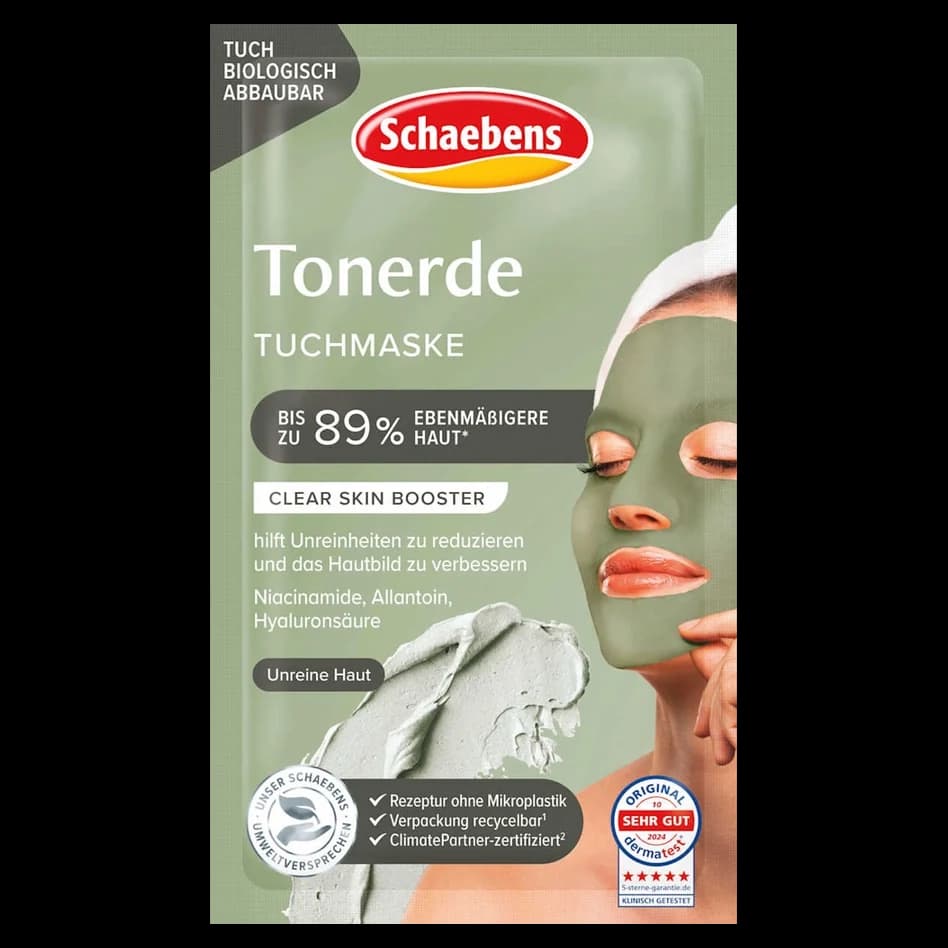
Schaebens
Tuchmaske Tonerde
18th of 35 on the label
below ≈1%
SEINZ.
Tuchmaske hydro effect
11th of 21 on the label
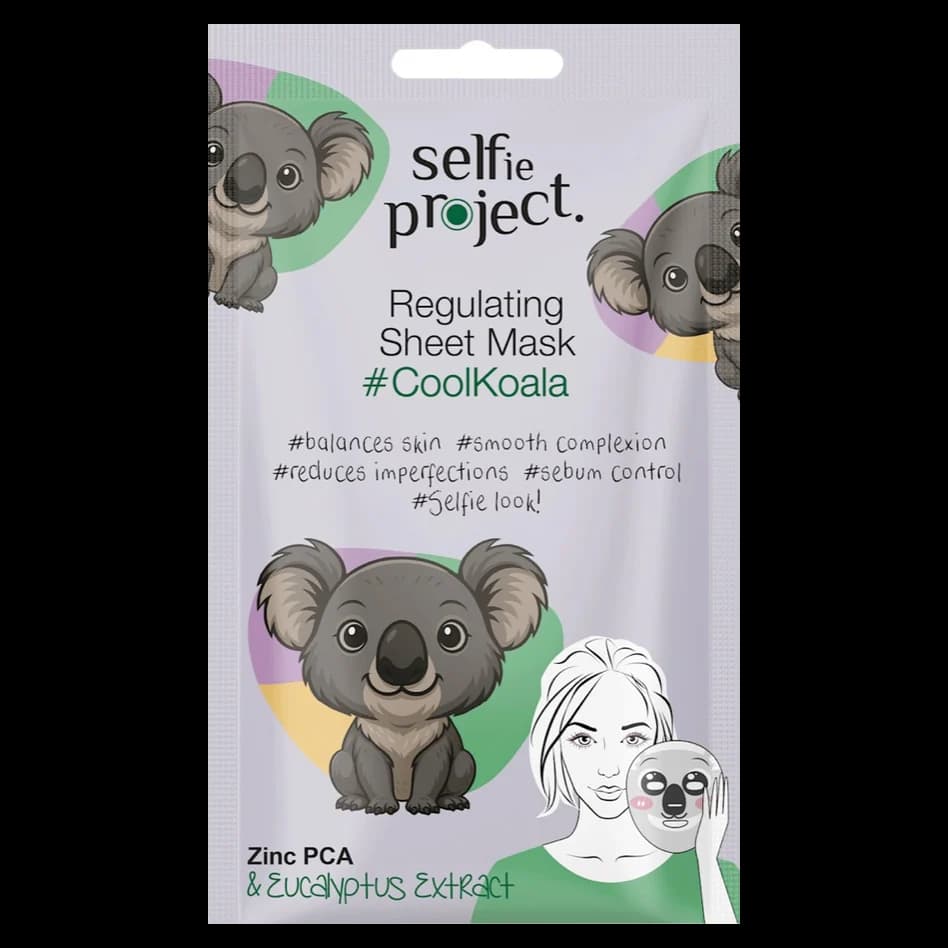
Selfie Project
Gesichtsmaske regulierend #CoolKoala
5th of 27 on the label
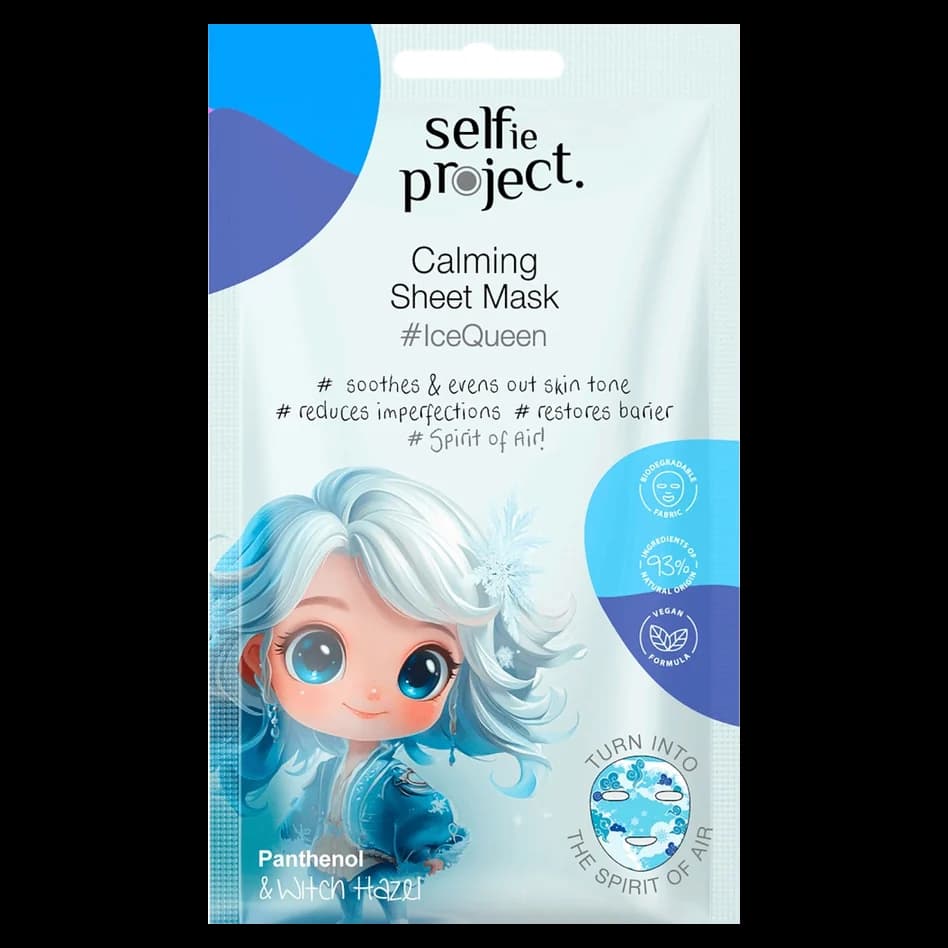
Selfie Project
Tuchmaske Calming #IceQueen
13th of 27 on the label
below ≈1%
Selfie Project
Tuchmaske Cleansing #DragonFire
13th of 22 on the label
below ≈1%
Selfie Project
Tuchmaske Moisturising #MermaidGlow
18th of 30 on the label
below ≈1%
Selfie Project
Tuchmaske Nourishing #LittleOtter
11th of 21 on the label
below ≈1%
Selfie Project
Tuchmaske Regenerating #FairyDust
22nd of 33 on the label
below ≈1%
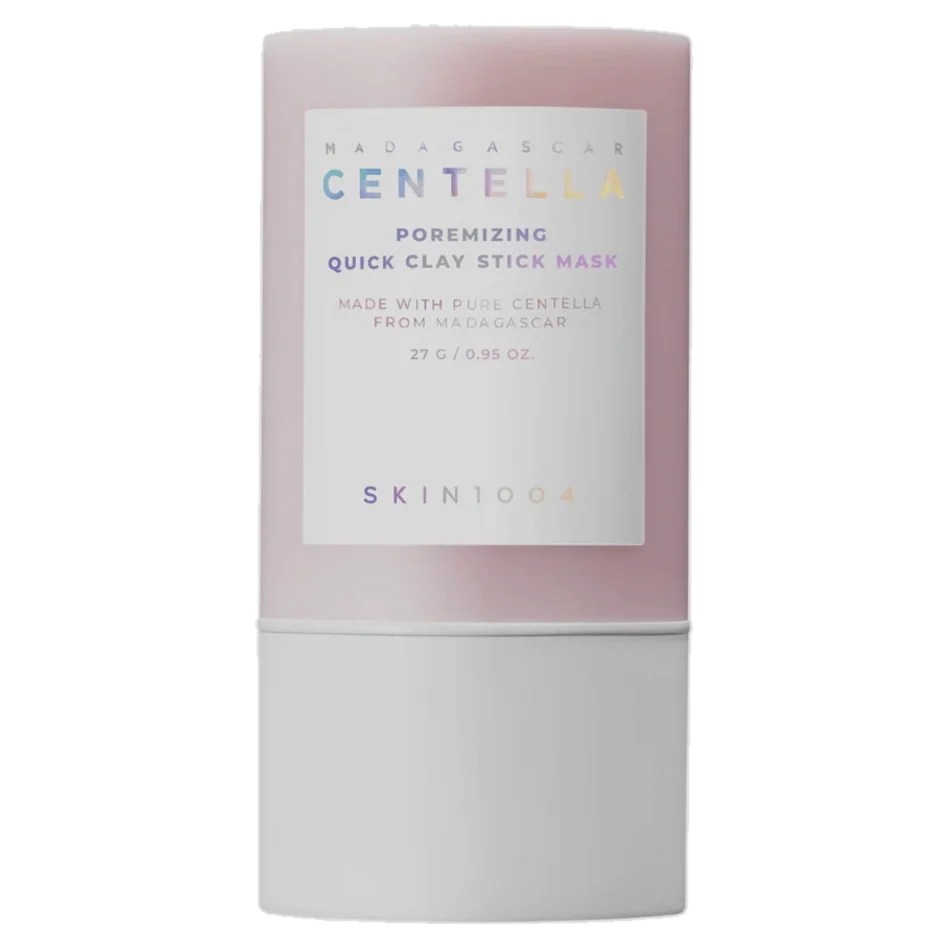
SKIN1004
Madagascar Centella Poremizing Quick Clay Stick Mask
9th of 23 on the label
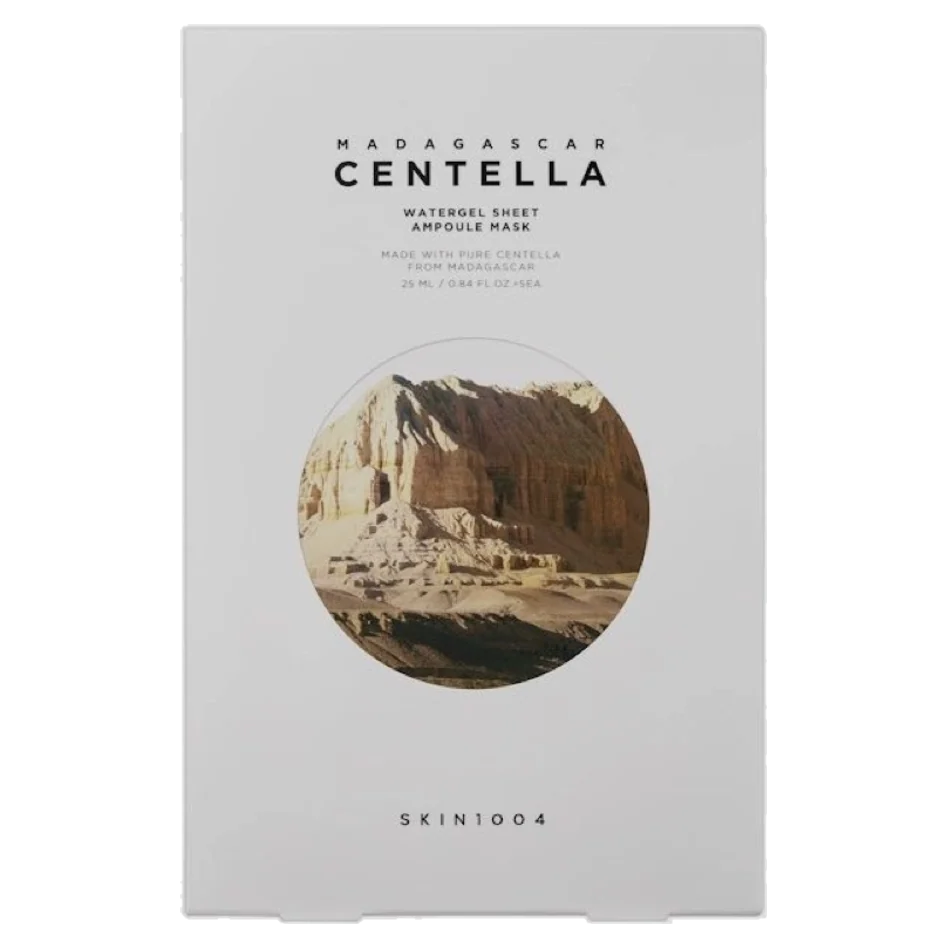
SKIN1004
Madagascar Centella Watergel Sheet Ampoule Mask
6th of 29 on the label
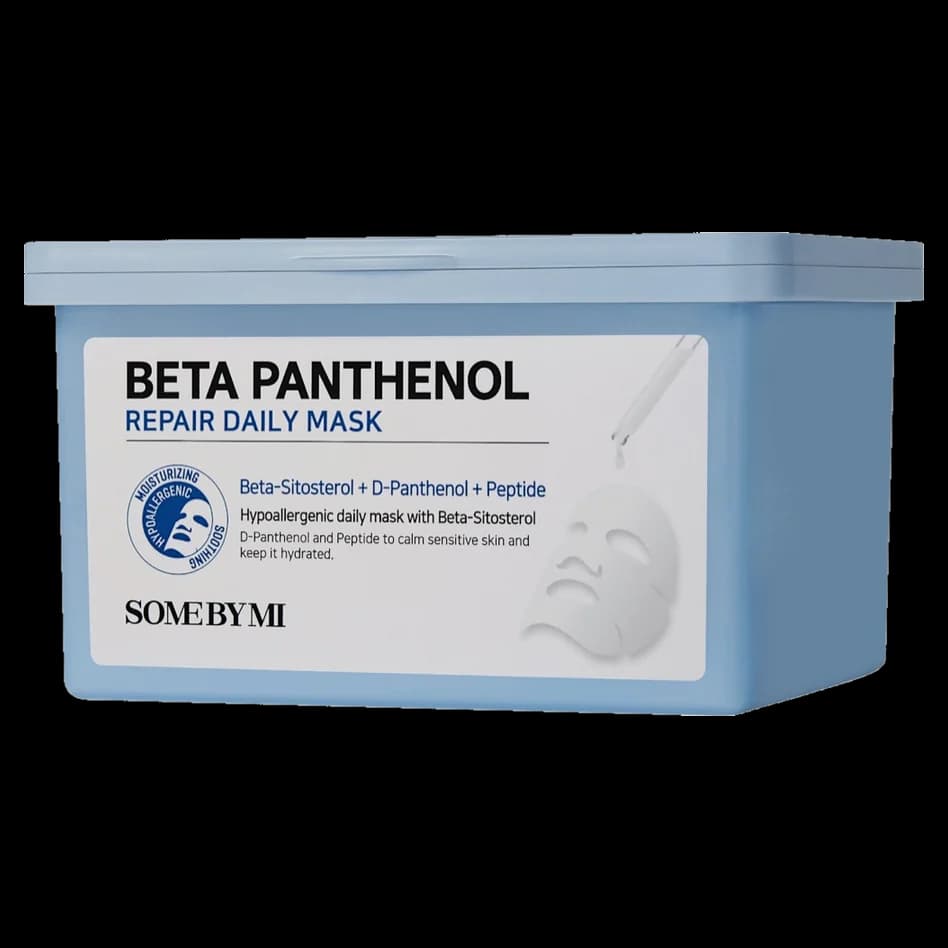
SOME BY MI
Daily Beta Panthenol Repair Mask
15th of 57 on the label
below ≈1%
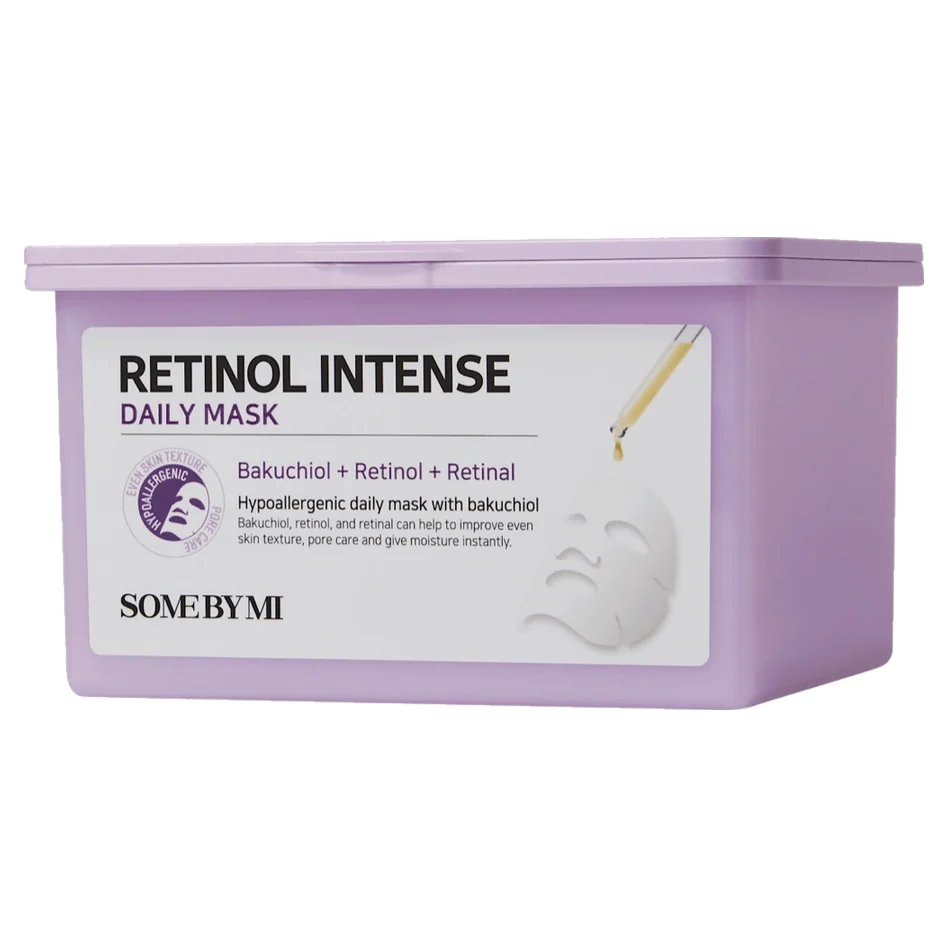
SOME BY MI
Daily Retinol Intense Mask
58th of 62 on the label
below ≈1%
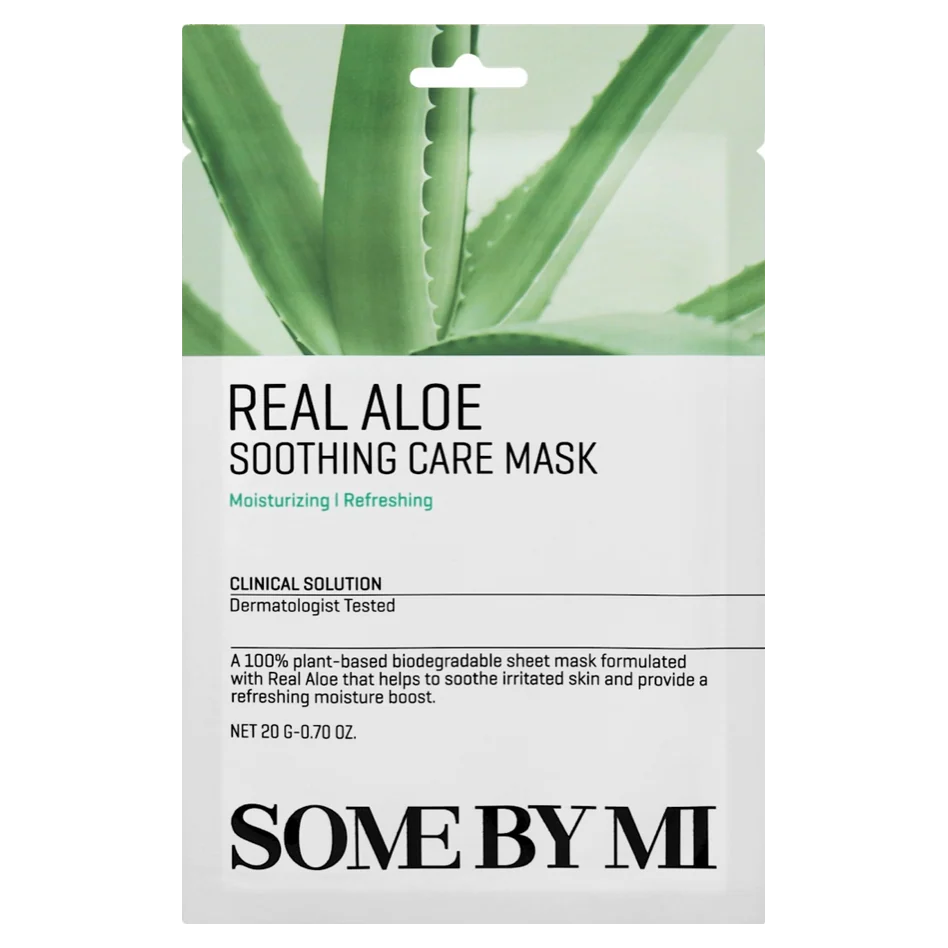
SOME BY MI
Real Aloe Soothing Care Mask
15th of 21 on the label
below ≈1%
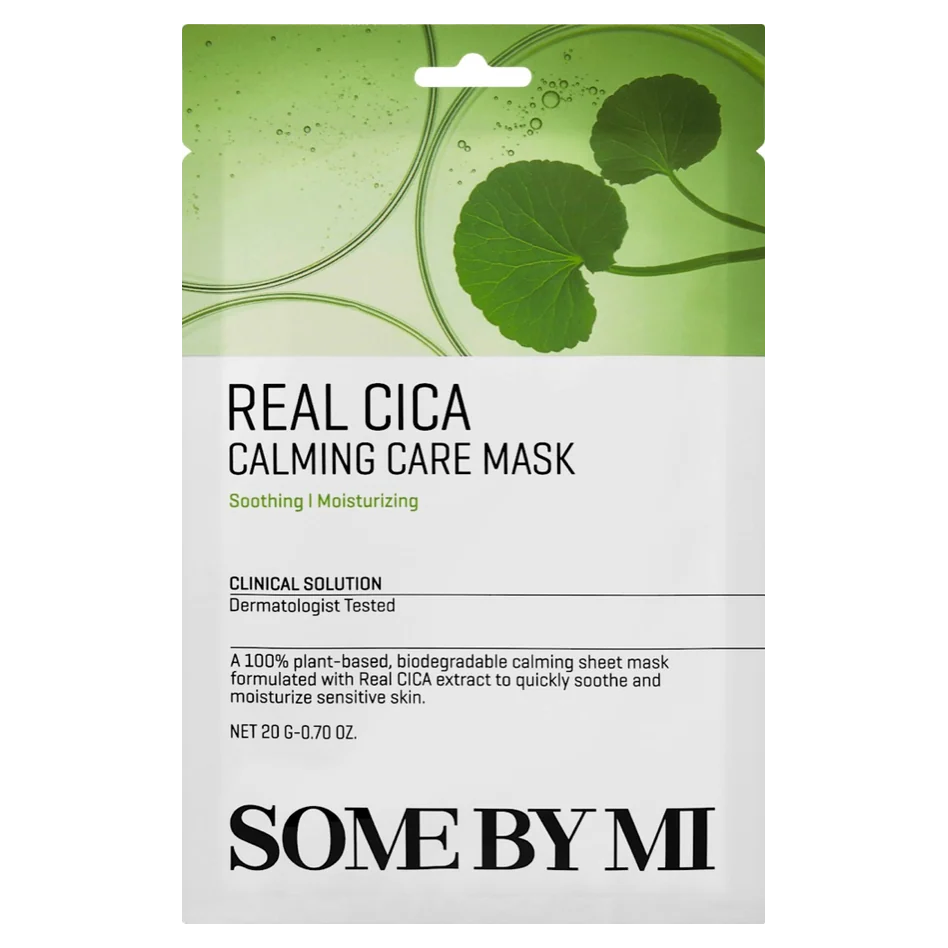
SOME BY MI
Real Cica Calming Care Mask
4th of 28 on the label
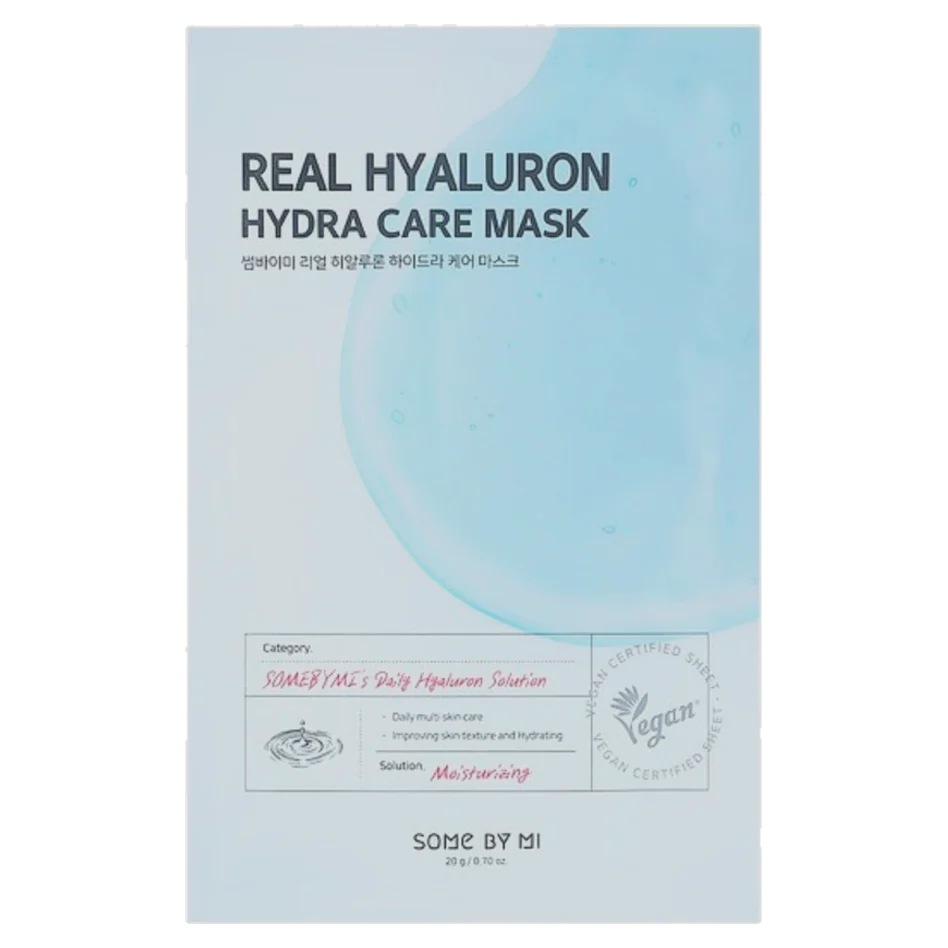
SOME BY MI
Real Hyaluron Hydra Care Mask
25th of 31 on the label
below ≈1%
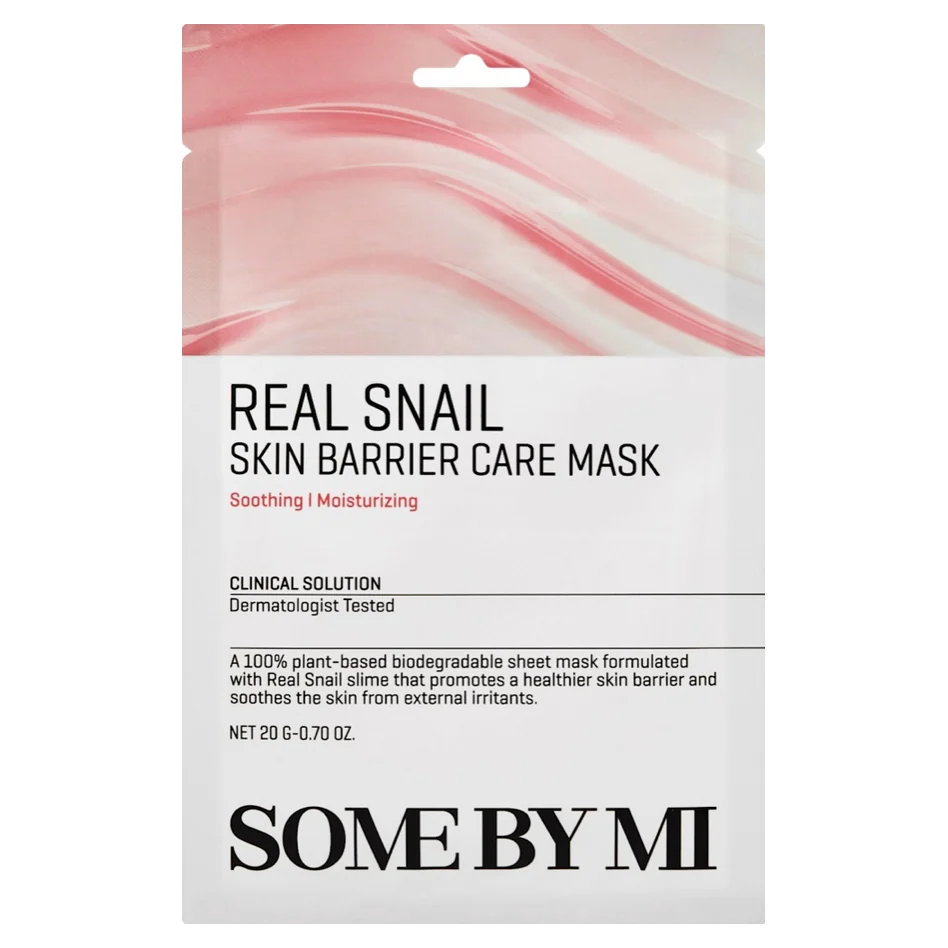
SOME BY MI
Real Snail Skin Barrier Care Mask
12th of 21 on the label
below ≈1%
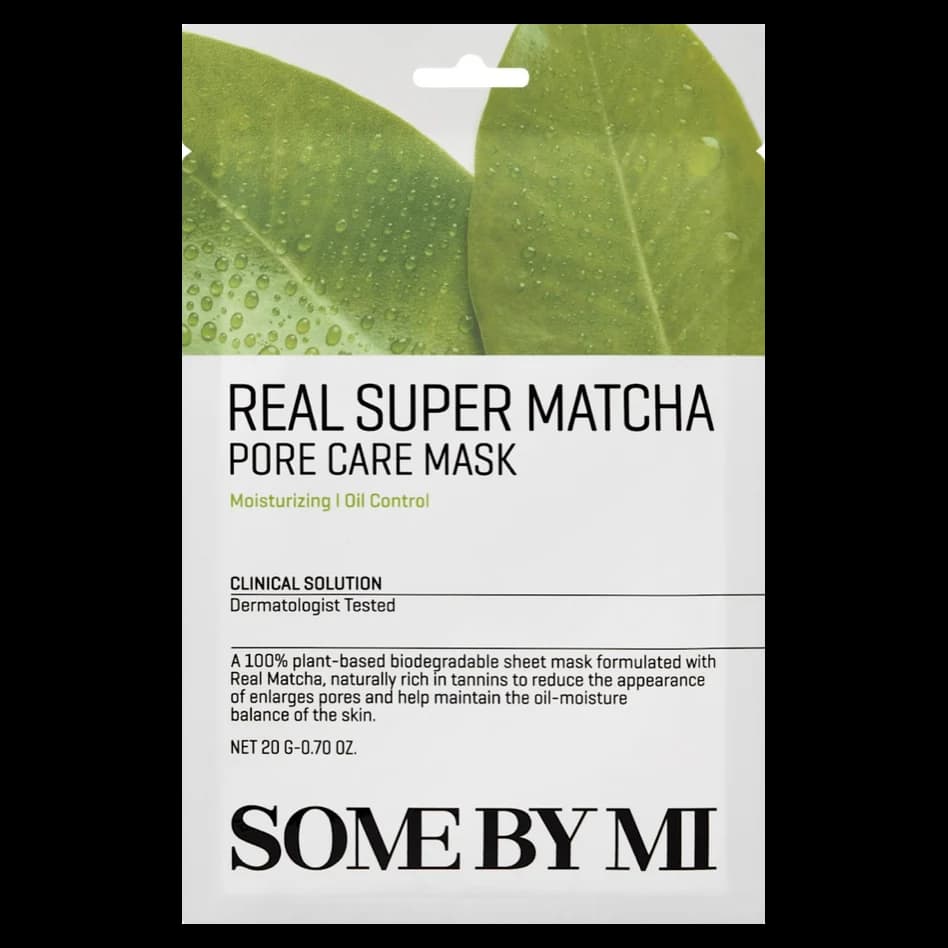
SOME BY MI
Real Super Matcha Pore Care Mask
6th of 22 on the label
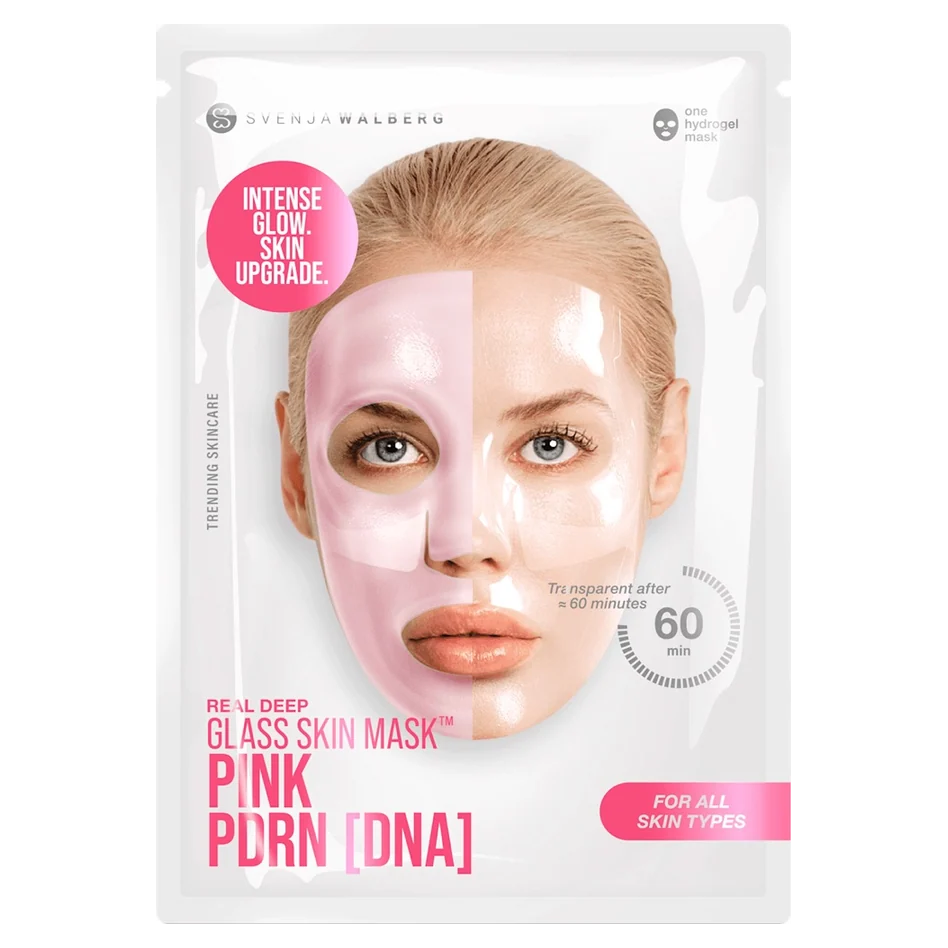
Svenja Walberg
Glass Skin Mask Pink PDRN [DNA]
16th of 26 on the label
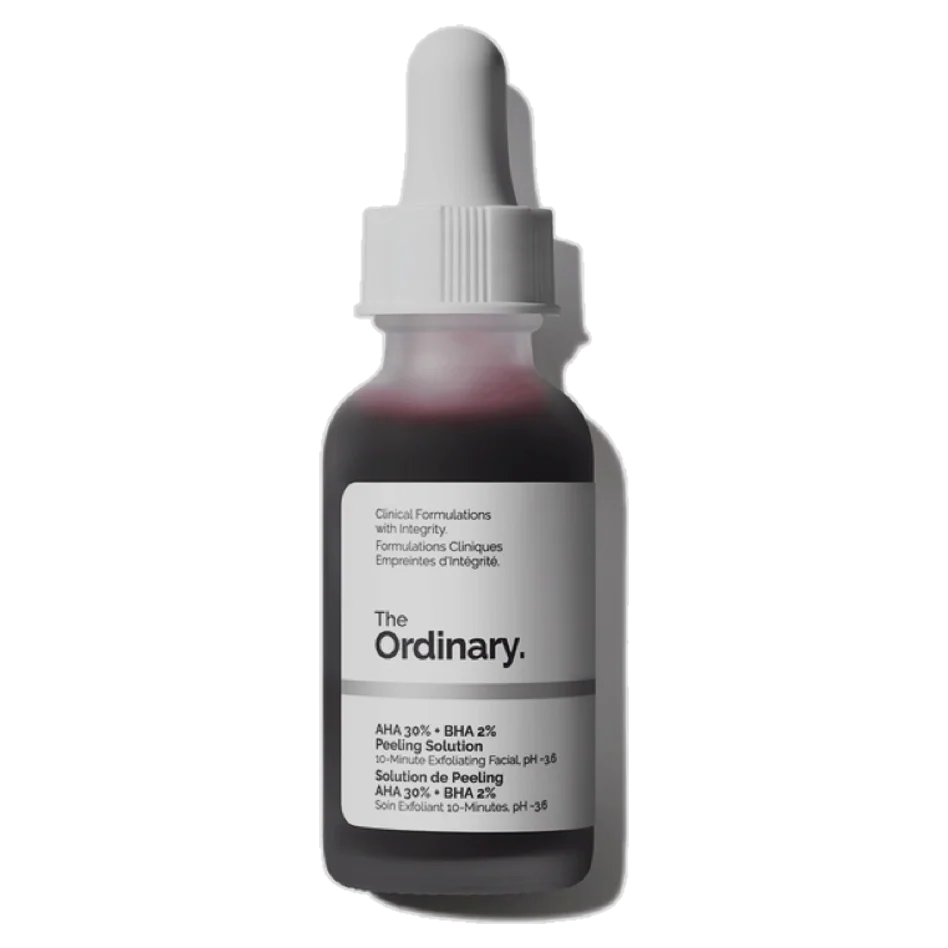
The Ordinary
AHA 30% + BHA 2% Peeling Solution
23rd of 24 on the label
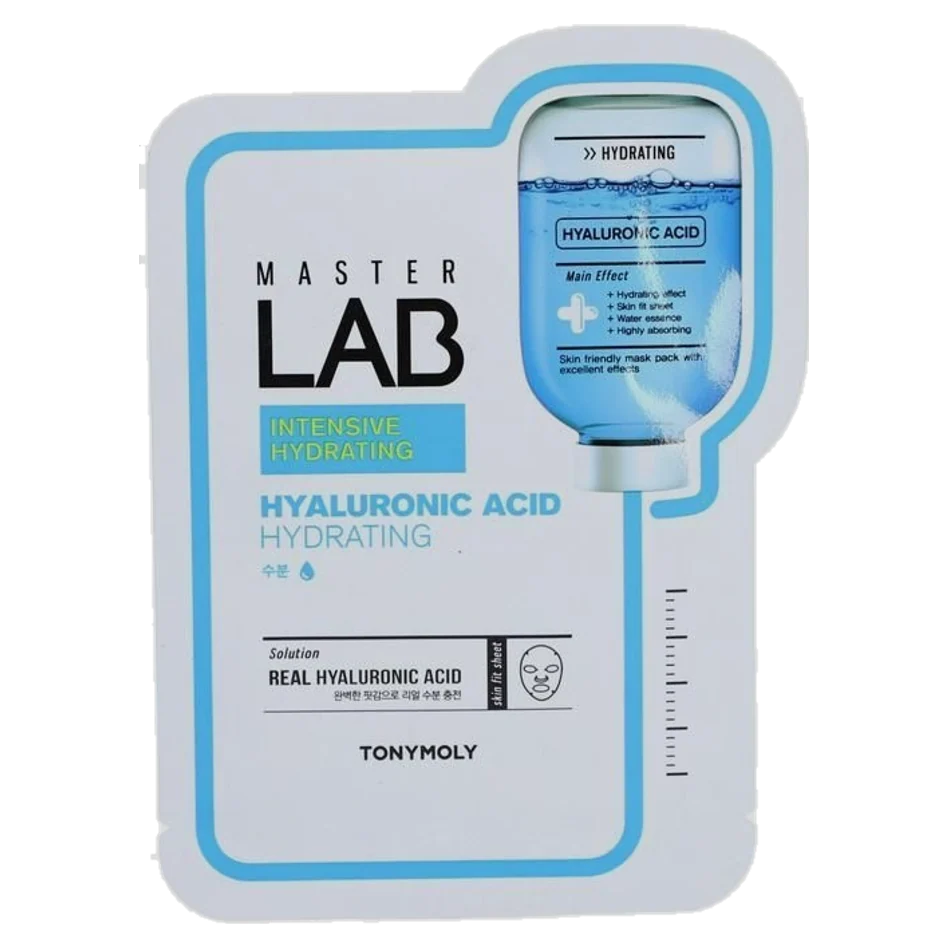
TONYMOLY
Master Lab Sheet Mask Hyaluronic Acid
23rd of 31 on the label
below ≈1%
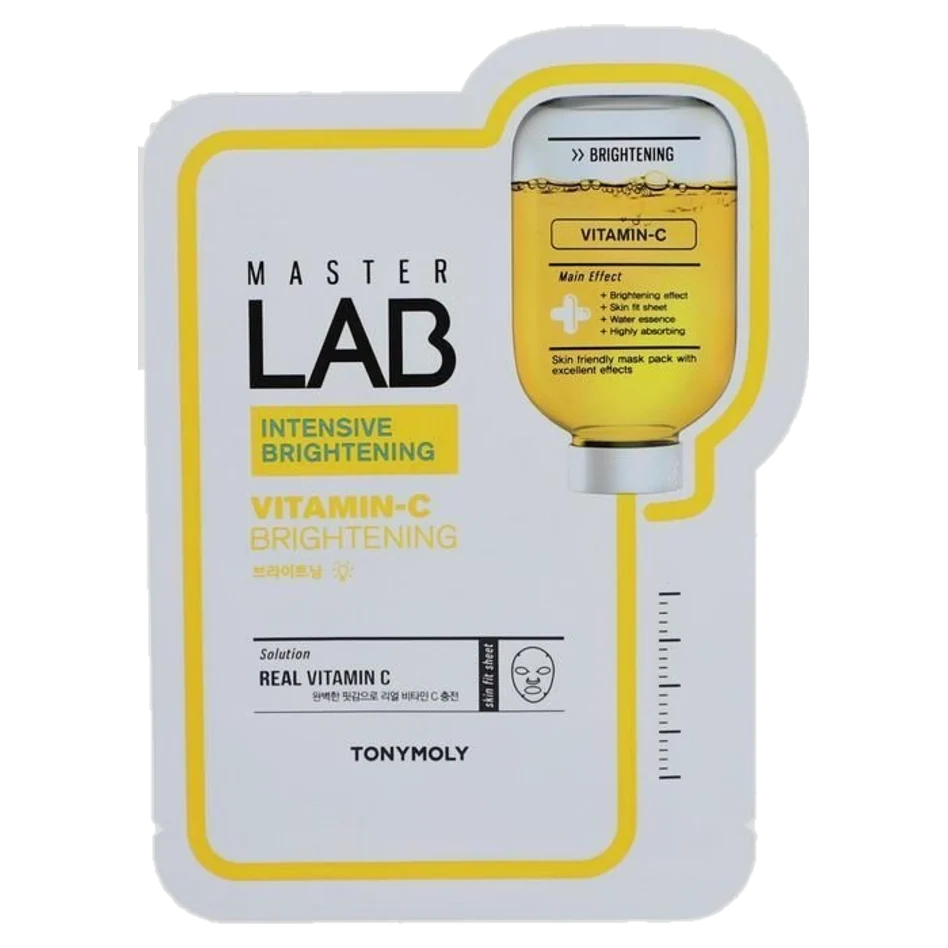
TONYMOLY
Master Lab Sheet Mask Vitamin C
32nd of 33 on the label
below ≈1%
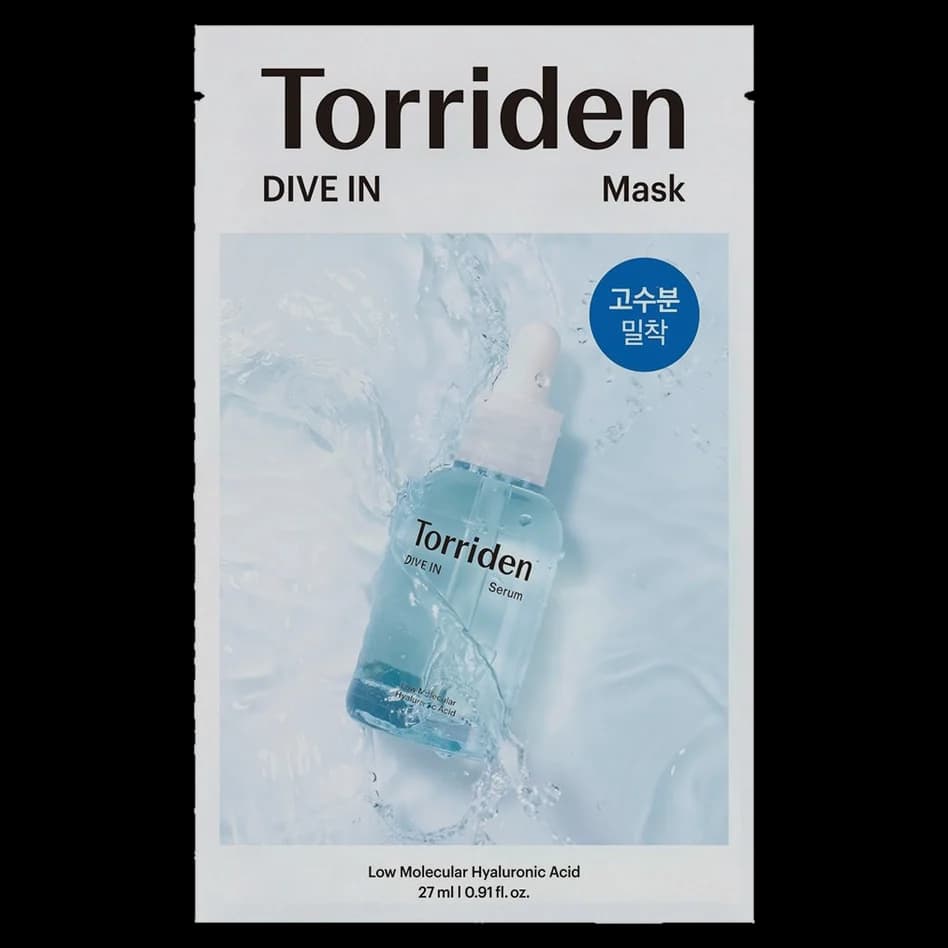
Torriden
DIVE-IN Low Molecular Hyaluronic Acid Mask
29th of 33 on the label
below ≈1%
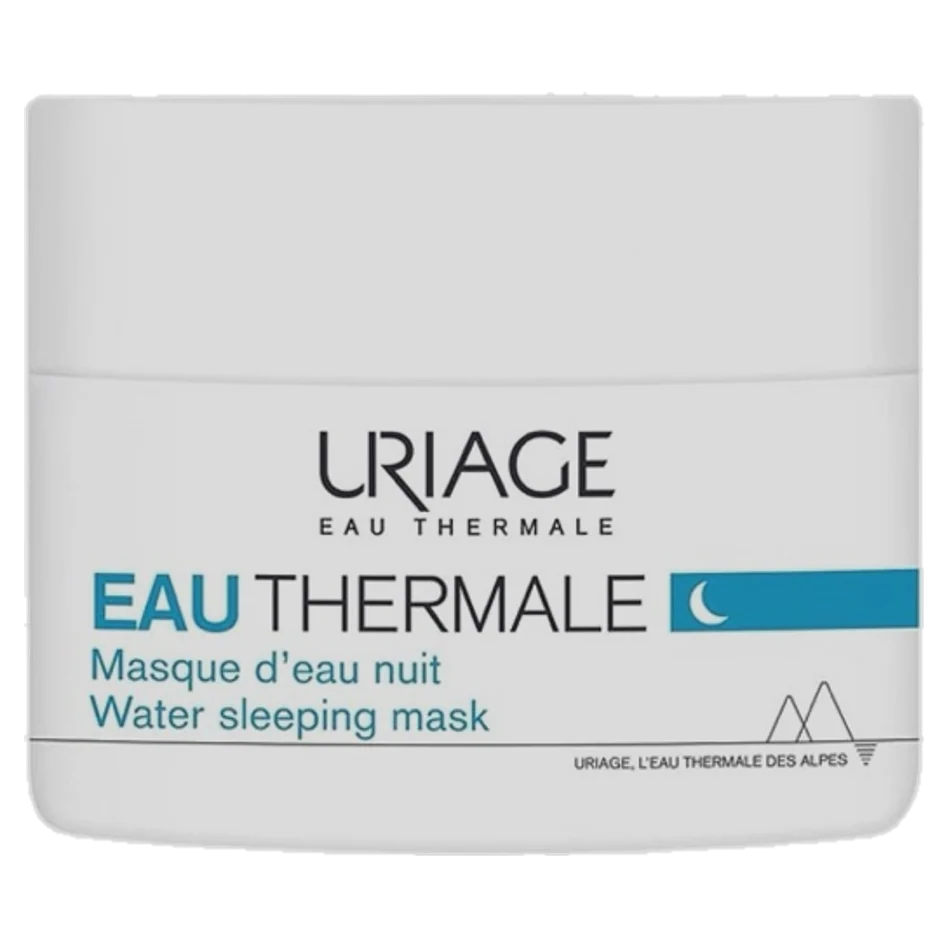
Uriage
Eau Thermale Water Sleeping Mask
5th of 29 on the label
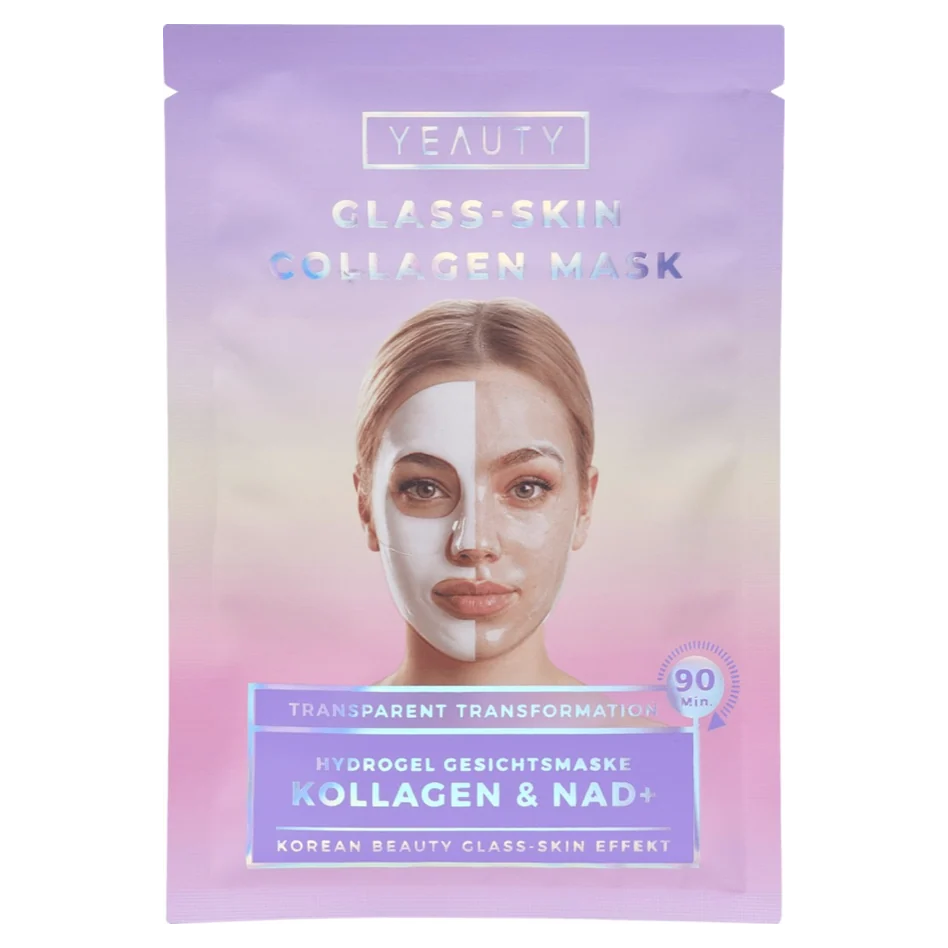
Yeauty
Glass-Skin Hydrogel Maske Kollagen & NAD+
6th of 15 on the label
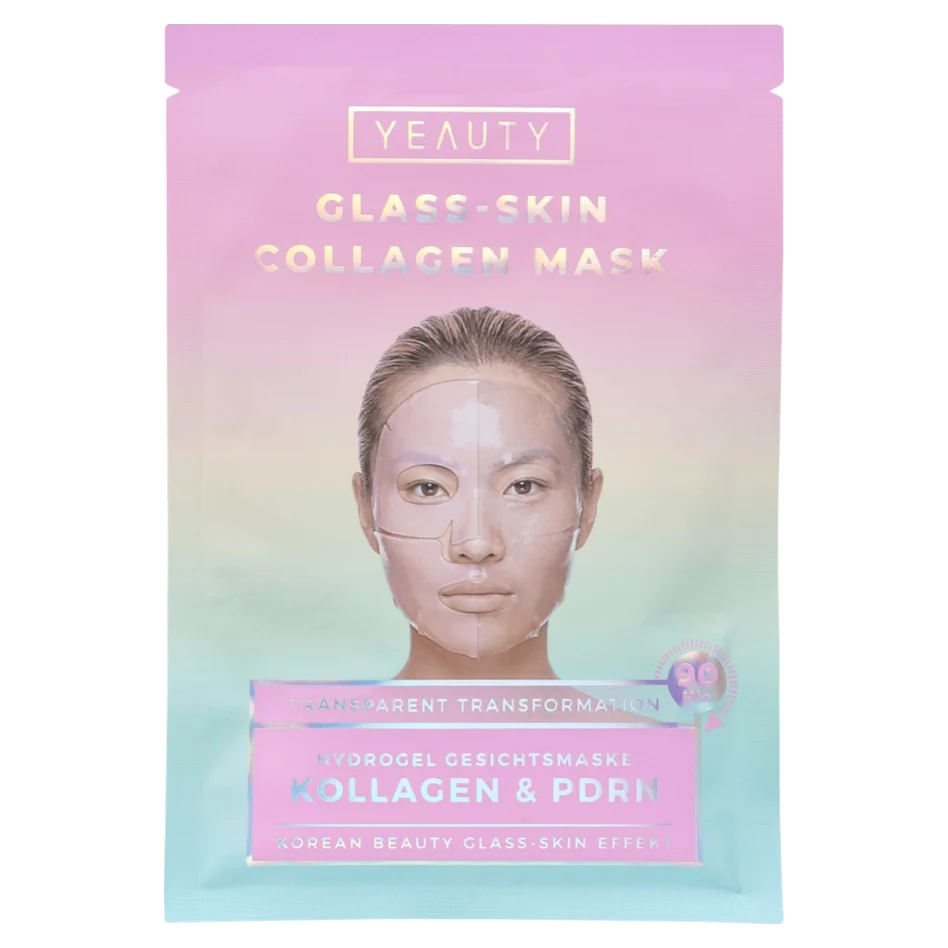
Yeauty
Glass-Skin Hydrogel Maske Kollagen & PDRN
6th of 16 on the label
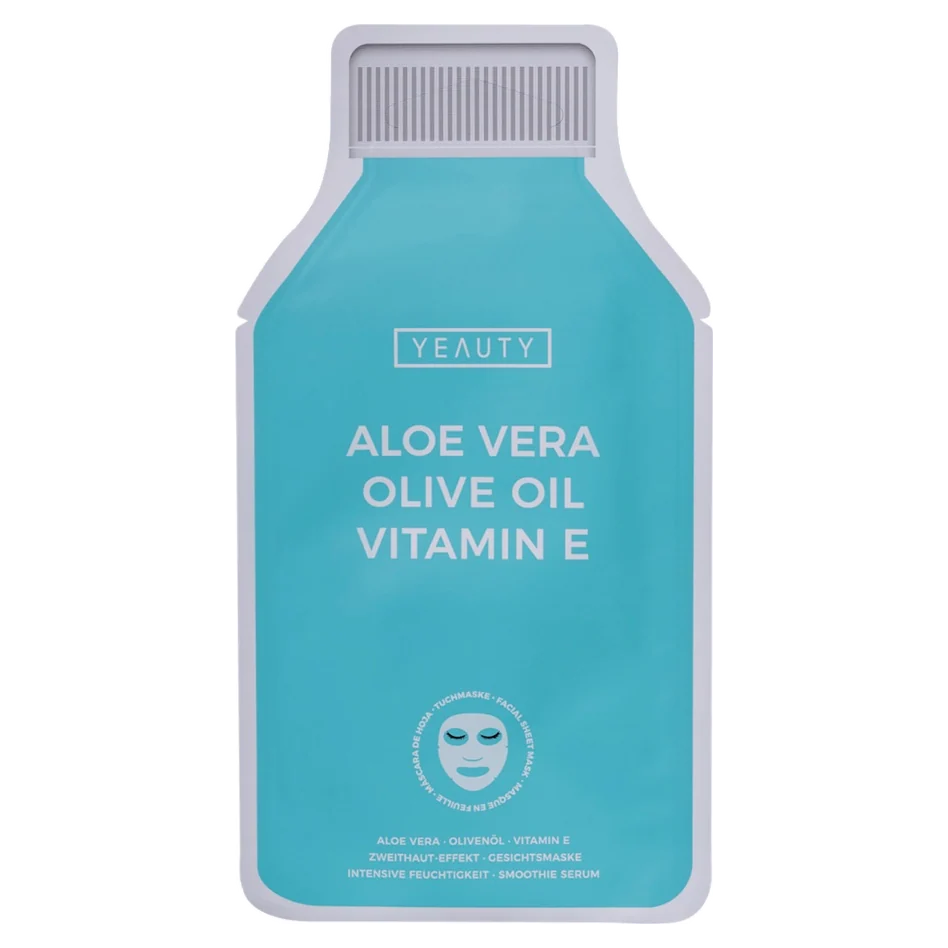
Yeauty
Tuchmaske Aloe Vera Olive Oil Vitamin E
6th of 29 on the label
below ≈1%
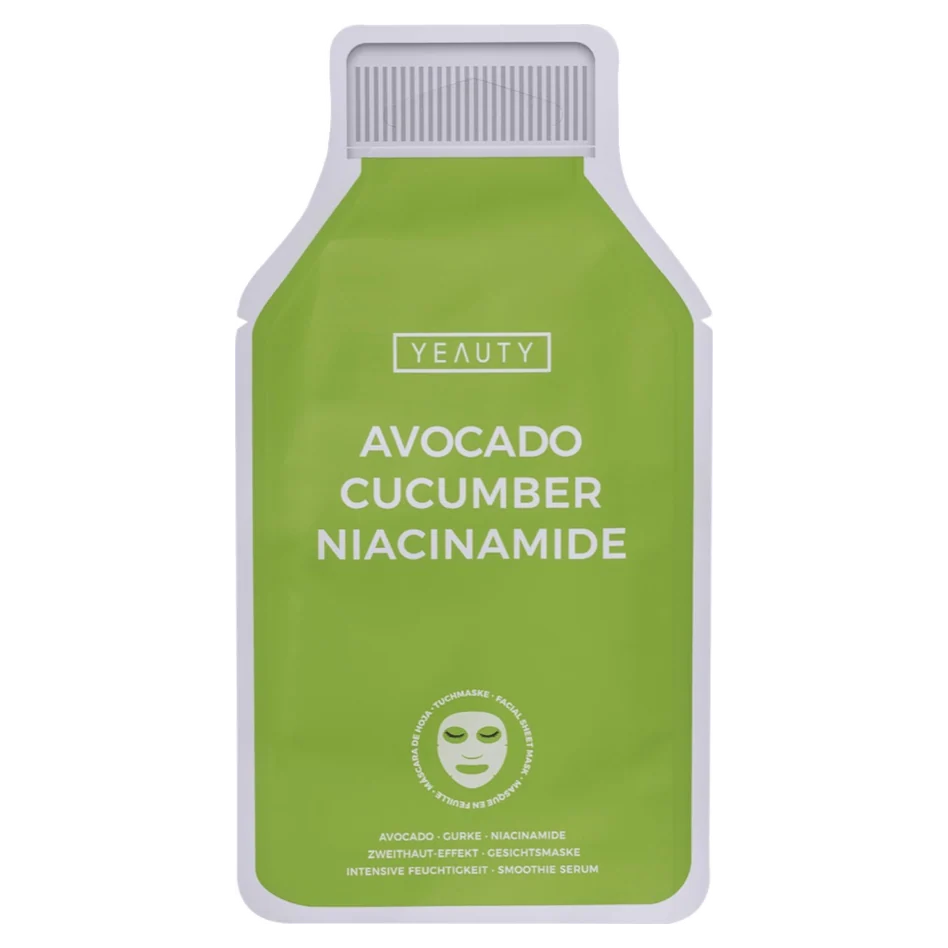
Yeauty
Tuchmaske Avocado Cucumber Niacinamide
6th of 29 on the label
below ≈1%