Alcohol
Ethanol
Genuinely relevant for some people, or depends on dose and pH.
Also written as: Ethanol · Ethyl Alcohol · Grain Alcohol
What it is
When an ingredient list says simply 'Alcohol', it means ethanol that has not been denatured. Chemically it is identical to the alcohol in wine or spirits, and in the EU it is usually produced by fermenting sugar beet, grain or sugar cane. Cosmetic chemists use it for the same reasons as Alcohol Denat. and, above roughly 15-20%, it also helps hold down microbial growth, which is why some low-preservative toners lean on it. It is not the same as 'fatty alcohols' such as Cetyl Alcohol or Cetearyl Alcohol, which are waxy, non-drying and behave completely differently.
How it shows up on a label
Do not confuse with Cetyl Alcohol, Cetearyl Alcohol, Stearyl Alcohol or Behenyl Alcohol. Those are fatty alcohols that soften and thicken rather than dry.
What it does well
Acts as a solvent and helps other ingredients spread and absorb
Ethanol dissolves many actives that water will not carry and reduces the surface tension of a formula, so it spreads thinly and evenly.
Strong evidence
Contributes to preservation at higher levels
At roughly 15-20% and above, ethanol lowers the water available to microbes and supports the preservative system. Below that it has little antimicrobial value on its own.
Moderate evidence
Worth knowing
Drying and stinging on compromised skin
Ethanol evaporates rapidly and can leave dry or sensitised skin feeling tight. On broken, freshly exfoliated or shaved skin it stings noticeably.
Matters most toPeople with dry, sensitive or eczema-prone skin, and anyone applying it after acids, retinoids or shaving.
The IARC classification refers to drinking alcohol, not skincare
Alcoholic beverages and ethanol consumed in them are classified by IARC as carcinogenic to humans, and this is sometimes quoted about cosmetics. A published risk assessment of topical ethanol found no evidence associating skin application with increased skin cancer risk. This popular fear is not supported for topical use.
Matters most toAnyone who has read that 'alcohol is a Group 1 carcinogen' in a skincare context.
Where the EU stands
No specific restriction
Ethanol is not a restricted substance under the EU Cosmetics Regulation: it has no entry of its own in Annex II (prohibited), Annex III (restricted) or Annex V (preservatives), so no cosmetic concentration limit applies. It is named in Annex III entry 52 only as the substrate whose denaturant is capped - methanol may be used to denature ethanol and isopropyl alcohol up to 5%, calculated on the ethanol and isopropyl alcohol content.
Regulation (EC) No 1223/2009 - no annex entry for ethanol; named in Annex III entry 52 as the substrate for the methanol denaturant limit · source ↗
Sources (3)
Every link goes to the original: a journal, a PubMed record or an EU document.
- [1]Safety evaluation of topical applications of ethanol on the skin and inside the oral cavity
Journal of Occupational Medicine and Toxicology · 2008 · doi:10.1186/1745-6673-3-26
Concluded there is a lack of evidence associating topical ethanol use with increased skin cancer risk, despite the unambiguous carcinogenicity of ethanol when drunk.
- [2]Skin tolerance and effectiveness of two hand decontamination procedures in everyday hospital use
British Journal of Dermatology · 2000 · doi:10.1111/j.1365-2133.2000.03708.x
In routine hospital use, alcohol-based hand disinfection was better tolerated by the skin than washing, indicating that alcohol exposure is not automatically damaging in practice.
- [3]IARC Monographs on the Identification of Carcinogenic Hazards to Humans - List of Classifications
International Agency for Research on Cancer (WHO) · 2024
IARC classifies alcoholic beverages and ethanol in alcoholic beverages as Group 1 carcinogenic to humans; the classification is based on consumption, not on topical application.
Masks that contain Alcohol
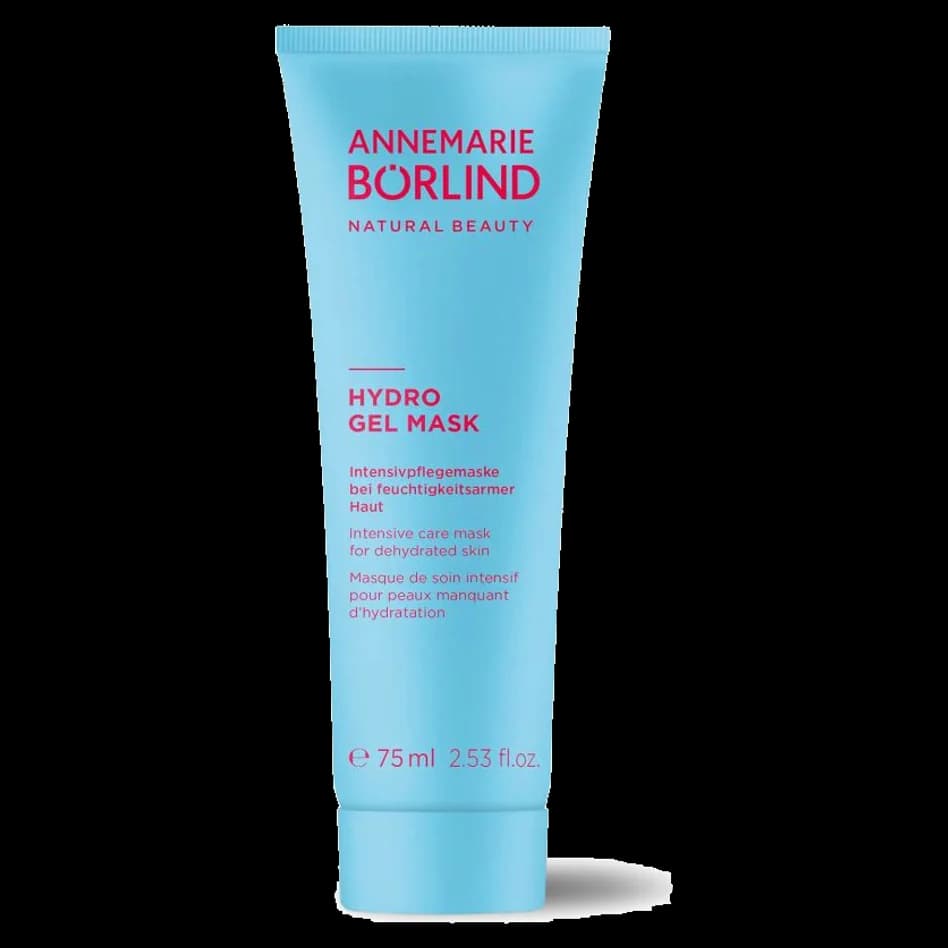
Annemarie Börlind
Hydro Gel Mask
3rd of 33 on the label
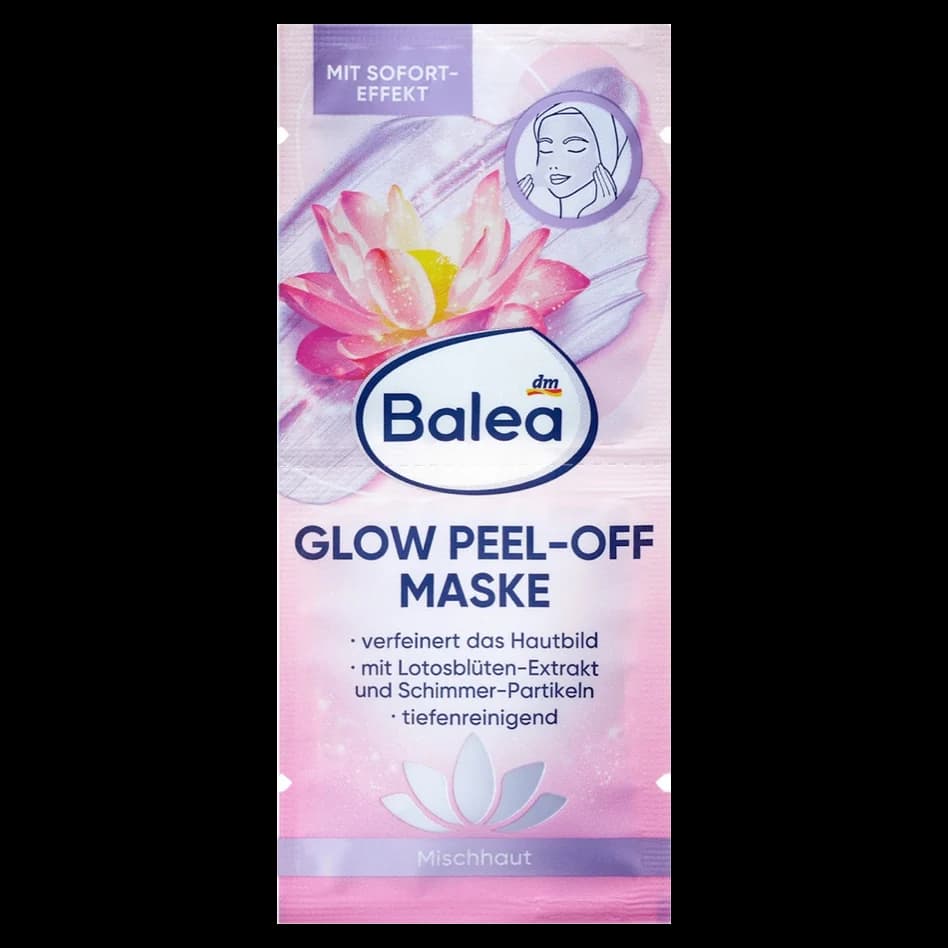
Balea
Gesichtsmaske Glow Peel-Off
10th of 20 on the label
below ≈1%
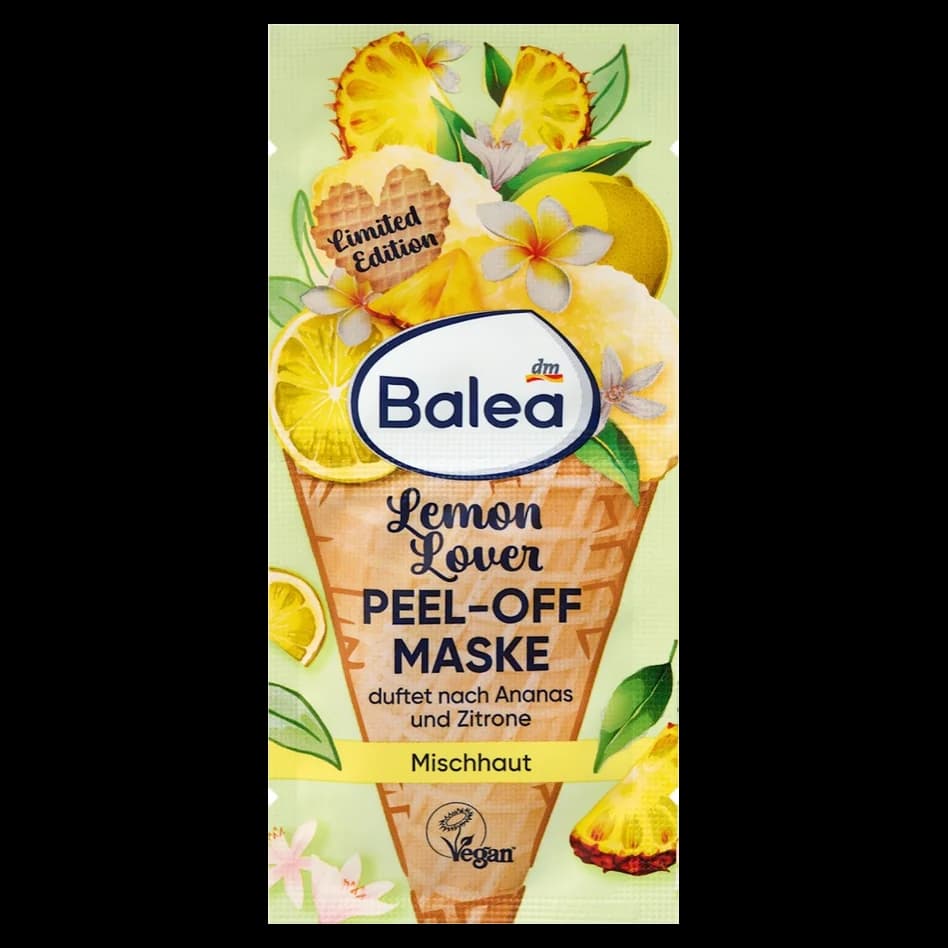
Balea
Gesichtsmaske Peel-Off Lemon Lover
11th of 23 on the label
below ≈1%
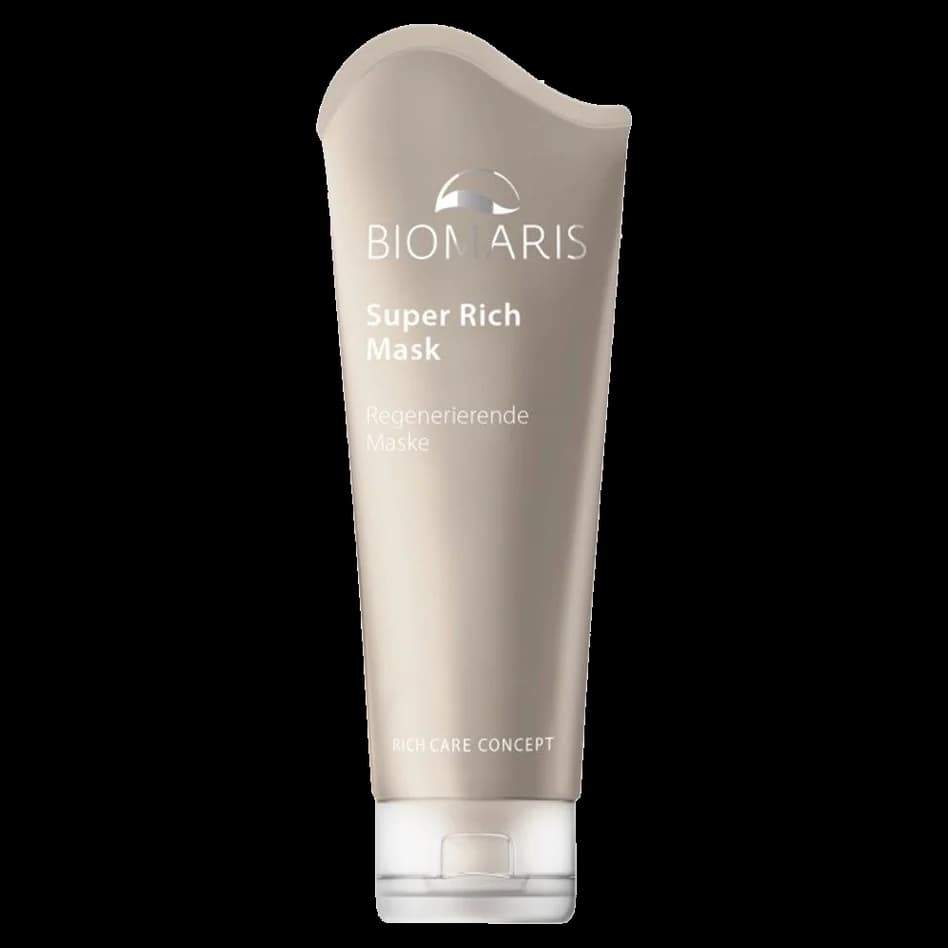
BIOMARIS
Super Rich Mask
1st of 19 on the label
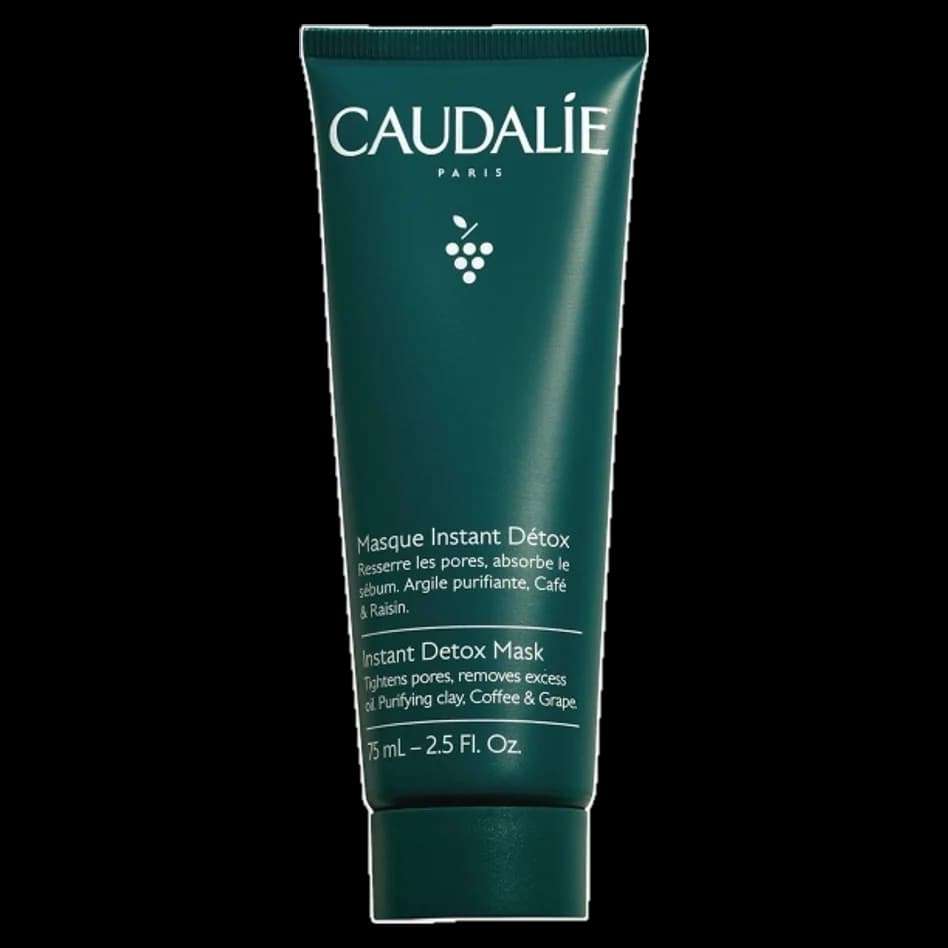
Caudalie
Vinergetic C+ Instant Detox Mask
8th of 33 on the label
below ≈1%
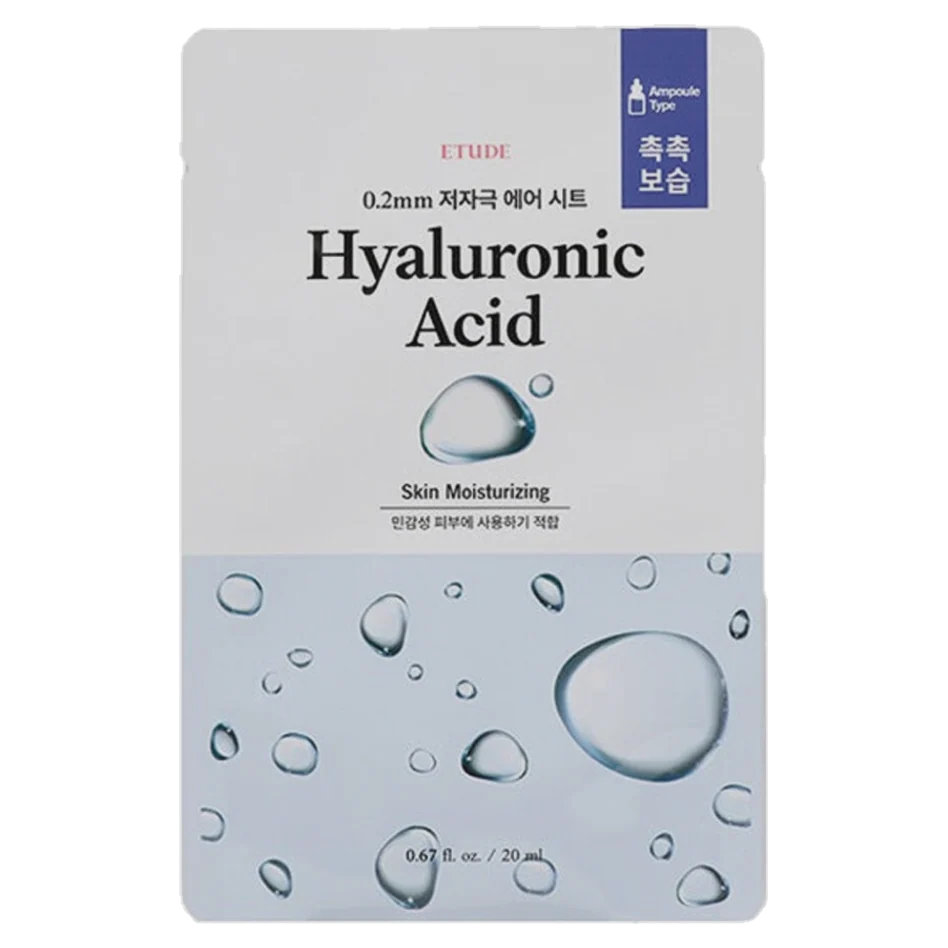
Etude House
0.2mm Therapy Air Mask Hyaluronic Acid
4th of 35 on the label
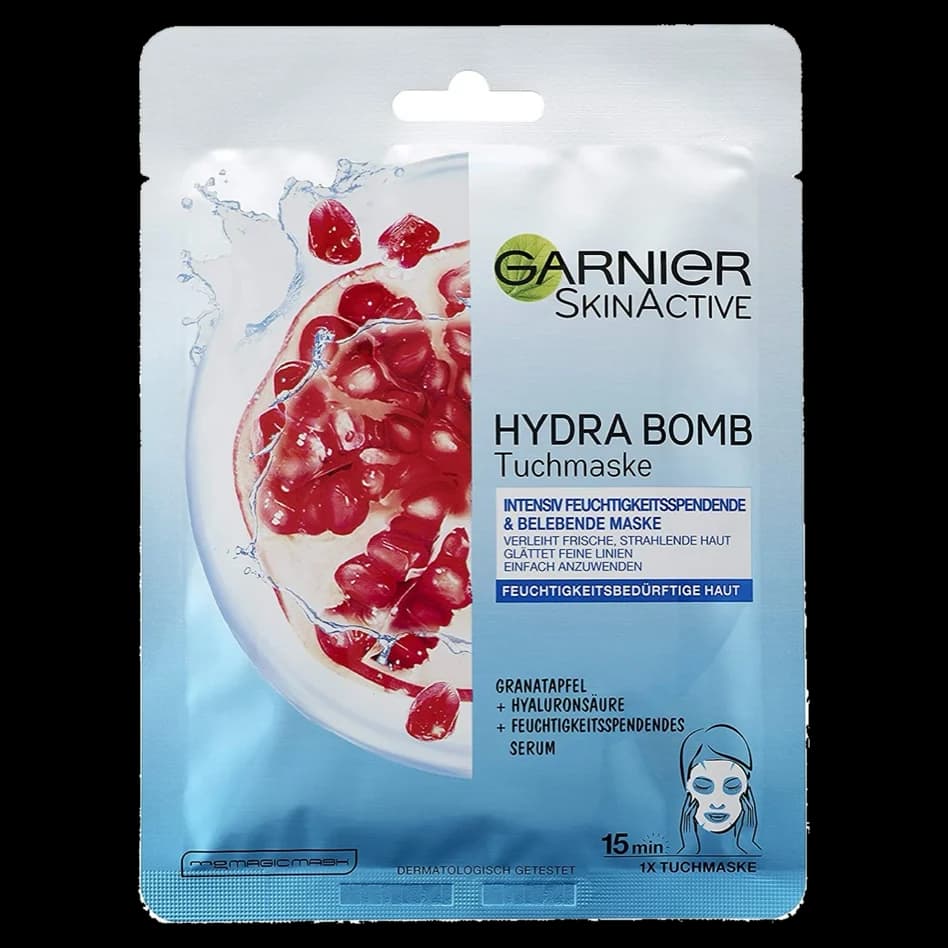
Garnier
SkinActive Hydra Bomb Tissue Mask Pomegranate
13th of 29 on the label
below ≈1%
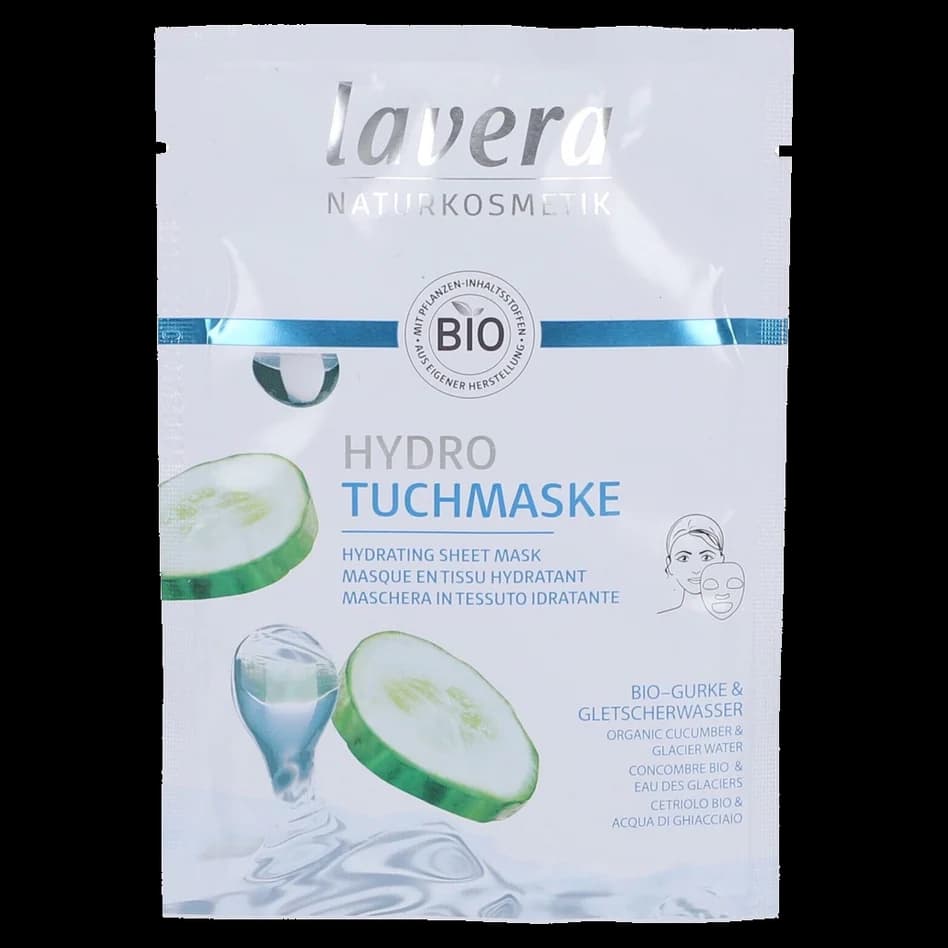
lavera
Hydro Tuchmaske
3rd of 22 on the label
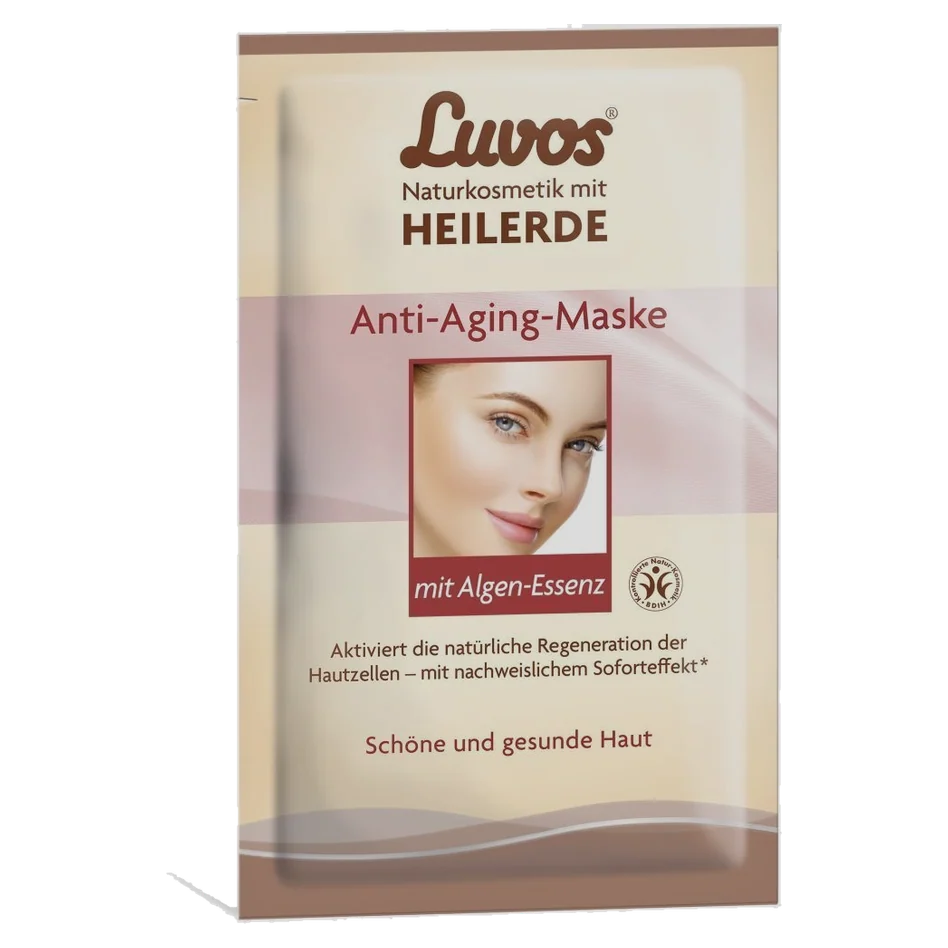
Luvos-Heilerde
Anti-Aging-Maske
3rd of 27 on the label
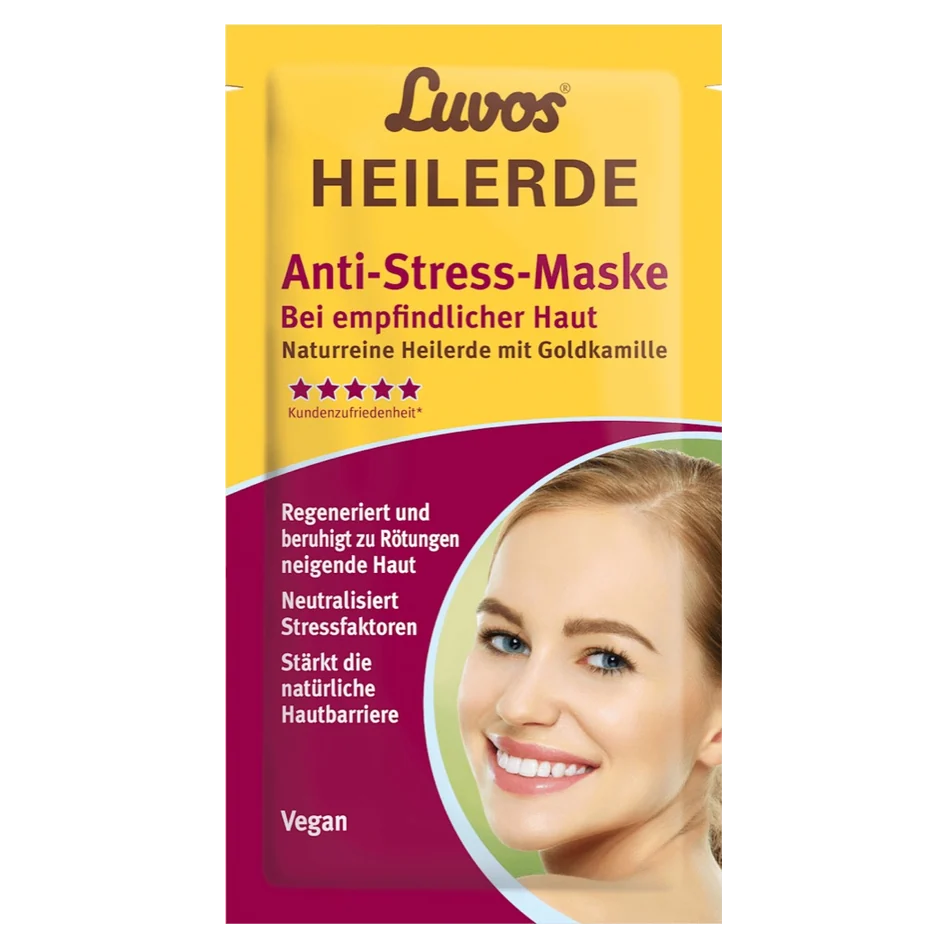
Luvos-Heilerde
Anti-Stress-Maske
3rd of 33 on the label
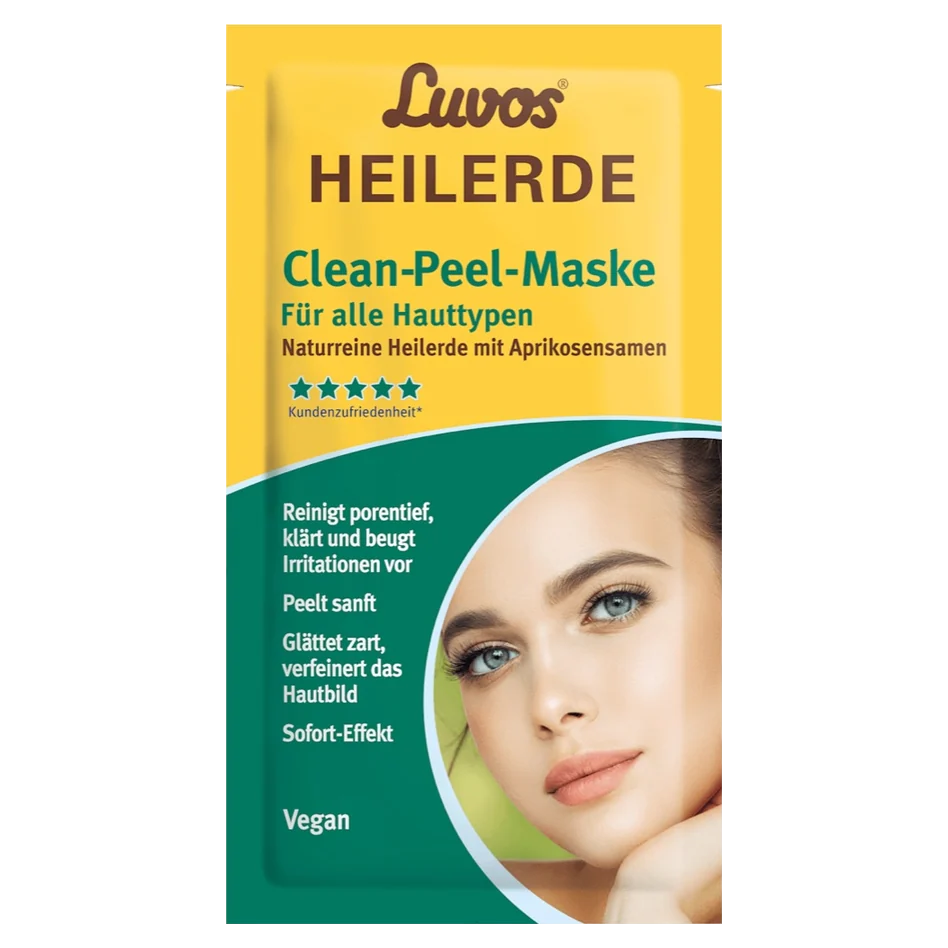
Luvos-Heilerde
Clean-Peel-Maske
3rd of 29 on the label
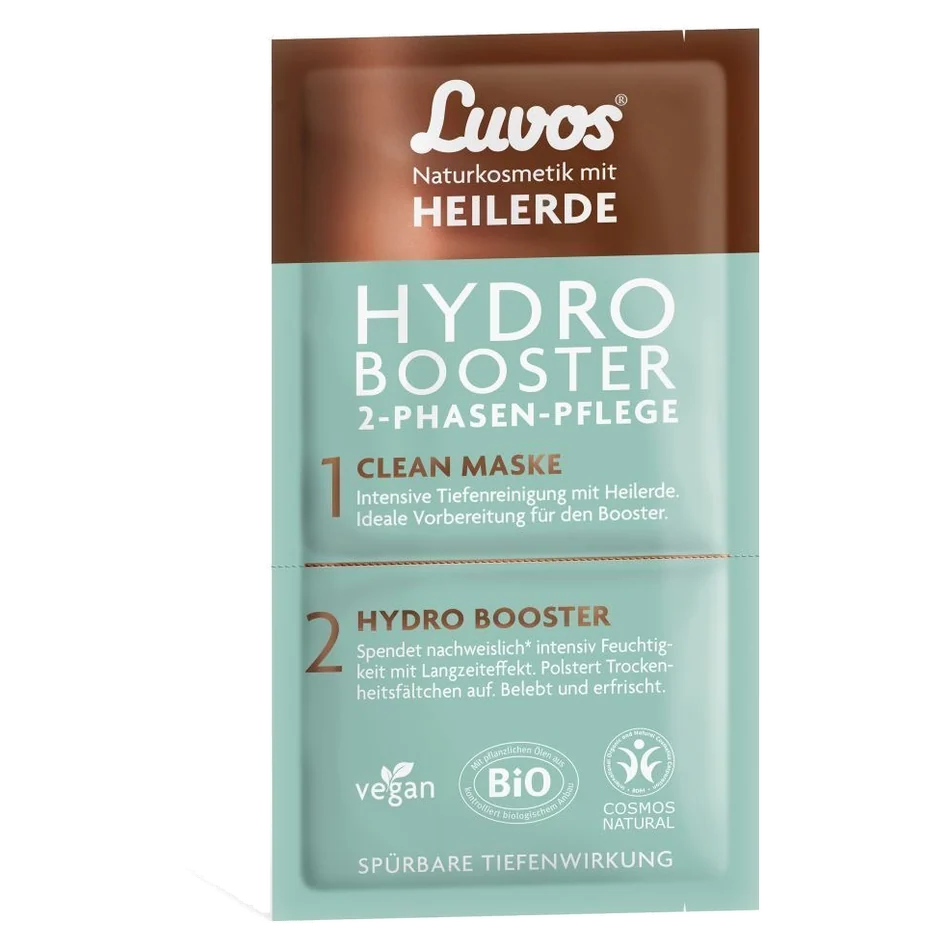
Luvos-Heilerde
Hydro Booster mit Clean Maske
4th of 63 on the label
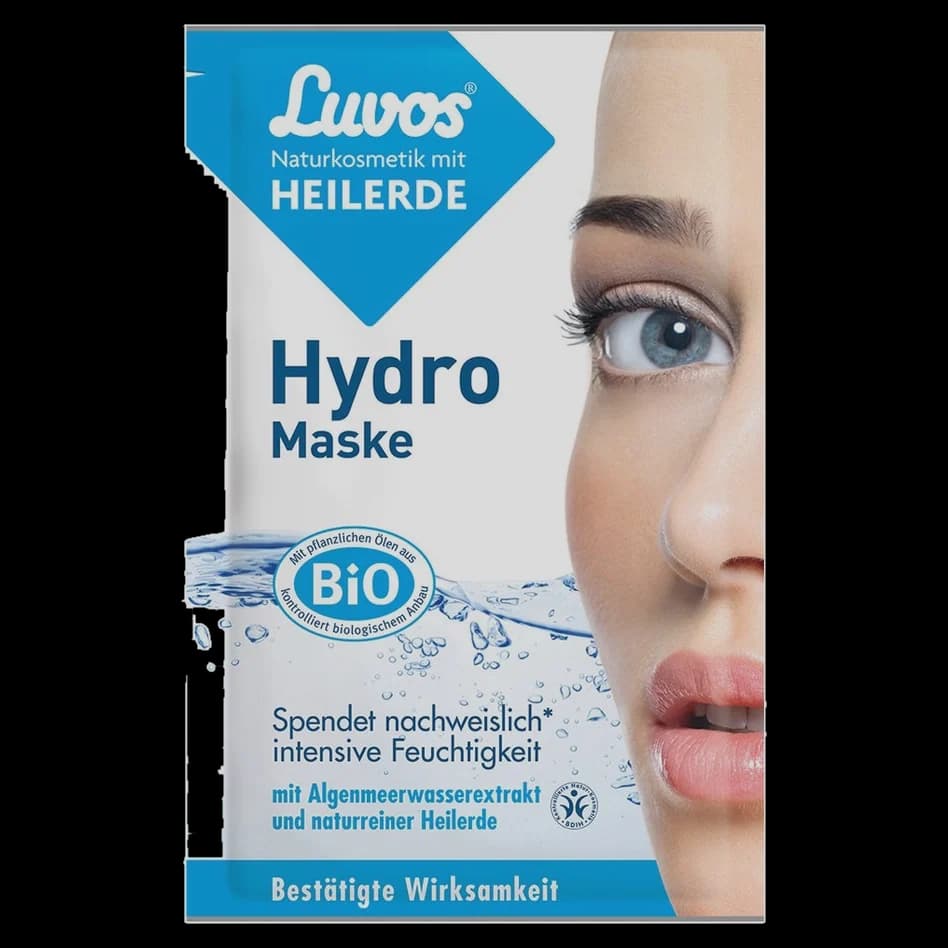
Luvos-Heilerde
Hydro-Maske
3rd of 33 on the label
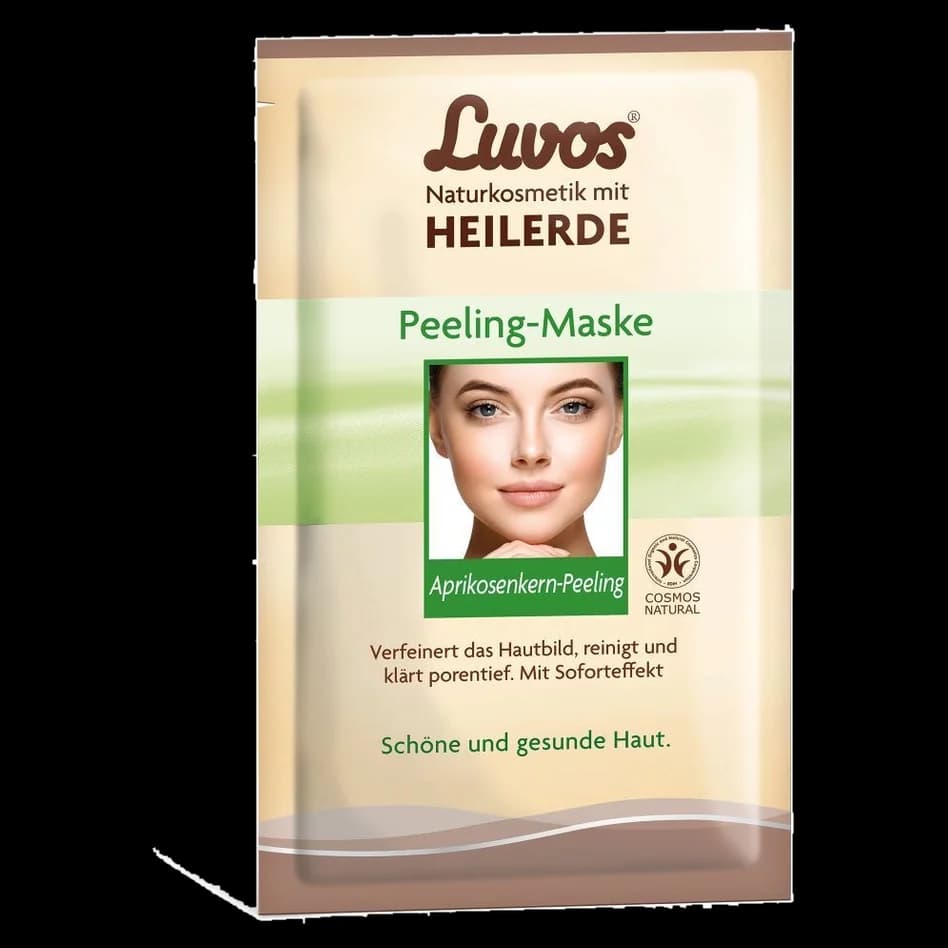
Luvos-Heilerde
Peeling-Maske
3rd of 29 on the label
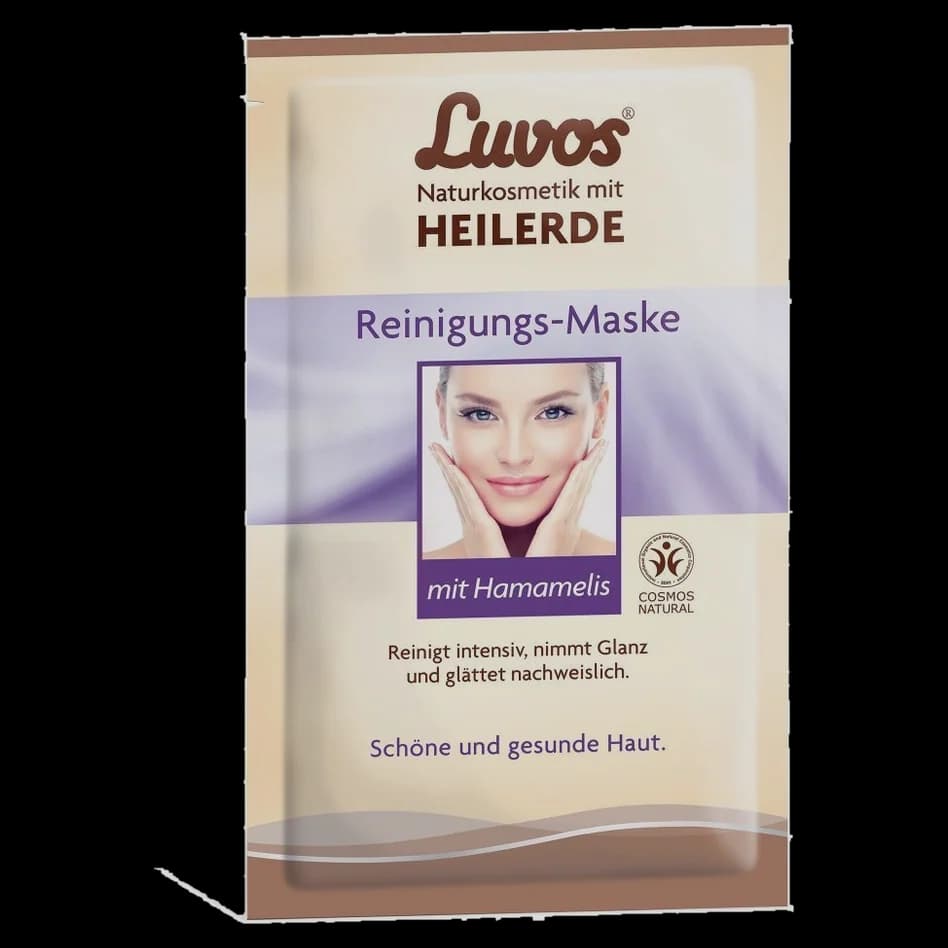
Luvos-Heilerde
Reinigungs-Maske
4th of 28 on the label
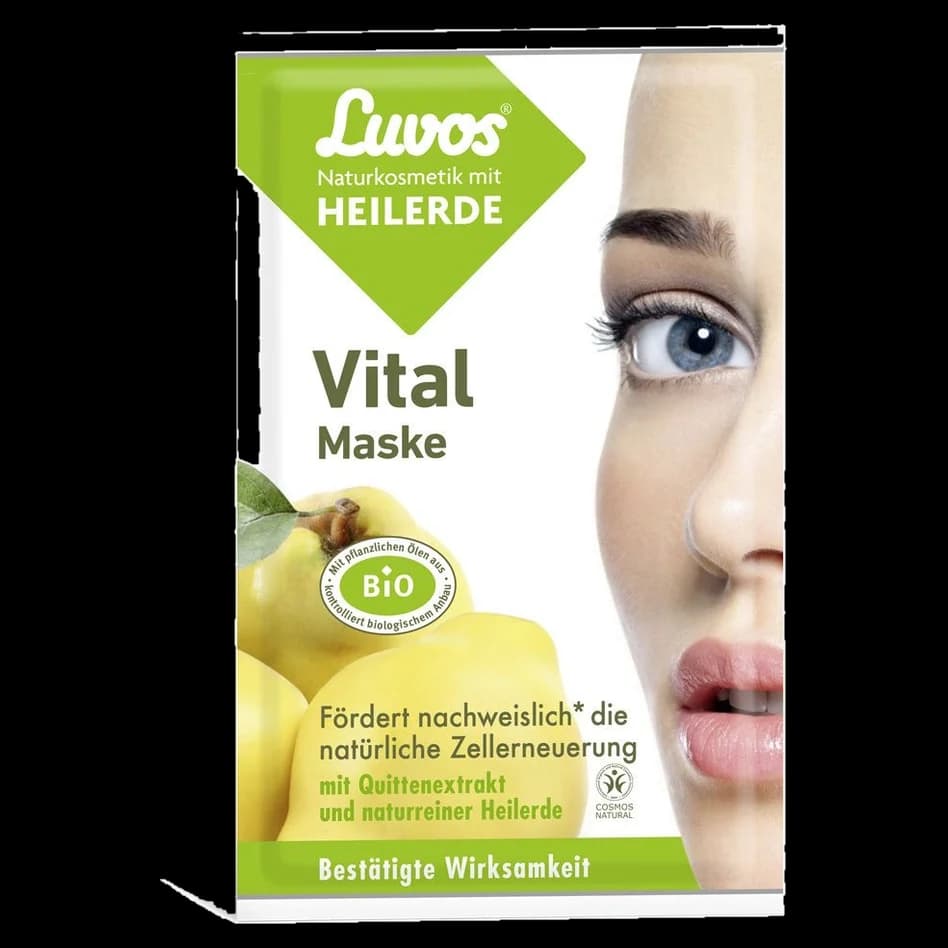
Luvos-Heilerde
Vital-Maske
4th of 30 on the label
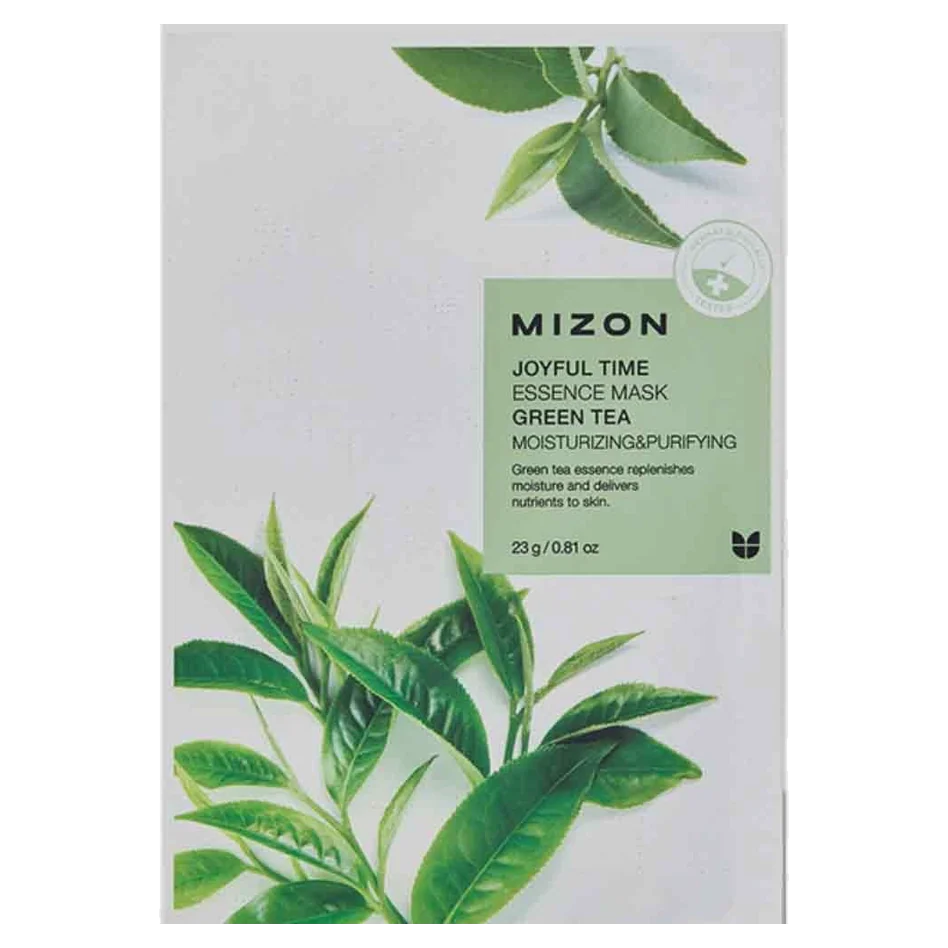
MIZON
Joyful Time Essence Mask Green Tea
5th of 26 on the label
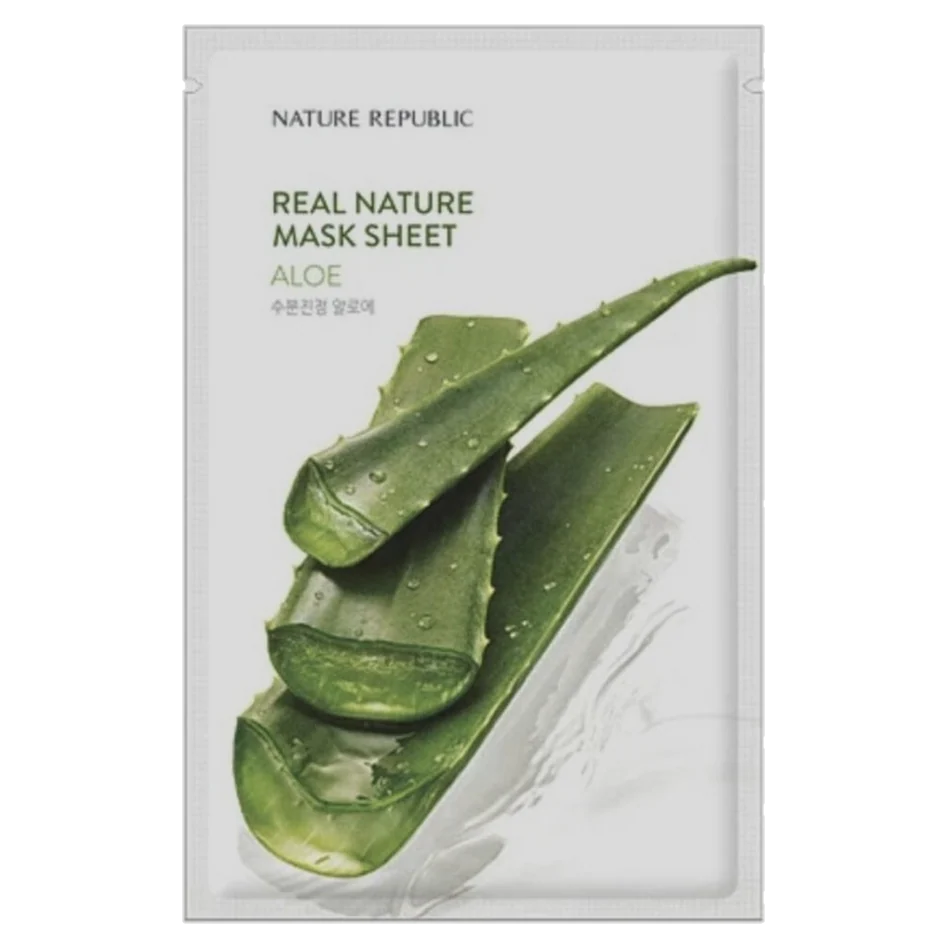
Nature Republic
Real Nature Aloe Sheet Mask
4th of 23 on the label
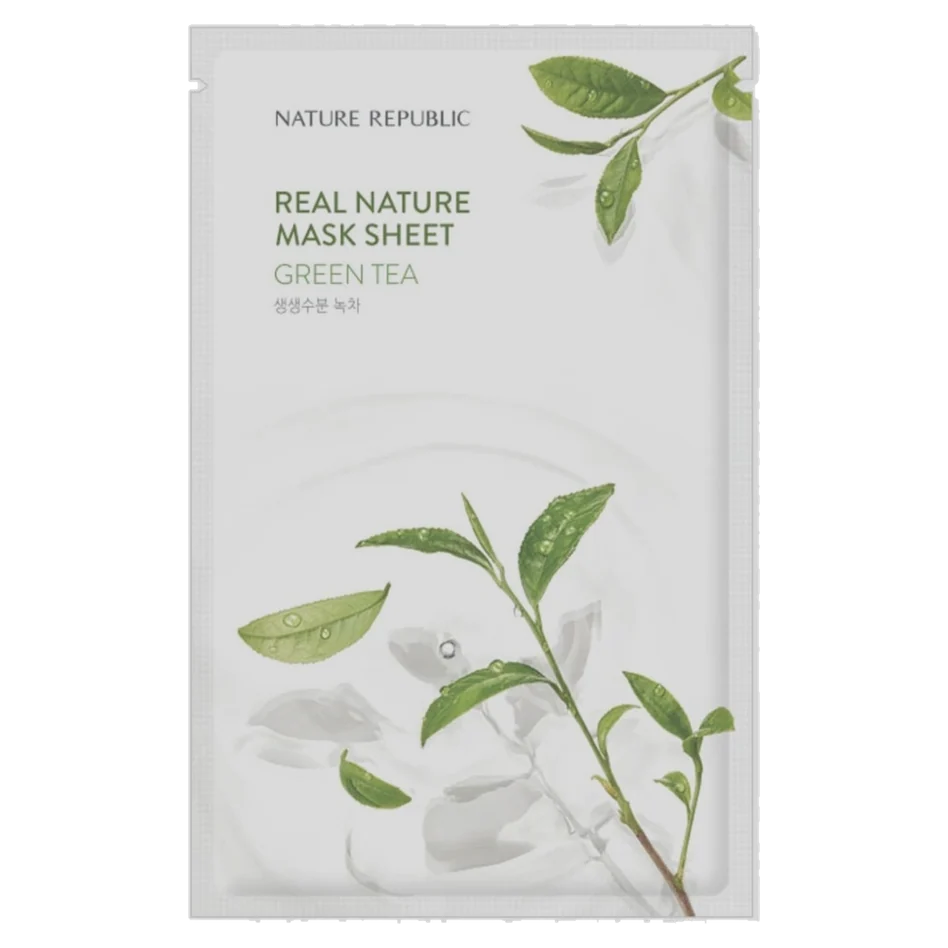
Nature Republic
Real Nature Green Tea Sheet Mask
4th of 23 on the label
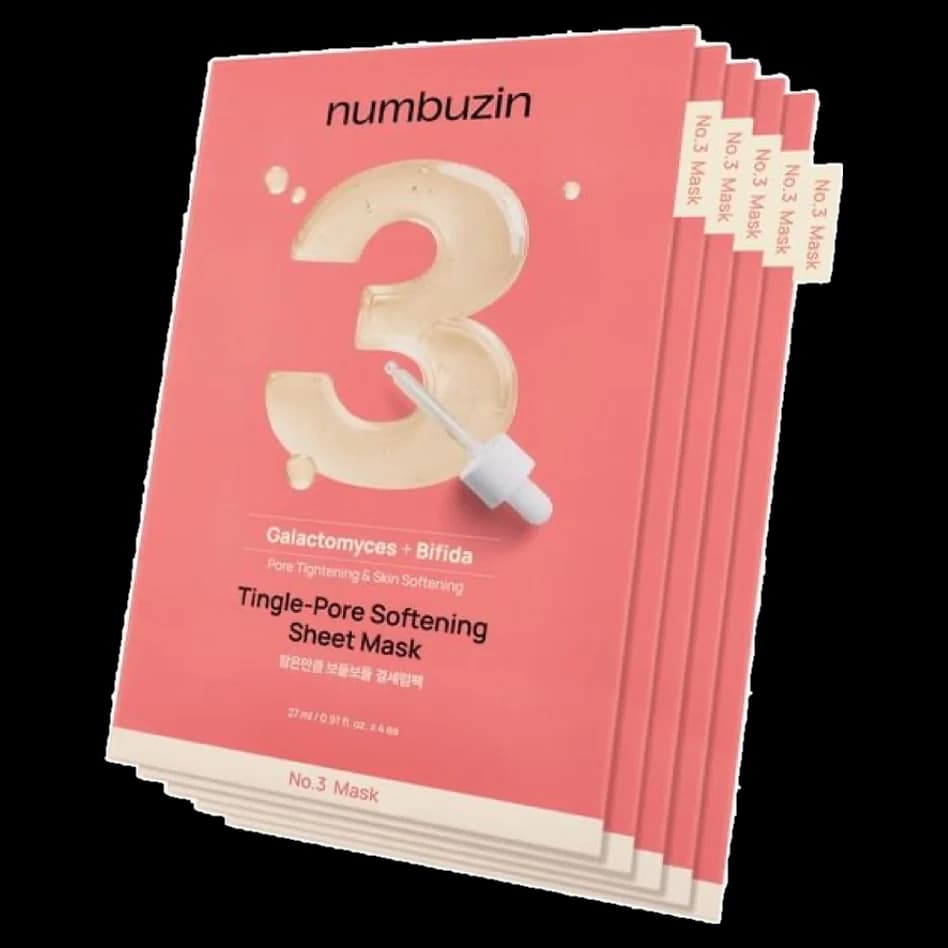
numbuzin
No.3 Tingle-Pore Softening Sheet Mask
36th of 42 on the label
below ≈1%
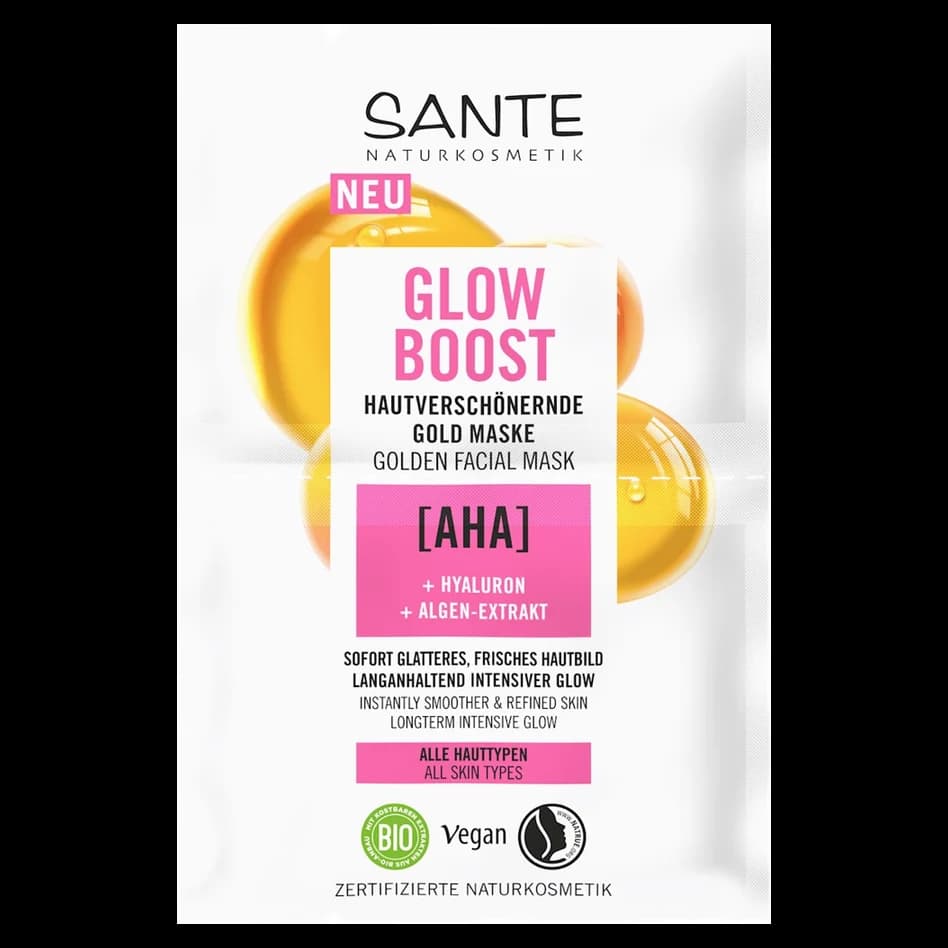
Santé Naturkosmetik
Glow Boost Maske AHA
7th of 29 on the label
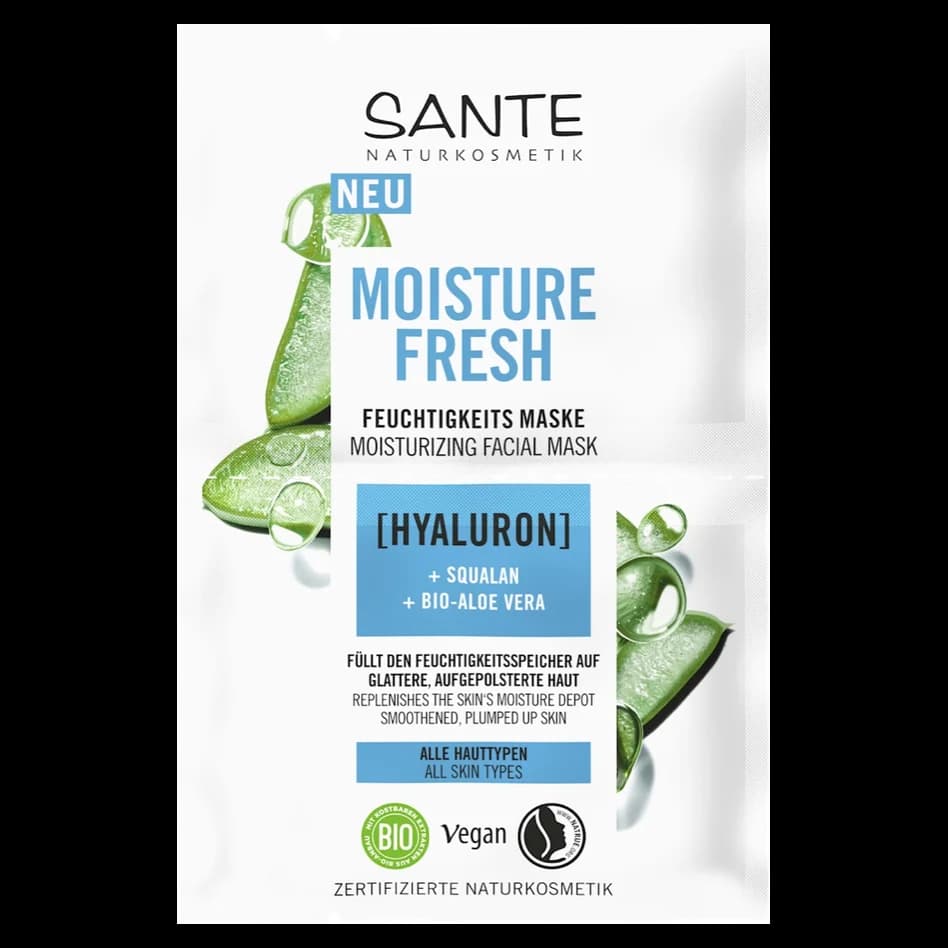
Santé Naturkosmetik
Moisture Fresh Maske Hyaluron
3rd of 24 on the label
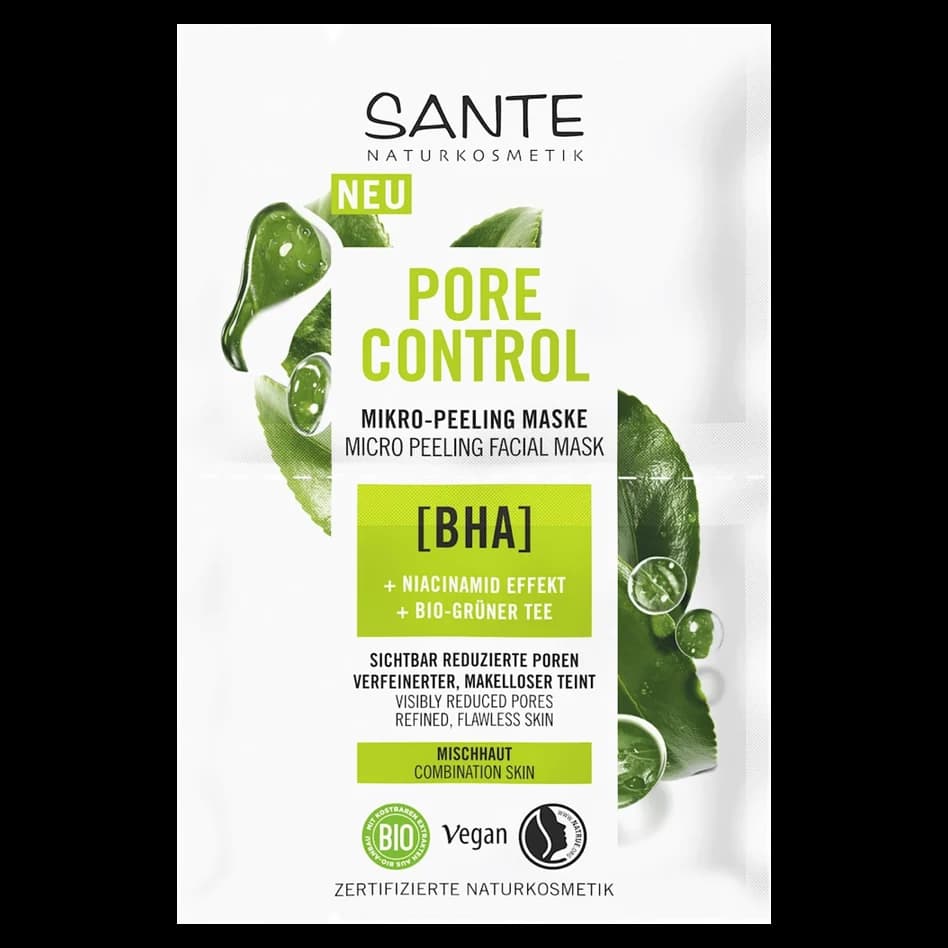
Santé Naturkosmetik
Pore Control Maske BHA
5th of 29 on the label
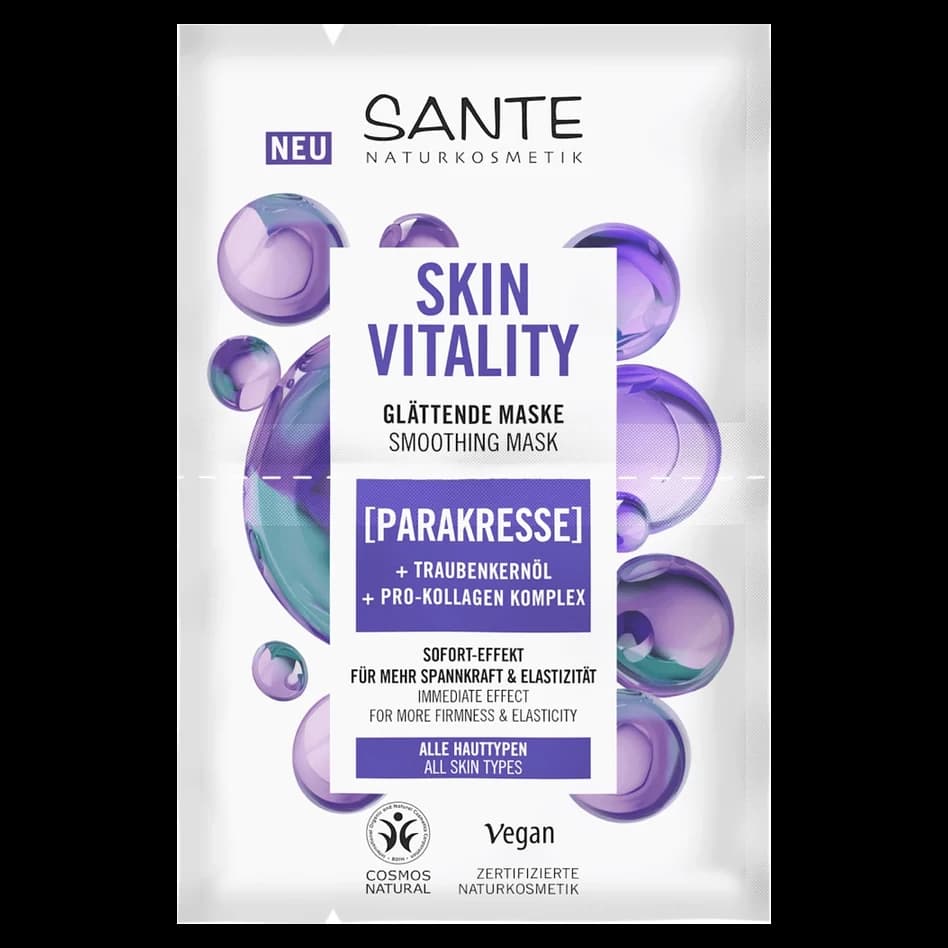
Santé Naturkosmetik
Skin Vitality Maske Parakresse
19th of 33 on the label
below ≈1%
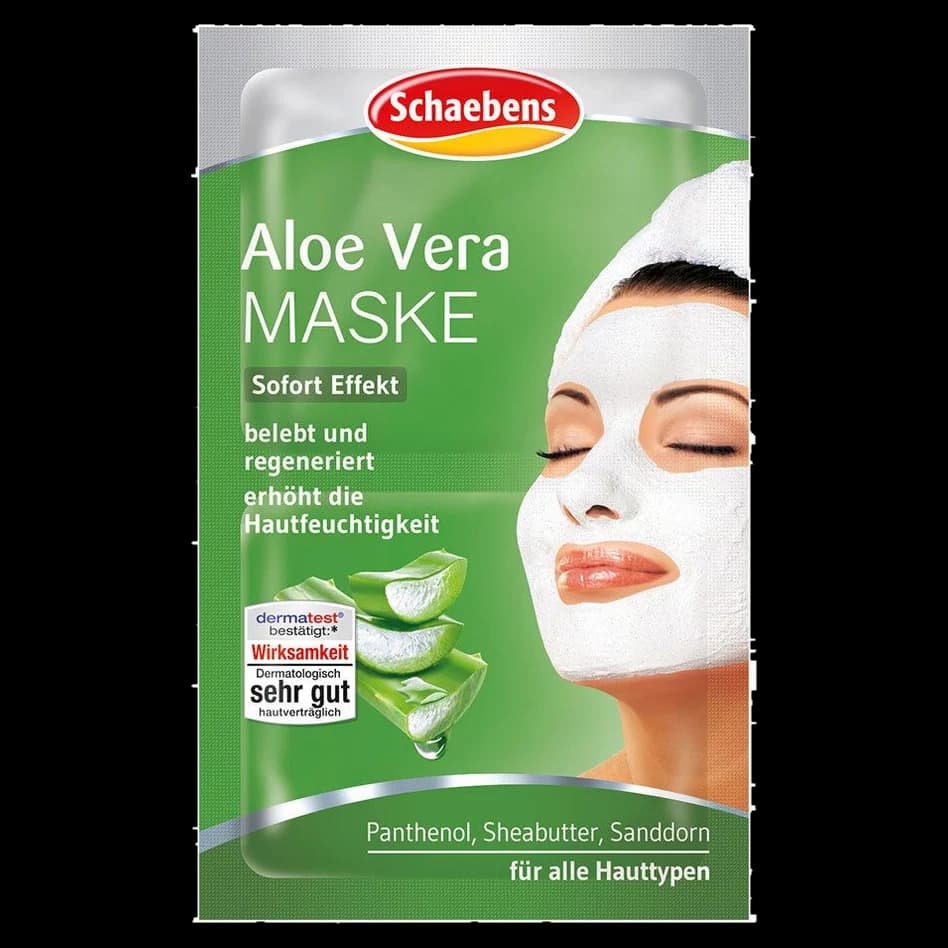
Schaebens
Aloe Vera Maske
17th of 34 on the label
below ≈1%
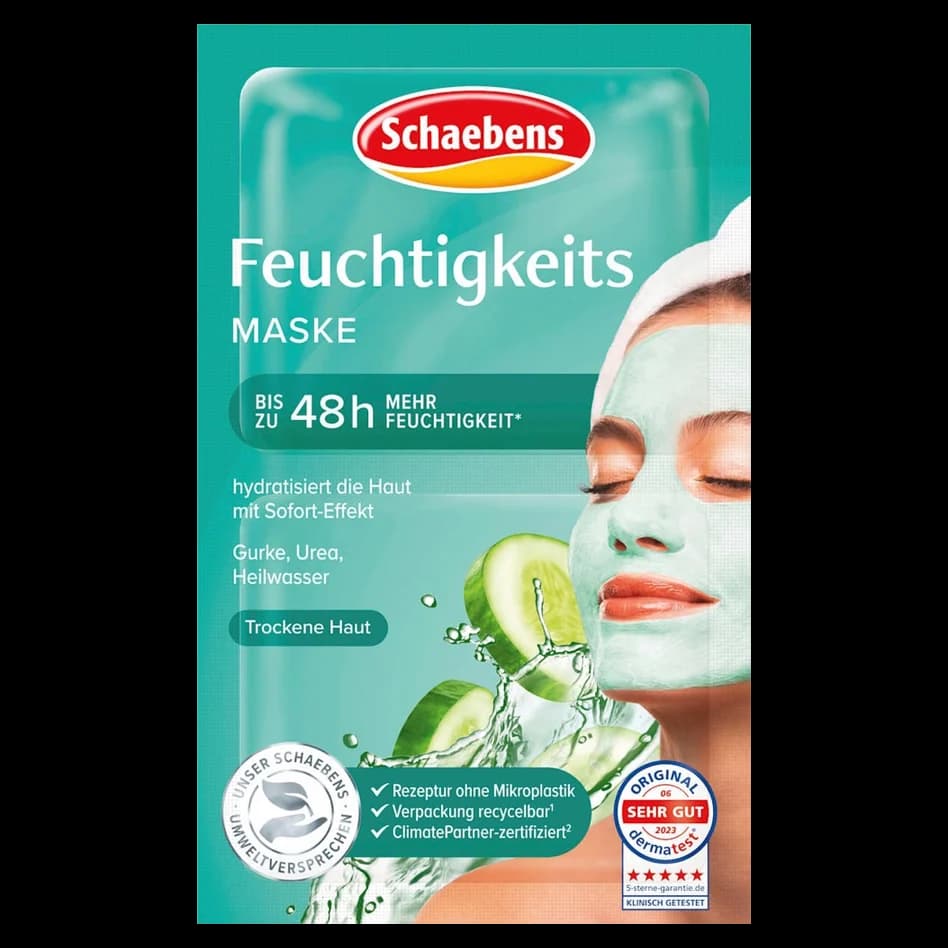
Schaebens
Gesichtsmaske Feuchtigkeit Sofort-Effekt
19th of 38 on the label
below ≈1%
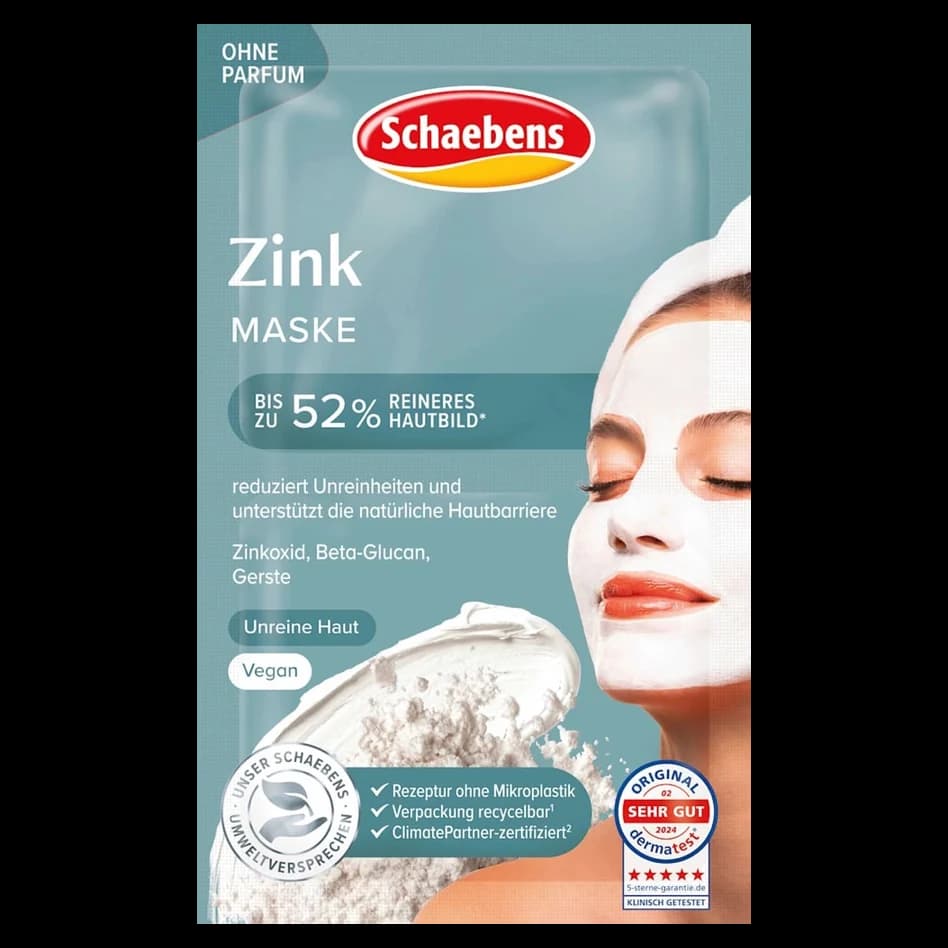
Schaebens
Gesichtsmaske Zink
14th of 27 on the label
below ≈1%
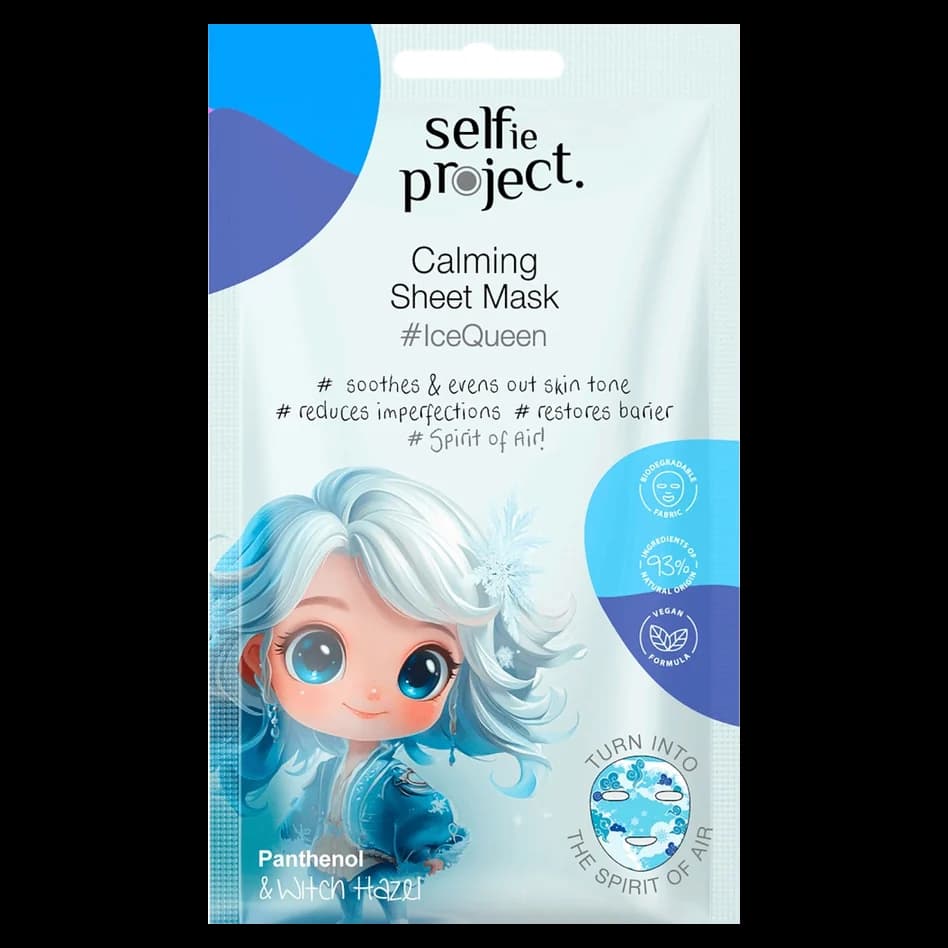
Selfie Project
Tuchmaske Calming #IceQueen
24th of 27 on the label
below ≈1%
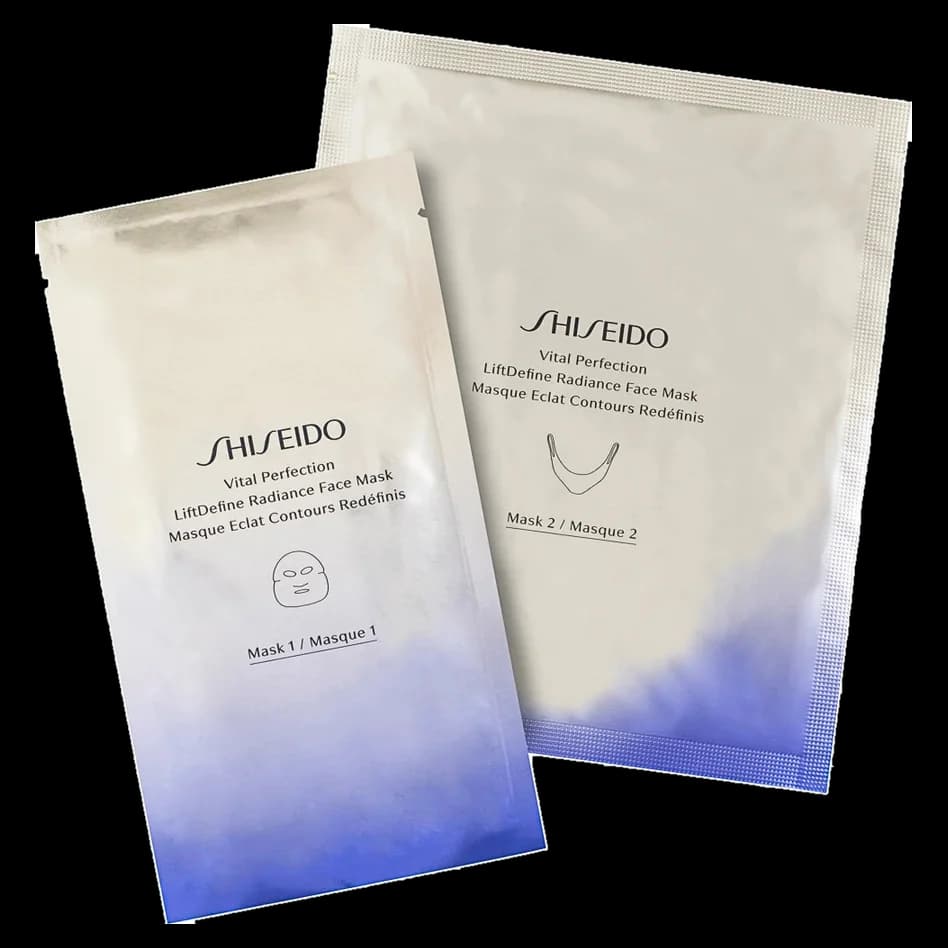
Shiseido
Vital Perfection LiftDefine Radiance Face Mask
34th of 81 on the label
below ≈1%
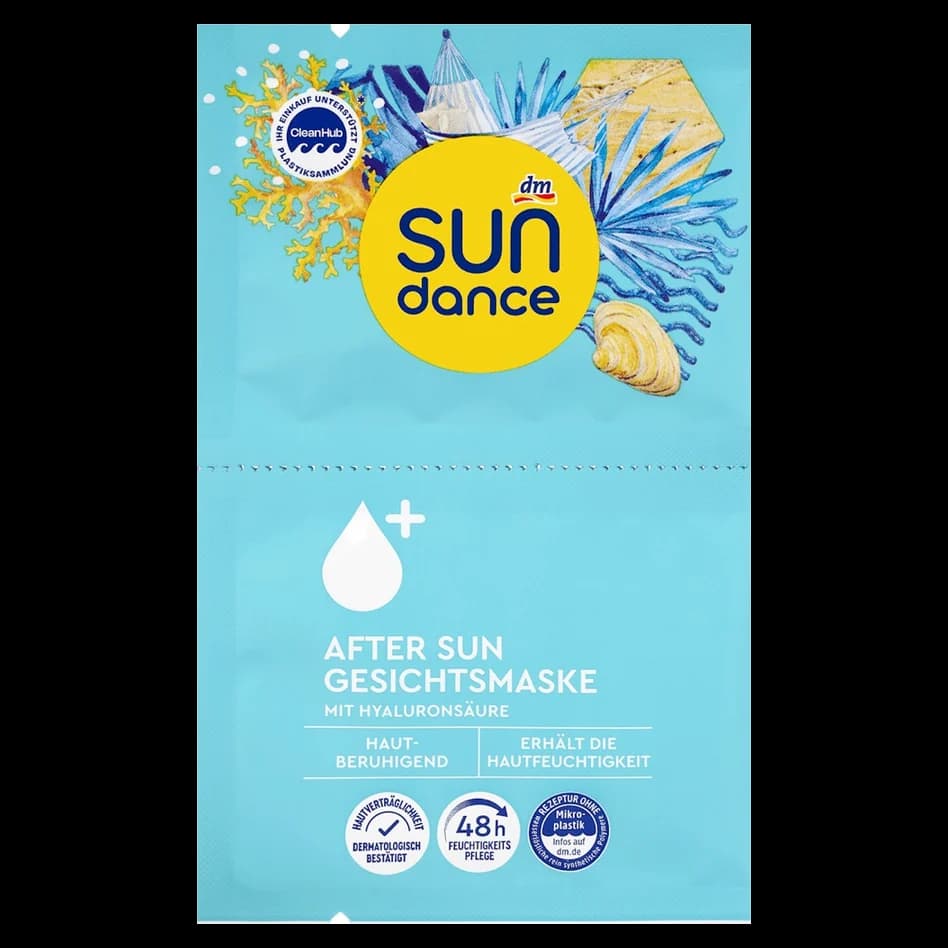
SUNDANCE
After Sun Gesichtsmaske
3rd of 25 on the label
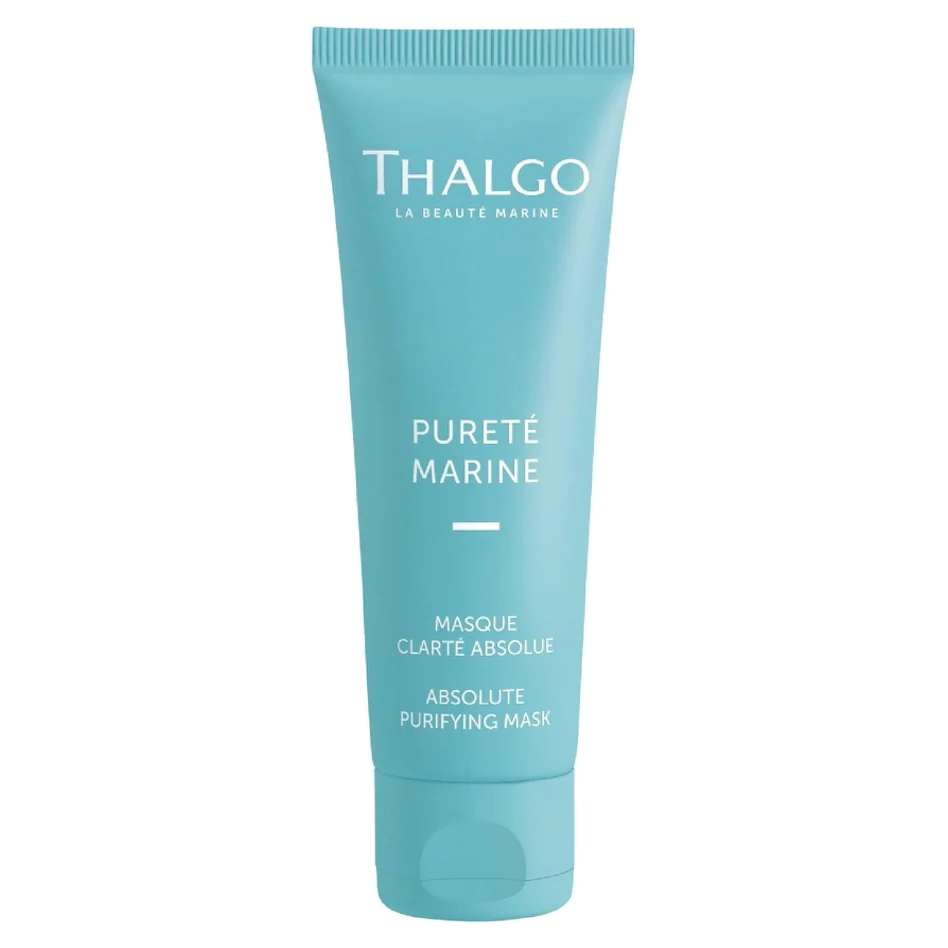
THALGO
Klärende Intensiv-Maske
27th of 32 on the label
below ≈1%