Leuconostoc/Radish Root Ferment Filtrate
No meaningful concern for most people; irritation is possible but rare.
What it is
Leuconostoc/Radish Root Ferment Filtrate is the filtrate of the product obtained by fermenting Raphanus sativus - radish - roots with the bacterium Leuconostoc. The Expert Panel that assessed it records its reported cosmetic functions as anti-dandruff agent, antifungal agent, antimicrobial agent, hair conditioning agent and skin-conditioning agent. Preservative is not among them, and that distinction does more work than it looks. A supplier's sample of the filtrate, at pH 4.0 to 6.0, was about half water, with protein, phenolics and a small polysaccharide fraction making up the rest.
How it shows up on a label
Usually printed in the middle of the list rather than among the last rows, and often in a formula whose front of pack mentions natural preservation. Reported use is heaviest in leave-on moisturisers.
What it does well
Tested clean on human skin at the levels formulators use
A single 30 µl application caused no irritation across a triplicate series of EpiDerm reconstructed epidermis tests, and a 10% dilution in water produced no sensitisation in an occlusive human repeated insult patch test on 50 subjects. An eyebrow gel containing 0.04% was likewise non-sensitising in a 105-subject test. The DPRA and ARE-Nrf2 assays both predicted a non-sensitiser, and reconstructed tissue models found it neither a photoirritant nor an ocular irritant. For scale, the highest use reported for any leave-on product is 0.03%.
Moderate evidence
Assessed as safe, with a condition attached
The Expert Panel concluded that seven radish root-derived ingredients, this one among them, are safe in cosmetics in the present practices of use and concentration described in the assessment when formulated to be non-sensitising. That last clause is part of the conclusion rather than a warning bolted onto it: it puts the obligation on the finished formula, which is where the concentration is actually decided.
Moderate evidence
Worth knowing
"Preservative-free" can still mean protected from spoiling
This ferment turns up in masks that describe themselves as naturally preserved or free of preservatives, and its own specification is the interesting part: alongside 18-22% phenolics measured as salicylic acid, a supplier specifies that it may contain 0.10-0.50% bacteriocins - the antimicrobial peptides bacteria make to suppress their competitors. Its reported functions include antimicrobial and antifungal. Annex V is the closed list of substances that may be used as preservatives in the EU, and this is not on it. It does not need to be: the Regulation defines a preservative by main intended purpose - one "exclusively or mainly intended to inhibit the development of micro-organisms in the cosmetic product" - and this ingredient is declared with conditioning among its functions. That is the rule working as written rather than anyone misleading anyone, but an ingredient list will not tell you it is happening.
Matters most toAnyone choosing a product specifically because it claims to contain no preservatives.
A ferment is a mixture, not a single substance
The Panel that assessed it says as much directly: botanicals such as radish root-derived ingredients may contain hundreds of constituents, so it assessed each one as a whole, complex mixture, reasoning that toxicity from single components may not predict the toxicity of a botanical ingredient. The composition figures published with it - 48.80% water, 30.60% protein, 20.10% phenolics measured as salicylic acid and 0.50% polysaccharide - come from one supplier's sample rather than from a standard, so what arrives in the bottle is not fixed the way a single synthesised molecule is.
Matters most toAnyone who reacts unpredictably to botanical extracts and would rather read a list of defined single substances.
Where the EU stands
No specific restriction
Not restricted under the EU Cosmetics Regulation: it appears in no annex, carries no concentration limit, and is not on Annex V. Annex V is the closed list of substances that may be used as preservatives, and the Regulation defines a preservative by purpose - a substance "exclusively or mainly intended to inhibit the development of micro-organisms in the cosmetic product". This one is declared with conditioning among its functions, so Annex V does not reach it even though antimicrobial and antifungal are on its reported list.
Regulation (EC) No 1223/2009, Articles 2(1)(l) and 14(1)(d)(i), and Annex V · source ↗
Sources (1)
Every link goes to the original: a journal, a PubMed record or an EU document.
- [1]Safety Assessment of Radish Root-Derived Ingredients as Used in Cosmetics
Cosmetic Ingredient Review, Expert Panel for Cosmetic Ingredient Safety · 2021
The assessment covering this ingredient. Conclusion: the seven radish root-derived ingredients "are safe in cosmetics in the present practices of use and concentration described in the safety assessment when formulated to be non-sensitizing". Table 1 gives this one's reported functions as "Anti-dandruff agent; antifungal agent; antimicrobial agent; hair conditioning agent; skin-conditioning agent - miscellaneous" - notably not preservative, which is reported only for the Lactobacillus ferment filtrate. Human and in vitro data: no irritation in triplicate EpiDerm tests at 30 µl; DPRA mean depletion 2.89% and a non-sensitiser prediction; non-sensitising in an ARE-Nrf2 assay up to 2000 µM; no sensitisation in an occlusive HRIPT on 50 subjects at a 10% dilution, nor in a 105-subject HRIPT of an eyebrow gel at 0.04%; not a photoirritant; not an ocular irritant in EpiOcular tissue. A supplier's sample comprised "48.80% water, 30.60% protein, 20.10% phenolics (tested as salicylic acid), and 0.50% polysaccharide content", specified to potentially contain "18-22% phenolics (tested as salicylic acid), and 0.10 - 0.50% bacteriocins"; log Kow -1.92. 2021 use data: 255 formulations, 104 of them leave-on moisturisers, highest leave-on dermal use 0.03%. Checked 21 August 2026.
Masks that contain Leuconostoc/Radish Root Ferment Filtrate
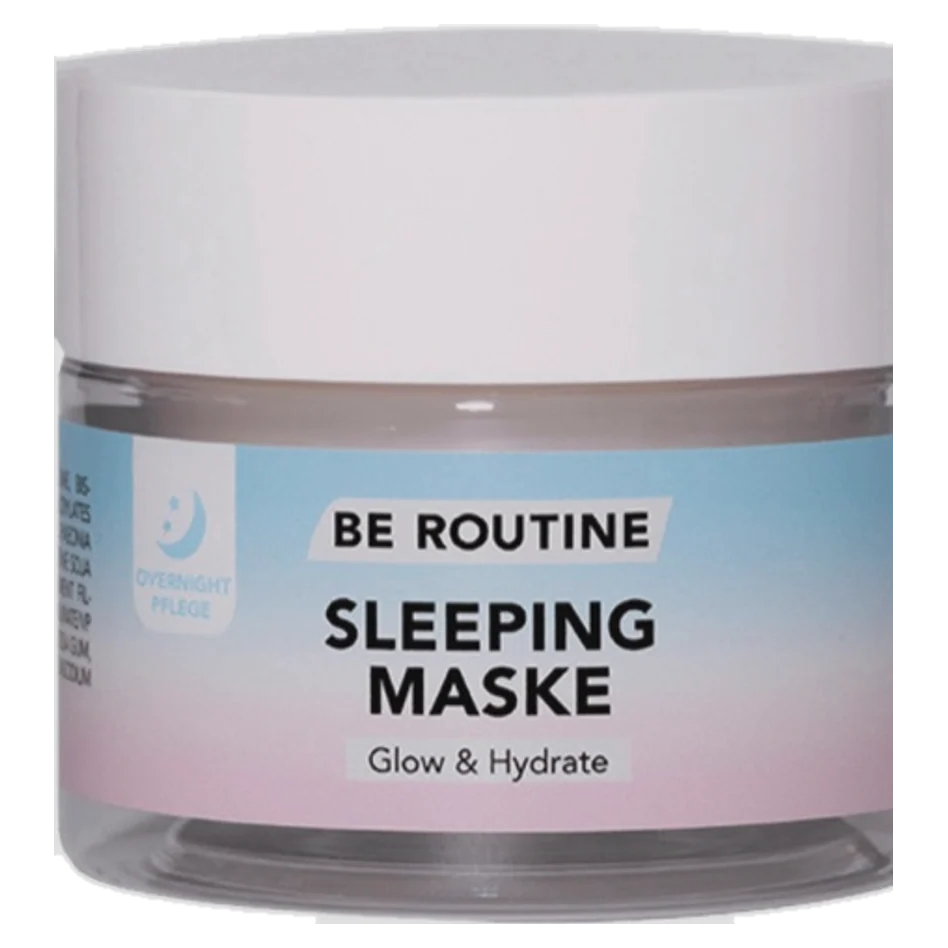
Be Routine
Schlafmaske Glow & Hydrate
16th of 27 on the label
below ≈1%
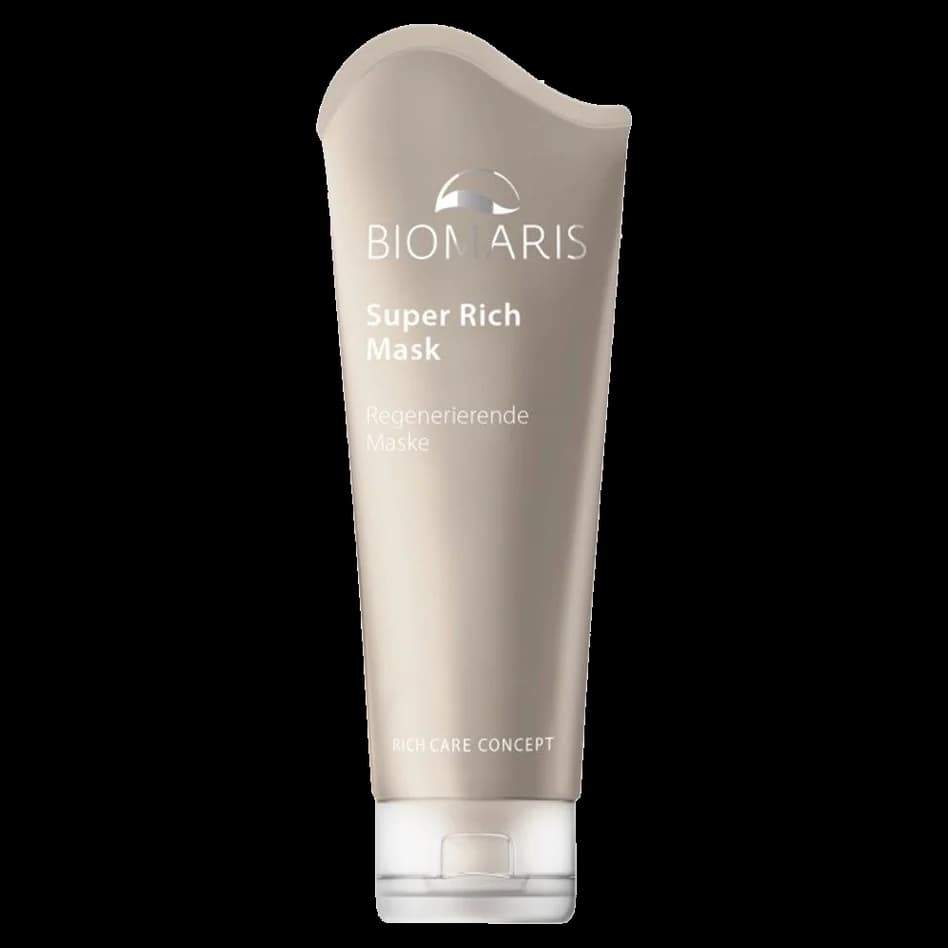
BIOMARIS
Super Rich Mask
15th of 19 on the label
below ≈1%
Dr. Barbara Sturm
Face Mask
13th of 18 on the label
below ≈1%
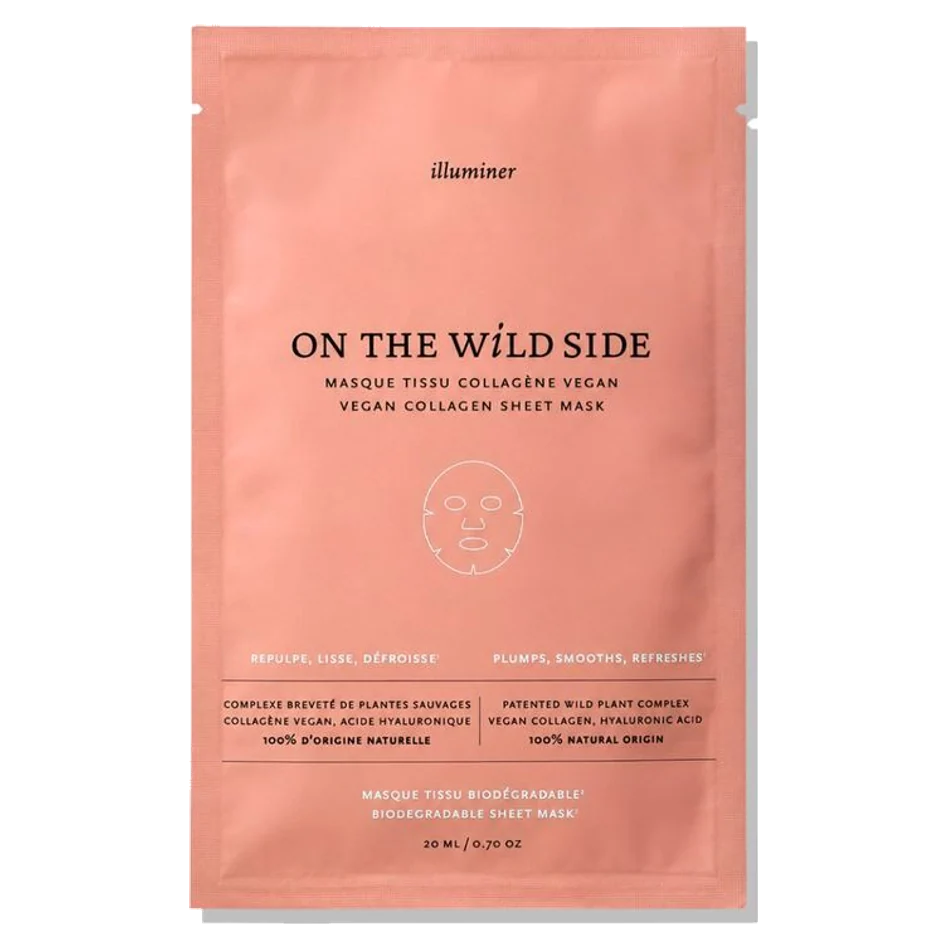
On The Wild Side
Sheet Mask Bio Cellulose Collagène Vegan
21st of 24 on the label
below ≈1%
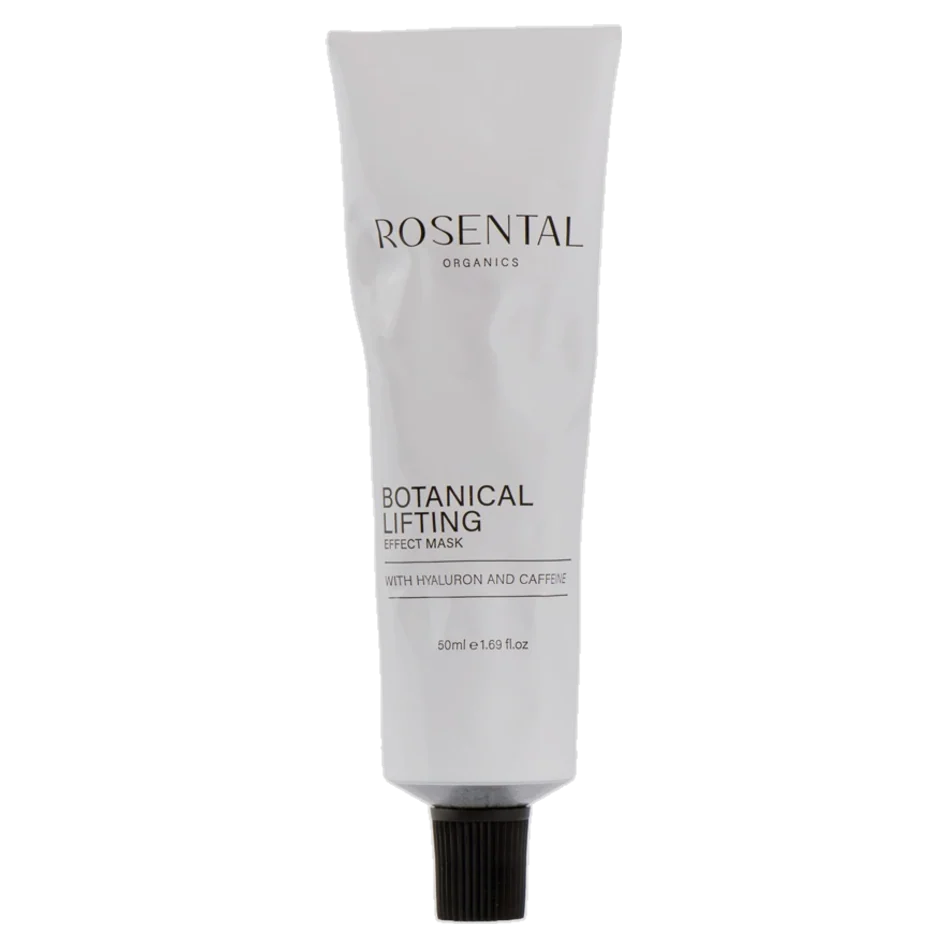
Rosental Organics
Botanical Lifting Effect Mask
21st of 28 on the label
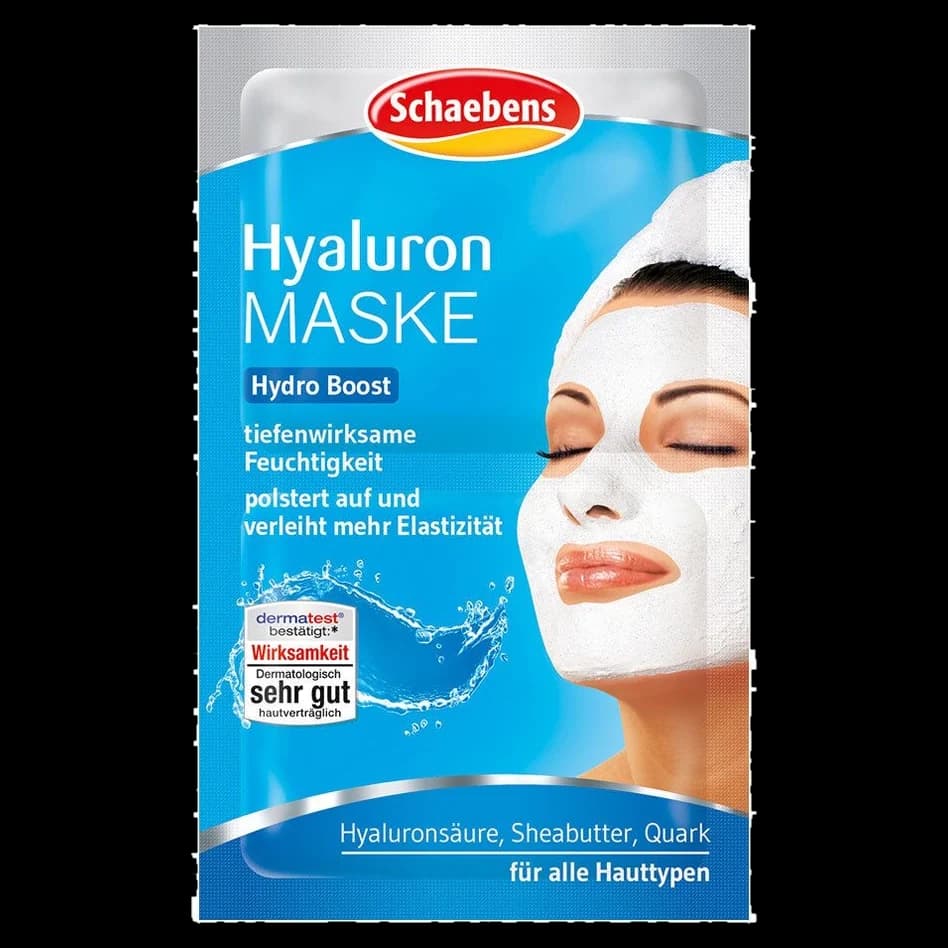
Schaebens
Hyaluron Maske
12th of 32 on the label
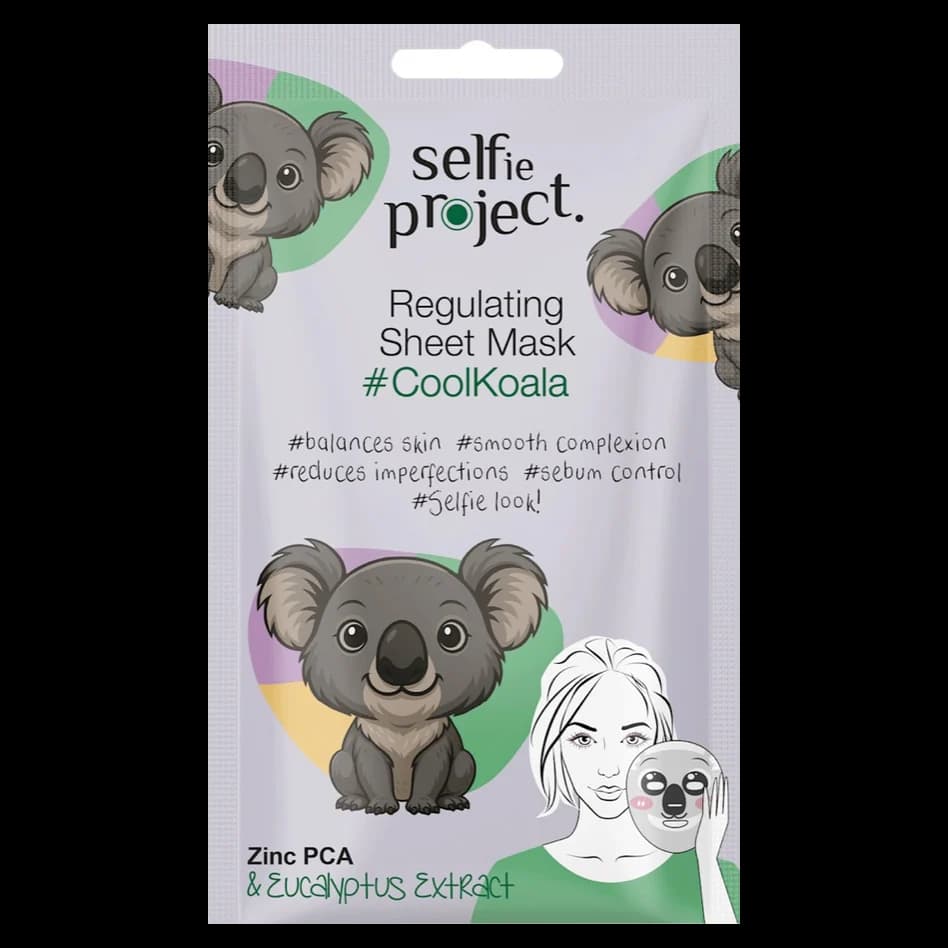
Selfie Project
Gesichtsmaske regulierend #CoolKoala
12th of 27 on the label
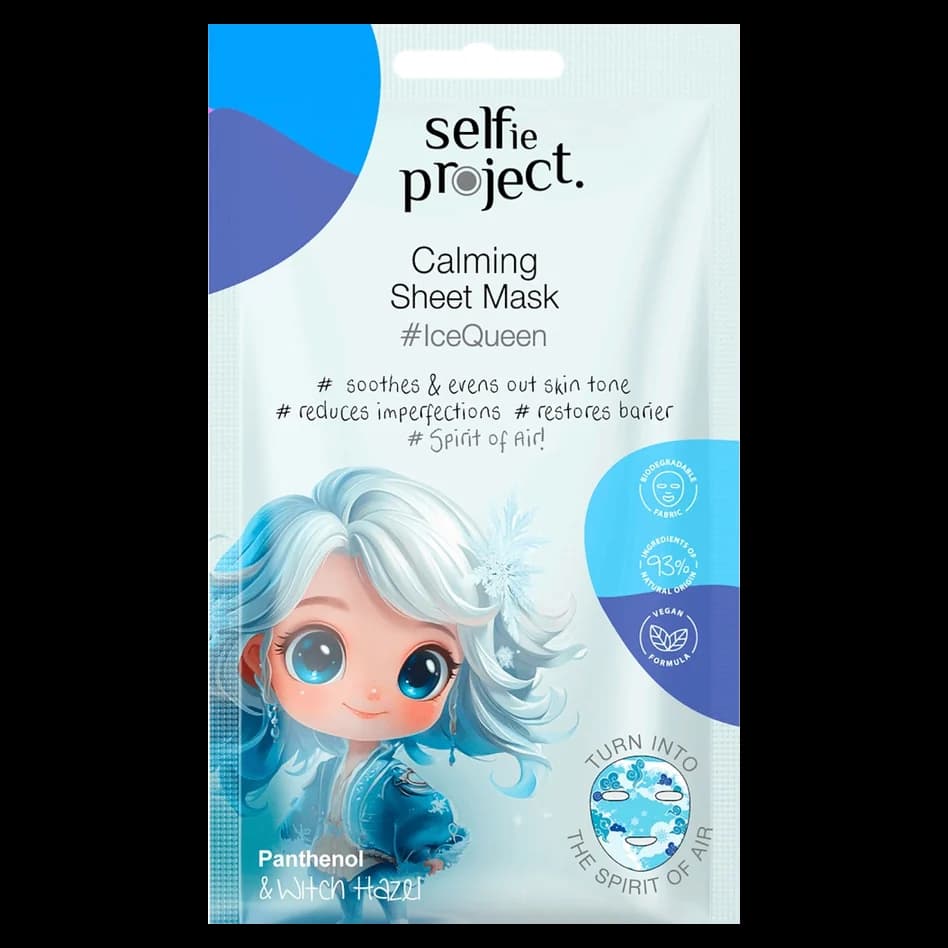
Selfie Project
Tuchmaske Calming #IceQueen
8th of 27 on the label
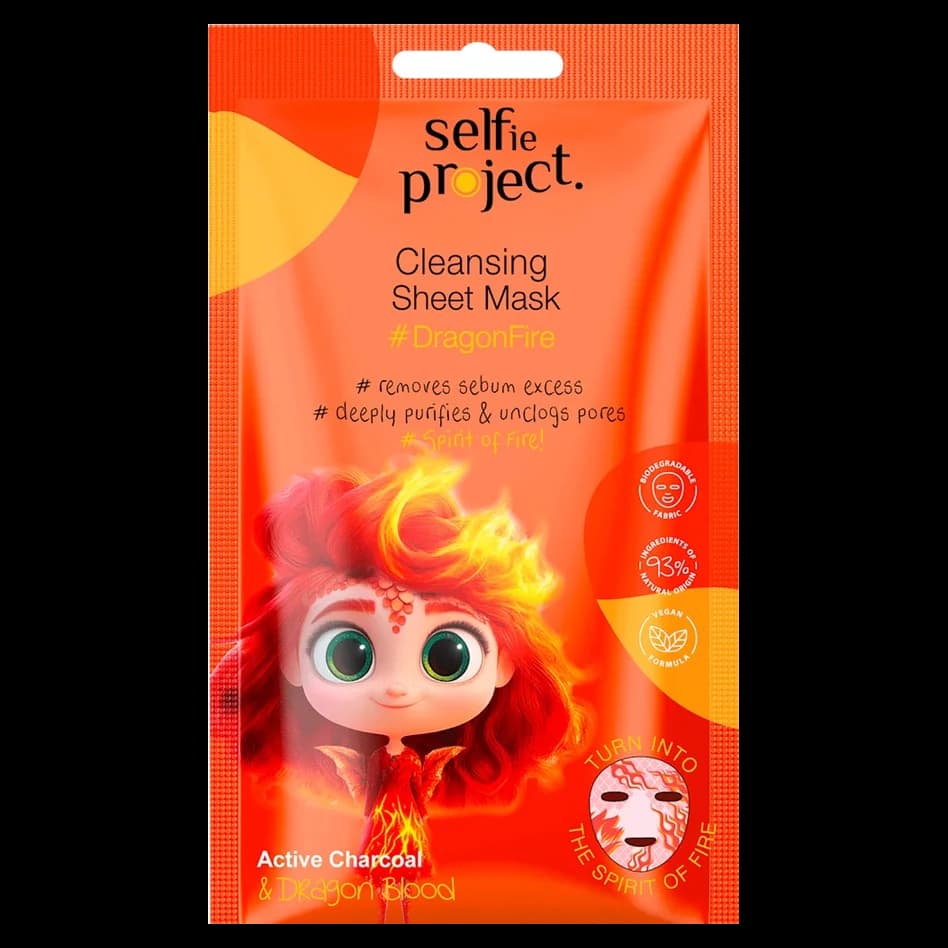
Selfie Project
Tuchmaske Cleansing #DragonFire
8th of 22 on the label
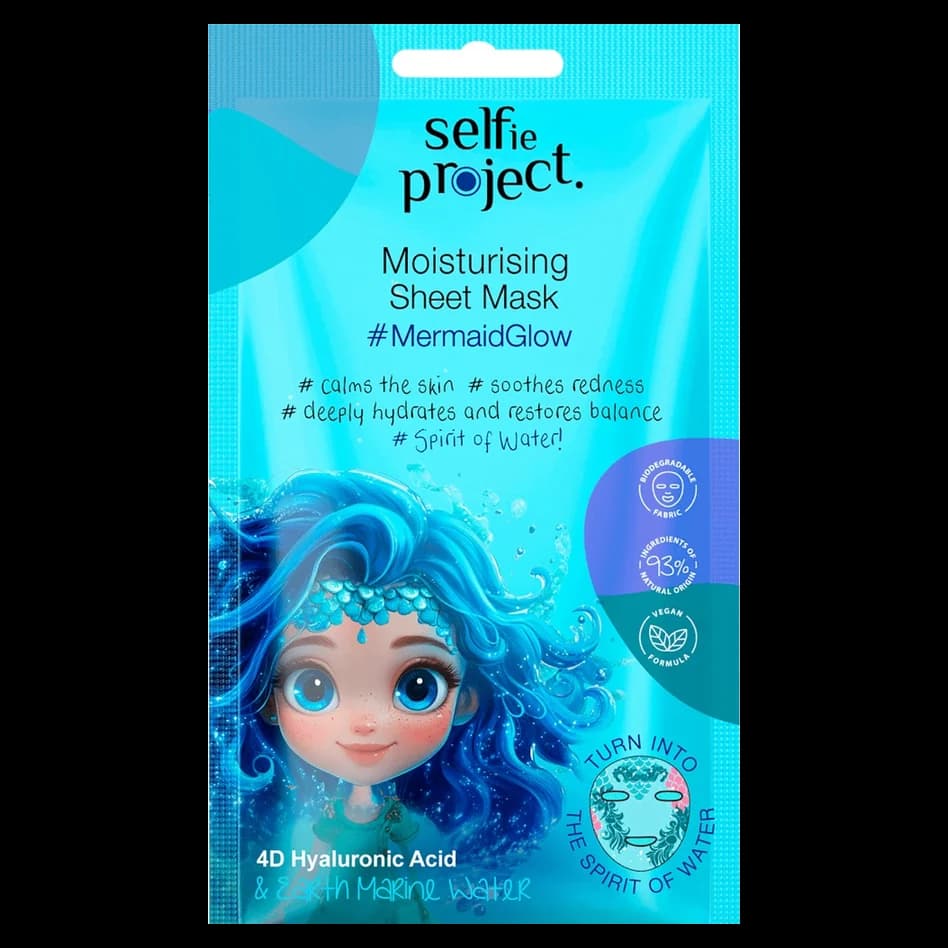
Selfie Project
Tuchmaske Moisturising #MermaidGlow
11th of 30 on the label
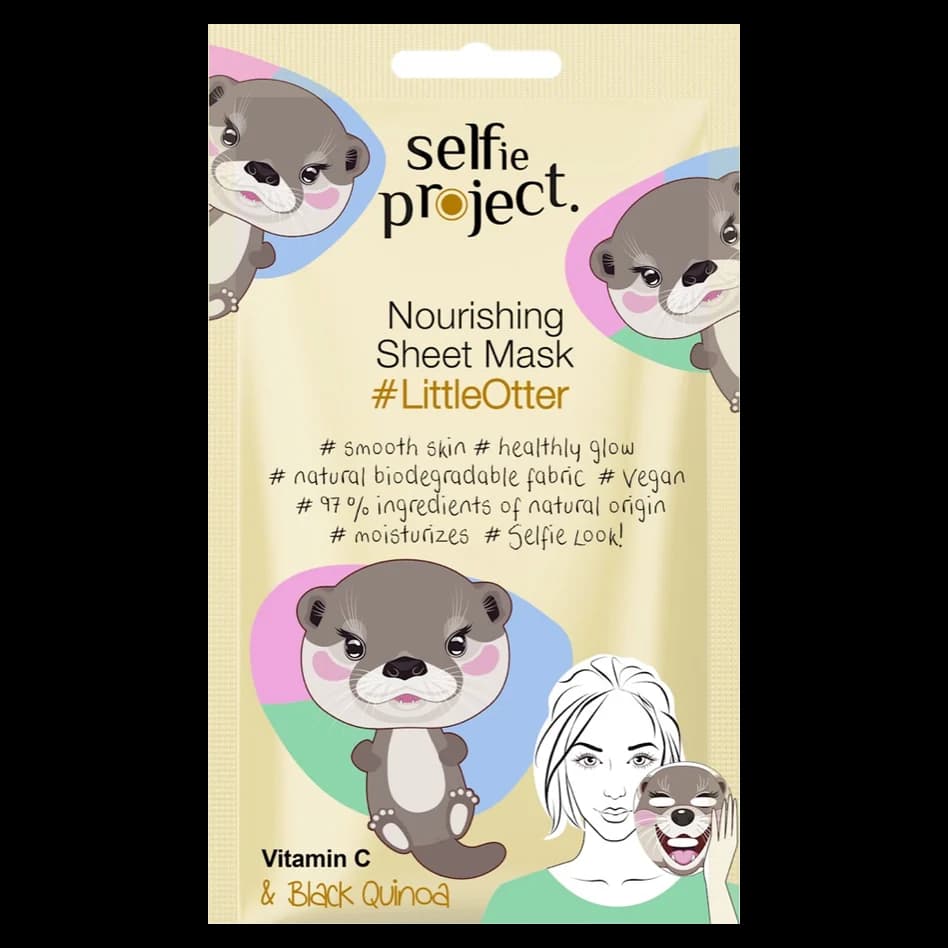
Selfie Project
Tuchmaske Nourishing #LittleOtter
8th of 21 on the label
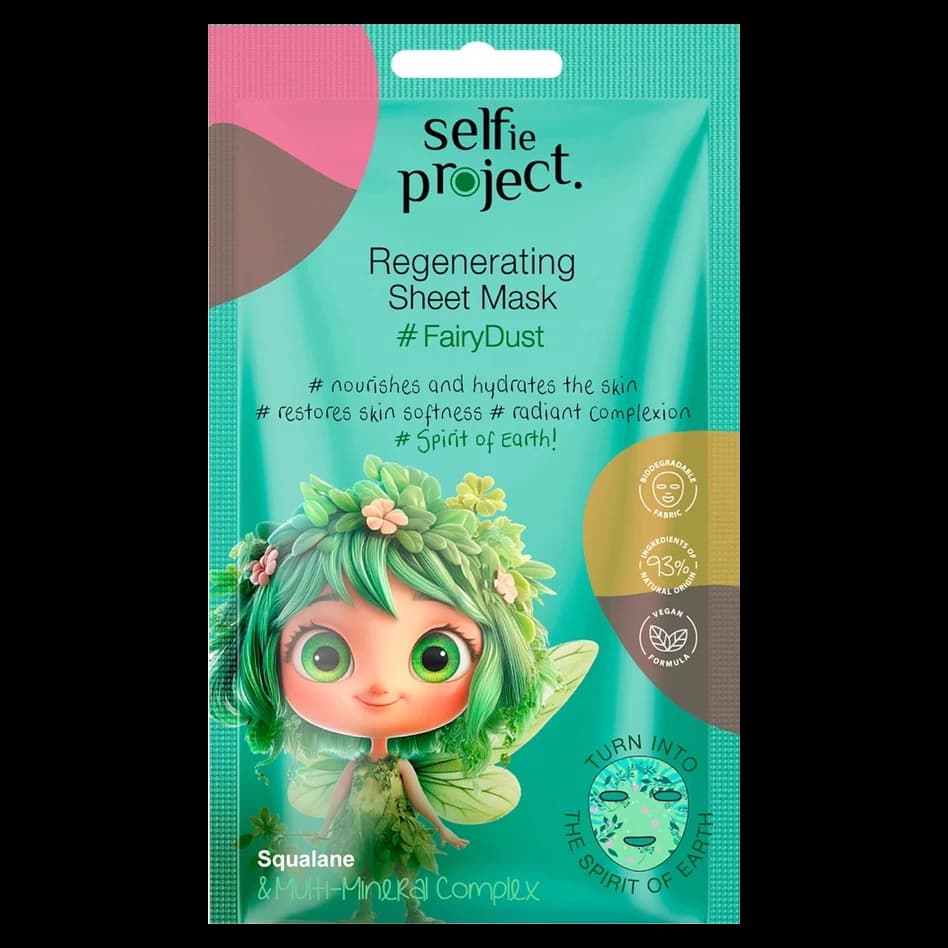
Selfie Project
Tuchmaske Regenerating #FairyDust
12th of 33 on the label