Maltodextrin
No meaningful concern for most people; irritation is possible but rare.
What it is
Maltodextrin is what you get when starch is partly broken down, usually by enzymes: a linear chain of glucose units, fewer than twenty of them. Safety assessments list its cosmetic roles as absorbent, binder, dispersing agent, emulsion stabiliser, film former and skin-conditioning agent. That spread is the point - it is a workhorse that helps a formula hold together, and it turns up across every mask format on this site.
How it shows up on a label
Usually low in the list, and nearly always on a list that also carries a plant extract - it is often the carrier that extract was dried onto, though the two are not necessarily printed together.
What it does well
Holds a formula together and helps it spread evenly
Binding, dispersing and film-forming are all well-characterised functions of this class of starch fragment, and they are the reason it is in the formula. None of them is a claim about skin. Molecules this size are unlikely to penetrate the skin barrier at all.
Moderate evidence
Worth knowing
Low in the list, it is often the carrier an extract arrived on
Powdered actives and extracts are commonly supplied already diluted onto a carrier, and maltodextrin is one of the usual ones. So maltodextrin sitting next to an impressive-sounding extract near the end of a list is a hint about how little of that extract is present. It is ordinary formulating practice, not a trick.
Matters most toAnyone weighing up a mask on the strength of a named extract low in the list.
Where the EU stands
No specific restriction
Not restricted under the EU Cosmetics Regulation; it appears in no annex and has no concentration limit.
Regulation (EC) No 1223/2009 - no annex entry · source ↗
Sources (1)
Every link goes to the original: a journal, a PubMed record or an EU document.
- [1]Safety Assessment of Polysaccharide Gums as Used in Cosmetics (Final Report)
Cosmetic Ingredient Review Expert Panel · 2015
Maltodextrin is named among the 105 polysaccharide gums the Expert Panel concluded are safe in the present practices of use and concentration in cosmetics. The report defines it as the saccharide material obtained by hydrolysis of starch, containing fewer than 20 glucose units, and lists its functions as absorbents, binders, dispersing agents, emulsion stabilisers, film formers and skin-conditioning agents. Animal and human testing indicates these gums can be mild skin irritants but are non-sensitisers, and their molecular size makes skin penetration unlikely. Checked 16 August 2026.
Masks that contain Maltodextrin
alverde Naturkosmetik
Gesichtsmaske Q10 mit Vitamin C
28th of 40 on the label
below ≈1%
Anua
Peach 70 Niacin Brightening Collagen Mask
27th of 44 on the label
below ≈1%
Be Routine
Schlafmaske Glow & Hydrate
24th of 27 on the label
below ≈1%
DERMASEL
SPA Totes Meer Maske Peeling
11th of 16 on the label
below ≈1%
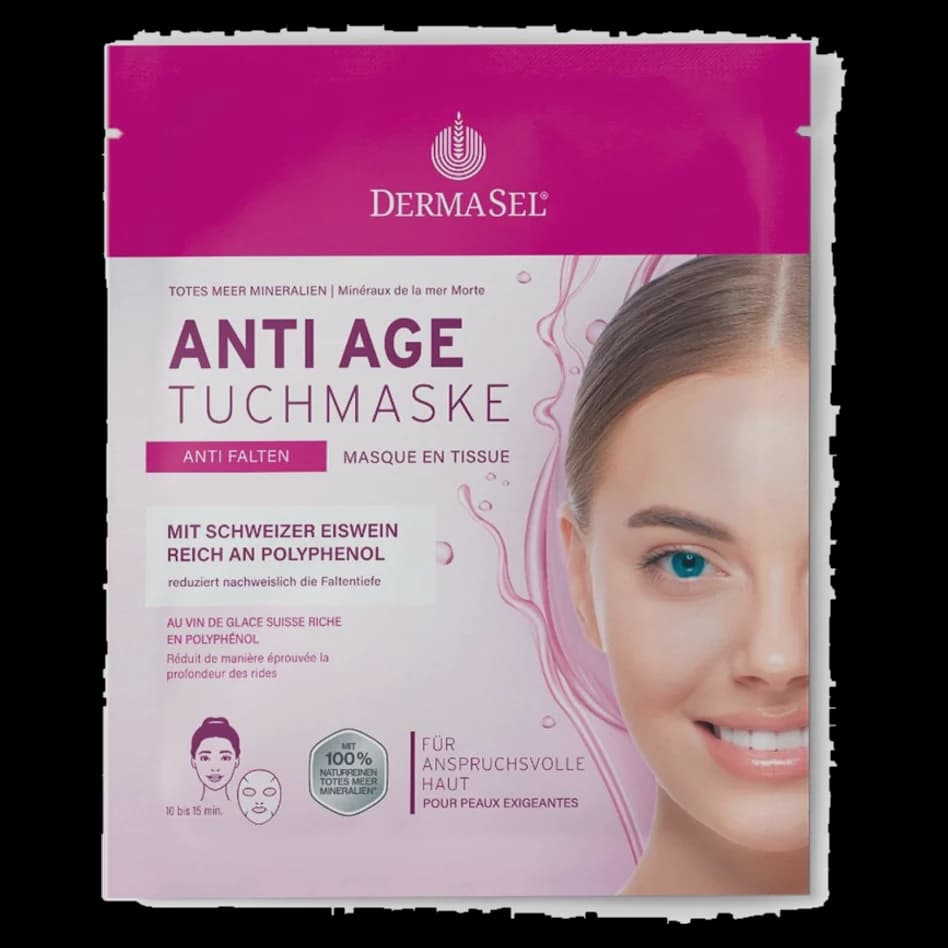
DERMASEL
Totes Meer Anti-Age Tuchmaske
16th of 23 on the label
below ≈1%
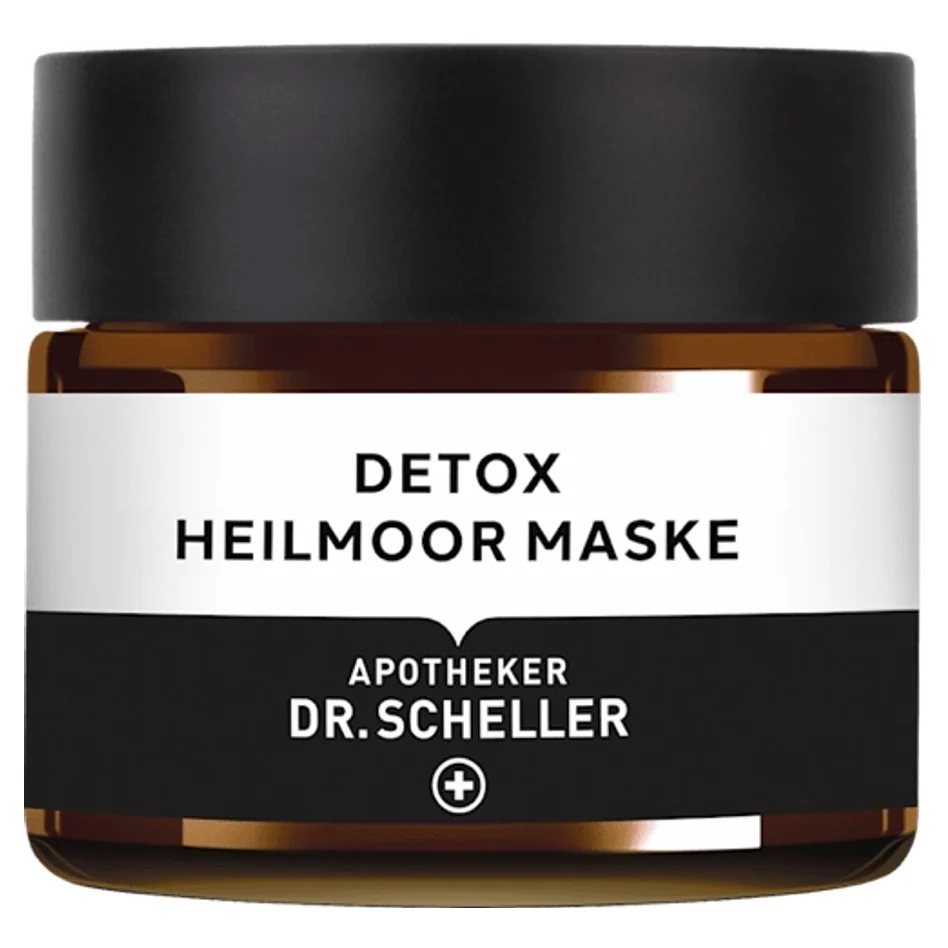
Dr. Scheller
Detox Heilmoor Maske
18th of 22 on the label
below ≈1%
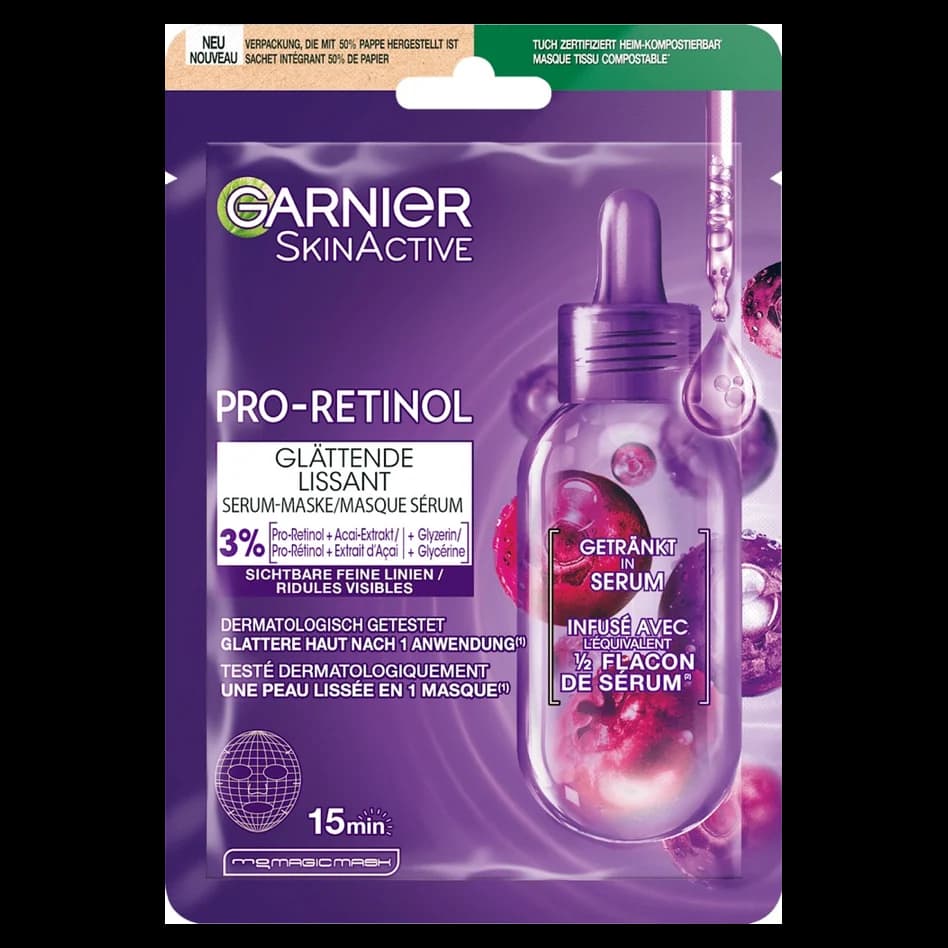
Garnier
SkinActive Pro-Retinol Tissue Mask
14th of 24 on the label
below ≈1%
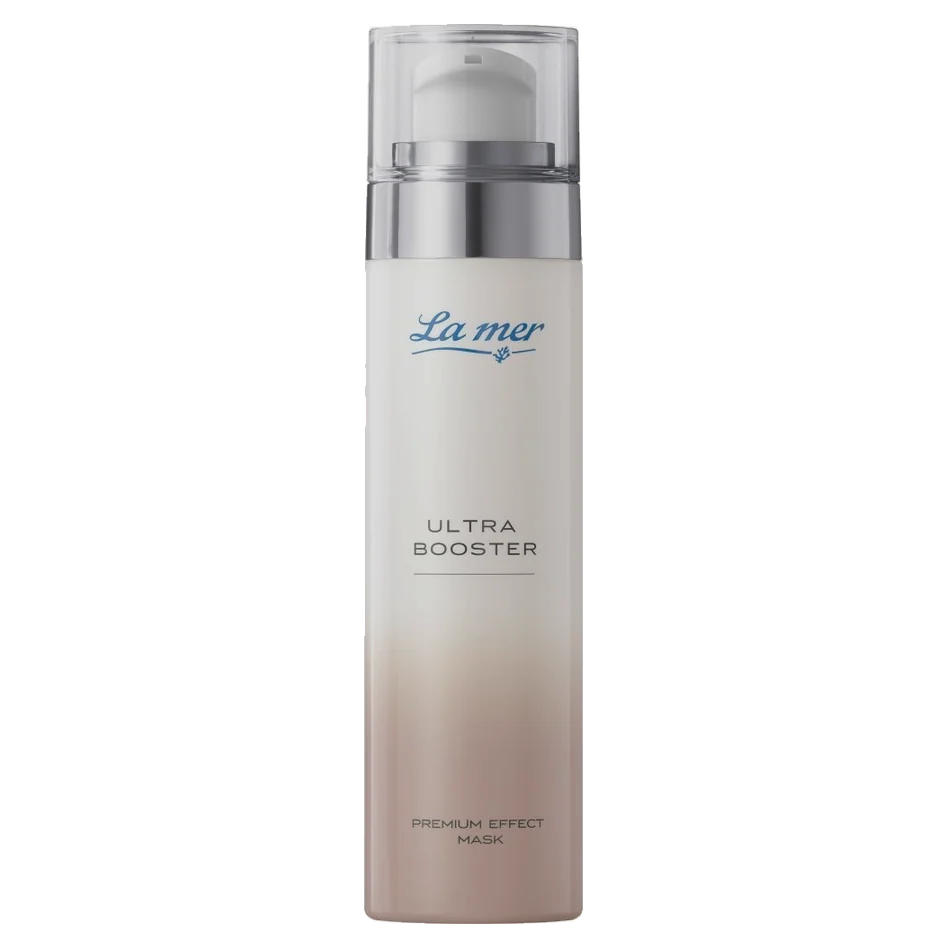
LA MER
Ultra Booster Premium Mask Effect
12th of 41 on the label
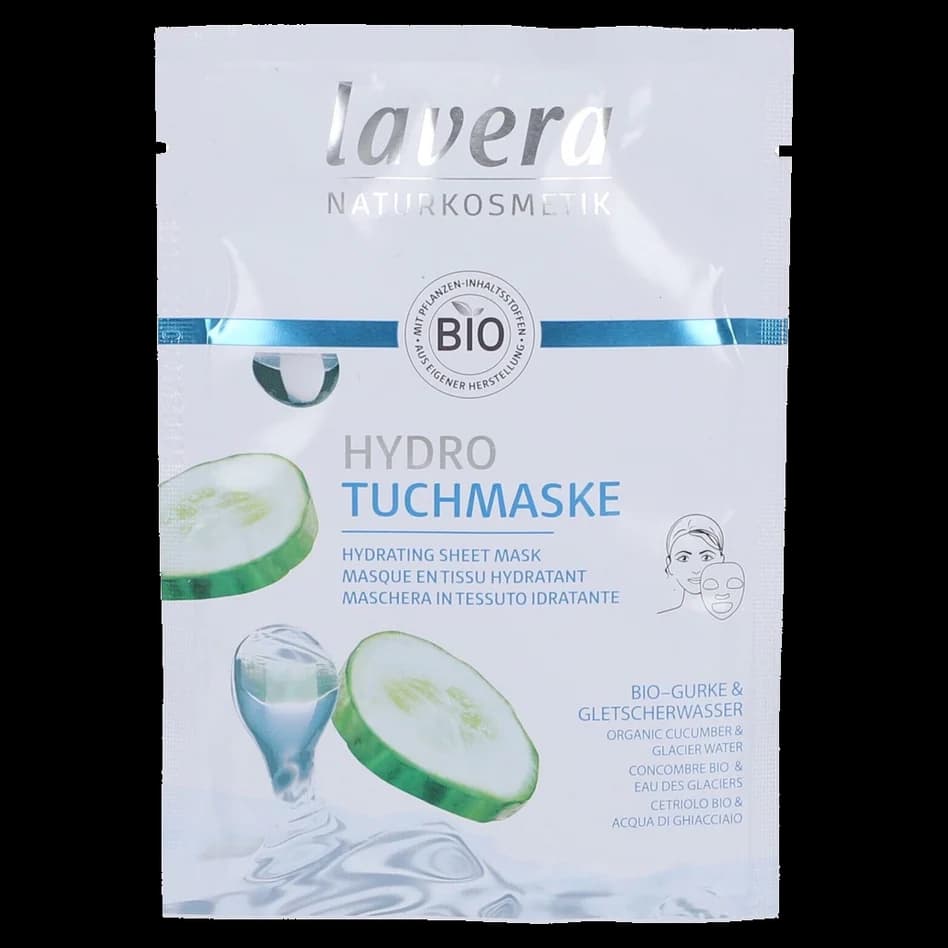
lavera
Hydro Tuchmaske
16th of 22 on the label
below ≈1%
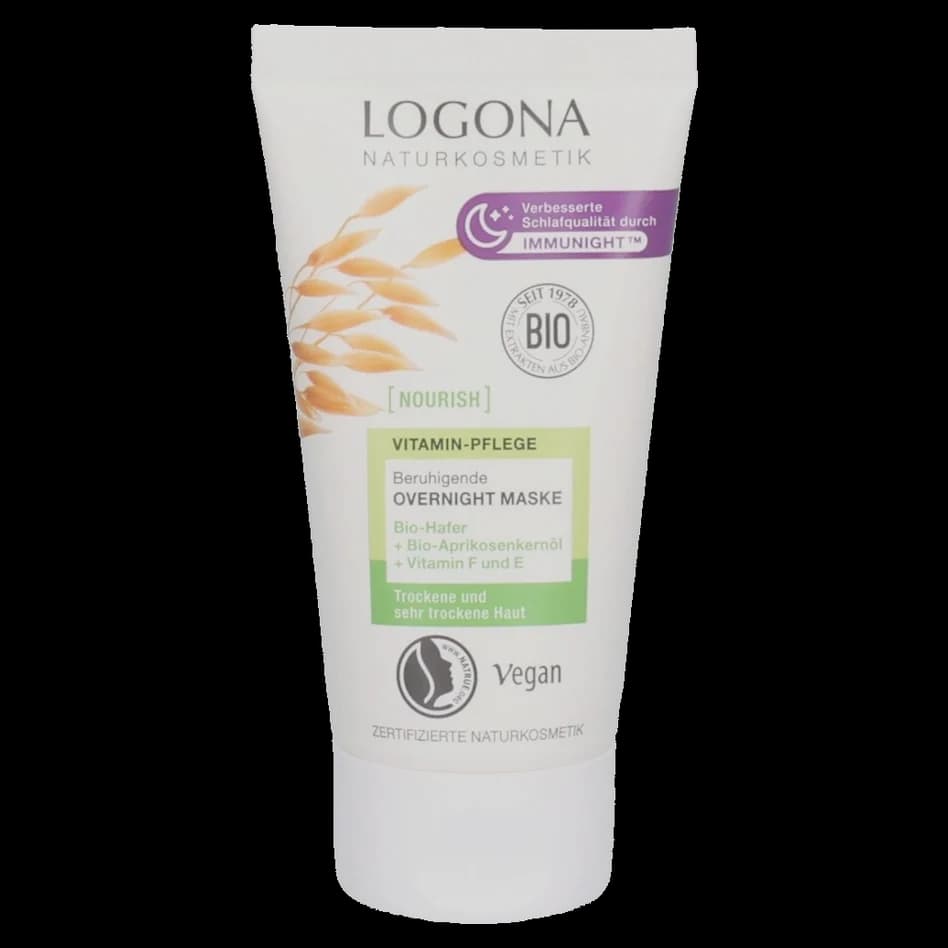
LOGONA
Nourish Beruhigende Overnight Maske
12th of 53 on the label
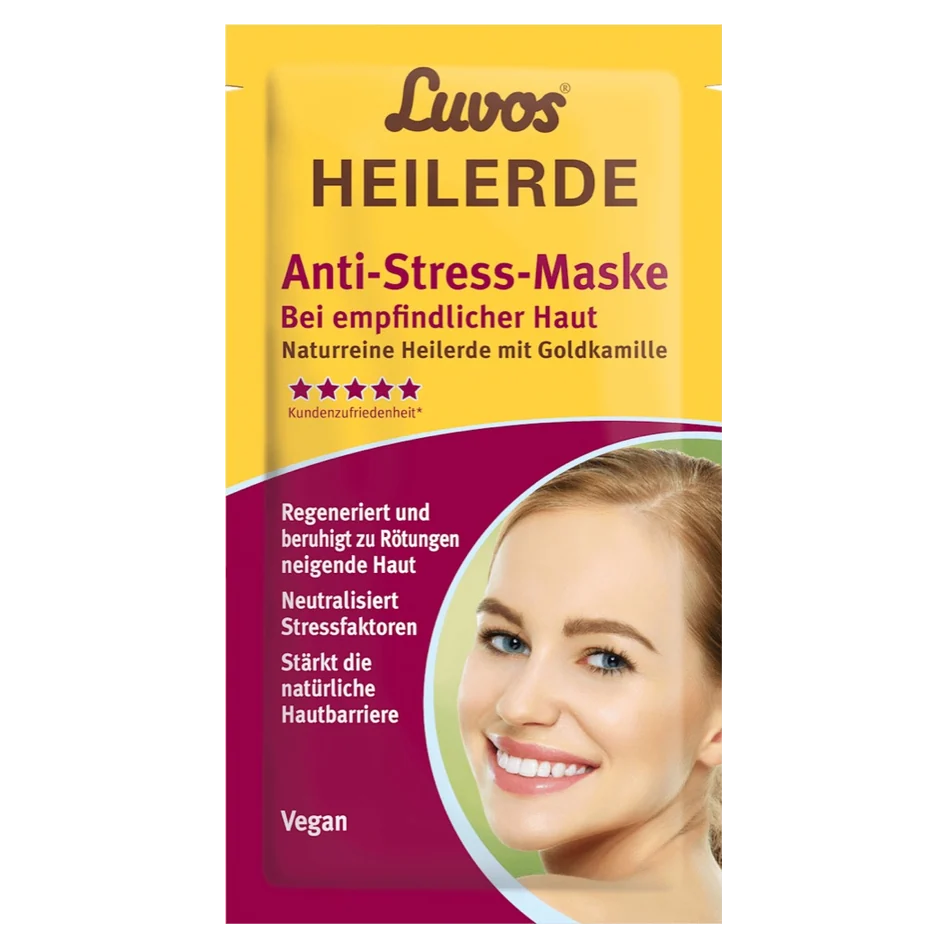
Luvos-Heilerde
Anti-Stress-Maske
26th of 33 on the label
below ≈1%
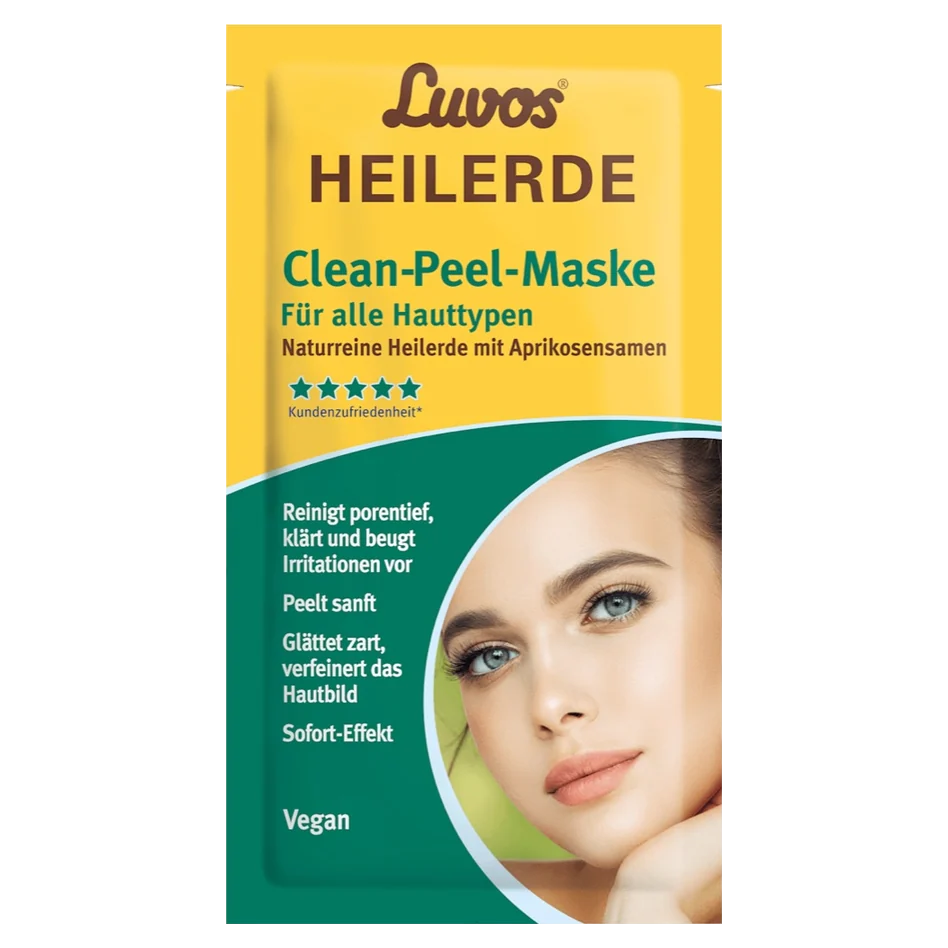
Luvos-Heilerde
Clean-Peel-Maske
17th of 29 on the label
below ≈1%
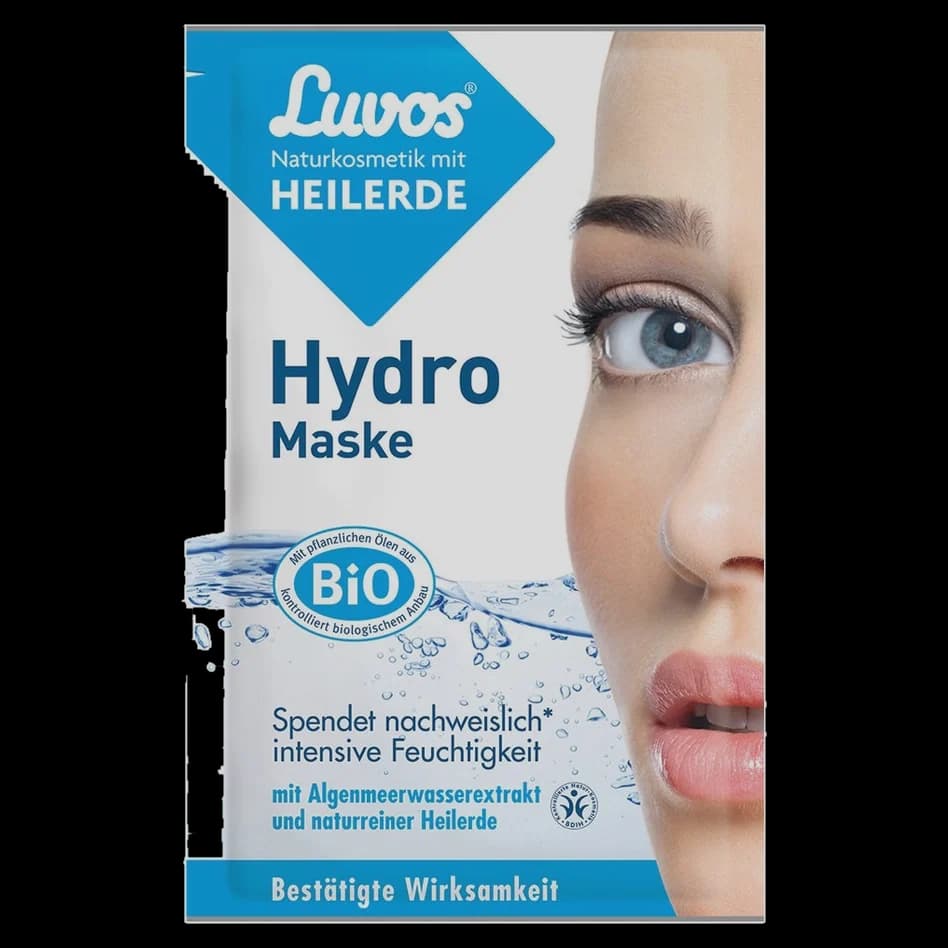
Luvos-Heilerde
Hydro-Maske
15th of 33 on the label
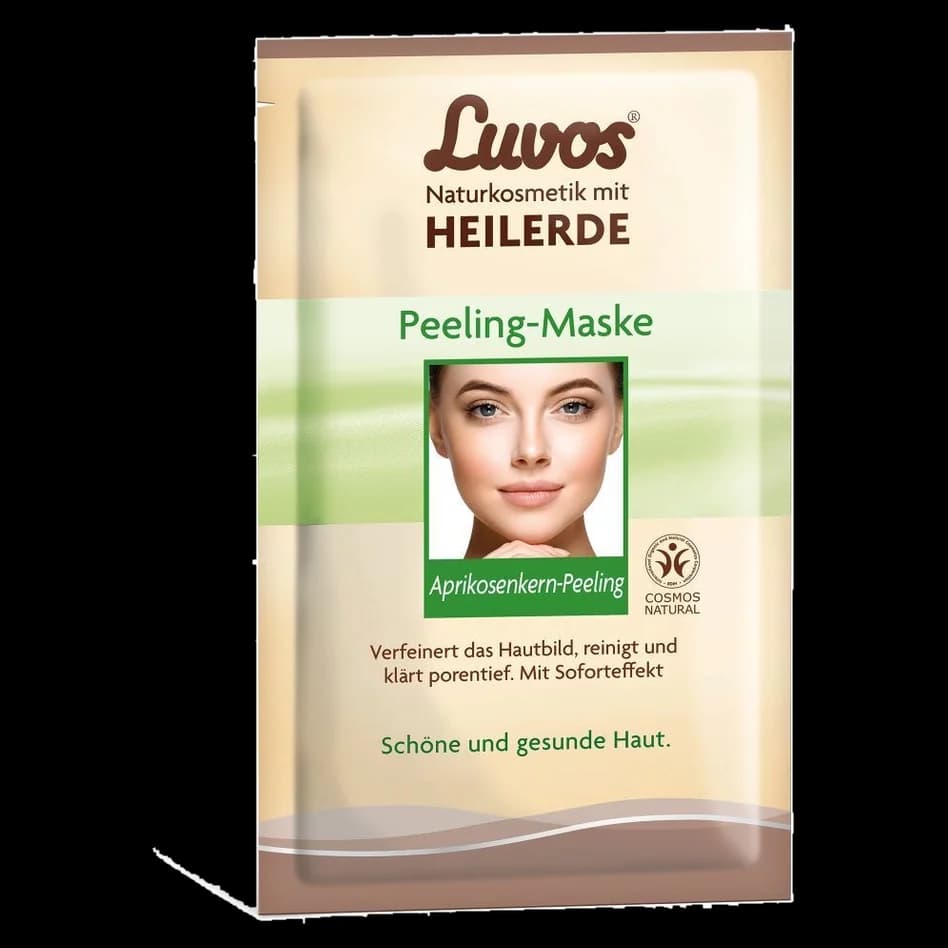
Luvos-Heilerde
Peeling-Maske
18th of 29 on the label
below ≈1%
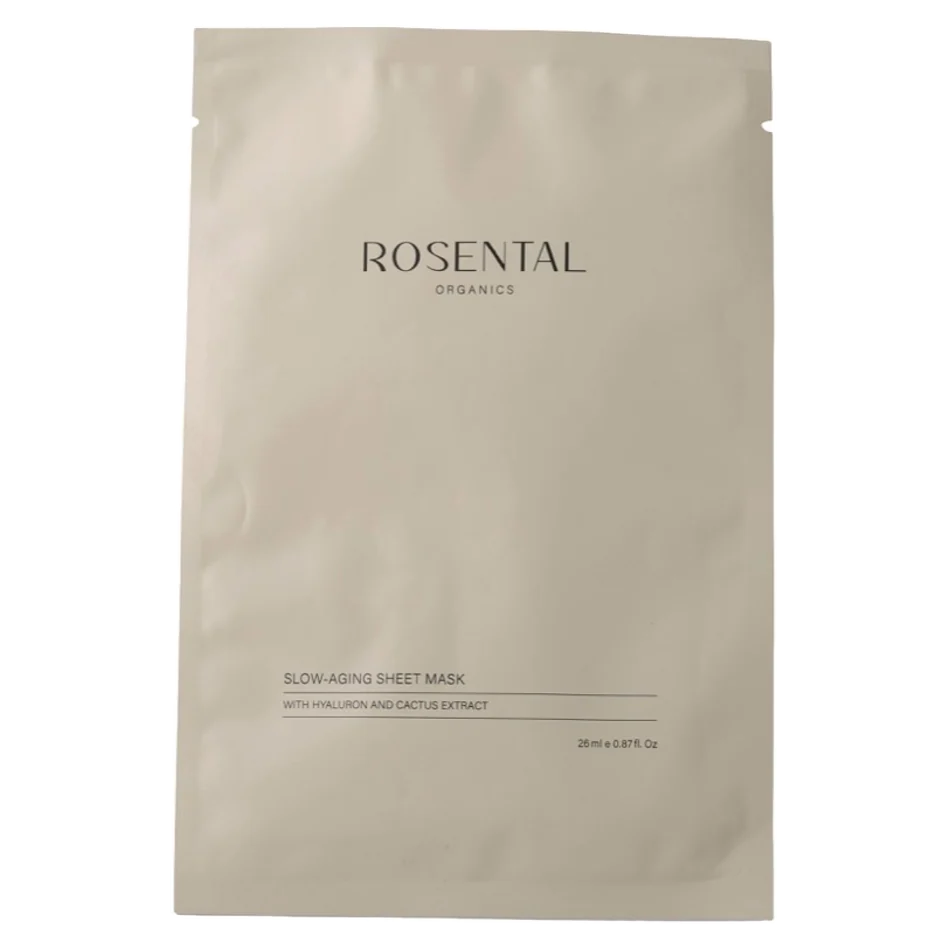
Rosental Organics
Slow-Aging Sheet Mask
9th of 13 on the label
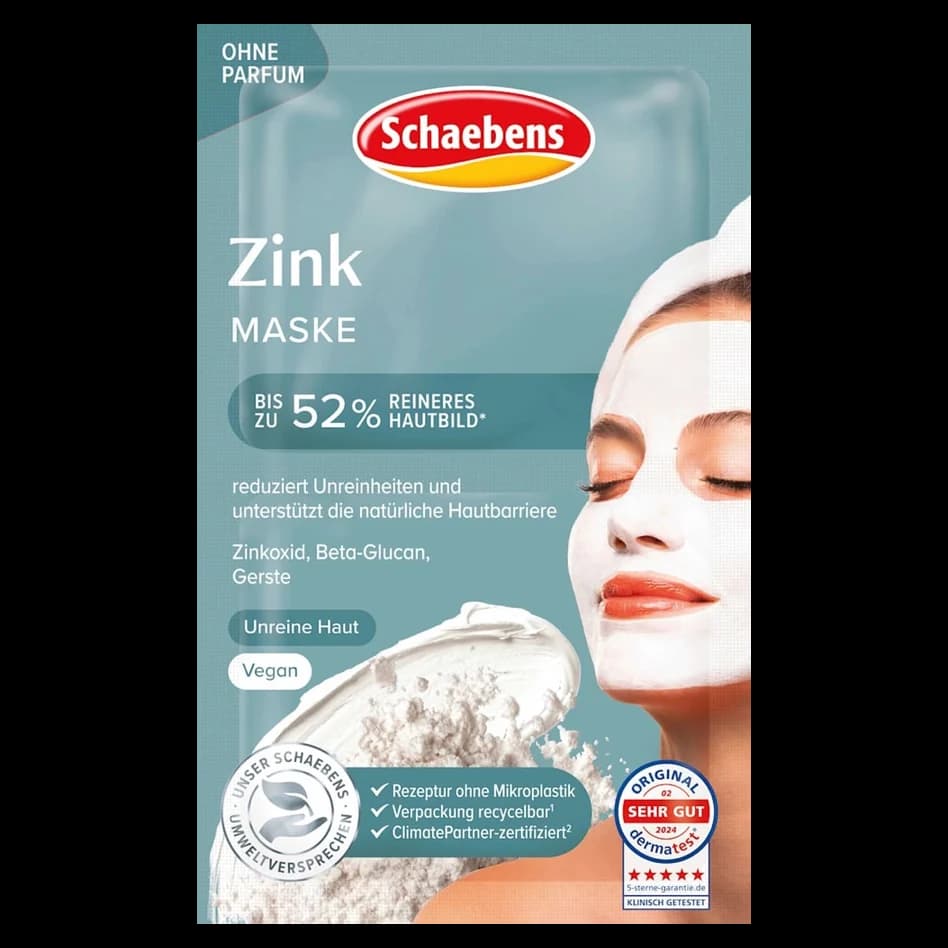
Schaebens
Gesichtsmaske Zink
19th of 27 on the label
below ≈1%
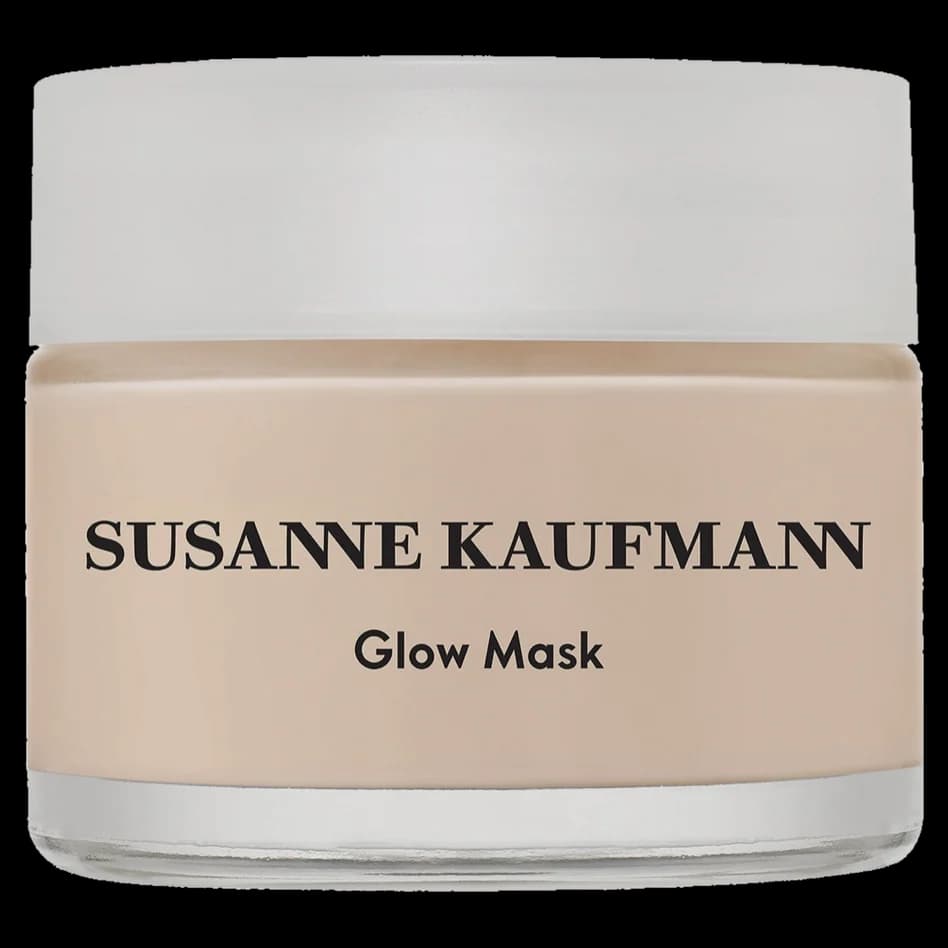
Susanne Kaufmann
Glow Mask
27th of 45 on the label