Polyvinyl Alcohol
PVA
No meaningful concern for most people; irritation is possible but rare.
Also written as: PVA · PVOH · Ethenol, homopolymer
What it is
Polyvinyl alcohol is a synthetic polymer made by the controlled hydrolysis of polyvinyl acetate, and it normally keeps some unhydrolysed acetate groups; the grades used in cosmetics range in molecular weight from about 25,000 to 300,000, and the heavier the grade, the less readily it dissolves in water. The EU's CosIng database records two functions for it, film forming and viscosity controlling, and the Cosmetic Ingredient Review adds binder. Masks have long been its main cosmetic use: in 1996, 14 of the 37 uses reported to the US Food and Drug Administration were paste masks, industry reported it in facial masks at 10% and other masks at 3%, and the peel-off masks tested for that review contained 13%. A 2013 industry survey put maximum use concentrations across all product types at 0.0035% to 15%. In this catalogue it is printed on every peel-off mask, always third, and second on two overnight wrapping masks - in each case above the point where ingredient order stops indicating quantity, though on Schaebens' eight-ingredient charcoal peel-off only one ingredient separates it from that point.
How it shows up on a label
Third on all five peel-off masks here, each time straight after water and denatured alcohol, and second on Medicube's two night wrapping masks - above the point where ingredient order stops indicating quantity on all seven, by a single ingredient on Schaebens' eight-ingredient charcoal peel-off. The one sheet mask that lists it prints it far down, below that point.
What it does well
Forms the film a peel-off mask is made of
Film forming is the first function CosIng records for it, and the safety data reviewed by the Cosmetic Ingredient Review include several peel-off facial masks tested at 13% polyvinyl alcohol. This is what the ingredient does to the product, not a claimed effect on skin.
Strong evidence
Reviewed as safe as used, and the conclusion has been re-examined
The Cosmetic Ingredient Review concluded in 1998 that polyvinyl alcohol is safe as used in cosmetic formulations, re-reviewed it in 2013 against newer carcinogenicity, genotoxicity and repeated-dose studies, and still lists it as safe. The 1998 report found it was not a sensitiser in animal or clinical studies and not an eye irritant, including a peel-off mask at 13% instilled into rabbits' eyes.
Moderate evidence
Worth knowing
A 13% peel-off mask irritated rats' skin in a 13-week study
Ten rats had a peel-off mask containing 13% polyvinyl alcohol applied to shaved back skin five times a week for 13 weeks and left on. The irritation grew severe enough, with concern for the animals' survival, that for one week the mask was wiped off after 15 minutes; when the original protocol resumed, the irritation "stabilized", and no significant toxic effects were found. That is 65 left-on applications to shaved rat skin, not a face mask peeled off after use. The review panel weighed this result explicitly and found the human studies did not show similar irritation: three of 100 people had one barely perceptible reaction each when a 13% peel-off mask was patch-tested, none were sensitised, and twelve people patched with 13% for 21 days scored 10 out of a possible 756. That is why the risk level here is low despite this result.
Peeling the film off can redden skin
In a four-week use test of a peel-off mask at 13%, 21 of 54 people had intermittent transient redness and/or acne, which was judged not clinically significant in all but four. One of those four developed redness that was put down to pulling during mask removal. The other three were transient redness after use, slight tingling and tightness attributed to unfamiliarity with the mask, and slight dryness and redness that also appeared on the cheek given the comparison mask.
Matters most toPeople whose skin reddens easily from friction or rubbing.
Where the EU stands
No specific restriction
Not restricted for cosmetic use in the EU; polyvinyl alcohol appears in no annex of the Cosmetics Regulation as consolidated on 18 May 2026. The only vinyl acetate in the annexes is the monomer, a different substance, which Annex II prohibits.
Regulation (EC) No 1223/2009 - no annex entry · source ↗
Sources (5)
Every link goes to the original: a journal, a PubMed record or an EU document.
- [1]Final report on the safety assessment of Polyvinyl Alcohol
International Journal of Toxicology (Cosmetic Ingredient Review) · 1998 · doi:10.1177/109158189801700505
Published as IJT 17(Suppl 5):67-92 and reproduced in the CIR's re-review document. Conclusion: "Polyvinyl Alcohol is safe as used in cosmetic formulations." In a subchronic study, rats given "5 weekly applications of a peel-off facial mask containing 13% Polyvinyl Alcohol" for 13 weeks showed "increasing severity of skin irritation"; the mask was wiped off after 15 minutes for one week, after which the original protocol resumed and the irritation "stabilized", with "No significant toxic effects". The Panel's discussion notes the rat result and that "clinical studies did not indicate similar irritation": in an RIPT of the mask, three of 100 panellists each had one "barely perceptible" reaction and none were sensitised; a 21-day cumulative patch test at 13% scored 10 out of 756. In a 4-week use test of a 13% peel-off mask, 21 of 54 panellists had "transient redness and/or acne", one case "considered as resulting from pulling during mask removal". Checked 6 October 2026.
- [2]Safety Assessment of Polyvinyl Alcohol as Used in Cosmetics - re-review for panel review
Cosmetic Ingredient Review · 2013
The re-review document of 15 November 2013. It records that polyvinyl alcohol "functions as a binder, film former, and viscosity increasing agent"; that in 1998 industry reported a maximum use concentration "< 25%, with 13% reported for a hydrolyzed version of the ingredient in paste masks (mud packs)"; and that a 2013 Council survey reported "maximum concentration of use ranges of 0.0035% to 15%". It added a carcinogenesis study, genotoxicity studies and a repeated-dose study, and found no new sensitisation or clinical-use studies. Checked 6 October 2026.
- [3]Quick Reference Table: CIR conclusions by ingredient
Cosmetic Ingredient Review · 2024
Lists Polyvinyl Alcohol with conclusion S (safe), citing IJT 17(S5):67-92, 1998 and IJT 36(Suppl 2):14-58, 2017 - the original report and the published re-review. Checked 6 October 2026.
- [4]CosIng entry: Polyvinyl Alcohol
European Commission, CosIng database
INCI name POLYVINYL ALCOHOL, chemical name "Ethenol, homopolymer", CAS 9002-89-5 / 25213-24-5. Functions: film forming; viscosity controlling. No annex number, cosmetic restriction or maximum concentration is recorded. Checked 6 October 2026.
- [5]Regulation (EC) No 1223/2009 on cosmetic products, consolidated text of 18 May 2026
Official Journal of the European Union · 2026
A sweep of the full consolidated text, read from the Publications Office copy of the 18.05.2026 consolidation, finds no occurrence of polyvinyl alcohol, vinyl alcohol, ethenol, or either CAS number 9002-89-5 or 25213-24-5. The only vinyl acetate entry is the monomer, Vinyl acetate (CAS 108-05-4), entry 1565 in the Annex II list of prohibited substances. Checked 6 October 2026.
Masks that contain Polyvinyl Alcohol
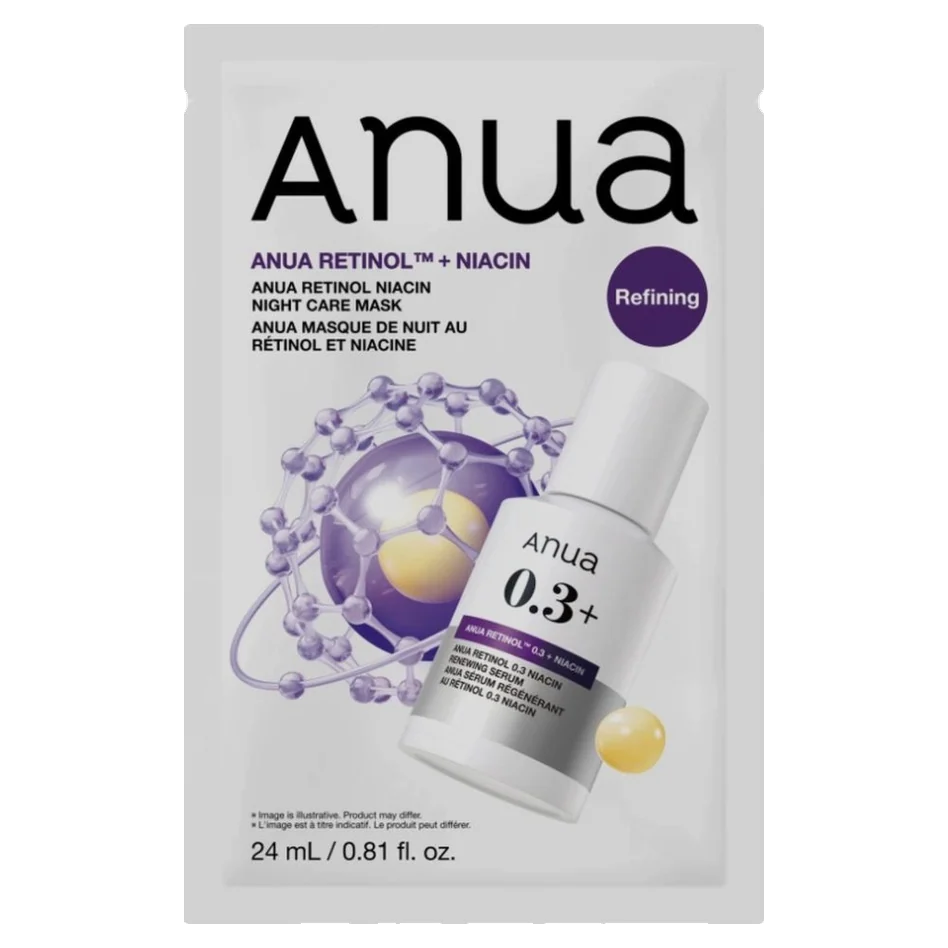
Anua
Retinol Niacin Night Care Mask
36th of 44 on the label
below ≈1%
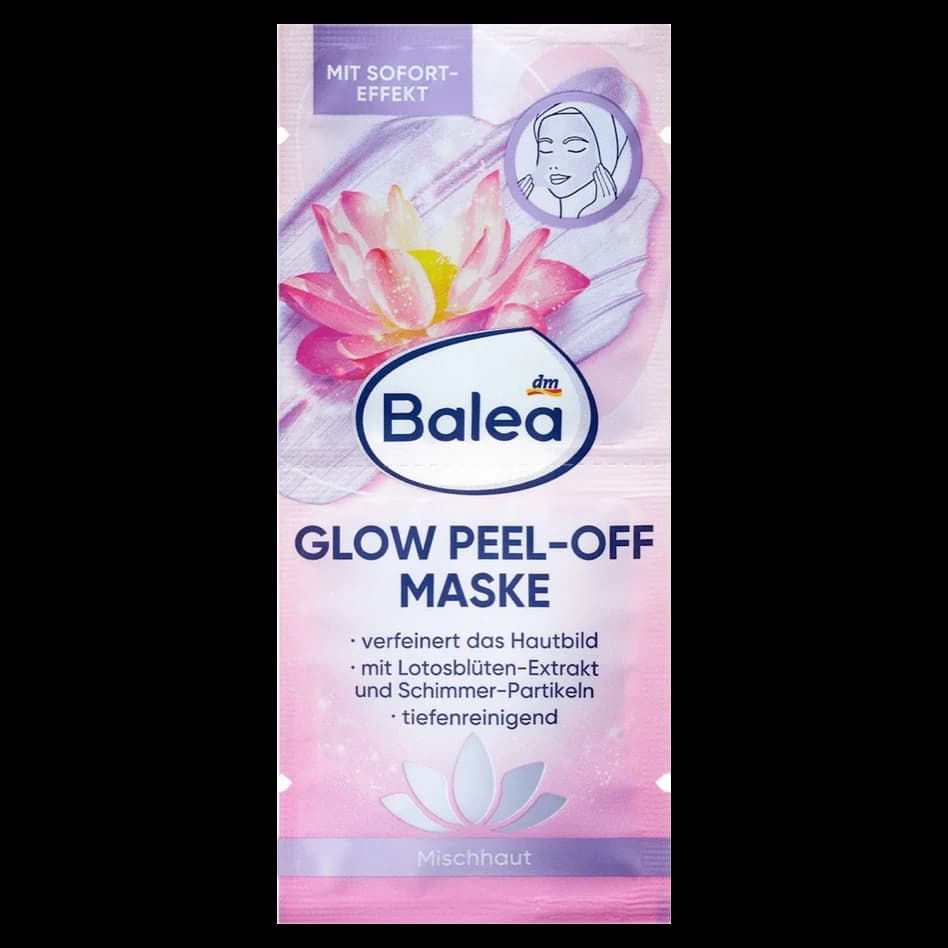
Balea
Gesichtsmaske Glow Peel-Off
3rd of 20 on the label
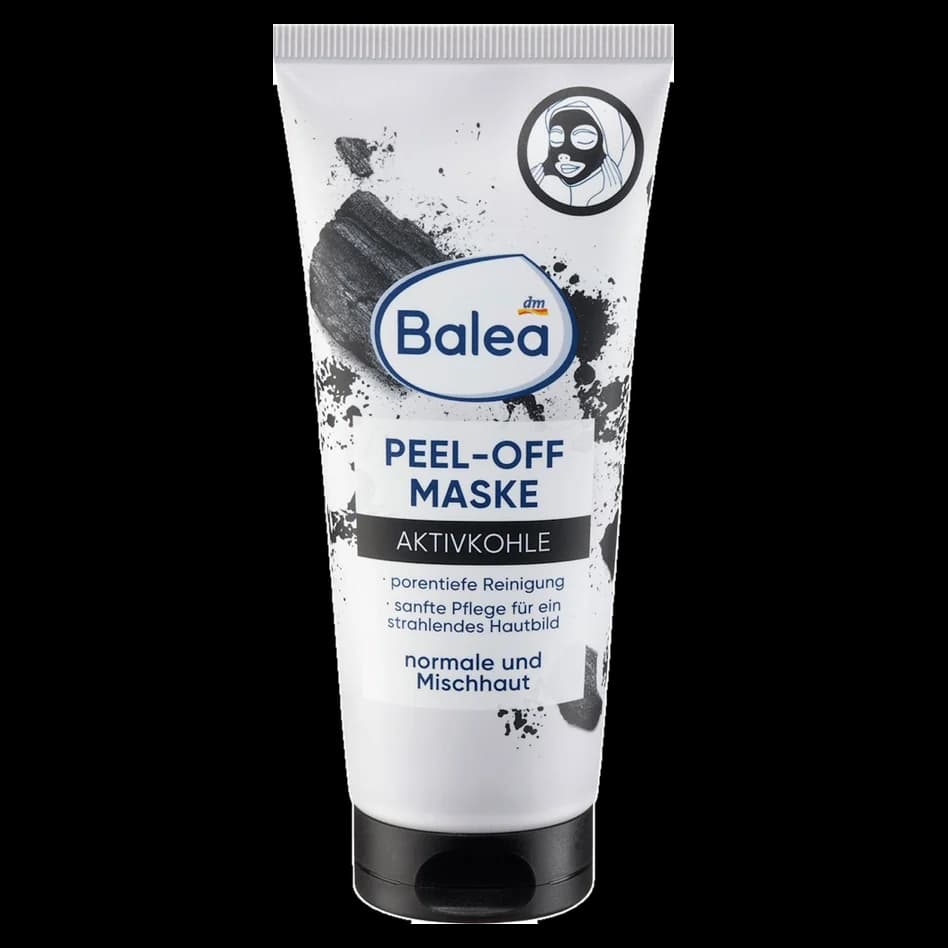
Balea
Gesichtsmaske Peel-Off Aktivkohle
3rd of 18 on the label
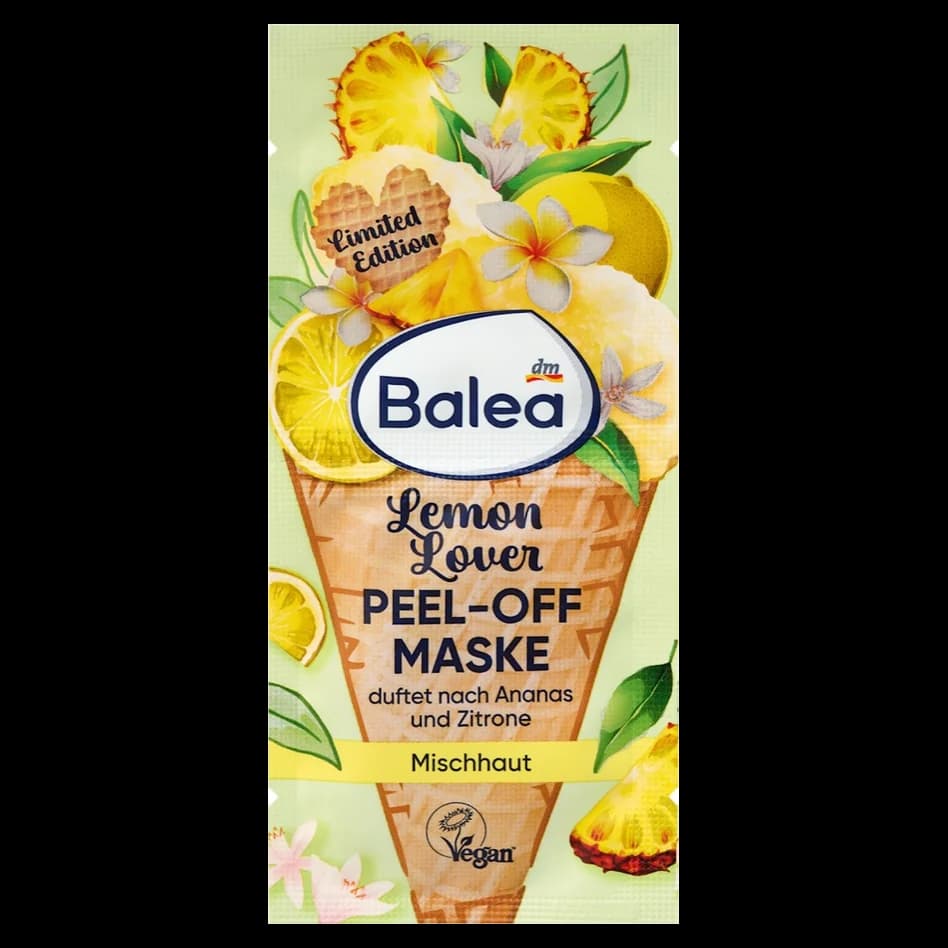
Balea
Gesichtsmaske Peel-Off Lemon Lover
3rd of 23 on the label
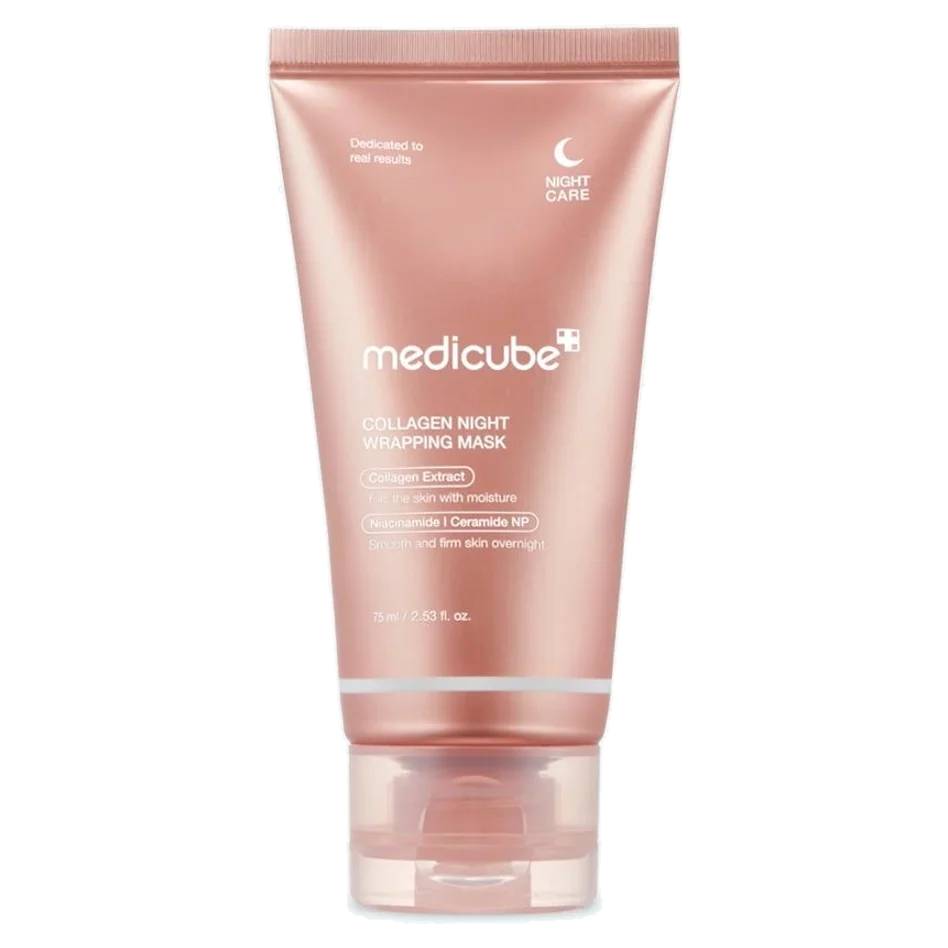
Medicube
Collagen Night Wrapping Mask
2nd of 24 on the label
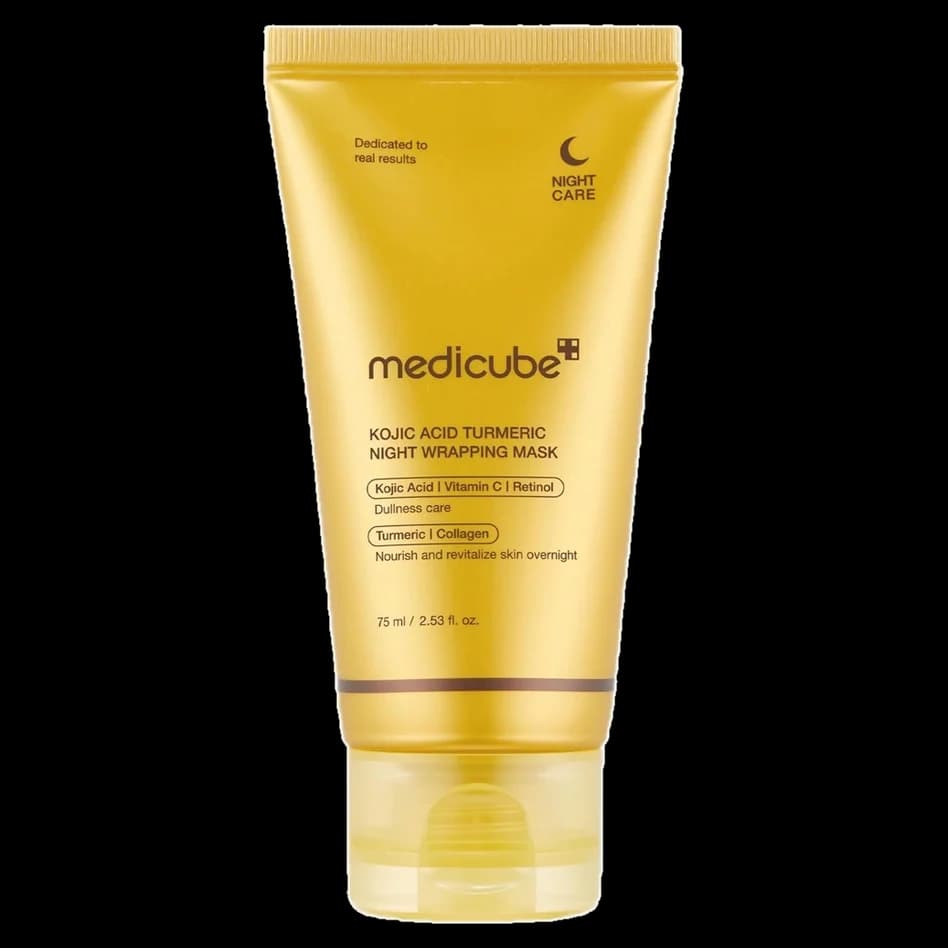
Medicube
Kojic Acid Turmeric Night Wrapping Mask
2nd of 22 on the label
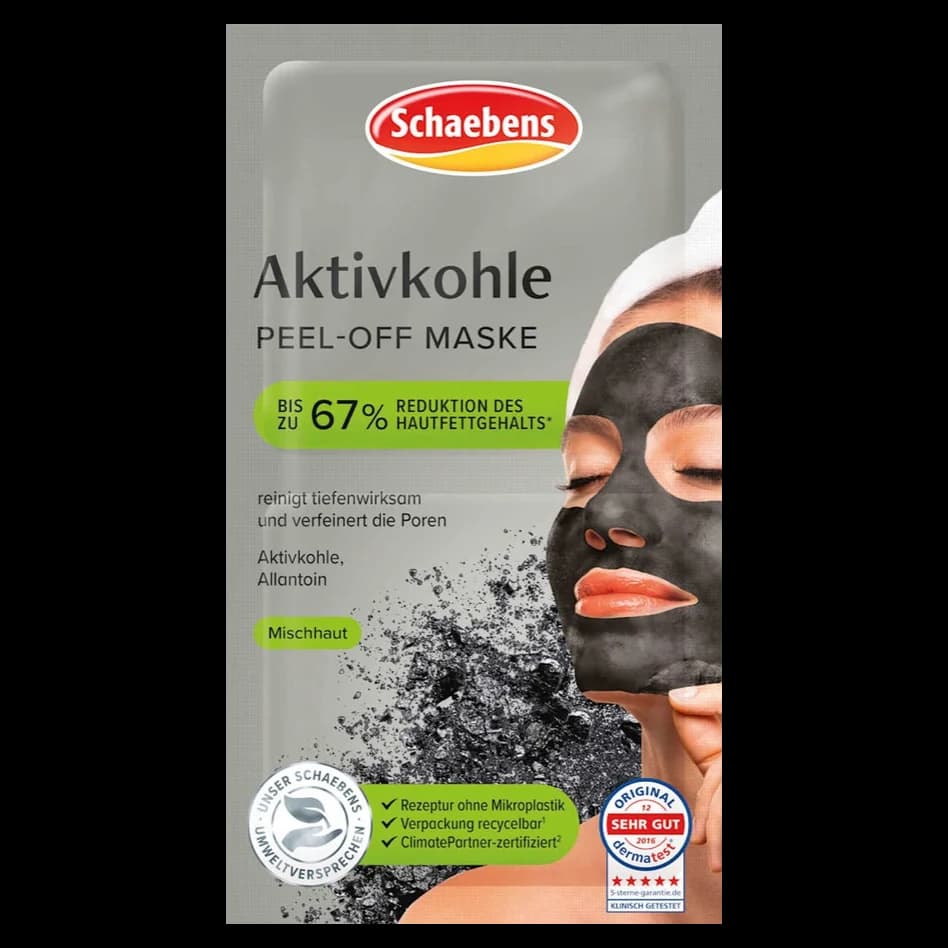
Schaebens
Gesichtsmaske peel off Aktivkohle
3rd of 8 on the label
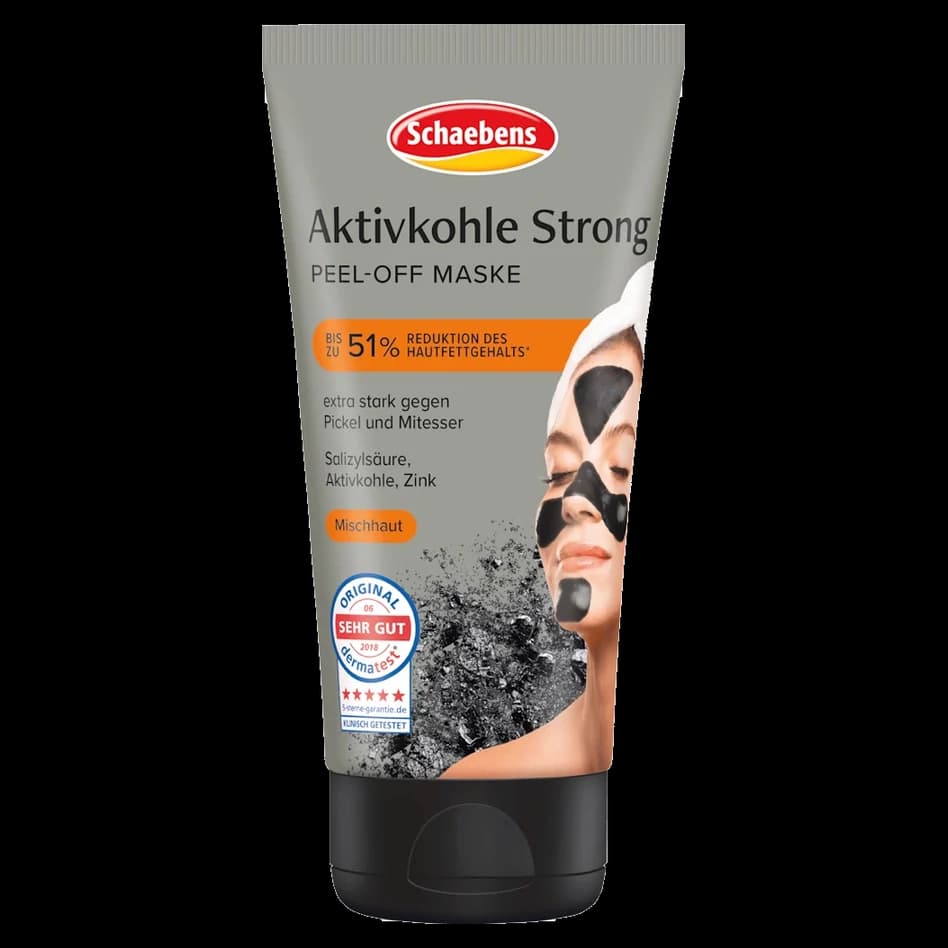
Schaebens
Gesichtsmaske peel off Aktivkohle Strong
3rd of 20 on the label