Polysorbate 60
No meaningful concern for most people; irritation is possible but rare.
Also written as: Tween 60 · Polyoxyethylene (20) sorbitan monostearate · PEG-20 sorbitan stearate
What it is
Polysorbate 60 is sorbitan monostearate with about twenty ethylene oxide units attached, making a non-ionic surfactant that likes both water and oil. The difference from polysorbate 20 and polysorbate 80, both of which already have entries here, is only the fatty acid: stearic acid rather than lauric or oleic. That longer, saturated chain makes it better suited to emulsifying a cream or a richer mask base than to keeping a watery essence clear. The Cosmetic Ingredient Review records that PEG-20 sorbitan stearate is another term for the same ingredient.
How it shows up on a label
On eight of the nine masks here it sits below the point where ingredient order stops indicating quantity, a median of about seven-tenths of the way down the list - so it is doing its work at well under a per cent. Printed near a plant oil or a fragrance, it is the reason the two stay mixed in.
What it does well
Emulsifies oil into water in creamier bases
It is a long-established non-ionic emulsifier, usually paired with a co-emulsifier such as sorbitan stearate to set the balance of the system. Its role is structural: it is what stops the oil and water phases separating.
Strong evidence
Worth knowing
The safety conclusion is conditional on the formula being non-irritating
The Cosmetic Ingredient Review's amended conclusion is that the polysorbates are safe "when formulated to be nonirritating" - a qualification that replaced the plain safe-as-used conclusions of 1984, 2000 and 2001. Surfactants are dose-dependent irritants, so the condition is about how much is used and what it is used with rather than about the molecule.
Matters most toPeople with a very reactive barrier reading a list where a surfactant sits high.
Shares the ethylene oxide / 1,4-dioxane residue question with PEGs
Polysorbates are ethoxylated, so the same trace 1,4-dioxane discussion applies as for polysorbate 20 and the PEGs. The EU handles it by prohibiting 1,4-dioxane and ethylene oxide outright and allowing only technically unavoidable traces.
Matters most toConsumers deciding whether ethoxylated ingredients are a problem; on current evidence, at cosmetic trace levels, they are not.
Where the EU stands
No specific restriction
No EU concentration limit; no polysorbate appears in any annex. Residual ethylene oxide and 1,4-dioxane from manufacture are controlled by the prohibition of those substances and the Article 17 traces rule.
Regulation (EC) No 1223/2009, Article 17 (traces of prohibited substances); no annex entry for polysorbates · source ↗
Sources (2)
Every link goes to the original: a journal, a PubMed record or an EU document.
- [1]Quick Reference Table: CIR conclusions by ingredient
Cosmetic Ingredient Review · 2024
The quick reference table records for Polysorbate 60: "The CIR Expert Panel concluded that the polysorbates listed below are safe in cosmetics when formulated to be nonirritating. This conclusion supersedes the conclusion reached in the 1984, 2000, and 2001 CIR safety assessments." Citations given are Journal of the American College of Toxicology 3(5):1-82, 1984 and the Final Report of June 2015. Checked 26 September 2026.
- [2]Safety Assessment of Polysorbates as Used in Cosmetics
Cosmetic Ingredient Review, Draft Final Amended Report · 2015
The report package records the tentative amended conclusion of "safe as used when formulated to be nonirritating", covering 80 ingredients across three earlier reports, and states that "PEG-20 sorbitan stearate is another term for polysorbate 60". The panel's discussion names penetration enhancement and the ethylene oxide and dioxane impurity question as the points to carry into the report discussion. Checked 26 September 2026.
Masks that contain Polysorbate 60
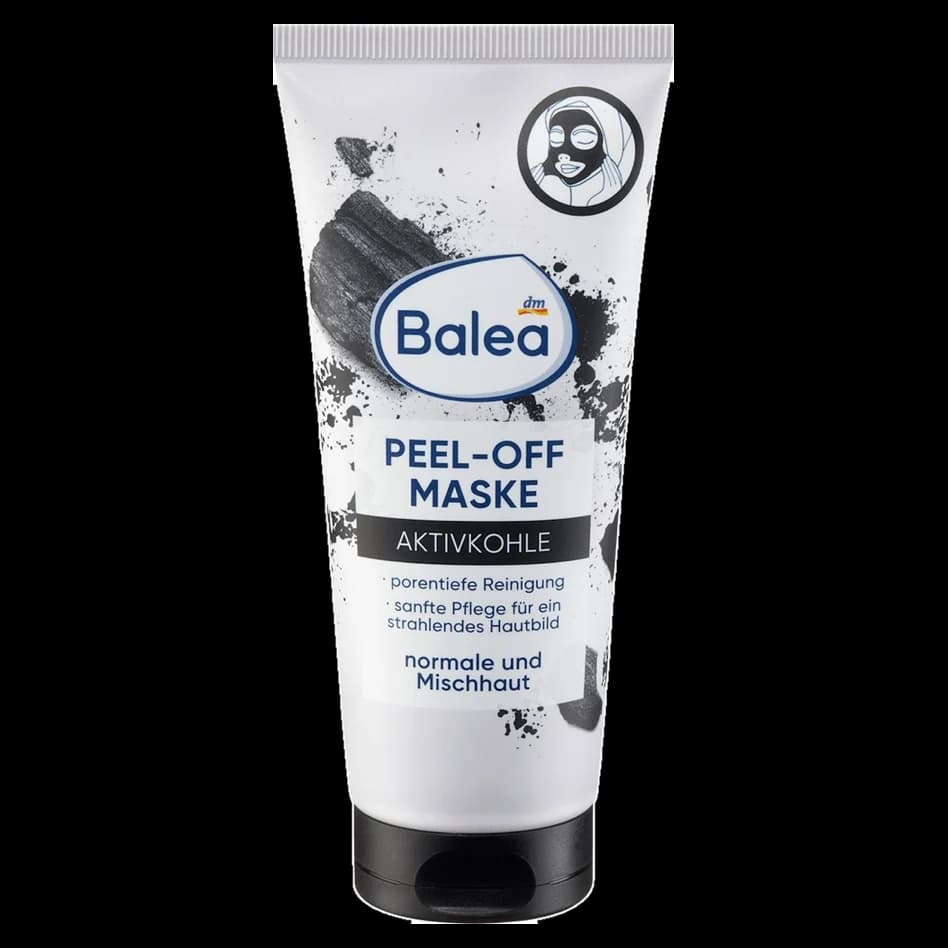
Balea
Gesichtsmaske Peel-Off Aktivkohle
7th of 18 on the label
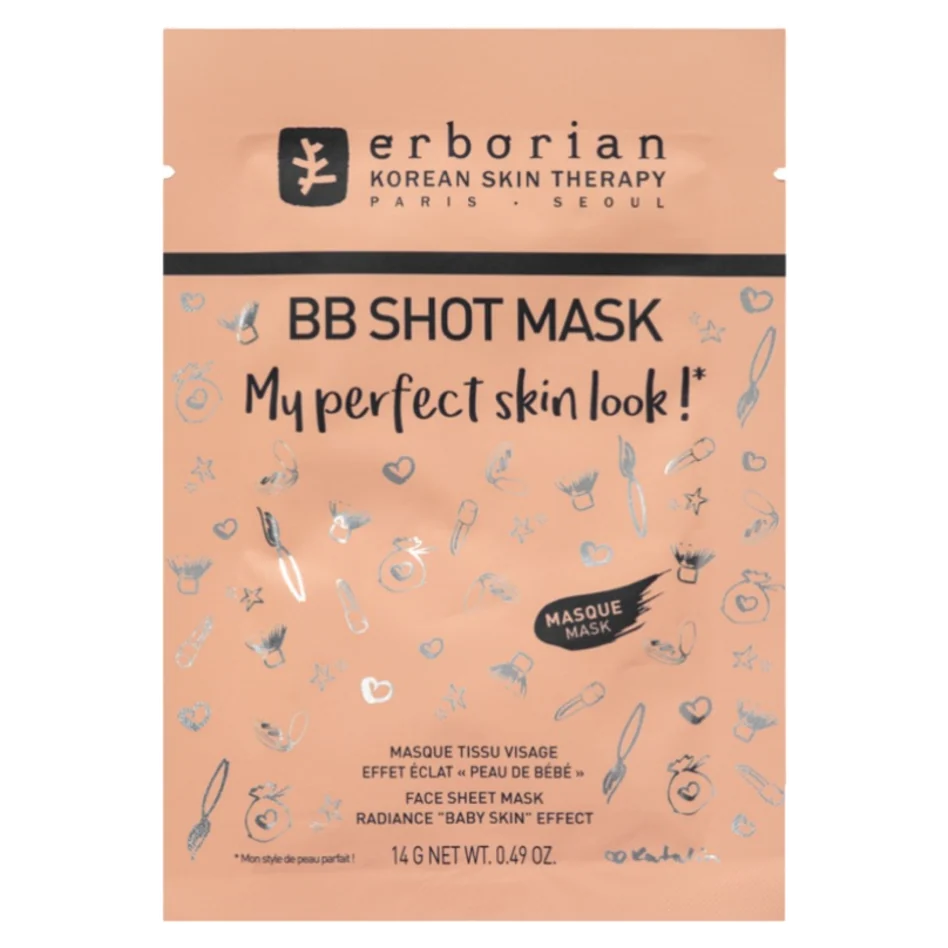
Erborian
BB Shot Mask
22nd of 34 on the label
below ≈1%
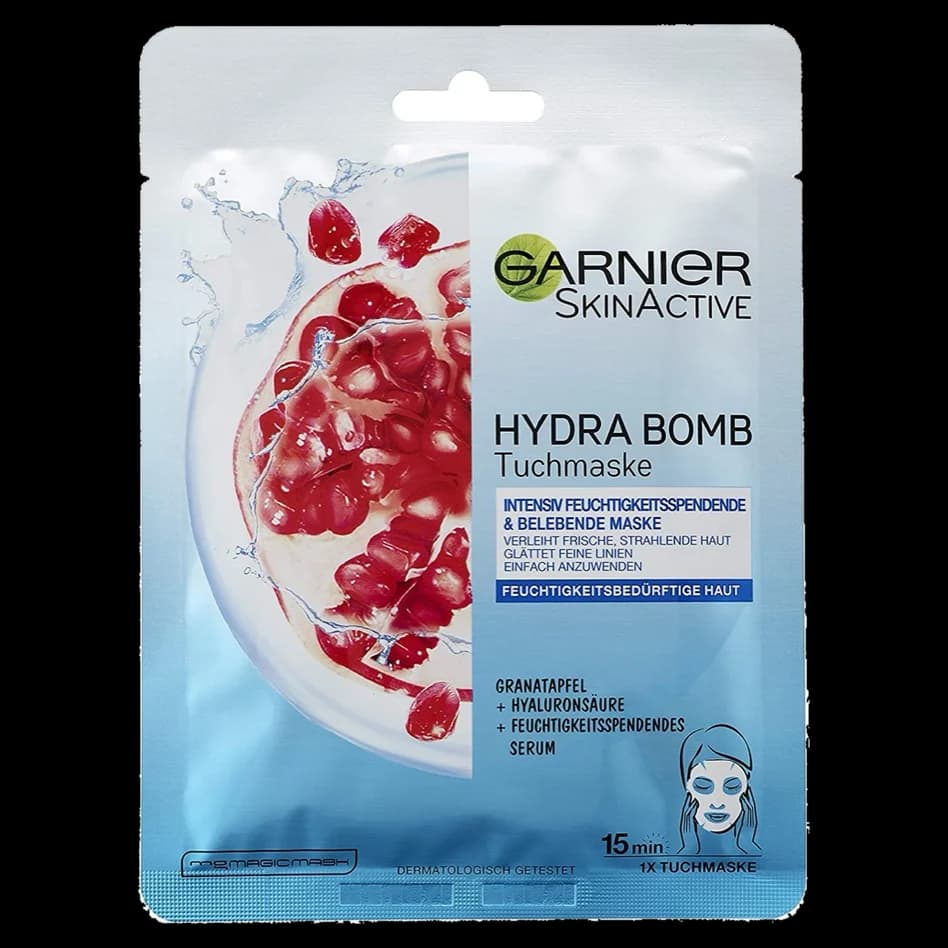
Garnier
SkinActive Hydra Bomb Tissue Mask Pomegranate
28th of 29 on the label
below ≈1%
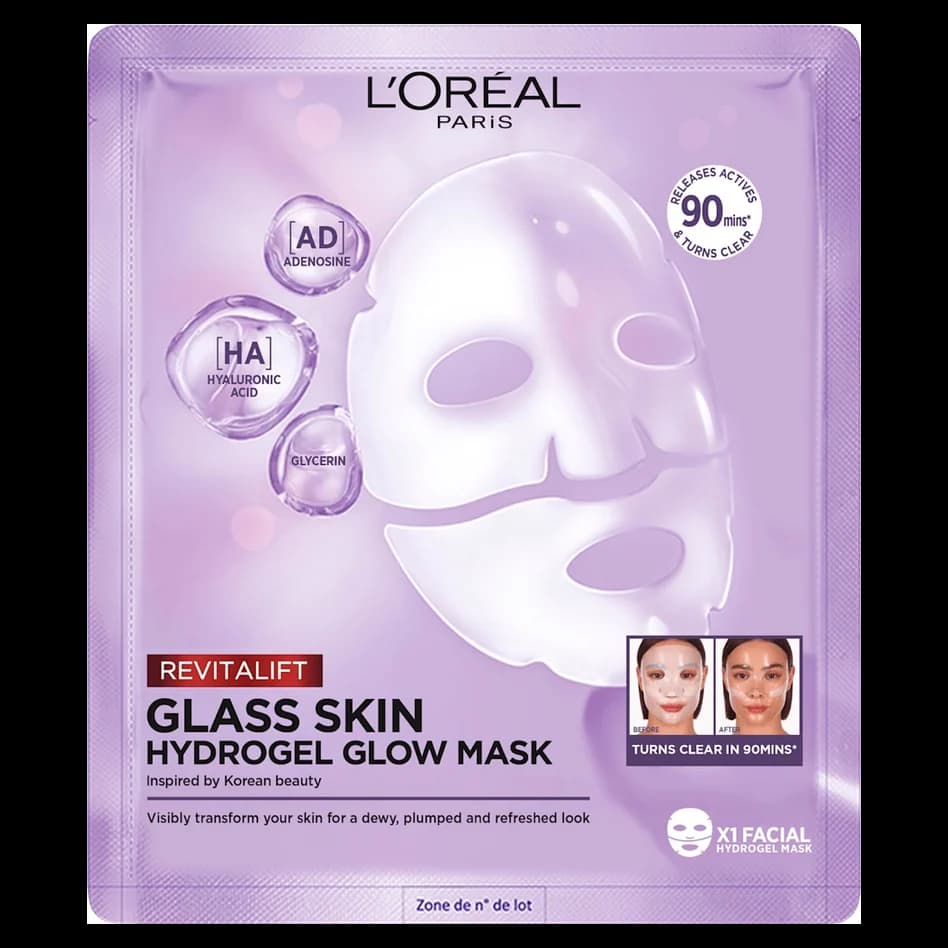
L'Oréal Paris
Revitalift Filler Glass Skin Hydrogel Glow Mask
25th of 32 on the label
below ≈1%
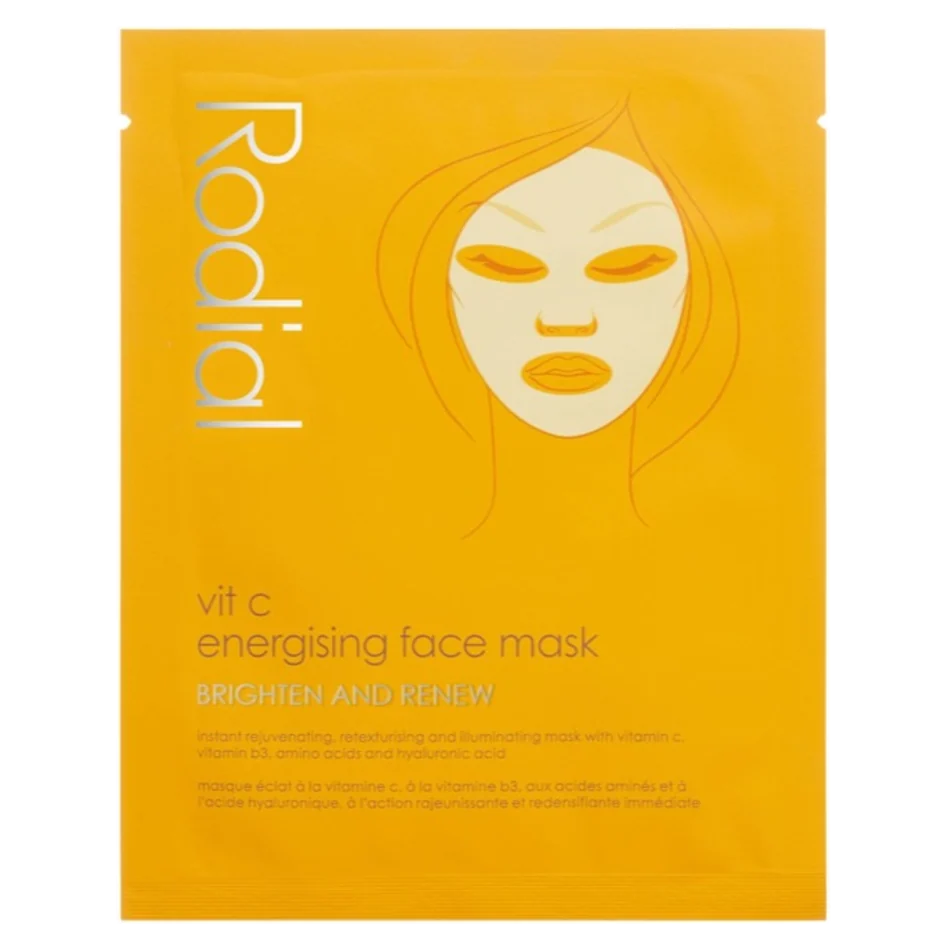
Rodial
Vit C Energising Face Mask
17th of 30 on the label
below ≈1%
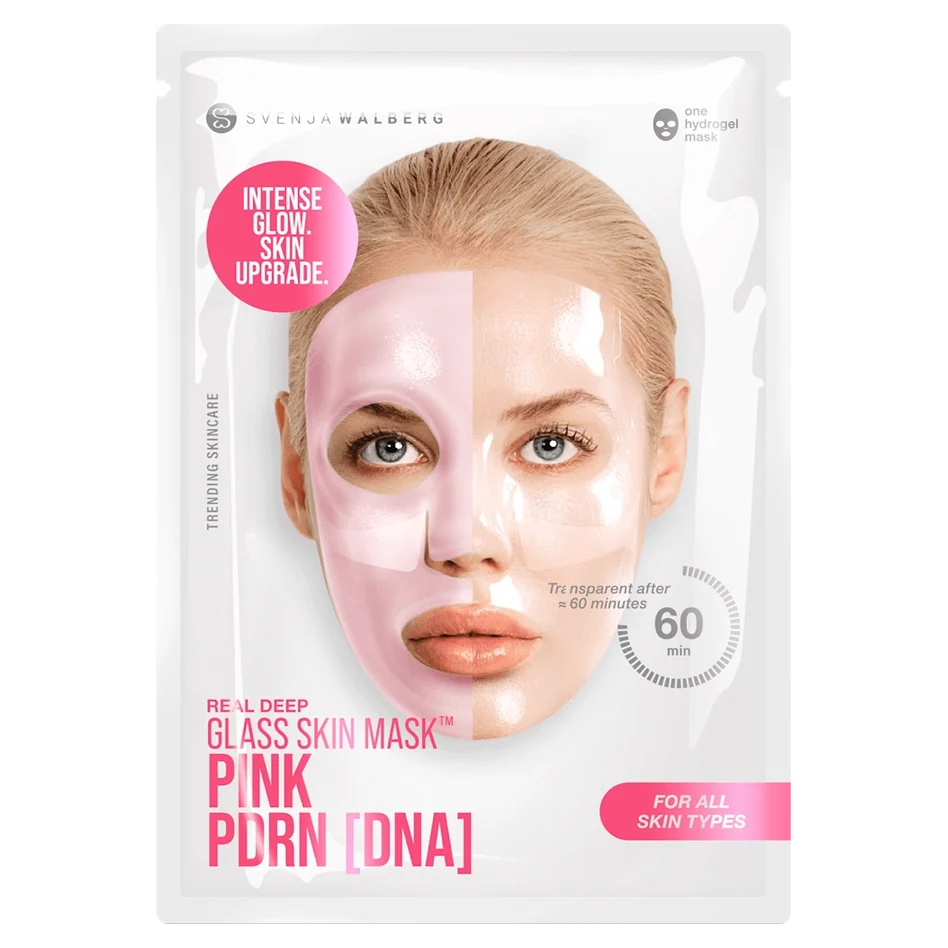
Svenja Walberg
Glass Skin Mask Pink PDRN [DNA]
24th of 26 on the label
below ≈1%
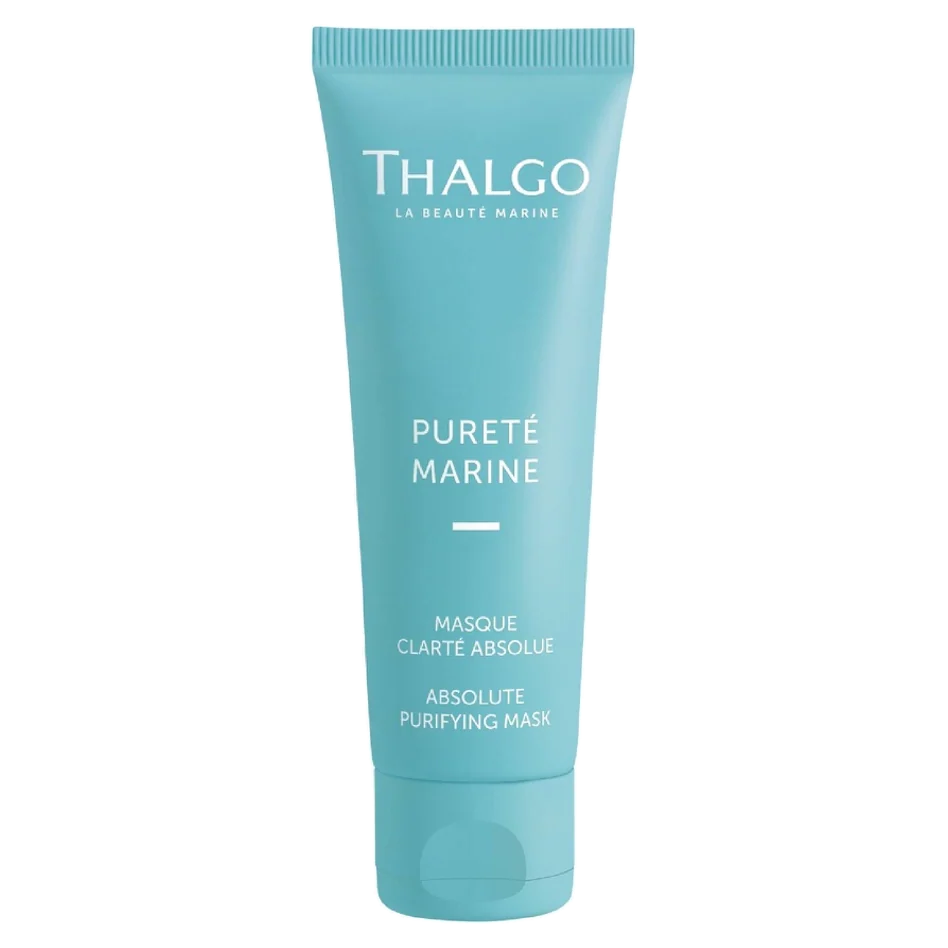
THALGO
Klärende Intensiv-Maske
19th of 32 on the label
below ≈1%
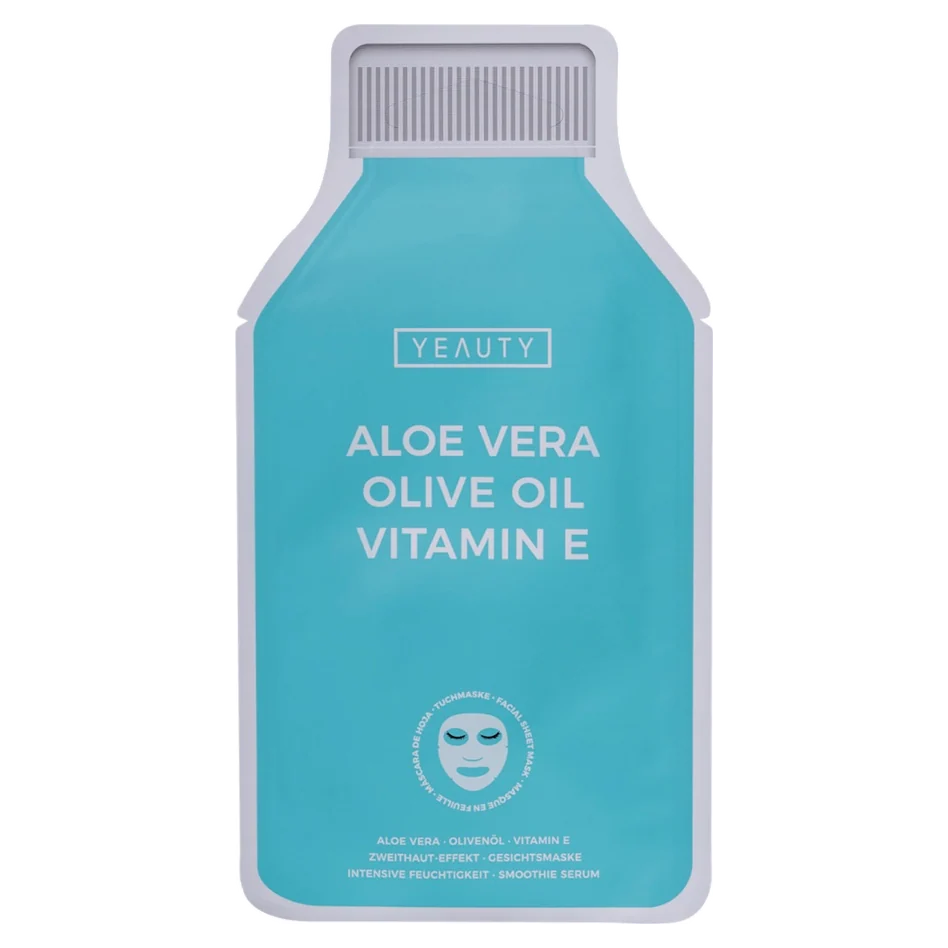
Yeauty
Tuchmaske Aloe Vera Olive Oil Vitamin E
20th of 29 on the label
below ≈1%
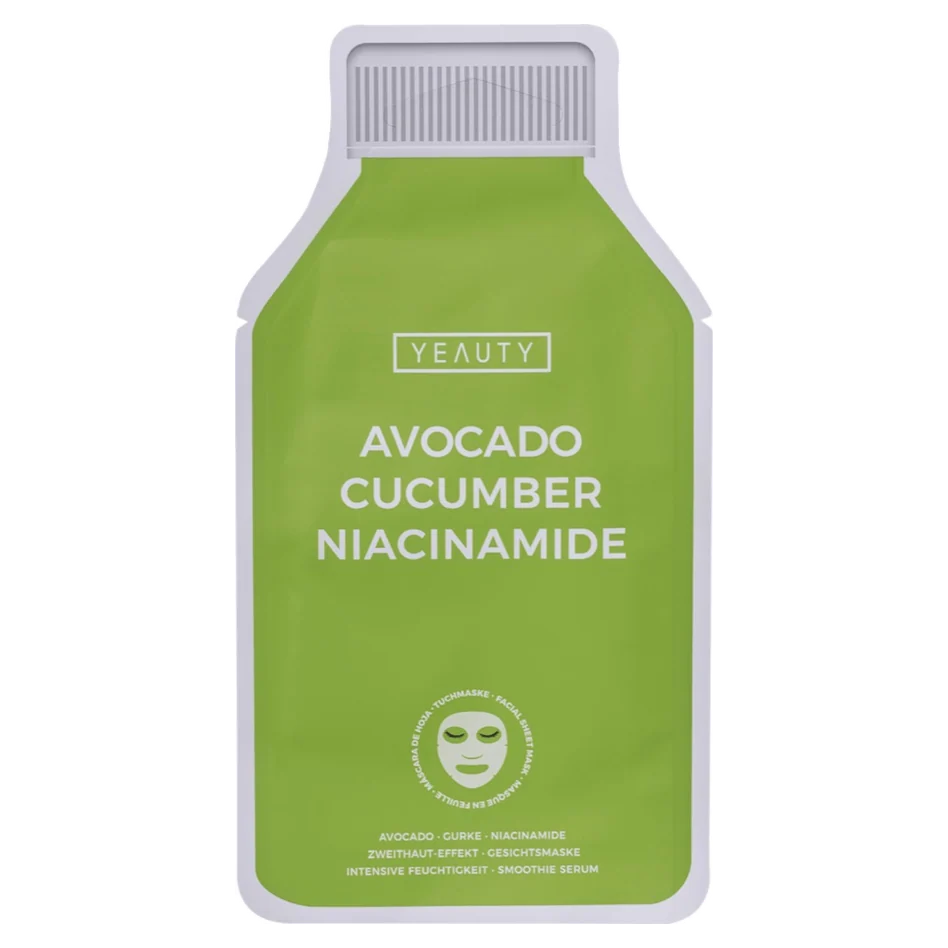
Yeauty
Tuchmaske Avocado Cucumber Niacinamide
21st of 29 on the label
below ≈1%