Potassium Hyaluronate
No meaningful concern for most people; irritation is possible but rare.
What it is
Potassium Hyaluronate is the potassium salt of hyaluronic acid, the same sugar chain that reaches almost every other ingredient list as Sodium Hyaluronate. The Expert Panel reviewed it in 2023 alongside six other hyaluronates, all of them salts or acetylated esters of hyaluronic acid, and records its cosmetic function as skin conditioning. Like the rest of the family it is made either by bacterial fermentation or from rooster combs. It is much the rarer choice of the two salts: the use survey in that report counted 68 formulations containing it against 4,713 containing the sodium one.
How it shows up on a label
It never turns up alone: where the potassium salt is printed, other hyaluronic acid grades are on the same list, and it sits far enough down that the order no longer tells you anything about quantity.
What it does well
Binds water at the skin surface, as the rest of the hyaluronate family does
Hyaluronic acid holds a great deal of water - the report puts it at up to 6 litres per gram - and a penetration assay on human skin found that whatever the molecular weight applied, most of the material stayed in the stratum corneum, roughly 25 µm from the surface. That is the layer a face mask is working on. Every measurement behind this was made on hyaluronic acid or the sodium salt rather than the potassium one, which is why it is marked moderate rather than strong.
Moderate evidence
Reviewed and found safe by the CIR Expert Panel, twice
The Panel first assessed this salt in 2009, with hyaluronic acid and sodium hyaluronate, and concluded that the three were safe in the present practices of use and concentration. It returned to it in the 2023 hyaluronates report and concluded that all seven ingredients reviewed, Potassium Hyaluronate among them, are safe on the same terms. No conditional caveat is attached to either conclusion.
Strong evidence
Worth knowing
Almost nothing in the safety file was tested on this salt in particular
The irritation, sensitisation and phototoxicity assays summarised in the 2023 report were run on hyaluronic acid, sodium hyaluronate, hydrolyzed sodium hyaluronate or sodium acetylated hyaluronate. None was run on Potassium Hyaluronate. Its conclusion rests on the 2009 review and on read-across within a group the Panel treats as structurally similar. The industry surveys also returned no maximum use concentration for it, where they returned up to 7.5% for the sodium salt - so there is no published figure for how much of it a product might hold.
Matters most toAnyone who expects an ingredient's safety conclusion to rest on tests of that ingredient.
It may be made from rooster combs rather than by fermentation
The Panel notes that these ingredients may be animal-derived - specifically from rooster combs - and stressed that industry should keep using procedures that limit infectious agents and biologically derived impurities such as nucleic acids, proteins and endotoxins. The INCI name records the salt, not the route, so an ingredient list cannot settle which one was used.
Matters most toAnyone avoiding animal-derived ingredients.
Where the EU stands
No specific restriction
Not restricted under the EU Cosmetics Regulation. It appears in no annex - not Annex II (prohibited), Annex III (restricted) or Annex V (preservatives) - and carries no EU concentration limit. The CIR report reaches the same reading, recording that none of the hyaluronates it names is restricted in any way under the rules governing cosmetic products in the European Union.
Sources (1)
Every link goes to the original: a journal, a PubMed record or an EU document.
- [1]Safety Assessment of Hyaluronates as Used in Cosmetics
Cosmetic Ingredient Review, Final Report · 2023
The report that covers this ingredient. It reviews seven hyaluronates, naming "Potassium Hyaluronate" among the three "previously reviewed by the Panel", defines it as "the potassium salt of Hyaluronic Acid", and concludes that all seven "are safe in cosmetics in the present practices of use and concentration described in the safety assessment". Its use table records 68 formulations in the 2023 data against 11 in 2005, and no reported maximum use concentration. The dermal, ocular and sensitisation testing it summarises was performed on other members of the group. Checked 23 August 2026.
Masks that contain Potassium Hyaluronate
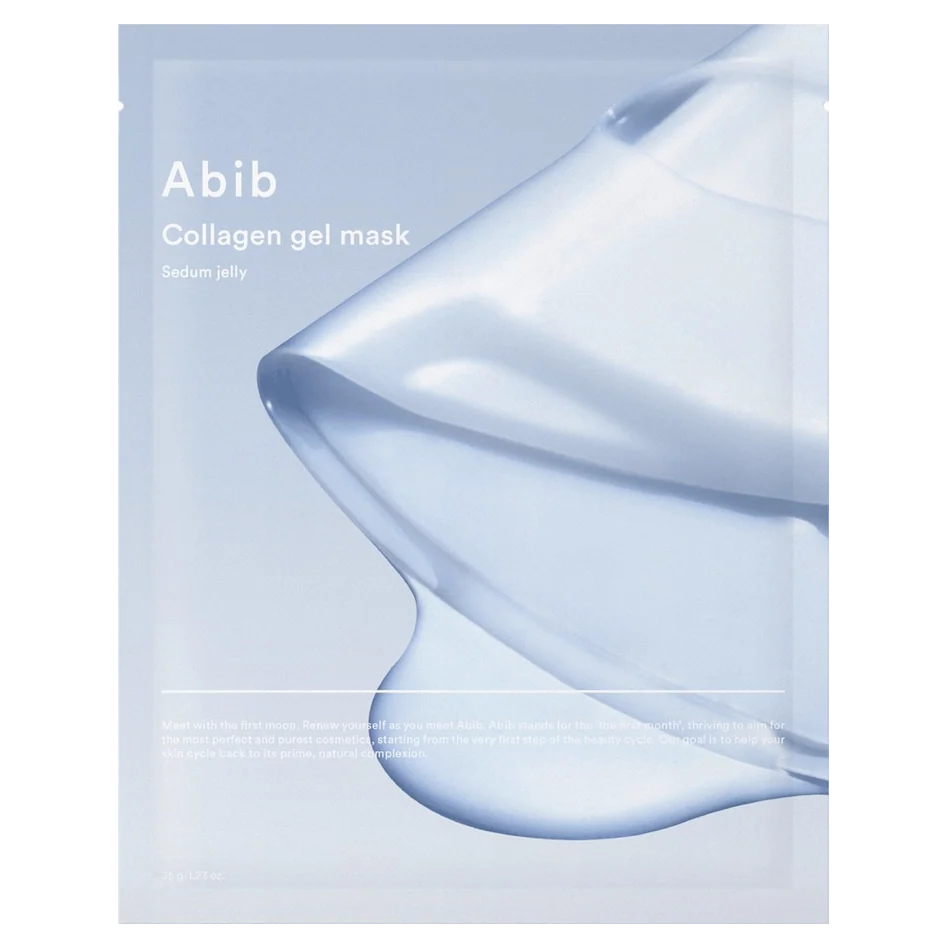
Abib
Collagen Gel Mask Sedum Jelly
40th of 41 on the label
below ≈1%
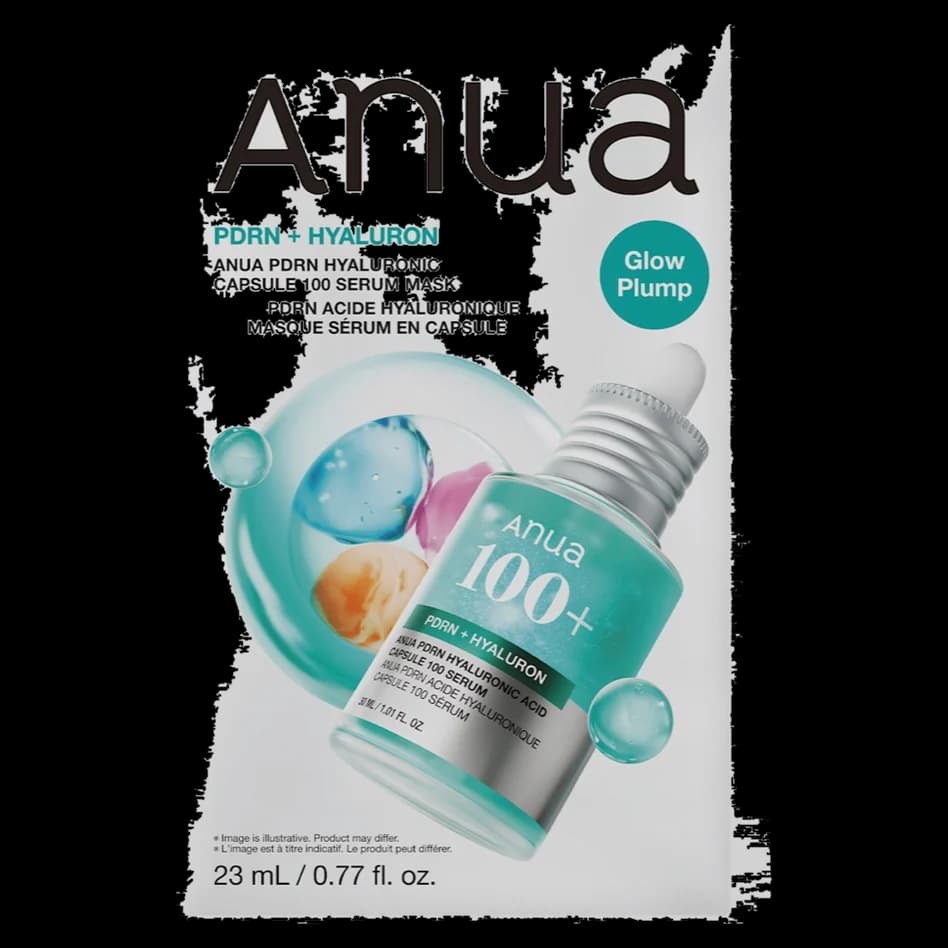
Anua
PDRN Serum Mask 100 Hyaluronic Acid Capsule
40th of 45 on the label
below ≈1%
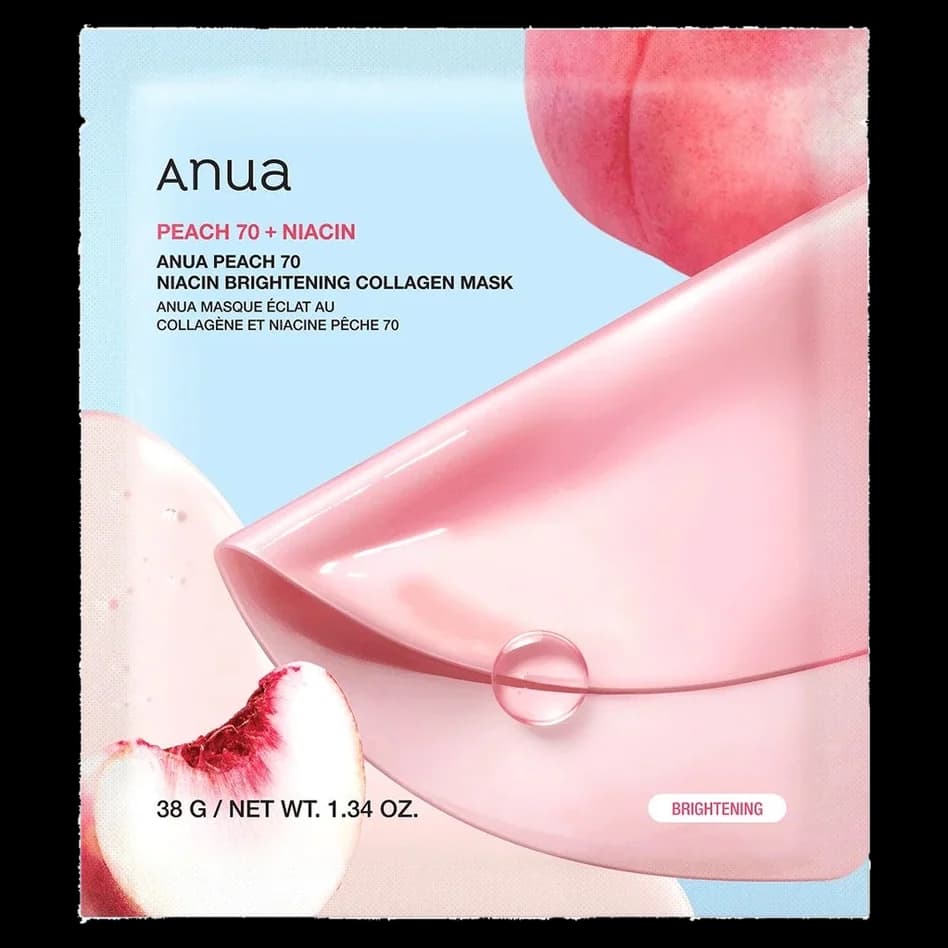
Anua
Peach 70 Niacin Brightening Collagen Mask
43rd of 44 on the label
below ≈1%
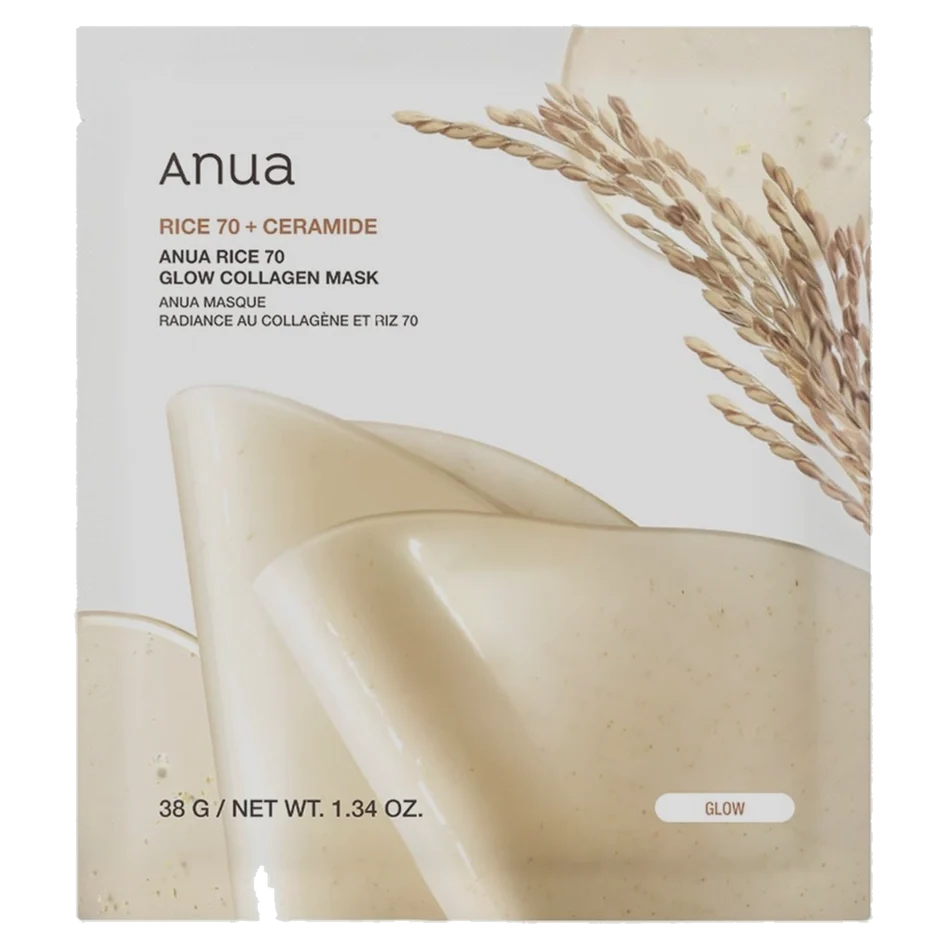
Anua
Rice 70 Glow Collagen Mask
40th of 42 on the label
below ≈1%
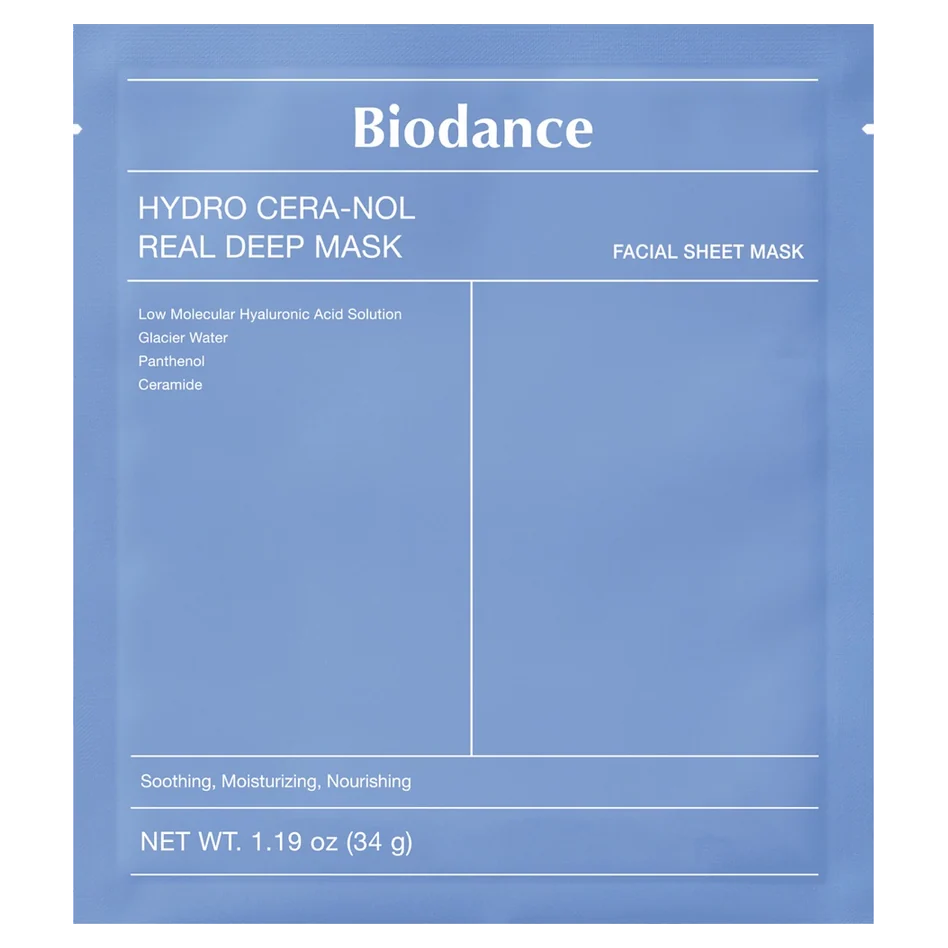
Biodance
Hydro Cera-nol Real Deep Mask
64th of 65 on the label
below ≈1%
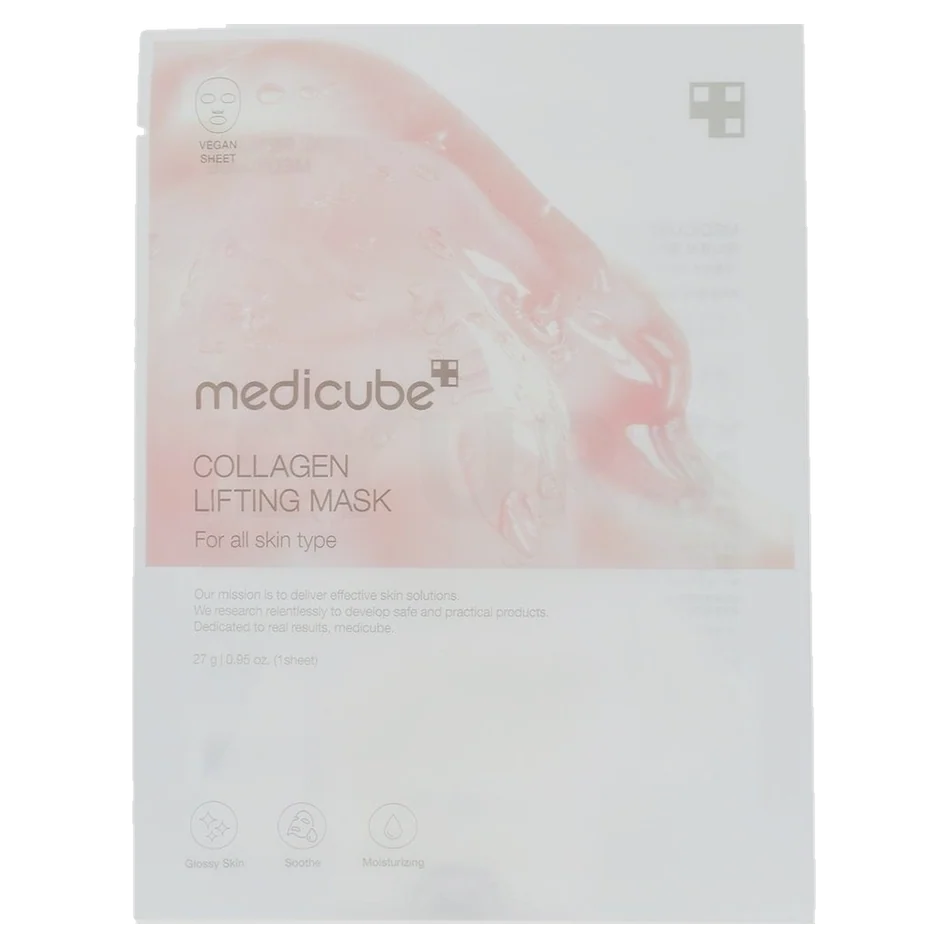
Medicube
Collagen Lifting Mask
38th of 39 on the label
below ≈1%
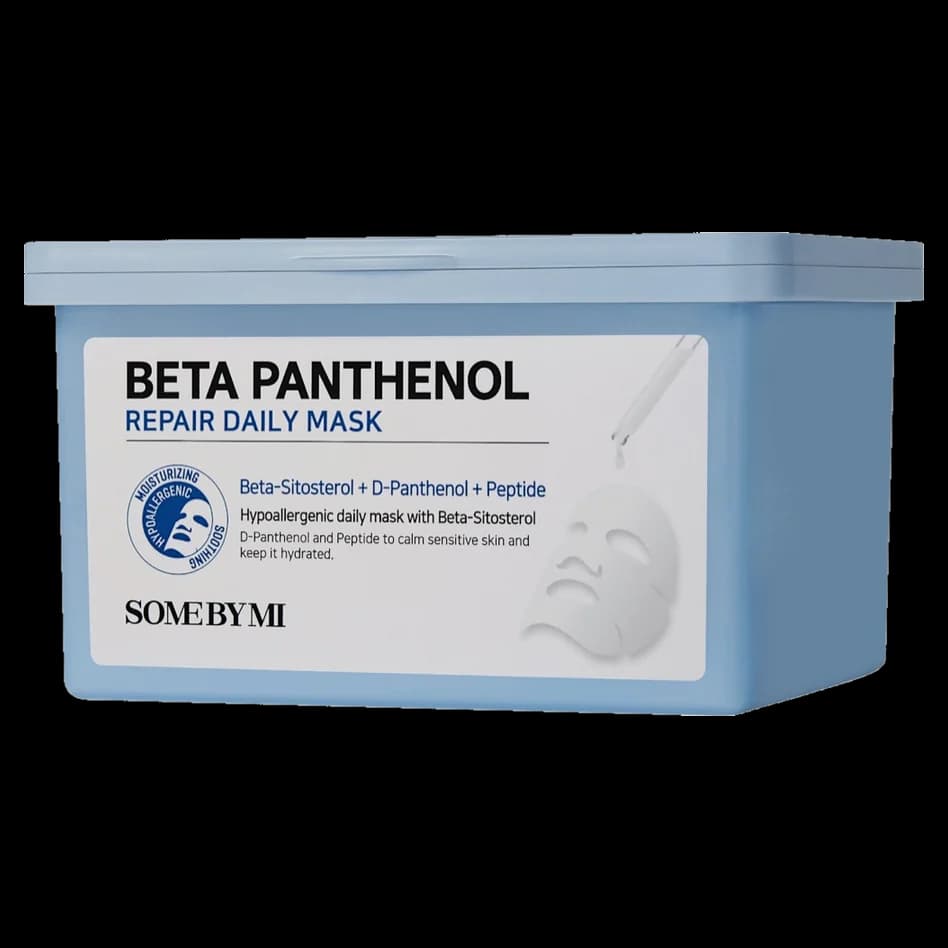
SOME BY MI
Daily Beta Panthenol Repair Mask
50th of 57 on the label
below ≈1%
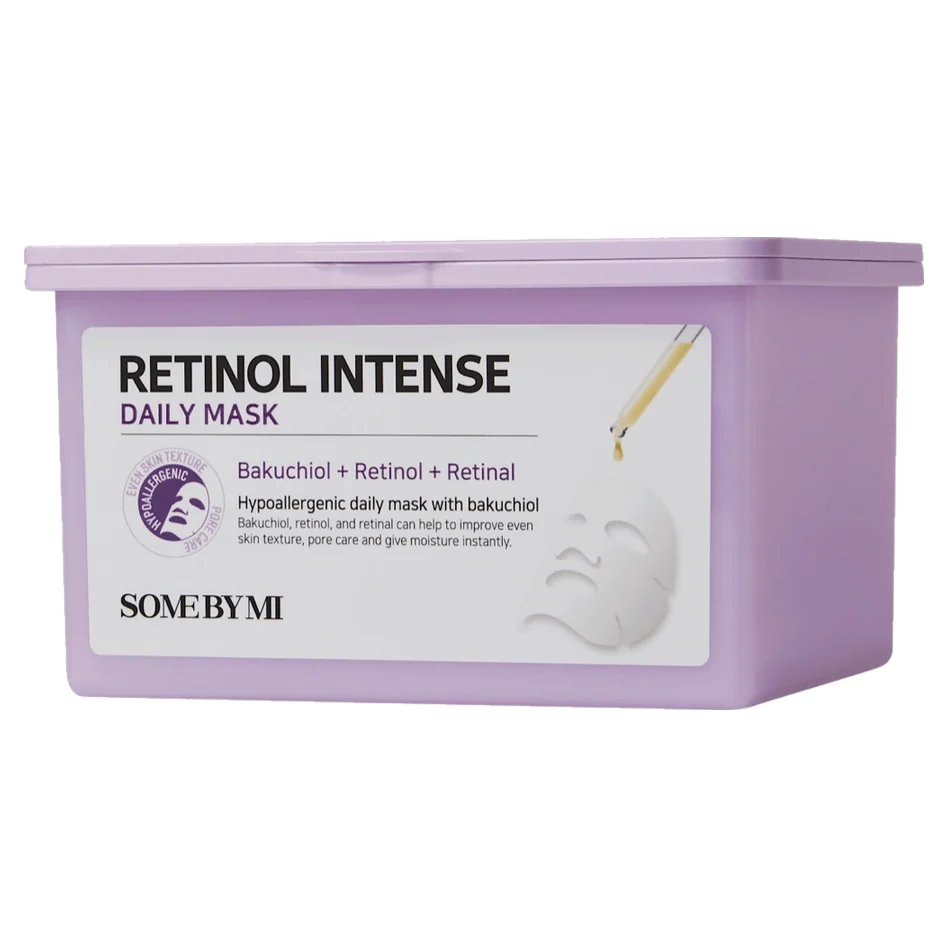
SOME BY MI
Daily Retinol Intense Mask
36th of 62 on the label
below ≈1%