Retinyl Palmitate
Vitamin A palmitate
EU-restricted, a common contact allergen, or subject to live debate.
Also written as: Vitamin A Palmitate · Retinol Palmitate
What it is
Retinyl Palmitate is retinol bonded to palmitic acid, a fatty acid, which makes it more stable in a formula and milder on skin. The trade-off is potency: the skin has to split off the fatty acid and then carry out the same two conversion steps as retinol before anything reaches the retinoid receptors, so far less active material arrives. Because Retinol Equivalent is calculated on a molar basis, 1% retinyl palmitate counts as roughly 0.55% RE against the EU limit.
How it shows up on a label
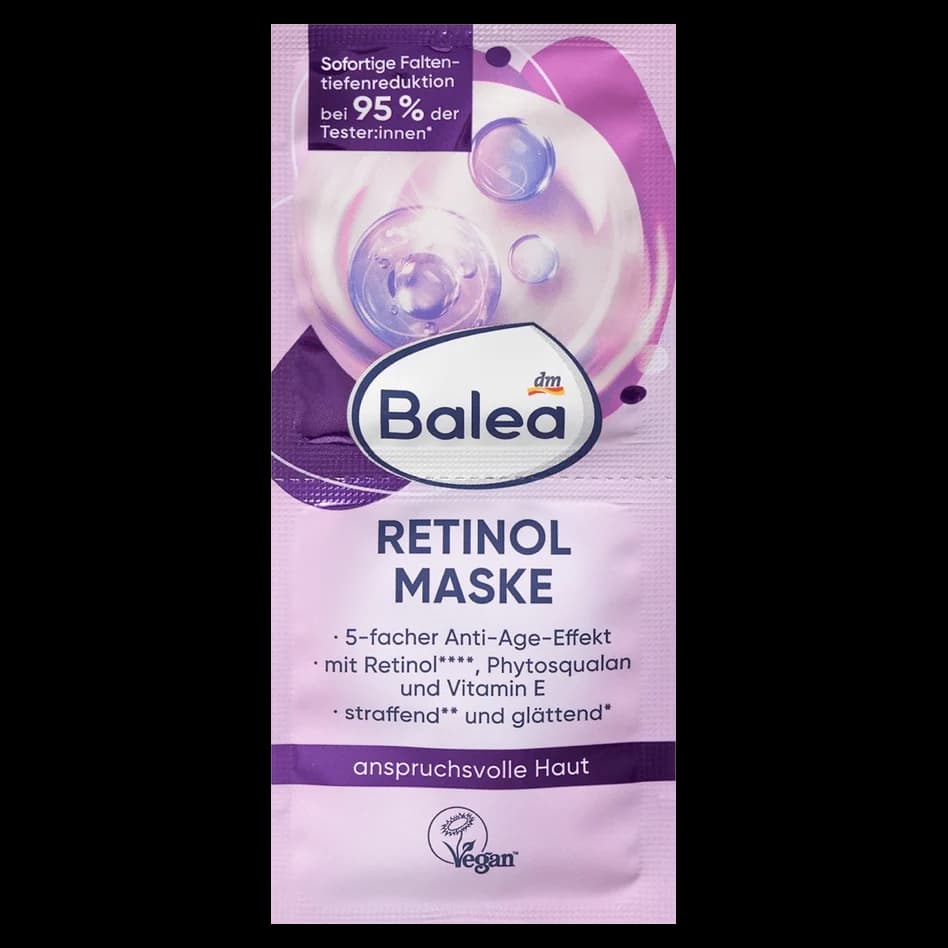
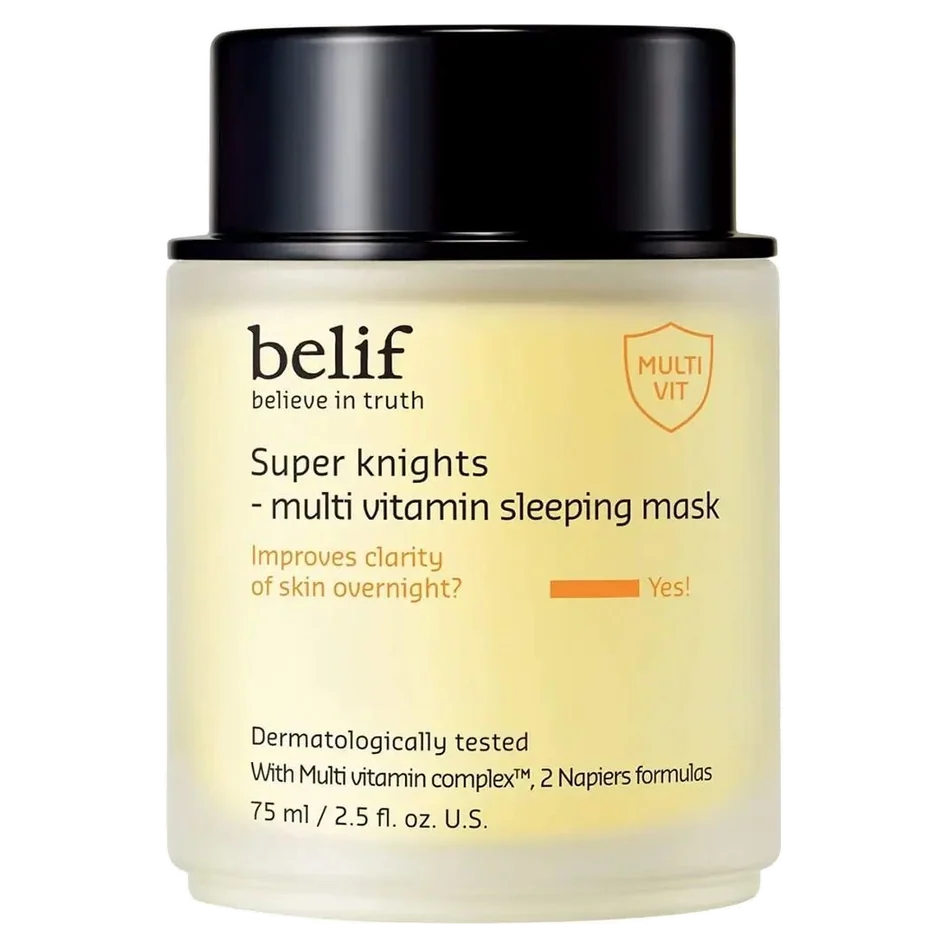
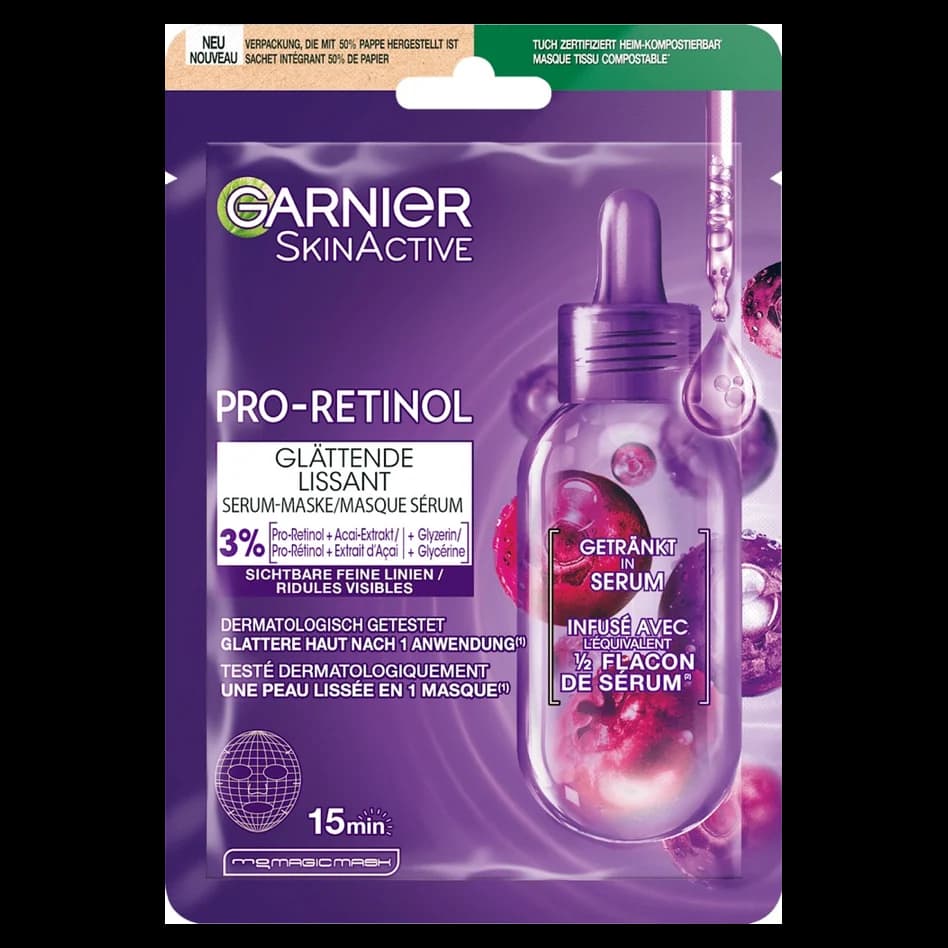
Often appears low in the list at fractions of a per cent, where any meaningful retinoid effect is unlikely. Treat it as a bonus, not the reason to buy.
What it does well
A tolerable entry point to vitamin A
Retinyl palmitate causes markedly less flaking and stinging than retinol, which suits sensitive skin or a mask meant to be soothing. Direct clinical evidence for wrinkle improvement is much thinner than for retinol or tretinoin.
Limited evidence
Worth knowing
The photocarcinogenicity scare is not supported for normal cosmetic use
Retinyl palmitate breaks down under UV light and can generate free radicals in laboratory systems, which led to widely repeated warnings that it is dangerous in sunlight. Regulators reviewing the full data set, including the SCCS in its 2022 vitamin A opinion, still concluded that vitamin A in cosmetics is safe up to the stated limits. Wearing sunscreen is sensible regardless, but this popular fear is overstated.
Matters most toAnyone who has read that retinyl palmitate causes skin cancer.
Counts towards the EU vitamin A cap
Retinyl palmitate falls under the same Annex III entry as retinol and triggers the same mandatory 'Contains Vitamin A' labelling. Using several vitamin A products at once adds up.
Matters most toPeople using multiple vitamin A products or taking vitamin A supplements.
Where the EU stands
Concentration-restricted
Covered by the same limit as Retinol: 0.05% Retinol Equivalent in body lotion and 0.3% RE in other leave-on and rinse-off products, with mandatory labelling 'Contains Vitamin A. Consider your daily intake before use'. Non-compliant products could not be placed on the EU market from 1 November 2025 and may not be made available on the market from 1 May 2027.
Regulation (EC) No 1223/2009, Annex III entry 376, as inserted by Commission Regulation (EU) 2024/996 · source ↗
Sources (2)
Every link goes to the original: a journal, a PubMed record or an EU document.
- [1]Photodecomposition and phototoxicity of natural retinoids
International Journal of Environmental Research and Public Health (US FDA National Center for Toxicological Research) · 2005 · doi:10.3390/ijerph2005010147
Documented that retinyl palmitate and other natural retinoids decompose under UV light and can generate reactive radicals in vitro, which is the origin of the photocarcinogenicity concern.
- [2]Revision of the scientific Opinion (SCCS/1576/16) on Vitamin A (Retinol, Retinyl Acetate, Retinyl Palmitate) - SCCS/1639/21
Scientific Committee on Consumer Safety (SCCS), European Commission · 2022
Having reviewed the available data, the SCCS judged vitamin A including retinyl palmitate safe in cosmetics at 0.05% RE in body lotion and 0.3% RE elsewhere.