Zinc PCA
No meaningful concern for most people; irritation is possible but rare.
Also written as: Zinc L-Pyrrolidone Carboxylate · Zinc Pyrrolidone Carboxylic Acid
What it is
Zinc PCA is the zinc salt of L-pyrrolidone carboxylic acid, the same PCA that appears on ingredient lists as sodium PCA. The literature describes it as long used in cosmetics for its astringent and antimicrobial properties, and it has been studied in cultured skin cells for effects on collagen. It is worth reading alongside the other zinc salts on a list rather than in place of them: the EU restriction that caps water-soluble zinc salts names six of them in its glossary column, and this is not one - though that entry is headed by a class rather than by its list of names, which is what leaves this salt's position open.
What it does well
Long used for its astringent and antimicrobial properties
Zinc PCA has a long record of use as a cosmetic ingredient for its astringent and antimicrobial properties. That description is the background a peer-reviewed paper gives when introducing the ingredient rather than a measured effect on skin, so it tells you what the salt is for without telling you how much of anything it does.
Traditional use
Protected collagen in cultured cells, not on skin
In cultured normal human dermal fibroblasts, Zinc PCA suppressed UVA-induced activation of the transcription factor AP-1 and reduced production of matrix metalloproteinase-1, the enzyme thought to be involved in collagen degradation in photoaged skin. It also raised expression of the ascorbic acid transporter SVCT2 and increased type I collagen production in the same cells. The authors call it a promising candidate on those in vitro findings, which is a careful way of saying cells in a dish are not skin on a face.
Limited evidence
Part of a combination acne cream that beat placebo
A multicentre, double-blind randomised trial in 140 patients tested a cream combining nicotinamide, an antibacterial adhesive agent and zinc pyrrolidone carboxylic acid against a placebo cream, with both arms also taking adapalene. The study group showed a significant fall in non-inflammatory lesions by the second week, and no significant difference in adverse effects. Three actives were in the cream, so nothing in the trial isolates what the zinc salt itself contributed.
Limited evidence
Worth knowing
Whether the EU cap on zinc salts reaches this one is unresolved
A list carrying both Zinc PCA and Zinc Gluconate will show the EU's 1% (as zinc) maximum against the gluconate and nothing definite against the PCA. Annex III entry 24 is headed "water-soluble zinc salts", and its glossary column names six: zinc acetate, zinc chloride, zinc gluconate, zinc glutamate, zinc citrate and zinc sulphate. Zinc PCA is not among them, and it is named in no annex of the Regulation at all. That used to be the end of the matter here. It is not, because the heading is a class rather than a list, and the entry troubles to except a salt that is itself not one of the six - an exception only needed for something the heading would otherwise catch. So the question is whether the heading or the list sets the scope, and for this salt there is a second gap underneath it: the Regulation never defines "water-soluble", and the expert-panel assessment that covers 27 zinc salts does not cover this one, so no source we can cite records its solubility either.
Matters most toAnyone reading a panel that carries more than one zinc salt and assuming the same limit applies to each.
No expert-panel review covers this particular salt
The safety literature standing behind most zinc rows on an ingredient list does not stand behind this one. The Expert Panel assessment of zinc salts reviewed 27 inorganic and organometallic salts and Zinc PCA was not among them. The Panel's assessment of PCA and its salts covered PCA, sodium PCA and the calcium, magnesium and potassium salts, and again not the zinc one. What exists for Zinc PCA specifically is a small published literature rather than a formal review. That is a gap in the evidence, not a finding against the ingredient, and it is the reason this entry claims less than its neighbours do.
Matters most toAnyone who treats a published expert-panel conclusion as the minimum bar for an ingredient.
Where the EU stands
Class entry may apply
Named in no annex, and not settled by that fact alone. Annex III entry 24 caps water-soluble zinc salts at 1% (as zinc) for products other than oral care, and its Common Ingredients Glossary column names six - zinc acetate, zinc chloride, zinc gluconate, zinc glutamate, zinc citrate and zinc sulphate. Zinc PCA is not one of them. But the entry is headed by a class, not by that list, and it excepts zinc 4-hydroxy-benzene sulphonate, which is itself not one of the six: an exception is only needed for something the heading would otherwise catch, which suggests the heading sets the scope. Two things are then missing for this salt. The Regulation defines "water-soluble" nowhere - the phrase occurs exactly once in the whole text, in this entry's own heading - and the Cosmetic Ingredient Review's assessment of 27 zinc salts does not include Zinc PCA, so there is no citable record of its solubility. We therefore read this entry the same way we read it for zinc lactate, and report the position as open rather than claim a limit or rule one out. If the cap does reach it, compliance bites from 1 January 2027 for placing on the market and 1 July 2028 for making available.
Regulation (EC) No 1223/2009, Annex III entry 24 (water-soluble zinc salts), as replaced by Regulation (EU) 2026/909 - not named in the column c glossary list; whether the column b class heading reaches it is unresolved · source ↗
Sources (2)
Every link goes to the original: a journal, a PubMed record or an EU document.
- [1]Zinc l-pyrrolidone carboxylate inhibits the UVA-induced production of matrix metalloproteinase-1 by in vitro cultured skin fibroblasts, whereas it enhances their collagen synthesis
International Journal of Cosmetic Science 34(1) · 2012 · doi:10.1111/j.1468-2494.2011.00676.x
The paper that both records the ingredient's traditional use and tests it: "The zinc salt of l-pyrrolidone carboxylate (Zinc PCA) has long been used as a cosmetic ingredient, because of its astringent and anti-microbial properties." In cultured normal human dermal fibroblasts it suppressed UVA-induced AP-1 activation and reduced matrix metalloproteinase-1 production, and raised SVCT2 expression with enhanced type I collagen production. The authors' own framing is that "based on these in vitro findings, we consider Zinc PCA to be a promising candidate for an anti-skin ageing agent" - a candidate, on cell culture. Checked 21 August 2026.
- [2]Efficacy and Tolerability of Topical Nicotinamide Plus Antibacterial Adhesive Agents and Zinc-Pyrrolidone Carboxylic Acid Versus Placebo as an Adjuvant Treatment for Moderate Acne Vulgaris in Indonesia: A Multicenter, Double-blind, Randomized, Controlled Trial
The Journal of Clinical and Aesthetic Dermatology 13(7) · 2020
The only controlled human trial found for a formula containing this ingredient. 140 patients with moderate acne, five centres, both arms on adapalene; 127 completed. "A significant decrease in the number of noninflammatory lesions in the second week was noted in the study group compared to in the placebo group", with no significant differences in adverse effects at weeks two and four. The tested cream combined nicotinamide, an antibacterial adhesive agent and zinc pyrrolidone carboxylic acid, so the design cannot attribute the effect to the zinc salt. Checked 21 August 2026.
Masks that contain Zinc PCA
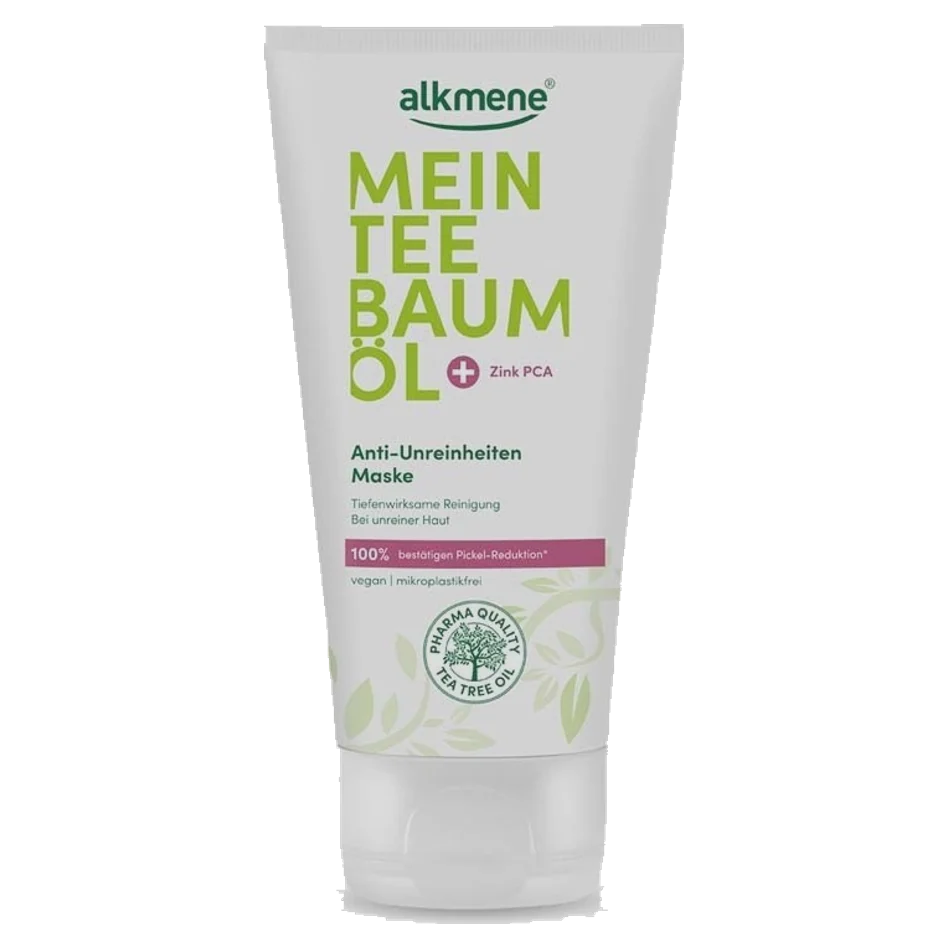
alkmene
Mein Teebaumöl Anti-Unreinheiten Maske
8th of 16 on the label
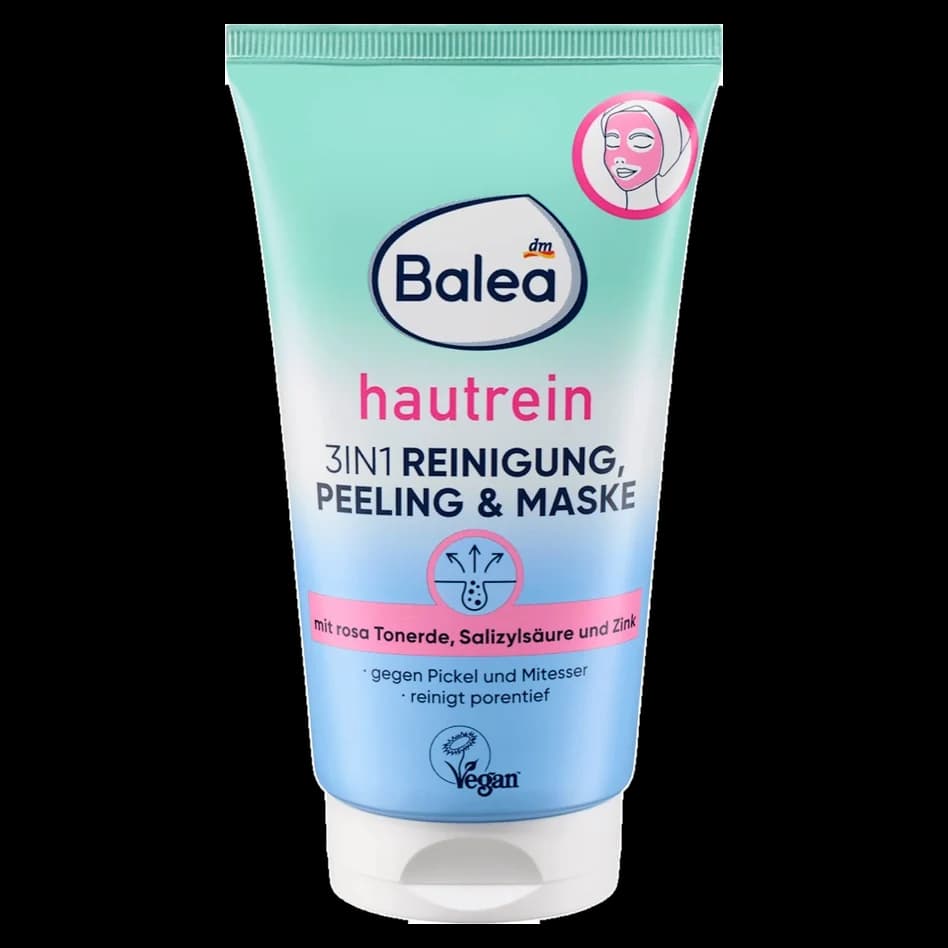
Balea
Reinigung, Peeling & Maske hautrein 3in1
17th of 18 on the label
below ≈1%
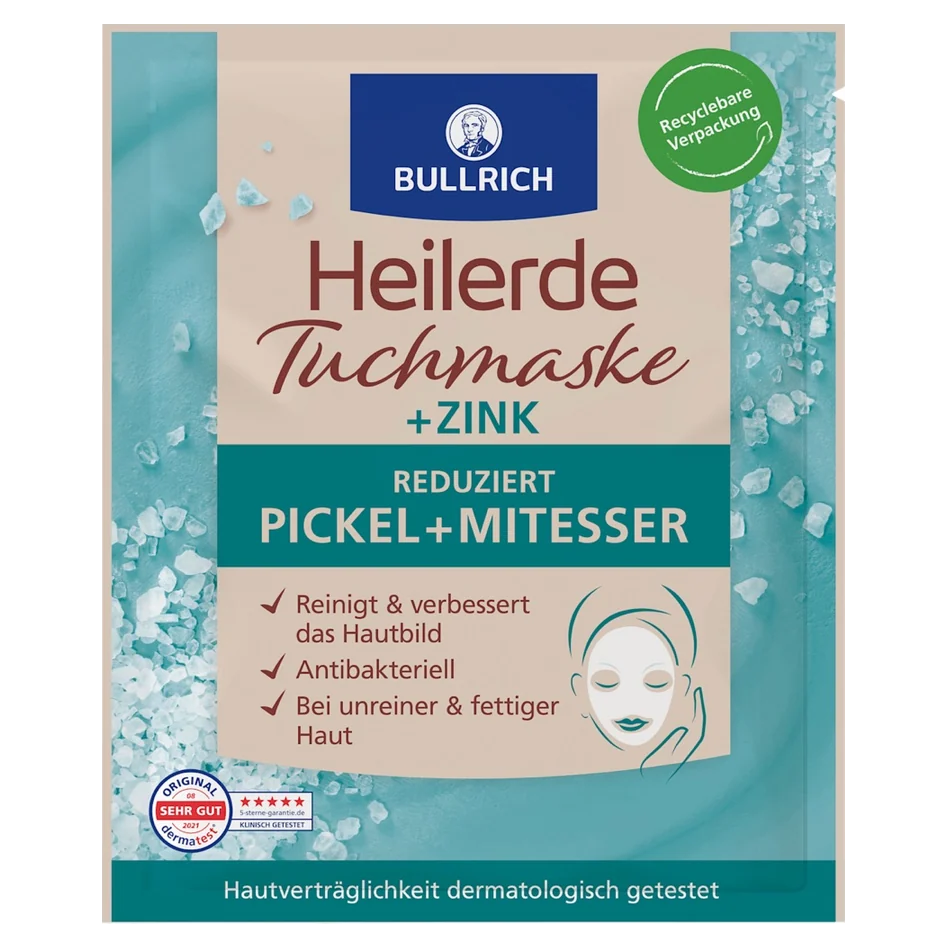
Bullrich
Tuchmaske Heilerde+Zink
9th of 19 on the label
below ≈1%
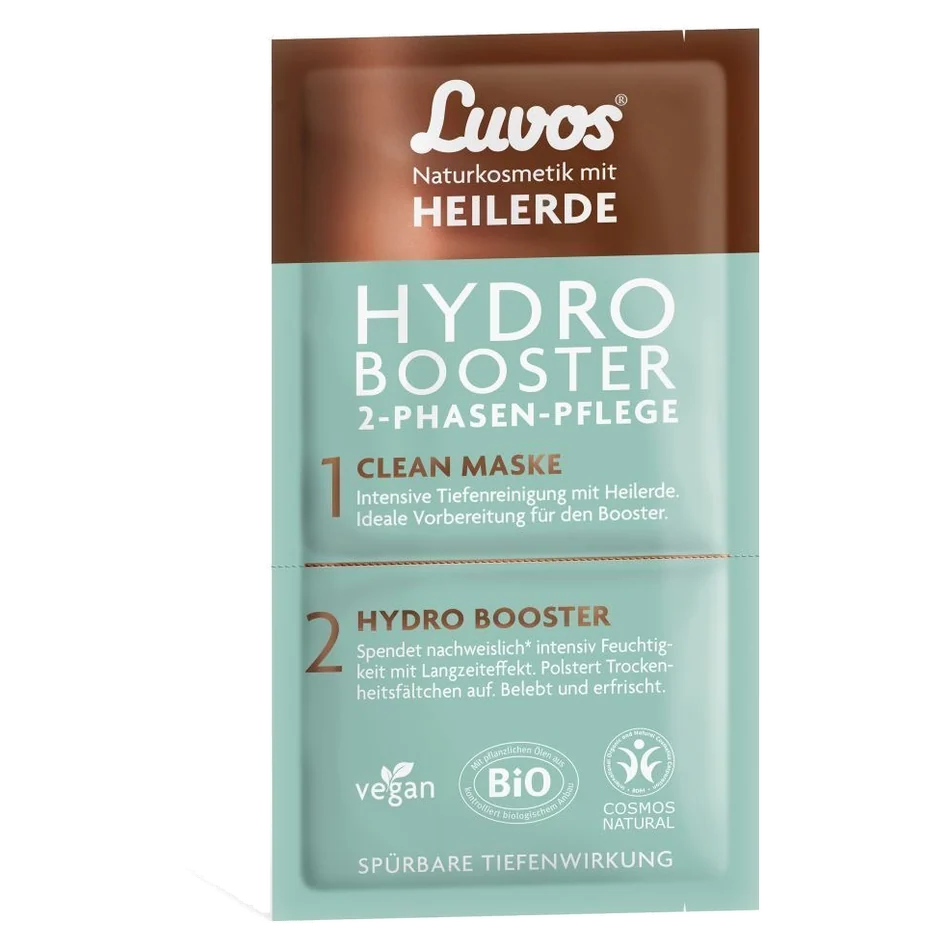
Luvos-Heilerde
Hydro Booster mit Clean Maske
15th of 63 on the label
below ≈1%
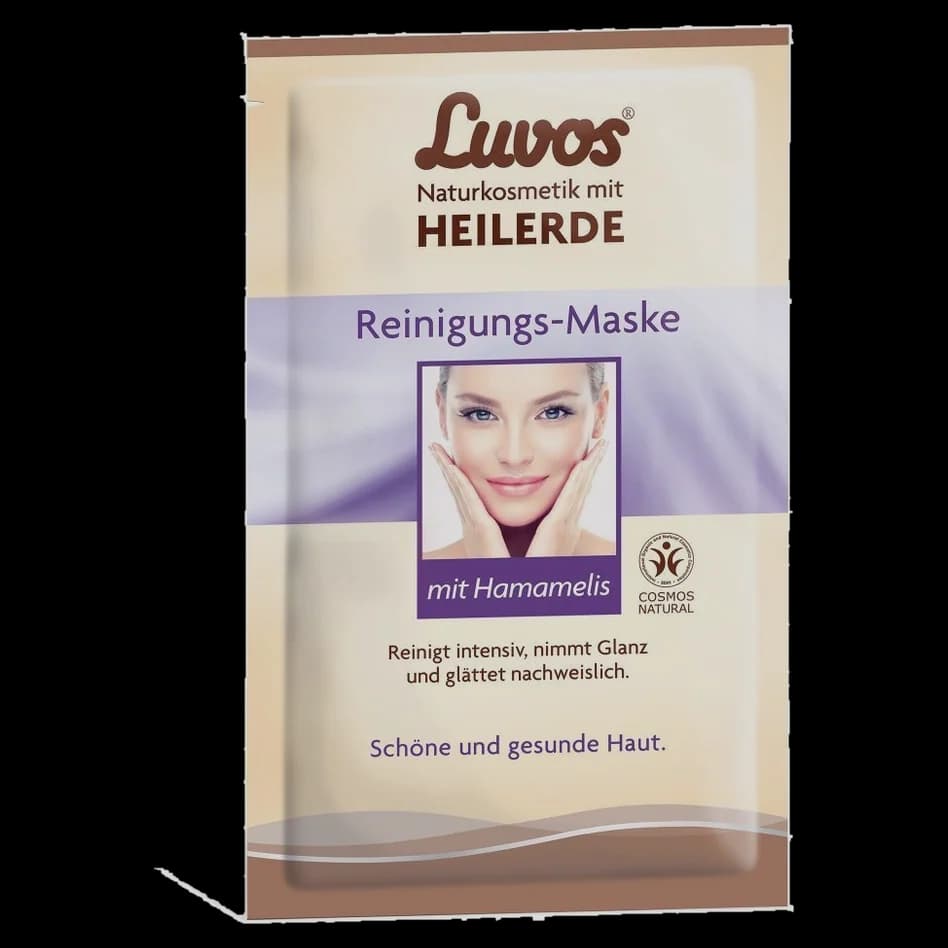
Luvos-Heilerde
Reinigungs-Maske
14th of 28 on the label
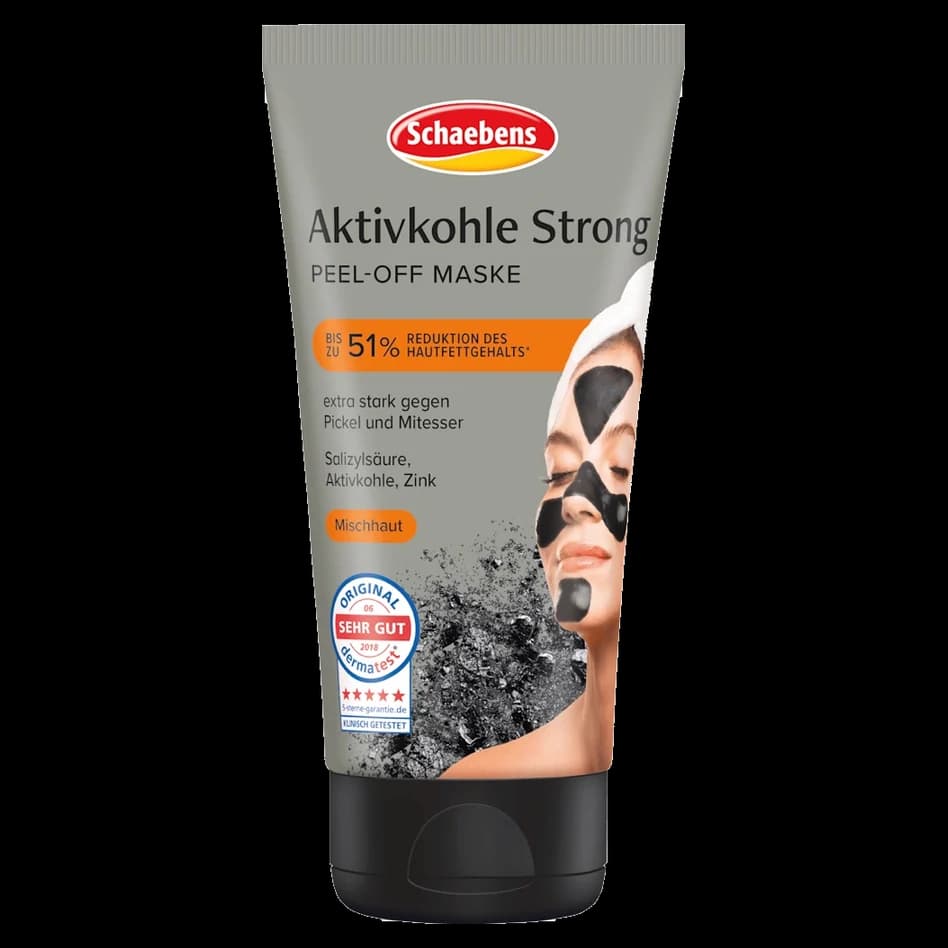
Schaebens
Gesichtsmaske peel off Aktivkohle Strong
12th of 20 on the label
below ≈1%
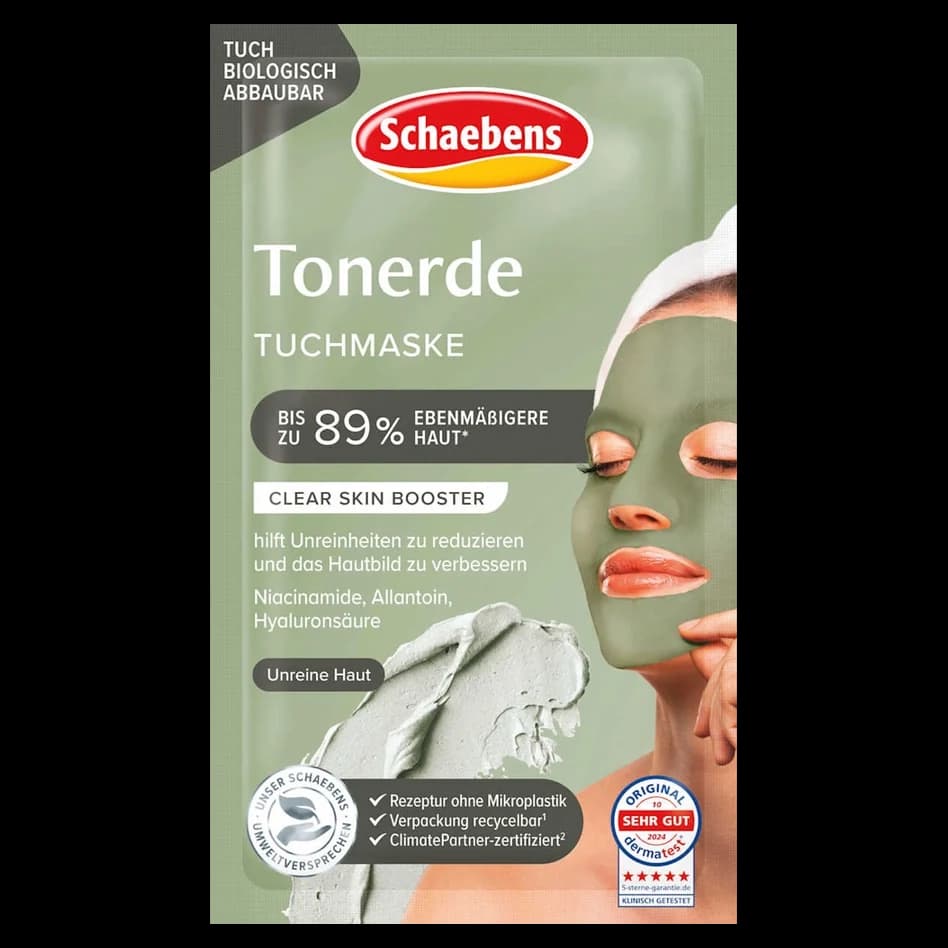
Schaebens
Tuchmaske Tonerde
17th of 35 on the label
below ≈1%
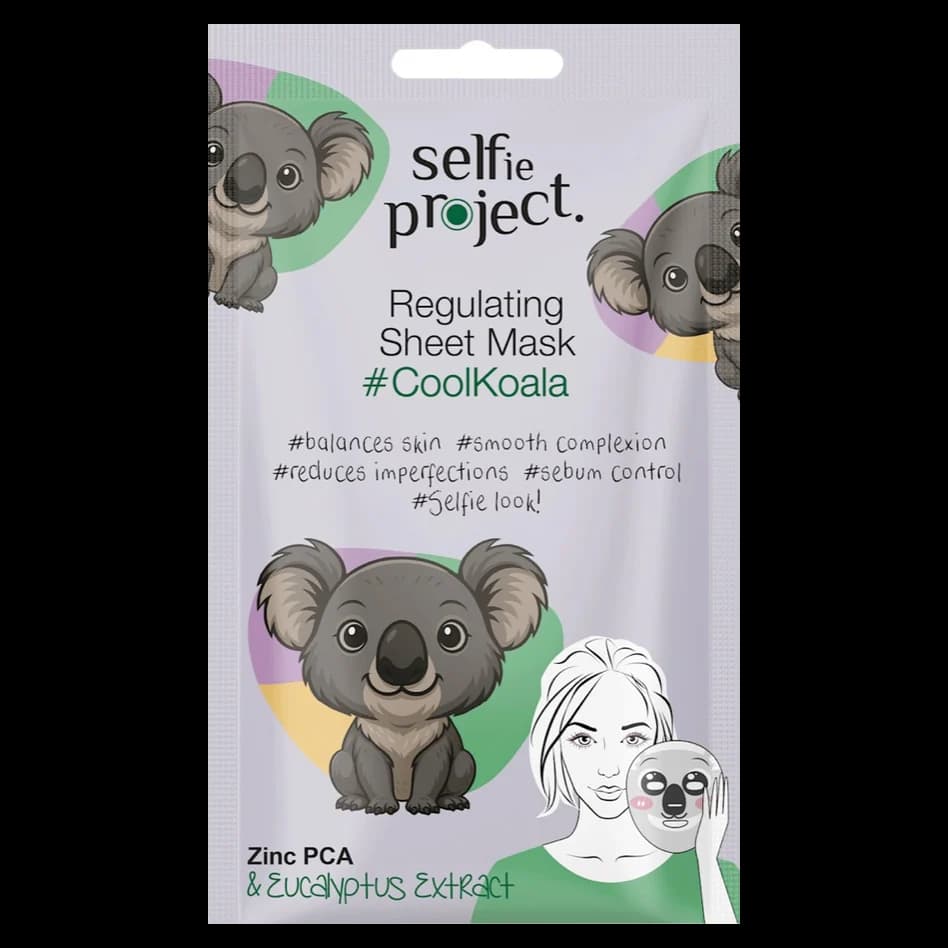
Selfie Project
Gesichtsmaske regulierend #CoolKoala
8th of 27 on the label