Allantoin
No meaningful concern for most people; irritation is possible but rare.
Also written as: Comfrey extract derivative
What it is
Allantoin is a small molecule originally isolated from comfrey root, though the cosmetic ingredient is made synthetically and is chemically identical. It is classed as a skin-protecting and soothing agent, and is one of the least irritating ingredients in common use. Formulators add it at low levels - usually well under 1% - to take the edge off actives like acids and retinoids.
How it shows up on a label
Allantoin has low water solubility, so it is used at small percentages. On almost every pack that carries it, it sits below the point where ingredient order stops indicating quantity - normal and expected rather than a sign of underdosing.
What it does well
Reduces the sting and roughness of irritated skin
Allantoin is a recognised skin protectant with a long record of safe use, and appears in many formulas specifically to improve tolerability. Most evidence comes from finished-product studies where it is one of several soothing ingredients.
Moderate evidence
Extremely low irritation and allergy risk
Allantoin is among the best-tolerated cosmetic ingredients; allergic contact dermatitis to it is very rare. It is widely used in products for babies, sensitive skin and post-procedure care.
Strong evidence
Worth knowing
Benefits are supportive, not transformative
A phase 3 randomised, double-blind, vehicle-controlled trial of 6% allantoin cream in epidermolysis bullosa failed its primary endpoint, showing no significant advantage over the vehicle for wound closure. Allantoin makes formulas more comfortable; it does not act as a strong healing drug.
Matters most toAnyone choosing a product mainly for an advertised allantoin "repair" claim.
Where the EU stands
No specific restriction
No EU concentration limit or annex restriction: allantoin is named in none of the annexes. Do not confuse it with 4-aminobenzoic acid (PABA), a separate substance whose esters with a free amino group are prohibited under Annex II.
Regulation (EC) No 1223/2009 - no annex entry for allantoin; 4-aminobenzoic acid and its esters with the free amino group are Annex II entry 167 · source ↗
Sources (1)
Every link goes to the original: a journal, a PubMed record or an EU document.
- [1]Efficacy and tolerability of the investigational topical cream SD-101 (6% allantoin) in patients with epidermolysis bullosa: a phase 3, randomized, double-blind, vehicle-controlled trial (ESSENCE study)
Orphanet Journal of Rare Diseases · 2020 · doi:10.1186/s13023-020-01419-3
The trial failed its primary endpoint - 6% allantoin cream showed no significant advantage over vehicle for time to wound closure - while remaining well tolerated.
Masks that contain Allantoin
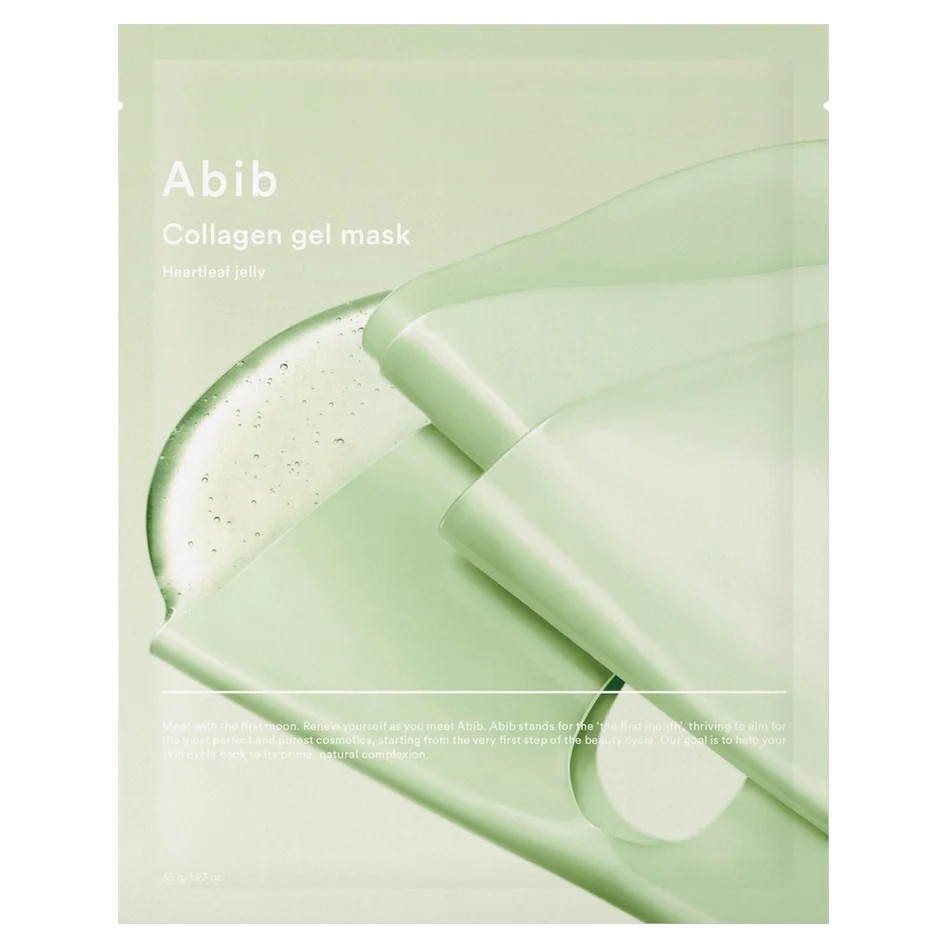
Abib
Collagen Gel Mask Heartleaf Jelly
21st of 43 on the label
below ≈1%
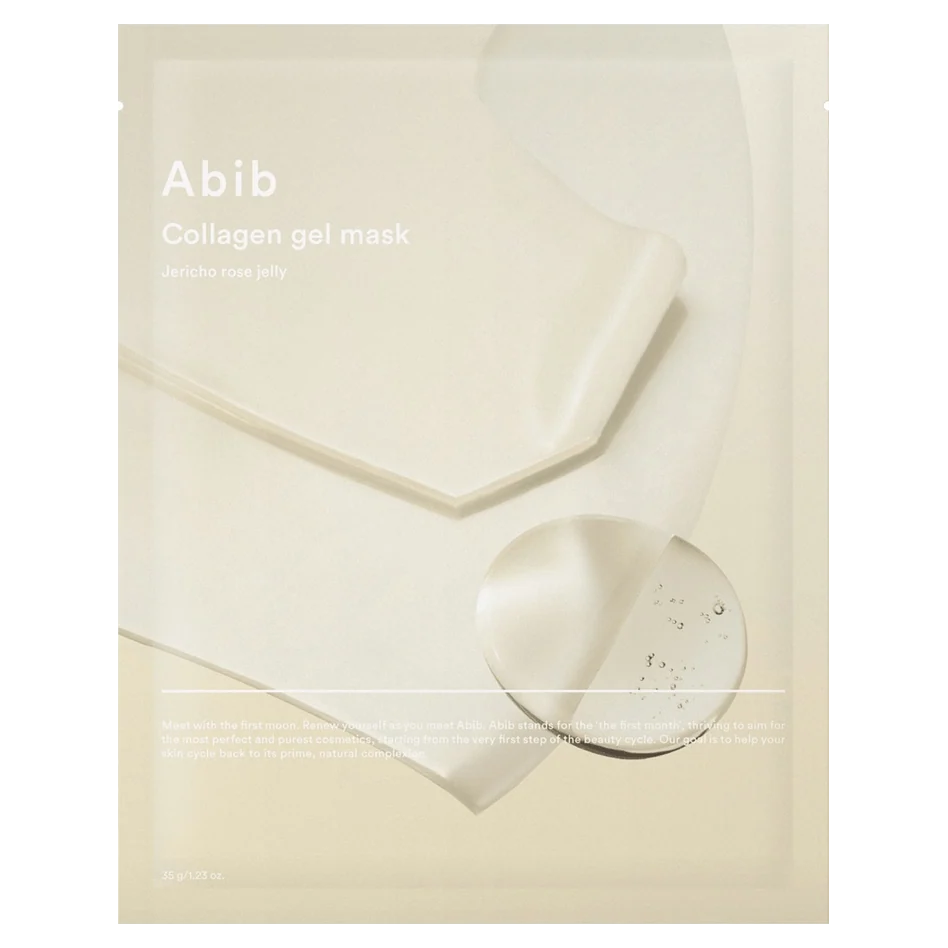
Abib
Collagen Gel Mask Jericho Rose Jelly
22nd of 43 on the label
below ≈1%
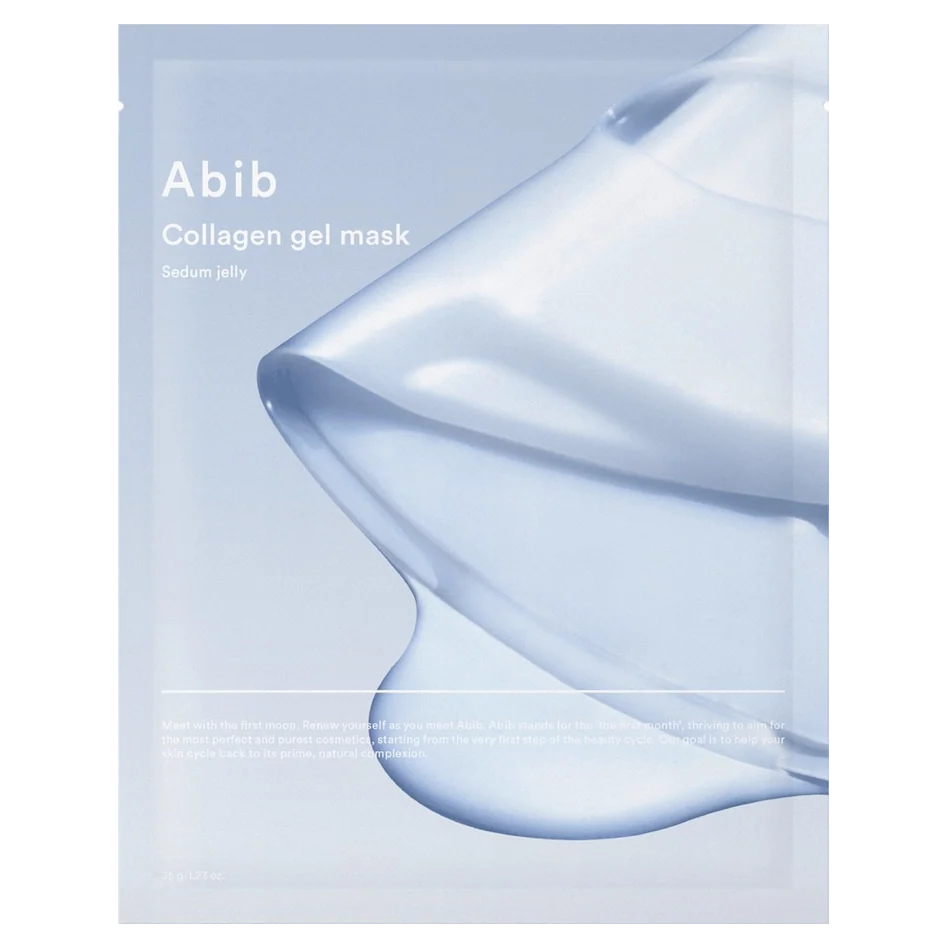
Abib
Collagen Gel Mask Sedum Jelly
20th of 41 on the label
below ≈1%
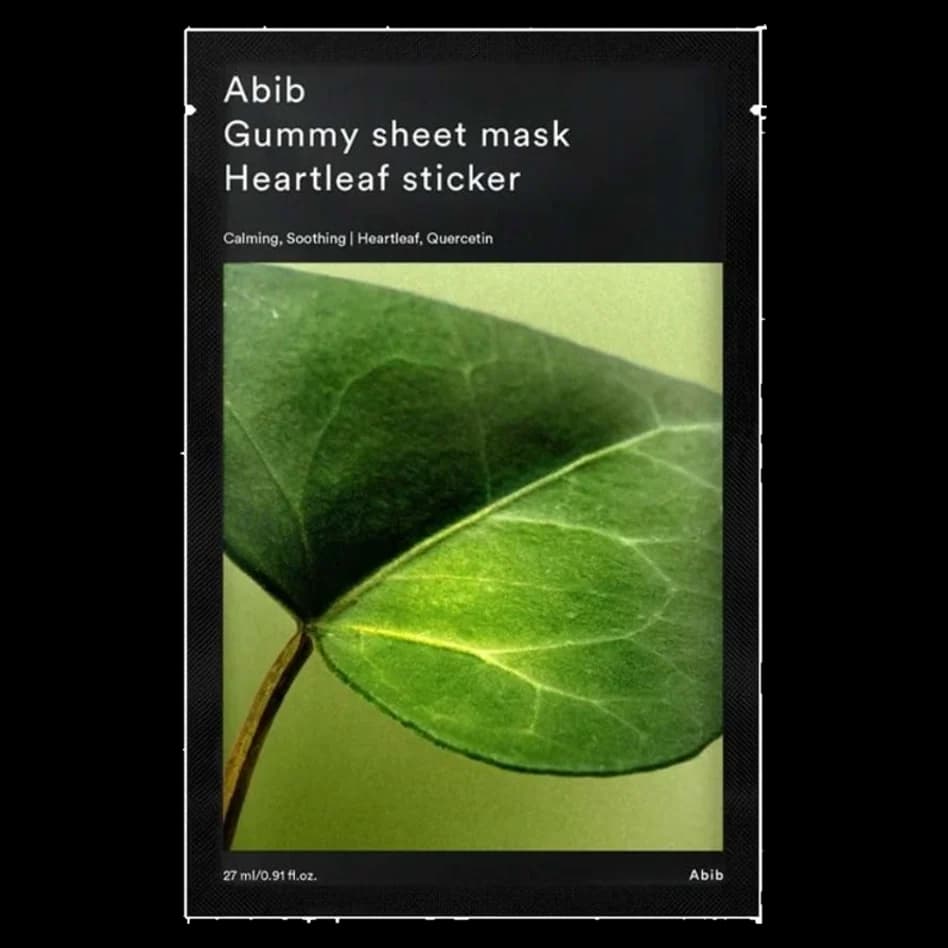
Abib
Gummy Sheet Mask Heartleaf Sticker
15th of 29 on the label
below ≈1%
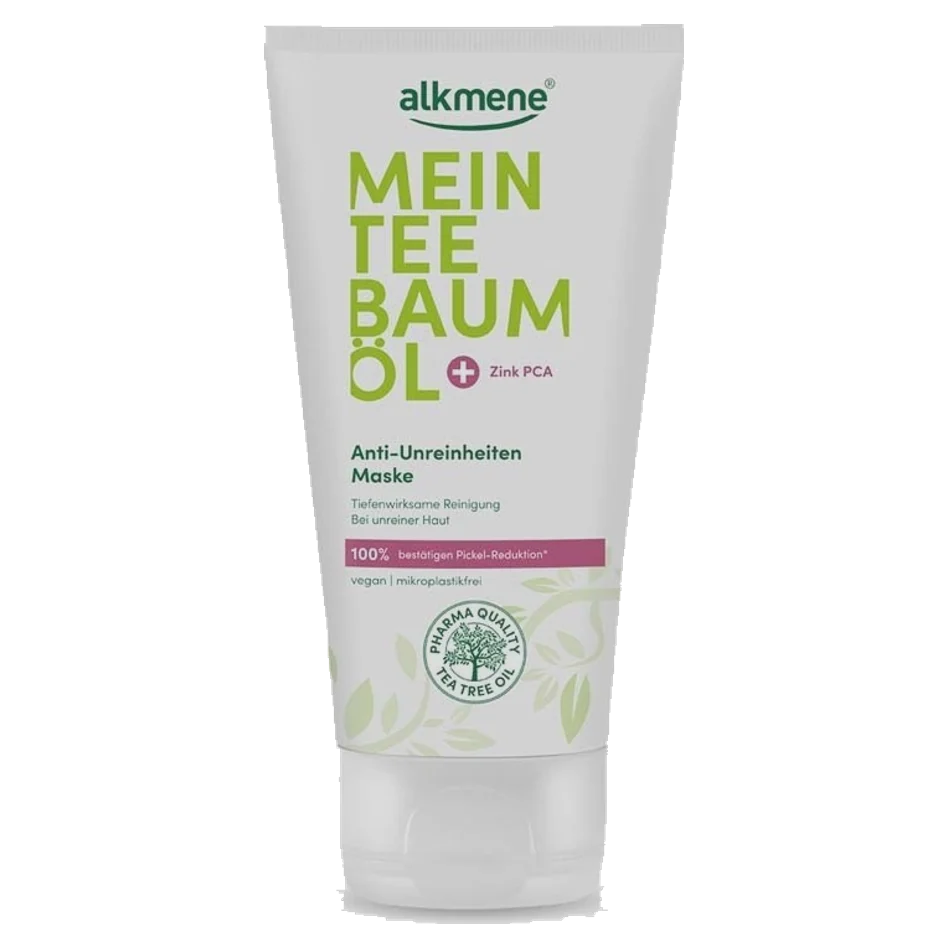
alkmene
Mein Teebaumöl Anti-Unreinheiten Maske
12th of 16 on the label
below ≈1%
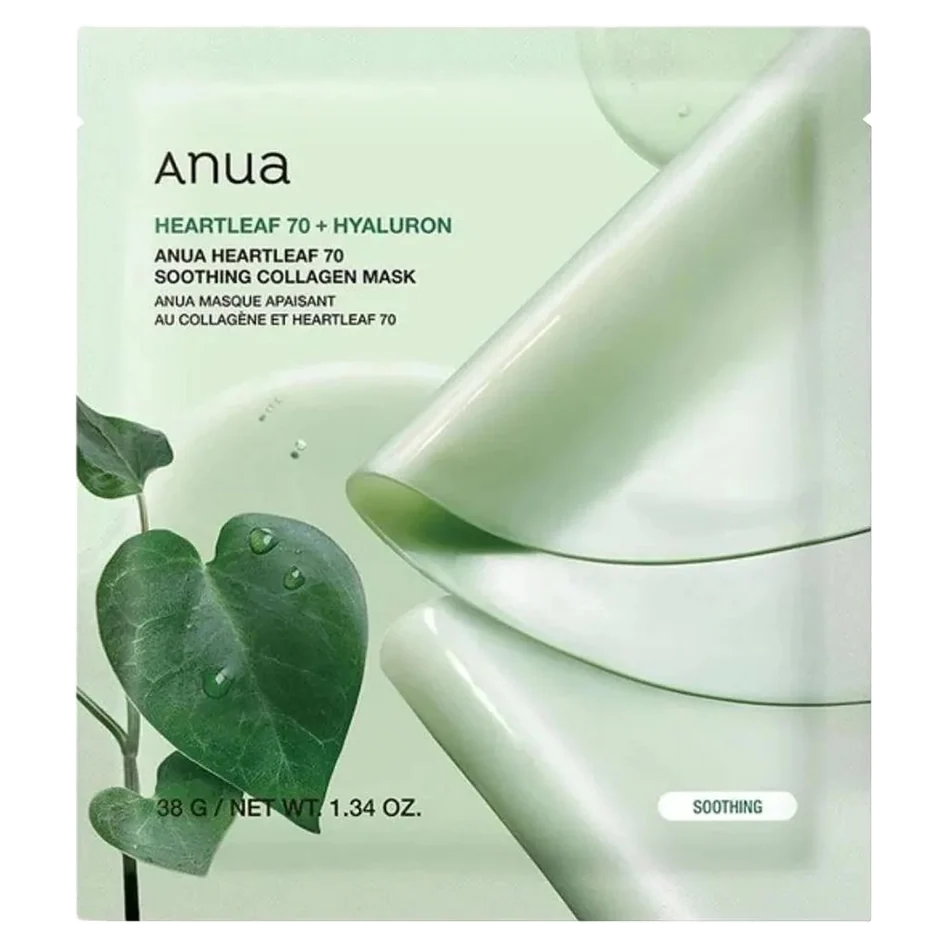
Anua
Heartleaf 70 Soothing Collagen Mask
13th of 35 on the label
below ≈1%
Anua
PDRN Serum Mask 100 Hyaluronic Acid Capsule
11th of 45 on the label
below ≈1%
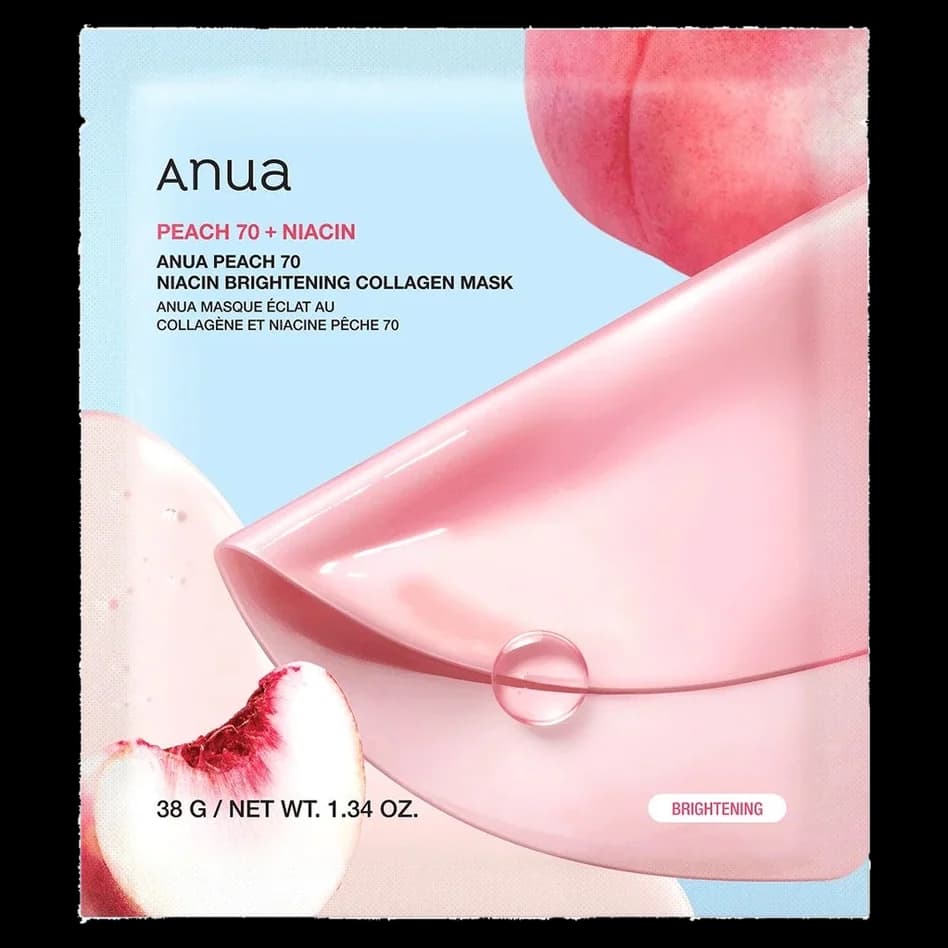
Anua
Peach 70 Niacin Brightening Collagen Mask
15th of 44 on the label
below ≈1%
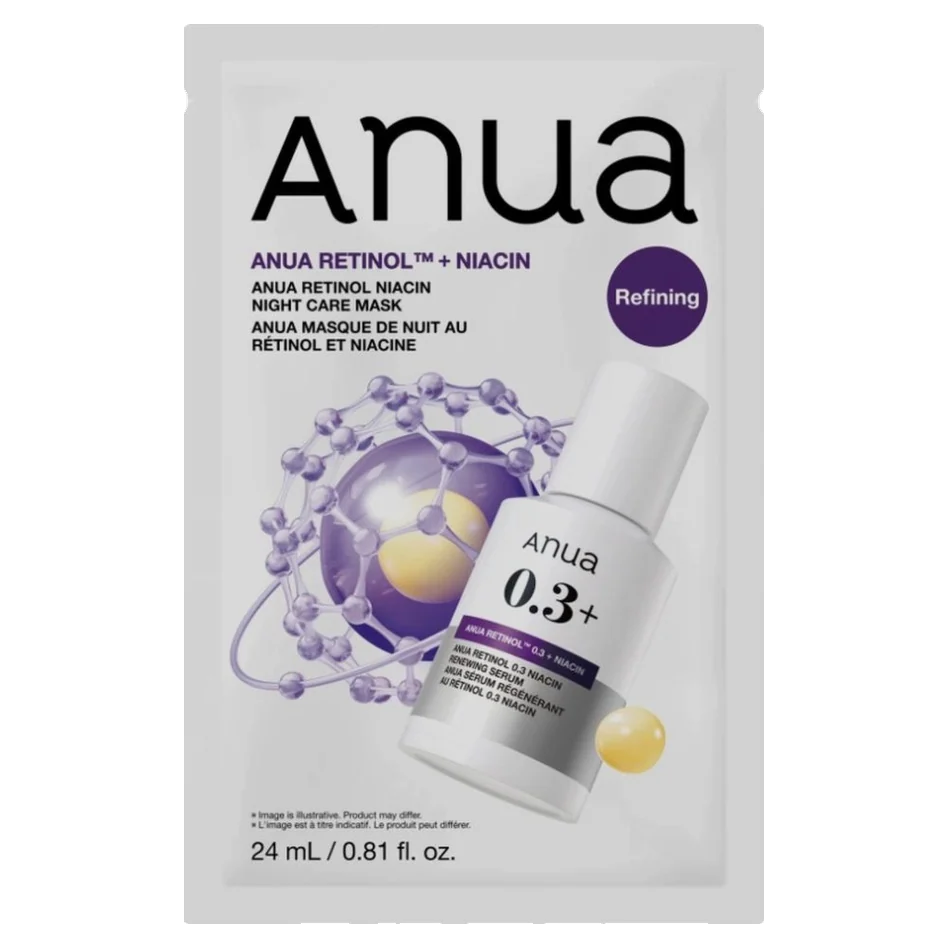
Anua
Retinol Niacin Night Care Mask
26th of 44 on the label
below ≈1%
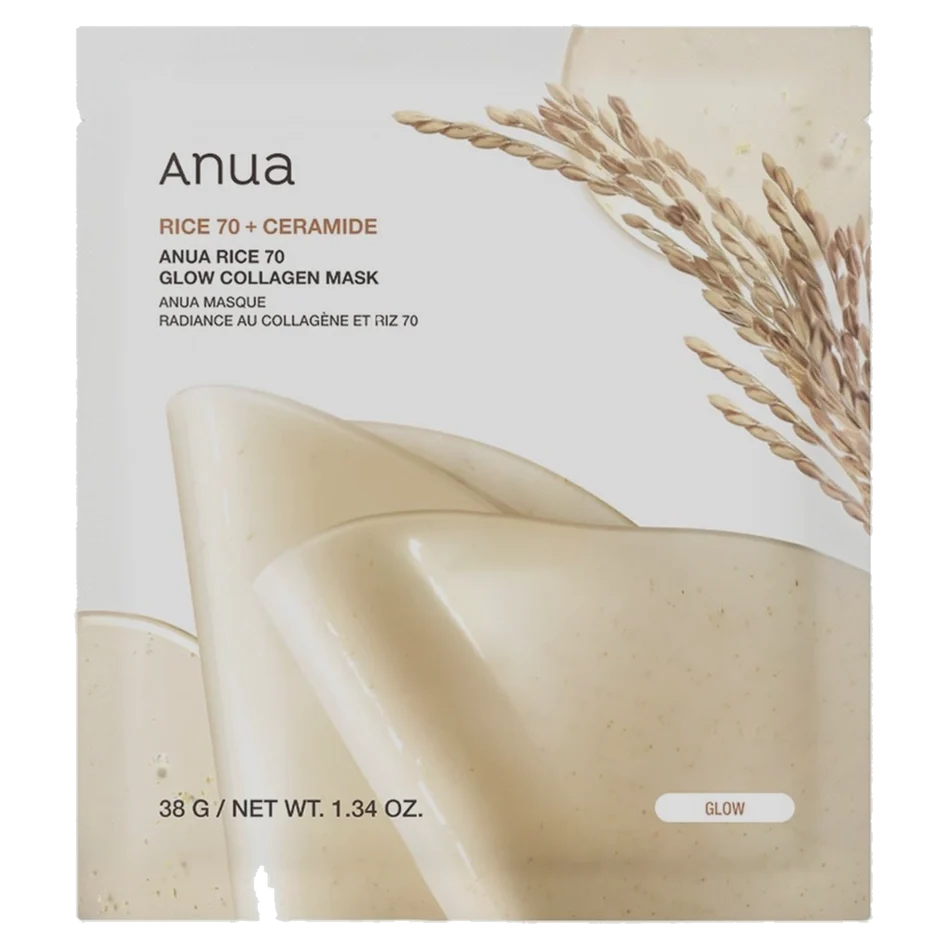
Anua
Rice 70 Glow Collagen Mask
15th of 42 on the label
below ≈1%
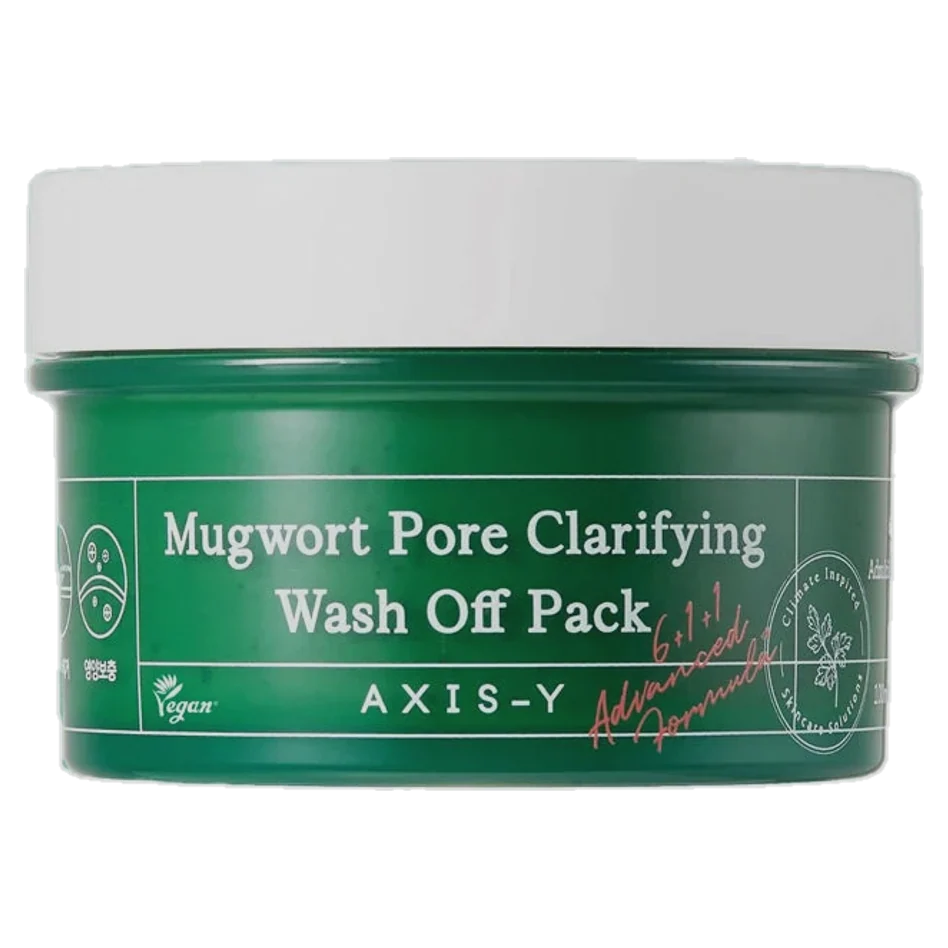
AXIS-Y
Mugwort Pore Clarifying Wash Off Pack
29th of 36 on the label
below ≈1%
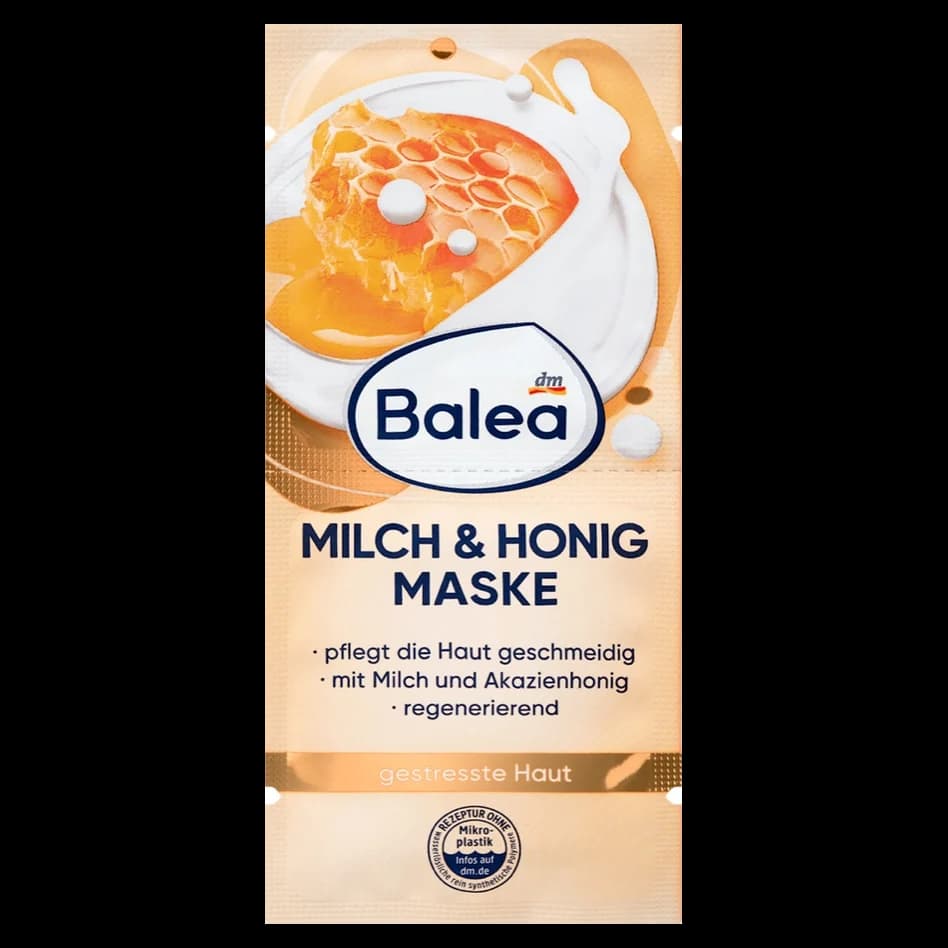
Balea
Gesichtsmaske Milch & Honig
19th of 36 on the label
below ≈1%
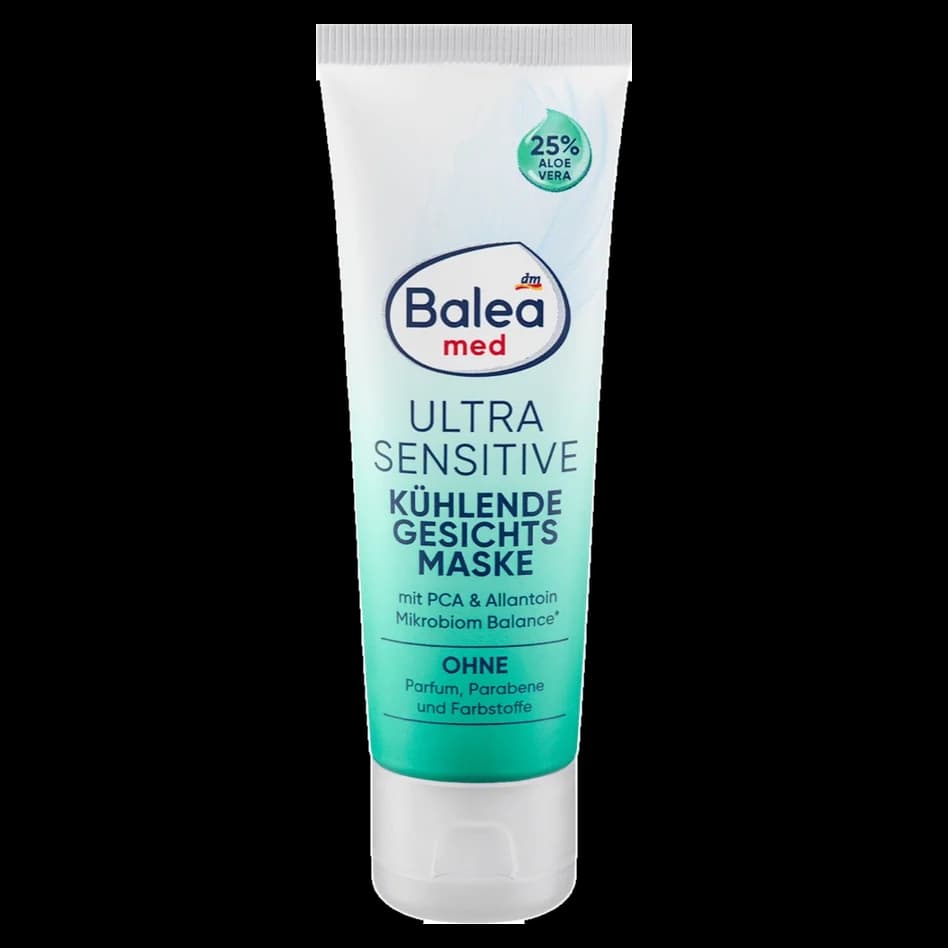
Balea med
Gesichtsmaske kühlend ultra sensitive
6th of 13 on the label
below ≈1%
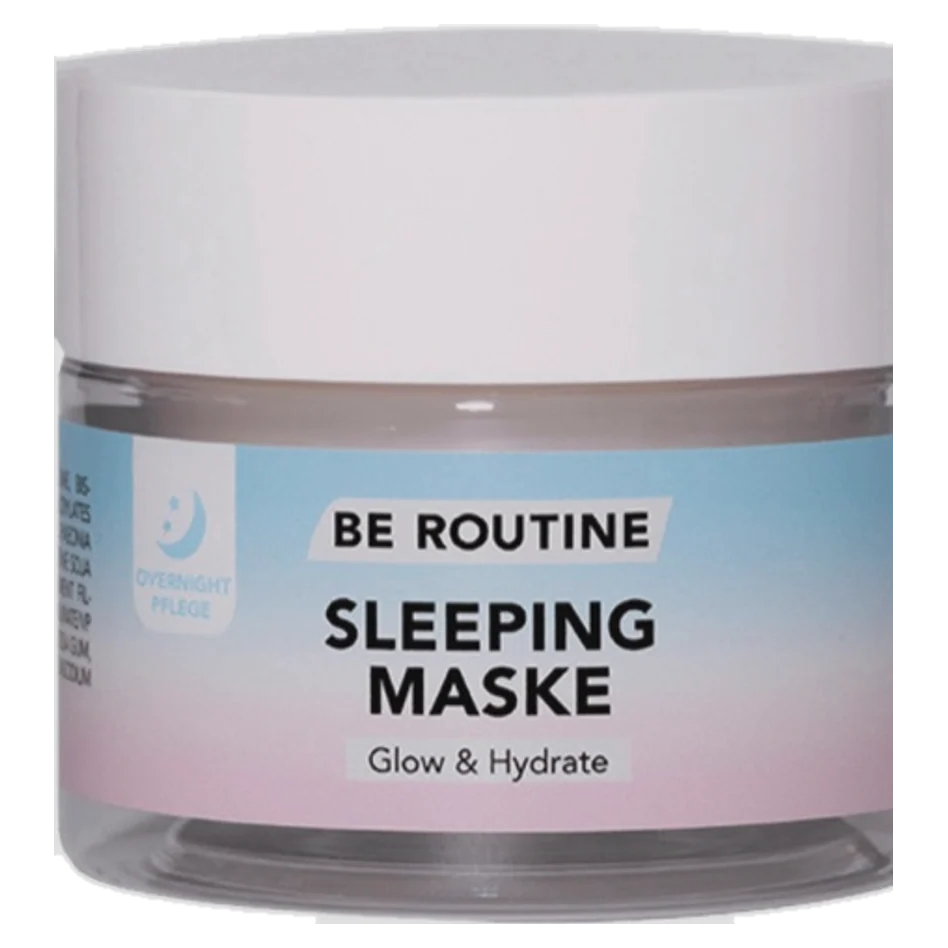
Be Routine
Schlafmaske Glow & Hydrate
9th of 27 on the label
below ≈1%
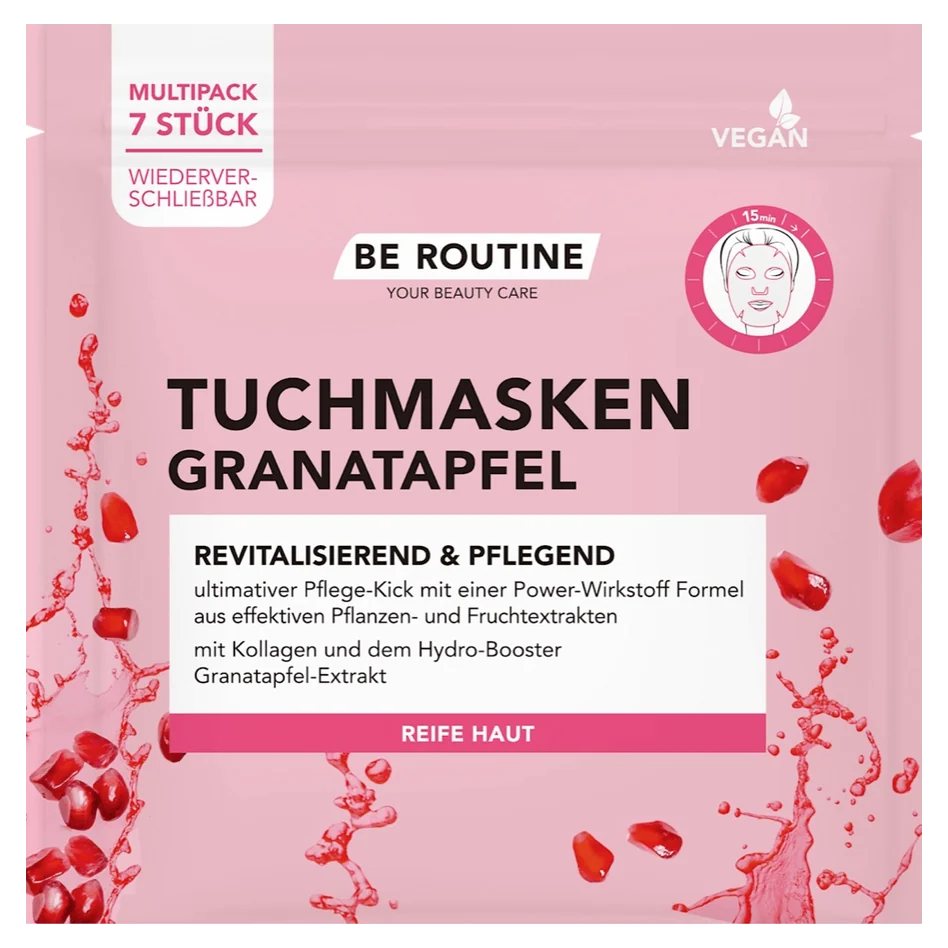
Be Routine
Tuchmasken Granatapfel Multipack
21st of 32 on the label
below ≈1%
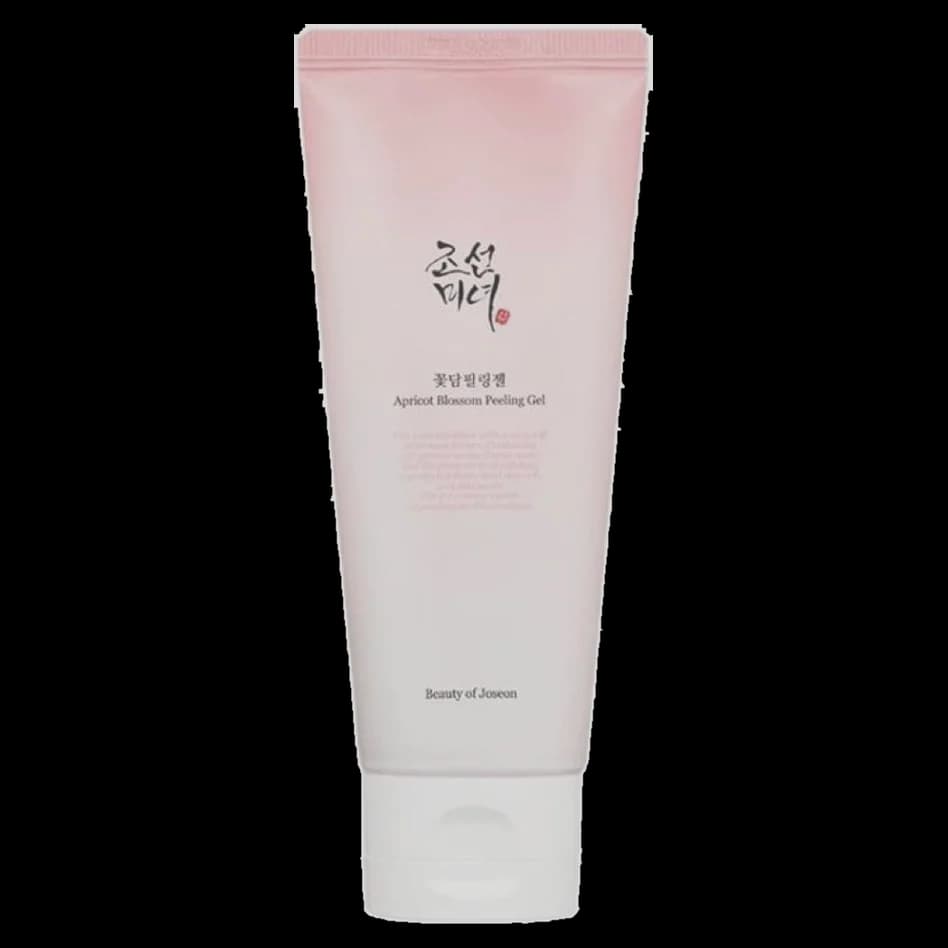
Beauty of Joseon
Apricot Blossom Peeling Gel
9th of 19 on the label
below ≈1%
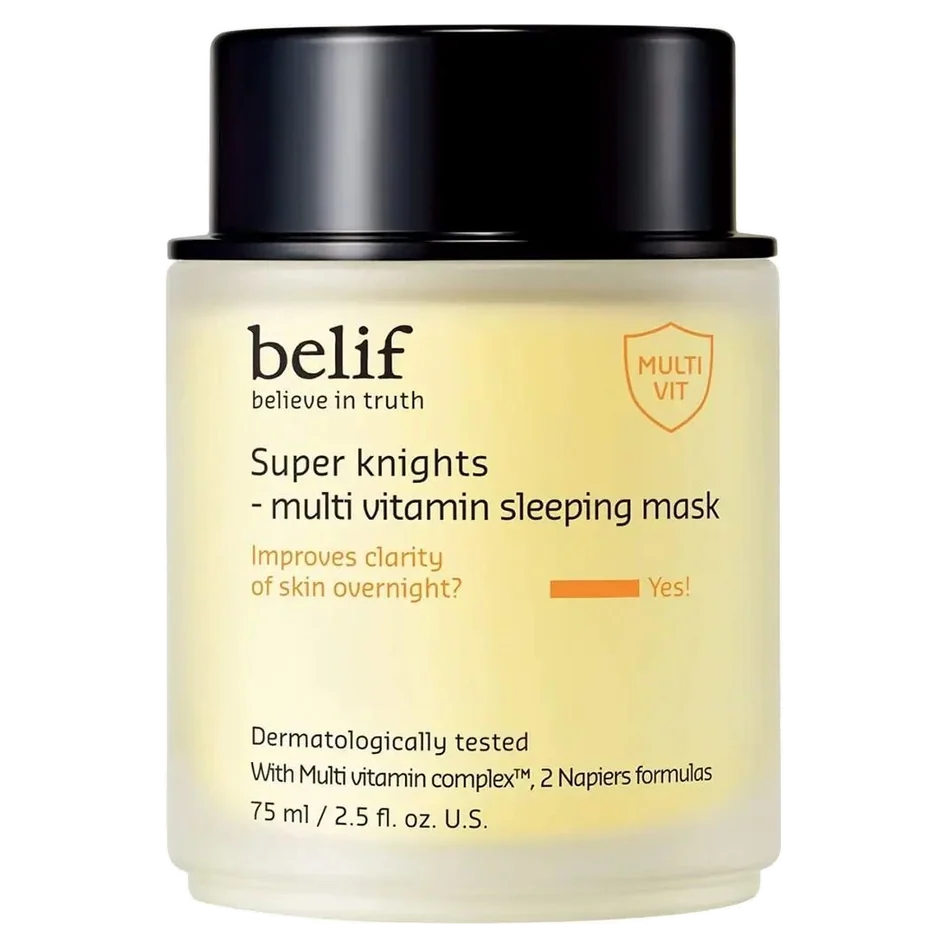
belif
Super Knights Vitamin Mask
19th of 26 on the label
below ≈1%
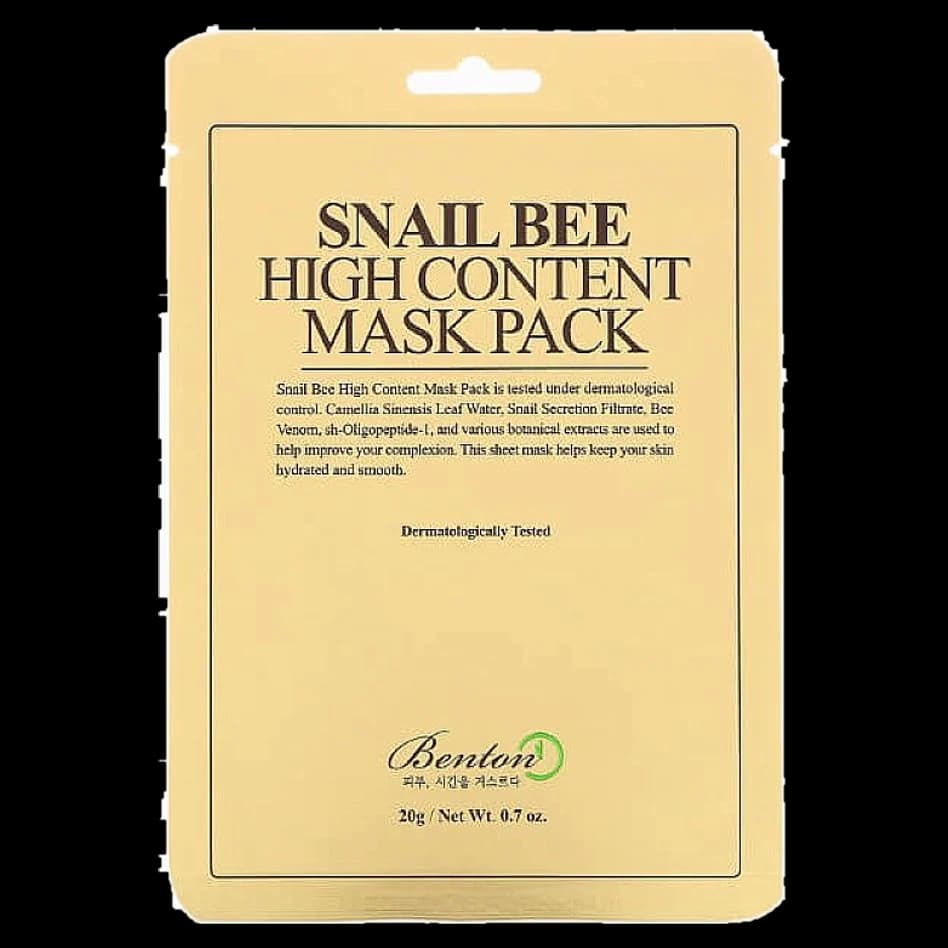
Benton
Snail Bee High Content Mask Pack
23rd of 27 on the label
below ≈1%
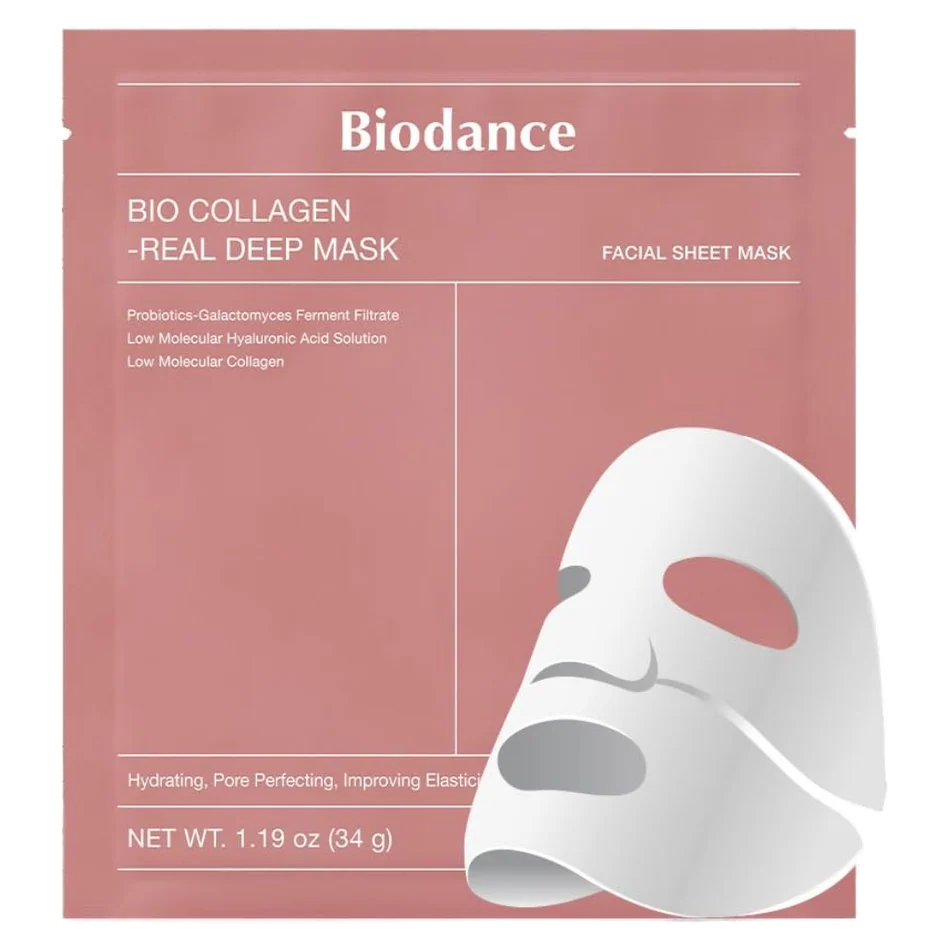
Biodance
Bio-Collagen Real Deep Mask
16th of 34 on the label
below ≈1%
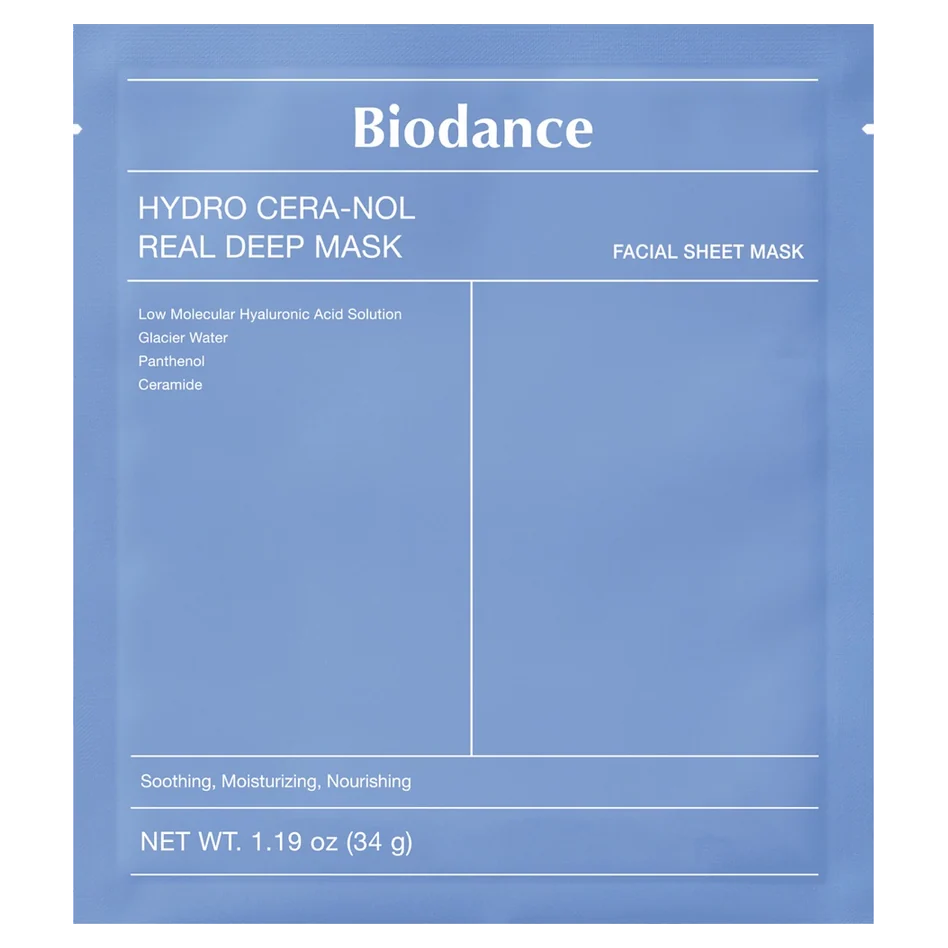
Biodance
Hydro Cera-nol Real Deep Mask
36th of 65 on the label
below ≈1%
Biodance
Refreshing Sea Kelp Real Deep Mask
18th of 43 on the label
below ≈1%
COSRX
Full Fit Propolis Honey Overnight Mask
19th of 22 on the label
below ≈1%
COSRX
The Alpha-Arbutin Discoloration Care Hydrogel Mask
18th of 44 on the label
below ≈1%
COSRX
The Peptide Collagen Lifting Glow Hydrogel Mask
17th of 49 on the label
below ≈1%
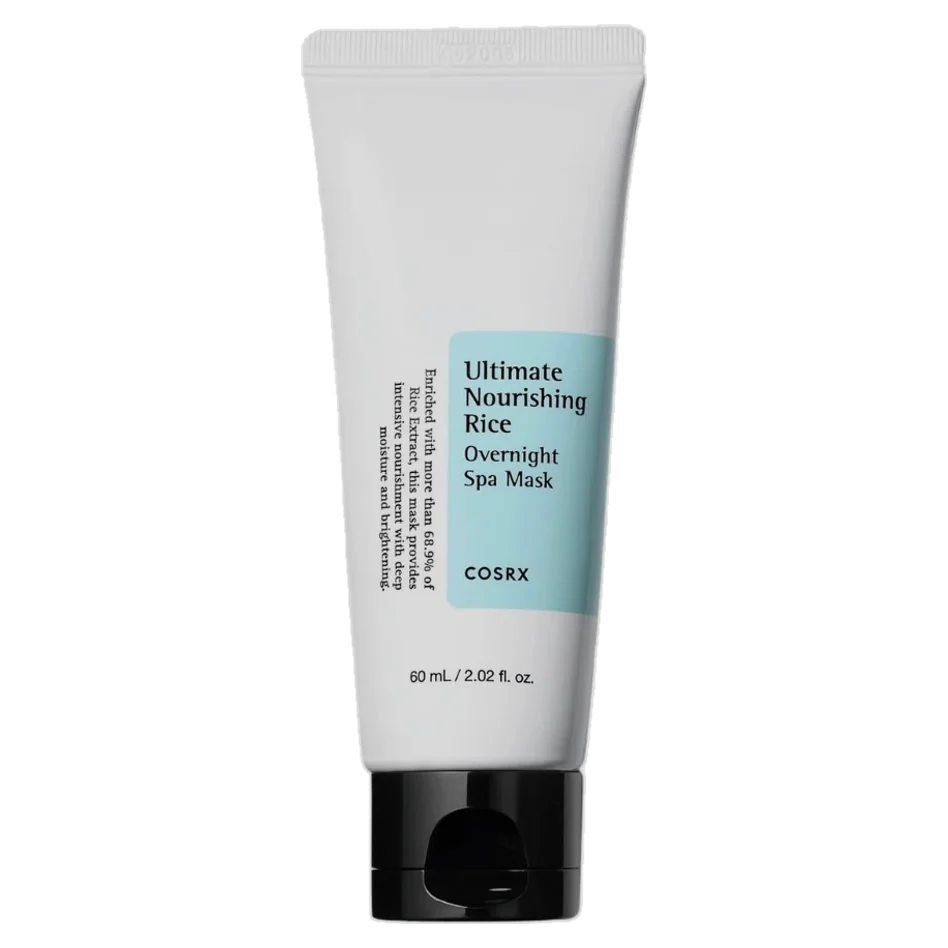
COSRX
Ultimate Nourishing Rice Overnight Spa Mask
18th of 19 on the label
below ≈1%
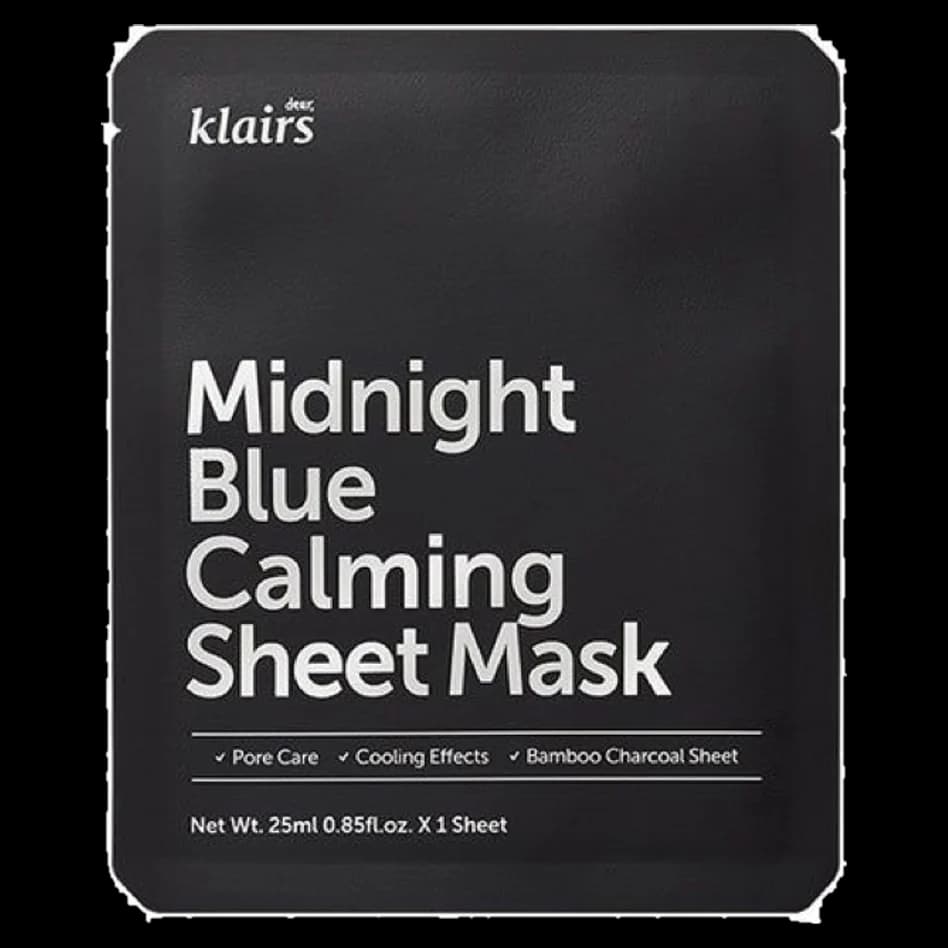
Dear, Klairs
Midnight Blue Calming Sheet Mask
12th of 21 on the label
below ≈1%
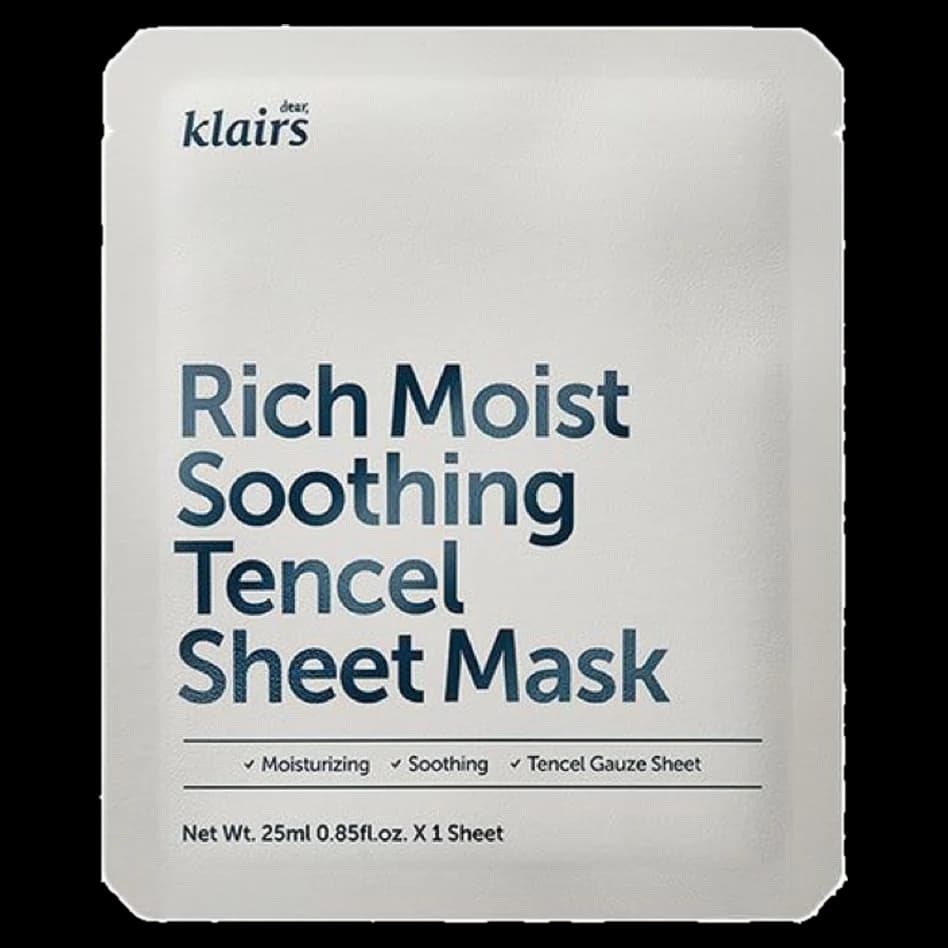
Dear, Klairs
Rich Moist Soothing Tencel Sheet Mask
11th of 33 on the label
below ≈1%
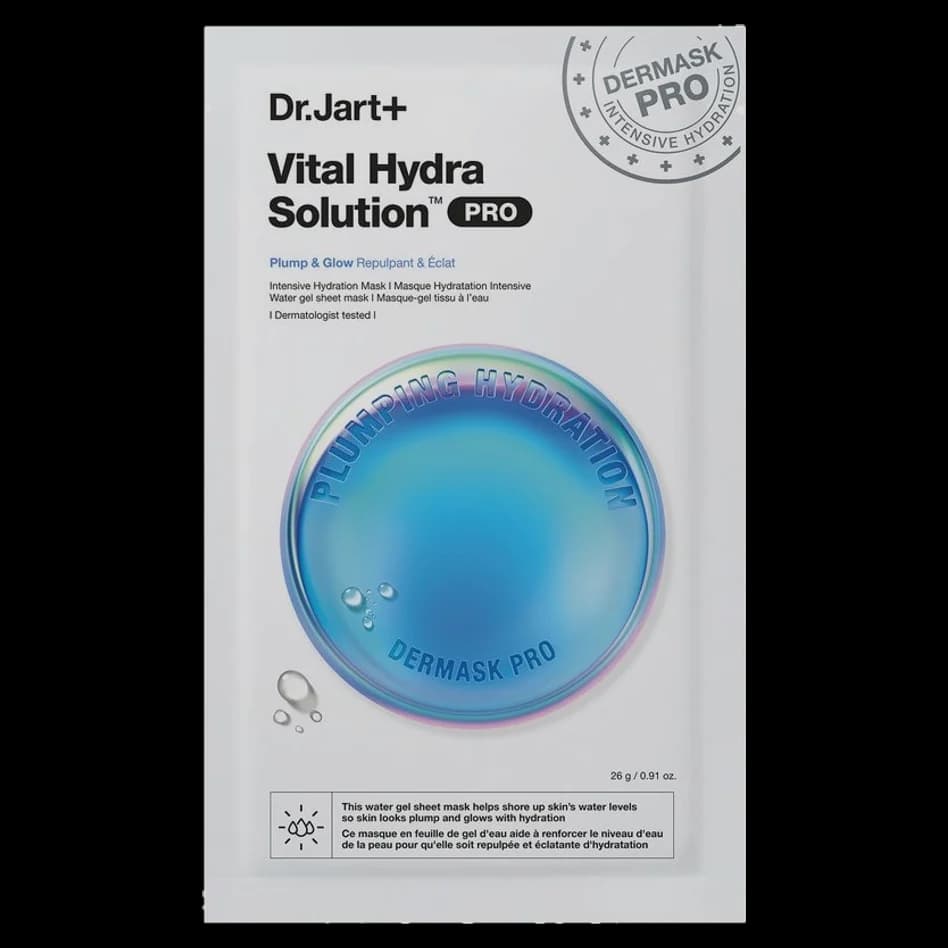
Dr.Jart+
Dermask Vital Hydra Solution Pro + Hyaluronic Acid
10th of 25 on the label
below ≈1%
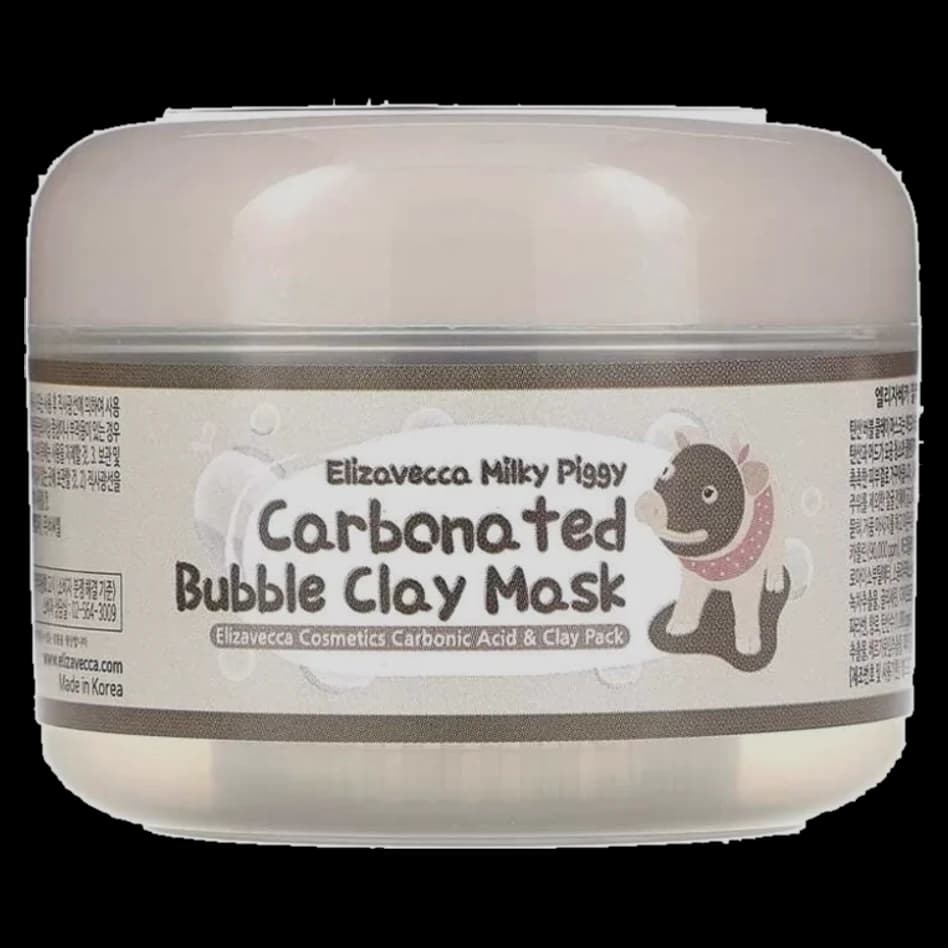
Elizavecca
Milky Piggy Carbonated Bubble Clay Mask
22nd of 29 on the label
below ≈1%
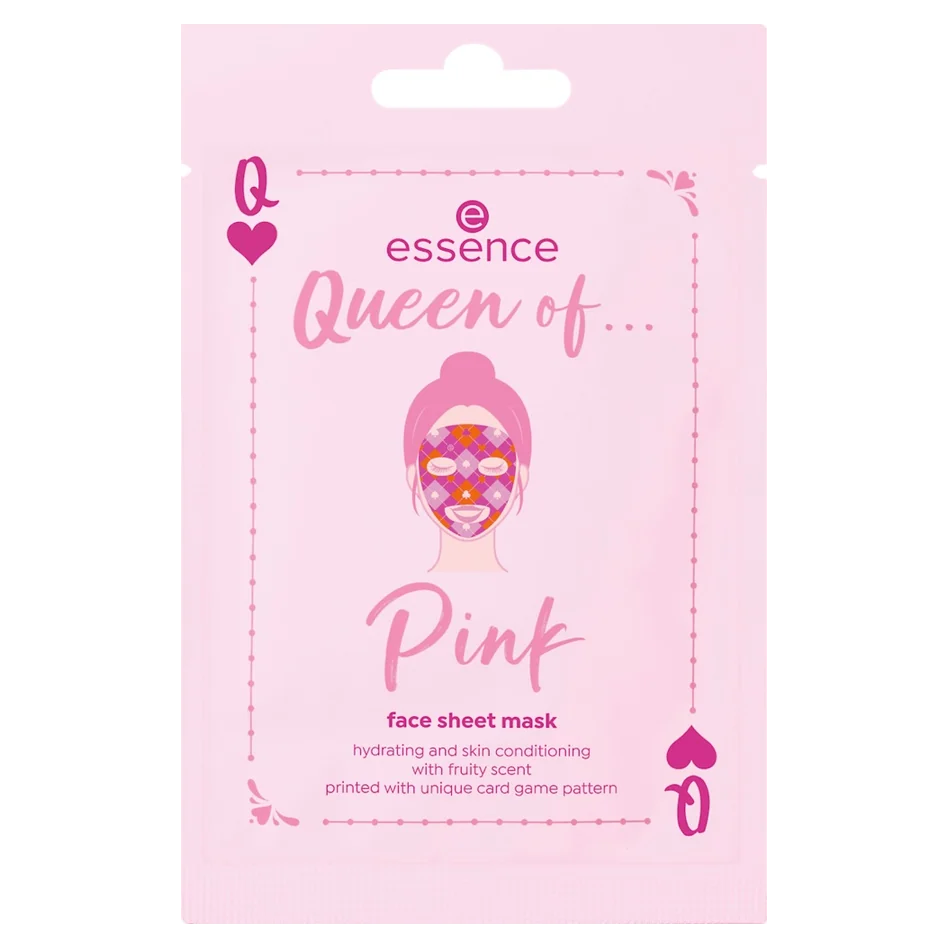
essence
Queen of Pink Face Sheet Mask 01 Keeping My Pink Poker Face
11th of 23 on the label
below ≈1%
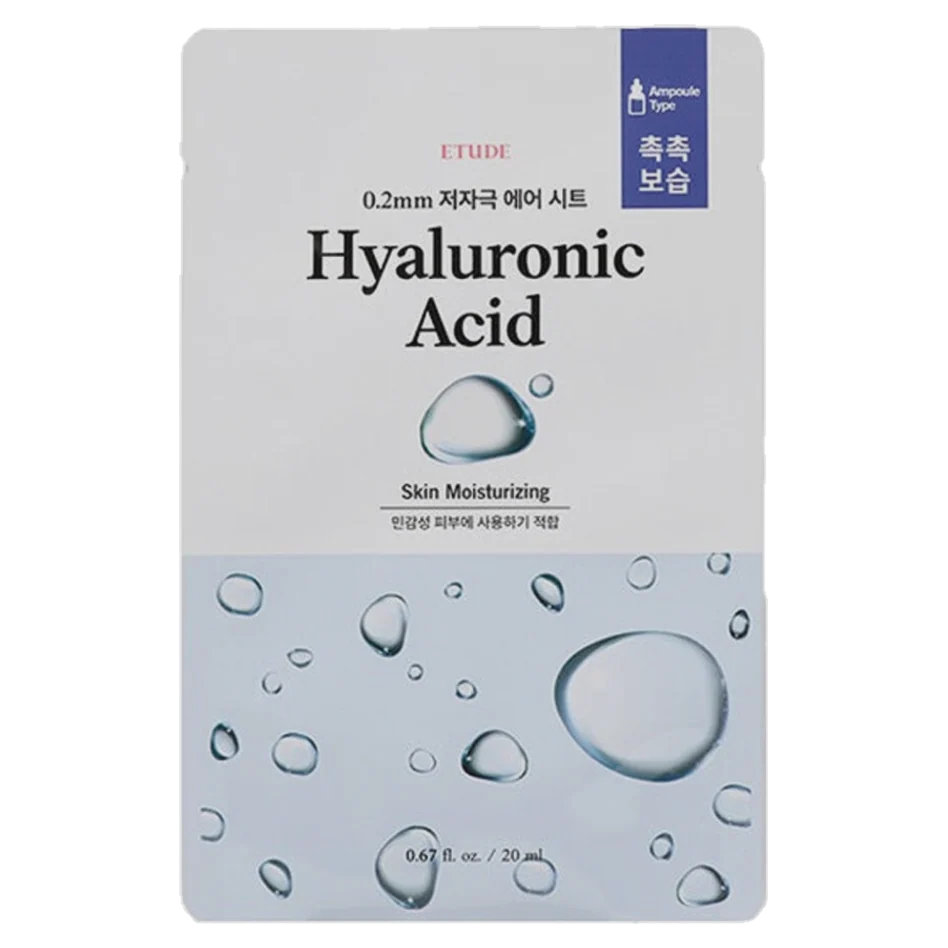
Etude House
0.2mm Therapy Air Mask Hyaluronic Acid
12th of 35 on the label
below ≈1%
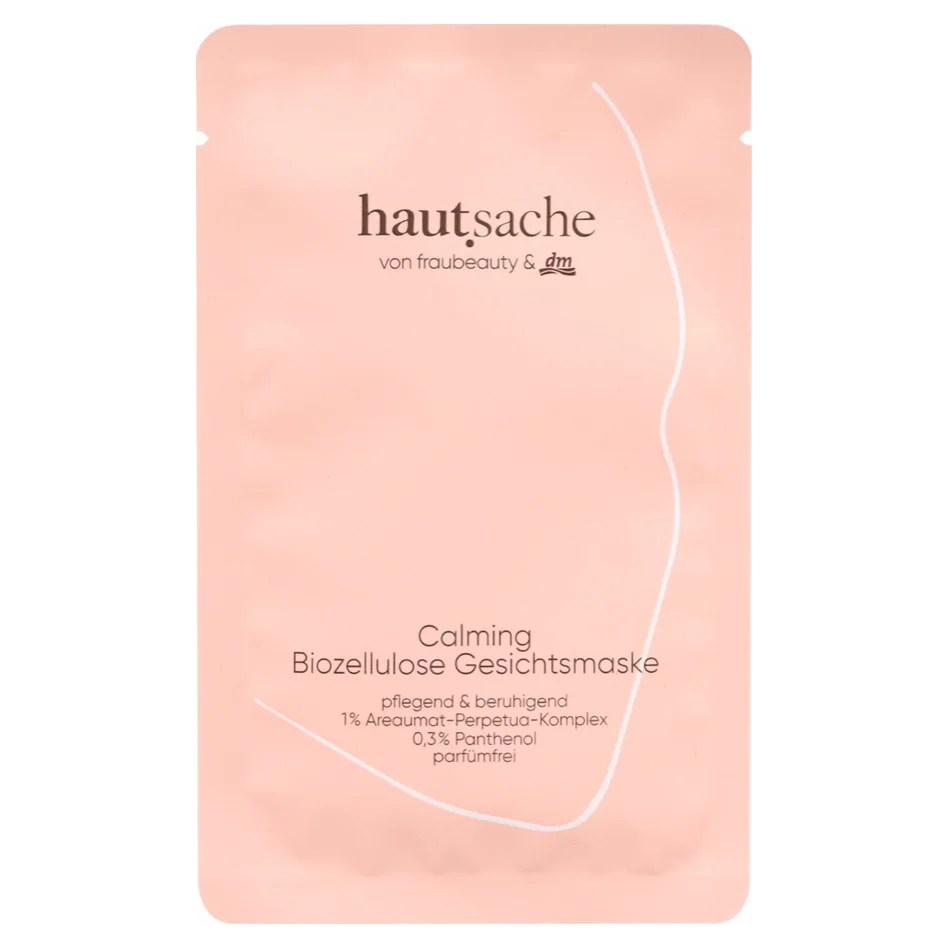
hautsache
Gesichtsmaske Biozellulose Calming
8th of 27 on the label
below ≈1%
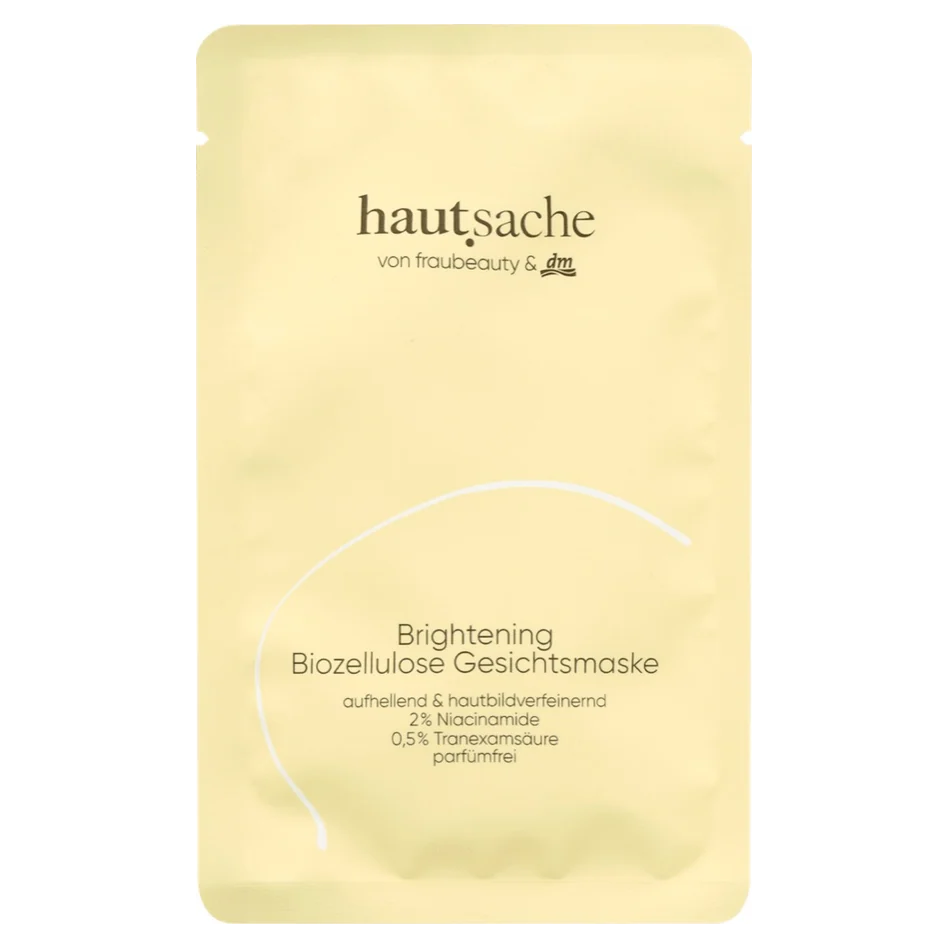
hautsache
Gesichtsmaske Brightening
16th of 33 on the label
below ≈1%
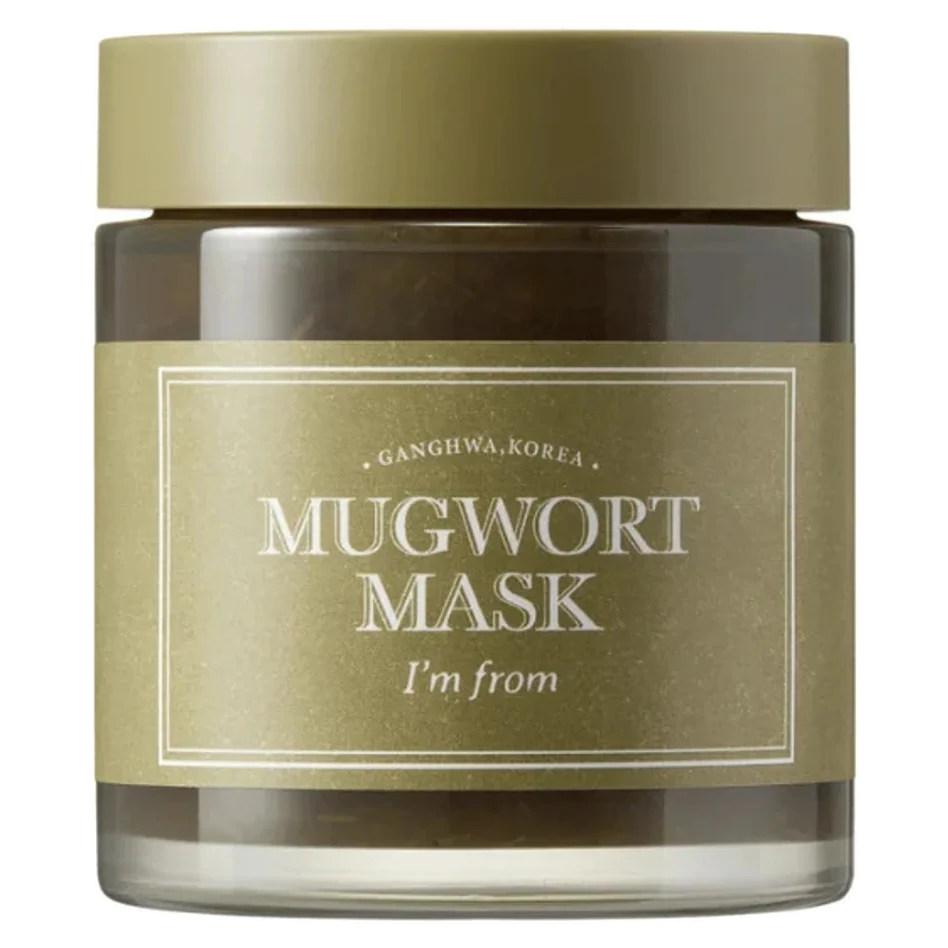
I'm From
Mugwort Mask
22nd of 26 on the label
below ≈1%
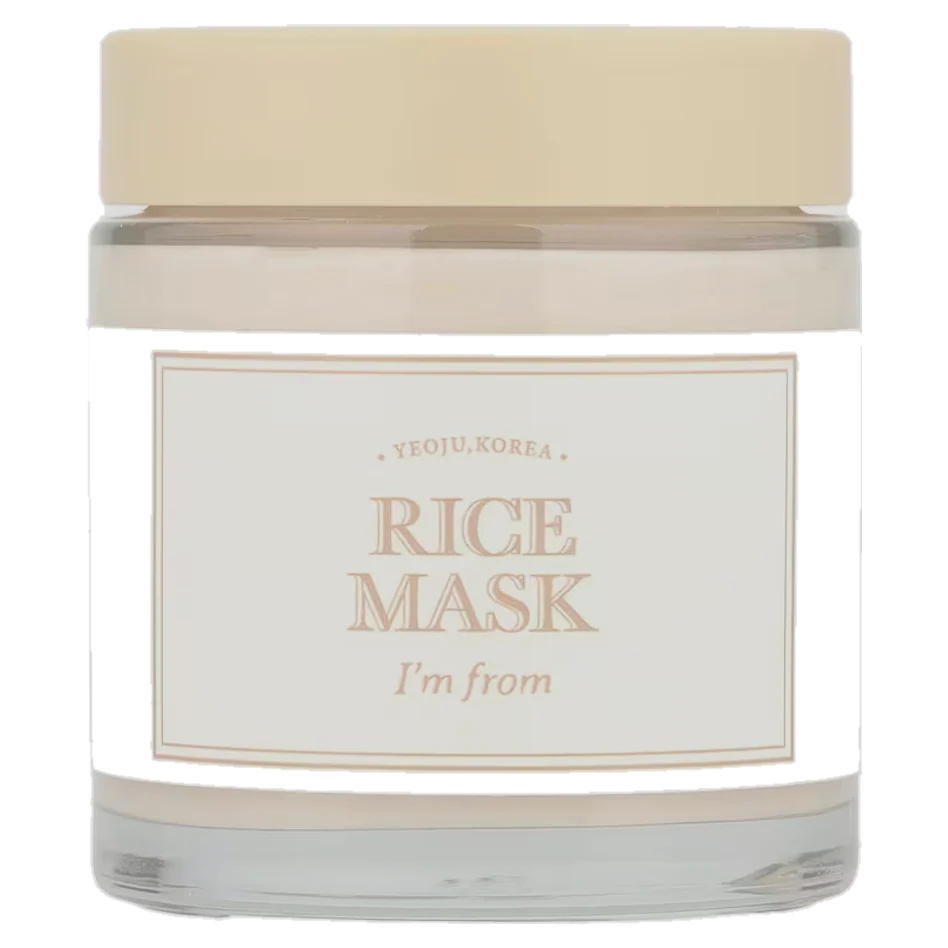
I'm From
Rice Mask
26th of 43 on the label
below ≈1%
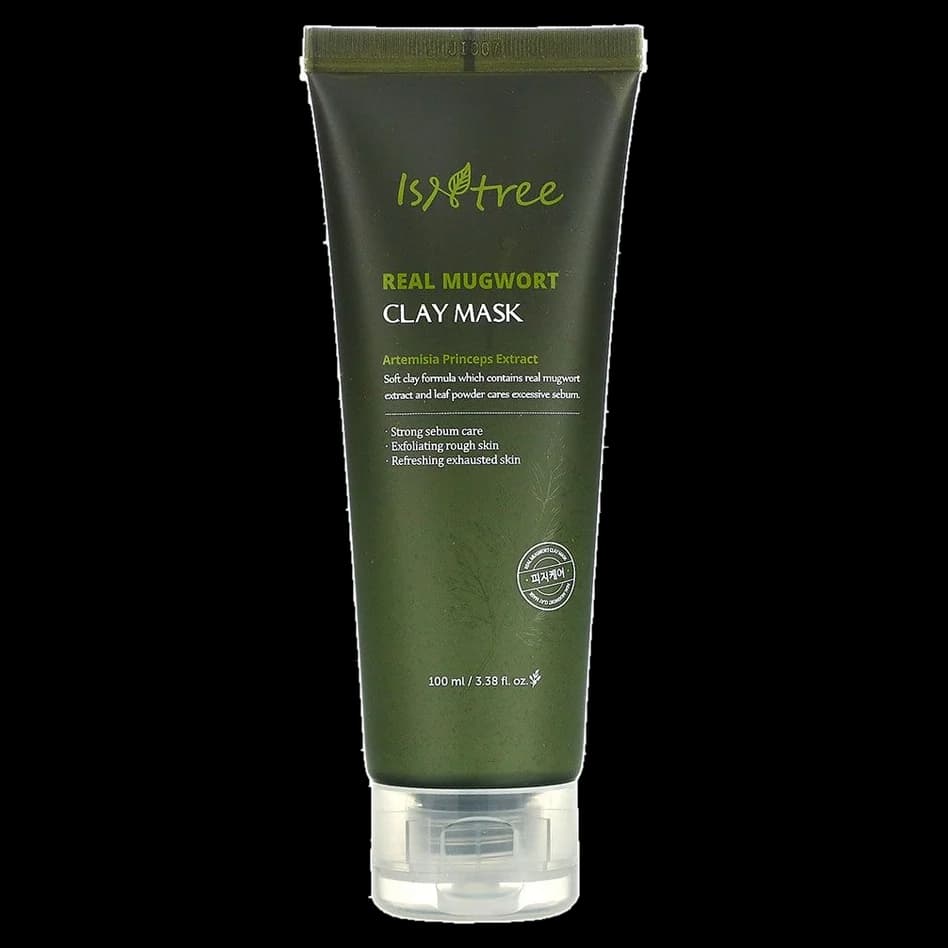
Isntree
Mugwort Calming Clay Mask
35th of 38 on the label
below ≈1%
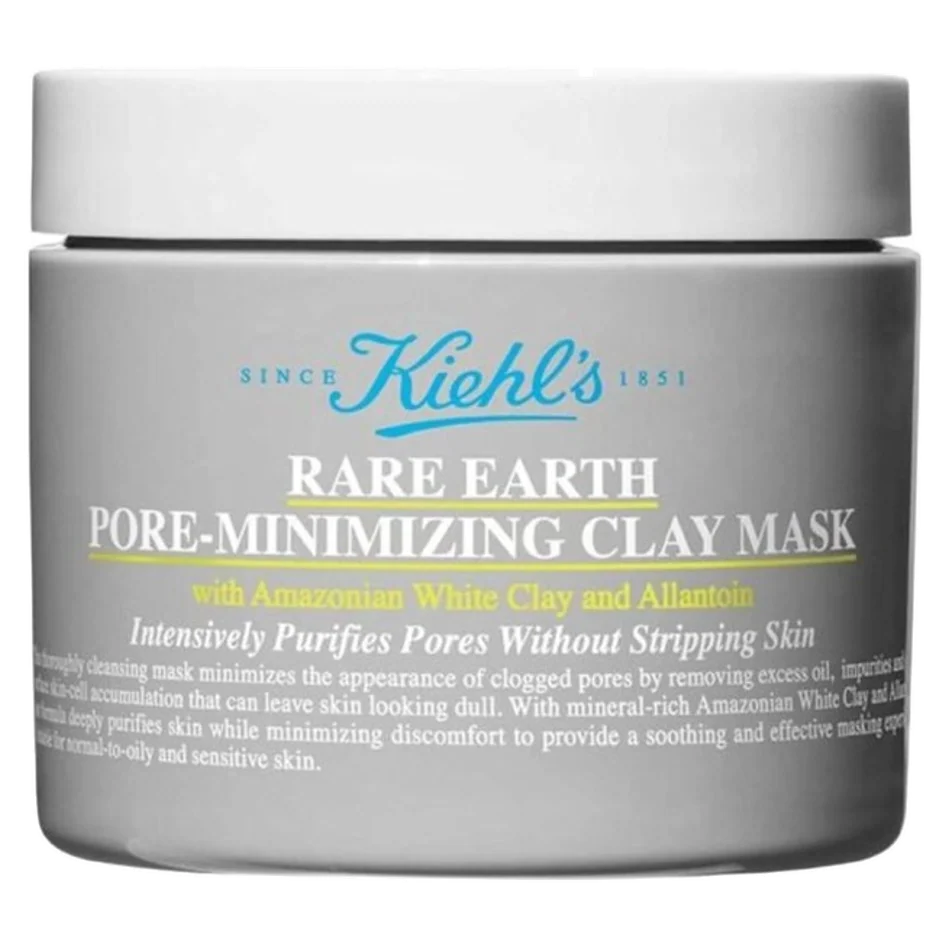
Kiehl's
Rare Earth Pore-Minimizing Clay Mask
19th of 19 on the label
below ≈1%
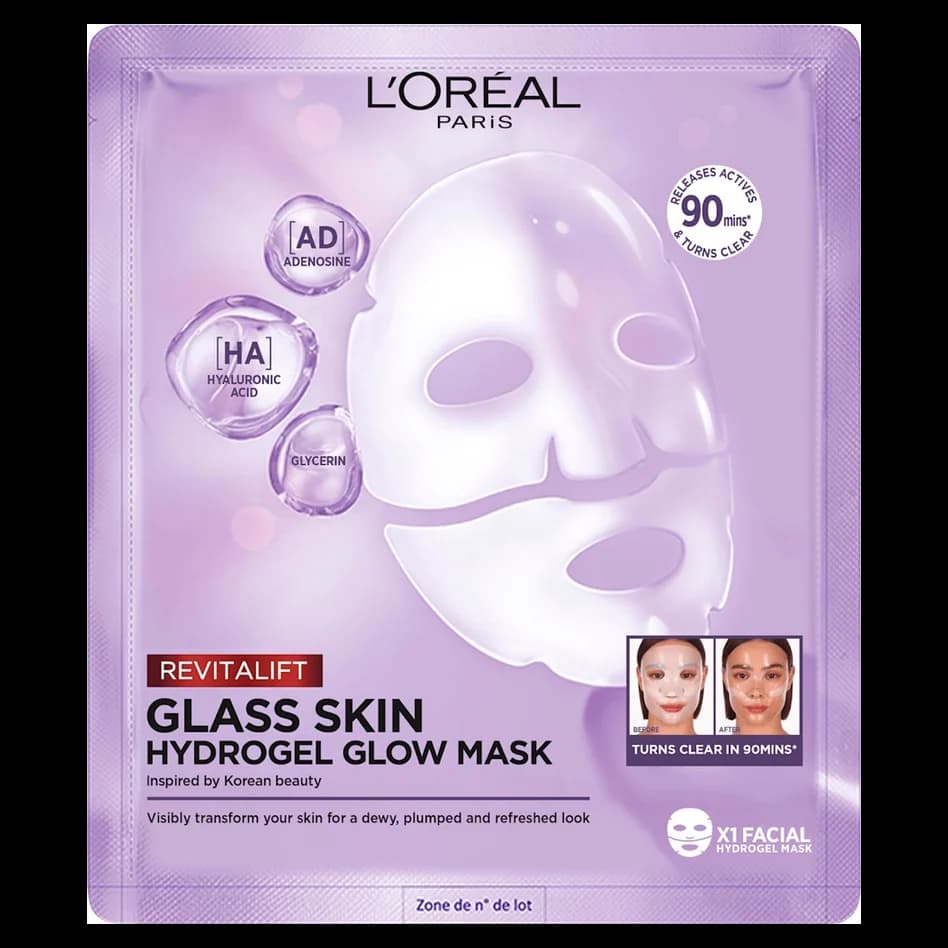
L'Oréal Paris
Revitalift Filler Glass Skin Hydrogel Glow Mask
9th of 32 on the label
below ≈1%
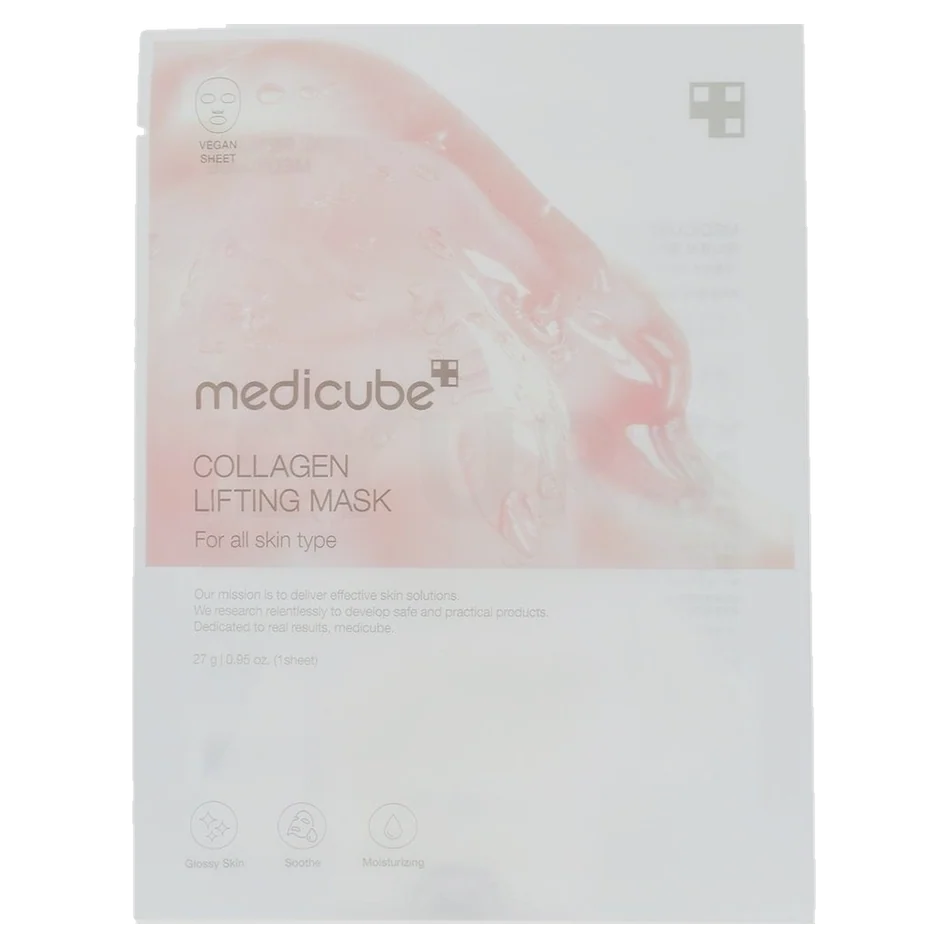
Medicube
Collagen Lifting Mask
15th of 39 on the label
below ≈1%
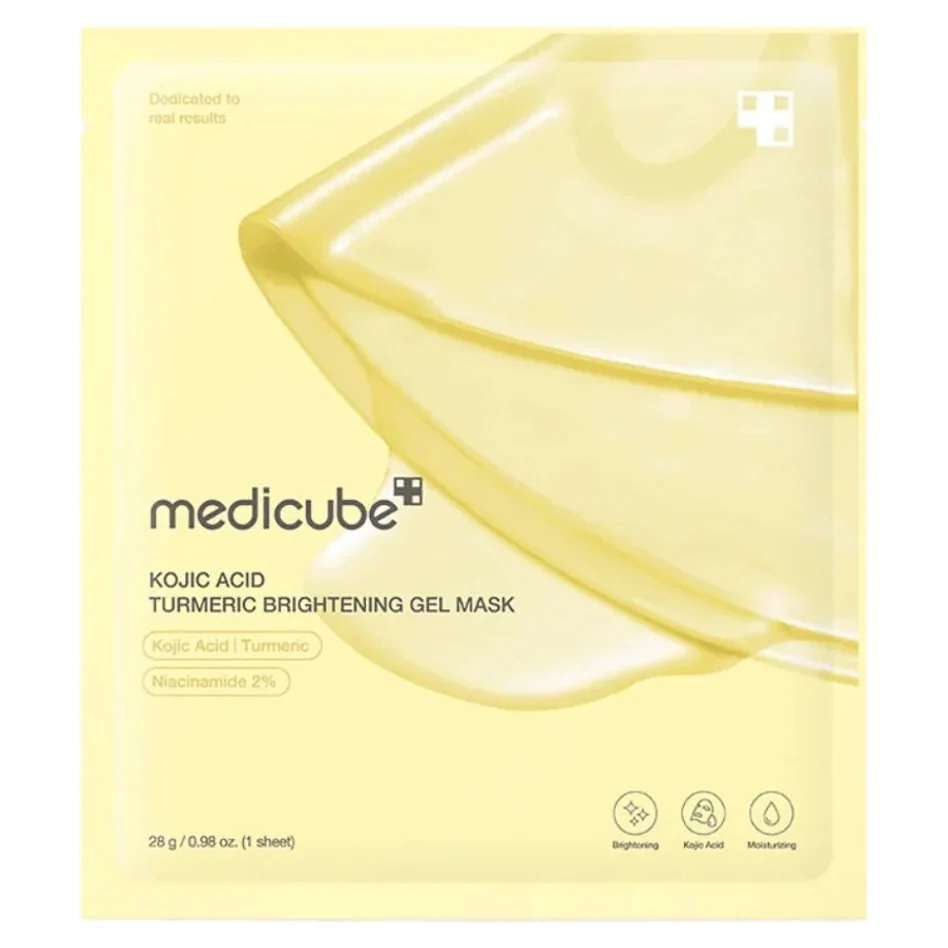
Medicube
Kojic Acid Turmeric Brightening Gel Mask
11th of 35 on the label
below ≈1%
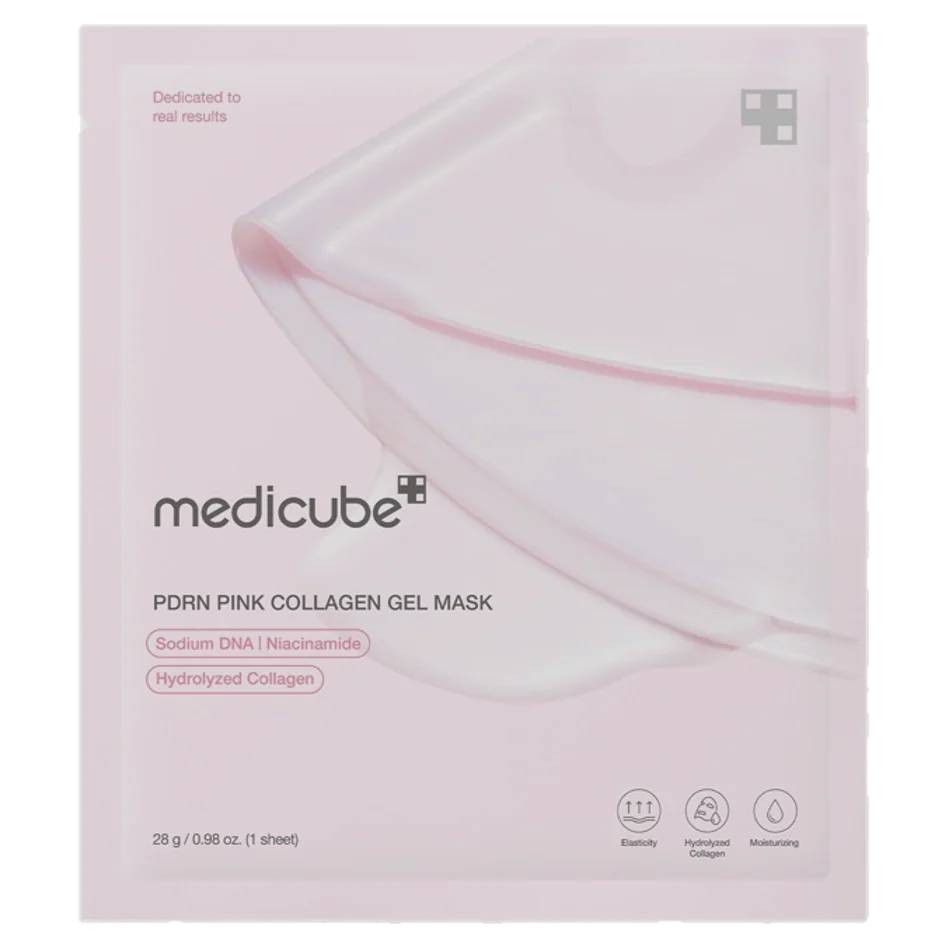
Medicube
PDRN Pink Collagen Gel Mask
12th of 43 on the label
below ≈1%
MISSHA
Airy Fit Sheet Mask Aloe
8th of 26 on the label
below ≈1%
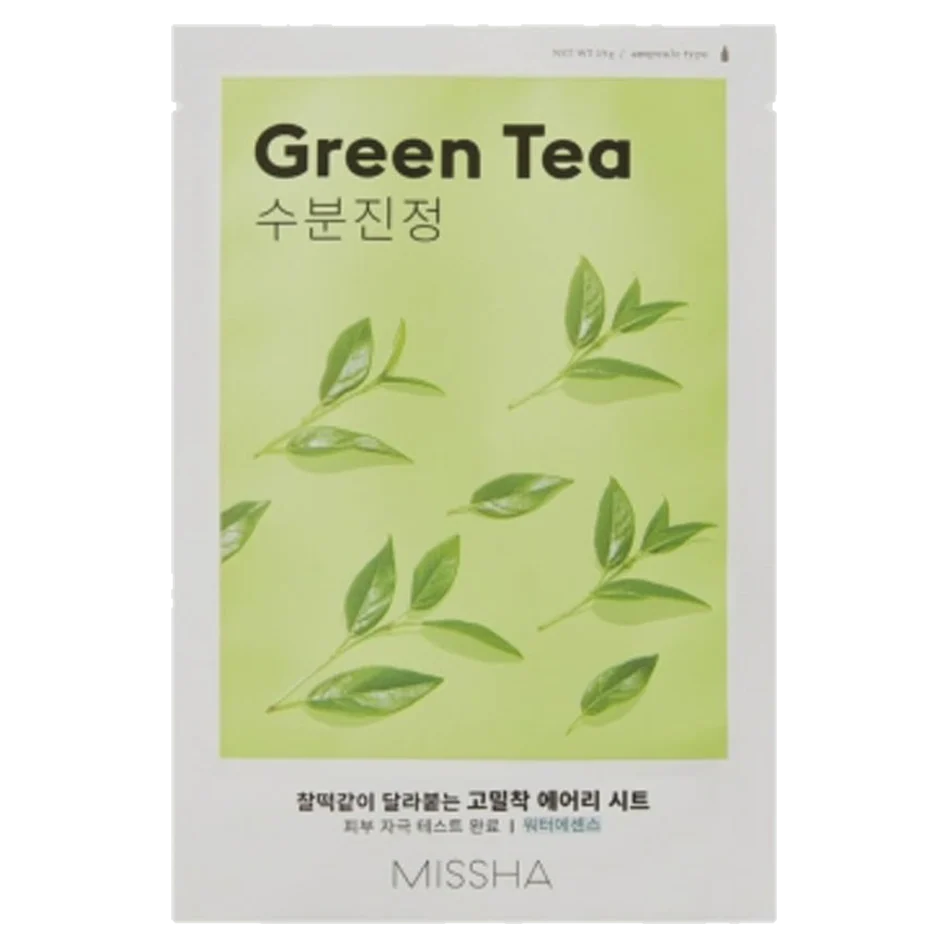
MISSHA
Airy Fit Sheet Mask Green Tea
8th of 23 on the label
below ≈1%
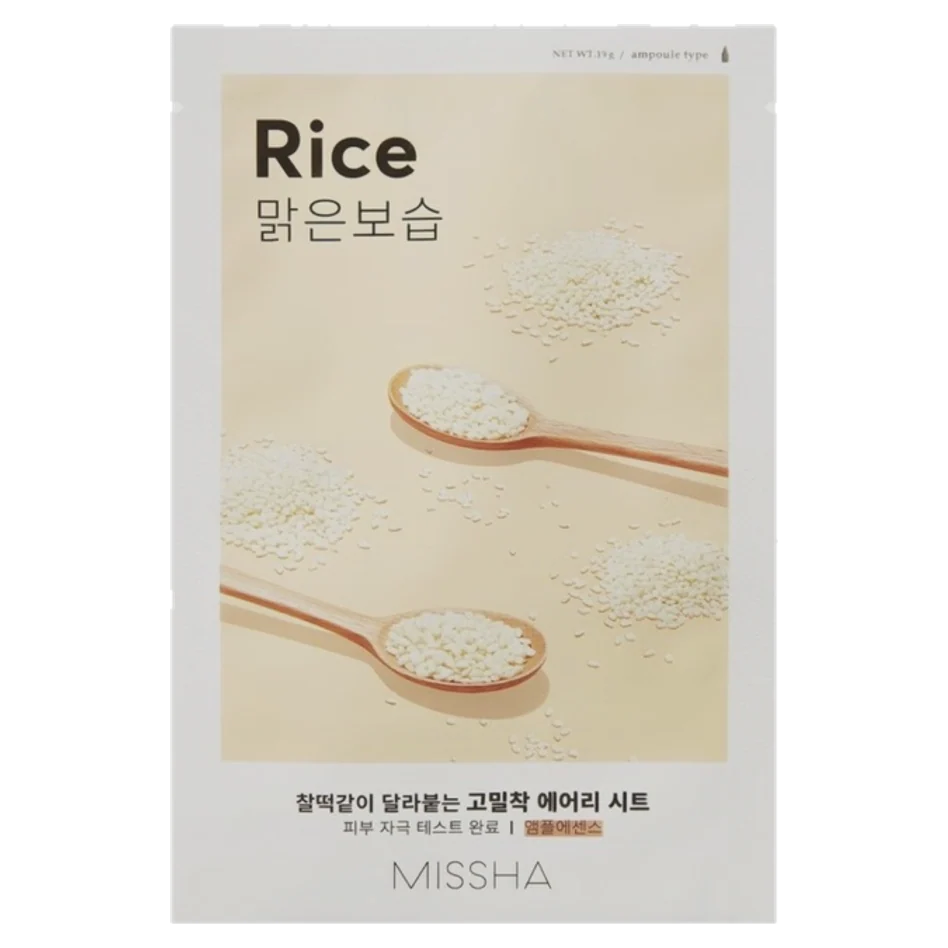
MISSHA
Airy Fit Sheet Mask Rice
14th of 27 on the label
below ≈1%
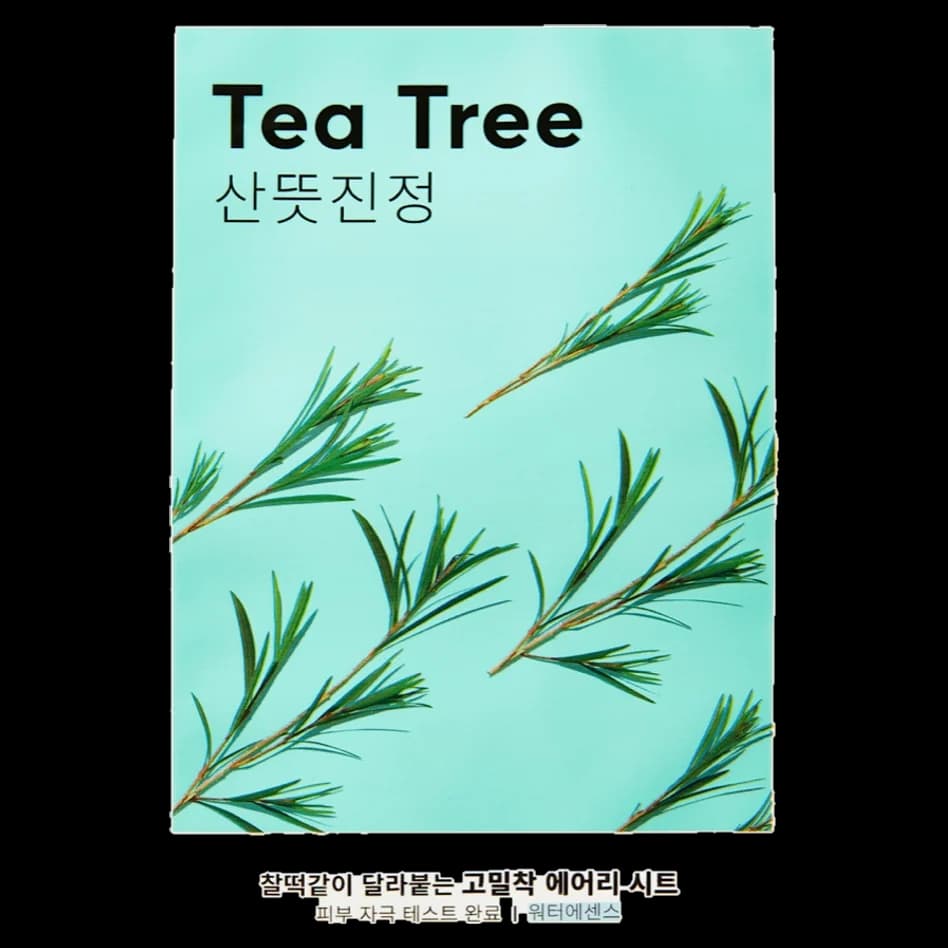
MISSHA
Airy Fit Sheet Mask Tea Tree
8th of 23 on the label
below ≈1%
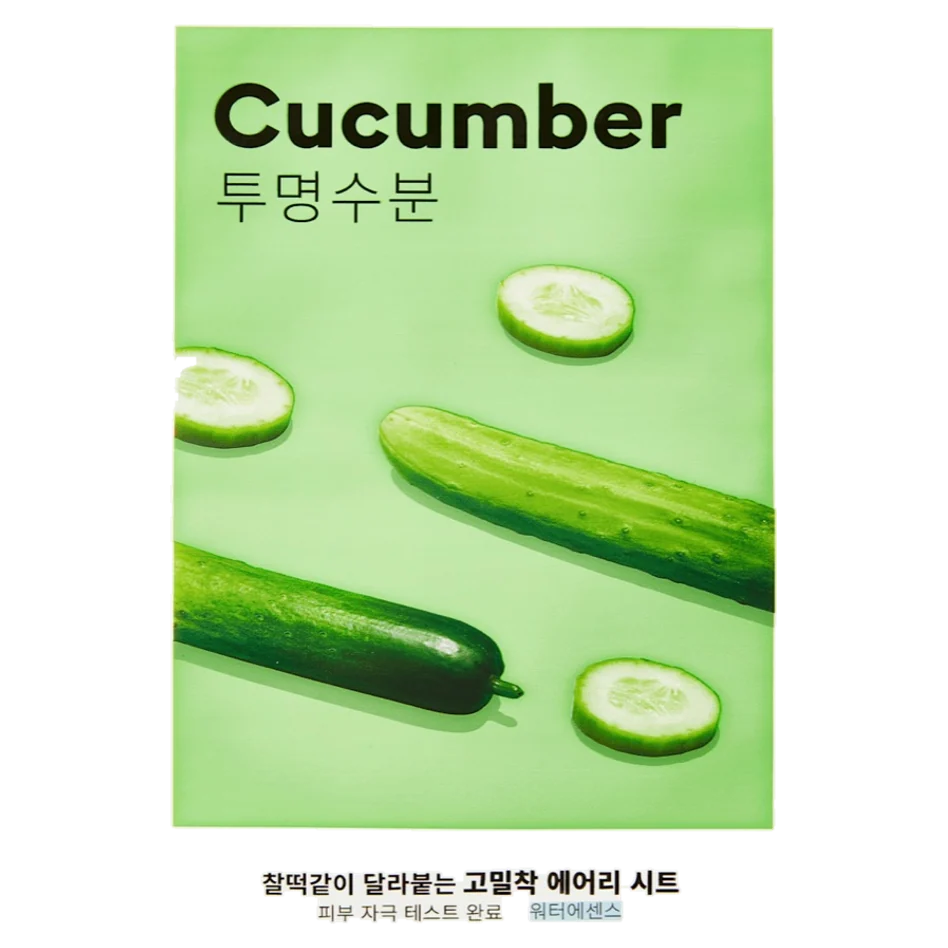
MISSHA
Sheet Mask Cucumber
8th of 25 on the label
below ≈1%
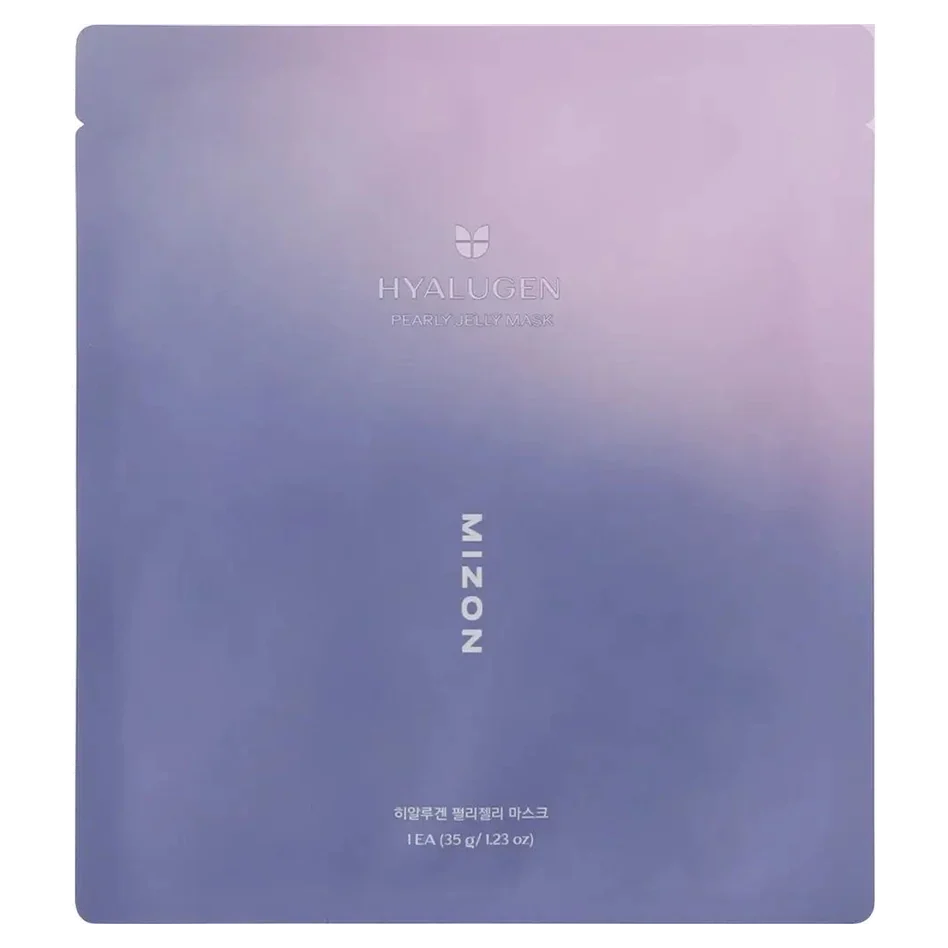
MIZON
Hyalugen Pearly Jelly Mask
7th of 19 on the label
below ≈1%
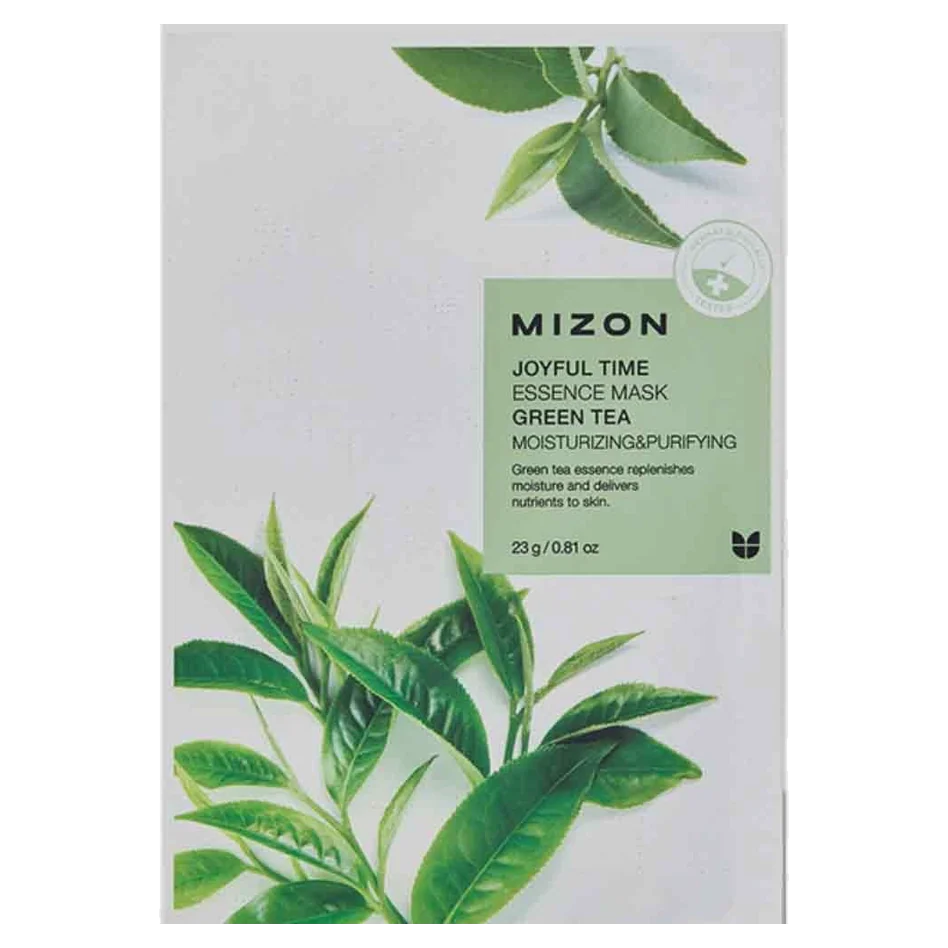
MIZON
Joyful Time Essence Mask Green Tea
17th of 26 on the label
below ≈1%
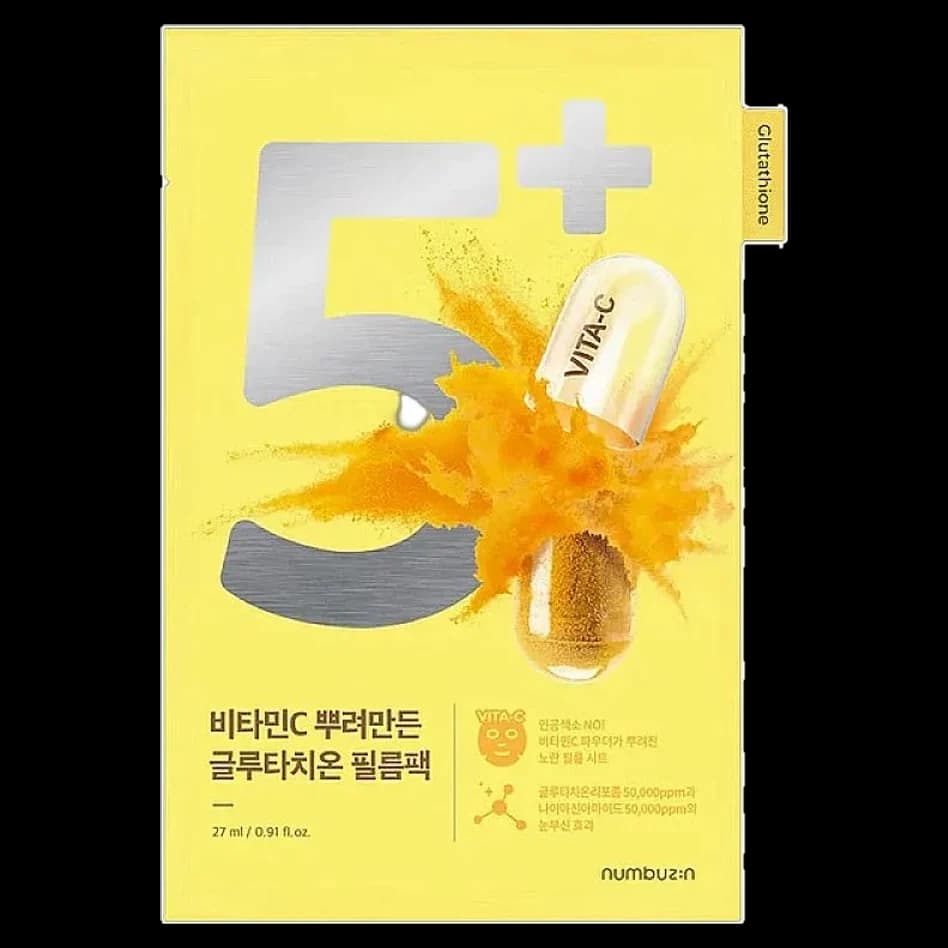
numbuzin
No.5 Vitamin Spotlight Sheet Mask
13th of 33 on the label
below ≈1%
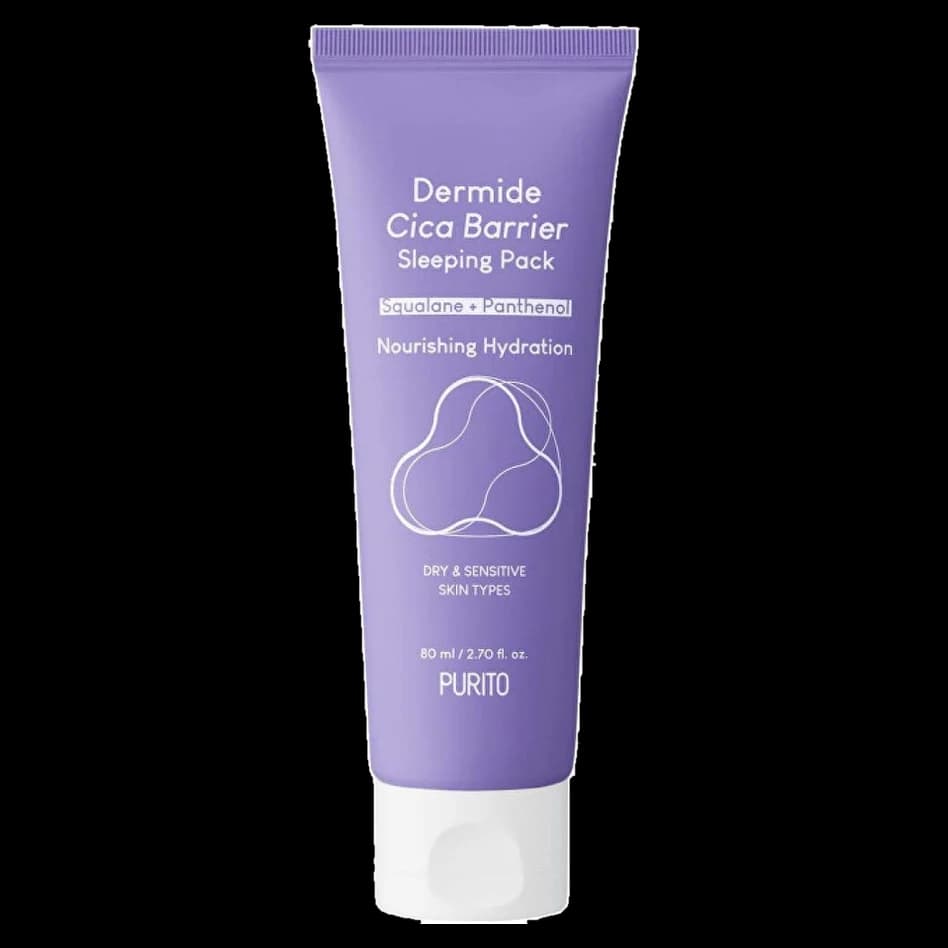
PURITO
Dermide Cica Barrier Sleeping Pack
14th of 15 on the label
below ≈1%
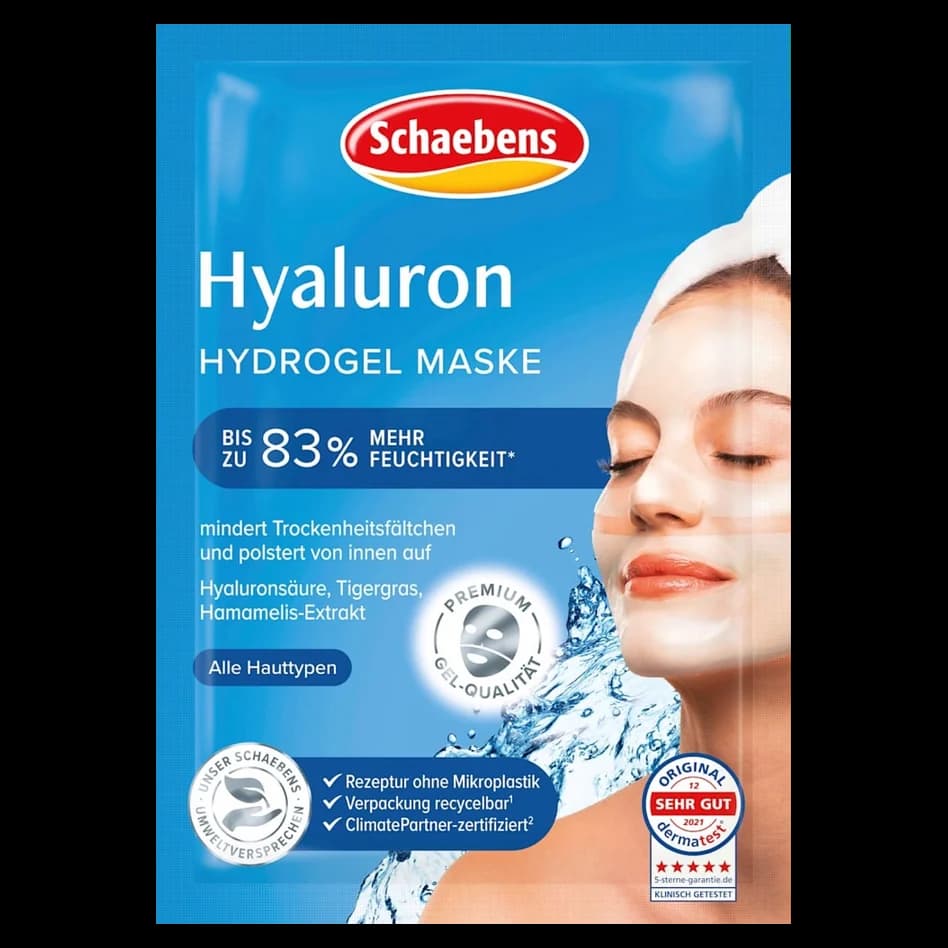
Schaebens
Gesichtsmaske Hyaluron Hydrogel
7th of 19 on the label
below ≈1%
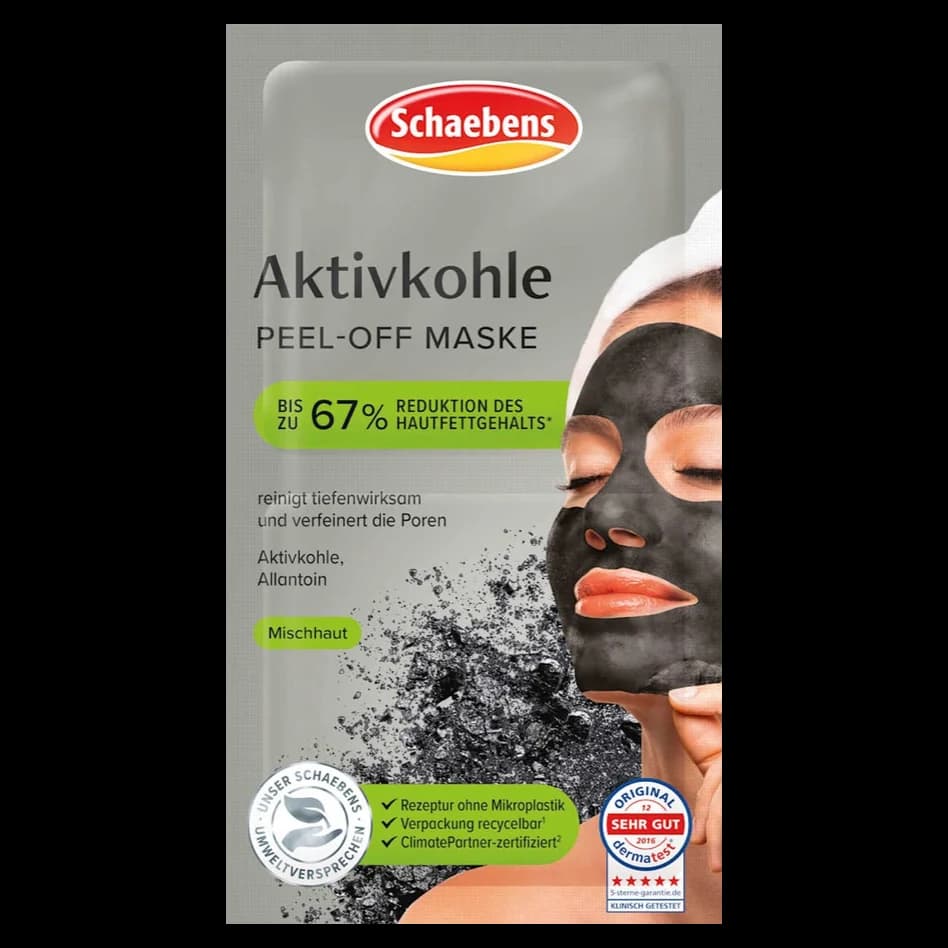
Schaebens
Gesichtsmaske peel off Aktivkohle
5th of 8 on the label
below ≈1%
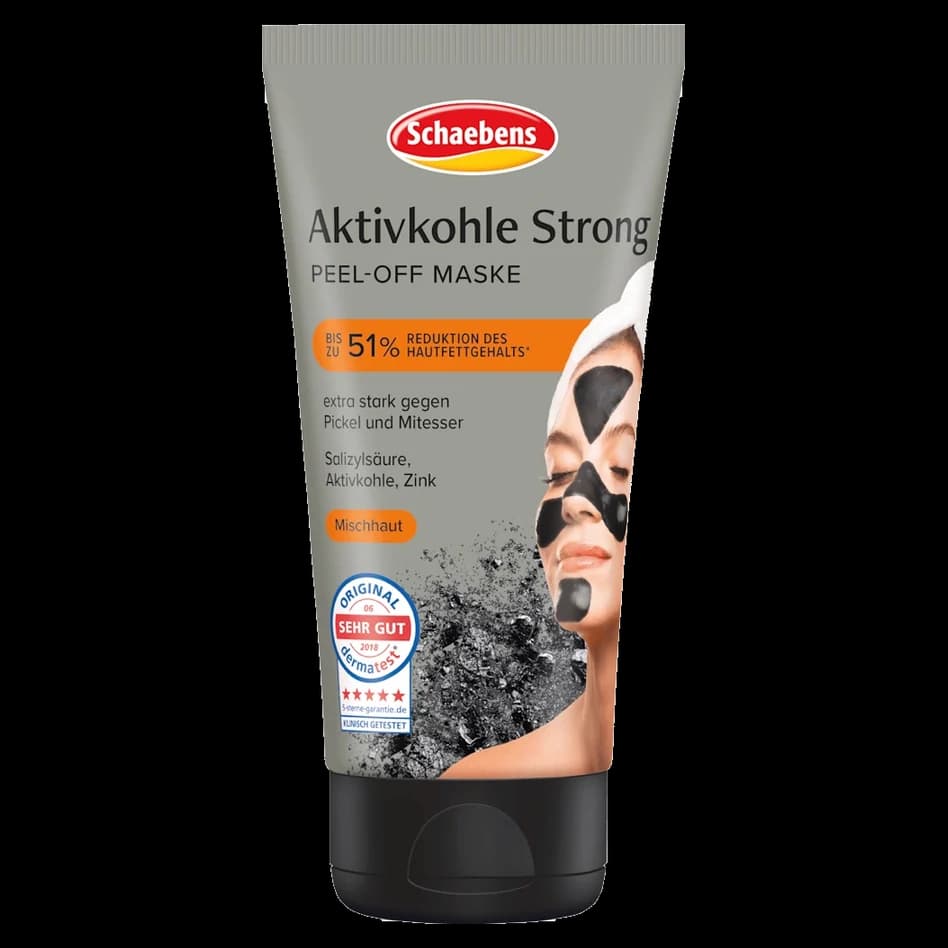
Schaebens
Gesichtsmaske peel off Aktivkohle Strong
7th of 20 on the label
below ≈1%
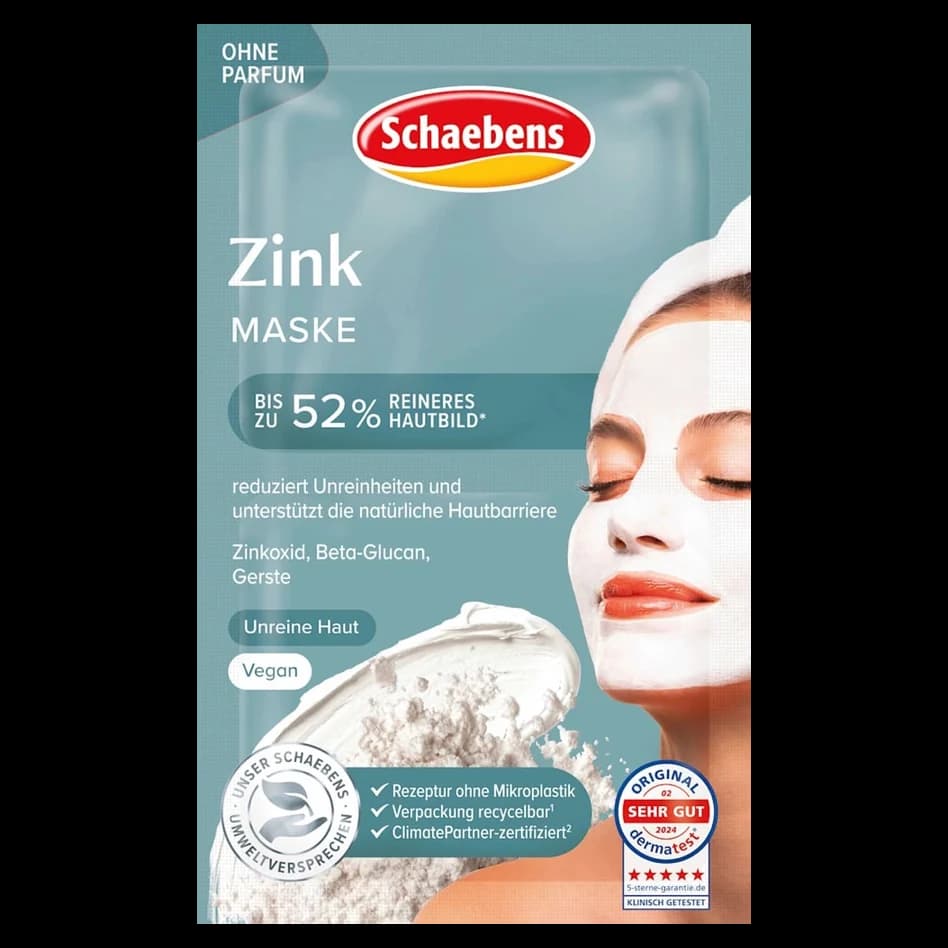
Schaebens
Gesichtsmaske Zink
8th of 27 on the label
below ≈1%
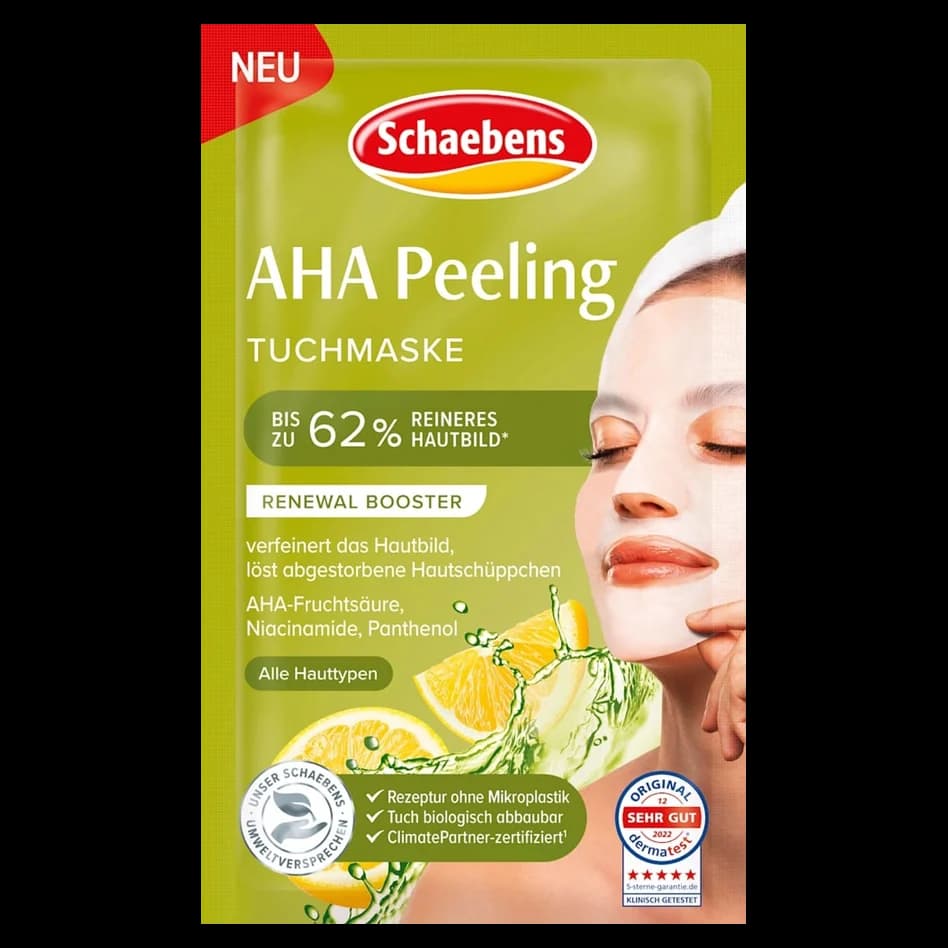
Schaebens
Tuchmaske AHA Peeling
4th of 17 on the label
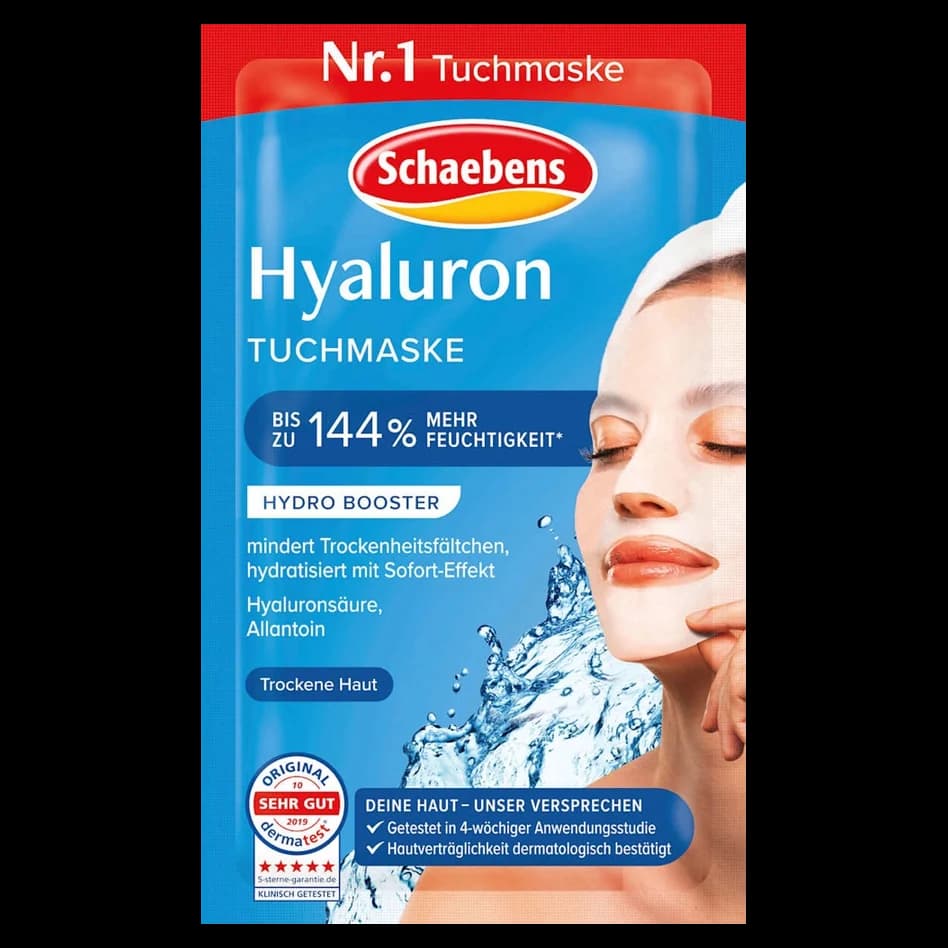
Schaebens
Tuchmaske Hyaluron
3rd of 23 on the label
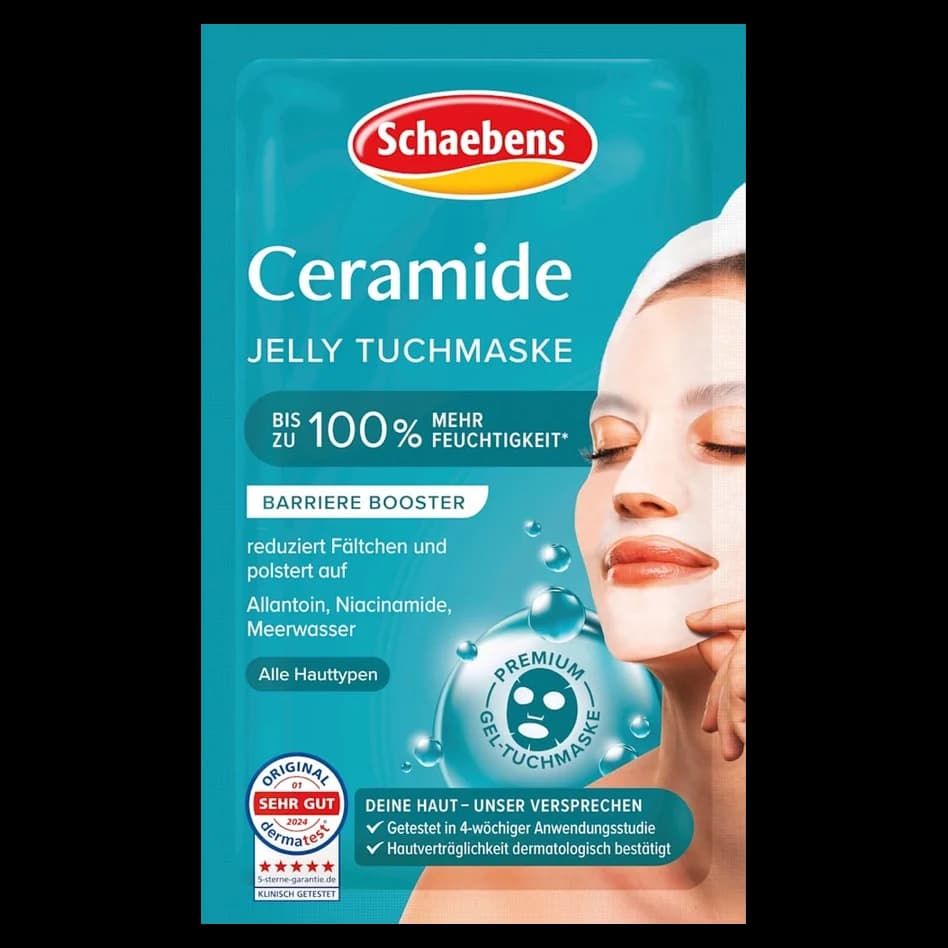
Schaebens
Tuchmaske Jelly Ceramide
3rd of 29 on the label
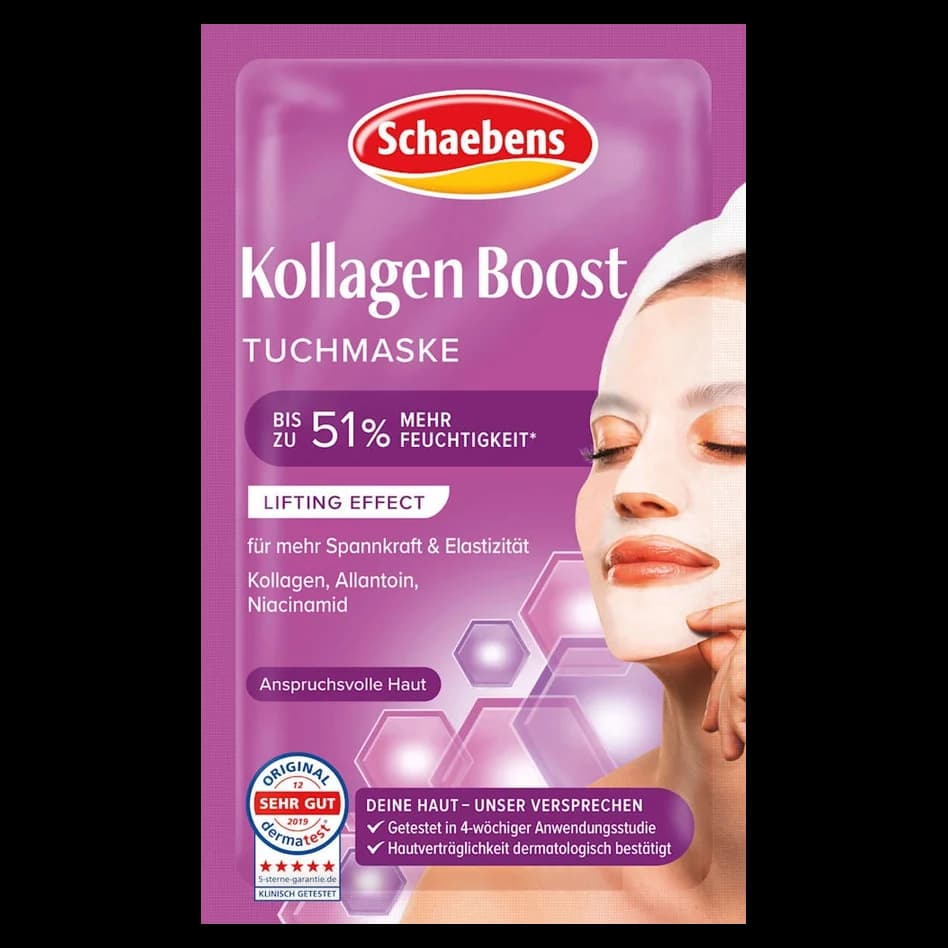
Schaebens
Tuchmaske Kollagen Boost
4th of 27 on the label
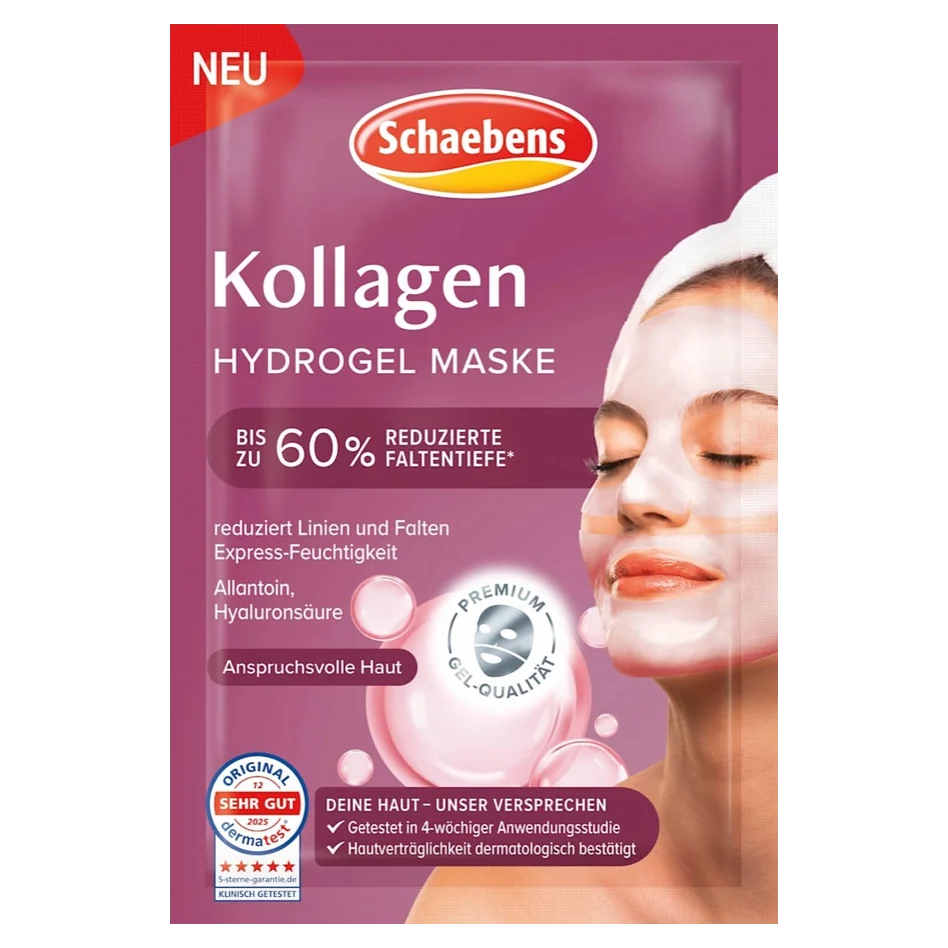
Schaebens
Tuchmaske Kollagen Hydrogel
6th of 27 on the label
below ≈1%
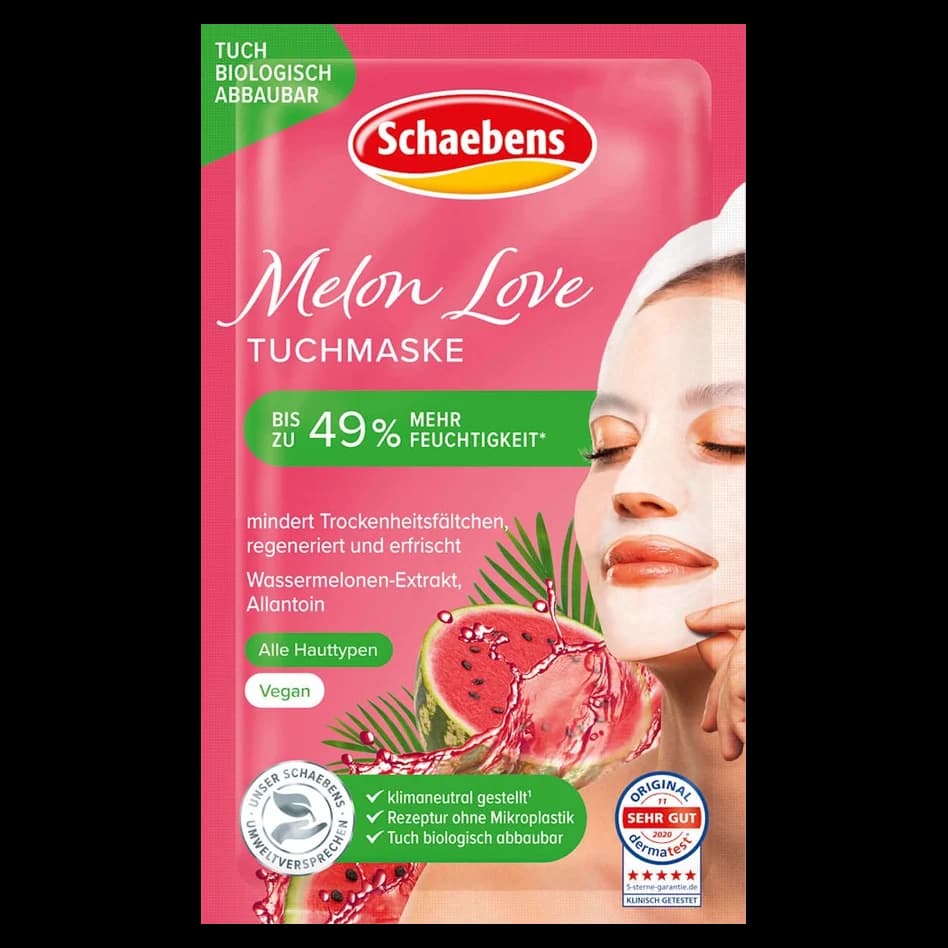
Schaebens
Tuchmaske Melon Love
4th of 45 on the label
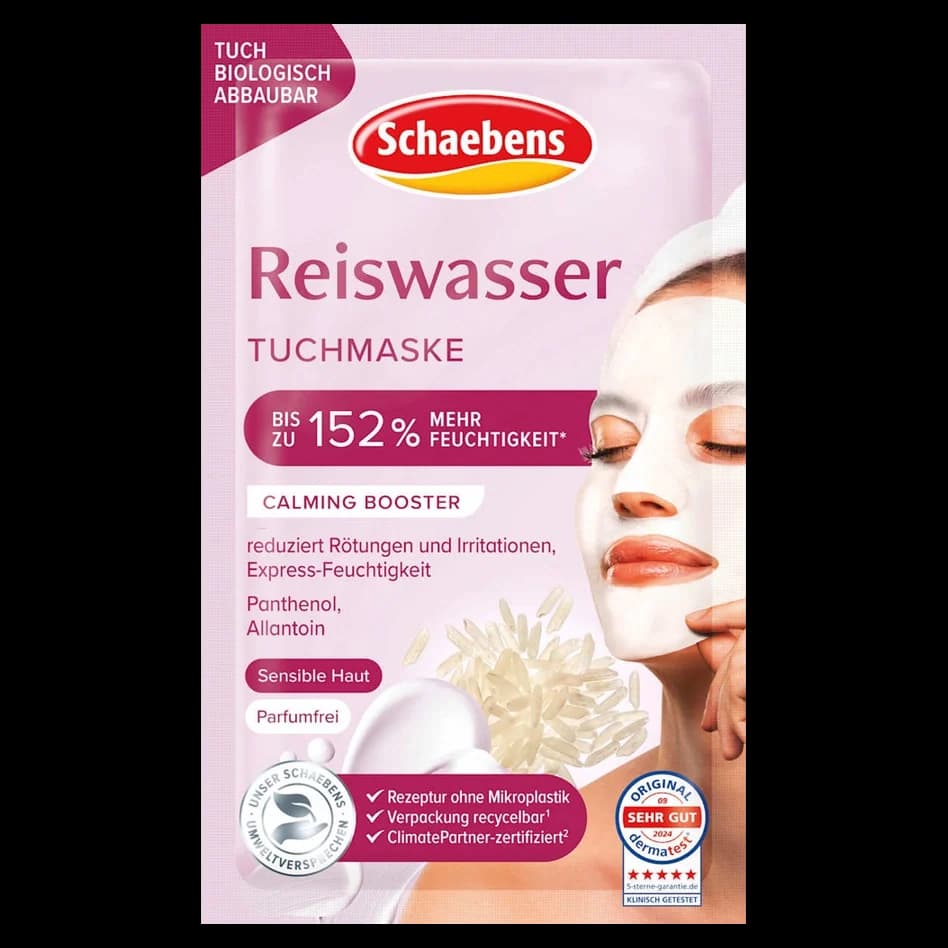
Schaebens
Tuchmaske Reiswasser
6th of 23 on the label
below ≈1%
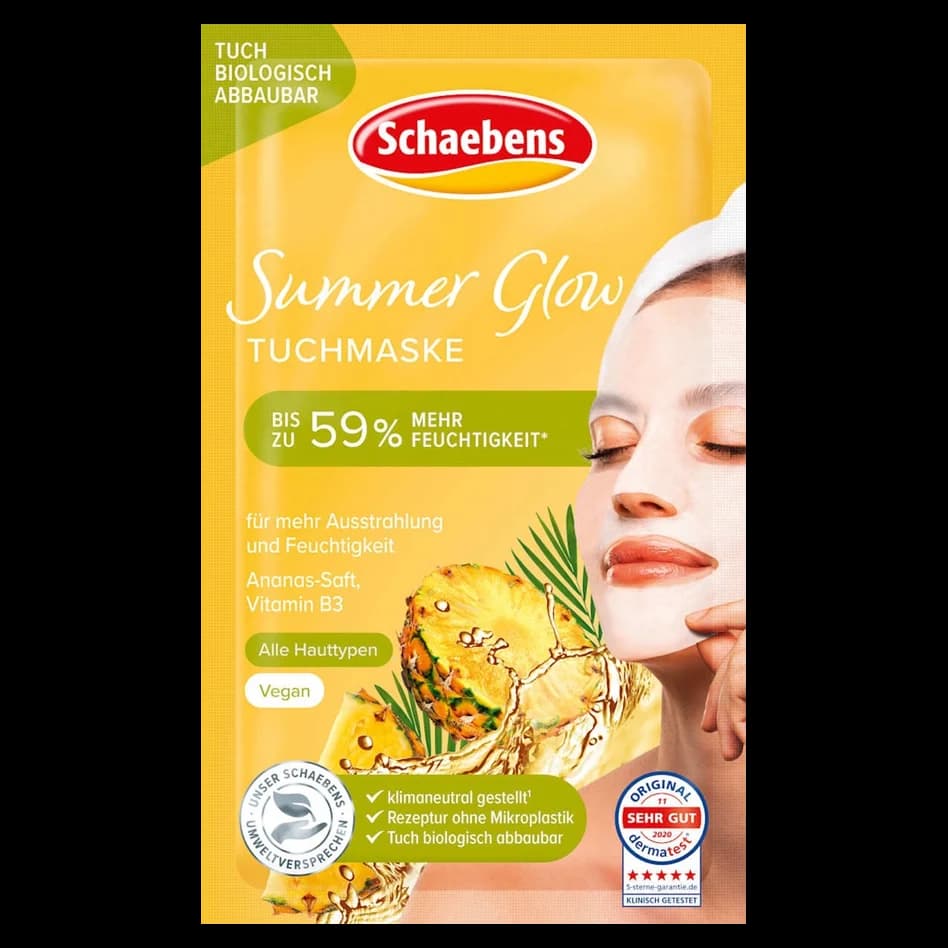
Schaebens
Tuchmaske Summer Glow
4th of 44 on the label
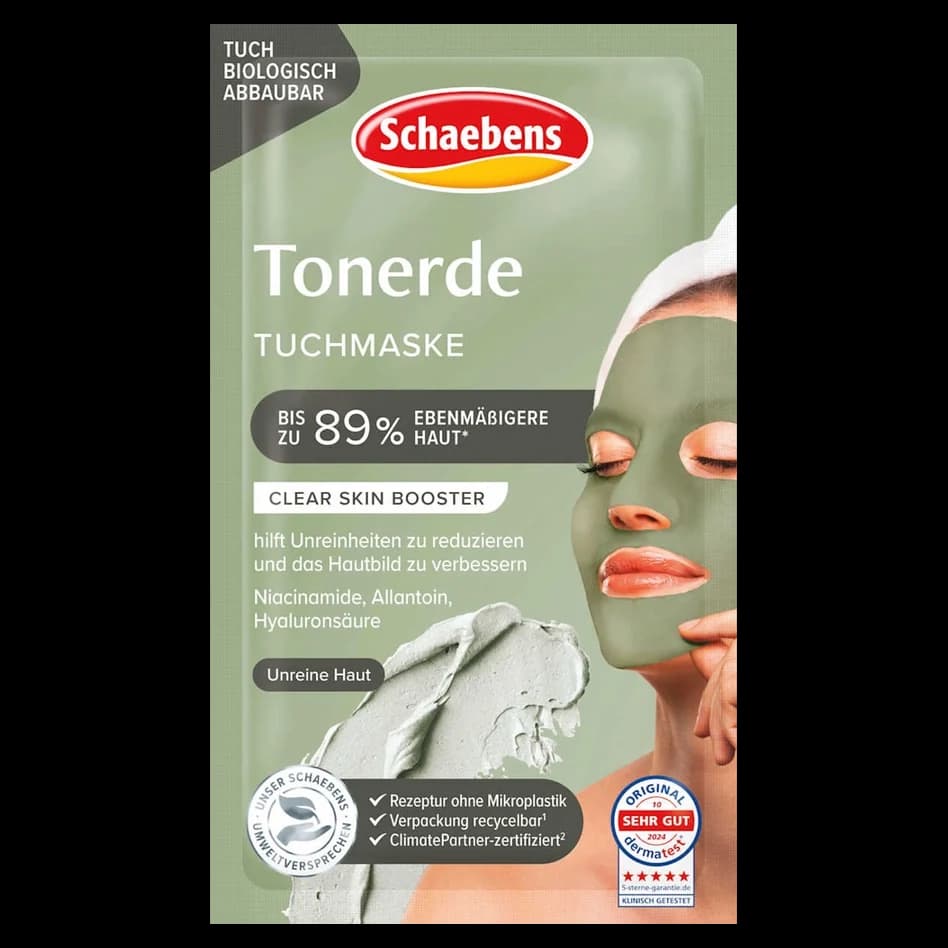
Schaebens
Tuchmaske Tonerde
11th of 35 on the label
below ≈1%
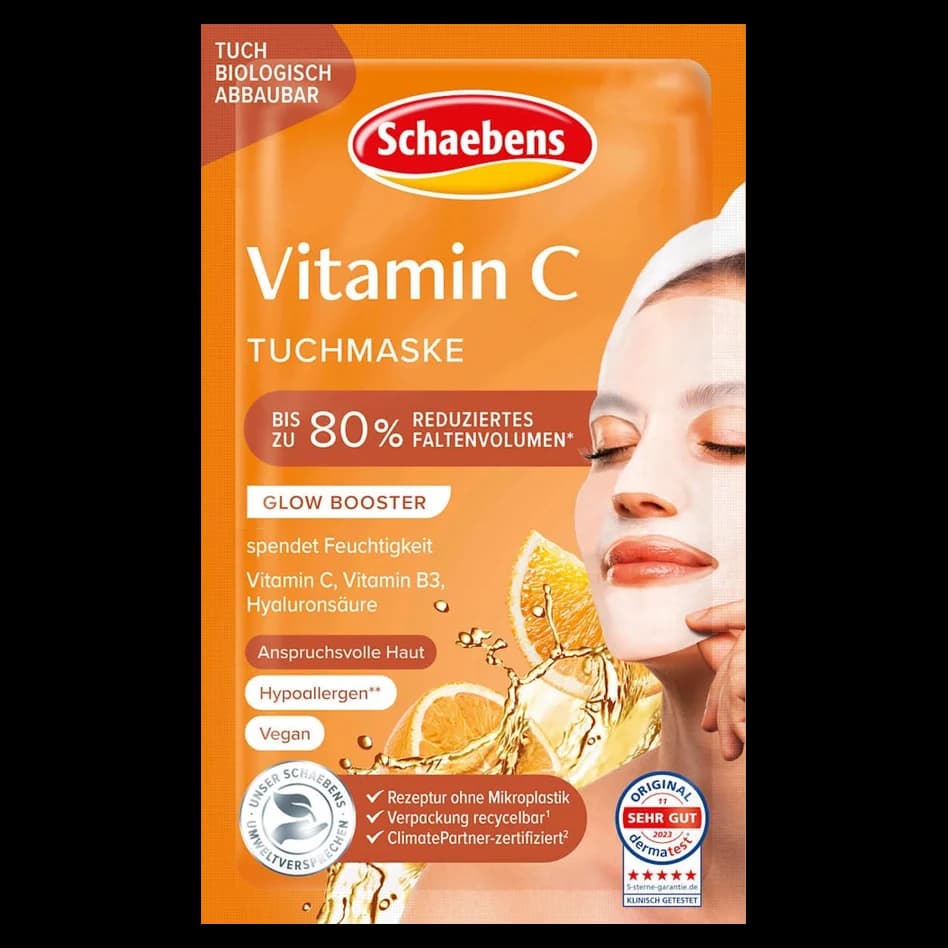
Schaebens
Tuchmaske Vitamin C
6th of 19 on the label
below ≈1%
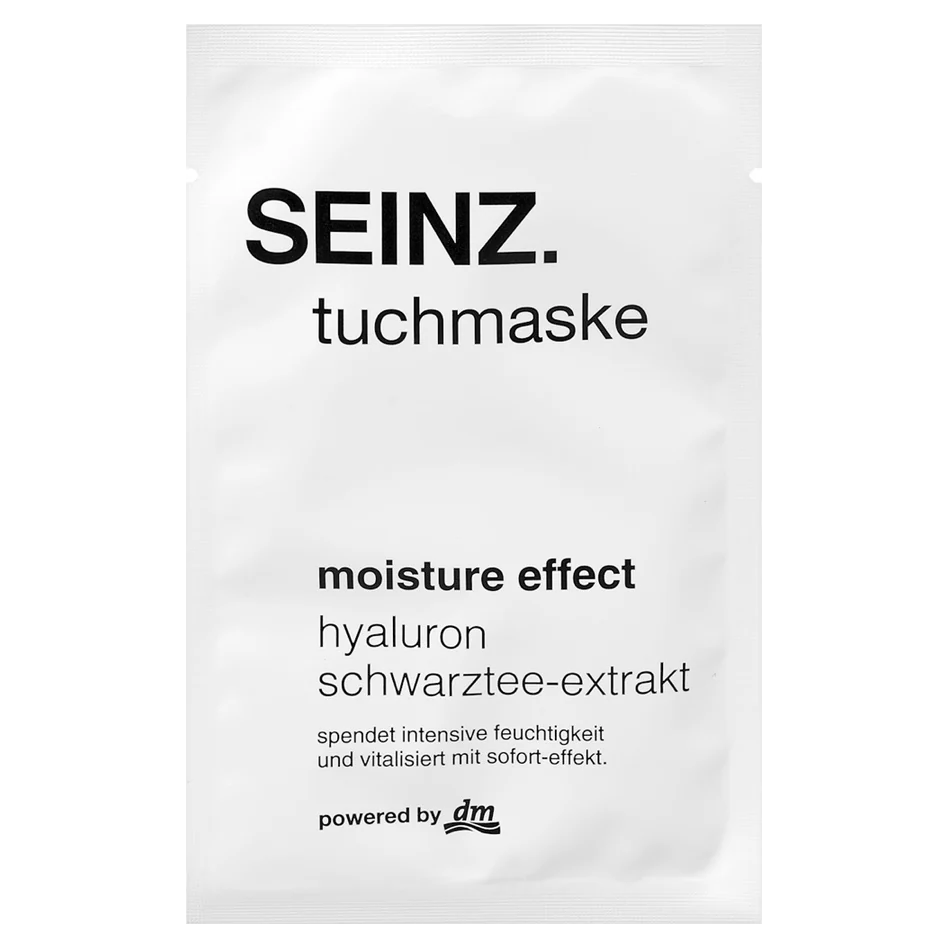
SEINZ.
Tuchmaske moisture effect
8th of 16 on the label
below ≈1%
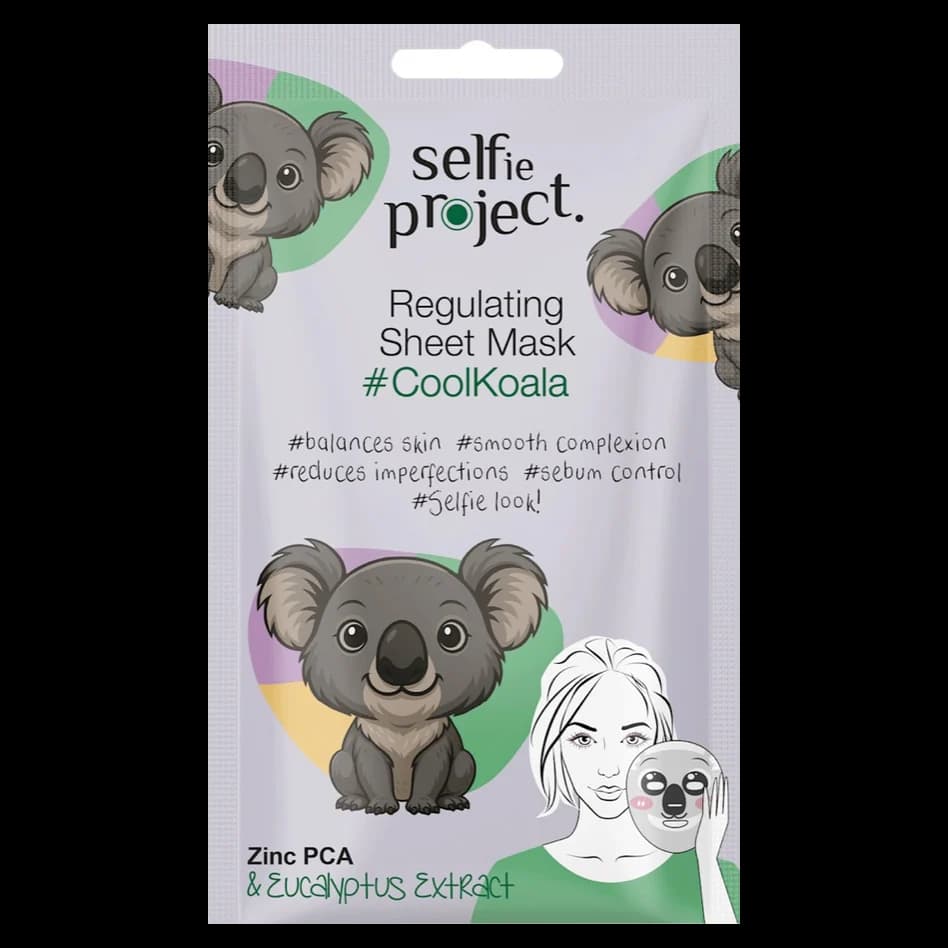
Selfie Project
Gesichtsmaske regulierend #CoolKoala
13th of 27 on the label
below ≈1%
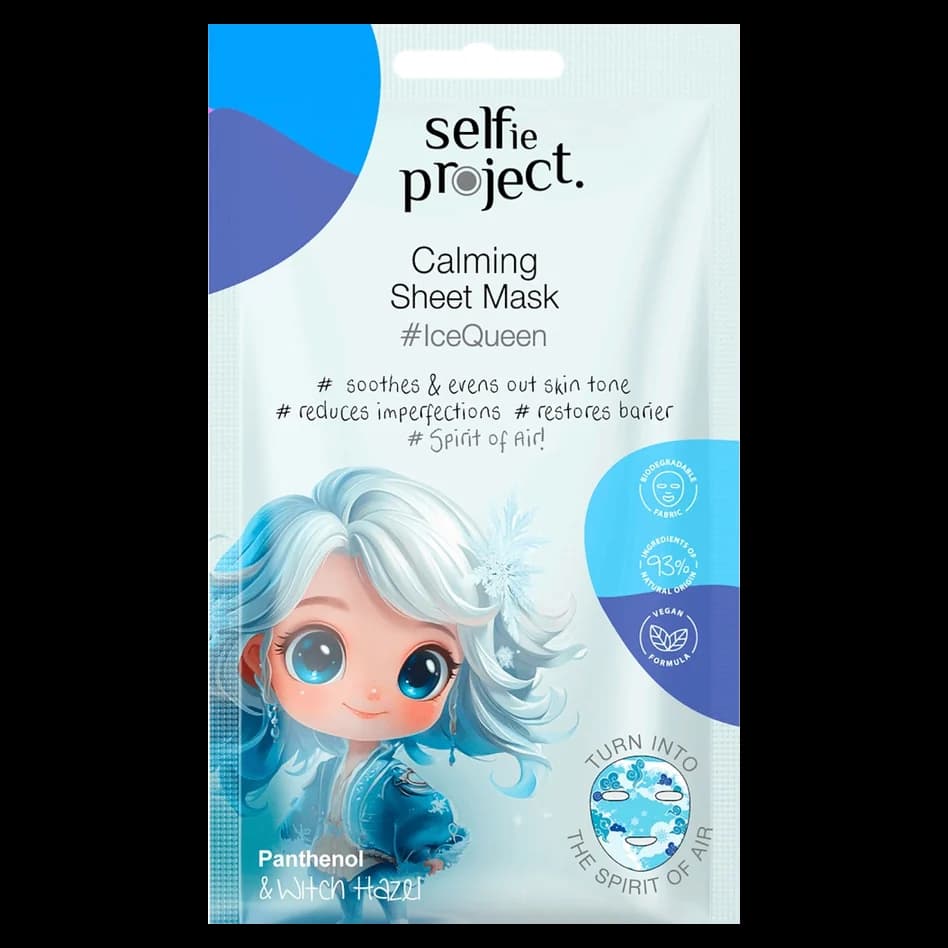
Selfie Project
Tuchmaske Calming #IceQueen
10th of 27 on the label
below ≈1%
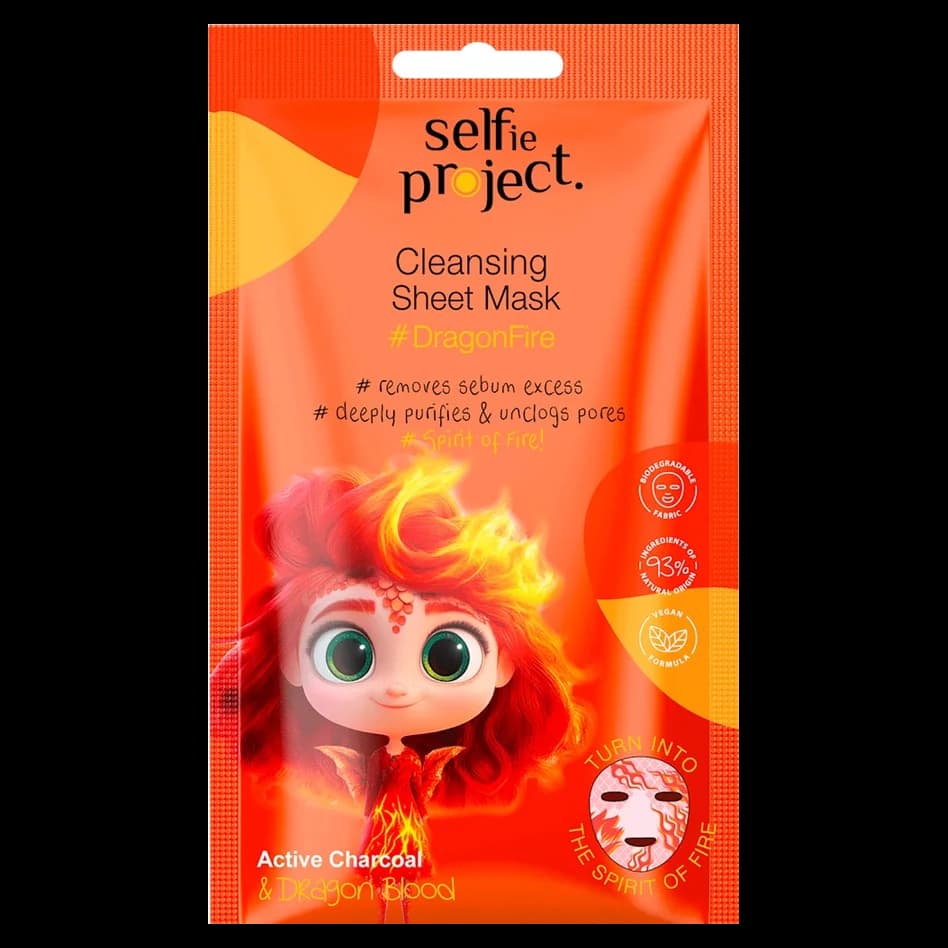
Selfie Project
Tuchmaske Cleansing #DragonFire
10th of 22 on the label
below ≈1%
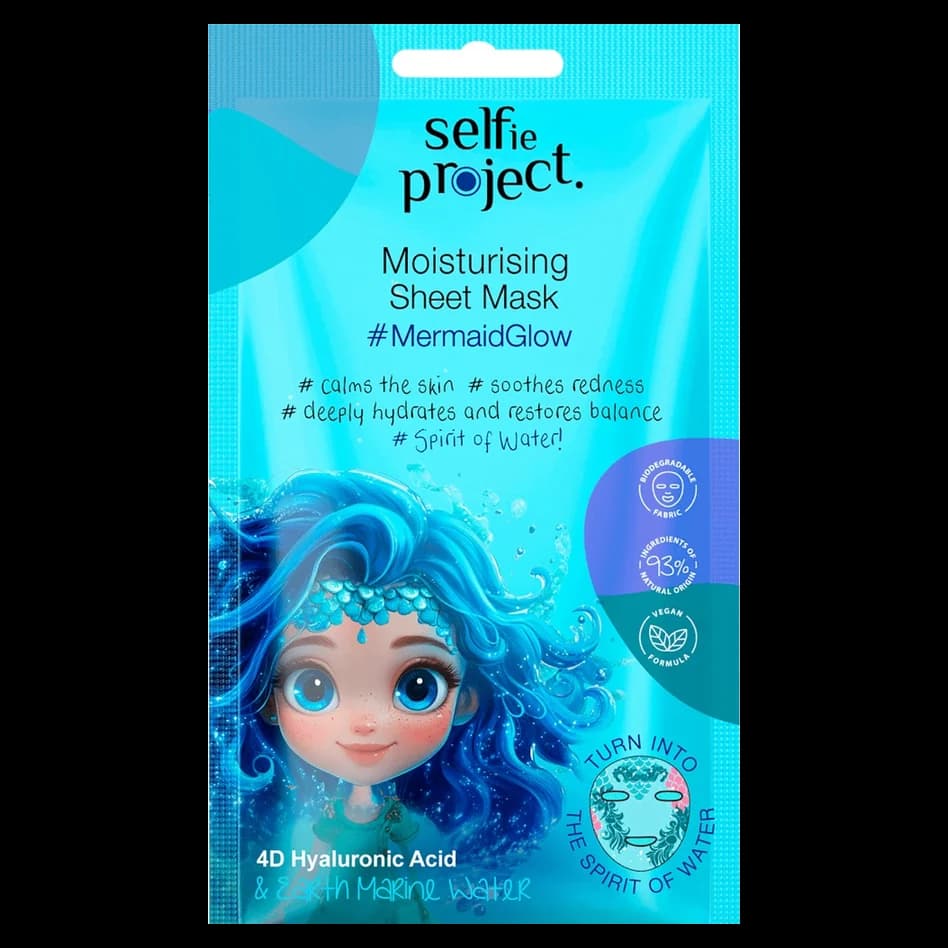
Selfie Project
Tuchmaske Moisturising #MermaidGlow
12th of 30 on the label
below ≈1%
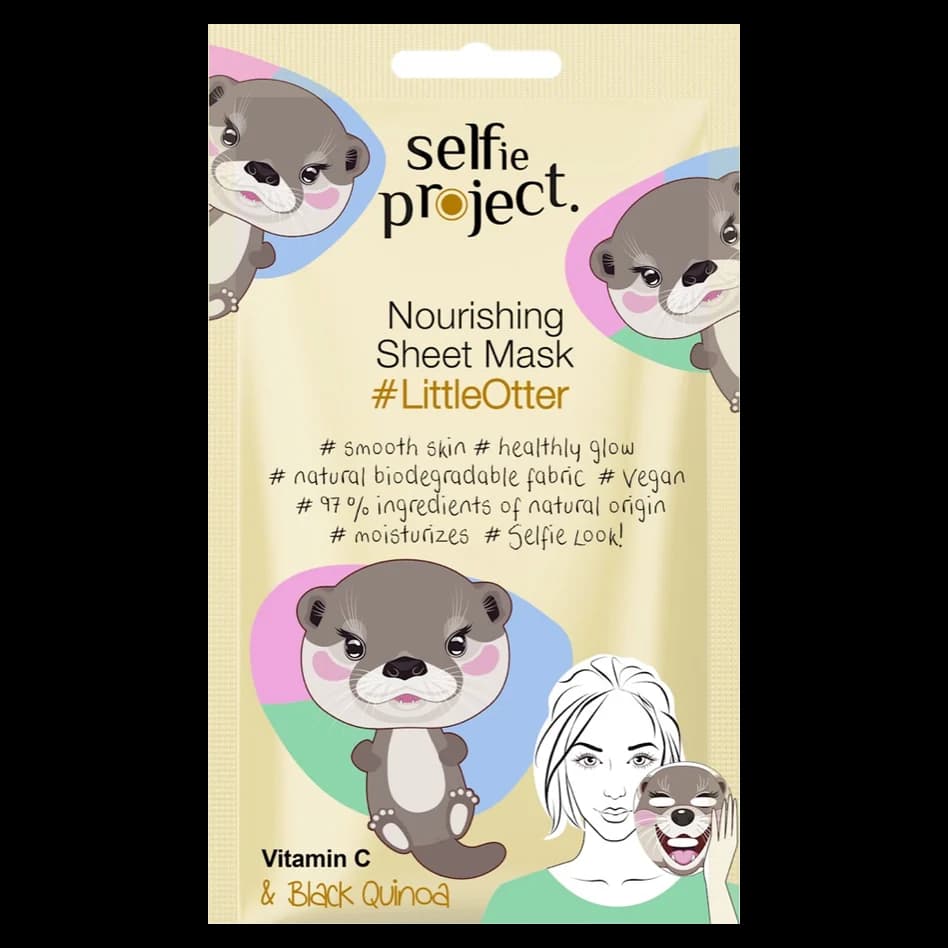
Selfie Project
Tuchmaske Nourishing #LittleOtter
9th of 21 on the label
below ≈1%
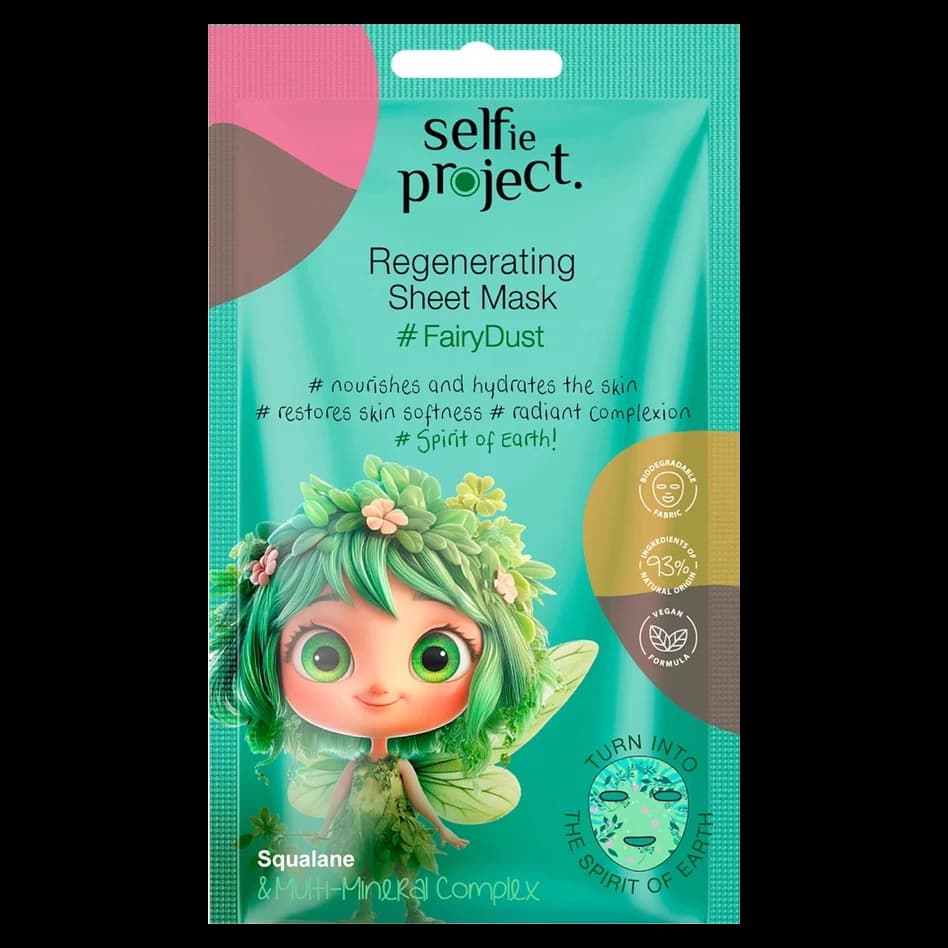
Selfie Project
Tuchmaske Regenerating #FairyDust
17th of 33 on the label
below ≈1%
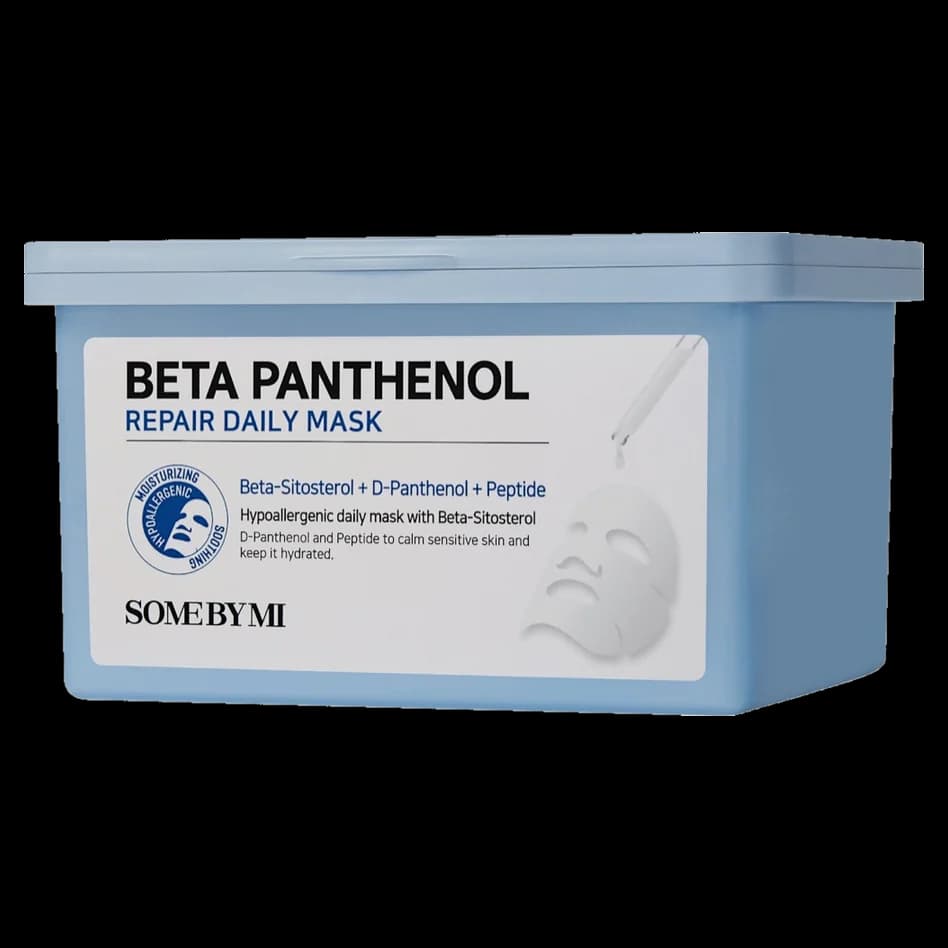
SOME BY MI
Daily Beta Panthenol Repair Mask
23rd of 57 on the label
below ≈1%
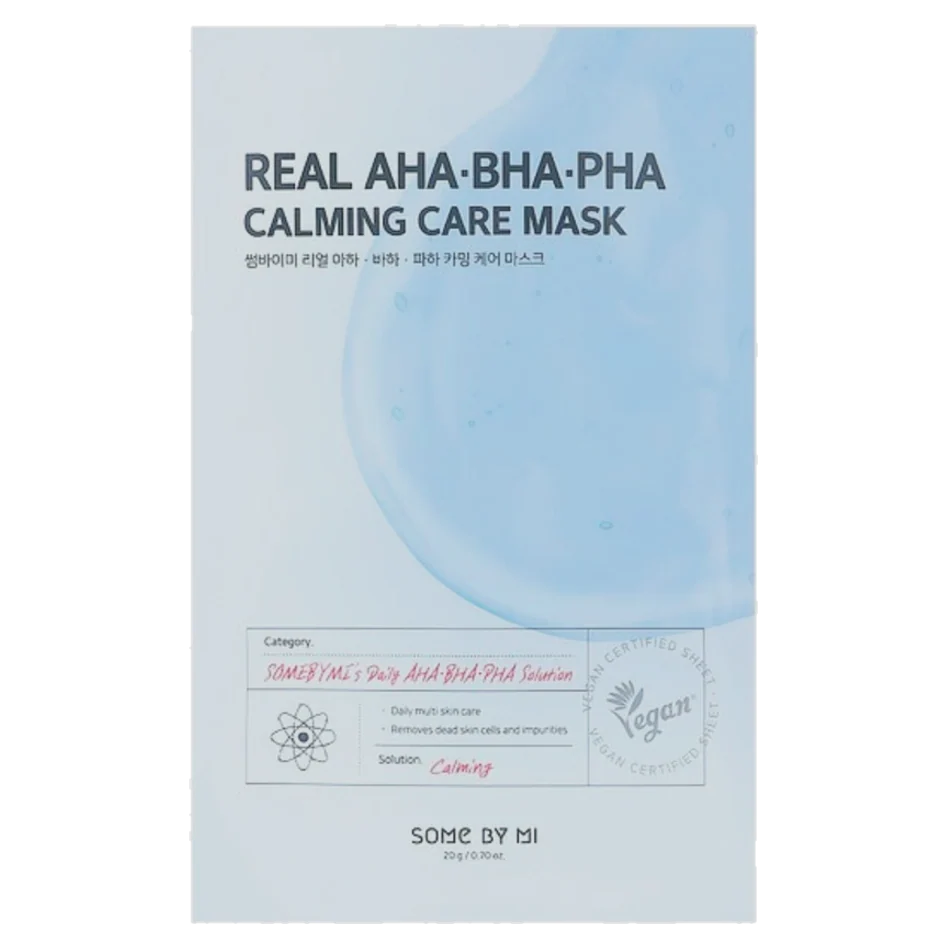
SOME BY MI
Real AHA-BHA-PHA Calming Care Mask
14th of 19 on the label
below ≈1%
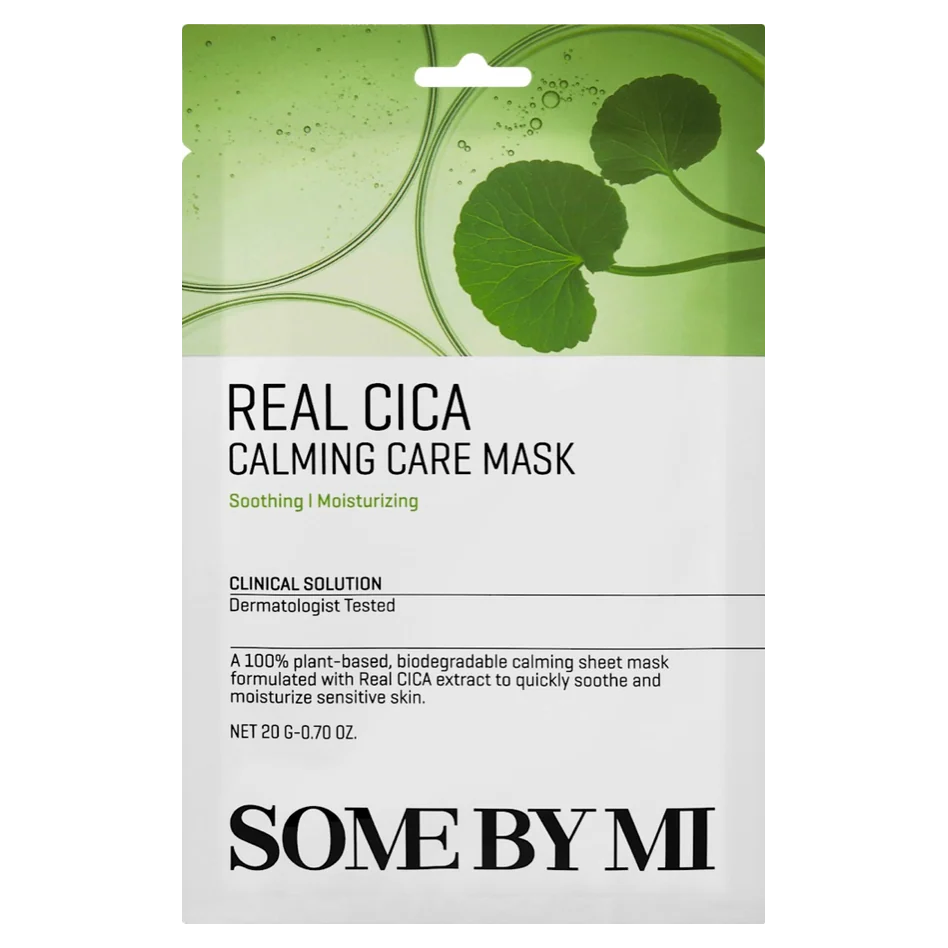
SOME BY MI
Real Cica Calming Care Mask
16th of 28 on the label
below ≈1%
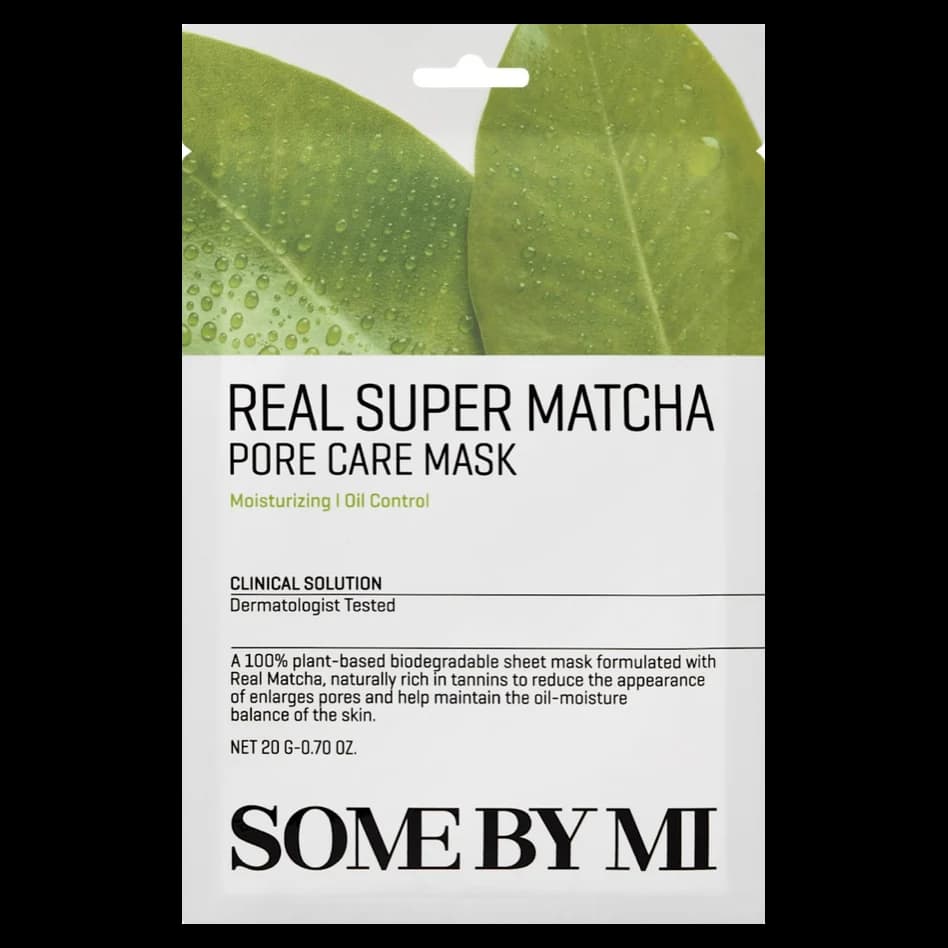
SOME BY MI
Real Super Matcha Pore Care Mask
10th of 22 on the label
below ≈1%
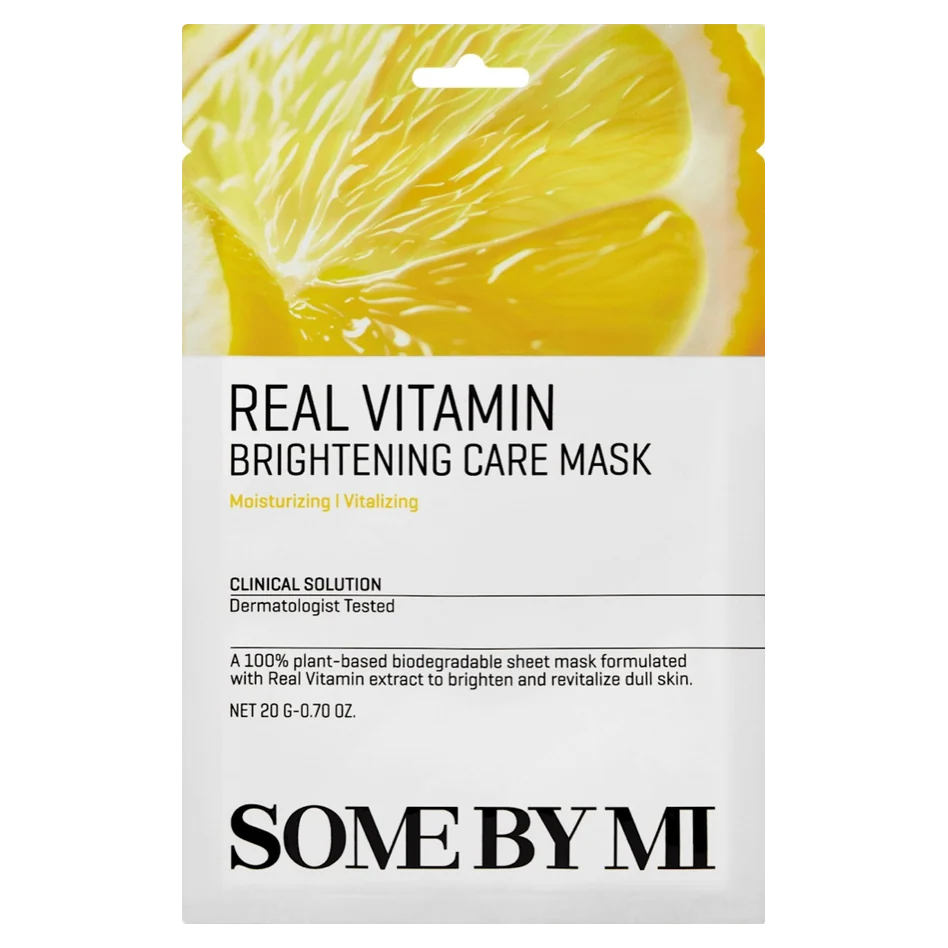
SOME BY MI
Real Vitamin Brightening Care Mask
9th of 19 on the label
below ≈1%
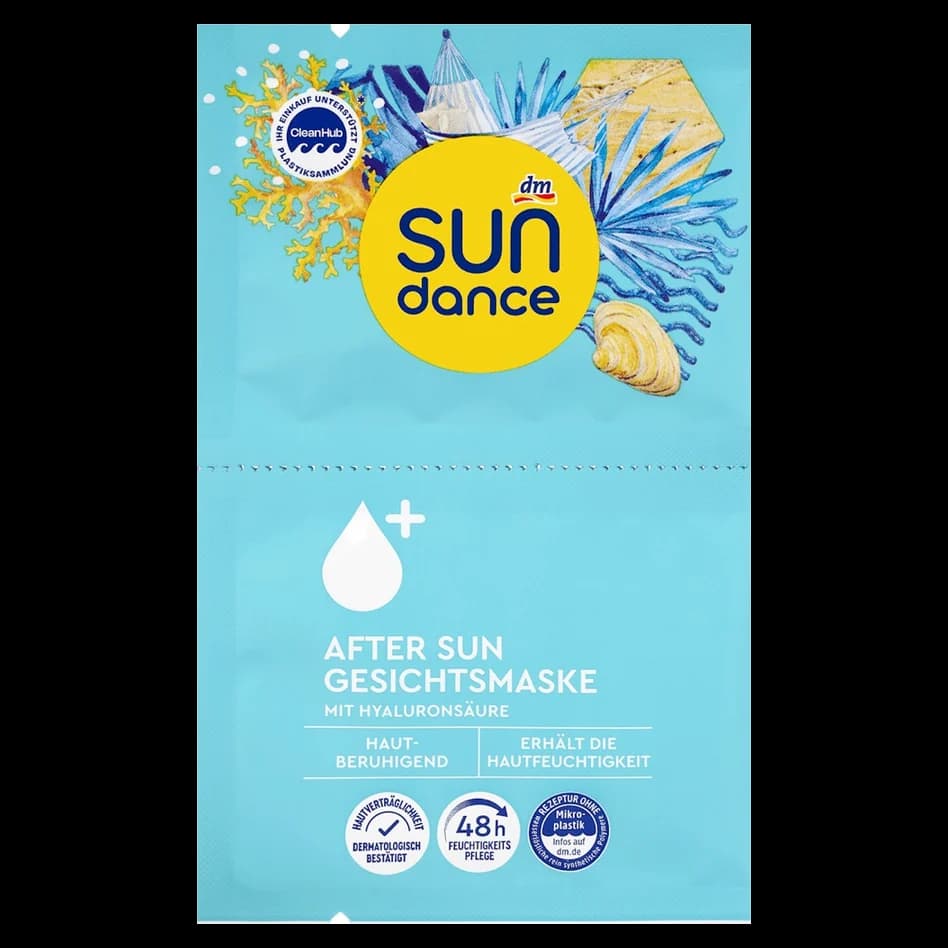
SUNDANCE
After Sun Gesichtsmaske
14th of 25 on the label
below ≈1%
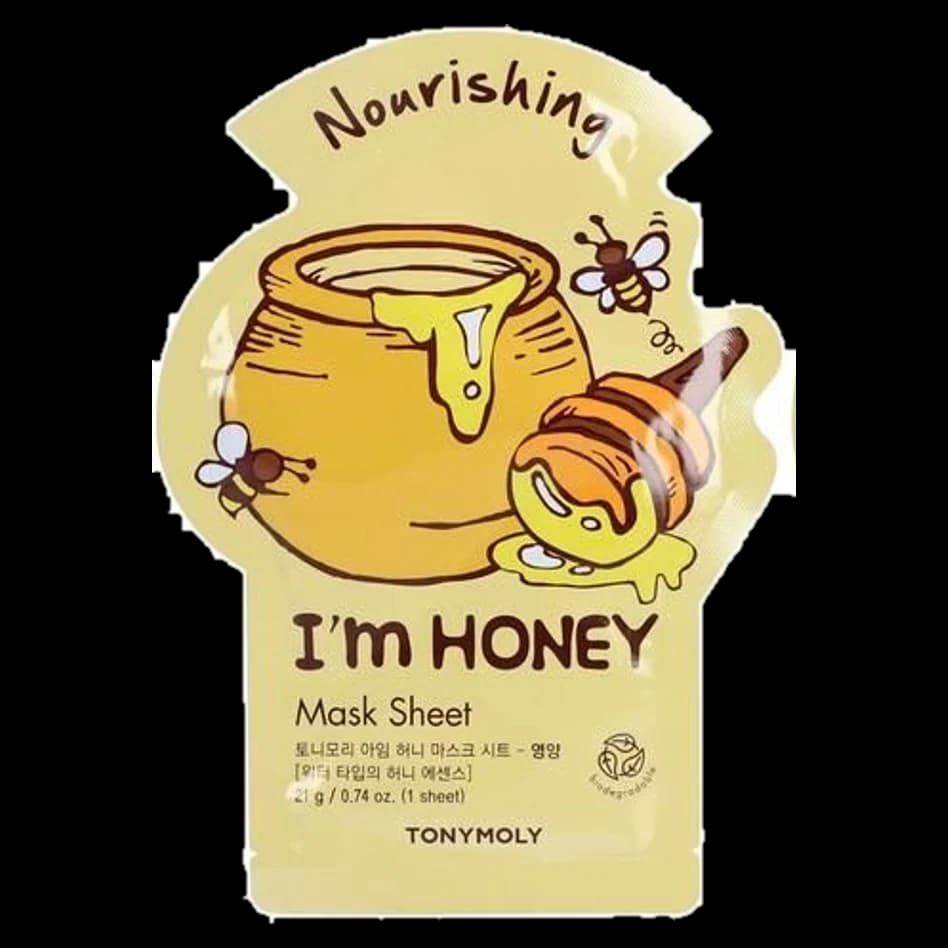
TONYMOLY
I'm Honey Mask Sheet
9th of 18 on the label
below ≈1%
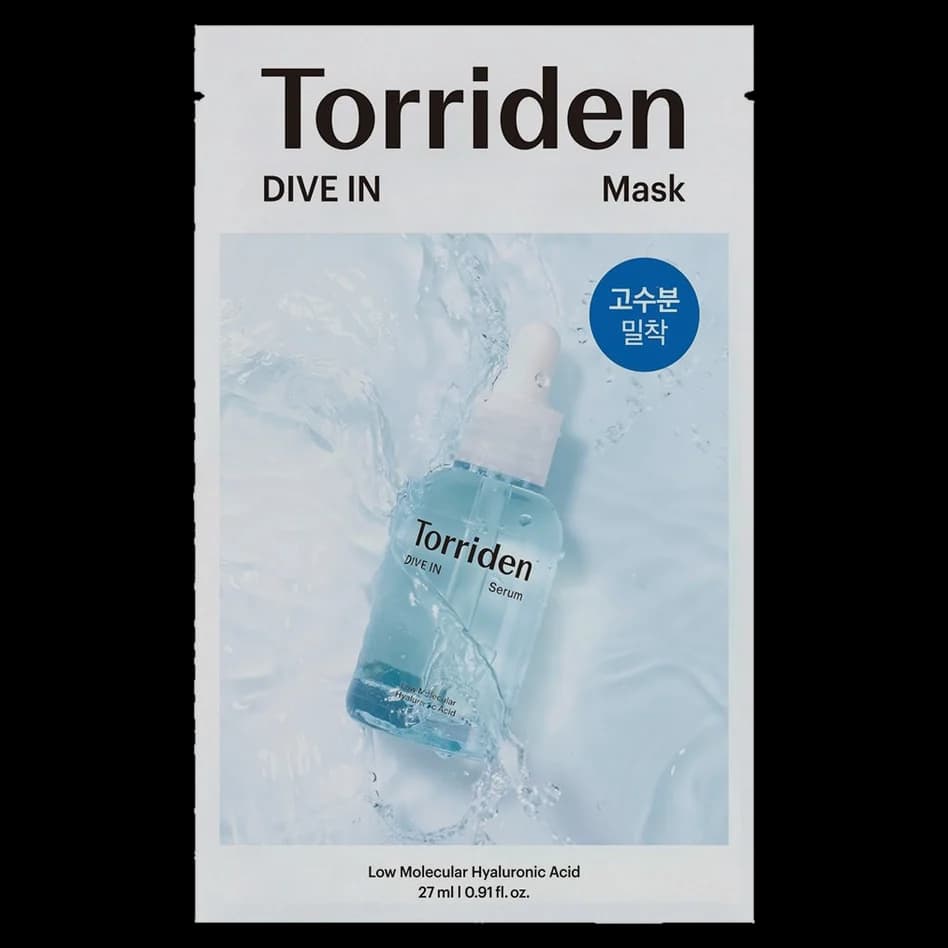
Torriden
DIVE-IN Low Molecular Hyaluronic Acid Mask
12th of 33 on the label
below ≈1%
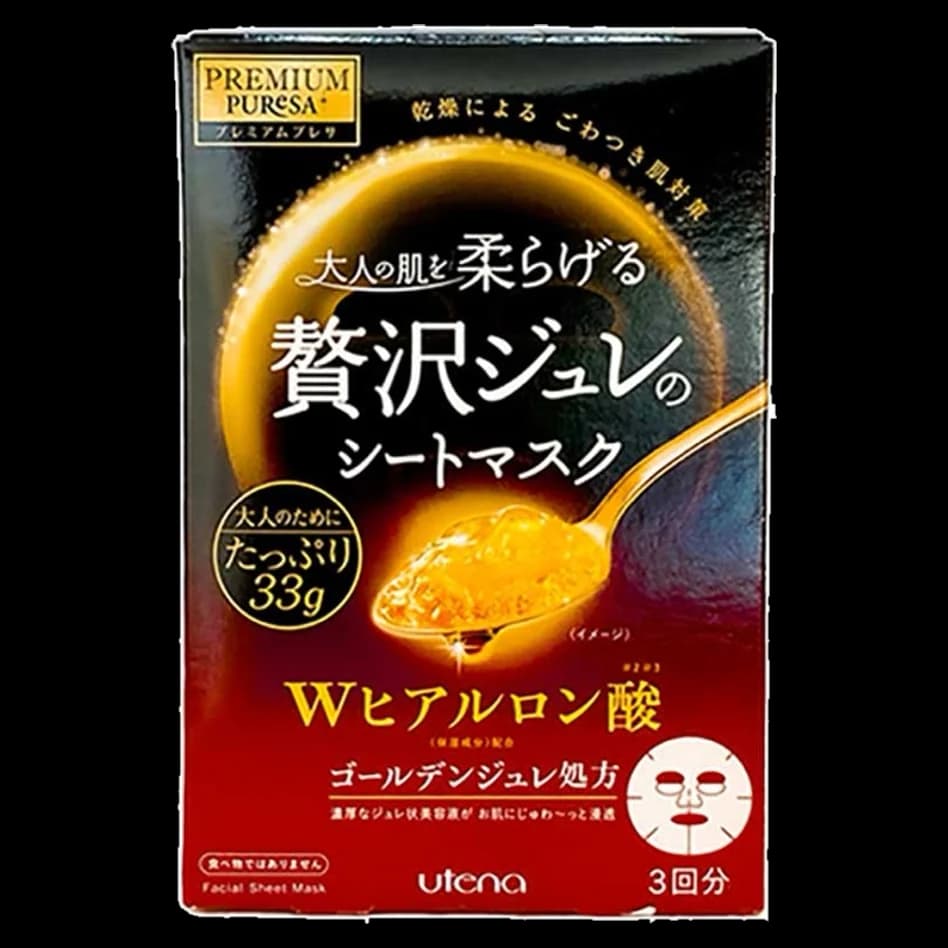
Utena
Premium Puresa Golden Jelly Mask (Hyaluronic Acid)
20th of 35 on the label
below ≈1%
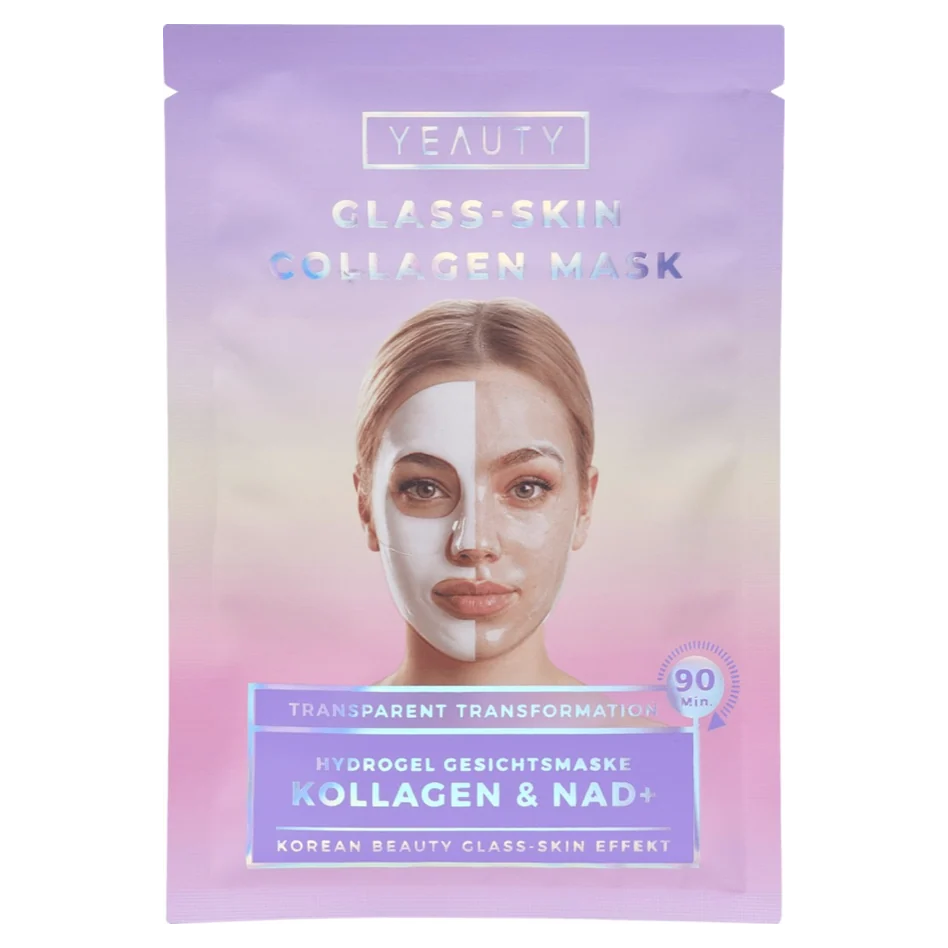
Yeauty
Glass-Skin Hydrogel Maske Kollagen & NAD+
14th of 15 on the label
below ≈1%
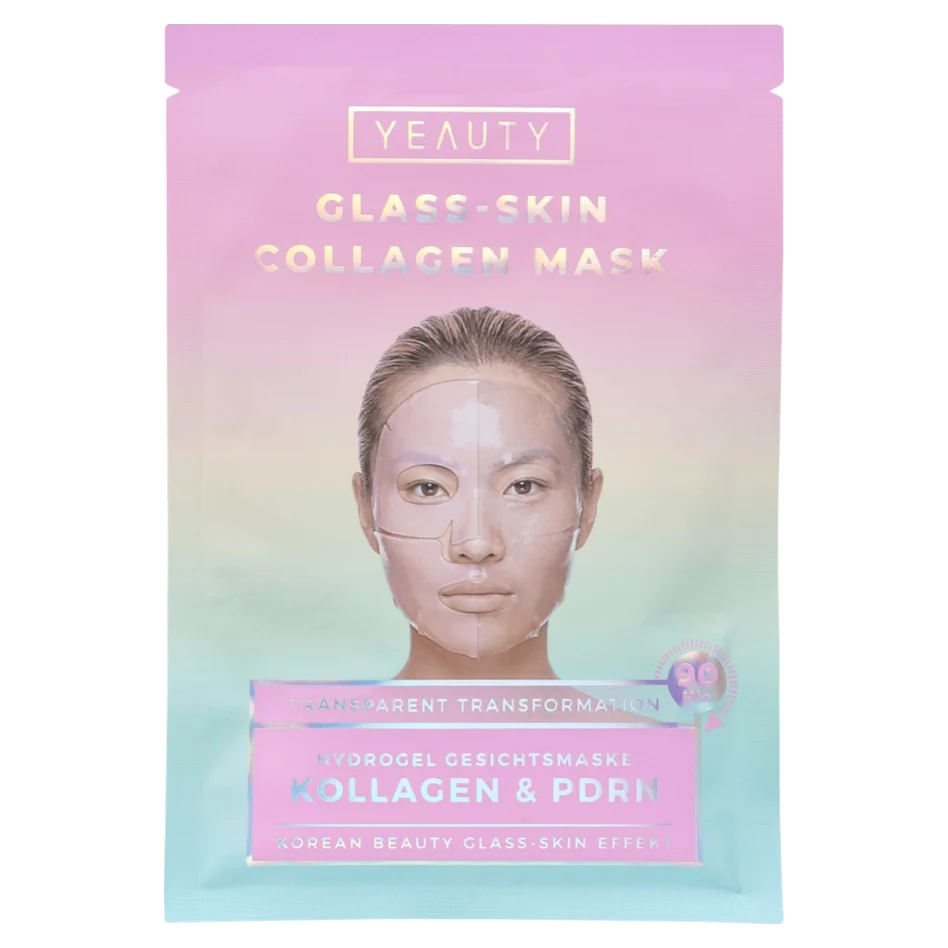
Yeauty
Glass-Skin Hydrogel Maske Kollagen & PDRN
13th of 16 on the label
below ≈1%
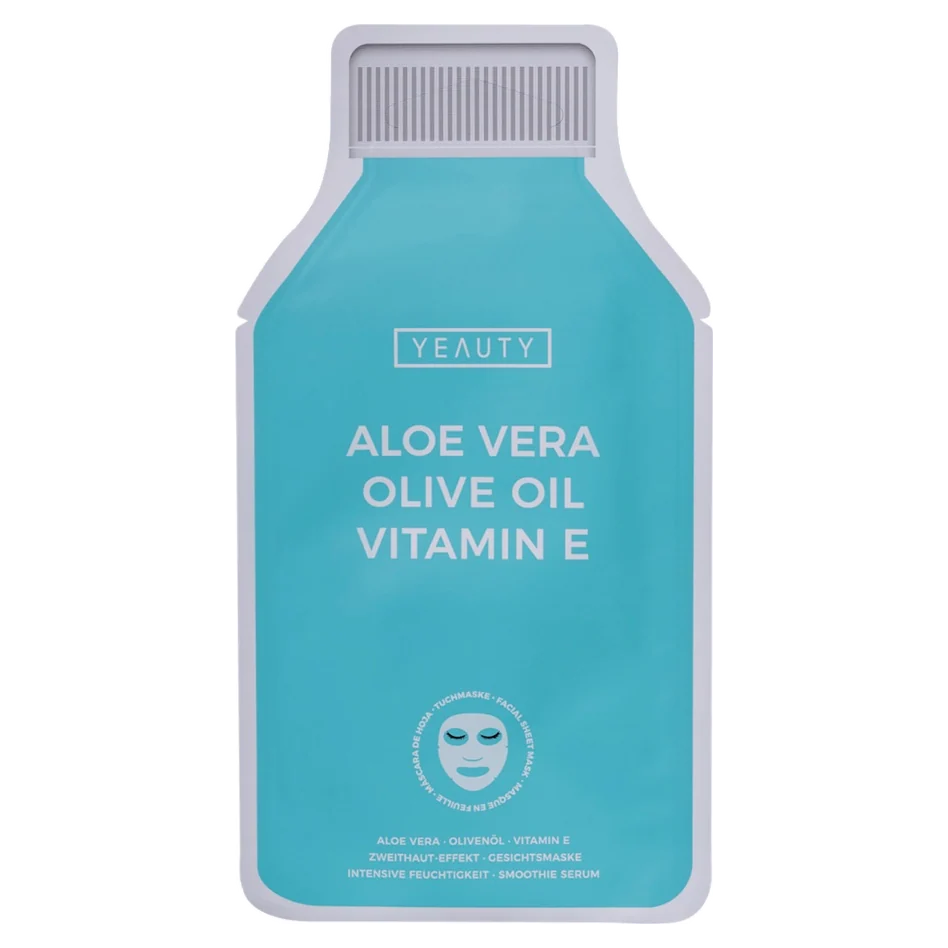
Yeauty
Tuchmaske Aloe Vera Olive Oil Vitamin E
13th of 29 on the label
below ≈1%
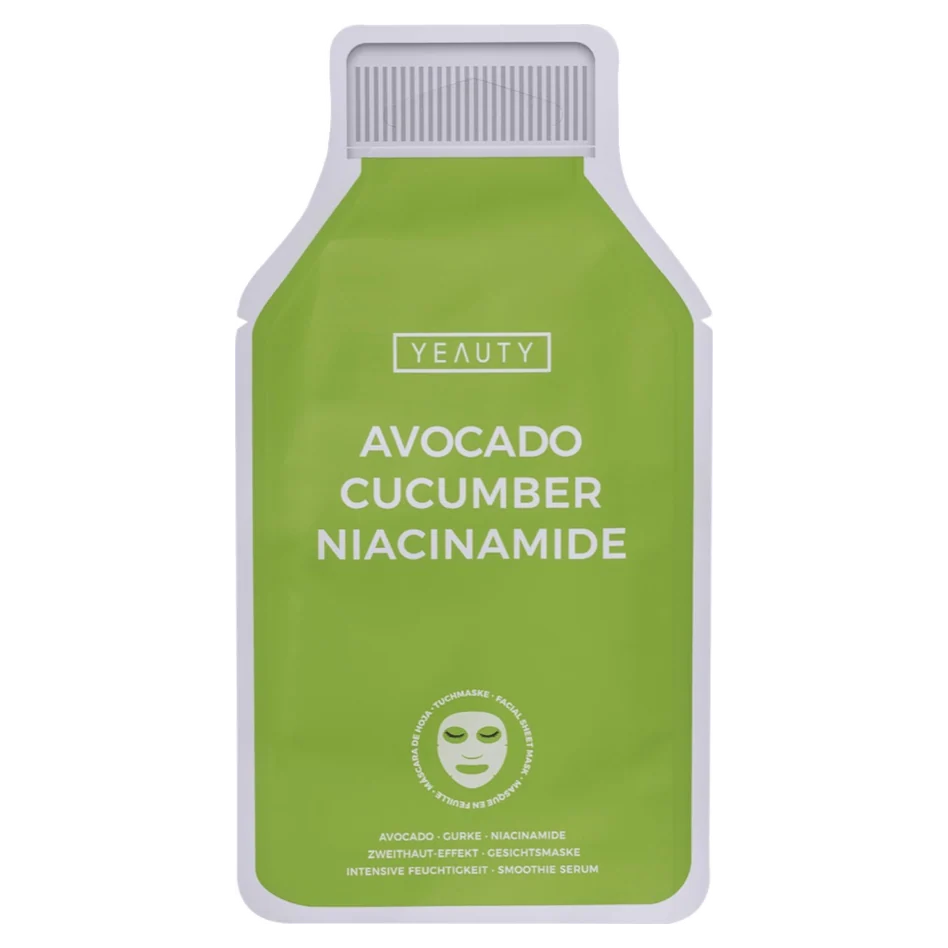
Yeauty
Tuchmaske Avocado Cucumber Niacinamide
14th of 29 on the label
below ≈1%