Niacinamide
Vitamin B3
No meaningful concern for most people; irritation is possible but rare.
Also written as: Nicotinamide · Vitamin B3 · Vitamin PP
What it is
Niacinamide is the amide form of vitamin B3, a small water-soluble molecule made synthetically for cosmetic use. In skin it feeds into the NAD+/NADP+ coenzyme pool that cells use for energy and repair. Formulators like it because it is stable across a wide pH range, cheap, water-soluble and unusually well tolerated, which lets it be combined with almost any other active.
How it shows up on a label
Usually sits in the first half of an ingredient list, above the point where order stops indicating quantity. Where it sits below that line instead, the list is telling you there is very little of it, whatever the front of the pack says.
What it does well
Reduces the look of uneven tone and dark patches
Controlled trials at 2-5% show measurable reductions in hyperpigmented spots and blotchiness over 8-12 weeks. It works by blocking the transfer of pigment granules from pigment-producing cells to surface skin cells, rather than by bleaching existing pigment.
Strong evidence
Strengthens the skin barrier and reduces water loss
Niacinamide increases the skin's own production of ceramides and other barrier lipids, which measurably lowers transepidermal water loss. This is why it is often paired with exfoliating acids in the same routine.
Strong evidence
Moderates oil production on oily skin
A controlled trial found 2% niacinamide lowered measured sebum output on facial skin. The effect is modest and gradual rather than a dramatic mattifying result.
Moderate evidence
Worth knowing
Occasional flushing or tingling at high concentrations
A minority of people get transient warmth or pinkness, more likely above 5% or where a product also contains residual nicotinic acid from manufacturing. It settles quickly and is not an allergic reaction.
Matters most toPeople with sensitive or reactive skin trying a high-strength niacinamide product for the first time.
The 'niacinamide cancels out vitamin C' claim is not supported
The idea comes from 1960s experiments heating the two together in solution at concentrations and temperatures unlike any cosmetic. In finished products at skin temperature they are routinely combined without loss of effect.
Matters most toNobody needs to avoid layering these; the popular warning is unfounded.
Where the EU stands
No specific restriction
Not listed in any restriction or prohibition annex of the EU Cosmetics Regulation; permitted at the formulator's discretion under the general safety requirement.
Regulation (EC) No 1223/2009 - no annex entry · source ↗
Sources (3)
Every link goes to the original: a journal, a PubMed record or an EU document.
- [1]Niacinamide: A B vitamin that improves aging facial skin appearance
Dermatologic Surgery · 2005
In a 12-week double-blind split-face trial, 5% niacinamide significantly reduced hyperpigmented spots, fine lines and skin blotchiness versus vehicle.
- [2]Nicotinamide increases biosynthesis of ceramides as well as other stratum corneum lipids to improve the epidermal permeability barrier
British Journal of Dermatology · 2000 · doi:10.1111/j.1365-2133.2000.03705.x
Topical nicotinamide raised ceramide and free fatty acid synthesis in the outer skin layer and lowered transepidermal water loss, supporting a genuine barrier-repair mechanism.
- [3]The effect of 2% niacinamide on facial sebum production
Journal of Cosmetic and Laser Therapy · 2006 · doi:10.1080/14764170600717704
Twice-daily 2% niacinamide measurably reduced sebum excretion rate on facial skin over four to six weeks.
Masks that contain Niacinamide
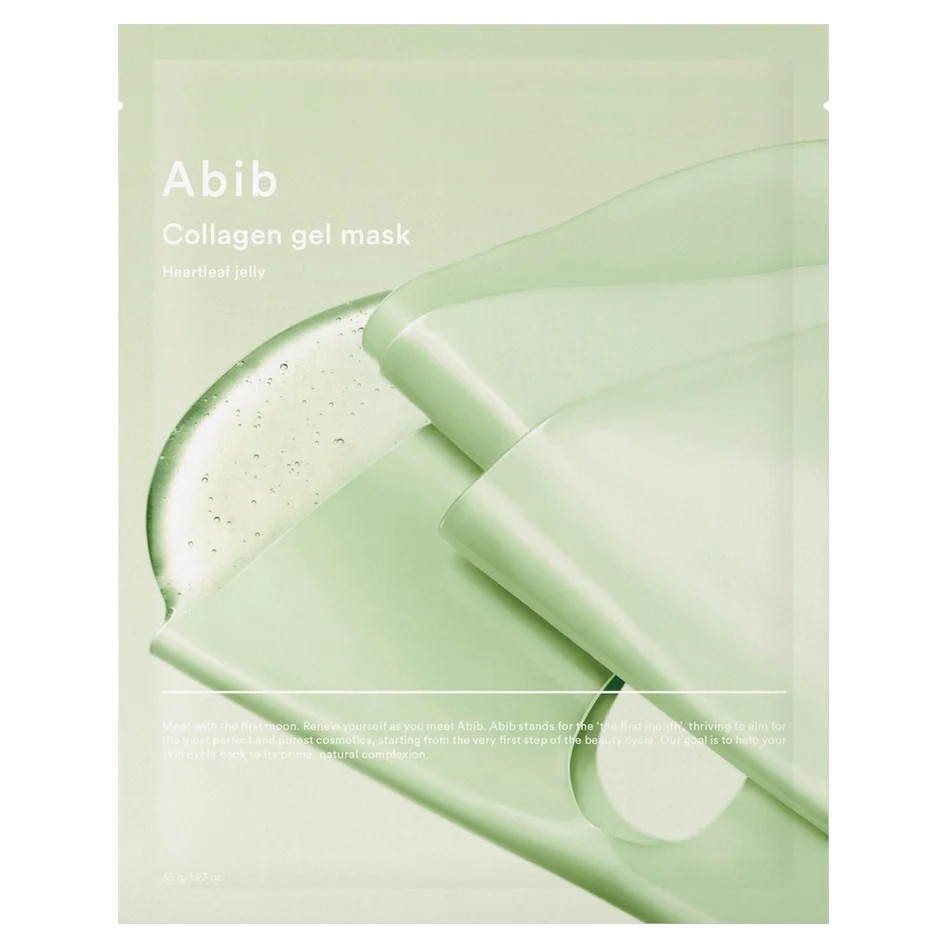
Abib
Collagen Gel Mask Heartleaf Jelly
7th of 43 on the label
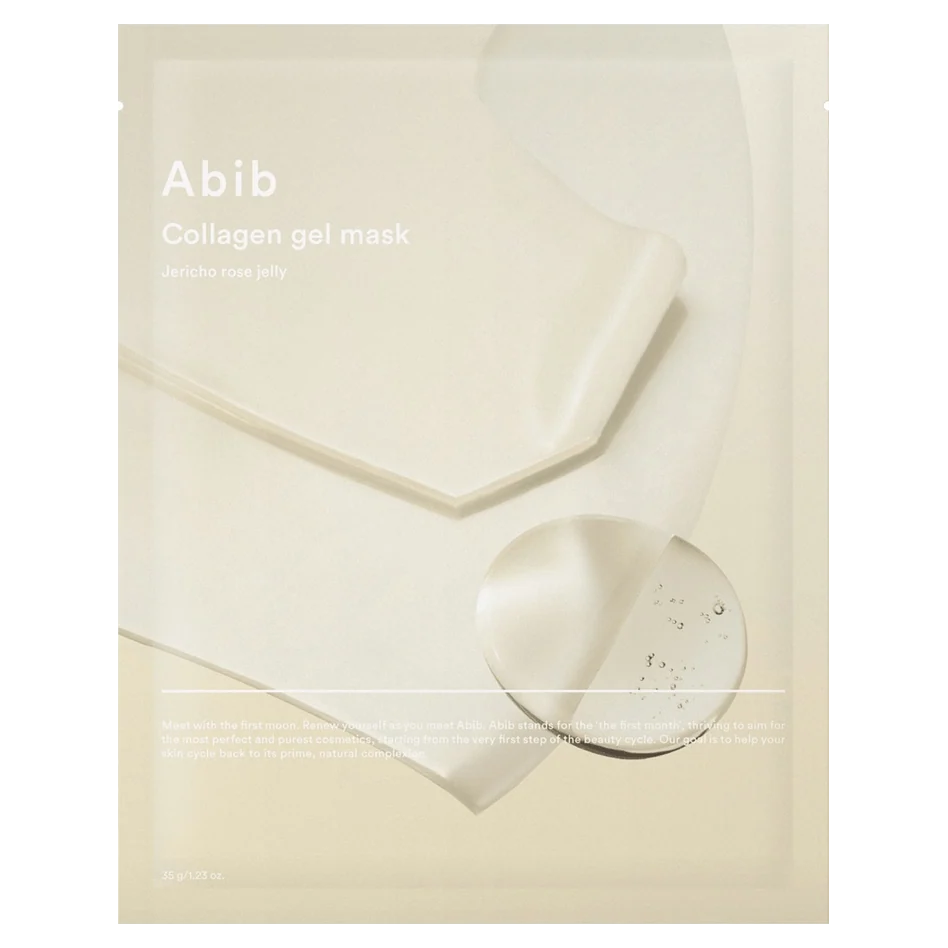
Abib
Collagen Gel Mask Jericho Rose Jelly
7th of 43 on the label
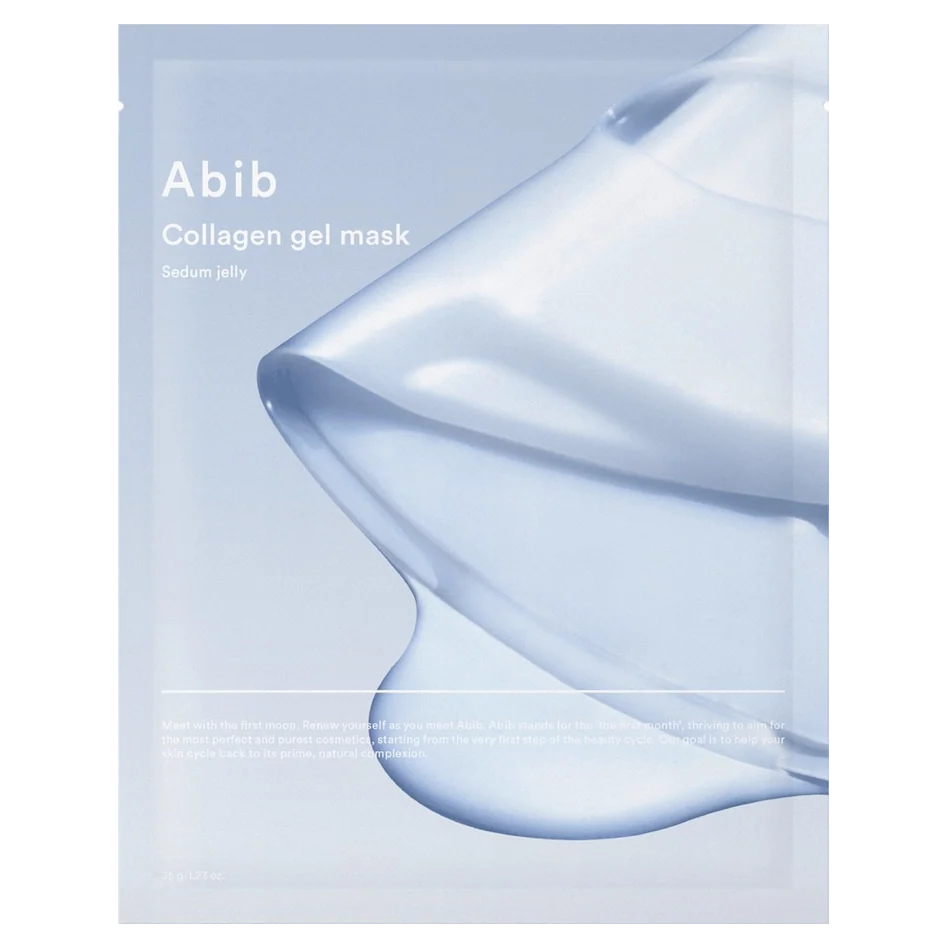
Abib
Collagen Gel Mask Sedum Jelly
6th of 41 on the label
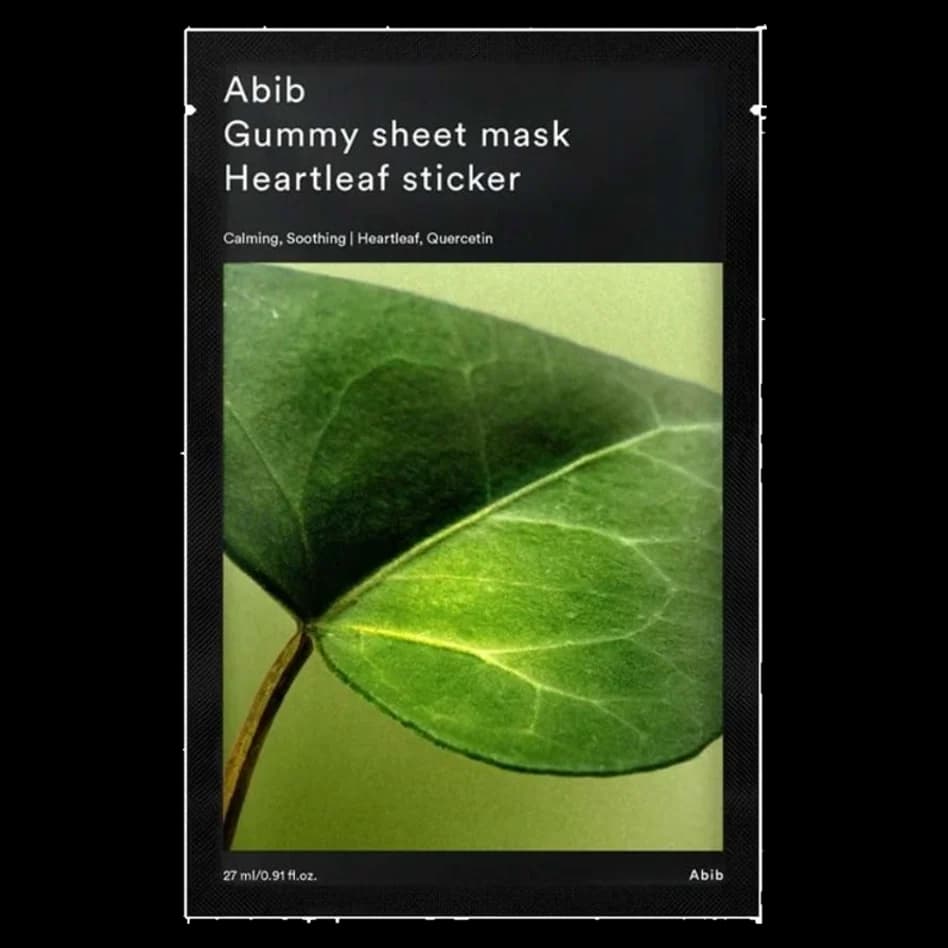
Abib
Gummy Sheet Mask Heartleaf Sticker
21st of 29 on the label
below ≈1%
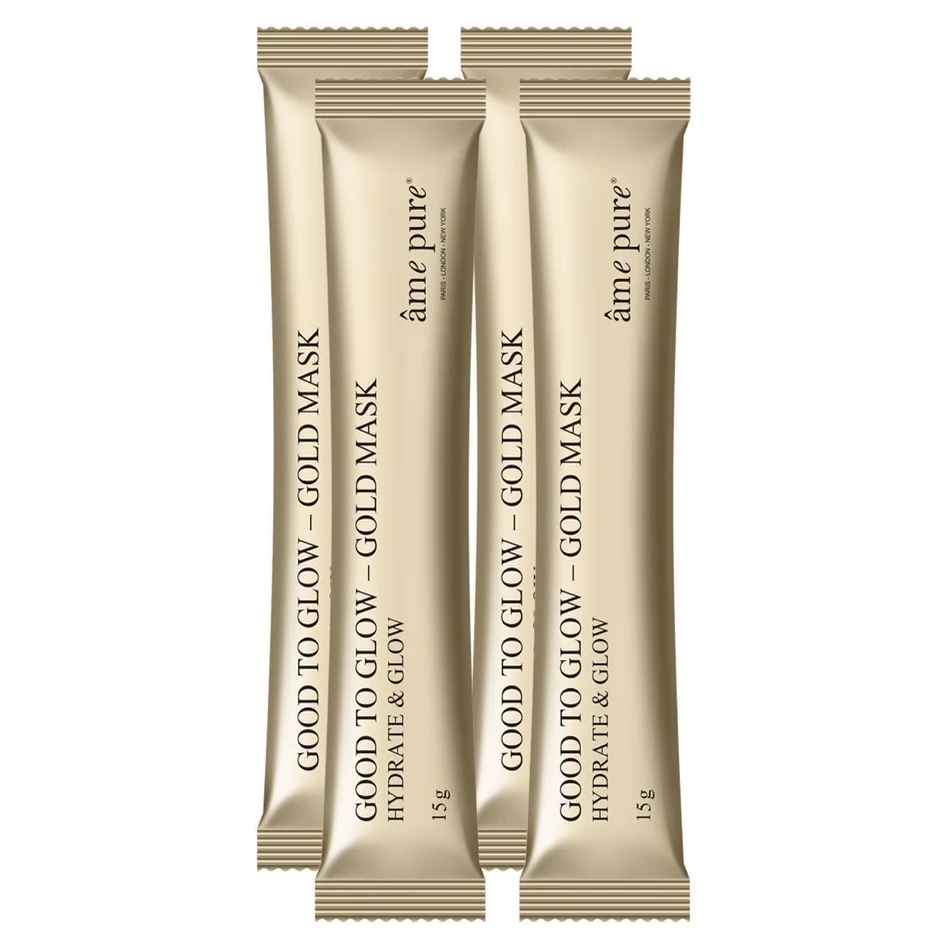
âme pure
Jelly Glow Rubber Mask - Gold Routine Set
23rd of 26 on the label
below ≈1%
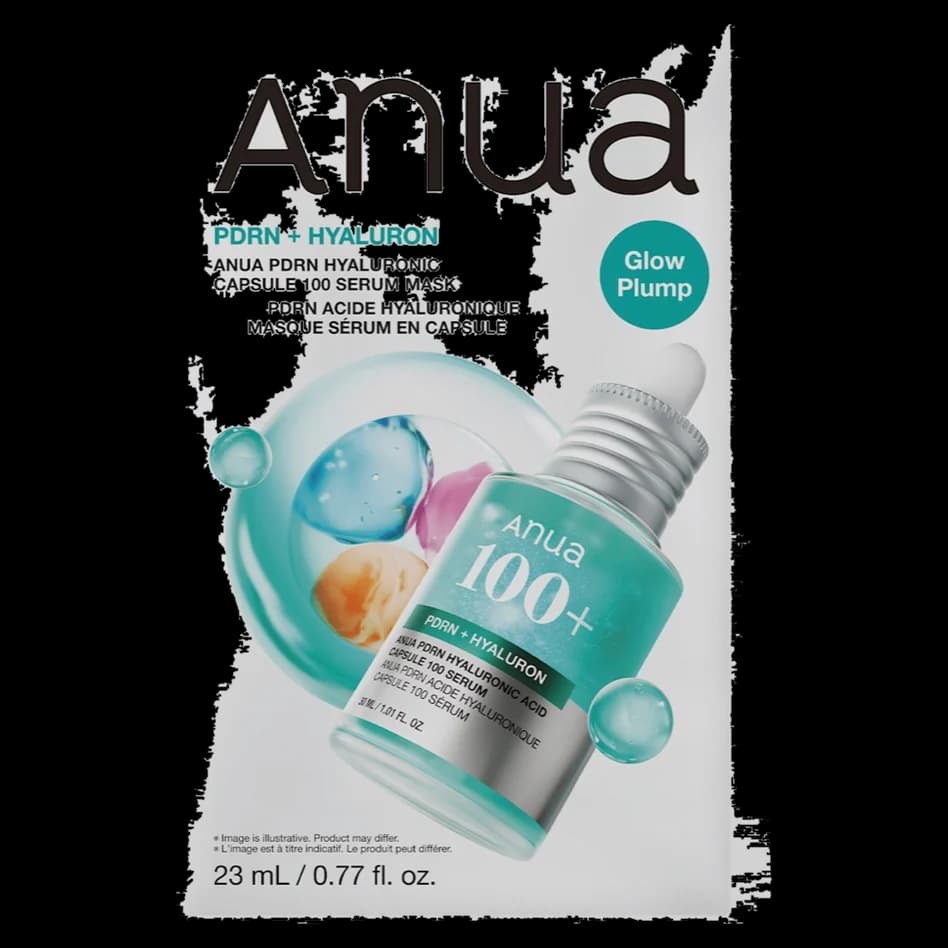
Anua
PDRN Serum Mask 100 Hyaluronic Acid Capsule
4th of 45 on the label
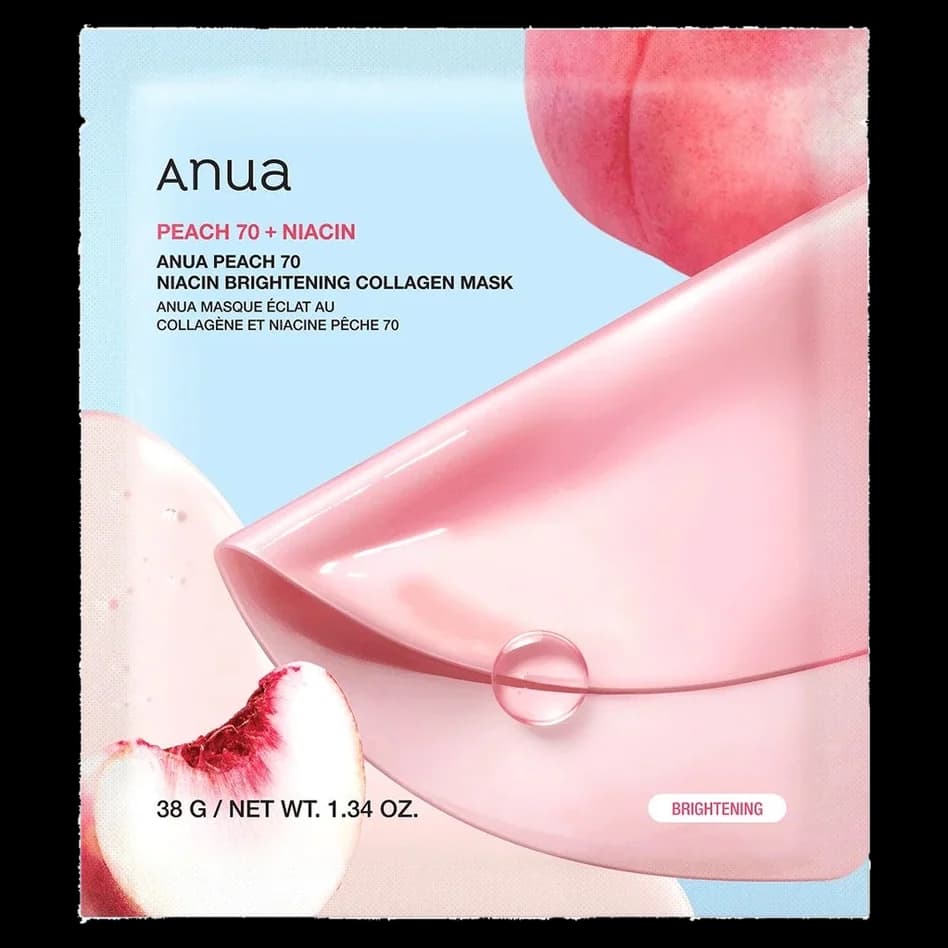
Anua
Peach 70 Niacin Brightening Collagen Mask
7th of 44 on the label
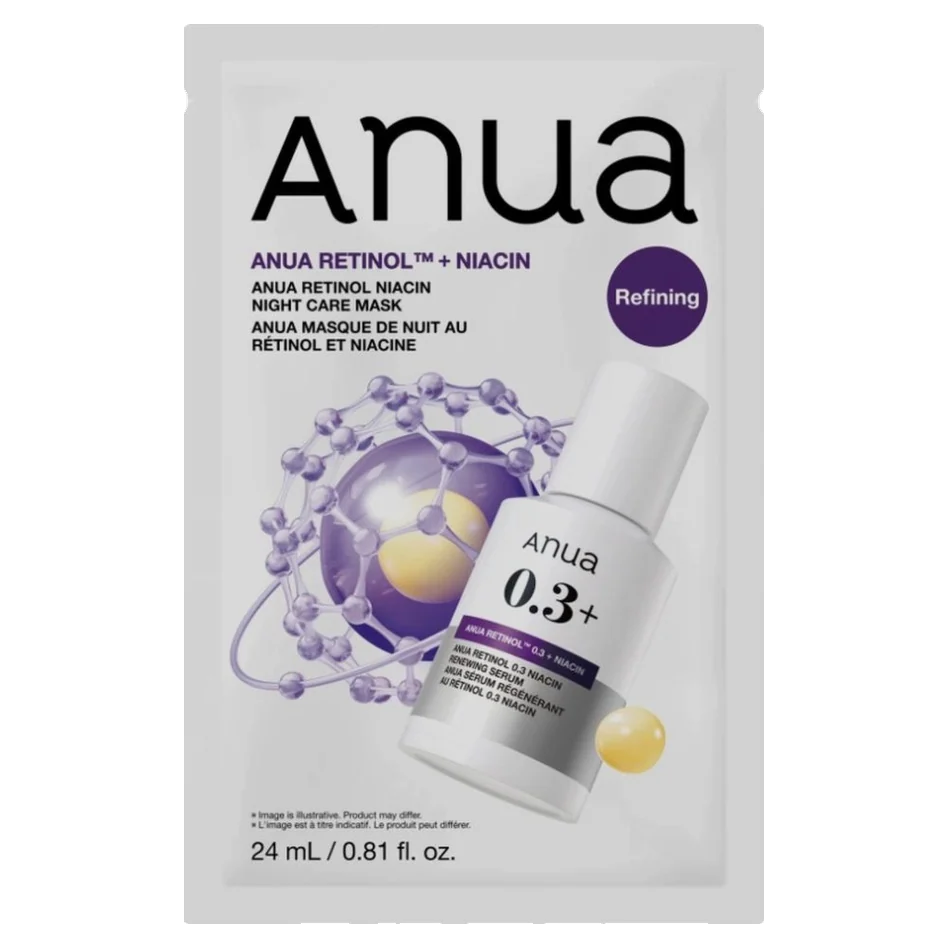
Anua
Retinol Niacin Night Care Mask
2nd of 44 on the label
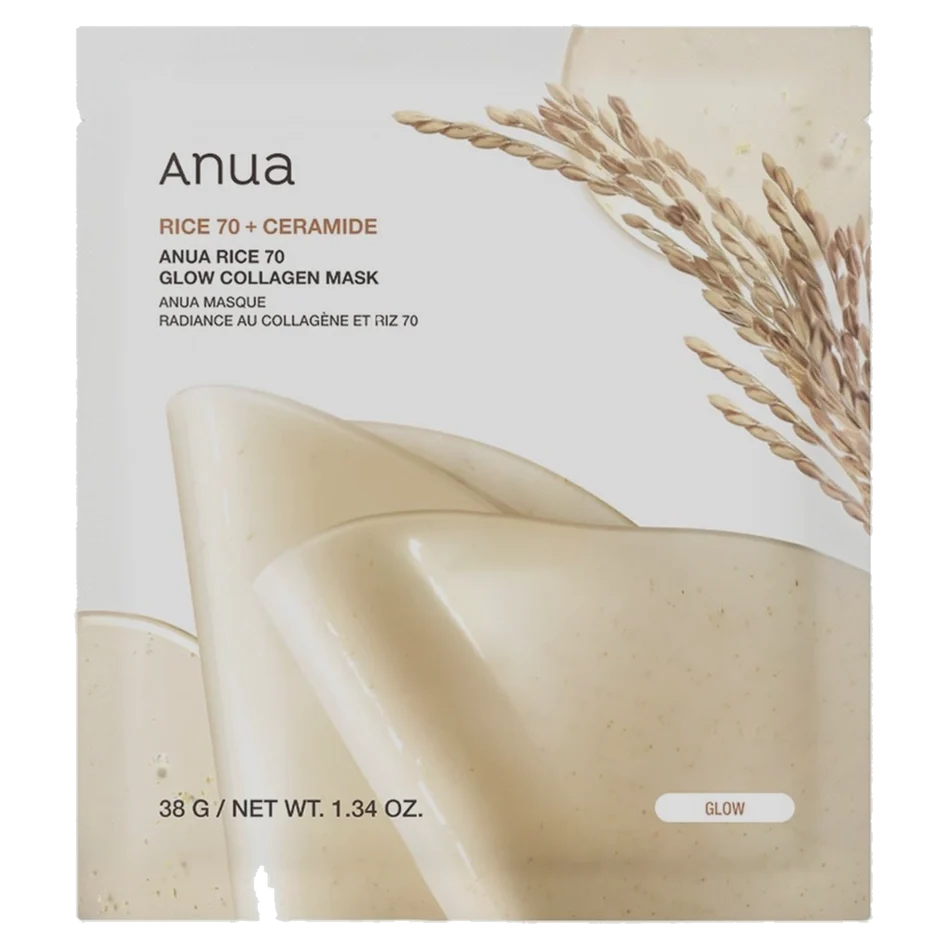
Anua
Rice 70 Glow Collagen Mask
7th of 42 on the label
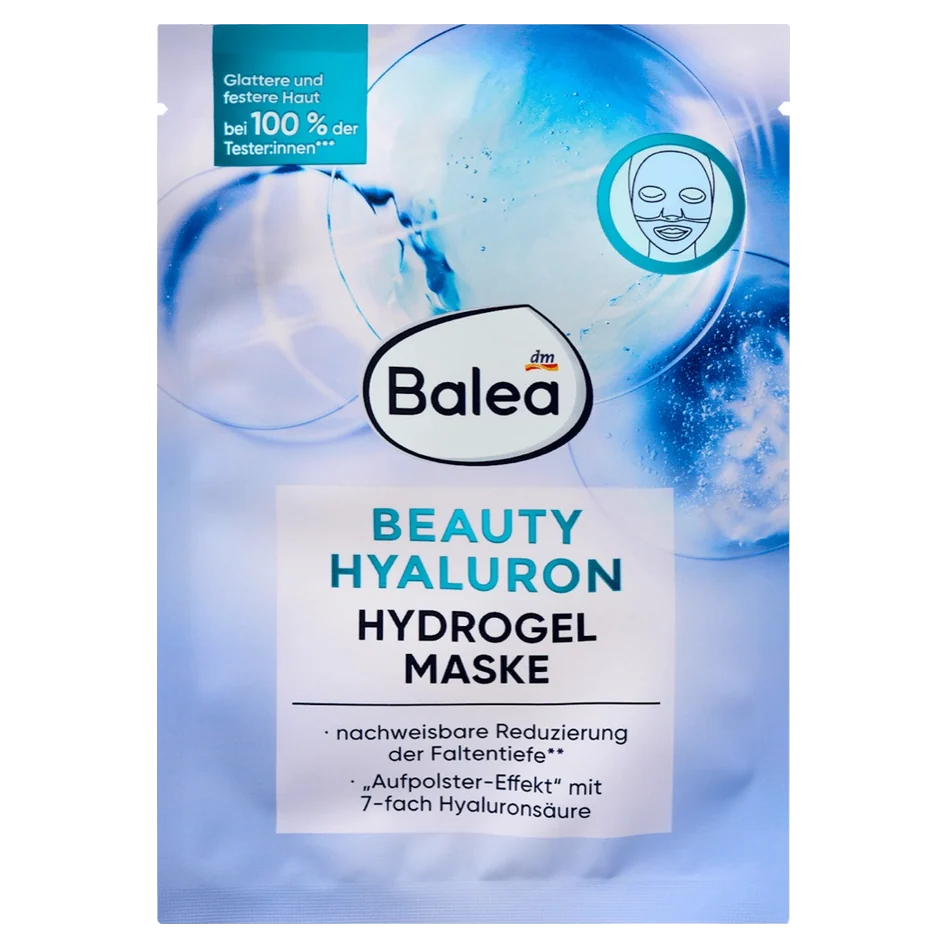
Balea
Gesichtsmaske Beauty Hyaluron Hydrogel
12th of 28 on the label
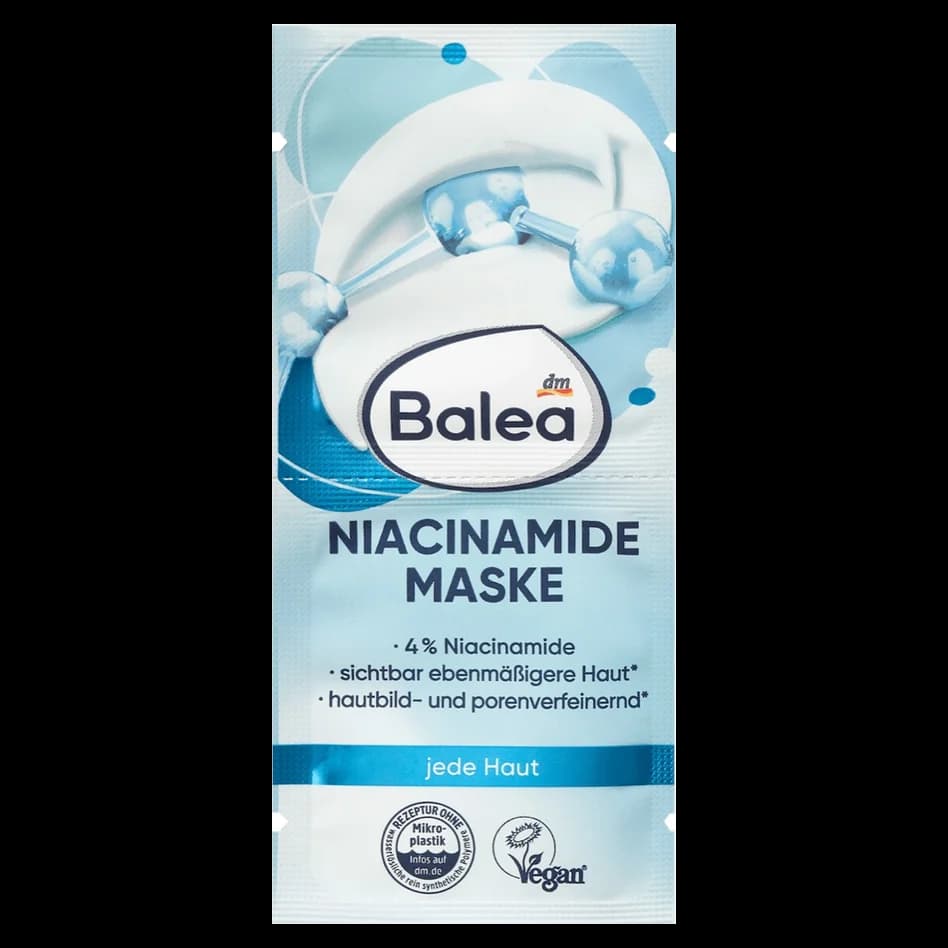
Balea
Gesichtsmaske Niacinamide
4th of 17 on the label
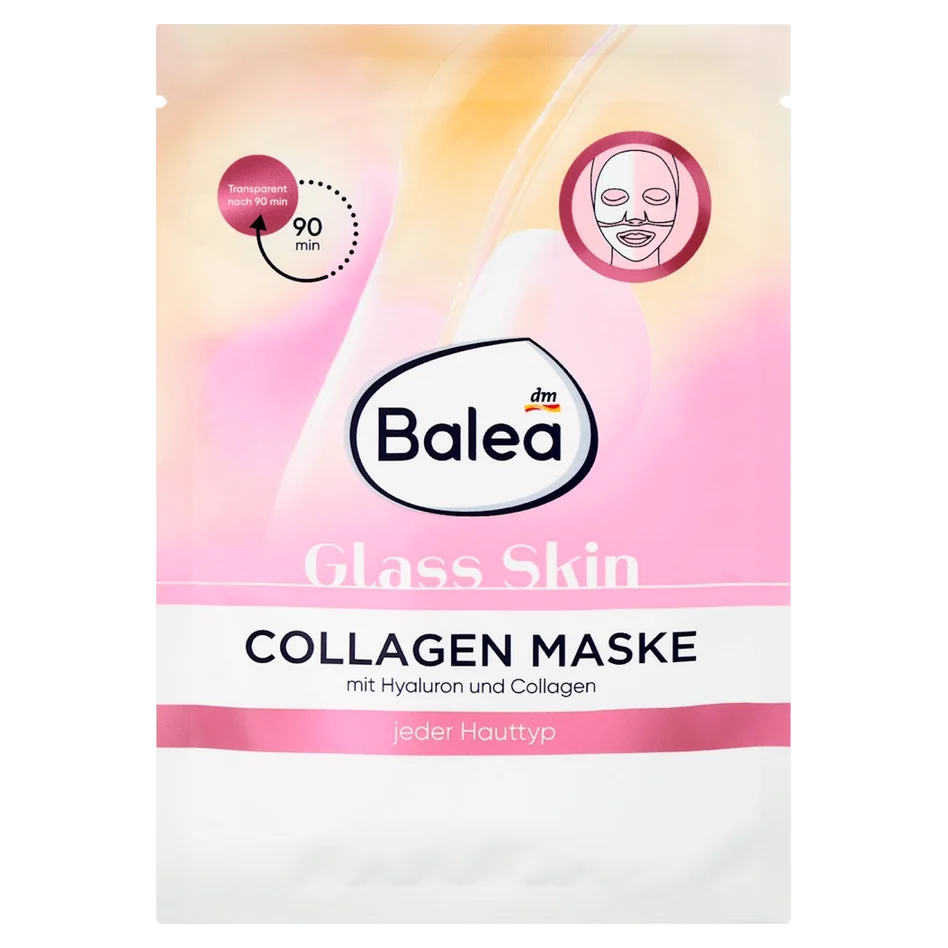
Balea
Glass Skin Collagen Maske
11th of 17 on the label
below ≈1%
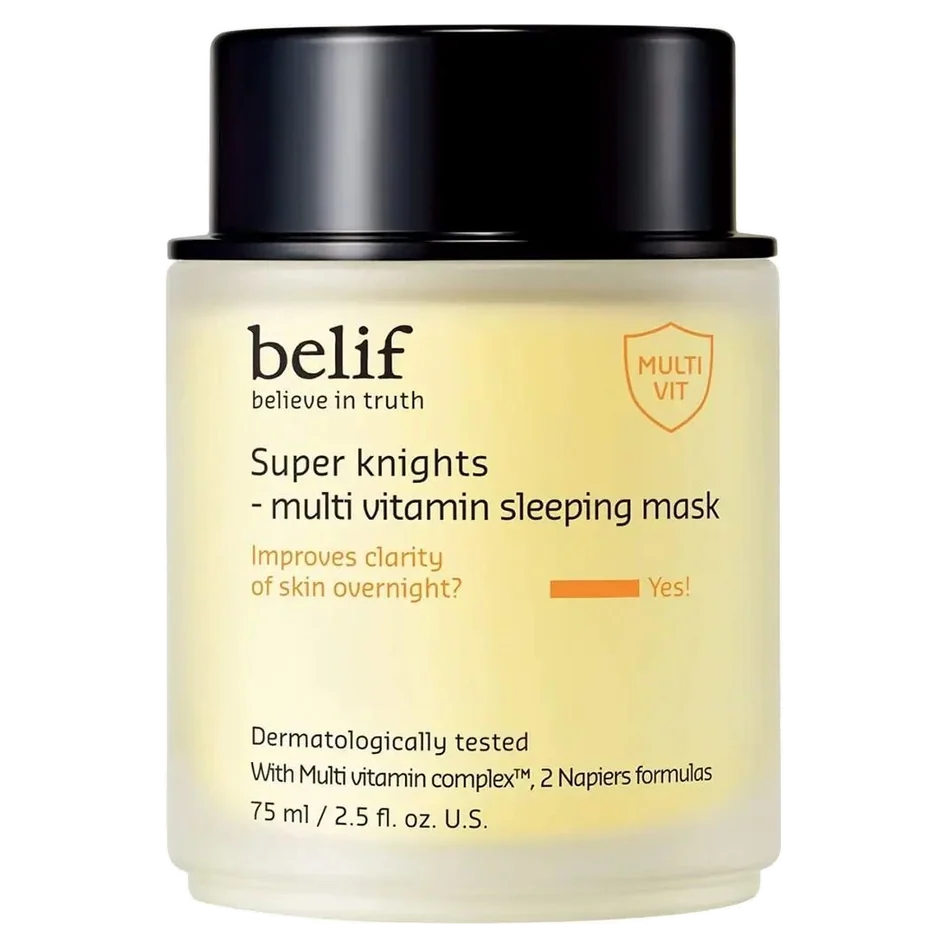
belif
Super Knights Vitamin Mask
4th of 26 on the label
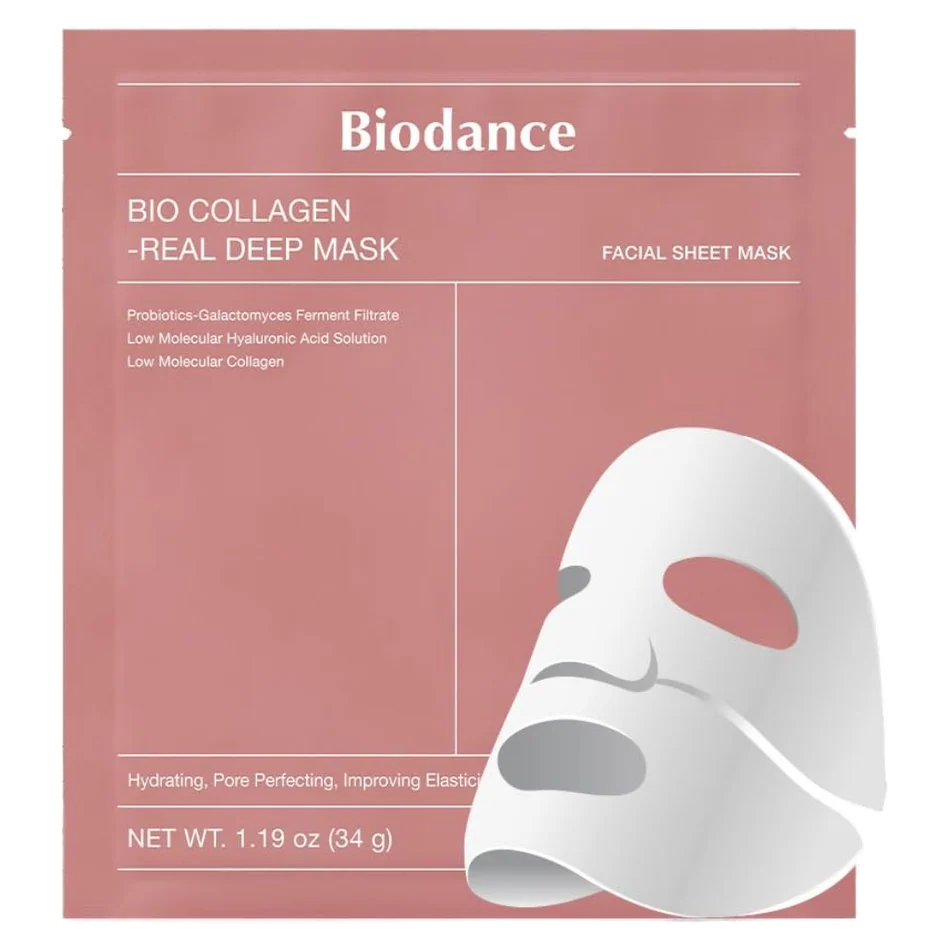
Biodance
Bio-Collagen Real Deep Mask
4th of 34 on the label
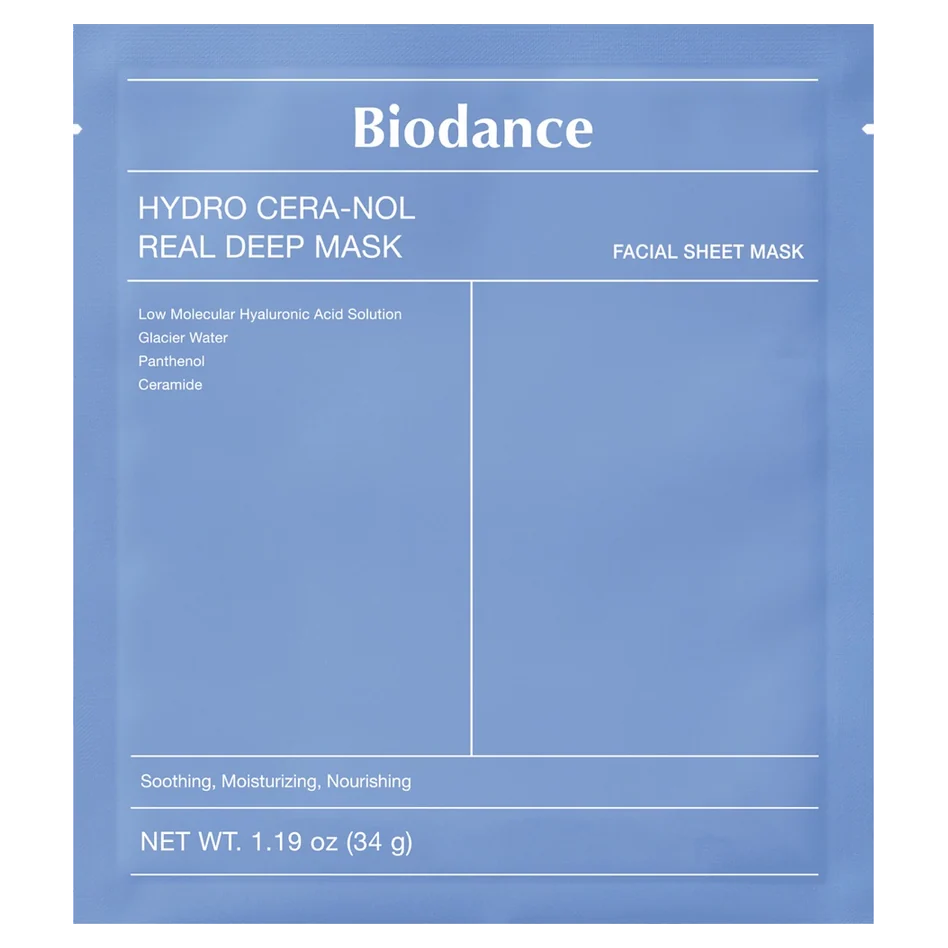
Biodance
Hydro Cera-nol Real Deep Mask
5th of 65 on the label
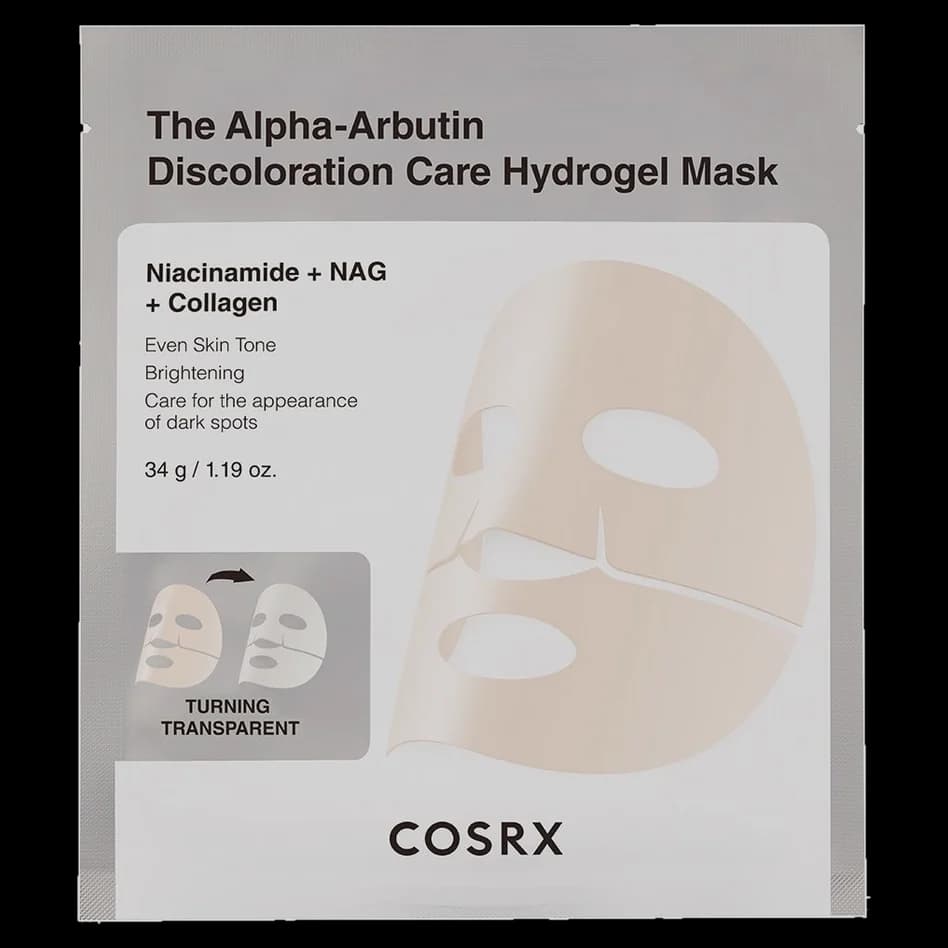
COSRX
The Alpha-Arbutin Discoloration Care Hydrogel Mask
4th of 44 on the label
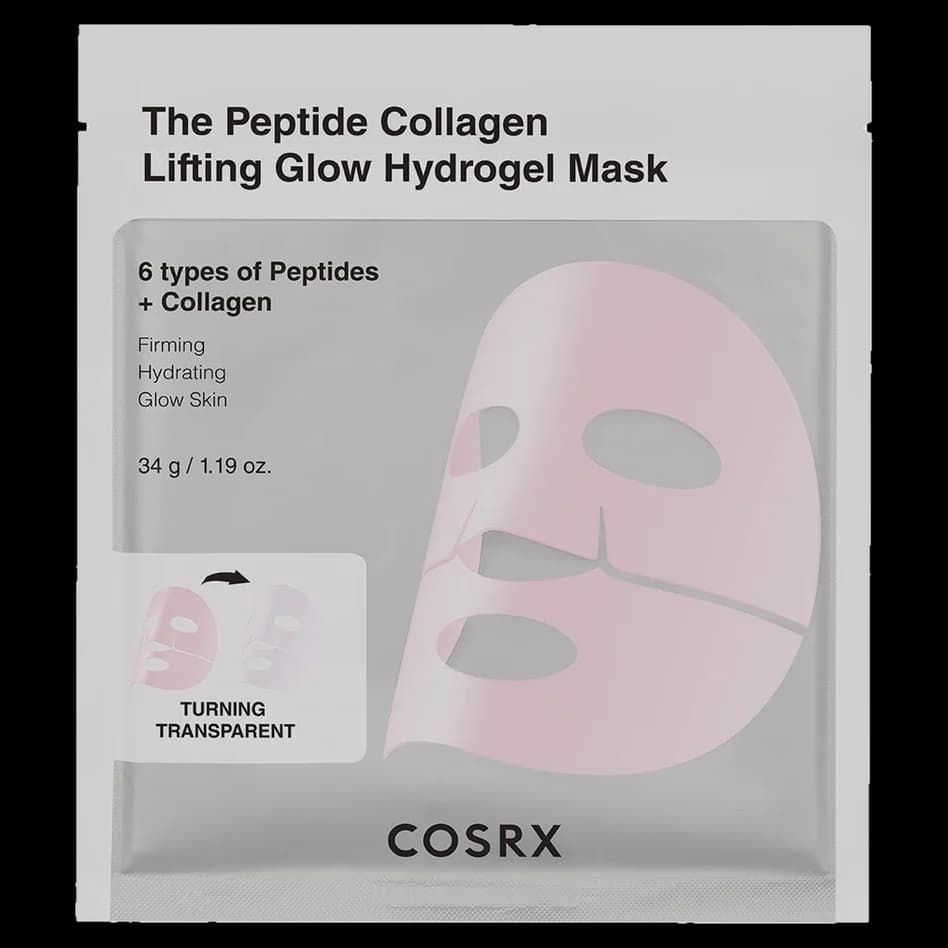
COSRX
The Peptide Collagen Lifting Glow Hydrogel Mask
4th of 49 on the label
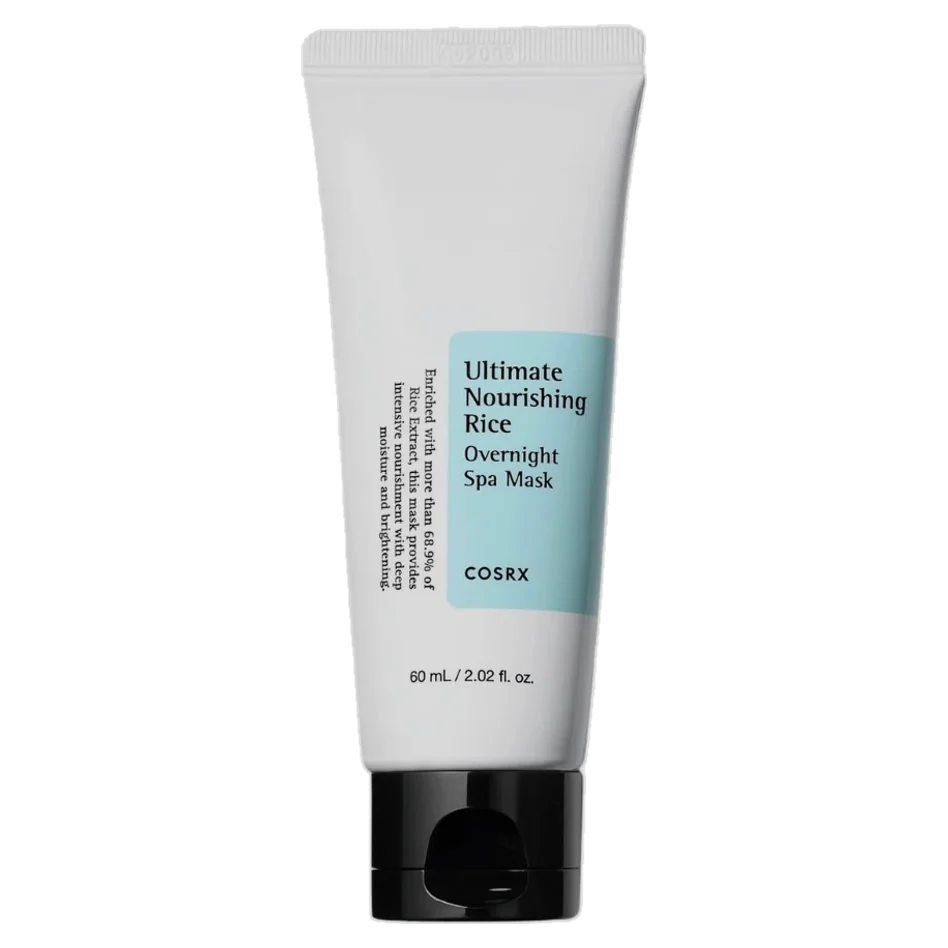
COSRX
Ultimate Nourishing Rice Overnight Spa Mask
6th of 19 on the label
Dear, Klairs
Freshly Juiced Vitamin E Mask
5th of 30 on the label
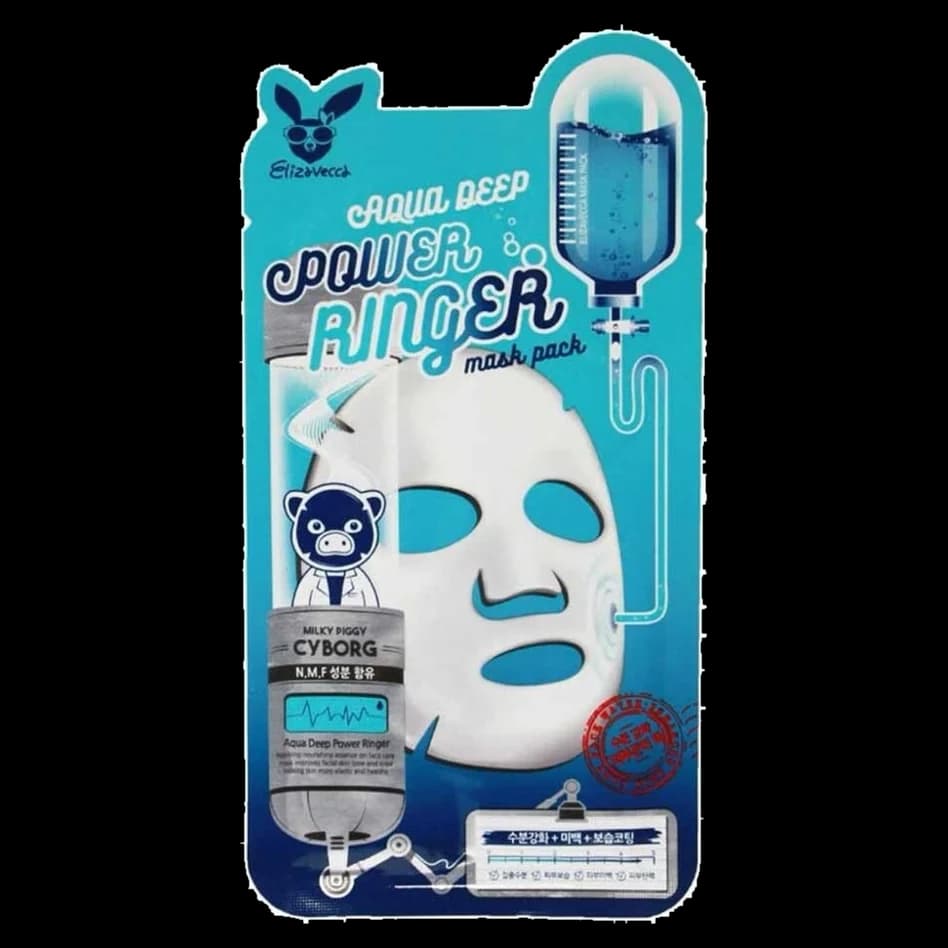
Elizavecca
Aqua Deep Power Ringer Mask Pack
4th of 28 on the label
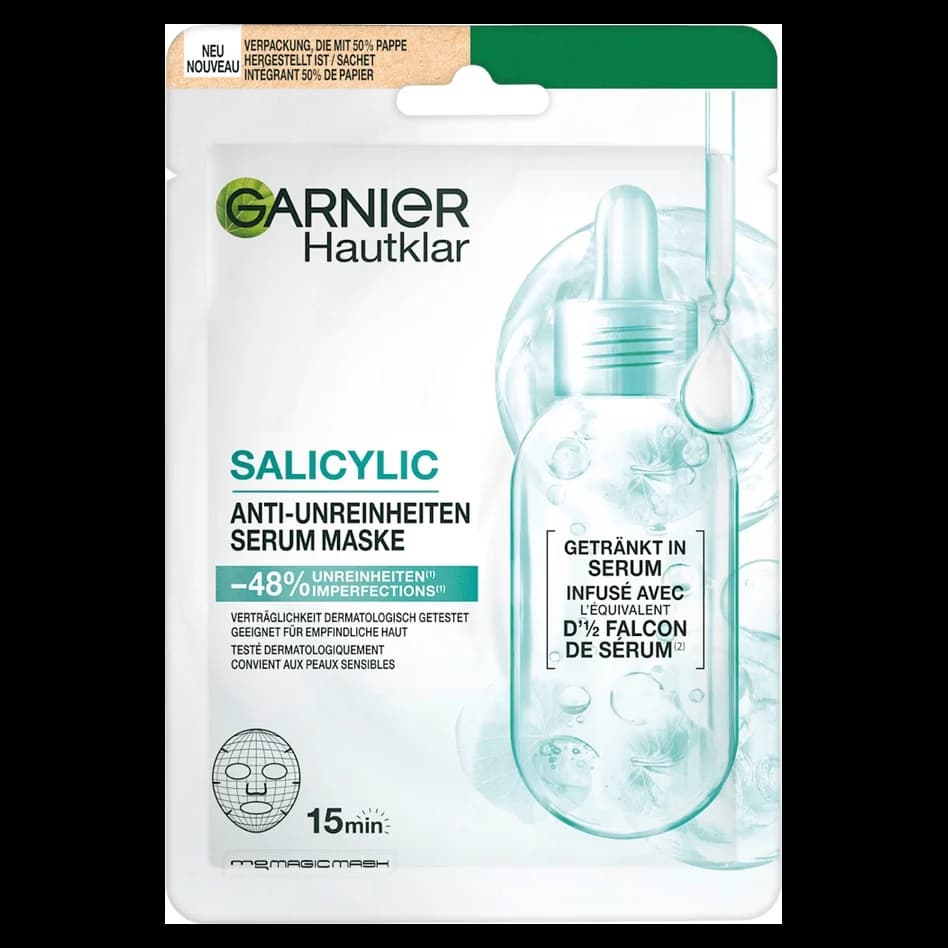
Garnier
Salicylic Tissue Mask
4th of 26 on the label
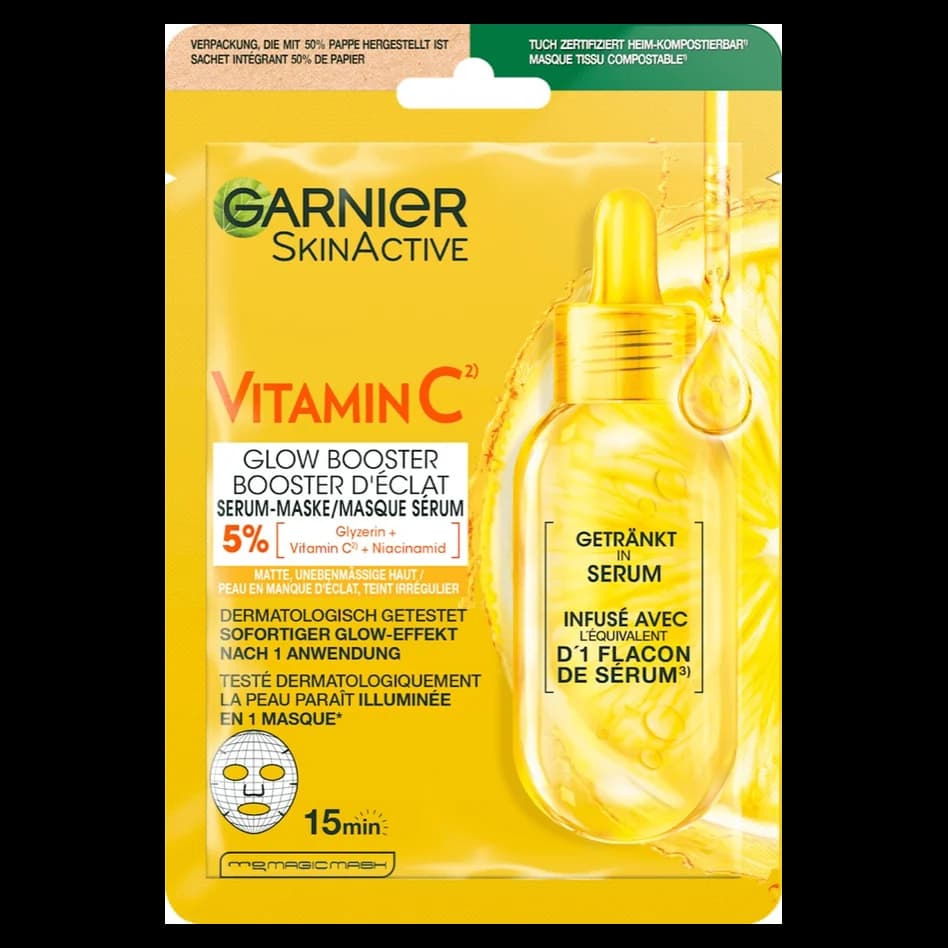
Garnier
SkinActive Vitamin C Tissue Mask
16th of 21 on the label
below ≈1%
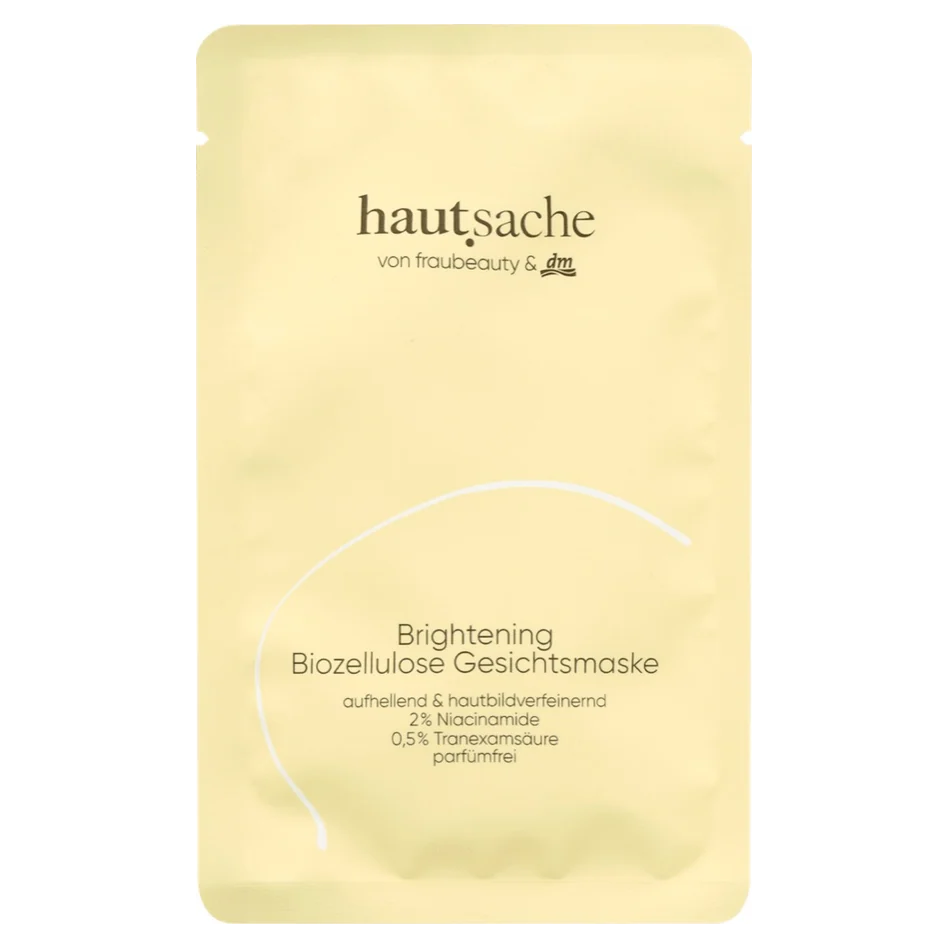
hautsache
Gesichtsmaske Brightening
4th of 33 on the label
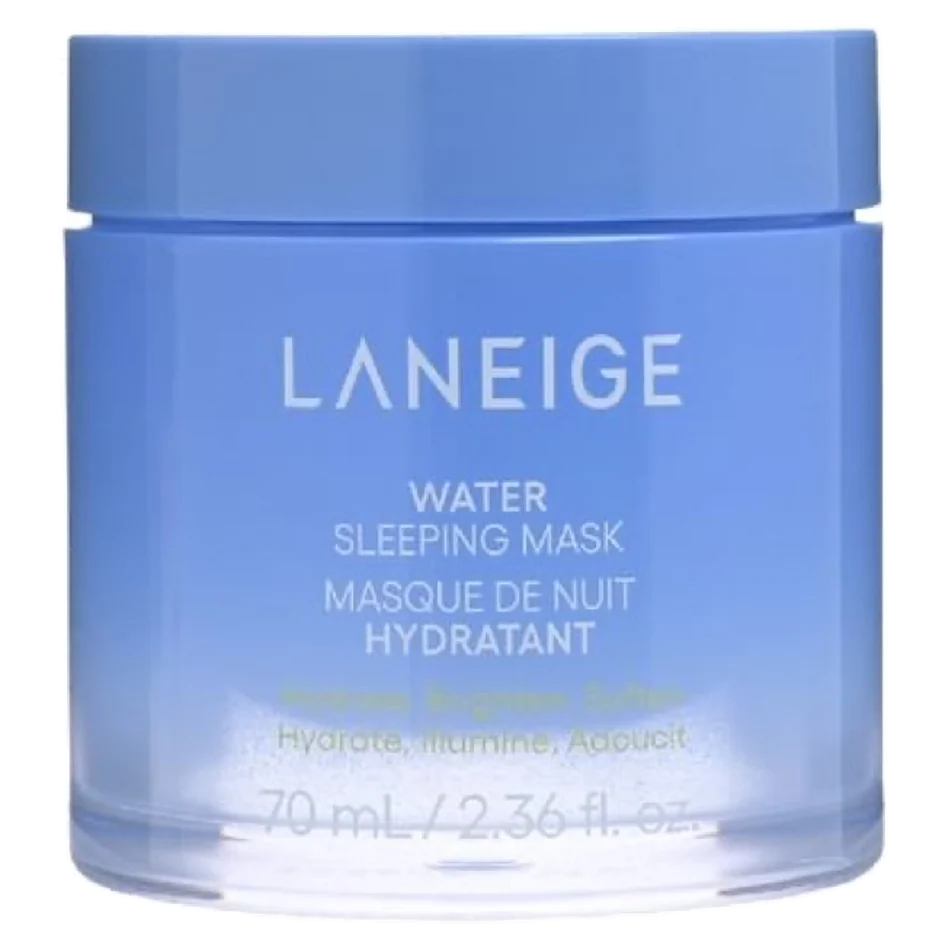
LANEIGE
Water Sleeping Mask
15th of 43 on the label
below ≈1%
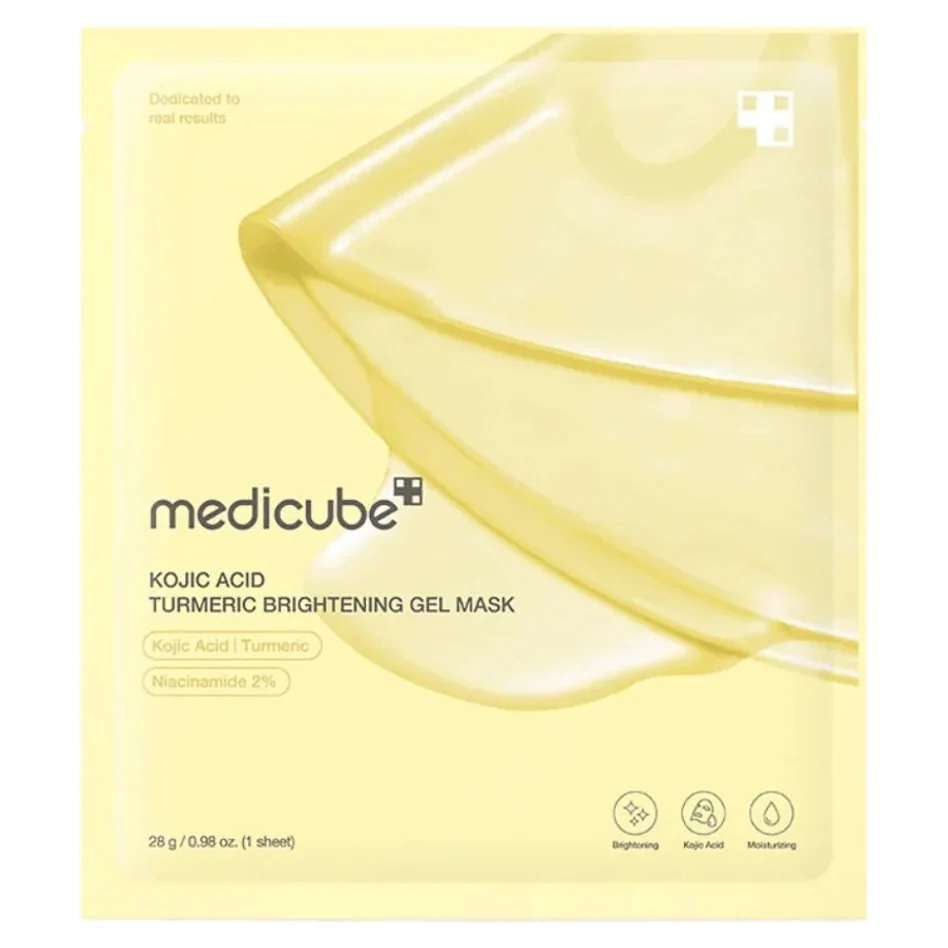
Medicube
Kojic Acid Turmeric Brightening Gel Mask
5th of 35 on the label
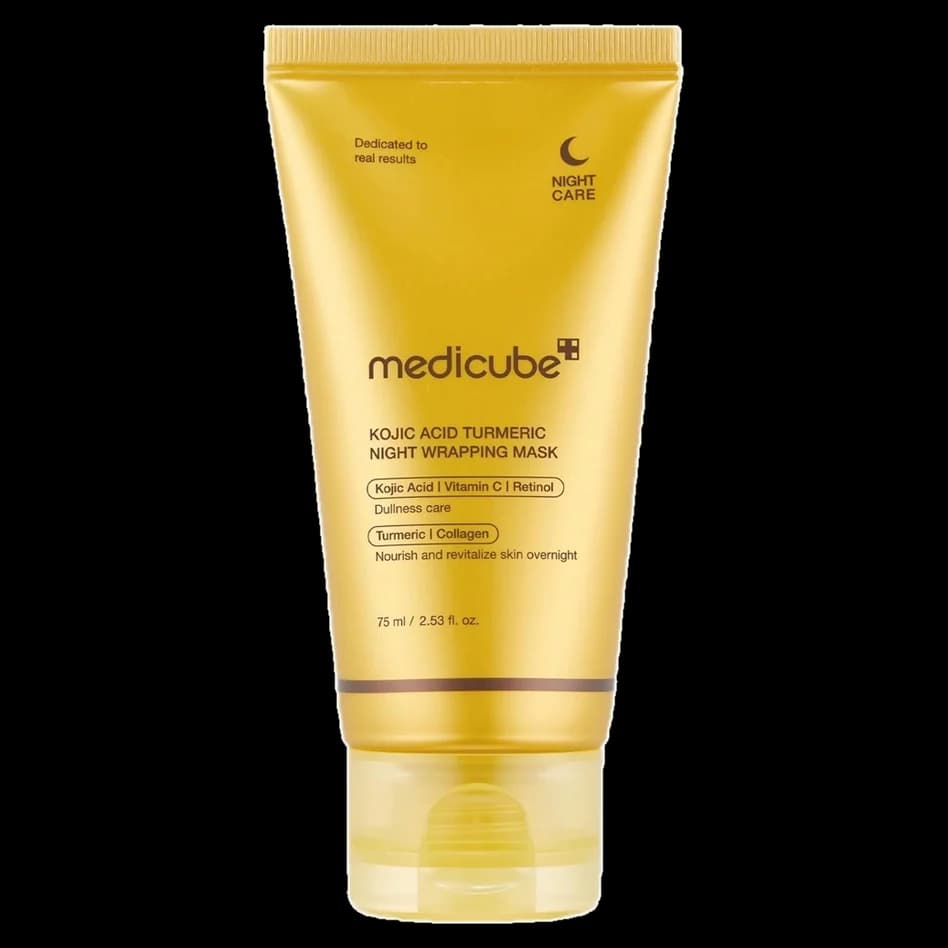
Medicube
Kojic Acid Turmeric Night Wrapping Mask
6th of 22 on the label
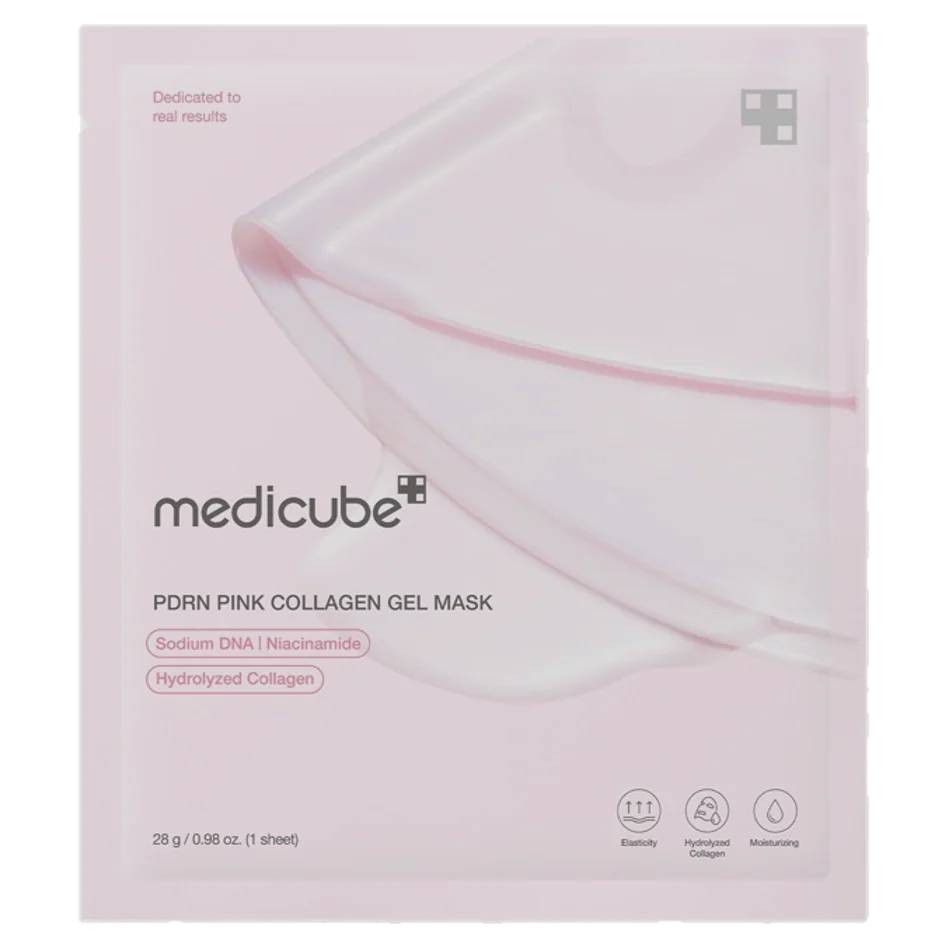
Medicube
PDRN Pink Collagen Gel Mask
5th of 43 on the label
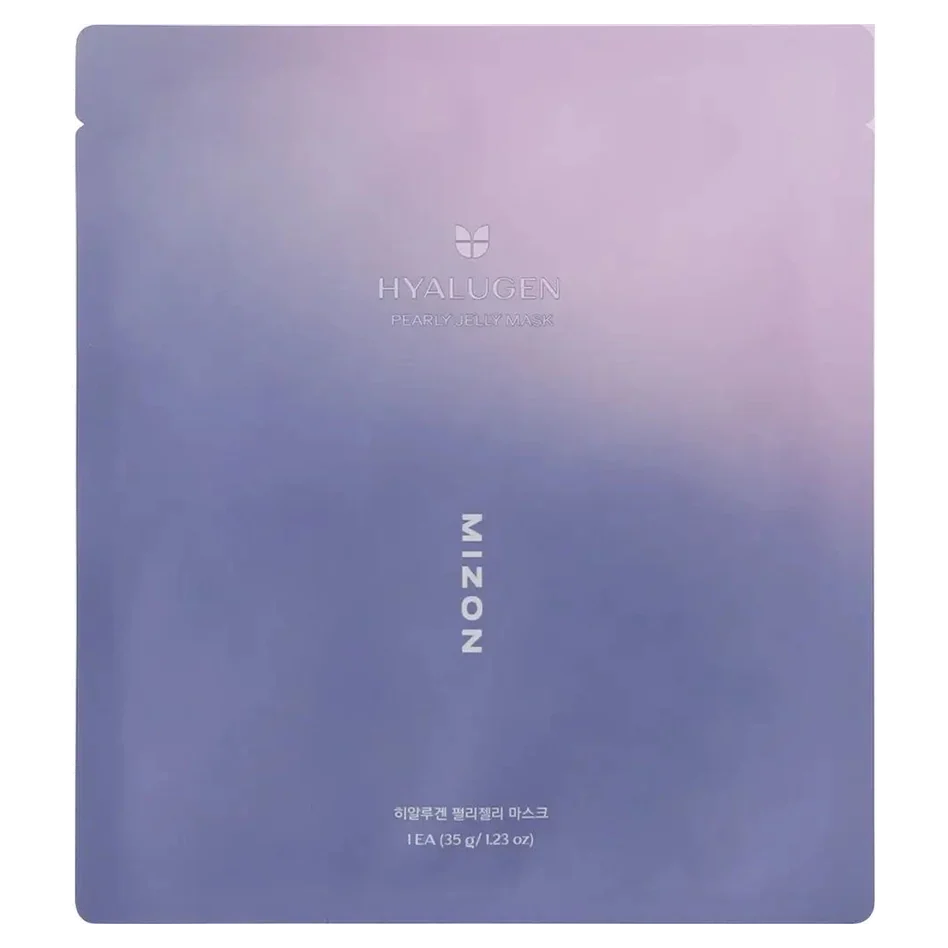
MIZON
Hyalugen Pearly Jelly Mask
8th of 19 on the label
below ≈1%
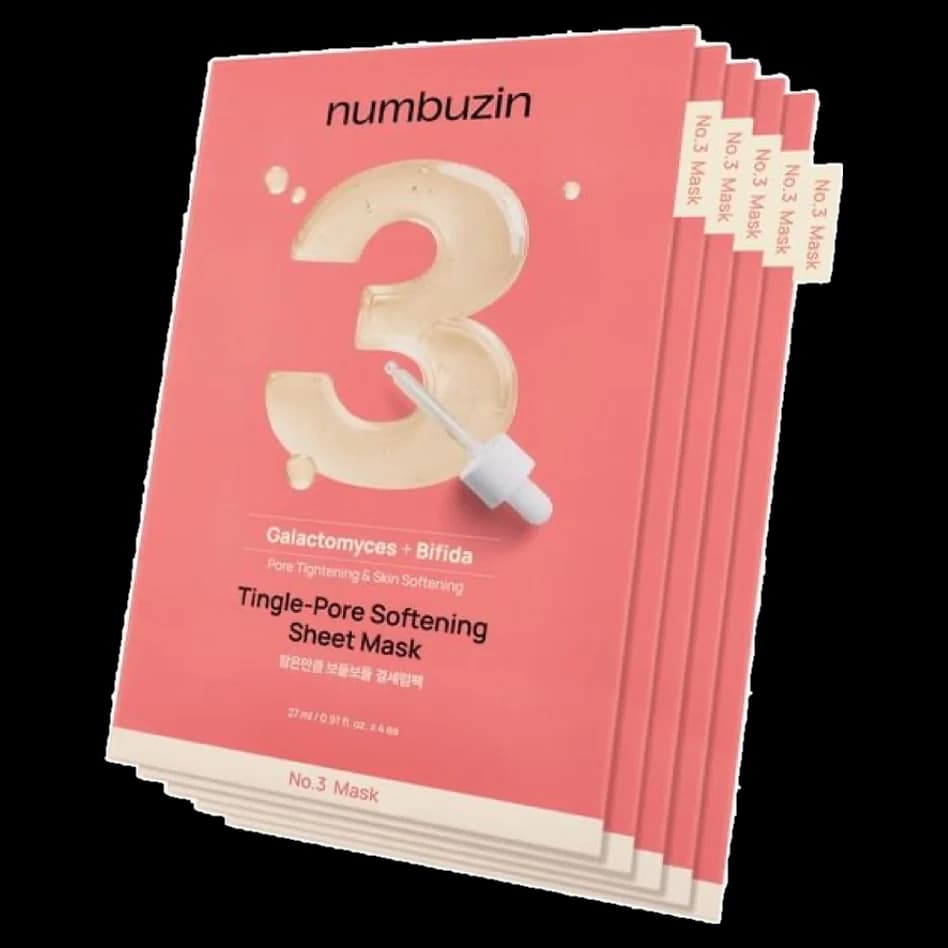
numbuzin
No.3 Tingle-Pore Softening Sheet Mask
7th of 42 on the label
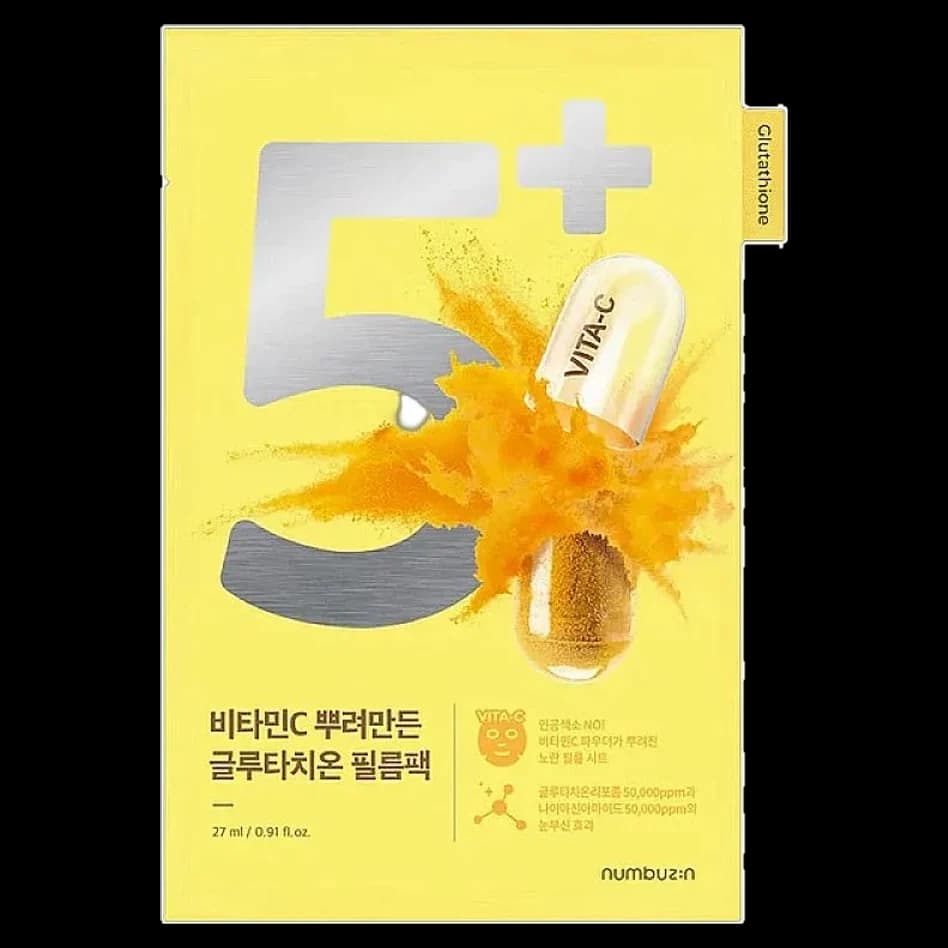
numbuzin
No.5 Vitamin Spotlight Sheet Mask
3rd of 33 on the label
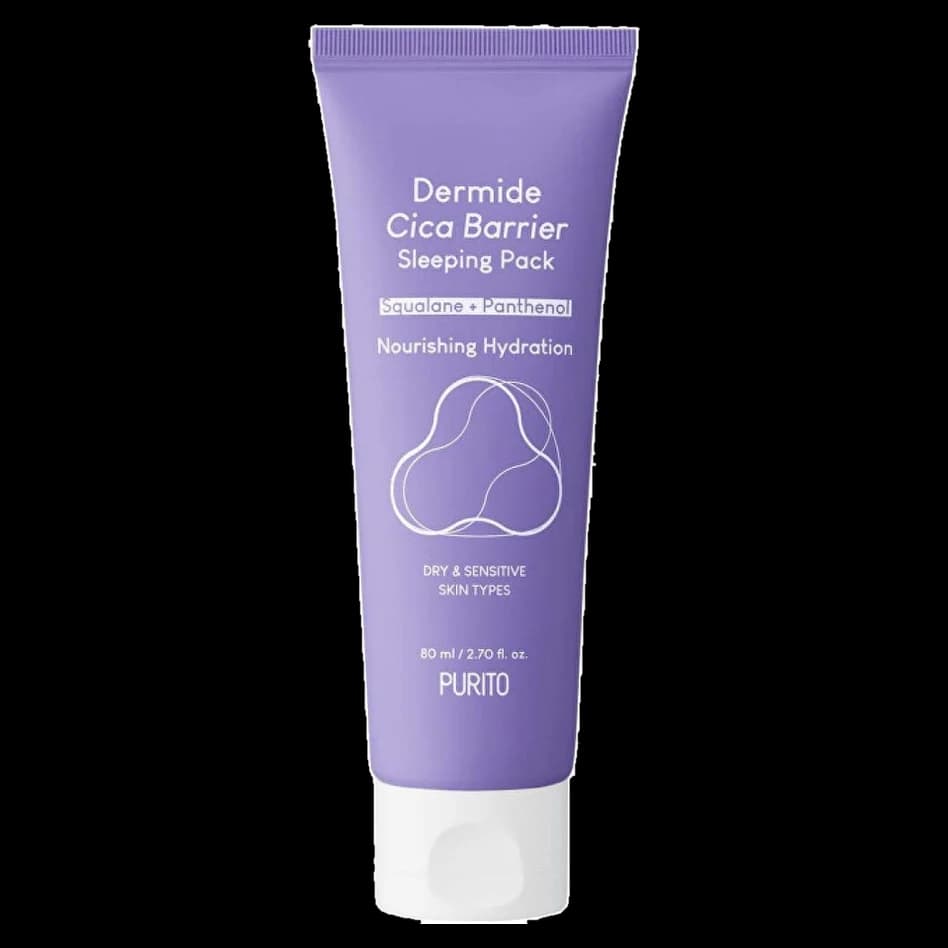
PURITO
Dermide Cica Barrier Sleeping Pack
5th of 15 on the label
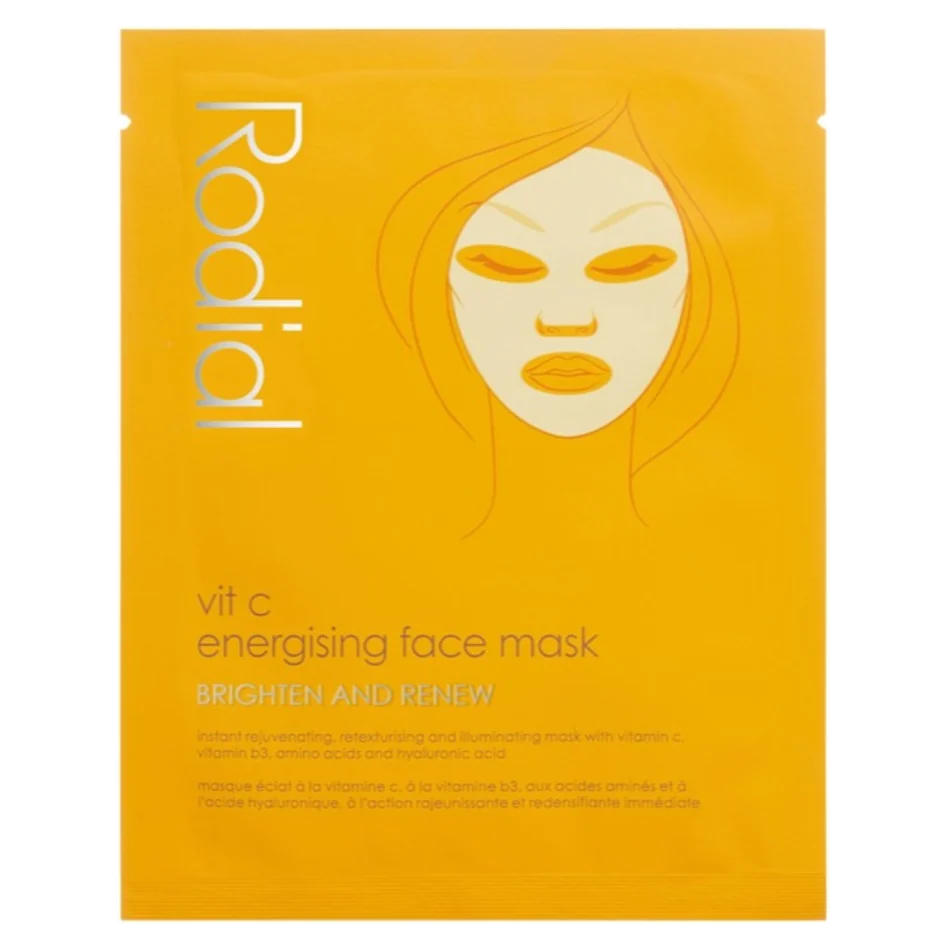
Rodial
Vit C Energising Face Mask
7th of 30 on the label
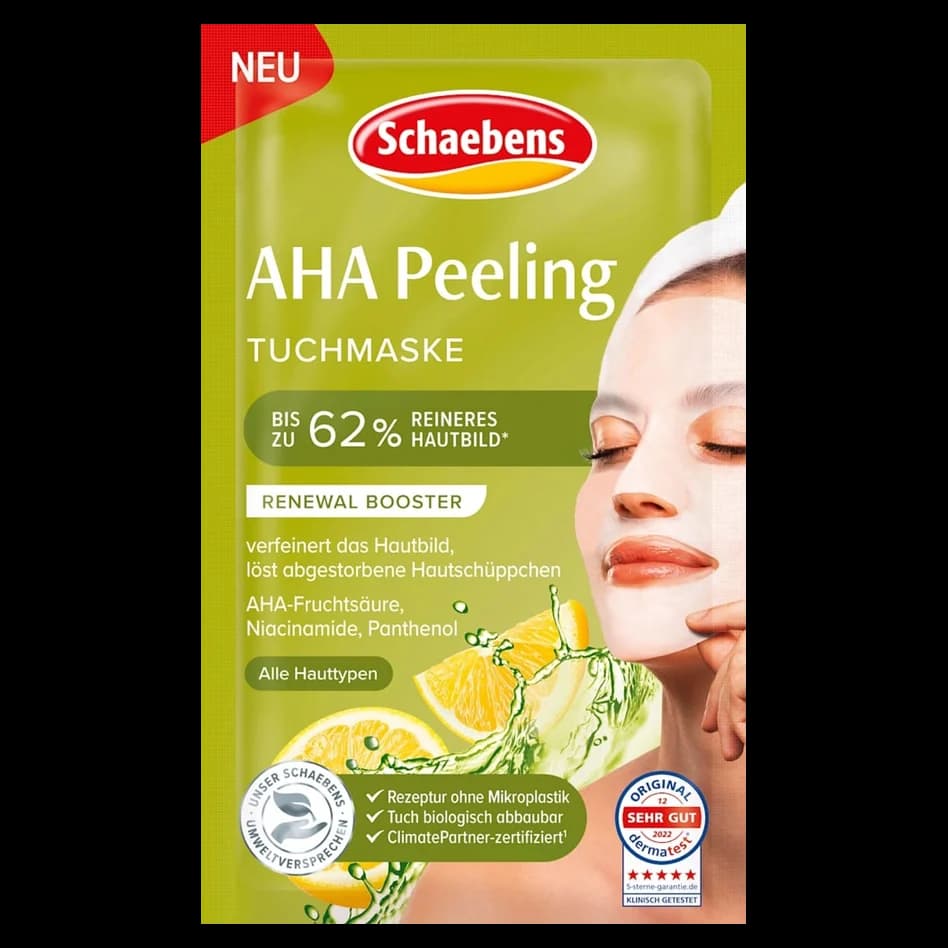
Schaebens
Tuchmaske AHA Peeling
8th of 17 on the label
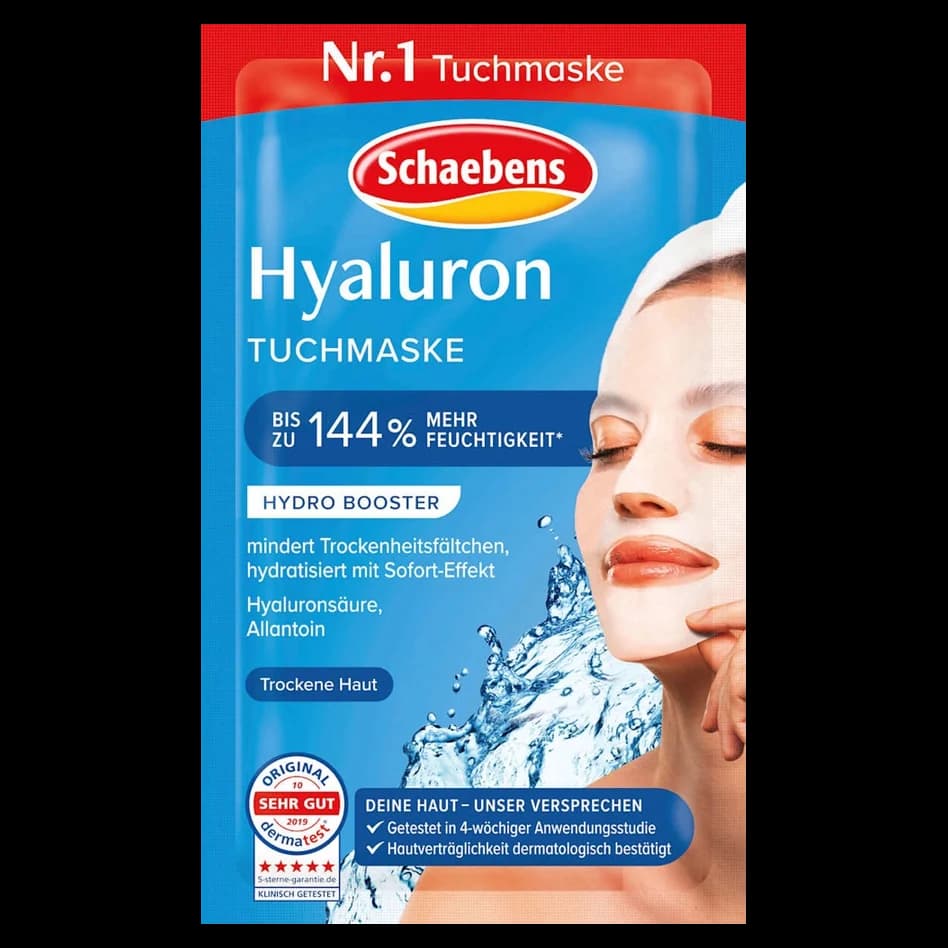
Schaebens
Tuchmaske Hyaluron
8th of 23 on the label
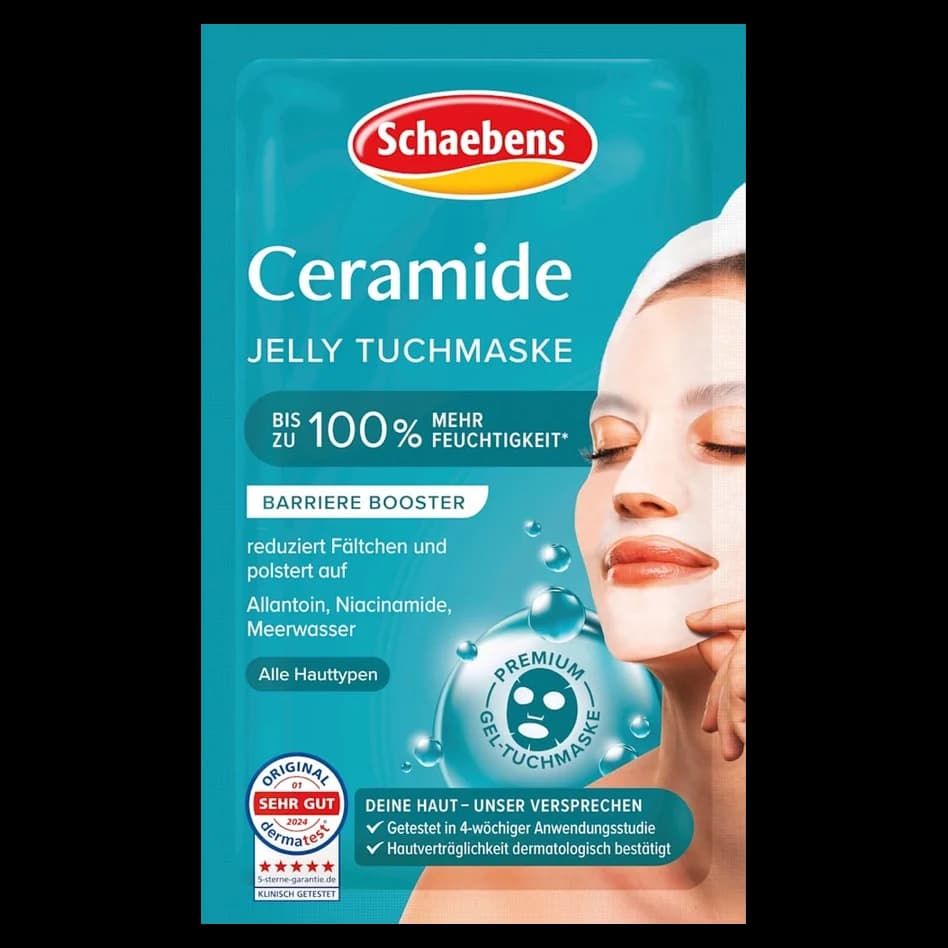
Schaebens
Tuchmaske Jelly Ceramide
14th of 29 on the label
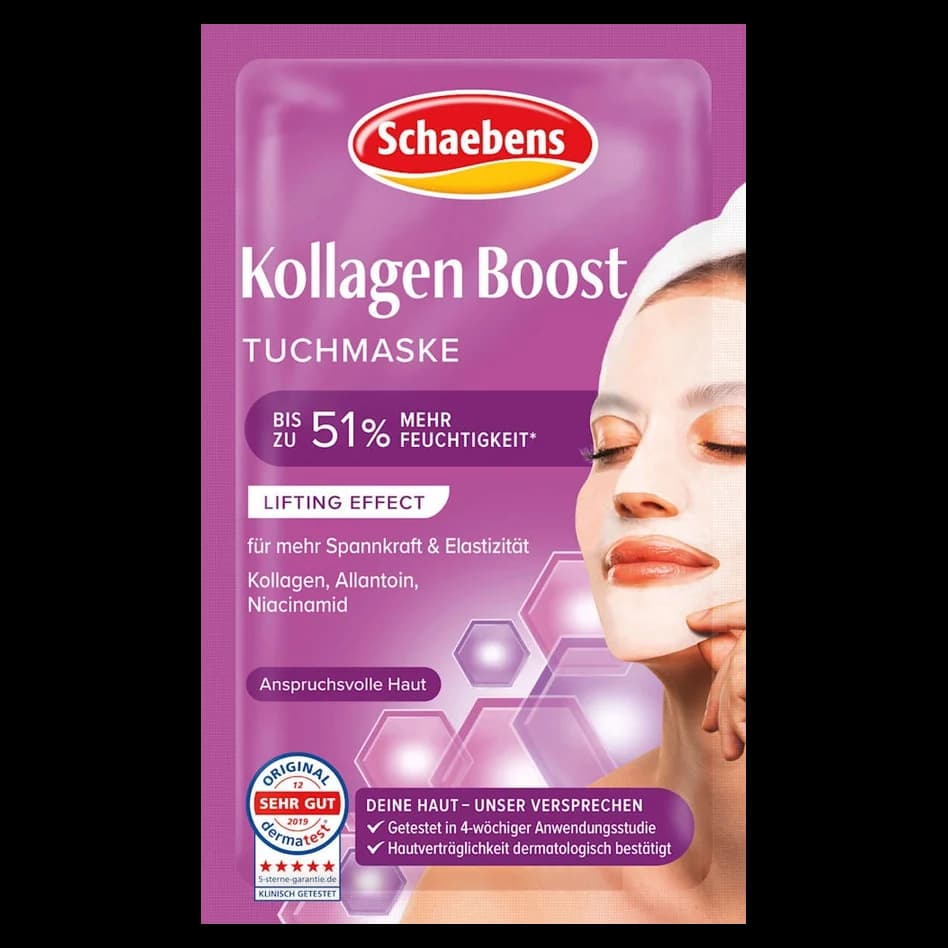
Schaebens
Tuchmaske Kollagen Boost
10th of 27 on the label
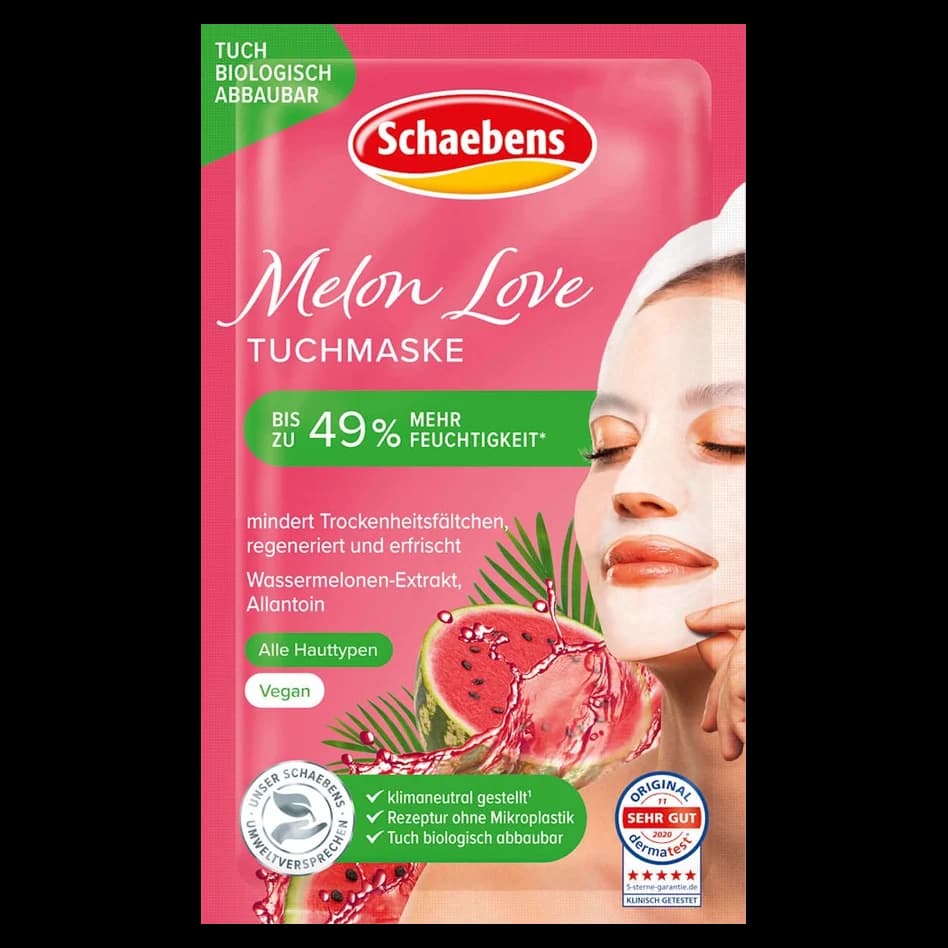
Schaebens
Tuchmaske Melon Love
3rd of 45 on the label
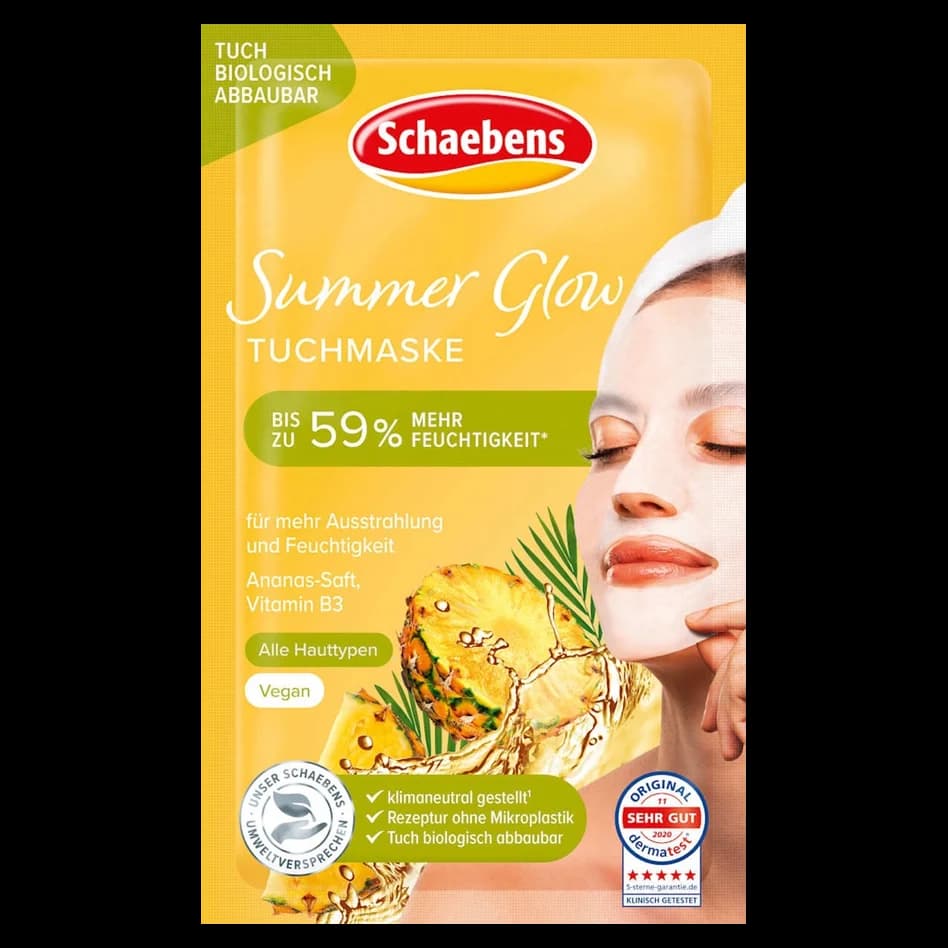
Schaebens
Tuchmaske Summer Glow
3rd of 44 on the label
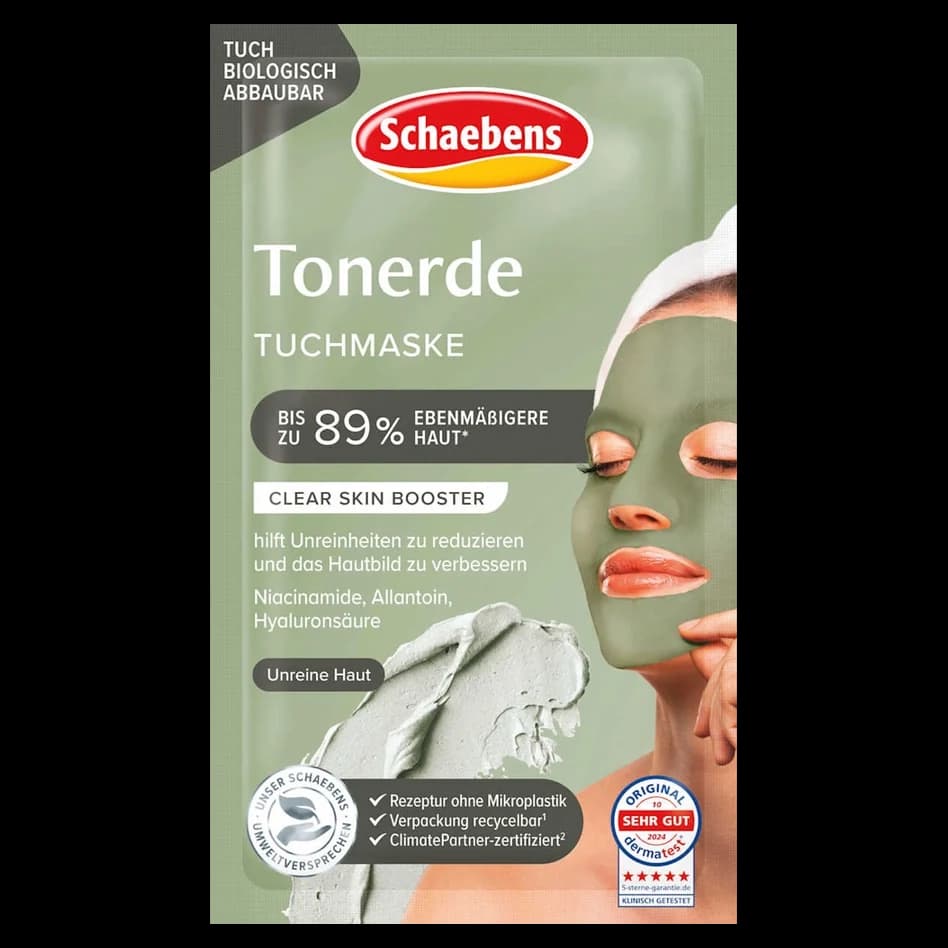
Schaebens
Tuchmaske Tonerde
13th of 35 on the label
below ≈1%
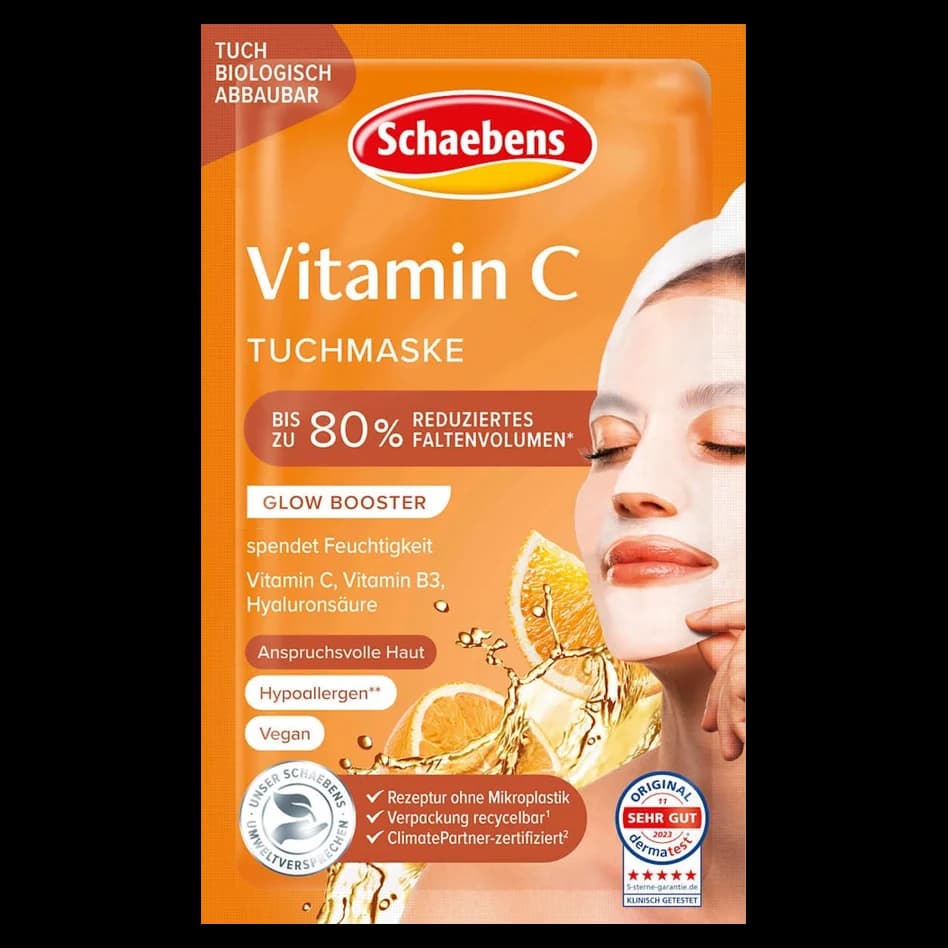
Schaebens
Tuchmaske Vitamin C
5th of 19 on the label
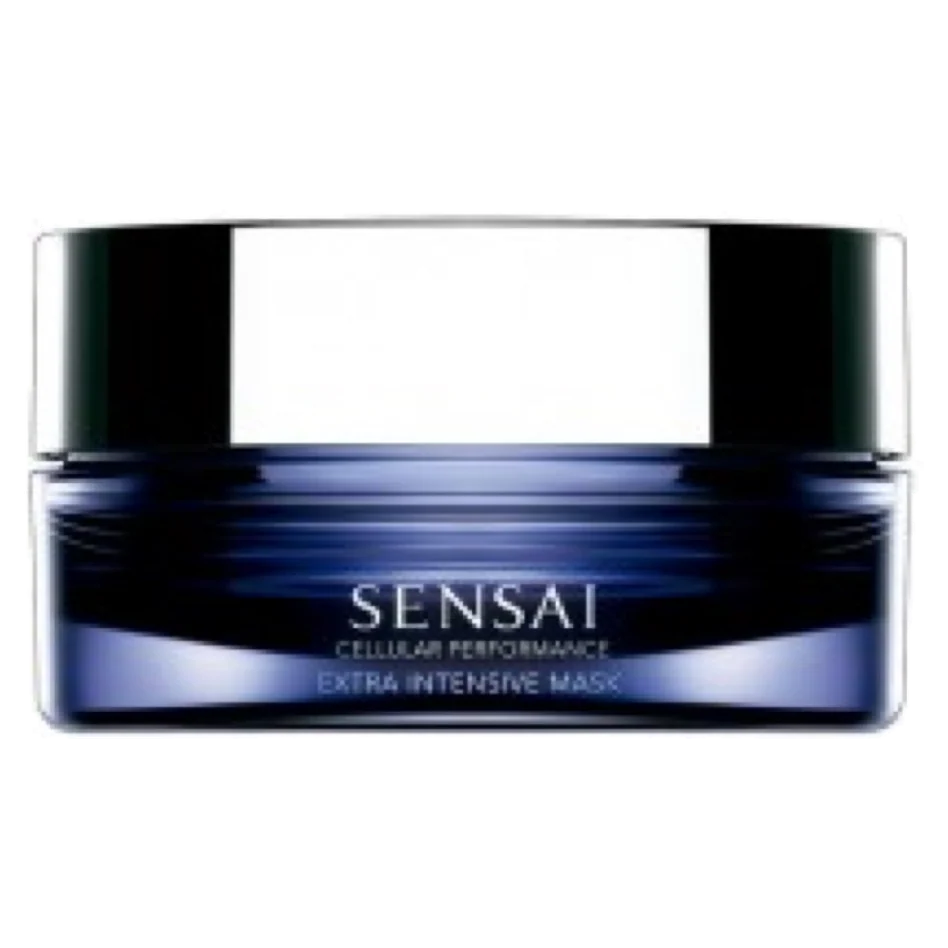
Sensai
Cellular Performance Extra Intensive Mask
13th of 44 on the label
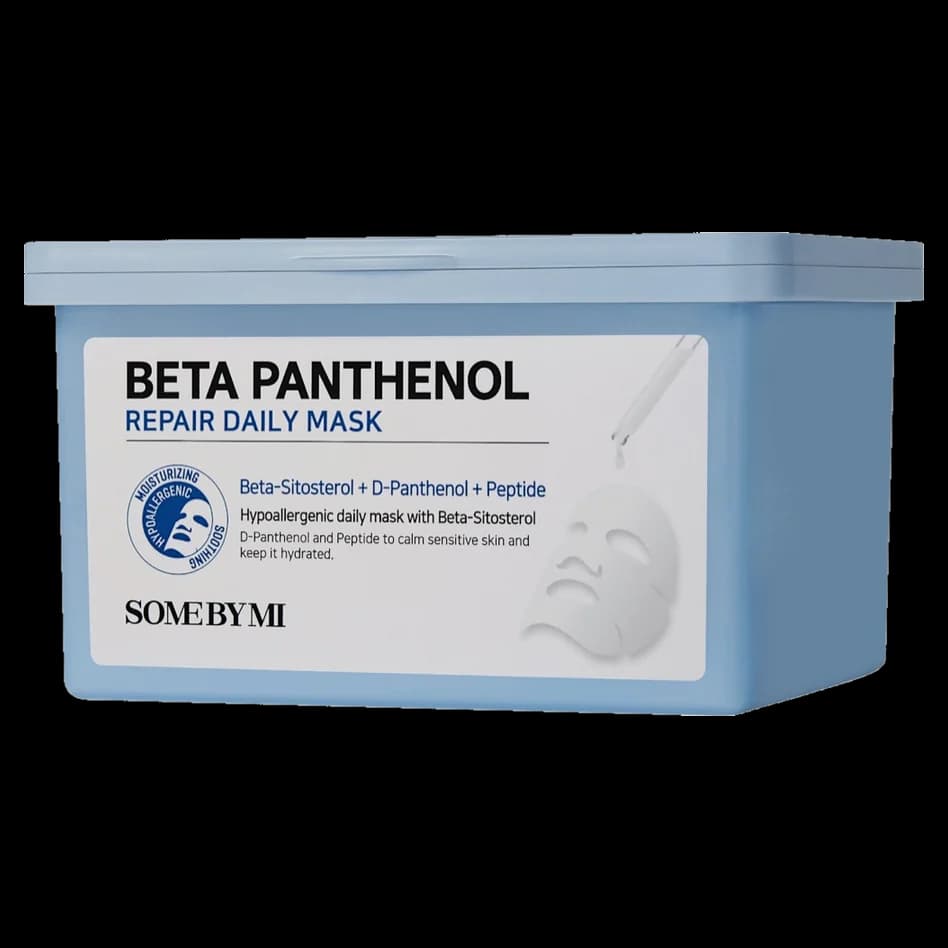
SOME BY MI
Daily Beta Panthenol Repair Mask
3rd of 57 on the label
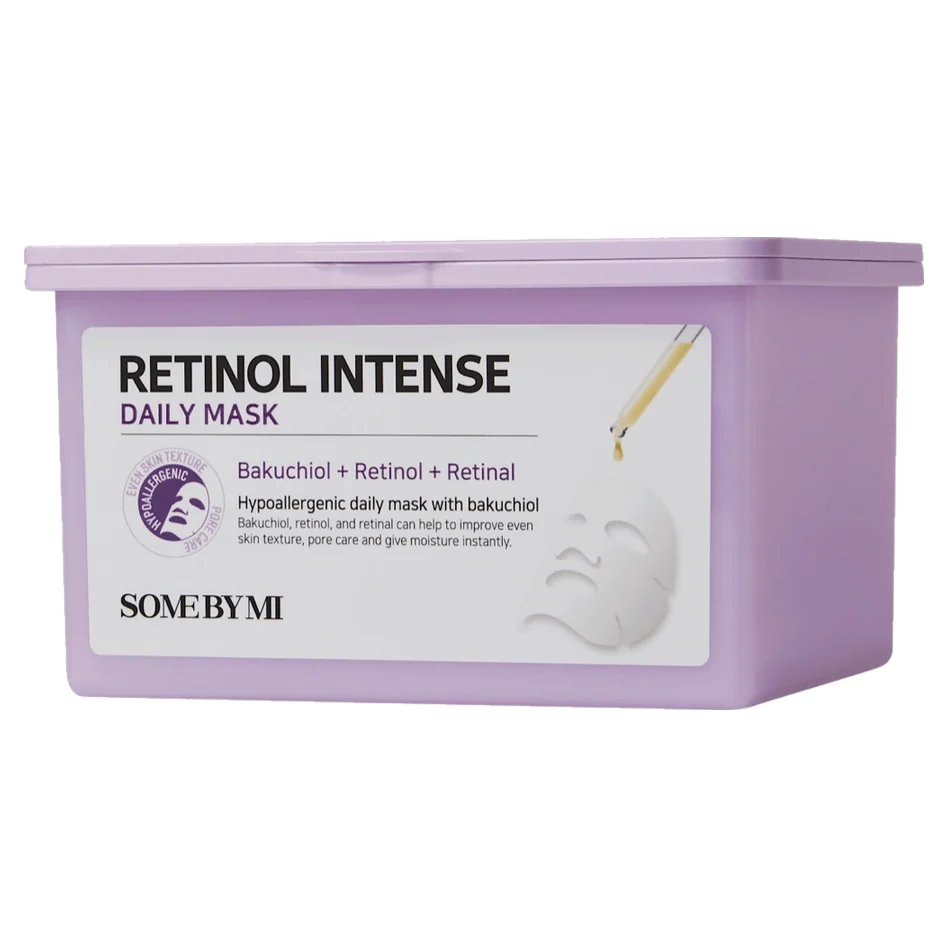
SOME BY MI
Daily Retinol Intense Mask
4th of 62 on the label
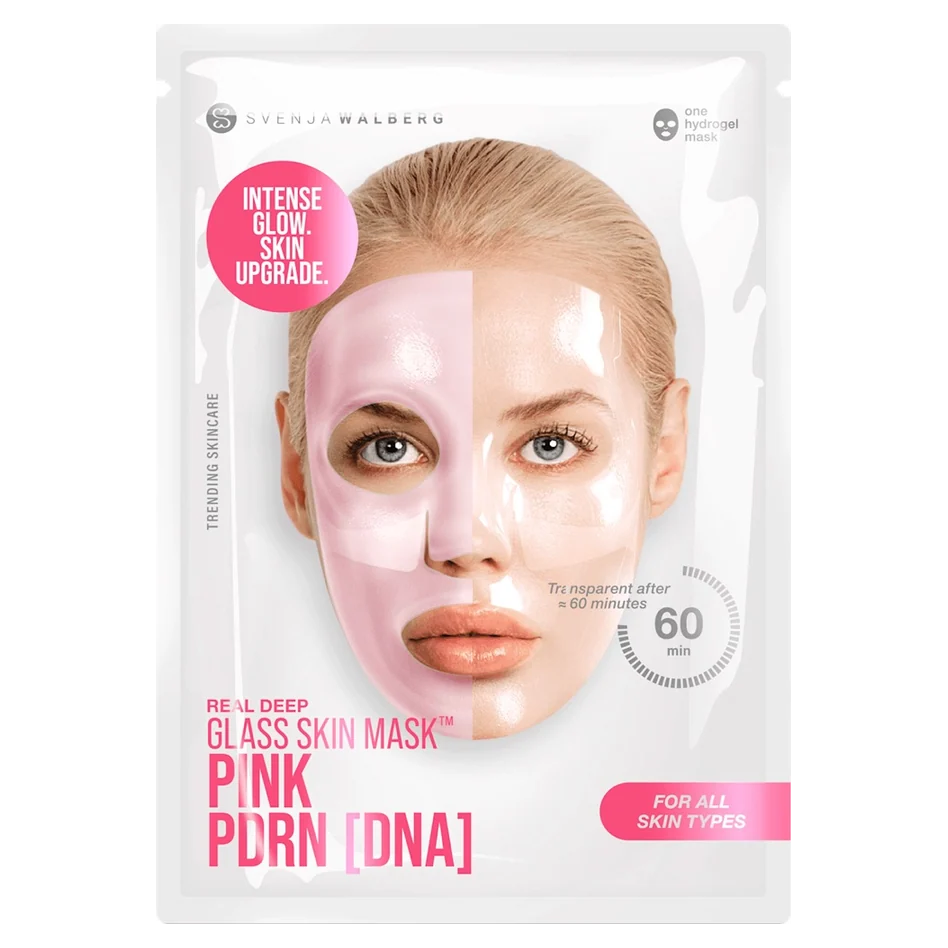
Svenja Walberg
Glass Skin Mask Pink PDRN [DNA]
5th of 26 on the label
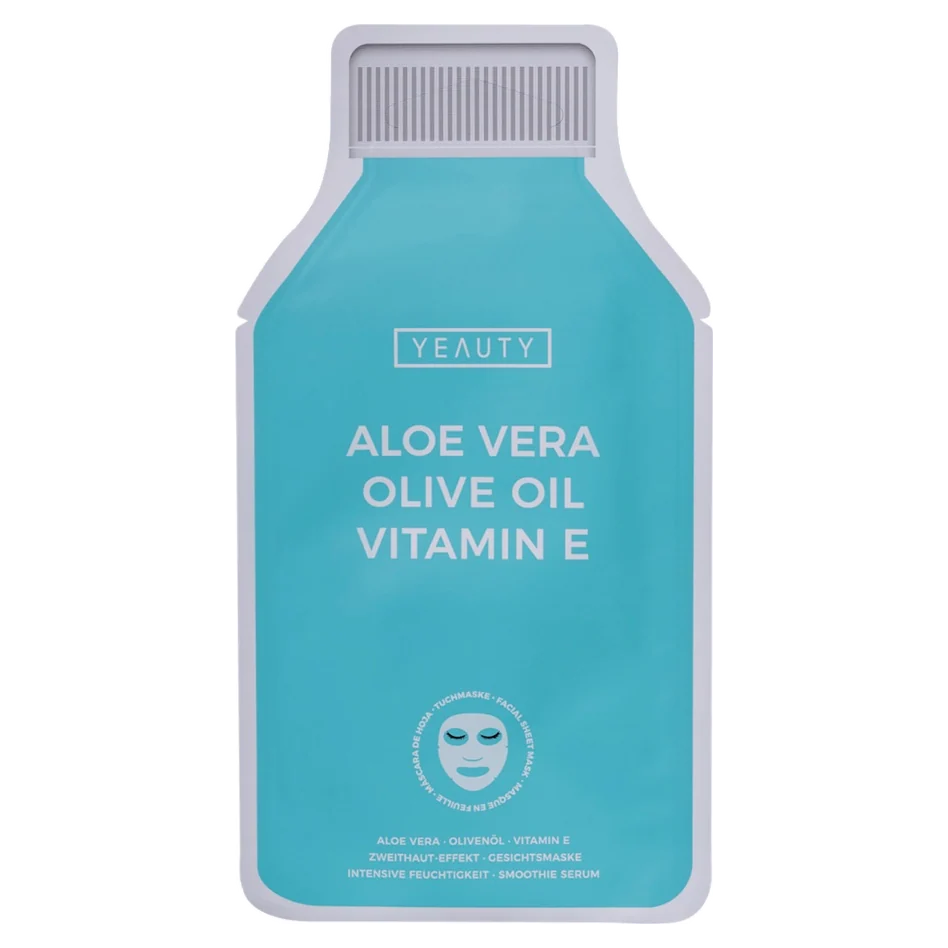
Yeauty
Tuchmaske Aloe Vera Olive Oil Vitamin E
16th of 29 on the label
below ≈1%
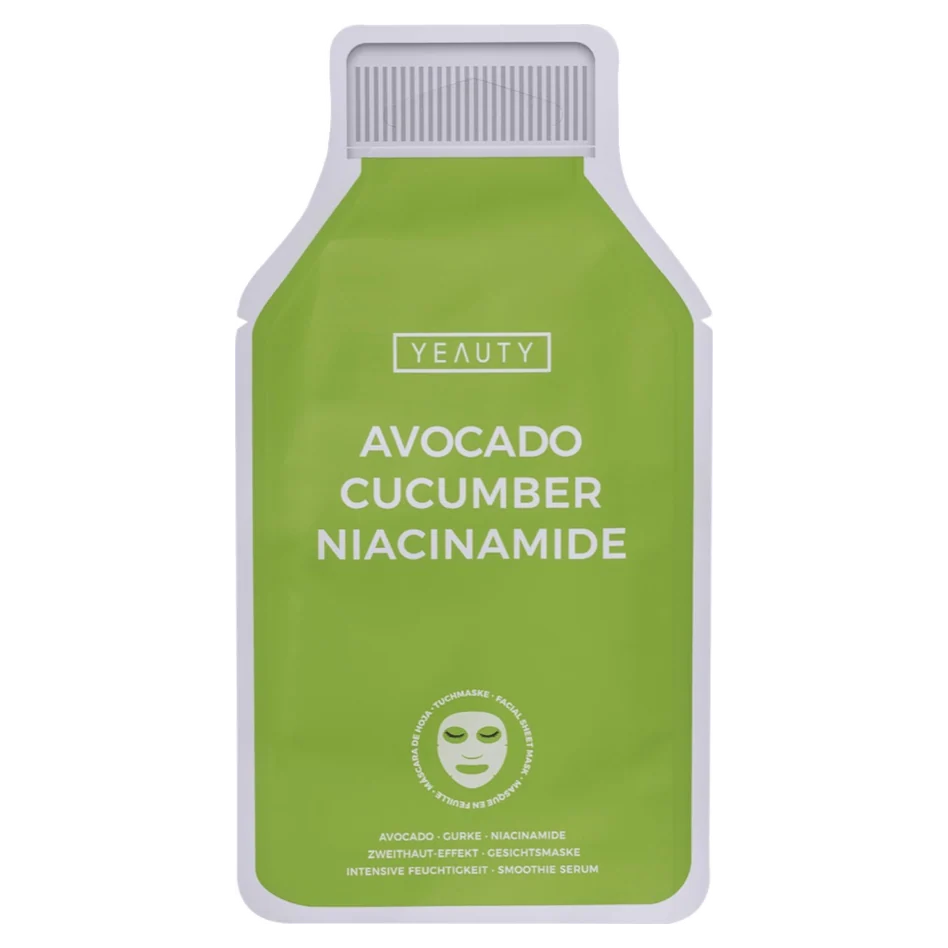
Yeauty
Tuchmaske Avocado Cucumber Niacinamide
17th of 29 on the label
below ≈1%