Caffeine
No meaningful concern for most people; irritation is possible but rare.
Also written as: Trimethylxanthine
What it is
Caffeine is a methylxanthine alkaloid from coffee, tea and cocoa, and one of the few cosmetic actives that penetrates skin easily because it is soluble in both water and oil. Topically it narrows small blood vessels and inhibits an enzyme involved in fat breakdown. Formulators use it in eye products, firming masks and anti-cellulite creams; its natural brown colour is why caffeine-containing masks often look tinted.
What it does well
Temporarily reduces the appearance of under-eye puffiness
Caffeine constricts superficial blood vessels and reduces local fluid pooling, which visibly tightens thin under-eye skin. The effect appears within minutes to hours and fades again, so it is cosmetic and temporary rather than corrective.
Moderate evidence
Contributes antioxidant activity
Caffeine scavenges free radicals and has been shown to improve the performance of sunscreens when added as an adjuvant. It is a supporting antioxidant, not a UV filter.
Moderate evidence
Modest, short-lived improvement in the look of cellulite
Trials of caffeine creams report small reductions in thigh circumference and dimpling, but studies are typically small, industry-run and short. Expect a temporary smoothing effect at best.
Limited evidence
Worth knowing
Systemic absorption from cosmetics is negligible
Dermal risk assessments modelling caffeine absorption from cosmetic use find internal exposure far below the levels reached by drinking coffee. Worry about caffeine in a face mask affecting sleep or heart rate is not supported by the data.
Matters most toNobody in practice; this is a common fear that the exposure modelling does not bear out.
The effect wears off
Because the mechanism is vasoconstriction, benefits are temporary and reverse once the product is removed and blood flow normalises.
Matters most toAnyone expecting a lasting change in under-eye bags or skin firmness.
Where the EU stands
No specific restriction
Not listed in any restriction or prohibition annex of the EU Cosmetics Regulation; permitted at the formulator's discretion under the general safety requirement.
Sources (3)
Every link goes to the original: a journal, a PubMed record or an EU document.
- [1]Caffeine's mechanisms of action and its cosmetic use
Skin Pharmacology and Physiology · 2013 · doi:10.1159/000343174
Reviews caffeine's penetration, vasoconstrictive and antioxidant actions in skin and concludes the cosmetic effects are real but largely temporary.
- [2]Another Reason for Using Caffeine in Dermocosmetics: Sunscreen Adjuvant
Frontiers in Physiology · 2019 · doi:10.3389/fphys.2019.00519
Adding caffeine to sunscreen formulations improved measured photoprotection, supporting its use as an antioxidant adjuvant rather than a standalone filter.
- [3]The margin of internal exposure (MOIE) concept for dermal risk assessment based on oral toxicity data - A case study with caffeine
Toxicology · 2017 · doi:10.1016/j.tox.2017.03.012
Modelling of dermal caffeine exposure from cosmetic products found internal exposure orders of magnitude below dietary intake, indicating no systemic safety concern from topical use.
Masks that contain Caffeine
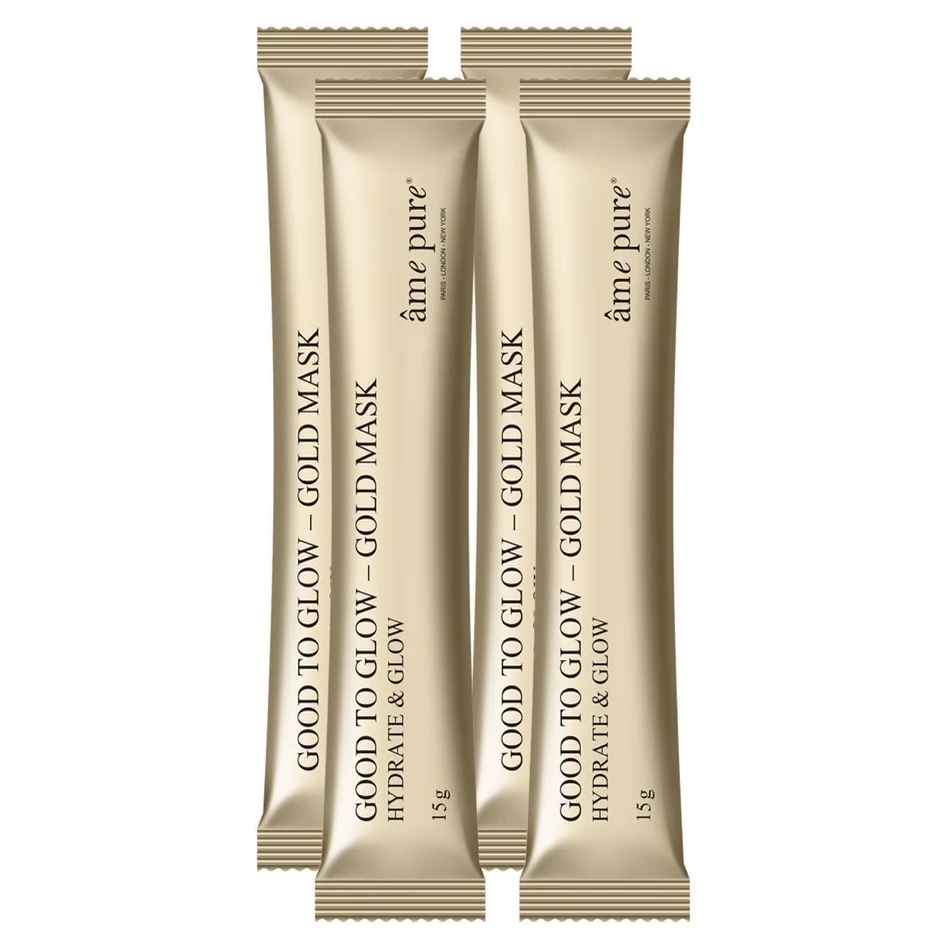
âme pure
Jelly Glow Rubber Mask - Gold Routine Set
10th of 26 on the label
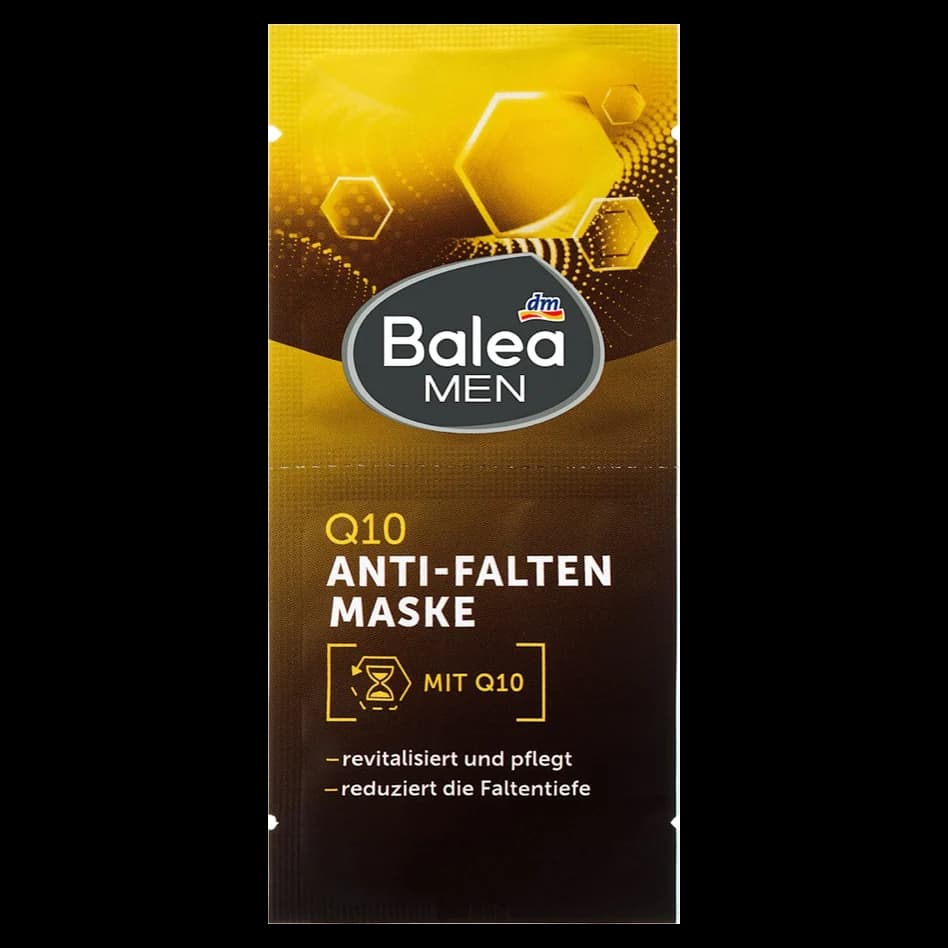
Balea MEN
Gesichtsmaske Q10 Anti-Falten
15th of 28 on the label
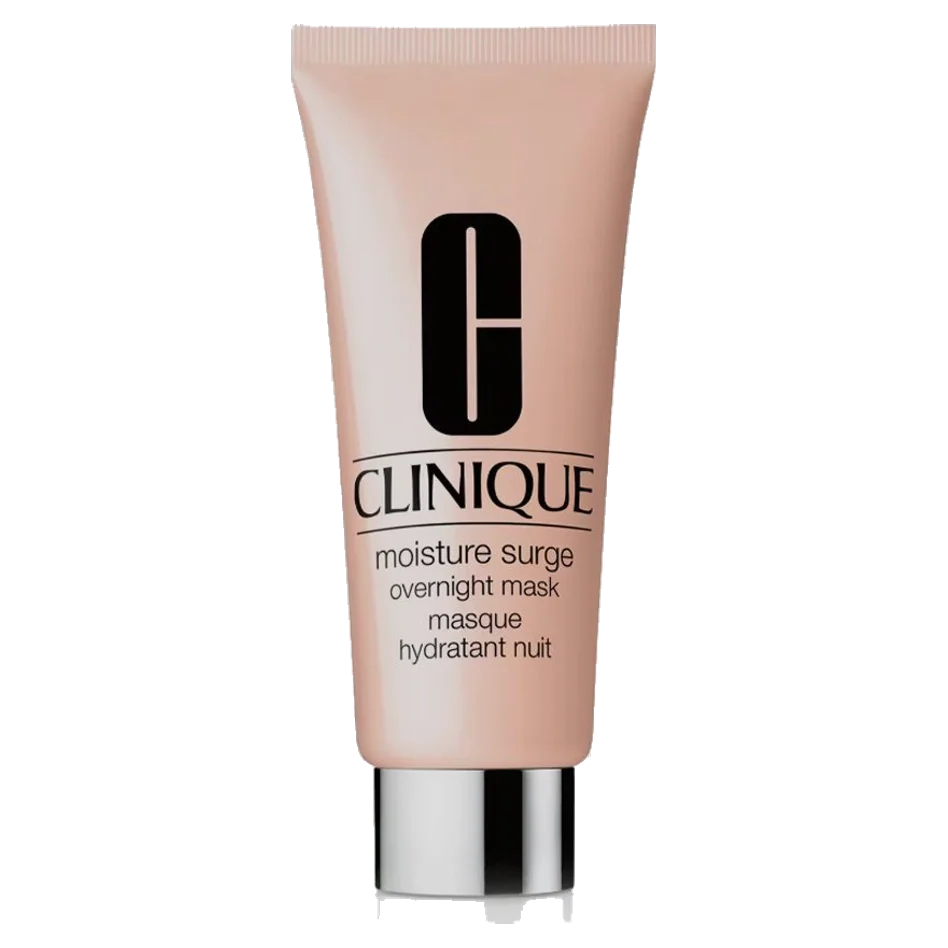
Clinique
Moisture Surge Overnight Mask
24th of 42 on the label
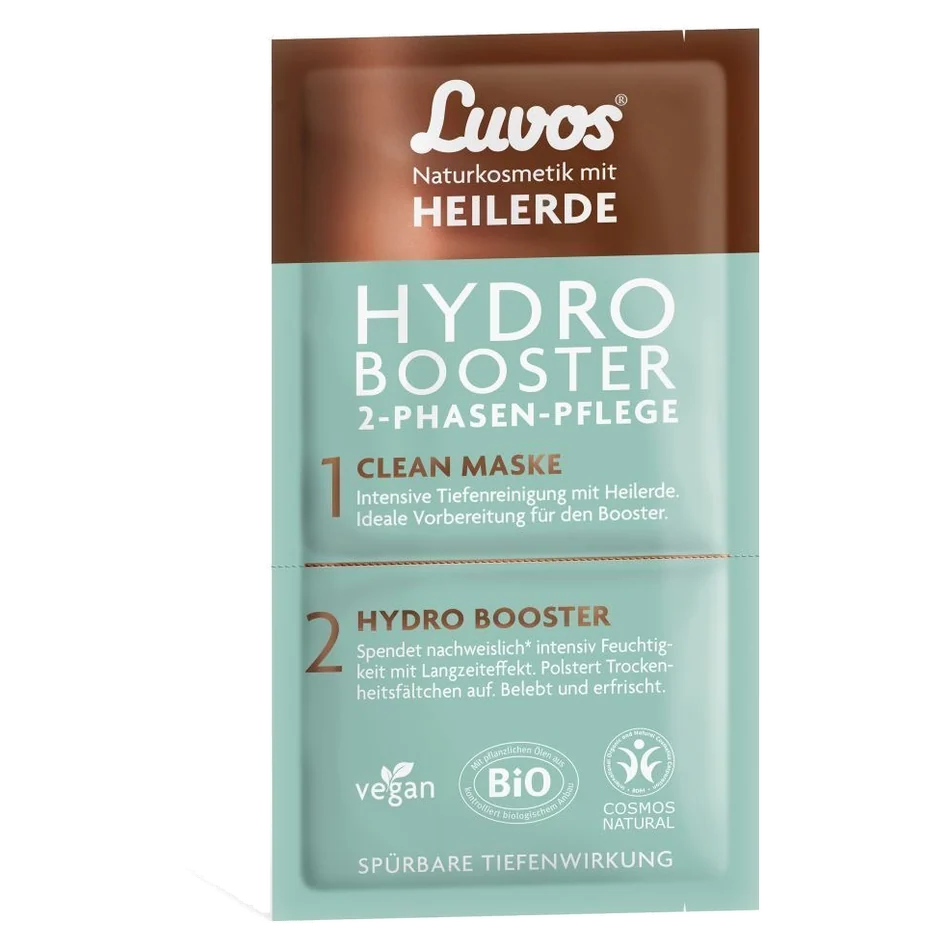
Luvos-Heilerde
Hydro Booster mit Clean Maske
44th of 63 on the label
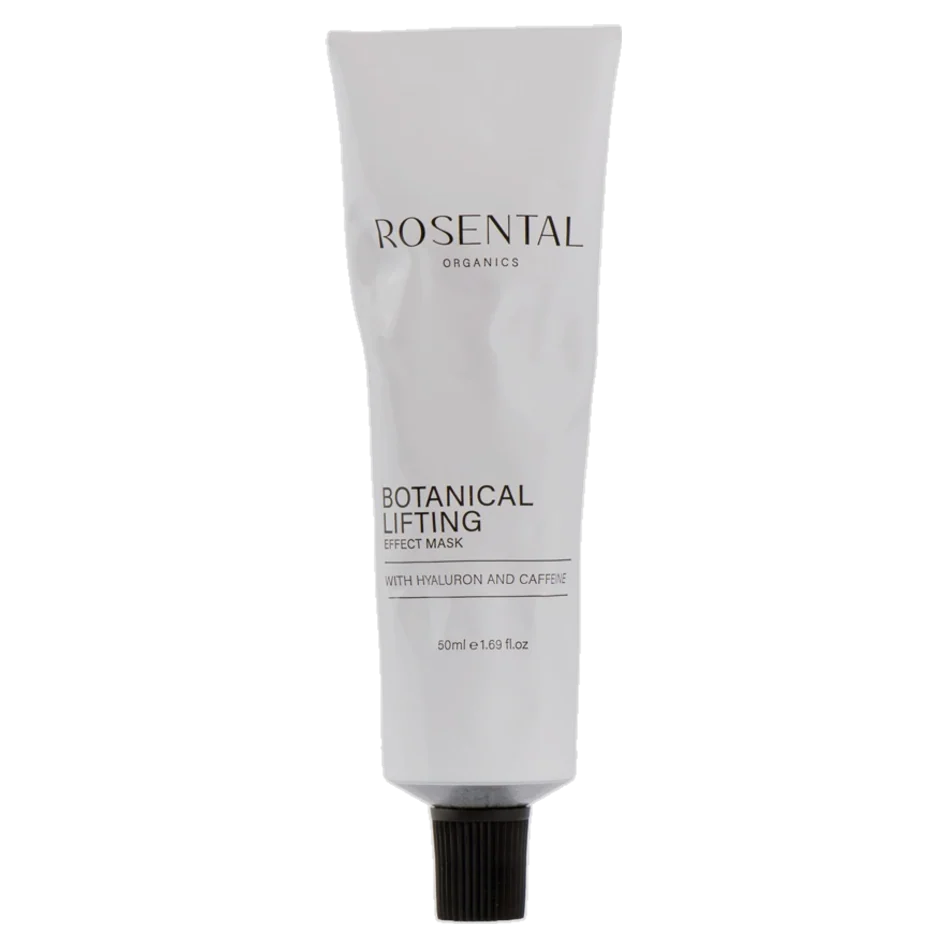
Rosental Organics
Botanical Lifting Effect Mask
20th of 28 on the label
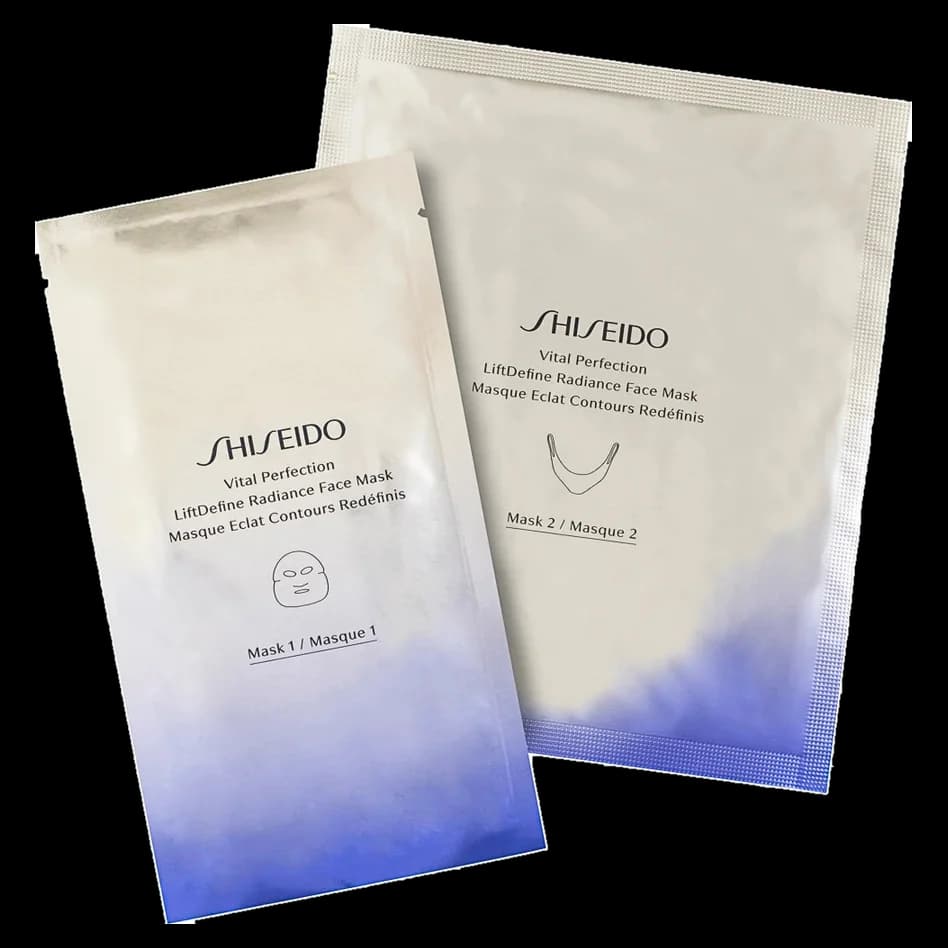
Shiseido
Vital Perfection LiftDefine Radiance Face Mask
14th of 81 on the label
below ≈1%
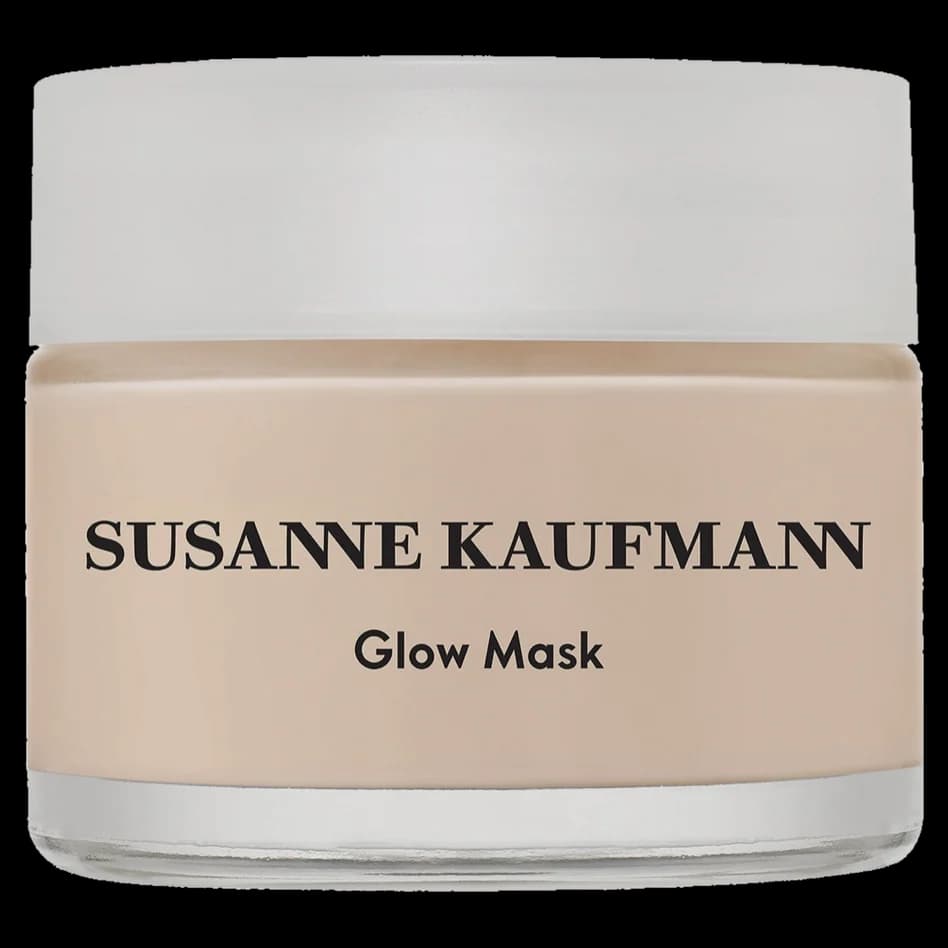
Susanne Kaufmann
Glow Mask
11th of 45 on the label