Algin
Alginate
No meaningful concern for most people; irritation is possible but rare.
Also written as: Sodium Alginate · Alginic acid salt · Alginate
What it is
Algin is the sodium salt of alginic acid, extracted from brown seaweeds such as kelp. In the presence of calcium salts it sets rapidly into a soft rubber, which is the basis of the powder-and-water "modelling" or "rubber" masks used in salons. In ordinary leave-on products it simply acts as a thickener and helps a formula stay where you put it.
How it shows up on a label
In powder modelling masks, algin is usually the first ingredient and calcium sulfate is the setting agent.
What it does well
Forms a physical gel that holds water and other ingredients against the skin
The gelling behaviour is well-characterised chemistry used across food, wound dressings and cosmetics. It slows evaporation during a mask session, which is why skin feels more hydrated afterwards; the alginate itself is not absorbed.
Moderate evidence
Worth knowing
Does nothing active on its own
Alginate is a texture ingredient. Any benefit from a rubber mask comes from occlusion during wear and from whatever active ingredients are mixed in with it.
Matters most toAnyone paying salon prices for a modelling mask on the strength of the alginate itself.
Where the EU stands
No specific restriction
Not restricted under the EU Cosmetics Regulation; it appears in no annex and has no concentration limit.
Regulation (EC) No 1223/2009 - no annex entry · source ↗
Sources (1)
Every link goes to the original: a journal, a PubMed record or an EU document.
- [1]Safety Assessment of Polysaccharide Gums as Used in Cosmetics (Final Report)
Cosmetic Ingredient Review (CIR) Expert Panel · 2015
The Expert Panel reviewed 106 polysaccharide gums used as viscosity increasing agents and concluded that 105 of them - algin, the sodium salt of alginic acid, among the linear polysaccharides named in the conclusion - are safe in the present practices of use and concentration in cosmetics. The Panel also asked industry to use good manufacturing practice to limit impurities from the agents used to modify polysaccharide gums.
Masks that contain Algin
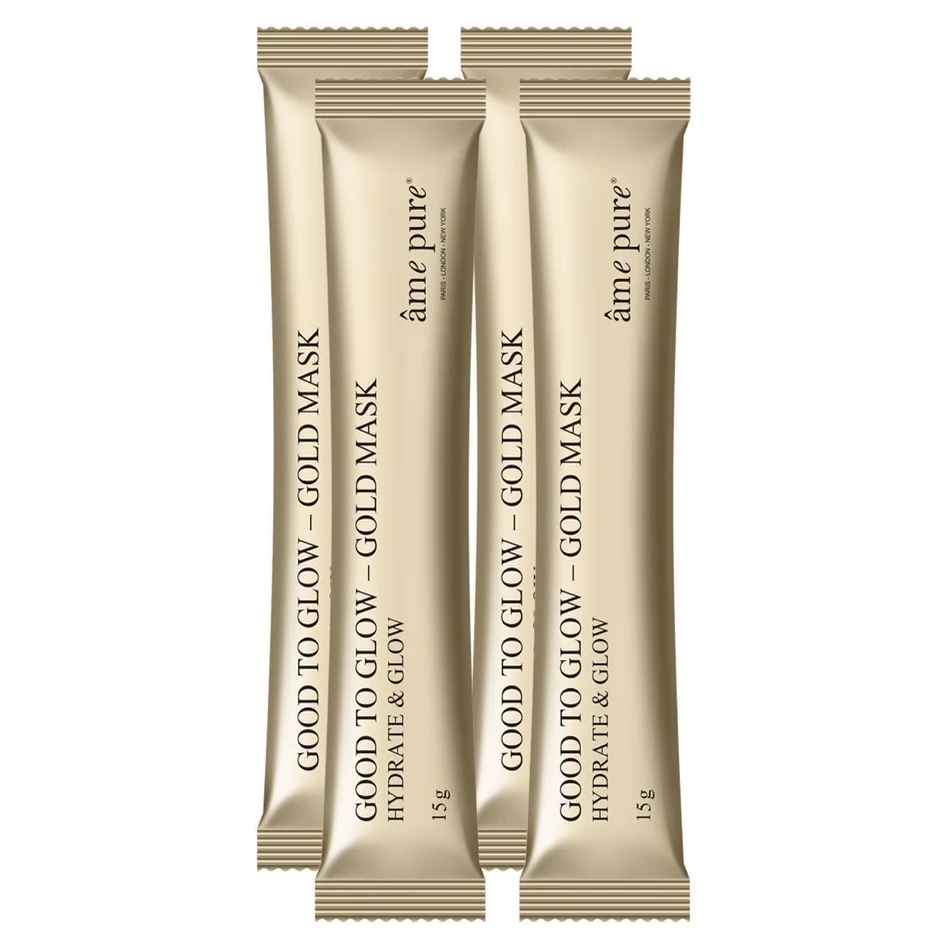
âme pure
Jelly Glow Rubber Mask - Gold Routine Set
4th of 26 on the label
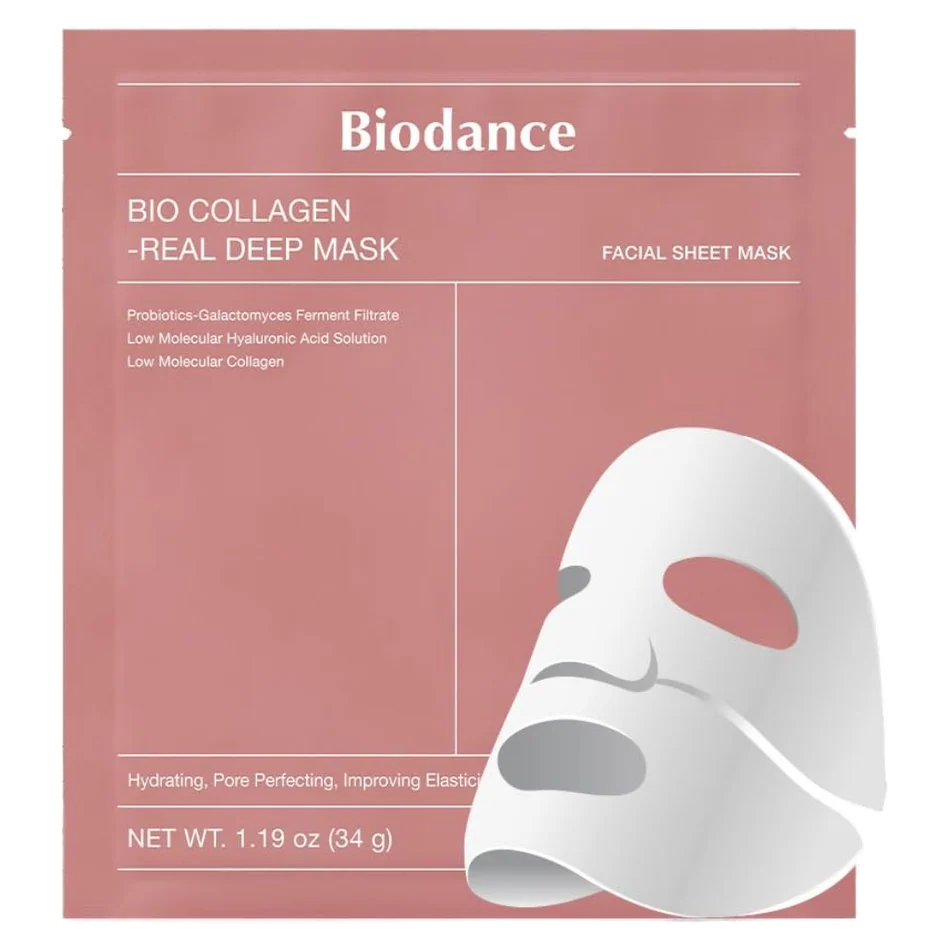
Biodance
Bio-Collagen Real Deep Mask
9th of 34 on the label
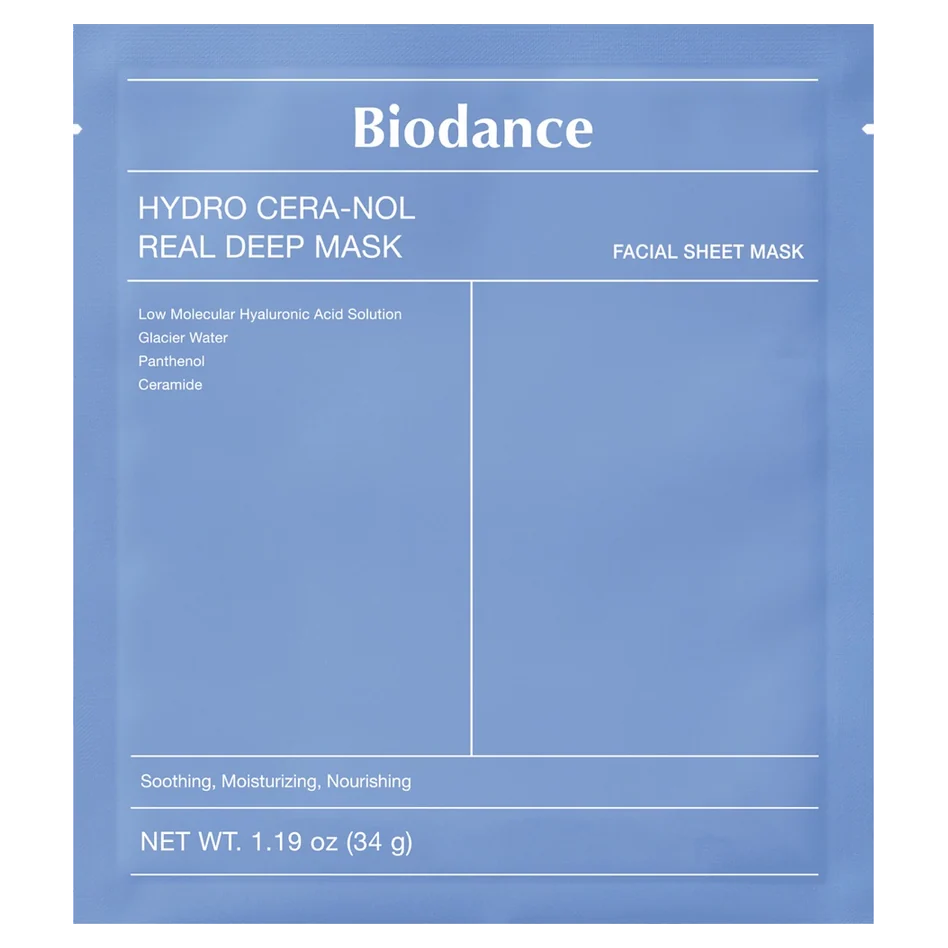
Biodance
Hydro Cera-nol Real Deep Mask
22nd of 65 on the label
below ≈1%
Biodance
Refreshing Sea Kelp Real Deep Mask
10th of 43 on the label
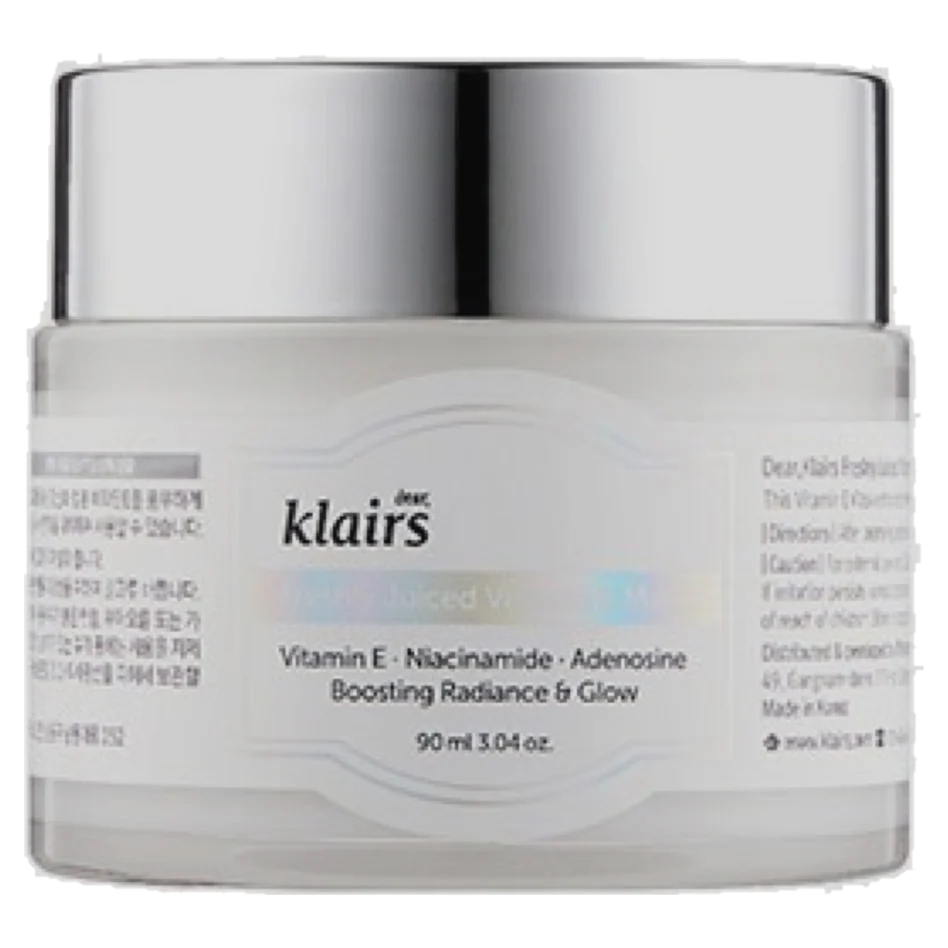
Dear, Klairs
Freshly Juiced Vitamin E Mask
10th of 30 on the label
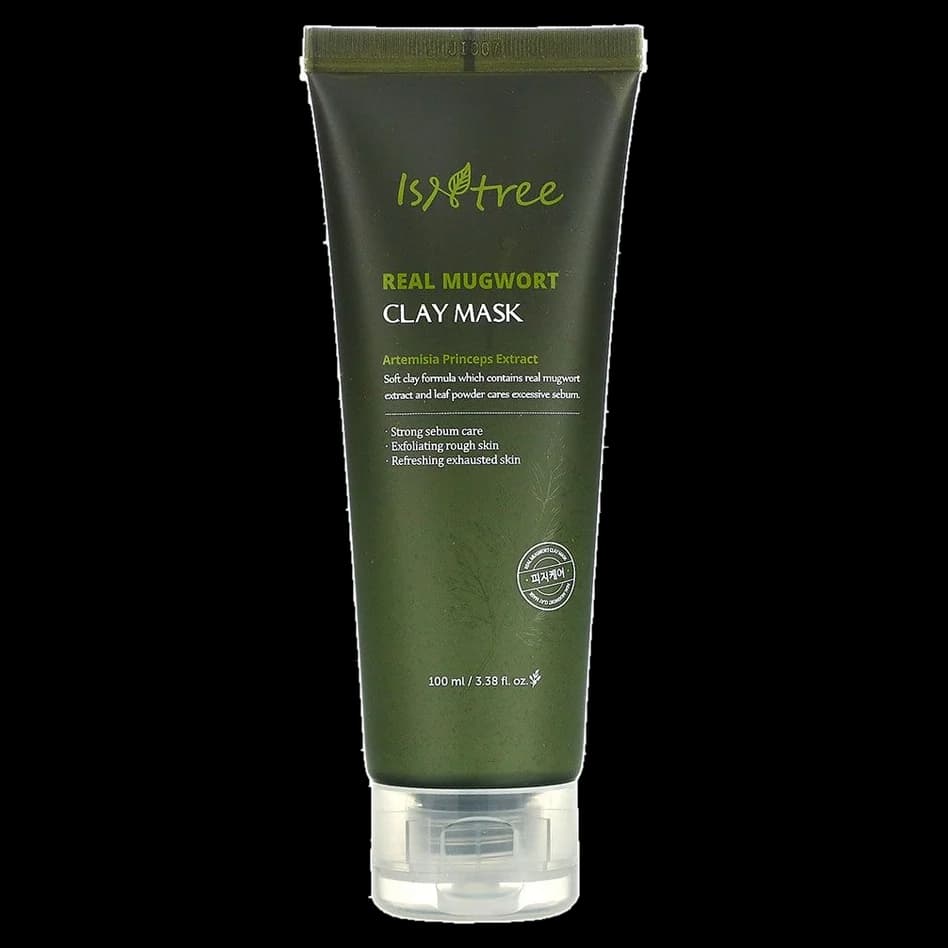
Isntree
Mugwort Calming Clay Mask
30th of 38 on the label
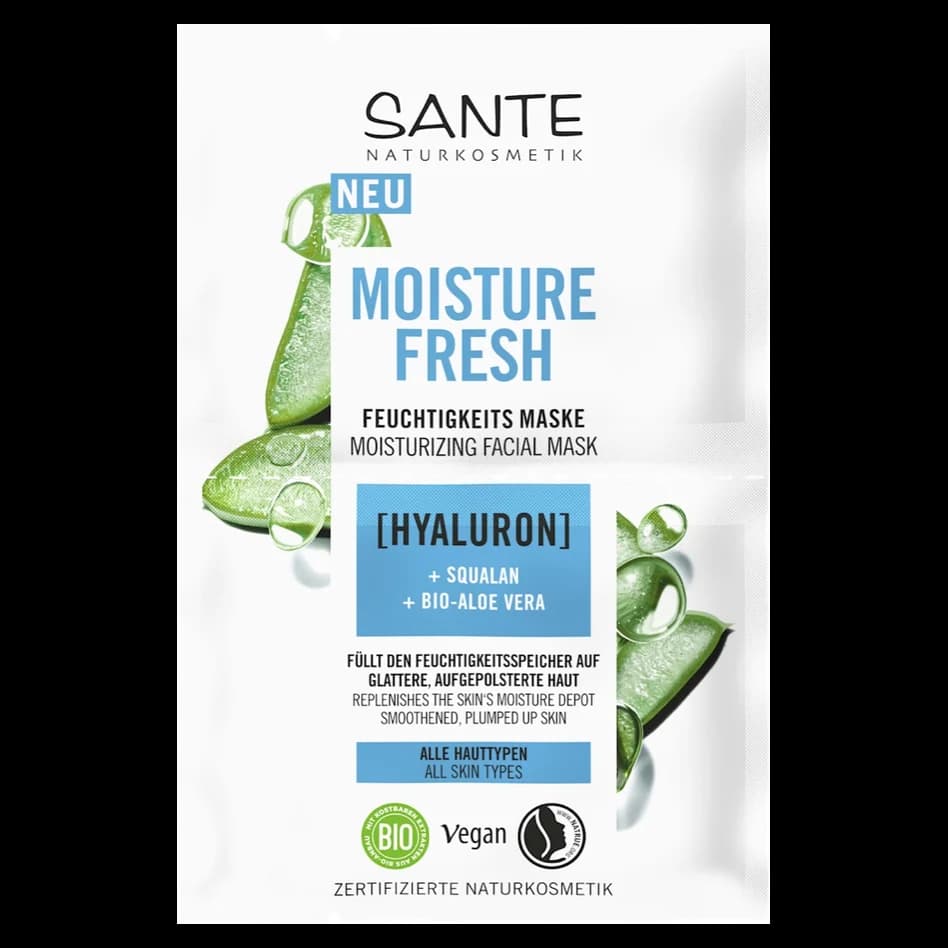
Santé Naturkosmetik
Moisture Fresh Maske Hyaluron
9th of 24 on the label
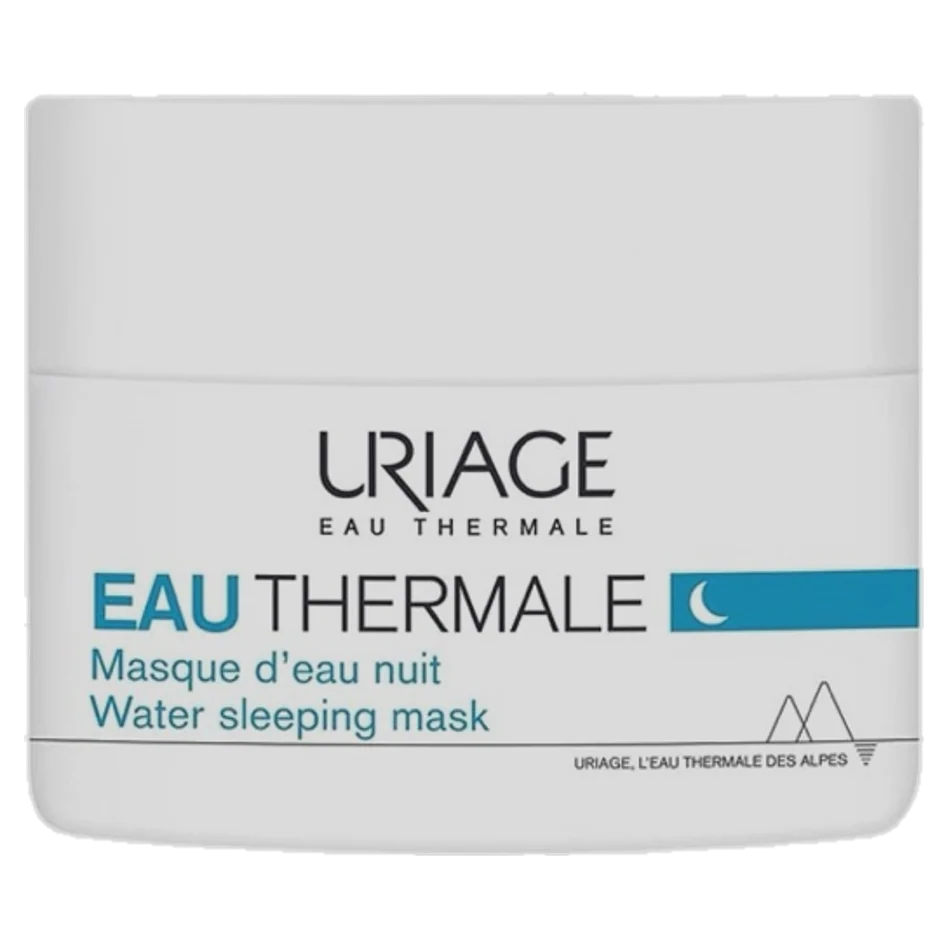
Uriage
Eau Thermale Water Sleeping Mask
20th of 29 on the label
below ≈1%