Retinol
Retinol
EU-restricted, a common contact allergen, or subject to live debate.
Also written as: Vitamin A · Vitamin A Alcohol · all-trans-Retinol
What it is
Retinol is the alcohol form of vitamin A. Applied to skin it is converted in two steps to retinoic acid, the molecule that actually binds retinoid receptors in skin cells and changes how they behave - increasing collagen production, speeding up cell turnover and reducing pigment clumping. It is weaker than prescription tretinoin but also better tolerated, which is why it dominates the cosmetic market. Since April 2024 it has been formally restricted in EU cosmetics, mainly because of concern about total vitamin A intake across food, supplements and cosmetics rather than because of any effect on the skin itself.
How it shows up on a label
As of July 2026 the manufacturing deadline has already passed, so newly made EU products are compliant. Stock produced earlier may legally remain on shelves until 1 May 2027, which is why some packs still lack the vitamin A warning.
What it does well
Reduces fine wrinkles and improves the structure of aged skin
In a randomised, double-blind, vehicle-controlled study, 0.4% retinol applied up to three times a week for 24 weeks significantly reduced fine wrinkling compared with vehicle in elderly participants, with biopsy-confirmed increases in glycosaminoglycans and procollagen.
Strong evidence
Improves uneven tone and texture
By speeding up the shedding of surface cells and reducing the transfer of pigment, retinol gradually evens out tone. Results are slow - most controlled studies run 12 weeks or more before differences become clear.
Moderate evidence
Helps clear blocked pores
Retinoids normalise the way cells lining the follicle stick together, which reduces the formation of comedones. The prescription retinoids adapalene and tretinoin have much stronger acne evidence than cosmetic retinol.
Moderate evidence
Worth knowing
Retinoid irritation: dryness, flaking and stinging
Redness, tightness, peeling and stinging in the first few weeks are the normal, expected response, not an allergy. They usually settle with less frequent application and a plain moisturiser, and are more likely if you combine retinol with acids or alcohol-heavy products.
Matters most toEveryone starting retinol, and particularly people with sensitive, dry or rosacea-prone skin.
Avoid in pregnancy
Oral retinoids are established human teratogens, and standard clinical advice is to avoid topical retinoids while pregnant or trying to conceive. A prospective study of 235 women exposed to topical retinoids in the first trimester found no increase in major malformations and no cases of retinoid embryopathy, which is reassuring about accidental exposure, but it is not a reason to start or continue deliberately.
Matters most toAnyone pregnant, planning a pregnancy or breastfeeding.
Counts towards your total vitamin A intake
The EU restriction exists because vitamin A from food and supplements already approaches the recommended upper intake for a minority of people, and cosmetics add to that. This is why EU products must now carry the warning 'Contains Vitamin A. Consider your daily intake before use'.
Matters most toPeople taking vitamin A or high-dose multivitamin supplements, or eating liver regularly.
Degrades in light and air
Retinol is unstable and loses potency in transparent jars or once repeatedly opened. Sensible packaging - opaque, airless, well-sealed - matters more for retinol than for most ingredients.
Matters most toAnyone buying retinol in a clear jar or an old, half-used pot.
Where the EU stands
Concentration-restricted
Capped at 0.05% Retinol Equivalent in body lotion and 0.3% RE in all other leave-on and rinse-off products, including face masks. Any product containing Retinol, Retinyl Acetate or Retinyl Palmitate must carry the labelling 'Contains Vitamin A. Consider your daily intake before use'. Non-compliant products could not be placed on the EU market from 1 November 2025, and may not be made available on the EU market from 1 May 2027.
Regulation (EC) No 1223/2009, Annex III entry 376, as inserted by Commission Regulation (EU) 2024/996 · source ↗
Sources (3)
Every link goes to the original: a journal, a PubMed record or an EU document.
- [1]Improvement of naturally aged skin with vitamin A (retinol)
Archives of Dermatology · 2007 · doi:10.1001/archderm.143.5.606
A randomised vehicle-controlled trial in 36 elderly subjects found 0.4% topical retinol significantly improved fine wrinkling over 24 weeks, with matching biochemical changes in skin biopsies.
- [2]Revision of the scientific Opinion (SCCS/1576/16) on Vitamin A (Retinol, Retinyl Acetate, Retinyl Palmitate) - SCCS/1639/21
Scientific Committee on Consumer Safety (SCCS), European Commission · 2022
The SCCS concluded that vitamin A in cosmetics is safe at 0.05% Retinol Equivalent in body lotion and 0.3% RE in other leave-on and rinse-off products; these figures became the EU legal limits.
- [3]Pregnancy outcome following exposure to topical retinoids: a multicenter prospective study
Journal of Clinical Pharmacology · 2012 · doi:10.1177/0091270011429566
Among 235 women exposed to topical retinoids in the first trimester versus 444 controls, there was no significant increase in major malformations and no case of retinoid embryopathy, though the authors did not recommend deliberate use in pregnancy.
Masks that contain Retinol
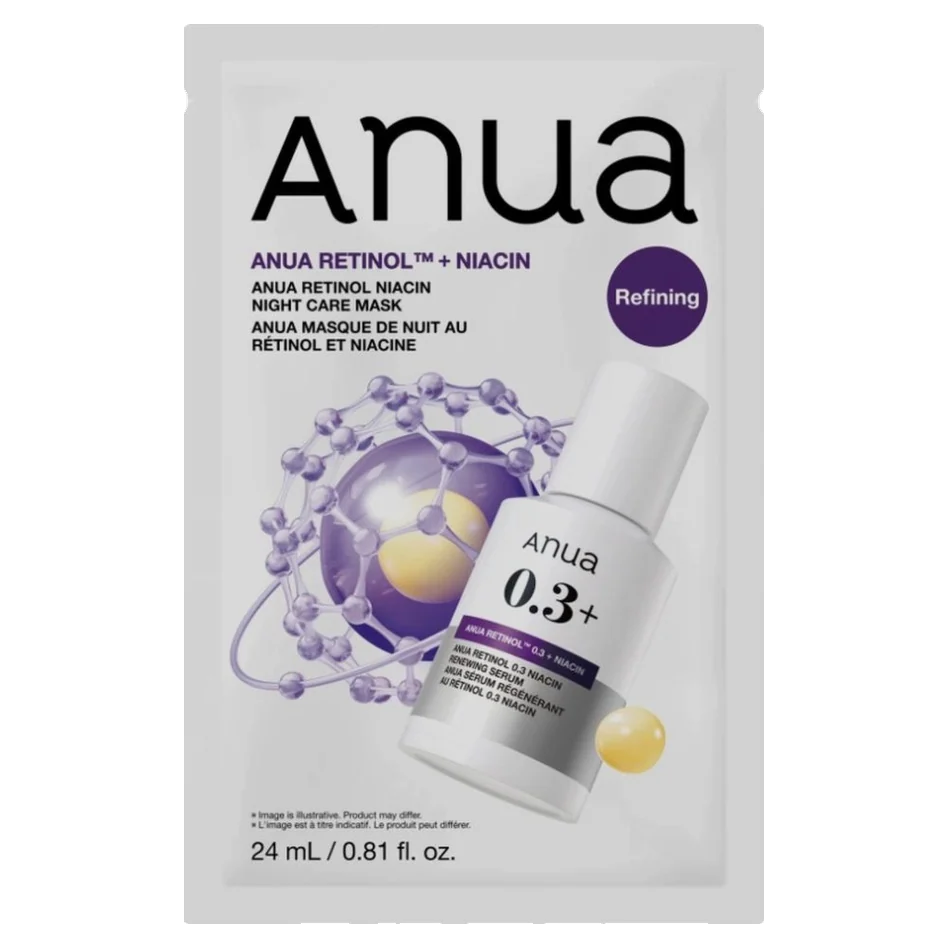
Anua
Retinol Niacin Night Care Mask
31st of 44 on the label
below ≈1%
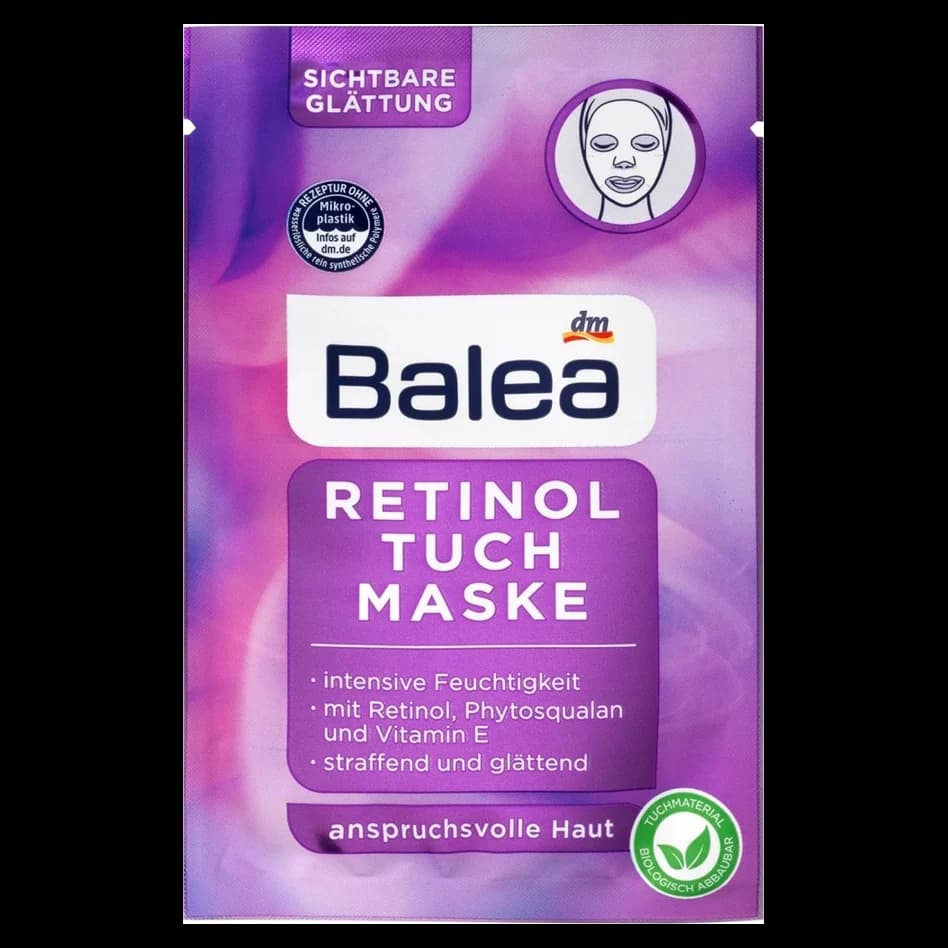
Balea
Tuchmaske Retinol
4th of 16 on the label
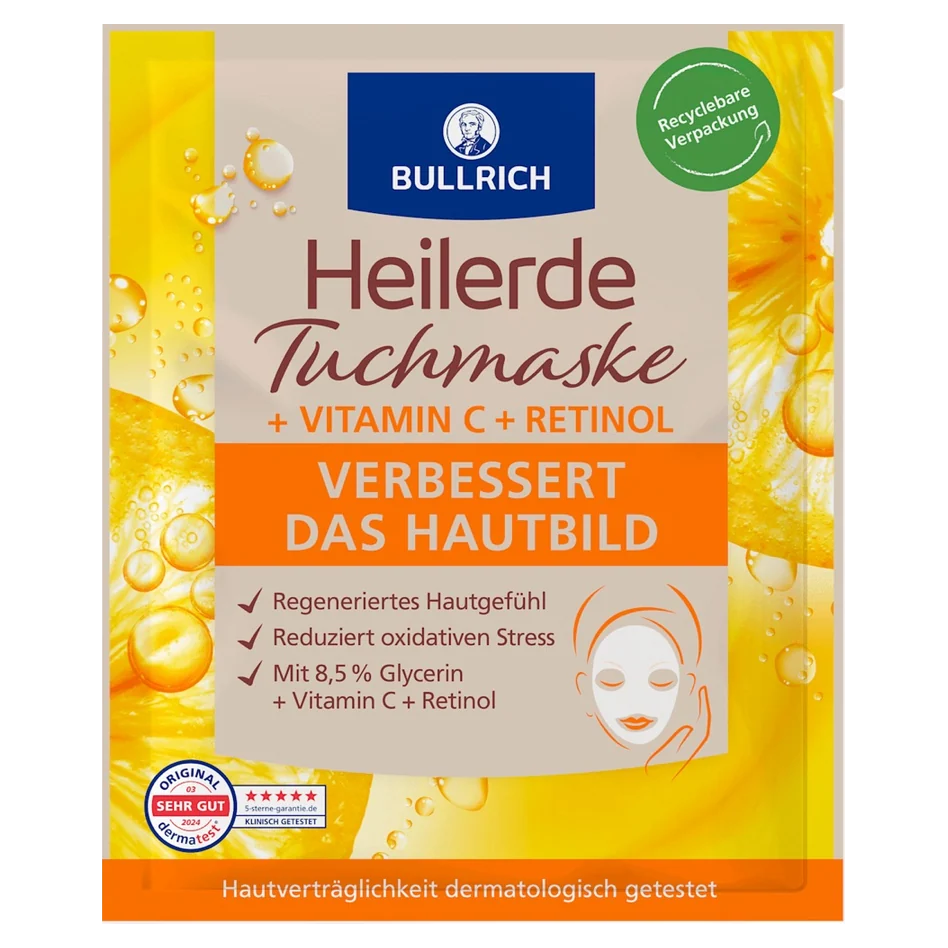
BULLRICH
Tuchmaske Vitamin C + Retinol
9th of 11 on the label
below ≈1%
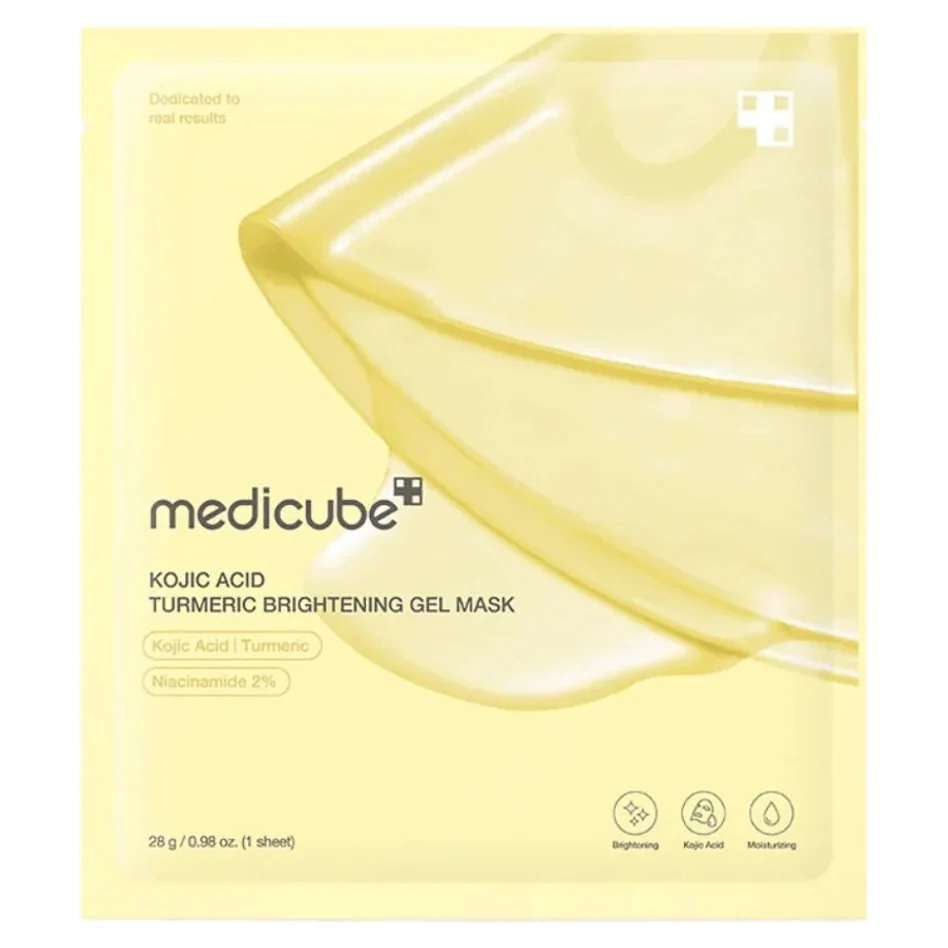
Medicube
Kojic Acid Turmeric Brightening Gel Mask
35th of 35 on the label
below ≈1%
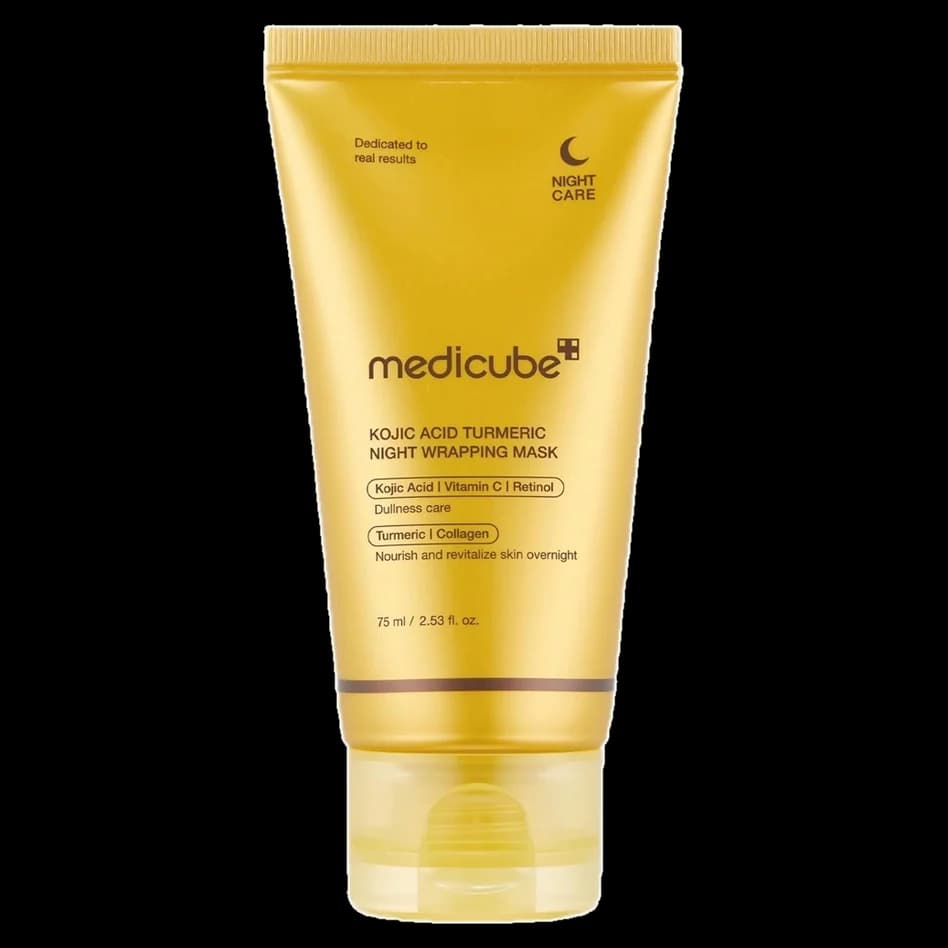
Medicube
Kojic Acid Turmeric Night Wrapping Mask
22nd of 22 on the label
below ≈1%
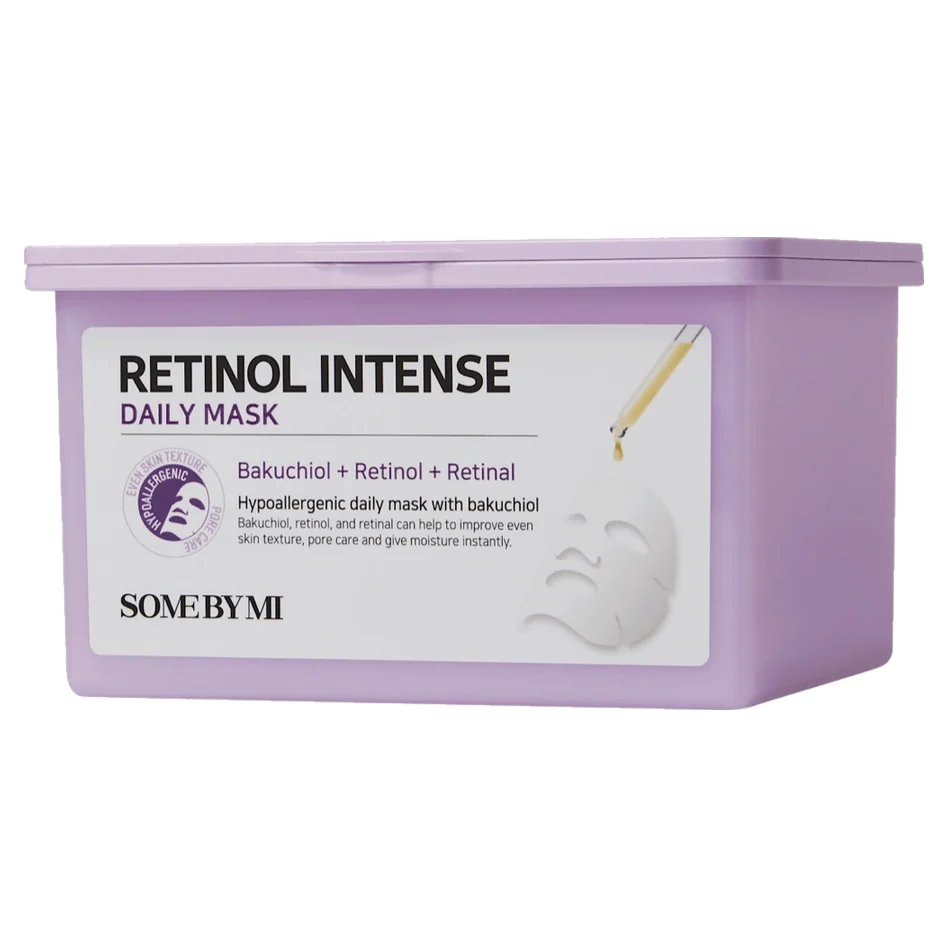
SOME BY MI
Daily Retinol Intense Mask
44th of 62 on the label
below ≈1%