Carrageenan
Carrageenan
No meaningful concern for most people; irritation is possible but rare.
Also written as: Chondrus Crispus Extract (related) · Irish moss extract · E407
What it is
Carrageenan is extracted from red seaweeds such as Irish moss and comes in kappa, iota and lambda types that gel to different degrees. It is a long-established food and cosmetic thickener that also forms soft films, so it turns up in jelly masks, sheet-mask essences and sleeping packs. In cosmetics its role is purely textural.
What it does well
Gives a cushioned, slippery texture and helps a mask stay in place
Its gelling and suspending behaviour is thoroughly characterised. It also forms a light film that slows water evaporation during wear, which is part of why a jelly mask feels hydrating.
Strong evidence
Worth knowing
The carrageenan cancer scare does not apply to cosmetic use
The concern people have read about relates to degraded carrageenan (poligeenan), a deliberately broken-down form that IARC classified Group 2B based on rat feeding studies. Native food- and cosmetic-grade carrageenan was classified Group 3, not classifiable as to carcinogenicity to humans, and the studies in question involved eating it, not applying it to intact skin.
Matters most toAnyone who has seen carrageenan flagged on ingredient-scoring apps and is worried about it in a face mask.
Where the EU stands
No specific restriction
Not restricted under the EU Cosmetics Regulation; carrageenan appears in no annex of prohibited or restricted substances and has no cosmetic concentration limit. It is separately approved as food additive E407.
Regulation (EC) No 1223/2009 - no annex entry · source ↗
Sources (2)
Every link goes to the original: a journal, a PubMed record or an EU document.
- [1]Carrageenan (IARC Monographs on the Evaluation of Carcinogenic Risks to Humans, Volume 31; Supplement 7)
IARC Monographs (WHO / IPCS INCHEM) · 1983
IARC classified degraded carrageenan as Group 2B (possibly carcinogenic to humans) on the basis of rat feeding studies, while native undegraded carrageenan - the form used in food and cosmetics - was placed in Group 3, not classifiable.
- [2]Safety Assessment of Polysaccharide Gums as Used in Cosmetics (Final Report)
Cosmetic Ingredient Review (CIR) Expert Panel · 2015
The Expert Panel reviewed 106 polysaccharide gums used as viscosity increasing agents and concluded that 105 of them - carrageenan among the linear polysaccharides named in the conclusion - are safe in the present practices of use and concentration in cosmetics. The single exception was Hydrolyzed Carrageenan, a separate depolymerised ingredient, for which the available data were judged insufficient.
Masks that contain Carrageenan
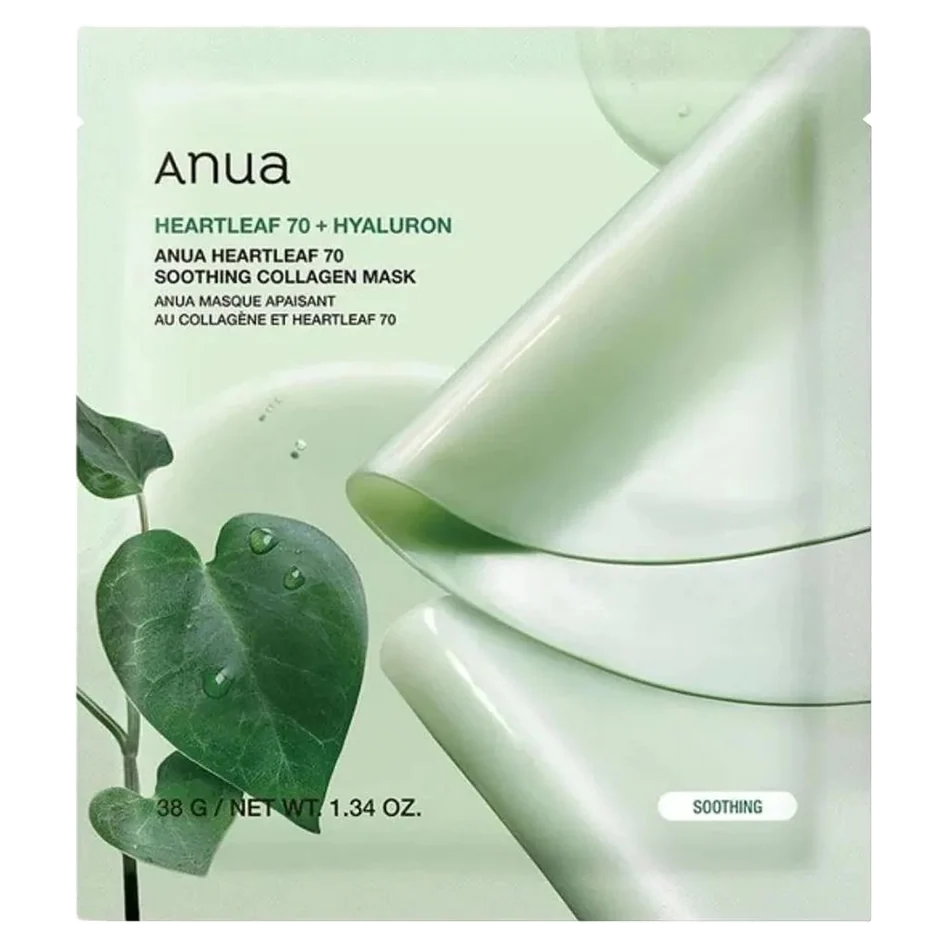
Anua
Heartleaf 70 Soothing Collagen Mask
10th of 35 on the label
below ≈1%
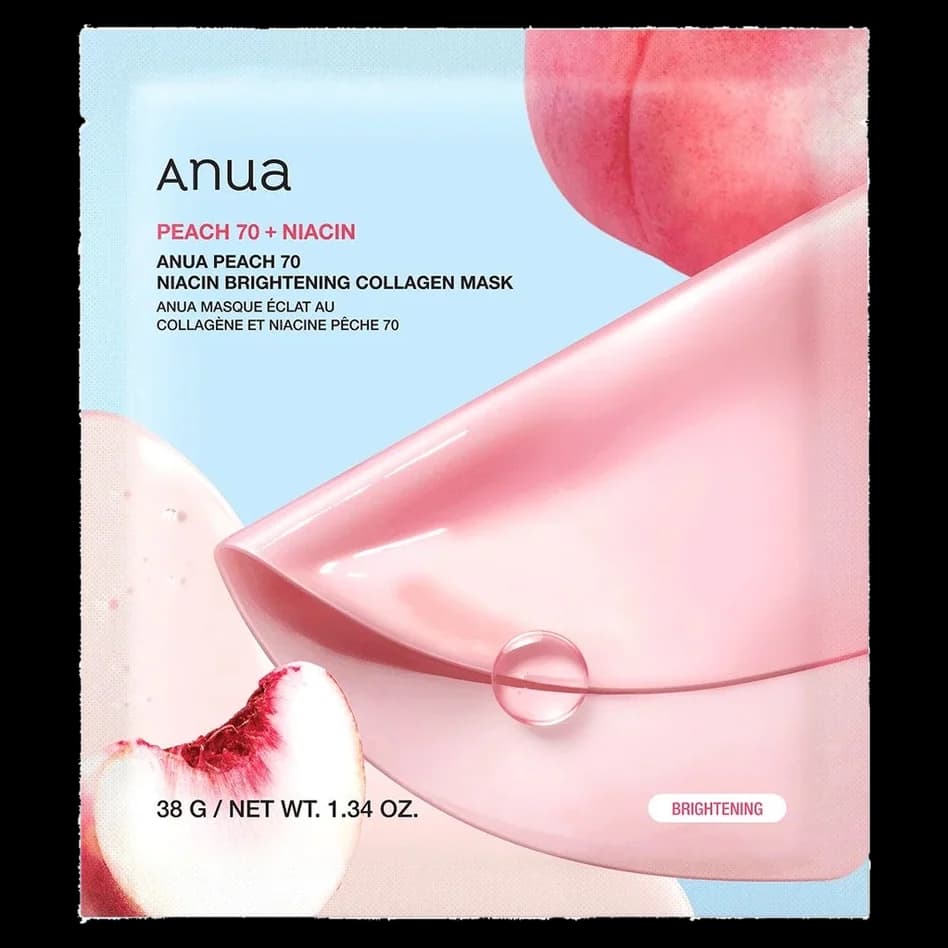
Anua
Peach 70 Niacin Brightening Collagen Mask
12th of 44 on the label
below ≈1%
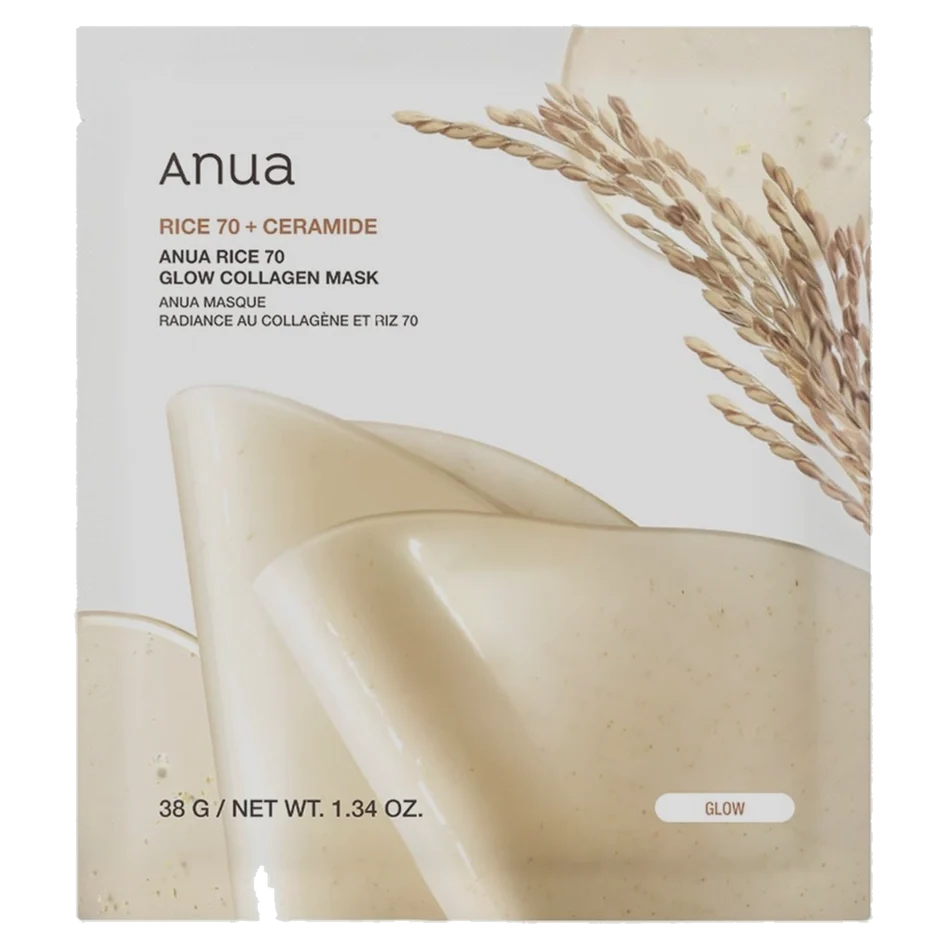
Anua
Rice 70 Glow Collagen Mask
11th of 42 on the label
below ≈1%
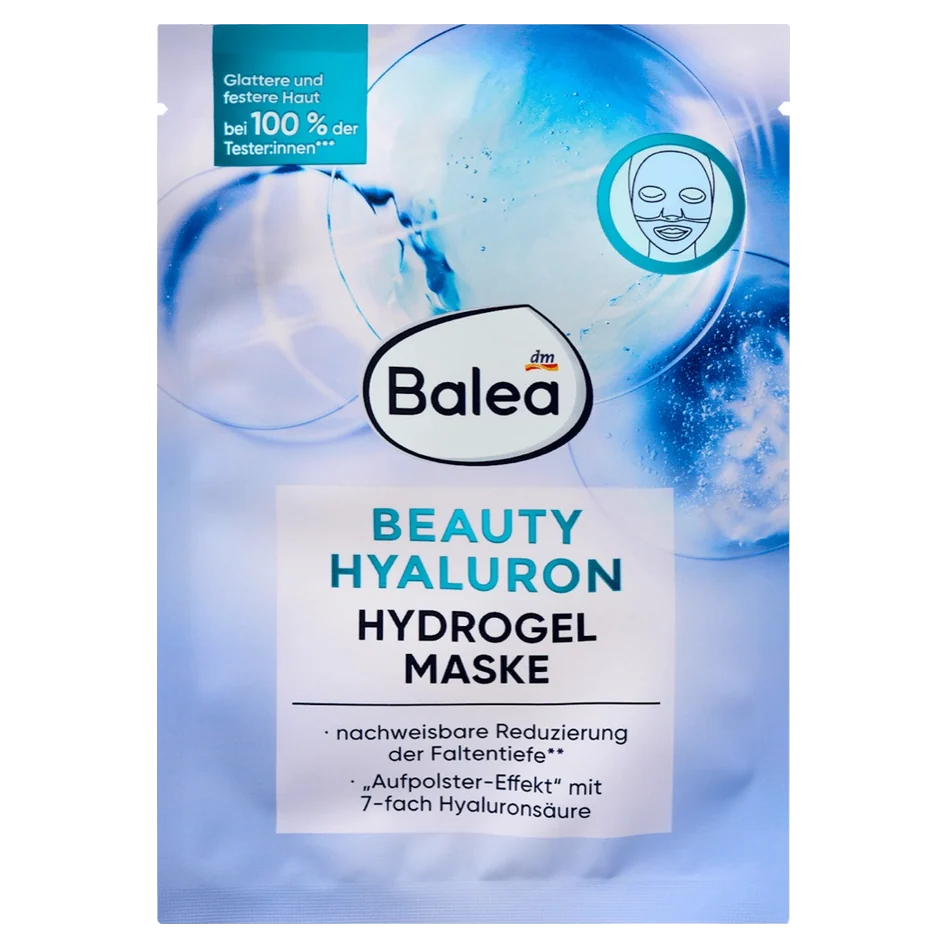
Balea
Gesichtsmaske Beauty Hyaluron Hydrogel
16th of 28 on the label
below ≈1%
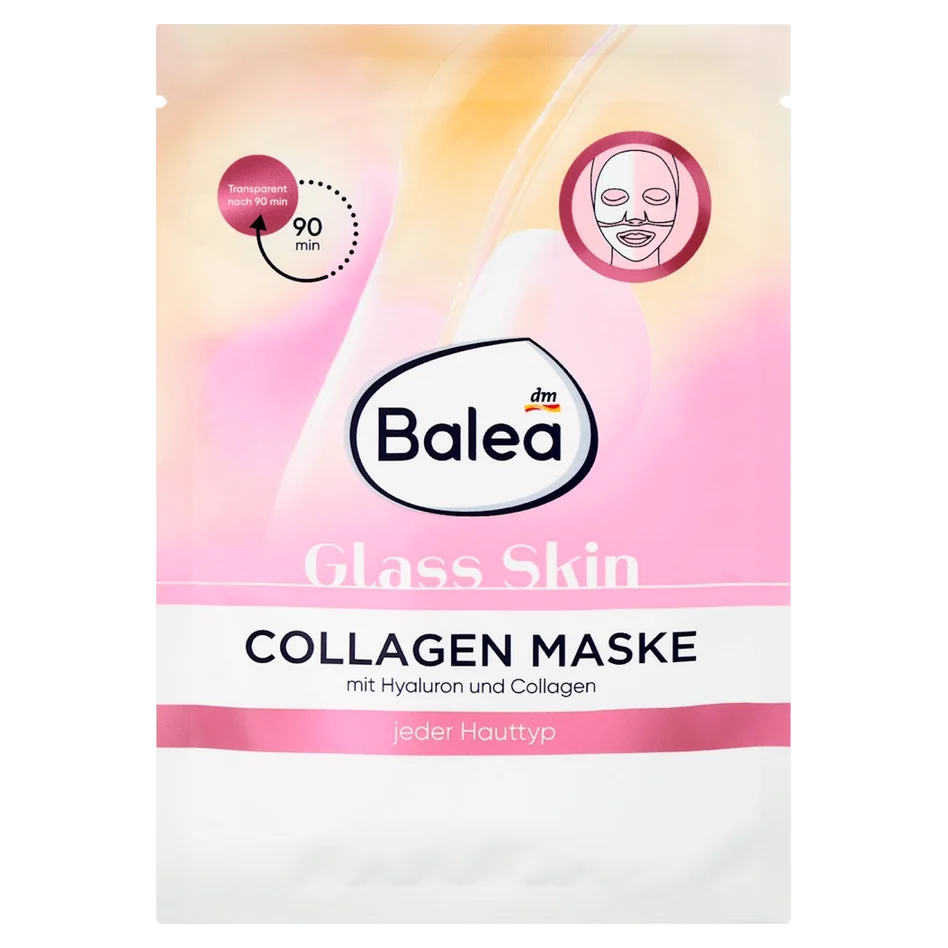
Balea
Glass Skin Collagen Maske
12th of 17 on the label
below ≈1%
Dear, Klairs
Freshly Juiced Vitamin E Mask
7th of 30 on the label
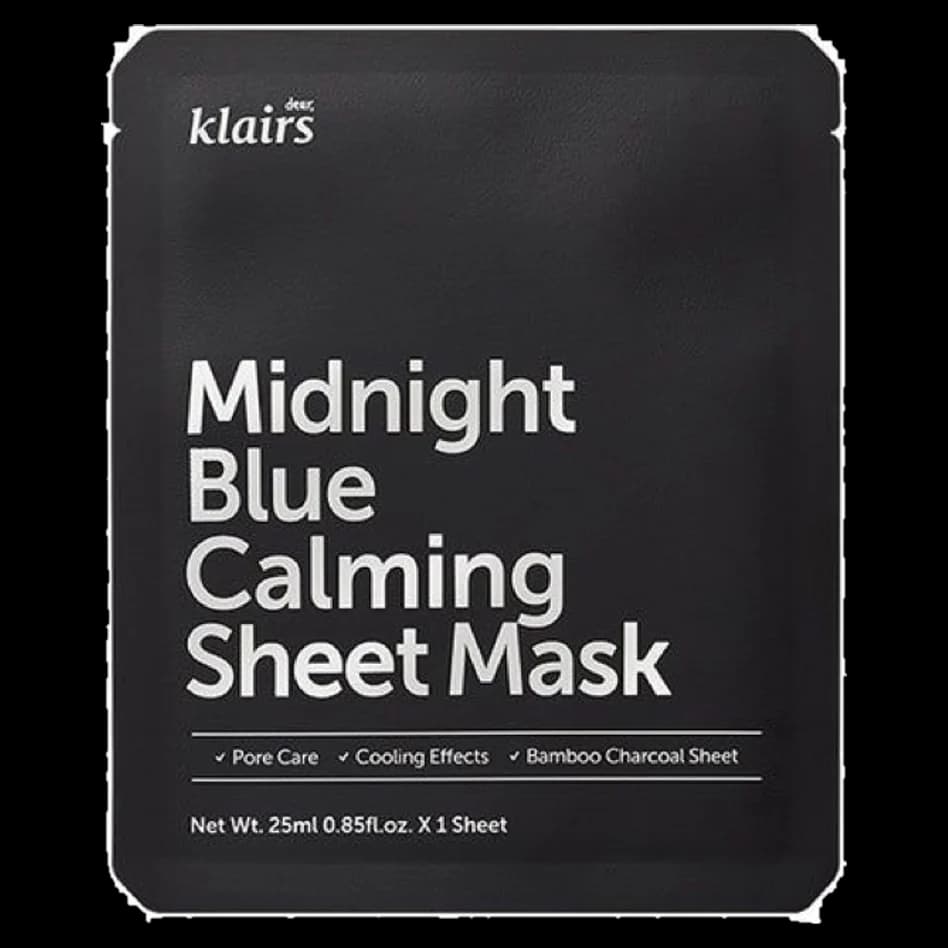
Dear, Klairs
Midnight Blue Calming Sheet Mask
10th of 21 on the label
below ≈1%
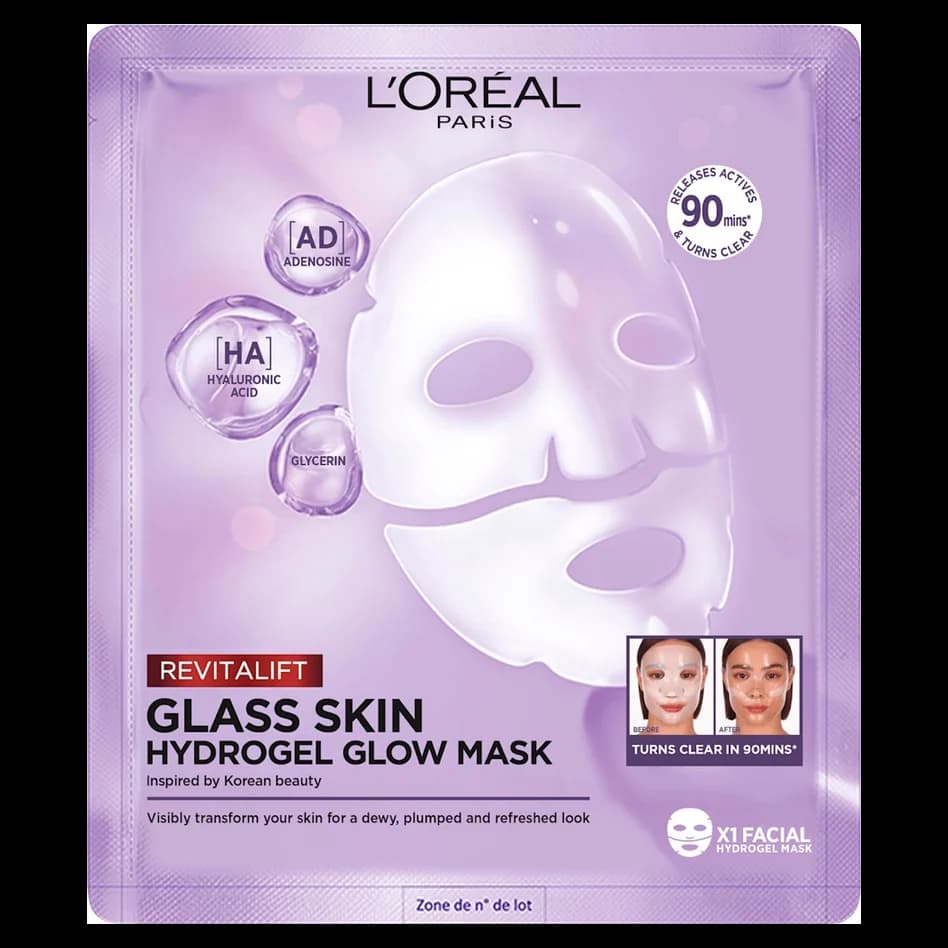
L'Oréal Paris
Revitalift Filler Glass Skin Hydrogel Glow Mask
16th of 32 on the label
below ≈1%
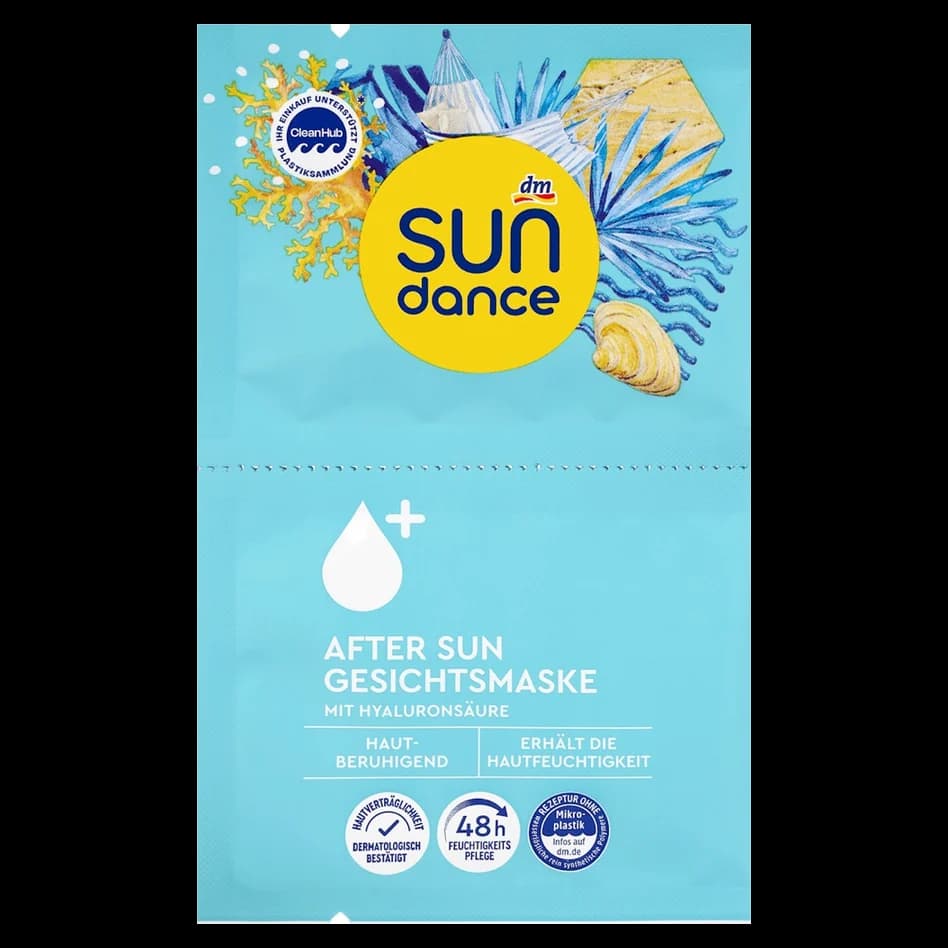
SUNDANCE
After Sun Gesichtsmaske
11th of 25 on the label
below ≈1%
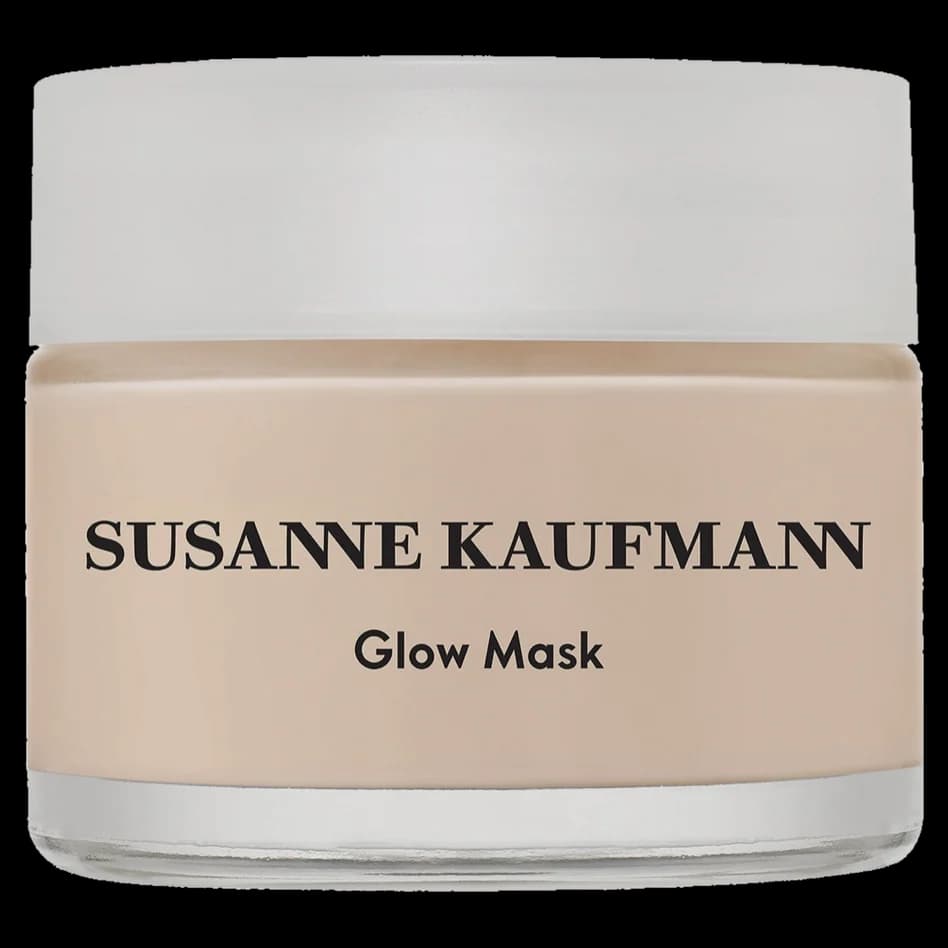
Susanne Kaufmann
Glow Mask
31st of 45 on the label
below ≈1%
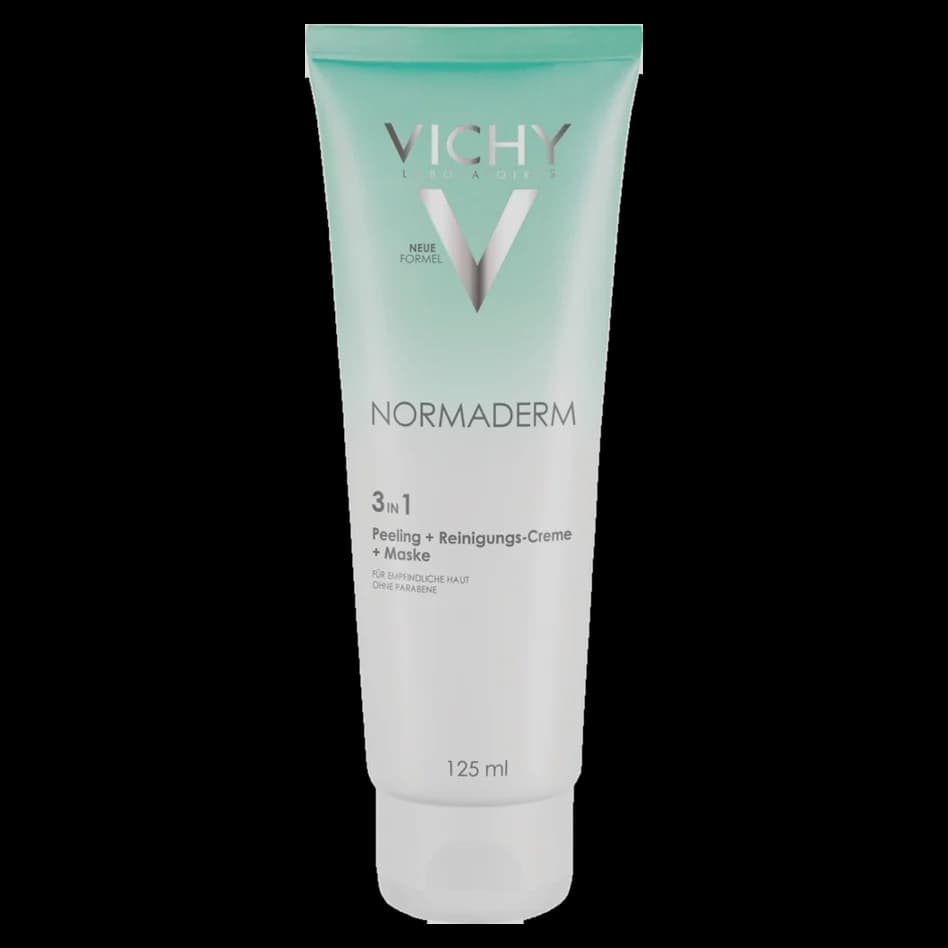
Vichy
Normaderm 3-in-1 Peeling + Reinigungs-Creme + Maske
8th of 23 on the label