Cupressus Sempervirens Oil
Cypress oil
Genuinely relevant for some people, or depends on dose and pH.
Also written as: Cypress Oil · Cupressus Sempervirens Leaf/Nut/Stem Oil · Mediterranean Cypress Oil
What it is
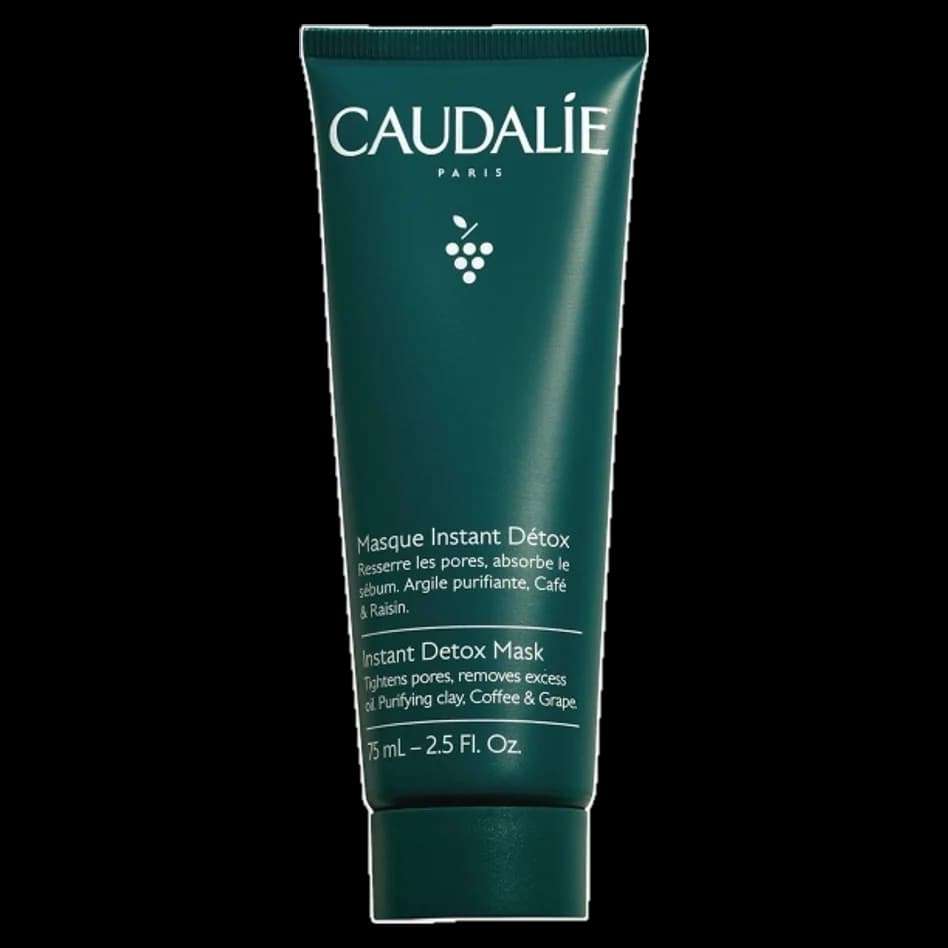
Cypress oil is steam-distilled from the twigs and leaves of Cupressus sempervirens. It is dominated by monoterpenes, principally alpha-pinene and delta-3-carene, which give it a crisp, dry, forest character. It is used in masks mainly as a fragrance note and is sometimes marketed as astringent, though evidence for that in cosmetics is thin.
What it does well
Clean woody scent that suits unisex and 'clean' formulations
A reliable perfumery function. Claims about tightening pores or improving circulation from topical cypress oil are not supported by clinical evidence.
Strong evidence
Worth knowing
Pinene-rich conifer oils oxidise readily
Alpha-pinene and delta-3-carene form allergenic oxidation products on air exposure, in the same way as limonene and linalool. Oxidised turpentine-type terpenes are a recognised cause of contact allergy, historically in occupational settings.
Matters most toPeople with a terpene or colophony allergy.
Where the EU stands
No specific restriction
Cypress oil is not listed in Annex II and is not itself on the Annex III fragrance-allergen labelling list. Its constituent Pinene was added as Annex III entry 371 by Regulation (EU) 2023/1545 and must be declared above the usual thresholds.