Disodium EDTA
EDTA
No meaningful concern for most people; irritation is possible but rare.
Also written as: Disodium Edetate · EDTA Disodium Salt · Tetrasodium EDTA · Edetate Disodium
What it is
Disodium EDTA is the sodium salt of ethylenediaminetetraacetic acid, a synthetic molecule that grips metal ions such as iron, copper, calcium and magnesium and holds them in an inactive form. Those trace metals get into products from water, plant extracts and packaging, where they speed up rancidity, cause colour changes and weaken preservatives and surfactants. The Cosmetic Ingredient Review's conclusions table records disodium EDTA as used at less than 1%, far below any level at which it would act on skin, and the packs bear that out: of the sixty-two masks here whose list shows the point where ingredient order stops indicating quantity, every one prints it below that point. It is one of the most widely used stabilisers in the whole of cosmetics.
How it shows up on a label
Almost always printed below the point where ingredient order stops indicating quantity. Its presence tells you more about formula stability than about what the product does for your skin.
What it does well
Keeps the formula stable and helps the preservative system work
By locking up trace metal ions, EDTA slows oxidation of oils and plant actives and improves the performance of common preservatives. This is standard, well-established formulation chemistry rather than a skin benefit.
Strong evidence
Improves how cleansing and rinse-off products behave in hard water
Binding calcium and magnesium reduces the soap scum and dulling film that hard water leaves behind, which is why it appears in many cleansers and wash-off masks.
Moderate evidence
Worth knowing
Poorly biodegradable and persistent in surface water
EDTA is not broken down by conventional biological wastewater treatment and has been measured as one of the more abundant man-made organic compounds in European rivers; once in water it can re-mobilise metals from sediment. The historical bulk of the load came from industrial uses (pulp and paper, detergents, photo processing) rather than cosmetics, but it is a genuine reason some brands switch to GLDA, EDDS or phytate.
Matters most toPeople who weigh the environmental footprint of a product alongside its skin effects.
Mildly increases how much of other ingredients can pass into skin
EDTA itself barely penetrates intact skin, but it loosens the calcium-dependent junctions between skin cells and so acts as a weak penetration enhancer for whatever else is in the formula. At the levels used in cosmetics - the Cosmetic Ingredient Review's conclusions table records less than 1% - this is a formulation consideration, not a safety problem, and reported cases of contact allergy to EDTA are rare.
Matters most toPeople with a broken or very compromised skin barrier using strongly active formulas.
Where the EU stands
No specific restriction
EDTA and its salts are not restricted or banned for cosmetic use in the EU; they appear in no Annex of the Cosmetics Regulation.
Regulation (EC) No 1223/2009 - no annex entry · source ↗
Sources (4)
Every link goes to the original: a journal, a PubMed record or an EU document.
- [1]Final report on the safety assessment of EDTA, calcium disodium EDTA, diammonium EDTA, dipotassium EDTA, disodium EDTA, TEA-EDTA, tetrasodium EDTA, tripotassium EDTA, trisodium EDTA, HEDTA, and trisodium HEDTA
International Journal of Toxicology (Cosmetic Ingredient Review) · 2002
The expert panel concluded EDTA and its salts are safe as used in cosmetics, noting that they are poorly absorbed through skin but can enhance the penetration of other ingredients, so finished formulas should be assessed as a whole.
- [2]Biodegradation of EDTA
Applied Microbiology and Biotechnology · 1999
EDTA is not degraded by conventional biological wastewater treatment; breakdown requires specific bacterial strains and conditions, which is why it persists in the aquatic environment.
- [3]Environmental fate and microbial degradation of aminopolycarboxylic acids
FEMS Microbiology Reviews · 2001 · doi:10.1111/j.1574-6976.2001.tb00572.x
How fast EDTA-type chelators break down in the environment depends heavily on which metal they are bound to, and several of the common metal complexes are effectively resistant to microbial degradation.
- [4]Quick Reference Table: ingredients found safe in the present practices of use and concentration
Cosmetic Ingredient Review · 2017
The Cosmetic Ingredient Review's conclusions table lists Disodium EDTA with an S conclusion - safe in the present practices of use and concentration - and gives the use concentration those practices cover as "less than 1%", citing IJT 21(S2):95-142. That is the only concentration figure the Panel attaches to the ingredient; it publishes no narrower typical-use range. Checked 31 August 2026.
Masks that contain Disodium EDTA
alkmene
Mein Teebaumöl Anti-Unreinheiten Maske
14th of 16 on the label
below ≈1%
Anua
PDRN Serum Mask 100 Hyaluronic Acid Capsule
21st of 45 on the label
below ≈1%
Anua
Retinol Niacin Night Care Mask
25th of 44 on the label
below ≈1%
Avène
Soothing Moisture Mask
17th of 26 on the label
below ≈1%
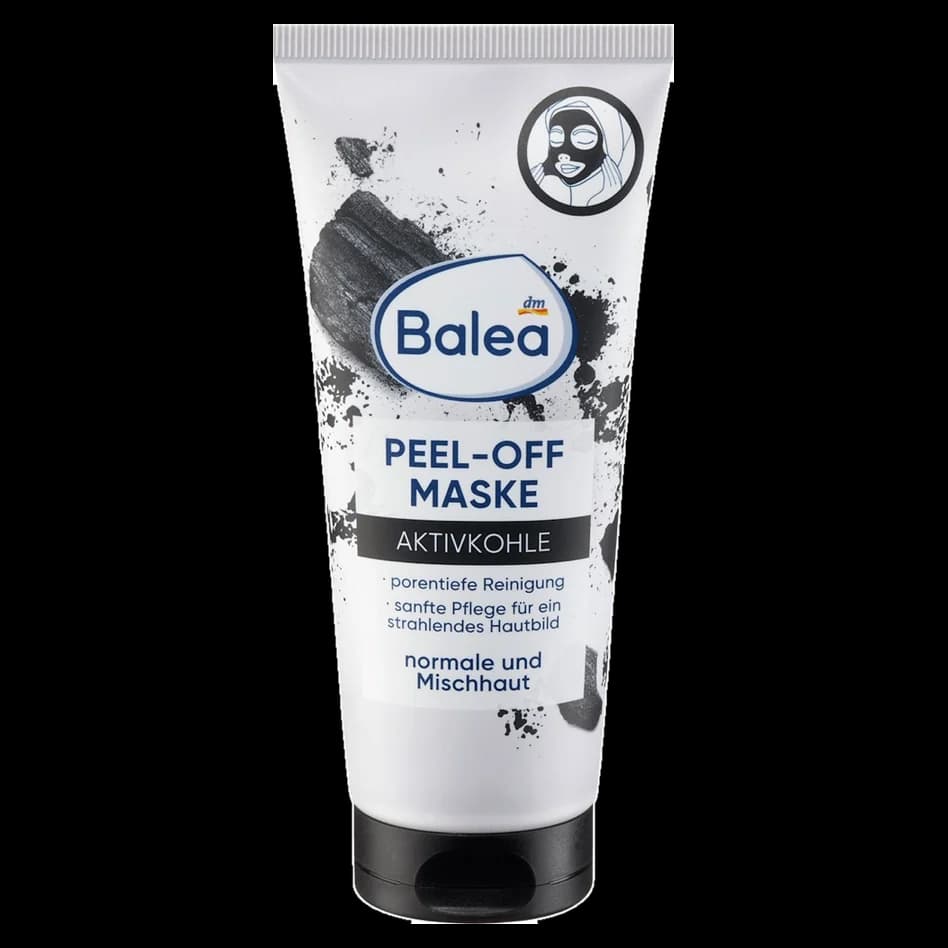
Balea
Gesichtsmaske Peel-Off Aktivkohle
15th of 18 on the label
below ≈1%
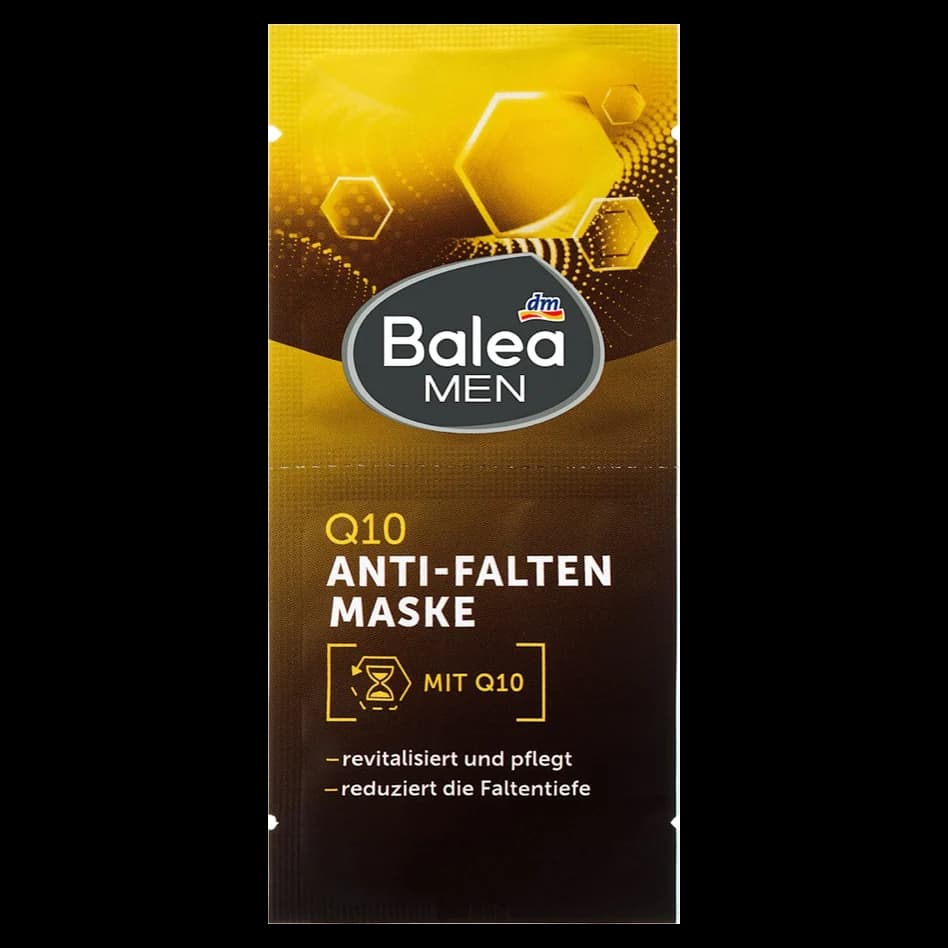
Balea MEN
Gesichtsmaske Q10 Anti-Falten
24th of 28 on the label
below ≈1%
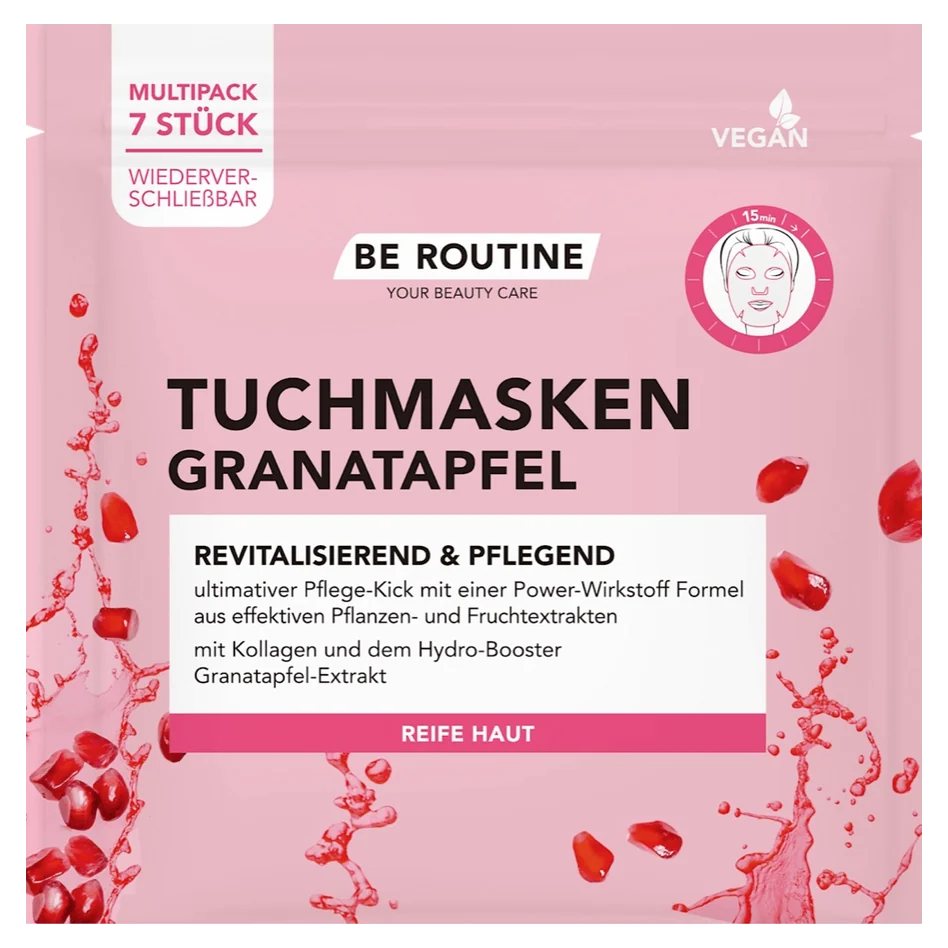
Be Routine
Tuchmasken Granatapfel Multipack
31st of 32 on the label
below ≈1%
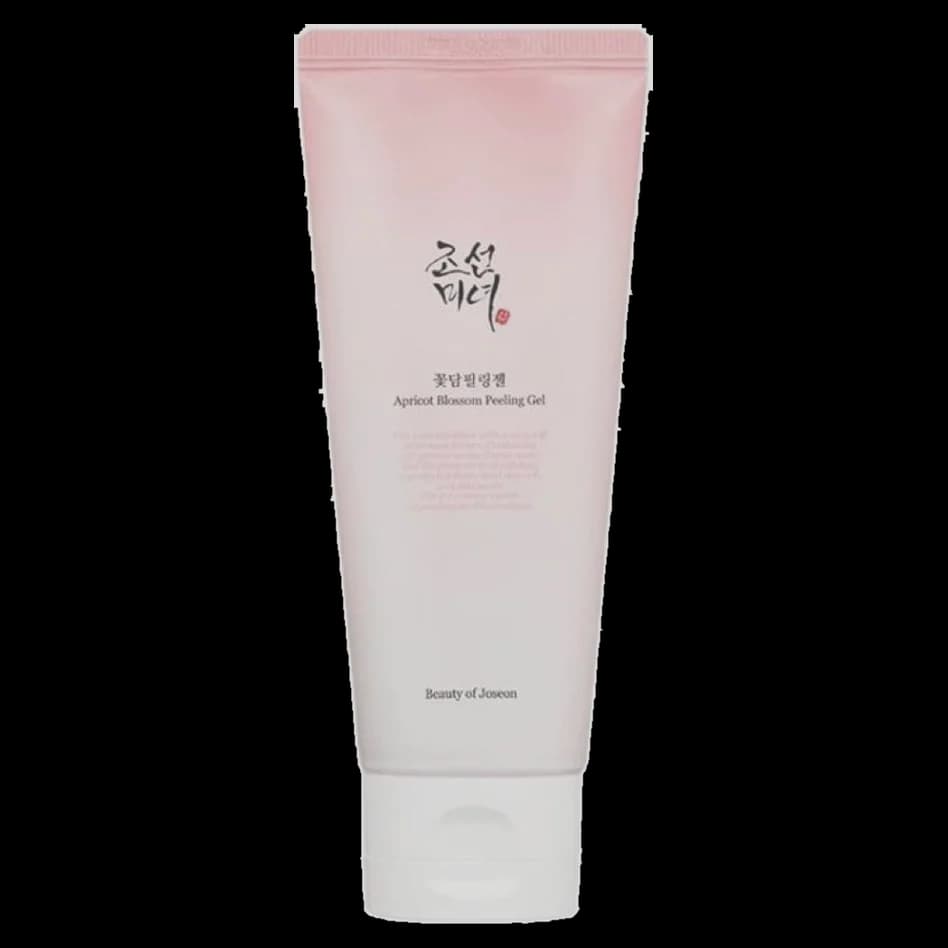
Beauty of Joseon
Apricot Blossom Peeling Gel
19th of 19 on the label
below ≈1%
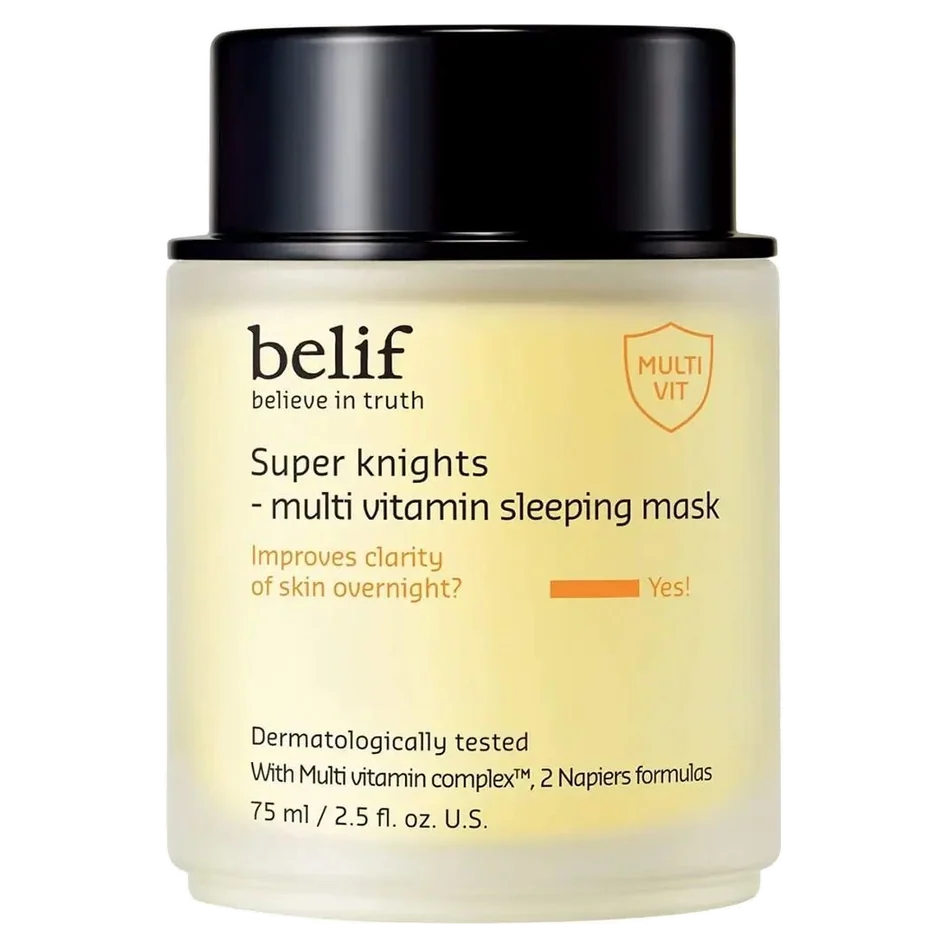
belif
Super Knights Vitamin Mask
24th of 26 on the label
below ≈1%
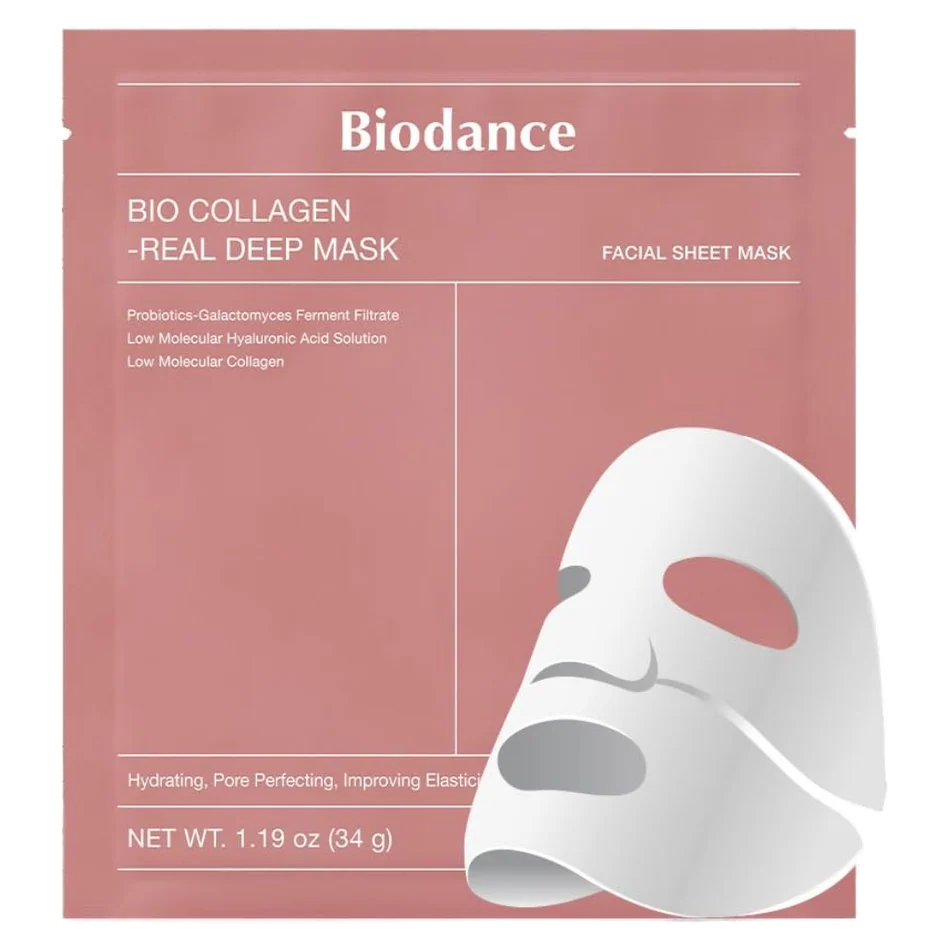
Biodance
Bio-Collagen Real Deep Mask
21st of 34 on the label
below ≈1%
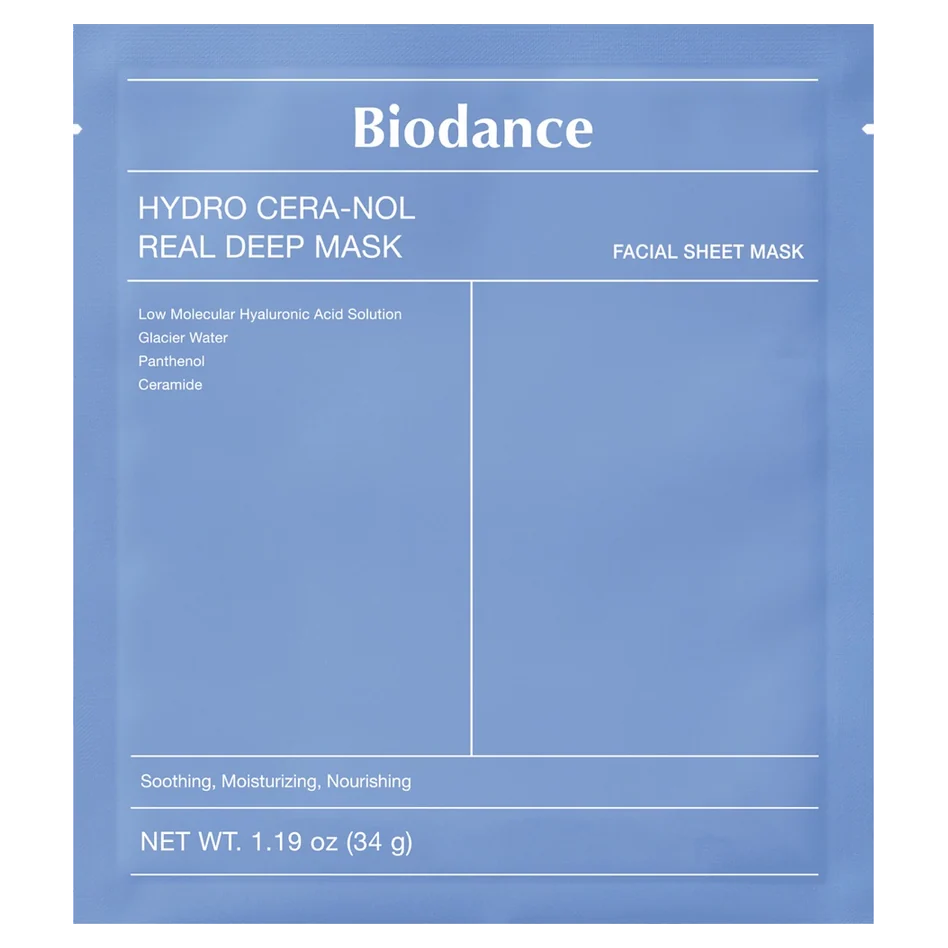
Biodance
Hydro Cera-nol Real Deep Mask
32nd of 65 on the label
below ≈1%
Biodance
Refreshing Sea Kelp Real Deep Mask
23rd of 43 on the label
below ≈1%
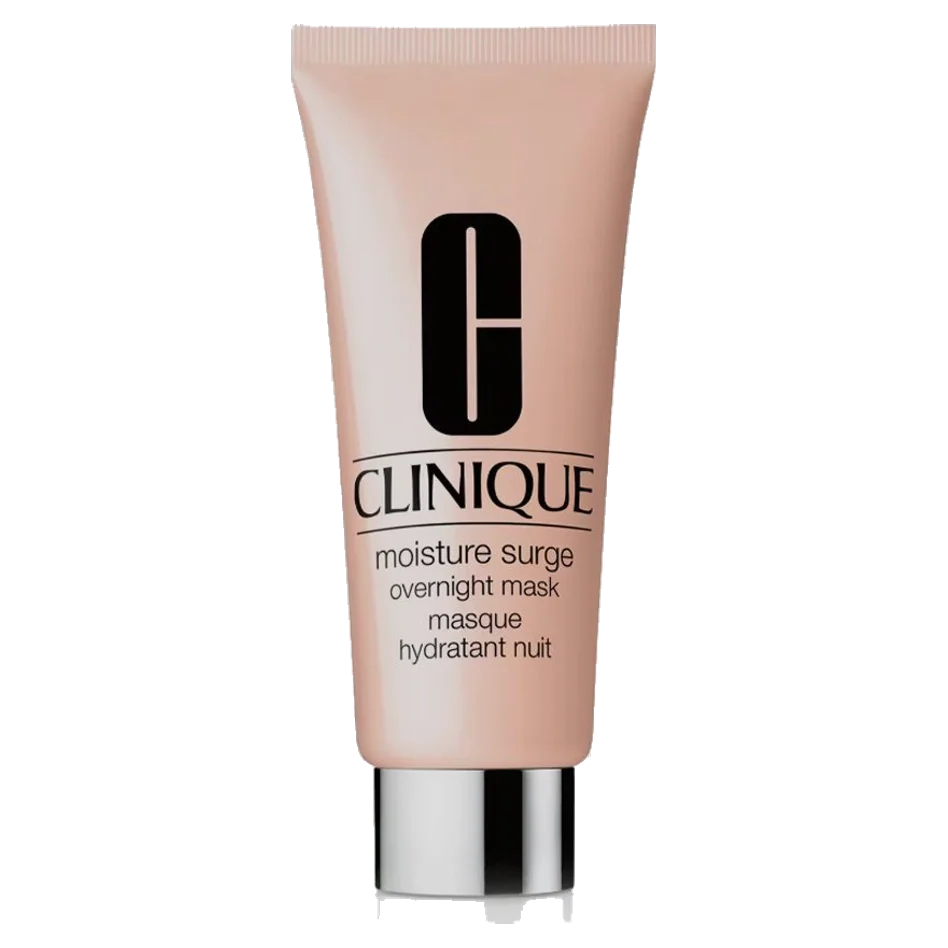
Clinique
Moisture Surge Overnight Mask
39th of 42 on the label
below ≈1%
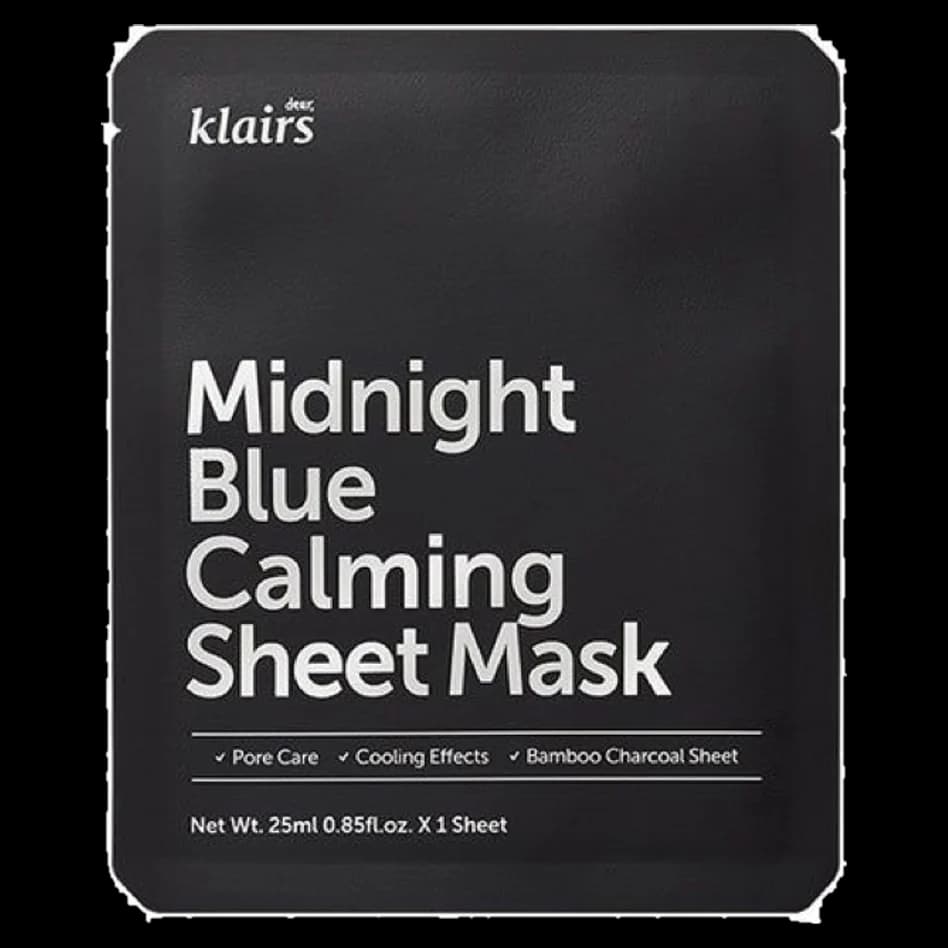
Dear, Klairs
Midnight Blue Calming Sheet Mask
18th of 21 on the label
below ≈1%
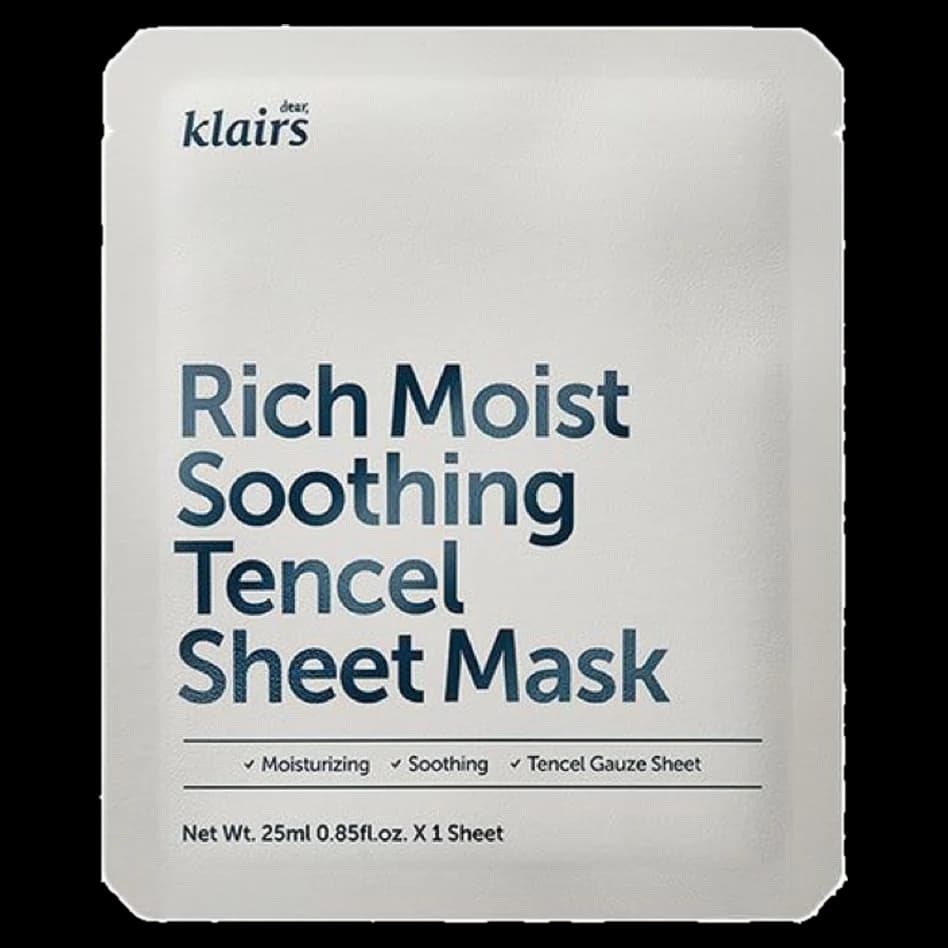
Dear, Klairs
Rich Moist Soothing Tencel Sheet Mask
28th of 33 on the label
below ≈1%
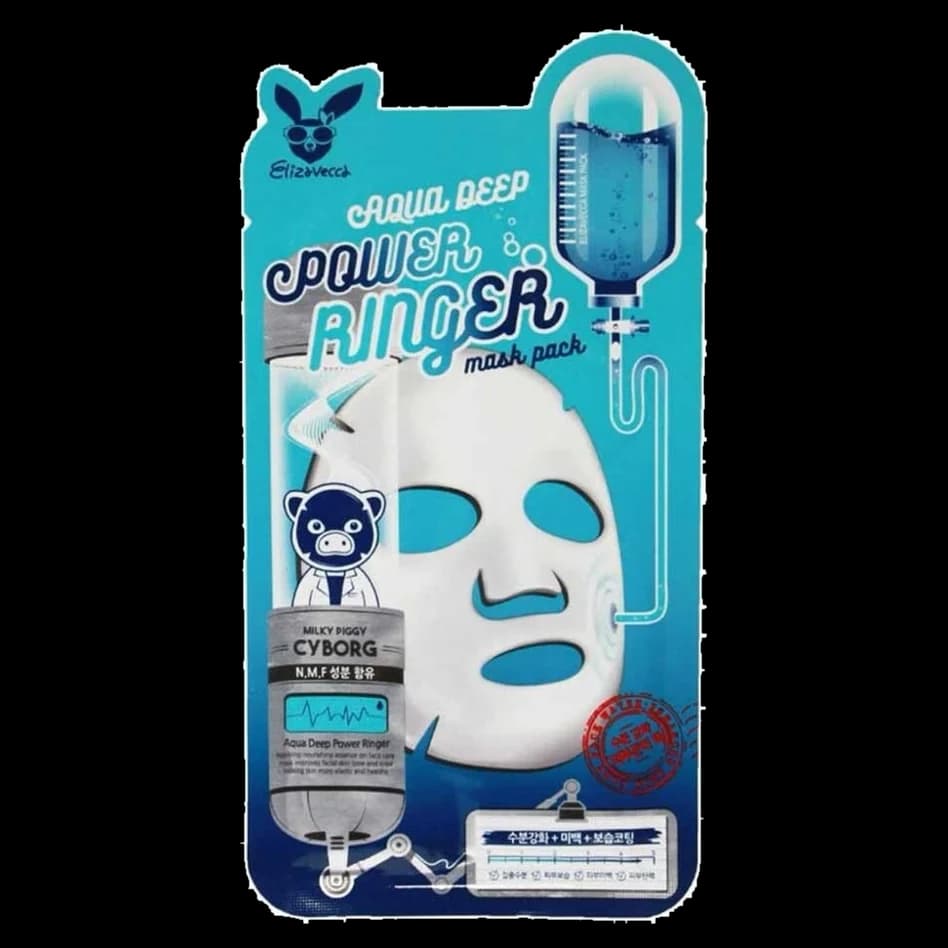
Elizavecca
Aqua Deep Power Ringer Mask Pack
27th of 28 on the label
below ≈1%
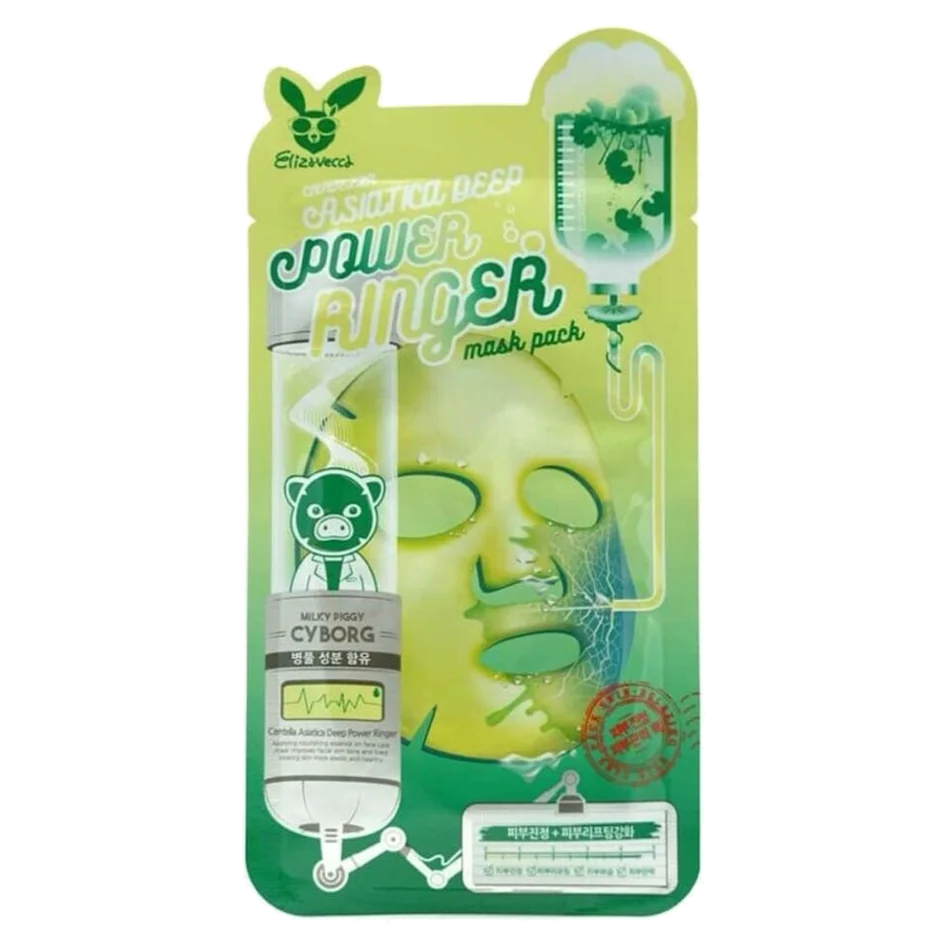
Elizavecca
Centella Deep Power Ringer Mask Pack
21st of 22 on the label
below ≈1%
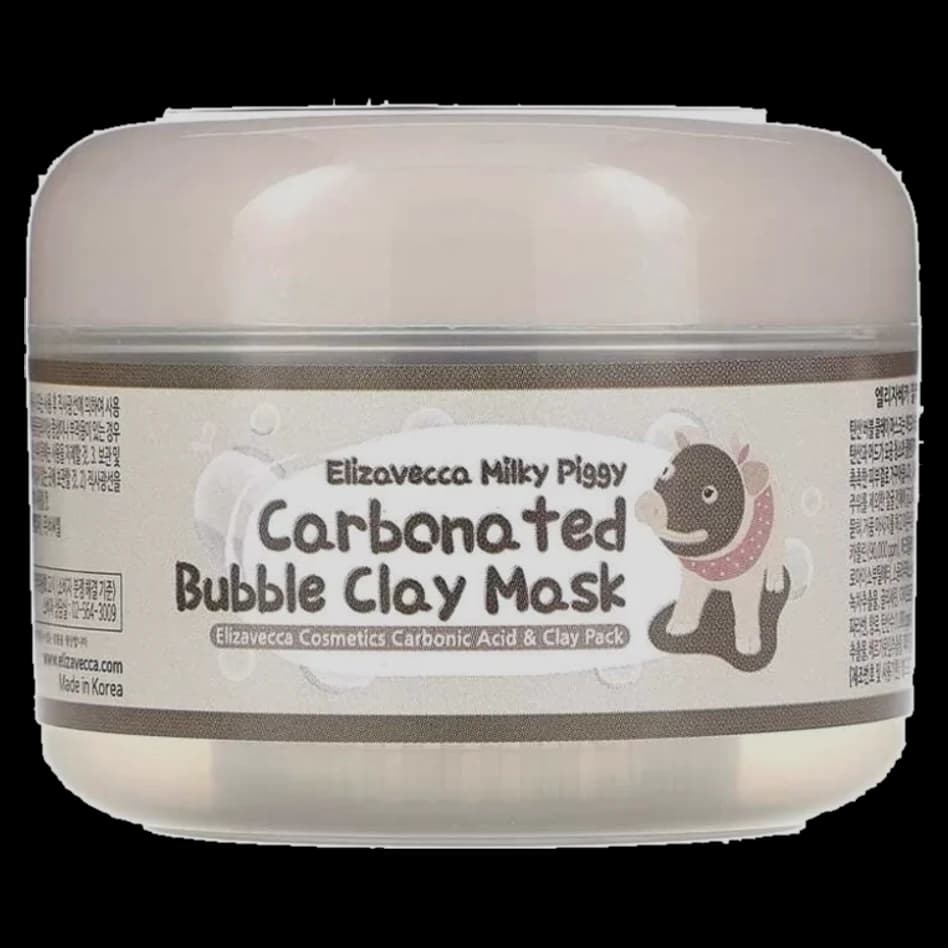
Elizavecca
Milky Piggy Carbonated Bubble Clay Mask
21st of 29 on the label
below ≈1%
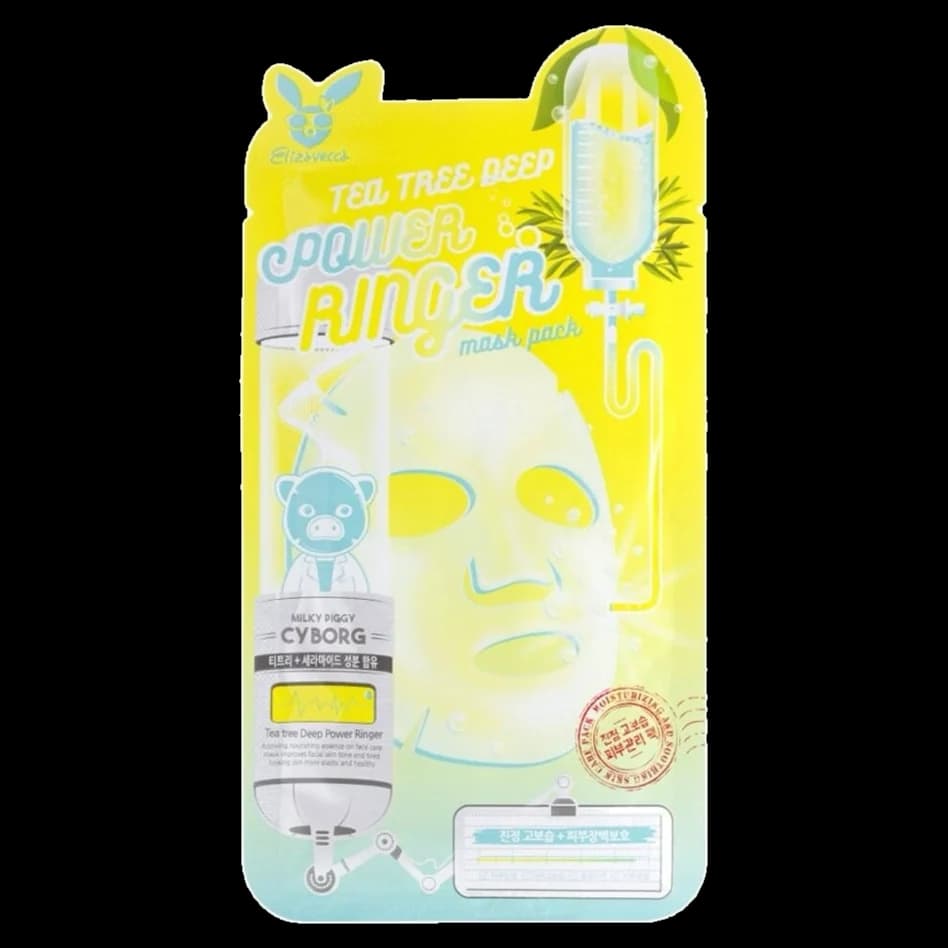
Elizavecca
Tea Tree Deep Power Ringer Mask Pack
22nd of 23 on the label
below ≈1%
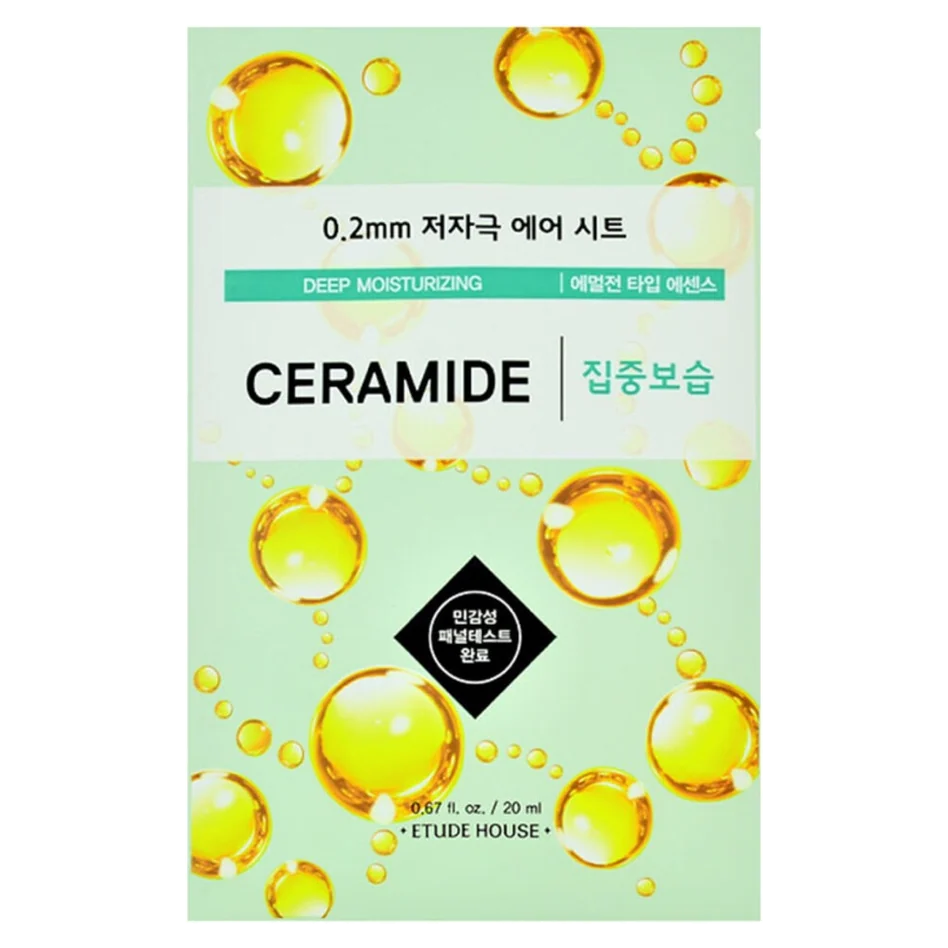
Etude House
0.2mm Therapy Air Mask Ceramide
20th of 33 on the label
below ≈1%
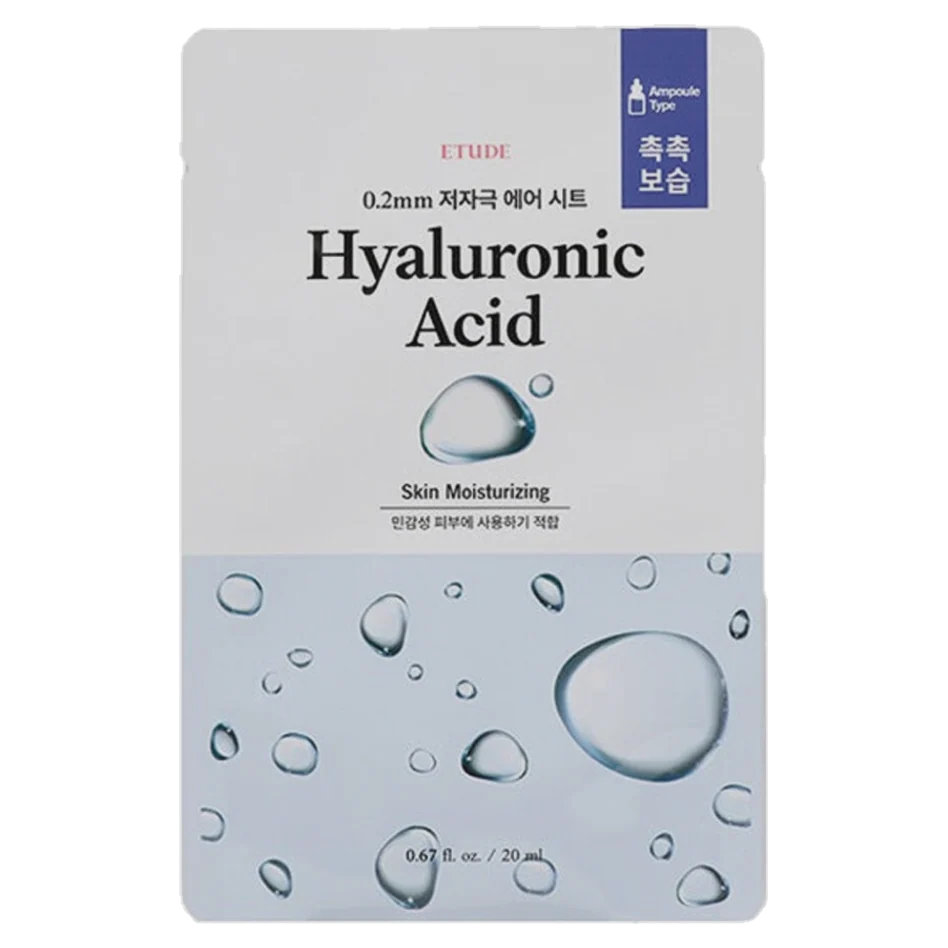
Etude House
0.2mm Therapy Air Mask Hyaluronic Acid
20th of 35 on the label
below ≈1%
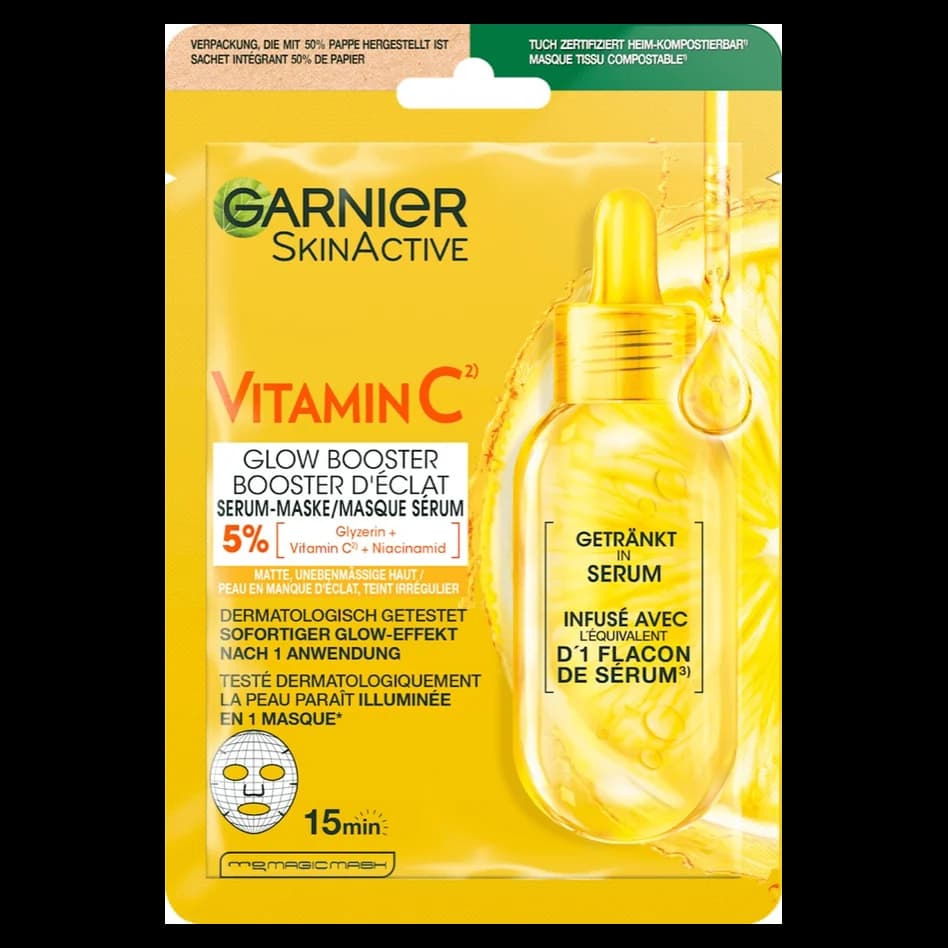
Garnier
SkinActive Vitamin C Tissue Mask
10th of 21 on the label
below ≈1%
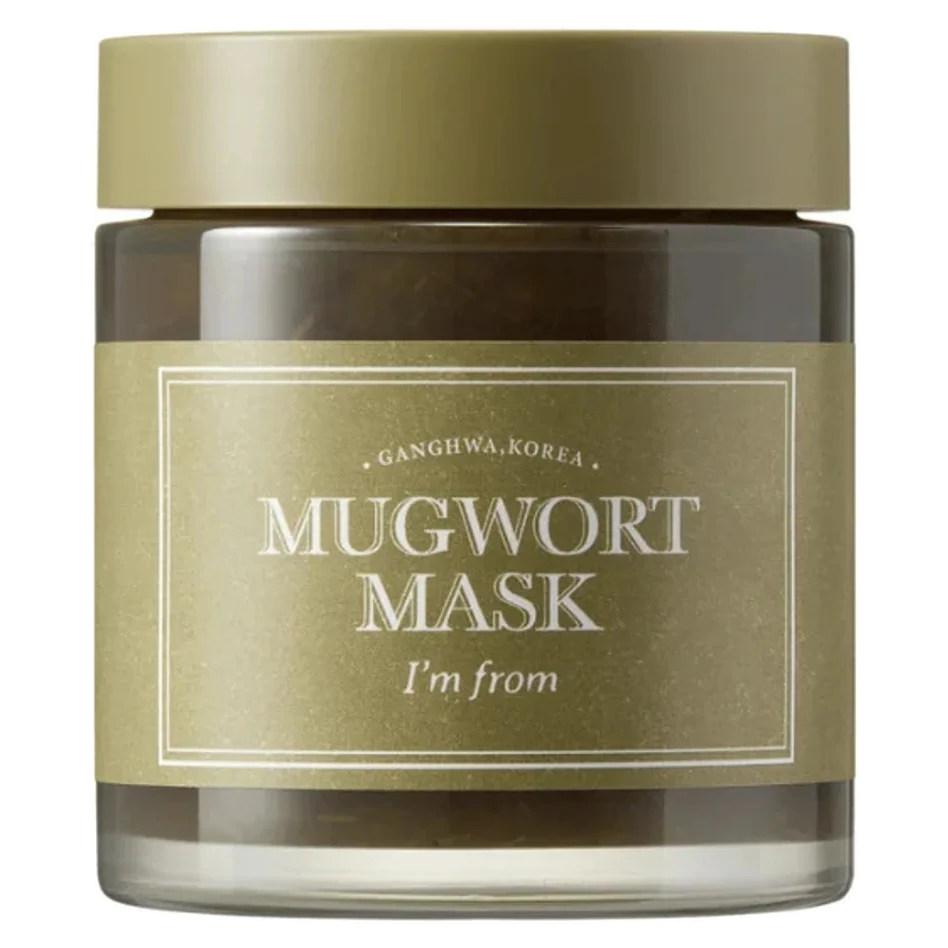
I'm From
Mugwort Mask
26th of 26 on the label
below ≈1%
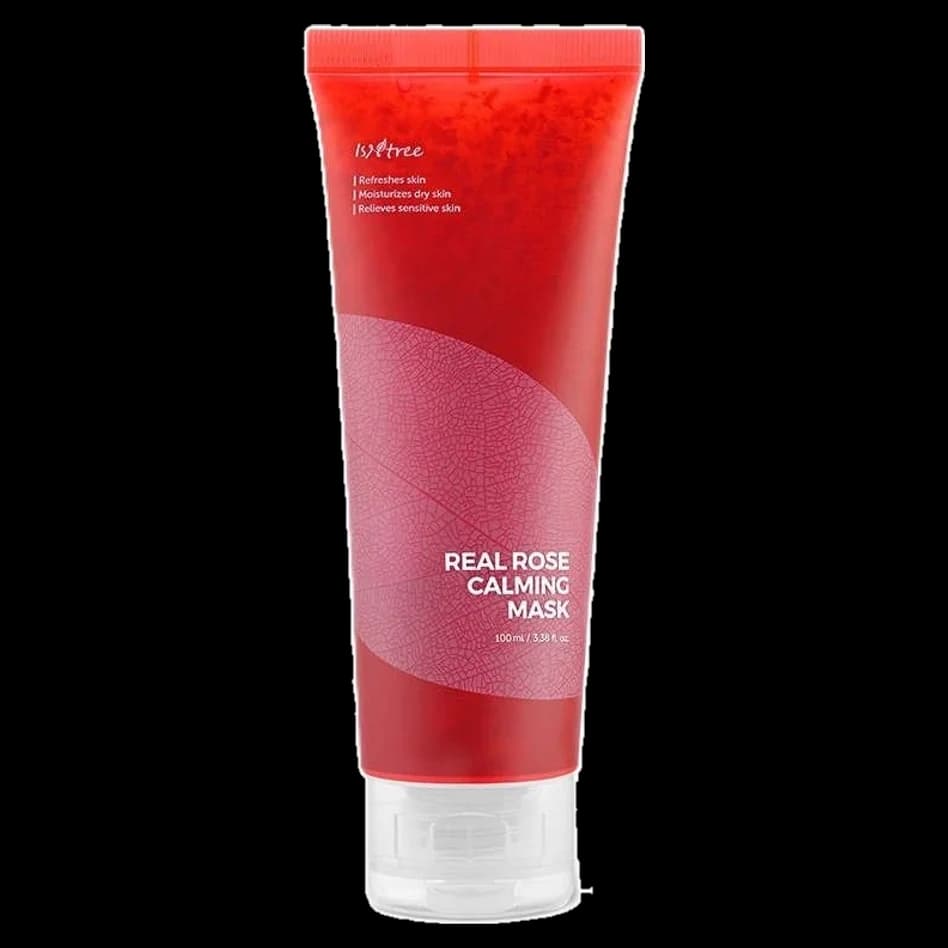
Isntree
Real Rose Calming Mask
31st of 31 on the label
below ≈1%
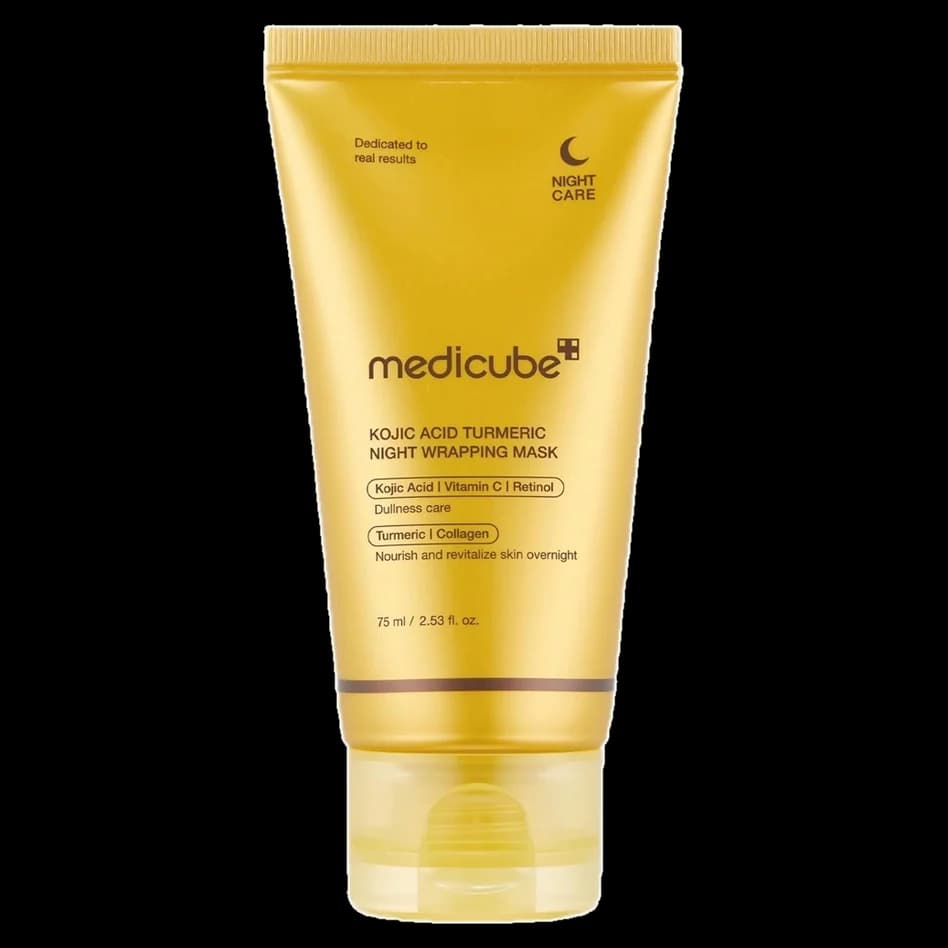
Medicube
Kojic Acid Turmeric Night Wrapping Mask
17th of 22 on the label
below ≈1%
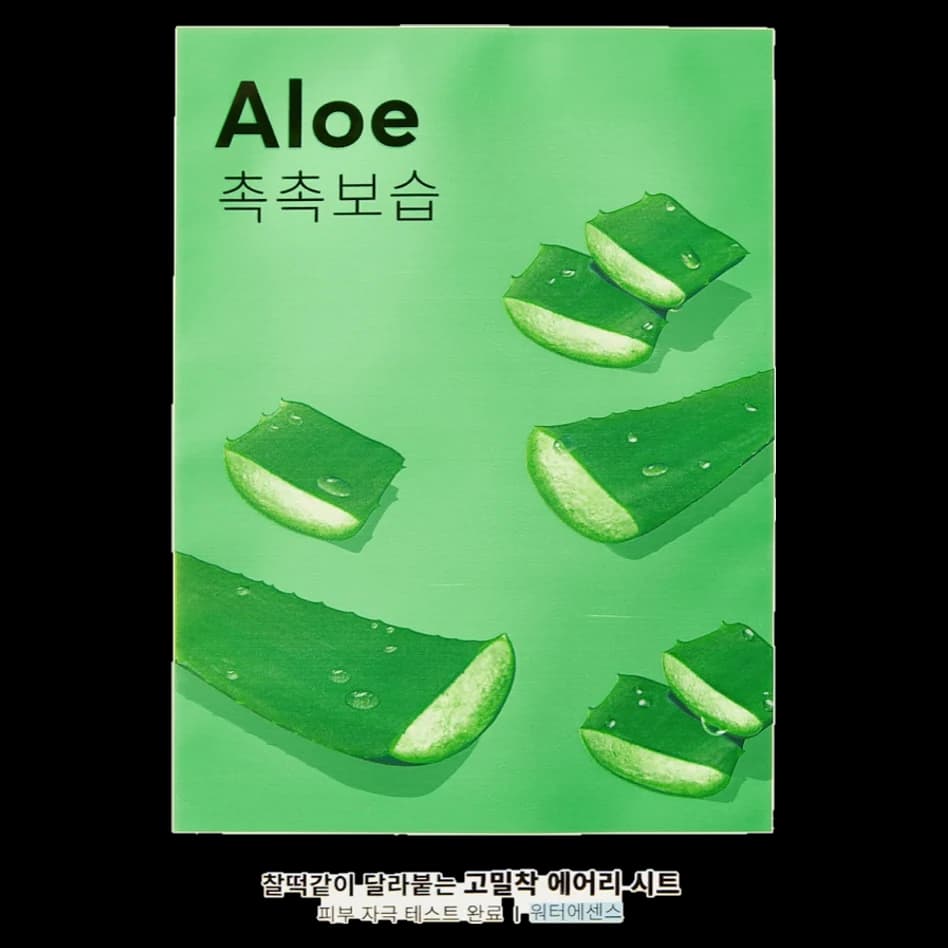
MISSHA
Airy Fit Sheet Mask Aloe
17th of 26 on the label
below ≈1%
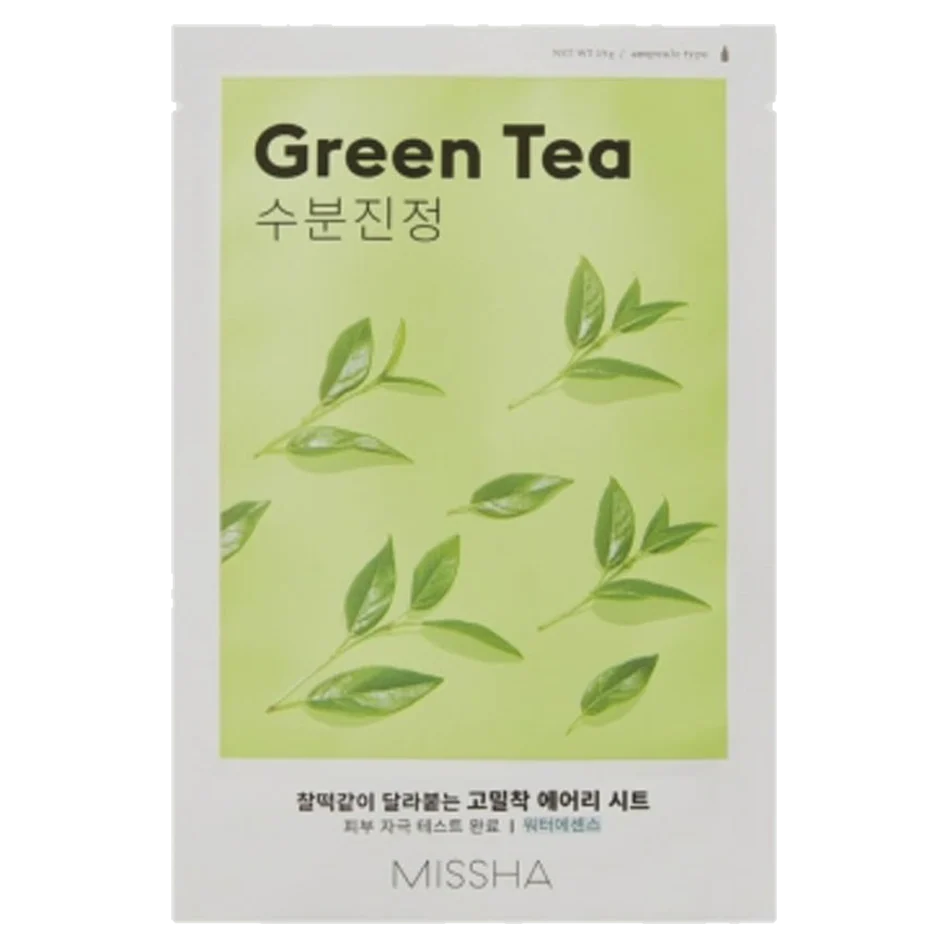
MISSHA
Airy Fit Sheet Mask Green Tea
14th of 23 on the label
below ≈1%
MISSHA
Airy Fit Sheet Mask Pearl
23rd of 31 on the label
below ≈1%
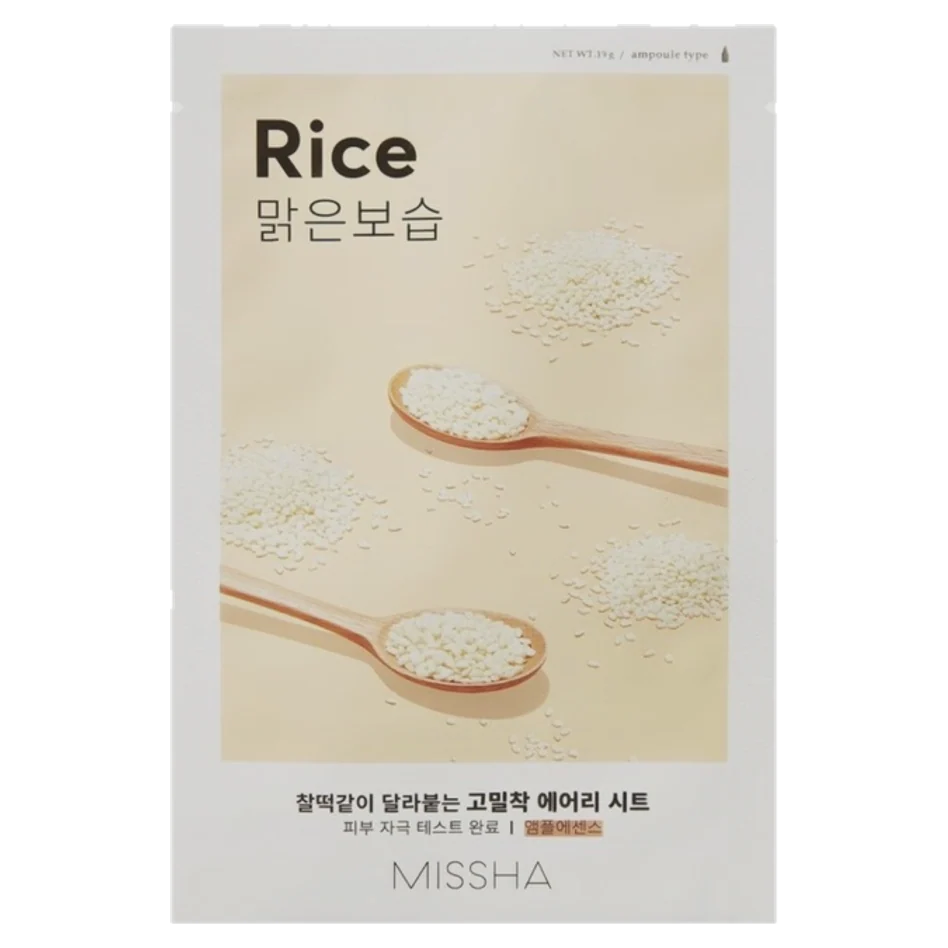
MISSHA
Airy Fit Sheet Mask Rice
15th of 27 on the label
below ≈1%

MISSHA
Airy Fit Sheet Mask Tea Tree
14th of 23 on the label
below ≈1%

MISSHA
Sheet Mask Cucumber
17th of 25 on the label
below ≈1%
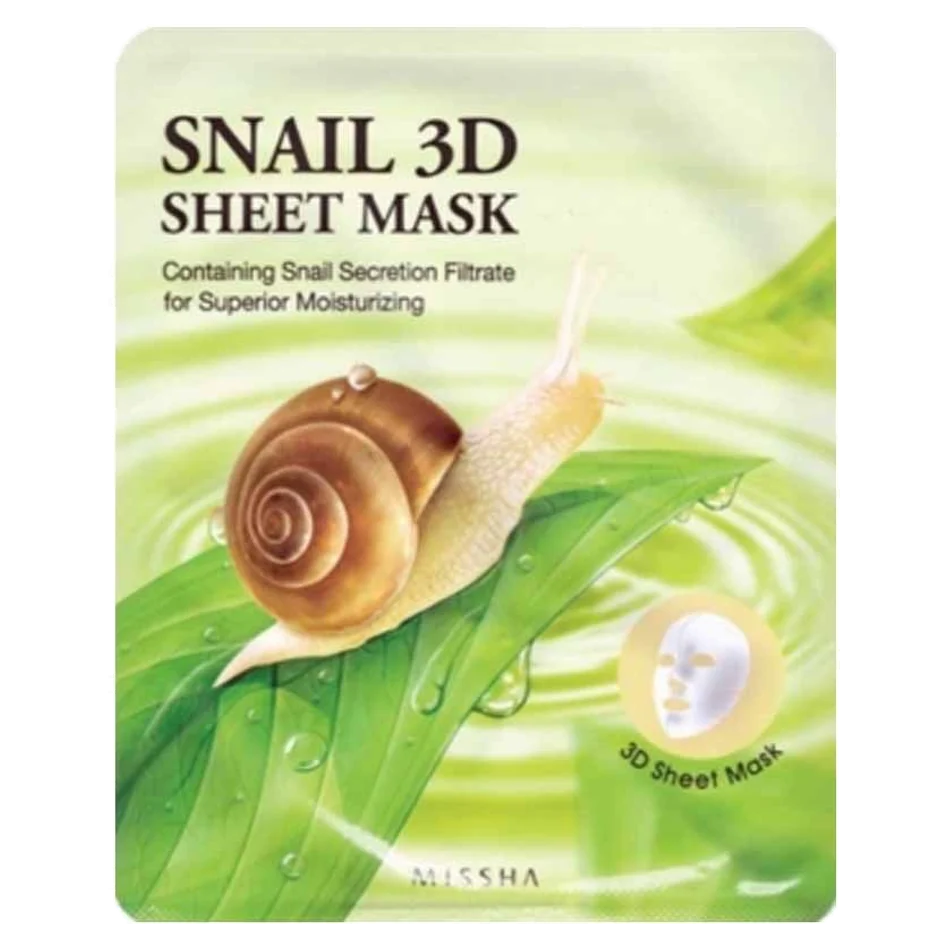
MISSHA
Snail 3D Sheet Mask
17th of 25 on the label
below ≈1%
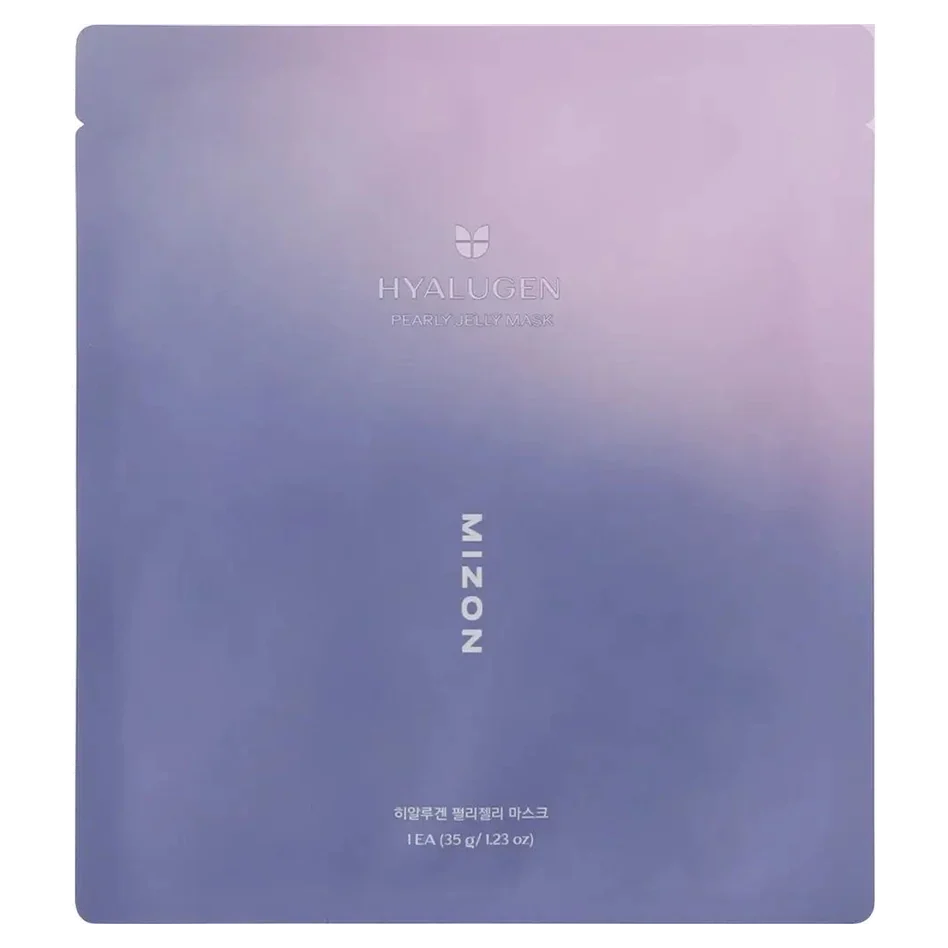
MIZON
Hyalugen Pearly Jelly Mask
19th of 19 on the label
below ≈1%
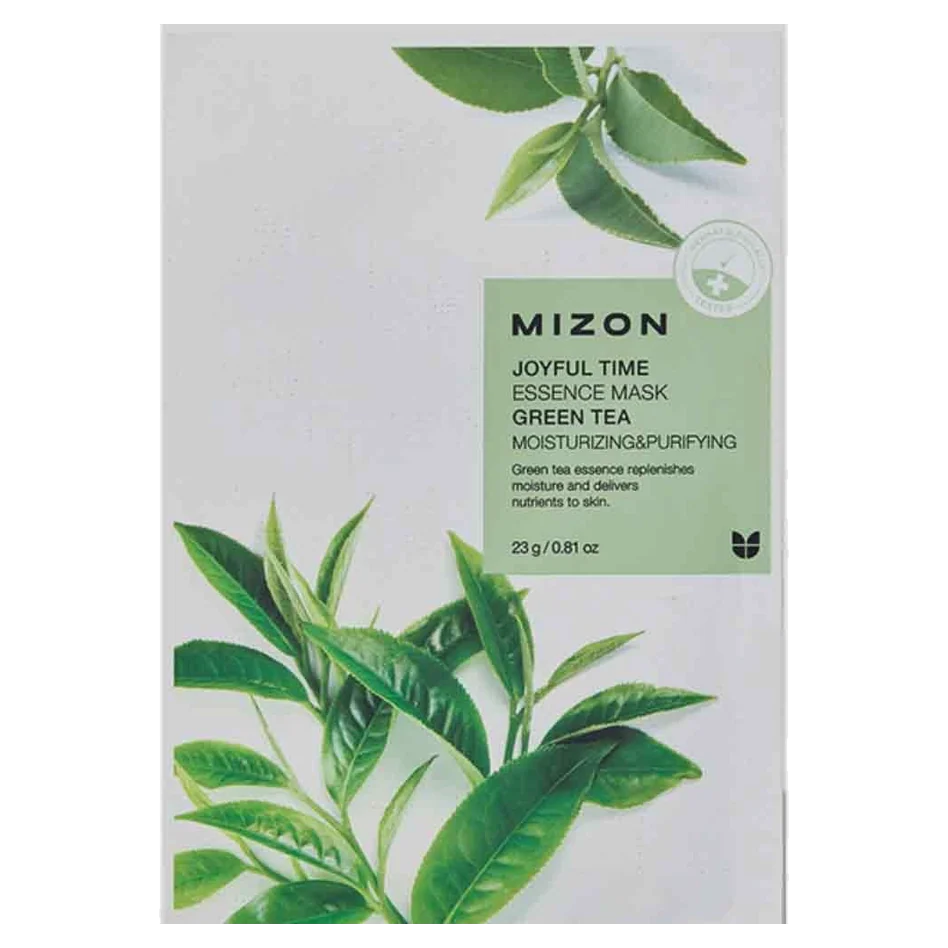
MIZON
Joyful Time Essence Mask Green Tea
16th of 26 on the label
below ≈1%
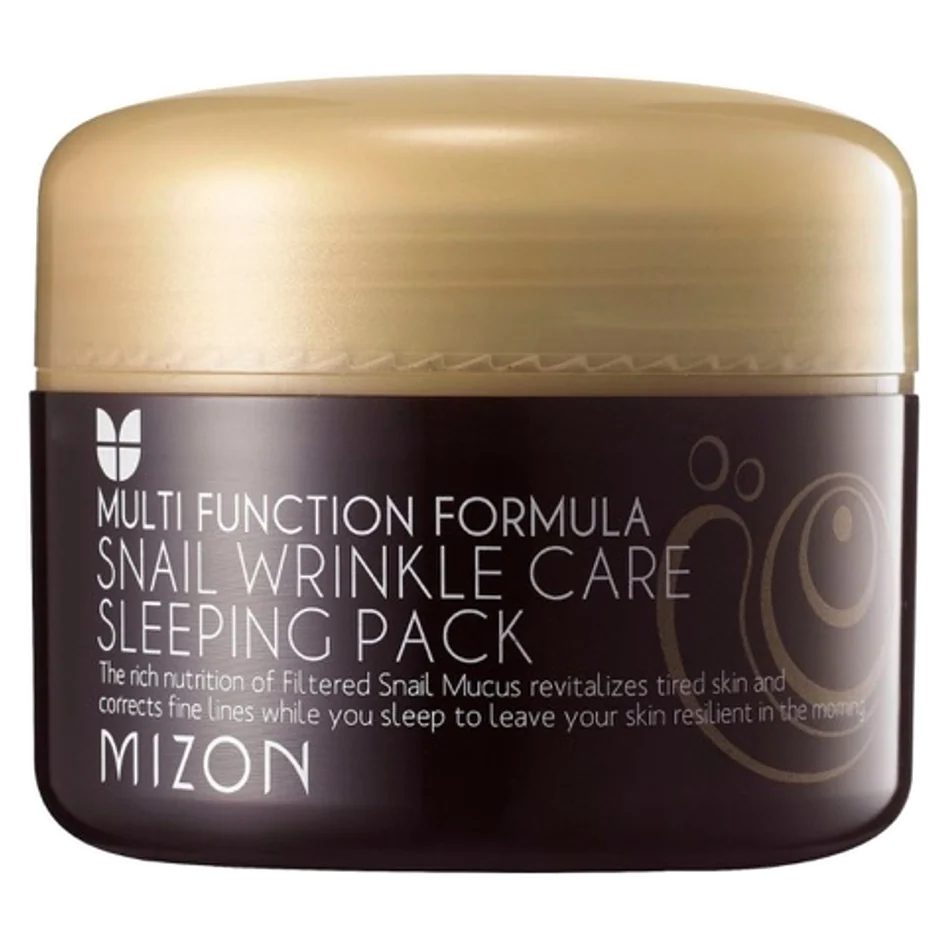
MIZON
Snail Wrinkle Care Sleeping Pack
25th of 31 on the label
below ≈1%
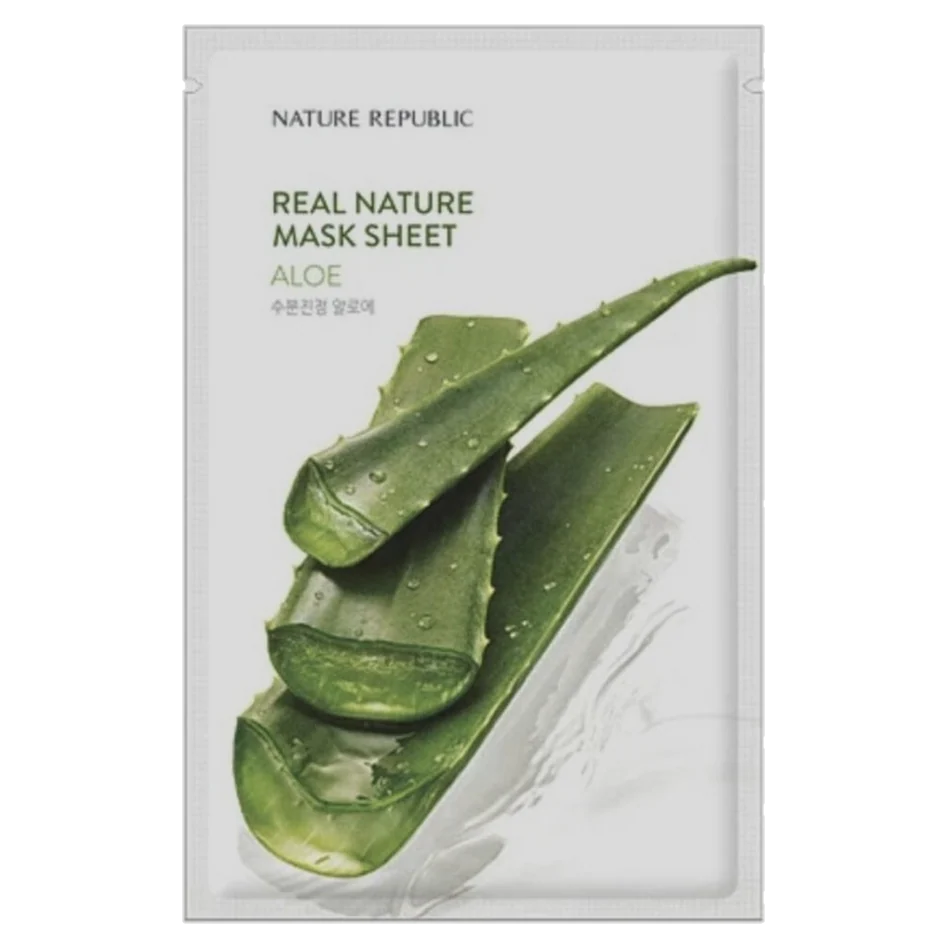
Nature Republic
Real Nature Aloe Sheet Mask
22nd of 23 on the label
below ≈1%
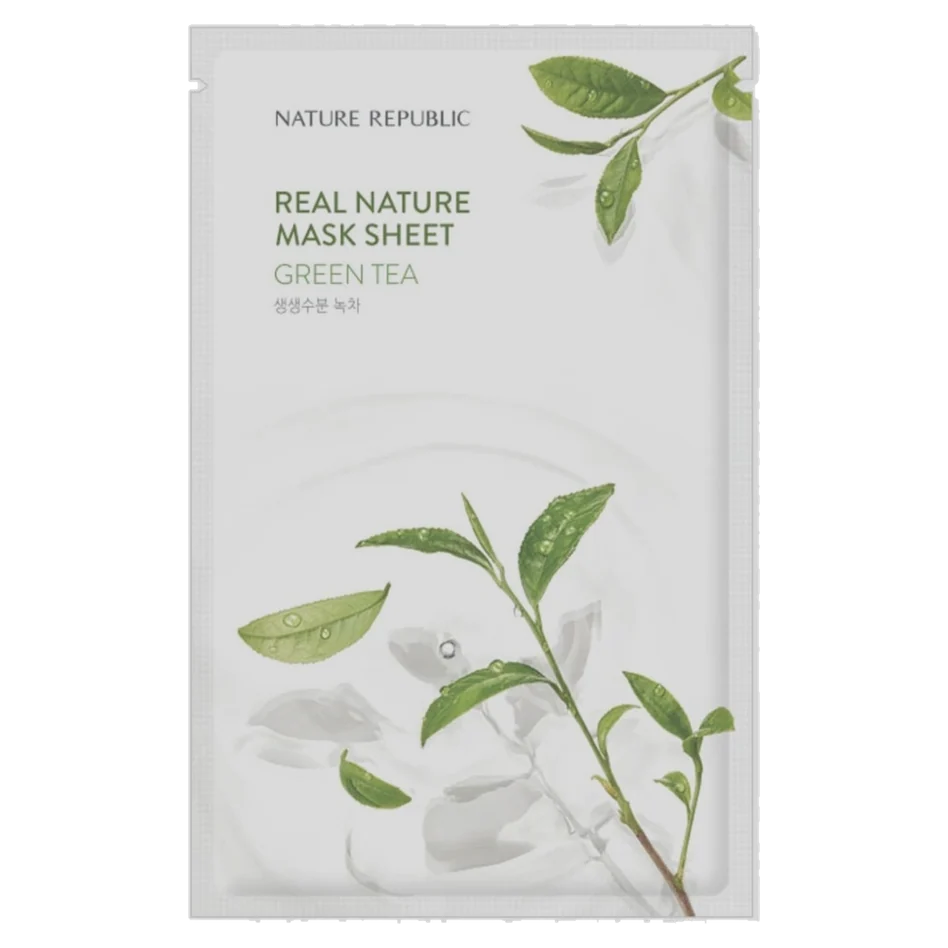
Nature Republic
Real Nature Green Tea Sheet Mask
21st of 23 on the label
below ≈1%
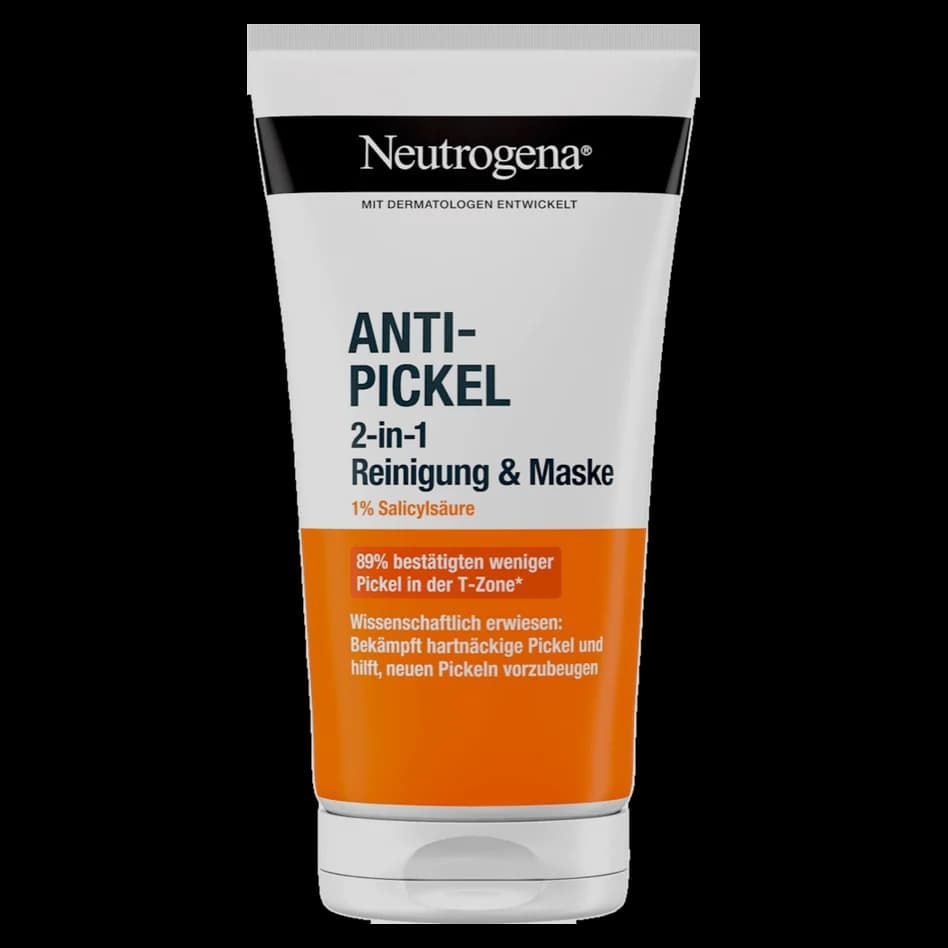
Neutrogena
Anti Pickel Gesichtsmaske 2in1
17th of 23 on the label
below ≈1%
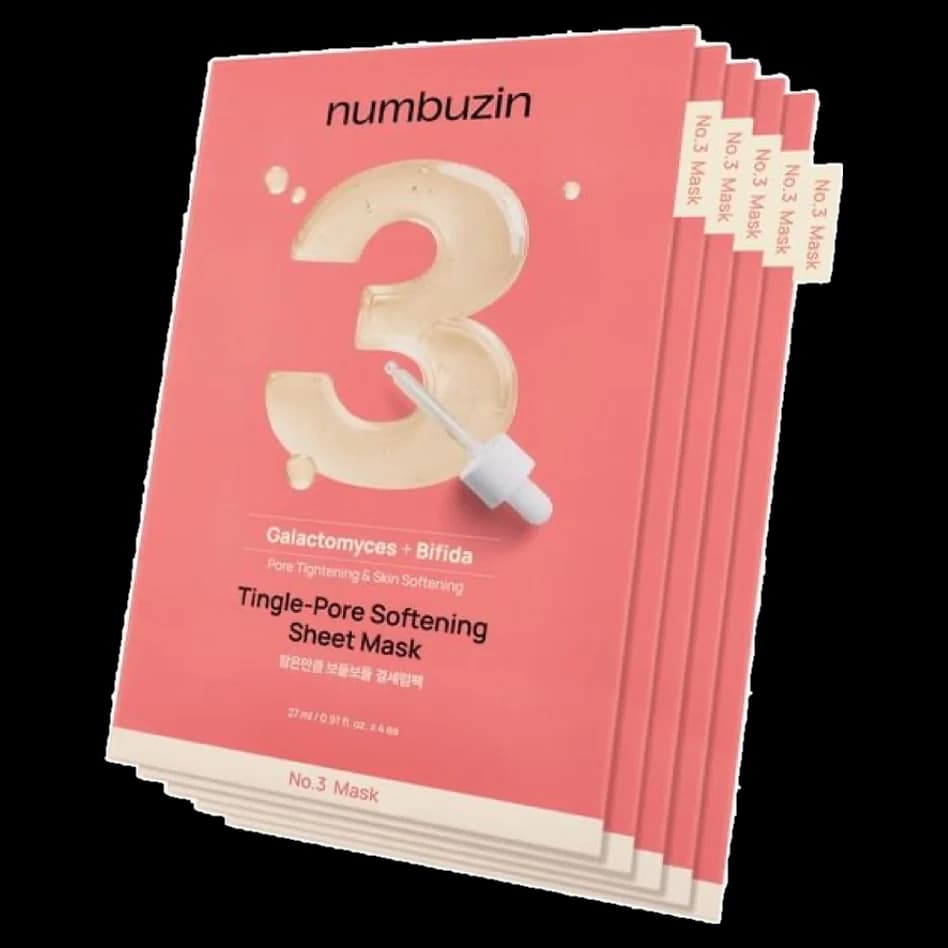
numbuzin
No.3 Tingle-Pore Softening Sheet Mask
39th of 42 on the label
below ≈1%
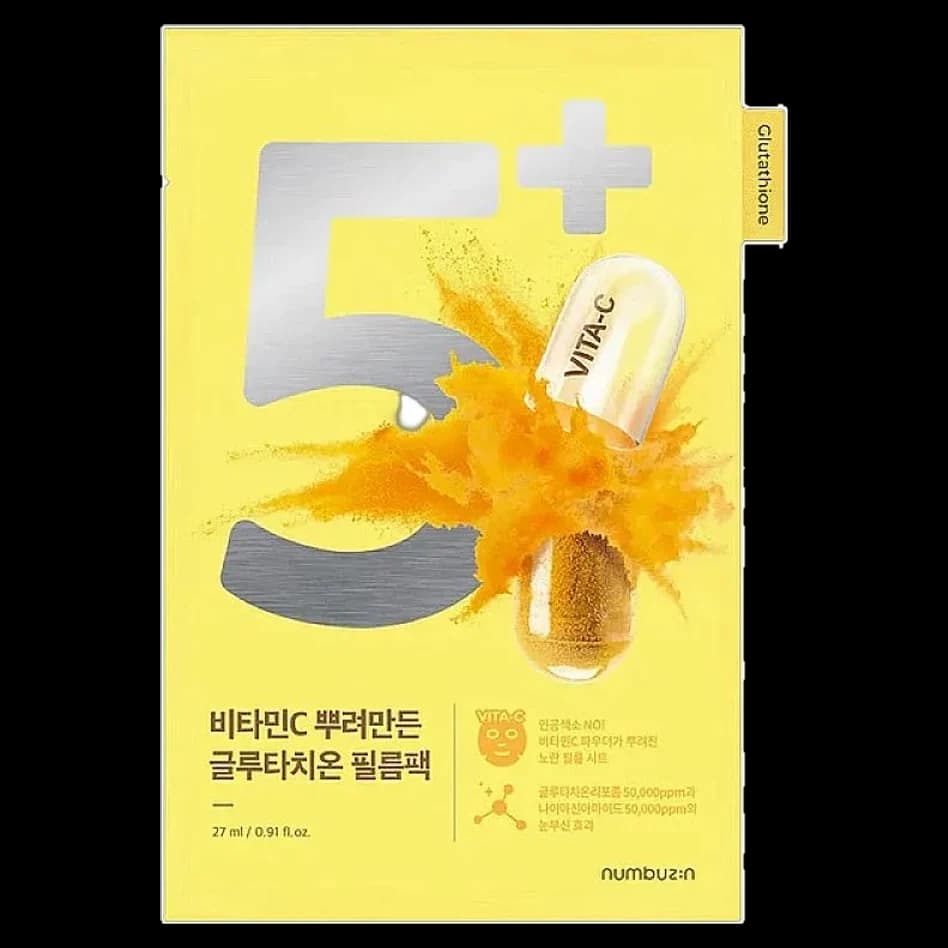
numbuzin
No.5 Vitamin Spotlight Sheet Mask
24th of 33 on the label
below ≈1%
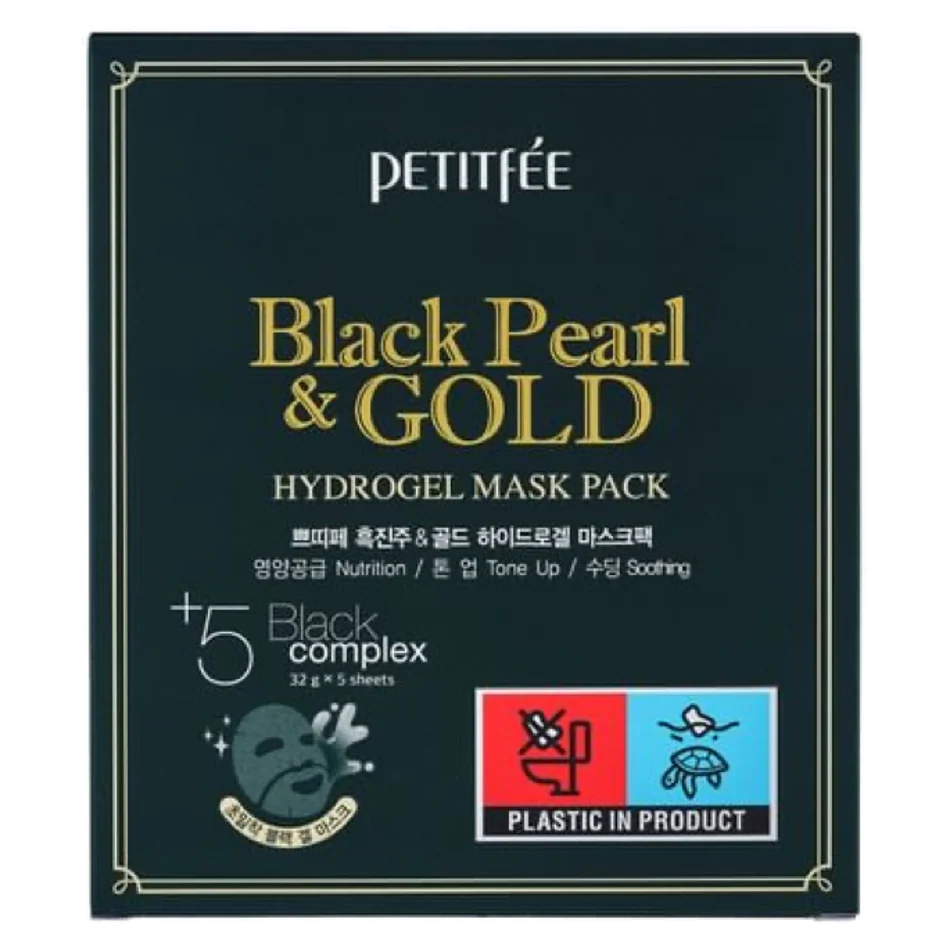
Petitfee
Black Pearl & Gold Hydrogel Mask Pack
32nd of 33 on the label
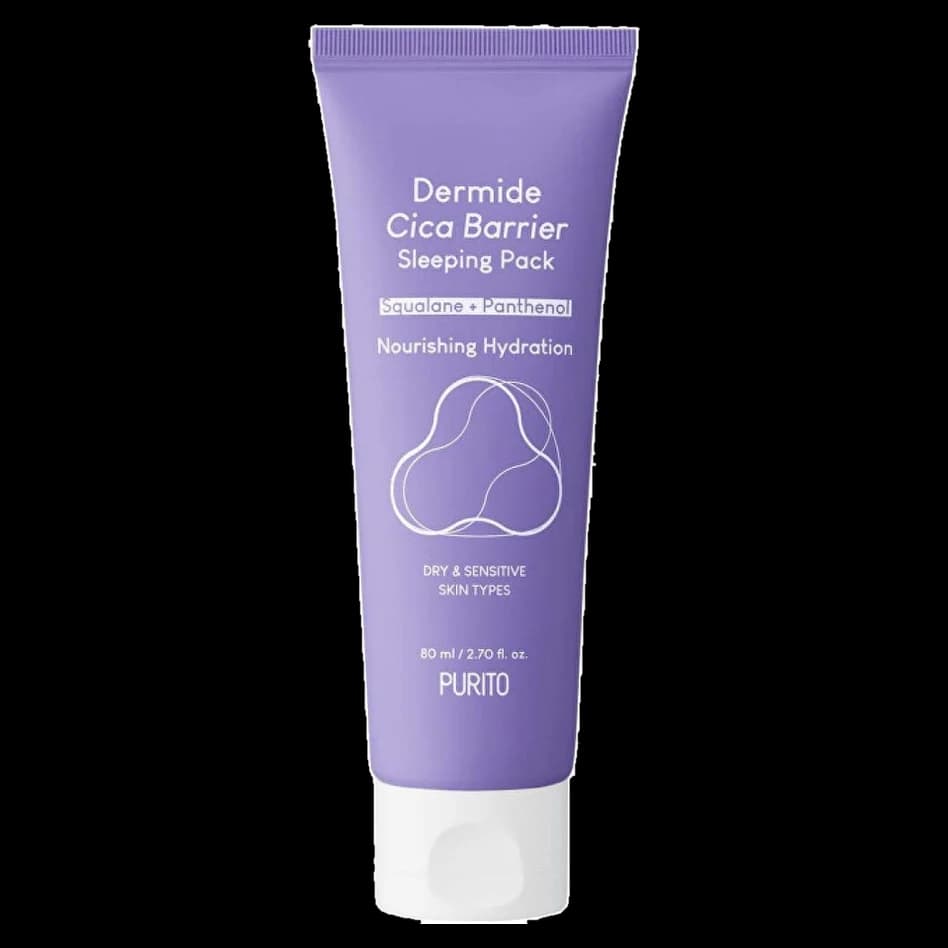
PURITO
Dermide Cica Barrier Sleeping Pack
15th of 15 on the label
below ≈1%
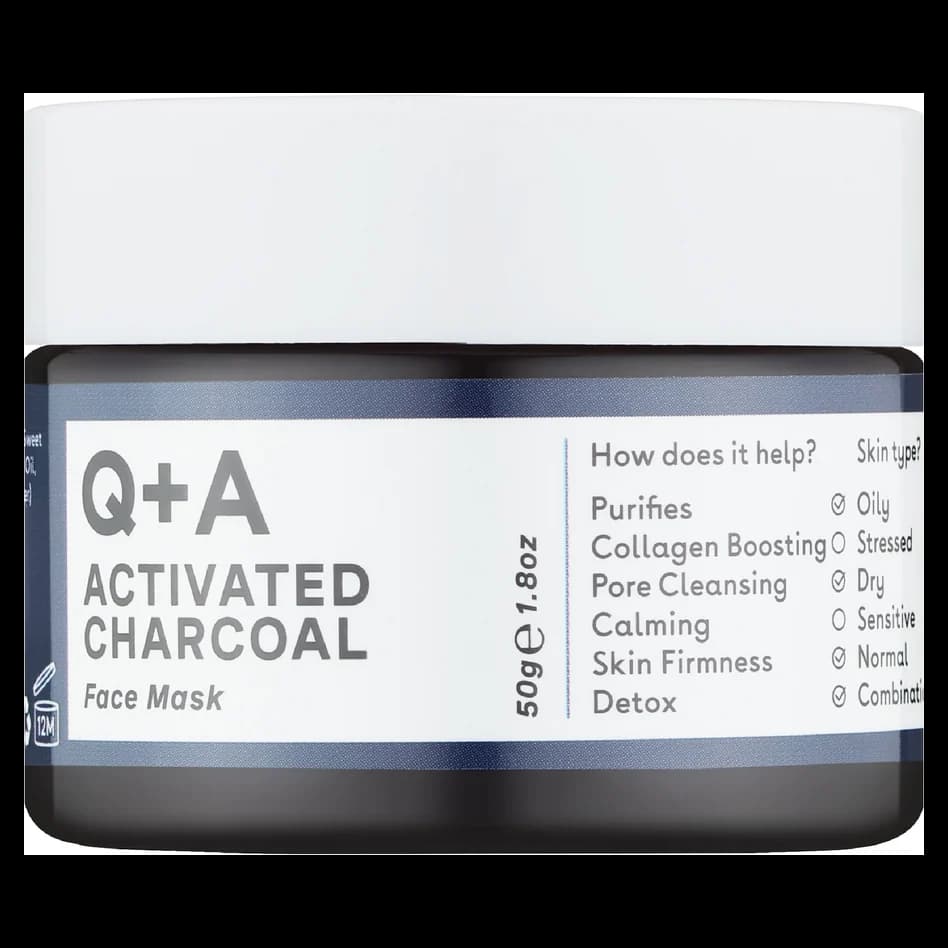
Q+A
Activated Charcoal Face Mask
16th of 18 on the label
below ≈1%
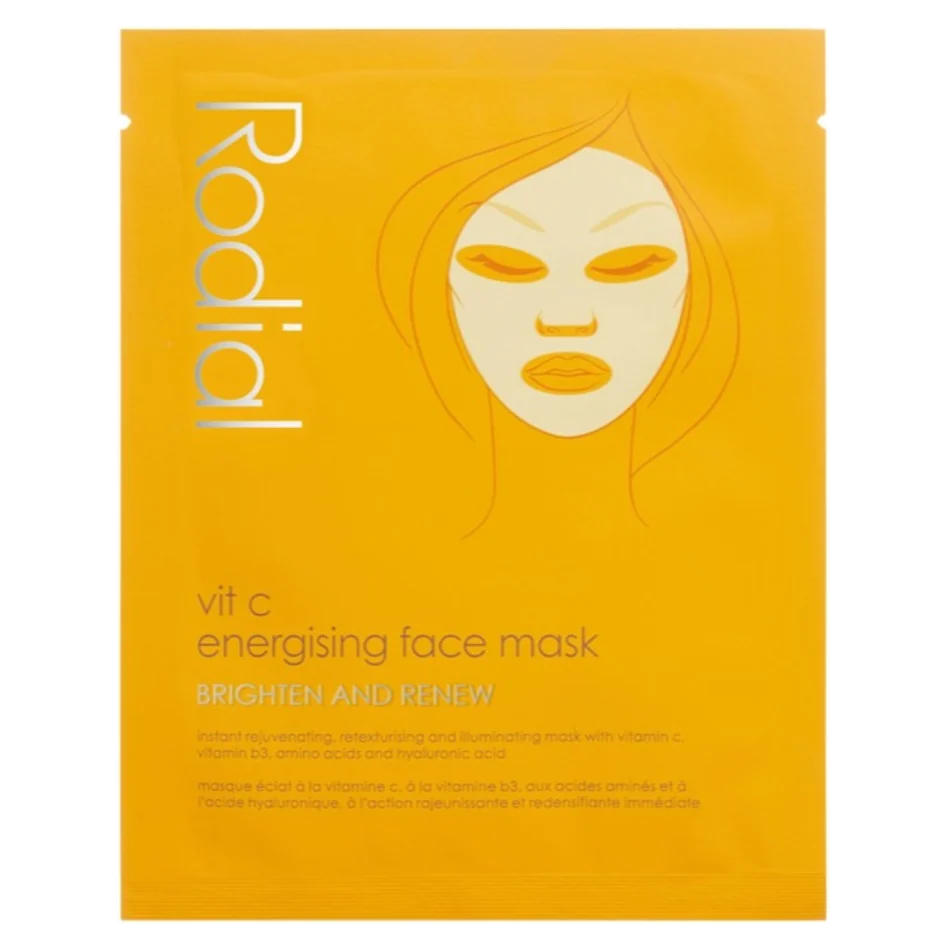
Rodial
Vit C Energising Face Mask
22nd of 30 on the label
below ≈1%
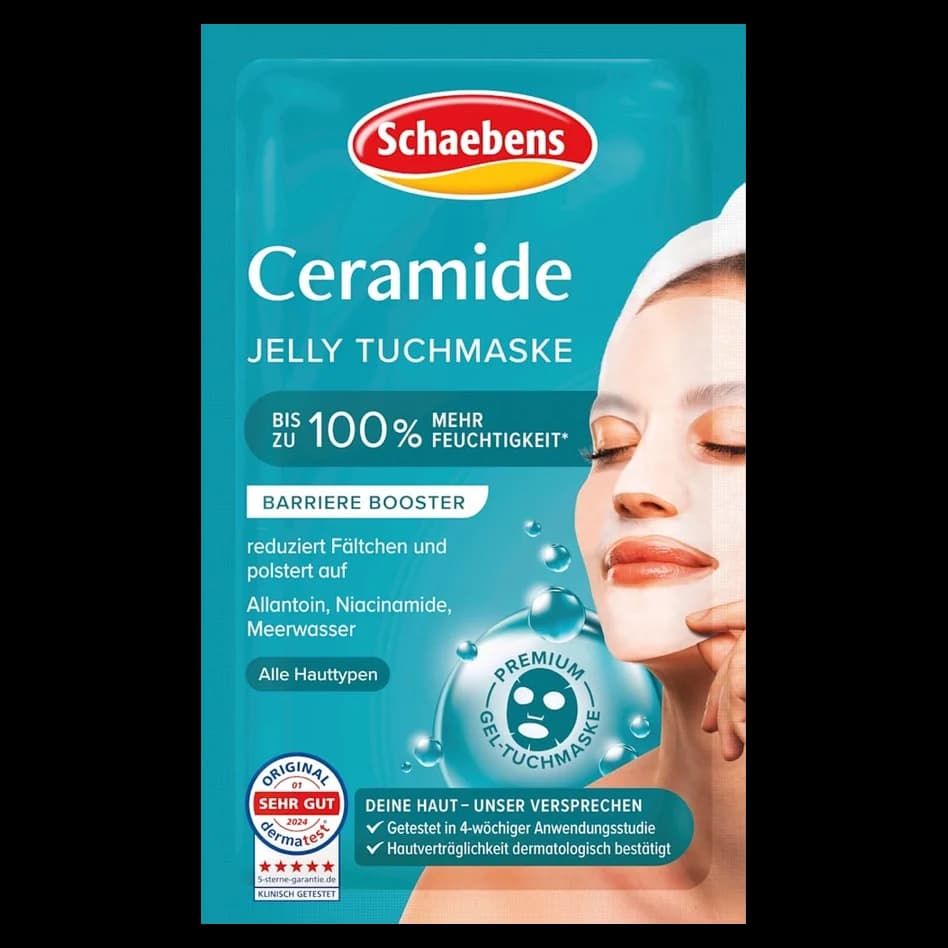
Schaebens
Tuchmaske Jelly Ceramide
22nd of 29 on the label
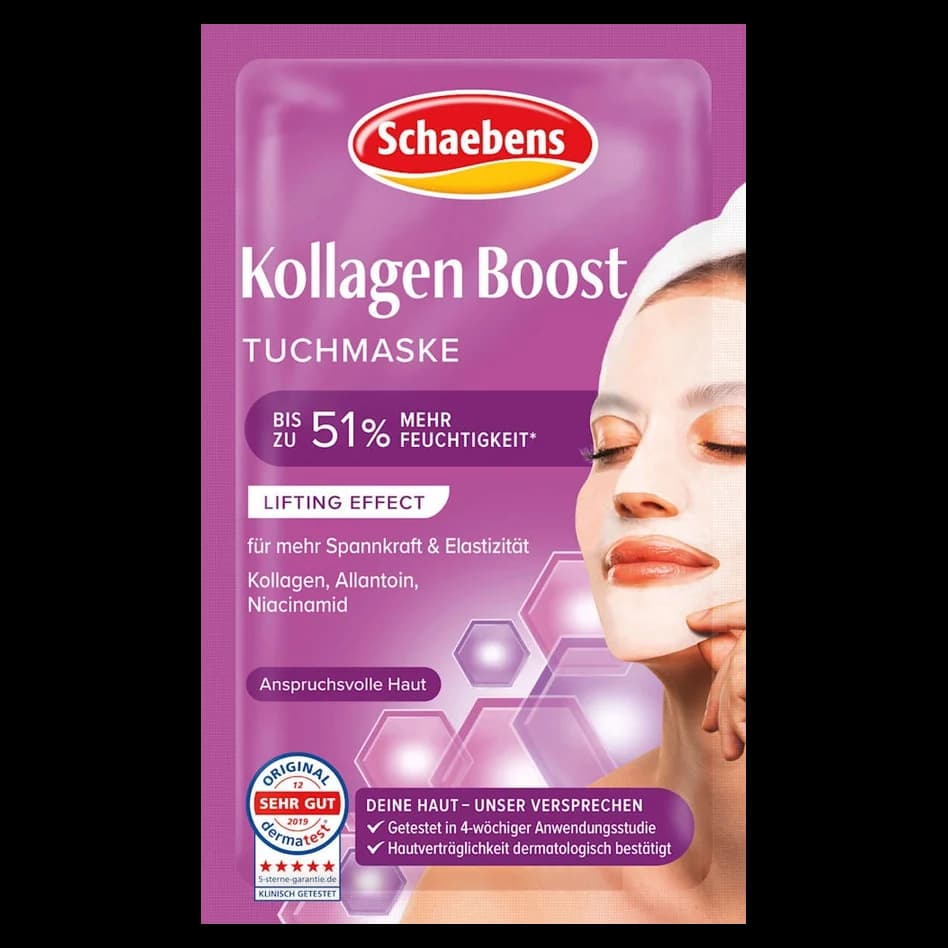
Schaebens
Tuchmaske Kollagen Boost
19th of 27 on the label
Schaebens
Tuchmaske Melon Love
30th of 45 on the label
Schaebens
Tuchmaske Reiswasser
17th of 23 on the label
below ≈1%
Schaebens
Tuchmaske Summer Glow
30th of 44 on the label
Schaebens
Tuchmaske Tonerde
22nd of 35 on the label
below ≈1%
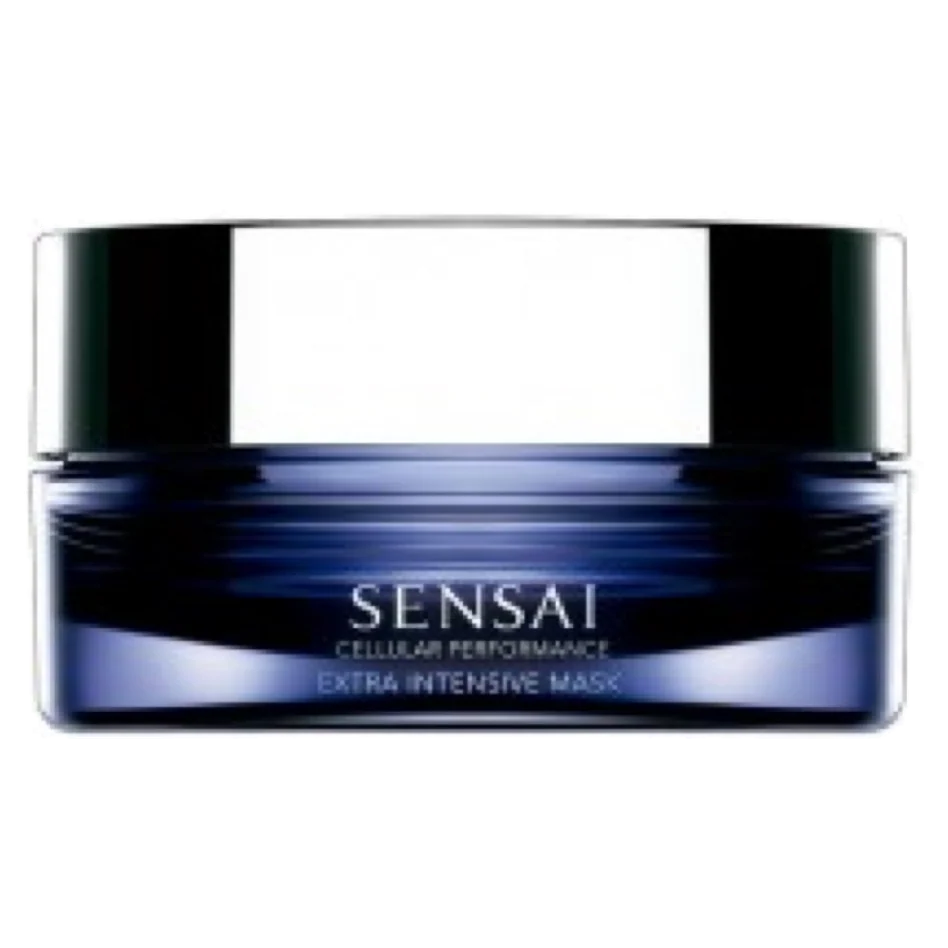
Sensai
Cellular Performance Extra Intensive Mask
27th of 44 on the label
below ≈1%
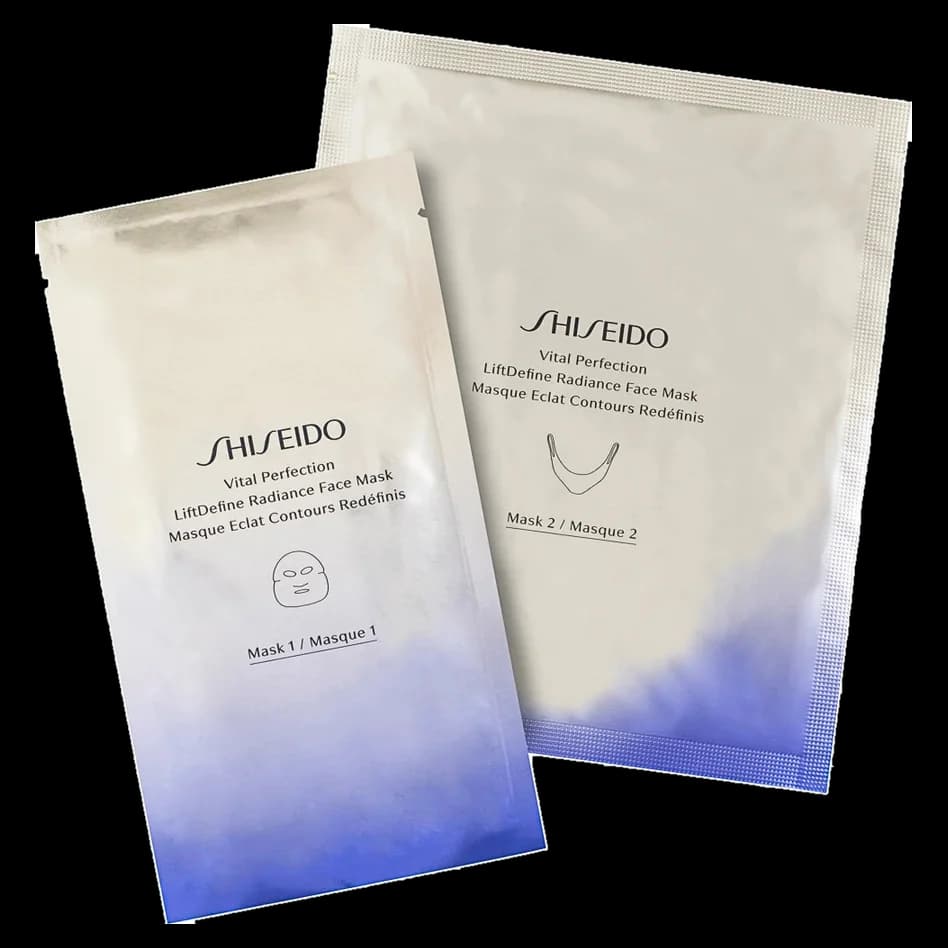
Shiseido
Vital Perfection LiftDefine Radiance Face Mask
35th of 81 on the label
below ≈1%
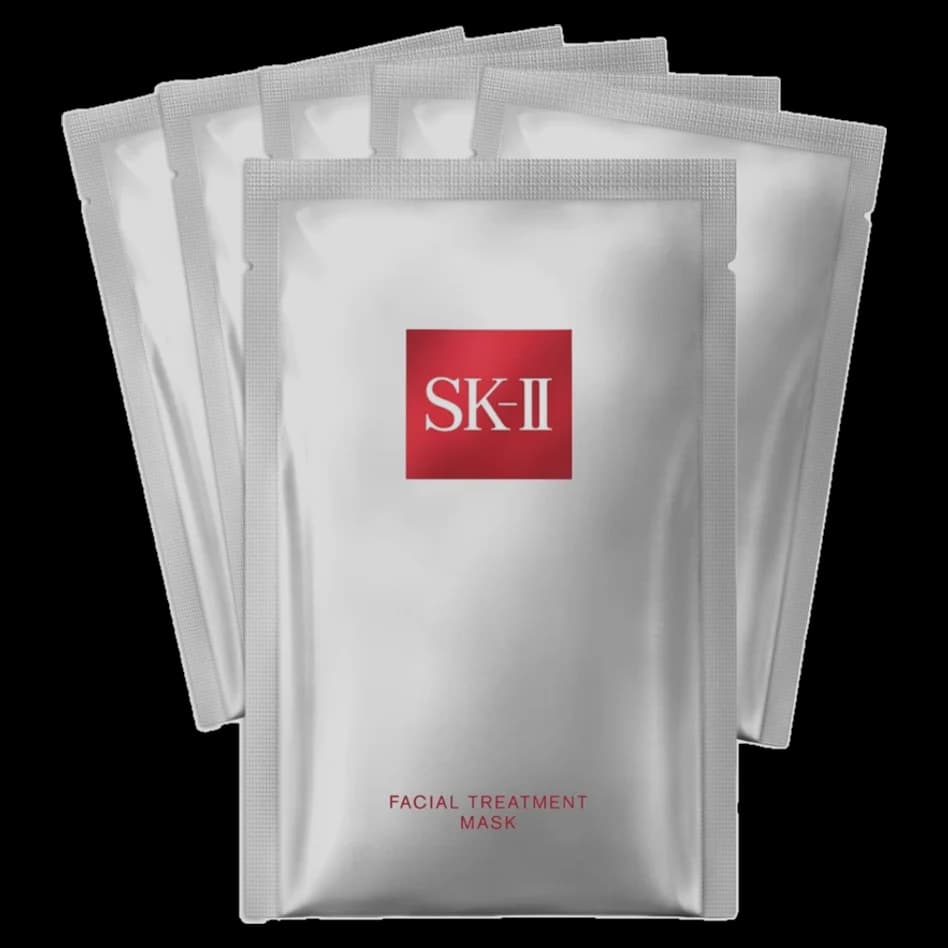
SK-II
Facial Treatment Mask
7th of 7 on the label
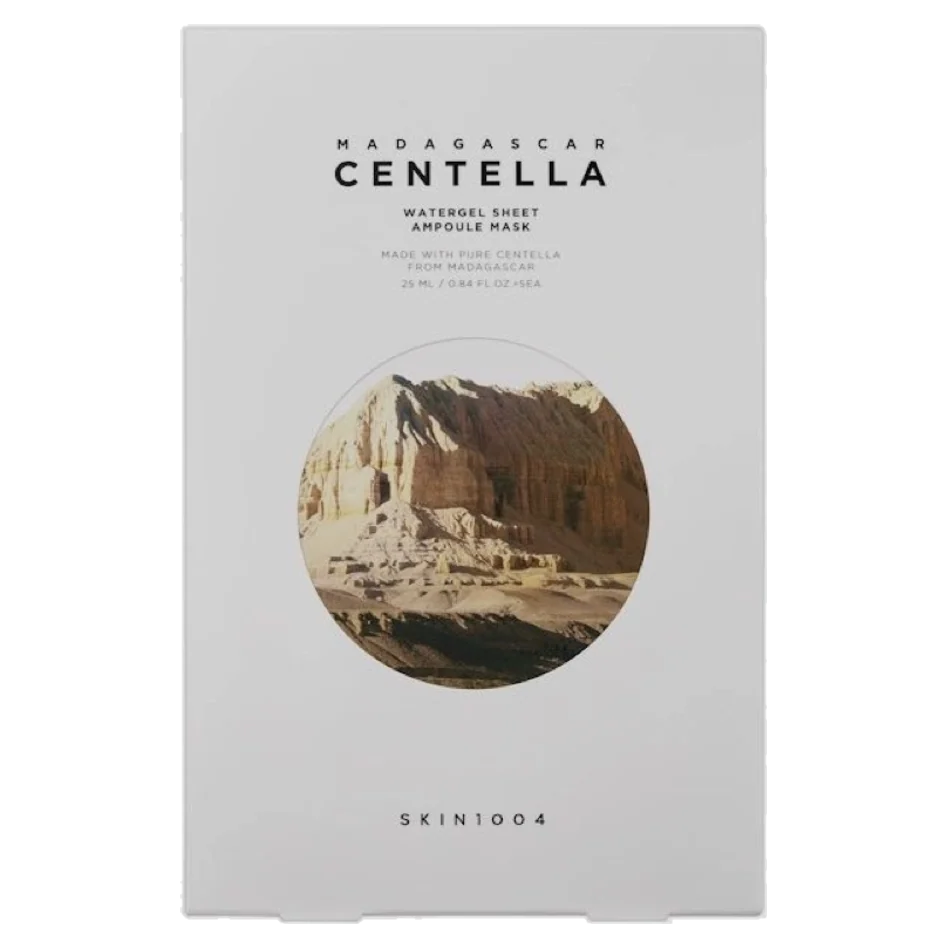
SKIN1004
Madagascar Centella Watergel Sheet Ampoule Mask
29th of 29 on the label
below ≈1%
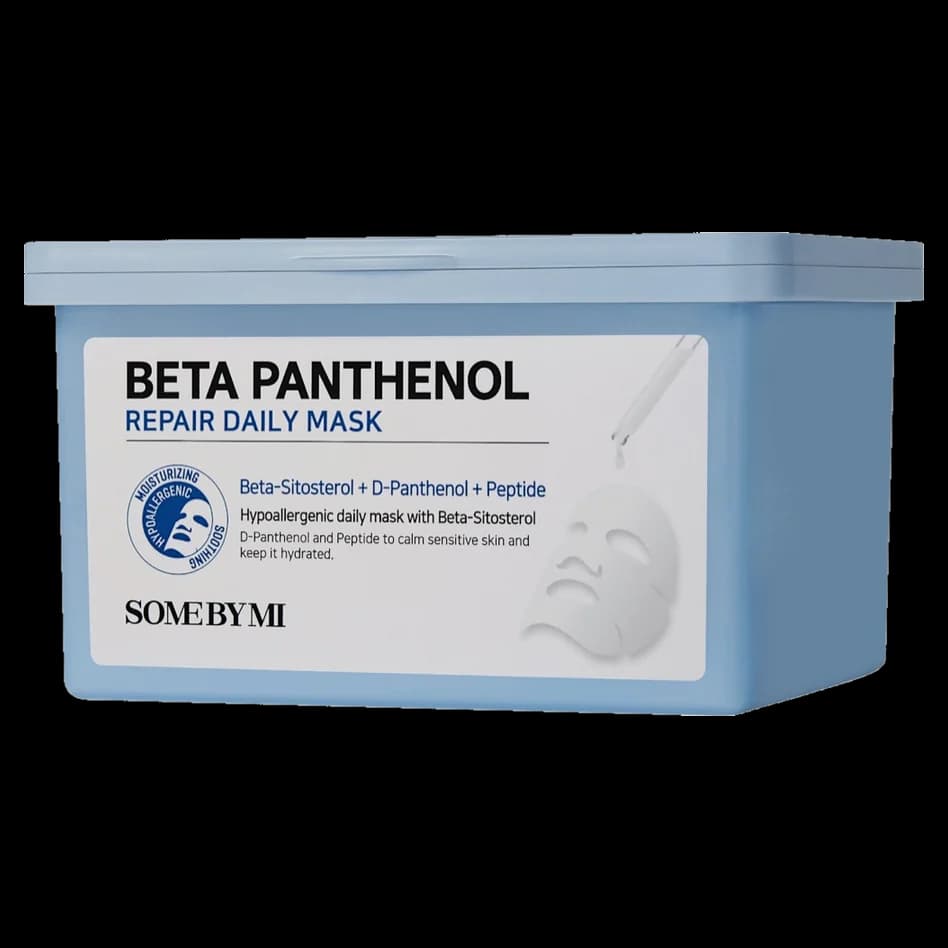
SOME BY MI
Daily Beta Panthenol Repair Mask
57th of 57 on the label
below ≈1%
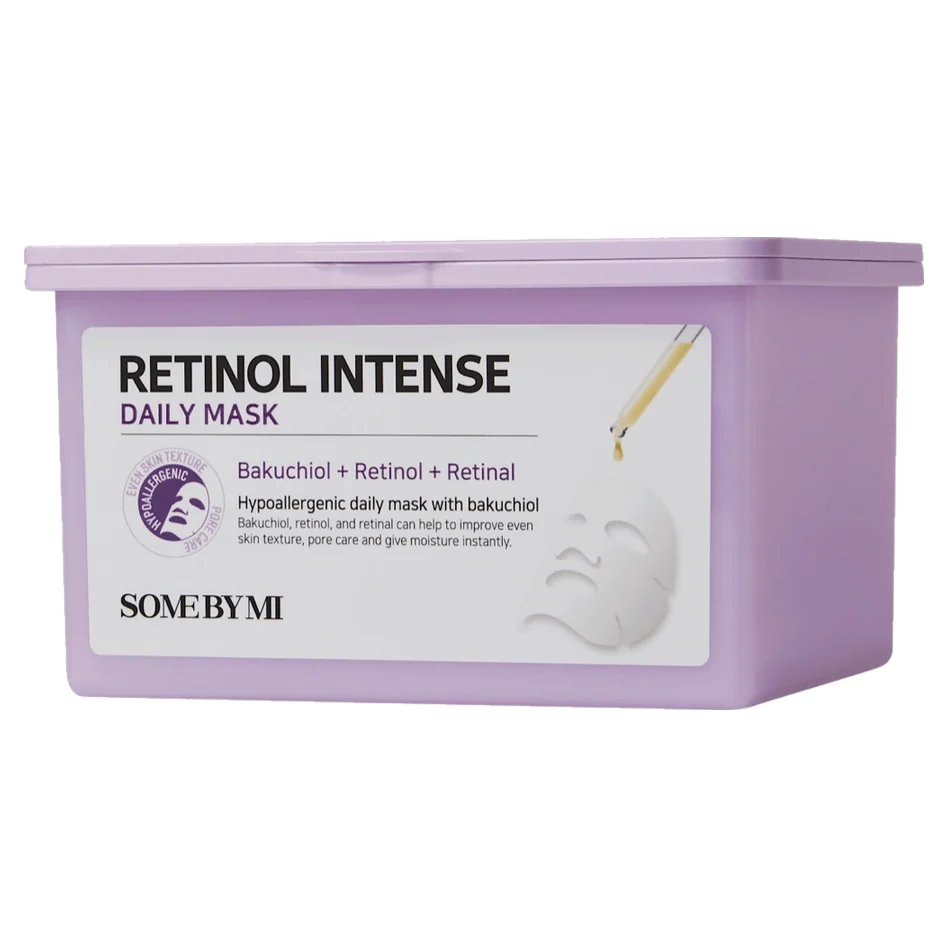
SOME BY MI
Daily Retinol Intense Mask
24th of 62 on the label
below ≈1%
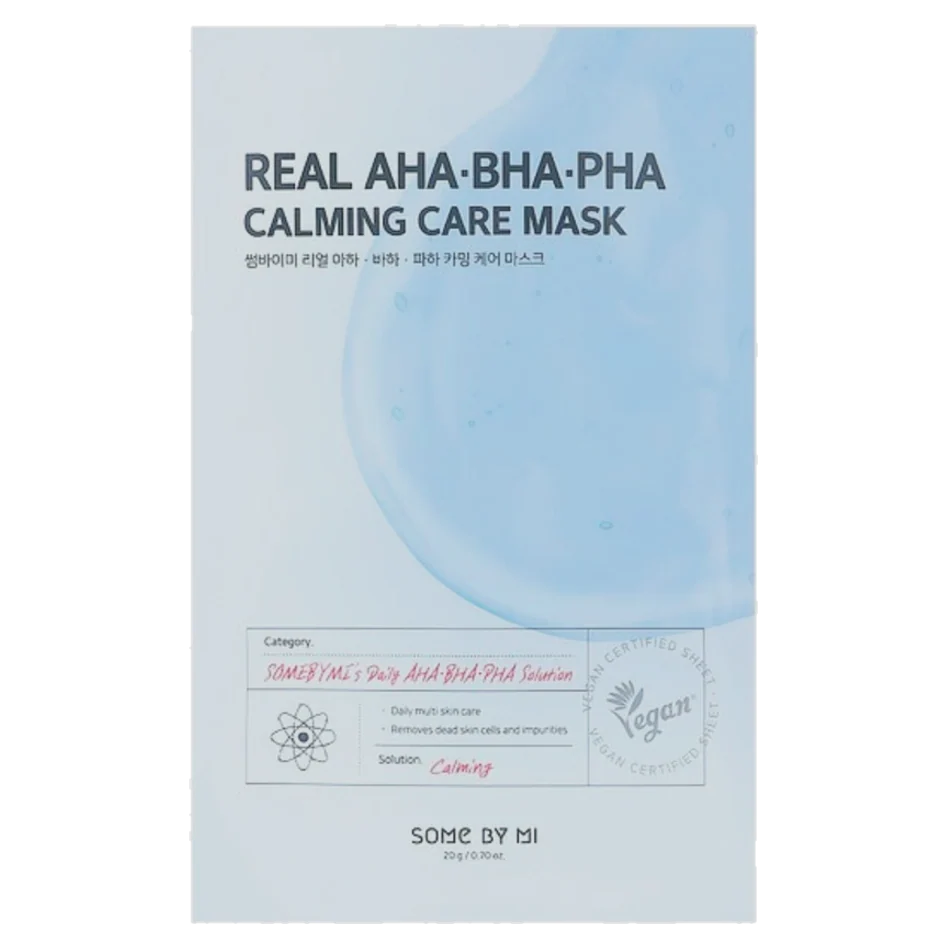
SOME BY MI
Real AHA-BHA-PHA Calming Care Mask
17th of 19 on the label
below ≈1%
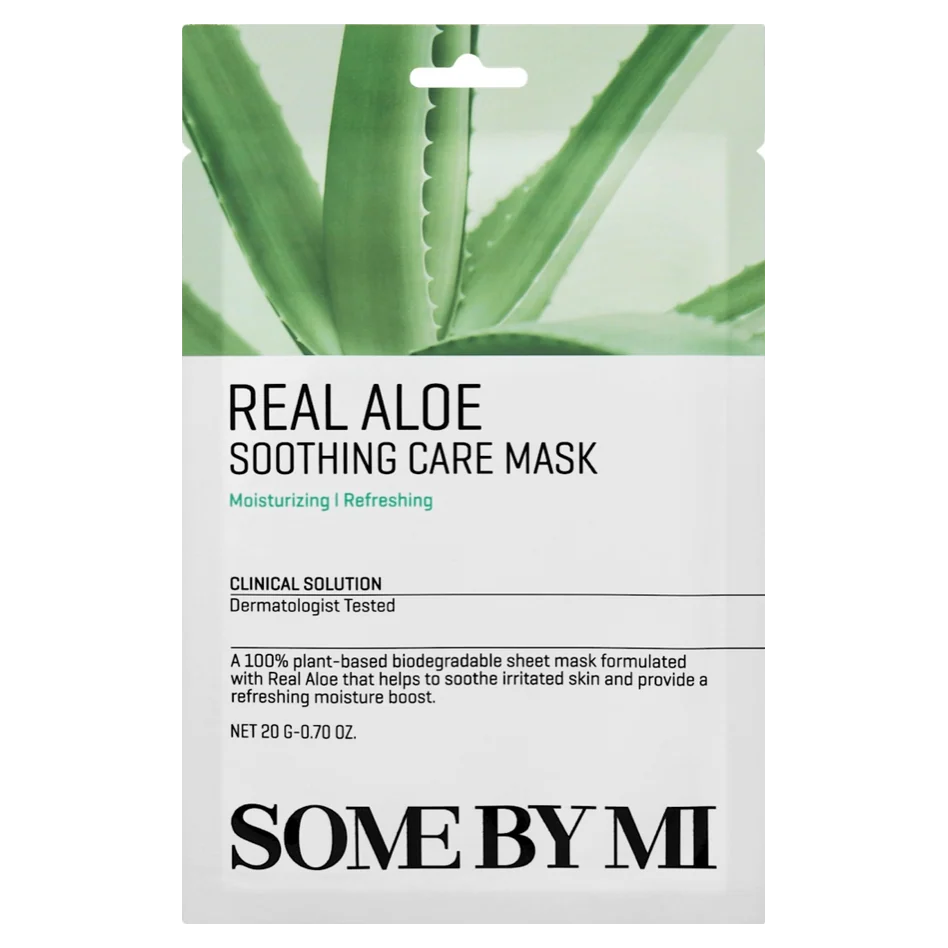
SOME BY MI
Real Aloe Soothing Care Mask
14th of 21 on the label
below ≈1%
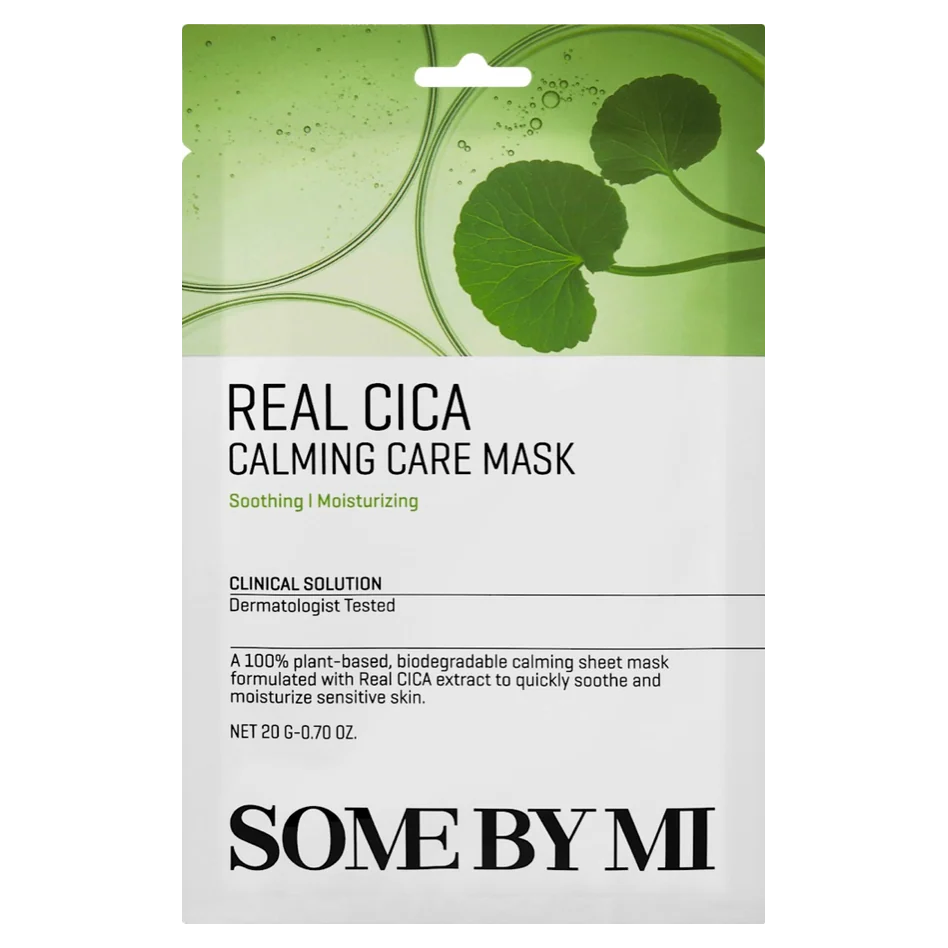
SOME BY MI
Real Cica Calming Care Mask
22nd of 28 on the label
below ≈1%
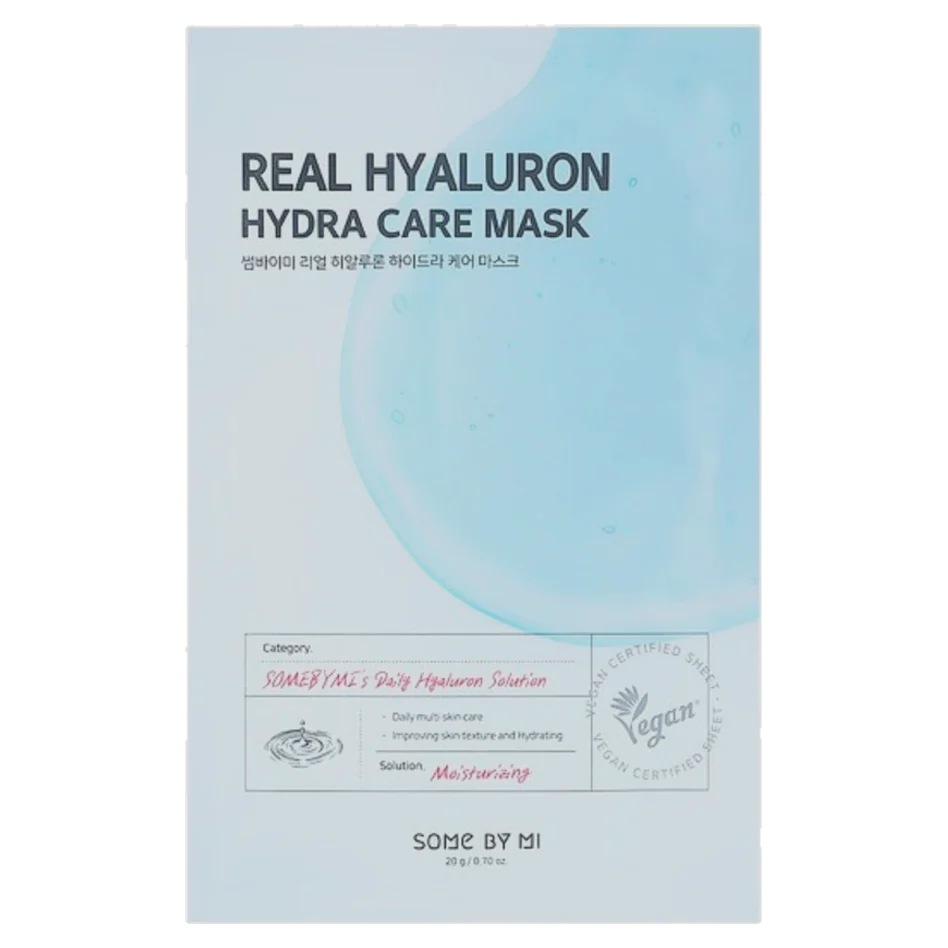
SOME BY MI
Real Hyaluron Hydra Care Mask
24th of 31 on the label
below ≈1%
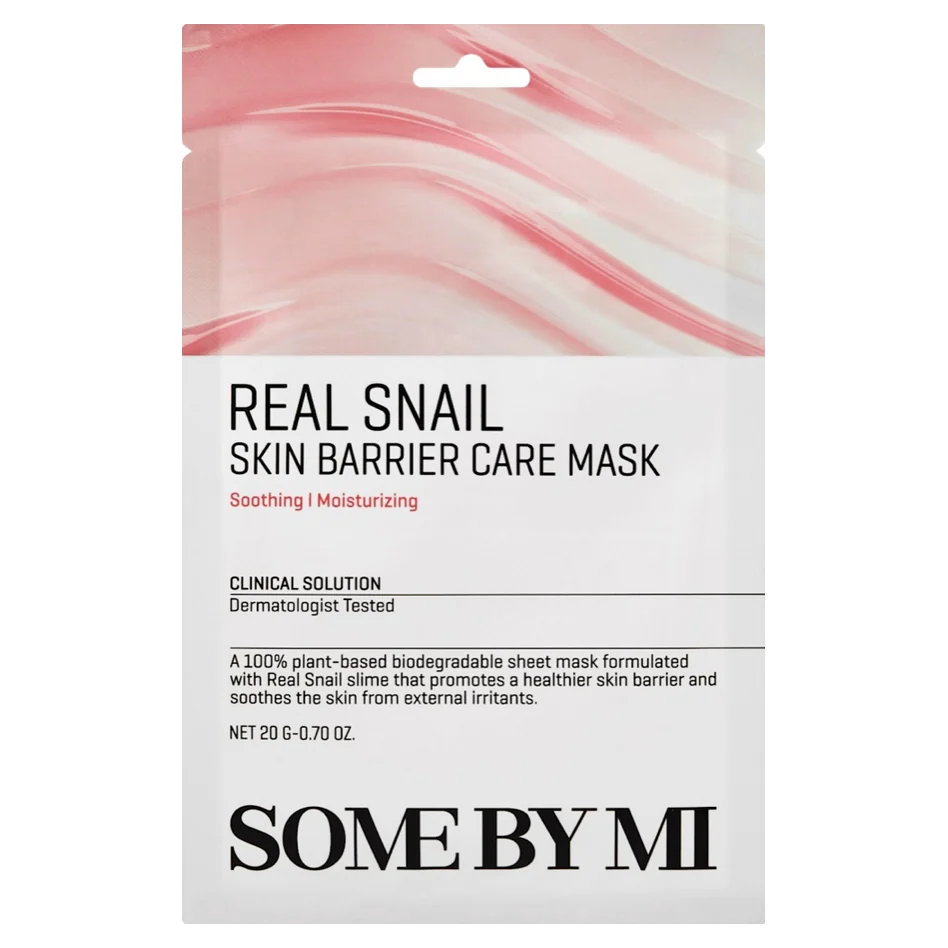
SOME BY MI
Real Snail Skin Barrier Care Mask
20th of 21 on the label
below ≈1%
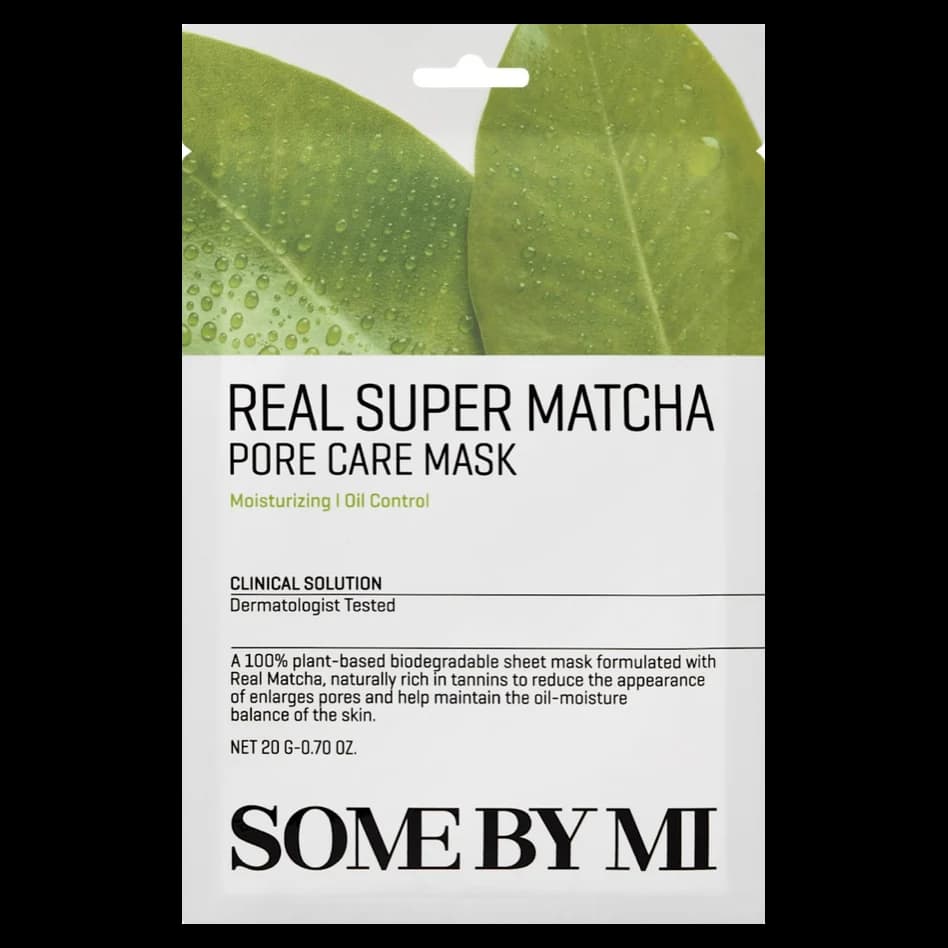
SOME BY MI
Real Super Matcha Pore Care Mask
21st of 22 on the label
below ≈1%
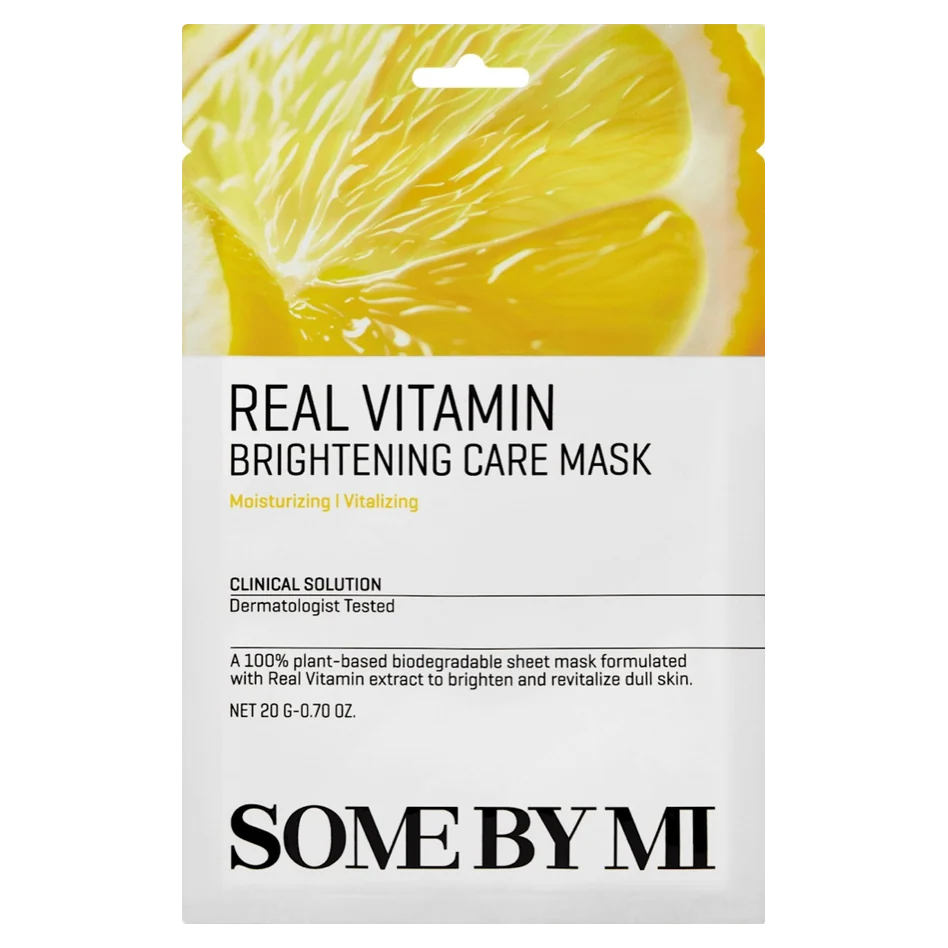
SOME BY MI
Real Vitamin Brightening Care Mask
18th of 19 on the label
below ≈1%
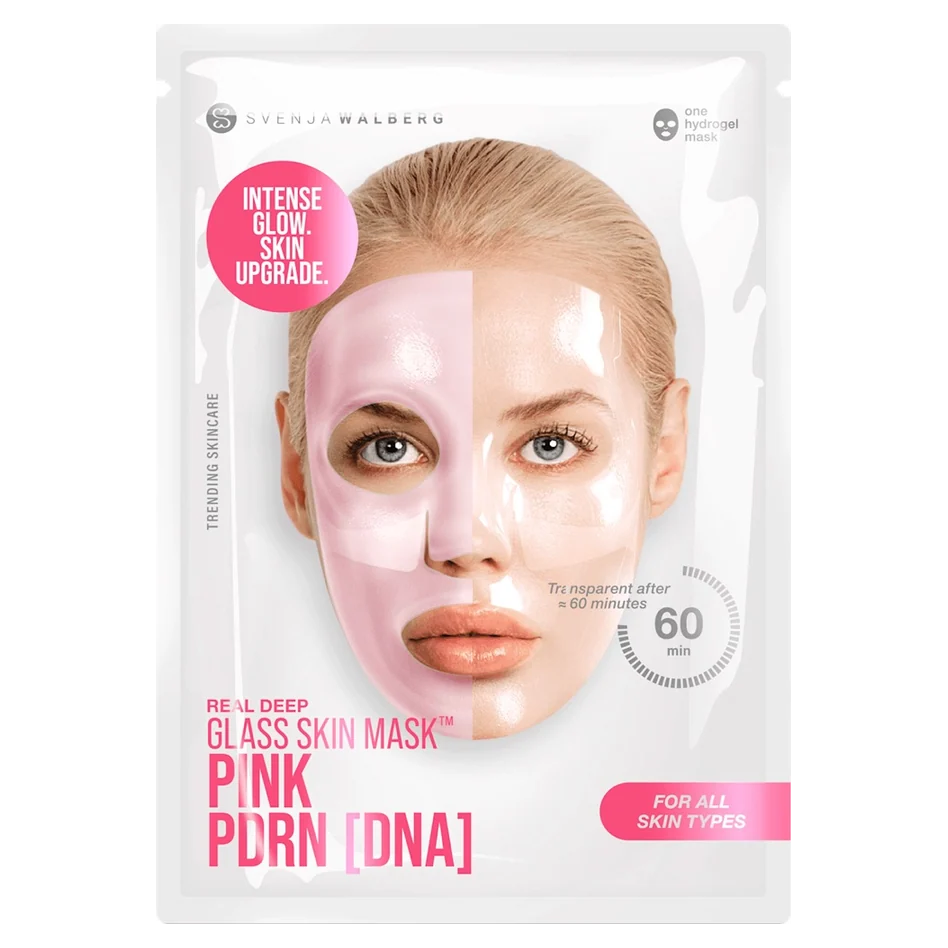
Svenja Walberg
Glass Skin Mask Pink PDRN [DNA]
22nd of 26 on the label
below ≈1%
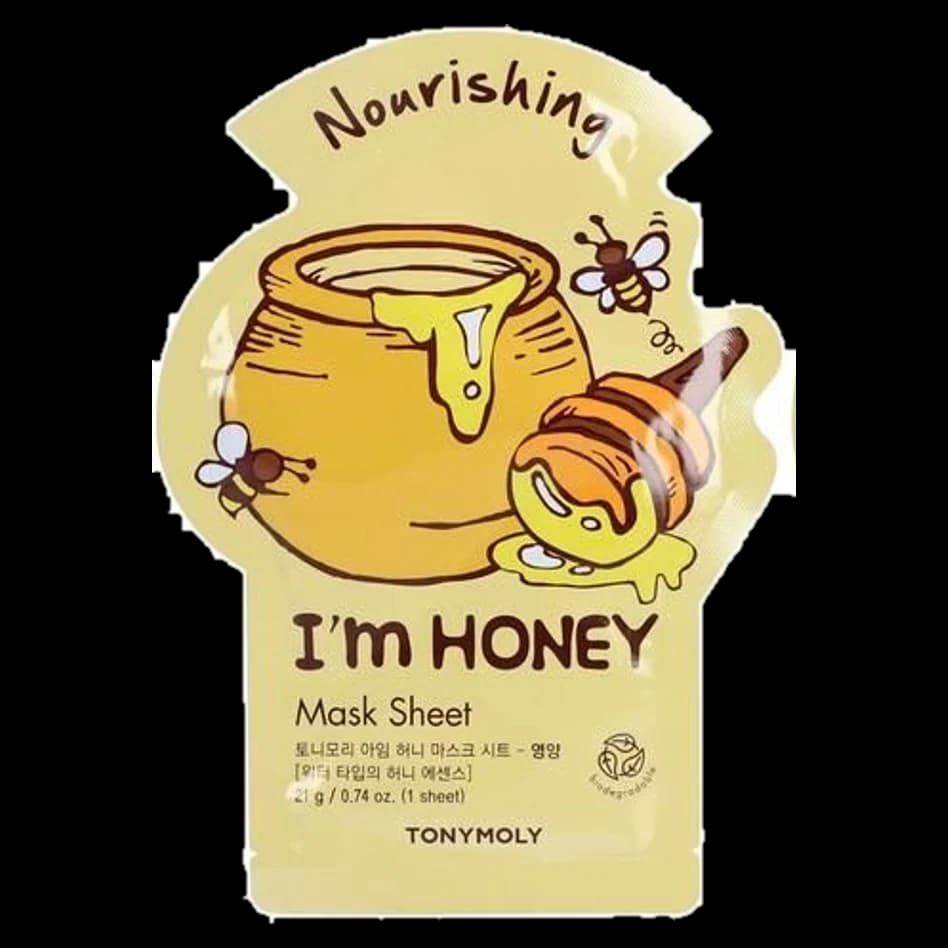
TONYMOLY
I'm Honey Mask Sheet
17th of 18 on the label
below ≈1%
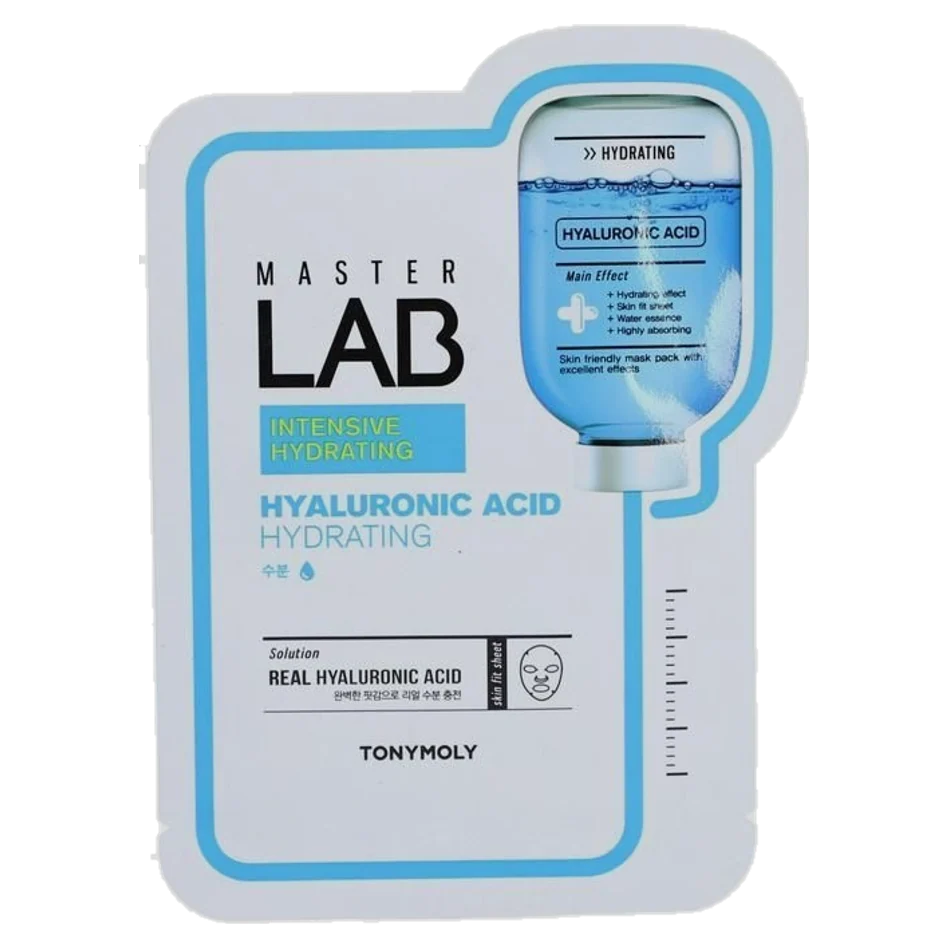
TONYMOLY
Master Lab Sheet Mask Hyaluronic Acid
14th of 31 on the label
below ≈1%
TONYMOLY
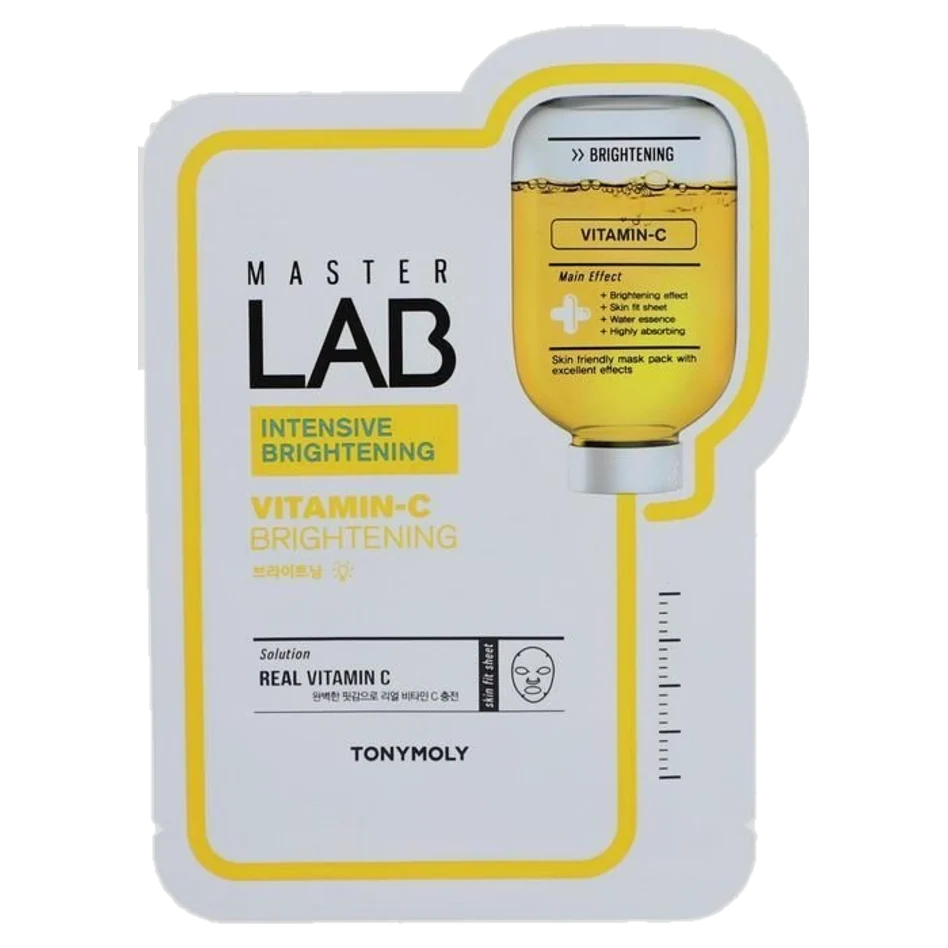
Master Lab Sheet Mask Vitamin C
28th of 33 on the label
below ≈1%
Utena
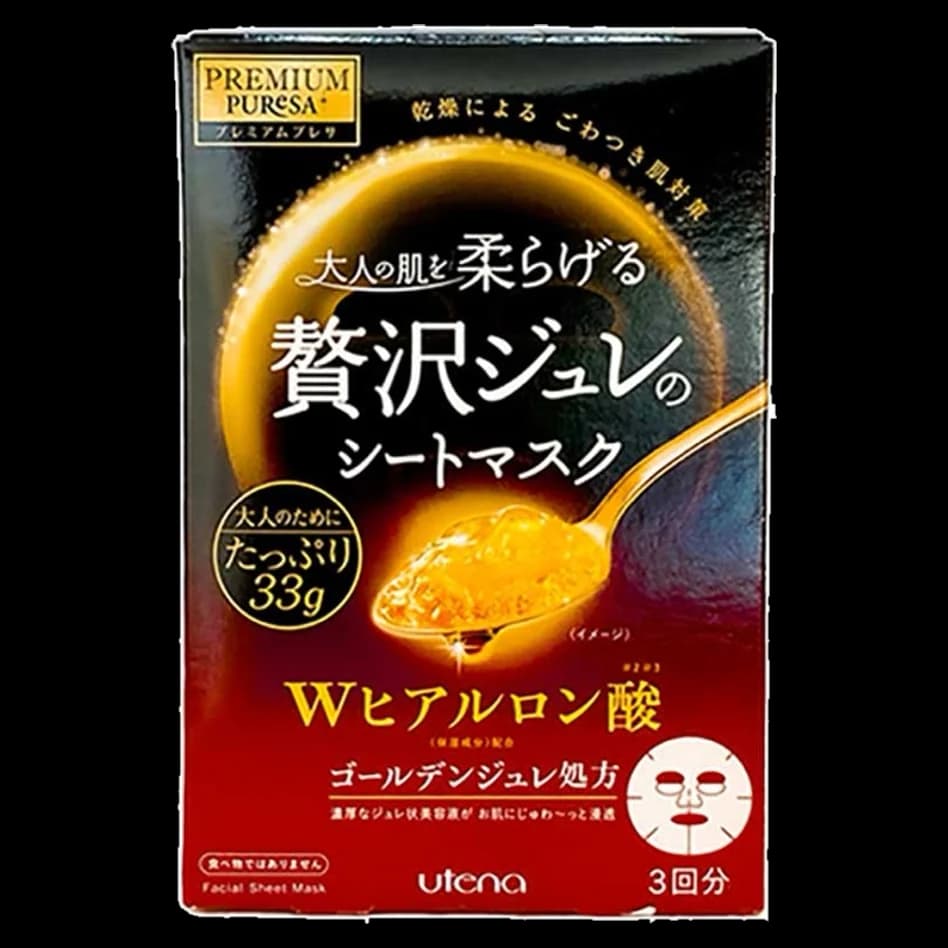
Premium Puresa Golden Jelly Mask (Hyaluronic Acid)
30th of 35 on the label
below ≈1%
Vichy
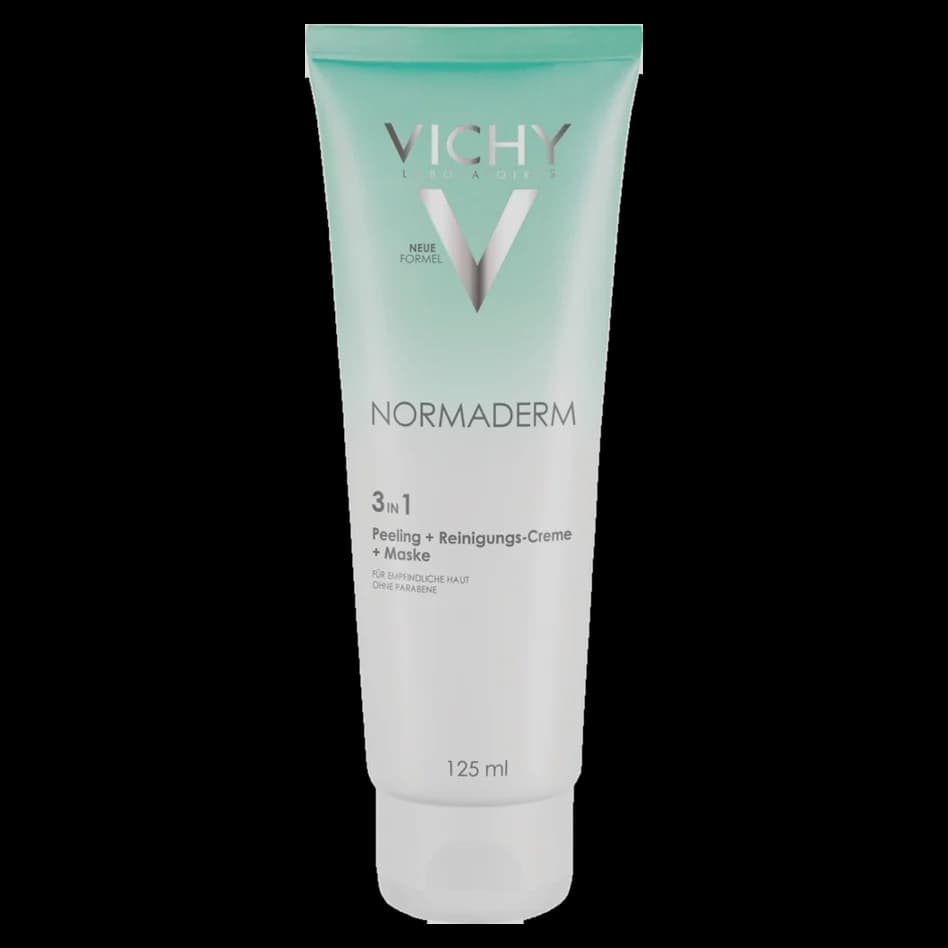
Normaderm 3-in-1 Peeling + Reinigungs-Creme + Maske
21st of 23 on the label
below ≈1%