Glucomannan
No meaningful concern for most people; irritation is possible but rare.
Also written as: Konjac Glucomannan
What it is
Glucomannan is a polysaccharide from the tubers of konjac, a plant of the Amorphophallus genus: a chain of mannose carrying glucose side units, acetylated every nine to nineteen sugars. The Cosmetic Ingredient Review groups it with the plant-derived polysaccharide gums, whose function in cosmetics is to increase viscosity. Food-science work pairs it with kappa-carrageenan, where the two gel together more strongly than either does alone. That is exactly the company it keeps here: every mask in this catalogue that lists glucomannan also lists a carrageenan-family gum and potassium chloride.
How it shows up on a label
In this catalogue it appears on jelly and hydrogel masks and on no other format.
What it does well
A thickener the panel found safe as used
The Cosmetic Ingredient Review reviewed 106 plant-derived polysaccharide gums, glucomannan among them, and concluded that most of them are safe in the present practices of use and concentration in cosmetics; only hydrolysed carrageenan was left undetermined for want of data. The panel's one reservation concerned the alkylating and other agents used to modify gums, and it asked industry to use good manufacturing practice to limit those impurities.
Strong evidence
Worth knowing
Everything known about it is texture, not skin
The evidence base is food and materials science: gelation, viscosity, film-forming and its synergy with carrageenan. None of it measures an effect on skin, and the safety conclusion covers its use as a thickener rather than any benefit. A konjac mask is a firmer mask, not a treated face.
Where the EU stands
No specific restriction
No specific EU restriction is recorded for this ingredient. Whatever it appears in must still pass the safety assessment that Regulation (EC) No 1223/2009 requires of every cosmetic sold in the EU.
Sources (3)
Every link goes to the original: a journal, a PubMed record or an EU document.
- [1]Safety Assessment of Plant-Derived Polysaccharide Gums as Used in Cosmetics
Cosmetic Ingredient Review, Final Report · 2015
The Expert Panel reviewed 106 ingredients that function as viscosity-increasing agents and concluded most of the polysaccharide gums are safe in the present practices of use and concentration in cosmetics, with the data insufficient for hydrolysed carrageenan. It defines glucomannan as the polymer of mannose containing side chains of glucose, derived from the tubers of konjac. The panel asked industry to limit impurities from the agents used to modify gums. Checked 6 September 2026.
- [2]Extraction, structure, activity and application of konjac glucomannan
Ultrasonics Sonochemistry · 2025 · doi:10.1016/j.ultsonch.2025.107315
A review of konjac glucomannan, the main polysaccharide of the konjac plant, describing its gelling behaviour, biocompatibility and high viscosity, and its use in films and gels. Its applications are food, packaging and pharmaceutical; the review reports no skin measurement. Checked 6 September 2026.
- [3]Gelation enhancement of konjac glucomannan/kappa-carrageenan composite gels induced by different potassium salts
Food Chemistry · 2026 · doi:10.1016/j.foodchem.2026.149931
Konjac glucomannan and kappa-carrageenan gel synergistically, and the study tested five potassium salts, potassium chloride among them, on the resulting network. Food processing rather than cosmetics, but it is the same combination of ingredients that the jelly masks here list. Checked 6 September 2026.
Masks that contain Glucomannan
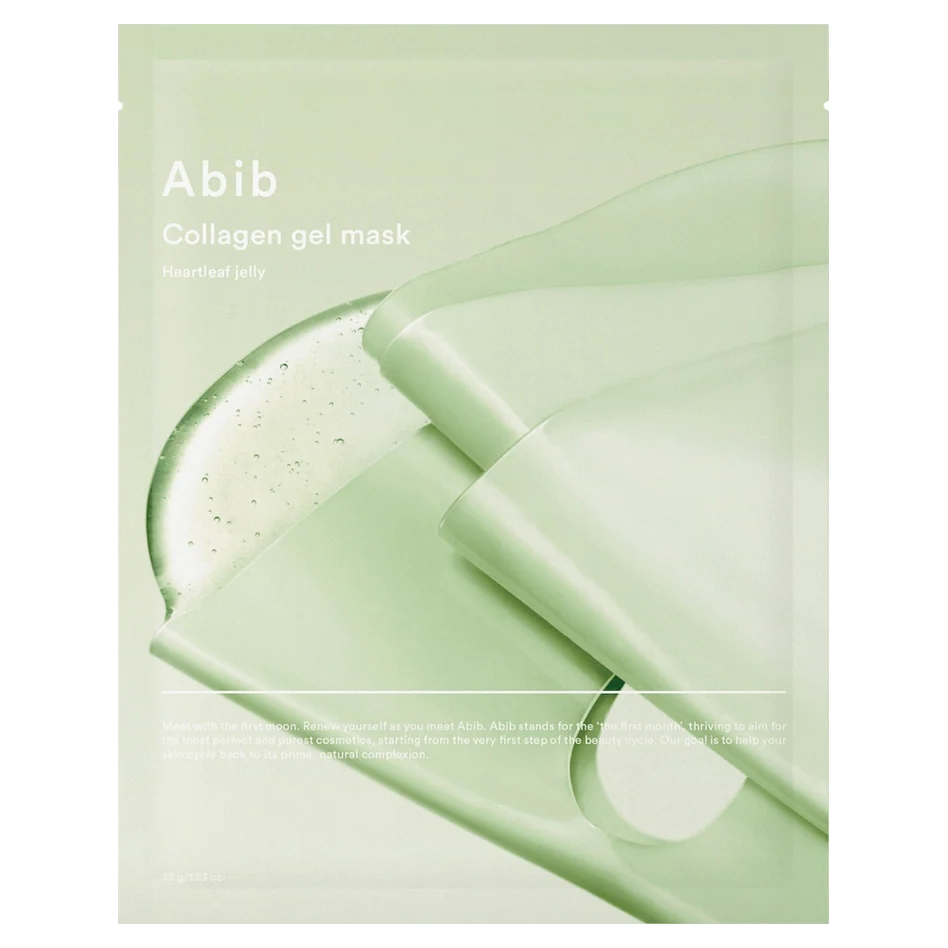
Abib
Collagen Gel Mask Heartleaf Jelly
23rd of 43 on the label
below ≈1%
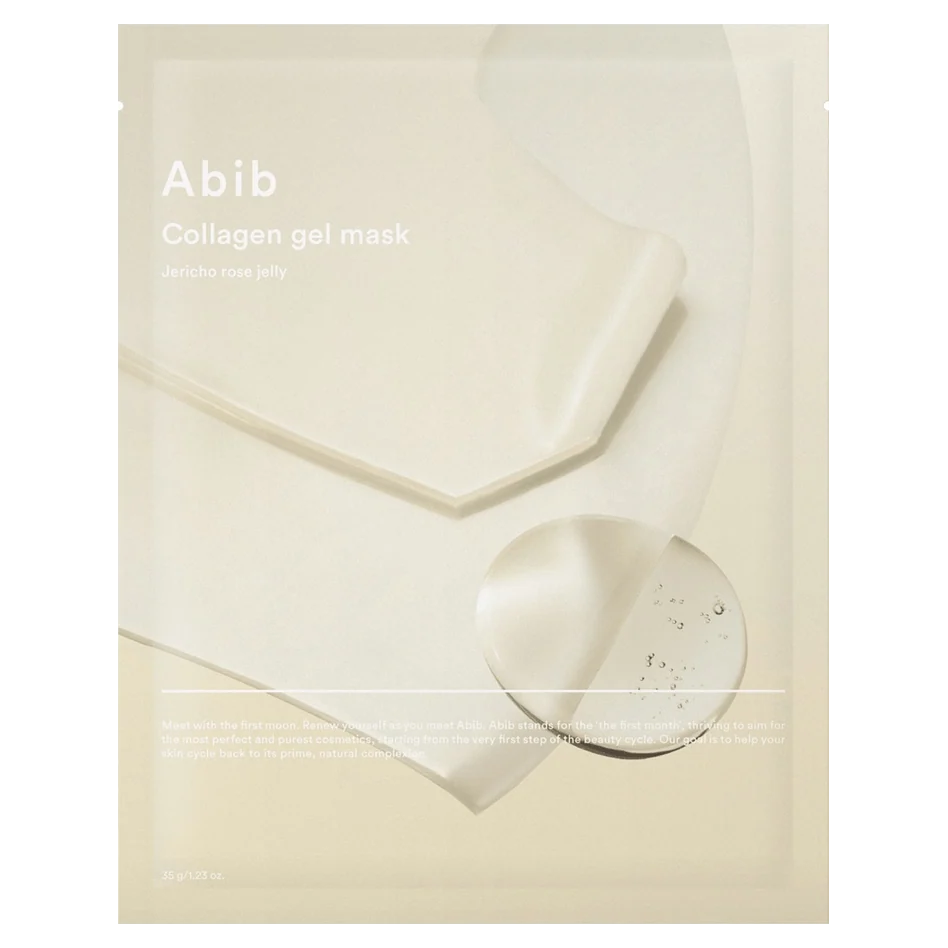
Abib
Collagen Gel Mask Jericho Rose Jelly
24th of 43 on the label
below ≈1%
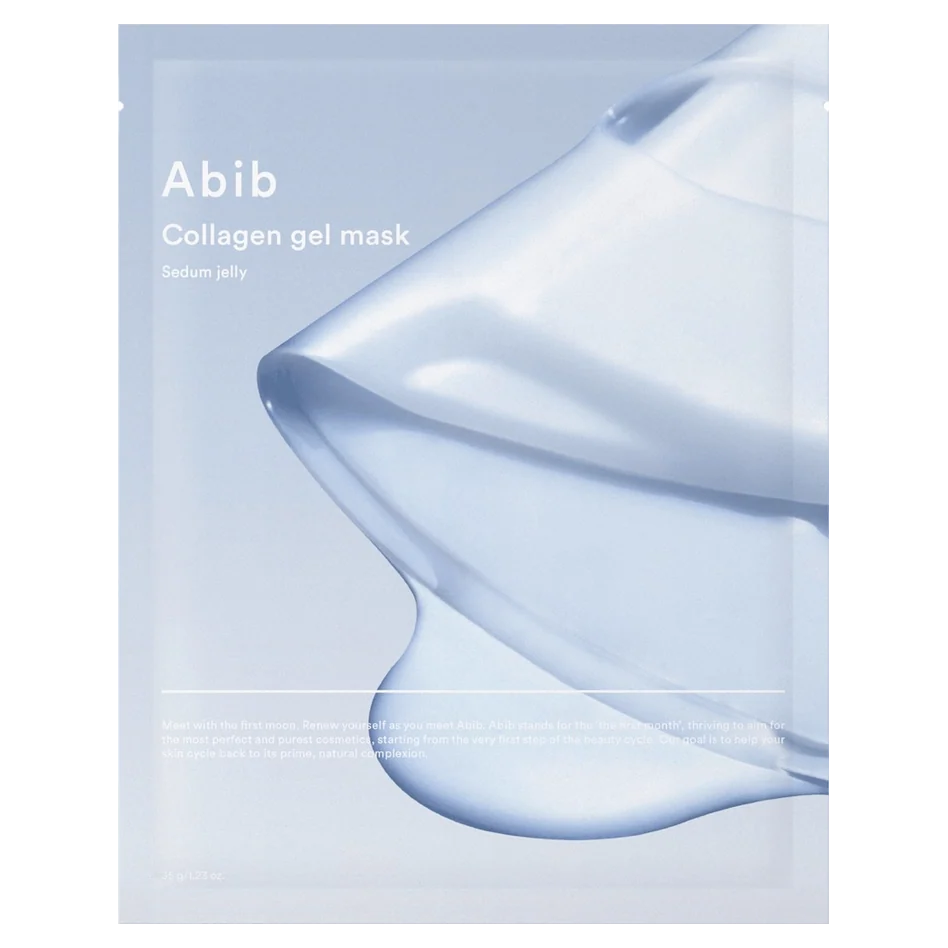
Abib
Collagen Gel Mask Sedum Jelly
21st of 41 on the label
below ≈1%
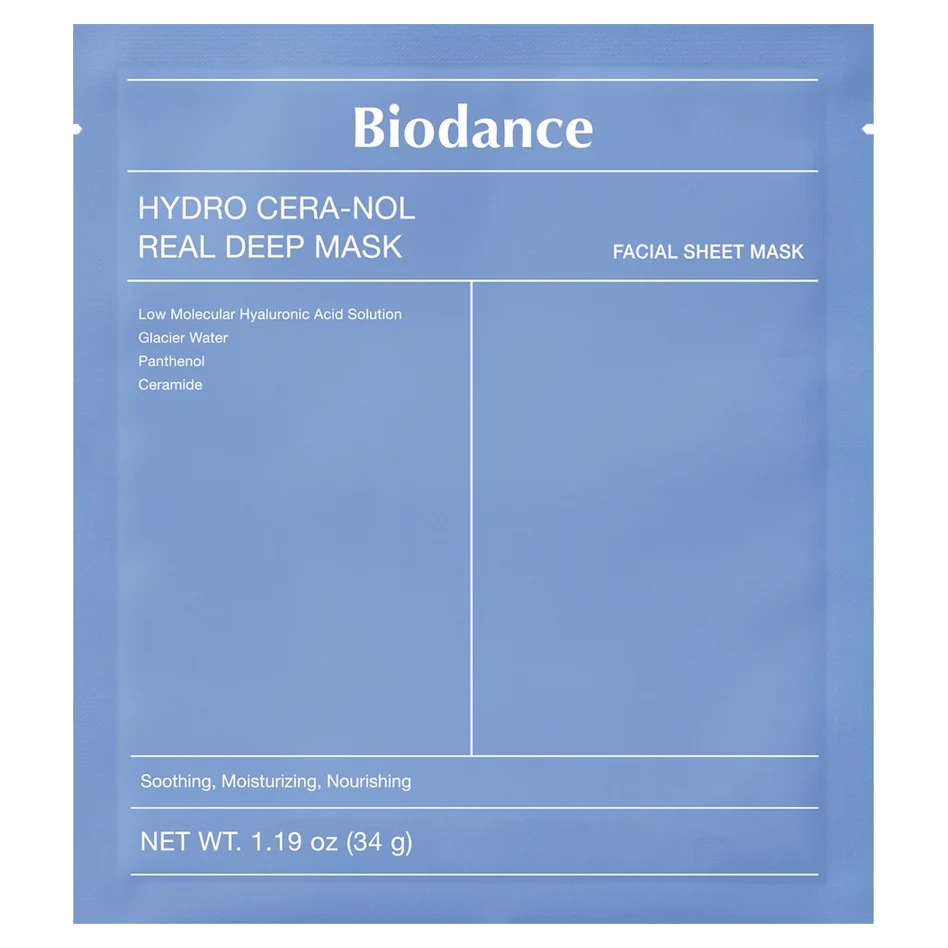
Biodance
Hydro Cera-nol Real Deep Mask
25th of 65 on the label
below ≈1%
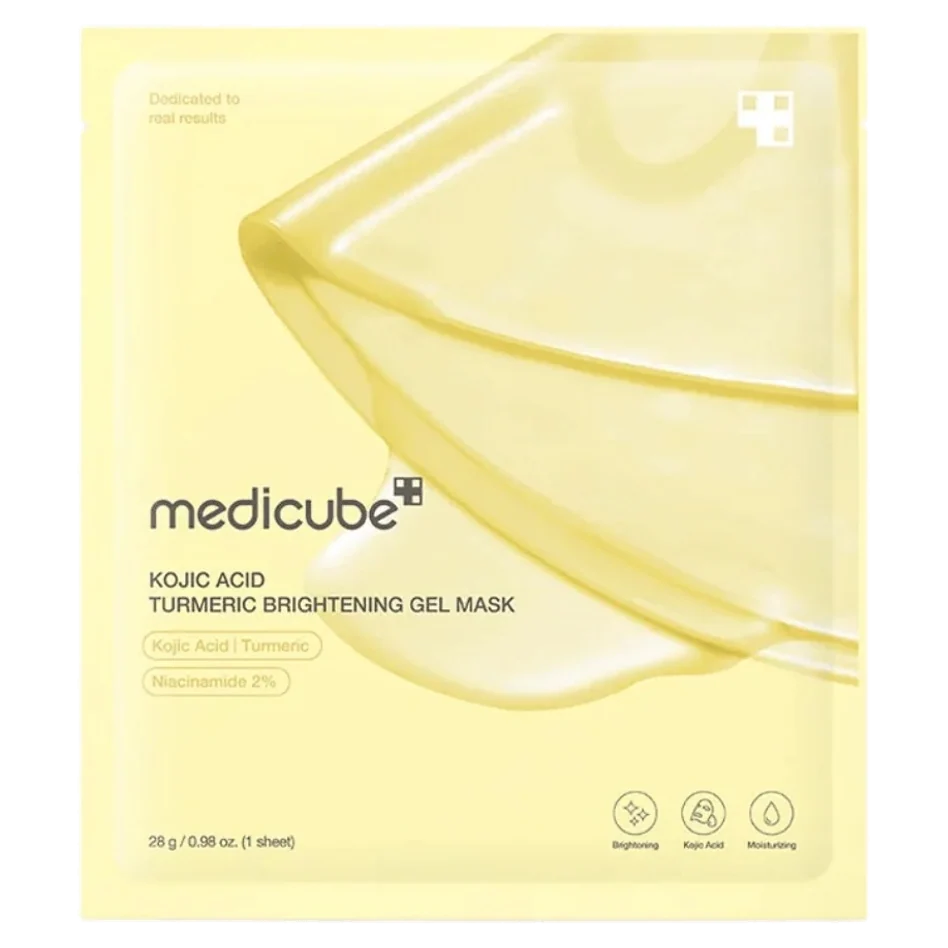
Medicube
Kojic Acid Turmeric Brightening Gel Mask
12th of 35 on the label
below ≈1%
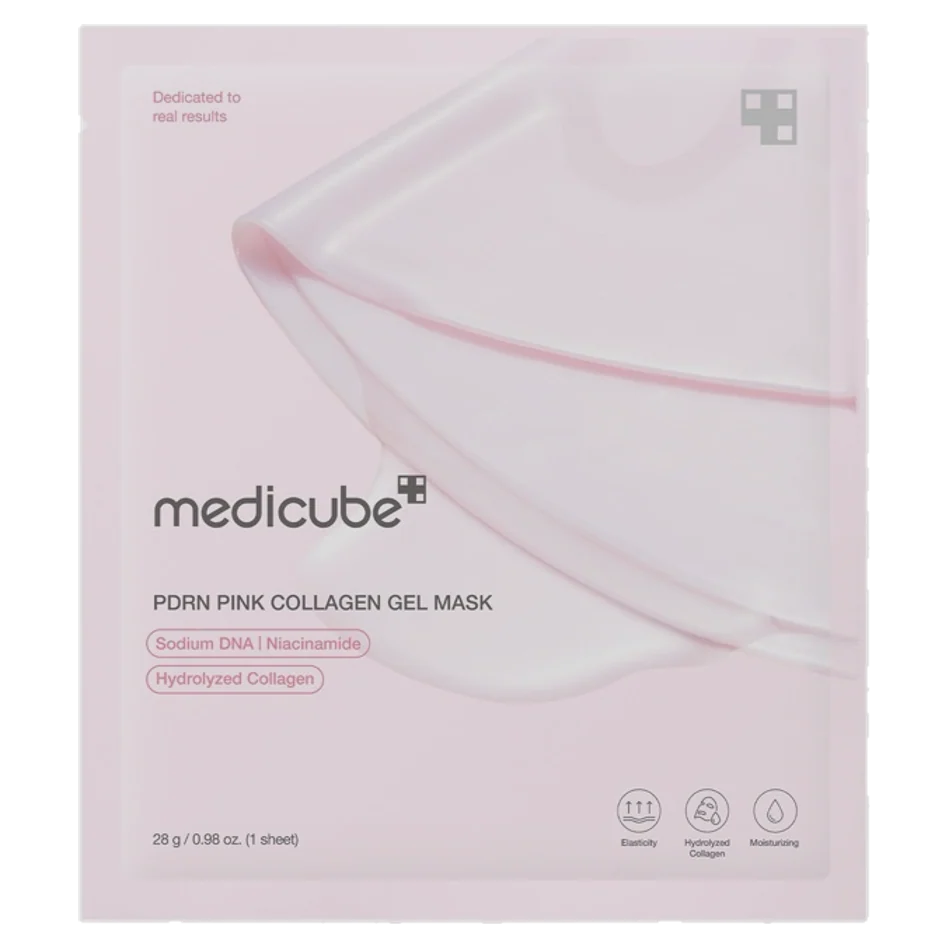
Medicube
PDRN Pink Collagen Gel Mask
13th of 43 on the label
below ≈1%
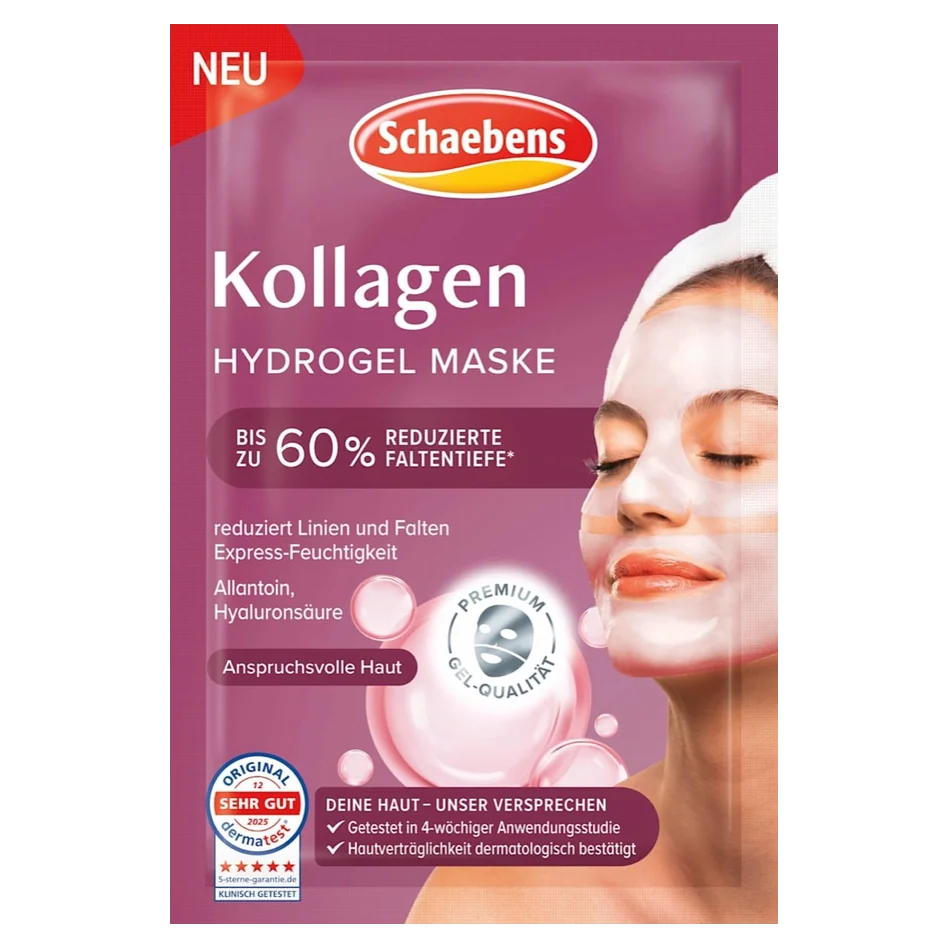
Schaebens
Tuchmaske Kollagen Hydrogel
17th of 27 on the label
below ≈1%
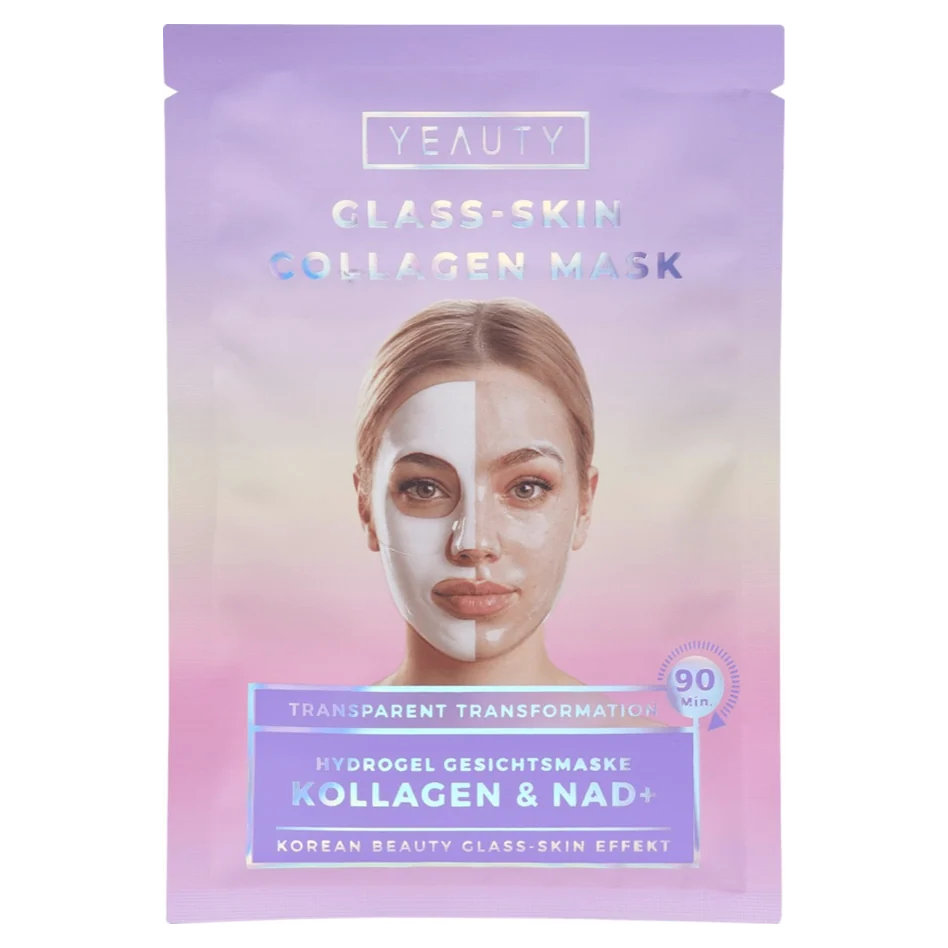
Yeauty
Glass-Skin Hydrogel Maske Kollagen & NAD+
8th of 15 on the label
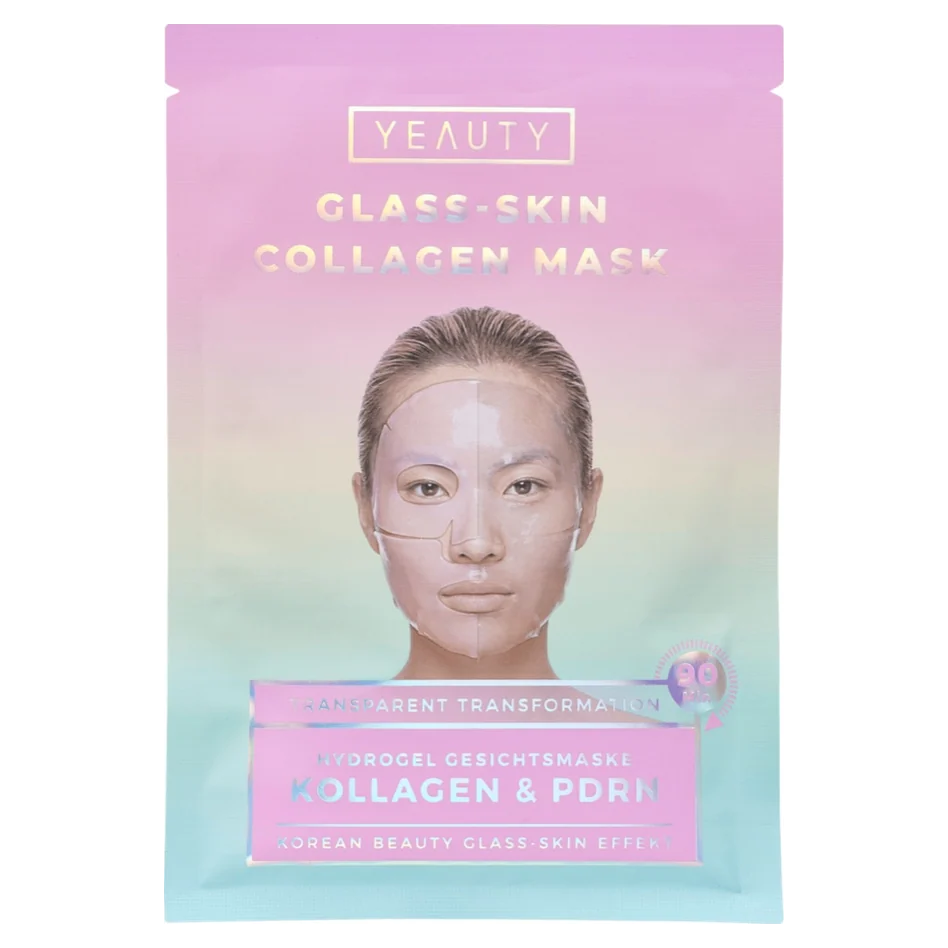
Yeauty
Glass-Skin Hydrogel Maske Kollagen & PDRN
8th of 16 on the label