Hexyl Cinnamal
Genuinely relevant for some people, or depends on dose and pH.
Also written as: alpha-Hexylcinnamaldehyde · Hexyl Cinnamaldehyde · HCA · Jasmine Aldehyde
What it is
Hexyl cinnamal is a synthetic aldehyde with a soft jasmine and chamomile character, produced from benzaldehyde and octanal. It is one of the most heavily used fragrance materials worldwide and is a component of the fragrance mix II screening panel. It appears on many face-mask labels simply because it is a common building block of commercial fragrance blends.
What it does well
Stable, low-cost floral note that survives harsh formulations
It holds up well in soaps, cleansers and clay bases where more delicate florals degrade. This is a formulation advantage, not a skin benefit.
Strong evidence
Worth knowing
A declared allergen, though a comparatively infrequent one
Despite being on the mandatory labelling list and in fragrance mix II, positive patch tests to hexyl cinnamal alone are uncommon: 0.3% of 1855 consecutive patients in a six-centre European study, against 11.3% in those same patients for the original 8% fragrance mix, now called mix I. Mix II came later, and drew reactions from 4.9% of patients in a large German series; hexyl cinnamal is among its least reactive parts, at 3.8% of mix-positive patients against 47.7% for Lyral. Its presence on a label is not a strong warning sign for most people.
Matters most toPeople with a diagnosed fragrance allergy.
Where the EU stands
Labelling required
One of the original 26 declared fragrance allergens. Must be named on the pack above 0.001% in leave-on products and 0.01% in rinse-off products. No maximum concentration is set.
Regulation (EC) No 1223/2009, Annex III entry 87 · source ↗
Sources (2)
Every link goes to the original: a journal, a PubMed record or an EU document.
- [1]Further important sensitizers in patients sensitive to fragrances
Contact Dermatitis · 2002
Among 1855 consecutive patients patch tested at six European dermatological centres, 0.3% reacted to hexyl cinnamic aldehyde, against 11.3% for the 8% fragrance mix and 2.7% for Lyral, the strongest single sensitiser in the series.
- [2]Patch testing with fragrance mix II: results of the IVDK 2005-2008
Contact Dermatitis · 2010 · doi:10.1111/j.1600-0536.2010.01753.x
Of 35633 patients patch tested with fragrance mix II, 4.9% reacted; among the 367 mix-positive patients given a full breakdown, 3.8% reacted to hexyl cinnamal against 47.7% for hydroxyisohexyl 3-cyclohexene carboxaldehyde, placing hexyl cinnamal among the mix's least reactive constituents.
Masks that contain Hexyl Cinnamal
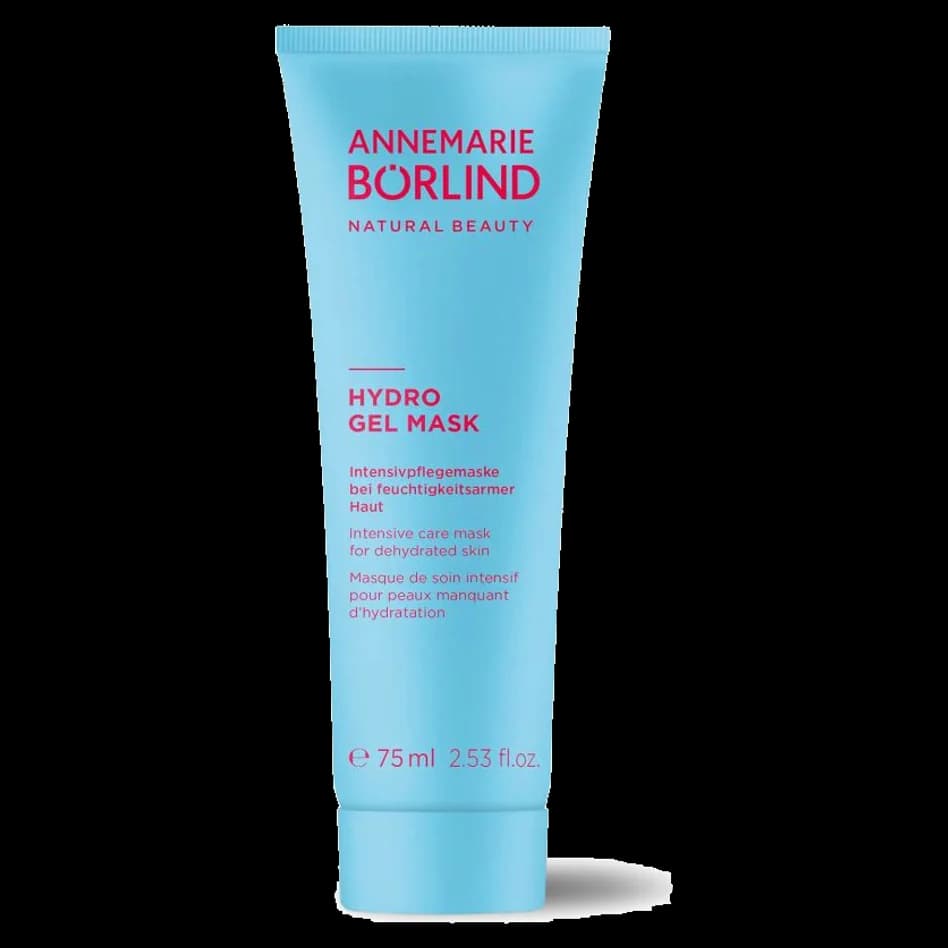
Annemarie Börlind
Hydro Gel Mask
28th of 33 on the label
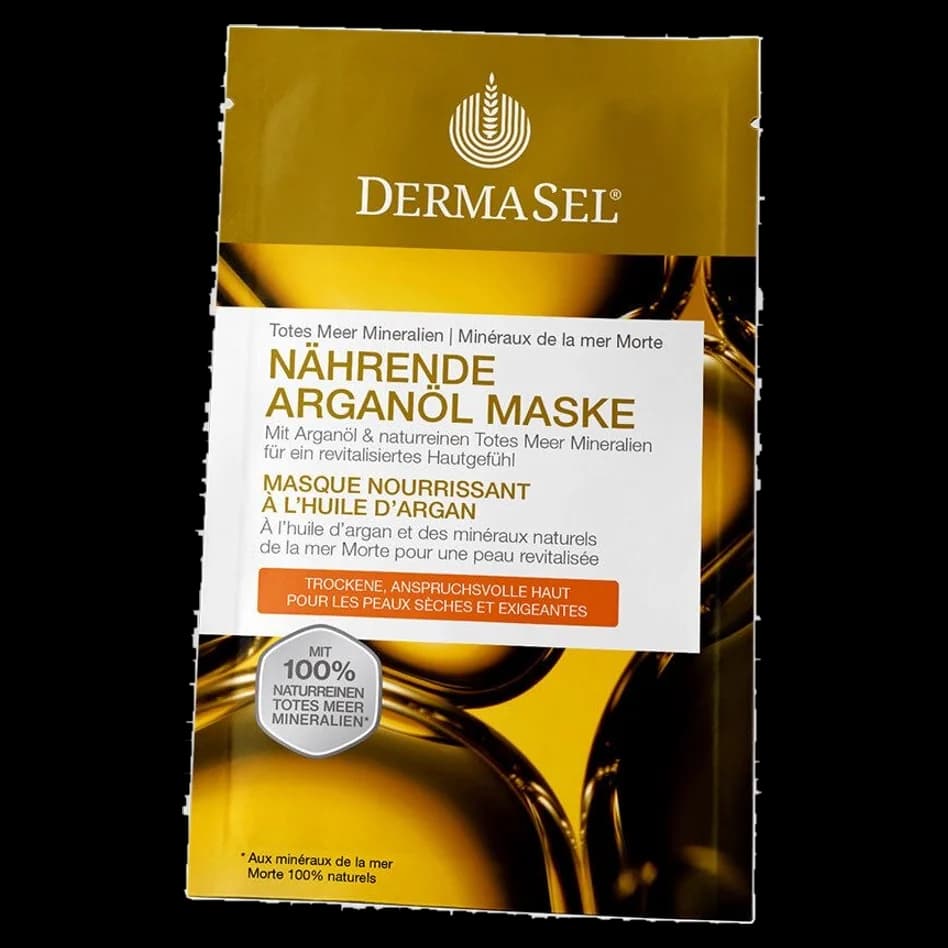
DERMASEL
Totes Meer Mineralien Nährende Arganöl Maske
20th of 29 on the label
below ≈1%
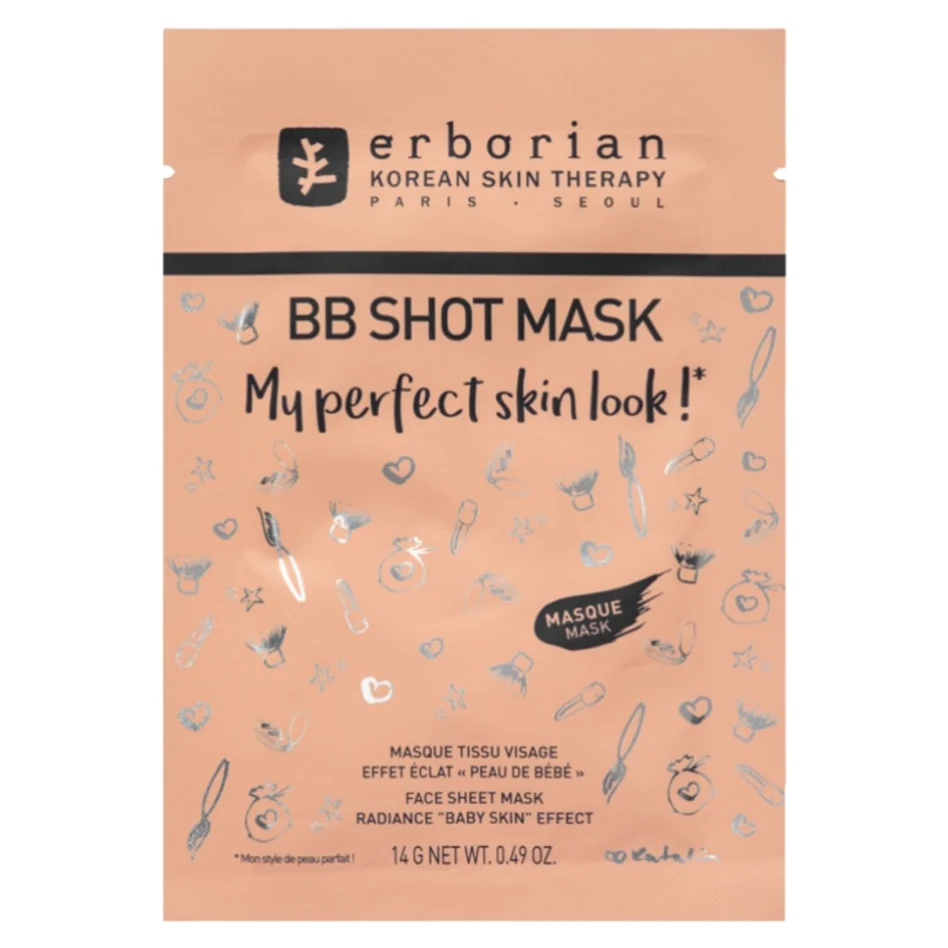
Erborian
BB Shot Mask
26th of 34 on the label
below ≈1%
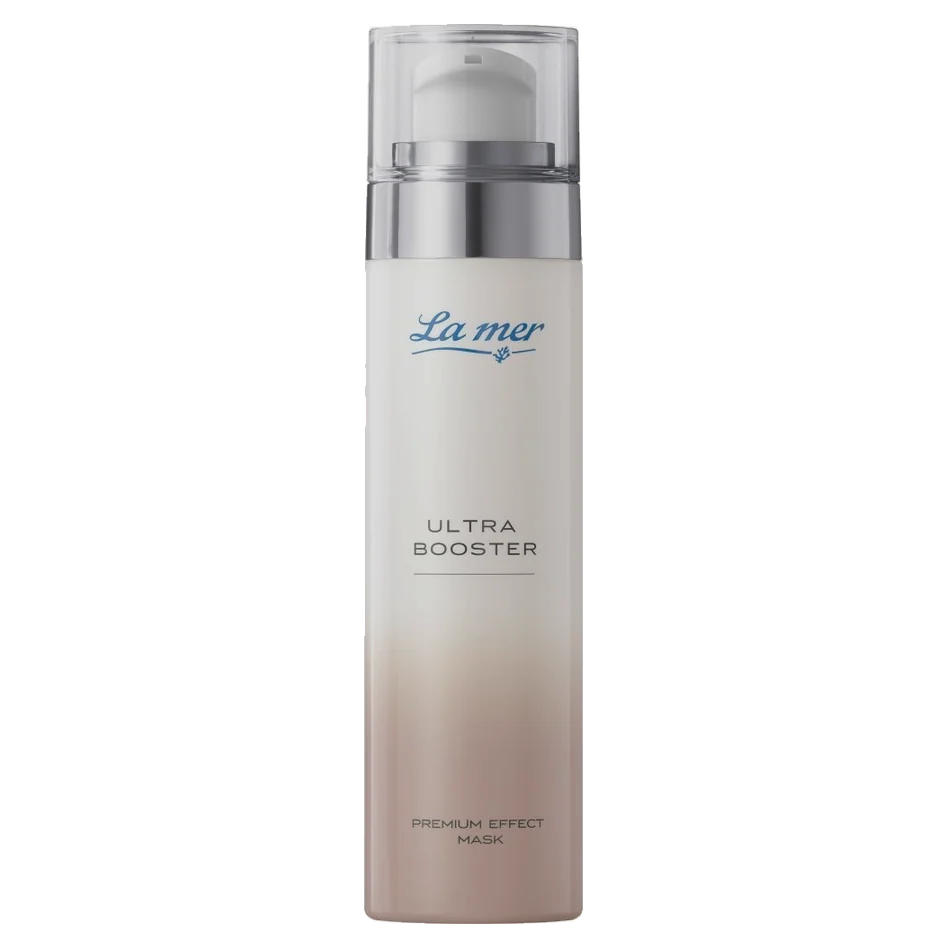
LA MER
Ultra Booster Premium Mask Effect
31st of 41 on the label
below ≈1%
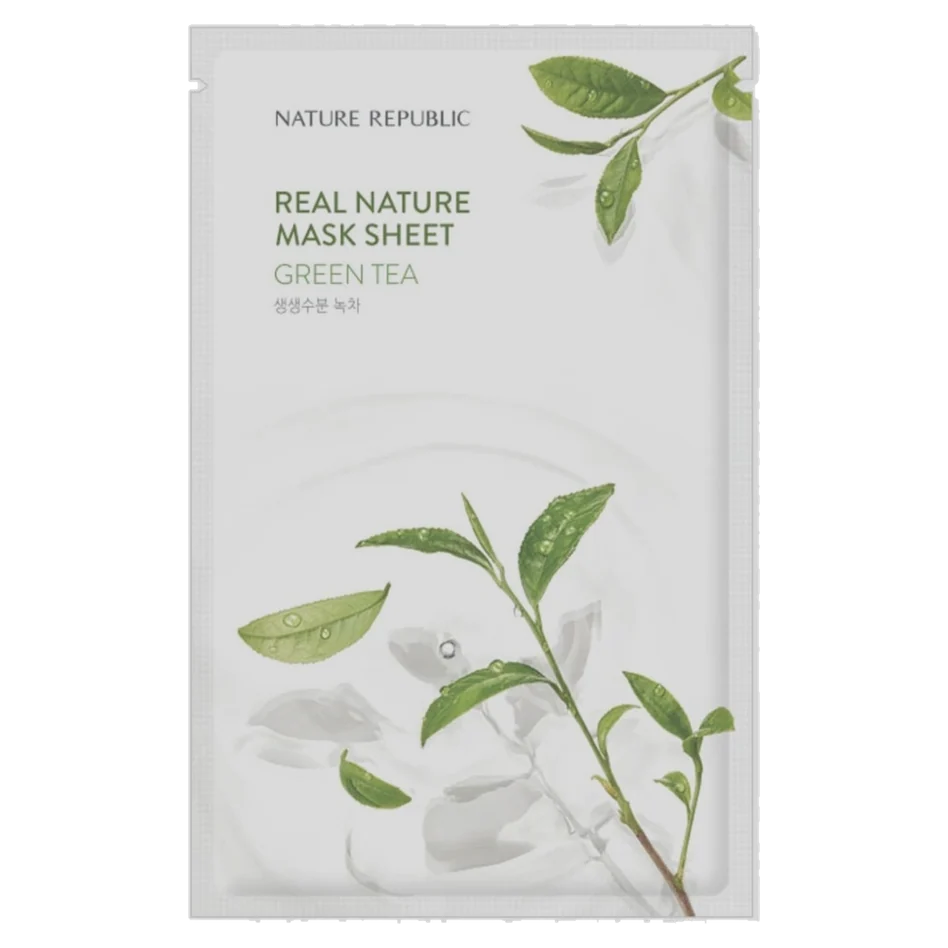
Nature Republic
Real Nature Green Tea Sheet Mask
23rd of 23 on the label
below ≈1%
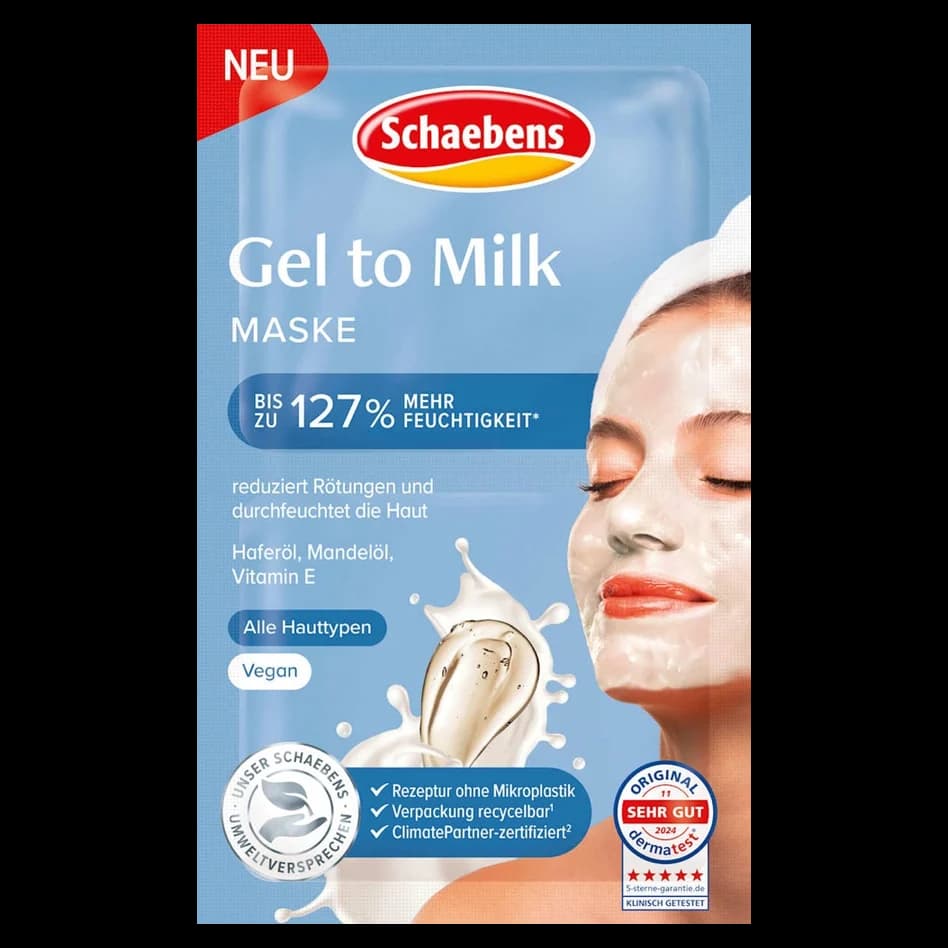
Schaebens
Gesichtscrememaske Gel to Milk
13th of 21 on the label
below ≈1%
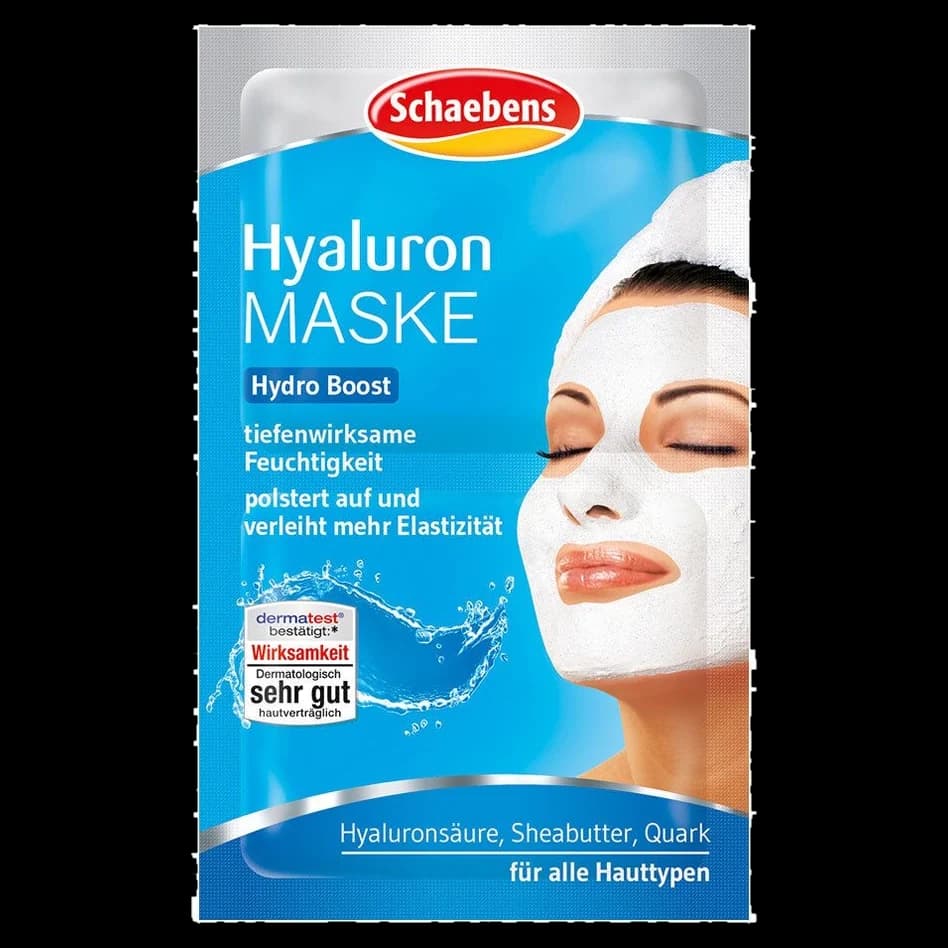
Schaebens
Hyaluron Maske
22nd of 32 on the label
below ≈1%
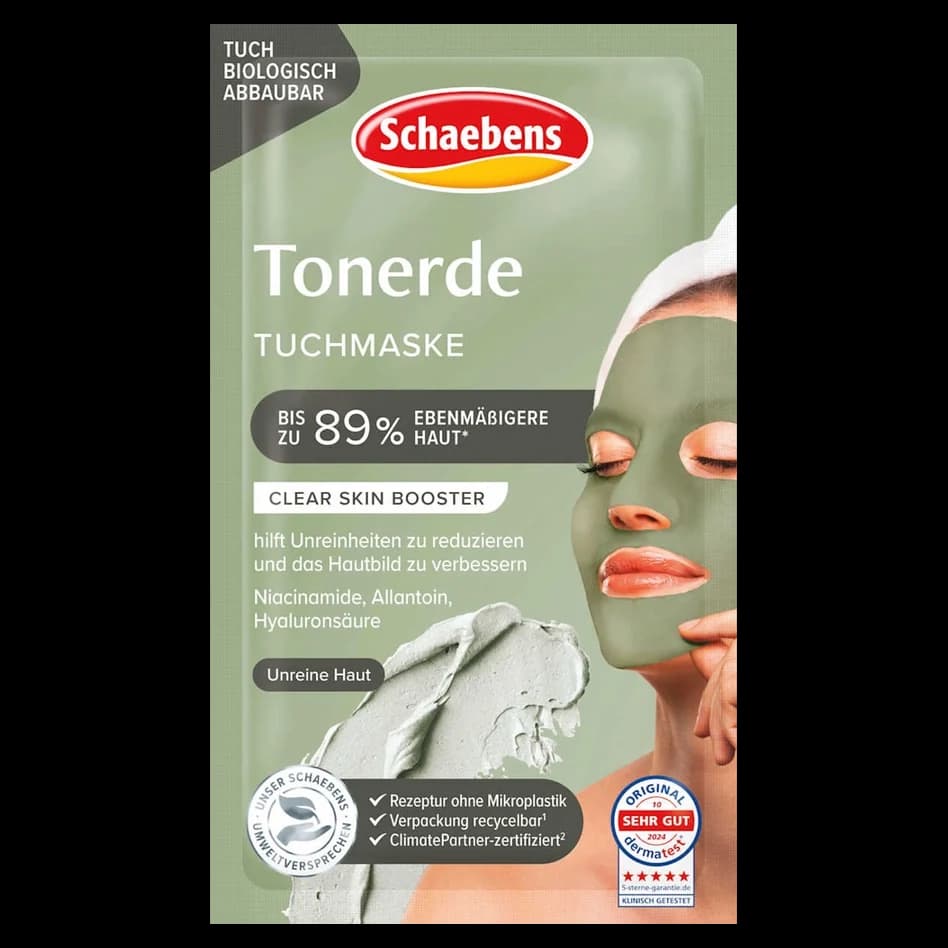
Schaebens
Tuchmaske Tonerde
32nd of 35 on the label
below ≈1%
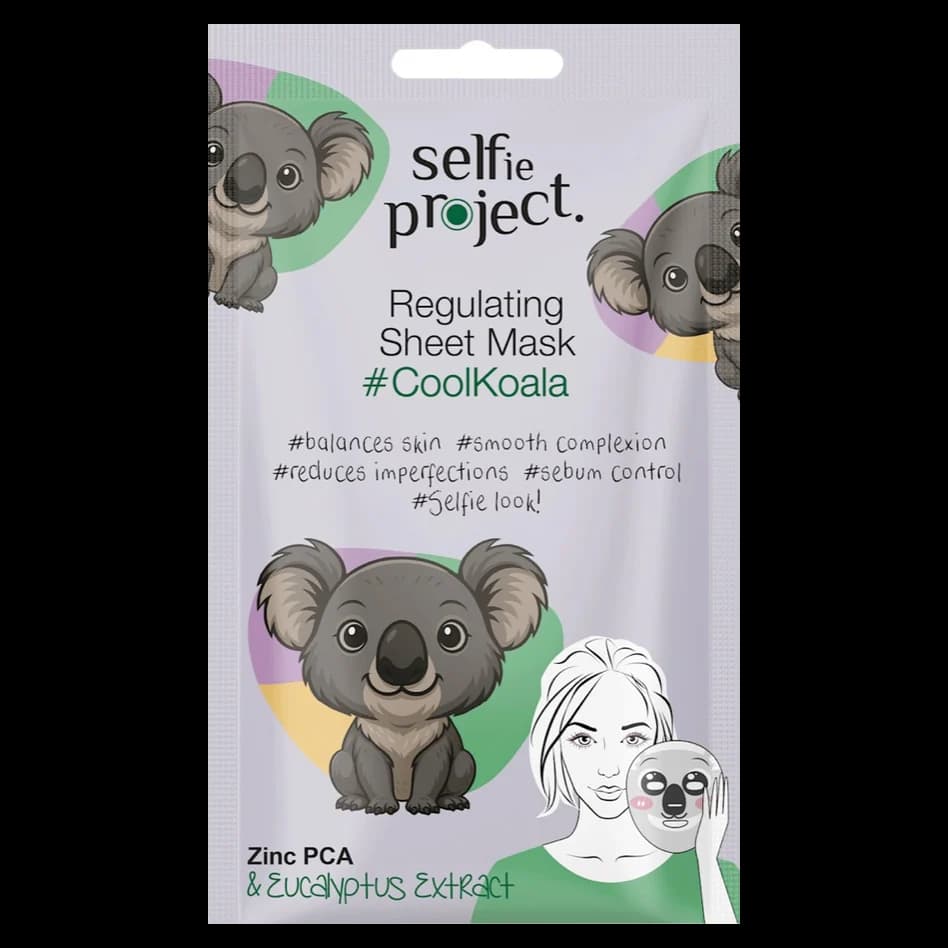
Selfie Project
Gesichtsmaske regulierend #CoolKoala
24th of 27 on the label
below ≈1%
Sensai
Cellular Performance Extra Intensive Mask
42nd of 44 on the label
below ≈1%
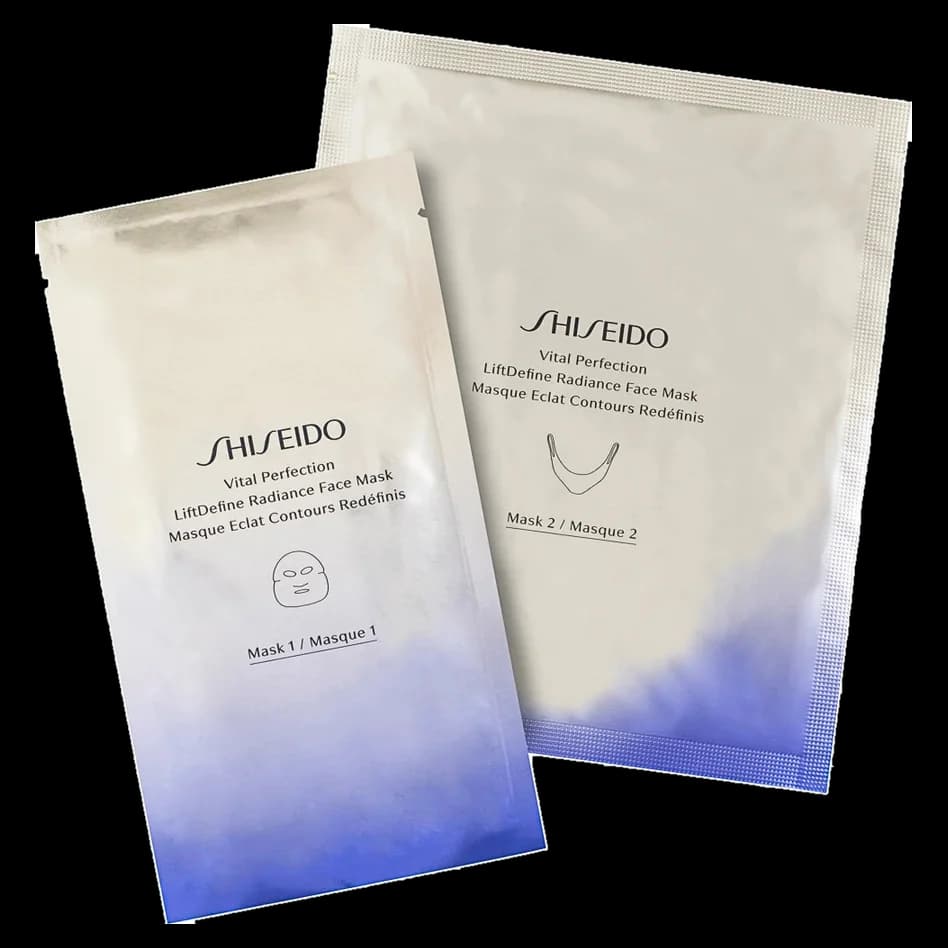
Shiseido
Vital Perfection LiftDefine Radiance Face Mask
44th of 81 on the label
below ≈1%
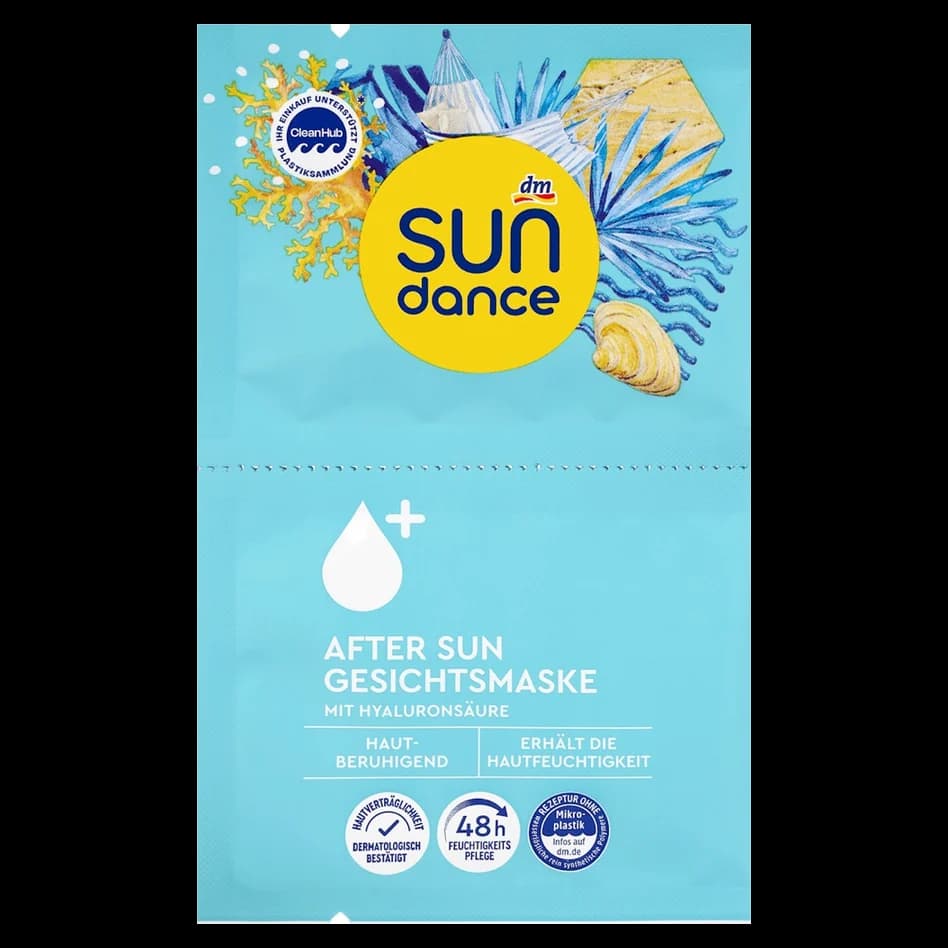
SUNDANCE
After Sun Gesichtsmaske
20th of 25 on the label
below ≈1%
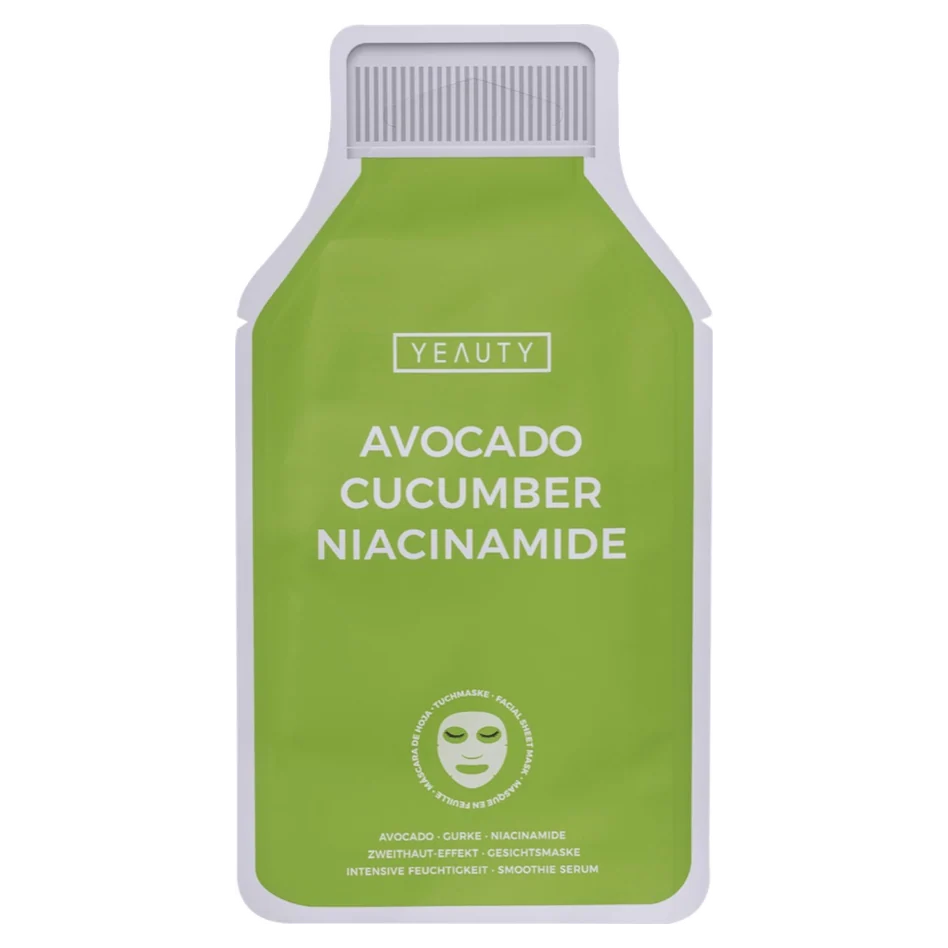
Yeauty
Tuchmaske Avocado Cucumber Niacinamide
26th of 29 on the label
below ≈1%