Parfum
Fragrance
EU-restricted, a common contact allergen, or subject to live debate.
Also written as: Fragrance · Aroma · Perfume · Fragrance (Parfum)
What it is
Parfum is not one substance. It is the EU-approved collective name for a fragrance composition, which may be a blend of anywhere from a handful to well over a hundred aroma chemicals and natural extracts. Article 19(1)(g) of the Cosmetics Regulation lets manufacturers hide that blend behind the single word Parfum to protect trade secrets, with one important exception: substances on the EU fragrance-allergen list must be named individually once they exceed a set threshold. Formulators use it to mask the smell of raw materials, which can be waxy, fishy or sulphurous, and because scent strongly influences whether people enjoy and keep using a product.
How it shows up on a label
Parfum itself is not a declared allergen; it is the umbrella term. If you see Parfum followed by names like Limonene, Linalool or Citral at the end of an ingredient list, those are the declared allergens inside that blend. Those tails grew longer on 31 July 2026, the last date a non-compliant product could be placed on the EU market. Stock placed before then may still be sold through until 31 July 2028, so a pack bought today can carry either the old list or the expanded one.
What it does well
Masks the natural smell of raw cosmetic ingredients
Many functional ingredients (clays, sulphur, plant extracts, some surfactants and preservatives) have odours most people dislike. A small amount of fragrance is the standard and effective way to cover them.
Strong evidence
Improves how pleasant a product feels to use
Sensory studies consistently show scent shapes how people rate texture, efficacy and value. That is a genuine benefit for adherence, but it is a benefit to the experience, not to the skin.
Moderate evidence
Worth knowing
Fragrance is one of the most common causes of cosmetic contact allergy
In European dermatitis clinics roughly 7% of patch-tested patients react to fragrance mix I and around 4% to fragrance mix II. In the general European population the figure is lower but still substantial, at around 1.9%.
Matters most toAnyone with eczema, rosacea, perioral dermatitis or a history of reacting to scented products.
The word Parfum tells you very little about what is actually in the product
Only listed allergens above the threshold have to be named. Everything else in the blend stays anonymous, so someone who has reacted before cannot reliably screen a label unless their specific allergen happens to be a declared one.
Matters most toPeople with a diagnosed fragrance allergy who need to avoid a specific molecule.
"Unscented" is not the same as fragrance-free
Products marketed as unscented sometimes contain a masking fragrance to neutralise a base odour, and that masking blend is still declared as Parfum. Look for Parfum in the ingredient list rather than trusting front-of-pack wording.
Matters most toAnyone actively avoiding fragrance.
Where the EU stands
Labelling required
A fragrance blend may be declared collectively as "Parfum", but individual allergens on the Annex III list must be named once they exceed 0.001% in a leave-on product or 0.01% in a rinse-off product. Regulation (EU) 2023/1545 added 45 entries to that list, Annex III 327 to 371, alongside the original block at entries 67 to 92. Several of the new entries cover more than one substance, so the number of substances named is higher than the number of entries. Products that did not comply could be placed on the EU market until 31 July 2026 and may be made available from existing stock until 31 July 2028.
Regulation (EC) No 1223/2009, Article 19(1)(g) and Annex III entries 67-92; as amended by Regulation (EU) 2023/1545 (Annex III entries 327-371) · source ↗
Sources (2)
Every link goes to the original: a journal, a PubMed record or an EU document.
- [1]Patch test results with fragrance markers of the baseline series - analysis of the European Surveillance System on Contact Allergies (ESSCA) network 2009-2012
Contact Dermatitis (ESSCA network) · 2015 · doi:10.1111/cod.12420
Across 12 European countries, 6.9% of patch-tested dermatitis patients reacted to fragrance mix I and 3.8% to fragrance mix II, making fragrance one of the leading causes of cosmetic contact allergy in Europe.
- [2]Prevalence of fragrance contact allergy in the general population of five European countries: a cross-sectional study
British Journal of Dermatology (EDEN Fragrance Study) · 2015 · doi:10.1111/bjd.14151
In a random sample of the general population across five countries, fragrance contact allergy was conservatively estimated at 1.9%, with women affected about twice as often as men, far lower than clinic figures, but not negligible.
Masks that contain Parfum
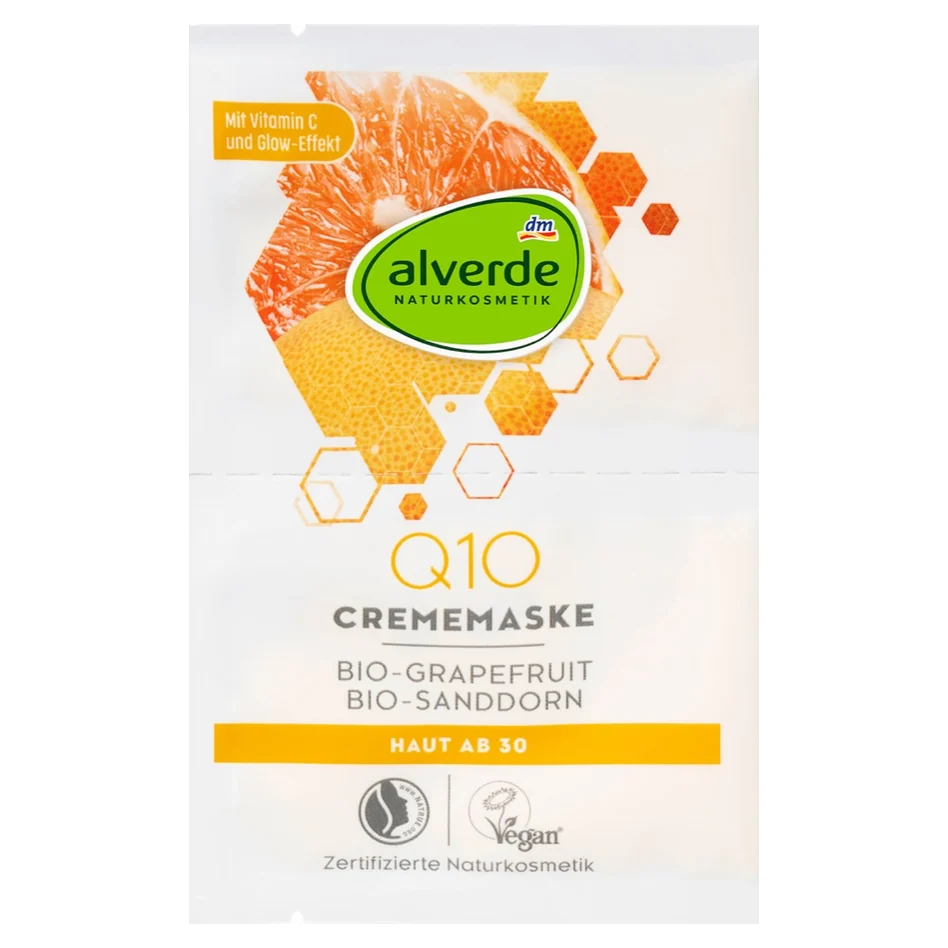
alverde Naturkosmetik
Gesichtsmaske Q10 mit Vitamin C
22nd of 40 on the label
below ≈1%
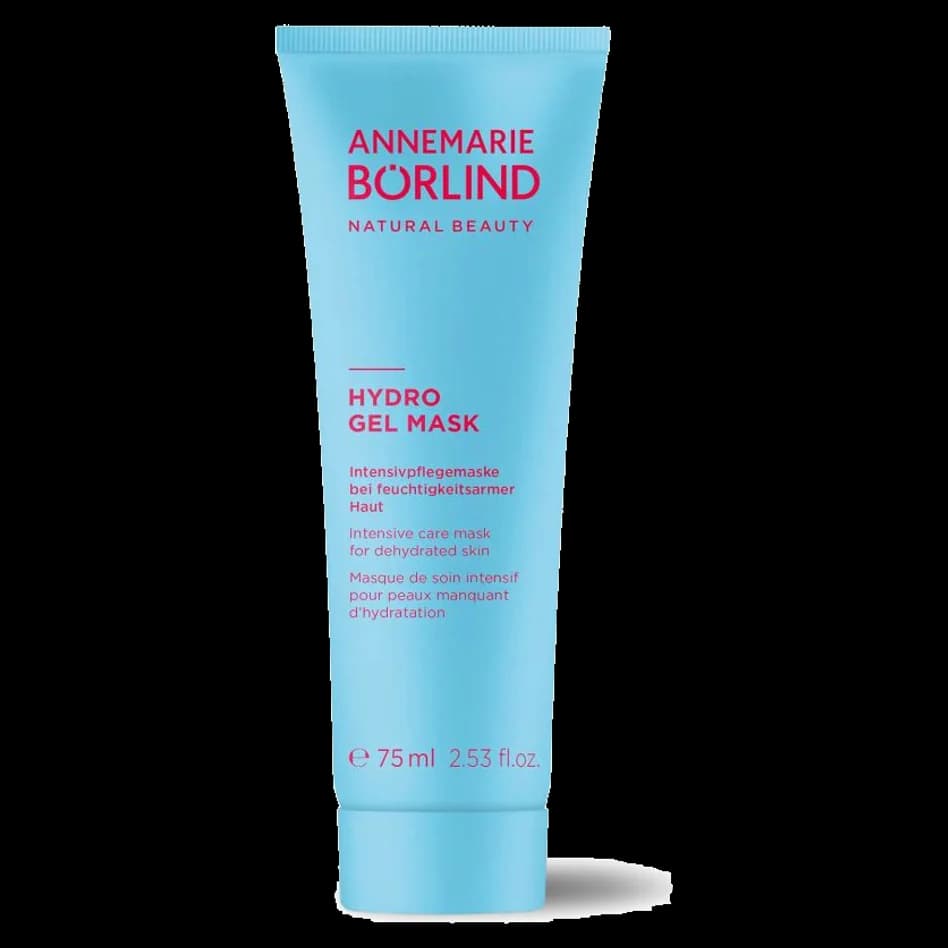
Annemarie Börlind
Hydro Gel Mask
8th of 33 on the label
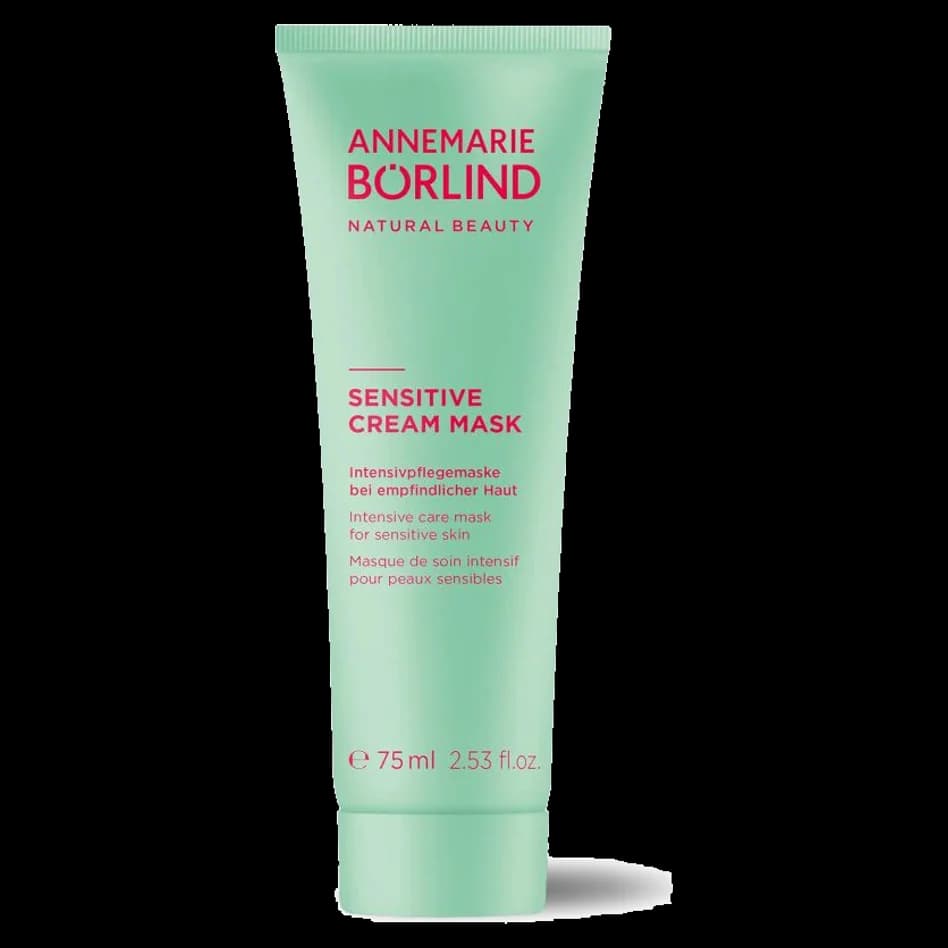
Annemarie Börlind
Sensitive Cream Mask
18th of 31 on the label
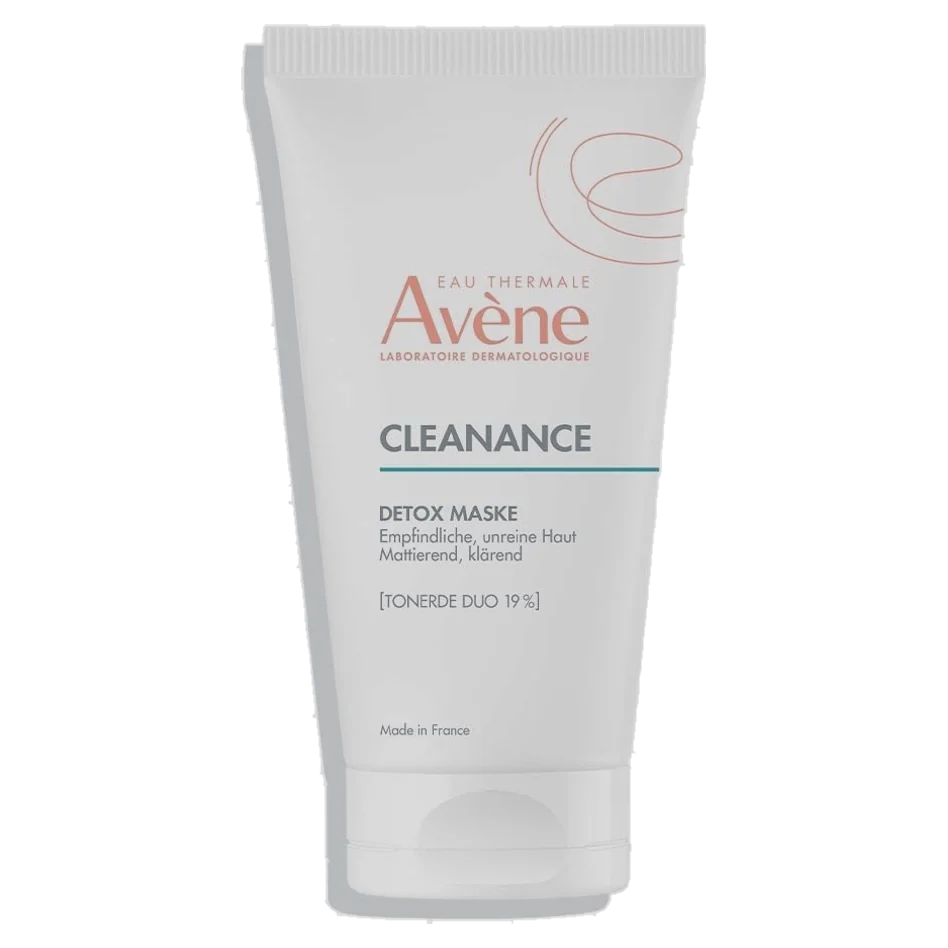
Avène
Cleanance Detox Mask
13th of 18 on the label
below ≈1%
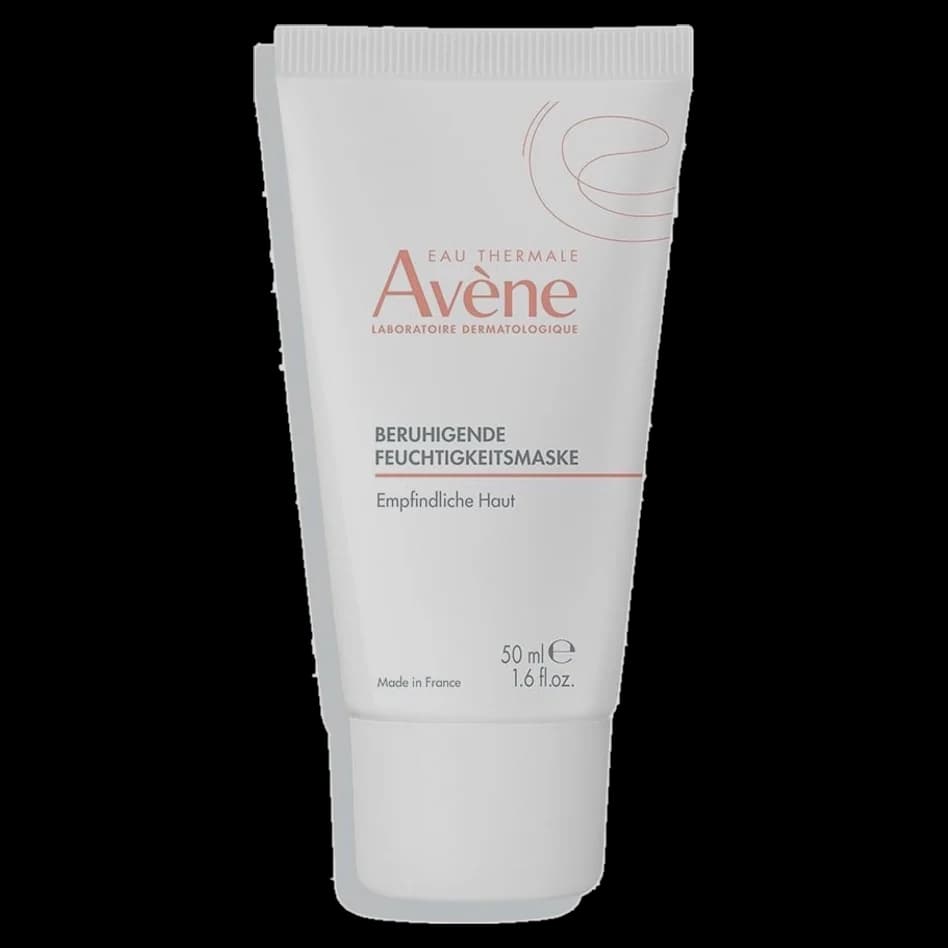
Avène
Soothing Moisture Mask
18th of 26 on the label
below ≈1%
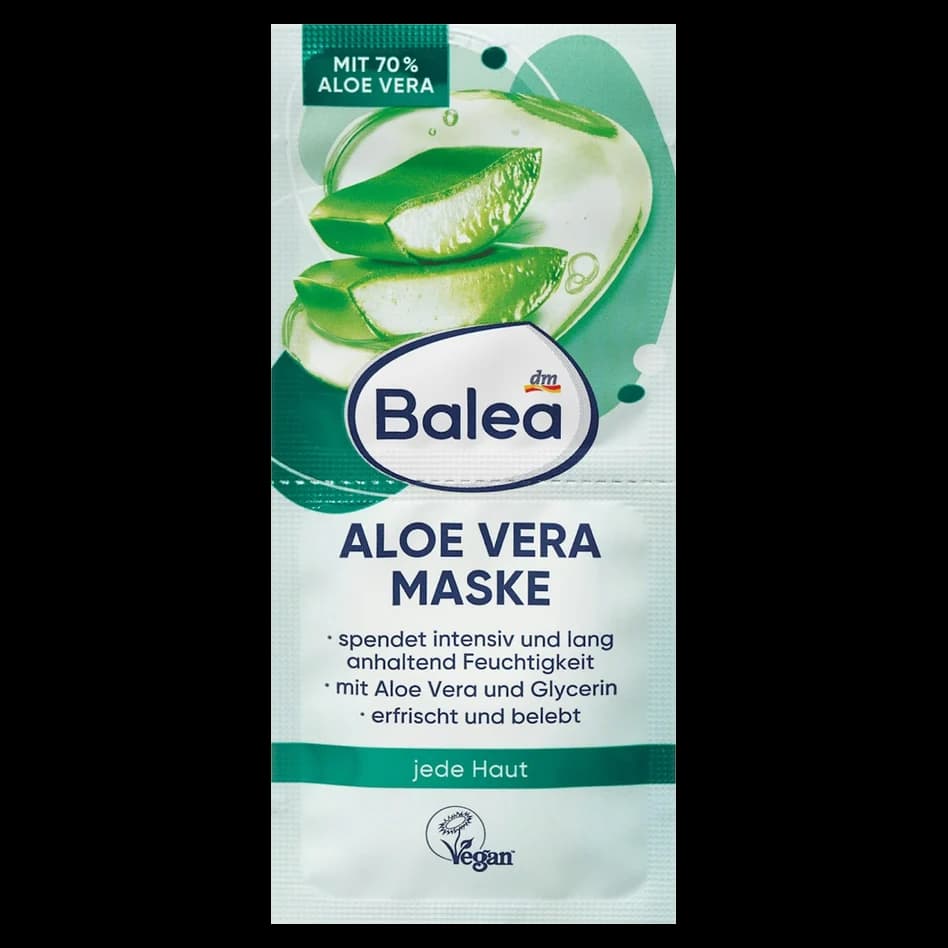
Balea
Gesichtsmaske Aloe Vera
12th of 21 on the label
below ≈1%
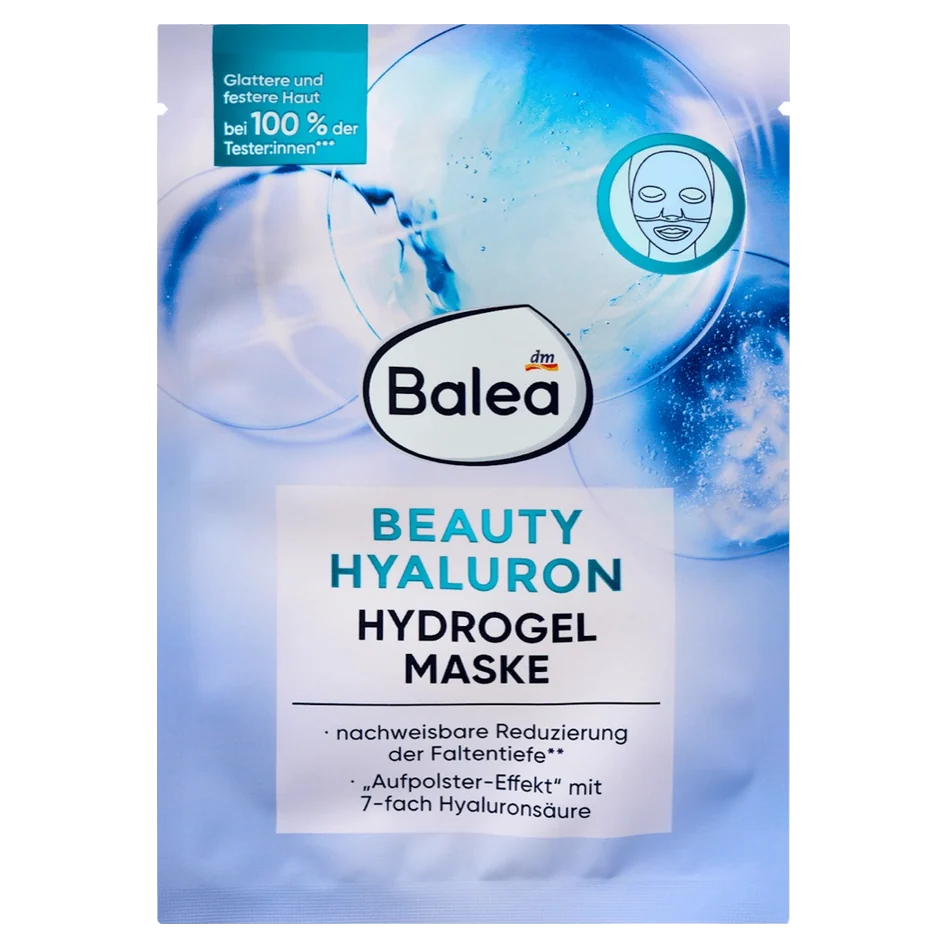
Balea
Gesichtsmaske Beauty Hyaluron Hydrogel
26th of 28 on the label
below ≈1%
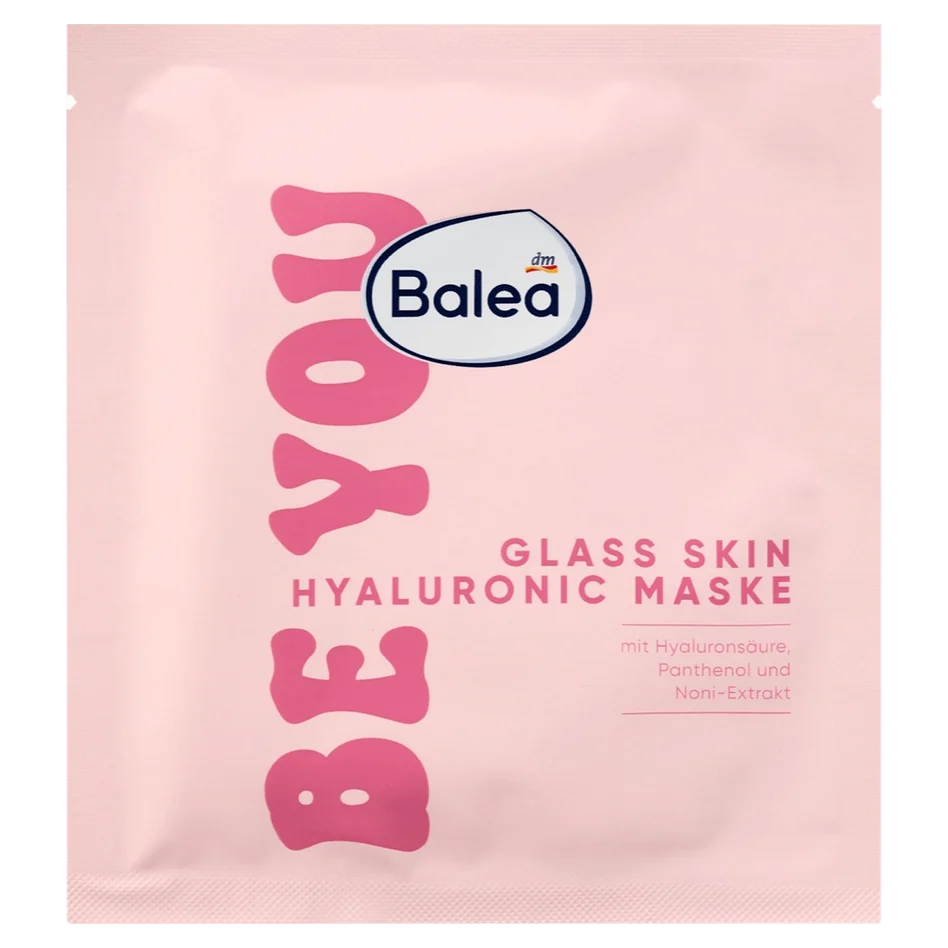
Balea
Gesichtsmaske Glass Skin Hyaluronic Be You
27th of 30 on the label
below ≈1%
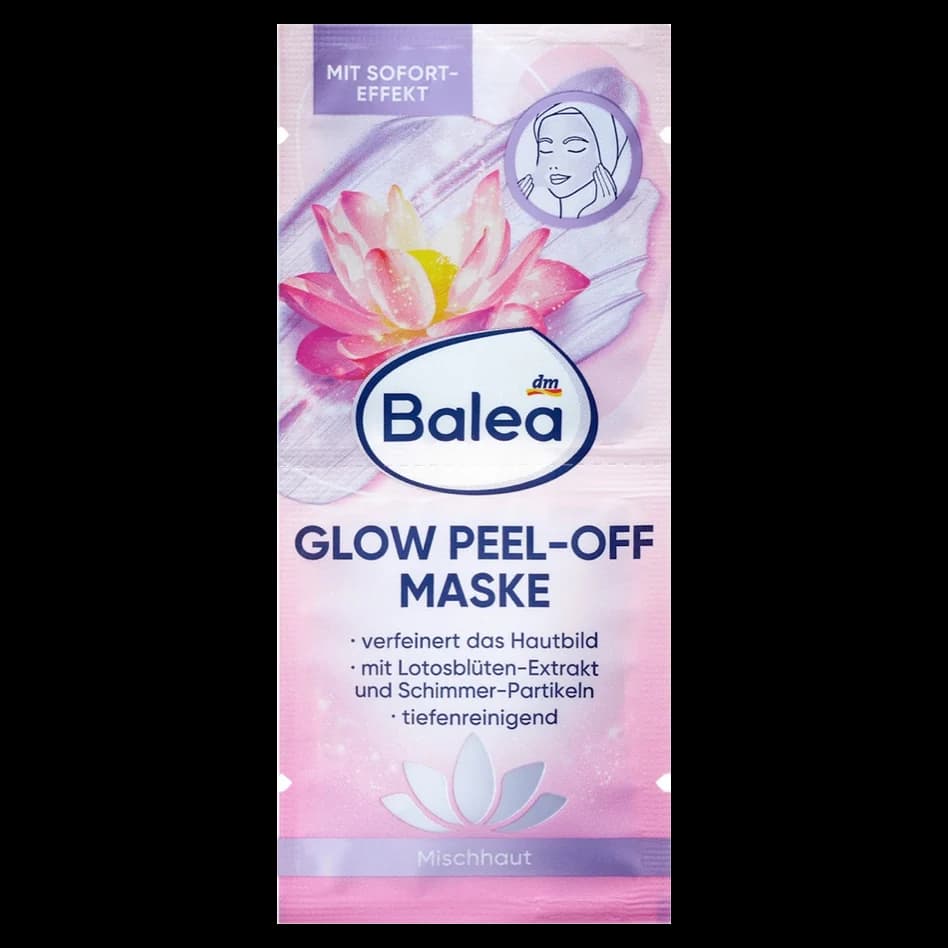
Balea
Gesichtsmaske Glow Peel-Off
8th of 20 on the label
below ≈1%
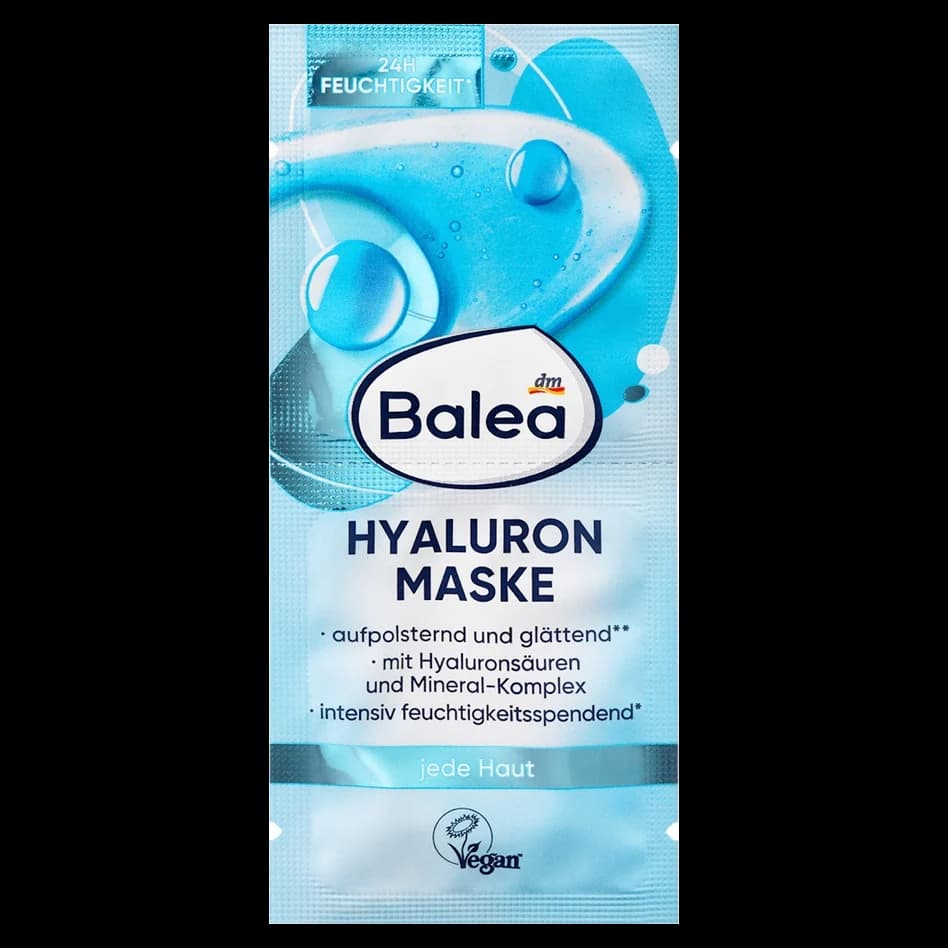
Balea
Gesichtsmaske Hyaluron
17th of 29 on the label
below ≈1%
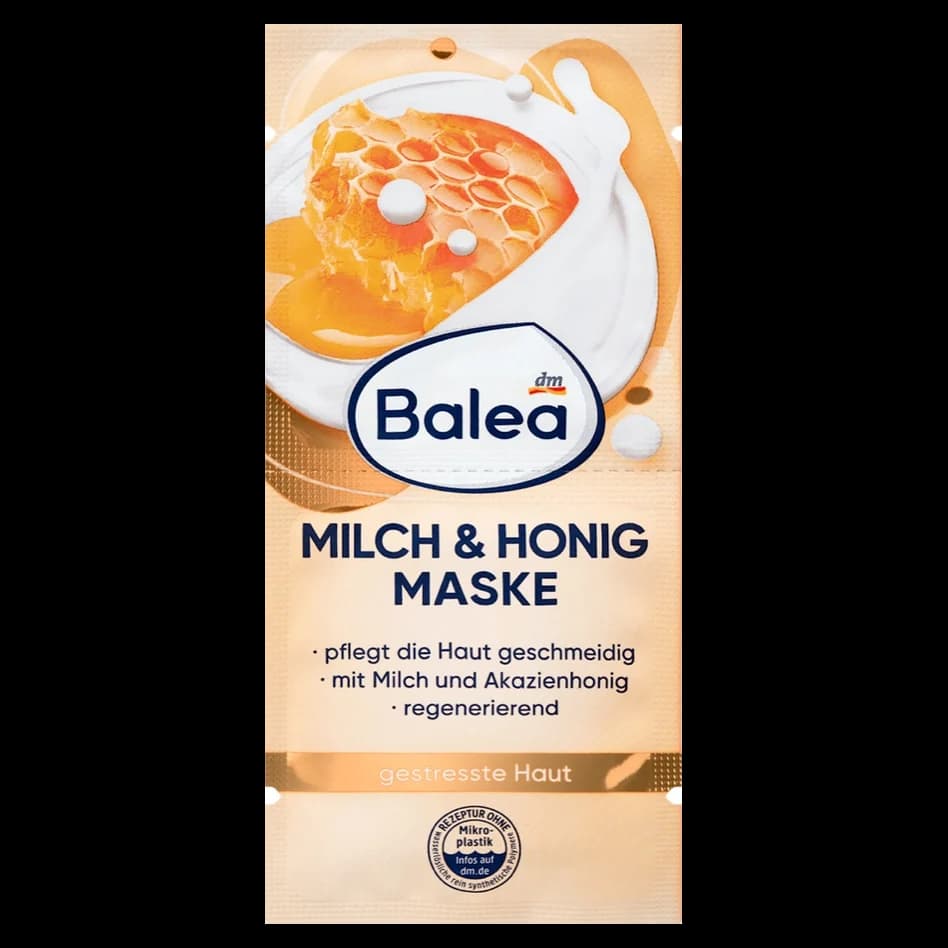
Balea
Gesichtsmaske Milch & Honig
25th of 36 on the label
below ≈1%
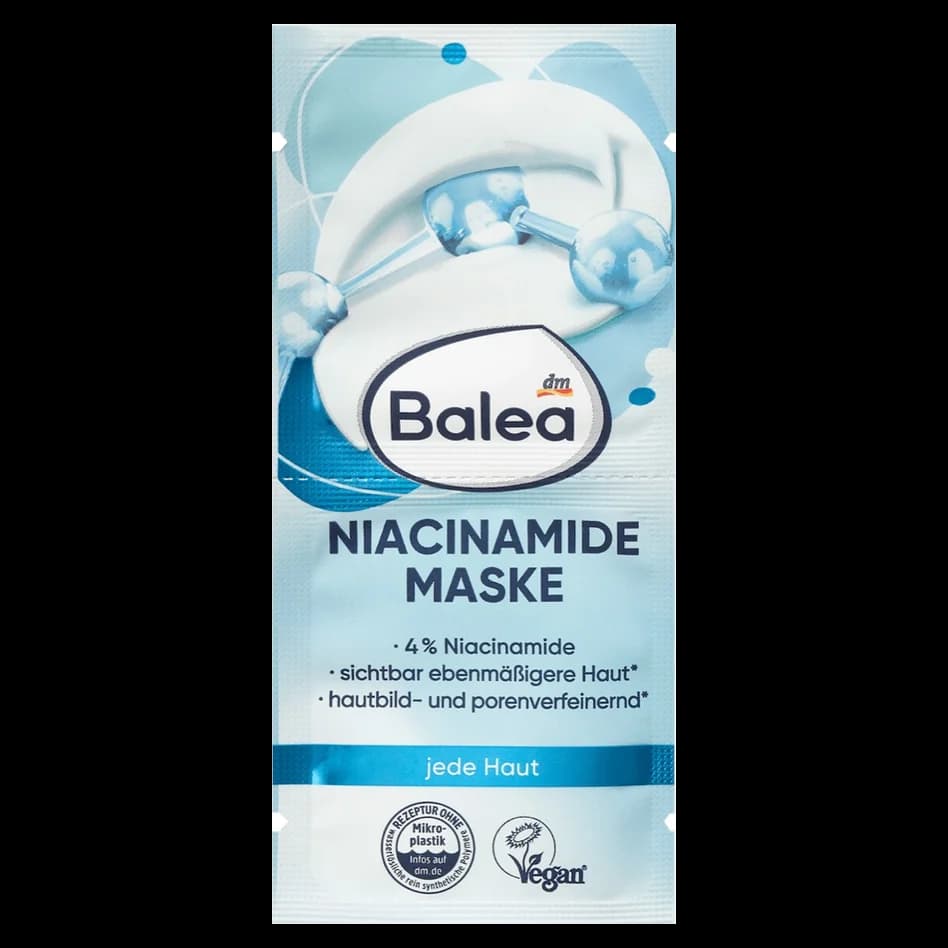
Balea
Gesichtsmaske Niacinamide
13th of 17 on the label
below ≈1%
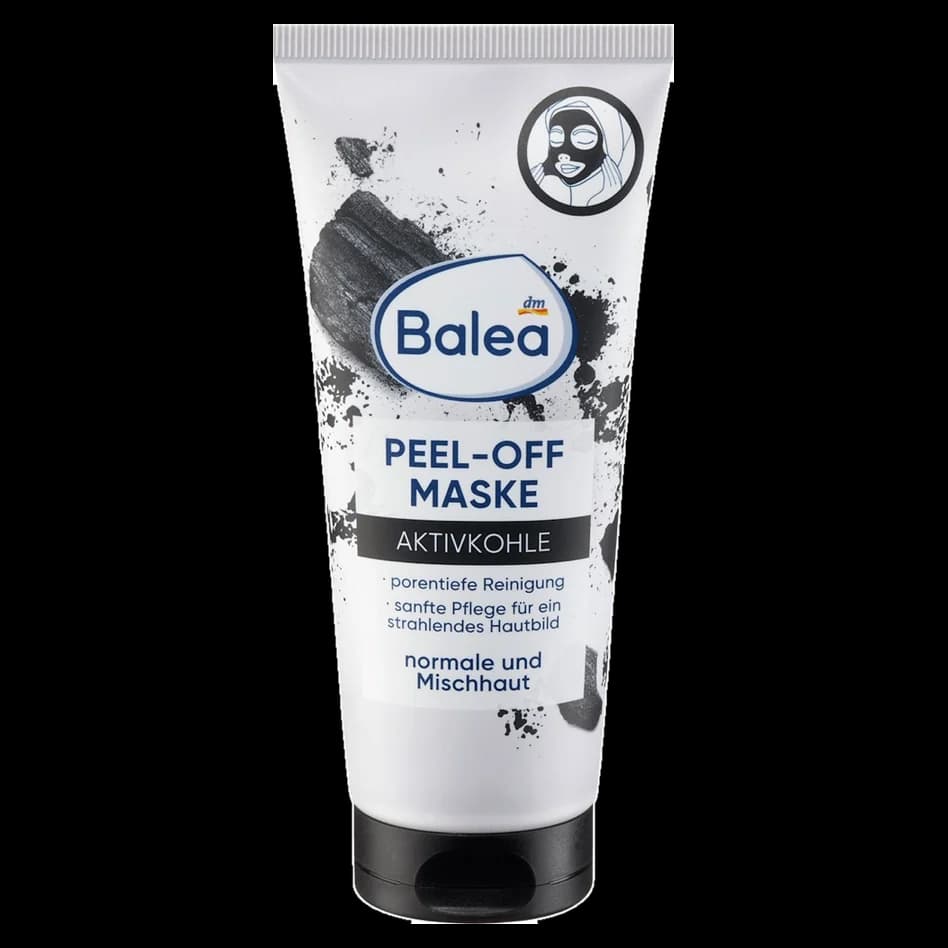
Balea
Gesichtsmaske Peel-Off Aktivkohle
12th of 18 on the label
below ≈1%
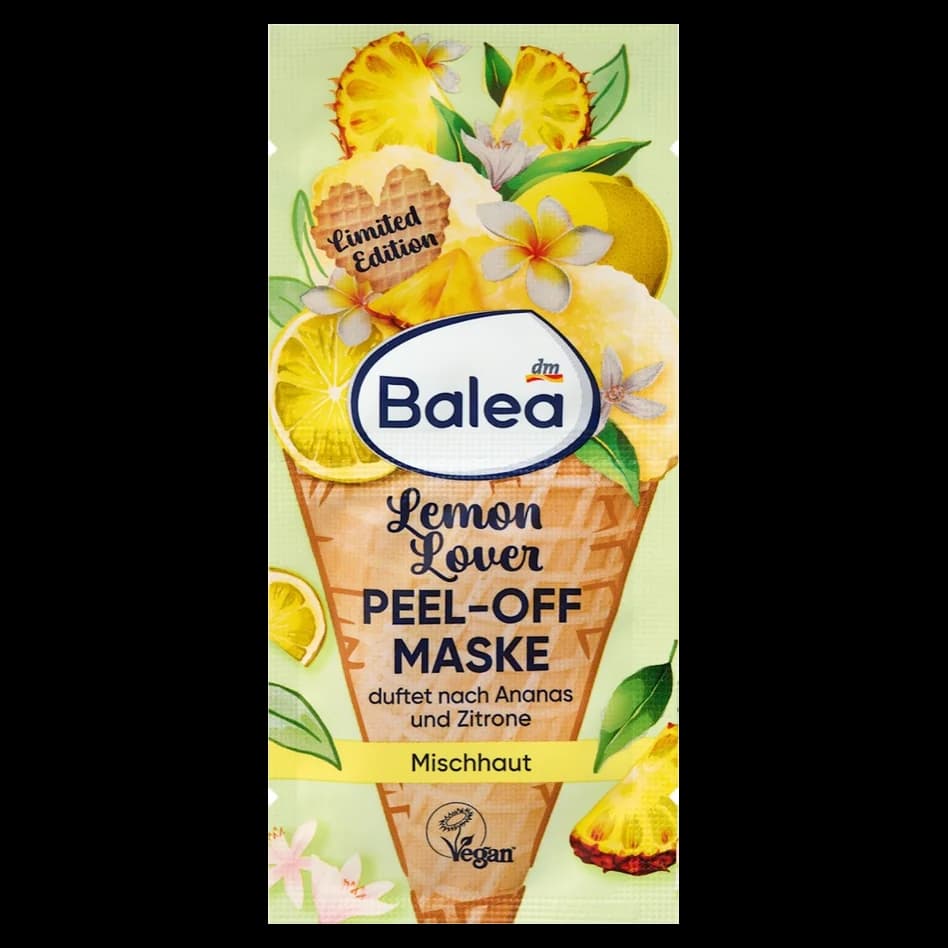
Balea
Gesichtsmaske Peel-Off Lemon Lover
9th of 23 on the label
below ≈1%
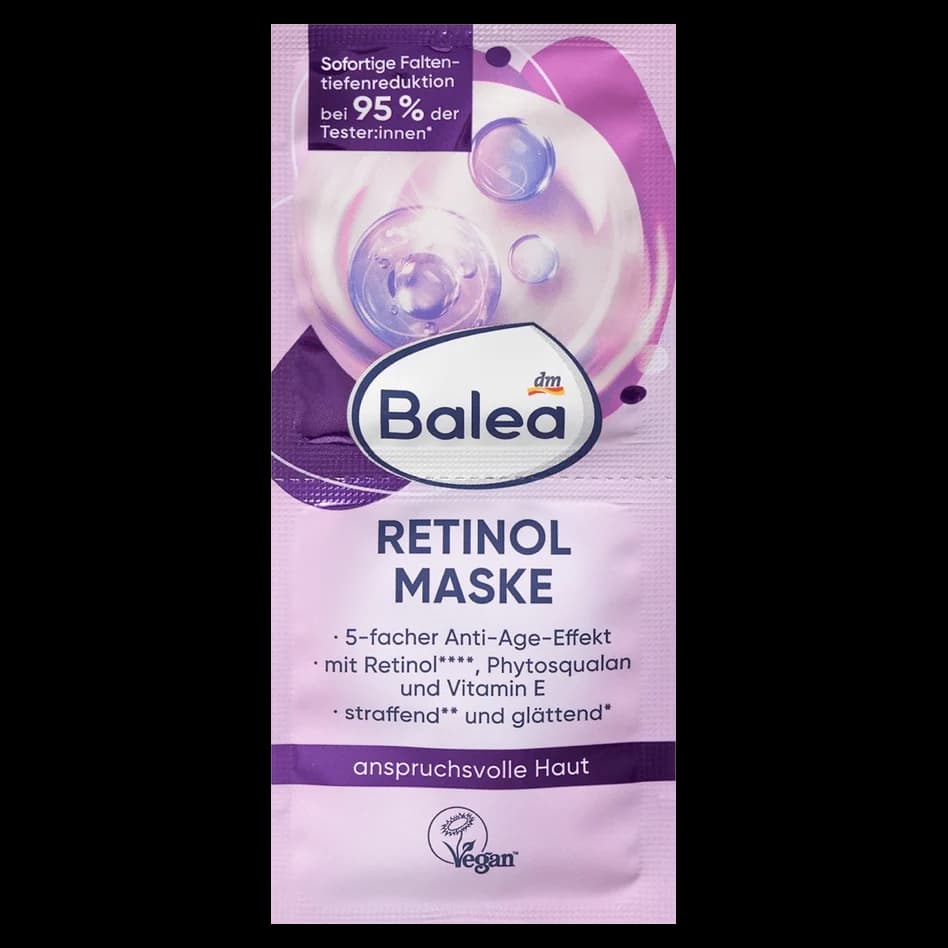
Balea
Gesichtsmaske Retinol
19th of 23 on the label
below ≈1%
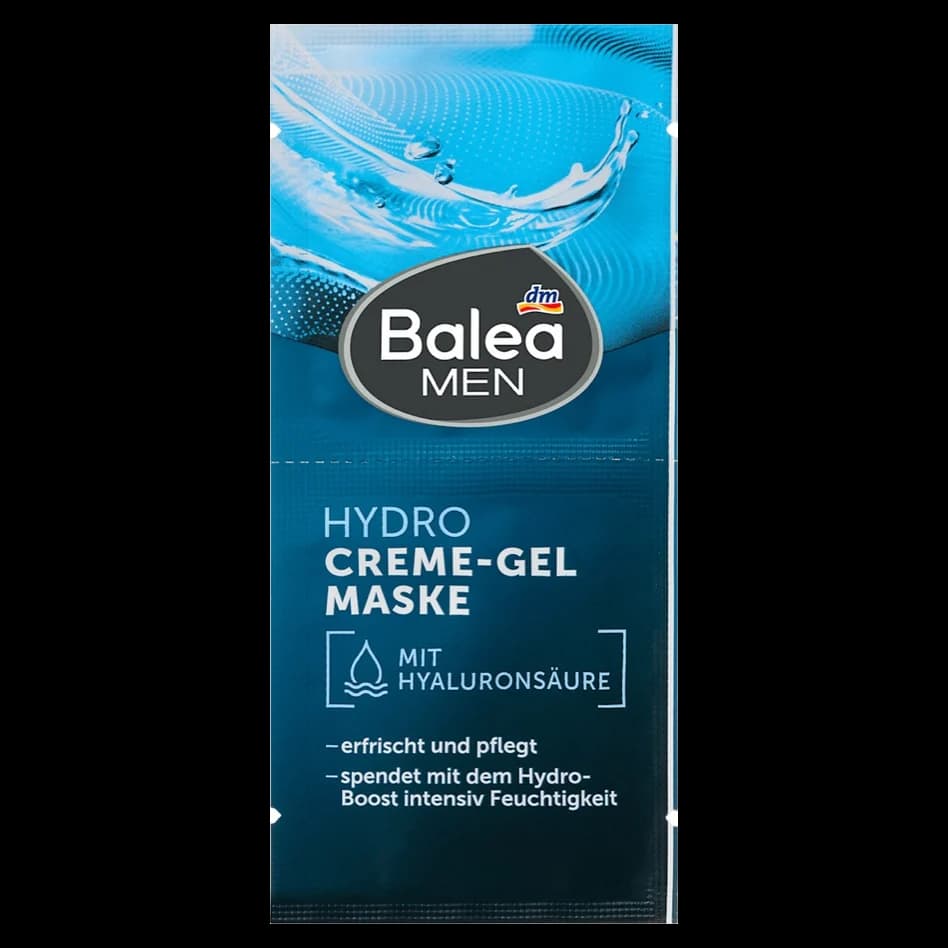
Balea MEN
Gesichtsmaske Creme-Gel Hydro
21st of 31 on the label
below ≈1%
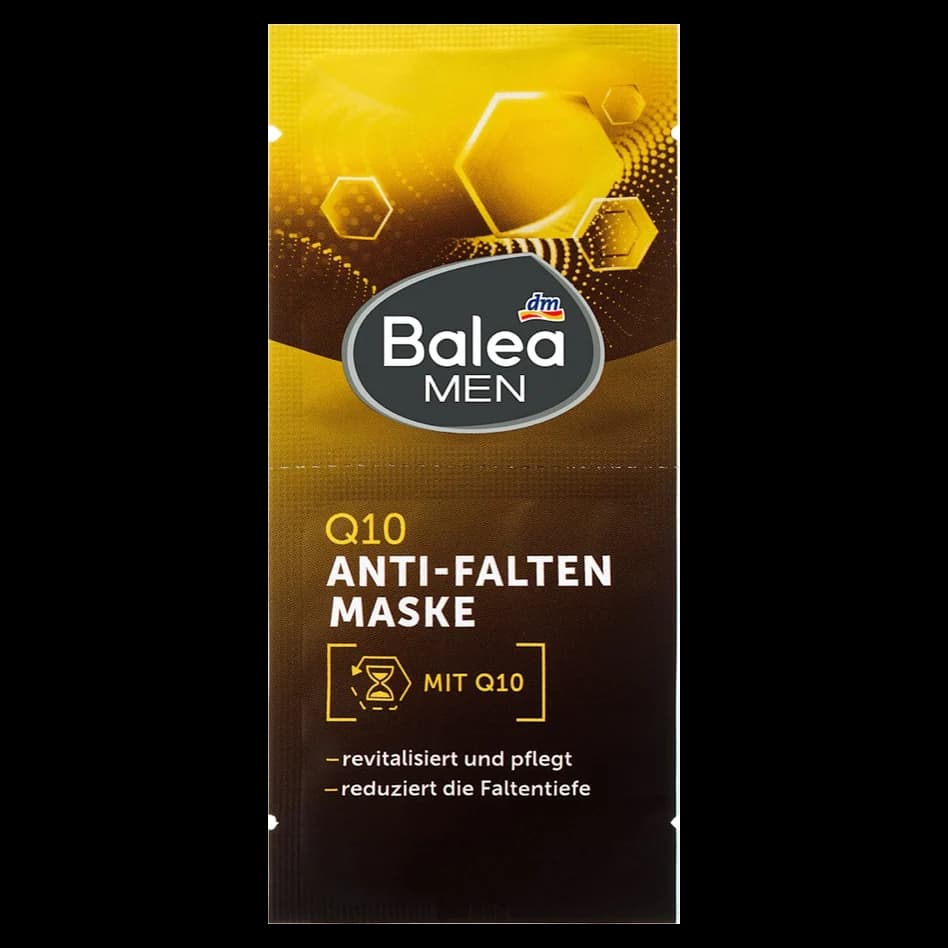
Balea MEN
Gesichtsmaske Q10 Anti-Falten
22nd of 28 on the label
below ≈1%
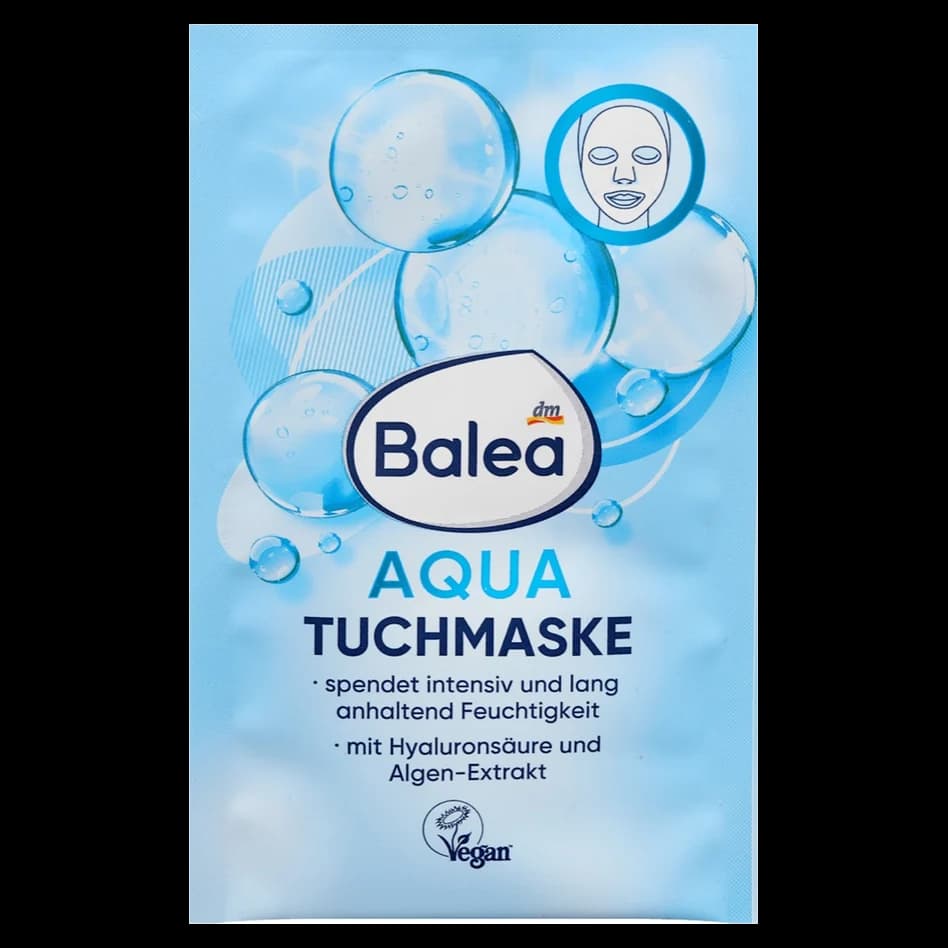
Balea
Tuchmaske Aqua
12th of 18 on the label
below ≈1%
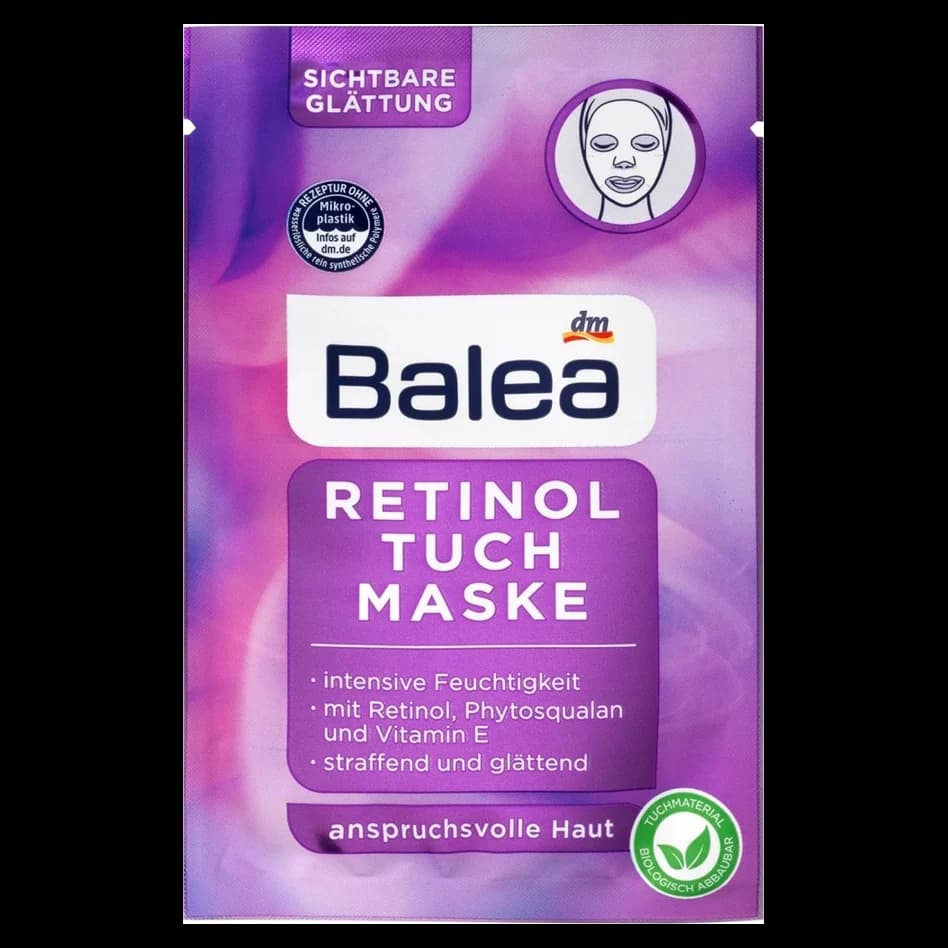
Balea
Tuchmaske Retinol
16th of 16 on the label
below ≈1%
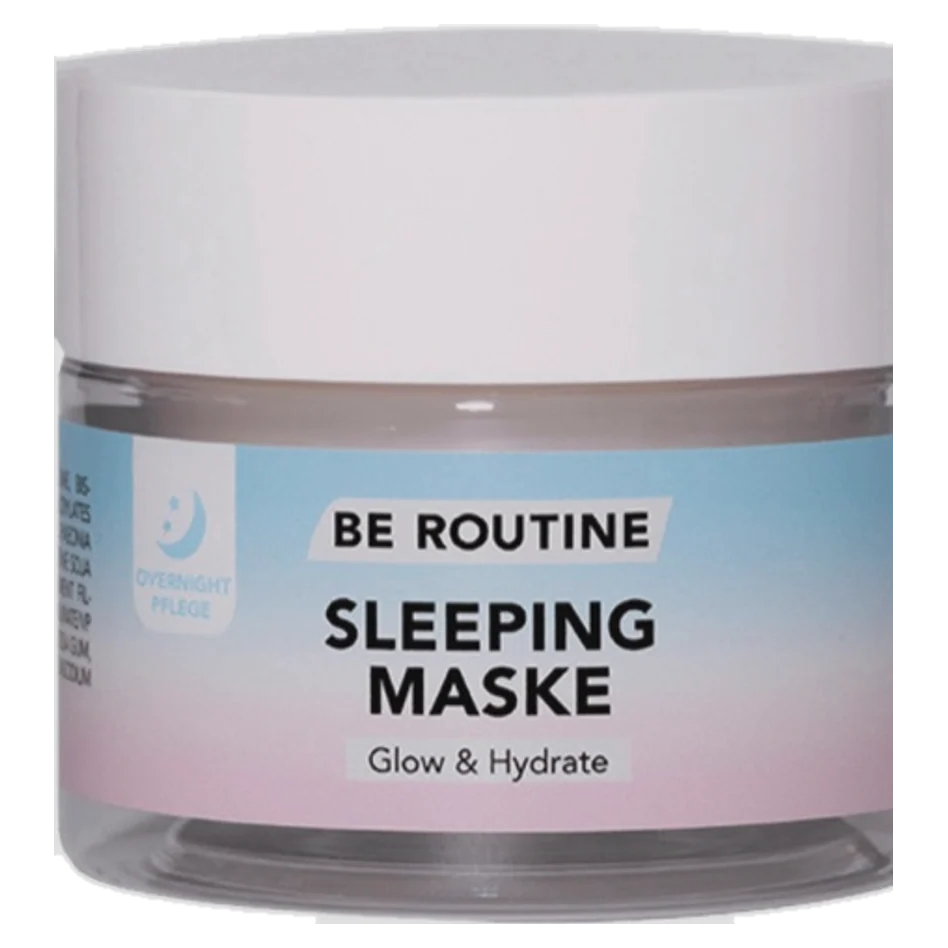
Be Routine
Schlafmaske Glow & Hydrate
26th of 27 on the label
below ≈1%
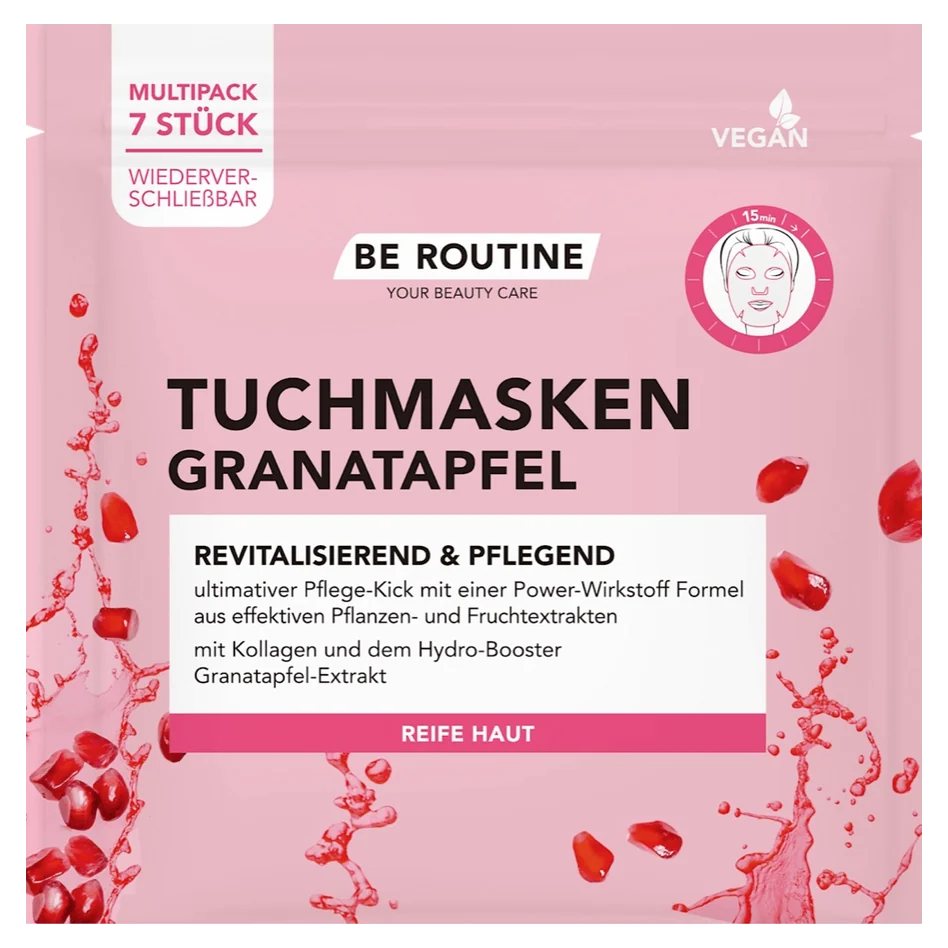
Be Routine
Tuchmasken Granatapfel Multipack
32nd of 32 on the label
below ≈1%
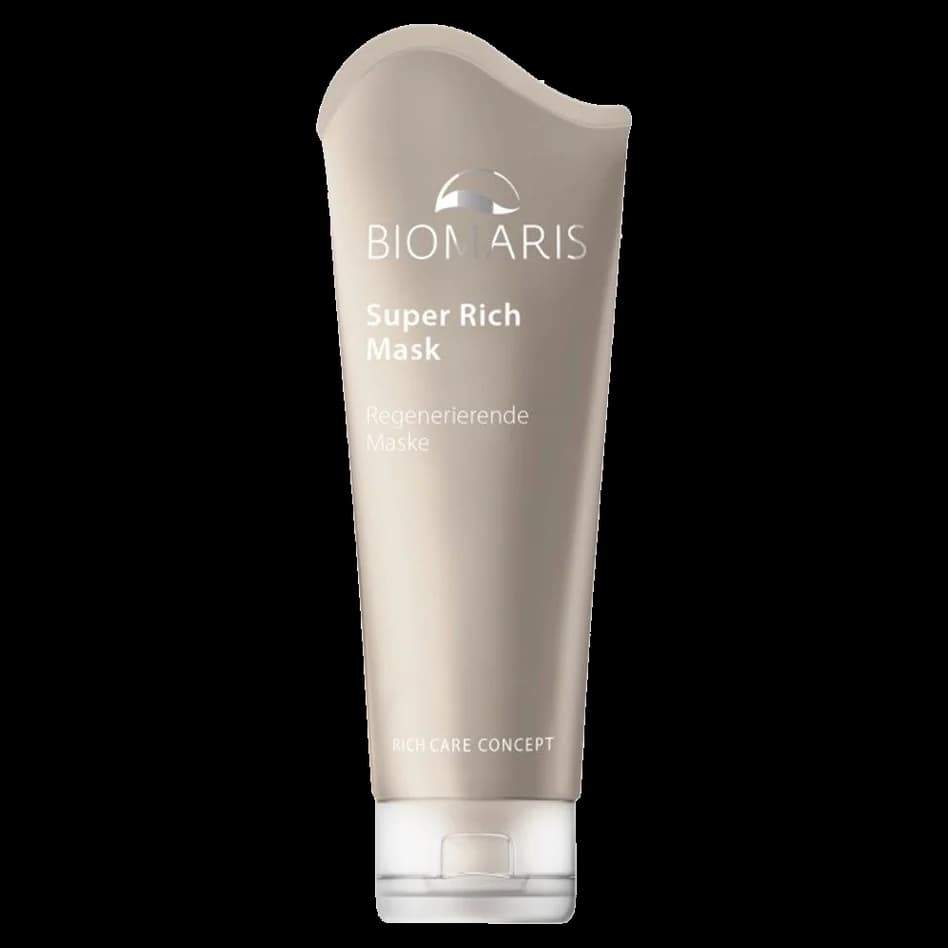
BIOMARIS
Super Rich Mask
19th of 19 on the label
below ≈1%
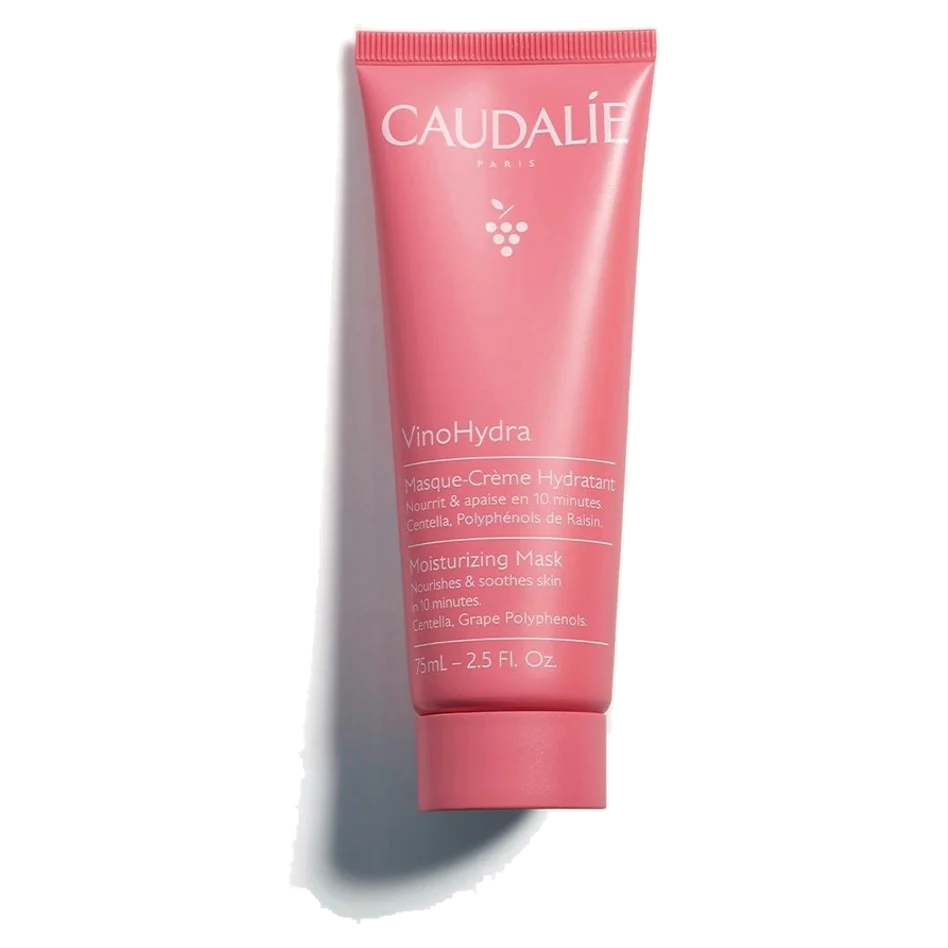
Caudalie
VinoHydra Moisturising Cream Mask (Masque-Creme Hydratant)
32nd of 32 on the label
below ≈1%
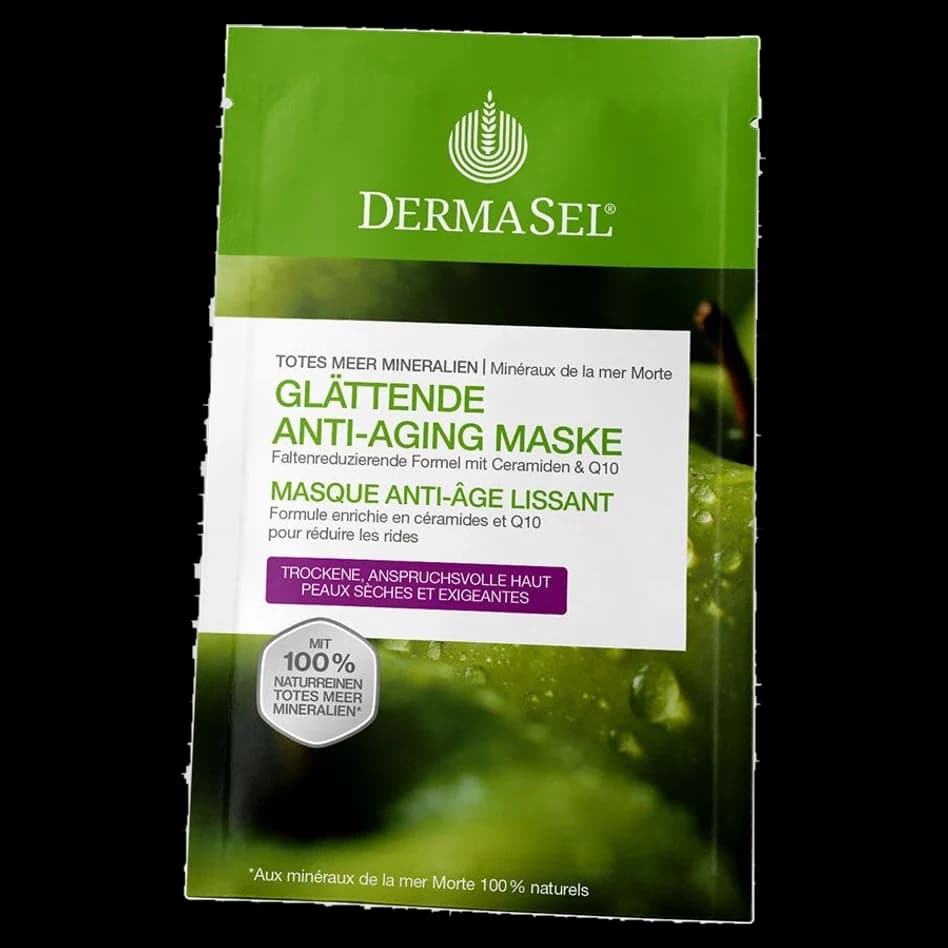
DERMASEL
EXKLUSIV Totes Meer Maske Anti Aging
20th of 26 on the label
below ≈1%
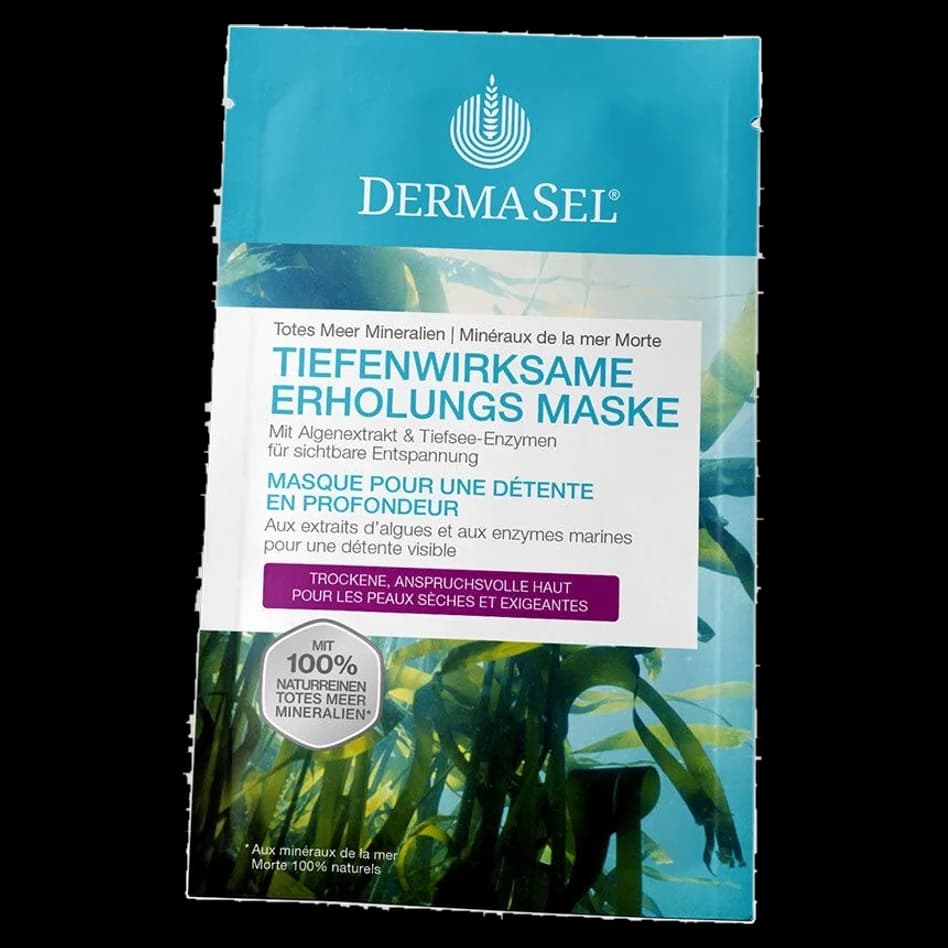
DERMASEL
SPA Totes Meer Maske Erholung
24th of 31 on the label
below ≈1%
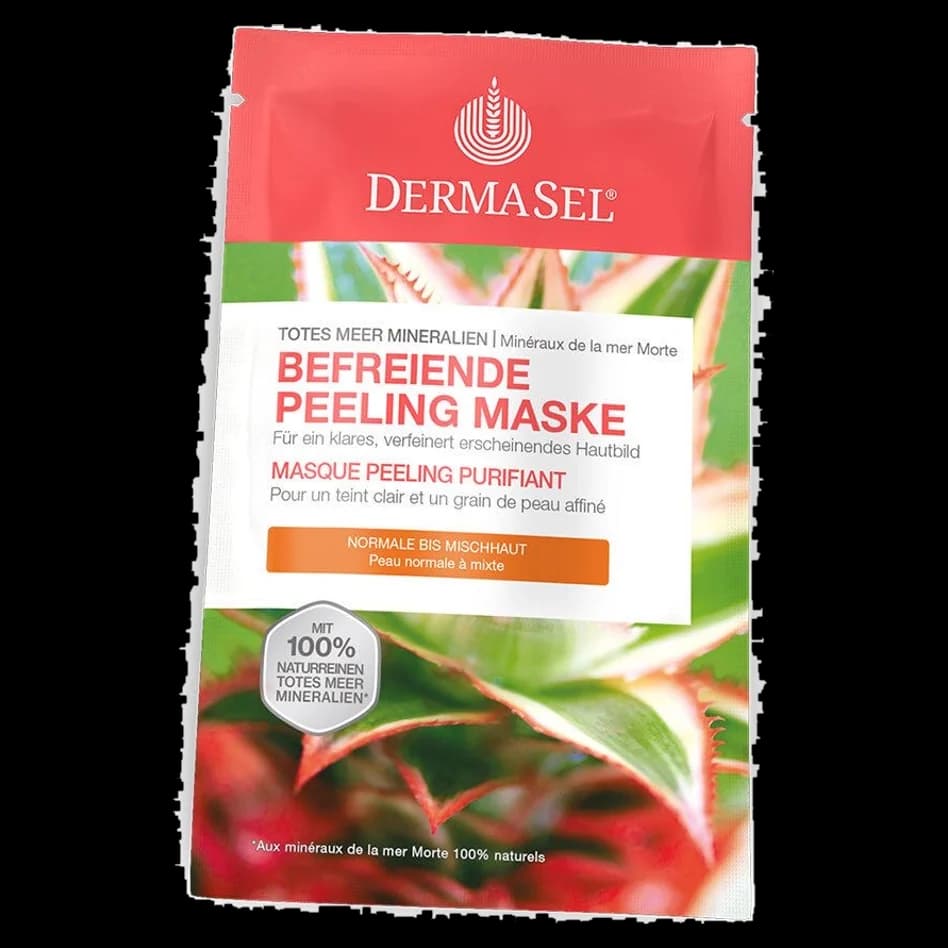
DERMASEL
SPA Totes Meer Maske Peeling
10th of 16 on the label
below ≈1%
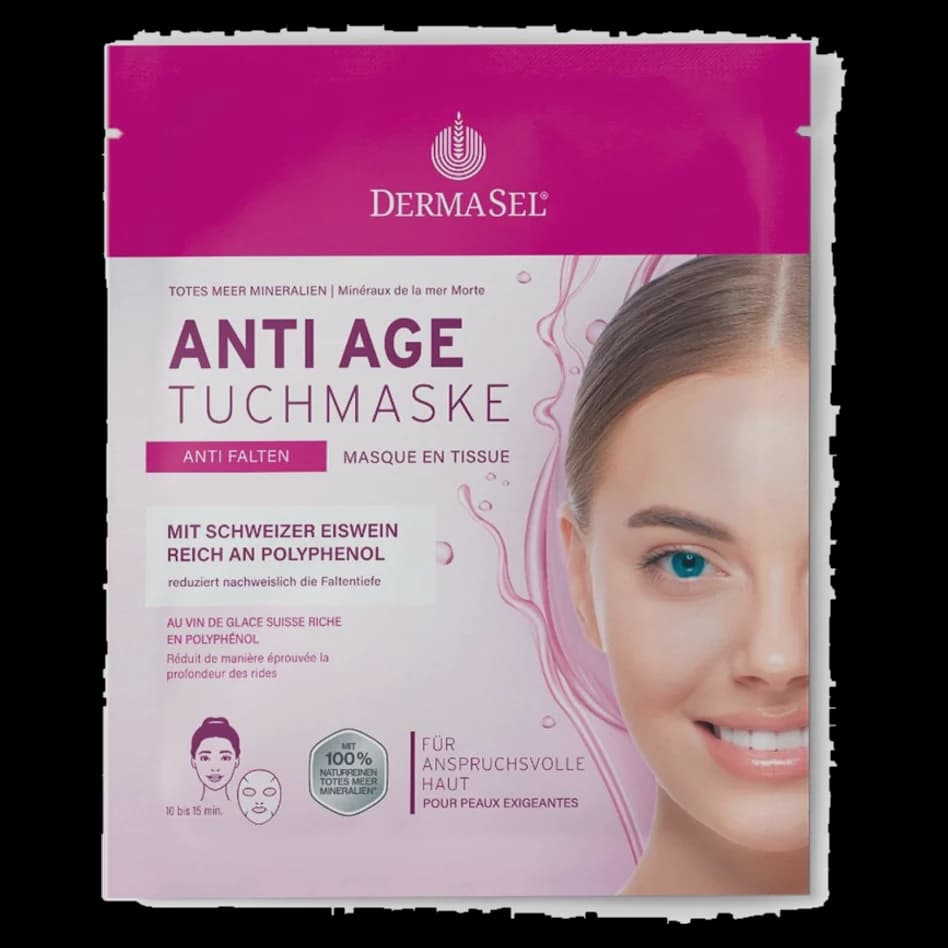
DERMASEL
Totes Meer Anti-Age Tuchmaske
12th of 23 on the label
below ≈1%
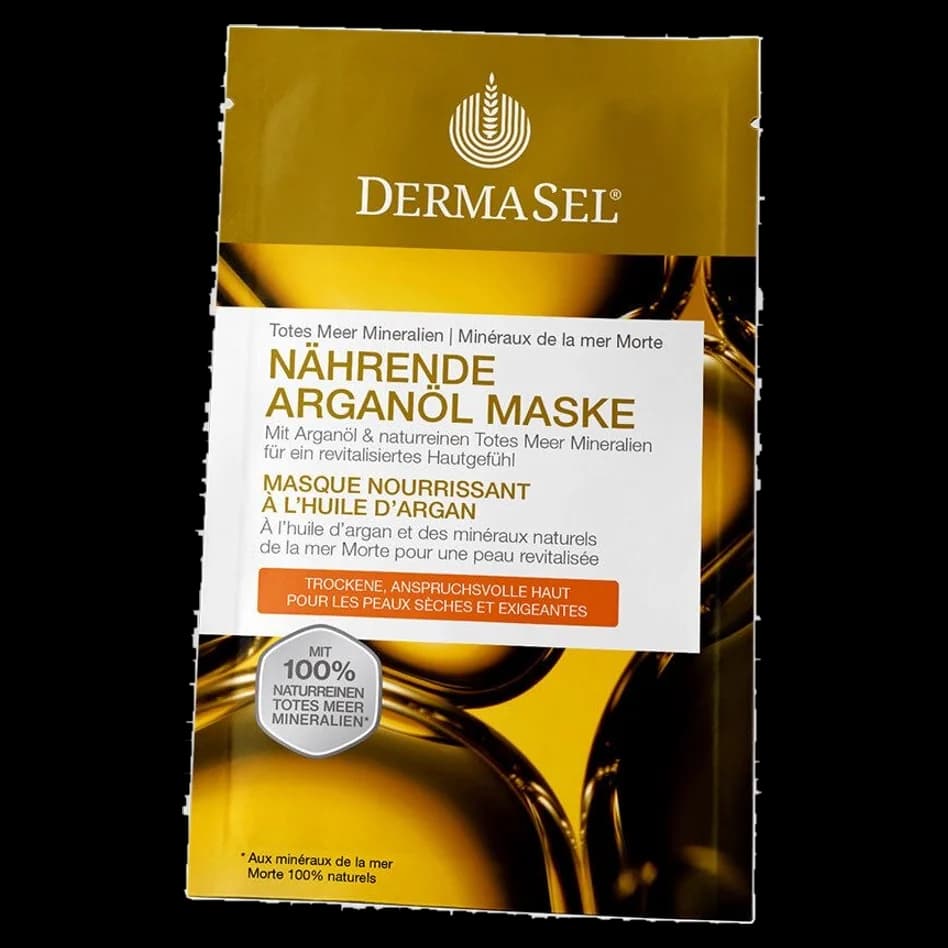
DERMASEL
Totes Meer Mineralien Nährende Arganöl Maske
16th of 29 on the label
below ≈1%
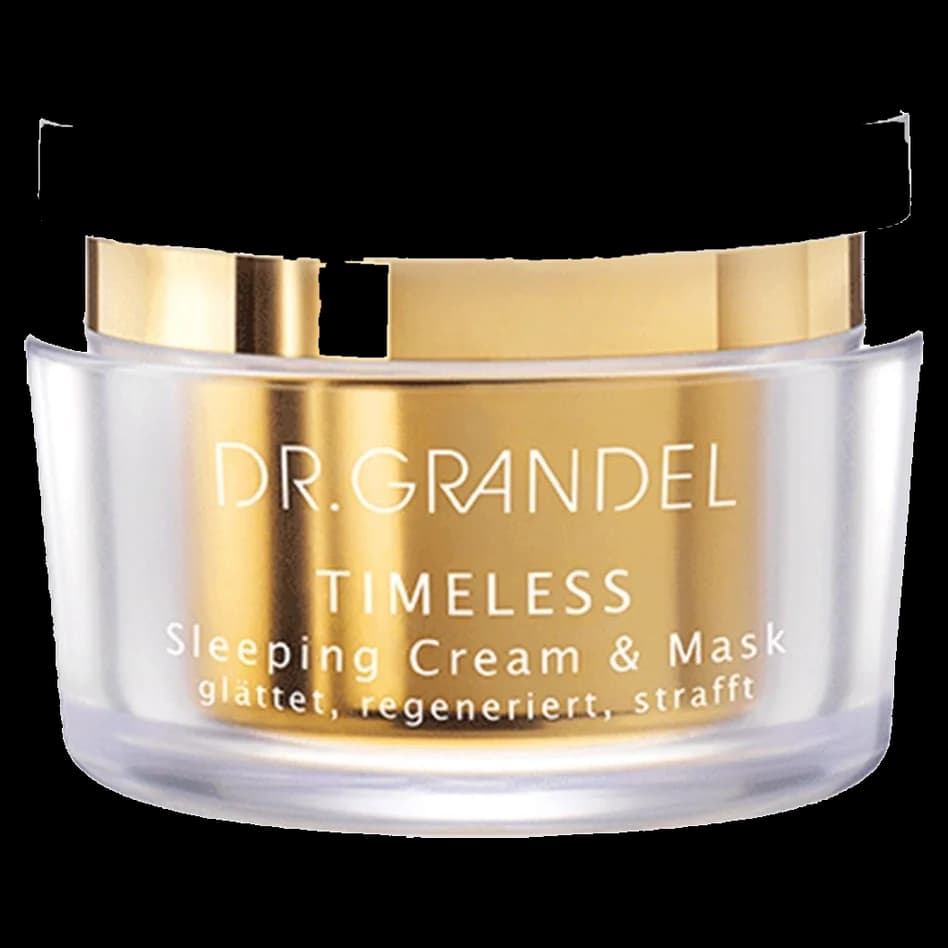
Dr. Grandel
Timeless Sleeping Cream & Mask
35th of 35 on the label
below ≈1%
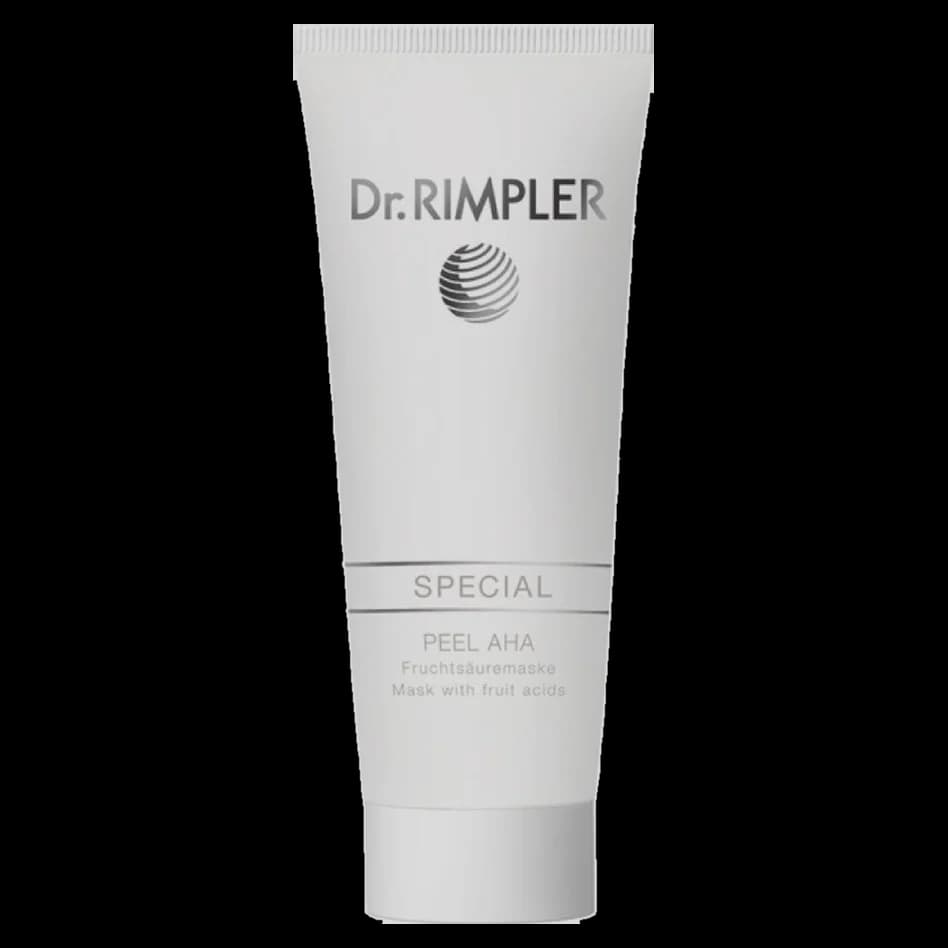
Dr. Rimpler
SPECIAL Peel AHA
16th of 16 on the label
below ≈1%
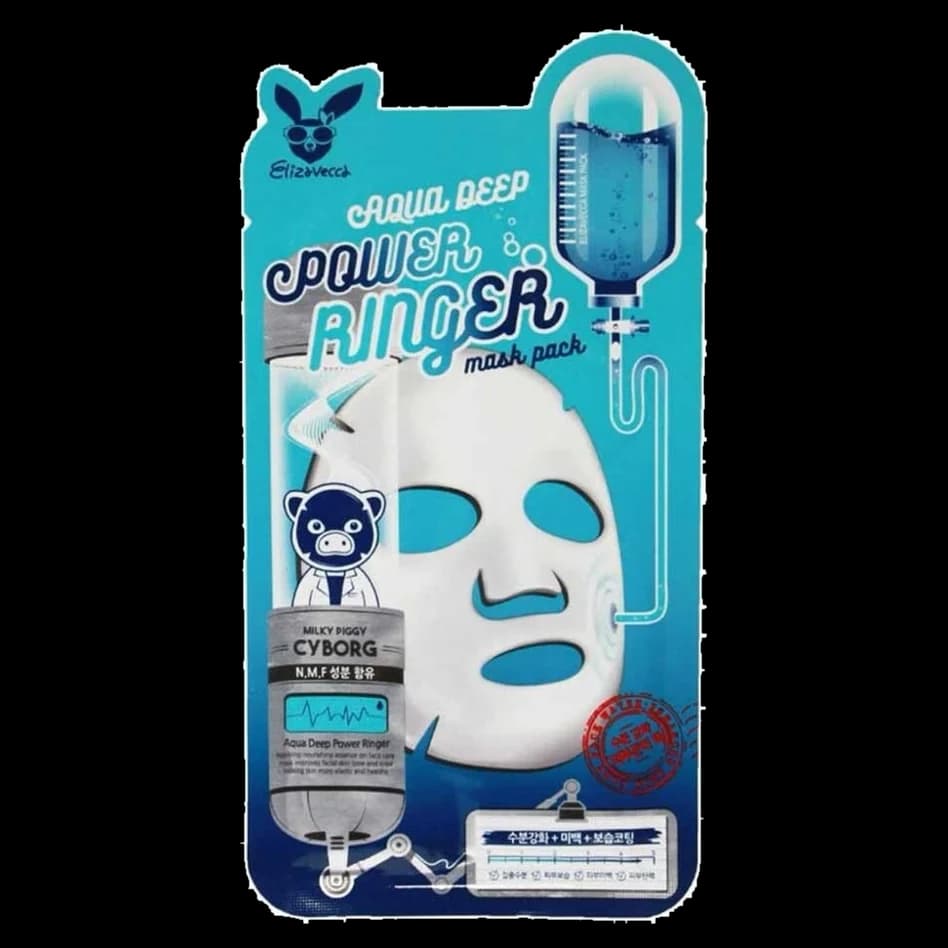
Elizavecca
Aqua Deep Power Ringer Mask Pack
28th of 28 on the label
below ≈1%
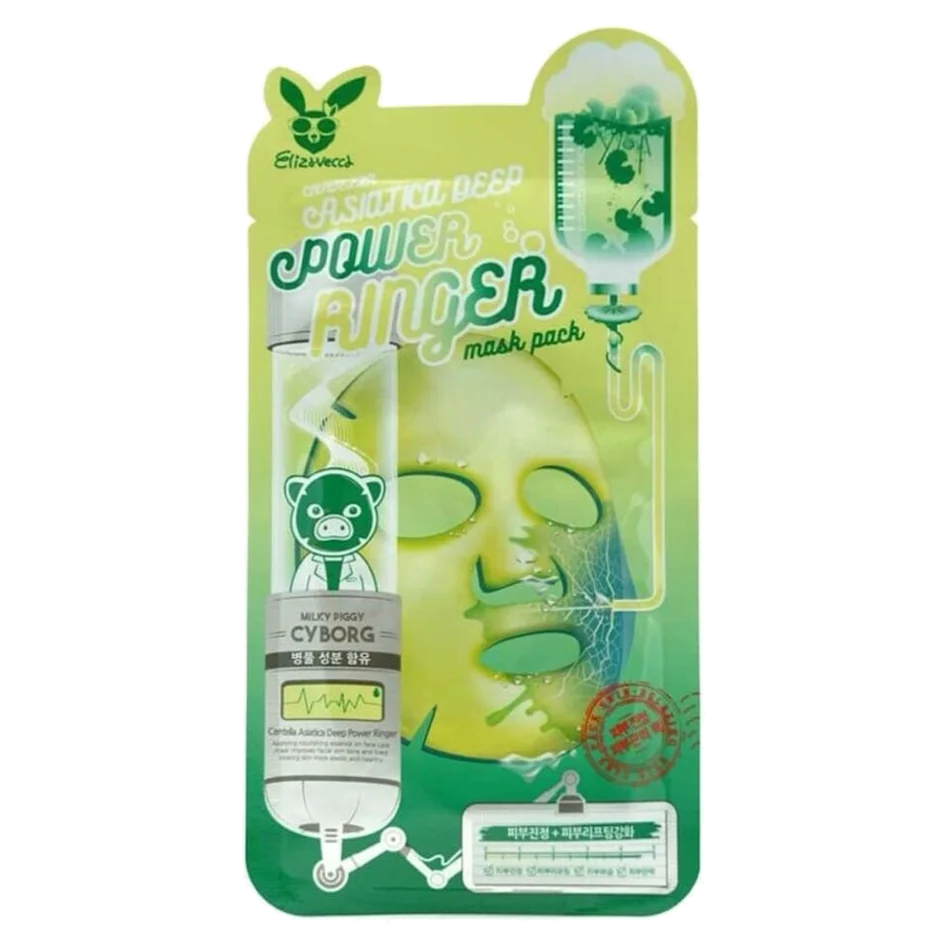
Elizavecca
Centella Deep Power Ringer Mask Pack
22nd of 22 on the label
below ≈1%
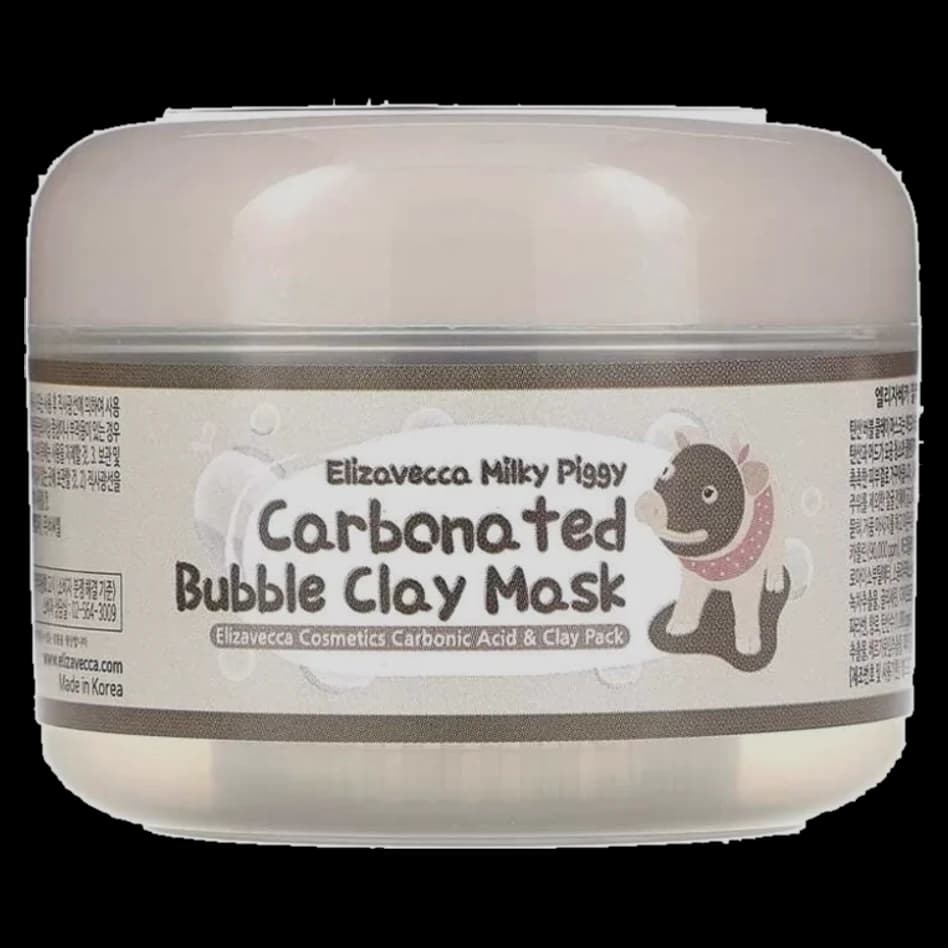
Elizavecca
Milky Piggy Carbonated Bubble Clay Mask
18th of 29 on the label
below ≈1%
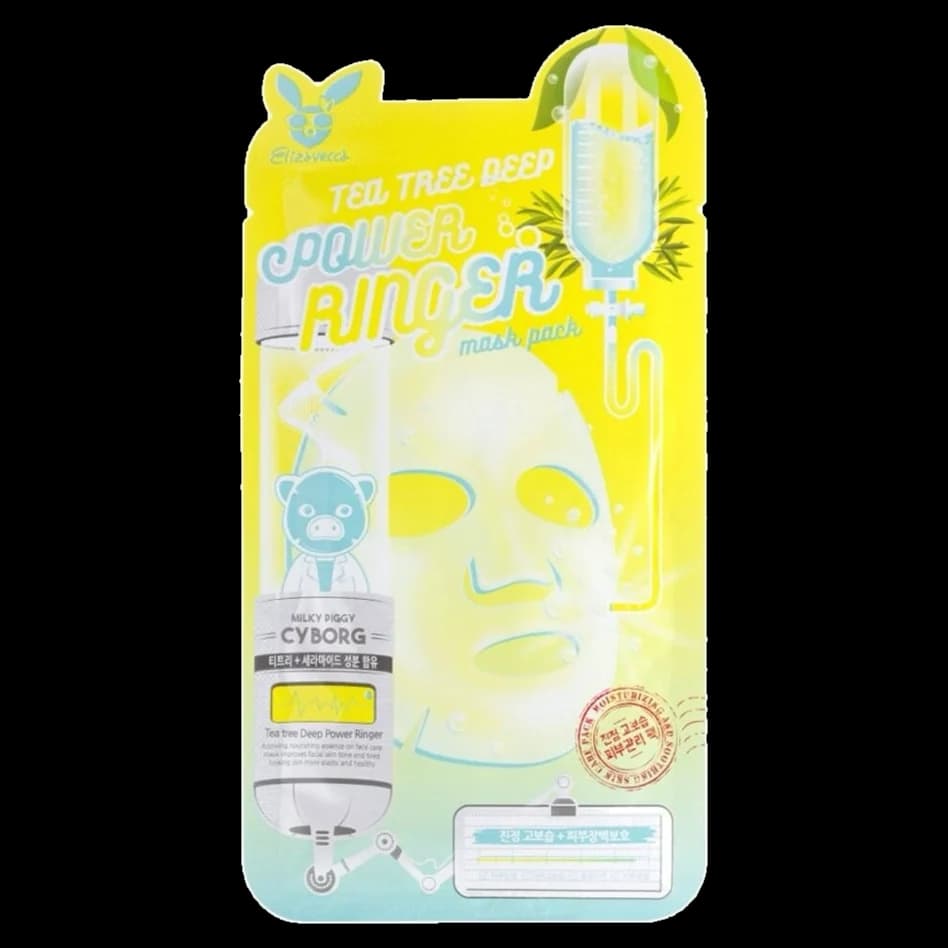
Elizavecca
Tea Tree Deep Power Ringer Mask Pack
23rd of 23 on the label
below ≈1%
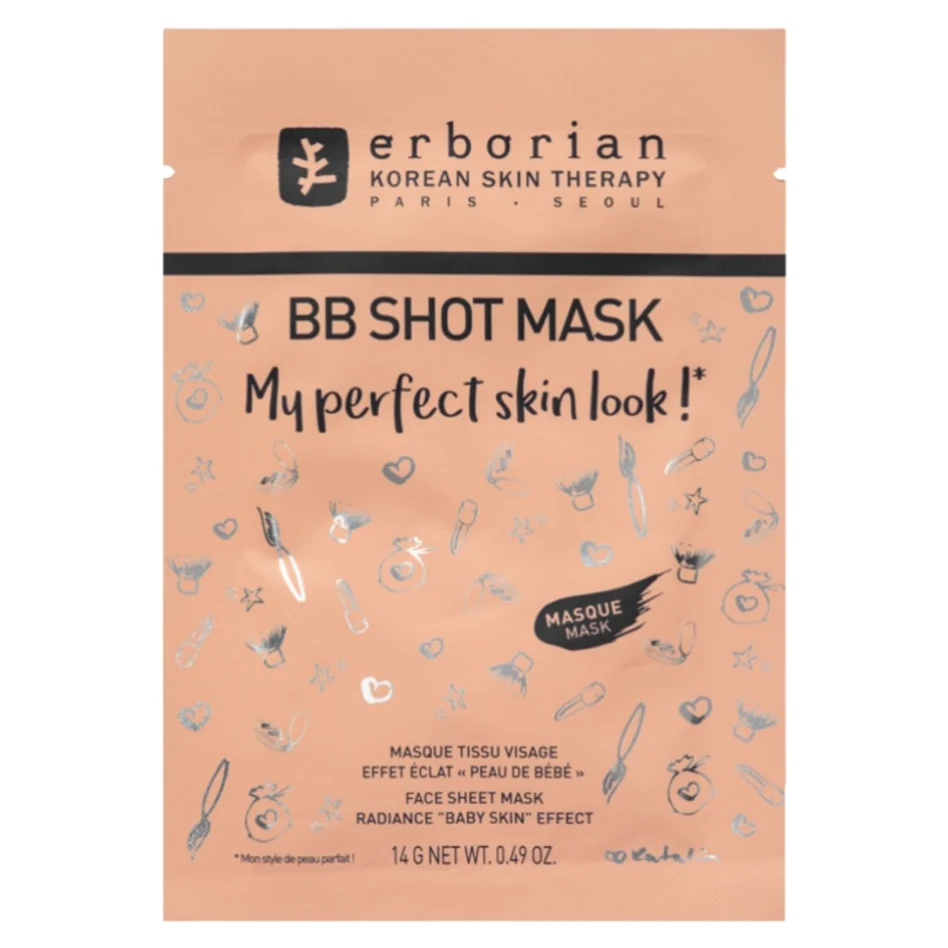
Erborian
BB Shot Mask
19th of 34 on the label
below ≈1%
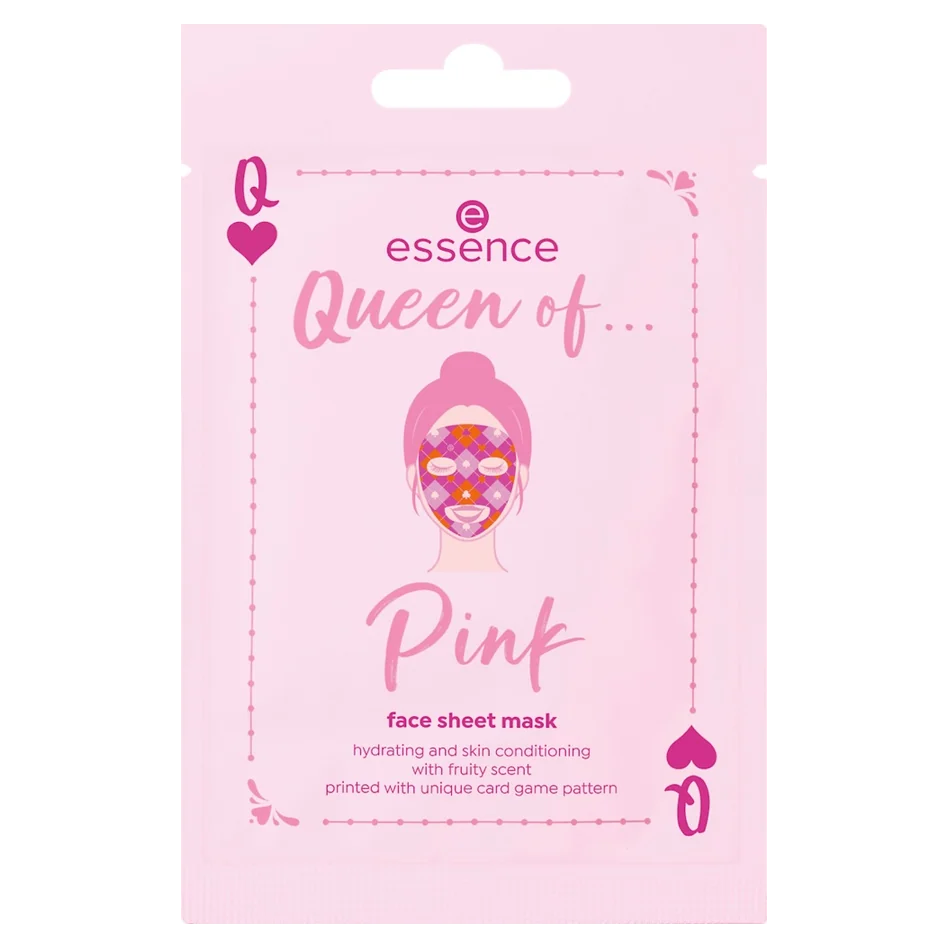
essence
Queen of Pink Face Sheet Mask 01 Keeping My Pink Poker Face
23rd of 23 on the label
below ≈1%
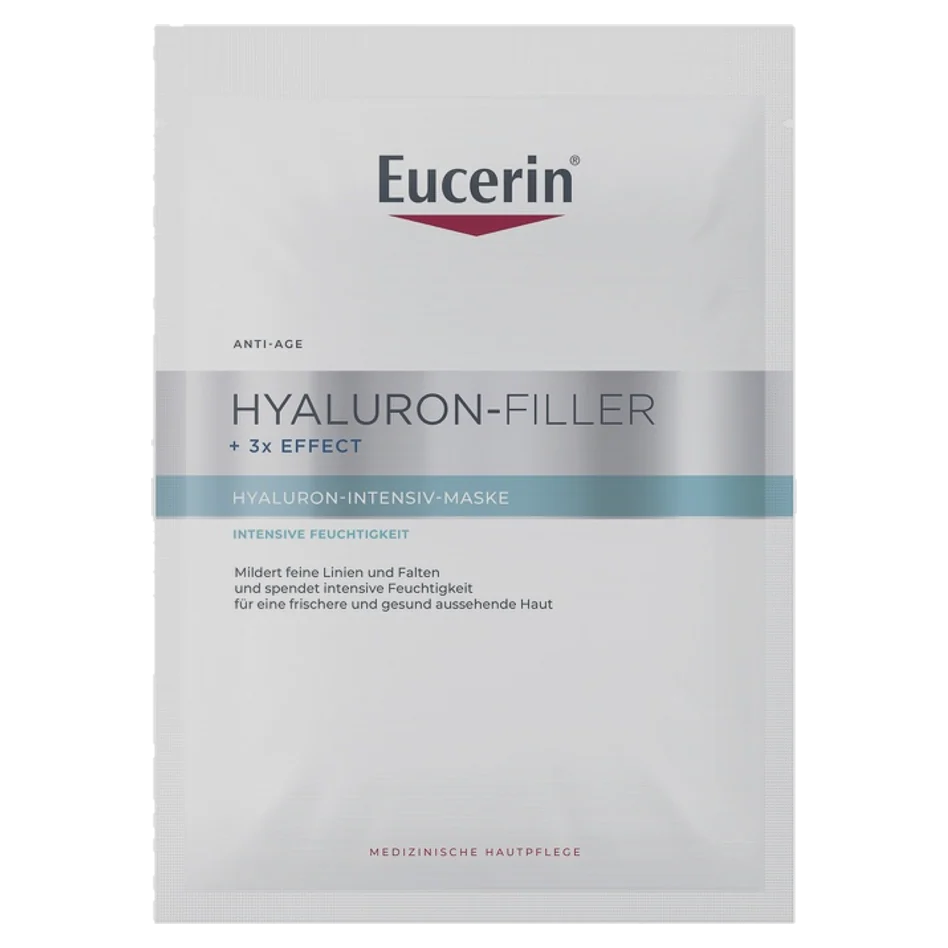
Eucerin
Hyaluron-Filler Hyaluron Intensive Mask
11th of 11 on the label
below ≈1%
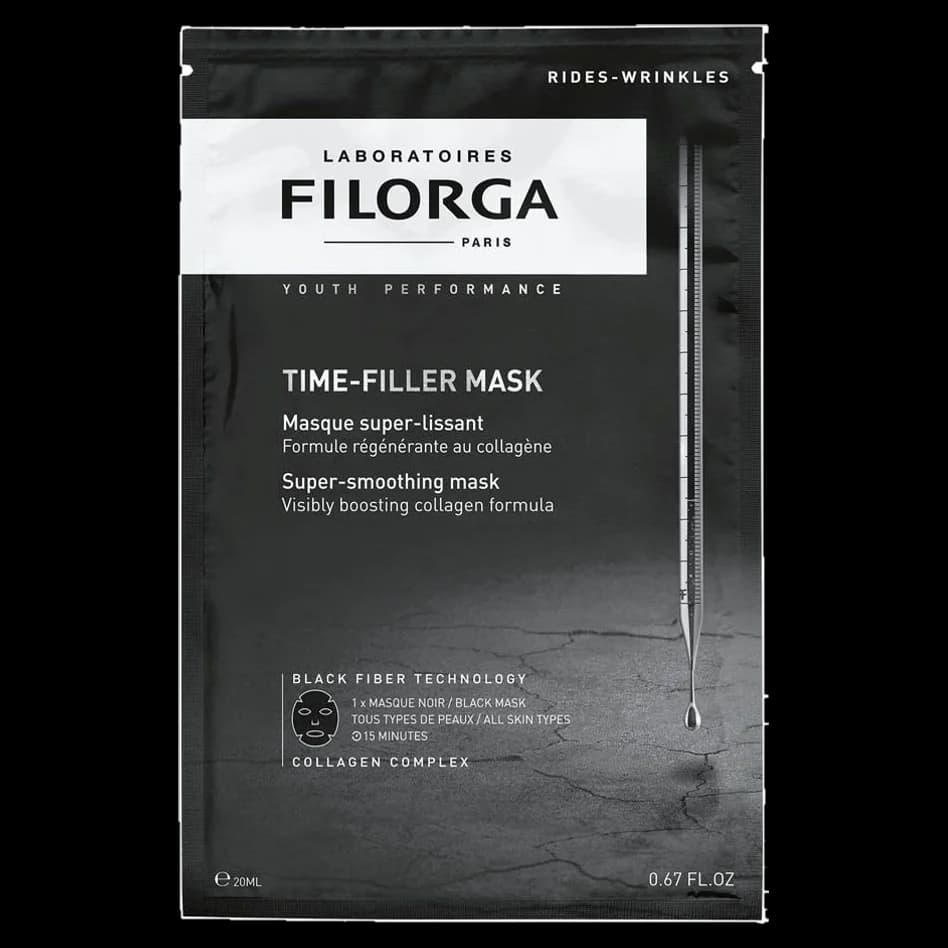
Filorga
Time-Filler Mask
8th of 20 on the label
below ≈1%
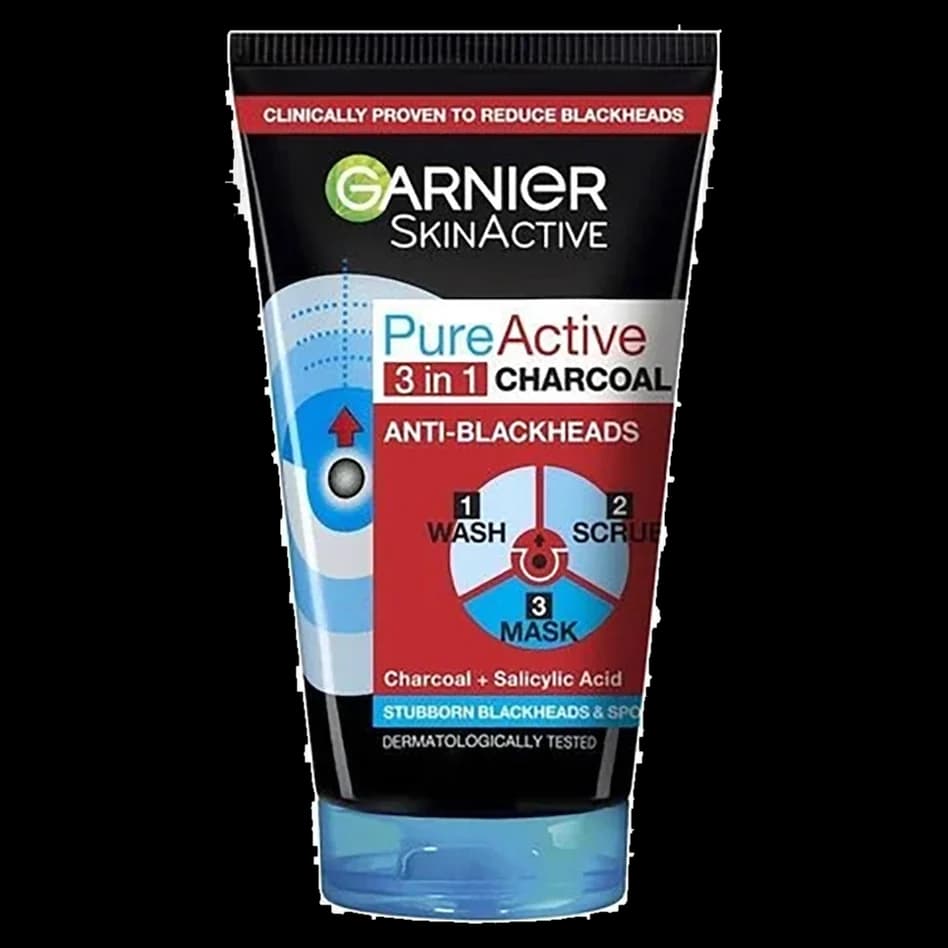
Garnier
Pure Active 3-in-1 Charcoal Wash, Scrub & Mask
25th of 25 on the label
below ≈1%
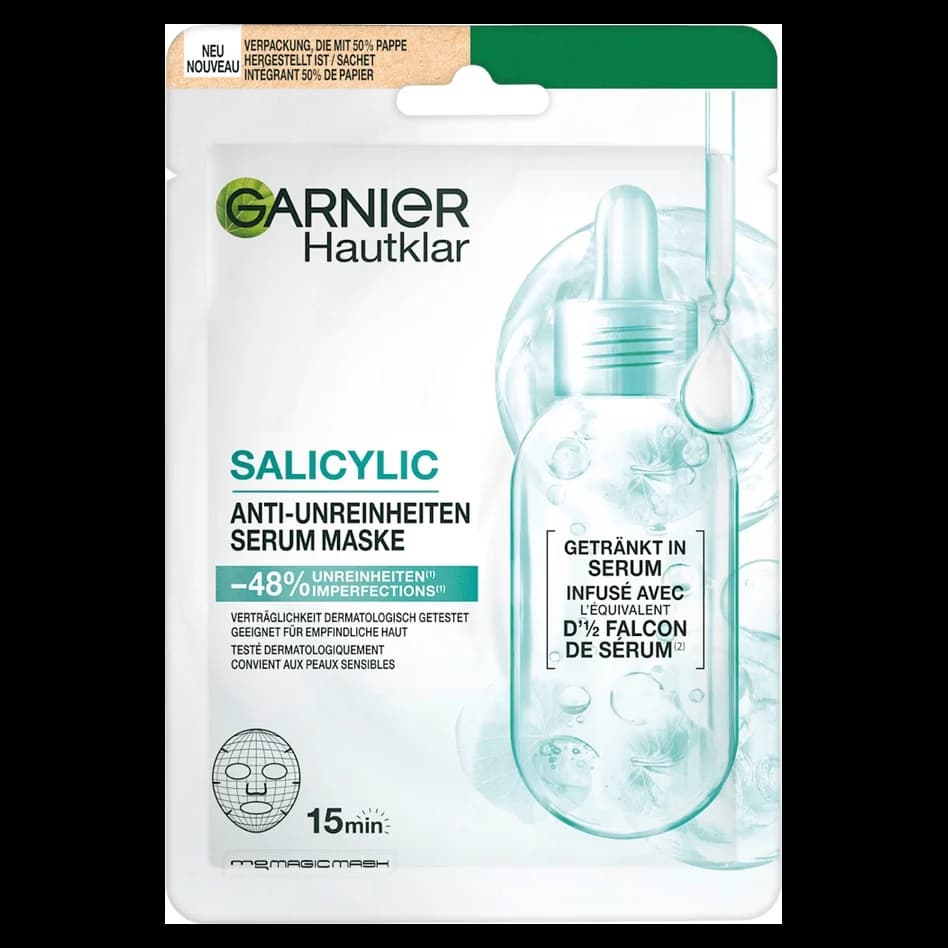
Garnier
Salicylic Tissue Mask
26th of 26 on the label
below ≈1%
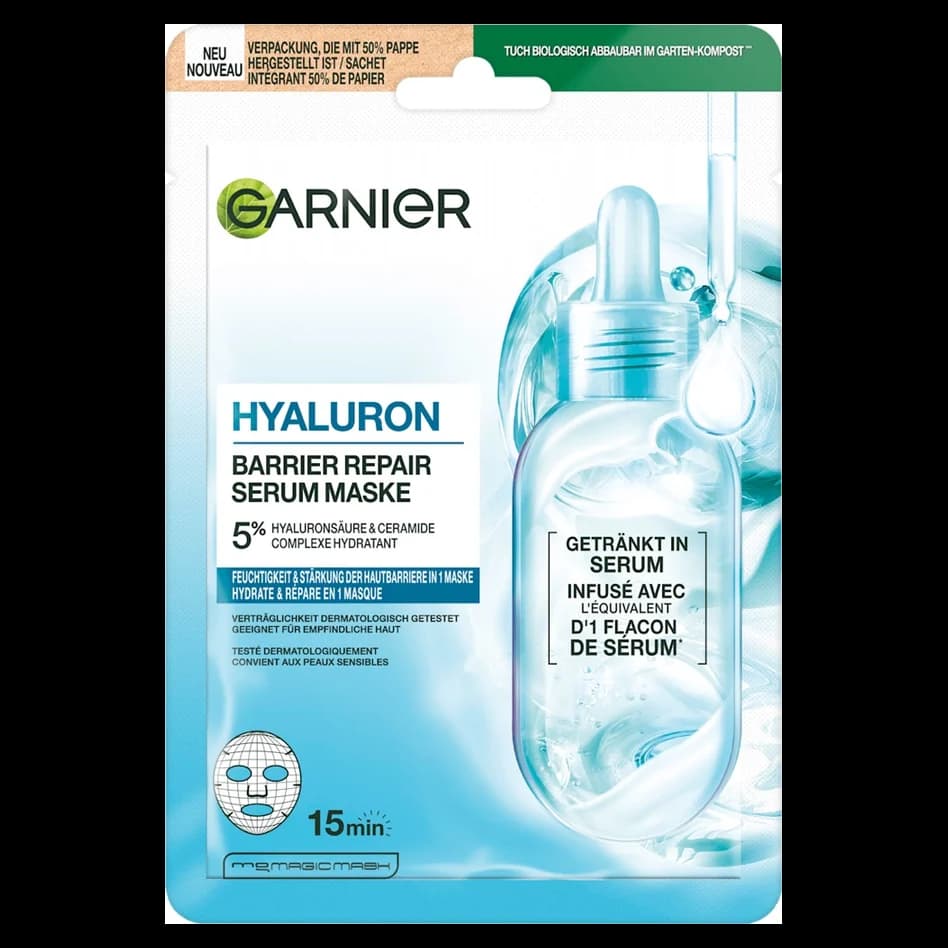
Garnier
SkinActive Hyaluronic Acid Barrier Repair Serum Tissue Mask
25th of 25 on the label
below ≈1%
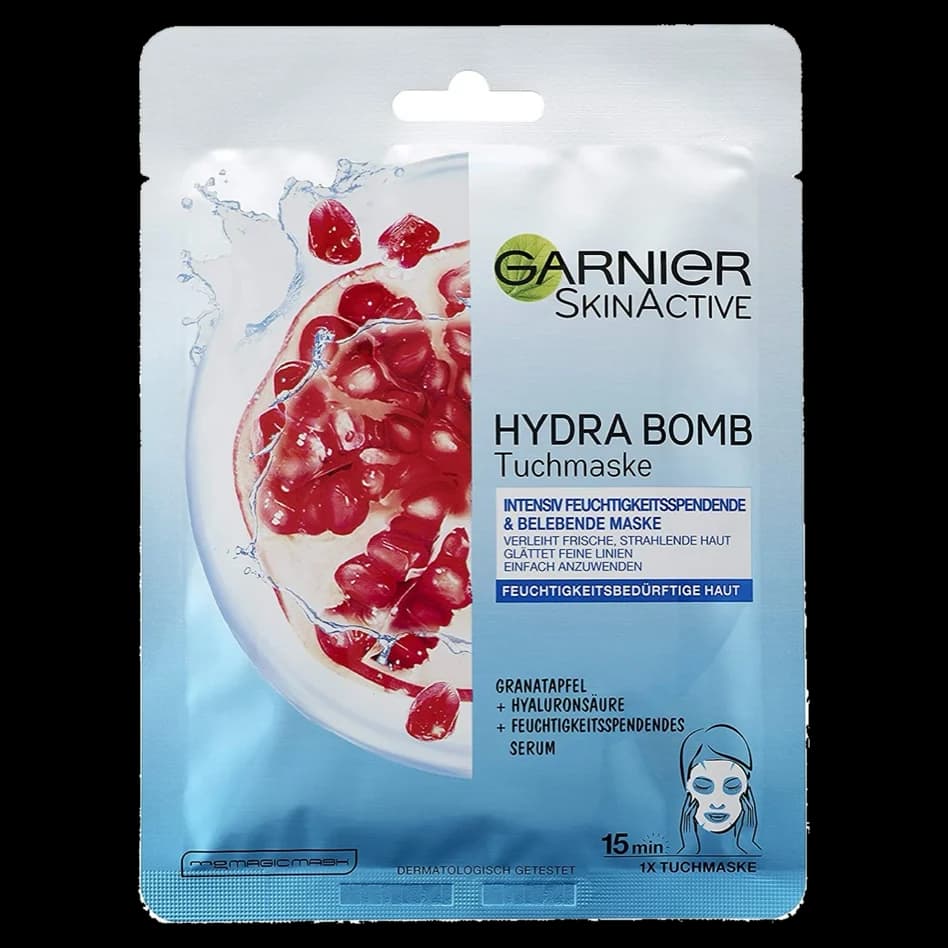
Garnier
SkinActive Hydra Bomb Tissue Mask Pomegranate
21st of 29 on the label
below ≈1%
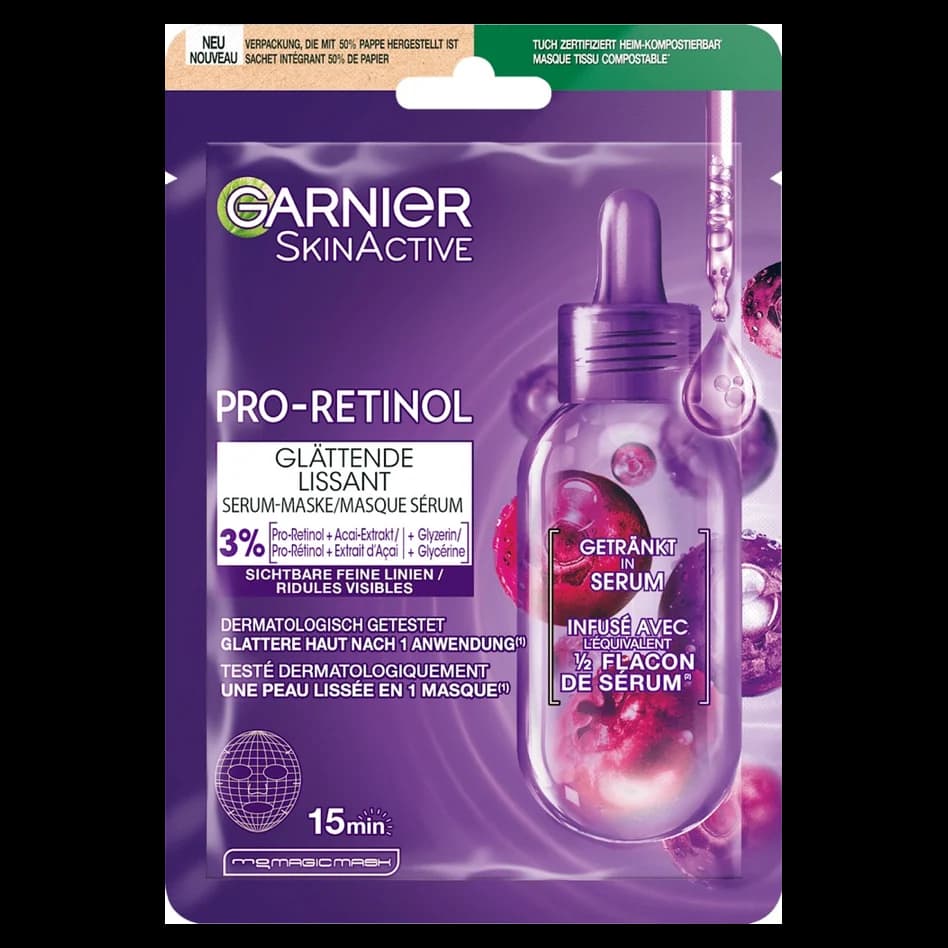
Garnier
SkinActive Pro-Retinol Tissue Mask
24th of 24 on the label
below ≈1%
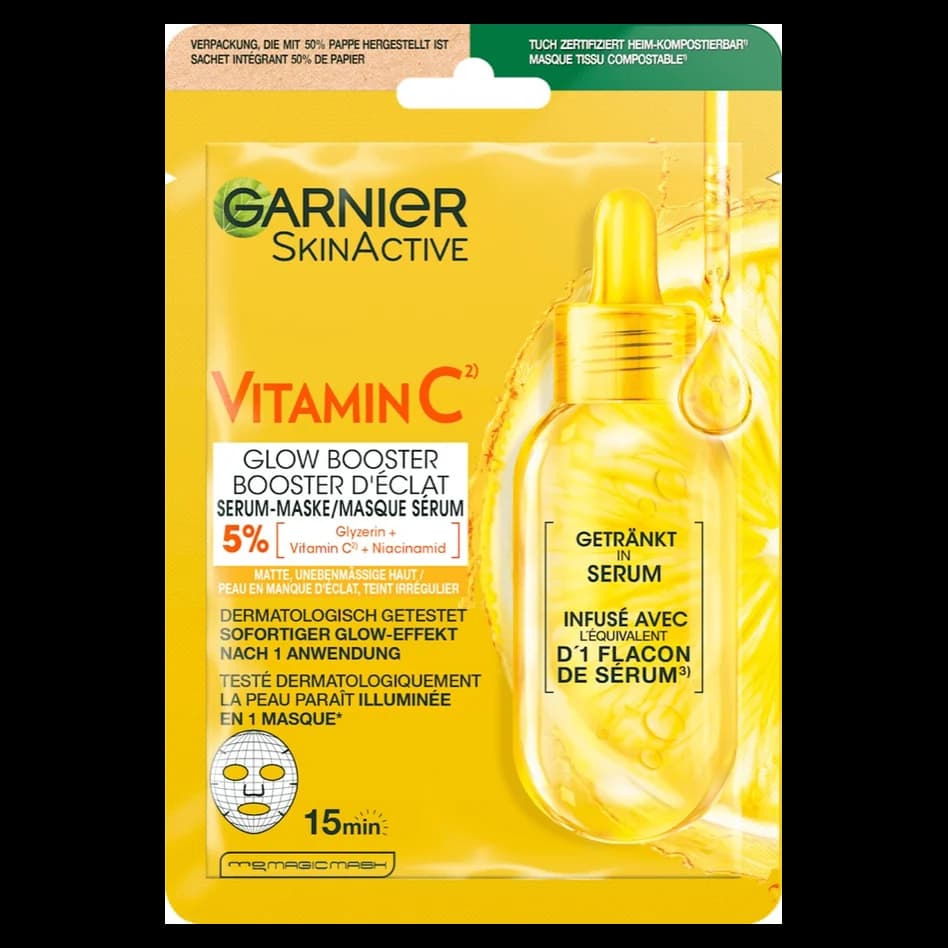
Garnier
SkinActive Vitamin C Tissue Mask
21st of 21 on the label
below ≈1%
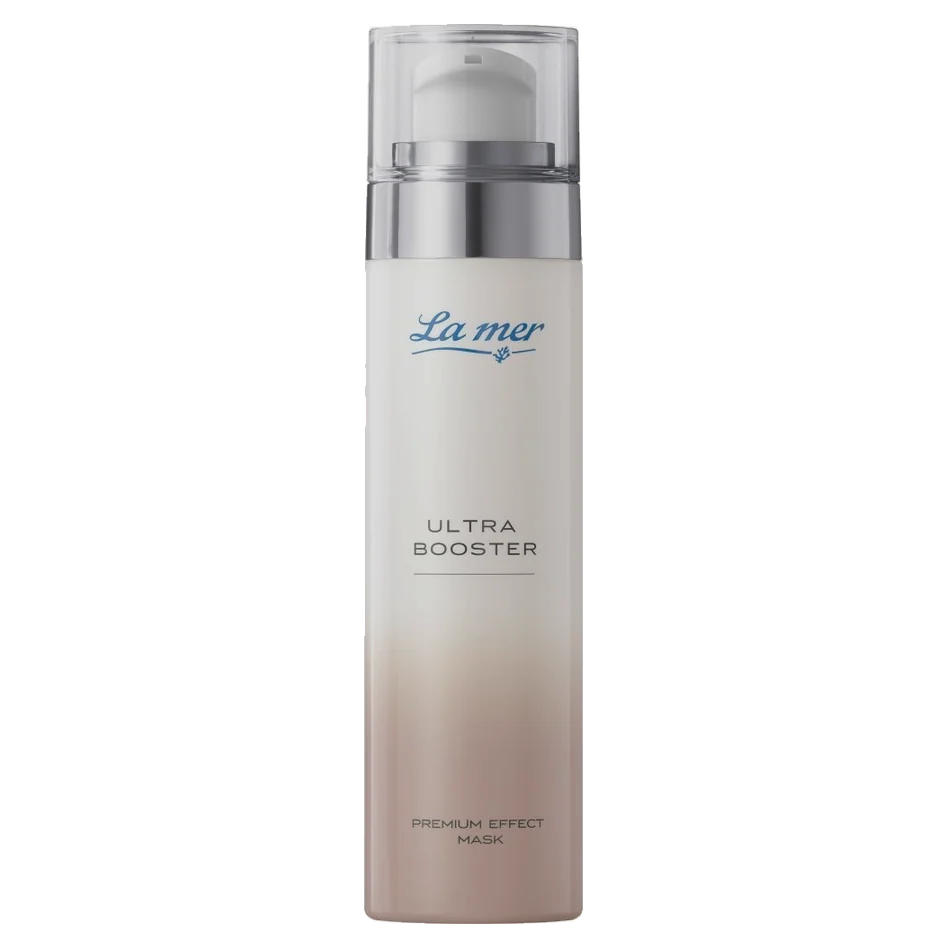
LA MER
Ultra Booster Premium Mask Effect
41st of 41 on the label
below ≈1%
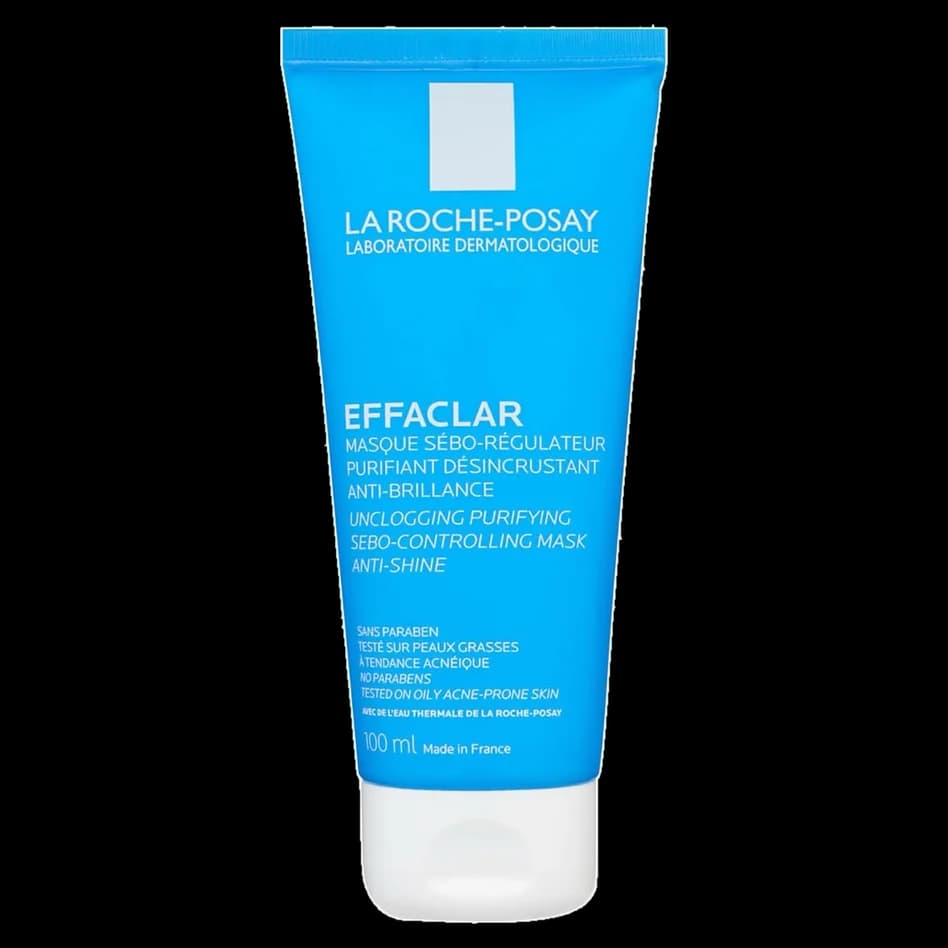
La Roche-Posay
Effaclar Purifying Clay Mask
20th of 20 on the label
below ≈1%
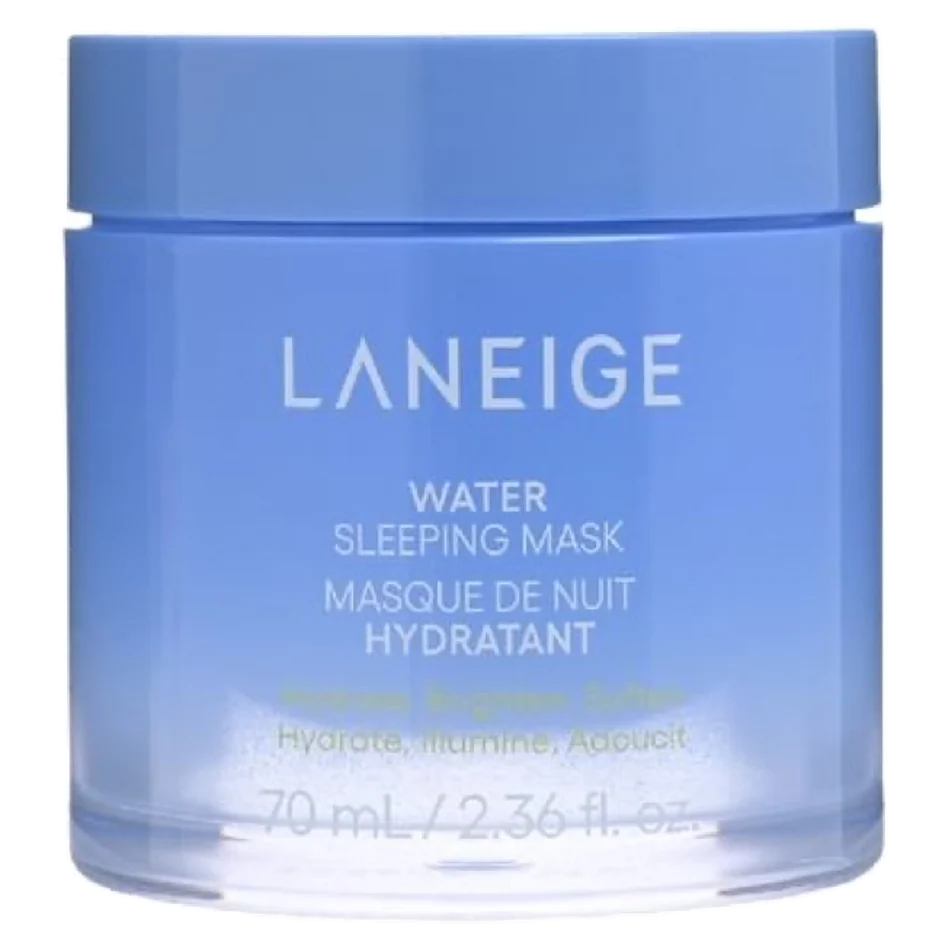
LANEIGE
Water Sleeping Mask
24th of 43 on the label
below ≈1%
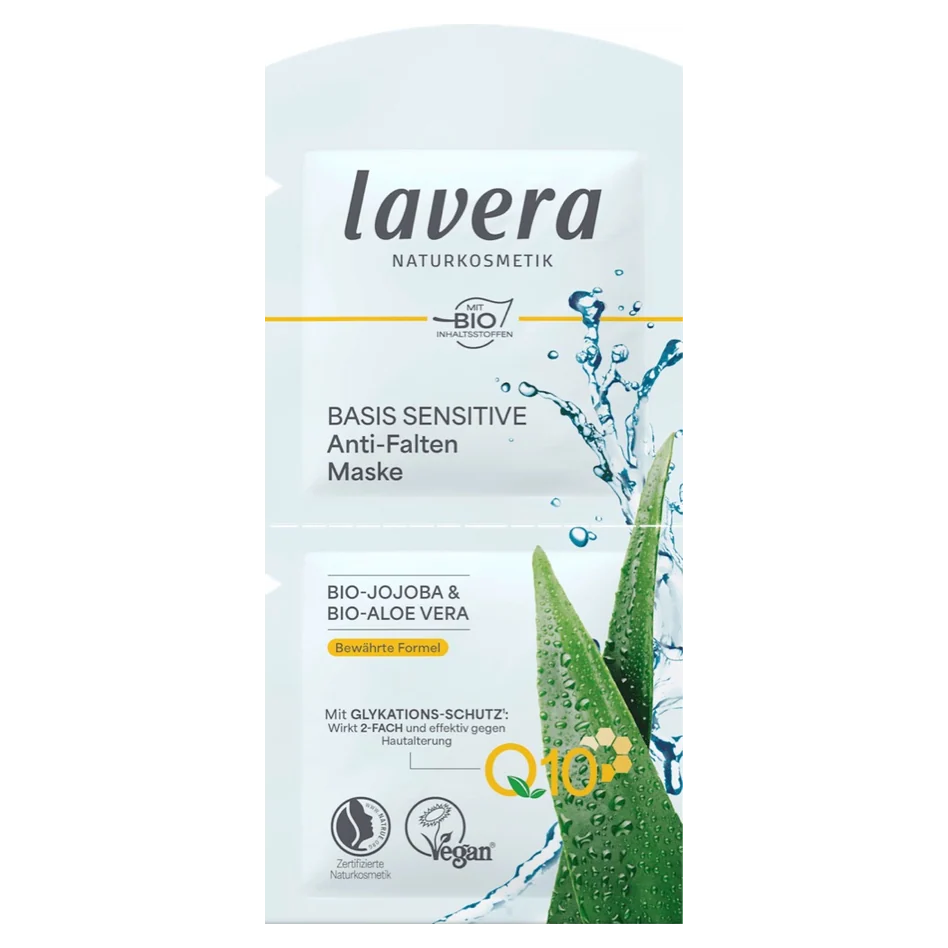
lavera
basis sensitiv Anti-Falten Gesichtsmaske
37th of 42 on the label
below ≈1%
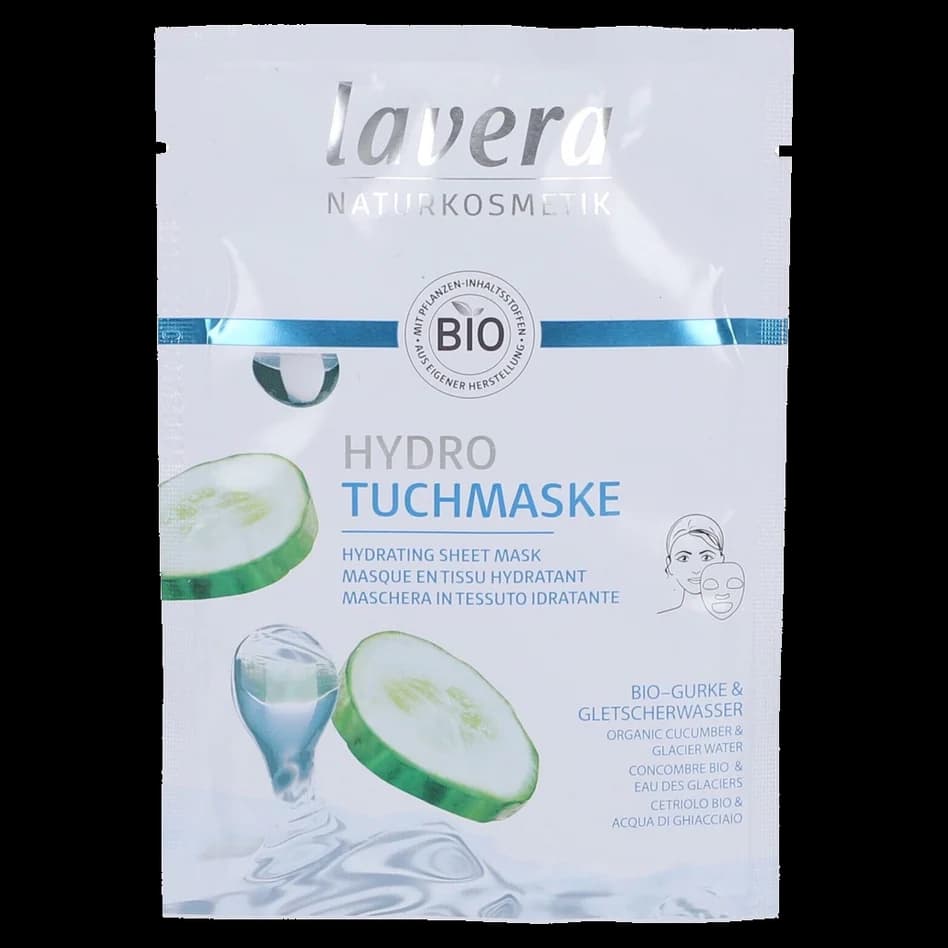
lavera
Hydro Tuchmaske
17th of 22 on the label
below ≈1%
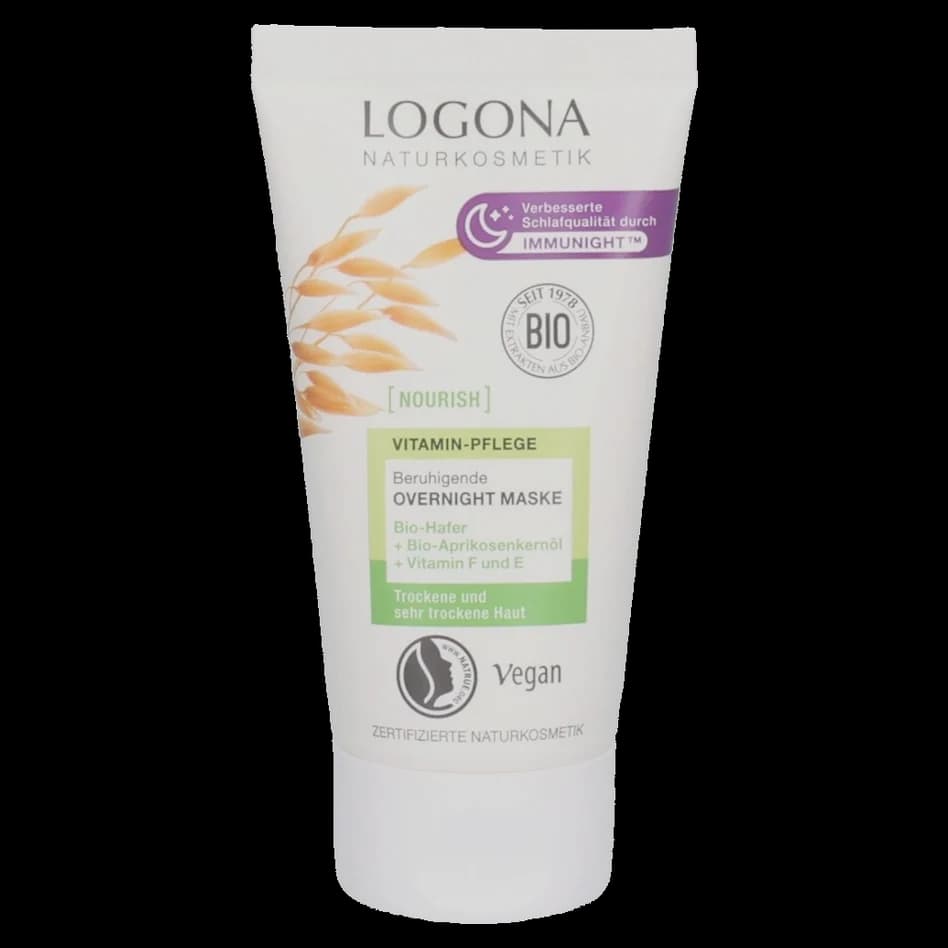
LOGONA
Nourish Beruhigende Overnight Maske
42nd of 53 on the label
below ≈1%
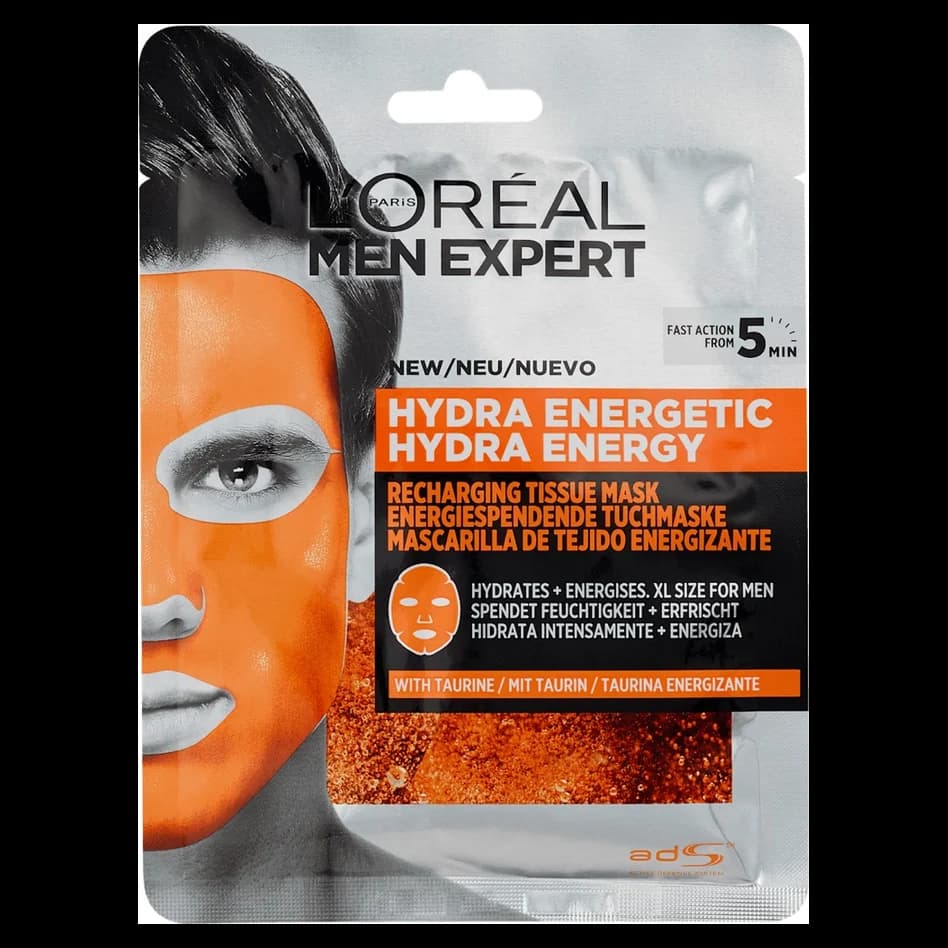
L'Oréal Paris
Men Expert Hydra Energetic Recharging Tissue Mask
21st of 21 on the label
below ≈1%
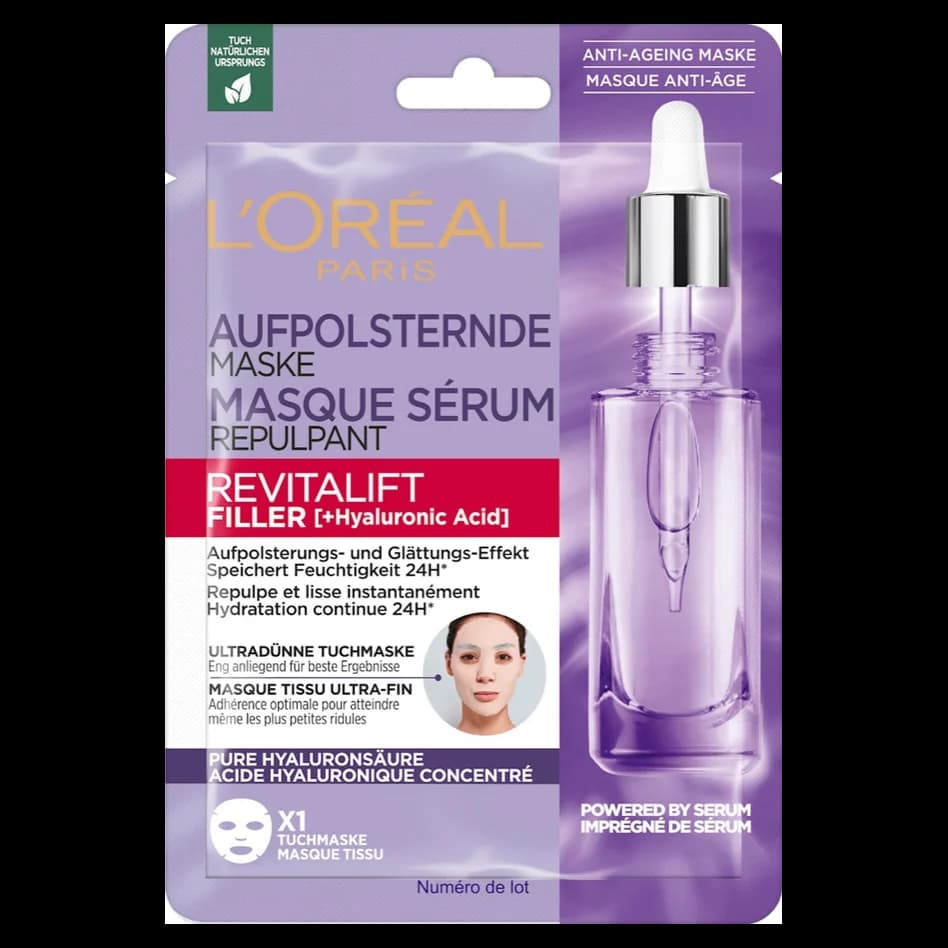
L'Oréal Paris
Revitalift Filler Hyaluronic Acid Tissue Mask
14th of 14 on the label
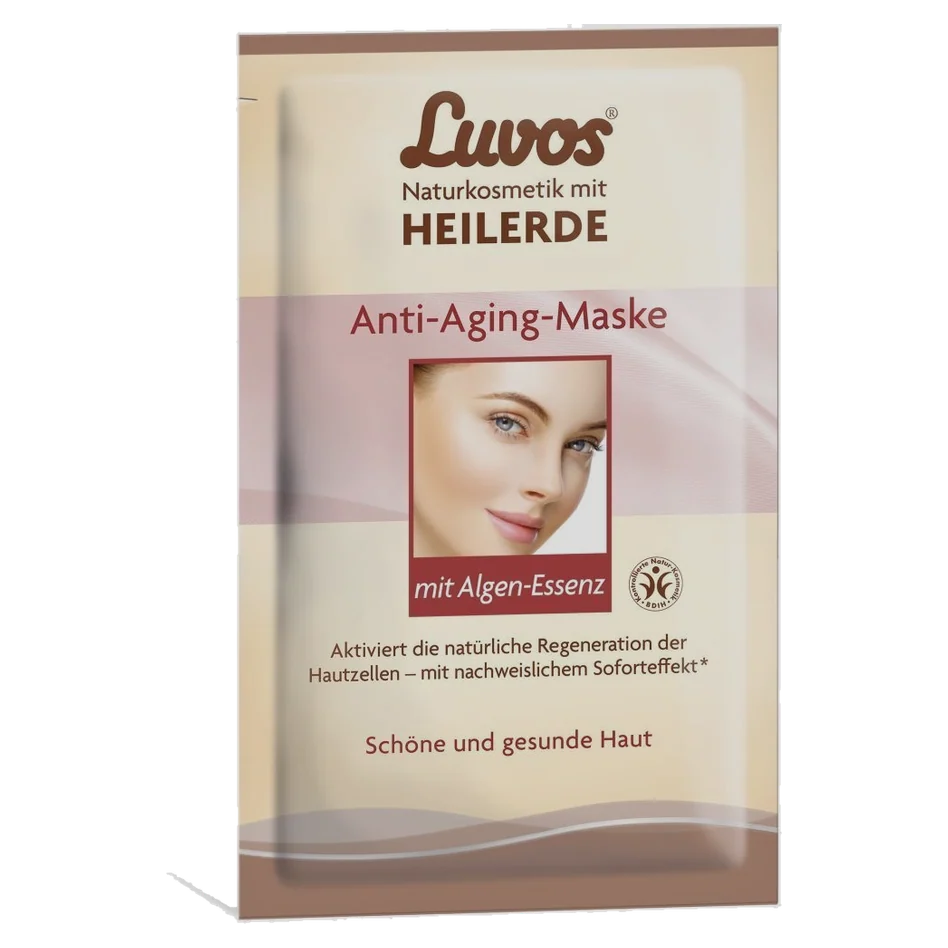
Luvos-Heilerde
Anti-Aging-Maske
22nd of 27 on the label
below ≈1%
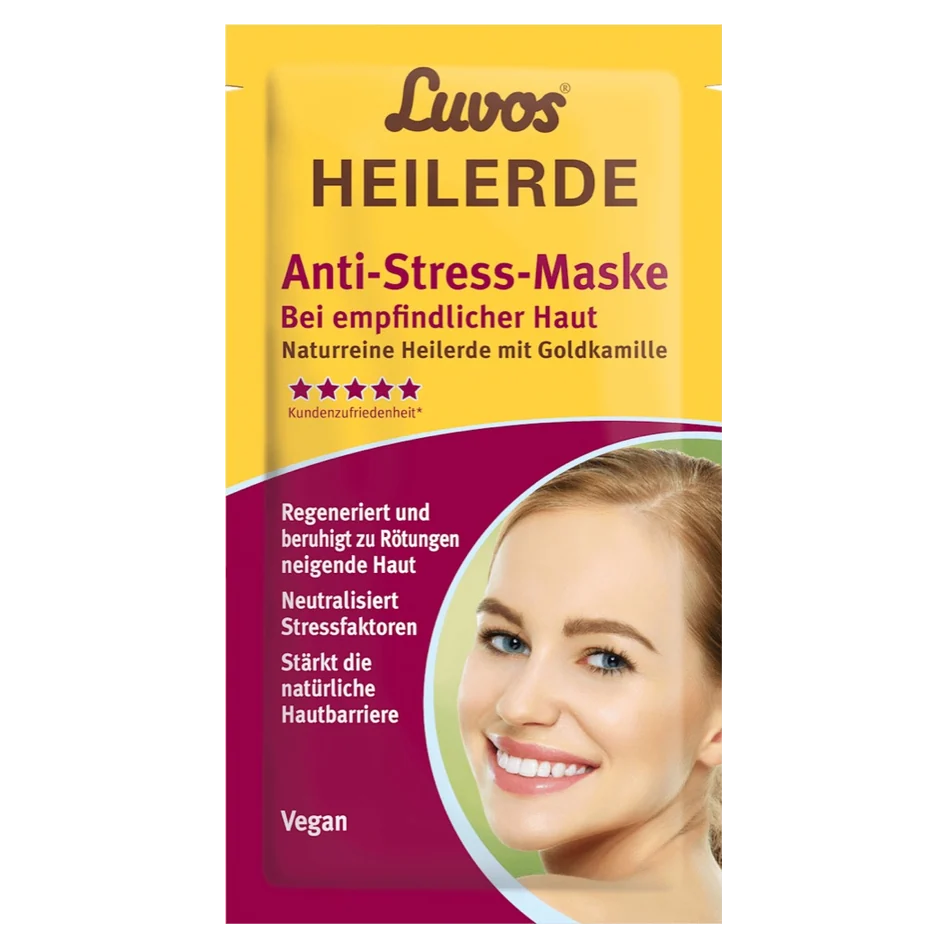
Luvos-Heilerde
Anti-Stress-Maske
29th of 33 on the label
below ≈1%
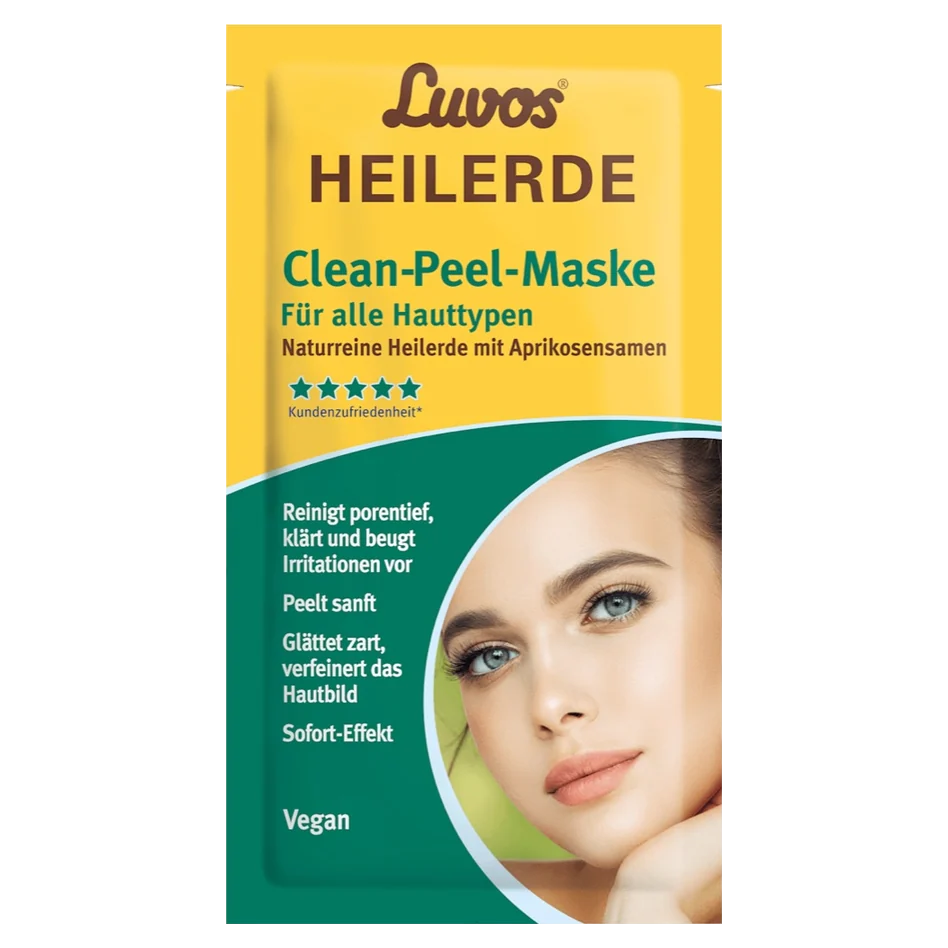
Luvos-Heilerde
Clean-Peel-Maske
21st of 29 on the label
below ≈1%
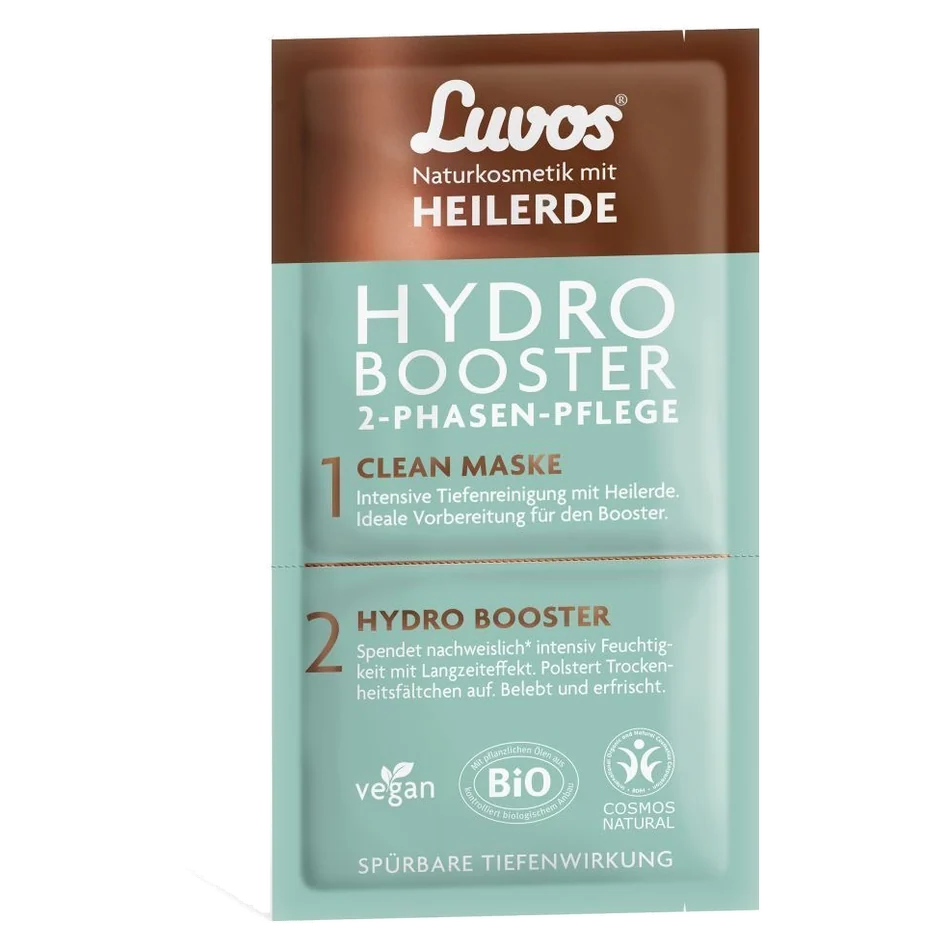
Luvos-Heilerde
Hydro Booster mit Clean Maske
23rd of 63 on the label
below ≈1%
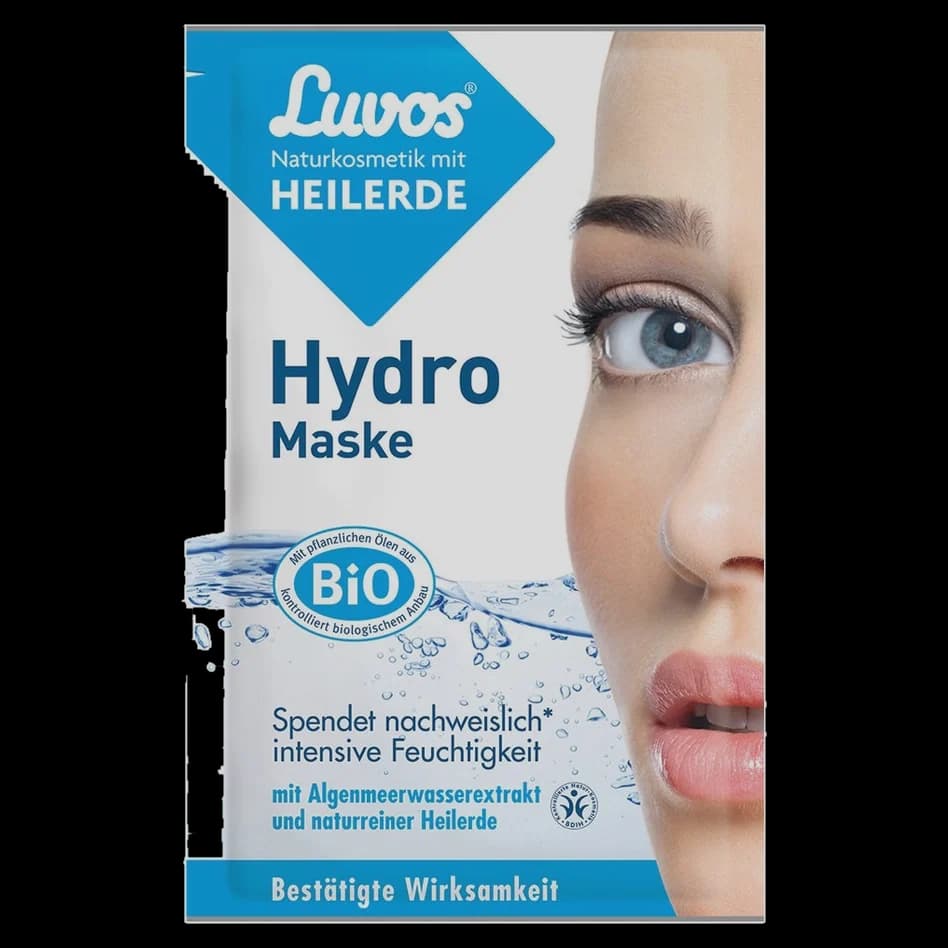
Luvos-Heilerde
Hydro-Maske
24th of 33 on the label
below ≈1%
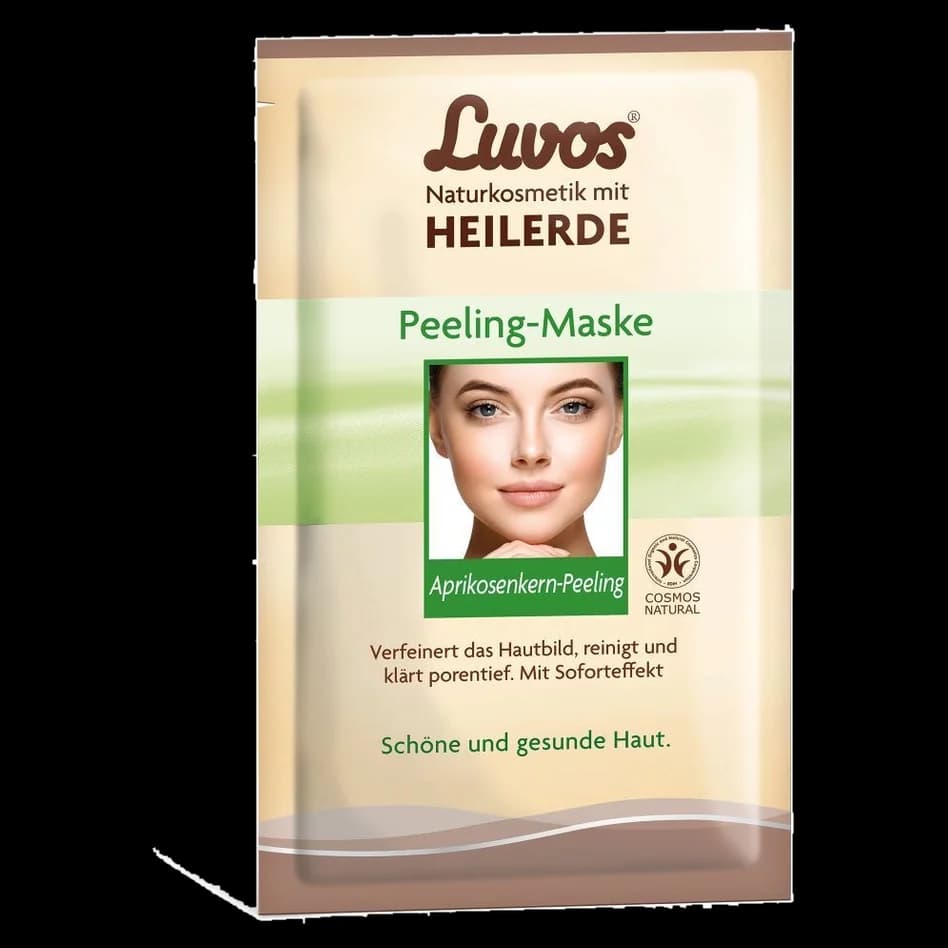
Luvos-Heilerde
Peeling-Maske
21st of 29 on the label
below ≈1%
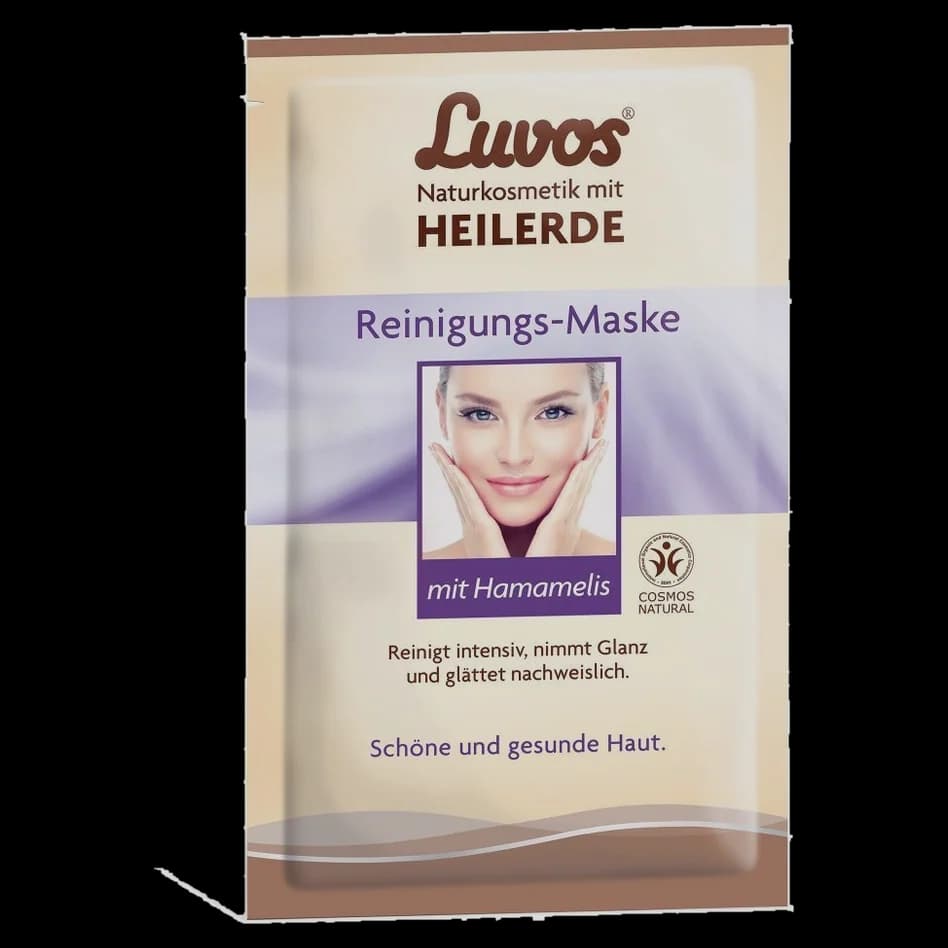
Luvos-Heilerde
Reinigungs-Maske
22nd of 28 on the label
below ≈1%
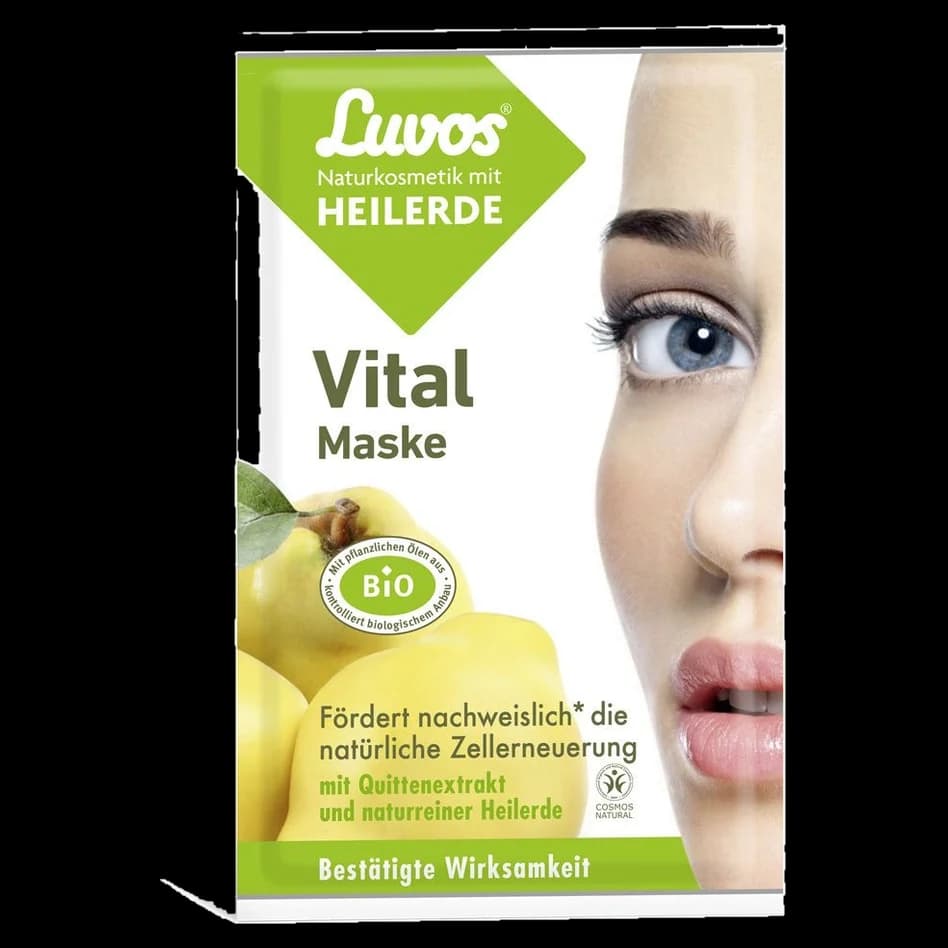
Luvos-Heilerde
Vital-Maske
23rd of 30 on the label
below ≈1%
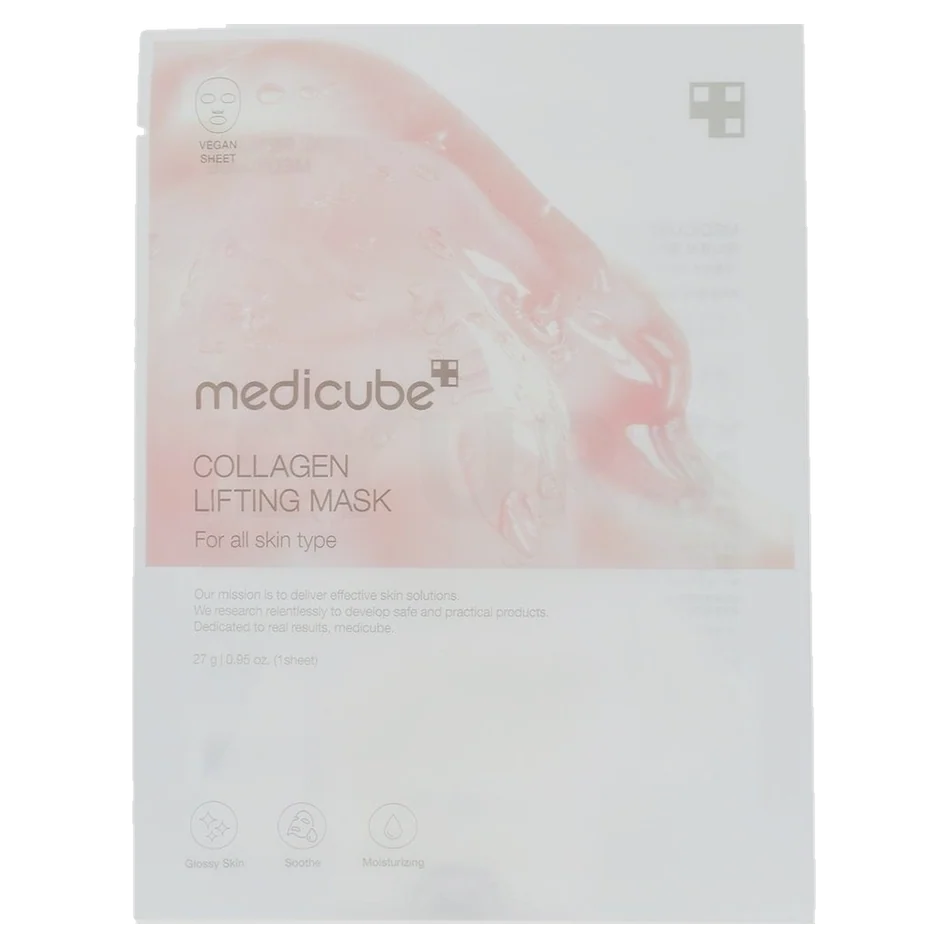
Medicube
Collagen Lifting Mask
13th of 39 on the label
below ≈1%
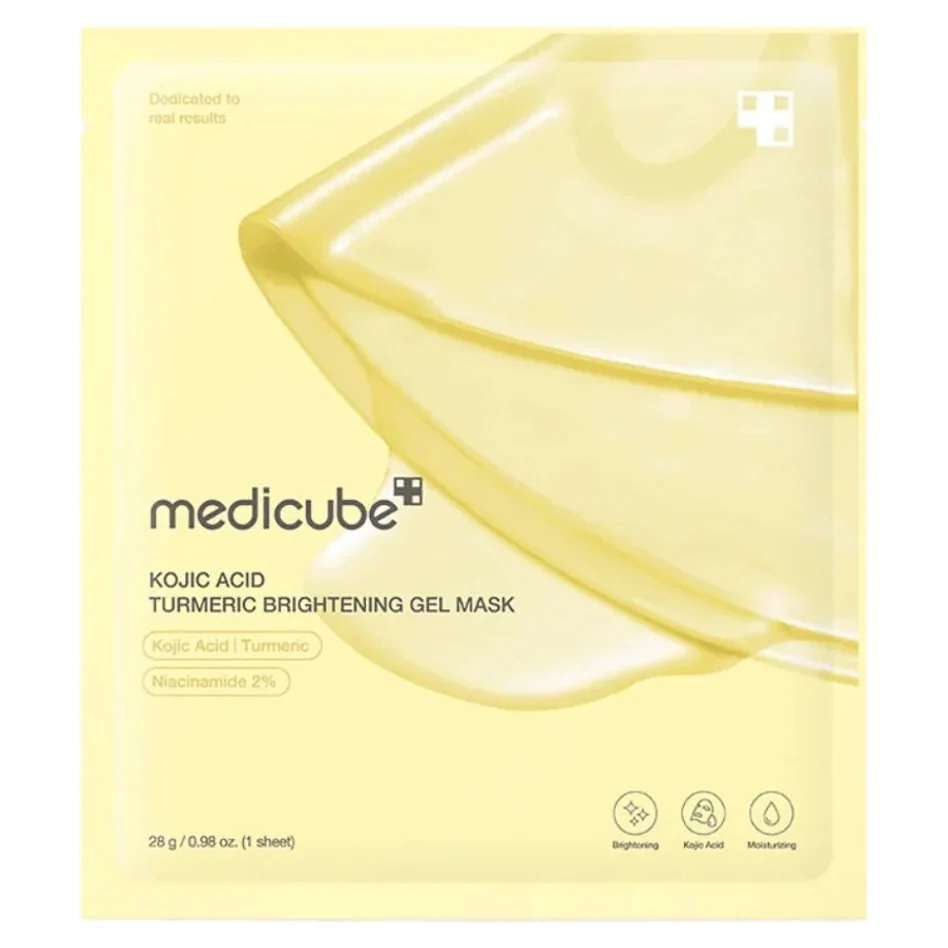
Medicube
Kojic Acid Turmeric Brightening Gel Mask
17th of 35 on the label
below ≈1%
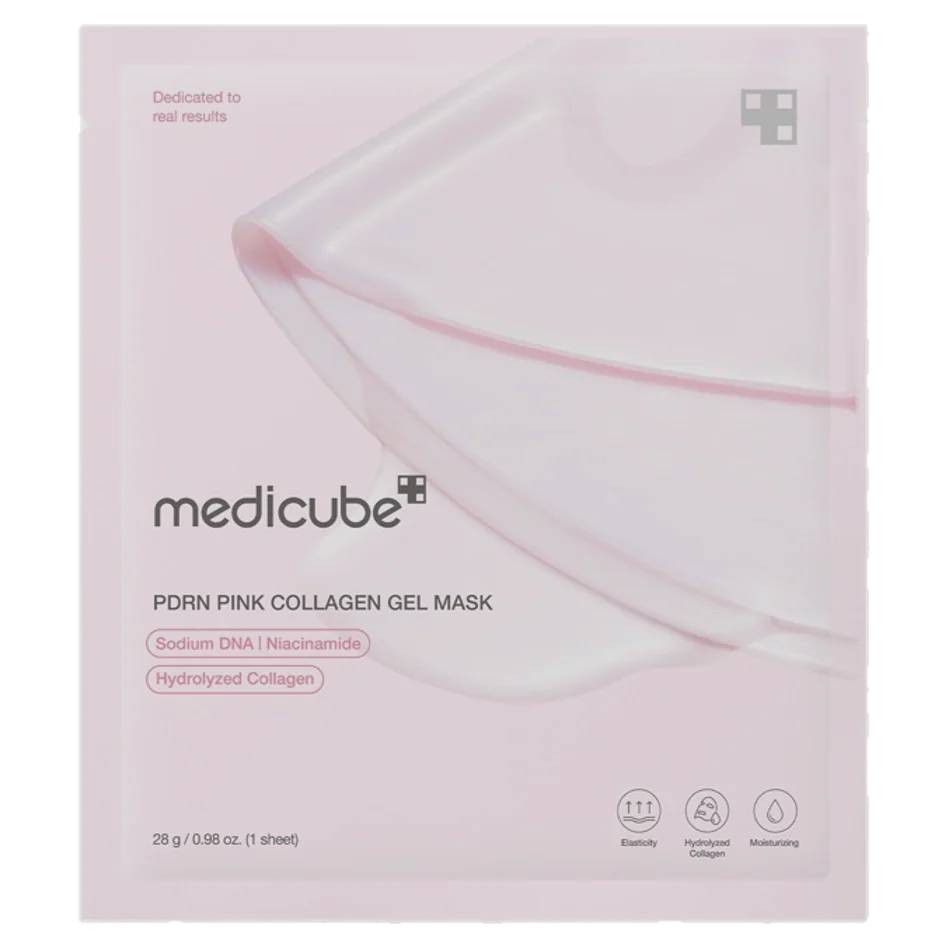
Medicube
PDRN Pink Collagen Gel Mask
21st of 43 on the label
below ≈1%
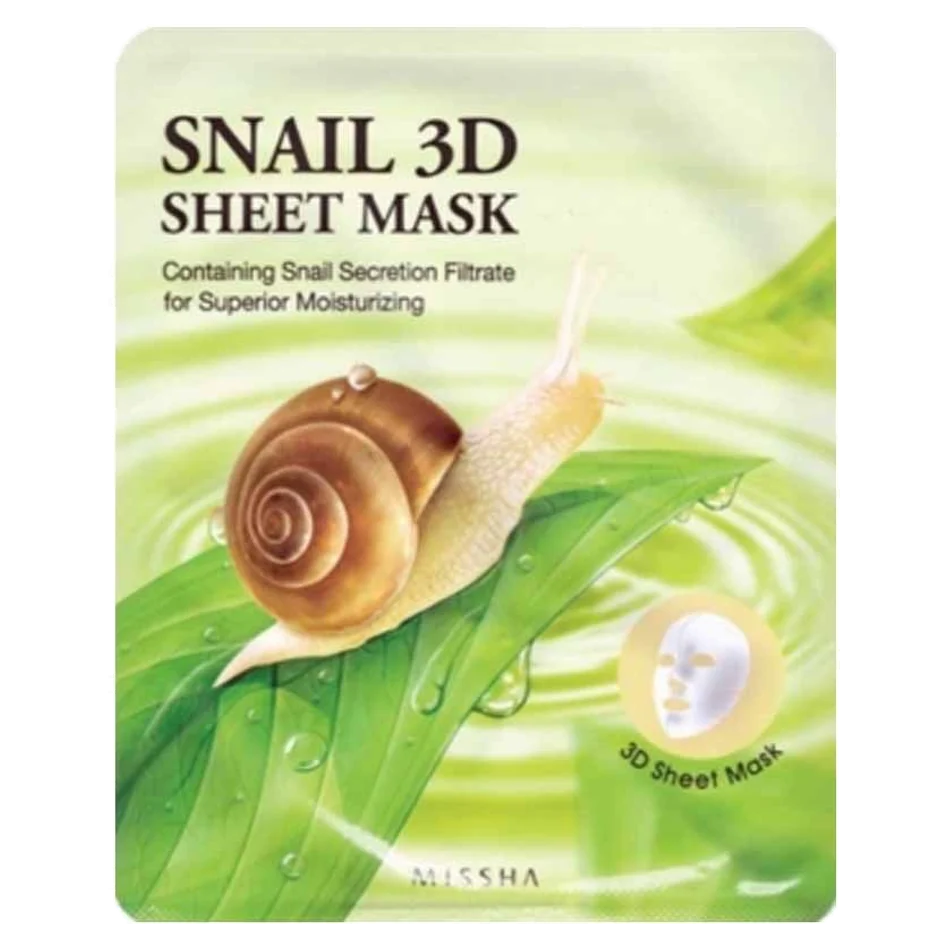
MISSHA
Snail 3D Sheet Mask
25th of 25 on the label
below ≈1%
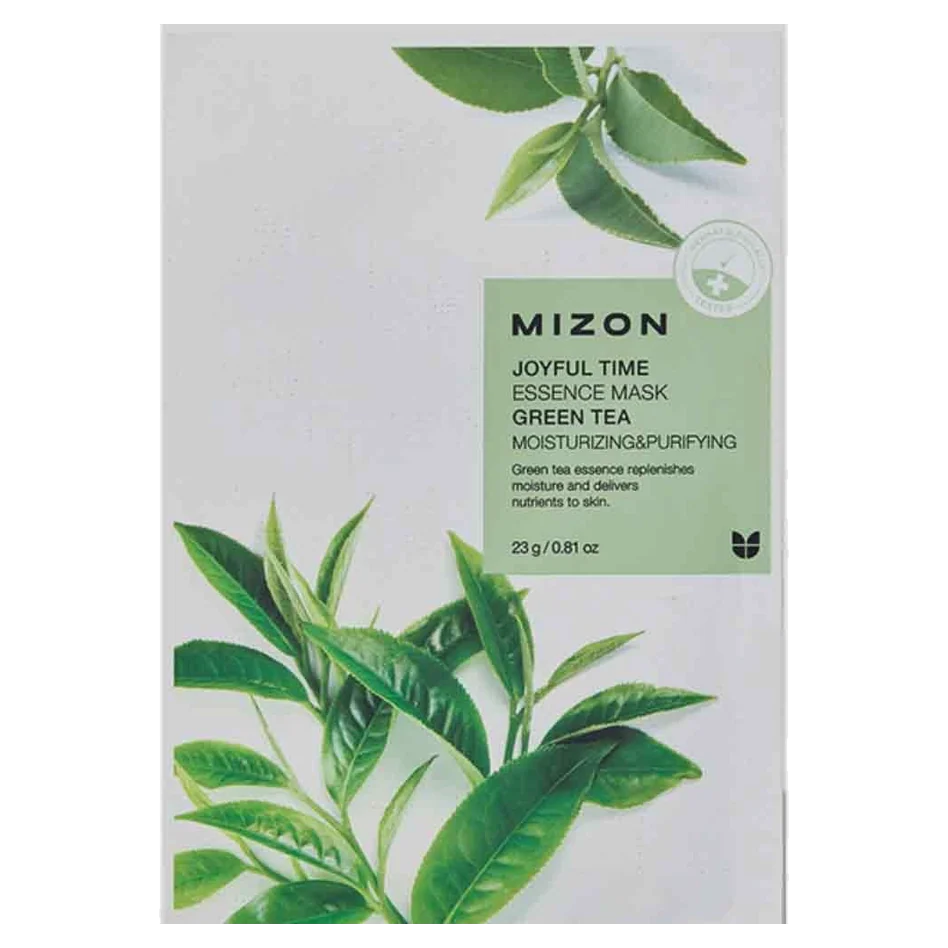
MIZON
Joyful Time Essence Mask Green Tea
26th of 26 on the label
below ≈1%
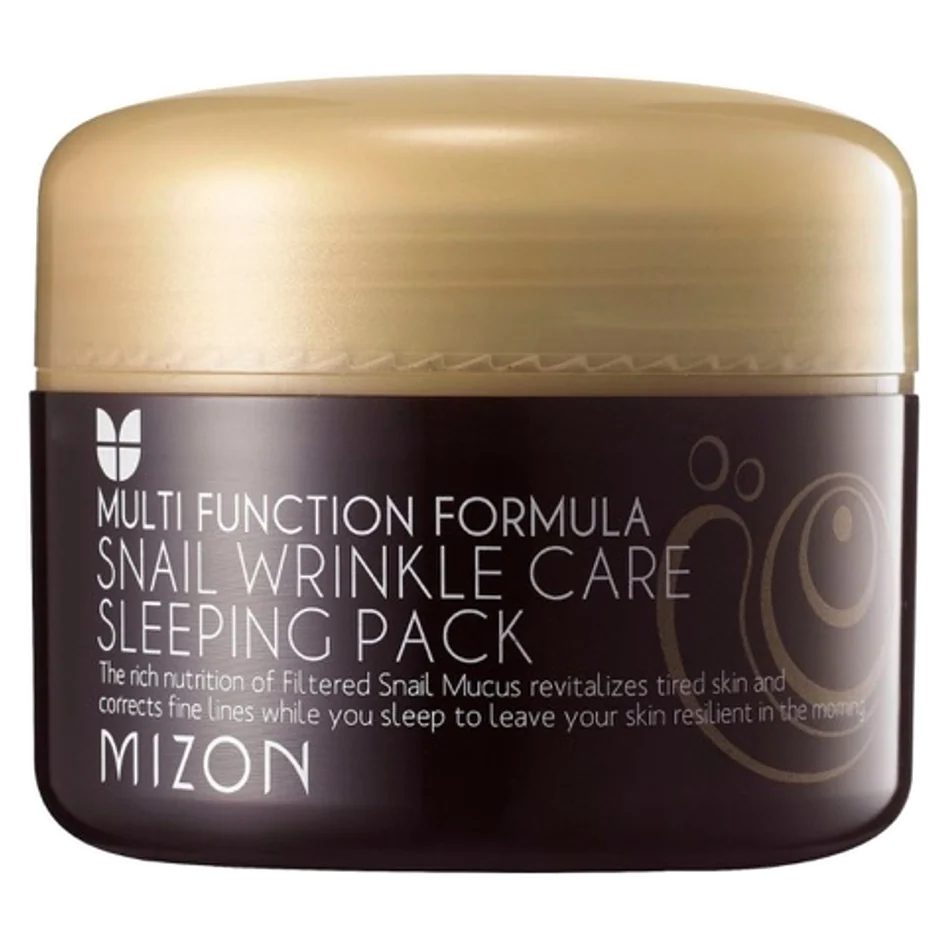
MIZON
Snail Wrinkle Care Sleeping Pack
31st of 31 on the label
below ≈1%
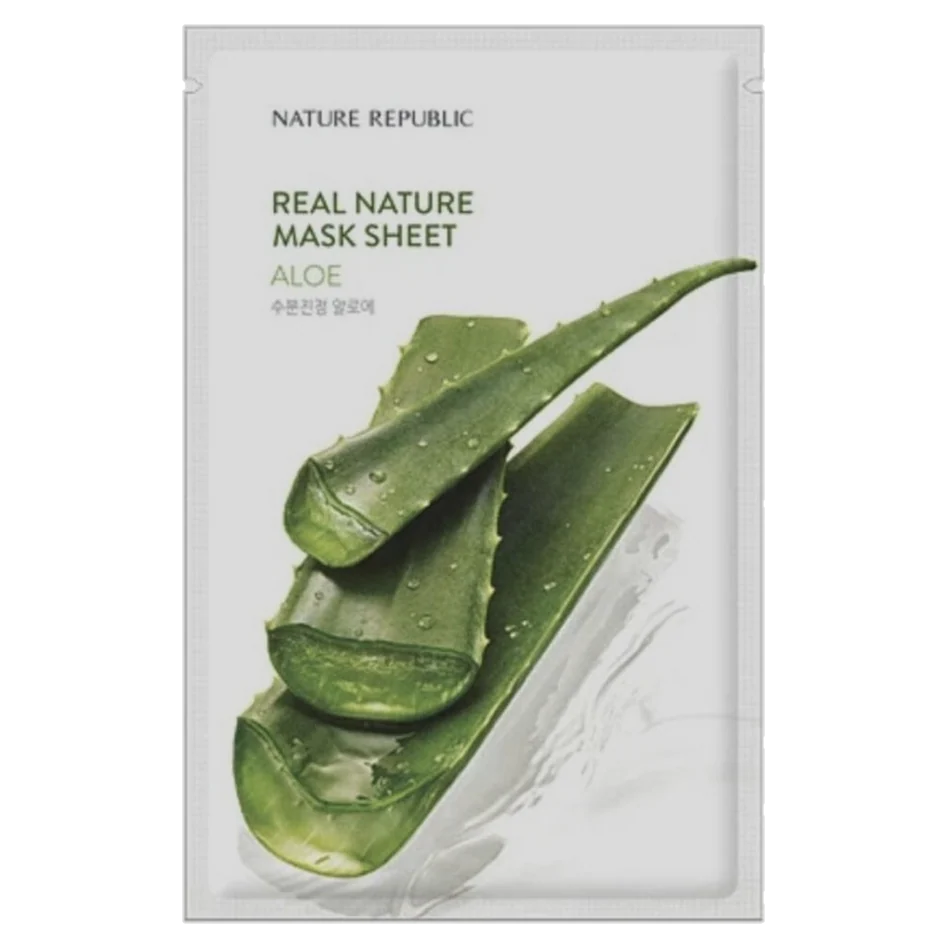
Nature Republic
Real Nature Aloe Sheet Mask
23rd of 23 on the label
below ≈1%
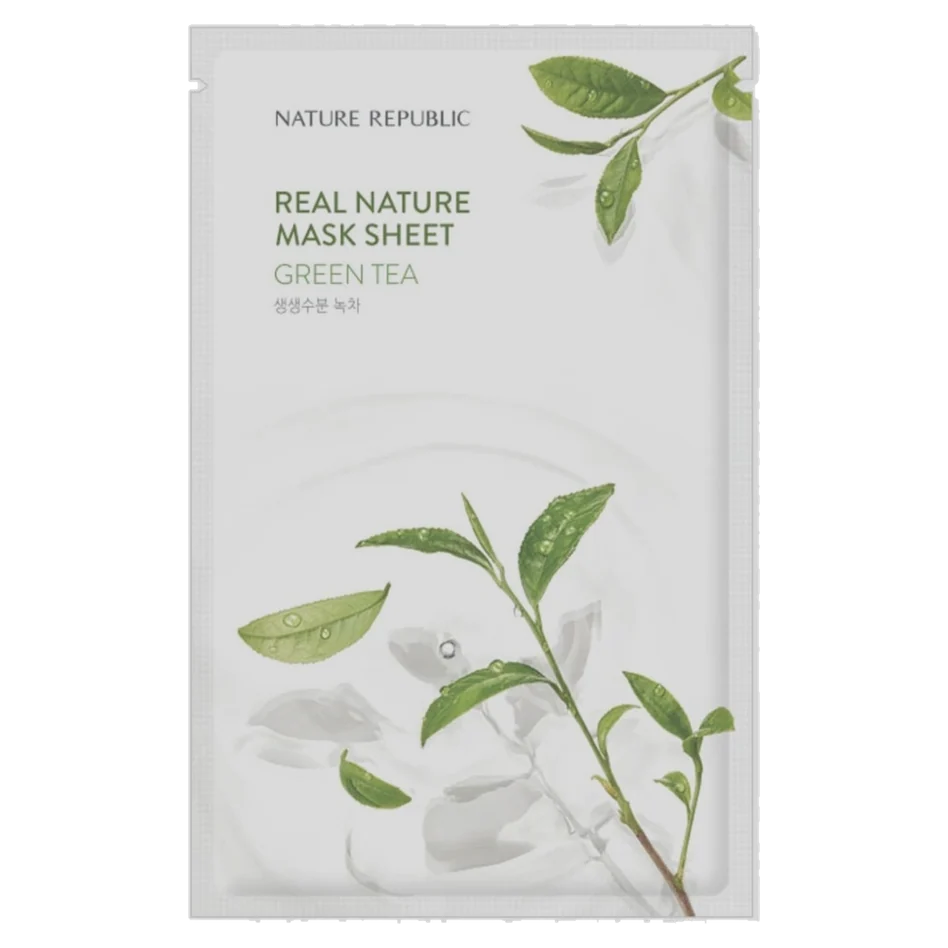
Nature Republic
Real Nature Green Tea Sheet Mask
22nd of 23 on the label
below ≈1%
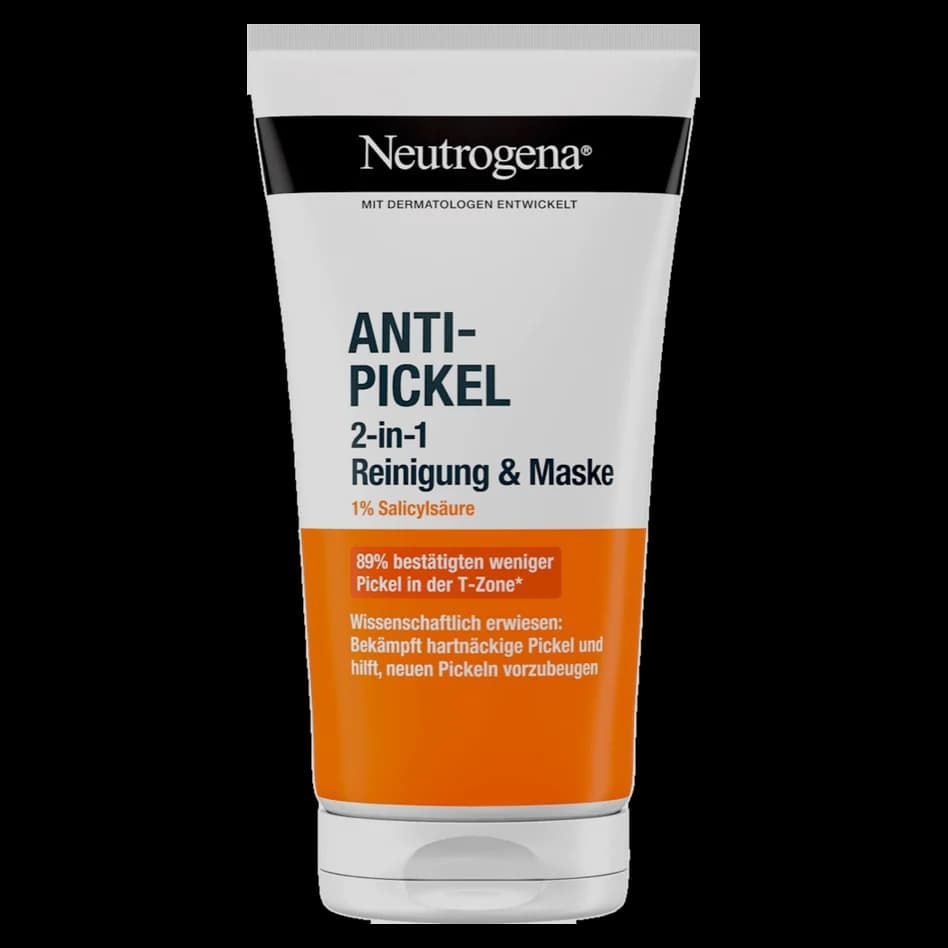
Neutrogena
Anti Pickel Gesichtsmaske 2in1
23rd of 23 on the label
below ≈1%
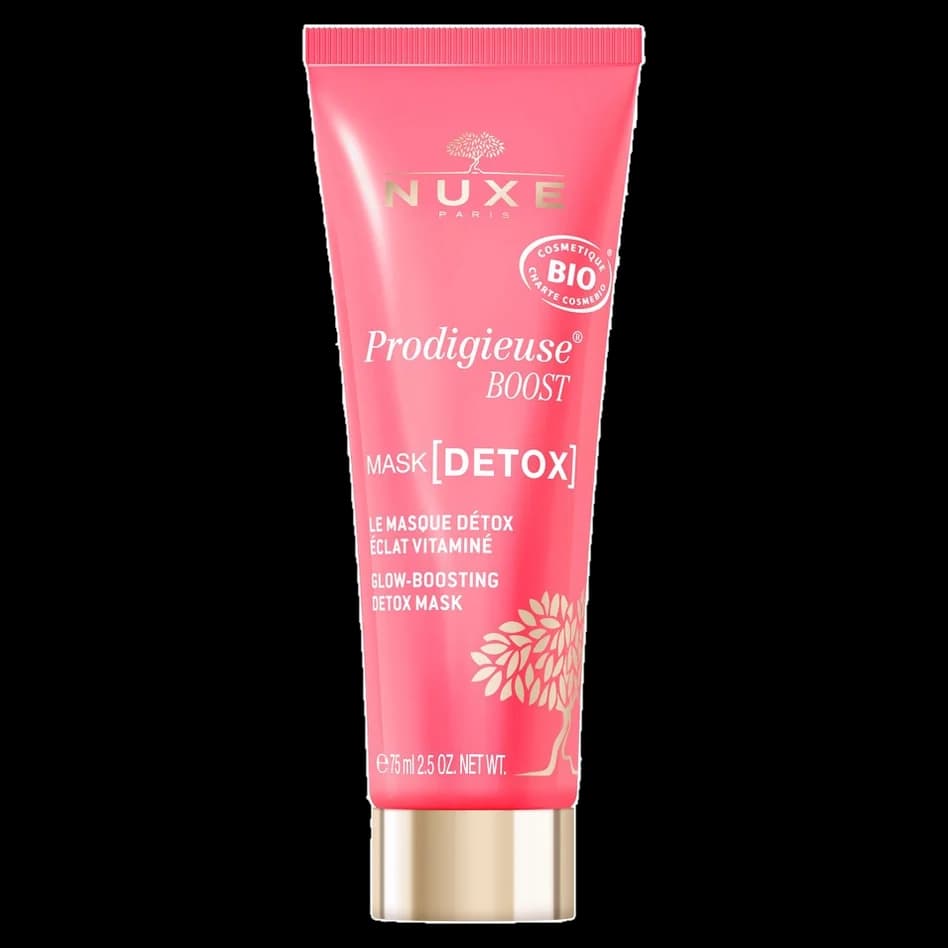
NUXE
Prodigieuse Boost Clarifying Detox Mask
7th of 14 on the label
below ≈1%
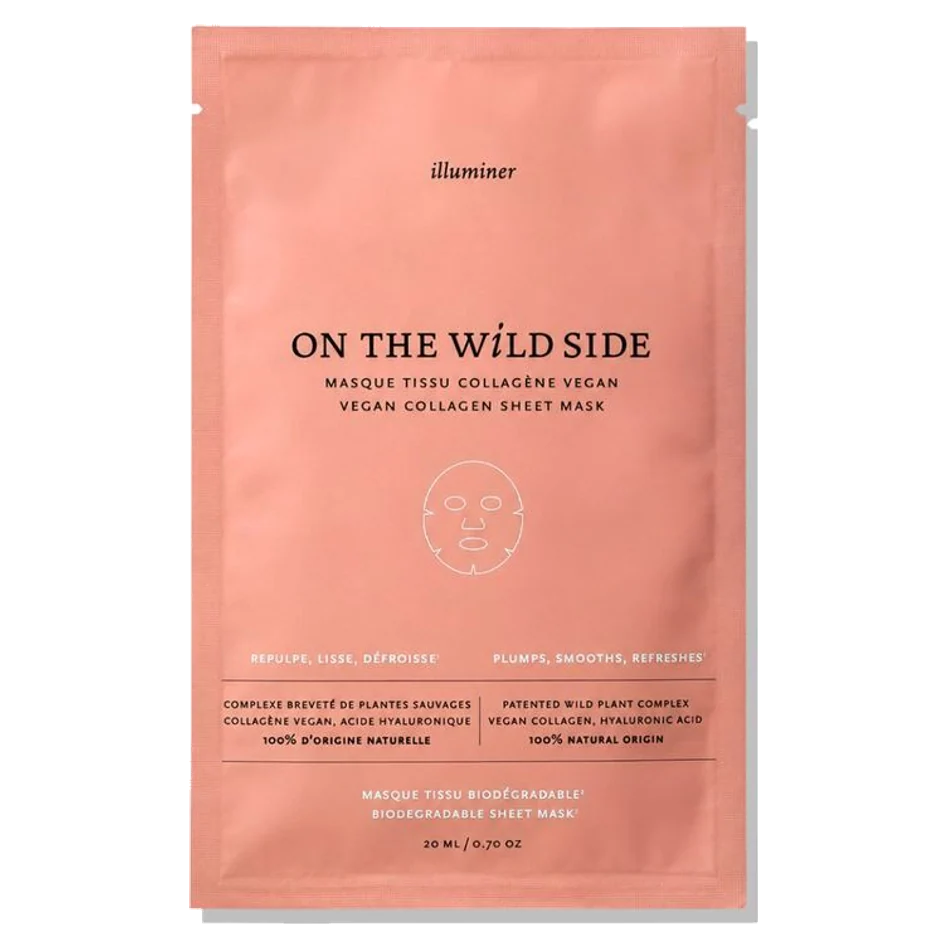
On The Wild Side
Sheet Mask Bio Cellulose Collagène Vegan
13th of 24 on the label
below ≈1%
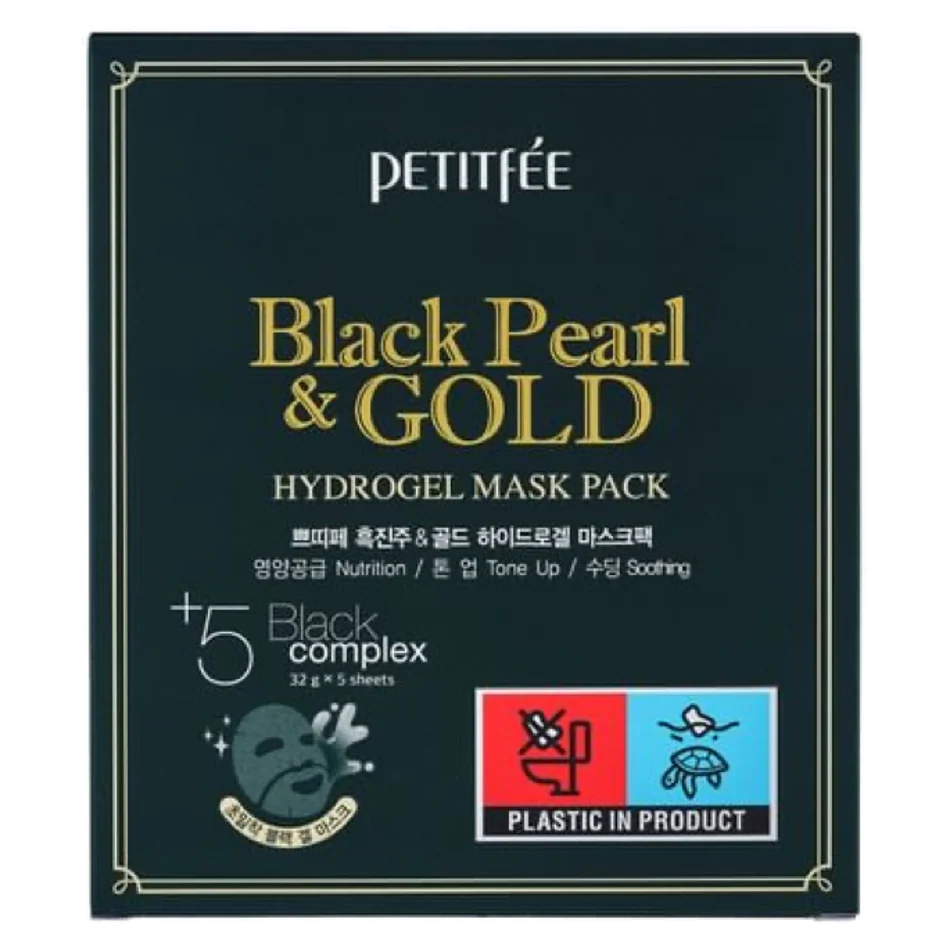
Petitfee
Black Pearl & Gold Hydrogel Mask Pack
33rd of 33 on the label
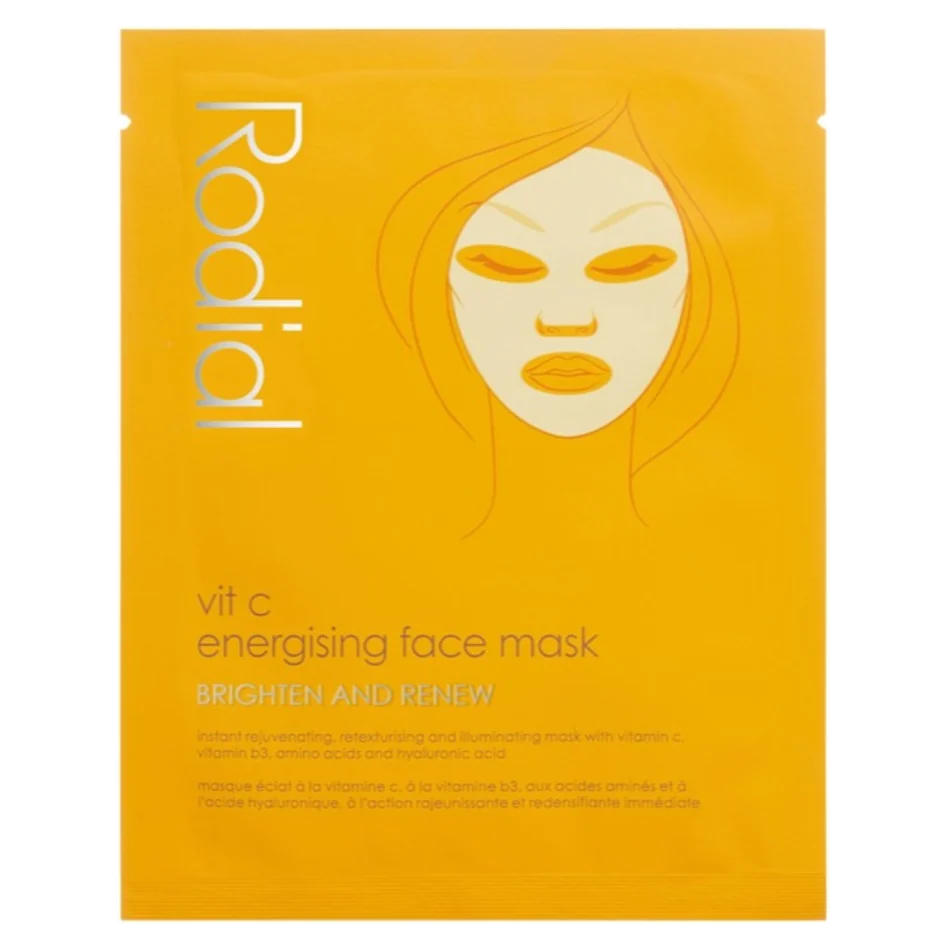
Rodial
Vit C Energising Face Mask
23rd of 30 on the label
below ≈1%
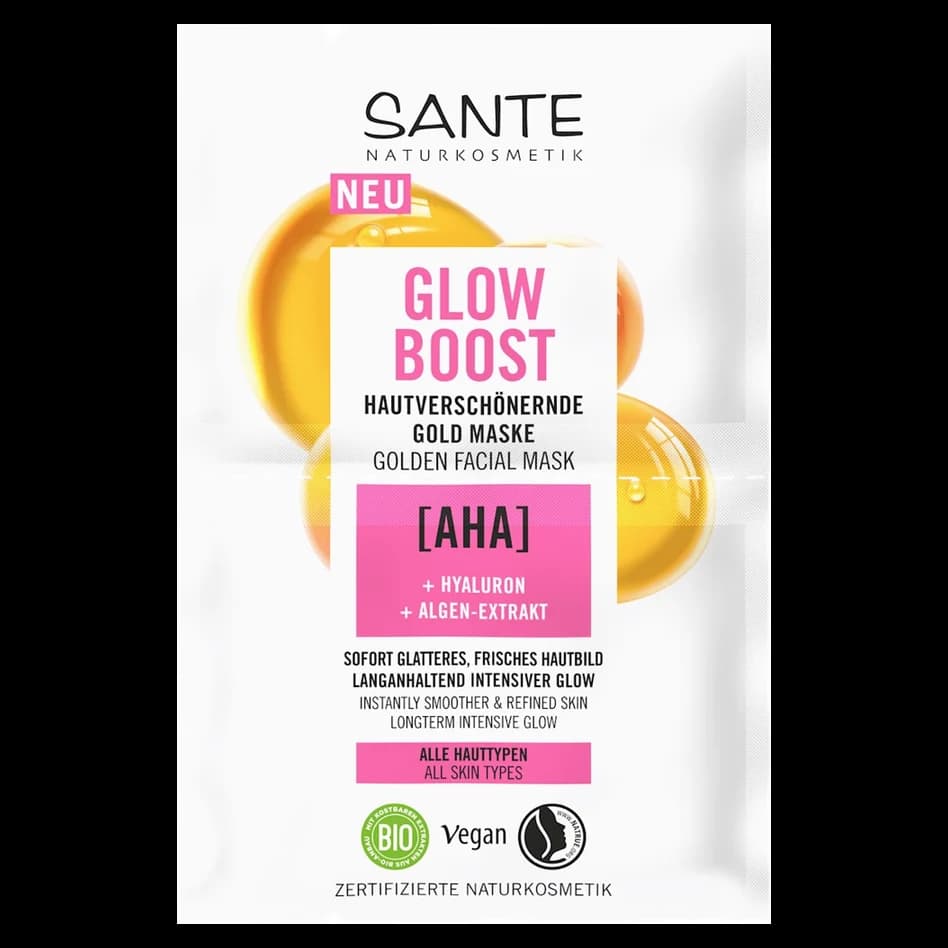
Santé Naturkosmetik
Glow Boost Maske AHA
23rd of 29 on the label
below ≈1%
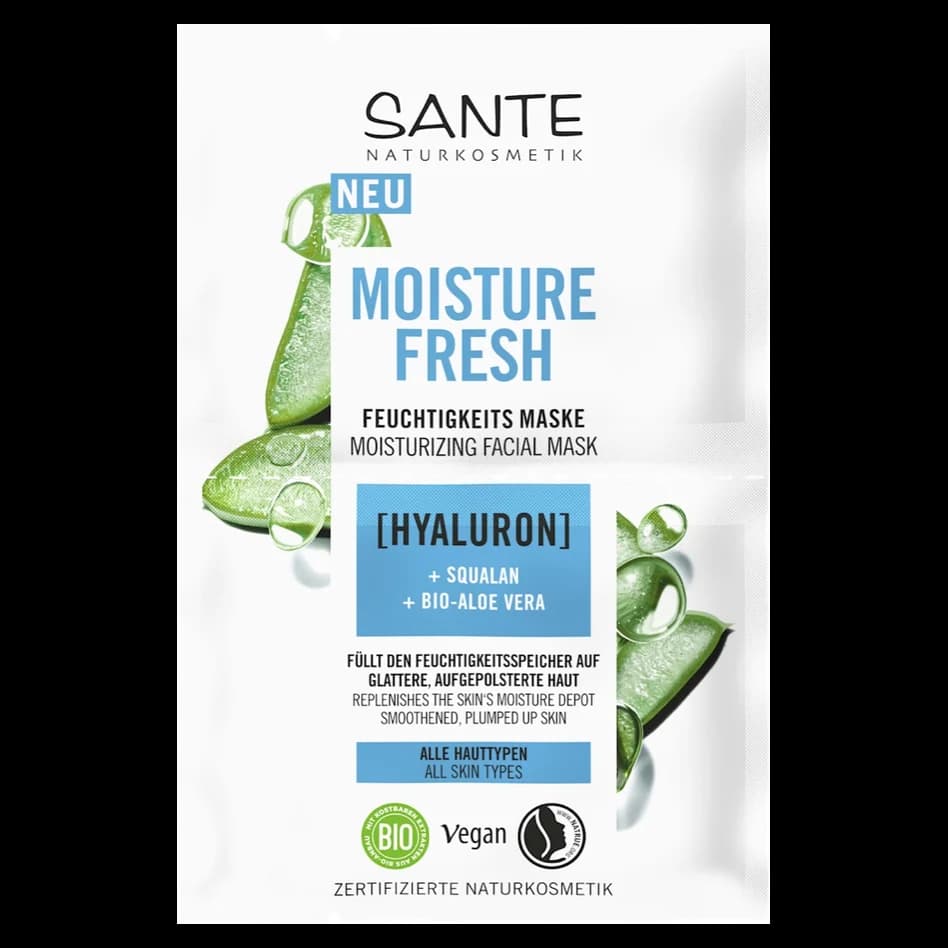
Santé Naturkosmetik
Moisture Fresh Maske Hyaluron
20th of 24 on the label
below ≈1%
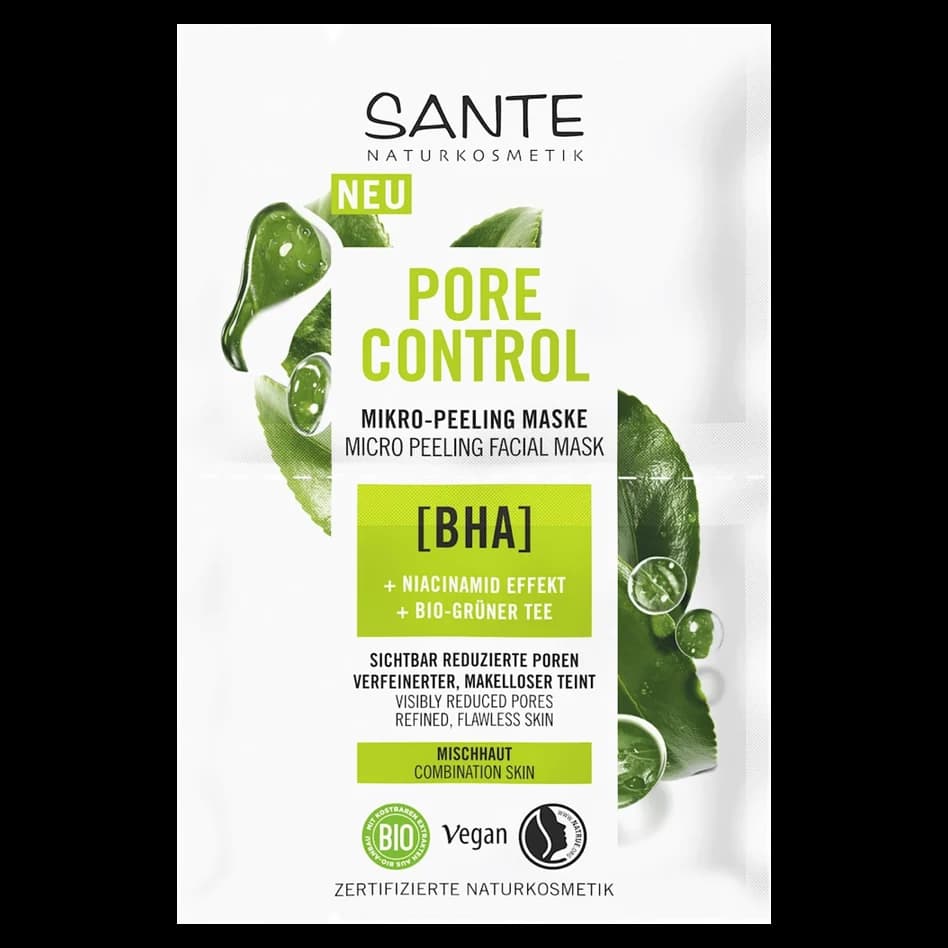
Santé Naturkosmetik
Pore Control Maske BHA
28th of 29 on the label
below ≈1%
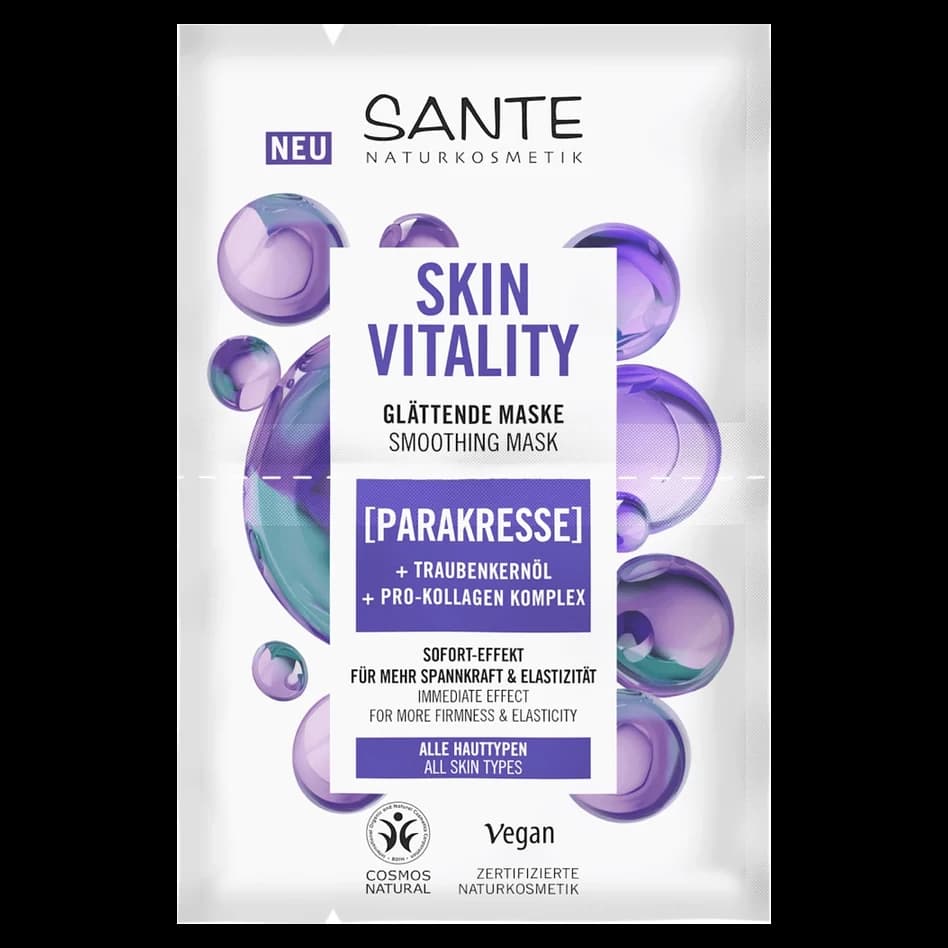
Santé Naturkosmetik
Skin Vitality Maske Parakresse
27th of 33 on the label
below ≈1%
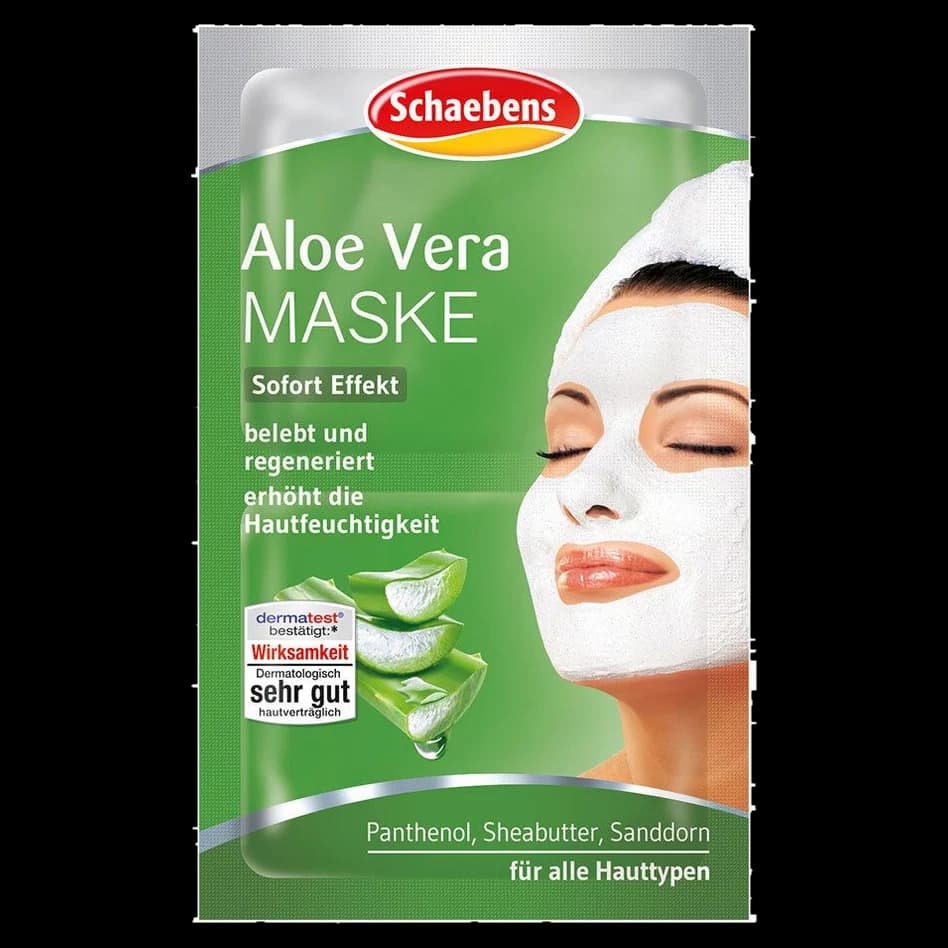
Schaebens
Aloe Vera Maske
22nd of 34 on the label
below ≈1%
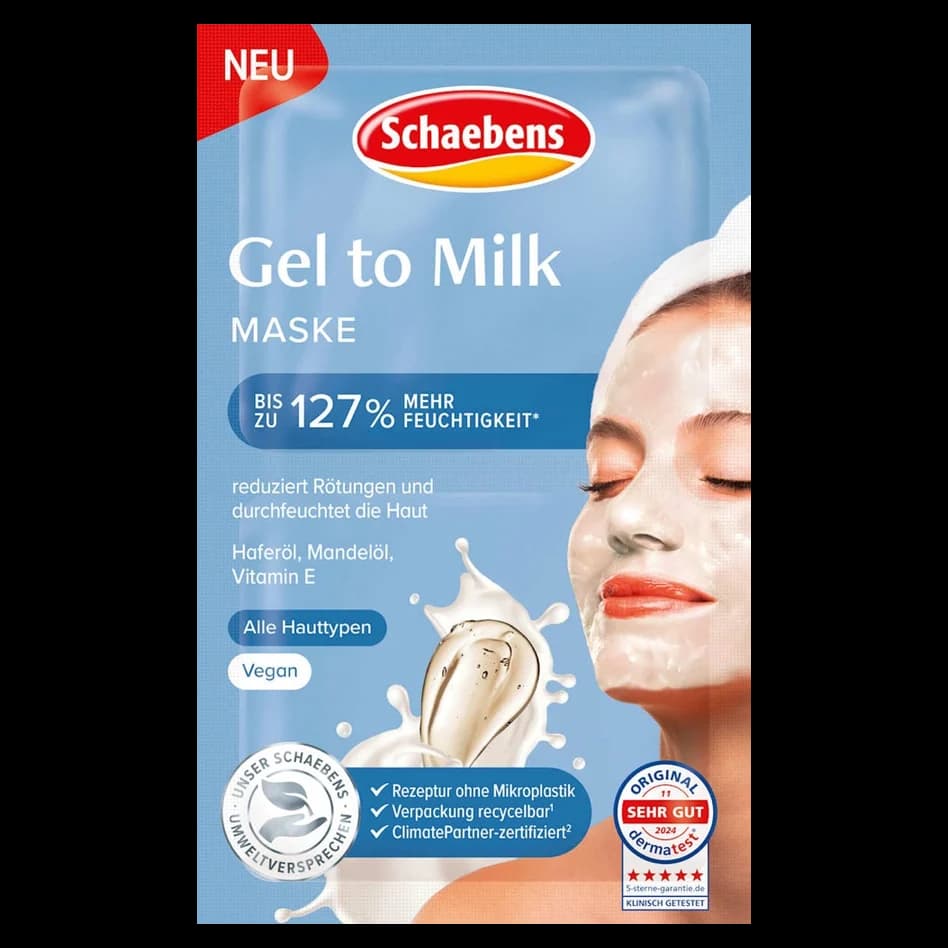
Schaebens
Gesichtscrememaske Gel to Milk
18th of 21 on the label
below ≈1%
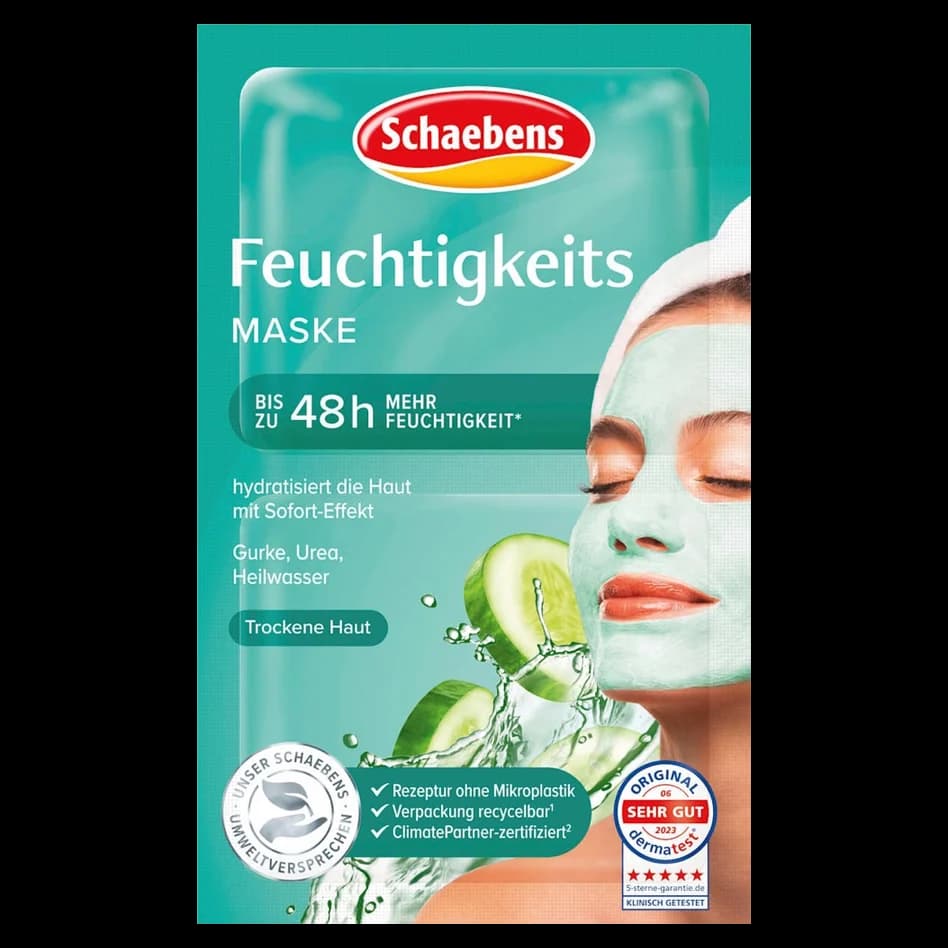
Schaebens
Gesichtsmaske Feuchtigkeit Sofort-Effekt
26th of 38 on the label
below ≈1%
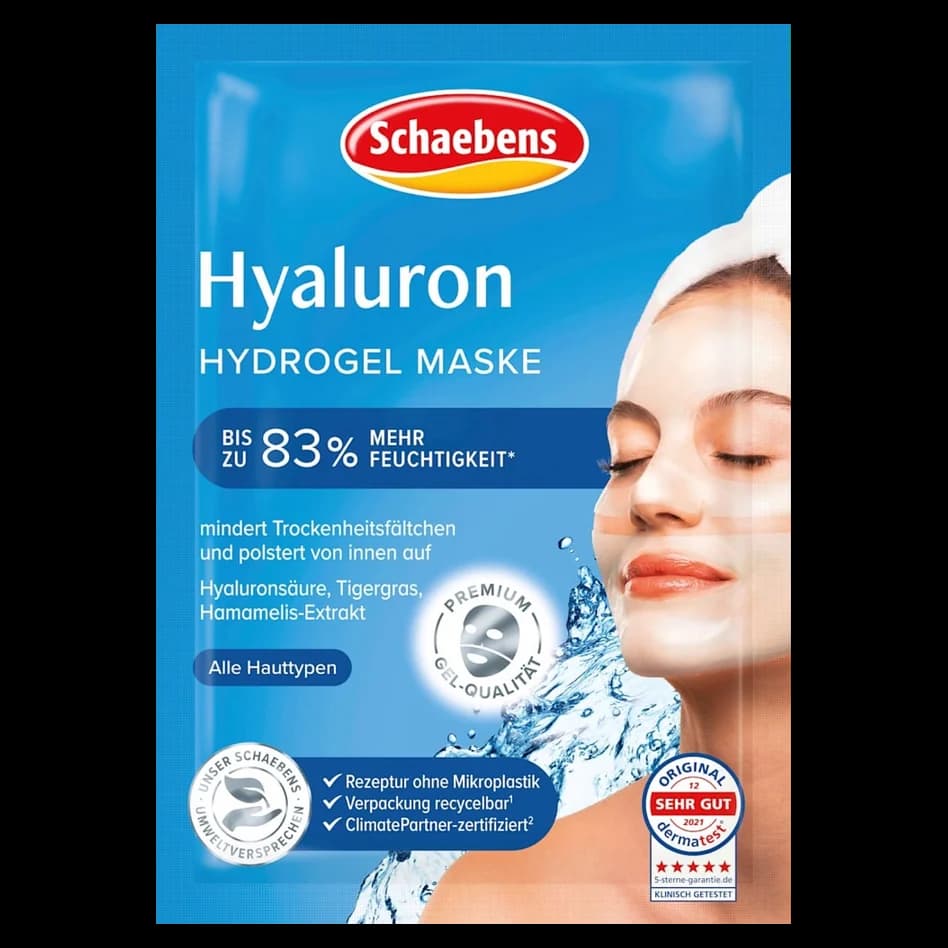
Schaebens
Gesichtsmaske Hyaluron Hydrogel
17th of 19 on the label
below ≈1%
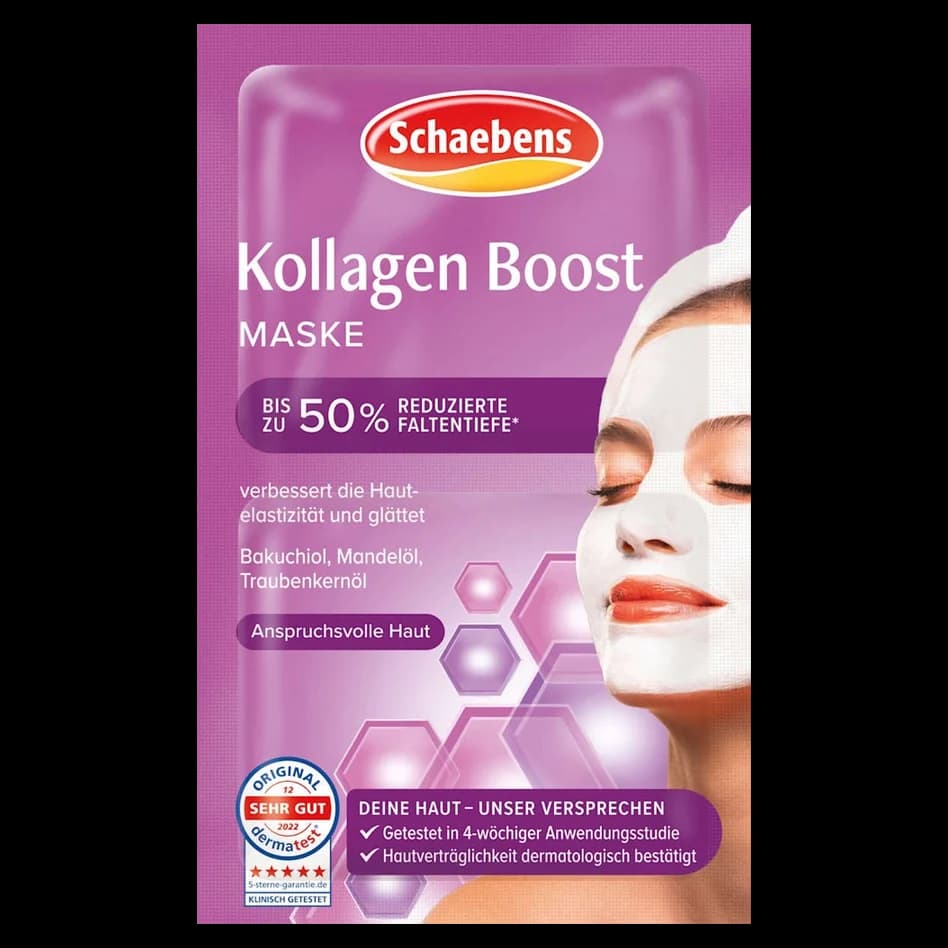
Schaebens
Gesichtsmaske Kollagen Boost
7th of 27 on the label
below ≈1%
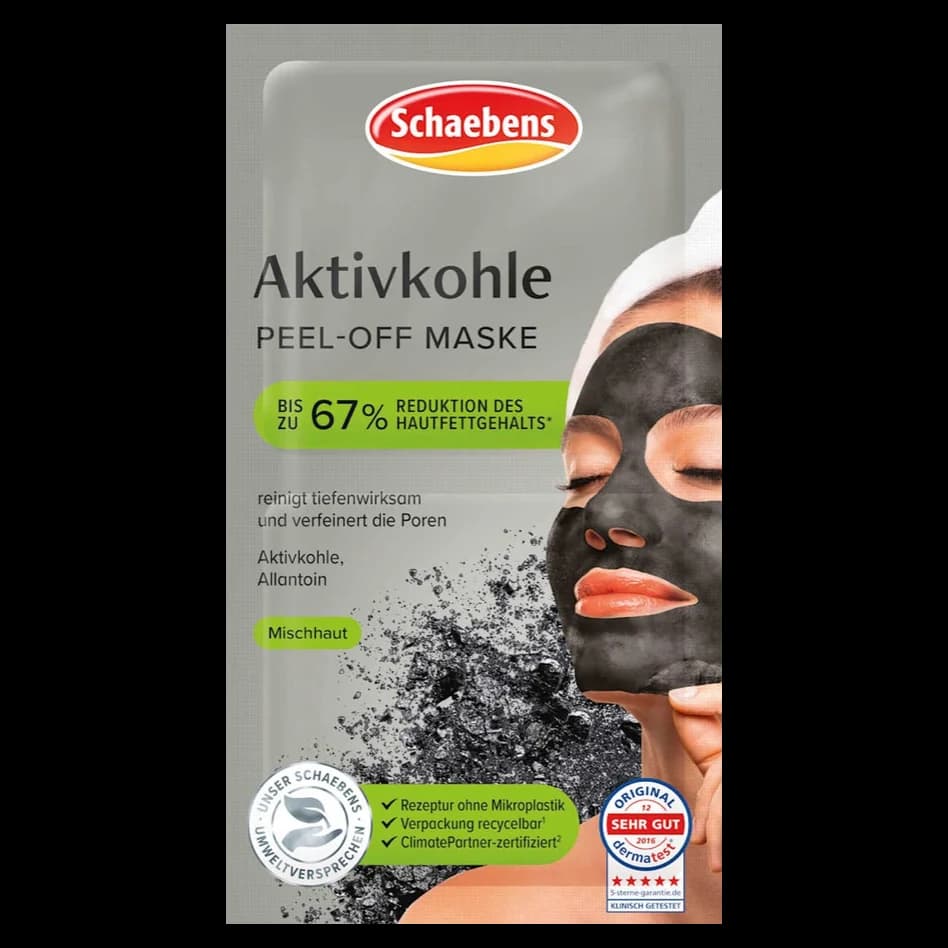
Schaebens
Gesichtsmaske peel off Aktivkohle
8th of 8 on the label
below ≈1%
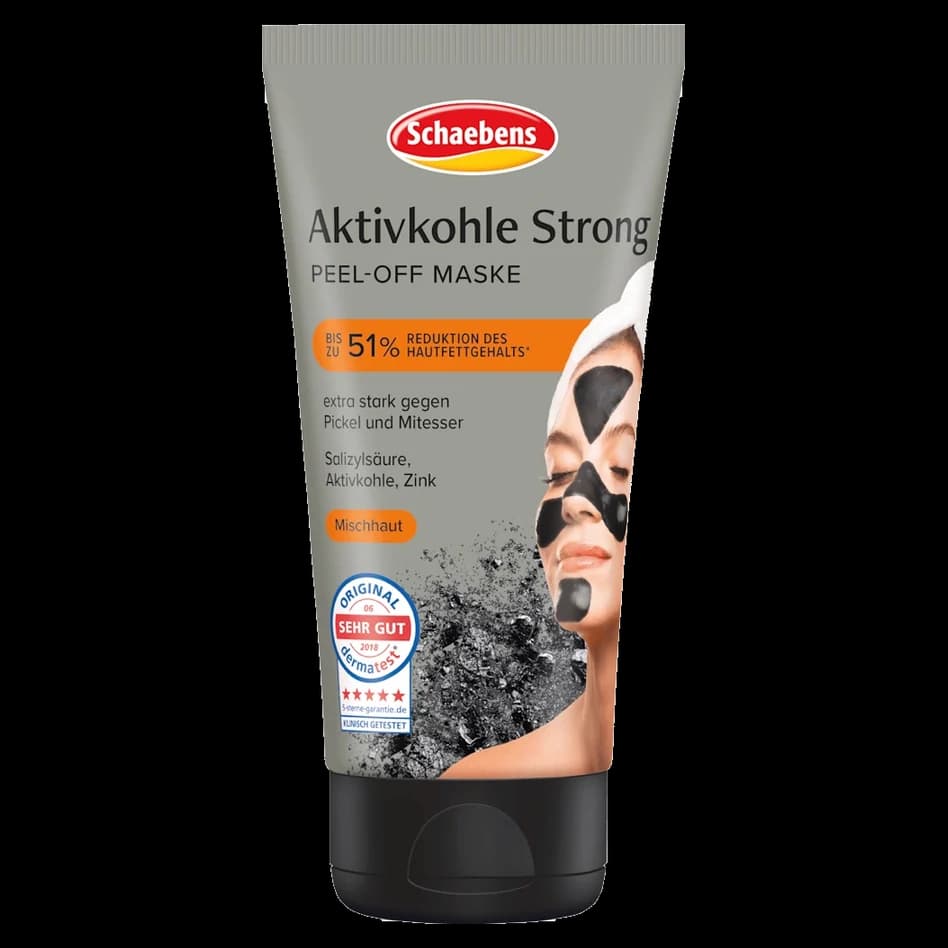
Schaebens
Gesichtsmaske peel off Aktivkohle Strong
15th of 20 on the label
below ≈1%
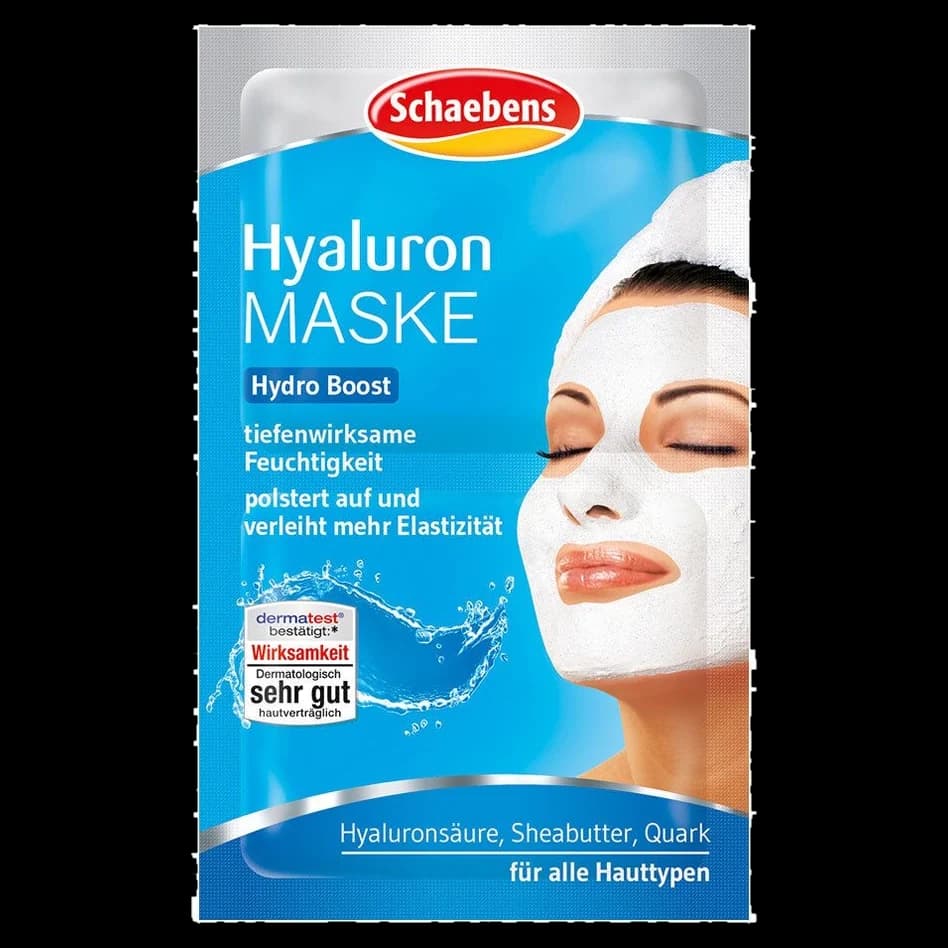
Schaebens
Hyaluron Maske
26th of 32 on the label
below ≈1%
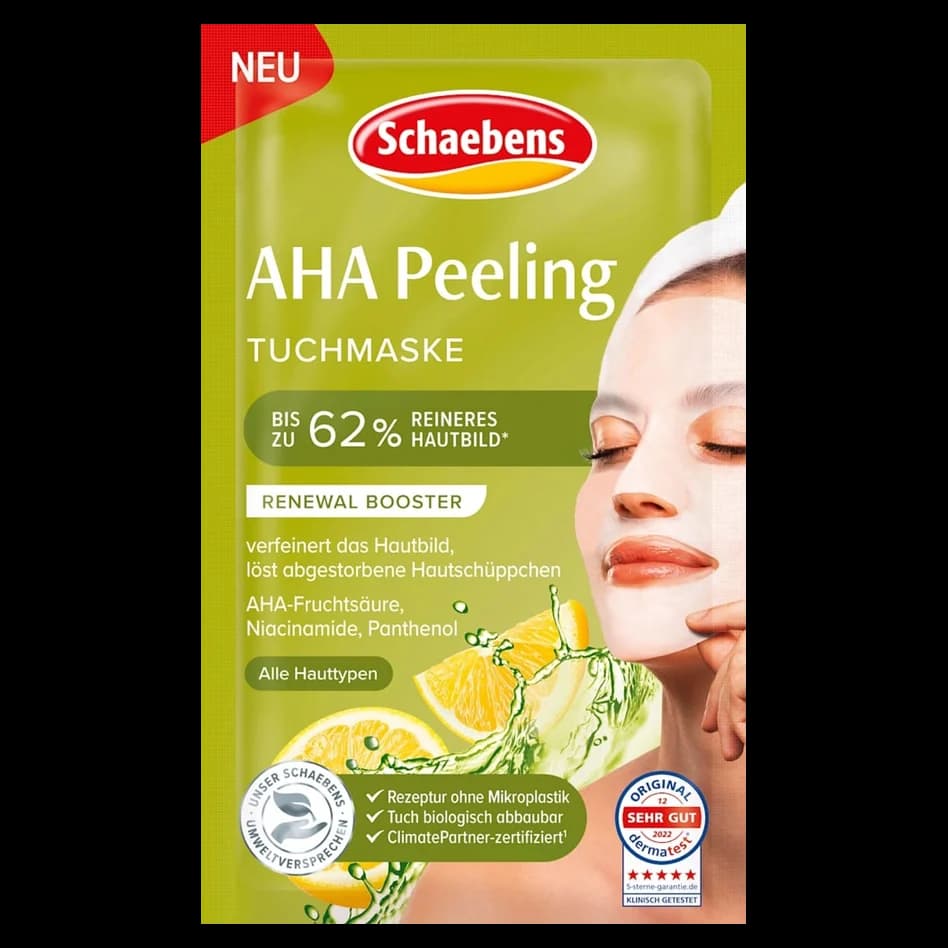
Schaebens
Tuchmaske AHA Peeling
15th of 17 on the label
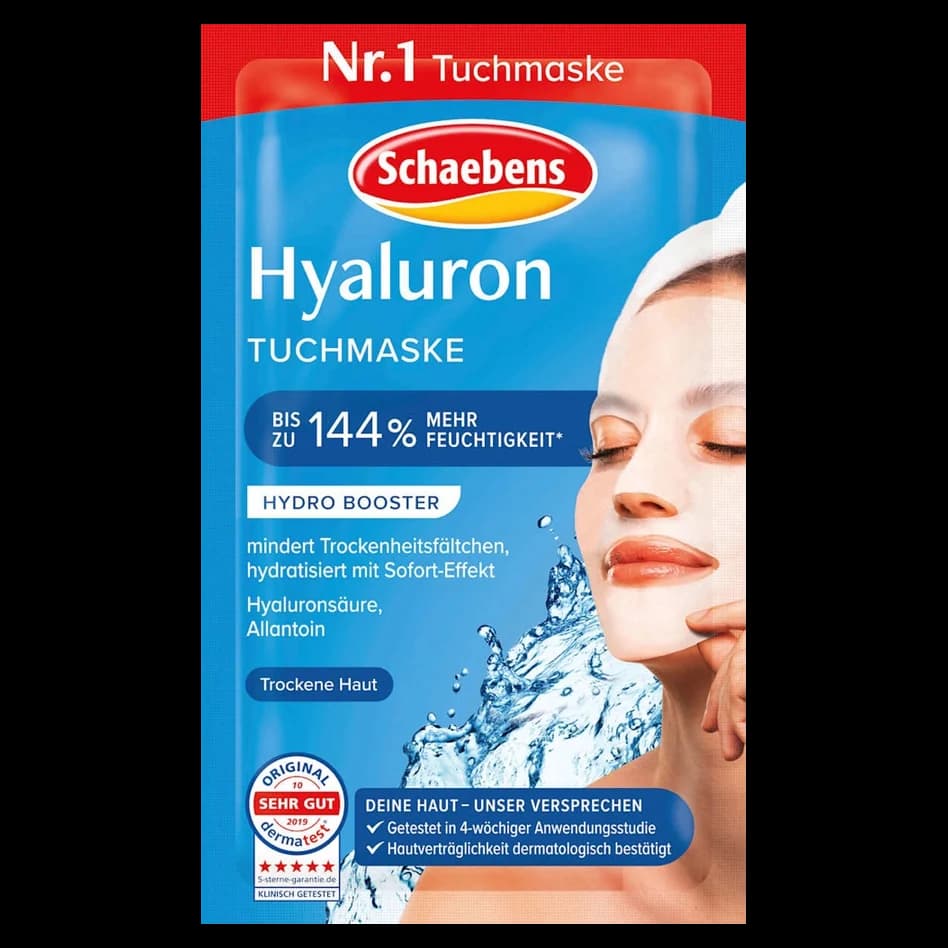
Schaebens
Tuchmaske Hyaluron
15th of 23 on the label
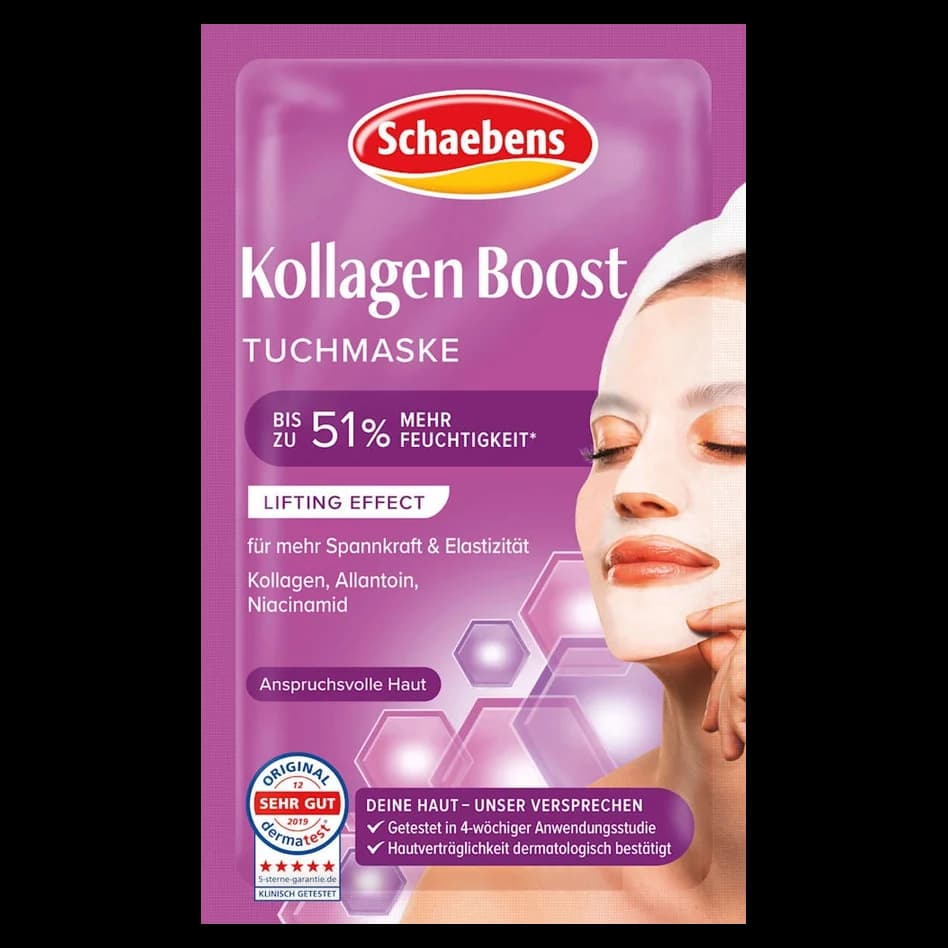
Schaebens
Tuchmaske Kollagen Boost
22nd of 27 on the label
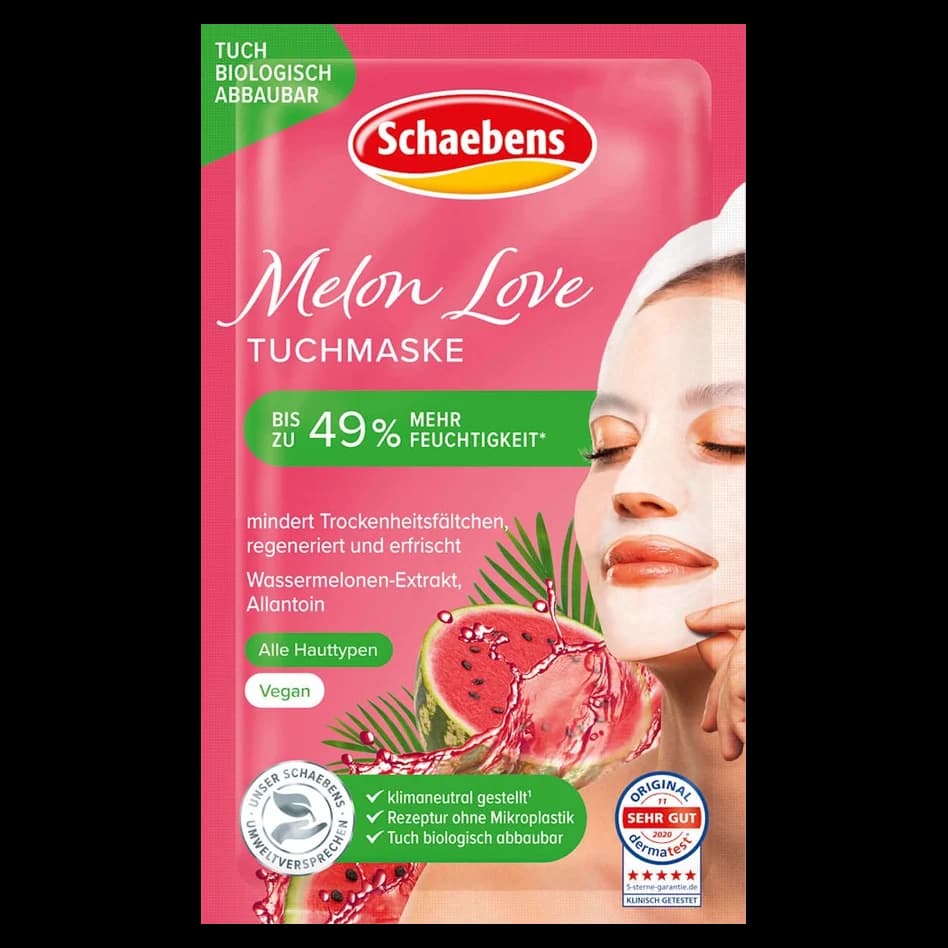
Schaebens
Tuchmaske Melon Love
34th of 45 on the label
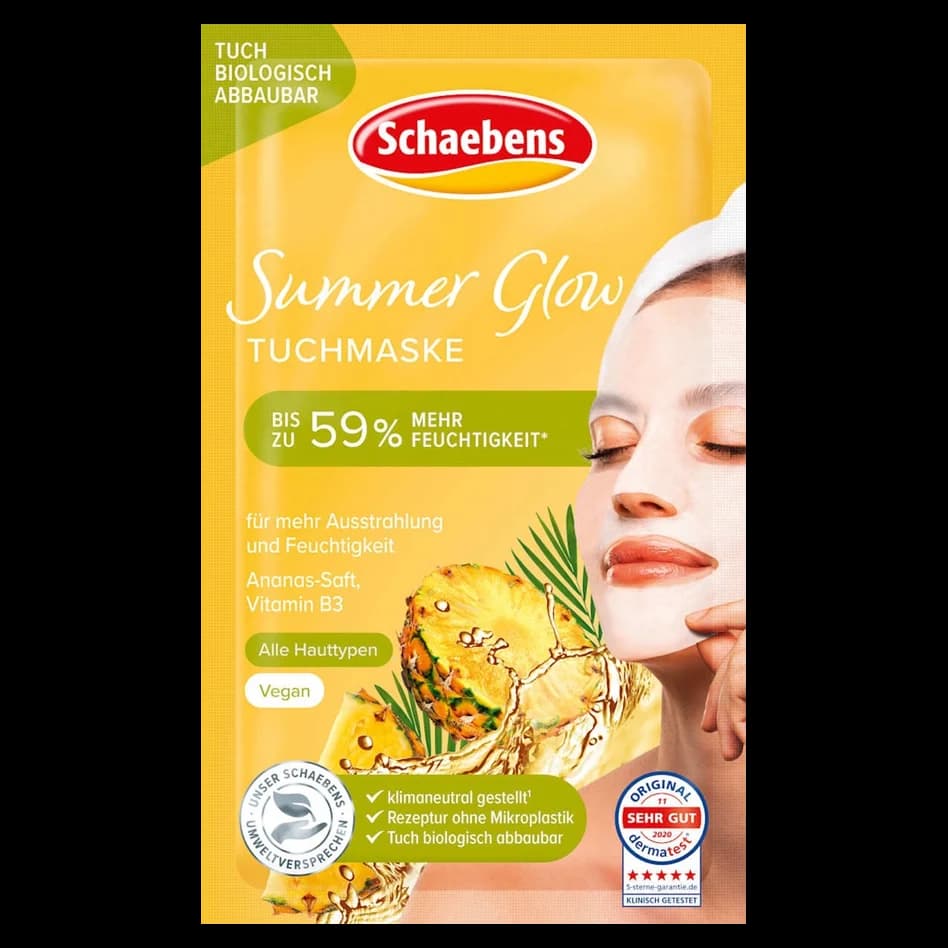
Schaebens
Tuchmaske Summer Glow
34th of 44 on the label
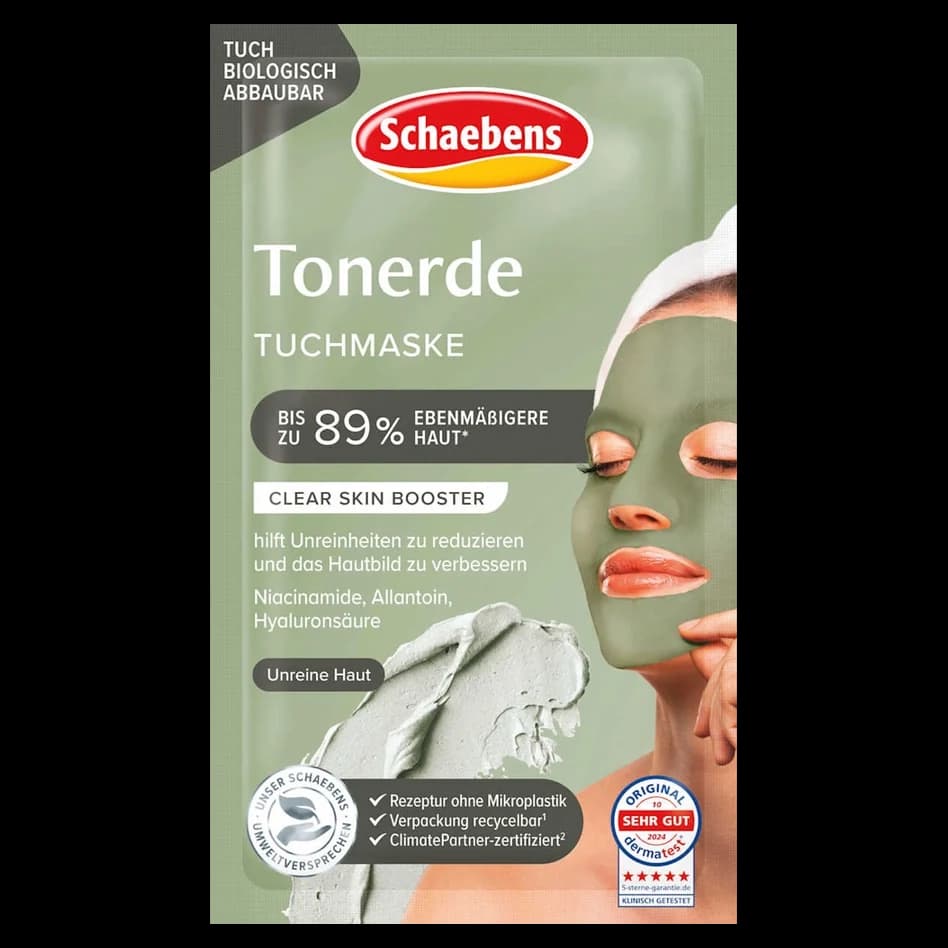
Schaebens
Tuchmaske Tonerde
26th of 35 on the label
below ≈1%
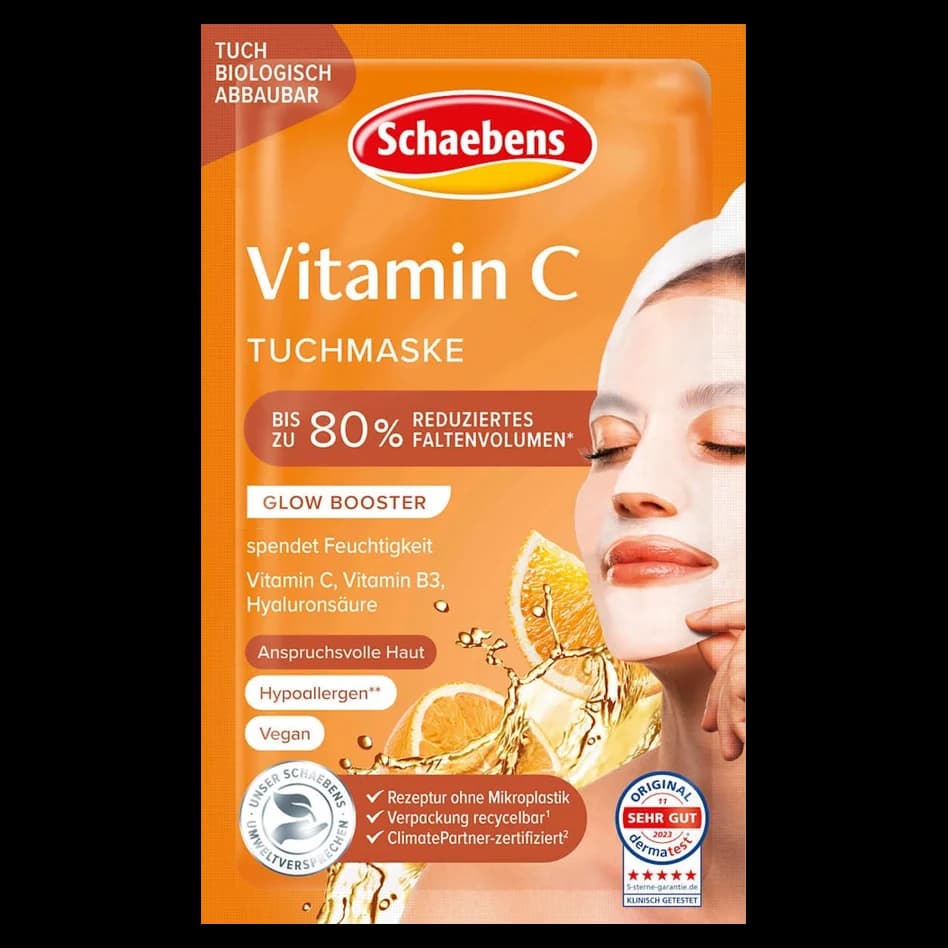
Schaebens
Tuchmaske Vitamin C
17th of 19 on the label
below ≈1%
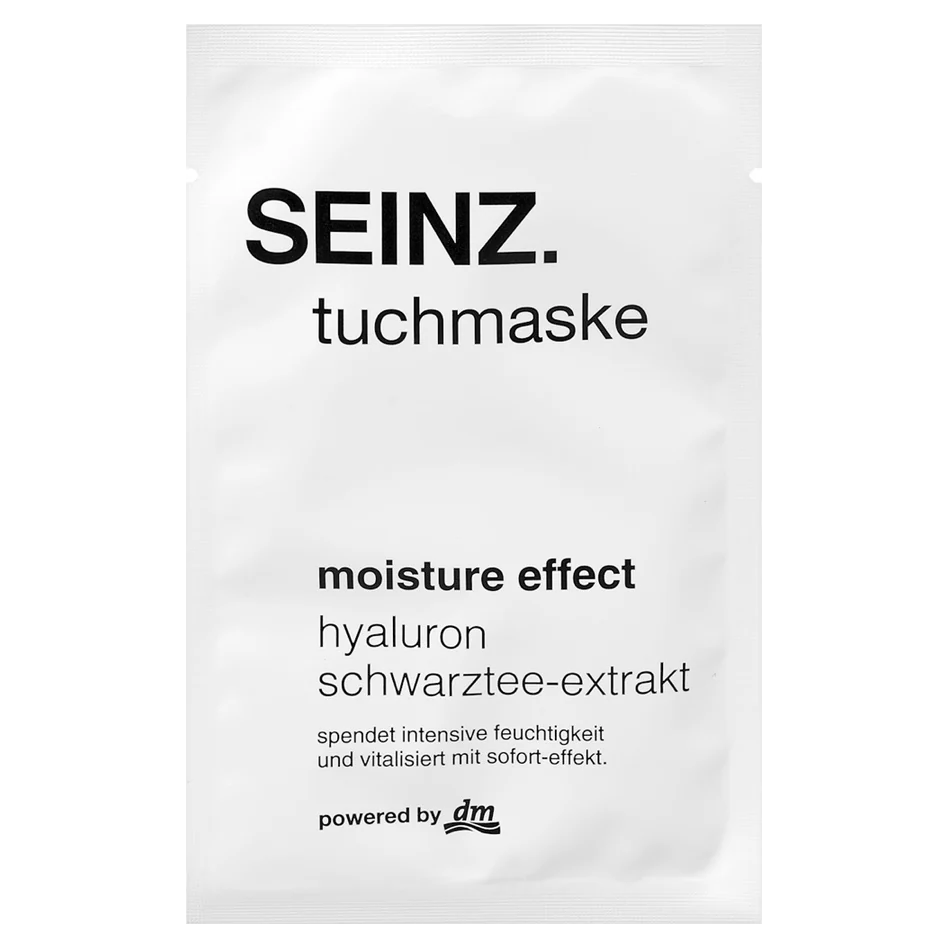
SEINZ.
Tuchmaske moisture effect
13th of 16 on the label
below ≈1%
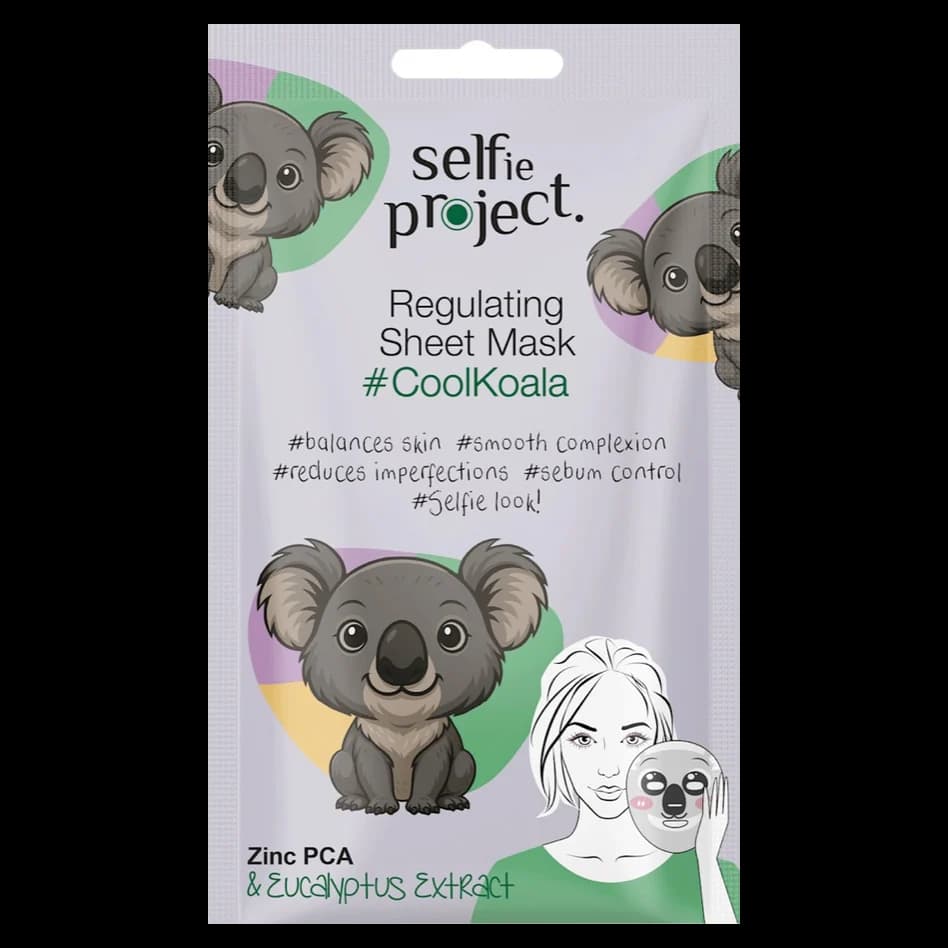
Selfie Project
Gesichtsmaske regulierend #CoolKoala
23rd of 27 on the label
below ≈1%
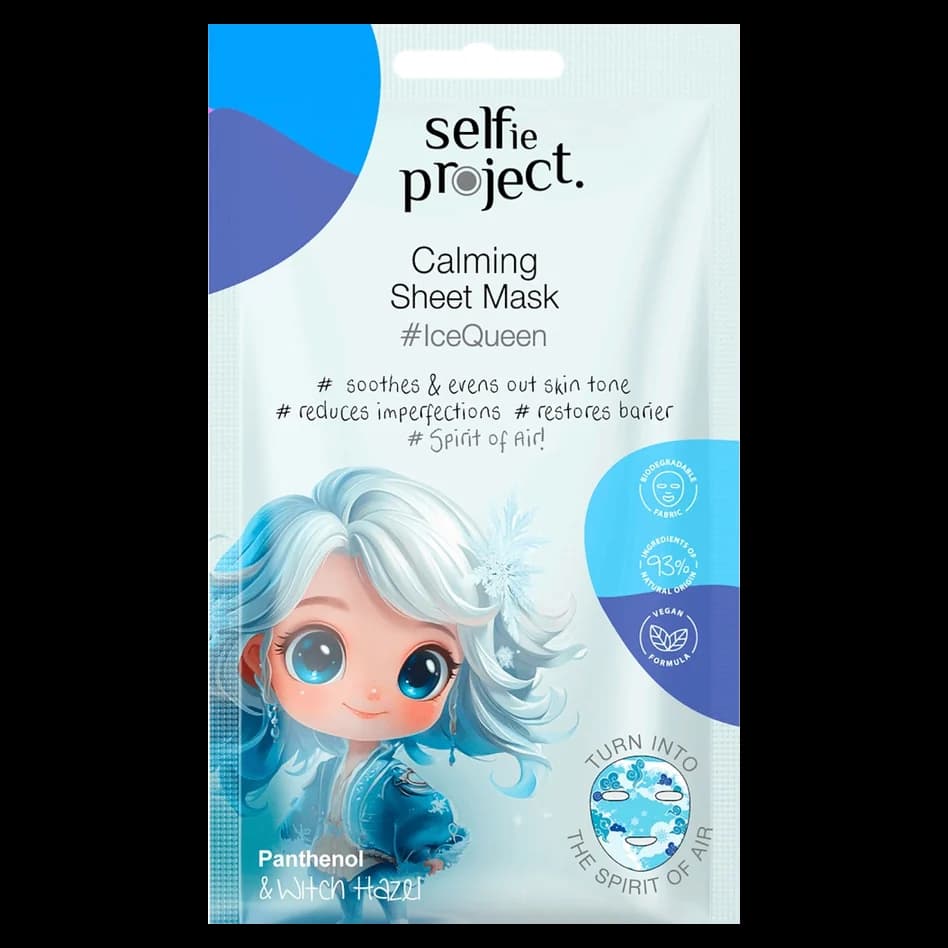
Selfie Project
Tuchmaske Calming #IceQueen
25th of 27 on the label
below ≈1%
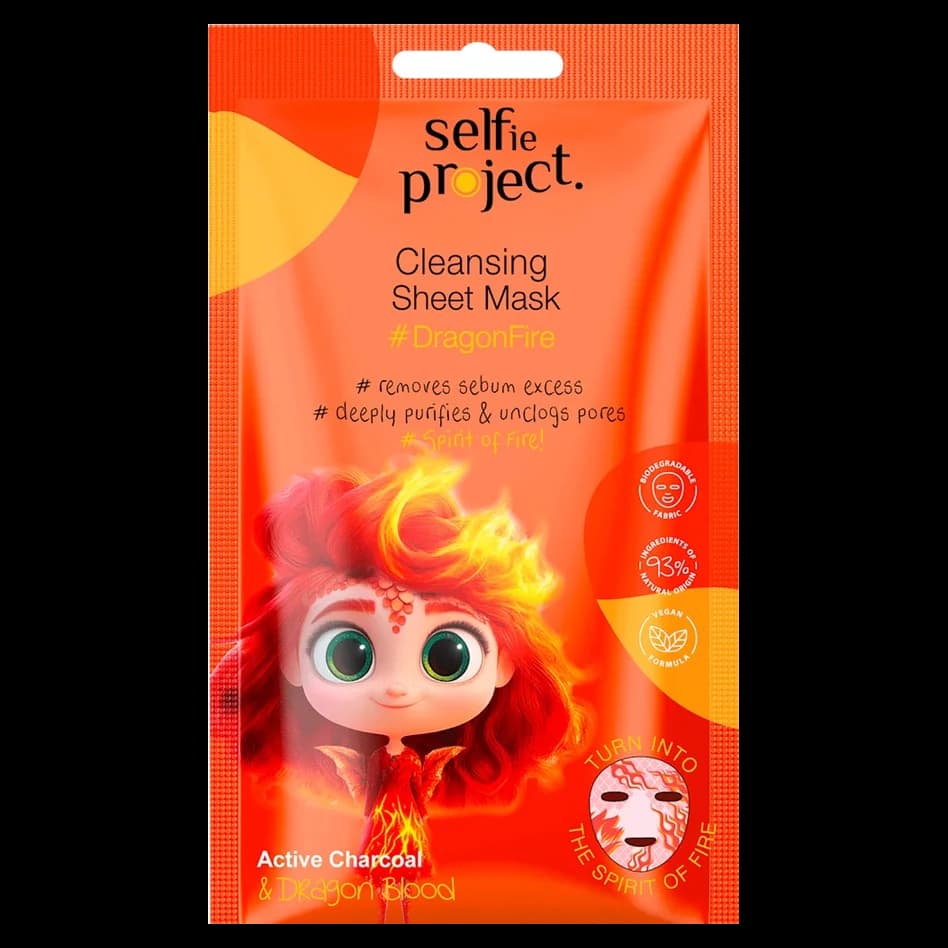
Selfie Project
Tuchmaske Cleansing #DragonFire
19th of 22 on the label
below ≈1%
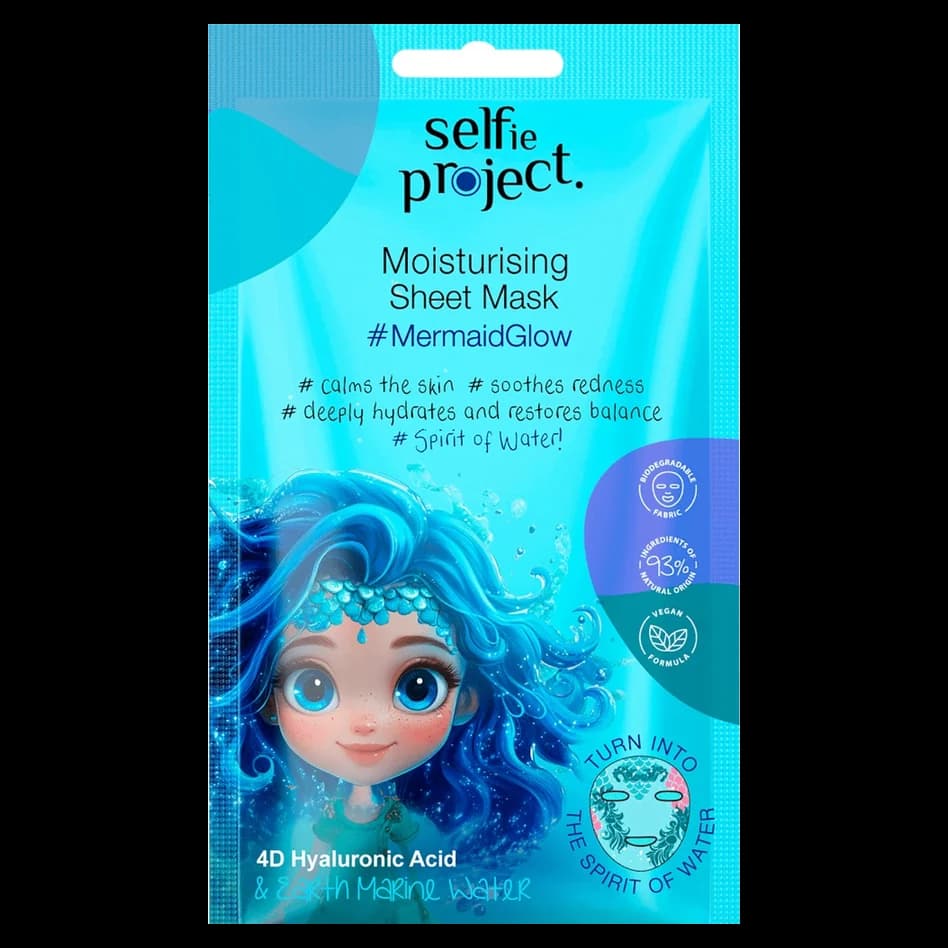
Selfie Project
Tuchmaske Moisturising #MermaidGlow
26th of 30 on the label
below ≈1%
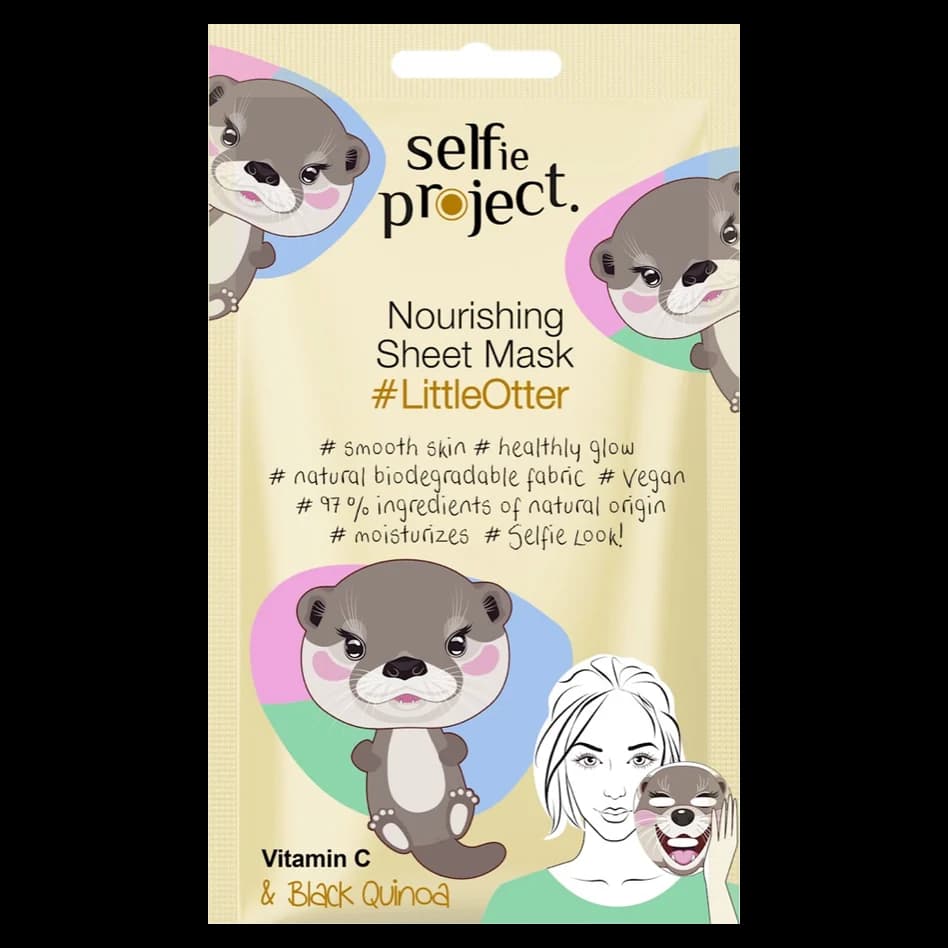
Selfie Project
Tuchmaske Nourishing #LittleOtter
20th of 21 on the label
below ≈1%
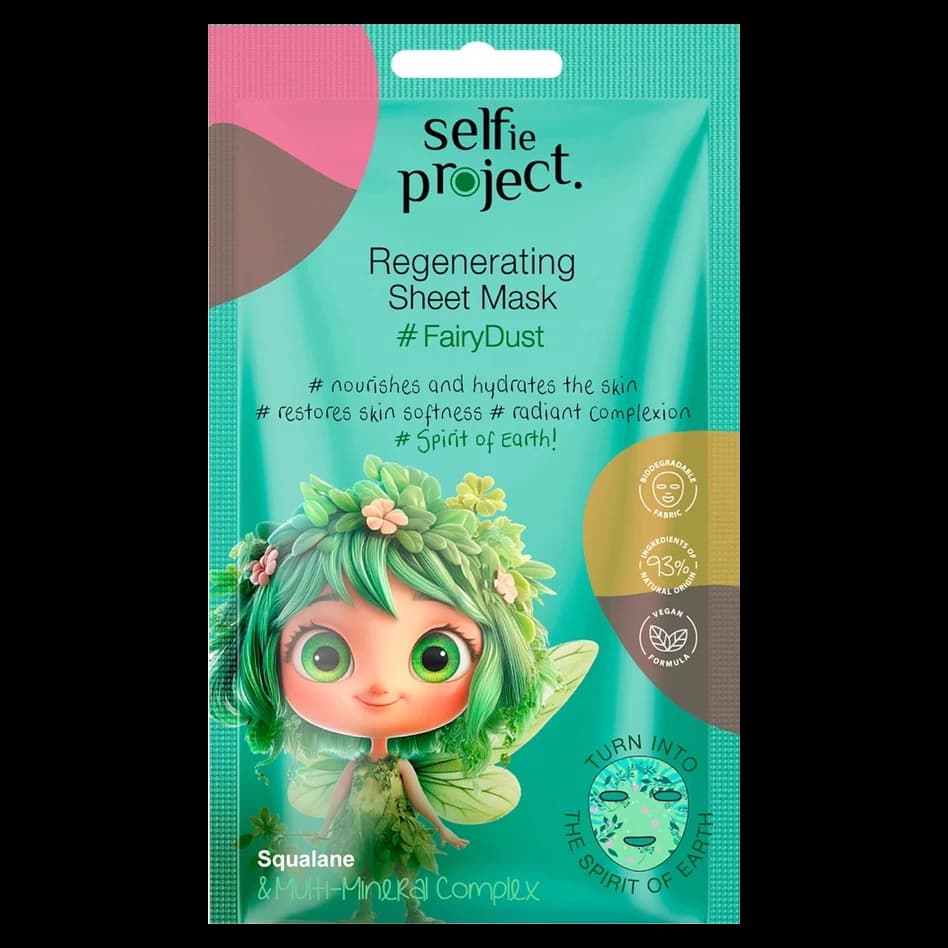
Selfie Project
Tuchmaske Regenerating #FairyDust
30th of 33 on the label
below ≈1%
Sensai
Cellular Performance Extra Intensive Mask
18th of 44 on the label
below ≈1%
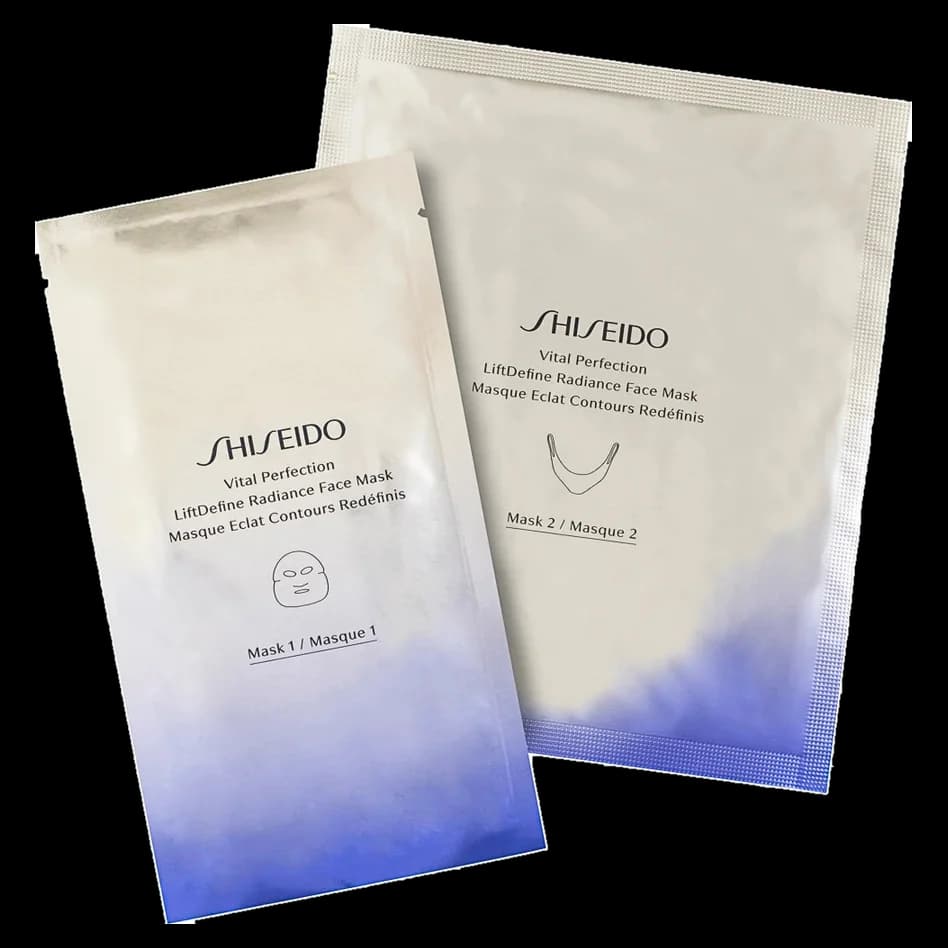
Shiseido
Vital Perfection LiftDefine Radiance Face Mask
41st of 81 on the label
below ≈1%
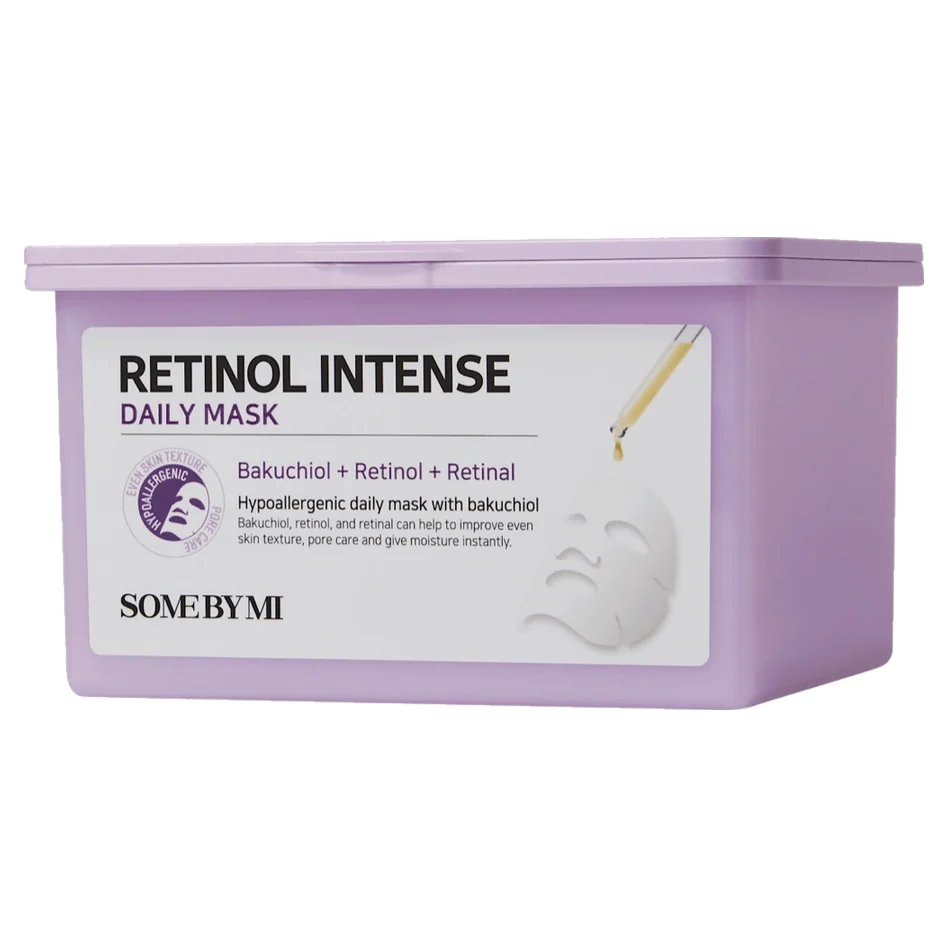
SOME BY MI
Daily Retinol Intense Mask
60th of 62 on the label
below ≈1%
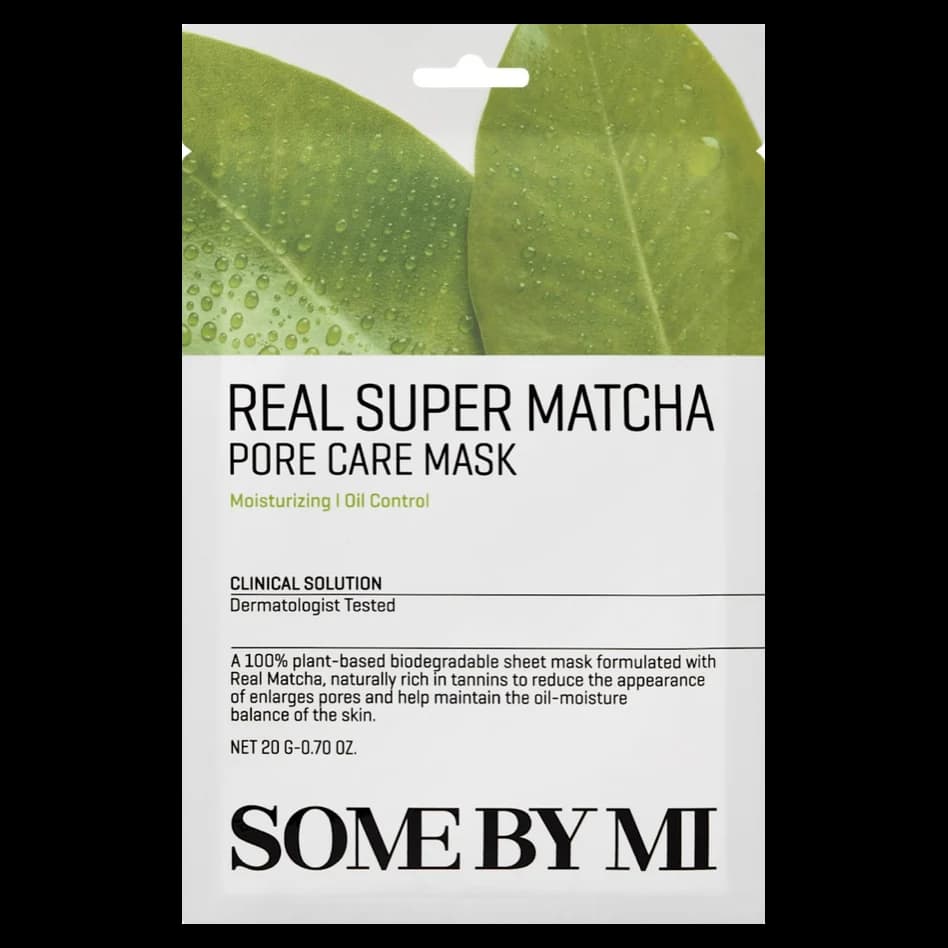
SOME BY MI
Real Super Matcha Pore Care Mask
22nd of 22 on the label
below ≈1%
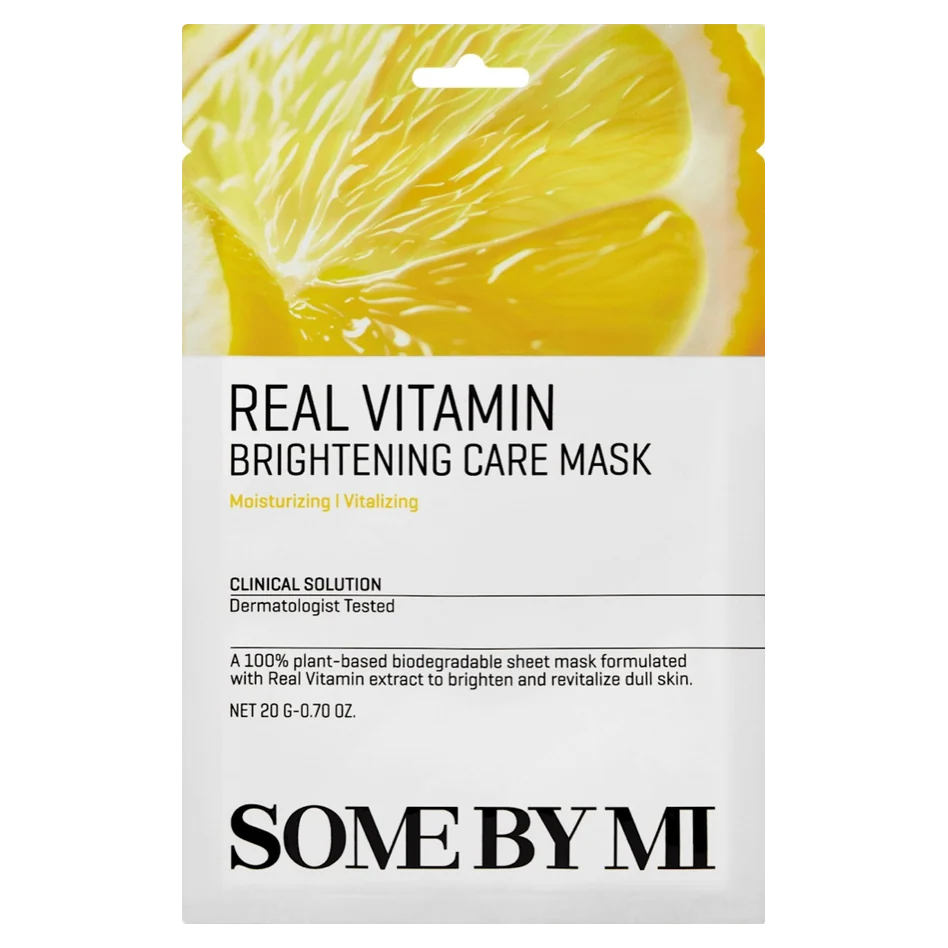
SOME BY MI
Real Vitamin Brightening Care Mask
19th of 19 on the label
below ≈1%
SUNDANCE
After Sun Gesichtsmaske
12th of 25 on the label
below ≈1%
Susanne Kaufmann
Glow Mask
45th of 45 on the label
below ≈1%
THALGO
Klärende Intensiv-Maske
17th of 32 on the label
below ≈1%
The Beauty Mask Company
Bubble Glow Tuchmaske Crazy Cactus
9th of 25 on the label
below ≈1%
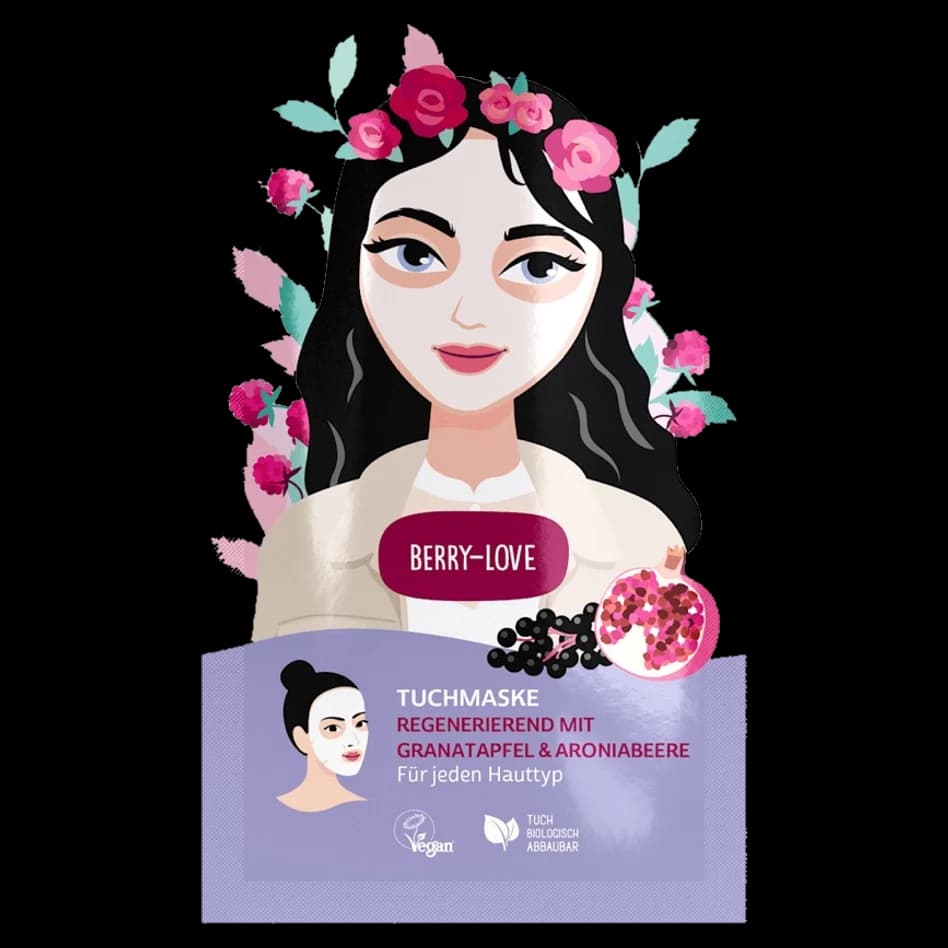
The Beauty Mask Company
Tuchmaske Berry Love
7th of 16 on the label
below ≈1%
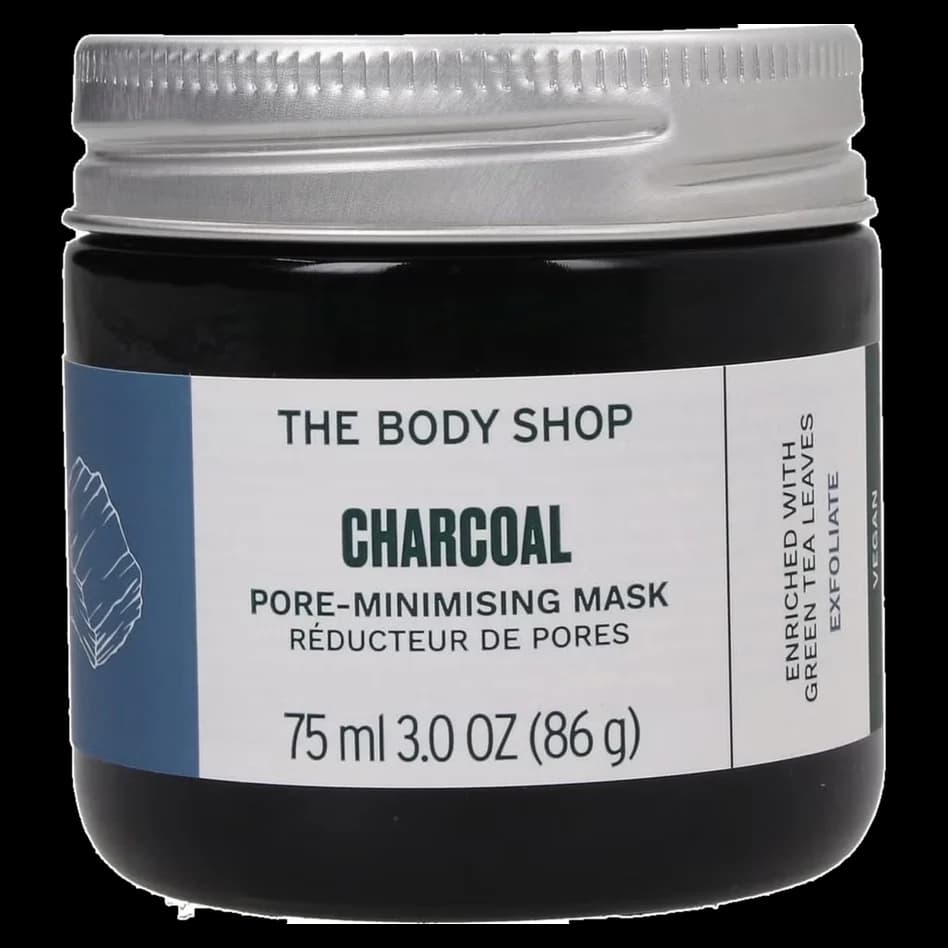
The Body Shop
Charcoal Pore Minimising Mask
15th of 37 on the label
below ≈1%
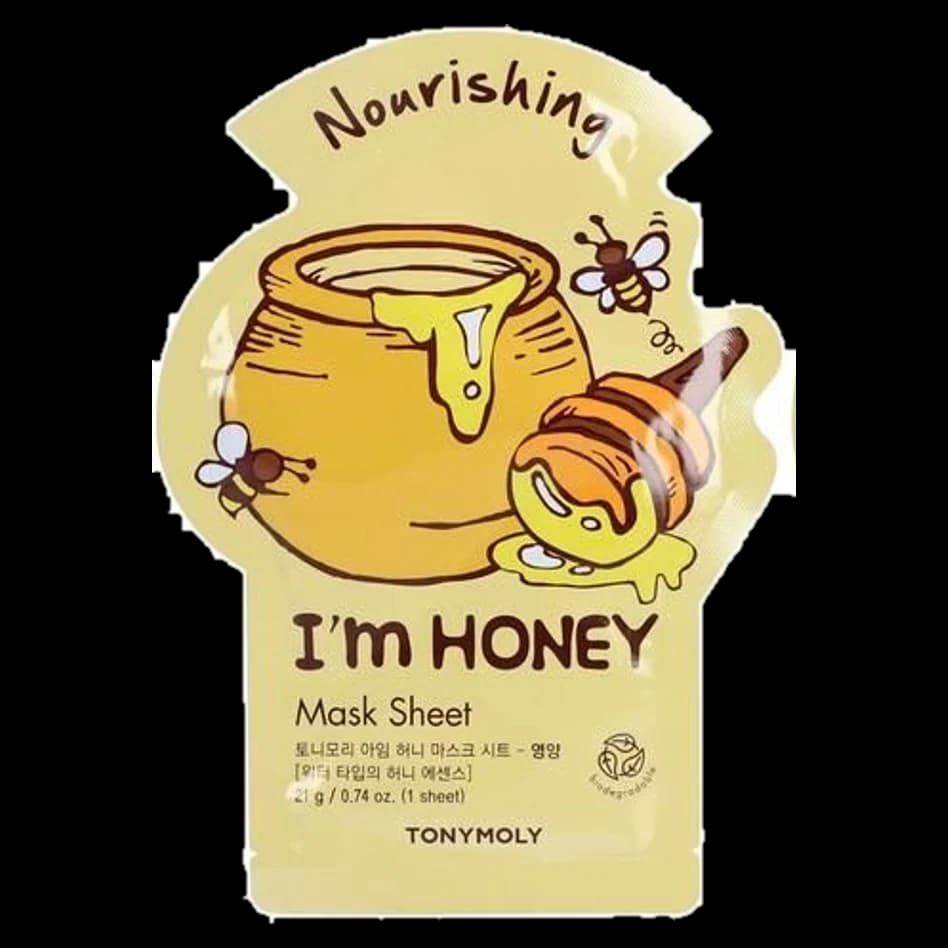
TONYMOLY
I'm Honey Mask Sheet
18th of 18 on the label
below ≈1%
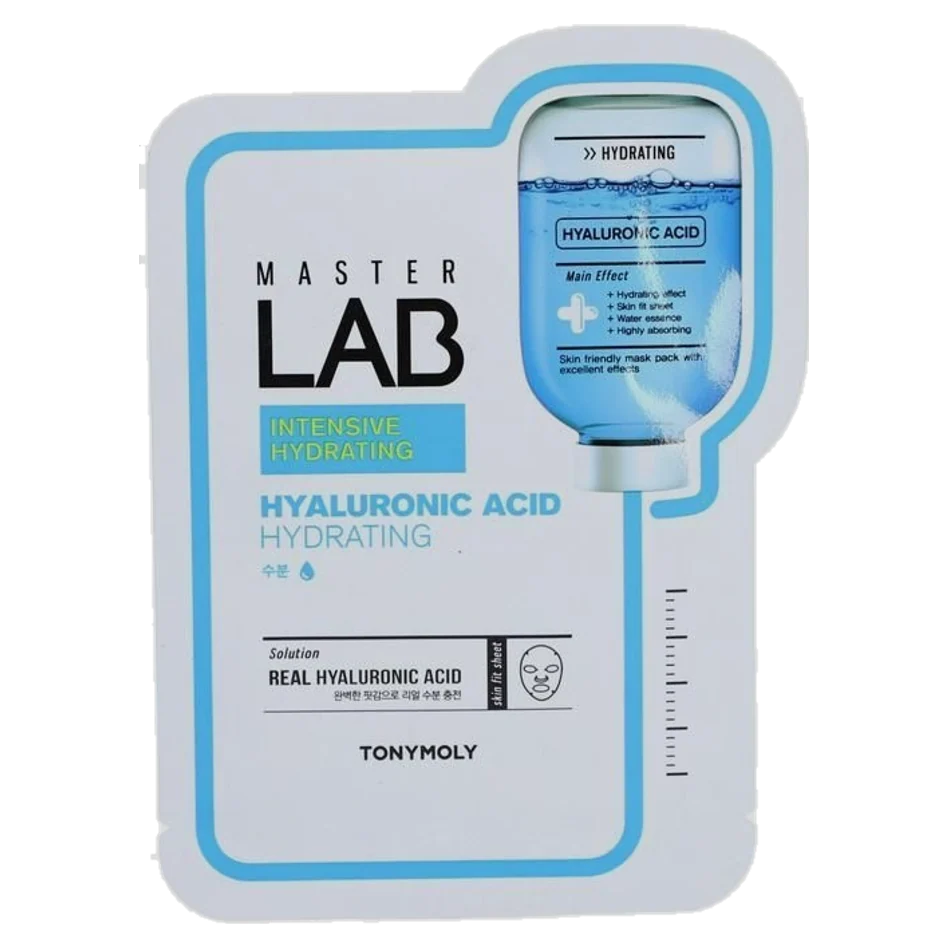
TONYMOLY
Master Lab Sheet Mask Hyaluronic Acid
31st of 31 on the label
below ≈1%
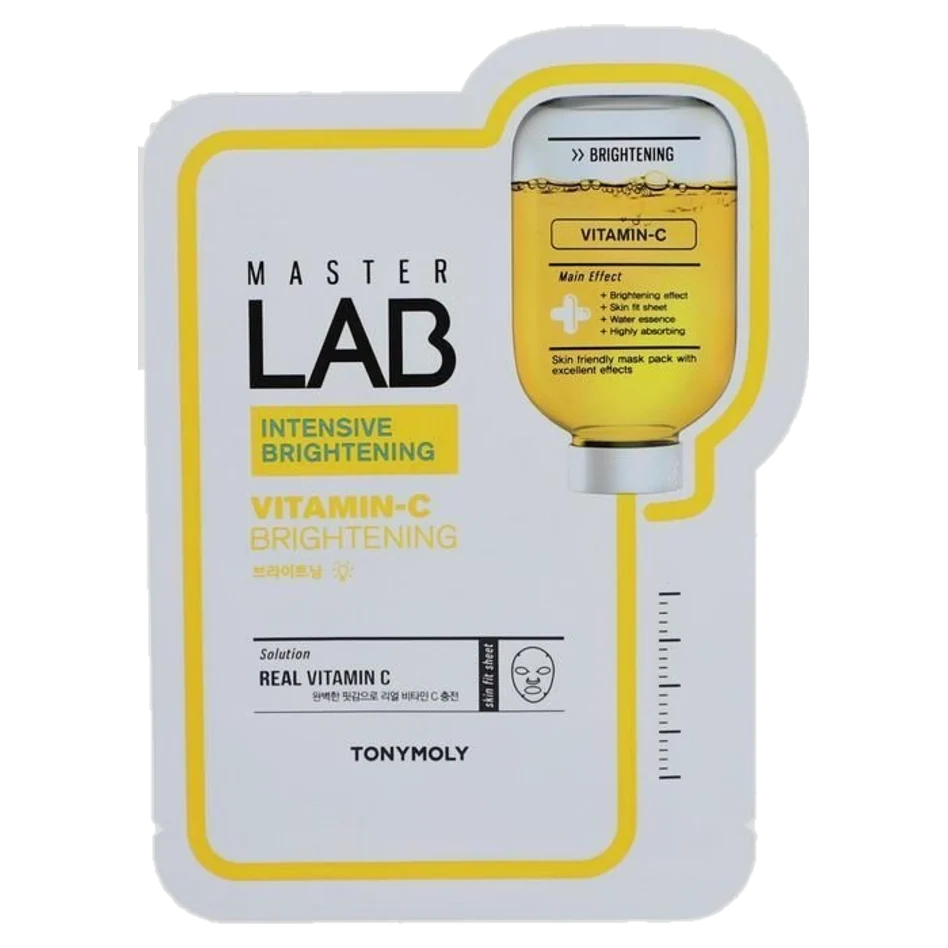
TONYMOLY
Master Lab Sheet Mask Vitamin C
31st of 33 on the label
below ≈1%
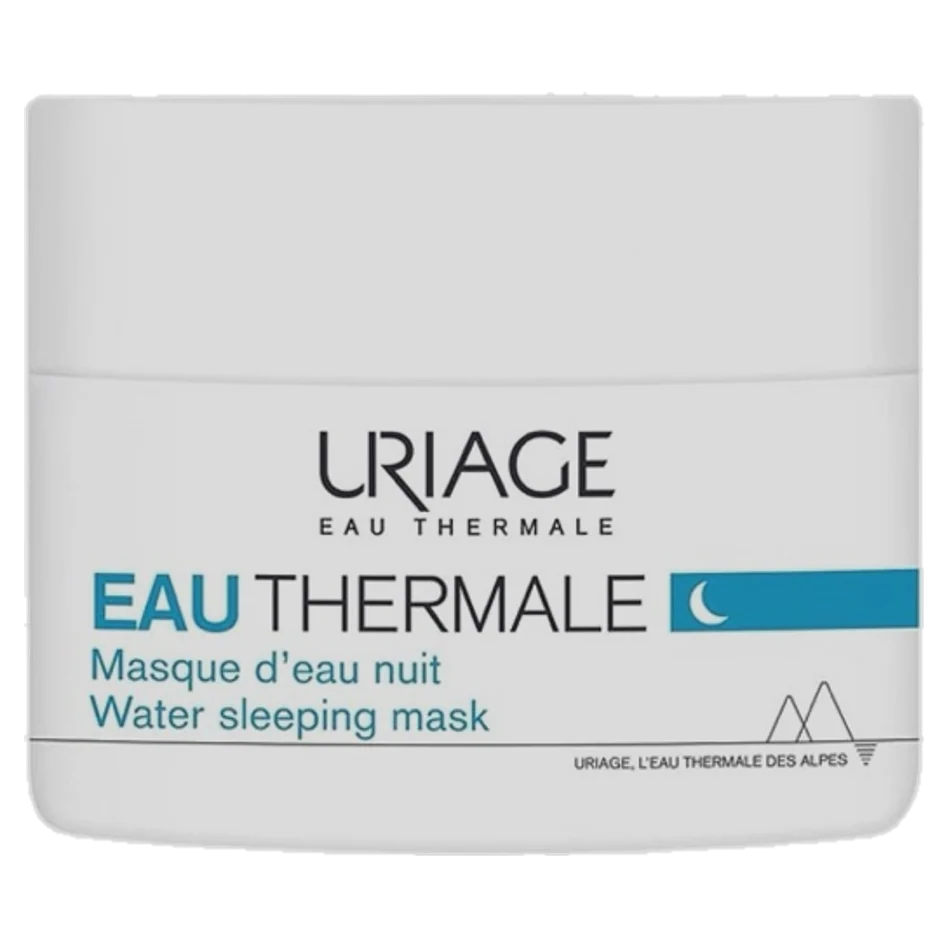
Uriage
Eau Thermale Water Sleeping Mask
17th of 29 on the label
below ≈1%
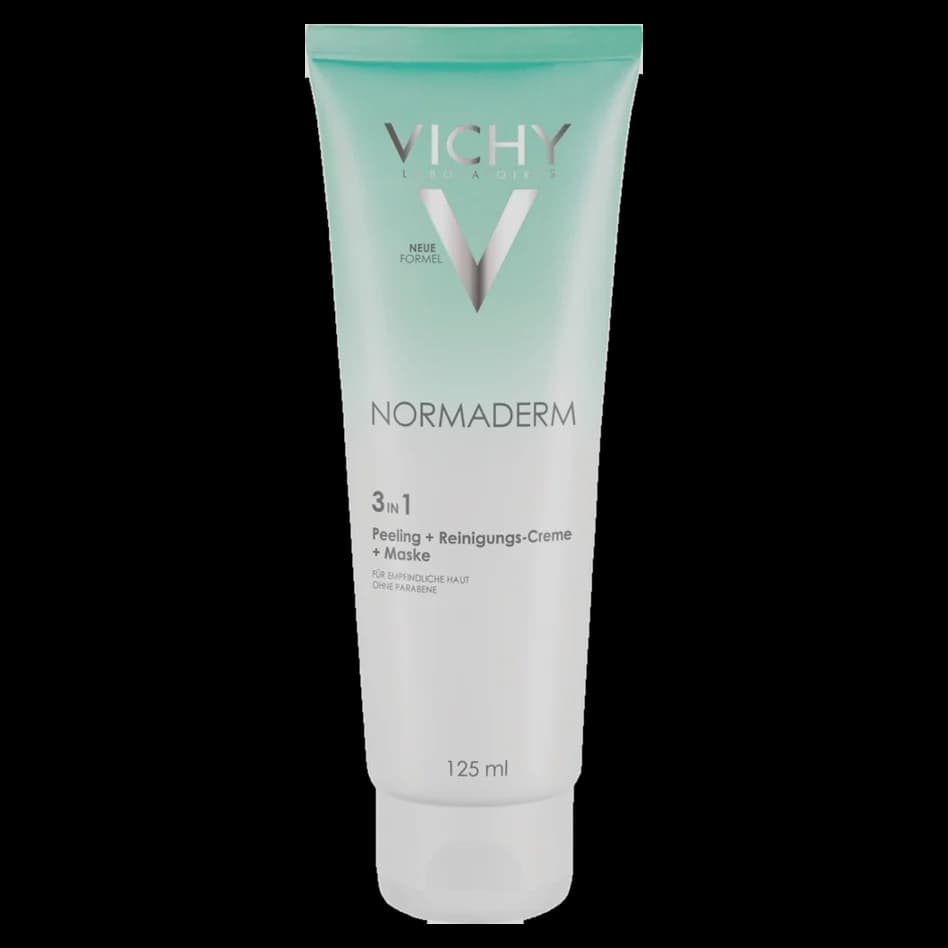
Vichy
Normaderm 3-in-1 Peeling + Reinigungs-Creme + Maske
23rd of 23 on the label
below ≈1%
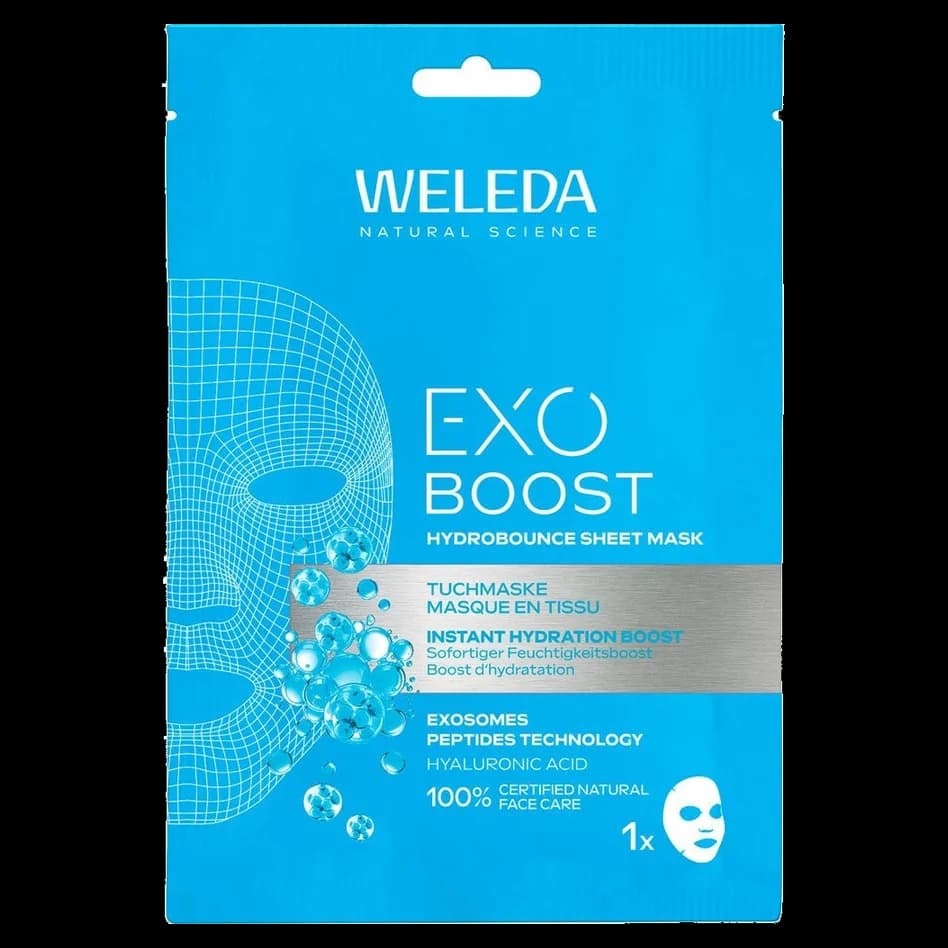
Weleda
Exo Boost Hydrobounce Tuchmaske
19th of 34 on the label
below ≈1%
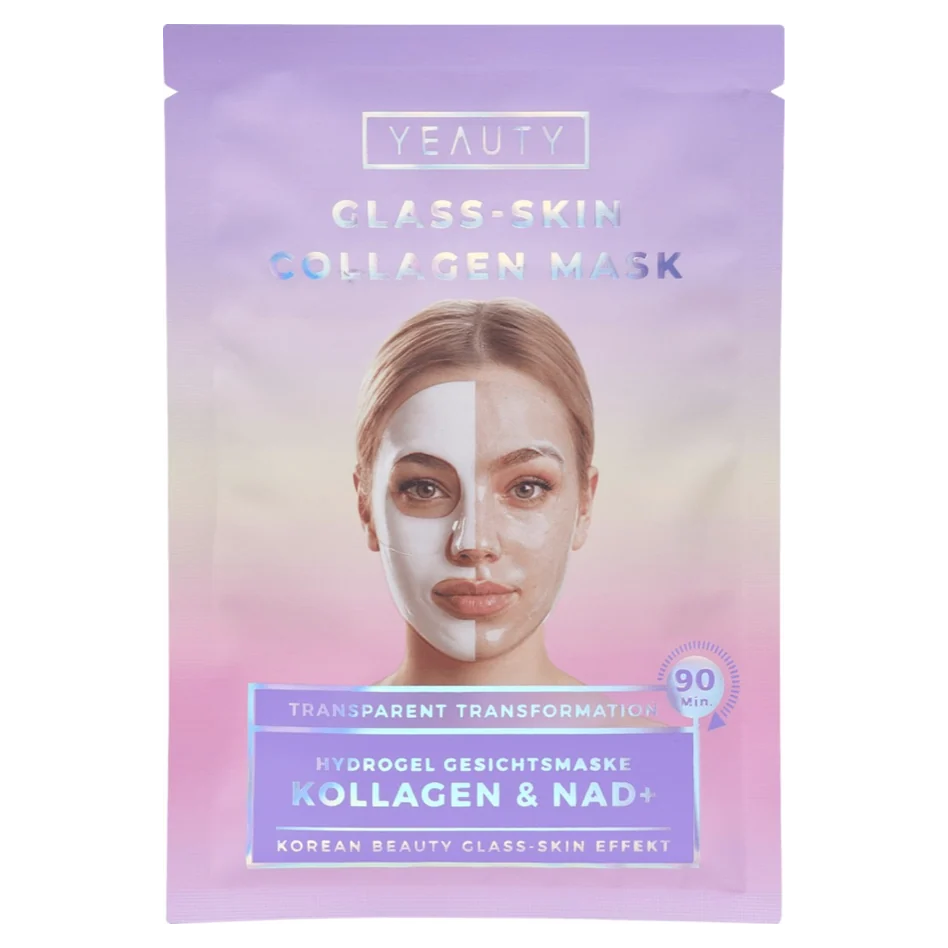
Yeauty
Glass-Skin Hydrogel Maske Kollagen & NAD+
15th of 15 on the label
below ≈1%
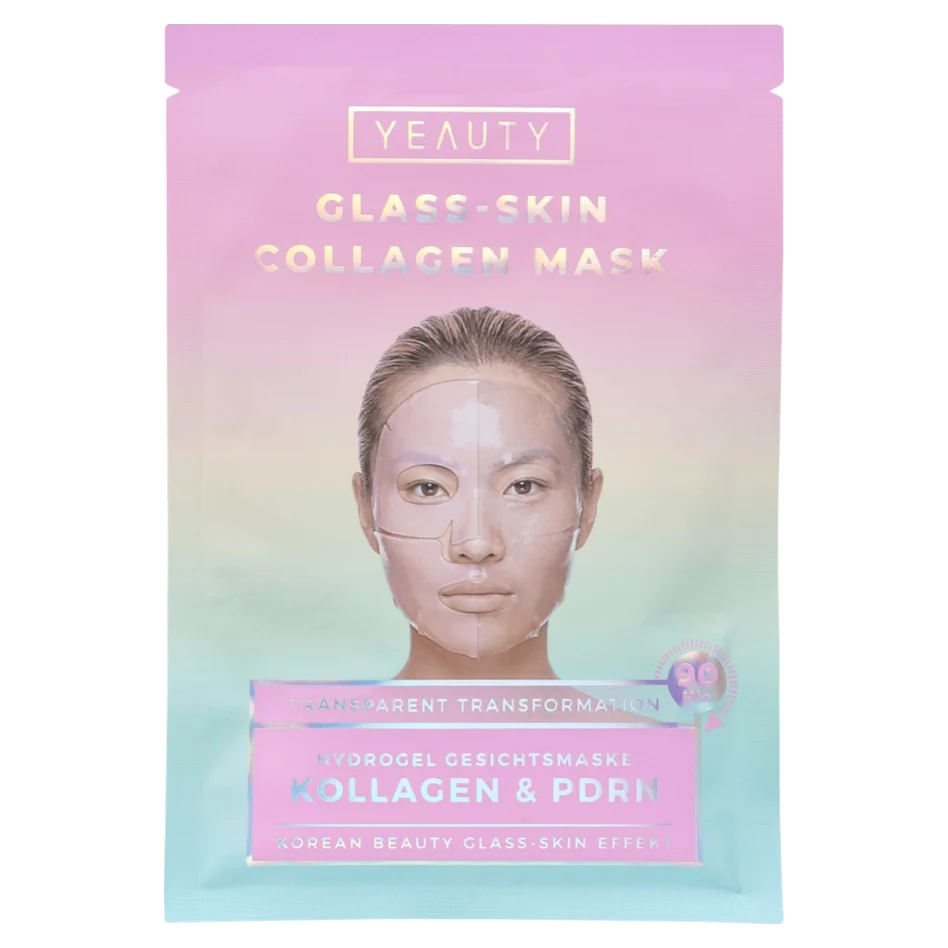
Yeauty
Glass-Skin Hydrogel Maske Kollagen & PDRN
16th of 16 on the label
below ≈1%
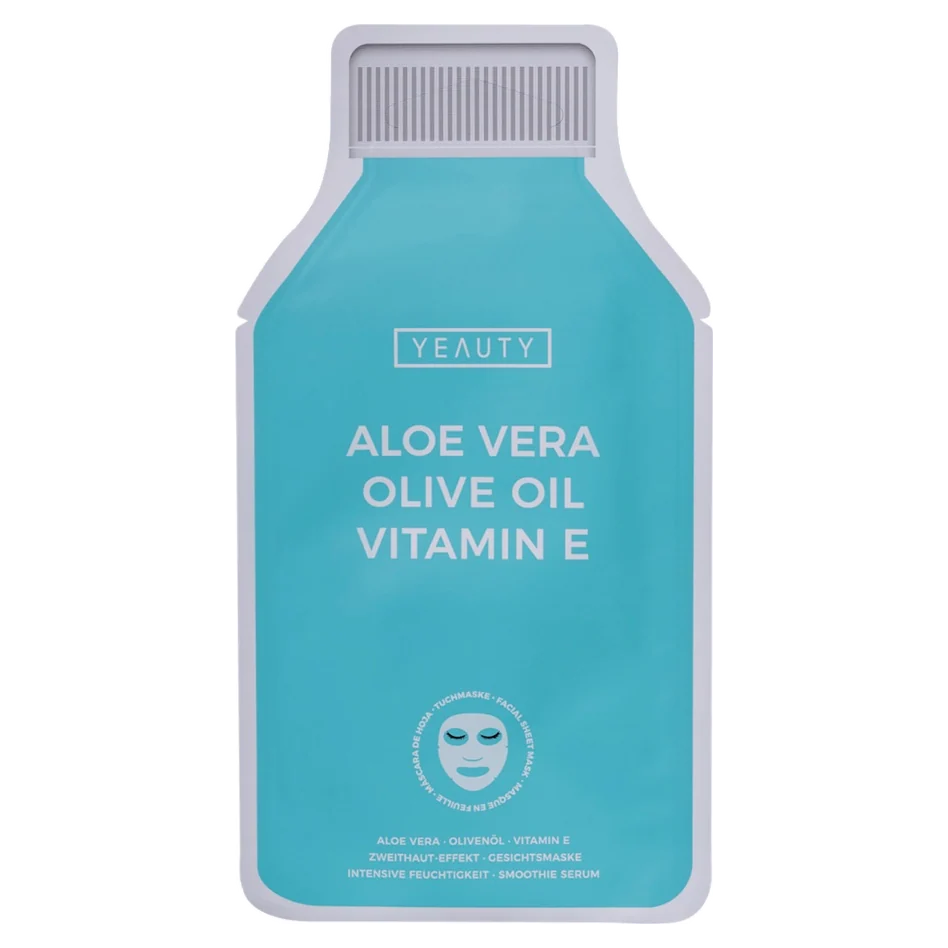
Yeauty
Tuchmaske Aloe Vera Olive Oil Vitamin E
25th of 29 on the label
below ≈1%
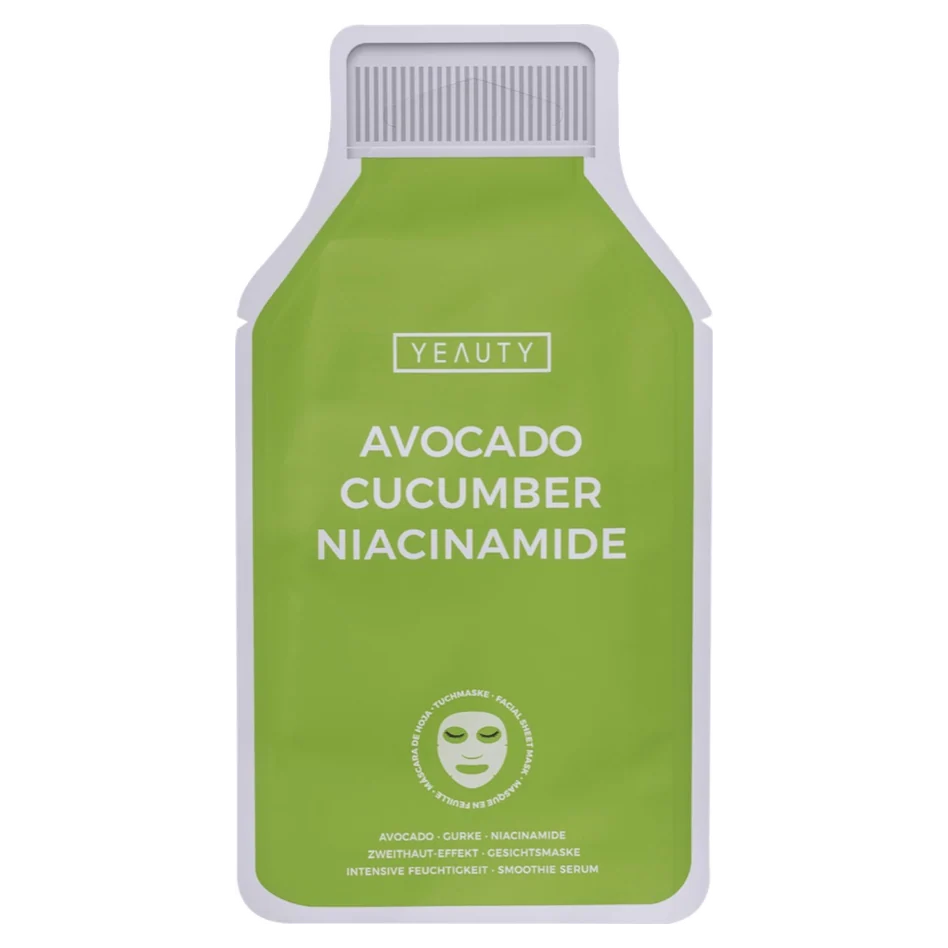
Yeauty
Tuchmaske Avocado Cucumber Niacinamide
25th of 29 on the label
below ≈1%