Citronellol
Genuinely relevant for some people, or depends on dose and pH.
Also written as: 3,7-Dimethyl-6-octen-1-ol · Rhodinol · Cephrol
What it is
Citronellol is a fresh, rosy terpene alcohol found in rose, geranium and citronella oils, and also made synthetically. It is one of the six components of the fragrance mix II patch-test panel and appears on a large number of cosmetic labels either as an added aroma chemical or as a natural constituent of a floral essential oil.
What it does well
Widely used rose note that works at very low levels
It is a standard perfumery material, valued for a clean floral character. This is a scent benefit rather than a skincare one.
Strong evidence
Worth knowing
A recognised contact allergen, particularly when oxidised
Positive patch tests to citronellol are less frequent than to linalool or limonene but are consistently recorded in European surveillance data, and like other terpene alcohols it forms more sensitising hydroperoxides on air exposure.
Matters most toPeople with eczema or a diagnosed fragrance allergy.
Where the EU stands
Labelling required
One of the original 26 declared fragrance allergens. Must be named on the pack above 0.001% in leave-on products and 0.01% in rinse-off products. No maximum concentration is set.
Regulation (EC) No 1223/2009, Annex III entry 86 · source ↗
Masks that contain Citronellol
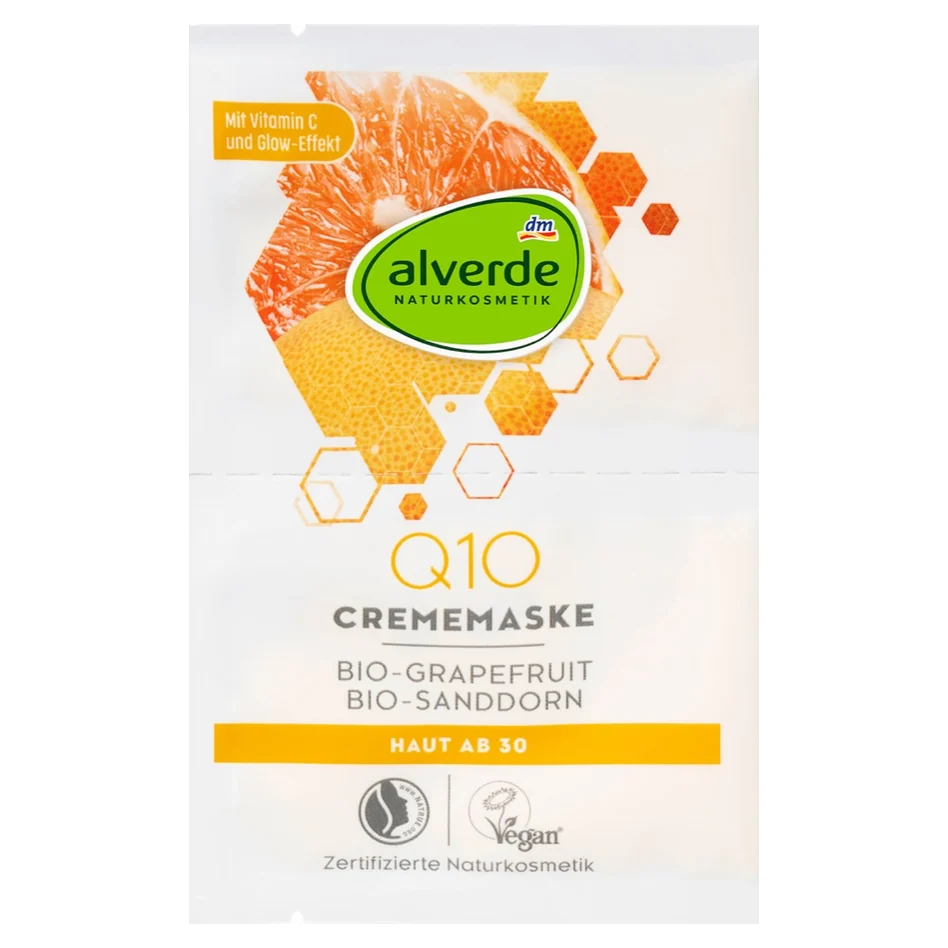
alverde Naturkosmetik
Gesichtsmaske Q10 mit Vitamin C
38th of 40 on the label
below ≈1%
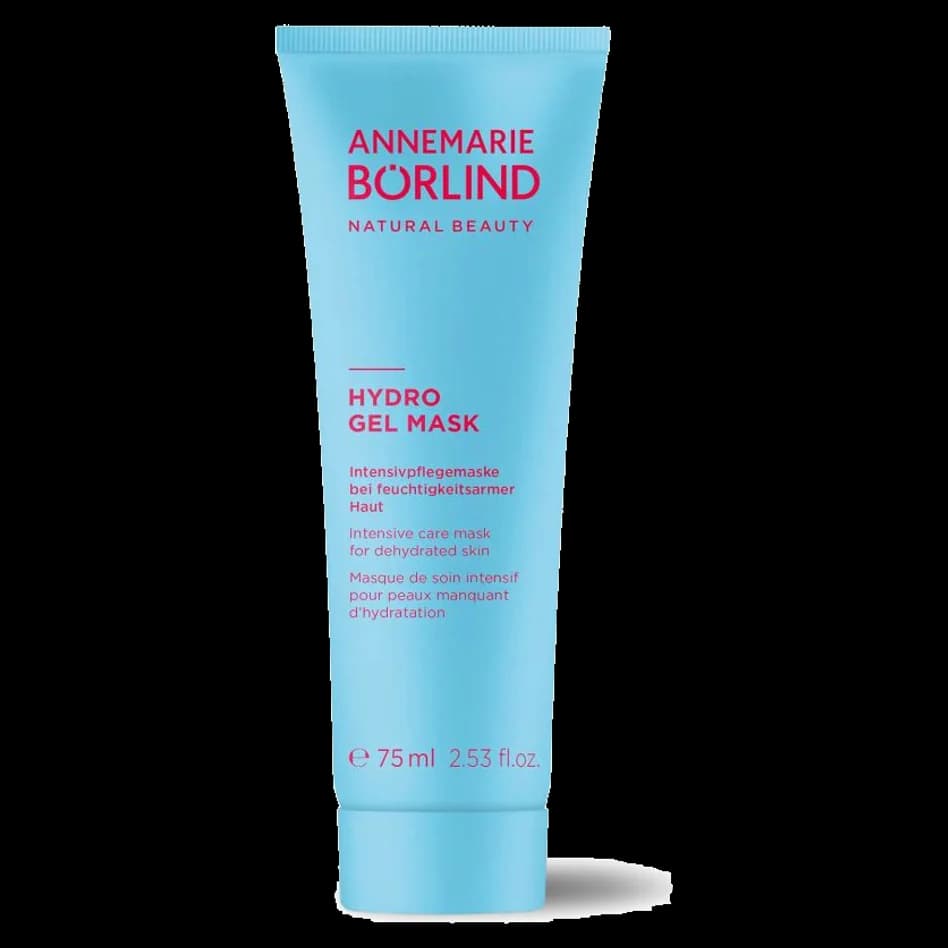
Annemarie Börlind
Hydro Gel Mask
27th of 33 on the label
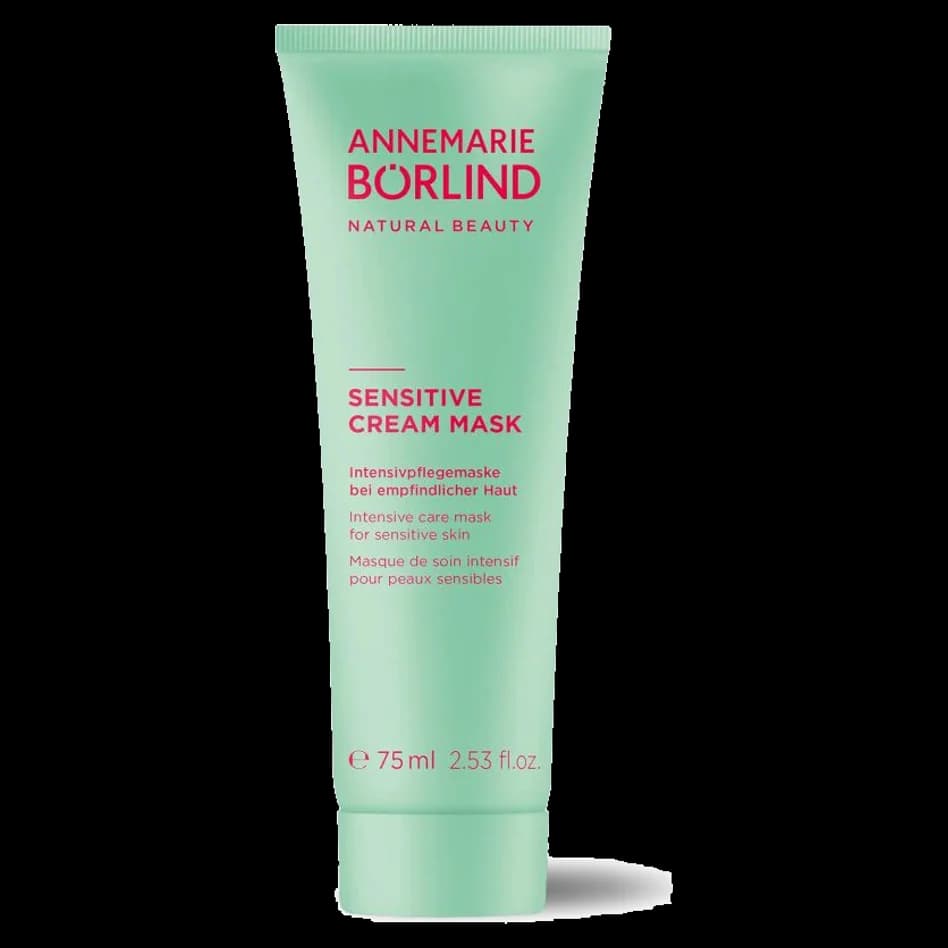
Annemarie Börlind
Sensitive Cream Mask
25th of 31 on the label
below ≈1%
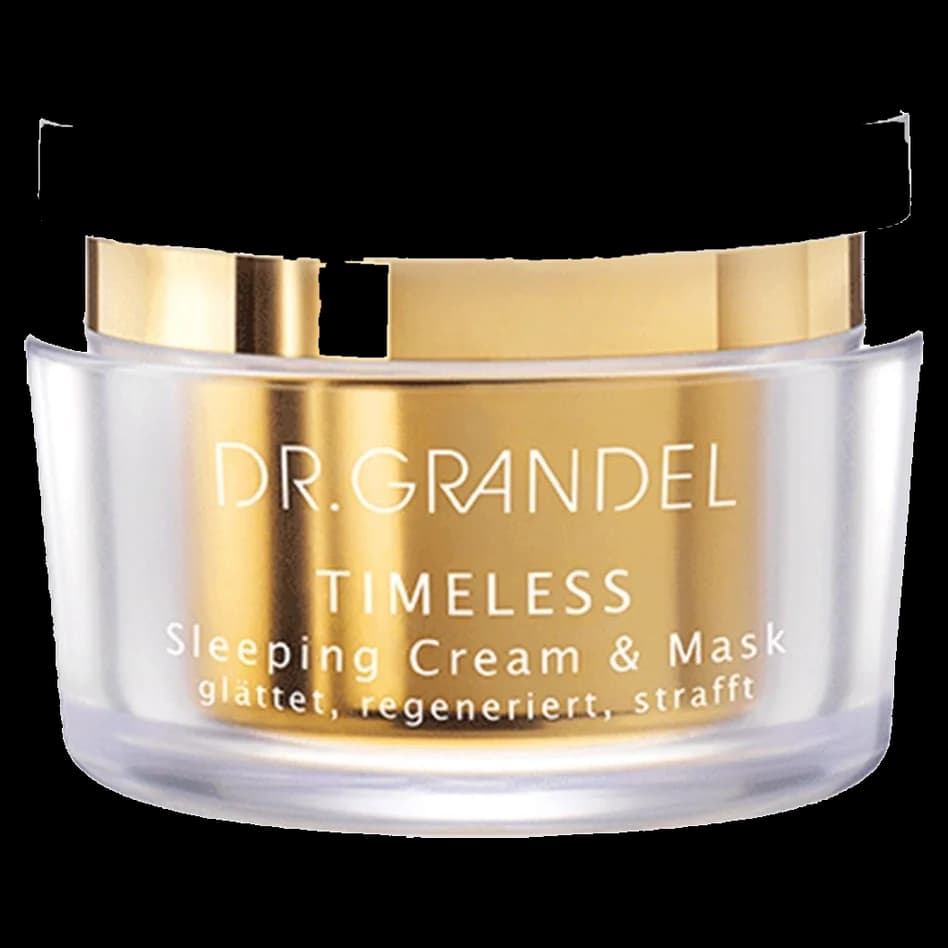
Dr. Grandel
Timeless Sleeping Cream & Mask
33rd of 35 on the label
below ≈1%
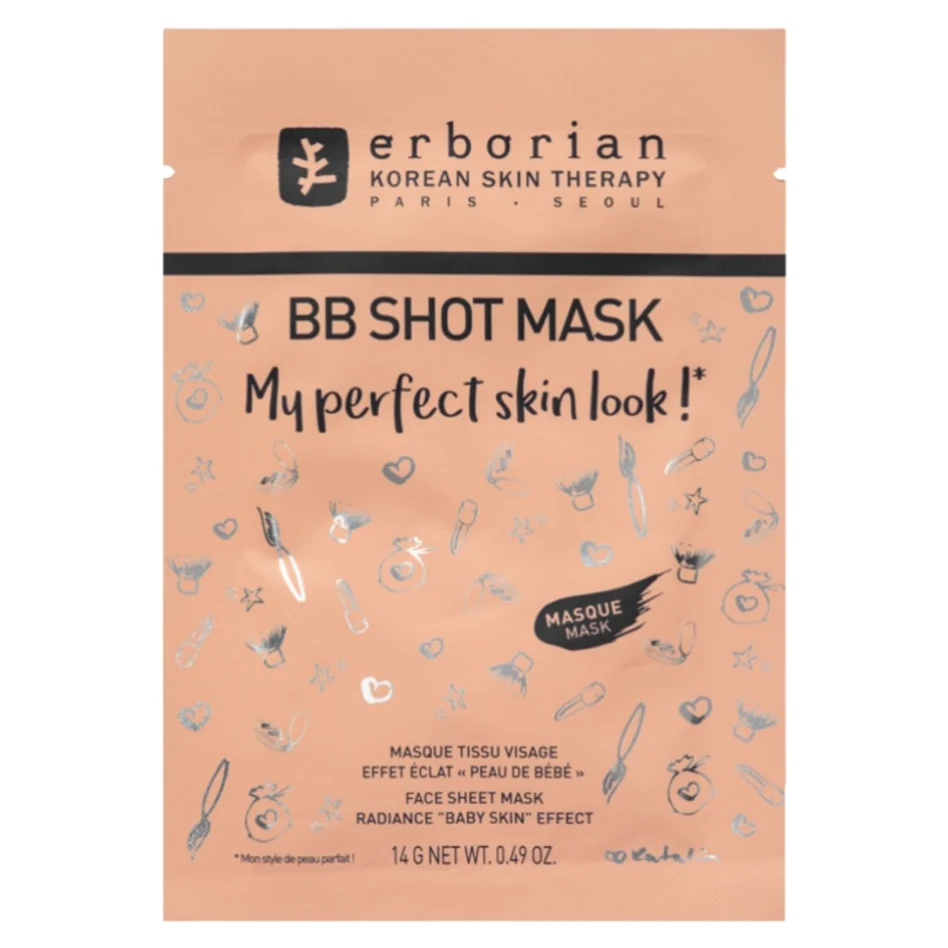
Erborian
BB Shot Mask
29th of 34 on the label
below ≈1%
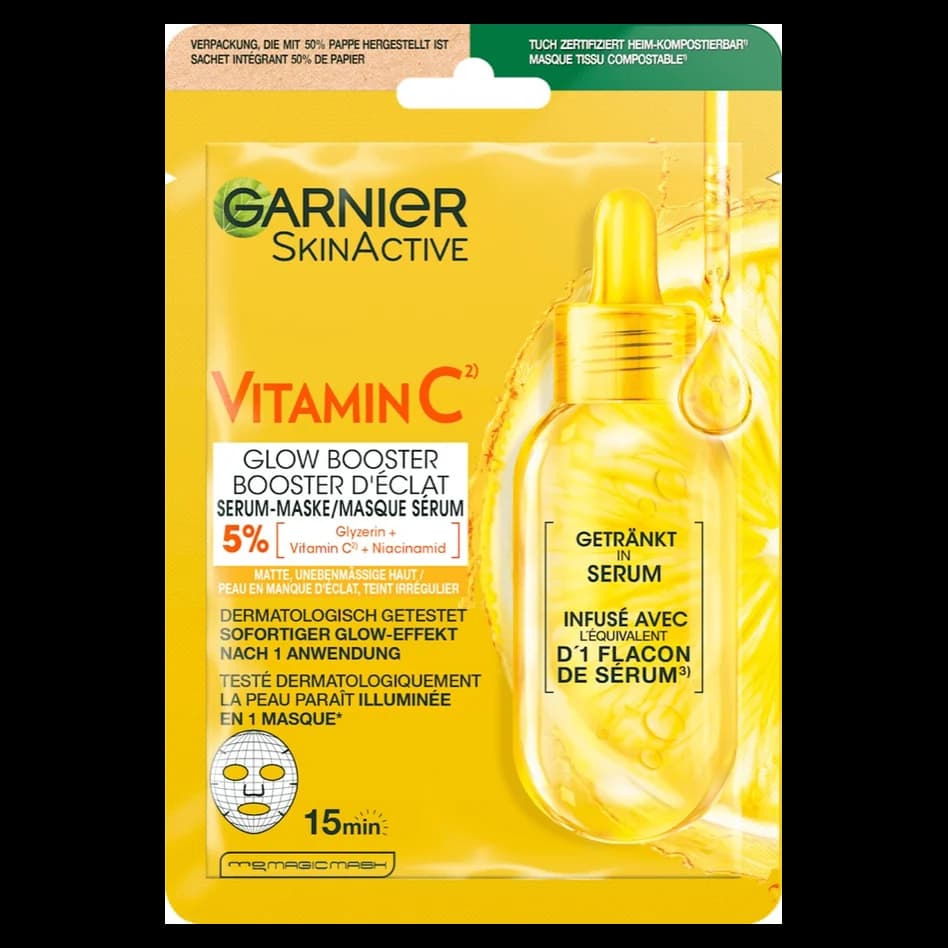
Garnier
SkinActive Vitamin C Tissue Mask
8th of 21 on the label
below ≈1%
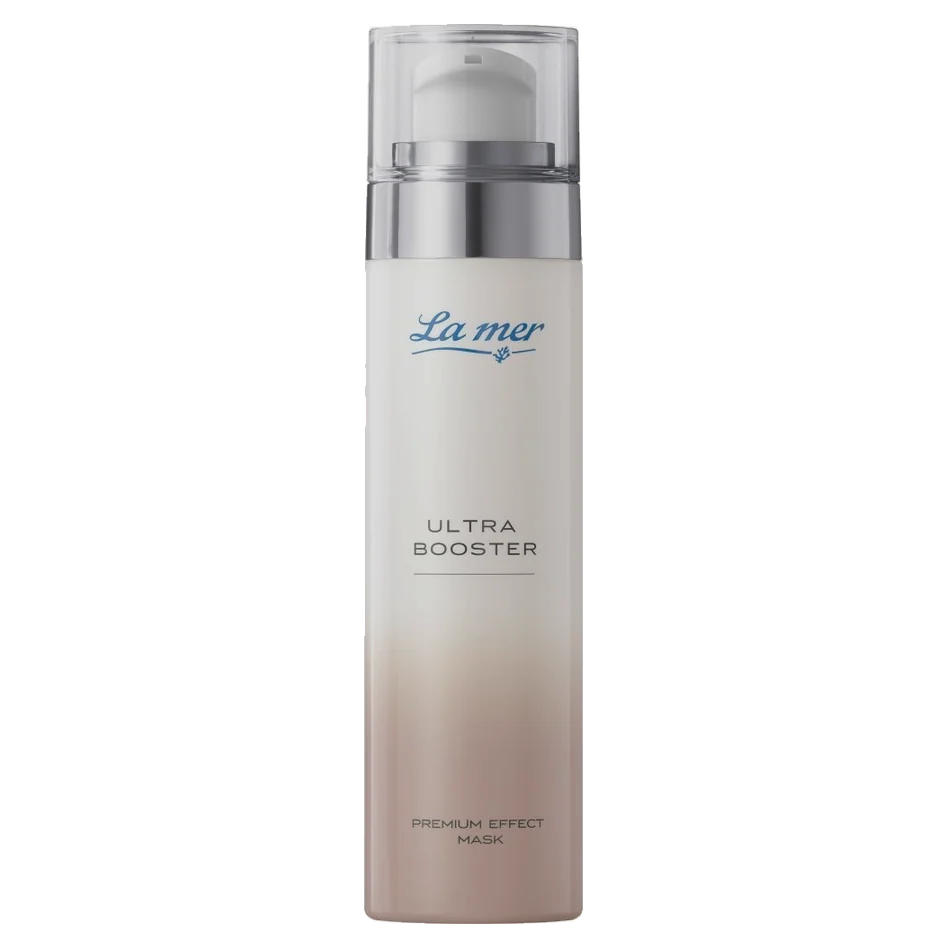
LA MER
Ultra Booster Premium Mask Effect
37th of 41 on the label
below ≈1%
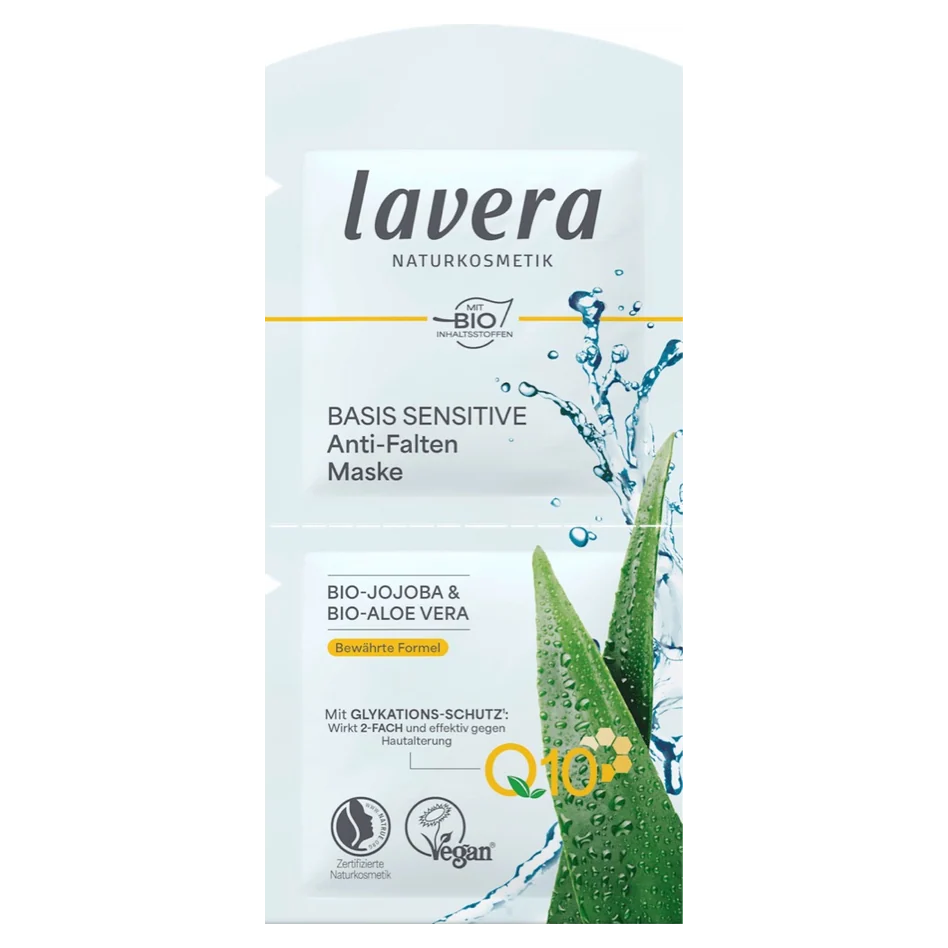
lavera
basis sensitiv Anti-Falten Gesichtsmaske
40th of 42 on the label
below ≈1%
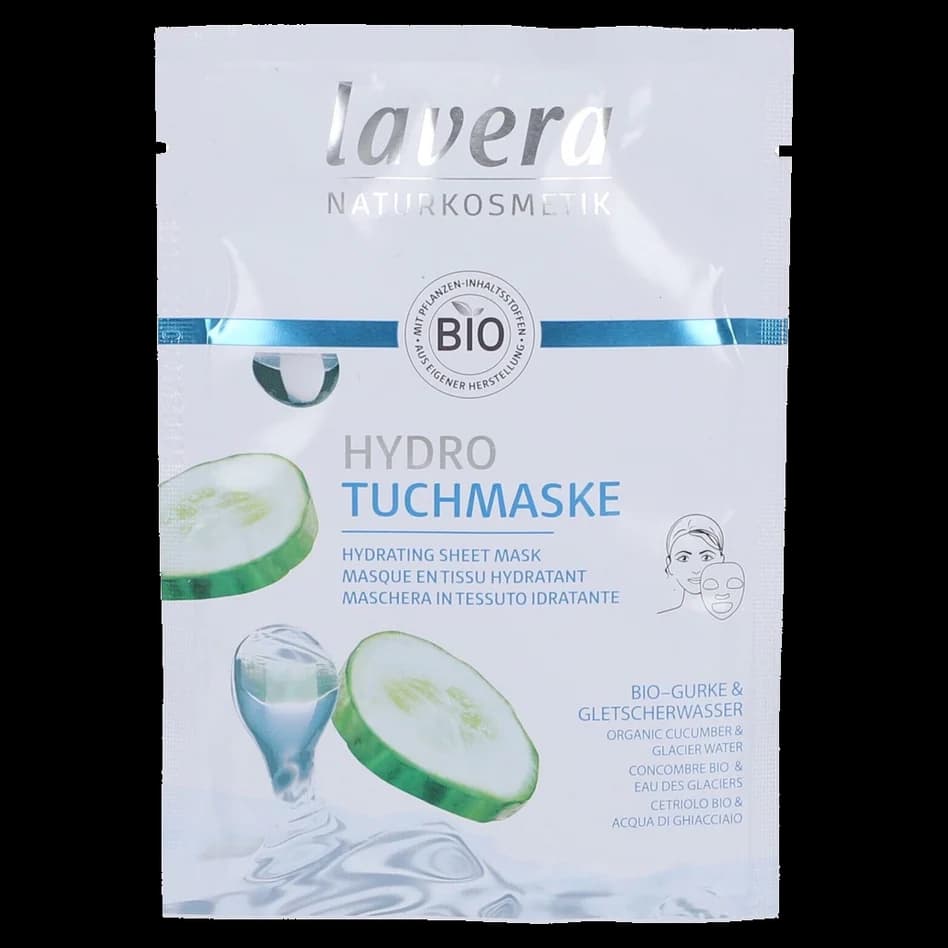
lavera
Hydro Tuchmaske
22nd of 22 on the label
below ≈1%
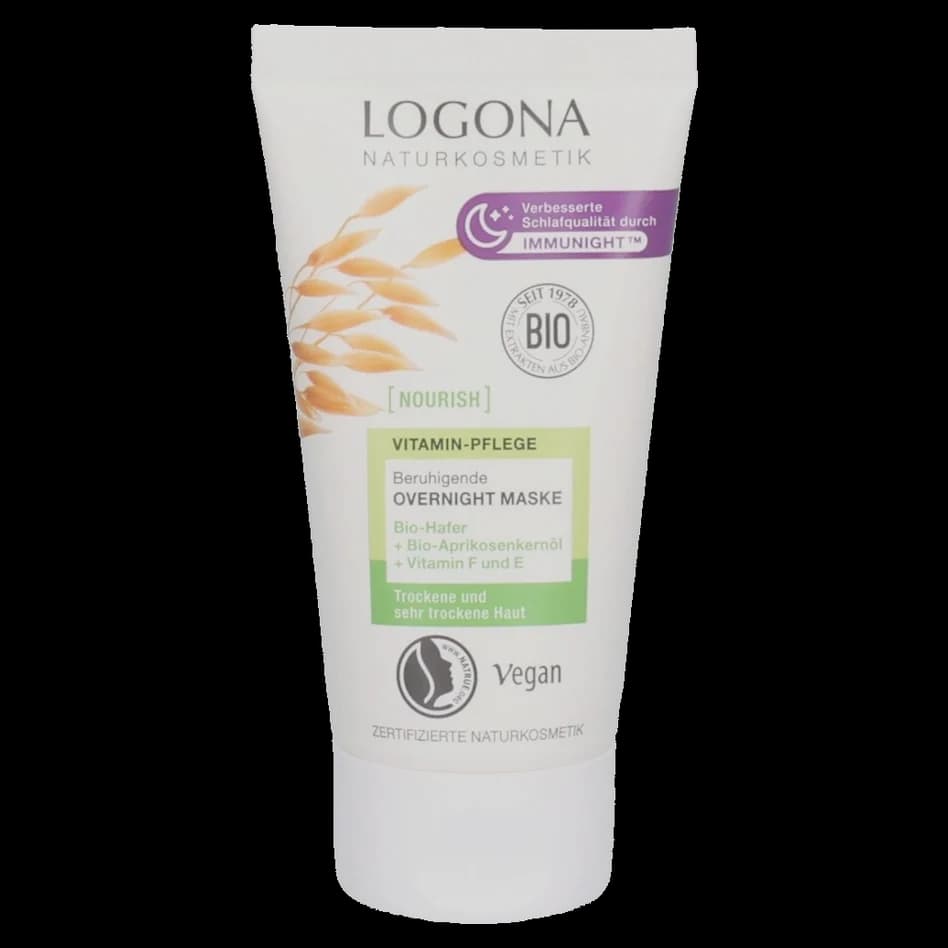
LOGONA
Nourish Beruhigende Overnight Maske
47th of 53 on the label
below ≈1%
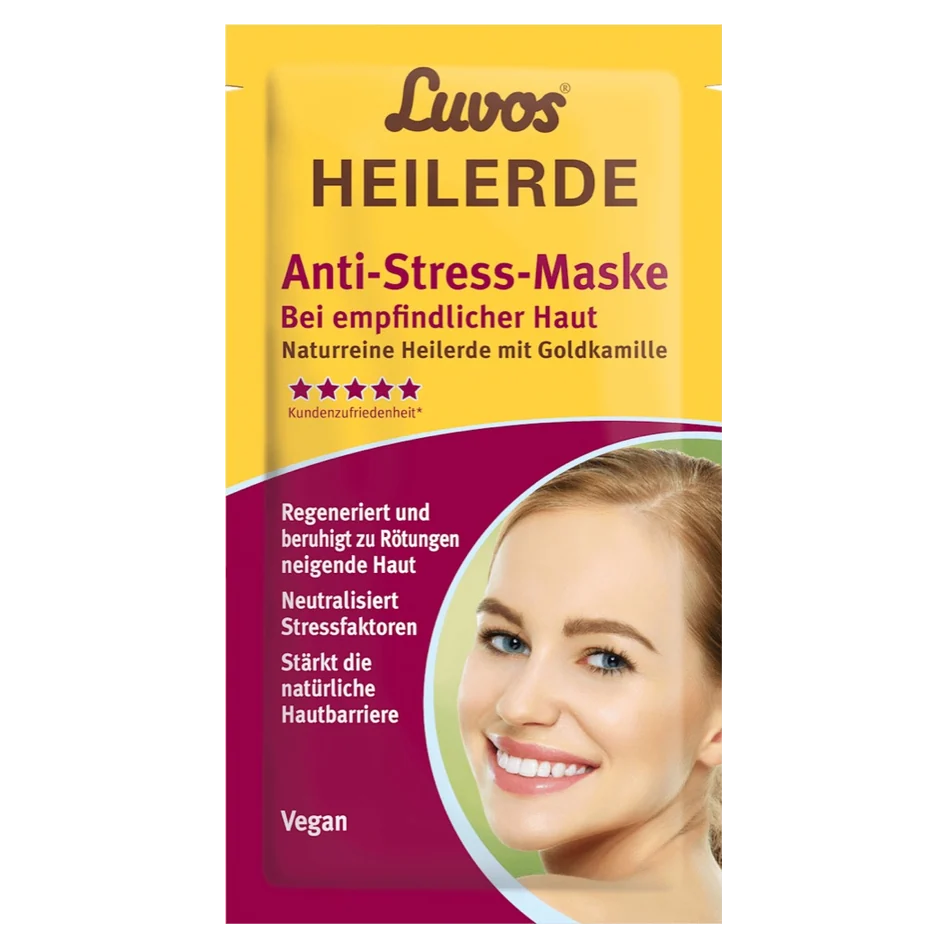
Luvos-Heilerde
Anti-Stress-Maske
31st of 33 on the label
below ≈1%
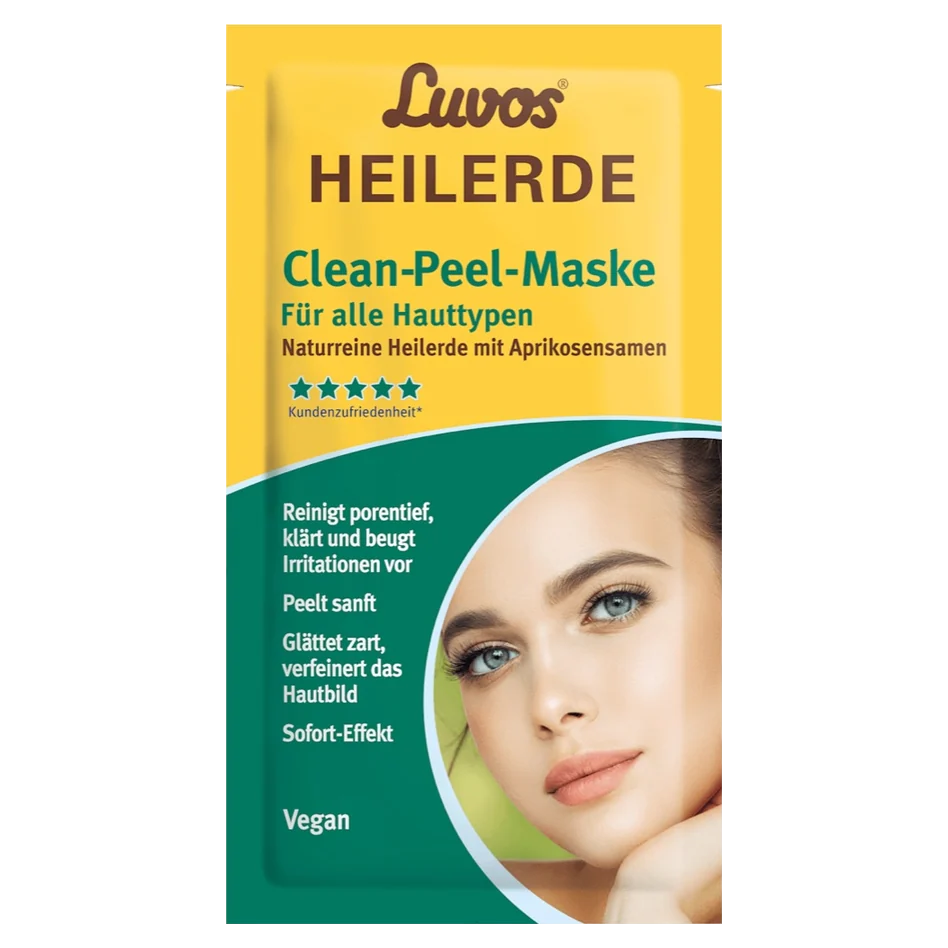
Luvos-Heilerde
Clean-Peel-Maske
22nd of 29 on the label
below ≈1%
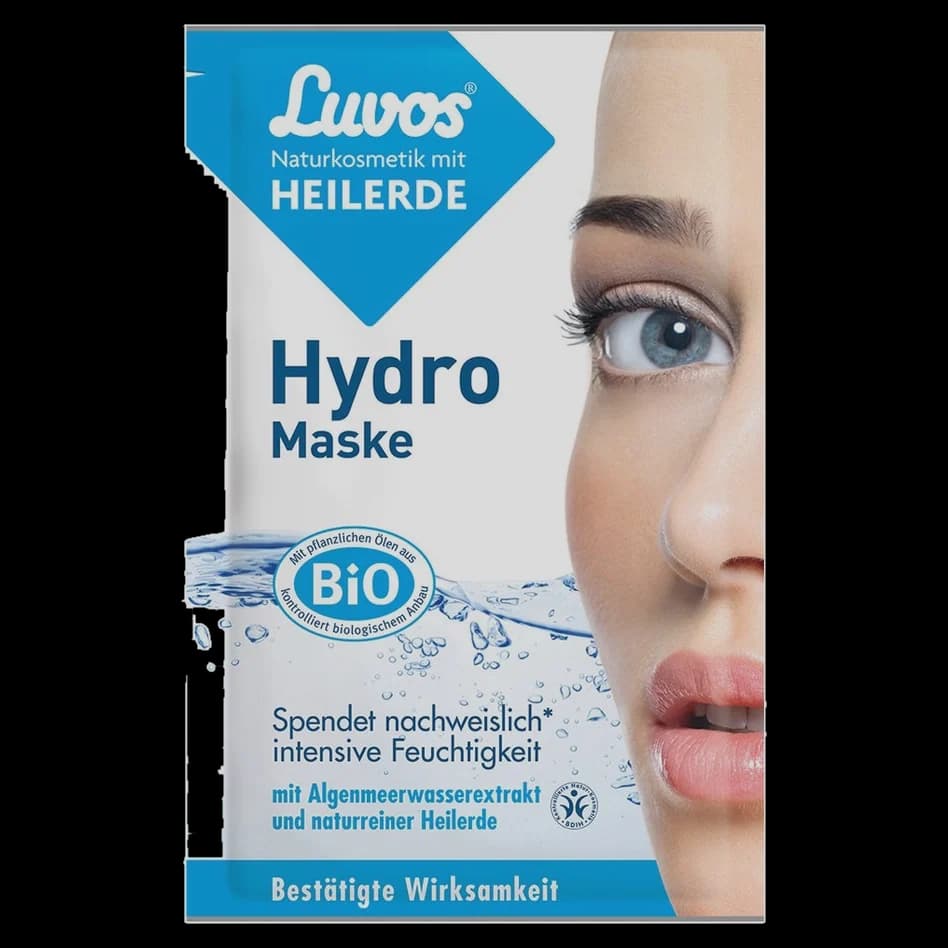
Luvos-Heilerde
Hydro-Maske
29th of 33 on the label
below ≈1%
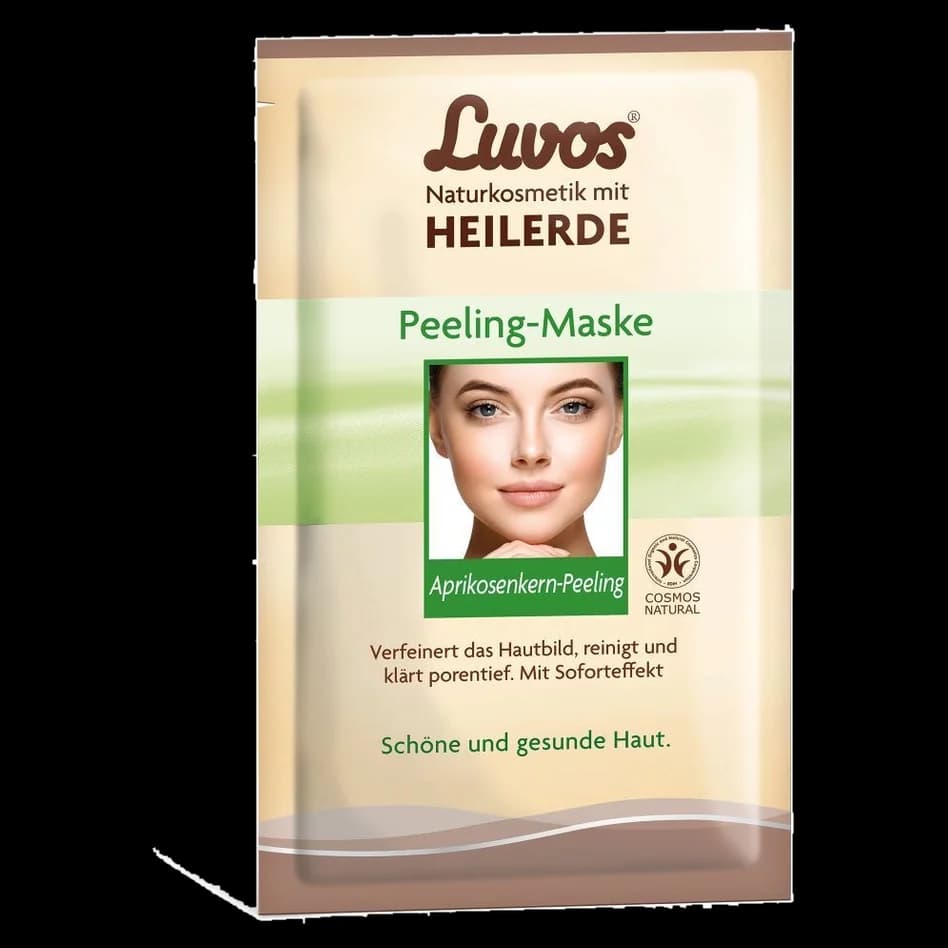
Luvos-Heilerde
Peeling-Maske
25th of 29 on the label
below ≈1%
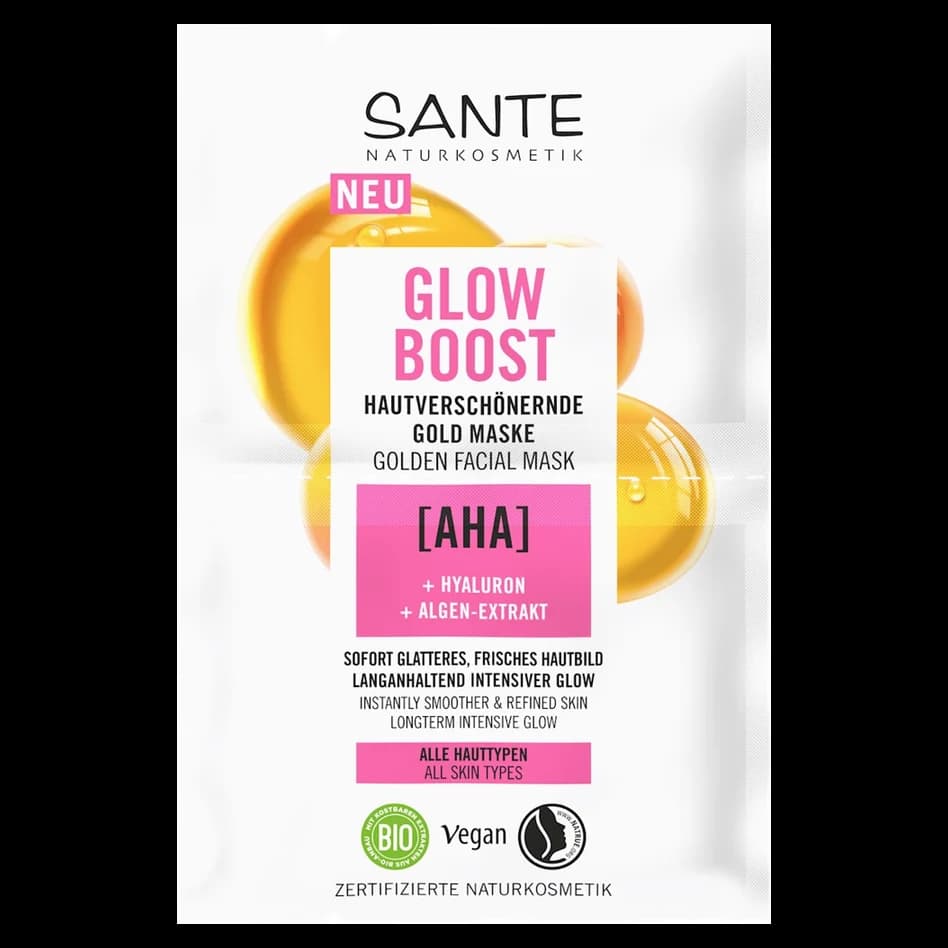
Santé Naturkosmetik
Glow Boost Maske AHA
26th of 29 on the label
below ≈1%
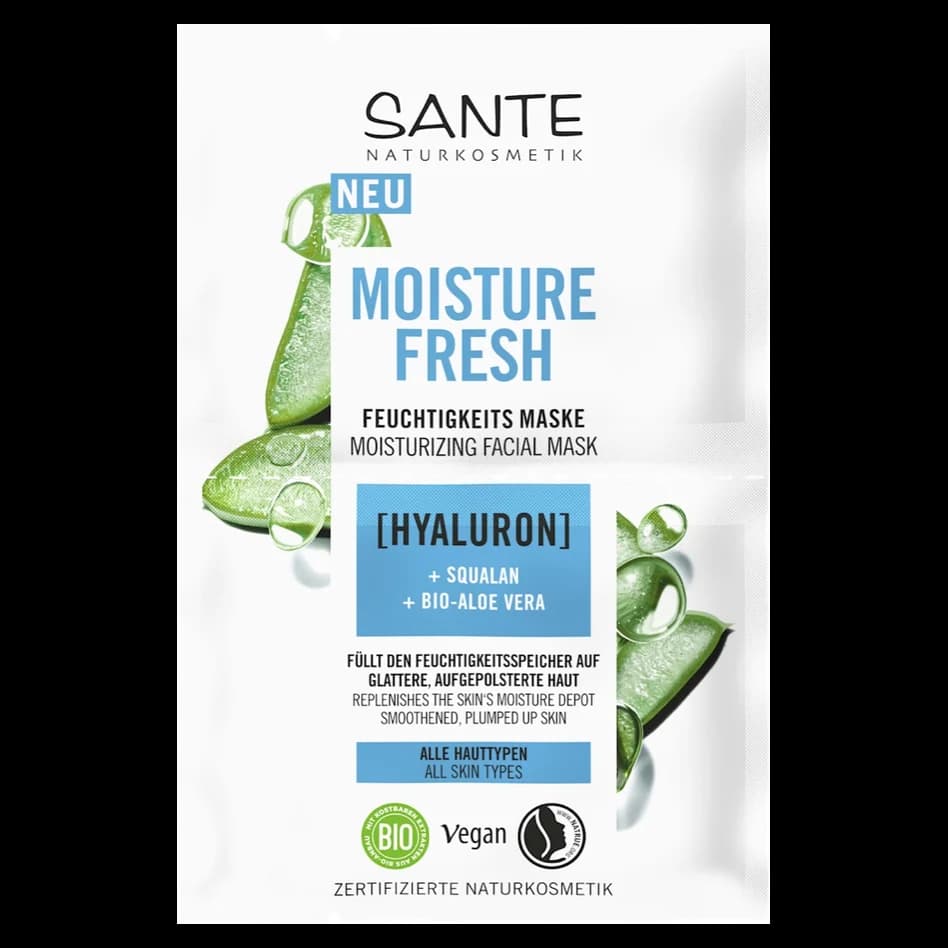
Santé Naturkosmetik
Moisture Fresh Maske Hyaluron
21st of 24 on the label
below ≈1%
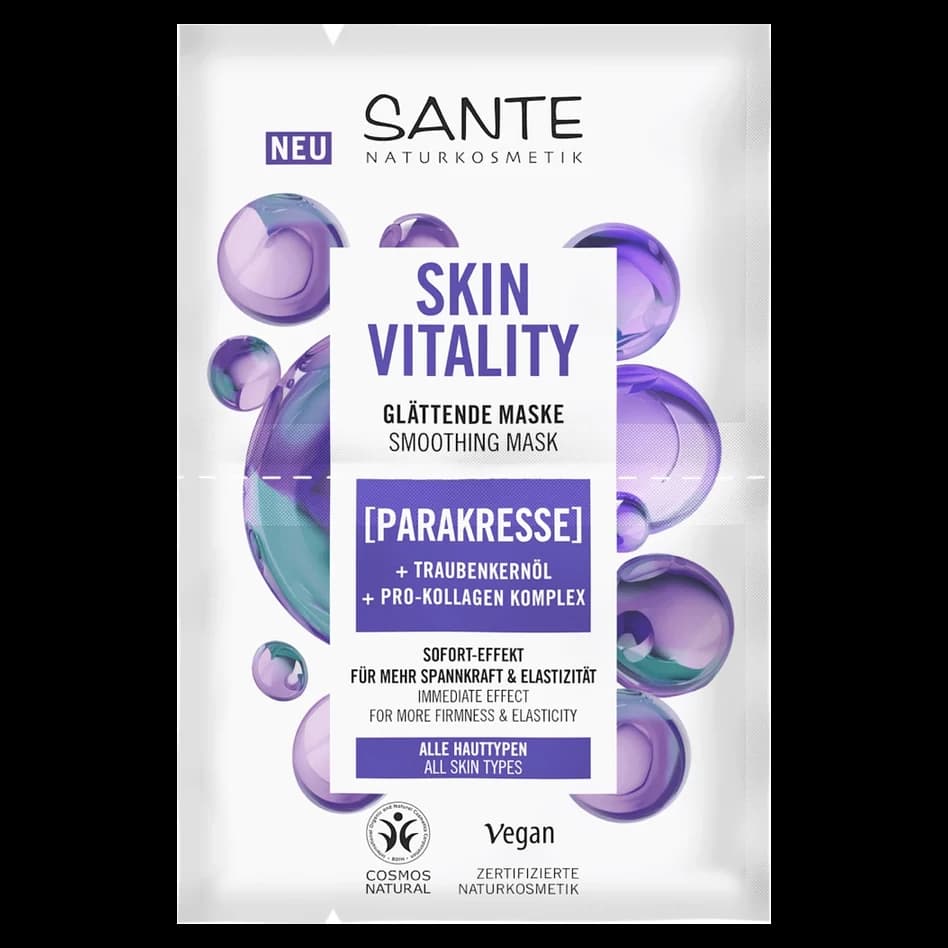
Santé Naturkosmetik
Skin Vitality Maske Parakresse
33rd of 33 on the label
below ≈1%
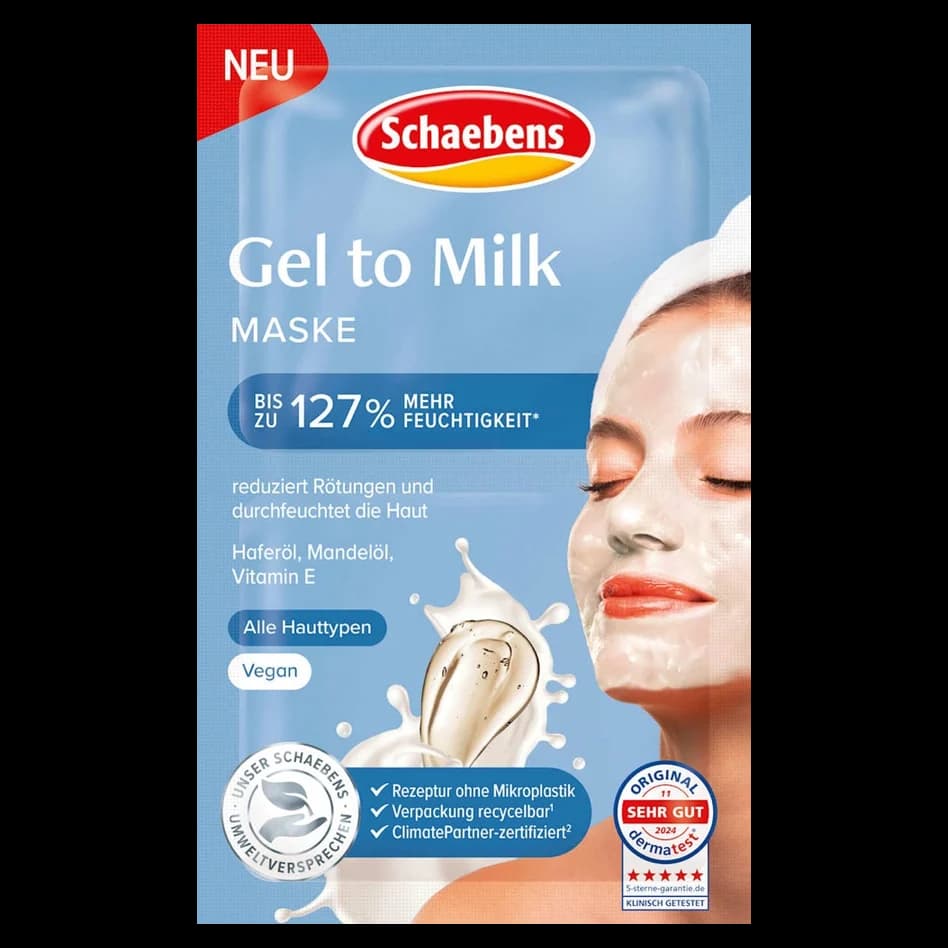
Schaebens
Gesichtscrememaske Gel to Milk
10th of 21 on the label
below ≈1%
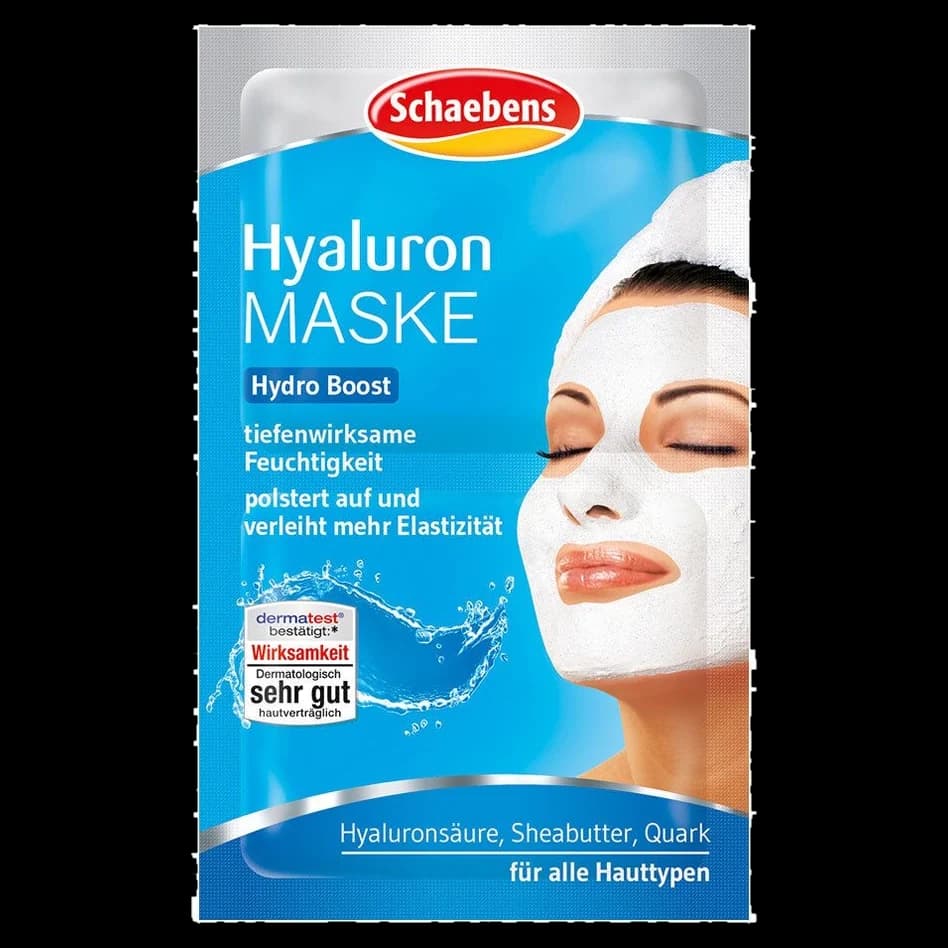
Schaebens
Hyaluron Maske
19th of 32 on the label
below ≈1%
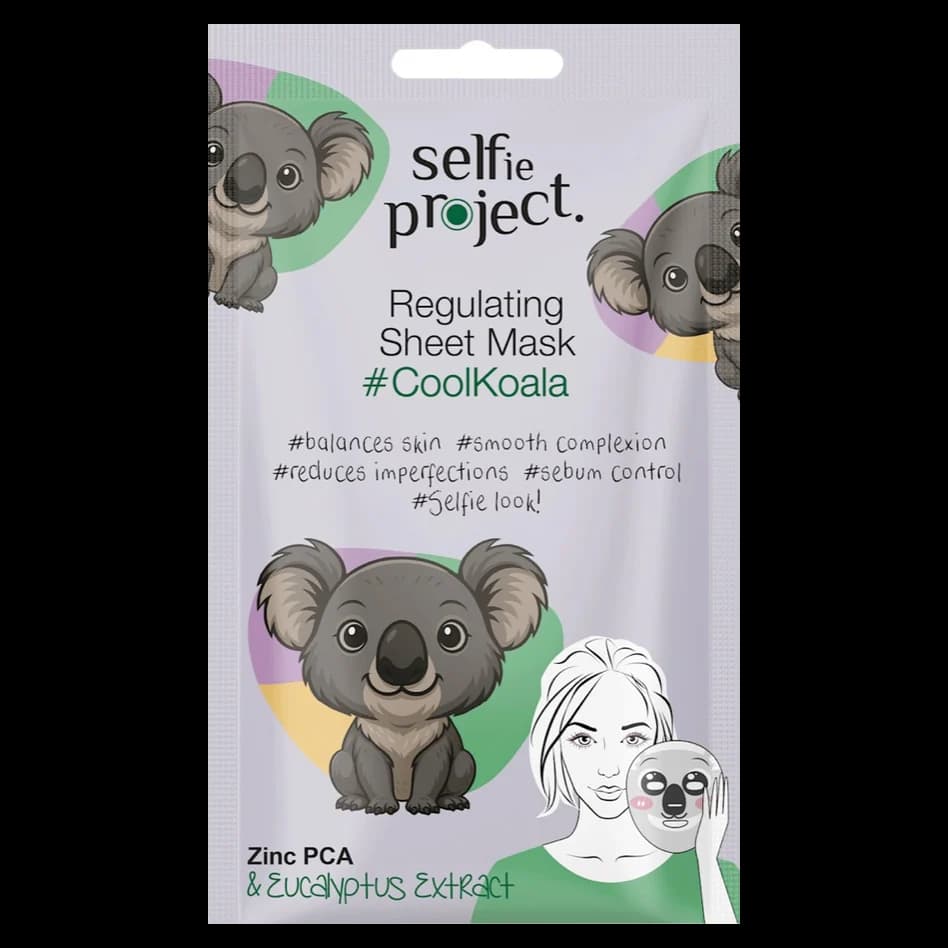
Selfie Project
Gesichtsmaske regulierend #CoolKoala
27th of 27 on the label
below ≈1%
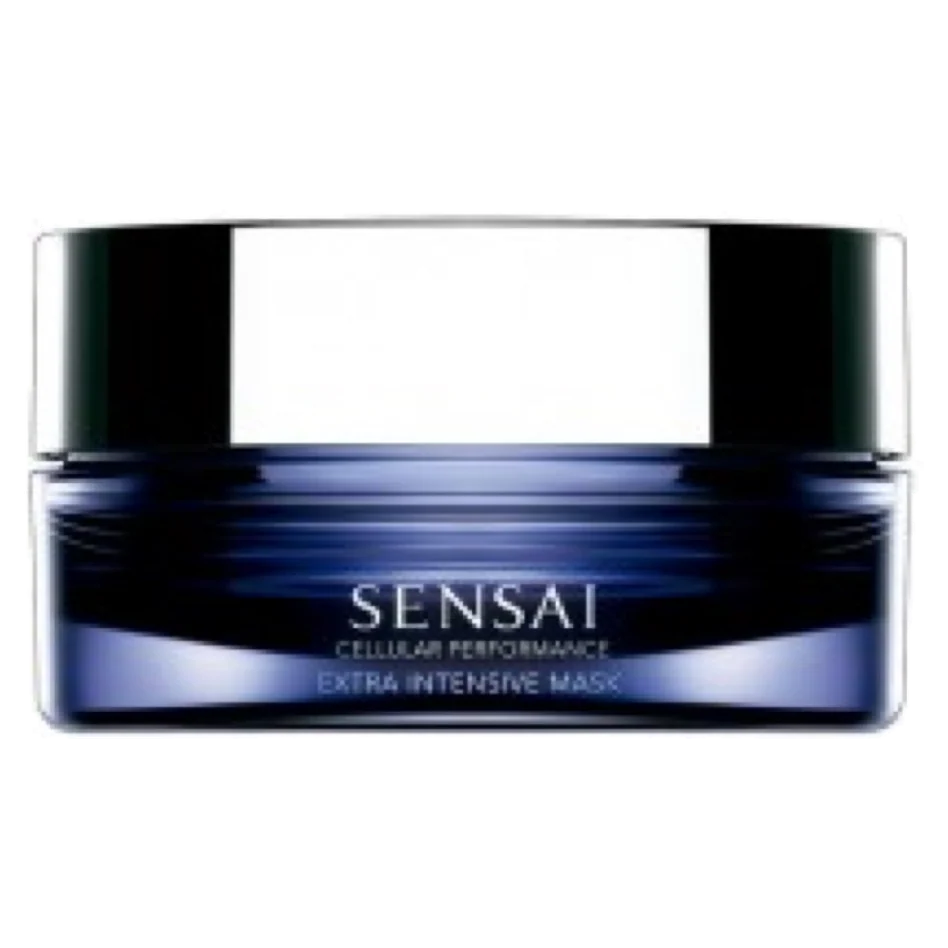
Sensai
Cellular Performance Extra Intensive Mask
40th of 44 on the label
below ≈1%
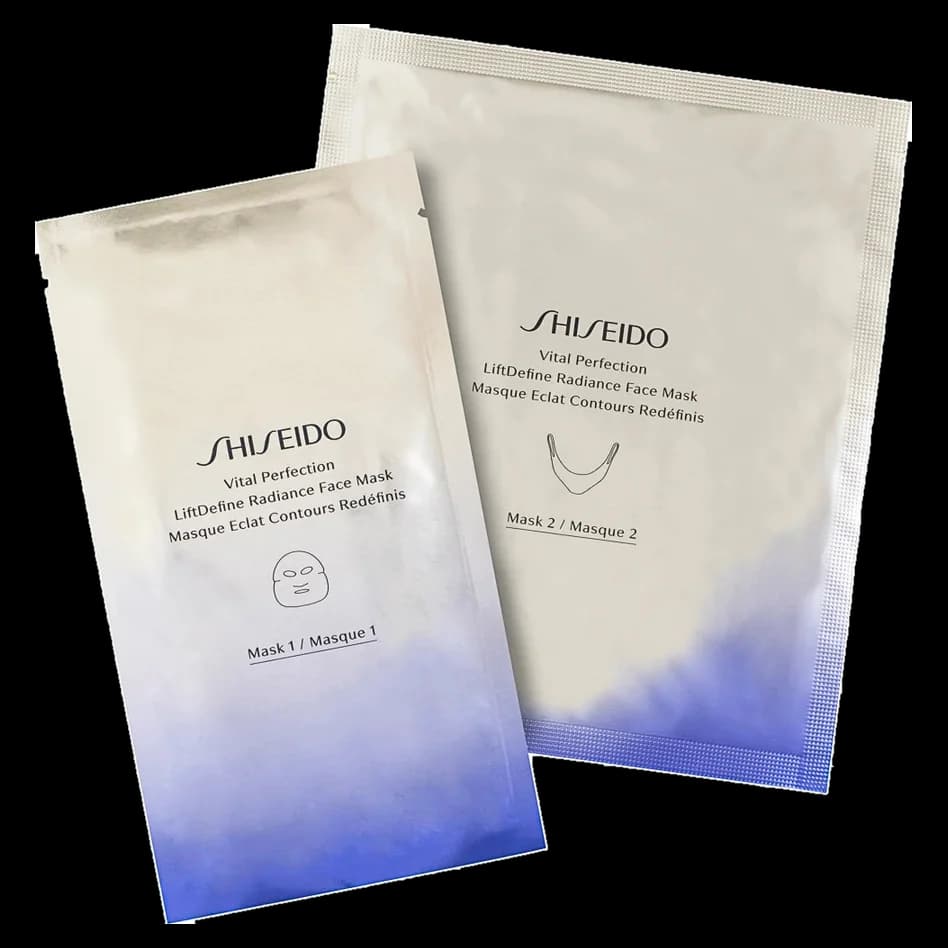
Shiseido
Vital Perfection LiftDefine Radiance Face Mask
46th of 81 on the label
below ≈1%