Linalool
EU-restricted, a common contact allergen, or subject to live debate.
Also written as: Linalol · dl-Linalool · Coriandrol
What it is
Linalool is a naturally occurring terpene alcohol that gives lavender, coriander, rosewood, ho leaf and bergamot much of their soft floral character. It is also made synthetically on a large scale and is one of the most-used fragrance ingredients in the world. In face masks it is nearly always declared because an essential oil in the formula contains it rather than because it was added on its own.
How it shows up on a label
Note that the related ingredient Linalyl Acetate, the other main lavender component, joined the EU declared-allergen list separately under Regulation (EU) 2023/1545 and oxidises in the same way.
What it does well
Delivers a soft floral scent at very low levels
It is odour-active at tiny concentrations, which lets formulators scent a product with a very small addition. This is a sensory benefit, not a skin benefit.
Strong evidence
Has mild antimicrobial activity in laboratory tests
Linalool inhibits some bacteria and fungi in vitro, but the concentrations needed are far above cosmetic fragrance levels. It should not be treated as a preservative or an acne treatment.
Limited evidence
Worth knowing
Oxidised linalool is one of the most frequent fragrance allergens in Europe
Pure linalool barely sensitises. Air exposure converts it into hydroperoxides that are strong allergens. In 5773 consecutive Swedish dermatitis patients, 7.0% reacted to oxidised linalool, one of the highest rates for any single fragrance material.
Matters most toPeople with eczema, facial dermatitis or a known fragrance allergy.
Lavender-derived linalool oxidises unusually fast
Lavender oil lacks the natural antioxidants that protect some other essential oils, so its linalool and linalyl acetate form hydroperoxides readily on air exposure. That makes lavender-scented products a common route of exposure.
Matters most toAnyone who uses lavender-scented products daily or keeps them open for a long time.
Very hard to avoid completely
Linalool appears in a large share of scented cosmetics, household products and even some "natural" and "unscented" ranges via essential oils. People with a confirmed allergy usually need a genuinely fragrance-free routine rather than label-by-label avoidance.
Matters most toPeople with a diagnosed linalool hydroperoxide allergy.
Where the EU stands
Labelling required
One of the original 26 declared fragrance allergens. Must be named on the pack above 0.001% in leave-on products and 0.01% in rinse-off products. No maximum concentration is set.
Regulation (EC) No 1223/2009, Annex III entry 84 · source ↗
Sources (3)
Every link goes to the original: a journal, a PubMed record or an EU document.
- [1]Contact allergy to oxidized linalool and oxidized limonene: Patch testing in consecutive patients with dermatitis
Contact Dermatitis · 2022 · doi:10.1111/cod.13980
7.0% of 5773 consecutive dermatitis patients reacted to oxidised linalool, versus 5.1% for oxidised limonene.
- [2]Lavender oil lacks natural protection against autoxidation, forming strong contact allergens on air exposure
Contact Dermatitis · 2008 · doi:10.1111/j.1600-0536.2008.01402.x
Lavender oil autoxidises readily because it lacks protective antioxidants, and the resulting linalool and linalyl acetate hydroperoxides are strong sensitisers in the local lymph node assay.
- [3]Contact Allergy to Hydroperoxides of Linalool and D-Limonene in a US Population
Dermatitis · 2017 · doi:10.1097/DER.0000000000000318
Linalool hydroperoxides produced a clinically meaningful rate of positive patch tests in a US population, supporting their inclusion in screening series.
Masks that contain Linalool
alverde Naturkosmetik
Gesichtsmaske Q10 mit Vitamin C
31st of 40 on the label
below ≈1%
Annemarie Börlind
Hydro Gel Mask
25th of 33 on the label
Annemarie Börlind
Sensitive Cream Mask
30th of 31 on the label
below ≈1%
Balea
Gesichtsmaske Peel-Off Lemon Lover
21st of 23 on the label
below ≈1%
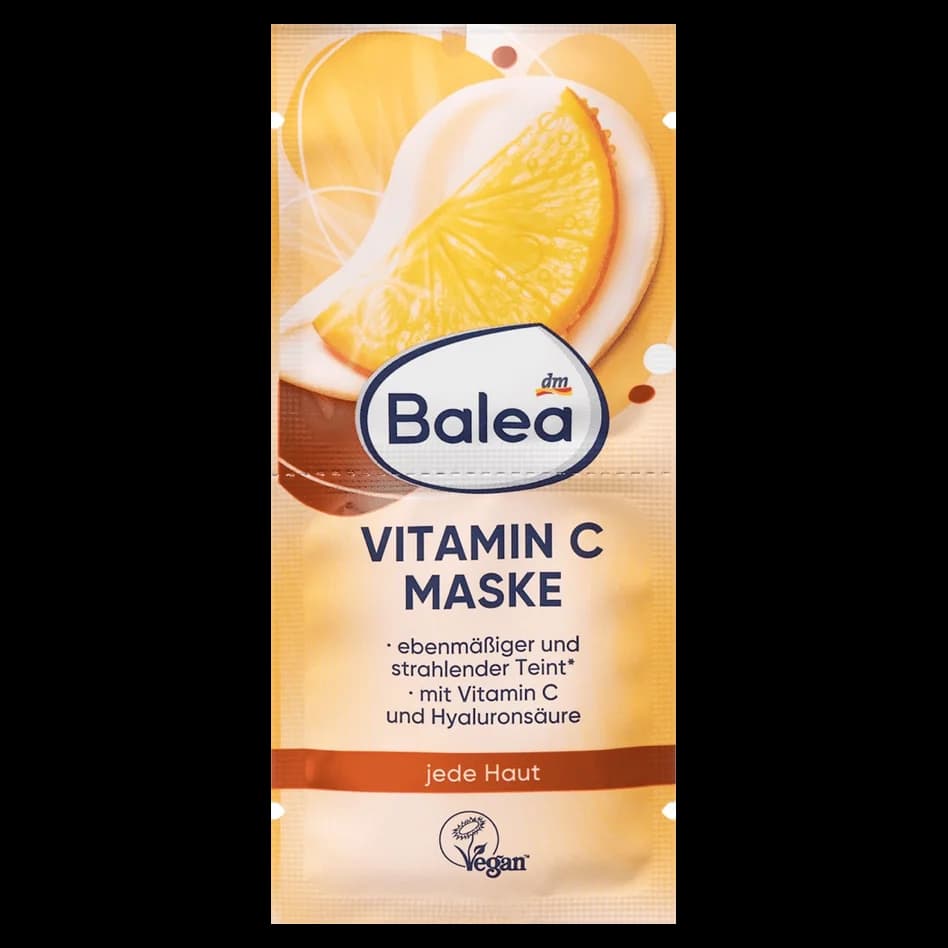
Balea
Gesichtsmaske Vitamin C
21st of 23 on the label
below ≈1%
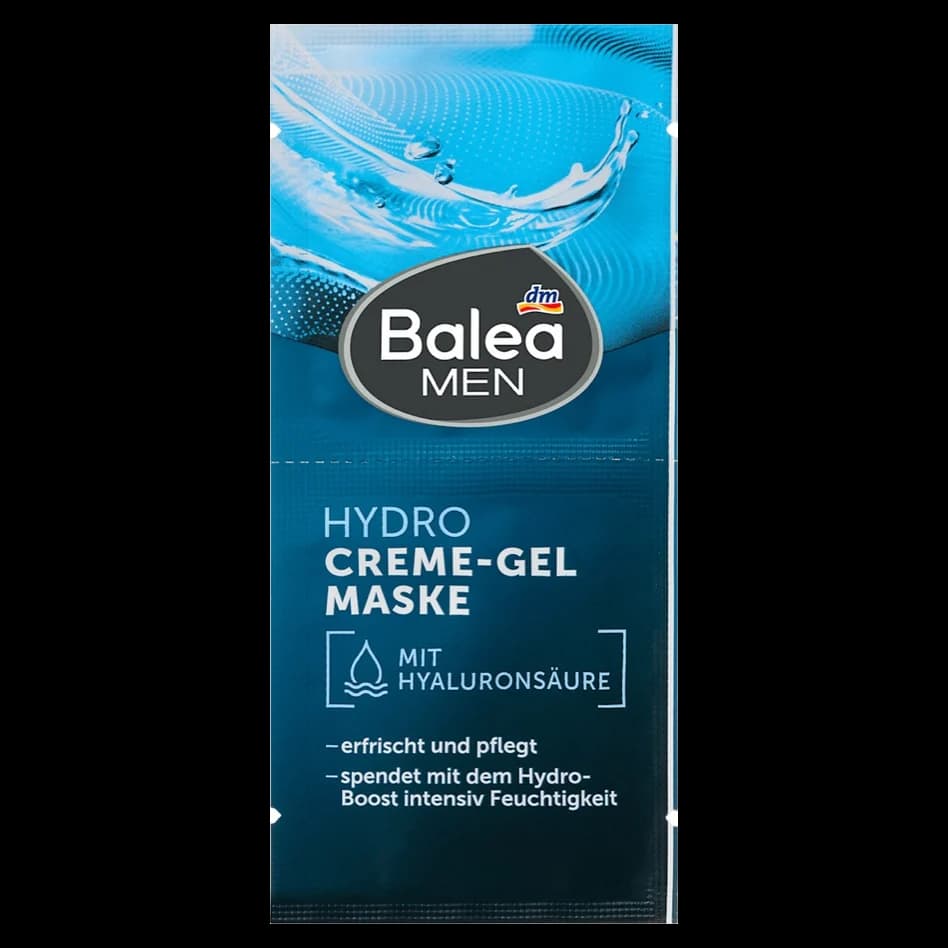
Balea MEN
Gesichtsmaske Creme-Gel Hydro
29th of 31 on the label
below ≈1%
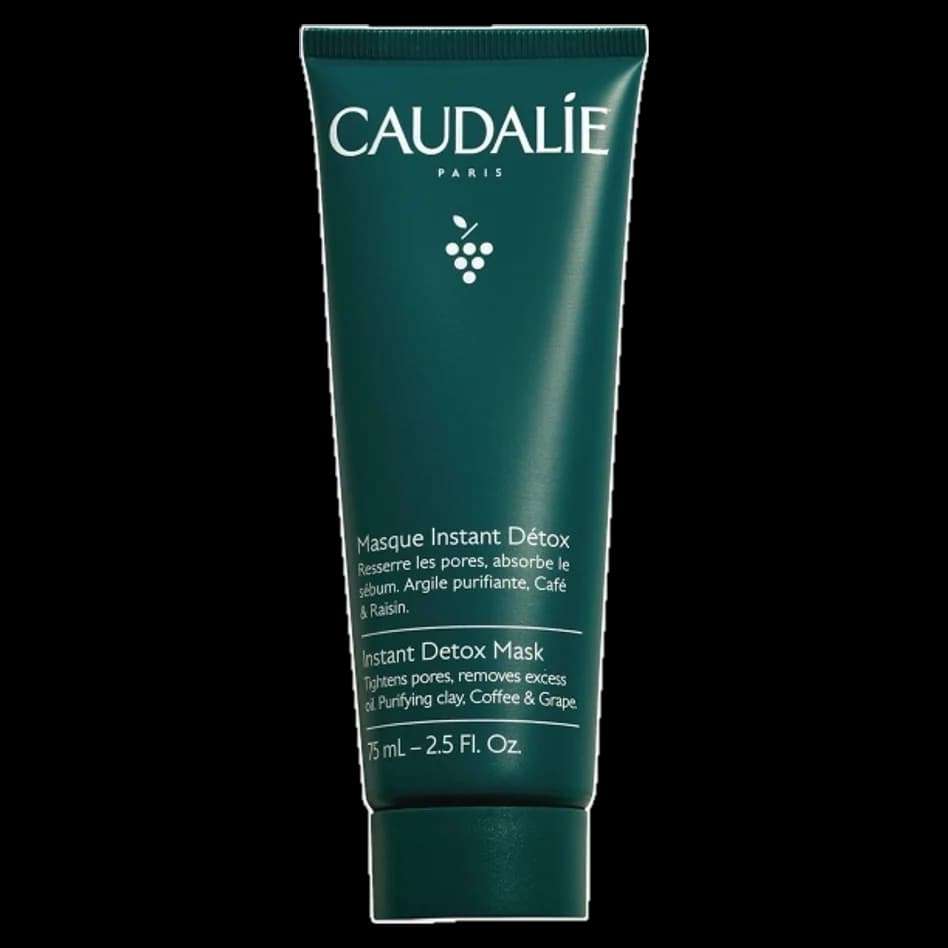
Caudalie
Vinergetic C+ Instant Detox Mask
15th of 33 on the label
below ≈1%
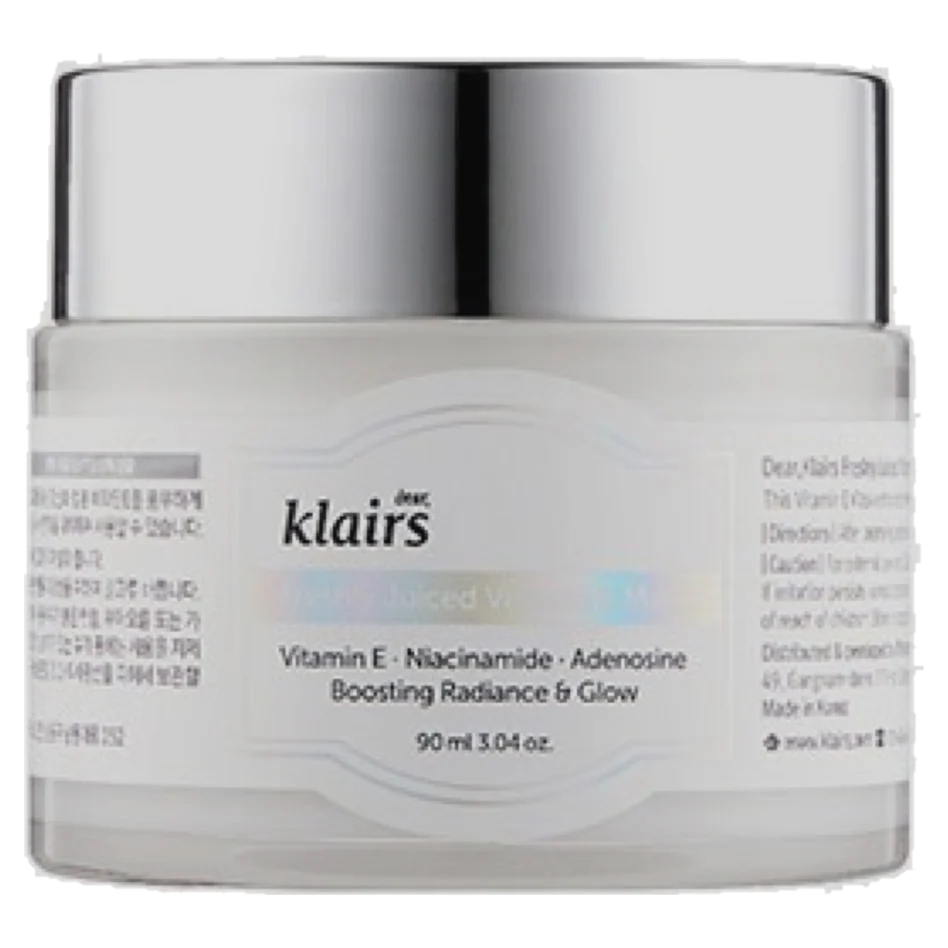
Dear, Klairs
Freshly Juiced Vitamin E Mask
29th of 30 on the label
below ≈1%
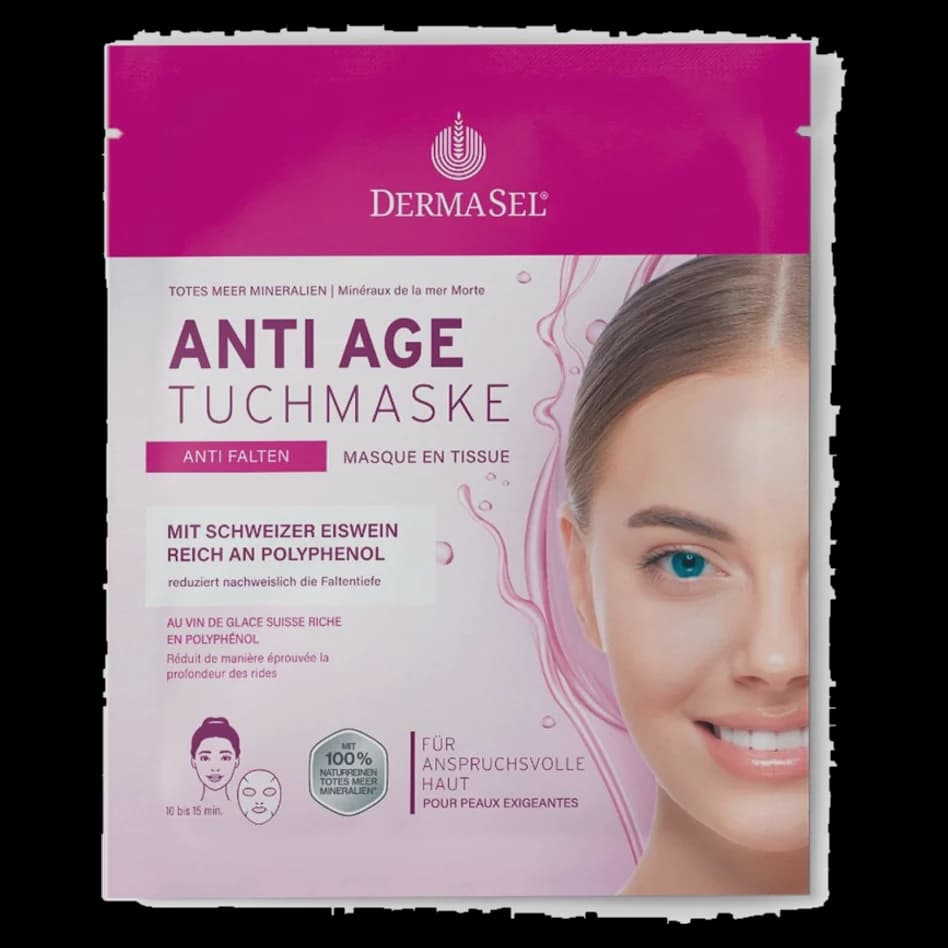
DERMASEL
Totes Meer Anti-Age Tuchmaske
19th of 23 on the label
below ≈1%
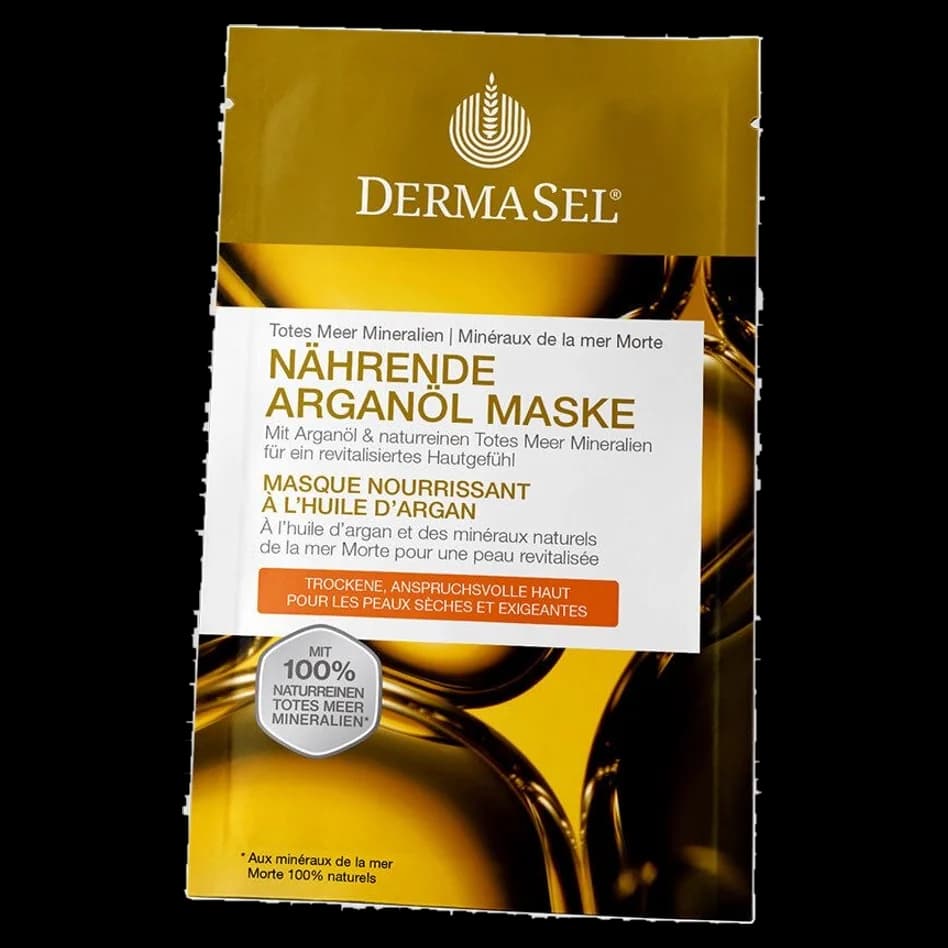
DERMASEL
Totes Meer Mineralien Nährende Arganöl Maske
19th of 29 on the label
below ≈1%
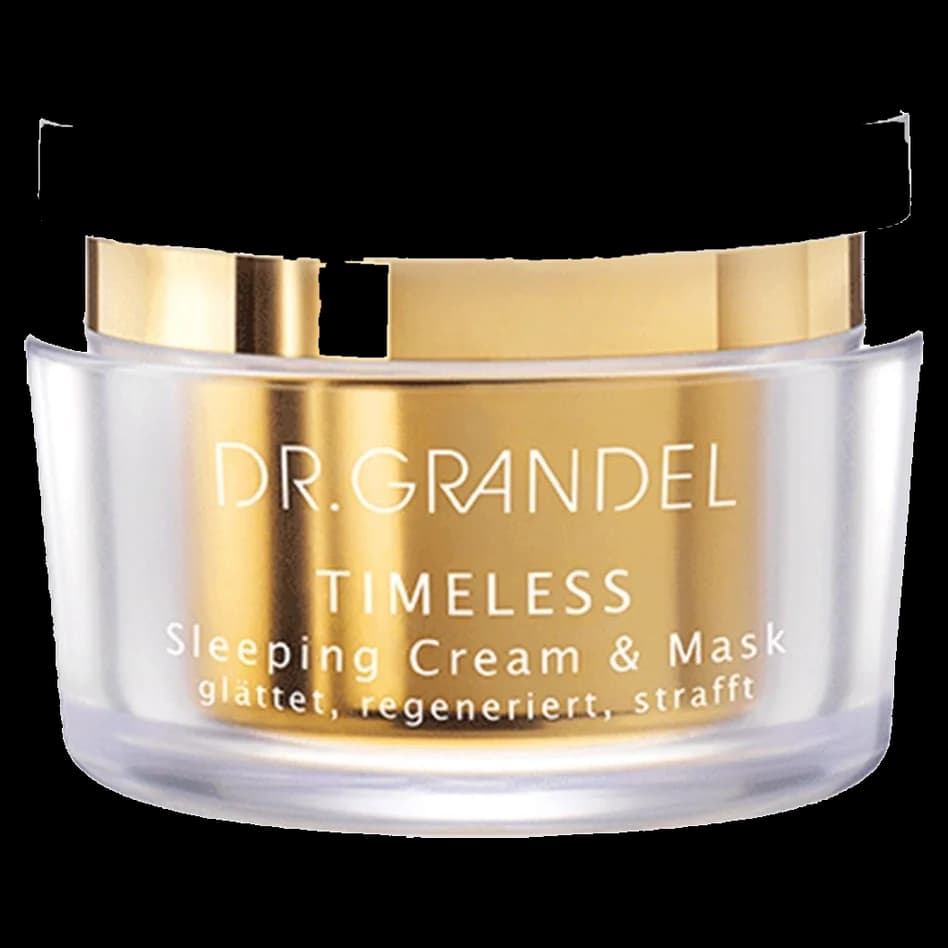
Dr. Grandel
Timeless Sleeping Cream & Mask
32nd of 35 on the label
below ≈1%
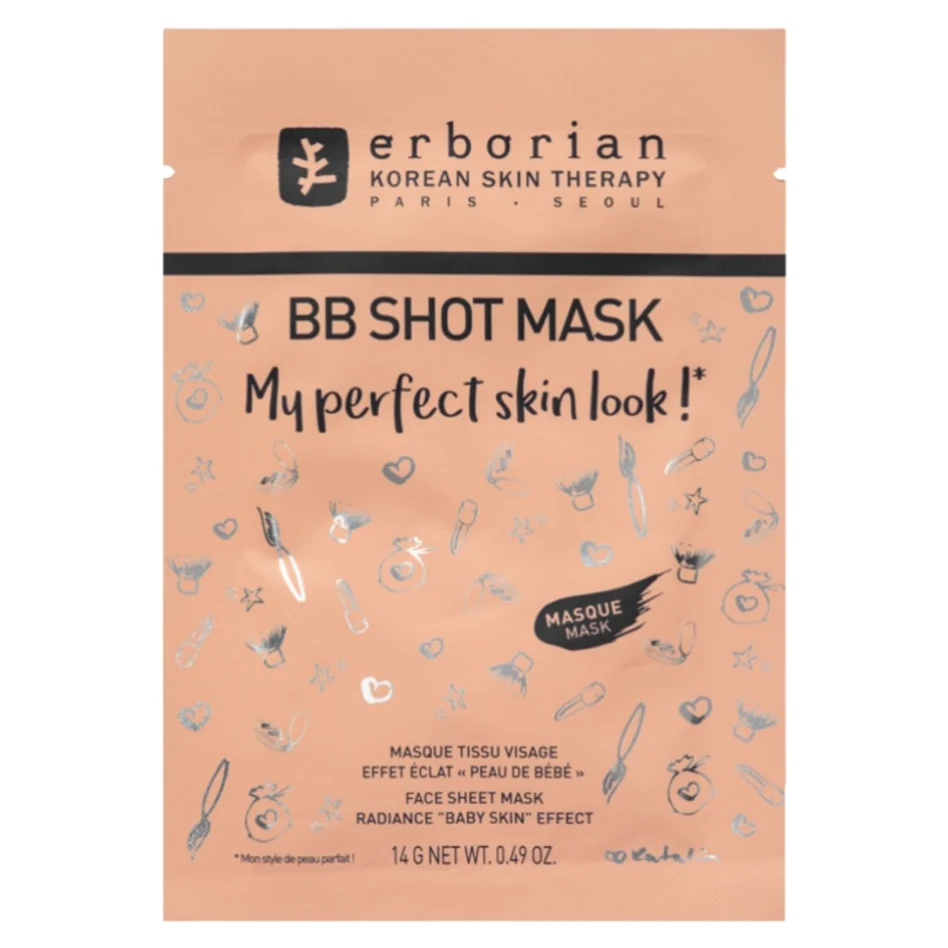
Erborian
BB Shot Mask
28th of 34 on the label
below ≈1%
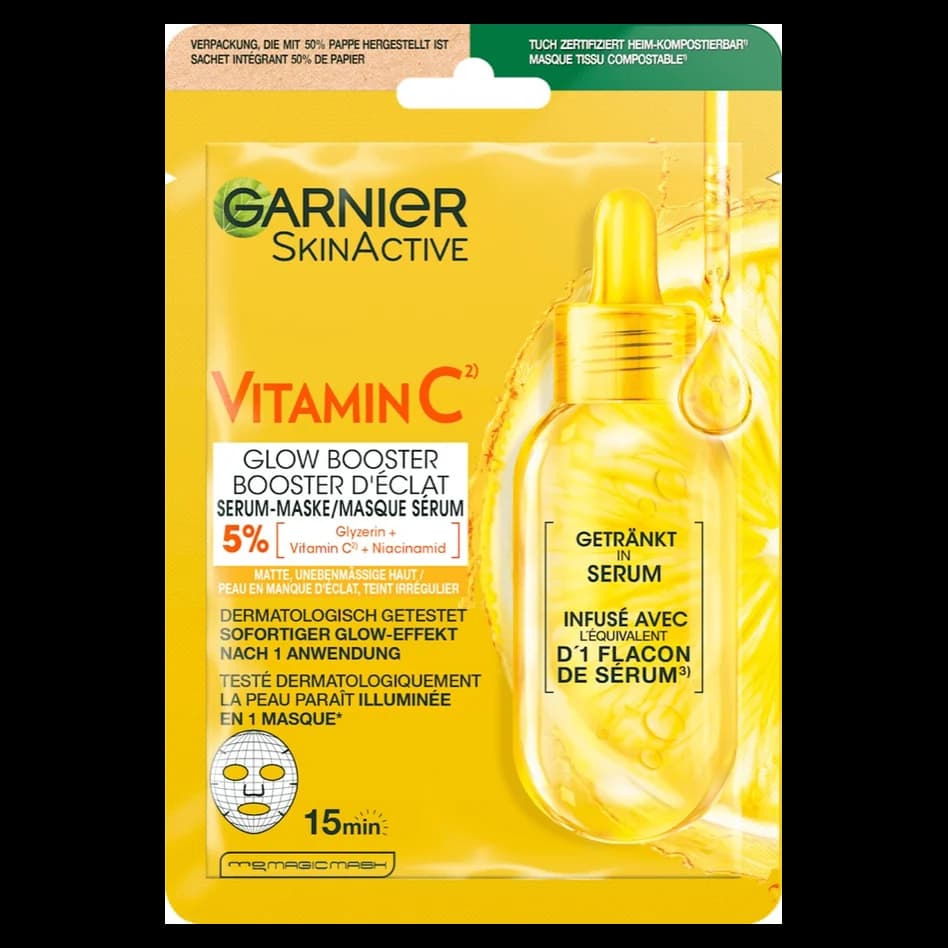
Garnier
SkinActive Vitamin C Tissue Mask
14th of 21 on the label
below ≈1%
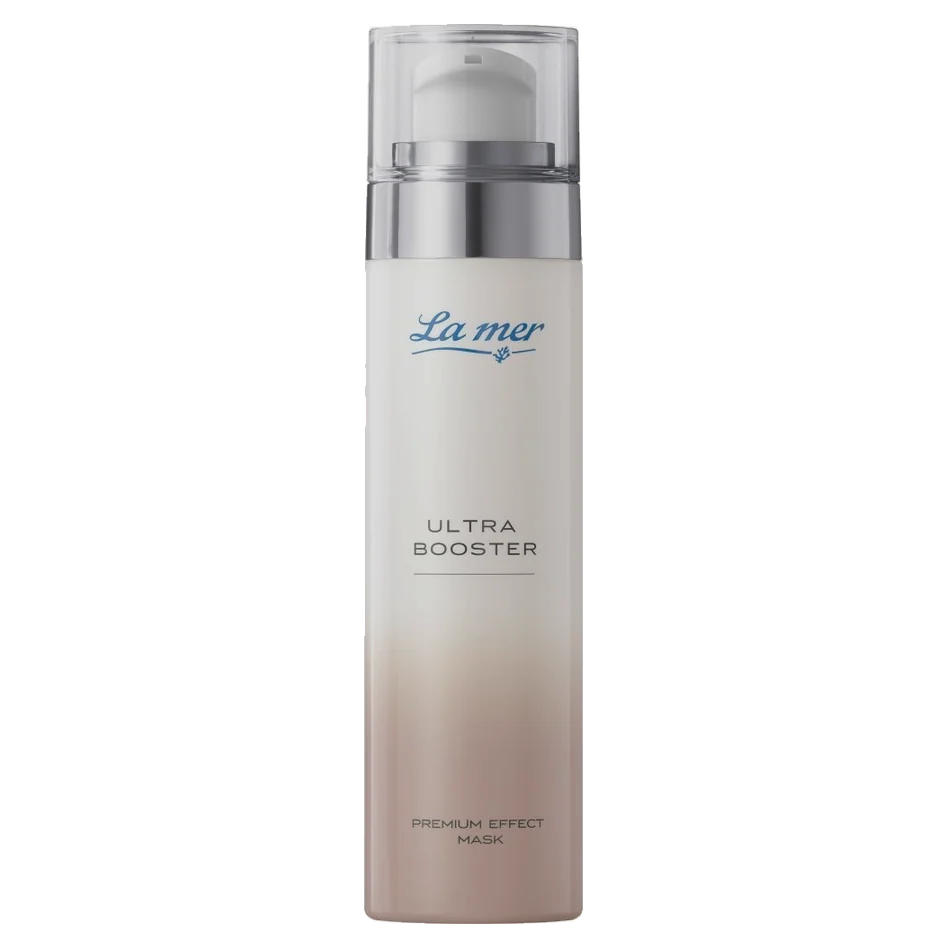
LA MER
Ultra Booster Premium Mask Effect
32nd of 41 on the label
below ≈1%
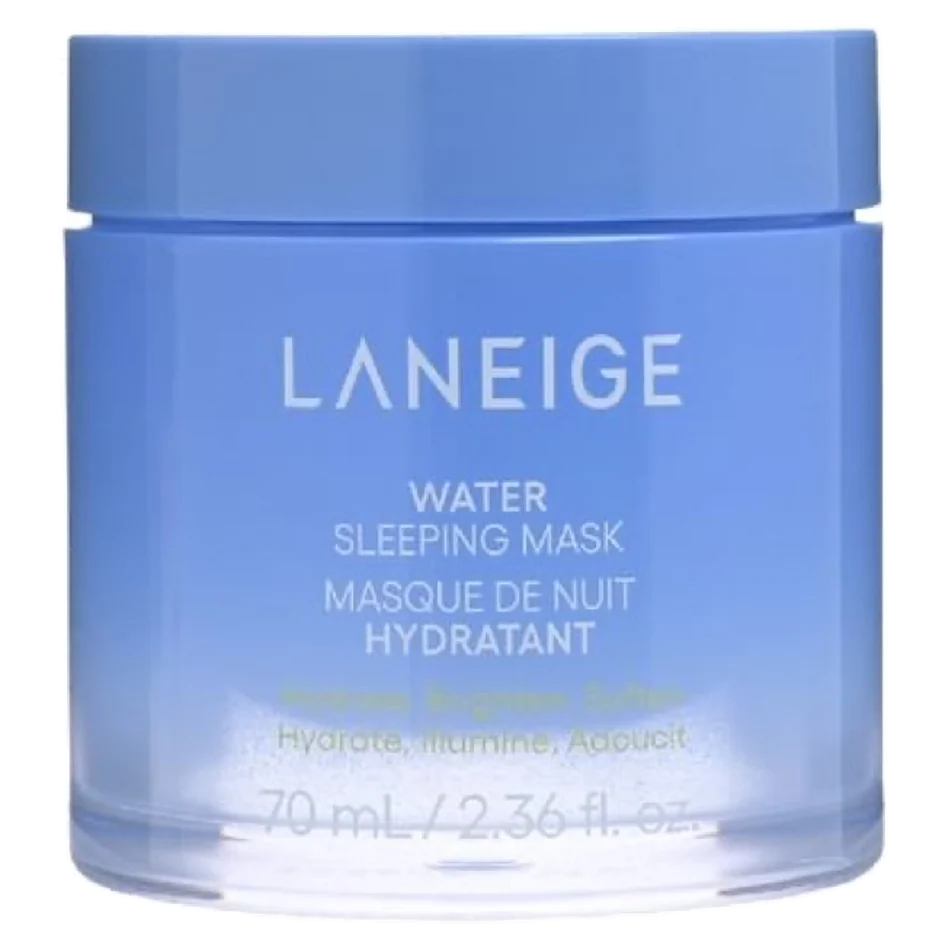
LANEIGE
Water Sleeping Mask
35th of 43 on the label
below ≈1%
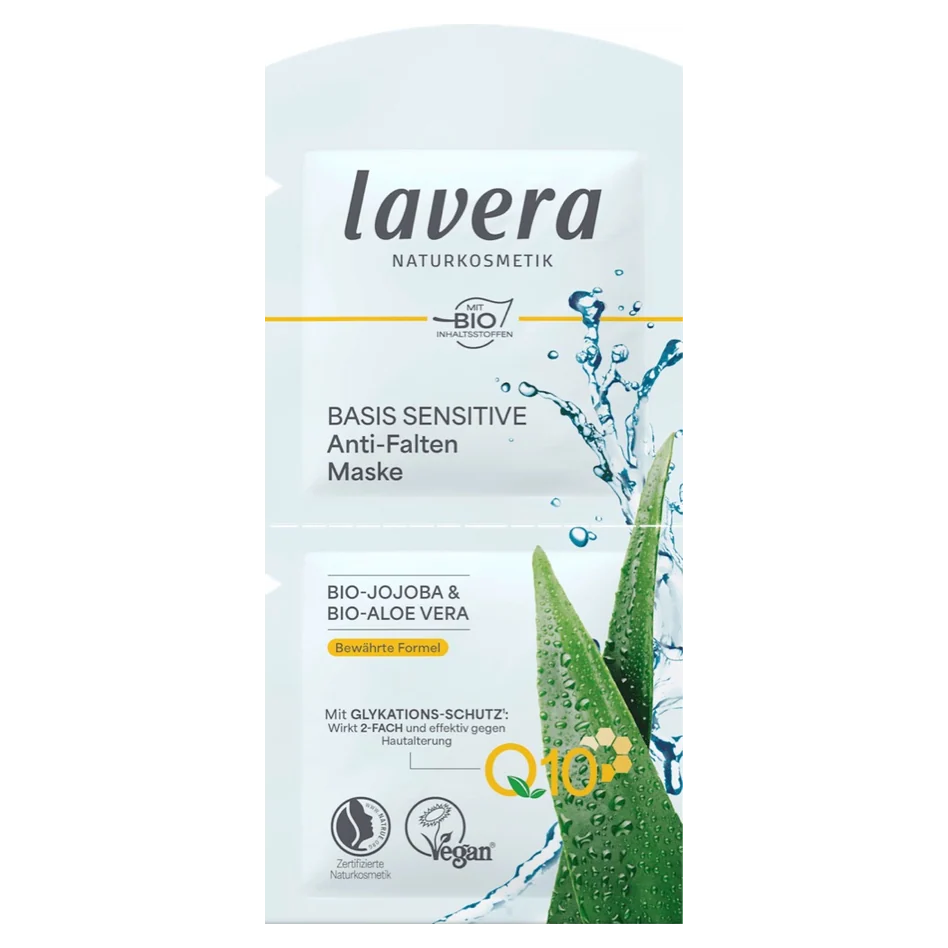
lavera
basis sensitiv Anti-Falten Gesichtsmaske
39th of 42 on the label
below ≈1%
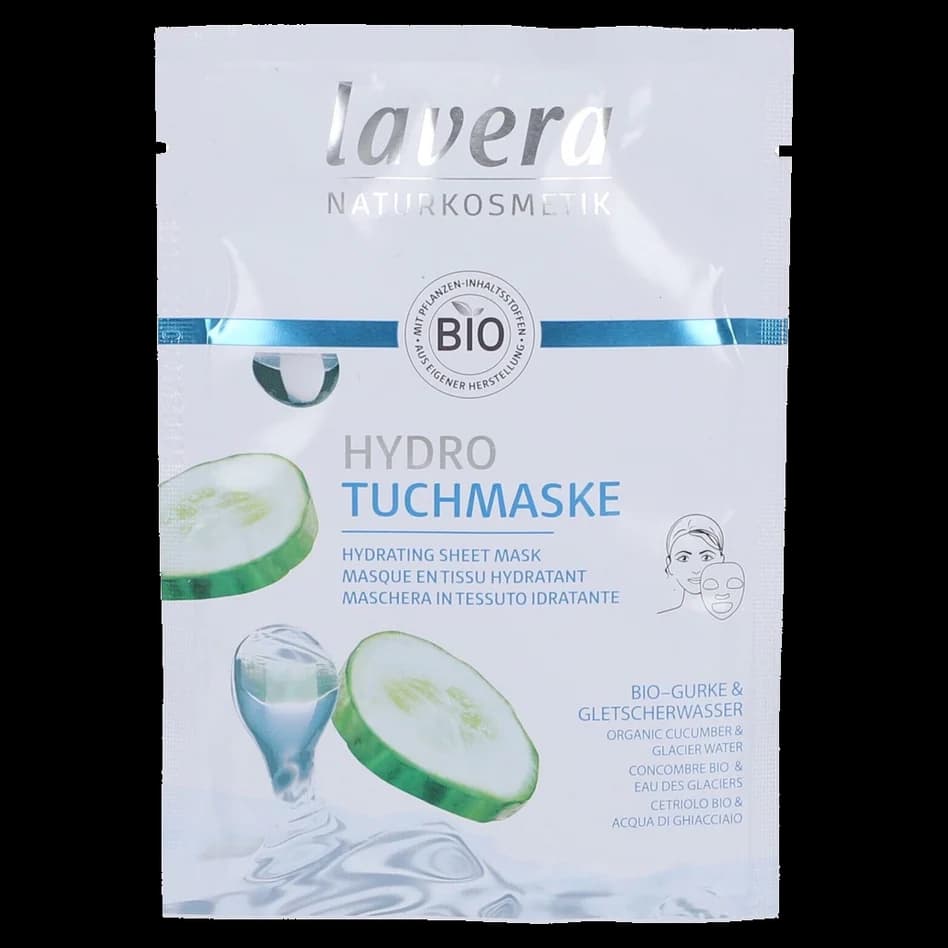
lavera
Hydro Tuchmaske
20th of 22 on the label
below ≈1%
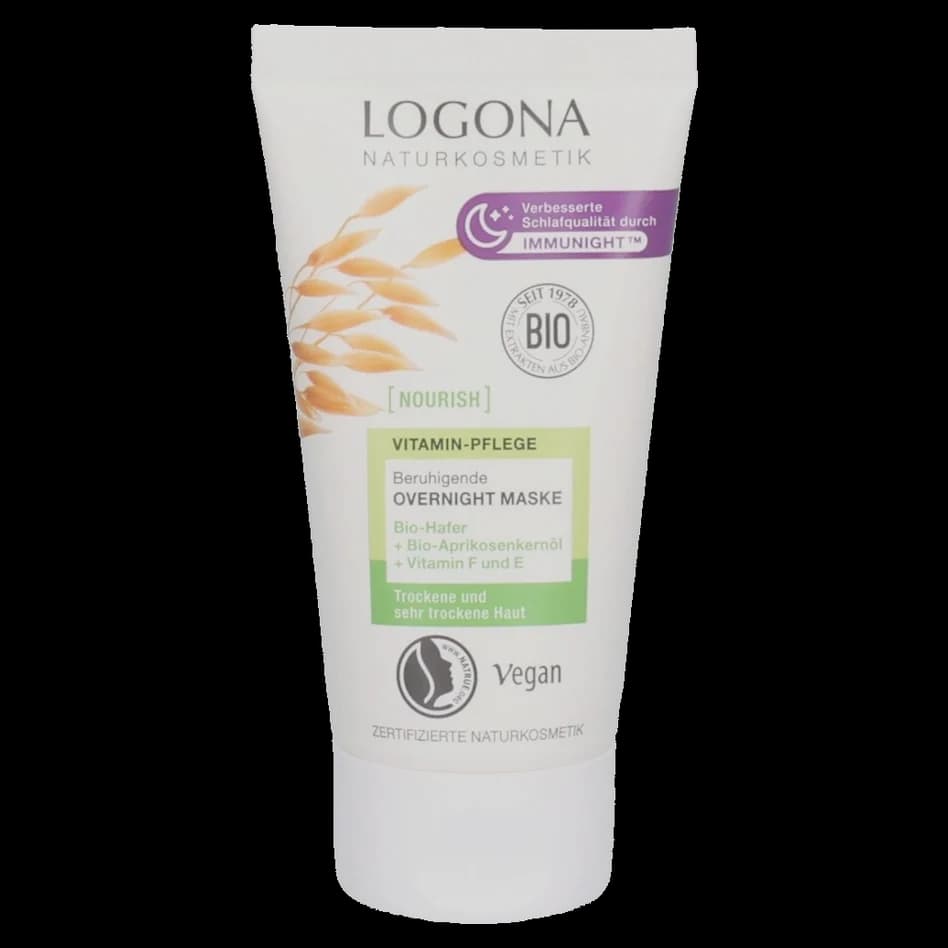
LOGONA
Nourish Beruhigende Overnight Maske
45th of 53 on the label
below ≈1%
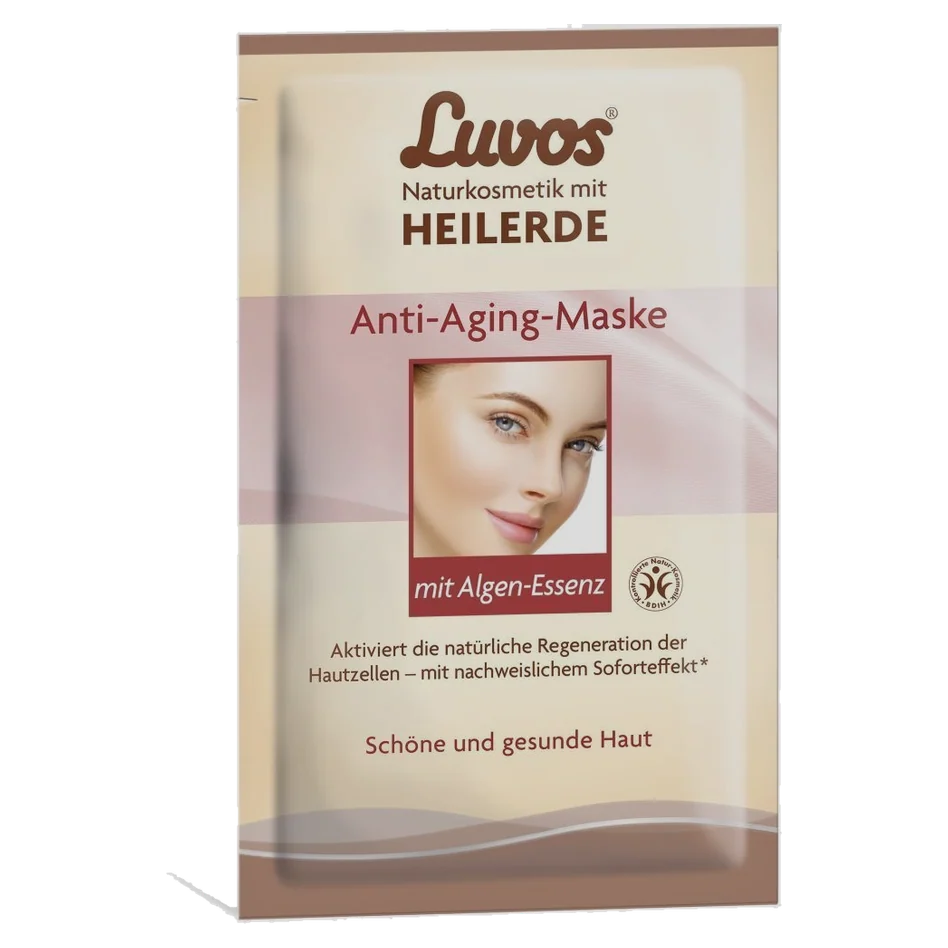
Luvos-Heilerde
Anti-Aging-Maske
23rd of 27 on the label
below ≈1%
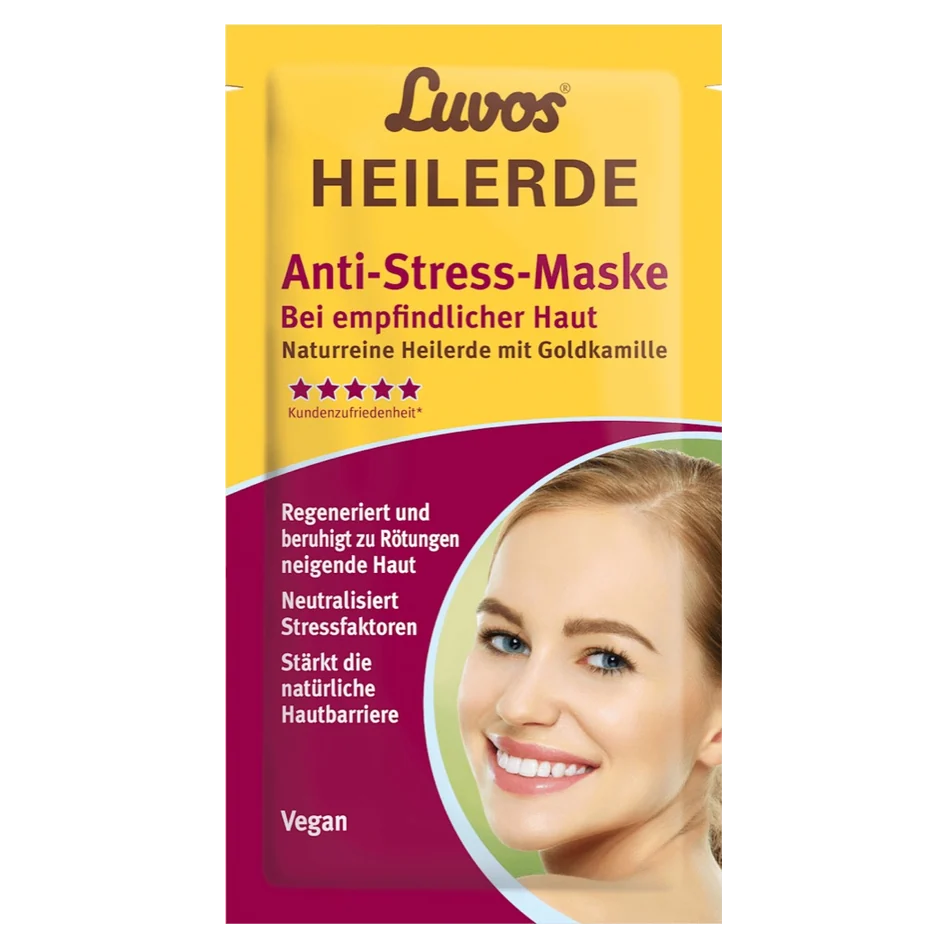
Luvos-Heilerde
Anti-Stress-Maske
30th of 33 on the label
below ≈1%
Luvos-Heilerde
Clean-Peel-Maske
25th of 29 on the label
below ≈1%
Luvos-Heilerde
Hydro Booster mit Clean Maske
26th of 63 on the label
below ≈1%
Luvos-Heilerde
Hydro-Maske
27th of 33 on the label
below ≈1%
Luvos-Heilerde
Peeling-Maske
22nd of 29 on the label
below ≈1%
Luvos-Heilerde
Reinigungs-Maske
25th of 28 on the label
below ≈1%
Luvos-Heilerde
Vital-Maske
25th of 30 on the label
below ≈1%
numbuzin
No.3 Tingle-Pore Softening Sheet Mask
41st of 42 on the label
below ≈1%
Rosental Organics
Regenerating Night Mask
40th of 44 on the label
below ≈1%
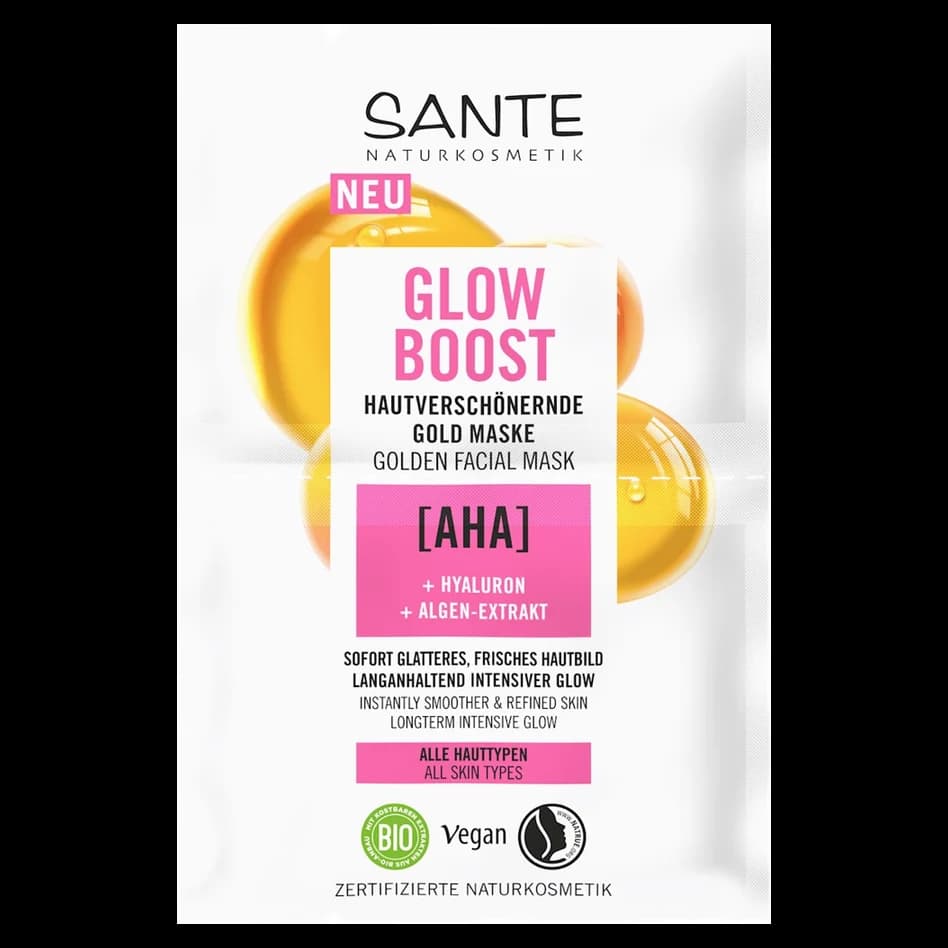
Santé Naturkosmetik
Glow Boost Maske AHA
25th of 29 on the label
below ≈1%
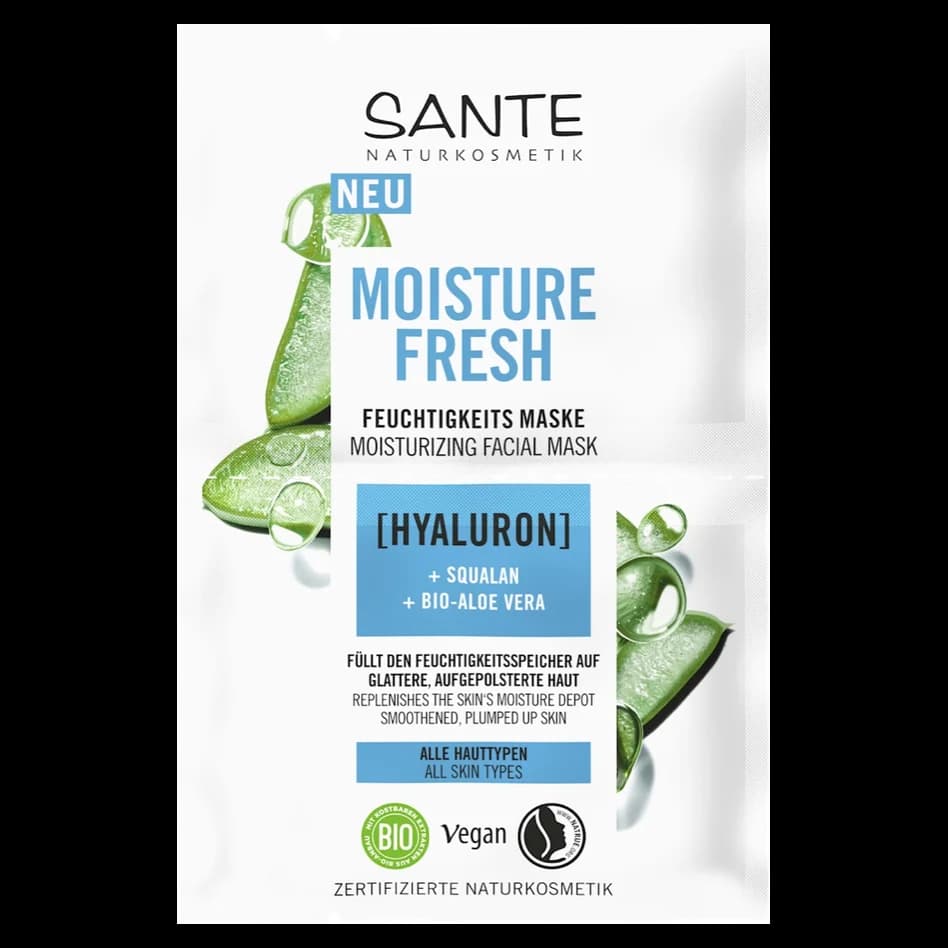
Santé Naturkosmetik
Moisture Fresh Maske Hyaluron
22nd of 24 on the label
below ≈1%
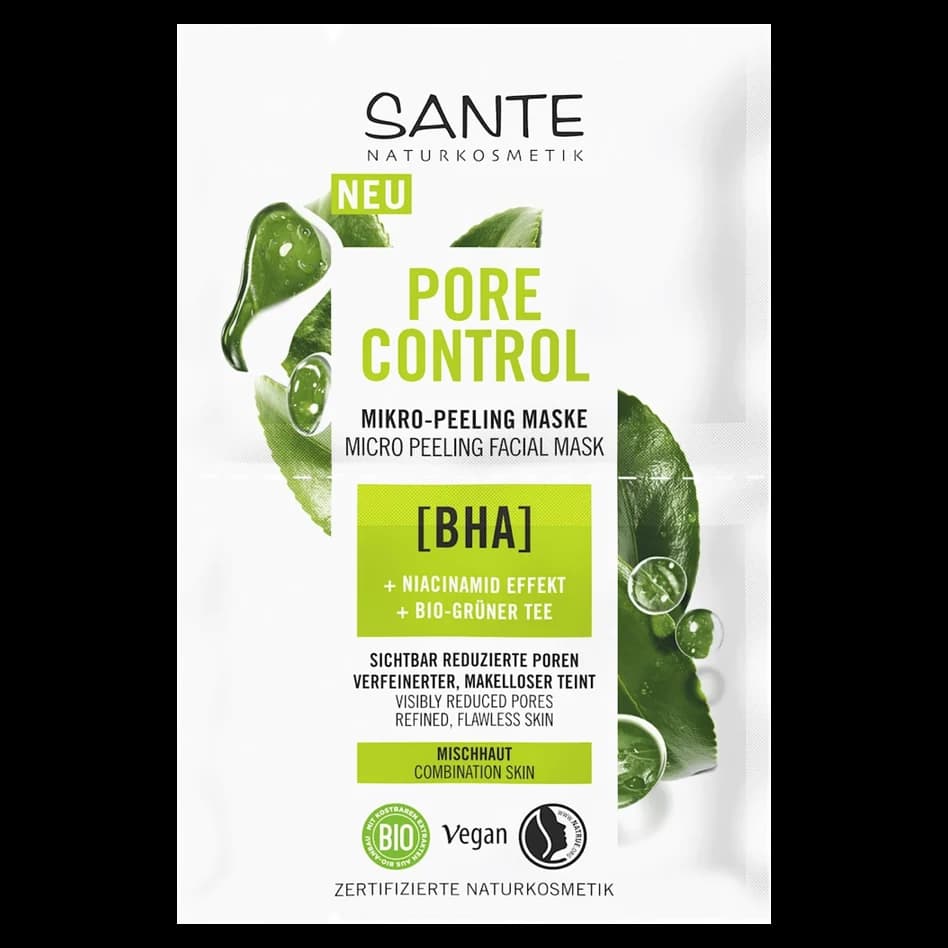
Santé Naturkosmetik
Pore Control Maske BHA
29th of 29 on the label
below ≈1%
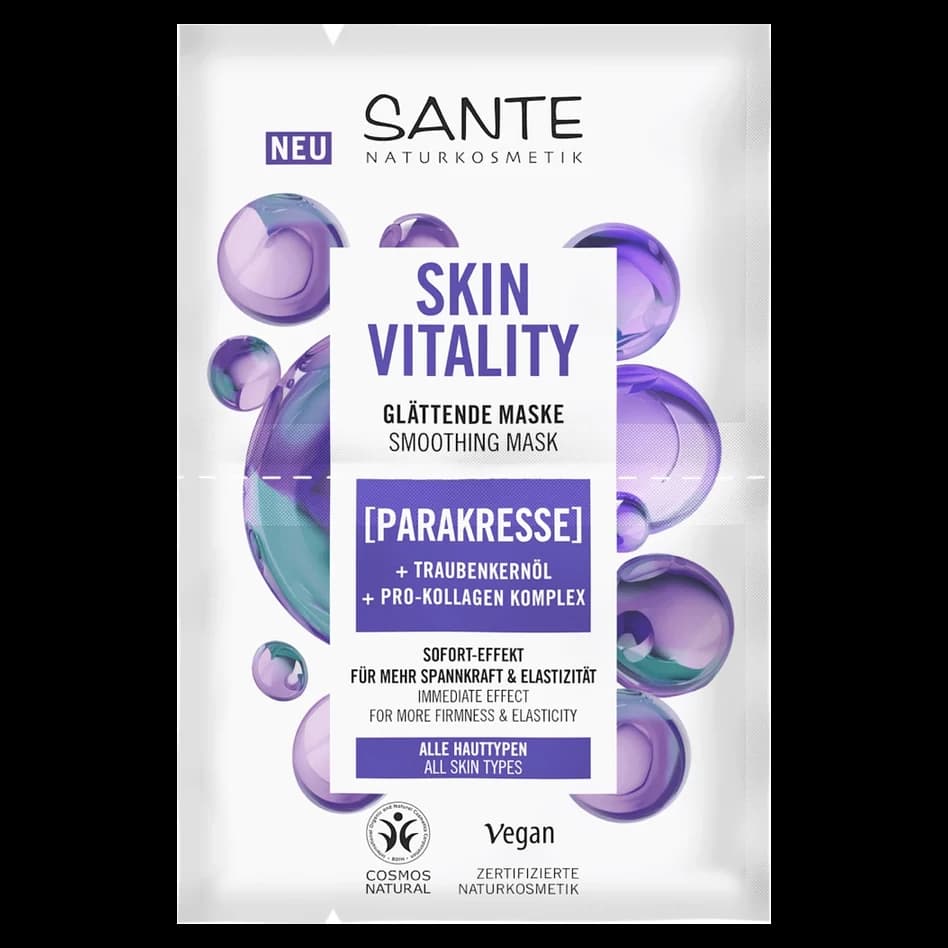
Santé Naturkosmetik
Skin Vitality Maske Parakresse
28th of 33 on the label
below ≈1%
Schaebens
Aloe Vera Maske
31st of 34 on the label
below ≈1%
Schaebens
Gesichtscrememaske Gel to Milk
16th of 21 on the label
below ≈1%
Schaebens
Gesichtsmaske Kollagen Boost
25th of 27 on the label
below ≈1%
Schaebens
Hyaluron Maske
24th of 32 on the label
below ≈1%
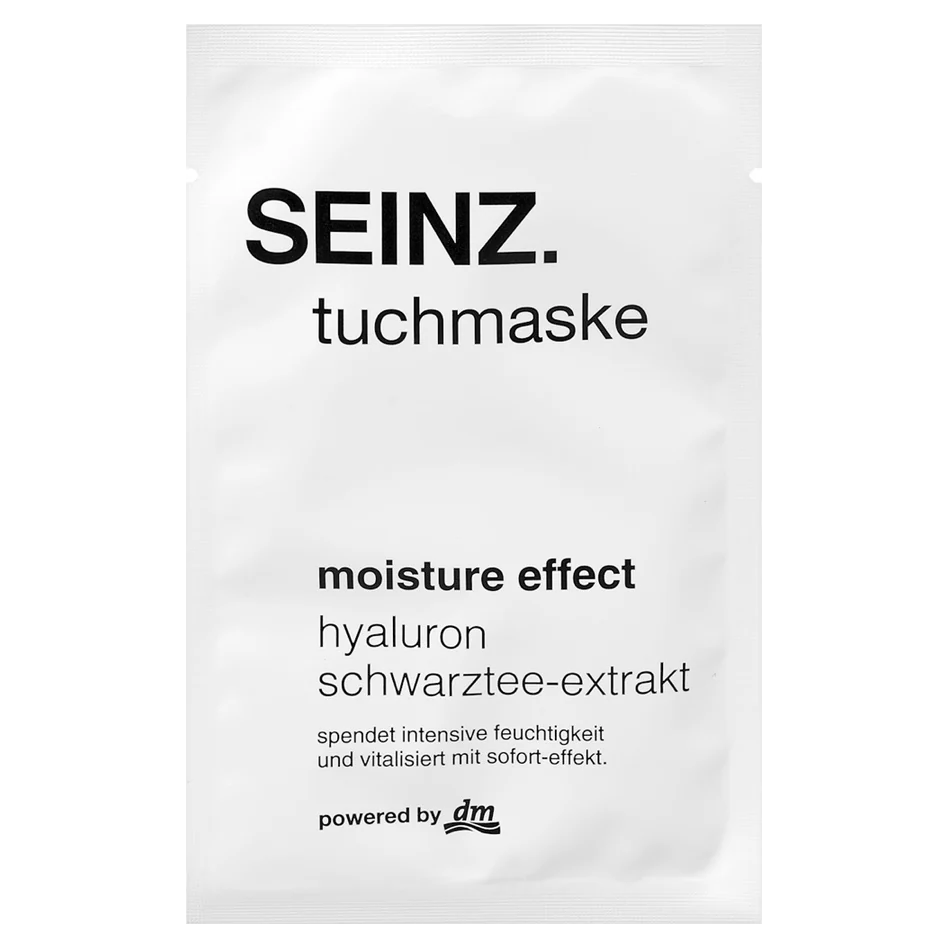
SEINZ.
Tuchmaske moisture effect
14th of 16 on the label
below ≈1%
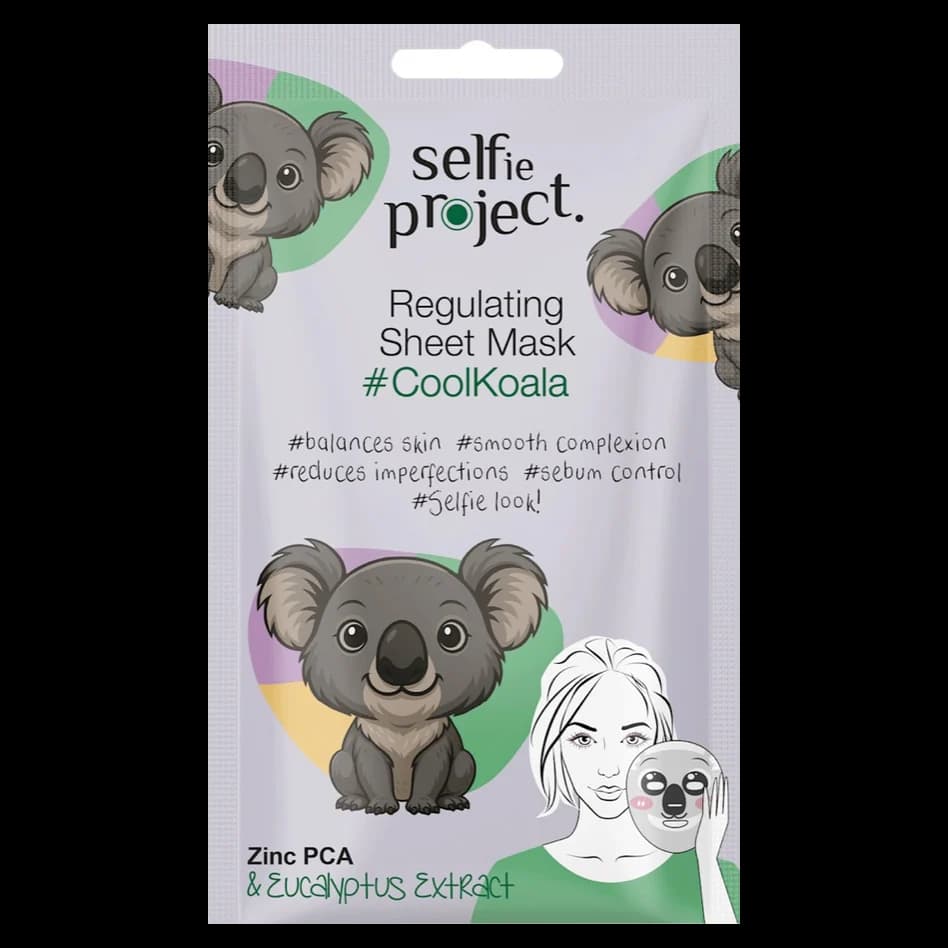
Selfie Project
Gesichtsmaske regulierend #CoolKoala
25th of 27 on the label
below ≈1%
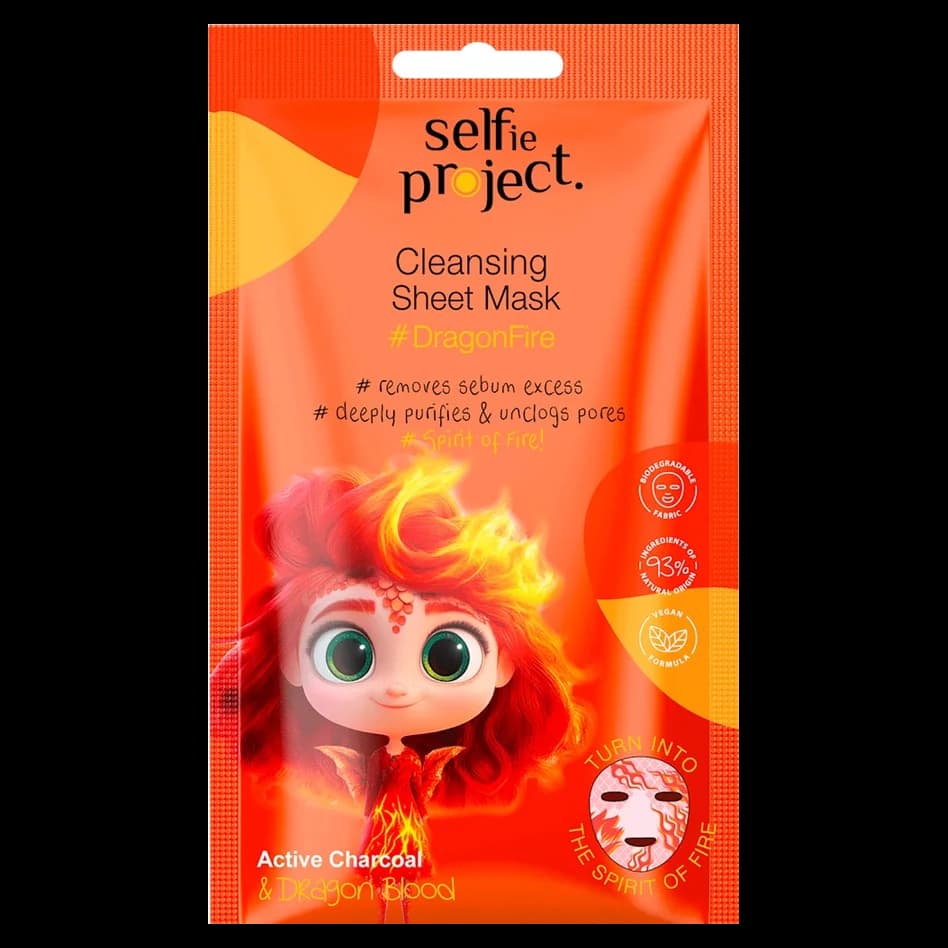
Selfie Project
Tuchmaske Cleansing #DragonFire
20th of 22 on the label
below ≈1%
Sensai
Cellular Performance Extra Intensive Mask
44th of 44 on the label
below ≈1%
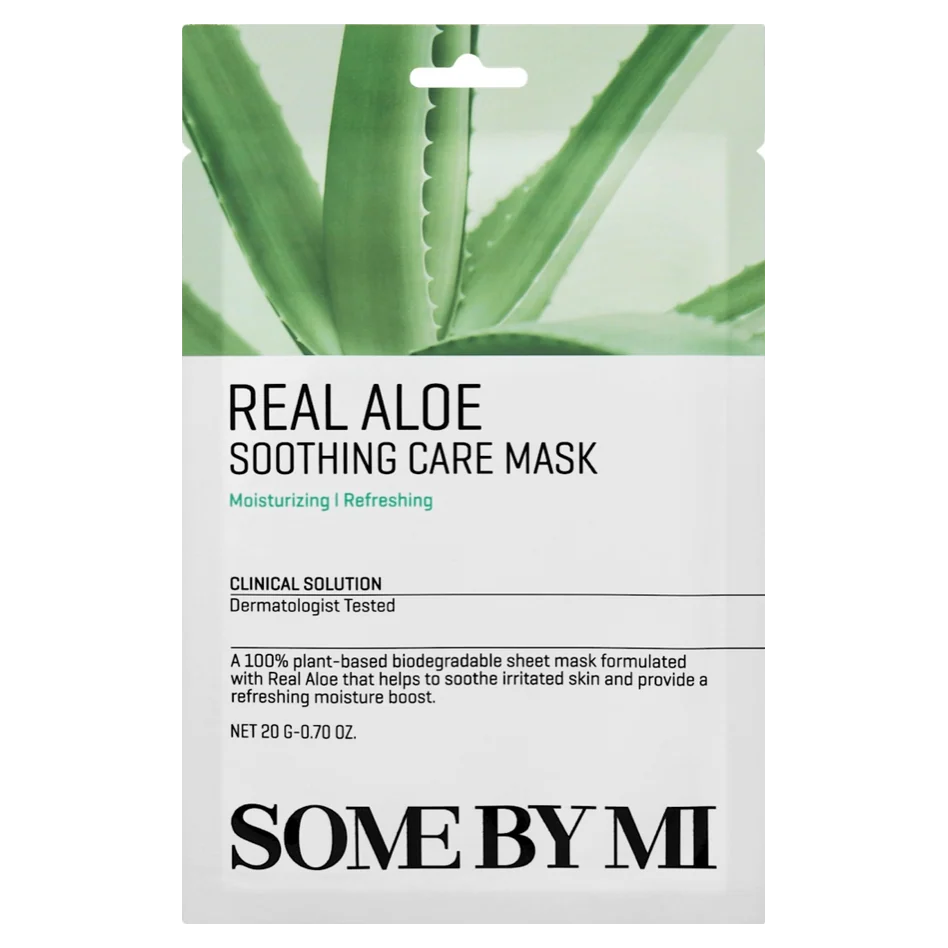
SOME BY MI
Real Aloe Soothing Care Mask
21st of 21 on the label
below ≈1%
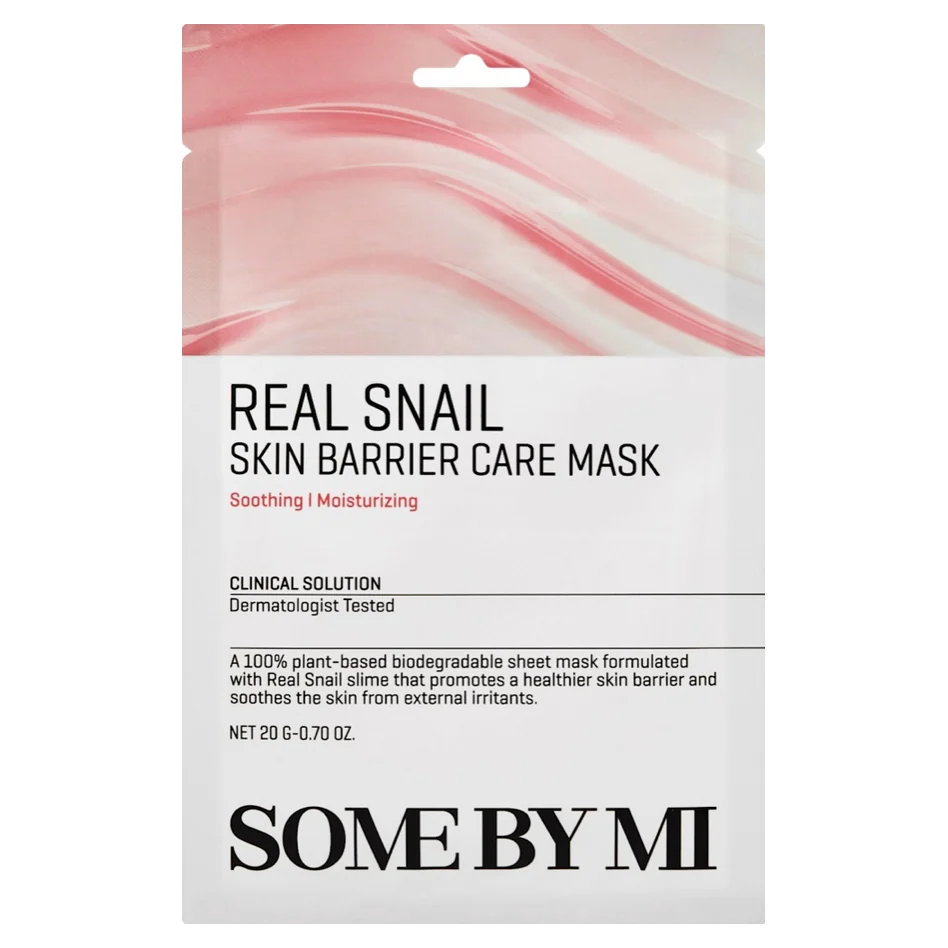
SOME BY MI
Real Snail Skin Barrier Care Mask
21st of 21 on the label
below ≈1%
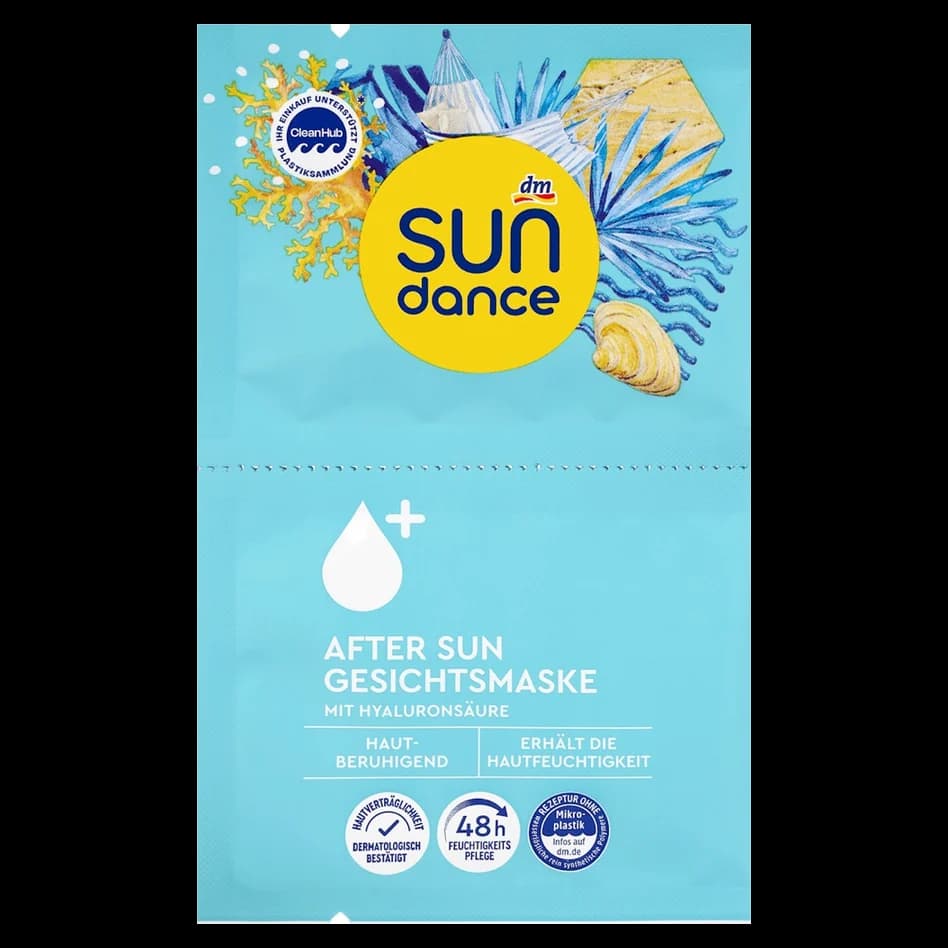
SUNDANCE
After Sun Gesichtsmaske
19th of 25 on the label
below ≈1%
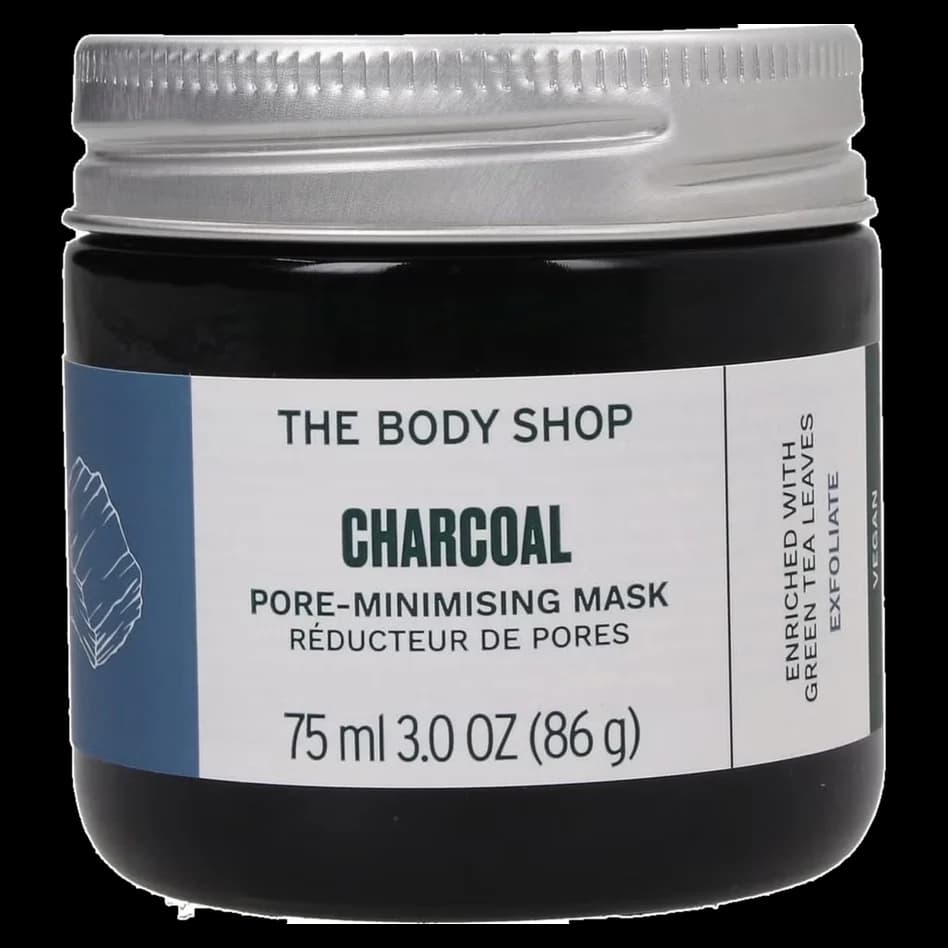
The Body Shop
Charcoal Pore Minimising Mask
23rd of 37 on the label
below ≈1%
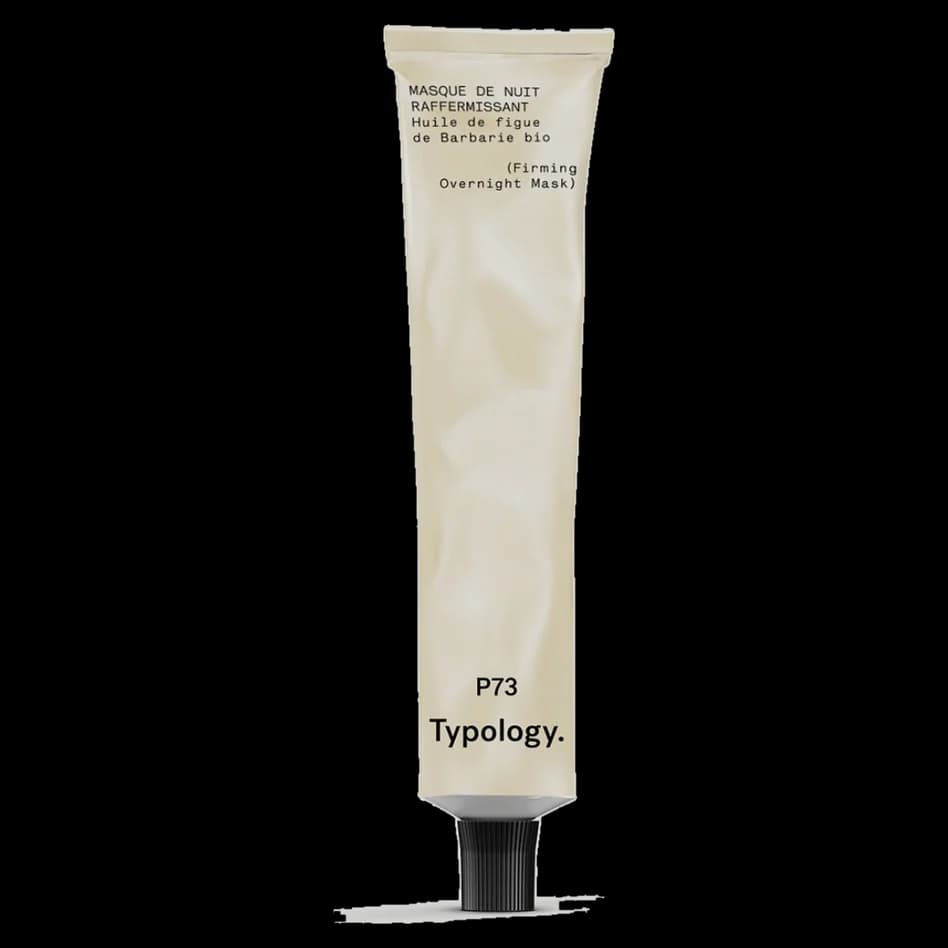
Typology
Masque de Nuit Raffermissant P73 (Firming Night Mask)
19th of 24 on the label
below ≈1%
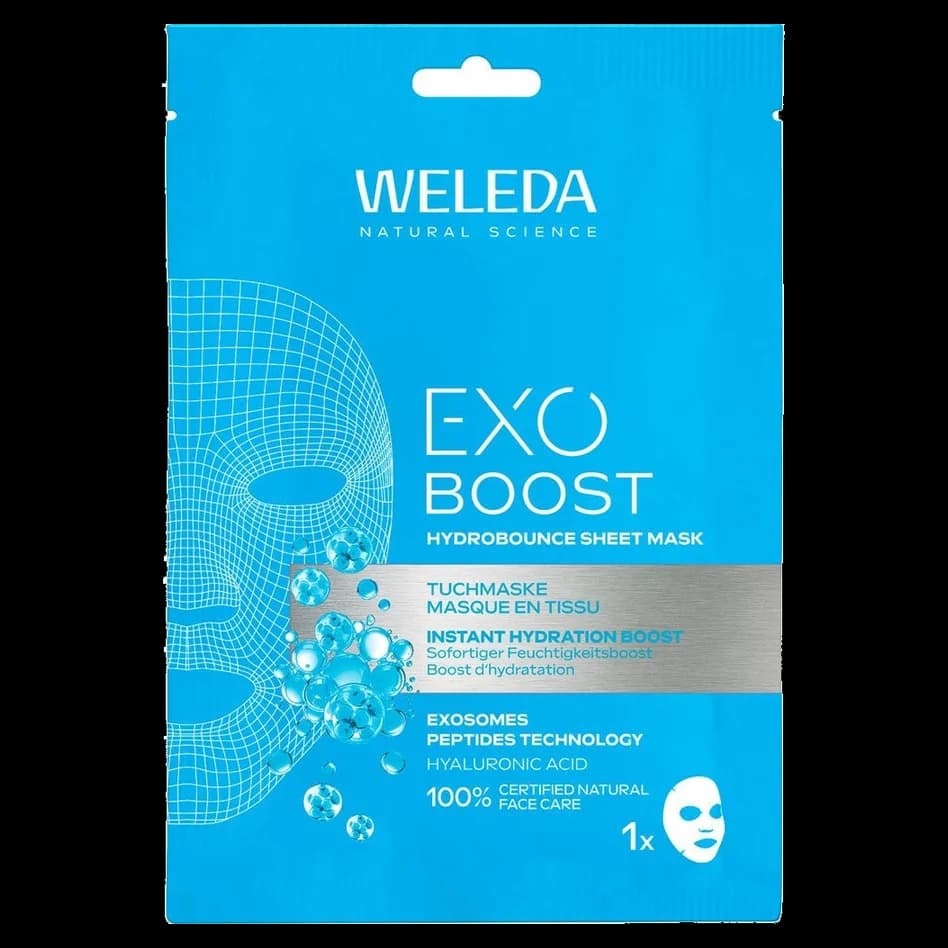
Weleda
Exo Boost Hydrobounce Tuchmaske
29th of 34 on the label
below ≈1%