Geraniol
EU-restricted, a common contact allergen, or subject to live debate.
Also written as: Lemonol · 3,7-Dimethyl-2,6-octadien-1-ol · Rhodinol
What it is
Geraniol is the main rose-like note in geranium, palmarosa, citronella and rose oils, and it is also produced synthetically. It is a component of the classic fragrance mix I patch-test panel, so its allergenic potential has been studied for decades. In cosmetics it appears both as an added fragrance material and as a natural constituent of many floral essential oils.
How it shows up on a label
Geranium, rose and palmarosa oils are the usual reason geraniol appears on a mask label. Note that Regulation (EU) 2023/1545 separately added Geranyl Acetate and Pelargonium Graveolens Flower Oil to the declared-allergen list.
What it does well
Provides a rose or floral note used across the industry
Geraniol is one of the workhorse floral aroma chemicals. This is a sensory benefit; there is no established skincare benefit from geraniol itself.
Strong evidence
Has documented insect-repellent activity
Geraniol is registered as an insect repellent in some jurisdictions and is used in citronella-type products. This is not relevant to face masks and is included only for context.
Moderate evidence
Worth knowing
Oxidised geraniol is markedly more allergenic than the fresh material
In a Swedish multicentre study of 1476 consecutively patch-tested patients, pure geraniol at 6% gave positive reactions in 1%, oxidised geraniol at 6% in 3%, and oxidised geraniol at 11% in 8%. Air exposure clearly increases its sensitising potency.
Matters most toPeople with eczema or a known fragrance allergy.
The skin itself can activate geraniol into an allergen
Laboratory work shows cytochrome P450 enzymes in skin can convert geraniol into geranial and other reactive products that behave as potent contact allergens. This is one reason a molecule that looks benign on paper causes real-world allergy.
Matters most toPeople investigating an unexplained fragrance reaction.
Cross-reacts with citral
Because geraniol oxidises to geranial, people allergic to geraniol often react to citral as well, and vice versa.
Matters most toPeople with a confirmed allergy to either substance.
Where the EU stands
Labelling required
One of the original 26 declared fragrance allergens. Must be named on the pack above 0.001% in leave-on products and 0.01% in rinse-off products. No maximum concentration is set.
Regulation (EC) No 1223/2009, Annex III entry 78 · source ↗
Sources (3)
Every link goes to the original: a journal, a PubMed record or an EU document.
- [1]Contact allergy to oxidized geraniol among Swedish dermatitis patients - A multicentre study by the Swedish Contact Dermatitis Research Group
Contact Dermatitis · 2018 · doi:10.1111/cod.13047
Among 1476 consecutively patch-tested patients, positive reactions rose from 1% with pure geraniol to 8% with oxidised geraniol at 11%, showing air exposure substantially increases its allergenic potency.
- [2]Cytochrome P450-mediated activation of the fragrance compound geraniol forms potent contact allergens
Toxicology and Applied Pharmacology · 2008 · doi:10.1016/j.taap.2008.08.014
Skin enzymes can metabolise geraniol into geranial and other reactive species that act as potent contact allergens, explaining why a weak sensitiser on paper causes real clinical allergy.
- [3]Contact allergy to air-exposed geraniol: clinical observations and report of 14 cases
Contact Dermatitis · 2012 · doi:10.1111/j.1600-0536.2012.02079.x
A case series confirming that patients react to air-exposed geraniol while often testing negative to the fresh material, supporting the use of oxidised geraniol in patch-test series.
Masks that contain Geraniol
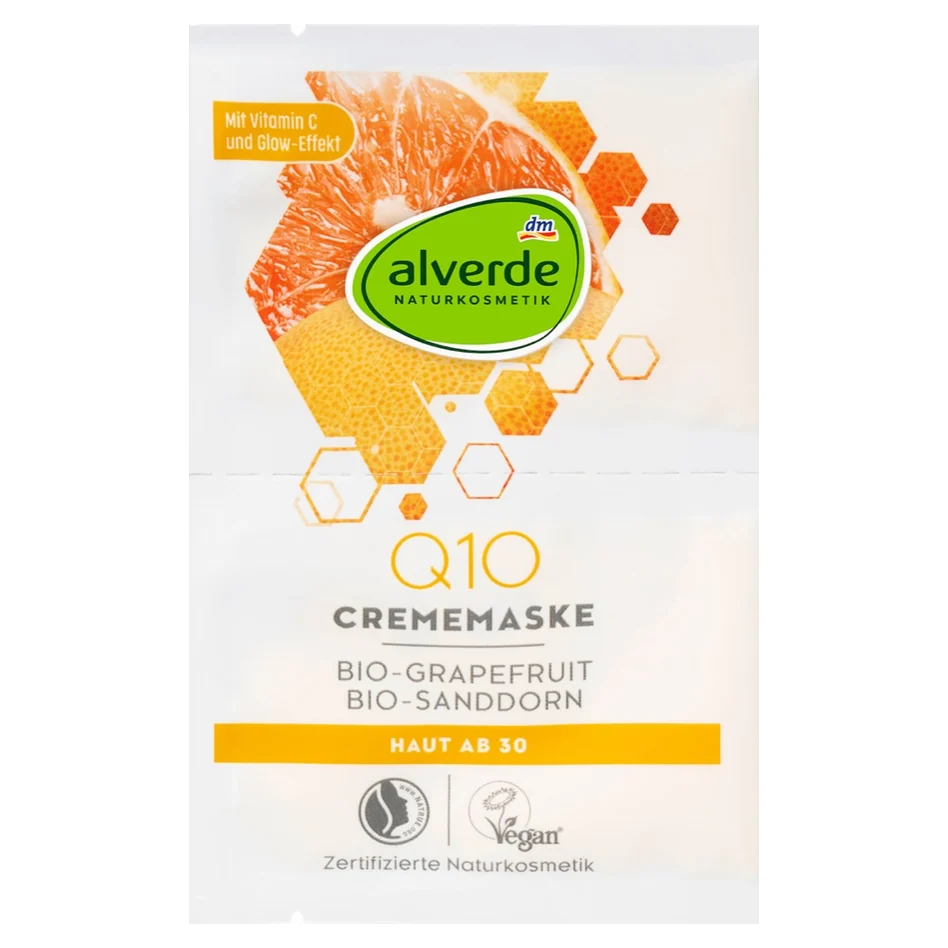
alverde Naturkosmetik
Gesichtsmaske Q10 mit Vitamin C
39th of 40 on the label
below ≈1%
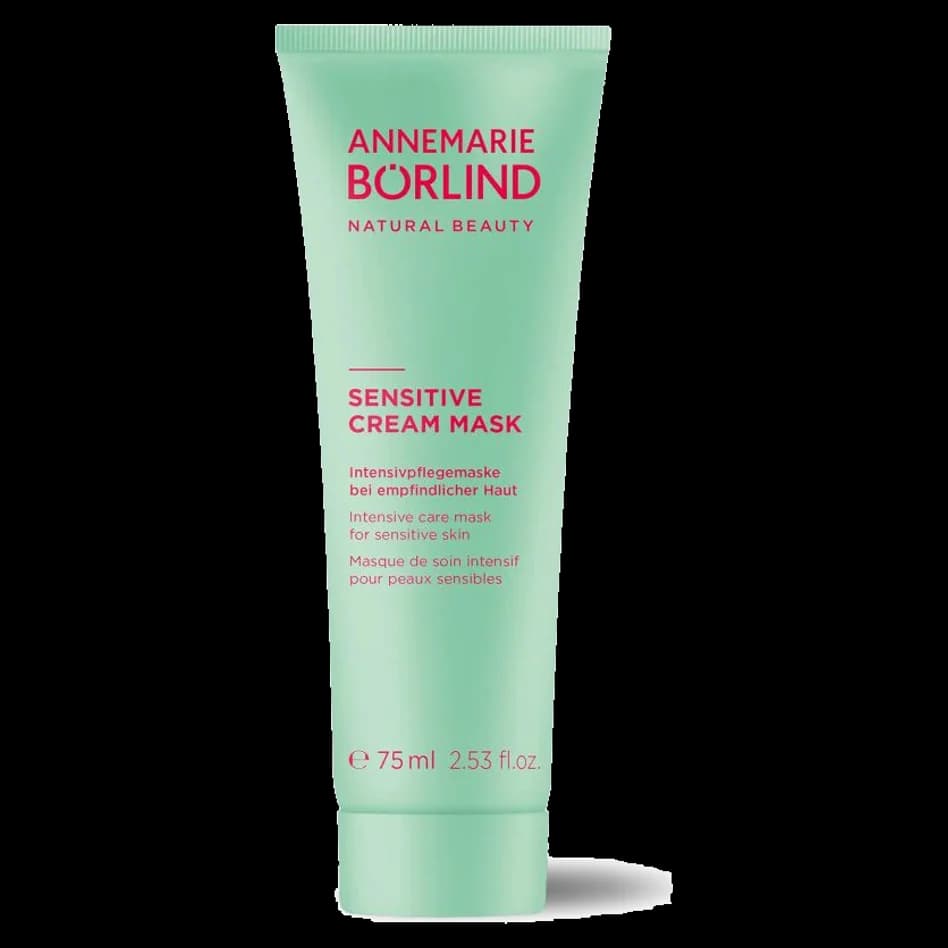
Annemarie Börlind
Sensitive Cream Mask
27th of 31 on the label
below ≈1%
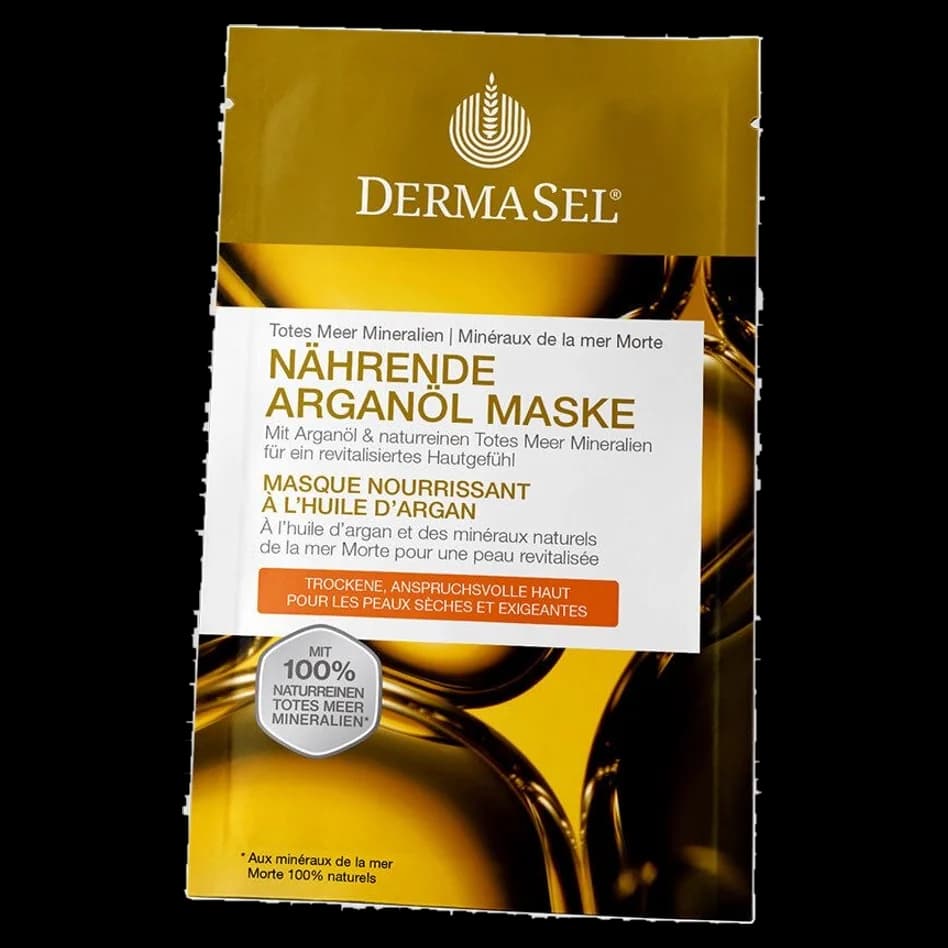
DERMASEL
Totes Meer Mineralien Nährende Arganöl Maske
18th of 29 on the label
below ≈1%
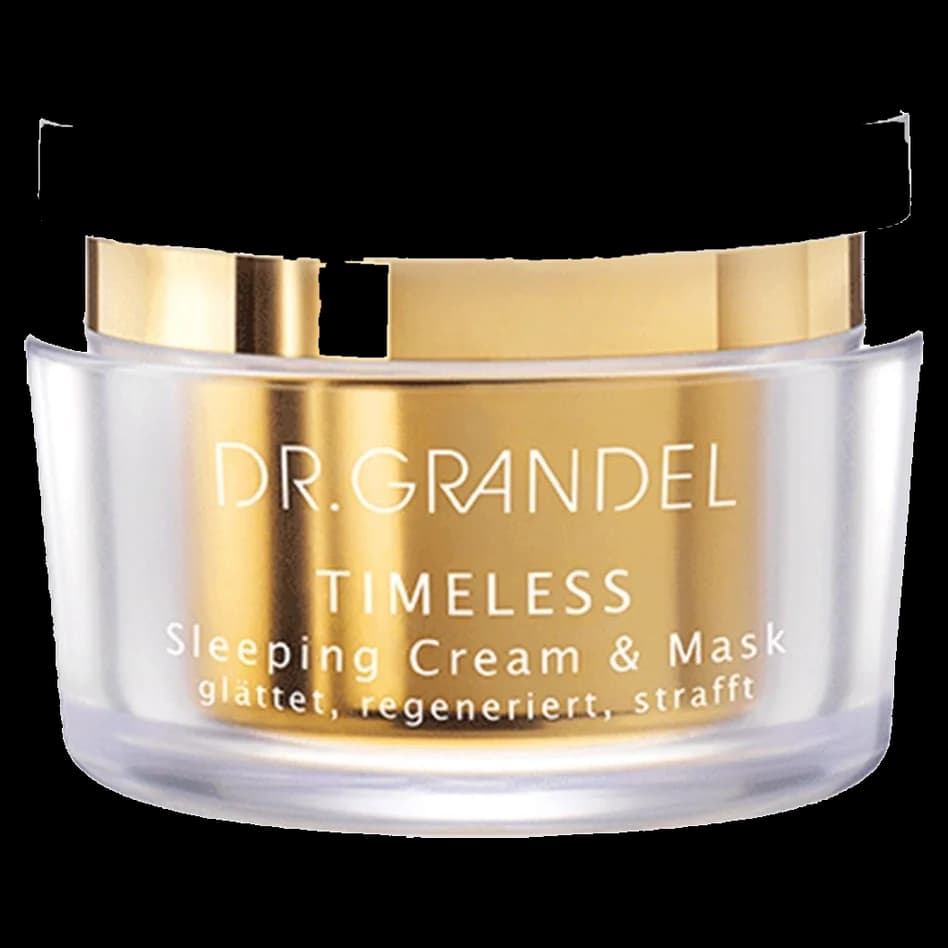
Dr. Grandel
Timeless Sleeping Cream & Mask
34th of 35 on the label
below ≈1%
Erborian
BB Shot Mask
30th of 34 on the label
below ≈1%
lavera
basis sensitiv Anti-Falten Gesichtsmaske
41st of 42 on the label
below ≈1%
Luvos-Heilerde
Clean-Peel-Maske
23rd of 29 on the label
below ≈1%
Luvos-Heilerde
Hydro Booster mit Clean Maske
27th of 63 on the label
below ≈1%
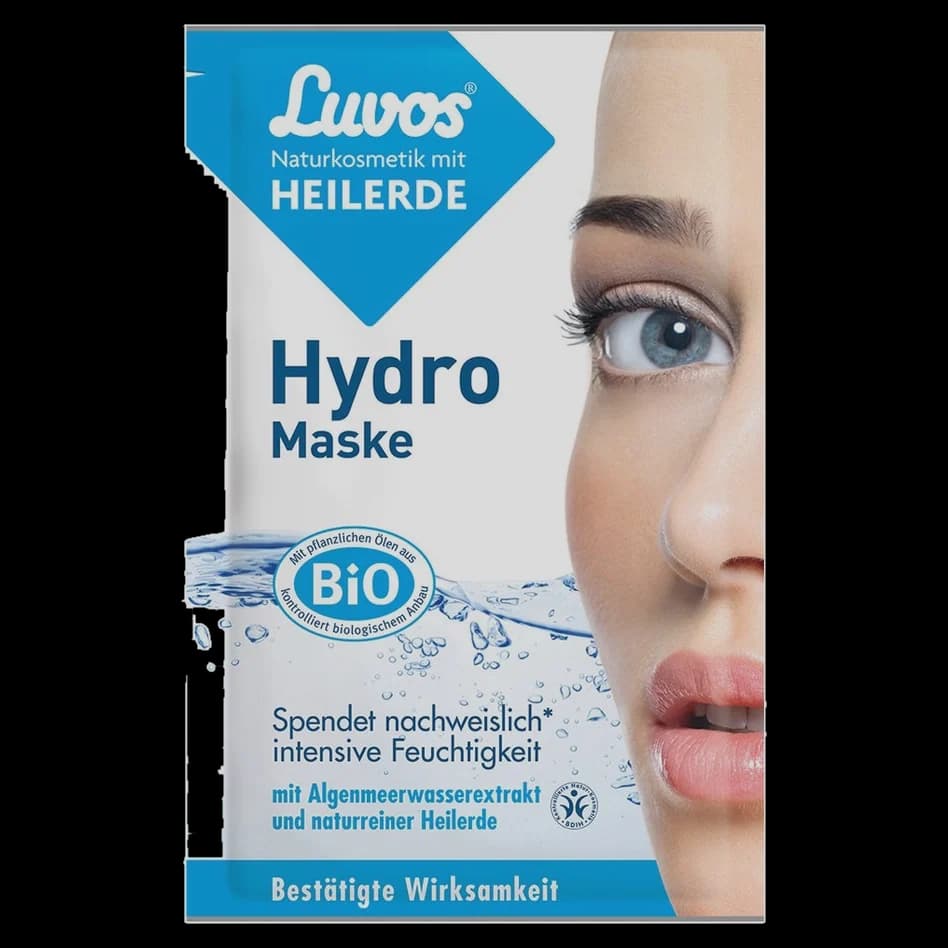
Luvos-Heilerde
Hydro-Maske
28th of 33 on the label
below ≈1%
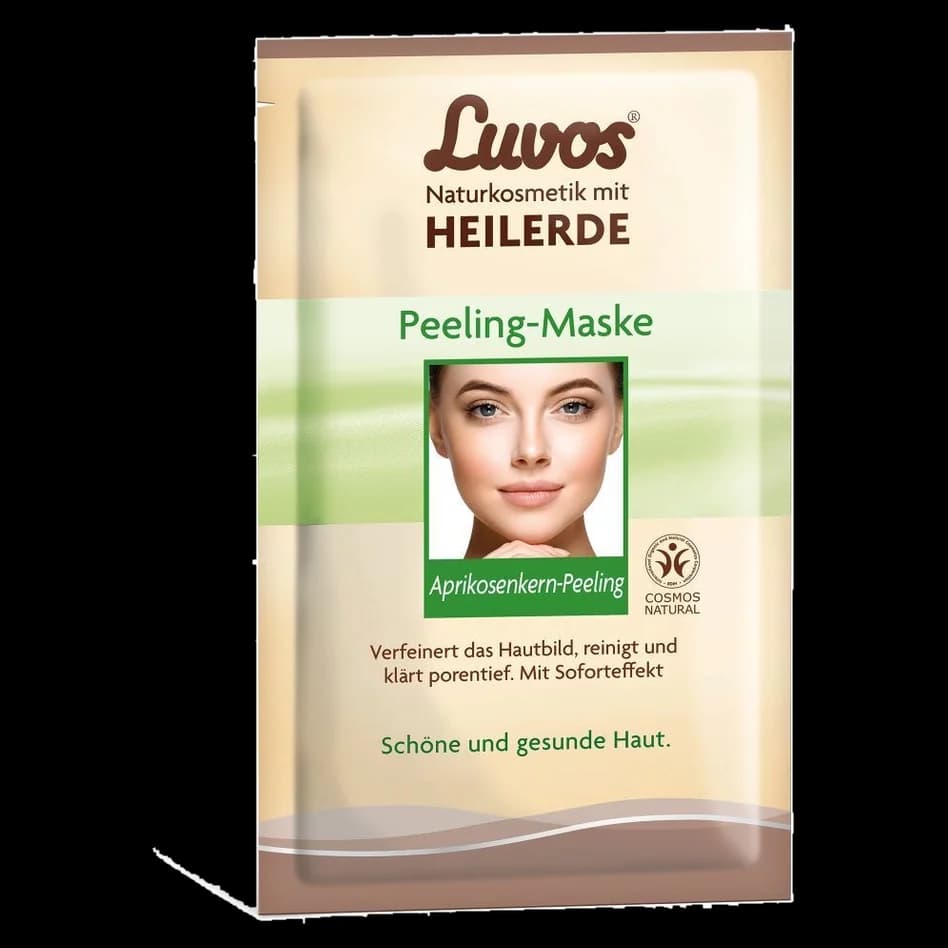
Luvos-Heilerde
Peeling-Maske
24th of 29 on the label
below ≈1%
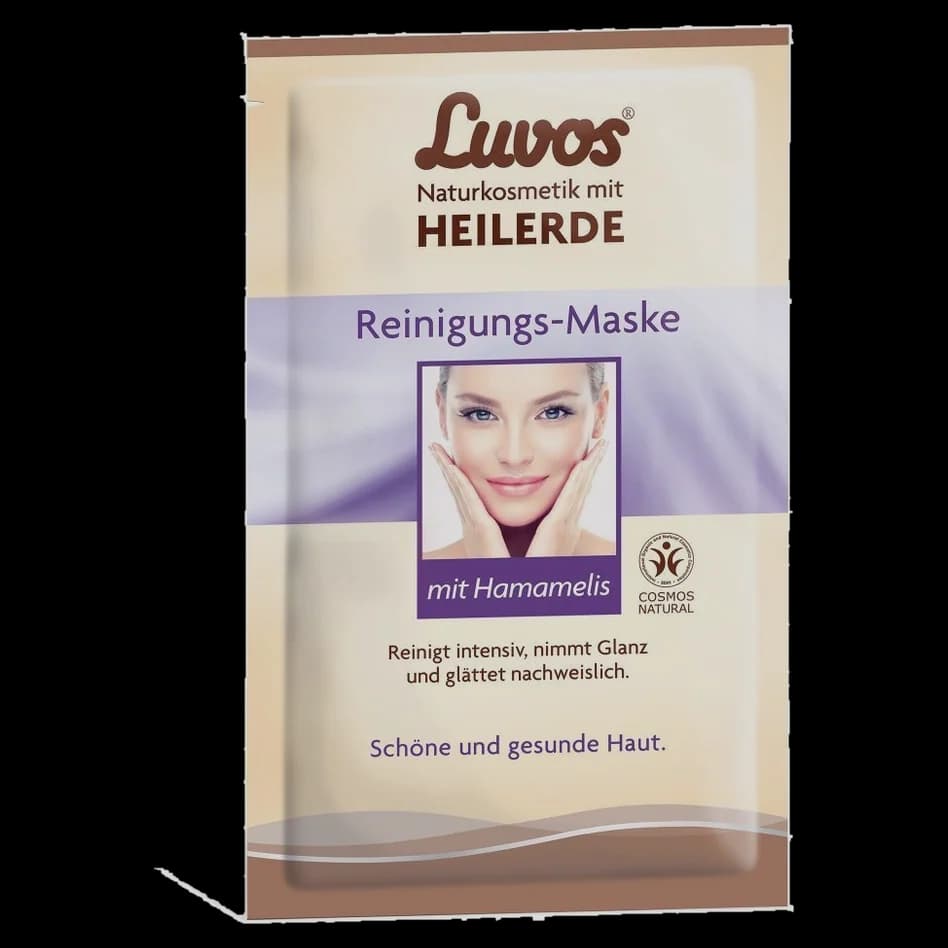
Luvos-Heilerde
Reinigungs-Maske
26th of 28 on the label
below ≈1%
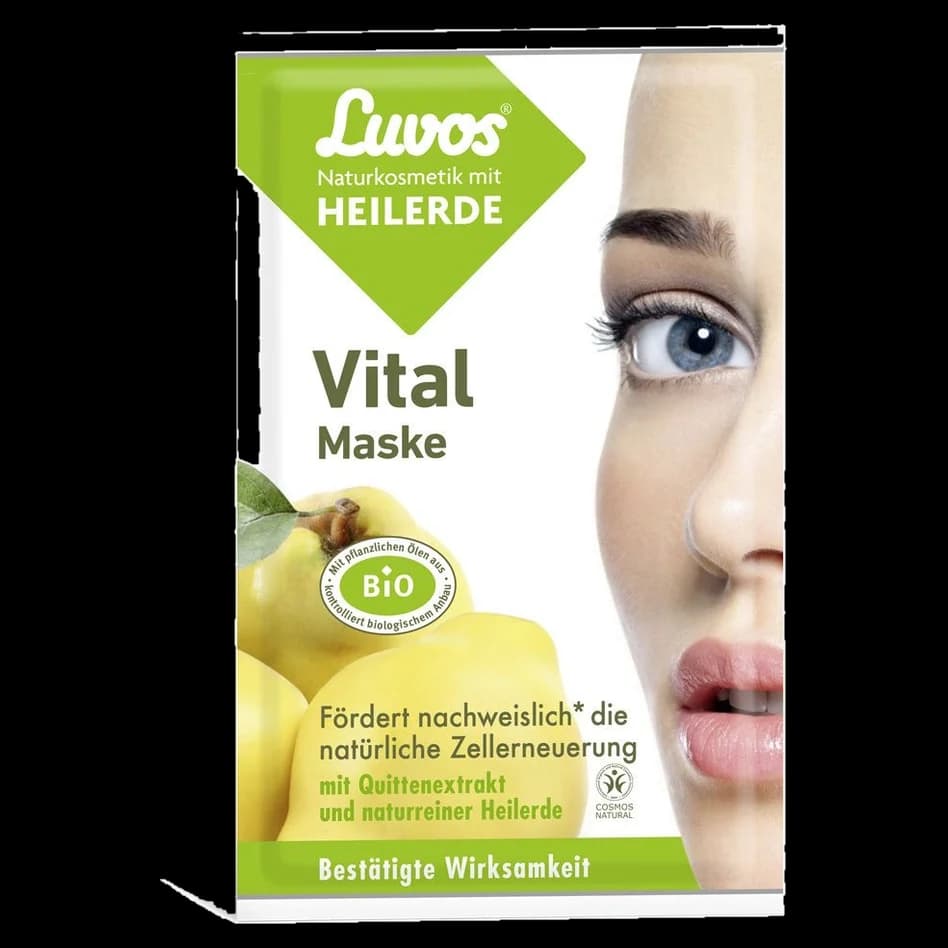
Luvos-Heilerde
Vital-Maske
26th of 30 on the label
below ≈1%
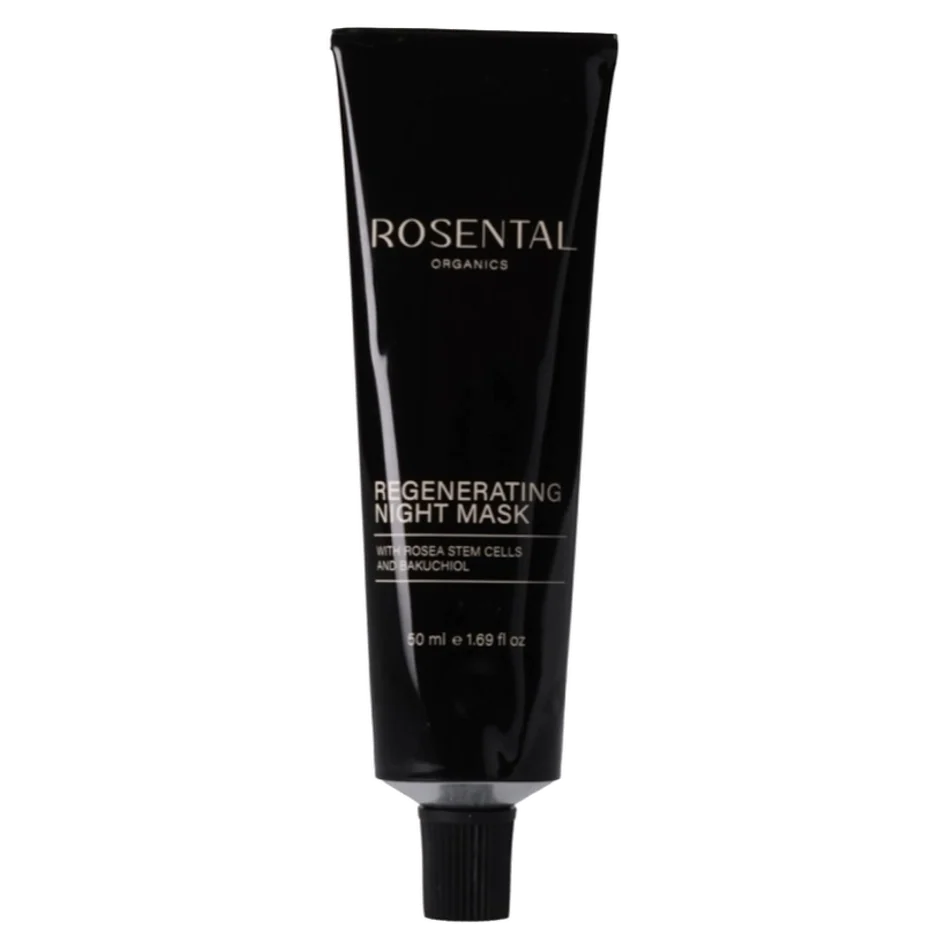
Rosental Organics
Regenerating Night Mask
43rd of 44 on the label
below ≈1%
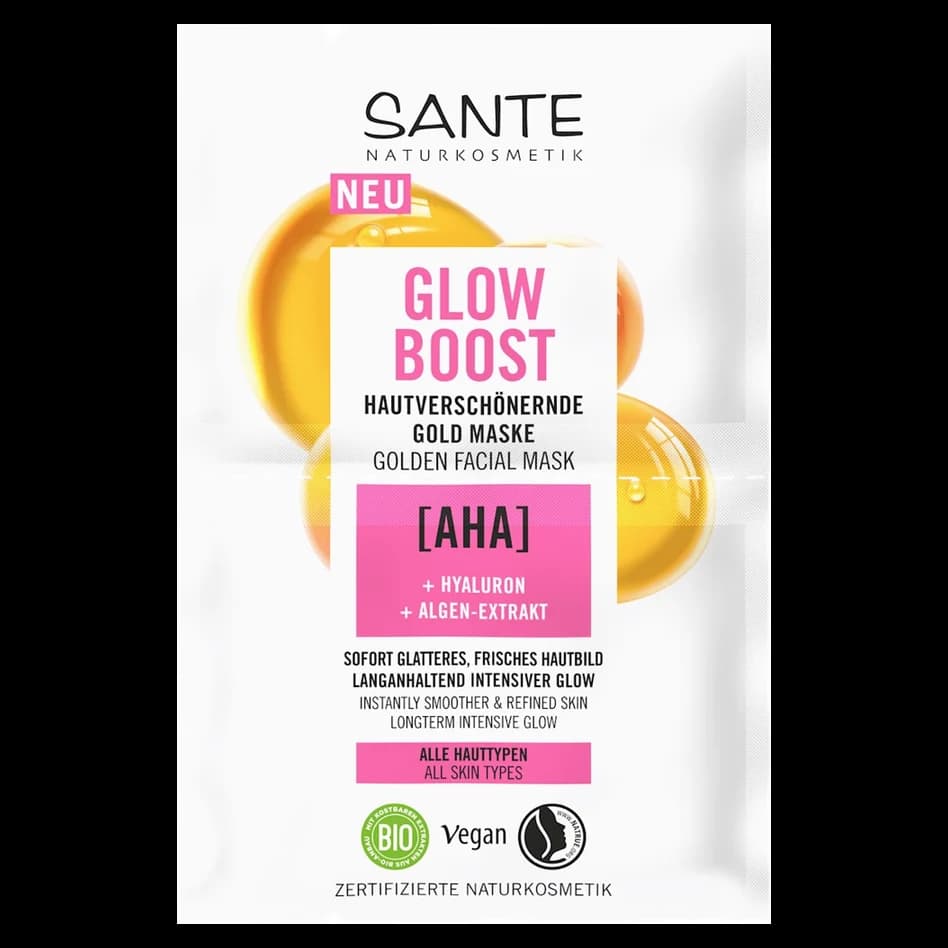
Santé Naturkosmetik
Glow Boost Maske AHA
27th of 29 on the label
below ≈1%
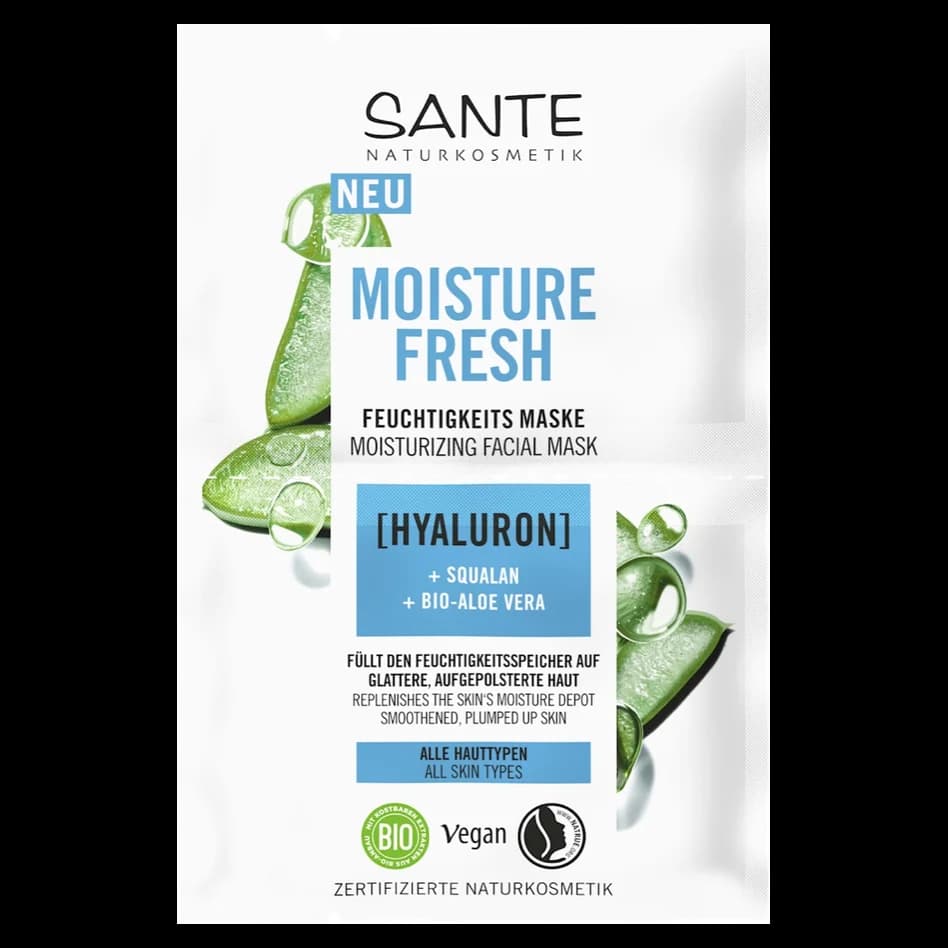
Santé Naturkosmetik
Moisture Fresh Maske Hyaluron
24th of 24 on the label
below ≈1%
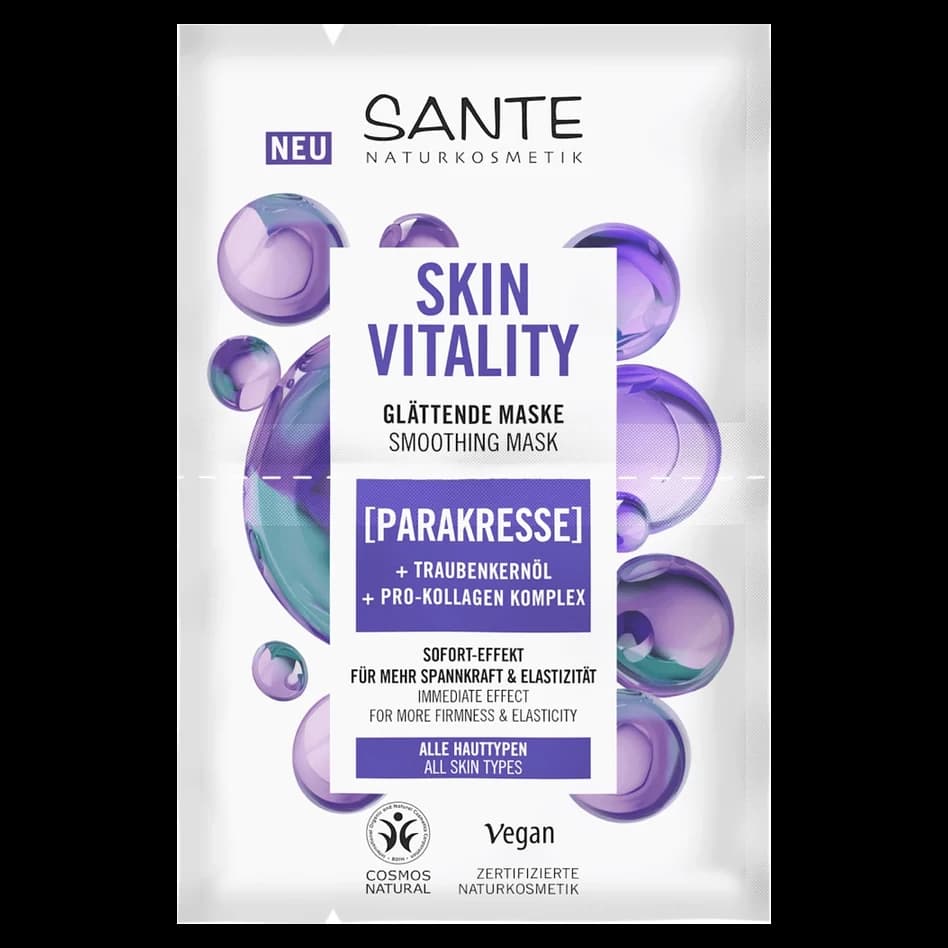
Santé Naturkosmetik
Skin Vitality Maske Parakresse
31st of 33 on the label
below ≈1%
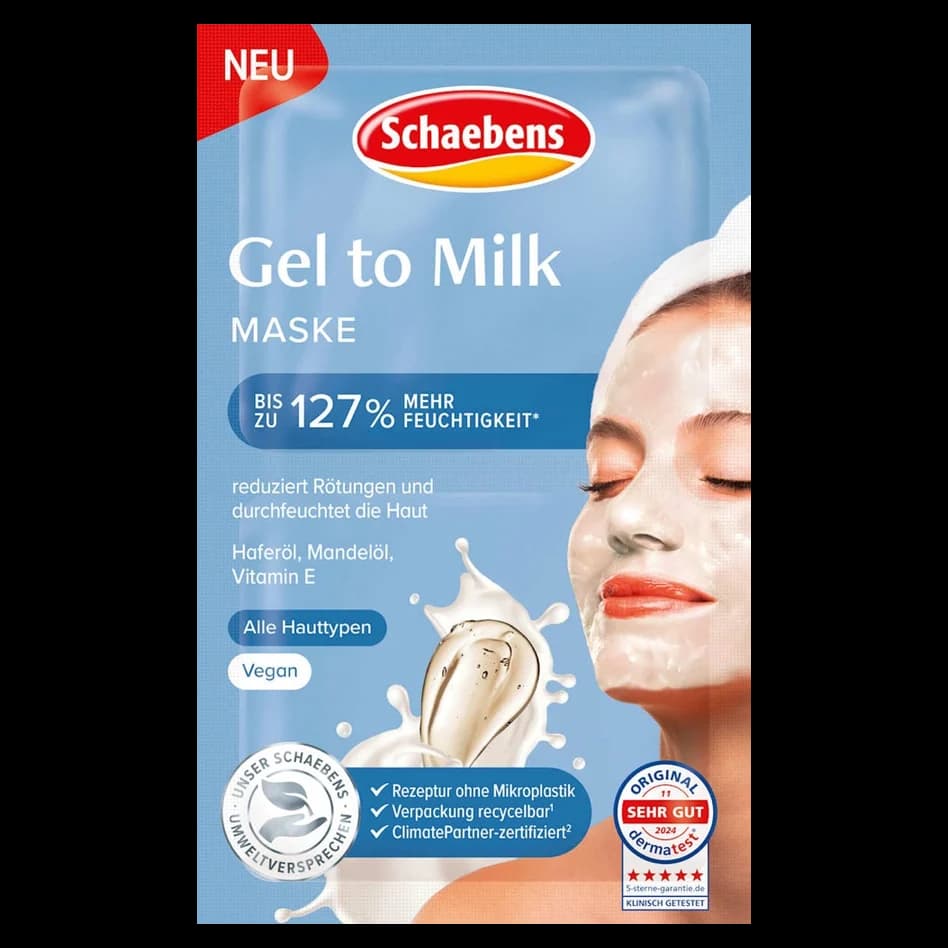
Schaebens
Gesichtscrememaske Gel to Milk
11th of 21 on the label
below ≈1%
Sensai
Cellular Performance Extra Intensive Mask
41st of 44 on the label
below ≈1%
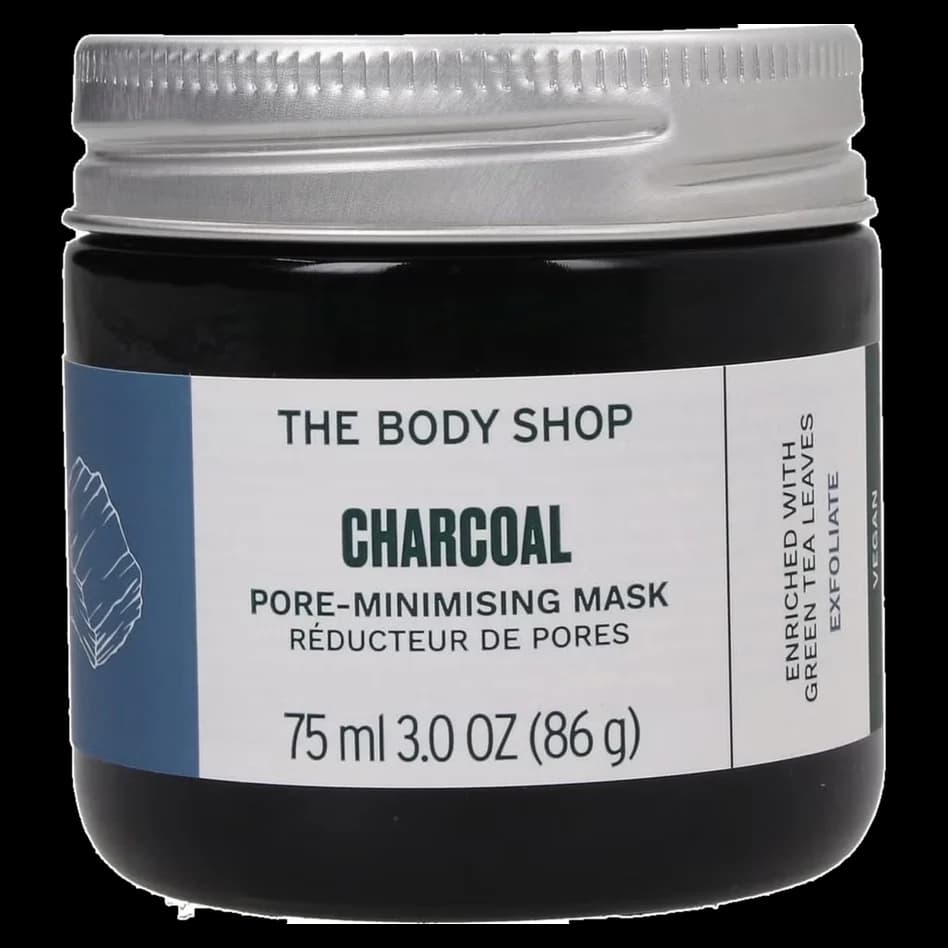
The Body Shop
Charcoal Pore Minimising Mask
35th of 37 on the label
below ≈1%
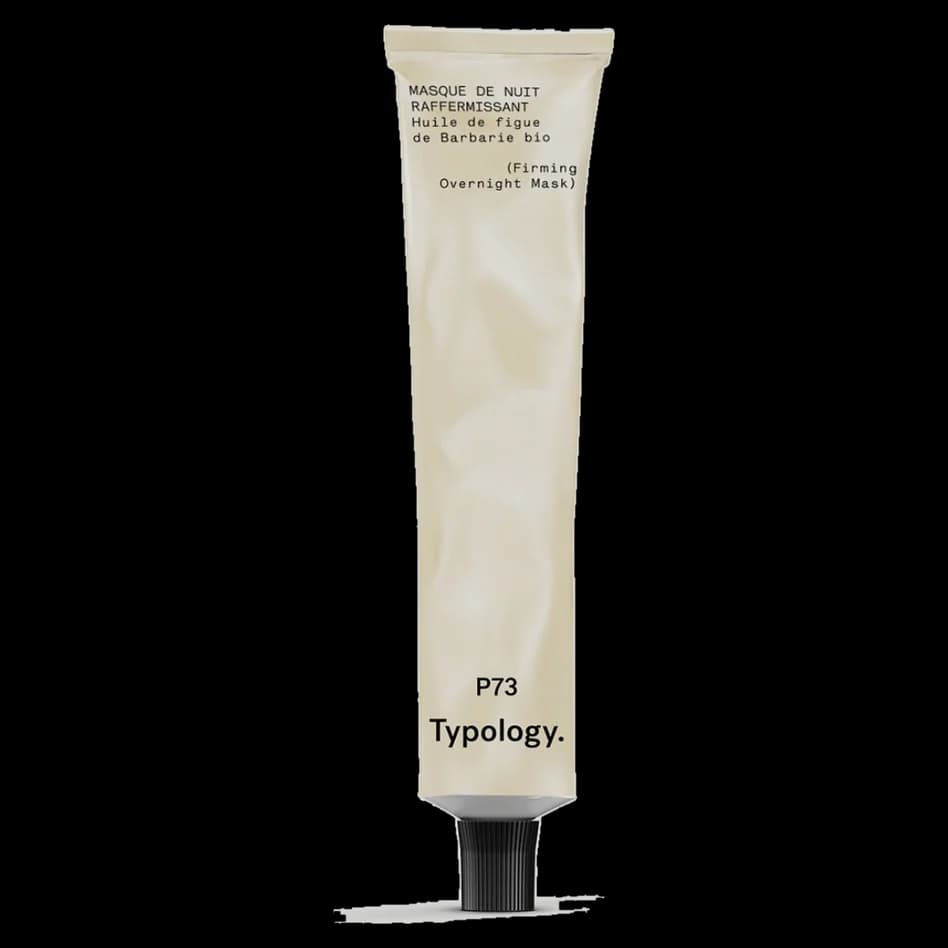
Typology
Masque de Nuit Raffermissant P73 (Firming Night Mask)
23rd of 24 on the label
below ≈1%
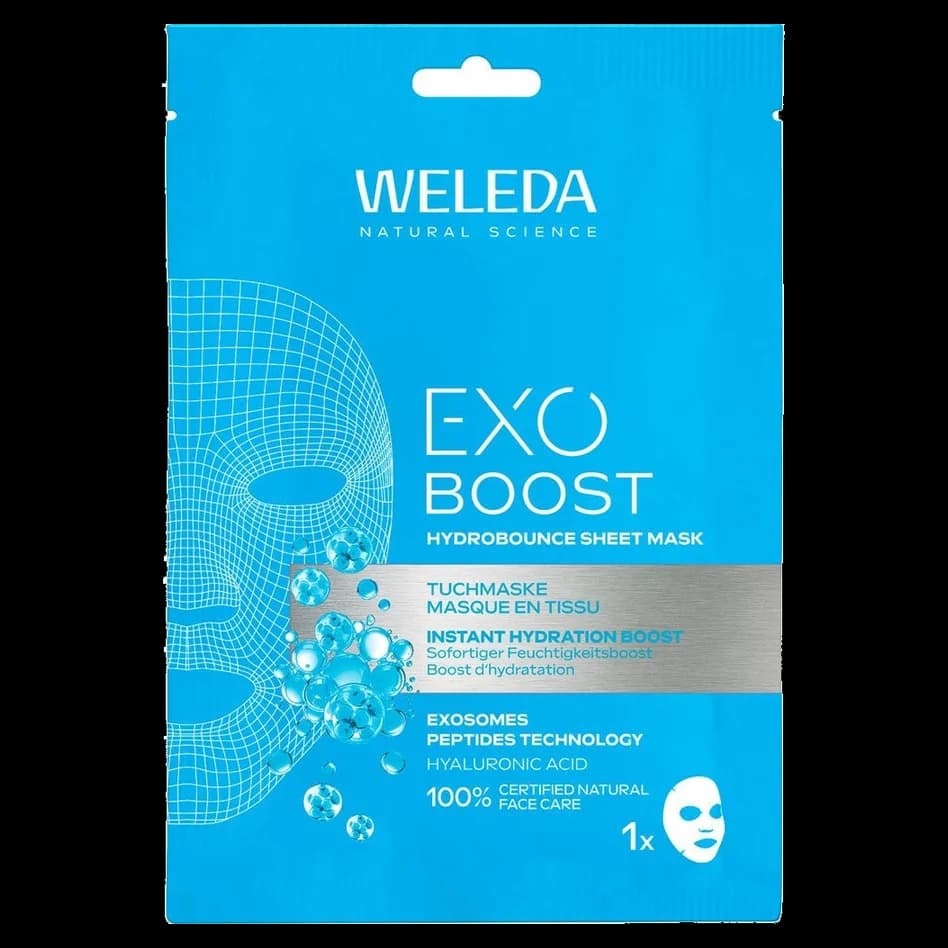
Weleda
Exo Boost Hydrobounce Tuchmaske
25th of 34 on the label
below ≈1%