Limonene
Citrus terpene
EU-restricted, a common contact allergen, or subject to live debate.
Also written as: d-Limonene · R-Limonene · Dipentene · Citrus Terpene
What it is
Limonene is the molecule that gives orange and lemon peel their smell, and it makes up the bulk of most cold-pressed citrus oils. It is also produced synthetically and used as a fragrance component and a mild solvent. Because it appears on the EU fragrance-allergen list, you will see it declared on a large share of scented face masks, often because a citrus or herbal essential oil elsewhere in the formula contains it, not because pure limonene was added.
How it shows up on a label
Seeing Limonene on a mask label usually means a citrus, pine, mint or herbal essential oil is present. Good formulations pair it with an antioxidant such as tocopherol and airless or tube packaging, both of which slow oxidation.
What it does well
Provides a fresh citrus note without a separate perfume oil
It is one of the most widely used aroma chemicals in the world and does its job reliably at very low levels. This is a formulation benefit rather than a skin benefit.
Strong evidence
Acts as a natural solvent that helps disperse other fragrance materials
Limonene dissolves oils and resins well, which is why it appears both in fragrance blends and in cleaning products. In cosmetics this role is minor compared with its scent contribution.
Moderate evidence
Worth knowing
Oxidised limonene is a common contact allergen
Fresh limonene is a weak sensitiser. On contact with air it forms hydroperoxides, chiefly limonene-2-hydroperoxide, which are far more potent. In consecutive European dermatitis patients, 5.1 to 5.2% test positive to oxidised limonene, and exposure was judged clinically relevant in about a third of those cases.
Matters most toPeople with eczema, hand dermatitis or a known fragrance allergy.
Its allergenicity depends on how old the product is, which you cannot see
Limonene autoxidises during storage and, more quickly, once a jar has been opened and repeatedly exposed to air. A well-preserved, recently made product carries less risk than an old tub of mask, but nothing on the label tells you which you have.
Matters most toAnyone who keeps opened jars of mask for many months.
Skin patch testing to fresh limonene can miss the allergy
Because the sensitiser is the oxidation product rather than the parent molecule, dermatologists test with deliberately oxidised limonene. If you were tested only with pure limonene, a negative result does not fully rule the allergy out.
Matters most toPeople who have been patch tested and got an unexplained negative.
Where the EU stands
Labelling required
One of the original 26 declared fragrance allergens. It must be named in the ingredient list when it exceeds 0.001% in a leave-on product or 0.01% in a rinse-off product. There is no maximum permitted concentration.
Regulation (EC) No 1223/2009, Annex III entry 88 · source ↗
Sources (3)
Every link goes to the original: a journal, a PubMed record or an EU document.
- [1]Positive patch test reactions to oxidized limonene: exposure and relevance
Contact Dermatitis · 2014 · doi:10.1111/cod.12285
5.2% of 2900 consecutive dermatitis patients across eight international centres reacted to oxidised R-limonene, and the exposure was judged probably relevant to their dermatitis in 36% of those patients.
- [2]Contact allergy to oxidized linalool and oxidized limonene: Patch testing in consecutive patients with dermatitis
Contact Dermatitis · 2022 · doi:10.1111/cod.13980
In 5773 consecutive Swedish patients, 5.1% reacted to oxidised limonene and 7.0% to oxidised linalool, confirming oxidised terpenes as frequent contact allergens.
- [3]Contact Allergy to Hydroperoxides of Linalool and D-Limonene in a US Population
Dermatitis · 2017 · doi:10.1097/DER.0000000000000318
Hydroperoxides of limonene and linalool also produced meaningful rates of positive patch tests in a US cohort, showing the problem is not confined to Europe.
Masks that contain Limonene
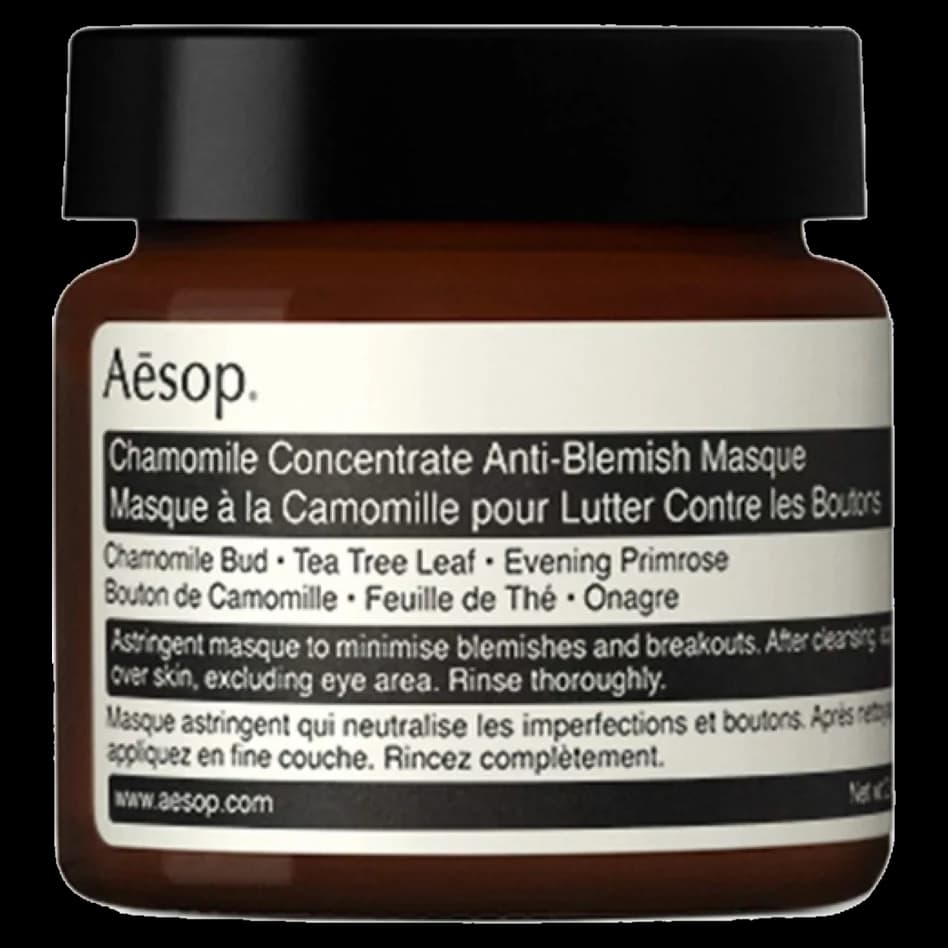
Aesop
Chamomile Concentrate Anti-Blemish Masque
10th of 16 on the label
below ≈1%
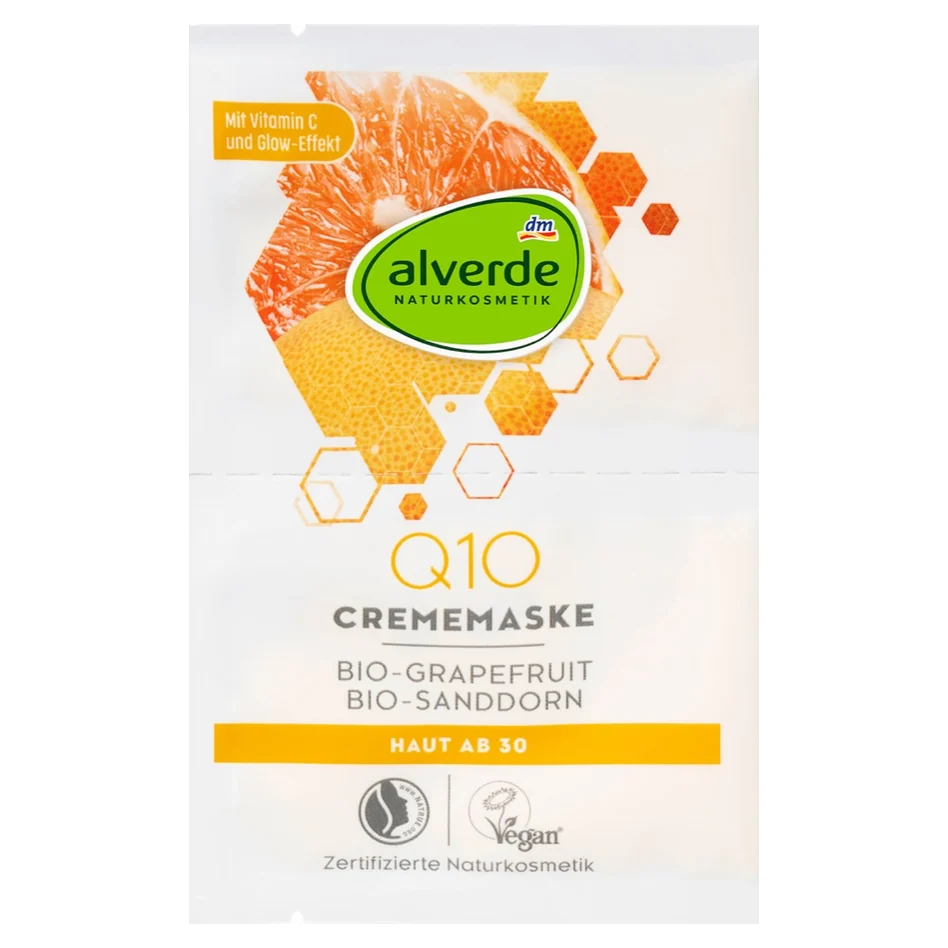
alverde Naturkosmetik
Gesichtsmaske Q10 mit Vitamin C
23rd of 40 on the label
below ≈1%
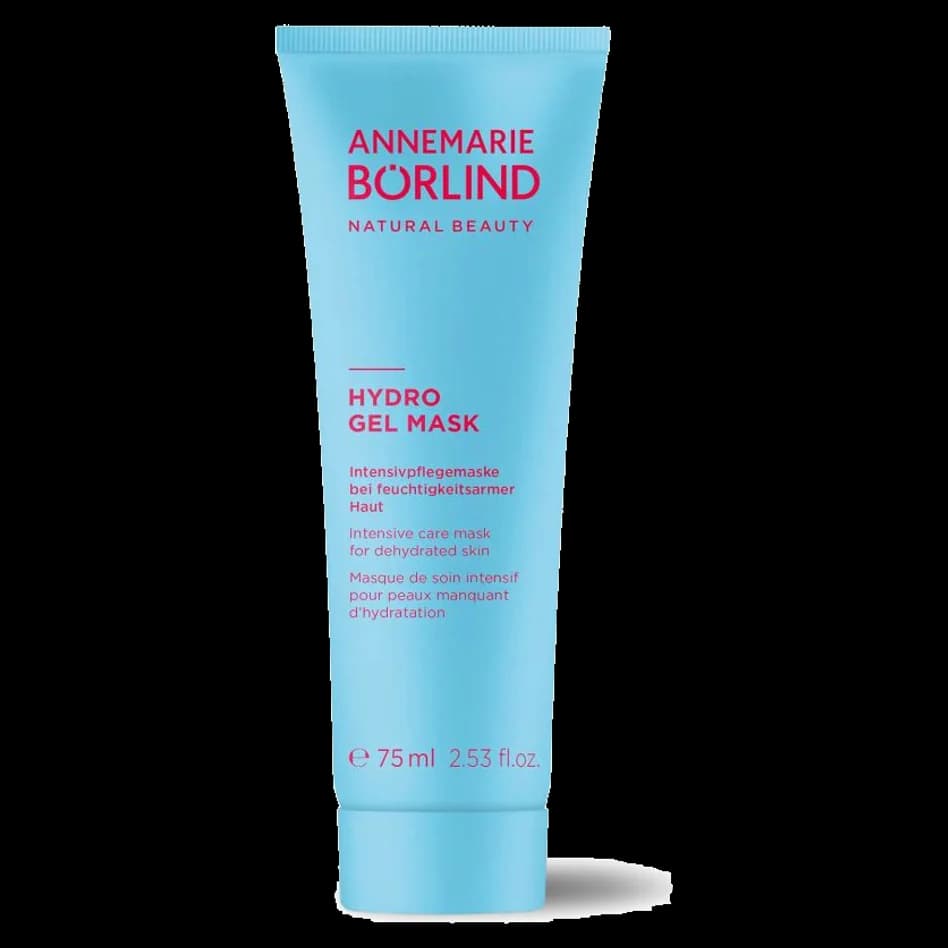
Annemarie Börlind
Hydro Gel Mask
19th of 33 on the label
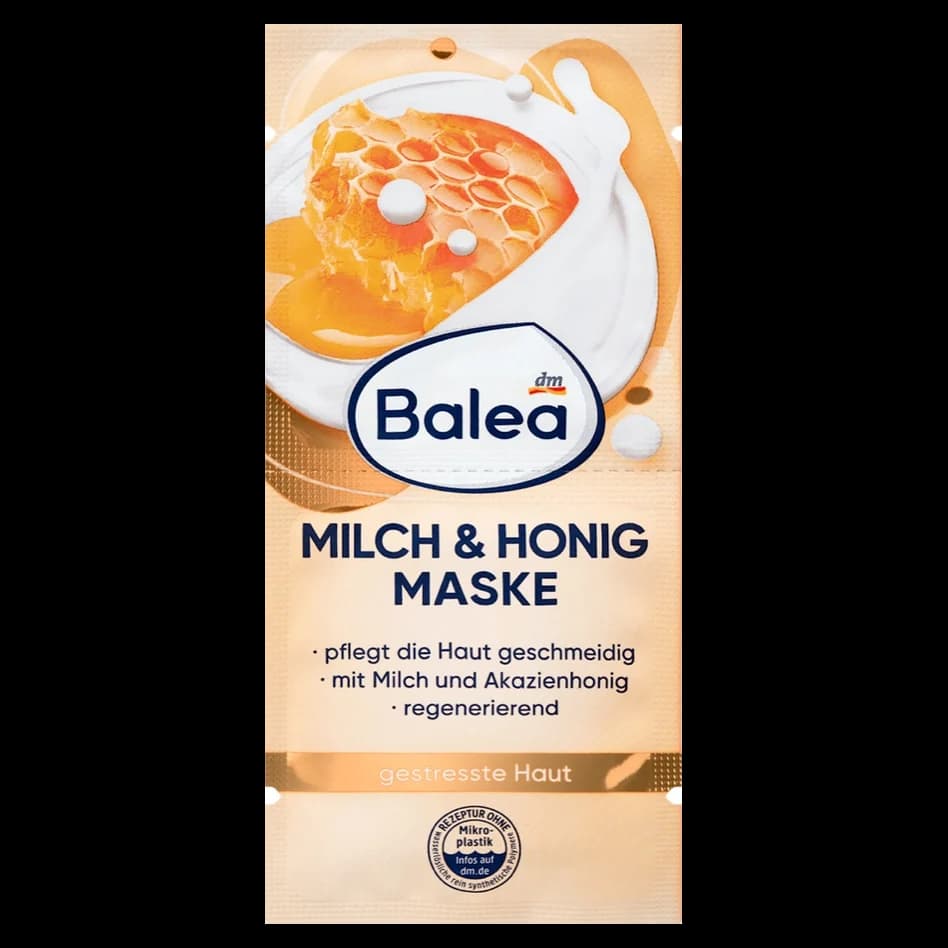
Balea
Gesichtsmaske Milch & Honig
35th of 36 on the label
below ≈1%
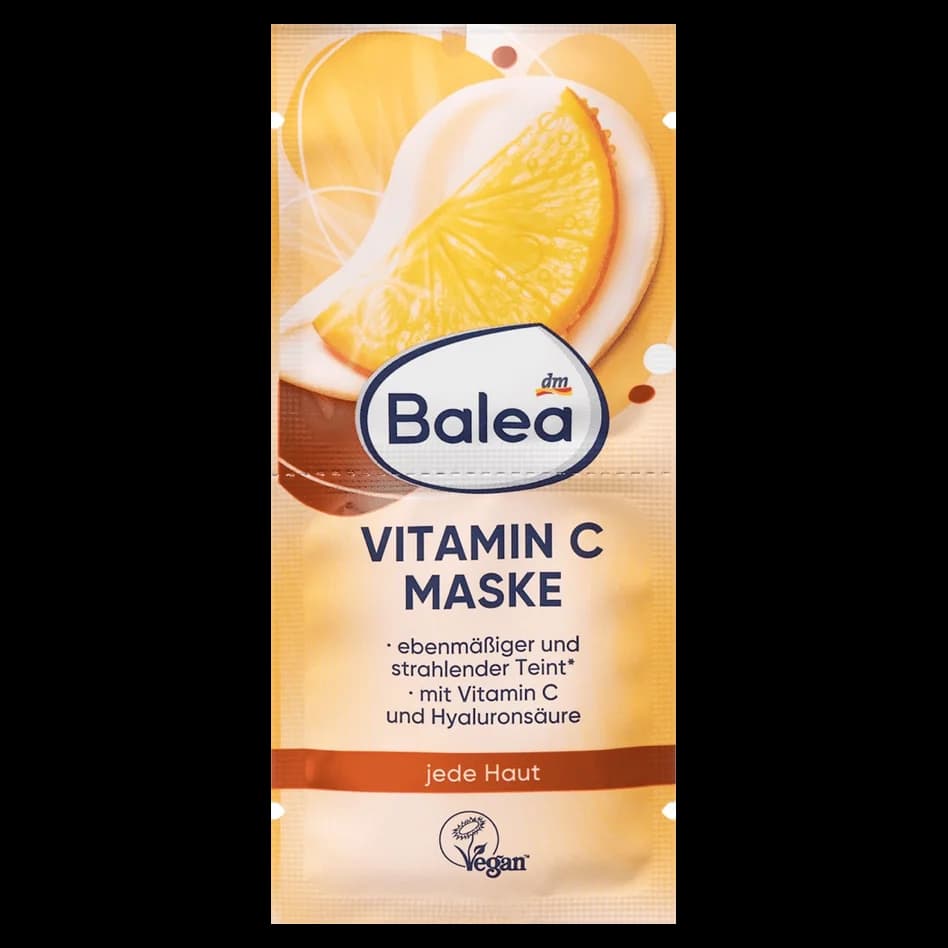
Balea
Gesichtsmaske Vitamin C
20th of 23 on the label
below ≈1%
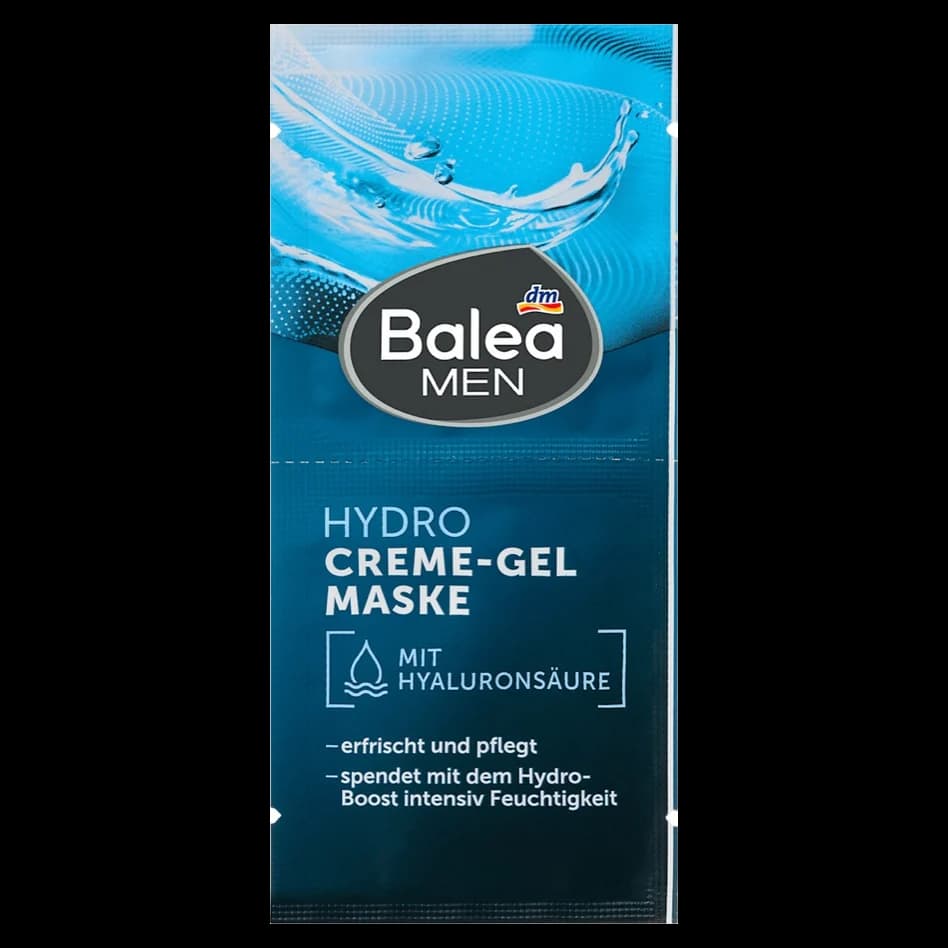
Balea MEN
Gesichtsmaske Creme-Gel Hydro
30th of 31 on the label
below ≈1%
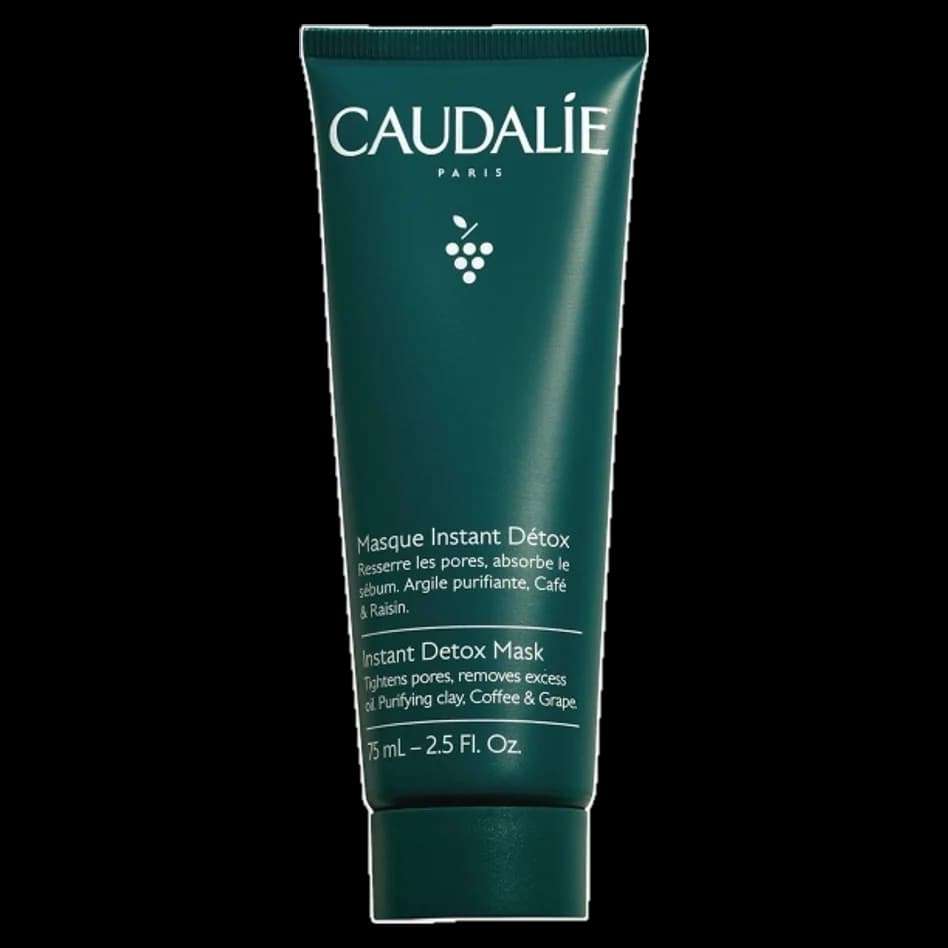
Caudalie
Vinergetic C+ Instant Detox Mask
13th of 33 on the label
below ≈1%
Dear, Klairs
Freshly Juiced Vitamin E Mask
30th of 30 on the label
below ≈1%
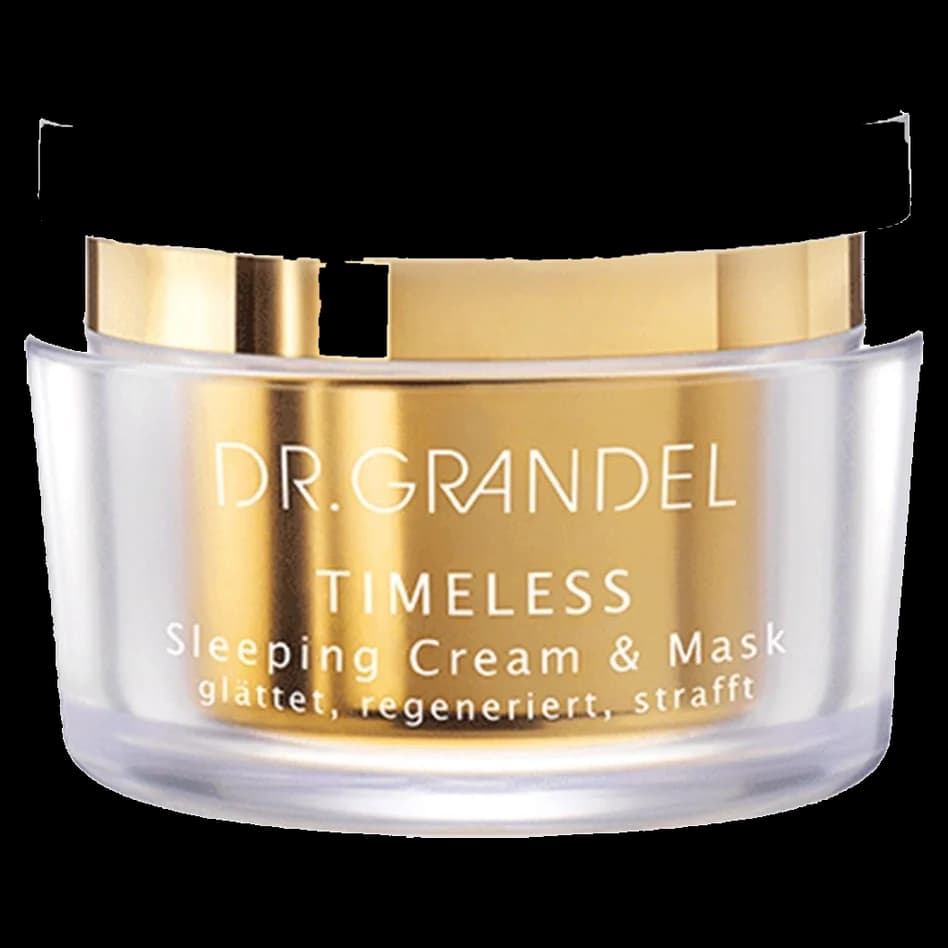
Dr. Grandel
Timeless Sleeping Cream & Mask
31st of 35 on the label
below ≈1%
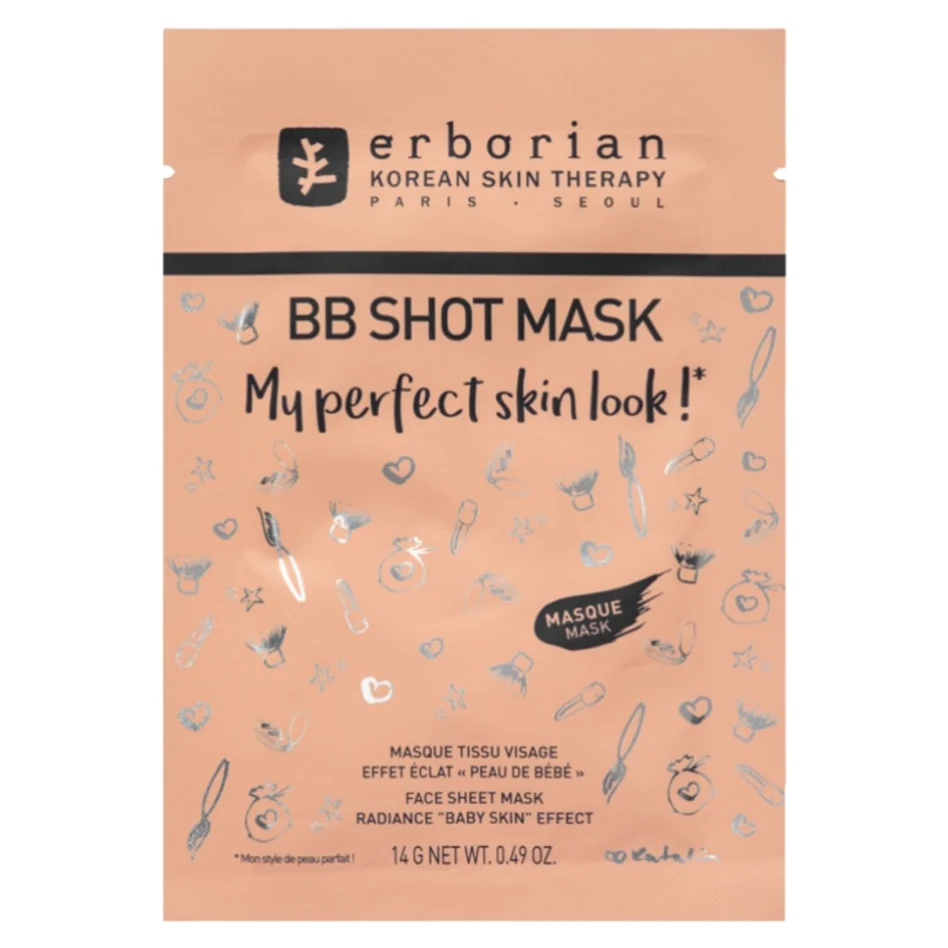
Erborian
BB Shot Mask
32nd of 34 on the label
below ≈1%
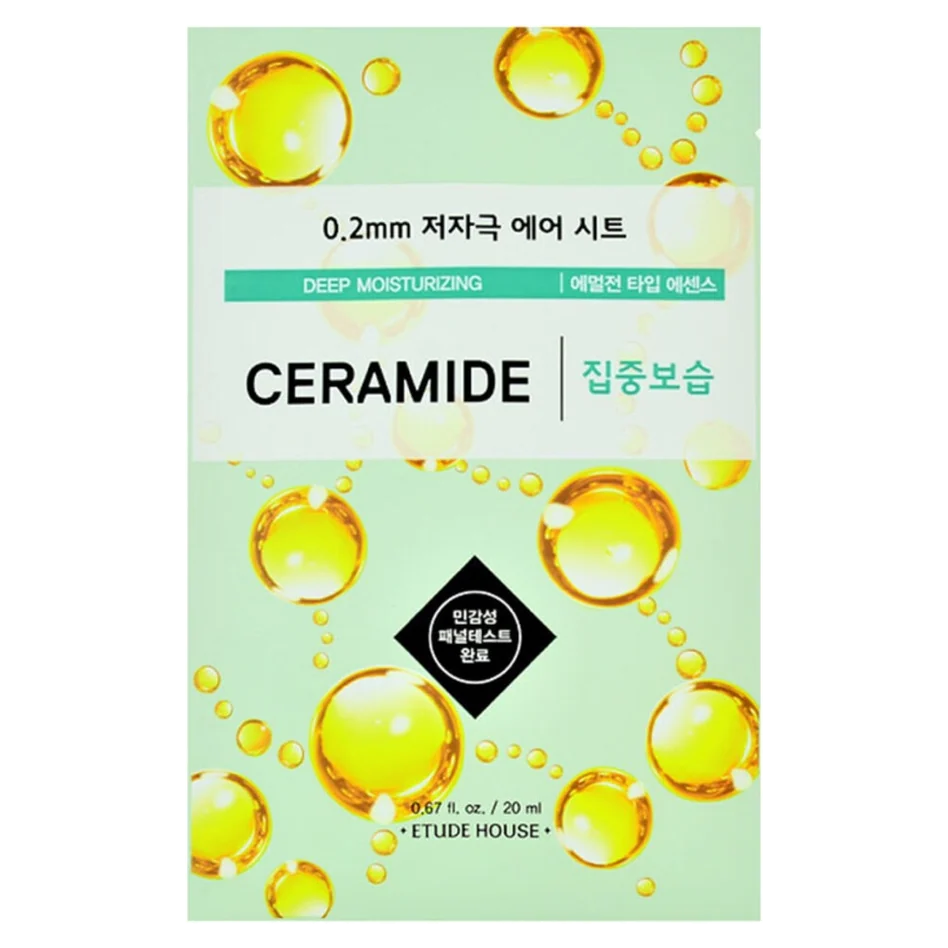
Etude House
0.2mm Therapy Air Mask Ceramide
33rd of 33 on the label
below ≈1%
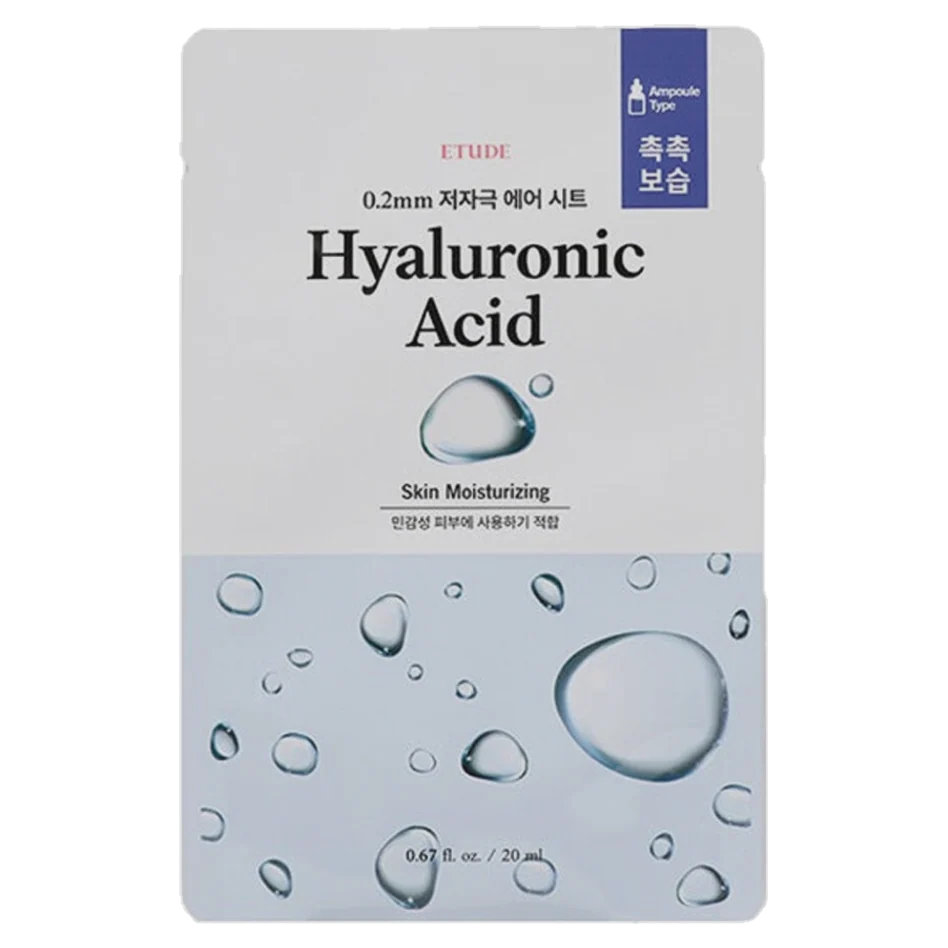
Etude House
0.2mm Therapy Air Mask Hyaluronic Acid
35th of 35 on the label
below ≈1%
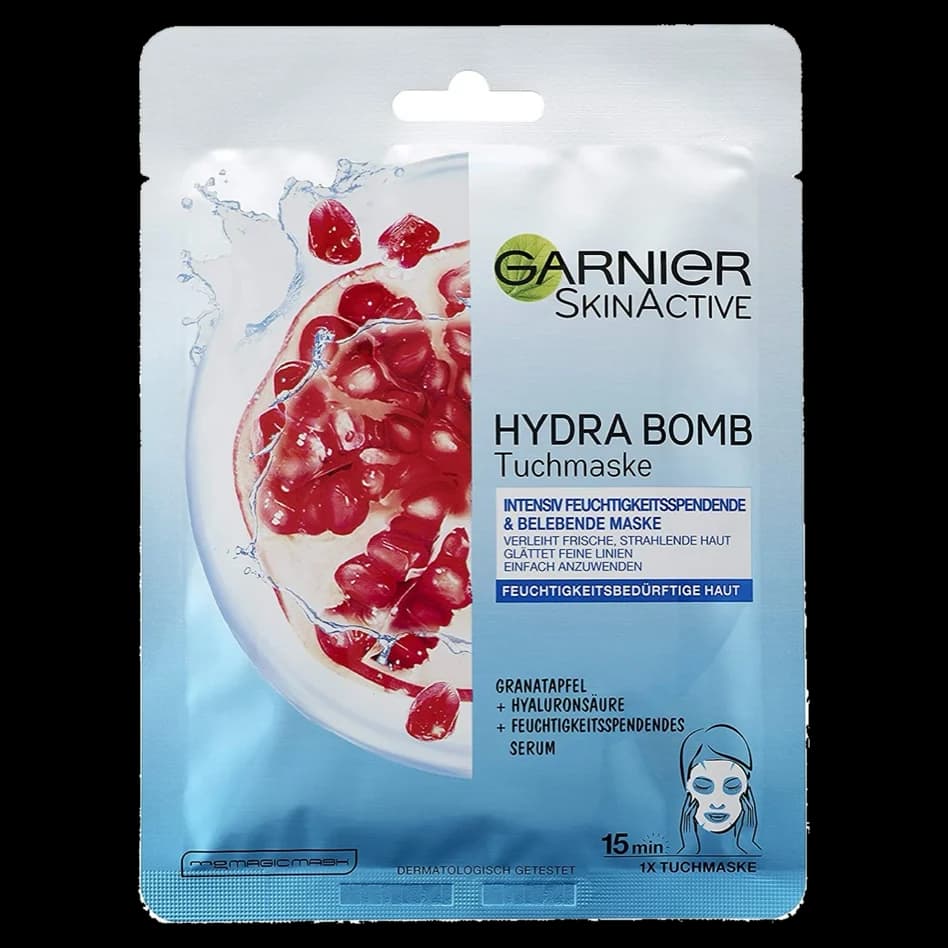
Garnier
SkinActive Hydra Bomb Tissue Mask Pomegranate
26th of 29 on the label
below ≈1%
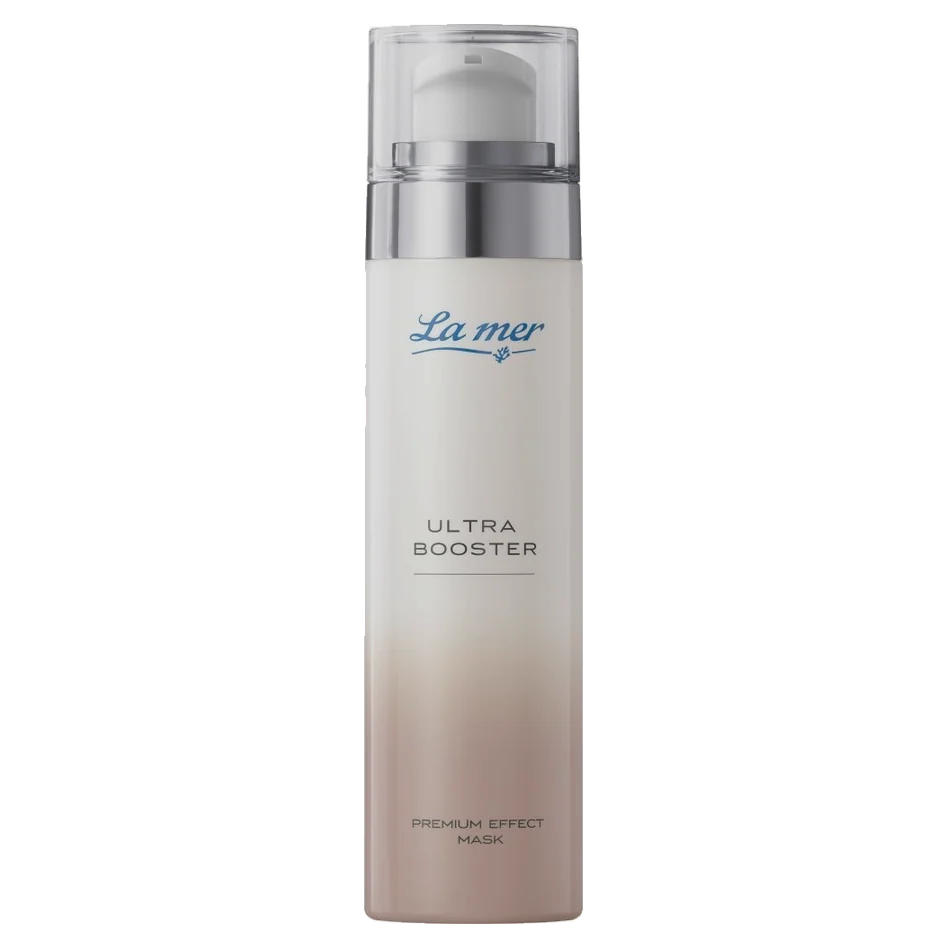
LA MER
Ultra Booster Premium Mask Effect
36th of 41 on the label
below ≈1%
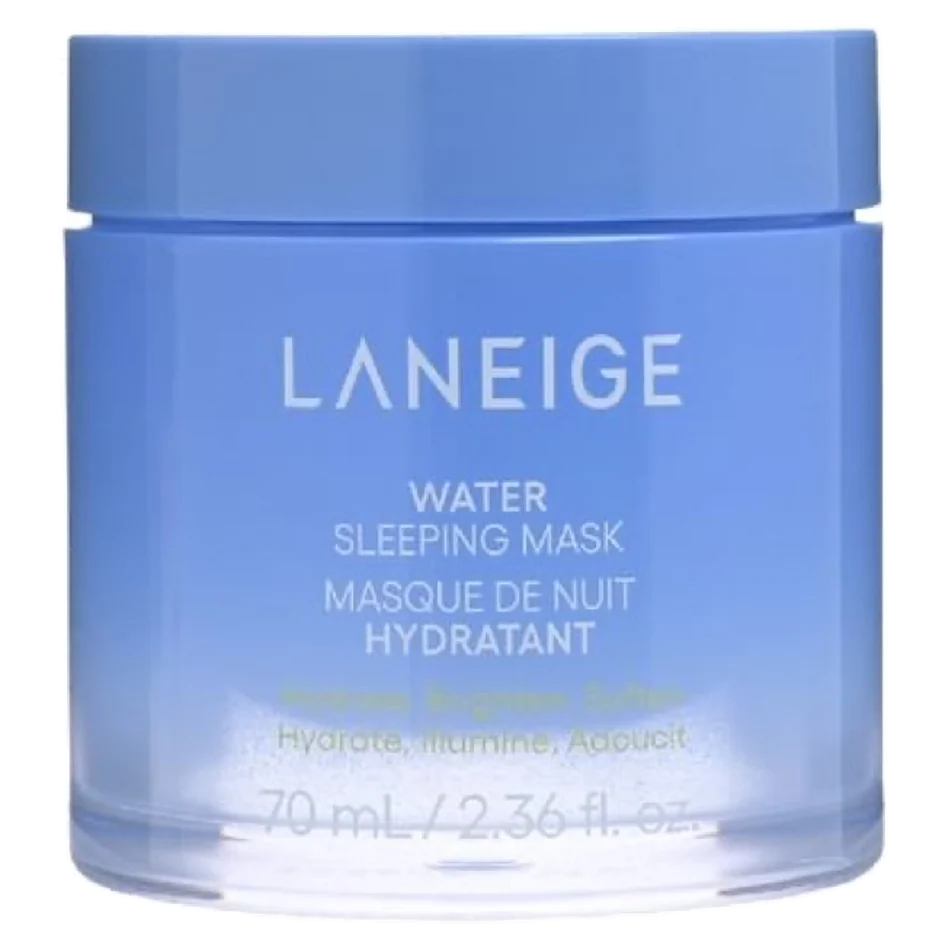
LANEIGE
Water Sleeping Mask
34th of 43 on the label
below ≈1%
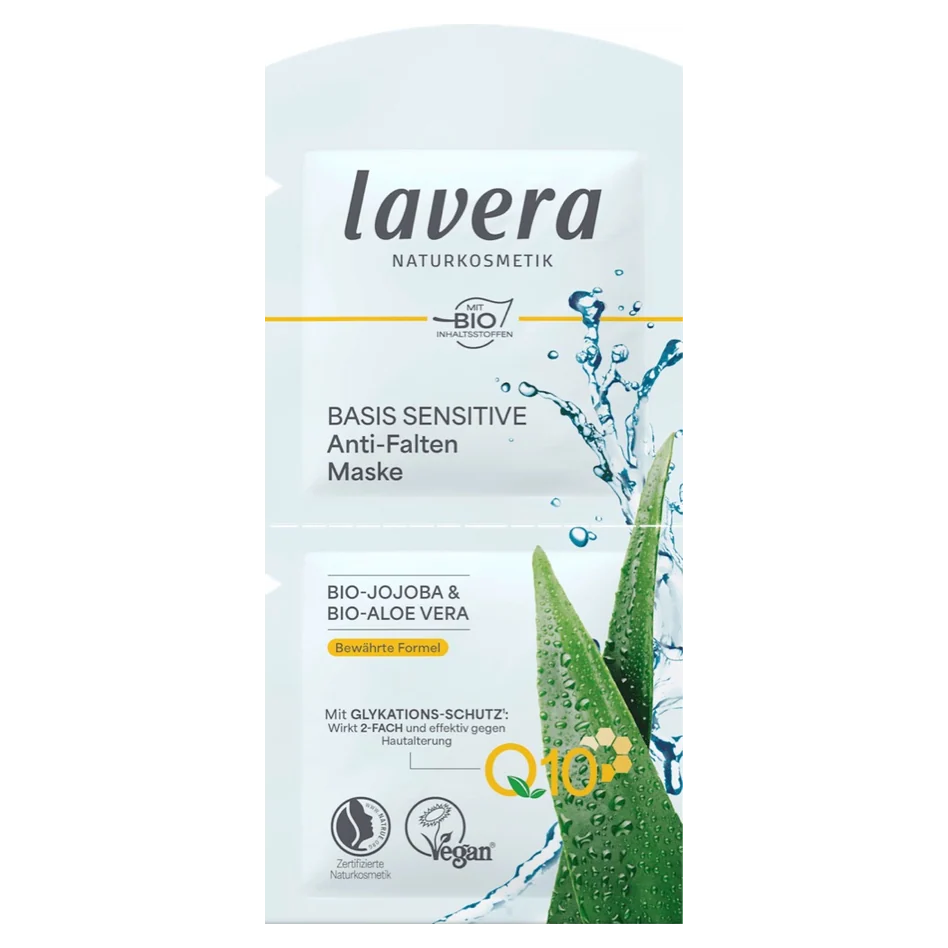
lavera
basis sensitiv Anti-Falten Gesichtsmaske
38th of 42 on the label
below ≈1%
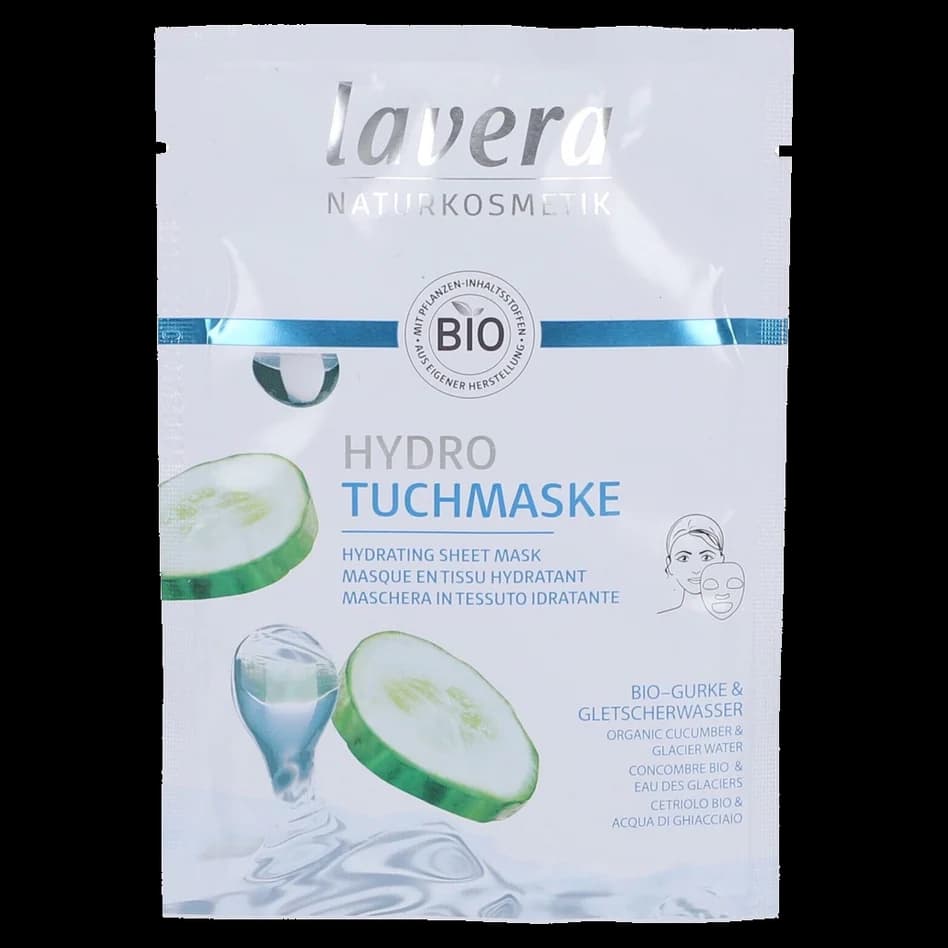
lavera
Hydro Tuchmaske
18th of 22 on the label
below ≈1%
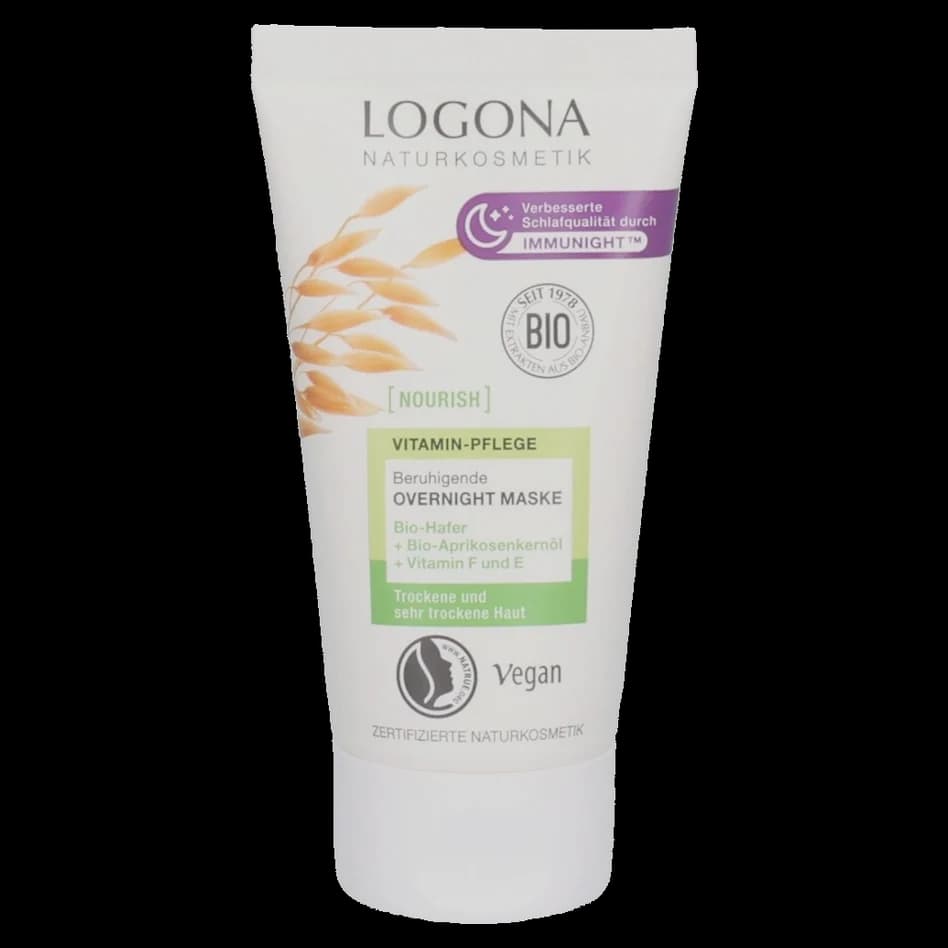
LOGONA
Nourish Beruhigende Overnight Maske
43rd of 53 on the label
below ≈1%
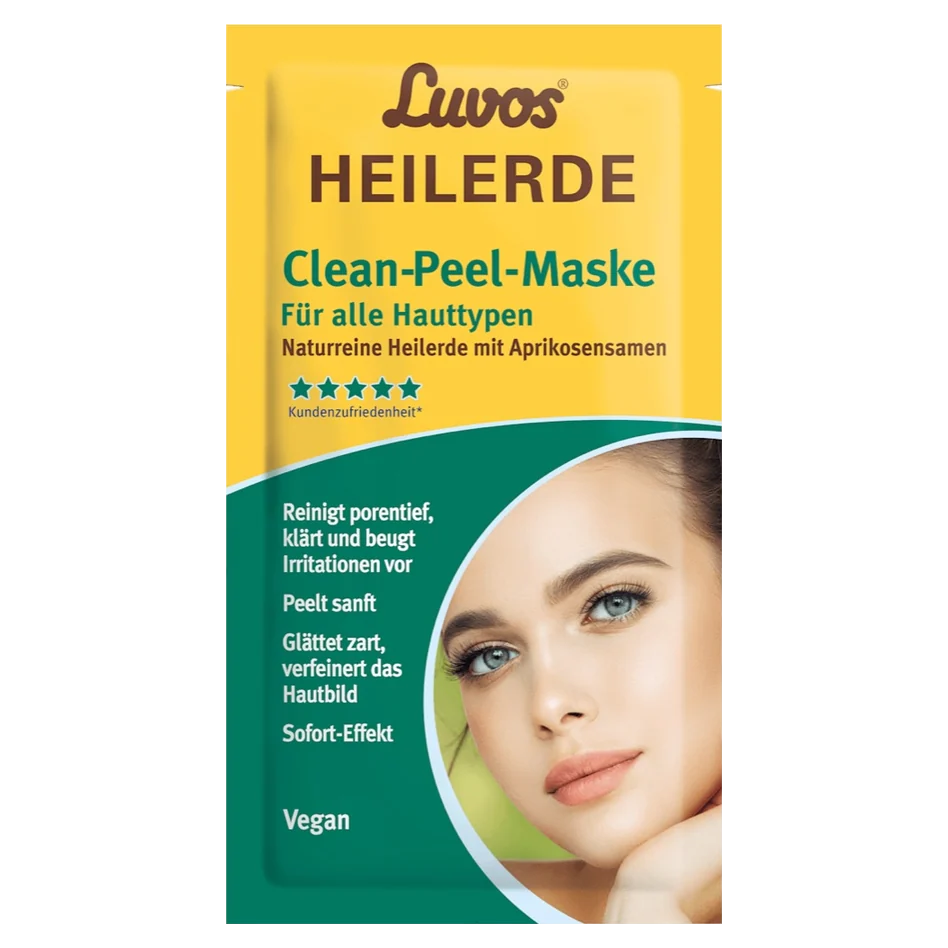
Luvos-Heilerde
Clean-Peel-Maske
24th of 29 on the label
below ≈1%
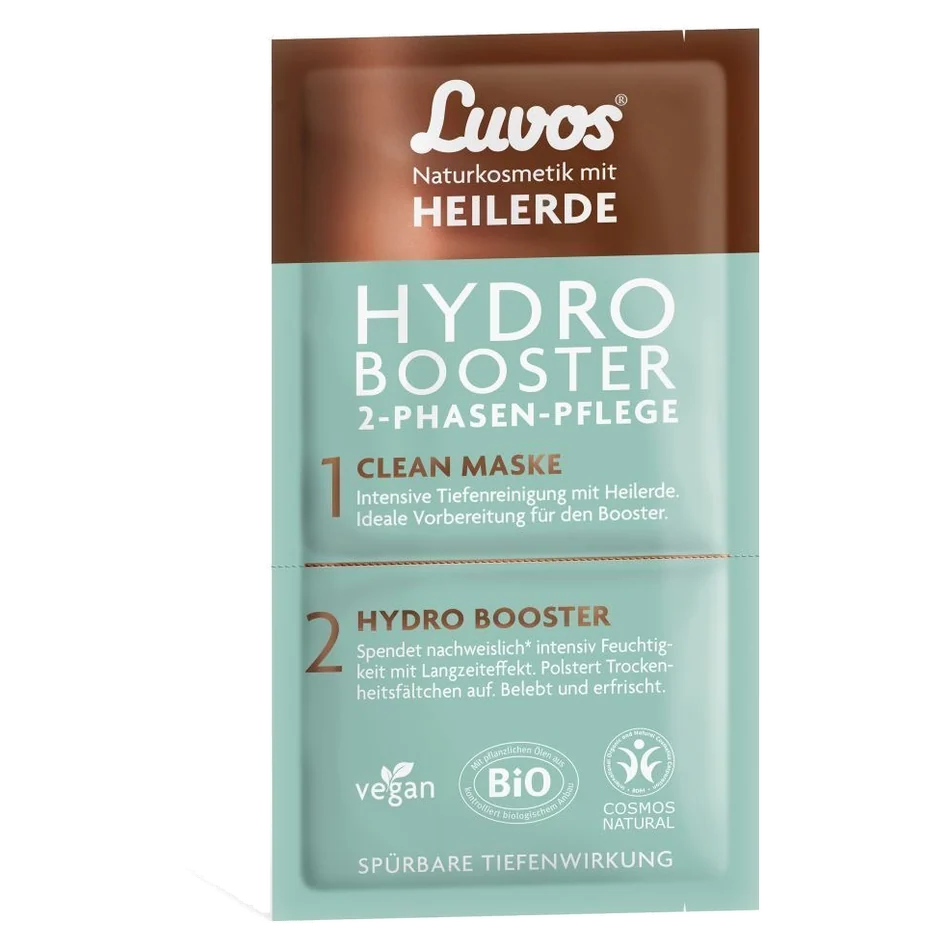
Luvos-Heilerde
Hydro Booster mit Clean Maske
24th of 63 on the label
below ≈1%
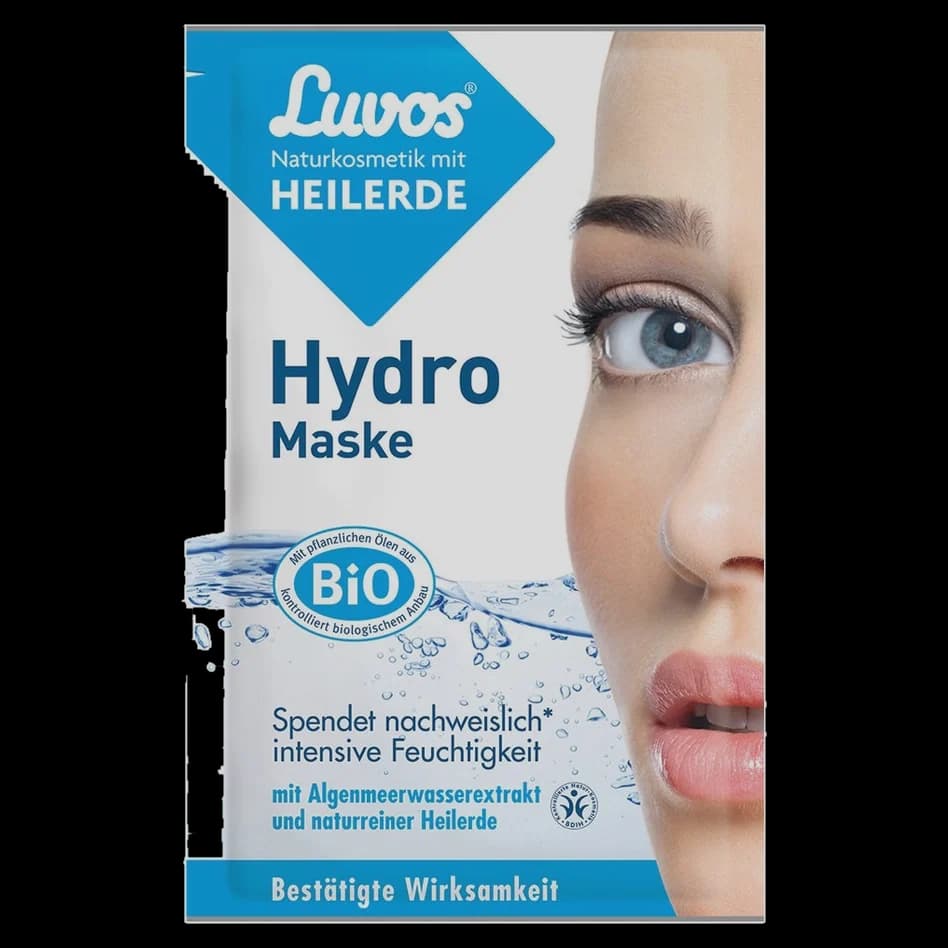
Luvos-Heilerde
Hydro-Maske
26th of 33 on the label
below ≈1%
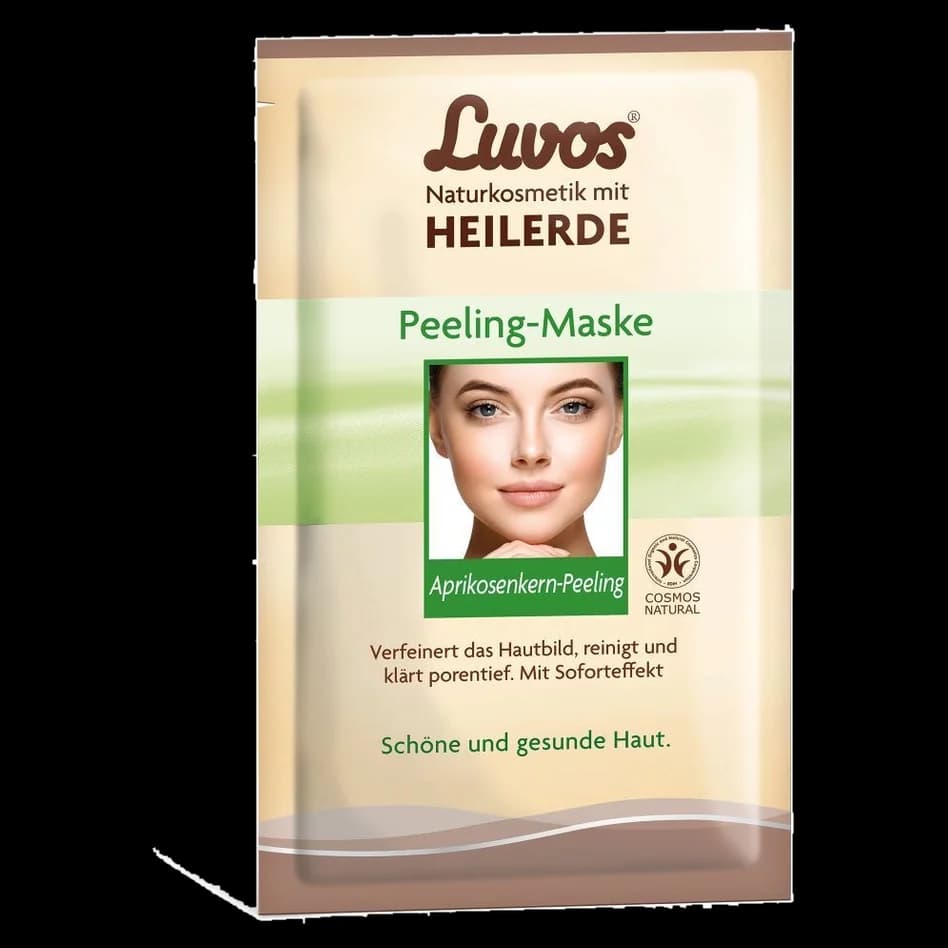
Luvos-Heilerde
Peeling-Maske
23rd of 29 on the label
below ≈1%
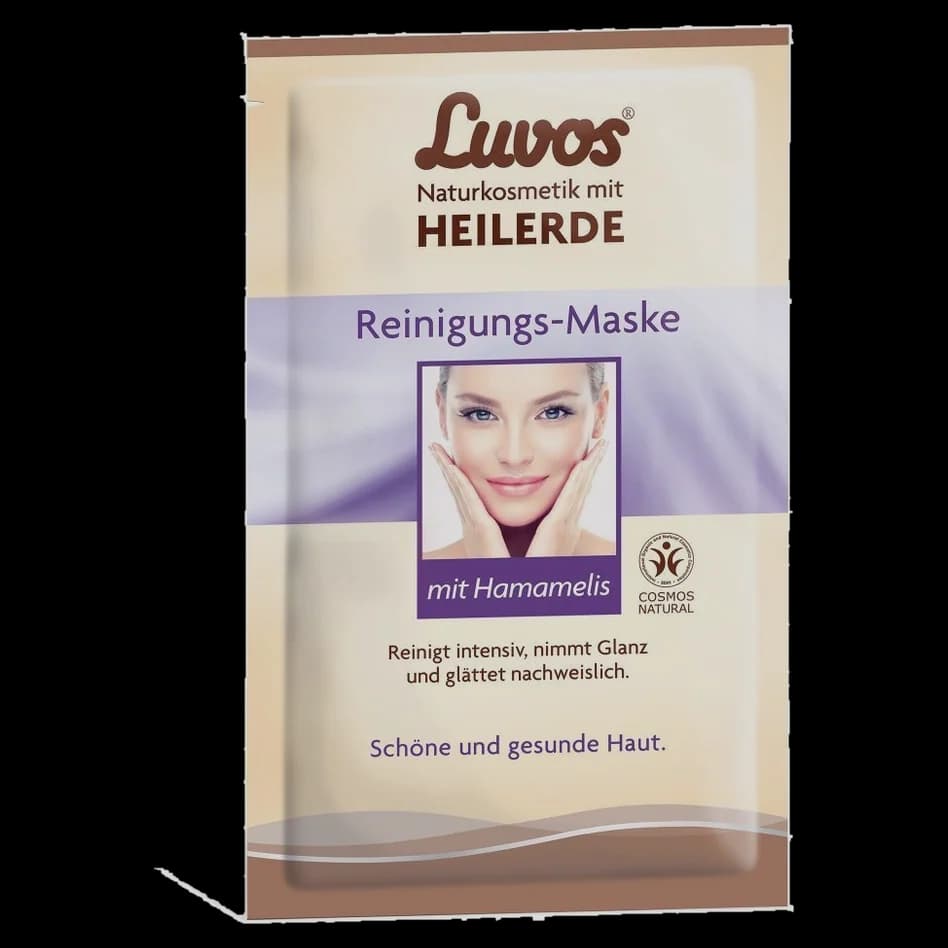
Luvos-Heilerde
Reinigungs-Maske
23rd of 28 on the label
below ≈1%
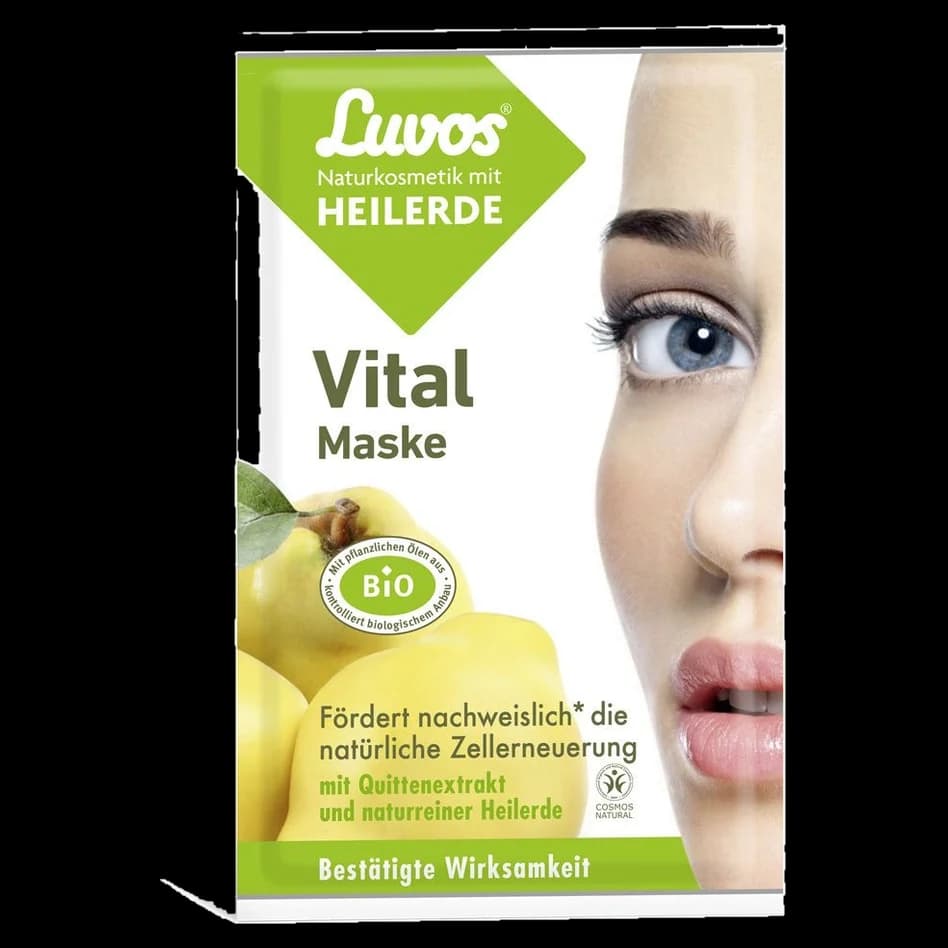
Luvos-Heilerde
Vital-Maske
24th of 30 on the label
below ≈1%
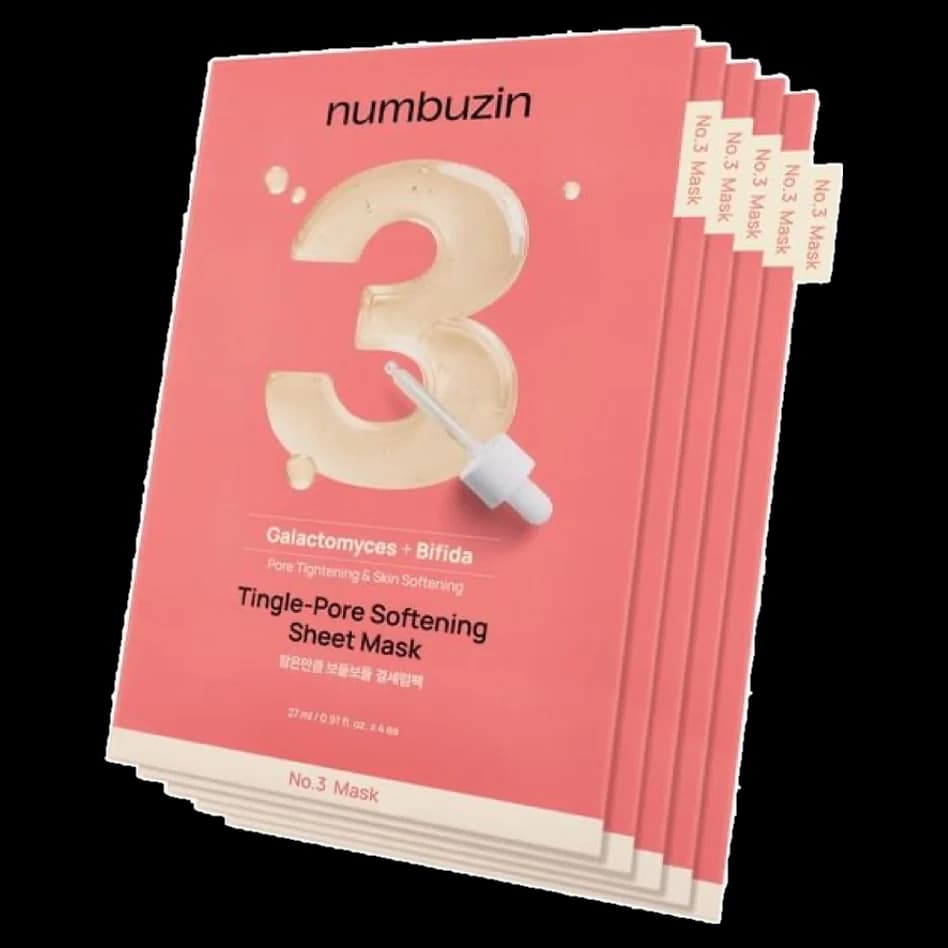
numbuzin
No.3 Tingle-Pore Softening Sheet Mask
40th of 42 on the label
below ≈1%
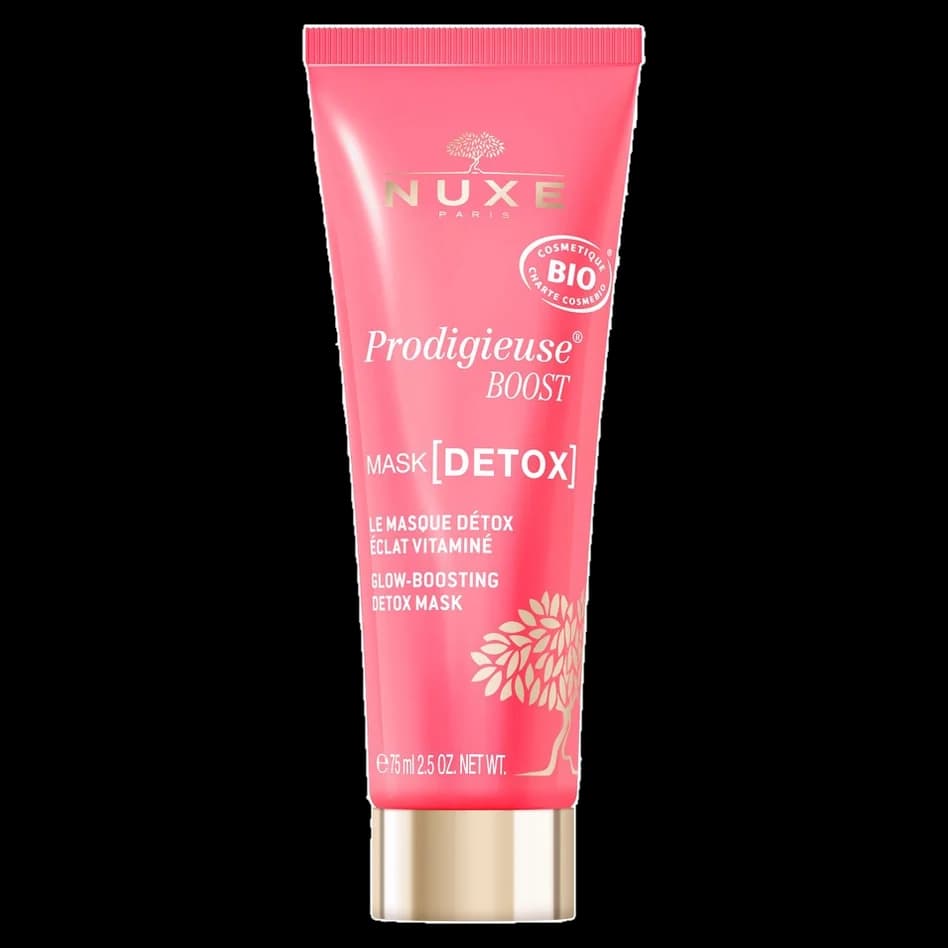
NUXE
Prodigieuse Boost Clarifying Detox Mask
14th of 14 on the label
below ≈1%
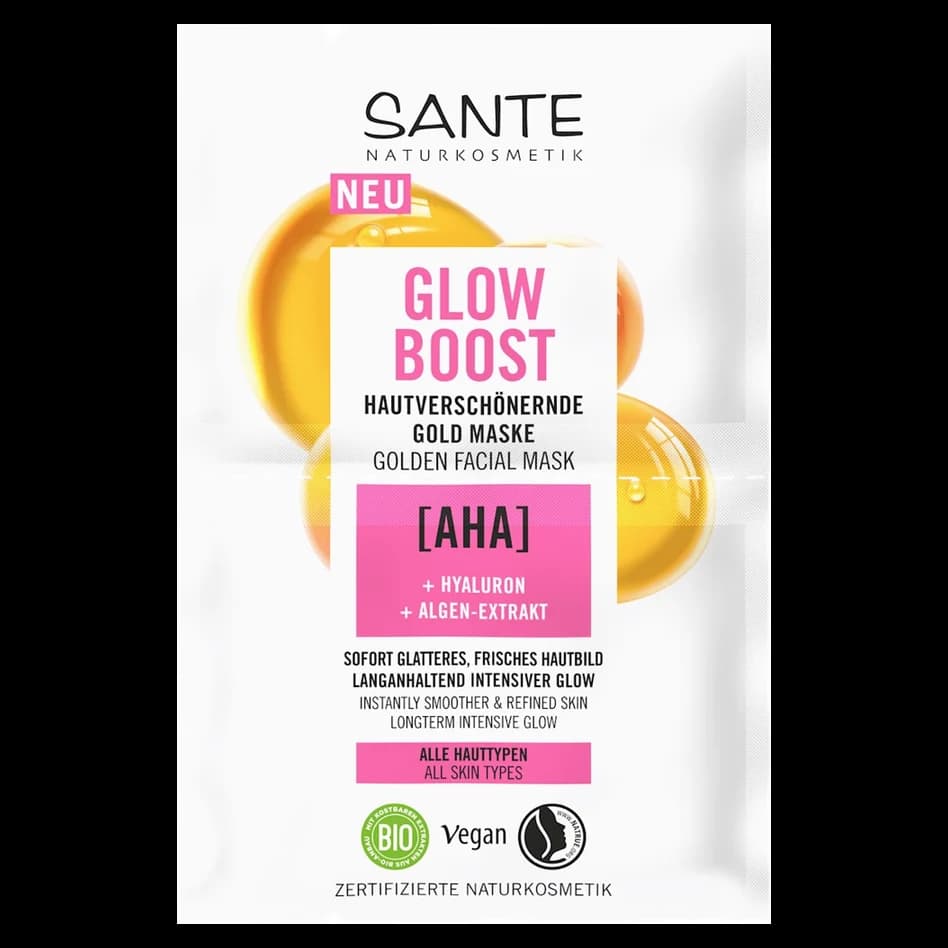
Santé Naturkosmetik
Glow Boost Maske AHA
24th of 29 on the label
below ≈1%
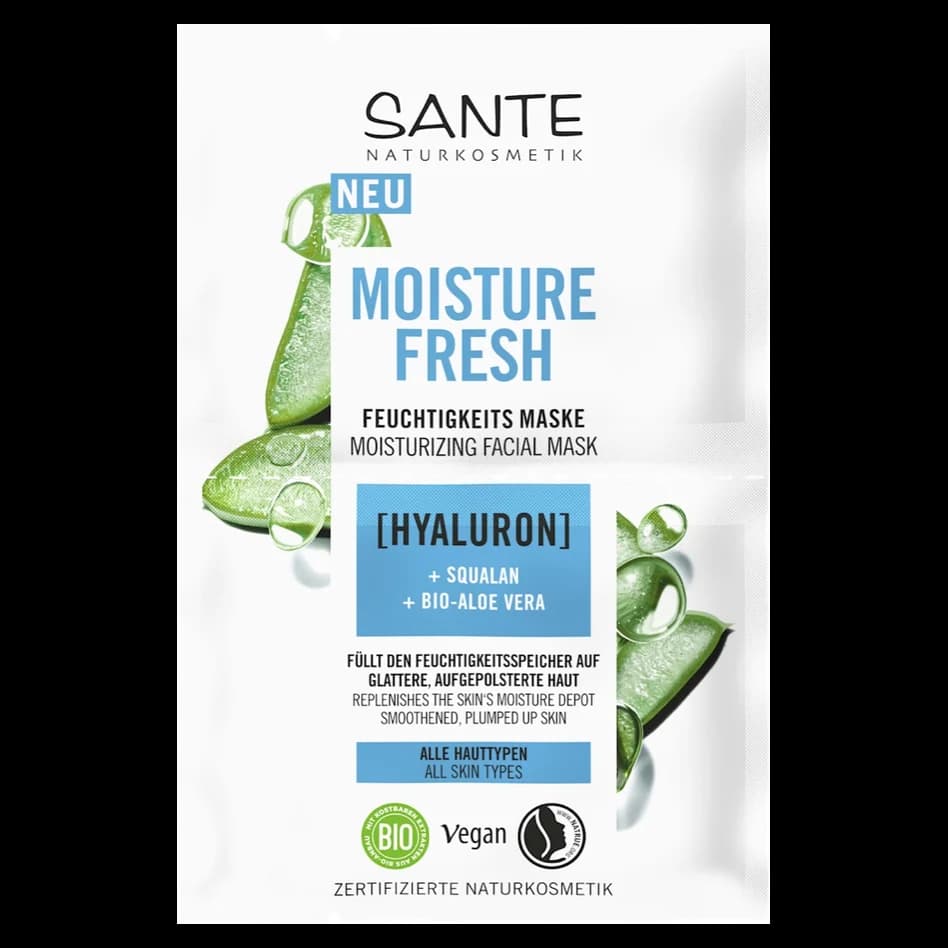
Santé Naturkosmetik
Moisture Fresh Maske Hyaluron
23rd of 24 on the label
below ≈1%
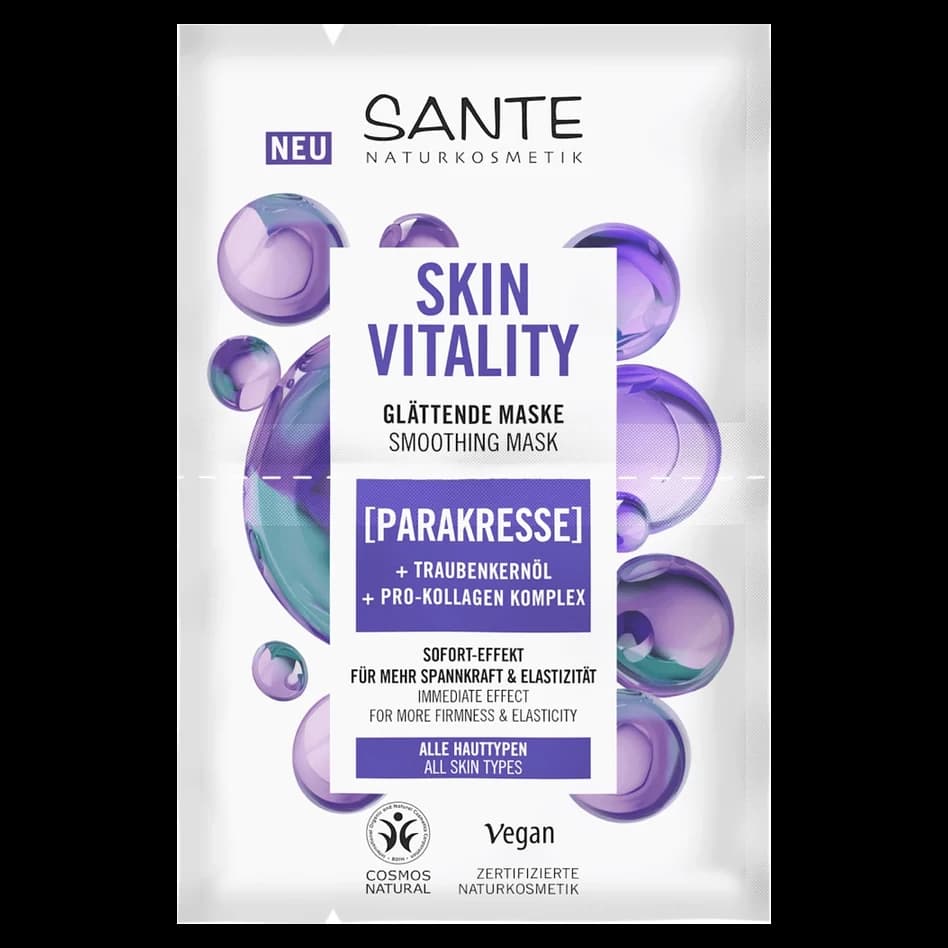
Santé Naturkosmetik
Skin Vitality Maske Parakresse
29th of 33 on the label
below ≈1%
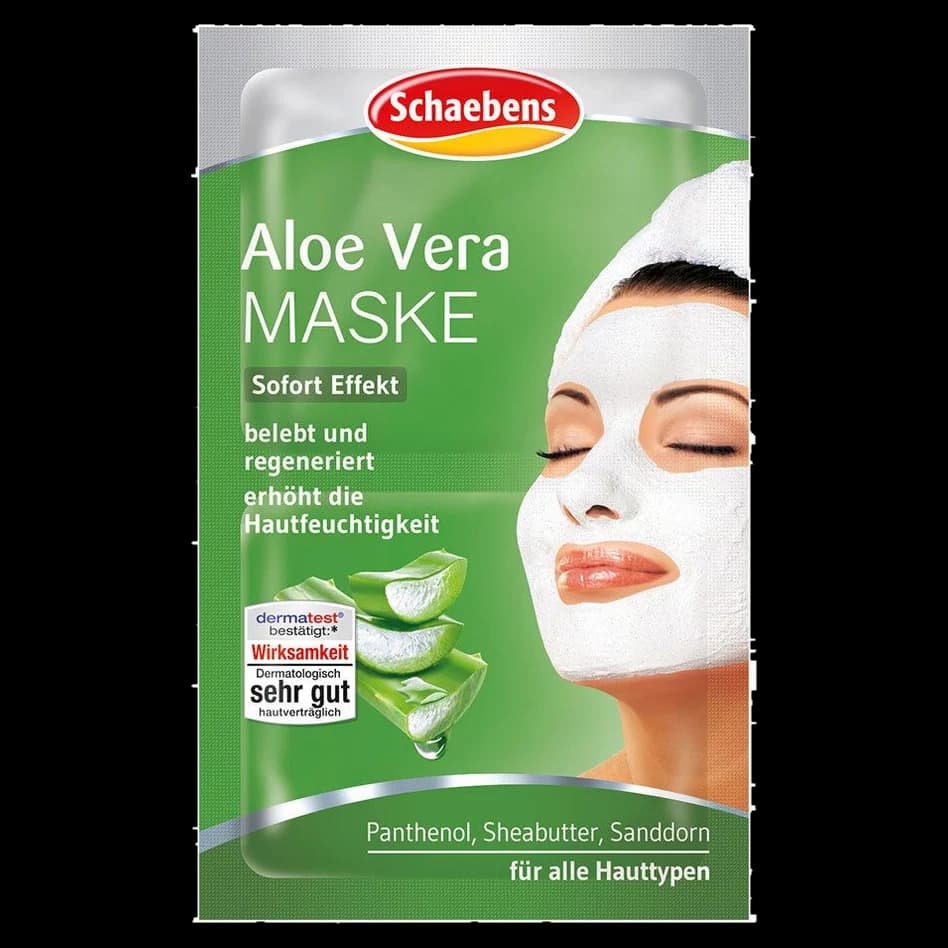
Schaebens
Aloe Vera Maske
30th of 34 on the label
below ≈1%
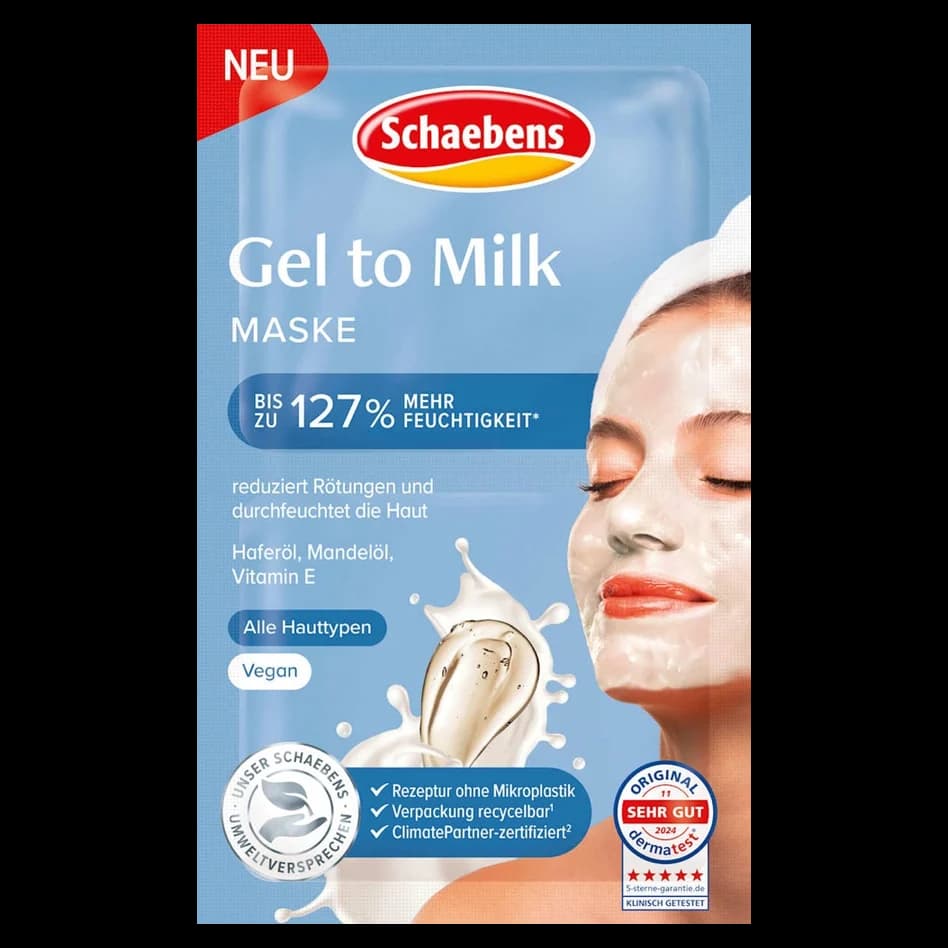
Schaebens
Gesichtscrememaske Gel to Milk
15th of 21 on the label
below ≈1%
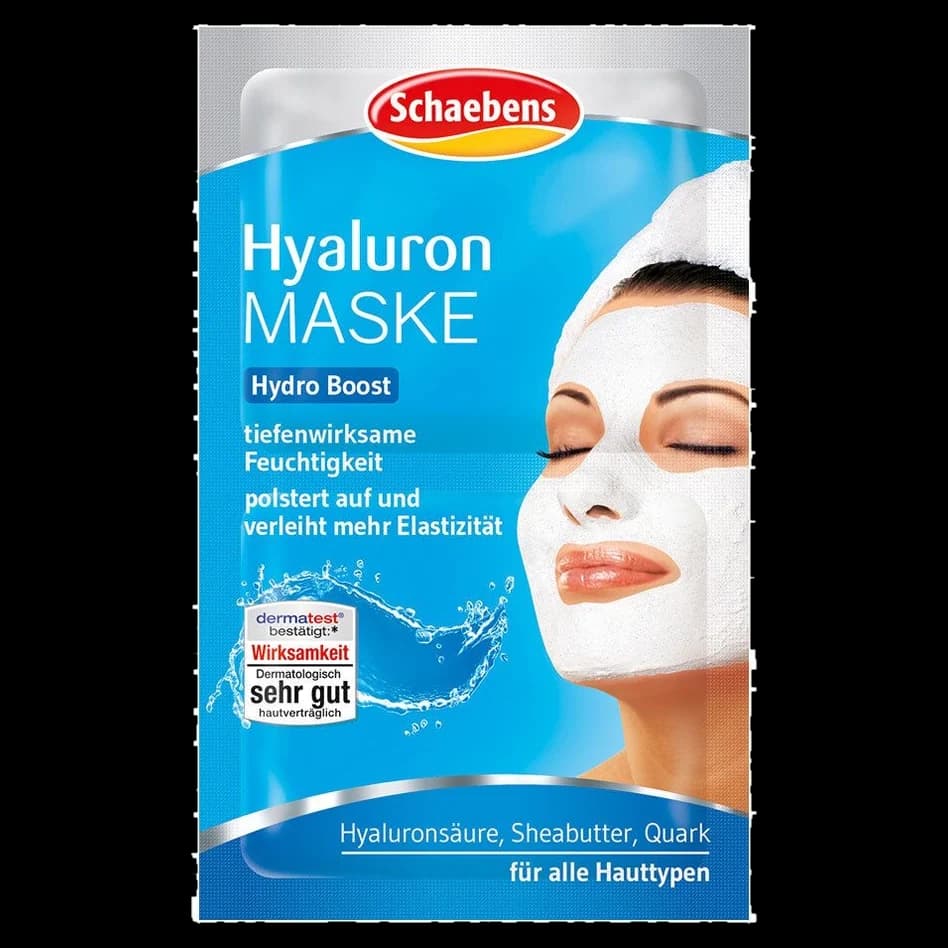
Schaebens
Hyaluron Maske
23rd of 32 on the label
below ≈1%
Sensai
Cellular Performance Extra Intensive Mask
43rd of 44 on the label
below ≈1%
Shiseido
Vital Perfection LiftDefine Radiance Face Mask
43rd of 81 on the label
below ≈1%
SOME BY MI
Real Hyaluron Hydra Care Mask
31st of 31 on the label
below ≈1%
Susanne Kaufmann
Glow Mask
44th of 45 on the label
below ≈1%
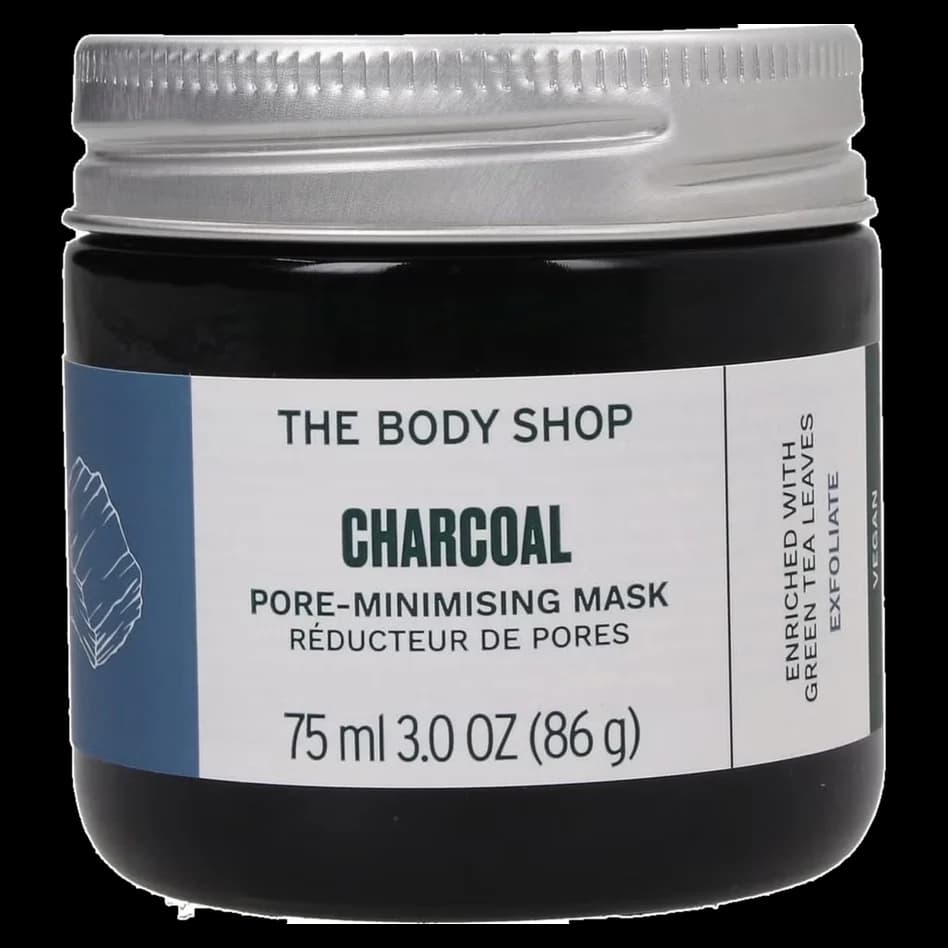
The Body Shop
Charcoal Pore Minimising Mask
21st of 37 on the label
below ≈1%
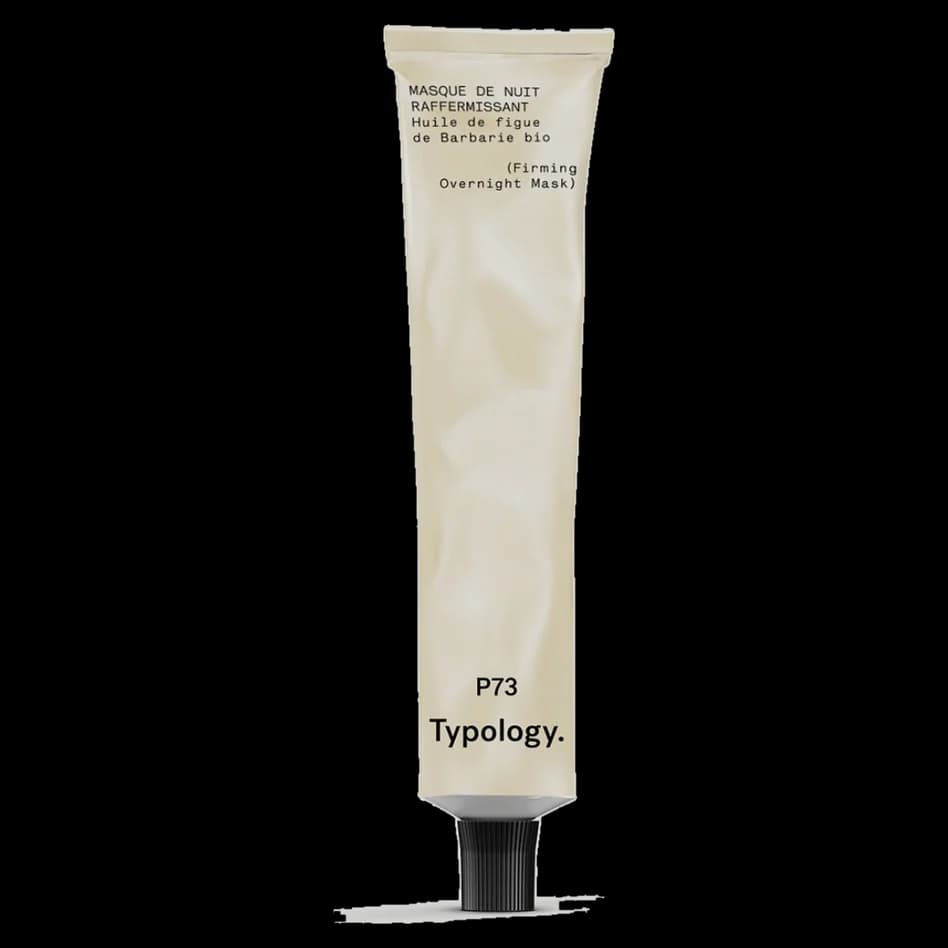
Typology
Masque de Nuit Raffermissant P73 (Firming Night Mask)
22nd of 24 on the label
below ≈1%
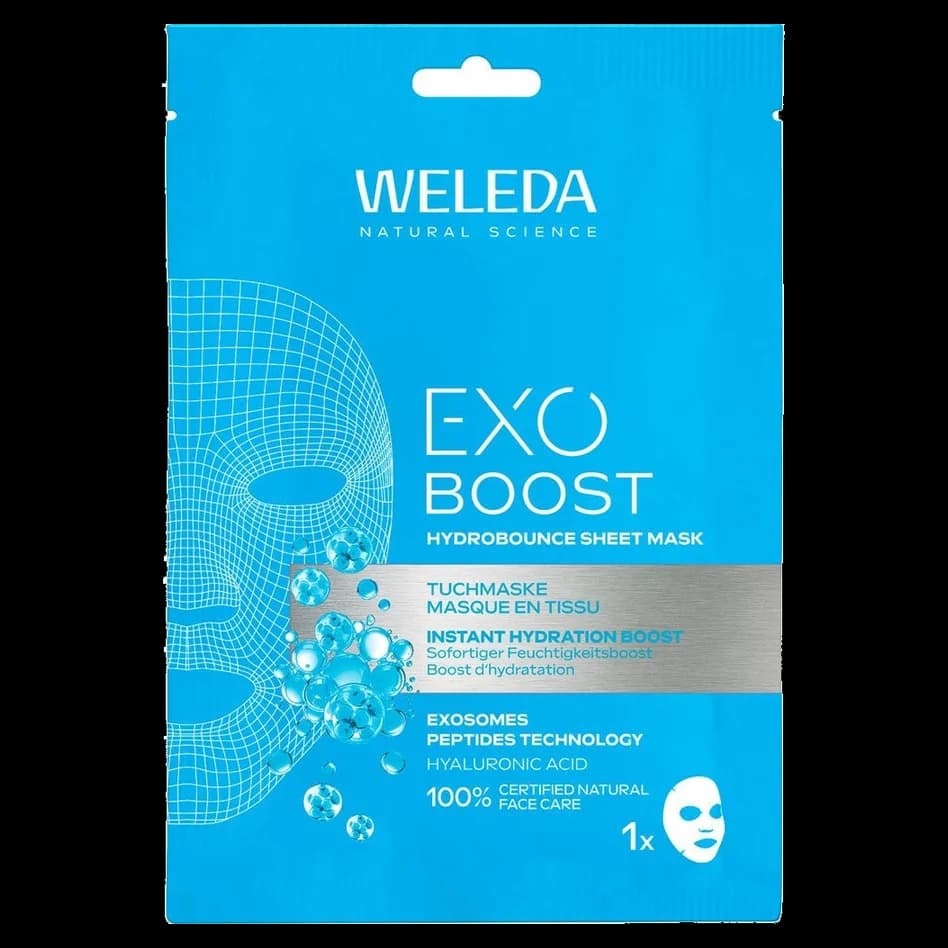
Weleda
Exo Boost Hydrobounce Tuchmaske
28th of 34 on the label
below ≈1%