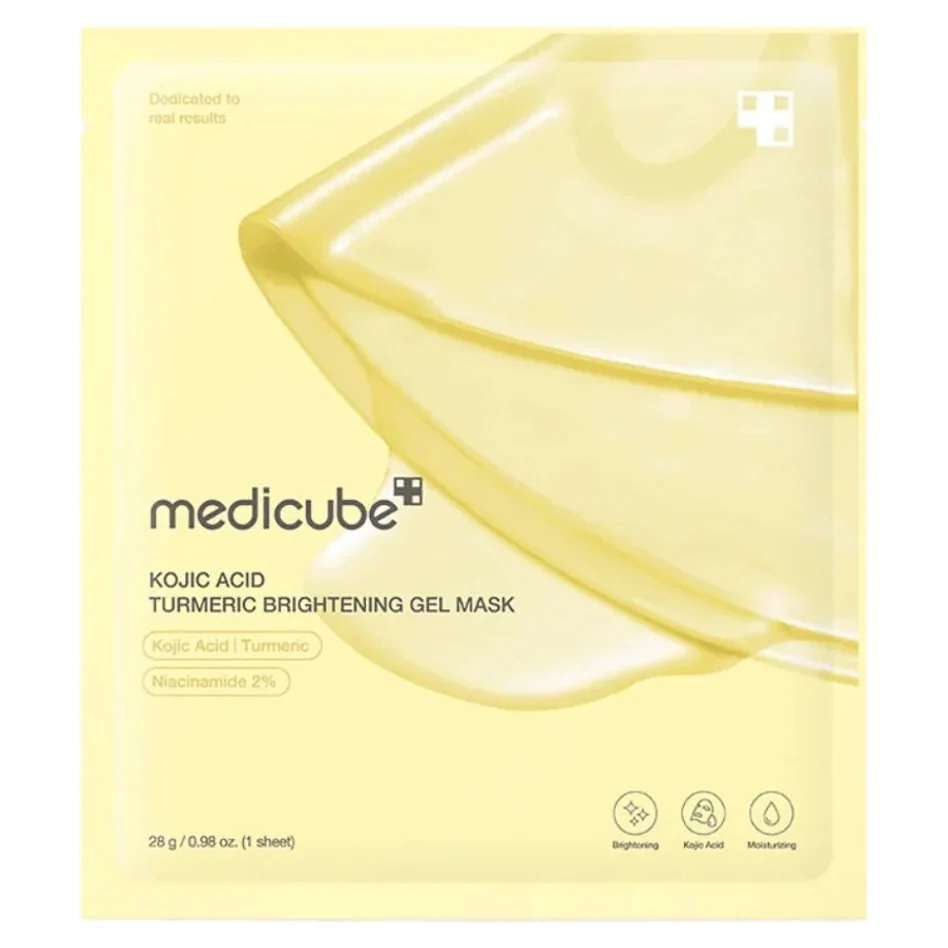
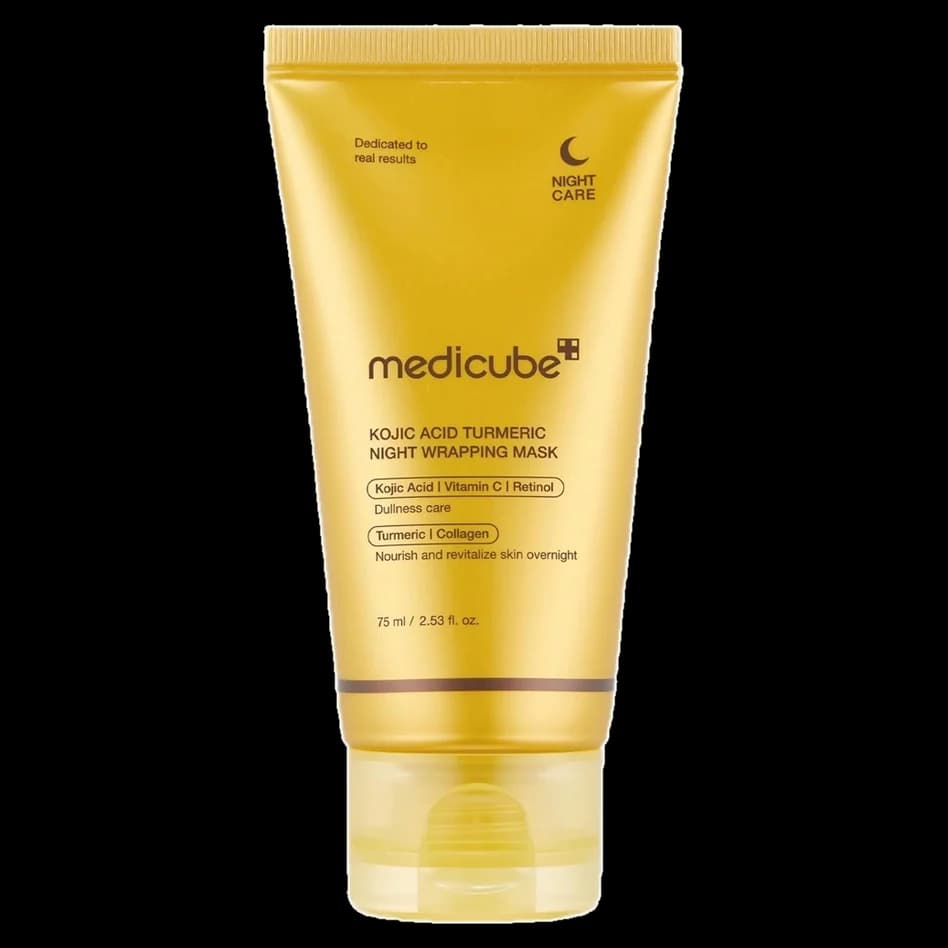
Kojic Acid
EU-restricted, a common contact allergen, or subject to live debate.
Also written as: 5-Hydroxy-2-(hydroxymethyl)-4H-pyran-4-one
What it is
Kojic acid is produced by Aspergillus and Penicillium fungi during fermentation, and is a by-product of making sake, soy sauce and miso. It binds the copper at the heart of the tyrosinase enzyme, which stops pigment production at an early step. It is a well-established skin-lightening agent, but it is also a recognised contact allergen and the EU reviewed it for possible endocrine-disrupting activity before setting a limit.
What it does well
Lightens dark spots and melasma
Randomised trials of kojic acid combinations report improvement in melasma comparable to some hydroquinone regimens, though usually tested alongside other actives such as glycolic acid rather than alone.
Moderate evidence
Worth knowing
A documented contact allergen
Case reports and patch-test series have confirmed allergic contact dermatitis from kojic acid in skincare, which is one reason the EU limit is comparatively low.
Matters most toPeople with a history of contact dermatitis or reactive skin.
Where the EU stands
Concentration-restricted
Permitted only as a skin-lightening agent in face and hand products, up to 1%. The restriction follows the SCCS review of its possible endocrine-disrupting activity and has applied in full since 1 November 2025.
Regulation (EC) No 1223/2009, Annex III entry 375 (added by Regulation (EU) 2024/996) · source ↗
Sources (2)
Every link goes to the original: a journal, a PubMed record or an EU document.
- [1]Opinion on Kojic acid (SCCS/1637/21)
SCCS (Scientific Committee on Consumer Safety), European Commission · 2022
The SCCS concluded kojic acid is safe as a skin-lightening agent up to 1%, the basis for the current EU limit.
- [2]Contact allergy to kojic acid in skin care products
Contact Dermatitis · 1995 · doi:10.1111/j.1600-0536.1995.tb00832.x
Documented cases of allergic contact dermatitis caused by kojic acid in cosmetic products, establishing it as a genuine sensitiser.