Methylparaben
Paraben
No meaningful concern for most people; irritation is possible but rare.
Also written as: Methyl 4-Hydroxybenzoate · Methyl Paraben · E218
What it is
Methylparaben is the methyl ester of 4-hydroxybenzoic acid, a compound that also occurs naturally in blueberries, carrots and other plants. It has been used as a cosmetic and food preservative since the 1920s, which makes it one of the most thoroughly studied preservatives in existence. Formulators like it because it is effective against moulds and yeasts, stable, odourless and cheap. In the EU it is a listed preservative with a 0.4% single-ester ceiling.
What it does well
Very low rate of skin allergy despite decades of heavy use
In the North American Contact Dermatitis Group series, paraben mix produced positives in about 1% of patch-tested patients, low for such a widely used substance. Dermatologists sometimes call this the 'paraben paradox': allergy shows up on patch testing far more often than it causes real-world dermatitis.
Strong evidence
The link to breast cancer has not held up
The frequently cited 2004 study found parabens in breast tumour tissue but had no control tissue and did not test whether cosmetics were the source or whether parabens caused the tumours. The SCCS re-assessed methylparaben in 2023 including endocrine concerns and confirmed 0.4% as safe.
Strong evidence
Worth knowing
Weak oestrogen-like activity in laboratory tests
Methylparaben binds oestrogen receptors in vitro, but its potency is several orders of magnitude below natural oestradiol and it is rapidly broken down by skin and liver esterases. The SCCS took this into account and still concluded 0.4% is safe.
Matters most toPeople who want to minimise total exposure to substances with any hormonal activity.
Combined exposure from many products at once
A 2020 review concluded a single paraben-containing cosmetic poses no hazard, but advised against using very large numbers of paraben-containing products simultaneously. The EU already caps the total of all paraben esters at 0.8%.
Matters most toPeople using many leave-on products daily who want to keep cumulative exposure down.
Where the EU stands
Approved preservative (Annex V)
Permitted preservative: maximum 0.4% as a single ester, or 0.8% total when mixed with other permitted parabens (expressed as 4-hydroxybenzoic acid).
Regulation (EC) No 1223/2009, Annex V entry 12 · source ↗
Sources (3)
Every link goes to the original: a journal, a PubMed record or an EU document.
- [1]Opinion on methylparaben (CAS No. 99-76-3, EC No. 202-785-7) (SCCS/1652/23)
SCCS (Scientific Committee on Consumer Safety), European Commission · 2023
The SCCS concluded that methylparaben used as a preservative at up to 0.4% (as acid), or within an 0.8% ester mixture, is safe, having considered concerns about endocrine activity.
- [2]Review of the safety of application of cosmetic products containing parabens
Journal of Applied Toxicology · 2020 · doi:10.1002/jat.3917
Concluded that using a single paraben-containing cosmetic should not pose a hazard to human health, while cautioning against simultaneous use of very many such products.
- [3]Contact dermatitis associated with preservatives: Retrospective analysis of North American Contact Dermatitis Group data, 1994 through 2016
Journal of the American Academy of Dermatology · 2021 · doi:10.1016/j.jaad.2020.07.059
Paraben mix produced positive patch tests in about 1% of patients, among the lowest rates of the preservatives studied.
Masks that contain Methylparaben
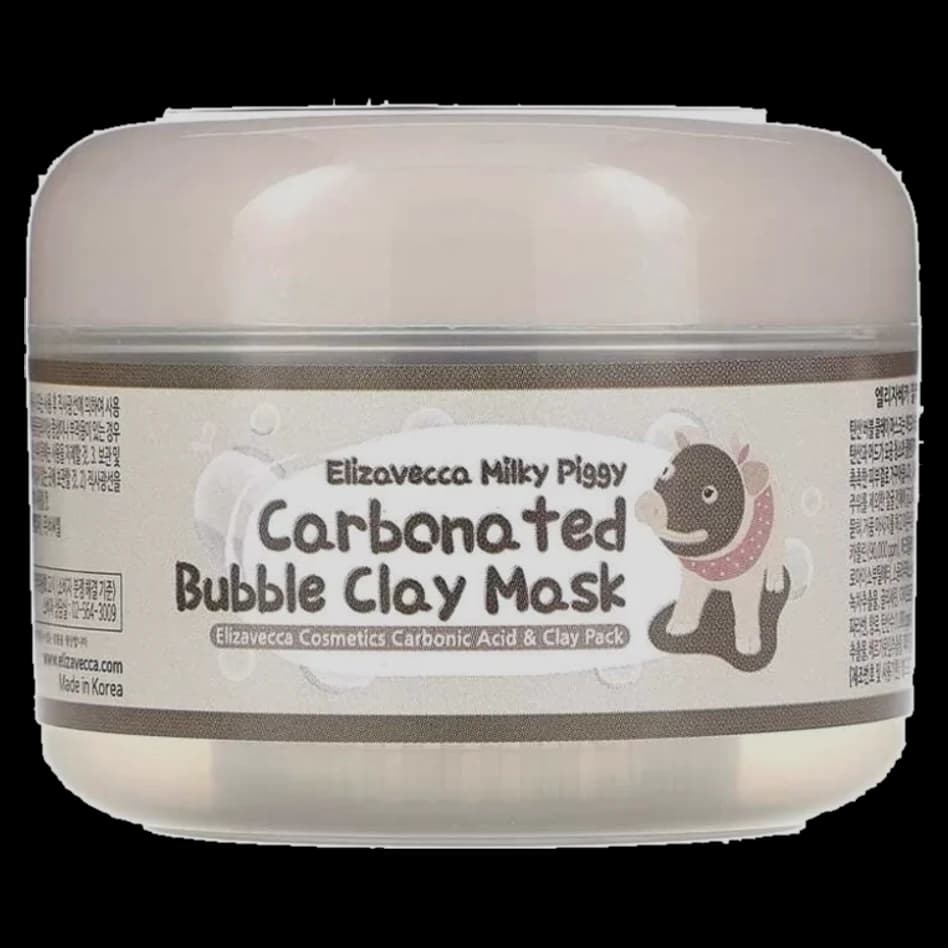
Elizavecca
Milky Piggy Carbonated Bubble Clay Mask
17th of 29 on the label
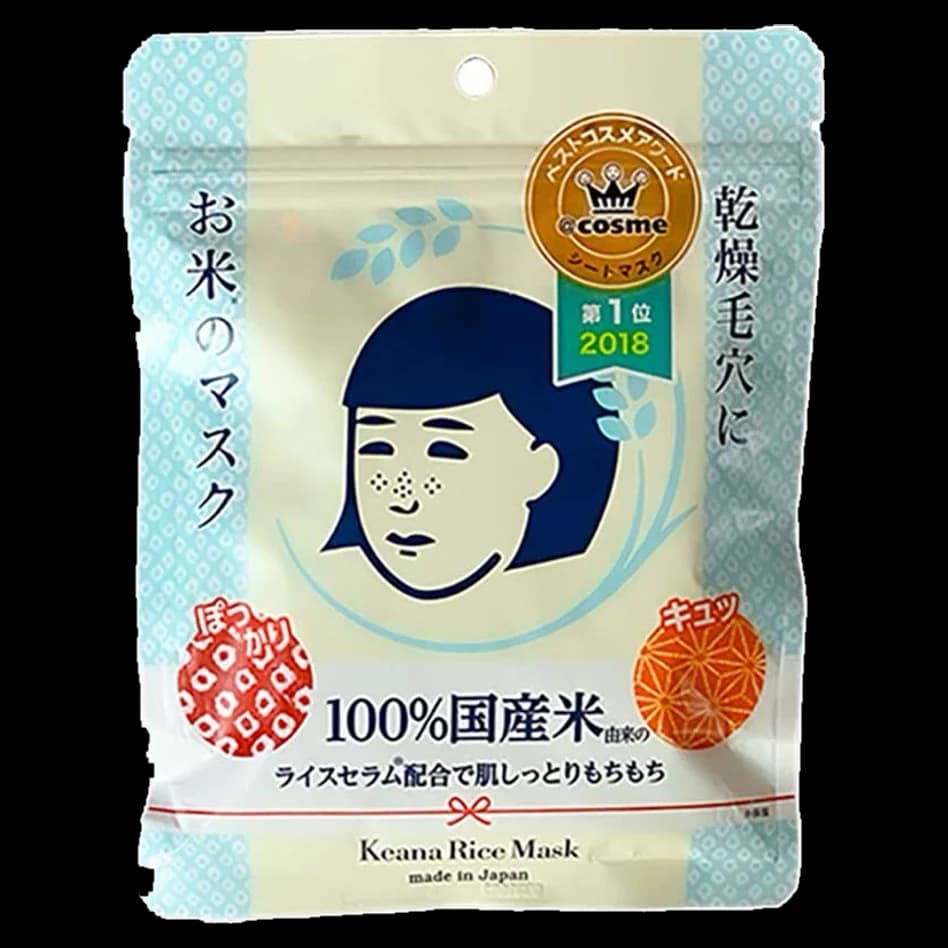
Ishizawa Lab
Keana Nadeshiko Rice Face Mask
15th of 15 on the label
below ≈1%
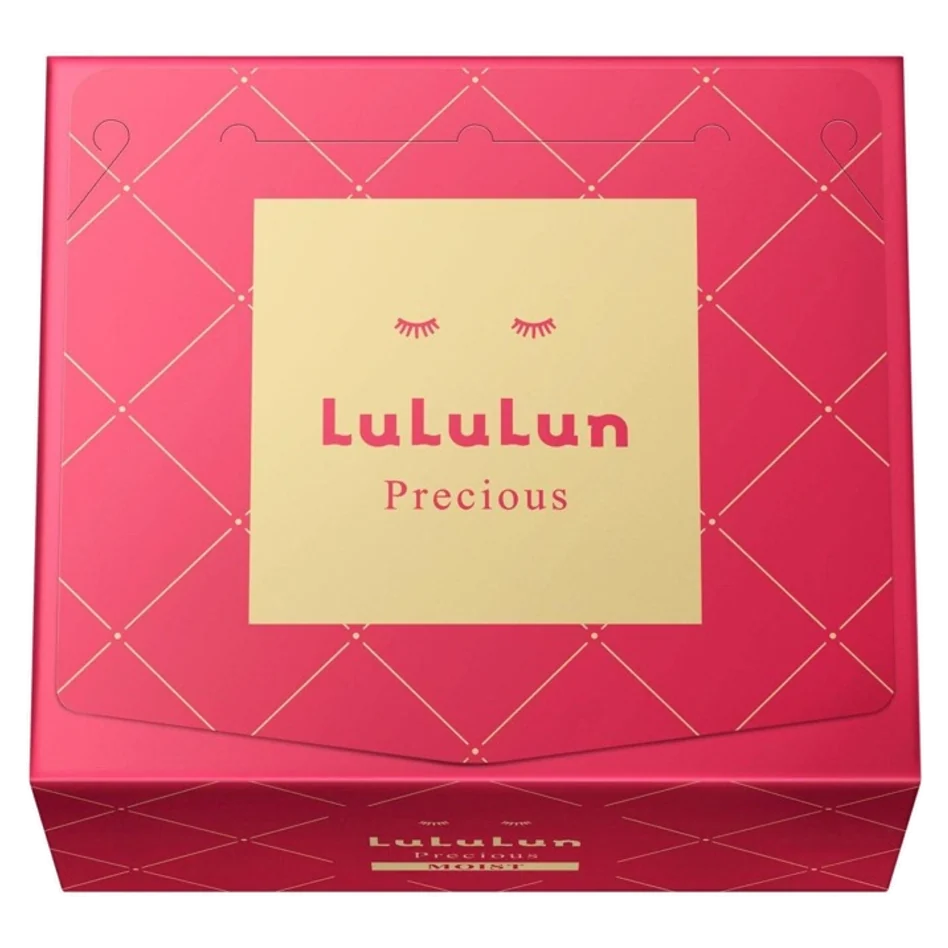
LuLuLun
Precious Face Mask Moist (Red)
26th of 26 on the label
below ≈1%
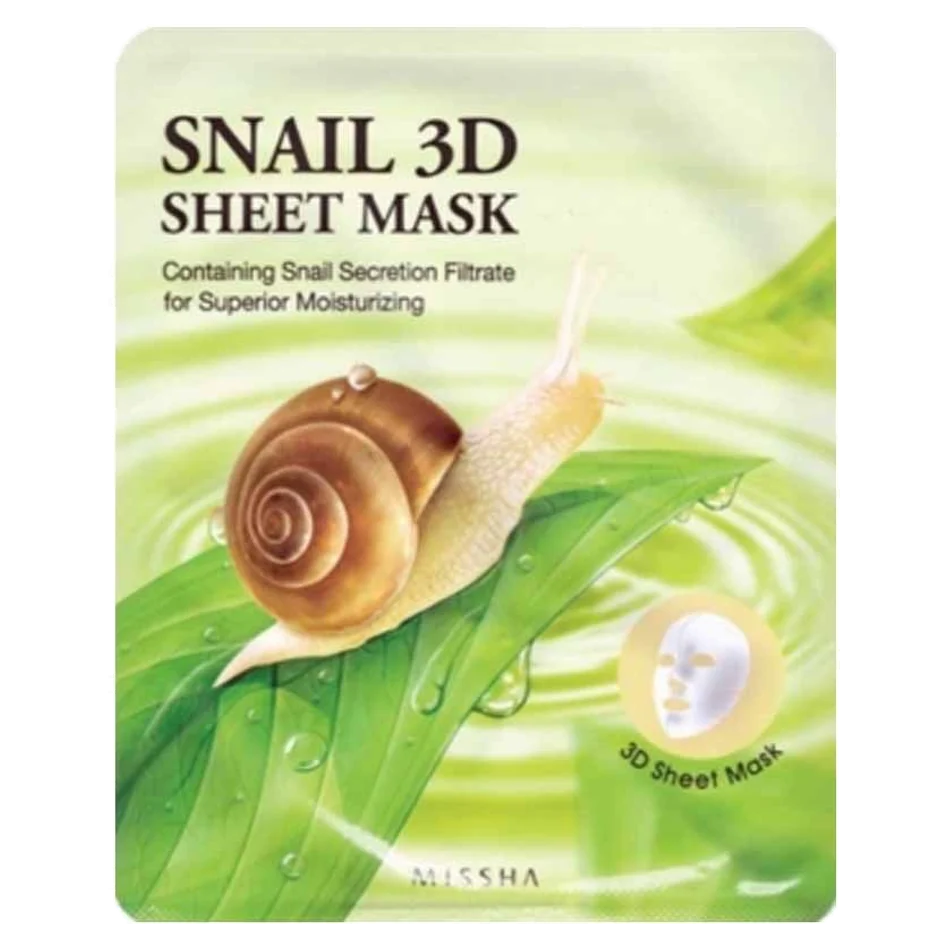
MISSHA
Snail 3D Sheet Mask
18th of 25 on the label
below ≈1%
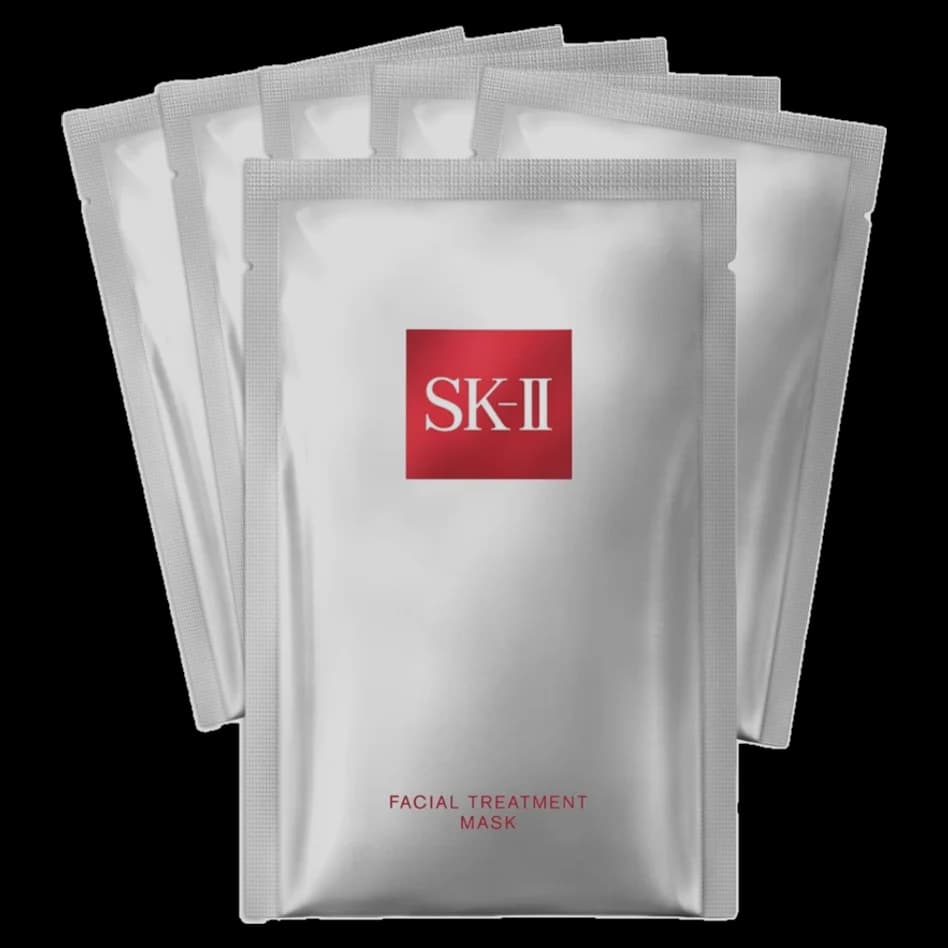
SK-II
Facial Treatment Mask
6th of 7 on the label
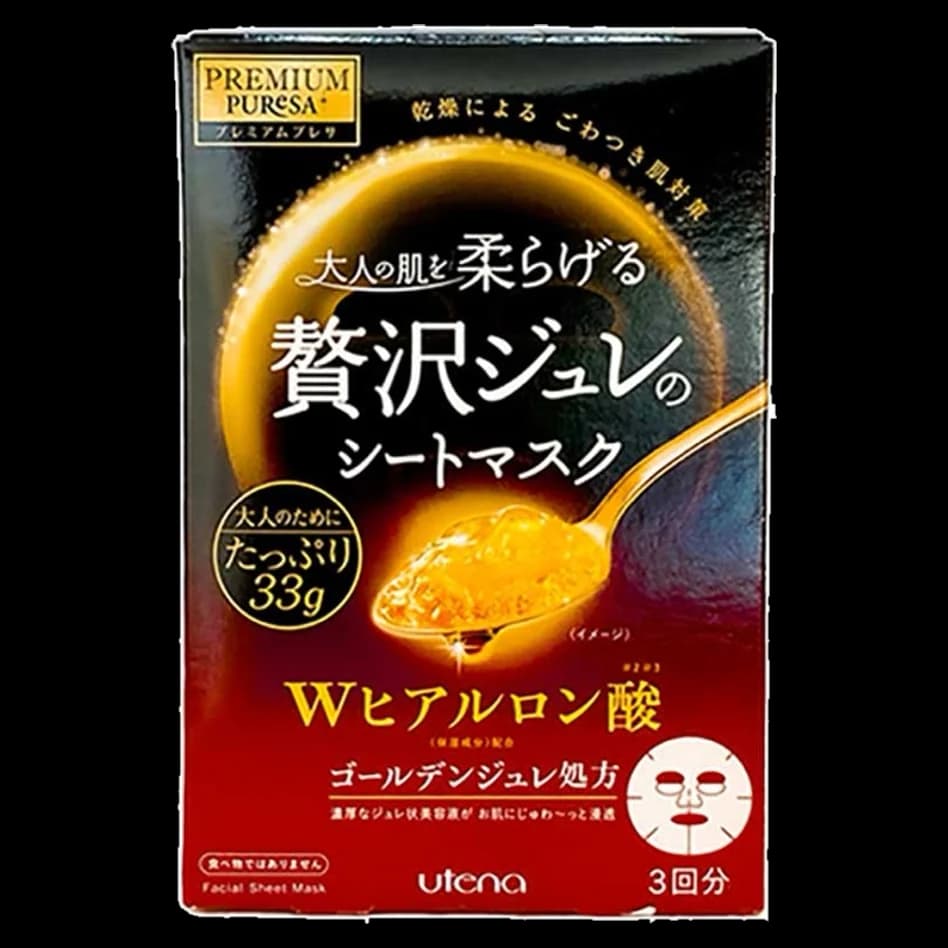
Utena
Premium Puresa Golden Jelly Mask (Hyaluronic Acid)
35th of 35 on the label
below ≈1%