Sodium Dehydroacetate
No meaningful concern for most people; irritation is possible but rare.
Also written as: Sodium 3-Acetyl-6-methyl-2H-pyran-2,4(3H)-dionate · DHA sodium salt
What it is
Sodium dehydroacetate is simply the sodium salt of dehydroacetic acid, used when a formulator needs a water-soluble form. It falls under exactly the same EU entry and the same 0.6% ceiling, calculated as the free acid. Like the acid, it is mainly antifungal and is usually blended with benzyl alcohol or benzoic acid.
How it shows up on a label
Counts against the same 0.6% EU limit as dehydroacetic acid when both appear.
What it does well
Easier to dose into water-based masks than the free acid
Its solubility makes it practical for sheet-mask essences and gels, where the poorly soluble free acid is awkward to disperse.
Moderate evidence
Worth knowing
Occasional allergic contact dermatitis
Described in Dermatitis in 2012 as an emerging allergen on the basis of case reports; still an uncommon cause of cosmetic dermatitis.
Matters most toPeople with known preservative allergy.
Where the EU stands
Approved preservative (Annex V)
Permitted preservative, maximum 0.6% expressed as dehydroacetic acid. Not permitted in aerosol dispensers (sprays).
Regulation (EC) No 1223/2009, Annex V entry 13 · source ↗
Sources (1)
Every link goes to the original: a journal, a PubMed record or an EU document.
- [1]Sodium dehydroacetate: an emerging allergen
Dermatitis · 2012 · doi:10.1097/DER.0b013e31826f5b86
Identifies sodium dehydroacetate as a newly recognised, uncommon cause of allergic contact dermatitis.
Masks that contain Sodium Dehydroacetate
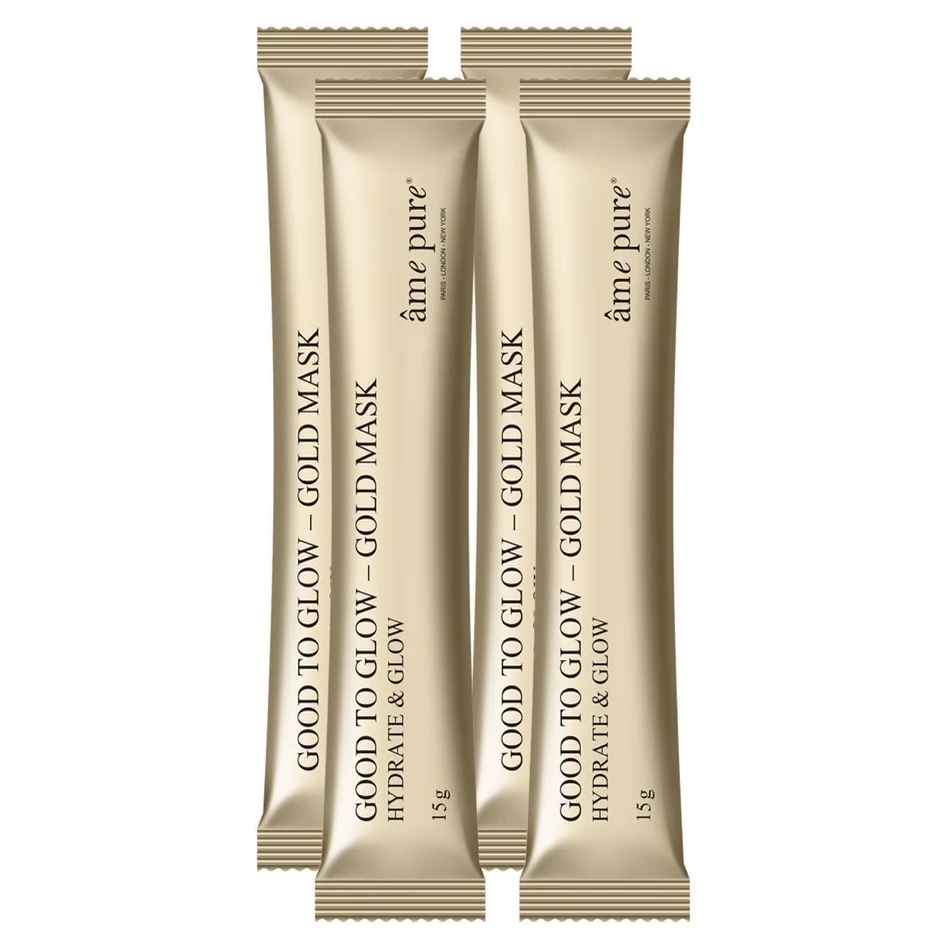
âme pure
Jelly Glow Rubber Mask - Gold Routine Set
26th of 26 on the label
below ≈1%
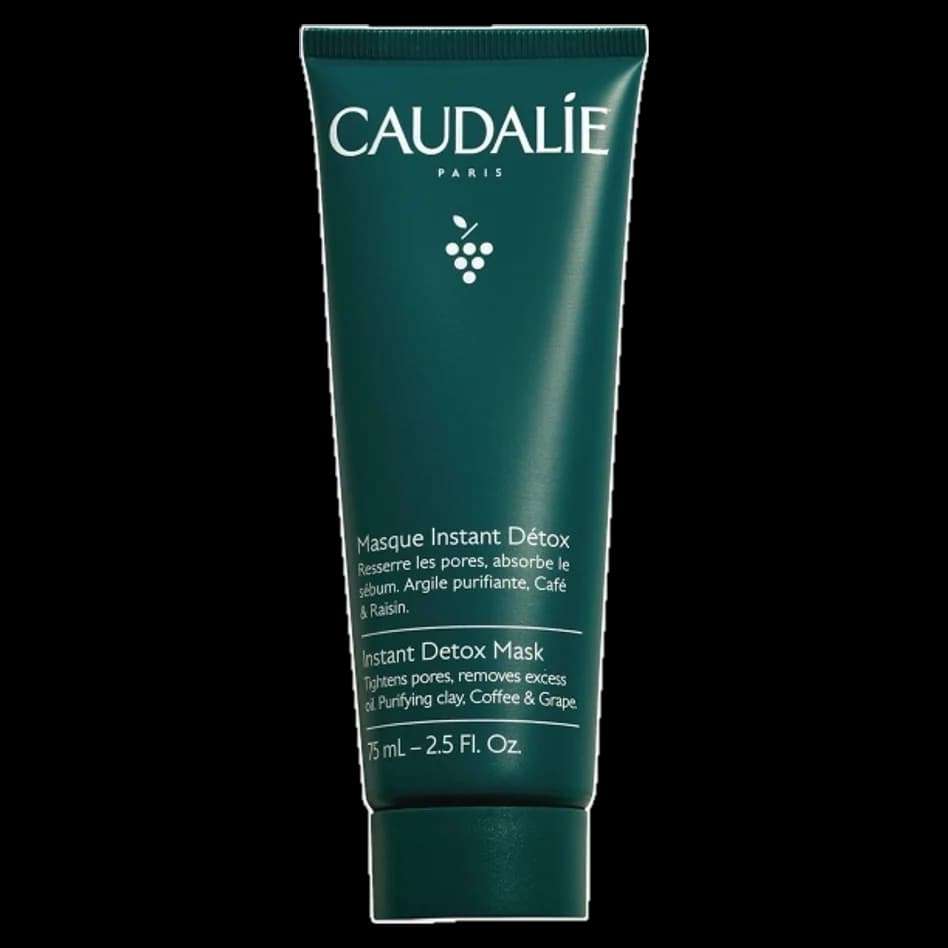
Caudalie
Vinergetic C+ Instant Detox Mask
9th of 33 on the label
below ≈1%
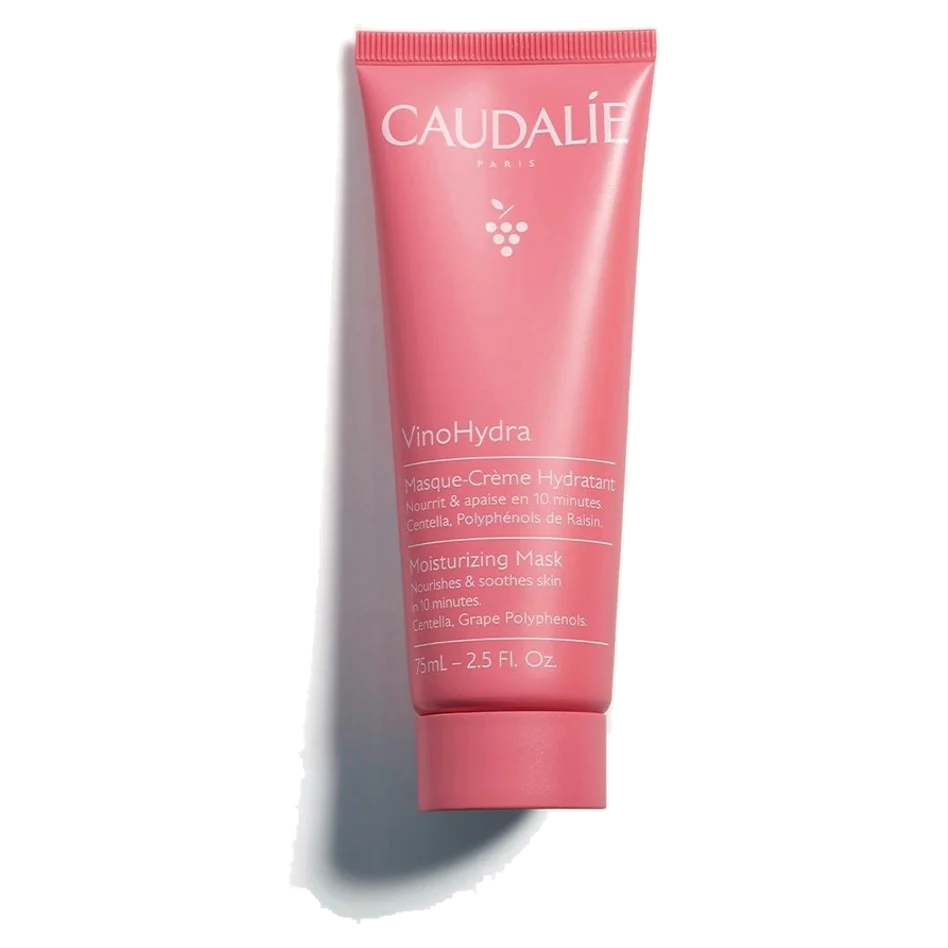
Caudalie
VinoHydra Moisturising Cream Mask (Masque-Creme Hydratant)
23rd of 32 on the label
below ≈1%
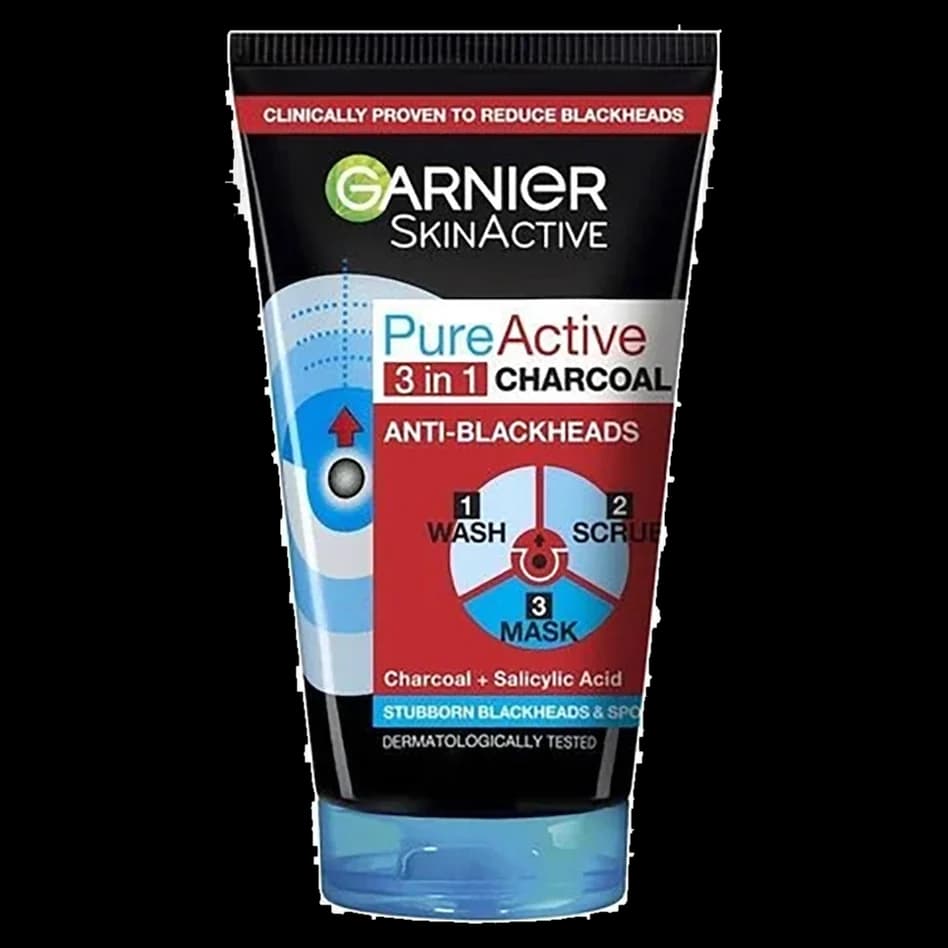
Garnier
Pure Active 3-in-1 Charcoal Wash, Scrub & Mask
21st of 25 on the label
below ≈1%
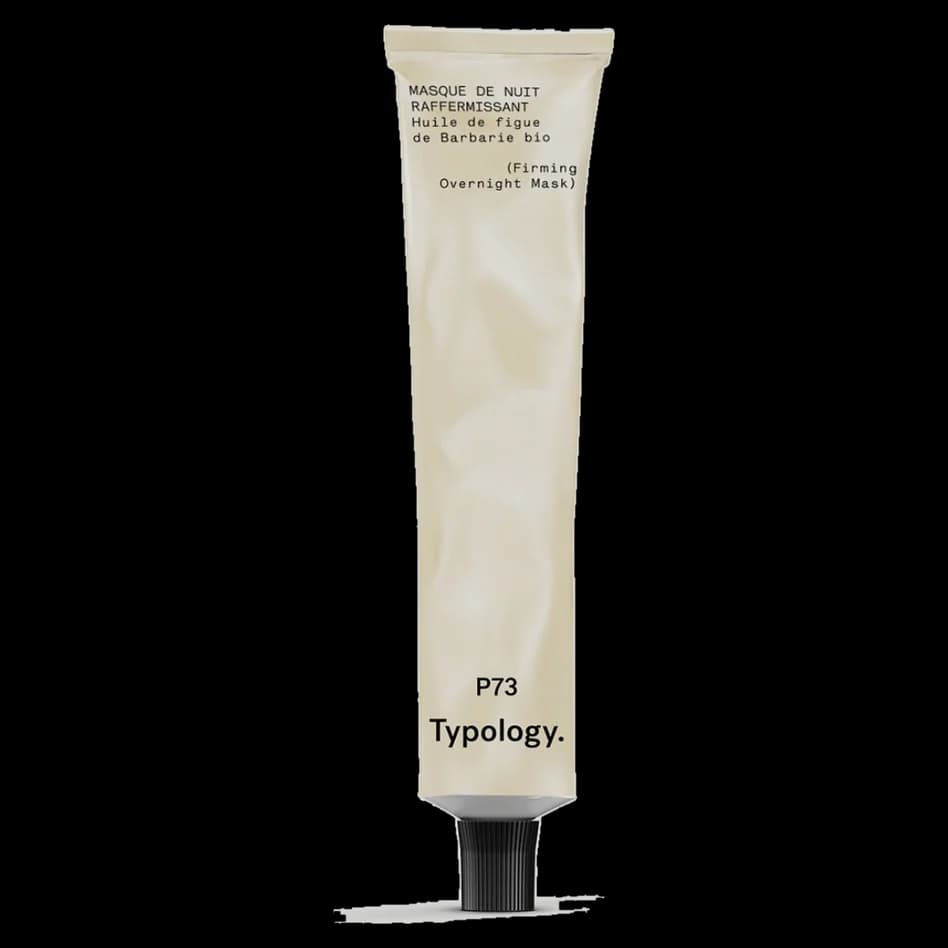
Typology
Masque de Nuit Raffermissant P73 (Firming Night Mask)
17th of 24 on the label
below ≈1%