Sodium Lactate
No meaningful concern for most people; irritation is possible but rare.
Also written as: Lactic acid sodium salt · Sodium 2-hydroxypropanoate
What it is
Sodium lactate is lactic acid neutralised with sodium hydroxide. That neutralisation is the whole story: lactic acid at low pH is an exfoliating alpha-hydroxy acid, while its salt at ordinary formula pH is a water-binding humectant and a buffer that holds the pH steady. It is one of the components of the skin's own natural moisturising factor, the mixture of small water-binding molecules in the outer layer, which is why it is used in barrier-support formulas.
How it shows up on a label
On five of the seven masks here whose list shows the point where ingredient order stops indicating quantity it sits below that point, which is where a buffer usually lands. Printed near lactic acid it is almost always a buffer pair rather than two separate exfoliating acids.
What it does well
Binds water in the outer layer of skin
It is a recognised component of natural moisturising factor and is used as a humectant on that basis. Its water-holding capacity is the reason it appears alongside glycerin and panthenol rather than alongside the acids.
Moderate evidence
Holds a formula at a steady pH
Paired with lactic acid it forms a buffer, which is the ordinary reason a mask with any acidity in it prints the salt as well as, or instead of, the acid.
Strong evidence
Worth knowing
The safety conclusion covering it is the alpha-hydroxy acid one
The Cosmetic Ingredient Review assesses sodium lactate as one of the common salts of lactic acid, so the conditions attached to that conclusion - 10% or less, final formulation pH of 3.5 or above, and either formulated to avoid increasing sun sensitivity or sold with directions to use daily sun protection - are written around acid exfoliation. Those conditions are about the acidity of the finished product, not about the salt, and a mask using sodium lactate as a humectant is normally nowhere near them. It is worth knowing which conclusion is doing the work.
Matters most toAnyone who assumes a lactate on a label means the product exfoliates.
Where the EU stands
No specific restriction
Not restricted under the EU Cosmetics Regulation; neither lactic acid nor sodium lactate appears in any annex, so there is no EU concentration limit and no labelling duty. Any limit you see quoted for it comes from a safety-assessment conclusion, not from the Regulation.
Regulation (EC) No 1223/2009 - no annex entry · source ↗
Sources (2)
Every link goes to the original: a journal, a PubMed record or an EU document.
- [1]Quick Reference Table: CIR conclusions by ingredient
Cosmetic Ingredient Review · 2024
The quick reference table records for Sodium Lactate: "Based on the available information included in this report, the CIR Expert Panel concludes that Glycolic and Lactic Acid, their common salts and their simple esters, are safe for use in cosmetic products at concentrations less than or equal to 10%, at final formulation pH greater than or equal to 3.5, when formulated to avoid increasing sun sensitivity or when directions for use include the daily use of sun protection." A separate, higher allowance of 30% at pH 3.0 or above applies only to salon products applied by trained professionals. Citations given are International Journal of Toxicology 17(S1):1-241, 1998 and 36(Suppl 2):14-58, 2017. Checked 26 September 2026.
- [2]Regulation (EC) No 1223/2009 on cosmetic products, consolidated text of 18 May 2026
Official Journal of the European Union · 2026
A word-boundary sweep of the full consolidated text returns no occurrence of lactic acid or sodium lactate in any annex, confirming that the 10% figure quoted for this ingredient is a safety-panel conclusion and not an EU legal limit. Checked 26 September 2026.
Masks that contain Sodium Lactate
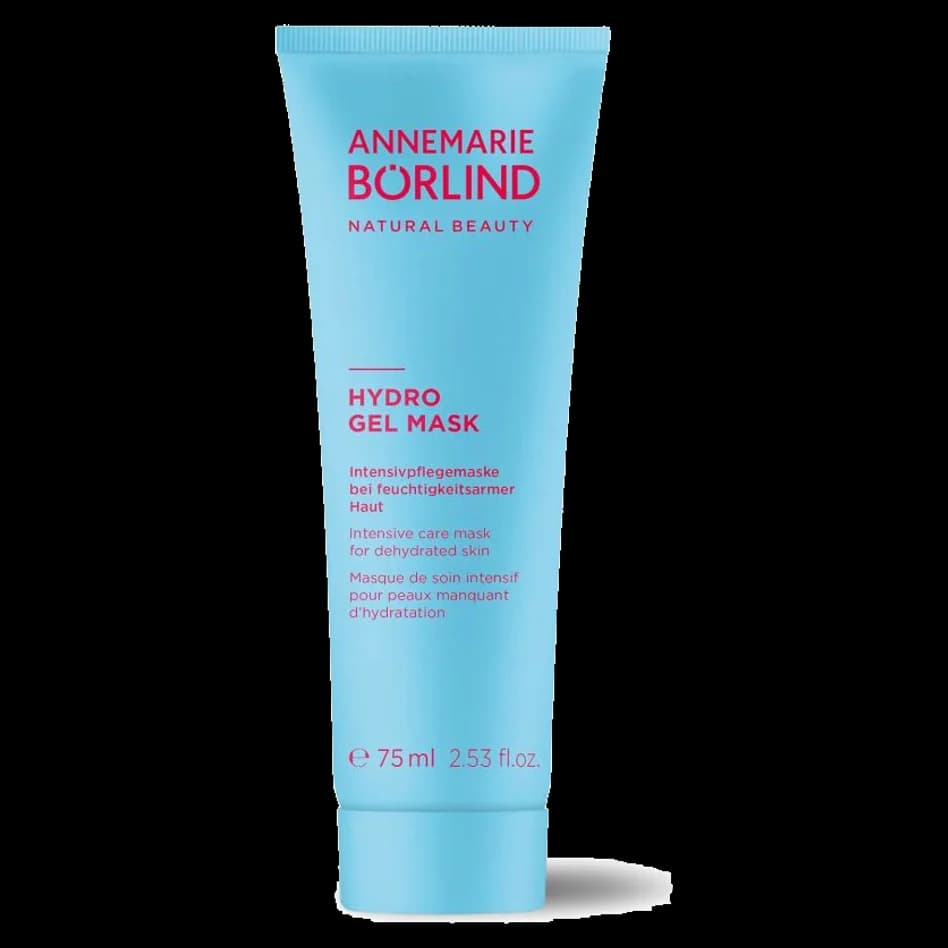
Annemarie Börlind
Hydro Gel Mask
7th of 33 on the label
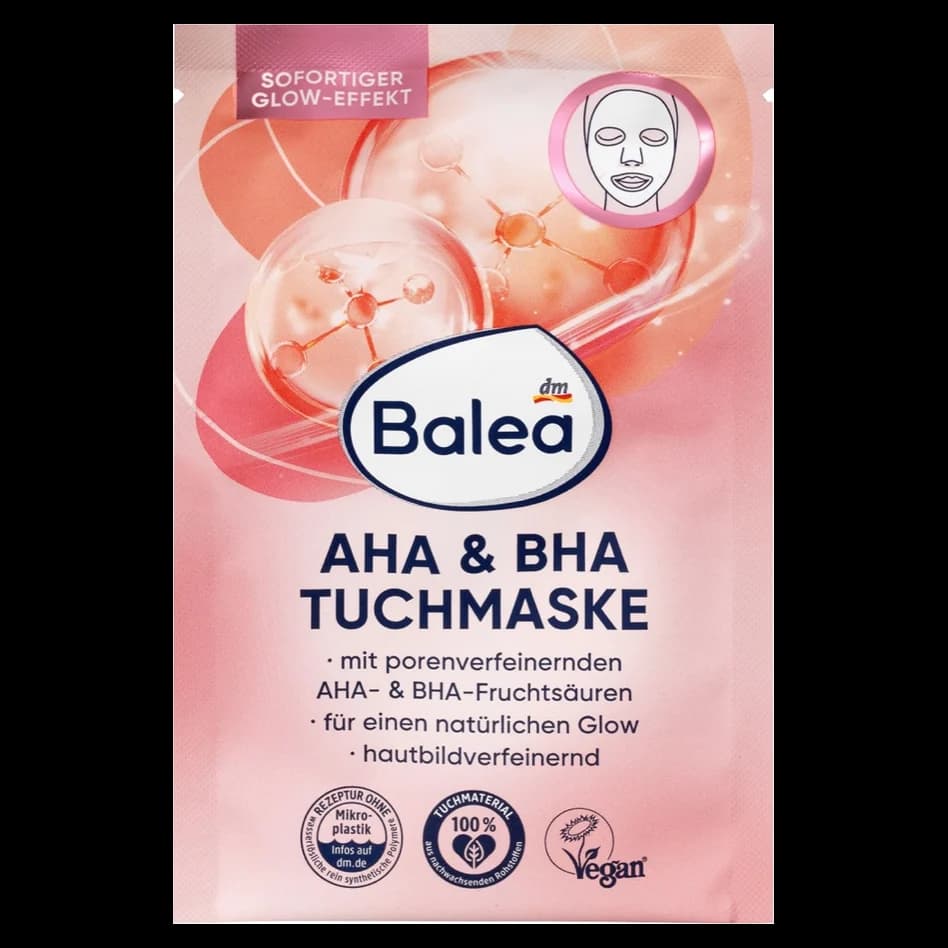
Balea
AHA & BHA Tuchmaske
12th of 16 on the label
below ≈1%
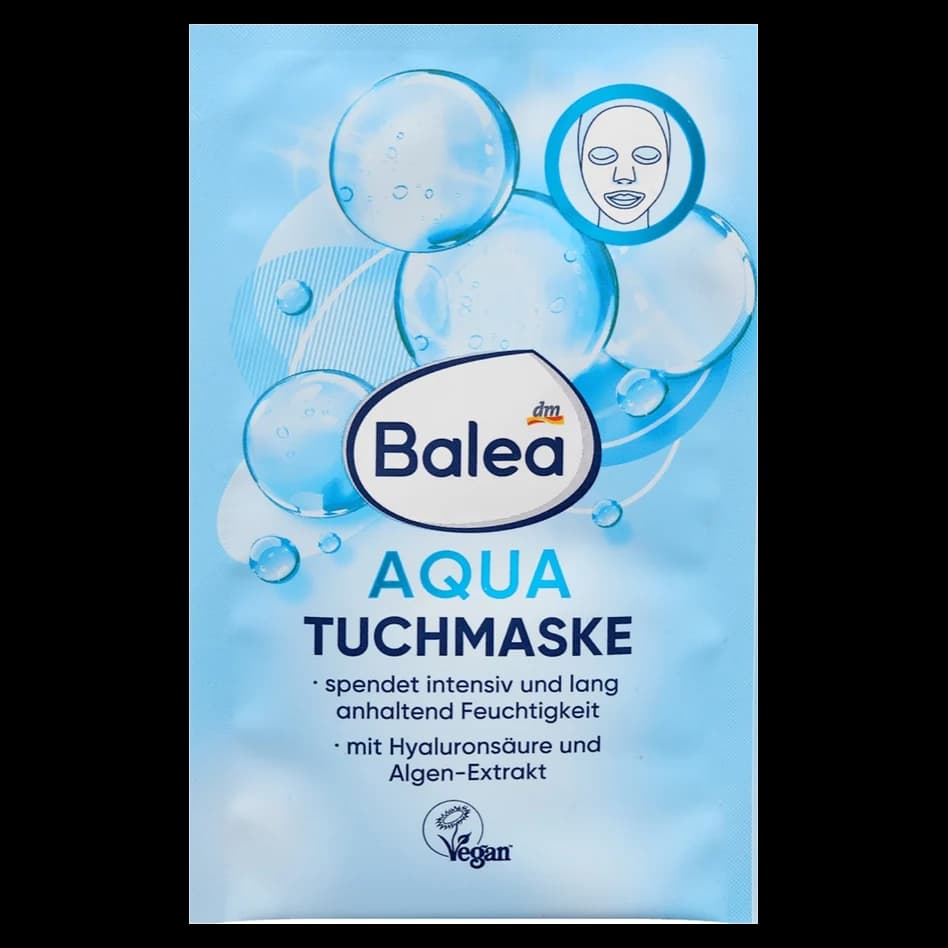
Balea
Tuchmaske Aqua
8th of 18 on the label
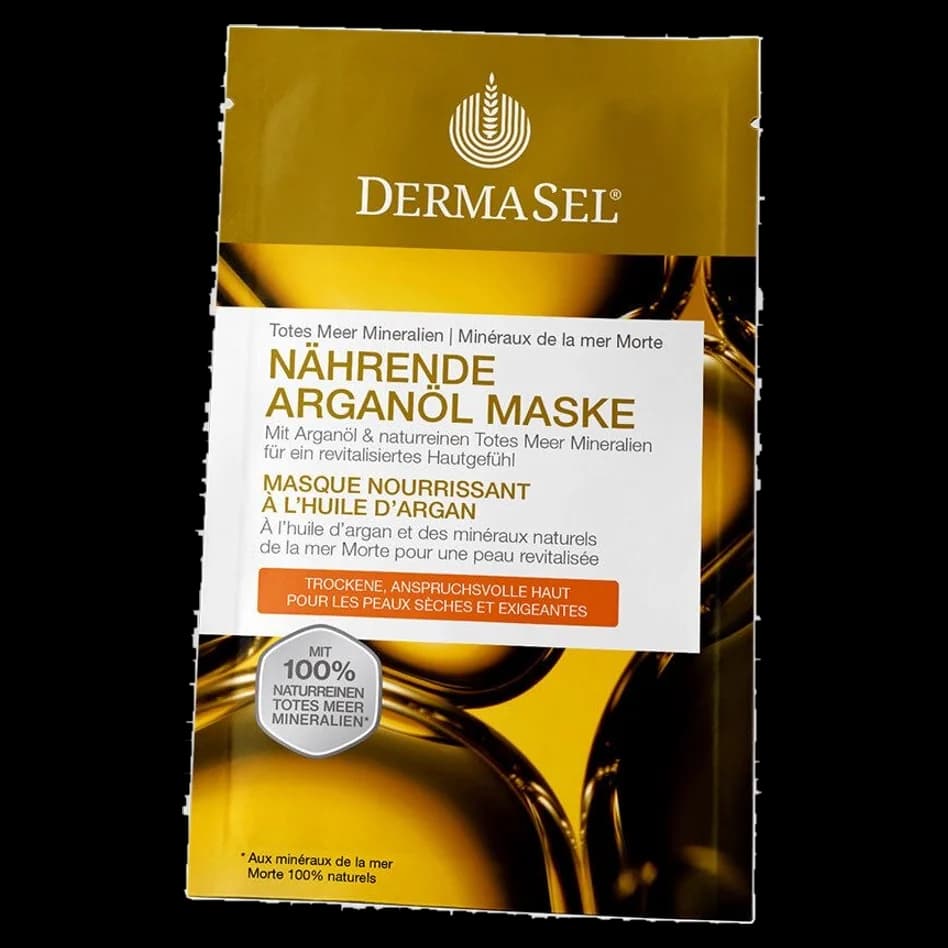
DERMASEL
Totes Meer Mineralien Nährende Arganöl Maske
27th of 29 on the label
below ≈1%
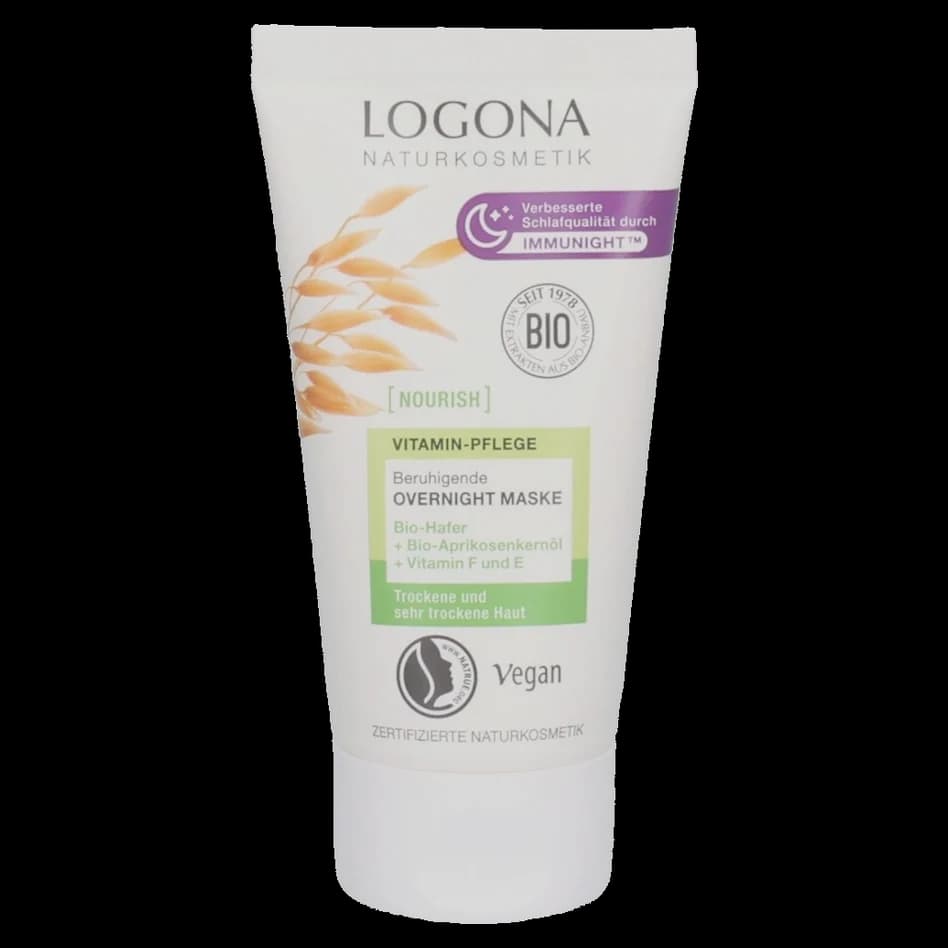
LOGONA
Nourish Beruhigende Overnight Maske
26th of 53 on the label
below ≈1%
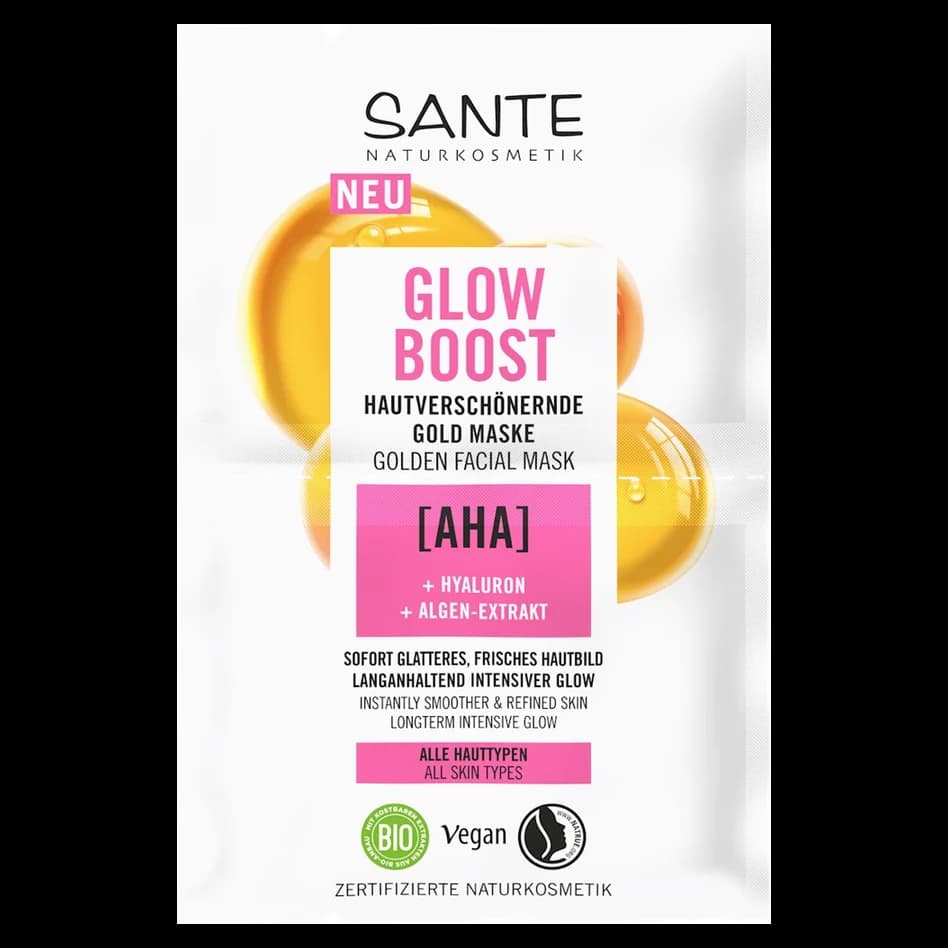
Santé Naturkosmetik
Glow Boost Maske AHA
13th of 29 on the label
below ≈1%
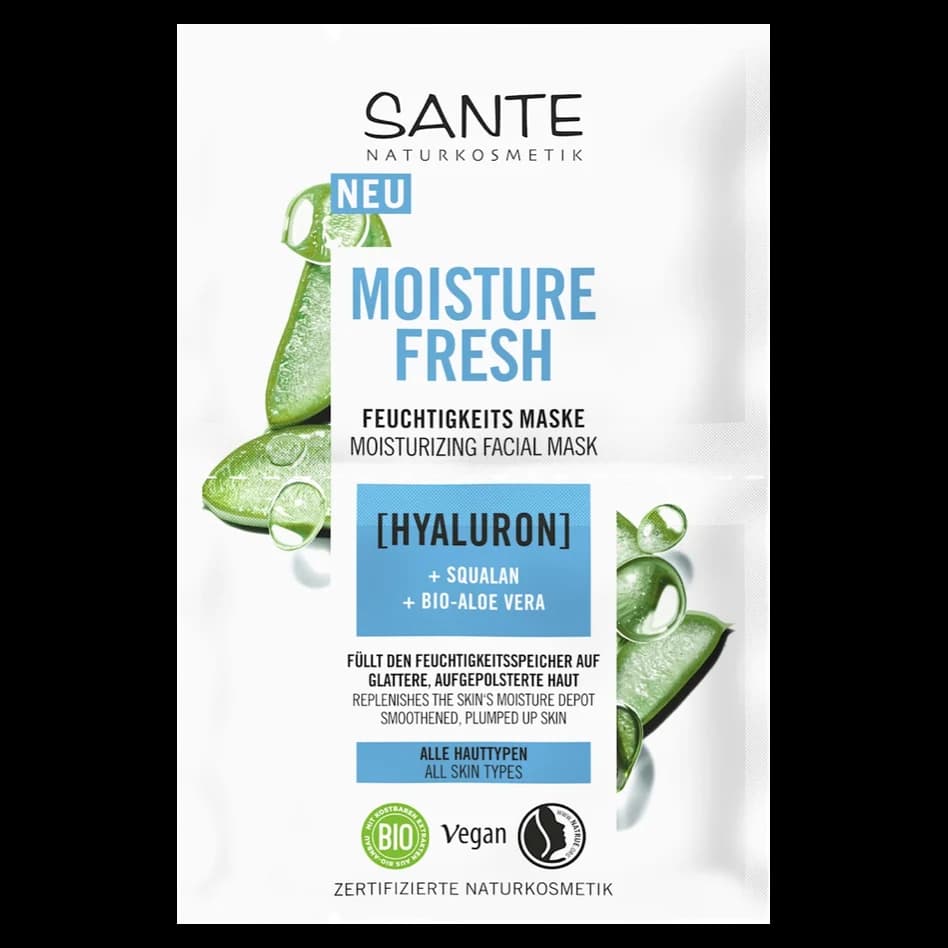
Santé Naturkosmetik
Moisture Fresh Maske Hyaluron
10th of 24 on the label
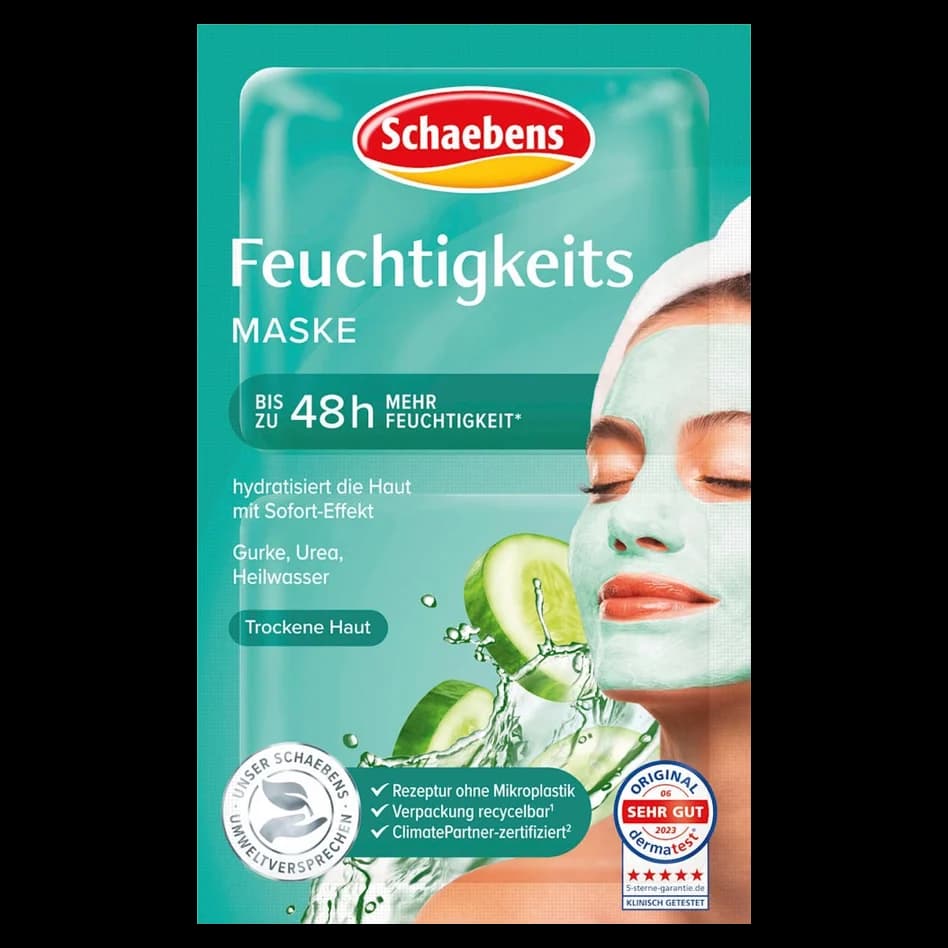
Schaebens
Gesichtsmaske Feuchtigkeit Sofort-Effekt
33rd of 38 on the label
below ≈1%
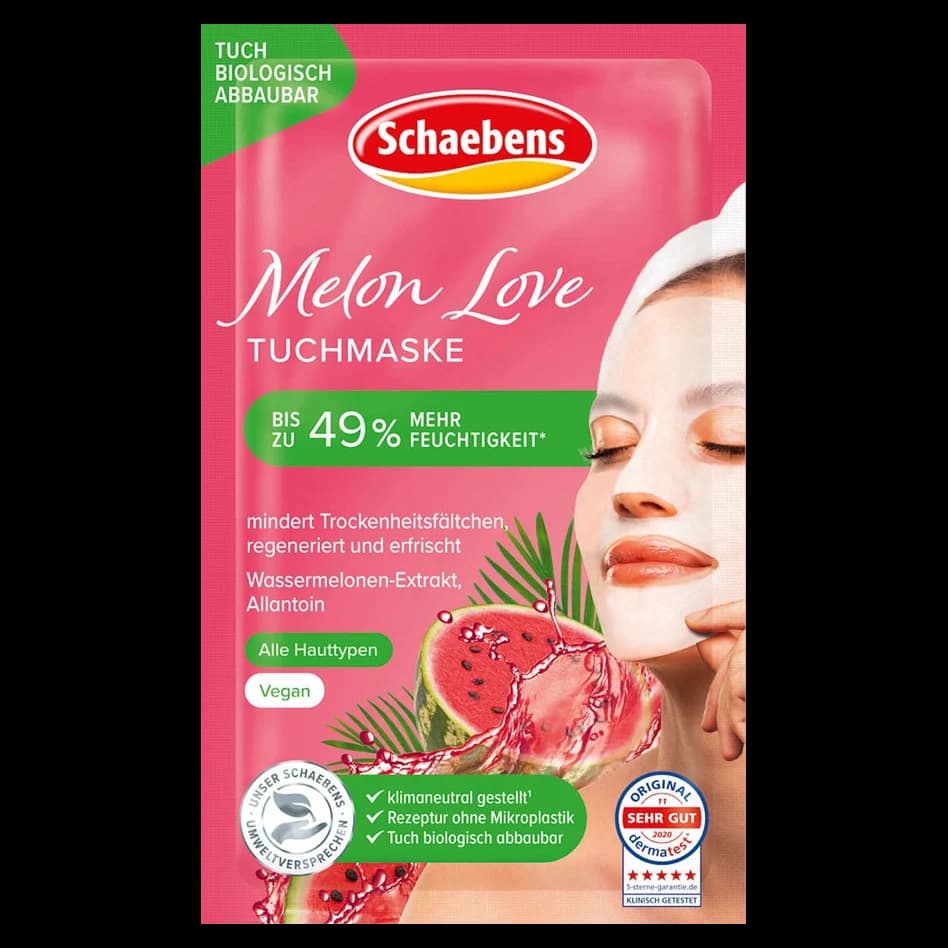
Schaebens
Tuchmaske Melon Love
42nd of 45 on the label
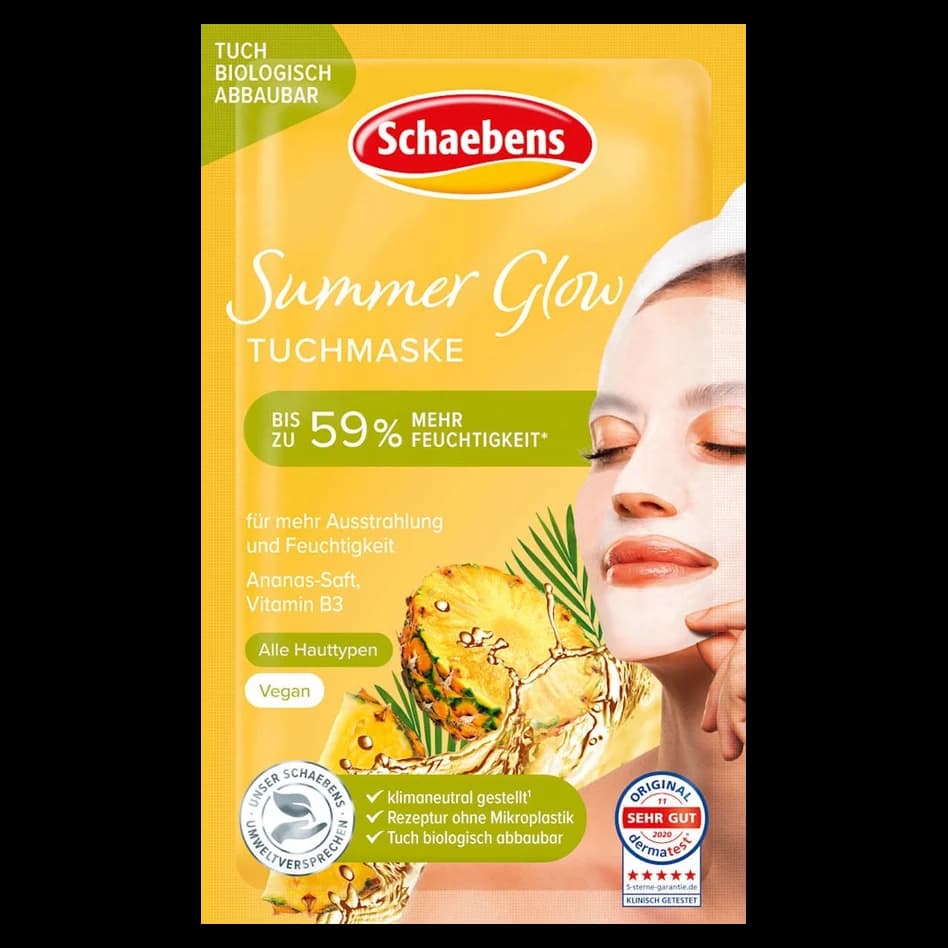
Schaebens
Tuchmaske Summer Glow
41st of 44 on the label