Sodium PCA
NaPCA
No meaningful concern for most people; irritation is possible but rare.
Also written as: Sodium Pyrrolidone Carboxylic Acid · Sodium Pyroglutamate · NaPCA
What it is
Sodium PCA is the sodium salt of pyrrolidone carboxylic acid, which the skin produces itself when it breaks down the protein filaggrin. It is one of the largest components of natural moisturising factor, the mix of small molecules that keeps the outer skin layer flexible. Cosmetic Sodium PCA is made by fermentation and is chemically the same as the skin's own.
What it does well
Binds water very efficiently and mirrors the skin's own moisturising system
Sodium PCA is more water-attracting than glycerin by weight and works by replenishing a compound the skin already relies on. Levels of it are known to be reduced in dry and eczema-prone skin.
Moderate evidence
Worth knowing
No meaningful safety concerns
Sodium PCA is a natural skin constituent, is not a recognised sensitiser, and carries no EU restriction.
Matters most toNo specific group.
Where the EU stands
No specific restriction
Permitted in EU cosmetics with no concentration limit. It is not listed in the banned, restricted or preservative annexes of the Cosmetics Regulation.
Regulation (EC) No 1223/2009 - no annex entry · source ↗
Masks that contain Sodium PCA
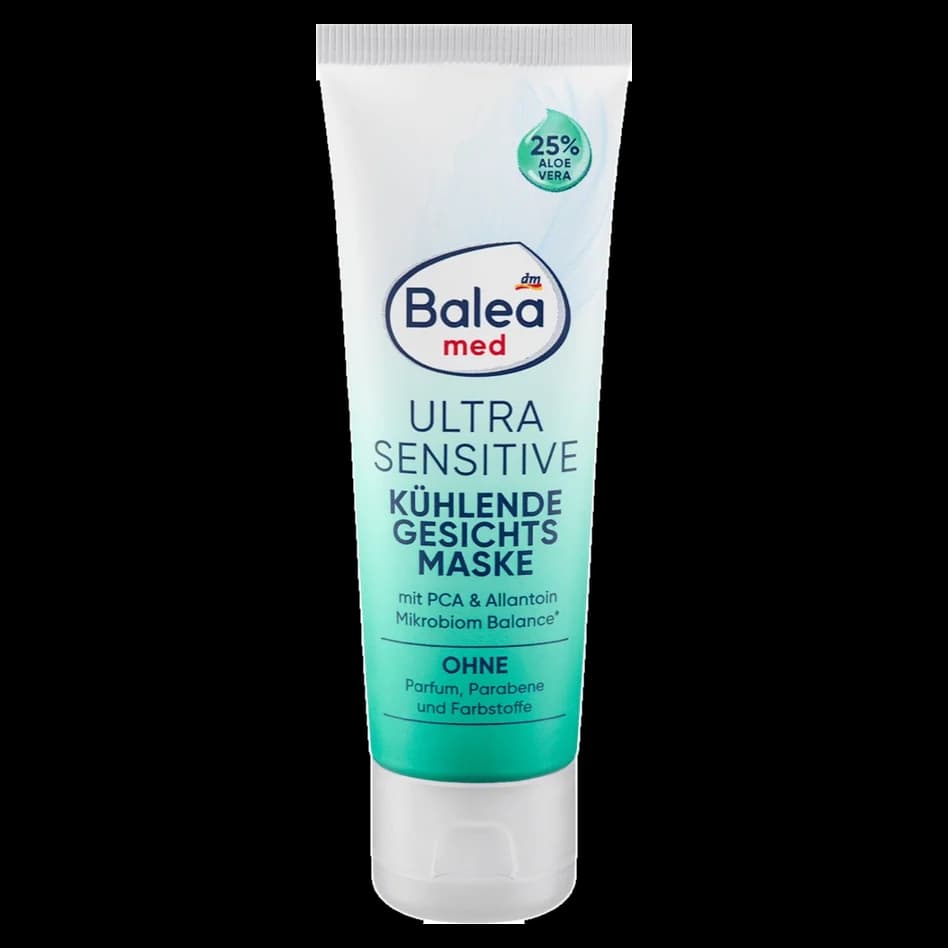
Balea med
Gesichtsmaske kühlend ultra sensitive
7th of 13 on the label
below ≈1%
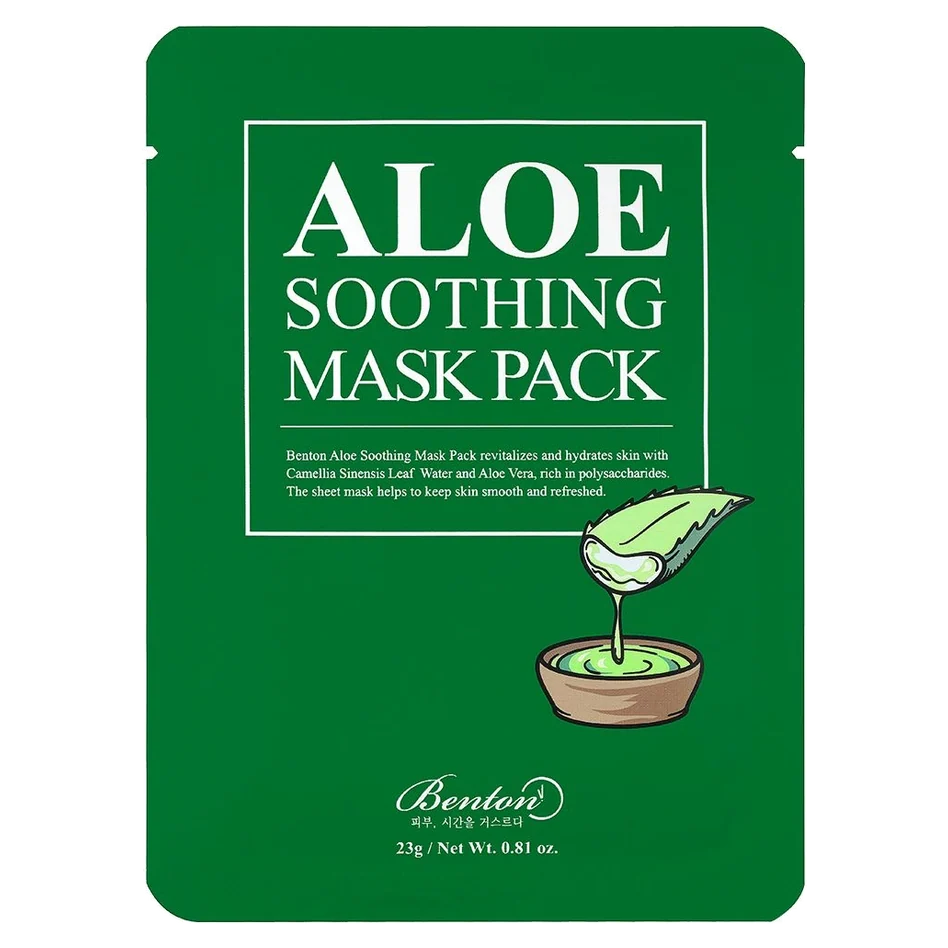
Benton
Aloe Soothing Mask Pack
6th of 19 on the label
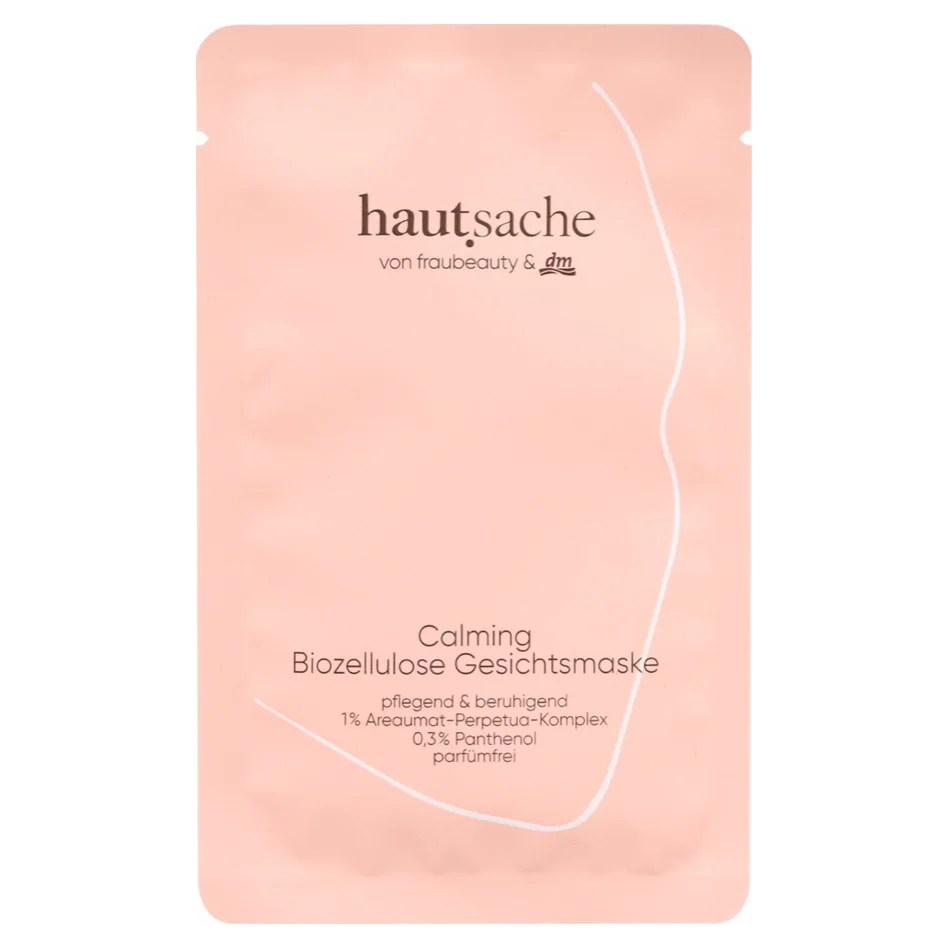
hautsache
Gesichtsmaske Biozellulose Calming
14th of 27 on the label
below ≈1%
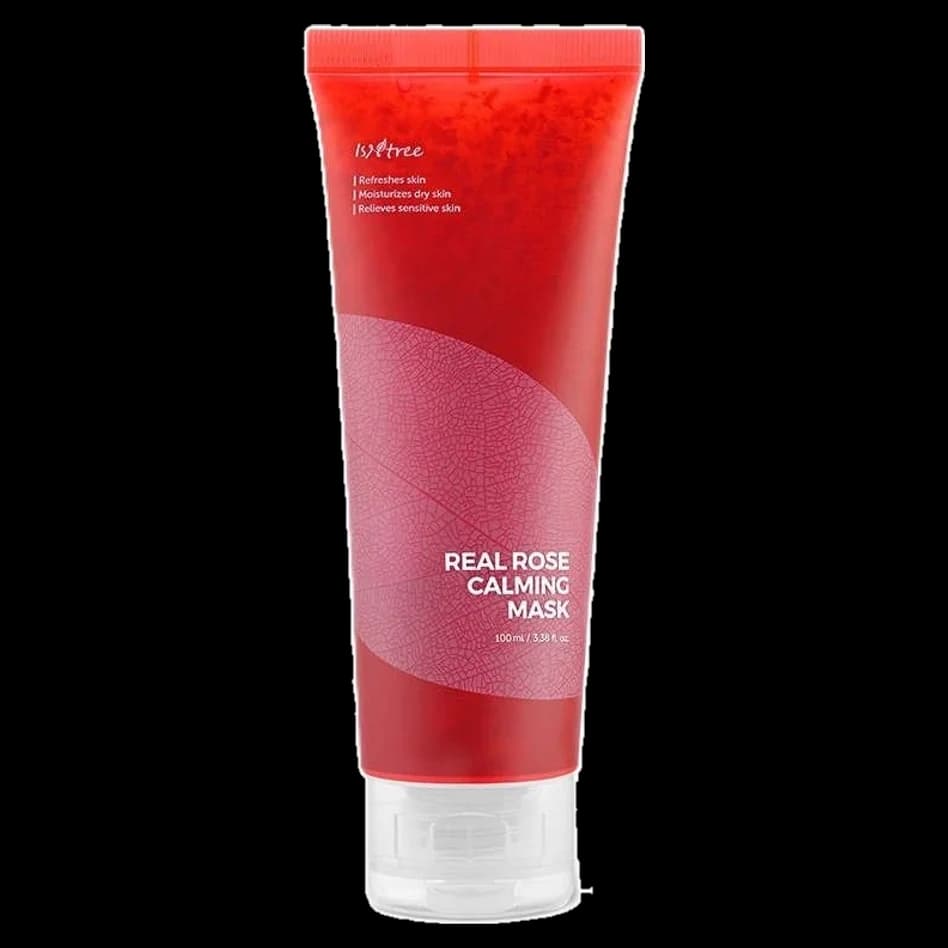
Isntree
Real Rose Calming Mask
14th of 31 on the label
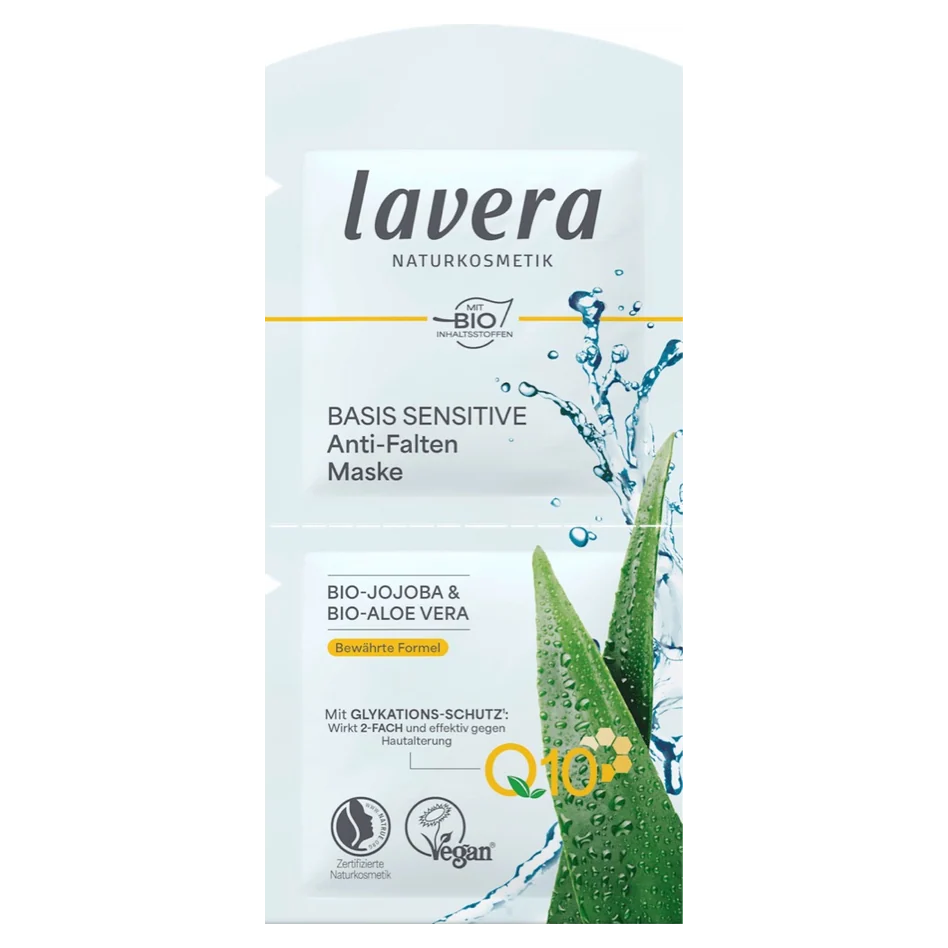
lavera
basis sensitiv Anti-Falten Gesichtsmaske
22nd of 42 on the label
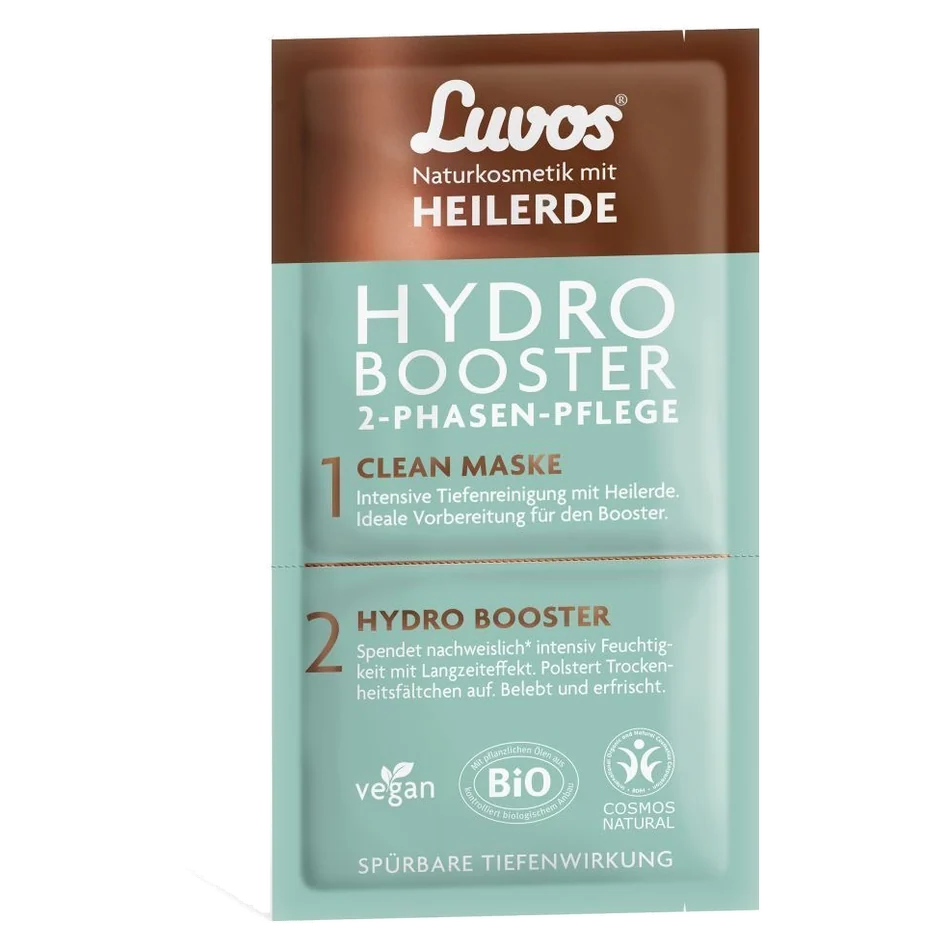
Luvos-Heilerde
Hydro Booster mit Clean Maske
52nd of 63 on the label
below ≈1%
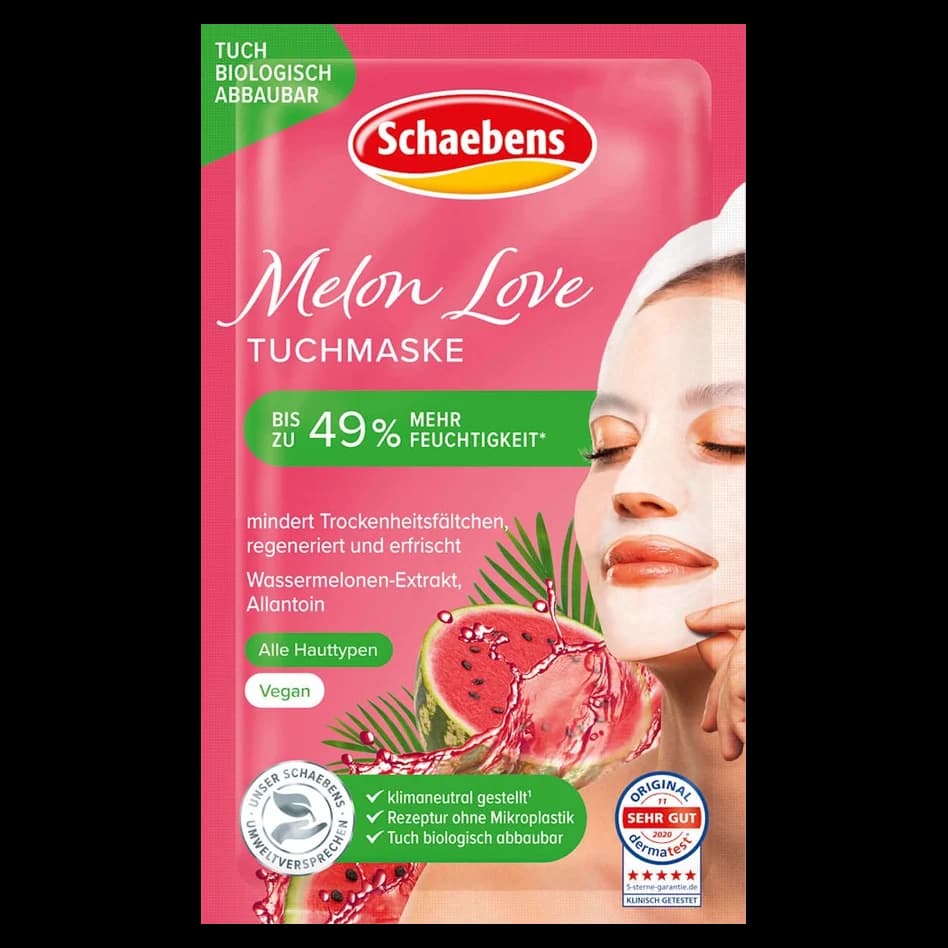
Schaebens
Tuchmaske Melon Love
24th of 45 on the label
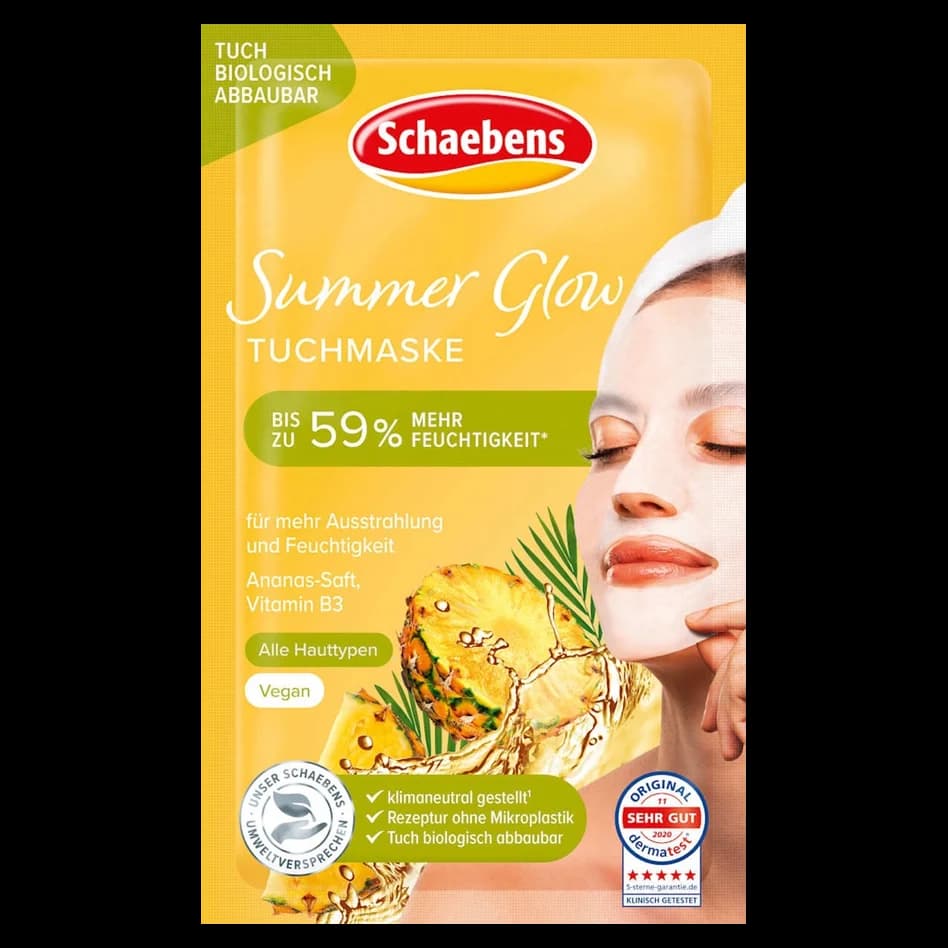
Schaebens
Tuchmaske Summer Glow
24th of 44 on the label
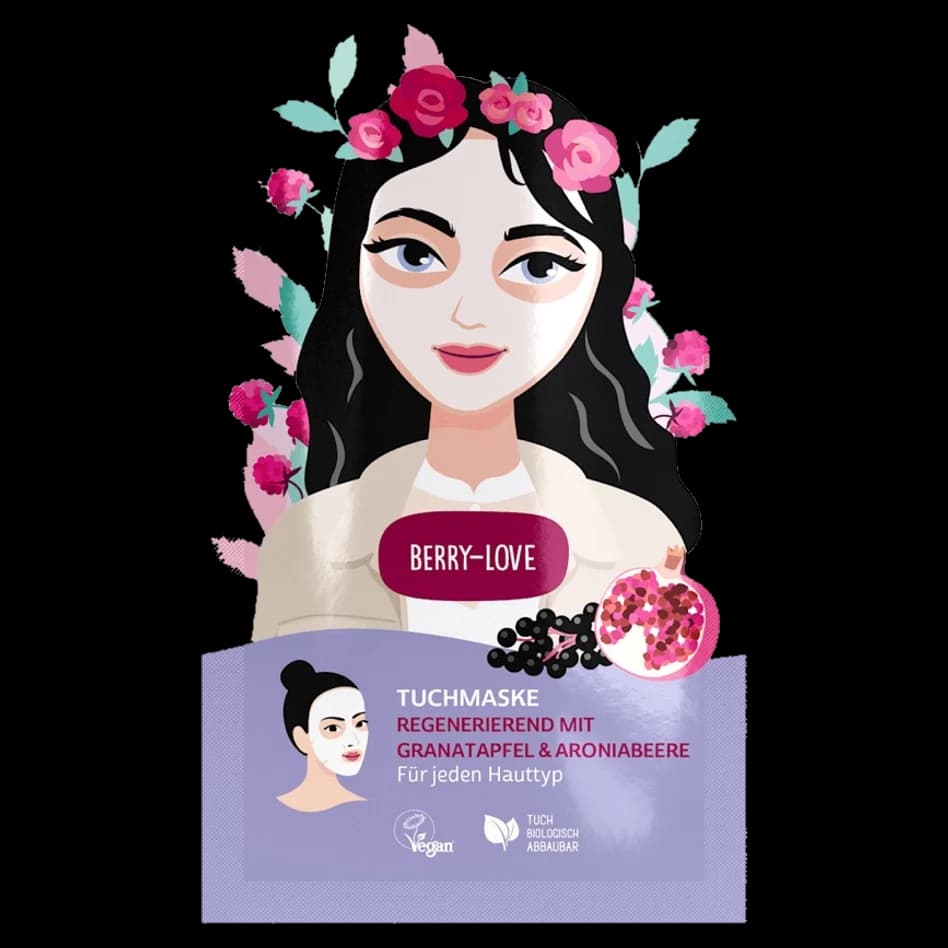
The Beauty Mask Company
Tuchmaske Berry Love
3rd of 16 on the label