Sorbic Acid
No meaningful concern for most people; irritation is possible but rare.
Also written as: Hexa-2,4-dienoic Acid · 2,4-Hexadienoic Acid · E200
What it is
Sorbic acid is hexa-2,4-dienoic acid, first isolated from rowan berries and now one of the most widely used preservatives in food and cosmetics. It works mainly against moulds and yeasts, and only in its undissociated form, so it needs a formula below roughly pH 6 to preserve anything. Annex V entry 4 lists it in a single row with calcium, sodium and potassium sorbate under the heading "Hexa-2,4-dienoic acid and its salts", capped at 0.6% expressed as the acid - so the acid and its salts share one budget rather than each carrying its own.
How it shows up on a label
Seeing Sorbic Acid rather than Potassium Sorbate usually means the formula is already acidic enough for the free acid to work. Because Annex V entry 4 covers both, a formula using the two together still has to stay under 0.6% in total, expressed as the acid.
What it does well
Effective against moulds and yeasts, with a long food-safety record
It is a standard antifungal preservative in both food and cosmetics, usually paired with a benzoate that covers bacteria. Its usefulness depends entirely on formula pH: above about pH 6 too little of it stays undissociated to do the job.
Moderate evidence
Worth knowing
Causes transient stinging and redness that is irritation rather than allergy
Sorbic acid is a recognised non-immune urticant. Safford and colleagues found that it produced non-immune immediate contact reactions in the majority of subjects tested, and Morrow and colleagues showed that applying 1% sorbic acid raises skin prostaglandin D2 several hundredfold with no accompanying histamine release - a prostaglandin-mediated flush rather than an allergic response. It settles on its own.
Matters most toPeople with reactive skin, particularly around the mouth and eyes.
Where the EU stands
Approved preservative (Annex V)
Permitted preservative, maximum 0.6% expressed as sorbic acid - a single limit shared with calcium, sodium and potassium sorbate under the same entry. It appears nowhere else in the Regulation: it is in no prohibition annex and carries no allergen-labelling duty.
Regulation (EC) No 1223/2009, Annex V entry 4 · source ↗
Sources (2)
Every link goes to the original: a journal, a PubMed record or an EU document.
- [1]Release of markedly increased quantities of prostaglandin D2 from the skin in vivo in humans following the application of sorbic acid
Archives of Dermatology 130(11):1408-12 · 1994
Topical 1% sorbic acid on the forearms of four volunteers produced 250- to 620-fold increases in prostaglandin D2 in blood drawn from the vein draining the treated site, dose-dependently and with no accompanying histamine release - indicating that the flush is prostaglandin-mediated and not from the mast cell. The authors describe sorbic acid as "a preservative that can induce cutaneous vasodilation characterized by erythema, urticaria, and stinging when applied topically to humans". Checked 23 September 2026.
- [2]Immediate contact reactions to chemicals in the fragrance mix and a study of the quenching action of eugenol
British Journal of Dermatology 123(5):595-606 · 1990 · doi:10.1111/j.1365-2133.1990.tb01476.x
Cinnamic aldehyde, benzoic acid and sorbic acid each produced non-immune immediate contact reactions in the majority of subjects studied. Susceptibility to the three urticants correlated with each other but not with age, atopic status or tanning ability, and eugenol reduced the reaction to all three. This is the evidence that the sorbic acid response is a non-immune reaction rather than an allergy. Checked 23 September 2026.
Masks that contain Sorbic Acid
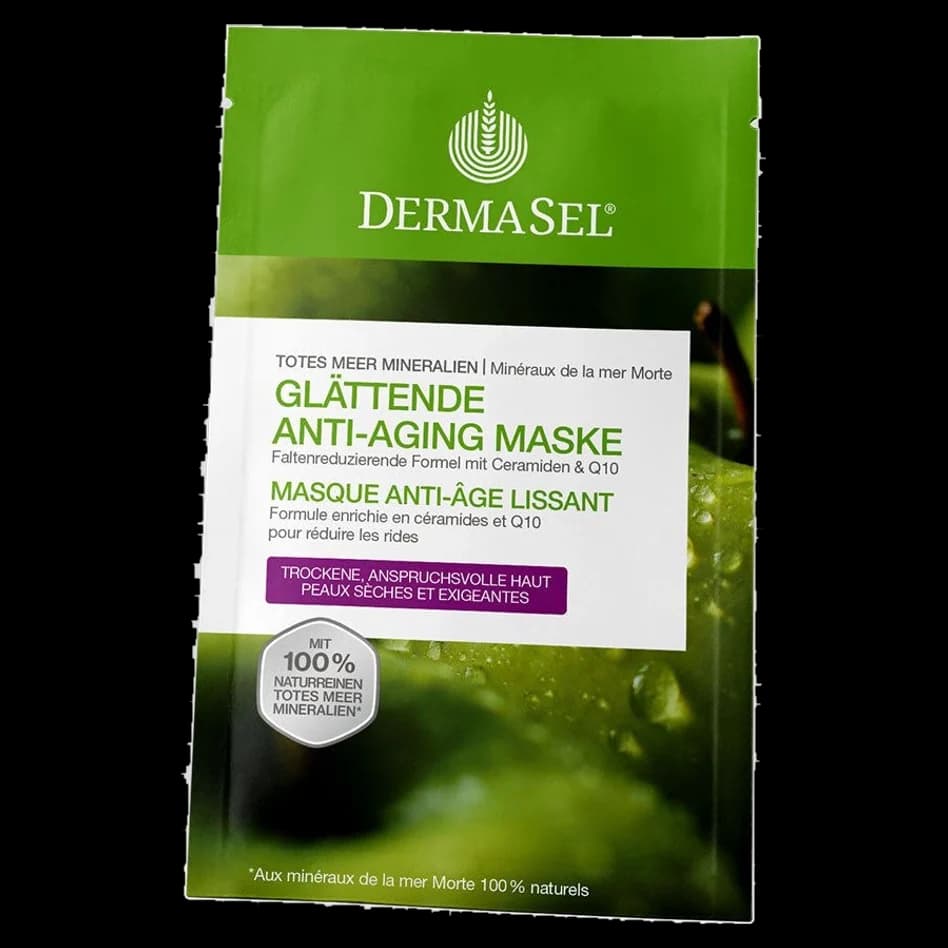
DERMASEL
EXKLUSIV Totes Meer Maske Anti Aging
23rd of 26 on the label
below ≈1%
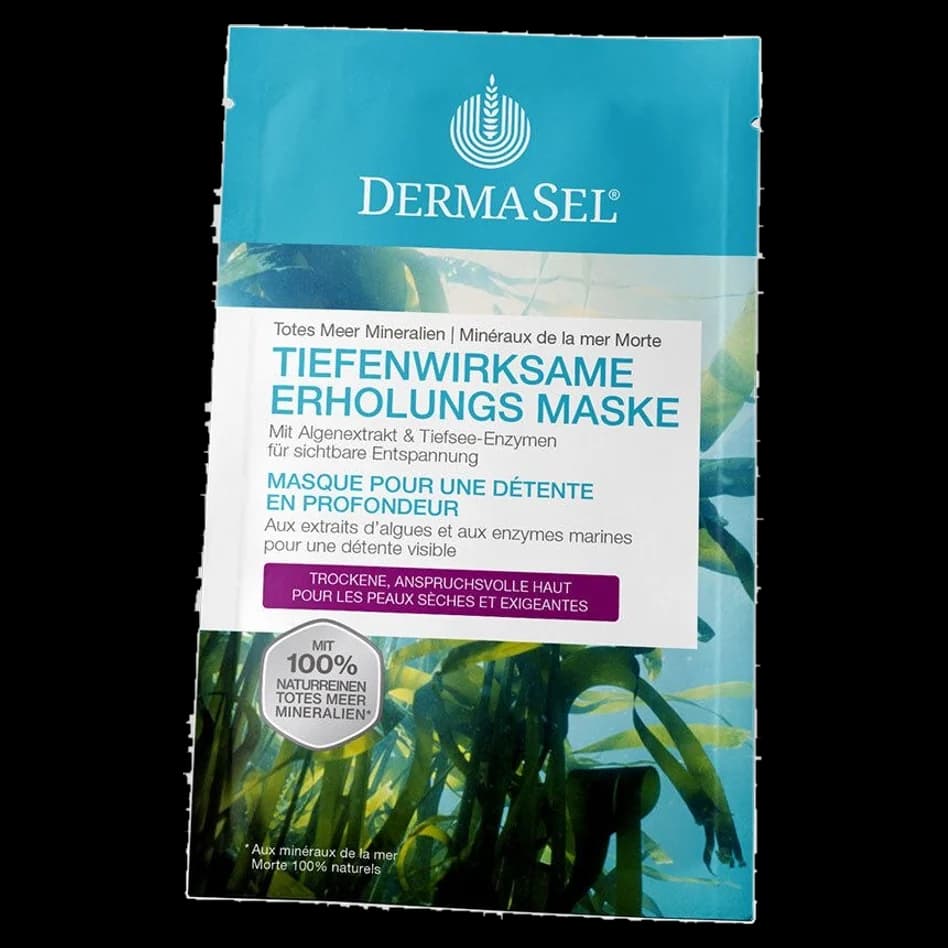
DERMASEL
SPA Totes Meer Maske Erholung
30th of 31 on the label
below ≈1%
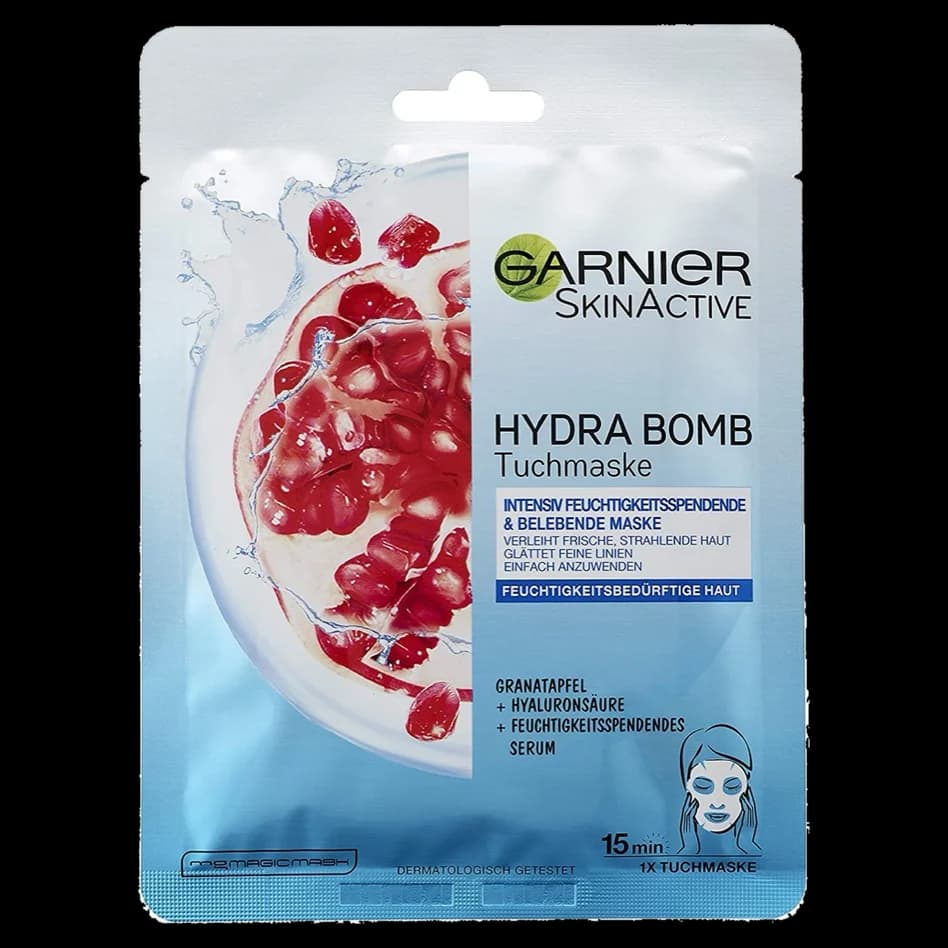
Garnier
SkinActive Hydra Bomb Tissue Mask Pomegranate
17th of 29 on the label
below ≈1%
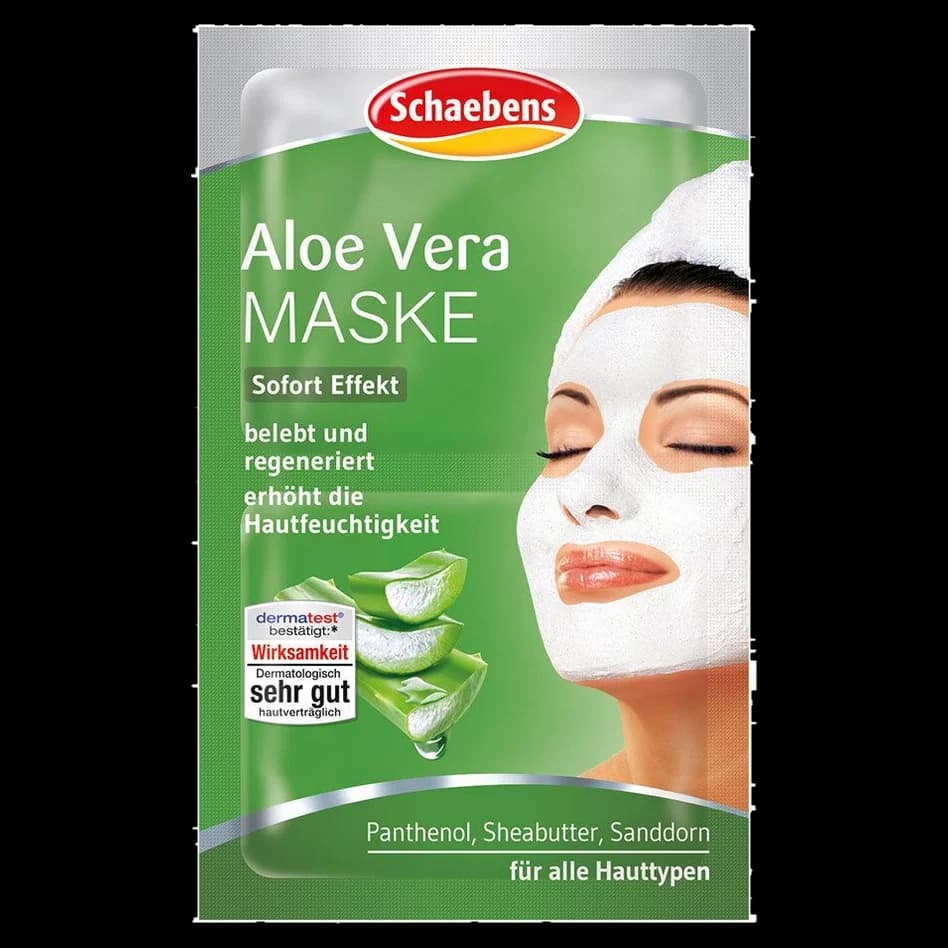
Schaebens
Aloe Vera Maske
26th of 34 on the label
below ≈1%
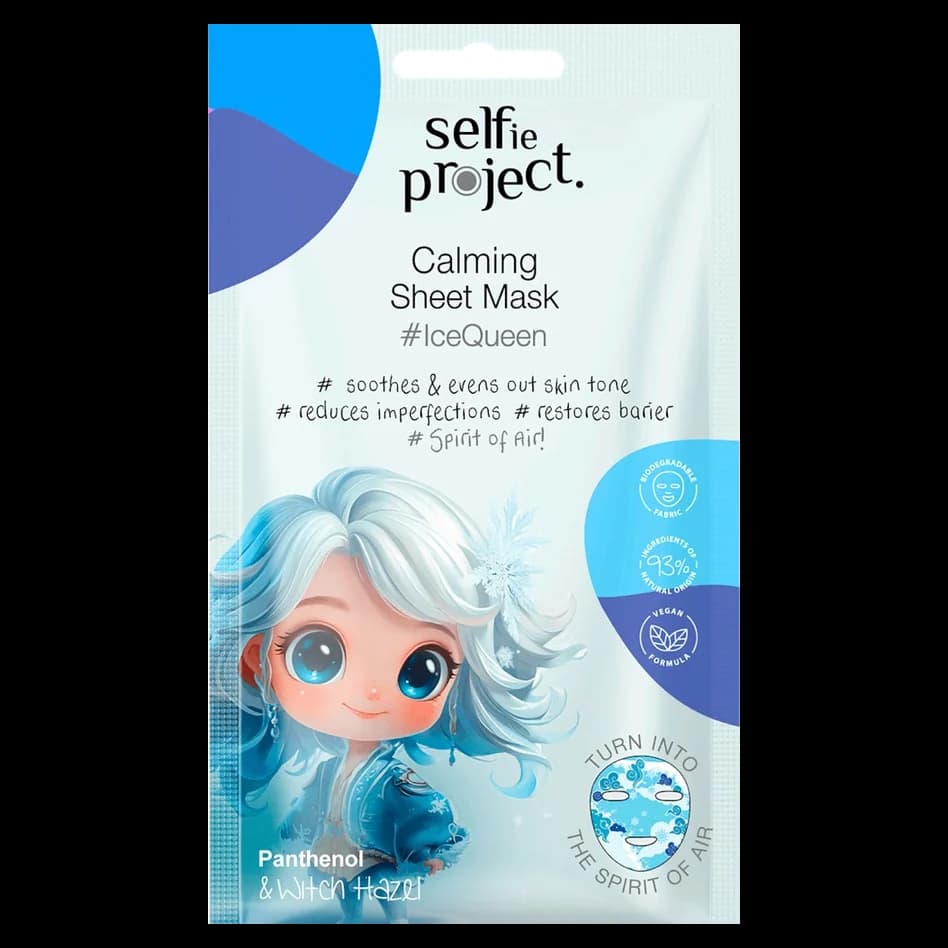
Selfie Project
Tuchmaske Calming #IceQueen
19th of 27 on the label
below ≈1%
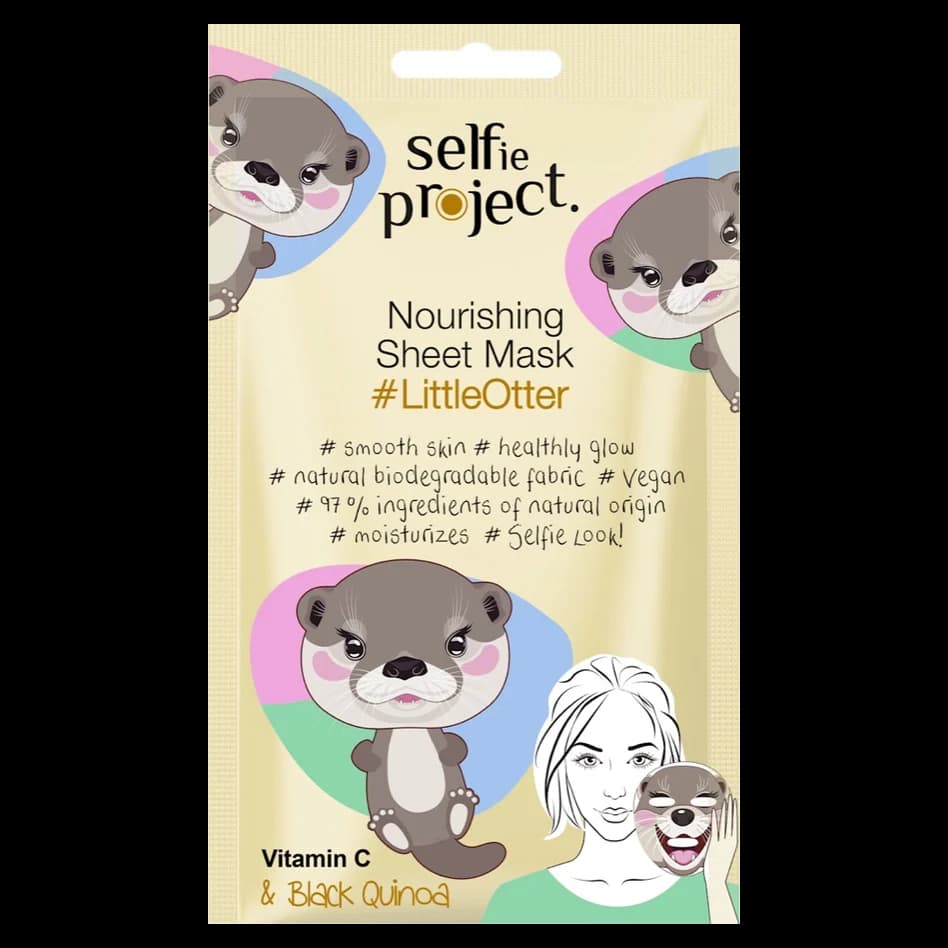
Selfie Project
Tuchmaske Nourishing #LittleOtter
17th of 21 on the label
below ≈1%