Trehalose
No meaningful concern for most people; irritation is possible but rare.
Also written as: Alpha,alpha-Trehalose · Mycose
What it is
Trehalose is a double sugar made of two glucose units, produced industrially from starch using enzymes. It is best known biologically as the compound that lets resurrection plants, tardigrades and baker's yeast survive near-total dehydration by stabilising their membranes and proteins. In cosmetics it works as a mild, non-sticky humectant, and it is widely used in food and in freeze-dried medicines as a stabiliser.
What it does well
Binds water and helps stabilise skin cell structures during drying
Trehalose's protective effect on membranes and proteins under dehydration is very well documented in biology and pharmaceutical science. Its translation into measurable skin benefit at cosmetic concentrations is plausible but less directly studied.
Moderate evidence
May offer some protection against UV-related cell damage
In laboratory human keratinocytes, trehalose delivered in liposomes reduced three separate markers of UVB damage more effectively than several established antioxidants. This is cell-culture work, not a clinical trial, and it is not a reason to treat trehalose as sun protection.
Limited evidence
Very gentle and non-irritating
Trehalose is an edible sugar with no recognised sensitisation potential, making it a reasonable choice for reactive skin.
Strong evidence
Worth knowing
Marketing often outruns the evidence
The tardigrade and resurrection-plant story is striking, but the human skin evidence for trehalose specifically is thinner than for glycerin or panthenol. It is a good humectant, not a breakthrough active.
Matters most toAnyone paying a premium for trehalose-led products.
Where the EU stands
No specific restriction
Permitted in EU cosmetics with no concentration limit. It is not listed in the banned, restricted or preservative annexes of the Cosmetics Regulation.
Regulation (EC) No 1223/2009 - no annex entry · source ↗
Sources (2)
Every link goes to the original: a journal, a PubMed record or an EU document.
- [1]Protective effect of trehalose-loaded liposomes against UVB-induced photodamage in human keratinocytes
Biomedical Reports · 2014
In cultured human keratinocytes, liposomal trehalose reduced three markers of UVB damage more effectively than L-carnosine, ergothioneine, ascorbic acid or alpha-tocopherol.
- [2]Functional properties and skin care effects of sodium trehalose sulfate
Skin Research and Technology · 2024
A four-week randomised trial of a sulfated trehalose derivative reduced water loss and raised stratum corneum water content versus placebo; note this tested a derivative, not plain trehalose.
Masks that contain Trehalose
Abib
Collagen Gel Mask Heartleaf Jelly
37th of 43 on the label
below ≈1%
Abib
Collagen Gel Mask Jericho Rose Jelly
37th of 43 on the label
below ≈1%
Anua
PDRN Serum Mask 100 Hyaluronic Acid Capsule
7th of 45 on the label
Anua
Retinol Niacin Night Care Mask
13th of 44 on the label
below ≈1%
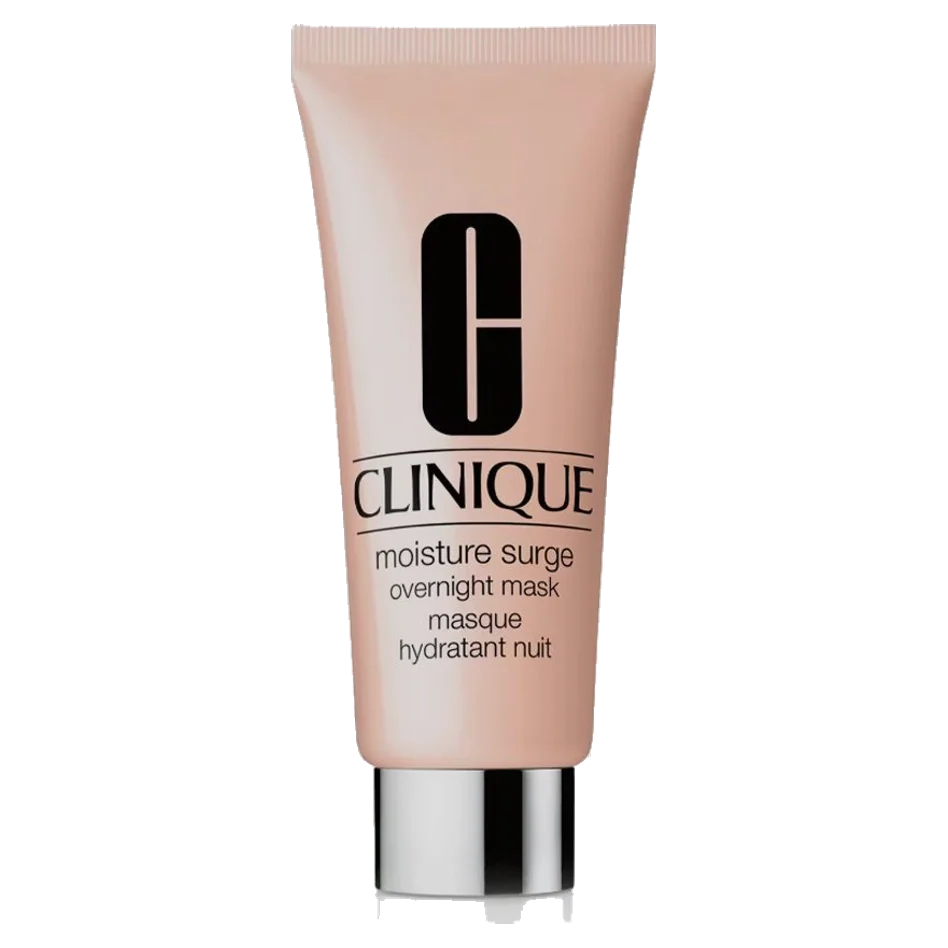
Clinique
Moisture Surge Overnight Mask
13th of 42 on the label
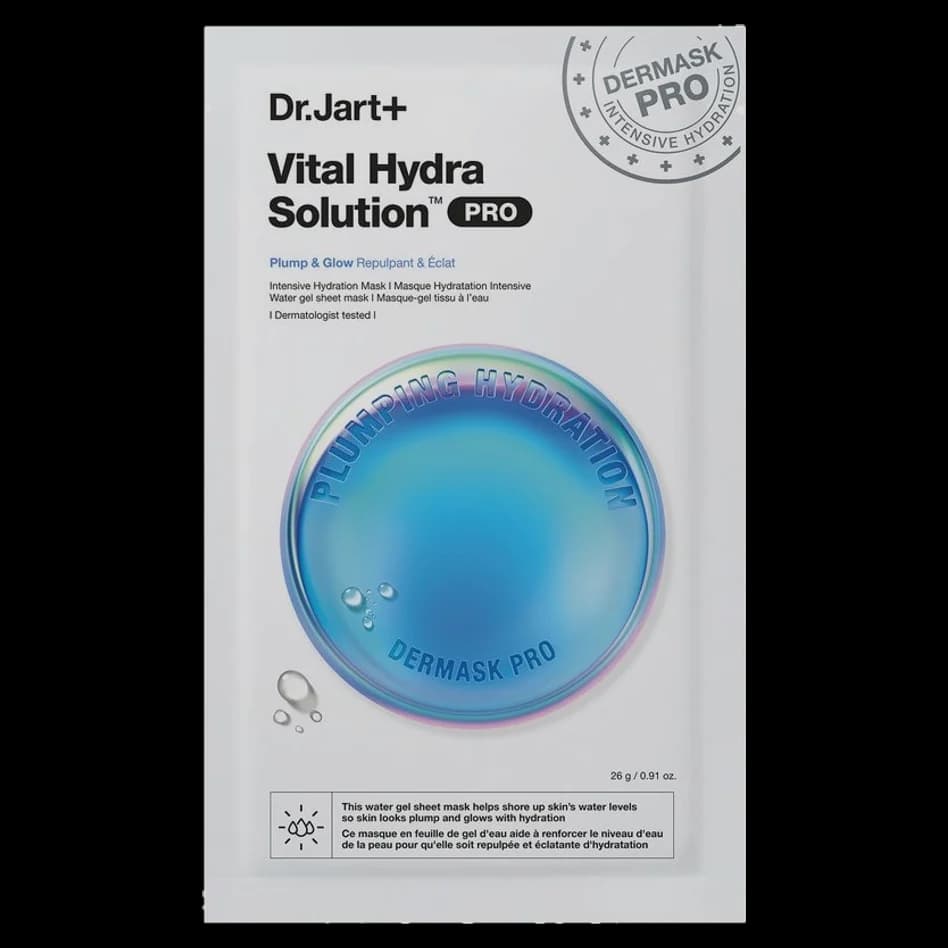
Dr.Jart+
Dermask Vital Hydra Solution Pro + Hyaluronic Acid
6th of 25 on the label
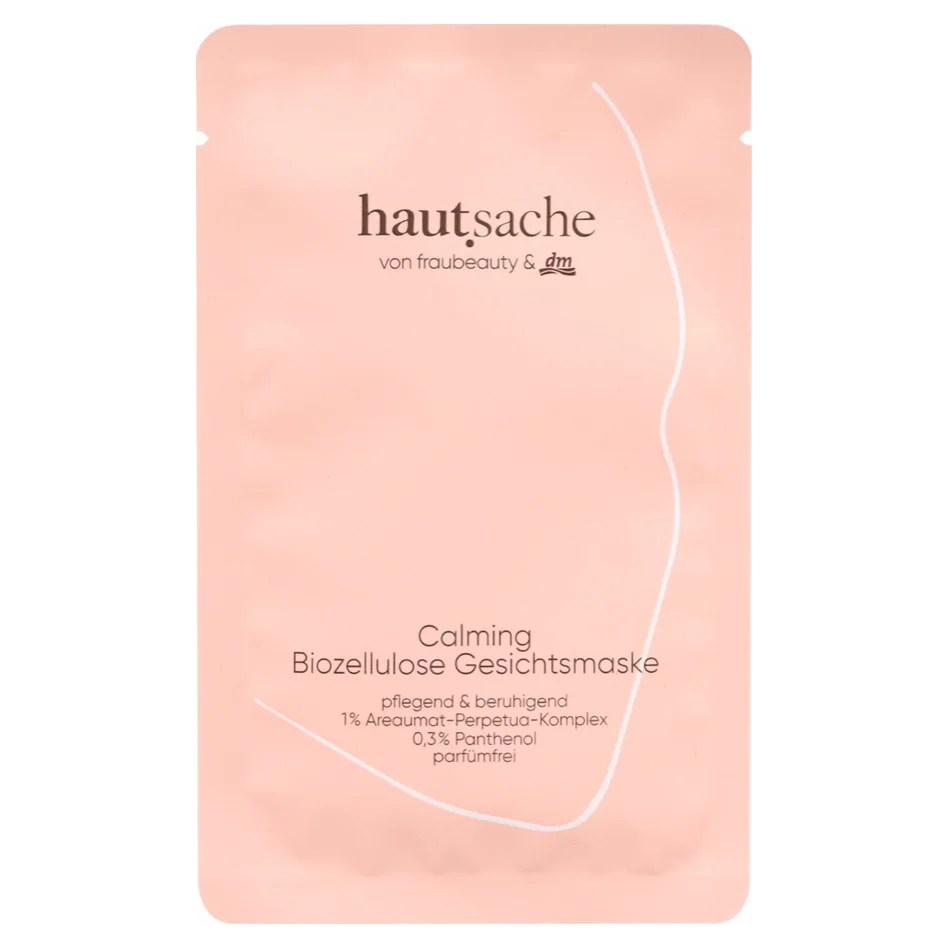
hautsache
Gesichtsmaske Biozellulose Calming
5th of 27 on the label
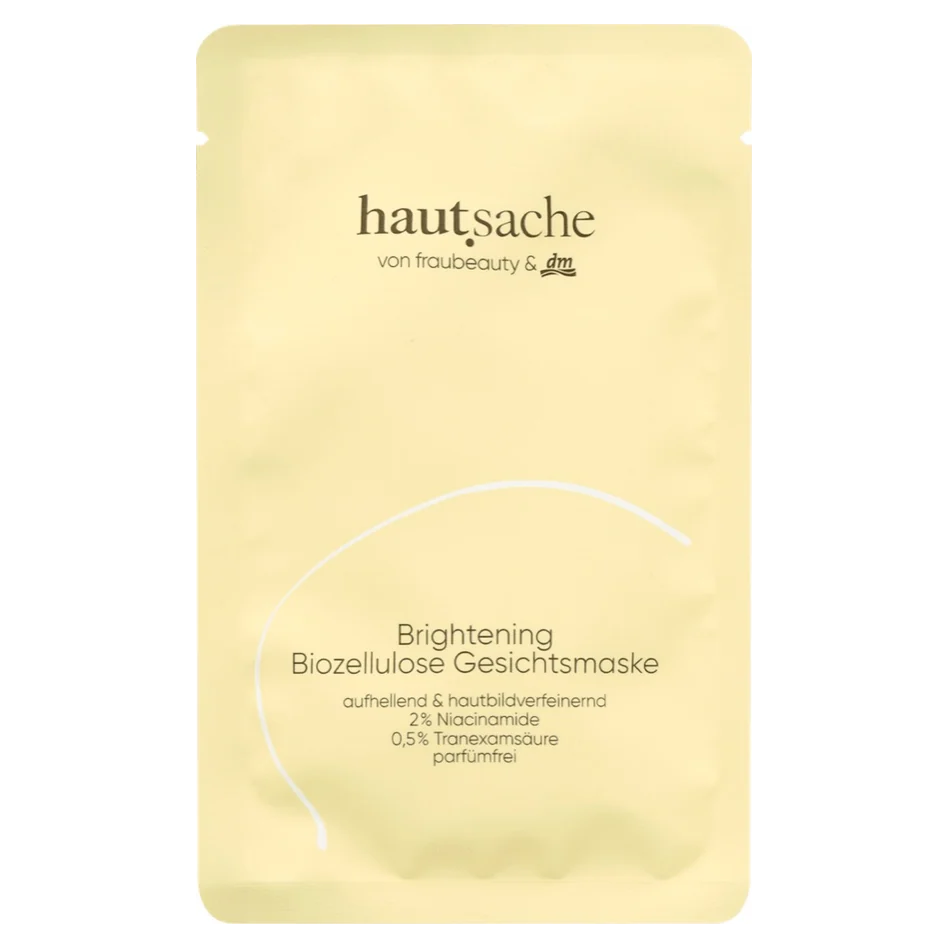
hautsache
Gesichtsmaske Brightening
10th of 33 on the label
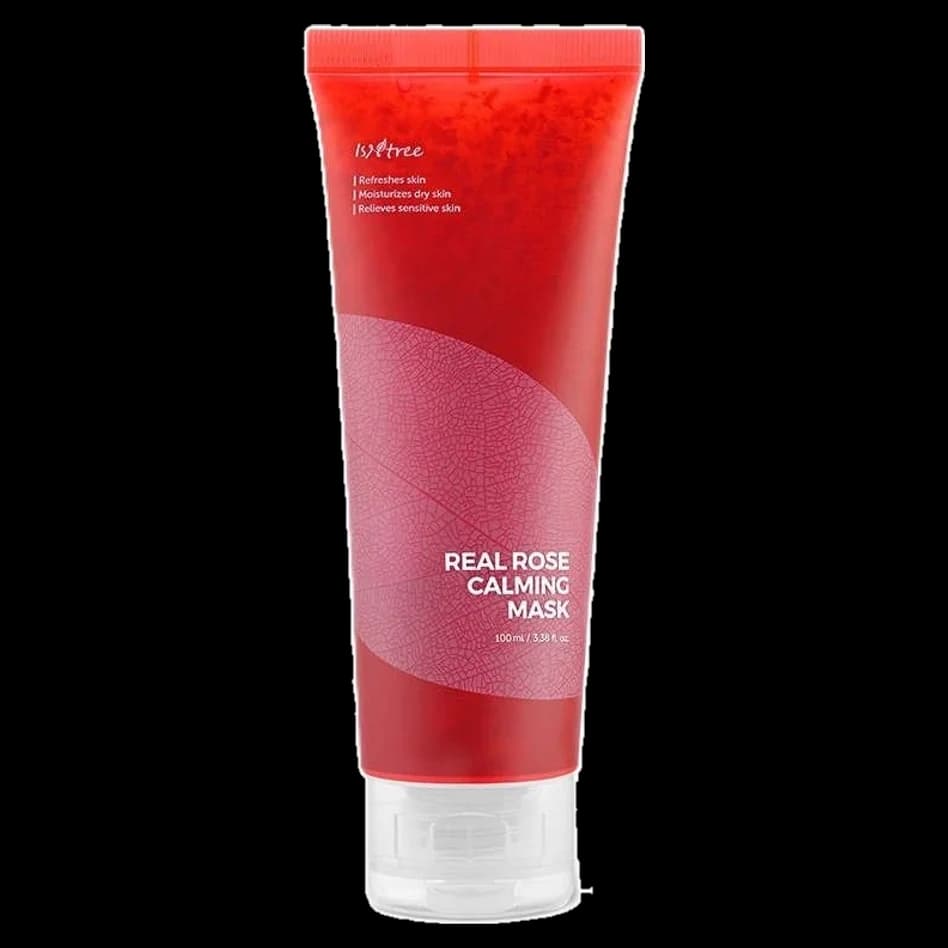
Isntree
Real Rose Calming Mask
8th of 31 on the label
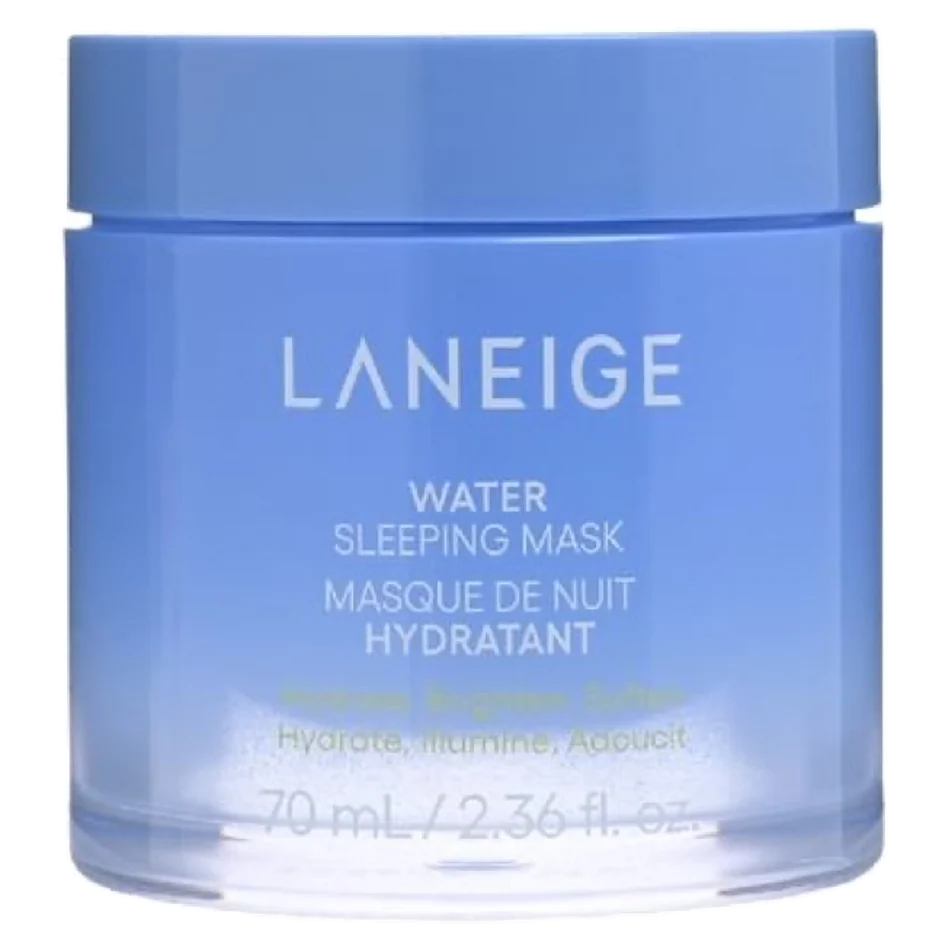
LANEIGE
Water Sleeping Mask
4th of 43 on the label
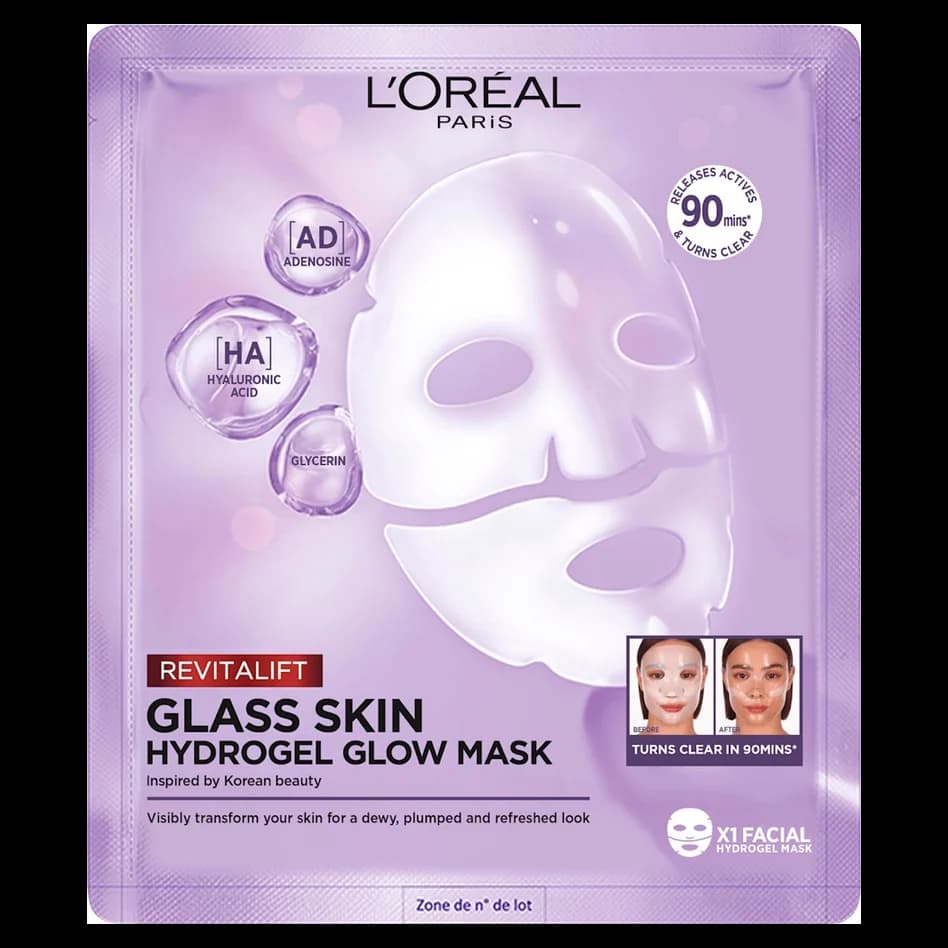
L'Oréal Paris
Revitalift Filler Glass Skin Hydrogel Glow Mask
30th of 32 on the label
below ≈1%
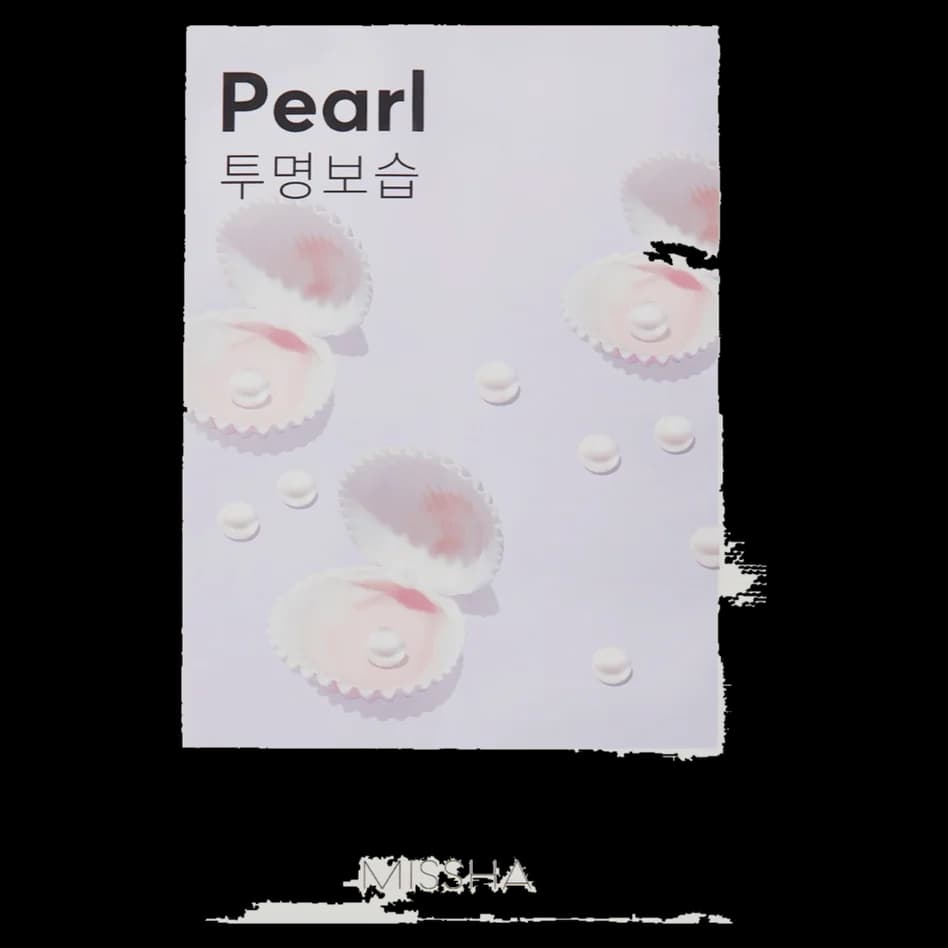
MISSHA
Airy Fit Sheet Mask Pearl
19th of 31 on the label
below ≈1%
MISSHA
Airy Fit Sheet Mask Rice
20th of 27 on the label
below ≈1%
Nature Republic
Real Nature Aloe Sheet Mask
10th of 23 on the label
Nature Republic
Real Nature Green Tea Sheet Mask
10th of 23 on the label
Schaebens
Gesichtsmaske Zink
12th of 27 on the label
below ≈1%
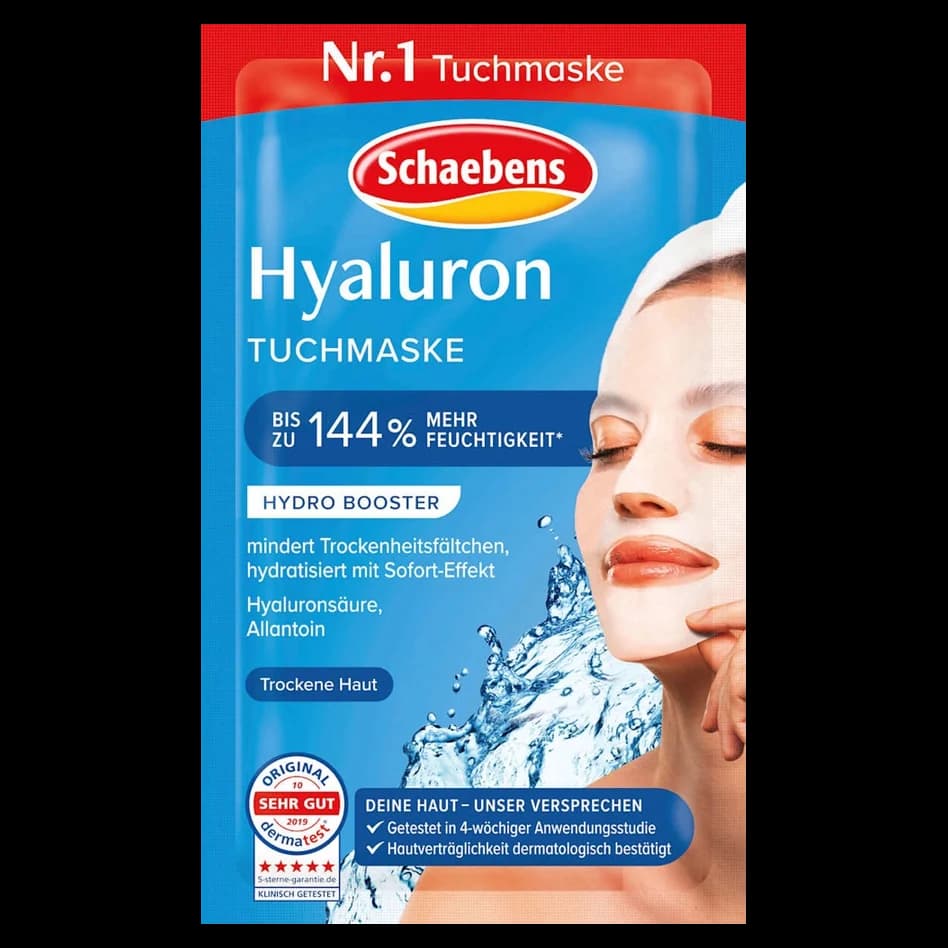
Schaebens
Tuchmaske Hyaluron
11th of 23 on the label
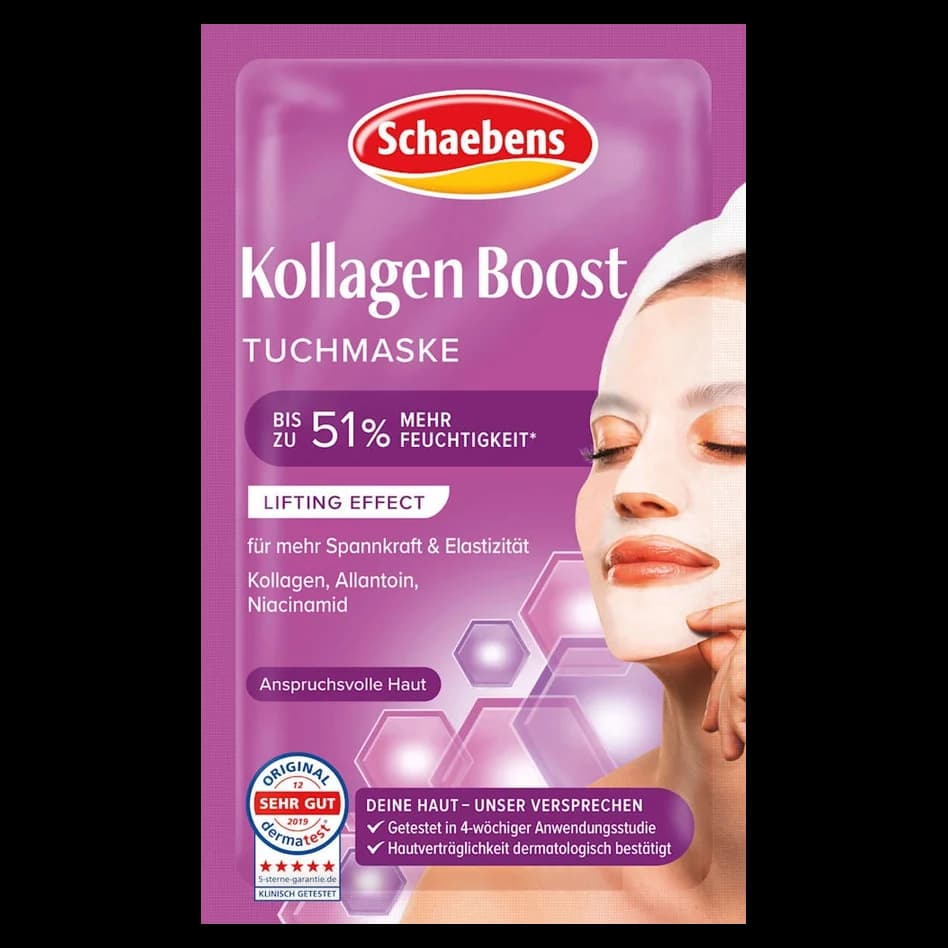
Schaebens
Tuchmaske Kollagen Boost
15th of 27 on the label
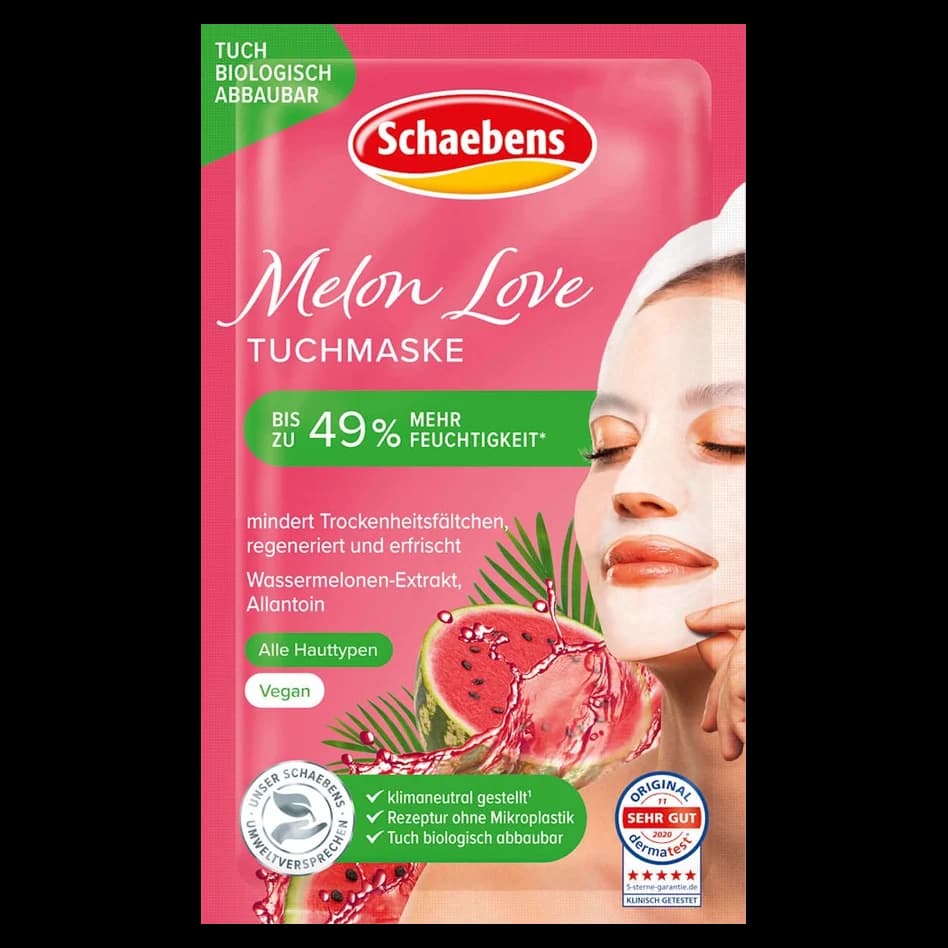
Schaebens
Tuchmaske Melon Love
25th of 45 on the label
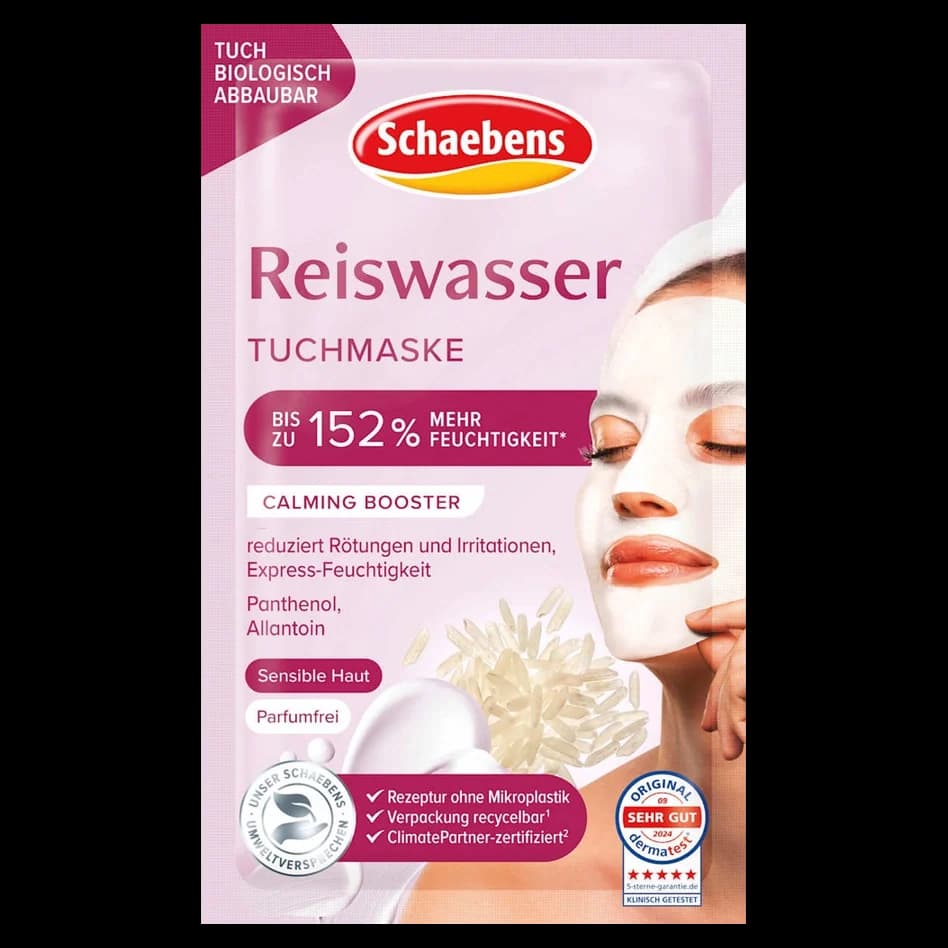
Schaebens
Tuchmaske Reiswasser
12th of 23 on the label
below ≈1%
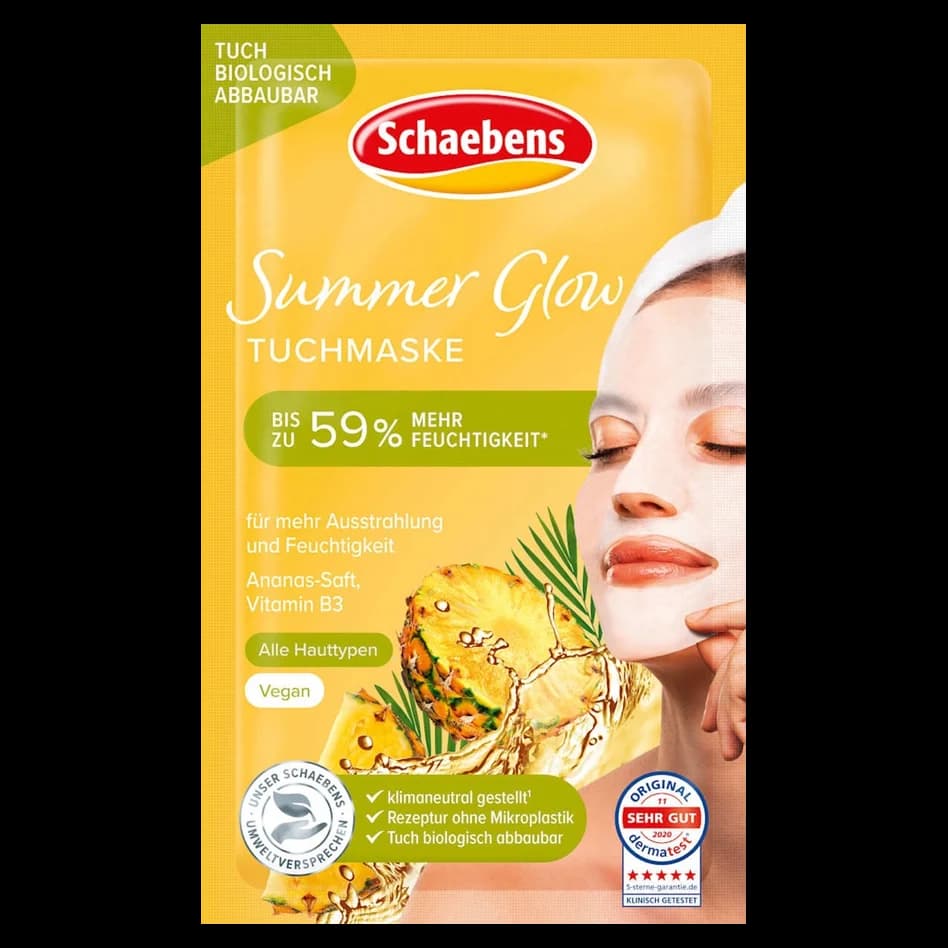
Schaebens
Tuchmaske Summer Glow
25th of 44 on the label
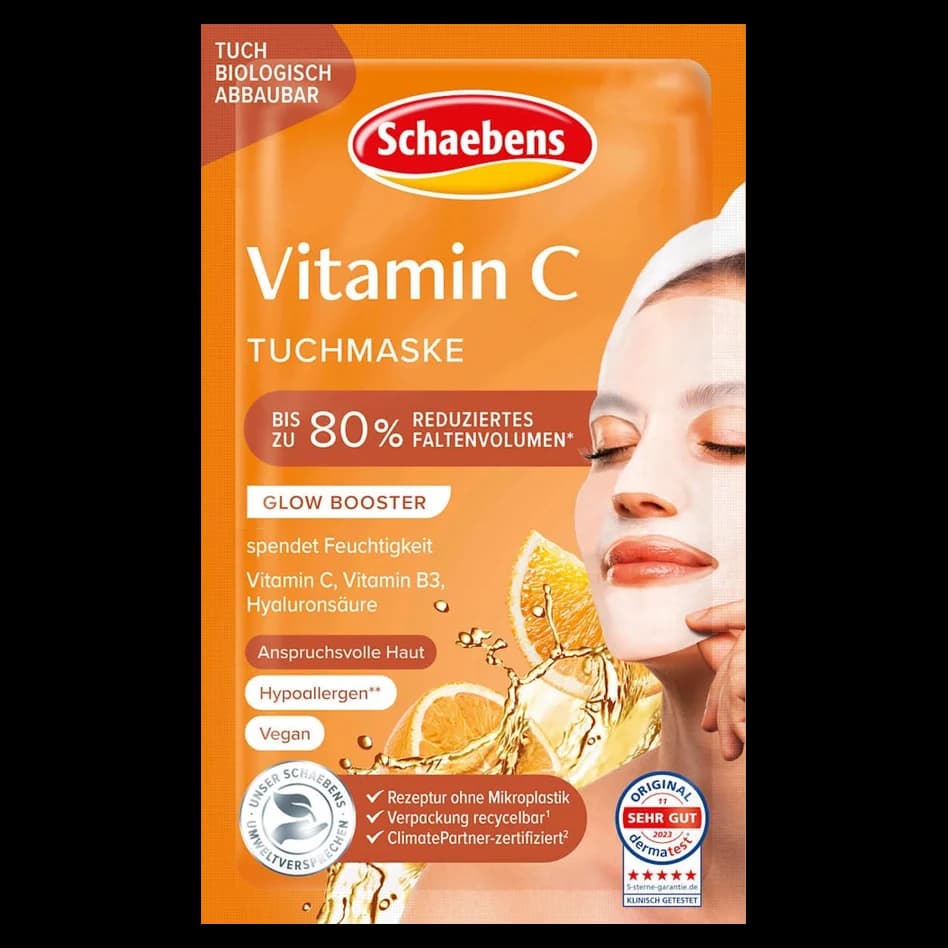
Schaebens
Tuchmaske Vitamin C
11th of 19 on the label
below ≈1%
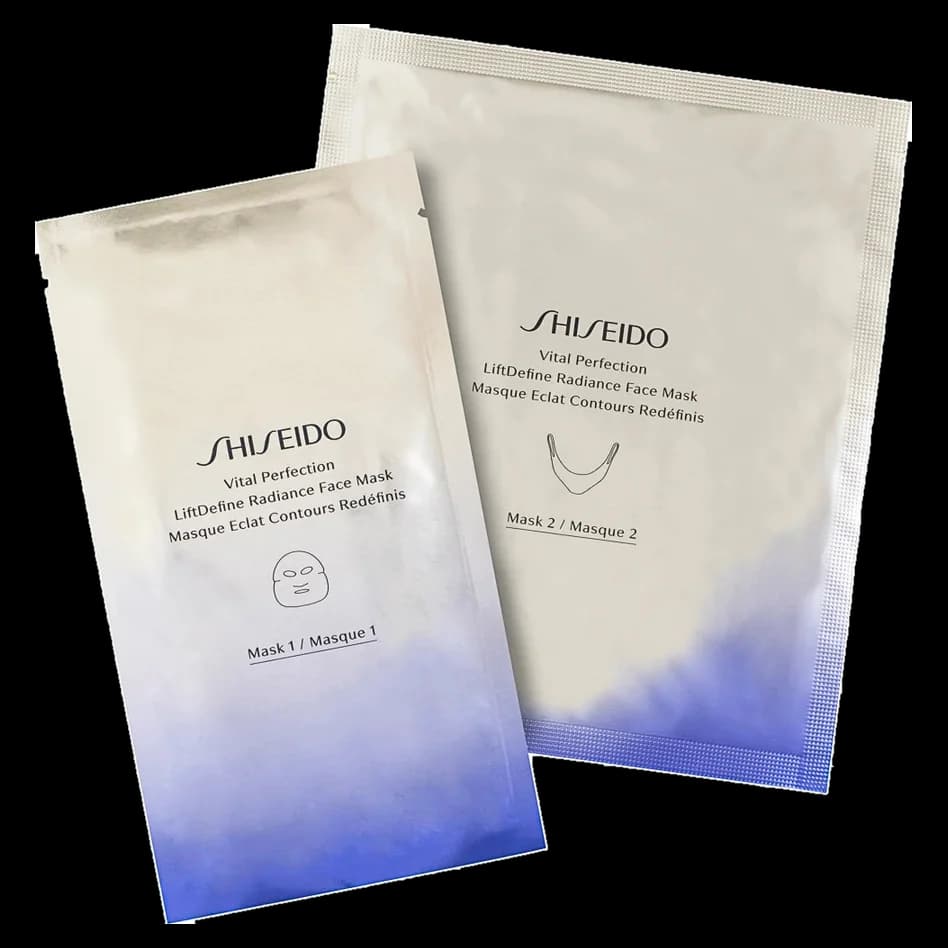
Shiseido
Vital Perfection LiftDefine Radiance Face Mask
7th of 81 on the label
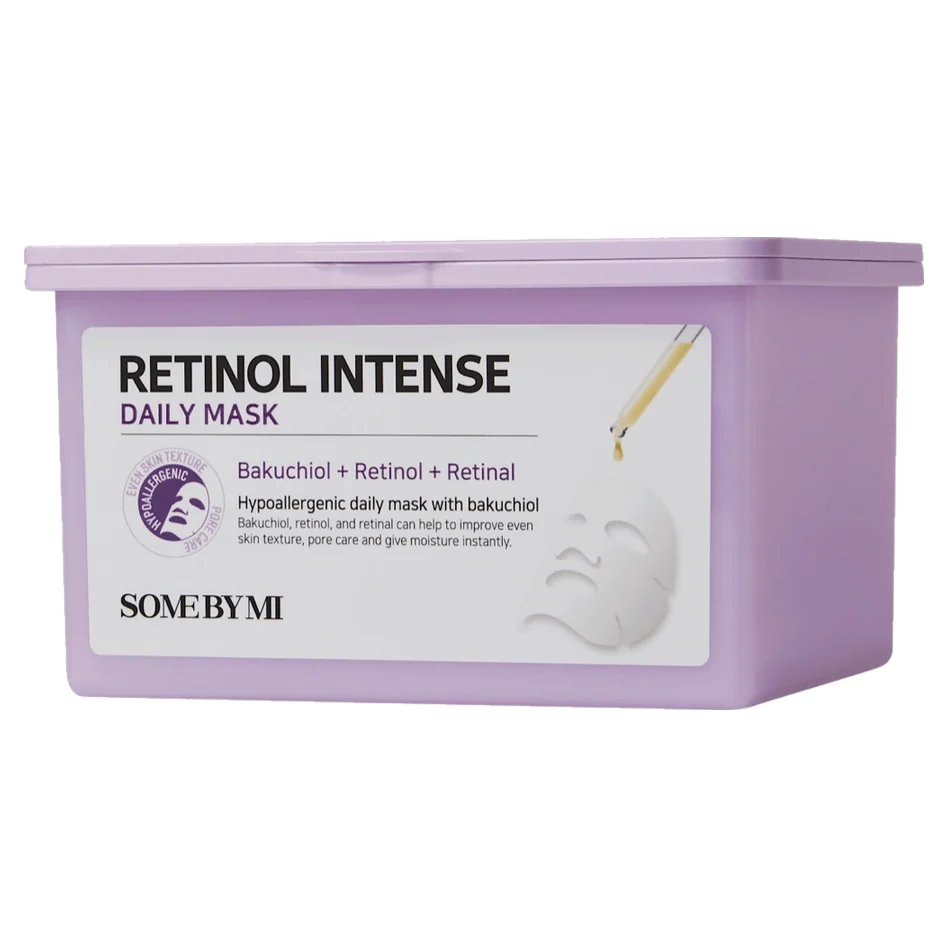
SOME BY MI
Daily Retinol Intense Mask
20th of 62 on the label
below ≈1%
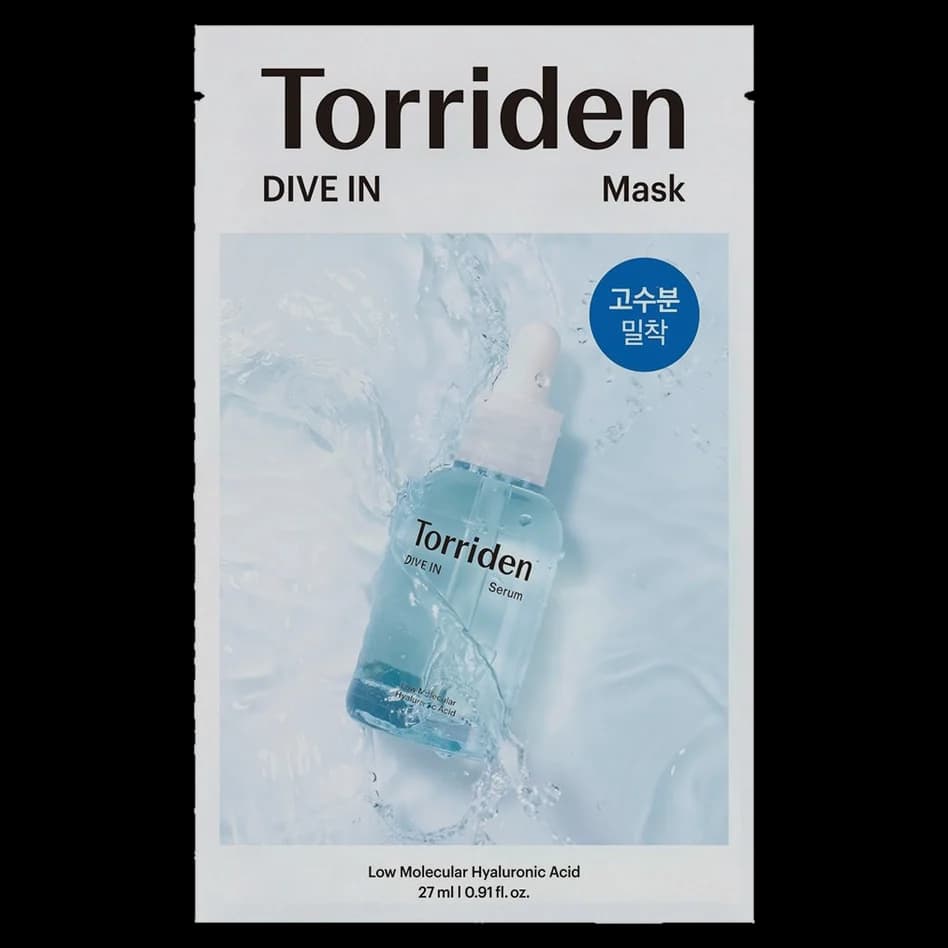
Torriden
DIVE-IN Low Molecular Hyaluronic Acid Mask
11th of 33 on the label
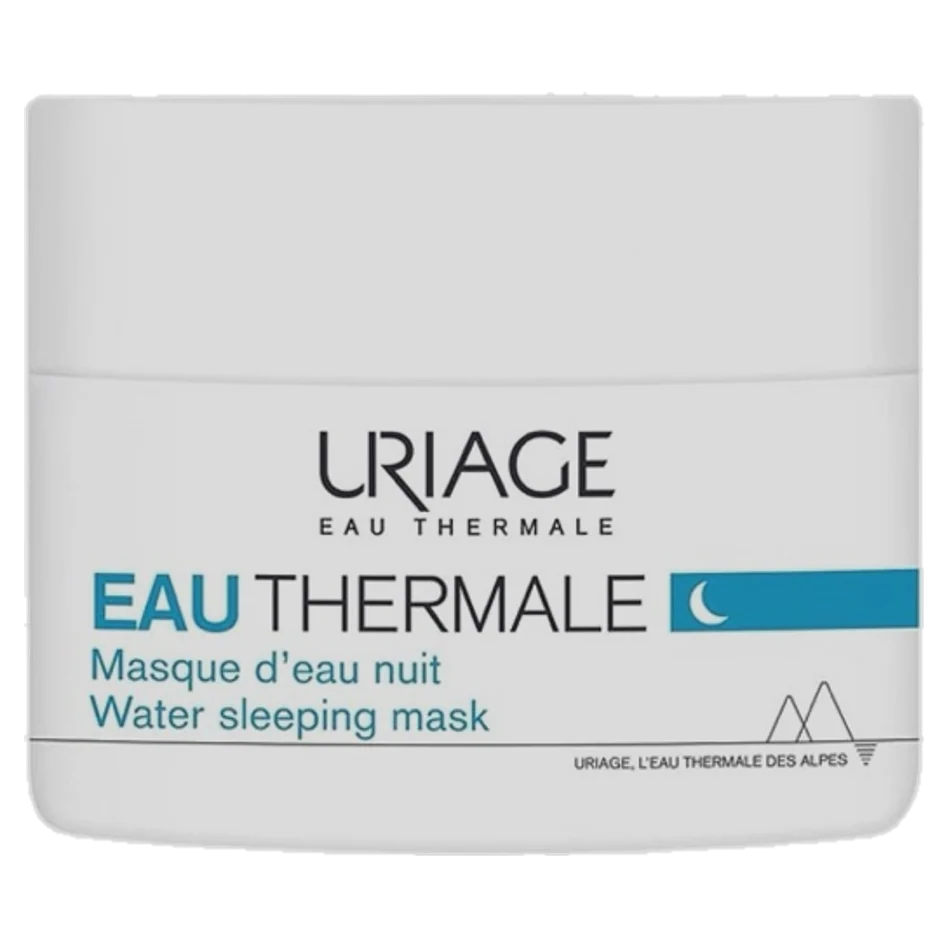
Uriage
Eau Thermale Water Sleeping Mask
9th of 29 on the label
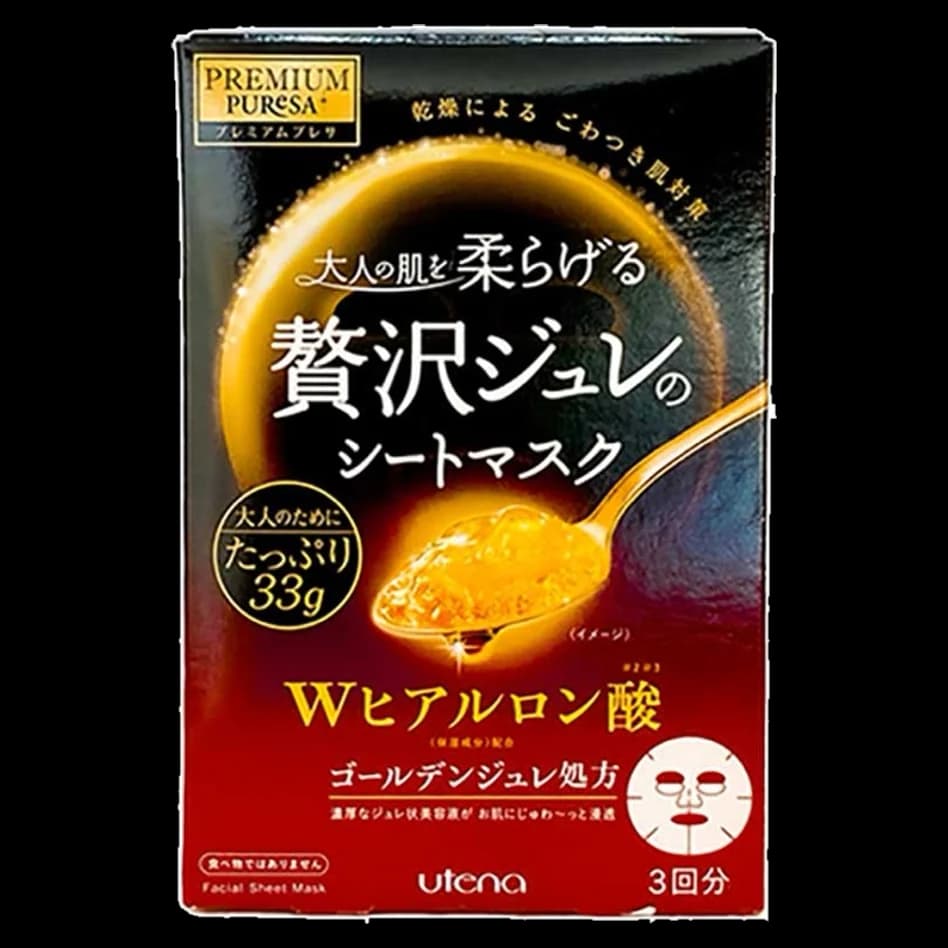
Utena
Premium Puresa Golden Jelly Mask (Hyaluronic Acid)
6th of 35 on the label
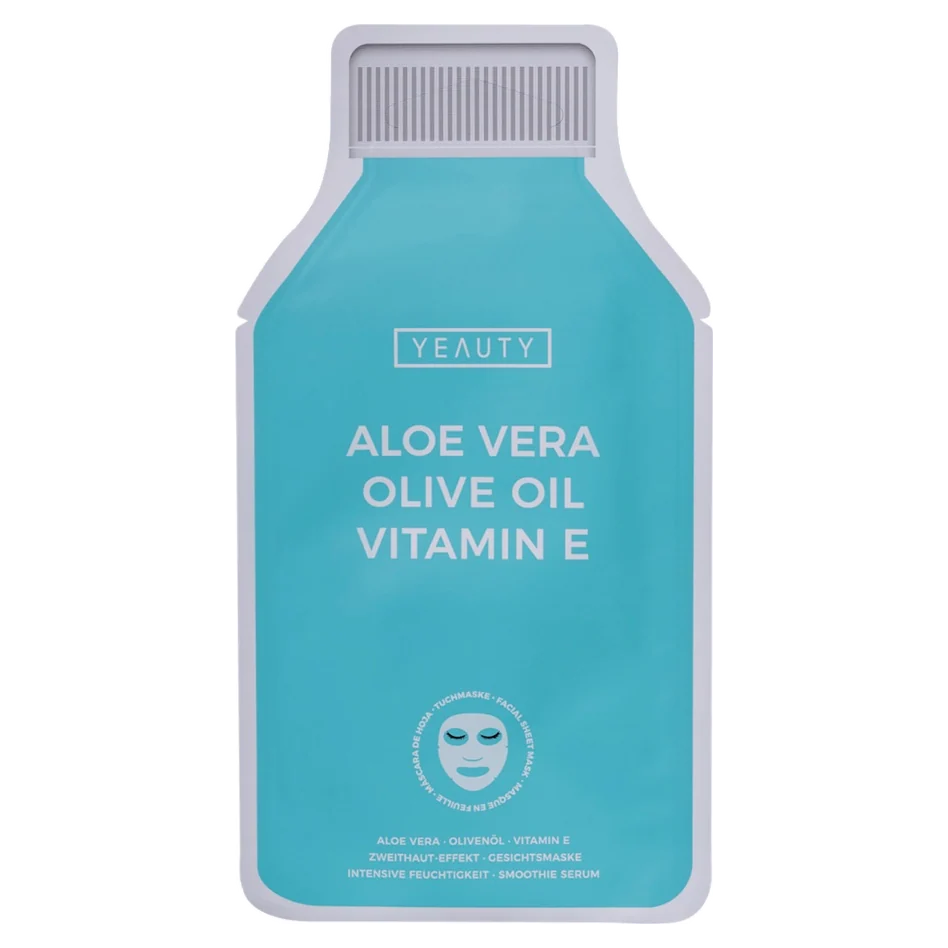
Yeauty
Tuchmaske Aloe Vera Olive Oil Vitamin E
24th of 29 on the label
below ≈1%
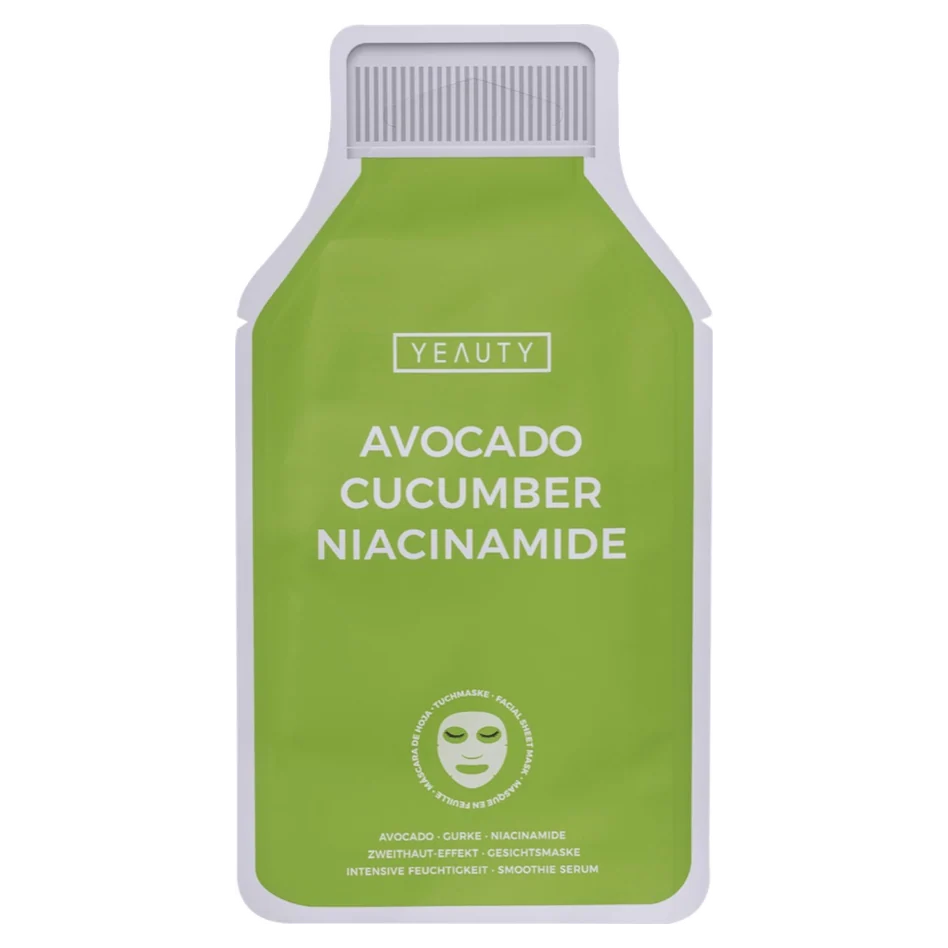
Yeauty
Tuchmaske Avocado Cucumber Niacinamide
23rd of 29 on the label
below ≈1%