Zinc Gluconate
No meaningful concern for most people; irritation is possible but rare.
What it is
Zinc gluconate is the zinc salt of gluconic acid, a mild sugar acid, which makes it water-soluble and gentler than zinc oxide. Zinc itself is a trace element the skin uses in wound healing and immune regulation, and it moderates the activity of the enzyme that drives sebum production. It appears in products aimed at oily and blemish-prone skin, and in oral care.
What it does well
Helps reduce inflammatory blemishes
Zinc gluconate has been compared with an oral antibiotic in inflammatory acne with meaningful, if smaller, benefit. That trial used oral dosing, so evidence for the topical cosmetic use is weaker.
Moderate evidence
Worth knowing
The EU cap is driven by swallowing, not skin
The 1% zinc limit and the tighter caps for toothpaste and mouthwash exist because zinc salts can be ingested from oral products, not because of any skin hazard at cosmetic levels. The Cosmetic Ingredient Review reports the committee reasoning the cap rests on: exposure estimates for water-soluble zinc salts in toothpastes at 1% and mouthwashes at 0.1% could give daily intakes of 3.54 mg for adults and for children aged 6 to 17, up to 14% of the 25 mg per day upper limit for adults.
Matters most toNobody applying it to skin; this is a formulation limit rather than a consumer warning.
Where the EU stands
Concentration-restricted
Restricted by name under Annex III entry 24, the entry for water-soluble zinc salts: maximum 1% expressed as zinc. Zinc gluconate is one of the six substances the entry's Common Ingredients Glossary column names outright, with CAS 4468-02-4 and EC 224-736-9, so no reading of the entry is required for it. Regulation (EU) 2026/909 rewrote the entry, adding zinc citrate and zinc sulphate to the glossary column and setting separate limits for oral care - 1% (as zinc) in toothpaste for users above 1 year, 0.72% (as zinc) in toothpaste for children between 6 months and 1 year, and 0.1% (as zinc) in mouthwash for users above 6 years - while keeping 1% (as zinc) under condition (d), "Other products", which is the row a face mask falls under. That 1% has applied to this salt all along. The transitional provision gives both of its dates: products that do not comply may not be placed on the EU market from 1 January 2027, nor made available from 1 July 2028.
Regulation (EC) No 1223/2009, Annex III entry 24 (water-soluble zinc salts), as replaced by Regulation (EU) 2026/909 - named in the glossary column, condition (d) "Other products", with the transitional dates at footnote 46 · source ↗
Sources (2)
Every link goes to the original: a journal, a PubMed record or an EU document.
- [1]Multicenter randomized comparative double-blind controlled clinical trial of the safety and efficacy of zinc gluconate versus minocycline hydrochloride in the treatment of inflammatory acne vulgaris
Dermatology · 2001 · doi:10.1159/000051728
Oral zinc gluconate reduced inflammatory acne lesions, though less effectively than minocycline, establishing zinc's anti-inflammatory role in acne.
- [2]Safety Assessment of Zinc Salts as Used in Cosmetics
Cosmetic Ingredient Review Expert Panel, Final Report · 2018
Zinc Gluconate is one of the 27 zinc salts concluded "safe in cosmetics in the present practices of use and concentration described in this safety assessment when formulated to be non-irritating". The report also records the committee reasoning behind the EU cap: exposure estimates for water-soluble zinc salts in toothpastes (1%) and mouthwashes (0.1%) "could potentially result in daily intakes of 3.54 mg for adults and children aged 6-17 years", up to 14% of the 25 mg/day upper limit for adults - an ingestion argument, not a skin one. Checked 4 October 2026.
Masks that contain Zinc Gluconate
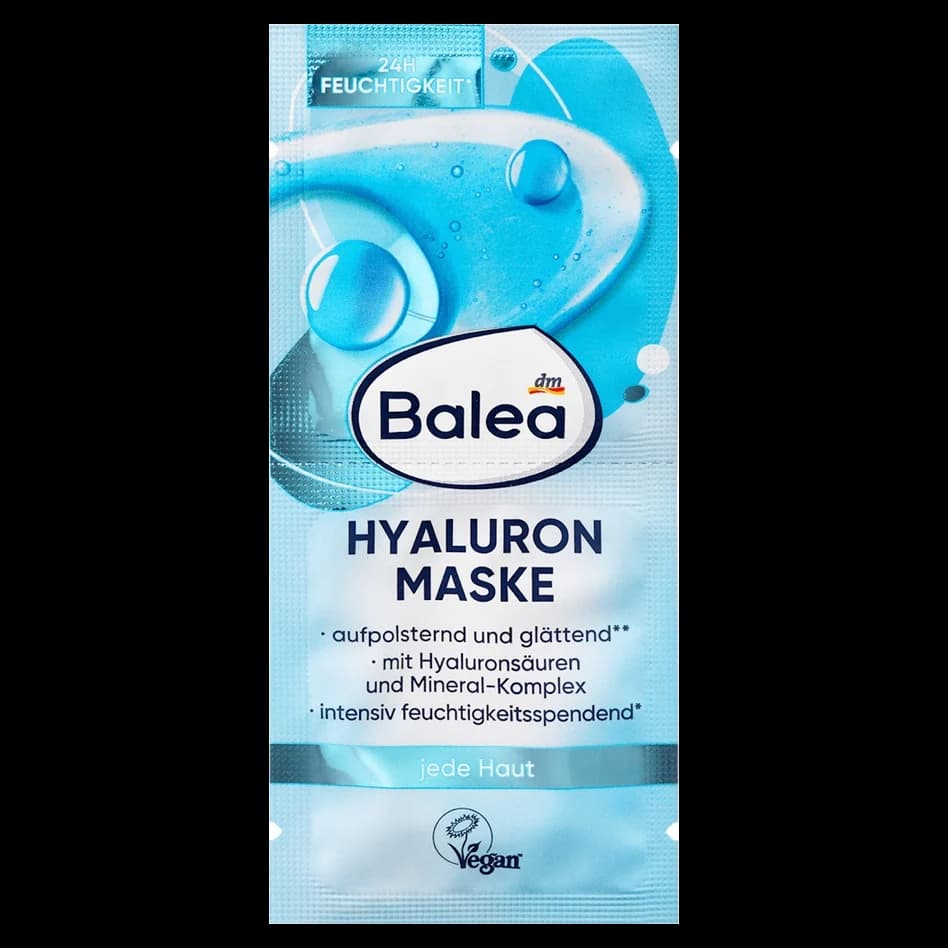
Balea
Gesichtsmaske Hyaluron
13th of 29 on the label
below ≈1%
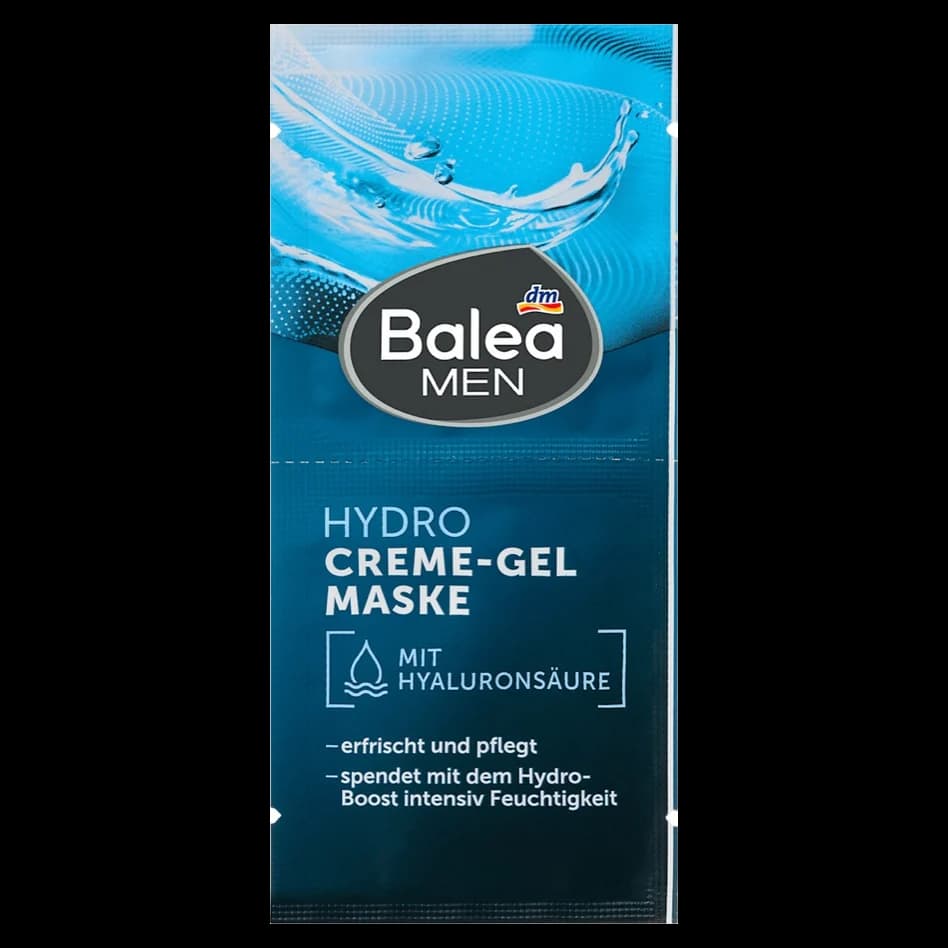
Balea MEN
Gesichtsmaske Creme-Gel Hydro
13th of 31 on the label
below ≈1%
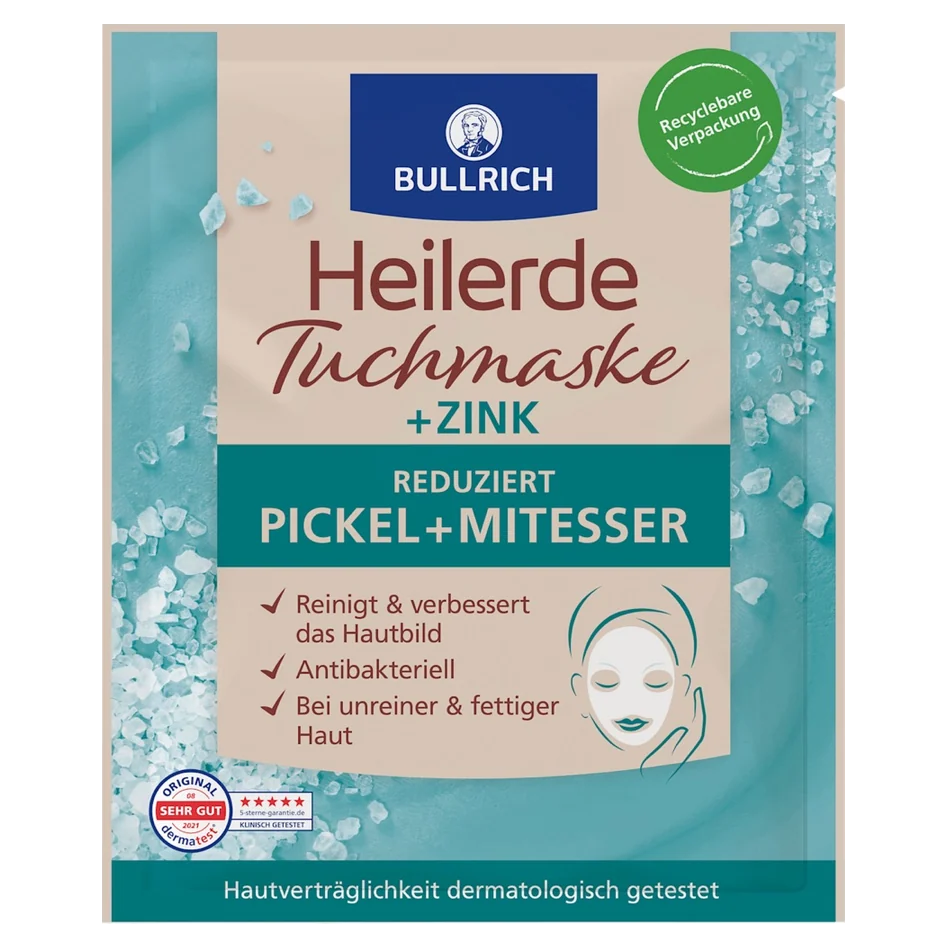
Bullrich
Tuchmaske Heilerde+Zink
14th of 19 on the label
below ≈1%
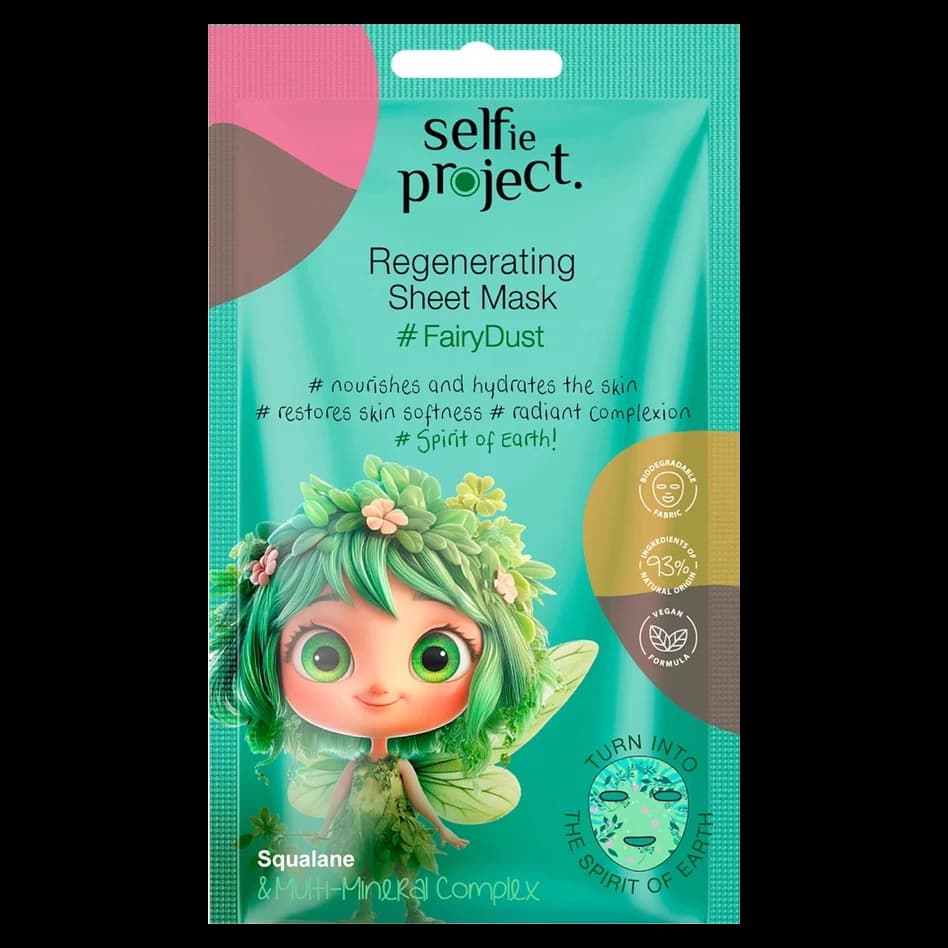
Selfie Project
Tuchmaske Regenerating #FairyDust
14th of 33 on the label
below ≈1%
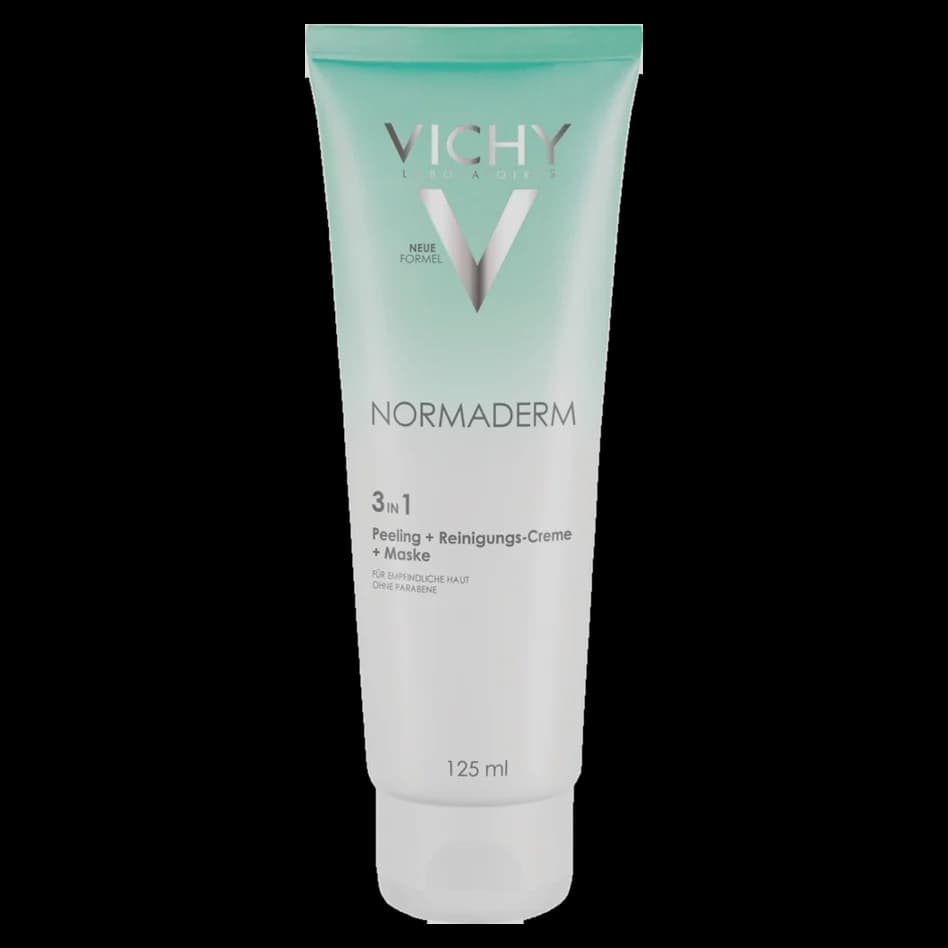
Vichy
Normaderm 3-in-1 Peeling + Reinigungs-Creme + Maske
12th of 23 on the label
below ≈1%