Ceramide EOP
Ceramide 1
No meaningful concern for most people; irritation is possible but rare.
Also written as: Ceramide 1 · Ceramide 1A
What it is
Ceramides are the most abundant fat in the stratum corneum, the outermost layer of skin, where they stack with cholesterol and free fatty acids into the lamellar sheets that hold water in and keep irritants out. The letters in a ceramide's INCI name are a specification of its two halves rather than a grade. The first letter gives the fatty acid - N for a normal, non-hydroxy acid, A for an alpha-hydroxy acid, EO for an omega-hydroxy acid that carries a second fatty acid esterified on its far end. The second letter gives the sphingoid base - S for sphingosine, P for phytosphingosine, G for sphinganine. Ceramide EOP takes that EO prefix and a phytosphingosine base, so the molecule carries two tails rather than one. These omega-esterified ceramides are the long, double-tailed lipids that hold the lamellar sheets of the barrier in register, and they are the structurally distinctive corner of the family. It was formerly called Ceramide 1 or Ceramide 1A, both retired in 2014.
How it shows up on a label
Five masks here print it, four of them below the point where ingredient order stops indicating quantity. On three of those it is the very last ingredient on the list - the 65th of 65 rows, the 44th of 44 and the 49th of 49 - which is the deepest pattern of any ceramide in this encyclopaedia.
What it does well
Belongs to a class that is essential to barrier formation
Mice engineered without the enzyme Acsl1 could not make omega-O-esterified ceramides, developed severe skin barrier defects and did not survive gestation. The limits of that finding matter and are worth stating plainly: it concerns the sphingosine-based sibling of this ingredient, and it is a genetic model of a barrier being built from the inside, not a study of anything applied to skin. It establishes that the class is essential; it does not show that applying Ceramide EOP does anything.
Moderate evidence
Restores a lipid the skin makes itself
Ceramide EOP belongs to a subclass of ceramide found naturally in the stratum corneum, so it tops up a lipid the skin already produces. The Panel that assessed these ingredients commented that they would not be readily absorbed through the skin and are expected to remain in the stratum corneum. That is where the effect sits, and it is also the limit of it.
Moderate evidence
Worth knowing
Present at low levels
The highest maximum concentration reported to the CIR survey for products left on the skin was 0.2%, in skin care preparations. That survey covers the ceramides reported in use at the time, this one among their close relatives. Ceramides are among the more expensive cosmetic raw materials, so a product may advertise them and still contain a fraction of a per cent. Where the name falls on the ingredient list is a rough guide to how much is really there.
Matters most toAnyone paying a premium specifically for ceramide content.
The evidence is about the class, not the ingredient
Omega-esterified ceramides are demonstrably necessary to a skin barrier that is being built from within. That is not the same claim as one about a molecule spread on the surface of adult skin for twenty minutes in a mask, and no study here closes that gap. This is a limit in what is known rather than a finding against the ingredient.
Matters most toAnyone choosing a product on the strength of this ingredient in particular.
Where the EU stands
No specific restriction
Not listed in any Annex of the EU Cosmetics Regulation, so there is no specific concentration limit; it is still covered by the general safety assessment every cosmetic product must pass before sale.
Regulation (EC) No 1223/2009 - no annex entry · source ↗
Sources (3)
Every link goes to the original: a journal, a PubMed record or an EU document.
- [1]Safety Assessment of Ceramides as Used in Cosmetics
Cosmetic Ingredient Review Expert Panel · 2015
The Panel concluded that the ceramide ingredients, including this one, are safe in cosmetics in the present practices of use and concentration described in the assessment, and recorded that they are not restricted in any way under the rules governing cosmetic products in the European Union.
- [2]Acsl1 is essential for skin barrier function through the activation of linoleic acid and biosynthesis of omega-O-acylceramide in mice
Biochimica et Biophysica Acta - Molecular and Cell Biology of Lipids · 2022 · doi:10.1016/j.bbalip.2021.159085
Mice unable to make omega-O-esterified ceramides had severe barrier defects and did not survive gestation, establishing the class as essential to barrier formation - in a genetic model, not a topical one.
- [3]Effects of sphingolipid extracts on the morphological structure and lipid profile in an in vitro model of canine skin
The Veterinary Journal · 2016 · doi:10.1016/j.tvjl.2016.03.020
Supplementing a cultured skin model with sphingolipid extract raised several ceramide subclasses, including AP, EOP, NS and AS, showing the subclasses respond as a group rather than singly.
Masks that contain Ceramide EOP
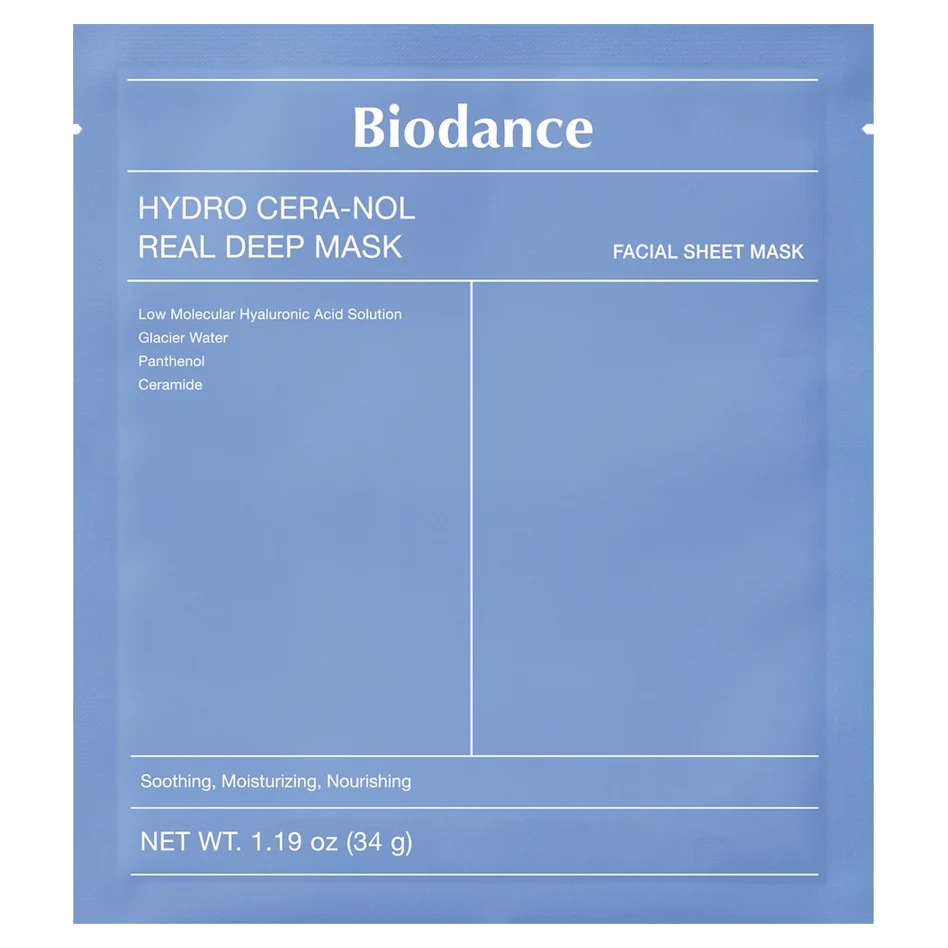
Biodance
Hydro Cera-nol Real Deep Mask
65th of 65 on the label
below ≈1%
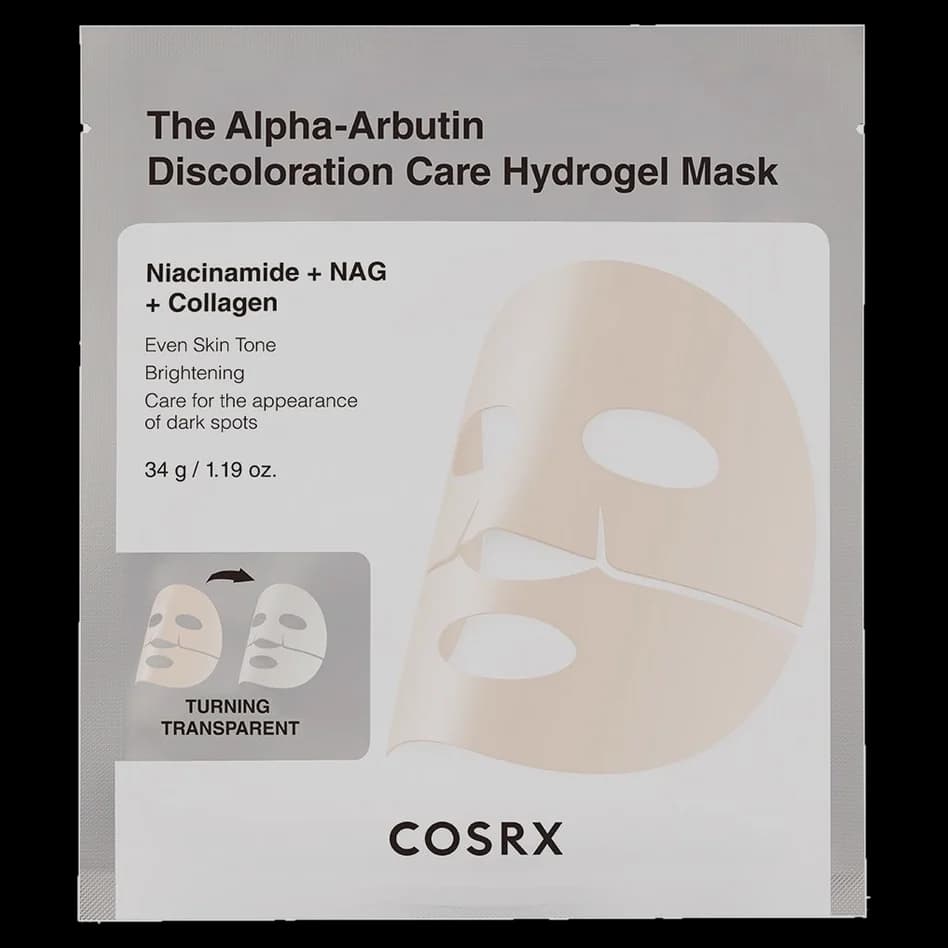
COSRX
The Alpha-Arbutin Discoloration Care Hydrogel Mask
44th of 44 on the label
below ≈1%
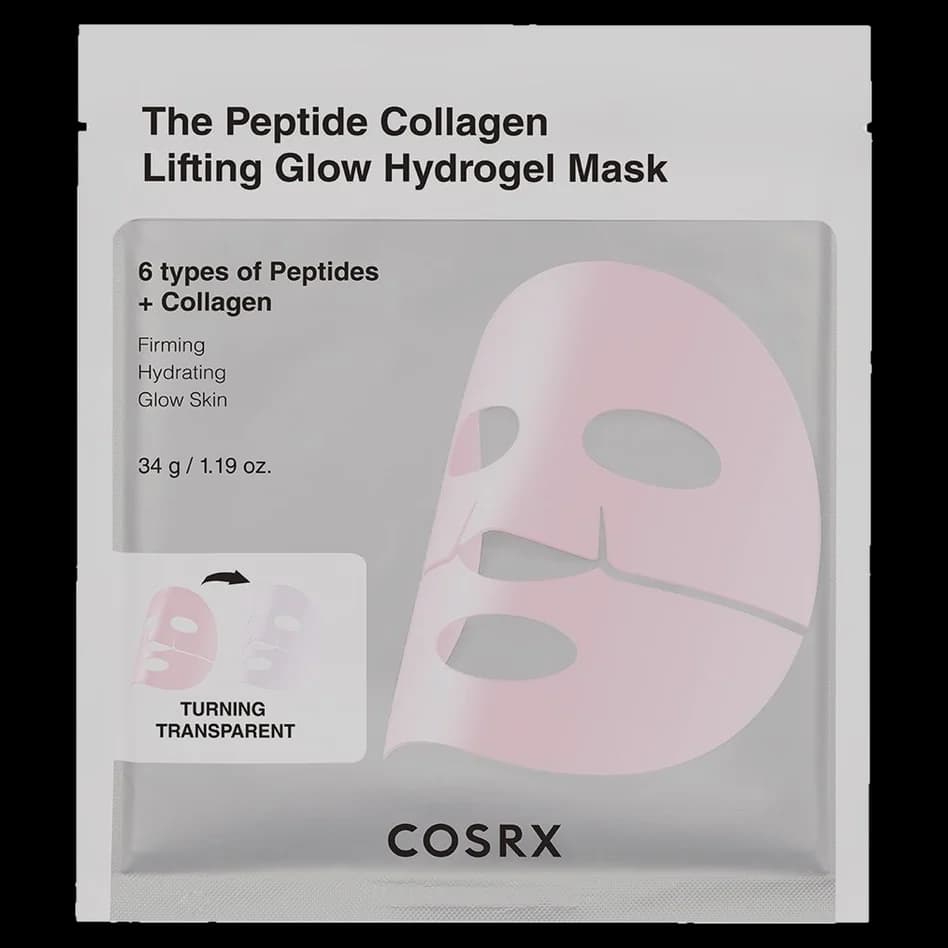
COSRX
The Peptide Collagen Lifting Glow Hydrogel Mask
49th of 49 on the label
below ≈1%
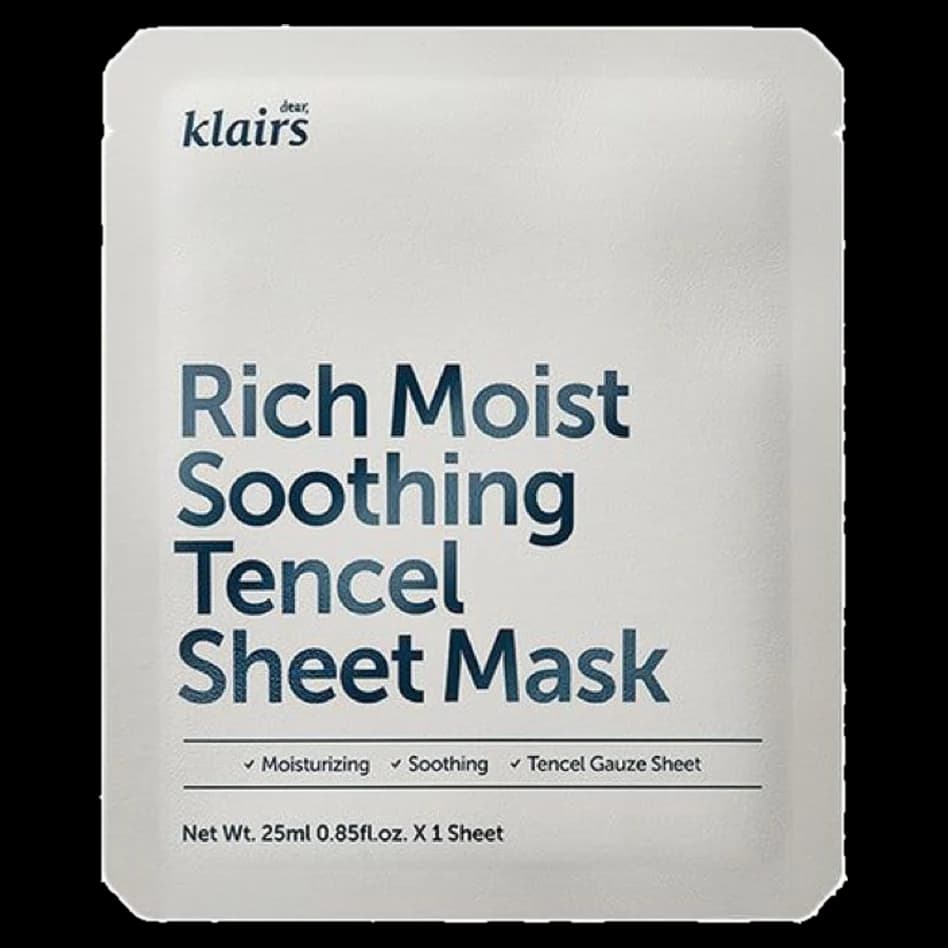
Dear, Klairs
Rich Moist Soothing Tencel Sheet Mask
21st of 33 on the label
below ≈1%
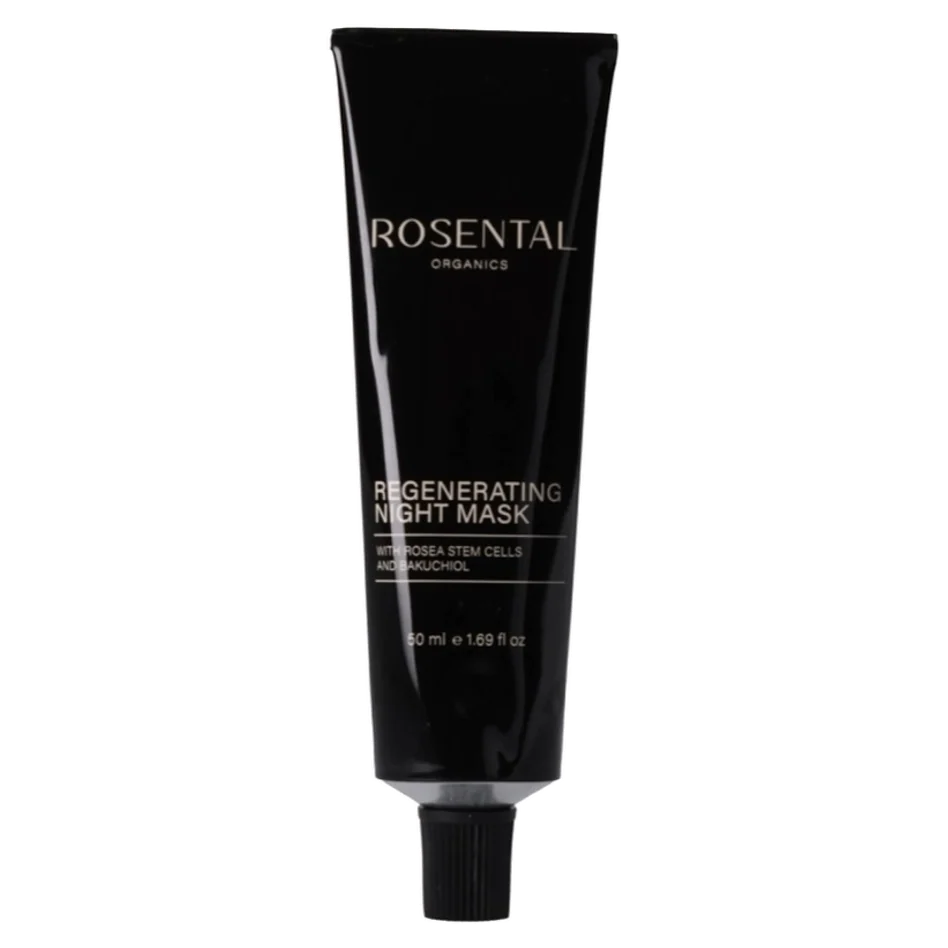
Rosental Organics
Regenerating Night Mask
20th of 44 on the label