Caprylic/Capric Triglyceride
Fractionated coconut oil
No meaningful concern for most people; irritation is possible but rare.
Also written as: Fractionated Coconut Oil · MCT Oil · Medium Chain Triglycerides
What it is
This is a made-to-spec oil built by joining glycerin to just two medium-chain fatty acids, caprylic (C8) and capric (C10), which are separated out of coconut or palm kernel oil. Stripping out the longer and unsaturated fatty acids leaves a colourless, odourless liquid that is far lighter and far more stable than the parent oil. It is one of the most-used emollients in skincare and a standard solvent for oil-soluble actives and pigments.
How it shows up on a label
Very often the first oil listed in a mask's oil phase.
What it does well
Light, fast-absorbing emollient that thins heavier oils
Its short fatty acid chains give it a low viscosity and a dry after-feel, which is why formulators use it to make butters and rich oils wearable. It also resists oxidation far better than the coconut oil it comes from.
Moderate evidence
Worth knowing
Assumed to behave like coconut oil because of its origin
This is a misunderstanding. Coconut oil's reputation for congesting skin is usually attributed to its high lauric acid (C12) content, and caprylic/capric triglyceride contains essentially none of it. Chemically it has little in common with the whole oil.
Matters most toPeople with acne-prone skin who avoid anything coconut-derived on principle.
Where the EU stands
No specific restriction
Not listed in any Annex of the EU Cosmetics Regulation, so there is no specific concentration limit; it is still covered by the general safety assessment every cosmetic product must pass before sale.
Regulation (EC) No 1223/2009 - no annex entry · source ↗
Masks that contain Caprylic/Capric Triglyceride
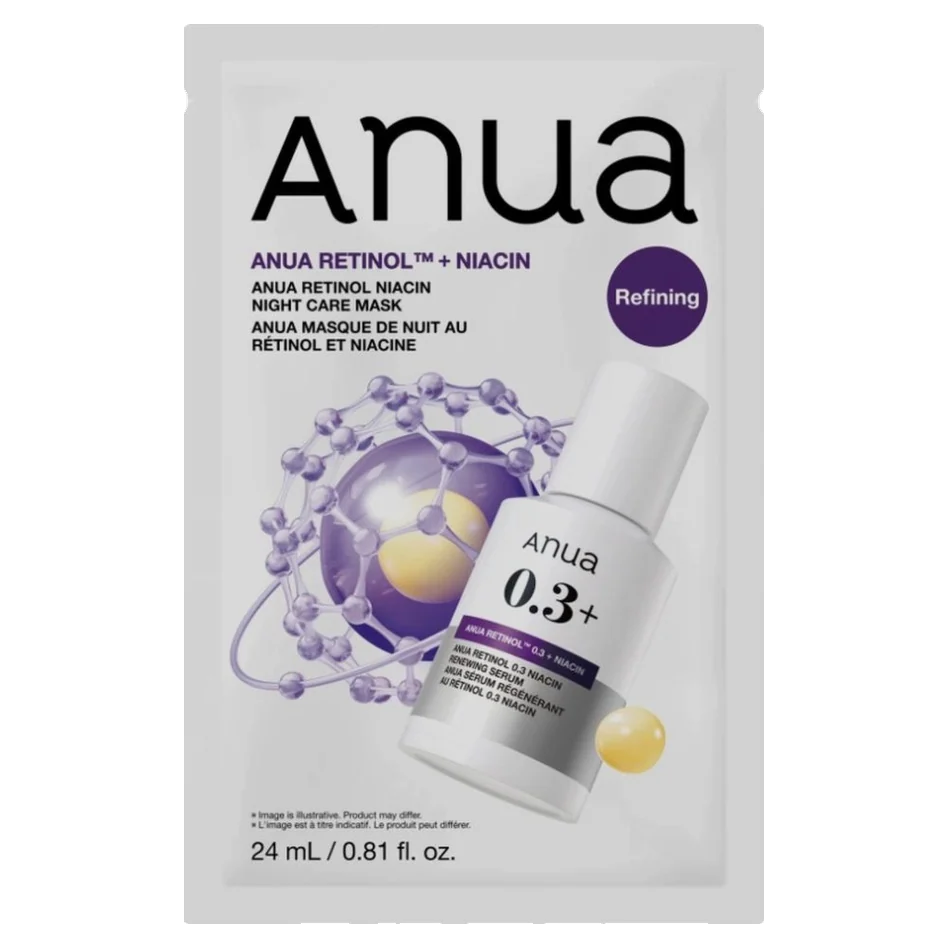
Anua
Retinol Niacin Night Care Mask
32nd of 44 on the label
below ≈1%
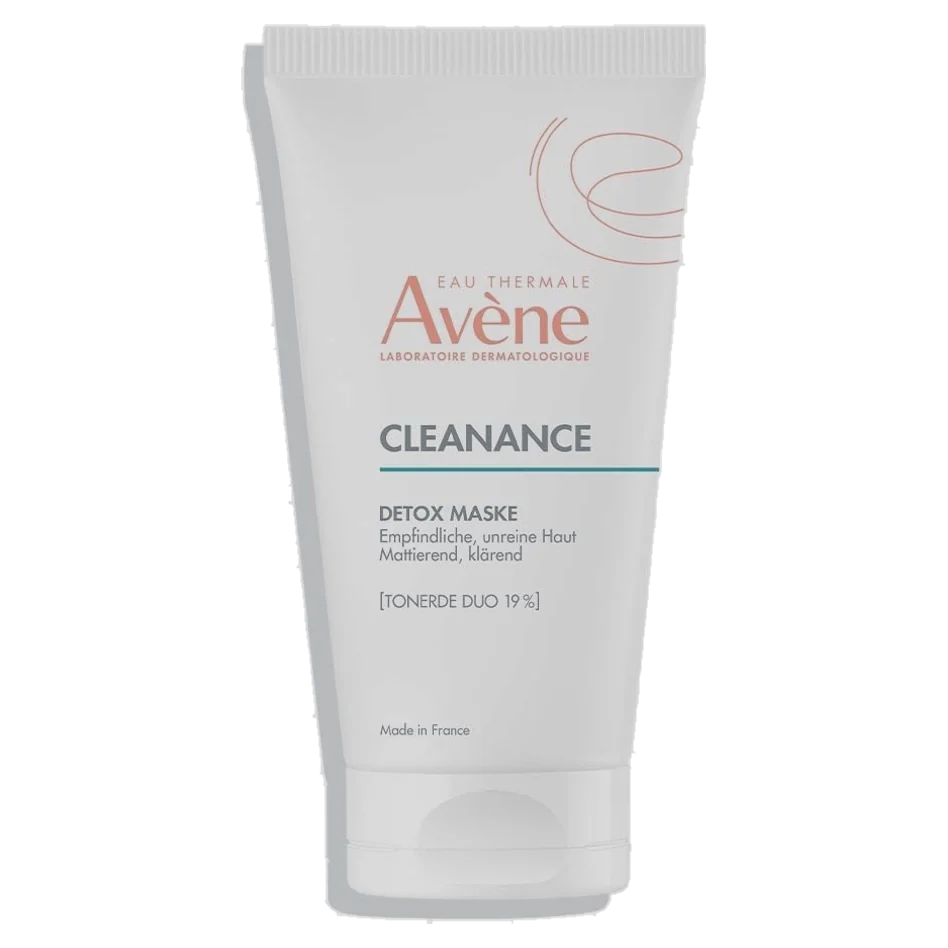
Avène
Cleanance Detox Mask
3rd of 18 on the label
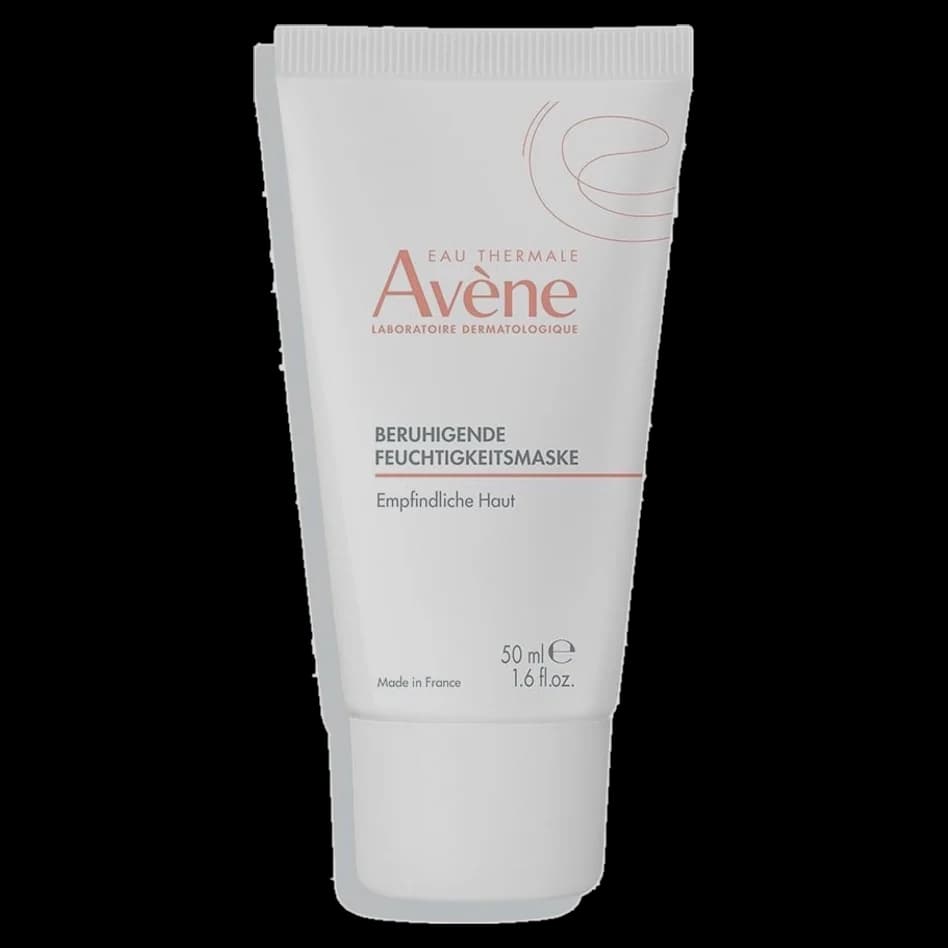
Avène
Soothing Moisture Mask
3rd of 26 on the label
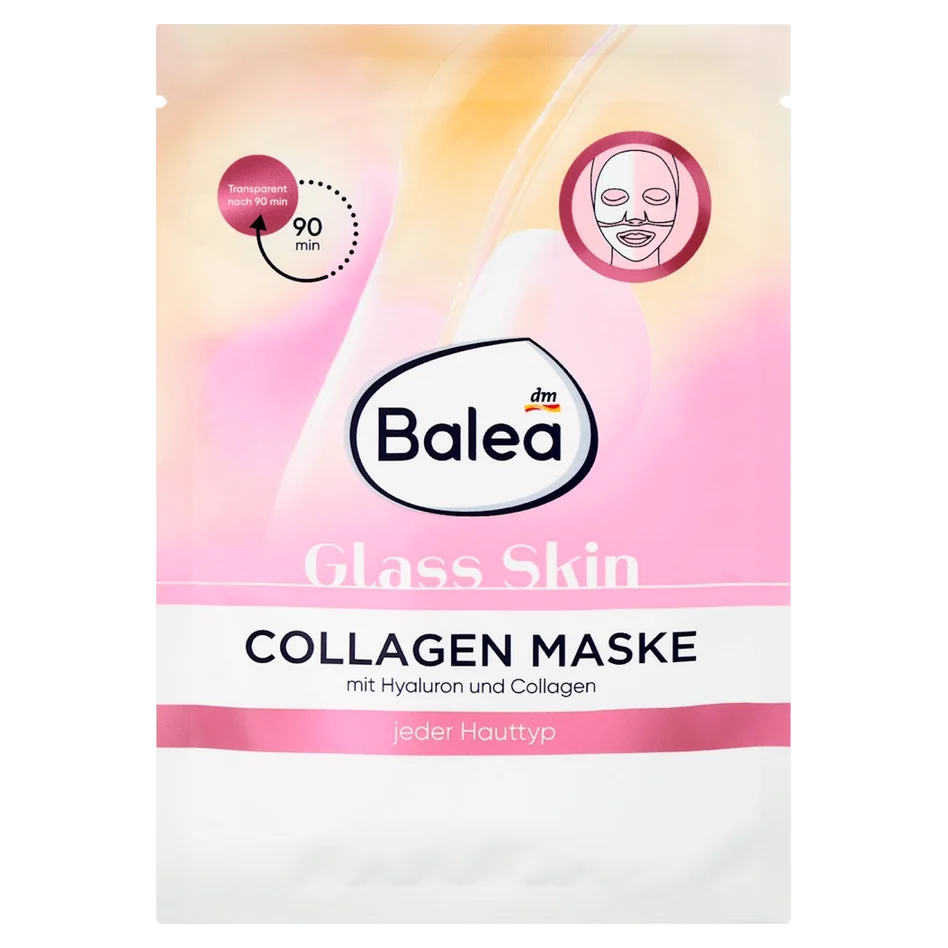
Balea
Glass Skin Collagen Maske
3rd of 17 on the label
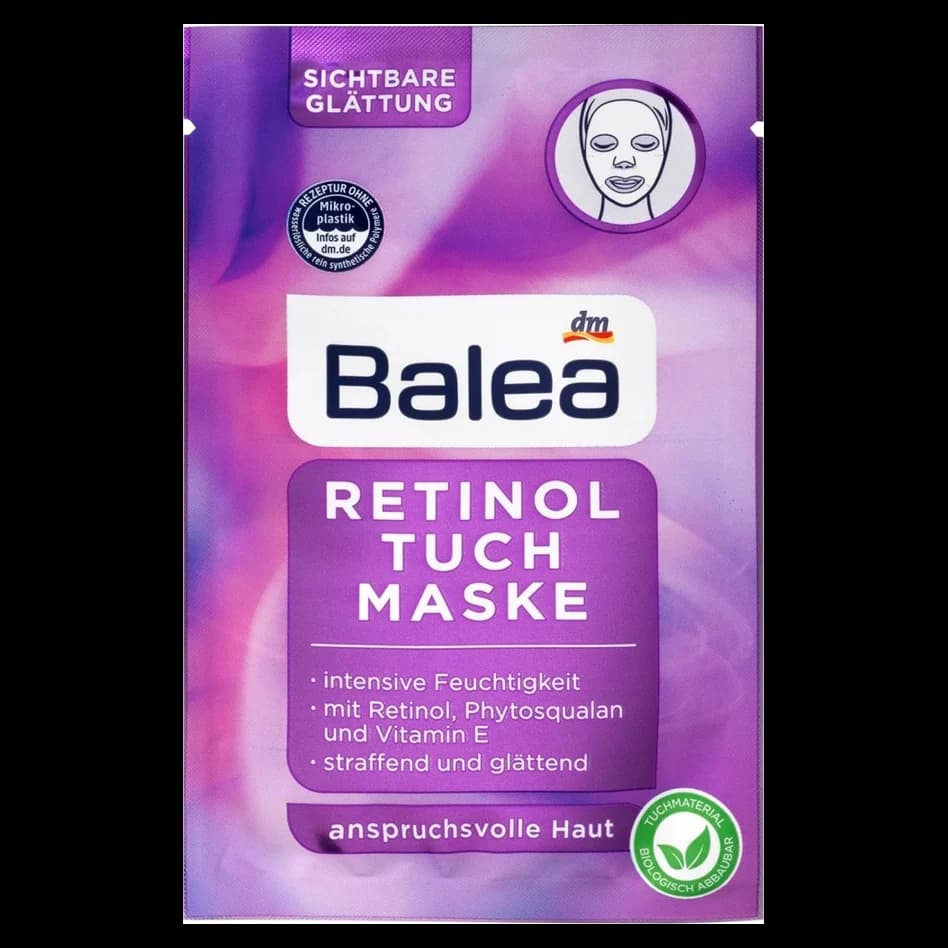
Balea
Tuchmaske Retinol
15th of 16 on the label
below ≈1%
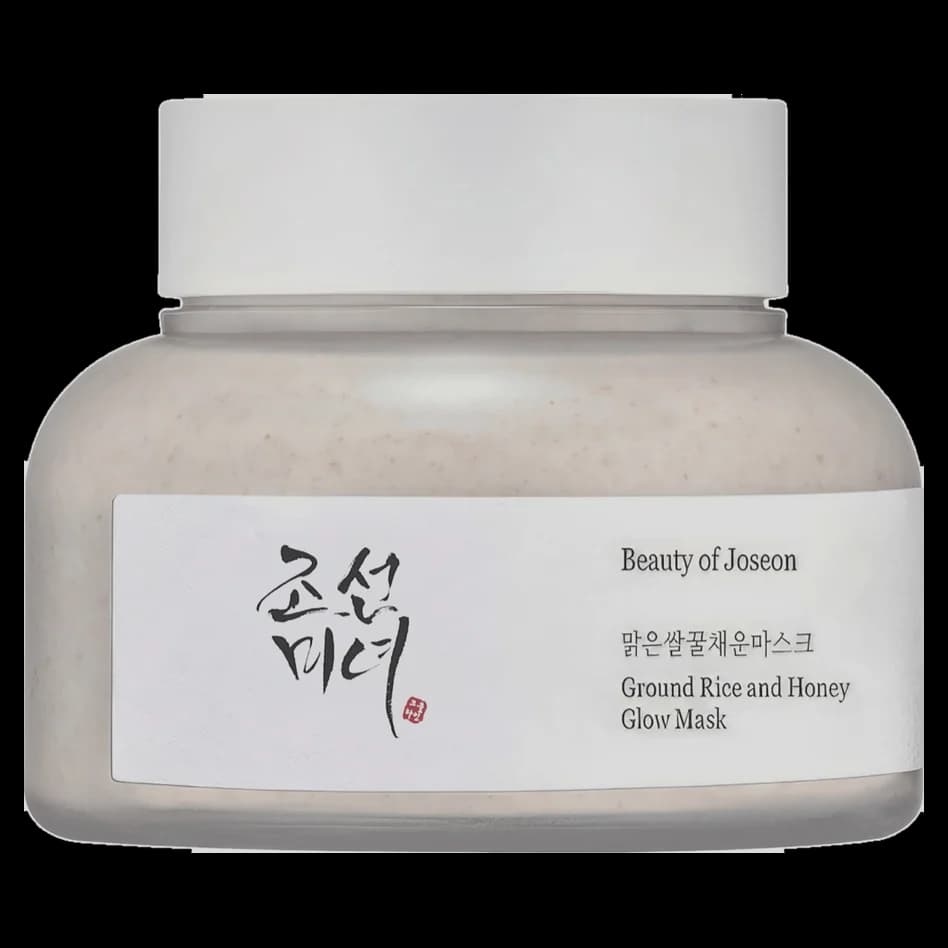
Beauty of Joseon
Ground Rice and Honey Glow Mask
11th of 35 on the label
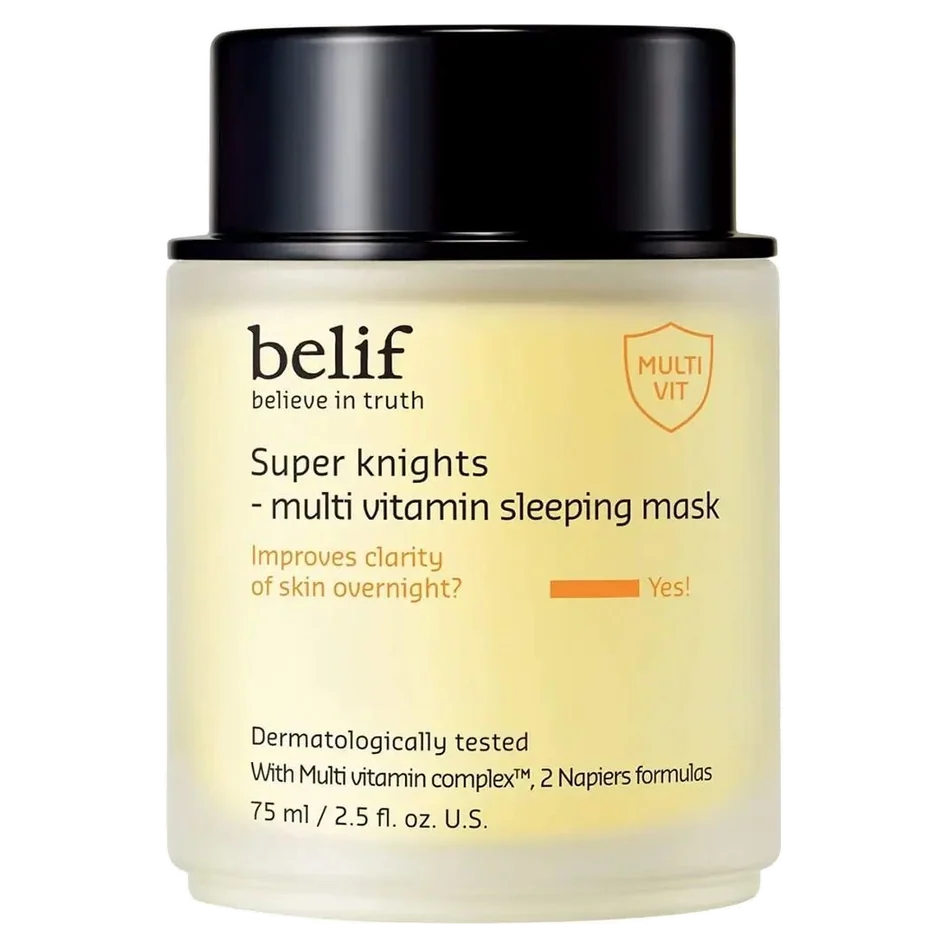
belif
Super Knights Vitamin Mask
6th of 26 on the label
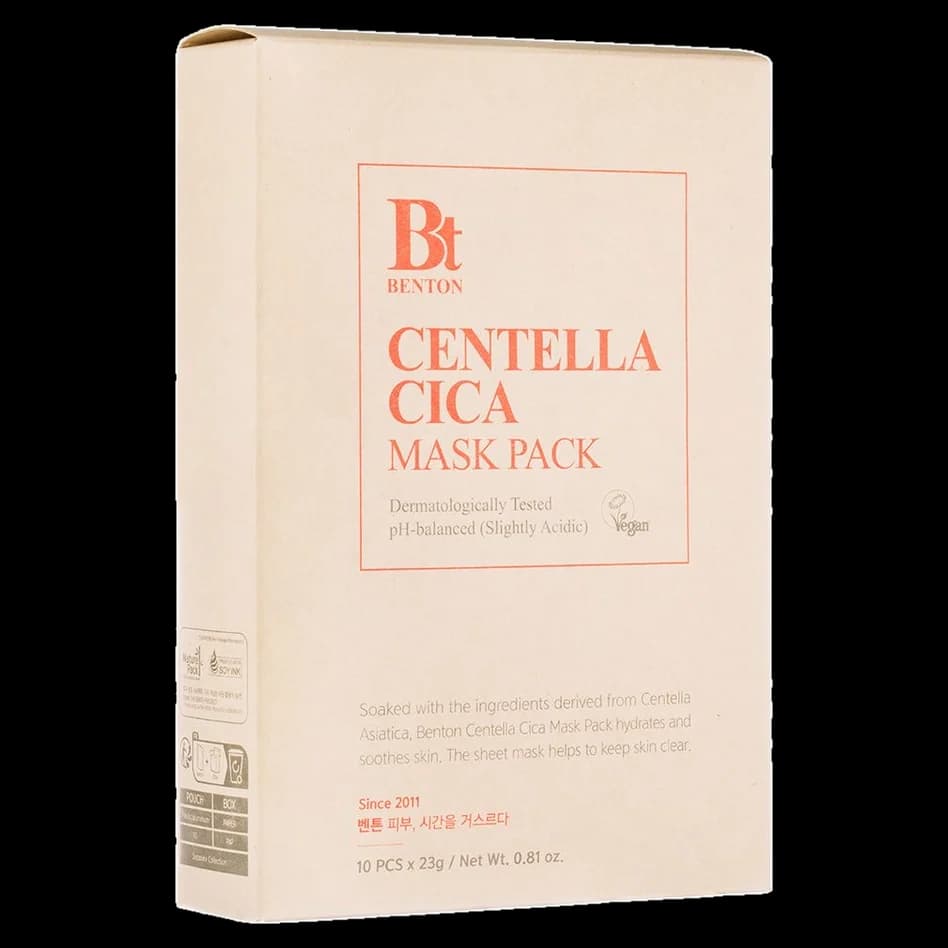
Benton
Goodbye Redness Centella Cica Mask Pack
19th of 23 on the label
below ≈1%
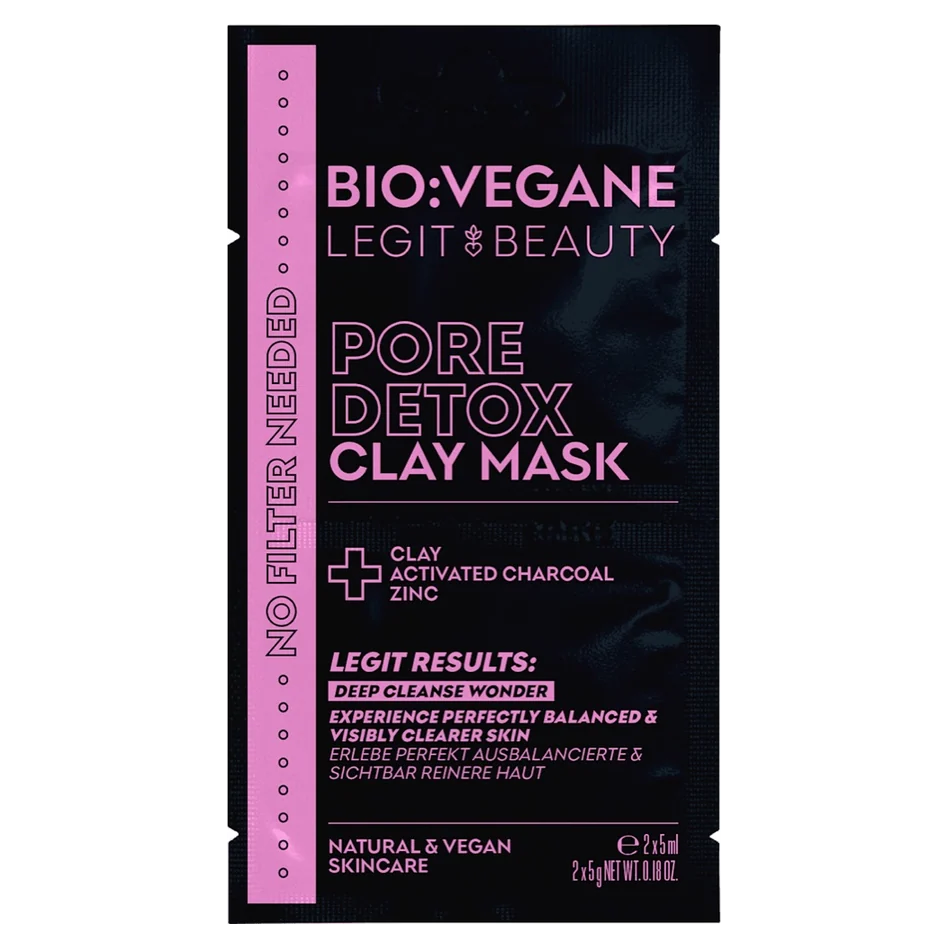
BIO:VEGANE
Gesichtsmaske Pore Detox Clay Mask
11th of 19 on the label
below ≈1%
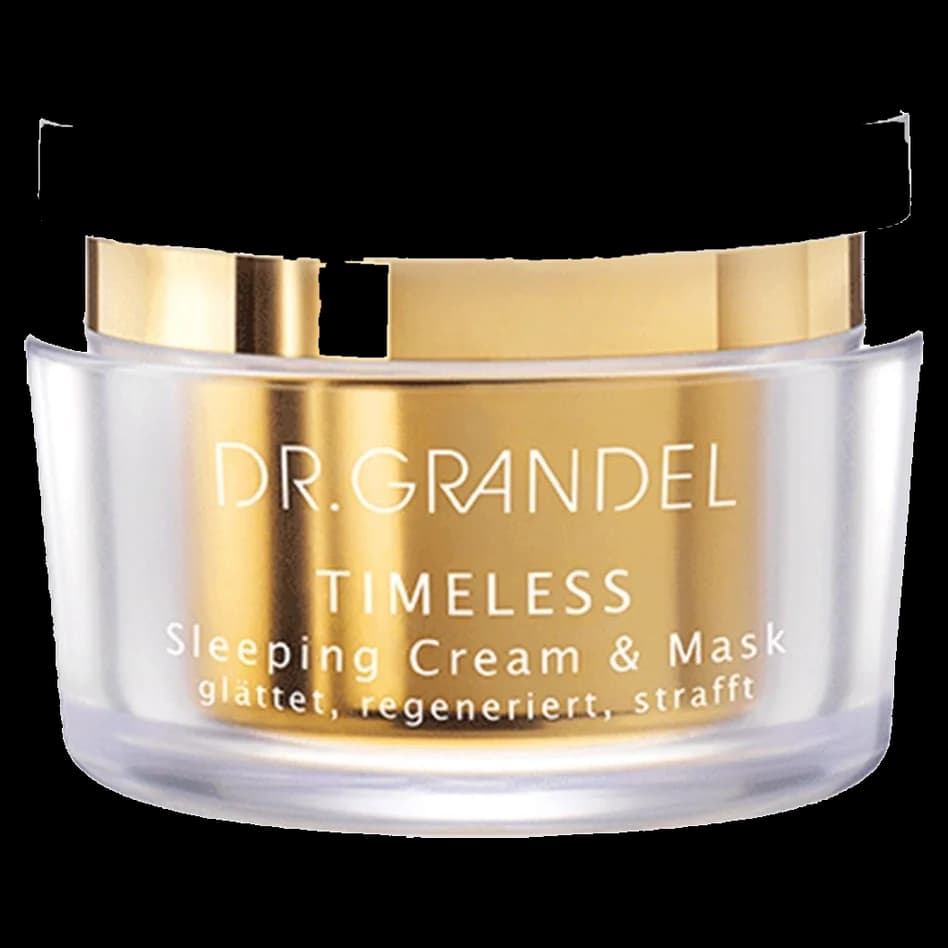
Dr. Grandel
Timeless Sleeping Cream & Mask
4th of 35 on the label
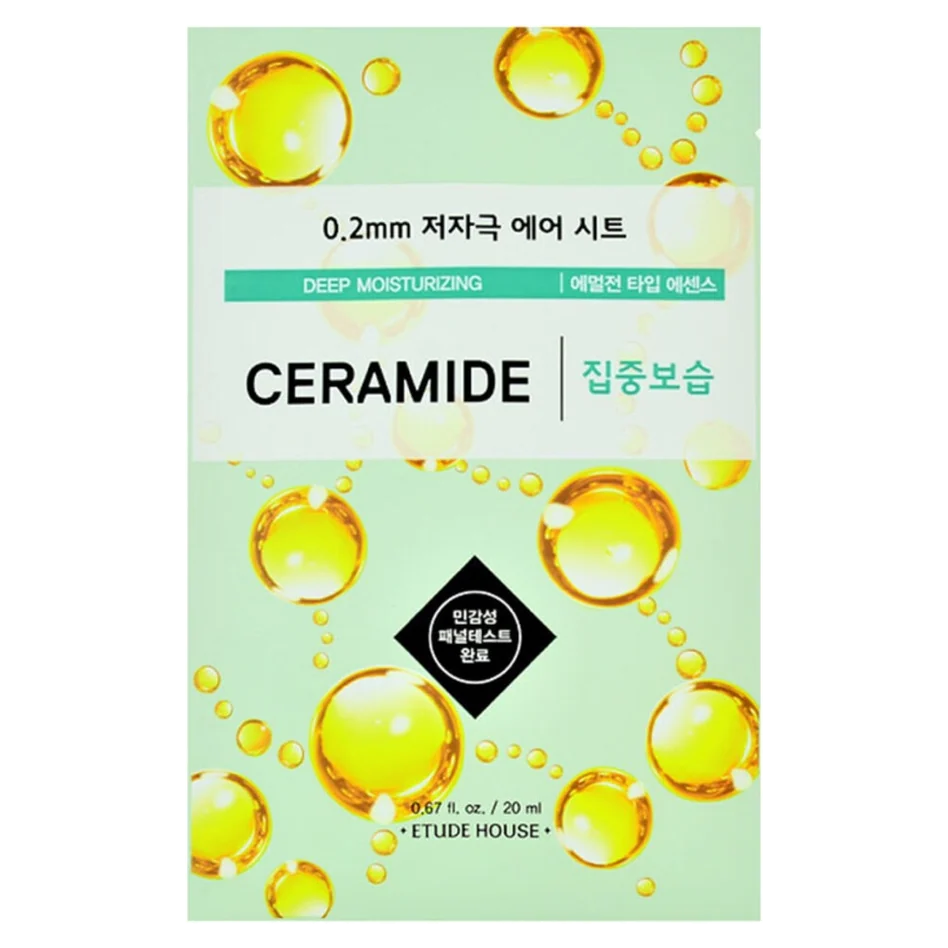
Etude House
0.2mm Therapy Air Mask Ceramide
3rd of 33 on the label
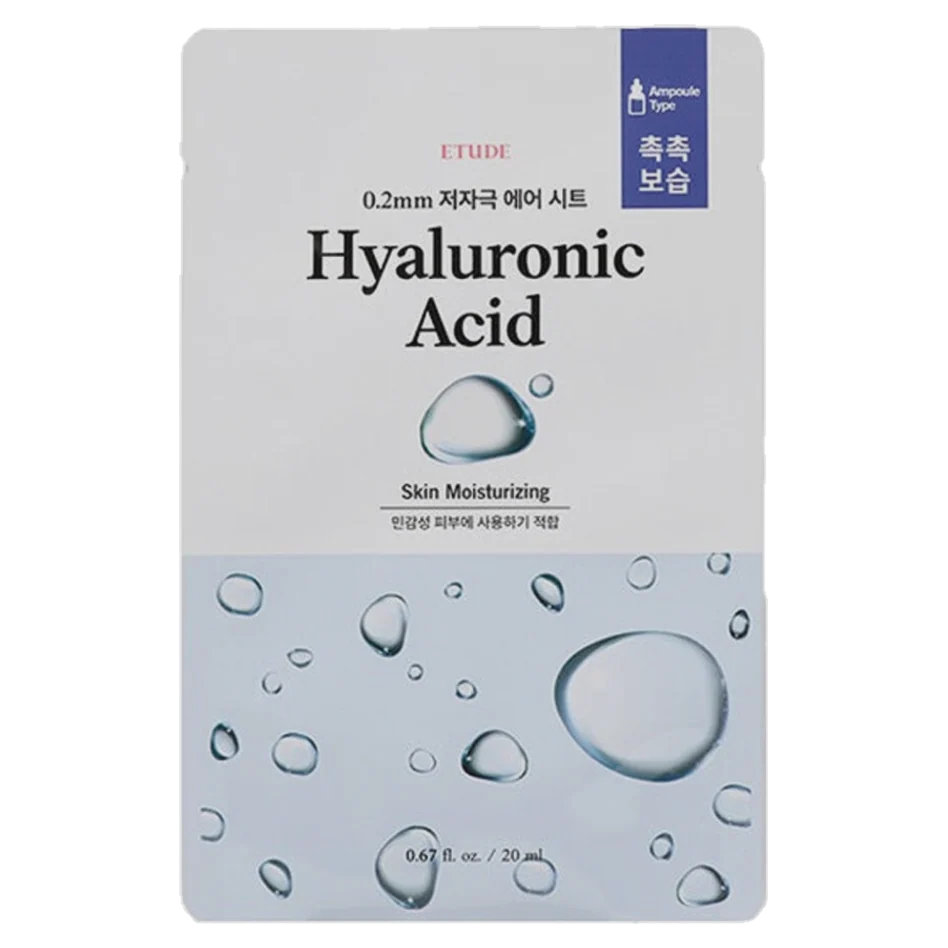
Etude House
0.2mm Therapy Air Mask Hyaluronic Acid
22nd of 35 on the label
below ≈1%
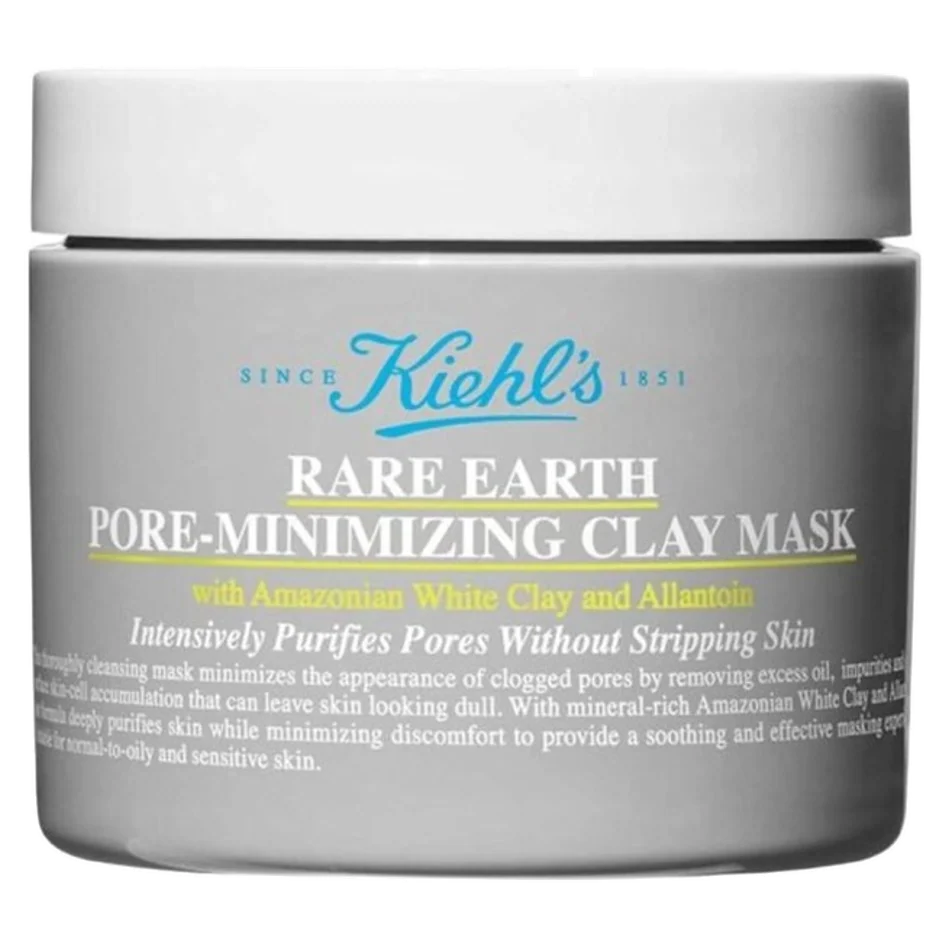
Kiehl's
Rare Earth Pore-Minimizing Clay Mask
7th of 19 on the label
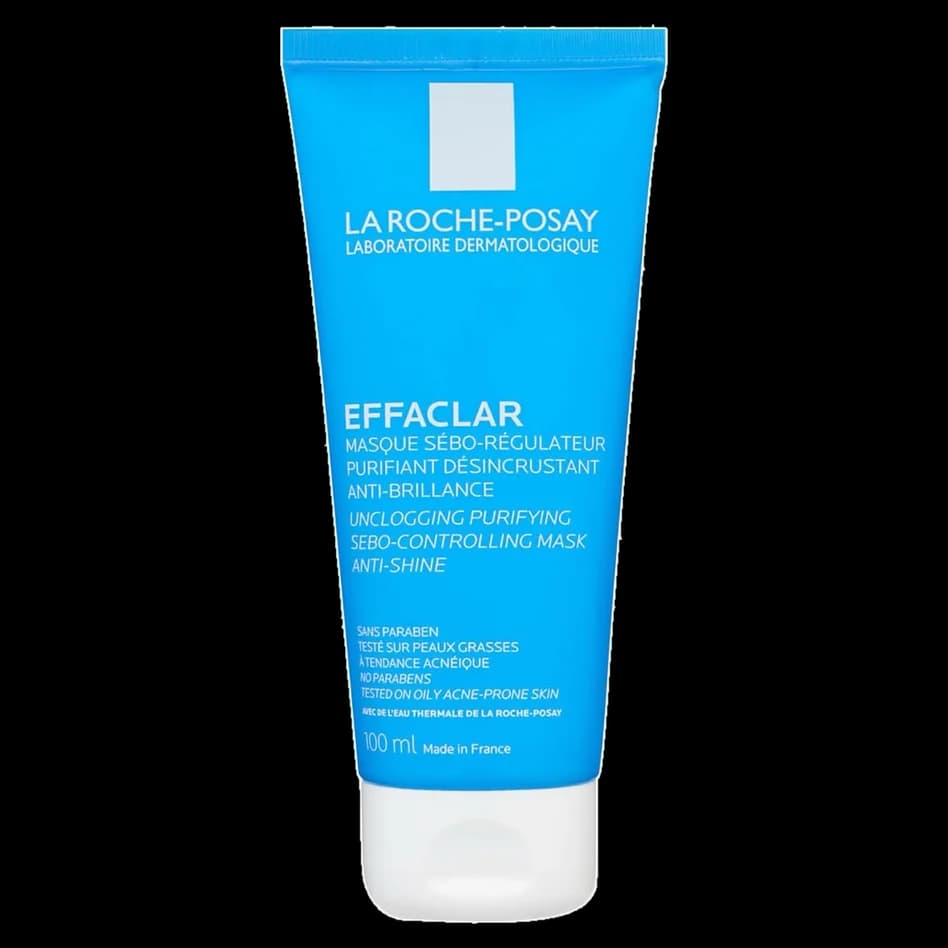
La Roche-Posay
Effaclar Purifying Clay Mask
8th of 20 on the label
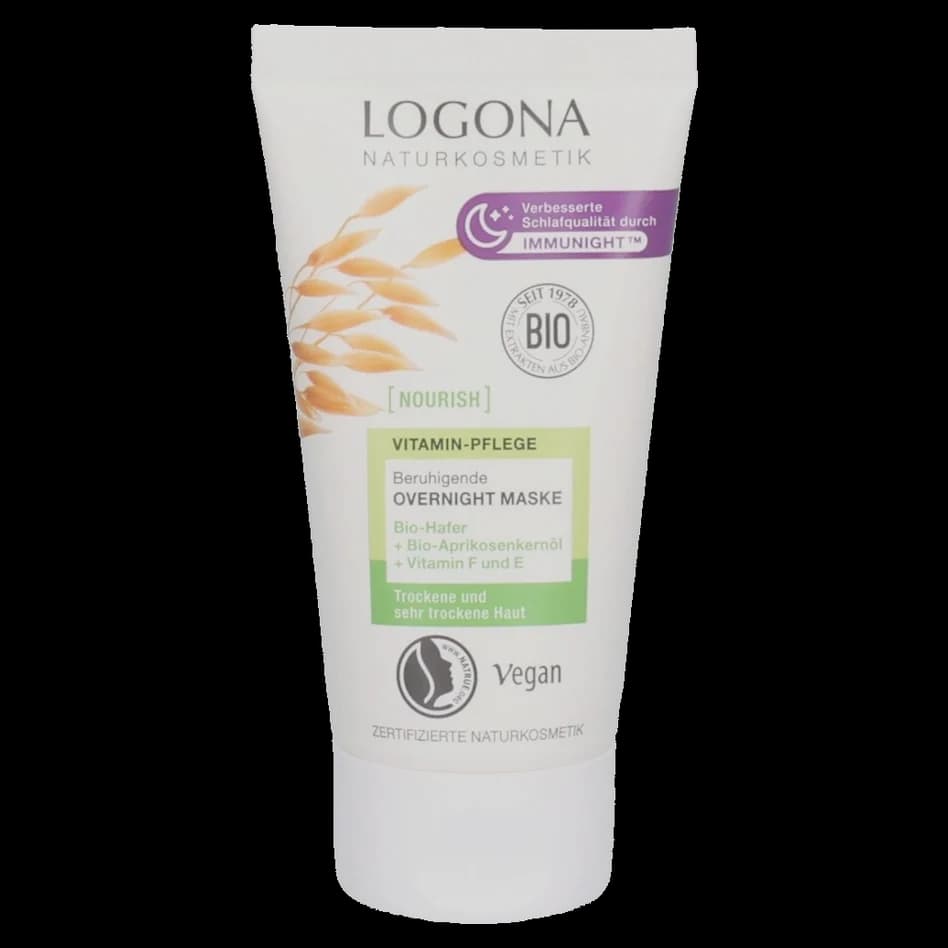
LOGONA
Nourish Beruhigende Overnight Maske
13th of 53 on the label
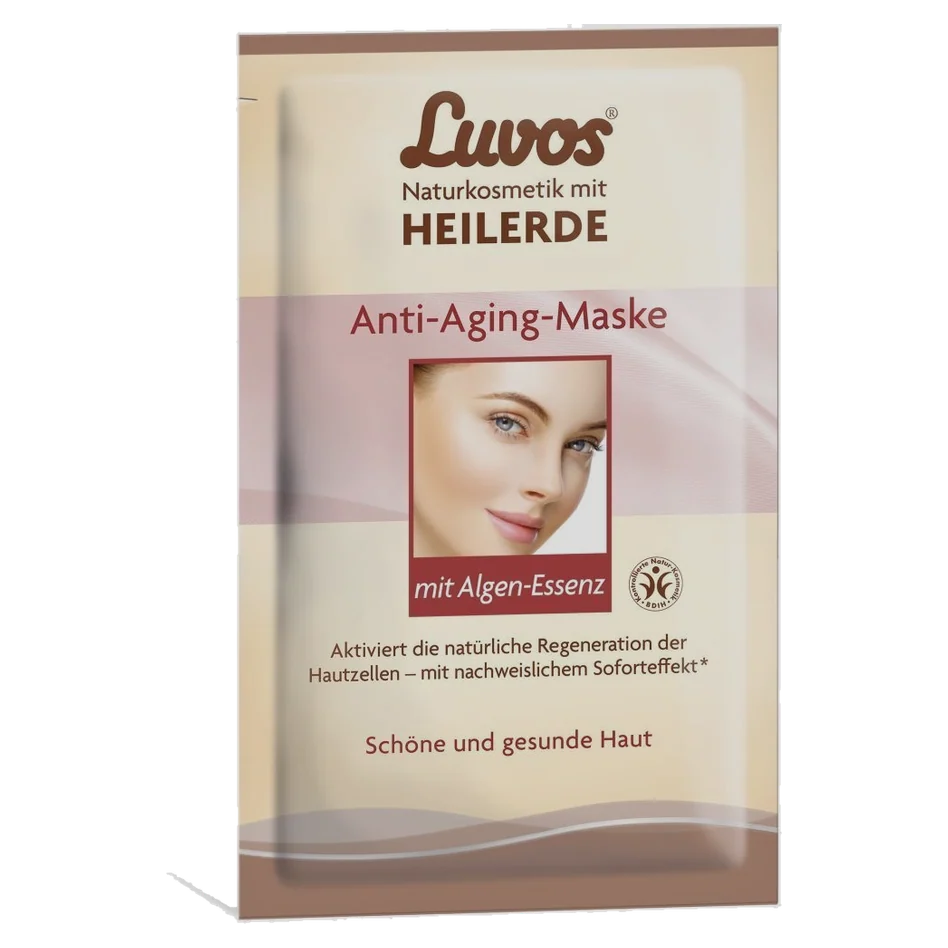
Luvos-Heilerde
Anti-Aging-Maske
4th of 27 on the label
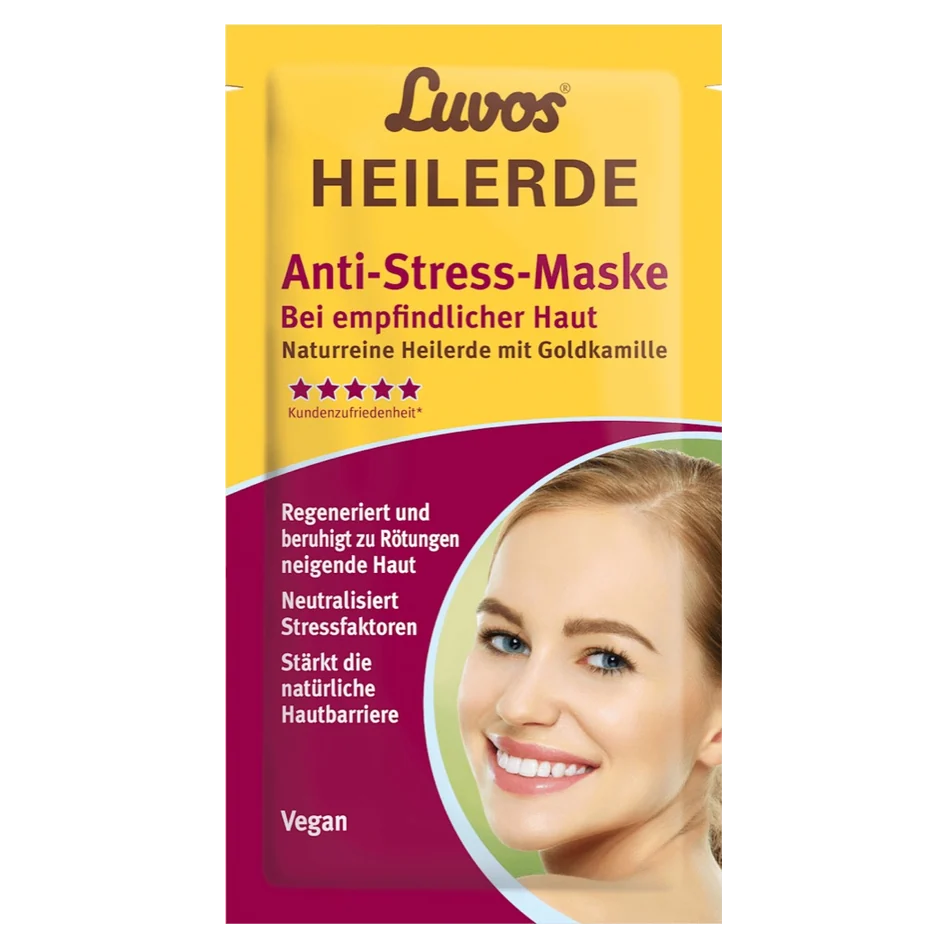
Luvos-Heilerde
Anti-Stress-Maske
4th of 33 on the label
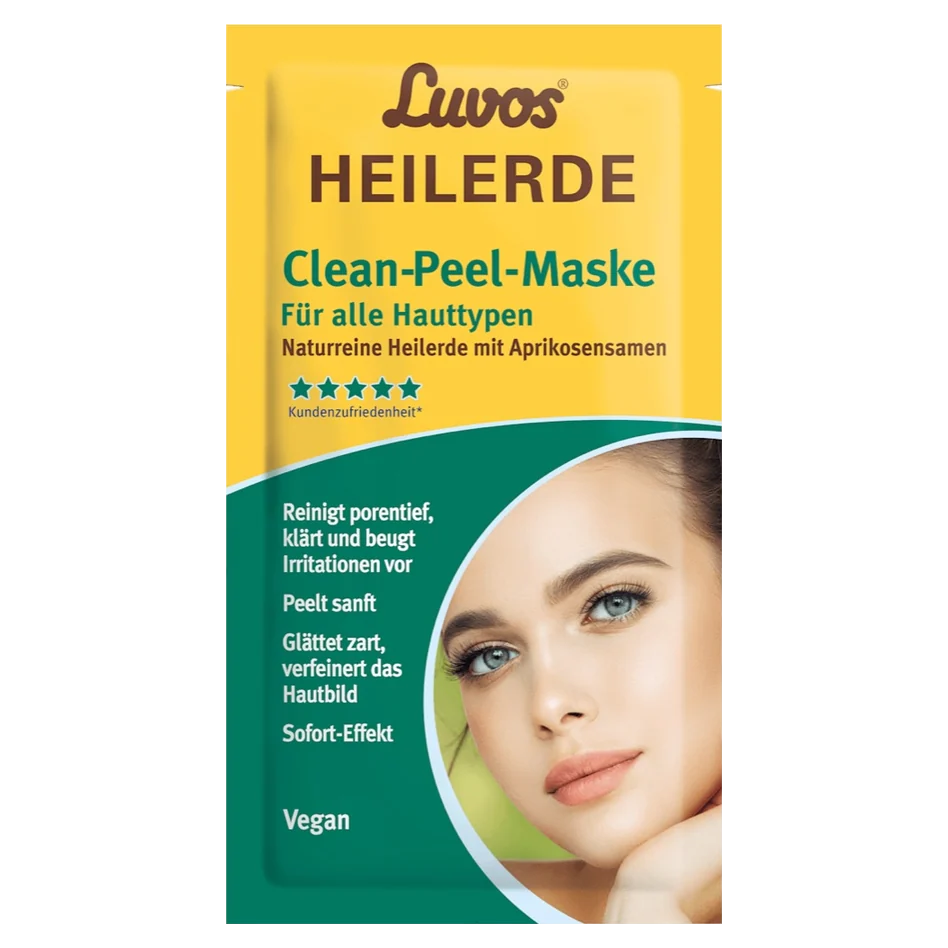
Luvos-Heilerde
Clean-Peel-Maske
4th of 29 on the label
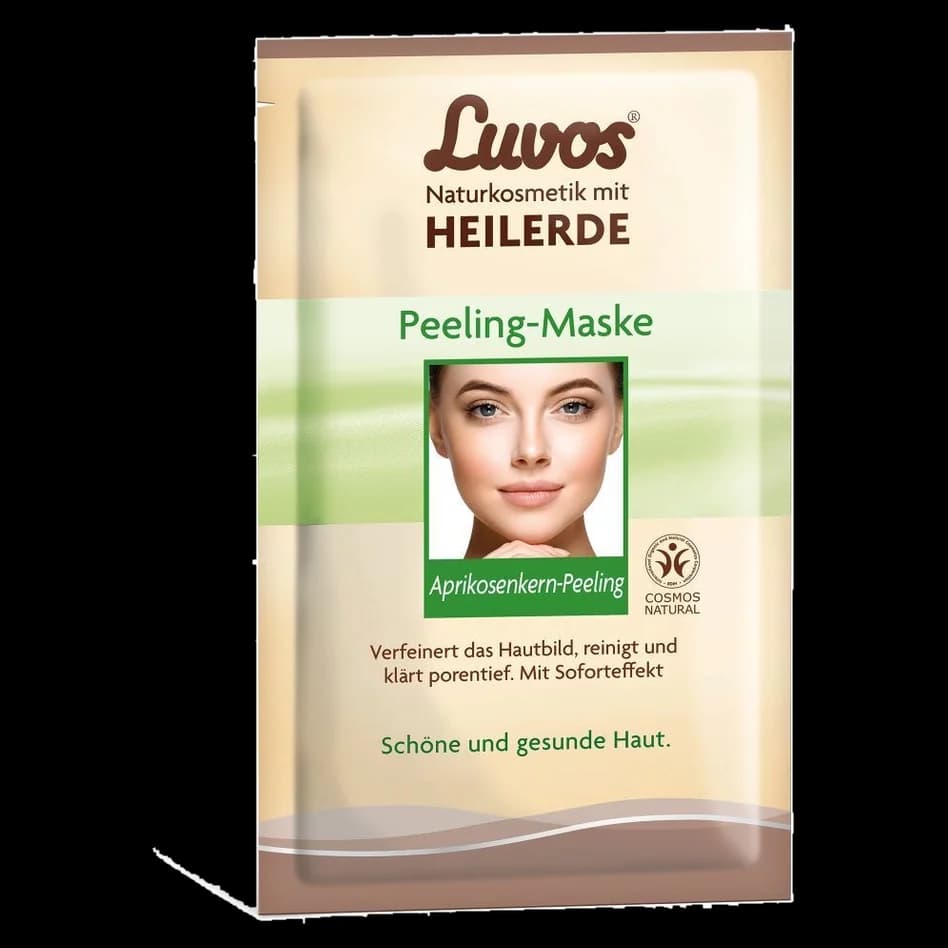
Luvos-Heilerde
Peeling-Maske
4th of 29 on the label
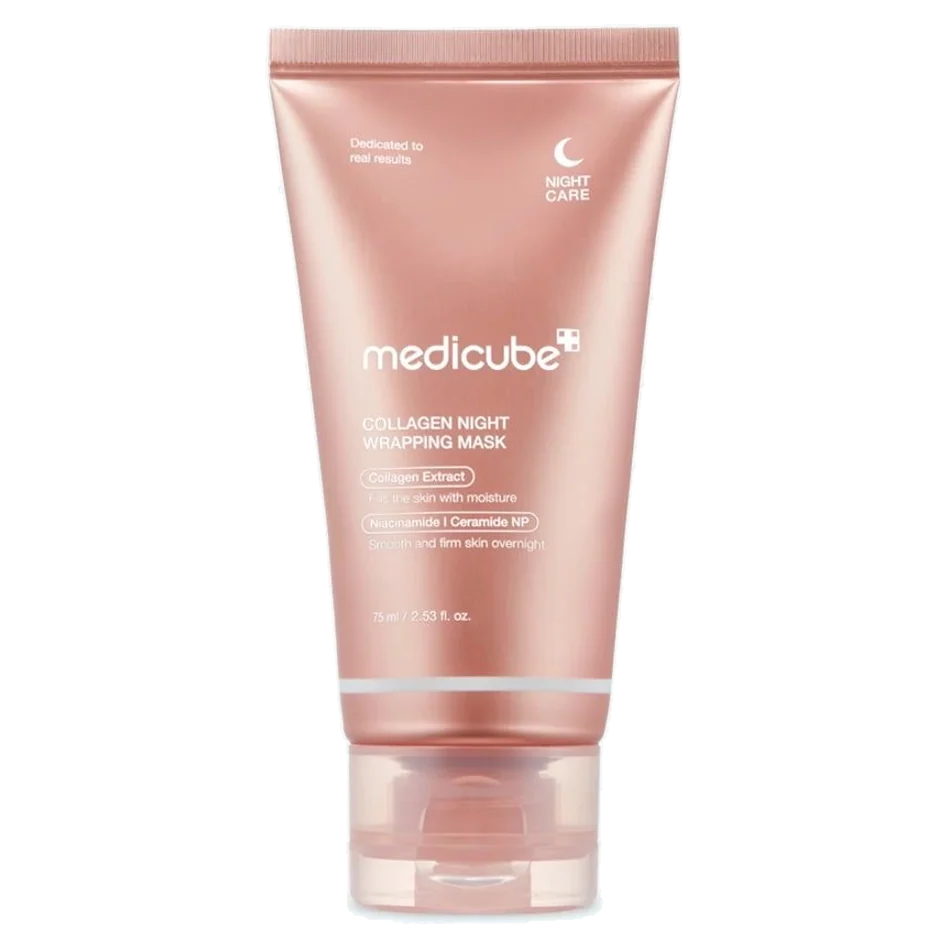
Medicube
Collagen Night Wrapping Mask
17th of 24 on the label
below ≈1%
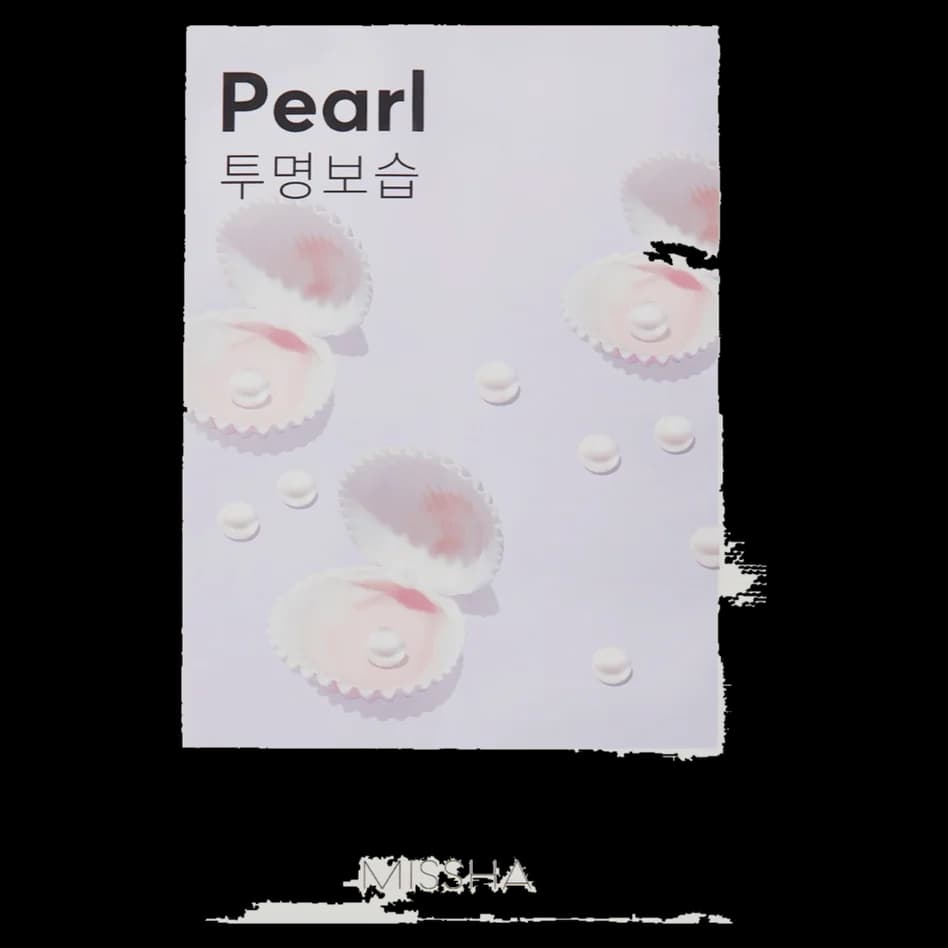
MISSHA
Airy Fit Sheet Mask Pearl
14th of 31 on the label
below ≈1%
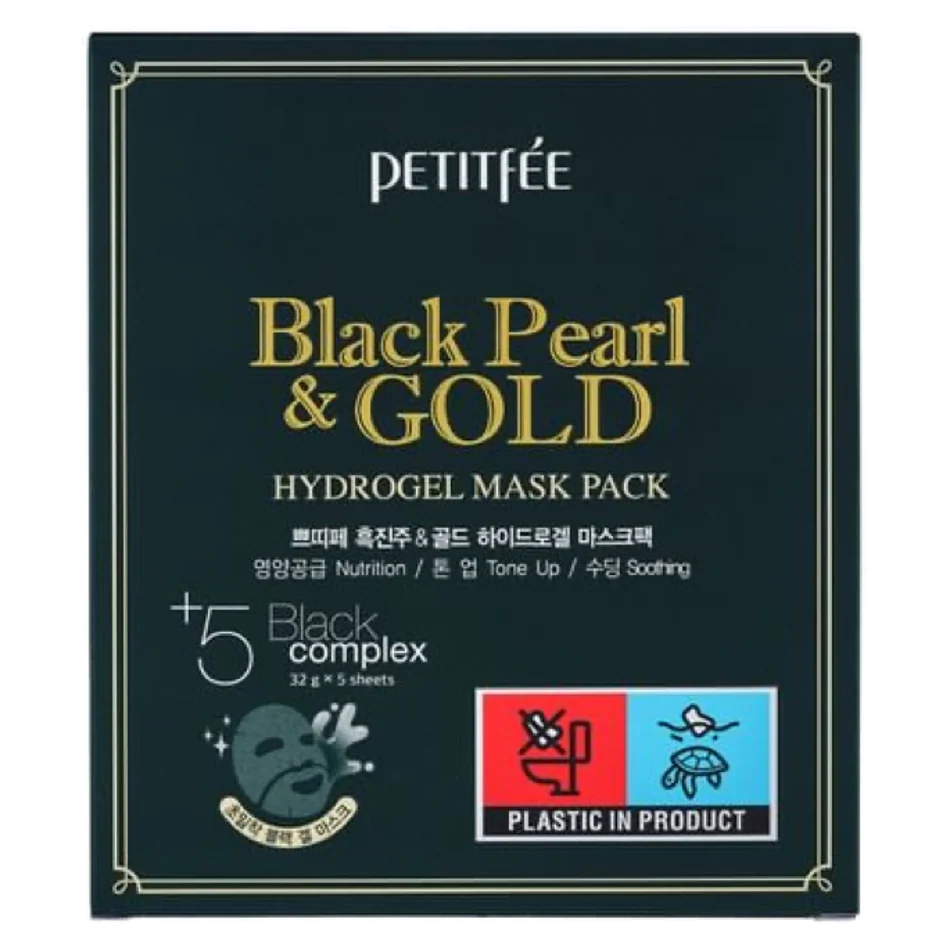
Petitfee
Black Pearl & Gold Hydrogel Mask Pack
7th of 33 on the label
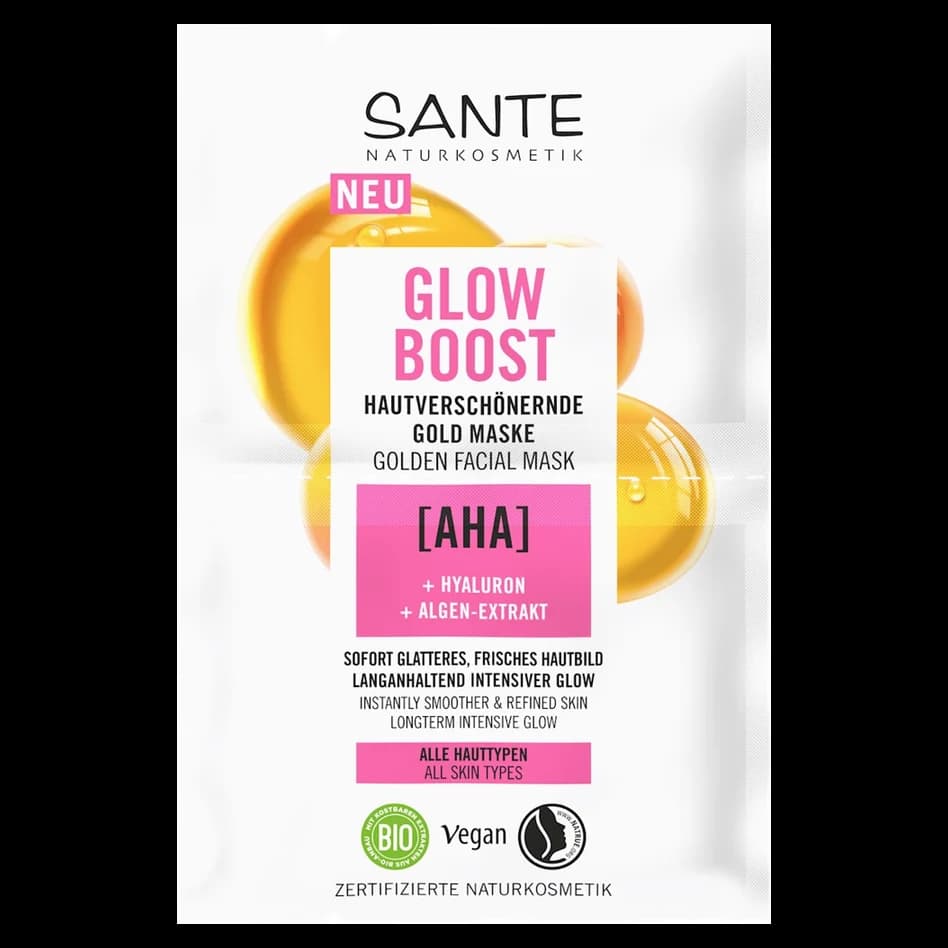
Santé Naturkosmetik
Glow Boost Maske AHA
12th of 29 on the label
below ≈1%
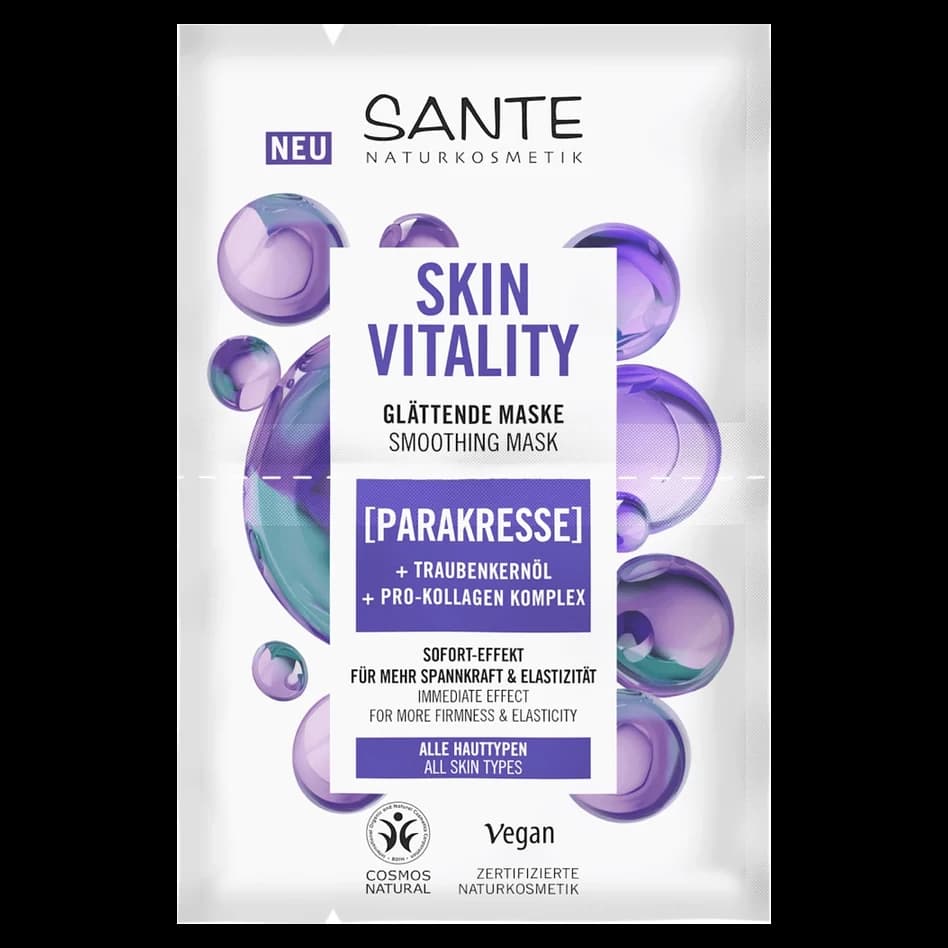
Santé Naturkosmetik
Skin Vitality Maske Parakresse
12th of 33 on the label
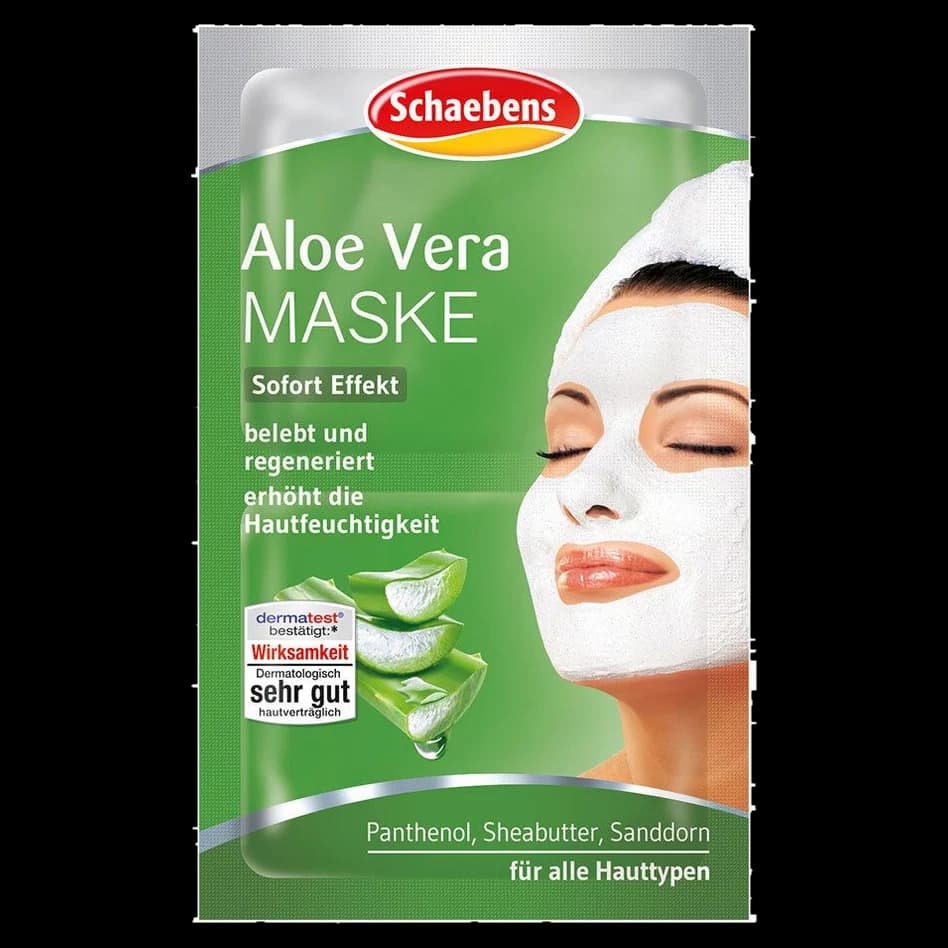
Schaebens
Aloe Vera Maske
4th of 34 on the label
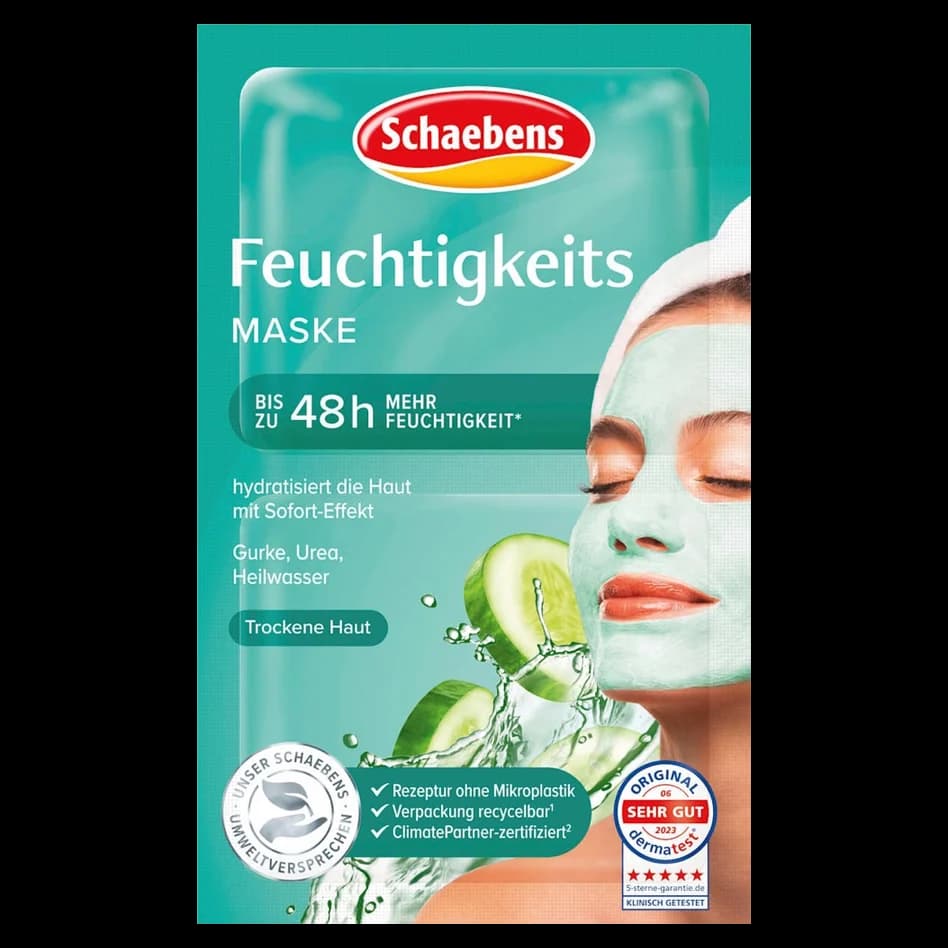
Schaebens
Gesichtsmaske Feuchtigkeit Sofort-Effekt
10th of 38 on the label
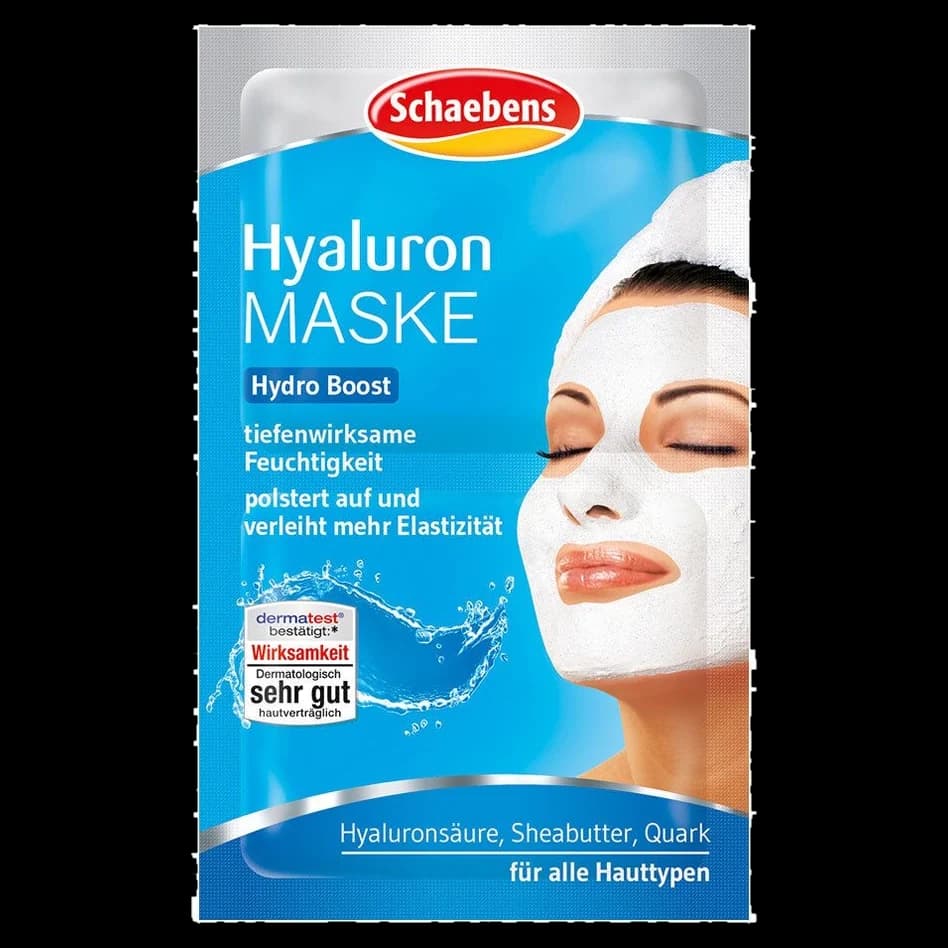
Schaebens
Hyaluron Maske
18th of 32 on the label
below ≈1%
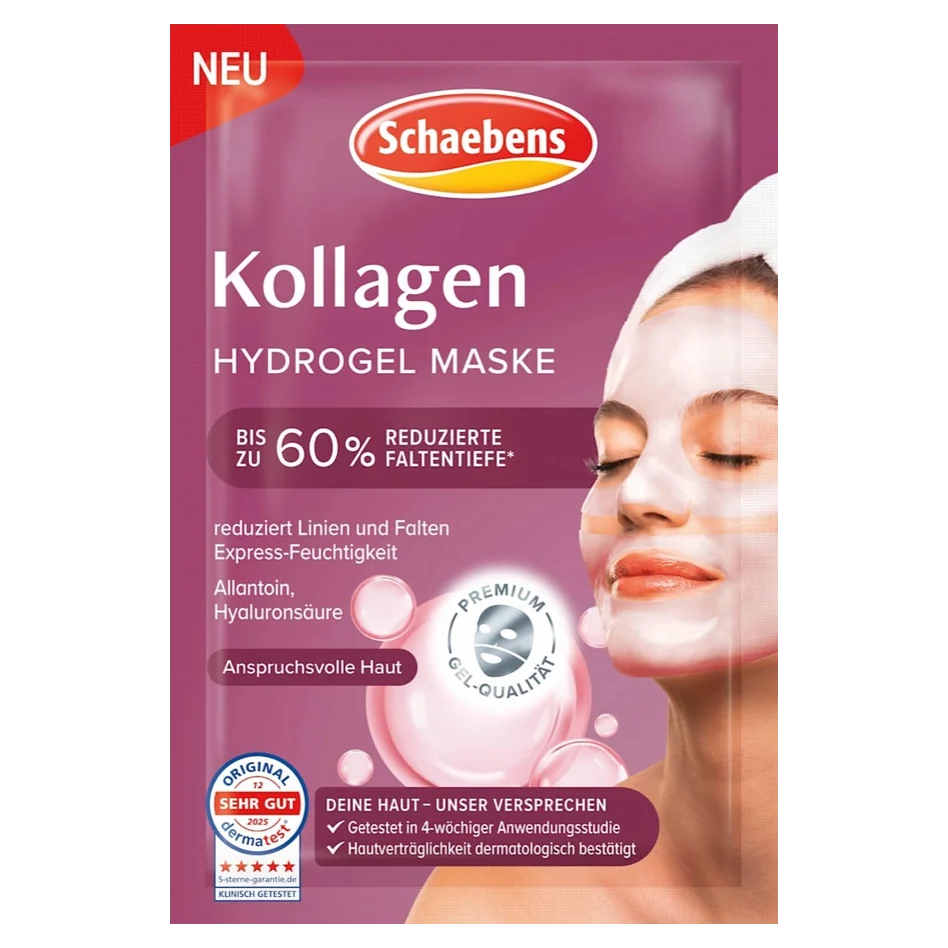
Schaebens
Tuchmaske Kollagen Hydrogel
5th of 27 on the label
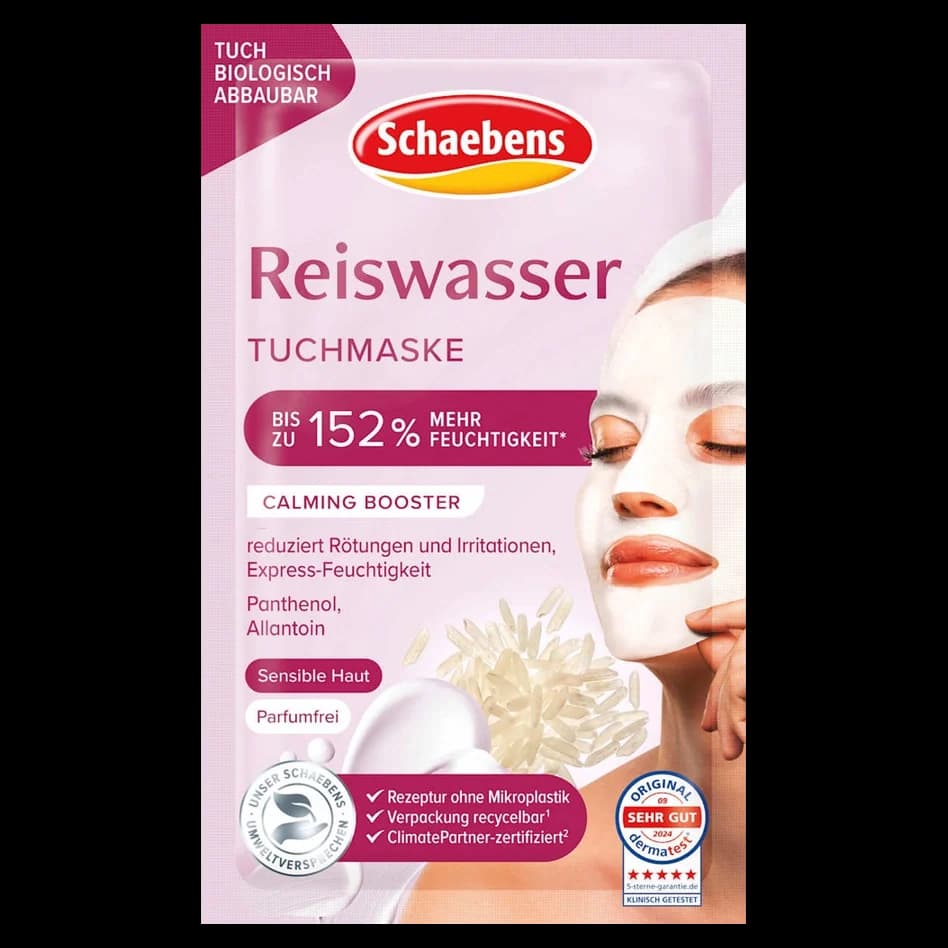
Schaebens
Tuchmaske Reiswasser
15th of 23 on the label
below ≈1%
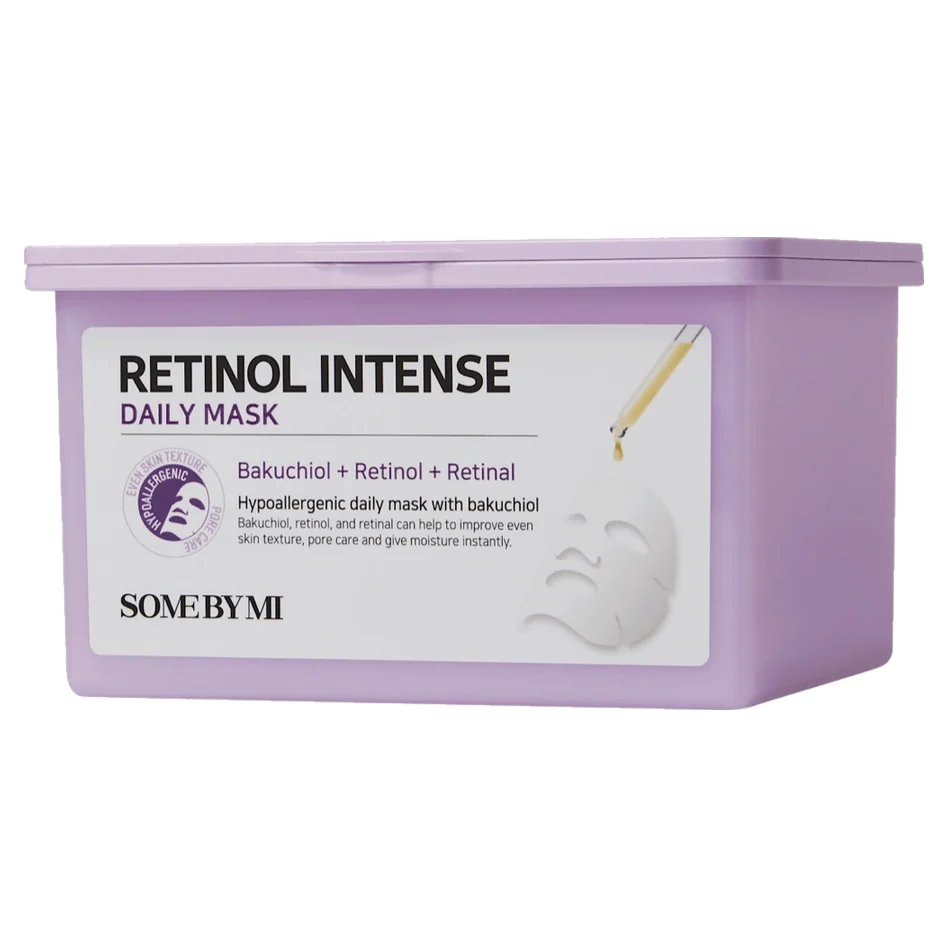
SOME BY MI
Daily Retinol Intense Mask
29th of 62 on the label
below ≈1%
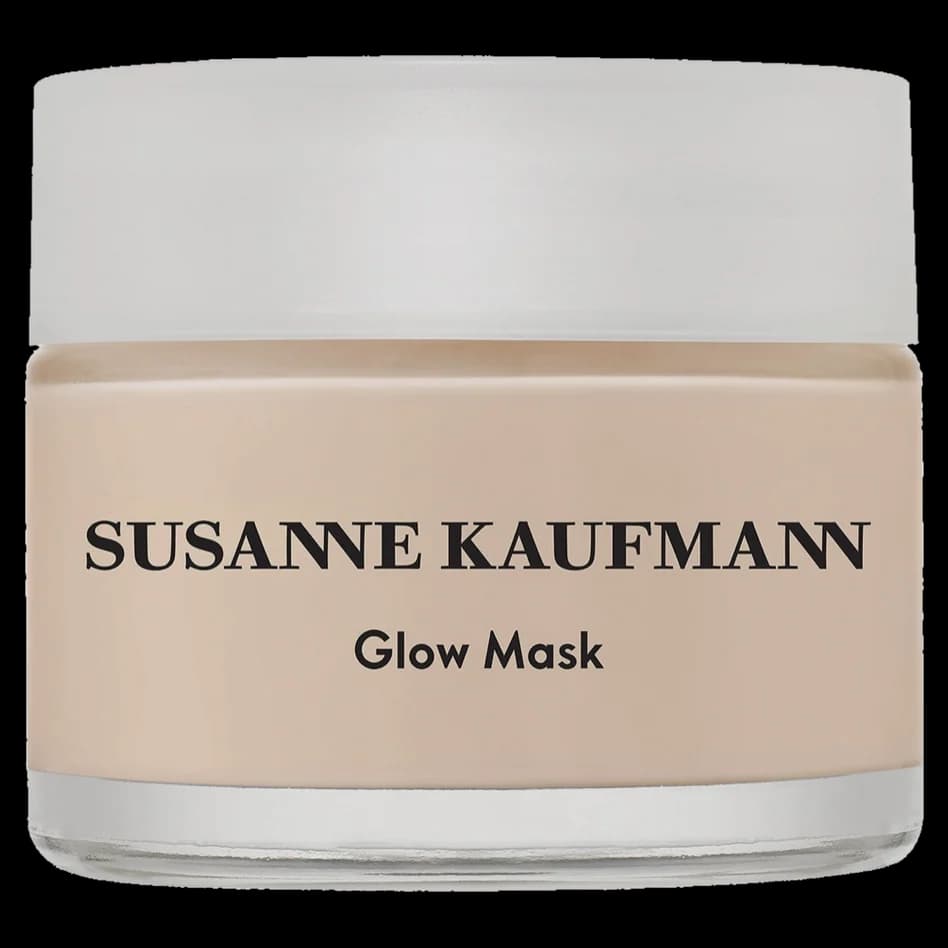
Susanne Kaufmann
Glow Mask
5th of 45 on the label