Squalane
Squalane
No meaningful concern for most people; irritation is possible but rare.
Also written as: Olive Squalane · Sugarcane Squalane · Phytosqualane · Hydrogenated Squalene
What it is
Squalane is a fully saturated hydrocarbon oil made by hydrogenating squalene, a lipid your own body produces and which makes up a few per cent of human sebum. Cosmetic squalane today is mostly fermented from sugarcane or fractionated from olive oil, rather than taken from shark liver as it once was. Formulators reach for it because it spreads thinly, feels dry rather than heavy, dissolves other oily ingredients, and does not go rancid the way unsaturated plant oils do.
How it shows up on a label
Printed in the first third of the list on fifteen of the twenty-two masks here, and above the point where ingredient order stops indicating quantity on eighteen of them. Its job is to make the formula feel cushioned and to carry oil-soluble ingredients rather than to seal the skin.
What it does well
Softens skin and slows water loss without feeling heavy
Squalane is a long-established emollient that fills the microscopic gaps between surface skin cells. The Expert Panel for Cosmetic Ingredient Safety reviewed the available data in 2023 and confirmed it as safe at the concentrations actually used in cosmetics.
Moderate evidence
Extremely resistant to going rancid
Because squalane has no carbon-carbon double bonds, oxygen has nothing to attack. This matters: the unsaturated parent molecule squalene forms squalene monohydroperoxide when exposed to UV, and that peroxide was strongly comedogenic in rabbit skin, whereas squalene itself and its reduced forms were much less so.
Strong evidence
Well tolerated on reactive and blemish-prone skin
Squalane is chemically inert, fragrance-free and closely related to a lipid already present on the skin surface, which is why it is a standard choice in products aimed at sensitive or acne-prone users. Reports of irritation or contact allergy are rare.
Moderate evidence
Worth knowing
It conditions the surface but does not treat anything
Squalane softens and protects; it will not fade pigmentation, clear acne, or rebuild the barrier lipid matrix the way a ceramide-plus-cholesterol blend can. Products sold on squalane alone are moisturisers, not treatments.
Matters most toAnyone buying a product expecting an active effect.
The label does not tell you the source
Shark-liver squalane still exists in the global supply chain, and the INCI name is identical whether the material came from sugarcane, olives or fish. Brands that use plant sources almost always say so explicitly.
Matters most toPeople avoiding animal-derived ingredients.
Where the EU stands
No specific restriction
Not listed in any Annex of the EU Cosmetics Regulation, so there is no specific concentration limit; it is still covered by the general safety assessment every cosmetic product must pass before sale.
Regulation (EC) No 1223/2009 - no annex entry · source ↗
Sources (2)
Every link goes to the original: a journal, a PubMed record or an EU document.
- [1]Squalane and Squalene
International Journal of Toxicology (Cosmetic Ingredient Review) · 2023 · doi:10.1177/10915818231204276
After reviewing studies published since 1982, the expert panel confirmed squalane and squalene as safe for use in cosmetics at current concentrations.
- [2]Comedogenicity of squalene monohydroperoxide in the skin after topical application
Journal of Toxicological Sciences · 2000 · doi:10.2131/jts.25.77
The UV-generated peroxide of squalene was strongly comedogenic in rabbit ear skin while squalene itself was much less so, which is the practical reason cosmetics use the saturated, oxidation-proof squalane instead.
Masks that contain Squalane
Annemarie Börlind
Hydro Gel Mask
5th of 33 on the label
Annemarie Börlind
Sensitive Cream Mask
3rd of 31 on the label
Balea
Gesichtsmaske Beauty Hyaluron Hydrogel
4th of 28 on the label
Balea
Gesichtsmaske Glass Skin Hyaluronic Be You
21st of 30 on the label
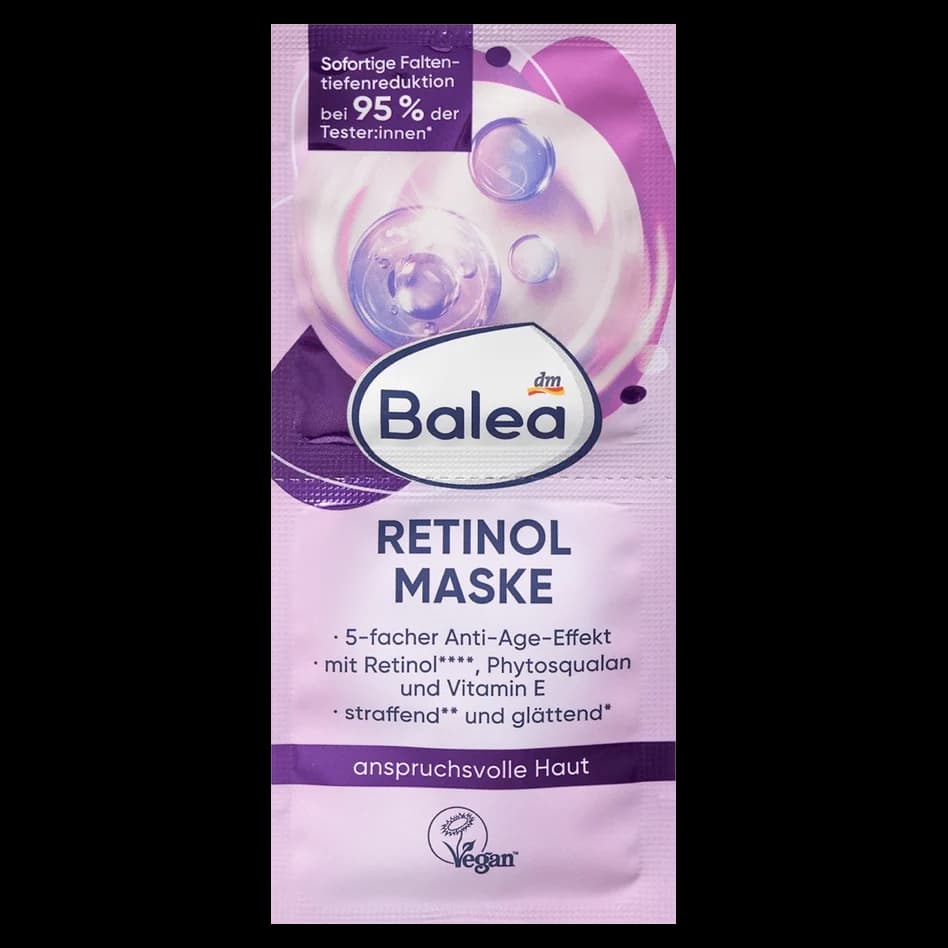
Balea
Gesichtsmaske Retinol
10th of 23 on the label
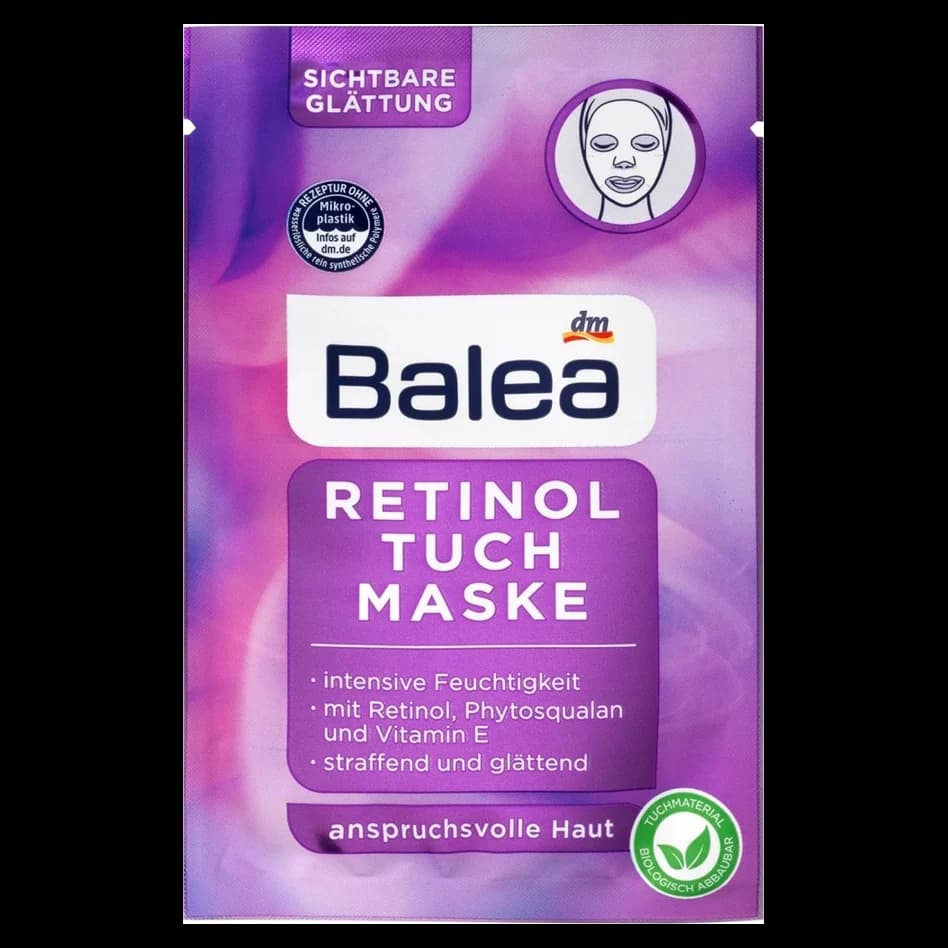
Balea
Tuchmaske Retinol
5th of 16 on the label
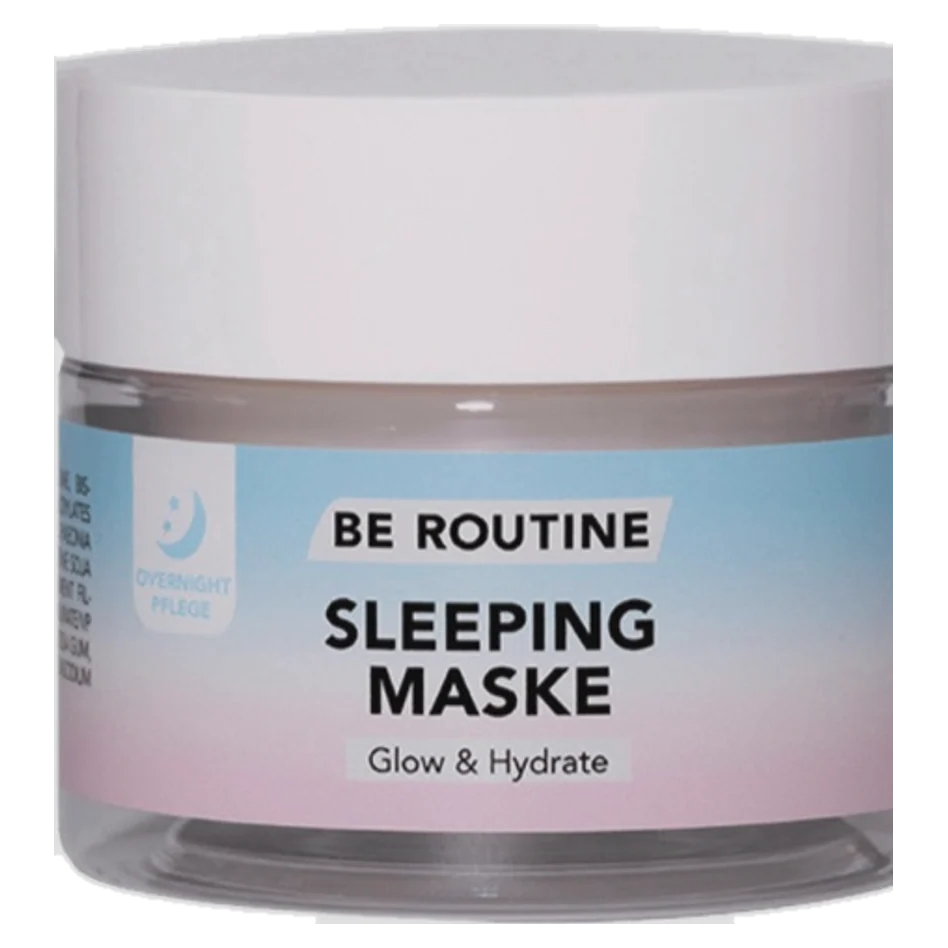
Be Routine
Schlafmaske Glow & Hydrate
8th of 27 on the label
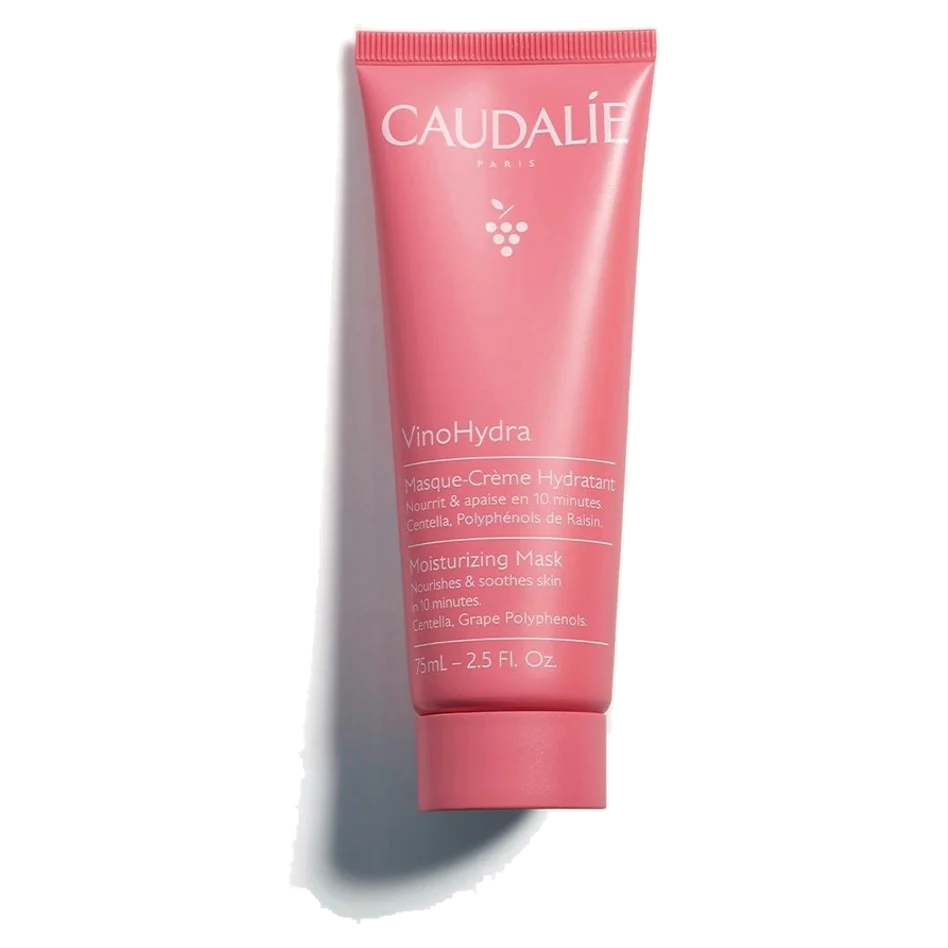
Caudalie
VinoHydra Moisturising Cream Mask (Masque-Creme Hydratant)
7th of 32 on the label
DERMASEL
EXKLUSIV Totes Meer Maske Anti Aging
5th of 26 on the label
hautsache
Gesichtsmaske Brightening
19th of 33 on the label
below ≈1%
LANEIGE
Water Sleeping Mask
7th of 43 on the label
LOGONA
Nourish Beruhigende Overnight Maske
27th of 53 on the label
below ≈1%
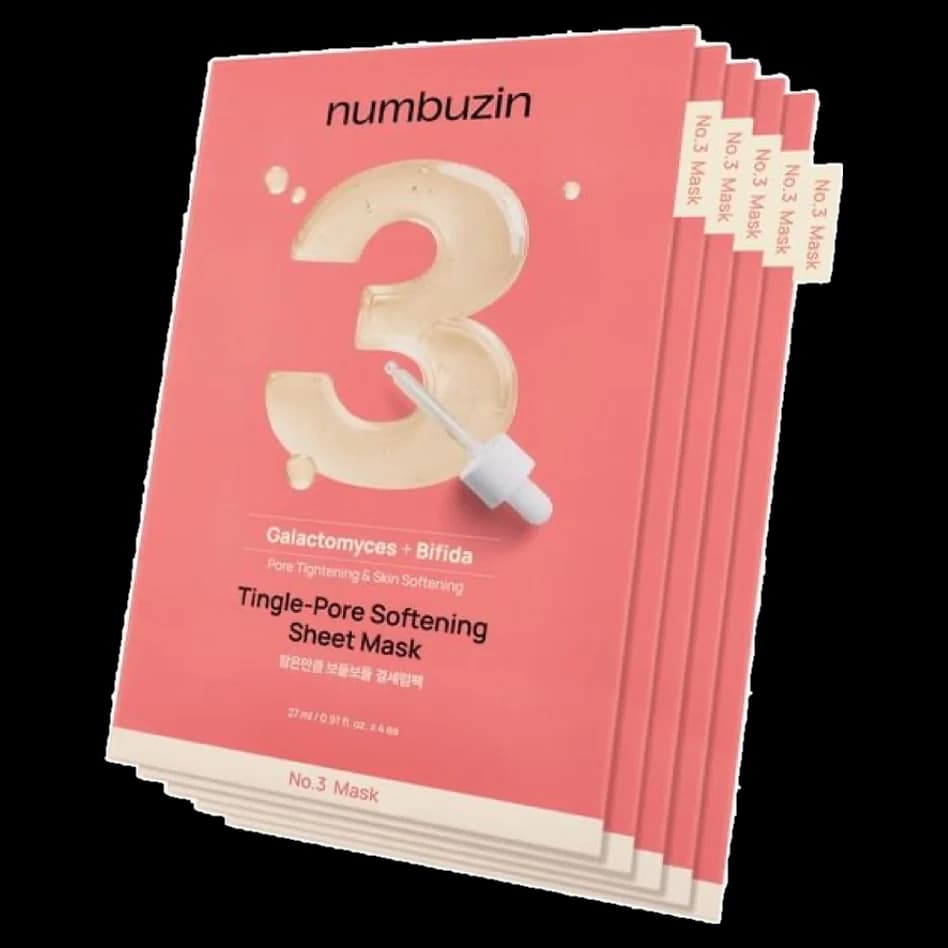
numbuzin
No.3 Tingle-Pore Softening Sheet Mask
23rd of 42 on the label
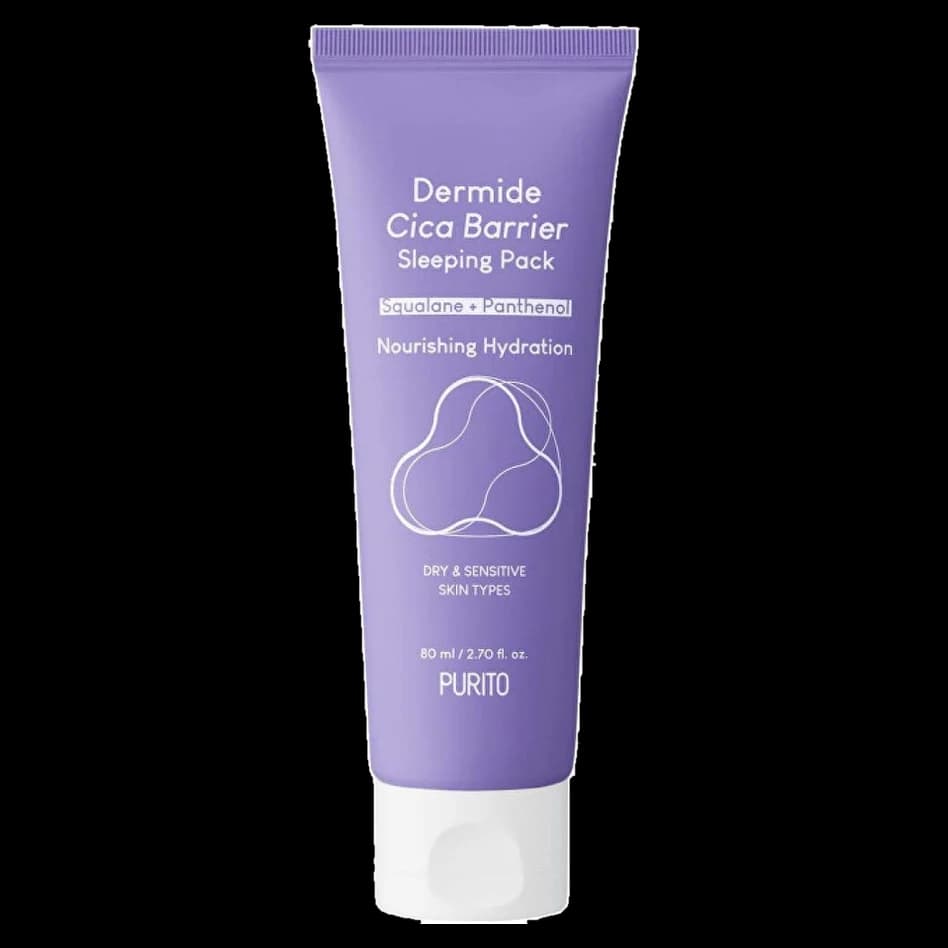
PURITO
Dermide Cica Barrier Sleeping Pack
7th of 15 on the label
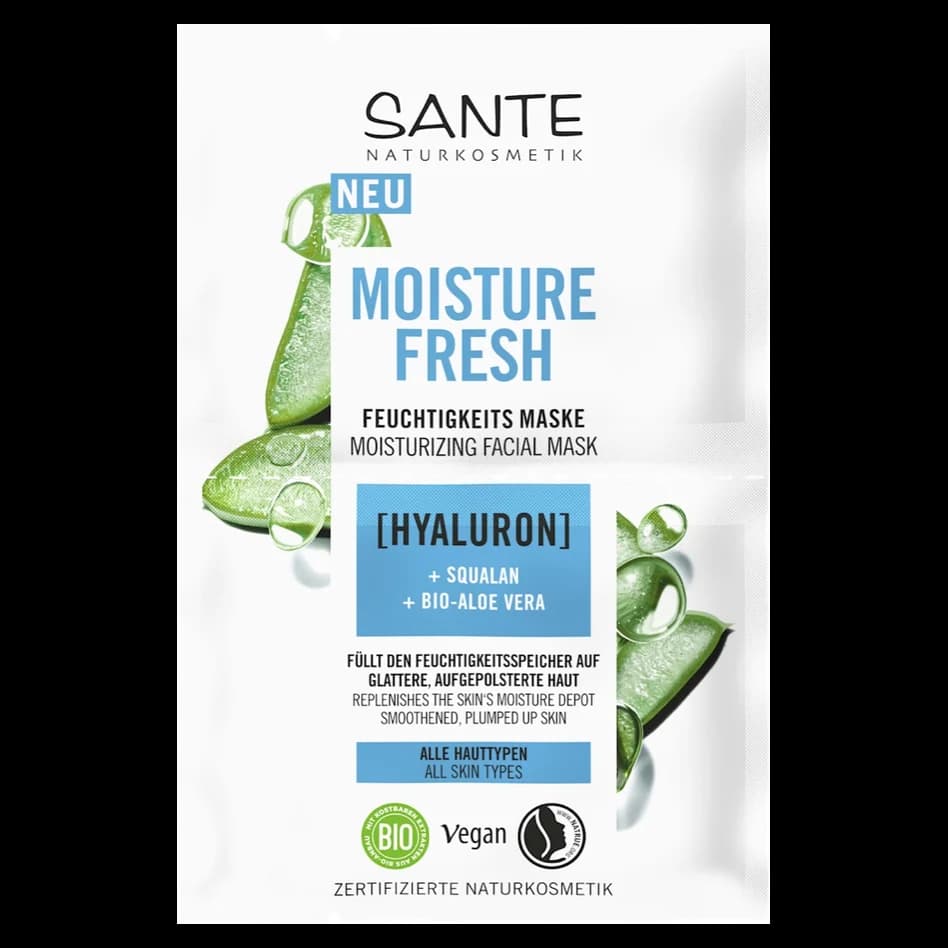
Santé Naturkosmetik
Moisture Fresh Maske Hyaluron
6th of 24 on the label
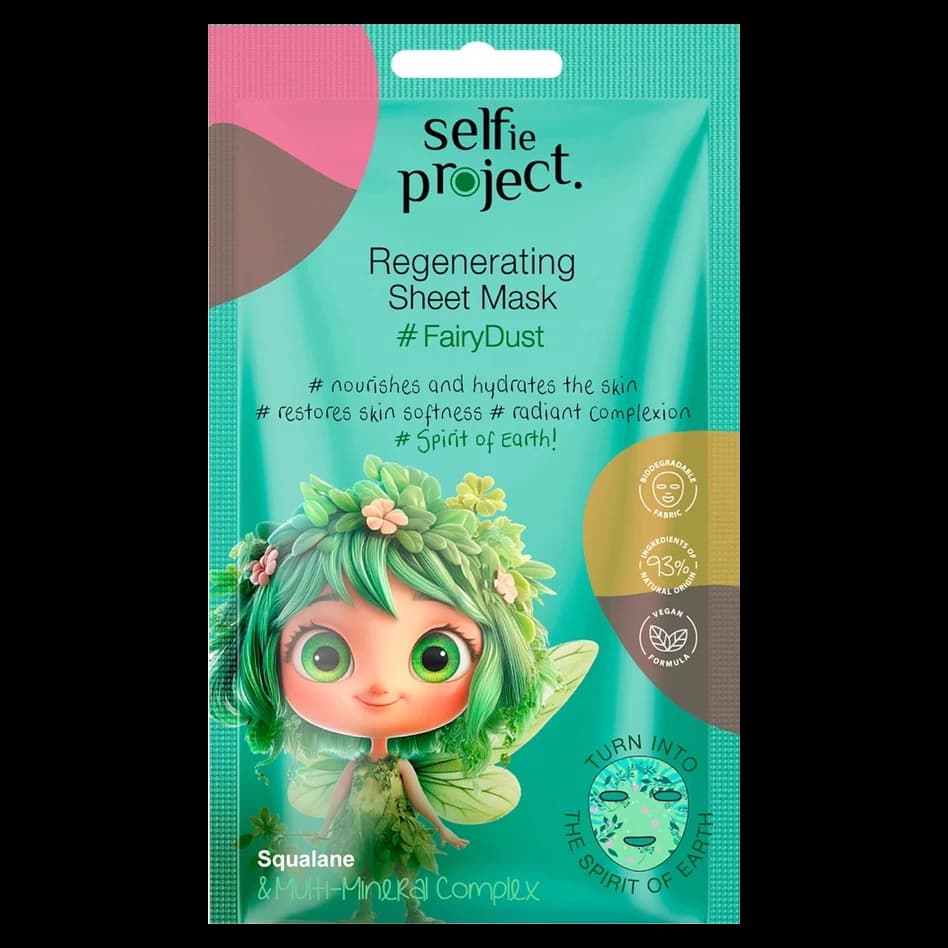
Selfie Project
Tuchmaske Regenerating #FairyDust
5th of 33 on the label
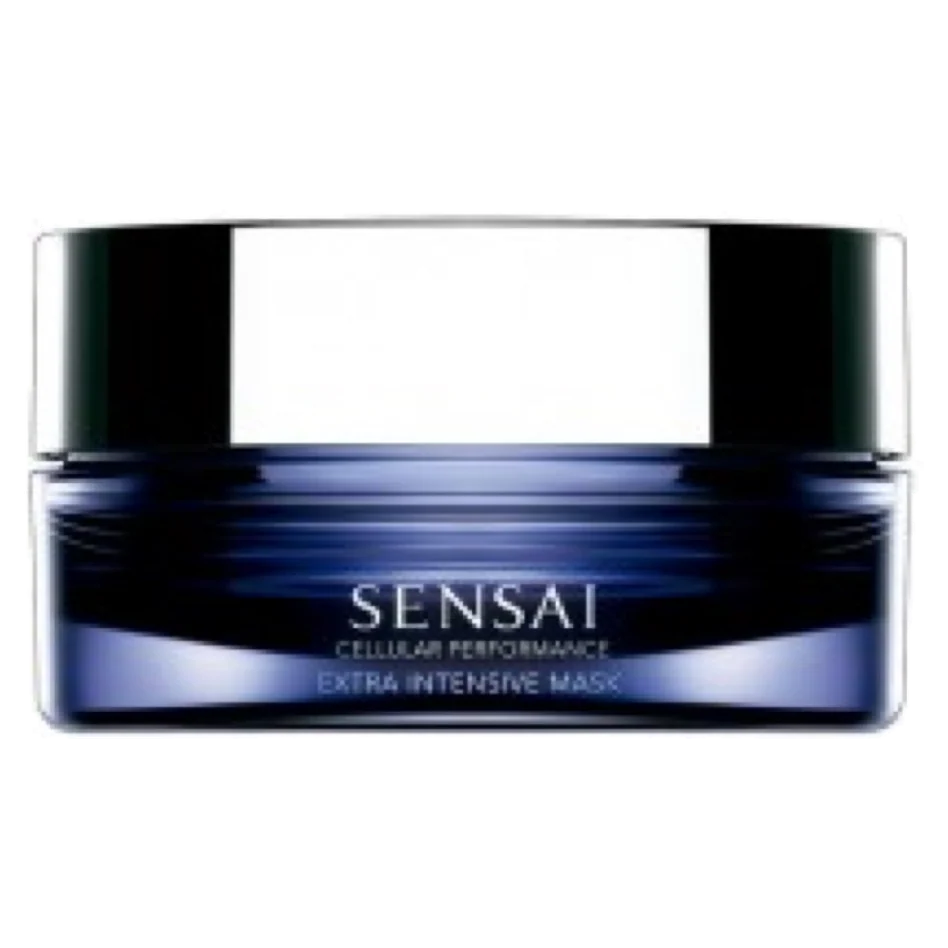
Sensai
Cellular Performance Extra Intensive Mask
6th of 44 on the label
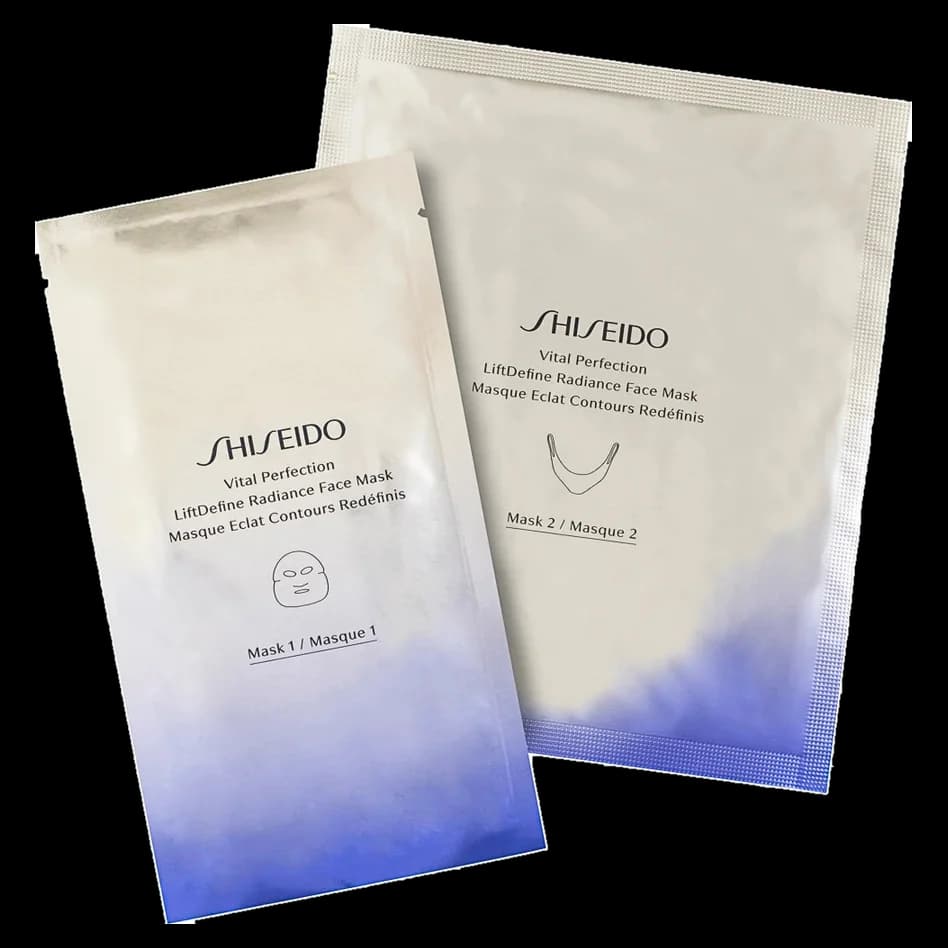
Shiseido
Vital Perfection LiftDefine Radiance Face Mask
4th of 81 on the label
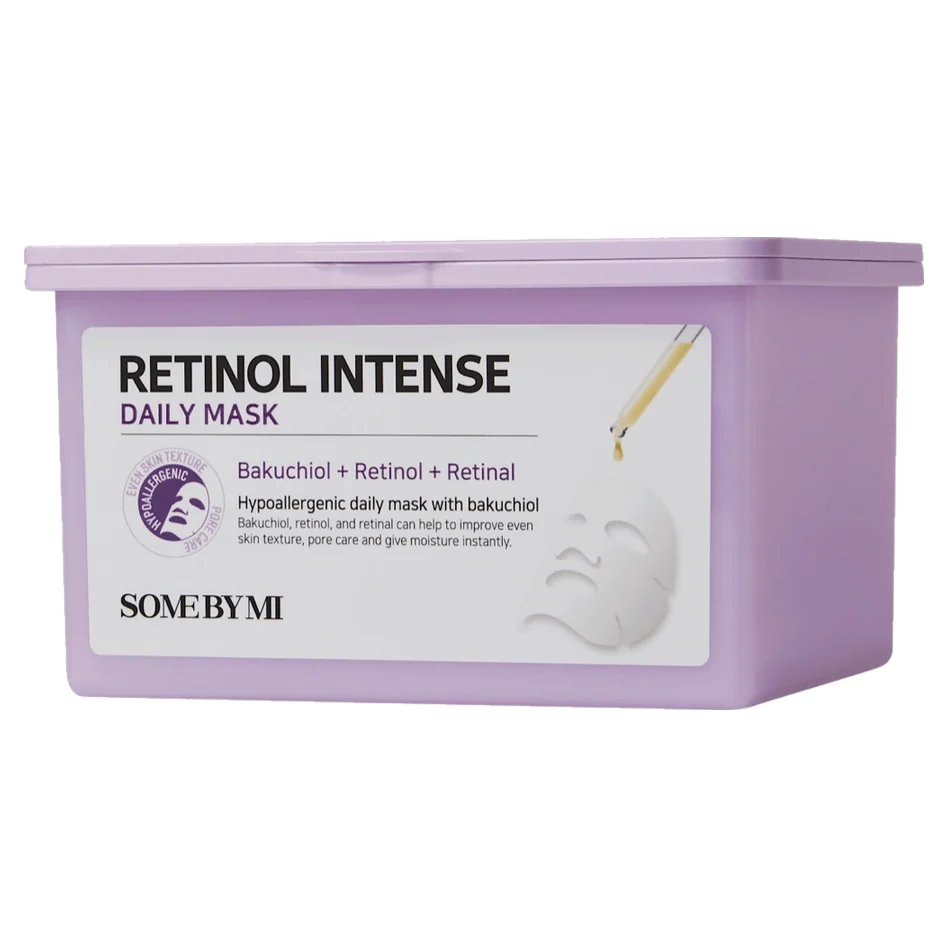
SOME BY MI
Daily Retinol Intense Mask
26th of 62 on the label
below ≈1%
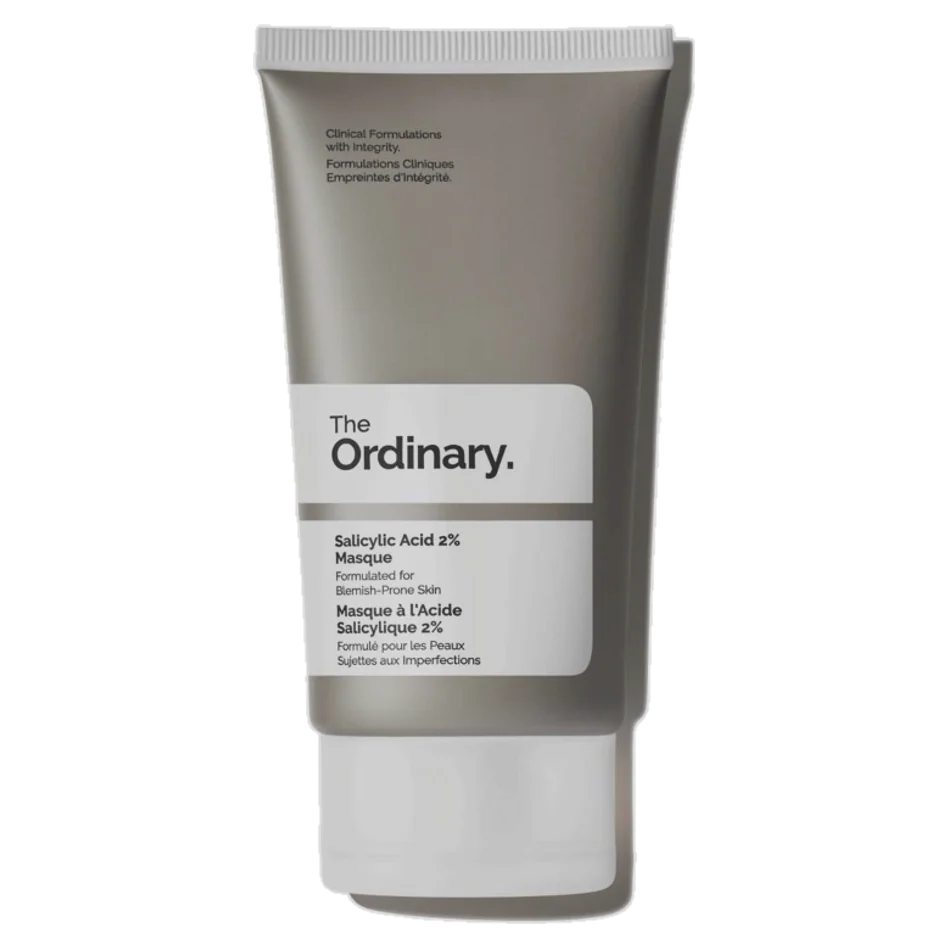
The Ordinary
Salicylic Acid 2% Masque
3rd of 19 on the label
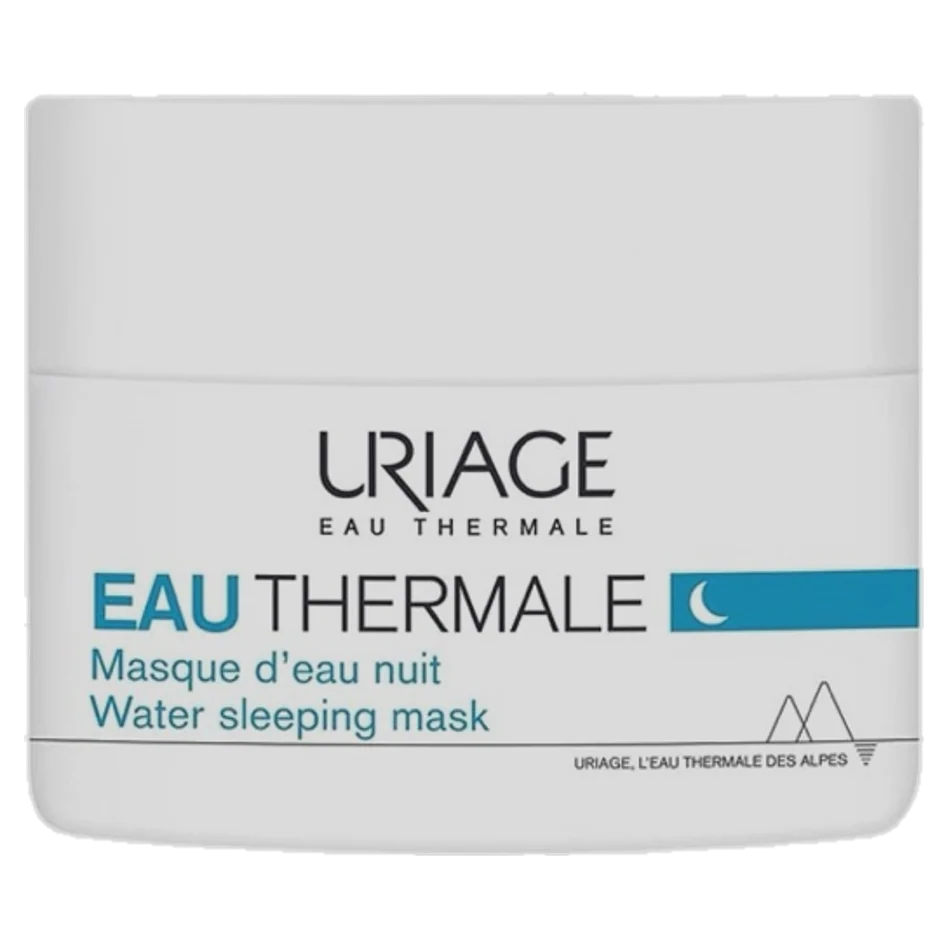
Uriage
Eau Thermale Water Sleeping Mask
6th of 29 on the label
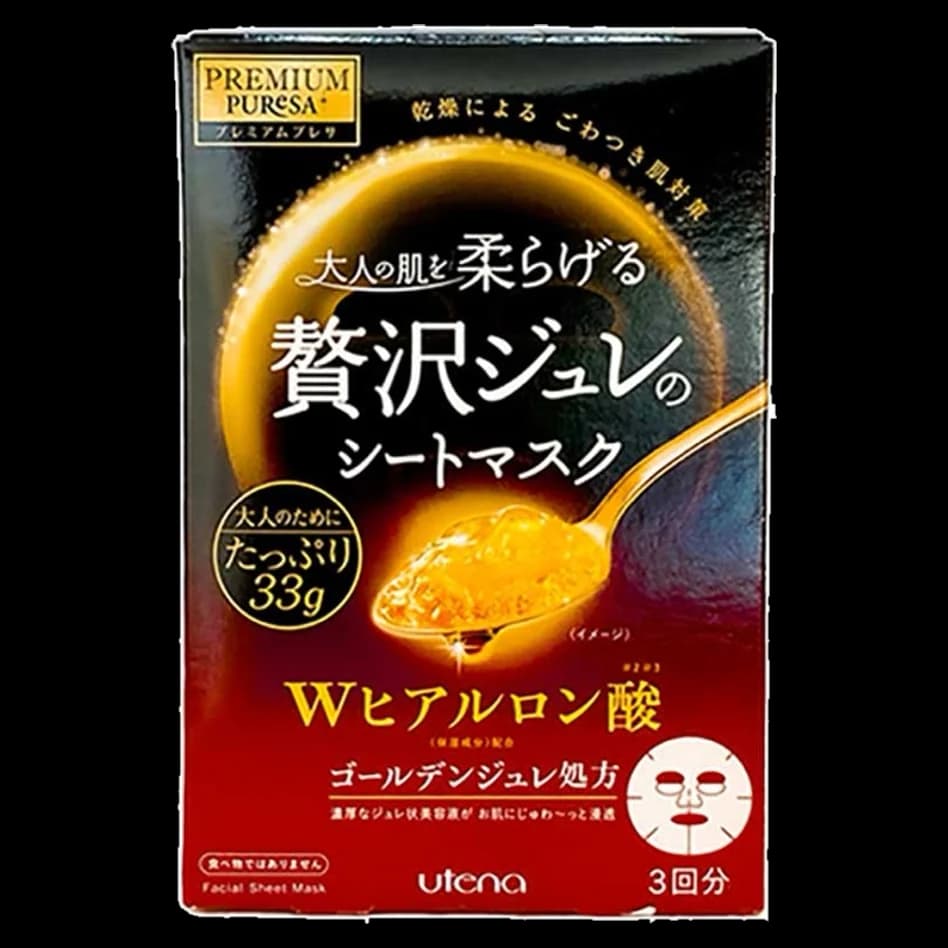
Utena
Premium Puresa Golden Jelly Mask (Hyaluronic Acid)
8th of 35 on the label