Butyrospermum Parkii (Shea) Butter
Shea butter
No meaningful concern for most people; irritation is possible but rare.
Also written as: Butyrospermum Parkii Butter · Shea Butter · Vitellaria Paradoxa Butter · Karite Butter
What it is
Shea butter is pressed from the kernels of the West African shea tree, listed in cosmetics under its older botanical name Butyrospermum parkii (now Vitellaria paradoxa). Around 85 to 90% of it is ordinary fatty acids, mostly oleic and stearic, but it has an unusually large unsaponifiable fraction of triterpene esters and plant sterols, which is what distinguishes it from a plain vegetable fat. It melts at body temperature, so formulators use it both as a rich emollient and as a natural way to thicken a cream or a mask.
How it shows up on a label
Printed in the first third of the list on twenty-four of the thirty-five masks here, and above the point where ingredient order stops indicating quantity on twenty-three of them. Unrefined shea has a distinct nutty smell and a grainy texture; refined shea is odourless and smoother but has lost some of the unsaponifiable fraction.
What it does well
Strong, long-lasting protection against water loss
Its high stearic acid content makes it solid at room temperature and slow to absorb, so it stays on the surface longer than a liquid oil. Reviews of plant oils in dermatology consistently list shea among the more effective occlusive plant fats for very dry skin.
Moderate evidence
Performed comparably to a ceramide product in childhood eczema
In a 34-patient open study in children with atopic dermatitis, a cream containing shea butter extract was acceptable to about three quarters of patients and showed no difference in efficacy from a ceramide-precursor moisturiser tested previously. The study was small, unblinded and not placebo controlled.
Limited evidence
The unsaponifiable fraction has anti-inflammatory activity
Shea's triterpene alcohols and cinnamate esters show anti-inflammatory effects in laboratory work summarised in dermatology reviews of plant oils. This has not been translated into a controlled clinical trial of shea butter as a treatment.
Limited evidence
Worth knowing
Rare but genuine contact allergy
Allergic contact dermatitis to shea butter is documented, including a 2024 case of cheilitis confirmed by patch testing. It is uncommon enough that shea remains a mainstream ingredient, but it is not a zero-risk material.
Matters most toPeople with persistent lip or eyelid dermatitis who have not identified a cause.
Rich texture can be too much for oily or blemish-prone skin
Shea is dominated by oleic and stearic acid rather than linoleic acid, and heavy occlusive fats are more often reported to aggravate congestion. This is a texture and tolerance question, not a safety one, and it varies a lot between individuals.
Matters most toPeople with oily or acne-prone skin using rich leave-on masks.
Widely assumed to be dangerous for people with nut allergy
This concern is largely unfounded. Shea is not one of the nuts EU food law requires to be declared as an allergen, cosmetic shea butter is a refined fat containing very little protein, and there is no established pattern of reactions in tree-nut allergic patients. The Cosmetic Ingredient Review panel assessed shea-derived ingredients as safe when formulated to be non-sensitising.
Matters most toPeople with tree-nut allergy who have been told to avoid shea; worth discussing with an allergist rather than assuming.
Where the EU stands
No specific restriction
Not listed in any Annex of the EU Cosmetics Regulation, so there is no specific concentration limit; it is still covered by the general safety assessment every cosmetic product must pass before sale.
Regulation (EC) No 1223/2009 - no annex entry · source ↗
Sources (3)
Every link goes to the original: a journal, a PubMed record or an EU document.
- [1]Safety Assessment of Butyrospermum parkii (Shea)-Derived Ingredients as Used in Cosmetics
International Journal of Toxicology (Cosmetic Ingredient Review) · 2024 · doi:10.1177/10915818231224230
The expert panel concluded that thirteen shea-derived cosmetic ingredients are safe in current practices of use and concentration when formulated to be non-sensitising.
- [2]Contact allergy to Butyrospermum parkii butter in a patient with cheilitis
Contact Dermatitis · 2024 · doi:10.1111/cod.14478
A patch-test-confirmed case report showing that shea butter can, uncommonly, act as a contact allergen.
- [3]Patient acceptability, efficacy, and skin biophysiology of a cream and cleanser containing lipid complex with shea butter extract versus a ceramide product for eczema
Hong Kong Medical Journal · 2015 · doi:10.12809/hkmj144472
A shea butter cream was acceptable to about three quarters of children with atopic dermatitis and did not differ in efficacy from a ceramide-precursor moisturiser, in a small uncontrolled study.
Masks that contain Butyrospermum Parkii (Shea) Butter
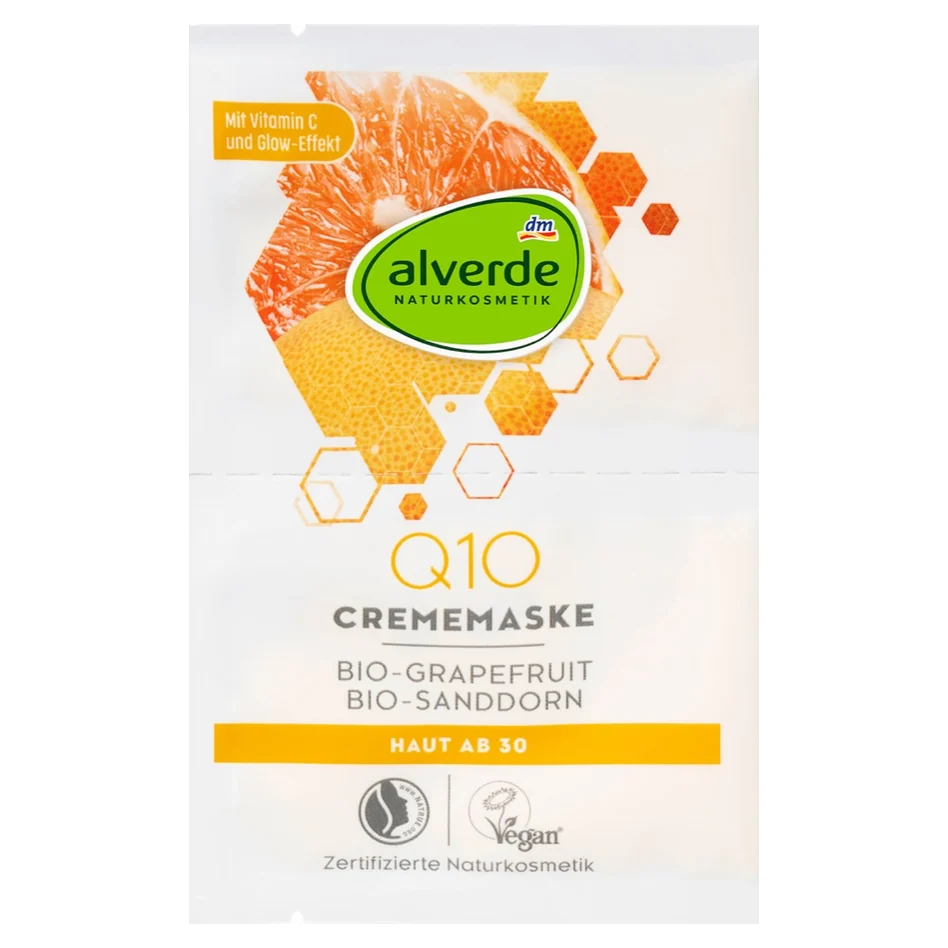
alverde Naturkosmetik
Gesichtsmaske Q10 mit Vitamin C
20th of 40 on the label
below ≈1%
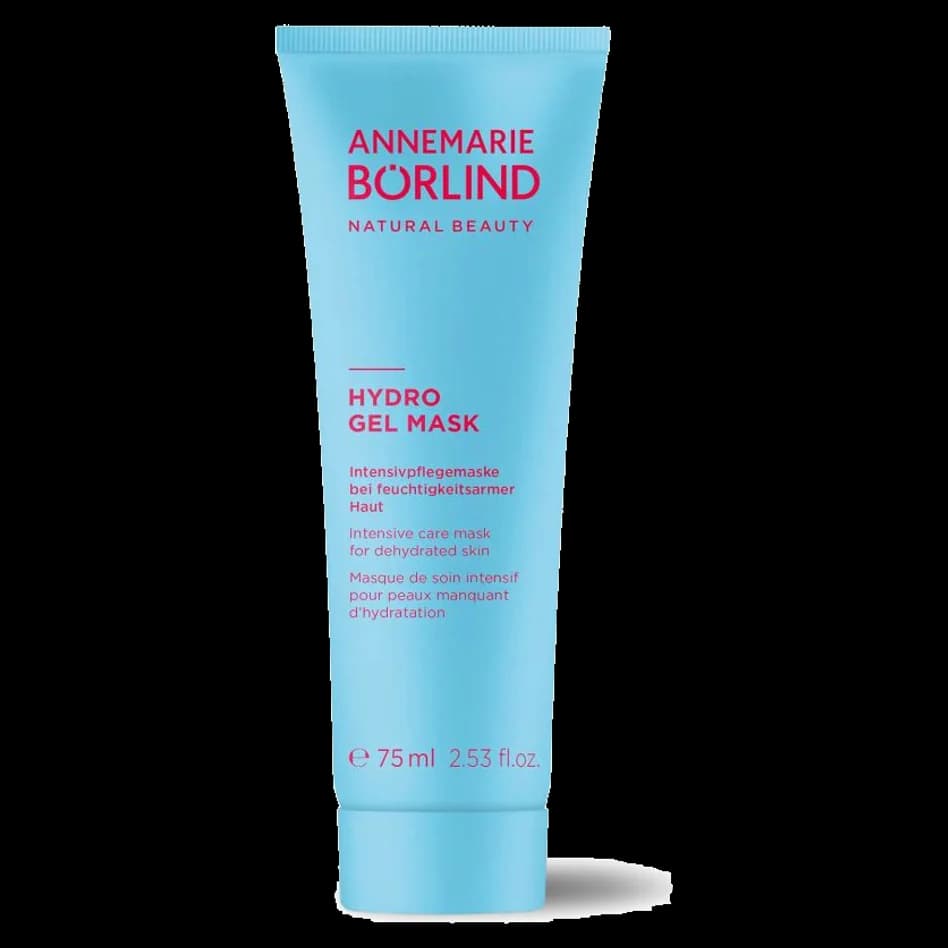
Annemarie Börlind
Hydro Gel Mask
10th of 33 on the label
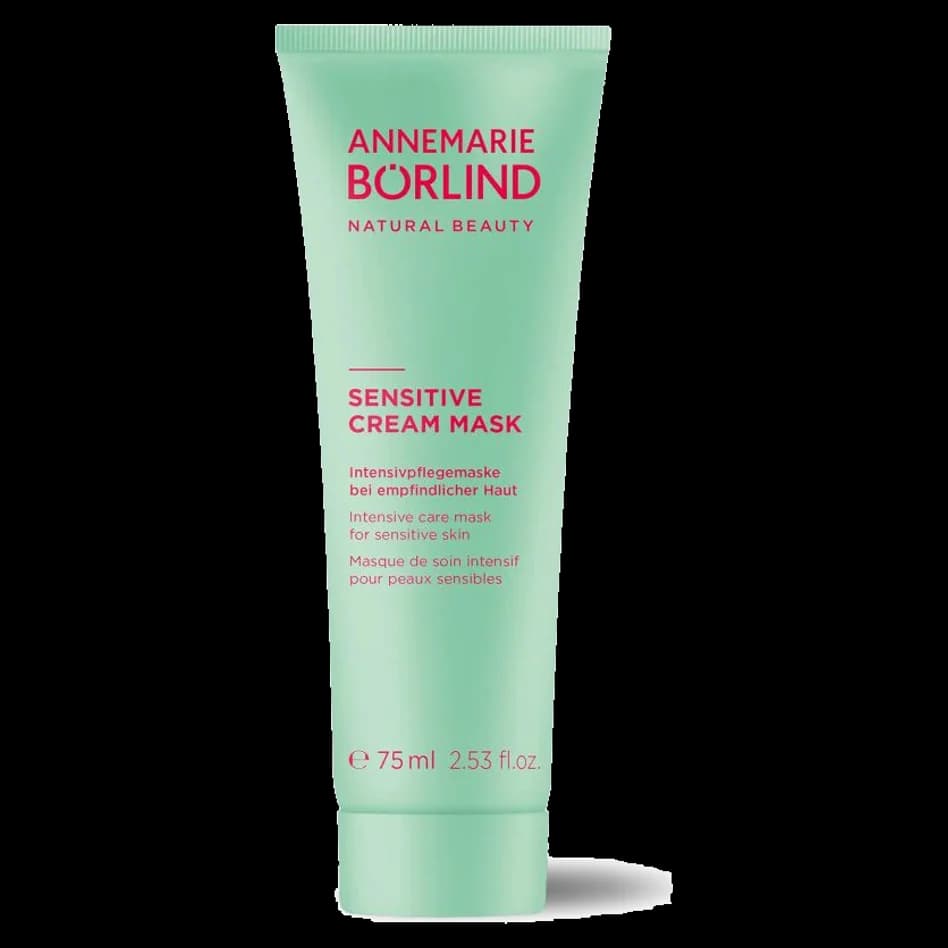
Annemarie Börlind
Sensitive Cream Mask
13th of 31 on the label
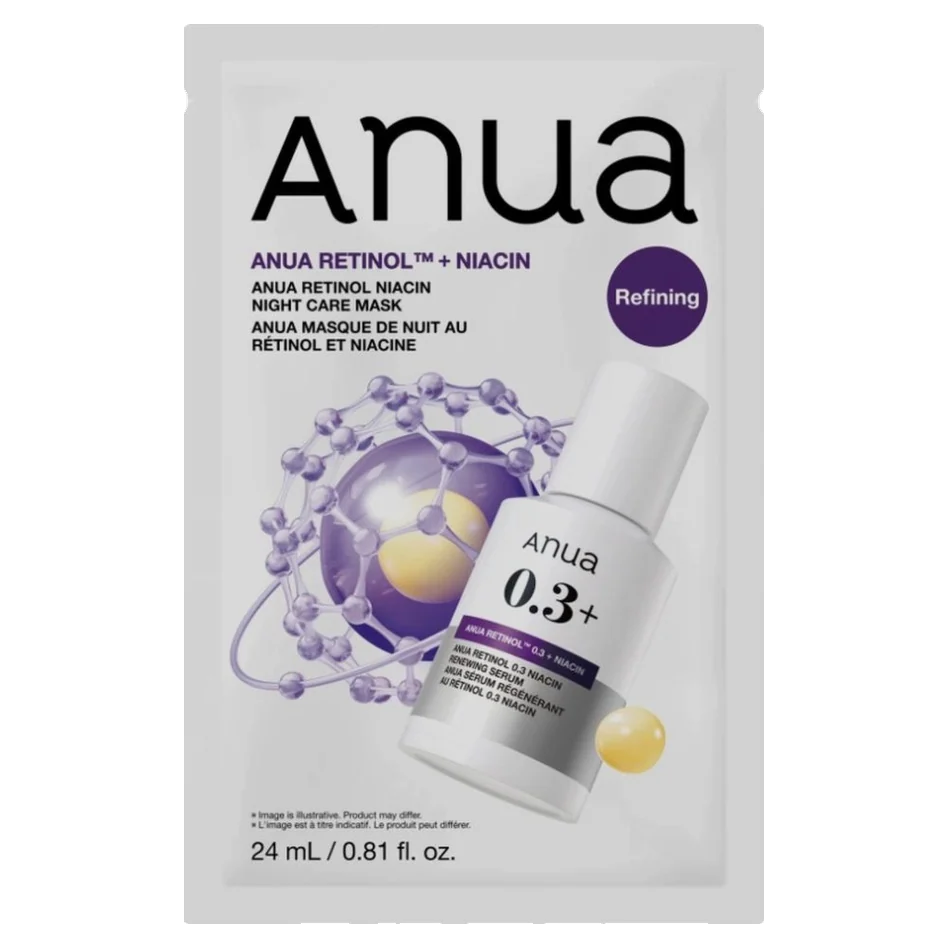
Anua
Retinol Niacin Night Care Mask
39th of 44 on the label
below ≈1%
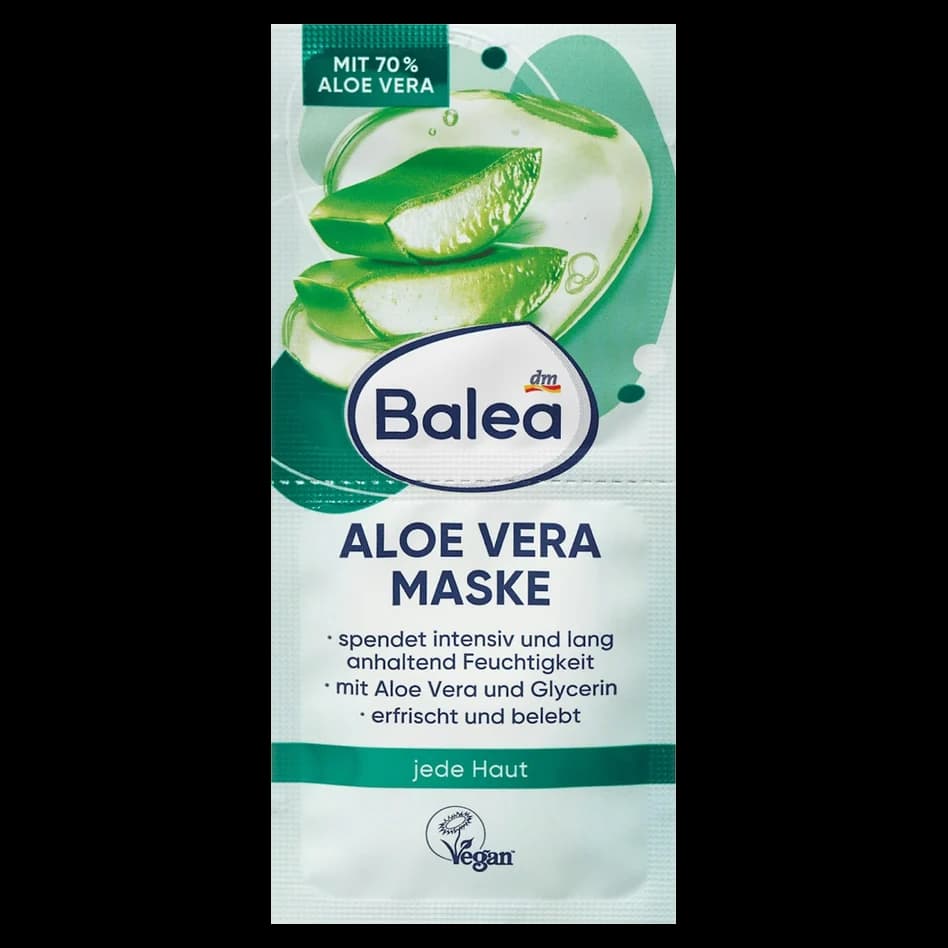
Balea
Gesichtsmaske Aloe Vera
8th of 21 on the label
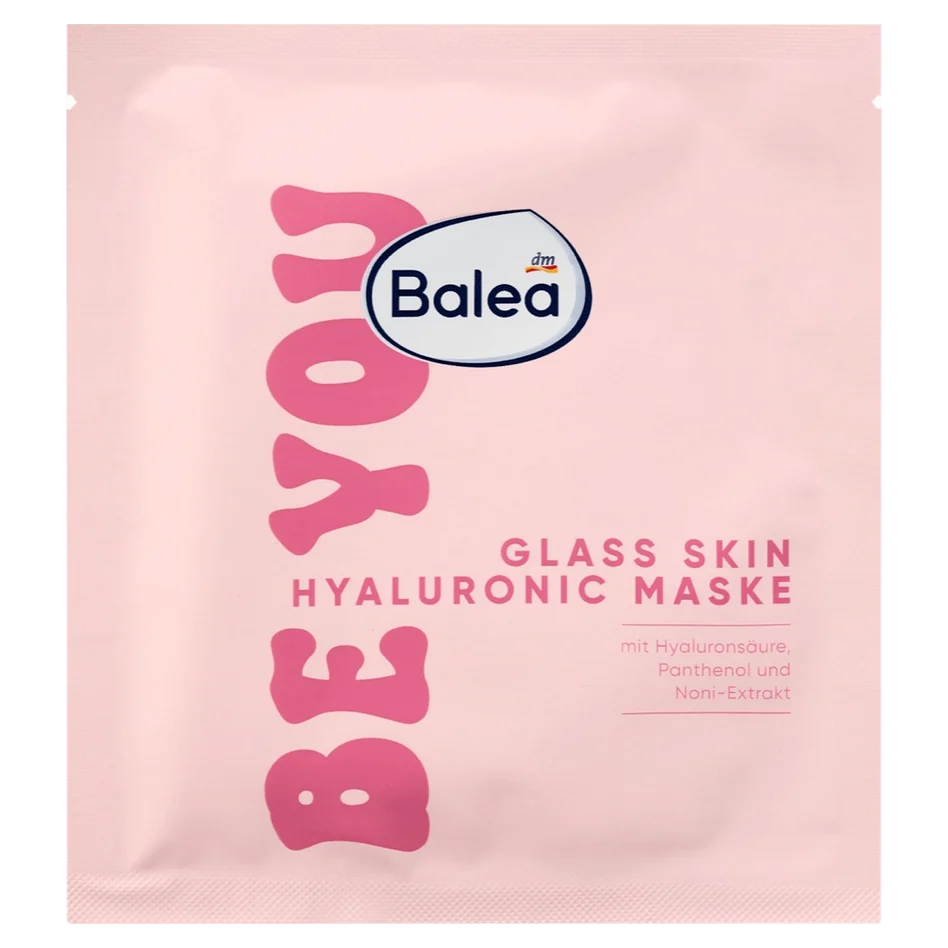
Balea
Gesichtsmaske Glass Skin Hyaluronic Be You
24th of 30 on the label
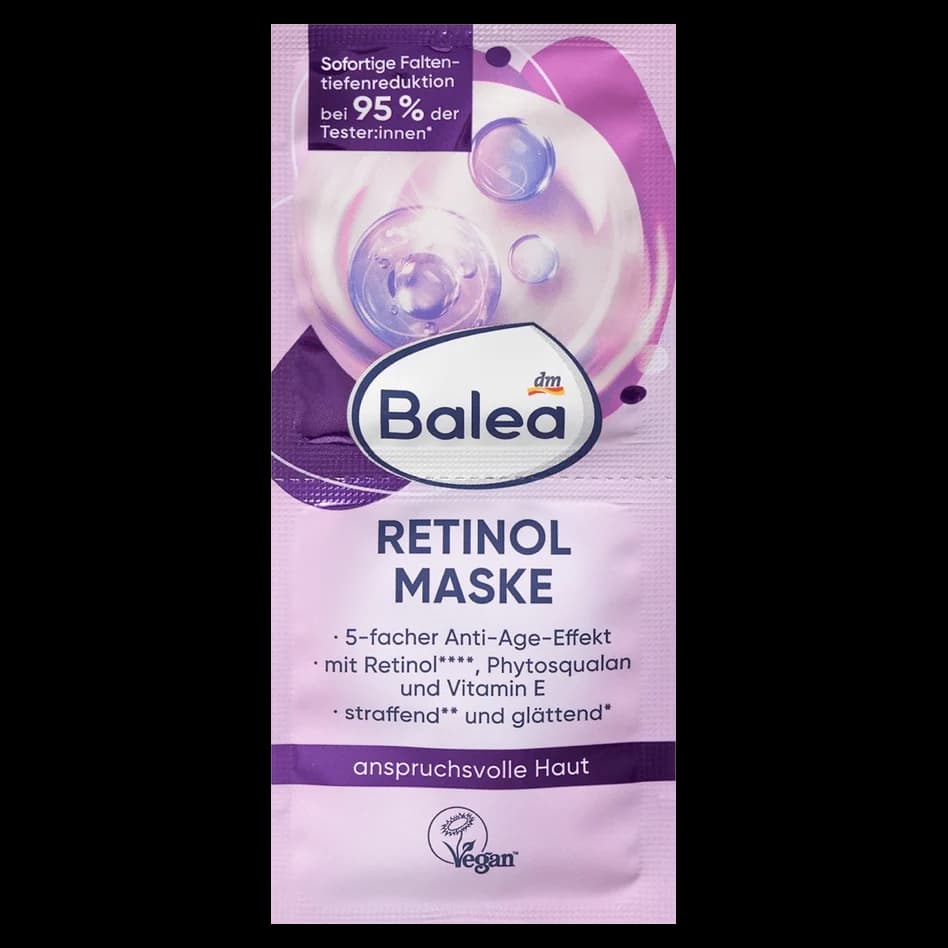
Balea
Gesichtsmaske Retinol
7th of 23 on the label
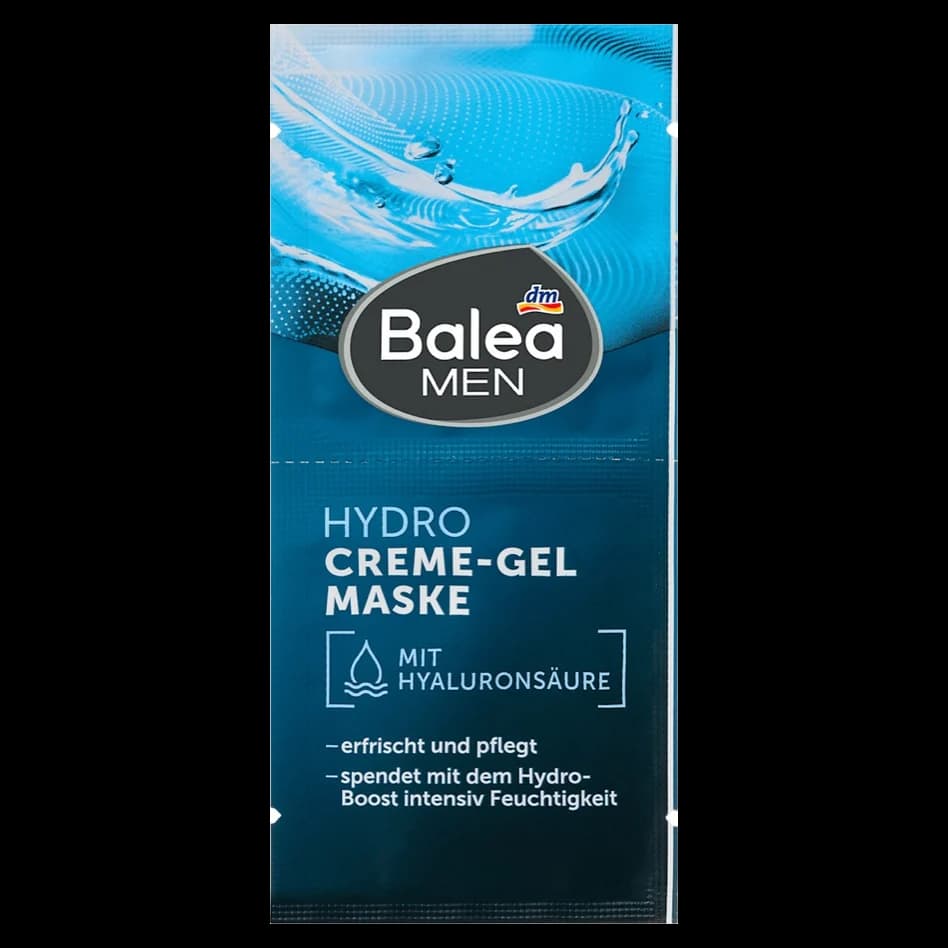
Balea MEN
Gesichtsmaske Creme-Gel Hydro
17th of 31 on the label
below ≈1%
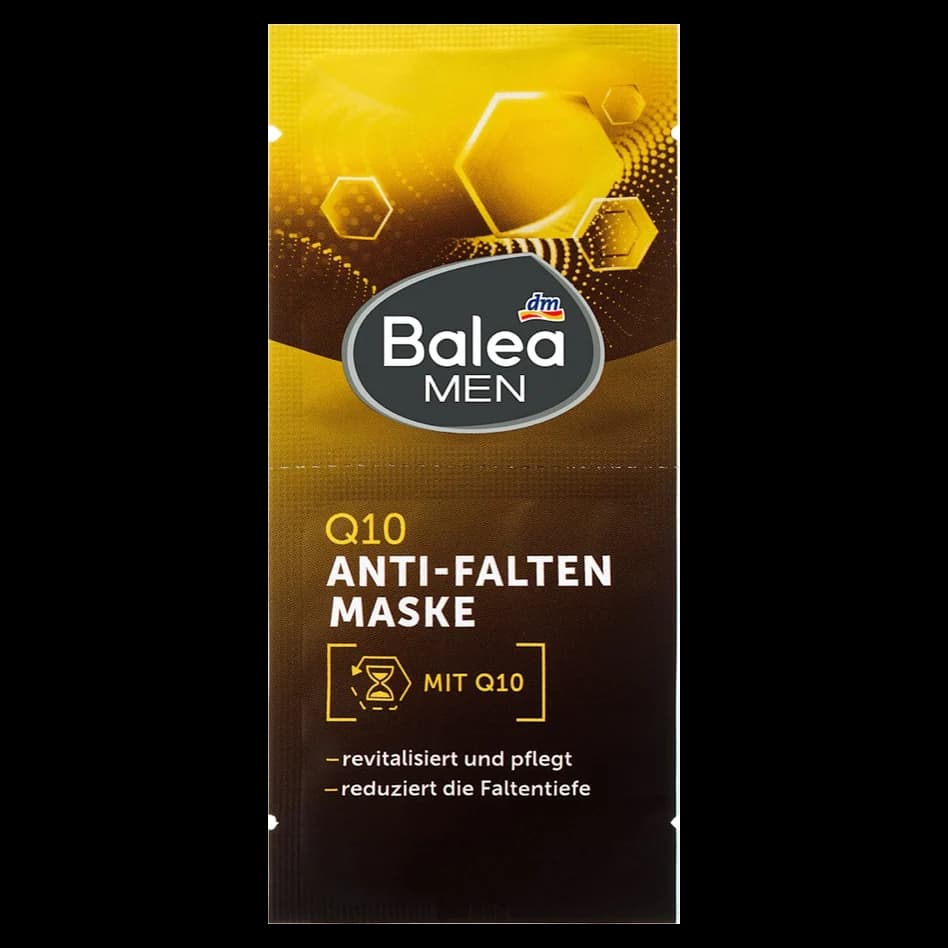
Balea MEN
Gesichtsmaske Q10 Anti-Falten
9th of 28 on the label
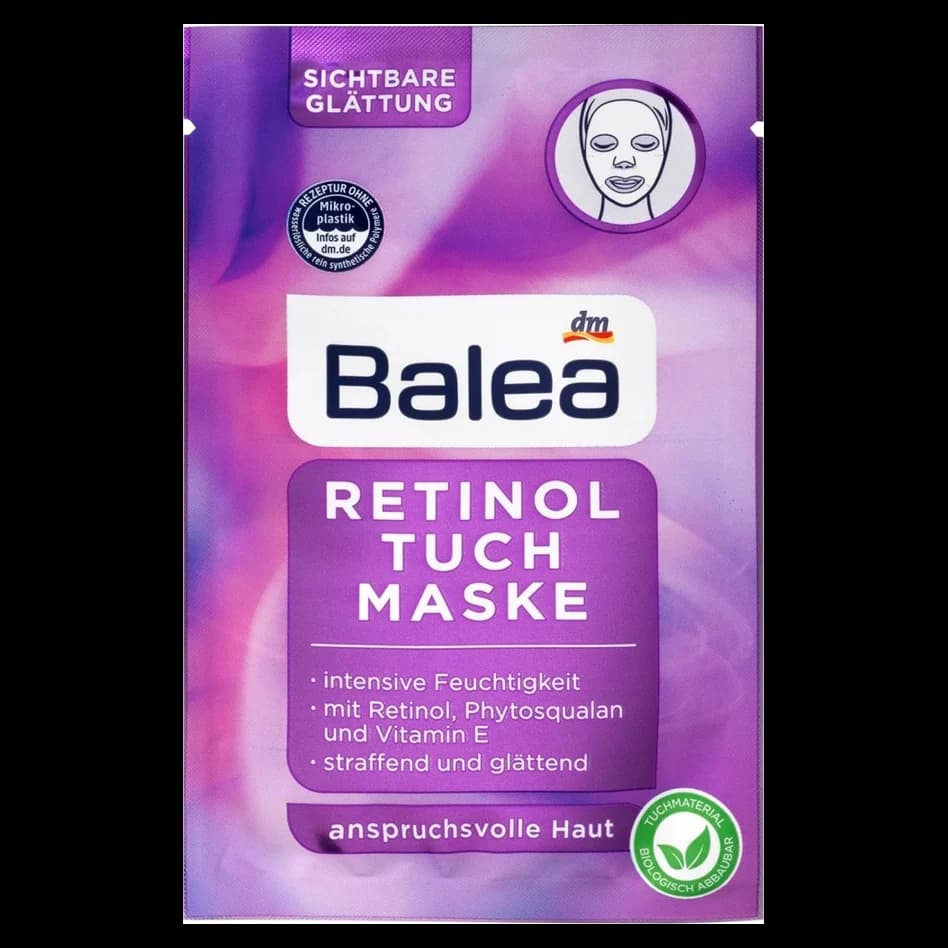
Balea
Tuchmaske Retinol
9th of 16 on the label
below ≈1%
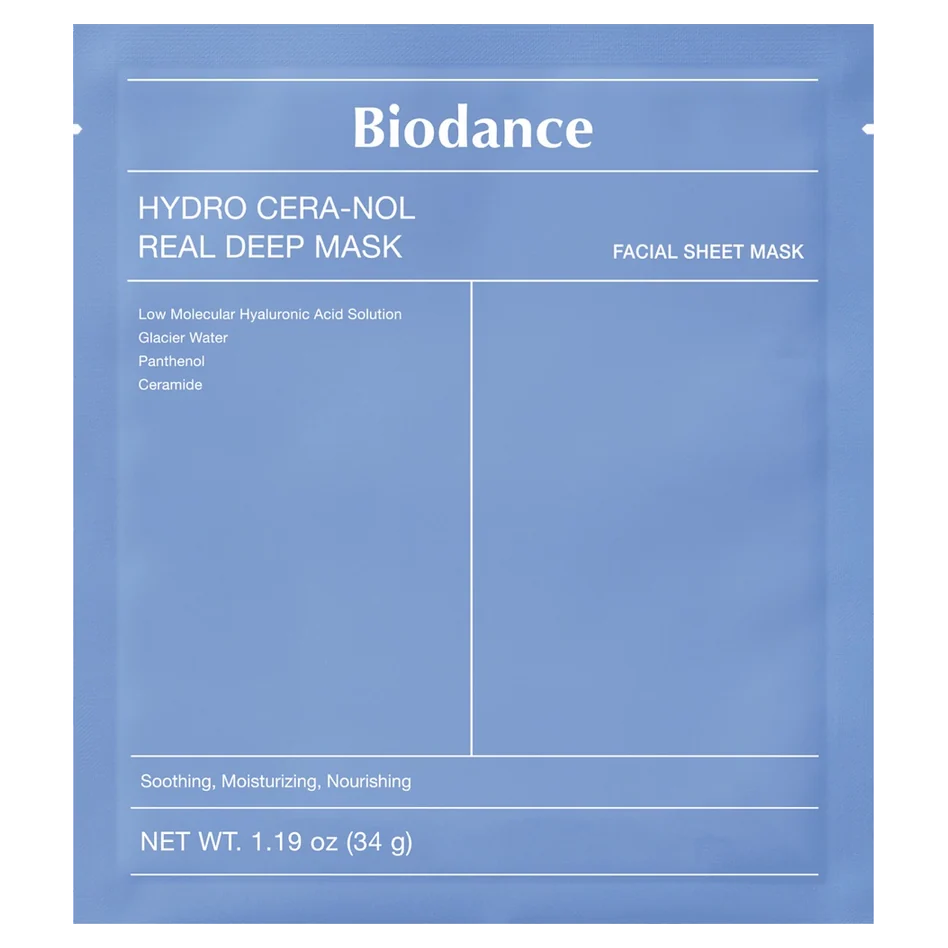
Biodance
Hydro Cera-nol Real Deep Mask
13th of 65 on the label
below ≈1%
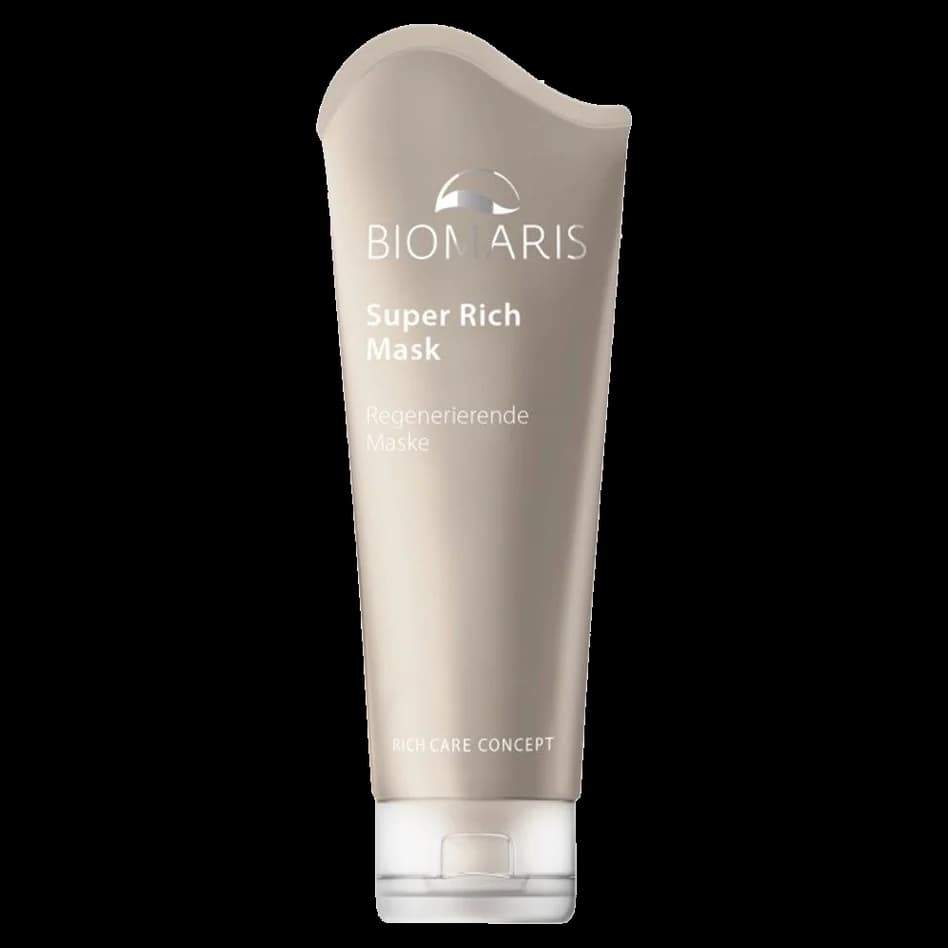
BIOMARIS
Super Rich Mask
10th of 19 on the label
below ≈1%
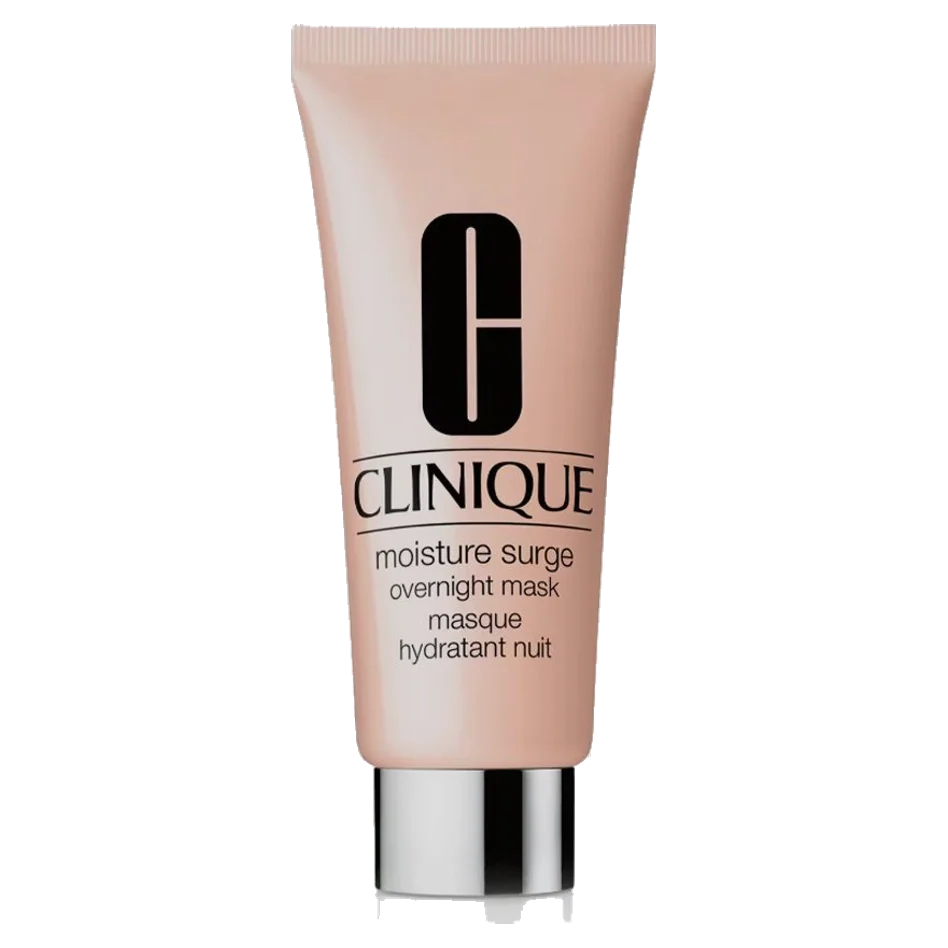
Clinique
Moisture Surge Overnight Mask
6th of 42 on the label
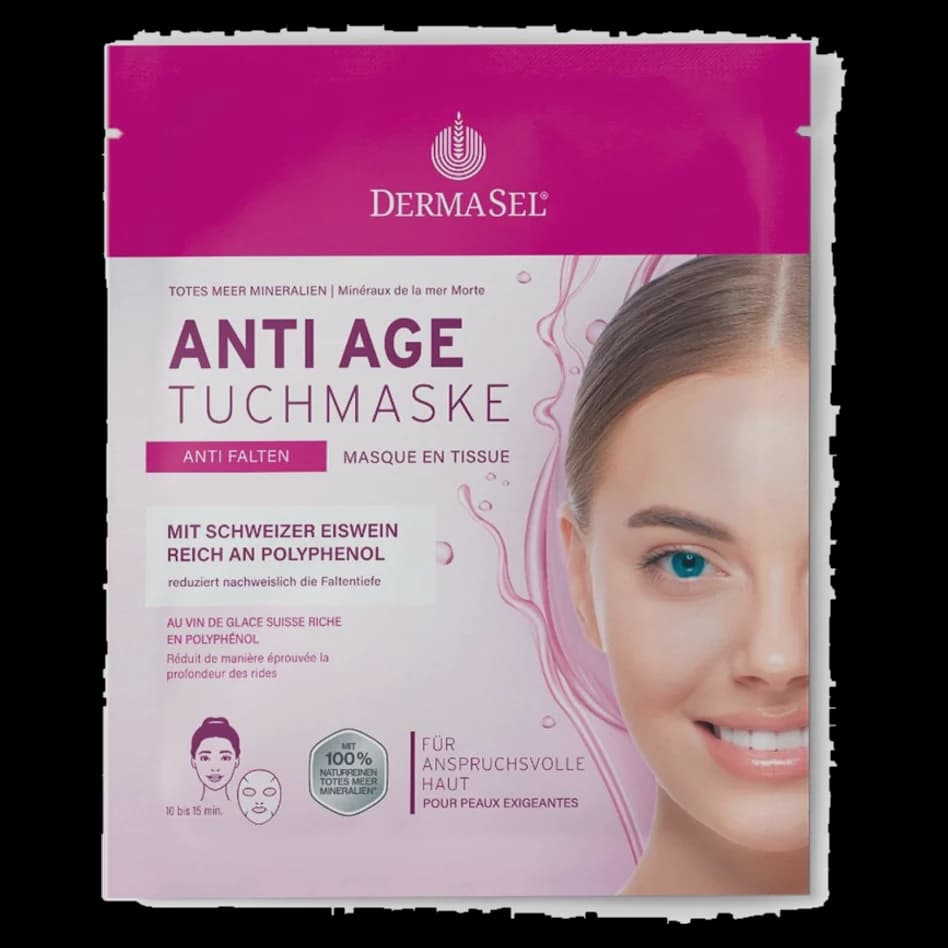
DERMASEL
Totes Meer Anti-Age Tuchmaske
7th of 23 on the label
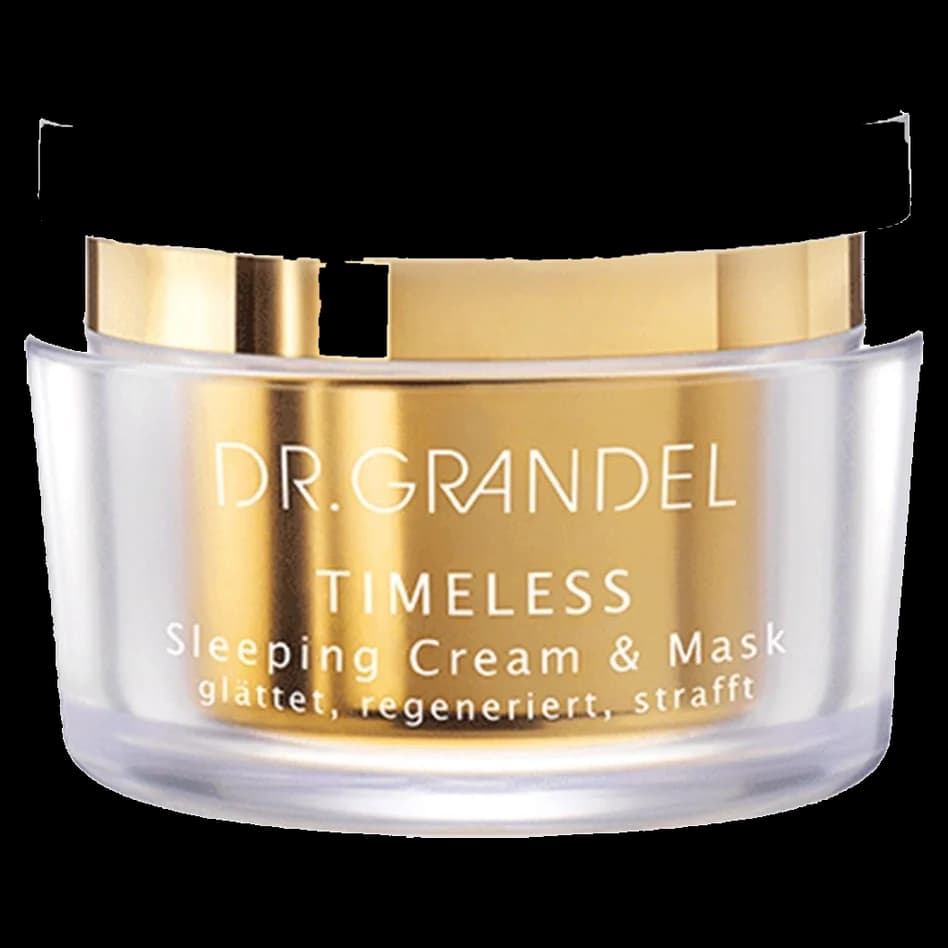
Dr. Grandel
Timeless Sleeping Cream & Mask
5th of 35 on the label
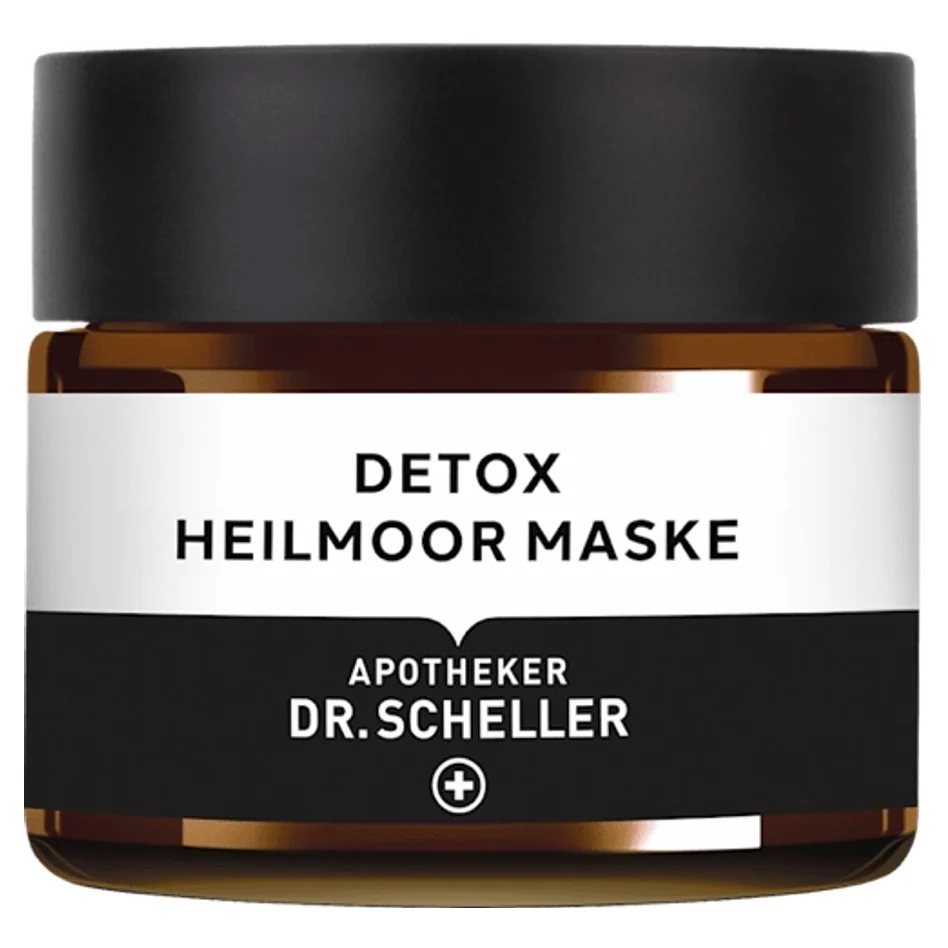
Dr. Scheller
Detox Heilmoor Maske
2nd of 22 on the label
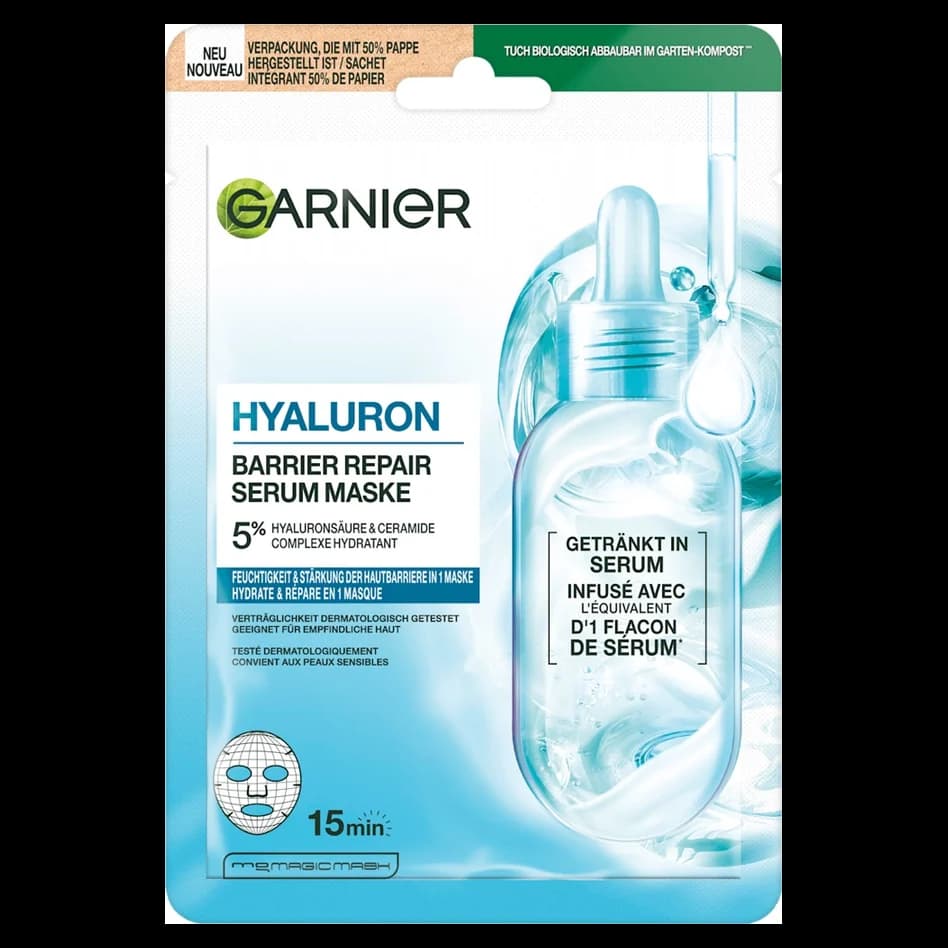
Garnier
SkinActive Hyaluronic Acid Barrier Repair Serum Tissue Mask
7th of 25 on the label
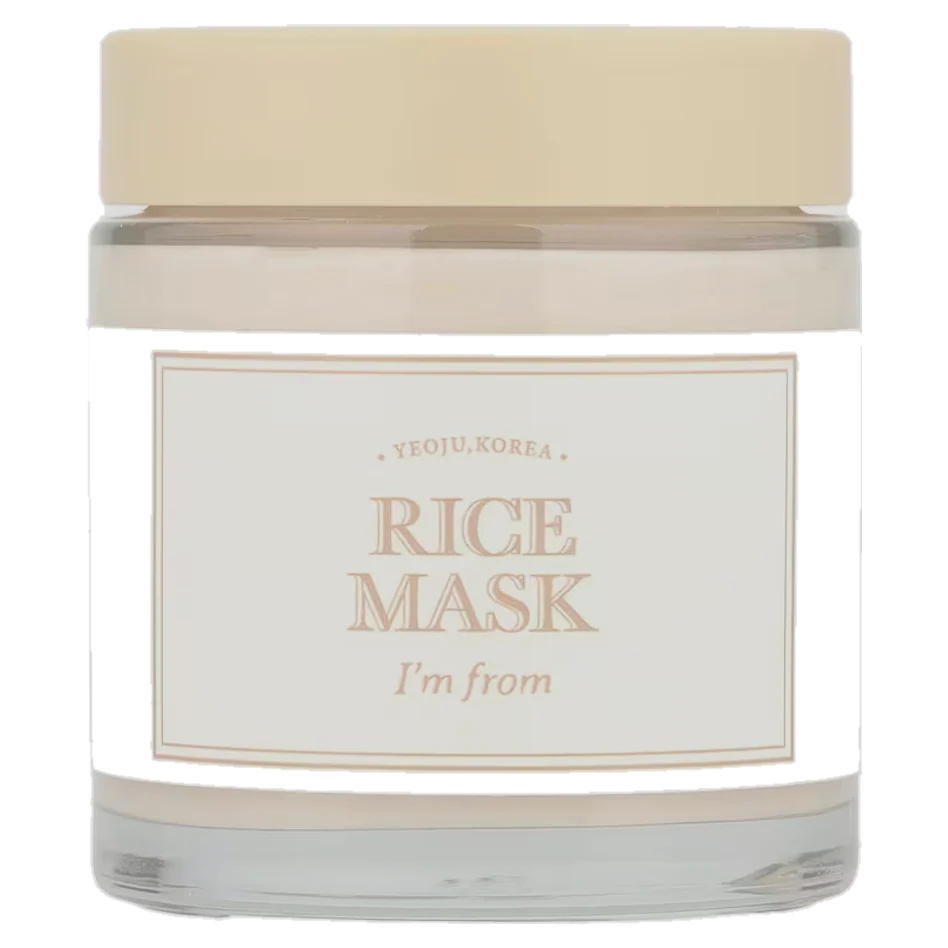
I'm From
Rice Mask
14th of 43 on the label
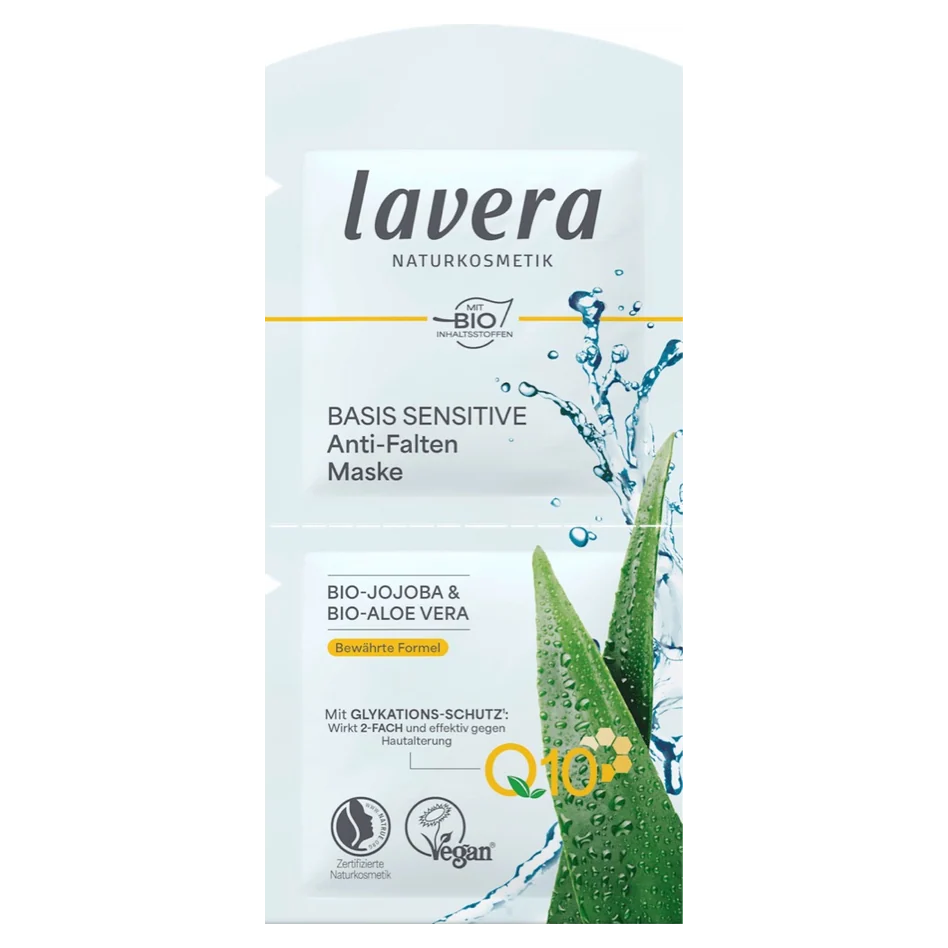
lavera
basis sensitiv Anti-Falten Gesichtsmaske
11th of 42 on the label
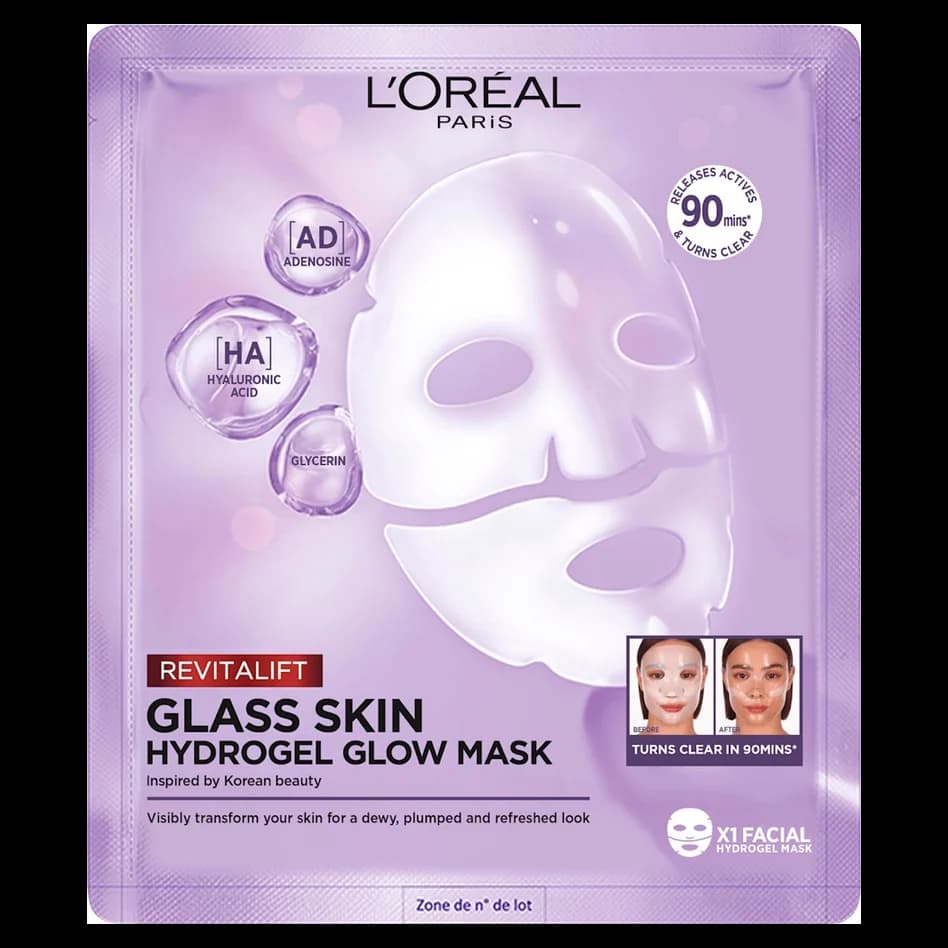
L'Oréal Paris
Revitalift Filler Glass Skin Hydrogel Glow Mask
6th of 32 on the label
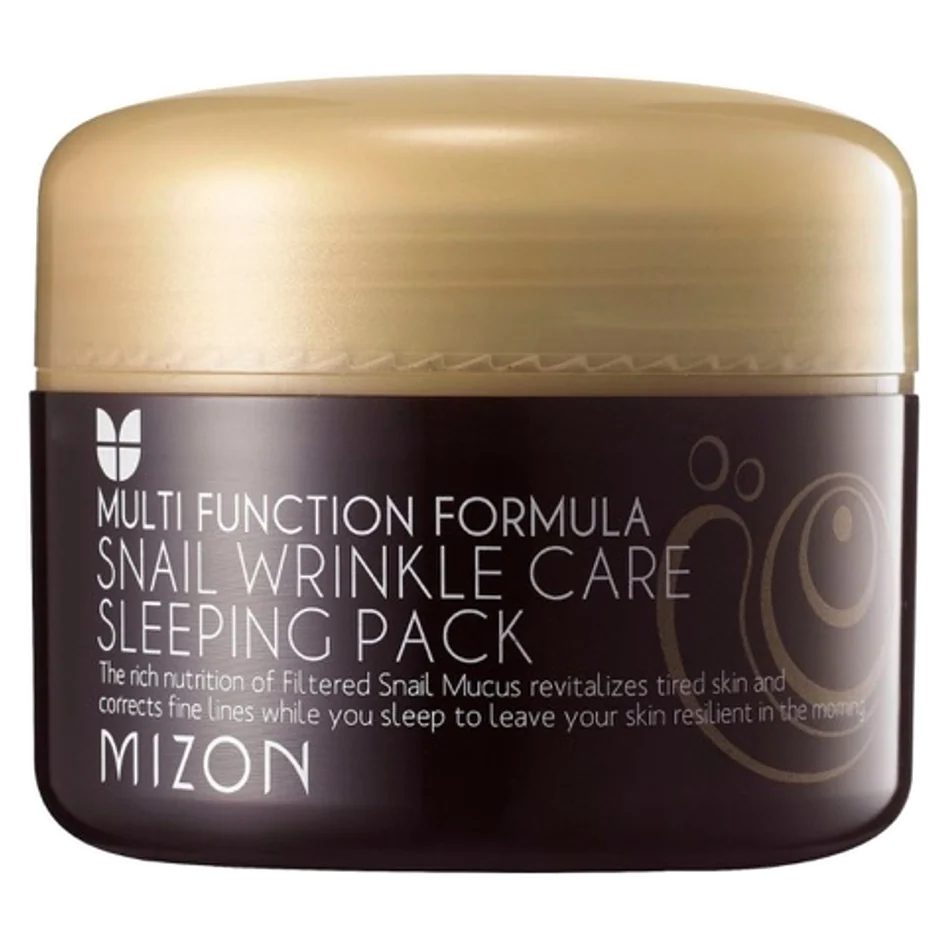
MIZON
Snail Wrinkle Care Sleeping Pack
9th of 31 on the label
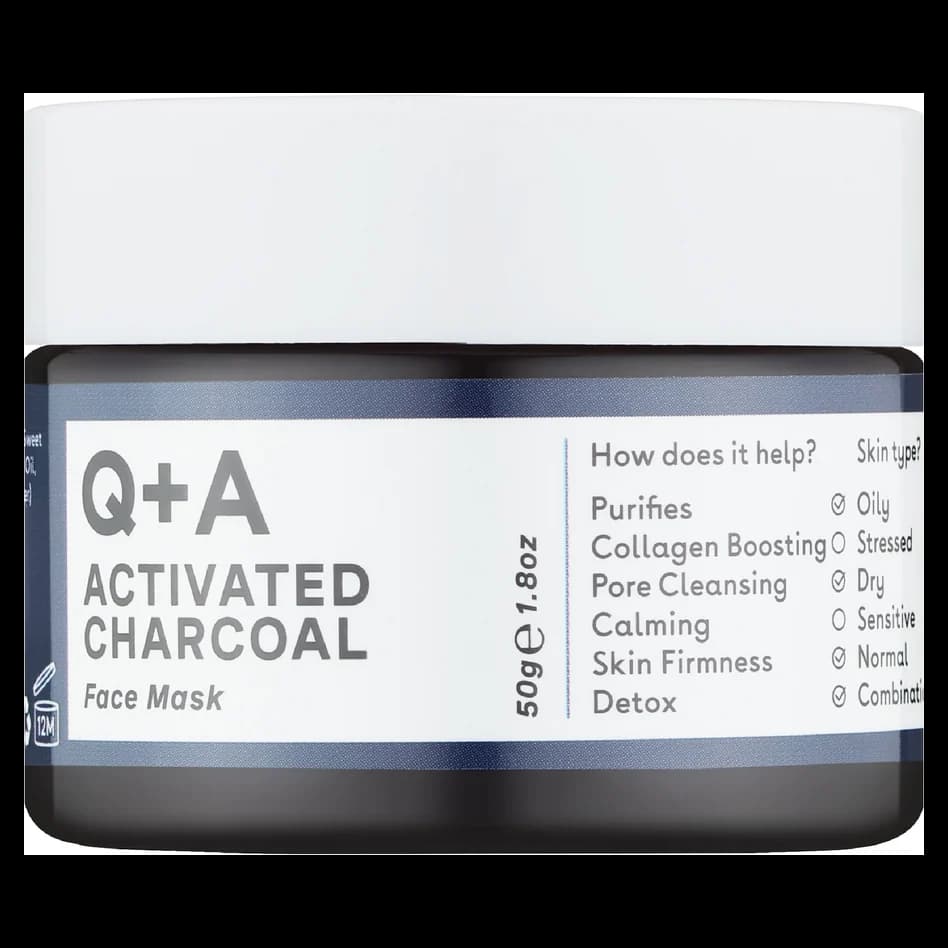
Q+A
Activated Charcoal Face Mask
6th of 18 on the label
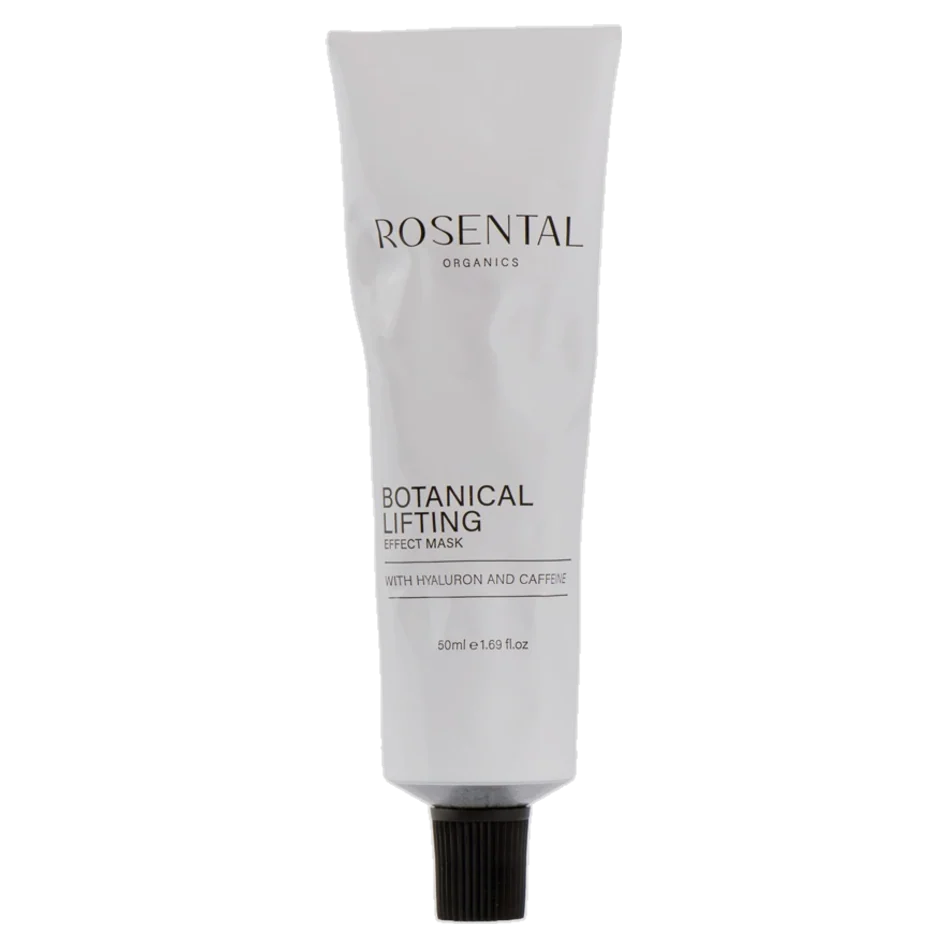
Rosental Organics
Botanical Lifting Effect Mask
2nd of 28 on the label
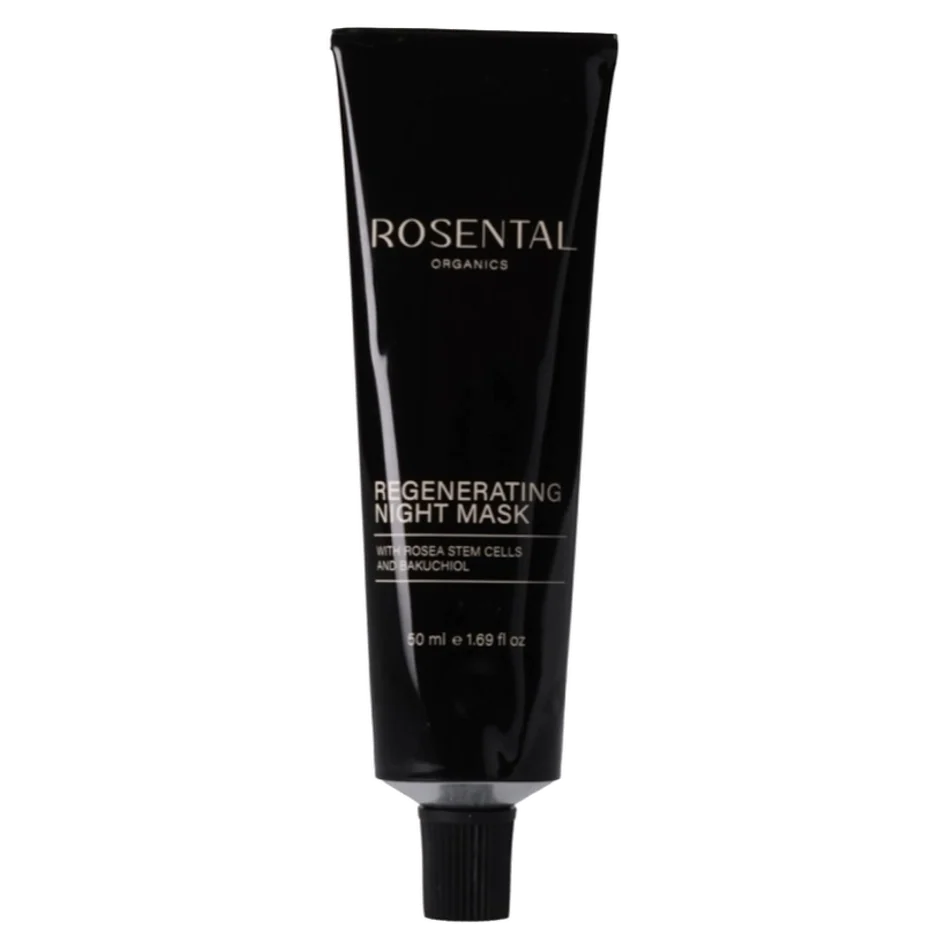
Rosental Organics
Regenerating Night Mask
2nd of 44 on the label
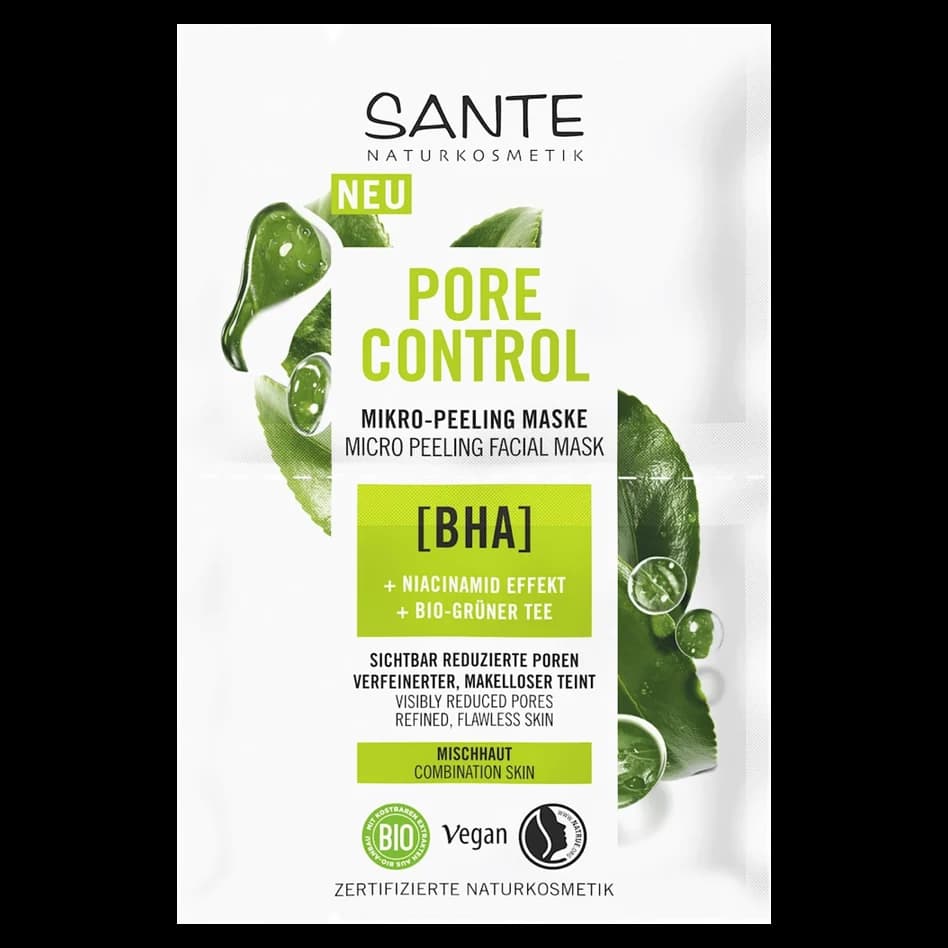
Santé Naturkosmetik
Pore Control Maske BHA
9th of 29 on the label
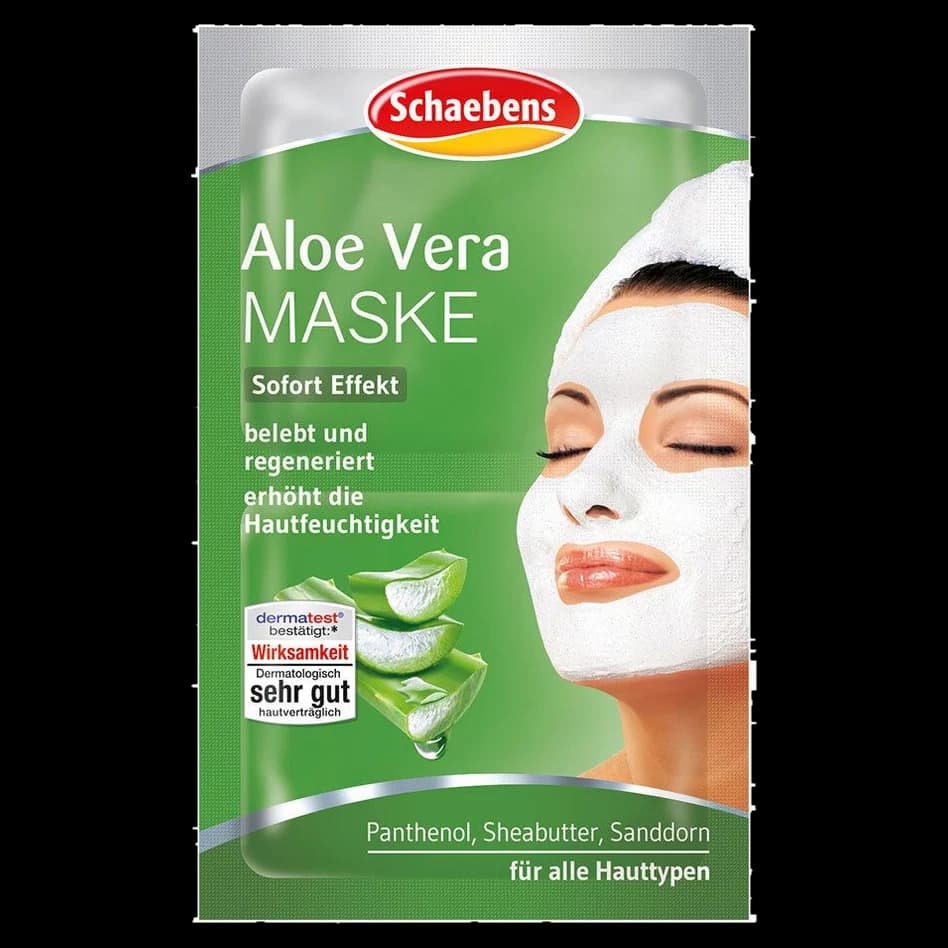
Schaebens
Aloe Vera Maske
9th of 34 on the label
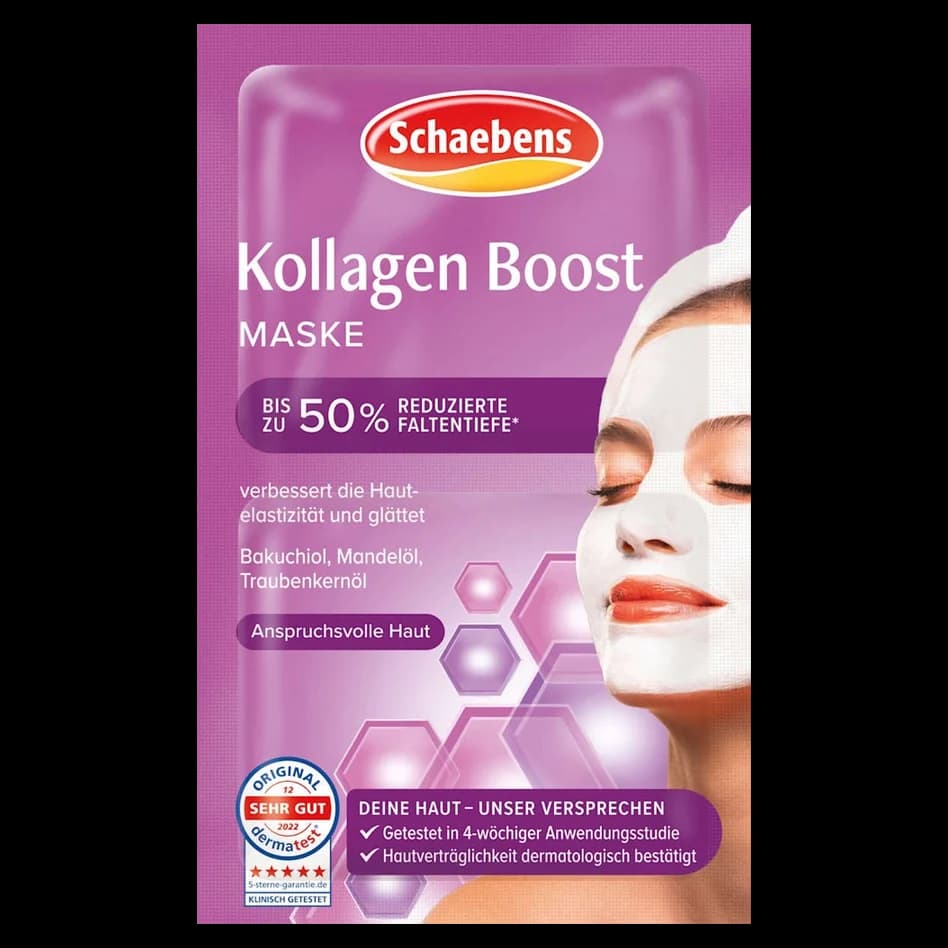
Schaebens
Gesichtsmaske Kollagen Boost
8th of 27 on the label
below ≈1%
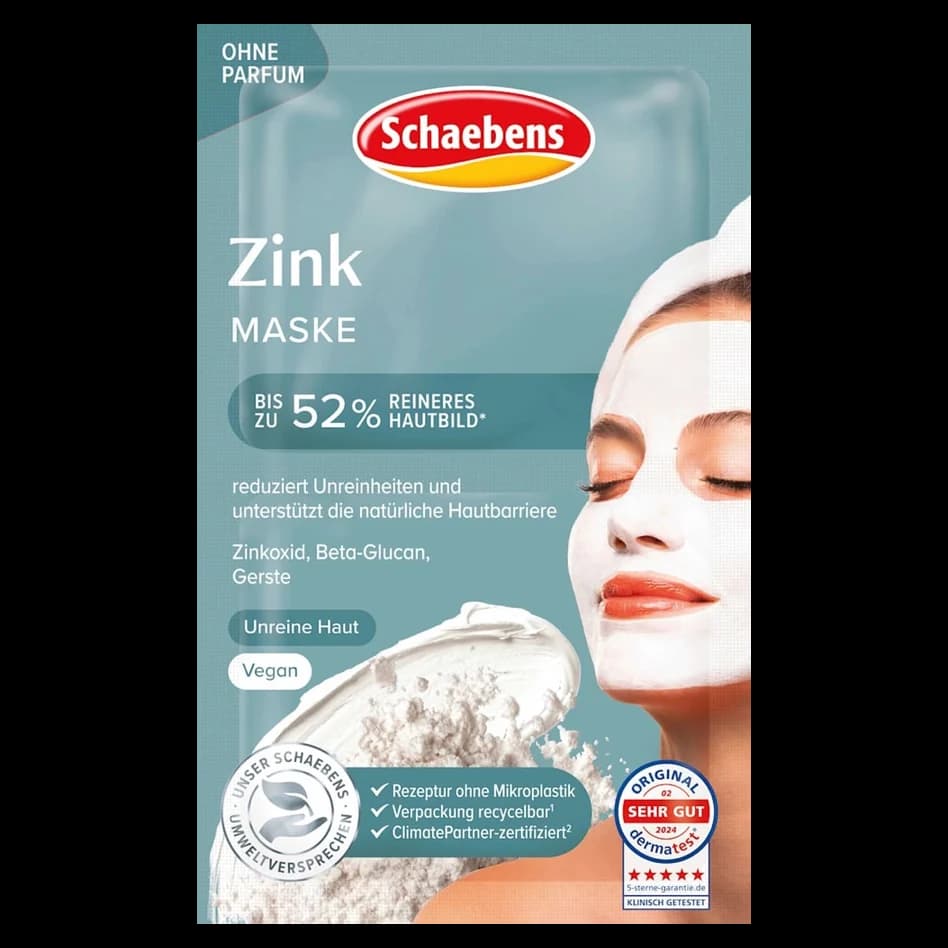
Schaebens
Gesichtsmaske Zink
7th of 27 on the label
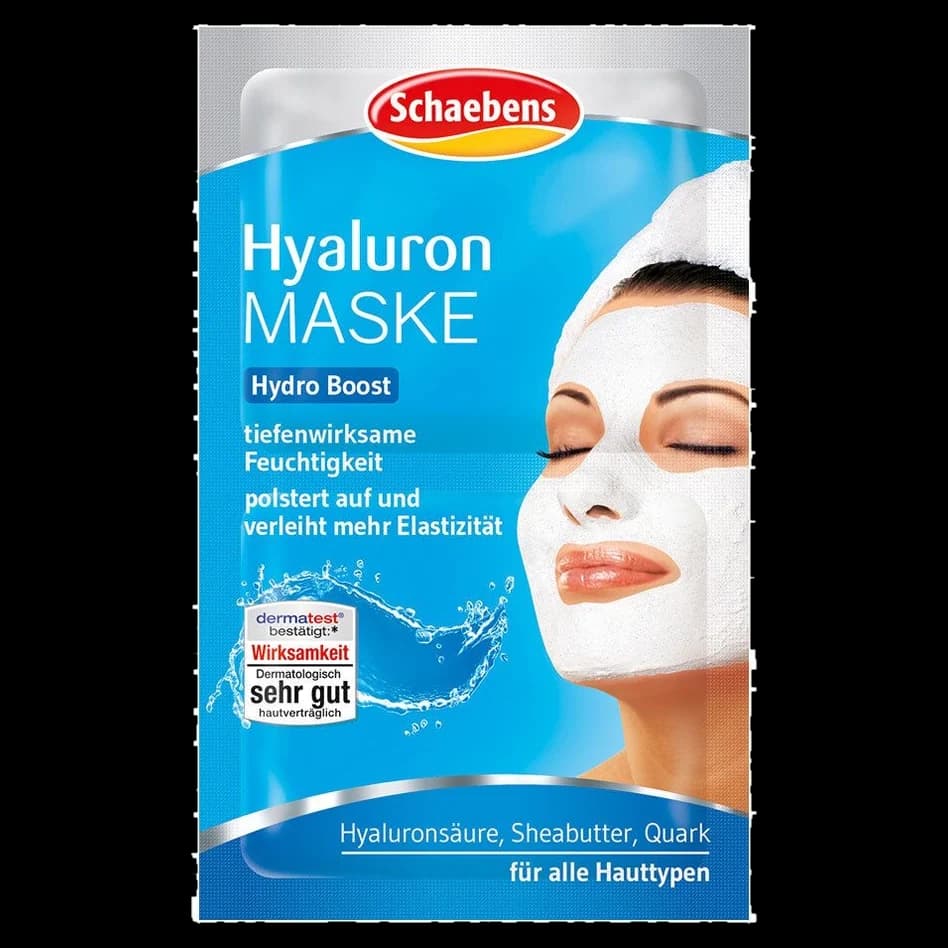
Schaebens
Hyaluron Maske
6th of 32 on the label
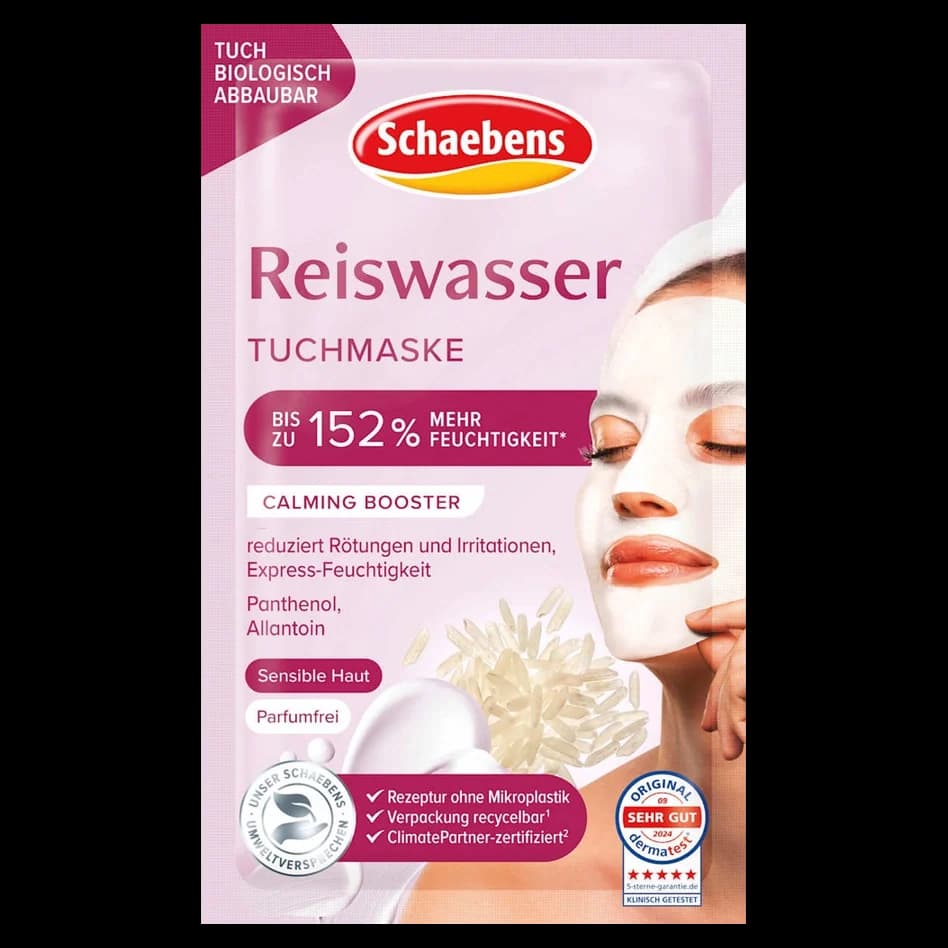
Schaebens
Tuchmaske Reiswasser
7th of 23 on the label
below ≈1%
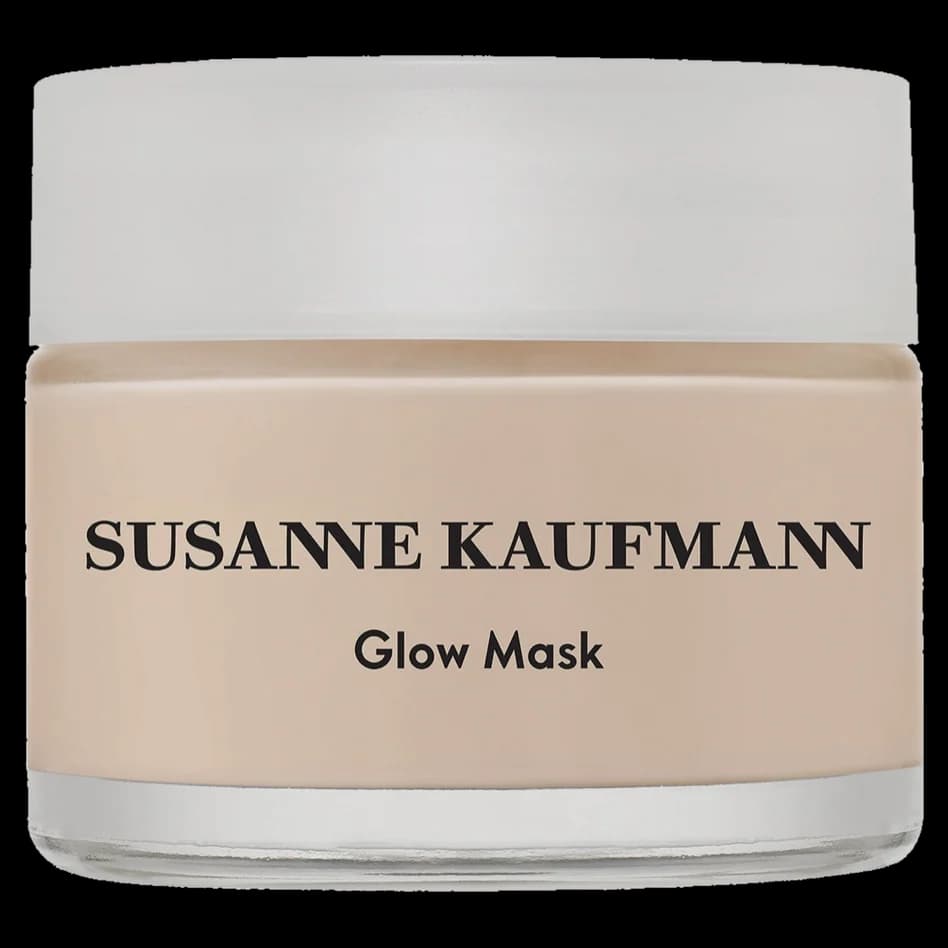
Susanne Kaufmann
Glow Mask
3rd of 45 on the label
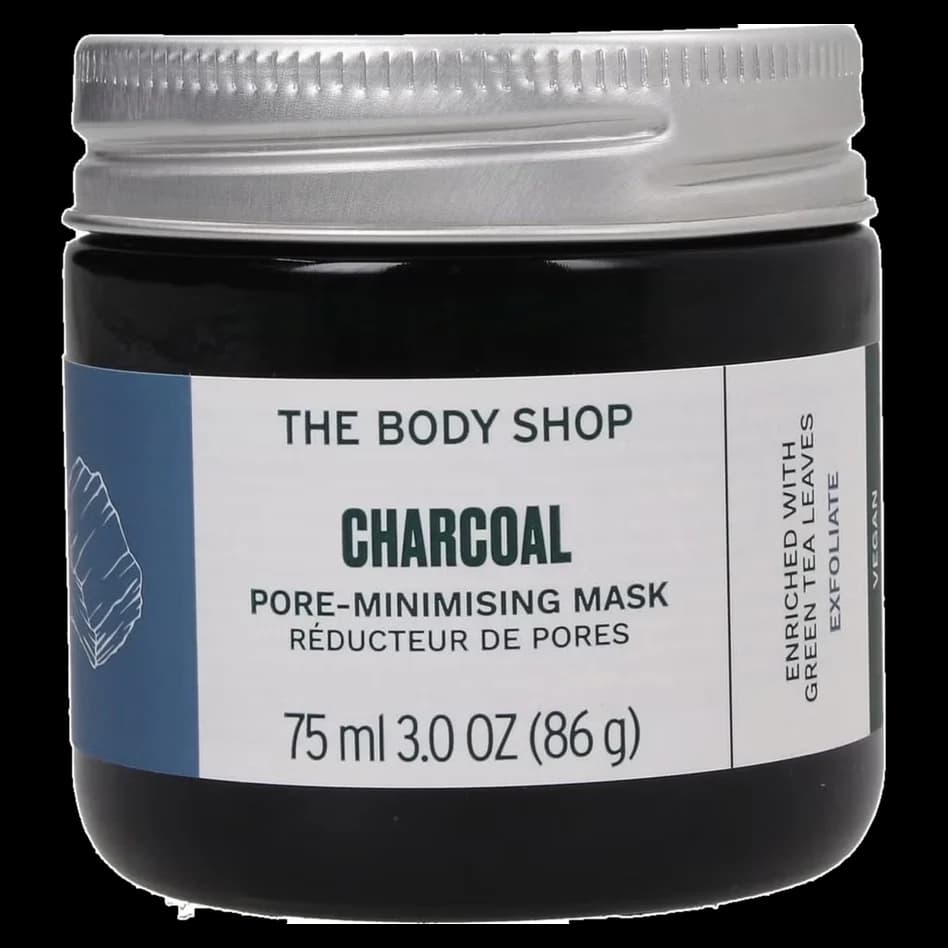
The Body Shop
Charcoal Pore Minimising Mask
20th of 37 on the label
below ≈1%
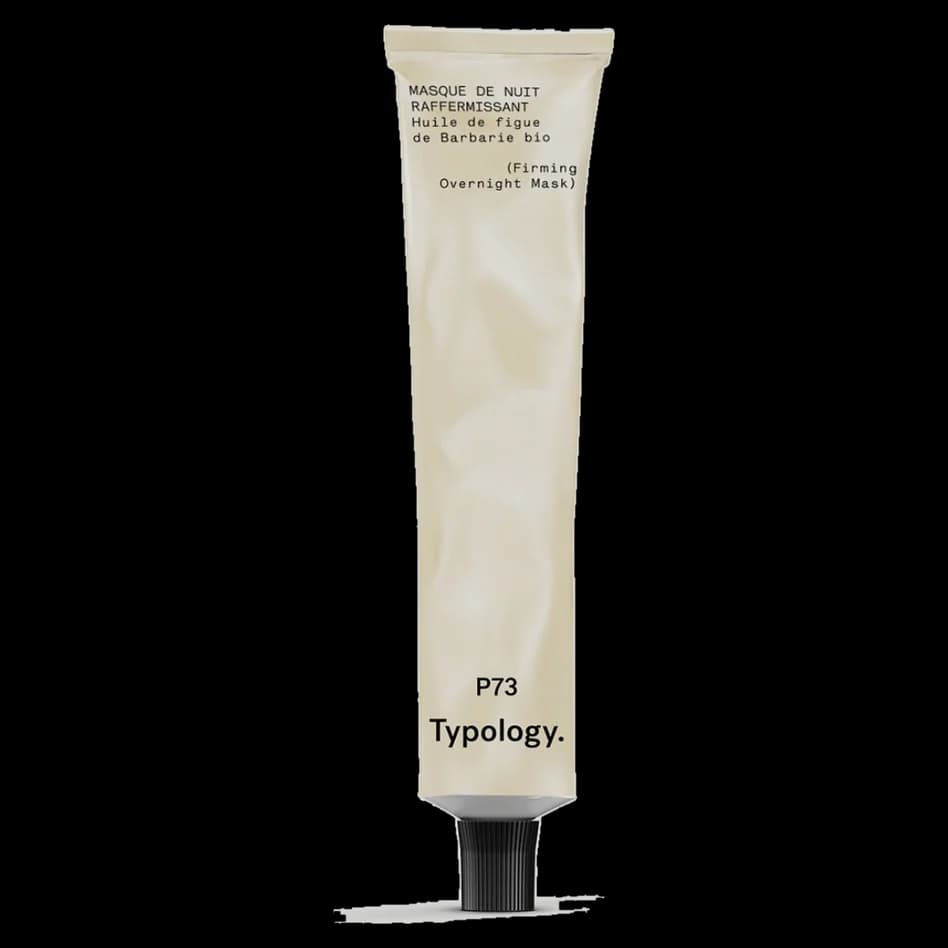
Typology
Masque de Nuit Raffermissant P73 (Firming Night Mask)
3rd of 24 on the label
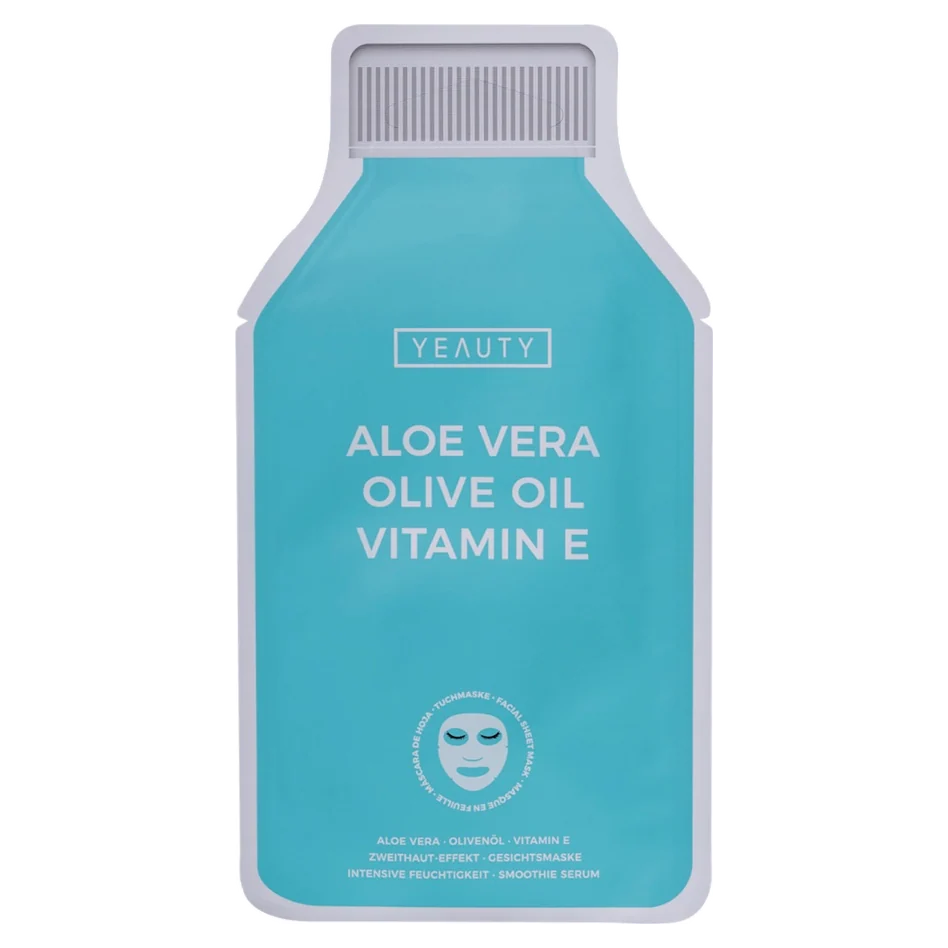
Yeauty
Tuchmaske Aloe Vera Olive Oil Vitamin E
23rd of 29 on the label
below ≈1%
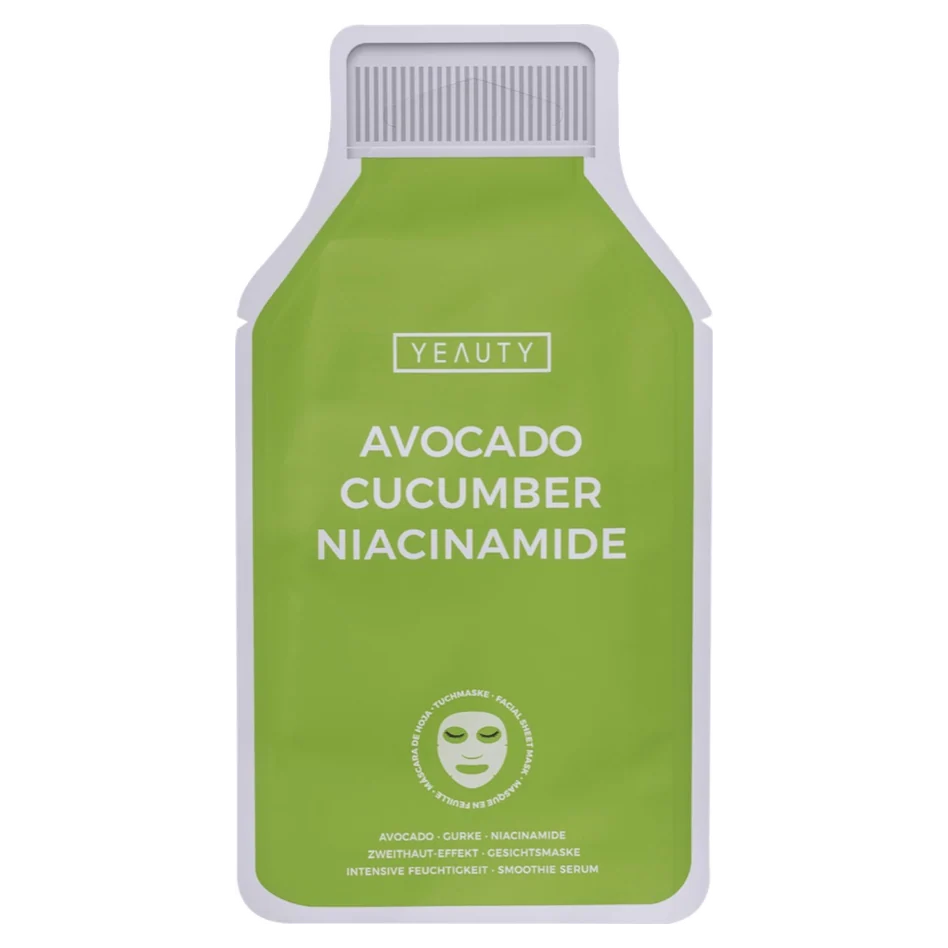
Yeauty
Tuchmaske Avocado Cucumber Niacinamide
24th of 29 on the label
below ≈1%