Cetearyl Alcohol
Fatty alcohol blend
No meaningful concern for most people; irritation is possible but rare.
Also written as: Cetostearyl alcohol · Cetyl Stearyl Alcohol
What it is
Cetearyl alcohol is a mixture of two long-chain fatty alcohols, cetyl (C16) and stearyl (C18), usually made from coconut or palm oil. Despite the word 'alcohol' it is a solid, waxy material with nothing in common with ethanol or alcohol denat.: it does not evaporate, does not sting and does not dry the skin. Formulators use it to give creams and mask bases body, to stop oil and water separating, and to leave a soft after-feel.
How it shows up on a label
Very common in cream and clay masks. If a mask feels rich and dense rather than watery, a fatty alcohol like this is usually why.
What it does well
Softens skin and helps hold a cream together
Fatty alcohols are standard emollients and co-emulsifiers: they thicken the water phase and stabilise the oil droplets, which is why they appear near the top of most cream-mask ingredient lists.
Strong evidence
It is not a drying alcohol
This is a naming coincidence rather than a chemical similarity. Fatty alcohols have a long greasy chain and behave like a soft wax; the volatile alcohols people worry about (Alcohol Denat., Isopropyl Alcohol) are small, evaporate quickly and can degrease skin. Cetearyl alcohol does the opposite.
Strong evidence
Worth knowing
One of the more frequently identified emulsifier allergens in patch-test clinics
Allergic contact dermatitis to cetearyl alcohol is uncommon in the general population but well documented, especially in people using medicated ointments on already-broken skin. A 2024 audit found cetearyl alcohol to be the most common potential contact allergen in products marketed as hypoallergenic.
Matters most toPeople with chronic eczema, leg ulcers or long-term topical medication use, and anyone who has reacted to an ointment base.
Where the EU stands
No specific restriction
No EU restriction on use or concentration in cosmetics.
Regulation (EC) No 1223/2009 - no annex entry · source ↗
Sources (3)
Every link goes to the original: a journal, a PubMed record or an EU document.
- [1]Allergic contact dermatitis from cetearyl alcohol in Thrombocid ointment
Dermatology Online Journal · 2016 · doi:10.5070/d3227031656
Cetearyl alcohol was confirmed by patch testing as the culprit allergen in patients reacting to a topical ointment.
- [2]Do hypoallergenic skincare products contain fewer potential contact allergens?
Clinical and Experimental Dermatology · 2024 · doi:10.1093/ced/llad436
Most products labelled hypoallergenic still contained at least one known contact allergen, with cetearyl alcohol among the most frequently present.
- [3]Seven cases of contact dermatitis due to stearyl alcohol contained in topical medications
The Journal of Dermatology · 2022 · doi:10.1111/1346-8138.16325
Stearyl alcohol, one half of cetearyl alcohol, caused confirmed allergic contact dermatitis in seven patients using topical medicines, with some also reacting to cetyl alcohol.
Masks that contain Cetearyl Alcohol
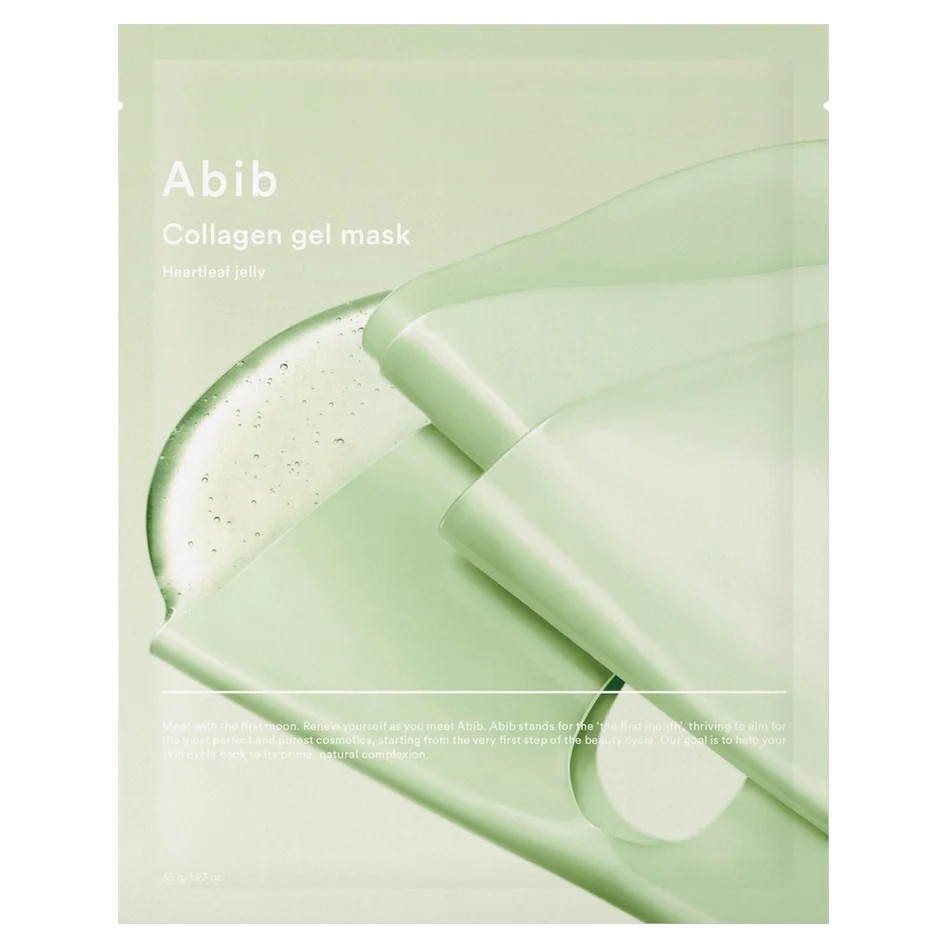
Abib
Collagen Gel Mask Heartleaf Jelly
15th of 43 on the label
below ≈1%
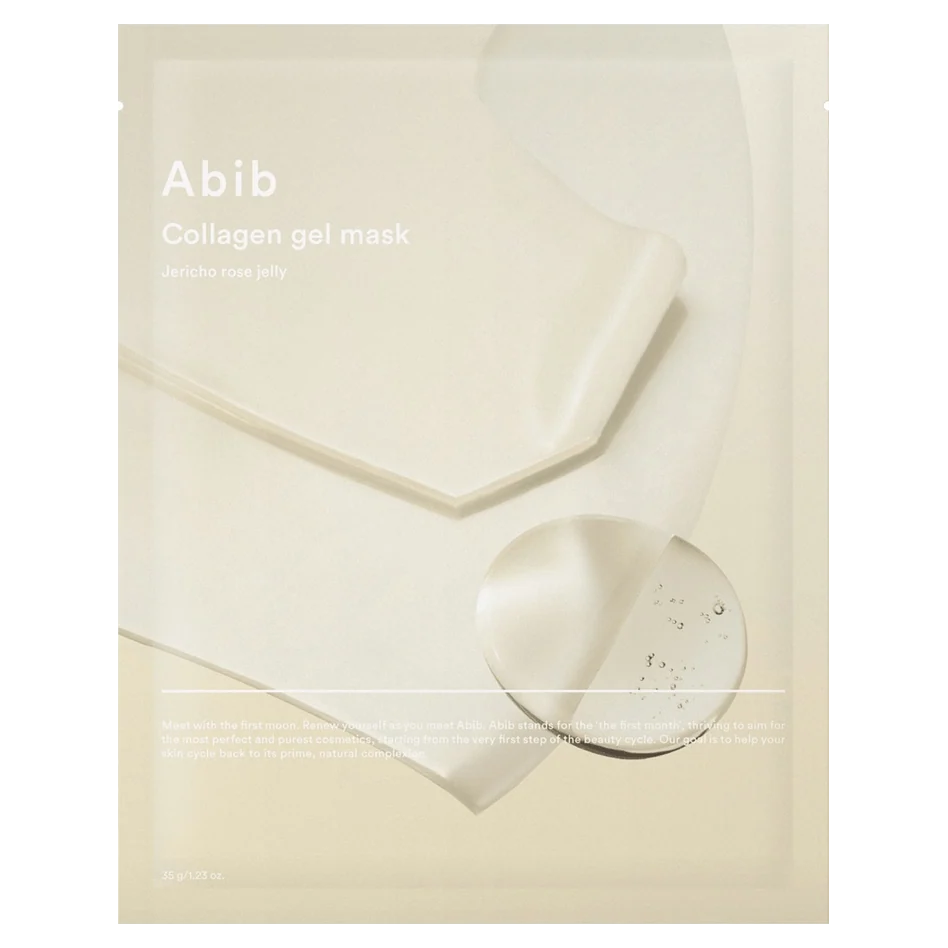
Abib
Collagen Gel Mask Jericho Rose Jelly
42nd of 43 on the label
below ≈1%
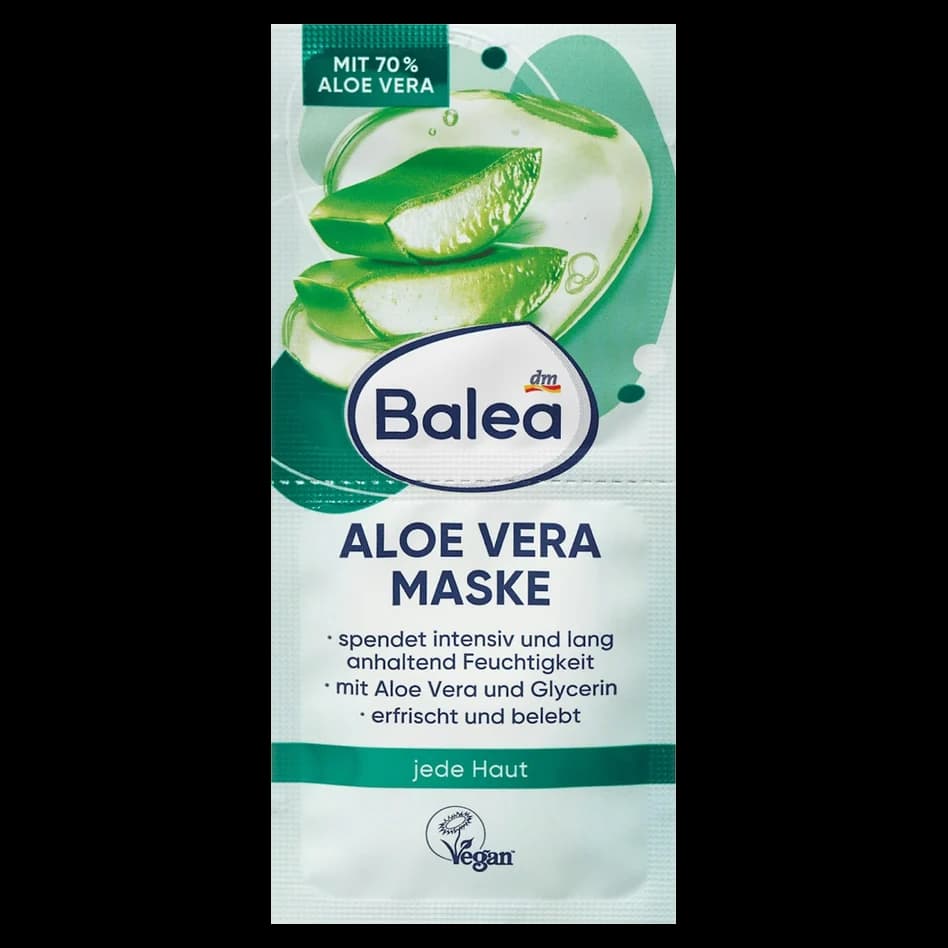
Balea
Gesichtsmaske Aloe Vera
4th of 21 on the label
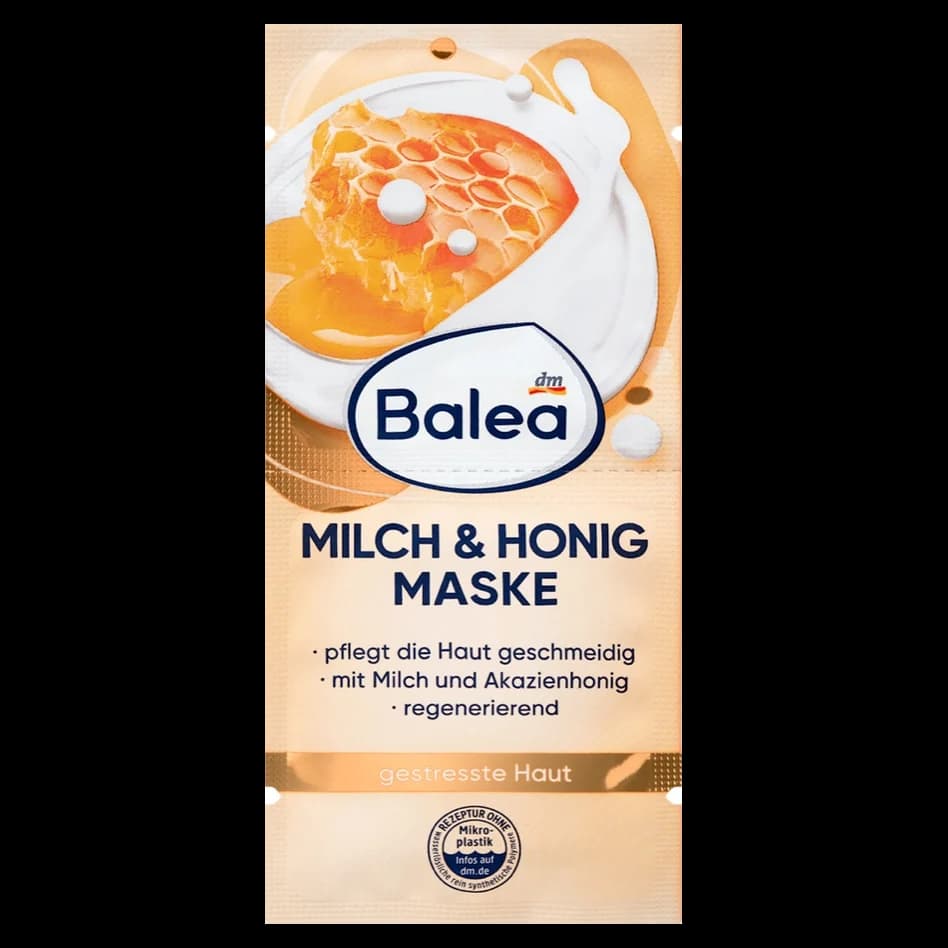
Balea
Gesichtsmaske Milch & Honig
3rd of 36 on the label
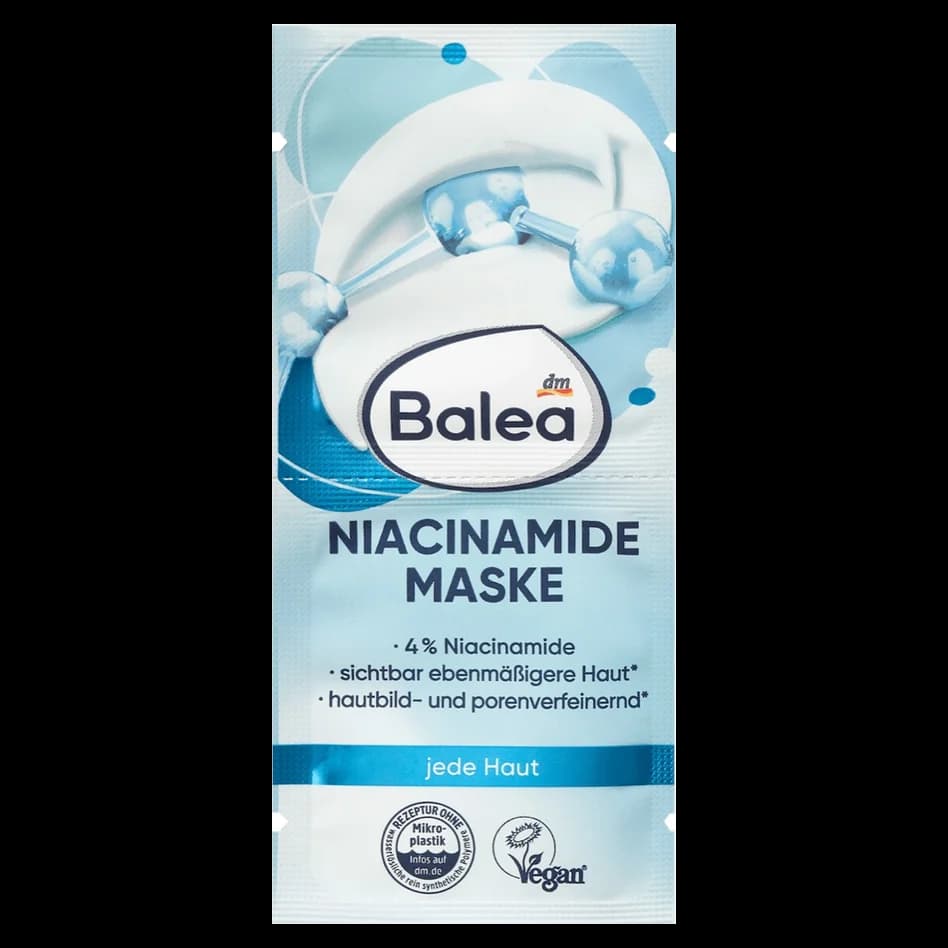
Balea
Gesichtsmaske Niacinamide
6th of 17 on the label
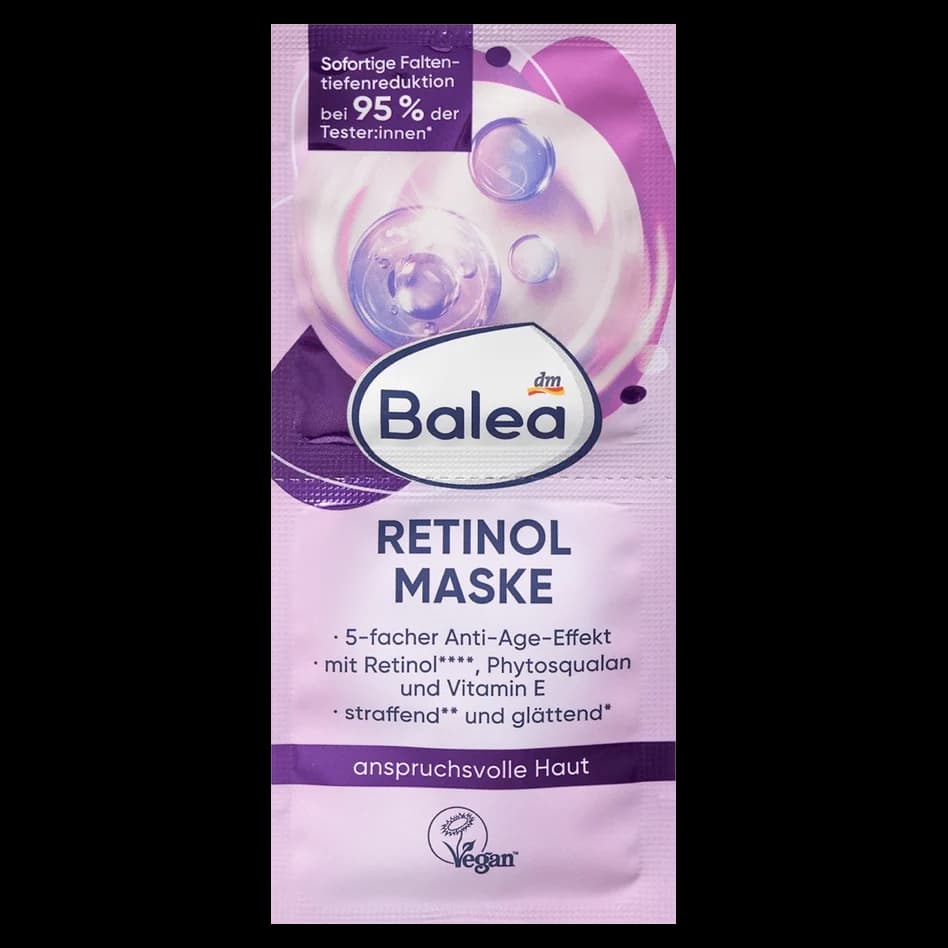
Balea
Gesichtsmaske Retinol
5th of 23 on the label
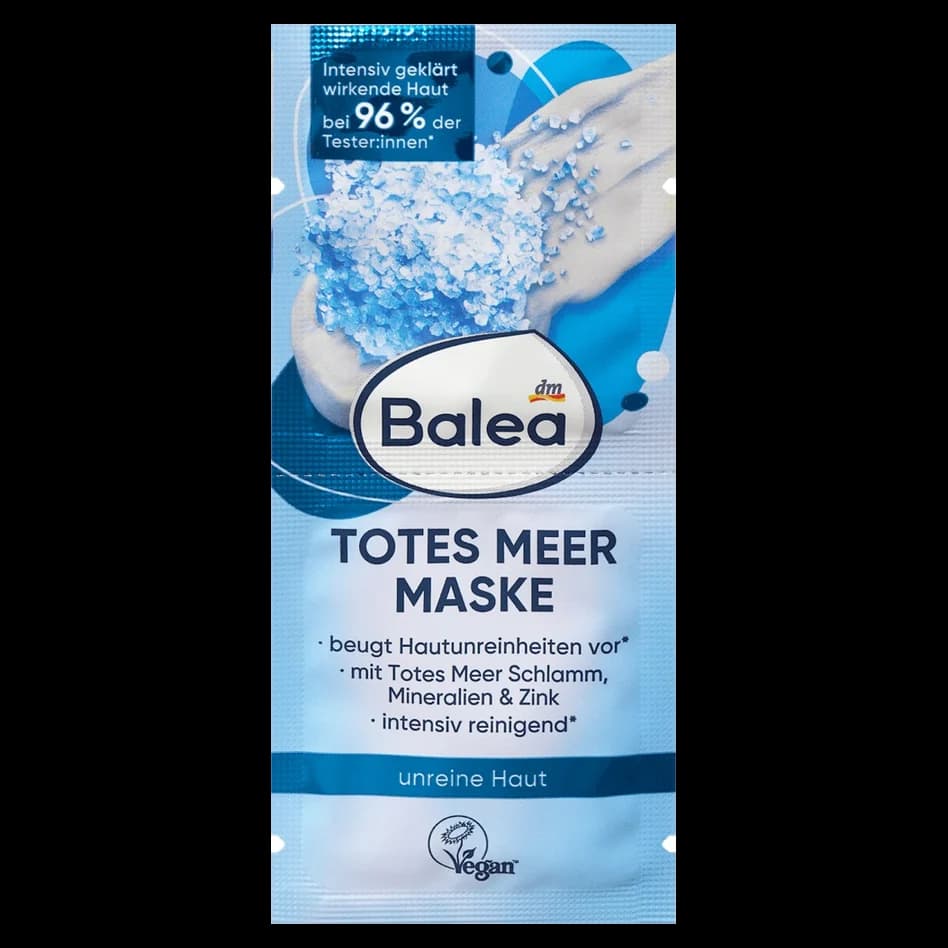
Balea
Gesichtsmaske Totes Meer
5th of 21 on the label
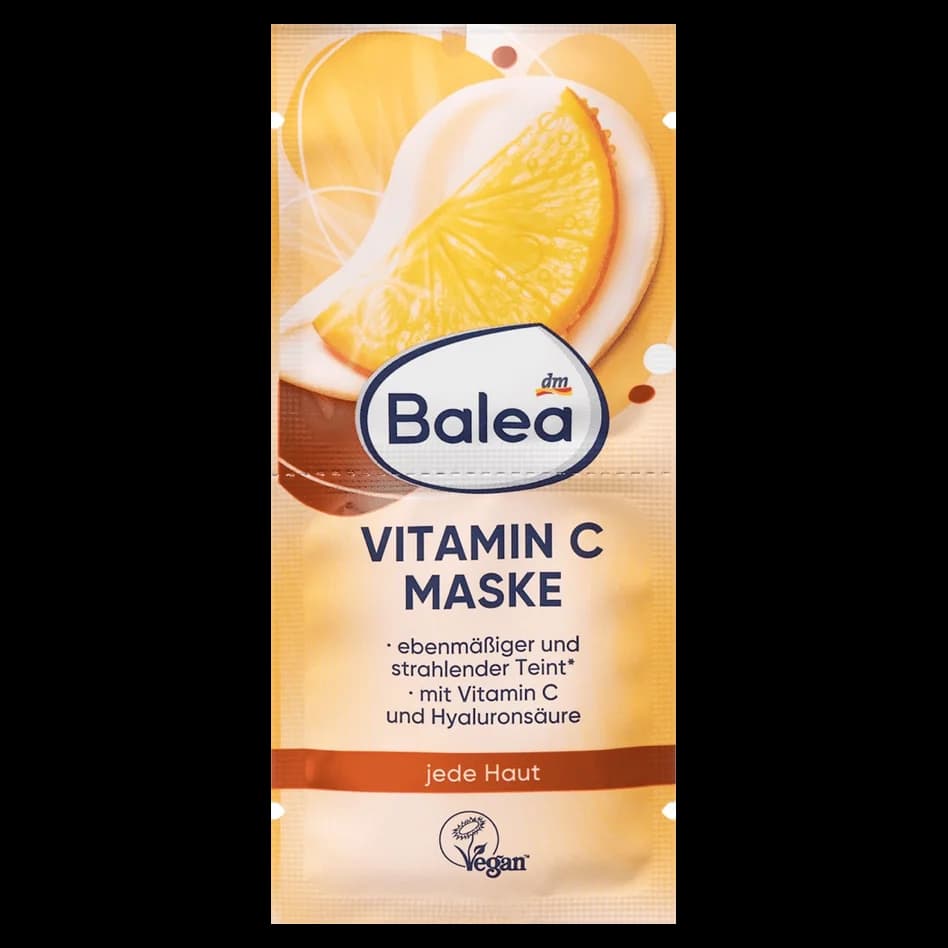
Balea
Gesichtsmaske Vitamin C
5th of 23 on the label
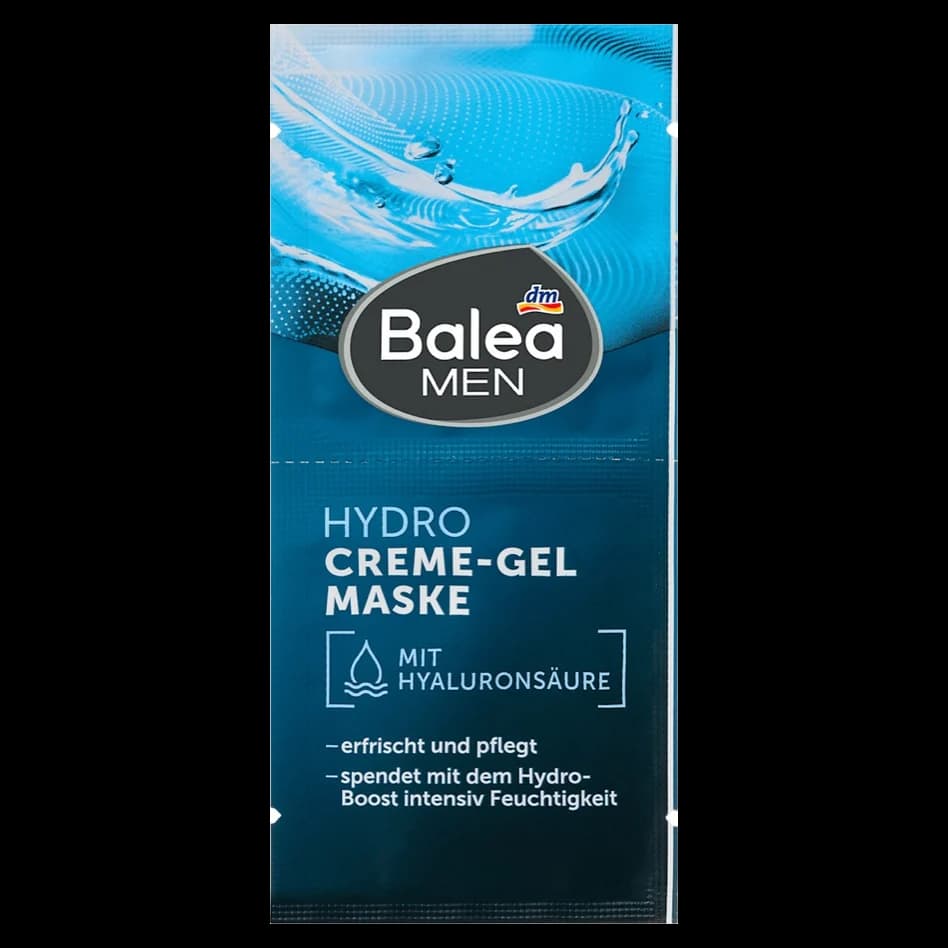
Balea MEN
Gesichtsmaske Creme-Gel Hydro
2nd of 31 on the label
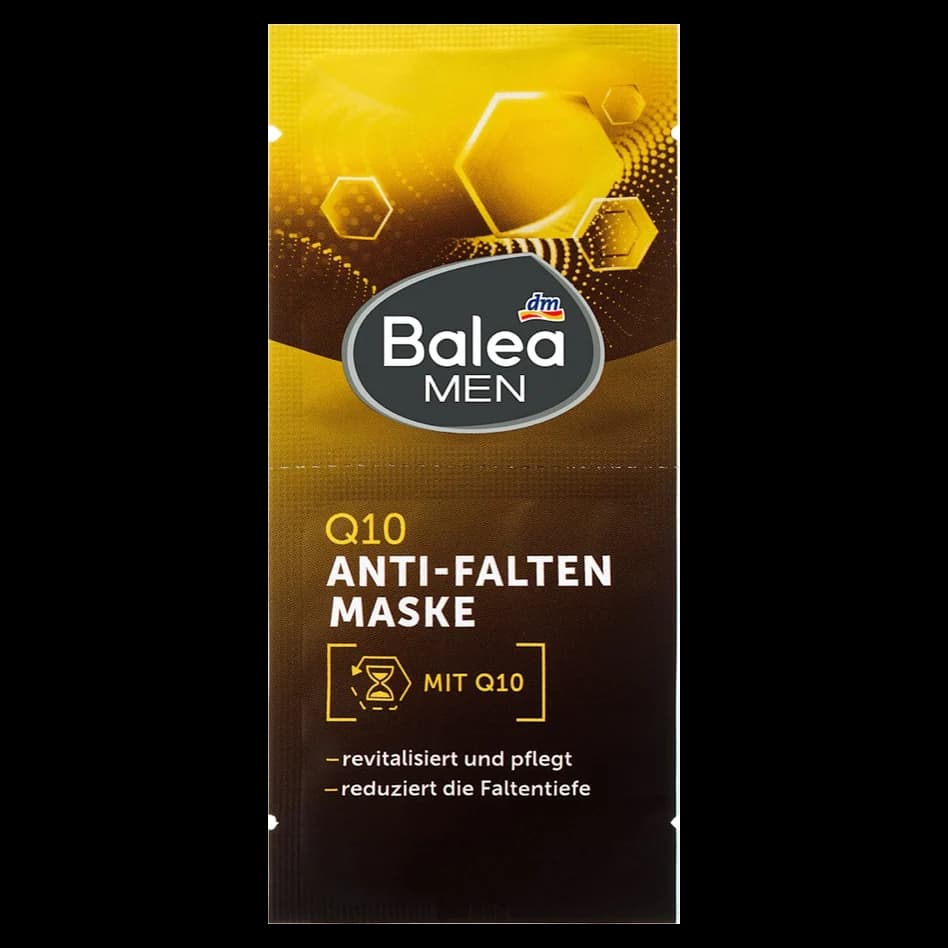
Balea MEN
Gesichtsmaske Q10 Anti-Falten
5th of 28 on the label
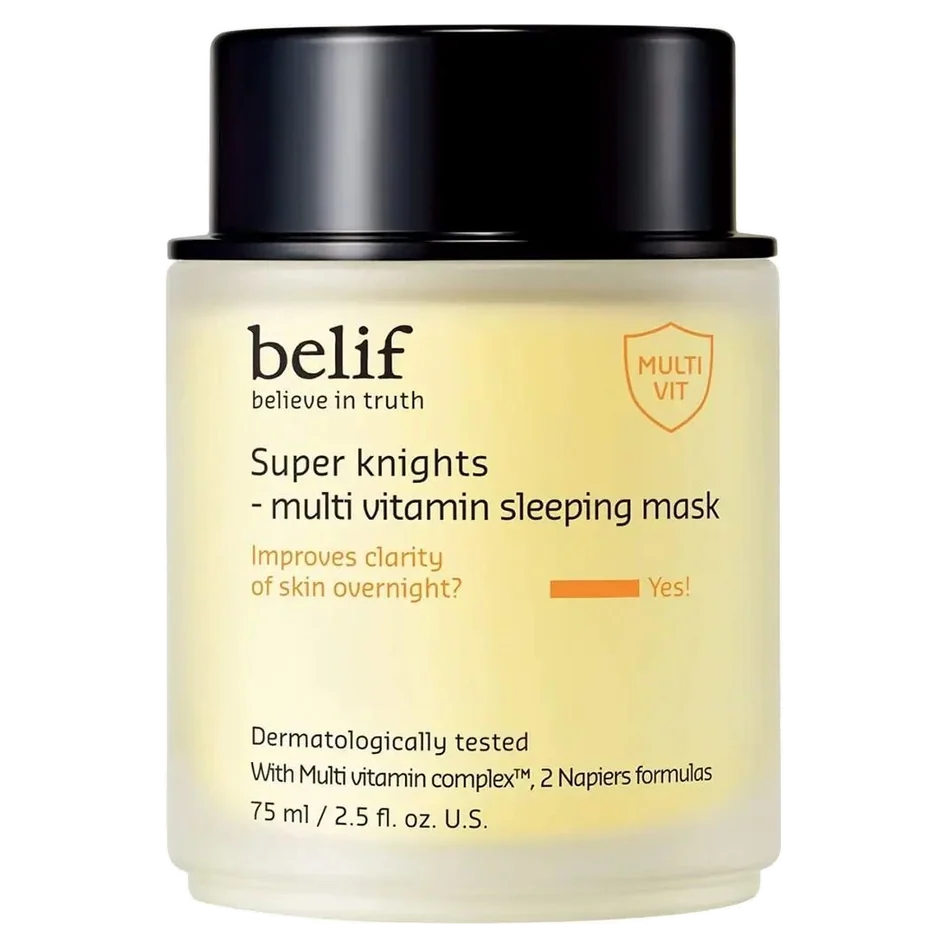
belif
Super Knights Vitamin Mask
10th of 26 on the label
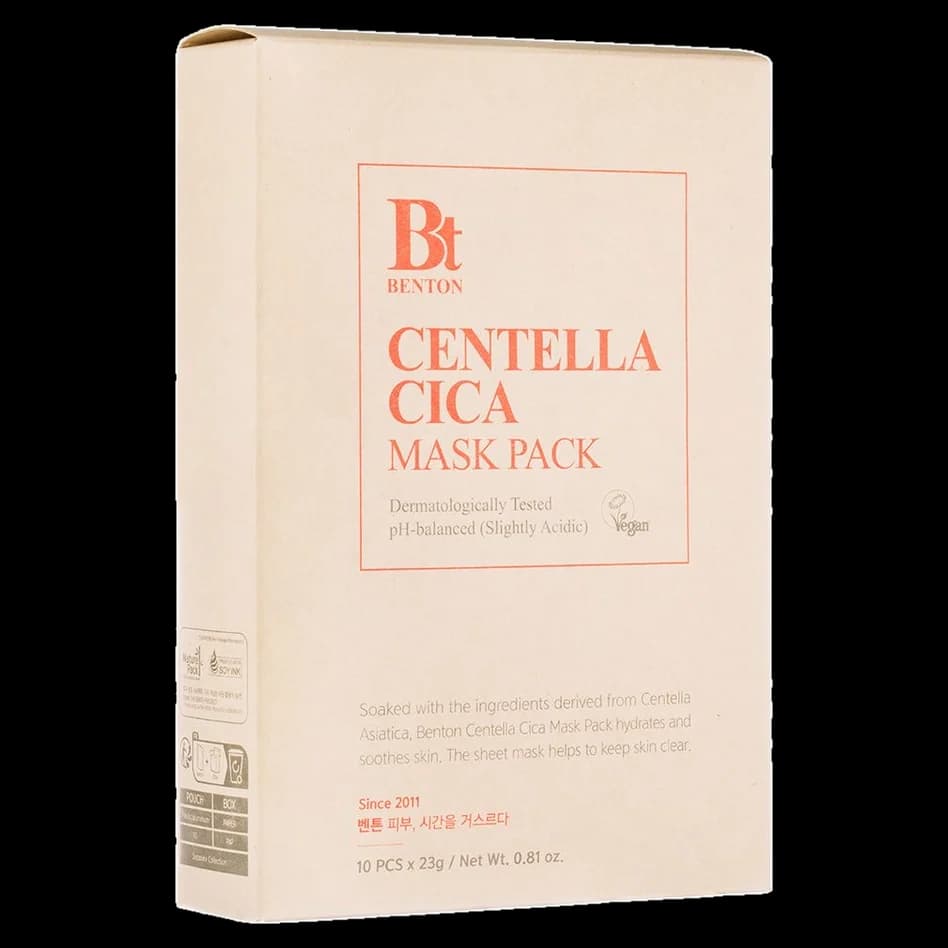
Benton
Goodbye Redness Centella Cica Mask Pack
22nd of 23 on the label
below ≈1%
BIO:VEGANE
Gesichtsmaske Pore Detox Clay Mask
17th of 19 on the label
below ≈1%
Biodance
Hydro Cera-nol Real Deep Mask
43rd of 65 on the label
below ≈1%
BIOMARIS
Super Rich Mask
3rd of 19 on the label
Clinique
Moisture Surge Overnight Mask
21st of 42 on the label
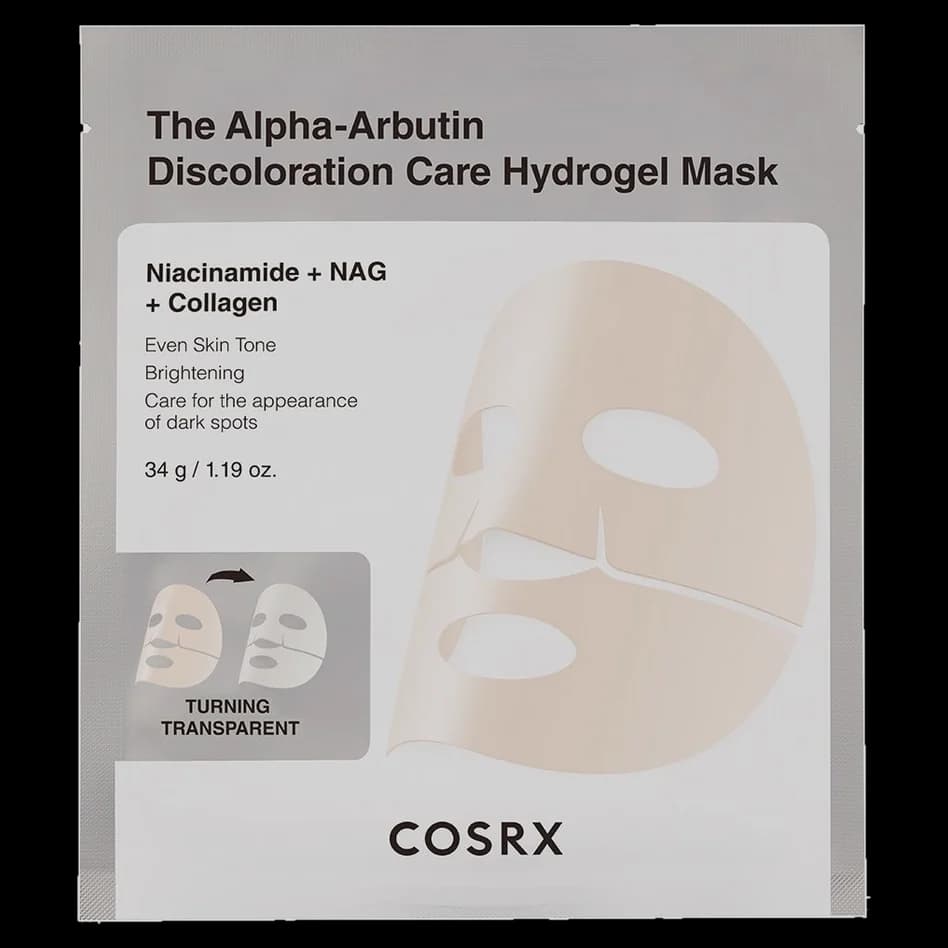
COSRX
The Alpha-Arbutin Discoloration Care Hydrogel Mask
27th of 44 on the label
below ≈1%
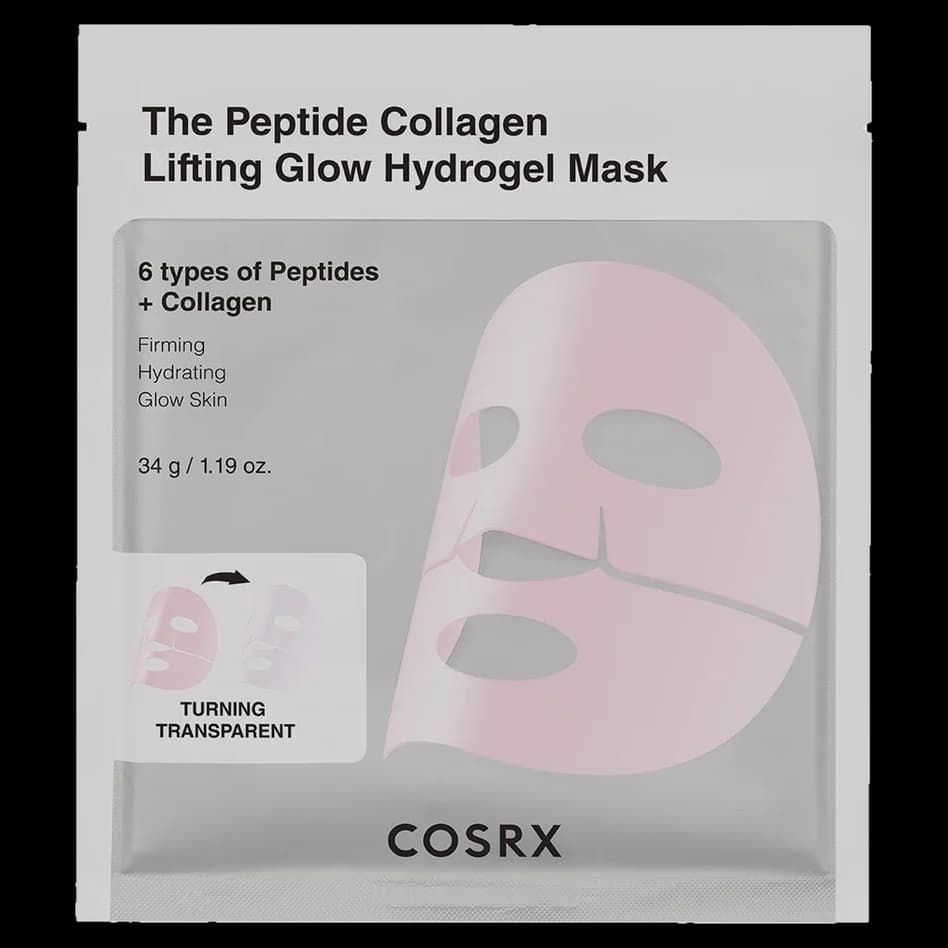
COSRX
The Peptide Collagen Lifting Glow Hydrogel Mask
23rd of 49 on the label
below ≈1%
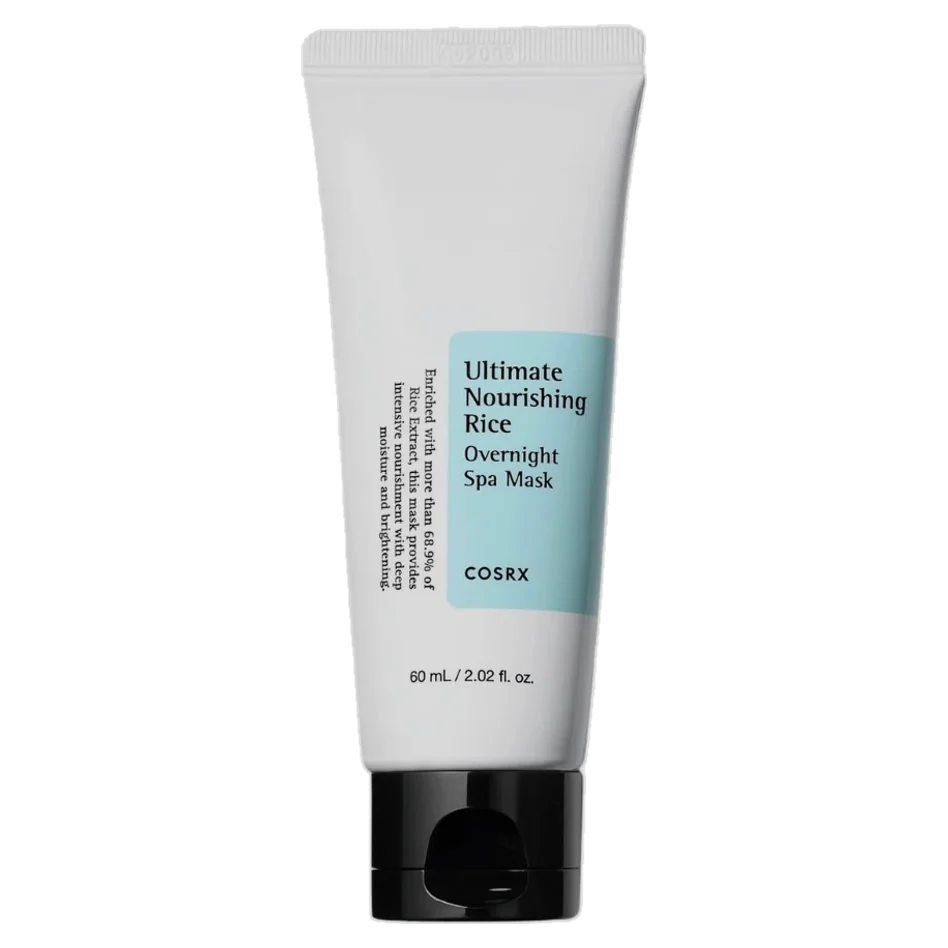
COSRX
Ultimate Nourishing Rice Overnight Spa Mask
14th of 19 on the label
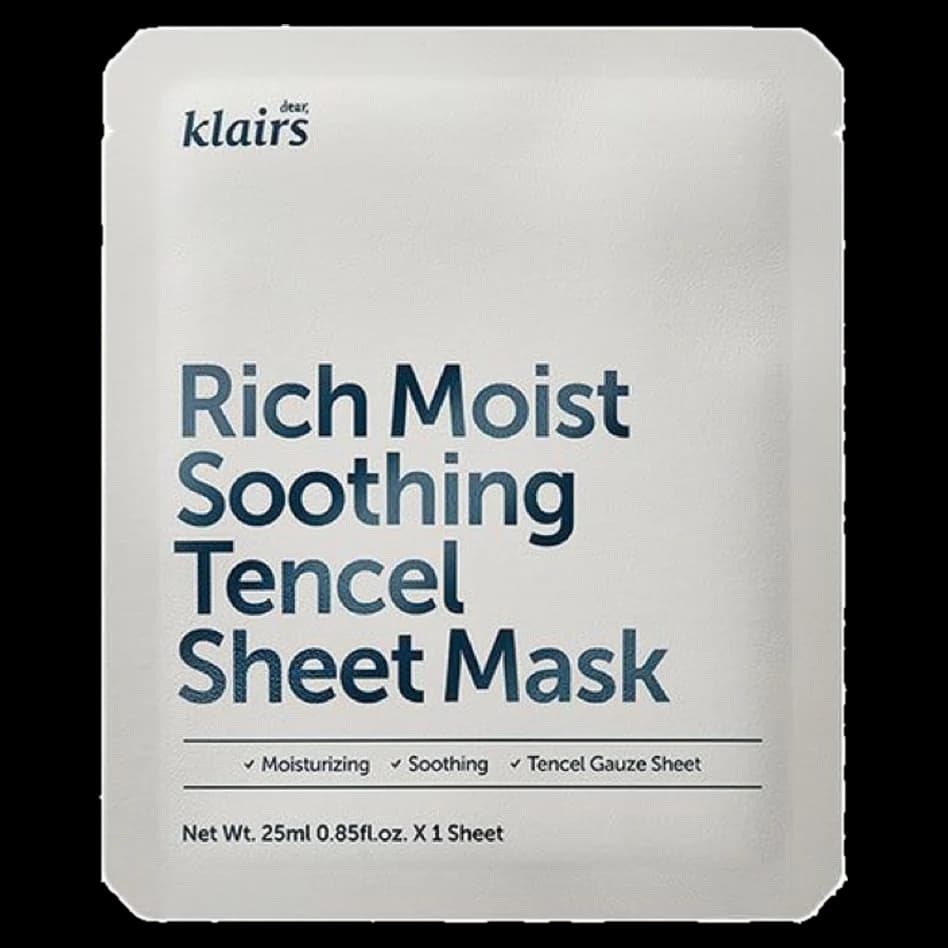
Dear, Klairs
Rich Moist Soothing Tencel Sheet Mask
24th of 33 on the label
below ≈1%
DERMASEL
SPA Totes Meer Maske Peeling
4th of 16 on the label
Dr. Grandel
Timeless Sleeping Cream & Mask
12th of 35 on the label
Dr. Rimpler
SPECIAL Peel AHA
3rd of 16 on the label
Dr. Scheller
Detox Heilmoor Maske
4th of 22 on the label
Kiehl's
Rare Earth Pore-Minimizing Clay Mask
8th of 19 on the label
LA MER
Ultra Booster Premium Mask Effect
3rd of 41 on the label
La Roche-Posay
Effaclar Purifying Clay Mask
10th of 20 on the label
lavera
basis sensitiv Anti-Falten Gesichtsmaske
8th of 42 on the label
Luvos-Heilerde
Anti-Aging-Maske
8th of 27 on the label
Luvos-Heilerde
Anti-Stress-Maske
7th of 33 on the label
Luvos-Heilerde
Clean-Peel-Maske
7th of 29 on the label
Luvos-Heilerde
Hydro Booster mit Clean Maske
8th of 63 on the label
Luvos-Heilerde
Hydro-Maske
9th of 33 on the label
Luvos-Heilerde
Peeling-Maske
7th of 29 on the label
Luvos-Heilerde
Reinigungs-Maske
8th of 28 on the label
Luvos-Heilerde
Vital-Maske
8th of 30 on the label
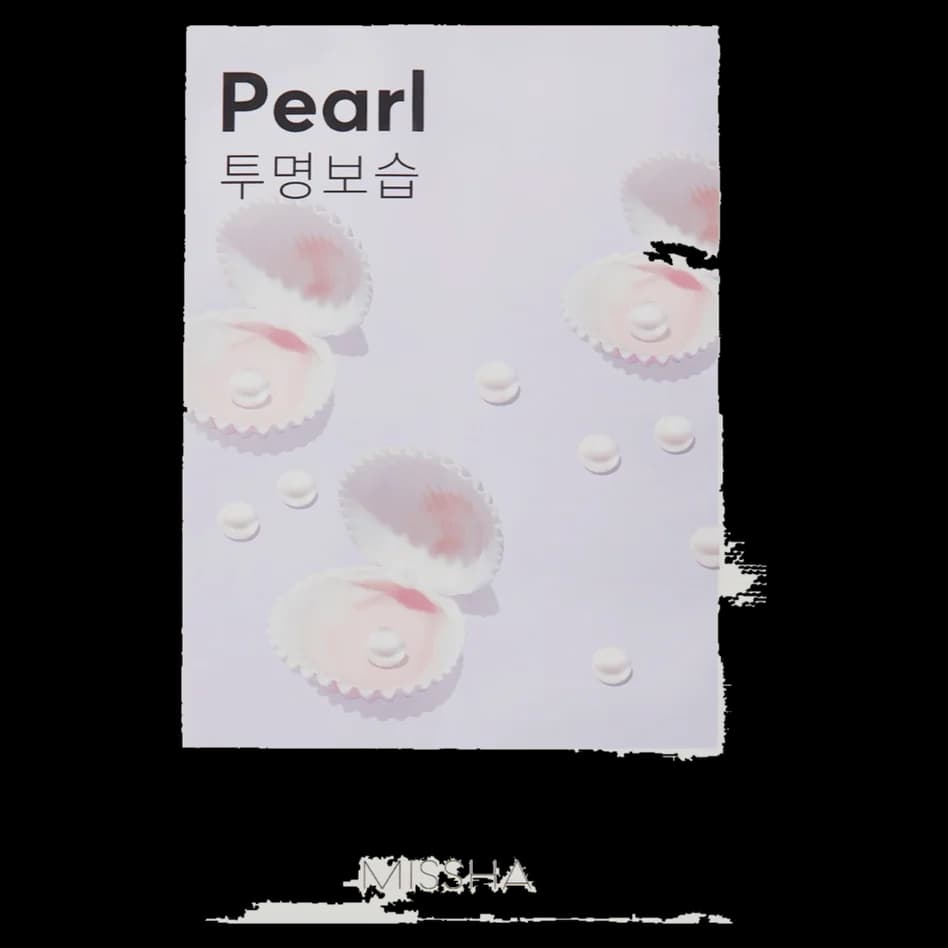
MISSHA
Airy Fit Sheet Mask Pearl
8th of 31 on the label
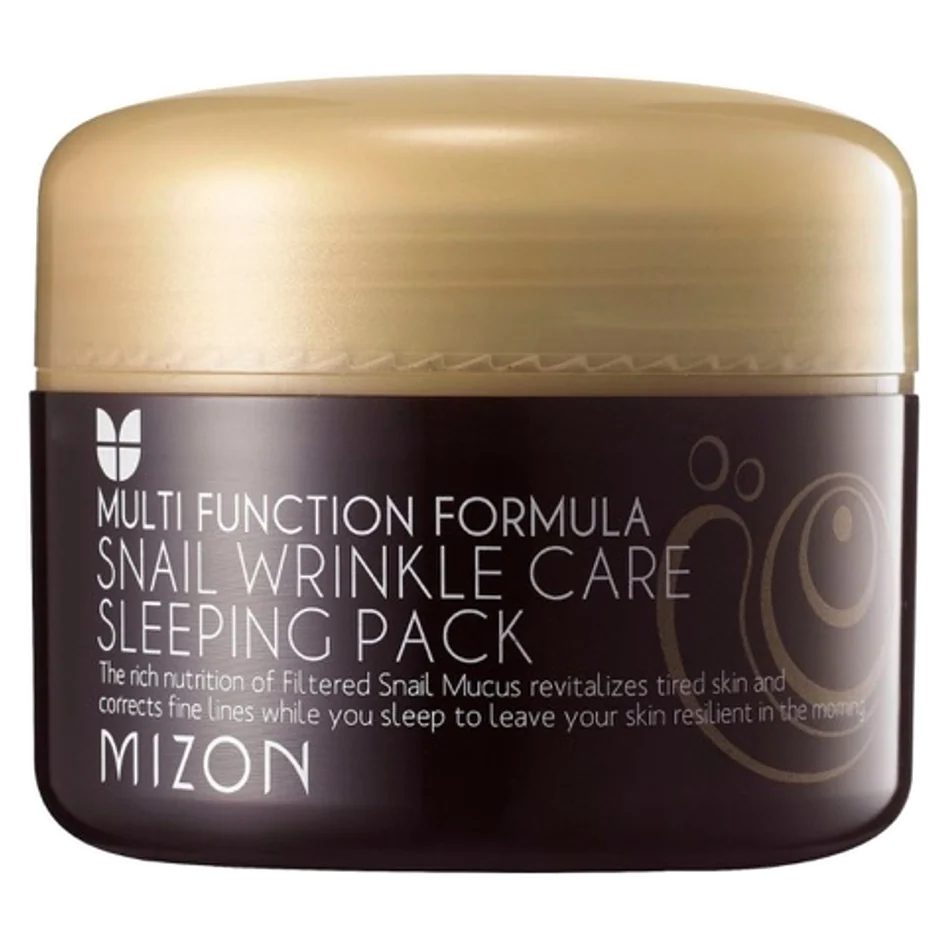
MIZON
Snail Wrinkle Care Sleeping Pack
8th of 31 on the label
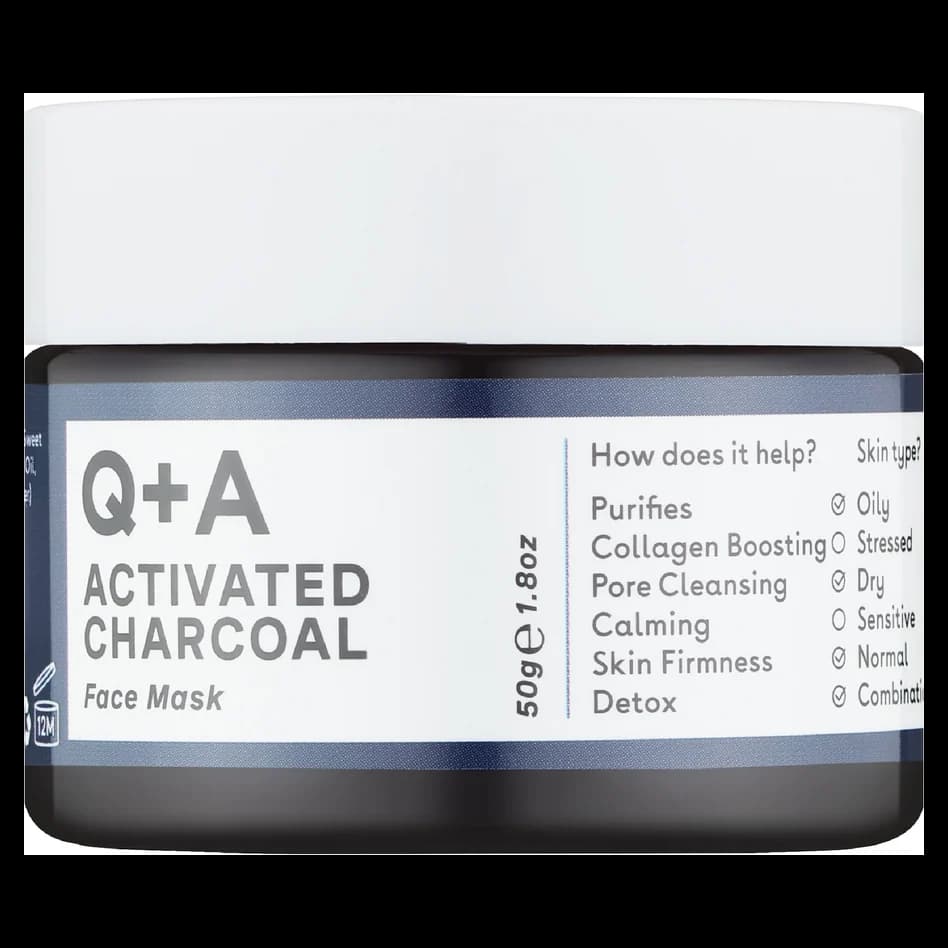
Q+A
Activated Charcoal Face Mask
8th of 18 on the label
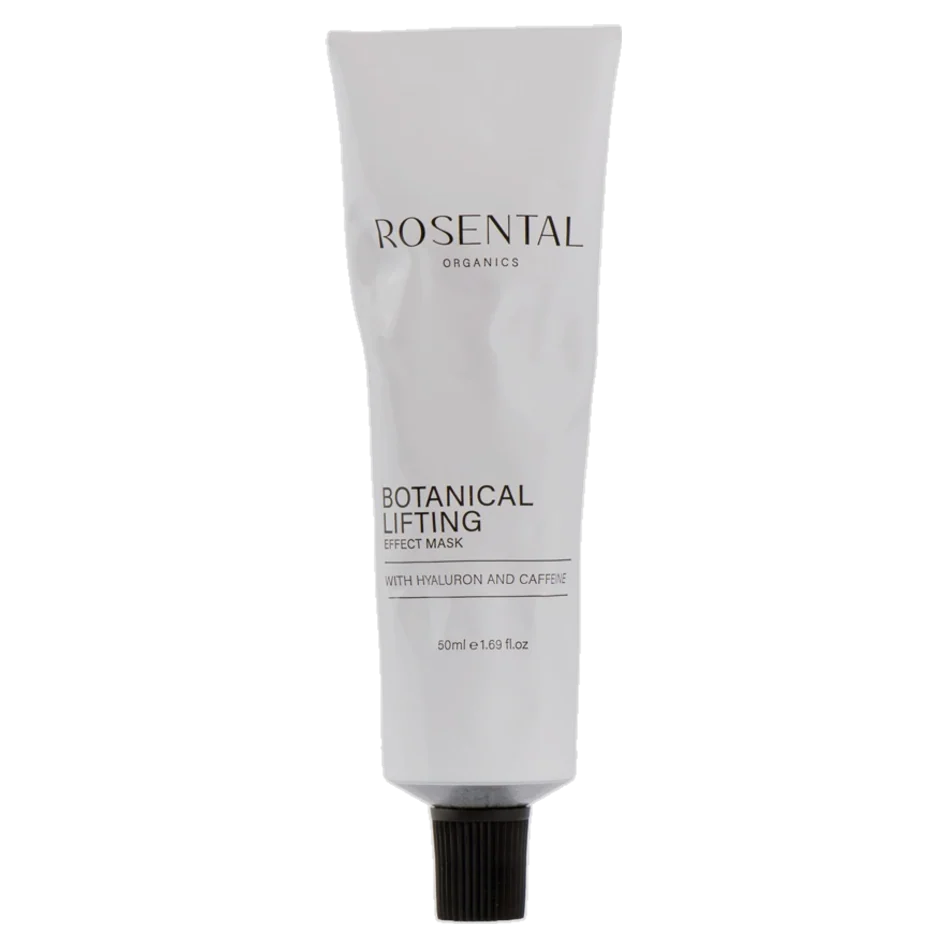
Rosental Organics
Botanical Lifting Effect Mask
10th of 28 on the label
Rosental Organics
Regenerating Night Mask
7th of 44 on the label
Santé Naturkosmetik
Pore Control Maske BHA
4th of 29 on the label
Santé Naturkosmetik
Skin Vitality Maske Parakresse
3rd of 33 on the label
Schaebens
Aloe Vera Maske
5th of 34 on the label
Schaebens
Gesichtsmaske Feuchtigkeit Sofort-Effekt
2nd of 38 on the label
Schaebens
Gesichtsmaske Zink
6th of 27 on the label
Schaebens
Hyaluron Maske
3rd of 32 on the label
Schaebens
Totes Meer Schlamm Maske
6th of 14 on the label
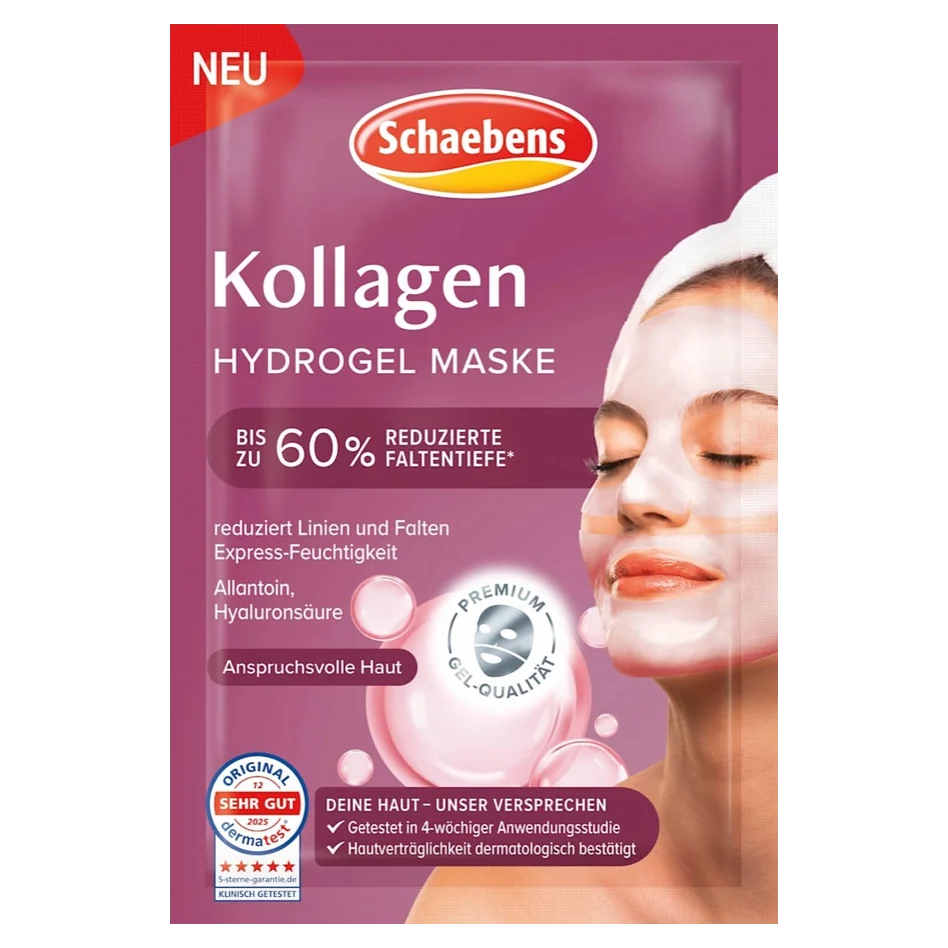
Schaebens
Tuchmaske Kollagen Hydrogel
14th of 27 on the label
below ≈1%
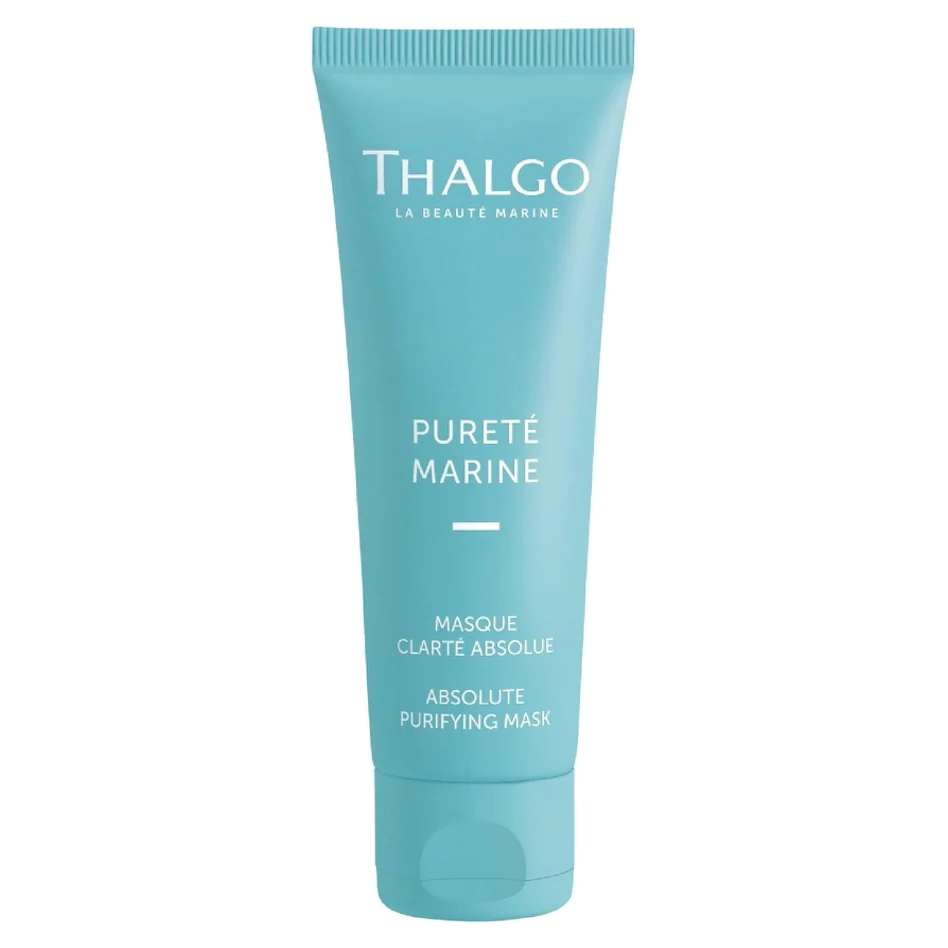
THALGO
Klärende Intensiv-Maske
7th of 32 on the label
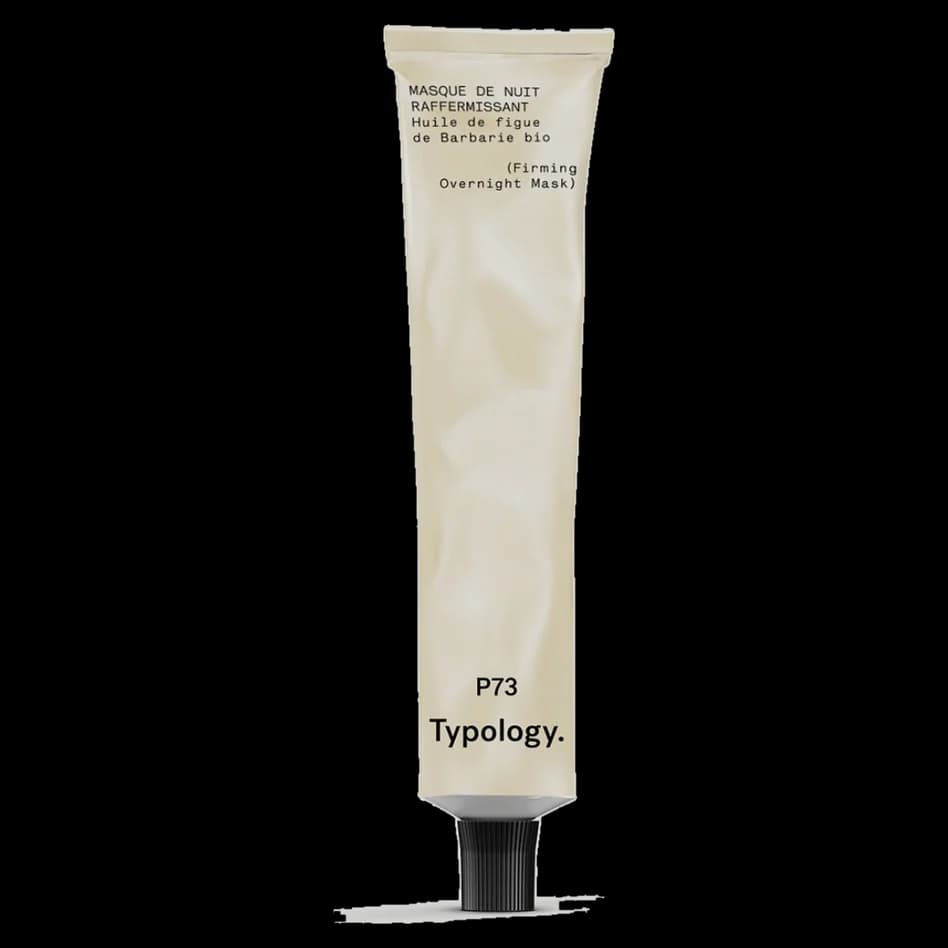
Typology
Masque de Nuit Raffermissant P73 (Firming Night Mask)
6th of 24 on the label