Ceramide NP
Ceramide 3
No meaningful concern for most people; irritation is possible but rare.
Also written as: Ceramide 3 · Ceramide III · N-Stearoyl Phytosphingosine
What it is
Ceramides are the most abundant fat in the outermost layer of skin, where they stack with cholesterol and free fatty acids into the lamellar sheets that hold water in and keep irritants out. Ceramide NP, formerly called ceramide 3, is one specific type made synthetically or by fermentation so that it matches a ceramide the skin already produces. It is added to moisturisers and masks to top up a lipid supply that is measurably depleted in dry, eczema-prone and older skin.
How it shows up on a label
Only one of the twenty-five masks here prints it in the first five rows, and of the twenty-four whose lists show the point where ingredient order stops indicating quantity, eighteen put it below that point. In a rinse-off mask most of it washes away, so ceramides earn their keep in leave-on masks and creams rather than wash-off clays.
What it does well
Measurably strengthens a weakened skin barrier
In a 58-person double-blind study in adults with a history of eczema, an emulsion containing physiological lipids including ceramide NP significantly improved barrier integrity and reduced sensitivity to a detergent challenge, while a glycerine-only emollient on the other arm reduced dryness but did nothing for barrier function.
Strong evidence
Raises the skin's own ceramide levels
In that same study, lipidomic analysis of tape-stripped skin found ceramide NP with an 18-carbon sphingoid base rose 24% after four weeks of treatment, and the increase tracked with improved barrier integrity. Applied ceramides are not just sitting on top.
Moderate evidence
Works better alongside cholesterol and fatty acids than alone
Classic barrier research showed that applying one or two of the three physiological lipids alone actually delays barrier recovery; only complete mixtures allow normal repair, and making one of the three dominant in roughly a 3:1:1 ratio speeds it up. A product listing ceramides plus cholesterol plus a fatty acid is following that evidence.
Strong evidence
Worth knowing
Often present at token amounts
Ceramides are among the more expensive cosmetic raw materials, and a product may legally advertise them while including a fraction of a per cent. Position on the ingredient list, particularly if it falls after the preservative, is a rough guide to how much is really there.
Matters most toAnyone paying a premium specifically for ceramide content.
Prevention claims are not yet proven
A randomised trial of a ceramide and amino acid emollient for preventing eczema in high-risk infants showed a numerical trend in favour of treatment (13.2% versus 25.0% at one year) but under-enrolled and did not reach statistical significance. Barrier repair is well supported; disease prevention is not.
Matters most toParents choosing an emollient specifically to prevent eczema.
Where the EU stands
No specific restriction
Not listed in any Annex of the EU Cosmetics Regulation, so there is no specific concentration limit; it is still covered by the general safety assessment every cosmetic product must pass before sale.
Regulation (EC) No 1223/2009 - no annex entry · source ↗
Sources (3)
Every link goes to the original: a journal, a PubMed record or an EU document.
- [1]Topical supplementation with physiological lipids rebalances the stratum corneum ceramide profile and strengthens skin barrier function in adults predisposed to atopic dermatitis
British Journal of Dermatology · 2025 · doi:10.1093/bjd/ljaf200
A lipid emulsion containing ceramide NP improved barrier integrity and reduced irritant sensitivity over 28 days, while a glycerine emollient without physiological lipids improved dryness only.
- [2]Optimization of physiological lipid mixtures for barrier repair
Journal of Investigative Dermatology · 1996 · doi:10.1111/1523-1747.ep12340135
Ceramides, cholesterol and free fatty acids must be applied together for normal barrier recovery, and increasing any one of the three up to threefold accelerates repair further.
- [3]A randomized controlled trial of an emollient with ceramide and filaggrin-associated amino acids for the primary prevention of atopic dermatitis in high-risk infants
Journal of the European Academy of Dermatology and Venereology · 2019 · doi:10.1111/jdv.15786
Daily use of a ceramide emollient produced a favourable but statistically non-significant trend in eczema incidence, in a trial that recruited fewer than half its target sample.
Masks that contain Ceramide NP
Abib
Collagen Gel Mask Heartleaf Jelly
41st of 43 on the label
below ≈1%
Abib
Collagen Gel Mask Jericho Rose Jelly
40th of 43 on the label
below ≈1%
Anua
Retinol Niacin Night Care Mask
37th of 44 on the label
below ≈1%
Anua
Rice 70 Glow Collagen Mask
34th of 42 on the label
below ≈1%
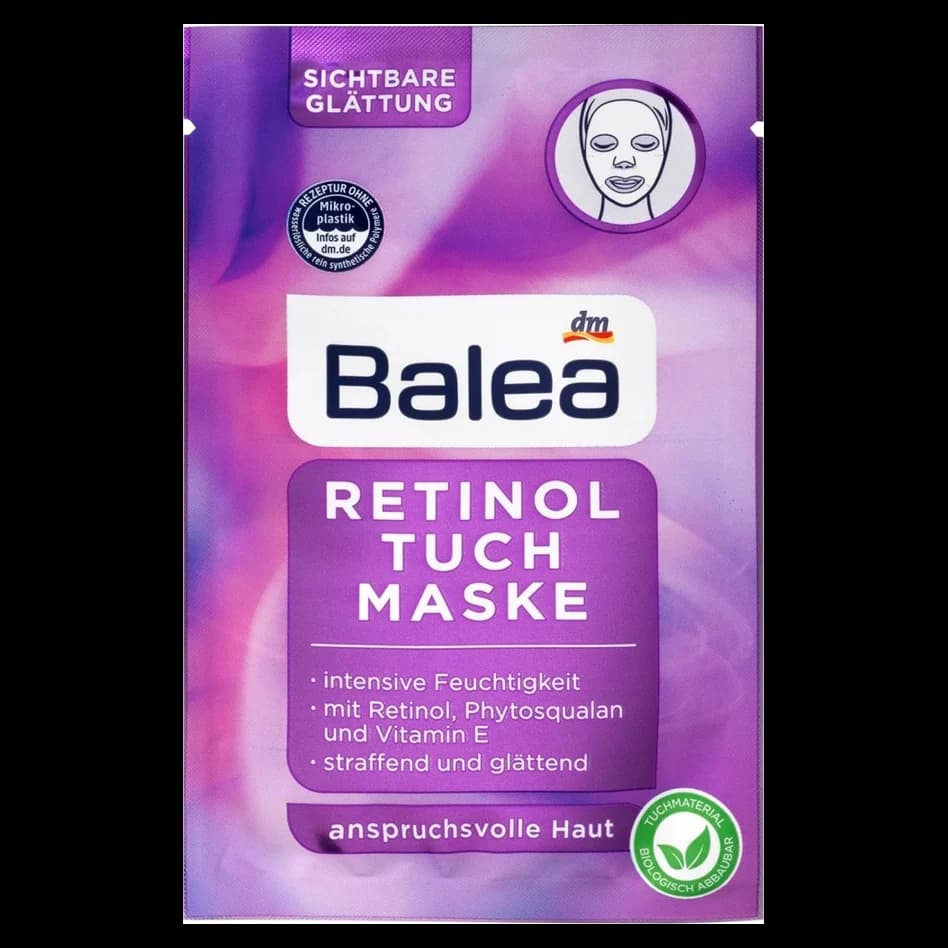
Balea
Tuchmaske Retinol
7th of 16 on the label
below ≈1%
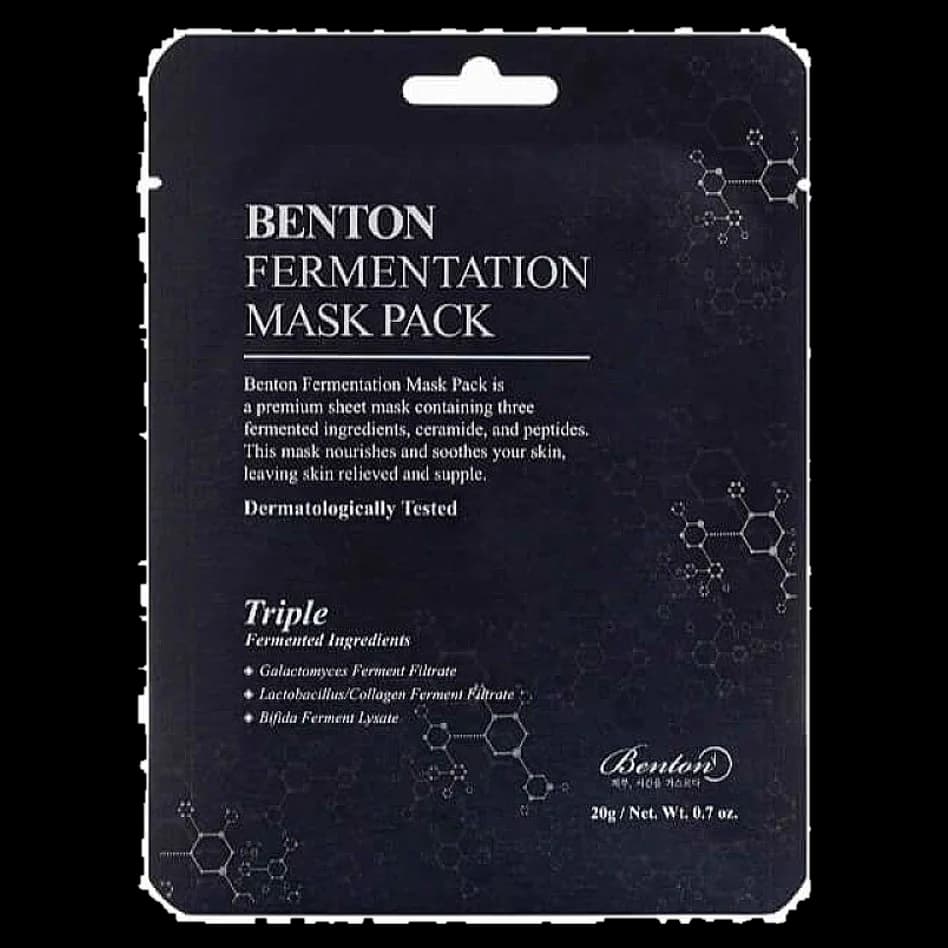
Benton
Fermentation Mask Pack
11th of 25 on the label
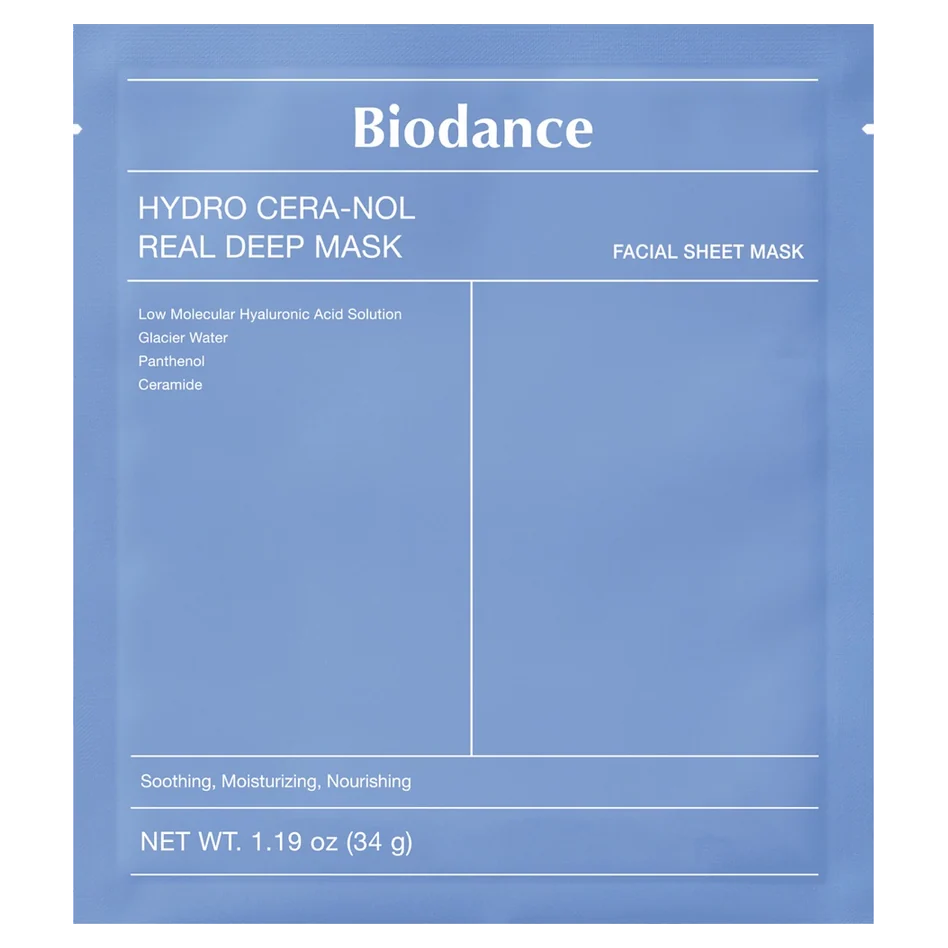
Biodance
Hydro Cera-nol Real Deep Mask
53rd of 65 on the label
below ≈1%
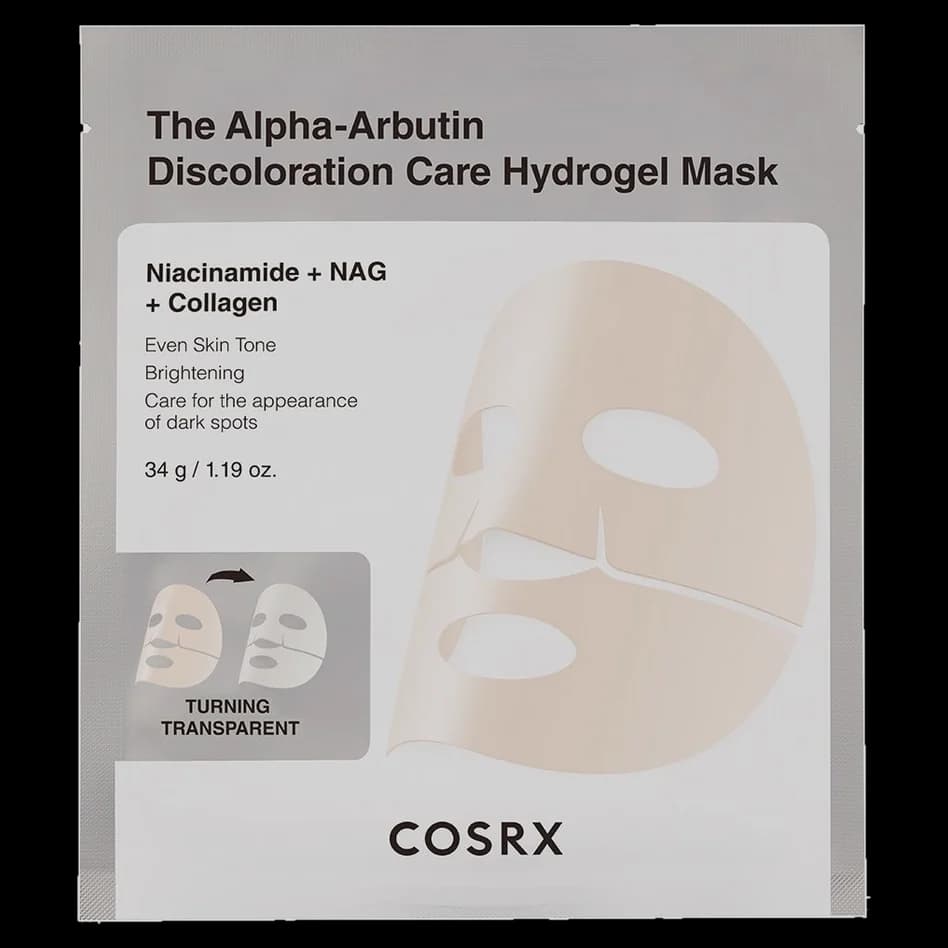
COSRX
The Alpha-Arbutin Discoloration Care Hydrogel Mask
31st of 44 on the label
below ≈1%
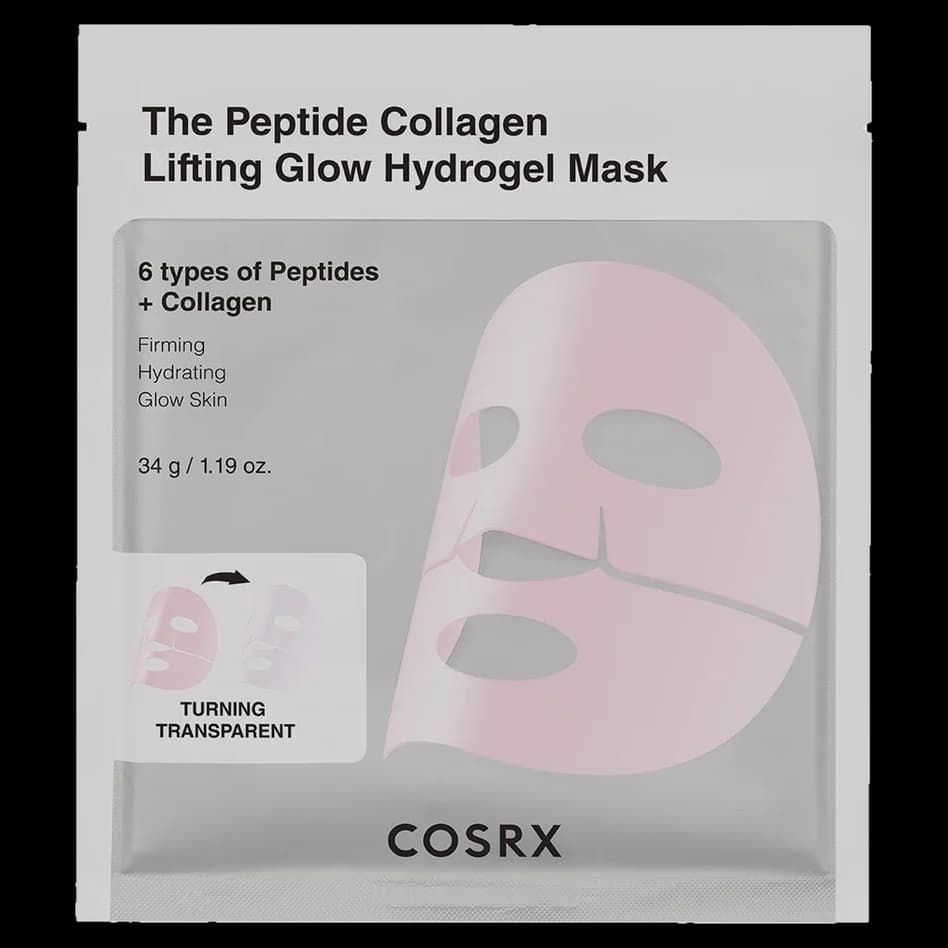
COSRX
The Peptide Collagen Lifting Glow Hydrogel Mask
31st of 49 on the label
below ≈1%
Dear, Klairs
Freshly Juiced Vitamin E Mask
12th of 30 on the label
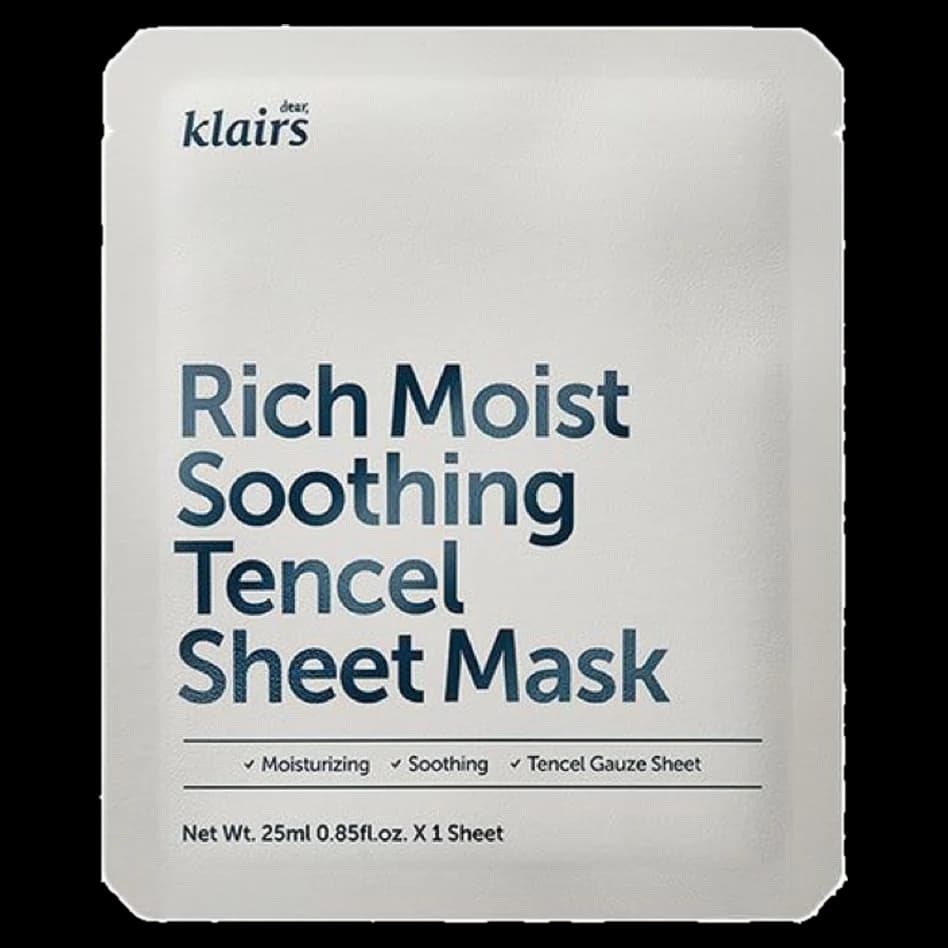
Dear, Klairs
Rich Moist Soothing Tencel Sheet Mask
17th of 33 on the label
below ≈1%
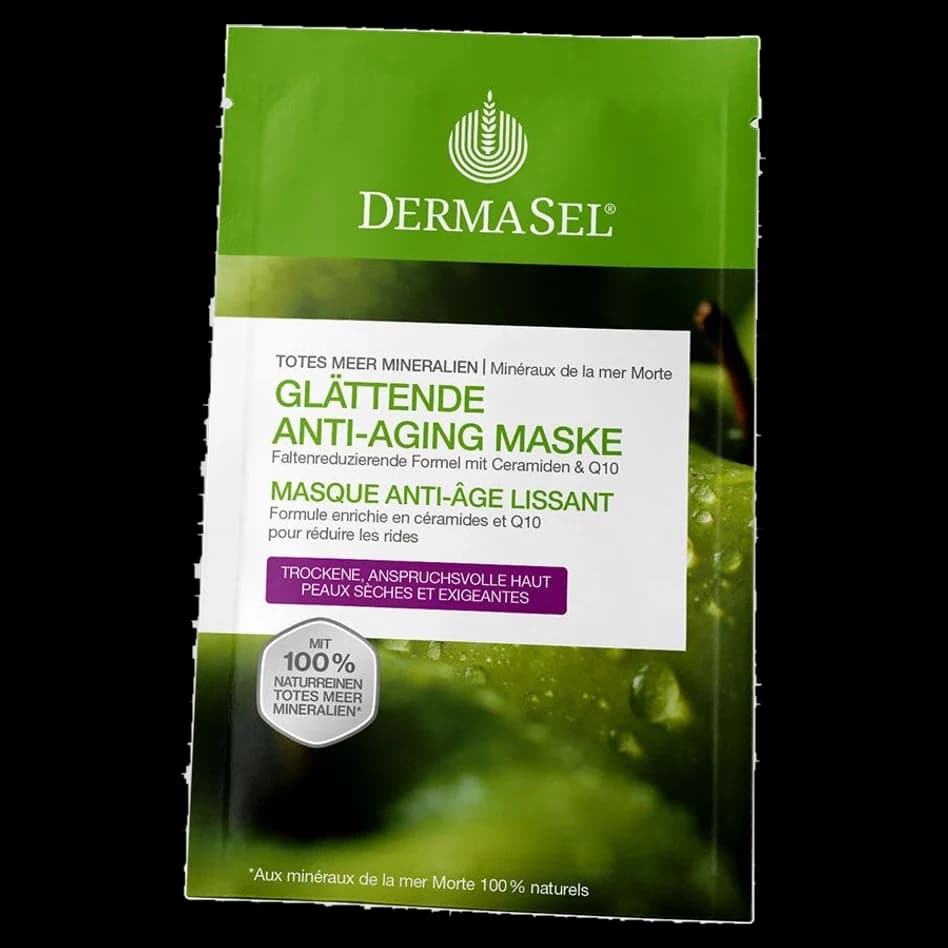
DERMASEL
EXKLUSIV Totes Meer Maske Anti Aging
13th of 26 on the label
below ≈1%
Elizavecca
Tea Tree Deep Power Ringer Mask Pack
6th of 23 on the label
Etude House
0.2mm Therapy Air Mask Ceramide
28th of 33 on the label
below ≈1%
Etude House
0.2mm Therapy Air Mask Hyaluronic Acid
33rd of 35 on the label
below ≈1%
Garnier
SkinActive Hyaluronic Acid Barrier Repair Serum Tissue Mask
8th of 25 on the label
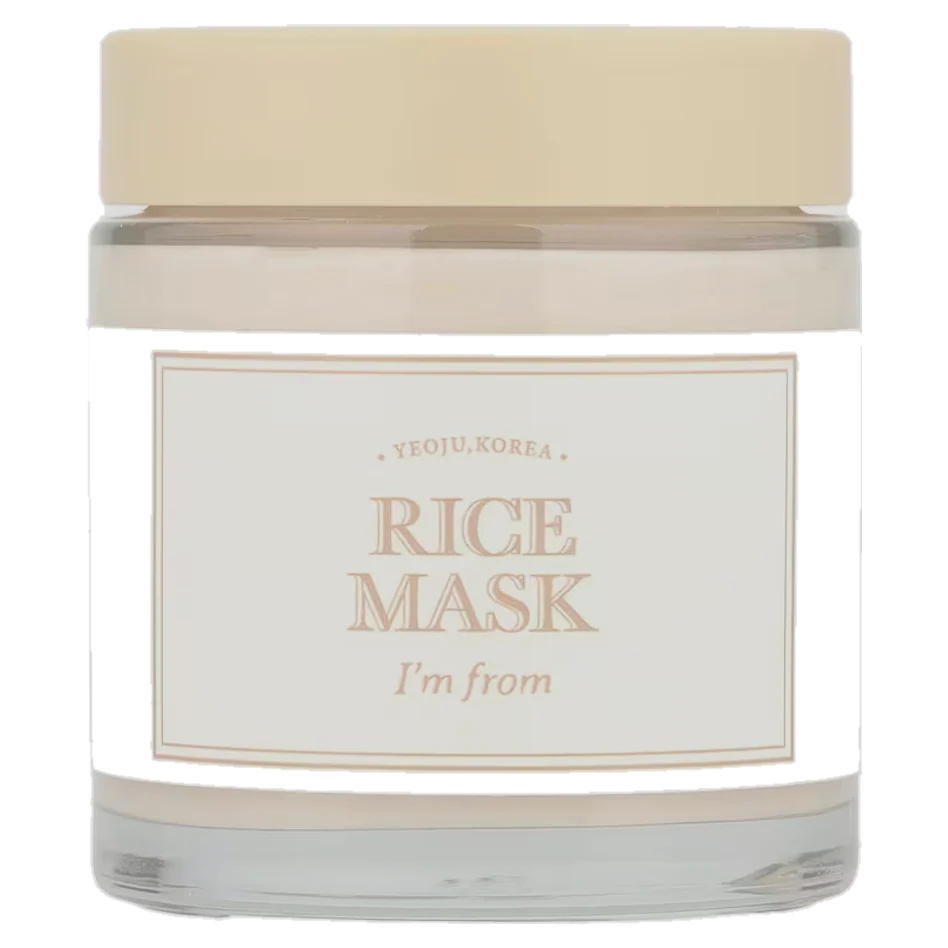
I'm From
Rice Mask
41st of 43 on the label
below ≈1%
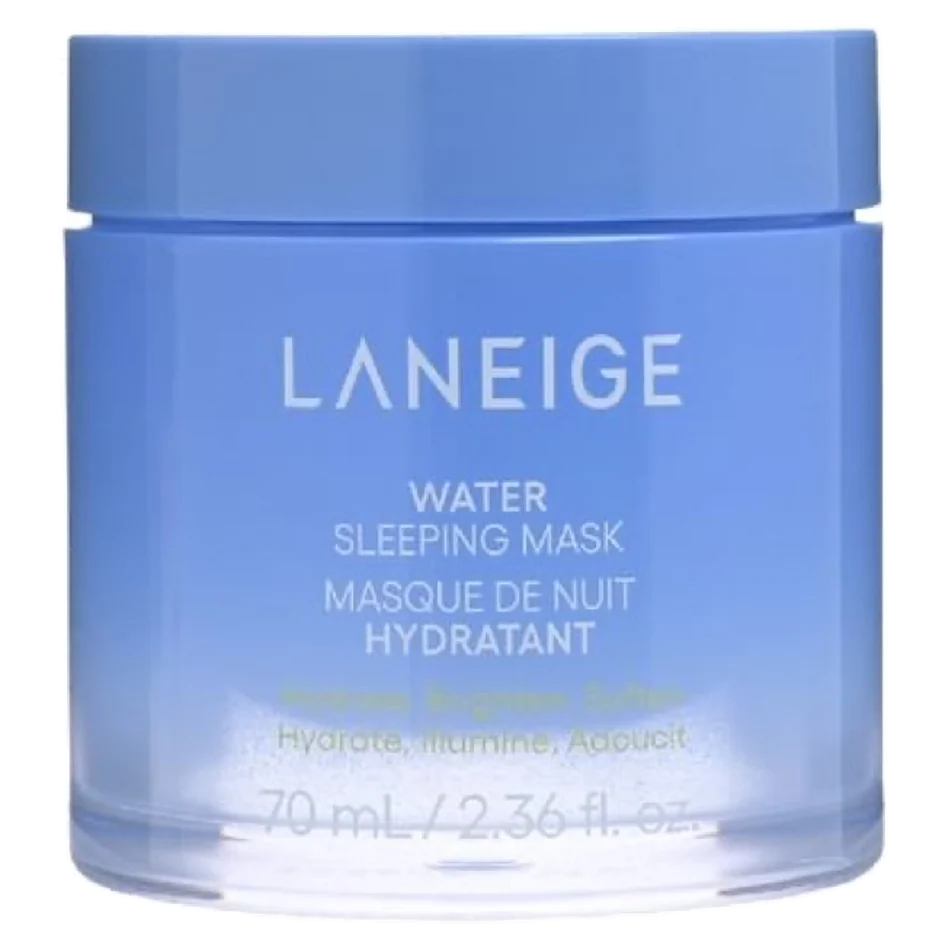
LANEIGE
Water Sleeping Mask
42nd of 43 on the label
below ≈1%
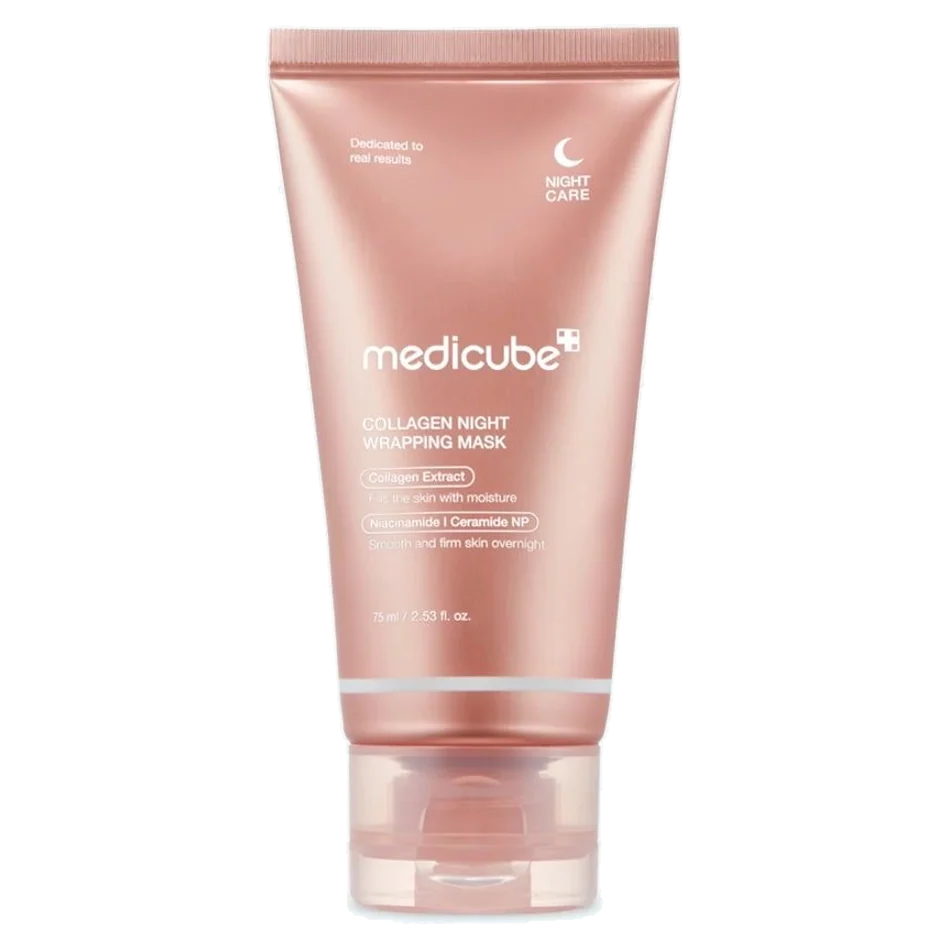
Medicube
Collagen Night Wrapping Mask
20th of 24 on the label
below ≈1%
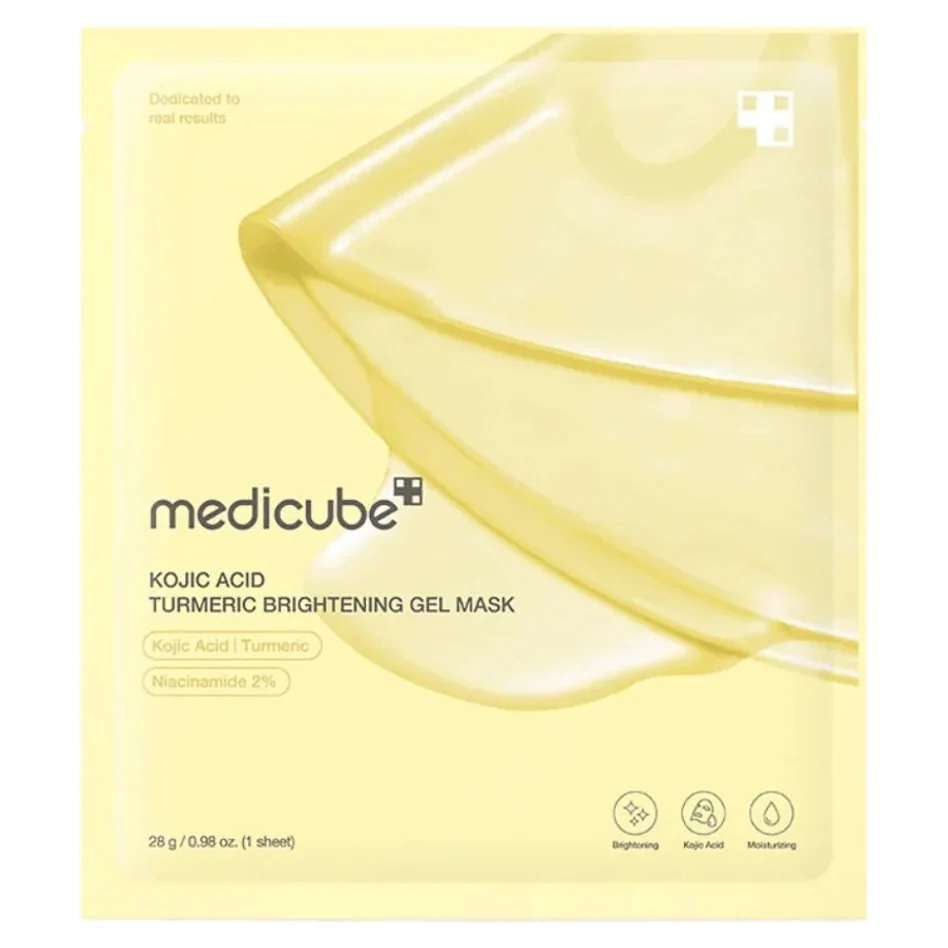
Medicube
Kojic Acid Turmeric Brightening Gel Mask
34th of 35 on the label
below ≈1%
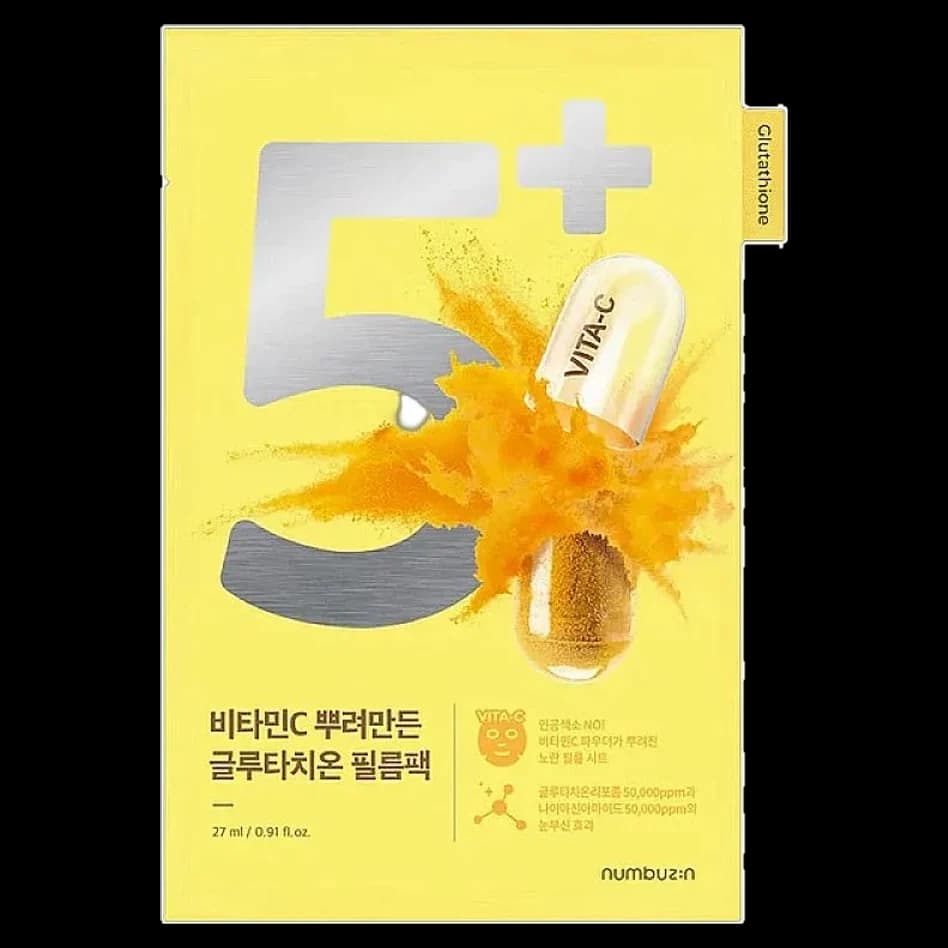
numbuzin
No.5 Vitamin Spotlight Sheet Mask
29th of 33 on the label
below ≈1%
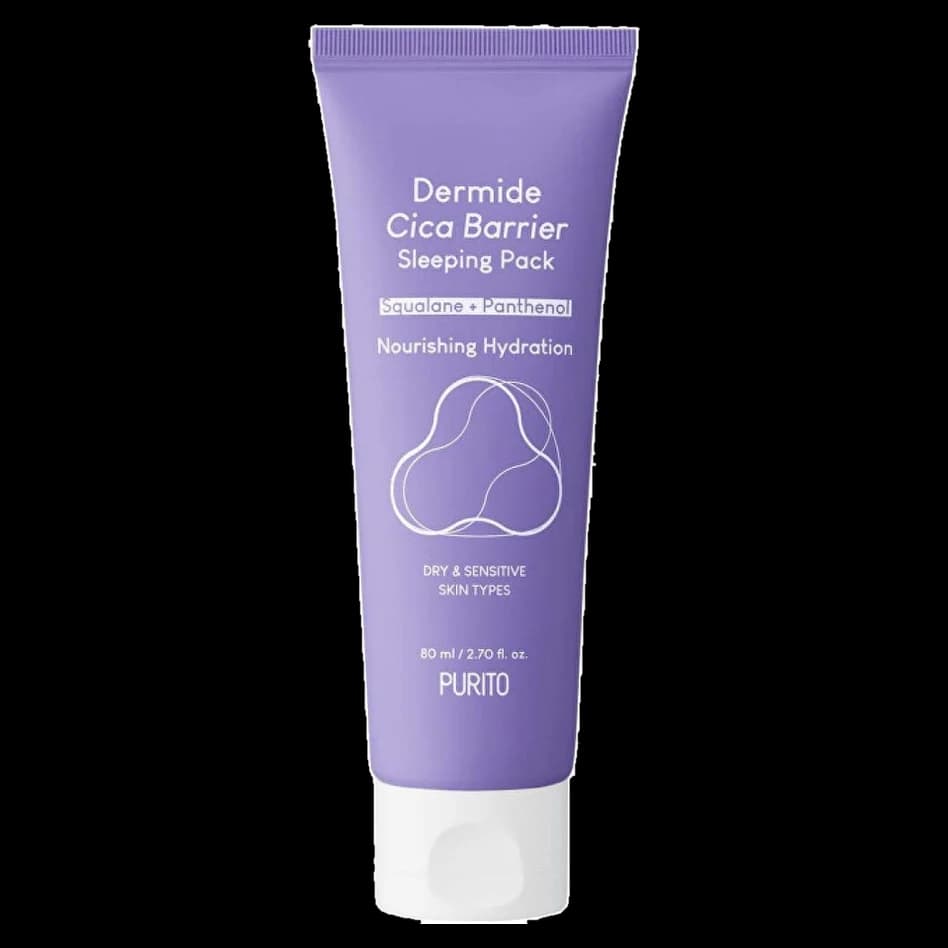
PURITO
Dermide Cica Barrier Sleeping Pack
6th of 15 on the label
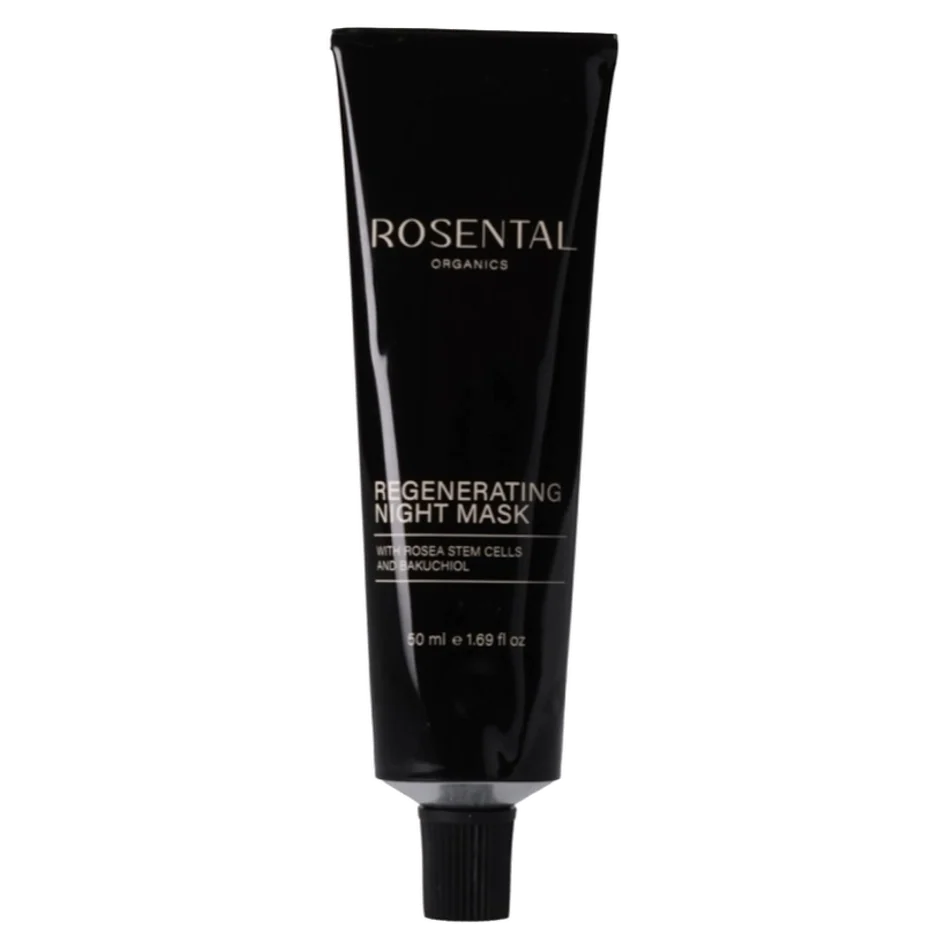
Rosental Organics
Regenerating Night Mask
16th of 44 on the label
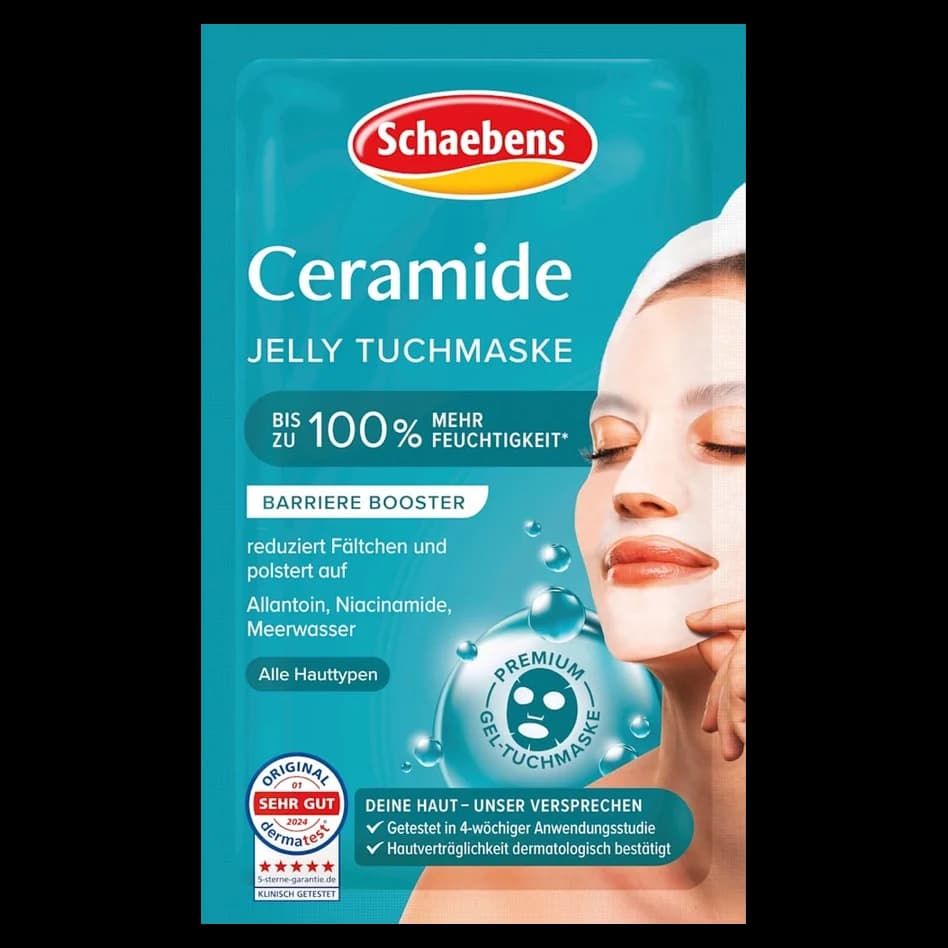
Schaebens
Tuchmaske Jelly Ceramide
5th of 29 on the label
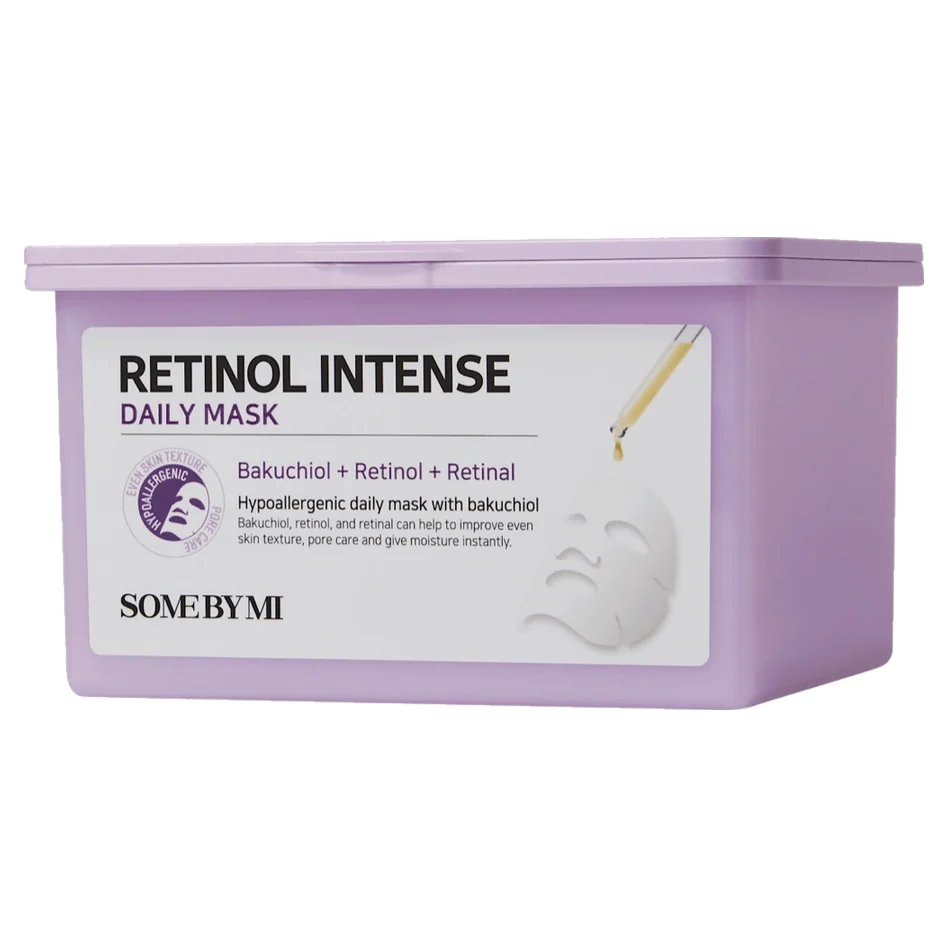
SOME BY MI
Daily Retinol Intense Mask
53rd of 62 on the label
below ≈1%